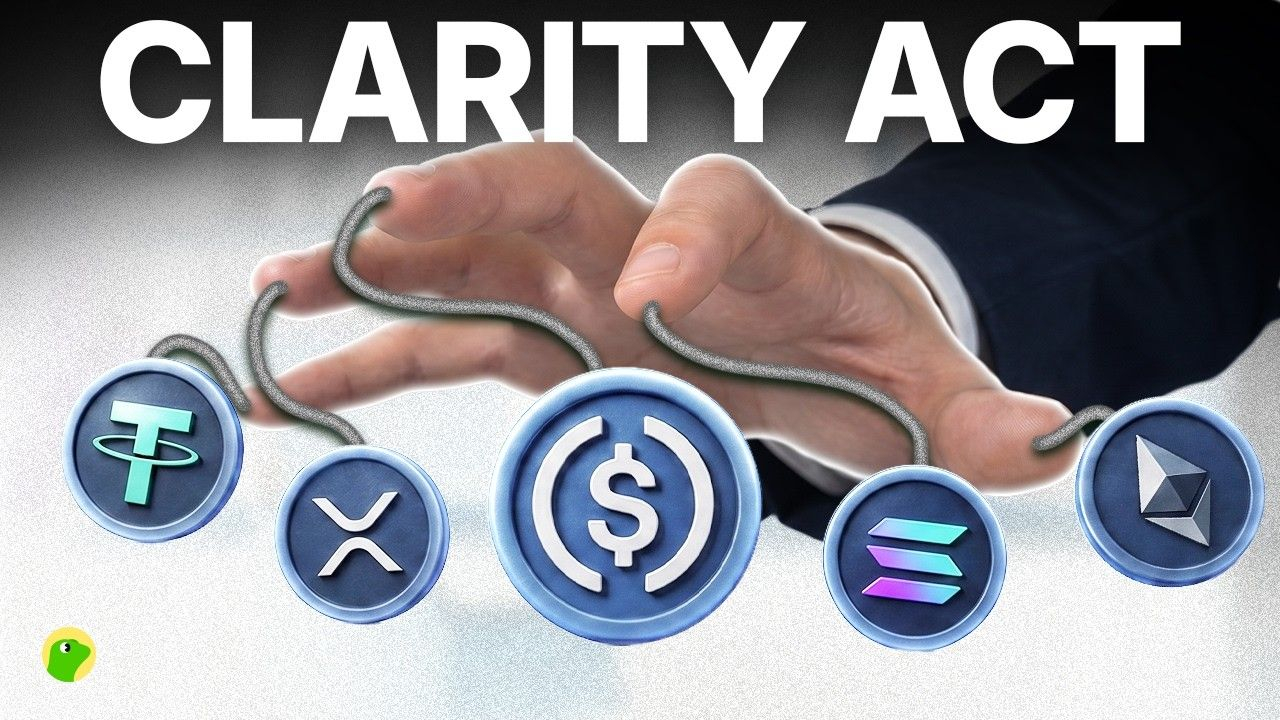
#clarityacttorewardwhitehathackers
مكافأة ذكية ثنائية التوجه — لكن مصير مشروع القانون يتوقف على معارك أكبر بكثير.
ما الذي حدث: يتضمن مسودرة مجلس الشيوخ الأحدث لقانون CLARITY (الصادر في 22 يوليو/تموز) بندًا يجيز مكافآت لمخترقي «قبعة بيضاء» الذين يفصحون بشكل مسؤول عن ثغرات أمنية في البنية التحتية لأصول رقمية. تتضمن الصياغة مساهمات من الرئيس السابق للجنة تداول السلع الآجلة (CFTC) ج. كريستوفر جيانكارلو، وهو من المدافعين منذ فترة طويلة عن ابتكار الأصول الرقمية.
لماذا هذا مهم كإشارة:
💥 الأمن يصبح سمة تشريعية — إن تقنين برامج «مكافآت اكتشاف الثغرات» على المستوى الفيدرالي يعني أن أمان البنية التحتية للعملات المشفرة أولوية، وليس أمرًا ثانويًا. كما يوفر غطاءً قانونيًا للمخترقين الأخلاقيين لفحص الأنظمة دون خوف من الملاحقة القضائية
💥 ترابط ثنائي التوجه — هذا البند هو «محلى» كلاسيكي — منخفض التكلفة وعالي الجاذبية. من الصعب على أي سيناتور أن يصوت ضد مكافأة من يجعلون النظام أكثر أمانًا. لكن ذلك لا يكفي لكسر نقاط التعثر الحقيقية
💥 دَعمُ فيديليتي — في 25 يوليو/تموز، دعت فيديليتي علنًا إلى تمرير مشروع القانون في مجلس الشيوخ، لتنضم إلى جمعية البلوك تشين، ومجلس الكريبتو، وغرفة التجارة الرقمية ضمن حملة صناعية منسقة
الحساب الحقيقي:
💥 يقبع مشروع القانون في تقويم مجلس الشيوخ رقم 423 — 54 يومًا وما زالت مستمرة. تبدأ عطلة مجلس الشيوخ حوالي 7 أغسطس/آب
💥 احتمالات سوق التنبؤ: ~37-38% لتمريره في 2026، انخفاضًا من 51% في يونيو/حزيران.
أليكس ثورن (Galaxy Research) خفض تقديره من 50% إلى 30%
💥 يحتاج 60 صوتًا — يحتفظ الجمهوريون بـ 53 مقعدًا. يوجد فقط ~2 من الديمقراطيين على متن الخطة بشكل علني. ما زالت هناك 3 نزاعات جوهرية: إنفاذ الأخلاقيات (وزارة العدل مقابل النائب العام في الولايات)، وحمايات مطوري المادة 604، والمنافسة على عوائد العملات المستقرة مع البنوك
💥 قراءة ثون: التصويت غير مرجح قبل العطلة، لكنه يأمل في بدء مناقشات على أرضية المجلس
الخلاصة: بند مكافأة القبعة البيضاء مُصمم جيدًا كـ «تحلية» سياسية تعزز سردية مشروع القانون المتعلقة بالأمن. لكنه ليس عنق الزجاجة — بل هو تعثر إنفاذ الأخلاقيات.
إخلاء المسؤولية: ليس نصيحة مالية.
مكافأة ذكية ثنائية التوجه — لكن مصير مشروع القانون يتوقف على معارك أكبر بكثير.
ما الذي حدث: يتضمن مسودرة مجلس الشيوخ الأحدث لقانون CLARITY (الصادر في 22 يوليو/تموز) بندًا يجيز مكافآت لمخترقي «قبعة بيضاء» الذين يفصحون بشكل مسؤول عن ثغرات أمنية في البنية التحتية لأصول رقمية. تتضمن الصياغة مساهمات من الرئيس السابق للجنة تداول السلع الآجلة (CFTC) ج. كريستوفر جيانكارلو، وهو من المدافعين منذ فترة طويلة عن ابتكار الأصول الرقمية.
لماذا هذا مهم كإشارة:
💥 الأمن يصبح سمة تشريعية — إن تقنين برامج «مكافآت اكتشاف الثغرات» على المستوى الفيدرالي يعني أن أمان البنية التحتية للعملات المشفرة أولوية، وليس أمرًا ثانويًا. كما يوفر غطاءً قانونيًا للمخترقين الأخلاقيين لفحص الأنظمة دون خوف من الملاحقة القضائية
💥 ترابط ثنائي التوجه — هذا البند هو «محلى» كلاسيكي — منخفض التكلفة وعالي الجاذبية. من الصعب على أي سيناتور أن يصوت ضد مكافأة من يجعلون النظام أكثر أمانًا. لكن ذلك لا يكفي لكسر نقاط التعثر الحقيقية
💥 دَعمُ فيديليتي — في 25 يوليو/تموز، دعت فيديليتي علنًا إلى تمرير مشروع القانون في مجلس الشيوخ، لتنضم إلى جمعية البلوك تشين، ومجلس الكريبتو، وغرفة التجارة الرقمية ضمن حملة صناعية منسقة
الحساب الحقيقي:
💥 يقبع مشروع القانون في تقويم مجلس الشيوخ رقم 423 — 54 يومًا وما زالت مستمرة. تبدأ عطلة مجلس الشيوخ حوالي 7 أغسطس/آب
💥 احتمالات سوق التنبؤ: ~37-38% لتمريره في 2026، انخفاضًا من 51% في يونيو/حزيران.
أليكس ثورن (Galaxy Research) خفض تقديره من 50% إلى 30%
💥 يحتاج 60 صوتًا — يحتفظ الجمهوريون بـ 53 مقعدًا. يوجد فقط ~2 من الديمقراطيين على متن الخطة بشكل علني. ما زالت هناك 3 نزاعات جوهرية: إنفاذ الأخلاقيات (وزارة العدل مقابل النائب العام في الولايات)، وحمايات مطوري المادة 604، والمنافسة على عوائد العملات المستقرة مع البنوك
💥 قراءة ثون: التصويت غير مرجح قبل العطلة، لكنه يأمل في بدء مناقشات على أرضية المجلس
الخلاصة: بند مكافأة القبعة البيضاء مُصمم جيدًا كـ «تحلية» سياسية تعزز سردية مشروع القانون المتعلقة بالأمن. لكنه ليس عنق الزجاجة — بل هو تعثر إنفاذ الأخلاقيات.
إخلاء المسؤولية: ليس نصيحة مالية.