
Musk and DOGE Support Audit of U.S. Funds Sent to Ukraine
Elon Musk and the Department of Government Efficiency (DOGE) have agreed to conduct an audit of U.S. financial aid allocated to Ukraine. Their decision came in response to a call from political commentator Charlie Kirk on the social platform X, to which Musk simply replied, “OK.”
This move follows allegations of potential money laundering and mismanagement of financial aid. On February 18, former President Donald Trump stated on Truth Social that the U.S. had spent $350 billion on Ukraine without receiving anything in return. He also pointed out that, according to Ukrainian President Volodymyr Zelensky, “half of that money is missing.”
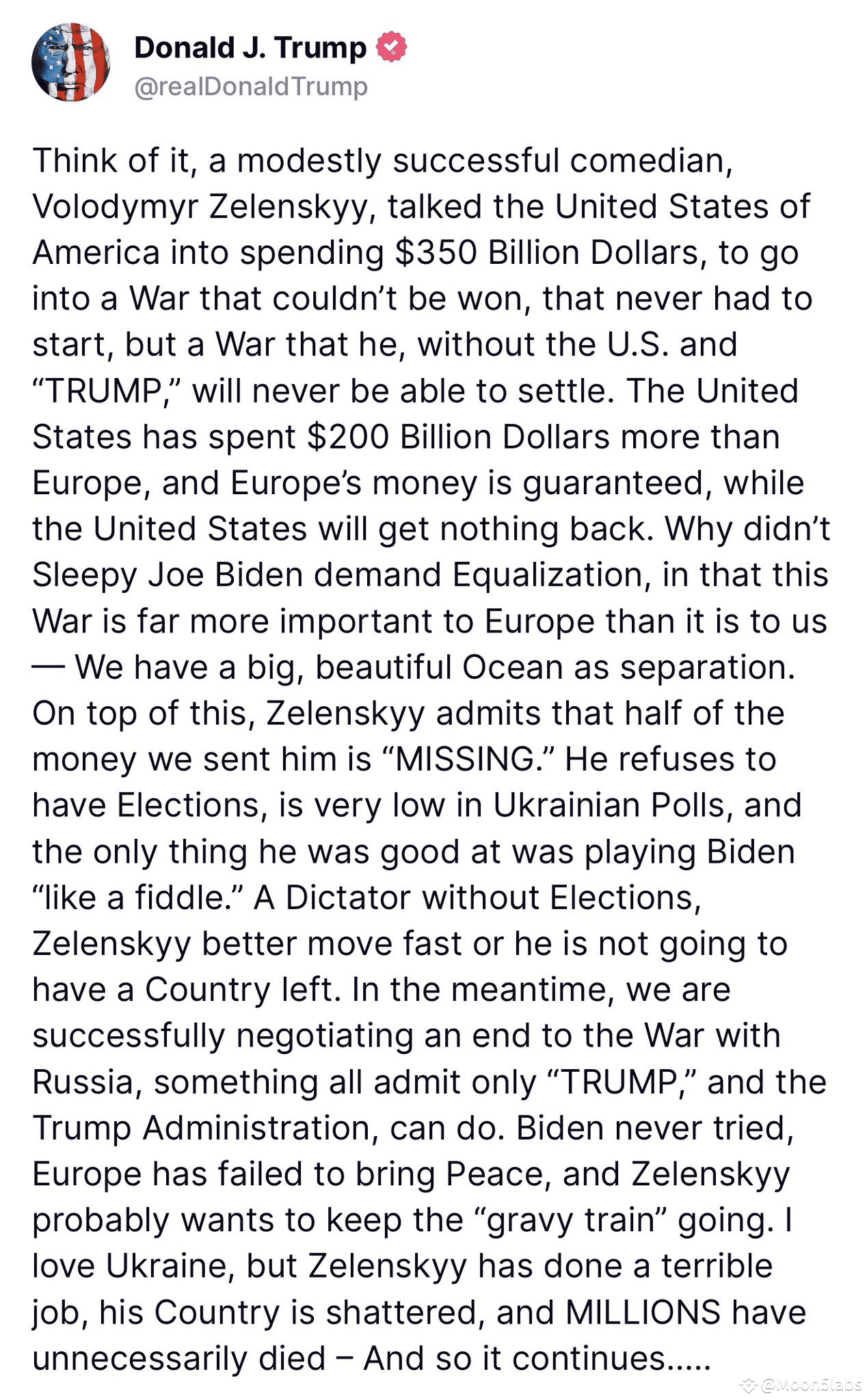
Zelensky Admits Ukraine Has Not Received the Full U.S. Aid Package
In an interview with the Associated Press in early February, President Volodymyr Zelensky admitted that Ukraine had received only part of the more than $175 billion in U.S. aid. He explained that a significant portion of the funds was not sent as direct financial transfers but was instead allocated for weapons, soldier training, and humanitarian support.
📌 “Out of the $177 to $200 billion, we have received only about $70 billion in the form of weapons,” Zelensky stated. He added that other funds were used for logistics, training, and humanitarian programs.
This statement fueled speculation among Republican supporters in the U.S., who argue that a portion of the aid may have been misappropriated. Claims that Zelensky “admitted to money laundering” began spreading across social media.
Elon Musk also shared an anonymous post on X questioning whether 58% of the funds sent by U.S. taxpayers ever actually reached Ukraine.
Calls for an Audit of Ukraine Aid Intensify
Since the beginning of Russia’s invasion in 2022, the U.S. Congress has approved five separate aid packages totaling nearly $175 billion. However, according to an analysis by the Council on Foreign Relations, only a portion of this amount was directly allocated to the Ukrainian government—approximately $100 billion was sent to Ukraine, while the rest funded U.S. military operations, support for allies, and other related expenses.
This lack of transparency has triggered strong reactions in political circles. Republican Senator Josh Hawley announced his intention to push for legislation requiring a full audit of every dollar sent to Ukraine.
📢 “It’s time for a special inspector to review EVERY PENNY spent on Ukraine,” Hawley wrote on X. He later stated that he would advocate for the creation of an independent oversight body dedicated to monitoring U.S. aid expenditures in Ukraine.
In an interview with Fox News, Hawley accused the Biden administration of obstructing an audit:
🗣 “Congress has never voted for an audit of this money, and the White House has never conducted one. We need a full accounting of every single dollar.”
He also suggested that a detailed review could expose widespread financial irregularities.
⏳ “If you think the U.S. Agency for International Development (USAID) is corrupt, just wait until we see how our money was actually spent.”
Conclusion
The growing pressure for an audit of U.S. funds sent to Ukraine highlights increasing concerns over the transparency of these expenditures. The involvement of Elon Musk and DOGE in the audit suggests that this issue will remain under close scrutiny in both political and financial circles in the coming months. The question remains—will the audit provide real answers about the use of hundreds of billions of U.S. taxpayer dollars?
#ElonMusk , #DOGE , #CryptoNewss ,#worldnews , #DonaldTrump
Stay one step ahead – follow our profile and stay informed about everything important in the world of cryptocurrencies!
Notice:
,,The information and views presented in this article are intended solely for educational purposes and should not be taken as investment advice in any situation. The content of these pages should not be regarded as financial, investment, or any other form of advice. We caution that investing in cryptocurrencies can be risky and may lead to financial losses.“