

#robotic
robotic
2,949 مشاهدات
37 يقومون بالنقاش
رائج
جديد
·
--
هابط
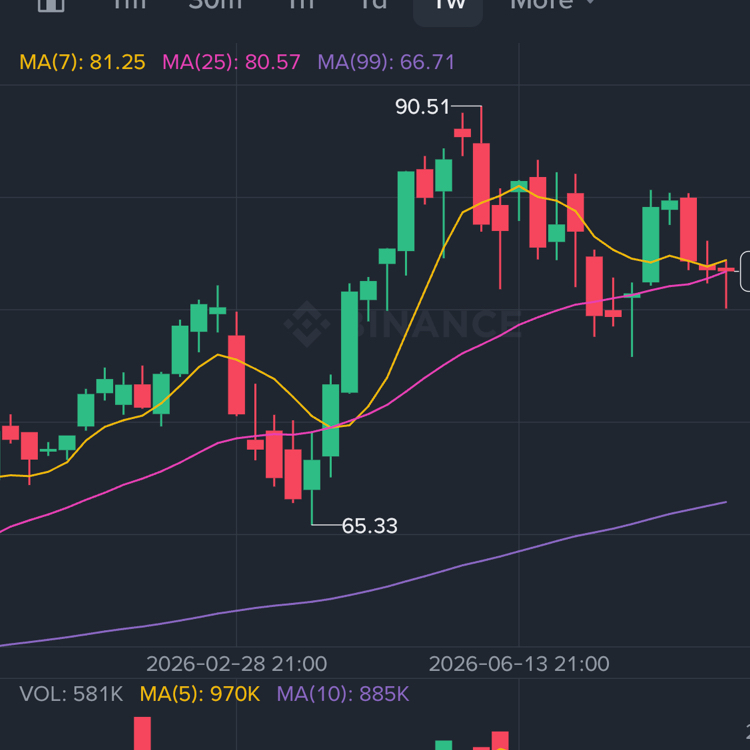
أراقب $ROBO (ROBO Global Robotics & Automation Index ETF). إنه يتداول حول 80.54 دولار، مرتفعًا بنسبة +1.13% اليوم مع دفعة طفيفة في التداول بعد ساعات السوق.
يبدو أنه سجل قمة عند 90.51 دولار قبل بضعة أشهر، ثم تراجع إلى قرب 78 دولارًا، وهو الآن يتماسك تقريبًا حول المتوسطات المتحركة.
بالتأكيد هذا مخطط يستحق المتابعة للحركة المحتملة التالية في التكنولوجيا والأتمتة.
#ROBO #Robotic #Investing #StockMarket
{future}(ROBOUSDT)
أراقب $ROBO (ROBO Global Robotics & Automation Index ETF). إنه يتداول حول 80.54 دولار، مرتفعًا بنسبة +1.13% اليوم مع دفعة طفيفة في التداول بعد ساعات السوق.
يبدو أنه سجل قمة عند 90.51 دولار قبل بضعة أشهر، ثم تراجع إلى قرب 78 دولارًا، وهو الآن يتماسك تقريبًا حول المتوسطات المتحركة.
بالتأكيد هذا مخطط يستحق المتابعة للحركة المحتملة التالية في التكنولوجيا والأتمتة.
#ROBO #Robotic #Investing #StockMarket
يبدو أنه سجل قمة عند 90.51 دولار قبل بضعة أشهر، ثم تراجع إلى قرب 78 دولارًا، وهو الآن يتماسك تقريبًا حول المتوسطات المتحركة.
بالتأكيد هذا مخطط يستحق المتابعة للحركة المحتملة التالية في التكنولوجيا والأتمتة.
#ROBO #Robotic #Investing #StockMarket
250

·
--
صاعد
1
58

·
--
مقالة
مؤسسة فابريك و $ROBO: بناء نظام التشغيل للاقتصاد الروبوتيتتواجد نظرة العملات المشفرة في عام 2026 على تقارب مذهل بين الذكاء الاصطناعي، والروبوتات، واللامركزية. في قلب هذه التطورات توجد مؤسسة فابريك، وهو مشروع يسعى للذهاب أبعد من الوعود التكنولوجية البسيطة لبناء بنية تحتية اقتصادية حقيقية للآلات المستقلة.
ما هي مؤسسة فابريك؟
لا يجب أن ننظر إلى @FabricFND على أنها منصة رموز بسيطة. رؤيتها هي أن تعمل كـ "أندرويد للروبوتات"، موفرةً الطبقة اللازمة من الذكاء والمدفوعات لتمكين الأنظمة المستقلة من العمل بشكل مستقل. بدلاً من الروبوتات المعزولة، تقترح المؤسسة شبكة يمكن لهذه الآلات من خلالها التنسيق، وإجراء المعاملات، وتوليد قيمة اقتصادية دون تدخل بشري مستمر.
مؤسسة فابريك و $ROBO: بناء نظام التشغيل للاقتصاد الروبوتي
تتواجد نظرة العملات المشفرة في عام 2026 على تقارب مذهل بين الذكاء الاصطناعي، والروبوتات، واللامركزية. في قلب هذه التطورات توجد مؤسسة فابريك، وهو مشروع يسعى للذهاب أبعد من الوعود التكنولوجية البسيطة لبناء بنية تحتية اقتصادية حقيقية للآلات المستقلة.
ما هي مؤسسة فابريك؟
لا يجب أن ننظر إلى @Fabric Foundation على أنها منصة رموز بسيطة. رؤيتها هي أن تعمل كـ "أندرويد للروبوتات"، موفرةً الطبقة اللازمة من الذكاء والمدفوعات لتمكين الأنظمة المستقلة من العمل بشكل مستقل. بدلاً من الروبوتات المعزولة، تقترح المؤسسة شبكة يمكن لهذه الآلات من خلالها التنسيق، وإجراء المعاملات، وتوليد قيمة اقتصادية دون تدخل بشري مستمر.
ما هي مؤسسة فابريك؟
لا يجب أن ننظر إلى @Fabric Foundation على أنها منصة رموز بسيطة. رؤيتها هي أن تعمل كـ "أندرويد للروبوتات"، موفرةً الطبقة اللازمة من الذكاء والمدفوعات لتمكين الأنظمة المستقلة من العمل بشكل مستقل. بدلاً من الروبوتات المعزولة، تقترح المؤسسة شبكة يمكن لهذه الآلات من خلالها التنسيق، وإجراء المعاملات، وتوليد قيمة اقتصادية دون تدخل بشري مستمر.
5
44

·
--
صاعد
🚨 $UNITREE روبوتات تدهش في الظهور الأول في شنغهاي! 🤖📈
$UNITREE للروبوتات، المعروفة رسميًا باسم شركة يوشو للتكنولوجيا، قفزت بنسبة 629% عند افتتاح ظهورها المتداول في شنغهاي بعد جمع 6.1 مليار يوان (904 مليون دولار).
🔹 سعر الطرح: 150.8 يوان 🔹 سعر الافتتاح: 1,100 يوان🔹 القيمة السوقية الضمنية: 445 مليار يوان 🔹 إيرادات 2025: 1.7 مليار يوان، بزيادة عن 393 مليون يوان 🔹 شحن الروبوتات الثنائية (الهيومات) في 2025: 5,500+🔹 هامش إجمالي: 60%+
يعزز الإدراج مكانة يونترِيِي ليكون أول مُصنّع روبوتات ثنائية (هيومات) يتم طرحه للتداول علنًا في البر الرئيسي للصين، ما يبرز تزايد اهتمام المستثمرين بالروبوتات الجسدية $AI والروبوتات.
📊 تتوقع جيه بي مورغان أن تصل شحنات الروبوتات الثنائية عالميًا إلى 1.75 مليون وحدة بحلول 2030، مقارنةً بـ18,000 فقط في 2025.
⚠️ ومع ذلك، يحذر محللون من أن الاندفاع الهائل في أول يوم قد يكون مدفوعًا بشكل كبير بطلب التجزئة، في ظل أن التقييمات مُعتبرة بالفعل مرتفعة للغاية.
🤖 سباق الروبوتات الثنائية في الصين يتسارع.
#AI #UnitreeRobotics #HumanoidRobot
#Robotic #Binance
🚨 $UNITREE روبوتات تدهش في الظهور الأول في شنغهاي! 🤖📈
$UNITREE للروبوتات، المعروفة رسميًا باسم شركة يوشو للتكنولوجيا، قفزت بنسبة 629% عند افتتاح ظهورها المتداول في شنغهاي بعد جمع 6.1 مليار يوان (904 مليون دولار).
🔹 سعر الطرح: 150.8 يوان 🔹 سعر الافتتاح: 1,100 يوان🔹 القيمة السوقية الضمنية: 445 مليار يوان 🔹 إيرادات 2025: 1.7 مليار يوان، بزيادة عن 393 مليون يوان 🔹 شحن الروبوتات الثنائية (الهيومات) في 2025: 5,500+🔹 هامش إجمالي: 60%+
يعزز الإدراج مكانة يونترِيِي ليكون أول مُصنّع روبوتات ثنائية (هيومات) يتم طرحه للتداول علنًا في البر الرئيسي للصين، ما يبرز تزايد اهتمام المستثمرين بالروبوتات الجسدية $AI والروبوتات.
📊 تتوقع جيه بي مورغان أن تصل شحنات الروبوتات الثنائية عالميًا إلى 1.75 مليون وحدة بحلول 2030، مقارنةً بـ18,000 فقط في 2025.
⚠️ ومع ذلك، يحذر محللون من أن الاندفاع الهائل في أول يوم قد يكون مدفوعًا بشكل كبير بطلب التجزئة، في ظل أن التقييمات مُعتبرة بالفعل مرتفعة للغاية.
🤖 سباق الروبوتات الثنائية في الصين يتسارع.
#AI #UnitreeRobotics #HumanoidRobot
#Robotic #Binance
$UNITREE للروبوتات، المعروفة رسميًا باسم شركة يوشو للتكنولوجيا، قفزت بنسبة 629% عند افتتاح ظهورها المتداول في شنغهاي بعد جمع 6.1 مليار يوان (904 مليون دولار).
🔹 سعر الطرح: 150.8 يوان 🔹 سعر الافتتاح: 1,100 يوان🔹 القيمة السوقية الضمنية: 445 مليار يوان 🔹 إيرادات 2025: 1.7 مليار يوان، بزيادة عن 393 مليون يوان 🔹 شحن الروبوتات الثنائية (الهيومات) في 2025: 5,500+🔹 هامش إجمالي: 60%+
يعزز الإدراج مكانة يونترِيِي ليكون أول مُصنّع روبوتات ثنائية (هيومات) يتم طرحه للتداول علنًا في البر الرئيسي للصين، ما يبرز تزايد اهتمام المستثمرين بالروبوتات الجسدية $AI والروبوتات.
📊 تتوقع جيه بي مورغان أن تصل شحنات الروبوتات الثنائية عالميًا إلى 1.75 مليون وحدة بحلول 2030، مقارنةً بـ18,000 فقط في 2025.
⚠️ ومع ذلك، يحذر محللون من أن الاندفاع الهائل في أول يوم قد يكون مدفوعًا بشكل كبير بطلب التجزئة، في ظل أن التقييمات مُعتبرة بالفعل مرتفعة للغاية.
🤖 سباق الروبوتات الثنائية في الصين يتسارع.
#AI #UnitreeRobotics #HumanoidRobot
#Robotic #Binance
86

·
--
$ROBO الخيار 1: رؤيوي ومعلوماتي (أفضل للجمهور العام)
بينما تتجاوز أنظمة الذكاء الاصطناعي البرمجيات إلى العالم المادي، من الذي يحكم الآلات؟ 🤔🤖
ادخل مؤسسة فابريك (https://fabric.foundation)—منظمة غير ربحية مكرسة لتقدم الروبوتات المفتوحة وAGI. إنهم يبنون البنية التحتية العامة اللامركزية اللازمة للبشر والآلات الذكية للعمل معًا بأمان وإنتاجية.
المجالات الرئيسية:
🔹 توافق الإنسان والآلة
🔹 هوية الروبوت اللامركزية وتخصيص المهام
🔹 الروبوتات الذكية مفتوحة المصدر
لقد حان الوقت لبناء مستقبل آمن وقابل للملاحظة ومتاحة عالميًا للذكاء الاصطناعي. 🌍🦾
الخيار 2: مركز على التشفير/ويب3 (أفضل لمجتمع التشفير)
سيكون مستقبل الروبوتات المستقلة على السلسلة. ⛓️🤖
https://fabric.foundation تبني شبكة الدفع والهوية وتخصيص رأس المال التي ستسمح للروبوتات بالعمل كمشاركين اقتصاديين مستقلين.
مدعومًا من الرمز المميز ROBO الذي تم إطلاقه حديثًا، يضمن بروتوكول فابريك ألا تتحكم كيان واحد بمستقبل الآلات الذكية. من رسوم الشبكة إلى تنسيق الروبوتات المستند إلى الحشود، ROBO يدعم الاقتصاد الآلي اللامركزي.
هل أنت مستعد لامتلاك اقتصاد الروبوتات؟ 🚀🛠️ #ROBO
الخيار 3: قصير وقوي
صناعة الروبوتات في نقطة تحول. 📈🤖
تقوم مؤسسة فابريك (https://fabric.foundation) ببناء الحوكمة والبنية التحتية الاقتصادية مفتوحة المصدر لضمان أن تظل الذكاء الاصطناعي والآلات المستقلة آمنة ومتوافقة ومتاحة للجميع. مدعومًا بـ $ROBO، إنهم يقومون بلامركزية مستقبل AGI. 🌐✨
اغمر في مستقبل التعاون بين الإنسان والآلة! 👇 #FabricFoundation #ArtificialIntelligence #Robotic #تشفير
$ROBO الخيار 1: رؤيوي ومعلوماتي (أفضل للجمهور العام)
بينما تتجاوز أنظمة الذكاء الاصطناعي البرمجيات إلى العالم المادي، من الذي يحكم الآلات؟ 🤔🤖
ادخل مؤسسة فابريك (https://fabric.foundation)—منظمة غير ربحية مكرسة لتقدم الروبوتات المفتوحة وAGI. إنهم يبنون البنية التحتية العامة اللامركزية اللازمة للبشر والآلات الذكية للعمل معًا بأمان وإنتاجية.
المجالات الرئيسية:
🔹 توافق الإنسان والآلة
🔹 هوية الروبوت اللامركزية وتخصيص المهام
🔹 الروبوتات الذكية مفتوحة المصدر
لقد حان الوقت لبناء مستقبل آمن وقابل للملاحظة ومتاحة عالميًا للذكاء الاصطناعي. 🌍🦾
الخيار 2: مركز على التشفير/ويب3 (أفضل لمجتمع التشفير)
سيكون مستقبل الروبوتات المستقلة على السلسلة. ⛓️🤖
https://fabric.foundation تبني شبكة الدفع والهوية وتخصيص رأس المال التي ستسمح للروبوتات بالعمل كمشاركين اقتصاديين مستقلين.
مدعومًا من الرمز المميز ROBO الذي تم إطلاقه حديثًا، يضمن بروتوكول فابريك ألا تتحكم كيان واحد بمستقبل الآلات الذكية. من رسوم الشبكة إلى تنسيق الروبوتات المستند إلى الحشود، ROBO يدعم الاقتصاد الآلي اللامركزي.
هل أنت مستعد لامتلاك اقتصاد الروبوتات؟ 🚀🛠️ #ROBO
الخيار 3: قصير وقوي
صناعة الروبوتات في نقطة تحول. 📈🤖
تقوم مؤسسة فابريك (https://fabric.foundation) ببناء الحوكمة والبنية التحتية الاقتصادية مفتوحة المصدر لضمان أن تظل الذكاء الاصطناعي والآلات المستقلة آمنة ومتوافقة ومتاحة للجميع. مدعومًا بـ $ROBO ، إنهم يقومون بلامركزية مستقبل AGI. 🌐✨
اغمر في مستقبل التعاون بين الإنسان والآلة! 👇 #FabricFoundation #ArtificialIntelligence #Robotic #تشفير
بينما تتجاوز أنظمة الذكاء الاصطناعي البرمجيات إلى العالم المادي، من الذي يحكم الآلات؟ 🤔🤖
ادخل مؤسسة فابريك (https://fabric.foundation)—منظمة غير ربحية مكرسة لتقدم الروبوتات المفتوحة وAGI. إنهم يبنون البنية التحتية العامة اللامركزية اللازمة للبشر والآلات الذكية للعمل معًا بأمان وإنتاجية.
المجالات الرئيسية:
🔹 توافق الإنسان والآلة
🔹 هوية الروبوت اللامركزية وتخصيص المهام
🔹 الروبوتات الذكية مفتوحة المصدر
لقد حان الوقت لبناء مستقبل آمن وقابل للملاحظة ومتاحة عالميًا للذكاء الاصطناعي. 🌍🦾
الخيار 2: مركز على التشفير/ويب3 (أفضل لمجتمع التشفير)
سيكون مستقبل الروبوتات المستقلة على السلسلة. ⛓️🤖
https://fabric.foundation تبني شبكة الدفع والهوية وتخصيص رأس المال التي ستسمح للروبوتات بالعمل كمشاركين اقتصاديين مستقلين.
مدعومًا من الرمز المميز ROBO الذي تم إطلاقه حديثًا، يضمن بروتوكول فابريك ألا تتحكم كيان واحد بمستقبل الآلات الذكية. من رسوم الشبكة إلى تنسيق الروبوتات المستند إلى الحشود، ROBO يدعم الاقتصاد الآلي اللامركزي.
هل أنت مستعد لامتلاك اقتصاد الروبوتات؟ 🚀🛠️ #ROBO
الخيار 3: قصير وقوي
صناعة الروبوتات في نقطة تحول. 📈🤖
تقوم مؤسسة فابريك (https://fabric.foundation) ببناء الحوكمة والبنية التحتية الاقتصادية مفتوحة المصدر لضمان أن تظل الذكاء الاصطناعي والآلات المستقلة آمنة ومتوافقة ومتاحة للجميع. مدعومًا بـ $ROBO ، إنهم يقومون بلامركزية مستقبل AGI. 🌐✨
اغمر في مستقبل التعاون بين الإنسان والآلة! 👇 #FabricFoundation #ArtificialIntelligence #Robotic #تشفير
47

·
--
لا شك أن الاتجاه نحو الروبوتات سوف يتطور بقوة في المستقبل، وAxis Robotics سيكون المشروع الرائد في مجال العملات المشفرة.
انظروا، السيدة الأولى للولايات المتحدة تظهر مع الروبوت، مما يؤكد لنا أن الاتجاه نحو الروبوتات يتم استثماره بقوة وأن مشاريع الويب 3 للروبوتات مثل Axis ستتطور أكثر في المستقبل.
هذا ليس مجرد سرد عابر، بل هو دورة تكنولوجية طويلة الأمد، حيث تتحد الذكاء الاصطناعي والأجهزة والبلوكشين لخلق قيمة حقيقية وتدفقات نقدية مستدامة.
حالياً، تم فتح المهام الجديدة واستمرار المهام القديمة لتتمكنوا من التكيف على منصة Axis.
#Axis #Robotic
لا شك أن الاتجاه نحو الروبوتات سوف يتطور بقوة في المستقبل، وAxis Robotics سيكون المشروع الرائد في مجال العملات المشفرة.
انظروا، السيدة الأولى للولايات المتحدة تظهر مع الروبوت، مما يؤكد لنا أن الاتجاه نحو الروبوتات يتم استثماره بقوة وأن مشاريع الويب 3 للروبوتات مثل Axis ستتطور أكثر في المستقبل.
هذا ليس مجرد سرد عابر، بل هو دورة تكنولوجية طويلة الأمد، حيث تتحد الذكاء الاصطناعي والأجهزة والبلوكشين لخلق قيمة حقيقية وتدفقات نقدية مستدامة.
حالياً، تم فتح المهام الجديدة واستمرار المهام القديمة لتتمكنوا من التكيف على منصة Axis.
#Axis #Robotic
انظروا، السيدة الأولى للولايات المتحدة تظهر مع الروبوت، مما يؤكد لنا أن الاتجاه نحو الروبوتات يتم استثماره بقوة وأن مشاريع الويب 3 للروبوتات مثل Axis ستتطور أكثر في المستقبل.
هذا ليس مجرد سرد عابر، بل هو دورة تكنولوجية طويلة الأمد، حيث تتحد الذكاء الاصطناعي والأجهزة والبلوكشين لخلق قيمة حقيقية وتدفقات نقدية مستدامة.
حالياً، تم فتح المهام الجديدة واستمرار المهام القديمة لتتمكنوا من التكيف على منصة Axis.
#Axis #Robotic
2
6
4.1k
سجّل الدخول لاستكشاف المزيد من المُحتوى
انضم إلى مُستخدمي العملات الرقمية حول العالم على Binance Square
⚡️ احصل على أحدث المعلومات المفيدة عن العملات الرقمية.
💬 موثوقة من قبل أكبر منصّة لتداول العملات الرقمية في العالم.
👍 اكتشف الرؤى الحقيقية من صنّاع المُحتوى الموثوقين.
البريد الإلكتروني / رقم الهاتف
المواضيع الرائجة
1
#BitcoinOptionsVolatilityHitsFiveYearLow
0 مشاهدات
519 يقومون بالنقاش
2
#BitcoinReclaims$84K
0 مشاهدات
138 يقومون بالنقاش
3
#FSBWarnsCrossBorderStablecoinRulesRemainUnderdeveloped
0 مشاهدات
56 يقومون بالنقاش
4
#TokenizedStockMarketCapHitsRecord$3.9B
0 مشاهدات
45 يقومون بالنقاش
5
#EthereumSpotETFsSee$542MNetOutflowLastWeek
0 مشاهدات
51 يقومون بالنقاش
6
#SouthKoreaPushesTokenizedSecuritiesIntoBondsAndFunds
0 مشاهدات
44 يقومون بالنقاش
7
#SolanaETFsEnd14WeekInflowStreak
0 مشاهدات
430 يقومون بالنقاش
8
#SuiFoundationInvests$30MInDATANetwork
0 مشاهدات
48 يقومون بالنقاش
9
#ArgentinaCentralBankWillNotPushCryptoIntoBankingForTwoYears
6,617 مشاهدات
264 يقومون بالنقاش
10
#LedgerConfirmsUnauthorizedHardwareImplantInUserDevice
37,576 مشاهدات
333 يقومون بالنقاش