
#cryptoregulation
cryptoregulation
16.8M مشاهدات
47,055 يقومون بالنقاش
رائج
جديد

#bessentendorsesfinalclarityactdraft
وزير الخزانة سكوت بيسنت يؤيد رسميًا الآن مسودة مشروع قانون CLARITY النهائية قبل تصويت مجلس الشيوخ الحاسم اليوم. موقفه واضح: إن إقرار هذه التشريعات ضروري لكي تقود الولايات المتحدة مجال الأصول الرقمية عالميًا، والمسودة المحدثة تمنح وزارة الخزانة أخيرًا السلطة التي تحتاجها لإدارة مخاطر العملات المستقرة على المصارف المجتمعية.
يحتاج مجلس الشيوخ إلى 60 صوتًا لتمرير هذا الأمر اليوم، ونحن نشهد بالفعل تراجعًا/توحيدًا أوسع في السوق بينما تنتظر السيولة على الهامش. كما هو الحال دائمًا، ينصب تركيزي هنا على التحليل الكلي فقط. إن تحول تنظيمي بهذا الحجم هو ما يحدد في النهاية البنية طويلة الأجل للسوق والاتجاه الذي ستتجه إليه الأموال المؤسسية بعد ذلك. توقّع بعض التقلبات الحادة عبر مختلف القطاعات بمجرد دعوة التصويت النهائي.
متابعة من فضلكم
#CLARITYAct #CryptoRegulation #ScottBessent
$BTC
{future}(BTCUSDT)
#bessentendorsesfinalclarityactdraft
وزير الخزانة سكوت بيسنت يؤيد رسميًا الآن مسودة مشروع قانون CLARITY النهائية قبل تصويت مجلس الشيوخ الحاسم اليوم. موقفه واضح: إن إقرار هذه التشريعات ضروري لكي تقود الولايات المتحدة مجال الأصول الرقمية عالميًا، والمسودة المحدثة تمنح وزارة الخزانة أخيرًا السلطة التي تحتاجها لإدارة مخاطر العملات المستقرة على المصارف المجتمعية.
يحتاج مجلس الشيوخ إلى 60 صوتًا لتمرير هذا الأمر اليوم، ونحن نشهد بالفعل تراجعًا/توحيدًا أوسع في السوق بينما تنتظر السيولة على الهامش. كما هو الحال دائمًا، ينصب تركيزي هنا على التحليل الكلي فقط. إن تحول تنظيمي بهذا الحجم هو ما يحدد في النهاية البنية طويلة الأجل للسوق والاتجاه الذي ستتجه إليه الأموال المؤسسية بعد ذلك. توقّع بعض التقلبات الحادة عبر مختلف القطاعات بمجرد دعوة التصويت النهائي.
متابعة من فضلكم
#CLARITYAct #CryptoRegulation #ScottBessent
$BTC
وزير الخزانة سكوت بيسنت يؤيد رسميًا الآن مسودة مشروع قانون CLARITY النهائية قبل تصويت مجلس الشيوخ الحاسم اليوم. موقفه واضح: إن إقرار هذه التشريعات ضروري لكي تقود الولايات المتحدة مجال الأصول الرقمية عالميًا، والمسودة المحدثة تمنح وزارة الخزانة أخيرًا السلطة التي تحتاجها لإدارة مخاطر العملات المستقرة على المصارف المجتمعية.
يحتاج مجلس الشيوخ إلى 60 صوتًا لتمرير هذا الأمر اليوم، ونحن نشهد بالفعل تراجعًا/توحيدًا أوسع في السوق بينما تنتظر السيولة على الهامش. كما هو الحال دائمًا، ينصب تركيزي هنا على التحليل الكلي فقط. إن تحول تنظيمي بهذا الحجم هو ما يحدد في النهاية البنية طويلة الأجل للسوق والاتجاه الذي ستتجه إليه الأموال المؤسسية بعد ذلك. توقّع بعض التقلبات الحادة عبر مختلف القطاعات بمجرد دعوة التصويت النهائي.
متابعة من فضلكم
#CLARITYAct #CryptoRegulation #ScottBessent
$BTC

ABO3ZAM:
التحولات التنظيمية تفرض إعادة تموضع للسيولة، والسوق حاليا في مرحلة اختبار لمناطق الرفض السعري. أنصح بالتروي وعدم الانجراف خلف الزخم اللحظي، مع ضرورة تأمين الأرباح عند أي ارتداد، فالمحترف يبني مركزه بهدوء بانتظار تأكيد استقرار الاتجاه بعد التصويت.
9
1
278
#brazilcentralbankraisesvaspcapitalrequirements
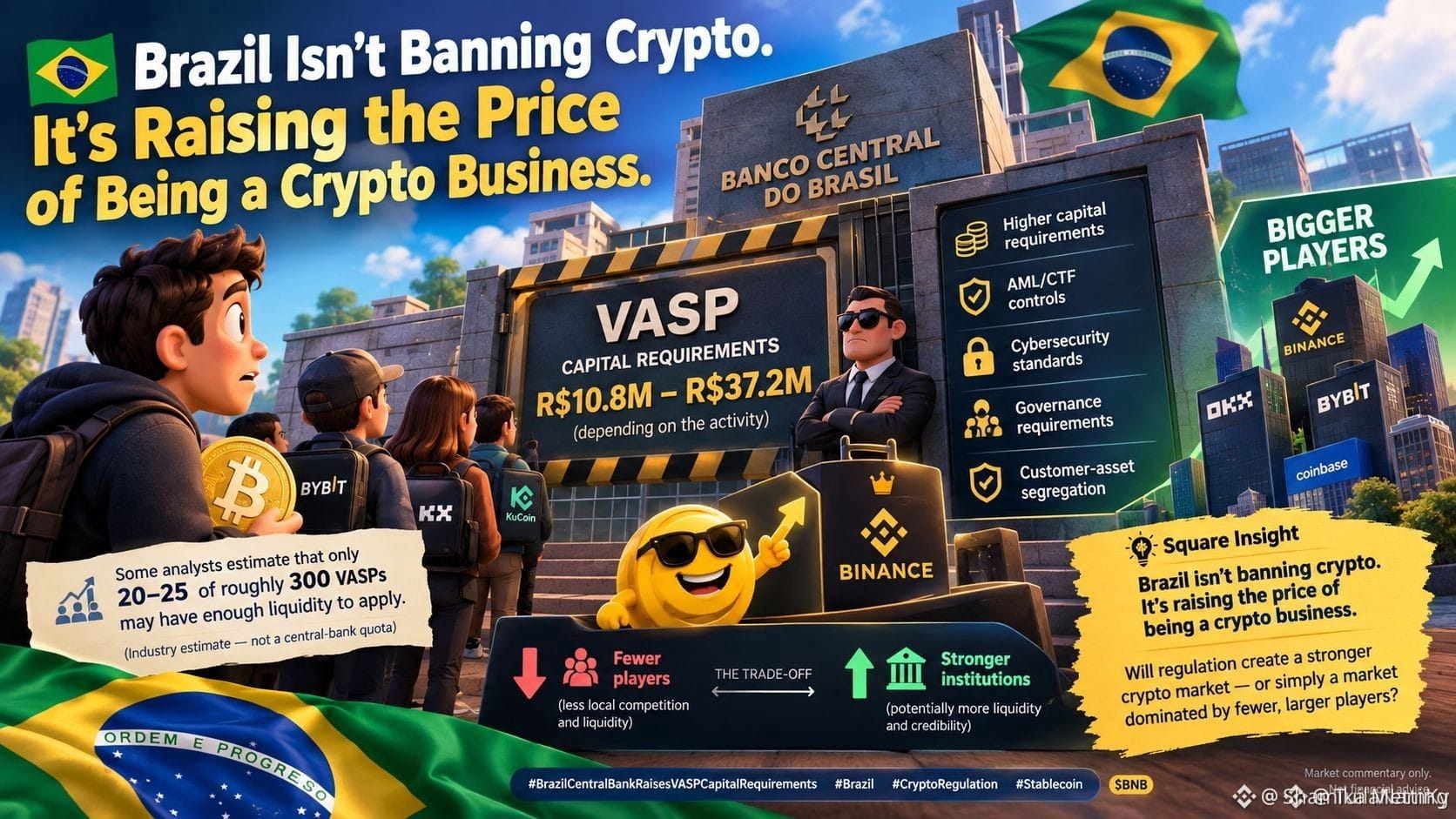
🇧🇷 البرازيل لا تحظر العملات المشفرة. بل ترفع تكلفة أن تكون شركة تعمل بها.
رسم بنك البرازيل المركزي خط امتثال أعلى بكثير لشركات العملات المشفرة.
وبموجب إطار عمل VASP الجديد، تواجه الشركات متطلبات رأسمال دنيا تبلغ تقريبًا R$10.8M–R$37.2M، اعتمادًا على ما تفعله.
وهذا يغير قواعد اللعبة.
على منصات التداول الصغيرة وشركات العملات المشفرة الآن أن تتحمل:
→ متطلبات رأسمال أعلى
→ ضوابط مكافحة غسل الأموال/مكافحة تمويل الإرهاب
→ معايير الأمن السيبراني
→ متطلبات الحوكمة
→ فصل أصول العملاء
وهنا الجزء المثير للاهتمام. 👀
يقدّر بعض المحللين أن 20–25 فقط من نحو 300 VASP قد تكون لديها سيولة كافية للتقديم.
لكن هذا تقدير من القطاع — وليس حصة مُحددة من البنك المركزي.
🧩 التحوّل الأكبر
التنظيم لا يعني بالضرورة قتل العملات المشفرة.
قد يؤدي إلى توحيدها.
إذا انسحب اللاعبون الأصغر أو اندمجوا، فقد تكسب المنصات الأكبر حصة سوقية وسيولة وصدقية مؤسسية.
وهنا تصبح الصلة غير المباشرة بـ $BNB أكثر إثارة للاهتمام.
$BNB
{future}(BNBUSDT)
#Brazil #CryptoRegulation #Stablecoin
تعليقات على السوق فقط. ليست نصيحة مالية.
متابعة من فضلكم
#brazilcentralbankraisesvaspcapitalrequirements
🇧🇷 البرازيل لا تحظر العملات المشفرة. بل ترفع تكلفة أن تكون شركة تعمل بها.
رسم بنك البرازيل المركزي خط امتثال أعلى بكثير لشركات العملات المشفرة.
وبموجب إطار عمل VASP الجديد، تواجه الشركات متطلبات رأسمال دنيا تبلغ تقريبًا R$10.8M–R$37.2M، اعتمادًا على ما تفعله.
وهذا يغير قواعد اللعبة.
على منصات التداول الصغيرة وشركات العملات المشفرة الآن أن تتحمل:
→ متطلبات رأسمال أعلى
→ ضوابط مكافحة غسل الأموال/مكافحة تمويل الإرهاب
→ معايير الأمن السيبراني
→ متطلبات الحوكمة
→ فصل أصول العملاء
وهنا الجزء المثير للاهتمام. 👀
يقدّر بعض المحللين أن 20–25 فقط من نحو 300 VASP قد تكون لديها سيولة كافية للتقديم.
لكن هذا تقدير من القطاع — وليس حصة مُحددة من البنك المركزي.
🧩 التحوّل الأكبر
التنظيم لا يعني بالضرورة قتل العملات المشفرة.
قد يؤدي إلى توحيدها.
إذا انسحب اللاعبون الأصغر أو اندمجوا، فقد تكسب المنصات الأكبر حصة سوقية وسيولة وصدقية مؤسسية.
وهنا تصبح الصلة غير المباشرة بـ $BNB أكثر إثارة للاهتمام.
$BNB
#Brazil #CryptoRegulation #Stablecoin
تعليقات على السوق فقط. ليست نصيحة مالية.
متابعة من فضلكم
🇧🇷 البرازيل لا تحظر العملات المشفرة. بل ترفع تكلفة أن تكون شركة تعمل بها.
رسم بنك البرازيل المركزي خط امتثال أعلى بكثير لشركات العملات المشفرة.
وبموجب إطار عمل VASP الجديد، تواجه الشركات متطلبات رأسمال دنيا تبلغ تقريبًا R$10.8M–R$37.2M، اعتمادًا على ما تفعله.
وهذا يغير قواعد اللعبة.
على منصات التداول الصغيرة وشركات العملات المشفرة الآن أن تتحمل:
→ متطلبات رأسمال أعلى
→ ضوابط مكافحة غسل الأموال/مكافحة تمويل الإرهاب
→ معايير الأمن السيبراني
→ متطلبات الحوكمة
→ فصل أصول العملاء
وهنا الجزء المثير للاهتمام. 👀
يقدّر بعض المحللين أن 20–25 فقط من نحو 300 VASP قد تكون لديها سيولة كافية للتقديم.
لكن هذا تقدير من القطاع — وليس حصة مُحددة من البنك المركزي.
🧩 التحوّل الأكبر
التنظيم لا يعني بالضرورة قتل العملات المشفرة.
قد يؤدي إلى توحيدها.
إذا انسحب اللاعبون الأصغر أو اندمجوا، فقد تكسب المنصات الأكبر حصة سوقية وسيولة وصدقية مؤسسية.
وهنا تصبح الصلة غير المباشرة بـ $BNB أكثر إثارة للاهتمام.
$BNB
#Brazil #CryptoRegulation #Stablecoin
تعليقات على السوق فقط. ليست نصيحة مالية.
متابعة من فضلكم
206 Atlas:
Higher compliance costs favor established players, potentially consolidating liquidity but squeezing smaller VASPs. This structural shift impacts exchange viability more than di...
1
3
919

#clarityactoddshalveonpolymarket
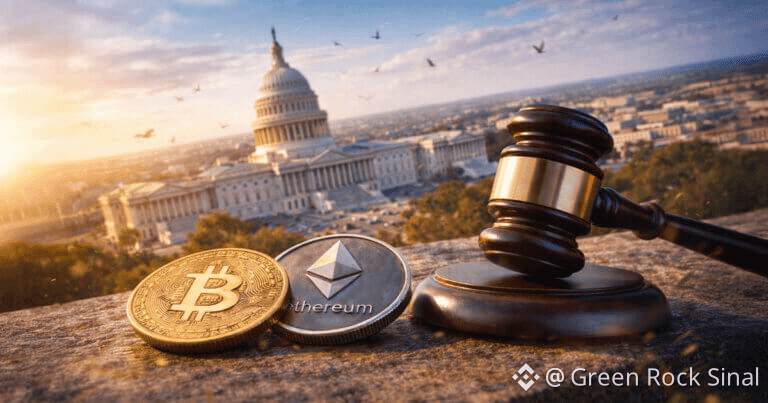
قانون الوضوح: انخفضت الاحتمالية من 34% إلى 17% على Polymarket.
انخفاض بـ17 نقطة خلال ليلة واحدة.
السبب: اختلاف حول بنود الأخلاقيات وطرح ديمقراطي مضاد.
التصويت الإجرائي في 15 سبتمبر يحتاج إلى 60 صوتًا.
بالنسبة إلى الكريبتو: استمرار حالة عدم اليقين بشأن الإطلاقات والامتثال والتوسع في الولايات المتحدة.
راقب الالتزامات المُتحقَّق منها والتغييرات في النص.
بالنسبة إلى BTC: الرسوم والسيولة مهمتان إلى جانب واشنطن.
ما الذي قد يجعلك تؤمن بوجود اتفاق؟
#CLARITYAct #CryptoRegulation #Polymarket
$AKE $AIN $POWER
{future}(AKEUSDT)
{future}(AINUSDT)
{future}(POWERUSDT)
#clarityactoddshalveonpolymarket
قانون الوضوح: انخفضت الاحتمالية من 34% إلى 17% على Polymarket.
انخفاض بـ17 نقطة خلال ليلة واحدة.
السبب: اختلاف حول بنود الأخلاقيات وطرح ديمقراطي مضاد.
التصويت الإجرائي في 15 سبتمبر يحتاج إلى 60 صوتًا.
بالنسبة إلى الكريبتو: استمرار حالة عدم اليقين بشأن الإطلاقات والامتثال والتوسع في الولايات المتحدة.
راقب الالتزامات المُتحقَّق منها والتغييرات في النص.
بالنسبة إلى BTC: الرسوم والسيولة مهمتان إلى جانب واشنطن.
ما الذي قد يجعلك تؤمن بوجود اتفاق؟
#CLARITYAct #CryptoRegulation #Polymarket
$AKE $AIN $POWER
قانون الوضوح: انخفضت الاحتمالية من 34% إلى 17% على Polymarket.
انخفاض بـ17 نقطة خلال ليلة واحدة.
السبب: اختلاف حول بنود الأخلاقيات وطرح ديمقراطي مضاد.
التصويت الإجرائي في 15 سبتمبر يحتاج إلى 60 صوتًا.
بالنسبة إلى الكريبتو: استمرار حالة عدم اليقين بشأن الإطلاقات والامتثال والتوسع في الولايات المتحدة.
راقب الالتزامات المُتحقَّق منها والتغييرات في النص.
بالنسبة إلى BTC: الرسوم والسيولة مهمتان إلى جانب واشنطن.
ما الذي قد يجعلك تؤمن بوجود اتفاق؟
#CLARITYAct #CryptoRegulation #Polymarket
$AKE $AIN $POWER
Feed-Creator-4301df656:
Si no se aprueba, tenemos que aprovechar los descuentos. Es ganar o ganar, si sube, vendemos, si baja a comprar.
2
4
3.3k

·
--
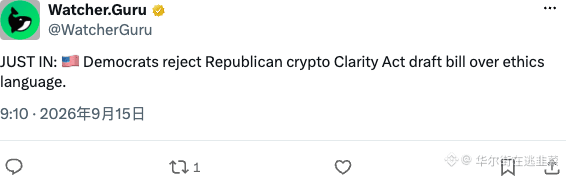
حزب الديمقراطيين أسقط مشروع قانون تشفير واضح الذي اقترحه الحزب الجمهوري مرة أخرى، متعثرًا عند بند الأخلاقيات. تموت من الضحك، القانون الذي ينادي بالوضوح تم طرحه لمدة عامين، والحزبين ما زالا يستخدمان بطاقة الأخلاق ويتشاجران؛ والسوق حتى الآن لا يستطيع الحصول على أي معلومة مؤكدة. متى ستهبط «حذاء» التنظيم على الأرض؟ انتظر الانتخابات أولاً.
$BTC #CryptoRegulation
حزب الديمقراطيين أسقط مشروع قانون تشفير واضح الذي اقترحه الحزب الجمهوري مرة أخرى، متعثرًا عند بند الأخلاقيات. تموت من الضحك، القانون الذي ينادي بالوضوح تم طرحه لمدة عامين، والحزبين ما زالا يستخدمان بطاقة الأخلاق ويتشاجران؛ والسوق حتى الآن لا يستطيع الحصول على أي معلومة مؤكدة. متى ستهبط «حذاء» التنظيم على الأرض؟ انتظر الانتخابات أولاً.
$BTC #CryptoRegulation
$BTC #CryptoRegulation
1.7k
#clarityactoddshalveonpolymarket
قانون الوضوح: احتمال ينخفض من 31% إلى 19% في Polymarket خلال يوم واحد.
مجلس الشيوخ يصوت اليوم. يحتاج إلى 60 صوتًا.
نص مُراجع مع تغييرات لتلبية متطلبات الديمقراطيين. المعارضة لا تزال قائمة.
ما الذي تعنيه الفجوة: استمرار عدم اليقين بالنسبة للوسطاء والمطورين والمؤسسات.
كان بيتكوين قد ضعُف بالفعل قبل التصويت.
تتفاعل الأسواق مع تغييرات احتمالات فحسب، وليس القرار النهائي فقط.
هل يمكن لتصويت اليوم أن يعكس هذا الانخفاض؟
تنبيه: محتوى تعليمي فقط.
#CryptoRegulation #GrowWithSAC #FedRateWatch $ASTR $SAGA $TUT
{spot}(ASTRUSDT)
{spot}(SAGAUSDT)
{spot}(TUTUSDT)
#clarityactoddshalveonpolymarket
قانون الوضوح: احتمال ينخفض من 31% إلى 19% في Polymarket خلال يوم واحد.
مجلس الشيوخ يصوت اليوم. يحتاج إلى 60 صوتًا.
نص مُراجع مع تغييرات لتلبية متطلبات الديمقراطيين. المعارضة لا تزال قائمة.
ما الذي تعنيه الفجوة: استمرار عدم اليقين بالنسبة للوسطاء والمطورين والمؤسسات.
كان بيتكوين قد ضعُف بالفعل قبل التصويت.
تتفاعل الأسواق مع تغييرات احتمالات فحسب، وليس القرار النهائي فقط.
هل يمكن لتصويت اليوم أن يعكس هذا الانخفاض؟
تنبيه: محتوى تعليمي فقط.
#CryptoRegulation #GrowWithSAC #FedRateWatch $ASTR $SAGA $TUT
قانون الوضوح: احتمال ينخفض من 31% إلى 19% في Polymarket خلال يوم واحد.
مجلس الشيوخ يصوت اليوم. يحتاج إلى 60 صوتًا.
نص مُراجع مع تغييرات لتلبية متطلبات الديمقراطيين. المعارضة لا تزال قائمة.
ما الذي تعنيه الفجوة: استمرار عدم اليقين بالنسبة للوسطاء والمطورين والمؤسسات.
كان بيتكوين قد ضعُف بالفعل قبل التصويت.
تتفاعل الأسواق مع تغييرات احتمالات فحسب، وليس القرار النهائي فقط.
هل يمكن لتصويت اليوم أن يعكس هذا الانخفاض؟
تنبيه: محتوى تعليمي فقط.
#CryptoRegulation #GrowWithSAC #FedRateWatch $ASTR $SAGA $TUT
3
2.7k

·
--
هابط
🆘 أخبار عاجلة !!!
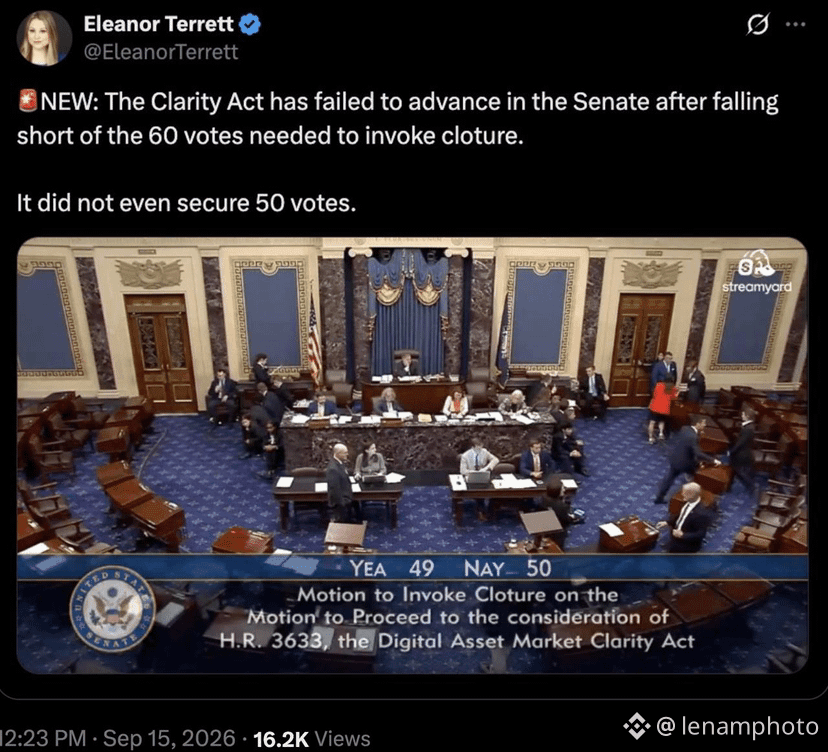
فشل قانون CLARITY في التقدم داخل مجلس الشيوخ، ولم يحقق حتى أغلبية بسيطة 🏛️
انتهت عملية التصويت على الإغلاق المتعلقة بــ H.R. 3633، وهو قانون وضوح أسواق الأصول الرقمية، بنتيجة 49-50 عند الساعة 19:23 بالتوقيت العالمي المنسق في 15 سبتمبر 2026، أي أقل بكثير من 60 صوتًا اللازمة للمتابعة. كانت السيناتورة كريس كونس (ديمقراطية) هي العضو الوحيد الذي لم يصوّت.
الرهانات السياسية واضحة: 15 من أعضاء مجلس الشيوخ الذين صوّتوا ضد مشروع القانون يواجهون إعادة انتخاب في انتخابات منتصف المدة في نوفمبر 🗳️ وفي دورة انتخابات 2024، فاز 53 من أصل 58 مرشحًا مدعومًا من قطاع العملات المشفرة بسباقاتهم، ما يبرز تنامي الجبهة المالية السياسية للقطاع.
قد لا تمرّر معارضة تشريعات العملات المشفرة دون عواقب. ⚖️ #FedRateWatch
#CLARITYAct #Senate #CryptoRegulation
$BTC $ETH $XRP
{future}(XRPUSDT)
{future}(ETHUSDT)
{future}(BTCUSDT)
🆘 أخبار عاجلة !!!
فشل قانون CLARITY في التقدم داخل مجلس الشيوخ، ولم يحقق حتى أغلبية بسيطة 🏛️
انتهت عملية التصويت على الإغلاق المتعلقة بــ H.R. 3633، وهو قانون وضوح أسواق الأصول الرقمية، بنتيجة 49-50 عند الساعة 19:23 بالتوقيت العالمي المنسق في 15 سبتمبر 2026، أي أقل بكثير من 60 صوتًا اللازمة للمتابعة. كانت السيناتورة كريس كونس (ديمقراطية) هي العضو الوحيد الذي لم يصوّت.
الرهانات السياسية واضحة: 15 من أعضاء مجلس الشيوخ الذين صوّتوا ضد مشروع القانون يواجهون إعادة انتخاب في انتخابات منتصف المدة في نوفمبر 🗳️ وفي دورة انتخابات 2024، فاز 53 من أصل 58 مرشحًا مدعومًا من قطاع العملات المشفرة بسباقاتهم، ما يبرز تنامي الجبهة المالية السياسية للقطاع.
قد لا تمرّر معارضة تشريعات العملات المشفرة دون عواقب. ⚖️ #FedRateWatch
#CLARITYAct #Senate #CryptoRegulation
$BTC $ETH $XRP
فشل قانون CLARITY في التقدم داخل مجلس الشيوخ، ولم يحقق حتى أغلبية بسيطة 🏛️
انتهت عملية التصويت على الإغلاق المتعلقة بــ H.R. 3633، وهو قانون وضوح أسواق الأصول الرقمية، بنتيجة 49-50 عند الساعة 19:23 بالتوقيت العالمي المنسق في 15 سبتمبر 2026، أي أقل بكثير من 60 صوتًا اللازمة للمتابعة. كانت السيناتورة كريس كونس (ديمقراطية) هي العضو الوحيد الذي لم يصوّت.
الرهانات السياسية واضحة: 15 من أعضاء مجلس الشيوخ الذين صوّتوا ضد مشروع القانون يواجهون إعادة انتخاب في انتخابات منتصف المدة في نوفمبر 🗳️ وفي دورة انتخابات 2024، فاز 53 من أصل 58 مرشحًا مدعومًا من قطاع العملات المشفرة بسباقاتهم، ما يبرز تنامي الجبهة المالية السياسية للقطاع.
قد لا تمرّر معارضة تشريعات العملات المشفرة دون عواقب. ⚖️ #FedRateWatch
#CLARITYAct #Senate #CryptoRegulation
$BTC $ETH $XRP

204

·
--
مقالة
الـ SEC تُحطّم قواعد العملات المشفّرة: أتكنز يشير إلى موجة تنظيمية جديدةالـ SEC تُحطّم قواعد العملات المشفّرة: أتكنز يشير إلى موجة تنظيمية جديدة
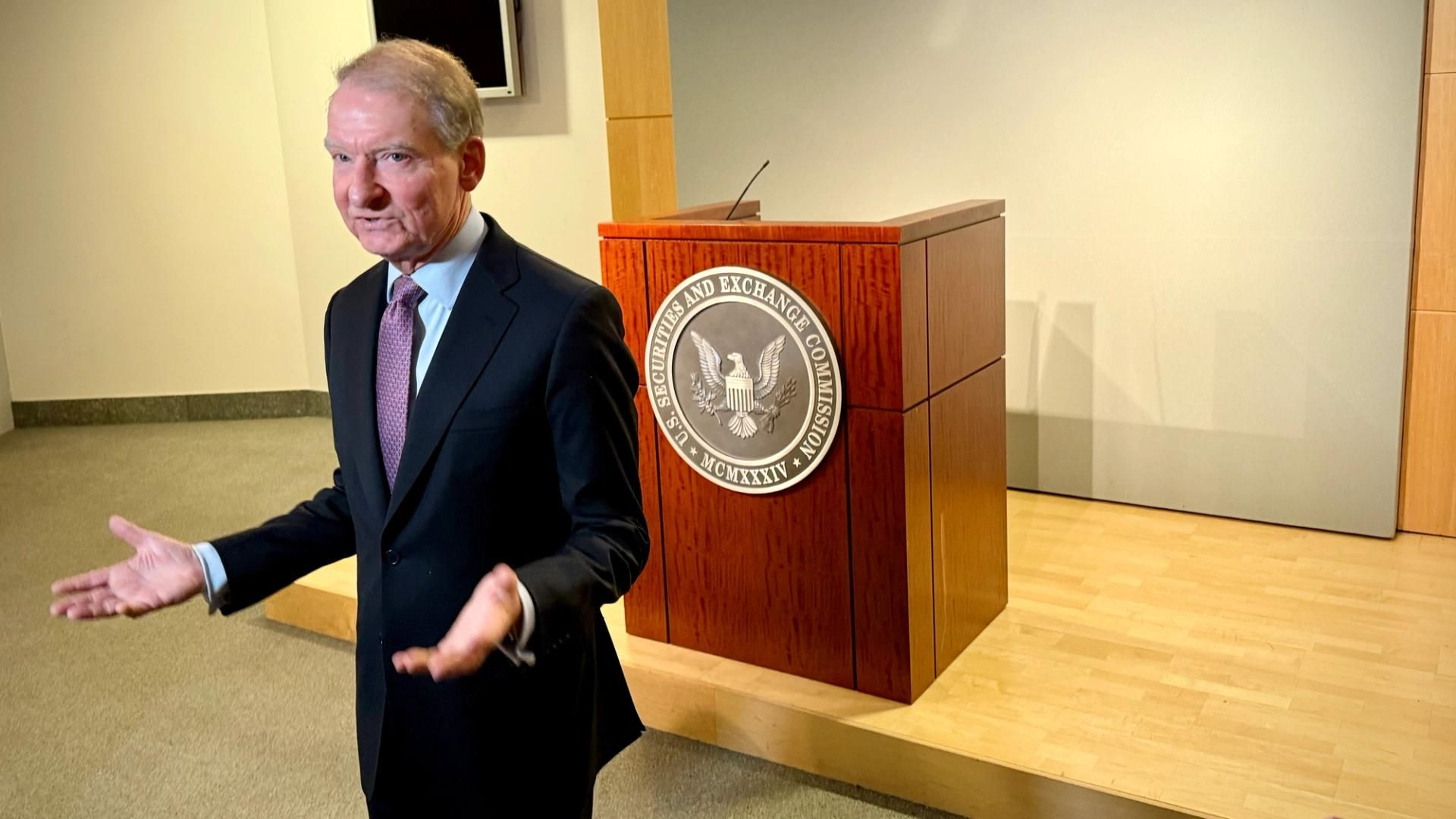
مفوضة هيئة الأوراق المالية والبورصات (SEC) غاري أتكنز أسقطت للتو قنبلة ستحدث تموجات عبر كل محفظة وكل مستثمر غير حامل لمحفظة في السوق. وفي بيان أنهى أي شك باقٍ، أكد أتكنز أن إصدار العملات المشفّرة وتحديث وكلاء التحويل (transfer agent) والوصاية/الحفظ ستصبح الدعامة الأساسية لدفعة الجهة التنظيمية—وفي الوقت نفسه أعلن أن الـ SEC ستواصل دفع قواعد العملات المشفّرة حتى بدون قانون الوضوح (Clarity Act). هذا تاريخي: بدأت العاصفة، ولم يتوقع أحد هذا القادم.
الـ SEC تُحطّم قواعد العملات المشفّرة: أتكنز يشير إلى موجة تنظيمية جديدة
الـ SEC تُحطّم قواعد العملات المشفّرة: أتكنز يشير إلى موجة تنظيمية جديدة
مفوضة هيئة الأوراق المالية والبورصات (SEC) غاري أتكنز أسقطت للتو قنبلة ستحدث تموجات عبر كل محفظة وكل مستثمر غير حامل لمحفظة في السوق. وفي بيان أنهى أي شك باقٍ، أكد أتكنز أن إصدار العملات المشفّرة وتحديث وكلاء التحويل (transfer agent) والوصاية/الحفظ ستصبح الدعامة الأساسية لدفعة الجهة التنظيمية—وفي الوقت نفسه أعلن أن الـ SEC ستواصل دفع قواعد العملات المشفّرة حتى بدون قانون الوضوح (Clarity Act). هذا تاريخي: بدأت العاصفة، ولم يتوقع أحد هذا القادم.
مفوضة هيئة الأوراق المالية والبورصات (SEC) غاري أتكنز أسقطت للتو قنبلة ستحدث تموجات عبر كل محفظة وكل مستثمر غير حامل لمحفظة في السوق. وفي بيان أنهى أي شك باقٍ، أكد أتكنز أن إصدار العملات المشفّرة وتحديث وكلاء التحويل (transfer agent) والوصاية/الحفظ ستصبح الدعامة الأساسية لدفعة الجهة التنظيمية—وفي الوقت نفسه أعلن أن الـ SEC ستواصل دفع قواعد العملات المشفّرة حتى بدون قانون الوضوح (Clarity Act). هذا تاريخي: بدأت العاصفة، ولم يتوقع أحد هذا القادم.
648

·
--
#russiancentralbankflagscryptoasfinancialrisk
حذرت مؤسسة البنك المركزي الروسي مجددًا من مخاطر العملات الرقمية: إنفاذ إقليمي مقابل تبنٍ عالمي 🇷🇺⚠️
🚨 أشارت مؤسسة البنك المركزي الروسي رسميًا إلى أن العملات الرقمية والستابلكوين تشكل مخاطر كبيرة على الأسواق المالية في وثيقة استراتيجيتها الأحدث! 📉🏦
ورغم قيام روسيا بتقنين تداول العملات الرقمية المنظمة وإطار التسوية عبر الحدود، يحذر البنك المركزي من أن الستابلكوين الخاصة غير الخاضعة للرقابة قد تشكل تهديدًا جديًا باعتبارها "بدائل للمال" تستبدل الروبل الوطني.
📊 أبرز النقاط بالتفصيل:
⚠️ الروبل مقابل الستابلكوين: يخشى المنظمون أن يؤدي التبني الواسع للستابلكوين إلى إزاحة العملة الورقية المحلية (الفيات) من النشاط الاقتصادي اليومي.
🔒 تشديد الرقابة على المشغلين غير المرخصين: المنصات غير المرخصة التي تنظم تداول/ترويج الرموز تواجه مسؤولية جنائية، بينما تواجه الشركات غير الملتزمة غرامات إدارية كبيرة.
📈 سقوف المستثمرين الأفراد: يواجه المستثمرون غير المؤهلين قيودًا صارمة على التداول (~300,000 روبل/سنة) مع اختبار إلزامي للمعرفة، بينما يتداول المستثمرون المؤهلون دون حدود.
🌐 واقع مزدوج عبر الحدود: تظل مدفوعات العملات الرقمية داخل الدولة للسلع والخدمات محظورة بشكل صارم، بينما يُصرّح بالعملات الرقمية صراحةً لتسويات الاستيراد والتصدير الدولية.
💡 لماذا هذا مهم للسوق:
تسلط مقاربة روسيا الضوء على اتجاه عالمي متزايد: الحكومات تتبنى العملات الرقمية للتجارة عبر الحدود والسيولة المؤسسية، وفي الوقت نفسه تفرض تشديدًا قويًا على محاولة إزاحة الفيات المحلية. يسعى المصرفيون المركزيون إلى الكفاءة التقنية—دون فقدان السيادة النقدية! 🌍⚖️
💬 هل ستدفع القيود المحلية الصارمة المتداولين الأفراد إلى منصات لامركزية، أم أن التنظيم الصارم سيؤدي إلى تبنٍ أكثر أمانًا؟ شارك آرائك أدناه! 👇
#Russian #FinancialRisk #CryptoRegulation
#russiancentralbankflagscryptoasfinancialrisk
حذرت مؤسسة البنك المركزي الروسي مجددًا من مخاطر العملات الرقمية: إنفاذ إقليمي مقابل تبنٍ عالمي 🇷🇺⚠️
🚨 أشارت مؤسسة البنك المركزي الروسي رسميًا إلى أن العملات الرقمية والستابلكوين تشكل مخاطر كبيرة على الأسواق المالية في وثيقة استراتيجيتها الأحدث! 📉🏦
ورغم قيام روسيا بتقنين تداول العملات الرقمية المنظمة وإطار التسوية عبر الحدود، يحذر البنك المركزي من أن الستابلكوين الخاصة غير الخاضعة للرقابة قد تشكل تهديدًا جديًا باعتبارها "بدائل للمال" تستبدل الروبل الوطني.
📊 أبرز النقاط بالتفصيل:
⚠️ الروبل مقابل الستابلكوين: يخشى المنظمون أن يؤدي التبني الواسع للستابلكوين إلى إزاحة العملة الورقية المحلية (الفيات) من النشاط الاقتصادي اليومي.
🔒 تشديد الرقابة على المشغلين غير المرخصين: المنصات غير المرخصة التي تنظم تداول/ترويج الرموز تواجه مسؤولية جنائية، بينما تواجه الشركات غير الملتزمة غرامات إدارية كبيرة.
📈 سقوف المستثمرين الأفراد: يواجه المستثمرون غير المؤهلين قيودًا صارمة على التداول (~300,000 روبل/سنة) مع اختبار إلزامي للمعرفة، بينما يتداول المستثمرون المؤهلون دون حدود.
🌐 واقع مزدوج عبر الحدود: تظل مدفوعات العملات الرقمية داخل الدولة للسلع والخدمات محظورة بشكل صارم، بينما يُصرّح بالعملات الرقمية صراحةً لتسويات الاستيراد والتصدير الدولية.
💡 لماذا هذا مهم للسوق:
تسلط مقاربة روسيا الضوء على اتجاه عالمي متزايد: الحكومات تتبنى العملات الرقمية للتجارة عبر الحدود والسيولة المؤسسية، وفي الوقت نفسه تفرض تشديدًا قويًا على محاولة إزاحة الفيات المحلية. يسعى المصرفيون المركزيون إلى الكفاءة التقنية—دون فقدان السيادة النقدية! 🌍⚖️
💬 هل ستدفع القيود المحلية الصارمة المتداولين الأفراد إلى منصات لامركزية، أم أن التنظيم الصارم سيؤدي إلى تبنٍ أكثر أمانًا؟ شارك آرائك أدناه! 👇
#Russian #FinancialRisk #CryptoRegulation
حذرت مؤسسة البنك المركزي الروسي مجددًا من مخاطر العملات الرقمية: إنفاذ إقليمي مقابل تبنٍ عالمي 🇷🇺⚠️
🚨 أشارت مؤسسة البنك المركزي الروسي رسميًا إلى أن العملات الرقمية والستابلكوين تشكل مخاطر كبيرة على الأسواق المالية في وثيقة استراتيجيتها الأحدث! 📉🏦
ورغم قيام روسيا بتقنين تداول العملات الرقمية المنظمة وإطار التسوية عبر الحدود، يحذر البنك المركزي من أن الستابلكوين الخاصة غير الخاضعة للرقابة قد تشكل تهديدًا جديًا باعتبارها "بدائل للمال" تستبدل الروبل الوطني.
📊 أبرز النقاط بالتفصيل:
⚠️ الروبل مقابل الستابلكوين: يخشى المنظمون أن يؤدي التبني الواسع للستابلكوين إلى إزاحة العملة الورقية المحلية (الفيات) من النشاط الاقتصادي اليومي.
🔒 تشديد الرقابة على المشغلين غير المرخصين: المنصات غير المرخصة التي تنظم تداول/ترويج الرموز تواجه مسؤولية جنائية، بينما تواجه الشركات غير الملتزمة غرامات إدارية كبيرة.
📈 سقوف المستثمرين الأفراد: يواجه المستثمرون غير المؤهلين قيودًا صارمة على التداول (~300,000 روبل/سنة) مع اختبار إلزامي للمعرفة، بينما يتداول المستثمرون المؤهلون دون حدود.
🌐 واقع مزدوج عبر الحدود: تظل مدفوعات العملات الرقمية داخل الدولة للسلع والخدمات محظورة بشكل صارم، بينما يُصرّح بالعملات الرقمية صراحةً لتسويات الاستيراد والتصدير الدولية.
💡 لماذا هذا مهم للسوق:
تسلط مقاربة روسيا الضوء على اتجاه عالمي متزايد: الحكومات تتبنى العملات الرقمية للتجارة عبر الحدود والسيولة المؤسسية، وفي الوقت نفسه تفرض تشديدًا قويًا على محاولة إزاحة الفيات المحلية. يسعى المصرفيون المركزيون إلى الكفاءة التقنية—دون فقدان السيادة النقدية! 🌍⚖️
💬 هل ستدفع القيود المحلية الصارمة المتداولين الأفراد إلى منصات لامركزية، أم أن التنظيم الصارم سيؤدي إلى تبنٍ أكثر أمانًا؟ شارك آرائك أدناه! 👇
#Russian #FinancialRisk #CryptoRegulation

ABO3ZAM:
السياسة النقدية الروسية تفرض تحدياً على سيولة الأفراد، مما قد يسبب تذبذباً لحظياً في تمركز الزخم. أنصحكم بمراقبة مناطق الرفض السعري بدقة، وتأمين الأرباح عند ظهور إشارات ضعف الاتجاه، فالحفاظ على رأس المال في ظل القيود التنظيمية هو جوهر النجاح.
1
1
1.3k

·
--
تمّ التحقق
اليوم وول ستريت قدّم أسبابًا للبيع في عالم العملات الرقمية. وXRP قرر تجاهلها.
انظر إلى التركيبة:
📈 عائدات سندات الخزانة الأمريكية لأجل 10 سنوات تجاوزت 5%
🛢️ أنهى خام برنت بالقرب من 105.7 دولار
📉 ناسداك -0.56%
🏦 السوق يتسعّر باحتمال يقارب 90% لارتفاع أسعار الفائدة
نظريًا، هذا أسوأ مزيج ممكن لأصول عالية المخاطر.
لكن بينما $BTC كان يواصل مقاومته قرابة 78 ألف دولار…
$XRP صعد ~5% خلال تسع ساعات فقط.
ما الذي تغيّر؟
لم يكن البيتكوين.
كان واشنطن.
اليوم ظهرت نسخة جديدة من قانون CLARITY Act تتضمن 126 تغييرًا مهمًا مقارنة بالنص السابق، وذلك بعد أن وافقت البيت الأبيض على جزء كبير من المتطلبات الأخلاقية اللازمة لمحاولة كسب دعم ثنائي حزبي.
وغدًا تأتي الاختبار:
يحتاج مجلس الشيوخ إلى 60 صوتًا لكي يتقدم المشروع.
عندها بدأ السوق يقوم بشيء مثير للاهتمام.
كسر XRP منطقة 1.38 دولار، وصل إلى حوالي 1.45 دولار، وبدأ يقترب تحديدًا من المنطقة التي كانت فيها مراكز short ضعيفة.
بيانات المشتقات المتاحة تضع:
⚡ OI لعقود Binance Futures الخاصة بـ XRP ≈ 426 مليون دولار
💥 نحو 9.46 مليون دولار في shorts مكشوفة محتملًا أمام حركة أخرى تقارب 5%
🎯 منطقة الألم المقدّرة حول 1.464 دولار
وهذا مهم لأننا اليوم ربما شهدنا مشتريين مختلفين:
1️⃣ رأس مال سبق الخطوة استعدادًا لتغير تنظيمي محتمل؛
2️⃣ shorts مُجبرة على إعادة الشراء عندما اخترق XRP مستوى المقاومة.
وهذا يفسر كيف استطاع XRP الانفصال عن تراجع أسهم التكنولوجيا.
لكن غدًا يمكننا التمييز بين إعادة تسعير حقيقية ومجرد squeeze.
إذا حصل مجلس الشيوخ على 60 صوتًا وظل XRP صاعدًا بعد الإعلان عن النتيجة، فستكون الأموال تقول:
“إن وضوح القواعد يساوي أكثر من الاقتصاد الكلي المعاكس اليوم.”
إذا تقدم المشروع وبيع XRP الخبر…
فغالبًا كانت جزء كبير من الحركة قد تم تسعيرها مسبقًا.
هذا هو الرسم البياني الذي أريد رؤيته غدًا.
ليس BTC.
#XRP #CLARITYAct #CryptoRegulation
{spot}(XRPUSDT)
اليوم وول ستريت قدّم أسبابًا للبيع في عالم العملات الرقمية. وXRP قرر تجاهلها.
انظر إلى التركيبة:
📈 عائدات سندات الخزانة الأمريكية لأجل 10 سنوات تجاوزت 5%
🛢️ أنهى خام برنت بالقرب من 105.7 دولار
📉 ناسداك -0.56%
🏦 السوق يتسعّر باحتمال يقارب 90% لارتفاع أسعار الفائدة
نظريًا، هذا أسوأ مزيج ممكن لأصول عالية المخاطر.
لكن بينما $BTC كان يواصل مقاومته قرابة 78 ألف دولار…
$XRP صعد ~5% خلال تسع ساعات فقط.
ما الذي تغيّر؟
لم يكن البيتكوين.
كان واشنطن.
اليوم ظهرت نسخة جديدة من قانون CLARITY Act تتضمن 126 تغييرًا مهمًا مقارنة بالنص السابق، وذلك بعد أن وافقت البيت الأبيض على جزء كبير من المتطلبات الأخلاقية اللازمة لمحاولة كسب دعم ثنائي حزبي.
وغدًا تأتي الاختبار:
يحتاج مجلس الشيوخ إلى 60 صوتًا لكي يتقدم المشروع.
عندها بدأ السوق يقوم بشيء مثير للاهتمام.
كسر XRP منطقة 1.38 دولار، وصل إلى حوالي 1.45 دولار، وبدأ يقترب تحديدًا من المنطقة التي كانت فيها مراكز short ضعيفة.
بيانات المشتقات المتاحة تضع:
⚡ OI لعقود Binance Futures الخاصة بـ XRP ≈ 426 مليون دولار
💥 نحو 9.46 مليون دولار في shorts مكشوفة محتملًا أمام حركة أخرى تقارب 5%
🎯 منطقة الألم المقدّرة حول 1.464 دولار
وهذا مهم لأننا اليوم ربما شهدنا مشتريين مختلفين:
1️⃣ رأس مال سبق الخطوة استعدادًا لتغير تنظيمي محتمل؛
2️⃣ shorts مُجبرة على إعادة الشراء عندما اخترق XRP مستوى المقاومة.
وهذا يفسر كيف استطاع XRP الانفصال عن تراجع أسهم التكنولوجيا.
لكن غدًا يمكننا التمييز بين إعادة تسعير حقيقية ومجرد squeeze.
إذا حصل مجلس الشيوخ على 60 صوتًا وظل XRP صاعدًا بعد الإعلان عن النتيجة، فستكون الأموال تقول:
“إن وضوح القواعد يساوي أكثر من الاقتصاد الكلي المعاكس اليوم.”
إذا تقدم المشروع وبيع XRP الخبر…
فغالبًا كانت جزء كبير من الحركة قد تم تسعيرها مسبقًا.
هذا هو الرسم البياني الذي أريد رؤيته غدًا.
ليس BTC.
#XRP #CLARITYAct #CryptoRegulation
انظر إلى التركيبة:
📈 عائدات سندات الخزانة الأمريكية لأجل 10 سنوات تجاوزت 5%
🛢️ أنهى خام برنت بالقرب من 105.7 دولار
📉 ناسداك -0.56%
🏦 السوق يتسعّر باحتمال يقارب 90% لارتفاع أسعار الفائدة
نظريًا، هذا أسوأ مزيج ممكن لأصول عالية المخاطر.
لكن بينما $BTC كان يواصل مقاومته قرابة 78 ألف دولار…
$XRP صعد ~5% خلال تسع ساعات فقط.
ما الذي تغيّر؟
لم يكن البيتكوين.
كان واشنطن.
اليوم ظهرت نسخة جديدة من قانون CLARITY Act تتضمن 126 تغييرًا مهمًا مقارنة بالنص السابق، وذلك بعد أن وافقت البيت الأبيض على جزء كبير من المتطلبات الأخلاقية اللازمة لمحاولة كسب دعم ثنائي حزبي.
وغدًا تأتي الاختبار:
يحتاج مجلس الشيوخ إلى 60 صوتًا لكي يتقدم المشروع.
عندها بدأ السوق يقوم بشيء مثير للاهتمام.
كسر XRP منطقة 1.38 دولار، وصل إلى حوالي 1.45 دولار، وبدأ يقترب تحديدًا من المنطقة التي كانت فيها مراكز short ضعيفة.
بيانات المشتقات المتاحة تضع:
⚡ OI لعقود Binance Futures الخاصة بـ XRP ≈ 426 مليون دولار
💥 نحو 9.46 مليون دولار في shorts مكشوفة محتملًا أمام حركة أخرى تقارب 5%
🎯 منطقة الألم المقدّرة حول 1.464 دولار
وهذا مهم لأننا اليوم ربما شهدنا مشتريين مختلفين:
1️⃣ رأس مال سبق الخطوة استعدادًا لتغير تنظيمي محتمل؛
2️⃣ shorts مُجبرة على إعادة الشراء عندما اخترق XRP مستوى المقاومة.
وهذا يفسر كيف استطاع XRP الانفصال عن تراجع أسهم التكنولوجيا.
لكن غدًا يمكننا التمييز بين إعادة تسعير حقيقية ومجرد squeeze.
إذا حصل مجلس الشيوخ على 60 صوتًا وظل XRP صاعدًا بعد الإعلان عن النتيجة، فستكون الأموال تقول:
“إن وضوح القواعد يساوي أكثر من الاقتصاد الكلي المعاكس اليوم.”
إذا تقدم المشروع وبيع XRP الخبر…
فغالبًا كانت جزء كبير من الحركة قد تم تسعيرها مسبقًا.
هذا هو الرسم البياني الذي أريد رؤيته غدًا.
ليس BTC.
#XRP #CLARITYAct #CryptoRegulation
836
·
--
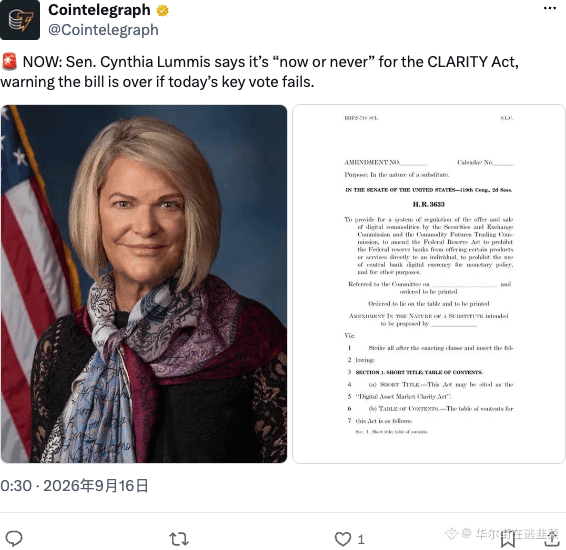
لومّس كشف الحقيقة مباشرة: تصويت اليوم الحاسم على قانون CLARITY إذا فشل، فالقانون سـيصبح باردًا تمامًا، ولن تكون هناك مرة أخرى.
الإطار التنظيمي للتشفير عالق في مجلس الشيوخ منذ وقت طويل، والسوق ظلّ مُعلّقًا على توقعات «سيُصدَّق في النهاية». إذا لم يمرّ هذا التصويت، فمن المؤكد أن المعنويات في الأجل القصير ستتلقّى ضربة قوية، ولا تتوقع الاستفادة من المكاسب التشريعية.
$BTC #CryptoRegulation
لومّس كشف الحقيقة مباشرة: تصويت اليوم الحاسم على قانون CLARITY إذا فشل، فالقانون سـيصبح باردًا تمامًا، ولن تكون هناك مرة أخرى.
الإطار التنظيمي للتشفير عالق في مجلس الشيوخ منذ وقت طويل، والسوق ظلّ مُعلّقًا على توقعات «سيُصدَّق في النهاية». إذا لم يمرّ هذا التصويت، فمن المؤكد أن المعنويات في الأجل القصير ستتلقّى ضربة قوية، ولا تتوقع الاستفادة من المكاسب التشريعية.
$BTC #CryptoRegulation
الإطار التنظيمي للتشفير عالق في مجلس الشيوخ منذ وقت طويل، والسوق ظلّ مُعلّقًا على توقعات «سيُصدَّق في النهاية». إذا لم يمرّ هذا التصويت، فمن المؤكد أن المعنويات في الأجل القصير ستتلقّى ضربة قوية، ولا تتوقع الاستفادة من المكاسب التشريعية.
$BTC #CryptoRegulation
1
267
#brazilcentralbankraisesvaspcapitalrequirements
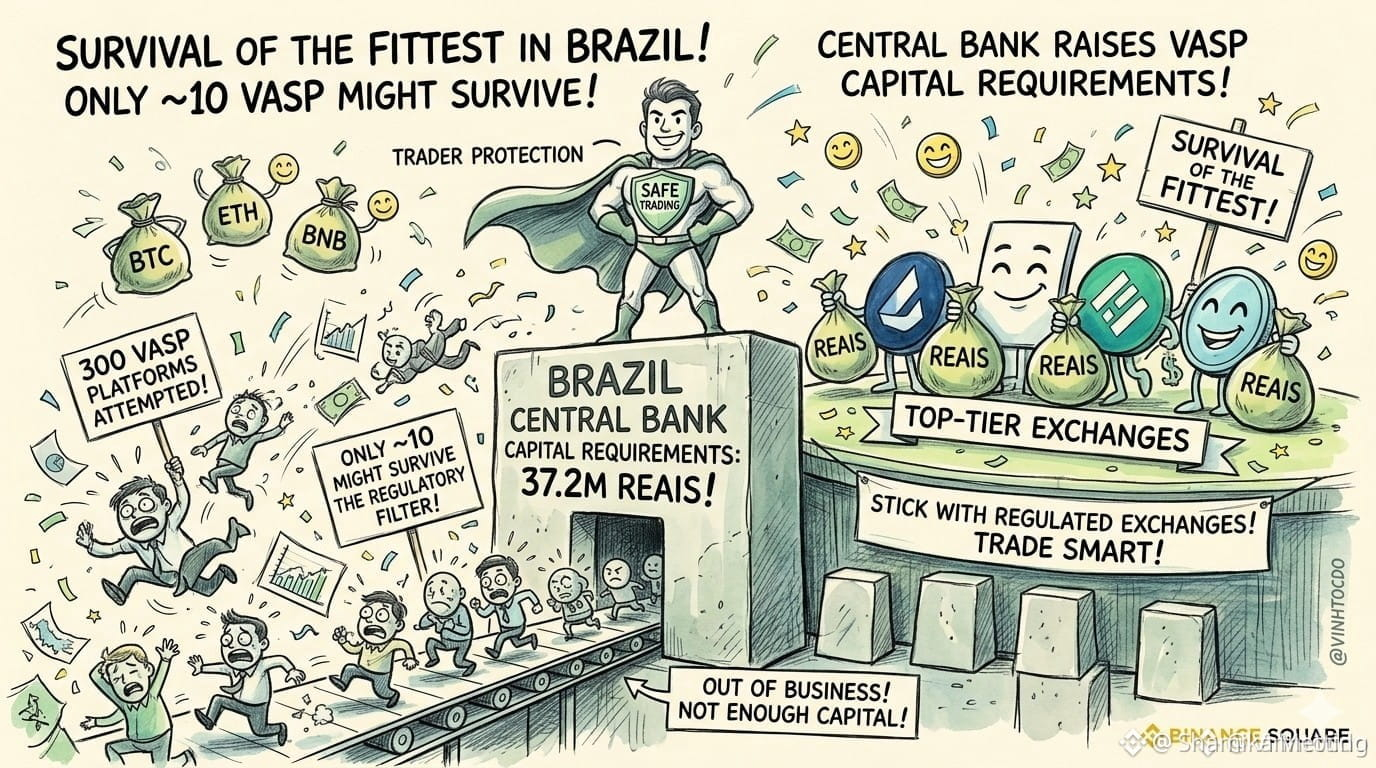
البنك المركزي في البرازيل رفع للتو متطلبات رأس المال لمنصات VASPs إلى 37.2 مليون ريال! 🇧🇷💰 هذا أعلى بكثير من الاقتراحات الأولية! من بين 300 منصة كريبتو، قد ينجو حوالي 10 فقط من هذا الفلتر التنظيمي. بصراحة، هذا منطقي، أليس كذلك؟ نحتاج لحماية المتداولين من البورصات غير الموثوقة! بقاء الأصلح واقع في البرازيل الآن! 😂
ماذا يجب على المتداولين فعله؟ التزم ببورصات من الدرجة الأولى ومُرخّصة بالكامل، والتي تملك فعلًا الأموال لدعمك. حافظ على أصولك آمنة وتداول بذكاء! 🚀
متابعة من فضلكم
, $ETH
{future}(ETHUSDT)
, $BNB
{future}(BNBUSDT)
هذا ليس نصيحة مالية.
#CryptoRegulation #BrazilCrypto
#brazilcentralbankraisesvaspcapitalrequirements
البنك المركزي في البرازيل رفع للتو متطلبات رأس المال لمنصات VASPs إلى 37.2 مليون ريال! 🇧🇷💰 هذا أعلى بكثير من الاقتراحات الأولية! من بين 300 منصة كريبتو، قد ينجو حوالي 10 فقط من هذا الفلتر التنظيمي. بصراحة، هذا منطقي، أليس كذلك؟ نحتاج لحماية المتداولين من البورصات غير الموثوقة! بقاء الأصلح واقع في البرازيل الآن! 😂
ماذا يجب على المتداولين فعله؟ التزم ببورصات من الدرجة الأولى ومُرخّصة بالكامل، والتي تملك فعلًا الأموال لدعمك. حافظ على أصولك آمنة وتداول بذكاء! 🚀
متابعة من فضلكم
, $ETH
, $BNB
هذا ليس نصيحة مالية.
#CryptoRegulation #BrazilCrypto
البنك المركزي في البرازيل رفع للتو متطلبات رأس المال لمنصات VASPs إلى 37.2 مليون ريال! 🇧🇷💰 هذا أعلى بكثير من الاقتراحات الأولية! من بين 300 منصة كريبتو، قد ينجو حوالي 10 فقط من هذا الفلتر التنظيمي. بصراحة، هذا منطقي، أليس كذلك؟ نحتاج لحماية المتداولين من البورصات غير الموثوقة! بقاء الأصلح واقع في البرازيل الآن! 😂
ماذا يجب على المتداولين فعله؟ التزم ببورصات من الدرجة الأولى ومُرخّصة بالكامل، والتي تملك فعلًا الأموال لدعمك. حافظ على أصولك آمنة وتداول بذكاء! 🚀
متابعة من فضلكم
, $ETH
, $BNB
هذا ليس نصيحة مالية.
#CryptoRegulation #BrazilCrypto
ABO3ZAM:
التنظيم الصارم في البرازيل يعزز من استقرار السوق ويحمي السيولة من المخاطر التشغيلية. في ظل هذه التحولات، راقب تمركز الزخم عند مناطق الرفض السعري جيداً، والتزم بإدارة مخاطر صارمة عبر تأمين الأرباح عند القمم لضمان حماية محفظتك من أي تقلبات حادة.
1
1
49
·
--
عرض الترجمة
⚖️ Dự luật dự trữ Bitcoin $BTC của Mỹ gần như hết cửa thành luật trong năm 2026
Ngày 16/9, Ủy ban Dịch vụ Tài chính Hạ viện Mỹ sẽ xem xét dự luật H.R. 8957 (ARMA) do Hạ nghị sĩ Nick Begich đề xuất, nhằm chính thức hóa kho dự trữ BTC quốc gia giữ ít nhất 20 năm.
Vì sao đáng chú ý?
Xác suất thông qua chỉ còn 5-6%, giảm mạnh từ 60% hồi tháng 12 năm ngoái, vì lịch trình Quốc hội dày đặc trước bầu cử giữa nhiệm kỳ tháng 11.
Nói đơn giản:
Mỹ đang giữ 328.000 BTC (khoảng 25 tỷ USD) nhưng khó có thể biến số này thành kho dự trữ chính thức bằng luật.
#CryptoRegulation #CryptoNews
🔗 Nguồn: AMBCrypto
⚠️ Thông tin chỉ mang tính tham khảo, không phải lời khuyên đầu tư. Hãy tự nghiên cứu trước khi quyết định (DYOR).
⚖️ Dự luật dự trữ Bitcoin $BTC của Mỹ gần như hết cửa thành luật trong năm 2026
Ngày 16/9, Ủy ban Dịch vụ Tài chính Hạ viện Mỹ sẽ xem xét dự luật H.R. 8957 (ARMA) do Hạ nghị sĩ Nick Begich đề xuất, nhằm chính thức hóa kho dự trữ BTC quốc gia giữ ít nhất 20 năm.
Vì sao đáng chú ý?
Xác suất thông qua chỉ còn 5-6%, giảm mạnh từ 60% hồi tháng 12 năm ngoái, vì lịch trình Quốc hội dày đặc trước bầu cử giữa nhiệm kỳ tháng 11.
Nói đơn giản:
Mỹ đang giữ 328.000 BTC (khoảng 25 tỷ USD) nhưng khó có thể biến số này thành kho dự trữ chính thức bằng luật.
#CryptoRegulation #CryptoNews
🔗 Nguồn: AMBCrypto
⚠️ Thông tin chỉ mang tính tham khảo, không phải lời khuyên đầu tư. Hãy tự nghiên cứu trước khi quyết định (DYOR).
Ngày 16/9, Ủy ban Dịch vụ Tài chính Hạ viện Mỹ sẽ xem xét dự luật H.R. 8957 (ARMA) do Hạ nghị sĩ Nick Begich đề xuất, nhằm chính thức hóa kho dự trữ BTC quốc gia giữ ít nhất 20 năm.
Vì sao đáng chú ý?
Xác suất thông qua chỉ còn 5-6%, giảm mạnh từ 60% hồi tháng 12 năm ngoái, vì lịch trình Quốc hội dày đặc trước bầu cử giữa nhiệm kỳ tháng 11.
Nói đơn giản:
Mỹ đang giữ 328.000 BTC (khoảng 25 tỷ USD) nhưng khó có thể biến số này thành kho dự trữ chính thức bằng luật.
#CryptoRegulation #CryptoNews
🔗 Nguồn: AMBCrypto
⚠️ Thông tin chỉ mang tính tham khảo, không phải lời khuyên đầu tư. Hãy tự nghiên cứu trước khi quyết định (DYOR).
259

·
--
صاعد
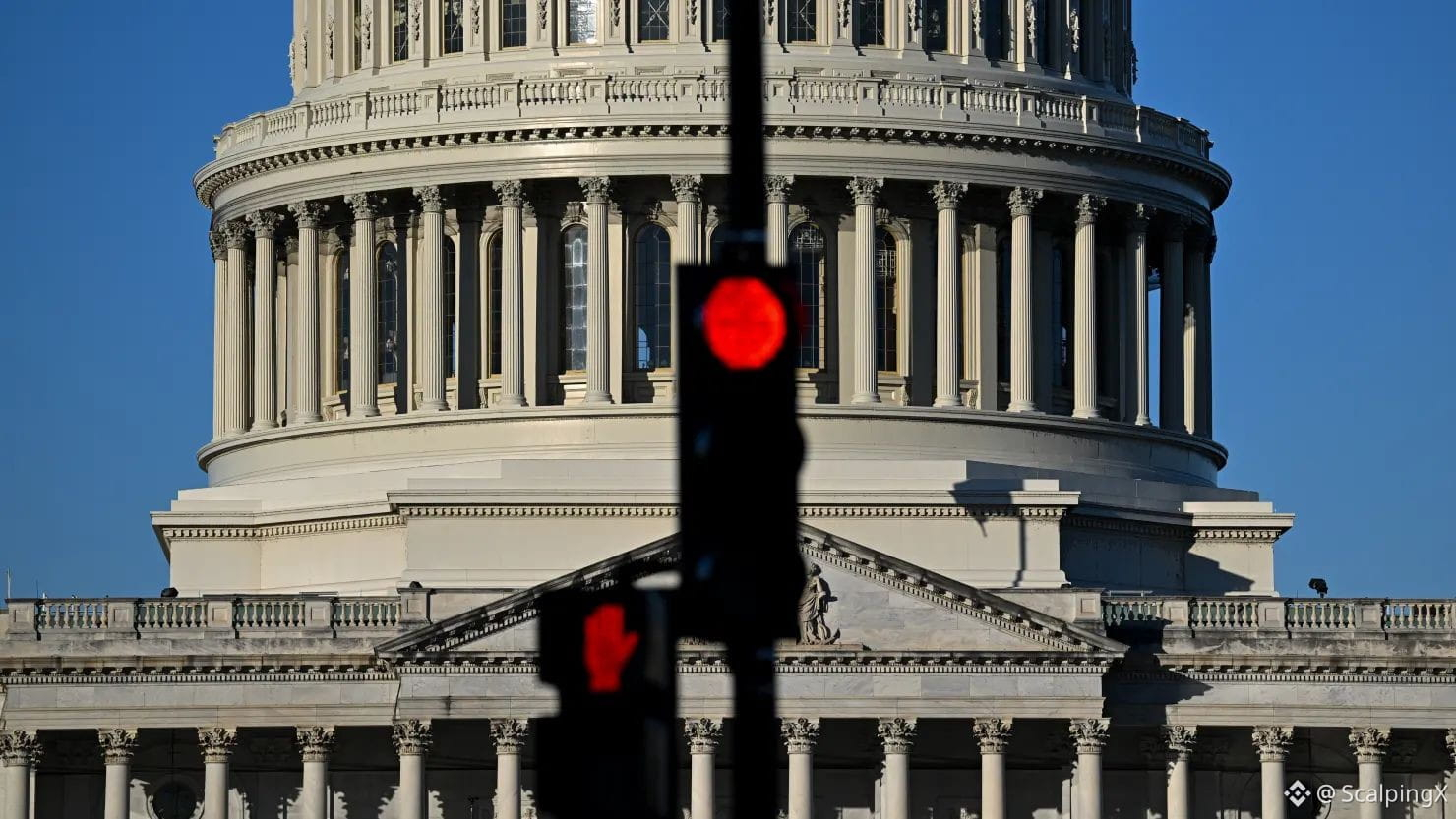
تعطّلت “قانون الوضوح” في مجلس الشيوخ، ما يؤخر آفاق إطار تنظيمي موحّد للعملات الرقمية في الولايات المتحدة
🏛️ فشل مجلس الشيوخ الأمريكي في بلوغ 60 صوتًا المطلوبة لفتح باب النقاش حول مشروع القانون H.R. 3633، وانتهت نتيجة تصويت الاستدعاء (cloture) عند 49–50. وكان هذا تصويتًا إجرائيًا على طلب الانتقال للنقاش، وليس تصويتًا لاعتماد مشروع القانون نفسه.
📑 جاءت جميع الأصوات الـ49 المؤيدة من الجمهوريين، بينما لم يصوّت أي ديموقراطي أو مستقل “نعم”. وقد كان مقدمو المشروع قد أدخلوا سابقًا 126 تعديلًا على النص النهائي، لكن الخلافات بشأن الأخلاقيات تضارب المصالح بقيت دون حل.
🔄 ثم قدّم توم تيليس طلبًا لإعادة النظر، محافظًا على مسار إجرائي لمزيد من التصويت. غير أن ذلك لا يغيّر شرط الحصول على 60 صوتًا.
📉 هبطت عملة BTC بنحو 3–4% بعد النتيجة، بينما تراجعت COIN وCRCL قرابة 9%. كما كانت عوائد الخزانة وأسعار النفط الأعلى وتوقعات ما قبل قرار الاحتياطي الفيدرالي تضغط أيضًا على الأصول عالية المخاطر، ما يجعل من الصعب نسب التحرك حصريًا إلى “CLARITY”.
#CryptoRegulation $BTC $ETH $SOL
تعطّلت “قانون الوضوح” في مجلس الشيوخ، ما يؤخر آفاق إطار تنظيمي موحّد للعملات الرقمية في الولايات المتحدة
🏛️ فشل مجلس الشيوخ الأمريكي في بلوغ 60 صوتًا المطلوبة لفتح باب النقاش حول مشروع القانون H.R. 3633، وانتهت نتيجة تصويت الاستدعاء (cloture) عند 49–50. وكان هذا تصويتًا إجرائيًا على طلب الانتقال للنقاش، وليس تصويتًا لاعتماد مشروع القانون نفسه.
📑 جاءت جميع الأصوات الـ49 المؤيدة من الجمهوريين، بينما لم يصوّت أي ديموقراطي أو مستقل “نعم”. وقد كان مقدمو المشروع قد أدخلوا سابقًا 126 تعديلًا على النص النهائي، لكن الخلافات بشأن الأخلاقيات تضارب المصالح بقيت دون حل.
🔄 ثم قدّم توم تيليس طلبًا لإعادة النظر، محافظًا على مسار إجرائي لمزيد من التصويت. غير أن ذلك لا يغيّر شرط الحصول على 60 صوتًا.
📉 هبطت عملة BTC بنحو 3–4% بعد النتيجة، بينما تراجعت COIN وCRCL قرابة 9%. كما كانت عوائد الخزانة وأسعار النفط الأعلى وتوقعات ما قبل قرار الاحتياطي الفيدرالي تضغط أيضًا على الأصول عالية المخاطر، ما يجعل من الصعب نسب التحرك حصريًا إلى “CLARITY”.
#CryptoRegulation $BTC $ETH $SOL
🏛️ فشل مجلس الشيوخ الأمريكي في بلوغ 60 صوتًا المطلوبة لفتح باب النقاش حول مشروع القانون H.R. 3633، وانتهت نتيجة تصويت الاستدعاء (cloture) عند 49–50. وكان هذا تصويتًا إجرائيًا على طلب الانتقال للنقاش، وليس تصويتًا لاعتماد مشروع القانون نفسه.
📑 جاءت جميع الأصوات الـ49 المؤيدة من الجمهوريين، بينما لم يصوّت أي ديموقراطي أو مستقل “نعم”. وقد كان مقدمو المشروع قد أدخلوا سابقًا 126 تعديلًا على النص النهائي، لكن الخلافات بشأن الأخلاقيات تضارب المصالح بقيت دون حل.
🔄 ثم قدّم توم تيليس طلبًا لإعادة النظر، محافظًا على مسار إجرائي لمزيد من التصويت. غير أن ذلك لا يغيّر شرط الحصول على 60 صوتًا.
📉 هبطت عملة BTC بنحو 3–4% بعد النتيجة، بينما تراجعت COIN وCRCL قرابة 9%. كما كانت عوائد الخزانة وأسعار النفط الأعلى وتوقعات ما قبل قرار الاحتياطي الفيدرالي تضغط أيضًا على الأصول عالية المخاطر، ما يجعل من الصعب نسب التحرك حصريًا إلى “CLARITY”.
#CryptoRegulation $BTC $ETH $SOL
99

·
--
مقالة
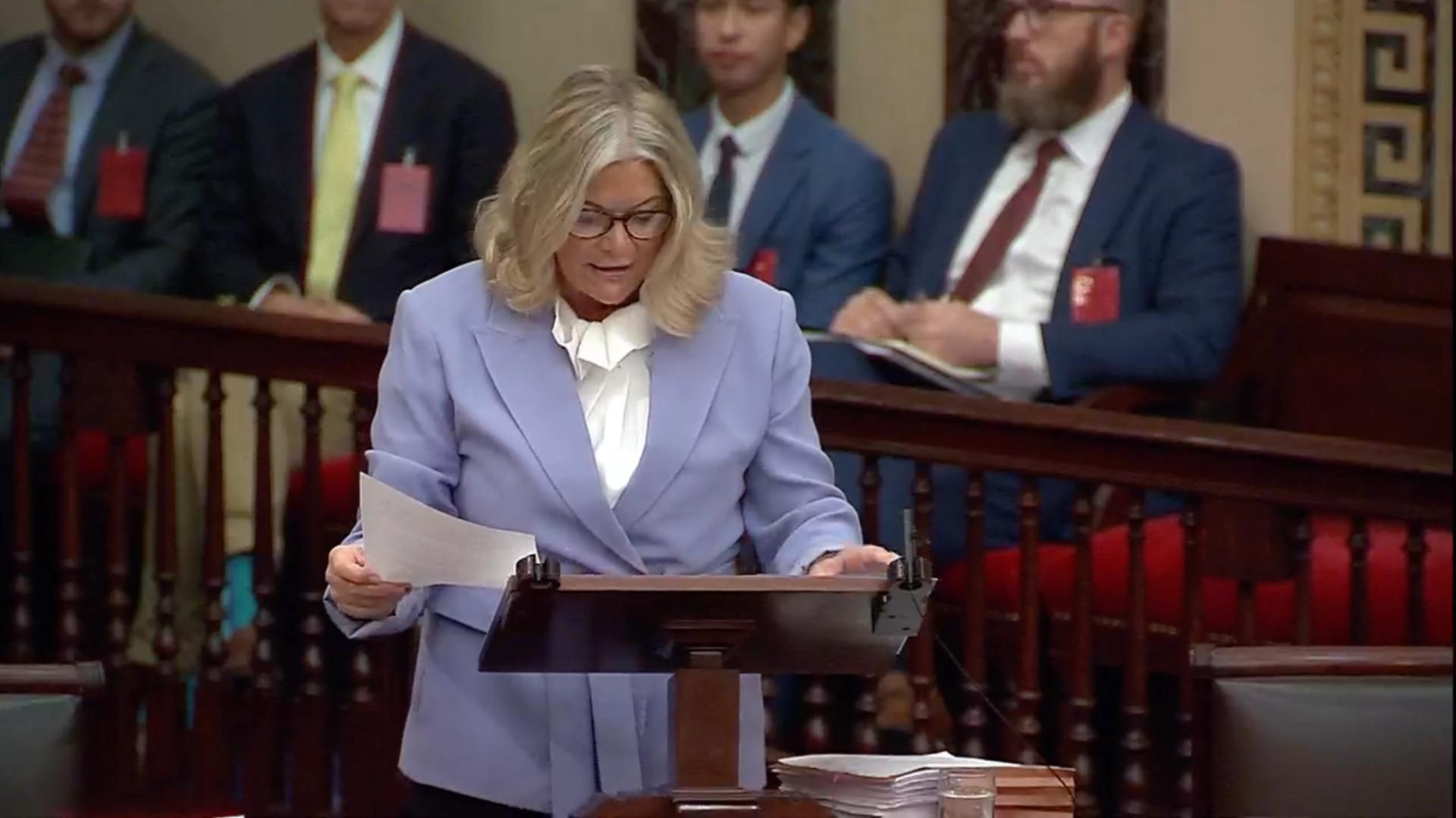
ضربة قوية في مجلس الشيوخ للعملات الرقمية: مشروع قانون «الوضوح» يصطدم بجدار والـمجتمع يتفاعليا جماعة، مجلس الشيوخ للتو قال «لا» على مشروع قانون «الوضوح»، ما يعني أن حلم صناعة العملات الرقمية بإطار تنظيمي واضح ما زال عالقًا في حفرة تشريعية. المشروع الذي كان يهدف إلى منح شركات العملات الرقمية أساسًا قانونيًا متينًا لم يصل إلى عتبة الـ60 صوتًا—لذلك ما زال سوق العملات الرقمية يتعامل داخل «ملعب قانوني» غير متوقع مثل سعر عملة ميمية.
الرؤية ألفا: صُمّم مشروع قانون «الوضوح» لتوضيح كيفية تطبيق قوانين الأوراق المالية القائمة على العملات الرقمية، ما قد يقلل الغموض القانوني بالنسبة للبورصات وبروتوكولات الـDeFi ومقدمي المحافظ. ويدل فشله على أن الجهات التنظيمية ما زالت متحفظة تجاه احتضان العملات الرقمية بالكامل، وأن على الصناعة مواصلة الدفع من أجل الوضوح بينما تواصل التنقل بين فسيفساء من القواعد على مستوى الولايات والقواعد الفيدرالية. #CryptoRegulation #DeFi #Binance
ضربة قوية في مجلس الشيوخ للعملات الرقمية: مشروع قانون «الوضوح» يصطدم بجدار والـمجتمع يتفاعل
يا جماعة، مجلس الشيوخ للتو قال «لا» على مشروع قانون «الوضوح»، ما يعني أن حلم صناعة العملات الرقمية بإطار تنظيمي واضح ما زال عالقًا في حفرة تشريعية. المشروع الذي كان يهدف إلى منح شركات العملات الرقمية أساسًا قانونيًا متينًا لم يصل إلى عتبة الـ60 صوتًا—لذلك ما زال سوق العملات الرقمية يتعامل داخل «ملعب قانوني» غير متوقع مثل سعر عملة ميمية.
الرؤية ألفا: صُمّم مشروع قانون «الوضوح» لتوضيح كيفية تطبيق قوانين الأوراق المالية القائمة على العملات الرقمية، ما قد يقلل الغموض القانوني بالنسبة للبورصات وبروتوكولات الـDeFi ومقدمي المحافظ. ويدل فشله على أن الجهات التنظيمية ما زالت متحفظة تجاه احتضان العملات الرقمية بالكامل، وأن على الصناعة مواصلة الدفع من أجل الوضوح بينما تواصل التنقل بين فسيفساء من القواعد على مستوى الولايات والقواعد الفيدرالية. #CryptoRegulation #DeFi #Binance
الرؤية ألفا: صُمّم مشروع قانون «الوضوح» لتوضيح كيفية تطبيق قوانين الأوراق المالية القائمة على العملات الرقمية، ما قد يقلل الغموض القانوني بالنسبة للبورصات وبروتوكولات الـDeFi ومقدمي المحافظ. ويدل فشله على أن الجهات التنظيمية ما زالت متحفظة تجاه احتضان العملات الرقمية بالكامل، وأن على الصناعة مواصلة الدفع من أجل الوضوح بينما تواصل التنقل بين فسيفساء من القواعد على مستوى الولايات والقواعد الفيدرالية. #CryptoRegulation #DeFi #Binance
4

#bessentendorsesfinalclarityactdraft
وزير الخزانة سكوت بيسنت يؤيد رسميًا الآن مسودة مشروع قانون CLARITY النهائية قبل تصويت مجلس الشيوخ الحاسم اليوم. موقفه واضح: إن إقرار هذه التشريعات ضروري لكي تقود الولايات المتحدة مجال الأصول الرقمية عالميًا، والمسودة المحدثة تمنح وزارة الخزانة أخيرًا السلطة التي تحتاجها لإدارة مخاطر العملات المستقرة على المصارف المجتمعية.
يحتاج مجلس الشيوخ إلى 60 صوتًا لتمرير هذا الأمر اليوم، ونحن نشهد بالفعل تراجعًا/توحيدًا أوسع في السوق بينما تنتظر السيولة على الهامش. كما هو الحال دائمًا، ينصب تركيزي هنا على التحليل الكلي فقط. إن تحول تنظيمي بهذا الحجم هو ما يحدد في النهاية البنية طويلة الأجل للسوق والاتجاه الذي ستتجه إليه الأموال المؤسسية بعد ذلك. توقّع بعض التقلبات الحادة عبر مختلف القطاعات بمجرد دعوة التصويت النهائي.
#CLARITYAct #CryptoRegulation #ScottBessent
$BTC
{future}(BTCUSDT)
$SOL
{future}(SOLUSDT)
$XRP
{future}(XRPUSDT)
#bessentendorsesfinalclarityactdraft
وزير الخزانة سكوت بيسنت يؤيد رسميًا الآن مسودة مشروع قانون CLARITY النهائية قبل تصويت مجلس الشيوخ الحاسم اليوم. موقفه واضح: إن إقرار هذه التشريعات ضروري لكي تقود الولايات المتحدة مجال الأصول الرقمية عالميًا، والمسودة المحدثة تمنح وزارة الخزانة أخيرًا السلطة التي تحتاجها لإدارة مخاطر العملات المستقرة على المصارف المجتمعية.
يحتاج مجلس الشيوخ إلى 60 صوتًا لتمرير هذا الأمر اليوم، ونحن نشهد بالفعل تراجعًا/توحيدًا أوسع في السوق بينما تنتظر السيولة على الهامش. كما هو الحال دائمًا، ينصب تركيزي هنا على التحليل الكلي فقط. إن تحول تنظيمي بهذا الحجم هو ما يحدد في النهاية البنية طويلة الأجل للسوق والاتجاه الذي ستتجه إليه الأموال المؤسسية بعد ذلك. توقّع بعض التقلبات الحادة عبر مختلف القطاعات بمجرد دعوة التصويت النهائي.
#CLARITYAct #CryptoRegulation #ScottBessent
$BTC
$SOL
$XRP
وزير الخزانة سكوت بيسنت يؤيد رسميًا الآن مسودة مشروع قانون CLARITY النهائية قبل تصويت مجلس الشيوخ الحاسم اليوم. موقفه واضح: إن إقرار هذه التشريعات ضروري لكي تقود الولايات المتحدة مجال الأصول الرقمية عالميًا، والمسودة المحدثة تمنح وزارة الخزانة أخيرًا السلطة التي تحتاجها لإدارة مخاطر العملات المستقرة على المصارف المجتمعية.
يحتاج مجلس الشيوخ إلى 60 صوتًا لتمرير هذا الأمر اليوم، ونحن نشهد بالفعل تراجعًا/توحيدًا أوسع في السوق بينما تنتظر السيولة على الهامش. كما هو الحال دائمًا، ينصب تركيزي هنا على التحليل الكلي فقط. إن تحول تنظيمي بهذا الحجم هو ما يحدد في النهاية البنية طويلة الأجل للسوق والاتجاه الذي ستتجه إليه الأموال المؤسسية بعد ذلك. توقّع بعض التقلبات الحادة عبر مختلف القطاعات بمجرد دعوة التصويت النهائي.
#CLARITYAct #CryptoRegulation #ScottBessent
$BTC
$SOL
$XRP

ABO3ZAM:
تحليل دقيق يا فيصل. ترقب تمرير التشريع يفرض حالة ترقب وتمركز حذر للسيولة. راقب تفاعل الأسعار عند مناطق الرفض السعري بدقة، واحرص على تأمين الأرباح وإدارة المخاطر بحزم لحين تأكيد الارتداد الفعلي للاتجاه اللحظي.
4
1
402

·
--
صاعد
🚨 متداولو العملات الرقمية، قد يهز مجلس الشيوخ السوق اليوم.
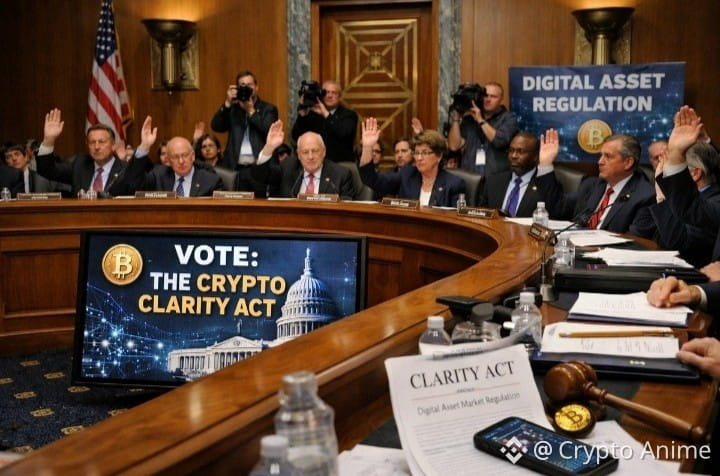
يتجه قانون CLARITY إلى لحظة حاسمة. 🇺🇸
ومع اقتراب تصويت إجرائي يوم الثلاثاء الساعة 2:15 مساءً بتوقيت شرق الولايات المتحدة، أرسل الديمقراطيون في مجلس الشيوخ إلى الجمهوريين اقتراحًا مضادًا في اللحظة الأخيرة.
🔹 يدفع الديمقراطيون من أجل حماية أقوى للمستثمرين وإشراف أكثر صرامة على العملات الرقمية.
🔹 يجادل الجمهوريون بأن الكثير من القيود قد يُبطئ الابتكار ويدفع شركات العملات الرقمية إلى الانتقال إلى الخارج.
🔹 يحتاج مشروع القانون إلى 60 صوتًا للمضي قدمًا.
لا تزال المفاوضات جارية، وقد تؤدي النتيجة إلى تقلبات جديدة في أسواق العملات الرقمية.
أنا أتابع هذا عن كثب. عنوان سياسي واحد قد يتحول بسرعة إلى محفّز يؤثر على السوق. 👀📈
DYOR • NFA 🚀
$DOT $IDOL $BULLA
{future}(BULLAUSDT)
{future}(IDOLUSDT)
{future}(DOTUSDT)
#CryptoNews #CLARITYAct #bitcoin #CryptoRegulation
🚨 متداولو العملات الرقمية، قد يهز مجلس الشيوخ السوق اليوم.
يتجه قانون CLARITY إلى لحظة حاسمة. 🇺🇸
ومع اقتراب تصويت إجرائي يوم الثلاثاء الساعة 2:15 مساءً بتوقيت شرق الولايات المتحدة، أرسل الديمقراطيون في مجلس الشيوخ إلى الجمهوريين اقتراحًا مضادًا في اللحظة الأخيرة.
🔹 يدفع الديمقراطيون من أجل حماية أقوى للمستثمرين وإشراف أكثر صرامة على العملات الرقمية.
🔹 يجادل الجمهوريون بأن الكثير من القيود قد يُبطئ الابتكار ويدفع شركات العملات الرقمية إلى الانتقال إلى الخارج.
🔹 يحتاج مشروع القانون إلى 60 صوتًا للمضي قدمًا.
لا تزال المفاوضات جارية، وقد تؤدي النتيجة إلى تقلبات جديدة في أسواق العملات الرقمية.
أنا أتابع هذا عن كثب. عنوان سياسي واحد قد يتحول بسرعة إلى محفّز يؤثر على السوق. 👀📈
DYOR • NFA 🚀
$DOT $IDOL $BULLA
#CryptoNews #CLARITYAct #bitcoin #CryptoRegulation
يتجه قانون CLARITY إلى لحظة حاسمة. 🇺🇸
ومع اقتراب تصويت إجرائي يوم الثلاثاء الساعة 2:15 مساءً بتوقيت شرق الولايات المتحدة، أرسل الديمقراطيون في مجلس الشيوخ إلى الجمهوريين اقتراحًا مضادًا في اللحظة الأخيرة.
🔹 يدفع الديمقراطيون من أجل حماية أقوى للمستثمرين وإشراف أكثر صرامة على العملات الرقمية.
🔹 يجادل الجمهوريون بأن الكثير من القيود قد يُبطئ الابتكار ويدفع شركات العملات الرقمية إلى الانتقال إلى الخارج.
🔹 يحتاج مشروع القانون إلى 60 صوتًا للمضي قدمًا.
لا تزال المفاوضات جارية، وقد تؤدي النتيجة إلى تقلبات جديدة في أسواق العملات الرقمية.
أنا أتابع هذا عن كثب. عنوان سياسي واحد قد يتحول بسرعة إلى محفّز يؤثر على السوق. 👀📈
DYOR • NFA 🚀
$DOT $IDOL $BULLA
#CryptoNews #CLARITYAct #bitcoin #CryptoRegulation
1
15
·
--
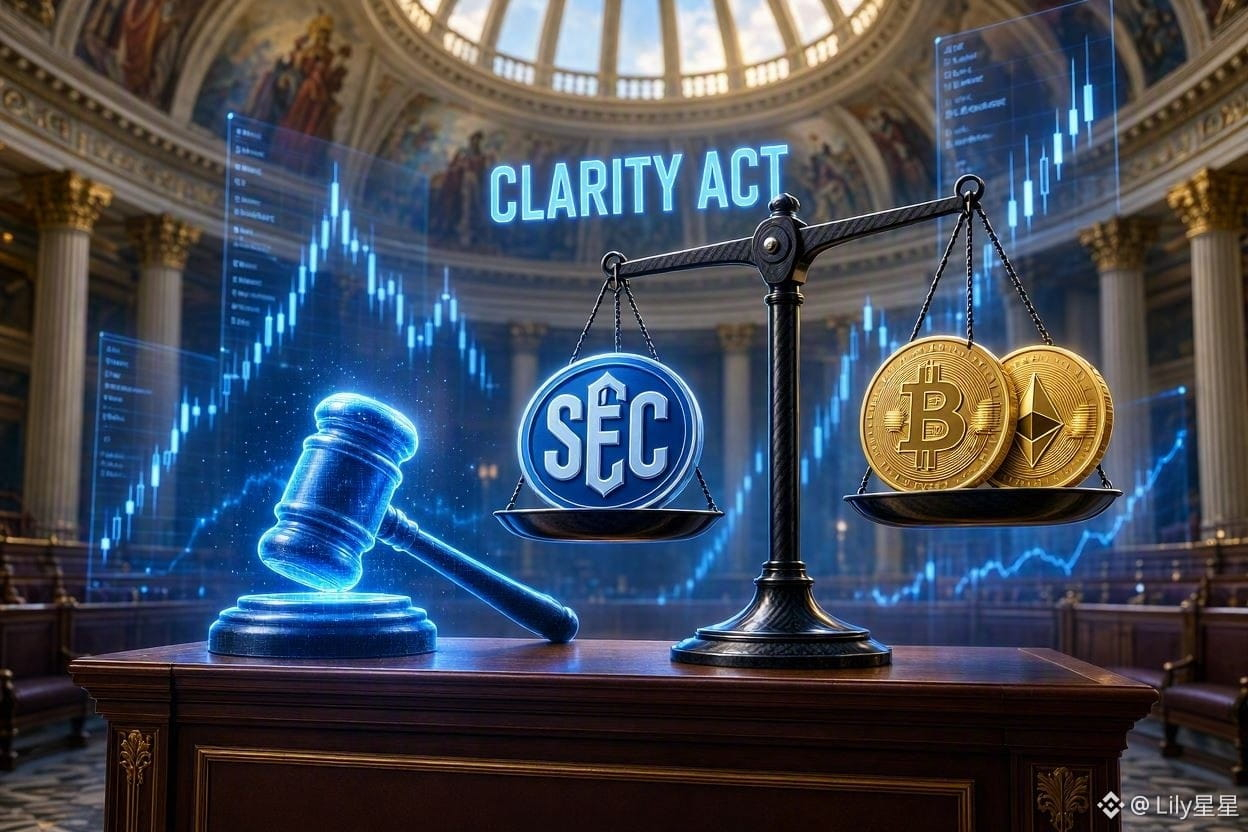
#secchairurgescongresstoadvanceclarityact
المنعطف التنظيمي: هيئة الأوراق المالية والبورصات تحث الكونغرس على إقرار قانون CLARITY مع اقتراب تصويت مجلس الشيوخ 🏛️📜
🚨 في تحول تاريخي لسياسة الأصول الرقمية في الولايات المتحدة، دعا رئيس هيئة الأوراق المالية والبورصات بول أتكينز علنًا الكونغرس إلى المضي بسرعة في قانون CLARITY وإرساله إلى مكتب الرئيس! 🇺🇸⚡
وخاطب أتكينز معهد سولانا للسياسات، مؤكدًا أن الحدود التشريعية الواضحة ضرورية لإزالة حالة عدم اليقين التنظيمي ومنع الابتكار من مغادرة الشواطئ.
📊 ملخص النقاط الأساسية:
🏛️ قواعد اختصاص صريحة: يحدد قانون CLARITY رسميًا حدود الاختصاص بين هيئة الأوراق المالية والبورصات (SEC) ولجنة تداول السلع الآجلة (CFTC)، من خلال معايير واضحة لتصنيف الرموز.
🛠️ صياغة قواعد متوازية لـ SEC: بينما يحث الكونغرس على تمرير التشريع، تعمل هيئة الأوراق المالية والبورصات على تطوير إطارها الداخلي "تنظيم أصول التشفير" ضمن مشروع Crypto لتقليل احتكاك جمع التمويل.
🛡️ ضمانات للمطورين غير الاحتيازيين: يتضمن حمايات أساسية للمطورين غير الحافظين (non-custodial) والعمال (miners) ومشغلي العقد (node operators) عبر أحكام قانون اليقين التنظيمي لسلسلة الكتل المدمج (BRCA).
📈 وصول مؤسساتي: أدى تقدم مجلس الشيوخ على مشروع القانون إلى بث ثقة متجددة، حيث تستعد المؤسسات المالية الكبرى لإطلاق عروض مخصصة لأصول مُرمّزة (tokenized assets) قبل التصويت.
💡 لماذا يهم السوق:
إن الانتقال من "التنظيم عبر الإنفاذ" إلى قواعد تشريعية واضحة يمنح التمويل التقليدي المخطط القانوني المطلوب لتمكين نشر رأس المال على نطاق واسع. إن الوضوح التنظيمي يتحول إلى أحد أكبر المحفزات البنيوية لتبني Web3! 🌍💰
💬 هل سيؤدي تمرير قانون CLARITY إلى بدء موجة صعود هائلة لعملات بديلة مدعومة من المؤسسات؟ اترك توقعاتك أدناه! 👇
#SEC #CryptoRegulation #GrayscalePutsXRPAt26.11%InAdvisorPortfolio
#secchairurgescongresstoadvanceclarityact
المنعطف التنظيمي: هيئة الأوراق المالية والبورصات تحث الكونغرس على إقرار قانون CLARITY مع اقتراب تصويت مجلس الشيوخ 🏛️📜
🚨 في تحول تاريخي لسياسة الأصول الرقمية في الولايات المتحدة، دعا رئيس هيئة الأوراق المالية والبورصات بول أتكينز علنًا الكونغرس إلى المضي بسرعة في قانون CLARITY وإرساله إلى مكتب الرئيس! 🇺🇸⚡
وخاطب أتكينز معهد سولانا للسياسات، مؤكدًا أن الحدود التشريعية الواضحة ضرورية لإزالة حالة عدم اليقين التنظيمي ومنع الابتكار من مغادرة الشواطئ.
📊 ملخص النقاط الأساسية:
🏛️ قواعد اختصاص صريحة: يحدد قانون CLARITY رسميًا حدود الاختصاص بين هيئة الأوراق المالية والبورصات (SEC) ولجنة تداول السلع الآجلة (CFTC)، من خلال معايير واضحة لتصنيف الرموز.
🛠️ صياغة قواعد متوازية لـ SEC: بينما يحث الكونغرس على تمرير التشريع، تعمل هيئة الأوراق المالية والبورصات على تطوير إطارها الداخلي "تنظيم أصول التشفير" ضمن مشروع Crypto لتقليل احتكاك جمع التمويل.
🛡️ ضمانات للمطورين غير الاحتيازيين: يتضمن حمايات أساسية للمطورين غير الحافظين (non-custodial) والعمال (miners) ومشغلي العقد (node operators) عبر أحكام قانون اليقين التنظيمي لسلسلة الكتل المدمج (BRCA).
📈 وصول مؤسساتي: أدى تقدم مجلس الشيوخ على مشروع القانون إلى بث ثقة متجددة، حيث تستعد المؤسسات المالية الكبرى لإطلاق عروض مخصصة لأصول مُرمّزة (tokenized assets) قبل التصويت.
💡 لماذا يهم السوق:
إن الانتقال من "التنظيم عبر الإنفاذ" إلى قواعد تشريعية واضحة يمنح التمويل التقليدي المخطط القانوني المطلوب لتمكين نشر رأس المال على نطاق واسع. إن الوضوح التنظيمي يتحول إلى أحد أكبر المحفزات البنيوية لتبني Web3! 🌍💰
💬 هل سيؤدي تمرير قانون CLARITY إلى بدء موجة صعود هائلة لعملات بديلة مدعومة من المؤسسات؟ اترك توقعاتك أدناه! 👇
#SEC #CryptoRegulation #GrayscalePutsXRPAt26.11%InAdvisorPortfolio
المنعطف التنظيمي: هيئة الأوراق المالية والبورصات تحث الكونغرس على إقرار قانون CLARITY مع اقتراب تصويت مجلس الشيوخ 🏛️📜
🚨 في تحول تاريخي لسياسة الأصول الرقمية في الولايات المتحدة، دعا رئيس هيئة الأوراق المالية والبورصات بول أتكينز علنًا الكونغرس إلى المضي بسرعة في قانون CLARITY وإرساله إلى مكتب الرئيس! 🇺🇸⚡
وخاطب أتكينز معهد سولانا للسياسات، مؤكدًا أن الحدود التشريعية الواضحة ضرورية لإزالة حالة عدم اليقين التنظيمي ومنع الابتكار من مغادرة الشواطئ.
📊 ملخص النقاط الأساسية:
🏛️ قواعد اختصاص صريحة: يحدد قانون CLARITY رسميًا حدود الاختصاص بين هيئة الأوراق المالية والبورصات (SEC) ولجنة تداول السلع الآجلة (CFTC)، من خلال معايير واضحة لتصنيف الرموز.
🛠️ صياغة قواعد متوازية لـ SEC: بينما يحث الكونغرس على تمرير التشريع، تعمل هيئة الأوراق المالية والبورصات على تطوير إطارها الداخلي "تنظيم أصول التشفير" ضمن مشروع Crypto لتقليل احتكاك جمع التمويل.
🛡️ ضمانات للمطورين غير الاحتيازيين: يتضمن حمايات أساسية للمطورين غير الحافظين (non-custodial) والعمال (miners) ومشغلي العقد (node operators) عبر أحكام قانون اليقين التنظيمي لسلسلة الكتل المدمج (BRCA).
📈 وصول مؤسساتي: أدى تقدم مجلس الشيوخ على مشروع القانون إلى بث ثقة متجددة، حيث تستعد المؤسسات المالية الكبرى لإطلاق عروض مخصصة لأصول مُرمّزة (tokenized assets) قبل التصويت.
💡 لماذا يهم السوق:
إن الانتقال من "التنظيم عبر الإنفاذ" إلى قواعد تشريعية واضحة يمنح التمويل التقليدي المخطط القانوني المطلوب لتمكين نشر رأس المال على نطاق واسع. إن الوضوح التنظيمي يتحول إلى أحد أكبر المحفزات البنيوية لتبني Web3! 🌍💰
💬 هل سيؤدي تمرير قانون CLARITY إلى بدء موجة صعود هائلة لعملات بديلة مدعومة من المؤسسات؟ اترك توقعاتك أدناه! 👇
#SEC #CryptoRegulation #GrayscalePutsXRPAt26.11%InAdvisorPortfolio
3
254

تُحثّ السيناتور إليزابيث وارن الكونغرس على حظر قانون CLARITY، قائلةً إن مشروع القانون الحالي لا يعالج بشكل كافٍ حماية المستثمرين، ومخاطر النظام المالي، والأمن القومي، وتضارب المصالح المرتبط بالعملات الرقمية. �
اللجنة المصرفية بمجلس الشيوخ الأمريكي +1
وجاء هذا التطور بعد فشل مجلس الشيوخ في إحراز تقدم بشأن مشروع القانون في 15 سبتمبر، بتصويت إجرائي 49–50—وهو أقل من 60 صوتًا المطلوبة. �
reuters.com +1
📉 يتابع متداولو العملات الرقمية التطورات عن كثب.
السؤال المحوري الآن: هل يُبعث قانون CLARITY من جديد، أم تستمر حالة عدم اليقين التنظيمي؟
#Crypto #CLARITYAct #Bitcoin #BTC走势分析 #Ethereum✅ #CryptoRegulation
تُحثّ السيناتور إليزابيث وارن الكونغرس على حظر قانون CLARITY، قائلةً إن مشروع القانون الحالي لا يعالج بشكل كافٍ حماية المستثمرين، ومخاطر النظام المالي، والأمن القومي، وتضارب المصالح المرتبط بالعملات الرقمية. �
اللجنة المصرفية بمجلس الشيوخ الأمريكي +1
وجاء هذا التطور بعد فشل مجلس الشيوخ في إحراز تقدم بشأن مشروع القانون في 15 سبتمبر، بتصويت إجرائي 49–50—وهو أقل من 60 صوتًا المطلوبة. �
reuters.com +1
📉 يتابع متداولو العملات الرقمية التطورات عن كثب.
السؤال المحوري الآن: هل يُبعث قانون CLARITY من جديد، أم تستمر حالة عدم اليقين التنظيمي؟
#Crypto #CLARITYAct #Bitcoin #BTC走势分析 #Ethereum✅ #CryptoRegulation
اللجنة المصرفية بمجلس الشيوخ الأمريكي +1
وجاء هذا التطور بعد فشل مجلس الشيوخ في إحراز تقدم بشأن مشروع القانون في 15 سبتمبر، بتصويت إجرائي 49–50—وهو أقل من 60 صوتًا المطلوبة. �
reuters.com +1
📉 يتابع متداولو العملات الرقمية التطورات عن كثب.
السؤال المحوري الآن: هل يُبعث قانون CLARITY من جديد، أم تستمر حالة عدم اليقين التنظيمي؟
#Crypto #CLARITYAct #Bitcoin #BTC走势分析 #Ethereum✅ #CryptoRegulation
6

·
--
إليك ما حدث عندما تم تأجيل قانون CLARITY مرة أخرى.
تدفق مستثمرو العملات المشفرة على التوقعات بحدوث اختراق فوق 100,000 دولار، فقط ليشاهدوا $BTC يتعثر. يأتي شراء الاندفاع (FOMO) الآن كتذكير مؤلم بكيف يمكن للتنظيم أن يُجمّد الأسواق بدل أن يدفعها إلى الأمام.
التشريع المصمم لإعطاء العملات المشفرة قواعد واضحة في الولايات المتحدة لا يصل في أي وقت قريب. وبدونه $BTC يبقى ضمن نطاق تداول، بينما تنتظر الأموال الكبيرة على الهامش. وقد أظهرت التأخيرات المماثلة في الماضي مدى السرعة التي يمكن أن يتلاشى بها التفاؤل.
غاب عن معظم المتداولين وجود علامات التحذير هنا. إن حالة عدم اليقين نفسها التي تُثقل كاهل $BTC تُعيق أيضًا $ETH و $SOL عن أي زخم حقيقي. ما نتعلمه هو أن الرهان على تمرير مشاريع القوانين في موعدها غالبًا يعني الوقوع في تذبذب متكرر.
إلى أين برأيك سيتجه الأمر من هنا؟
#Bitcoin #CryptoRegulation #MarketRisks
إليك ما حدث عندما تم تأجيل قانون CLARITY مرة أخرى.
تدفق مستثمرو العملات المشفرة على التوقعات بحدوث اختراق فوق 100,000 دولار، فقط ليشاهدوا $BTC يتعثر. يأتي شراء الاندفاع (FOMO) الآن كتذكير مؤلم بكيف يمكن للتنظيم أن يُجمّد الأسواق بدل أن يدفعها إلى الأمام.
التشريع المصمم لإعطاء العملات المشفرة قواعد واضحة في الولايات المتحدة لا يصل في أي وقت قريب. وبدونه $BTC يبقى ضمن نطاق تداول، بينما تنتظر الأموال الكبيرة على الهامش. وقد أظهرت التأخيرات المماثلة في الماضي مدى السرعة التي يمكن أن يتلاشى بها التفاؤل.
غاب عن معظم المتداولين وجود علامات التحذير هنا. إن حالة عدم اليقين نفسها التي تُثقل كاهل $BTC تُعيق أيضًا $ETH و $SOL عن أي زخم حقيقي. ما نتعلمه هو أن الرهان على تمرير مشاريع القوانين في موعدها غالبًا يعني الوقوع في تذبذب متكرر.
إلى أين برأيك سيتجه الأمر من هنا؟
#Bitcoin #CryptoRegulation #MarketRisks
تدفق مستثمرو العملات المشفرة على التوقعات بحدوث اختراق فوق 100,000 دولار، فقط ليشاهدوا $BTC يتعثر. يأتي شراء الاندفاع (FOMO) الآن كتذكير مؤلم بكيف يمكن للتنظيم أن يُجمّد الأسواق بدل أن يدفعها إلى الأمام.
التشريع المصمم لإعطاء العملات المشفرة قواعد واضحة في الولايات المتحدة لا يصل في أي وقت قريب. وبدونه $BTC يبقى ضمن نطاق تداول، بينما تنتظر الأموال الكبيرة على الهامش. وقد أظهرت التأخيرات المماثلة في الماضي مدى السرعة التي يمكن أن يتلاشى بها التفاؤل.
غاب عن معظم المتداولين وجود علامات التحذير هنا. إن حالة عدم اليقين نفسها التي تُثقل كاهل $BTC تُعيق أيضًا $ETH و $SOL عن أي زخم حقيقي. ما نتعلمه هو أن الرهان على تمرير مشاريع القوانين في موعدها غالبًا يعني الوقوع في تذبذب متكرر.
إلى أين برأيك سيتجه الأمر من هنا؟
#Bitcoin #CryptoRegulation #MarketRisks
76
·
--
هل لاحظت أن أحدًا لا يتحدث عن سبب تعثر قانون CLARITY المتعثر، بينما يبقى الرقم $BTC عالقًا تحت 100,000 دولار؟
يواجه متداولو العملات المشفرة الألم نفسه: مشاهدة الاختراقات المحتملة وهي تتلاشى. يشترون بدافع FOMO فقط ليجدوا أنفسهم محاصرين داخل نطاقات دون إشارة واضحة للخروج.
كان من المتوقع أن يوفّر قانون CLARITY قواعد طال انتظارها لهذه الصناعة، لكنه لن يأتي في أي وقت قريب. وقد يستمر سعر البيتكوين في التداول دون 100,000 دولار كنتيجة مباشرة لذلك. يقدّم هذا التأخير دراسة حالة واضحة على تعطل التشريعات التي تحدّ من $BTC إمكانات الصعود، وتسحب $ETH معها في بيئة غير مؤكدة نفسها.
تكره الأسواق الانتظار. ما يبدو وكأنه عقبة مؤقتة غالبًا ما يمتد إلى أشهر من حركة جانبية.
إلى أين تعتقد أن الأمور ستتجه من هنا؟
#BTC #CryptoRegulation #Bitcoin
هل لاحظت أن أحدًا لا يتحدث عن سبب تعثر قانون CLARITY المتعثر، بينما يبقى الرقم $BTC عالقًا تحت 100,000 دولار؟
يواجه متداولو العملات المشفرة الألم نفسه: مشاهدة الاختراقات المحتملة وهي تتلاشى. يشترون بدافع FOMO فقط ليجدوا أنفسهم محاصرين داخل نطاقات دون إشارة واضحة للخروج.
كان من المتوقع أن يوفّر قانون CLARITY قواعد طال انتظارها لهذه الصناعة، لكنه لن يأتي في أي وقت قريب. وقد يستمر سعر البيتكوين في التداول دون 100,000 دولار كنتيجة مباشرة لذلك. يقدّم هذا التأخير دراسة حالة واضحة على تعطل التشريعات التي تحدّ من $BTC إمكانات الصعود، وتسحب $ETH معها في بيئة غير مؤكدة نفسها.
تكره الأسواق الانتظار. ما يبدو وكأنه عقبة مؤقتة غالبًا ما يمتد إلى أشهر من حركة جانبية.
إلى أين تعتقد أن الأمور ستتجه من هنا؟
#BTC #CryptoRegulation #Bitcoin
يواجه متداولو العملات المشفرة الألم نفسه: مشاهدة الاختراقات المحتملة وهي تتلاشى. يشترون بدافع FOMO فقط ليجدوا أنفسهم محاصرين داخل نطاقات دون إشارة واضحة للخروج.
كان من المتوقع أن يوفّر قانون CLARITY قواعد طال انتظارها لهذه الصناعة، لكنه لن يأتي في أي وقت قريب. وقد يستمر سعر البيتكوين في التداول دون 100,000 دولار كنتيجة مباشرة لذلك. يقدّم هذا التأخير دراسة حالة واضحة على تعطل التشريعات التي تحدّ من $BTC إمكانات الصعود، وتسحب $ETH معها في بيئة غير مؤكدة نفسها.
تكره الأسواق الانتظار. ما يبدو وكأنه عقبة مؤقتة غالبًا ما يمتد إلى أشهر من حركة جانبية.
إلى أين تعتقد أن الأمور ستتجه من هنا؟
#BTC #CryptoRegulation #Bitcoin
87
سجّل الدخول لاستكشاف المزيد من المُحتوى
انضم إلى مُستخدمي العملات الرقمية حول العالم على Binance Square
⚡️ احصل على أحدث المعلومات المفيدة عن العملات الرقمية.
💬 موثوقة من قبل أكبر منصّة لتداول العملات الرقمية في العالم.
👍 اكتشف الرؤى الحقيقية من صنّاع المُحتوى الموثوقين.
البريد الإلكتروني / رقم الهاتف
المواضيع الرائجة
1
#FedRateWatch
670,735 مشاهدات
3,148 يقومون بالنقاش
2
#EthereumFallsBelow$2400
635 مشاهدات
31 يقومون بالنقاش
3
#USSenateBlocksClarityAct
2,315 مشاهدات
123 يقومون بالنقاش
4
#BitcoinSlidesTo$76000
28,282 مشاهدات
137 يقومون بالنقاش
5
#BitcoinReboundsTo$79K
64,355 مشاهدات
412 يقومون بالنقاش
6
#StrategyMarketCapPassesFord
48,505 مشاهدات
764 يقومون بالنقاش
7
#ClarityActOddsHalveOnPolymarket
79,706 مشاهدات
661 يقومون بالنقاش
8
#US30YTreasuryYieldTops5.40%
41,588 مشاهدات
427 يقومون بالنقاش
9
#BessentEndorsesFinalClarityActDraft
63,798 مشاهدات
800 يقومون بالنقاش
10
#ZamaOpens16ConfidentialMorphoVaults
22,410 مشاهدات
388 يقومون بالنقاش