

#crypro
crypro
315,046 مشاهدات
358 يقومون بالنقاش
رائج
جديد

مستثمرو العملات الرقمية والمتداولون 🌚🌚
#crypro
مستثمرو العملات الرقمية والمتداولون 🌚🌚
#crypro
#crypro
1
37

·
--
صاعد
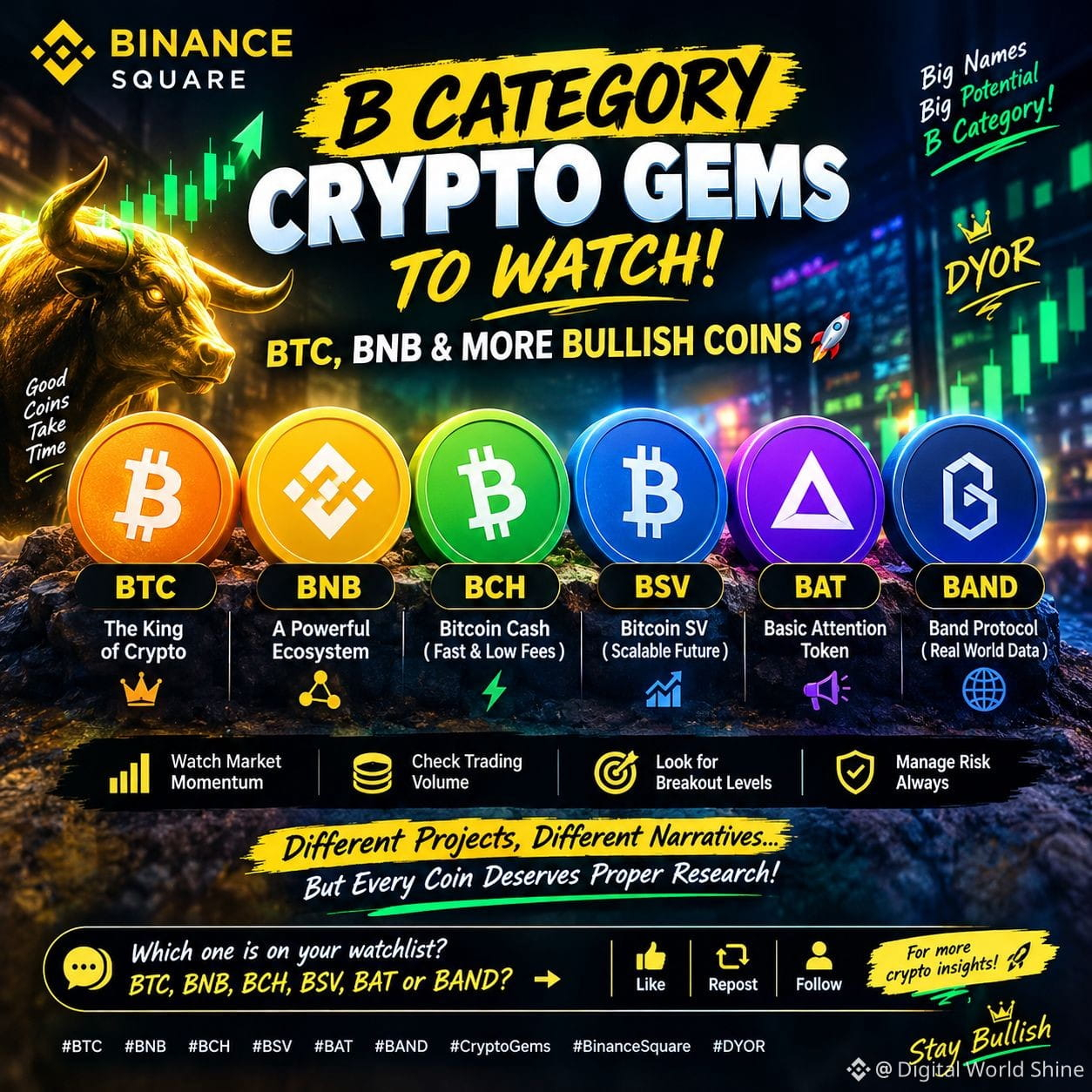
جواهر الفئة B التي تستحق المتابعة!
| BTC وBNB وعملات صاعدة أخرى
$BTC — ملك العملات الرقمية
$BNB — منظومة عملات رقمية قوية
$BCH — بيتكوين كاش
$ BSV — بيتكوين إس في
$ BAT — رمز Basic Attention Token
$ BAND — بروتوكول Band
{spot}(BTCUSDT)
{spot}(BNBUSDT)
{spot}(BCHUSDT)
مشاريع مختلفة وروايات مختلفة — لكن كل عملة تستحق بحثًا دقيقًا قبل الدخول في أي صفقة!
واصلوا متابعة زخم السوق وحجم التداول ومستويات الاختراق الرئيسية. قد تكون الفرصة التالية أقرب مما تظن!
أيّ منها على قائمة مراقبتك؟
BTC أو BNB أو BCH أو BSV أو BAT أو BAND؟ 👇
❤️ أعجبني | 🔁 إعادة النشر | ➕ تابع للمزيد من قوائم العملات الرقمية!
#BTC #crypro #CryptoGems #BinanceSquareTalks
جواهر الفئة B التي تستحق المتابعة!
| BTC وBNB وعملات صاعدة أخرى
$BTC — ملك العملات الرقمية
$BNB — منظومة عملات رقمية قوية
$BCH — بيتكوين كاش
$ BSV — بيتكوين إس في
$ BAT — رمز Basic Attention Token
$ BAND — بروتوكول Band
مشاريع مختلفة وروايات مختلفة — لكن كل عملة تستحق بحثًا دقيقًا قبل الدخول في أي صفقة!
واصلوا متابعة زخم السوق وحجم التداول ومستويات الاختراق الرئيسية. قد تكون الفرصة التالية أقرب مما تظن!
أيّ منها على قائمة مراقبتك؟
BTC أو BNB أو BCH أو BSV أو BAT أو BAND؟ 👇
❤️ أعجبني | 🔁 إعادة النشر | ➕ تابع للمزيد من قوائم العملات الرقمية!
#BTC #crypro #CryptoGems #BinanceSquareTalks
| BTC وBNB وعملات صاعدة أخرى
$BTC — ملك العملات الرقمية
$BNB — منظومة عملات رقمية قوية
$BCH — بيتكوين كاش
$ BSV — بيتكوين إس في
$ BAT — رمز Basic Attention Token
$ BAND — بروتوكول Band
مشاريع مختلفة وروايات مختلفة — لكن كل عملة تستحق بحثًا دقيقًا قبل الدخول في أي صفقة!
واصلوا متابعة زخم السوق وحجم التداول ومستويات الاختراق الرئيسية. قد تكون الفرصة التالية أقرب مما تظن!
أيّ منها على قائمة مراقبتك؟
BTC أو BNB أو BCH أو BSV أو BAT أو BAND؟ 👇
❤️ أعجبني | 🔁 إعادة النشر | ➕ تابع للمزيد من قوائم العملات الرقمية!
#BTC #crypro #CryptoGems #BinanceSquareTalks
1
198
🚨 أسبوع حافل ينتظر الأسواق!
📅 أبرز الأحداث الاقتصادية التي تستحق المتابعة هذا الأسبوع (12–16 أكتوبر):
🇮🇳 الاثنين، 12 أكتوبر — 5:30 مساءً بتوقيت الهند القياسي • تضخم مؤشر أسعار المستهلكين في الهند
🇺🇸 الثلاثاء، 13 أكتوبر — 5:45 مساءً بتوقيت الهند القياسي • بيانات التوظيف الأسبوعية من ADP
🇺🇸 الأربعاء، 14 أكتوبر — 6:00 مساءً بتوقيت الهند القياسي • تضخم مؤشر أسعار المستهلكين في الولايات المتحدة
🇮🇳 الأربعاء، 14 أكتوبر — 12:00 ظهرًا بتوقيت الهند القياسي • تضخم مؤشر أسعار الجملة في الهند
🇺🇸 الخميس، 15 أكتوبر — 6:00 مساءً بتوقيت الهند القياسي • مؤشر أسعار المنتجين الأمريكي، ومطالبات إعانة البطالة ومبيعات التجزئة
🇺🇸 الجمعة، 16 أكتوبر — 6:45 مساءً بتوقيت الهند القياسي • الإنتاج الصناعي الأمريكي
🇺🇸 الجمعة، 16 أكتوبر • تصريحات كيفن وارش بشأن السياسة النقدية
📊 لماذا يهم ذلك؟
قد تؤثر بيانات التضخم وأرقام التوظيف وإنفاق المستهلكين في توقعات أسعار الفائدة، وتتسبب في تقلبات في الأسهم والذهب والدولار الأمريكي والعملات المشفرة. ₿📈📉
👀 ابقوا متيقظين. فقد يغيّر أسبوع واحد من البيانات الاقتصادية معنويات السوق!
#crypro #bitcoin #StockMarketSuccess #USCPI #التضخم #الذهب #الفوركس #EconomicCalendar
$BTC
{spot}(BTCUSDT)
$ETH
{spot}(ETHUSDT)
$BNB
{spot}(BNBUSDT)
🚨 أسبوع حافل ينتظر الأسواق!
📅 أبرز الأحداث الاقتصادية التي تستحق المتابعة هذا الأسبوع (12–16 أكتوبر):
🇮🇳 الاثنين، 12 أكتوبر — 5:30 مساءً بتوقيت الهند القياسي • تضخم مؤشر أسعار المستهلكين في الهند
🇺🇸 الثلاثاء، 13 أكتوبر — 5:45 مساءً بتوقيت الهند القياسي • بيانات التوظيف الأسبوعية من ADP
🇺🇸 الأربعاء، 14 أكتوبر — 6:00 مساءً بتوقيت الهند القياسي • تضخم مؤشر أسعار المستهلكين في الولايات المتحدة
🇮🇳 الأربعاء، 14 أكتوبر — 12:00 ظهرًا بتوقيت الهند القياسي • تضخم مؤشر أسعار الجملة في الهند
🇺🇸 الخميس، 15 أكتوبر — 6:00 مساءً بتوقيت الهند القياسي • مؤشر أسعار المنتجين الأمريكي، ومطالبات إعانة البطالة ومبيعات التجزئة
🇺🇸 الجمعة، 16 أكتوبر — 6:45 مساءً بتوقيت الهند القياسي • الإنتاج الصناعي الأمريكي
🇺🇸 الجمعة، 16 أكتوبر • تصريحات كيفن وارش بشأن السياسة النقدية
📊 لماذا يهم ذلك؟
قد تؤثر بيانات التضخم وأرقام التوظيف وإنفاق المستهلكين في توقعات أسعار الفائدة، وتتسبب في تقلبات في الأسهم والذهب والدولار الأمريكي والعملات المشفرة. ₿📈📉
👀 ابقوا متيقظين. فقد يغيّر أسبوع واحد من البيانات الاقتصادية معنويات السوق!
#crypro #bitcoin #StockMarketSuccess #USCPI #التضخم #الذهب #الفوركس #EconomicCalendar
$BTC
$ETH
$BNB
📅 أبرز الأحداث الاقتصادية التي تستحق المتابعة هذا الأسبوع (12–16 أكتوبر):
🇮🇳 الاثنين، 12 أكتوبر — 5:30 مساءً بتوقيت الهند القياسي • تضخم مؤشر أسعار المستهلكين في الهند
🇺🇸 الثلاثاء، 13 أكتوبر — 5:45 مساءً بتوقيت الهند القياسي • بيانات التوظيف الأسبوعية من ADP
🇺🇸 الأربعاء، 14 أكتوبر — 6:00 مساءً بتوقيت الهند القياسي • تضخم مؤشر أسعار المستهلكين في الولايات المتحدة
🇮🇳 الأربعاء، 14 أكتوبر — 12:00 ظهرًا بتوقيت الهند القياسي • تضخم مؤشر أسعار الجملة في الهند
🇺🇸 الخميس، 15 أكتوبر — 6:00 مساءً بتوقيت الهند القياسي • مؤشر أسعار المنتجين الأمريكي، ومطالبات إعانة البطالة ومبيعات التجزئة
🇺🇸 الجمعة، 16 أكتوبر — 6:45 مساءً بتوقيت الهند القياسي • الإنتاج الصناعي الأمريكي
🇺🇸 الجمعة، 16 أكتوبر • تصريحات كيفن وارش بشأن السياسة النقدية
📊 لماذا يهم ذلك؟
قد تؤثر بيانات التضخم وأرقام التوظيف وإنفاق المستهلكين في توقعات أسعار الفائدة، وتتسبب في تقلبات في الأسهم والذهب والدولار الأمريكي والعملات المشفرة. ₿📈📉
👀 ابقوا متيقظين. فقد يغيّر أسبوع واحد من البيانات الاقتصادية معنويات السوق!
#crypro #bitcoin #StockMarketSuccess #USCPI #التضخم #الذهب #الفوركس #EconomicCalendar
$BTC
$ETH
$BNB
89

·
--
صاعد
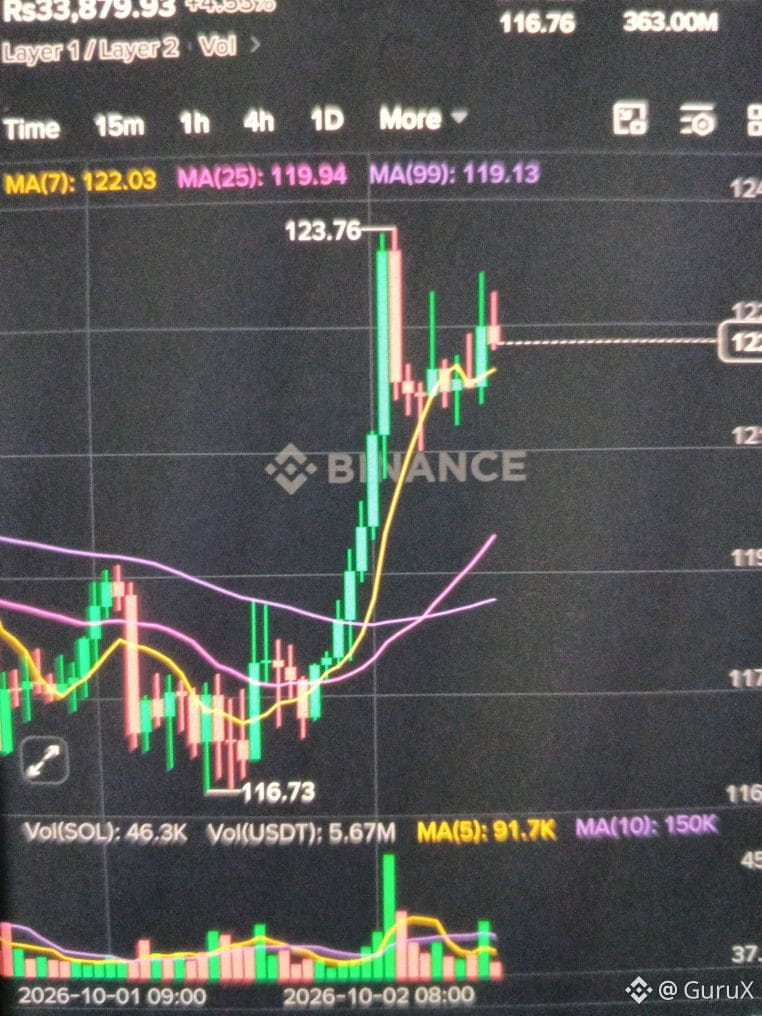
$SOL مخطط فاصل زمني مدته ساعة يُظهر الرفض. هل توجد فرصة للوصول إلى 133$؟
{spot}(SOLUSDT)
#Binance #TradeSignal #crypro
$SOL مخطط فاصل زمني مدته ساعة يُظهر الرفض. هل توجد فرصة للوصول إلى 133$؟
#Binance #TradeSignal #crypro
#Binance #TradeSignal #crypro
67

·
--
#MicronBeatsEarningsLiftsGuidance
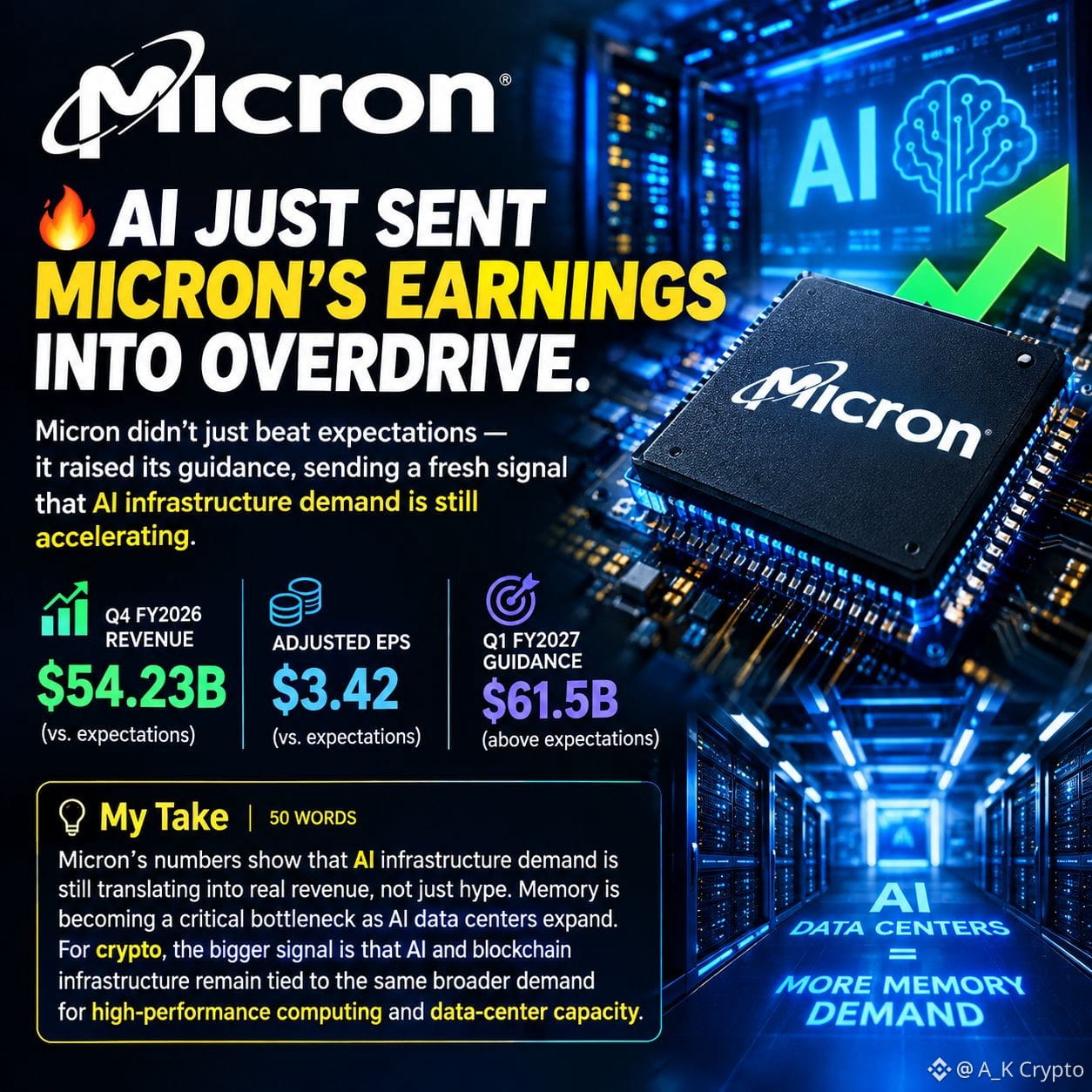
🚨 رفعت Micron سقف التوقعات مع زيادة الطلب على الذكاء الاصطناعي!
فاجأت شركة Micron (MU) بتجاوز توقعات الربع المالي الرابع، حيث حققت إيرادات بلغت 54.23 مليار دولار وربحًا للسهم (معدل) قدره 33.42 دولار. والأكبر: جاءت إرشادات إيرادات الربع الأول من السنة المالية 2027 عند 61.5 مليار دولار، أعلى من التوقعات. ما يزال الطلب على الذاكرة المدفوع بالذكاء الاصطناعي يواصل تغذية نمو عملاق شرائح الذاكرة.
تُظهر أرقام Micron أن طلب البنية التحتية للذكاء الاصطناعي ما زال يتحول إلى إيرادات واقعية، وليس مجرد ضجة. أصبحت الذاكرة عنق زجاجة حاسمًا مع توسع مراكز بيانات الذكاء الاصطناعي. وبالنسبة للعملات الرقمية المشفرة، فإن الإشارة الأهم هي أن البنية التحتية للذكاء الاصطناعي وسلسلة الكتل (بلوك تشين) ما زالت مرتبطة بنفس الطلب الأوسع على الحوسبة عالية الأداء وسعة مراكز البيانات.
#Micron #crypro #Binanace #MicronBeatsEarningsLiftsGuidance
#MicronBeatsEarningsLiftsGuidance
🚨 رفعت Micron سقف التوقعات مع زيادة الطلب على الذكاء الاصطناعي!
فاجأت شركة Micron (MU) بتجاوز توقعات الربع المالي الرابع، حيث حققت إيرادات بلغت 54.23 مليار دولار وربحًا للسهم (معدل) قدره 33.42 دولار. والأكبر: جاءت إرشادات إيرادات الربع الأول من السنة المالية 2027 عند 61.5 مليار دولار، أعلى من التوقعات. ما يزال الطلب على الذاكرة المدفوع بالذكاء الاصطناعي يواصل تغذية نمو عملاق شرائح الذاكرة.
تُظهر أرقام Micron أن طلب البنية التحتية للذكاء الاصطناعي ما زال يتحول إلى إيرادات واقعية، وليس مجرد ضجة. أصبحت الذاكرة عنق زجاجة حاسمًا مع توسع مراكز بيانات الذكاء الاصطناعي. وبالنسبة للعملات الرقمية المشفرة، فإن الإشارة الأهم هي أن البنية التحتية للذكاء الاصطناعي وسلسلة الكتل (بلوك تشين) ما زالت مرتبطة بنفس الطلب الأوسع على الحوسبة عالية الأداء وسعة مراكز البيانات.
#Micron #crypro #Binanace #MicronBeatsEarningsLiftsGuidance
🚨 رفعت Micron سقف التوقعات مع زيادة الطلب على الذكاء الاصطناعي!
فاجأت شركة Micron (MU) بتجاوز توقعات الربع المالي الرابع، حيث حققت إيرادات بلغت 54.23 مليار دولار وربحًا للسهم (معدل) قدره 33.42 دولار. والأكبر: جاءت إرشادات إيرادات الربع الأول من السنة المالية 2027 عند 61.5 مليار دولار، أعلى من التوقعات. ما يزال الطلب على الذاكرة المدفوع بالذكاء الاصطناعي يواصل تغذية نمو عملاق شرائح الذاكرة.
تُظهر أرقام Micron أن طلب البنية التحتية للذكاء الاصطناعي ما زال يتحول إلى إيرادات واقعية، وليس مجرد ضجة. أصبحت الذاكرة عنق زجاجة حاسمًا مع توسع مراكز بيانات الذكاء الاصطناعي. وبالنسبة للعملات الرقمية المشفرة، فإن الإشارة الأهم هي أن البنية التحتية للذكاء الاصطناعي وسلسلة الكتل (بلوك تشين) ما زالت مرتبطة بنفس الطلب الأوسع على الحوسبة عالية الأداء وسعة مراكز البيانات.
#Micron #crypro #Binanace #MicronBeatsEarningsLiftsGuidance
72

·
--
تتعرف ماذا؟ عندما ينخفض سعر البيتكوين إلى هذا الحد، يوجد شخص واحد غير محظوظ دفع 500 بيتكوين مقابل بيتزا واحدة وكان سعيدًا جدًا لدرجة أنه ظن أنها بيتزا مجانية… فقط تخيل كم كان هذا الشخص غير محظوظ 🤣
#BTC☀️ #crypro #BinanceSquareTalks
تتعرف ماذا؟ عندما ينخفض سعر البيتكوين إلى هذا الحد، يوجد شخص واحد غير محظوظ دفع 500 بيتكوين مقابل بيتزا واحدة وكان سعيدًا جدًا لدرجة أنه ظن أنها بيتزا مجانية… فقط تخيل كم كان هذا الشخص غير محظوظ 🤣
#BTC☀️ #crypro #BinanceSquareTalks
#BTC☀️ #crypro #BinanceSquareTalks
3
1
299
·
--
انهيار بنية سوق SUI & إعداد صفقة قصيرة الأجلديناميكيات السوق الحالية & مستويات رئيسية
السعر والزخم: $SUI يتداول حاليًا حول $1.13 – $1.19 بعد الزخم الإيجابي الأخير.
مقاومة فورية: $1.20 – $1.35. يؤدي الاختراق فوق $1.35 إلى فتح أهداف ثانوية قرب $1.50.
منطقة دعم حاسمة: $0.93 – $1.02. يؤدي الانخفاض دون $0.90 إلى إلغاء البنية الصعودية الحالية.
استراتيجية تنفيذ قابلة للتطبيق
حماية نقطة الدخول: بما أنك اشتريت خلال موجة نشطة، ضع وقف خسارة ضيقًا حول $1.00 – $1.02 لتجنب الهبوط (التراجع) الحاد.
جني أرباح جزئية: قم بتصفية جزء من الأرباح الأولية عندما يقترب السعر من $1.25 – $1.35، ثم حرّك وقف الخسارة إلى نقطة الدخول بمجرد تحقيق الأهداف.
انهيار بنية سوق SUI & إعداد صفقة قصيرة الأجل
ديناميكيات السوق الحالية & مستويات رئيسية
السعر والزخم: $SUI يتداول حاليًا حول $1.13 – $1.19 بعد الزخم الإيجابي الأخير.
مقاومة فورية: $1.20 – $1.35. يؤدي الاختراق فوق $1.35 إلى فتح أهداف ثانوية قرب $1.50.
منطقة دعم حاسمة: $0.93 – $1.02. يؤدي الانخفاض دون $0.90 إلى إلغاء البنية الصعودية الحالية.
استراتيجية تنفيذ قابلة للتطبيق
حماية نقطة الدخول: بما أنك اشتريت خلال موجة نشطة، ضع وقف خسارة ضيقًا حول $1.00 – $1.02 لتجنب الهبوط (التراجع) الحاد.
جني أرباح جزئية: قم بتصفية جزء من الأرباح الأولية عندما يقترب السعر من $1.25 – $1.35، ثم حرّك وقف الخسارة إلى نقطة الدخول بمجرد تحقيق الأهداف.
السعر والزخم: $SUI يتداول حاليًا حول $1.13 – $1.19 بعد الزخم الإيجابي الأخير.
مقاومة فورية: $1.20 – $1.35. يؤدي الاختراق فوق $1.35 إلى فتح أهداف ثانوية قرب $1.50.
منطقة دعم حاسمة: $0.93 – $1.02. يؤدي الانخفاض دون $0.90 إلى إلغاء البنية الصعودية الحالية.
استراتيجية تنفيذ قابلة للتطبيق
حماية نقطة الدخول: بما أنك اشتريت خلال موجة نشطة، ضع وقف خسارة ضيقًا حول $1.00 – $1.02 لتجنب الهبوط (التراجع) الحاد.
جني أرباح جزئية: قم بتصفية جزء من الأرباح الأولية عندما يقترب السعر من $1.25 – $1.35، ثم حرّك وقف الخسارة إلى نقطة الدخول بمجرد تحقيق الأهداف.
128


·
--
صاعد
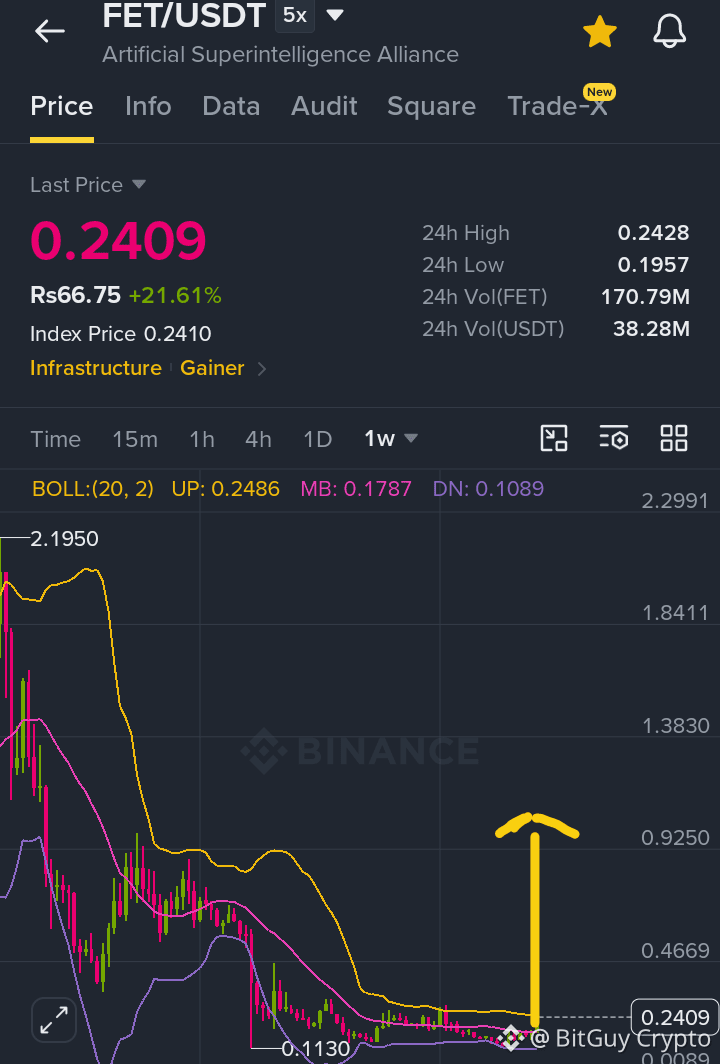
$TURTLE تنبيهات الحيتان 🚀 ضخ كبير قادم قريبًا.
تتطلب فرضية سوق رأس المال على الإنترنت أن يكون تجربة المستخدم في التمويل اللامركزي (DeFi) ضمن إطار يمكن للمؤسسات أن تدعمه.
قامت سلاسل الكتل (Blockchains) بحل مشاكل التسوية والتدقيق. ويقوم ACE بحل مشكلات الامتثال دون كسر تجربة المستخدم التي تعمل بالفعل.
مع انتقال رأس المال الحقيقي إلى الشبكة، يصبح هذا الطبقة غير قابلة للتفاوض.
أنا فخور بأن أكون رائدًا في هذا المجال جنبًا إلى جنب مع @chainlink منذ اليوم الأول.
#TURTLE #crypto #Altcoins! #cryptpl #crypro
$TURTLE تنبيهات الحيتان 🚀 ضخ كبير قادم قريبًا.
تتطلب فرضية سوق رأس المال على الإنترنت أن يكون تجربة المستخدم في التمويل اللامركزي (DeFi) ضمن إطار يمكن للمؤسسات أن تدعمه.
قامت سلاسل الكتل (Blockchains) بحل مشاكل التسوية والتدقيق. ويقوم ACE بحل مشكلات الامتثال دون كسر تجربة المستخدم التي تعمل بالفعل.
مع انتقال رأس المال الحقيقي إلى الشبكة، يصبح هذا الطبقة غير قابلة للتفاوض.
أنا فخور بأن أكون رائدًا في هذا المجال جنبًا إلى جنب مع @chainlink منذ اليوم الأول.
#TURTLE #crypto #Altcoins! #cryptpl #crypro
تتطلب فرضية سوق رأس المال على الإنترنت أن يكون تجربة المستخدم في التمويل اللامركزي (DeFi) ضمن إطار يمكن للمؤسسات أن تدعمه.
قامت سلاسل الكتل (Blockchains) بحل مشاكل التسوية والتدقيق. ويقوم ACE بحل مشكلات الامتثال دون كسر تجربة المستخدم التي تعمل بالفعل.
مع انتقال رأس المال الحقيقي إلى الشبكة، يصبح هذا الطبقة غير قابلة للتفاوض.
أنا فخور بأن أكون رائدًا في هذا المجال جنبًا إلى جنب مع @chainlink منذ اليوم الأول.
#TURTLE #crypto #Altcoins! #cryptpl #crypro
1
682

·
--
صاعد
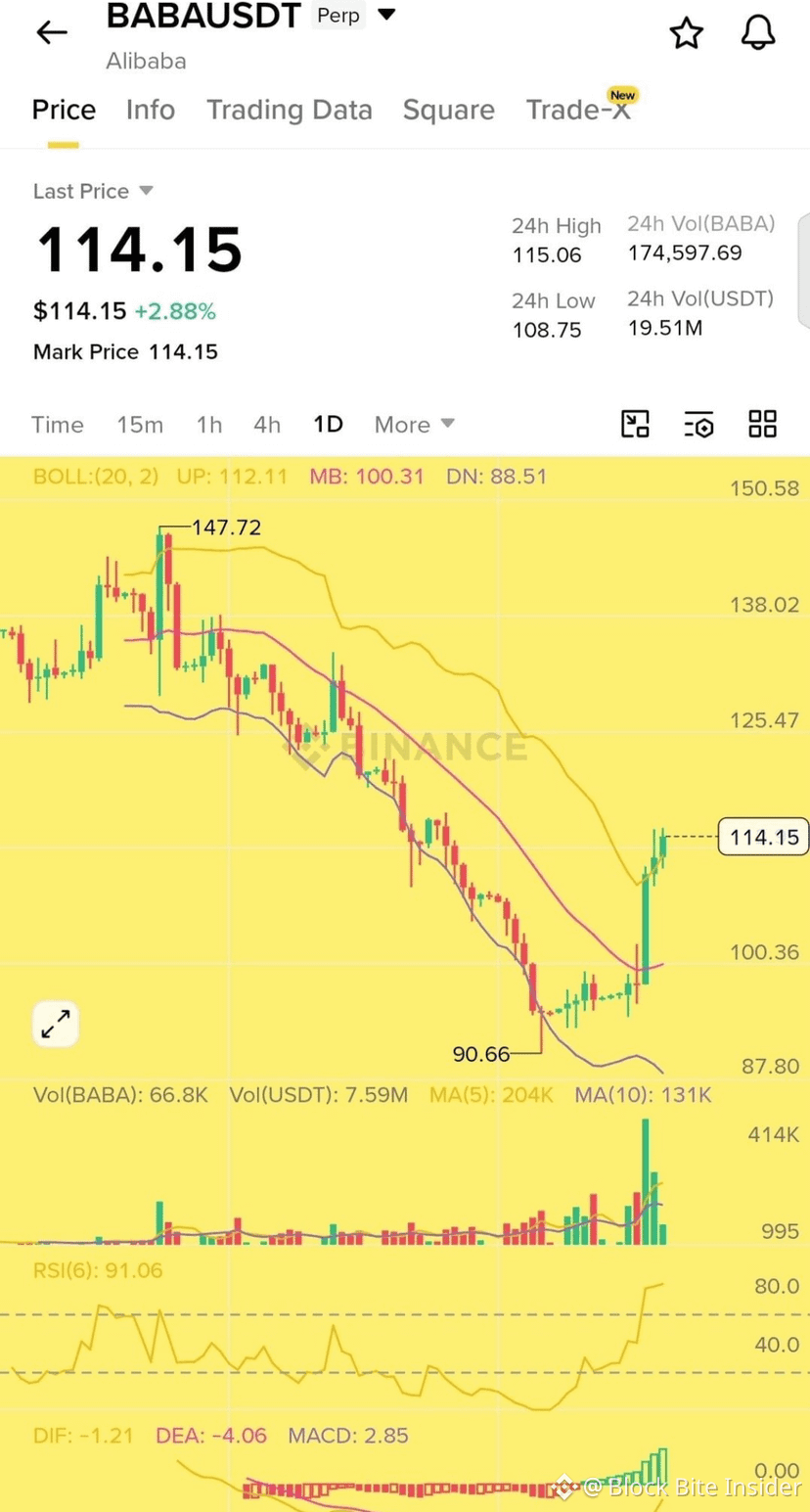
🚨 $BABA تنبيه الكاتاليست! 🚀
استثمرت علي بابا 7.6 مليار يوان في شركة تشانغشين للتكنولوجيا، لتصبح أكبر مساهم فيها قبل الاكتتاب العام الأولي المرتقب للشركة في 16 يوليو. 👀
قد يؤدي اكتتاب عام قوي إلى تعزيز المعنويات حول $BABA وخطتها في مجال الذكاء الاصطناعي/الشرائح. جدير بالملاحظة. 📈
#binance #crypro #trading
{future}(BABAUSDT)
🚨 $BABA تنبيه الكاتاليست! 🚀
استثمرت علي بابا 7.6 مليار يوان في شركة تشانغشين للتكنولوجيا، لتصبح أكبر مساهم فيها قبل الاكتتاب العام الأولي المرتقب للشركة في 16 يوليو. 👀
قد يؤدي اكتتاب عام قوي إلى تعزيز المعنويات حول $BABA وخطتها في مجال الذكاء الاصطناعي/الشرائح. جدير بالملاحظة. 📈
#binance #crypro #trading
استثمرت علي بابا 7.6 مليار يوان في شركة تشانغشين للتكنولوجيا، لتصبح أكبر مساهم فيها قبل الاكتتاب العام الأولي المرتقب للشركة في 16 يوليو. 👀
قد يؤدي اكتتاب عام قوي إلى تعزيز المعنويات حول $BABA وخطتها في مجال الذكاء الاصطناعي/الشرائح. جدير بالملاحظة. 📈
#binance #crypro #trading
1
48

·
--
مقالة
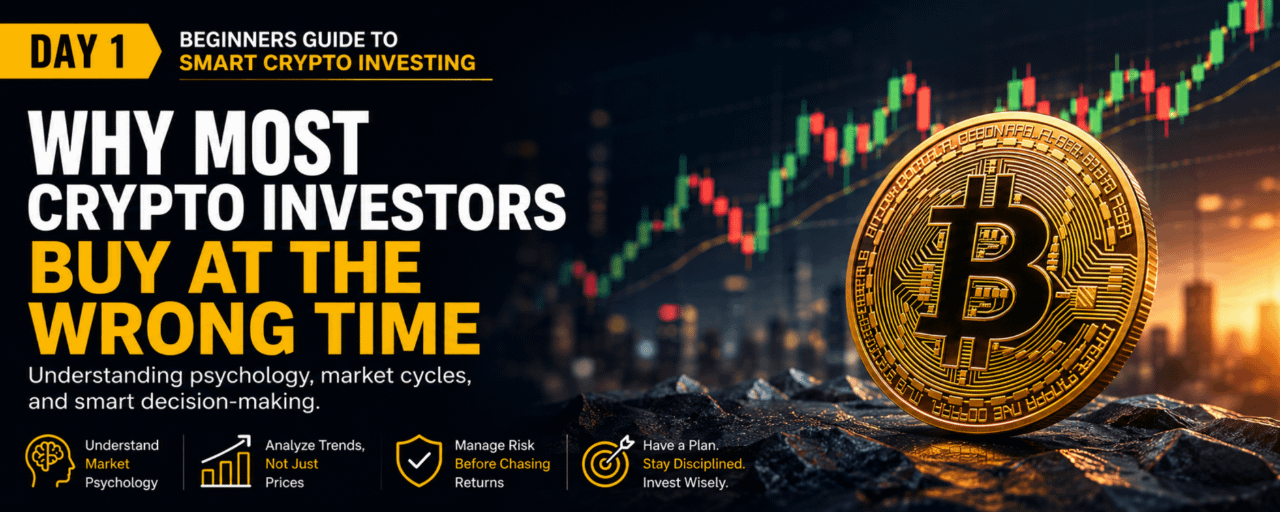
لماذا يشتري معظم مستثمري الكريبتو في الوقت الخطأ"السوق لا ينقل الثروة من غير المحظوظ إلى المحظوظ—بل ينقلها من غير الصبور إلى المنضبط."
كل سوق صاعدة يخلق حماسًا.
كل تصحيح يخلق خوفًا.
وفي الحالتين، يرتكب كثير من المستثمرين الخطأ نفسه—يتركون العواطف تتخذ قرارات كان ينبغي أن يقودها المنطق.
بعد قضاء سنوات في مراقبة الأسواق المالية، أدركت أن أكبر تحدٍ في عالم الكريبتو ليس فهم بيتكوين أو تكنولوجيا البلوكشين. بل هو فهم علم نفس البشر.
لماذا يشتري معظم مستثمري الكريبتو في الوقت الخطأ
"السوق لا ينقل الثروة من غير المحظوظ إلى المحظوظ—بل ينقلها من غير الصبور إلى المنضبط."
كل سوق صاعدة يخلق حماسًا.
كل تصحيح يخلق خوفًا.
وفي الحالتين، يرتكب كثير من المستثمرين الخطأ نفسه—يتركون العواطف تتخذ قرارات كان ينبغي أن يقودها المنطق.
بعد قضاء سنوات في مراقبة الأسواق المالية، أدركت أن أكبر تحدٍ في عالم الكريبتو ليس فهم بيتكوين أو تكنولوجيا البلوكشين. بل هو فهم علم نفس البشر.
كل سوق صاعدة يخلق حماسًا.
كل تصحيح يخلق خوفًا.
وفي الحالتين، يرتكب كثير من المستثمرين الخطأ نفسه—يتركون العواطف تتخذ قرارات كان ينبغي أن يقودها المنطق.
بعد قضاء سنوات في مراقبة الأسواق المالية، أدركت أن أكبر تحدٍ في عالم الكريبتو ليس فهم بيتكوين أو تكنولوجيا البلوكشين. بل هو فهم علم نفس البشر.
97

·
--
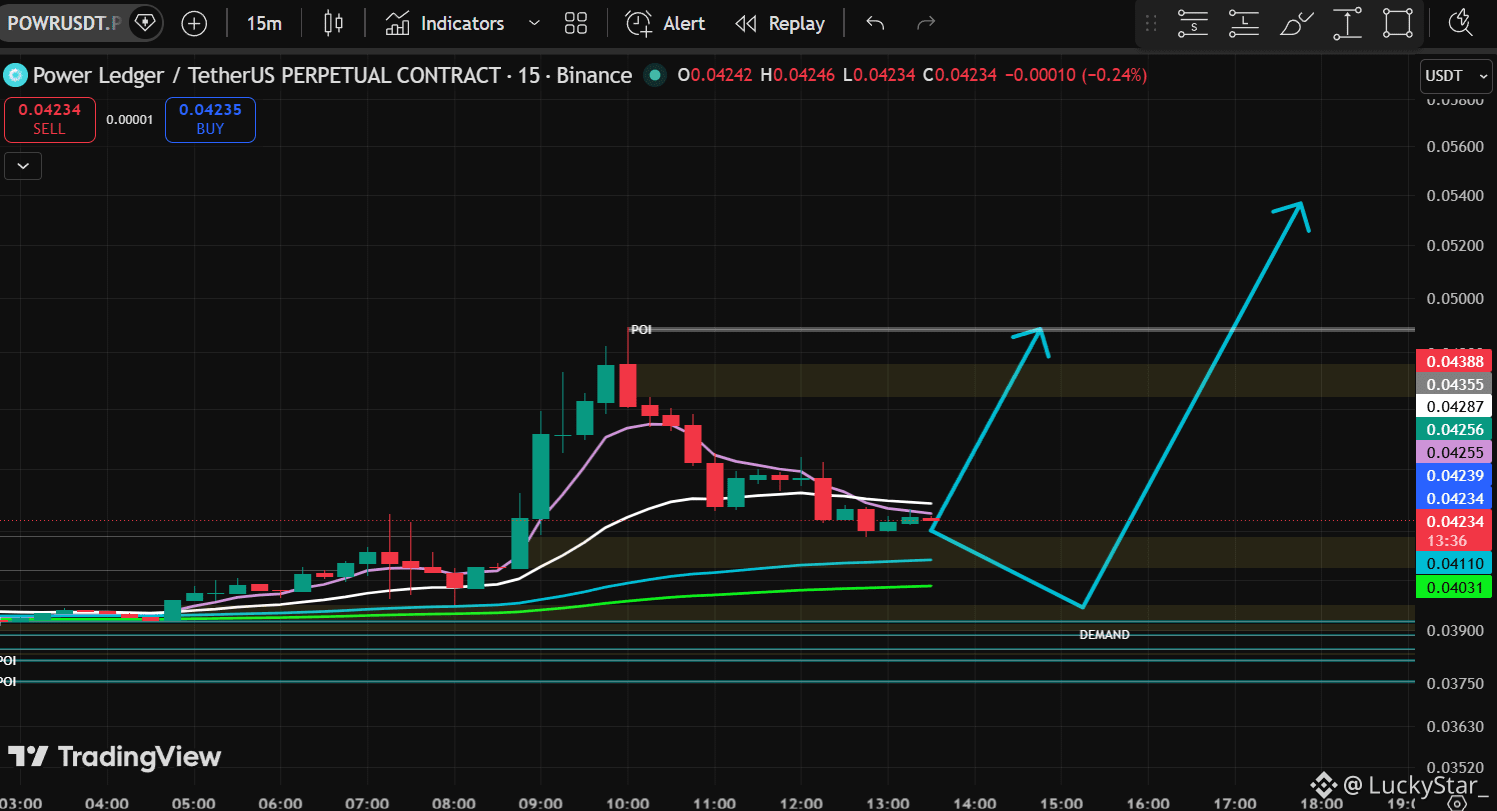
$4 tp2 تم ضربه بالفعل.
Tp2 تم ضربه بالفعل
TP3 في الطريق، لكنه طويل جدًا طويل جدًا طويل جدًا
don't be trap in Short
إنها فرصة رائعة لتحقيق ربح مذهل
#Community #crypro
$4 tp2 تم ضربه بالفعل.
Tp2 تم ضربه بالفعل
TP3 في الطريق، لكنه طويل جدًا طويل جدًا طويل جدًا
don't be trap in Short
إنها فرصة رائعة لتحقيق ربح مذهل
#Community #crypro
Tp2 تم ضربه بالفعل
TP3 في الطريق، لكنه طويل جدًا طويل جدًا طويل جدًا
don't be trap in Short
إنها فرصة رائعة لتحقيق ربح مذهل
#Community #crypro
118

·
--
🚨 🚨 🚨
791,549,000 $USDT (791,286,998 USD) تم تحويلها من #Binance إلى محفظة غير معروفة.
ما التالي?! 👀
#Whale.Alert #WhaleManipulation #crypro
🚨 🚨 🚨
791,549,000 $USDT (791,286,998 USD) تم تحويلها من #Binance إلى محفظة غير معروفة.
ما التالي?! 👀
#Whale.Alert #WhaleManipulation #crypro
791,549,000 $USDT (791,286,998 USD) تم تحويلها من #Binance إلى محفظة غير معروفة.
ما التالي?! 👀
#Whale.Alert #WhaleManipulation #crypro
2
196


·
--
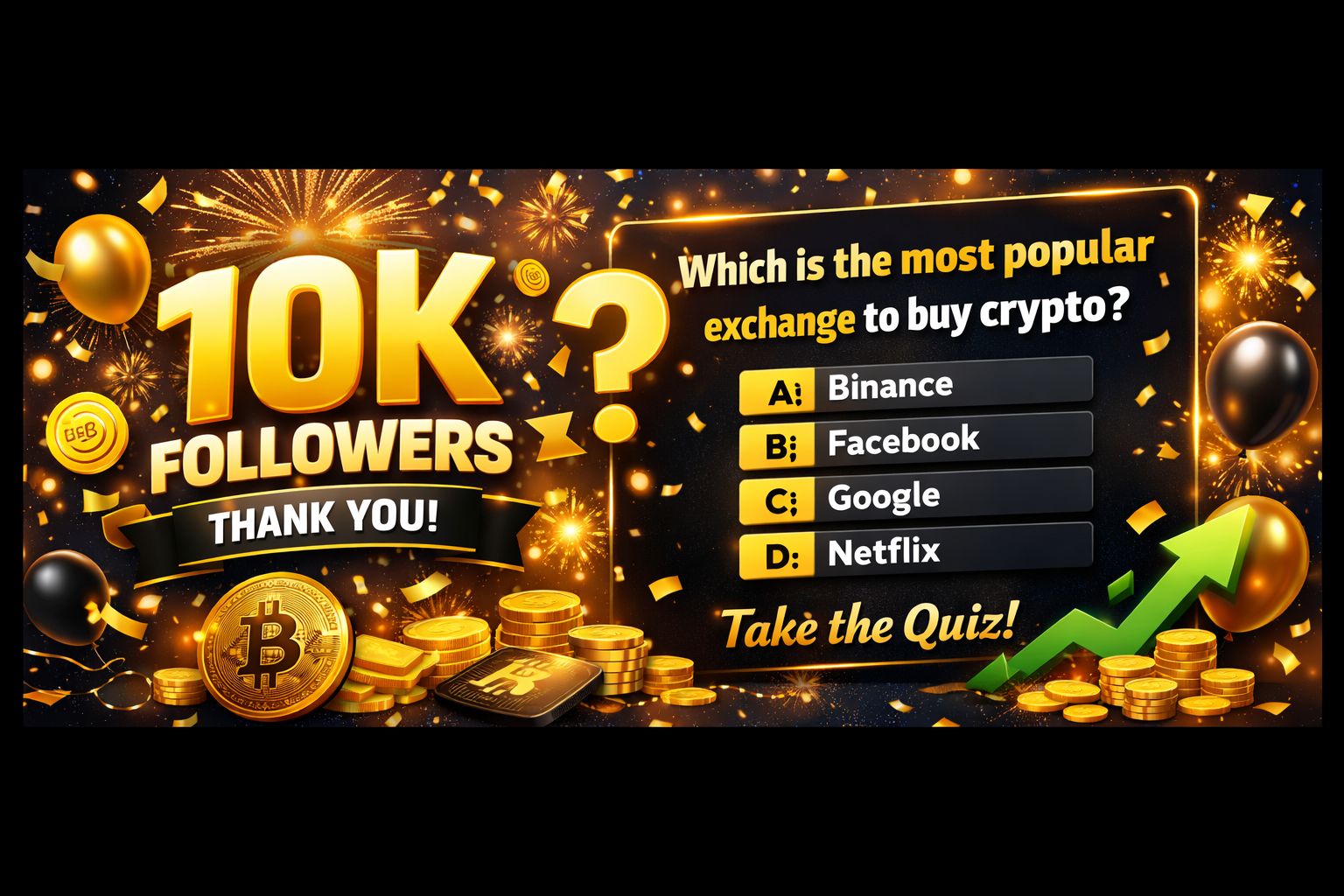
• ما هي البورصة الأكثر شعبية لشراء العملات المشفرة؟
أ: باينانس
ب: فيسبوك
ج: جوجل
د: نتفليكس
👉 خذ الاختبار!
💬 علق بإجابتك أدناه!
#quiz #quizanswers #Givaway #USDT #crypro
• ما هي البورصة الأكثر شعبية لشراء العملات المشفرة؟
أ: باينانس
ب: فيسبوك
ج: جوجل
د: نتفليكس
👉 خذ الاختبار!
💬 علق بإجابتك أدناه!
#quiz #quizanswers #Givaway #USDT #crypro
أ: باينانس
ب: فيسبوك
ج: جوجل
د: نتفليكس
👉 خذ الاختبار!
💬 علق بإجابتك أدناه!
#quiz #quizanswers #Givaway #USDT #crypro
227
4
7
293

·
--

مقالة
عملات رائجة في الساعات الحاليةBelong (+231.01% خلال 24 ساعة، +266.74% خلال 7 أيام، القيمة السوقية $116,275.36)
نظرة عامة: ارتفع سعر Belong بعد أن أكملت منصة تداول أخرى تغيير رمز التداول من LONG إلى BELONG واستأنفت التداول في 23 سبتمبر. وقد حذّر الإعلان من احتمالية حدوث تحركات سريعة في السوق، ما شكّل محفزًا مباشرًا لارتفاع السعر بنسبة 231% وقفزة في حجم التداول خلال 24 ساعة بنسبة 55,164%.
التفسير الأساسي: هذه حالة كلاسيكية لارتفاع مدفوع بإعادة الإدراج، تقوده المضاربات وترقب المتداولين على منصة تداول واحدة. ويشير التضاعف الحاد في حجم التداول إلى اهتمام كبير من المتداولين، لكنه يبرز أيضًا مخاطر تقلب مرتفعة.
Shadow Token (+83.04% خلال 24 ساعة، +101.61% خلال 7 أيام، القيمة السوقية $6.4 M)
نظرة عامة: جرت عملية شراء كبيرة بقيمة 5.5 مليون من رموز SHDW في 22 سبتمبر 2026، باستخدام آلية Erebus Flywheel. ويمثل هذا التجميع من جانب حوت حصة كبيرة من المعروض المتداول، ما تسبب مباشرة في ارتفاع السعر بنسبة 86% وقفزة في حجم التداول بنسبة 18,925%.
التفسير الأساسي: الزخم مدفوع بمشترٍ كبير واحد، وليس بطلب واسع من المستثمرين الأفراد. وقد يؤدي ذلك إلى تحركات حادة، لكنه يرفع المخاطر إذا قرر الحوت تصريف حيازاته.
Mubarak (+68.58% خلال 24 ساعة، +174.42% خلال 7 أيام، القيمة السوقية $80.61 M)
نظرة عامة: يرتكز صعود هذه العملة الميمية على BNB Chain على الضجة الاجتماعية وإشارات التداول على X. وقد سلّط المتداولون الضوء على تضاعف سعرها ونشروا تحديثات مباشرة للأرباح، ما أدى إلى تدفقات جديدة. كما أُدرجت العملة ضمن أفضل العملات أداءً مقابل Bitcoin في 22 سبتمبر.
التفسير الأساسي: هذه الحركة مدفوعة بفوات الفرصة لدى المستثمرين الأفراد وإشارات التداول الفني داخل قطاع ساخن من العملات الميمية. وهي تجسد انتقالًا نحو الأصول عالية المخاطر، لكنها تعتمد بدرجة كبيرة على استمرار المعنويات الاجتماعية الداعمة.
الخلاصة
ينقسم الزخم الصعودي الحالي بين إعادة إدراج تقودها منصات التداول (Belong)، وتجميع مركز من جانب حيتان السوق (Shadow Token)، وارتفاعات للعملات الميمية مدفوعة بالزخم الاجتماعي (Mubarak). ويشير ذلك إلى بيئة تميل إلى تقبل المخاطر مع انتقال رؤوس الأموال إلى سرديات الشركات الصغيرة جدًا من حيث القيمة السوقية، في حين ينبغي على حائزي المدى الطويل مراقبة مدى استدامة هذا الزخم بعد القفزة الأولية. فهل سيصمد حجم التداول وراء هذه الارتفاعات، أم أنها مجرد دورة انتقال قصيرة الأجل؟
$LONG $MUBARAK #crypro #Now
عملات رائجة في الساعات الحالية
Belong (+231.01% خلال 24 ساعة، +266.74% خلال 7 أيام، القيمة السوقية $116,275.36)
نظرة عامة: ارتفع سعر Belong بعد أن أكملت منصة تداول أخرى تغيير رمز التداول من LONG إلى BELONG واستأنفت التداول في 23 سبتمبر. وقد حذّر الإعلان من احتمالية حدوث تحركات سريعة في السوق، ما شكّل محفزًا مباشرًا لارتفاع السعر بنسبة 231% وقفزة في حجم التداول خلال 24 ساعة بنسبة 55,164%.
التفسير الأساسي: هذه حالة كلاسيكية لارتفاع مدفوع بإعادة الإدراج، تقوده المضاربات وترقب المتداولين على منصة تداول واحدة. ويشير التضاعف الحاد في حجم التداول إلى اهتمام كبير من المتداولين، لكنه يبرز أيضًا مخاطر تقلب مرتفعة.
Shadow Token (+83.04% خلال 24 ساعة، +101.61% خلال 7 أيام، القيمة السوقية $6.4 M)
نظرة عامة: جرت عملية شراء كبيرة بقيمة 5.5 مليون من رموز SHDW في 22 سبتمبر 2026، باستخدام آلية Erebus Flywheel. ويمثل هذا التجميع من جانب حوت حصة كبيرة من المعروض المتداول، ما تسبب مباشرة في ارتفاع السعر بنسبة 86% وقفزة في حجم التداول بنسبة 18,925%.
التفسير الأساسي: الزخم مدفوع بمشترٍ كبير واحد، وليس بطلب واسع من المستثمرين الأفراد. وقد يؤدي ذلك إلى تحركات حادة، لكنه يرفع المخاطر إذا قرر الحوت تصريف حيازاته.
Mubarak (+68.58% خلال 24 ساعة، +174.42% خلال 7 أيام، القيمة السوقية $80.61 M)
نظرة عامة: يرتكز صعود هذه العملة الميمية على BNB Chain على الضجة الاجتماعية وإشارات التداول على X. وقد سلّط المتداولون الضوء على تضاعف سعرها ونشروا تحديثات مباشرة للأرباح، ما أدى إلى تدفقات جديدة. كما أُدرجت العملة ضمن أفضل العملات أداءً مقابل Bitcoin في 22 سبتمبر.
التفسير الأساسي: هذه الحركة مدفوعة بفوات الفرصة لدى المستثمرين الأفراد وإشارات التداول الفني داخل قطاع ساخن من العملات الميمية. وهي تجسد انتقالًا نحو الأصول عالية المخاطر، لكنها تعتمد بدرجة كبيرة على استمرار المعنويات الاجتماعية الداعمة.
الخلاصة
ينقسم الزخم الصعودي الحالي بين إعادة إدراج تقودها منصات التداول (Belong)، وتجميع مركز من جانب حيتان السوق (Shadow Token)، وارتفاعات للعملات الميمية مدفوعة بالزخم الاجتماعي (Mubarak). ويشير ذلك إلى بيئة تميل إلى تقبل المخاطر مع انتقال رؤوس الأموال إلى سرديات الشركات الصغيرة جدًا من حيث القيمة السوقية، في حين ينبغي على حائزي المدى الطويل مراقبة مدى استدامة هذا الزخم بعد القفزة الأولية. فهل سيصمد حجم التداول وراء هذه الارتفاعات، أم أنها مجرد دورة انتقال قصيرة الأجل؟
$LONG $MUBARAK #crypro #Now
نظرة عامة: ارتفع سعر Belong بعد أن أكملت منصة تداول أخرى تغيير رمز التداول من LONG إلى BELONG واستأنفت التداول في 23 سبتمبر. وقد حذّر الإعلان من احتمالية حدوث تحركات سريعة في السوق، ما شكّل محفزًا مباشرًا لارتفاع السعر بنسبة 231% وقفزة في حجم التداول خلال 24 ساعة بنسبة 55,164%.
التفسير الأساسي: هذه حالة كلاسيكية لارتفاع مدفوع بإعادة الإدراج، تقوده المضاربات وترقب المتداولين على منصة تداول واحدة. ويشير التضاعف الحاد في حجم التداول إلى اهتمام كبير من المتداولين، لكنه يبرز أيضًا مخاطر تقلب مرتفعة.
Shadow Token (+83.04% خلال 24 ساعة، +101.61% خلال 7 أيام، القيمة السوقية $6.4 M)
نظرة عامة: جرت عملية شراء كبيرة بقيمة 5.5 مليون من رموز SHDW في 22 سبتمبر 2026، باستخدام آلية Erebus Flywheel. ويمثل هذا التجميع من جانب حوت حصة كبيرة من المعروض المتداول، ما تسبب مباشرة في ارتفاع السعر بنسبة 86% وقفزة في حجم التداول بنسبة 18,925%.
التفسير الأساسي: الزخم مدفوع بمشترٍ كبير واحد، وليس بطلب واسع من المستثمرين الأفراد. وقد يؤدي ذلك إلى تحركات حادة، لكنه يرفع المخاطر إذا قرر الحوت تصريف حيازاته.
Mubarak (+68.58% خلال 24 ساعة، +174.42% خلال 7 أيام، القيمة السوقية $80.61 M)
نظرة عامة: يرتكز صعود هذه العملة الميمية على BNB Chain على الضجة الاجتماعية وإشارات التداول على X. وقد سلّط المتداولون الضوء على تضاعف سعرها ونشروا تحديثات مباشرة للأرباح، ما أدى إلى تدفقات جديدة. كما أُدرجت العملة ضمن أفضل العملات أداءً مقابل Bitcoin في 22 سبتمبر.
التفسير الأساسي: هذه الحركة مدفوعة بفوات الفرصة لدى المستثمرين الأفراد وإشارات التداول الفني داخل قطاع ساخن من العملات الميمية. وهي تجسد انتقالًا نحو الأصول عالية المخاطر، لكنها تعتمد بدرجة كبيرة على استمرار المعنويات الاجتماعية الداعمة.
الخلاصة
ينقسم الزخم الصعودي الحالي بين إعادة إدراج تقودها منصات التداول (Belong)، وتجميع مركز من جانب حيتان السوق (Shadow Token)، وارتفاعات للعملات الميمية مدفوعة بالزخم الاجتماعي (Mubarak). ويشير ذلك إلى بيئة تميل إلى تقبل المخاطر مع انتقال رؤوس الأموال إلى سرديات الشركات الصغيرة جدًا من حيث القيمة السوقية، في حين ينبغي على حائزي المدى الطويل مراقبة مدى استدامة هذا الزخم بعد القفزة الأولية. فهل سيصمد حجم التداول وراء هذه الارتفاعات، أم أنها مجرد دورة انتقال قصيرة الأجل؟
$LONG $MUBARAK #crypro #Now
150

·
--
مقالة
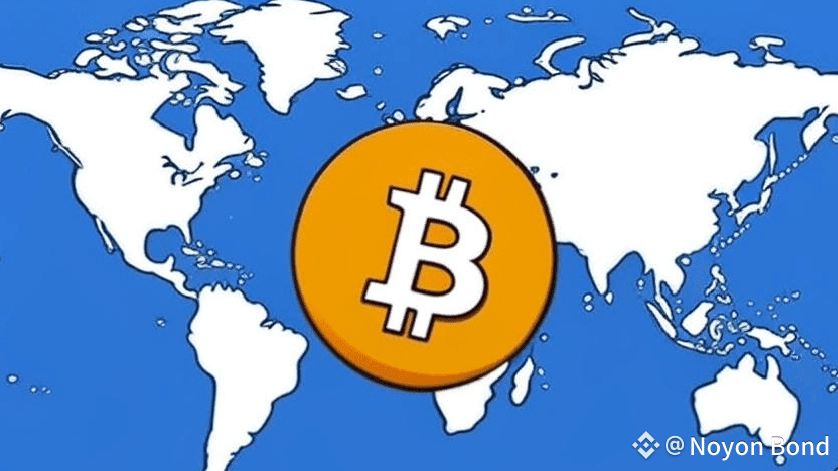
البيتكوين: رحلة غير مسبوقة في تقدم العالمالبيتكوين ليست مجرد عملة رقمية؛ إنها ثورة تعيد تشكيل المشهد الاقتصادي والاجتماعي والبيئي في العالم. ولدت في عام 2009 من عقل ساتوشي ناكاموتو، هذه العملة المشفرة تجعل العالم أكثر عدالة وأمانًا واستدامة. في هذه المقالة، سوف نستكشف كيف أن البيتكوين يحسن الحياة، ويحمي البيئة، وي ushering in a new era - كل ذلك مستندًا إلى رؤى حقيقية تم جمعها من X (تويتر سابقًا).
الشمول المالي والحرية من خلال البيتكوين
في العديد من أجزاء العالم، أنظمة المصارف التقليدية غير متاحة، لا سيما في الدول النامية. البيتكوين يعمل كطوق نجاة، حيث يوفر 4 مليار شخص - أولئك الذين ليس لديهم حسابات بنكية - الوصول إلى المدخرات والمعاملات باستخدام هاتف ذكي فقط. إنه يوفر الوصول بغض النظر عن العمر أو العرق أو الدين أو الجنس، وهو أمر لا يقدر بثمن للاجئين في المناطق التي تعاني من الحروب، الذين يمكنهم تخزين ثرواتهم في ذاكرتهم وعبور الحدود. على سبيل المثال، من فنزويلا إلى نيجيريا، يقوم الناس بحماية أنفسهم من التضخم المفرط من خلال البيتكوين، الذي يحمي ثرواتهم عندما تصبح العملات المحلية بلا قيمة. بالإضافة إلى ذلك، فإنه يبسط مدفوعات التحويلات، مما يسمح لأفراد العائلة بإرسال الأموال من الخارج برسوم منخفضة ودون تأخير. إن إمكانية الوصول إلى البيتكوين تمنح الحرية المالية لـ 2 مليار شخص غير متعاملين مع البنوك في العالم، وهو شيء لم تحققه برامج الحكومة أو المنظمات غير الربحية بشكل كامل.
البيتكوين: رحلة غير مسبوقة في تقدم العالم
البيتكوين ليست مجرد عملة رقمية؛ إنها ثورة تعيد تشكيل المشهد الاقتصادي والاجتماعي والبيئي في العالم. ولدت في عام 2009 من عقل ساتوشي ناكاموتو، هذه العملة المشفرة تجعل العالم أكثر عدالة وأمانًا واستدامة. في هذه المقالة، سوف نستكشف كيف أن البيتكوين يحسن الحياة، ويحمي البيئة، وي ushering in a new era - كل ذلك مستندًا إلى رؤى حقيقية تم جمعها من X (تويتر سابقًا).
الشمول المالي والحرية من خلال البيتكوين
في العديد من أجزاء العالم، أنظمة المصارف التقليدية غير متاحة، لا سيما في الدول النامية. البيتكوين يعمل كطوق نجاة، حيث يوفر 4 مليار شخص - أولئك الذين ليس لديهم حسابات بنكية - الوصول إلى المدخرات والمعاملات باستخدام هاتف ذكي فقط. إنه يوفر الوصول بغض النظر عن العمر أو العرق أو الدين أو الجنس، وهو أمر لا يقدر بثمن للاجئين في المناطق التي تعاني من الحروب، الذين يمكنهم تخزين ثرواتهم في ذاكرتهم وعبور الحدود. على سبيل المثال، من فنزويلا إلى نيجيريا، يقوم الناس بحماية أنفسهم من التضخم المفرط من خلال البيتكوين، الذي يحمي ثرواتهم عندما تصبح العملات المحلية بلا قيمة. بالإضافة إلى ذلك، فإنه يبسط مدفوعات التحويلات، مما يسمح لأفراد العائلة بإرسال الأموال من الخارج برسوم منخفضة ودون تأخير. إن إمكانية الوصول إلى البيتكوين تمنح الحرية المالية لـ 2 مليار شخص غير متعاملين مع البنوك في العالم، وهو شيء لم تحققه برامج الحكومة أو المنظمات غير الربحية بشكل كامل.
الشمول المالي والحرية من خلال البيتكوين
في العديد من أجزاء العالم، أنظمة المصارف التقليدية غير متاحة، لا سيما في الدول النامية. البيتكوين يعمل كطوق نجاة، حيث يوفر 4 مليار شخص - أولئك الذين ليس لديهم حسابات بنكية - الوصول إلى المدخرات والمعاملات باستخدام هاتف ذكي فقط. إنه يوفر الوصول بغض النظر عن العمر أو العرق أو الدين أو الجنس، وهو أمر لا يقدر بثمن للاجئين في المناطق التي تعاني من الحروب، الذين يمكنهم تخزين ثرواتهم في ذاكرتهم وعبور الحدود. على سبيل المثال، من فنزويلا إلى نيجيريا، يقوم الناس بحماية أنفسهم من التضخم المفرط من خلال البيتكوين، الذي يحمي ثرواتهم عندما تصبح العملات المحلية بلا قيمة. بالإضافة إلى ذلك، فإنه يبسط مدفوعات التحويلات، مما يسمح لأفراد العائلة بإرسال الأموال من الخارج برسوم منخفضة ودون تأخير. إن إمكانية الوصول إلى البيتكوين تمنح الحرية المالية لـ 2 مليار شخص غير متعاملين مع البنوك في العالم، وهو شيء لم تحققه برامج الحكومة أو المنظمات غير الربحية بشكل كامل.
5
441


·
--
دعونا نكون صادقين. العديد من الأشخاص الذين يكتشفون Bedrock اليوم ليسوا مهتمين بإعادة التخزين السائلة. هم مهتمون بالمكافآت. لا يوجد خطأ في ذلك. السؤال هو: ماذا يحدث بعد انتهاء الحملة؟ هل سيبقى المستخدمون أم سيختفون؟
#bedrock #Binance #BTC #crypro #geniusBedrock
$BR
{future}(BRUSDT)
دعونا نكون صادقين. العديد من الأشخاص الذين يكتشفون Bedrock اليوم ليسوا مهتمين بإعادة التخزين السائلة. هم مهتمون بالمكافآت. لا يوجد خطأ في ذلك. السؤال هو: ماذا يحدث بعد انتهاء الحملة؟ هل سيبقى المستخدمون أم سيختفون؟
#bedrock #Binance #BTC #crypro #geniusBedrock
$BR
#bedrock #Binance #BTC #crypro #geniusBedrock
$BR

138
سجّل الدخول لاستكشاف المزيد من المُحتوى
انضم إلى مُستخدمي العملات الرقمية حول العالم على Binance Square
⚡️ احصل على أحدث المعلومات المفيدة عن العملات الرقمية.
💬 موثوقة من قبل أكبر منصّة لتداول العملات الرقمية في العالم.
👍 اكتشف الرؤى الحقيقية من صنّاع المُحتوى الموثوقين.
البريد الإلكتروني / رقم الهاتف
المواضيع الرائجة
1
#BinancePick
3.3M مشاهدات
161,908 يقومون بالنقاش
2
#EarningsSeason
5.4M مشاهدات
26,585 يقومون بالنقاش
3
#StrategySkipsBitcoinPurchasesSpends$205MOnSTRCBuybacks
102 مشاهدات
6 يقومون بالنقاش
4
#BitmineAdds10452ETH
4,623 مشاهدات
116 يقومون بالنقاش
5
#SouthKoreaConsidersEducationTaxOnCryptoExchanges
4,302 مشاهدات
107 يقومون بالنقاش
6
#OCCUrgesCommunityBanksToEnterStablecoinPayments
3,569 مشاهدات
70 يقومون بالنقاش
7
#RippleWinsFullApprovalAsNationalTrustBank
3,520 مشاهدات
71 يقومون بالنقاش
8
#AkashSelectsSolanaAsMigrationTarget
1,532 مشاهدات
29 يقومون بالنقاش
9
#OndoToOpenSubscriptionsForOpenAIPreIPOTokenizedNotes
128 مشاهدات
8 يقومون بالنقاش
10
#AnthropicTTMRevenueGrewAbout1200%
52,572 مشاهدات
546 يقومون بالنقاش