
#bitcoinwarnings
bitcoinwarnings
391,469 مشاهدات
711 يقومون بالنقاش
رائج
جديد

·
--
مقالة
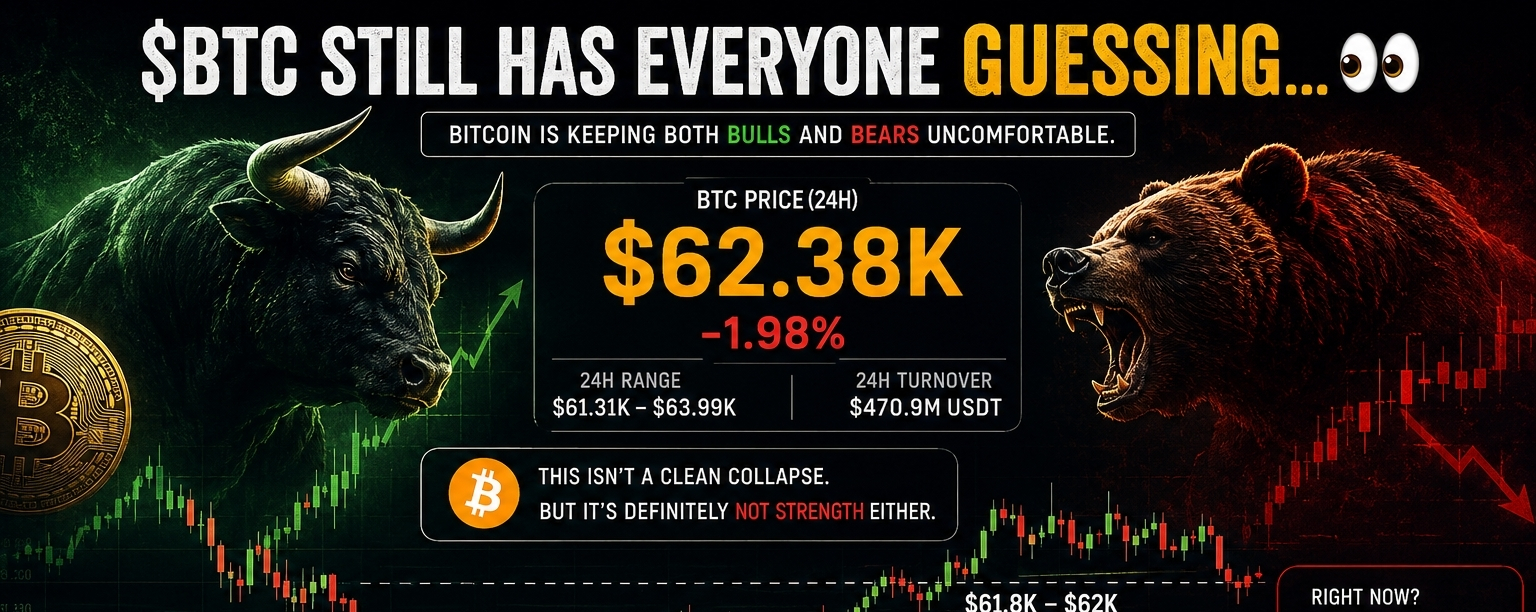
$BTC ما زالت تجعل الجميع يتكهنون… 👀$BTC يفعل مرةً أخرى ما يجيده على أفضل وجه—إبقاء كل من الثيران والدببة على أهبة الاستعداد.
وقت كتابة هذا التقرير، يتم تداول BTC عند حوالي 62.38 ألف دولار، بانخفاض 1.98% خلال الـ24 ساعة الماضية، بعد أن تحرك بين 61.31 ألف دولار و63.99 ألف دولار، مع حجم تداول يقارب 470.9 مليون دولار من USDT.
هذا ليس تحليلًا شاملًا، لكنه بعيدٌ أيضًا عن التعافي القوي.
بعد الارتداد من أدنى مستوى عند 57.8 ألف دولار، يحاول بيتكوين استعادة الزخم. ما المشكلة؟ كل صعود ما زال يبدو مترددًا. يدخل المشترون، لكن دون الثقة اللازمة لإقناع السوق بأن التصحيح قد انتهى.
$BTC ما زالت تجعل الجميع يتكهنون… 👀
$BTC يفعل مرةً أخرى ما يجيده على أفضل وجه—إبقاء كل من الثيران والدببة على أهبة الاستعداد.
وقت كتابة هذا التقرير، يتم تداول BTC عند حوالي 62.38 ألف دولار، بانخفاض 1.98% خلال الـ24 ساعة الماضية، بعد أن تحرك بين 61.31 ألف دولار و63.99 ألف دولار، مع حجم تداول يقارب 470.9 مليون دولار من USDT.
هذا ليس تحليلًا شاملًا، لكنه بعيدٌ أيضًا عن التعافي القوي.
بعد الارتداد من أدنى مستوى عند 57.8 ألف دولار، يحاول بيتكوين استعادة الزخم. ما المشكلة؟ كل صعود ما زال يبدو مترددًا. يدخل المشترون، لكن دون الثقة اللازمة لإقناع السوق بأن التصحيح قد انتهى.
وقت كتابة هذا التقرير، يتم تداول BTC عند حوالي 62.38 ألف دولار، بانخفاض 1.98% خلال الـ24 ساعة الماضية، بعد أن تحرك بين 61.31 ألف دولار و63.99 ألف دولار، مع حجم تداول يقارب 470.9 مليون دولار من USDT.
هذا ليس تحليلًا شاملًا، لكنه بعيدٌ أيضًا عن التعافي القوي.
بعد الارتداد من أدنى مستوى عند 57.8 ألف دولار، يحاول بيتكوين استعادة الزخم. ما المشكلة؟ كل صعود ما زال يبدو مترددًا. يدخل المشترون، لكن دون الثقة اللازمة لإقناع السوق بأن التصحيح قد انتهى.
122

·
--
#BitcoinWarnings
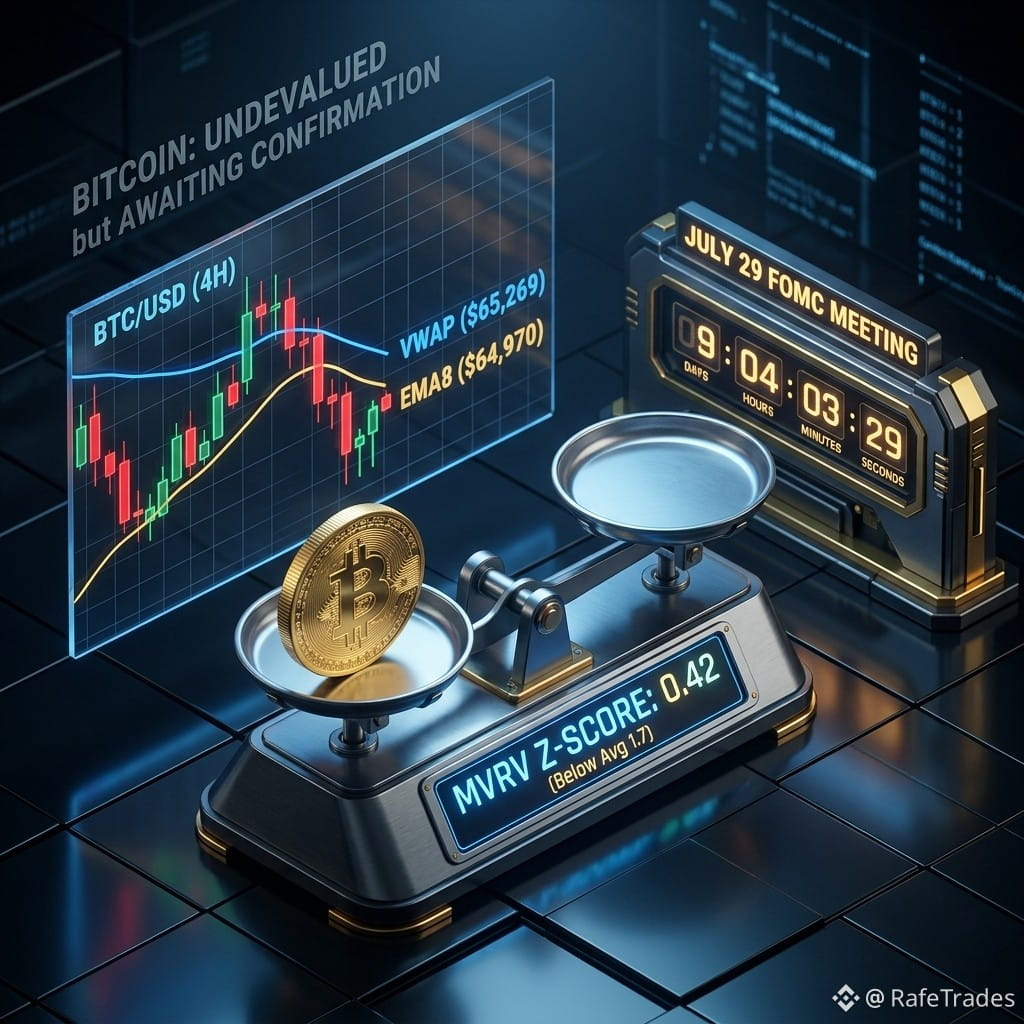
🚨 $BTC — قيمة أقل من المتوقع لكن لا توجد إشارة Bull بعد 📉
▪️ انحياز تدفق الأوامر: محايد 🟡 (مرحلة التراكم)
▪️ نطاق التخفيف المتوقع: 64,900 – 65,100 دولار
▪️ هدف السيولة 1: 66,000 دولار (مقاومة)
▪️ هدف السيولة 2: 67,000 دولار (الحد الأعلى للنطاق)
▪️ الإبطال البنيوي: 64,000 دولار (كسر دعم 4H)
تحليل الماكرو المؤسسي والسوق:
يتم تداول BTC داخل منطقة تَجميع/توطيد، حيث يحافظ السعر على مستوى أعلى من EMA8 ($64,970) لكنه أدنى من VWAP ($65,269) عند 65,097. يشير مؤشر MVRV Z-Score عند 0.42 (متوسط تاريخي 1.7) إلى أن البيتكوين مُقيّمة بأقل من قيمتها—لكن مرحلة الذعر/التصفية الكاملة (Z-Score سالب) لم تحدث بعد. تحوّل الربح/الخسارة المحقق إلى موجب، ما يشير إلى انخفاض ضغوط البيع—لكن لا يكفي لتأكيد بداية دورة Bull جديدة.
قرار الاحتياطي الفيدرالي (29 يوليو) هو المحفز الرئيسي. قد يؤدي رفع بمقدار 25 نقطة أساس (احتمال 33.7%) إلى إثارة تقلبات. البنية محايدة لكنها تميل إلى الصعود طالما أن $64,900 ما يزال قائمًا. راقب حدوث اختراق فوق $65,400 لتأكيد الزخم.
#RafeTrades
"انقر هنا👇👇👇 لتتبع الرسم البياني المباشر و التداول"
$BTC
{spot}(BTCUSDT)
إخلاء المسؤولية: تتبع بنية السوق لأغراض معلوماتية فقط. ليس نصيحة مالية. قم دائمًا بإجراء بحثك الخاص DYOR. 🛡️
#BitcoinWarnings
🚨 $BTC — قيمة أقل من المتوقع لكن لا توجد إشارة Bull بعد 📉
▪️ انحياز تدفق الأوامر: محايد 🟡 (مرحلة التراكم)
▪️ نطاق التخفيف المتوقع: 64,900 – 65,100 دولار
▪️ هدف السيولة 1: 66,000 دولار (مقاومة)
▪️ هدف السيولة 2: 67,000 دولار (الحد الأعلى للنطاق)
▪️ الإبطال البنيوي: 64,000 دولار (كسر دعم 4H)
تحليل الماكرو المؤسسي والسوق:
يتم تداول BTC داخل منطقة تَجميع/توطيد، حيث يحافظ السعر على مستوى أعلى من EMA8 ($64,970) لكنه أدنى من VWAP ($65,269) عند 65,097. يشير مؤشر MVRV Z-Score عند 0.42 (متوسط تاريخي 1.7) إلى أن البيتكوين مُقيّمة بأقل من قيمتها—لكن مرحلة الذعر/التصفية الكاملة (Z-Score سالب) لم تحدث بعد. تحوّل الربح/الخسارة المحقق إلى موجب، ما يشير إلى انخفاض ضغوط البيع—لكن لا يكفي لتأكيد بداية دورة Bull جديدة.
قرار الاحتياطي الفيدرالي (29 يوليو) هو المحفز الرئيسي. قد يؤدي رفع بمقدار 25 نقطة أساس (احتمال 33.7%) إلى إثارة تقلبات. البنية محايدة لكنها تميل إلى الصعود طالما أن $64,900 ما يزال قائمًا. راقب حدوث اختراق فوق $65,400 لتأكيد الزخم.
#RafeTrades
"انقر هنا👇👇👇 لتتبع الرسم البياني المباشر و التداول"
$BTC
إخلاء المسؤولية: تتبع بنية السوق لأغراض معلوماتية فقط. ليس نصيحة مالية. قم دائمًا بإجراء بحثك الخاص DYOR. 🛡️
🚨 $BTC — قيمة أقل من المتوقع لكن لا توجد إشارة Bull بعد 📉
▪️ انحياز تدفق الأوامر: محايد 🟡 (مرحلة التراكم)
▪️ نطاق التخفيف المتوقع: 64,900 – 65,100 دولار
▪️ هدف السيولة 1: 66,000 دولار (مقاومة)
▪️ هدف السيولة 2: 67,000 دولار (الحد الأعلى للنطاق)
▪️ الإبطال البنيوي: 64,000 دولار (كسر دعم 4H)
تحليل الماكرو المؤسسي والسوق:
يتم تداول BTC داخل منطقة تَجميع/توطيد، حيث يحافظ السعر على مستوى أعلى من EMA8 ($64,970) لكنه أدنى من VWAP ($65,269) عند 65,097. يشير مؤشر MVRV Z-Score عند 0.42 (متوسط تاريخي 1.7) إلى أن البيتكوين مُقيّمة بأقل من قيمتها—لكن مرحلة الذعر/التصفية الكاملة (Z-Score سالب) لم تحدث بعد. تحوّل الربح/الخسارة المحقق إلى موجب، ما يشير إلى انخفاض ضغوط البيع—لكن لا يكفي لتأكيد بداية دورة Bull جديدة.
قرار الاحتياطي الفيدرالي (29 يوليو) هو المحفز الرئيسي. قد يؤدي رفع بمقدار 25 نقطة أساس (احتمال 33.7%) إلى إثارة تقلبات. البنية محايدة لكنها تميل إلى الصعود طالما أن $64,900 ما يزال قائمًا. راقب حدوث اختراق فوق $65,400 لتأكيد الزخم.
#RafeTrades
"انقر هنا👇👇👇 لتتبع الرسم البياني المباشر و التداول"
$BTC
إخلاء المسؤولية: تتبع بنية السوق لأغراض معلوماتية فقط. ليس نصيحة مالية. قم دائمًا بإجراء بحثك الخاص DYOR. 🛡️
14

·
--
هابط
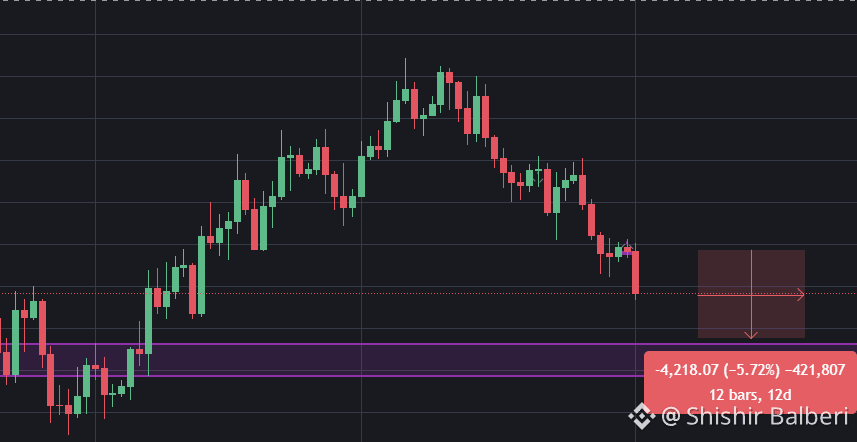
في نهاية كل شهر، تنخفض عملة BTC! تقريبًا كل شهر قرب نهايته تصبح هبوطية!! قم بالبيع على المكشوف وحقّق أرباحًا
تحقق من الاتجاهات والرسوم البيانية!
سألتُ الذكاء الاصطناعي عن السبب فقال:
لماذا قد يحدث هذا؟ بعض النظريات:
📦 إعادة موازنة نهاية الشهر من قِبل صناديق مؤسسية غالبًا تعني بيع الأصول ذات المخاطر مثل العملات المشفرة
💵 انتهاء عقود المشتقات (العقود الآجلة/الخيارات الشهرية) قرب نهاية الشهر قد يخلق ضغطًا هبوطيًا
🏦 جني الأرباح عندما يُغلق المتداولون مراكزهم قبل بداية الشهر الجديد
إضافتي: كما أن عمال المناجم يحتاجون لدفع فواتيرهم (الكهرباء.. إلخ) لذا قد يُضطرون لبيع بعض...
#BitcoinWarnings
في نهاية كل شهر، تنخفض عملة BTC! تقريبًا كل شهر قرب نهايته تصبح هبوطية!! قم بالبيع على المكشوف وحقّق أرباحًا
تحقق من الاتجاهات والرسوم البيانية!
سألتُ الذكاء الاصطناعي عن السبب فقال:
لماذا قد يحدث هذا؟ بعض النظريات:
📦 إعادة موازنة نهاية الشهر من قِبل صناديق مؤسسية غالبًا تعني بيع الأصول ذات المخاطر مثل العملات المشفرة
💵 انتهاء عقود المشتقات (العقود الآجلة/الخيارات الشهرية) قرب نهاية الشهر قد يخلق ضغطًا هبوطيًا
🏦 جني الأرباح عندما يُغلق المتداولون مراكزهم قبل بداية الشهر الجديد
إضافتي: كما أن عمال المناجم يحتاجون لدفع فواتيرهم (الكهرباء.. إلخ) لذا قد يُضطرون لبيع بعض...
#BitcoinWarnings
تحقق من الاتجاهات والرسوم البيانية!
سألتُ الذكاء الاصطناعي عن السبب فقال:
لماذا قد يحدث هذا؟ بعض النظريات:
📦 إعادة موازنة نهاية الشهر من قِبل صناديق مؤسسية غالبًا تعني بيع الأصول ذات المخاطر مثل العملات المشفرة
💵 انتهاء عقود المشتقات (العقود الآجلة/الخيارات الشهرية) قرب نهاية الشهر قد يخلق ضغطًا هبوطيًا
🏦 جني الأرباح عندما يُغلق المتداولون مراكزهم قبل بداية الشهر الجديد
إضافتي: كما أن عمال المناجم يحتاجون لدفع فواتيرهم (الكهرباء.. إلخ) لذا قد يُضطرون لبيع بعض...
#BitcoinWarnings
93

تمّ التحقق

مقالة
لماذا انخفضت بيتكوين؟بيتكوين تواجه عملية بيع حادة مع تحول السوق إلى وضع عدم المخاطرة
انخفضت سعر بيتكوين (BTC) بشكل كبير اليوم، مما أثار القلق بين المتداولين والمستثمرين في سوق العملات الرقمية. أكبر عملة رقمية في العالم تراجعت بشكل حاد نتيجة لتجميع الأرباح، وعدم اليقين في السوق، والمخاوف الاقتصادية الأوسع التي أثرت على مشاعر المستثمرين.
واحدة من الأسباب الرئيسية وراء الهبوط تبدو أنها الضغط البيعي الكبير من حاملي المراكز القصيرة الذين قرروا تأمين الأرباح بعد الارتفاع الأخير لبيتكوين. عندما يبيع عدد كبير من المستثمرين في وقت واحد، فإن زيادة العرض غالبًا ما تدفع الأسعار للأسفل، مما يخلق سلسلة من ردود الفعل في البيع بدافع الذعر.
لماذا انخفضت بيتكوين؟
بيتكوين تواجه عملية بيع حادة مع تحول السوق إلى وضع عدم المخاطرة
انخفضت سعر بيتكوين (BTC) بشكل كبير اليوم، مما أثار القلق بين المتداولين والمستثمرين في سوق العملات الرقمية. أكبر عملة رقمية في العالم تراجعت بشكل حاد نتيجة لتجميع الأرباح، وعدم اليقين في السوق، والمخاوف الاقتصادية الأوسع التي أثرت على مشاعر المستثمرين.
واحدة من الأسباب الرئيسية وراء الهبوط تبدو أنها الضغط البيعي الكبير من حاملي المراكز القصيرة الذين قرروا تأمين الأرباح بعد الارتفاع الأخير لبيتكوين. عندما يبيع عدد كبير من المستثمرين في وقت واحد، فإن زيادة العرض غالبًا ما تدفع الأسعار للأسفل، مما يخلق سلسلة من ردود الفعل في البيع بدافع الذعر.
انخفضت سعر بيتكوين (BTC) بشكل كبير اليوم، مما أثار القلق بين المتداولين والمستثمرين في سوق العملات الرقمية. أكبر عملة رقمية في العالم تراجعت بشكل حاد نتيجة لتجميع الأرباح، وعدم اليقين في السوق، والمخاوف الاقتصادية الأوسع التي أثرت على مشاعر المستثمرين.
واحدة من الأسباب الرئيسية وراء الهبوط تبدو أنها الضغط البيعي الكبير من حاملي المراكز القصيرة الذين قرروا تأمين الأرباح بعد الارتفاع الأخير لبيتكوين. عندما يبيع عدد كبير من المستثمرين في وقت واحد، فإن زيادة العرض غالبًا ما تدفع الأسعار للأسفل، مما يخلق سلسلة من ردود الفعل في البيع بدافع الذعر.
2.7k
82
223
2.7k

·
--
هابط
$BTC 📉 أنا أراقب بيتكوين عن كثب في المستويات الحالية.
السوق يُظهر علامات ضعف، وإذا استمر البائعون في السيطرة، فقد يتحرك BTC نحو 69,424.18.
هذا هو المستوى الرئيسي الذي أراقبه، لكن سأنتظر التأكيد قبل اتخاذ أي موقف.
{future}(BTCUSDT)
{future}(XRPUSDT)
#BitcoinWarnings #BTC60K #CryptoTrading. #BTCUSDTAnalysis #BinanceSquare
$BTC 📉 أنا أراقب بيتكوين عن كثب في المستويات الحالية.
السوق يُظهر علامات ضعف، وإذا استمر البائعون في السيطرة، فقد يتحرك BTC نحو 69,424.18.
هذا هو المستوى الرئيسي الذي أراقبه، لكن سأنتظر التأكيد قبل اتخاذ أي موقف.
#BitcoinWarnings #BTC60K #CryptoTrading. #BTCUSDTAnalysis #BinanceSquare
السوق يُظهر علامات ضعف، وإذا استمر البائعون في السيطرة، فقد يتحرك BTC نحو 69,424.18.
هذا هو المستوى الرئيسي الذي أراقبه، لكن سأنتظر التأكيد قبل اتخاذ أي موقف.
#BitcoinWarnings #BTC60K #CryptoTrading. #BTCUSDTAnalysis #BinanceSquare
145


·
--
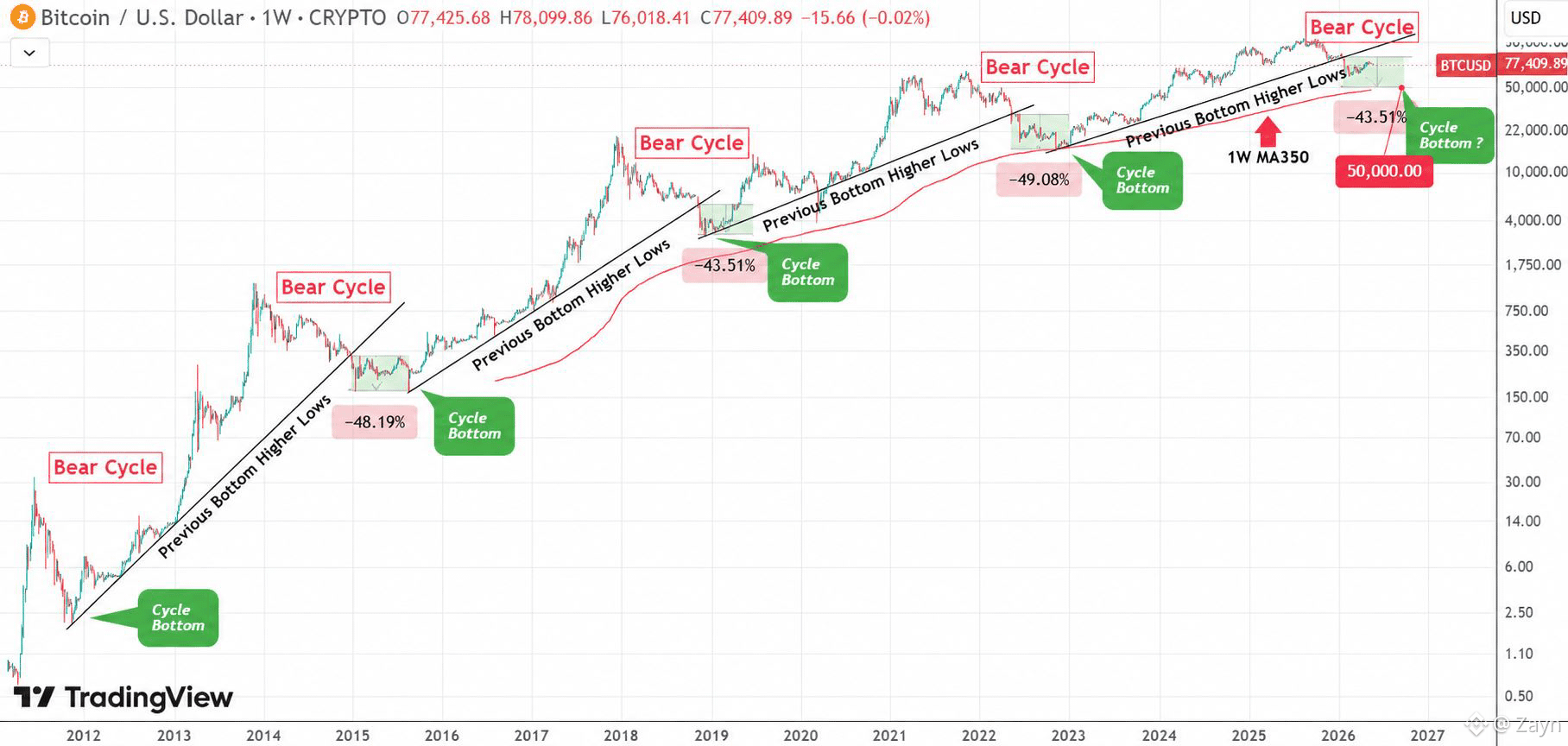
ماذا لو لم يكمل البيتكوين تصحيحه الحقيقي بعد؟ 👀
تاريخيًا، كلما كسر البيتكوين خط الاتجاه للقمم العليا من قاع السوق الهابطة السابق، انخفض بأكثر من 40%.
هذا الكسر الأخير حدث في أواخر يناير، و$BTC كان لديه بالفعل حركة حادة للأسفل.
لكن الانهيارات السابقة كانت حول -48% إلى -49%، بينما هذا الكسر ما زال لم يصل إلى تلك المنطقة.
إذا تكررت التاريخ، فإن منطقة 50 ألف دولار قد لا تزال على الطاولة، والتي تتماشى أيضًا مع منطقة 1W MA350.
لا أقول إنه يجب أن يحدث، لكن هذه مستوى يستحق المراقبة.
إدارة المخاطر دائمًا أفضل من التفاؤل الأعمى.
#Bitcoin❗ #bearishmomentum #BitcoinWarnings
ماذا لو لم يكمل البيتكوين تصحيحه الحقيقي بعد؟ 👀
تاريخيًا، كلما كسر البيتكوين خط الاتجاه للقمم العليا من قاع السوق الهابطة السابق، انخفض بأكثر من 40%.
هذا الكسر الأخير حدث في أواخر يناير، و$BTC كان لديه بالفعل حركة حادة للأسفل.
لكن الانهيارات السابقة كانت حول -48% إلى -49%، بينما هذا الكسر ما زال لم يصل إلى تلك المنطقة.
إذا تكررت التاريخ، فإن منطقة 50 ألف دولار قد لا تزال على الطاولة، والتي تتماشى أيضًا مع منطقة 1W MA350.
لا أقول إنه يجب أن يحدث، لكن هذه مستوى يستحق المراقبة.
إدارة المخاطر دائمًا أفضل من التفاؤل الأعمى.
#Bitcoin❗ #bearishmomentum #BitcoinWarnings
تاريخيًا، كلما كسر البيتكوين خط الاتجاه للقمم العليا من قاع السوق الهابطة السابق، انخفض بأكثر من 40%.
هذا الكسر الأخير حدث في أواخر يناير، و$BTC كان لديه بالفعل حركة حادة للأسفل.
لكن الانهيارات السابقة كانت حول -48% إلى -49%، بينما هذا الكسر ما زال لم يصل إلى تلك المنطقة.
إذا تكررت التاريخ، فإن منطقة 50 ألف دولار قد لا تزال على الطاولة، والتي تتماشى أيضًا مع منطقة 1W MA350.
لا أقول إنه يجب أن يحدث، لكن هذه مستوى يستحق المراقبة.
إدارة المخاطر دائمًا أفضل من التفاؤل الأعمى.
#Bitcoin❗ #bearishmomentum #BitcoinWarnings
4
2
524
·
--
🚨 $BTC — انهيار هيكل اندماج «Twenty One» و«Strike» مع خريطة التوزيع 📉
▪️ انحياز تدفق الأوامر: هبوطي 🔴
▪️ نطاق التخفيف المتوقع: $66,080 — $66,200
▪️ هدف السيولة 1: $65,400 (سيولة جانب البيع)
▪️ هدف السيولة 2: $64,800 (كتلة طلبات H1)
▪️ بطلان هيكلي: $66,850 (اختراق قمة التأرجح)
التحليل المؤسسي للماكرو والـسوق:
إن انهيار اندماج «Twenty One»–«Strike» وتراجع جاك ماليرز عن منصبه يُدخلان حالة عدم يقين هيكلية جديدة في سرد خزانة الشركات الخاصة بالبيتكوين. تُقرأ هذه التطورات من قبل «الأموال الذكية» على أنها ضعف قصير الأجل في أطروحة تبنّي المؤسسات، باستخدام العنوان كنَفَس لدفع BTC تحت سعر VWAP للجلسة عند $66,199 وحبس المراكز الطويلة المتأخرة المتراكمة فوق مستوى $66,000.
يُظهر هيكل H1 الحالي إزاحة هبوطية واضحة من مسح السيولة عند $66,850، ما يترك فجوة «القيمة العادلة» غير مُعالجة بين $66,080 — $66,200 باعتبارها منطقة إعادة دخول المؤسسات الأساسية. فشل الثيران في استعادة VWAP عبر تدفق أوامر شراء عدواني يفتح المجال نحو سيولة جانب البيع المستقرة عند $65,400. يعمل صناع السوق على استهداف كتلة وقف المتداولين التجزئة قبل أي إعادة تسعير هيكلية إلى الأعلى. #RafeTrades
"اضغط هنا👇👇👇 لمتابعة المخطط المباشر و«التداول»"
$BTC $ETH
إخلاء المسؤولية: تتبّع بنية السوق لأغراض معلوماتية فقط. ليس نصيحة مالية. قم دائمًا بإجراء بحثك الخاص DYOR. 🛡️
#BitcoinHits$66500OneMonthHigh #BTC #BitcoinWarnings
🚨 $BTC — انهيار هيكل اندماج «Twenty One» و«Strike» مع خريطة التوزيع 📉
▪️ انحياز تدفق الأوامر: هبوطي 🔴
▪️ نطاق التخفيف المتوقع: $66,080 — $66,200
▪️ هدف السيولة 1: $65,400 (سيولة جانب البيع)
▪️ هدف السيولة 2: $64,800 (كتلة طلبات H1)
▪️ بطلان هيكلي: $66,850 (اختراق قمة التأرجح)
التحليل المؤسسي للماكرو والـسوق:
إن انهيار اندماج «Twenty One»–«Strike» وتراجع جاك ماليرز عن منصبه يُدخلان حالة عدم يقين هيكلية جديدة في سرد خزانة الشركات الخاصة بالبيتكوين. تُقرأ هذه التطورات من قبل «الأموال الذكية» على أنها ضعف قصير الأجل في أطروحة تبنّي المؤسسات، باستخدام العنوان كنَفَس لدفع BTC تحت سعر VWAP للجلسة عند $66,199 وحبس المراكز الطويلة المتأخرة المتراكمة فوق مستوى $66,000.
يُظهر هيكل H1 الحالي إزاحة هبوطية واضحة من مسح السيولة عند $66,850، ما يترك فجوة «القيمة العادلة» غير مُعالجة بين $66,080 — $66,200 باعتبارها منطقة إعادة دخول المؤسسات الأساسية. فشل الثيران في استعادة VWAP عبر تدفق أوامر شراء عدواني يفتح المجال نحو سيولة جانب البيع المستقرة عند $65,400. يعمل صناع السوق على استهداف كتلة وقف المتداولين التجزئة قبل أي إعادة تسعير هيكلية إلى الأعلى. #RafeTrades
"اضغط هنا👇👇👇 لمتابعة المخطط المباشر و«التداول»"
$BTC $ETH
إخلاء المسؤولية: تتبّع بنية السوق لأغراض معلوماتية فقط. ليس نصيحة مالية. قم دائمًا بإجراء بحثك الخاص DYOR. 🛡️
#BitcoinHits$66500OneMonthHigh #BTC #BitcoinWarnings
▪️ انحياز تدفق الأوامر: هبوطي 🔴
▪️ نطاق التخفيف المتوقع: $66,080 — $66,200
▪️ هدف السيولة 1: $65,400 (سيولة جانب البيع)
▪️ هدف السيولة 2: $64,800 (كتلة طلبات H1)
▪️ بطلان هيكلي: $66,850 (اختراق قمة التأرجح)
التحليل المؤسسي للماكرو والـسوق:
إن انهيار اندماج «Twenty One»–«Strike» وتراجع جاك ماليرز عن منصبه يُدخلان حالة عدم يقين هيكلية جديدة في سرد خزانة الشركات الخاصة بالبيتكوين. تُقرأ هذه التطورات من قبل «الأموال الذكية» على أنها ضعف قصير الأجل في أطروحة تبنّي المؤسسات، باستخدام العنوان كنَفَس لدفع BTC تحت سعر VWAP للجلسة عند $66,199 وحبس المراكز الطويلة المتأخرة المتراكمة فوق مستوى $66,000.
يُظهر هيكل H1 الحالي إزاحة هبوطية واضحة من مسح السيولة عند $66,850، ما يترك فجوة «القيمة العادلة» غير مُعالجة بين $66,080 — $66,200 باعتبارها منطقة إعادة دخول المؤسسات الأساسية. فشل الثيران في استعادة VWAP عبر تدفق أوامر شراء عدواني يفتح المجال نحو سيولة جانب البيع المستقرة عند $65,400. يعمل صناع السوق على استهداف كتلة وقف المتداولين التجزئة قبل أي إعادة تسعير هيكلية إلى الأعلى. #RafeTrades
"اضغط هنا👇👇👇 لمتابعة المخطط المباشر و«التداول»"
$BTC $ETH
إخلاء المسؤولية: تتبّع بنية السوق لأغراض معلوماتية فقط. ليس نصيحة مالية. قم دائمًا بإجراء بحثك الخاص DYOR. 🛡️
#BitcoinHits$66500OneMonthHigh #BTC #BitcoinWarnings

53

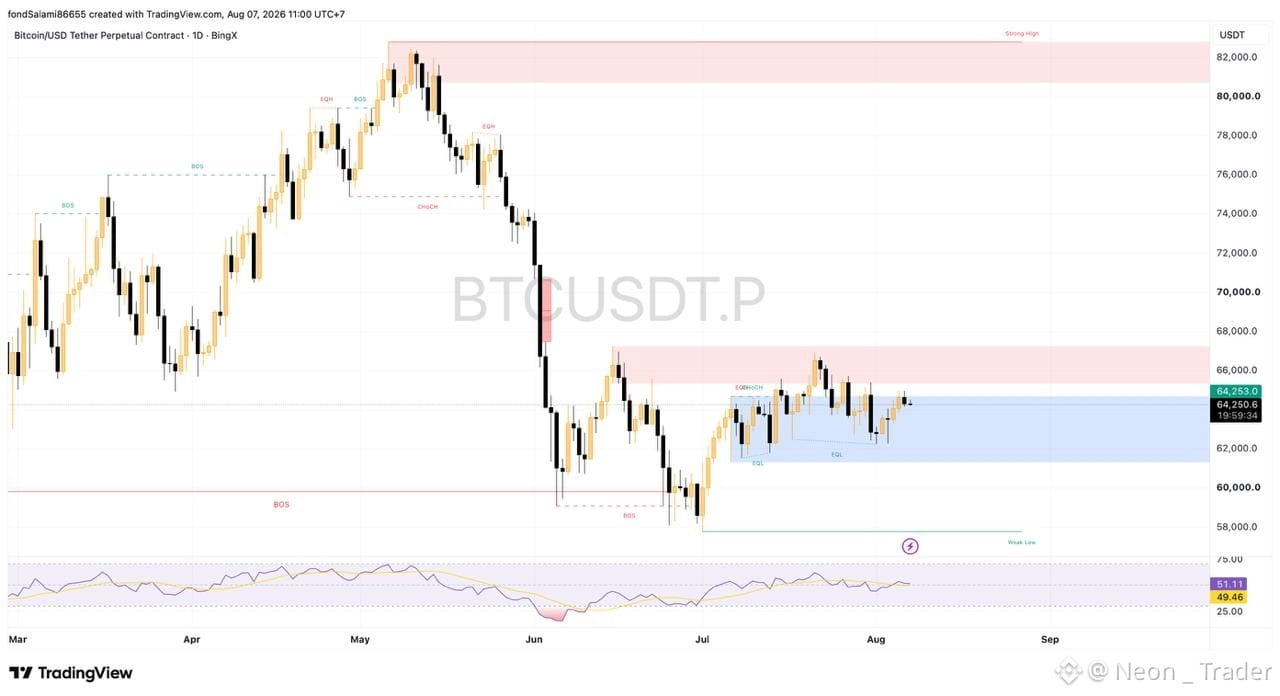
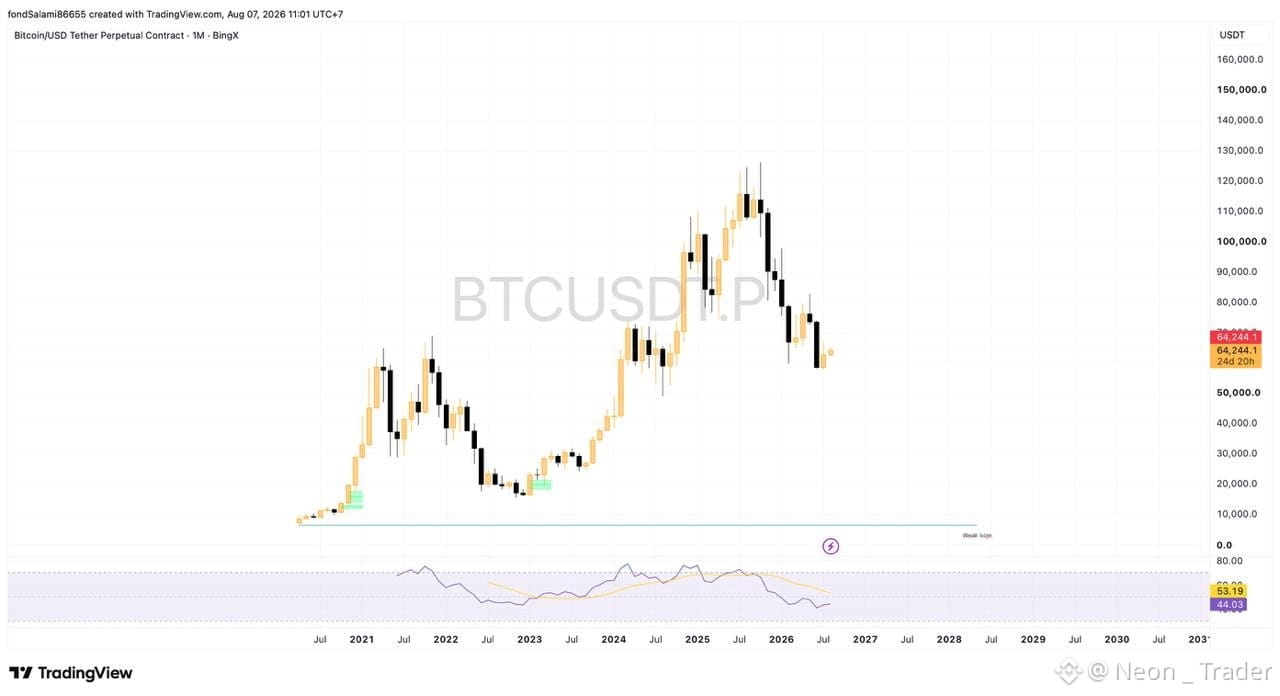
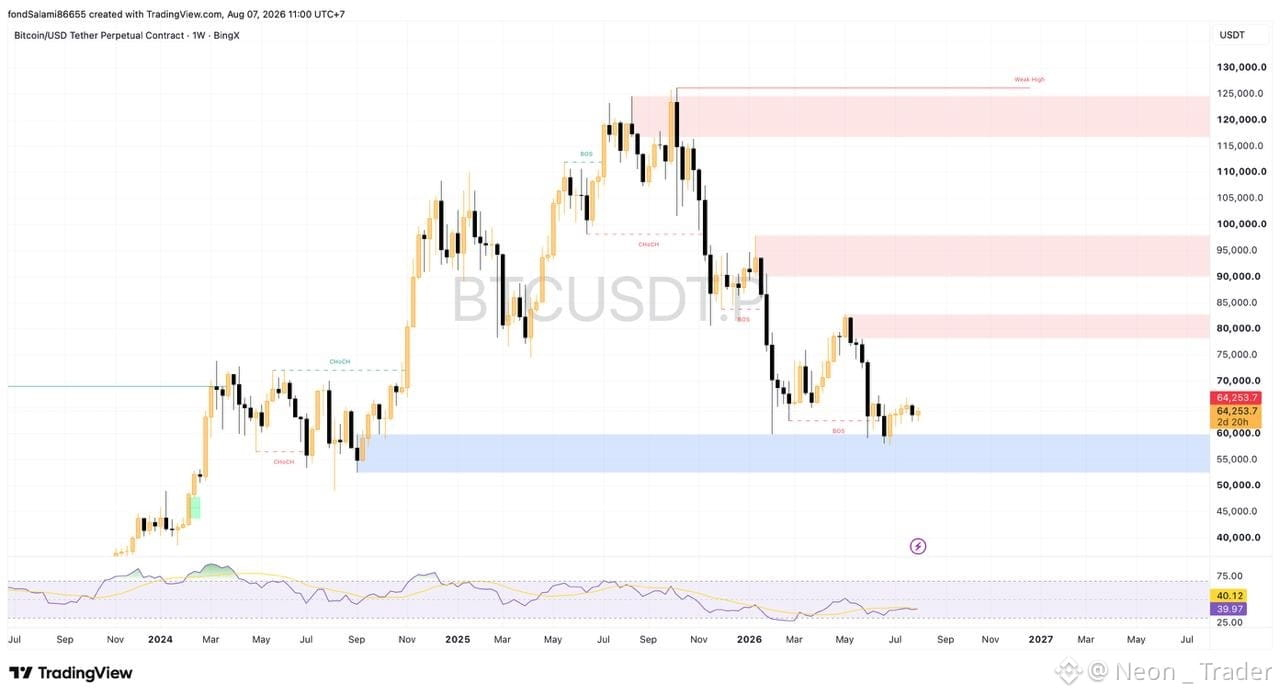
$BTC وصلت إلى 125 ألف العام الماضي. نحن الآن أقل بنحو 50% تقريبًا عن هناك، ونقف مباشرة عند قمة دورة 2021. مقاومة قديمة، الآن أصبحت دعمًا. هذه نقطة قرار على مستوى الماكرو، وليست صفقة سريعة (scalp).
إليك القراءة الصادقة:
• شهريًا
لقد رددنا نصف القمة وهبطنا بالضبط إلى سقف 65 ألف - 69 ألف القديم من الدورة السابقة. كان هذا المستوى يضغط على السوق لسنوات. الآن يجب أن يتمسّك به.
• أسبوعيًا
البنية هابطة. CHoCH عند 100k، و BOS هابط حتى 80k.
لن أتظاهر بعكس ذلك.
• يوميًا
شهران من نطاق سعري. 60k إلى 66k، تضييق.
التفاف/تكدّس داخل طلب أسبوعي.
• الخطة على مستوى الماكرو
منطقة التجميع: 55k - 60k. هذا هو المكان الذي أبني فيه،
على دفعات (tranches)، من أجل استمرار لعدة أشهر.
إذا كانت الإغلاقات الأسبوعية تحت 55k، فلست في حالة هلع. سأعيد التموضع للأسفل.
45k، ثم طلب 28k - 32k.
• الإبطال (Invalidation)
إغلاق أسبوعي تحت 55k = صبر، وليس خوفًا.
خسارة 15k = الفرضية كاملة خاطئة. نحن بعيدون جدًا عن ذلك.
سأطرح قريبًا خطة التداول السريع لـ $BTC !
#BitcoinWarnings #JapanRegulatorsUrgeCryptoWithdrawalLimits
#Bitcoin❗
$BTC وصلت إلى 125 ألف العام الماضي. نحن الآن أقل بنحو 50% تقريبًا عن هناك، ونقف مباشرة عند قمة دورة 2021. مقاومة قديمة، الآن أصبحت دعمًا. هذه نقطة قرار على مستوى الماكرو، وليست صفقة سريعة (scalp).
إليك القراءة الصادقة:
• شهريًا
لقد رددنا نصف القمة وهبطنا بالضبط إلى سقف 65 ألف - 69 ألف القديم من الدورة السابقة. كان هذا المستوى يضغط على السوق لسنوات. الآن يجب أن يتمسّك به.
• أسبوعيًا
البنية هابطة. CHoCH عند 100k، و BOS هابط حتى 80k.
لن أتظاهر بعكس ذلك.
• يوميًا
شهران من نطاق سعري. 60k إلى 66k، تضييق.
التفاف/تكدّس داخل طلب أسبوعي.
• الخطة على مستوى الماكرو
منطقة التجميع: 55k - 60k. هذا هو المكان الذي أبني فيه،
على دفعات (tranches)، من أجل استمرار لعدة أشهر.
إذا كانت الإغلاقات الأسبوعية تحت 55k، فلست في حالة هلع. سأعيد التموضع للأسفل.
45k، ثم طلب 28k - 32k.
• الإبطال (Invalidation)
إغلاق أسبوعي تحت 55k = صبر، وليس خوفًا.
خسارة 15k = الفرضية كاملة خاطئة. نحن بعيدون جدًا عن ذلك.
سأطرح قريبًا خطة التداول السريع لـ $BTC !
#BitcoinWarnings #JapanRegulatorsUrgeCryptoWithdrawalLimits
#Bitcoin❗
إليك القراءة الصادقة:
• شهريًا
لقد رددنا نصف القمة وهبطنا بالضبط إلى سقف 65 ألف - 69 ألف القديم من الدورة السابقة. كان هذا المستوى يضغط على السوق لسنوات. الآن يجب أن يتمسّك به.
• أسبوعيًا
البنية هابطة. CHoCH عند 100k، و BOS هابط حتى 80k.
لن أتظاهر بعكس ذلك.
• يوميًا
شهران من نطاق سعري. 60k إلى 66k، تضييق.
التفاف/تكدّس داخل طلب أسبوعي.
• الخطة على مستوى الماكرو
منطقة التجميع: 55k - 60k. هذا هو المكان الذي أبني فيه،
على دفعات (tranches)، من أجل استمرار لعدة أشهر.
إذا كانت الإغلاقات الأسبوعية تحت 55k، فلست في حالة هلع. سأعيد التموضع للأسفل.
45k، ثم طلب 28k - 32k.
• الإبطال (Invalidation)
إغلاق أسبوعي تحت 55k = صبر، وليس خوفًا.
خسارة 15k = الفرضية كاملة خاطئة. نحن بعيدون جدًا عن ذلك.
سأطرح قريبًا خطة التداول السريع لـ $BTC !
#BitcoinWarnings #JapanRegulatorsUrgeCryptoWithdrawalLimits
#Bitcoin❗
2
112

·
--
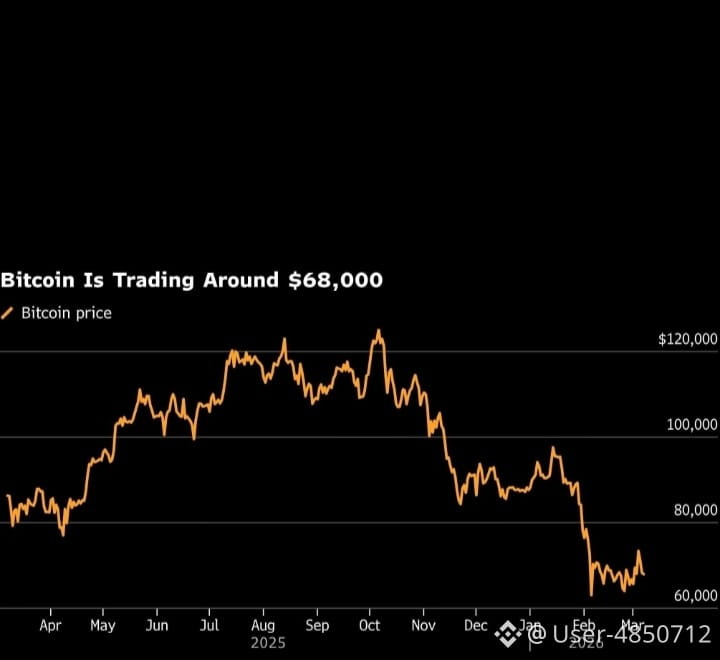
$BTC شهد انخفاضًا حادًا هذا الأسبوع، حيث هبط إلى حوالي 64,000–65,000 دولار، وهو أدنى مستوى له منذ أكثر من ثلاثة أشهر. تشير التقارير الأخيرة إلى تدفقات خارج صناديق الاستثمار المتداولة (ETF)، وضعف شعور السوق، وجني الأرباح من قبل المستثمرين الكبار كعوامل رئيسية.
يلاحظ بعض المحللين أن $BTC تختبر مستويات دعم هامة بعد انخفاض قدره حوالي 10–13% في عدد قليل من جلسات التداول.
تحليل قصير
📉 الاتجاه على المدى القصير: دببي. لا يزال البيتكوين تحت ضغط البيع والمتداولون يراقبون ما إذا كانت مستويات الدعم حول نطاق 60,000 دولار ستصمد.
🏦 النشاط المؤسسي: تبرز العديد من التقارير تدفقات كبيرة خارجة من صناديق الاستثمار المتداولة (ETF) الخاصة بـ $BTC ، مما يشير إلى انخفاض الطلب المؤسسي في المدى القريب.
⚡ التقلبات: زاد الخوف في سوق الكريبتو، مما أدى إلى تقلبات سعرية أكبر يوميًا وأداء أضعف في العديد من العملات.
🔍 المستويات الرئيسية التي يجب مراقبتها:
الدعم: 60,000–65,000 دولار
المقاومة: 72,000–75,000 دولار
التوقعات
إذا استعاد البيتكوين منطقة 72k–75k، فقد يعود الزخم الصعودي. قد يفتح الكسر تحت مستوى الدعم الحالي الباب لتصحيحات أعمق نحو أهداف سعرية أدنى ناقشها بعض المحللين.
#BitcoinMaximalism #BitcoinWarnings #BitcoinForecast #bitcoinearningwithoutinvestment
#BitcoinEarnings
{spot}(BTCUSDT)
$BTC شهد انخفاضًا حادًا هذا الأسبوع، حيث هبط إلى حوالي 64,000–65,000 دولار، وهو أدنى مستوى له منذ أكثر من ثلاثة أشهر. تشير التقارير الأخيرة إلى تدفقات خارج صناديق الاستثمار المتداولة (ETF)، وضعف شعور السوق، وجني الأرباح من قبل المستثمرين الكبار كعوامل رئيسية.
يلاحظ بعض المحللين أن $BTC تختبر مستويات دعم هامة بعد انخفاض قدره حوالي 10–13% في عدد قليل من جلسات التداول.
تحليل قصير
📉 الاتجاه على المدى القصير: دببي. لا يزال البيتكوين تحت ضغط البيع والمتداولون يراقبون ما إذا كانت مستويات الدعم حول نطاق 60,000 دولار ستصمد.
🏦 النشاط المؤسسي: تبرز العديد من التقارير تدفقات كبيرة خارجة من صناديق الاستثمار المتداولة (ETF) الخاصة بـ $BTC ، مما يشير إلى انخفاض الطلب المؤسسي في المدى القريب.
⚡ التقلبات: زاد الخوف في سوق الكريبتو، مما أدى إلى تقلبات سعرية أكبر يوميًا وأداء أضعف في العديد من العملات.
🔍 المستويات الرئيسية التي يجب مراقبتها:
الدعم: 60,000–65,000 دولار
المقاومة: 72,000–75,000 دولار
التوقعات
إذا استعاد البيتكوين منطقة 72k–75k، فقد يعود الزخم الصعودي. قد يفتح الكسر تحت مستوى الدعم الحالي الباب لتصحيحات أعمق نحو أهداف سعرية أدنى ناقشها بعض المحللين.
#BitcoinMaximalism #BitcoinWarnings #BitcoinForecast #bitcoinearningwithoutinvestment
#BitcoinEarnings
يلاحظ بعض المحللين أن $BTC تختبر مستويات دعم هامة بعد انخفاض قدره حوالي 10–13% في عدد قليل من جلسات التداول.
تحليل قصير
📉 الاتجاه على المدى القصير: دببي. لا يزال البيتكوين تحت ضغط البيع والمتداولون يراقبون ما إذا كانت مستويات الدعم حول نطاق 60,000 دولار ستصمد.
🏦 النشاط المؤسسي: تبرز العديد من التقارير تدفقات كبيرة خارجة من صناديق الاستثمار المتداولة (ETF) الخاصة بـ $BTC ، مما يشير إلى انخفاض الطلب المؤسسي في المدى القريب.
⚡ التقلبات: زاد الخوف في سوق الكريبتو، مما أدى إلى تقلبات سعرية أكبر يوميًا وأداء أضعف في العديد من العملات.
🔍 المستويات الرئيسية التي يجب مراقبتها:
الدعم: 60,000–65,000 دولار
المقاومة: 72,000–75,000 دولار
التوقعات
إذا استعاد البيتكوين منطقة 72k–75k، فقد يعود الزخم الصعودي. قد يفتح الكسر تحت مستوى الدعم الحالي الباب لتصحيحات أعمق نحو أهداف سعرية أدنى ناقشها بعض المحللين.
#BitcoinMaximalism #BitcoinWarnings #BitcoinForecast #bitcoinearningwithoutinvestment
#BitcoinEarnings
86

·
--
بتكوين كيراب برغيجولاك سات فومك برلواسط
بيانات تاريخية تظهر أن بتكوين غالبًا ما تواجه تقلبات عالية حول فترات FOMC.
استنادًا إلى CoinPedia، تعرضت بتكوين لتصحيح كبير بعد عدة اجتماعات سابقة لـ FOMC، من بينها:
أكتوبر: انخفاض حوالي 30%
ديسمبر: انخفاض حوالي 10%
يناير: انخفاض حوالي 33%
مارس: انخفاض حوالي 14%
أبريل: انخفاض حوالي 28%
تشير هذه البيانات إلى أن بتكوين تعرضت عدة مرات لتصحيح كبير حول فترات FOMC.
تحدث هذه التحركات بالتزامن مع زيادة اهتمام المستثمرين بآفاق أسعار الفائدة، التضخم، والسياسة النقدية في الولايات المتحدة.
التضخم لا يزال عاملًا رئيسيًا
يبقى التضخم في صميم اهتمام السوق قبيل FOMC. يستهدف الاحتياطي الفيدرالي التضخم عند مستوى 2%، لذا سيقوم المستثمرون بمراقبة أي إشارات تتعلق بآفاق التضخم واتجاه أسعار الفائدة في المستقبل.
تعليقات الاحتياطي الفيدرالي حول ضغوط الأسعار والسياسة النقدية المقبلة قد تؤثر على معنويات السوق، بما في ذلك على الأصول ذات المخاطر مثل بتكوين.
$BTC
{spot}(BTCUSDT)
#BitcoinWarnings
بتكوين كيراب برغيجولاك سات فومك برلواسط
بيانات تاريخية تظهر أن بتكوين غالبًا ما تواجه تقلبات عالية حول فترات FOMC.
استنادًا إلى CoinPedia، تعرضت بتكوين لتصحيح كبير بعد عدة اجتماعات سابقة لـ FOMC، من بينها:
أكتوبر: انخفاض حوالي 30%
ديسمبر: انخفاض حوالي 10%
يناير: انخفاض حوالي 33%
مارس: انخفاض حوالي 14%
أبريل: انخفاض حوالي 28%
تشير هذه البيانات إلى أن بتكوين تعرضت عدة مرات لتصحيح كبير حول فترات FOMC.
تحدث هذه التحركات بالتزامن مع زيادة اهتمام المستثمرين بآفاق أسعار الفائدة، التضخم، والسياسة النقدية في الولايات المتحدة.
التضخم لا يزال عاملًا رئيسيًا
يبقى التضخم في صميم اهتمام السوق قبيل FOMC. يستهدف الاحتياطي الفيدرالي التضخم عند مستوى 2%، لذا سيقوم المستثمرون بمراقبة أي إشارات تتعلق بآفاق التضخم واتجاه أسعار الفائدة في المستقبل.
تعليقات الاحتياطي الفيدرالي حول ضغوط الأسعار والسياسة النقدية المقبلة قد تؤثر على معنويات السوق، بما في ذلك على الأصول ذات المخاطر مثل بتكوين.
$BTC
#BitcoinWarnings
بيانات تاريخية تظهر أن بتكوين غالبًا ما تواجه تقلبات عالية حول فترات FOMC.
استنادًا إلى CoinPedia، تعرضت بتكوين لتصحيح كبير بعد عدة اجتماعات سابقة لـ FOMC، من بينها:
أكتوبر: انخفاض حوالي 30%
ديسمبر: انخفاض حوالي 10%
يناير: انخفاض حوالي 33%
مارس: انخفاض حوالي 14%
أبريل: انخفاض حوالي 28%
تشير هذه البيانات إلى أن بتكوين تعرضت عدة مرات لتصحيح كبير حول فترات FOMC.
تحدث هذه التحركات بالتزامن مع زيادة اهتمام المستثمرين بآفاق أسعار الفائدة، التضخم، والسياسة النقدية في الولايات المتحدة.
التضخم لا يزال عاملًا رئيسيًا
يبقى التضخم في صميم اهتمام السوق قبيل FOMC. يستهدف الاحتياطي الفيدرالي التضخم عند مستوى 2%، لذا سيقوم المستثمرون بمراقبة أي إشارات تتعلق بآفاق التضخم واتجاه أسعار الفائدة في المستقبل.
تعليقات الاحتياطي الفيدرالي حول ضغوط الأسعار والسياسة النقدية المقبلة قد تؤثر على معنويات السوق، بما في ذلك على الأصول ذات المخاطر مثل بتكوين.
$BTC
#BitcoinWarnings
82
#BinanceSquareTalks #BitcoinSlipsAfterStrongUSJobsReport #BinanceSquareFamily #BitcoinWarnings #BitcoinForecast
### 📊 نظرة عامة على السوق
{spot}(BTCUSDT)
* **📈 السعر الحالي:** **60,260.85 دولار أمريكي** (استعاد قليلاً فوق مستوى 60k النفسي).
* **🔴 تغير 24 ساعة:** **-5.34%**
* **📉 الاتجاه:** بشكل عام **هبوطي** (نزولي). على الرغم من وجود ارتداد أخضر طفيف في النهاية، إلا أن الرسم البياني الساعي لا يزال يظهر نمطًا ثابتًا من القيعان والقمم المنخفضة.
### 🛑 المستويات الرئيسية
* **🛡️ الدعم الفوري:** **59,128.59 دولار أمريكي** (أدنى مستوى في 24 ساعة). كانت هذه المنطقة تعمل مؤخرًا كمنطقة ارتداد.
* **🧱 المقاومة الفورية:** **63,928.30 دولار أمريكي** (أعلى مستوى في 24 ساعة)، مع قمة ساعية عند **67,357.41 دولار أمريكي**.
### ⚖️ دفتر الطلبات & المشاعر
* **🟢 العروض (شراء):** **38.44%**
* **🔴 الطلبات (بيع):** **61.56%**
* **⚠️ المشاعر:** سلبية، ولكن تظهر تحسنًا طفيفًا مقارنة بالساعات السابقة حيث بدأ المشترون (العروض) في العودة ببطء بالقرب من علامة 60k. لا يزال البائعون في المقدمة.
### 📅 العوائد التاريخية
* **⏳ 7 أيام:** -18.45%
* **⏳ 30 يومًا:** -25.99%
* **⏳ 180 يومًا:** -33.92%
> **🎯 الخلاصة:** يحاول BTC القيام بارتداد طفيف من دعمه عند **59,128 دولار أمريكي**. ومع ذلك، يبقى السوق بشكل عام تحت ضغط هبوطي قوي. تابعوا إذا كان بإمكانه الثبات فوق **60,000 دولار أمريكي**؛ الفشل في القيام بذلك من المحتمل أن يؤدي إلى اختبار آخر لآخر قاع.
#BinanceSquareTalks #BitcoinSlipsAfterStrongUSJobsReport #BinanceSquareFamily #BitcoinWarnings #BitcoinForecast
### 📊 نظرة عامة على السوق
* **📈 السعر الحالي:** **60,260.85 دولار أمريكي** (استعاد قليلاً فوق مستوى 60k النفسي).
* **🔴 تغير 24 ساعة:** **-5.34%**
* **📉 الاتجاه:** بشكل عام **هبوطي** (نزولي). على الرغم من وجود ارتداد أخضر طفيف في النهاية، إلا أن الرسم البياني الساعي لا يزال يظهر نمطًا ثابتًا من القيعان والقمم المنخفضة.
### 🛑 المستويات الرئيسية
* **🛡️ الدعم الفوري:** **59,128.59 دولار أمريكي** (أدنى مستوى في 24 ساعة). كانت هذه المنطقة تعمل مؤخرًا كمنطقة ارتداد.
* **🧱 المقاومة الفورية:** **63,928.30 دولار أمريكي** (أعلى مستوى في 24 ساعة)، مع قمة ساعية عند **67,357.41 دولار أمريكي**.
### ⚖️ دفتر الطلبات & المشاعر
* **🟢 العروض (شراء):** **38.44%**
* **🔴 الطلبات (بيع):** **61.56%**
* **⚠️ المشاعر:** سلبية، ولكن تظهر تحسنًا طفيفًا مقارنة بالساعات السابقة حيث بدأ المشترون (العروض) في العودة ببطء بالقرب من علامة 60k. لا يزال البائعون في المقدمة.
### 📅 العوائد التاريخية
* **⏳ 7 أيام:** -18.45%
* **⏳ 30 يومًا:** -25.99%
* **⏳ 180 يومًا:** -33.92%
> **🎯 الخلاصة:** يحاول BTC القيام بارتداد طفيف من دعمه عند **59,128 دولار أمريكي**. ومع ذلك، يبقى السوق بشكل عام تحت ضغط هبوطي قوي. تابعوا إذا كان بإمكانه الثبات فوق **60,000 دولار أمريكي**؛ الفشل في القيام بذلك من المحتمل أن يؤدي إلى اختبار آخر لآخر قاع.
### 📊 نظرة عامة على السوق
* **📈 السعر الحالي:** **60,260.85 دولار أمريكي** (استعاد قليلاً فوق مستوى 60k النفسي).
* **🔴 تغير 24 ساعة:** **-5.34%**
* **📉 الاتجاه:** بشكل عام **هبوطي** (نزولي). على الرغم من وجود ارتداد أخضر طفيف في النهاية، إلا أن الرسم البياني الساعي لا يزال يظهر نمطًا ثابتًا من القيعان والقمم المنخفضة.
### 🛑 المستويات الرئيسية
* **🛡️ الدعم الفوري:** **59,128.59 دولار أمريكي** (أدنى مستوى في 24 ساعة). كانت هذه المنطقة تعمل مؤخرًا كمنطقة ارتداد.
* **🧱 المقاومة الفورية:** **63,928.30 دولار أمريكي** (أعلى مستوى في 24 ساعة)، مع قمة ساعية عند **67,357.41 دولار أمريكي**.
### ⚖️ دفتر الطلبات & المشاعر
* **🟢 العروض (شراء):** **38.44%**
* **🔴 الطلبات (بيع):** **61.56%**
* **⚠️ المشاعر:** سلبية، ولكن تظهر تحسنًا طفيفًا مقارنة بالساعات السابقة حيث بدأ المشترون (العروض) في العودة ببطء بالقرب من علامة 60k. لا يزال البائعون في المقدمة.
### 📅 العوائد التاريخية
* **⏳ 7 أيام:** -18.45%
* **⏳ 30 يومًا:** -25.99%
* **⏳ 180 يومًا:** -33.92%
> **🎯 الخلاصة:** يحاول BTC القيام بارتداد طفيف من دعمه عند **59,128 دولار أمريكي**. ومع ذلك، يبقى السوق بشكل عام تحت ضغط هبوطي قوي. تابعوا إذا كان بإمكانه الثبات فوق **60,000 دولار أمريكي**؛ الفشل في القيام بذلك من المحتمل أن يؤدي إلى اختبار آخر لآخر قاع.
33
1
80

·
--
هابط
#BitcoinWarnings $BTC لن يرفع (السعر) مرة أخرى حتى يغادر الرئيس ترامب منصبه. خذ هذا إلى البنك. نحن متشائمون طوال فترة توليه المنصب.
{future}(BTCUSDT)
#BitcoinWarnings $BTC لن يرفع (السعر) مرة أخرى حتى يغادر الرئيس ترامب منصبه. خذ هذا إلى البنك. نحن متشائمون طوال فترة توليه المنصب.

1
31

·
--
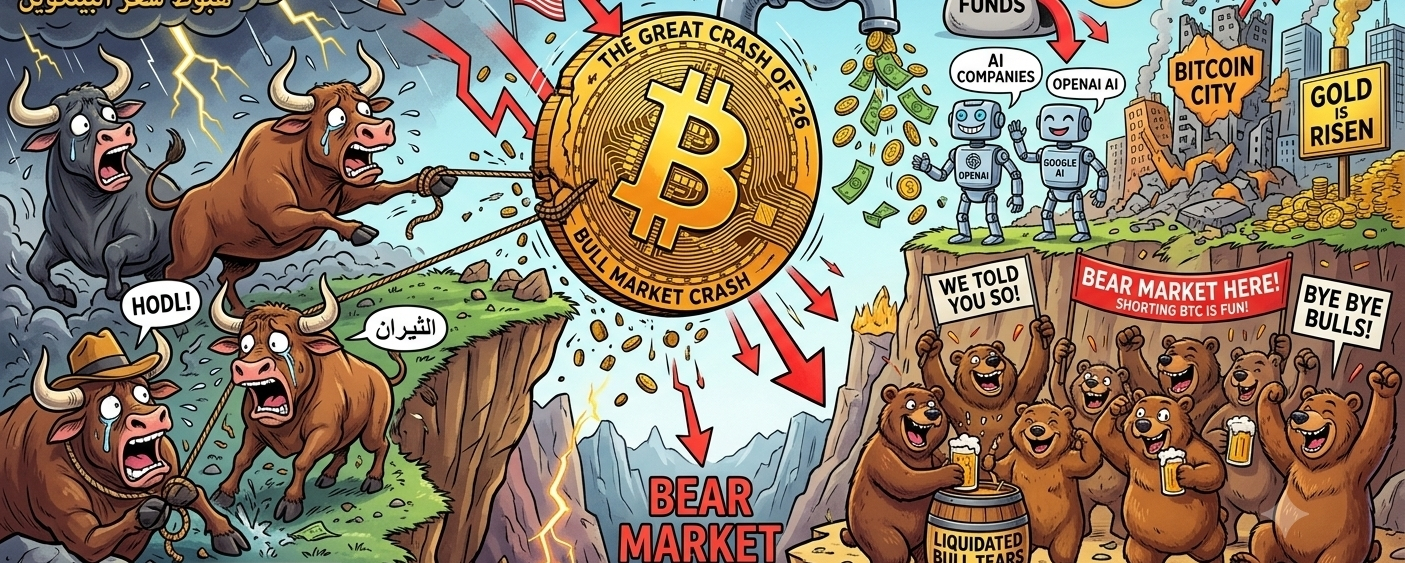
مقالة
لماذا انخفضت البيتكوين تحت 70,000 دولار اليوم؟
#Btcلماذا انخفضت البيتكوين تحت 70,000 دولار اليوم؟
شهد سوق العملات المشفرة انخفاضًا حادًا اليوم، الثلاثاء، **2 يونيو 2026**، مما أدى إلى كسر البيتكوين (BTC) لمستويات الدعم الفني الرئيسية. انخفض السعر إلى ما دون علامة **70,000** دولار، ليصل تقريبًا إلى **67,000** دولار في بعض المنصات، مسجلاً انخفاضًا يوميًا بأكثر من **5%**.
هذا الانخفاض لم يكن مجرد تقلب عابر؛ بل نتج عن مجموعة من العوامل الاقتصادية والجيوسياسية التي أثرت سلبًا على شهية المستثمرين للمخاطرة.
لماذا انخفضت البيتكوين تحت 70,000 دولار اليوم؟ #Btc
لماذا انخفضت البيتكوين تحت 70,000 دولار اليوم؟
شهد سوق العملات المشفرة انخفاضًا حادًا اليوم، الثلاثاء، **2 يونيو 2026**، مما أدى إلى كسر البيتكوين (BTC) لمستويات الدعم الفني الرئيسية. انخفض السعر إلى ما دون علامة **70,000** دولار، ليصل تقريبًا إلى **67,000** دولار في بعض المنصات، مسجلاً انخفاضًا يوميًا بأكثر من **5%**.
هذا الانخفاض لم يكن مجرد تقلب عابر؛ بل نتج عن مجموعة من العوامل الاقتصادية والجيوسياسية التي أثرت سلبًا على شهية المستثمرين للمخاطرة.
شهد سوق العملات المشفرة انخفاضًا حادًا اليوم، الثلاثاء، **2 يونيو 2026**، مما أدى إلى كسر البيتكوين (BTC) لمستويات الدعم الفني الرئيسية. انخفض السعر إلى ما دون علامة **70,000** دولار، ليصل تقريبًا إلى **67,000** دولار في بعض المنصات، مسجلاً انخفاضًا يوميًا بأكثر من **5%**.
هذا الانخفاض لم يكن مجرد تقلب عابر؛ بل نتج عن مجموعة من العوامل الاقتصادية والجيوسياسية التي أثرت سلبًا على شهية المستثمرين للمخاطرة.
118
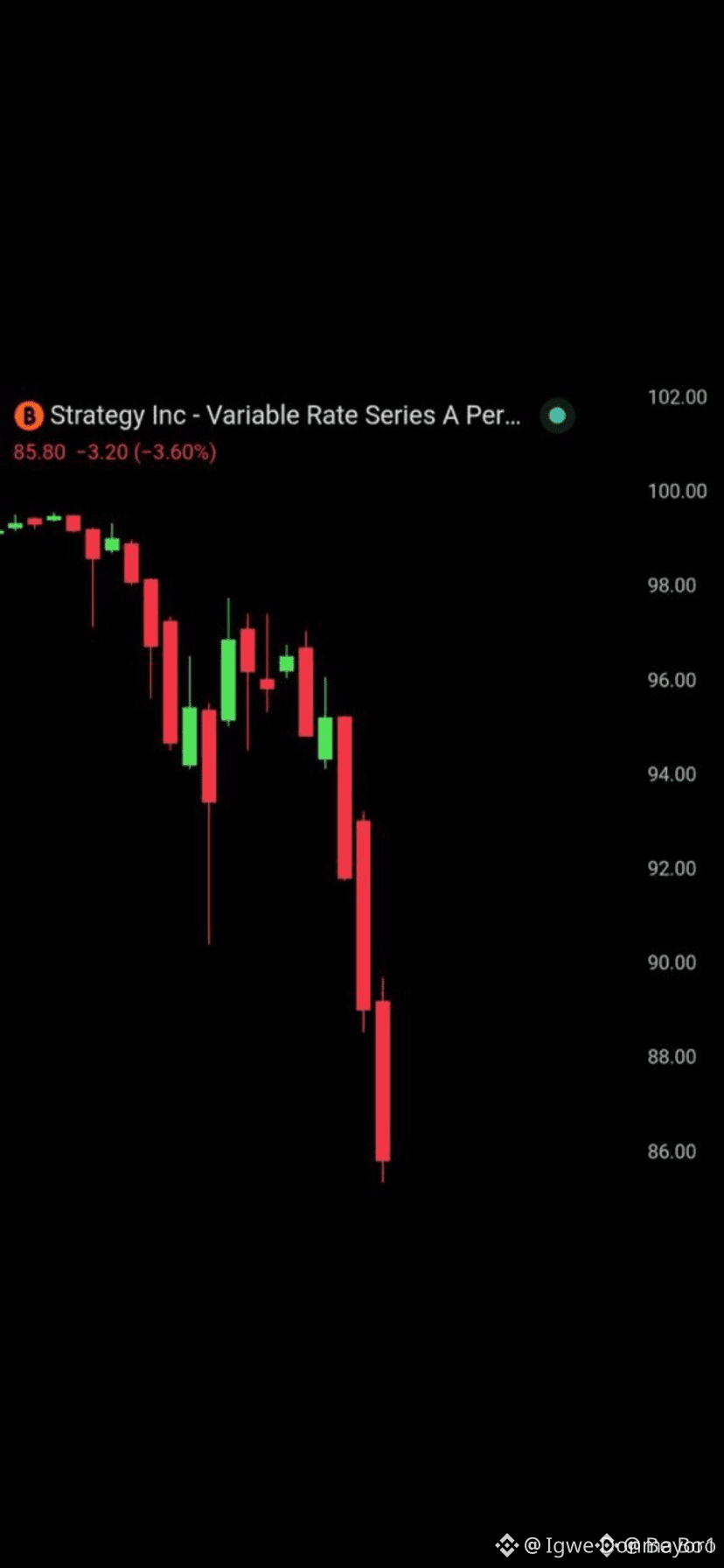
عاجل: سهم مايكل سايلور المدعوم بالبيتكوين، $STRC، هبط للتو إلى 85.32 دولار، وهو أدنى مستوى له على الإطلاق.
من المحتمل أن تضطر الشركة لفتح شورت بقيمة عدة ملايين دولار من البيتكوين في الأيام القادمة لتفادي مكالمات الهامش.
{future}(BTCUSDT)
#BitcoinWarnings
عاجل: سهم مايكل سايلور المدعوم بالبيتكوين، $STRC، هبط للتو إلى 85.32 دولار، وهو أدنى مستوى له على الإطلاق.
من المحتمل أن تضطر الشركة لفتح شورت بقيمة عدة ملايين دولار من البيتكوين في الأيام القادمة لتفادي مكالمات الهامش.
#BitcoinWarnings
من المحتمل أن تضطر الشركة لفتح شورت بقيمة عدة ملايين دولار من البيتكوين في الأيام القادمة لتفادي مكالمات الهامش.
#BitcoinWarnings

58

·
--
🚨 تمسك 59 ألف دولار… لكن لا تسترخي. هذا السوق على بعد شمعة واحدة فقط من الفوضى.سأكون صريحًا معك بوحشية الآن. 👀
$BTC و $SOL للتو أرسلا لنا طلقة إنذار.
معظم المتداولين احتفلوا بالارتداد. المال الذكي يراقب شيئًا آخر تمامًا. 🦈
لنبدأ بالبيتكوين BTC أولاً 👇
انخفض إلى 59.1 ألف دولار → ثم ارتد إلى 61.3 ألف دولار
يبدو كأنه إنقاذ صحيح؟
خطأ. انظر عن قرب:
📉 قمم أدنى تتشكل
📉 قمم منخفضة تتشكل
📉 الزخم الهابط ما زال حيًا جدًا
المستويات التي تهم الآن مباشرة:
🟢 احتفظ بـ 59 ألف–60 ألف دولار = الثيران ما زالوا يتنفسون
🔴 خسر 59 ألف دولار = المحطة التالية 57 ألف دولار… ثم 55 ألف دولار
🚨 تمسك 59 ألف دولار… لكن لا تسترخي. هذا السوق على بعد شمعة واحدة فقط من الفوضى.
سأكون صريحًا معك بوحشية الآن. 👀
$BTC و $SOL للتو أرسلا لنا طلقة إنذار.
معظم المتداولين احتفلوا بالارتداد. المال الذكي يراقب شيئًا آخر تمامًا. 🦈
لنبدأ بالبيتكوين BTC أولاً 👇
انخفض إلى 59.1 ألف دولار → ثم ارتد إلى 61.3 ألف دولار
يبدو كأنه إنقاذ صحيح؟
خطأ. انظر عن قرب:
📉 قمم أدنى تتشكل
📉 قمم منخفضة تتشكل
📉 الزخم الهابط ما زال حيًا جدًا
المستويات التي تهم الآن مباشرة:
🟢 احتفظ بـ 59 ألف–60 ألف دولار = الثيران ما زالوا يتنفسون
🔴 خسر 59 ألف دولار = المحطة التالية 57 ألف دولار… ثم 55 ألف دولار
$BTC و $SOL للتو أرسلا لنا طلقة إنذار.
معظم المتداولين احتفلوا بالارتداد. المال الذكي يراقب شيئًا آخر تمامًا. 🦈
لنبدأ بالبيتكوين BTC أولاً 👇
انخفض إلى 59.1 ألف دولار → ثم ارتد إلى 61.3 ألف دولار
يبدو كأنه إنقاذ صحيح؟
خطأ. انظر عن قرب:
📉 قمم أدنى تتشكل
📉 قمم منخفضة تتشكل
📉 الزخم الهابط ما زال حيًا جدًا
المستويات التي تهم الآن مباشرة:
🟢 احتفظ بـ 59 ألف–60 ألف دولار = الثيران ما زالوا يتنفسون
🔴 خسر 59 ألف دولار = المحطة التالية 57 ألف دولار… ثم 55 ألف دولار
130

·
--
📉 البيتكوين يغلق دون 75 ألف دولار.. هل تستعد الأسواق لموجة تصحيح جديدة؟🔴 البيتكوين يفشل في استعادة مستوى 75 ألف دولار مع إغلاقات سلبية
أنهى البيتكوين تداولات شهره الأخير عند مستوى 73,580 دولارًا، بينما أغلق الأسبوع عند 73,931 دولارًا، في إشارة إلى استمرار ضعف الزخم الصعودي وعدم قدرة المشترين على استعادة الحاجز النفسي والفني المهم عند 75,000 دولار.
ويُنظر إلى فشل الإغلاقين الشهري والأسبوعي فوق هذا المستوى على أنه عامل سلبي على المدى القصير، حيث يبقي الضغوط البيعية قائمة ويمنح البائعين أفضلية نسبية في حركة السوق الحالية.
في المقابل، تزداد أهمية مناطق الدعم الحالية، إذ إن صمودها قد يمنح السوق فرصة لإعادة بناء الزخم ومحاولة استهداف مستويات أعلى خلال الفترة المقبلة. أما كسر هذه الدعوم فقد يفتح المجال أمام موجة تصحيح أعمق، خاصة في ظل حالة الترقب التي تسيطر على المستثمرين.
وخلال الأيام القادمة، ستبقى الأنظار موجهة نحو قدرة البيتكوين على استعادة مستوى 75,000 دولار وتحويله إلى دعم، باعتبار ذلك خطوة أساسية لاستئناف الاتجاه الصاعد وتقليل المخاوف من استمرار الضغط البيعي.
$BTC
{spot}(BTCUSDT)
$USDC
{spot}(USDCUSDT)
#BitcoinWarnings
#StrategyFirstBitcoinSale
📉 البيتكوين يغلق دون 75 ألف دولار.. هل تستعد الأسواق لموجة تصحيح جديدة؟
🔴 البيتكوين يفشل في استعادة مستوى 75 ألف دولار مع إغلاقات سلبية
أنهى البيتكوين تداولات شهره الأخير عند مستوى 73,580 دولارًا، بينما أغلق الأسبوع عند 73,931 دولارًا، في إشارة إلى استمرار ضعف الزخم الصعودي وعدم قدرة المشترين على استعادة الحاجز النفسي والفني المهم عند 75,000 دولار.
ويُنظر إلى فشل الإغلاقين الشهري والأسبوعي فوق هذا المستوى على أنه عامل سلبي على المدى القصير، حيث يبقي الضغوط البيعية قائمة ويمنح البائعين أفضلية نسبية في حركة السوق الحالية.
في المقابل، تزداد أهمية مناطق الدعم الحالية، إذ إن صمودها قد يمنح السوق فرصة لإعادة بناء الزخم ومحاولة استهداف مستويات أعلى خلال الفترة المقبلة. أما كسر هذه الدعوم فقد يفتح المجال أمام موجة تصحيح أعمق، خاصة في ظل حالة الترقب التي تسيطر على المستثمرين.
وخلال الأيام القادمة، ستبقى الأنظار موجهة نحو قدرة البيتكوين على استعادة مستوى 75,000 دولار وتحويله إلى دعم، باعتبار ذلك خطوة أساسية لاستئناف الاتجاه الصاعد وتقليل المخاوف من استمرار الضغط البيعي.
$BTC
$USDC
#BitcoinWarnings
#StrategyFirstBitcoinSale
أنهى البيتكوين تداولات شهره الأخير عند مستوى 73,580 دولارًا، بينما أغلق الأسبوع عند 73,931 دولارًا، في إشارة إلى استمرار ضعف الزخم الصعودي وعدم قدرة المشترين على استعادة الحاجز النفسي والفني المهم عند 75,000 دولار.
ويُنظر إلى فشل الإغلاقين الشهري والأسبوعي فوق هذا المستوى على أنه عامل سلبي على المدى القصير، حيث يبقي الضغوط البيعية قائمة ويمنح البائعين أفضلية نسبية في حركة السوق الحالية.
في المقابل، تزداد أهمية مناطق الدعم الحالية، إذ إن صمودها قد يمنح السوق فرصة لإعادة بناء الزخم ومحاولة استهداف مستويات أعلى خلال الفترة المقبلة. أما كسر هذه الدعوم فقد يفتح المجال أمام موجة تصحيح أعمق، خاصة في ظل حالة الترقب التي تسيطر على المستثمرين.
وخلال الأيام القادمة، ستبقى الأنظار موجهة نحو قدرة البيتكوين على استعادة مستوى 75,000 دولار وتحويله إلى دعم، باعتبار ذلك خطوة أساسية لاستئناف الاتجاه الصاعد وتقليل المخاوف من استمرار الضغط البيعي.
$BTC
$USDC
#BitcoinWarnings
#StrategyFirstBitcoinSale
3
230

·
--
هابط
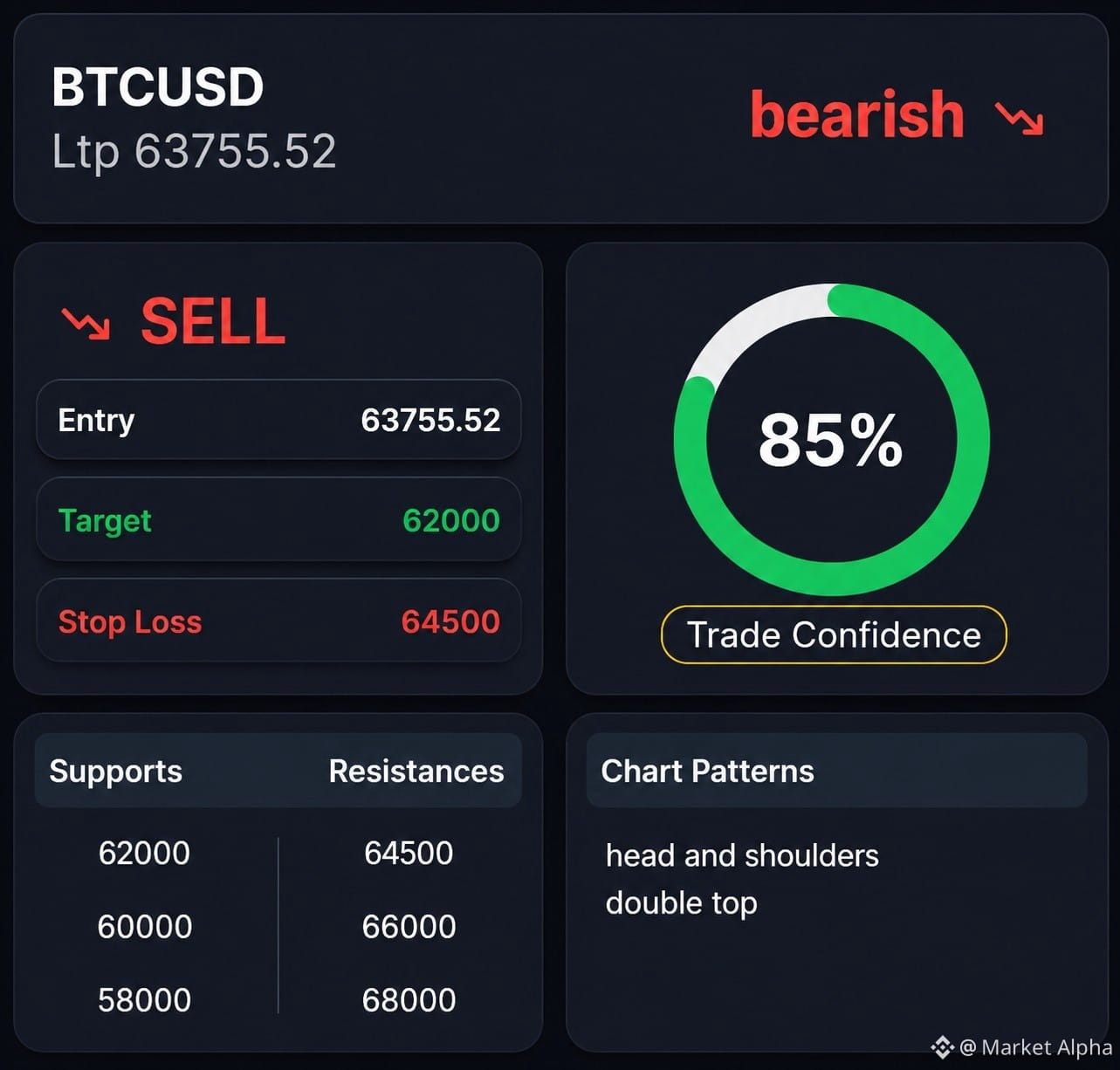
$BTC تُظهر حركة السعر الحالية نمط رأس وكتفين كلاسيكي، مما يشير إلى احتمال حدوث انعكاس من الاتجاه الصاعد السابق. ويترافق هذا النمط مع تكوين قمة مزدوجة، ما يعزز المزيد من المشاعر السلبية. فشل السعر مرارًا في الاختراق فوق مستويات المقاومة، ما يدل على ضغط بيع قوي. ويدعم هذا الميل الهابط مؤشرات فنية؛ إذ إن مؤشر القوة النسبية (RSI) أقل من 30، ما يعني أن الأصل في حالة تشبع بيعي. كما يشير مؤشر MACD إلى حدوث تقاطع هبوطي، مما يدل على تحول سلبي في الزخم. إضافة إلى ذلك، يتداول السعر تحت المتوسطين المتحركين لمدتي 50 يومًا و200 يوم، وهما مؤشرين رئيسيين على اتجاه هابط مستمر. ويمنح سعر الهدف المحسوب نسبة أفضل بين المخاطر والمكافأة مقارنةً بمستوى وقف الخسارة، الأمر الذي يعزز الثقة بتوصية البيع.
#BTC #BitcoinPriceDrop #BitcoinWarnings
$BTC تُظهر حركة السعر الحالية نمط رأس وكتفين كلاسيكي، مما يشير إلى احتمال حدوث انعكاس من الاتجاه الصاعد السابق. ويترافق هذا النمط مع تكوين قمة مزدوجة، ما يعزز المزيد من المشاعر السلبية. فشل السعر مرارًا في الاختراق فوق مستويات المقاومة، ما يدل على ضغط بيع قوي. ويدعم هذا الميل الهابط مؤشرات فنية؛ إذ إن مؤشر القوة النسبية (RSI) أقل من 30، ما يعني أن الأصل في حالة تشبع بيعي. كما يشير مؤشر MACD إلى حدوث تقاطع هبوطي، مما يدل على تحول سلبي في الزخم. إضافة إلى ذلك، يتداول السعر تحت المتوسطين المتحركين لمدتي 50 يومًا و200 يوم، وهما مؤشرين رئيسيين على اتجاه هابط مستمر. ويمنح سعر الهدف المحسوب نسبة أفضل بين المخاطر والمكافأة مقارنةً بمستوى وقف الخسارة، الأمر الذي يعزز الثقة بتوصية البيع.
#BTC #BitcoinPriceDrop #BitcoinWarnings
#BTC #BitcoinPriceDrop #BitcoinWarnings
172

·
--
أسبوع التّلْقِيق
🚀 ربح بنسبة 23.6% خلال سبعة أيام فقط.
في أسبوع واحد—
تتفكك الأهداف الفصلية.
وتتبخر الحجج الهبوطية.
وتندفع السيولة بعيدًا لتلحق بالركب.
ليس لأن الناتج المحلي الإجمالي العالمي نما ربعًا خلال سبعة أيام…
بل لأن تدفقات السيولة تتجه إلى حيث تتطلب الزخم.
أسواق العملات الرقمية الحديثة لا تمشي—بل تتلّقّف.
وتتساءل…
هل يتراكم المشترون فعلاً بدافع قناعة حقيقية…
أم أن الـFOMO (الخوف من فوات الفرصة) هو الذي يقود المركبة مباشرة نحو جدار؟
#BitcoinRises23.6%Weekly #BitcoinWarnings
أسبوع التّلْقِيق
🚀 ربح بنسبة 23.6% خلال سبعة أيام فقط.
في أسبوع واحد—
تتفكك الأهداف الفصلية.
وتتبخر الحجج الهبوطية.
وتندفع السيولة بعيدًا لتلحق بالركب.
ليس لأن الناتج المحلي الإجمالي العالمي نما ربعًا خلال سبعة أيام…
بل لأن تدفقات السيولة تتجه إلى حيث تتطلب الزخم.
أسواق العملات الرقمية الحديثة لا تمشي—بل تتلّقّف.
وتتساءل…
هل يتراكم المشترون فعلاً بدافع قناعة حقيقية…
أم أن الـFOMO (الخوف من فوات الفرصة) هو الذي يقود المركبة مباشرة نحو جدار؟
#BitcoinRises23.6%Weekly #BitcoinWarnings
🚀 ربح بنسبة 23.6% خلال سبعة أيام فقط.
في أسبوع واحد—
تتفكك الأهداف الفصلية.
وتتبخر الحجج الهبوطية.
وتندفع السيولة بعيدًا لتلحق بالركب.
ليس لأن الناتج المحلي الإجمالي العالمي نما ربعًا خلال سبعة أيام…
بل لأن تدفقات السيولة تتجه إلى حيث تتطلب الزخم.
أسواق العملات الرقمية الحديثة لا تمشي—بل تتلّقّف.
وتتساءل…
هل يتراكم المشترون فعلاً بدافع قناعة حقيقية…
أم أن الـFOMO (الخوف من فوات الفرصة) هو الذي يقود المركبة مباشرة نحو جدار؟
#BitcoinRises23.6%Weekly #BitcoinWarnings
78

💐بيتكوين: ما الذي قد يُحفز الخطوة الكبيرة التالية؟ ₿🔥البيتكوين تستحوذ مجددًا على اهتمام سوق العملات الرقمية! 👀
لكن السؤال الكبير هو:
📈 هل يستعد BTC لاختراق جديد — أم لتصحيح؟
إليك 5 محفزات رئيسية يجب مراقبتها:
💰 1. تدفقات صناديق الاستثمار المتداولة (ETF)
يمكن أن يوفر الطلب المؤسسي المتزايد وقودًا جديدًا للبيتكوين.
🏦 2. الاحتياطي الفيدرالي (Fed) & أسعار الفائدة
قد يؤدي التيسير النقدي وتحسن السيولة إلى تعزيز الأصول عالية المخاطر مثل BTC.
🚀 3. اختراق فوق المقاومة
قد يؤدي تحرك قوي فوق مستويات المقاومة الرئيسية مع حجم تداول مرتفع إلى إشعال موجة جديدة من الشراء.
💐بيتكوين: ما الذي قد يُحفز الخطوة الكبيرة التالية؟ ₿🔥
البيتكوين تستحوذ مجددًا على اهتمام سوق العملات الرقمية! 👀
لكن السؤال الكبير هو:
📈 هل يستعد BTC لاختراق جديد — أم لتصحيح؟
إليك 5 محفزات رئيسية يجب مراقبتها:
💰 1. تدفقات صناديق الاستثمار المتداولة (ETF)
يمكن أن يوفر الطلب المؤسسي المتزايد وقودًا جديدًا للبيتكوين.
🏦 2. الاحتياطي الفيدرالي (Fed) & أسعار الفائدة
قد يؤدي التيسير النقدي وتحسن السيولة إلى تعزيز الأصول عالية المخاطر مثل BTC.
🚀 3. اختراق فوق المقاومة
قد يؤدي تحرك قوي فوق مستويات المقاومة الرئيسية مع حجم تداول مرتفع إلى إشعال موجة جديدة من الشراء.
لكن السؤال الكبير هو:
📈 هل يستعد BTC لاختراق جديد — أم لتصحيح؟
إليك 5 محفزات رئيسية يجب مراقبتها:
💰 1. تدفقات صناديق الاستثمار المتداولة (ETF)
يمكن أن يوفر الطلب المؤسسي المتزايد وقودًا جديدًا للبيتكوين.
🏦 2. الاحتياطي الفيدرالي (Fed) & أسعار الفائدة
قد يؤدي التيسير النقدي وتحسن السيولة إلى تعزيز الأصول عالية المخاطر مثل BTC.
🚀 3. اختراق فوق المقاومة
قد يؤدي تحرك قوي فوق مستويات المقاومة الرئيسية مع حجم تداول مرتفع إلى إشعال موجة جديدة من الشراء.
13
2
4
30

·
--
هابط
مرحبًا كيف حالكم فقط أريد أن أشارك رأيي حول البيتكوين، أعتقد أنه سينخفض إلى 45 ألف. #BitcoinWarnings
مرحبًا كيف حالكم فقط أريد أن أشارك رأيي حول البيتكوين، أعتقد أنه سينخفض إلى 45 ألف. #BitcoinWarnings
1
89
سجّل الدخول لاستكشاف المزيد من المُحتوى
انضم إلى مُستخدمي العملات الرقمية حول العالم على Binance Square
⚡️ احصل على أحدث المعلومات المفيدة عن العملات الرقمية.
💬 موثوقة من قبل أكبر منصّة لتداول العملات الرقمية في العالم.
👍 اكتشف الرؤى الحقيقية من صنّاع المُحتوى الموثوقين.
البريد الإلكتروني / رقم الهاتف
المواضيع الرائجة
1
#ClarityActFacesProceduralVoteSept15
45,674 مشاهدات
683 يقومون بالنقاش
2
#US2YearYieldRisesTo4.61%
34,009 مشاهدات
653 يقومون بالنقاش
3
#US10YearTreasuryYieldNears5%
20,172 مشاهدات
382 يقومون بالنقاش
4
#CryptoLiquidations$674MIn24H
7,142 مشاهدات
86 يقومون بالنقاش
5
#TokenizedStockHoldersUp619.1%
22,884 مشاهدات
391 يقومون بالنقاش
6
#RevolutConfirmsFakeGovEmailDataBreach
43,900 مشاهدات
683 يقومون بالنقاش
7
#CanadaOSFISaysTokenizedDepositsEqualTraditionalDeposits
1,841 مشاهدات
61 يقومون بالنقاش
8
#USBankCompletesCrossBorderPaymentPilotOnStellar
43,886 مشاهدات
840 يقومون بالنقاش
9
#NvidiaInTalksToInvestUpTo$10BInAnthropicIPO
3,349 مشاهدات
67 يقومون بالنقاش
10
#EtherRalliesAsBearishBetsLiquidate
61,103 مشاهدات
1,059 يقومون بالنقاش