Binance Square

validators

40,704 مشاهدات
33 يقومون بالنقاش
BittCoin Maker
·
--
اللامركزية هي المفتاح للمرونة. شبكة Plasma ($XPL) مؤمنة بواسطة مجموعة من المراجعين عالمياً، جميعهم مدفوعون بواسطة $XPL token. ​عملية اختيار وصيانة مجموعة متنوعة من المراجعين ضرورية لضمان عدم احتفاظ كيان واحد بتأثير غير مبرر على عمليات الشبكة. هذا الالتزام باللامركزية يحمي السلسلة من الرقابة ونقاط الفشل الفردية، وهو أمر حيوي لنظام يتعامل مع المعاملات المالية العالمية. يمكن لحاملي الرموز تفويض رموزهم $XPL لمراجعين مختلفين لدعم هذا الجهد اللامركزي وكسب مكافآت الادخار. ​ما مدى أهمية مجموعة متنوعة من المراجعين لثقتك في البلوكشين؟ ناقش أدناه! ​#XPL #Decentralization #Validators #Staking $XPL {spot}(XPLUSDT)
اللامركزية هي المفتاح للمرونة. شبكة Plasma ($XPL ) مؤمنة بواسطة مجموعة من المراجعين عالمياً، جميعهم مدفوعون بواسطة $XPL token.
​عملية اختيار وصيانة مجموعة متنوعة من المراجعين ضرورية لضمان عدم احتفاظ كيان واحد بتأثير غير مبرر على عمليات الشبكة. هذا الالتزام باللامركزية يحمي السلسلة من الرقابة ونقاط الفشل الفردية، وهو أمر حيوي لنظام يتعامل مع المعاملات المالية العالمية. يمكن لحاملي الرموز تفويض رموزهم $XPL لمراجعين مختلفين لدعم هذا الجهد اللامركزي وكسب مكافآت الادخار.
​ما مدى أهمية مجموعة متنوعة من المراجعين لثقتك في البلوكشين؟ ناقش أدناه!
#XPL #Decentralization #Validators #Staking $XPL
🖥️📡🔧⚡🌍 كم عدد المدققين الذين يعملون على سولانا؟ 💻📊 🔑 "لامركزي، آمن، سريع، وعالمي، تعتمد سولانا على المدققين للحفاظ على نزاهة الشبكة"، 🚀🌐 لضمان معالجة المعاملات بشكل آمن وفعال 🌟📈🪙. 1️⃣ آلاف المدققين 🌍⚡🖥️ — يعملون على مستوى العالم لتأكيد وتأمين المعاملات. 2️⃣ توافق البرج BFT 🏛️🔐📊 — يضمن توافق المدققين بكفاءة على حالة سلسلة الكتل. 3️⃣ مشاركة عالية 👨‍💻💡🛠️ — تحفز مكافآت المدققين الدعم النشط للشبكة. 4️⃣ توزيع جغرافي 🌐🚀📡 — موزعة في جميع أنحاء العالم لتقليل مخاطر المركزية. 5️⃣ مساهمة الأمان 🛡️🔑📊 — يحافظ المدققون على نظام سولانا البيئي السريع والآمن. 👉 باختصار، تدعم شبكة المدققين القوية في سولانا السرعة والأمان واللامركزية، مما يمكن الثقة العالمية 🌟🚀⚡. #solana #Validators #BlockchainSecurity" #sol #crypto
🖥️📡🔧⚡🌍 كم عدد المدققين الذين يعملون على سولانا؟ 💻📊

🔑 "لامركزي، آمن، سريع، وعالمي، تعتمد سولانا على المدققين للحفاظ على نزاهة الشبكة"، 🚀🌐 لضمان معالجة المعاملات بشكل آمن وفعال 🌟📈🪙.

1️⃣ آلاف المدققين 🌍⚡🖥️ — يعملون على مستوى العالم لتأكيد وتأمين المعاملات.
2️⃣ توافق البرج BFT 🏛️🔐📊 — يضمن توافق المدققين بكفاءة على حالة سلسلة الكتل.
3️⃣ مشاركة عالية 👨‍💻💡🛠️ — تحفز مكافآت المدققين الدعم النشط للشبكة.
4️⃣ توزيع جغرافي 🌐🚀📡 — موزعة في جميع أنحاء العالم لتقليل مخاطر المركزية.
5️⃣ مساهمة الأمان 🛡️🔑📊 — يحافظ المدققون على نظام سولانا البيئي السريع والآمن.

👉 باختصار، تدعم شبكة المدققين القوية في سولانا السرعة والأمان واللامركزية، مما يمكن الثقة العالمية 🌟🚀⚡.

#solana #Validators #BlockchainSecurity" #sol #crypto
عرض الترجمة
Solana Urges Validators to Upgrade Amid Critical Security PatchesSolana has issued an urgent alert for all mainnet beta validator nodes to upgrade to version v3.0.14. The update includes multiple critical patches affecting both staked and unstaked nodes, aimed at improving network stability, security, and performance. Validators are strongly encouraged to update immediately to ensure smooth operations and protect the integrity of the Solana ecosystem. Timely upgrades help maintain decentralization, reliability, and trust across the network. Network health starts with validator responsibility. ⚡ $SOL {spot}(SOLUSDT) #Solana #CryptoNews #BlockchainSecurity #Validators #Web3

Solana Urges Validators to Upgrade Amid Critical Security Patches

Solana has issued an urgent alert for all mainnet beta validator nodes to upgrade to version v3.0.14. The update includes multiple critical patches affecting both staked and unstaked nodes, aimed at improving network stability, security, and performance.
Validators are strongly encouraged to update immediately to ensure smooth operations and protect the integrity of the Solana ecosystem. Timely upgrades help maintain decentralization, reliability, and trust across the network.
Network health starts with validator responsibility. ⚡

$SOL

#Solana #CryptoNews #BlockchainSecurity #Validators #Web3
عرض الترجمة
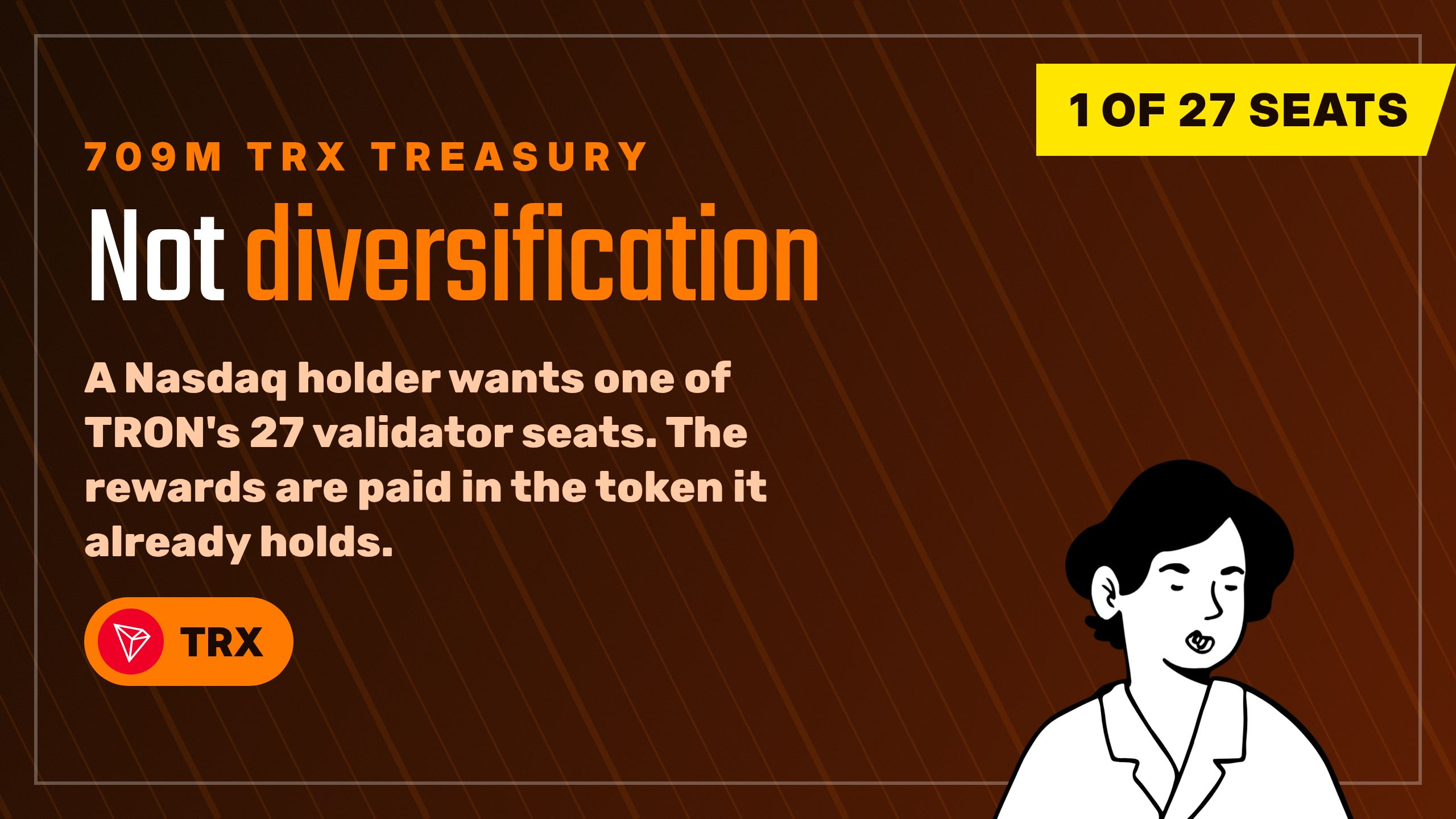
🏗️ Institutional validators don’t show up by accident Google Cloud. Binance. Kraken. OKX. Nansen. Kiln. These aren’t logos for marketing slides. They’re infrastructure operators with strict risk models. Their presence in TRON’s validator set signals something critical: The network meets operational, security, and uptime standards demanded by institutions. When you stake TRX today, you’re not delegating to anonymous nodes. You’re participating in a validator ecosystem built for scale. That changes the risk profile entirely. #Validators @TRONDAO #BlockchainInfrastructure #TRONEcoStar
🏗️ Institutional validators don’t show up by accident
Google Cloud.
Binance.
Kraken.
OKX.
Nansen.
Kiln.
These aren’t logos for marketing slides.
They’re infrastructure operators with strict risk models.
Their presence in TRON’s validator set signals something critical:
The network meets operational, security, and uptime standards demanded by institutions.
When you stake TRX today, you’re not delegating to anonymous nodes.
You’re participating in a validator ecosystem built for scale.
That changes the risk profile entirely.
#Validators @TRON DAO #BlockchainInfrastructure #TRONEcoStar
⚙️ أبرز ملامح خارطة طريق إيثريوم 2026 تبرز مخاطر كبيرة للمحققين تستهدف خطة الترقية الطموحة لإيثريوم لعام 2026 مكاسب ضخمة في الإنتاجية من خلال توسيع سعة بيانات الرول أب وزيادة حدود تنفيذ الطبقة الأساسية - ولكن هناك مخاطر كبيرة للمحققين قد تتحدى استقرار الشبكة. • تركيز الإنتاجية: تركز خارطة طريق 2026 على تعزيز بيانات الرول أب عبر الكتل ورفع حدود الغاز للطبقة الأساسية. • مخاطر تحول المحققين: يعتمد النجاح على تحول المحققين إلى تحقق ZK-proof من إعادة التنفيذ التقليدية - وهي انتقالة دقيقة قد تجهد الشبكة تحت الضغط. • معلم فوساكا: تم شحن ترقية فوساكا في ديسمبر 2025 وتضع الأساس لمعدل إنتاجية أعلى للكتل. • توسيع التنفيذ: تغييرات مقترحة مثل غلماسديرام (بما في ذلك ePBS، BALs) تهدف إلى رفع الإنتاجية القابلة للاستخدام ولكن لا تزال تواجه عدم اليقين في مرحلة المسودة. • الاختناقات المحتملة: قد تحد قيود عرض النطاق الترددي للمحققين، والكمون، وحمل ميمبول، والقيود العامة على اللامركزية من المكاسب العملية. "خارطة طريق إيثريوم تدفع نحو توسيع دراماتيكي - ولكن انتقال المحققين إلى أنظمة ZK proof يقدم خطرًا هيكليًا يجب إدارته بعناية لتجنب عدم الاستقرار تحت الطلب العالي. #blockchain #Layer1Scaling #Validators #Web3 #WriteToEarnUpgrade $ETH {future}(ETHUSDT)
⚙️ أبرز ملامح خارطة طريق إيثريوم 2026 تبرز مخاطر كبيرة للمحققين

تستهدف خطة الترقية الطموحة لإيثريوم لعام 2026 مكاسب ضخمة في الإنتاجية من خلال توسيع سعة بيانات الرول أب وزيادة حدود تنفيذ الطبقة الأساسية - ولكن هناك مخاطر كبيرة للمحققين قد تتحدى استقرار الشبكة.

• تركيز الإنتاجية: تركز خارطة طريق 2026 على تعزيز بيانات الرول أب عبر الكتل ورفع حدود الغاز للطبقة الأساسية.

• مخاطر تحول المحققين: يعتمد النجاح على تحول المحققين إلى تحقق ZK-proof من إعادة التنفيذ التقليدية - وهي انتقالة دقيقة قد تجهد الشبكة تحت الضغط.

• معلم فوساكا: تم شحن ترقية فوساكا في ديسمبر 2025 وتضع الأساس لمعدل إنتاجية أعلى للكتل.

• توسيع التنفيذ: تغييرات مقترحة مثل غلماسديرام (بما في ذلك ePBS، BALs) تهدف إلى رفع الإنتاجية القابلة للاستخدام ولكن لا تزال تواجه عدم اليقين في مرحلة المسودة.

• الاختناقات المحتملة: قد تحد قيود عرض النطاق الترددي للمحققين، والكمون، وحمل ميمبول، والقيود العامة على اللامركزية من المكاسب العملية.

"خارطة طريق إيثريوم تدفع نحو توسيع دراماتيكي - ولكن انتقال المحققين إلى أنظمة ZK proof يقدم خطرًا هيكليًا يجب إدارته بعناية لتجنب عدم الاستقرار تحت الطلب العالي.

#blockchain #Layer1Scaling #Validators #Web3
#WriteToEarnUpgrade $ETH
عرض الترجمة
The Validator Set Is a Signal Most People Ignore 🛡️ Validators tell you who trusts a network enough to secure it. TRON’s validator landscape includes institutional-grade operators, infrastructure specialists, and global entities with reputations at stake. These participants don’t validate casually. They assess: → network uptime → governance stability → economic incentives → regulatory exposure Their continued presence signals confidence in TRON’s long-term viability. Decentralization is not just node count. It’s the quality and independence of those who secure the chain. TRON’s validator set reflects seriousness, not experimentation. #BlockchainSecurity @TRONDAO @JustinSun #Validators #TRONEcoStar
The Validator Set Is a Signal Most People Ignore 🛡️
Validators tell you who trusts a network enough to secure it.
TRON’s validator landscape includes institutional-grade operators, infrastructure specialists, and global entities with reputations at stake. These participants don’t validate casually.
They assess: → network uptime
→ governance stability
→ economic incentives
→ regulatory exposure
Their continued presence signals confidence in TRON’s long-term viability.
Decentralization is not just node count.
It’s the quality and independence of those who secure the chain.
TRON’s validator set reflects seriousness, not experimentation.
#BlockchainSecurity @TRON DAO @Justin Sun孙宇晨 #Validators #TRONEcoStar
🚨 سؤال كبير حول سولانا: 68% من انهيار المدققين في 3 سنوات — هل هو تهديد أم تقليم؟ 🤯 قلق كبير! 📉 سولانا ($SOL ) شهدت انخفاضًا بنسبة 68% في عدد المدققين خلال ثلاث سنوات فقط، متراجعة من الآلاف إلى حوالي 800 عقدة نشطة! هذا الانخفاض الدرامي أثار نقاشًا حادًا: هل يشكل هذا تهديدًا حرجًا لامركزية الشبكة وأمانها، أم أنه "تقليم" ضروري للعقد الغير نشطة من أجل الكفاءة؟ 🤔 {spot}(SOLUSDT) الإحصائيات المقلقة: من 2,500 إلى ~800 مدققين! خسارة 1,700 عقدة! ضغط السيولة: نسبة الربح إلى الخسارة أقل من 1، مما يدل على المزيد من الخسائر مقارنة بالأرباح منذ منتصف نوفمبر — إشارة إلى سوق دب! 📉 بينما يجادل البعض بأنه تقليم إيجابي لـ "مدققي سيبيل"، تقترح فرق البنية التحتية مثل Layer 33 أن العديد من المشغلين الشرعيين يغادرون أيضًا، مما يثير تساؤلات حول جودة الشبكة. 🧐 هل تضحي سولانا باللامركزية من أجل الكفاءة، أم أن هذه مشكلة أعمق؟ ماذا يعني هذا لمستقبل $SOL ؟ 👇 #solana #Validators #decentralization #CryptoNews #blockchain
🚨 سؤال كبير حول سولانا: 68% من انهيار المدققين في 3 سنوات — هل هو تهديد أم تقليم؟ 🤯

قلق كبير! 📉 سولانا ($SOL ) شهدت انخفاضًا بنسبة 68% في عدد المدققين خلال ثلاث سنوات فقط، متراجعة من الآلاف إلى حوالي 800 عقدة نشطة! هذا الانخفاض الدرامي أثار نقاشًا حادًا: هل يشكل هذا تهديدًا حرجًا لامركزية الشبكة وأمانها، أم أنه "تقليم" ضروري للعقد الغير نشطة من أجل الكفاءة؟ 🤔


الإحصائيات المقلقة:

من 2,500 إلى ~800 مدققين! خسارة 1,700 عقدة!
ضغط السيولة: نسبة الربح إلى الخسارة أقل من 1، مما يدل على المزيد من الخسائر مقارنة بالأرباح منذ منتصف نوفمبر — إشارة إلى سوق دب! 📉

بينما يجادل البعض بأنه تقليم إيجابي لـ "مدققي سيبيل"، تقترح فرق البنية التحتية مثل Layer 33 أن العديد من المشغلين الشرعيين يغادرون أيضًا، مما يثير تساؤلات حول جودة الشبكة. 🧐

هل تضحي سولانا باللامركزية من أجل الكفاءة، أم أن هذه مشكلة أعمق؟ ماذا يعني هذا لمستقبل $SOL ؟ 👇

#solana #Validators #decentralization #CryptoNews #blockchain
$LUNC 📢 تغييرات مفاجئة في تصنيفات المدققين في تيرا كلاسيك في الساعات الأولى من اليوم، شهدت شبكة تيرا كلاسيك تغييرات مفاجئة في تصنيفات المدققين بعد عملية إلغاء تفويض كبيرة لعشرات المليارات من LUNC. لم يتم التعرف رسميًا على المصدر وراء هذه الحركة، لكن النتيجة كانت إعادة ترتيب كبيرة لمراكز المدققين. أثار التوقيت تساؤلات داخل المجتمع، خاصة مع استمرار المناقشات حول اقتراح وحدة السوق 2.0 والاتجاه المستقبلي للسلسلة. حتى الآن، لم يتم تقديم أي تفسير رسمي بشأن الدوافع أو الأطراف المعنية، بينما يواصل المجتمع متابعة التطورات عن كثب. 📌 ما هو واضح هو أن الكيانات القوية تبدو أنها تراقب تيرا كلاسيك عن كثب - وقد تتصرف خلف الكواليس - مما يدل على اهتمام متزايد بمستقبل السلسلة. #تيرا_كلاسيك #LUNC #أخبار_البلوكشين #Validators
$LUNC

📢 تغييرات مفاجئة في تصنيفات المدققين في تيرا كلاسيك

في الساعات الأولى من اليوم، شهدت شبكة تيرا كلاسيك تغييرات مفاجئة في تصنيفات المدققين بعد عملية إلغاء تفويض كبيرة لعشرات المليارات من LUNC.

لم يتم التعرف رسميًا على المصدر وراء هذه الحركة، لكن النتيجة كانت إعادة ترتيب كبيرة لمراكز المدققين. أثار التوقيت تساؤلات داخل المجتمع، خاصة مع استمرار المناقشات حول اقتراح وحدة السوق 2.0 والاتجاه المستقبلي للسلسلة.

حتى الآن، لم يتم تقديم أي تفسير رسمي بشأن الدوافع أو الأطراف المعنية، بينما يواصل المجتمع متابعة التطورات عن كثب.

📌 ما هو واضح هو أن الكيانات القوية تبدو أنها تراقب تيرا كلاسيك عن كثب - وقد تتصرف خلف الكواليس - مما يدل على اهتمام متزايد بمستقبل السلسلة.

#تيرا_كلاسيك #LUNC #أخبار_البلوكشين #Validators
عرض الترجمة
Validators no Proof of Stake: Como Eles Funcionam e Garantem a Segurança da BlockchainO modelo de consenso Proof of Stake (PoS) revolucionou a forma como as redes blockchain operam. Abandonando a lógica intensiva de energia do Proof of Work (PoW), o PoS permite que transações sejam validadas de forma mais sustentável, com base no comprometimento econômico dos participantes.  Um dos aspectos centrais a contribuírem para essa mudança é a figura dos chamados validators, que são peças centrais. Entender como funcionam é essencial para qualquer investidor ou entusiasta do universo cripto. Neste artigo iremos te contar sobre o que é um validator (ou validador), como é possível se tornar um e alguns outros detalhes que fazem a diferença para você, que já está navegando nas águas dos oceanos cripto. O que faz um validator? Em redes que operam por Proof of Stake, os validators substituem o papel dos mineradores tradicionais. Sua principal função é verificar, aprovar e registrar transações em novos blocos da blockchain. Para isso, eles precisam comprometer uma certa quantidade de tokens nativos da rede — um processo conhecido como [staking](https://www.binance.com/pt-BR/square/post/24942849431209). A escolha de quem irá validar um bloco é feita de forma aleatória, mas ponderada: quanto maior o número de tokens em stake, maiores as chances de ser selecionado. Essa lógica ajuda a manter a rede segura, já que validadores têm "algo a perder" caso tentem manipular o sistema ou se comportem de forma desonesta. Como se tornar um validator? O processo varia entre blockchains, mas, em linhas gerais, envolve: Bloquear um número mínimo de tokens, como os 32 [ETH](https://www.binance.com/pt-BR/price/ethereum) exigidos na Ethereum;Rodar um nó próprio, com hardware confiável e conexão estável à internet;Manter uptime e desempenho constantes, para evitar penalidades. Em redes menores ou com sistemas mais abertos, as exigências podem ser menores, o que democratiza o acesso ao papel de validador. Mas, na prática, operar um nó com eficiência exige conhecimento técnico e vigilância constante. Quem não quer ou não pode assumir esse papel técnico pode recorrer a stakings delegados ou pools de validação. Nessas modalidades, o usuário empresta seus tokens a um validador confiável, compartilhando as recompensas (e os riscos). Importante deixar claro que, para ser um validator, independente da ação ser direta ou indireta, é necessário existir um comprometimento de recursos próprios. Quem valida, como costumam dizer no mercado financeiro, necessariamente tem “skin in the game”. Quais os incentivos para validators? A motivação financeira é clara: validadores/validators são recompensados com novos tokens e com taxas de transação coletadas durante a validação dos blocos. Em blockchains como a Ethereum, também há oportunidades de MEV (Maximal Extractable Value), que permitem aumentar ganhos ao reorganizar transações de forma estratégica. As recompensas variam conforme a atividade da rede, número de validadores ativos e política monetária do projeto. Em geral, validar blocos com regularidade e manter boa performance técnica garante um retorno contínuo e escalável. Quanto mais ativa, relevante e presente for a participação na rede, maior será o incentivo concedido por essa rede aos seus validators. Os riscos de ser um validator Apesar dos benefícios, o papel de validador não é isento de riscos. O principal deles é o chamado slashing — uma punição financeira imposta a validadores que agem de forma maliciosa ou cometem erros graves. Isso pode incluir: Assinar dois blocos conflitantes (double-signing);Ficar offline ou operar com baixa performance;Violar as regras de consenso da rede. Além disso, validadores precisam lidar com custos operacionais (infraestrutura, manutenção, segurança) e com os riscos de ataques cibernéticos — especialmente se gerenciam grandes quantidades de tokens. Quem delega tokens a um validador também assume parte do risco: se o operador for penalizado, o delegador pode perder parte dos seus rendimentos ou até parte dos tokens apostados. PoS vs PoW: o que muda na prática? A principal diferença entre Proof of Stake e Proof of Work está na forma como se atinge o consenso na rede. No PoW (usado originalmente no Bitcoin), mineradores competem para resolver problemas matemáticos complexos — um processo que consome grandes quantidades de energia. Já no PoS, o direito de validar blocos é baseado na participação econômica (stake), o que elimina o consumo excessivo de energia e reduz as barreiras de entrada. Não é mais preciso investir em equipamentos caros: um computador com boa conexão pode ser suficiente para começar. Outro diferencial é a segurança econômica. Em PoS, para atacar a rede, seria necessário comprar ou controlar grande parte dos tokens — o que torna o ataque financeiramente inviável. Além disso, os mecanismos de slashing atuam como dissuasores adicionais. Modelos alternativos e inovações no PoS Com a evolução do ecossistema, surgiram variações do PoS para atender diferentes necessidades: Delegated PoS (DPoS): os usuários elegem validadores por meio de votação, como nas redes TRON e EOS;Nominated PoS (NPoS): presente em projetos como [Polkadot](https://www.binance.com/pt-BR/price/polkadot-new), onde os nominadores escolhem validadores confiáveis;Liquid PoS (LPoS): utilizado por [Tezos](https://www.binance.com/pt-BR/price/tezos), permite mais flexibilidade e mobilidade de stake. Esses modelos equilibram descentralização, velocidade e governança comunitária de maneiras distintas, mas todos giram em torno da mesma lógica: usar o stake como prova de confiabilidade. Validators tocam uma revolução dentro de outra Os validadores são pilares do funcionamento das redes Proof of Stake. Mais do que simples operadores técnicos, eles representam a confiança da comunidade, mantêm a rede segura e são recompensados proporcionalmente à sua participação. Assumir esse papel exige preparo técnico, responsabilidade e estratégia — mas também abre portas para recompensas relevantes, especialmente em redes de alto volume. Para o investidor com conhecimento intermediário, entender como funcionam os validadores é fundamental, seja para participar diretamente, seja para tomar decisões mais informadas ao delegar seus ativos. Afinal, a segurança e o bom funcionamento de todo o ecossistema dependem diretamente deles. E você, pensa em se tornar um validator? #Validators #Pos #ProofOfStake #blockchain --- Foto de WangXiNa, disponível em Freepik

Validators no Proof of Stake: Como Eles Funcionam e Garantem a Segurança da Blockchain

O modelo de consenso Proof of Stake (PoS) revolucionou a forma como as redes blockchain operam. Abandonando a lógica intensiva de energia do Proof of Work (PoW), o PoS permite que transações sejam validadas de forma mais sustentável, com base no comprometimento econômico dos participantes. 
Um dos aspectos centrais a contribuírem para essa mudança é a figura dos chamados validators, que são peças centrais. Entender como funcionam é essencial para qualquer investidor ou entusiasta do universo cripto.
Neste artigo iremos te contar sobre o que é um validator (ou validador), como é possível se tornar um e alguns outros detalhes que fazem a diferença para você, que já está navegando nas águas dos oceanos cripto.
O que faz um validator?
Em redes que operam por Proof of Stake, os validators substituem o papel dos mineradores tradicionais. Sua principal função é verificar, aprovar e registrar transações em novos blocos da blockchain. Para isso, eles precisam comprometer uma certa quantidade de tokens nativos da rede — um processo conhecido como staking.
A escolha de quem irá validar um bloco é feita de forma aleatória, mas ponderada: quanto maior o número de tokens em stake, maiores as chances de ser selecionado. Essa lógica ajuda a manter a rede segura, já que validadores têm "algo a perder" caso tentem manipular o sistema ou se comportem de forma desonesta.
Como se tornar um validator?
O processo varia entre blockchains, mas, em linhas gerais, envolve:
Bloquear um número mínimo de tokens, como os 32 ETH exigidos na Ethereum;Rodar um nó próprio, com hardware confiável e conexão estável à internet;Manter uptime e desempenho constantes, para evitar penalidades.
Em redes menores ou com sistemas mais abertos, as exigências podem ser menores, o que democratiza o acesso ao papel de validador. Mas, na prática, operar um nó com eficiência exige conhecimento técnico e vigilância constante.
Quem não quer ou não pode assumir esse papel técnico pode recorrer a stakings delegados ou pools de validação. Nessas modalidades, o usuário empresta seus tokens a um validador confiável, compartilhando as recompensas (e os riscos).
Importante deixar claro que, para ser um validator, independente da ação ser direta ou indireta, é necessário existir um comprometimento de recursos próprios. Quem valida, como costumam dizer no mercado financeiro, necessariamente tem “skin in the game”.
Quais os incentivos para validators?
A motivação financeira é clara: validadores/validators são recompensados com novos tokens e com taxas de transação coletadas durante a validação dos blocos. Em blockchains como a Ethereum, também há oportunidades de MEV (Maximal Extractable Value), que permitem aumentar ganhos ao reorganizar transações de forma estratégica.
As recompensas variam conforme a atividade da rede, número de validadores ativos e política monetária do projeto. Em geral, validar blocos com regularidade e manter boa performance técnica garante um retorno contínuo e escalável.
Quanto mais ativa, relevante e presente for a participação na rede, maior será o incentivo concedido por essa rede aos seus validators.
Os riscos de ser um validator
Apesar dos benefícios, o papel de validador não é isento de riscos. O principal deles é o chamado slashing — uma punição financeira imposta a validadores que agem de forma maliciosa ou cometem erros graves. Isso pode incluir:
Assinar dois blocos conflitantes (double-signing);Ficar offline ou operar com baixa performance;Violar as regras de consenso da rede.
Além disso, validadores precisam lidar com custos operacionais (infraestrutura, manutenção, segurança) e com os riscos de ataques cibernéticos — especialmente se gerenciam grandes quantidades de tokens.
Quem delega tokens a um validador também assume parte do risco: se o operador for penalizado, o delegador pode perder parte dos seus rendimentos ou até parte dos tokens apostados.
PoS vs PoW: o que muda na prática?
A principal diferença entre Proof of Stake e Proof of Work está na forma como se atinge o consenso na rede. No PoW (usado originalmente no Bitcoin), mineradores competem para resolver problemas matemáticos complexos — um processo que consome grandes quantidades de energia.
Já no PoS, o direito de validar blocos é baseado na participação econômica (stake), o que elimina o consumo excessivo de energia e reduz as barreiras de entrada. Não é mais preciso investir em equipamentos caros: um computador com boa conexão pode ser suficiente para começar.
Outro diferencial é a segurança econômica. Em PoS, para atacar a rede, seria necessário comprar ou controlar grande parte dos tokens — o que torna o ataque financeiramente inviável. Além disso, os mecanismos de slashing atuam como dissuasores adicionais.
Modelos alternativos e inovações no PoS
Com a evolução do ecossistema, surgiram variações do PoS para atender diferentes necessidades:
Delegated PoS (DPoS): os usuários elegem validadores por meio de votação, como nas redes TRON e EOS;Nominated PoS (NPoS): presente em projetos como Polkadot, onde os nominadores escolhem validadores confiáveis;Liquid PoS (LPoS): utilizado por Tezos, permite mais flexibilidade e mobilidade de stake.
Esses modelos equilibram descentralização, velocidade e governança comunitária de maneiras distintas, mas todos giram em torno da mesma lógica: usar o stake como prova de confiabilidade.
Validators tocam uma revolução dentro de outra
Os validadores são pilares do funcionamento das redes Proof of Stake. Mais do que simples operadores técnicos, eles representam a confiança da comunidade, mantêm a rede segura e são recompensados proporcionalmente à sua participação.
Assumir esse papel exige preparo técnico, responsabilidade e estratégia — mas também abre portas para recompensas relevantes, especialmente em redes de alto volume.
Para o investidor com conhecimento intermediário, entender como funcionam os validadores é fundamental, seja para participar diretamente, seja para tomar decisões mais informadas ao delegar seus ativos. Afinal, a segurança e o bom funcionamento de todo o ecossistema dependem diretamente deles.
E você, pensa em se tornar um validator?
#Validators #Pos #ProofOfStake #blockchain
---
Foto de WangXiNa, disponível em Freepik
·
--
صاعد
عرض الترجمة
$LUNC {spot}(LUNCUSDT) 📢 Unexpected Shake-Up in Terra Classic Validator Rankings Earlier today, Terra Classic saw a major reshuffle in validator standings after a massive undelegation involving tens of billions of LUNC. The identity behind this large movement remains unknown, sparking speculation across the community — especially with the Market Module 2.0 proposal and future chain strategy under active discussion. No official statement has been made yet about the reason or individuals behind the action. Still, one thing is certain: influential players are keeping a close eye on Terra Classic, possibly moving quietly in the background — highlighting growing interest in the chain’s next chapter. #TerraClassic #LUNC #BlockchainNews #Validators
$LUNC

📢 Unexpected Shake-Up in Terra Classic Validator Rankings
Earlier today, Terra Classic saw a major reshuffle in validator standings after a massive undelegation involving tens of billions of LUNC.

The identity behind this large movement remains unknown, sparking speculation across the community — especially with the Market Module 2.0 proposal and future chain strategy under active discussion.

No official statement has been made yet about the reason or individuals behind the action. Still, one thing is certain: influential players are keeping a close eye on Terra Classic, possibly moving quietly in the background — highlighting growing interest in the chain’s next chapter.

#TerraClassic #LUNC #BlockchainNews #Validators
عرض الترجمة
How Blockchain Legal Issues Impact Miners and Validators – Redefining Accountability In recent years, the growth of blockchain technologies has brought attention not only to its technical possibilities but also to the legal responsibilities that come with operating key parts of the network—particularly the roles of miners and validators. This shift means that those who maintain blockchain networks are no longer purely technical actors; they are increasingly subjects of legal scrutiny and accountability. Who Are Miners and Validators? At its core, a blockchain network relies on participants who verify transactions and add them to the ledger: Miners typically operate in Proof-of-Work (PoW) systems: they use computational power to solve puzzles, propose blocks, and earn rewards. Validators take a similar role in Proof-of-Stake (PoS) or hybrid systems: they stake assets (often the network’s native token) and are selected to check and validate blocks in return for rewards (and risk of penalties if they act badly). Because these actors run core infrastructure—processing financial value, creating data records, and helping shape the ledger—they are increasingly viewed less as passive background participants and more as entities bearing risk. Legal and Regulatory Pressures 1. Transmission of Value / Financial Regulation Miners and validators process transactions involving real-world value. Regulators are asking: when does this activity cross into regulated territory? For example, are these actors facilitating value transfer and thus subject to “money transmitter” or equivalent licensing rules? 2. Liability and Accountability Traditional legal systems often assume there is a clear “who is responsible” when things go wrong. In decentralized networks, that clarity becomes hazy. If a validator approves a malicious block, who is accountable? If a miner delays or excludes transactions, what duties did they owe? 3. Jurisdiction and Data / Privacy Laws Blockchains operate globally, across multiple jurisdictions. Validators and miners may run nodes in one country, stake tokens from users in another, and process data from yet a third. For instance, processing encrypted data may still trigger privacy laws like the General Data Protection Regulation (GDPR) in Europe—even if the data is stored remotely. 4. Concentration of Power, Governance and Centralization Risks Even though blockchain promises decentralization, research shows miners/validators can become highly concentrated. When a few entities dominate validation, they may influence or censor transaction ordering—leading to legal scrutiny over fairness and competition. 5. Consensus Integrity and Security Risks If validators or miners act maliciously—by proposing invalid blocks, colluding, or controlling large shares of power—the security of the chain is at risk. This introduces legal exposure: service failures, losses by users, or breaches of contract may lead to litigation. What This Means for Miners and Validators Increased compliance burden: Operators of mining farms and validation nodes may need to assess licensing requirements, tax obligations, and data-handling rules in the jurisdictions where they operate. Risk of liability: Mistakes, omissions, or malicious behavior (even by others in the network) may trigger claims of negligence or breach of duty. The blurred lines of responsibility create a new frontier of legal risk. Operational transparency becomes more important: Clear governance, documentation of procedures, and defined roles help demonstrate that one is acting responsibly, which may mitigate risk. Re-thinking role and purpose: As the regulatory landscape evolves, miners and validators might need to engage more actively with oversight, audit, and possibly registration frameworks. Redefining Accountability: What Changes Rather than assuming decentralization absolves one of responsibility, the emerging view is that key actors in a blockchain ecosystem carry meaningful duties. The notion of “just running the code” is no longer sufficient when you process financial value, create data records, and operate globally. Accountability is shifting: Whether you are a validator chosen by stake or a miner managing large hardware, the law is beginning to view your role as more than passive. Regulators expect proactive compliance: It is no longer enough to comply reactively. Systems, audits, and protocols may need to be built with regulatory frameworks in mind. The ecosystem must adapt: Blockchain-based infrastructures will develop alongside legal structures; ignoring regulation may expose operators to risk. Key Takeaways for Stakeholders (Educational – Not Advice) If you operate or plan to operate as a miner or validator, understand the legal context in all territories where you have presence (hardware location, node location, stakers, data flows). Maintain clear documentation: how nodes operate, how transactions are verified, how governance decisions are made. Stay aware of governance dynamics: concentration of power or control may attract regulatory scrutiny even if the protocol is technically decentralized Recognize data and privacy implications: even if you only validate encrypted data, regulations like GDPR may still apply. Consider how liability is allocated: in smart contract environments or network failures, the question of who is responsible is evolving. Keep in mind that best practices are emerging, not yet fully settled. Regulation is still catching up with technology; therefore, caution and good governance go a long way. In summary, the roles of miners and validators in blockchain networks are entering a new era of legal visibility. The infrastructure that keeps decentralized networks running is no longer abstract from regulation—it is directly implicated. Accountability is being re-defined, and those who operate or plan to operate in this space will benefit from taking a careful, informed, and proactive stance toward legal and regulatory risks. #BNBATH #blockchain #Validators #Write2Earn #BTC $BTC {spot}(BTCUSDT)

How Blockchain Legal Issues Impact Miners and Validators – Redefining Accountability

In recent years, the growth of blockchain technologies has brought attention not only to its technical possibilities but also to the legal responsibilities that come with operating key parts of the network—particularly the roles of miners and validators. This shift means that those who maintain blockchain networks are no longer purely technical actors; they are increasingly subjects of legal scrutiny and accountability.
Who Are Miners and Validators?
At its core, a blockchain network relies on participants who verify transactions and add them to the ledger:
Miners typically operate in Proof-of-Work (PoW) systems: they use computational power to solve puzzles, propose blocks, and earn rewards.
Validators take a similar role in Proof-of-Stake (PoS) or hybrid systems: they stake assets (often the network’s native token) and are selected to check and validate blocks in return for rewards (and risk of penalties if they act badly).
Because these actors run core infrastructure—processing financial value, creating data records, and helping shape the ledger—they are increasingly viewed less as passive background participants and more as entities bearing risk.
Legal and Regulatory Pressures
1. Transmission of Value / Financial Regulation
Miners and validators process transactions involving real-world value. Regulators are asking: when does this activity cross into regulated territory? For example, are these actors facilitating value transfer and thus subject to “money transmitter” or equivalent licensing rules?
2. Liability and Accountability
Traditional legal systems often assume there is a clear “who is responsible” when things go wrong. In decentralized networks, that clarity becomes hazy. If a validator approves a malicious block, who is accountable? If a miner delays or excludes transactions, what duties did they owe?
3. Jurisdiction and Data / Privacy Laws
Blockchains operate globally, across multiple jurisdictions. Validators and miners may run nodes in one country, stake tokens from users in another, and process data from yet a third. For instance, processing encrypted data may still trigger privacy laws like the General Data Protection Regulation (GDPR) in Europe—even if the data is stored remotely.
4. Concentration of Power, Governance and Centralization Risks
Even though blockchain promises decentralization, research shows miners/validators can become highly concentrated. When a few entities dominate validation, they may influence or censor transaction ordering—leading to legal scrutiny over fairness and competition.
5. Consensus Integrity and Security Risks
If validators or miners act maliciously—by proposing invalid blocks, colluding, or controlling large shares of power—the security of the chain is at risk. This introduces legal exposure: service failures, losses by users, or breaches of contract may lead to litigation.
What This Means for Miners and Validators
Increased compliance burden: Operators of mining farms and validation nodes may need to assess licensing requirements, tax obligations, and data-handling rules in the jurisdictions where they operate.
Risk of liability: Mistakes, omissions, or malicious behavior (even by others in the network) may trigger claims of negligence or breach of duty. The blurred lines of responsibility create a new frontier of legal risk.
Operational transparency becomes more important: Clear governance, documentation of procedures, and defined roles help demonstrate that one is acting responsibly, which may mitigate risk.
Re-thinking role and purpose: As the regulatory landscape evolves, miners and validators might need to engage more actively with oversight, audit, and possibly registration frameworks.
Redefining Accountability: What Changes
Rather than assuming decentralization absolves one of responsibility, the emerging view is that key actors in a blockchain ecosystem carry meaningful duties. The notion of “just running the code” is no longer sufficient when you process financial value, create data records, and operate globally.
Accountability is shifting: Whether you are a validator chosen by stake or a miner managing large hardware, the law is beginning to view your role as more than passive.
Regulators expect proactive compliance: It is no longer enough to comply reactively. Systems, audits, and protocols may need to be built with regulatory frameworks in mind.
The ecosystem must adapt: Blockchain-based infrastructures will develop alongside legal structures; ignoring regulation may expose operators to risk.
Key Takeaways for Stakeholders (Educational – Not Advice)
If you operate or plan to operate as a miner or validator, understand the legal context in all territories where you have presence (hardware location, node location, stakers, data flows).
Maintain clear documentation: how nodes operate, how transactions are verified, how governance decisions are made.
Stay aware of governance dynamics: concentration of power or control may attract regulatory scrutiny even if the protocol is technically decentralized
Recognize data and privacy implications: even if you only validate encrypted data, regulations like GDPR may still apply.
Consider how liability is allocated: in smart contract environments or network failures, the question of who is responsible is evolving.
Keep in mind that best practices are emerging, not yet fully settled. Regulation is still catching up with technology; therefore, caution and good governance go a long way.
In summary, the roles of miners and validators in blockchain networks are entering a new era of legal visibility. The infrastructure that keeps decentralized networks running is no longer abstract from regulation—it is directly implicated. Accountability is being re-defined, and those who operate or plan to operate in this space will benefit from taking a careful, informed, and proactive stance toward legal and regulatory risks.
#BNBATH #blockchain #Validators #Write2Earn #BTC $BTC
🚨 مُحققو شبكة Pi: مكافآت مُعلنة! 🤑لدى شبكة باي نظامٌ مميزٌ لأعضاء مجتمعها، المعروفين باسم "الرواد"، والذين يُمكنهم أن يصبحوا مُحققي "اعرف عميلك" (KYC). يُعدّ هذا الدور بالغ الأهمية للشبكة، إذ يُتحقّق من هويات المستخدمين الآخرين، وفي المقابل، يكون المُحققون مؤهلين للحصول على مكافآت. 🌟 ## عملية مكافأة التحقق عندما ينضم الرواد إلى فريق التحقق من صحة بيانات العميل (KYC)، تقع على عاتقهم مسؤولية كبيرة. عليهم مراجعة بيانات التحقق، بما في ذلك وثائق الهوية وفحوصات التحقق من صحة البيانات. الأمر أشبه بمحقق رقمي، حيث يتأكدون من دقة جميع المعلومات المُقدمة وصحتها. 🕵️‍♂️

🚨 مُحققو شبكة Pi: مكافآت مُعلنة! 🤑

لدى شبكة باي نظامٌ مميزٌ لأعضاء مجتمعها، المعروفين باسم "الرواد"، والذين يُمكنهم أن يصبحوا مُحققي "اعرف عميلك" (KYC). يُعدّ هذا الدور بالغ الأهمية للشبكة، إذ يُتحقّق من هويات المستخدمين الآخرين، وفي المقابل، يكون المُحققون مؤهلين للحصول على مكافآت. 🌟

## عملية مكافأة التحقق
عندما ينضم الرواد إلى فريق التحقق من صحة بيانات العميل (KYC)، تقع على عاتقهم مسؤولية كبيرة. عليهم مراجعة بيانات التحقق، بما في ذلك وثائق الهوية وفحوصات التحقق من صحة البيانات. الأمر أشبه بمحقق رقمي، حيث يتأكدون من دقة جميع المعلومات المُقدمة وصحتها. 🕵️‍♂️
APRO: العمود الفقري للبيانات الذي لا يمكن لـ DeFi العيش بدونه $AT | <t-69/><t-70/>#APRO | @APRO-Oracle | #DEFİ في عالم العملات المشفرة، هناك لحظة صغيرة قد لا تلاحظها - لكنها ضخمة. أنت على وشك تبادل الرموز، فتح صفقة، أو نقل الأصول. تظهر محفظتك، وتظهر الأرقام: سعر، رسم، المبلغ الذي ستتلقاه. تقوم بمسحها، تتردد قليلاً، وتضغط على "توقيع." ما تثق به حقًا في تلك اللحظة ليس هو الكود. ليس العقد الذكي. إنه البيانات خلف الكواليس. تلك التغذية غير المرئية، تلك الإشارة التي لا يمكن لأحد رؤيتها - تلك هي الأورacle. وهي ما يقرر ما إذا كان كل شيء يعمل... أو ينكسر بهدوء.

APRO: العمود الفقري للبيانات الذي لا يمكن لـ DeFi العيش بدونه

$AT | <t-69/><t-70/>#APRO | @APRO Oracle | #DEFİ
في عالم العملات المشفرة، هناك لحظة صغيرة قد لا تلاحظها - لكنها ضخمة. أنت على وشك تبادل الرموز، فتح صفقة، أو نقل الأصول. تظهر محفظتك، وتظهر الأرقام: سعر، رسم، المبلغ الذي ستتلقاه. تقوم بمسحها، تتردد قليلاً، وتضغط على "توقيع."

ما تثق به حقًا في تلك اللحظة ليس هو الكود. ليس العقد الذكي. إنه البيانات خلف الكواليس. تلك التغذية غير المرئية، تلك الإشارة التي لا يمكن لأحد رؤيتها - تلك هي الأورacle. وهي ما يقرر ما إذا كان كل شيء يعمل... أو ينكسر بهدوء.
عرض الترجمة
Validators em Proof of Stake: descubra o motor secreto das blockchains PoSEl modelo de consenso Proof of Stake (PoS) transformó la forma de operar de muchas blockchains, reemplazando el intenso consumo energético del Proof of Work (PoW) por un sistema más sostenible, basado en el compromiso económico de los participantes.  En el corazón de este cambio están los validadores —figuras fundamentales para la seguridad y funcionamiento de estas redes. A continuación, explico su rol, cómo operar como validador y otros detalles importantes para los interesados en este universo. ¿Qué hace un validador? En redes PoS, los validadores sustituyen a los antiguos mineros del PoW. Su función principal consiste en verificar, aprobar y registrar transacciones en nuevos bloques. Para ello, deben bloquear (stakéar) una cantidad mínima de tokens nativos. La selección del validador se hace de forma aleatoria, pero ponderada: cuanto mayor sea el stake, mayores serán sus probabilidades de ser elegido. Esto garantiza que los validadores tengan “algo que perder” si actúan de manera deshonesta. ¿Cómo convertirse en validador? Aunque cambia según la blockchain, los pasos generales son: Stakéar la cantidad mínima de tokens, por ejemplo 32 [ETH](https://www.binance.com/es-LA/price/ethereum) para Ethereum.Ejecutar un nodo propio, con hardware confiable y buena conexión a Internet.Mantener uptime y rendimiento constante, ya que errores o desconexiones pueden traer penalizaciones. En [blockchains](https://www.binance.com/es-LA/square/post/25567004458777) más pequeñas, los requisitos son menores. Pero operar un nodo con eficiencia exige conocimientos técnicos y vigilancia continua. Para quienes no quieren asumir esa tarea, existe la opción de delegación: se prestan tokens a un validador confiable y se comparten tanto ganancias como riesgos. ¿Qué incentiva a los validadores? El incentivo principal es económico: Reciben recompensas en tokens nuevos (bloque generado) y tasas de transacción.En redes como Ethereum, también pueden acceder al MEV (Maximal Extractable Value), generando beneficios adicionales por la gestión de las transacciones. Las recompensas varían según la actividad de la red, la cantidad de validadores y las normas monetarias de la blockchain. Validar bloques de forma constante y confiable genera ingresos sostenibles y escalables. Riesgos de ser validador Existen riesgos: El slashing, una penalización que puede ocurrir si existen errores graves como doble firma de bloques, tiempo offline excesivo o quebrantamiento de las reglas del sistema.Costos operacionales, como infraestructura, mantenimiento, y medidas de seguridad.Riesgos de ataques informáticos.En caso de delegación, el delegado también corre riesgo: si el operador es penalizado, parte del stake puede perderse. PoS versus PoW: diferencias prácticas En PoW (ej. Bitcoin), los mineros compiten resolviendo problemas matemáticos, con alto consumo energético. En PoS, el derecho a validar bloques depende del stake, lo que elimina la necesidad de hardware costoso y reduce el consumo de energía. La seguridad en PoS es financiera: para atacar la red, un actor malicioso tendría que adquirir una gran parte del stake total, lo cual resulta costoso. Además, el slashing funciona como mecanismo disuasorio. Variantes y evoluciones del PoS Con la evolución del ecosistema, surgieron variantes: Delegated PoS (DPoS): los usuarios eligen validadores (ej.: [TRON](https://www.binance.com/es-la/price/tron), EOS).Nominated PoS (NPoS): presente en Polkadot, donde se nominan validadores fiables.Liquid PoS (LPoS): usado por [Tezos](https://www.binance.com/es-la/price/tezos), permite staking más flexible. Cada variante busca adaptar el equilibrio entre descentralización, eficiencia y gobernanza. La importancia de los validadores Los validadores son la base de las blockchains PoS. No solo operan nodos, sino que representan la confianza de la comunidad y la seguridad de la red. A cambio, obtienen recompensas acordes a su compromiso y rendimiento. Convertirse en validador requiere preparación técnica, responsabilidad y estrategia. Pero también puede abrir puertas a ingresos significativos, especialmente en redes grandes o activas. Entender su rol es fundamental, tanto si piensas validar directamente como si consideras delegar tus tokens. En última instancia, la salud y el buen funcionamiento de todo el ecosistema dependen de ellos. ¿Estás evaluando convertirte en validador? #Validators #Pos #Ethereum #Tezos --- Imagen de iuriimotov, disponible en Freepik

Validators em Proof of Stake: descubra o motor secreto das blockchains PoS

El modelo de consenso Proof of Stake (PoS) transformó la forma de operar de muchas blockchains, reemplazando el intenso consumo energético del Proof of Work (PoW) por un sistema más sostenible, basado en el compromiso económico de los participantes. 
En el corazón de este cambio están los validadores —figuras fundamentales para la seguridad y funcionamiento de estas redes. A continuación, explico su rol, cómo operar como validador y otros detalles importantes para los interesados en este universo.
¿Qué hace un validador?
En redes PoS, los validadores sustituyen a los antiguos mineros del PoW. Su función principal consiste en verificar, aprobar y registrar transacciones en nuevos bloques. Para ello, deben bloquear (stakéar) una cantidad mínima de tokens nativos.
La selección del validador se hace de forma aleatoria, pero ponderada: cuanto mayor sea el stake, mayores serán sus probabilidades de ser elegido. Esto garantiza que los validadores tengan “algo que perder” si actúan de manera deshonesta.
¿Cómo convertirse en validador?
Aunque cambia según la blockchain, los pasos generales son:
Stakéar la cantidad mínima de tokens, por ejemplo 32 ETH para Ethereum.Ejecutar un nodo propio, con hardware confiable y buena conexión a Internet.Mantener uptime y rendimiento constante, ya que errores o desconexiones pueden traer penalizaciones.
En blockchains más pequeñas, los requisitos son menores. Pero operar un nodo con eficiencia exige conocimientos técnicos y vigilancia continua. Para quienes no quieren asumir esa tarea, existe la opción de delegación: se prestan tokens a un validador confiable y se comparten tanto ganancias como riesgos.
¿Qué incentiva a los validadores?
El incentivo principal es económico:
Reciben recompensas en tokens nuevos (bloque generado) y tasas de transacción.En redes como Ethereum, también pueden acceder al MEV (Maximal Extractable Value), generando beneficios adicionales por la gestión de las transacciones.
Las recompensas varían según la actividad de la red, la cantidad de validadores y las normas monetarias de la blockchain. Validar bloques de forma constante y confiable genera ingresos sostenibles y escalables.
Riesgos de ser validador
Existen riesgos:
El slashing, una penalización que puede ocurrir si existen errores graves como doble firma de bloques, tiempo offline excesivo o quebrantamiento de las reglas del sistema.Costos operacionales, como infraestructura, mantenimiento, y medidas de seguridad.Riesgos de ataques informáticos.En caso de delegación, el delegado también corre riesgo: si el operador es penalizado, parte del stake puede perderse.
PoS versus PoW: diferencias prácticas
En PoW (ej. Bitcoin), los mineros compiten resolviendo problemas matemáticos, con alto consumo energético.
En PoS, el derecho a validar bloques depende del stake, lo que elimina la necesidad de hardware costoso y reduce el consumo de energía.
La seguridad en PoS es financiera: para atacar la red, un actor malicioso tendría que adquirir una gran parte del stake total, lo cual resulta costoso. Además, el slashing funciona como mecanismo disuasorio.
Variantes y evoluciones del PoS
Con la evolución del ecosistema, surgieron variantes:
Delegated PoS (DPoS): los usuarios eligen validadores (ej.: TRON, EOS).Nominated PoS (NPoS): presente en Polkadot, donde se nominan validadores fiables.Liquid PoS (LPoS): usado por Tezos, permite staking más flexible.
Cada variante busca adaptar el equilibrio entre descentralización, eficiencia y gobernanza.
La importancia de los validadores
Los validadores son la base de las blockchains PoS. No solo operan nodos, sino que representan la confianza de la comunidad y la seguridad de la red. A cambio, obtienen recompensas acordes a su compromiso y rendimiento.
Convertirse en validador requiere preparación técnica, responsabilidad y estrategia. Pero también puede abrir puertas a ingresos significativos, especialmente en redes grandes o activas.
Entender su rol es fundamental, tanto si piensas validar directamente como si consideras delegar tus tokens. En última instancia, la salud y el buen funcionamiento de todo el ecosistema dependen de ellos.
¿Estás evaluando convertirte en validador?
#Validators #Pos #Ethereum #Tezos
---
Imagen de iuriimotov, disponible en Freepik
🚨15% من إيثيريوم #validators رفع حد الغاز من 36M إلى 60M. هذا التحديث سيزيد من قدرة معالجة الكتل ولا يتطلب انقسامًا صعبًا - يتم تفعيل التنفيذ تلقائيًا بمجرد أن يظهر أكثر من 50% من المدققين الدعم. $ETH {spot}(ETHUSDT)
🚨15% من إيثيريوم #validators رفع حد الغاز من 36M إلى 60M. هذا التحديث سيزيد من قدرة معالجة الكتل ولا يتطلب انقسامًا صعبًا - يتم تفعيل التنفيذ تلقائيًا بمجرد أن يظهر أكثر من 50% من المدققين الدعم.
$ETH
عرض الترجمة
🖥️📡🔧⚡🌍 How many validators are running on Solana? 💻📊 🔑 “Decentralized, secure, fast, and global, Solana relies on validators to maintain network integrity,” 🚀🌐 ensuring safe and efficient transaction processing 🌟📈🪙. #solana #Validators #BlockchainSecurity " #sol #crypto
🖥️📡🔧⚡🌍 How many validators are running on Solana? 💻📊
🔑 “Decentralized, secure, fast, and global, Solana relies on validators to maintain network integrity,” 🚀🌐 ensuring safe and efficient transaction processing 🌟📈🪙.

#solana #Validators #BlockchainSecurity " #sol #crypto
سولانا: تسعى مارينيد لابز إلى ديمقراطية المدققين بعد الترقية الكبرى “ألبيونغلو”📅 26 أكتوبر | سان فرانسيسكو، الولايات المتحدة عاد نظام سولانا إلى دائرة الضوء. بعد الترقية الأخيرة “ألبيونغلو”، أعلنت شركة مارينيد لابز، الشركة الناشئة وراء أكبر بروتوكول للإيداع السائل على الشبكة، عن خطط لتقليل الحواجز أمام دخول المدققين الجدد بشكل كبير. أكد الرئيس التنفيذي لها، مايكل ريبتي، أن الهدف واضح: “جعل المشاركة في أمان سولانا متاحة مثل الإيداع من جهاز الكمبيوتر المحمول الخاص بك.” قد يعيد هذا التحرك تعريف توازن القوة داخل واحدة من أسرع وأكثر سلاسل الكتل الواعدة في العالم.

سولانا: تسعى مارينيد لابز إلى ديمقراطية المدققين بعد الترقية الكبرى “ألبيونغلو”

📅 26 أكتوبر | سان فرانسيسكو، الولايات المتحدة
عاد نظام سولانا إلى دائرة الضوء. بعد الترقية الأخيرة “ألبيونغلو”، أعلنت شركة مارينيد لابز، الشركة الناشئة وراء أكبر بروتوكول للإيداع السائل على الشبكة، عن خطط لتقليل الحواجز أمام دخول المدققين الجدد بشكل كبير. أكد الرئيس التنفيذي لها، مايكل ريبتي، أن الهدف واضح: “جعل المشاركة في أمان سولانا متاحة مثل الإيداع من جهاز الكمبيوتر المحمول الخاص بك.” قد يعيد هذا التحرك تعريف توازن القوة داخل واحدة من أسرع وأكثر سلاسل الكتل الواعدة في العالم.
🔥 تيرا كلاسيك | تنبيه شبكة حرج ⚠️ 📉 إشارة حوض البوابات: يستمر حوض البوابات في التناقص — • توازن $LUNC انخفض إلى حوالي 52 مليار • كميات $USTC تنخفض أيضًا بالتوازي هذه الاتجاهات تُعد إشارة واضحة على ضغط على أمن السلسلة الاقتصادي. ⏳ الوقت ينفد: المُervalين على دراية كاملة بالخطر. إذا استمر هذا الاتجاه، فإن حوافز المُervalين ستضعف، مما يرفع احتمالية: ❌ انخفاض المشاركة ❌ عدم استقرار الشبكة ❌ تآكل الثقة على المدى الطويل 🛠 ما يجب أن يحدث الآن: لا يمكن تجاهل تحديث SDK 53 ووحدة السوق v2 — بل أصبحا ضروريين على الفور. هذه التحديثات حاسمة لـ: • استعادة استدامة البوابات • تحسين التوازن الاقتصادي • حماية عمليات المُervalين ⚠️ النتيجة النهائية: بدون إجراء سريع، يواجه تيرا كلاسيك خطر صدمة كبيرة للمُervalين، مما قد يؤثر بشكل خطير على أمن السلسلة واستمراريتها. مراقبة السوق: $LUNC وUSTC يدخلان مرحلة البقاء أو الانهيار — قرارات الحوكمة والتحديث القادمة ستُحدد مستقبل تيرا كلاسيك. #LUNC #USTC #TerraClassic #Onchain #Validators {spot}(LUNCUSDT) {spot}(USTCUSDT)
🔥 تيرا كلاسيك | تنبيه شبكة حرج ⚠️

📉 إشارة حوض البوابات:
يستمر حوض البوابات في التناقص —
• توازن $LUNC انخفض إلى حوالي 52 مليار
• كميات $USTC تنخفض أيضًا بالتوازي

هذه الاتجاهات تُعد إشارة واضحة على ضغط على أمن السلسلة الاقتصادي.

⏳ الوقت ينفد:
المُervalين على دراية كاملة بالخطر. إذا استمر هذا الاتجاه، فإن حوافز المُervalين ستضعف، مما يرفع احتمالية:
❌ انخفاض المشاركة
❌ عدم استقرار الشبكة
❌ تآكل الثقة على المدى الطويل

🛠 ما يجب أن يحدث الآن:
لا يمكن تجاهل تحديث SDK 53 ووحدة السوق v2 — بل أصبحا ضروريين على الفور.
هذه التحديثات حاسمة لـ:
• استعادة استدامة البوابات
• تحسين التوازن الاقتصادي
• حماية عمليات المُervalين

⚠️ النتيجة النهائية:
بدون إجراء سريع، يواجه تيرا كلاسيك خطر صدمة كبيرة للمُervalين، مما قد يؤثر بشكل خطير على أمن السلسلة واستمراريتها.

مراقبة السوق:
$LUNC وUSTC يدخلان مرحلة البقاء أو الانهيار — قرارات الحوكمة والتحديث القادمة ستُحدد مستقبل تيرا كلاسيك.

#LUNC #USTC #TerraClassic #Onchain #Validators
مؤسسو سولانا يؤخرون الفتحات من أجل المكافآت تولي يستجيب بقوة! 💥 السلام عليكم أصدقائي, أخبار كبيرة من شبكة سولانا! التقارير تقول أن 10 مؤسسين قد أخروا الفتحات لزيادة مكافآتهم. هذه الخطوة تسببت في أوقات كتل أطول، مما يعني أن المعاملات على الشبكة يمكن أن تصبح أبطأ. لكن المؤسس، أناتولي (تولي)، استجاب بسرعة. قال إن هذه الكتل ينبغي إسقاطها بشكل افتراضي لعشرة فتحات، مما يظهر أن سولانا لن تتسامح مع مثل هذا السلوك من المؤسسين. هذه خطوة مهمة جداً للحفاظ على الشبكة عادلة وآمنة وفعالة للجميع. بالنسبة لسوق العملات الرقمية، هذه الأخبار مختلطة. من جهة، تظهر التحديات التي تأتي عندما تنمو الشبكات بشكل كبير. من جهة أخرى، تظهر أن قيادة سولانا نشطة وسريعة في الاستجابة. بالنسبة للمتداولين والمستثمرين الصغار، تذكير بأن كل بلوكتشين تواجه قضايا، لكن المشاريع القوية هي التي تحلها بسرعة. على المدى الطويل، مثل هذه الحوادث تجعل الشبكات أقوى. سولانا هي واحدة من أسرع البلوكتشينات، ومع قواعد صارمة ضد المؤسسين غير العادلين، ستبني المزيد من الثقة للتبني في المستقبل. أصدقائي، لا تقلقوا عندما ترون تحديات مثل هذه. إنها جزء من رحلة بناء التكنولوجيا. ما يهم هو كيفية استجابة الفريق - وسولانا تظهر التزاماً قوياً لحماية مستخدميها. 👉 إذا وجدت هذا التحديث مفيداً، يرجى متابعتي، الإعجاب، ومشاركة هذه المنشور حتى يتمكن المزيد من الناس من فهم ما يحدث في سولانا. #Solana #Crypto #Blockchain #Validators #CryptoNews
مؤسسو سولانا يؤخرون الفتحات من أجل المكافآت تولي يستجيب بقوة! 💥

السلام عليكم أصدقائي,

أخبار كبيرة من شبكة سولانا! التقارير تقول أن 10 مؤسسين قد أخروا الفتحات لزيادة مكافآتهم. هذه الخطوة تسببت في أوقات كتل أطول، مما يعني أن المعاملات على الشبكة يمكن أن تصبح أبطأ.

لكن المؤسس، أناتولي (تولي)، استجاب بسرعة. قال إن هذه الكتل ينبغي إسقاطها بشكل افتراضي لعشرة فتحات، مما يظهر أن سولانا لن تتسامح مع مثل هذا السلوك من المؤسسين. هذه خطوة مهمة جداً للحفاظ على الشبكة عادلة وآمنة وفعالة للجميع.

بالنسبة لسوق العملات الرقمية، هذه الأخبار مختلطة. من جهة، تظهر التحديات التي تأتي عندما تنمو الشبكات بشكل كبير. من جهة أخرى، تظهر أن قيادة سولانا نشطة وسريعة في الاستجابة. بالنسبة للمتداولين والمستثمرين الصغار، تذكير بأن كل بلوكتشين تواجه قضايا، لكن المشاريع القوية هي التي تحلها بسرعة.

على المدى الطويل، مثل هذه الحوادث تجعل الشبكات أقوى. سولانا هي واحدة من أسرع البلوكتشينات، ومع قواعد صارمة ضد المؤسسين غير العادلين، ستبني المزيد من الثقة للتبني في المستقبل.

أصدقائي، لا تقلقوا عندما ترون تحديات مثل هذه. إنها جزء من رحلة بناء التكنولوجيا. ما يهم هو كيفية استجابة الفريق - وسولانا تظهر التزاماً قوياً لحماية مستخدميها.

👉 إذا وجدت هذا التحديث مفيداً، يرجى متابعتي، الإعجاب، ومشاركة هذه المنشور حتى يتمكن المزيد من الناس من فهم ما يحدث في سولانا.

#Solana #Crypto #Blockchain #Validators #CryptoNews
سجّل الدخول لاستكشاف المزيد من المُحتوى
استكشف أحدث أخبار العملات الرقمية
⚡️ كُن جزءًا من أحدث النقاشات في مجال العملات الرقمية
💬 تفاعل مع صنّاع المُحتوى المُفضّلين لديك
👍 استمتع بالمحتوى الذي يثير اهتمامك
البريد الإلكتروني / رقم الهاتف