
The Buzzing Bee
7.1k منشورات

The Buzzing Bee
 تحقُّق Binance Square الإضافي
إبلاغ
حظر المُستخدم
Words matter!🔥 Facts matter! Truths matter!🔥 Crypto news from all over the world 👩💻 Twitter: @Aby71721

#BinanceTurns7 task 2

#BinanceTurns7

Creator of the Year
فتح تداول
مُتداول عرضي
7.9 سنوات
8 تتابع
144.1K+ المتابعون
214.3K+ إعجاب
6 الشارات
منشورات
الحافظة الاستثمارية
الكل
اقتباسات
مقاطع فيديو
Live
PINNED
أصدقائي الأعزاء 😊
جميع محتويات تحليل العملات المعدنية المقدمة هي للأغراض التعليمية فقط ولا ينبغي اتباعها، يرجى دائمًا #dyor
أصدقائي الأعزاء 😊
جميع محتويات تحليل العملات المعدنية المقدمة هي للأغراض التعليمية فقط ولا ينبغي اتباعها، يرجى دائمًا #dyor
جميع محتويات تحليل العملات المعدنية المقدمة هي للأغراض التعليمية فقط ولا ينبغي اتباعها، يرجى دائمًا #dyor
225
15
581
1.8k
📰أهم الأحداث هذا الأسبوع📰
مناقصة سندات الخزانة الأمريكية لأجل 20 عامًا - الثلاثاء
بيانات مبيعات التجزئة لشهر أغسطس - الأربعاء🚨
قرار سعر الفائدة لدى الاحتياطي الفيدرالي - الأربعاء 🚨
مؤشر فيلادلفيا فيد للتصنيع لشهر سبتمبر - الخميس
بيانات مبيعات المنازل المعلقة لشهر أغسطس - الخميس
بيانات الإنتاج الصناعي لشهر أغسطس - الجمعة
• قفزت عقود خام غرب تكساس (WTI) بنحو 3% إلى قرابة 103 دولارات، وبلغ خام برنت أعلى من 107 دولارات بعد ضربات طائرات بدون طيار استهدفت خلال عطلة نهاية الأسبوع ما دفع السعودية إلى إغلاق خط أنابيبها الرئيسي بين الشرق والغرب، مما محا عمليات البيع التي حدثت يوم الجمعة. ومع تأجيل اجتماع تخفيف التوتر بين السعودية وعُمان وعدم وجود جدول زمني لإصلاح خط الأنابيب، يتبنى المتداولون ميلاً صعودياً، مع أهداف مقاومة قرب 104.46 دولارًا على WTI و109.97 دولارًا على برنت.
$BTC انخفضت بنحو 1-3% خلال الجلسة، ليتراوح السعر بين 76,400 و77,700 دولار، تحت ضغط إعادة تسعير ماكرو أكثر تشدداً وارتفاع عوائد سندات الخزانة قبيل اجتماع اللجنة الفيدرالية للسوق المفتوحة (FOMC). وسجلت صناديق بيتكوين الفورية المتداولة في البورصة (ETFs) تدفقات صافية خارجية، إذ باتت أسواق العقود الآجلة تُسعّر الآن احتمالاً بنسبة 85-87% لتثبيت سعر الفائدة على أساس 25 نقطة أساس
هدأ زوج EUR/USD بنحو 0.4% إلى 1.16 دولار، مع ثبات مؤشر الدولار قرب أعلى مستوياته الأخيرة، بدعم من ارتفاع عوائد السندات وطلب الملاذ الآمن المرتبط بتوترات الشرق الأوسط. وقد عززت أسعار النفط المرتفعة وبيانات التضخم الأمريكية الساخنة توقعات تشديد السياسة النقدية من جانب الاحتياطي الفيدرالي، ما يدعم الدولار الأمريكي على نطاق واسع، بما في ذلك مزيد من ضعف البيزو في آسيا.
📰أهم الأحداث هذا الأسبوع📰
مناقصة سندات الخزانة الأمريكية لأجل 20 عامًا - الثلاثاء
بيانات مبيعات التجزئة لشهر أغسطس - الأربعاء🚨
قرار سعر الفائدة لدى الاحتياطي الفيدرالي - الأربعاء 🚨
مؤشر فيلادلفيا فيد للتصنيع لشهر سبتمبر - الخميس
بيانات مبيعات المنازل المعلقة لشهر أغسطس - الخميس
بيانات الإنتاج الصناعي لشهر أغسطس - الجمعة
• قفزت عقود خام غرب تكساس (WTI) بنحو 3% إلى قرابة 103 دولارات، وبلغ خام برنت أعلى من 107 دولارات بعد ضربات طائرات بدون طيار استهدفت خلال عطلة نهاية الأسبوع ما دفع السعودية إلى إغلاق خط أنابيبها الرئيسي بين الشرق والغرب، مما محا عمليات البيع التي حدثت يوم الجمعة. ومع تأجيل اجتماع تخفيف التوتر بين السعودية وعُمان وعدم وجود جدول زمني لإصلاح خط الأنابيب، يتبنى المتداولون ميلاً صعودياً، مع أهداف مقاومة قرب 104.46 دولارًا على WTI و109.97 دولارًا على برنت.
$BTC انخفضت بنحو 1-3% خلال الجلسة، ليتراوح السعر بين 76,400 و77,700 دولار، تحت ضغط إعادة تسعير ماكرو أكثر تشدداً وارتفاع عوائد سندات الخزانة قبيل اجتماع اللجنة الفيدرالية للسوق المفتوحة (FOMC). وسجلت صناديق بيتكوين الفورية المتداولة في البورصة (ETFs) تدفقات صافية خارجية، إذ باتت أسواق العقود الآجلة تُسعّر الآن احتمالاً بنسبة 85-87% لتثبيت سعر الفائدة على أساس 25 نقطة أساس
هدأ زوج EUR/USD بنحو 0.4% إلى 1.16 دولار، مع ثبات مؤشر الدولار قرب أعلى مستوياته الأخيرة، بدعم من ارتفاع عوائد السندات وطلب الملاذ الآمن المرتبط بتوترات الشرق الأوسط. وقد عززت أسعار النفط المرتفعة وبيانات التضخم الأمريكية الساخنة توقعات تشديد السياسة النقدية من جانب الاحتياطي الفيدرالي، ما يدعم الدولار الأمريكي على نطاق واسع، بما في ذلك مزيد من ضعف البيزو في آسيا.
مناقصة سندات الخزانة الأمريكية لأجل 20 عامًا - الثلاثاء
بيانات مبيعات التجزئة لشهر أغسطس - الأربعاء🚨
قرار سعر الفائدة لدى الاحتياطي الفيدرالي - الأربعاء 🚨
مؤشر فيلادلفيا فيد للتصنيع لشهر سبتمبر - الخميس
بيانات مبيعات المنازل المعلقة لشهر أغسطس - الخميس
بيانات الإنتاج الصناعي لشهر أغسطس - الجمعة
• قفزت عقود خام غرب تكساس (WTI) بنحو 3% إلى قرابة 103 دولارات، وبلغ خام برنت أعلى من 107 دولارات بعد ضربات طائرات بدون طيار استهدفت خلال عطلة نهاية الأسبوع ما دفع السعودية إلى إغلاق خط أنابيبها الرئيسي بين الشرق والغرب، مما محا عمليات البيع التي حدثت يوم الجمعة. ومع تأجيل اجتماع تخفيف التوتر بين السعودية وعُمان وعدم وجود جدول زمني لإصلاح خط الأنابيب، يتبنى المتداولون ميلاً صعودياً، مع أهداف مقاومة قرب 104.46 دولارًا على WTI و109.97 دولارًا على برنت.
$BTC انخفضت بنحو 1-3% خلال الجلسة، ليتراوح السعر بين 76,400 و77,700 دولار، تحت ضغط إعادة تسعير ماكرو أكثر تشدداً وارتفاع عوائد سندات الخزانة قبيل اجتماع اللجنة الفيدرالية للسوق المفتوحة (FOMC). وسجلت صناديق بيتكوين الفورية المتداولة في البورصة (ETFs) تدفقات صافية خارجية، إذ باتت أسواق العقود الآجلة تُسعّر الآن احتمالاً بنسبة 85-87% لتثبيت سعر الفائدة على أساس 25 نقطة أساس
هدأ زوج EUR/USD بنحو 0.4% إلى 1.16 دولار، مع ثبات مؤشر الدولار قرب أعلى مستوياته الأخيرة، بدعم من ارتفاع عوائد السندات وطلب الملاذ الآمن المرتبط بتوترات الشرق الأوسط. وقد عززت أسعار النفط المرتفعة وبيانات التضخم الأمريكية الساخنة توقعات تشديد السياسة النقدية من جانب الاحتياطي الفيدرالي، ما يدعم الدولار الأمريكي على نطاق واسع، بما في ذلك مزيد من ضعف البيزو في آسيا.
182
يدخل قانون CLARITY مرحلته النهائية قبل تصويت 15 سبتمبر
أضاف مجلس الشيوخ الأمريكي 126 تعديلاً ديمقراطيًا إلى قانون CLARITY، بما في ذلك أحد أكثر المقترحات جدلاً: تقييد الأرباح المرتبطة بالعملات المشفرة لكبار المسؤولين الحكوميين.
وبموجب القواعد المقترحة، قد يواجه الرئيس ونائب الرئيس وأعضاء الكونغرس والقضاة الفيدراليون وأزواجهم قيودًا على امتلاك حصص كبيرة في شركات العملات المشفرة أو كسب المال من إطلاق الرموز أو الترويج لها.
كما سيؤكد مشروع القانون أيضًا أن القائمين بعمليات التعدين والتحقق ومطوري البرمجيات ليسوا مطالبين بالتسجيل كوسطاء ماليين، مع منح لجنة تداول السلع الآجلة (CFTC) إشرافًا أقوى على أجزاء من سوق العملات المشفرة.
$BTC
{future}(BTCUSDT)
يدخل قانون CLARITY مرحلته النهائية قبل تصويت 15 سبتمبر
أضاف مجلس الشيوخ الأمريكي 126 تعديلاً ديمقراطيًا إلى قانون CLARITY، بما في ذلك أحد أكثر المقترحات جدلاً: تقييد الأرباح المرتبطة بالعملات المشفرة لكبار المسؤولين الحكوميين.
وبموجب القواعد المقترحة، قد يواجه الرئيس ونائب الرئيس وأعضاء الكونغرس والقضاة الفيدراليون وأزواجهم قيودًا على امتلاك حصص كبيرة في شركات العملات المشفرة أو كسب المال من إطلاق الرموز أو الترويج لها.
كما سيؤكد مشروع القانون أيضًا أن القائمين بعمليات التعدين والتحقق ومطوري البرمجيات ليسوا مطالبين بالتسجيل كوسطاء ماليين، مع منح لجنة تداول السلع الآجلة (CFTC) إشرافًا أقوى على أجزاء من سوق العملات المشفرة.
$BTC
أضاف مجلس الشيوخ الأمريكي 126 تعديلاً ديمقراطيًا إلى قانون CLARITY، بما في ذلك أحد أكثر المقترحات جدلاً: تقييد الأرباح المرتبطة بالعملات المشفرة لكبار المسؤولين الحكوميين.
وبموجب القواعد المقترحة، قد يواجه الرئيس ونائب الرئيس وأعضاء الكونغرس والقضاة الفيدراليون وأزواجهم قيودًا على امتلاك حصص كبيرة في شركات العملات المشفرة أو كسب المال من إطلاق الرموز أو الترويج لها.
كما سيؤكد مشروع القانون أيضًا أن القائمين بعمليات التعدين والتحقق ومطوري البرمجيات ليسوا مطالبين بالتسجيل كوسطاء ماليين، مع منح لجنة تداول السلع الآجلة (CFTC) إشرافًا أقوى على أجزاء من سوق العملات المشفرة.
$BTC
209
💥 تحليل سعر البيتكوين: هل يتجه البيتكوين نحو 50 ألف دولار؟
يظل هيكل السوق في إطار 1D هابطًا، متبعًا نمط LL → LH الخاص بـ SMC.
🔴 إذا فشل BTC في استعادة مستوى CHoCH عند 83 ألف دولار، فقد تظل إمكانية المزيد من الهبوط نحو نطاق الـ FVG بين 68 ألفًا و69 ألف دولار، ومنطقة الطلب بين 62 ألفًا و64 ألف دولار، وربما 50 ألف دولار.
🟢 قد يؤدي اختراق يومي مؤكد فوق 83 ألف دولار إلى إبطال هذا السيناريو الهابط.
هل يستعد البيتكوين لتصحيح كبير آخر؟
$BTC
{future}(BTCUSDT)
$ETH
{future}(ETHUSDT)
$SOL
{future}(SOLUSDT)
💥 تحليل سعر البيتكوين: هل يتجه البيتكوين نحو 50 ألف دولار؟
يظل هيكل السوق في إطار 1D هابطًا، متبعًا نمط LL → LH الخاص بـ SMC.
🔴 إذا فشل BTC في استعادة مستوى CHoCH عند 83 ألف دولار، فقد تظل إمكانية المزيد من الهبوط نحو نطاق الـ FVG بين 68 ألفًا و69 ألف دولار، ومنطقة الطلب بين 62 ألفًا و64 ألف دولار، وربما 50 ألف دولار.
🟢 قد يؤدي اختراق يومي مؤكد فوق 83 ألف دولار إلى إبطال هذا السيناريو الهابط.
هل يستعد البيتكوين لتصحيح كبير آخر؟
$BTC
$ETH
$SOL
يظل هيكل السوق في إطار 1D هابطًا، متبعًا نمط LL → LH الخاص بـ SMC.
🔴 إذا فشل BTC في استعادة مستوى CHoCH عند 83 ألف دولار، فقد تظل إمكانية المزيد من الهبوط نحو نطاق الـ FVG بين 68 ألفًا و69 ألف دولار، ومنطقة الطلب بين 62 ألفًا و64 ألف دولار، وربما 50 ألف دولار.
🟢 قد يؤدي اختراق يومي مؤكد فوق 83 ألف دولار إلى إبطال هذا السيناريو الهابط.
هل يستعد البيتكوين لتصحيح كبير آخر؟
$BTC
$ETH
$SOL
1
2
314
💥🔹️ شهدت صناديق بيتكوين المتداولة (ETFs) للتو أقوى يوم منفرد لتدفقات داخلة منذ يناير.
وجرى سحب 643 مليون دولار يوم الخميس الماضي، مباشرة بعد أقوى شهر لها في 2026.
وهذا أمر مثير للاهتمام لأن تدفقات صناديق الاستثمار المتداولة (ETFs) تُعد إحدى أوضح الطرق لمعرفة ما إذا كان رأس المال التقليدي بالفعل يعود إلى البيتكوين.
قد ترتفع الأسعار بفعل الرافعة المالية وتغطية المراكز القصيرة.
لكن الطلب المستمر من صناديق الاستثمار المتداولة يختلف.
إذا استمرت هذه التدفقات، فقد يمنح ذلك بيتكوين أساسًا أقوى بكثير للمرحلة التالية من الارتفاع.
السؤال الآن هو ما إذا كانت تدفقات 643 مليون دولار كانت مجرد اندفاعة ليوم واحد، أم بداية موجة أخرى جادة من الشراء المؤسسي.
$BTC
{future}(BTCUSDT)
💥🔹️ شهدت صناديق بيتكوين المتداولة (ETFs) للتو أقوى يوم منفرد لتدفقات داخلة منذ يناير.
وجرى سحب 643 مليون دولار يوم الخميس الماضي، مباشرة بعد أقوى شهر لها في 2026.
وهذا أمر مثير للاهتمام لأن تدفقات صناديق الاستثمار المتداولة (ETFs) تُعد إحدى أوضح الطرق لمعرفة ما إذا كان رأس المال التقليدي بالفعل يعود إلى البيتكوين.
قد ترتفع الأسعار بفعل الرافعة المالية وتغطية المراكز القصيرة.
لكن الطلب المستمر من صناديق الاستثمار المتداولة يختلف.
إذا استمرت هذه التدفقات، فقد يمنح ذلك بيتكوين أساسًا أقوى بكثير للمرحلة التالية من الارتفاع.
السؤال الآن هو ما إذا كانت تدفقات 643 مليون دولار كانت مجرد اندفاعة ليوم واحد، أم بداية موجة أخرى جادة من الشراء المؤسسي.
$BTC
وجرى سحب 643 مليون دولار يوم الخميس الماضي، مباشرة بعد أقوى شهر لها في 2026.
وهذا أمر مثير للاهتمام لأن تدفقات صناديق الاستثمار المتداولة (ETFs) تُعد إحدى أوضح الطرق لمعرفة ما إذا كان رأس المال التقليدي بالفعل يعود إلى البيتكوين.
قد ترتفع الأسعار بفعل الرافعة المالية وتغطية المراكز القصيرة.
لكن الطلب المستمر من صناديق الاستثمار المتداولة يختلف.
إذا استمرت هذه التدفقات، فقد يمنح ذلك بيتكوين أساسًا أقوى بكثير للمرحلة التالية من الارتفاع.
السؤال الآن هو ما إذا كانت تدفقات 643 مليون دولار كانت مجرد اندفاعة ليوم واحد، أم بداية موجة أخرى جادة من الشراء المؤسسي.
$BTC
1
595
لدى SOL عدة محفزات رئيسية يمكن أن تشكل خطوته التالية. 👀🔥
ثمة ثلاثة أمور تعيد سولانا إلى دائرة الضوء:
⚡ ترقية Alpenglow
ترقية شبكية كبرى تستهدف إتاحة تسوية أسرع يمكن أن تحسن الأداء وتعزز التبني.
🔥 تغييرات في اقتصاديات الرموز
قد تؤدي مقترحات جديدة بشأن خفض التضخم وحرق الرسوم إلى خلق بنية عرض أكثر ملاءمة على المدى الطويل.
🏦 احتمالات ETF
قد تؤدي قرارات محتملة بشأن صندوق سولانا الفوري في الولايات المتحدة إلى جذب اهتمام مؤسسي جديد وتوفير سيولة إضافية.
قد تعتمد المرحلة التالية لـ SOL على كيفية تَجسُّد هذه المحفزات.
هل ستواصل سولانا دفعها لتصبح واحدة من أقوى النظم البيئية في عالم الكريبتو؟
علّق بالأسفل 👇✅️
$SOL
{future}(SOLUSDT)
$XRP
{future}(XRPUSDT)
لدى SOL عدة محفزات رئيسية يمكن أن تشكل خطوته التالية. 👀🔥
ثمة ثلاثة أمور تعيد سولانا إلى دائرة الضوء:
⚡ ترقية Alpenglow
ترقية شبكية كبرى تستهدف إتاحة تسوية أسرع يمكن أن تحسن الأداء وتعزز التبني.
🔥 تغييرات في اقتصاديات الرموز
قد تؤدي مقترحات جديدة بشأن خفض التضخم وحرق الرسوم إلى خلق بنية عرض أكثر ملاءمة على المدى الطويل.
🏦 احتمالات ETF
قد تؤدي قرارات محتملة بشأن صندوق سولانا الفوري في الولايات المتحدة إلى جذب اهتمام مؤسسي جديد وتوفير سيولة إضافية.
قد تعتمد المرحلة التالية لـ SOL على كيفية تَجسُّد هذه المحفزات.
هل ستواصل سولانا دفعها لتصبح واحدة من أقوى النظم البيئية في عالم الكريبتو؟
علّق بالأسفل 👇✅️
$SOL
$XRP
ثمة ثلاثة أمور تعيد سولانا إلى دائرة الضوء:
⚡ ترقية Alpenglow
ترقية شبكية كبرى تستهدف إتاحة تسوية أسرع يمكن أن تحسن الأداء وتعزز التبني.
🔥 تغييرات في اقتصاديات الرموز
قد تؤدي مقترحات جديدة بشأن خفض التضخم وحرق الرسوم إلى خلق بنية عرض أكثر ملاءمة على المدى الطويل.
🏦 احتمالات ETF
قد تؤدي قرارات محتملة بشأن صندوق سولانا الفوري في الولايات المتحدة إلى جذب اهتمام مؤسسي جديد وتوفير سيولة إضافية.
قد تعتمد المرحلة التالية لـ SOL على كيفية تَجسُّد هذه المحفزات.
هل ستواصل سولانا دفعها لتصبح واحدة من أقوى النظم البيئية في عالم الكريبتو؟
علّق بالأسفل 👇✅️
$SOL
$XRP
1
495
صندوق إيثريوم التابع لـBlackRock يبدو بالفعل أنه جمع حوالي 251 مليون دولار في إيثريوم (ETH) خلال آخر 20 يوم تداول مع عدم تسجيل أي تدفقات خارجة، وهذا شراء مؤسسي قوي حتى مع تقلب السعر في نطاقات.
لكن هذا لا يعني أن وول ستريت تتخلى عن البيتكوين (BTC) لصالح الإيثريوم (ETH)؛ فصناديق بيتكوين المتداولة (ETFs) لا تزال أكبر بكثير من صناديق الإيثريوم من حيث الحجم الإجمالي، وتظل هي التخصيص الأساسي لـ"الذهب الرقمي" لدى معظم اللاعبين الكبار. أعتقد أنهم ببساطة يضيفون تعرّضًا لإيثريوم للاستفادة من عوائد الإقفال/الاستيكينغ (staking) ودوره بوصفه طبقة التسوية الفعلية لأمور التوكنة (tokenization) التي تدفع بها BlackRock نفسها. الأموال الذكية تتعامل معها كخيارين متكاملين، لا كاختيار واحد على حساب الآخر.
$BTC
{future}(BTCUSDT)
$ETH
{future}(ETHUSDT)
صندوق إيثريوم التابع لـBlackRock يبدو بالفعل أنه جمع حوالي 251 مليون دولار في إيثريوم (ETH) خلال آخر 20 يوم تداول مع عدم تسجيل أي تدفقات خارجة، وهذا شراء مؤسسي قوي حتى مع تقلب السعر في نطاقات.
لكن هذا لا يعني أن وول ستريت تتخلى عن البيتكوين (BTC) لصالح الإيثريوم (ETH)؛ فصناديق بيتكوين المتداولة (ETFs) لا تزال أكبر بكثير من صناديق الإيثريوم من حيث الحجم الإجمالي، وتظل هي التخصيص الأساسي لـ"الذهب الرقمي" لدى معظم اللاعبين الكبار. أعتقد أنهم ببساطة يضيفون تعرّضًا لإيثريوم للاستفادة من عوائد الإقفال/الاستيكينغ (staking) ودوره بوصفه طبقة التسوية الفعلية لأمور التوكنة (tokenization) التي تدفع بها BlackRock نفسها. الأموال الذكية تتعامل معها كخيارين متكاملين، لا كاختيار واحد على حساب الآخر.
$BTC
$ETH
لكن هذا لا يعني أن وول ستريت تتخلى عن البيتكوين (BTC) لصالح الإيثريوم (ETH)؛ فصناديق بيتكوين المتداولة (ETFs) لا تزال أكبر بكثير من صناديق الإيثريوم من حيث الحجم الإجمالي، وتظل هي التخصيص الأساسي لـ"الذهب الرقمي" لدى معظم اللاعبين الكبار. أعتقد أنهم ببساطة يضيفون تعرّضًا لإيثريوم للاستفادة من عوائد الإقفال/الاستيكينغ (staking) ودوره بوصفه طبقة التسوية الفعلية لأمور التوكنة (tokenization) التي تدفع بها BlackRock نفسها. الأموال الذكية تتعامل معها كخيارين متكاملين، لا كاختيار واحد على حساب الآخر.
$BTC
$ETH
2
363
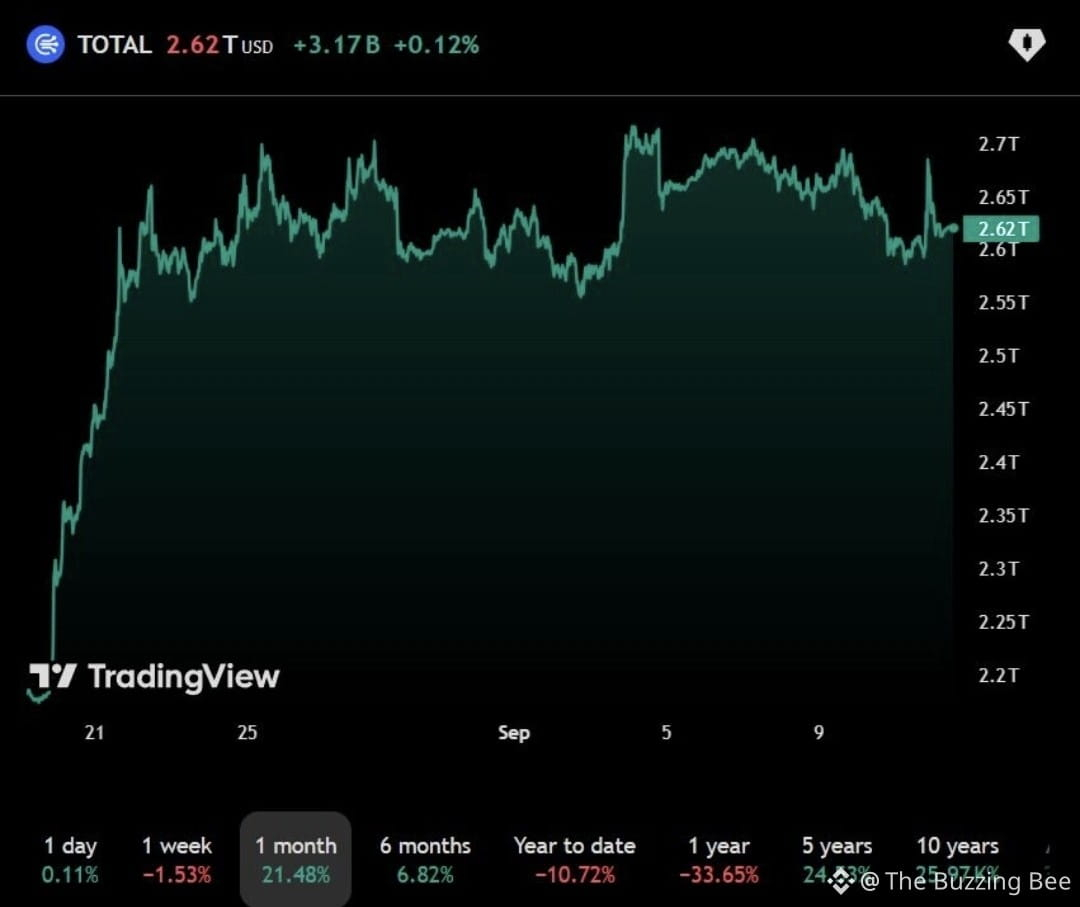
أضاف إجمالي سوق العملات المشفرة ما يقارب 460 مليار دولار من حيث القيمة خلال الشهر الماضي.
وهذا انتعاش كبير إلى حد ما، خصوصًا بالنظر إلى حجم الضغط الذي واجهه السوق في وقت سابق من الدورة.
بلغت القيمة السوقية الإجمالية للعملات المشفرة الآن حوالي 2.6 تريليون دولار، ولا يزال بيتكوين يمثل ما يقرب من 59% من السوق.
الجزء المثير للاهتمام هو ما سيحدث بعد ذلك.
إن التعافي الشهري القوي أمر مشجع، لكن بيتكوين لا يزال يواجه مقاومة، كما تظل الظروف الاقتصادية الكلية غير مؤكدة بعد التقلبات الأخيرة المرتبطة ببيانات مؤشر أسعار المستهلك (CPI).
لقد عادت 460 مليار دولار إلى السوق. الآن نحتاج إلى معرفة ما إذا كان بإمكان المشترين الحفاظ على ذلك هناك.
✅️ تابع للمزيد ✅️
$BTC
{future}(BTCUSDT)
$ETH
{future}(ETHUSDT)
أضاف إجمالي سوق العملات المشفرة ما يقارب 460 مليار دولار من حيث القيمة خلال الشهر الماضي.
وهذا انتعاش كبير إلى حد ما، خصوصًا بالنظر إلى حجم الضغط الذي واجهه السوق في وقت سابق من الدورة.
بلغت القيمة السوقية الإجمالية للعملات المشفرة الآن حوالي 2.6 تريليون دولار، ولا يزال بيتكوين يمثل ما يقرب من 59% من السوق.
الجزء المثير للاهتمام هو ما سيحدث بعد ذلك.
إن التعافي الشهري القوي أمر مشجع، لكن بيتكوين لا يزال يواجه مقاومة، كما تظل الظروف الاقتصادية الكلية غير مؤكدة بعد التقلبات الأخيرة المرتبطة ببيانات مؤشر أسعار المستهلك (CPI).
لقد عادت 460 مليار دولار إلى السوق. الآن نحتاج إلى معرفة ما إذا كان بإمكان المشترين الحفاظ على ذلك هناك.
✅️ تابع للمزيد ✅️
$BTC
$ETH
وهذا انتعاش كبير إلى حد ما، خصوصًا بالنظر إلى حجم الضغط الذي واجهه السوق في وقت سابق من الدورة.
بلغت القيمة السوقية الإجمالية للعملات المشفرة الآن حوالي 2.6 تريليون دولار، ولا يزال بيتكوين يمثل ما يقرب من 59% من السوق.
الجزء المثير للاهتمام هو ما سيحدث بعد ذلك.
إن التعافي الشهري القوي أمر مشجع، لكن بيتكوين لا يزال يواجه مقاومة، كما تظل الظروف الاقتصادية الكلية غير مؤكدة بعد التقلبات الأخيرة المرتبطة ببيانات مؤشر أسعار المستهلك (CPI).
لقد عادت 460 مليار دولار إلى السوق. الآن نحتاج إلى معرفة ما إذا كان بإمكان المشترين الحفاظ على ذلك هناك.
✅️ تابع للمزيد ✅️
$BTC
$ETH
3
220
✨️Crypto تعمل 24/7 لكن بيتكوين حصلت على وظيفة من 9 إلى 5 😂
تريد نكتة؟ $BTC لا تُغلق أبدًا، لكن يبدو أنها بدأت تتحقق من تقويم مكتب نيويورك 😭 دراسة لقرابة 88,000 مشاهدة كل ساعة وجدت أن 50.6% من تذبذب BTC اليومي يحدث الآن خلال ساعات التداول الأمريكية—مع أن هذه النافذة تمثل فقط 37.5% من اليوم.
فلماذا يحدث هذا؟ تفصيل بسيط 👇
🔴 1. المال المؤسسي غيّر الإيقاع
ETFs، العقود الآجلة، الشركات العامة، صناع السوق—الآن يعمل رأس مال أكثر جدية حول ساعات السوق التقليدية. عندما تصبح تلك المكاتب نشطة، تستيقظ الكريبتو معها.
🔴 2. وول ستريت تحرّك ساعة BTC حرفيًا
عندما تنتقل نيويورك إلى التوقيت الصيفي، يتغير أيضًا وقت الذروة للتذبذب في $BTC. في عطلات بورصة نيويورك، ينخفض تذبذب جلسة الولايات المتحدة من 55.7% إلى ~41.9%. هذه جعلتني أقول: أوكي… هذا بالتأكيد ليس صدفة 😅
🔴 3. عطلات نهاية الأسبوع تصبح الوردية الهادئة
في عام 2016، كان تذبذب BTC في عطلات نهاية الأسبوع قريبًا جدًا من تذبذب أيام الأسبوع. بحلول 2025، أصبح حوالي ~64% فقط. الكريبتو مفتوحة، أكيد. لكن المال الكبير؟ يبدو أنه يستمتع ببرنش الأحد 😂
🔴 4. وليس بيتكوين وحدها
ETH وXRP وSOL وADA وDOGE وLINK تُظهر حركة مماثلة باتجاه ساعات الولايات المتحدة.
✅️ تابِع للمزيد ✅️
$ETH
{future}(ETHUSDT)
$SOL
{future}(SOLUSDT)
$XRP
{future}(XRPUSDT)
✨️Crypto تعمل 24/7 لكن بيتكوين حصلت على وظيفة من 9 إلى 5 😂
تريد نكتة؟ $BTC لا تُغلق أبدًا، لكن يبدو أنها بدأت تتحقق من تقويم مكتب نيويورك 😭 دراسة لقرابة 88,000 مشاهدة كل ساعة وجدت أن 50.6% من تذبذب BTC اليومي يحدث الآن خلال ساعات التداول الأمريكية—مع أن هذه النافذة تمثل فقط 37.5% من اليوم.
فلماذا يحدث هذا؟ تفصيل بسيط 👇
🔴 1. المال المؤسسي غيّر الإيقاع
ETFs، العقود الآجلة، الشركات العامة، صناع السوق—الآن يعمل رأس مال أكثر جدية حول ساعات السوق التقليدية. عندما تصبح تلك المكاتب نشطة، تستيقظ الكريبتو معها.
🔴 2. وول ستريت تحرّك ساعة BTC حرفيًا
عندما تنتقل نيويورك إلى التوقيت الصيفي، يتغير أيضًا وقت الذروة للتذبذب في $BTC. في عطلات بورصة نيويورك، ينخفض تذبذب جلسة الولايات المتحدة من 55.7% إلى ~41.9%. هذه جعلتني أقول: أوكي… هذا بالتأكيد ليس صدفة 😅
🔴 3. عطلات نهاية الأسبوع تصبح الوردية الهادئة
في عام 2016، كان تذبذب BTC في عطلات نهاية الأسبوع قريبًا جدًا من تذبذب أيام الأسبوع. بحلول 2025، أصبح حوالي ~64% فقط. الكريبتو مفتوحة، أكيد. لكن المال الكبير؟ يبدو أنه يستمتع ببرنش الأحد 😂
🔴 4. وليس بيتكوين وحدها
ETH وXRP وSOL وADA وDOGE وLINK تُظهر حركة مماثلة باتجاه ساعات الولايات المتحدة.
✅️ تابِع للمزيد ✅️
$ETH
$SOL
$XRP
تريد نكتة؟ $BTC لا تُغلق أبدًا، لكن يبدو أنها بدأت تتحقق من تقويم مكتب نيويورك 😭 دراسة لقرابة 88,000 مشاهدة كل ساعة وجدت أن 50.6% من تذبذب BTC اليومي يحدث الآن خلال ساعات التداول الأمريكية—مع أن هذه النافذة تمثل فقط 37.5% من اليوم.
فلماذا يحدث هذا؟ تفصيل بسيط 👇
🔴 1. المال المؤسسي غيّر الإيقاع
ETFs، العقود الآجلة، الشركات العامة، صناع السوق—الآن يعمل رأس مال أكثر جدية حول ساعات السوق التقليدية. عندما تصبح تلك المكاتب نشطة، تستيقظ الكريبتو معها.
🔴 2. وول ستريت تحرّك ساعة BTC حرفيًا
عندما تنتقل نيويورك إلى التوقيت الصيفي، يتغير أيضًا وقت الذروة للتذبذب في $BTC. في عطلات بورصة نيويورك، ينخفض تذبذب جلسة الولايات المتحدة من 55.7% إلى ~41.9%. هذه جعلتني أقول: أوكي… هذا بالتأكيد ليس صدفة 😅
🔴 3. عطلات نهاية الأسبوع تصبح الوردية الهادئة
في عام 2016، كان تذبذب BTC في عطلات نهاية الأسبوع قريبًا جدًا من تذبذب أيام الأسبوع. بحلول 2025، أصبح حوالي ~64% فقط. الكريبتو مفتوحة، أكيد. لكن المال الكبير؟ يبدو أنه يستمتع ببرنش الأحد 😂
🔴 4. وليس بيتكوين وحدها
ETH وXRP وSOL وADA وDOGE وLINK تُظهر حركة مماثلة باتجاه ساعات الولايات المتحدة.
✅️ تابِع للمزيد ✅️
$ETH
$SOL
$XRP


1
351
✨️ هل يمكن لـ $XRP فعلاً الوصول إلى 15–50 دولارًا؟ ديفيد شوارتز أعاد جدل «الـFlippening» إلى دائرة الضوء!
يقول مدير تقنية ريبّل، ديفيد شوارتز، إن بإمكان XRP أن يتجاوز في النهاية $BTC من حيث القيمة السوقية عبر نموه هو، وليس بسبب انهيار البيتكوين. وقد أجرى المحلل زاك ركتور الحسابات، وتُظهر الأسعار الضمنية لـ XRP ارتفاعًا كبيرًا جدًا بسرعة.
عند تقييم 1.5 تريليون دولار، ستقع قيمة XRP قرب 23.91 دولارًا بناءً على المعروض المتداول اليوم، أو حوالي 15 دولارًا باستخدام إجمالي 100 مليار من التوكنات. وإذا وصلت القيمة السوقية للبيتكوين في النهاية إلى 3–5 تريليون، وارتفعت XRP معها، فإن سيناريو شوارتز المتفائل يضع XRP فوق 50 دولارًا.
✅️ تابع للمزيد ✅️
$XRP
{future}(XRPUSDT)
$ADA
{future}(ADAUSDT)
✨️ هل يمكن لـ $XRP فعلاً الوصول إلى 15–50 دولارًا؟ ديفيد شوارتز أعاد جدل «الـFlippening» إلى دائرة الضوء!
يقول مدير تقنية ريبّل، ديفيد شوارتز، إن بإمكان XRP أن يتجاوز في النهاية $BTC من حيث القيمة السوقية عبر نموه هو، وليس بسبب انهيار البيتكوين. وقد أجرى المحلل زاك ركتور الحسابات، وتُظهر الأسعار الضمنية لـ XRP ارتفاعًا كبيرًا جدًا بسرعة.
عند تقييم 1.5 تريليون دولار، ستقع قيمة XRP قرب 23.91 دولارًا بناءً على المعروض المتداول اليوم، أو حوالي 15 دولارًا باستخدام إجمالي 100 مليار من التوكنات. وإذا وصلت القيمة السوقية للبيتكوين في النهاية إلى 3–5 تريليون، وارتفعت XRP معها، فإن سيناريو شوارتز المتفائل يضع XRP فوق 50 دولارًا.
✅️ تابع للمزيد ✅️
$XRP
$ADA
يقول مدير تقنية ريبّل، ديفيد شوارتز، إن بإمكان XRP أن يتجاوز في النهاية $BTC من حيث القيمة السوقية عبر نموه هو، وليس بسبب انهيار البيتكوين. وقد أجرى المحلل زاك ركتور الحسابات، وتُظهر الأسعار الضمنية لـ XRP ارتفاعًا كبيرًا جدًا بسرعة.
عند تقييم 1.5 تريليون دولار، ستقع قيمة XRP قرب 23.91 دولارًا بناءً على المعروض المتداول اليوم، أو حوالي 15 دولارًا باستخدام إجمالي 100 مليار من التوكنات. وإذا وصلت القيمة السوقية للبيتكوين في النهاية إلى 3–5 تريليون، وارتفعت XRP معها، فإن سيناريو شوارتز المتفائل يضع XRP فوق 50 دولارًا.
✅️ تابع للمزيد ✅️
$XRP
$ADA
2
305
سجلت صناديق بيتكوين المتداولة وصناديق إيثريوم المتداولة عمليات سحب بقيمة 312.6 مليون دولار
سجلت صناديق بيتكوين الفورية المتداولة 282.70 مليون دولار في عمليات التدفق إلى الخارج، بينما سجلت صناديق إيثريوم الفورية المتداولة 29.90 مليون دولار في عمليات التدفق إلى الخارج.
$BTC
{future}(BTCUSDT)
$ETH
{future}(ETHUSDT)
سجلت صناديق بيتكوين المتداولة وصناديق إيثريوم المتداولة عمليات سحب بقيمة 312.6 مليون دولار
سجلت صناديق بيتكوين الفورية المتداولة 282.70 مليون دولار في عمليات التدفق إلى الخارج، بينما سجلت صناديق إيثريوم الفورية المتداولة 29.90 مليون دولار في عمليات التدفق إلى الخارج.
$BTC
$ETH
سجلت صناديق بيتكوين الفورية المتداولة 282.70 مليون دولار في عمليات التدفق إلى الخارج، بينما سجلت صناديق إيثريوم الفورية المتداولة 29.90 مليون دولار في عمليات التدفق إلى الخارج.
$BTC
$ETH
221
$BTC يتداول بنشاط حول أدنى سعر أسبوعي سابق بقيمة 76.2 ألف دولار قبل بيانات مؤشر CPI.
بصراحة، يبدو أن هذا النطاق شبه خامل الآن، ولن أتفاجأ إذا بقي على هذه الحال حتى بعد صدور تقرير CPI.
كما أن بيانات OI تشير إلى أن عملية الهبوط الأخيرة اجتذبت عددًا كبيرًا من المراكز القصيرة، بينما يبدو أن هذا الارتداد الصغير مدفوع إلى حد كبير بتغطية قسرية للقصير.
بالنسبة للمراكز الطويلة، أراقب اليوم سيناريوهين، وكلاهما من المرجح أن يتكشف بعد CPI.
أولًا، إذا قمنا بمسح مستوى PWL عند 76.2 ألف دولار، فقد يؤدي ذلك إلى المزيد من البيع وإجبار المشترين على الخروج. إذا حدث ذلك، سأراقب إشارة دخول طويلة بعد عملية المسح.
السيناريو الثاني هو الذي أفضله: أن تدفع بيانات CPI BTC لشمعة ذيل سريعة حادة تحت 75.5 ألف دولار.
قد يؤدي ذلك إلى تصفية المشترين العالقين في هذا النطاق وإدخال بائعين عدوانيين إلى السوق. ومن هناك، قد يمنح الارتداد القوي إعادة احتلال إعدادًا أفضل بكثير للصفقات الطويلة على إطار زمني أعلى.
لا تزال مناطق POIs القصيرة عند 80 ألف و81 ألف دولار صالحة، لكنني لا أتوقع أن يصل السعر إليها اليوم.
$BTC
{future}(BTCUSDT)
$BTC يتداول بنشاط حول أدنى سعر أسبوعي سابق بقيمة 76.2 ألف دولار قبل بيانات مؤشر CPI.
بصراحة، يبدو أن هذا النطاق شبه خامل الآن، ولن أتفاجأ إذا بقي على هذه الحال حتى بعد صدور تقرير CPI.
كما أن بيانات OI تشير إلى أن عملية الهبوط الأخيرة اجتذبت عددًا كبيرًا من المراكز القصيرة، بينما يبدو أن هذا الارتداد الصغير مدفوع إلى حد كبير بتغطية قسرية للقصير.
بالنسبة للمراكز الطويلة، أراقب اليوم سيناريوهين، وكلاهما من المرجح أن يتكشف بعد CPI.
أولًا، إذا قمنا بمسح مستوى PWL عند 76.2 ألف دولار، فقد يؤدي ذلك إلى المزيد من البيع وإجبار المشترين على الخروج. إذا حدث ذلك، سأراقب إشارة دخول طويلة بعد عملية المسح.
السيناريو الثاني هو الذي أفضله: أن تدفع بيانات CPI BTC لشمعة ذيل سريعة حادة تحت 75.5 ألف دولار.
قد يؤدي ذلك إلى تصفية المشترين العالقين في هذا النطاق وإدخال بائعين عدوانيين إلى السوق. ومن هناك، قد يمنح الارتداد القوي إعادة احتلال إعدادًا أفضل بكثير للصفقات الطويلة على إطار زمني أعلى.
لا تزال مناطق POIs القصيرة عند 80 ألف و81 ألف دولار صالحة، لكنني لا أتوقع أن يصل السعر إليها اليوم.
$BTC
بصراحة، يبدو أن هذا النطاق شبه خامل الآن، ولن أتفاجأ إذا بقي على هذه الحال حتى بعد صدور تقرير CPI.
كما أن بيانات OI تشير إلى أن عملية الهبوط الأخيرة اجتذبت عددًا كبيرًا من المراكز القصيرة، بينما يبدو أن هذا الارتداد الصغير مدفوع إلى حد كبير بتغطية قسرية للقصير.
بالنسبة للمراكز الطويلة، أراقب اليوم سيناريوهين، وكلاهما من المرجح أن يتكشف بعد CPI.
أولًا، إذا قمنا بمسح مستوى PWL عند 76.2 ألف دولار، فقد يؤدي ذلك إلى المزيد من البيع وإجبار المشترين على الخروج. إذا حدث ذلك، سأراقب إشارة دخول طويلة بعد عملية المسح.
السيناريو الثاني هو الذي أفضله: أن تدفع بيانات CPI BTC لشمعة ذيل سريعة حادة تحت 75.5 ألف دولار.
قد يؤدي ذلك إلى تصفية المشترين العالقين في هذا النطاق وإدخال بائعين عدوانيين إلى السوق. ومن هناك، قد يمنح الارتداد القوي إعادة احتلال إعدادًا أفضل بكثير للصفقات الطويلة على إطار زمني أعلى.
لا تزال مناطق POIs القصيرة عند 80 ألف و81 ألف دولار صالحة، لكنني لا أتوقع أن يصل السعر إليها اليوم.
$BTC

210
💫✨️ يتم تداول ETHUSDT حول 2,476 USDT، ويواصل تكوين قمم أدنى تحت خط اتجاه المقاومة. كما لا يزال السعر دون تجمع EMA34-EMA89 (حوالي 2,483-2,484)، ما يشير إلى أن الارتداد يفتقر إلى القوة لقلب البنية قصيرة الأجل.
تُعد منطقة 2,485-2,510 منطقة حاسمة يجب مراقبتها. إذا ارتفع ETH إلى هذه المنطقة لكن تعرض للرفض عند خط الاتجاه وتجمع الـ EMA، أميل إلى سيناريو يتسبب في هبوط السعر مجددًا إلى 2,440، ثم يواصل التمدد باتجاه هدف 2,390 USDT.
تدعم العوامل الاقتصادية الكلية اليوم أيضًا بشكل طفيف سيناريو تصحيحي. يظل خام برنت فوق 100 دولار/للبرميل، وتبقى عوائد سندات الخزانة الأمريكية مرتفعة بسبب مخاوف التضخم بينما ينتظر المستثمرون بيانات مؤشر أسعار المستهلك الأمريكي (US CPI)؛ عادةً ما تكون بيئة العوائد المرتفعة غير مواتية للأصول عالية المخاطر مثل العملات المشفرة.
✅️ تَابِع لِلمزيد ✅️
$ETH
{future}(ETHUSDT)
💫✨️ يتم تداول ETHUSDT حول 2,476 USDT، ويواصل تكوين قمم أدنى تحت خط اتجاه المقاومة. كما لا يزال السعر دون تجمع EMA34-EMA89 (حوالي 2,483-2,484)، ما يشير إلى أن الارتداد يفتقر إلى القوة لقلب البنية قصيرة الأجل.
تُعد منطقة 2,485-2,510 منطقة حاسمة يجب مراقبتها. إذا ارتفع ETH إلى هذه المنطقة لكن تعرض للرفض عند خط الاتجاه وتجمع الـ EMA، أميل إلى سيناريو يتسبب في هبوط السعر مجددًا إلى 2,440، ثم يواصل التمدد باتجاه هدف 2,390 USDT.
تدعم العوامل الاقتصادية الكلية اليوم أيضًا بشكل طفيف سيناريو تصحيحي. يظل خام برنت فوق 100 دولار/للبرميل، وتبقى عوائد سندات الخزانة الأمريكية مرتفعة بسبب مخاوف التضخم بينما ينتظر المستثمرون بيانات مؤشر أسعار المستهلك الأمريكي (US CPI)؛ عادةً ما تكون بيئة العوائد المرتفعة غير مواتية للأصول عالية المخاطر مثل العملات المشفرة.
✅️ تَابِع لِلمزيد ✅️
$ETH
تُعد منطقة 2,485-2,510 منطقة حاسمة يجب مراقبتها. إذا ارتفع ETH إلى هذه المنطقة لكن تعرض للرفض عند خط الاتجاه وتجمع الـ EMA، أميل إلى سيناريو يتسبب في هبوط السعر مجددًا إلى 2,440، ثم يواصل التمدد باتجاه هدف 2,390 USDT.
تدعم العوامل الاقتصادية الكلية اليوم أيضًا بشكل طفيف سيناريو تصحيحي. يظل خام برنت فوق 100 دولار/للبرميل، وتبقى عوائد سندات الخزانة الأمريكية مرتفعة بسبب مخاوف التضخم بينما ينتظر المستثمرون بيانات مؤشر أسعار المستهلك الأمريكي (US CPI)؛ عادةً ما تكون بيئة العوائد المرتفعة غير مواتية للأصول عالية المخاطر مثل العملات المشفرة.
✅️ تَابِع لِلمزيد ✅️
$ETH

1
1
458
✨️ $RUNE يبدو أنه كان مستعدًا للتلاشي بعد تلك القفزة، لكن هذا المستوى مثير للاهتمام
دفعت الأسعار إلى 0.531$ ثم تراجعت بقوة، والآن تجلس عند حوالي 0.492$ بينما ما زالت تحافظ على مستوى أعلى من مؤشر السوبرترند عند 0.484$.
الدعم: 0.484$ و 0.476$
المقاومة: 0.505$ و 0.531$
TP1: 0.505$
TP2: 0.520$
TP3: 0.531$
حجم التداول خلال 24 ساعة حوالي 10.7M$، وسجل الأوامر يميل قليلًا لصالح المشترين بنسبة 55%.
إذا استمر تثبيت 0.484، فسأراقب محاولة أخرى باتجاه 0.505$ أولًا. إذا خسرنا السوبرترند، سيصبح السيناريو أضعف بسرعة.
$RUNE
{future}(RUNEUSDT)
✨️ $RUNE يبدو أنه كان مستعدًا للتلاشي بعد تلك القفزة، لكن هذا المستوى مثير للاهتمام
دفعت الأسعار إلى 0.531$ ثم تراجعت بقوة، والآن تجلس عند حوالي 0.492$ بينما ما زالت تحافظ على مستوى أعلى من مؤشر السوبرترند عند 0.484$.
الدعم: 0.484$ و 0.476$
المقاومة: 0.505$ و 0.531$
TP1: 0.505$
TP2: 0.520$
TP3: 0.531$
حجم التداول خلال 24 ساعة حوالي 10.7M$، وسجل الأوامر يميل قليلًا لصالح المشترين بنسبة 55%.
إذا استمر تثبيت 0.484، فسأراقب محاولة أخرى باتجاه 0.505$ أولًا. إذا خسرنا السوبرترند، سيصبح السيناريو أضعف بسرعة.
$RUNE
دفعت الأسعار إلى 0.531$ ثم تراجعت بقوة، والآن تجلس عند حوالي 0.492$ بينما ما زالت تحافظ على مستوى أعلى من مؤشر السوبرترند عند 0.484$.
الدعم: 0.484$ و 0.476$
المقاومة: 0.505$ و 0.531$
TP1: 0.505$
TP2: 0.520$
TP3: 0.531$
حجم التداول خلال 24 ساعة حوالي 10.7M$، وسجل الأوامر يميل قليلًا لصالح المشترين بنسبة 55%.
إذا استمر تثبيت 0.484، فسأراقب محاولة أخرى باتجاه 0.505$ أولًا. إذا خسرنا السوبرترند، سيصبح السيناريو أضعف بسرعة.
$RUNE

2
506
يعود سعر البيتكوين حول 78 ألف دولار.
انخفاض مؤشر أسعار المنتجين اليوم، بينما يأتي مؤشر أسعار المستهلكين غدًا. 📊
إذا جاءت بيانات التضخم أكثر سخونة، فقد يفقد البيتكوين المتوسط المتحرك الأسي لـ 50W.
لكن إذا استمر تباطؤ التضخم، فقد يصبح الإغلاق الأسبوعي فوق متوسط 50W في المتناول أخيرًا.
الاقتصاد الكلي على وشك أن يحدد الخطوة التالية. 👀
$BTC
{future}(BTCUSDT)
يعود سعر البيتكوين حول 78 ألف دولار.
انخفاض مؤشر أسعار المنتجين اليوم، بينما يأتي مؤشر أسعار المستهلكين غدًا. 📊
إذا جاءت بيانات التضخم أكثر سخونة، فقد يفقد البيتكوين المتوسط المتحرك الأسي لـ 50W.
لكن إذا استمر تباطؤ التضخم، فقد يصبح الإغلاق الأسبوعي فوق متوسط 50W في المتناول أخيرًا.
الاقتصاد الكلي على وشك أن يحدد الخطوة التالية. 👀
$BTC
انخفاض مؤشر أسعار المنتجين اليوم، بينما يأتي مؤشر أسعار المستهلكين غدًا. 📊
إذا جاءت بيانات التضخم أكثر سخونة، فقد يفقد البيتكوين المتوسط المتحرك الأسي لـ 50W.
لكن إذا استمر تباطؤ التضخم، فقد يصبح الإغلاق الأسبوعي فوق متوسط 50W في المتناول أخيرًا.
الاقتصاد الكلي على وشك أن يحدد الخطوة التالية. 👀
$BTC
2
209
✨️ ADA - 0.224 دولار هو الهدف
#ADAUSDT يسحب إلى الداخل داخل وتد متقارب كبير بعد رفض آخر من حدّه العلوي. خط الاتجاه السفلي الصاعد قد أنتج بالفعل عدة ردود فعل قوية، مما يجعل الاختبار التالي مهمًا. إذا دافع المشترون عنه مرة أخرى، فإن البنية تستمر في الانتعاش باتجاه الحد العلوي للوتد الجاري.
تمويل ADA هو -0.0058% - والصفقات القصيرة تتجه أكثر نحو جولة التصحيح.
تعرض التصفية القصيرة: 13.5 مليون دولار مقابل 7.0 مليون دولار مركز طويل - قد يؤدي الارتداد إلى ضغط على المراكز القصيرة.
المستويات الرئيسية
المقاومة: 0.223-0.225 دولار
الدعم: 0.203-0.205 دولار
$ADA
{future}(ADAUSDT)
$ZEC
{future}(ZECUSDT)
$ALGO
{future}(ALGOUSDT)
✨️ ADA - 0.224 دولار هو الهدف
#ADAUSDT يسحب إلى الداخل داخل وتد متقارب كبير بعد رفض آخر من حدّه العلوي. خط الاتجاه السفلي الصاعد قد أنتج بالفعل عدة ردود فعل قوية، مما يجعل الاختبار التالي مهمًا. إذا دافع المشترون عنه مرة أخرى، فإن البنية تستمر في الانتعاش باتجاه الحد العلوي للوتد الجاري.
تمويل ADA هو -0.0058% - والصفقات القصيرة تتجه أكثر نحو جولة التصحيح.
تعرض التصفية القصيرة: 13.5 مليون دولار مقابل 7.0 مليون دولار مركز طويل - قد يؤدي الارتداد إلى ضغط على المراكز القصيرة.
المستويات الرئيسية
المقاومة: 0.223-0.225 دولار
الدعم: 0.203-0.205 دولار
$ADA
$ZEC
$ALGO
#ADAUSDT يسحب إلى الداخل داخل وتد متقارب كبير بعد رفض آخر من حدّه العلوي. خط الاتجاه السفلي الصاعد قد أنتج بالفعل عدة ردود فعل قوية، مما يجعل الاختبار التالي مهمًا. إذا دافع المشترون عنه مرة أخرى، فإن البنية تستمر في الانتعاش باتجاه الحد العلوي للوتد الجاري.
تمويل ADA هو -0.0058% - والصفقات القصيرة تتجه أكثر نحو جولة التصحيح.
تعرض التصفية القصيرة: 13.5 مليون دولار مقابل 7.0 مليون دولار مركز طويل - قد يؤدي الارتداد إلى ضغط على المراكز القصيرة.
المستويات الرئيسية
المقاومة: 0.223-0.225 دولار
الدعم: 0.203-0.205 دولار
$ADA
$ZEC
$ALGO
1
616
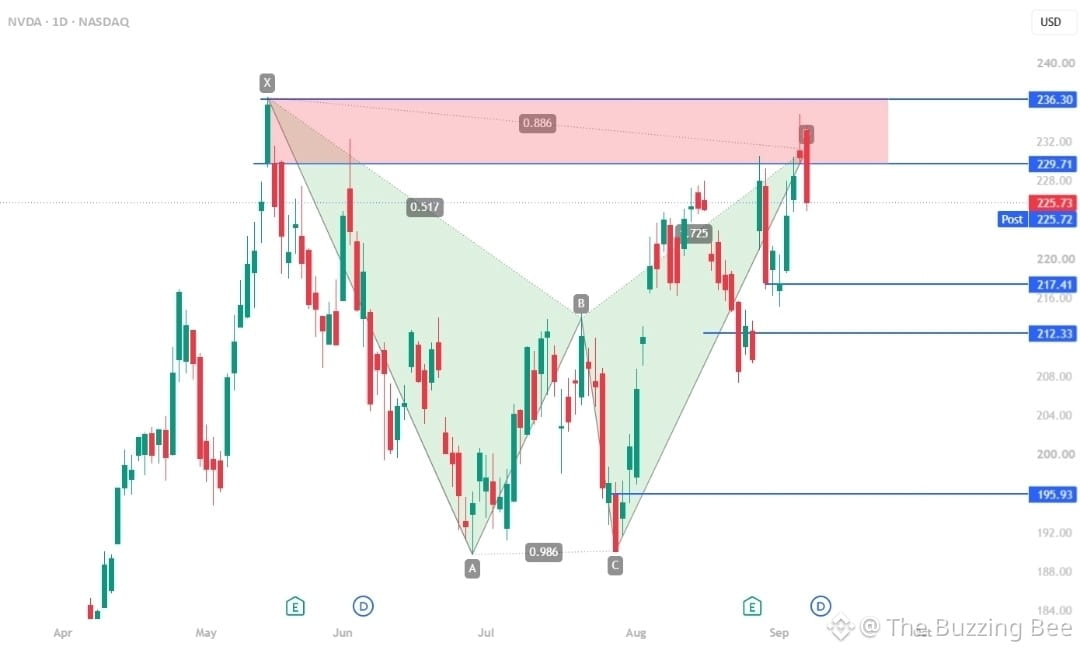
✨️يُظهر سهم NVDA إعدادًا هبوطيًا محتملًا بعد الوصول إلى منطقة مقاومة رئيسية بين 229.71 و236.30.
حاليًا، يُظهر السعر رفضًا قرب منطقة المقاومة العلوية، ما قد يشير إلى احتمال حدوث تحول في الزخم قصير الأجل.
المستويات الرئيسية
236.30 - مقاومة رئيسية / إلغاء السيناريو
area
229.71 - مقاومة رئيسية
217.41 - الهدف الهبوطي الأول
212.33 - الهدف الهبوطي الثاني
195.93 - الهدف الهبوطي الممتد سيناريو هبوطي
إذا فشل NVDA في استعادة والاحتفاظ فوق منطقة المقاومة 229.71-236.30، فإن مستويات الهبوط المحتملة التالية التي يجب مراقبتها هي:
217.41→ 212.33→ 195.93
إن كانت هناك حركة مستمرة أعلى منطقة المقاومة، فذلك قد يضعف أو يلغي هذا السيناريو الهبوطي.
هذا سيناريو تحليل فني، وليس نصيحة مالية. دائمًا تحكم في المخاطر وانتظر التأكيد قبل اتخاذ أي موقف.
$NVDA
{future}(NVDAUSDT)
✨️يُظهر سهم NVDA إعدادًا هبوطيًا محتملًا بعد الوصول إلى منطقة مقاومة رئيسية بين 229.71 و236.30.
حاليًا، يُظهر السعر رفضًا قرب منطقة المقاومة العلوية، ما قد يشير إلى احتمال حدوث تحول في الزخم قصير الأجل.
المستويات الرئيسية
236.30 - مقاومة رئيسية / إلغاء السيناريو
area
229.71 - مقاومة رئيسية
217.41 - الهدف الهبوطي الأول
212.33 - الهدف الهبوطي الثاني
195.93 - الهدف الهبوطي الممتد سيناريو هبوطي
إذا فشل NVDA في استعادة والاحتفاظ فوق منطقة المقاومة 229.71-236.30، فإن مستويات الهبوط المحتملة التالية التي يجب مراقبتها هي:
217.41→ 212.33→ 195.93
إن كانت هناك حركة مستمرة أعلى منطقة المقاومة، فذلك قد يضعف أو يلغي هذا السيناريو الهبوطي.
هذا سيناريو تحليل فني، وليس نصيحة مالية. دائمًا تحكم في المخاطر وانتظر التأكيد قبل اتخاذ أي موقف.
$NVDA
حاليًا، يُظهر السعر رفضًا قرب منطقة المقاومة العلوية، ما قد يشير إلى احتمال حدوث تحول في الزخم قصير الأجل.
المستويات الرئيسية
236.30 - مقاومة رئيسية / إلغاء السيناريو
area
229.71 - مقاومة رئيسية
217.41 - الهدف الهبوطي الأول
212.33 - الهدف الهبوطي الثاني
195.93 - الهدف الهبوطي الممتد سيناريو هبوطي
إذا فشل NVDA في استعادة والاحتفاظ فوق منطقة المقاومة 229.71-236.30، فإن مستويات الهبوط المحتملة التالية التي يجب مراقبتها هي:
217.41→ 212.33→ 195.93
إن كانت هناك حركة مستمرة أعلى منطقة المقاومة، فذلك قد يضعف أو يلغي هذا السيناريو الهبوطي.
هذا سيناريو تحليل فني، وليس نصيحة مالية. دائمًا تحكم في المخاطر وانتظر التأكيد قبل اتخاذ أي موقف.
$NVDA
4
983
$BTC إشارة صعودية قوية تزداد خطورة!
تمت متابعتها قاع دورة 2022 بحركة صعودية هائلة للبيتكوين بعد تقاطع الذهب.
الآن، قد يكون تقاطع الذهب آخر في طور التكوّن في 2026.
إذا تكرر هذا النمط، فقد نكون أمام بداية موجة صعود كبرى جديدة لبيتكوين. 🚀
قد تكون موجة الدببة تقترب من نفاد الوقت.
$BTC
{future}(BTCUSDT)
$ETH
{future}(ETHUSDT)
$BTC إشارة صعودية قوية تزداد خطورة!
تمت متابعتها قاع دورة 2022 بحركة صعودية هائلة للبيتكوين بعد تقاطع الذهب.
الآن، قد يكون تقاطع الذهب آخر في طور التكوّن في 2026.
إذا تكرر هذا النمط، فقد نكون أمام بداية موجة صعود كبرى جديدة لبيتكوين. 🚀
قد تكون موجة الدببة تقترب من نفاد الوقت.
$BTC
$ETH
تمت متابعتها قاع دورة 2022 بحركة صعودية هائلة للبيتكوين بعد تقاطع الذهب.
الآن، قد يكون تقاطع الذهب آخر في طور التكوّن في 2026.
إذا تكرر هذا النمط، فقد نكون أمام بداية موجة صعود كبرى جديدة لبيتكوين. 🚀
قد تكون موجة الدببة تقترب من نفاد الوقت.
$BTC
$ETH
300
أجّلت الشركة الاستحواذ على المزيد من البيتكوين الأسبوع الماضي، وحافظت على مقتنياتها عند 845,050 BTC .
بدلًا من ذلك، أنفقت الشركة 176.3 مليون دولار لإعادة شراء 1.81 مليون سهم من أسهم STRC.
كما قام مجلس الإدارة أيضًا بتوسيع حجم برنامج إعادة شراء الأوراق المالية الائتمانية الرقمية المعتمد لديها إلى الضعف، عبر رفع الحد من 1 مليار دولار إلى 2 مليار دولار. وفي الوقت الحالي، تكون الرسالة واضحة:
تأخذ الاستراتيجية استراحةً قصيرة عن تراكم البيتكوين، مع توجيه مزيد من القوة النارية إلى استراتيجيتها الأوسع لتخصيص رأس المال.
$BTC
{future}(BTCUSDT)
أجّلت الشركة الاستحواذ على المزيد من البيتكوين الأسبوع الماضي، وحافظت على مقتنياتها عند 845,050 BTC .
بدلًا من ذلك، أنفقت الشركة 176.3 مليون دولار لإعادة شراء 1.81 مليون سهم من أسهم STRC.
كما قام مجلس الإدارة أيضًا بتوسيع حجم برنامج إعادة شراء الأوراق المالية الائتمانية الرقمية المعتمد لديها إلى الضعف، عبر رفع الحد من 1 مليار دولار إلى 2 مليار دولار. وفي الوقت الحالي، تكون الرسالة واضحة:
تأخذ الاستراتيجية استراحةً قصيرة عن تراكم البيتكوين، مع توجيه مزيد من القوة النارية إلى استراتيجيتها الأوسع لتخصيص رأس المال.
$BTC
بدلًا من ذلك، أنفقت الشركة 176.3 مليون دولار لإعادة شراء 1.81 مليون سهم من أسهم STRC.
كما قام مجلس الإدارة أيضًا بتوسيع حجم برنامج إعادة شراء الأوراق المالية الائتمانية الرقمية المعتمد لديها إلى الضعف، عبر رفع الحد من 1 مليار دولار إلى 2 مليار دولار. وفي الوقت الحالي، تكون الرسالة واضحة:
تأخذ الاستراتيجية استراحةً قصيرة عن تراكم البيتكوين، مع توجيه مزيد من القوة النارية إلى استراتيجيتها الأوسع لتخصيص رأس المال.
$BTC
344
يتم تداول ETH حاليًا عند منطقة مهمة جدًا. كانت هذه المنطقة سابقًا منطقة عرض، لكن بعد اختراقها، تحولت المنطقة الآن إلى طلب.
حتى الآن، يبدو أن السعر يحافظ على هذه المنطقة بشكل جيد. قد يؤدي الاختراق النظيف فوق $2,570 إلى إضافة المزيد من الوقود للحركة وتفعيل ارتفاع صعودي سريع.
تابع ETH عن كثب؛ إذا تحرك، فقد تتبع العملات البديلة في الاتجاه نفسه.
$ETH
{future}(ETHUSDT)
يتم تداول ETH حاليًا عند منطقة مهمة جدًا. كانت هذه المنطقة سابقًا منطقة عرض، لكن بعد اختراقها، تحولت المنطقة الآن إلى طلب.
حتى الآن، يبدو أن السعر يحافظ على هذه المنطقة بشكل جيد. قد يؤدي الاختراق النظيف فوق $2,570 إلى إضافة المزيد من الوقود للحركة وتفعيل ارتفاع صعودي سريع.
تابع ETH عن كثب؛ إذا تحرك، فقد تتبع العملات البديلة في الاتجاه نفسه.
$ETH
حتى الآن، يبدو أن السعر يحافظ على هذه المنطقة بشكل جيد. قد يؤدي الاختراق النظيف فوق $2,570 إلى إضافة المزيد من الوقود للحركة وتفعيل ارتفاع صعودي سريع.
تابع ETH عن كثب؛ إذا تحرك، فقد تتبع العملات البديلة في الاتجاه نفسه.
$ETH
363
سجّل الدخول لاستكشاف المزيد من المُحتوى
انضم إلى مُستخدمي العملات الرقمية حول العالم على Binance Square
⚡️ احصل على أحدث المعلومات المفيدة عن العملات الرقمية.
💬 موثوقة من قبل أكبر منصّة لتداول العملات الرقمية في العالم.
👍 اكتشف الرؤى الحقيقية من صنّاع المُحتوى الموثوقين.
البريد الإلكتروني / رقم الهاتف
المواضيع الرائجة
BitcoinReboundsTo$79K
10,468 مشاهدات
105 يقومون بالنقاش
$TRUMP
$XAU
#BitcoinReboundsTo$79K #FedHikeOddsRiseTo89% #AvalancheIntegratesIntoUAEPassDigitalVault #UKSeeksViewsOnTokenizingGold #AnthropicCEOCallsForAISlowdown النطاق عند gog 79,093
تحذير من فخ الثور: تحديث فوري
+2.66% BTC/SAR
سعر Bitcoin في إطار 5 ساعات وصل إلى 79,093.16 بعد اختراق واضح لنطاق التذبذب، لكن الزخم ما زال هشًا مع بروز مخاطر "فخ الثور" عند مستوى 80,000 النفسي. هذه الحركة تشير لقوة شرائية آنيّة، لكن مؤشرات الإجهاد وإشارات ضعف الاتجاه تفرض الحذر في اتخاذ قرار الدخول الآن.
rami nasr11
·0 إعجاب
·152 مشاهدات
GrayscalePutsXRPAt26.11%InAdvisorPortfolio
1,294 مشاهدات
74 يقومون بالنقاش
PhiladelphiaSemiconductorIndexFalls5.9%
1,179 مشاهدات
51 يقومون بالنقاش