

BELIEVE_
11.5k منشورات

BELIEVE_
 تحقُّق Binance Square الإضافي
إبلاغ
حظر المُستخدم
🌟Exploring 🌟 🇮🇳 X🍷@The_Believe_21 🍷
مُتداول بمُعدّل مرتفع
1.7 سنوات
627 تتابع
30.5K+ المتابعون
39.9K+ إعجاب
منشورات
الكل
اقتباسات
مقاطع فيديو
·
--
هابط
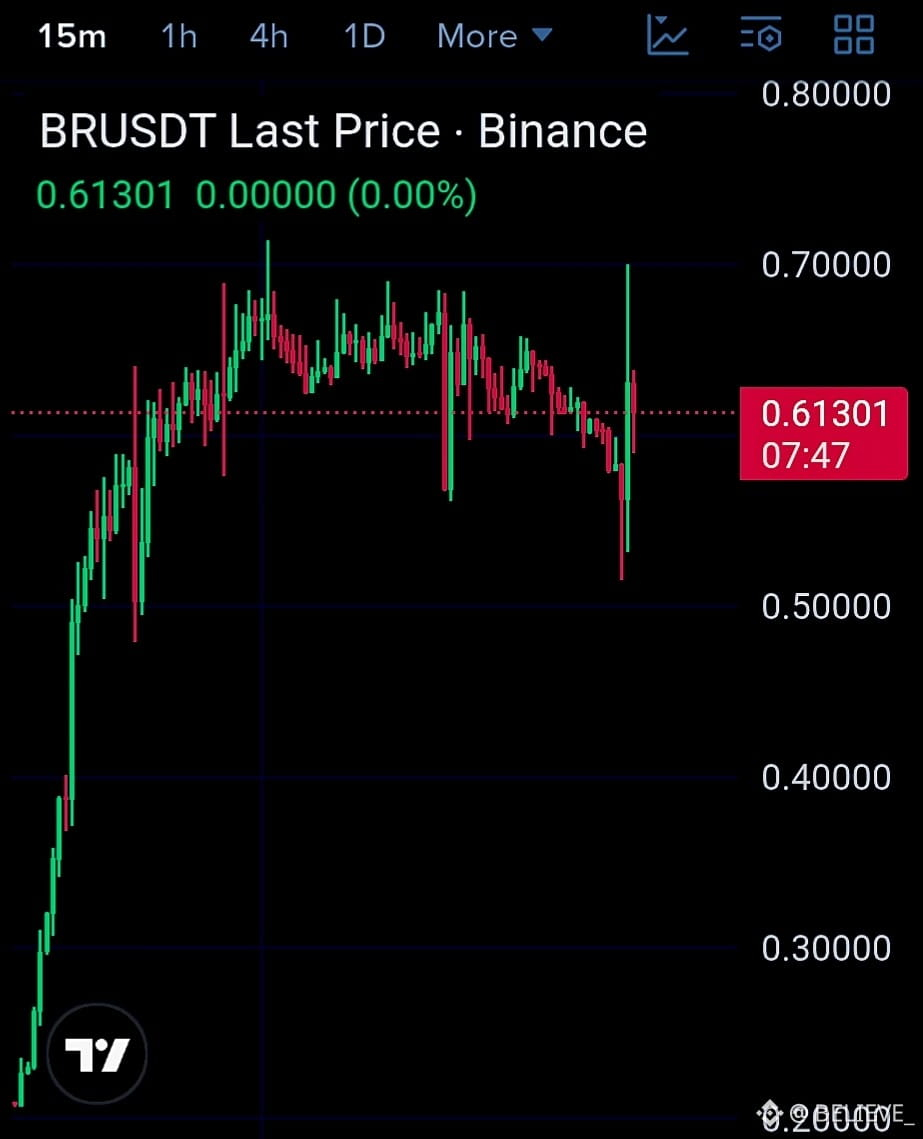
$$BR SHORT 🔻
الدخول: 0.61–0.63
SL: 0.68
TP1: 0.58
TP2: 0.54
TP3: 0.50
ضخ حاد + رفض قرب 0.70، ثم ضعف وتدنٍ في القمم.
التفعيل: رفض على 15M / كسر تحت 0.60.
الإبطال: استعادة على 15M فوق 0.68.
التحيز: SHORT 🔴 | تذبذب مرتفع — تأكيد أولاً.
$ONE $BULLA
#TradingCommunity #signaladvisor #signalsfutures #MemeLaunchpads82%OfArcDayOneVolume #OstiumLoanDisputeHearingSetInNYFederalCourt
$$BR SHORT 🔻
الدخول: 0.61–0.63
SL: 0.68
TP1: 0.58
TP2: 0.54
TP3: 0.50
ضخ حاد + رفض قرب 0.70، ثم ضعف وتدنٍ في القمم.
التفعيل: رفض على 15M / كسر تحت 0.60.
الإبطال: استعادة على 15M فوق 0.68.
التحيز: SHORT 🔴 | تذبذب مرتفع — تأكيد أولاً.
$ONE $BULLA
#TradingCommunity #signaladvisor #signalsfutures #MemeLaunchpads82%OfArcDayOneVolume #OstiumLoanDisputeHearingSetInNYFederalCourt
الدخول: 0.61–0.63
SL: 0.68
TP1: 0.58
TP2: 0.54
TP3: 0.50
ضخ حاد + رفض قرب 0.70، ثم ضعف وتدنٍ في القمم.
التفعيل: رفض على 15M / كسر تحت 0.60.
الإبطال: استعادة على 15M فوق 0.68.
التحيز: SHORT 🔴 | تذبذب مرتفع — تأكيد أولاً.
$ONE $BULLA
#TradingCommunity #signaladvisor #signalsfutures #MemeLaunchpads82%OfArcDayOneVolume #OstiumLoanDisputeHearingSetInNYFederalCourt
2
2.3k
·
--
هابط
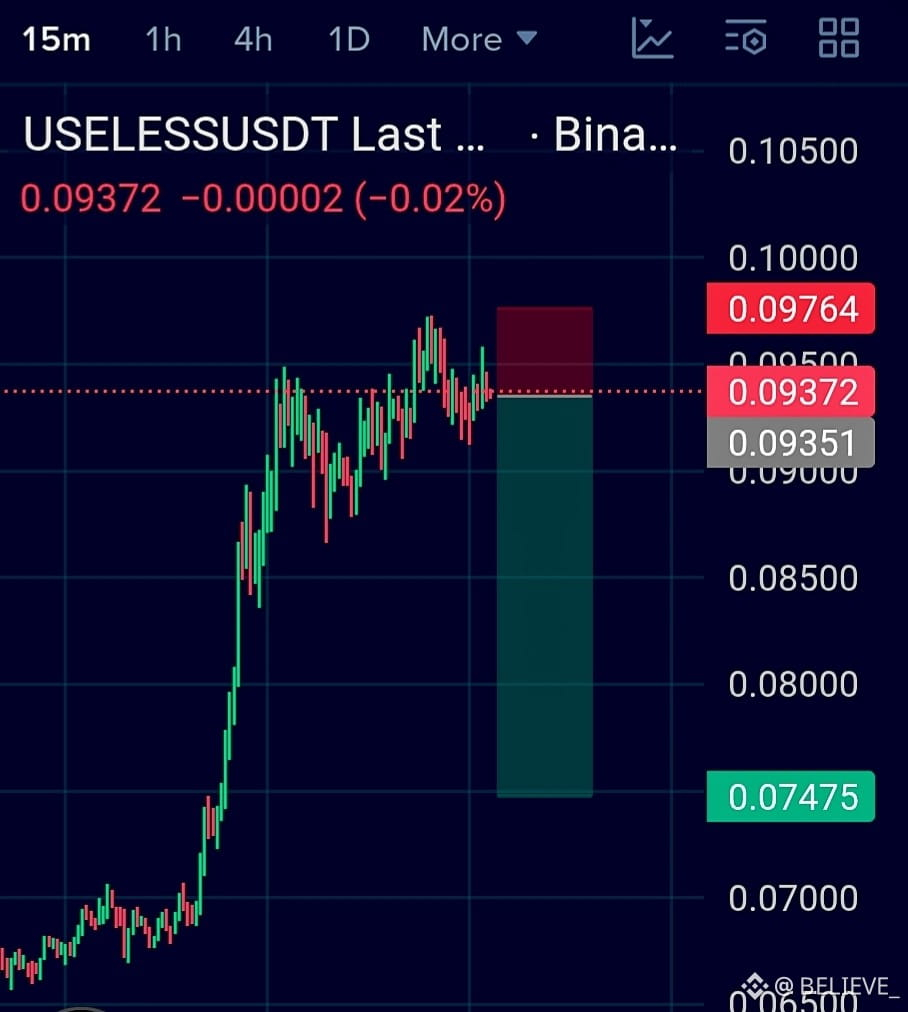
$USELESS إعداد سريع قصير 🔻
الدخول: 0.0935–0.0955
SL: 0.0977
TP1: 0.0900
TP2: 0.0850
TP3: 0.0800
TP4: 0.0748
سعر قد شهد حركة رأسية حادة ثم بدأ يتجّمع/يتماسك قرب القمم. بيع فقط عند الرفض من 0.095–0.0975 أو بعد تأكيد اختراق هابط على فاصل 15M.
إبطال الفكرة: إغلاق 15M فوق 0.0977.
التحيز: قصير 🔴 — لا تلاحق السعر.
$0G $SKR
#TradingCommunity #signaladvisor #HangSengFalls1% #USFundsAlcoaGalliumPlantInAustralia #FutureTarding
$USELESS إعداد سريع قصير 🔻
الدخول: 0.0935–0.0955
SL: 0.0977
TP1: 0.0900
TP2: 0.0850
TP3: 0.0800
TP4: 0.0748
سعر قد شهد حركة رأسية حادة ثم بدأ يتجّمع/يتماسك قرب القمم. بيع فقط عند الرفض من 0.095–0.0975 أو بعد تأكيد اختراق هابط على فاصل 15M.
إبطال الفكرة: إغلاق 15M فوق 0.0977.
التحيز: قصير 🔴 — لا تلاحق السعر.
$0G $SKR
#TradingCommunity #signaladvisor #HangSengFalls1% #USFundsAlcoaGalliumPlantInAustralia #FutureTarding
الدخول: 0.0935–0.0955
SL: 0.0977
TP1: 0.0900
TP2: 0.0850
TP3: 0.0800
TP4: 0.0748
سعر قد شهد حركة رأسية حادة ثم بدأ يتجّمع/يتماسك قرب القمم. بيع فقط عند الرفض من 0.095–0.0975 أو بعد تأكيد اختراق هابط على فاصل 15M.
إبطال الفكرة: إغلاق 15M فوق 0.0977.
التحيز: قصير 🔴 — لا تلاحق السعر.
$0G $SKR
#TradingCommunity #signaladvisor #HangSengFalls1% #USFundsAlcoaGalliumPlantInAustralia #FutureTarding
6
169
·
--
هابط
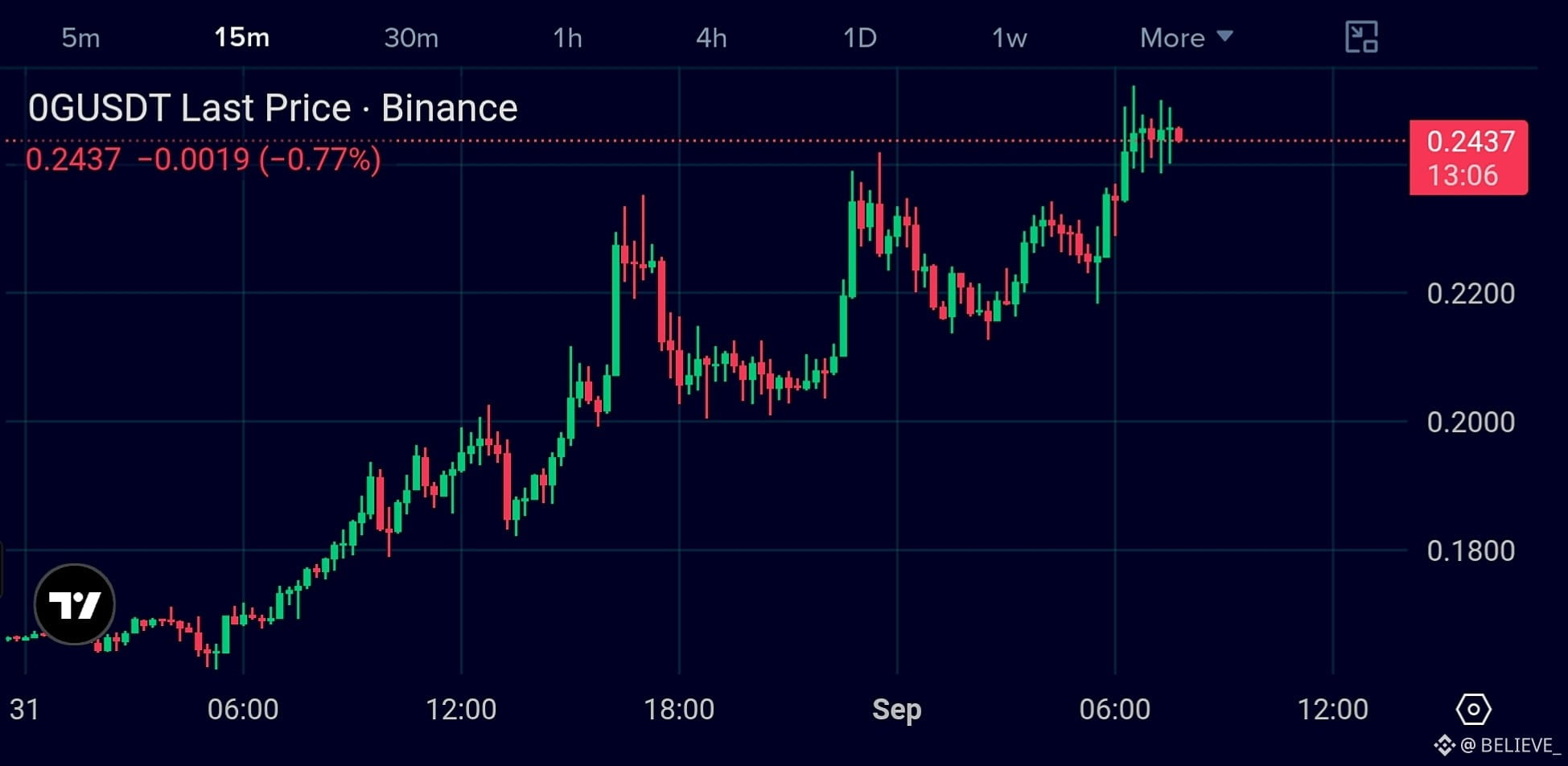
$0G اتجاه صاعد قوي، لكن السعر الآن يتداول في تَجَمُّع قريب من القمم بعد حركة حادّة.
دخول قصير: $0.244–$0.248
إيقاف الخسارة (SL): $0.253
الأهداف (TP1): $0.238
(TP2): $0.230
(TP3): $0.220
المحفّز: رفض على إطار 15 دقيقة + خسارة $0.240.
الإبطال: اختراق واضح والثبات فوق $0.253.
التحيز: قصير 🔴
$USELESS $HEMI
#USIranMilitaryClashesResume #TradingCommunity #IranStrikesUSBasesInJordan #signaladvisor #FutureTradingSignals
$0G اتجاه صاعد قوي، لكن السعر الآن يتداول في تَجَمُّع قريب من القمم بعد حركة حادّة.
دخول قصير: $0.244–$0.248
إيقاف الخسارة (SL): $0.253
الأهداف (TP1): $0.238
(TP2): $0.230
(TP3): $0.220
المحفّز: رفض على إطار 15 دقيقة + خسارة $0.240.
الإبطال: اختراق واضح والثبات فوق $0.253.
التحيز: قصير 🔴
$USELESS $HEMI
#USIranMilitaryClashesResume #TradingCommunity #IranStrikesUSBasesInJordan #signaladvisor #FutureTradingSignals
دخول قصير: $0.244–$0.248
إيقاف الخسارة (SL): $0.253
الأهداف (TP1): $0.238
(TP2): $0.230
(TP3): $0.220
المحفّز: رفض على إطار 15 دقيقة + خسارة $0.240.
الإبطال: اختراق واضح والثبات فوق $0.253.
التحيز: قصير 🔴
$USELESS $HEMI
#USIranMilitaryClashesResume #TradingCommunity #IranStrikesUSBasesInJordan #signaladvisor #FutureTradingSignals
6
184
·
--
هابط
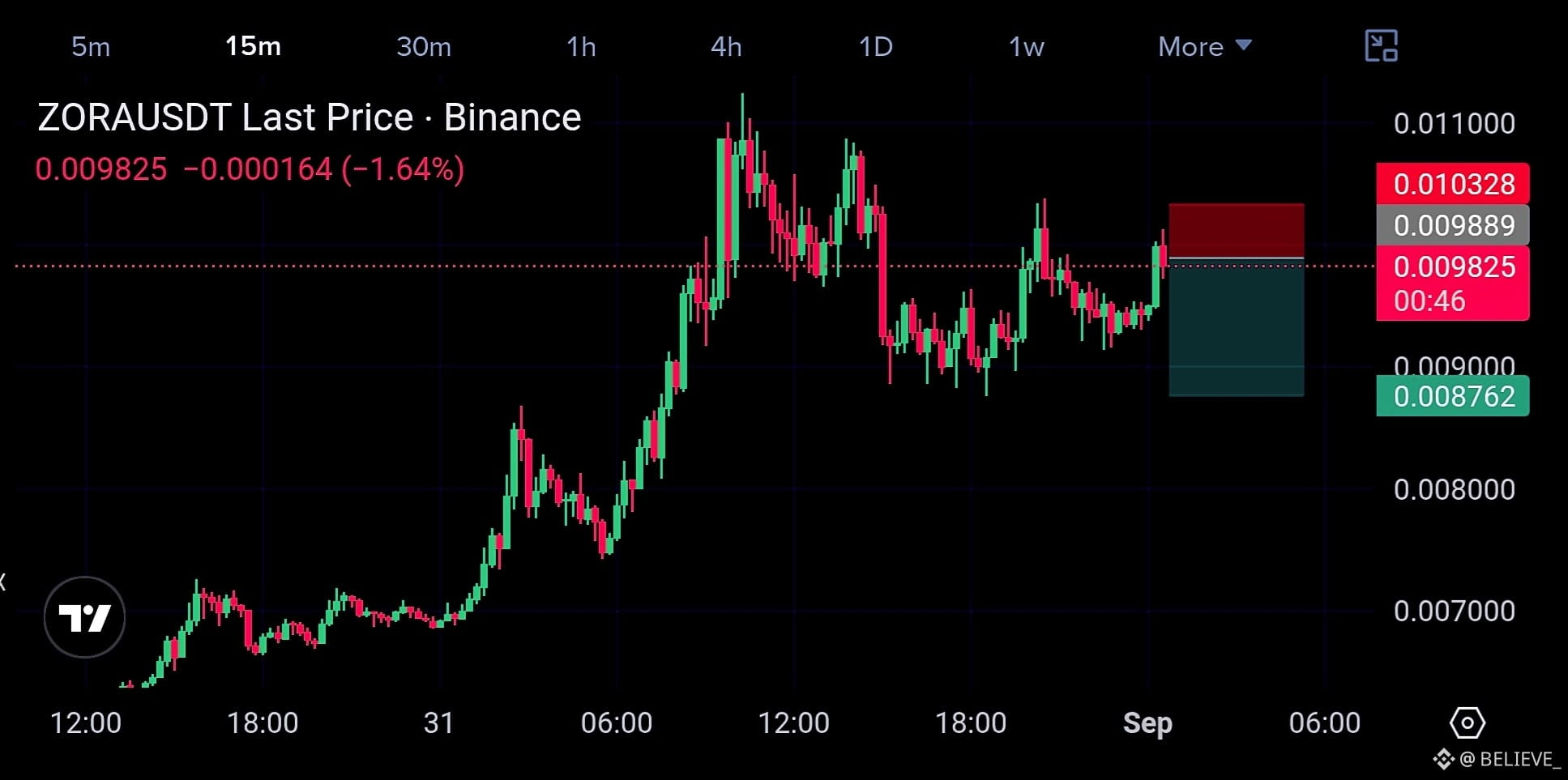
مرةً أخرى $ZORA SHORT SETUP 🔻
الدخول: $0.00985–$0.00995
SL: $0.01033
TP1: $0.00940
TP2: $0.00900
TP3: $0.00876
السعر يختبر منطقة مقاومة/إعادة اختبار عند $0.0099 بعد الرفض السابق. أطروحة البيع (Short) صالحة فقط طالما أن السعر يبقى تحت $0.01033.
المحفز: رفض/إغلاق عودةً أسفل $0.00985.
إبطال الفكرة: استرداد على فاصل 15M فوق $0.01033.
التحيز: بيع SHORT 🔴
$SKR $HEMI
#TradingCommunity #RussiaStartsLargeScaleDigitalRubleRolloutSep1 #signaladvisor #signalsfutures #TankerHitsMinesInStraitOfHormuz
مرةً أخرى $ZORA SHORT SETUP 🔻
الدخول: $0.00985–$0.00995
SL: $0.01033
TP1: $0.00940
TP2: $0.00900
TP3: $0.00876
السعر يختبر منطقة مقاومة/إعادة اختبار عند $0.0099 بعد الرفض السابق. أطروحة البيع (Short) صالحة فقط طالما أن السعر يبقى تحت $0.01033.
المحفز: رفض/إغلاق عودةً أسفل $0.00985.
إبطال الفكرة: استرداد على فاصل 15M فوق $0.01033.
التحيز: بيع SHORT 🔴
$SKR $HEMI
#TradingCommunity #RussiaStartsLargeScaleDigitalRubleRolloutSep1 #signaladvisor #signalsfutures #TankerHitsMinesInStraitOfHormuz
الدخول: $0.00985–$0.00995
SL: $0.01033
TP1: $0.00940
TP2: $0.00900
TP3: $0.00876
السعر يختبر منطقة مقاومة/إعادة اختبار عند $0.0099 بعد الرفض السابق. أطروحة البيع (Short) صالحة فقط طالما أن السعر يبقى تحت $0.01033.
المحفز: رفض/إغلاق عودةً أسفل $0.00985.
إبطال الفكرة: استرداد على فاصل 15M فوق $0.01033.
التحيز: بيع SHORT 🔴
$SKR $HEMI
#TradingCommunity #RussiaStartsLargeScaleDigitalRubleRolloutSep1 #signaladvisor #signalsfutures #TankerHitsMinesInStraitOfHormuz
3
4
726
·
--
هابط
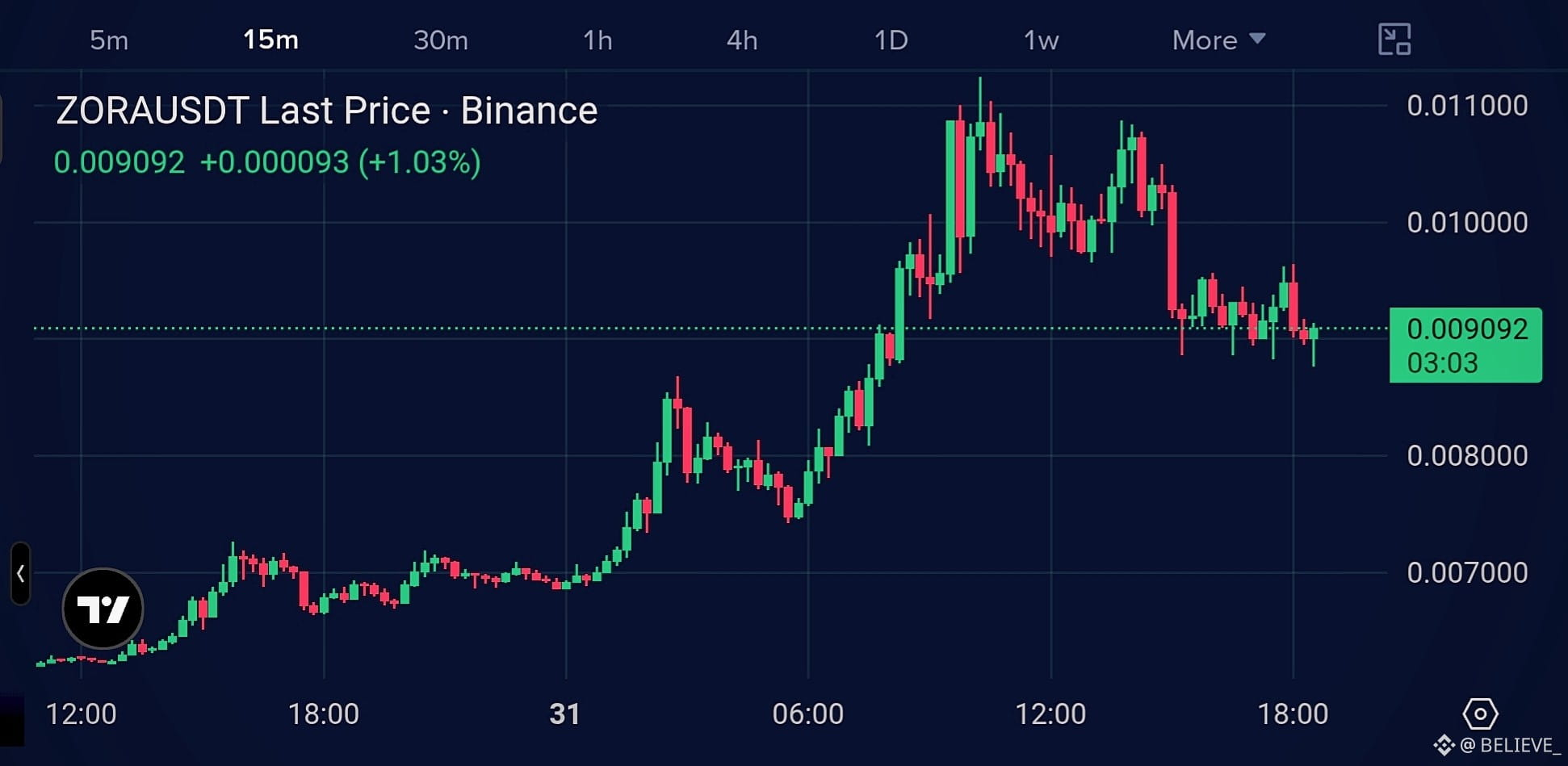
بعد الضخّ الحاد، رفض $ZORA منطقة 0.0112 الحادة ويقوم الآن بتكوين قمم منخفضة على مخطط 15M.
دخول بيع (Short): 0.0092–0.0095
SL: 0.0099
TP1: 0.0087
TP2: 0.0082
TP3: 0.0076
التأكيد: نفضّل إعادة اختبار فاشلة لمستوى 0.0092–0.0095.
الإلغاء (Invalidation): إعادة الاستحواذ على 15M فوق 0.0099.
الاتجاه (Bias): بيع 🔴 — لا تطارد؛ انتظر التأكيد.
$SKR Short كان ناجحًا 🔻
$HEMI Short🔻
#BitcoinUp23%InAugustOutperformingGoldAndStocks #TradingSignals #signalsfutures #LNGTankersStayOutOfHormuz #USCanadaTradeWarDeepens
بعد الضخّ الحاد، رفض $ZORA منطقة 0.0112 الحادة ويقوم الآن بتكوين قمم منخفضة على مخطط 15M.
دخول بيع (Short): 0.0092–0.0095
SL: 0.0099
TP1: 0.0087
TP2: 0.0082
TP3: 0.0076
التأكيد: نفضّل إعادة اختبار فاشلة لمستوى 0.0092–0.0095.
الإلغاء (Invalidation): إعادة الاستحواذ على 15M فوق 0.0099.
الاتجاه (Bias): بيع 🔴 — لا تطارد؛ انتظر التأكيد.
$SKR Short كان ناجحًا 🔻
$HEMI Short🔻
#BitcoinUp23%InAugustOutperformingGoldAndStocks #TradingSignals #signalsfutures #LNGTankersStayOutOfHormuz #USCanadaTradeWarDeepens
دخول بيع (Short): 0.0092–0.0095
SL: 0.0099
TP1: 0.0087
TP2: 0.0082
TP3: 0.0076
التأكيد: نفضّل إعادة اختبار فاشلة لمستوى 0.0092–0.0095.
الإلغاء (Invalidation): إعادة الاستحواذ على 15M فوق 0.0099.
الاتجاه (Bias): بيع 🔴 — لا تطارد؛ انتظر التأكيد.
$SKR Short كان ناجحًا 🔻
$HEMI Short🔻
#BitcoinUp23%InAugustOutperformingGoldAndStocks #TradingSignals #signalsfutures #LNGTankersStayOutOfHormuz #USCanadaTradeWarDeepens
1
4
143
·
--
هابط
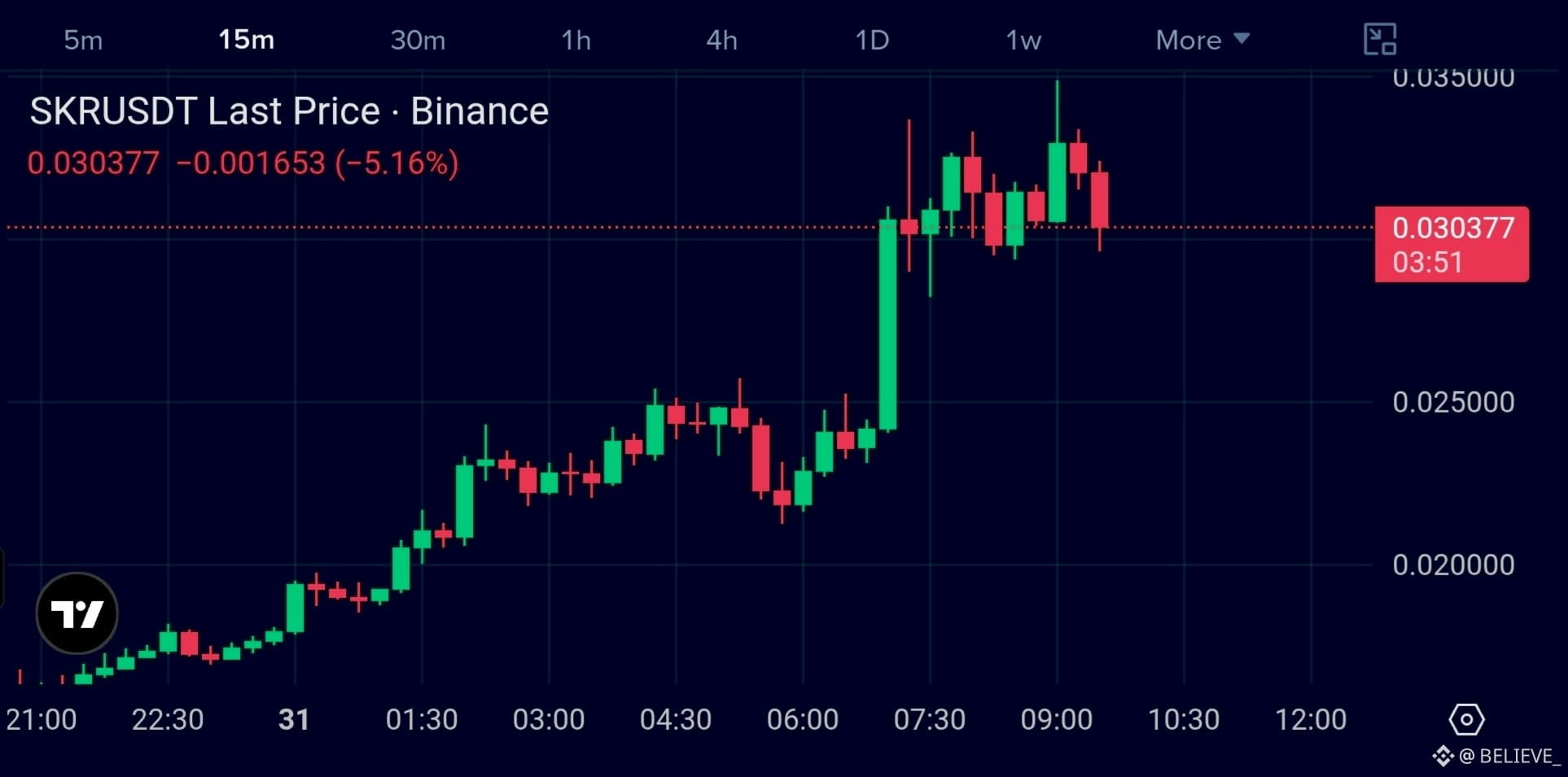
$SKR إعداد سريع 🔻
المنطقة : $0.0305–$0.03
SL: $0.0340
TP1: $0.0285
TP2: $0.0260
TP3: $0.0245
+153% خلال 24 ساعة والآن يظهر رفضًا من منطقة $0.0348–$0.0350.
تتحول بنية 15M إلى هبوط بعد فشل الاندفاع للأعلى.
الإبطال: استرداد قوي لمدة 15M فوق $0.0340.
التحيز: بيع قصير 🔴
$4 كان ناجحًا 🔻
$HEMI هو صاعد 💹
#YenBreaks160AgainstDollar #USStrikesIranianRocketLaunchers #About67MAmericansHoldCrypto #TradingSignals #TradingCommunity
$SKR إعداد سريع 🔻
المنطقة : $0.0305–$0.03
SL: $0.0340
TP1: $0.0285
TP2: $0.0260
TP3: $0.0245
+153% خلال 24 ساعة والآن يظهر رفضًا من منطقة $0.0348–$0.0350.
تتحول بنية 15M إلى هبوط بعد فشل الاندفاع للأعلى.
الإبطال: استرداد قوي لمدة 15M فوق $0.0340.
التحيز: بيع قصير 🔴
$4 كان ناجحًا 🔻
$HEMI هو صاعد 💹
#YenBreaks160AgainstDollar #USStrikesIranianRocketLaunchers #About67MAmericansHoldCrypto #TradingSignals #TradingCommunity
المنطقة : $0.0305–$0.03
SL: $0.0340
TP1: $0.0285
TP2: $0.0260
TP3: $0.0245
+153% خلال 24 ساعة والآن يظهر رفضًا من منطقة $0.0348–$0.0350.
تتحول بنية 15M إلى هبوط بعد فشل الاندفاع للأعلى.
الإبطال: استرداد قوي لمدة 15M فوق $0.0340.
التحيز: بيع قصير 🔴
$4 كان ناجحًا 🔻
$HEMI هو صاعد 💹
#YenBreaks160AgainstDollar #USStrikesIranianRocketLaunchers #About67MAmericansHoldCrypto #TradingSignals #TradingCommunity
4
328
·
--
هابط
$4 SHORT BIAS 🔻
لقد تحوّل الزخم إلى هابط على مخطط 15 دقيقة.
منطقة البيع: $0.0182–$0.0187
SL: $0.0195
TP1: $0.0172
TP2: $0.0164
TP3: $0.0155
{future}(4USDT)
⚠️ الإبطال: استرداد قوي فوق $0.0195.
لا تطارد الصفقة القصيرة بعد الهبوط. الإعداد الأكثر وضوحًا هو إعادة اختبار ضعيف لمنطقة $0.0182–$0.0187 تليه عملية رفض.
الاتجاه: قصير 🔴
$CYS
{future}(CYSUSDT)
$PROM
{future}(PROMUSDT)
#TradingSignal
#4usdt #Crypto #Trading #Binance
$4 SHORT BIAS 🔻
لقد تحوّل الزخم إلى هابط على مخطط 15 دقيقة.
منطقة البيع: $0.0182–$0.0187
SL: $0.0195
TP1: $0.0172
TP2: $0.0164
TP3: $0.0155
⚠️ الإبطال: استرداد قوي فوق $0.0195.
لا تطارد الصفقة القصيرة بعد الهبوط. الإعداد الأكثر وضوحًا هو إعادة اختبار ضعيف لمنطقة $0.0182–$0.0187 تليه عملية رفض.
الاتجاه: قصير 🔴
$CYS
$PROM
#TradingSignal
#4usdt #Crypto #Trading #Binance
لقد تحوّل الزخم إلى هابط على مخطط 15 دقيقة.
منطقة البيع: $0.0182–$0.0187
SL: $0.0195
TP1: $0.0172
TP2: $0.0164
TP3: $0.0155
⚠️ الإبطال: استرداد قوي فوق $0.0195.
لا تطارد الصفقة القصيرة بعد الهبوط. الإعداد الأكثر وضوحًا هو إعادة اختبار ضعيف لمنطقة $0.0182–$0.0187 تليه عملية رفض.
الاتجاه: قصير 🔴
$CYS
$PROM
#TradingSignal
#4usdt #Crypto #Trading #Binance
Going Short 🔻
54%
Going Long 💹
46%
24 الأصوات • تمّ إغلاق التصويت
5
1.1k
·
--
هابط
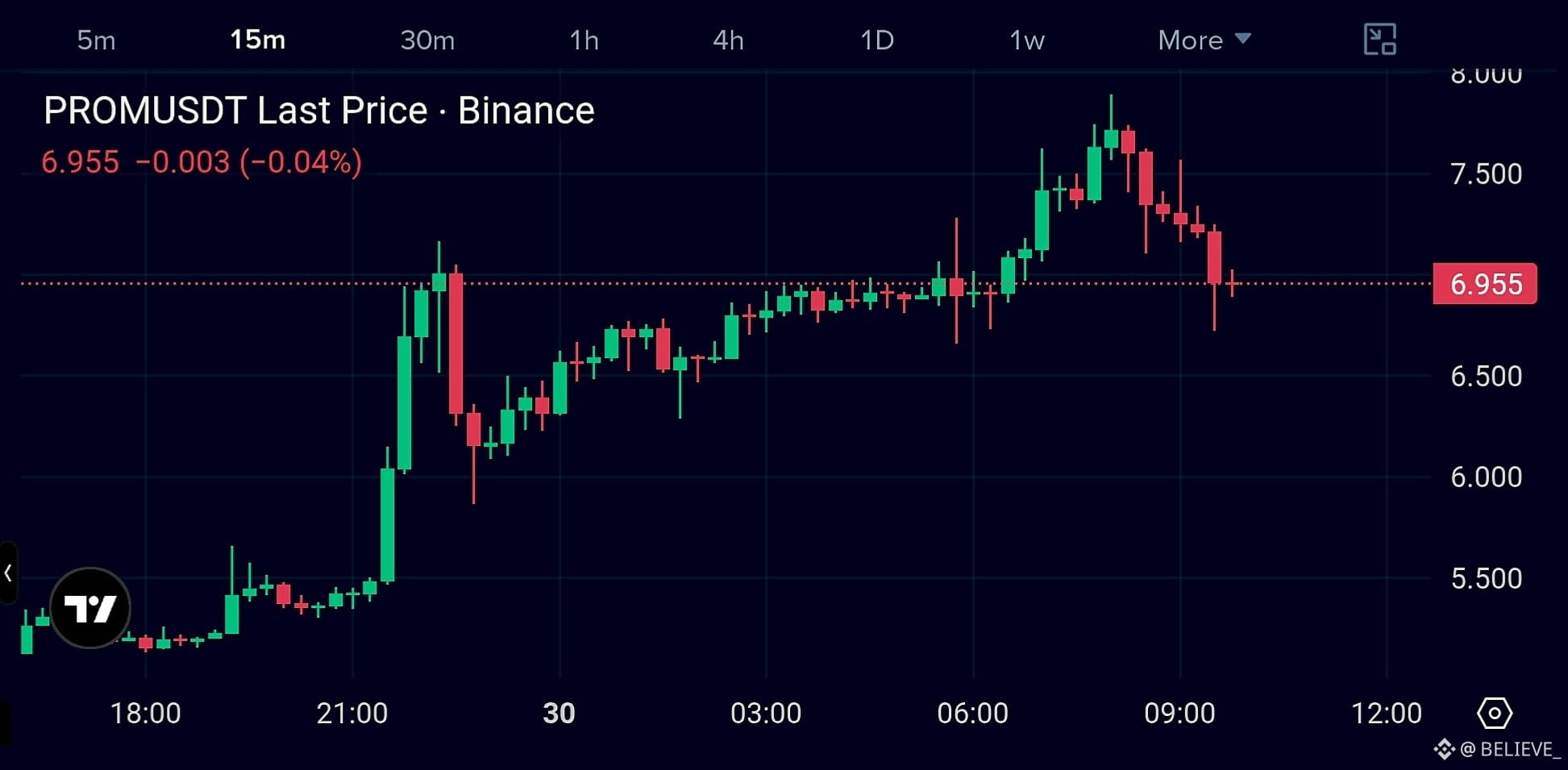
$PROM إعداد سريع 🔻 أدناه $7.0
🎯 الهدف 1: $6.70
🎯 الهدف 2: $6.45
🎯 الهدف 3: $6.15
🛑 إبطال/تجاوز: $7.30+
{future}(PROMUSDT)
PROM تُظهر رفضًا واضحًا من منطقة $7.7–$7.9 بعد صعود قوي.
السعر الآن حول $6.95، والزخم يضعف.
أفضل دخول: إعادة اختبار/رفض حول $7.0–$7.2، بدلًا من مطاردة الهبوط.
الإعداد: SHORT 🔴
$4
{future}(4USDT)
$ZKP
{future}(ZKPUSDT)
#TradingSignals #signalsfutures #Trading #altcoins #AfghanistanTalibanReportedlyBansCryptoNationwide
$PROM إعداد سريع 🔻 أدناه $7.0
🎯 الهدف 1: $6.70
🎯 الهدف 2: $6.45
🎯 الهدف 3: $6.15
🛑 إبطال/تجاوز: $7.30+
PROM تُظهر رفضًا واضحًا من منطقة $7.7–$7.9 بعد صعود قوي.
السعر الآن حول $6.95، والزخم يضعف.
أفضل دخول: إعادة اختبار/رفض حول $7.0–$7.2، بدلًا من مطاردة الهبوط.
الإعداد: SHORT 🔴
$4
$ZKP
#TradingSignals #signalsfutures #Trading #altcoins #AfghanistanTalibanReportedlyBansCryptoNationwide
🎯 الهدف 1: $6.70
🎯 الهدف 2: $6.45
🎯 الهدف 3: $6.15
🛑 إبطال/تجاوز: $7.30+
PROM تُظهر رفضًا واضحًا من منطقة $7.7–$7.9 بعد صعود قوي.
السعر الآن حول $6.95، والزخم يضعف.
أفضل دخول: إعادة اختبار/رفض حول $7.0–$7.2، بدلًا من مطاردة الهبوط.
الإعداد: SHORT 🔴
$4
$ZKP
#TradingSignals #signalsfutures #Trading #altcoins #AfghanistanTalibanReportedlyBansCryptoNationwide
4
427
·
--
صاعد
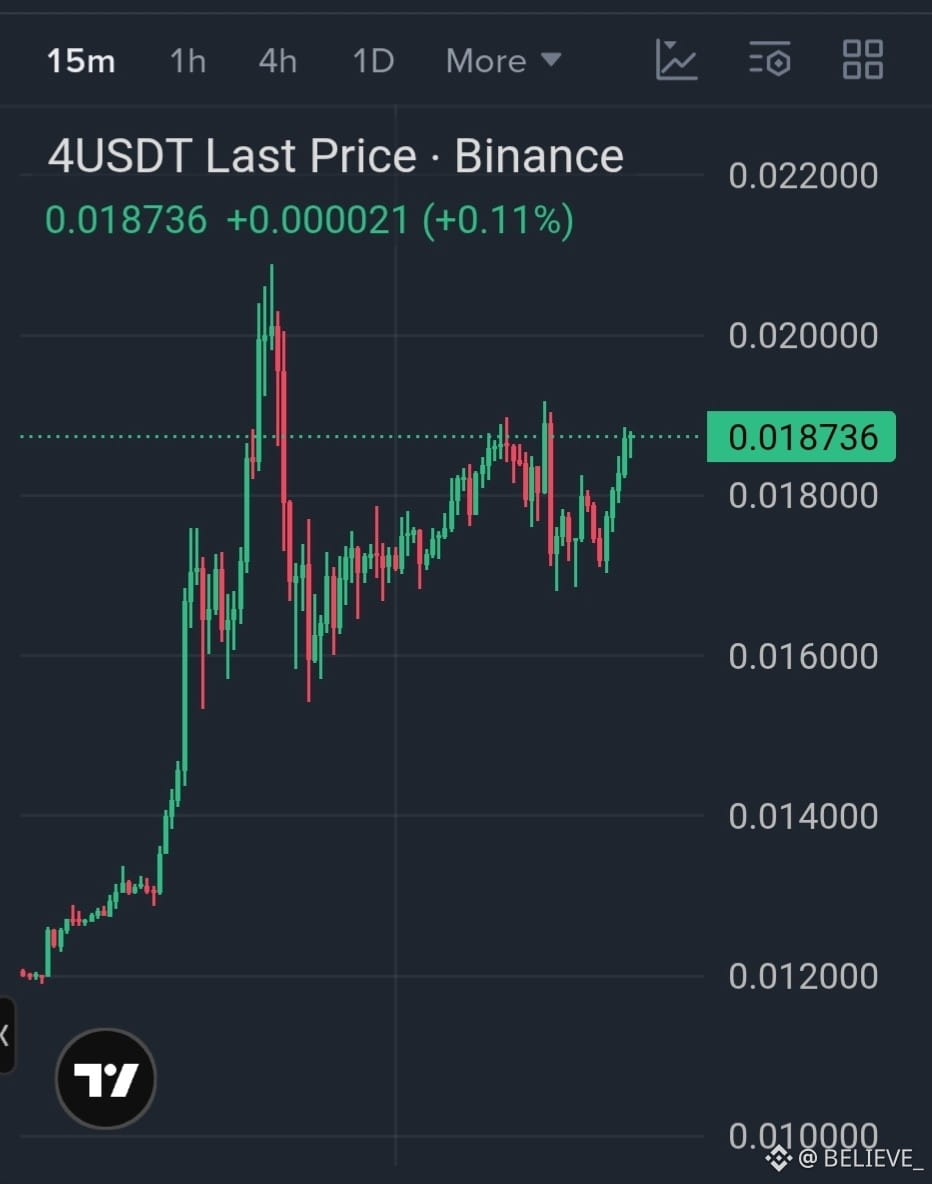
$4 يُظهر زخماً صعودياً قوياً. 🚀
بعد اختراق حاد من منطقة $0.012، كان السعر يتداول في نطاق أعلى بشكل تدريجي، وهو الآن قريب من $0.0187.
قد يؤدي اختراق واضح فوق $0.019–$0.020 إلى بدء موجة توسّع أخرى، بينما تُعد منطقة $0.017–$0.018 هي المنطقة الرئيسية التي يجب الحفاظ عليها في حال حدوث تراجع.
وبما أن السعر ارتفع بالفعل بنسبة 55%+ خلال 24 ساعة، فإن ملاحقة الحركة تُعد مخاطرة. الأفضل الانتظار للحصول على تأكيد أو لإعادة اختبار صحية.
التوجه: صعودي 📈
{future}(4USDT)
$PROM
{future}(PROMUSDT)
$BTC
{future}(BTCUSDT)
#4usdt #crypto #Trading #Binance #altcoins
$4 يُظهر زخماً صعودياً قوياً. 🚀
بعد اختراق حاد من منطقة $0.012، كان السعر يتداول في نطاق أعلى بشكل تدريجي، وهو الآن قريب من $0.0187.
قد يؤدي اختراق واضح فوق $0.019–$0.020 إلى بدء موجة توسّع أخرى، بينما تُعد منطقة $0.017–$0.018 هي المنطقة الرئيسية التي يجب الحفاظ عليها في حال حدوث تراجع.
وبما أن السعر ارتفع بالفعل بنسبة 55%+ خلال 24 ساعة، فإن ملاحقة الحركة تُعد مخاطرة. الأفضل الانتظار للحصول على تأكيد أو لإعادة اختبار صحية.
التوجه: صعودي 📈
$PROM
$BTC
#4usdt #crypto #Trading #Binance #altcoins
بعد اختراق حاد من منطقة $0.012، كان السعر يتداول في نطاق أعلى بشكل تدريجي، وهو الآن قريب من $0.0187.
قد يؤدي اختراق واضح فوق $0.019–$0.020 إلى بدء موجة توسّع أخرى، بينما تُعد منطقة $0.017–$0.018 هي المنطقة الرئيسية التي يجب الحفاظ عليها في حال حدوث تراجع.
وبما أن السعر ارتفع بالفعل بنسبة 55%+ خلال 24 ساعة، فإن ملاحقة الحركة تُعد مخاطرة. الأفضل الانتظار للحصول على تأكيد أو لإعادة اختبار صحية.
التوجه: صعودي 📈
$PROM
$BTC
#4usdt #crypto #Trading #Binance #altcoins
4
413
·
--
هابط
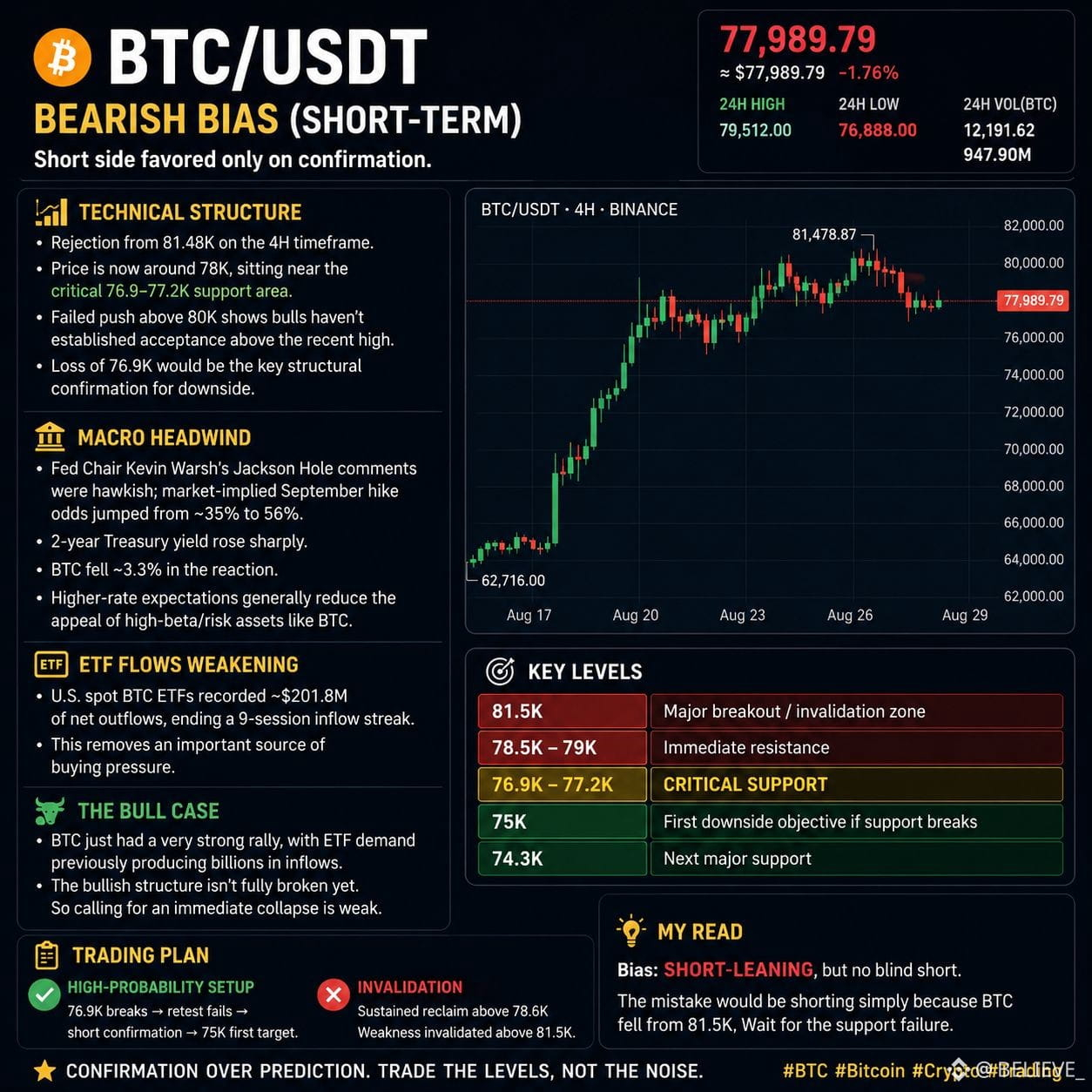
$BTC is تظهر علامات ضعف قصير الأجل بعد رفضه من منطقة 81.5 ألف دولار.
السعر الآن يتذبذب حول 78 ألف دولار، مع كون 76.9 ألف–77.2 ألف دولار منطقة الدعم الرئيسية. قد يؤدي كسرٌ واضح لهذه المنطقة وإعادة اختبارٍ فاشلة لها إلى فتح الطريق نحو 75 ألف دولار و74.3 ألف دولار.
في الوقت الحالي، لا يزال التحيّز هبوطيًا تحت 79 ألف دولار، لكنني لن ألاحق صفقة بيع عند المستويات الحالية. الإعداد الأفضل هو انتظار التأكيد عبر الدعم.
المستويات الرئيسية:
المقاومة: 78.5 ألف–79 ألف دولار
الدعم: 76.9 ألف–77.2 ألف دولار
الأهداف: 75 ألف → 74.3 ألف دولار
إلغاء السيناريو: استعادة مستوى أعلى من 81.5 ألف دولار
دع السعر يؤكد الاتجاه.
#BTC #Bitcoin #Crypto #Trading
$4 $CLO
#TradingCommunity
$BTC is تظهر علامات ضعف قصير الأجل بعد رفضه من منطقة 81.5 ألف دولار.
السعر الآن يتذبذب حول 78 ألف دولار، مع كون 76.9 ألف–77.2 ألف دولار منطقة الدعم الرئيسية. قد يؤدي كسرٌ واضح لهذه المنطقة وإعادة اختبارٍ فاشلة لها إلى فتح الطريق نحو 75 ألف دولار و74.3 ألف دولار.
في الوقت الحالي، لا يزال التحيّز هبوطيًا تحت 79 ألف دولار، لكنني لن ألاحق صفقة بيع عند المستويات الحالية. الإعداد الأفضل هو انتظار التأكيد عبر الدعم.
المستويات الرئيسية:
المقاومة: 78.5 ألف–79 ألف دولار
الدعم: 76.9 ألف–77.2 ألف دولار
الأهداف: 75 ألف → 74.3 ألف دولار
إلغاء السيناريو: استعادة مستوى أعلى من 81.5 ألف دولار
دع السعر يؤكد الاتجاه.
#BTC #Bitcoin #Crypto #Trading
$4 $CLO
#TradingCommunity
السعر الآن يتذبذب حول 78 ألف دولار، مع كون 76.9 ألف–77.2 ألف دولار منطقة الدعم الرئيسية. قد يؤدي كسرٌ واضح لهذه المنطقة وإعادة اختبارٍ فاشلة لها إلى فتح الطريق نحو 75 ألف دولار و74.3 ألف دولار.
في الوقت الحالي، لا يزال التحيّز هبوطيًا تحت 79 ألف دولار، لكنني لن ألاحق صفقة بيع عند المستويات الحالية. الإعداد الأفضل هو انتظار التأكيد عبر الدعم.
المستويات الرئيسية:
المقاومة: 78.5 ألف–79 ألف دولار
الدعم: 76.9 ألف–77.2 ألف دولار
الأهداف: 75 ألف → 74.3 ألف دولار
إلغاء السيناريو: استعادة مستوى أعلى من 81.5 ألف دولار
دع السعر يؤكد الاتجاه.
#BTC #Bitcoin #Crypto #Trading
$4 $CLO
#TradingCommunity
5
206
·
--
هابط
تمّ التحقق
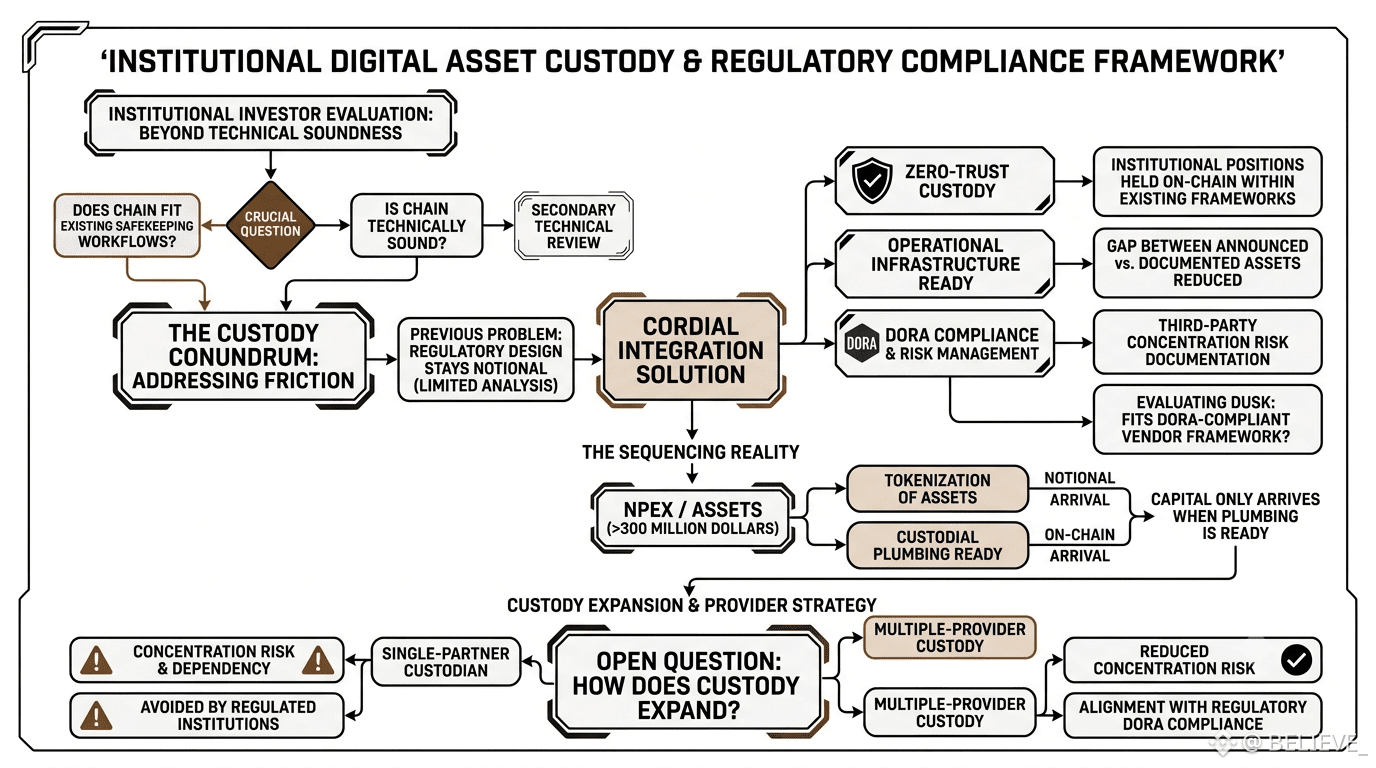
كنت أبحث في شراكة Dusk مع 21X في اليوم الآخر، وشيء ما بخصوص حالة الاستخدام الأولية فاجأني بهدوء. معظم التغطيات تقدّم ذلك على أنه تعاون تبادلي تنظيمي مباشر — كيانان يركزان على الامتثال يجدان أرضية مشتركة. لكن نقطة الدخول المحددة التي تستخدمها Dusk ليست إصدار أوراق مالية أو البنية التحتية للتداول الأساسي. بل هي إدارة خزانة عملات مستقرة — حيث يقوم مُصدر العملة المستقرة بشراء وبيع صناديق سوق نقدي مُرمّزة لإدارة الاحتياطيات على منصة مرخّصة لسجل موزع مُنظّم (DLT). أحيانًا أتساءل إن كانت نقطة الانطلاق الضيقة هذه في الواقع تُعد إسفينًا أكثر تعقيدًا مما يبدو للوهلة الأولى.
المثير للاهتمام هو ما الذي يعنيه ذلك من الناحية البنيوية. قيام مُصدر عملة مستقرة بإدارة الاحتياطيات عبر صناديق سوق نقدي مُرمّزة على بورصة مرخّصة يعني أن Dusk تُدخل نفسها بهدوء في «السباكة التشغيلية» للبنية التحتية للعملات الرقمية المتوافقة — ليس فقط كطبقة تسوية، بل كبيئة تعيش فيها أصول الاحتياطيات فعليًا وتتحرك. السؤال الذي يخطر في بالي هو ما إذا كانت هذه المكانة تقرّب Dusk أكثر من البنية التحتية المالية على مستوى النظام مما يدركه معظم المراقبين حاليًا.
لست متأكدًا تمامًا من كيفية توسّع هذه العلاقة إذا تطورت مكانة 21X تحت نظام تجريبي DLT التابع للاتحاد الأوروبي — وهو إطار لا يزال تجريبيًا حقًا مع مشغّلين مرخّصين قليلين جدًا في جميع أنحاء العالم. ومن زاوية خارجية، فإن الدخول بوصفه مشاركًا في التداول وليس طبقة تسوية أولية يبدو خطوة محسوبة ومدروسة، لكنه أيضًا يعني أن وجود أحجام تداول ذات مغزى سيظل بعيدًا بعض الشيء.
هذا يجعلني أفكر في أن الأهمية الحقيقية لهذه الشراكة قد لا تصبح واضحة إلا عندما ينمو سيناريو استخدام إدارة الاحتياطيات بشكل يتجاوز نطاقه الحالي بكثير. على أي حال، الأيام ستكشف👍
#dusk $DUSK @Dusk_Foundation
كنت أبحث في شراكة Dusk مع 21X في اليوم الآخر، وشيء ما بخصوص حالة الاستخدام الأولية فاجأني بهدوء. معظم التغطيات تقدّم ذلك على أنه تعاون تبادلي تنظيمي مباشر — كيانان يركزان على الامتثال يجدان أرضية مشتركة. لكن نقطة الدخول المحددة التي تستخدمها Dusk ليست إصدار أوراق مالية أو البنية التحتية للتداول الأساسي. بل هي إدارة خزانة عملات مستقرة — حيث يقوم مُصدر العملة المستقرة بشراء وبيع صناديق سوق نقدي مُرمّزة لإدارة الاحتياطيات على منصة مرخّصة لسجل موزع مُنظّم (DLT). أحيانًا أتساءل إن كانت نقطة الانطلاق الضيقة هذه في الواقع تُعد إسفينًا أكثر تعقيدًا مما يبدو للوهلة الأولى.
المثير للاهتمام هو ما الذي يعنيه ذلك من الناحية البنيوية. قيام مُصدر عملة مستقرة بإدارة الاحتياطيات عبر صناديق سوق نقدي مُرمّزة على بورصة مرخّصة يعني أن Dusk تُدخل نفسها بهدوء في «السباكة التشغيلية» للبنية التحتية للعملات الرقمية المتوافقة — ليس فقط كطبقة تسوية، بل كبيئة تعيش فيها أصول الاحتياطيات فعليًا وتتحرك. السؤال الذي يخطر في بالي هو ما إذا كانت هذه المكانة تقرّب Dusk أكثر من البنية التحتية المالية على مستوى النظام مما يدركه معظم المراقبين حاليًا.
لست متأكدًا تمامًا من كيفية توسّع هذه العلاقة إذا تطورت مكانة 21X تحت نظام تجريبي DLT التابع للاتحاد الأوروبي — وهو إطار لا يزال تجريبيًا حقًا مع مشغّلين مرخّصين قليلين جدًا في جميع أنحاء العالم. ومن زاوية خارجية، فإن الدخول بوصفه مشاركًا في التداول وليس طبقة تسوية أولية يبدو خطوة محسوبة ومدروسة، لكنه أيضًا يعني أن وجود أحجام تداول ذات مغزى سيظل بعيدًا بعض الشيء.
هذا يجعلني أفكر في أن الأهمية الحقيقية لهذه الشراكة قد لا تصبح واضحة إلا عندما ينمو سيناريو استخدام إدارة الاحتياطيات بشكل يتجاوز نطاقه الحالي بكثير. على أي حال، الأيام ستكشف👍
#dusk $DUSK @Dusk
المثير للاهتمام هو ما الذي يعنيه ذلك من الناحية البنيوية. قيام مُصدر عملة مستقرة بإدارة الاحتياطيات عبر صناديق سوق نقدي مُرمّزة على بورصة مرخّصة يعني أن Dusk تُدخل نفسها بهدوء في «السباكة التشغيلية» للبنية التحتية للعملات الرقمية المتوافقة — ليس فقط كطبقة تسوية، بل كبيئة تعيش فيها أصول الاحتياطيات فعليًا وتتحرك. السؤال الذي يخطر في بالي هو ما إذا كانت هذه المكانة تقرّب Dusk أكثر من البنية التحتية المالية على مستوى النظام مما يدركه معظم المراقبين حاليًا.
لست متأكدًا تمامًا من كيفية توسّع هذه العلاقة إذا تطورت مكانة 21X تحت نظام تجريبي DLT التابع للاتحاد الأوروبي — وهو إطار لا يزال تجريبيًا حقًا مع مشغّلين مرخّصين قليلين جدًا في جميع أنحاء العالم. ومن زاوية خارجية، فإن الدخول بوصفه مشاركًا في التداول وليس طبقة تسوية أولية يبدو خطوة محسوبة ومدروسة، لكنه أيضًا يعني أن وجود أحجام تداول ذات مغزى سيظل بعيدًا بعض الشيء.
هذا يجعلني أفكر في أن الأهمية الحقيقية لهذه الشراكة قد لا تصبح واضحة إلا عندما ينمو سيناريو استخدام إدارة الاحتياطيات بشكل يتجاوز نطاقه الحالي بكثير. على أي حال، الأيام ستكشف👍
#dusk $DUSK @Dusk
6
10
922
·
--
صاعد
تمّ التحقق
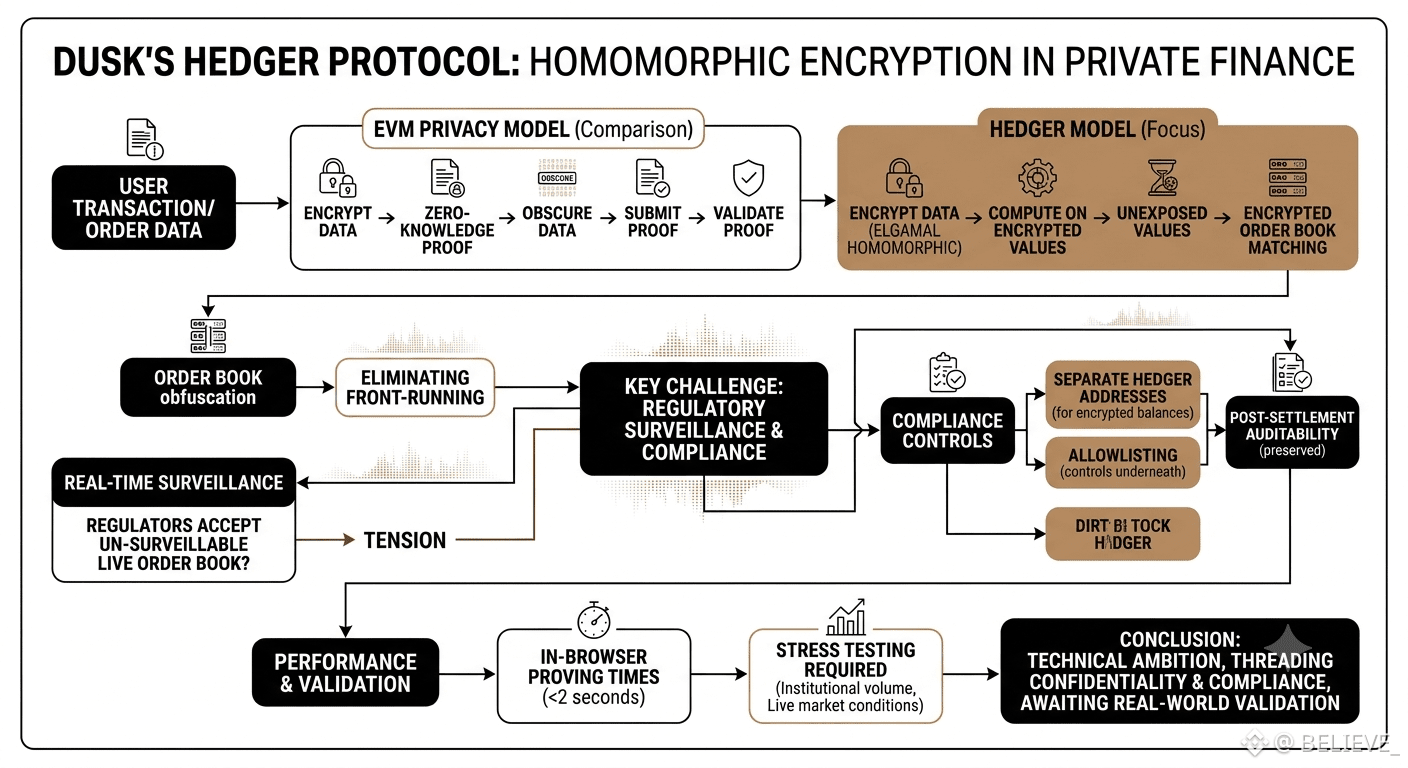
كنت أقرأ مؤخرًا توثيق Dusk الخاص بـ Hedger وتوقفت عند تفصيلة لم أرَها مطروحة في أي مكان خارج الملاحظات التقنية. تعتمد أغلب أنظمة الخصوصية المبنية على بيئات EVM بالكامل على برهانات المعرفة الصفرية لإخفاء بيانات المعاملات. يتبع Hedger مسارًا مختلفًا: إذ يضيف تشفيرًا تجميعيًا متماثلًا (ElGamal) فوق ذلك، ما يسمح بإجراء الحسابات مباشرة على القيم المشفرة دون كشف ماهية تلك القيم أبدًا. أحيانًا أتساءل إن كانت هذه الفروقات تبدو دقيقة إلى أن تفكر فيما تُمكّنه فعليًا: دفتر أوامر تبقى فيه العطاءات والطلبات والكمّيات مشفرة أثناء عملية المطابقة.
يبدو مثيرًا للاهتمام تحديدًا كيف ينطبق ذلك على الأسواق المالية المُنظَّمة. التلاعب المسبق (Front-running) — حيث يراقب شخص ما أمرًا كبيرًا قيد الانتظار ثم يتداول قبله — يُعد من أكثر المشكلات ثباتًا في كلٍّ من التمويل التقليدي وعلى السلسلة. إن دفتر أوامر مُموَّه بحيث لا يستطيع أي مشارك رؤية المراكز الحية قبل التسوية سيُزيل هذا المسار بشكل بنيوي. السؤال الذي يخطر في بالي هو ما إذا كان المنظمون سيقبلون فعلًا دفتر أوامر لا يمكنهم مراقبته في الوقت الحقيقي، حتى لو ظلت قابلية التدقيق بعد التسوية محفوظة.
لست متأكدًا تمامًا من أن هذا التوتر وجد له حلًا واضحًا بعد. ومن زاوية خارجية، يبدو أن تصميم Hedger ينسّق بين الامتثال والسرية معًا — إذ يحتفظ المستخدمون بعنوان Hedger منفصل للأرصدة المشفرة، بينما تتولى قائمة السماح (allowlisting) التعامل مع ضوابط الامتثال تحت السطح. لكن أزمنة إثبات داخل المتصفح بأقل من ثانيتين، رغم أنها مثيرة للإعجاب، ما زالت تحتاج إلى اختبارات ضغط في العالم الحقيقي على مستوى الحجم المؤسسي.
يجعلني ذلك أفكر في أن Hedger يُعد أحد أكثر المكونات طموحًا تقنيًا ضمن هذه المنظومة بأكملها — وأيضًا الأصعب في التحقق منه دون ظروف سوق حيّة. على أي حال، الأيام ستكشف ذلك 👍
#dusk $DUSK @Dusk_Foundation
$TAC $PROM
#OilHoldsLosses #ZECBreaksKeyResistanceUp75.5% #KOSPI200NightFuturesFall1.77% #BitcoinOpenInterestFallsToTwoMonthLow
كنت أقرأ مؤخرًا توثيق Dusk الخاص بـ Hedger وتوقفت عند تفصيلة لم أرَها مطروحة في أي مكان خارج الملاحظات التقنية. تعتمد أغلب أنظمة الخصوصية المبنية على بيئات EVM بالكامل على برهانات المعرفة الصفرية لإخفاء بيانات المعاملات. يتبع Hedger مسارًا مختلفًا: إذ يضيف تشفيرًا تجميعيًا متماثلًا (ElGamal) فوق ذلك، ما يسمح بإجراء الحسابات مباشرة على القيم المشفرة دون كشف ماهية تلك القيم أبدًا. أحيانًا أتساءل إن كانت هذه الفروقات تبدو دقيقة إلى أن تفكر فيما تُمكّنه فعليًا: دفتر أوامر تبقى فيه العطاءات والطلبات والكمّيات مشفرة أثناء عملية المطابقة.
يبدو مثيرًا للاهتمام تحديدًا كيف ينطبق ذلك على الأسواق المالية المُنظَّمة. التلاعب المسبق (Front-running) — حيث يراقب شخص ما أمرًا كبيرًا قيد الانتظار ثم يتداول قبله — يُعد من أكثر المشكلات ثباتًا في كلٍّ من التمويل التقليدي وعلى السلسلة. إن دفتر أوامر مُموَّه بحيث لا يستطيع أي مشارك رؤية المراكز الحية قبل التسوية سيُزيل هذا المسار بشكل بنيوي. السؤال الذي يخطر في بالي هو ما إذا كان المنظمون سيقبلون فعلًا دفتر أوامر لا يمكنهم مراقبته في الوقت الحقيقي، حتى لو ظلت قابلية التدقيق بعد التسوية محفوظة.
لست متأكدًا تمامًا من أن هذا التوتر وجد له حلًا واضحًا بعد. ومن زاوية خارجية، يبدو أن تصميم Hedger ينسّق بين الامتثال والسرية معًا — إذ يحتفظ المستخدمون بعنوان Hedger منفصل للأرصدة المشفرة، بينما تتولى قائمة السماح (allowlisting) التعامل مع ضوابط الامتثال تحت السطح. لكن أزمنة إثبات داخل المتصفح بأقل من ثانيتين، رغم أنها مثيرة للإعجاب، ما زالت تحتاج إلى اختبارات ضغط في العالم الحقيقي على مستوى الحجم المؤسسي.
يجعلني ذلك أفكر في أن Hedger يُعد أحد أكثر المكونات طموحًا تقنيًا ضمن هذه المنظومة بأكملها — وأيضًا الأصعب في التحقق منه دون ظروف سوق حيّة. على أي حال، الأيام ستكشف ذلك 👍
#dusk $DUSK @Dusk
$TAC $PROM
#OilHoldsLosses #ZECBreaksKeyResistanceUp75.5% #KOSPI200NightFuturesFall1.77% #BitcoinOpenInterestFallsToTwoMonthLow
يبدو مثيرًا للاهتمام تحديدًا كيف ينطبق ذلك على الأسواق المالية المُنظَّمة. التلاعب المسبق (Front-running) — حيث يراقب شخص ما أمرًا كبيرًا قيد الانتظار ثم يتداول قبله — يُعد من أكثر المشكلات ثباتًا في كلٍّ من التمويل التقليدي وعلى السلسلة. إن دفتر أوامر مُموَّه بحيث لا يستطيع أي مشارك رؤية المراكز الحية قبل التسوية سيُزيل هذا المسار بشكل بنيوي. السؤال الذي يخطر في بالي هو ما إذا كان المنظمون سيقبلون فعلًا دفتر أوامر لا يمكنهم مراقبته في الوقت الحقيقي، حتى لو ظلت قابلية التدقيق بعد التسوية محفوظة.
لست متأكدًا تمامًا من أن هذا التوتر وجد له حلًا واضحًا بعد. ومن زاوية خارجية، يبدو أن تصميم Hedger ينسّق بين الامتثال والسرية معًا — إذ يحتفظ المستخدمون بعنوان Hedger منفصل للأرصدة المشفرة، بينما تتولى قائمة السماح (allowlisting) التعامل مع ضوابط الامتثال تحت السطح. لكن أزمنة إثبات داخل المتصفح بأقل من ثانيتين، رغم أنها مثيرة للإعجاب، ما زالت تحتاج إلى اختبارات ضغط في العالم الحقيقي على مستوى الحجم المؤسسي.
يجعلني ذلك أفكر في أن Hedger يُعد أحد أكثر المكونات طموحًا تقنيًا ضمن هذه المنظومة بأكملها — وأيضًا الأصعب في التحقق منه دون ظروف سوق حيّة. على أي حال، الأيام ستكشف ذلك 👍
#dusk $DUSK @Dusk
$TAC $PROM
#OilHoldsLosses #ZECBreaksKeyResistanceUp75.5% #KOSPI200NightFuturesFall1.77% #BitcoinOpenInterestFallsToTwoMonthLow
8
12
1.4k
·
--
هابط
تمّ التحقق
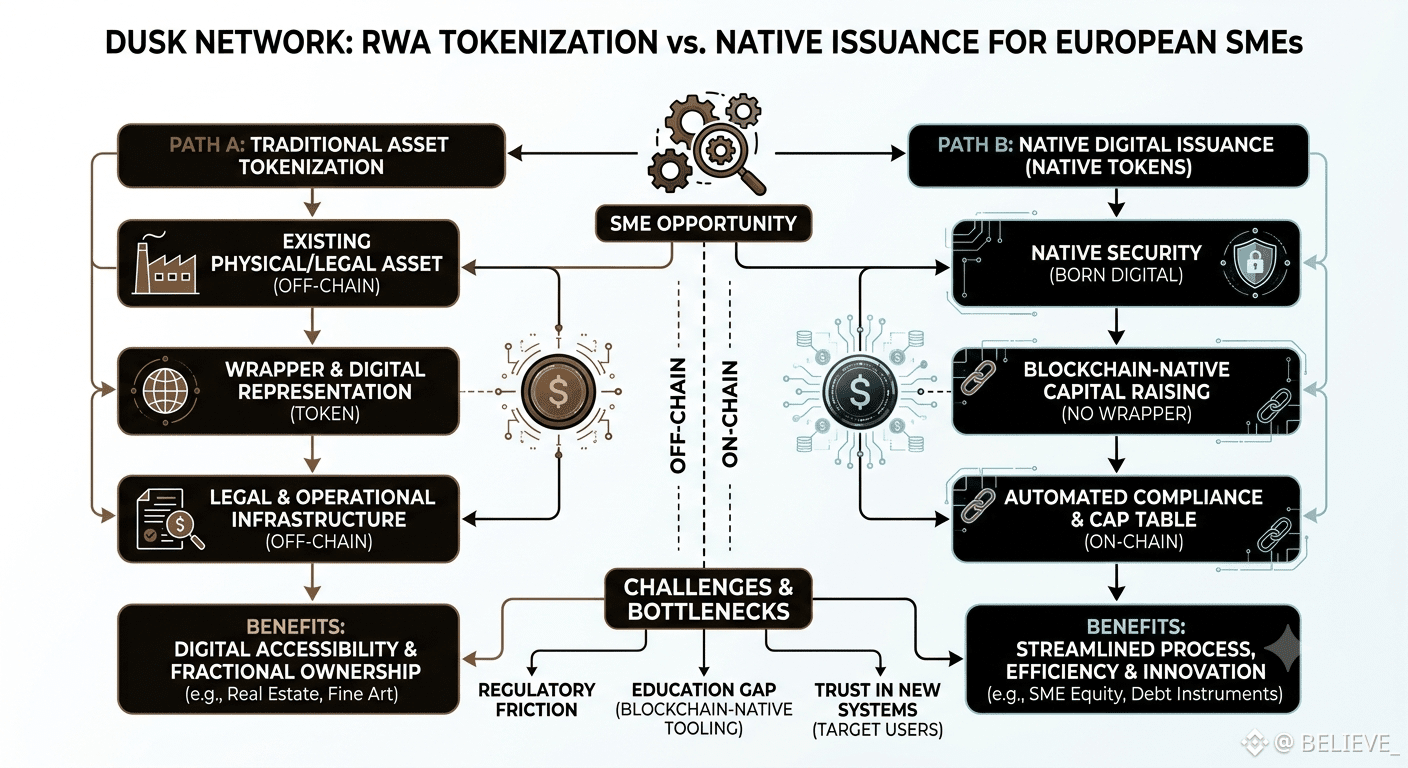
عثرتُ في أحد أيام الأسبوع على شيء في توثيق Dusk في ذلك المساء، غيّر طريقة تفكيري في المشروع برمّته. تفترض أغلب المحادثات حول ترميز الأصول في العالم الحقيقي أن المستفيدين الأساسيين هم المؤسسات الكبيرة — مديرو الأصول والبنوك وصناديق الثروة السيادية. لكن Dusk تطرح بهدوء قضية لجمهور مختلف تمامًا: الشركات الصغيرة والمتوسطة في أوروبا، تلك الأعمال التي تولّد معًا أكثر من نصف ناتج القارة المحلي الإجمالي، ومع ذلك تظل فعليًا خارج الأسواق الرأسمالية التقليدية. أحيانًا أتساءل إن كانت إعادة التموضع هذه براقة على نحوٍ استراتيجي، أم أنها تضيق بمهارة — وبصمت — نطاق فرصة الإيرادات على المدى القريب.
ما يبدو مثيرًا للاهتمام هو التمييز الذي ترسمه Dusk بين الترميز والإصدار الأصلي. الترميز يلتفّ حول أصل قائم ضمن تمثيل رقمي بينما تبقى البنية التحتية القانونية والتشغيلية الأساسية خارج السلسلة. أما الإصدار الأصلي فيعني أن الأصل يُولد رقميًا — فالرمز هو الورقة المالية، وليس غلافًا حول أصلٍ ما. السؤال الذي يخطر لي هو ما إذا كان هذا الفرق يهم فعلًا شركة صغيرة أو متوسطة في مرحلة نمو تحاول جمع رأس المال، أم أن معظم المؤسسين سيختارون ببساطة أسرع مسار متوافق متاح بغضّ النظر عن نقاء التصميم المعماري الكامن.
لستُ متأكدًا تمامًا من أن سوق الشركات الصغيرة والمتوسطة سيتحرك بالسرعة التي يفترضها هذا البُعد من البنية التحتية. ومن موقعٍ خارجي، حتى مع تقليل الاحتكاك التنظيمي، يبدو فجوة التعليم بين أدوات مبنية على البلوكتشين وبين مالك أعمال تقليدي يدير جدول الملكية يدويًا فجوة واسعة جدًا.
يجعلني ذلك أفكر بأن الاختناق هنا ليس الجاهزية التقنية — بل ما إذا كان المستخدمون المستهدفون جاهزين للثقة في نظام لا يفهمونه إلا بشكل محدود. على أي حال، الوقت كفيل بالحكم 👍 #dusk $DUSK @Dusk_Foundation
$PROM $UAI
#BitcoinOpenInterestFallsToTwoMonthLow #BitcoinRises23.6%Weekly #SP500FuturesFall #BrentDrops1.87%
عثرتُ في أحد أيام الأسبوع على شيء في توثيق Dusk في ذلك المساء، غيّر طريقة تفكيري في المشروع برمّته. تفترض أغلب المحادثات حول ترميز الأصول في العالم الحقيقي أن المستفيدين الأساسيين هم المؤسسات الكبيرة — مديرو الأصول والبنوك وصناديق الثروة السيادية. لكن Dusk تطرح بهدوء قضية لجمهور مختلف تمامًا: الشركات الصغيرة والمتوسطة في أوروبا، تلك الأعمال التي تولّد معًا أكثر من نصف ناتج القارة المحلي الإجمالي، ومع ذلك تظل فعليًا خارج الأسواق الرأسمالية التقليدية. أحيانًا أتساءل إن كانت إعادة التموضع هذه براقة على نحوٍ استراتيجي، أم أنها تضيق بمهارة — وبصمت — نطاق فرصة الإيرادات على المدى القريب.
ما يبدو مثيرًا للاهتمام هو التمييز الذي ترسمه Dusk بين الترميز والإصدار الأصلي. الترميز يلتفّ حول أصل قائم ضمن تمثيل رقمي بينما تبقى البنية التحتية القانونية والتشغيلية الأساسية خارج السلسلة. أما الإصدار الأصلي فيعني أن الأصل يُولد رقميًا — فالرمز هو الورقة المالية، وليس غلافًا حول أصلٍ ما. السؤال الذي يخطر لي هو ما إذا كان هذا الفرق يهم فعلًا شركة صغيرة أو متوسطة في مرحلة نمو تحاول جمع رأس المال، أم أن معظم المؤسسين سيختارون ببساطة أسرع مسار متوافق متاح بغضّ النظر عن نقاء التصميم المعماري الكامن.
لستُ متأكدًا تمامًا من أن سوق الشركات الصغيرة والمتوسطة سيتحرك بالسرعة التي يفترضها هذا البُعد من البنية التحتية. ومن موقعٍ خارجي، حتى مع تقليل الاحتكاك التنظيمي، يبدو فجوة التعليم بين أدوات مبنية على البلوكتشين وبين مالك أعمال تقليدي يدير جدول الملكية يدويًا فجوة واسعة جدًا.
يجعلني ذلك أفكر بأن الاختناق هنا ليس الجاهزية التقنية — بل ما إذا كان المستخدمون المستهدفون جاهزين للثقة في نظام لا يفهمونه إلا بشكل محدود. على أي حال، الوقت كفيل بالحكم 👍 #dusk $DUSK @Dusk
$PROM $UAI
#BitcoinOpenInterestFallsToTwoMonthLow #BitcoinRises23.6%Weekly #SP500FuturesFall #BrentDrops1.87%
ما يبدو مثيرًا للاهتمام هو التمييز الذي ترسمه Dusk بين الترميز والإصدار الأصلي. الترميز يلتفّ حول أصل قائم ضمن تمثيل رقمي بينما تبقى البنية التحتية القانونية والتشغيلية الأساسية خارج السلسلة. أما الإصدار الأصلي فيعني أن الأصل يُولد رقميًا — فالرمز هو الورقة المالية، وليس غلافًا حول أصلٍ ما. السؤال الذي يخطر لي هو ما إذا كان هذا الفرق يهم فعلًا شركة صغيرة أو متوسطة في مرحلة نمو تحاول جمع رأس المال، أم أن معظم المؤسسين سيختارون ببساطة أسرع مسار متوافق متاح بغضّ النظر عن نقاء التصميم المعماري الكامن.
لستُ متأكدًا تمامًا من أن سوق الشركات الصغيرة والمتوسطة سيتحرك بالسرعة التي يفترضها هذا البُعد من البنية التحتية. ومن موقعٍ خارجي، حتى مع تقليل الاحتكاك التنظيمي، يبدو فجوة التعليم بين أدوات مبنية على البلوكتشين وبين مالك أعمال تقليدي يدير جدول الملكية يدويًا فجوة واسعة جدًا.
يجعلني ذلك أفكر بأن الاختناق هنا ليس الجاهزية التقنية — بل ما إذا كان المستخدمون المستهدفون جاهزين للثقة في نظام لا يفهمونه إلا بشكل محدود. على أي حال، الوقت كفيل بالحكم 👍 #dusk $DUSK @Dusk
$PROM $UAI
#BitcoinOpenInterestFallsToTwoMonthLow #BitcoinRises23.6%Weekly #SP500FuturesFall #BrentDrops1.87%
5
9
1.6k
·
--
صاعد
تمّ التحقق
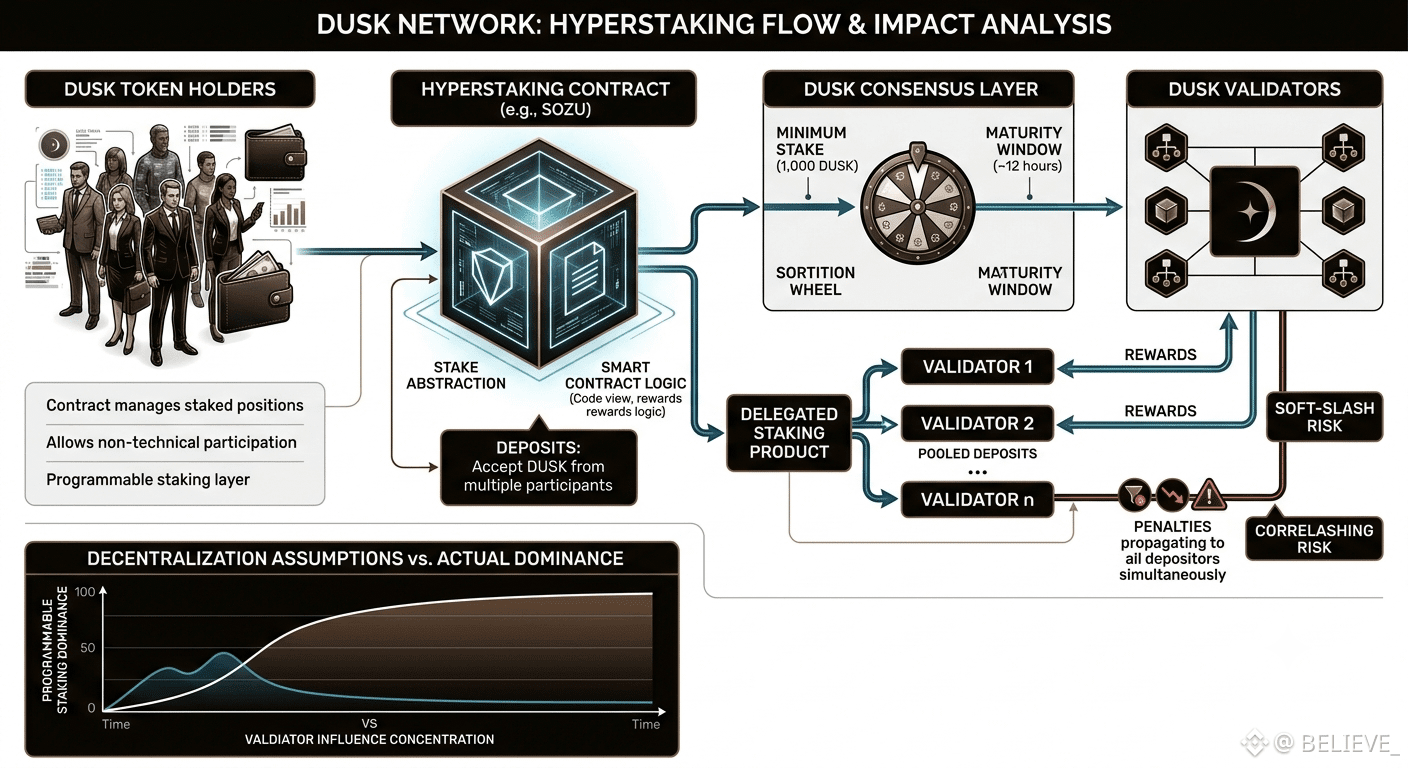
كنت أقرأ مؤخرًا وثائق Dusk الخاصة بالـ Hyperstaking، وشيء ما حول الفكرة الأساسية كان يجذبني باستمرار للعودة إليها. بدلًا من القيام بالـ staking من محفظة شخصية وحدها، يمكن للعقود الذكية أن تحتفظ بالتمويل المرهون وتديره مباشرة—فتقبل الإيداعات، وتقوم بالـ staking نيابةً عن المشاركين، وتوزّع المكافآت وفقًا لأي منطق يشفّره العقد. أحيانًا أتساءل إن كان هذا الوصف يقلّل من مدى غرابة الأمر من الناحية البنيوية.
ما يبدو مثيرًا للاهتمام هو Sozu، أول مشروع حي يبني على ذلك. يتيح للمُالكين القيام بالـ staking دون تشغيل عقدة إطلاقًا، وهو ما يبدو كأنه مجرد تيسير مباشر إلى أن تفكر في دلالاته على نطاق واسع. السؤال الذي يتبادر إلى ذهني هو ما إذا كان توجيه أجزاء كبيرة من DUSK المرهونة عبر عقدة واحدة يركّز—بهدوء—تأثير المُصدّقين في طرق لم تكن آلية الاختيار القائمة على الـ sortition مصممة للتعامل معها.
لست متأكدًا تمامًا من أن آلية الـ soft-slashing تعالج ذلك بشكل كامل. ومن زاوية خارجية، إذا بدأت العقود المجمّعة تهيمن على توزيع الرهان، فإن أي عقوبات تُطبّق عليها ستنتقل تأثيراتها عبر كل المودعين في آن واحد—وهو تعرض مترابط لم يكن يواجهه مُراهنون أفراد بمعزل عن غيرهم.
هذا يجعلني أعتقد أن الـ staking القابل للبرمجة قوي فعلًا، لكن تأثيره طويل الأجل على اللامركزية يظل سؤالًا مفتوحًا وغير مستكشف بما يكفي. على أي حال، الأيام ستخبرنا 👍
#dusk $DUSK @Dusk_Foundation
$TRUMP $BEAT
#SandboxSANDSuspectedInfiniteMintFlawOnBase #GrayscaleFilesFifthZECETFAmendment #USTariffsOnCanadianGoodsTakeEffect #USThreeMajorIndexesPostWeeklyLosses
كنت أقرأ مؤخرًا وثائق Dusk الخاصة بالـ Hyperstaking، وشيء ما حول الفكرة الأساسية كان يجذبني باستمرار للعودة إليها. بدلًا من القيام بالـ staking من محفظة شخصية وحدها، يمكن للعقود الذكية أن تحتفظ بالتمويل المرهون وتديره مباشرة—فتقبل الإيداعات، وتقوم بالـ staking نيابةً عن المشاركين، وتوزّع المكافآت وفقًا لأي منطق يشفّره العقد. أحيانًا أتساءل إن كان هذا الوصف يقلّل من مدى غرابة الأمر من الناحية البنيوية.
ما يبدو مثيرًا للاهتمام هو Sozu، أول مشروع حي يبني على ذلك. يتيح للمُالكين القيام بالـ staking دون تشغيل عقدة إطلاقًا، وهو ما يبدو كأنه مجرد تيسير مباشر إلى أن تفكر في دلالاته على نطاق واسع. السؤال الذي يتبادر إلى ذهني هو ما إذا كان توجيه أجزاء كبيرة من DUSK المرهونة عبر عقدة واحدة يركّز—بهدوء—تأثير المُصدّقين في طرق لم تكن آلية الاختيار القائمة على الـ sortition مصممة للتعامل معها.
لست متأكدًا تمامًا من أن آلية الـ soft-slashing تعالج ذلك بشكل كامل. ومن زاوية خارجية، إذا بدأت العقود المجمّعة تهيمن على توزيع الرهان، فإن أي عقوبات تُطبّق عليها ستنتقل تأثيراتها عبر كل المودعين في آن واحد—وهو تعرض مترابط لم يكن يواجهه مُراهنون أفراد بمعزل عن غيرهم.
هذا يجعلني أعتقد أن الـ staking القابل للبرمجة قوي فعلًا، لكن تأثيره طويل الأجل على اللامركزية يظل سؤالًا مفتوحًا وغير مستكشف بما يكفي. على أي حال، الأيام ستخبرنا 👍
#dusk $DUSK @Dusk
$TRUMP $BEAT
#SandboxSANDSuspectedInfiniteMintFlawOnBase #GrayscaleFilesFifthZECETFAmendment #USTariffsOnCanadianGoodsTakeEffect #USThreeMajorIndexesPostWeeklyLosses
ما يبدو مثيرًا للاهتمام هو Sozu، أول مشروع حي يبني على ذلك. يتيح للمُالكين القيام بالـ staking دون تشغيل عقدة إطلاقًا، وهو ما يبدو كأنه مجرد تيسير مباشر إلى أن تفكر في دلالاته على نطاق واسع. السؤال الذي يتبادر إلى ذهني هو ما إذا كان توجيه أجزاء كبيرة من DUSK المرهونة عبر عقدة واحدة يركّز—بهدوء—تأثير المُصدّقين في طرق لم تكن آلية الاختيار القائمة على الـ sortition مصممة للتعامل معها.
لست متأكدًا تمامًا من أن آلية الـ soft-slashing تعالج ذلك بشكل كامل. ومن زاوية خارجية، إذا بدأت العقود المجمّعة تهيمن على توزيع الرهان، فإن أي عقوبات تُطبّق عليها ستنتقل تأثيراتها عبر كل المودعين في آن واحد—وهو تعرض مترابط لم يكن يواجهه مُراهنون أفراد بمعزل عن غيرهم.
هذا يجعلني أعتقد أن الـ staking القابل للبرمجة قوي فعلًا، لكن تأثيره طويل الأجل على اللامركزية يظل سؤالًا مفتوحًا وغير مستكشف بما يكفي. على أي حال، الأيام ستخبرنا 👍
#dusk $DUSK @Dusk
$TRUMP $BEAT
#SandboxSANDSuspectedInfiniteMintFlawOnBase #GrayscaleFilesFifthZECETFAmendment #USTariffsOnCanadianGoodsTakeEffect #USThreeMajorIndexesPostWeeklyLosses
14
20
977
·
--
صاعد
تمّ التحقق
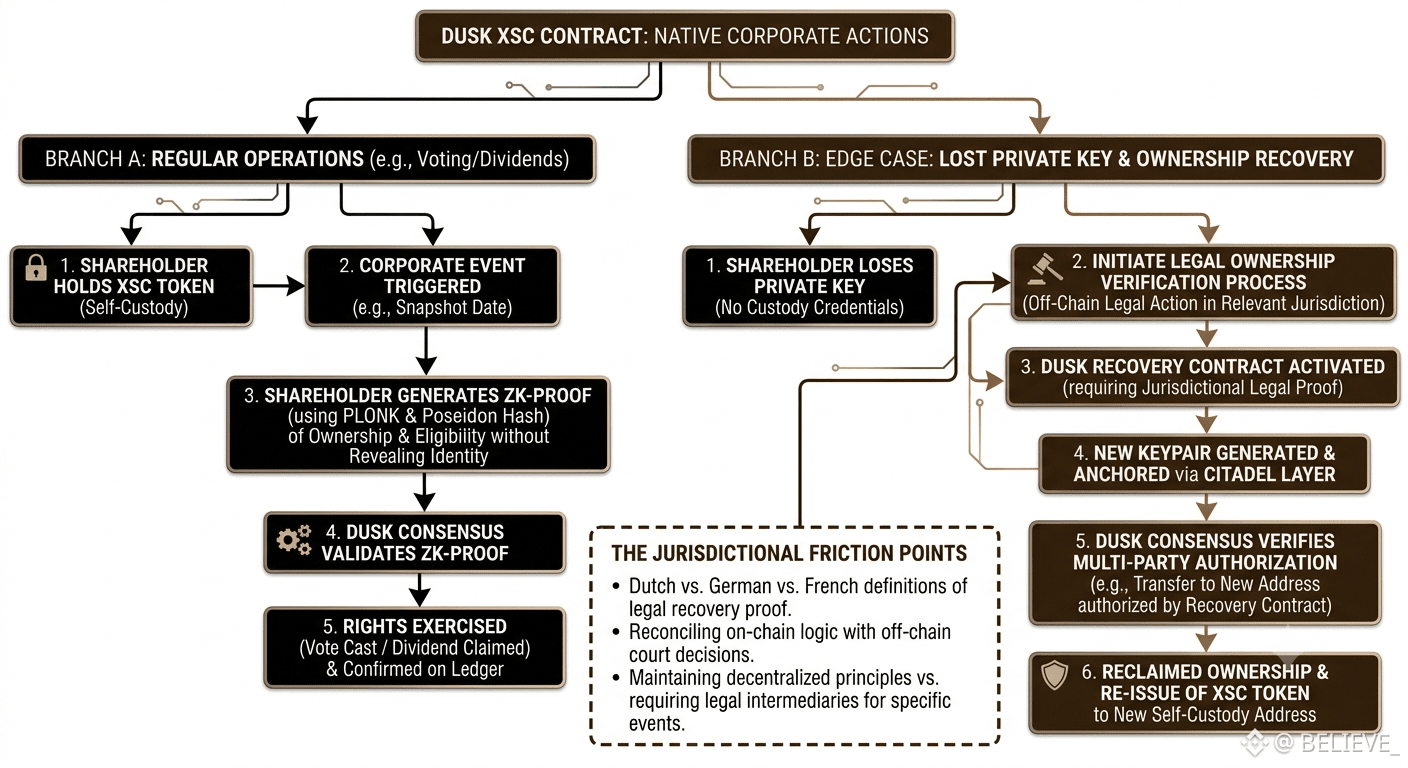
كنت أتعمّق مؤخراً في معيار Dusk الخاص بـ XSC — طبقة “عقد الأمان السري” التي تقع فوق البروتوكول الأساسي — وكنت أتوقف عند تفصيل واحد يبدو أن أغلب الكتابات تتجاوزه تماماً. يبدو أن المعيار يتعامل مع الإجراءات المؤسسية بشكل أصلي. أمور مثل توزيع الأرباح والتصويت للمساهمين لا تتم إدارتها عبر طبقة منفصلة أو وسيط طرف ثالث؛ بل تُشفَّر مباشرة داخل عقد الرمز نفسه. أحياناً أتساءل إن كان هذا يبدو أمراً غير مميّز إلى أن تنظر إلى حجم العبء التشغيلي الذي تُخصصه شركات الأوراق المالية التقليدية تحديداً لهذه العمليات — المطابقة، والتدخل اليدوي، وفحوصات الامتثال قبل أن تُطلق أي حدثٍ مؤسسي.
المثير للاهتمام هو حالة حافة محددة مدفونة ضمن التصميم. إذا فقد المساهم مفاتيحه الخاصة، يمكنه رغم ذلك ممارسة حقوق الملكية عبر إطار XSC — لأن المعيار بُني مع مراعاة الواقع القانوني لقانون الأوراق المالية، حيث تستمر حقوق الملكية حتى مع فقد بيانات الاعتماد الخاصة بالحيازة. السؤال الذي يخطر ببالي هو كيف تعمل آلية الاسترداد هذه عملياً دون إعادة تقديم وسيط موثوق، وهو ما قد يقوّض بصمت فرضية “الحيازة الذاتية” التي يقوم عليها كامل هذا التصميم.
لست متأكداً تماماً من أن هذا التوتر قد تم حسمه بشكل كامل. من وجهة نظر خارجية، تبدو فكرة تضمين حقوق المساهمين القانونية داخل عقد تشفيرية أمراً أنيقاً، لكن قوانين الأوراق المالية تختلف بشكل كبير بين الولايات القضائية، وما يَرضى به تعريف استرداد الملكية لدى محكمة هولندية قد لا يَرضى به نظيره في ألمانيا أو فرنسا. هذا التفاوت عبر الولايات القضائية يبدو كنوع الاحتكاك الذي لا يظهر إلا بعد نشوء نزاعات حقيقية.
يجعلني ذلك أفكر في أن أكثر اختبارات الإجهاد إثارة للاهتمام لدى Dusk لن يكون تقنياً — بل سيكون أول إجراء مؤسسي متنازع عليه تتم معالجته بالكامل على السلسلة. على أي حال، الوقت كفيل بالبيان👍
#dusk $DUSK @Dusk_Foundation
$ONG $ENA
كنت أتعمّق مؤخراً في معيار Dusk الخاص بـ XSC — طبقة “عقد الأمان السري” التي تقع فوق البروتوكول الأساسي — وكنت أتوقف عند تفصيل واحد يبدو أن أغلب الكتابات تتجاوزه تماماً. يبدو أن المعيار يتعامل مع الإجراءات المؤسسية بشكل أصلي. أمور مثل توزيع الأرباح والتصويت للمساهمين لا تتم إدارتها عبر طبقة منفصلة أو وسيط طرف ثالث؛ بل تُشفَّر مباشرة داخل عقد الرمز نفسه. أحياناً أتساءل إن كان هذا يبدو أمراً غير مميّز إلى أن تنظر إلى حجم العبء التشغيلي الذي تُخصصه شركات الأوراق المالية التقليدية تحديداً لهذه العمليات — المطابقة، والتدخل اليدوي، وفحوصات الامتثال قبل أن تُطلق أي حدثٍ مؤسسي.
المثير للاهتمام هو حالة حافة محددة مدفونة ضمن التصميم. إذا فقد المساهم مفاتيحه الخاصة، يمكنه رغم ذلك ممارسة حقوق الملكية عبر إطار XSC — لأن المعيار بُني مع مراعاة الواقع القانوني لقانون الأوراق المالية، حيث تستمر حقوق الملكية حتى مع فقد بيانات الاعتماد الخاصة بالحيازة. السؤال الذي يخطر ببالي هو كيف تعمل آلية الاسترداد هذه عملياً دون إعادة تقديم وسيط موثوق، وهو ما قد يقوّض بصمت فرضية “الحيازة الذاتية” التي يقوم عليها كامل هذا التصميم.
لست متأكداً تماماً من أن هذا التوتر قد تم حسمه بشكل كامل. من وجهة نظر خارجية، تبدو فكرة تضمين حقوق المساهمين القانونية داخل عقد تشفيرية أمراً أنيقاً، لكن قوانين الأوراق المالية تختلف بشكل كبير بين الولايات القضائية، وما يَرضى به تعريف استرداد الملكية لدى محكمة هولندية قد لا يَرضى به نظيره في ألمانيا أو فرنسا. هذا التفاوت عبر الولايات القضائية يبدو كنوع الاحتكاك الذي لا يظهر إلا بعد نشوء نزاعات حقيقية.
يجعلني ذلك أفكر في أن أكثر اختبارات الإجهاد إثارة للاهتمام لدى Dusk لن يكون تقنياً — بل سيكون أول إجراء مؤسسي متنازع عليه تتم معالجته بالكامل على السلسلة. على أي حال، الوقت كفيل بالبيان👍
#dusk $DUSK @Dusk
$ONG $ENA
المثير للاهتمام هو حالة حافة محددة مدفونة ضمن التصميم. إذا فقد المساهم مفاتيحه الخاصة، يمكنه رغم ذلك ممارسة حقوق الملكية عبر إطار XSC — لأن المعيار بُني مع مراعاة الواقع القانوني لقانون الأوراق المالية، حيث تستمر حقوق الملكية حتى مع فقد بيانات الاعتماد الخاصة بالحيازة. السؤال الذي يخطر ببالي هو كيف تعمل آلية الاسترداد هذه عملياً دون إعادة تقديم وسيط موثوق، وهو ما قد يقوّض بصمت فرضية “الحيازة الذاتية” التي يقوم عليها كامل هذا التصميم.
لست متأكداً تماماً من أن هذا التوتر قد تم حسمه بشكل كامل. من وجهة نظر خارجية، تبدو فكرة تضمين حقوق المساهمين القانونية داخل عقد تشفيرية أمراً أنيقاً، لكن قوانين الأوراق المالية تختلف بشكل كبير بين الولايات القضائية، وما يَرضى به تعريف استرداد الملكية لدى محكمة هولندية قد لا يَرضى به نظيره في ألمانيا أو فرنسا. هذا التفاوت عبر الولايات القضائية يبدو كنوع الاحتكاك الذي لا يظهر إلا بعد نشوء نزاعات حقيقية.
يجعلني ذلك أفكر في أن أكثر اختبارات الإجهاد إثارة للاهتمام لدى Dusk لن يكون تقنياً — بل سيكون أول إجراء مؤسسي متنازع عليه تتم معالجته بالكامل على السلسلة. على أي حال، الوقت كفيل بالبيان👍
#dusk $DUSK @Dusk
$ONG $ENA
23
20
478
·
--
صاعد
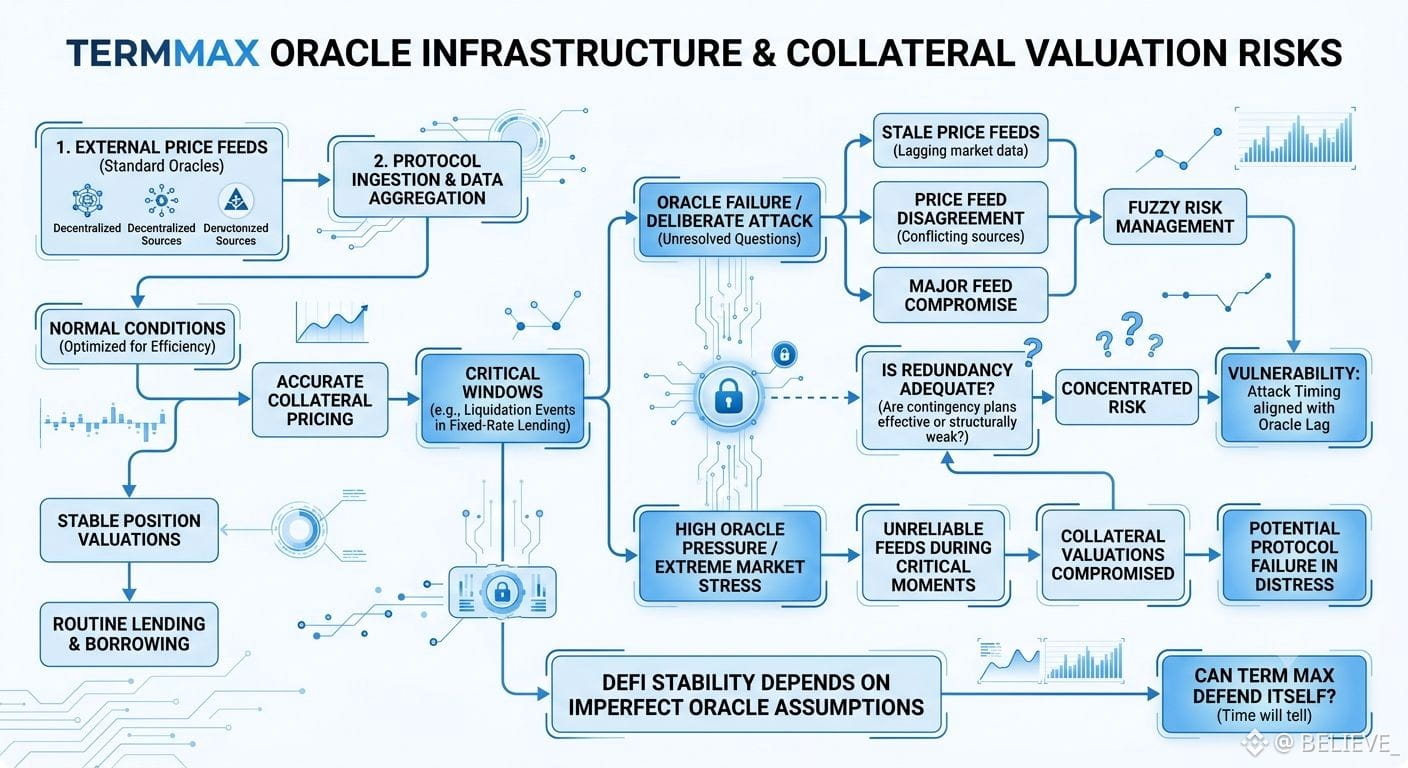
كنت أفكر في البنية التحتية للـ oracle لدى TermMax في أحد الأيام، وتوصلت إلى أنني لا أجد سوى نقاش قليل جدًا حول ما يحدث عندما تتعرض تغذيات الأسعار للتقادم أو عندما تتعارض فيما بينها—وهو موضوع يبدو هادئًا بشكل مدهش بالنسبة لشيء يؤثر بشكل مباشر على تقييم المراكز. تعتمد معظم البروتوكولات على حلول oracle معيارية، لكنني لست متأكدًا حقًا مما إذا كان لدى TermMax تكرار فعّال يهم فعلًا، أم أنهم فقط يأملون أن تظل التغذيات موثوقة.
الشيء المثير للاهتمام هو أن الإقراض بسعر ثابت يعتمد بدرجة كبيرة على تسعير الضمان بدقة عند لحظة التصفية. على عكس المجمّعات ذات السعر المتغير حيث تكون الأسعار مهمة طوال الوقت، تخلق الشروط المُقفلة لدى TermMax نوافذ محددة تصبح فيها تغذيات الأسعار حاسمة، وظل يتبادر إلى ذهني ما إذا كانت هذه التجميع للمخاطر ميزة فعلية لأنها قابلة للتحديد، أم أنها ثغرة لأنها قابلة للتنبؤ. السؤال الذي يخطر لي هو ما إذا كان بإمكان مهاجم توقيت تحركاته ليتزامن مع تأخر الـ oracle أو تعارضه، مع العلم أن هذا هو الوقت الذي تصبح فيه إدارة مخاطر البروتوكول ضبابية.
يجعلني ذلك أفكر في مقدار ما تعتمد عليه استقرار DeFi فعليًا على افتراضات أن الـ oracles تعمل بشكل مثالي—وهو بالطبع تفكير هش. لست متأكدًا تمامًا من خطط الطوارئ الموجودة إذا فشلت تغذية سعر رئيسية أو تم اختراقها. ومن الخارج، أحيانًا أتساءل إن كانت البروتوكولات تتعمد تجنب مناقشة هذه السيناريوهات لأن الاعتراف بها يبدو وكأنه إقرار بضعف بنيوي، رغم أن كل نظام له نقاط انهيار.
من المحتمل أن تعمل بنية الـ oracle بشكل جيد في معظم الأوقات، لكن هذا تقريبًا مقياس خاطئ يجب التحسين عليه. لا تفشل البروتوكولات في الظروف الطبيعية؛ بل تفشل في اللحظات الدقيقة التي تصبح فيها التغذيات غير موثوقة وتصبح تقييمات الضمانات في أمس الحاجة إلى الدقة. هل يمكن لـ TermMax أن يدافع عن نفسه عندما تكون الضغوط على الـ oracle في أعلى مستوياتها؟
يبدو أن البروتوكول يتعامل مع اكتشاف السعر بشكل كافٍ اليوم، لكن ما إذا كانت طبقة الـ oracle ستظل ثابتة تحت هجوم مُتعمد أو ضغط شديد في السوق يبقى سؤالًا غير محسوم.
#termmax @termmax $ONG $ENA $ONT
كنت أفكر في البنية التحتية للـ oracle لدى TermMax في أحد الأيام، وتوصلت إلى أنني لا أجد سوى نقاش قليل جدًا حول ما يحدث عندما تتعرض تغذيات الأسعار للتقادم أو عندما تتعارض فيما بينها—وهو موضوع يبدو هادئًا بشكل مدهش بالنسبة لشيء يؤثر بشكل مباشر على تقييم المراكز. تعتمد معظم البروتوكولات على حلول oracle معيارية، لكنني لست متأكدًا حقًا مما إذا كان لدى TermMax تكرار فعّال يهم فعلًا، أم أنهم فقط يأملون أن تظل التغذيات موثوقة.
الشيء المثير للاهتمام هو أن الإقراض بسعر ثابت يعتمد بدرجة كبيرة على تسعير الضمان بدقة عند لحظة التصفية. على عكس المجمّعات ذات السعر المتغير حيث تكون الأسعار مهمة طوال الوقت، تخلق الشروط المُقفلة لدى TermMax نوافذ محددة تصبح فيها تغذيات الأسعار حاسمة، وظل يتبادر إلى ذهني ما إذا كانت هذه التجميع للمخاطر ميزة فعلية لأنها قابلة للتحديد، أم أنها ثغرة لأنها قابلة للتنبؤ. السؤال الذي يخطر لي هو ما إذا كان بإمكان مهاجم توقيت تحركاته ليتزامن مع تأخر الـ oracle أو تعارضه، مع العلم أن هذا هو الوقت الذي تصبح فيه إدارة مخاطر البروتوكول ضبابية.
يجعلني ذلك أفكر في مقدار ما تعتمد عليه استقرار DeFi فعليًا على افتراضات أن الـ oracles تعمل بشكل مثالي—وهو بالطبع تفكير هش. لست متأكدًا تمامًا من خطط الطوارئ الموجودة إذا فشلت تغذية سعر رئيسية أو تم اختراقها. ومن الخارج، أحيانًا أتساءل إن كانت البروتوكولات تتعمد تجنب مناقشة هذه السيناريوهات لأن الاعتراف بها يبدو وكأنه إقرار بضعف بنيوي، رغم أن كل نظام له نقاط انهيار.
من المحتمل أن تعمل بنية الـ oracle بشكل جيد في معظم الأوقات، لكن هذا تقريبًا مقياس خاطئ يجب التحسين عليه. لا تفشل البروتوكولات في الظروف الطبيعية؛ بل تفشل في اللحظات الدقيقة التي تصبح فيها التغذيات غير موثوقة وتصبح تقييمات الضمانات في أمس الحاجة إلى الدقة. هل يمكن لـ TermMax أن يدافع عن نفسه عندما تكون الضغوط على الـ oracle في أعلى مستوياتها؟
يبدو أن البروتوكول يتعامل مع اكتشاف السعر بشكل كافٍ اليوم، لكن ما إذا كانت طبقة الـ oracle ستظل ثابتة تحت هجوم مُتعمد أو ضغط شديد في السوق يبقى سؤالًا غير محسوم.
#termmax @TermMax $ONG $ENA $ONT
الشيء المثير للاهتمام هو أن الإقراض بسعر ثابت يعتمد بدرجة كبيرة على تسعير الضمان بدقة عند لحظة التصفية. على عكس المجمّعات ذات السعر المتغير حيث تكون الأسعار مهمة طوال الوقت، تخلق الشروط المُقفلة لدى TermMax نوافذ محددة تصبح فيها تغذيات الأسعار حاسمة، وظل يتبادر إلى ذهني ما إذا كانت هذه التجميع للمخاطر ميزة فعلية لأنها قابلة للتحديد، أم أنها ثغرة لأنها قابلة للتنبؤ. السؤال الذي يخطر لي هو ما إذا كان بإمكان مهاجم توقيت تحركاته ليتزامن مع تأخر الـ oracle أو تعارضه، مع العلم أن هذا هو الوقت الذي تصبح فيه إدارة مخاطر البروتوكول ضبابية.
يجعلني ذلك أفكر في مقدار ما تعتمد عليه استقرار DeFi فعليًا على افتراضات أن الـ oracles تعمل بشكل مثالي—وهو بالطبع تفكير هش. لست متأكدًا تمامًا من خطط الطوارئ الموجودة إذا فشلت تغذية سعر رئيسية أو تم اختراقها. ومن الخارج، أحيانًا أتساءل إن كانت البروتوكولات تتعمد تجنب مناقشة هذه السيناريوهات لأن الاعتراف بها يبدو وكأنه إقرار بضعف بنيوي، رغم أن كل نظام له نقاط انهيار.
من المحتمل أن تعمل بنية الـ oracle بشكل جيد في معظم الأوقات، لكن هذا تقريبًا مقياس خاطئ يجب التحسين عليه. لا تفشل البروتوكولات في الظروف الطبيعية؛ بل تفشل في اللحظات الدقيقة التي تصبح فيها التغذيات غير موثوقة وتصبح تقييمات الضمانات في أمس الحاجة إلى الدقة. هل يمكن لـ TermMax أن يدافع عن نفسه عندما تكون الضغوط على الـ oracle في أعلى مستوياتها؟
يبدو أن البروتوكول يتعامل مع اكتشاف السعر بشكل كافٍ اليوم، لكن ما إذا كانت طبقة الـ oracle ستظل ثابتة تحت هجوم مُتعمد أو ضغط شديد في السوق يبقى سؤالًا غير محسوم.
#termmax @TermMax $ONG $ENA $ONT
4
10
725
·
--
صاعد
تمّ التحقق
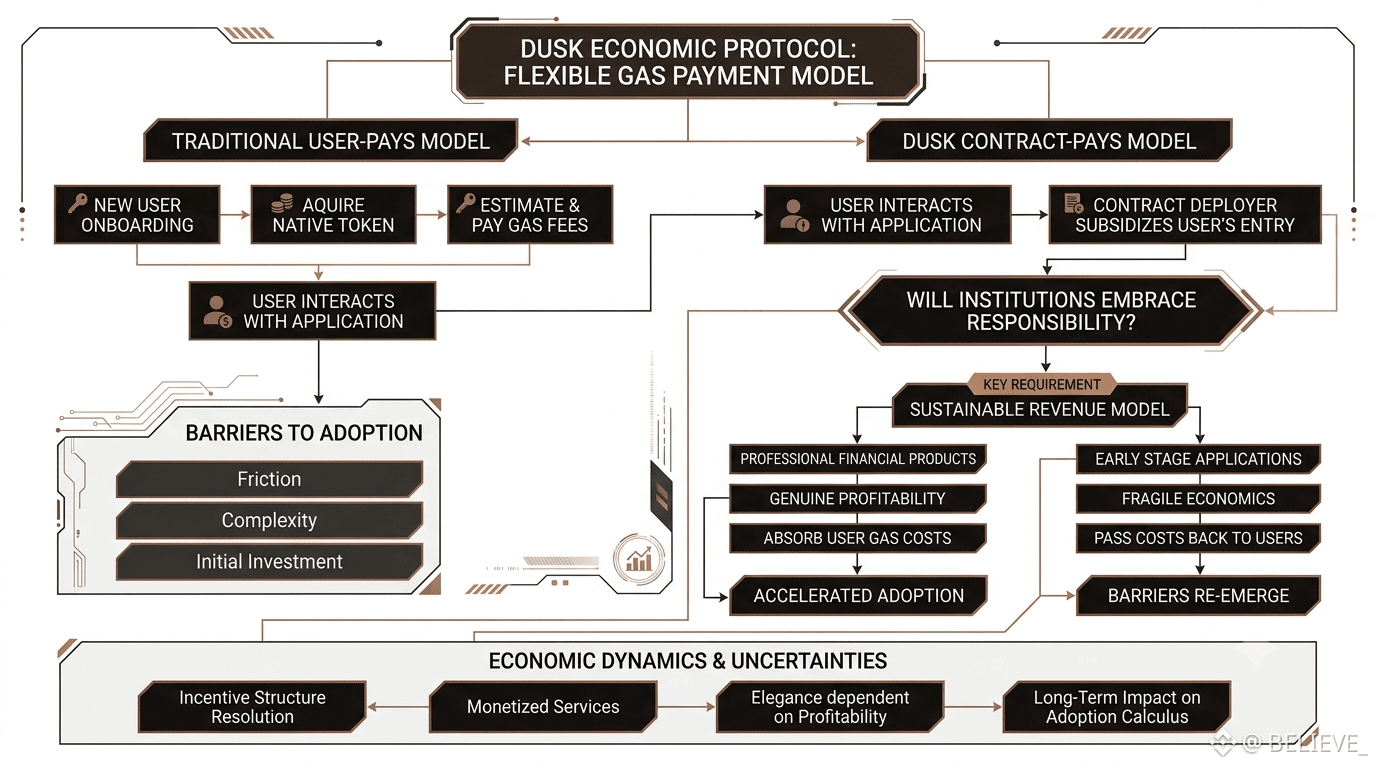
عثرتُ على شيءٍ في وثائق هندسة Dusk لم أكن قد رأيت مناقشته كثيرًا خارج دوائر المطورين، وقد ظلّ هذا الأمر يلازمني منذ ذلك الحين. توجد ميزة مضمّنة في بروتوكول Economic تُمكّن العقود الذكية من دفع رسوم الغاز نيابةً عن المستخدمين الذين يتفاعلون معها. للوهلة الأولى قد يبدو ذلك مجرد تيسير بسيط لتجربة المستخدم، لكن كلما فكّرت أكثر، بدأت أشعر أنه اختيار تصميمي مهمّ بصمت. يعني ذلك أن شخصًا قد يتفاعل مع تطبيق مالي مبني على Dusk دون الحاجة مطلقًا إلى امتلاك DUSK نفسه للبدء. أحيانًا أتساءل عمّا إذا كان هذا يغيّر معادلة التبنّي بطرق ليست واضحة فورًا من الخارج.
ما يبدو مثيرًا للاهتمام هو كيف ينعكس هذا النموذج عامل الاحتكاك المعتاد في Onboarding لمعظم شبكات البلوك تشين. تقليديًا، يجب على المستخدم الجديد أولًا الحصول على الرمز الأصلي، ثم إدارة تقدير رسوم الغاز، واستيعاب تعقيد آليات الرسوم قبل القيام بأي شيء ذي معنى. ينتقل عبء ذلك في نموذج Dusk إلى مُنْشِئ العقد (contract deployer)، والذي يقوم عمليًا بدعم دخول المستخدم. السؤال الذي يخطر في بالي هو ما إذا كانت المؤسسات التي تبني فوق هذه البنية التحتية ستتبنّى حقًا هذا الالتزام، أم أن معظمها سيُحمّل تكاليف الغاز مرة أخرى على المستخدمين النهائيين في النهاية، مما يجعل الميزة شبه نظرية في التطبيق الفعلي.
لا أستطيع الجزم بأن هيكل الحوافز يحلّ نفسه بالكامل هنا. امتصاص العقد لتكاليف الغاز بإرادةٍ منه يوحي بوجود نموذج إيرادات مستدام خلف ذلك، وهو ما يفترض حجمًا معتبرًا من المعاملات وخدمةً يتم تسعيرها بوضوح. ومن منظور خارجي، تبدو سلسلة هذه الافتراضات منطقية لمنتج مالي راسخ، لكنها هشة جدًا لأي شيء في مرحلة مبكرة.
يجعلني ذلك أفكر في أن أناقة هذه الآلية لا تتجلى إلا إذا كانت التطبيقات المبنية فوقها مربحة فعلًا بما يكفي لامتصاص ما تغطيه. على أي حال، الوقت سيخبرنا 👍
#dusk $DUSK @Dusk_Foundation
$BOME $ONG
#GrayscaleFilesToListZcashTrustOnNYSEArca #KOSPICloses5.9%HigherOnChipmakerBuybacks #CryptoRally #FOMCWatch
عثرتُ على شيءٍ في وثائق هندسة Dusk لم أكن قد رأيت مناقشته كثيرًا خارج دوائر المطورين، وقد ظلّ هذا الأمر يلازمني منذ ذلك الحين. توجد ميزة مضمّنة في بروتوكول Economic تُمكّن العقود الذكية من دفع رسوم الغاز نيابةً عن المستخدمين الذين يتفاعلون معها. للوهلة الأولى قد يبدو ذلك مجرد تيسير بسيط لتجربة المستخدم، لكن كلما فكّرت أكثر، بدأت أشعر أنه اختيار تصميمي مهمّ بصمت. يعني ذلك أن شخصًا قد يتفاعل مع تطبيق مالي مبني على Dusk دون الحاجة مطلقًا إلى امتلاك DUSK نفسه للبدء. أحيانًا أتساءل عمّا إذا كان هذا يغيّر معادلة التبنّي بطرق ليست واضحة فورًا من الخارج.
ما يبدو مثيرًا للاهتمام هو كيف ينعكس هذا النموذج عامل الاحتكاك المعتاد في Onboarding لمعظم شبكات البلوك تشين. تقليديًا، يجب على المستخدم الجديد أولًا الحصول على الرمز الأصلي، ثم إدارة تقدير رسوم الغاز، واستيعاب تعقيد آليات الرسوم قبل القيام بأي شيء ذي معنى. ينتقل عبء ذلك في نموذج Dusk إلى مُنْشِئ العقد (contract deployer)، والذي يقوم عمليًا بدعم دخول المستخدم. السؤال الذي يخطر في بالي هو ما إذا كانت المؤسسات التي تبني فوق هذه البنية التحتية ستتبنّى حقًا هذا الالتزام، أم أن معظمها سيُحمّل تكاليف الغاز مرة أخرى على المستخدمين النهائيين في النهاية، مما يجعل الميزة شبه نظرية في التطبيق الفعلي.
لا أستطيع الجزم بأن هيكل الحوافز يحلّ نفسه بالكامل هنا. امتصاص العقد لتكاليف الغاز بإرادةٍ منه يوحي بوجود نموذج إيرادات مستدام خلف ذلك، وهو ما يفترض حجمًا معتبرًا من المعاملات وخدمةً يتم تسعيرها بوضوح. ومن منظور خارجي، تبدو سلسلة هذه الافتراضات منطقية لمنتج مالي راسخ، لكنها هشة جدًا لأي شيء في مرحلة مبكرة.
يجعلني ذلك أفكر في أن أناقة هذه الآلية لا تتجلى إلا إذا كانت التطبيقات المبنية فوقها مربحة فعلًا بما يكفي لامتصاص ما تغطيه. على أي حال، الوقت سيخبرنا 👍
#dusk $DUSK @Dusk
$BOME $ONG
#GrayscaleFilesToListZcashTrustOnNYSEArca #KOSPICloses5.9%HigherOnChipmakerBuybacks #CryptoRally #FOMCWatch
ما يبدو مثيرًا للاهتمام هو كيف ينعكس هذا النموذج عامل الاحتكاك المعتاد في Onboarding لمعظم شبكات البلوك تشين. تقليديًا، يجب على المستخدم الجديد أولًا الحصول على الرمز الأصلي، ثم إدارة تقدير رسوم الغاز، واستيعاب تعقيد آليات الرسوم قبل القيام بأي شيء ذي معنى. ينتقل عبء ذلك في نموذج Dusk إلى مُنْشِئ العقد (contract deployer)، والذي يقوم عمليًا بدعم دخول المستخدم. السؤال الذي يخطر في بالي هو ما إذا كانت المؤسسات التي تبني فوق هذه البنية التحتية ستتبنّى حقًا هذا الالتزام، أم أن معظمها سيُحمّل تكاليف الغاز مرة أخرى على المستخدمين النهائيين في النهاية، مما يجعل الميزة شبه نظرية في التطبيق الفعلي.
لا أستطيع الجزم بأن هيكل الحوافز يحلّ نفسه بالكامل هنا. امتصاص العقد لتكاليف الغاز بإرادةٍ منه يوحي بوجود نموذج إيرادات مستدام خلف ذلك، وهو ما يفترض حجمًا معتبرًا من المعاملات وخدمةً يتم تسعيرها بوضوح. ومن منظور خارجي، تبدو سلسلة هذه الافتراضات منطقية لمنتج مالي راسخ، لكنها هشة جدًا لأي شيء في مرحلة مبكرة.
يجعلني ذلك أفكر في أن أناقة هذه الآلية لا تتجلى إلا إذا كانت التطبيقات المبنية فوقها مربحة فعلًا بما يكفي لامتصاص ما تغطيه. على أي حال، الوقت سيخبرنا 👍
#dusk $DUSK @Dusk
$BOME $ONG
#GrayscaleFilesToListZcashTrustOnNYSEArca #KOSPICloses5.9%HigherOnChipmakerBuybacks #CryptoRally #FOMCWatch
12
16
1.5k
سجّل الدخول لاستكشاف المزيد من المُحتوى
انضم إلى مُستخدمي العملات الرقمية حول العالم على Binance Square
⚡️ احصل على أحدث المعلومات المفيدة عن العملات الرقمية.
💬 موثوقة من قبل أكبر منصّة لتداول العملات الرقمية في العالم.
👍 اكتشف الرؤى الحقيقية من صنّاع المُحتوى الموثوقين.
البريد الإلكتروني / رقم الهاتف
المواضيع الرائجة
CircleMints500MUSDCOnSolana
81,193 مشاهدات
1,881 يقومون بالنقاش
Circle تضخ 500 مليون USDC على Solana
قامت Circle بإصدار 500 مليون USDC على شبكة Solana، في خطوة تلفت الانتباه إلى نمو السيولة المستقرة داخل النظام البيئي للشبكة.
لكن المهم: إصدار USDC لا يعني بالضرورة أن 500 مليون دولار دخلت السوق مباشرة للشراء؛ بل يعني زيادة محتملة في السيولة القابلة للاستخدام في التداول وDeFi والمدفوعات.
ومع استمرار نمو المعروض من العملات المستقرة على Solana، يبقى السؤال الأهم:
أين ستتحرك هذه السيولة الجديدة؟
$SOL
#CircleMints500MUSDCOnSolana
yosreia
·4 إعجاب
·424 مشاهدات
PolymarketBankFailureBetsDrawFDICConcern
86,122 مشاهدات
1,725 يقومون بالنقاش
BlackRockBuildsTokenizedPortfoliosForOndo
77,217 مشاهدات
1,227 يقومون بالنقاش