

KEVIN SPACEY BNB
16.4k منشورات

KEVIN SPACEY BNB
 تحقُّق Binance Square الإضافي
إبلاغ
حظر المُستخدم
Gentle with feelings. Dangerous with potential...
فتح تداول
مُتداول مُتكرر
2 سنوات
547 تتابع
35.8K+ المتابعون
27.6K+ إعجاب
منشورات
الحافظة الاستثمارية
الكل
اقتباسات
مقاطع فيديو
Live
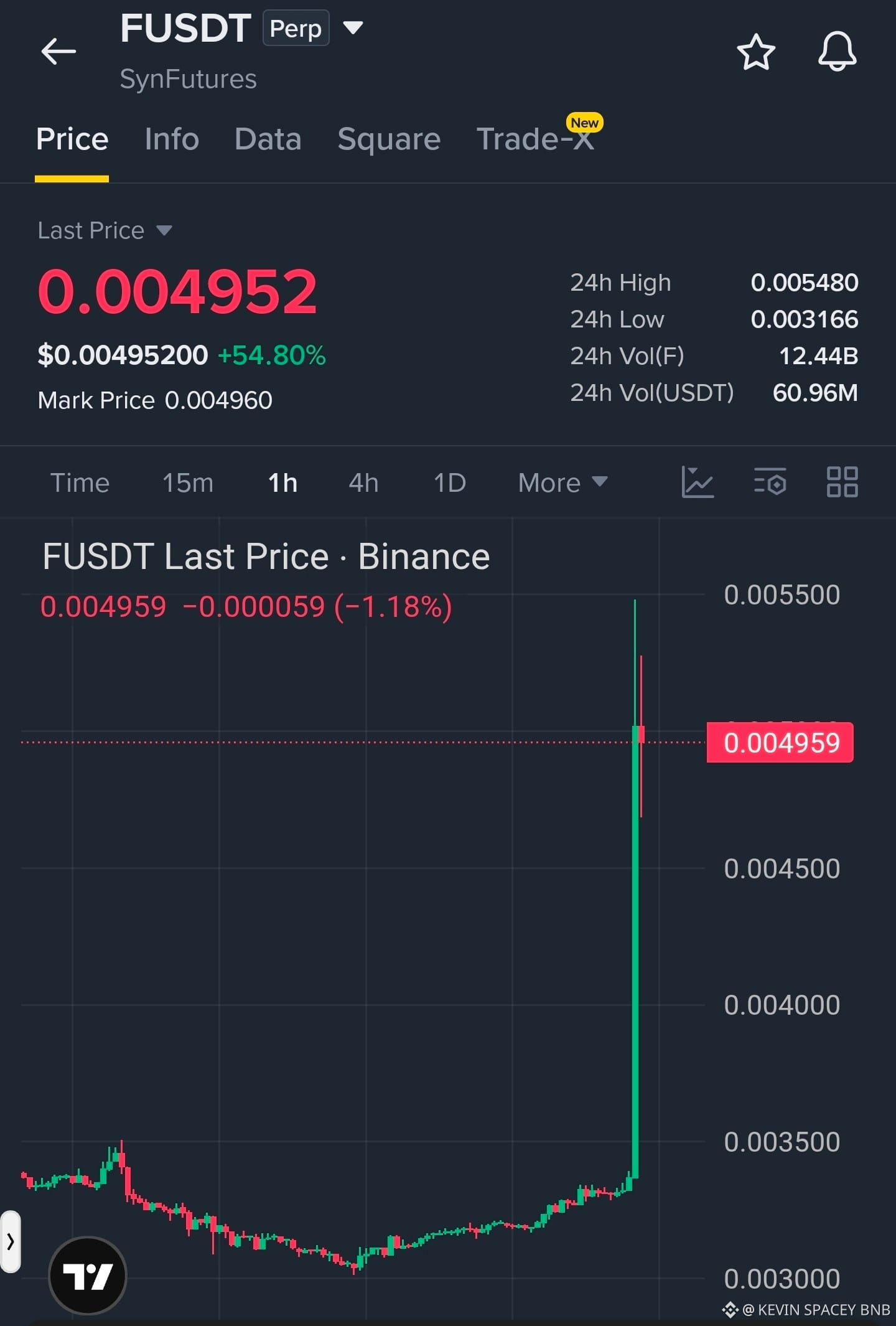
$F just exploded out of its base, and I’m watching the first pullback for a possible continuation toward the spike high.
إعداد الصفقة: شراء (LONG)
منطقة الدخول: 0.00465 – 0.00485 دولار
SL: 0.00438 دولار
TP1: 0.00515 دولار
TP2: 0.00548 دولار
TP3: 0.00575 دولار
أرى شمعة توسّع كبيرة على إطار ساعة واحدة (1H) تكسر السعر بعيدًا عن منطقة 0.0033، ثم يلي ذلك رفض بالقرب من 0.0055. سأتطلع إلى المتداولين/المشترين للدفاع عن الاختراق بدلًا من مطاردة قمة هذه الحركة الحادة.
ادخل هنا على $F 👇
#HYPEJumpsOver11%
$F just exploded out of its base, and I’m watching the first pullback for a possible continuation toward the spike high.
إعداد الصفقة: شراء (LONG)
منطقة الدخول: 0.00465 – 0.00485 دولار
SL: 0.00438 دولار
TP1: 0.00515 دولار
TP2: 0.00548 دولار
TP3: 0.00575 دولار
أرى شمعة توسّع كبيرة على إطار ساعة واحدة (1H) تكسر السعر بعيدًا عن منطقة 0.0033، ثم يلي ذلك رفض بالقرب من 0.0055. سأتطلع إلى المتداولين/المشترين للدفاع عن الاختراق بدلًا من مطاردة قمة هذه الحركة الحادة.
ادخل هنا على $F 👇
#HYPEJumpsOver11%
إعداد الصفقة: شراء (LONG)
منطقة الدخول: 0.00465 – 0.00485 دولار
SL: 0.00438 دولار
TP1: 0.00515 دولار
TP2: 0.00548 دولار
TP3: 0.00575 دولار
أرى شمعة توسّع كبيرة على إطار ساعة واحدة (1H) تكسر السعر بعيدًا عن منطقة 0.0033، ثم يلي ذلك رفض بالقرب من 0.0055. سأتطلع إلى المتداولين/المشترين للدفاع عن الاختراق بدلًا من مطاردة قمة هذه الحركة الحادة.
ادخل هنا على $F 👇
#HYPEJumpsOver11%
1
176
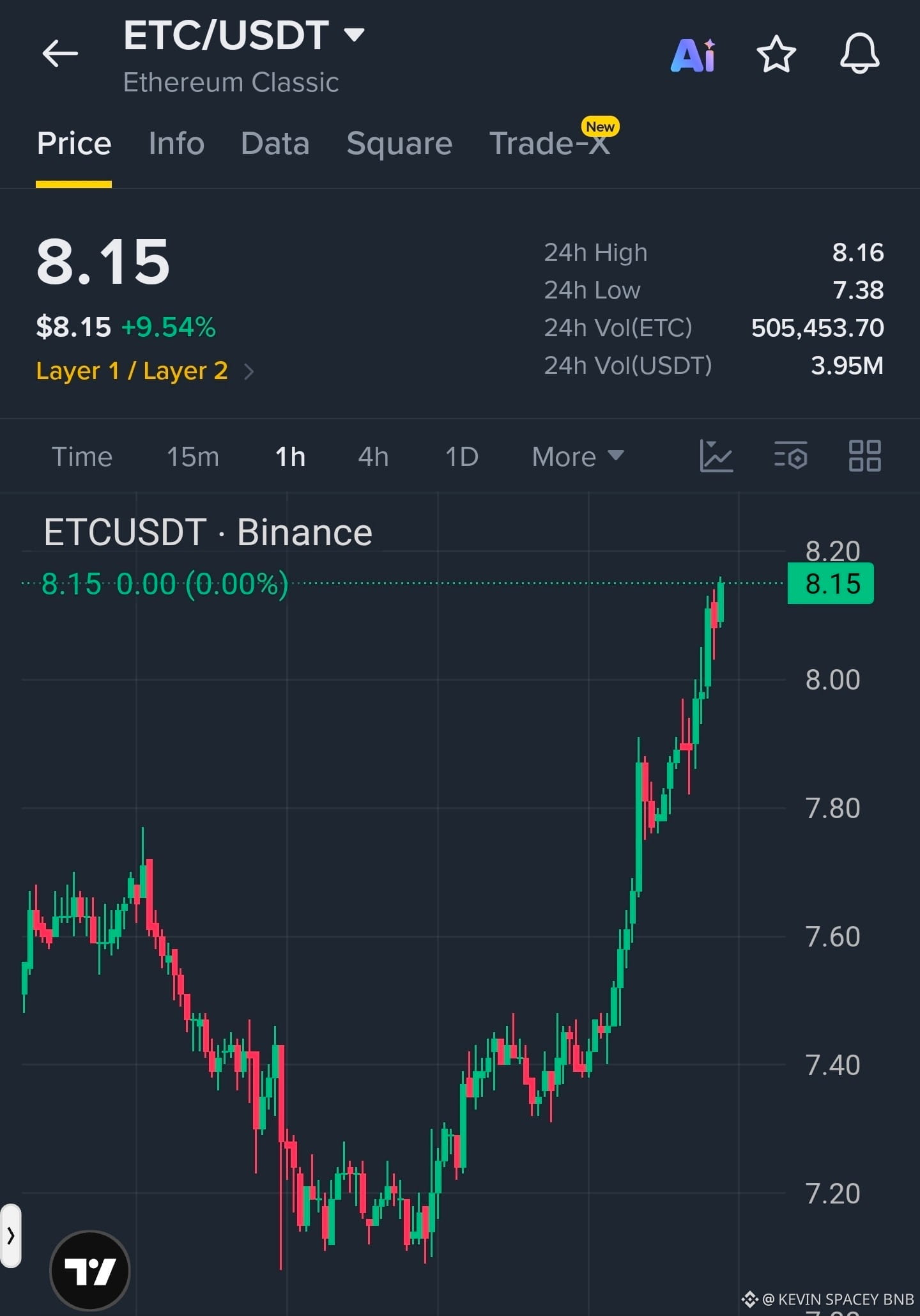
$ETC يتحرك للأعلى مع تسلسل نظيف من شموع أعلى، ويمكن أن يؤدي الحفاظ على مستوى أعلى من $8.00 إلى استمرار الحركة بالصعود.
إعداد الصفقة: شراء (LONG)
منطقة الدخول: $8.00 – $8.10
وقف الخسارة: $7.84
الهدف 1: $8.20
الهدف 2: $8.35
الهدف 3: $8.50
أرى المشترين يدخلون بشكل متكرر بعد عمليات جَذب/تصحيح بسيطة على فريم 1H، مع دفع السعر من منطقة $7.40 باتجاه $8.15. يظل الهيكل صاعدًا بالنسبة لي طالما أن الاختراق الأخير حول $8.00 مدعوم.
ادخل هنا على $ETC 👇
#BTCBreaks80K
$ETC يتحرك للأعلى مع تسلسل نظيف من شموع أعلى، ويمكن أن يؤدي الحفاظ على مستوى أعلى من $8.00 إلى استمرار الحركة بالصعود.
إعداد الصفقة: شراء (LONG)
منطقة الدخول: $8.00 – $8.10
وقف الخسارة: $7.84
الهدف 1: $8.20
الهدف 2: $8.35
الهدف 3: $8.50
أرى المشترين يدخلون بشكل متكرر بعد عمليات جَذب/تصحيح بسيطة على فريم 1H، مع دفع السعر من منطقة $7.40 باتجاه $8.15. يظل الهيكل صاعدًا بالنسبة لي طالما أن الاختراق الأخير حول $8.00 مدعوم.
ادخل هنا على $ETC 👇
#BTCBreaks80K
إعداد الصفقة: شراء (LONG)
منطقة الدخول: $8.00 – $8.10
وقف الخسارة: $7.84
الهدف 1: $8.20
الهدف 2: $8.35
الهدف 3: $8.50
أرى المشترين يدخلون بشكل متكرر بعد عمليات جَذب/تصحيح بسيطة على فريم 1H، مع دفع السعر من منطقة $7.40 باتجاه $8.15. يظل الهيكل صاعدًا بالنسبة لي طالما أن الاختراق الأخير حول $8.00 مدعوم.
ادخل هنا على $ETC 👇
#BTCBreaks80K
1
116
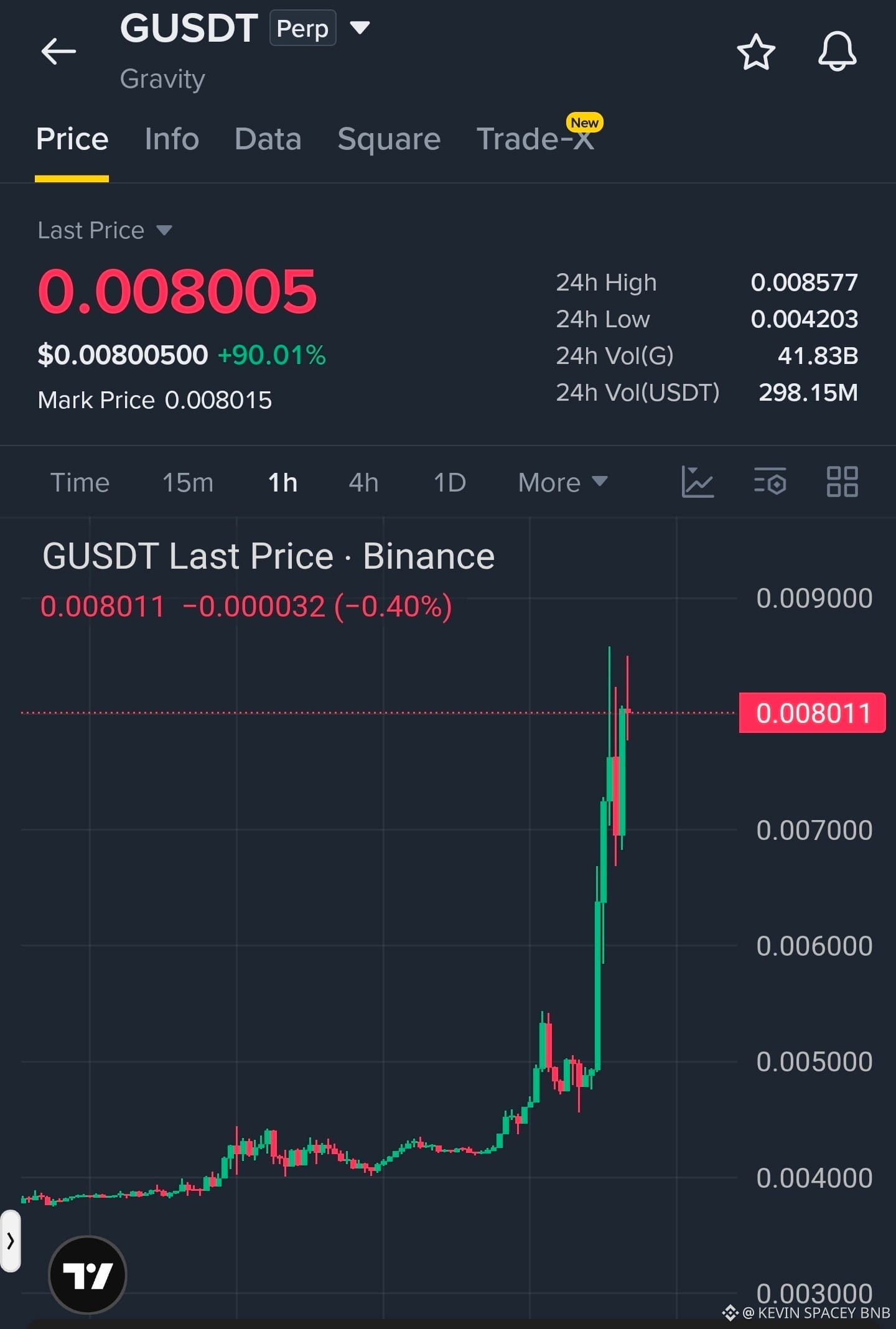
$G يضغط على القمم بعد حركة رأسية، والاحتفاظ فوق $0.0070 قد يفتح دفعة أخرى باتجاه قمم قصيرة الأجل جديدة.
إعداد التداول: شراء (LONG)
منطقة الدخول: $0.00740 – $0.00780
TP1: $0.00830
TP2: $0.00858
TP3: $0.00900
SL: $0.00685
أرى شراءًا عدوانيًا بعد الاختراق من منطقة $0.0050، بينما الشموع الأخيرة تتماسك قرب القمة بدلًا من ردّ كامل الحركة. أميل إلى استمرار الصعود طالما أن منطقة اختراق $0.0070 الأخيرة تبقى مدعومة.
ادخل هنا على $G 👇.
#BOJHikesRatesTo31YearHigh
$G يضغط على القمم بعد حركة رأسية، والاحتفاظ فوق $0.0070 قد يفتح دفعة أخرى باتجاه قمم قصيرة الأجل جديدة.
إعداد التداول: شراء (LONG)
منطقة الدخول: $0.00740 – $0.00780
TP1: $0.00830
TP2: $0.00858
TP3: $0.00900
SL: $0.00685
أرى شراءًا عدوانيًا بعد الاختراق من منطقة $0.0050، بينما الشموع الأخيرة تتماسك قرب القمة بدلًا من ردّ كامل الحركة. أميل إلى استمرار الصعود طالما أن منطقة اختراق $0.0070 الأخيرة تبقى مدعومة.
ادخل هنا على $G 👇.
#BOJHikesRatesTo31YearHigh
إعداد التداول: شراء (LONG)
منطقة الدخول: $0.00740 – $0.00780
TP1: $0.00830
TP2: $0.00858
TP3: $0.00900
SL: $0.00685
أرى شراءًا عدوانيًا بعد الاختراق من منطقة $0.0050، بينما الشموع الأخيرة تتماسك قرب القمة بدلًا من ردّ كامل الحركة. أميل إلى استمرار الصعود طالما أن منطقة اختراق $0.0070 الأخيرة تبقى مدعومة.
ادخل هنا على $G 👇.
#BOJHikesRatesTo31YearHigh
1
165
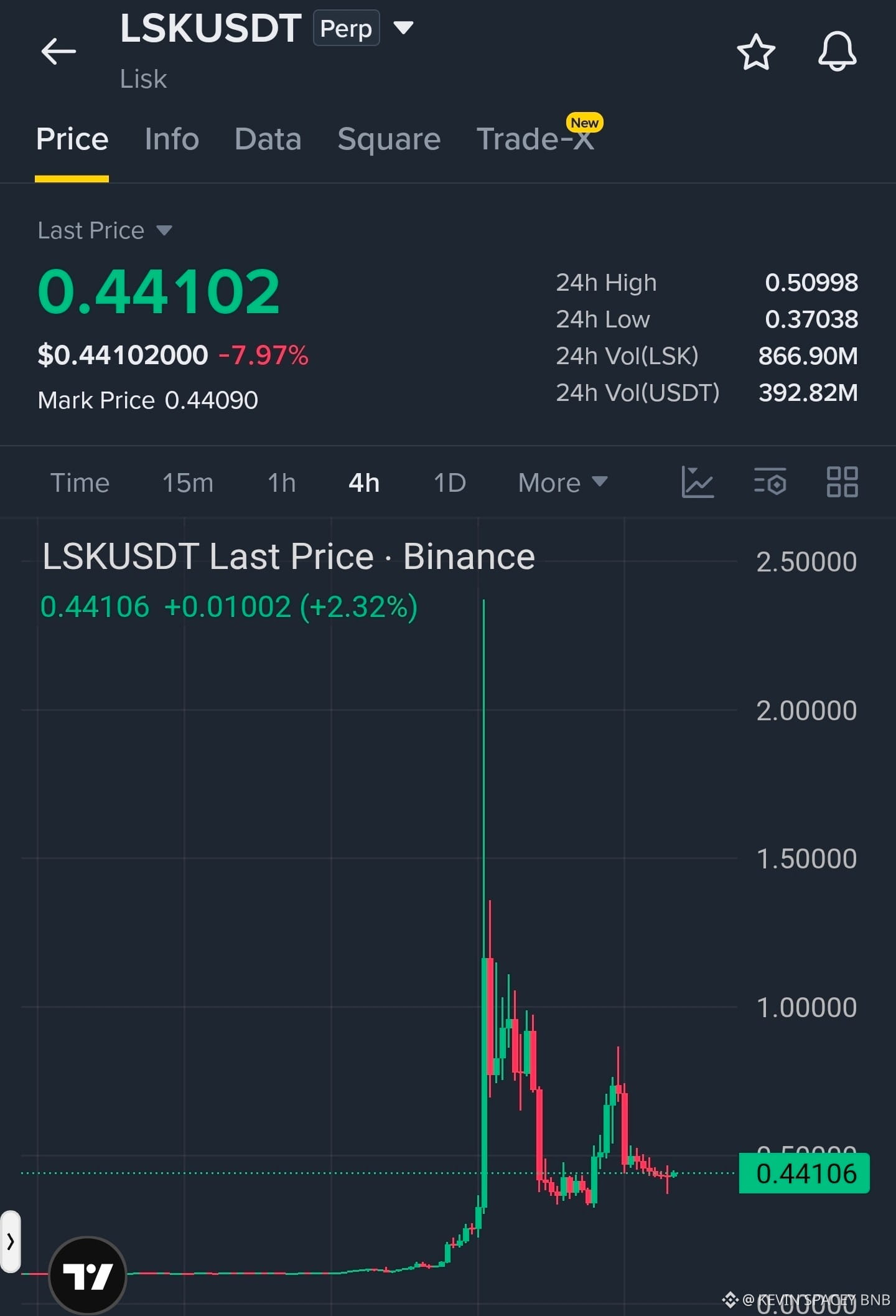
$LSK يحاول الاستقرار بعد عمليات البيع، وأنا أراقب ارتدادًا من هذا القاع قبل الدفع التالي للأعلى.
إعداد الصفقة: شراء (LONG)
منطقة الدخول: 0.425 – 0.445
SL: 0.395
TP1: 0.485
TP2: 0.550
TP3: 0.650
أرى السعر يستقر حول منطقة 0.42–0.44 بعد الرفض الحاد من الارتفاع الأخير. شموع فريم 4 ساعات الأخيرة أصبحت أكثر إحكامًا، لذلك سأبحث عن استمرار هذا الدعم وصمود المشترين لاستعادة منطقة 0.48–0.50.
تداول هنا على $LSK 👇
#LSKUSDT
$LSK يحاول الاستقرار بعد عمليات البيع، وأنا أراقب ارتدادًا من هذا القاع قبل الدفع التالي للأعلى.
إعداد الصفقة: شراء (LONG)
منطقة الدخول: 0.425 – 0.445
SL: 0.395
TP1: 0.485
TP2: 0.550
TP3: 0.650
أرى السعر يستقر حول منطقة 0.42–0.44 بعد الرفض الحاد من الارتفاع الأخير. شموع فريم 4 ساعات الأخيرة أصبحت أكثر إحكامًا، لذلك سأبحث عن استمرار هذا الدعم وصمود المشترين لاستعادة منطقة 0.48–0.50.
تداول هنا على $LSK 👇
#LSKUSDT
إعداد الصفقة: شراء (LONG)
منطقة الدخول: 0.425 – 0.445
SL: 0.395
TP1: 0.485
TP2: 0.550
TP3: 0.650
أرى السعر يستقر حول منطقة 0.42–0.44 بعد الرفض الحاد من الارتفاع الأخير. شموع فريم 4 ساعات الأخيرة أصبحت أكثر إحكامًا، لذلك سأبحث عن استمرار هذا الدعم وصمود المشترين لاستعادة منطقة 0.48–0.50.
تداول هنا على $LSK 👇
#LSKUSDT
1
620
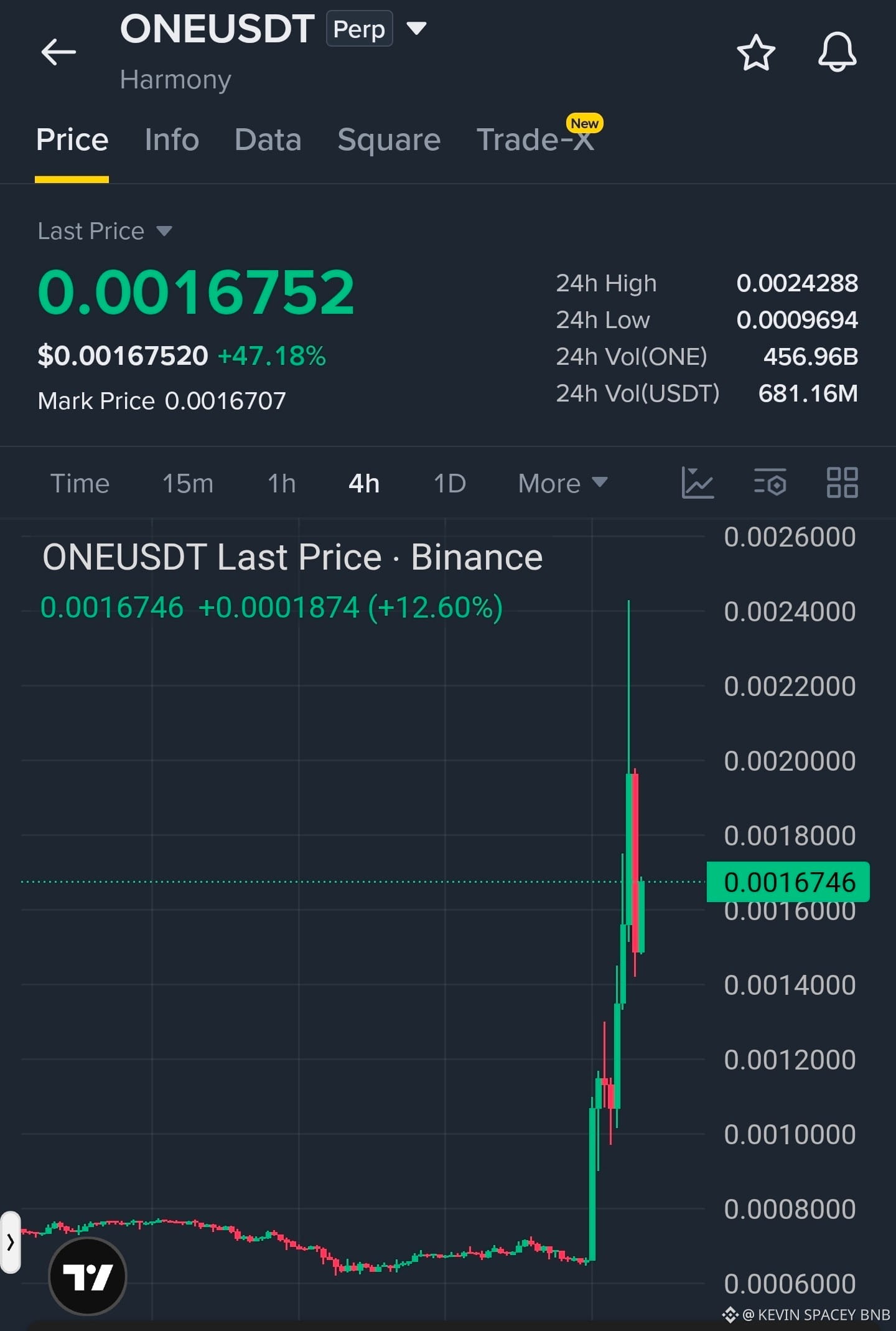
$ONE
لقد قام ONE بالفعل بالتحرك الانفجاري؛ أنا أبحث عن التصحيح/الارتداد ليثبت قبل أن يأخذ السعر محاولة أخرى لاختبار القمم الأخيرة.
إعداد الصفقة: شراء (LONG)
منطقة الدخول: $0.00148 – $0.00160
إيقاف الخسارة (SL): $0.00138
الهدف 1 (TP1): $0.00180
الهدف 2 (TP2): $0.00200
الهدف 3 (TP3): $0.00240
أرى توسعًا واضحًا على إطار 4 ساعات من منطقة $0.00065 ثم رفضًا حادًا بالقرب من $0.00240. لقد تراجع السعر لكن المشترين استجابوا حول $0.00145، لذلك سأراقب منطقة الدعم الأعلى هذه لمحاولة استكمال.
تداول هنا على $ONE 👇
#SECGrantsInnovationExemptionForTokenizedStocks
$ONE
لقد قام ONE بالفعل بالتحرك الانفجاري؛ أنا أبحث عن التصحيح/الارتداد ليثبت قبل أن يأخذ السعر محاولة أخرى لاختبار القمم الأخيرة.
إعداد الصفقة: شراء (LONG)
منطقة الدخول: $0.00148 – $0.00160
إيقاف الخسارة (SL): $0.00138
الهدف 1 (TP1): $0.00180
الهدف 2 (TP2): $0.00200
الهدف 3 (TP3): $0.00240
أرى توسعًا واضحًا على إطار 4 ساعات من منطقة $0.00065 ثم رفضًا حادًا بالقرب من $0.00240. لقد تراجع السعر لكن المشترين استجابوا حول $0.00145، لذلك سأراقب منطقة الدعم الأعلى هذه لمحاولة استكمال.
تداول هنا على $ONE 👇
#SECGrantsInnovationExemptionForTokenizedStocks
لقد قام ONE بالفعل بالتحرك الانفجاري؛ أنا أبحث عن التصحيح/الارتداد ليثبت قبل أن يأخذ السعر محاولة أخرى لاختبار القمم الأخيرة.
إعداد الصفقة: شراء (LONG)
منطقة الدخول: $0.00148 – $0.00160
إيقاف الخسارة (SL): $0.00138
الهدف 1 (TP1): $0.00180
الهدف 2 (TP2): $0.00200
الهدف 3 (TP3): $0.00240
أرى توسعًا واضحًا على إطار 4 ساعات من منطقة $0.00065 ثم رفضًا حادًا بالقرب من $0.00240. لقد تراجع السعر لكن المشترين استجابوا حول $0.00145، لذلك سأراقب منطقة الدعم الأعلى هذه لمحاولة استكمال.
تداول هنا على $ONE 👇
#SECGrantsInnovationExemptionForTokenizedStocks
303
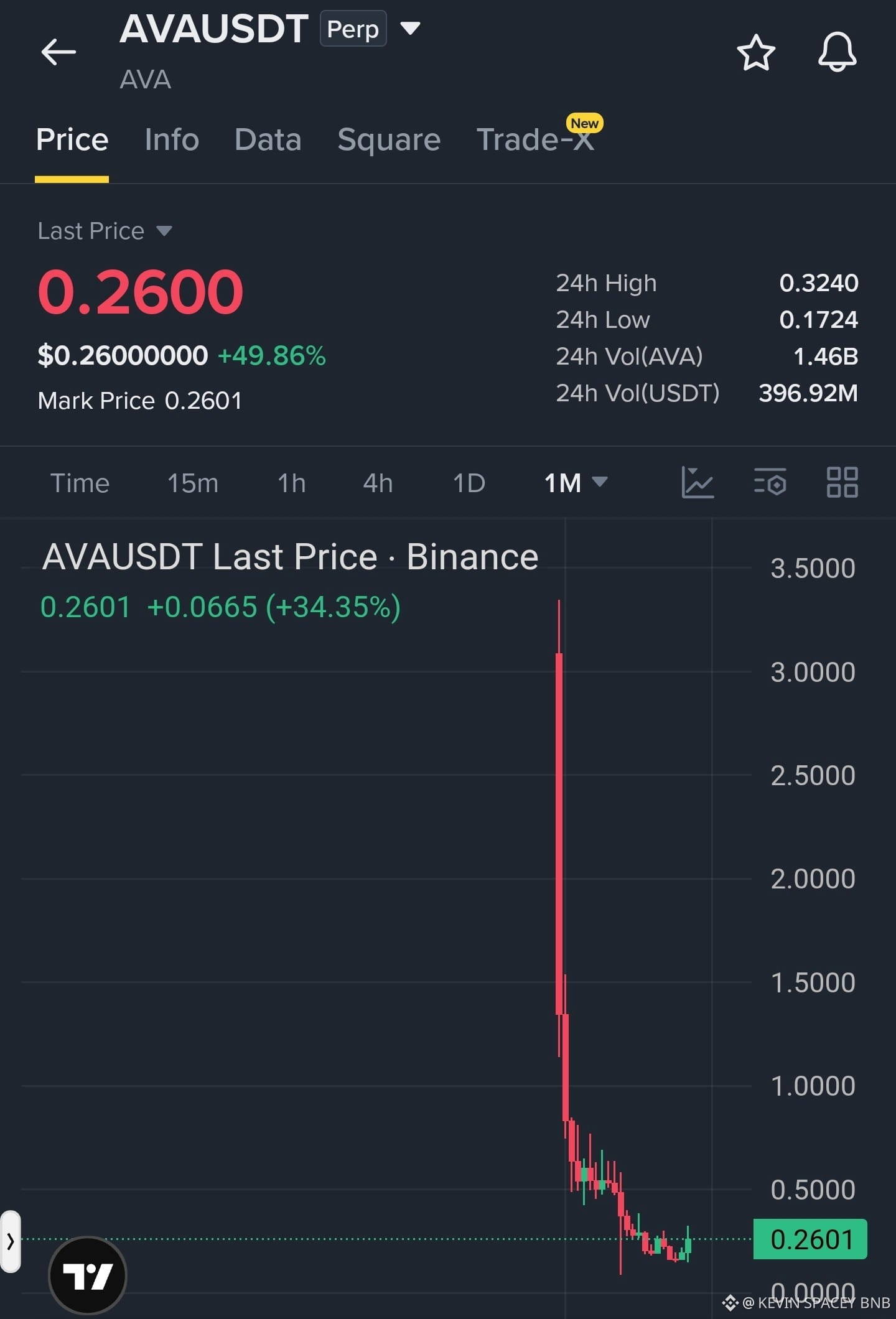
$AVA
الارتداد حاد، لكنني أراقب AVA لتثبت القاعدة الأخيرة قبل أي دفعٍ أعلى آخر.
إعداد التداول: شراء (LONG)
منطقة الدخول: $0.235 – $0.260
وقف الخسارة (SL): $0.170
الهدف 1 (TP1): $0.325
الهدف 2 (TP2): $0.400
الهدف 3 (TP3): $0.500
أرى السعر يتعافى من أدنى مستوياته الأخيرة بعد هبوط شهري طويل، مع ظهور آخر شمعة تشير إلى عودة المشترين. إذا ثبّتت منطقة $0.23–$0.26، فسأبحث عن إعادة اختبار مناطق المقاومة الظاهرة في الأعلى.
نفّذ صفقة هنا على $AVA 👇
#StellarActivatesProtocol28At211TPS
$AVA
الارتداد حاد، لكنني أراقب AVA لتثبت القاعدة الأخيرة قبل أي دفعٍ أعلى آخر.
إعداد التداول: شراء (LONG)
منطقة الدخول: $0.235 – $0.260
وقف الخسارة (SL): $0.170
الهدف 1 (TP1): $0.325
الهدف 2 (TP2): $0.400
الهدف 3 (TP3): $0.500
أرى السعر يتعافى من أدنى مستوياته الأخيرة بعد هبوط شهري طويل، مع ظهور آخر شمعة تشير إلى عودة المشترين. إذا ثبّتت منطقة $0.23–$0.26، فسأبحث عن إعادة اختبار مناطق المقاومة الظاهرة في الأعلى.
نفّذ صفقة هنا على $AVA 👇
#StellarActivatesProtocol28At211TPS
الارتداد حاد، لكنني أراقب AVA لتثبت القاعدة الأخيرة قبل أي دفعٍ أعلى آخر.
إعداد التداول: شراء (LONG)
منطقة الدخول: $0.235 – $0.260
وقف الخسارة (SL): $0.170
الهدف 1 (TP1): $0.325
الهدف 2 (TP2): $0.400
الهدف 3 (TP3): $0.500
أرى السعر يتعافى من أدنى مستوياته الأخيرة بعد هبوط شهري طويل، مع ظهور آخر شمعة تشير إلى عودة المشترين. إذا ثبّتت منطقة $0.23–$0.26، فسأبحث عن إعادة اختبار مناطق المقاومة الظاهرة في الأعلى.
نفّذ صفقة هنا على $AVA 👇
#StellarActivatesProtocol28At211TPS
160
🎙️ الحفاظ على توازن النظام البيئي، وبناء ساحة بينانس

إنهاء
04 ساعة 18 دقيقة 36 ثانية
7.8k
28
93
🎙️ بناء ساحة بينانس، واستثمار BNB بشكل منتظم|يوم الجمعة، التصويت على مشروع القانون وتطورات الخبر الخاص برفع الفائدة ستُعتمد، والآن BTC يتذبذب مرة أخرى حول 76400. فهل سيكون هذا الأسبوع نهاية الأسبوع مميزًا قليلًا؟ لنتحدث~

إنهاء
05 ساعة 05 دقيقة 55 ثانية
9.5k
45
50
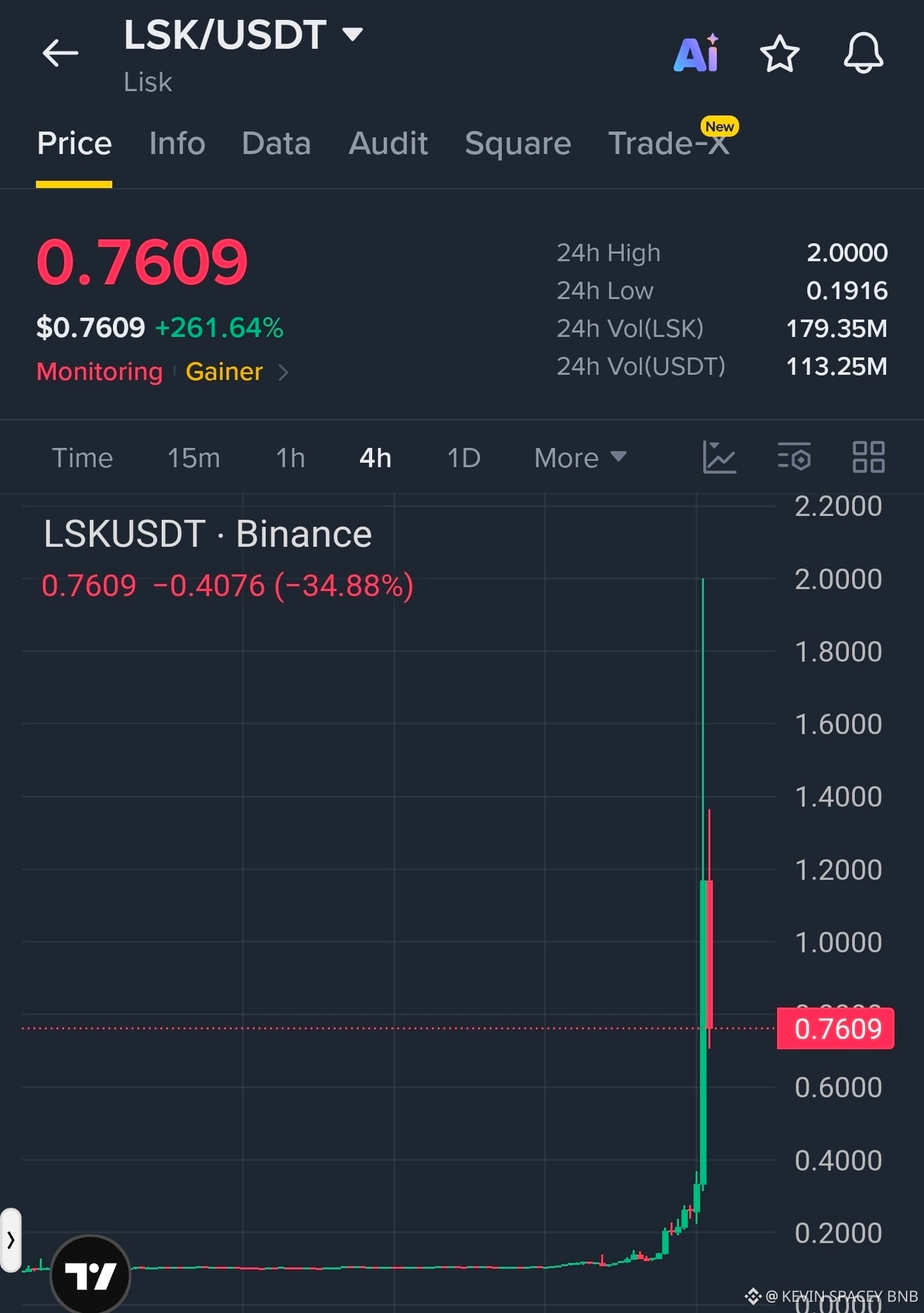
$LSK يبدو منهكًا بعد الضخّ الضخم — أنا أراقب موجة هبوط أخرى قبل أي تعافٍ حقيقي
إعداد التداول: بيع (Short)
منطقة الدخول: 0.78 – 0.86
الهدف 1: 0.68
الهدف 2: 0.55
الهدف 3: 0.42
وقف الخسارة (SL): 0.96
بعد الاندفاع من منطقة 0.19 باتجاه 2.00، واجه LSK رفضًا حادًا وهبط مجددًا قرب 0.76، ما يُظهر ضغط بيع قوي.
سأراقب منطقة 0.78–0.86 بحثًا عن رفض؛ إذا بقي البائعون مسيطرين، فقد يعاود الرسم اختبار مناطق الدعم الأخفض.
تداول هنا على $LSK 👇
#SECReceivesGrayscaleLitecoinTrustETFFiling #ClarityActFacesProceduralVoteSept15
$LSK يبدو منهكًا بعد الضخّ الضخم — أنا أراقب موجة هبوط أخرى قبل أي تعافٍ حقيقي
إعداد التداول: بيع (Short)
منطقة الدخول: 0.78 – 0.86
الهدف 1: 0.68
الهدف 2: 0.55
الهدف 3: 0.42
وقف الخسارة (SL): 0.96
بعد الاندفاع من منطقة 0.19 باتجاه 2.00، واجه LSK رفضًا حادًا وهبط مجددًا قرب 0.76، ما يُظهر ضغط بيع قوي.
سأراقب منطقة 0.78–0.86 بحثًا عن رفض؛ إذا بقي البائعون مسيطرين، فقد يعاود الرسم اختبار مناطق الدعم الأخفض.
تداول هنا على $LSK 👇
#SECReceivesGrayscaleLitecoinTrustETFFiling #ClarityActFacesProceduralVoteSept15
إعداد التداول: بيع (Short)
منطقة الدخول: 0.78 – 0.86
الهدف 1: 0.68
الهدف 2: 0.55
الهدف 3: 0.42
وقف الخسارة (SL): 0.96
بعد الاندفاع من منطقة 0.19 باتجاه 2.00، واجه LSK رفضًا حادًا وهبط مجددًا قرب 0.76، ما يُظهر ضغط بيع قوي.
سأراقب منطقة 0.78–0.86 بحثًا عن رفض؛ إذا بقي البائعون مسيطرين، فقد يعاود الرسم اختبار مناطق الدعم الأخفض.
تداول هنا على $LSK 👇
#SECReceivesGrayscaleLitecoinTrustETFFiling #ClarityActFacesProceduralVoteSept15
1
366
انتهى مؤشر CPI، وبصراحةً لا أعتقد أن هذا هو النوع من التقارير الذي أرغب في ملاحقة أول حركة للبيتكوين.
جاءت القراءة الرئيسية عند 0.4% لشهر أغسطس، بينما بلغ مؤشر CPI الأساسي 0.3% على أساس شهري. وانخفضت القراءة السنوية للأساسي إلى 2.4%، وهذا مؤشر جيد، لكن ما زال ذلك الرقم الشهري 0.3% يلفت انتباهي.
كما ارتفعت أسعار البنزين بنسبة 3.9%، لذلك ما زالت هناك بعض الضغوط كامنة تحت رقم العنوان.
بالنسبة لي، هذا يجعل إعداد البيتكوين أكثر تعقيدًا قليلًا.
يمكننا بسهولة الحصول على ضخّة تخفيف سريعة لأن أرقام التضخم السنوية تبدو أفضل. لكن إذا لم يستطع $BTC الحفاظ على هذه الحركة، فأنا أفضل البقاء خارجًا بدلًا من الشراء عند أول شمعة خضراء.
أنا أراقب كيف يتصرف السعر بعد أن يهدأ تذبذب CPI.
إذا اخترق البيتكوين مستوىً محوريًا وتمكن فعلًا من الثبات فوقه، عندها سأولي اهتمامًا أكبر للاتجاه الصعودي. وإذا تم رفضه، فسأكون مرتاحًا للانتظار.
لا يوجد FOMO هنا.
قدّم لنا CPI البيانات. والآن أريد من البيتكوين أن يوضح لي الاتجاه.
#CPIWatch
انتهى مؤشر CPI، وبصراحةً لا أعتقد أن هذا هو النوع من التقارير الذي أرغب في ملاحقة أول حركة للبيتكوين.
جاءت القراءة الرئيسية عند 0.4% لشهر أغسطس، بينما بلغ مؤشر CPI الأساسي 0.3% على أساس شهري. وانخفضت القراءة السنوية للأساسي إلى 2.4%، وهذا مؤشر جيد، لكن ما زال ذلك الرقم الشهري 0.3% يلفت انتباهي.
كما ارتفعت أسعار البنزين بنسبة 3.9%، لذلك ما زالت هناك بعض الضغوط كامنة تحت رقم العنوان.
بالنسبة لي، هذا يجعل إعداد البيتكوين أكثر تعقيدًا قليلًا.
يمكننا بسهولة الحصول على ضخّة تخفيف سريعة لأن أرقام التضخم السنوية تبدو أفضل. لكن إذا لم يستطع $BTC الحفاظ على هذه الحركة، فأنا أفضل البقاء خارجًا بدلًا من الشراء عند أول شمعة خضراء.
أنا أراقب كيف يتصرف السعر بعد أن يهدأ تذبذب CPI.
إذا اخترق البيتكوين مستوىً محوريًا وتمكن فعلًا من الثبات فوقه، عندها سأولي اهتمامًا أكبر للاتجاه الصعودي. وإذا تم رفضه، فسأكون مرتاحًا للانتظار.
لا يوجد FOMO هنا.
قدّم لنا CPI البيانات. والآن أريد من البيتكوين أن يوضح لي الاتجاه.
#CPIWatch
جاءت القراءة الرئيسية عند 0.4% لشهر أغسطس، بينما بلغ مؤشر CPI الأساسي 0.3% على أساس شهري. وانخفضت القراءة السنوية للأساسي إلى 2.4%، وهذا مؤشر جيد، لكن ما زال ذلك الرقم الشهري 0.3% يلفت انتباهي.
كما ارتفعت أسعار البنزين بنسبة 3.9%، لذلك ما زالت هناك بعض الضغوط كامنة تحت رقم العنوان.
بالنسبة لي، هذا يجعل إعداد البيتكوين أكثر تعقيدًا قليلًا.
يمكننا بسهولة الحصول على ضخّة تخفيف سريعة لأن أرقام التضخم السنوية تبدو أفضل. لكن إذا لم يستطع $BTC الحفاظ على هذه الحركة، فأنا أفضل البقاء خارجًا بدلًا من الشراء عند أول شمعة خضراء.
أنا أراقب كيف يتصرف السعر بعد أن يهدأ تذبذب CPI.
إذا اخترق البيتكوين مستوىً محوريًا وتمكن فعلًا من الثبات فوقه، عندها سأولي اهتمامًا أكبر للاتجاه الصعودي. وإذا تم رفضه، فسأكون مرتاحًا للانتظار.
لا يوجد FOMO هنا.
قدّم لنا CPI البيانات. والآن أريد من البيتكوين أن يوضح لي الاتجاه.
#CPIWatch

1
208
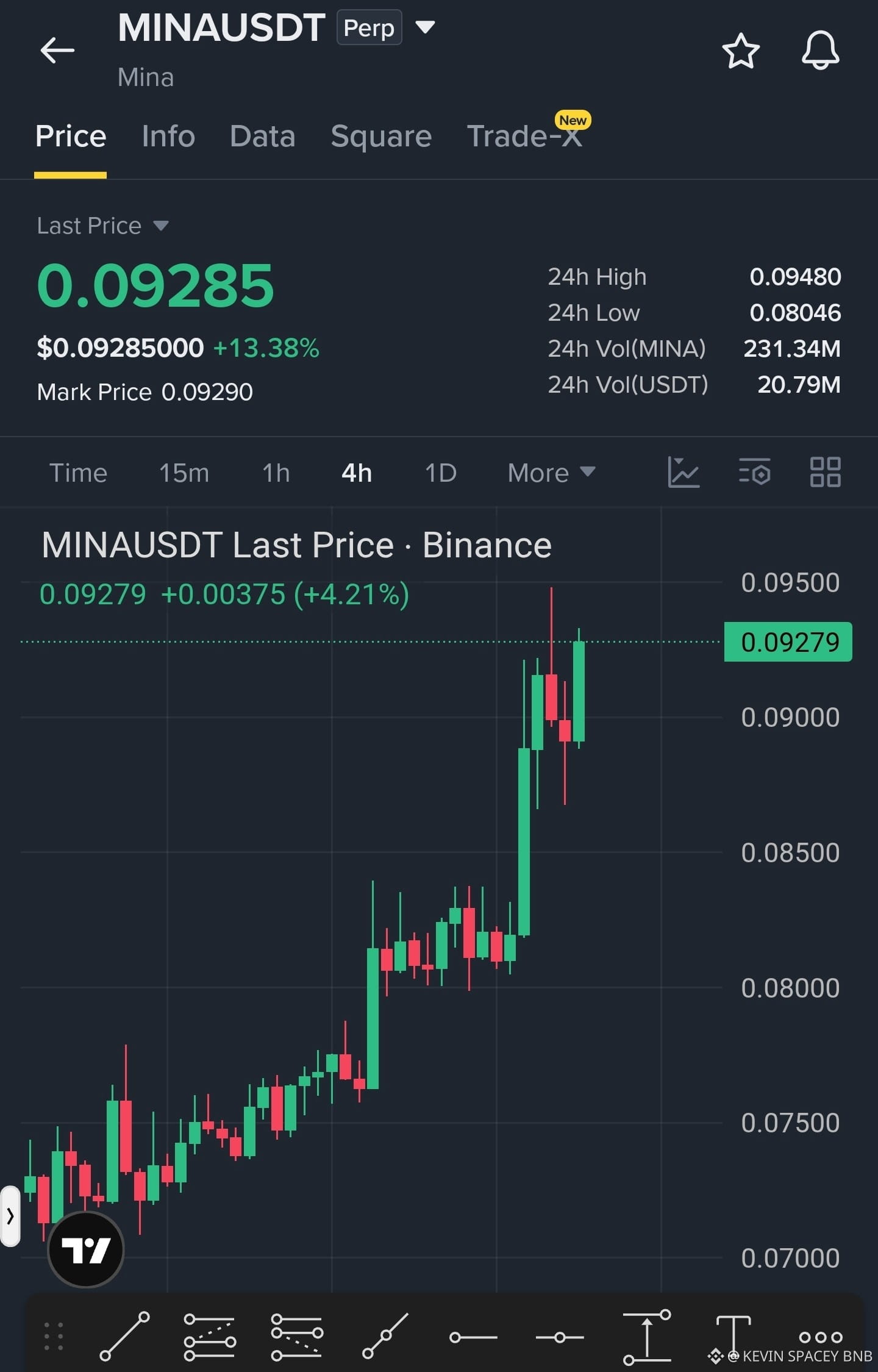
يبدو أن $MINA USDT جاهز لتحقيق دفعة أخرى باتجاه 0.09500 وربما أعلى إذا حافظ المشترون على دعم 0.09000.
إعداد الصفقة: شراء (Long)
منطقة الدخول: 0.08950 – 0.09250
هدف 1: 0.09500
هدف 2: 0.10000
هدف 3: 0.10600
وقف الخسارة: 0.08550
MINA تُظهر زخمًا قويًا على المدى القصير بعد استعادة منطقة 0.09000، حيث يتداول السعر بالقرب من أعلى مستوى حديث عند 0.09480. قد يؤدي اختراق واضح فوق هذا المستوى المقاوم إلى فتح الطريق نحو مستويات الصعود التالية.
ادخل هنا على $MINA 👇
يبدو أن $MINA USDT جاهز لتحقيق دفعة أخرى باتجاه 0.09500 وربما أعلى إذا حافظ المشترون على دعم 0.09000.
إعداد الصفقة: شراء (Long)
منطقة الدخول: 0.08950 – 0.09250
هدف 1: 0.09500
هدف 2: 0.10000
هدف 3: 0.10600
وقف الخسارة: 0.08550
MINA تُظهر زخمًا قويًا على المدى القصير بعد استعادة منطقة 0.09000، حيث يتداول السعر بالقرب من أعلى مستوى حديث عند 0.09480. قد يؤدي اختراق واضح فوق هذا المستوى المقاوم إلى فتح الطريق نحو مستويات الصعود التالية.
ادخل هنا على $MINA 👇
إعداد الصفقة: شراء (Long)
منطقة الدخول: 0.08950 – 0.09250
هدف 1: 0.09500
هدف 2: 0.10000
هدف 3: 0.10600
وقف الخسارة: 0.08550
MINA تُظهر زخمًا قويًا على المدى القصير بعد استعادة منطقة 0.09000، حيث يتداول السعر بالقرب من أعلى مستوى حديث عند 0.09480. قد يؤدي اختراق واضح فوق هذا المستوى المقاوم إلى فتح الطريق نحو مستويات الصعود التالية.
ادخل هنا على $MINA 👇
2
218
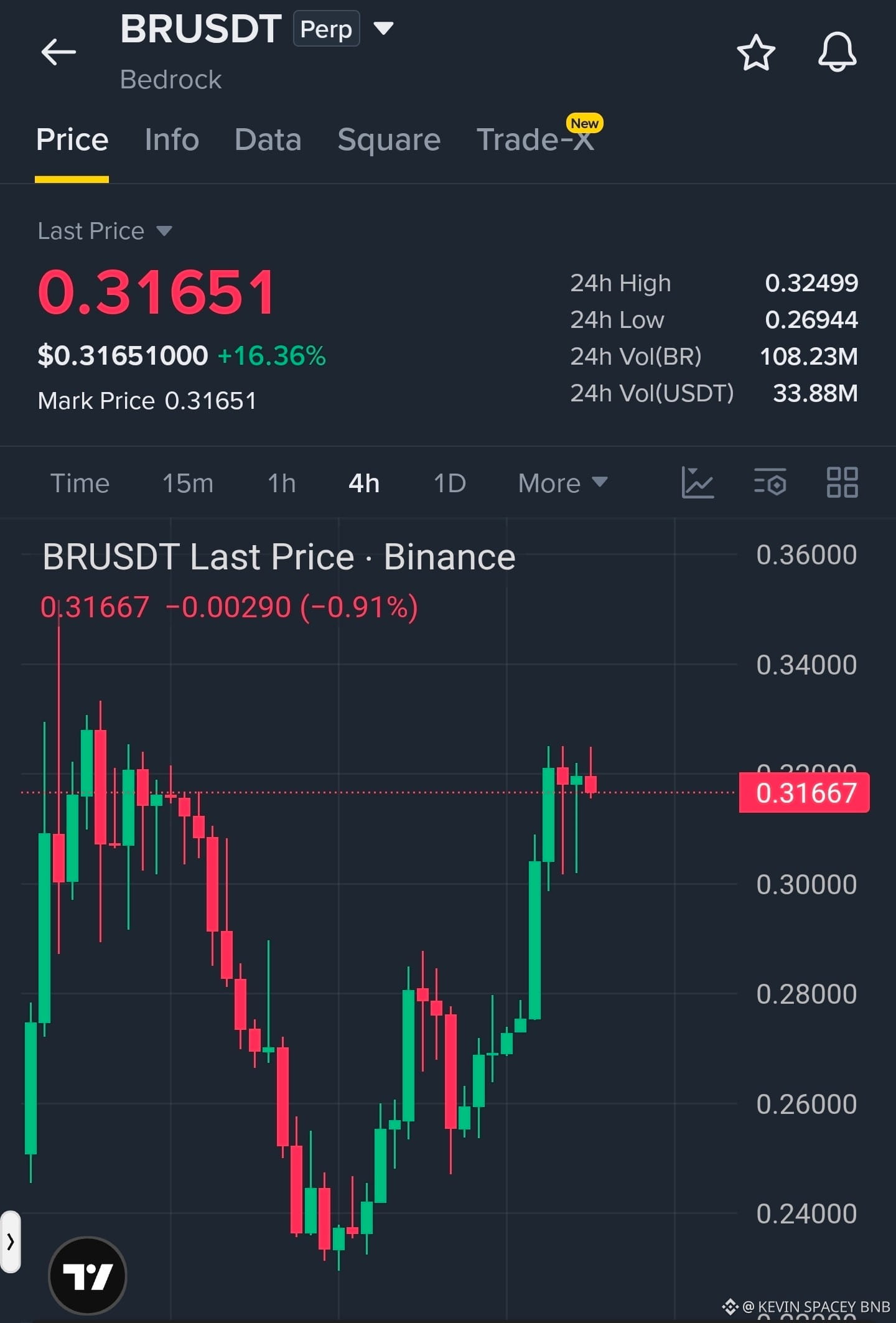
$BR USDT قد يعاود اختبار القمة الأخيرة قبل الحركة الصعودية التالية إذا استمر الدعم قرب 0.310.
إعداد الصفقة: شراء (Long)
منطقة الدخول: 0.309 – 0.316
Tp1: 0.325
Tp2: 0.340
Tp3: 0.360
SL: 0.298
يملك BR زخمًا قصير الأجل قويًا للهبوط بعد الاندفاعة الصاعدة الحادة، بينما يمكن أن تعمل 0.310–0.316 كمنطقة الاستمرار الرئيسية. إن الحفاظ على مستوى أعلى من هذه المنطقة يبقي البنية الصعودية صالحة ويفتح مجالًا باتجاه القمة الأخيرة ومستويات المقاومة الأعلى.
تداول هنا على $BR 👇
$BR USDT قد يعاود اختبار القمة الأخيرة قبل الحركة الصعودية التالية إذا استمر الدعم قرب 0.310.
إعداد الصفقة: شراء (Long)
منطقة الدخول: 0.309 – 0.316
Tp1: 0.325
Tp2: 0.340
Tp3: 0.360
SL: 0.298
يملك BR زخمًا قصير الأجل قويًا للهبوط بعد الاندفاعة الصاعدة الحادة، بينما يمكن أن تعمل 0.310–0.316 كمنطقة الاستمرار الرئيسية. إن الحفاظ على مستوى أعلى من هذه المنطقة يبقي البنية الصعودية صالحة ويفتح مجالًا باتجاه القمة الأخيرة ومستويات المقاومة الأعلى.
تداول هنا على $BR 👇
إعداد الصفقة: شراء (Long)
منطقة الدخول: 0.309 – 0.316
Tp1: 0.325
Tp2: 0.340
Tp3: 0.360
SL: 0.298
يملك BR زخمًا قصير الأجل قويًا للهبوط بعد الاندفاعة الصاعدة الحادة، بينما يمكن أن تعمل 0.310–0.316 كمنطقة الاستمرار الرئيسية. إن الحفاظ على مستوى أعلى من هذه المنطقة يبقي البنية الصعودية صالحة ويفتح مجالًا باتجاه القمة الأخيرة ومستويات المقاومة الأعلى.
تداول هنا على $BR 👇
2
258
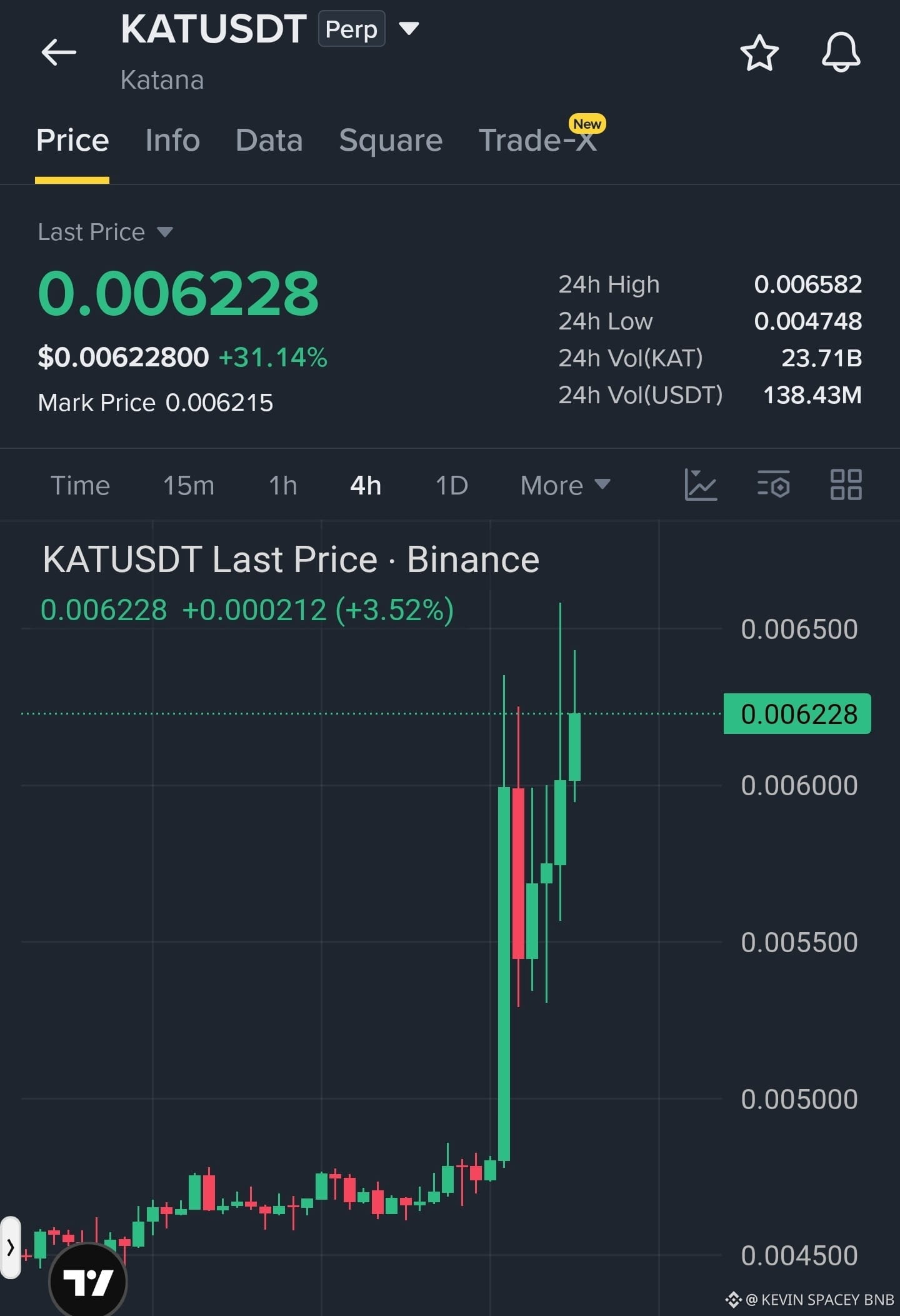
$KAT قد يعيد اختبار الدعم قبل أن يدفع المشترون باتجاه القمة الأخيرة
إعداد الصفقة: شراء (Long)
منطقة الدخول: 0.00585 – 0.00605
TP1: 0.00635
TP2: 0.00658
TP3: 0.00690
SL: 0.00555
يظل KAT فوق منطقة الاختراق الأخيرة بعد حركة قوية، لذلك أراقب نطاق 0.00585–0.00605 من أجل تراجع تصحيحي مضبوط وردّ فعل من المشترين.
إذا ثبت هذا الدعم، فقد يعود الزخم باتجاه أعلى مستوى خلال 24 ساعة وربما يطيل الاختراق.
ادخل هنا على $KAT 👇
$KAT قد يعيد اختبار الدعم قبل أن يدفع المشترون باتجاه القمة الأخيرة
إعداد الصفقة: شراء (Long)
منطقة الدخول: 0.00585 – 0.00605
TP1: 0.00635
TP2: 0.00658
TP3: 0.00690
SL: 0.00555
يظل KAT فوق منطقة الاختراق الأخيرة بعد حركة قوية، لذلك أراقب نطاق 0.00585–0.00605 من أجل تراجع تصحيحي مضبوط وردّ فعل من المشترين.
إذا ثبت هذا الدعم، فقد يعود الزخم باتجاه أعلى مستوى خلال 24 ساعة وربما يطيل الاختراق.
ادخل هنا على $KAT 👇
إعداد الصفقة: شراء (Long)
منطقة الدخول: 0.00585 – 0.00605
TP1: 0.00635
TP2: 0.00658
TP3: 0.00690
SL: 0.00555
يظل KAT فوق منطقة الاختراق الأخيرة بعد حركة قوية، لذلك أراقب نطاق 0.00585–0.00605 من أجل تراجع تصحيحي مضبوط وردّ فعل من المشترين.
إذا ثبت هذا الدعم، فقد يعود الزخم باتجاه أعلى مستوى خلال 24 ساعة وربما يطيل الاختراق.
ادخل هنا على $KAT 👇
172
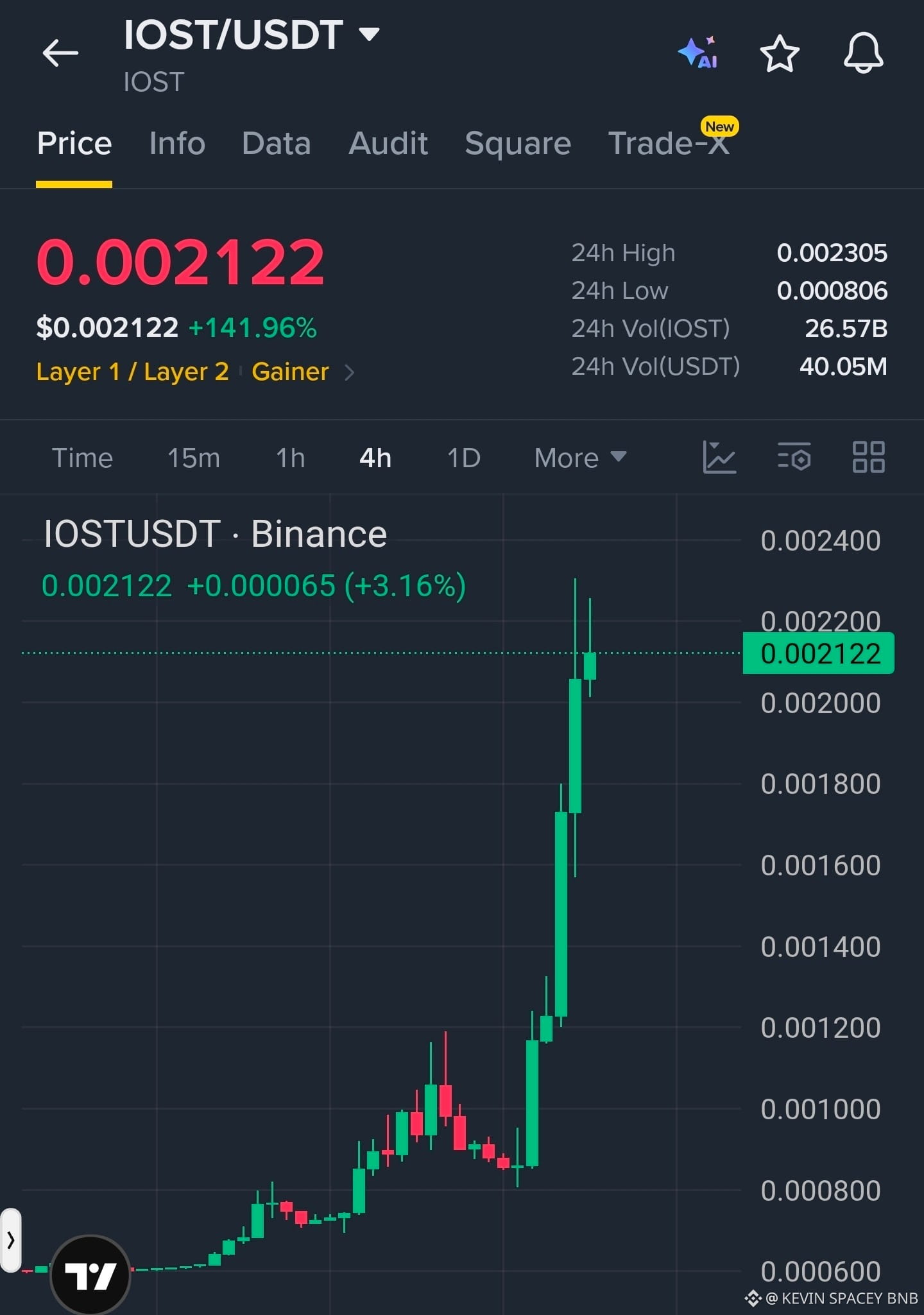
$IOST يبدو جاهزًا لحدوث تراجع قبل الحركة الصعودية التالية
إعداد الصفقة: شراء
منطقة الدخول: 0.00195 – 0.00205
TP1: 0.00220
TP2: 0.00235
TP3: 0.00255
SL: 0.00182
بعد الاختراق الضخم، أتطلع إلى تصحيح/ارتداد مُتحكم فيه إلى منطقة الدخول بدلًا من مطاردة السعر الحالي. قد يتيح الحفاظ على هذه المنطقة للمشترين فرصة لدفع السعر نحو القمة الأخيرة ثم مواصلة الارتفاع.
ادخل هنا على $IOST 👇
$IOST يبدو جاهزًا لحدوث تراجع قبل الحركة الصعودية التالية
إعداد الصفقة: شراء
منطقة الدخول: 0.00195 – 0.00205
TP1: 0.00220
TP2: 0.00235
TP3: 0.00255
SL: 0.00182
بعد الاختراق الضخم، أتطلع إلى تصحيح/ارتداد مُتحكم فيه إلى منطقة الدخول بدلًا من مطاردة السعر الحالي. قد يتيح الحفاظ على هذه المنطقة للمشترين فرصة لدفع السعر نحو القمة الأخيرة ثم مواصلة الارتفاع.
ادخل هنا على $IOST 👇
إعداد الصفقة: شراء
منطقة الدخول: 0.00195 – 0.00205
TP1: 0.00220
TP2: 0.00235
TP3: 0.00255
SL: 0.00182
بعد الاختراق الضخم، أتطلع إلى تصحيح/ارتداد مُتحكم فيه إلى منطقة الدخول بدلًا من مطاردة السعر الحالي. قد يتيح الحفاظ على هذه المنطقة للمشترين فرصة لدفع السعر نحو القمة الأخيرة ثم مواصلة الارتفاع.
ادخل هنا على $IOST 👇
498
·
--
صاعد
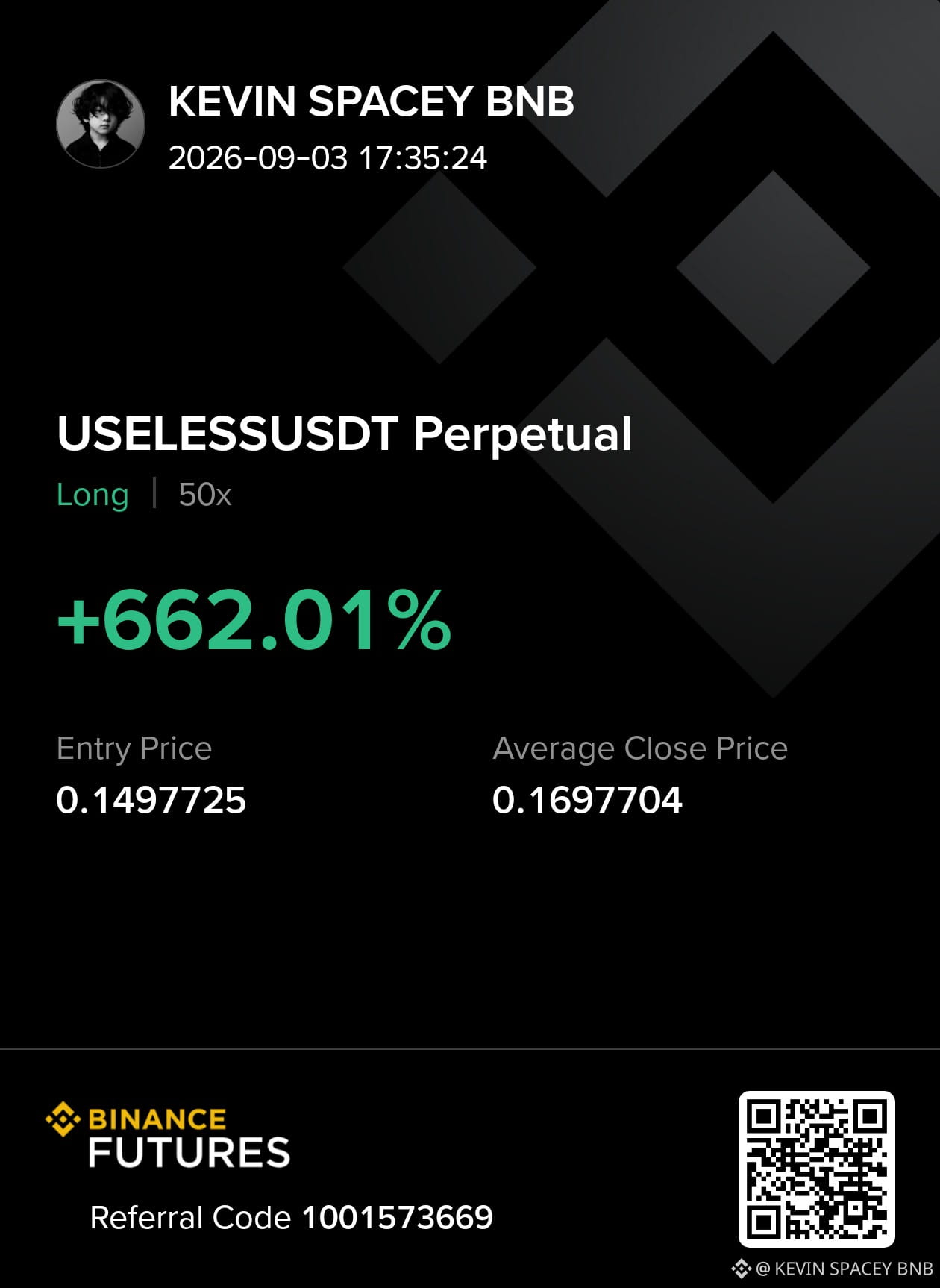
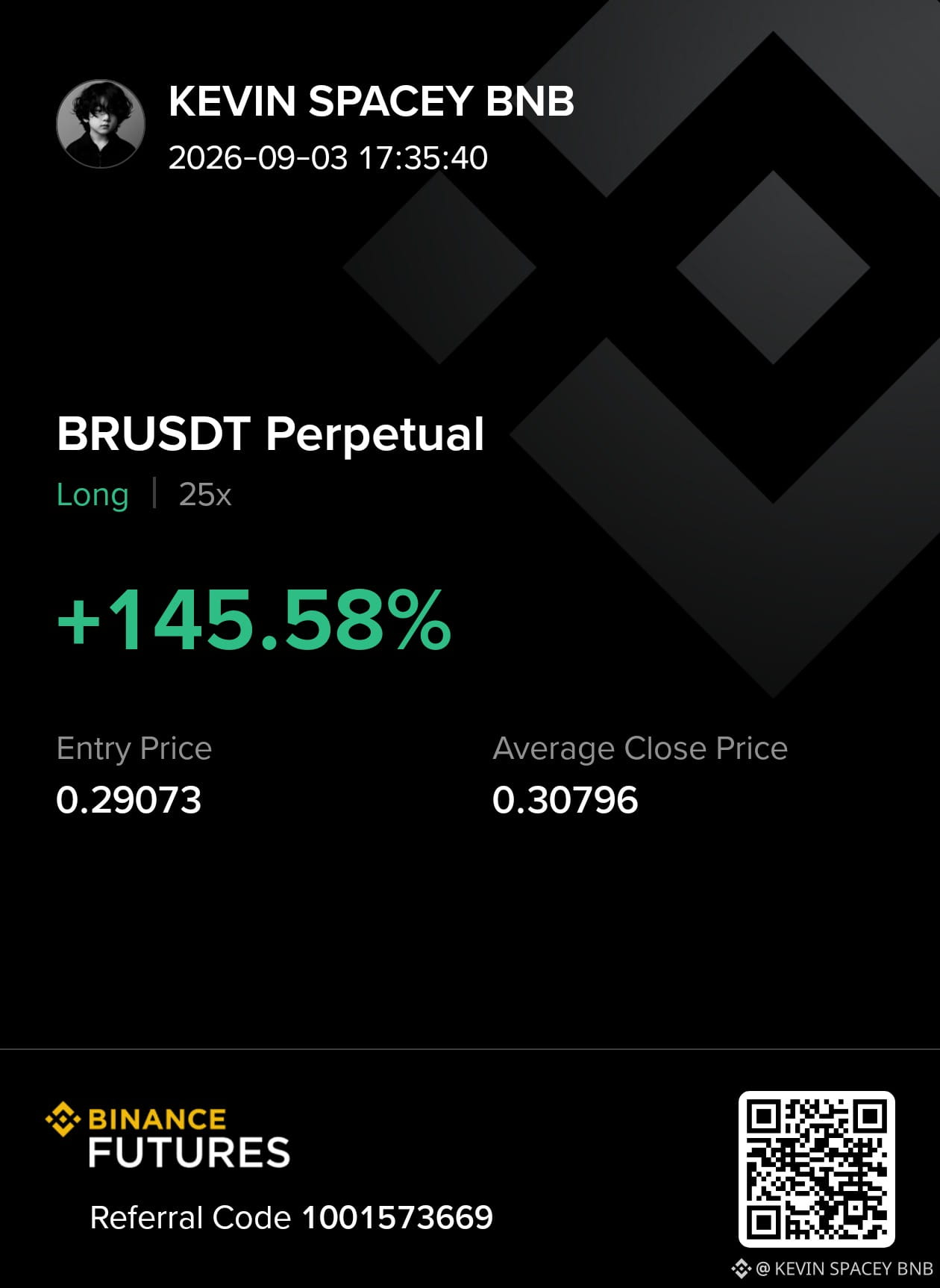
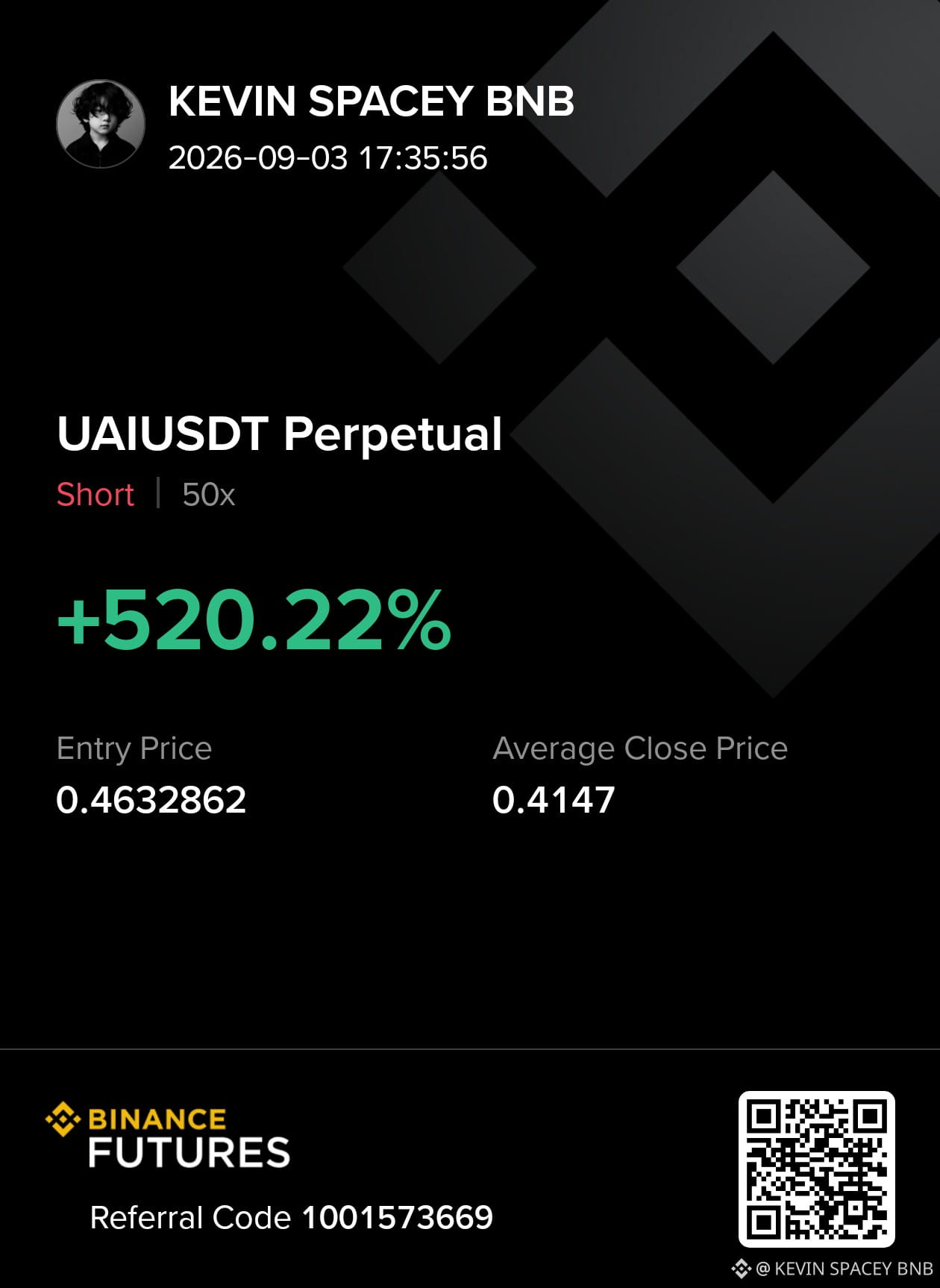
3 صفقات. 3 استراتيجيات مختلفة. نتائج حقيقية.
أنا لست هنا لعمل صفقات عشوائية أو وعد بأرباح مضمونة. هذه ثلاث صفقات قمت بالفعل بإغلاقها، مع تسجيل سعر الدخول ومتوسط سعر الإغلاق على Binance Futures.
1️⃣ $USELESS — LONG 50x
الدخول: 0.1497725
الإغلاق: 0.1697704
النتيجة: +662.01%
2️⃣ $UAI — SHORT 50x
الدخول: 0.4632862
الإغلاق: 0.4147
النتيجة: +520.22%
3️⃣ $BR — LONG 25x
الدخول: 0.29073
الإغلاق: 0.30796
النتيجة: +145.58%
ما يهمني ليس فقط النسبة الظاهرة في لقطة الشاشة—بل وجود دخول محدد، ومعرفة أين يتم إبطال الصفقة، وإدارة الصفقة بدلًا من مطاردة الشموع بشكل أعمى.
هذه النتائج هي صفقات سابقة، وليست ضمانًا للأداء في المستقبل. دائمًا أدر مخاطرَك أنت بنفسك، خصوصًا عند استخدام الرافعة المالية.
تفضل بالصفقة هنا 👇
3 صفقات. 3 استراتيجيات مختلفة. نتائج حقيقية.
أنا لست هنا لعمل صفقات عشوائية أو وعد بأرباح مضمونة. هذه ثلاث صفقات قمت بالفعل بإغلاقها، مع تسجيل سعر الدخول ومتوسط سعر الإغلاق على Binance Futures.
1️⃣ $USELESS — LONG 50x
الدخول: 0.1497725
الإغلاق: 0.1697704
النتيجة: +662.01%
2️⃣ $UAI — SHORT 50x
الدخول: 0.4632862
الإغلاق: 0.4147
النتيجة: +520.22%
3️⃣ $BR — LONG 25x
الدخول: 0.29073
الإغلاق: 0.30796
النتيجة: +145.58%
ما يهمني ليس فقط النسبة الظاهرة في لقطة الشاشة—بل وجود دخول محدد، ومعرفة أين يتم إبطال الصفقة، وإدارة الصفقة بدلًا من مطاردة الشموع بشكل أعمى.
هذه النتائج هي صفقات سابقة، وليست ضمانًا للأداء في المستقبل. دائمًا أدر مخاطرَك أنت بنفسك، خصوصًا عند استخدام الرافعة المالية.
تفضل بالصفقة هنا 👇
أنا لست هنا لعمل صفقات عشوائية أو وعد بأرباح مضمونة. هذه ثلاث صفقات قمت بالفعل بإغلاقها، مع تسجيل سعر الدخول ومتوسط سعر الإغلاق على Binance Futures.
1️⃣ $USELESS — LONG 50x
الدخول: 0.1497725
الإغلاق: 0.1697704
النتيجة: +662.01%
2️⃣ $UAI — SHORT 50x
الدخول: 0.4632862
الإغلاق: 0.4147
النتيجة: +520.22%
3️⃣ $BR — LONG 25x
الدخول: 0.29073
الإغلاق: 0.30796
النتيجة: +145.58%
ما يهمني ليس فقط النسبة الظاهرة في لقطة الشاشة—بل وجود دخول محدد، ومعرفة أين يتم إبطال الصفقة، وإدارة الصفقة بدلًا من مطاردة الشموع بشكل أعمى.
هذه النتائج هي صفقات سابقة، وليست ضمانًا للأداء في المستقبل. دائمًا أدر مخاطرَك أنت بنفسك، خصوصًا عند استخدام الرافعة المالية.
تفضل بالصفقة هنا 👇
1
427
👀 تبويب المتحركات القادمة (Futures Movers) يبدو مثيرًا للاهتمام…
🥇 $CATI — 0.05459 | **+1.22%**
🥈 $NEIRO — 0.00008599 | **+0.62%**
🥉 $ICP — 2.517 | **+3.41%**
🔻 $PHA — 0.0243 | **-0.41%**
الذي لفت انتباهي هو أن $ICP يتصدر من حيث نسبة الحركة، بينما CATI وNEIRO أيضًا ما زالتا باللون الأخضر.
ثم يوجد PHA، منخفض قليلًا باللون الأحمر بينما الآخرون يتحركون للأعلى. هذا التباين يجعل هذه القائمة أكثر إثارة للاهتمام من مجرد النظر إلى أكبر الرابحين.
أنا لا أطارد أيًا من هذه فقط لأنها خضراء. من السهل ملاحظة الحركة؛ السؤال الحقيقي هو ما إذا كانت الزخم يمكنه الاستمرار.
إذا كان عليك متابعة واحدة من هذه الأربع الآن، أي واحدة ستختار؟ 👇
#SaudiSaysIranAttackedShipInHormuz #OpenAISaysAstraFindsFlawsAutonomously #HangSengCloses18PointsLower
👀 تبويب المتحركات القادمة (Futures Movers) يبدو مثيرًا للاهتمام…
🥇 $CATI — 0.05459 | **+1.22%**
🥈 $NEIRO — 0.00008599 | **+0.62%**
🥉 $ICP — 2.517 | **+3.41%**
🔻 $PHA — 0.0243 | **-0.41%**
الذي لفت انتباهي هو أن $ICP يتصدر من حيث نسبة الحركة، بينما CATI وNEIRO أيضًا ما زالتا باللون الأخضر.
ثم يوجد PHA، منخفض قليلًا باللون الأحمر بينما الآخرون يتحركون للأعلى. هذا التباين يجعل هذه القائمة أكثر إثارة للاهتمام من مجرد النظر إلى أكبر الرابحين.
أنا لا أطارد أيًا من هذه فقط لأنها خضراء. من السهل ملاحظة الحركة؛ السؤال الحقيقي هو ما إذا كانت الزخم يمكنه الاستمرار.
إذا كان عليك متابعة واحدة من هذه الأربع الآن، أي واحدة ستختار؟ 👇
#SaudiSaysIranAttackedShipInHormuz #OpenAISaysAstraFindsFlawsAutonomously #HangSengCloses18PointsLower
🥇 $CATI — 0.05459 | **+1.22%**
🥈 $NEIRO — 0.00008599 | **+0.62%**
🥉 $ICP — 2.517 | **+3.41%**
🔻 $PHA — 0.0243 | **-0.41%**
الذي لفت انتباهي هو أن $ICP يتصدر من حيث نسبة الحركة، بينما CATI وNEIRO أيضًا ما زالتا باللون الأخضر.
ثم يوجد PHA، منخفض قليلًا باللون الأحمر بينما الآخرون يتحركون للأعلى. هذا التباين يجعل هذه القائمة أكثر إثارة للاهتمام من مجرد النظر إلى أكبر الرابحين.
أنا لا أطارد أيًا من هذه فقط لأنها خضراء. من السهل ملاحظة الحركة؛ السؤال الحقيقي هو ما إذا كانت الزخم يمكنه الاستمرار.
إذا كان عليك متابعة واحدة من هذه الأربع الآن، أي واحدة ستختار؟ 👇
#SaudiSaysIranAttackedShipInHormuz #OpenAISaysAstraFindsFlawsAutonomously #HangSengCloses18PointsLower
$CATI — 0.05459
33%
$NEIRO — 0.00008599
0%
$ICP — 2.517
67%
$PHA — 0.0243
0%
3 الأصوات • تمّ إغلاق التصويت
233
كنت أُحلِّل في الليلة الماضية بنية مكافأة الكتلة لـ @Dusk_Foundation ووجدت فخًّا اقتصاديًا لم أره موثّقًا بوضوح في أي مكان.
يبدو الانقسام على السطح بسيطًا. 80% لمُولِّد الكتلة، 10% للجنة التصويت، 10% لـ Dusk. كافٍ وواضح.
لكن 80% ليست مضمونة.
مكافأة المُولِّد مُقسّمة إلى جزأين. 70% ثابتة—يحصلون عليها بغض النظر عن أي شيء. الـ 10% المتبقية متغيّرة وتعتمد بالكامل على عدد الأصوات التي يدرجونها في شهادة الكتلة. ضم جميع الأصوات المعروفة، واحصل على كامل 80%. استبعاد الأصوات عمدًا يقلّل مكافأتك أنت.
ظللت أتساءل لماذا يوجد هذا التصميم تحديدًا.
في Dusk، مُولِّدو الكتل عبر جميع التكرارات داخل الجولة يمكن توقّعهم قبل أن تنتهي الجولة. مُولِّد مُجدول للتكرار 5 يعرف أنهم سيصلون. الإغراء واضح: دع التكرارات المبكرة تفشل، واستحوذ أنت على مكافأة الكتلة. مُولِّدو التكرارات الأعلى لديهم حافز لتخريب المولّدات الأسبق.
المكافأة المتغيّرة تقلب هذا الحافز. إذا استبعدت الأصوات لإبطاء التكرارات المبكرة، فأنت تقلّل مباشرةً من مدفوعاتك أنت. البروتوكول يجعل التخريب اقتصاديًا ذا جدوى صفرية ضد مَن يقوم به.
ثم تأتي طبقة العقوبة. الأخطاء البسيطة تؤدي إلى تعليق—يتم استبعاد المخالف من الاختيار لفترات محددة. الأخطاء الكبيرة مثل التصويت المزدوج تؤدي إلى شطب قاسٍ: يتم حرق جزء من الرهان بشكل دائم. غير مقفل. محروق.
$DUSK هو الأصل المعرّض للخطر في كل قرار اقتصادي من هذه القرارات.
هل تصميم الحوافز لدى Dusk متقدّم بما يكفي لمنع سوء سلوك المدققين على نطاق واسع، أم أن قابلية توقع المُولِّدين المستقبليين تخلق مسارات هجوم لا يمكن البنية التحتية للمكافآت إغلاقها بالكامل؟
@Dusk_Foundation $DUSK #dusk
$CATI
{future}(CATIUSDT)
ما الذي يمنع المدققين من إساءة السلوك؟
كنت أُحلِّل في الليلة الماضية بنية مكافأة الكتلة لـ @Dusk ووجدت فخًّا اقتصاديًا لم أره موثّقًا بوضوح في أي مكان.
يبدو الانقسام على السطح بسيطًا. 80% لمُولِّد الكتلة، 10% للجنة التصويت، 10% لـ Dusk. كافٍ وواضح.
لكن 80% ليست مضمونة.
مكافأة المُولِّد مُقسّمة إلى جزأين. 70% ثابتة—يحصلون عليها بغض النظر عن أي شيء. الـ 10% المتبقية متغيّرة وتعتمد بالكامل على عدد الأصوات التي يدرجونها في شهادة الكتلة. ضم جميع الأصوات المعروفة، واحصل على كامل 80%. استبعاد الأصوات عمدًا يقلّل مكافأتك أنت.
ظللت أتساءل لماذا يوجد هذا التصميم تحديدًا.
في Dusk، مُولِّدو الكتل عبر جميع التكرارات داخل الجولة يمكن توقّعهم قبل أن تنتهي الجولة. مُولِّد مُجدول للتكرار 5 يعرف أنهم سيصلون. الإغراء واضح: دع التكرارات المبكرة تفشل، واستحوذ أنت على مكافأة الكتلة. مُولِّدو التكرارات الأعلى لديهم حافز لتخريب المولّدات الأسبق.
المكافأة المتغيّرة تقلب هذا الحافز. إذا استبعدت الأصوات لإبطاء التكرارات المبكرة، فأنت تقلّل مباشرةً من مدفوعاتك أنت. البروتوكول يجعل التخريب اقتصاديًا ذا جدوى صفرية ضد مَن يقوم به.
ثم تأتي طبقة العقوبة. الأخطاء البسيطة تؤدي إلى تعليق—يتم استبعاد المخالف من الاختيار لفترات محددة. الأخطاء الكبيرة مثل التصويت المزدوج تؤدي إلى شطب قاسٍ: يتم حرق جزء من الرهان بشكل دائم. غير مقفل. محروق.
$DUSK هو الأصل المعرّض للخطر في كل قرار اقتصادي من هذه القرارات.
هل تصميم الحوافز لدى Dusk متقدّم بما يكفي لمنع سوء سلوك المدققين على نطاق واسع، أم أن قابلية توقع المُولِّدين المستقبليين تخلق مسارات هجوم لا يمكن البنية التحتية للمكافآت إغلاقها بالكامل؟
@Dusk $DUSK #dusk
$CATI
ما الذي يمنع المدققين من إساءة السلوك؟
يبدو الانقسام على السطح بسيطًا. 80% لمُولِّد الكتلة، 10% للجنة التصويت، 10% لـ Dusk. كافٍ وواضح.
لكن 80% ليست مضمونة.
مكافأة المُولِّد مُقسّمة إلى جزأين. 70% ثابتة—يحصلون عليها بغض النظر عن أي شيء. الـ 10% المتبقية متغيّرة وتعتمد بالكامل على عدد الأصوات التي يدرجونها في شهادة الكتلة. ضم جميع الأصوات المعروفة، واحصل على كامل 80%. استبعاد الأصوات عمدًا يقلّل مكافأتك أنت.
ظللت أتساءل لماذا يوجد هذا التصميم تحديدًا.
في Dusk، مُولِّدو الكتل عبر جميع التكرارات داخل الجولة يمكن توقّعهم قبل أن تنتهي الجولة. مُولِّد مُجدول للتكرار 5 يعرف أنهم سيصلون. الإغراء واضح: دع التكرارات المبكرة تفشل، واستحوذ أنت على مكافأة الكتلة. مُولِّدو التكرارات الأعلى لديهم حافز لتخريب المولّدات الأسبق.
المكافأة المتغيّرة تقلب هذا الحافز. إذا استبعدت الأصوات لإبطاء التكرارات المبكرة، فأنت تقلّل مباشرةً من مدفوعاتك أنت. البروتوكول يجعل التخريب اقتصاديًا ذا جدوى صفرية ضد مَن يقوم به.
ثم تأتي طبقة العقوبة. الأخطاء البسيطة تؤدي إلى تعليق—يتم استبعاد المخالف من الاختيار لفترات محددة. الأخطاء الكبيرة مثل التصويت المزدوج تؤدي إلى شطب قاسٍ: يتم حرق جزء من الرهان بشكل دائم. غير مقفل. محروق.
$DUSK هو الأصل المعرّض للخطر في كل قرار اقتصادي من هذه القرارات.
هل تصميم الحوافز لدى Dusk متقدّم بما يكفي لمنع سوء سلوك المدققين على نطاق واسع، أم أن قابلية توقع المُولِّدين المستقبليين تخلق مسارات هجوم لا يمكن البنية التحتية للمكافآت إغلاقها بالكامل؟
@Dusk $DUSK #dusk
$CATI
ما الذي يمنع المدققين من إساءة السلوك؟
💰 Economic rewards done right
67%
🔥 Stake slashing penalties
0%
👥 Committee oversight
0%
🔄 All three together
33%
6 الأصوات • تمّ إغلاق التصويت
2
3
245
رأيت "شراكة Chainlink" وكدت أتجاوزها.
أنا سعيد لأنني لم أفعل.
معظم الناس عندما يسمعون شراكة أوراكل يفكرون في تغذية الأسعار. نقطة بيانات واحدة. اتصال واحد. انتهى الأمر. لكن التكامل الفعلي الذي بنته Dusk يتكون من ثلاث طبقات بنية تحتية منفصلة، وكل طبقة منها تحل مشكلة لا يمكن للأنظمة المالية المنظمة تجاهلها.
الطبقة الأولى هي الاتصال عبر السلاسل. لا تعيش الأوراق المالية الخاضعة للتنظيم على سلسلة واحدة إلى الأبد. تحتاج المؤسسات إلى نقل الأصول بين الشبكات دون كسر ضمانات الامتثال أو التسوية. يتولى CCIP ذلك عبر الرسائل الموثقة عبر السلاسل، والتي تحافظ على سلامة المعاملة أثناء انتقالها.
الطبقة الثانية هي البيانات الموثقة. يجلب DataLink بيانات بمستوى المؤسسات إلى Dusk مع التحقق التشفيري المرفق. بالنسبة لمنصة أوراق مالية منظمة، لا يمكن أن تكون البيانات المغذية لعقود ذكية غير موثقة. فالسعر المتأخر أو المدخلات المُحرّفة في عقد تسوية لا يسبب فقط صفقة سيئة—بل قد يطلق ذلك خرقًا للامتثال.
الطبقة الثالثة أوقفتني تمامًا. يوفر Data Streams بيانات سوق في الوقت الحقيقي بالسرعة التي تحتاجها التطبيقات المالية فعلًا. تعني التسوية الحتمية على Dusk الشيء القليل إذا كانت بيانات السوق التي تقود قرار التسوية متأخرة لثوانٍ.
ظللت أفكر فيما سيتعطل أولًا إذا فشلت أي واحدة من هذه الطبقات الثلاث. يفشل الاتصال عبر السلاسل—فتُترك الأصول عالقة. تفشل البيانات الموثقة—فتُنفّذ العقود مدخلات محرّفة. تفشل البثّات اللحظية—فتحدث التسوية بأسعار متأخرة.
بنية Dusk التحتية المالية ليست مجرد طبقة البلوك تشين. إنها كل شيء يغذيها.
$DUSK تُسَوّي كل معاملة تُتاح بفضل طبقات البيانات الثلاث هذه.
هل تكامل طبقات Chainlink الثلاثة هو ما يجعل رؤية Dusk المالية المنظمة مكتملة عمليًا أخيرًا، أم أن الاعتماد على بنية تحتية خارجية قد يُدخل خطرًا على الاعتمادية لا يمكن للبروتوكول نفسه التحكم فيه؟
@Dusk_Foundation $DUSK #dusk $TUT
{future}(TUTUSDT)
أي طبقة بيانات هي الأهم لتمويل onchain الخاضع للتنظيم؟
رأيت "شراكة Chainlink" وكدت أتجاوزها.
أنا سعيد لأنني لم أفعل.
معظم الناس عندما يسمعون شراكة أوراكل يفكرون في تغذية الأسعار. نقطة بيانات واحدة. اتصال واحد. انتهى الأمر. لكن التكامل الفعلي الذي بنته Dusk يتكون من ثلاث طبقات بنية تحتية منفصلة، وكل طبقة منها تحل مشكلة لا يمكن للأنظمة المالية المنظمة تجاهلها.
الطبقة الأولى هي الاتصال عبر السلاسل. لا تعيش الأوراق المالية الخاضعة للتنظيم على سلسلة واحدة إلى الأبد. تحتاج المؤسسات إلى نقل الأصول بين الشبكات دون كسر ضمانات الامتثال أو التسوية. يتولى CCIP ذلك عبر الرسائل الموثقة عبر السلاسل، والتي تحافظ على سلامة المعاملة أثناء انتقالها.
الطبقة الثانية هي البيانات الموثقة. يجلب DataLink بيانات بمستوى المؤسسات إلى Dusk مع التحقق التشفيري المرفق. بالنسبة لمنصة أوراق مالية منظمة، لا يمكن أن تكون البيانات المغذية لعقود ذكية غير موثقة. فالسعر المتأخر أو المدخلات المُحرّفة في عقد تسوية لا يسبب فقط صفقة سيئة—بل قد يطلق ذلك خرقًا للامتثال.
الطبقة الثالثة أوقفتني تمامًا. يوفر Data Streams بيانات سوق في الوقت الحقيقي بالسرعة التي تحتاجها التطبيقات المالية فعلًا. تعني التسوية الحتمية على Dusk الشيء القليل إذا كانت بيانات السوق التي تقود قرار التسوية متأخرة لثوانٍ.
ظللت أفكر فيما سيتعطل أولًا إذا فشلت أي واحدة من هذه الطبقات الثلاث. يفشل الاتصال عبر السلاسل—فتُترك الأصول عالقة. تفشل البيانات الموثقة—فتُنفّذ العقود مدخلات محرّفة. تفشل البثّات اللحظية—فتحدث التسوية بأسعار متأخرة.
بنية Dusk التحتية المالية ليست مجرد طبقة البلوك تشين. إنها كل شيء يغذيها.
$DUSK تُسَوّي كل معاملة تُتاح بفضل طبقات البيانات الثلاث هذه.
هل تكامل طبقات Chainlink الثلاثة هو ما يجعل رؤية Dusk المالية المنظمة مكتملة عمليًا أخيرًا، أم أن الاعتماد على بنية تحتية خارجية قد يُدخل خطرًا على الاعتمادية لا يمكن للبروتوكول نفسه التحكم فيه؟
@Dusk $DUSK #dusk $TUT
أي طبقة بيانات هي الأهم لتمويل onchain الخاضع للتنظيم؟
أنا سعيد لأنني لم أفعل.
معظم الناس عندما يسمعون شراكة أوراكل يفكرون في تغذية الأسعار. نقطة بيانات واحدة. اتصال واحد. انتهى الأمر. لكن التكامل الفعلي الذي بنته Dusk يتكون من ثلاث طبقات بنية تحتية منفصلة، وكل طبقة منها تحل مشكلة لا يمكن للأنظمة المالية المنظمة تجاهلها.
الطبقة الأولى هي الاتصال عبر السلاسل. لا تعيش الأوراق المالية الخاضعة للتنظيم على سلسلة واحدة إلى الأبد. تحتاج المؤسسات إلى نقل الأصول بين الشبكات دون كسر ضمانات الامتثال أو التسوية. يتولى CCIP ذلك عبر الرسائل الموثقة عبر السلاسل، والتي تحافظ على سلامة المعاملة أثناء انتقالها.
الطبقة الثانية هي البيانات الموثقة. يجلب DataLink بيانات بمستوى المؤسسات إلى Dusk مع التحقق التشفيري المرفق. بالنسبة لمنصة أوراق مالية منظمة، لا يمكن أن تكون البيانات المغذية لعقود ذكية غير موثقة. فالسعر المتأخر أو المدخلات المُحرّفة في عقد تسوية لا يسبب فقط صفقة سيئة—بل قد يطلق ذلك خرقًا للامتثال.
الطبقة الثالثة أوقفتني تمامًا. يوفر Data Streams بيانات سوق في الوقت الحقيقي بالسرعة التي تحتاجها التطبيقات المالية فعلًا. تعني التسوية الحتمية على Dusk الشيء القليل إذا كانت بيانات السوق التي تقود قرار التسوية متأخرة لثوانٍ.
ظللت أفكر فيما سيتعطل أولًا إذا فشلت أي واحدة من هذه الطبقات الثلاث. يفشل الاتصال عبر السلاسل—فتُترك الأصول عالقة. تفشل البيانات الموثقة—فتُنفّذ العقود مدخلات محرّفة. تفشل البثّات اللحظية—فتحدث التسوية بأسعار متأخرة.
بنية Dusk التحتية المالية ليست مجرد طبقة البلوك تشين. إنها كل شيء يغذيها.
$DUSK تُسَوّي كل معاملة تُتاح بفضل طبقات البيانات الثلاث هذه.
هل تكامل طبقات Chainlink الثلاثة هو ما يجعل رؤية Dusk المالية المنظمة مكتملة عمليًا أخيرًا، أم أن الاعتماد على بنية تحتية خارجية قد يُدخل خطرًا على الاعتمادية لا يمكن للبروتوكول نفسه التحكم فيه؟
@Dusk $DUSK #dusk $TUT
أي طبقة بيانات هي الأهم لتمويل onchain الخاضع للتنظيم؟
🌉 Cross-chain connectivity
100%
✅ Verified institutional data
0%
⚡ Real-time market streams
0%
🔄 All three or nothing
0%
1 الأصوات • تمّ إغلاق التصويت
3
2
266
#TermMax
لقد درّبنا عالم التمويل اللامركزي (DeFi) نوعًا ما على أن نؤمن بأن المرونة دائمًا أفضل.
أودِع متى تشاء. اقترض متى تشاء. سدد متى تشاء.
يبدو مثاليًا.
لكنني كنت أنظر إلى @termmax وبدأت أتساءل عما إذا كانت كل هذه المرونة تأتي بالفعل بتكلفة نعتاد على تجاهلها.
مع الاقتراض بسعر فائدة عائم، تحافظ على حرية الحركة. والمقابل هو أن تكلفة التمويل الخاصة بك تظل هي الأخرى في حالة تحرّك مستمر.
لا تعرف كيف ستبدو النسبة الأسبوع القادم. ولا الشهر القادم.
الاقتراض لمدة محددة يقلب المعادلة.
تتنازل عن بعض المرونة، لكن في المقابل تعرف الشروط مسبقًا. لا تختفي حالة عدم اليقين، بل تغيّر شكلها فقط.
وهذا ما جعلني أفكر بأن الاختيار الحقيقي ليس بين منتج مرن وآخر مُقيِّد.
بل بين أنواع مختلفة من عدم اليقين.
أحدهما يتيح لك الخروج بحرية أكبر لكنه يترك تكلفة اقتراضك مكشوفة للسوق. والآخر يمنحك تمويلًا يمكن التنبؤ به لكنه يطلب منك الالتزام بالوقت.
ربما تكون التكلفة الخفية للمرونة هي عدم اليقين.
وربما تكون القيمة الحقيقية لأسواق العقود محددة المدة مثل @termmax هي ببساطة معرفة أي نوع من عدم اليقين تختاره.
$ACT ما زالت تلفت انتباهي حتى اليوم.#USRefinersFaceLoomingCrudeSupplyDrop
{spot}(ACTUSDT)
$GALA
{future}(GALAUSDT)
$BOME
{future}(BOMEUSDT)
ما الذي يهم أكثر عند الاقتراض؟
#TermMax
لقد درّبنا عالم التمويل اللامركزي (DeFi) نوعًا ما على أن نؤمن بأن المرونة دائمًا أفضل.
أودِع متى تشاء. اقترض متى تشاء. سدد متى تشاء.
يبدو مثاليًا.
لكنني كنت أنظر إلى @TermMax وبدأت أتساءل عما إذا كانت كل هذه المرونة تأتي بالفعل بتكلفة نعتاد على تجاهلها.
مع الاقتراض بسعر فائدة عائم، تحافظ على حرية الحركة. والمقابل هو أن تكلفة التمويل الخاصة بك تظل هي الأخرى في حالة تحرّك مستمر.
لا تعرف كيف ستبدو النسبة الأسبوع القادم. ولا الشهر القادم.
الاقتراض لمدة محددة يقلب المعادلة.
تتنازل عن بعض المرونة، لكن في المقابل تعرف الشروط مسبقًا. لا تختفي حالة عدم اليقين، بل تغيّر شكلها فقط.
وهذا ما جعلني أفكر بأن الاختيار الحقيقي ليس بين منتج مرن وآخر مُقيِّد.
بل بين أنواع مختلفة من عدم اليقين.
أحدهما يتيح لك الخروج بحرية أكبر لكنه يترك تكلفة اقتراضك مكشوفة للسوق. والآخر يمنحك تمويلًا يمكن التنبؤ به لكنه يطلب منك الالتزام بالوقت.
ربما تكون التكلفة الخفية للمرونة هي عدم اليقين.
وربما تكون القيمة الحقيقية لأسواق العقود محددة المدة مثل @TermMax هي ببساطة معرفة أي نوع من عدم اليقين تختاره.
$ACT ما زالت تلفت انتباهي حتى اليوم.#USRefinersFaceLoomingCrudeSupplyDrop
$GALA
$BOME
ما الذي يهم أكثر عند الاقتراض؟
لقد درّبنا عالم التمويل اللامركزي (DeFi) نوعًا ما على أن نؤمن بأن المرونة دائمًا أفضل.
أودِع متى تشاء. اقترض متى تشاء. سدد متى تشاء.
يبدو مثاليًا.
لكنني كنت أنظر إلى @TermMax وبدأت أتساءل عما إذا كانت كل هذه المرونة تأتي بالفعل بتكلفة نعتاد على تجاهلها.
مع الاقتراض بسعر فائدة عائم، تحافظ على حرية الحركة. والمقابل هو أن تكلفة التمويل الخاصة بك تظل هي الأخرى في حالة تحرّك مستمر.
لا تعرف كيف ستبدو النسبة الأسبوع القادم. ولا الشهر القادم.
الاقتراض لمدة محددة يقلب المعادلة.
تتنازل عن بعض المرونة، لكن في المقابل تعرف الشروط مسبقًا. لا تختفي حالة عدم اليقين، بل تغيّر شكلها فقط.
وهذا ما جعلني أفكر بأن الاختيار الحقيقي ليس بين منتج مرن وآخر مُقيِّد.
بل بين أنواع مختلفة من عدم اليقين.
أحدهما يتيح لك الخروج بحرية أكبر لكنه يترك تكلفة اقتراضك مكشوفة للسوق. والآخر يمنحك تمويلًا يمكن التنبؤ به لكنه يطلب منك الالتزام بالوقت.
ربما تكون التكلفة الخفية للمرونة هي عدم اليقين.
وربما تكون القيمة الحقيقية لأسواق العقود محددة المدة مثل @TermMax هي ببساطة معرفة أي نوع من عدم اليقين تختاره.
$ACT ما زالت تلفت انتباهي حتى اليوم.#USRefinersFaceLoomingCrudeSupplyDrop
$GALA
$BOME
ما الذي يهم أكثر عند الاقتراض؟
Flexibility
75%
Fixed Rates
0%
Predictability
0%
Liquidity
25%
4 الأصوات • تمّ إغلاق التصويت
1.6k
سجّل الدخول لاستكشاف المزيد من المُحتوى
انضم إلى مُستخدمي العملات الرقمية حول العالم على Binance Square
⚡️ احصل على أحدث المعلومات المفيدة عن العملات الرقمية.
💬 موثوقة من قبل أكبر منصّة لتداول العملات الرقمية في العالم.
👍 اكتشف الرؤى الحقيقية من صنّاع المُحتوى الموثوقين.
البريد الإلكتروني / رقم الهاتف
المواضيع الرائجة
EtherGains70.9%InQ3
22,885 مشاهدات
340 يقومون بالنقاش
#EtherGains70.9%InQ3
🇸🇦 Ethereum Gains 70.9% in Q3 📈
حقق Ethereum (ETH) ارتفاعًا بنسبة 70.9% خلال الربع الثالث (Q3)، في أداء لافت جذب اهتمام المتداولين والمستثمرين.
هذا النوع من الارتفاع يوضح مدى سرعة تحرك سوق العملات الرقمية، لكنه لا يعني أن السعر سيستمر في الصعود.
🔎 تعلم، تابع السوق، وأدر المخاطر قبل اتخاذ أي قرار.
#Ethereum eum #ETH #Crypto #TradingCommunity ding #Binance #CryptoNews
🇬🇧 Ethereum Gains 70.9% in Q3 📈
Ethereum (ETH) gained 70.9% during Q3, attracting significant attention from traders and crypto investors.
Such a strong move highlights how quickly cryptocurrency markets can change, but it does not guarantee that the price will continue rising.
🔎 Learn, follow the market, and manage your risk before making any decision.
#Ethereum #ETH #Crypto #Trading #Binance #CryptoNews
noussikh
·0 إعجاب
·226 مشاهدات
TreasuryLetsStatesFileStablecoinCertificationsEarly
219 مشاهدات
14 يقومون بالنقاش
US10YearYieldNears5.3%
59,046 مشاهدات
558 يقومون بالنقاش