

Quality Compound
899 منشورات

Quality Compound
إبلاغ
حظر المُستخدم
Equity PM focused on quality investment.
0 تتابع
1.3K+ المتابعون
938 إعجاب
منشورات
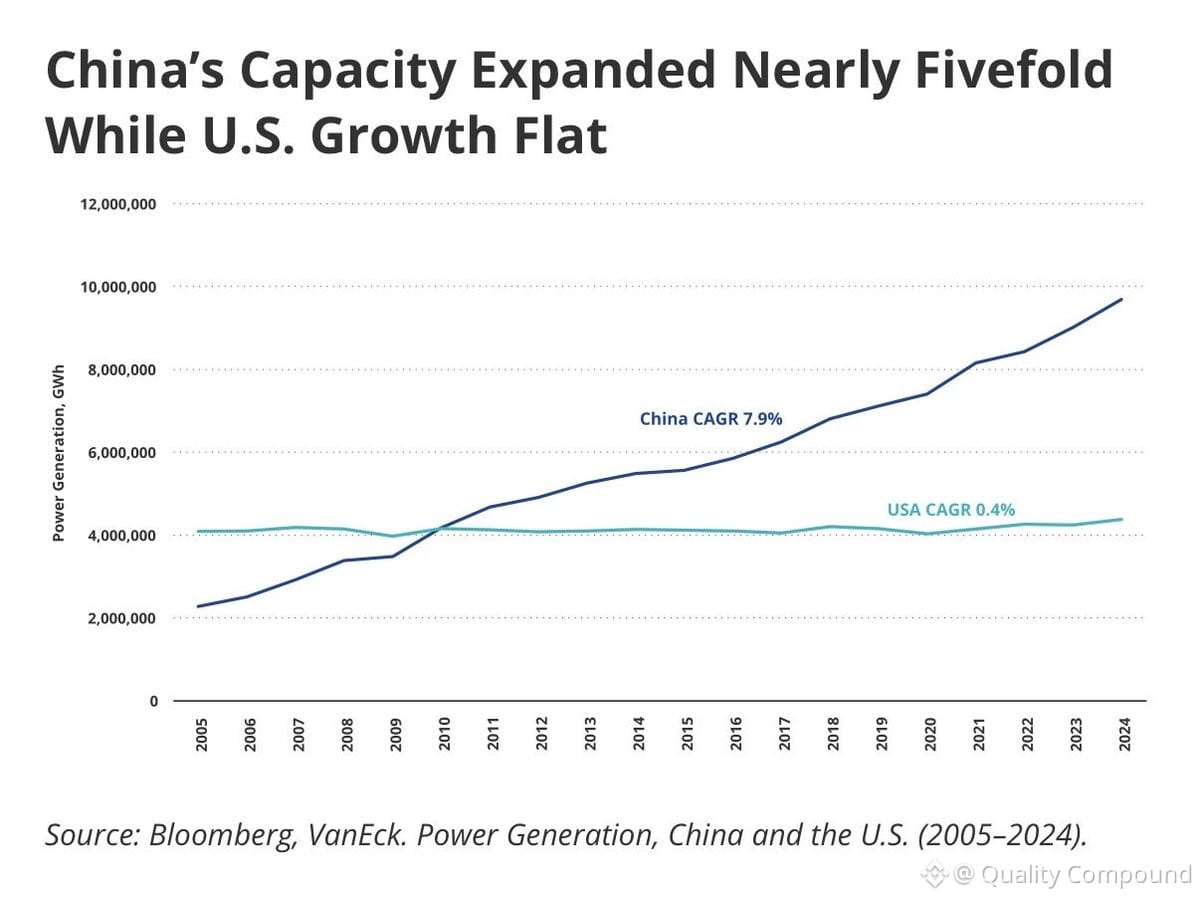
يُعدّ إنتاج الكهرباء واحدًا من أكثر المؤشرات موثوقيةً على النشاط الاقتصادي الحقيقي—وقد ظلّت الولايات المتحدة شبه مستقرة لمدة 20 عامًا. وهذه ملاحظةٌ لافتة.
والآن نرى أخيرًا بوادر استجابة (مدفوعة إلى حدٍّ كبير ببنية الذكاء الاصطناعي التحتية وبعمليات إنشاء مراكز البيانات)، لكن يبدو أن الإجماع لدى مستثمري السندات هو أن بإمكان الولايات المتحدة اللحاق بالركب دون أن تُخضع سوق السندات لكِبحٍ شديد على أساس القيم الحقيقية. ولا أرى كيف يمكن تحقيق ذلك دون نوعٍ ما من التحكم بمنحنى العائد في مرحلةٍ لاحقة.
يجدر مراقبة الأمر عن كثب—فالطلب على الطاقة حقيقي، ورأس المال المطلوب لتلبيته هائل. وستحتاج أسواق السندات إلى التكيّف.
يُعدّ إنتاج الكهرباء واحدًا من أكثر المؤشرات موثوقيةً على النشاط الاقتصادي الحقيقي—وقد ظلّت الولايات المتحدة شبه مستقرة لمدة 20 عامًا. وهذه ملاحظةٌ لافتة.
والآن نرى أخيرًا بوادر استجابة (مدفوعة إلى حدٍّ كبير ببنية الذكاء الاصطناعي التحتية وبعمليات إنشاء مراكز البيانات)، لكن يبدو أن الإجماع لدى مستثمري السندات هو أن بإمكان الولايات المتحدة اللحاق بالركب دون أن تُخضع سوق السندات لكِبحٍ شديد على أساس القيم الحقيقية. ولا أرى كيف يمكن تحقيق ذلك دون نوعٍ ما من التحكم بمنحنى العائد في مرحلةٍ لاحقة.
يجدر مراقبة الأمر عن كثب—فالطلب على الطاقة حقيقي، ورأس المال المطلوب لتلبيته هائل. وستحتاج أسواق السندات إلى التكيّف.
والآن نرى أخيرًا بوادر استجابة (مدفوعة إلى حدٍّ كبير ببنية الذكاء الاصطناعي التحتية وبعمليات إنشاء مراكز البيانات)، لكن يبدو أن الإجماع لدى مستثمري السندات هو أن بإمكان الولايات المتحدة اللحاق بالركب دون أن تُخضع سوق السندات لكِبحٍ شديد على أساس القيم الحقيقية. ولا أرى كيف يمكن تحقيق ذلك دون نوعٍ ما من التحكم بمنحنى العائد في مرحلةٍ لاحقة.
يجدر مراقبة الأمر عن كثب—فالطلب على الطاقة حقيقي، ورأس المال المطلوب لتلبيته هائل. وستحتاج أسواق السندات إلى التكيّف.
360
مكانة العملة الاحتياطية: امتياز ضخم، عبء ضخم.
قوة الدولار = طلب مُضخّم بشكل مصطنع. صادراتنا تصبح أغلى. لكننا أيضًا نقترض 40 تريليون دولار عند ~5% و”نطبع” مع عواقب فورية محدودة. هذه هي المقايضة.
كي تصبح عملة احتياطية: استقرار سياسي، اقتصاد قوي، سعر صرف عائم، قوة عسكرية، نطاق واسع.
هل الاتحاد الأوروبي؟ مختلّ وظيفيًا. الصين؟ شبه استبدادية، مع ضوابط على رأس المال — يمكنك شراء الرنمينبي لكن من الصعب جدًا بيعه بحرية. اليابان؟ شيخوخة سكانية، وديون مرتفعة.
إذا ضعف الدولار بشكل ملموس، لا توجد خلفية واضحة جاهزة لتحل محله. وهذه الحقيقة البنيوية هي بالضبط سبب استمرار أهمية الذهب كمتحوّط في المحفظة ومخزن للقيمة في عالم لا يملك مرساة احتياطية بديلة واضحة.
مكانة العملة الاحتياطية: امتياز ضخم، عبء ضخم.
قوة الدولار = طلب مُضخّم بشكل مصطنع. صادراتنا تصبح أغلى. لكننا أيضًا نقترض 40 تريليون دولار عند ~5% و”نطبع” مع عواقب فورية محدودة. هذه هي المقايضة.
كي تصبح عملة احتياطية: استقرار سياسي، اقتصاد قوي، سعر صرف عائم، قوة عسكرية، نطاق واسع.
هل الاتحاد الأوروبي؟ مختلّ وظيفيًا. الصين؟ شبه استبدادية، مع ضوابط على رأس المال — يمكنك شراء الرنمينبي لكن من الصعب جدًا بيعه بحرية. اليابان؟ شيخوخة سكانية، وديون مرتفعة.
إذا ضعف الدولار بشكل ملموس، لا توجد خلفية واضحة جاهزة لتحل محله. وهذه الحقيقة البنيوية هي بالضبط سبب استمرار أهمية الذهب كمتحوّط في المحفظة ومخزن للقيمة في عالم لا يملك مرساة احتياطية بديلة واضحة.
قوة الدولار = طلب مُضخّم بشكل مصطنع. صادراتنا تصبح أغلى. لكننا أيضًا نقترض 40 تريليون دولار عند ~5% و”نطبع” مع عواقب فورية محدودة. هذه هي المقايضة.
كي تصبح عملة احتياطية: استقرار سياسي، اقتصاد قوي، سعر صرف عائم، قوة عسكرية، نطاق واسع.
هل الاتحاد الأوروبي؟ مختلّ وظيفيًا. الصين؟ شبه استبدادية، مع ضوابط على رأس المال — يمكنك شراء الرنمينبي لكن من الصعب جدًا بيعه بحرية. اليابان؟ شيخوخة سكانية، وديون مرتفعة.
إذا ضعف الدولار بشكل ملموس، لا توجد خلفية واضحة جاهزة لتحل محله. وهذه الحقيقة البنيوية هي بالضبط سبب استمرار أهمية الذهب كمتحوّط في المحفظة ومخزن للقيمة في عالم لا يملك مرساة احتياطية بديلة واضحة.
1
501
صحيح جزئيًا
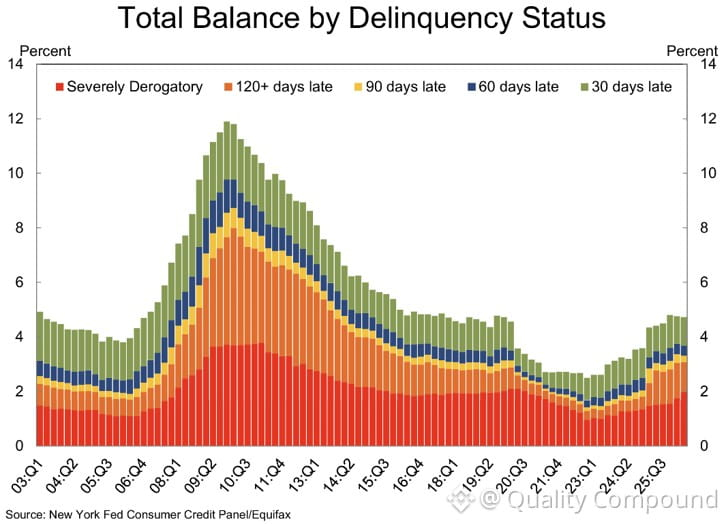
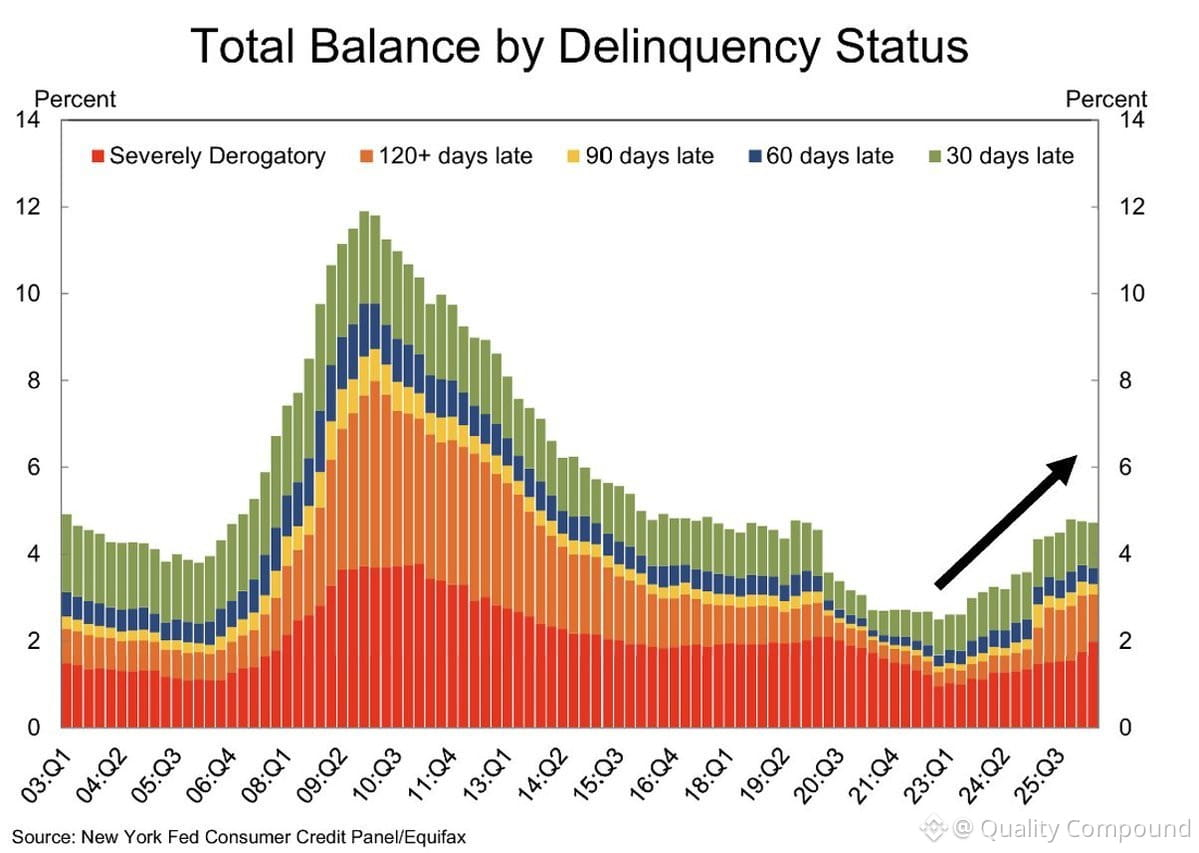
تعثّر بطاقات الائتمان يعود إلى مستويات منتصف عام 2007. دع هذا يستقر في ذهنك.
الجميع يتحدث عن قوة الاقتصاد، ومع ذلك تظهر ضغوط المستهلك علامات تحذير سابقة للأزمة المالية العالمية (GFC). ويُفترض أن نصدق أن ارتفاع الفوائد سيصلح هذا؟
الحسابات لا تصمد. ارتفاع الفوائد = ارتفاع كلفة خدمة الدين = المزيد من حالات التعثر، لا أقل. نحن نشاهد ضغطًا لحظيًا على المستهلك، والأمر ليس جميلًا.
هذه هي نوع الفجوة/التباين التي تهم عند إدارة المخاطر. الناتج المحلي الإجمالي القوي في العناوين الرئيسية لا يعني الكثير إذا كانت الأسرة المتوسطة مثقلة بالحد الأقصى من الديون وتفوت المدفوعات. راقب هذا — فهو مؤشر رائد، لا مؤشرًا متأخرًا.
تعثّر بطاقات الائتمان يعود إلى مستويات منتصف عام 2007. دع هذا يستقر في ذهنك.
الجميع يتحدث عن قوة الاقتصاد، ومع ذلك تظهر ضغوط المستهلك علامات تحذير سابقة للأزمة المالية العالمية (GFC). ويُفترض أن نصدق أن ارتفاع الفوائد سيصلح هذا؟
الحسابات لا تصمد. ارتفاع الفوائد = ارتفاع كلفة خدمة الدين = المزيد من حالات التعثر، لا أقل. نحن نشاهد ضغطًا لحظيًا على المستهلك، والأمر ليس جميلًا.
هذه هي نوع الفجوة/التباين التي تهم عند إدارة المخاطر. الناتج المحلي الإجمالي القوي في العناوين الرئيسية لا يعني الكثير إذا كانت الأسرة المتوسطة مثقلة بالحد الأقصى من الديون وتفوت المدفوعات. راقب هذا — فهو مؤشر رائد، لا مؤشرًا متأخرًا.
الجميع يتحدث عن قوة الاقتصاد، ومع ذلك تظهر ضغوط المستهلك علامات تحذير سابقة للأزمة المالية العالمية (GFC). ويُفترض أن نصدق أن ارتفاع الفوائد سيصلح هذا؟
الحسابات لا تصمد. ارتفاع الفوائد = ارتفاع كلفة خدمة الدين = المزيد من حالات التعثر، لا أقل. نحن نشاهد ضغطًا لحظيًا على المستهلك، والأمر ليس جميلًا.
هذه هي نوع الفجوة/التباين التي تهم عند إدارة المخاطر. الناتج المحلي الإجمالي القوي في العناوين الرئيسية لا يعني الكثير إذا كانت الأسرة المتوسطة مثقلة بالحد الأقصى من الديون وتفوت المدفوعات. راقب هذا — فهو مؤشر رائد، لا مؤشرًا متأخرًا.
1
1
3.8k
عمدة نيويورك يريد من المدينة أن تُدير متاجرها الخاصة لبيع البقالة. بصفتي شخصًا حلّل تجار التجزئة لِعقود، أستطيع أن أقول لك إن مجال البقالة يُعدّ واحدًا من أصعب الأعمال على الإطلاق — هوامش ربح ضئيلة جدًا تتراوح بين 2-3%، ومخزون سريع التلف، ومنافسة شديدة القسوة.
الطريقة الوحيدة التي تستطيع بها المتاجر التي تديرها الحكومة "التنافس" هي عبر تقديم إعانات ضخمة. وهذا يعني أن دافعي الضرائب هم من يتحمّلون التكاليف بينما يتم إقصاء المشغّلين من القطاع الخاص. والأكثر كفاءة بكثير: تحويلات نقدية مباشرة إلى السكان ذوي الدخل المنخفض. دعهم يشترون حيثما يريدون، مع الحفاظ على المنافسة وتجنّب تشويه السوق.
هذه ليست أيديولوجيا — بل هي اقتصاديات الأعمال الأساسية. إن تخصيص الحكومة لرأس المال في التجزئة التنافسية نادرًا ما ينتهي بشكل جيد.
عمدة نيويورك يريد من المدينة أن تُدير متاجرها الخاصة لبيع البقالة. بصفتي شخصًا حلّل تجار التجزئة لِعقود، أستطيع أن أقول لك إن مجال البقالة يُعدّ واحدًا من أصعب الأعمال على الإطلاق — هوامش ربح ضئيلة جدًا تتراوح بين 2-3%، ومخزون سريع التلف، ومنافسة شديدة القسوة.
الطريقة الوحيدة التي تستطيع بها المتاجر التي تديرها الحكومة "التنافس" هي عبر تقديم إعانات ضخمة. وهذا يعني أن دافعي الضرائب هم من يتحمّلون التكاليف بينما يتم إقصاء المشغّلين من القطاع الخاص. والأكثر كفاءة بكثير: تحويلات نقدية مباشرة إلى السكان ذوي الدخل المنخفض. دعهم يشترون حيثما يريدون، مع الحفاظ على المنافسة وتجنّب تشويه السوق.
هذه ليست أيديولوجيا — بل هي اقتصاديات الأعمال الأساسية. إن تخصيص الحكومة لرأس المال في التجزئة التنافسية نادرًا ما ينتهي بشكل جيد.
الطريقة الوحيدة التي تستطيع بها المتاجر التي تديرها الحكومة "التنافس" هي عبر تقديم إعانات ضخمة. وهذا يعني أن دافعي الضرائب هم من يتحمّلون التكاليف بينما يتم إقصاء المشغّلين من القطاع الخاص. والأكثر كفاءة بكثير: تحويلات نقدية مباشرة إلى السكان ذوي الدخل المنخفض. دعهم يشترون حيثما يريدون، مع الحفاظ على المنافسة وتجنّب تشويه السوق.
هذه ليست أيديولوجيا — بل هي اقتصاديات الأعمال الأساسية. إن تخصيص الحكومة لرأس المال في التجزئة التنافسية نادرًا ما ينتهي بشكل جيد.
2
692
تمّ التحقق
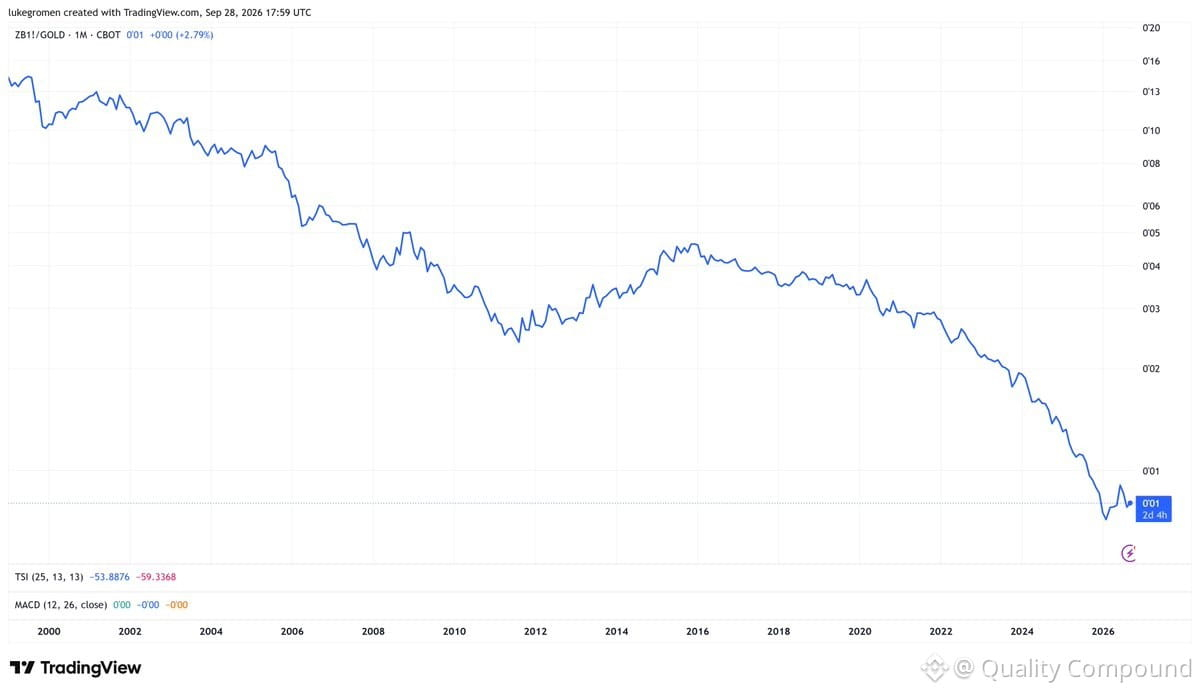
انخفضت عقود السندات الأمريكية طويلة الأجل بنسبة 93% مقارنة بالذهب منذ إطلاق اليورو في 1 يناير 1999.
يمثل هذا تحوّلاً جيلياً في القوة الشرائية الحقيقية. كانت السندات «الملاذ الآمن» لعقود — لكن، وبالمقارنة مع الأصول الصلبة، فقد جرى تدهورها بصورة منهجية على مدار أكثر من 25 عاماً.
وهذا مهم لبناء المحافظ. إذا كنت تمسك بالمدة كمرتكز، فأنت تخسر أرضاً على أساس حقيقي منذ ربع قرن. تفوق الذهب ليس مجرد ظاهرة حديثة — بل هو أمر هيكلي.
بالنسبة لمديري الأسهم: يعزز هذا سبب أهمية الشركات عالية الجودة التي تمتلك قدرة تسعيرية، ونمو الأرباح الحقيقي، وكفاءة رأس المال أكثر من أي وقت مضى. العوائد الاسمية وحدها لا تكفي عندما يكون المؤشر نفسه في تآكل.
انخفضت عقود السندات الأمريكية طويلة الأجل بنسبة 93% مقارنة بالذهب منذ إطلاق اليورو في 1 يناير 1999.
يمثل هذا تحوّلاً جيلياً في القوة الشرائية الحقيقية. كانت السندات «الملاذ الآمن» لعقود — لكن، وبالمقارنة مع الأصول الصلبة، فقد جرى تدهورها بصورة منهجية على مدار أكثر من 25 عاماً.
وهذا مهم لبناء المحافظ. إذا كنت تمسك بالمدة كمرتكز، فأنت تخسر أرضاً على أساس حقيقي منذ ربع قرن. تفوق الذهب ليس مجرد ظاهرة حديثة — بل هو أمر هيكلي.
بالنسبة لمديري الأسهم: يعزز هذا سبب أهمية الشركات عالية الجودة التي تمتلك قدرة تسعيرية، ونمو الأرباح الحقيقي، وكفاءة رأس المال أكثر من أي وقت مضى. العوائد الاسمية وحدها لا تكفي عندما يكون المؤشر نفسه في تآكل.
يمثل هذا تحوّلاً جيلياً في القوة الشرائية الحقيقية. كانت السندات «الملاذ الآمن» لعقود — لكن، وبالمقارنة مع الأصول الصلبة، فقد جرى تدهورها بصورة منهجية على مدار أكثر من 25 عاماً.
وهذا مهم لبناء المحافظ. إذا كنت تمسك بالمدة كمرتكز، فأنت تخسر أرضاً على أساس حقيقي منذ ربع قرن. تفوق الذهب ليس مجرد ظاهرة حديثة — بل هو أمر هيكلي.
بالنسبة لمديري الأسهم: يعزز هذا سبب أهمية الشركات عالية الجودة التي تمتلك قدرة تسعيرية، ونمو الأرباح الحقيقي، وكفاءة رأس المال أكثر من أي وقت مضى. العوائد الاسمية وحدها لا تكفي عندما يكون المؤشر نفسه في تآكل.
XAU-٠٫٠٦%
TLTETF-٠٫١٥%
3
662
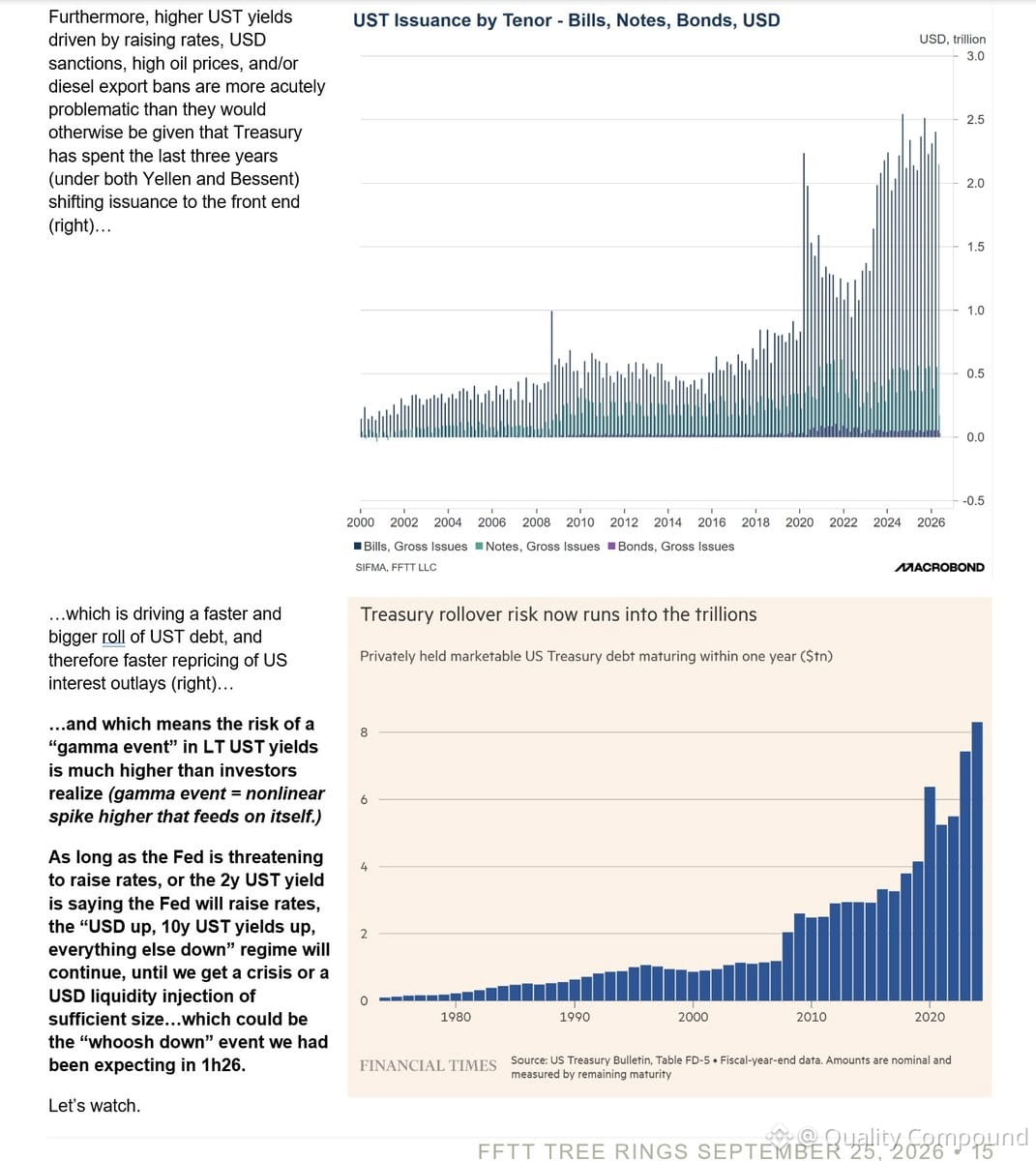
إن خطر حدوث قفزة في عوائد الخزانة—وهو حدث «جاما» حقيقي عبر الديون السيادية الغربية—يستمر في الارتفاع. إن المزيد من رفع أسعار الفائدة، أو فرض عقوبات على الدولار، أو التنامي الجيوسياسي سيؤدي إلى تسريعه فقط.
لا بد أن يحدث شيء: فإما أن الدولار، أو سندات الخزانة طويلة الأجل، أو المنح/الاستحقاقات/الإنفاق الدفاعي موجودة في فقاعة.
نراقب عن كثب. هذا هو الترتيب/المشهد الاقتصادي الكلي الأهم الذي يهم الآن.
إن خطر حدوث قفزة في عوائد الخزانة—وهو حدث «جاما» حقيقي عبر الديون السيادية الغربية—يستمر في الارتفاع. إن المزيد من رفع أسعار الفائدة، أو فرض عقوبات على الدولار، أو التنامي الجيوسياسي سيؤدي إلى تسريعه فقط.
لا بد أن يحدث شيء: فإما أن الدولار، أو سندات الخزانة طويلة الأجل، أو المنح/الاستحقاقات/الإنفاق الدفاعي موجودة في فقاعة.
نراقب عن كثب. هذا هو الترتيب/المشهد الاقتصادي الكلي الأهم الذي يهم الآن.
لا بد أن يحدث شيء: فإما أن الدولار، أو سندات الخزانة طويلة الأجل، أو المنح/الاستحقاقات/الإنفاق الدفاعي موجودة في فقاعة.
نراقب عن كثب. هذا هو الترتيب/المشهد الاقتصادي الكلي الأهم الذي يهم الآن.
AGGETF-٠٫٤٩%
1.4k
تمّ التحقق
كُدْس ديون بقيمة 40 تريليون دولار، تجاوزت الفوائد الآن الإنفاق الدفاعي، وعجزٌ بنسبة 6% في زمن السلم — وجزء كبير من هذه الديون كان مُقيّدًا بأسعار فائدة فائقة الانخفاض. ومع إعادة تمويله بأسعار اليوم، تلتهم الفوائد جزءًا أكبر من الميزانية كل ربع سنة.
الاعتراض الحقيقي لن يكون تخلفًا عن السداد. بل التضخم — ستسترد دولاراتك، لكنها ستشتري نصف الكمية تقريبًا. اطبع لتمويل الوعود، وأصدر دينًا إضافيًا لتغطية ما طُبع؛ ترتفع الفوائد لأن أحدًا لا يثق بعائدات 6% مع تضخم 6%. يتسع العجز أكثر. حلقة مفرغة.
هذه هي الخلفية الاقتصادية الكلية التي لا يستطيع مستثمرو الأسهم تجاهلها. مخاطر المدة ليست فقط في السندات — بل في كل نموذج تقييم وفي كل افتراض للتدفقات النقدية طويلة الأجل نضعه اليوم.
كُدْس ديون بقيمة 40 تريليون دولار، تجاوزت الفوائد الآن الإنفاق الدفاعي، وعجزٌ بنسبة 6% في زمن السلم — وجزء كبير من هذه الديون كان مُقيّدًا بأسعار فائدة فائقة الانخفاض. ومع إعادة تمويله بأسعار اليوم، تلتهم الفوائد جزءًا أكبر من الميزانية كل ربع سنة.
الاعتراض الحقيقي لن يكون تخلفًا عن السداد. بل التضخم — ستسترد دولاراتك، لكنها ستشتري نصف الكمية تقريبًا. اطبع لتمويل الوعود، وأصدر دينًا إضافيًا لتغطية ما طُبع؛ ترتفع الفوائد لأن أحدًا لا يثق بعائدات 6% مع تضخم 6%. يتسع العجز أكثر. حلقة مفرغة.
هذه هي الخلفية الاقتصادية الكلية التي لا يستطيع مستثمرو الأسهم تجاهلها. مخاطر المدة ليست فقط في السندات — بل في كل نموذج تقييم وفي كل افتراض للتدفقات النقدية طويلة الأجل نضعه اليوم.
الاعتراض الحقيقي لن يكون تخلفًا عن السداد. بل التضخم — ستسترد دولاراتك، لكنها ستشتري نصف الكمية تقريبًا. اطبع لتمويل الوعود، وأصدر دينًا إضافيًا لتغطية ما طُبع؛ ترتفع الفوائد لأن أحدًا لا يثق بعائدات 6% مع تضخم 6%. يتسع العجز أكثر. حلقة مفرغة.
هذه هي الخلفية الاقتصادية الكلية التي لا يستطيع مستثمرو الأسهم تجاهلها. مخاطر المدة ليست فقط في السندات — بل في كل نموذج تقييم وفي كل افتراض للتدفقات النقدية طويلة الأجل نضعه اليوم.
3
833
إن بناء الذكاء الاصطناعي يخلق مشكلة في سوق السندات قبل أن يخلق اختراقًا في مجال الذكاء الاصطناعي.
التوتر الجوهري: بنية الذكاء الاصطناعي التحتية تحتاج إلى رؤوس أموال ضخمة — وهي نفس رؤوس الأموال التي يحتاجها الخزانة لتمويل العجز. نحن نرى الذكاء الاصطناعي ينافس الاقتراض الحكومي مباشرة.
وهذه هي النقطة الحاسمة: يؤدي تبنّي الذكاء الاصطناعي إلى تسريع الأتمتة، ما يؤدي إلى تآكل قاعدة الضرائب التي تموّل تلك العجوزات أصلًا. حلقة تغذية راجعة غير خطية.
هذه ليست مجرد قصة عن الفوائد. إنها صراع بنيوي حول تخصيص رأس المال مع تداعيات مالية. جدير بالمراقبة كيف سيتطور هذا الأمر حتى عام 2026.
إن بناء الذكاء الاصطناعي يخلق مشكلة في سوق السندات قبل أن يخلق اختراقًا في مجال الذكاء الاصطناعي.
التوتر الجوهري: بنية الذكاء الاصطناعي التحتية تحتاج إلى رؤوس أموال ضخمة — وهي نفس رؤوس الأموال التي يحتاجها الخزانة لتمويل العجز. نحن نرى الذكاء الاصطناعي ينافس الاقتراض الحكومي مباشرة.
وهذه هي النقطة الحاسمة: يؤدي تبنّي الذكاء الاصطناعي إلى تسريع الأتمتة، ما يؤدي إلى تآكل قاعدة الضرائب التي تموّل تلك العجوزات أصلًا. حلقة تغذية راجعة غير خطية.
هذه ليست مجرد قصة عن الفوائد. إنها صراع بنيوي حول تخصيص رأس المال مع تداعيات مالية. جدير بالمراقبة كيف سيتطور هذا الأمر حتى عام 2026.
التوتر الجوهري: بنية الذكاء الاصطناعي التحتية تحتاج إلى رؤوس أموال ضخمة — وهي نفس رؤوس الأموال التي يحتاجها الخزانة لتمويل العجز. نحن نرى الذكاء الاصطناعي ينافس الاقتراض الحكومي مباشرة.
وهذه هي النقطة الحاسمة: يؤدي تبنّي الذكاء الاصطناعي إلى تسريع الأتمتة، ما يؤدي إلى تآكل قاعدة الضرائب التي تموّل تلك العجوزات أصلًا. حلقة تغذية راجعة غير خطية.
هذه ليست مجرد قصة عن الفوائد. إنها صراع بنيوي حول تخصيص رأس المال مع تداعيات مالية. جدير بالمراقبة كيف سيتطور هذا الأمر حتى عام 2026.

2
1.6k
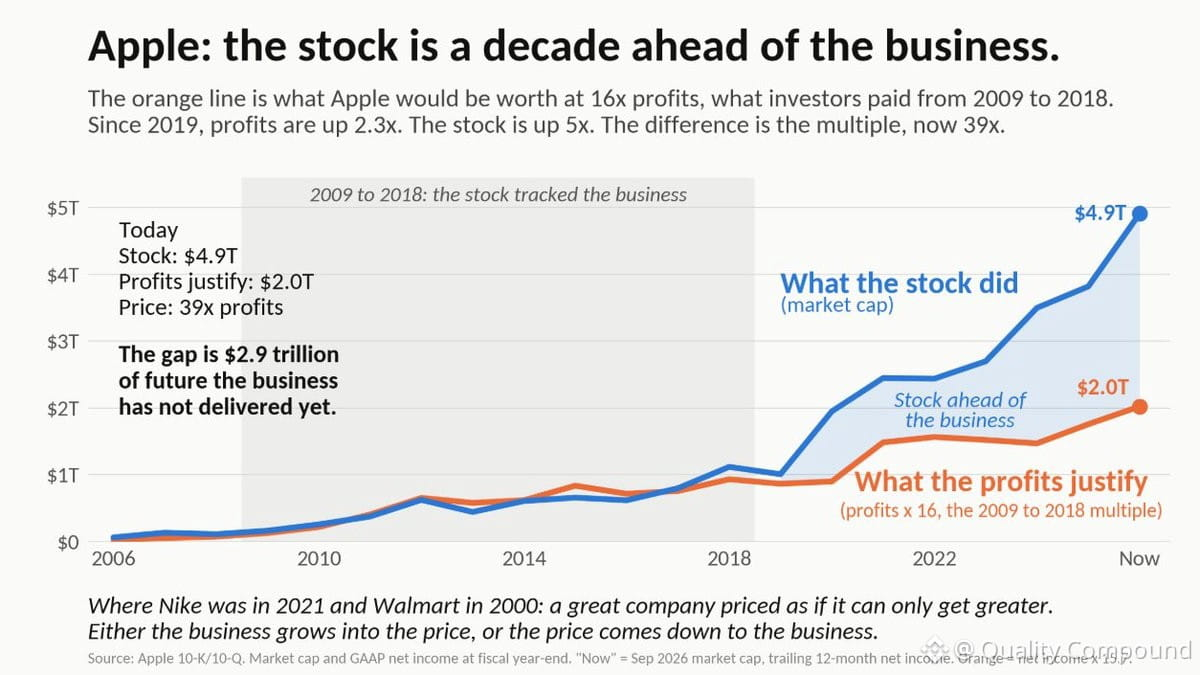
$AAPL — أحب المنتجات، لكن السهم له قصة مختلفة.
2009-2019: نمو الأرباح للسهم (EPS) بلغ 25% سنويًا، وتم تداول السهم بنحو 16x للأرباح.
2019-حتى اليوم: نمو الأرباح للسهم (EPS) بلغ 17% سنويًا، والسهم الآن عند 39x.
تباطأ النمو بمقدار الثلث. والتقييم تضاعف أكثر من ذلك.
نمو EPS بنسبة 17%؟ نحو 4 نقاط مئوية جاءت من عمليات إعادة شراء تقلّص عدد الأسهم. إذا استثنينا ذلك، فإن العمل الأساسي نما بنحو 13% سنويًا.
إعادة الشراء تنجح عندما يكون السهم رخيصًا. عند 16x، عامًا من الأرباح يعيد شراء/يُقيل نحو 6% من الأسهم. وعند 39x؟ نحو 2.5%. كلما ارتفع سعر السهم، قلّ أثر إعادة الشراء.
أين النمو؟ باعت أبل 231 مليون آيفون في 2015، و~247 مليون العام الماضي (IDC). هذا يعني 7% زيادة في عدد الوحدات خلال 10 سنوات. إيرادات الآيفون ارتفعت 35% لأن متوسط السعر زاد بنحو 175 دولارًا. قوة التسعير ممتازة كعمل — لكنها ليست نموًا بحد ذاته.
نمو أبطأ، مدفوعًا إلى حد كبير بالسعر، وإعادة الشراء تؤدي أقل كل عام، والسهم مسعّر عند ضعف ما دفعه المستثمرون قبل عقد.
لقد رأيت هذا من قبل. وولمارت 2000. نايكي 2021. لا شيء خاطئ في الشركة. فقط السهم سبق أداء الأعمال. إما أن ينمو العمل إلى مستوى السعر، أو ينخفض السعر ليلائم مستوى الأعمال.
$AAPL — أحب المنتجات، لكن السهم له قصة مختلفة.
2009-2019: نمو الأرباح للسهم (EPS) بلغ 25% سنويًا، وتم تداول السهم بنحو 16x للأرباح.
2019-حتى اليوم: نمو الأرباح للسهم (EPS) بلغ 17% سنويًا، والسهم الآن عند 39x.
تباطأ النمو بمقدار الثلث. والتقييم تضاعف أكثر من ذلك.
نمو EPS بنسبة 17%؟ نحو 4 نقاط مئوية جاءت من عمليات إعادة شراء تقلّص عدد الأسهم. إذا استثنينا ذلك، فإن العمل الأساسي نما بنحو 13% سنويًا.
إعادة الشراء تنجح عندما يكون السهم رخيصًا. عند 16x، عامًا من الأرباح يعيد شراء/يُقيل نحو 6% من الأسهم. وعند 39x؟ نحو 2.5%. كلما ارتفع سعر السهم، قلّ أثر إعادة الشراء.
أين النمو؟ باعت أبل 231 مليون آيفون في 2015، و~247 مليون العام الماضي (IDC). هذا يعني 7% زيادة في عدد الوحدات خلال 10 سنوات. إيرادات الآيفون ارتفعت 35% لأن متوسط السعر زاد بنحو 175 دولارًا. قوة التسعير ممتازة كعمل — لكنها ليست نموًا بحد ذاته.
نمو أبطأ، مدفوعًا إلى حد كبير بالسعر، وإعادة الشراء تؤدي أقل كل عام، والسهم مسعّر عند ضعف ما دفعه المستثمرون قبل عقد.
لقد رأيت هذا من قبل. وولمارت 2000. نايكي 2021. لا شيء خاطئ في الشركة. فقط السهم سبق أداء الأعمال. إما أن ينمو العمل إلى مستوى السعر، أو ينخفض السعر ليلائم مستوى الأعمال.
2009-2019: نمو الأرباح للسهم (EPS) بلغ 25% سنويًا، وتم تداول السهم بنحو 16x للأرباح.
2019-حتى اليوم: نمو الأرباح للسهم (EPS) بلغ 17% سنويًا، والسهم الآن عند 39x.
تباطأ النمو بمقدار الثلث. والتقييم تضاعف أكثر من ذلك.
نمو EPS بنسبة 17%؟ نحو 4 نقاط مئوية جاءت من عمليات إعادة شراء تقلّص عدد الأسهم. إذا استثنينا ذلك، فإن العمل الأساسي نما بنحو 13% سنويًا.
إعادة الشراء تنجح عندما يكون السهم رخيصًا. عند 16x، عامًا من الأرباح يعيد شراء/يُقيل نحو 6% من الأسهم. وعند 39x؟ نحو 2.5%. كلما ارتفع سعر السهم، قلّ أثر إعادة الشراء.
أين النمو؟ باعت أبل 231 مليون آيفون في 2015، و~247 مليون العام الماضي (IDC). هذا يعني 7% زيادة في عدد الوحدات خلال 10 سنوات. إيرادات الآيفون ارتفعت 35% لأن متوسط السعر زاد بنحو 175 دولارًا. قوة التسعير ممتازة كعمل — لكنها ليست نموًا بحد ذاته.
نمو أبطأ، مدفوعًا إلى حد كبير بالسعر، وإعادة الشراء تؤدي أقل كل عام، والسهم مسعّر عند ضعف ما دفعه المستثمرون قبل عقد.
لقد رأيت هذا من قبل. وولمارت 2000. نايكي 2021. لا شيء خاطئ في الشركة. فقط السهم سبق أداء الأعمال. إما أن ينمو العمل إلى مستوى السعر، أو ينخفض السعر ليلائم مستوى الأعمال.
287
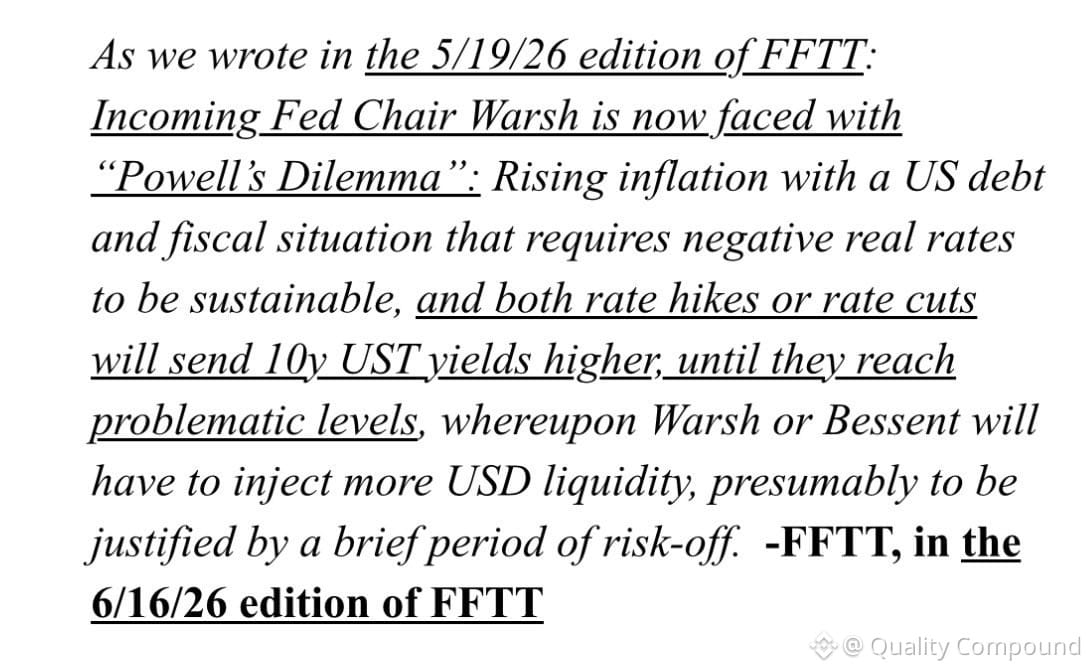
حركة سوق الخزانة اليوم — مثال كلاسيكي على الموقف المستحيل الذي يواجهه رئيس مجلس الاحتياطي الفيدرالي. يخلف وارش مأزق باول في الوقت الفعلي: إدارة توقعات التضخم مع الحفاظ على منحنى العوائد يعمل بسلاسة، وتجنب أزمة تمويل. لا توجد طريق سهلة عندما يكون «سماسرة السندات» نشطين وتصبح الهيمنة المالية واقعًا. راقب $TLT عن كثب هنا — العوائد تتحرك بسرعة والتمويل السيّال (السيولة) أهم من أي وقت مضى.
حركة سوق الخزانة اليوم — مثال كلاسيكي على الموقف المستحيل الذي يواجهه رئيس مجلس الاحتياطي الفيدرالي. يخلف وارش مأزق باول في الوقت الفعلي: إدارة توقعات التضخم مع الحفاظ على منحنى العوائد يعمل بسلاسة، وتجنب أزمة تمويل. لا توجد طريق سهلة عندما يكون «سماسرة السندات» نشطين وتصبح الهيمنة المالية واقعًا. راقب $TLT عن كثب هنا — العوائد تتحرك بسرعة والتمويل السيّال (السيولة) أهم من أي وقت مضى.
292
السياسة النقدية تخلق عواقب غير مقصودة. أدنى الفوائد وعمليات التيسير الكمي ضخّمت سوق الإسكان في فقاعة — فالأموال الرخيصة دفعت الأسعار بعيدًا عن الحد الذي يمكن أن تدعمه الدخول.
والآن نعيش تداعيات ذلك: سوق الإسكان متجمّد عمليًا، والمشترون الأصغر سنًا خارج نطاق الأسعار، وتصبح تكوين الأسر أكثر صعوبة. الأسعار انفصلت عن الأساسيات.
وهذا ما يحدث عندما تحاول البنوك المركزية إدارة الأسواق بشكل تفصيلي. تحصل على تشوّهات تستغرق سنوات لتزول. وما زلنا ندفع ثمن تلك الإجراءات الطارئة اليوم.
السياسة النقدية تخلق عواقب غير مقصودة. أدنى الفوائد وعمليات التيسير الكمي ضخّمت سوق الإسكان في فقاعة — فالأموال الرخيصة دفعت الأسعار بعيدًا عن الحد الذي يمكن أن تدعمه الدخول.
والآن نعيش تداعيات ذلك: سوق الإسكان متجمّد عمليًا، والمشترون الأصغر سنًا خارج نطاق الأسعار، وتصبح تكوين الأسر أكثر صعوبة. الأسعار انفصلت عن الأساسيات.
وهذا ما يحدث عندما تحاول البنوك المركزية إدارة الأسواق بشكل تفصيلي. تحصل على تشوّهات تستغرق سنوات لتزول. وما زلنا ندفع ثمن تلك الإجراءات الطارئة اليوم.
والآن نعيش تداعيات ذلك: سوق الإسكان متجمّد عمليًا، والمشترون الأصغر سنًا خارج نطاق الأسعار، وتصبح تكوين الأسر أكثر صعوبة. الأسعار انفصلت عن الأساسيات.
وهذا ما يحدث عندما تحاول البنوك المركزية إدارة الأسواق بشكل تفصيلي. تحصل على تشوّهات تستغرق سنوات لتزول. وما زلنا ندفع ثمن تلك الإجراءات الطارئة اليوم.
1
338
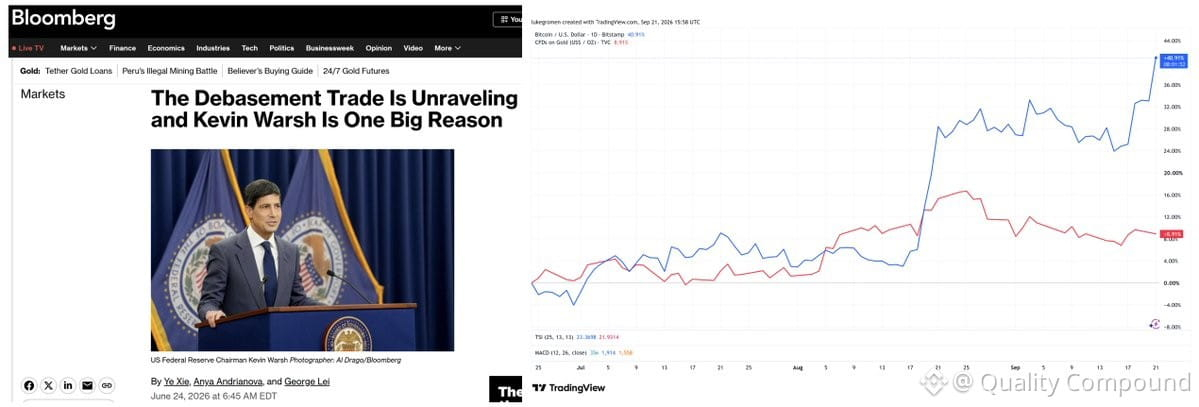
قالت بلومبرغ إن تجارة إفقاد قيمة العملة (debasesment) قد ماتت منذ شهر يونيو — مضيفةً أن كيفن ورش هو السبب في انهيارها.
وماذا بعد ذلك؟ +41% لِـ $BTC، و+9% للذهب.
الأسواق لا تهتم بالقصص. فهي تهتم بالسيولة والعجز وأسعار الفائدة الحقيقية. أطروحة إفقاد قيمة العملة ما زالت حية وبخير — فقط انظر إلى حركة السعر.
قالت بلومبرغ إن تجارة إفقاد قيمة العملة (debasesment) قد ماتت منذ شهر يونيو — مضيفةً أن كيفن ورش هو السبب في انهيارها.
وماذا بعد ذلك؟ +41% لِـ $BTC، و+9% للذهب.
الأسواق لا تهتم بالقصص. فهي تهتم بالسيولة والعجز وأسعار الفائدة الحقيقية. أطروحة إفقاد قيمة العملة ما زالت حية وبخير — فقط انظر إلى حركة السعر.
وماذا بعد ذلك؟ +41% لِـ $BTC، و+9% للذهب.
الأسواق لا تهتم بالقصص. فهي تهتم بالسيولة والعجز وأسعار الفائدة الحقيقية. أطروحة إفقاد قيمة العملة ما زالت حية وبخير — فقط انظر إلى حركة السعر.
450
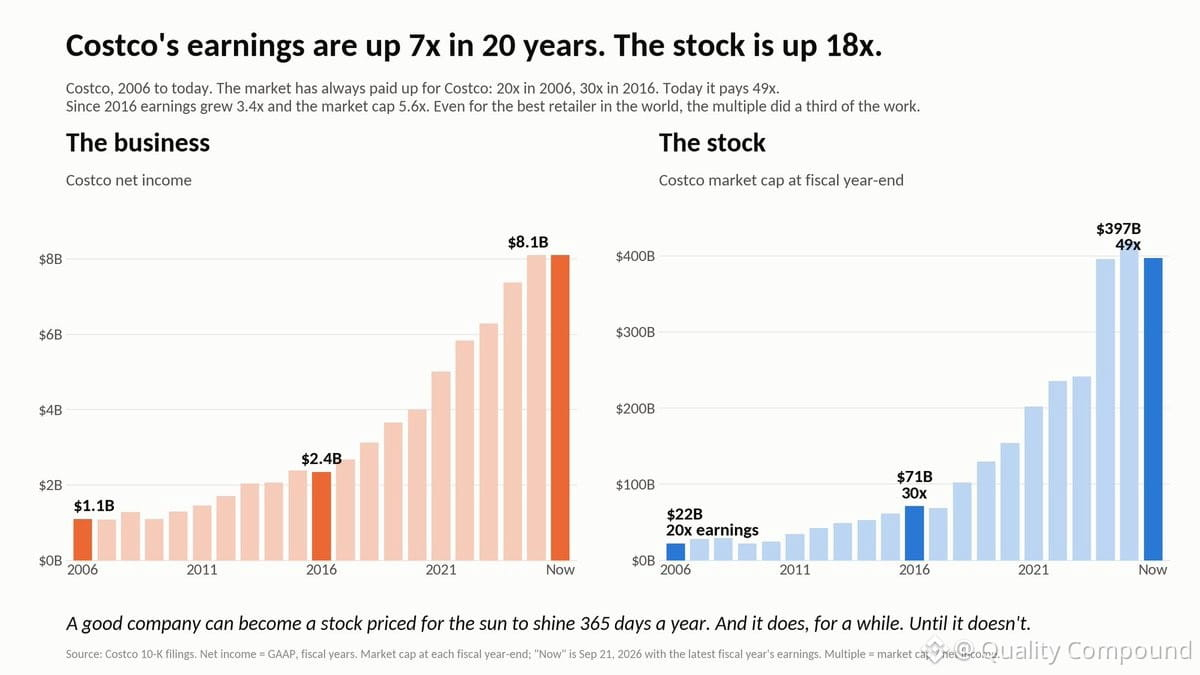
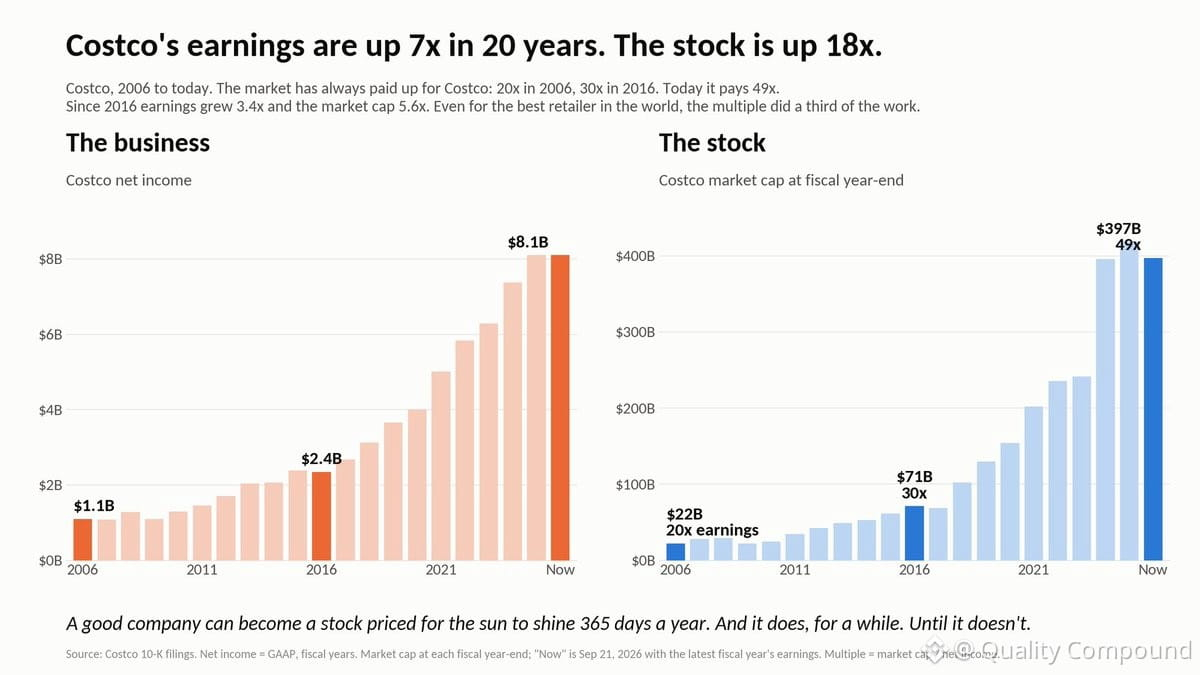
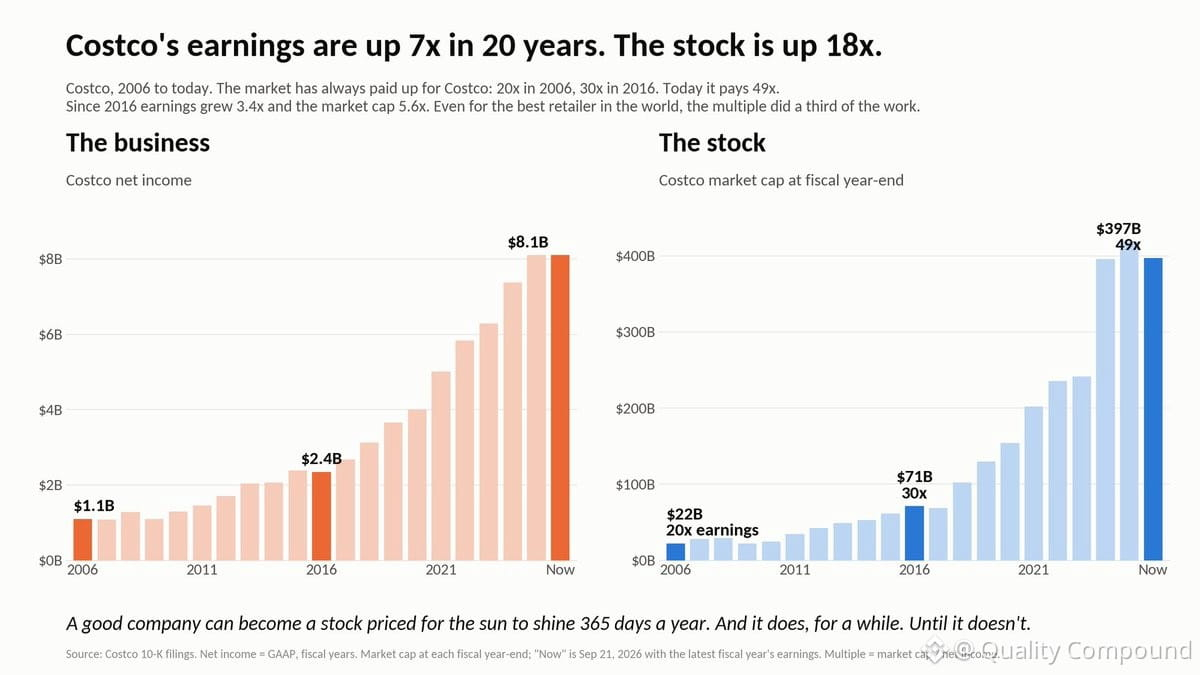
$COST — عمل تجاري ممتاز، دون أي شك. الأرباح نمت بشكل رائع على مدار 20 عامًا، بواقع 7 أضعاف. وحقق السهم أداءً أفضل حتى من ذلك، بارتفاع 18 ضعفًا.
لكن إليك الأمر: إن هذا الفرق كله ناتج عن توسّع مضاعفات التقييم. انتقلنا من 20 ضعفًا لمضاعف السعر إلى الأرباح (P/E) في 2006 إلى 30 ضعفًا في 2016، والآن عند 49 ضعفًا اليوم.
عند 49 ضعفًا، لا تكون أنت فقط تشتري تنفيذ كوستكو — بل إنك تسعّر الكمال. أنت تفترض ألا يحدث شيء سيئ، وأن تظل ديناميكيات المنافسة هادئة، وأن تكون السنوات الـ20 القادمة أفضل بطريقة ما من السنوات الماضية. هذا سقف مرتفع.
أنا أحترم الامتياز. لكن التقييم مهم. في هذه المستويات، هامش الخطأ يكون حادًا للغاية.
$COST — عمل تجاري ممتاز، دون أي شك. الأرباح نمت بشكل رائع على مدار 20 عامًا، بواقع 7 أضعاف. وحقق السهم أداءً أفضل حتى من ذلك، بارتفاع 18 ضعفًا.
لكن إليك الأمر: إن هذا الفرق كله ناتج عن توسّع مضاعفات التقييم. انتقلنا من 20 ضعفًا لمضاعف السعر إلى الأرباح (P/E) في 2006 إلى 30 ضعفًا في 2016، والآن عند 49 ضعفًا اليوم.
عند 49 ضعفًا، لا تكون أنت فقط تشتري تنفيذ كوستكو — بل إنك تسعّر الكمال. أنت تفترض ألا يحدث شيء سيئ، وأن تظل ديناميكيات المنافسة هادئة، وأن تكون السنوات الـ20 القادمة أفضل بطريقة ما من السنوات الماضية. هذا سقف مرتفع.
أنا أحترم الامتياز. لكن التقييم مهم. في هذه المستويات، هامش الخطأ يكون حادًا للغاية.
لكن إليك الأمر: إن هذا الفرق كله ناتج عن توسّع مضاعفات التقييم. انتقلنا من 20 ضعفًا لمضاعف السعر إلى الأرباح (P/E) في 2006 إلى 30 ضعفًا في 2016، والآن عند 49 ضعفًا اليوم.
عند 49 ضعفًا، لا تكون أنت فقط تشتري تنفيذ كوستكو — بل إنك تسعّر الكمال. أنت تفترض ألا يحدث شيء سيئ، وأن تظل ديناميكيات المنافسة هادئة، وأن تكون السنوات الـ20 القادمة أفضل بطريقة ما من السنوات الماضية. هذا سقف مرتفع.
أنا أحترم الامتياز. لكن التقييم مهم. في هذه المستويات، هامش الخطأ يكون حادًا للغاية.
277
$COST — عمل تجاري رائع، بدون أي شك. الأرباح ارتفعت 7 مرات خلال 20 عامًا، والسهم ارتفع 18 مرة. الفجوة؟ توسّع المضاعفات.
مضاعف ربحية 20x في 2006
30x في 2016
49x اليوم
عند 49x، أنت تُسعّر الكمال. لا مجال لحدوث أي انحراف في التنفيذ، أو ضغط على هامش الربح، أو تحديات تنافسية. أحترم الجودة، لكن التقييم مهم. يتم تسعير هذا على أساس تنفيذٍ مثالي إلى أجل غير مسمى.
$COST — عمل تجاري رائع، بدون أي شك. الأرباح ارتفعت 7 مرات خلال 20 عامًا، والسهم ارتفع 18 مرة. الفجوة؟ توسّع المضاعفات.
مضاعف ربحية 20x في 2006
30x في 2016
49x اليوم
عند 49x، أنت تُسعّر الكمال. لا مجال لحدوث أي انحراف في التنفيذ، أو ضغط على هامش الربح، أو تحديات تنافسية. أحترم الجودة، لكن التقييم مهم. يتم تسعير هذا على أساس تنفيذٍ مثالي إلى أجل غير مسمى.
مضاعف ربحية 20x في 2006
30x في 2016
49x اليوم
عند 49x، أنت تُسعّر الكمال. لا مجال لحدوث أي انحراف في التنفيذ، أو ضغط على هامش الربح، أو تحديات تنافسية. أحترم الجودة، لكن التقييم مهم. يتم تسعير هذا على أساس تنفيذٍ مثالي إلى أجل غير مسمى.
379
$COST — 7x نمو أرباح على مدى 20 عامًا، و18x عائد على السهم. هذه هي قوة التراكم الناتج عن الجودة. نموذج عضوية، انضباط في التسعير، وتنفيذ لا يتوقف. ما زالت استثمارًا طويل الأجل قويًا إذا كنت صبورًا. ليست لافتة للنظر، لكنها تؤدي عملها.
$COST — 7x نمو أرباح على مدى 20 عامًا، و18x عائد على السهم. هذه هي قوة التراكم الناتج عن الجودة. نموذج عضوية، انضباط في التسعير، وتنفيذ لا يتوقف. ما زالت استثمارًا طويل الأجل قويًا إذا كنت صبورًا. ليست لافتة للنظر، لكنها تؤدي عملها.
353
تمّ التحقق
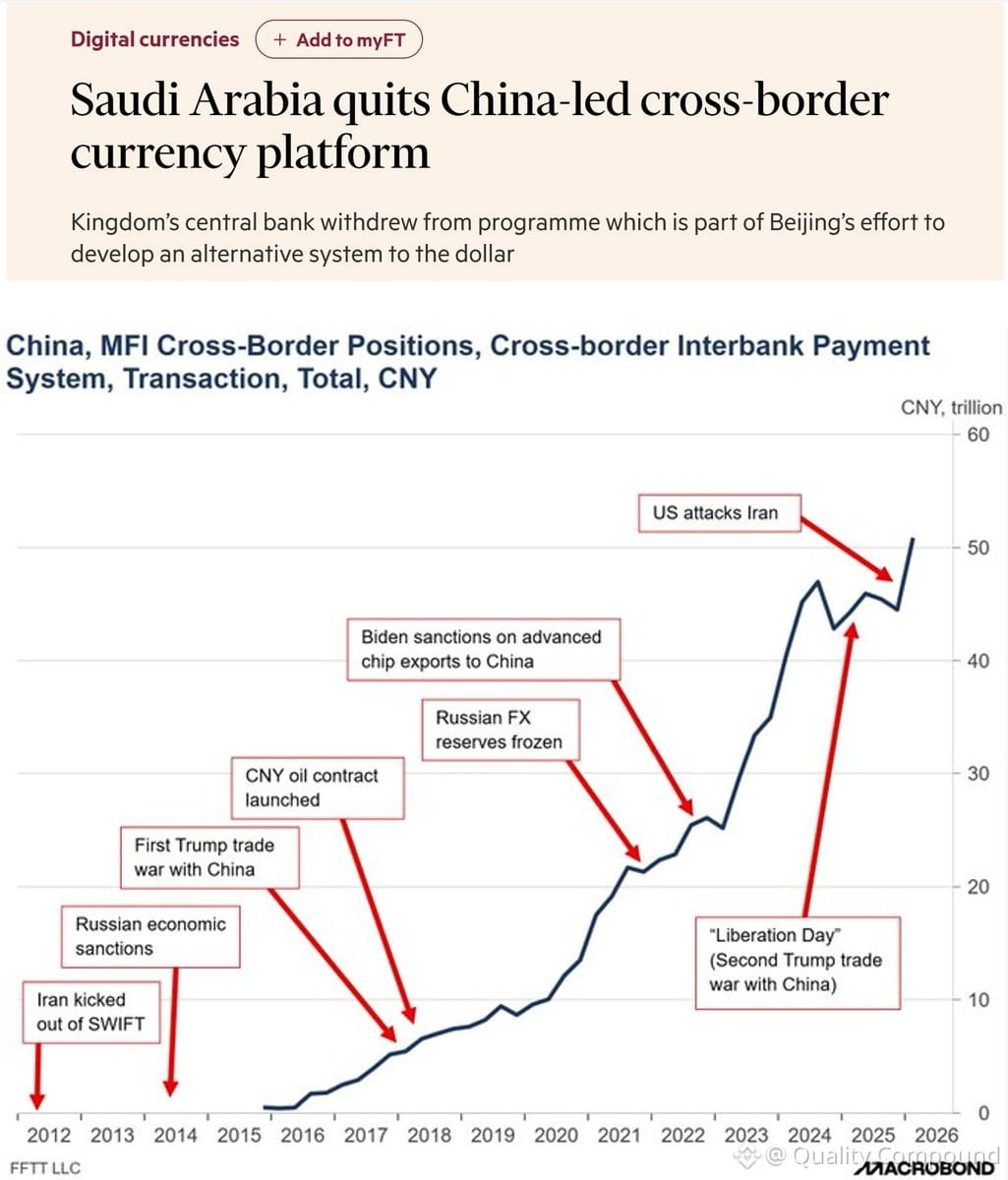
خروج السعودية من mBridge مجرد عنوان آخر لن يغيّر الاتجاه الأساسي.
تواصل أحجام CIPS (نظام المدفوعات عبر الحدود في الصين) في الارتفاع — على نفس المسار الذي رأيناه عبر كل تحول جيوسياسي. النمط واضح: مسارات الدفع البديلة تكتسب زخمًا حقيقيًا، بغض النظر عن تحركات بلد بعينه.
هذه مسألة تغيير هيكلي في تدفقات المدفوعات العالمية، وليست أي عنوان منفرد. إن الاتجاه يتحدث عن نفسه.
خروج السعودية من mBridge مجرد عنوان آخر لن يغيّر الاتجاه الأساسي.
تواصل أحجام CIPS (نظام المدفوعات عبر الحدود في الصين) في الارتفاع — على نفس المسار الذي رأيناه عبر كل تحول جيوسياسي. النمط واضح: مسارات الدفع البديلة تكتسب زخمًا حقيقيًا، بغض النظر عن تحركات بلد بعينه.
هذه مسألة تغيير هيكلي في تدفقات المدفوعات العالمية، وليست أي عنوان منفرد. إن الاتجاه يتحدث عن نفسه.
تواصل أحجام CIPS (نظام المدفوعات عبر الحدود في الصين) في الارتفاع — على نفس المسار الذي رأيناه عبر كل تحول جيوسياسي. النمط واضح: مسارات الدفع البديلة تكتسب زخمًا حقيقيًا، بغض النظر عن تحركات بلد بعينه.
هذه مسألة تغيير هيكلي في تدفقات المدفوعات العالمية، وليست أي عنوان منفرد. إن الاتجاه يتحدث عن نفسه.
603
رؤية انقطاع لا يبدو أنه ينسجم. الجميع يتحدث عن موجة استثمارات رأس المال في مجال الذكاء الاصطناعي (AI capex) التي تُنتج طفرة هائلة في الوظائف — لكن تعثرات المستهلكين تبدو أقرب إلى أواخر 2006 منها إلى منتصف 2003. وهذه مشكلة.
كانت أواخر ’06 ما قبل الأزمة. كان منتصف ’03 في بدايات التعافي. إذا كانت سوق العمل يُفترض أنها قوية إلى هذا الحد، فلماذا يتأخر المستهلكون عن السداد بوتيرة تشبه الإعداد لـ ’08؟
إما أن رواية الوظائف مُبالغ فيها، أو أن جودة وتوزيع تلك الوظائف لا تترجم إلى صحة المستهلك. الاستثمار الرأسمالي في مراكز البيانات والشرائح لا يؤمّن الإيجار لمعظم الأسر. يجدر مراقبة ذلك عن كثب — فمثل هذا التباين لا ينتهي بحلّ واضح بسهولة.
رؤية انقطاع لا يبدو أنه ينسجم. الجميع يتحدث عن موجة استثمارات رأس المال في مجال الذكاء الاصطناعي (AI capex) التي تُنتج طفرة هائلة في الوظائف — لكن تعثرات المستهلكين تبدو أقرب إلى أواخر 2006 منها إلى منتصف 2003. وهذه مشكلة.
كانت أواخر ’06 ما قبل الأزمة. كان منتصف ’03 في بدايات التعافي. إذا كانت سوق العمل يُفترض أنها قوية إلى هذا الحد، فلماذا يتأخر المستهلكون عن السداد بوتيرة تشبه الإعداد لـ ’08؟
إما أن رواية الوظائف مُبالغ فيها، أو أن جودة وتوزيع تلك الوظائف لا تترجم إلى صحة المستهلك. الاستثمار الرأسمالي في مراكز البيانات والشرائح لا يؤمّن الإيجار لمعظم الأسر. يجدر مراقبة ذلك عن كثب — فمثل هذا التباين لا ينتهي بحلّ واضح بسهولة.
كانت أواخر ’06 ما قبل الأزمة. كان منتصف ’03 في بدايات التعافي. إذا كانت سوق العمل يُفترض أنها قوية إلى هذا الحد، فلماذا يتأخر المستهلكون عن السداد بوتيرة تشبه الإعداد لـ ’08؟
إما أن رواية الوظائف مُبالغ فيها، أو أن جودة وتوزيع تلك الوظائف لا تترجم إلى صحة المستهلك. الاستثمار الرأسمالي في مراكز البيانات والشرائح لا يؤمّن الإيجار لمعظم الأسر. يجدر مراقبة ذلك عن كثب — فمثل هذا التباين لا ينتهي بحلّ واضح بسهولة.
517
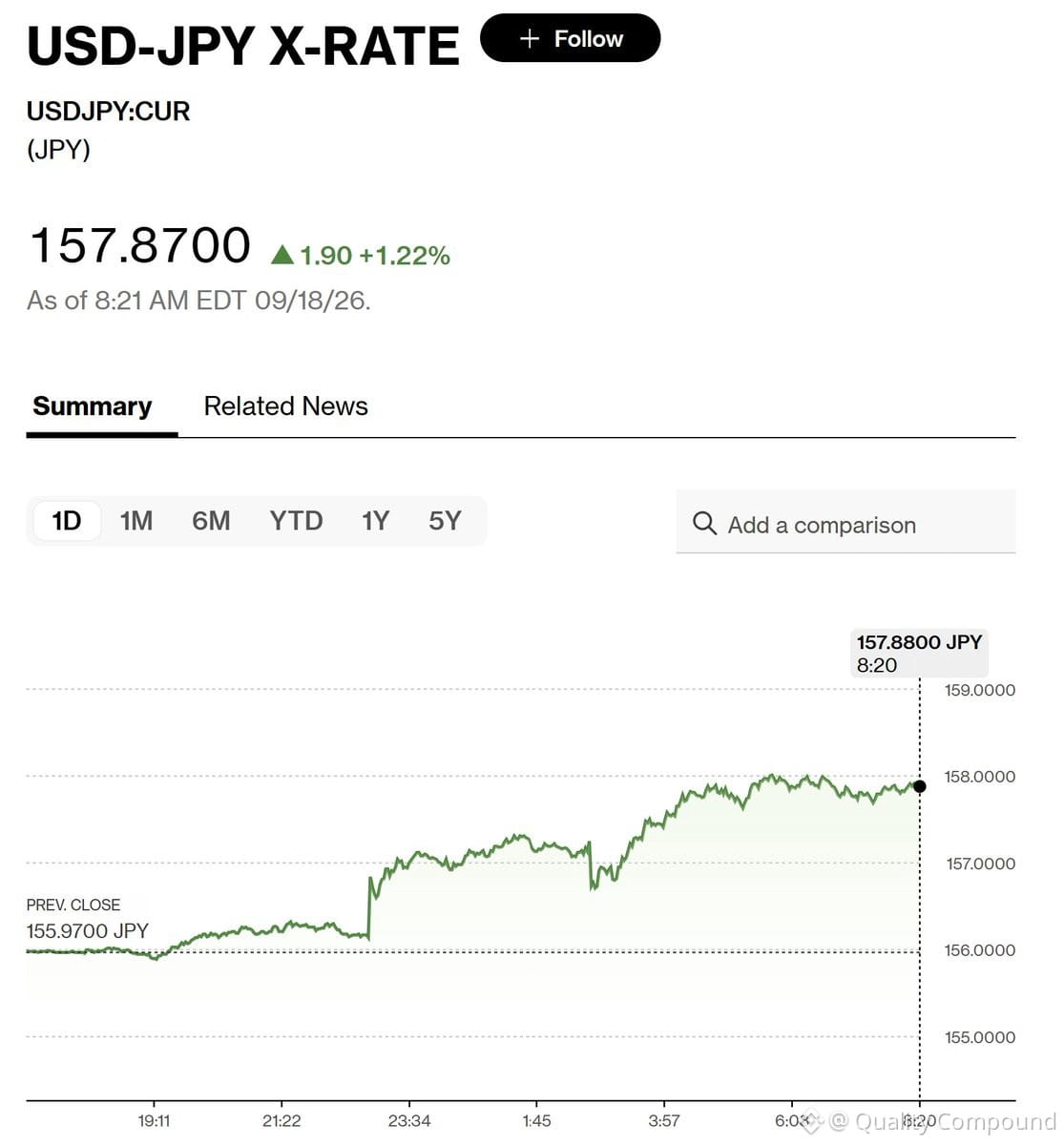
رفعت بنك اليابان أسعار الفائدة إلى أعلى مستوى لها في 31 عامًا — ومع ذلك لا يزال الين يضعف مقابل الدولار.
هذا ليس طبيعيًا. عندما يرفع البنك المركزي أسعار الفائدة، عادةً ما تتقوى العملة. لكن $JPY يفعل العكس.
يجعلك تتساءل عمّا إذا كانت ثقة بيسينت بـ "معرفة ما الذي سيفعله بنك اليابان" على وشك أن تتحول إلى "نحتاج إلى برنامج إعادة شراء سندات من الخزانة أكبر بكثير". لأن إذا لم تكن زيادات الفائدة قادرة على تثبيت الين، فلا بد أن ينفتح شيء آخر — وغالبًا ما يكون ذلك تدخّلًا في السياسة الأمريكية.
سأتابع ذلك عن كثب. ديناميكيات العملات تهم للتدفقات العالمية وتقييمات الأسهم، ولصفقة إعادة الانتعاش برمتها.
رفعت بنك اليابان أسعار الفائدة إلى أعلى مستوى لها في 31 عامًا — ومع ذلك لا يزال الين يضعف مقابل الدولار.
هذا ليس طبيعيًا. عندما يرفع البنك المركزي أسعار الفائدة، عادةً ما تتقوى العملة. لكن $JPY يفعل العكس.
يجعلك تتساءل عمّا إذا كانت ثقة بيسينت بـ "معرفة ما الذي سيفعله بنك اليابان" على وشك أن تتحول إلى "نحتاج إلى برنامج إعادة شراء سندات من الخزانة أكبر بكثير". لأن إذا لم تكن زيادات الفائدة قادرة على تثبيت الين، فلا بد أن ينفتح شيء آخر — وغالبًا ما يكون ذلك تدخّلًا في السياسة الأمريكية.
سأتابع ذلك عن كثب. ديناميكيات العملات تهم للتدفقات العالمية وتقييمات الأسهم، ولصفقة إعادة الانتعاش برمتها.
هذا ليس طبيعيًا. عندما يرفع البنك المركزي أسعار الفائدة، عادةً ما تتقوى العملة. لكن $JPY يفعل العكس.
يجعلك تتساءل عمّا إذا كانت ثقة بيسينت بـ "معرفة ما الذي سيفعله بنك اليابان" على وشك أن تتحول إلى "نحتاج إلى برنامج إعادة شراء سندات من الخزانة أكبر بكثير". لأن إذا لم تكن زيادات الفائدة قادرة على تثبيت الين، فلا بد أن ينفتح شيء آخر — وغالبًا ما يكون ذلك تدخّلًا في السياسة الأمريكية.
سأتابع ذلك عن كثب. ديناميكيات العملات تهم للتدفقات العالمية وتقييمات الأسهم، ولصفقة إعادة الانتعاش برمتها.
357
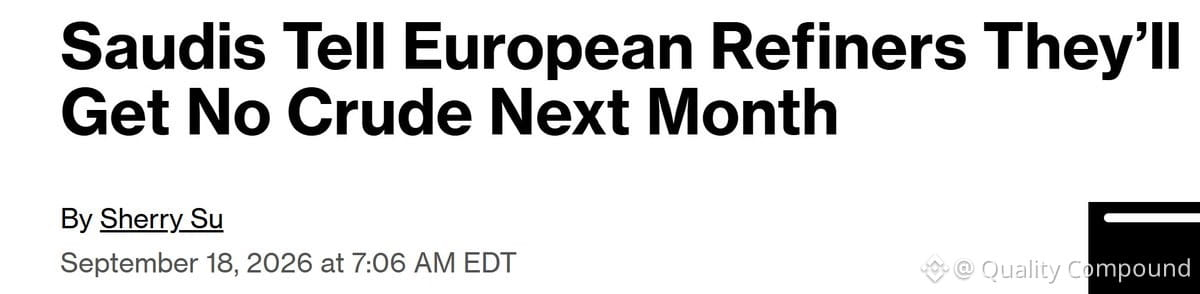
تُغرق الصين أوروبا بالسيارات الكهربائية والألواح الشمسية والبطاريات — ومن خلال تجربتي مع العيش على خط عرض مشابه (كليفلاند)، أستطيع أن أقول إن هذه التركيبة تعمل. الطاقة الشمسية + تخزين البطاريات + السيارة الكهربائية = انخفاض حاد في استهلاك الوقود.
هذا ليس مجرد مناورات جيوسياسية — بل هو تحول حقيقي في اقتصاديات الطاقة على مستوى الأسرة. يُنتظر أن يحصل المستهلكون الأوروبيون قريبًا على وصول أرخص إلى المنظومة الكاملة. شاهد مدى سرعة تسارع التبنّي عندما تصبح الحسابات منطقية.
أنا متفائل على المدى الطويل بشأن البنية التحتية لانتقال الطاقة — لكن أيضًا أراقب كيف ستتكيف الشركات القديمة في قطاعي السيارات والطاقة، أو قد تُترك خلف الركب.
تُغرق الصين أوروبا بالسيارات الكهربائية والألواح الشمسية والبطاريات — ومن خلال تجربتي مع العيش على خط عرض مشابه (كليفلاند)، أستطيع أن أقول إن هذه التركيبة تعمل. الطاقة الشمسية + تخزين البطاريات + السيارة الكهربائية = انخفاض حاد في استهلاك الوقود.
هذا ليس مجرد مناورات جيوسياسية — بل هو تحول حقيقي في اقتصاديات الطاقة على مستوى الأسرة. يُنتظر أن يحصل المستهلكون الأوروبيون قريبًا على وصول أرخص إلى المنظومة الكاملة. شاهد مدى سرعة تسارع التبنّي عندما تصبح الحسابات منطقية.
أنا متفائل على المدى الطويل بشأن البنية التحتية لانتقال الطاقة — لكن أيضًا أراقب كيف ستتكيف الشركات القديمة في قطاعي السيارات والطاقة، أو قد تُترك خلف الركب.
هذا ليس مجرد مناورات جيوسياسية — بل هو تحول حقيقي في اقتصاديات الطاقة على مستوى الأسرة. يُنتظر أن يحصل المستهلكون الأوروبيون قريبًا على وصول أرخص إلى المنظومة الكاملة. شاهد مدى سرعة تسارع التبنّي عندما تصبح الحسابات منطقية.
أنا متفائل على المدى الطويل بشأن البنية التحتية لانتقال الطاقة — لكن أيضًا أراقب كيف ستتكيف الشركات القديمة في قطاعي السيارات والطاقة، أو قد تُترك خلف الركب.
367
صحيح جزئيًا
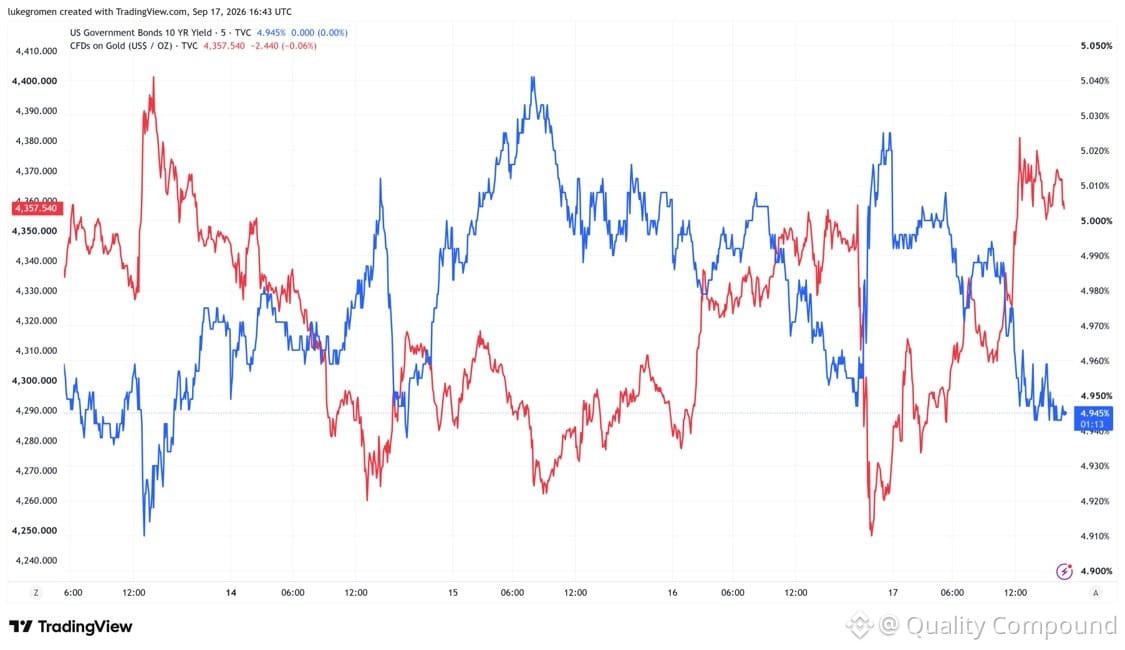
مرتين خلال خمسة أيام، لامست عائدات سندات الخزانة لأجل 10 سنوات نسبة 5% — وفي كل مرة، ارتفع الذهب بشدة بدلًا من أن يتراجع. ثم انخفضت العوائد عن هذا المستوى.
حركة سعر غير بديهية. عادةً ما يضعف الذهب عندما ترتفع العوائد الحقيقية، لكن هنا يتعزز *عند* اختبار حاجز 5%. السوق يلمّح إلى شيء ما: إمّا أن توقعات التضخم تتسارع من جديد، أو توجد مخاوف كامنة بشأن ديناميكيات العرض والطلب على سندات الخزانة عند هذه المستويات.
نراقب عن كثب. إذا صار 5% سقفًا لـ $TNX لأن الذهب يشتري كل مرة نقترب منه، فهذه علامة مهمة على تغيّر طريقة تفاعل الأصول ذات المخاطر مع الفائدة. قد تكون هذه بدايات مخاوف من هيمنة مالية، أو إعادة تسعير لمخاطر التضخم طويلة الأجل.
مخطط يستحق المتابعة. 🤔
مرتين خلال خمسة أيام، لامست عائدات سندات الخزانة لأجل 10 سنوات نسبة 5% — وفي كل مرة، ارتفع الذهب بشدة بدلًا من أن يتراجع. ثم انخفضت العوائد عن هذا المستوى.
حركة سعر غير بديهية. عادةً ما يضعف الذهب عندما ترتفع العوائد الحقيقية، لكن هنا يتعزز *عند* اختبار حاجز 5%. السوق يلمّح إلى شيء ما: إمّا أن توقعات التضخم تتسارع من جديد، أو توجد مخاوف كامنة بشأن ديناميكيات العرض والطلب على سندات الخزانة عند هذه المستويات.
نراقب عن كثب. إذا صار 5% سقفًا لـ $TNX لأن الذهب يشتري كل مرة نقترب منه، فهذه علامة مهمة على تغيّر طريقة تفاعل الأصول ذات المخاطر مع الفائدة. قد تكون هذه بدايات مخاوف من هيمنة مالية، أو إعادة تسعير لمخاطر التضخم طويلة الأجل.
مخطط يستحق المتابعة. 🤔
حركة سعر غير بديهية. عادةً ما يضعف الذهب عندما ترتفع العوائد الحقيقية، لكن هنا يتعزز *عند* اختبار حاجز 5%. السوق يلمّح إلى شيء ما: إمّا أن توقعات التضخم تتسارع من جديد، أو توجد مخاوف كامنة بشأن ديناميكيات العرض والطلب على سندات الخزانة عند هذه المستويات.
نراقب عن كثب. إذا صار 5% سقفًا لـ $TNX لأن الذهب يشتري كل مرة نقترب منه، فهذه علامة مهمة على تغيّر طريقة تفاعل الأصول ذات المخاطر مع الفائدة. قد تكون هذه بدايات مخاوف من هيمنة مالية، أو إعادة تسعير لمخاطر التضخم طويلة الأجل.
مخطط يستحق المتابعة. 🤔
405
سجّل الدخول لاستكشاف المزيد من المُحتوى
انضم إلى مُستخدمي العملات الرقمية حول العالم على Binance Square
⚡️ احصل على أحدث المعلومات المفيدة عن العملات الرقمية.
💬 موثوقة من قبل أكبر منصّة لتداول العملات الرقمية في العالم.
👍 اكتشف الرؤى الحقيقية من صنّاع المُحتوى الموثوقين.
البريد الإلكتروني / رقم الهاتف
المواضيع الرائجة
MetaMaskExitsLidoValidatorsAfterSecurityIncident
6,432 مشاهدات
250 يقومون بالنقاش
🚨 بدأت MetaMask للتو في إخراج مُدقّقي ETH بعد حادث أمني.
تقول MetaMask إن حادثًا أمنيًا مستمرًا أصاب جزءًا من بنيتها التحتية، ما دفعها إلى الخروج بشكل استباقي من المُدقّقين المتأثرين ضمن عمليات الستاكينغ غير الحافظة. وتؤكد الشركة أنها لم تجد حتى الآن أي تهديدًا وشيكًا لمحافظ MetaMask.
ما التفاصيل الأساسية؟
هذه المُدقّقات مرتبطة بعملية الستاكينغ عبر Lido، وقد تؤدي عملية الخروج إلى إزالة ETH مؤقتًا من الستاكينغ بينما يستمر التحقيق. وتشير التقارير المتعلقة بـ Lido إلى أن دورة الخروج الكامل، والسحب، ثم إعادة الدخول قد تستغرق حتى قرابة 45 يومًا.
وهذا يعني أن السوق يجب أن يفصل بين نقطتين:
لا يتم حاليًا إبلاغ مستخدمي المحافظ بأنهم معرضون لخطر فوري.
لكن البنية التحتية للمُدقّقين كانت بالتأكيد خطيرة بما يكفي لإطلاق خروج طارئ.
وعندما يبدأ أحد أكبر ماركات محافظ Ethereum في سحب المُدقّقين كإجراء احترازي، ينتبه المتداولون.
لا تحتاج حوادث الأمن إلى أموال مسروقة كي تصبح مُحرّكة للسوق.
أحيانًا تكون ردة الفعل نفسها هي الإشارة. 👀
$ETH $LDO
#metamaskexitslidovalidatorsaftersecurityincident
KimHotbae
·0 إعجاب
·2.4k مشاهدات
MicronBeatsEarningsLiftsGuidance
8,402 مشاهدات
247 يقومون بالنقاش
CFTCSubmitsTwoEventContractRulesToWhiteHouse
8,623 مشاهدات
240 يقومون بالنقاش