

Jackson Liam
19.6k منشورات

Jackson Liam
 تحقُّق Binance Square الإضافي
إبلاغ
حظر المُستخدم
Blockchain Storyteller • Exposing hidden gems • Riding every wave with precision
فتح تداول
مُتداول مُتكرر
2 سنوات
80 تتابع
43.2K+ المتابعون
53.6K+ إعجاب
منشورات
الحافظة الاستثمارية
الكل
اقتباسات
Live
·
--
صاعد
MOVR
الاختراق في كامل قوته بعد استعادة مستوى 2.00 بزخم قوي.
منطقة الشراء: 2.05–2.20
سعر الدخول (EP): 2.15
الأهداف (TP1): 2.45
الأهداف (TP2): 2.70
الأهداف (TP3): 3.00
وقف الخسارة (SL): 1.90
ما يزال الزخم صعوديًا فوق منطقة 2.00. يمكن أن يفتح الاختراق الواضح والثبات فوق 2.45 المحطة التالية للأعلى.
لننطلق $MOVR
{future}(MOVRUSDT)
$US
{future}(USUSDT)
$AGT
{future}(AGTUSDT)
MOVR
الاختراق في كامل قوته بعد استعادة مستوى 2.00 بزخم قوي.
منطقة الشراء: 2.05–2.20
سعر الدخول (EP): 2.15
الأهداف (TP1): 2.45
الأهداف (TP2): 2.70
الأهداف (TP3): 3.00
وقف الخسارة (SL): 1.90
ما يزال الزخم صعوديًا فوق منطقة 2.00. يمكن أن يفتح الاختراق الواضح والثبات فوق 2.45 المحطة التالية للأعلى.
لننطلق $MOVR
$US
$AGT
الاختراق في كامل قوته بعد استعادة مستوى 2.00 بزخم قوي.
منطقة الشراء: 2.05–2.20
سعر الدخول (EP): 2.15
الأهداف (TP1): 2.45
الأهداف (TP2): 2.70
الأهداف (TP3): 3.00
وقف الخسارة (SL): 1.90
ما يزال الزخم صعوديًا فوق منطقة 2.00. يمكن أن يفتح الاختراق الواضح والثبات فوق 2.45 المحطة التالية للأعلى.
لننطلق $MOVR
$US
$AGT
A) $2.50–$2.70
27%
B) $2.70–$3.00
24%
C) $3.00
39%
Pullback before another leg up
10%
119 الأصوات • تمّ إغلاق التصويت
3
2
3.4k
·
--
صاعد
🚨 عاجل: بيتكوين تصل إلى 85,000 دولار! ₿
استعادت بيتكوين المستوى الرئيسي 85 ألف دولار مع تزايد زخم العملات المشفرة.
🔥 يتم تداول بيتكوين حاليًا قرابة منطقة 85 ألف دولار
📈 دفعت عملة BTC مؤخرًا فوق 86 ألف دولار
💰 مكاسب الربع الثالث تتجاوز 40%
🏦 تدفقات قوية لصناديق ETF ساعدت في دعم الارتداد
⚠️ لكن ارتفاع عوائد سندات الخزانة الأمريكية لا يزال يمثل مخاطرة كبيرة
المعركة حول 85 ألف دولار تشتد. 👀
🚨 عاجل: بيتكوين تصل إلى 85,000 دولار! ₿
استعادت بيتكوين المستوى الرئيسي 85 ألف دولار مع تزايد زخم العملات المشفرة.
🔥 يتم تداول بيتكوين حاليًا قرابة منطقة 85 ألف دولار
📈 دفعت عملة BTC مؤخرًا فوق 86 ألف دولار
💰 مكاسب الربع الثالث تتجاوز 40%
🏦 تدفقات قوية لصناديق ETF ساعدت في دعم الارتداد
⚠️ لكن ارتفاع عوائد سندات الخزانة الأمريكية لا يزال يمثل مخاطرة كبيرة
المعركة حول 85 ألف دولار تشتد. 👀
استعادت بيتكوين المستوى الرئيسي 85 ألف دولار مع تزايد زخم العملات المشفرة.
🔥 يتم تداول بيتكوين حاليًا قرابة منطقة 85 ألف دولار
📈 دفعت عملة BTC مؤخرًا فوق 86 ألف دولار
💰 مكاسب الربع الثالث تتجاوز 40%
🏦 تدفقات قوية لصناديق ETF ساعدت في دعم الارتداد
⚠️ لكن ارتفاع عوائد سندات الخزانة الأمريكية لا يزال يمثل مخاطرة كبيرة
المعركة حول 85 ألف دولار تشتد. 👀

5
2
567
·
--
صاعد
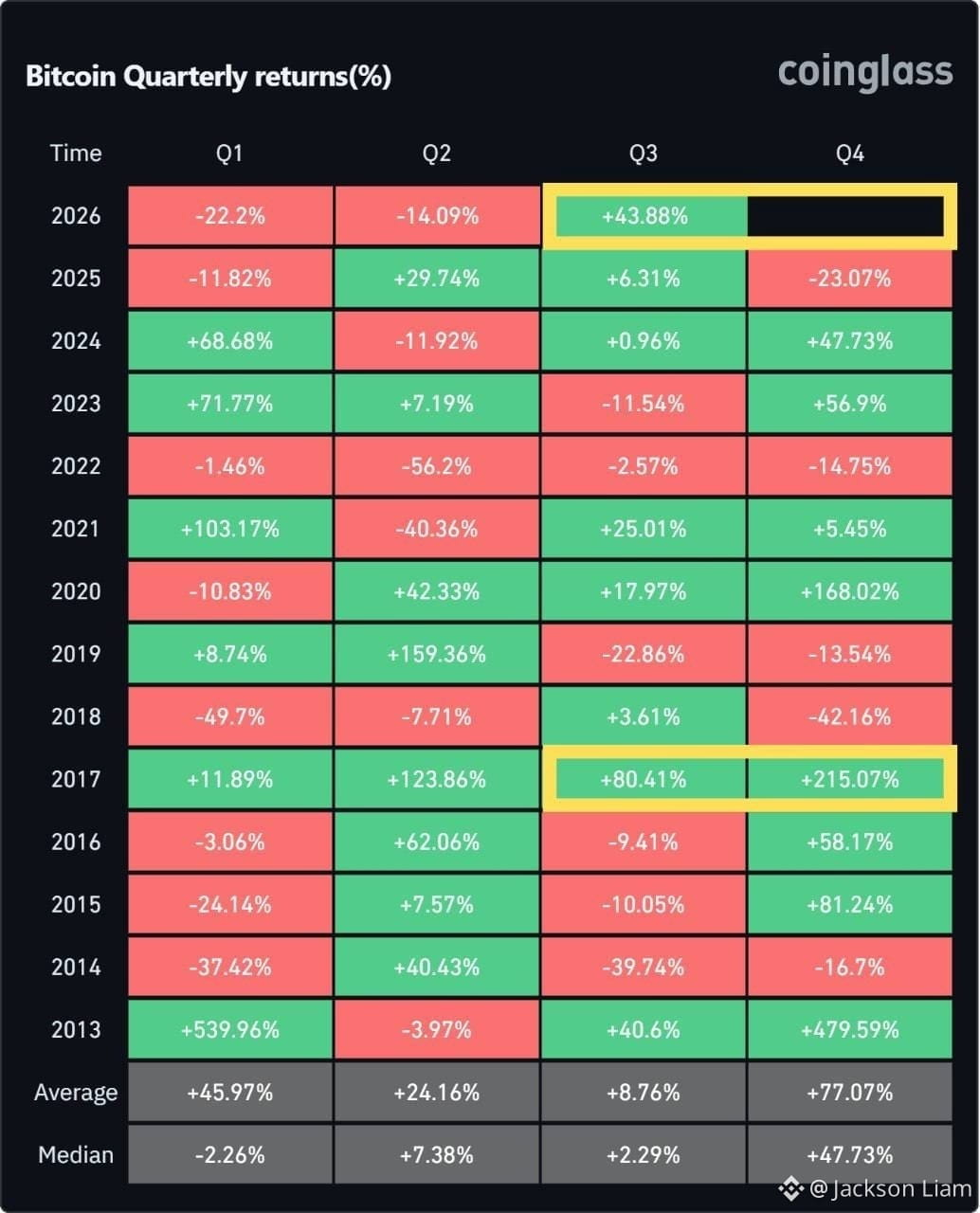
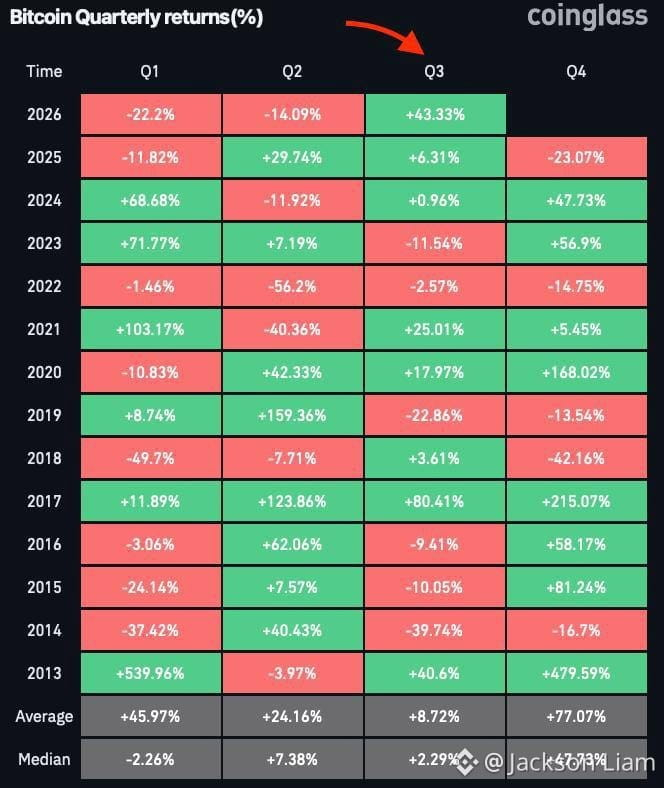
🚨 $BTC للتوَّ طبع للتو أقوى نتائجه في الربع الثالث على مستوى ثاني أقوى مستوى على الإطلاق.
ارتفع سعر البيتكوين بنحو 43% في الربع الثالث — وكان أقوى فقط عام 2017.
وهنا يبدأ الجزء المثير:
🔥 الربع الرابع تاريخيًا هو أقوى ربع للبيتكوين
🔥 شهد الربع الرابع في 2017 ارتفاعًا للـ BTC بأكثر من 200%
🔥 تاريخيًا، يقدّم الربع الرابع عائدًا متوسطه ~77%
نفس السيناريو الموسمي يظهر مرة أخرى.
بعد ربع ثالث ضخم، أصبحت الأنظار الآن على الربع الرابع. 👀
هل التاريخ على وشك أن يتكرر؟
🚨 $BTC للتوَّ طبع للتو أقوى نتائجه في الربع الثالث على مستوى ثاني أقوى مستوى على الإطلاق.
ارتفع سعر البيتكوين بنحو 43% في الربع الثالث — وكان أقوى فقط عام 2017.
وهنا يبدأ الجزء المثير:
🔥 الربع الرابع تاريخيًا هو أقوى ربع للبيتكوين
🔥 شهد الربع الرابع في 2017 ارتفاعًا للـ BTC بأكثر من 200%
🔥 تاريخيًا، يقدّم الربع الرابع عائدًا متوسطه ~77%
نفس السيناريو الموسمي يظهر مرة أخرى.
بعد ربع ثالث ضخم، أصبحت الأنظار الآن على الربع الرابع. 👀
هل التاريخ على وشك أن يتكرر؟
ارتفع سعر البيتكوين بنحو 43% في الربع الثالث — وكان أقوى فقط عام 2017.
وهنا يبدأ الجزء المثير:
🔥 الربع الرابع تاريخيًا هو أقوى ربع للبيتكوين
🔥 شهد الربع الرابع في 2017 ارتفاعًا للـ BTC بأكثر من 200%
🔥 تاريخيًا، يقدّم الربع الرابع عائدًا متوسطه ~77%
نفس السيناريو الموسمي يظهر مرة أخرى.
بعد ربع ثالث ضخم، أصبحت الأنظار الآن على الربع الرابع. 👀
هل التاريخ على وشك أن يتكرر؟
3
266
·
--
صاعد
🚨 عاجل: توم لي يقول إن العملات المشفرة قد دخلت «سوقًا صاعدًا».
يتجه توم لي إلى النظرة الإيجابية للعملات المشفرة.
يقول إن السوق دخل رسميًا مرحلة صاعدة جديدة، ما يشير إلى أن الضعف الأخير قد يكون يمهّد الطريق لتحرك أكبر بكثير للأعلى.
وتأتي وجهة نظره بينما يراقب المستثمرون بيتكوين والسوق الأوسع للعملات المشفرة بحثًا عن علامات على عودة الزخم.
إذا كانت هذه الدورة بدأت فعلًا، فالسؤال الكبير الآن هو: إلى أي مدى يمكن أن يصل التحرك القادم؟ 👀
عاد أنصار العملات المشفرة إلى ساحة اللعب.
🚨 عاجل: توم لي يقول إن العملات المشفرة قد دخلت «سوقًا صاعدًا».
يتجه توم لي إلى النظرة الإيجابية للعملات المشفرة.
يقول إن السوق دخل رسميًا مرحلة صاعدة جديدة، ما يشير إلى أن الضعف الأخير قد يكون يمهّد الطريق لتحرك أكبر بكثير للأعلى.
وتأتي وجهة نظره بينما يراقب المستثمرون بيتكوين والسوق الأوسع للعملات المشفرة بحثًا عن علامات على عودة الزخم.
إذا كانت هذه الدورة بدأت فعلًا، فالسؤال الكبير الآن هو: إلى أي مدى يمكن أن يصل التحرك القادم؟ 👀
عاد أنصار العملات المشفرة إلى ساحة اللعب.
يتجه توم لي إلى النظرة الإيجابية للعملات المشفرة.
يقول إن السوق دخل رسميًا مرحلة صاعدة جديدة، ما يشير إلى أن الضعف الأخير قد يكون يمهّد الطريق لتحرك أكبر بكثير للأعلى.
وتأتي وجهة نظره بينما يراقب المستثمرون بيتكوين والسوق الأوسع للعملات المشفرة بحثًا عن علامات على عودة الزخم.
إذا كانت هذه الدورة بدأت فعلًا، فالسؤال الكبير الآن هو: إلى أي مدى يمكن أن يصل التحرك القادم؟ 👀
عاد أنصار العملات المشفرة إلى ساحة اللعب.

7
1
1
551
·
--
صاعد
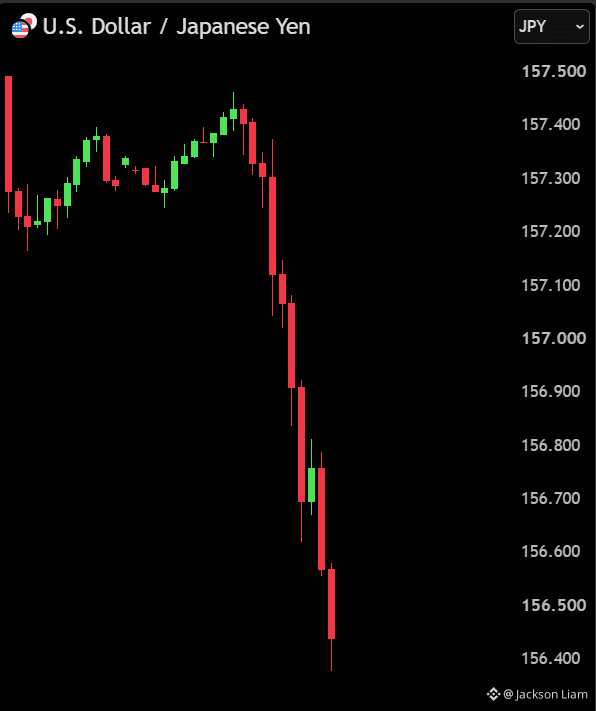
🚨 عاجل: الين يرتفع بقوة — يهبط USD/JPY إلى ما دون 156.5
يشهد الين الياباني عودة حادة إلى الواجهة، حيث تتضافر عدة عوامل تضرب الدولار في الوقت نفسه.
🇯🇵 1. ضعف إنتاج المصانع
قلّت بيانات المصانع اليابانية الأضعف من التوقعات بإجراء رفع فوري آخر لسعر الفائدة من بنك اليابان، لكن الين ما زال يجد دعماً من مصادر أخرى.
⚠️ 2. عودة مخاوف التدخل
دعا وزير المالية الياباني إلى اعتبار ضعف الين مشكلة، وأكد تعاونا أوثق في مجال الصرف مع الولايات المتحدة. كما حذّر المسؤولون الأسواق من أخذ رسالتهم على محمل الجد — ما يبقي مخاوف التدخل حية.
📊 3. تدفقات نهاية الشهر + نهاية الربع
إعادة موازنة المحافظ تخلق طلباً إضافياً على الين، حيث يقوم المستثمرون بتعديل مراكزهم قبيل نهاية الربع.
🇺🇸 4. بيانات الولايات المتحدة هي المحفّز الكبير التالي
يُقلّص المتداولون بعض مراكز الدولار قبل صدور تقرير وظائف ADP وبيانات تضخم PCE. قد تُعيد البيانات القوية إحياء رهانات رفع أسعار الفائدة لدى الاحتياطي الفيدرالي، بينما قد تؤدي الأرقام الأضعف إلى مزيد من الضغط على الدولار.
ما النتيجة؟
USD/JPY يتعرض لضغوط، في حين عاد الين فجأة إلى دائرة التركيز.
قد تكون الخطوة التالية شديدة التقلب.
🚨 عاجل: الين يرتفع بقوة — يهبط USD/JPY إلى ما دون 156.5
يشهد الين الياباني عودة حادة إلى الواجهة، حيث تتضافر عدة عوامل تضرب الدولار في الوقت نفسه.
🇯🇵 1. ضعف إنتاج المصانع
قلّت بيانات المصانع اليابانية الأضعف من التوقعات بإجراء رفع فوري آخر لسعر الفائدة من بنك اليابان، لكن الين ما زال يجد دعماً من مصادر أخرى.
⚠️ 2. عودة مخاوف التدخل
دعا وزير المالية الياباني إلى اعتبار ضعف الين مشكلة، وأكد تعاونا أوثق في مجال الصرف مع الولايات المتحدة. كما حذّر المسؤولون الأسواق من أخذ رسالتهم على محمل الجد — ما يبقي مخاوف التدخل حية.
📊 3. تدفقات نهاية الشهر + نهاية الربع
إعادة موازنة المحافظ تخلق طلباً إضافياً على الين، حيث يقوم المستثمرون بتعديل مراكزهم قبيل نهاية الربع.
🇺🇸 4. بيانات الولايات المتحدة هي المحفّز الكبير التالي
يُقلّص المتداولون بعض مراكز الدولار قبل صدور تقرير وظائف ADP وبيانات تضخم PCE. قد تُعيد البيانات القوية إحياء رهانات رفع أسعار الفائدة لدى الاحتياطي الفيدرالي، بينما قد تؤدي الأرقام الأضعف إلى مزيد من الضغط على الدولار.
ما النتيجة؟
USD/JPY يتعرض لضغوط، في حين عاد الين فجأة إلى دائرة التركيز.
قد تكون الخطوة التالية شديدة التقلب.
يشهد الين الياباني عودة حادة إلى الواجهة، حيث تتضافر عدة عوامل تضرب الدولار في الوقت نفسه.
🇯🇵 1. ضعف إنتاج المصانع
قلّت بيانات المصانع اليابانية الأضعف من التوقعات بإجراء رفع فوري آخر لسعر الفائدة من بنك اليابان، لكن الين ما زال يجد دعماً من مصادر أخرى.
⚠️ 2. عودة مخاوف التدخل
دعا وزير المالية الياباني إلى اعتبار ضعف الين مشكلة، وأكد تعاونا أوثق في مجال الصرف مع الولايات المتحدة. كما حذّر المسؤولون الأسواق من أخذ رسالتهم على محمل الجد — ما يبقي مخاوف التدخل حية.
📊 3. تدفقات نهاية الشهر + نهاية الربع
إعادة موازنة المحافظ تخلق طلباً إضافياً على الين، حيث يقوم المستثمرون بتعديل مراكزهم قبيل نهاية الربع.
🇺🇸 4. بيانات الولايات المتحدة هي المحفّز الكبير التالي
يُقلّص المتداولون بعض مراكز الدولار قبل صدور تقرير وظائف ADP وبيانات تضخم PCE. قد تُعيد البيانات القوية إحياء رهانات رفع أسعار الفائدة لدى الاحتياطي الفيدرالي، بينما قد تؤدي الأرقام الأضعف إلى مزيد من الضغط على الدولار.
ما النتيجة؟
USD/JPY يتعرض لضغوط، في حين عاد الين فجأة إلى دائرة التركيز.
قد تكون الخطوة التالية شديدة التقلب.
2
443
·
--
صاعد
موسم الأرباح على وشك اختبار السوق 🚨
كان السوق يراهن على نموٍ، وطلبٍ قوي، وأرباحٍ مؤسسيةٍ مرنة.
والآن يتعين على الشركات أن تثبت ذلك.
لن يكتفِ المستثمرون بالنظر إلى ما إذا كانت الأرباح قد جاءت أعلى أو دون التوقعات.
بل سيراقبون:
💰 نمو الإيرادات
📈 هوامش الربح
👀 التوجيهات المستقبلية
🏦 الطلب الاستهلاكي
⚙️ الإنفاق على الأعمال
🌍 المخاطر العالمية
📉 ضغوط التكاليف
وهنا تصبح الأمور أكثر إثارة للاهتمام:
قد تحقق شركة أرباحًا أفضل من المتوقع ومع ذلك تنخفض إذا كانت التوقعات مرتفعة جدًا.
وقد تخطئ شركة التوقعات لكن تصعد إذا قدّمَت الإدارة توجيهاتٍ أقوى.
لذلك قد يخلق موسم الأرباح هذا بعض الفرص الكبيرة — وبعض المفاجآت المؤلمة.
قد تحرك إحدى العناوين سهمًا.
قد تحرك موجة أرباح كبرى قطاعًا كاملًا.
الأرقام على وشك أن تُخبرنا ما إذا كان تفاؤل السوق مدعومًا بنمو أعمال حقيقي.
#EarningsSeason
موسم الأرباح على وشك اختبار السوق 🚨
كان السوق يراهن على نموٍ، وطلبٍ قوي، وأرباحٍ مؤسسيةٍ مرنة.
والآن يتعين على الشركات أن تثبت ذلك.
لن يكتفِ المستثمرون بالنظر إلى ما إذا كانت الأرباح قد جاءت أعلى أو دون التوقعات.
بل سيراقبون:
💰 نمو الإيرادات
📈 هوامش الربح
👀 التوجيهات المستقبلية
🏦 الطلب الاستهلاكي
⚙️ الإنفاق على الأعمال
🌍 المخاطر العالمية
📉 ضغوط التكاليف
وهنا تصبح الأمور أكثر إثارة للاهتمام:
قد تحقق شركة أرباحًا أفضل من المتوقع ومع ذلك تنخفض إذا كانت التوقعات مرتفعة جدًا.
وقد تخطئ شركة التوقعات لكن تصعد إذا قدّمَت الإدارة توجيهاتٍ أقوى.
لذلك قد يخلق موسم الأرباح هذا بعض الفرص الكبيرة — وبعض المفاجآت المؤلمة.
قد تحرك إحدى العناوين سهمًا.
قد تحرك موجة أرباح كبرى قطاعًا كاملًا.
الأرقام على وشك أن تُخبرنا ما إذا كان تفاؤل السوق مدعومًا بنمو أعمال حقيقي.
#EarningsSeason
كان السوق يراهن على نموٍ، وطلبٍ قوي، وأرباحٍ مؤسسيةٍ مرنة.
والآن يتعين على الشركات أن تثبت ذلك.
لن يكتفِ المستثمرون بالنظر إلى ما إذا كانت الأرباح قد جاءت أعلى أو دون التوقعات.
بل سيراقبون:
💰 نمو الإيرادات
📈 هوامش الربح
👀 التوجيهات المستقبلية
🏦 الطلب الاستهلاكي
⚙️ الإنفاق على الأعمال
🌍 المخاطر العالمية
📉 ضغوط التكاليف
وهنا تصبح الأمور أكثر إثارة للاهتمام:
قد تحقق شركة أرباحًا أفضل من المتوقع ومع ذلك تنخفض إذا كانت التوقعات مرتفعة جدًا.
وقد تخطئ شركة التوقعات لكن تصعد إذا قدّمَت الإدارة توجيهاتٍ أقوى.
لذلك قد يخلق موسم الأرباح هذا بعض الفرص الكبيرة — وبعض المفاجآت المؤلمة.
قد تحرك إحدى العناوين سهمًا.
قد تحرك موجة أرباح كبرى قطاعًا كاملًا.
الأرقام على وشك أن تُخبرنا ما إذا كان تفاؤل السوق مدعومًا بنمو أعمال حقيقي.
#EarningsSeason

2
224
·
--
صاعد
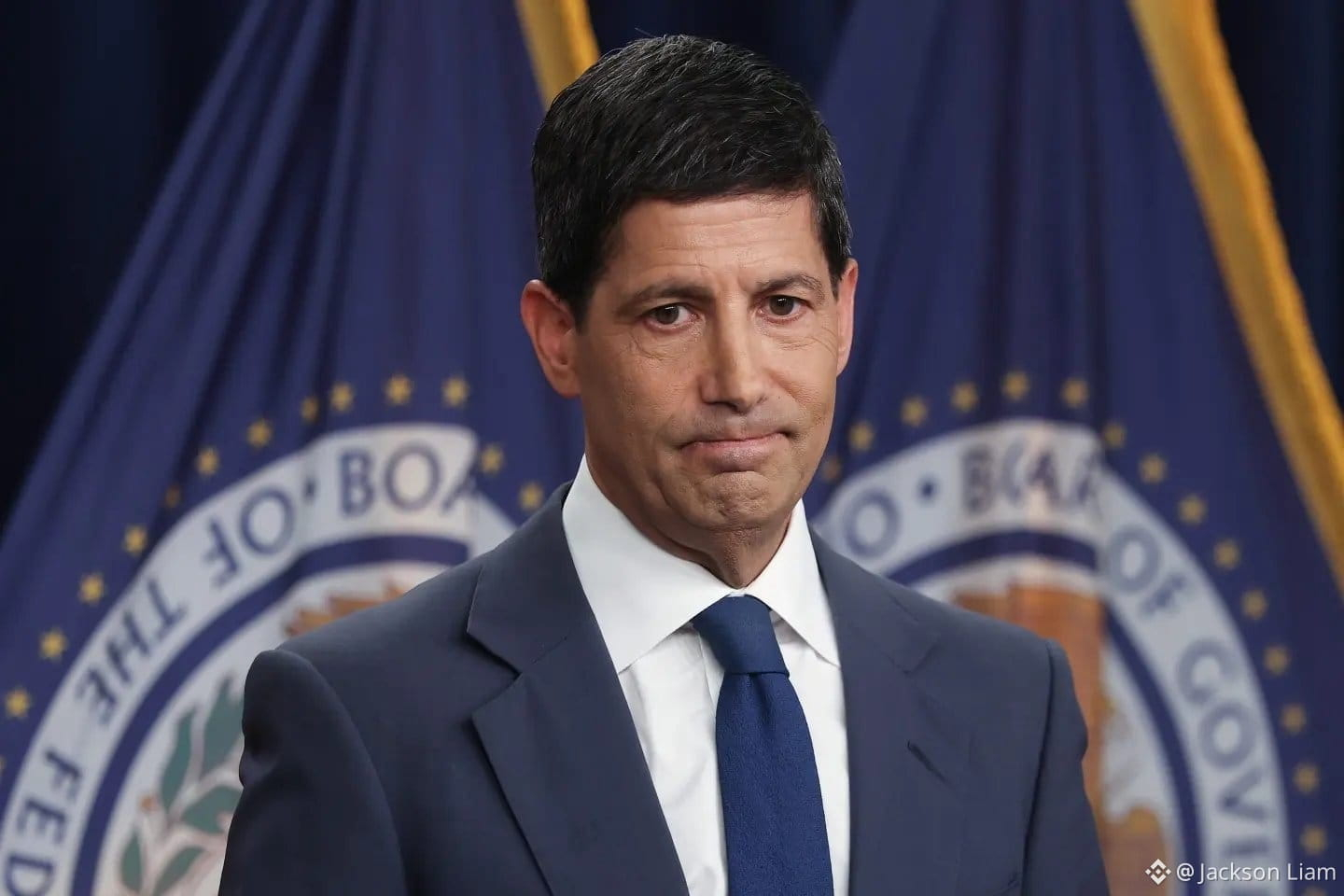
🚨 بنك الاحتياطي الفيدرالي عاد إلى دائرة الضوء.
قد تمنح بيانات الولايات المتحدة اليوم الأسواق تلميحًا جديدًا عمّا سيحدث لاحقًا: هل سيكون هناك رفع للفائدة أم الإبقاء عليها؟
🏠 أسعار المنازل من Case-Shiller
🧠 ثقة المستهلك
💼 فرص العمل JOLTS
ثم تأتي الفعالية الأكبر: تصريحات مسؤولي بنك الاحتياطي الفيدرالي. بومان وبَّر وغولزبي وغولزبي ومُسالم ويلِيامز ووالر جميعهم ضمن الجدول، ما يمنح المتداولين الكثير من التصريحات لتحليلها.
السؤال الأساسي بسيط:
هل ما زالت اقتصادات الولايات المتحدة قوية بما يكفي لتبقى “متشددة” لدى بنك الاحتياطي الفيدرالي، أم أن هناك مؤشرات ضعف بدأت بالظهور؟
وظائف قوية + أسعار ثابتة يمكن أن تبقي توقعات رفع الفائدة حية.
ثقة ضعيفة + بيانات عمل ألين قد تدفع الأسواق نحو بنك احتياطي فيدرالي أكثر حذرًا.
على أي حال، قد ترتفع التقلبات بسرعة.
صدور البيانات. تصريحات بنك الاحتياطي. رد فعل الأسواق. ابقَ مستعدًا.
🚨 بنك الاحتياطي الفيدرالي عاد إلى دائرة الضوء.
قد تمنح بيانات الولايات المتحدة اليوم الأسواق تلميحًا جديدًا عمّا سيحدث لاحقًا: هل سيكون هناك رفع للفائدة أم الإبقاء عليها؟
🏠 أسعار المنازل من Case-Shiller
🧠 ثقة المستهلك
💼 فرص العمل JOLTS
ثم تأتي الفعالية الأكبر: تصريحات مسؤولي بنك الاحتياطي الفيدرالي. بومان وبَّر وغولزبي وغولزبي ومُسالم ويلِيامز ووالر جميعهم ضمن الجدول، ما يمنح المتداولين الكثير من التصريحات لتحليلها.
السؤال الأساسي بسيط:
هل ما زالت اقتصادات الولايات المتحدة قوية بما يكفي لتبقى “متشددة” لدى بنك الاحتياطي الفيدرالي، أم أن هناك مؤشرات ضعف بدأت بالظهور؟
وظائف قوية + أسعار ثابتة يمكن أن تبقي توقعات رفع الفائدة حية.
ثقة ضعيفة + بيانات عمل ألين قد تدفع الأسواق نحو بنك احتياطي فيدرالي أكثر حذرًا.
على أي حال، قد ترتفع التقلبات بسرعة.
صدور البيانات. تصريحات بنك الاحتياطي. رد فعل الأسواق. ابقَ مستعدًا.
قد تمنح بيانات الولايات المتحدة اليوم الأسواق تلميحًا جديدًا عمّا سيحدث لاحقًا: هل سيكون هناك رفع للفائدة أم الإبقاء عليها؟
🏠 أسعار المنازل من Case-Shiller
🧠 ثقة المستهلك
💼 فرص العمل JOLTS
ثم تأتي الفعالية الأكبر: تصريحات مسؤولي بنك الاحتياطي الفيدرالي. بومان وبَّر وغولزبي وغولزبي ومُسالم ويلِيامز ووالر جميعهم ضمن الجدول، ما يمنح المتداولين الكثير من التصريحات لتحليلها.
السؤال الأساسي بسيط:
هل ما زالت اقتصادات الولايات المتحدة قوية بما يكفي لتبقى “متشددة” لدى بنك الاحتياطي الفيدرالي، أم أن هناك مؤشرات ضعف بدأت بالظهور؟
وظائف قوية + أسعار ثابتة يمكن أن تبقي توقعات رفع الفائدة حية.
ثقة ضعيفة + بيانات عمل ألين قد تدفع الأسواق نحو بنك احتياطي فيدرالي أكثر حذرًا.
على أي حال، قد ترتفع التقلبات بسرعة.
صدور البيانات. تصريحات بنك الاحتياطي. رد فعل الأسواق. ابقَ مستعدًا.
1
2
174
·
--
صاعد
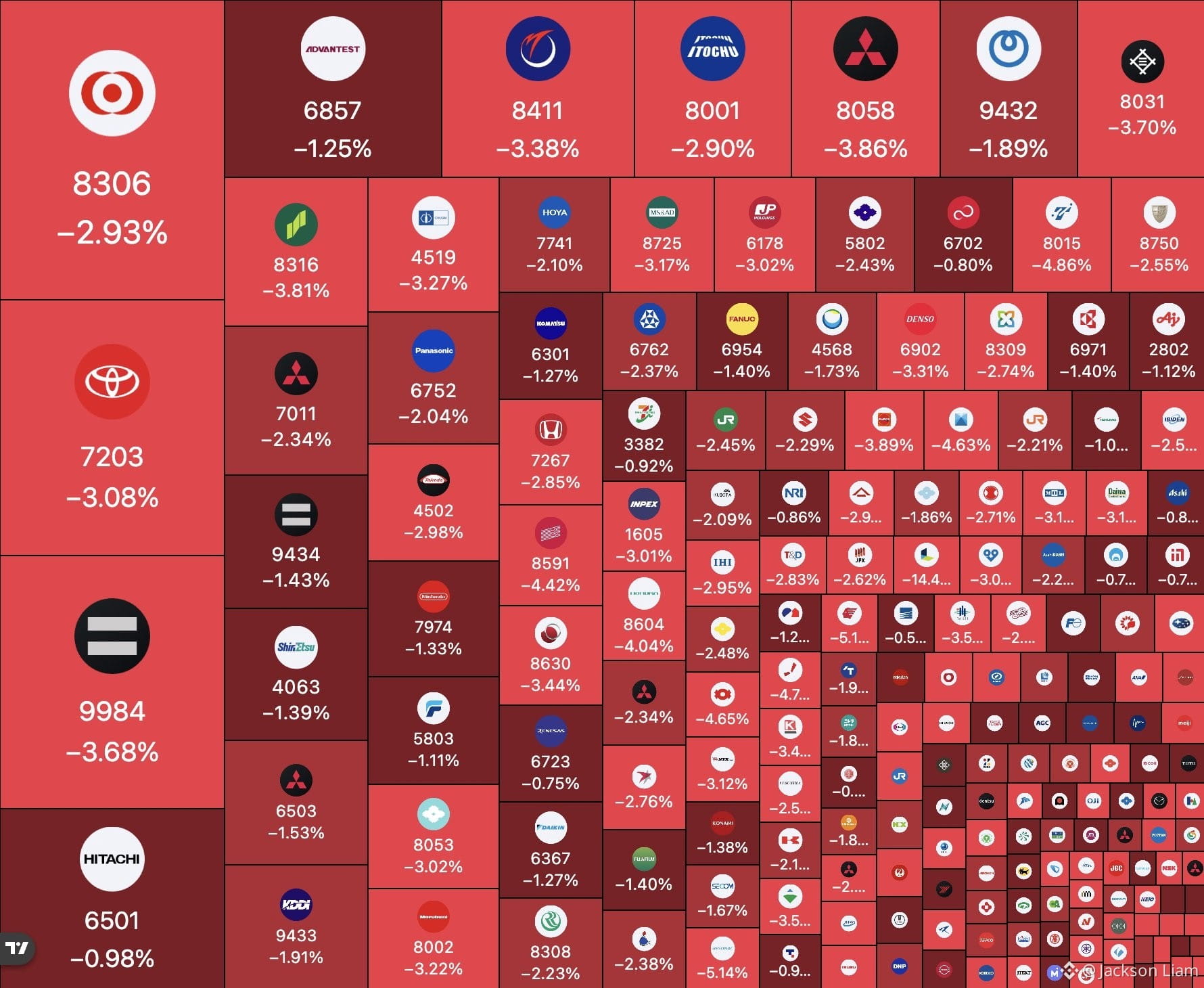
🚨 يتم ضرب أسهم اليابان بقوة!
تم محو أكثر من 17.7 تريليون ين (112 مليار دولار) من القيمة السوقية مع هبوط مؤشر نيكّي بنحو 1.5%.
وجاءت عمليات البيع المكثفة بالتزامن مع ارتفاع عوائد السندات عالميًا وصعود أسعار النفط، ما يعزز المخاوف من التضخم وارتفاع أسعار الفائدة.
وتشعر اليابان بالضغط أيضًا، إذ يتخلص المستثمرون من الأسهم بعد الارتفاع القوي الأخير في السوق.
وهذا ليس مجرد خبر يخص اليابان…
ارتفاع العوائد + ارتفاع النفط + توتر جيوسياسي = المستثمرون يتوترون عبر الأسواق العالمية.
وضع تجنب المخاطر عاد.
السؤال الكبير الآن: هل هذا مجرد تراجع حاد، أم بداية لشيء أكبر؟ 🔥
🚨 يتم ضرب أسهم اليابان بقوة!
تم محو أكثر من 17.7 تريليون ين (112 مليار دولار) من القيمة السوقية مع هبوط مؤشر نيكّي بنحو 1.5%.
وجاءت عمليات البيع المكثفة بالتزامن مع ارتفاع عوائد السندات عالميًا وصعود أسعار النفط، ما يعزز المخاوف من التضخم وارتفاع أسعار الفائدة.
وتشعر اليابان بالضغط أيضًا، إذ يتخلص المستثمرون من الأسهم بعد الارتفاع القوي الأخير في السوق.
وهذا ليس مجرد خبر يخص اليابان…
ارتفاع العوائد + ارتفاع النفط + توتر جيوسياسي = المستثمرون يتوترون عبر الأسواق العالمية.
وضع تجنب المخاطر عاد.
السؤال الكبير الآن: هل هذا مجرد تراجع حاد، أم بداية لشيء أكبر؟ 🔥
تم محو أكثر من 17.7 تريليون ين (112 مليار دولار) من القيمة السوقية مع هبوط مؤشر نيكّي بنحو 1.5%.
وجاءت عمليات البيع المكثفة بالتزامن مع ارتفاع عوائد السندات عالميًا وصعود أسعار النفط، ما يعزز المخاوف من التضخم وارتفاع أسعار الفائدة.
وتشعر اليابان بالضغط أيضًا، إذ يتخلص المستثمرون من الأسهم بعد الارتفاع القوي الأخير في السوق.
وهذا ليس مجرد خبر يخص اليابان…
ارتفاع العوائد + ارتفاع النفط + توتر جيوسياسي = المستثمرون يتوترون عبر الأسواق العالمية.
وضع تجنب المخاطر عاد.
السؤال الكبير الآن: هل هذا مجرد تراجع حاد، أم بداية لشيء أكبر؟ 🔥
2
320
·
--
صاعد
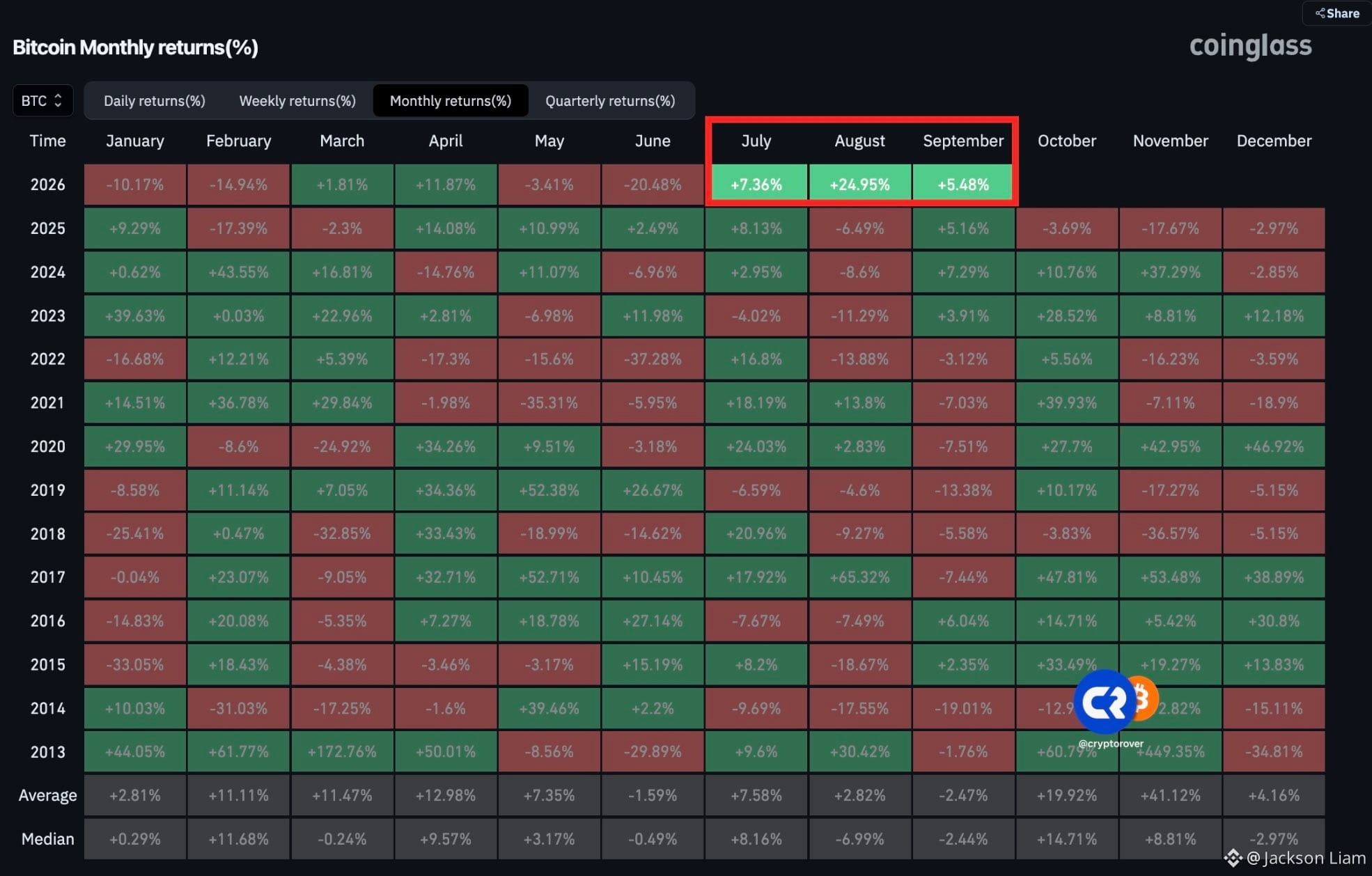
🟢 البيتكوين على وشك إغلاق ثلاثة أشهر خضراء متتالية.
وهذا أمر كبير.
لقد ظل البيتكوين قويًا خلال آخر ثلاث شموع شهرية، ما يُظهر أن المشترين ما زالوا يدخلون بدل السماح للسوق بالانهيار.
تاريخيًا، إن سلسلة خضراء تمتد 3 أشهر نادرة خلال فترات الهبوط العنيفة في الأسواق الكبرى.
لكن هذه هي النقطة المهمة:
🚨 هذا لا يعني أن البيتكوين لا يمكنه أن يهبط. 🚨 ولا يعني ضمان تسجيل قمة تاريخية جديدة. 🚨 لكنه يُظهر أن بنية السوق تتصرف بشكل مختلف عن مرحلة هبوط طويلة ومعتادة.
ثلاث شموع شهرية خضراء = الزخم يتشكل.
إذا أغلق البيتكوين شهر سبتمبر باللون الأخضر، تصبح الأسئلة الحقيقية:
هل يمكن للثيران تحويل هذه القوة إلى اختراق أكبر؟
الشمعة الشهرية التالية قد تكون مهمة جدًا. 👀
🟢 البيتكوين على وشك إغلاق ثلاثة أشهر خضراء متتالية.
وهذا أمر كبير.
لقد ظل البيتكوين قويًا خلال آخر ثلاث شموع شهرية، ما يُظهر أن المشترين ما زالوا يدخلون بدل السماح للسوق بالانهيار.
تاريخيًا، إن سلسلة خضراء تمتد 3 أشهر نادرة خلال فترات الهبوط العنيفة في الأسواق الكبرى.
لكن هذه هي النقطة المهمة:
🚨 هذا لا يعني أن البيتكوين لا يمكنه أن يهبط. 🚨 ولا يعني ضمان تسجيل قمة تاريخية جديدة. 🚨 لكنه يُظهر أن بنية السوق تتصرف بشكل مختلف عن مرحلة هبوط طويلة ومعتادة.
ثلاث شموع شهرية خضراء = الزخم يتشكل.
إذا أغلق البيتكوين شهر سبتمبر باللون الأخضر، تصبح الأسئلة الحقيقية:
هل يمكن للثيران تحويل هذه القوة إلى اختراق أكبر؟
الشمعة الشهرية التالية قد تكون مهمة جدًا. 👀
وهذا أمر كبير.
لقد ظل البيتكوين قويًا خلال آخر ثلاث شموع شهرية، ما يُظهر أن المشترين ما زالوا يدخلون بدل السماح للسوق بالانهيار.
تاريخيًا، إن سلسلة خضراء تمتد 3 أشهر نادرة خلال فترات الهبوط العنيفة في الأسواق الكبرى.
لكن هذه هي النقطة المهمة:
🚨 هذا لا يعني أن البيتكوين لا يمكنه أن يهبط. 🚨 ولا يعني ضمان تسجيل قمة تاريخية جديدة. 🚨 لكنه يُظهر أن بنية السوق تتصرف بشكل مختلف عن مرحلة هبوط طويلة ومعتادة.
ثلاث شموع شهرية خضراء = الزخم يتشكل.
إذا أغلق البيتكوين شهر سبتمبر باللون الأخضر، تصبح الأسئلة الحقيقية:
هل يمكن للثيران تحويل هذه القوة إلى اختراق أكبر؟
الشمعة الشهرية التالية قد تكون مهمة جدًا. 👀
8
2
551
·
--
مقالة
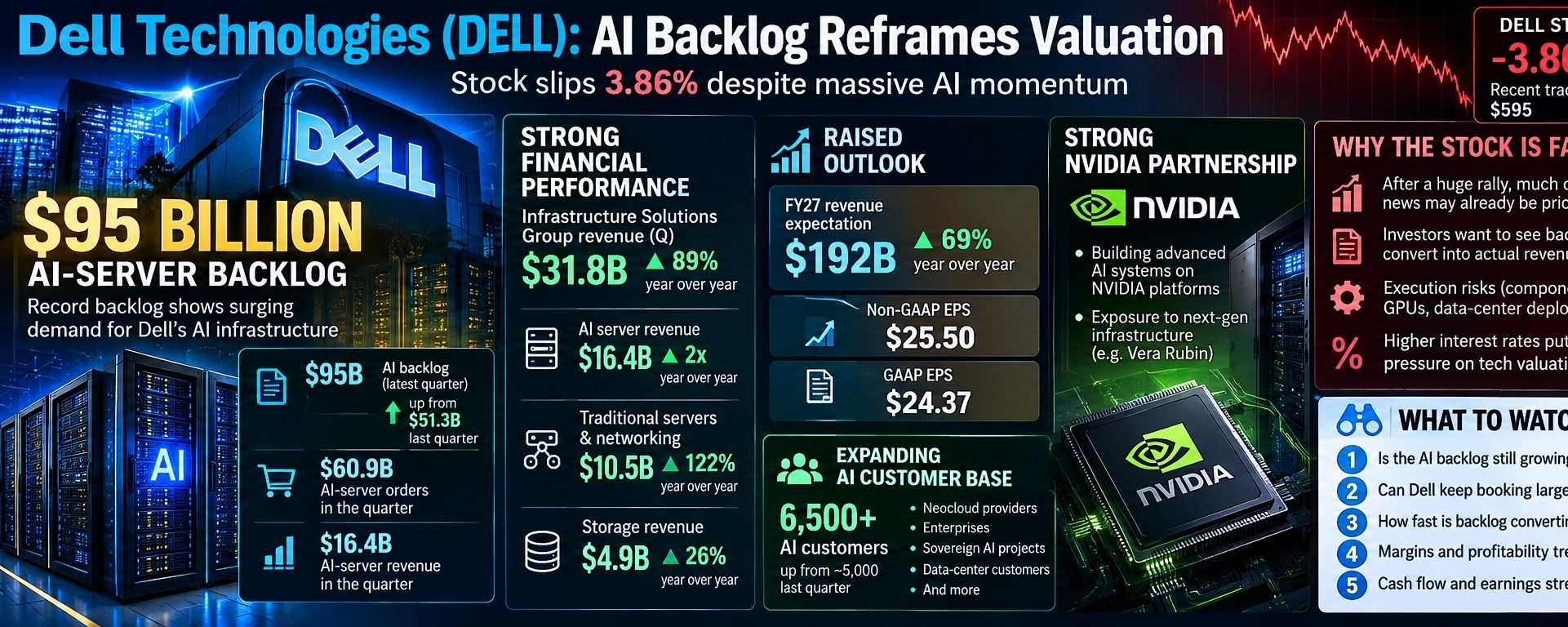
دِيل تكنولوجيز (DELL): سجل طلبات الذكاء الاصطناعي البالغ 95 مليار دولار يغيّر القصةلم تعد شركة دِيل تكنولوجيز مجرد شركة أجهزة كمبيوتر شخصية وخوادم.
يصبح من الصعب تجاهل ذلك بعد أن كشفت الشركة عن سجل طلبات هائل بقيمة 95 مليار دولار من خوادم الذكاء الاصطناعي، بينما تراجع سهمها مؤخرًا بنسبة 3.86%.
الارتداد إلى الأسفل أمرٌ مثير للاهتمام لأن أعمال دِيل في مجال الذكاء الاصطناعي الأساسية تتجه في الاتجاه المعاكس. فحجم الطلبات يتسارع، والإيرادات ترتفع، وقد رفعت الإدارة توقعاتها للعام بأكمله.
فلماذا يتراجع السهم؟
بعد موجة صعود هائلة، لم يعد المستثمرون يتساءلون عما إذا كانت دِيل ستستفيد من الذكاء الاصطناعي. بل باتوا يتساءلون عما إذا كانت وتيرة نمو الشركة المستقبلية مُسعّرة بالفعل في سعر السهم.
دِيل تكنولوجيز (DELL): سجل طلبات الذكاء الاصطناعي البالغ 95 مليار دولار يغيّر القصة
لم تعد شركة دِيل تكنولوجيز مجرد شركة أجهزة كمبيوتر شخصية وخوادم.
يصبح من الصعب تجاهل ذلك بعد أن كشفت الشركة عن سجل طلبات هائل بقيمة 95 مليار دولار من خوادم الذكاء الاصطناعي، بينما تراجع سهمها مؤخرًا بنسبة 3.86%.
الارتداد إلى الأسفل أمرٌ مثير للاهتمام لأن أعمال دِيل في مجال الذكاء الاصطناعي الأساسية تتجه في الاتجاه المعاكس. فحجم الطلبات يتسارع، والإيرادات ترتفع، وقد رفعت الإدارة توقعاتها للعام بأكمله.
فلماذا يتراجع السهم؟
بعد موجة صعود هائلة، لم يعد المستثمرون يتساءلون عما إذا كانت دِيل ستستفيد من الذكاء الاصطناعي. بل باتوا يتساءلون عما إذا كانت وتيرة نمو الشركة المستقبلية مُسعّرة بالفعل في سعر السهم.
يصبح من الصعب تجاهل ذلك بعد أن كشفت الشركة عن سجل طلبات هائل بقيمة 95 مليار دولار من خوادم الذكاء الاصطناعي، بينما تراجع سهمها مؤخرًا بنسبة 3.86%.
الارتداد إلى الأسفل أمرٌ مثير للاهتمام لأن أعمال دِيل في مجال الذكاء الاصطناعي الأساسية تتجه في الاتجاه المعاكس. فحجم الطلبات يتسارع، والإيرادات ترتفع، وقد رفعت الإدارة توقعاتها للعام بأكمله.
فلماذا يتراجع السهم؟
بعد موجة صعود هائلة، لم يعد المستثمرون يتساءلون عما إذا كانت دِيل ستستفيد من الذكاء الاصطناعي. بل باتوا يتساءلون عما إذا كانت وتيرة نمو الشركة المستقبلية مُسعّرة بالفعل في سعر السهم.
7
2
455
·
--
NMR — انفجار ضخم! إعداد طويل
شهدت NMR انفجارًا بنسبة تزيد عن 35%، لتتحرر من نطاق التذبذب وتصل إلى 15.50 دولار. الزخم قوي، لكن قد يوفر التراجع فرصة دخول أفضل.
إشارة طويلة
سعر الدخول (منطقة الشراء): 13.00 – 13.30 دولار
الهدف 1: 14.40 دولار الهدف 2: 15.50 دولار الهدف 3: 16.80 دولار
وقف الخسارة: 12.40 دولار
قد يؤدي إعادة اختبار ناجحة لمستوى 13 دولار إلى تجهيز حركة انفجارية أخرى. انتظر التأكيد قبل الدخول.
هيا بنا $NMR
{spot}(NMRUSDT)
$MARSCOIN
{future}(MARSCOINUSDT)
$HBAR
{future}(HBARUSDT)
NMR — انفجار ضخم! إعداد طويل
شهدت NMR انفجارًا بنسبة تزيد عن 35%، لتتحرر من نطاق التذبذب وتصل إلى 15.50 دولار. الزخم قوي، لكن قد يوفر التراجع فرصة دخول أفضل.
إشارة طويلة
سعر الدخول (منطقة الشراء): 13.00 – 13.30 دولار
الهدف 1: 14.40 دولار الهدف 2: 15.50 دولار الهدف 3: 16.80 دولار
وقف الخسارة: 12.40 دولار
قد يؤدي إعادة اختبار ناجحة لمستوى 13 دولار إلى تجهيز حركة انفجارية أخرى. انتظر التأكيد قبل الدخول.
هيا بنا $NMR
$MARSCOIN
$HBAR
شهدت NMR انفجارًا بنسبة تزيد عن 35%، لتتحرر من نطاق التذبذب وتصل إلى 15.50 دولار. الزخم قوي، لكن قد يوفر التراجع فرصة دخول أفضل.
إشارة طويلة
سعر الدخول (منطقة الشراء): 13.00 – 13.30 دولار
الهدف 1: 14.40 دولار الهدف 2: 15.50 دولار الهدف 3: 16.80 دولار
وقف الخسارة: 12.40 دولار
قد يؤدي إعادة اختبار ناجحة لمستوى 13 دولار إلى تجهيز حركة انفجارية أخرى. انتظر التأكيد قبل الدخول.
هيا بنا $NMR
$MARSCOIN
$HBAR
$18+ — Breakout continues
29%
$20+ — Full send
29%
Pullback to $13–14 first
28%
Reversal incoming
14%
14 الأصوات • تمّ إغلاق التصويت
8
3
624
·
--
صاعد
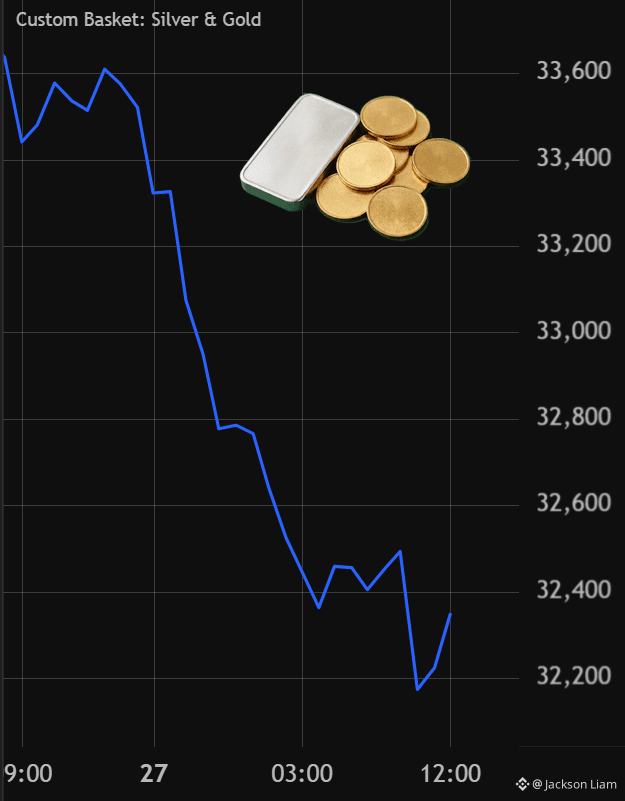
🚨 عاجل: الذهب والفضة تعرضا لضربة هائلة.
تم مسح 1 تريليون دولار من القيمة السوقية المجمعة اليوم.
وهذا يعادل تقريبًا 60% من إجمالي القيمة السوقية للبيتكوين.
فكر في ذلك.
الأسواق بهذا الحجم يمكنها أن تحرك مئات المليارات في يوم واحد — وما زال البيتكوين صغيرًا نسبيًا مقارنةً بمخازن القيمة التقليدية.
نحن ما زلنا في المراحل الأولى جدًا. 👀
$XAU $XAG
🚨 عاجل: الذهب والفضة تعرضا لضربة هائلة.
تم مسح 1 تريليون دولار من القيمة السوقية المجمعة اليوم.
وهذا يعادل تقريبًا 60% من إجمالي القيمة السوقية للبيتكوين.
فكر في ذلك.
الأسواق بهذا الحجم يمكنها أن تحرك مئات المليارات في يوم واحد — وما زال البيتكوين صغيرًا نسبيًا مقارنةً بمخازن القيمة التقليدية.
نحن ما زلنا في المراحل الأولى جدًا. 👀
$XAU $XAG
تم مسح 1 تريليون دولار من القيمة السوقية المجمعة اليوم.
وهذا يعادل تقريبًا 60% من إجمالي القيمة السوقية للبيتكوين.
فكر في ذلك.
الأسواق بهذا الحجم يمكنها أن تحرك مئات المليارات في يوم واحد — وما زال البيتكوين صغيرًا نسبيًا مقارنةً بمخازن القيمة التقليدية.
نحن ما زلنا في المراحل الأولى جدًا. 👀
$XAU $XAG
9
1
644
·
--
صاعد
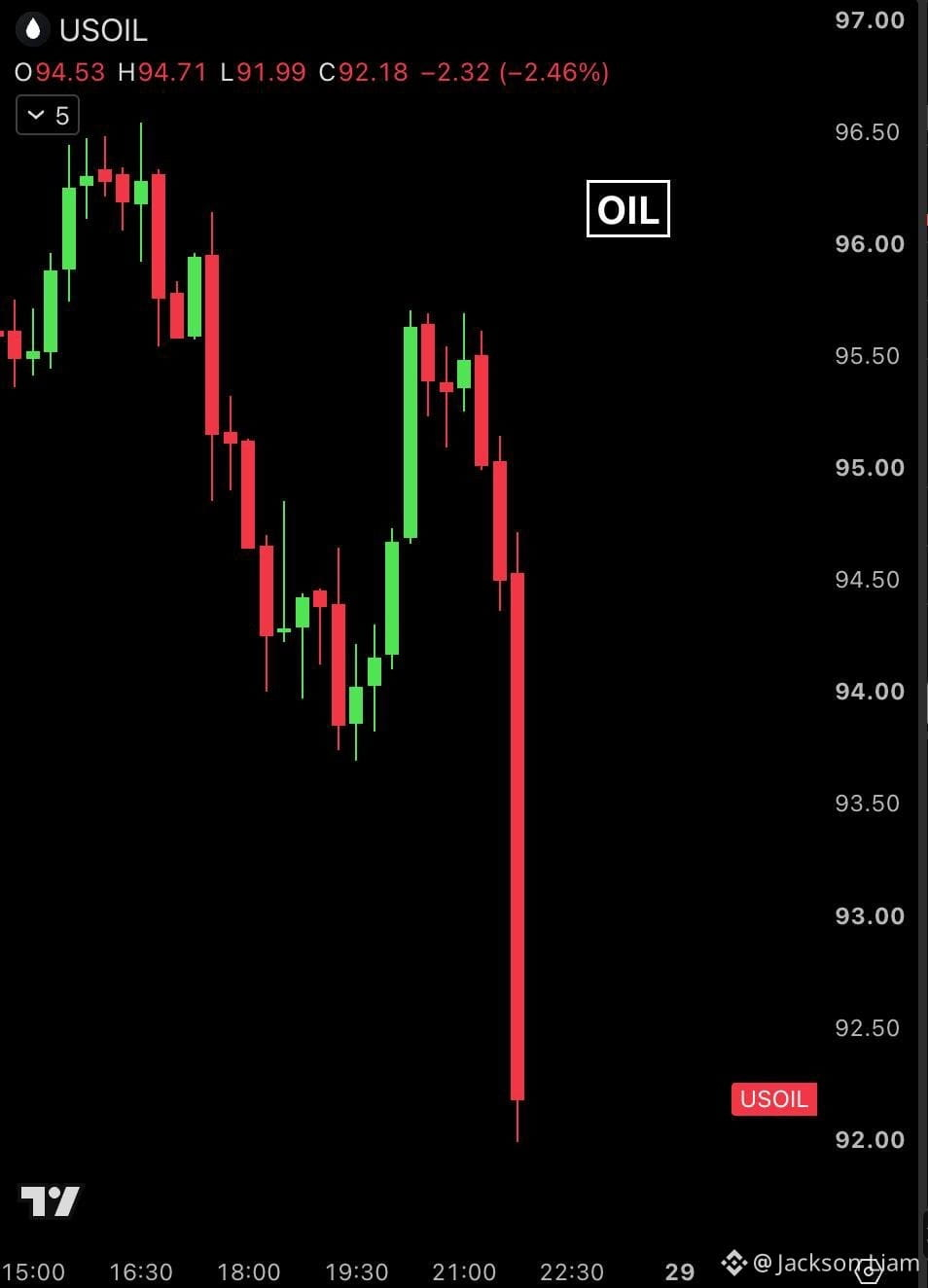
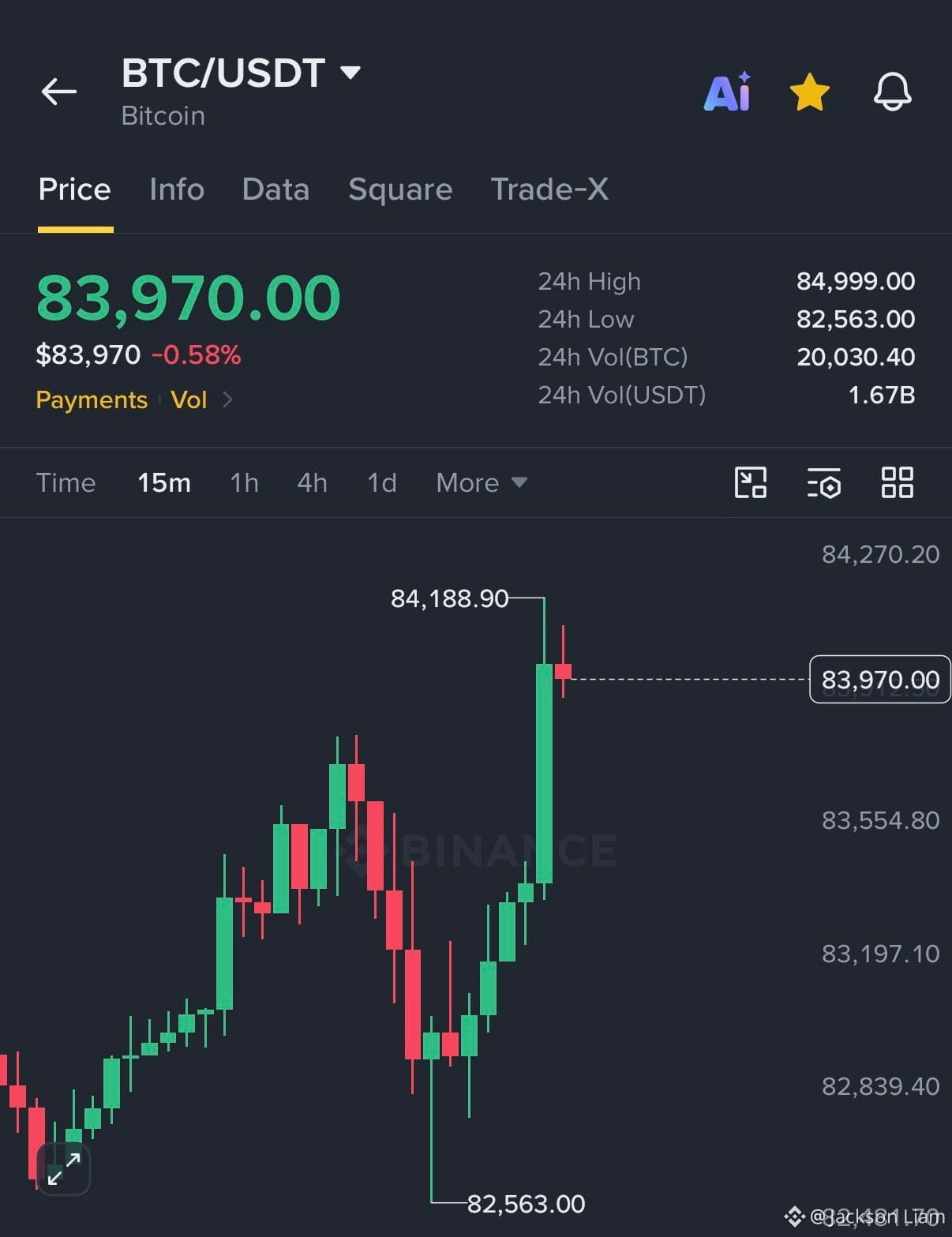
🚨 عاجل: قد يكون رفع العقوبات على إيران وشيكًا
يُقال إن ترامب مستعد لتخفيف العقوبات وفك تجميد الأصول الإيرانية إذا وافقت طهران على مطالب الولايات المتحدة النووية.
تفاعلت الأسواق بسرعة ⚡
🛢️ هبطت أسعار النفط بنحو 4% تقريبًا خلال 30 دقيقة فقط بعد أن تلاشى علاوة المخاطر الجيوسياسية.
₿ كما بدأ سعر البيتكوين في التعافي، إذ قام المتداولون بتسعير احتمال لخفض التصعيد.
الأهم الآن: ما إذا كانت المحادثات ستتحول إلى اتفاق فعلي.
🚨 عاجل: قد يكون رفع العقوبات على إيران وشيكًا
يُقال إن ترامب مستعد لتخفيف العقوبات وفك تجميد الأصول الإيرانية إذا وافقت طهران على مطالب الولايات المتحدة النووية.
تفاعلت الأسواق بسرعة ⚡
🛢️ هبطت أسعار النفط بنحو 4% تقريبًا خلال 30 دقيقة فقط بعد أن تلاشى علاوة المخاطر الجيوسياسية.
₿ كما بدأ سعر البيتكوين في التعافي، إذ قام المتداولون بتسعير احتمال لخفض التصعيد.
الأهم الآن: ما إذا كانت المحادثات ستتحول إلى اتفاق فعلي.
يُقال إن ترامب مستعد لتخفيف العقوبات وفك تجميد الأصول الإيرانية إذا وافقت طهران على مطالب الولايات المتحدة النووية.
تفاعلت الأسواق بسرعة ⚡
🛢️ هبطت أسعار النفط بنحو 4% تقريبًا خلال 30 دقيقة فقط بعد أن تلاشى علاوة المخاطر الجيوسياسية.
₿ كما بدأ سعر البيتكوين في التعافي، إذ قام المتداولون بتسعير احتمال لخفض التصعيد.
الأهم الآن: ما إذا كانت المحادثات ستتحول إلى اتفاق فعلي.
1
384
·
--
هابط
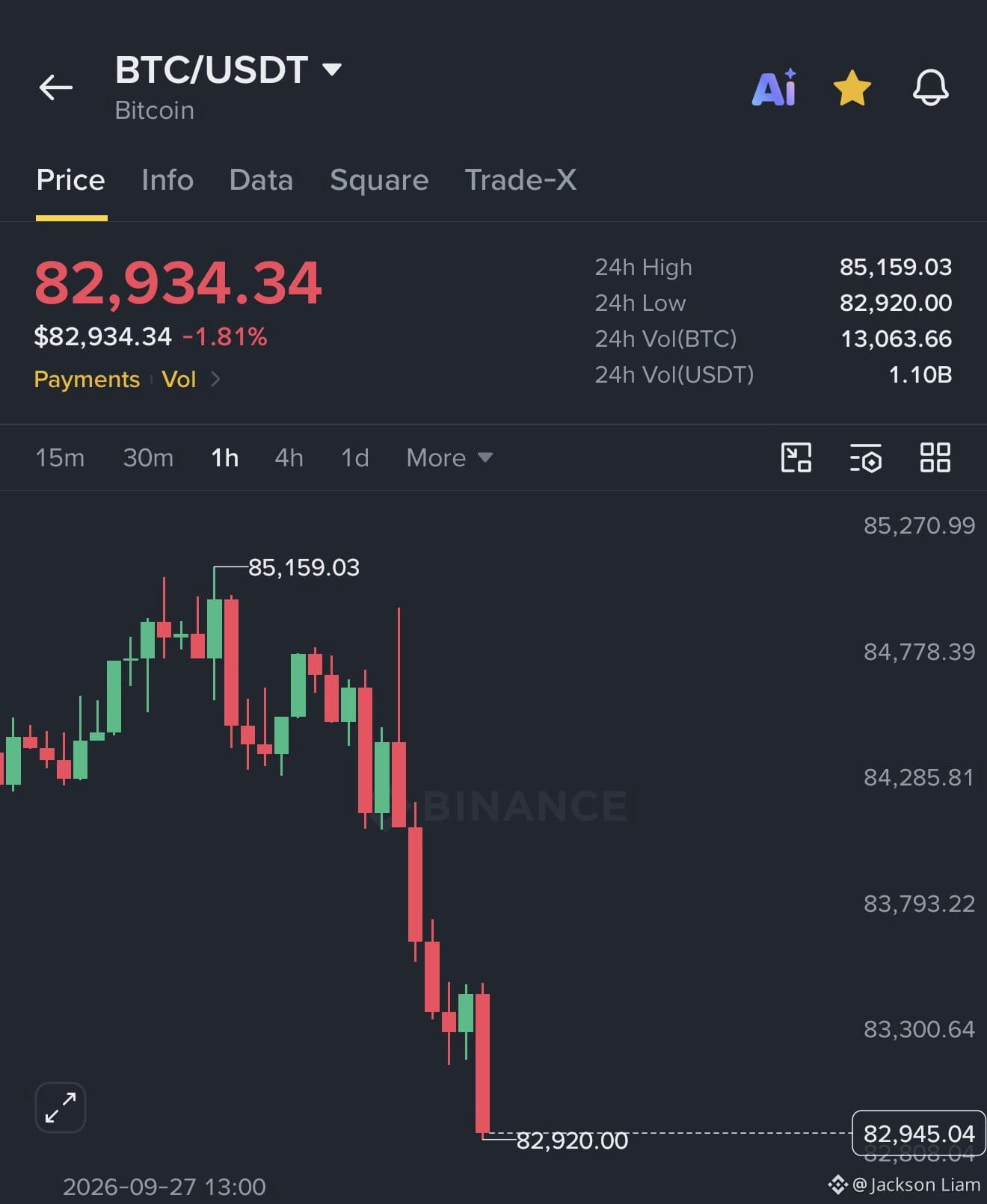
🚨 اندفاع سوق العملات الرقمية
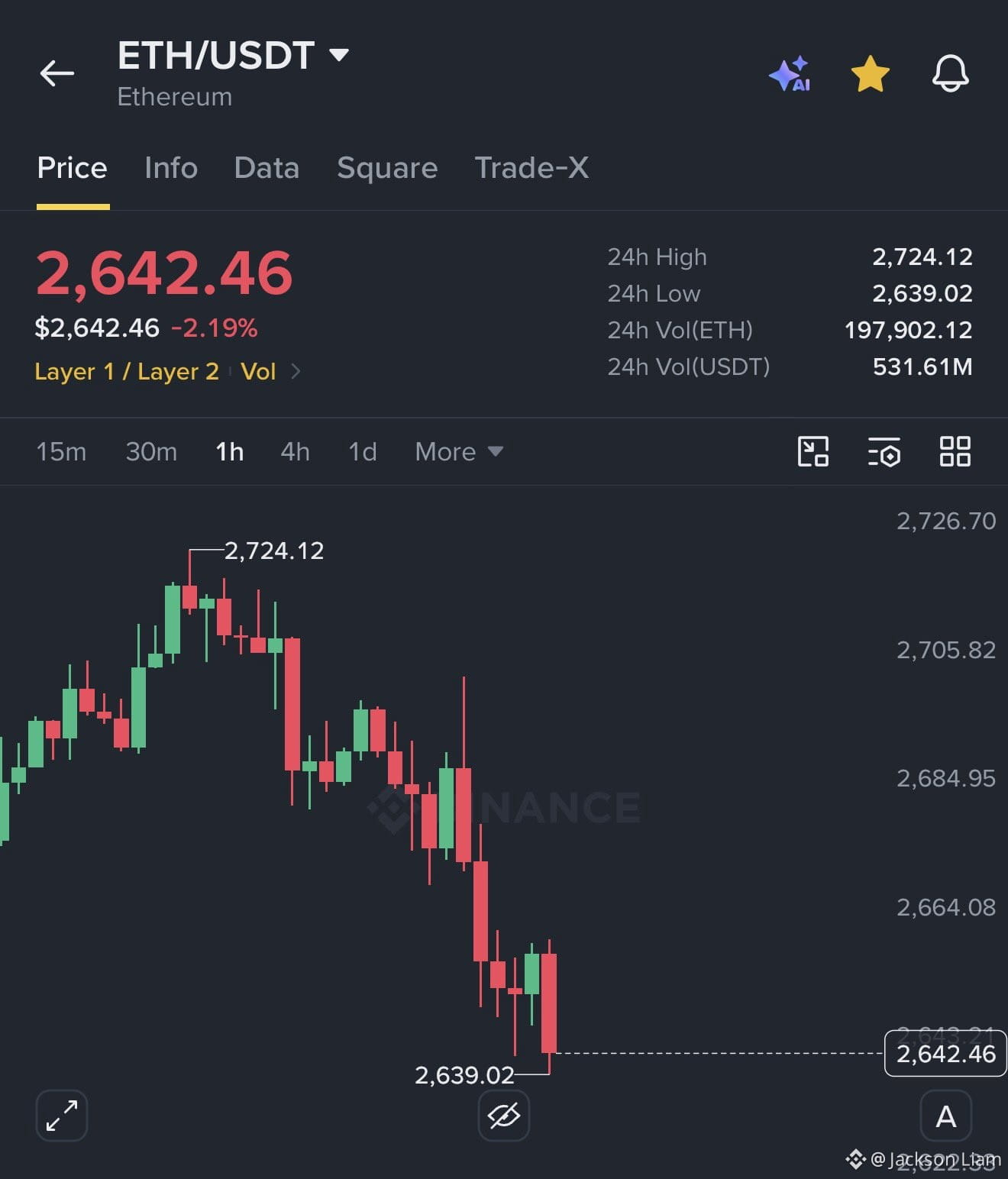
انخفض سعر البيتكوين للتو تحت 83,000 دولار بينما تراجع الإيثيريوم إلى ما دون 2,650 دولار.
والحركة بالفعل تؤذي المتداولين ذوي الرافعة المالية:
💥 تم تصفية صفقات شراء (Long) بأكثر من 50 مليون دولار خلال 60 دقيقة فقط.
يتحرك السوق بسرعة، ويتم مسح المراكز شديدة الرافعة لأن المتداولين يهرعون إلى تقليل المخاطر.
<t-0/>$BTC خسر 83 ألف دولار و $ETH خسر 2.65 ألف دولار يضيفان ضغوطًا جديدة على سوق العملات الرقمية الأوسع.
يمكن أن تؤدي حركة واحدة حادة إلى الأسفل إلى تفعيل عمليات تصفية إضافية — وهذا قد يؤدي إلى المزيد من البيع.
التقلبات عادت. 👀
🚨 اندفاع سوق العملات الرقمية
انخفض سعر البيتكوين للتو تحت 83,000 دولار بينما تراجع الإيثيريوم إلى ما دون 2,650 دولار.
والحركة بالفعل تؤذي المتداولين ذوي الرافعة المالية:
💥 تم تصفية صفقات شراء (Long) بأكثر من 50 مليون دولار خلال 60 دقيقة فقط.
يتحرك السوق بسرعة، ويتم مسح المراكز شديدة الرافعة لأن المتداولين يهرعون إلى تقليل المخاطر.
<t-0/>$BTC خسر 83 ألف دولار و $ETH خسر 2.65 ألف دولار يضيفان ضغوطًا جديدة على سوق العملات الرقمية الأوسع.
يمكن أن تؤدي حركة واحدة حادة إلى الأسفل إلى تفعيل عمليات تصفية إضافية — وهذا قد يؤدي إلى المزيد من البيع.
التقلبات عادت. 👀
انخفض سعر البيتكوين للتو تحت 83,000 دولار بينما تراجع الإيثيريوم إلى ما دون 2,650 دولار.
والحركة بالفعل تؤذي المتداولين ذوي الرافعة المالية:
💥 تم تصفية صفقات شراء (Long) بأكثر من 50 مليون دولار خلال 60 دقيقة فقط.
يتحرك السوق بسرعة، ويتم مسح المراكز شديدة الرافعة لأن المتداولين يهرعون إلى تقليل المخاطر.
<t-0/>$BTC خسر 83 ألف دولار و $ETH خسر 2.65 ألف دولار يضيفان ضغوطًا جديدة على سوق العملات الرقمية الأوسع.
يمكن أن تؤدي حركة واحدة حادة إلى الأسفل إلى تفعيل عمليات تصفية إضافية — وهذا قد يؤدي إلى المزيد من البيع.
التقلبات عادت. 👀
10
3
458
·
--
صاعد
QNT — اختراقٌ انفجاري في طوره.
لقد اندفعت الأسعار من نطاق 100s إلى 195، والآن نبحث عن إعادة اختبارٍ مُحكَمة بدلًا من مطاردة الاندفاع.
منطقة الشراء: 155–165
سعر الدخول (EP): 160
هدف 1 (TP1): 180
هدف 2 (TP2): 195
هدف 3 (TP3): 215
وقف الخسارة (SL): 147
فوق 195، يمكن أن يتسارع الزخم.
إذا ظلت 155–165 ثابتة على فريم 4H، يبقى الإعداد إيجابيًا.
لننطلق $QNT
{future}(QNTUSDT)
$Q
{future}(QUSDT)
$SOON
{future}(SOONUSDT)
QNT — اختراقٌ انفجاري في طوره.
لقد اندفعت الأسعار من نطاق 100s إلى 195، والآن نبحث عن إعادة اختبارٍ مُحكَمة بدلًا من مطاردة الاندفاع.
منطقة الشراء: 155–165
سعر الدخول (EP): 160
هدف 1 (TP1): 180
هدف 2 (TP2): 195
هدف 3 (TP3): 215
وقف الخسارة (SL): 147
فوق 195، يمكن أن يتسارع الزخم.
إذا ظلت 155–165 ثابتة على فريم 4H، يبقى الإعداد إيجابيًا.
لننطلق $QNT
$Q
$SOON
لقد اندفعت الأسعار من نطاق 100s إلى 195، والآن نبحث عن إعادة اختبارٍ مُحكَمة بدلًا من مطاردة الاندفاع.
منطقة الشراء: 155–165
سعر الدخول (EP): 160
هدف 1 (TP1): 180
هدف 2 (TP2): 195
هدف 3 (TP3): 215
وقف الخسارة (SL): 147
فوق 195، يمكن أن يتسارع الزخم.
إذا ظلت 155–165 ثابتة على فريم 4H، يبقى الإعداد إيجابيًا.
لننطلق $QNT
$Q
$SOON
Breakout
25%
Pullback
60%
Staying out
15%
20 الأصوات • تمّ إغلاق التصويت
5
3
2.1k
·
--
صاعد
نادر
تزداد زخم الاختراق بعد توسّع ضخم من منطقة 0.0130. السعر يضغط على القمة 0.02244، لذا المفتاح هو الحفاظ على منطقة الاختراق.
منطقة الشراء: 0.02000–0.02120
TP1: 0.02380
TP2: 0.02650
TP3: 0.03000
SL: 0.01840
سعر الدخول (EP): 0.02000–0.02120
الأهداف (TP): 0.02380 / 0.02650 / 0.03000
SL: 0.01840
إعداد نظيف: اختراق + إعادة اختبار فوق 0.0200. إذا كُسرت 0.0184، يصبح الإعداد غير صالح.
$RARE
{spot}(RAREUSDT)
$ARK
{future}(ARKUSDT)
$PHA
{future}(PHAUSDT)
نادر
تزداد زخم الاختراق بعد توسّع ضخم من منطقة 0.0130. السعر يضغط على القمة 0.02244، لذا المفتاح هو الحفاظ على منطقة الاختراق.
منطقة الشراء: 0.02000–0.02120
TP1: 0.02380
TP2: 0.02650
TP3: 0.03000
SL: 0.01840
سعر الدخول (EP): 0.02000–0.02120
الأهداف (TP): 0.02380 / 0.02650 / 0.03000
SL: 0.01840
إعداد نظيف: اختراق + إعادة اختبار فوق 0.0200. إذا كُسرت 0.0184، يصبح الإعداد غير صالح.
$RARE
$ARK
$PHA
تزداد زخم الاختراق بعد توسّع ضخم من منطقة 0.0130. السعر يضغط على القمة 0.02244، لذا المفتاح هو الحفاظ على منطقة الاختراق.
منطقة الشراء: 0.02000–0.02120
TP1: 0.02380
TP2: 0.02650
TP3: 0.03000
SL: 0.01840
سعر الدخول (EP): 0.02000–0.02120
الأهداف (TP): 0.02380 / 0.02650 / 0.03000
SL: 0.01840
إعداد نظيف: اختراق + إعادة اختبار فوق 0.0200. إذا كُسرت 0.0184، يصبح الإعداد غير صالح.
$RARE
$ARK
$PHA
YES — Buying the breakout
40%
NO — Waiting for a pullback
60%
5 الأصوات • تمّ إغلاق التصويت
4
4
750
·
--
صاعد
🚨 انطلقت LYNA بشكل جنوني!
LYNSDT من Evelyn AI تتحرك بسرعة — والرسوم البيانية أصبحت مجنونة.
🔥 السعر: 0.06910$
📈 خلال 24H: +73.92%
💥 أعلى سعر خلال 24H: 0.07272$
🩸 أدنى سعر خلال 24H: 0.03861$
💰 حجم التداول خلال 24H: 31.62M$
⚡ حجم تداول LYNSDT: 591.28M$
والجزء المذهل؟ LYNSDT قضت معظم الجلسات الأخيرة وهي تتداول حول منطقة 0.04… ثم BOOM.
شمعة ضخمة لفترة 4 ساعات دفعتها مباشرة نحو 0.073، والسعر الآن يستقر حول 0.069.
والزخم ليس اليوم فقط:
📈 7D: +104.02%
📈 30D: +102.11%
📈 90D: +98.28%
📈 180D: +38.03%
من حوالي 0.034 إلى قرابة 0.073 خلال أيام.
هذه لم تعد خريطة هادئة.
السؤال الحقيقي الآن: هل تستطيع LYNSDT الحفاظ على هذا الاختراق، أم أن الحركة الضخمة ستؤدي إلى تراجع حاد؟
$LYN
{future}(LYNUSDT)
$PHA
{future}(PHAUSDT)
$RARE
{future}(RAREUSDT)
🚨 انطلقت LYNA بشكل جنوني!
LYNSDT من Evelyn AI تتحرك بسرعة — والرسوم البيانية أصبحت مجنونة.
🔥 السعر: 0.06910$
📈 خلال 24H: +73.92%
💥 أعلى سعر خلال 24H: 0.07272$
🩸 أدنى سعر خلال 24H: 0.03861$
💰 حجم التداول خلال 24H: 31.62M$
⚡ حجم تداول LYNSDT: 591.28M$
والجزء المذهل؟ LYNSDT قضت معظم الجلسات الأخيرة وهي تتداول حول منطقة 0.04… ثم BOOM.
شمعة ضخمة لفترة 4 ساعات دفعتها مباشرة نحو 0.073، والسعر الآن يستقر حول 0.069.
والزخم ليس اليوم فقط:
📈 7D: +104.02%
📈 30D: +102.11%
📈 90D: +98.28%
📈 180D: +38.03%
من حوالي 0.034 إلى قرابة 0.073 خلال أيام.
هذه لم تعد خريطة هادئة.
السؤال الحقيقي الآن: هل تستطيع LYNSDT الحفاظ على هذا الاختراق، أم أن الحركة الضخمة ستؤدي إلى تراجع حاد؟
$LYN
$PHA
$RARE
LYNSDT من Evelyn AI تتحرك بسرعة — والرسوم البيانية أصبحت مجنونة.
🔥 السعر: 0.06910$
📈 خلال 24H: +73.92%
💥 أعلى سعر خلال 24H: 0.07272$
🩸 أدنى سعر خلال 24H: 0.03861$
💰 حجم التداول خلال 24H: 31.62M$
⚡ حجم تداول LYNSDT: 591.28M$
والجزء المذهل؟ LYNSDT قضت معظم الجلسات الأخيرة وهي تتداول حول منطقة 0.04… ثم BOOM.
شمعة ضخمة لفترة 4 ساعات دفعتها مباشرة نحو 0.073، والسعر الآن يستقر حول 0.069.
والزخم ليس اليوم فقط:
📈 7D: +104.02%
📈 30D: +102.11%
📈 90D: +98.28%
📈 180D: +38.03%
من حوالي 0.034 إلى قرابة 0.073 خلال أيام.
هذه لم تعد خريطة هادئة.
السؤال الحقيقي الآن: هل تستطيع LYNSDT الحفاظ على هذا الاختراق، أم أن الحركة الضخمة ستؤدي إلى تراجع حاد؟
$LYN
$PHA
$RARE
Breaks $0.073 & runs higher
80%
Consolidates around$0.06–$0.07
20%
Sharp pullback after the pump
0%
⚡ Another explosive move
0%
5 الأصوات • تمّ إغلاق التصويت
1
943
·
--
صاعد
🚨 البيتكوين تشهد ربعًا عملاقًا 🔥
$BTC في طريقه لإغلاق الربع الثالث 2026 بأحد أكبر مكاسبه الفصلية في التاريخ.
بدأت البيتكوين الربع عند حوالي 58 ألف دولار، ثم عادت إلى المنطقة القريبة من 80 ألف–90 ألف دولار، ما يجعل عائد الربع عند المستويات الحالية يقارب +40%.
وهذا انتعاش ضخم بعد أن سجلت BTC خسائر في كل من الربع الأول والربع الثاني.
ما القصة الأكبر؟
لقد انتقلت البيتكوين من نصف أول قاسٍ إلى أحد أقوى الارتدادات الفصلية على الإطلاق.
لم ينتهِ الربع الثالث بعد — لكن إذا حافظت BTC على هذه المستويات حتى 30 سبتمبر، فسيُسجل هذا الربع كواحد من أشهر حالات العودة القوية في تاريخ البيتكوين. 🔥
🚨 البيتكوين تشهد ربعًا عملاقًا 🔥
$BTC في طريقه لإغلاق الربع الثالث 2026 بأحد أكبر مكاسبه الفصلية في التاريخ.
بدأت البيتكوين الربع عند حوالي 58 ألف دولار، ثم عادت إلى المنطقة القريبة من 80 ألف–90 ألف دولار، ما يجعل عائد الربع عند المستويات الحالية يقارب +40%.
وهذا انتعاش ضخم بعد أن سجلت BTC خسائر في كل من الربع الأول والربع الثاني.
ما القصة الأكبر؟
لقد انتقلت البيتكوين من نصف أول قاسٍ إلى أحد أقوى الارتدادات الفصلية على الإطلاق.
لم ينتهِ الربع الثالث بعد — لكن إذا حافظت BTC على هذه المستويات حتى 30 سبتمبر، فسيُسجل هذا الربع كواحد من أشهر حالات العودة القوية في تاريخ البيتكوين. 🔥
$BTC في طريقه لإغلاق الربع الثالث 2026 بأحد أكبر مكاسبه الفصلية في التاريخ.
بدأت البيتكوين الربع عند حوالي 58 ألف دولار، ثم عادت إلى المنطقة القريبة من 80 ألف–90 ألف دولار، ما يجعل عائد الربع عند المستويات الحالية يقارب +40%.
وهذا انتعاش ضخم بعد أن سجلت BTC خسائر في كل من الربع الأول والربع الثاني.
ما القصة الأكبر؟
لقد انتقلت البيتكوين من نصف أول قاسٍ إلى أحد أقوى الارتدادات الفصلية على الإطلاق.
لم ينتهِ الربع الثالث بعد — لكن إذا حافظت BTC على هذه المستويات حتى 30 سبتمبر، فسيُسجل هذا الربع كواحد من أشهر حالات العودة القوية في تاريخ البيتكوين. 🔥
1
382
·
--
صاعد
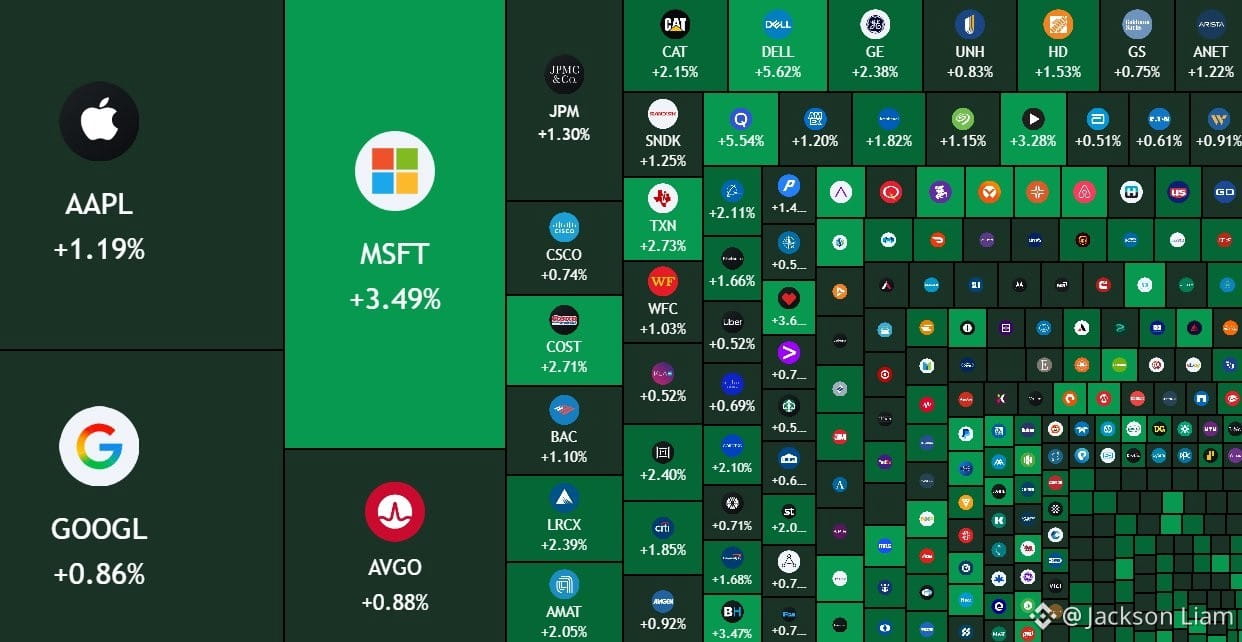
🚨 تمت إضافة 450 مليار دولار إلى أسهم الولايات المتحدة خلال 30 دقيقة فقط!
حصلت وول ستريت على دفعة قوية بعد تقارير أفادت بأن محادثات الولايات المتحدة وإيران دخلت مرحلة تقنية.
تغيّر العنوان المزاج فورًا.
بدأ المستثمرون في الرهان على أن التقدم نحو اتفاق قد يخفف المخاوف بشأن الشرق الأوسط، خصوصًا مضيق هرمز واضطرابات إمدادات النفط.
عادت الشهية للمخاطرة بسرعة، فارتدت الأسهم على الفور.
الصورة الأكبر: الأسواق تتابع كل عنوان من مفاوضات الولايات المتحدة وإيران، لأن أي تقدم قد يخفف الضغط على النفط والتضخم وأسعار الفائدة.
عنوان واحد.
30 دقيقة.
إضافة 450 مليار دولار إلى أسهم الولايات المتحدة.
هذه هي مدى حساسية الأسواق للأخبار الجيوسياسية.
🚨 تمت إضافة 450 مليار دولار إلى أسهم الولايات المتحدة خلال 30 دقيقة فقط!
حصلت وول ستريت على دفعة قوية بعد تقارير أفادت بأن محادثات الولايات المتحدة وإيران دخلت مرحلة تقنية.
تغيّر العنوان المزاج فورًا.
بدأ المستثمرون في الرهان على أن التقدم نحو اتفاق قد يخفف المخاوف بشأن الشرق الأوسط، خصوصًا مضيق هرمز واضطرابات إمدادات النفط.
عادت الشهية للمخاطرة بسرعة، فارتدت الأسهم على الفور.
الصورة الأكبر: الأسواق تتابع كل عنوان من مفاوضات الولايات المتحدة وإيران، لأن أي تقدم قد يخفف الضغط على النفط والتضخم وأسعار الفائدة.
عنوان واحد.
30 دقيقة.
إضافة 450 مليار دولار إلى أسهم الولايات المتحدة.
هذه هي مدى حساسية الأسواق للأخبار الجيوسياسية.
حصلت وول ستريت على دفعة قوية بعد تقارير أفادت بأن محادثات الولايات المتحدة وإيران دخلت مرحلة تقنية.
تغيّر العنوان المزاج فورًا.
بدأ المستثمرون في الرهان على أن التقدم نحو اتفاق قد يخفف المخاوف بشأن الشرق الأوسط، خصوصًا مضيق هرمز واضطرابات إمدادات النفط.
عادت الشهية للمخاطرة بسرعة، فارتدت الأسهم على الفور.
الصورة الأكبر: الأسواق تتابع كل عنوان من مفاوضات الولايات المتحدة وإيران، لأن أي تقدم قد يخفف الضغط على النفط والتضخم وأسعار الفائدة.
عنوان واحد.
30 دقيقة.
إضافة 450 مليار دولار إلى أسهم الولايات المتحدة.
هذه هي مدى حساسية الأسواق للأخبار الجيوسياسية.
1
3
477
·
--
صاعد
🚨 عاجل: تم اختراق Bitget بشكل هائل بسبب خرق أمني كبير!
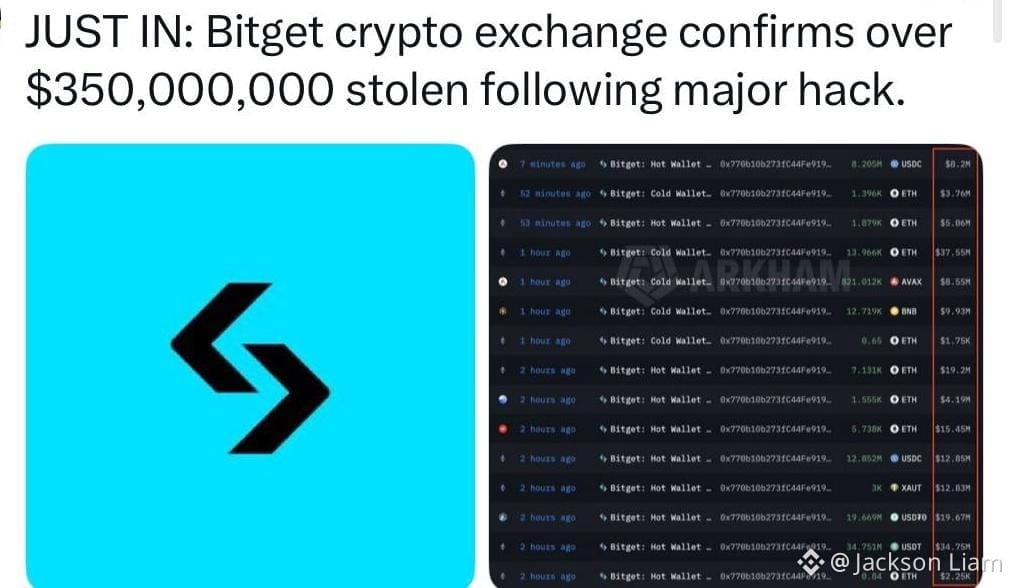
يُقال إن Bitget قد أكد أن أكثر من 350 مليون دولار من العملات المشفرة قد سُرقت بعد اختراق كبير.
تُظهر الأنشطة على السلسلة تحركات كبيرة تتضمن أصولًا مثل $ETH وUSDC وUSDT وBNB و$AVAX و$XAUT وUSDO من محافظ مرتبطة بـ Bitget.
تبدو المعاملات وكأنها حدثت عبر محافظ متعددة خلال فترة قصيرة، مع بعض التحويلات التي بلغت قيمتها عشرات الملايين من الدولارات.
💥 يُبلّغ عن سرقة أكثر من 350 مليون دولار
💥 تأثرت عدة أصول رئيسية للعملات المشفرة
💥 رصدت تحركات كبيرة للمحافظ على السلسلة
💥 Bitget أكد الحادث
يُعد هذا ضربة خطيرة لسوق العملات المشفرة، وسيترقب المتداولون عن كثب إلى أين ستتحرك الأموال المسروقة بعد ذلك.
🚨 عاجل: تم اختراق Bitget بشكل هائل بسبب خرق أمني كبير!
يُقال إن Bitget قد أكد أن أكثر من 350 مليون دولار من العملات المشفرة قد سُرقت بعد اختراق كبير.
تُظهر الأنشطة على السلسلة تحركات كبيرة تتضمن أصولًا مثل $ETH وUSDC وUSDT وBNB و$AVAX و$XAUT وUSDO من محافظ مرتبطة بـ Bitget.
تبدو المعاملات وكأنها حدثت عبر محافظ متعددة خلال فترة قصيرة، مع بعض التحويلات التي بلغت قيمتها عشرات الملايين من الدولارات.
💥 يُبلّغ عن سرقة أكثر من 350 مليون دولار
💥 تأثرت عدة أصول رئيسية للعملات المشفرة
💥 رصدت تحركات كبيرة للمحافظ على السلسلة
💥 Bitget أكد الحادث
يُعد هذا ضربة خطيرة لسوق العملات المشفرة، وسيترقب المتداولون عن كثب إلى أين ستتحرك الأموال المسروقة بعد ذلك.
يُقال إن Bitget قد أكد أن أكثر من 350 مليون دولار من العملات المشفرة قد سُرقت بعد اختراق كبير.
تُظهر الأنشطة على السلسلة تحركات كبيرة تتضمن أصولًا مثل $ETH وUSDC وUSDT وBNB و$AVAX و$XAUT وUSDO من محافظ مرتبطة بـ Bitget.
تبدو المعاملات وكأنها حدثت عبر محافظ متعددة خلال فترة قصيرة، مع بعض التحويلات التي بلغت قيمتها عشرات الملايين من الدولارات.
💥 يُبلّغ عن سرقة أكثر من 350 مليون دولار
💥 تأثرت عدة أصول رئيسية للعملات المشفرة
💥 رصدت تحركات كبيرة للمحافظ على السلسلة
💥 Bitget أكد الحادث
يُعد هذا ضربة خطيرة لسوق العملات المشفرة، وسيترقب المتداولون عن كثب إلى أين ستتحرك الأموال المسروقة بعد ذلك.
2
2
560
سجّل الدخول لاستكشاف المزيد من المُحتوى
انضم إلى مُستخدمي العملات الرقمية حول العالم على Binance Square
⚡️ احصل على أحدث المعلومات المفيدة عن العملات الرقمية.
💬 موثوقة من قبل أكبر منصّة لتداول العملات الرقمية في العالم.
👍 اكتشف الرؤى الحقيقية من صنّاع المُحتوى الموثوقين.
البريد الإلكتروني / رقم الهاتف
المواضيع الرائجة
AmazonPlansToSell$8BNvidiaChips
285 مشاهدات
18 يقومون بالنقاش
🔥 خطوة أمازون بقيمة 8 مليارات دولار مع رقائق NVIDIA: ماذا يعني ذلك بالنسبة للتقنية والأسواق
Nurul Hasnat Samir
·0 إعجاب
·62 مشاهدات
NEARFallsToAround$4.70Down14%
27,220 مشاهدات
54 يقومون بالنقاش
EthereumFoundationLaunchesZkAPIOnMainnet
24,534 مشاهدات
387 يقومون بالنقاش