

Erica hazel
2k منشورات
Erica hazel
إبلاغ
حظر المُستخدم
فتح تداول
مُتداول مُتكرر
2.6 سنوات
76 تتابع
17.8K+ المتابعون
15.8K+ إعجاب
منشورات
الحافظة الاستثمارية
الكل
اقتباسات
·
--
بعد غياب طويل، عدت أخيرًا إلى Binance Square. 👀🔥
وبصراحة…
لم أكن لأختار وقتًا أكثر إثارة للعودة.
السوق يتحرك.
القصص/السرديات تتغير.
وتظهر فرص جديدة كل يوم.
لذا سنبدأ من جديد. 🚀
توقع:
📈 رؤى حول السوق
🔥 سرديات رائجة
🧠 بحث عن المشاريع
🚨 تحديثات عاجلة في عالم العملات الرقمية
💡 فرص تستحق المتابعة
لن يختفي الأمر هذه المرة.
إذا كنت ما زلت هنا، اكتب أسفل المنشور. لنعيد بناء المجتمع معًا.
#BinanceSquare #Binance #Crypto #Bitcoin #CryptoCommunity
بعد غياب طويل، عدت أخيرًا إلى Binance Square. 👀🔥
وبصراحة…
لم أكن لأختار وقتًا أكثر إثارة للعودة.
السوق يتحرك.
القصص/السرديات تتغير.
وتظهر فرص جديدة كل يوم.
لذا سنبدأ من جديد. 🚀
توقع:
📈 رؤى حول السوق
🔥 سرديات رائجة
🧠 بحث عن المشاريع
🚨 تحديثات عاجلة في عالم العملات الرقمية
💡 فرص تستحق المتابعة
لن يختفي الأمر هذه المرة.
إذا كنت ما زلت هنا، اكتب أسفل المنشور. لنعيد بناء المجتمع معًا.
#BinanceSquare #Binance #Crypto #Bitcoin #CryptoCommunity
وبصراحة…
لم أكن لأختار وقتًا أكثر إثارة للعودة.
السوق يتحرك.
القصص/السرديات تتغير.
وتظهر فرص جديدة كل يوم.
لذا سنبدأ من جديد. 🚀
توقع:
📈 رؤى حول السوق
🔥 سرديات رائجة
🧠 بحث عن المشاريع
🚨 تحديثات عاجلة في عالم العملات الرقمية
💡 فرص تستحق المتابعة
لن يختفي الأمر هذه المرة.
إذا كنت ما زلت هنا، اكتب أسفل المنشور. لنعيد بناء المجتمع معًا.
#BinanceSquare #Binance #Crypto #Bitcoin #CryptoCommunity
1
1
1.4k
·
--
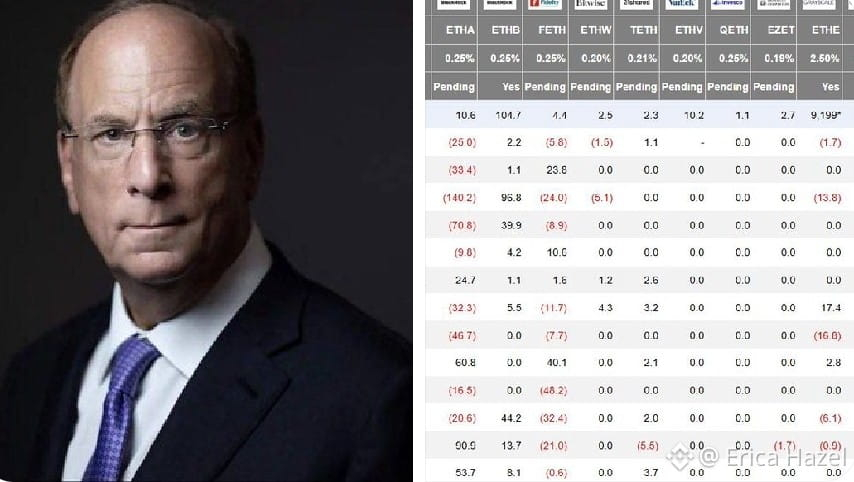
$ETH ETFs سحبت 187 مليون دولار من التدفقات هذا الأسبوع.
في الوقت نفسه، أضافت بلاك روك 234.3 مليون دولار أمريكي من الإيثيريوم إلى مركزها.
$ETH ETFs سحبت 187 مليون دولار من التدفقات هذا الأسبوع.
في الوقت نفسه، أضافت بلاك روك 234.3 مليون دولار أمريكي من الإيثيريوم إلى مركزها.
في الوقت نفسه، أضافت بلاك روك 234.3 مليون دولار أمريكي من الإيثيريوم إلى مركزها.
2
2.7k
·
--
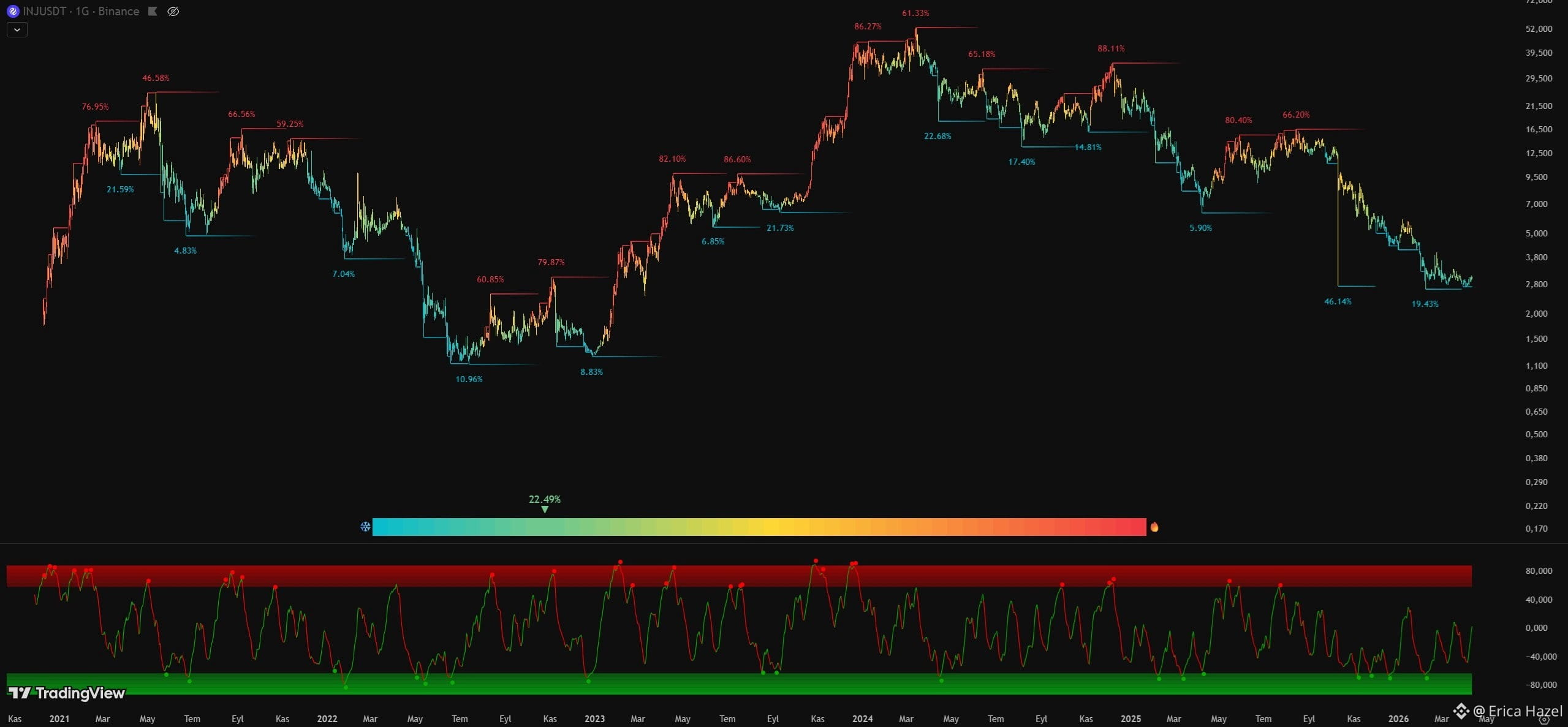
$INJ /USDT
الدخول: $2.5 – $3.2
TP1: $7
TP2: $12
SL: أقل من $2
🔸 السعر تصحح بشدة ويجلس في منطقة طلب تاريخية. الهيكل يظهر تعبًا بعد ارتفاعات منخفضة متكررة، لذا من المحتمل حدوث ارتداد للتخفيف إذا تدخل المشترون.
$INJ /USDT
الدخول: $2.5 – $3.2
TP1: $7
TP2: $12
SL: أقل من $2
🔸 السعر تصحح بشدة ويجلس في منطقة طلب تاريخية. الهيكل يظهر تعبًا بعد ارتفاعات منخفضة متكررة، لذا من المحتمل حدوث ارتداد للتخفيف إذا تدخل المشترون.
الدخول: $2.5 – $3.2
TP1: $7
TP2: $12
SL: أقل من $2
🔸 السعر تصحح بشدة ويجلس في منطقة طلب تاريخية. الهيكل يظهر تعبًا بعد ارتفاعات منخفضة متكررة، لذا من المحتمل حدوث ارتداد للتخفيف إذا تدخل المشترون.
2
281
·
--
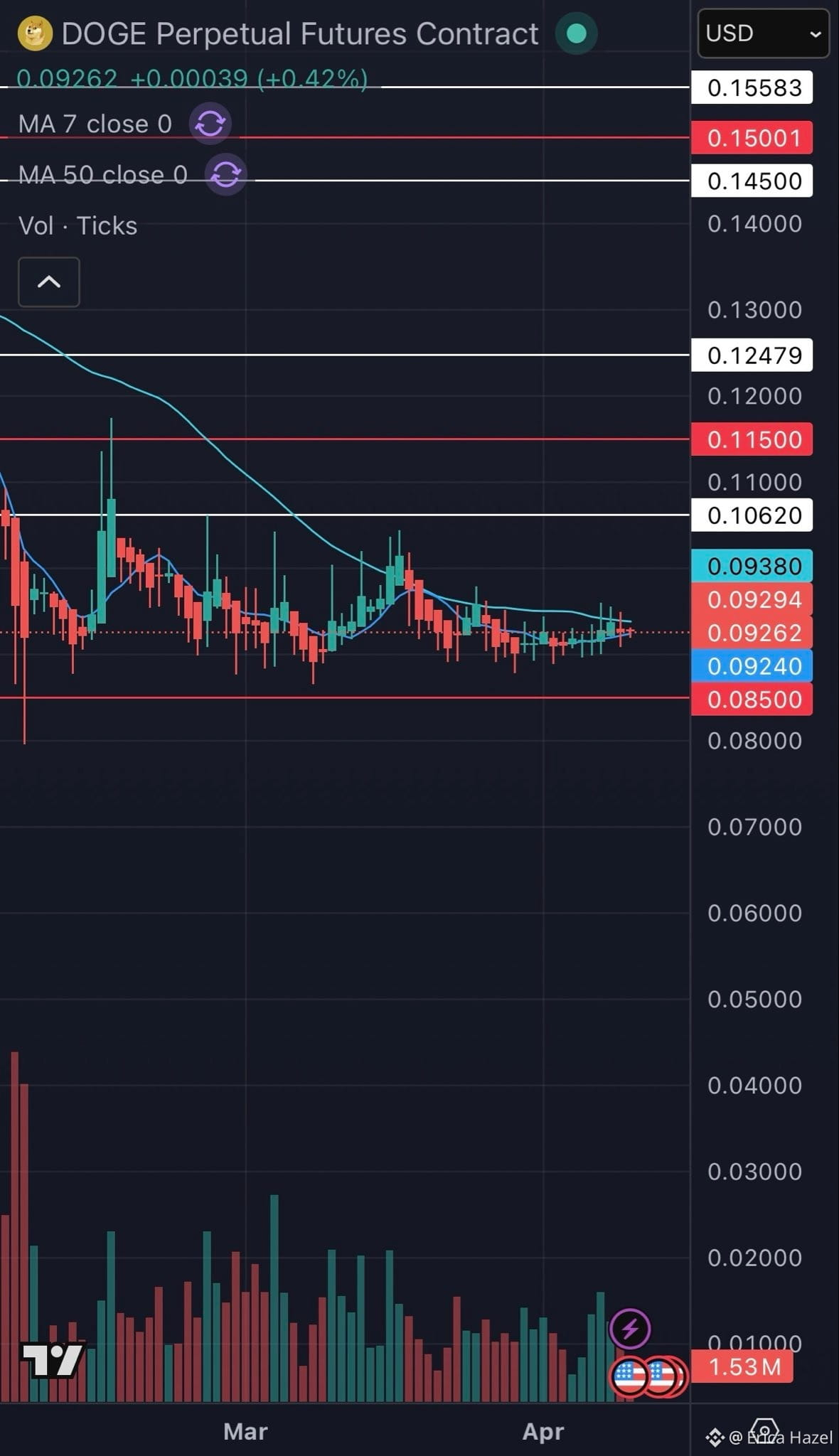
السوق لا يزال مستقراً في نطاق . $DOGE 03 منذ فبراير. حالياً، سعر الدوجكوين هو .093 ويواصل الارتفاع. نحتاج إلى مزيد من محادثات السلام مع اتفاقيات لرؤية المزيد من الارتفاع. احتفظ بالعملة.
السوق لا يزال مستقراً في نطاق . $DOGE 03 منذ فبراير. حالياً، سعر الدوجكوين هو .093 ويواصل الارتفاع. نحتاج إلى مزيد من محادثات السلام مع اتفاقيات لرؤية المزيد من الارتفاع. احتفظ بالعملة.
1
213
·
--
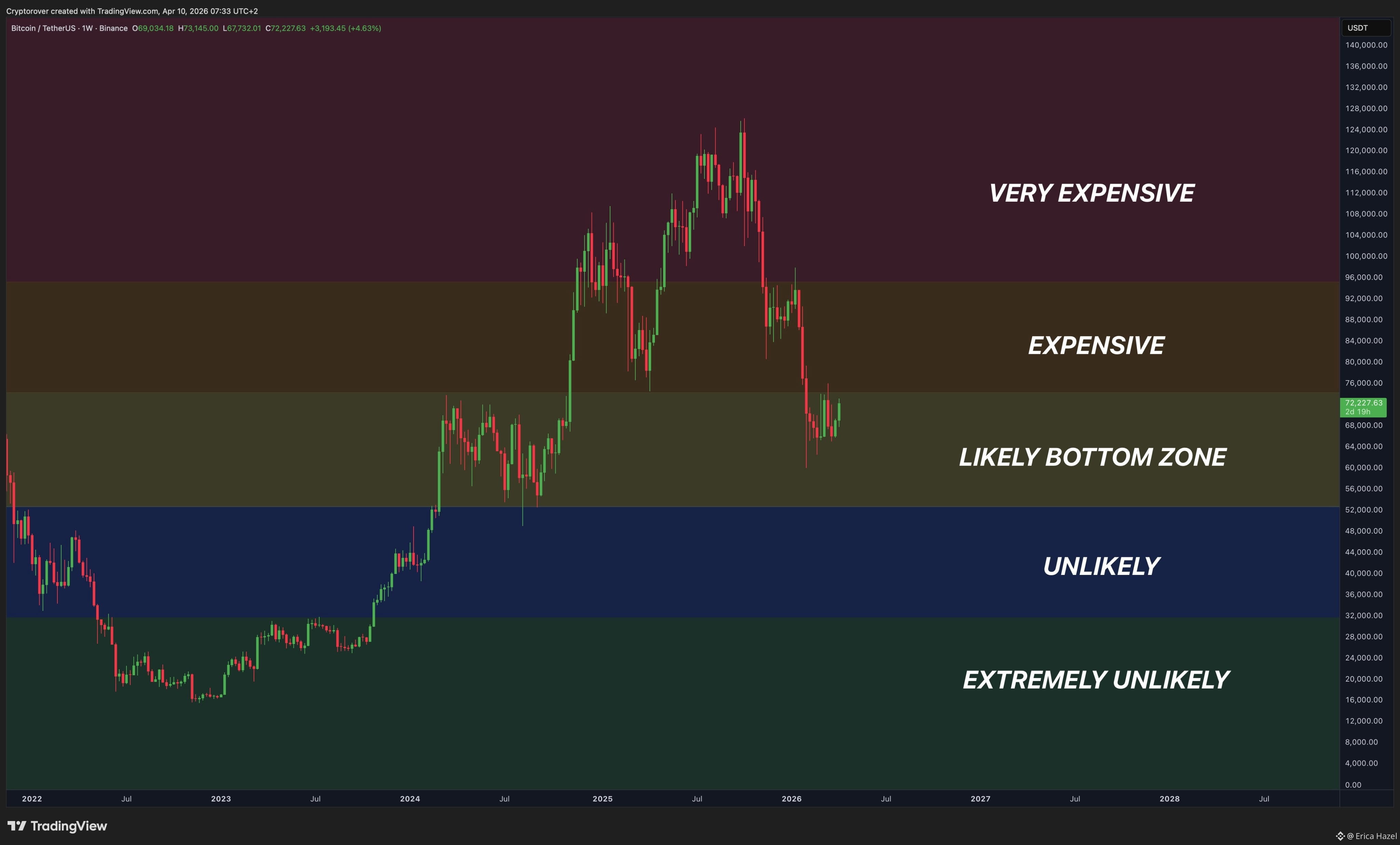
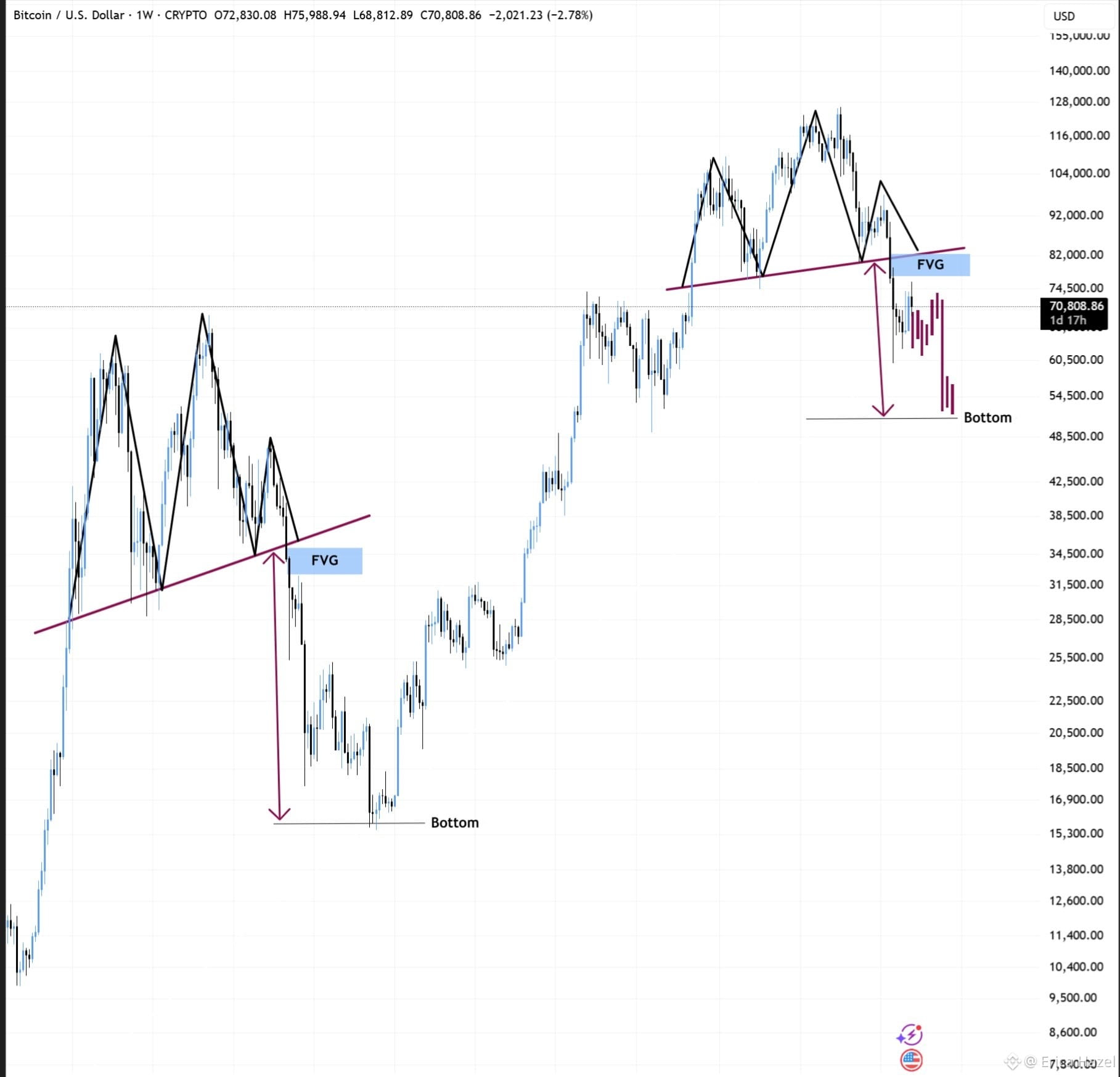
الرسم البياني الوحيد الذي تحتاجه لسوق الدب هذا $BTC .
الرسم البياني الوحيد الذي تحتاجه لسوق الدب هذا $BTC .
171
·
--
$TAO
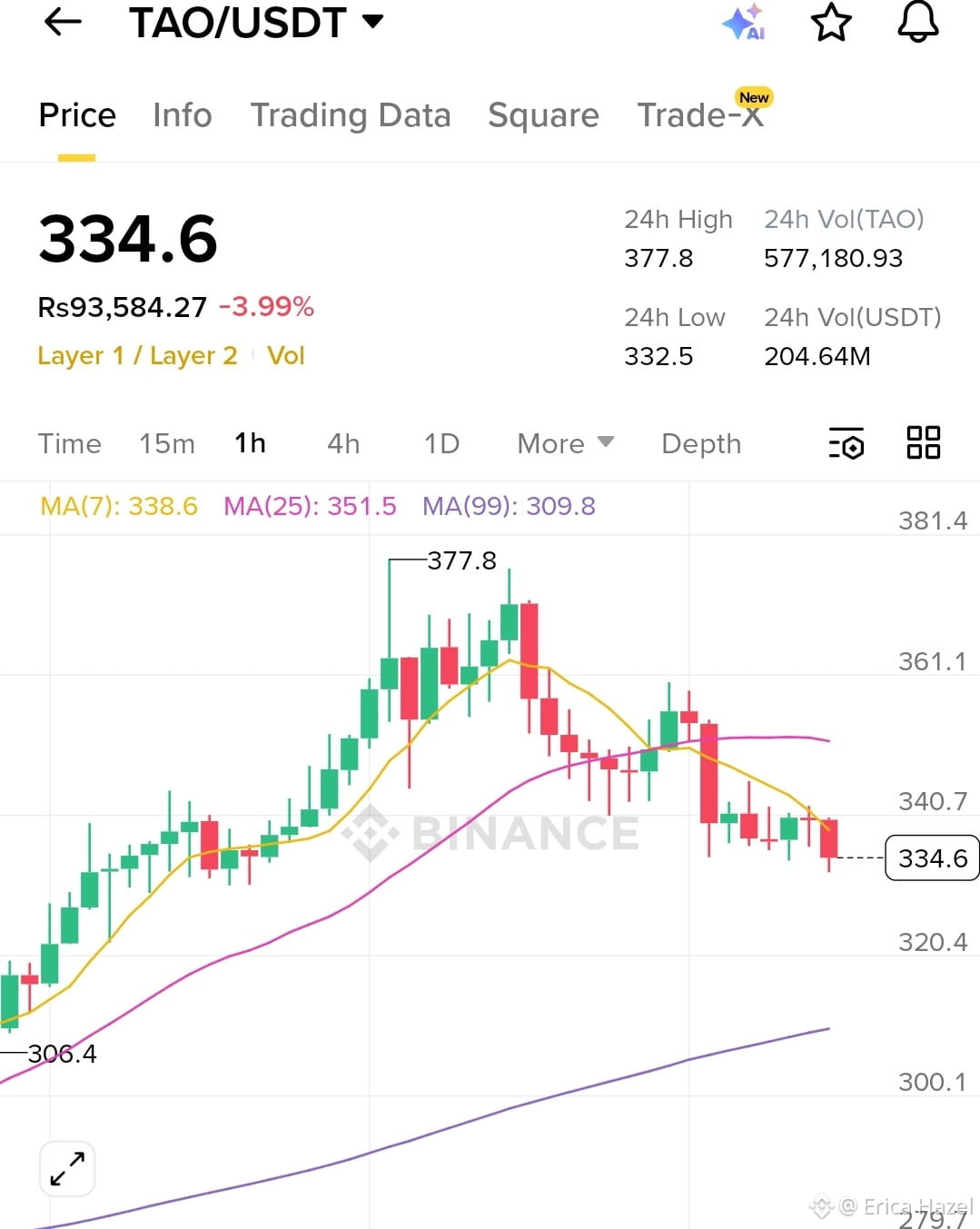
بلغت ذروتها عند 377.8 والآن تتراجع تحت MA7 و MA25. MA99 لا يزال يرتفع كدعم قوي. تصحيح صحي المال الذكي ينتظر الانخفاض للتمسك
دخول التصحيح (الأفضل):
309.8 – 338.6
الأهداف:
→ 351.5
→ 377.8
→ 400+
وقف الخسارة:
→ 306.4
> ⚠️ ليست نصيحة مالية. دائما أدر مخاطرك.
$TAO
بلغت ذروتها عند 377.8 والآن تتراجع تحت MA7 و MA25. MA99 لا يزال يرتفع كدعم قوي. تصحيح صحي المال الذكي ينتظر الانخفاض للتمسك
دخول التصحيح (الأفضل):
309.8 – 338.6
الأهداف:
→ 351.5
→ 377.8
→ 400+
وقف الخسارة:
→ 306.4
> ⚠️ ليست نصيحة مالية. دائما أدر مخاطرك.
بلغت ذروتها عند 377.8 والآن تتراجع تحت MA7 و MA25. MA99 لا يزال يرتفع كدعم قوي. تصحيح صحي المال الذكي ينتظر الانخفاض للتمسك
دخول التصحيح (الأفضل):
309.8 – 338.6
الأهداف:
→ 351.5
→ 377.8
→ 400+
وقف الخسارة:
→ 306.4
> ⚠️ ليست نصيحة مالية. دائما أدر مخاطرك.
2
315
·
--
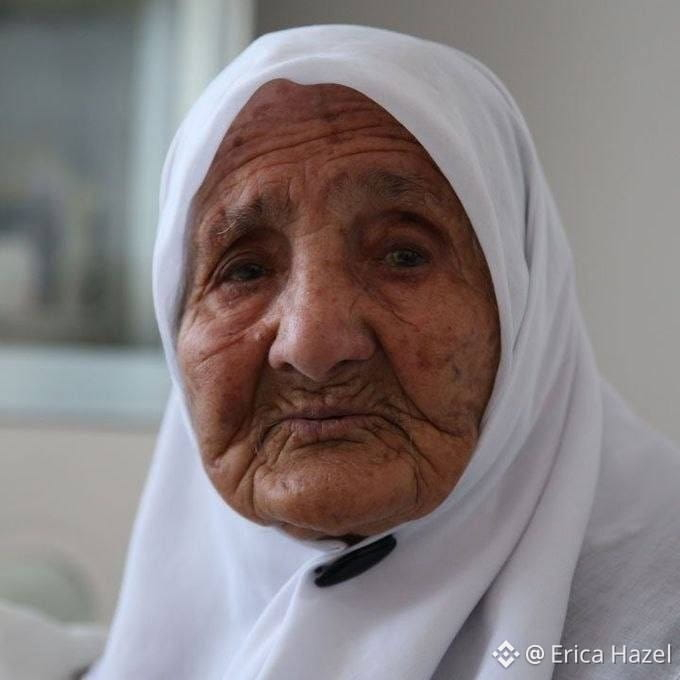
جدّة تركية تبلغ من العمر 110 سنوات تشارك سرّها لحياة طويلة:
"لم أستخدم الرفع أبداً"
جدّة تركية تبلغ من العمر 110 سنوات تشارك سرّها لحياة طويلة:
"لم أستخدم الرفع أبداً"
"لم أستخدم الرفع أبداً"
2
5
205
·
--
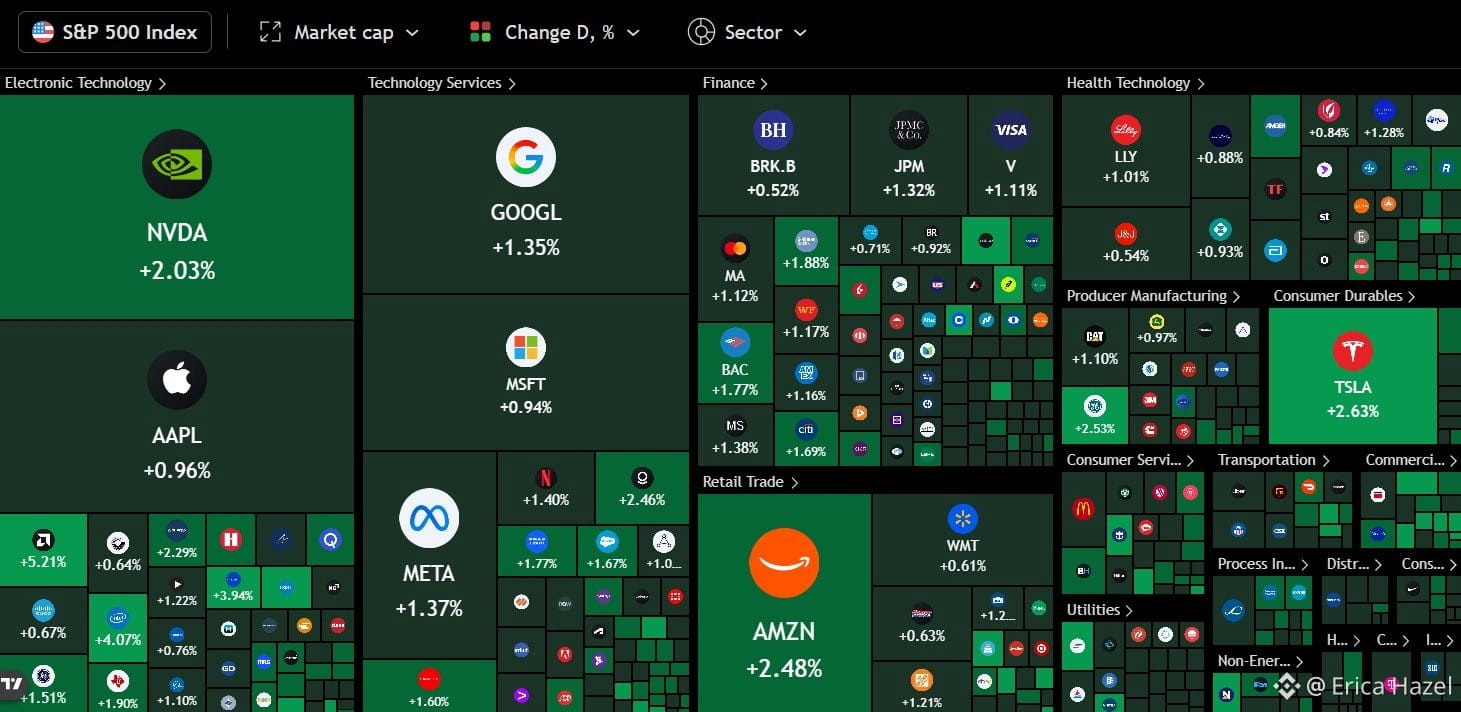
شهد سوق الأسهم الأمريكي تدفق أكثر من 630 مليار دولار اليوم.
شهد سوق الأسهم الأمريكي تدفق أكثر من 630 مليار دولار اليوم.
2
4
407
·
--
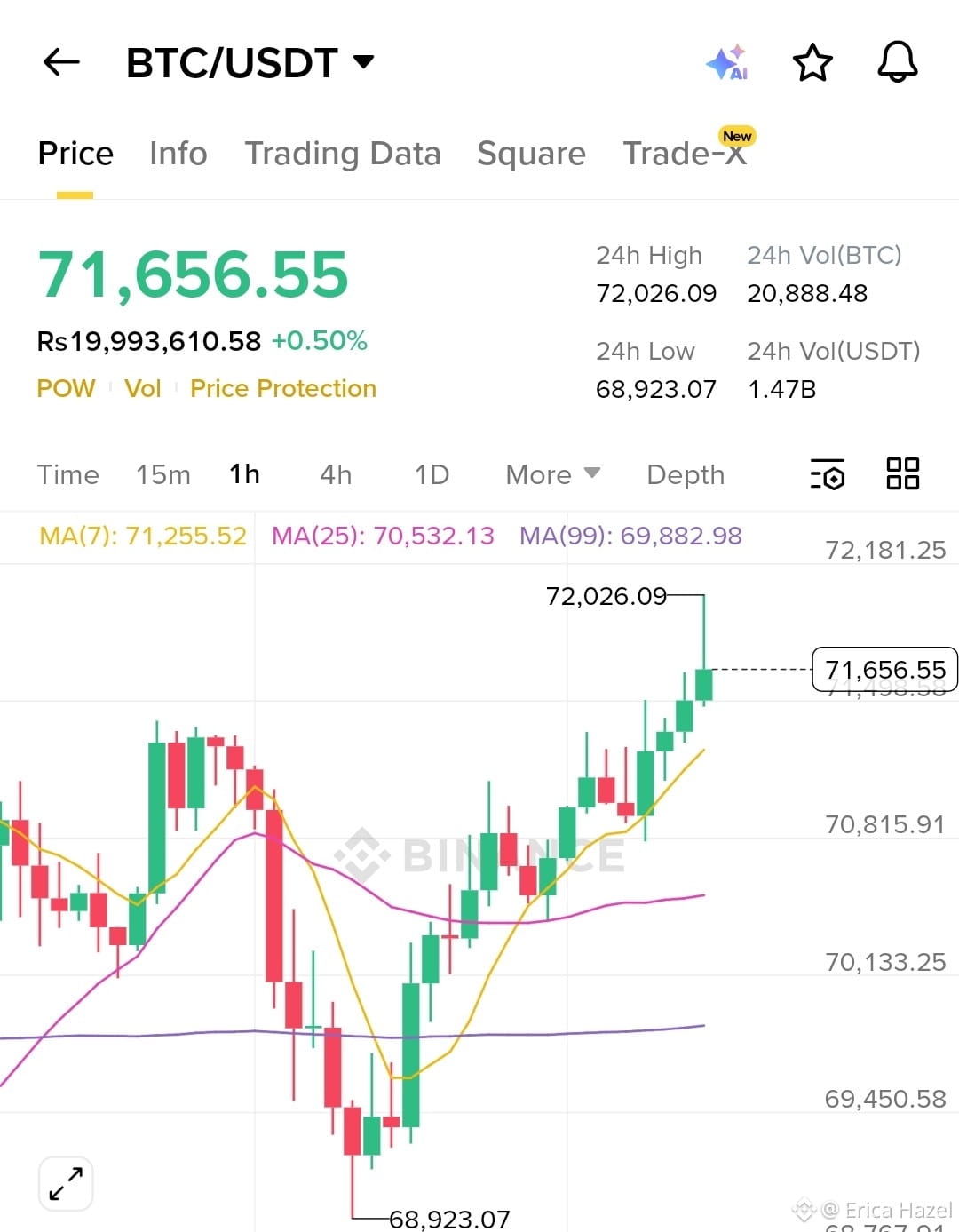
$BTC
استعادة على شكل V من 68,923 مع جميع المتوسطات المتحركة مرتبة بشكل صعودي. الملك يدفع نحو 72K مرة أخرى ولكن المطاردة هنا تعني نسبة مخاطرة إلى عائد سيئة. دعها تتنفس
دخول سحب (الأفضل):
70,532 – 71,255
الأهداف:
→ 72,026
→ 73,500
→ 75,000+
وقف الخسارة:
→ 68,923
$BTC
استعادة على شكل V من 68,923 مع جميع المتوسطات المتحركة مرتبة بشكل صعودي. الملك يدفع نحو 72K مرة أخرى ولكن المطاردة هنا تعني نسبة مخاطرة إلى عائد سيئة. دعها تتنفس
دخول سحب (الأفضل):
70,532 – 71,255
الأهداف:
→ 72,026
→ 73,500
→ 75,000+
وقف الخسارة:
→ 68,923
استعادة على شكل V من 68,923 مع جميع المتوسطات المتحركة مرتبة بشكل صعودي. الملك يدفع نحو 72K مرة أخرى ولكن المطاردة هنا تعني نسبة مخاطرة إلى عائد سيئة. دعها تتنفس
دخول سحب (الأفضل):
70,532 – 71,255
الأهداف:
→ 72,026
→ 73,500
→ 75,000+
وقف الخسارة:
→ 68,923
4
182
·
--
مقالة
أسبوع الشبكة الرئيسيةأستمر في تحديث الرسم البياني ثم أغلق هاتفي ثم أفتحه مرة أخرى كما لو أن شيئًا سيتغير في الأربعين ثانية منذ آخر مرة تحقق فيها... لن يتغير شيء. $NIGHT جالس عند $0.045 بانخفاض 12 في المئة وبصراحة، الناس الذين يبيعون الآن سيشعرون بنوع من المشاعر حيال ذلك بعد بضعة أشهر، أعتقد ذلك بصدق.
لكن حسنًا، دعني أقول فقط ما أعتقد أنه يحدث هنا لأنني أشعر أن لا أحد في خلاصتي يربط النقاط بشكل صحيح.
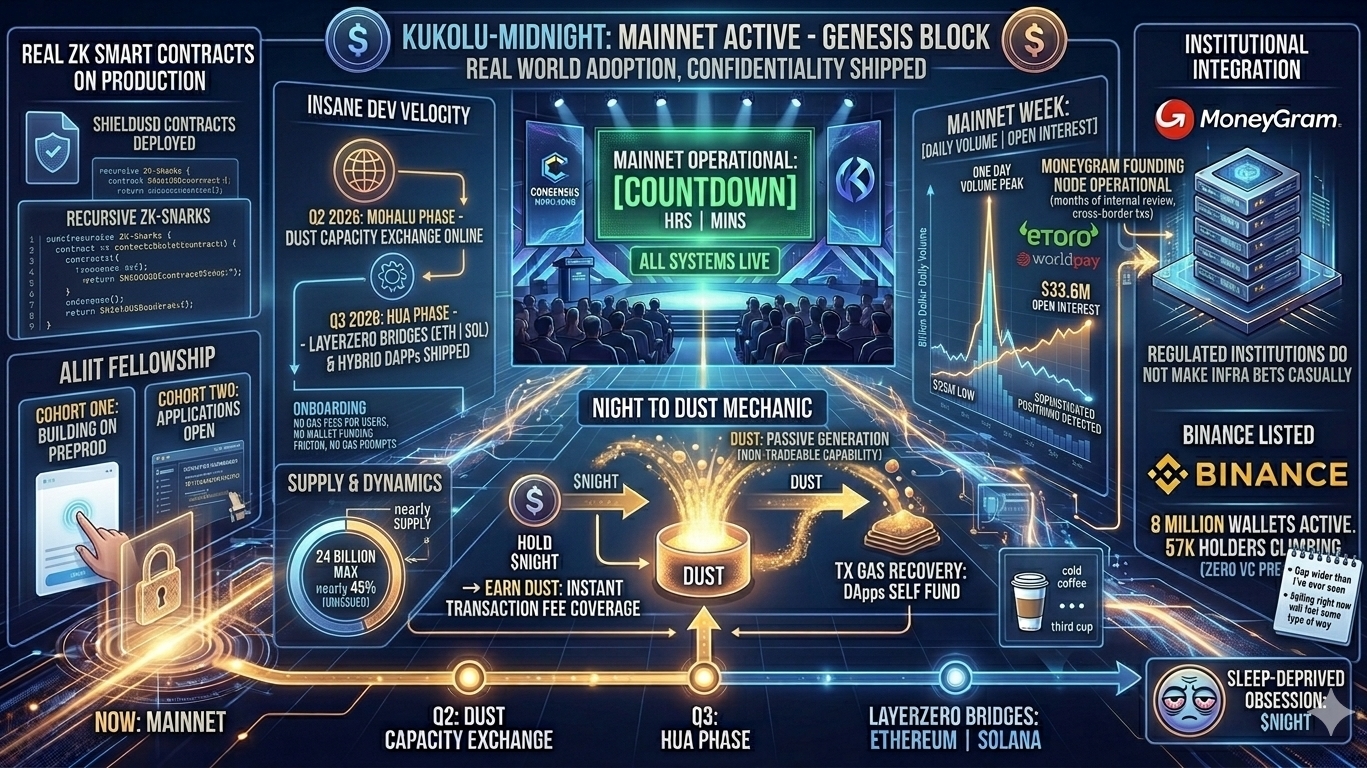
حجم مليار دولار. يوم واحد. هذا الأسبوع. وارتفع الاهتمام المفتوح إلى 33.6 مليون دولار من أدنى مستوى شهري بلغ 25 مليون دولار... هذا ليس تجزئة، وليس الناس الذين يشترون في حالة ذعر لأنهم رأوا تغريدة، بل هو تموضع متطور قبل تفعيل كتلة الجينيسيس والأشخاص الذين يقومون بذلك لا يذيعون ذلك، بل يقومون ببناء التعرض بهدوء بينما يبدو الرسم البياني فظيعًا.
أسبوع الشبكة الرئيسية
أستمر في تحديث الرسم البياني ثم أغلق هاتفي ثم أفتحه مرة أخرى كما لو أن شيئًا سيتغير في الأربعين ثانية منذ آخر مرة تحقق فيها... لن يتغير شيء. $NIGHT جالس عند $0.045 بانخفاض 12 في المئة وبصراحة، الناس الذين يبيعون الآن سيشعرون بنوع من المشاعر حيال ذلك بعد بضعة أشهر، أعتقد ذلك بصدق.
لكن حسنًا، دعني أقول فقط ما أعتقد أنه يحدث هنا لأنني أشعر أن لا أحد في خلاصتي يربط النقاط بشكل صحيح.
حجم مليار دولار. يوم واحد. هذا الأسبوع. وارتفع الاهتمام المفتوح إلى 33.6 مليون دولار من أدنى مستوى شهري بلغ 25 مليون دولار... هذا ليس تجزئة، وليس الناس الذين يشترون في حالة ذعر لأنهم رأوا تغريدة، بل هو تموضع متطور قبل تفعيل كتلة الجينيسيس والأشخاص الذين يقومون بذلك لا يذيعون ذلك، بل يقومون ببناء التعرض بهدوء بينما يبدو الرسم البياني فظيعًا.
لكن حسنًا، دعني أقول فقط ما أعتقد أنه يحدث هنا لأنني أشعر أن لا أحد في خلاصتي يربط النقاط بشكل صحيح.
حجم مليار دولار. يوم واحد. هذا الأسبوع. وارتفع الاهتمام المفتوح إلى 33.6 مليون دولار من أدنى مستوى شهري بلغ 25 مليون دولار... هذا ليس تجزئة، وليس الناس الذين يشترون في حالة ذعر لأنهم رأوا تغريدة، بل هو تموضع متطور قبل تفعيل كتلة الجينيسيس والأشخاص الذين يقومون بذلك لا يذيعون ذلك، بل يقومون ببناء التعرض بهدوء بينما يبدو الرسم البياني فظيعًا.
19
184
·
--
قهوة باردة. الكوب الثالث. لا تزال منعشة
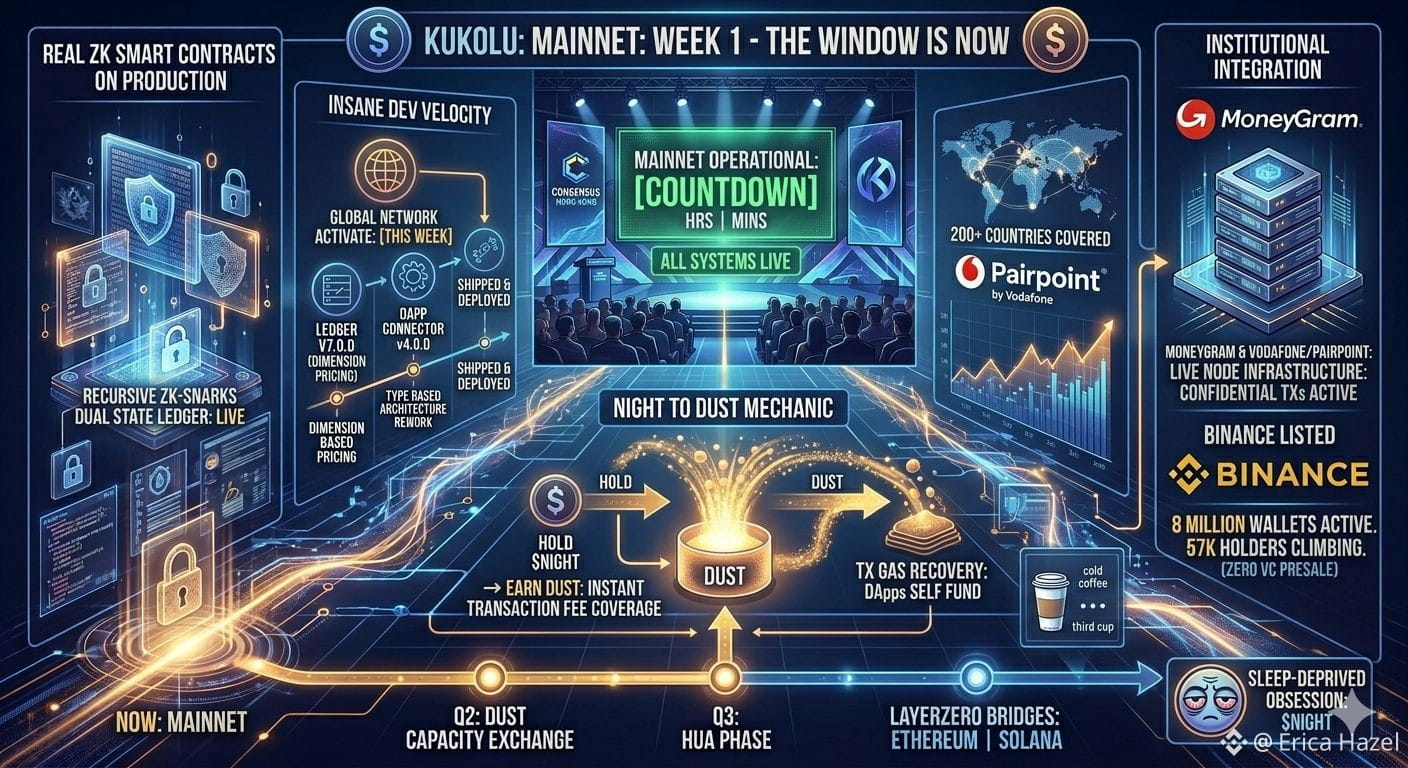
حسنًا، لذا kukolu هو حرفيًا هذا الأسبوع وأشعر أنني الشخص الوحيد الذي يفقد النوم بسبب هذا... الشبكة الرئيسية. ليست شبكة الاختبار. ليست "المرحلة الأولى من رحلتنا"، سلسلة الإنتاج الفعلية تنطلق والجدول الزمني على تويتر هو فقط... أجواء
وضع البنية التحتية بصراحة يجعلني أرغب في الإمساك بالناس من الأكتاف. جوجل كلاود. مونيجرام. فودافون عبر Pairpoint. Blockdaemon. eToro. هؤلاء ليسوا رعاة شعارات، إنهم يديرون عقدًا حية RIGHT NOW على سلسلة لم تحسبها معظم العملات المشفرة بعد... مونيجرام وحده مسؤول عن txs السرية عبر أكثر من 200 دولة من البنية التحتية التي يديرونها شخصيًا (بصراحة، أنا أفقد عقلي هنا) في هذه القيمة السوقية. في هذه القيمة السوقية
تستمر بنية zk في كسر عقلي في كل مرة أحاول فيها شرحها لشخص ما... تعني دفاتر zk-snarks الثنائية الحالة القابلة للتكرار أن المستخدم يمكنه إثبات الصلاحية أو حالة KYC دون كشف بايت واحد من البيانات الأساسية. هذا ليس وعدًا في ورقة بيضاء تم شحنها. المطورون يقومون بالفعل بنشره
ثم DUST تجلس هناك تفعل شيئها بهدوء... احتفظ بـ $NIGHT واربح DUST بشكل غير نشط. DUST تغطي كل tx. لا توجد تجربة غاز. يمول المطورون تطبيقاتهم الخاصة. أستمر في الانتظار للعثور على الخدعة ولم أجدها بعد
4.5 مليار $NIGHT إلى 8 مليون عنوان صفر مرحلة بيع مسبق من VC... تم نشر العقود الذكية زادت بنسبة 1617% على شبكة الاختبار في ديسمبر وحده. 57 ألف حامل فريد يتسلقون
لكن الجميع لا يزال نائمًا على هذا
النافذة. الآن
#night $NIGHT @MidnightNetwork
قهوة باردة. الكوب الثالث. لا تزال منعشة
حسنًا، لذا kukolu هو حرفيًا هذا الأسبوع وأشعر أنني الشخص الوحيد الذي يفقد النوم بسبب هذا... الشبكة الرئيسية. ليست شبكة الاختبار. ليست "المرحلة الأولى من رحلتنا"، سلسلة الإنتاج الفعلية تنطلق والجدول الزمني على تويتر هو فقط... أجواء
وضع البنية التحتية بصراحة يجعلني أرغب في الإمساك بالناس من الأكتاف. جوجل كلاود. مونيجرام. فودافون عبر Pairpoint. Blockdaemon. eToro. هؤلاء ليسوا رعاة شعارات، إنهم يديرون عقدًا حية RIGHT NOW على سلسلة لم تحسبها معظم العملات المشفرة بعد... مونيجرام وحده مسؤول عن txs السرية عبر أكثر من 200 دولة من البنية التحتية التي يديرونها شخصيًا (بصراحة، أنا أفقد عقلي هنا) في هذه القيمة السوقية. في هذه القيمة السوقية
تستمر بنية zk في كسر عقلي في كل مرة أحاول فيها شرحها لشخص ما... تعني دفاتر zk-snarks الثنائية الحالة القابلة للتكرار أن المستخدم يمكنه إثبات الصلاحية أو حالة KYC دون كشف بايت واحد من البيانات الأساسية. هذا ليس وعدًا في ورقة بيضاء تم شحنها. المطورون يقومون بالفعل بنشره
ثم DUST تجلس هناك تفعل شيئها بهدوء... احتفظ بـ $NIGHT واربح DUST بشكل غير نشط. DUST تغطي كل tx. لا توجد تجربة غاز. يمول المطورون تطبيقاتهم الخاصة. أستمر في الانتظار للعثور على الخدعة ولم أجدها بعد
4.5 مليار $NIGHT إلى 8 مليون عنوان صفر مرحلة بيع مسبق من VC... تم نشر العقود الذكية زادت بنسبة 1617% على شبكة الاختبار في ديسمبر وحده. 57 ألف حامل فريد يتسلقون
لكن الجميع لا يزال نائمًا على هذا
النافذة. الآن
#night $NIGHT @MidnightNetwork
حسنًا، لذا kukolu هو حرفيًا هذا الأسبوع وأشعر أنني الشخص الوحيد الذي يفقد النوم بسبب هذا... الشبكة الرئيسية. ليست شبكة الاختبار. ليست "المرحلة الأولى من رحلتنا"، سلسلة الإنتاج الفعلية تنطلق والجدول الزمني على تويتر هو فقط... أجواء
وضع البنية التحتية بصراحة يجعلني أرغب في الإمساك بالناس من الأكتاف. جوجل كلاود. مونيجرام. فودافون عبر Pairpoint. Blockdaemon. eToro. هؤلاء ليسوا رعاة شعارات، إنهم يديرون عقدًا حية RIGHT NOW على سلسلة لم تحسبها معظم العملات المشفرة بعد... مونيجرام وحده مسؤول عن txs السرية عبر أكثر من 200 دولة من البنية التحتية التي يديرونها شخصيًا (بصراحة، أنا أفقد عقلي هنا) في هذه القيمة السوقية. في هذه القيمة السوقية
تستمر بنية zk في كسر عقلي في كل مرة أحاول فيها شرحها لشخص ما... تعني دفاتر zk-snarks الثنائية الحالة القابلة للتكرار أن المستخدم يمكنه إثبات الصلاحية أو حالة KYC دون كشف بايت واحد من البيانات الأساسية. هذا ليس وعدًا في ورقة بيضاء تم شحنها. المطورون يقومون بالفعل بنشره
ثم DUST تجلس هناك تفعل شيئها بهدوء... احتفظ بـ $NIGHT واربح DUST بشكل غير نشط. DUST تغطي كل tx. لا توجد تجربة غاز. يمول المطورون تطبيقاتهم الخاصة. أستمر في الانتظار للعثور على الخدعة ولم أجدها بعد
4.5 مليار $NIGHT إلى 8 مليون عنوان صفر مرحلة بيع مسبق من VC... تم نشر العقود الذكية زادت بنسبة 1617% على شبكة الاختبار في ديسمبر وحده. 57 ألف حامل فريد يتسلقون
لكن الجميع لا يزال نائمًا على هذا
النافذة. الآن
#night $NIGHT @MidnightNetwork
14
80
·
--
مقالة
الشبكة الرئيسية حية، وما زلت أحتفظ بحقائب أثقل مما يفهمه معظم الناس.57,000 wallets. فكر في ذلك لثانية.
نمو ثلاثمائة في المئة في شهرين وأغلب الجدول الزمني لا يزال يناقش ما إذا كان السعر سيستعيد. أنا حقًا لا أعرف أي مخطط ينظر إليه هؤلاء الناس لأن المخطط الذي يهمني الآن ليس شموع الليل. إنه عدد الحاملين الذي يرتفع بينما يتم تشتيت انتباه الجميع بالضوضاء الكلية وفتح الربع.
Kukolu يبدأ هذا الأسبوع. انتهى. لا مزيد من الشبكة التجريبية. لا مزيد من إعلانات هجرة ما قبل الإنتاج. كتلة التكوين تنشط ونعبر من النظري إلى الحقيقي. لقد كنت هنا لفترة كافية لمشاهد فرق كثيرة تعلن تواريخ الشبكة الرئيسية ثم تختفي بهدوء في صمت راديوي لمدة ستة أشهر أخرى. هذا ليس ما حدث هنا. لقد أنهوا الشبكة التجريبية-02. لقد دفعوا كل مطور إلى ما قبل الإنتاج منذ أسابيع. كانت البنية التحتية تُنظف. لقد لاحظت.
الشبكة الرئيسية حية، وما زلت أحتفظ بحقائب أثقل مما يفهمه معظم الناس.
57,000 wallets. فكر في ذلك لثانية.
نمو ثلاثمائة في المئة في شهرين وأغلب الجدول الزمني لا يزال يناقش ما إذا كان السعر سيستعيد. أنا حقًا لا أعرف أي مخطط ينظر إليه هؤلاء الناس لأن المخطط الذي يهمني الآن ليس شموع الليل. إنه عدد الحاملين الذي يرتفع بينما يتم تشتيت انتباه الجميع بالضوضاء الكلية وفتح الربع.
Kukolu يبدأ هذا الأسبوع. انتهى. لا مزيد من الشبكة التجريبية. لا مزيد من إعلانات هجرة ما قبل الإنتاج. كتلة التكوين تنشط ونعبر من النظري إلى الحقيقي. لقد كنت هنا لفترة كافية لمشاهد فرق كثيرة تعلن تواريخ الشبكة الرئيسية ثم تختفي بهدوء في صمت راديوي لمدة ستة أشهر أخرى. هذا ليس ما حدث هنا. لقد أنهوا الشبكة التجريبية-02. لقد دفعوا كل مطور إلى ما قبل الإنتاج منذ أسابيع. كانت البنية التحتية تُنظف. لقد لاحظت.
نمو ثلاثمائة في المئة في شهرين وأغلب الجدول الزمني لا يزال يناقش ما إذا كان السعر سيستعيد. أنا حقًا لا أعرف أي مخطط ينظر إليه هؤلاء الناس لأن المخطط الذي يهمني الآن ليس شموع الليل. إنه عدد الحاملين الذي يرتفع بينما يتم تشتيت انتباه الجميع بالضوضاء الكلية وفتح الربع.
Kukolu يبدأ هذا الأسبوع. انتهى. لا مزيد من الشبكة التجريبية. لا مزيد من إعلانات هجرة ما قبل الإنتاج. كتلة التكوين تنشط ونعبر من النظري إلى الحقيقي. لقد كنت هنا لفترة كافية لمشاهد فرق كثيرة تعلن تواريخ الشبكة الرئيسية ثم تختفي بهدوء في صمت راديوي لمدة ستة أشهر أخرى. هذا ليس ما حدث هنا. لقد أنهوا الشبكة التجريبية-02. لقد دفعوا كل مطور إلى ما قبل الإنتاج منذ أسابيع. كانت البنية التحتية تُنظف. لقد لاحظت.
21
91
·
--
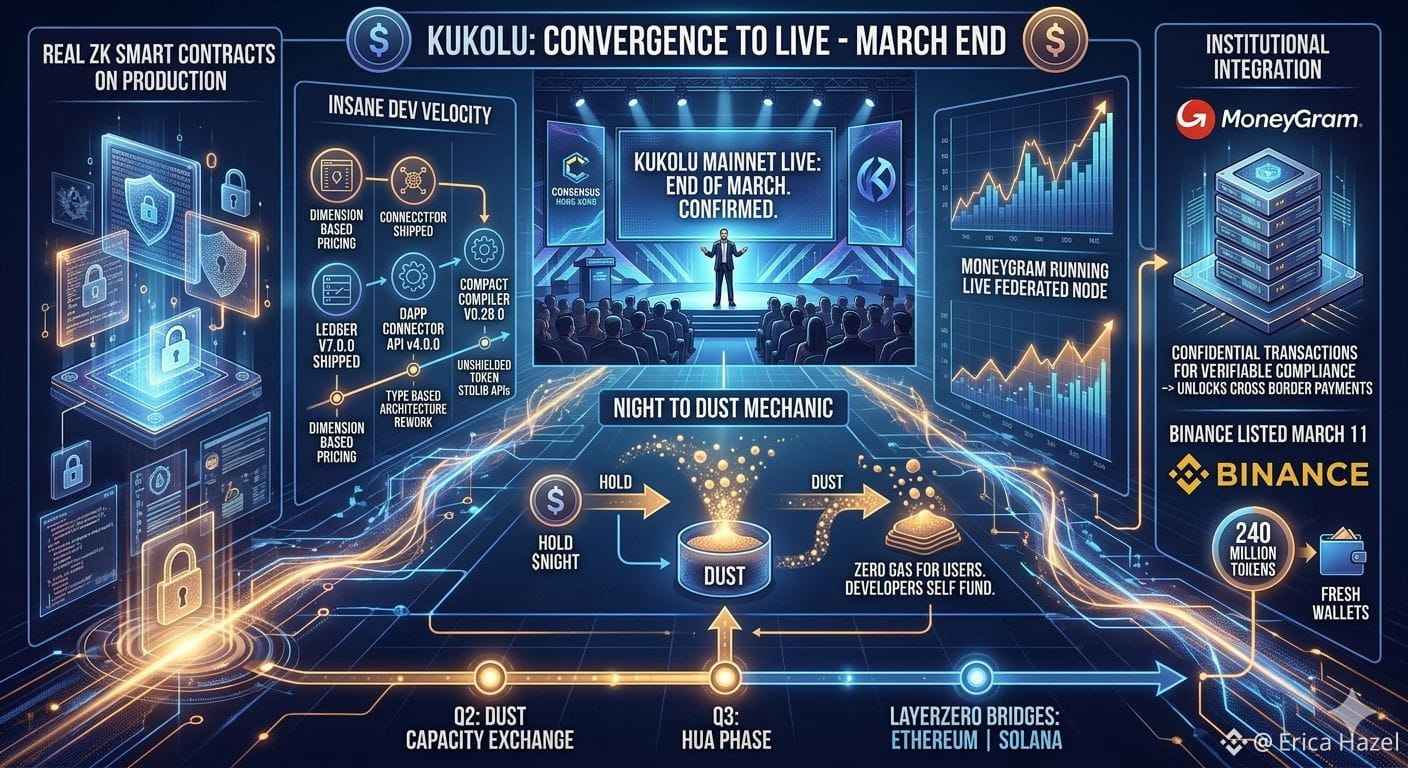
Kukolu سيكون مباشرًا في نهاية مارس. تم التأكيد. ليس مجرد إعلان لمقالة مدونة أيضًا، لقد قالوا ذلك على المسرح في Consensus هونغ كونغ لذا فهو مؤكد.
عقود ZK الذكية الحقيقية في الإنتاج. أستمر في قول ذلك لنفسي لأن الأمر لا يزال يبدو مبكرًا جدًا ليكون قريبًا من هذا.
لقد كنت أحقق في تحديثات المطورين وبصراحة، السرعة نوعًا ما مجنونة الآن. Ledger v7.0.0 تم شحنه مع تسعير قائم على الأبعاد، واجهة برمجة التطبيقات DApp Connector API وصلت إلى v4.0.0 مع إعادة تصميم قائمة على النوع بالكامل، المجمع المضغوط v0.28.0 أضاف مكتبات واجهة برمجة التطبيقات القياسية للرموز غير المحمية... مثل هذا ليس فريقًا يتراخى. هذا فريق يعرف تمامًا ما التاريخ الموجود على التقويم.
MoneyGram تدير عقدًا فيدراليًا مباشرًا. لا ترعى تغريدة. تدير فعليًا البنية التحتية وتنظر في المعاملات السرية من أجل الامتثال القابل للتحقق. والذي، إذا فكرت في ما يفتح ذلك لمدفوعات عبر الحدود، فهو أمر كبير نوعًا ما.
آلية NIGHT إلى DUST لا تزال تُغفل. احتفظ بـ NIGHT، وكسب DUST بشكل سلبي، DUST تغطي كل tx. صفر غاز للمستخدمين. يقوم المطورون بتمويل أنفسهم. لماذا لا تفعل كل سلسلة ذلك؟
تم إدراج Binance في 11 مارس. تم توزيع airdrop HODLer، 240 مليون رمز موزع. هذا الكثير من المحافظ الجديدة مباشرة قبل إسقاط الشبكة الرئيسية.
يأتي الربع الثاني مع تبادل سعة DUST. الربع الثالث تضرب مرحلة Hua مع جسور LayerZero إلى Ethereum وSolana. خارطة الطريق في الواقع متسلسلة وتُشحن، وهو... نعم، لم أعد أعتبر ذلك أمرًا مفروغًا منه بعد الآن.
#night $NIGHT @MidnightNetwork
Kukolu سيكون مباشرًا في نهاية مارس. تم التأكيد. ليس مجرد إعلان لمقالة مدونة أيضًا، لقد قالوا ذلك على المسرح في Consensus هونغ كونغ لذا فهو مؤكد.
عقود ZK الذكية الحقيقية في الإنتاج. أستمر في قول ذلك لنفسي لأن الأمر لا يزال يبدو مبكرًا جدًا ليكون قريبًا من هذا.
لقد كنت أحقق في تحديثات المطورين وبصراحة، السرعة نوعًا ما مجنونة الآن. Ledger v7.0.0 تم شحنه مع تسعير قائم على الأبعاد، واجهة برمجة التطبيقات DApp Connector API وصلت إلى v4.0.0 مع إعادة تصميم قائمة على النوع بالكامل، المجمع المضغوط v0.28.0 أضاف مكتبات واجهة برمجة التطبيقات القياسية للرموز غير المحمية... مثل هذا ليس فريقًا يتراخى. هذا فريق يعرف تمامًا ما التاريخ الموجود على التقويم.
MoneyGram تدير عقدًا فيدراليًا مباشرًا. لا ترعى تغريدة. تدير فعليًا البنية التحتية وتنظر في المعاملات السرية من أجل الامتثال القابل للتحقق. والذي، إذا فكرت في ما يفتح ذلك لمدفوعات عبر الحدود، فهو أمر كبير نوعًا ما.
آلية NIGHT إلى DUST لا تزال تُغفل. احتفظ بـ NIGHT، وكسب DUST بشكل سلبي، DUST تغطي كل tx. صفر غاز للمستخدمين. يقوم المطورون بتمويل أنفسهم. لماذا لا تفعل كل سلسلة ذلك؟
تم إدراج Binance في 11 مارس. تم توزيع airdrop HODLer، 240 مليون رمز موزع. هذا الكثير من المحافظ الجديدة مباشرة قبل إسقاط الشبكة الرئيسية.
يأتي الربع الثاني مع تبادل سعة DUST. الربع الثالث تضرب مرحلة Hua مع جسور LayerZero إلى Ethereum وSolana. خارطة الطريق في الواقع متسلسلة وتُشحن، وهو... نعم، لم أعد أعتبر ذلك أمرًا مفروغًا منه بعد الآن.
#night $NIGHT @MidnightNetwork
عقود ZK الذكية الحقيقية في الإنتاج. أستمر في قول ذلك لنفسي لأن الأمر لا يزال يبدو مبكرًا جدًا ليكون قريبًا من هذا.
لقد كنت أحقق في تحديثات المطورين وبصراحة، السرعة نوعًا ما مجنونة الآن. Ledger v7.0.0 تم شحنه مع تسعير قائم على الأبعاد، واجهة برمجة التطبيقات DApp Connector API وصلت إلى v4.0.0 مع إعادة تصميم قائمة على النوع بالكامل، المجمع المضغوط v0.28.0 أضاف مكتبات واجهة برمجة التطبيقات القياسية للرموز غير المحمية... مثل هذا ليس فريقًا يتراخى. هذا فريق يعرف تمامًا ما التاريخ الموجود على التقويم.
MoneyGram تدير عقدًا فيدراليًا مباشرًا. لا ترعى تغريدة. تدير فعليًا البنية التحتية وتنظر في المعاملات السرية من أجل الامتثال القابل للتحقق. والذي، إذا فكرت في ما يفتح ذلك لمدفوعات عبر الحدود، فهو أمر كبير نوعًا ما.
آلية NIGHT إلى DUST لا تزال تُغفل. احتفظ بـ NIGHT، وكسب DUST بشكل سلبي، DUST تغطي كل tx. صفر غاز للمستخدمين. يقوم المطورون بتمويل أنفسهم. لماذا لا تفعل كل سلسلة ذلك؟
تم إدراج Binance في 11 مارس. تم توزيع airdrop HODLer، 240 مليون رمز موزع. هذا الكثير من المحافظ الجديدة مباشرة قبل إسقاط الشبكة الرئيسية.
يأتي الربع الثاني مع تبادل سعة DUST. الربع الثالث تضرب مرحلة Hua مع جسور LayerZero إلى Ethereum وSolana. خارطة الطريق في الواقع متسلسلة وتُشحن، وهو... نعم، لم أعد أعتبر ذلك أمرًا مفروغًا منه بعد الآن.
#night $NIGHT @MidnightNetwork
1
22
59
·
--
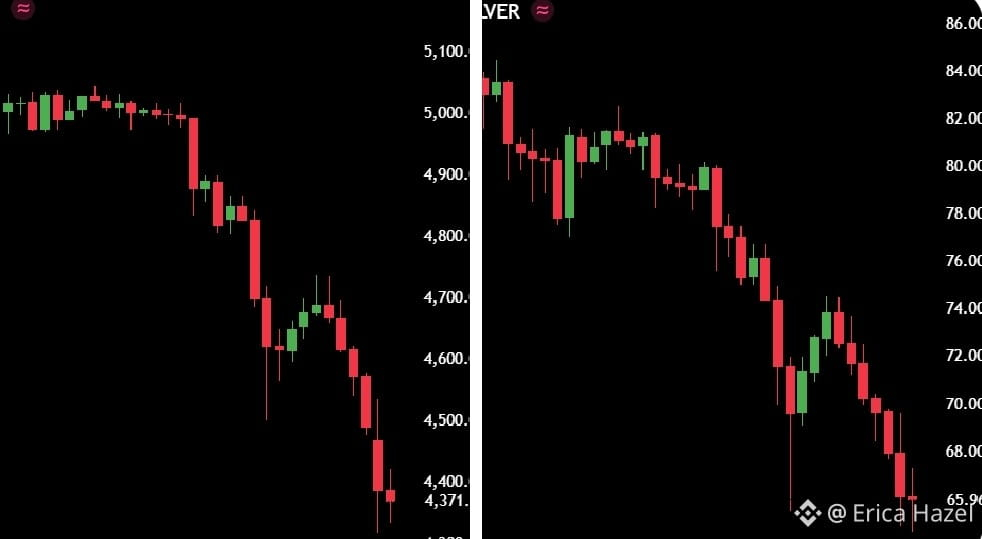
$1,820,000,000,000 تم محوه من الذهب والفضة في 6 ساعات فقط.
هل تخلى مطوروهم عن المشروع؟
$1,820,000,000,000 تم محوه من الذهب والفضة في 6 ساعات فقط.
هل تخلى مطوروهم عن المشروع؟
هل تخلى مطوروهم عن المشروع؟
2
15
187
·
--
معظم الناس يحدق في الرسم البياني؛ أنا أشاهد من يقوم بتشغيل العقد فعليًا.
نهاية مارس هنا، شبكة Kukolu الرئيسية ستبدأ العمل، وما زلت أشعر أن هذا يُtreated كإطلاق آخر بينما هو في الواقع تحول في كيفية عمل الأنابيب، عقود ZK الذكية الحقيقية تنتقل من بيئات الاختبار إلى الإنتاج، و DUST تبدأ في التدفق كطبقة الوقود الداخلية، ونموذج حيث holding $NIGHT تولد سعة تنفيذية بشكل سلبي يمكن للمطورين الاستفادة منها بحيث لا يرى المستخدمون حتى الرسوم، وهو ما يبدو بسيطًا حتى تخططه على المكدس: مقدمو البنية التحتية مثل Google Cloud، ووسائل الدفع مثل MoneyGram، والكيانات المدعومة من الاتصالات مثل Vodafone عبر Pairpoint جميعها تشارك على مستوى العقد، ليس كشعارات سلبية ولكن كعوامل تشغيل داخل النظام، وهذا يخلق هذا الهجين الغريب حيث يتم دمج كيانات بحجم Web2 مباشرة في طبقة تنفيذ تحافظ على الخصوصية... وبصراحة، هذه هي النقطة التي إما تتماشى فيها الأمور أو تنكسر تمامًا لأن محاذاة الحوافز بين البنية التحتية، والمطورين، والمستخدمين النهائيين دون إدخال احتكاك مخفي أصعب مما يبدو على الورق...
إنه مباشر.
لكنني لست مقتنعًا تمامًا بعد.
تجربة المستخدم بدون رسوم كانت دائمًا الوعد. التنفيذ هو المكان الذي تفشل فيه معظم المشاريع. وإذا لم يتوازن DUST بشكل صحيح بين العرض، الطلب، والتفويض، فإن النموذج بأكمله يصبح غريبًا بسرعة.
ومع ذلك، فإن الإشارات تتزايد.
عدد الحائزين الفريدين ارتفع ~300% في شهرين.
تم تأكيد تكامل LayerZero.
ارتفعت عمليات نشر عقود Testnet بنسبة 1600%+.
هذا ليس ضجيجًا.
لقد كنت أتابع هذا بهدوء لفترة، ويبدو أننا في تلك النقطة حيث الوقت السهل لتجاهله يكاد ينتهي.
ربما يعمل. ربما لا يعمل.
لكن هذه النافذة قبل الشبكة الرئيسية... إنها تغلق.
$NIGHT #night @MidnightNetwork
معظم الناس يحدق في الرسم البياني؛ أنا أشاهد من يقوم بتشغيل العقد فعليًا.
نهاية مارس هنا، شبكة Kukolu الرئيسية ستبدأ العمل، وما زلت أشعر أن هذا يُtreated كإطلاق آخر بينما هو في الواقع تحول في كيفية عمل الأنابيب، عقود ZK الذكية الحقيقية تنتقل من بيئات الاختبار إلى الإنتاج، و DUST تبدأ في التدفق كطبقة الوقود الداخلية، ونموذج حيث holding $NIGHT تولد سعة تنفيذية بشكل سلبي يمكن للمطورين الاستفادة منها بحيث لا يرى المستخدمون حتى الرسوم، وهو ما يبدو بسيطًا حتى تخططه على المكدس: مقدمو البنية التحتية مثل Google Cloud، ووسائل الدفع مثل MoneyGram، والكيانات المدعومة من الاتصالات مثل Vodafone عبر Pairpoint جميعها تشارك على مستوى العقد، ليس كشعارات سلبية ولكن كعوامل تشغيل داخل النظام، وهذا يخلق هذا الهجين الغريب حيث يتم دمج كيانات بحجم Web2 مباشرة في طبقة تنفيذ تحافظ على الخصوصية... وبصراحة، هذه هي النقطة التي إما تتماشى فيها الأمور أو تنكسر تمامًا لأن محاذاة الحوافز بين البنية التحتية، والمطورين، والمستخدمين النهائيين دون إدخال احتكاك مخفي أصعب مما يبدو على الورق...
إنه مباشر.
لكنني لست مقتنعًا تمامًا بعد.
تجربة المستخدم بدون رسوم كانت دائمًا الوعد. التنفيذ هو المكان الذي تفشل فيه معظم المشاريع. وإذا لم يتوازن DUST بشكل صحيح بين العرض، الطلب، والتفويض، فإن النموذج بأكمله يصبح غريبًا بسرعة.
ومع ذلك، فإن الإشارات تتزايد.
عدد الحائزين الفريدين ارتفع ~300% في شهرين.
تم تأكيد تكامل LayerZero.
ارتفعت عمليات نشر عقود Testnet بنسبة 1600%+.
هذا ليس ضجيجًا.
لقد كنت أتابع هذا بهدوء لفترة، ويبدو أننا في تلك النقطة حيث الوقت السهل لتجاهله يكاد ينتهي.
ربما يعمل. ربما لا يعمل.
لكن هذه النافذة قبل الشبكة الرئيسية... إنها تغلق.
$NIGHT #night @MidnightNetwork
نهاية مارس هنا، شبكة Kukolu الرئيسية ستبدأ العمل، وما زلت أشعر أن هذا يُtreated كإطلاق آخر بينما هو في الواقع تحول في كيفية عمل الأنابيب، عقود ZK الذكية الحقيقية تنتقل من بيئات الاختبار إلى الإنتاج، و DUST تبدأ في التدفق كطبقة الوقود الداخلية، ونموذج حيث holding $NIGHT تولد سعة تنفيذية بشكل سلبي يمكن للمطورين الاستفادة منها بحيث لا يرى المستخدمون حتى الرسوم، وهو ما يبدو بسيطًا حتى تخططه على المكدس: مقدمو البنية التحتية مثل Google Cloud، ووسائل الدفع مثل MoneyGram، والكيانات المدعومة من الاتصالات مثل Vodafone عبر Pairpoint جميعها تشارك على مستوى العقد، ليس كشعارات سلبية ولكن كعوامل تشغيل داخل النظام، وهذا يخلق هذا الهجين الغريب حيث يتم دمج كيانات بحجم Web2 مباشرة في طبقة تنفيذ تحافظ على الخصوصية... وبصراحة، هذه هي النقطة التي إما تتماشى فيها الأمور أو تنكسر تمامًا لأن محاذاة الحوافز بين البنية التحتية، والمطورين، والمستخدمين النهائيين دون إدخال احتكاك مخفي أصعب مما يبدو على الورق...
إنه مباشر.
لكنني لست مقتنعًا تمامًا بعد.
تجربة المستخدم بدون رسوم كانت دائمًا الوعد. التنفيذ هو المكان الذي تفشل فيه معظم المشاريع. وإذا لم يتوازن DUST بشكل صحيح بين العرض، الطلب، والتفويض، فإن النموذج بأكمله يصبح غريبًا بسرعة.
ومع ذلك، فإن الإشارات تتزايد.
عدد الحائزين الفريدين ارتفع ~300% في شهرين.
تم تأكيد تكامل LayerZero.
ارتفعت عمليات نشر عقود Testnet بنسبة 1600%+.
هذا ليس ضجيجًا.
لقد كنت أتابع هذا بهدوء لفترة، ويبدو أننا في تلك النقطة حيث الوقت السهل لتجاهله يكاد ينتهي.
ربما يعمل. ربما لا يعمل.
لكن هذه النافذة قبل الشبكة الرئيسية... إنها تغلق.
$NIGHT #night @MidnightNetwork

12
143
·
--
مقالة
ما وراء الضجة: التحول المؤسسي الصامت إلى $NIGHTأستمر في العودة إلى $NIGHT هذا الأسبوع.
ليس بطريقة مثيرة. أكثر مثل... لا أعتقد أن الناس قد استوعبوا تمامًا ما على وشك الحدوث.
شبكة Mainnet هنا. Kukolu ستنطلق في غضون أيام قليلة. ولسبب ما لا تزال تشعر أن السوق تدفع نصف الانتباه، عالقة في العوامل الاقتصادية، وأسعار الفائدة، مهما كانت رواية الأسبوع.
لكن هذا يبدو أكبر من دورة "إطلاق سلسلة جديدة" المعتادة.
منتصف الليل ليست مجرد طبقة أولى أخرى تحاول التنافس في الأداء أو الرسوم. ما جذب انتباهي هو التركيز على العقود الذكية ذات المعرفة الصفرية التي تعمل فعليًا في الإنتاج، وليس فقط العروض التقديمية أو الأوراق البحثية. خصوصية حقيقية، ولكن منظمة — يسمونها خصوصية عقلانية، والتي لا أزال أحاول فهمها تمامًا.
ما وراء الضجة: التحول المؤسسي الصامت إلى $NIGHT
أستمر في العودة إلى $NIGHT هذا الأسبوع.
ليس بطريقة مثيرة. أكثر مثل... لا أعتقد أن الناس قد استوعبوا تمامًا ما على وشك الحدوث.
شبكة Mainnet هنا. Kukolu ستنطلق في غضون أيام قليلة. ولسبب ما لا تزال تشعر أن السوق تدفع نصف الانتباه، عالقة في العوامل الاقتصادية، وأسعار الفائدة، مهما كانت رواية الأسبوع.
لكن هذا يبدو أكبر من دورة "إطلاق سلسلة جديدة" المعتادة.
منتصف الليل ليست مجرد طبقة أولى أخرى تحاول التنافس في الأداء أو الرسوم. ما جذب انتباهي هو التركيز على العقود الذكية ذات المعرفة الصفرية التي تعمل فعليًا في الإنتاج، وليس فقط العروض التقديمية أو الأوراق البحثية. خصوصية حقيقية، ولكن منظمة — يسمونها خصوصية عقلانية، والتي لا أزال أحاول فهمها تمامًا.
ليس بطريقة مثيرة. أكثر مثل... لا أعتقد أن الناس قد استوعبوا تمامًا ما على وشك الحدوث.
شبكة Mainnet هنا. Kukolu ستنطلق في غضون أيام قليلة. ولسبب ما لا تزال تشعر أن السوق تدفع نصف الانتباه، عالقة في العوامل الاقتصادية، وأسعار الفائدة، مهما كانت رواية الأسبوع.
لكن هذا يبدو أكبر من دورة "إطلاق سلسلة جديدة" المعتادة.
منتصف الليل ليست مجرد طبقة أولى أخرى تحاول التنافس في الأداء أو الرسوم. ما جذب انتباهي هو التركيز على العقود الذكية ذات المعرفة الصفرية التي تعمل فعليًا في الإنتاج، وليس فقط العروض التقديمية أو الأوراق البحثية. خصوصية حقيقية، ولكن منظمة — يسمونها خصوصية عقلانية، والتي لا أزال أحاول فهمها تمامًا.
11
116
·
--
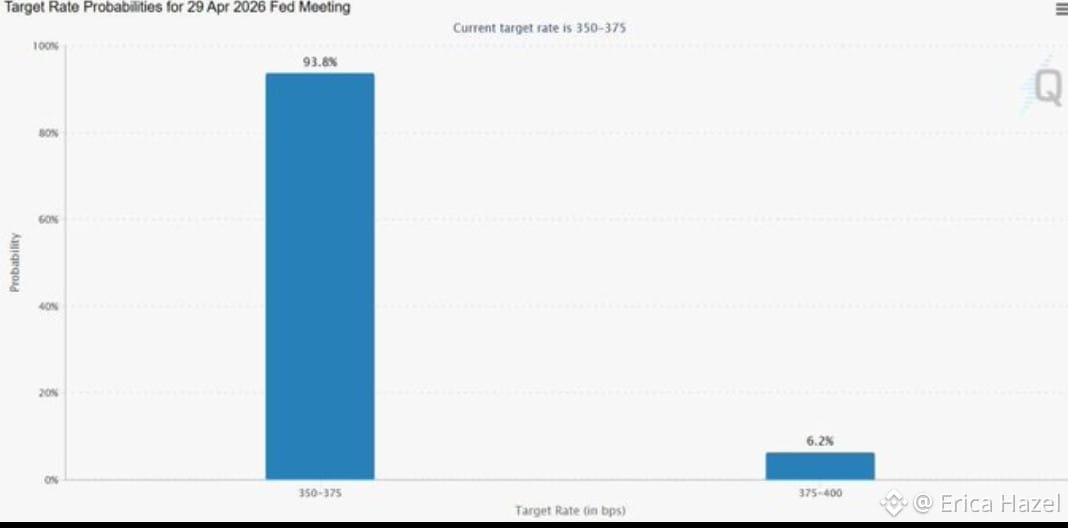
هذا يصبح قبيحًا.
الأسواق الآن تسعر فرصة حوالي 6.2% لزيادة سعر الفائدة من الاحتياطي الفيدرالي الشهر المقبل.
ليس منذ وقت طويل، كان الجميع يتوقعون تخفيضات في الأسعار لكن السرد تحول بسرعة حيث دفعت صراعات الولايات المتحدة وإيران مخاطر التضخم إلى الأعلى.
هذا يصبح قبيحًا.
الأسواق الآن تسعر فرصة حوالي 6.2% لزيادة سعر الفائدة من الاحتياطي الفيدرالي الشهر المقبل.
ليس منذ وقت طويل، كان الجميع يتوقعون تخفيضات في الأسعار لكن السرد تحول بسرعة حيث دفعت صراعات الولايات المتحدة وإيران مخاطر التضخم إلى الأعلى.
الأسواق الآن تسعر فرصة حوالي 6.2% لزيادة سعر الفائدة من الاحتياطي الفيدرالي الشهر المقبل.
ليس منذ وقت طويل، كان الجميع يتوقعون تخفيضات في الأسعار لكن السرد تحول بسرعة حيث دفعت صراعات الولايات المتحدة وإيران مخاطر التضخم إلى الأعلى.
3
8
48
·
--
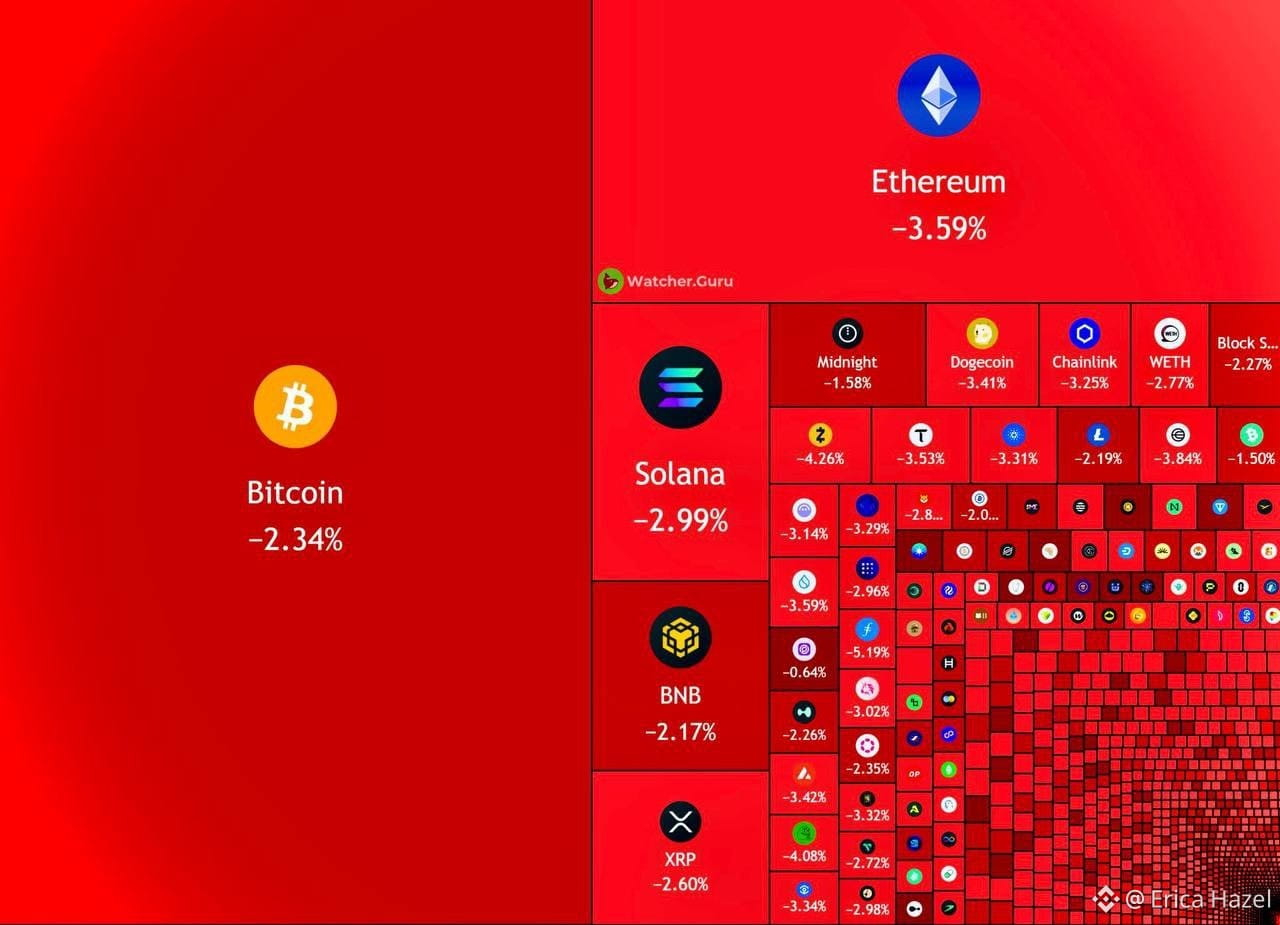
تمت تصفية الأصول بشكل كبير
تم محو 240 مليون دولار من سوق العملات المشفرة في 15 دقيقة فقط.
تصفية سريعة وعدوانية
تم تصفية المراكز ذات الرافعة المالية العالية
• زيادة التقلب
ابق آمناً.
تمت تصفية الأصول بشكل كبير
تم محو 240 مليون دولار من سوق العملات المشفرة في 15 دقيقة فقط.
تصفية سريعة وعدوانية
تم تصفية المراكز ذات الرافعة المالية العالية
• زيادة التقلب
ابق آمناً.
تم محو 240 مليون دولار من سوق العملات المشفرة في 15 دقيقة فقط.
تصفية سريعة وعدوانية
تم تصفية المراكز ذات الرافعة المالية العالية
• زيادة التقلب
ابق آمناً.
3
1
5
61
·
--
$BTC قد يكون لديه حركة أخرى نحو مستوى 74,000 دولار.
سيكون هذا مشابهًا لما حدث في يناير 2026، قبل الانخفاض إلى مستويات جديدة.
$BTC قد يكون لديه حركة أخرى نحو مستوى 74,000 دولار.
سيكون هذا مشابهًا لما حدث في يناير 2026، قبل الانخفاض إلى مستويات جديدة.
سيكون هذا مشابهًا لما حدث في يناير 2026، قبل الانخفاض إلى مستويات جديدة.
5
38
·
--
الدين يتصاعد وهو يتسارع 🚨👇
لقد تجاوز الدين الفيدرالي الأمريكي الآن 39 تريليون دولار للمرة الأولى.
إليك وتيرة النمو:
+2 تريليون دولار أضيفت في 8 أشهر فقط
+2.8 تريليون دولار منذ رفع سقف الدين في يوليو
تقريبًا تضاعف منذ 2018
نسبة الدين إلى الناتج المحلي الإجمالي الآن 124%
ولن يتباطأ من هنا:
مُتوقع +2.4 تريليون دولار سنويًا
يُقدّر أن يصل إلى 64 تريليون دولار بحلول 2036
لم يعد هذا ارتفاعًا تدريجيًا بل هو اندفاع.
عندما ينمو الدين بسرعة أكبر مما يمكن للنظام تحمله، تتبع ضغوط العملة وإعادة تسعير الأصول.
لم يعد هذا خطرًا بعيدًا.
إنه يتكشف في الوقت الحقيقي.
الدين يتصاعد وهو يتسارع 🚨👇
لقد تجاوز الدين الفيدرالي الأمريكي الآن 39 تريليون دولار للمرة الأولى.
إليك وتيرة النمو:
+2 تريليون دولار أضيفت في 8 أشهر فقط
+2.8 تريليون دولار منذ رفع سقف الدين في يوليو
تقريبًا تضاعف منذ 2018
نسبة الدين إلى الناتج المحلي الإجمالي الآن 124%
ولن يتباطأ من هنا:
مُتوقع +2.4 تريليون دولار سنويًا
يُقدّر أن يصل إلى 64 تريليون دولار بحلول 2036
لم يعد هذا ارتفاعًا تدريجيًا بل هو اندفاع.
عندما ينمو الدين بسرعة أكبر مما يمكن للنظام تحمله، تتبع ضغوط العملة وإعادة تسعير الأصول.
لم يعد هذا خطرًا بعيدًا.
إنه يتكشف في الوقت الحقيقي.
لقد تجاوز الدين الفيدرالي الأمريكي الآن 39 تريليون دولار للمرة الأولى.
إليك وتيرة النمو:
+2 تريليون دولار أضيفت في 8 أشهر فقط
+2.8 تريليون دولار منذ رفع سقف الدين في يوليو
تقريبًا تضاعف منذ 2018
نسبة الدين إلى الناتج المحلي الإجمالي الآن 124%
ولن يتباطأ من هنا:
مُتوقع +2.4 تريليون دولار سنويًا
يُقدّر أن يصل إلى 64 تريليون دولار بحلول 2036
لم يعد هذا ارتفاعًا تدريجيًا بل هو اندفاع.
عندما ينمو الدين بسرعة أكبر مما يمكن للنظام تحمله، تتبع ضغوط العملة وإعادة تسعير الأصول.
لم يعد هذا خطرًا بعيدًا.
إنه يتكشف في الوقت الحقيقي.
1
5
31
سجّل الدخول لاستكشاف المزيد من المُحتوى
انضم إلى مُستخدمي العملات الرقمية حول العالم على Binance Square
⚡️ احصل على أحدث المعلومات المفيدة عن العملات الرقمية.
💬 موثوقة من قبل أكبر منصّة لتداول العملات الرقمية في العالم.
👍 اكتشف الرؤى الحقيقية من صنّاع المُحتوى الموثوقين.
البريد الإلكتروني / رقم الهاتف
المواضيع الرائجة
BitcoinClears$85200
3,900 مشاهدات
124 يقومون بالنقاش
لقد قمنا بالحركة، و{$BTC } يقف تمامًا في المكان نفسه الذي كنا فيه قبل البيانات. هذا ما يشبهه الصبر الحقيقي في التداول.
وصلت البيانات بشكل مختلط لكن مع بعض الأرقام المهمة. جاء تقرير ADP للتوظيف خارج القطاع الزراعي عند 90 ألف مقابل توقع 73 ألف، بينما جاء مؤشر Core PCE عند 0.2% مقابل 0.3% المتوقعة. كما كان الناتج المحلي الإجمالي النهائي أقوى أيضًا عند 2.2% مقابل توقع 1.5%، بينما جاء إنفاق الأفراد عند 0.9% مقابل 0.8% المتوقعة. وفي الوقت نفسه، فشل دخل الأفراد عند 0.2% مقابل توقع 0.5%.
ارتفع سعر البيتكوين في البداية إلى 85,600 دولار ثم عاد الآن إلى المكان الذي نحتاج أن يكون فيه. ما زلت أنظر نحو النطاقات الأدنى عند 82,759 دولار و0% سيولة 80,000 دولار، لأن سيولة الأعلى انتهت وصارت منتهية.
أجرينا جلسة مباشرة أثناء صدور البيانات، وخلال تلك الجلسة رأينا السوق عند 83,800 دولار ثم 85,600 دولار ثم عاد باتجاه 83,000 دولار، ومع ذلك لم ندخل صفقة.
هذا هو الصبر.
لا يمكننا إجبار الدخول عندما لا يكون لدى السوق اتجاه واضح. ما زال نفس النطاق محل اهتمام، وسننتظر أن يعطي السوق لنا الإعداد.
أخبروني يا شباب، كيف كانت الجلسة؟ وهل ينبغي أن تكون لدينا جلسات أكثر انتظامًا مع أعضائنا الموقّرين حتى نتمكن من إجراء مناقشات مناسبة بخصوص السوق؟
#BitcoinClears$85200 #AltcoinSeasonIndexHoldsAbove60For5Days #USADPAdds90000JobsInSeptember #BitcoinSlipsBelow$84000 #SECToClarifyOnChainFundraisingRules
Crypto_LUX
·23 إعجاب
·8.7k مشاهدات
AltcoinSeasonIndexHoldsAbove60For5Days
24,533 مشاهدات
813 يقومون بالنقاش
USADPAdds90000JobsInSeptember
9,673 مشاهدات
460 يقومون بالنقاش