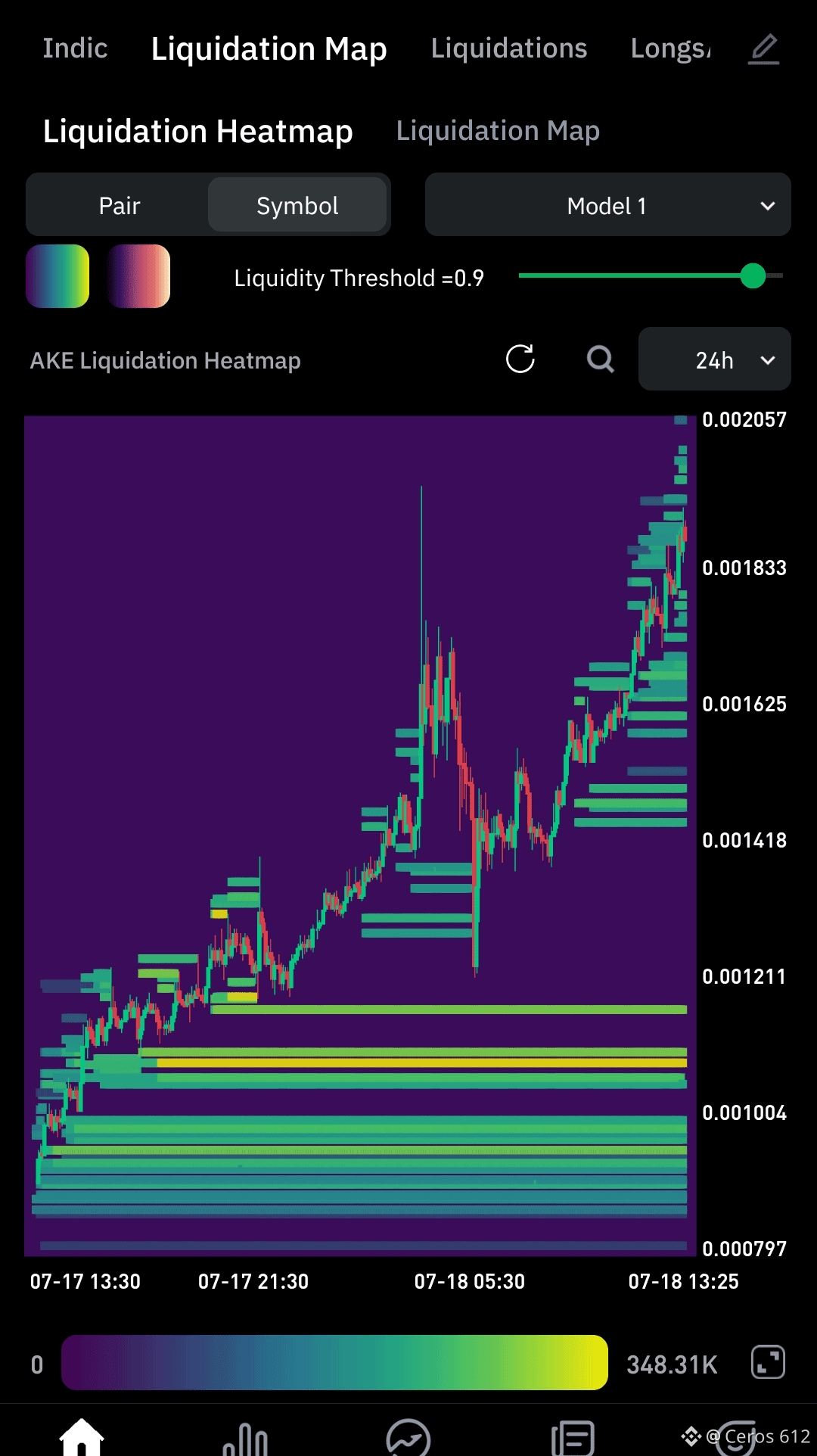
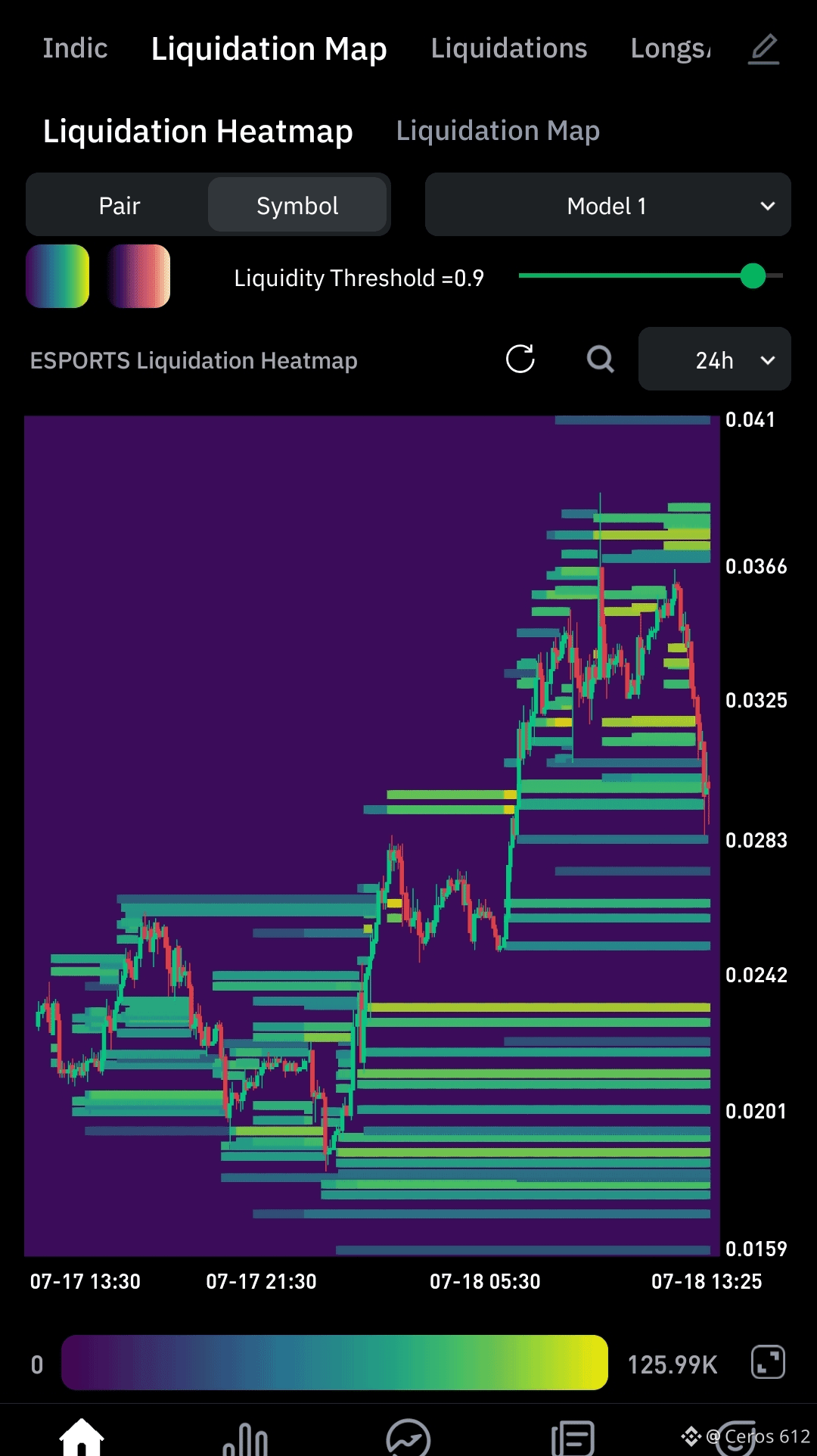
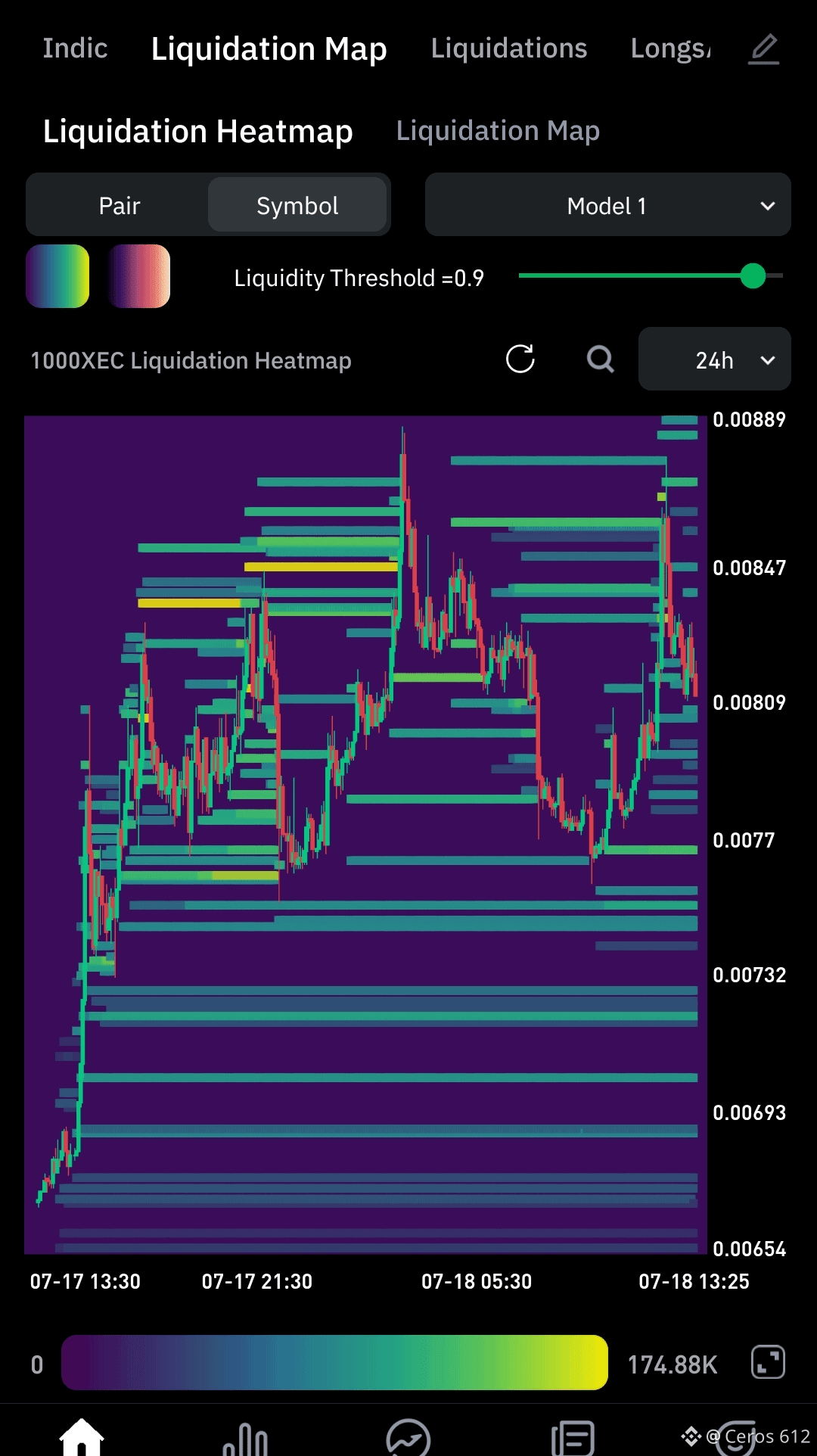
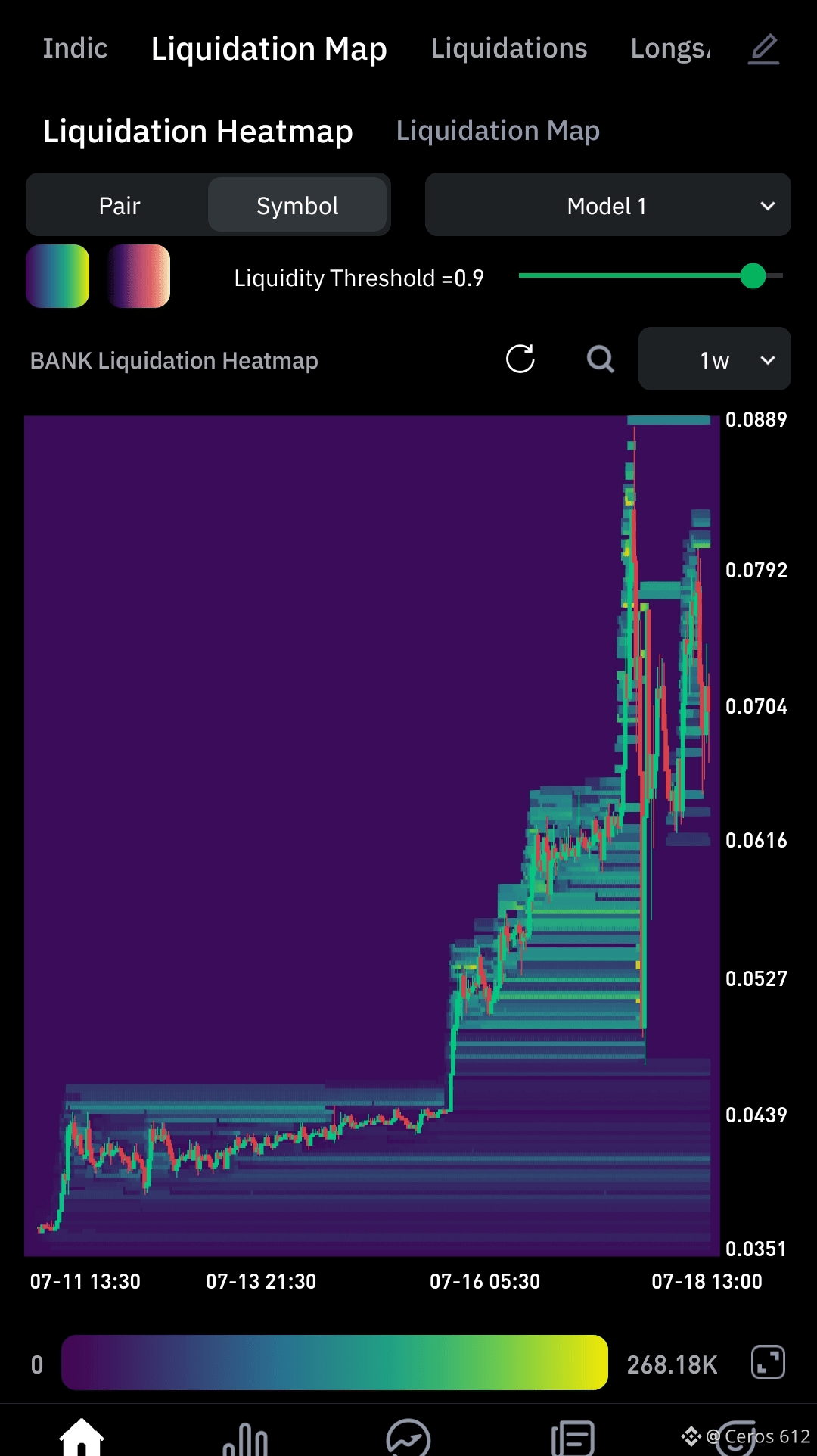
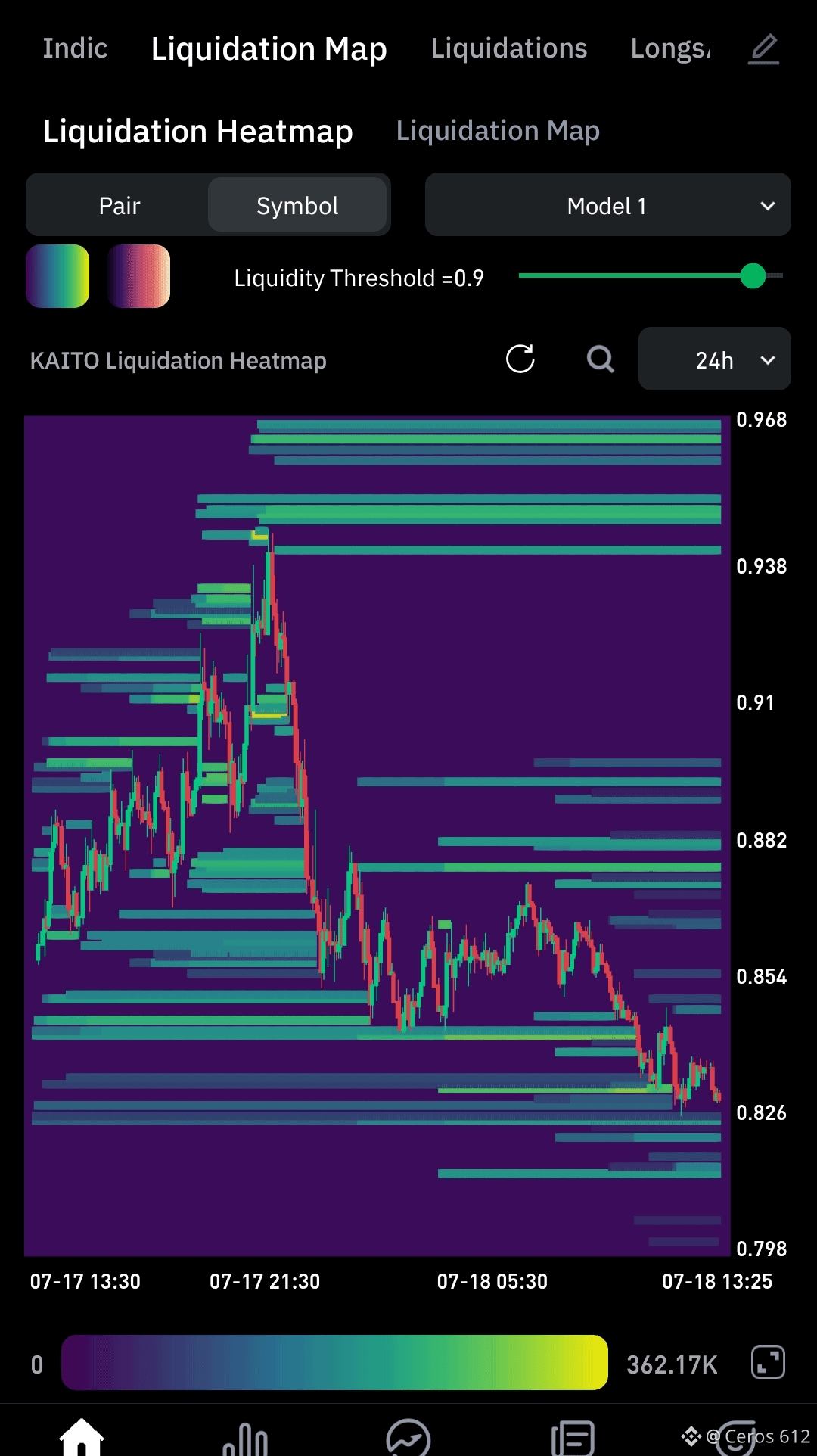
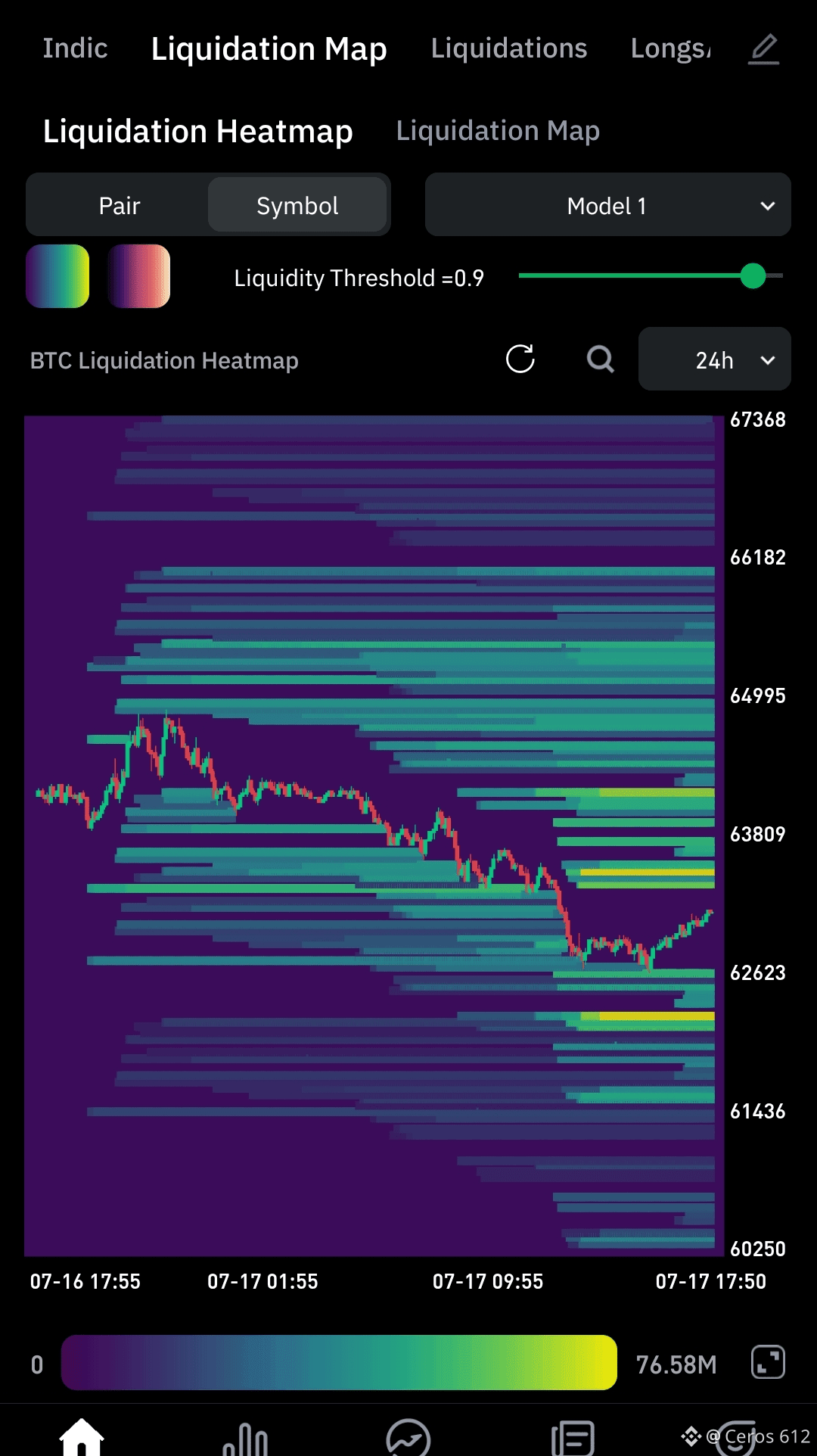
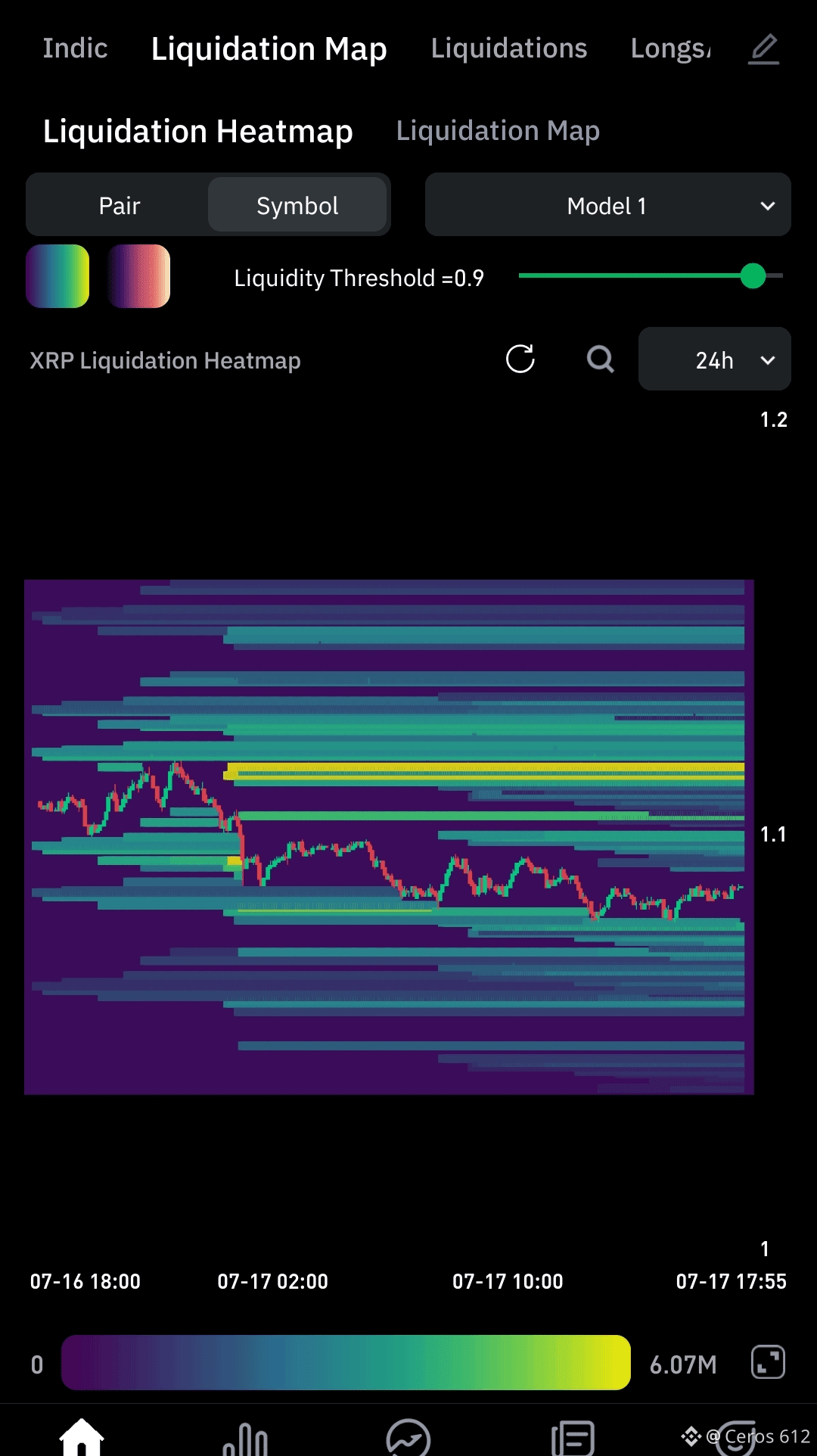
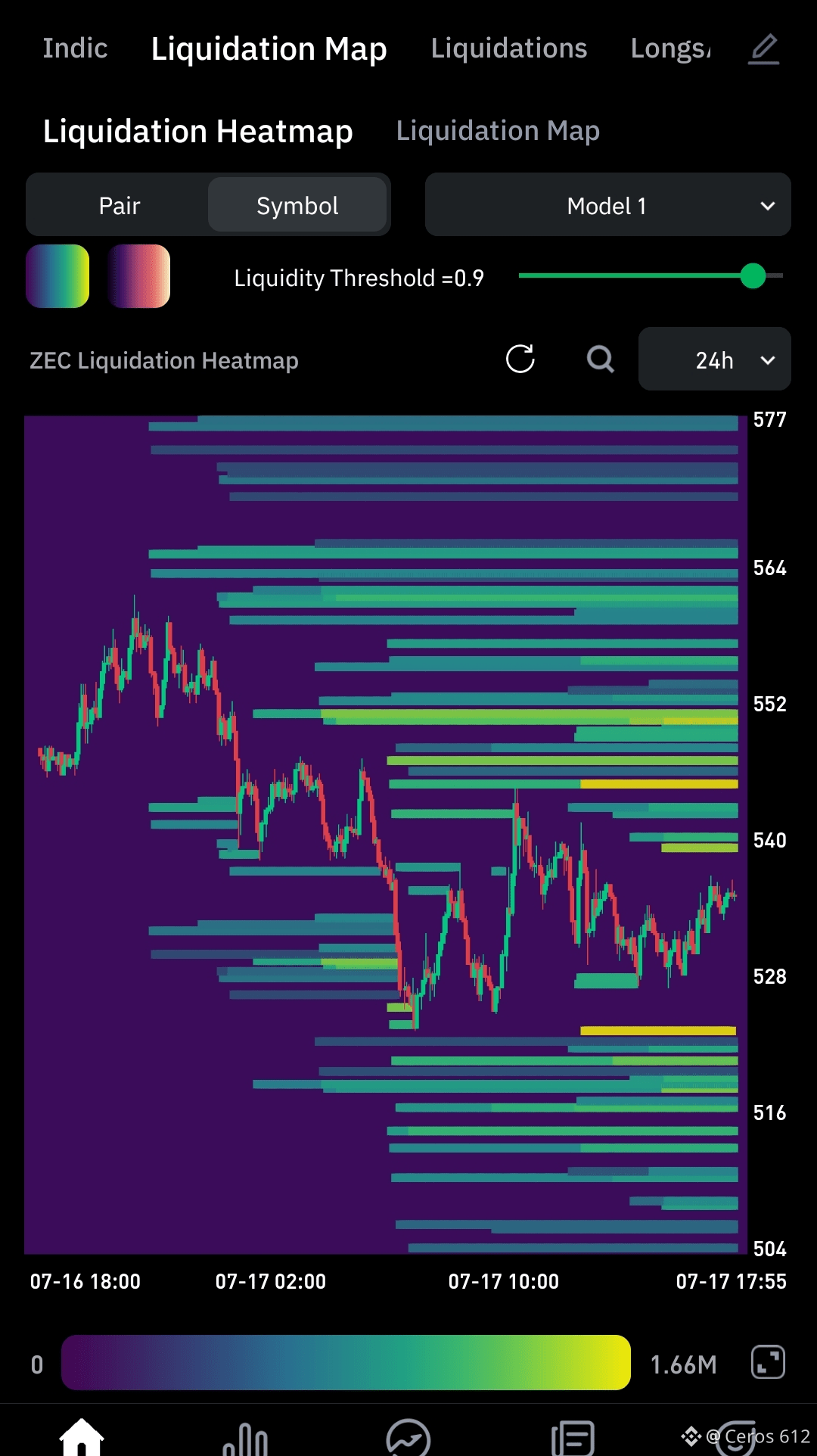
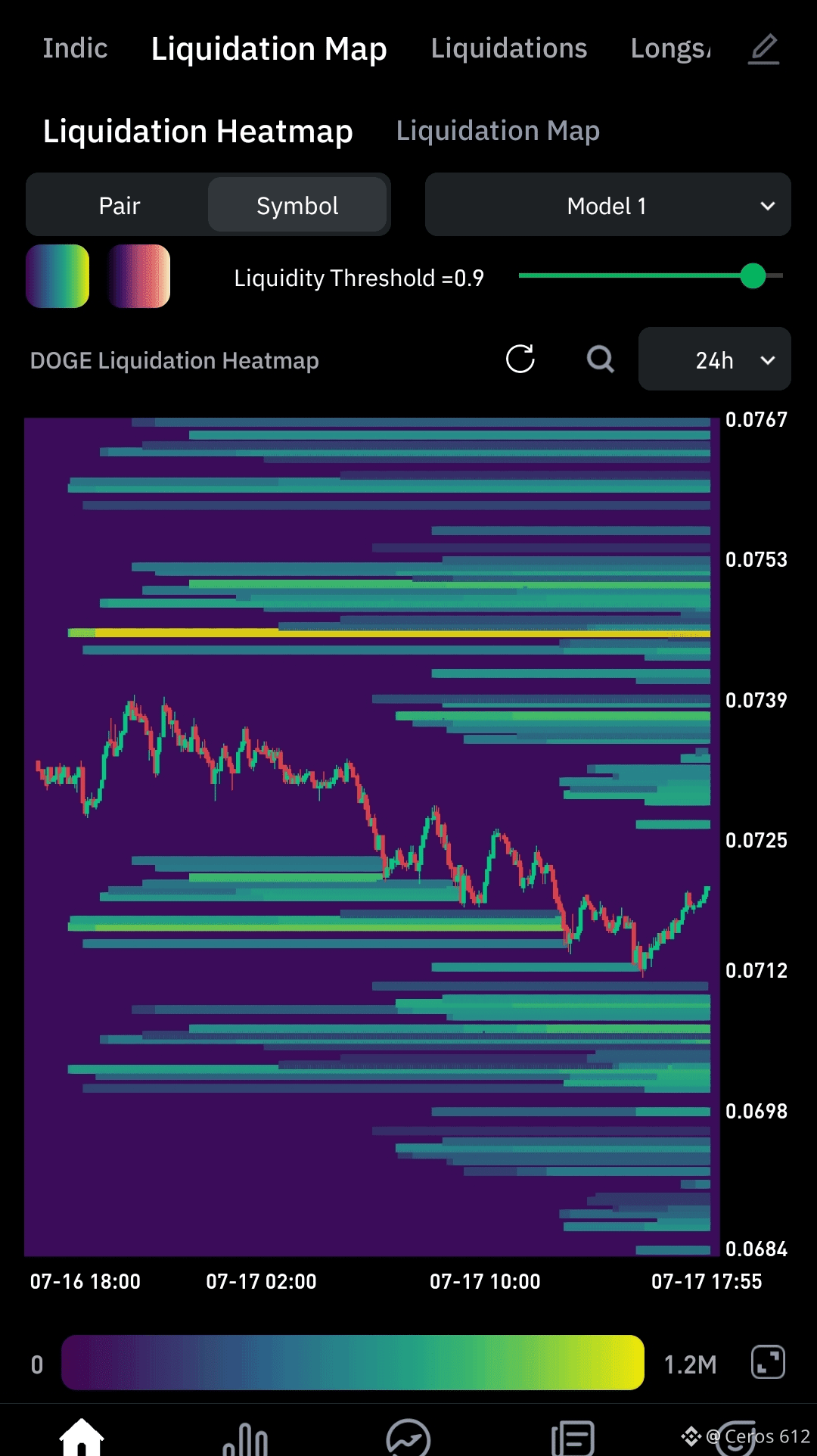
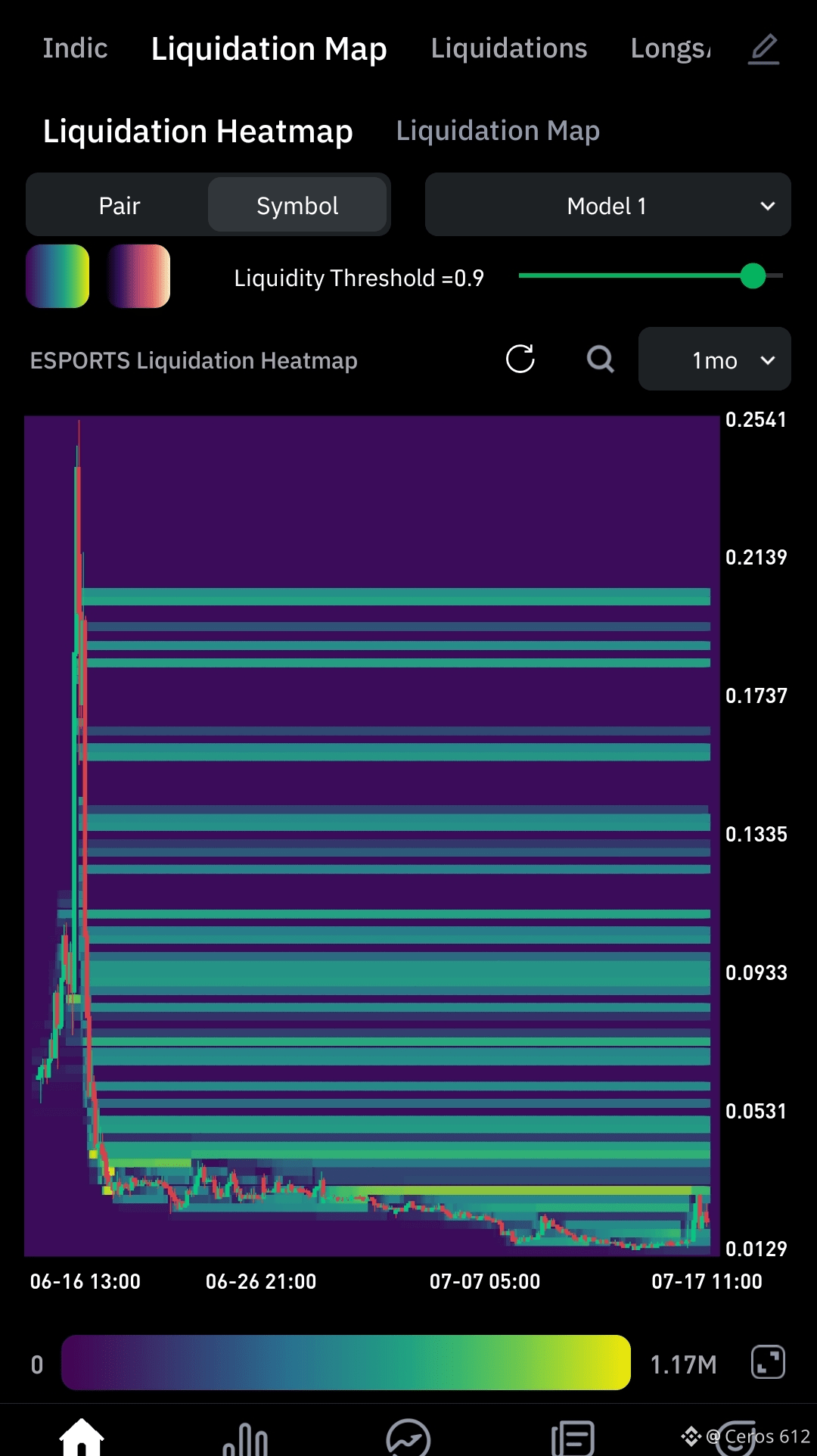
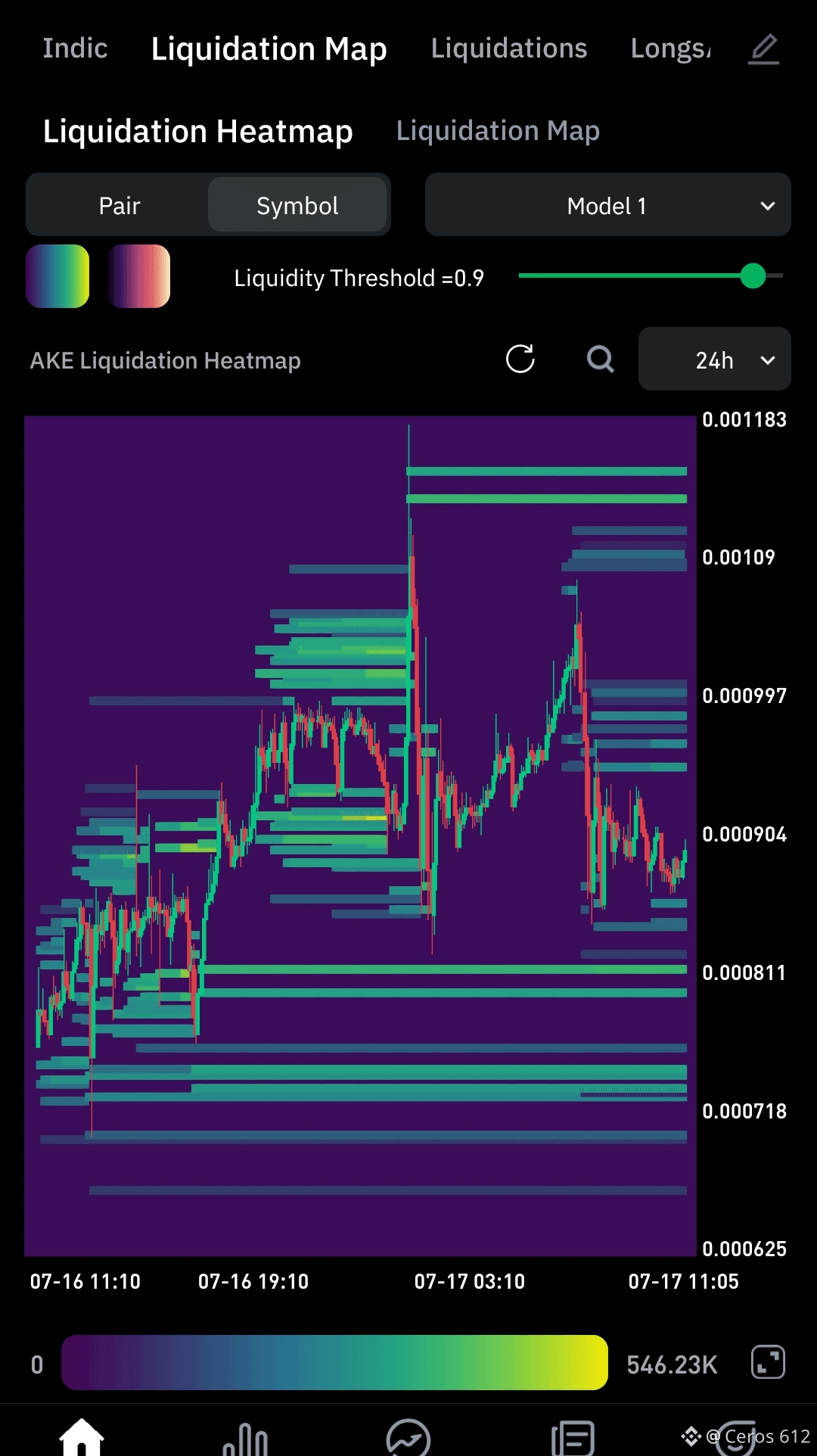
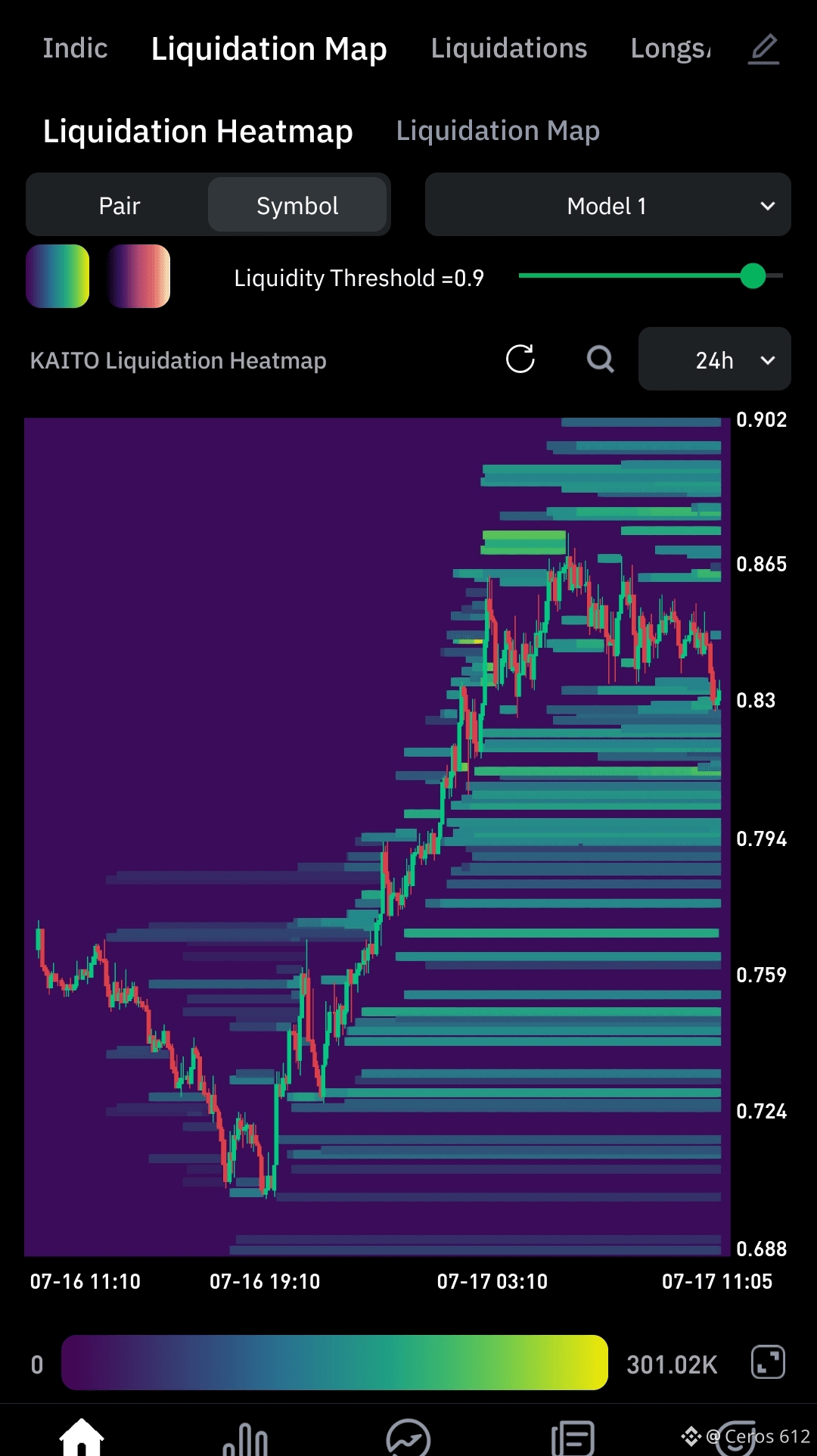
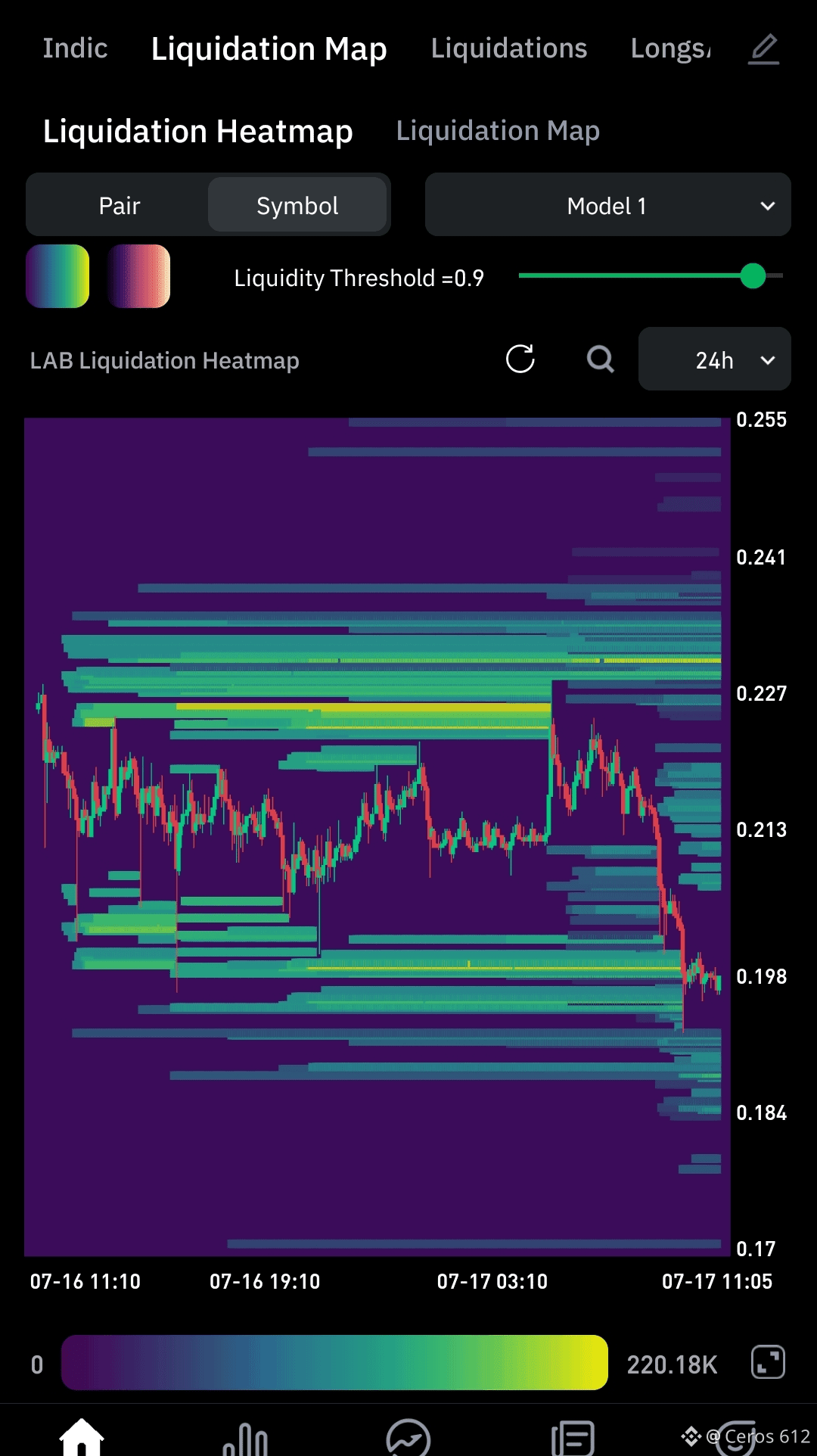
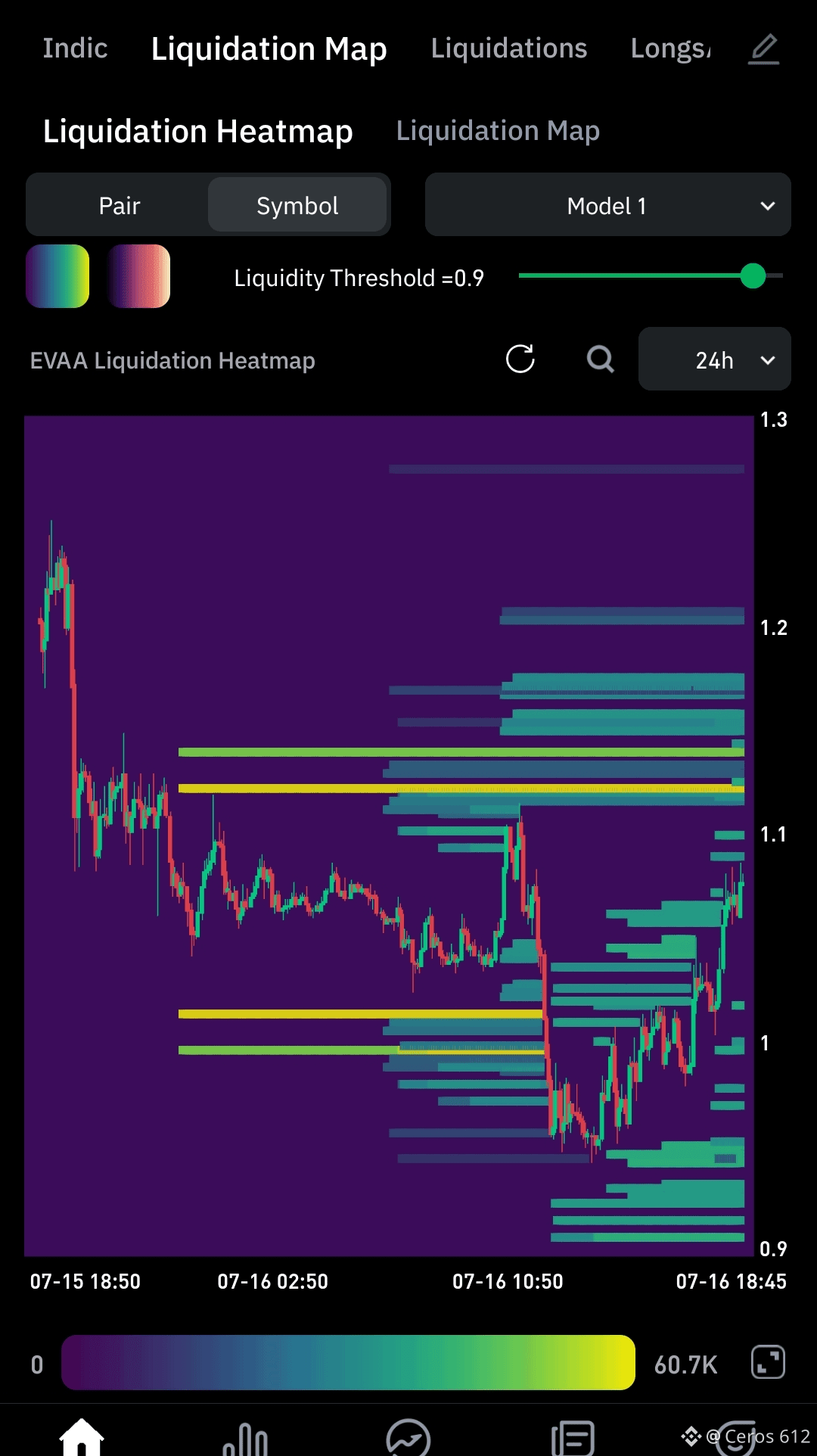
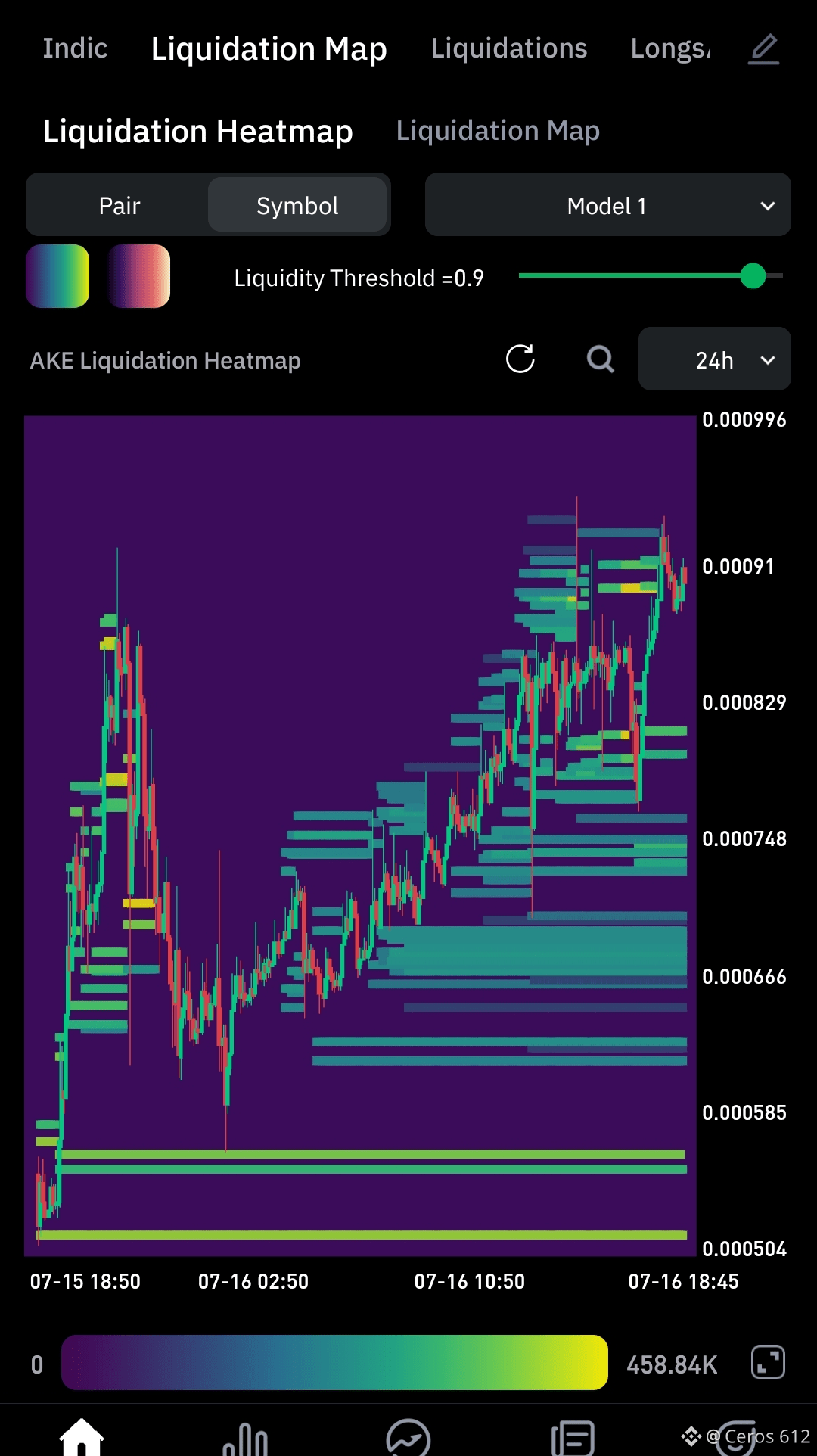
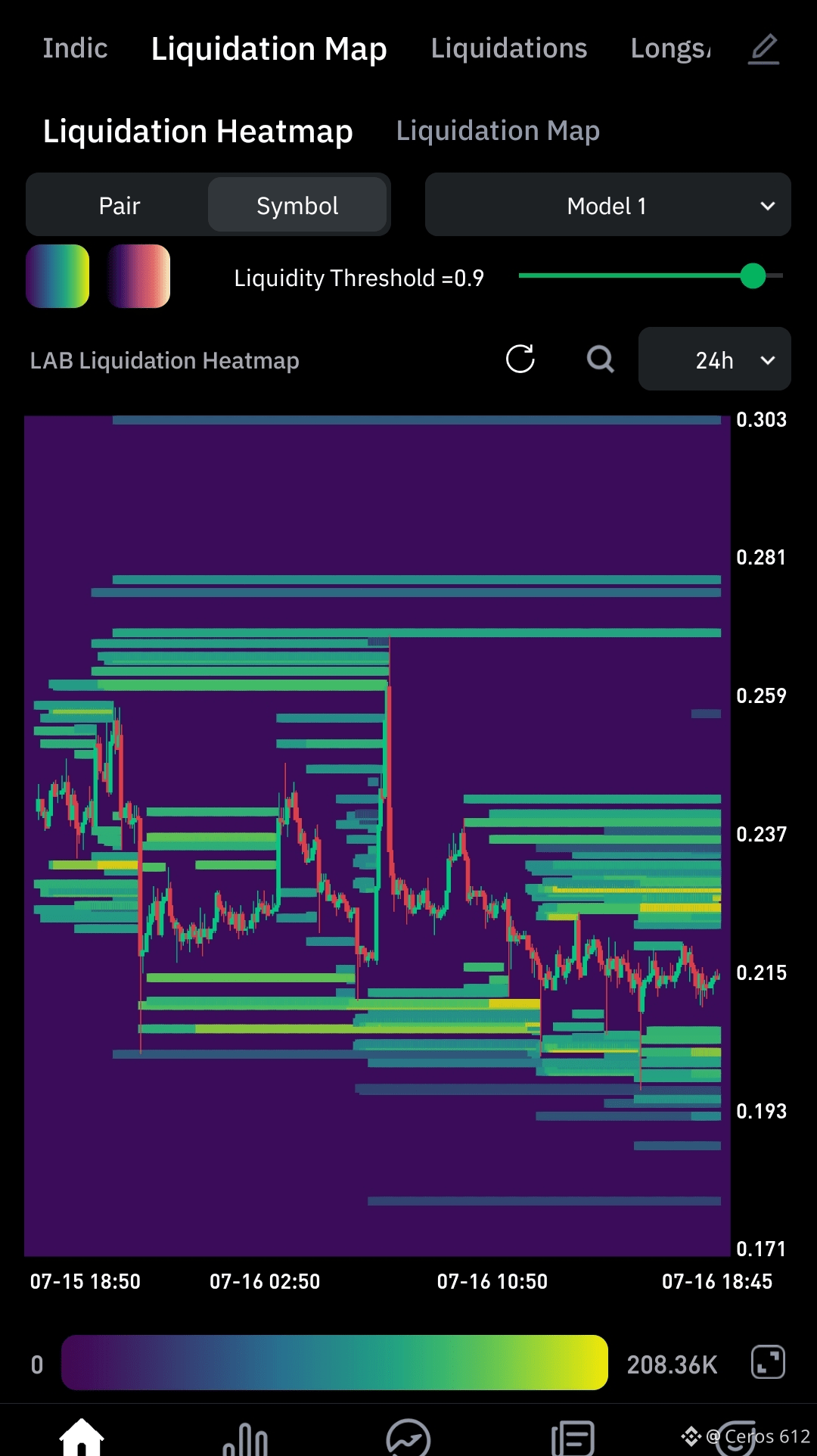
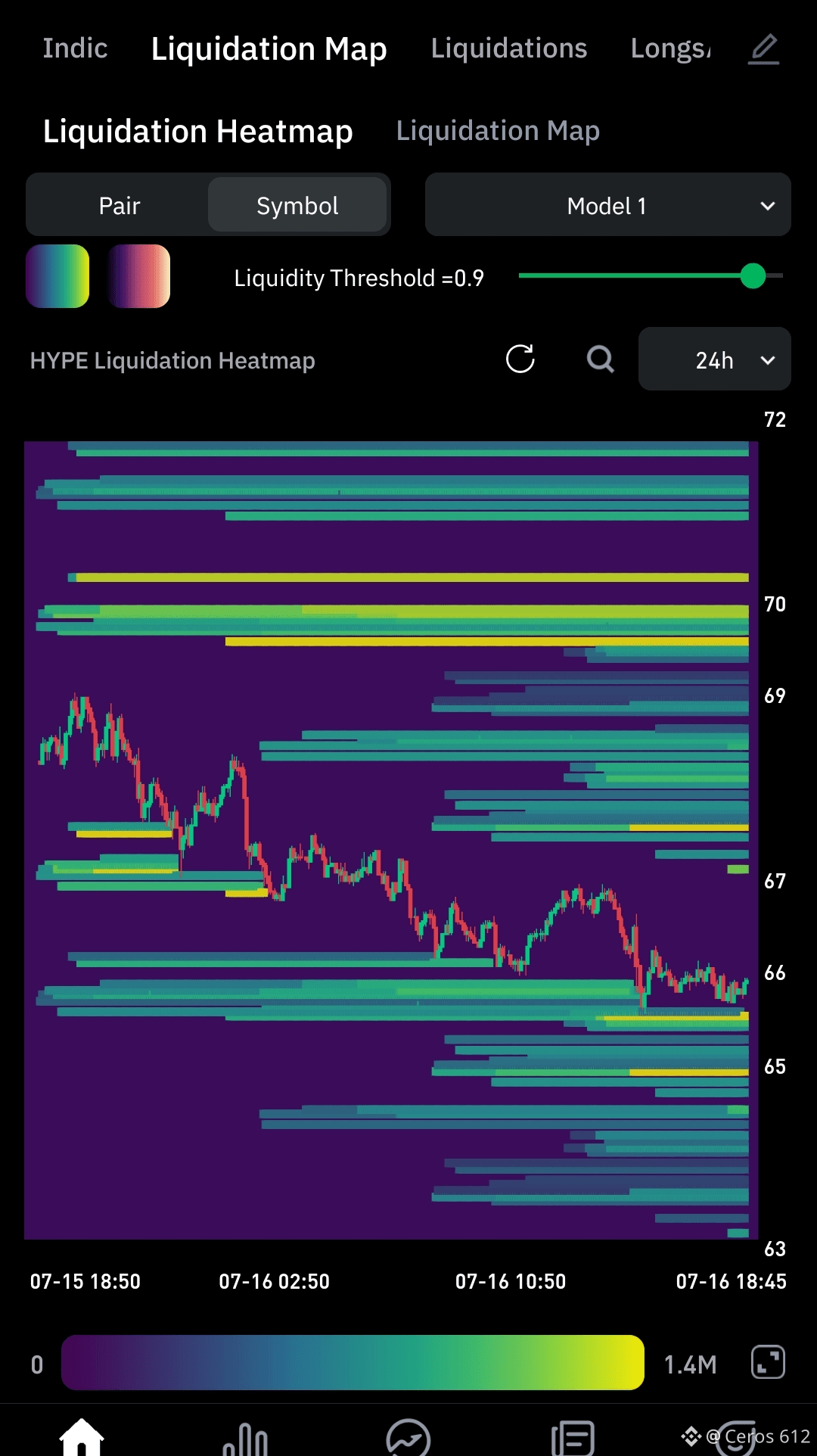
Short $FHE SDT Entry: 0.134–0.142 SL: 0.150 TP: 0.120 / 0.104 / 0.090 Price is testing the local supply band after a strong run-up, with momentum slowing and upper wicks showing rejection near 0.14+. Risk of pullback if breakout fails and volume fades.
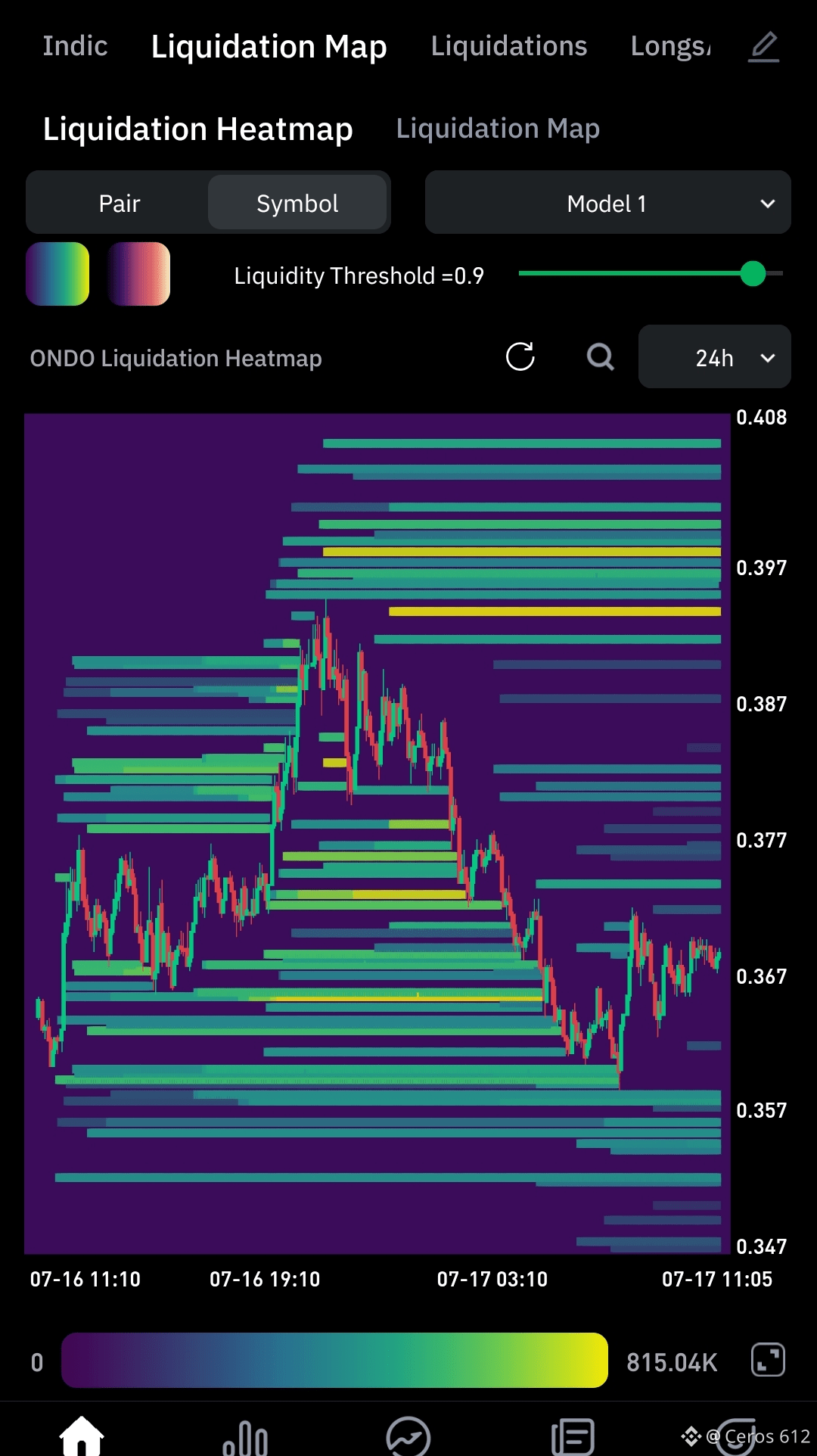
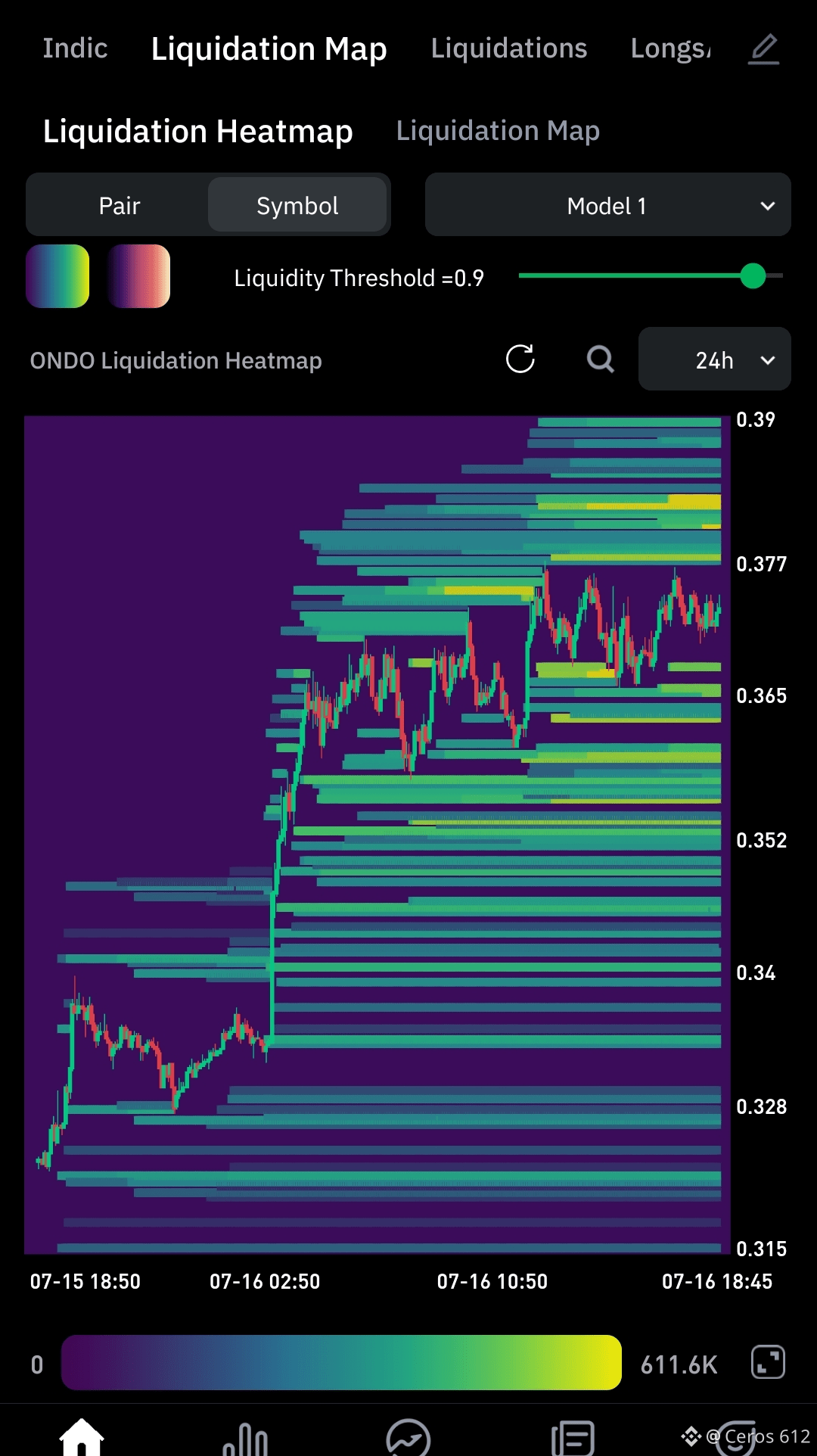
Short $POWER USDT Entry: 0.391–0.398 SL: 0.428 TP: 0.335 / 0.305 / 0.275 Momentum fading near local supply after sharp run, multiple small rejections around 0.40 zone, risk of pullback if volume doesn’t expand. Not a signal just structured setup format.
I Trust Systems That Decide Before They Run, Not During Incidents
Over time, I’ve become suspicious of infrastructure that promises to “handle edge cases later.” It usually sounds pragmatic. In practice, it means the hardest decisions are postponed until the worst possible moment.
One design detail in Plasma keeps my attention for that reason. Many execution and settlement rules are locked in early, not negotiated at runtime. Validator roles are narrow. Finality is treated as a hard boundary. Stablecoin flows are expected to pass or fail cleanly, not drift into gray zones that require interpretation.
I used to see rigidity as weakness. Now I see how often flexibility turns into hidden policy. When systems adapt under stress, someone is quietly deciding how rules bend. That decision may be rational, but it is rarely predictable.
Plasma’s model feels more like a circuit breaker than a steering wheel. It does not try to guide every bad scenario to a softer landing. It tries to make the allowed behavior space smaller so fewer scenarios need guidance at all.
Is that limiting? Yes. But for settlement, I’ve learned to rate predictability above clever recovery. Systems that decide early are easier to trust than systems that improvise under pressure. @Plasma #plasma $XPL
Plasma and the Quiet Shift from “Throughput Capacity” to “Settlement Capacity”
I used to judge chains by how much they could process per second. More throughput meant more scale. More scale meant more value. That mental model held up for trading systems and speculative flows. It started to break once I looked at how stablecoins are actually used in production environments. Processing capacity is not the same thing as settlement capacity. A network can execute a large number of transactions and still be fragile at the moment value becomes irreversible. It can be fast at movement and weak at closure. The more I examined payment heavy systems, the more I realized that execution scale and settlement scale are different engineering problems. This is the lens through which Plasma makes sense to me. Plasma reads less like a chain optimized to maximize activity, and more like a system optimized to bound settlement risk. The design choices point in that direction repeatedly. Stablecoin first fee logic. Gas abstraction at the user layer. Deterministic finality. Validator accountability tied to XPL stake. Constrained execution paths near the settlement boundary. Individually, these look like product features. Together, they describe a capacity model focused on how much value can be safely finalized, not how many calls can be executed. Throughput measures how much the system can do. Settlement capacity measures how much consequence the system can safely absorb. Those are not interchangeable. In high throughput environments, variability is often tolerated. Fees move with demand. Execution paths branch. Validators coordinate under pressure. Finality confidence grows with time and observation. This works when transactions are reversible in practice, or when users can hedge uncertainty with strategy and delay. Stablecoin settlement does not behave like that. Payroll batches, treasury routing, merchant settlement, internal transfers. These flows are schedule driven and accounting bound. They do not benefit from adaptive execution under stress. They benefit from predictable closure. What stands out in Plasma’s architecture is that several mechanisms reduce variability at the settlement edge instead of pushing flexibility there. Take fee handling for stablecoin transfers. In many chains, fees act as a live coordination signal. Demand rises, fees spike, users delay or batch. That is a throughput control mechanism. Plasma’s stablecoin first and gas abstracted model reduces how much of that signal reaches the payment surface. The goal is not zero cost, but bounded cost behavior. That is more aligned with settlement capacity than with execution auctions. The same pattern appears in validator responsibility. In throughput oriented models, risk is often socially distributed. Users hold the gas asset. Applications manage retry logic. Observers wait for deeper confirmation. Responsibility is diffused across participants. In Plasma, settlement accountability is concentrated. Validators stake XPL and carry slashing exposure tied to enforcement correctness. Stablecoin balances are not the shock absorber. Validator stake is. That is a settlement capacity decision. It defines how much enforcement failure the system can price and where that cost lands. I find it useful to think of XPL not as usage fuel, but as settlement collateral. Its role is to underwrite finality behavior, not to meter interaction frequency. As stablecoin value throughput increases, the importance of that collateral layer increases, even if transaction count does not map one to one to token usage. The scaling vector is value at risk, not calls executed. Execution constraint also fits this frame. Plasma does not appear designed to maximize behavioral expressiveness at the moment of settlement. Execution paths are narrower. Validator discretion is reduced. Rule evaluation is meant to stay mechanical. That lowers the number of runtime branches that can influence final state. Fewer branches mean fewer edge case outcomes that must be operationally explained later. There is a clear trade off here. Systems optimized for settlement capacity give up part of their execution freedom. They are less friendly to experimental logic at the base layer. They push complexity upward into application design instead of absorbing it into protocol behavior. Builders who want highly adaptive execution environments may find that restrictive. But the benefit is that settlement behavior becomes easier to model. If rules do not widen under load, then scenario planning does not need a separate stress mode. If validator roles are enforcement only, then outcome variance shrinks. If fee behavior is bounded for payment flows, then accounting systems can treat network cost as a parameter instead of a variable. From an infrastructure perspective, that reduces hidden operational load more than a raw throughput increase would. EVM compatibility also looks different through this lens. It is often framed as ecosystem convenience, but it also reduces execution uncertainty. Known tooling, known semantics, known failure modes. When the objective is to raise settlement capacity, reducing unknown behavior is more valuable than introducing novel virtual machines with untested edge cases. Security anchoring choices reinforce the same pattern. Linking settlement assurances to a widely observed base layer narrows the interpretation surface around security claims. It constrains how much trust novelty is introduced into the model. Again, less expressive, more bounded. My view is not that throughput is irrelevant. Execution scale matters. But for stablecoin heavy workloads, the tighter constraint is not how many transactions you can run. It is how much irreversible value you can close without expanding ambiguity, coordination overhead, and recovery dependence. Plasma appears to be designed with that constraint in mind. It shifts the optimization target from activity volume to settlement reliability. From execution capacity to consequence capacity. That is a quieter metric. It does not produce dramatic dashboards. It is harder to market than TPS. But in systems where transfers are final and balances are operational, the safer question is not how much you can process, but how much you can finish cleanly. I have started to treat that difference as a primary signal. Plasma is one of the few designs where the signal is visible at the protocol level, not just in the interface. @Plasma #plasma $XPL
Vanar, and why containing failure matters more than recovering from it
After enough time working around production systems, I stopped being impressed by how well a system recovers from failure. I started paying more attention to how far a failure is allowed to spread in the first place. Recovery is visible. Containment is structural. And most infrastructure discussions focus on the first while quietly assuming the second. A lot of blockchain design today is built around recovery logic. If something goes wrong, retry. If ordering shifts, reprocess. If costs spike, reprice. If settlement confidence is unclear, wait longer and add more confirmations. None of this is irrational. It works, especially when humans are watching and can intervene when patterns drift. The problem shows up when systems stop being supervised step by step and start running continuously. In long running automation and agent driven flows, failures rarely appear as hard stops. They appear as variance. A timing deviation here. A reordered execution there. A cost assumption that no longer holds under load. Each individual deviation is tolerable. The compounding effect is not. Recovery logic starts to stack. Guard rails multiply. What began as simple execution turns into defensive choreography. This is the lens that makes Vanar’s infrastructure design interesting to me. Vanar does not read like a system optimized primarily for graceful recovery. It reads like a system optimized for failure containment at the settlement and execution boundary. Predictable fee behavior is one example. When fees move inside a narrower band, cost variance is contained early. Applications and automated workflows do not need to constantly re estimate affordability mid flow. That does not eliminate congestion, but it limits how far cost behavior can drift from model assumptions. The failure surface shrinks. Validator behavior shows a similar pattern. Many networks allow wide validator discretion under changing conditions, relying on incentives to pull behavior back toward equilibrium. Vanar appears to reduce that behavioral envelope at the protocol level. Fewer degrees of freedom means fewer unexpected execution patterns under stress. Again, not zero risk, but bounded risk. Deterministic settlement is the strongest containment line. Instead of treating finality as a probability curve that downstream systems must interpret, Vanar treats finality as a hard boundary. Once crossed, it is meant to hold. That turns settlement from a sliding confidence measure into a structural stop point. Automated systems can anchor logic there without building layered confirmation trees above it. The technical effect is subtle but important. When failure is contained near the base layer, complexity does not propagate upward as aggressively. Application state machines stay smaller. Automation flows need fewer exception branches. AI agent pipelines spend less logic budget on reconciliation and more on decision making. There is a real trade off here. Containment driven design is restrictive. It reduces adaptability space. It limits certain optimization strategies and experimental composability patterns. Builders who want maximum runtime freedom may experience this as friction. Some performance headroom is intentionally left unused to keep behavior inside tighter bounds. I do not see that as weakness. I see it as allocation. Vanar appears to allocate discipline where errors are most expensive to unwind, at execution and settlement, rather than pushing that burden onto every developer building above. Its product and stack direction, including how execution, memory, reasoning, and settlement layers connect, suggests this is not accidental but architectural. In that context, VANRY is easier to interpret. It is tied less to feature excitement and more to usage inside a constrained execution and settlement environment. Value linkage comes from resolved actions, not just activity volume. Recovery will always be necessary. No system eliminates failure. But systems that rely mainly on recovery assume someone is always there to notice, interpret, and repair. Containment assumes they will not be. Vanar looks designed for the second world, not the first. @Vanarchain #Vanar $VANRY
Execution is often treated as the default right of a transaction. If a request is valid, the system runs it, then figures out how to settle it cleanly afterward. I stopped assuming that model works once automation starts repeating the same action at scale. In repeated workflows, failure rarely comes from broken logic. It comes from execution landing on unstable settlement conditions. Timing shifts, fee behavior changes, confirmation patterns stretch. Nothing crashes, but retries and guard rails quietly multiply. What I find interesting in Vanar is that execution is not treated as unconditional. It behaves more like a gated step. If settlement conditions are not predictable enough, execution is constrained instead of allowed first and repaired later. That changes where uncertainty is absorbed. The practical effect is not higher speed. It is lower downstream correction cost. Fewer repair loops. Fewer defensive branches in automated flows. In that frame, VANRY reads less like an activity token and more like part of an execution discipline layer. For automated systems, permissioned execution is often safer than unrestricted execution. @Vanarchain #Vanar $VANRY
Long $GPS Entry: 0.0158–0.0163 SL: 0.0139 TP: 0.0185 / 0.0210 / 0.0250 Price just broke out of a long base with volume expansion → momentum setup but already extended, so better wait for pullback into entry zone, not chase green candles. Bias stays long only while price holds above ~0.014 support. Not financial advice
Vanar, and why I trust stable assumptions more than rich features
After working around systems that run continuously, not just in test phases or controlled demos, I started paying attention to a type of cost that rarely appears in technical documentation. Not compute cost, not storage cost, but the cost of constantly checking whether your original assumptions are still valid. Systems rarely fail the moment an assumption breaks. They keep running. But from that point forward, everything built on top starts becoming defensive. Logic gains fallback branches. Parameters gain wider safety margins. Processes add extra confirmation steps. Nothing looks broken from the outside. But internally, confidence gets replaced by monitoring. The system still works, just not on its original guarantees. In blockchain infrastructure, this kind of assumption drift usually comes from three moving parts, fees, validator behavior, and finality. When fees are fully reactive to demand, cost stops being a model input and becomes a fluctuating variable. When validator behavior is guided mostly by incentives under changing conditions, ordering and timing become soft properties instead of stable ones. When finality is probabilistic, state is no longer committed at a clear boundary, but across a sliding confidence window. None of these automatically create failure. But each one pushes complexity upward. Application layers respond by adding buffers, confirmation ladders, retry logic, and exception paths. Over time, protocol flexibility turns into application caution.
What stands out to me in Vanar is that it approaches this from the opposite direction. Instead of maximizing behavioral freedom at the base layer, Vanar narrows it to extend the lifespan of operational assumptions. In Vanar, fees are designed to be predictable rather than aggressively reactive to short term congestion. That does not make the system the cheapest under every condition, but it makes cost modelable. Upstream systems can embed fee expectations directly into their logic instead of wrapping every action in estimation ranges. Validator behavior is also constrained more tightly at the protocol level. The design does not assume validators will always dynamically converge toward the ideal behavior under stress. It reduces how far behavior can drift in the first place. That shrinks the distribution of possible execution outcomes that higher layers must defend against. Finality is treated as a commitment point rather than a probability curve. Once settled, outcomes are meant to stay settled. This removes the need for multi stage confirmation logic in systems that depend on committed state, especially automation and agent workflows that cannot keep reinterpreting whether reality has changed underneath them. The benefit of this approach is structural. More variables are held steady at the bottom, so fewer compensating mechanisms are needed at the top. Assumptions survive longer. Models stay valid longer. System logic stays simpler.
The trade off is real and not cosmetic. Vanar gives up some adaptability space. It is less friendly to highly experimental composability patterns. Developers who want maximum behavioral freedom at runtime may find it restrictive. Certain optimization strategies are intentionally off the table. If you measure strength by feature surface, Vanar can look limited. Fewer open ended behaviors. Fewer dynamic adjustment paths. Less room for clever optimization under pressure. But if you measure scalability by how long your core assumptions remain true under continuous operation, the picture changes. When assumptions do not need to be rewritten every few months, automation becomes easier to reason about. Agent systems need fewer defensive layers. Operational overhead drops, not because the system is simpler, but because it is more opinionated about what is allowed to change. I do not see this as universally superior design. Some environments benefit from maximum flexibility. But for long running, automation heavy systems where small deviations compound into large risks, prioritizing assumption stability over feature breadth is a technically coherent choice. Vanar reads to me as infrastructure designed around that choice. Not trying to offer every possible behavior, but trying to make the permitted behaviors hold steady over time. @Vanarchain #Vanar $VANRY
People often describe Vanar as an AI narrative chain, but the signal that caught my attention was much smaller than that. What stood out was how little execution behavior shifts under load. Not marketing claims, not feature lists, just the fact that settlement cost bands and validator execution patterns stay narrow instead of stretching with demand. I have worked with enough networks to know when variability is the real hidden variable. When fee behavior and ordering drift, application logic slowly turns defensive. More checks, more buffers, more conditional paths. Nothing breaks loudly, but complexity leaks upward. Vanar takes a different stance at the settlement layer. By constraining validator behavior and fee movement, it reduces how much execution outcomes can wander over time. That does not make the system more expressive. It makes downstream logic less defensive. The interesting part is behavioral, not cosmetic. Systems built on more predictable settlement need fewer guardrails in their own state machines. That is where VANRY fits for me, less as a narrative token, more as a coordination anchor for constrained settlement behavior. Boring rules age better than adaptive exceptions. @Vanarchain #Vanar $VANRY
I’ve stopped treating “feature rich” as a positive signal when I read new chain designs. The more knobs a protocol can turn at runtime, the more I assume someone will eventually have to turn them under pressure. And the moment rules are adjusted live, settlement stops being purely technical and starts becoming situational. What keeps my attention with Plasma is that a lot of those choices are locked in early instead of deferred. Execution paths are narrow. Validator behavior is bounded. Edge handling is decided in design, not during incidents. It feels less accommodating, but more honest. In systems that finalize value, I’ve learned that pre-commitment beats adaptability. Fixed behavior is easier to price than intelligent reaction. For settlement layers, fewer live decisions usually means fewer hidden risks. #plasma $XPL @Plasma
Plasma and the Decision to Make Settlement Behavior Non Negotiable
When I started looking closely at how stablecoin systems actually behave in production, one detail kept bothering me more than fee levels, speed, or throughput. It was responsibility. Not who sends the transaction, but who is economically exposed when settlement itself is wrong. Most discussions around payment chains focus on user experience. Lower fees, faster confirmation, smoother wallets. But settlement is not a UX layer problem. Settlement is a liability layer problem. Once value is finalized, someone must stand behind the correctness of that final state. That is the lens through which Plasma finally clicked for me. What Plasma does differently is not that it makes stablecoin transfers cheaper or smoother on the surface. The more structural move is that it separates value movement from economic accountability. Stablecoins are allowed to behave like payment instruments. XPL is positioned to behave like risk capital. That separation sounds simple, but it is not common in blockchain design. In many networks today, the asset being transferred and the asset securing the network are tightly entangled in user experience. Users hold the gas token, pay with the gas token, and indirectly underwrite network behavior through the same asset they use to interact. Even when that works, it mixes two very different roles. Medium of transfer and bearer of protocol risk. In speculative environments, this is tolerable. In settlement environments, it becomes awkward. Stablecoin transfers represent finished economic intent. Payroll, merchant settlement, treasury movement, internal balance sheet operations. These flows are not experimental. They are operational. If something breaks at finality, the loss is not abstract. It is booked somewhere. What I see in Plasma’s model is a deliberate attempt to stop pushing that risk onto the payment asset itself. Stablecoins move. Validators stake XPL. If settlement enforcement fails, it is validator stake that is exposed, not the stablecoin balances being transferred. That is not just a token design choice. It is a statement about where protocol responsibility should live. The first time I mapped that out end to end, it changed how I read the rest of the architecture. Gasless stablecoin transfers stopped looking like a marketing feature. They started looking like a consistency requirement. If stablecoins are the payment surface, then asking users to manage a separate volatile gas asset is a design leak. Abstracting fees away from the user layer makes sense only if another layer is explicitly carrying enforcement cost and risk. In Plasma, that layer is tied to XPL staking and validator accountability. This also reframes how XPL should be analyzed. If you look at XPL as a usage token, the model looks weak. Users are not required to hold it for everyday transfers. Transaction count does not automatically translate into token spend. But if you look at XPL as settlement risk capital, the model looks different. Its role is closer to bonded collateral than to fuel. It exists so that finality is not just a promise, but a position backed by slashable exposure. That is a narrower role, but a more defensible one. There is a trade off here, and it should not be hidden. When you separate value movement from accountability capital, you reduce flexibility. You narrow the design space. You accept that the base layer will feel stricter and less expressive. You also concentrate risk into a smaller actor set, validators with stake, instead of diffusing it across all participants indirectly. Some builders will not like that. Systems that prioritize expressiveness and composability often prefer shared risk surfaces because they enable more experimentation. Plasma’s model is more opinionated. It assumes that for stablecoin settlement, clarity beats flexibility. From an operational standpoint, I find that assumption reasonable. Payment infrastructure does not scale because it is clever. It scales because roles are clean. Users send value. Operators enforce rules. Capital absorbs failure. When those roles blur, hidden dependencies appear. Recovery processes grow. Edge cases become permanent features. Separating stablecoin movement from protocol accountability reduces that blur. It also makes behavior easier to model. If I am evaluating a system for repeated high value transfers, I care less about theoretical maximum throughput and more about enforcement structure. Who is on the hook if rules are violated. How localized the loss is. Whether responsibility is explicit or socialized. Plasma’s answer is explicit. Validators, through XPL stake, carry enforcement exposure. Stablecoin users do not. That does not make the system automatically safer. Bad rules can still be enforced correctly. Tight constraints can still be misdesigned. But it does make the risk map easier to read. And readable risk is usually cheaper than hidden risk. I do not see this as a universal template for every chain. General purpose execution layers benefit from looser coupling and broader participation in security economics. But Plasma does not read like a general playground. It reads like payment rail infrastructure with a specific thesis about how settlement should be structured. Move value with one class of asset. Secure correctness with another. Stablecoins move balances. XPL secures final state. The more I study settlement systems, the more that separation feels less like a limitation and more like discipline. In environments where transfers are irreversible, discipline tends to age better than convenience. @Plasma #plasma $XPL
Most people evaluate a chain by what it shows on dashboards. I tend to look at what it refuses to show. With Dusk, the signal for me was how little downstream correction logic the stack expects operators to carry. The architecture is built so that eligibility and rule checks happen before outcomes become state, not after something goes wrong. That sounds procedural, but operationally it is a strong stance. In many networks, invalid or borderline transactions still leave artifacts. They fail, revert, get retried, and turn into data that tooling and humans must later interpret. Over time, that creates an operational layer dedicated to sorting noise from truth. Dusk’s settlement boundary is designed to shrink that layer by filtering outcomes before they harden into history. That also explains why Dusk keeps emphasizing pre verification and rule gated settlement instead of recovery tooling. The goal is not to handle exceptions better, but to let fewer exceptions survive. It changed how I frame DUSK as a token. Less about driving raw activity, more about securing a stack where acceptance is constrained by design. Throughput is visible. Reduced interpretive load is not. For audited infrastructure, the invisible part is usually the real product. #dusk $DUSK @Dusk
Whale Long $ETH (opened ~15 minutes ago) Long ETH Entry: 2087.66 SL: 1980 TP: 2180 / 2250 / 2350 Note: Large wallet opened a high-value long (~$34.1M, 15× cross), showing aggressive positioning after drawdown recovery on PnL curve. Bias is short-term bullish while price holds above the 2,000–2,020 support zone; loss of that area weakens the long thesis. Not financial advice avoid blindly copying whale trades
Whale position snapshot: Asset: $BTC — Long Position value: ≈ $12.17M Size: 171.2 BTC Entry: ~70,625 Leverage: 3× isolated Margin: ~$5.85M Liquidation: ~37,350 Unrealized PnL: +$76K Account total PnL: ~+$7.79M Read: Low leverage, wide liquidation distance → this looks like a swing-position style long, not a high-risk scalp. Informational only, not a signal to follow.
Vanar, and the Cost of Infrastructure That Assumes Humans Will Always Be Watching
There is one signal I have learned to watch for when evaluating infrastructure projects, and it is not speed, not TPS, not even ecosystem size. It is how much of the system’s safety depends on humans staying alert. The longer I stay in this market, the more skeptical I become of designs that assume someone will always be there to intervene. Someone to pause execution, reprice transactions, reorder flows, or manually reconcile when behavior drifts. That assumption used to be reasonable when most activity was human driven and episodic. It becomes fragile when systems run continuously and decisions chain automatically. This is the lens through which I have been studying Vanar’s infrastructure choices. A lot of chains optimize for adaptability at runtime. Fees float with demand, validator behavior has wide discretion, settlement confidence increases gradually rather than locking in at a hard boundary. On paper, this looks efficient and market aligned. In practice, it pushes a certain kind of burden upward. Applications and automation layers must stay defensive because the ground beneath them is allowed to shift. I have seen this play out in real deployments. Nothing “fails” in a dramatic way. Instead, assumptions expire. Cost models stop holding. Timing expectations loosen. Ordering becomes less predictable under load. The system still functions, but only because builders keep adding guard logic on top. More checks, more buffers, more retries. Stability is preserved through vigilance, not structure. What stands out in Vanar is that it treats this drift surface as a design target. Vanar’s settlement and execution model is built around constraint first, adaptation second. Predictable fee behavior is one part of that. It is not framed as a user convenience feature, but as a modeling guarantee. If execution cost stays inside a controlled band, upstream systems can treat cost as an input parameter instead of a runtime surprise. That removes an entire class of estimation and fallback logic that normally grows over time. Validator behavior is handled with the same philosophy. Many networks rely primarily on incentive alignment and game theory to keep validators honest and efficient. That works statistically, but it still allows wide behavioral variance in edge conditions. Local optimization creeps in, ordering preferences appear, timing shifts under stress. Even when valid, those differences propagate upward as uncertainty. Vanar reduces that freedom envelope at the protocol level. Validator actions are more tightly bounded, execution behavior is less elastic, and settlement expectations are narrower. Instead of assuming incentives will correct deviations after they appear, the system tries to make deviations harder to express in the first place. Deterministic settlement is the strongest expression of this approach. In probabilistic models, finality is a confidence curve. You wait, confidence increases, risk decreases. That works for human users who can interpret probability and choose thresholds. It works poorly for automated and AI driven systems that need a binary boundary. Either committed or not. Either safe to build on or not. Vanar treats settlement as that boundary condition. Once finalized, the expectation is that downstream systems can rely on it without layering additional confirmation ladders. That directly reduces state machine complexity in automation flows and agent execution pipelines. Fewer branches, fewer reconciliation routines, fewer delayed triggers. This connects directly to the broader AI first positioning that Vanar talks about, but in my view the important part is not the label, it is the systems consequence. AI agents and automated workflows amplify infrastructure weaknesses because they do not pause and reinterpret like humans do. They stack decisions. A small settlement ambiguity is not handled once, it is inherited by every downstream step. Over time, small uncertainty turns into structural error. Infrastructure that is merely efficient is often not strict enough for that environment. Infrastructure that is predictable tends to age better under automation. Vanar’s product direction reflects this stack thinking. Memory, reasoning, automated execution, and settlement are treated as connected layers rather than isolated features. That matters because it turns infrastructure claims into operational pathways. You can trace how a decision is formed, how it is executed, and how it is finalized, instead of treating those as separate concerns owned by different tools. The role of the token also makes more sense when viewed through this lens. VANRY is not just positioned as a narrative asset, but as a usage anchored component tied to execution and settlement activity across the stack. Whether the market prices that correctly is another question, but the design intent is usage linkage, not pure attention capture. None of this comes without cost. Constraint driven infrastructure is less expressive. It leaves less room for creative optimization at runtime. Highly experimental composability patterns may feel constrained. Builders who prefer maximum freedom at the protocol edge will likely find the environment restrictive. Some performance upside is intentionally left unused in exchange for behavioral stability. I do not see that as a flaw. I see it as an explicit trade. Systems that plan to host long running, automated, agent heavy workloads have a lower tolerance for behavioral drift than systems optimized for rapid experimentation. You cannot maximize both adaptability and predictability at the same layer. Vanar is clearly choosing predictability. I am not convinced this design will win on popularity metrics. Constraint rarely does. But from an engineering perspective, it is internally consistent. It places discipline where errors are hardest to repair and removes burden where assumptions are most expensive to maintain. After enough years watching infrastructure that works well only while closely supervised, I have started to value systems that assume supervision will eventually disappear. Vanar reads like it is built for that scenario first, and for hype cycles second. That alone makes it worth analyzing seriously. @Vanarchain #Vanar $VANRY
I started paying closer attention to Vanar when I began evaluating infrastructure the way operators do, not the way demos present it. The difference shows up under repetition, not in first-run performance. Most automation stacks look solid when execution is measured once. The weakness appears when the same action has to complete cleanly hundreds of times in a row. What breaks is rarely logic. It is settlement behavior. Timing shifts, retries appear, monitoring layers grow, and human judgment quietly returns to the loop. What stands out to me about Vanar is that execution is not treated as the first step. It is treated as a permissioned step. If settlement conditions are not predictable enough, execution is constrained rather than allowed and repaired later. That removes ambiguity before it becomes operational overhead. I do not read this as a speed optimization. I read it as a stability constraint. VANRY makes more sense in that context, as part of a system designed for repeatable value resolution, not just transaction activity. For automated systems, clean completion beats fast execution every time. #vanar $VANRY @Vanarchain
Plasma and the Discipline of Constraint at the Settlement Core
When I evaluate infrastructure now, I no longer start with throughput, feature lists, or ecosystem size. I start with a narrower question: when this system is under stress, who is forced to be correct, and who is allowed to be flexible. That shift in lens changes how Plasma reads to me. Plasma does not look like a chain trying to win on expressiveness. It looks like a system trying to narrow the number of places where interpretation is allowed. The more I map its product and technical choices together, the more consistent that constraint appears. Most networks try to make execution powerful and then manage the consequences later. Plasma seems to do the opposite. It limits what execution is allowed to express at the settlement boundary, so fewer consequences need to be managed at all. That design shows up first at the settlement layer. In many systems, finality is socially strong but mechanically soft. A transaction is considered safe after enough confirmations, enough time, enough observation. Operationally, that means downstream systems still hedge. They wait longer than required, they reconcile, they add buffers. Finality exists, but it is treated as probabilistic in practice. Plasma treats finality as an operational line, not a confidence interval. Once state crosses that boundary, it is meant to stop generating follow up work. No additional watching, no conditional interpretation, no “safe enough” window. From an infrastructure perspective, that reduces the number of post settlement workflows other systems must maintain. I consider that a product decision as much as a consensus decision. If you assume stablecoins are used for continuous flows like payroll, merchant settlement, and treasury routing, then the biggest hidden cost is not execution latency. It is reconciliation overhead. Every ambiguous state multiplies into human review, delayed accounting, and exception handling. Plasma’s settlement model appears built to compress that overhead, not just accelerate block time. The second layer where this philosophy becomes visible is fee handling around stablecoin transfers. Gasless or abstracted fees are often presented as a user experience upgrade. In practice, they are usually subsidy schemes. Someone pays later, somewhere else, until volume makes the model unstable. What matters is not whether the user sees a fee, but whether the fee behavior is predictable at scale. Plasma’s stablecoin first fee model reads less like a promotion and more like a constraint. Payment flows are not supposed to be timing games. If users must decide when to send based on fee volatility, the network is exporting coordination cost to the edge. Plasma appears to pull that cost inward, into the system layer, where it can be bounded and engineered. The trade off is that the protocol must be stricter internally. Resource usage cannot float freely if user costs are meant to feel stable. That pushes discipline downward, toward validator behavior and settlement rules, instead of upward toward user strategy. This connects directly to the role of XPL. I do not read XPL as a usage token. I read it as risk capital. Its primary function is not to meter computation but to bind validator behavior to economic consequence. Stablecoins move value, but they are not exposed to slashing or protocol penalty. Validators are, through XPL stake. That separation matters structurally. It means payment balances are not the shock absorber for protocol failure. The shock absorber is a dedicated asset whose job is to sit in the risk layer. Conceptually, that is closer to regulatory capital than to gas. From a system design standpoint, concentrating risk is cleaner than diffusing it. When everyone shares a little responsibility, enforcement becomes blurry. When one layer holds explicit exposure, enforcement becomes measurable. Plasma’s architecture seems to prefer measurable responsibility over distributed tolerance. Execution design follows the same pattern. Plasma does not appear optimized for maximum behavioral flexibility at runtime. Execution paths are narrower, validator discretion is limited, and rule evaluation is intended to be mechanical. That reduces the number of branches where interpretation can enter. Fewer branches mean fewer edge case negotiations when conditions are abnormal. In many stacks, adaptability is treated as resilience. I have become more cautious about that assumption. Adaptability deep in infrastructure often turns into silent policy. Systems begin making judgment calls under load, and those calls become de facto rules. Over time, behavior drifts without a formal change in specification. Constraining execution early prevents that drift, but it also limits experimentation. Some applications will not fit comfortably. Some optimizations will be rejected because they widen the behavior surface. Plasma appears willing to accept that cost in exchange for tighter predictability at the settlement boundary. EVM compatibility fits into this picture in a practical way. It is easy to frame EVM support as developer convenience, but I see a risk argument underneath. Familiar execution environments reduce semantic surprises. Tooling is mature, failure modes are known, debugging patterns are established. When value throughput is high, reducing unknown execution behavior is more valuable than introducing novel virtual machines. This is not about attracting more builders. It is about reducing execution variance where settlement depends on correctness. Security anchoring choices also align with this constraint driven approach. Anchoring settlement assurances to an external, widely observed base layer is less about branding and more about narrowing the trust model. Instead of inventing entirely new security assumptions, Plasma links part of its guarantee surface to an already stress tested system. That reduces interpretive freedom around security claims, even if it adds architectural dependency. Across these layers, settlement, fees, risk capital, execution, tooling, and anchoring, the same pattern repeats. Fewer moving parts at the moment where value becomes irreversible. My personal takeaway is not that this makes Plasma superior by default. It makes it opinionated. It assumes that for payment heavy workloads, ambiguity is more dangerous than limitation. It assumes that reducing outcome variability is worth sacrificing execution freedom. There are real downsides. Narrow systems are harder to extend. Governance pressure to loosen constraints will grow over time. Builders who want expressive environments will look elsewhere. Constraint requires continuous discipline, not just good initial design. But as stablecoins continue to behave less like trading chips and more like operational money, infrastructure incentives change. The winning property is not how many scenarios a system can support. It is how few scenarios require explanation after the fact. I no longer see Plasma as competing on chain metrics. I see it competing on behavioral guarantees. It is trying to make settlement outcomes simple enough that other systems can safely ignore them once finalized. That is not flashy. It does not generate dramatic dashboards. But in infrastructure that moves real value, the absence of drama is often the point. @Plasma #plasma $XPL
A small detail I’ve started to treat as a signal in infrastructure design is this: how many decisions are postponed until runtime. In a lot of chains, the hard decisions are deferred. Edge behavior is left open. Validators and governance are expected to interpret intent when unusual states appear. It works fine in normal conditions, but stress turns design gaps into judgment calls. What keeps my attention with Plasma is that many of those decisions are made early, not live. Execution paths are constrained. Validator roles are narrow. The protocol answers more questions in advance instead of during incidents. That doesn’t make the system more exciting. It makes it more predictable. From a risk standpoint, pre-committed behavior is easier to model than coordinated reaction. You can plan around fixed rules. You can’t plan around last-minute interpretation. For settlement layers, that trade feels deliberate, not limiting. I’ve learned to trust systems that decide early more than systems that decide under pressure. #plasma $XPL @Plasma
Most chains try to make execution more flexible under pressure. More adaptive fees, more dynamic behavior, more room to “handle it later.” On paper that sounds resilient. In production, it often turns into interpretive debt. One detail that keeps pulling me back to Dusk is how little patience it has for ambiguous outcomes. Execution is allowed to be expressive, but settlement is strict about what earns the right to exist as state. If constraints are not satisfied at the boundary, the result simply does not graduate. That design looks quiet from the outside. Fewer visible corrections, fewer dramatic reversals, fewer social patches. But after enough cycles, I trust quiet constraint more than loud adaptability. Infrastructure that refuses questionable states early usually ages better than infrastructure that explains them later. #Dusk @Dusk $DUSK
Execution Can Be Deterministic, Truth Must Be Eligible on Dusk
There is a question I started asking more often when looking at Layer 1 designs, and it is not about speed or compatibility anymore. It is about where a system decides that responsibility actually begins. For a long time, I treated execution as that boundary. If a transaction executed correctly under consensus rules, I considered the outcome legitimate. Everything after that, audits, disputes, policy reviews, felt like external layers. Necessary, but secondary. After watching enough production systems carry real obligations, I stopped trusting that mental model. Execution is cheap to produce. Responsibility is expensive to defend. Most chains are optimized around deterministic execution. Given the same inputs and state, you get the same result. That is technically solid, but operationally incomplete. It answers whether code ran correctly, not whether that action should have been allowed to become reality. In many stacks, that second question is answered later by governance, by off chain compliance checks, or by human reconciliation. Determinism exists, but accountability is deferred. What makes the design around Dusk Network interesting to me is that it moves the responsibility boundary forward. Instead of letting execution define truth by default, Dusk splits the lifecycle more aggressively. Execution proposes outcomes. Settlement decides whether those outcomes qualify to exist. That is not just architecture theater. It shows up in how eligibility rules and constraint checks sit directly at the settlement boundary rather than living purely at the application layer.
In practice, that changes the failure surface. In many systems, invalid but technically valid execution becomes historical fact. The contract ran. The state changed. Later, teams explain context, publish reports, or push governance fixes. The ledger is consistent, but the meaning is unstable. Over time, layers of interpretation accumulate around edge cases. The chain stays live, but its semantic clarity degrades. Dusk is structured to make that kind of semantic drift harder. Through its settlement layer and role separation model, often discussed around DuskDS, finality acts less like a recorder and more like a gate. Outcomes either satisfy constraints at the moment they try to cross into final state, or they are rejected. There is no assumption that better tooling or better intentions later will repair weak eligibility decisions made now. This pattern also extends into confidential execution through Hedger. Privacy there is not treated as a free pass for ambiguity. Private execution still has to produce proofs that constraints were satisfied before settlement accepts the result. You get confidentiality of data, but not flexibility of rules. That is a subtle but important difference from privacy systems that hide first and justify later. The same discipline appears again with the EVM compatibility layer, DuskEVM. Developers keep expressive tooling, but expressiveness does not automatically grant authority. The execution environment can be flexible while the settlement boundary stays strict. That separation is doing real conceptual work. The trade off is not small. Builders lose some comfort. You cannot rely on post execution cleanup as a safety net. Rapid experimentation with messy intermediate states becomes more painful. Design and validation effort move earlier in the lifecycle. Debugging is more front loaded. For teams used to adaptive infrastructure that tolerates mistakes and patches them socially, this feels restrictive. But restriction and clarity often look the same when viewed across different time horizons. Systems that run under audit, regulation, and legal dispute do not fail because code was nondeterministic. They fail because responsibility was never cleanly assigned at the moment state became final. Every ambiguous outcome becomes future operational cost. Meetings, reports, reconciliations, and exception processes do not scale like throughput does.
What I take from Dusk’s approach is not that execution matters less, but that execution is not the right place to anchor truth. Eligibility is. I no longer evaluate a chain by asking whether it guarantees reproducible execution. I ask whether it guarantees defensible outcomes. One gives you repeatability. The other gives you something you can stand behind years later when context, incentives, and participants have all changed. I do not know which design philosophy the market will reward in the short term. I do know which one tends to survive long term scrutiny. @Dusk #Dusk $DUSK