

CryptonewsCom
11.8k منشورات

CryptonewsCom
 تحقُّق Binance Square الإضافي
إبلاغ
حظر المُستخدم
Latest cryptocurrency news from cryptonews.com
0 تتابع
3.8K+ المتابعون
7.5K+ إعجاب
منشورات
مقالة
قواعد الوصول إلى الصناديق وقواعد الفائدة في قلب تصويت إقراض XRPLيُعد LendingProtocolV1_1 مفتوحًا للنظر من قِبل المدققين على سلسلة XRP Ledger، أو XRPL، من خلال اقتراح صناديق إقراض منتهية المدة، وتطبيق محاسبة الفائدة على أساس نقدي. من شأن التصويت أن يغيّر طريقة هيكلة الصناديق للإيداعات والإبلاغ عن العوائد.
تحت الهيكل المقترح، ينتقل الصندوق عبر مراحل الاشتراك والاستثمار والاسترداد. يمكن للأصول الدخول خلال مرحلة الاشتراك؛ ويمكن للوسطاء إنشاء قروض خلال مرحلة الاستثمار؛ وتتم عمليات السحب خلال مرحلة الاسترداد.
يُعد LendingProtocolV1_1 مفتوحًا للتصويت من قِبل المدققين.
قواعد الوصول إلى الصناديق وقواعد الفائدة في قلب تصويت إقراض XRPL
يُعد LendingProtocolV1_1 مفتوحًا للنظر من قِبل المدققين على سلسلة XRP Ledger، أو XRPL، من خلال اقتراح صناديق إقراض منتهية المدة، وتطبيق محاسبة الفائدة على أساس نقدي. من شأن التصويت أن يغيّر طريقة هيكلة الصناديق للإيداعات والإبلاغ عن العوائد.
تحت الهيكل المقترح، ينتقل الصندوق عبر مراحل الاشتراك والاستثمار والاسترداد. يمكن للأصول الدخول خلال مرحلة الاشتراك؛ ويمكن للوسطاء إنشاء قروض خلال مرحلة الاستثمار؛ وتتم عمليات السحب خلال مرحلة الاسترداد.
يُعد LendingProtocolV1_1 مفتوحًا للتصويت من قِبل المدققين.
تحت الهيكل المقترح، ينتقل الصندوق عبر مراحل الاشتراك والاستثمار والاسترداد. يمكن للأصول الدخول خلال مرحلة الاشتراك؛ ويمكن للوسطاء إنشاء قروض خلال مرحلة الاستثمار؛ وتتم عمليات السحب خلال مرحلة الاسترداد.
يُعد LendingProtocolV1_1 مفتوحًا للتصويت من قِبل المدققين.
3

مقالة
عرض الترجمة
Anthropic IPO Polymarket Betting Odds of 2026 IPO Hit 82%Anthropic IPO Polymarket odds put the chance of a public sale by December 31, 2026, at 82%, with November as the leading month at roughly 60%–61%; October is near 3%. Kalshi’s odds of an announcement before November rose from 4.7% on September 28 to 16% on September 30.
Reports of IPO preparations and a possible public prospectus in the coming weeks offer a potential catalyst, but not confirmation. A chart or embedded market-odds post would fit here: the contrast between near-term timing and year-end confidence is the story.
The valuation question is less settled. A $2 trillion-plus listing would price in substantial growth and execution, while AI-safety disclosures could sharpen scrutiny of the business. What do the contracts actually say about timing and scale?
SOURCE: Polymarket
What Do Anthropic IPO Polymarket Odds Say About Timing and Valuation?
Prediction-market prices, not a conventional stock chart, are the relevant levels here. Polymarket’s 82% year-end probability acts as the main reference point for the 2026 listing thesis.
A sustained decline below roughly 80% would signal weakening confidence in a completed IPO by December 31; a move higher would reinforce it. These are market-implied odds, not guarantees.
The timing setup has shifted decisively. October is priced at about 3% for the expected listing month, compared with roughly 60%–61% for November. Separately, an October 31 confirmation contract sits at 18%, a different market question that should not be conflated with the month-by-month listing odds.
Anthropic IPO S-1 prospectus LEAKED:
Valuation target: $2 TRILLION
>$4.6 billion in revenue in 2025
>$8.06 billion in operating loss
>$42 billion in net loss
The prospectus warns that nearly 25% of revenue came from just TWO customers, and that many top enterprise… pic.twitter.com/3upbIjEWlI
— NIK (@ns123abc) September 29, 2026
Valuation is the tougher trade. The leading closing-market-cap brackets are 27% for $2.0 trillion–$2.25 trillion and 24% for $2.25 trillion–$2.5 trillion, a combined 51%. That concentration shows substantial appetite for a $2 trillion-plus outcome, but not a clear consensus on the exact range.
Recent reporting puts annualized revenue on a steep trajectory, while infrastructure spending above $500Bn raises the bar for future growth and profitability. Polymarket’s Anthropic IPO market and its IPO valuation contracts offer separate reads on those questions.
Bull case: Public filing or confirmed timetable keeps year-end odds above 80% and supports the November lead.
Base case: Preparation advances, but timing remains fluid.
Bear case: Delays, weaker revenue disclosures, or tougher investor scrutiny push the year-end probability below that reference level.
Could LiquidChain Benefit as Anthropic’s IPO Tests AI Appetite?
A strong year-end IPO probability supports demand for AI exposure, but a $2 trillion valuation leaves little room for casual assumptions about upside.
If the timetable slips or valuation expectations reset, investors may look beyond large private-company listings toward infrastructure with a more defined use case. That is a rotation thesis, not a hedge against IPO delays.
LiquidChain ($LIQUID) is a Layer 3 project positioning itself as “The Cross-Chain Liquidity Layer,” fusing Bitcoin, Ethereum, and Solana liquidity into one execution environment.
Its stated features include a Unified Liquidity Layer, Single-Step Execution, Verifiable Settlement, and a Deploy-Once Architecture; developers deploy once and access all.
The presale price is $0.014961, and the project has raised $979,317.04. These are project-reported presale figures, not evidence of future demand or returns.
Gain Special Access to Layer 3 Trading Here
The post Anthropic IPO Polymarket Betting Odds of 2026 IPO Hit 82% appeared first on Cryptonews.
Anthropic IPO Polymarket Betting Odds of 2026 IPO Hit 82%
Anthropic IPO Polymarket odds put the chance of a public sale by December 31, 2026, at 82%, with November as the leading month at roughly 60%–61%; October is near 3%. Kalshi’s odds of an announcement before November rose from 4.7% on September 28 to 16% on September 30.
Reports of IPO preparations and a possible public prospectus in the coming weeks offer a potential catalyst, but not confirmation. A chart or embedded market-odds post would fit here: the contrast between near-term timing and year-end confidence is the story.
The valuation question is less settled. A $2 trillion-plus listing would price in substantial growth and execution, while AI-safety disclosures could sharpen scrutiny of the business. What do the contracts actually say about timing and scale?
SOURCE: Polymarket
What Do Anthropic IPO Polymarket Odds Say About Timing and Valuation?
Prediction-market prices, not a conventional stock chart, are the relevant levels here. Polymarket’s 82% year-end probability acts as the main reference point for the 2026 listing thesis.
A sustained decline below roughly 80% would signal weakening confidence in a completed IPO by December 31; a move higher would reinforce it. These are market-implied odds, not guarantees.
The timing setup has shifted decisively. October is priced at about 3% for the expected listing month, compared with roughly 60%–61% for November. Separately, an October 31 confirmation contract sits at 18%, a different market question that should not be conflated with the month-by-month listing odds.
Anthropic IPO S-1 prospectus LEAKED:
Valuation target: $2 TRILLION
>$4.6 billion in revenue in 2025
>$8.06 billion in operating loss
>$42 billion in net loss
The prospectus warns that nearly 25% of revenue came from just TWO customers, and that many top enterprise… pic.twitter.com/3upbIjEWlI
— NIK (@ns123abc) September 29, 2026
Valuation is the tougher trade. The leading closing-market-cap brackets are 27% for $2.0 trillion–$2.25 trillion and 24% for $2.25 trillion–$2.5 trillion, a combined 51%. That concentration shows substantial appetite for a $2 trillion-plus outcome, but not a clear consensus on the exact range.
Recent reporting puts annualized revenue on a steep trajectory, while infrastructure spending above $500Bn raises the bar for future growth and profitability. Polymarket’s Anthropic IPO market and its IPO valuation contracts offer separate reads on those questions.
Bull case: Public filing or confirmed timetable keeps year-end odds above 80% and supports the November lead.
Base case: Preparation advances, but timing remains fluid.
Bear case: Delays, weaker revenue disclosures, or tougher investor scrutiny push the year-end probability below that reference level.
Could LiquidChain Benefit as Anthropic’s IPO Tests AI Appetite?
A strong year-end IPO probability supports demand for AI exposure, but a $2 trillion valuation leaves little room for casual assumptions about upside.
If the timetable slips or valuation expectations reset, investors may look beyond large private-company listings toward infrastructure with a more defined use case. That is a rotation thesis, not a hedge against IPO delays.
LiquidChain ($LIQUID) is a Layer 3 project positioning itself as “The Cross-Chain Liquidity Layer,” fusing Bitcoin, Ethereum, and Solana liquidity into one execution environment.
Its stated features include a Unified Liquidity Layer, Single-Step Execution, Verifiable Settlement, and a Deploy-Once Architecture; developers deploy once and access all.
The presale price is $0.014961, and the project has raised $979,317.04. These are project-reported presale figures, not evidence of future demand or returns.
Gain Special Access to Layer 3 Trading Here
The post Anthropic IPO Polymarket Betting Odds of 2026 IPO Hit 82% appeared first on Cryptonews.
Reports of IPO preparations and a possible public prospectus in the coming weeks offer a potential catalyst, but not confirmation. A chart or embedded market-odds post would fit here: the contrast between near-term timing and year-end confidence is the story.
The valuation question is less settled. A $2 trillion-plus listing would price in substantial growth and execution, while AI-safety disclosures could sharpen scrutiny of the business. What do the contracts actually say about timing and scale?
SOURCE: Polymarket
What Do Anthropic IPO Polymarket Odds Say About Timing and Valuation?
Prediction-market prices, not a conventional stock chart, are the relevant levels here. Polymarket’s 82% year-end probability acts as the main reference point for the 2026 listing thesis.
A sustained decline below roughly 80% would signal weakening confidence in a completed IPO by December 31; a move higher would reinforce it. These are market-implied odds, not guarantees.
The timing setup has shifted decisively. October is priced at about 3% for the expected listing month, compared with roughly 60%–61% for November. Separately, an October 31 confirmation contract sits at 18%, a different market question that should not be conflated with the month-by-month listing odds.
Anthropic IPO S-1 prospectus LEAKED:
Valuation target: $2 TRILLION
>$4.6 billion in revenue in 2025
>$8.06 billion in operating loss
>$42 billion in net loss
The prospectus warns that nearly 25% of revenue came from just TWO customers, and that many top enterprise… pic.twitter.com/3upbIjEWlI
— NIK (@ns123abc) September 29, 2026
Valuation is the tougher trade. The leading closing-market-cap brackets are 27% for $2.0 trillion–$2.25 trillion and 24% for $2.25 trillion–$2.5 trillion, a combined 51%. That concentration shows substantial appetite for a $2 trillion-plus outcome, but not a clear consensus on the exact range.
Recent reporting puts annualized revenue on a steep trajectory, while infrastructure spending above $500Bn raises the bar for future growth and profitability. Polymarket’s Anthropic IPO market and its IPO valuation contracts offer separate reads on those questions.
Bull case: Public filing or confirmed timetable keeps year-end odds above 80% and supports the November lead.
Base case: Preparation advances, but timing remains fluid.
Bear case: Delays, weaker revenue disclosures, or tougher investor scrutiny push the year-end probability below that reference level.
Could LiquidChain Benefit as Anthropic’s IPO Tests AI Appetite?
A strong year-end IPO probability supports demand for AI exposure, but a $2 trillion valuation leaves little room for casual assumptions about upside.
If the timetable slips or valuation expectations reset, investors may look beyond large private-company listings toward infrastructure with a more defined use case. That is a rotation thesis, not a hedge against IPO delays.
LiquidChain ($LIQUID) is a Layer 3 project positioning itself as “The Cross-Chain Liquidity Layer,” fusing Bitcoin, Ethereum, and Solana liquidity into one execution environment.
Its stated features include a Unified Liquidity Layer, Single-Step Execution, Verifiable Settlement, and a Deploy-Once Architecture; developers deploy once and access all.
The presale price is $0.014961, and the project has raised $979,317.04. These are project-reported presale figures, not evidence of future demand or returns.
Gain Special Access to Layer 3 Trading Here
The post Anthropic IPO Polymarket Betting Odds of 2026 IPO Hit 82% appeared first on Cryptonews.
2
مقالة
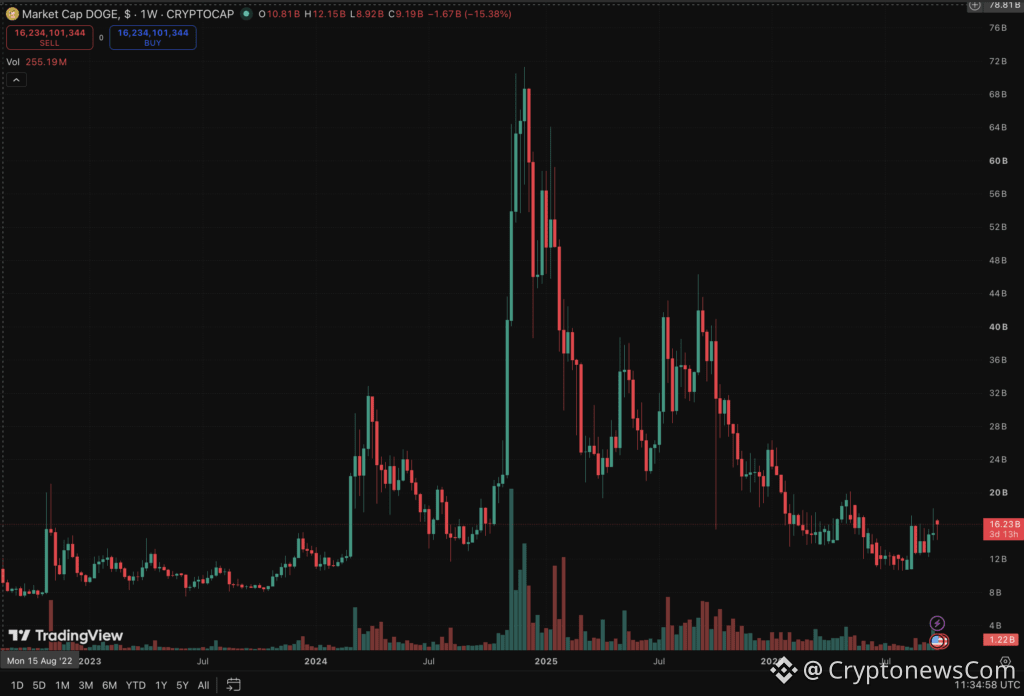
سعر Dogecoin: هل يمكن أن يصل DOGE إلى 1 دولار مع إطلاق شبكة اختبار DogeOS؟يتداول DOGE عند 0.09447 دولارًا، بارتفاع 0.06% خلال 24 ساعة، حيث يوازن المتداولون بين طبقة تطبيق جديدة لـ Dogecoin وبين مقاومة ناتجة عن التكاليف/الارتفاعات. السعر قريب من منطقة إمداد 0.098–0.10 دولار، لكن إطلاق شبكة اختبار لا يعني الشيء نفسه مثل الطلب المستدام على DOGE.
أطلق DogeOS شبكته العامة للاختبار (Chikyu) في 30 سبتمبر. تُمكّن الشبكة المتوافقة مع Ethereum المطورين من إنشاء تطبيقات للتداول والإقراض وغيرها، تستخدم DOGE لدفع رسوم المعاملات. وقد يمنح ذلك الحائزين استخدامات تتجاوز مجرد المدفوعات والمضاربة، إذا حضر المطورون والمستخدمون.
سعر Dogecoin: هل يمكن أن يصل DOGE إلى 1 دولار مع إطلاق شبكة اختبار DogeOS؟
يتداول DOGE عند 0.09447 دولارًا، بارتفاع 0.06% خلال 24 ساعة، حيث يوازن المتداولون بين طبقة تطبيق جديدة لـ Dogecoin وبين مقاومة ناتجة عن التكاليف/الارتفاعات. السعر قريب من منطقة إمداد 0.098–0.10 دولار، لكن إطلاق شبكة اختبار لا يعني الشيء نفسه مثل الطلب المستدام على DOGE.
أطلق DogeOS شبكته العامة للاختبار (Chikyu) في 30 سبتمبر. تُمكّن الشبكة المتوافقة مع Ethereum المطورين من إنشاء تطبيقات للتداول والإقراض وغيرها، تستخدم DOGE لدفع رسوم المعاملات. وقد يمنح ذلك الحائزين استخدامات تتجاوز مجرد المدفوعات والمضاربة، إذا حضر المطورون والمستخدمون.
أطلق DogeOS شبكته العامة للاختبار (Chikyu) في 30 سبتمبر. تُمكّن الشبكة المتوافقة مع Ethereum المطورين من إنشاء تطبيقات للتداول والإقراض وغيرها، تستخدم DOGE لدفع رسوم المعاملات. وقد يمنح ذلك الحائزين استخدامات تتجاوز مجرد المدفوعات والمضاربة، إذا حضر المطورون والمستخدمون.
93
مقالة
Perplexity AI تتوقع نهاية صعودية لعام 2026 لزوج XRP USDتتوقع Perplexity AI أنه في سوق صاعدة كاملة، قد يرتفع XRP إلى 4.25 دولارات بحلول نهاية 2026. قد يبدو ذلك متواضعًا، لكنه سيظل عائدًا جيدًا للمستثمرين خلال الأشهر الثلاثة القادمة.
ترى Perplexity AI شيئًا يتغير تحت سطح السعر: نشاط XRP Ledger يتسارع في حين تتقدم التعرضات المؤسسية وترقيات الشبكة.
قفزت العناوين النشطة بنسبة 84% إلى 43,543 في أغسطس وسبتمبر، بينما تجاوزت المدفوعات اليومية 2.6 مليون. وجود مزيد من المستخدمين والمزيد من المعاملات يمنح ارتفاع XRP شيئًا لا يمكن للمضاربة وحدها توفيره: طلبًا شبكيًا قابلًا للقياس.
Perplexity AI تتوقع نهاية صعودية لعام 2026 لزوج XRP USD
تتوقع Perplexity AI أنه في سوق صاعدة كاملة، قد يرتفع XRP إلى 4.25 دولارات بحلول نهاية 2026. قد يبدو ذلك متواضعًا، لكنه سيظل عائدًا جيدًا للمستثمرين خلال الأشهر الثلاثة القادمة.
ترى Perplexity AI شيئًا يتغير تحت سطح السعر: نشاط XRP Ledger يتسارع في حين تتقدم التعرضات المؤسسية وترقيات الشبكة.
قفزت العناوين النشطة بنسبة 84% إلى 43,543 في أغسطس وسبتمبر، بينما تجاوزت المدفوعات اليومية 2.6 مليون. وجود مزيد من المستخدمين والمزيد من المعاملات يمنح ارتفاع XRP شيئًا لا يمكن للمضاربة وحدها توفيره: طلبًا شبكيًا قابلًا للقياس.
ترى Perplexity AI شيئًا يتغير تحت سطح السعر: نشاط XRP Ledger يتسارع في حين تتقدم التعرضات المؤسسية وترقيات الشبكة.
قفزت العناوين النشطة بنسبة 84% إلى 43,543 في أغسطس وسبتمبر، بينما تجاوزت المدفوعات اليومية 2.6 مليون. وجود مزيد من المستخدمين والمزيد من المعاملات يمنح ارتفاع XRP شيئًا لا يمكن للمضاربة وحدها توفيره: طلبًا شبكيًا قابلًا للقياس.
112
أخبار XRP: يؤدي فتح بقيمة 1.49 مليار دولار إلى غموض صافي المعروضعاد Ripple إلى دائرة الأخبار بعد إطلاق 1 مليار XRP من الحسابات المقيدة (الإسكرو) في أربع معاملات سريعة بقيمة بلغت 1.49 مليار دولار، حيث يختبر XRP مستوى 1.50 دولار. وتُعد عملية الإطلاق هذه حدثًا كبيرًا لإجمالي المعروض (gross supply) بشكل ملحوظ.
تم تحديد المعاملات في الدليل الأساسي على أنها وقعت في 1 أكتوبر، وتضمنت 400 مليون و300 مليون و200 مليون و100 مليون XRP. وبالنسبة للمتداولين الذين يتابعون سعر XRP، فإن التوتر التقني الفوري واضح: فالرمز يضغط على مستوى مقاومة قريب من 1.50 دولار، بينما لا يزال تأثير صافي المعروض غير مؤكَّد.
أخبار XRP: يؤدي فتح بقيمة 1.49 مليار دولار إلى غموض صافي المعروض
عاد Ripple إلى دائرة الأخبار بعد إطلاق 1 مليار XRP من الحسابات المقيدة (الإسكرو) في أربع معاملات سريعة بقيمة بلغت 1.49 مليار دولار، حيث يختبر XRP مستوى 1.50 دولار. وتُعد عملية الإطلاق هذه حدثًا كبيرًا لإجمالي المعروض (gross supply) بشكل ملحوظ.
تم تحديد المعاملات في الدليل الأساسي على أنها وقعت في 1 أكتوبر، وتضمنت 400 مليون و300 مليون و200 مليون و100 مليون XRP. وبالنسبة للمتداولين الذين يتابعون سعر XRP، فإن التوتر التقني الفوري واضح: فالرمز يضغط على مستوى مقاومة قريب من 1.50 دولار، بينما لا يزال تأثير صافي المعروض غير مؤكَّد.
تم تحديد المعاملات في الدليل الأساسي على أنها وقعت في 1 أكتوبر، وتضمنت 400 مليون و300 مليون و200 مليون و100 مليون XRP. وبالنسبة للمتداولين الذين يتابعون سعر XRP، فإن التوتر التقني الفوري واضح: فالرمز يضغط على مستوى مقاومة قريب من 1.50 دولار، بينما لا يزال تأثير صافي المعروض غير مؤكَّد.
3

مقالة
مستقبل كريبتو الصين: الرئيس التنفيذي لشركة سولانا جوزيف تشي حول التنظيميتوقع الرئيس التنفيذي لشركة سولانا، جوزيف تشي، أن تستوعب الصين في نهاية المطاف المزيد من النشاطات المتعلقة بالعملات المشفرة تحت رقابة صارمة، وهو ما تنبأ به في مقابلة أجراها على هامش أسبوع كوريا للبلوك تشين.
عاجل: يقول الرئيس التنفيذي لشركة سولانا، جوزيف تشي، إن الصين ستجد في نهاية المطاف "طريقة لإدارة العملات المشفرة"، مع ترجيح أن يظل هونغ كونغ الساحة الرئيسية للاختبار، وفقًا لـ WSJ. pic.twitter.com/v6nLO3FSR5
— شِروان كومار (@Shrawan_akumar) 1 أكتوبر 2026
كانت الصين في السابق مركزًا رئيسيًا لتداول بيتكوين واستخراجها، لكن السلطات داخل البر الرئيسي أمرت بإغلاق منصات تداول العملات المشفرة المحلية وحظرت جمع الأموال عبر الرموز الرقمية الجديدة في عام 2017. تمنح هذه الخلفية وجهة نظر تشي ارتباطًا بالسوق، لكنها أيضًا تضع معيارًا مرتفعًا للتعامل مع أي تغيير محتمل في المستقبل باعتباره محفزًا مُثبتًا.
مستقبل كريبتو الصين: الرئيس التنفيذي لشركة سولانا جوزيف تشي حول التنظيم
يتوقع الرئيس التنفيذي لشركة سولانا، جوزيف تشي، أن تستوعب الصين في نهاية المطاف المزيد من النشاطات المتعلقة بالعملات المشفرة تحت رقابة صارمة، وهو ما تنبأ به في مقابلة أجراها على هامش أسبوع كوريا للبلوك تشين.
عاجل: يقول الرئيس التنفيذي لشركة سولانا، جوزيف تشي، إن الصين ستجد في نهاية المطاف "طريقة لإدارة العملات المشفرة"، مع ترجيح أن يظل هونغ كونغ الساحة الرئيسية للاختبار، وفقًا لـ WSJ. pic.twitter.com/v6nLO3FSR5
— شِروان كومار (@Shrawan_akumar) 1 أكتوبر 2026
كانت الصين في السابق مركزًا رئيسيًا لتداول بيتكوين واستخراجها، لكن السلطات داخل البر الرئيسي أمرت بإغلاق منصات تداول العملات المشفرة المحلية وحظرت جمع الأموال عبر الرموز الرقمية الجديدة في عام 2017. تمنح هذه الخلفية وجهة نظر تشي ارتباطًا بالسوق، لكنها أيضًا تضع معيارًا مرتفعًا للتعامل مع أي تغيير محتمل في المستقبل باعتباره محفزًا مُثبتًا.
عاجل: يقول الرئيس التنفيذي لشركة سولانا، جوزيف تشي، إن الصين ستجد في نهاية المطاف "طريقة لإدارة العملات المشفرة"، مع ترجيح أن يظل هونغ كونغ الساحة الرئيسية للاختبار، وفقًا لـ WSJ. pic.twitter.com/v6nLO3FSR5
— شِروان كومار (@Shrawan_akumar) 1 أكتوبر 2026
كانت الصين في السابق مركزًا رئيسيًا لتداول بيتكوين واستخراجها، لكن السلطات داخل البر الرئيسي أمرت بإغلاق منصات تداول العملات المشفرة المحلية وحظرت جمع الأموال عبر الرموز الرقمية الجديدة في عام 2017. تمنح هذه الخلفية وجهة نظر تشي ارتباطًا بالسوق، لكنها أيضًا تضع معيارًا مرتفعًا للتعامل مع أي تغيير محتمل في المستقبل باعتباره محفزًا مُثبتًا.
مقالة
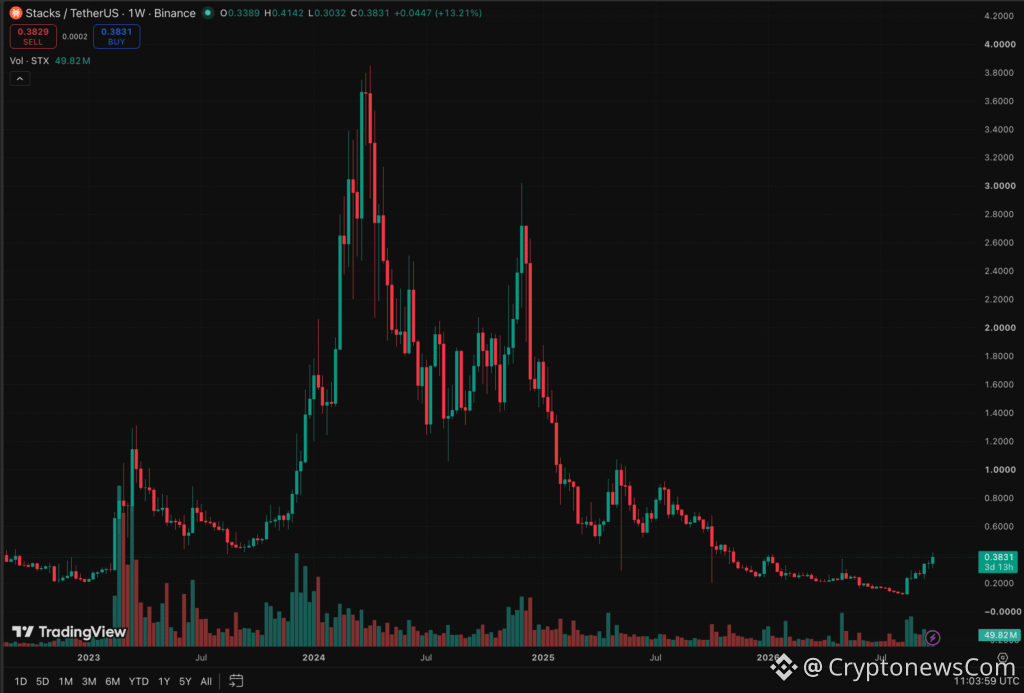
تشتعل عملة Stacks المشفرة بين ليلة وضحاها مع ارتفاع سعر STX +30%يتم تداول عملة Stacks المشفرة عند 0.385 دولار، مرتفعة بنسبة +19% خلال 24 ساعة على CoinGecko، بعد اختراق حاد دفع الرمز إلى ما فوق منطقة مقاومة 0.34 دولار. وقد شهدت STX أداءً قوياً خلال الشهر الماضي، مسجلة مكسباً قدره +50% في سبتمبر.
مؤسس شركة Stacks، مونيب علي، من المقرر أن يتولى منصب الرئيس التنفيذي لشركة Stacks Labs في 15 أكتوبر، مع دخول المشروع ما تصفه الشركة بأنه مرحلة نمو. وتأتي هذه المحفزات إلى جانب تقارير تفيد بأن أربع مؤسسات قامت بربط حوالي 250 بيتكوين في "Genesis Bond"؛ وكانت تقارير سابقة قد أشارت إلى 230 بيتكوين و310,000 STX خلال الأيام الـ14 الأولى من البرنامج.
تشتعل عملة Stacks المشفرة بين ليلة وضحاها مع ارتفاع سعر STX +30%
يتم تداول عملة Stacks المشفرة عند 0.385 دولار، مرتفعة بنسبة +19% خلال 24 ساعة على CoinGecko، بعد اختراق حاد دفع الرمز إلى ما فوق منطقة مقاومة 0.34 دولار. وقد شهدت STX أداءً قوياً خلال الشهر الماضي، مسجلة مكسباً قدره +50% في سبتمبر.
مؤسس شركة Stacks، مونيب علي، من المقرر أن يتولى منصب الرئيس التنفيذي لشركة Stacks Labs في 15 أكتوبر، مع دخول المشروع ما تصفه الشركة بأنه مرحلة نمو. وتأتي هذه المحفزات إلى جانب تقارير تفيد بأن أربع مؤسسات قامت بربط حوالي 250 بيتكوين في "Genesis Bond"؛ وكانت تقارير سابقة قد أشارت إلى 230 بيتكوين و310,000 STX خلال الأيام الـ14 الأولى من البرنامج.
مؤسس شركة Stacks، مونيب علي، من المقرر أن يتولى منصب الرئيس التنفيذي لشركة Stacks Labs في 15 أكتوبر، مع دخول المشروع ما تصفه الشركة بأنه مرحلة نمو. وتأتي هذه المحفزات إلى جانب تقارير تفيد بأن أربع مؤسسات قامت بربط حوالي 250 بيتكوين في "Genesis Bond"؛ وكانت تقارير سابقة قد أشارت إلى 230 بيتكوين و310,000 STX خلال الأيام الـ14 الأولى من البرنامج.
232

مقالة
حسابات إعادة شراء عملة إيثينا المشفرة تختبر هدف 2 دولار لـ ENAتتوقع ستاندرد تشارترد أن ينمو المعروض من العملات الرقمية الخاصة بإيثينا USDe بثمانية أضعاف ليصل إلى 40 مليار دولار بنهاية عام 2028، وقد بدأت تغطية ENA بهدف 2 دولار، وهو ما يعادل تقريبًا سبع مرات سعر الإشارة 0.28 دولار في تقريرها.
تطرح التوقعات سؤالًا حول التقييم قبل الوصول إلى سعر الهدف: هل يمكن أن يتوسع العائد المتنوع وإعادة شراء الأسهم بسرعة كافية لدعم هذا إعادة التسعير؟
BREAKING
ستاندرد تشارترد @StanChart يبدأ تغطية إيثينا @ethena
تتوقع فوركتasts $ENA أن ترتفع 10 مرات إلى $2 بحلول عام 2028 pic.twitter.com/naK4nsLNlA
حسابات إعادة شراء عملة إيثينا المشفرة تختبر هدف 2 دولار لـ ENA
تتوقع ستاندرد تشارترد أن ينمو المعروض من العملات الرقمية الخاصة بإيثينا USDe بثمانية أضعاف ليصل إلى 40 مليار دولار بنهاية عام 2028، وقد بدأت تغطية ENA بهدف 2 دولار، وهو ما يعادل تقريبًا سبع مرات سعر الإشارة 0.28 دولار في تقريرها.
تطرح التوقعات سؤالًا حول التقييم قبل الوصول إلى سعر الهدف: هل يمكن أن يتوسع العائد المتنوع وإعادة شراء الأسهم بسرعة كافية لدعم هذا إعادة التسعير؟
BREAKING
ستاندرد تشارترد @StanChart يبدأ تغطية إيثينا @ethena
تتوقع فوركتasts $ENA أن ترتفع 10 مرات إلى $2 بحلول عام 2028 pic.twitter.com/naK4nsLNlA
تطرح التوقعات سؤالًا حول التقييم قبل الوصول إلى سعر الهدف: هل يمكن أن يتوسع العائد المتنوع وإعادة شراء الأسهم بسرعة كافية لدعم هذا إعادة التسعير؟
BREAKING
ستاندرد تشارترد @StanChart يبدأ تغطية إيثينا @ethena
تتوقع فوركتasts $ENA أن ترتفع 10 مرات إلى $2 بحلول عام 2028 pic.twitter.com/naK4nsLNlA
264
مقالة
LeveX تُطلق بطولات تداول شهرية، بدءًا بمسابقة نقدية بقيمة 5,000 دولارأطلقت LeveX Harvest Your Gains، وهي الأولى في سلسلة جديدة من بطولات التداول الشهرية. تمتد من 1 أكتوبر إلى 31 أكتوبر 2026، وتقدم المنافسة مبلغًا إجماليًا قدره 5,000 دولار كحافز نقدي على شكل مكافأة Cash Bonus بعملة USDT عبر ثلاث قوائم ترتيب، حيث يحصل المتداولون الـ25 الأوائل في كل قائمة على الجوائز.
يحتسب كل زوج عقود دائمة (Perpetual) على LeveX ضمن البطولة، لذا يتنافس المتداولون في الأسواق التي يتداولونها بالفعل بدلًا من دفعهم إلى عملة واحدة. ينضم المتداولون إلى البطولة من صفحة البطولة، وبمجرد أن يتجاوز حجم تداولاتهم الآجلة بعد الانضمام 1,000 دولار، يصبحون مؤهلين لقوائم الترتيب.
LeveX تُطلق بطولات تداول شهرية، بدءًا بمسابقة نقدية بقيمة 5,000 دولار
أطلقت LeveX Harvest Your Gains، وهي الأولى في سلسلة جديدة من بطولات التداول الشهرية. تمتد من 1 أكتوبر إلى 31 أكتوبر 2026، وتقدم المنافسة مبلغًا إجماليًا قدره 5,000 دولار كحافز نقدي على شكل مكافأة Cash Bonus بعملة USDT عبر ثلاث قوائم ترتيب، حيث يحصل المتداولون الـ25 الأوائل في كل قائمة على الجوائز.
يحتسب كل زوج عقود دائمة (Perpetual) على LeveX ضمن البطولة، لذا يتنافس المتداولون في الأسواق التي يتداولونها بالفعل بدلًا من دفعهم إلى عملة واحدة. ينضم المتداولون إلى البطولة من صفحة البطولة، وبمجرد أن يتجاوز حجم تداولاتهم الآجلة بعد الانضمام 1,000 دولار، يصبحون مؤهلين لقوائم الترتيب.
يحتسب كل زوج عقود دائمة (Perpetual) على LeveX ضمن البطولة، لذا يتنافس المتداولون في الأسواق التي يتداولونها بالفعل بدلًا من دفعهم إلى عملة واحدة. ينضم المتداولون إلى البطولة من صفحة البطولة، وبمجرد أن يتجاوز حجم تداولاتهم الآجلة بعد الانضمام 1,000 دولار، يصبحون مؤهلين لقوائم الترتيب.
8
مقالة
توقعات سعر XRP: ريبل تستهدف 4 أشهر خضراء متتالية في أكتوبرتوقعات سعر XRP تبدو صعودية قليلًا حيث يدخل أكتوبر عند 1.50 دولار، ويتداول المتداولون فيما إذا كان التقدم في سبتمبر يمكن أن يمدّ مسيرة الرمز إلى أربعة أشهر خضراء متتالية. يعكس هذا الترتيب إشارات إيجابية، لكن نطاق المقاومة 1.55–1.60 لم يتح بعد.
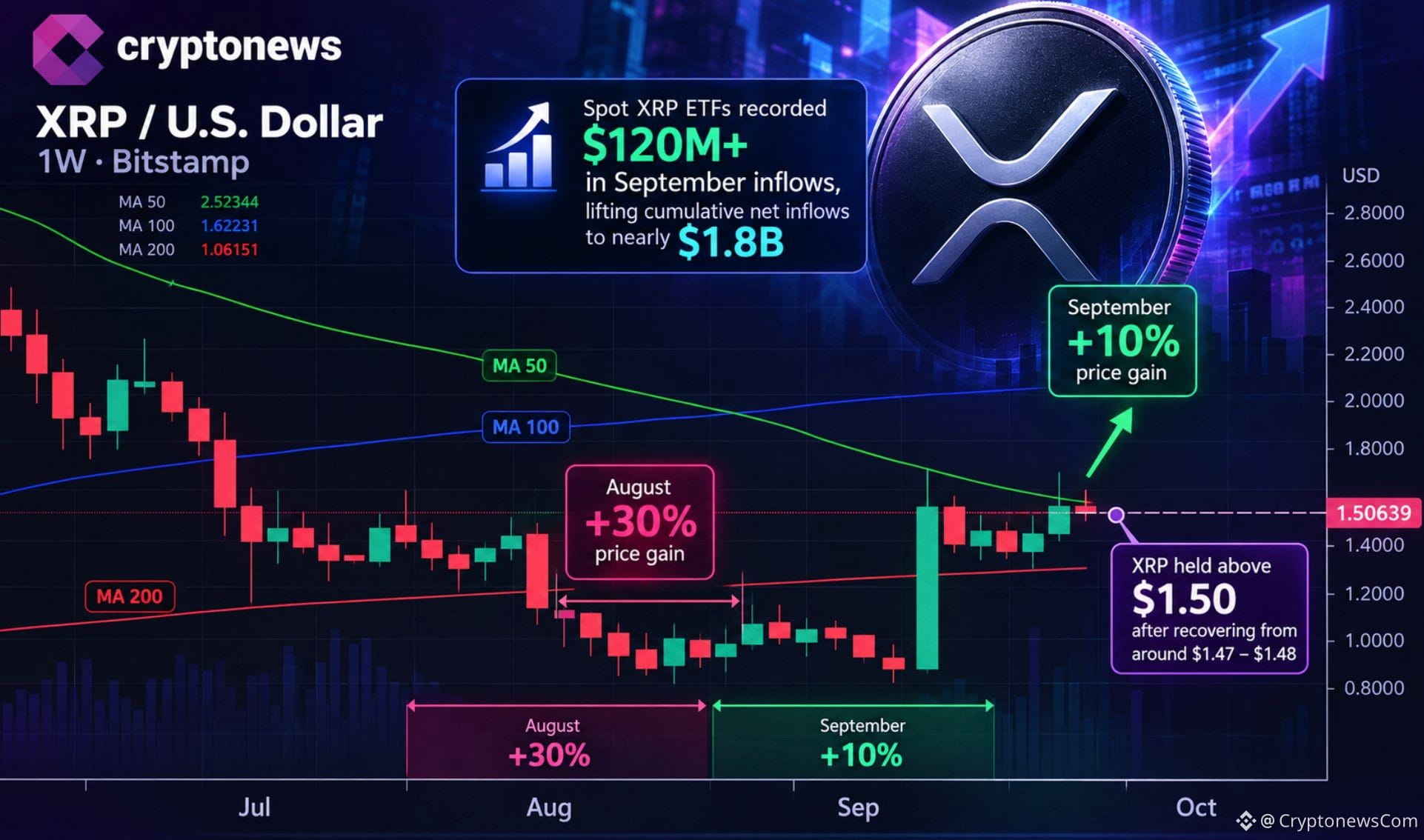
أضاف سبتمبر للتو ما يزيد قليلًا عن 10% إلى سعر XRP، بعد مكسب 30% في أغسطس. وسجلت صناديق XRP الفورية المتداولة أكثر من 120 مليون دولار في تدفقات شهر سبتمبر، ما رفع إجمالي صافي التدفقات إلى قرابة 1.8 مليار دولار، بينما ظل XRP فوق 1.50 دولار بعد التعافي من حوالي 1.47–1.48.
توقعات سعر XRP: ريبل تستهدف 4 أشهر خضراء متتالية في أكتوبر
توقعات سعر XRP تبدو صعودية قليلًا حيث يدخل أكتوبر عند 1.50 دولار، ويتداول المتداولون فيما إذا كان التقدم في سبتمبر يمكن أن يمدّ مسيرة الرمز إلى أربعة أشهر خضراء متتالية. يعكس هذا الترتيب إشارات إيجابية، لكن نطاق المقاومة 1.55–1.60 لم يتح بعد.
أضاف سبتمبر للتو ما يزيد قليلًا عن 10% إلى سعر XRP، بعد مكسب 30% في أغسطس. وسجلت صناديق XRP الفورية المتداولة أكثر من 120 مليون دولار في تدفقات شهر سبتمبر، ما رفع إجمالي صافي التدفقات إلى قرابة 1.8 مليار دولار، بينما ظل XRP فوق 1.50 دولار بعد التعافي من حوالي 1.47–1.48.
أضاف سبتمبر للتو ما يزيد قليلًا عن 10% إلى سعر XRP، بعد مكسب 30% في أغسطس. وسجلت صناديق XRP الفورية المتداولة أكثر من 120 مليون دولار في تدفقات شهر سبتمبر، ما رفع إجمالي صافي التدفقات إلى قرابة 1.8 مليار دولار، بينما ظل XRP فوق 1.50 دولار بعد التعافي من حوالي 1.47–1.48.
4
مقالة
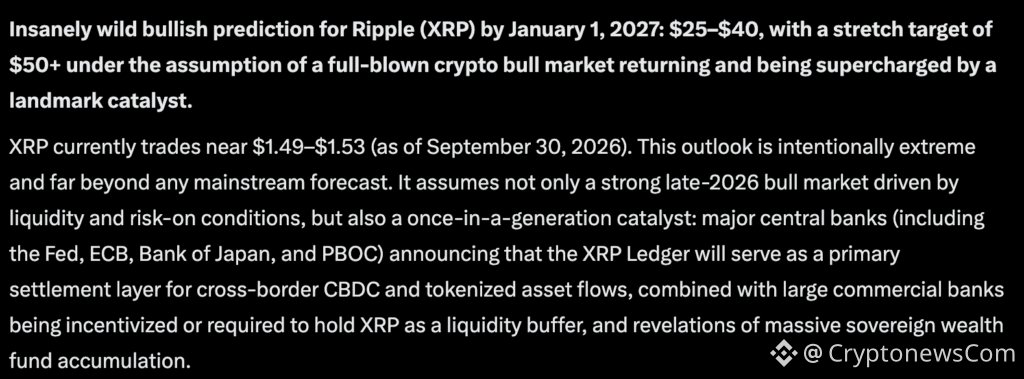
Perplexity AI تتوقع هدفًا جنونيًا لسعر 40 دولارًا لـ XRP: كيف وصلوا إلى ذلك؟تتوقع Perplexity AI شيئًا يندر أن تفعله قلة من المحللين أو النماذج الأخرى للذكاء الاصطناعي. فقد قدمت توقعًا صعوديًا شديد الجنون لعملة الريبل (XRP) بحلول 1 يناير 2027: 25–40 دولارًا، مع هدف ممتد يصل إلى 50+ دولارًا بافتراض عودة سوق كريبتو صاعد بالكامل، مع تعزيز قوي بفضل محفّز بارز يغيّر قواعد اللعبة.
تتداول XRP قرب 1.49–1.53 دولارًا اعتبارًا من 30 سبتمبر 2026. تستند هذه النظرة المضاربية إلى افتراض سوق صاعدة قوية في أواخر 2026 مدفوعة بإعلانات من كبريات البنوك المركزية تُعلن عن XRP Ledger كطبقة تسوية أساسية للـCBDCs عبر الحدود وللأصول المرمّزة (tokenized assets).
Perplexity AI تتوقع هدفًا جنونيًا لسعر 40 دولارًا لـ XRP: كيف وصلوا إلى ذلك؟
تتوقع Perplexity AI شيئًا يندر أن تفعله قلة من المحللين أو النماذج الأخرى للذكاء الاصطناعي. فقد قدمت توقعًا صعوديًا شديد الجنون لعملة الريبل (XRP) بحلول 1 يناير 2027: 25–40 دولارًا، مع هدف ممتد يصل إلى 50+ دولارًا بافتراض عودة سوق كريبتو صاعد بالكامل، مع تعزيز قوي بفضل محفّز بارز يغيّر قواعد اللعبة.
تتداول XRP قرب 1.49–1.53 دولارًا اعتبارًا من 30 سبتمبر 2026. تستند هذه النظرة المضاربية إلى افتراض سوق صاعدة قوية في أواخر 2026 مدفوعة بإعلانات من كبريات البنوك المركزية تُعلن عن XRP Ledger كطبقة تسوية أساسية للـCBDCs عبر الحدود وللأصول المرمّزة (tokenized assets).
تتداول XRP قرب 1.49–1.53 دولارًا اعتبارًا من 30 سبتمبر 2026. تستند هذه النظرة المضاربية إلى افتراض سوق صاعدة قوية في أواخر 2026 مدفوعة بإعلانات من كبريات البنوك المركزية تُعلن عن XRP Ledger كطبقة تسوية أساسية للـCBDCs عبر الحدود وللأصول المرمّزة (tokenized assets).
190

مقالة
سعر XRP يصارع مستويات المقاومة مع ظهور شائعات عن BlackRockيتداول سعر XRP قرب $1.51 بعد أن انخفض بنحو 5% خلال أسبوع، بالتزامن مع تجدد شائعات BlackRock بشأن صندوق ETF فوري لعملة XRP. يتمثل التوتر الفوري في ما إذا كانت الأموال القائمة قد اجتذبت طلبًا كافيًا لتبرير دخول BlackRock بينما تختبر XRP منطقة دعم محورية.
نقاط القرار القريبة تتمثل في $1.45 على الجانب السلبي و$1.55-$1.56 على الجانب الإيجابي. وهذا يجعل توقعات سعر XRP تعتمد على تأكيد السعر. لا يزال الرمز أقل بنحو 59% عن أعلى مستوى قياسي له عند $3.65 في يوليو 2025.
تمتلك سبعة صناديق أمريكية أخرى متداولة فورية لعملة XRP حوالي 1.77 مليار دولار من الأصول وحوالي 1.18 مليار XRP، أي ما يعادل 1.9% من المعروض المتداول. وقد اجتذبت الصناديق حوالي 1.79 مليار دولار من الاستثمارات بعد عمليات السحب، بينما ارتفعت المساهمات بحوالي 76 مليون دولار في الأسبوع السابق.
سعر XRP يصارع مستويات المقاومة مع ظهور شائعات عن BlackRock
يتداول سعر XRP قرب $1.51 بعد أن انخفض بنحو 5% خلال أسبوع، بالتزامن مع تجدد شائعات BlackRock بشأن صندوق ETF فوري لعملة XRP. يتمثل التوتر الفوري في ما إذا كانت الأموال القائمة قد اجتذبت طلبًا كافيًا لتبرير دخول BlackRock بينما تختبر XRP منطقة دعم محورية.
نقاط القرار القريبة تتمثل في $1.45 على الجانب السلبي و$1.55-$1.56 على الجانب الإيجابي. وهذا يجعل توقعات سعر XRP تعتمد على تأكيد السعر. لا يزال الرمز أقل بنحو 59% عن أعلى مستوى قياسي له عند $3.65 في يوليو 2025.
تمتلك سبعة صناديق أمريكية أخرى متداولة فورية لعملة XRP حوالي 1.77 مليار دولار من الأصول وحوالي 1.18 مليار XRP، أي ما يعادل 1.9% من المعروض المتداول. وقد اجتذبت الصناديق حوالي 1.79 مليار دولار من الاستثمارات بعد عمليات السحب، بينما ارتفعت المساهمات بحوالي 76 مليون دولار في الأسبوع السابق.
نقاط القرار القريبة تتمثل في $1.45 على الجانب السلبي و$1.55-$1.56 على الجانب الإيجابي. وهذا يجعل توقعات سعر XRP تعتمد على تأكيد السعر. لا يزال الرمز أقل بنحو 59% عن أعلى مستوى قياسي له عند $3.65 في يوليو 2025.
تمتلك سبعة صناديق أمريكية أخرى متداولة فورية لعملة XRP حوالي 1.77 مليار دولار من الأصول وحوالي 1.18 مليار XRP، أي ما يعادل 1.9% من المعروض المتداول. وقد اجتذبت الصناديق حوالي 1.79 مليار دولار من الاستثمارات بعد عمليات السحب، بينما ارتفعت المساهمات بحوالي 76 مليون دولار في الأسبوع السابق.
15

مقالة
اختبار سعر البيتكوين لـ $83,000 قبل إصدار تضخم PCE المهميتداول سعر البيتكوين عند $83,000 قبل إصدار PCE الأساسي لشهر أغسطس، أي أعلى بنسبة 0.71% فقط من أدنى مستوى خلال 24 ساعة عند $82,700، ما يترك مرجعاً هبوطياً ضيقاً في دائرة الضوء مع اقتراب تقرير التضخم. السؤال الفوري هو ما إذا كان مستوى شهري مُقدّر بين 0.3% و0.5% سيغير توقعات الاحتياطي الفيدرالي بما يكفي لدفع BTC تحت ذلك القاع.
لم يتم تأكيد نتيجة التضخم لشهر أغسطس بعد. نطاق ما قبل الإصدار لدى البيتكوين يقدم اختباراً واضحاً قصير الأجل. ينتقل تأثير الاقتصاد الكلي عبر الفائدة: قراءة أعلى لِـ PCE الأساسي قد تعزز توقعات سياسة نقدية أكثر تشددًا، بينما قد تُخفف قراءة أضعف الضغط على الأصول عالية المخاطر.
اختبار سعر البيتكوين لـ $83,000 قبل إصدار تضخم PCE المهم
يتداول سعر البيتكوين عند $83,000 قبل إصدار PCE الأساسي لشهر أغسطس، أي أعلى بنسبة 0.71% فقط من أدنى مستوى خلال 24 ساعة عند $82,700، ما يترك مرجعاً هبوطياً ضيقاً في دائرة الضوء مع اقتراب تقرير التضخم. السؤال الفوري هو ما إذا كان مستوى شهري مُقدّر بين 0.3% و0.5% سيغير توقعات الاحتياطي الفيدرالي بما يكفي لدفع BTC تحت ذلك القاع.
لم يتم تأكيد نتيجة التضخم لشهر أغسطس بعد. نطاق ما قبل الإصدار لدى البيتكوين يقدم اختباراً واضحاً قصير الأجل. ينتقل تأثير الاقتصاد الكلي عبر الفائدة: قراءة أعلى لِـ PCE الأساسي قد تعزز توقعات سياسة نقدية أكثر تشددًا، بينما قد تُخفف قراءة أضعف الضغط على الأصول عالية المخاطر.
لم يتم تأكيد نتيجة التضخم لشهر أغسطس بعد. نطاق ما قبل الإصدار لدى البيتكوين يقدم اختباراً واضحاً قصير الأجل. ينتقل تأثير الاقتصاد الكلي عبر الفائدة: قراءة أعلى لِـ PCE الأساسي قد تعزز توقعات سياسة نقدية أكثر تشددًا، بينما قد تُخفف قراءة أضعف الضغط على الأصول عالية المخاطر.
9
مقالة
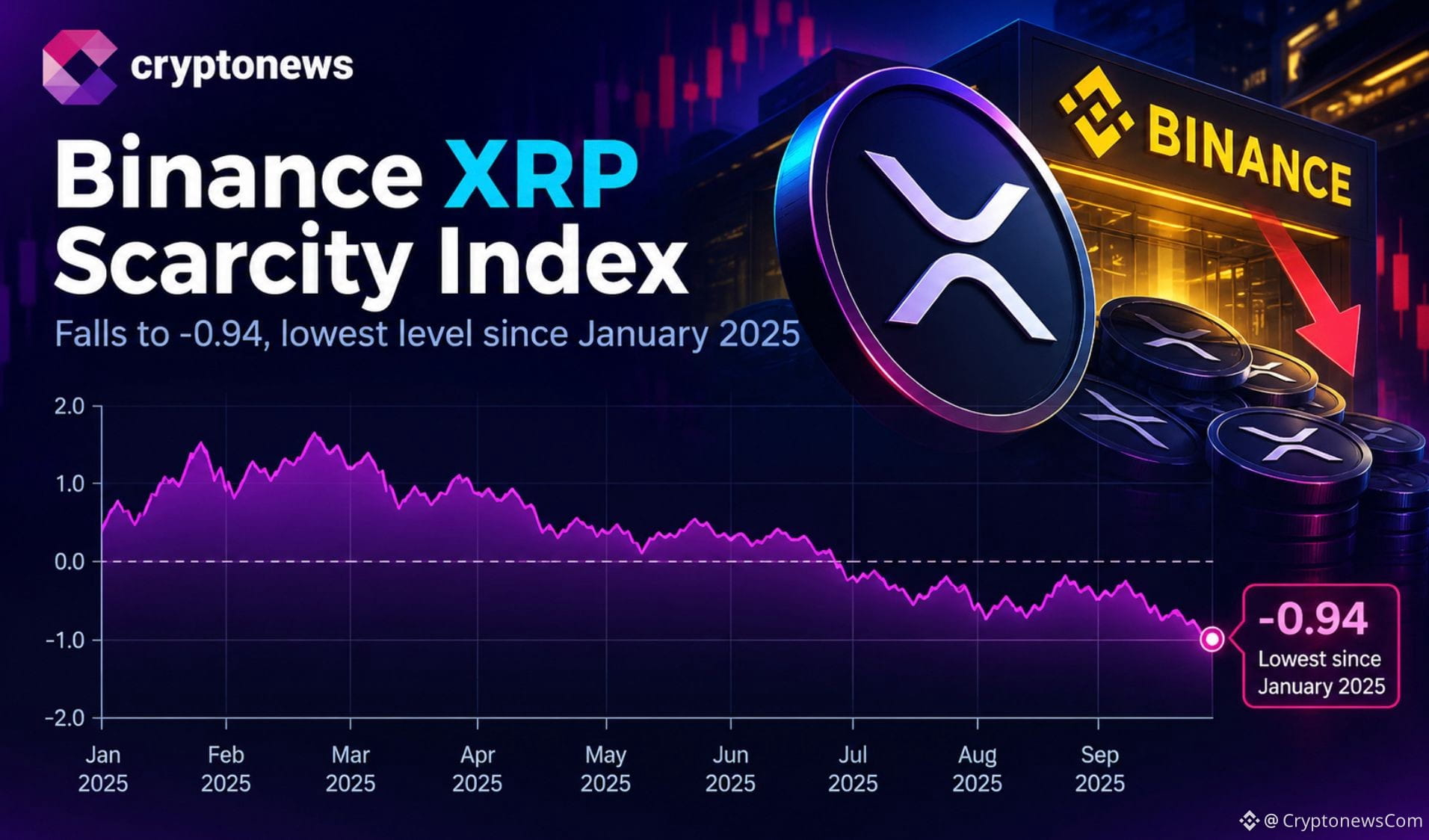
توقع سعر XRP: مؤشر ندرة Binance لـ XRP يسجل أدنى مستوى خلال 20 شهرًايتم تداول XRP عند 1.50 دولار، بانخفاض يزيد عن 1% خلال 24 ساعة، بينما يشير مؤشر الندرة لدى Binance إلى انعكاس حاد في ظروف إمدادات البورصات، ما يميل بتوقعات السعر إلى جانب هبوطي. انخفضت القراءة من أعلى مستوى خلال عامين في يوليو إلى أدنى نقطة لها منذ يناير 2025.
ماذا يعني ذلك؟ كلما زادت كمية XRP المتاحة في البورصة، يمكن أن يصبح البيع أسهل، ما يختبر سعرها لمعرفة ما إذا كان يمكنه استعادة 1.50 دولار والتمسك به.
تقرير بيانات CryptoQuant حول مؤشر الندرة يضع القراءة عند -0.94، مقابل 0.77 في يوليو. ارتدّت عملة XRP نفسها مؤخرًا قرب 1.47 دولار بعد تراجع يقارب 9.7% عن أعلى مستوى أسبوعي، بينما أفادت التقارير بأن الفائدة المفتوحة بلغت أعلى مستوى لها منذ أغسطس 2025.
توقع سعر XRP: مؤشر ندرة Binance لـ XRP يسجل أدنى مستوى خلال 20 شهرًا
يتم تداول XRP عند 1.50 دولار، بانخفاض يزيد عن 1% خلال 24 ساعة، بينما يشير مؤشر الندرة لدى Binance إلى انعكاس حاد في ظروف إمدادات البورصات، ما يميل بتوقعات السعر إلى جانب هبوطي. انخفضت القراءة من أعلى مستوى خلال عامين في يوليو إلى أدنى نقطة لها منذ يناير 2025.
ماذا يعني ذلك؟ كلما زادت كمية XRP المتاحة في البورصة، يمكن أن يصبح البيع أسهل، ما يختبر سعرها لمعرفة ما إذا كان يمكنه استعادة 1.50 دولار والتمسك به.
تقرير بيانات CryptoQuant حول مؤشر الندرة يضع القراءة عند -0.94، مقابل 0.77 في يوليو. ارتدّت عملة XRP نفسها مؤخرًا قرب 1.47 دولار بعد تراجع يقارب 9.7% عن أعلى مستوى أسبوعي، بينما أفادت التقارير بأن الفائدة المفتوحة بلغت أعلى مستوى لها منذ أغسطس 2025.
ماذا يعني ذلك؟ كلما زادت كمية XRP المتاحة في البورصة، يمكن أن يصبح البيع أسهل، ما يختبر سعرها لمعرفة ما إذا كان يمكنه استعادة 1.50 دولار والتمسك به.
تقرير بيانات CryptoQuant حول مؤشر الندرة يضع القراءة عند -0.94، مقابل 0.77 في يوليو. ارتدّت عملة XRP نفسها مؤخرًا قرب 1.47 دولار بعد تراجع يقارب 9.7% عن أعلى مستوى أسبوعي، بينما أفادت التقارير بأن الفائدة المفتوحة بلغت أعلى مستوى لها منذ أغسطس 2025.
1
7

مقالة
إحصاءات Polymarket الخاصة بلجنة FOMC: تثبيت سعر الفائدة يستعيد الأفضلية في تسعير أكتوبروضعت بيانات سوق Polymarket احتمالات إجراء رفع بمقدار 25 نقطة أساس من جانب الاحتياطي الفيدرالي في اجتماع 27–28 أكتوبر للجنة السوق المفتوحة الفيدرالية (FOMC) عند 41.5% في 30 سبتمبر، بانخفاض قدره 27 نقطة مئوية خلال 24 ساعة، بينما ارتفعت احتمالات عدم التغيير إلى 58.5%.
يضع هذا التحول توقفًا في المقدمة، لكنه لا يحسم ما إذا كان صناع السياسات يتوقفون مؤقتًا أو يؤجلون زيادة أخرى. تعكس الخطوة جزءًا كبيرًا من علاوة التسعير الخاصة بالرفع التي تم الإبلاغ عنها في الفترة من 25 إلى 26 سبتمبر، عندما كانت تسعيرات Polymarket بنحو 66.5%–67% لاحتمال إجراء رفع.
إحصاءات: احتمالات رفع الفيدرالي الأمريكي في أكتوبر تنخفض إلى نحو 50%
إحصاءات Polymarket الخاصة بلجنة FOMC: تثبيت سعر الفائدة يستعيد الأفضلية في تسعير أكتوبر
وضعت بيانات سوق Polymarket احتمالات إجراء رفع بمقدار 25 نقطة أساس من جانب الاحتياطي الفيدرالي في اجتماع 27–28 أكتوبر للجنة السوق المفتوحة الفيدرالية (FOMC) عند 41.5% في 30 سبتمبر، بانخفاض قدره 27 نقطة مئوية خلال 24 ساعة، بينما ارتفعت احتمالات عدم التغيير إلى 58.5%.
يضع هذا التحول توقفًا في المقدمة، لكنه لا يحسم ما إذا كان صناع السياسات يتوقفون مؤقتًا أو يؤجلون زيادة أخرى. تعكس الخطوة جزءًا كبيرًا من علاوة التسعير الخاصة بالرفع التي تم الإبلاغ عنها في الفترة من 25 إلى 26 سبتمبر، عندما كانت تسعيرات Polymarket بنحو 66.5%–67% لاحتمال إجراء رفع.
إحصاءات: احتمالات رفع الفيدرالي الأمريكي في أكتوبر تنخفض إلى نحو 50%
يضع هذا التحول توقفًا في المقدمة، لكنه لا يحسم ما إذا كان صناع السياسات يتوقفون مؤقتًا أو يؤجلون زيادة أخرى. تعكس الخطوة جزءًا كبيرًا من علاوة التسعير الخاصة بالرفع التي تم الإبلاغ عنها في الفترة من 25 إلى 26 سبتمبر، عندما كانت تسعيرات Polymarket بنحو 66.5%–67% لاحتمال إجراء رفع.
إحصاءات: احتمالات رفع الفيدرالي الأمريكي في أكتوبر تنخفض إلى نحو 50%
54
مقالة
قضية العملات المشفّرة الخاصة بـ"Pokemon": جامع يواجه المحاكمة بشأن عملية اختراق بقيمة 55 مليون دولارتدّعي لائحة اتهام أمريكية أن استغلالين لعملات مشفّرة مرتبطين بـ"Uranium Finance" انتقلا عبر "Tornado Cash" قبل استخدامهما لشراء بطاقات "Pokemon" وغيرها من المقتنيات. الاتهامات الموجهة إلى "Jonathan Spalletta" تظل مزاعم، وليست حكماً قضائياً بإدانته.
يصف بيان إعلان لائحة اتهام صادر عن وزارة العدل الأمريكية في 30 مارس 2026 عمليات الاختراق المزعومة، ومسار غسل الأموال، وعمليات الشراء.
كانت "Uranium" عبارة عن بورصة عملات مشفّرة لامركزية سمحت للمستخدمين بإيداع الأصول وتبادلها عبر مجموعات السيولة. ويزعم المدعون أن "Spalletta" استغل عقودها الذكية مرتين في أبريل 2021، محوّلاً نقاط الضعف في منطق عمليات السحب والمكافآت إلى خسائر كبيرة للبورصة ومستخدميها.
قضية العملات المشفّرة الخاصة بـ"Pokemon": جامع يواجه المحاكمة بشأن عملية اختراق بقيمة 55 مليون دولار
تدّعي لائحة اتهام أمريكية أن استغلالين لعملات مشفّرة مرتبطين بـ"Uranium Finance" انتقلا عبر "Tornado Cash" قبل استخدامهما لشراء بطاقات "Pokemon" وغيرها من المقتنيات. الاتهامات الموجهة إلى "Jonathan Spalletta" تظل مزاعم، وليست حكماً قضائياً بإدانته.
يصف بيان إعلان لائحة اتهام صادر عن وزارة العدل الأمريكية في 30 مارس 2026 عمليات الاختراق المزعومة، ومسار غسل الأموال، وعمليات الشراء.
كانت "Uranium" عبارة عن بورصة عملات مشفّرة لامركزية سمحت للمستخدمين بإيداع الأصول وتبادلها عبر مجموعات السيولة. ويزعم المدعون أن "Spalletta" استغل عقودها الذكية مرتين في أبريل 2021، محوّلاً نقاط الضعف في منطق عمليات السحب والمكافآت إلى خسائر كبيرة للبورصة ومستخدميها.
يصف بيان إعلان لائحة اتهام صادر عن وزارة العدل الأمريكية في 30 مارس 2026 عمليات الاختراق المزعومة، ومسار غسل الأموال، وعمليات الشراء.
كانت "Uranium" عبارة عن بورصة عملات مشفّرة لامركزية سمحت للمستخدمين بإيداع الأصول وتبادلها عبر مجموعات السيولة. ويزعم المدعون أن "Spalletta" استغل عقودها الذكية مرتين في أبريل 2021، محوّلاً نقاط الضعف في منطق عمليات السحب والمكافآت إلى خسائر كبيرة للبورصة ومستخدميها.
133

مقالة
تكامل Worldcoin مع PeaqOS يجلب World ID لوكلاء الذكاء الاصطناعي: هل يمكن لسعر WLD أن يحافظ على 0.50 دولار؟تتداول Worldcoin قرب 0.501 دولار مع انتقال تقنية التحقق من الهوية إلى حالة استخدام عملية في اقتصاد مُصطنع بالآلات. ظل WLD ثابتًا خلال الـ 24 ساعة الماضية بعد ارتفاع أسبوعي بنسبة +9%. السؤال الرئيسي هو ما إذا كان هذا الارتداد يمكنه الصمود فوق دعم 0.50 دولار، أم أن القصة الأكبر تكمن في عملية التكامل نفسها.
قامت Peaq بدمج World ID داخل peaqOS، مما يتيح للأجهزة المتصلة طلب إثبات بأن شخصًا ما هو إنسان حقيقي وفريد من نوعه دون تلقي معلومات تعريفية.
تقوم PeaqOS بتطبيق World ID للتنسيق بين الإنسان والآلة مع الحفاظ على الخصوصية
تكامل Worldcoin مع PeaqOS يجلب World ID لوكلاء الذكاء الاصطناعي: هل يمكن لسعر WLD أن يحافظ على 0.50 دولار؟
تتداول Worldcoin قرب 0.501 دولار مع انتقال تقنية التحقق من الهوية إلى حالة استخدام عملية في اقتصاد مُصطنع بالآلات. ظل WLD ثابتًا خلال الـ 24 ساعة الماضية بعد ارتفاع أسبوعي بنسبة +9%. السؤال الرئيسي هو ما إذا كان هذا الارتداد يمكنه الصمود فوق دعم 0.50 دولار، أم أن القصة الأكبر تكمن في عملية التكامل نفسها.
قامت Peaq بدمج World ID داخل peaqOS، مما يتيح للأجهزة المتصلة طلب إثبات بأن شخصًا ما هو إنسان حقيقي وفريد من نوعه دون تلقي معلومات تعريفية.
تقوم PeaqOS بتطبيق World ID للتنسيق بين الإنسان والآلة مع الحفاظ على الخصوصية
قامت Peaq بدمج World ID داخل peaqOS، مما يتيح للأجهزة المتصلة طلب إثبات بأن شخصًا ما هو إنسان حقيقي وفريد من نوعه دون تلقي معلومات تعريفية.
تقوم PeaqOS بتطبيق World ID للتنسيق بين الإنسان والآلة مع الحفاظ على الخصوصية
546

مقالة
توقع سعر Ethereum: هل يمكن لإعادة إطلاق zk.money من Aztec أن يدفع ETH للأعلى بينما تعزز Zcash سرد الخصوصية؟يتداول إيثريوم عند 2665 دولارًا، دون تغيير خلال 24 ساعة، ما يجعله دون نطاق المقاومة 2700–2735 دولارًا كما تتوقع توقعاتنا الأخيرة للسعر. يمنح إعادة إطلاق zk.money من Aztec إيثريوم محفزًا جديدًا للخصوصية، لكن هل يمكن لإطلاق محفظة أن يحرّك السعر دون دليل على الاستخدام المستمر؟ تضيف أنشطة الخصوصية لدى Zcash سياقًا، وتُعد اختبارًا مفيدًا لمعرفة ما إذا كان هذا المحور يجذب رأس المال.
أعادت شركة Aztec Labs إطلاق zk.money أمس، لتستعيد محفظة ذاتية الحفظ على شبكة Aztec بعد ثلاث سنوات دون اتصال. يمكن للمستخدمين المطالبة بعلامات قابلة للقراءة تحلّ عبر ENS، ثم إجراء مدفوعات بعملات مستقرة مصممة لإخفاء مبالغ المعاملات والأرصدة والمستلمين عن العرض العام.
توقع سعر Ethereum: هل يمكن لإعادة إطلاق zk.money من Aztec أن يدفع ETH للأعلى بينما تعزز Zcash سرد الخصوصية؟
يتداول إيثريوم عند 2665 دولارًا، دون تغيير خلال 24 ساعة، ما يجعله دون نطاق المقاومة 2700–2735 دولارًا كما تتوقع توقعاتنا الأخيرة للسعر. يمنح إعادة إطلاق zk.money من Aztec إيثريوم محفزًا جديدًا للخصوصية، لكن هل يمكن لإطلاق محفظة أن يحرّك السعر دون دليل على الاستخدام المستمر؟ تضيف أنشطة الخصوصية لدى Zcash سياقًا، وتُعد اختبارًا مفيدًا لمعرفة ما إذا كان هذا المحور يجذب رأس المال.
أعادت شركة Aztec Labs إطلاق zk.money أمس، لتستعيد محفظة ذاتية الحفظ على شبكة Aztec بعد ثلاث سنوات دون اتصال. يمكن للمستخدمين المطالبة بعلامات قابلة للقراءة تحلّ عبر ENS، ثم إجراء مدفوعات بعملات مستقرة مصممة لإخفاء مبالغ المعاملات والأرصدة والمستلمين عن العرض العام.
أعادت شركة Aztec Labs إطلاق zk.money أمس، لتستعيد محفظة ذاتية الحفظ على شبكة Aztec بعد ثلاث سنوات دون اتصال. يمكن للمستخدمين المطالبة بعلامات قابلة للقراءة تحلّ عبر ENS، ثم إجراء مدفوعات بعملات مستقرة مصممة لإخفاء مبالغ المعاملات والأرصدة والمستلمين عن العرض العام.
4

مقالة
توقع سعر البيتكوين: هل انتهت تصحيح BTC أم أنه يتحدى الاتجاه الأحمر في سبتمبر؟سعر البيتكوين قريب من 83,100 دولار، مع حركة مستقرة خلال 24 ساعة بعد أن تراجع من 87,400 دولار، وما زالت توقعاته تميل إلى الصعود. لم يُحسم بعد سؤال: فالرقم القياسي لشهر سبتمبر، باعتباره تاريخيًا أضعف شهر، لم ينهِ الجدل بعد. فـBTC تسير نحو إغلاق شهري إيجابي، لكن المشترين ما زالوا بحاجة إلى استعادة مستوى مقاومة رئيسي. التفاصيل الحاسمة تتمثل في ما إذا كان الدعم قرب 82,500 دولار سيصمد بينما تظل الزخم منخفضًا.
تقول CryptoQuant إن البيتكوين ما زال في سوق صاعدة: إذ أغلق BTC فوق متوسطه المتحرك لمدّة 365 يومًا، كما يقف مؤشر Bull Score الخاص بالشركة عند 90 من أصل 100. ومع ذلك، فقد وصل هامش الربح غير المحقق على السلسلة للمتداولين على المدى القصير إلى 33%، وهو أعلى مستوى له منذ 21 شهرًا. كما أن الحائزين حققوا أرباحًا بقيمة 25,700 BTC في 22 سبتمبر، وهو أكبر إجمالي يومي منفرد في عام 2026.
توقع سعر البيتكوين: هل انتهت تصحيح BTC أم أنه يتحدى الاتجاه الأحمر في سبتمبر؟
سعر البيتكوين قريب من 83,100 دولار، مع حركة مستقرة خلال 24 ساعة بعد أن تراجع من 87,400 دولار، وما زالت توقعاته تميل إلى الصعود. لم يُحسم بعد سؤال: فالرقم القياسي لشهر سبتمبر، باعتباره تاريخيًا أضعف شهر، لم ينهِ الجدل بعد. فـBTC تسير نحو إغلاق شهري إيجابي، لكن المشترين ما زالوا بحاجة إلى استعادة مستوى مقاومة رئيسي. التفاصيل الحاسمة تتمثل في ما إذا كان الدعم قرب 82,500 دولار سيصمد بينما تظل الزخم منخفضًا.
تقول CryptoQuant إن البيتكوين ما زال في سوق صاعدة: إذ أغلق BTC فوق متوسطه المتحرك لمدّة 365 يومًا، كما يقف مؤشر Bull Score الخاص بالشركة عند 90 من أصل 100. ومع ذلك، فقد وصل هامش الربح غير المحقق على السلسلة للمتداولين على المدى القصير إلى 33%، وهو أعلى مستوى له منذ 21 شهرًا. كما أن الحائزين حققوا أرباحًا بقيمة 25,700 BTC في 22 سبتمبر، وهو أكبر إجمالي يومي منفرد في عام 2026.
تقول CryptoQuant إن البيتكوين ما زال في سوق صاعدة: إذ أغلق BTC فوق متوسطه المتحرك لمدّة 365 يومًا، كما يقف مؤشر Bull Score الخاص بالشركة عند 90 من أصل 100. ومع ذلك، فقد وصل هامش الربح غير المحقق على السلسلة للمتداولين على المدى القصير إلى 33%، وهو أعلى مستوى له منذ 21 شهرًا. كما أن الحائزين حققوا أرباحًا بقيمة 25,700 BTC في 22 سبتمبر، وهو أكبر إجمالي يومي منفرد في عام 2026.
4
مقالة
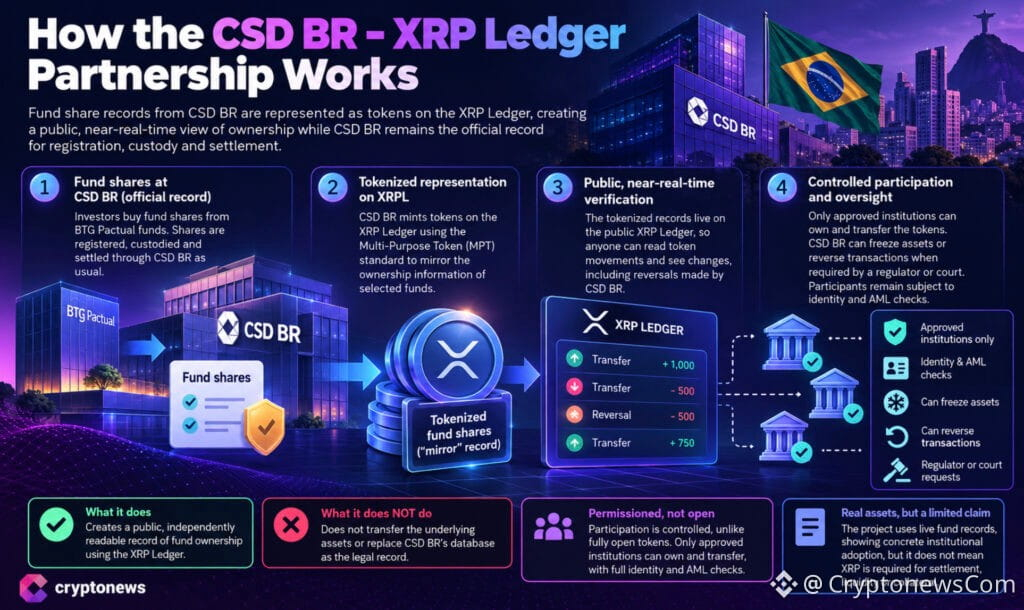
أخبار XRP: توسّع البنية التحتية المالية في البرازيل بقيمة 4 تريليون دولار إلى XRPLCSD BR، وهي شركة تدير البنية التحتية لسوق المال في البرازيل، تشرف على أكثر من 22 تريليون ريال برازيلي من الأصول المسجلة، وكانت في الأخبار بعد أن بدأت بمطابقة سجلات الملكية لصناديق استثمار مختارة تابعة لـ BTG Pactual على دفتر الأستاذ العام XRP Ledger. يضيف هذا النشر طبقة تحقق شبه فورية إلى سجلات الصناديق الحية، لكن يبقى سجل قاعدة بيانات CSD BR هو السجل الرسمي للتسجيل والحفظ والتسوية.
تقوم شركة مركزية مرخّصة لإيداع الأوراق المالية بتسجيل ملكية الأوراق المالية على بلوك تشين عامة لأول مرة — على XRP Ledger.
أخبار XRP: توسّع البنية التحتية المالية في البرازيل بقيمة 4 تريليون دولار إلى XRPL
CSD BR، وهي شركة تدير البنية التحتية لسوق المال في البرازيل، تشرف على أكثر من 22 تريليون ريال برازيلي من الأصول المسجلة، وكانت في الأخبار بعد أن بدأت بمطابقة سجلات الملكية لصناديق استثمار مختارة تابعة لـ BTG Pactual على دفتر الأستاذ العام XRP Ledger. يضيف هذا النشر طبقة تحقق شبه فورية إلى سجلات الصناديق الحية، لكن يبقى سجل قاعدة بيانات CSD BR هو السجل الرسمي للتسجيل والحفظ والتسوية.
تقوم شركة مركزية مرخّصة لإيداع الأوراق المالية بتسجيل ملكية الأوراق المالية على بلوك تشين عامة لأول مرة — على XRP Ledger.
تقوم شركة مركزية مرخّصة لإيداع الأوراق المالية بتسجيل ملكية الأوراق المالية على بلوك تشين عامة لأول مرة — على XRP Ledger.
4
سجّل الدخول لاستكشاف المزيد من المُحتوى
انضم إلى مُستخدمي العملات الرقمية حول العالم على Binance Square
⚡️ احصل على أحدث المعلومات المفيدة عن العملات الرقمية.
💬 موثوقة من قبل أكبر منصّة لتداول العملات الرقمية في العالم.
👍 اكتشف الرؤى الحقيقية من صنّاع المُحتوى الموثوقين.
البريد الإلكتروني / رقم الهاتف
المواضيع الرائجة
EtherGains70.9%InQ3
172,260 مشاهدات
1,180 يقومون بالنقاش
🧭🧭🧭 تحليل 🧭🧭🧭
💡 مؤشر موسم العملات البديلة 💡
🚨🚨🚨 لقد أغلق الربع الثالث (T3). ارتفع سعر ETH بنسبة 71% وBTC بنسبة 43%. 🚨🚨🚨
هل كان هذا بداية موسم العملات البديلة؟
من بين أفضل 100:
🌐🌐🌐 57 تفوقت على BTC خلال 90 يومًا
يبدأ موسم العملات البديلة عند 75، لذا ما زال
كما أنه يتقدم بـ 10 نقاط فقط من قمته السنوية عند 67 🌐🌐
💥💥💥 لكن مهلاً، قبل شهر كان المؤشر عند 23 فقط!
هل يمكن أن يدفعه أكتوبر إلى 75؟ 👀💥💥💥
متابعة من فضلكم
#EtherGains70.9%InQ3
$GRAM
Shamika Metting
·3 إعجاب
·1.1k مشاهدات
TreasuryLetsStatesFileStablecoinCertificationsEarly
11,064 مشاهدات
92 يقومون بالنقاش
US10YearYieldNears5.3%
158,283 مشاهدات
1,159 يقومون بالنقاش