
Sheemm
9.8k منشورات

Sheemm
 تحقُّق Binance Square الإضافي
إبلاغ
حظر المُستخدم
Nothing to say🤗
مُتداول بمُعدّل مرتفع
5.5 سنوات
967 تتابع
44.5K+ المتابعون
45.5K+ إعجاب
منشورات
الكل
اقتباسات
Live
·
--
تمّ التحقق
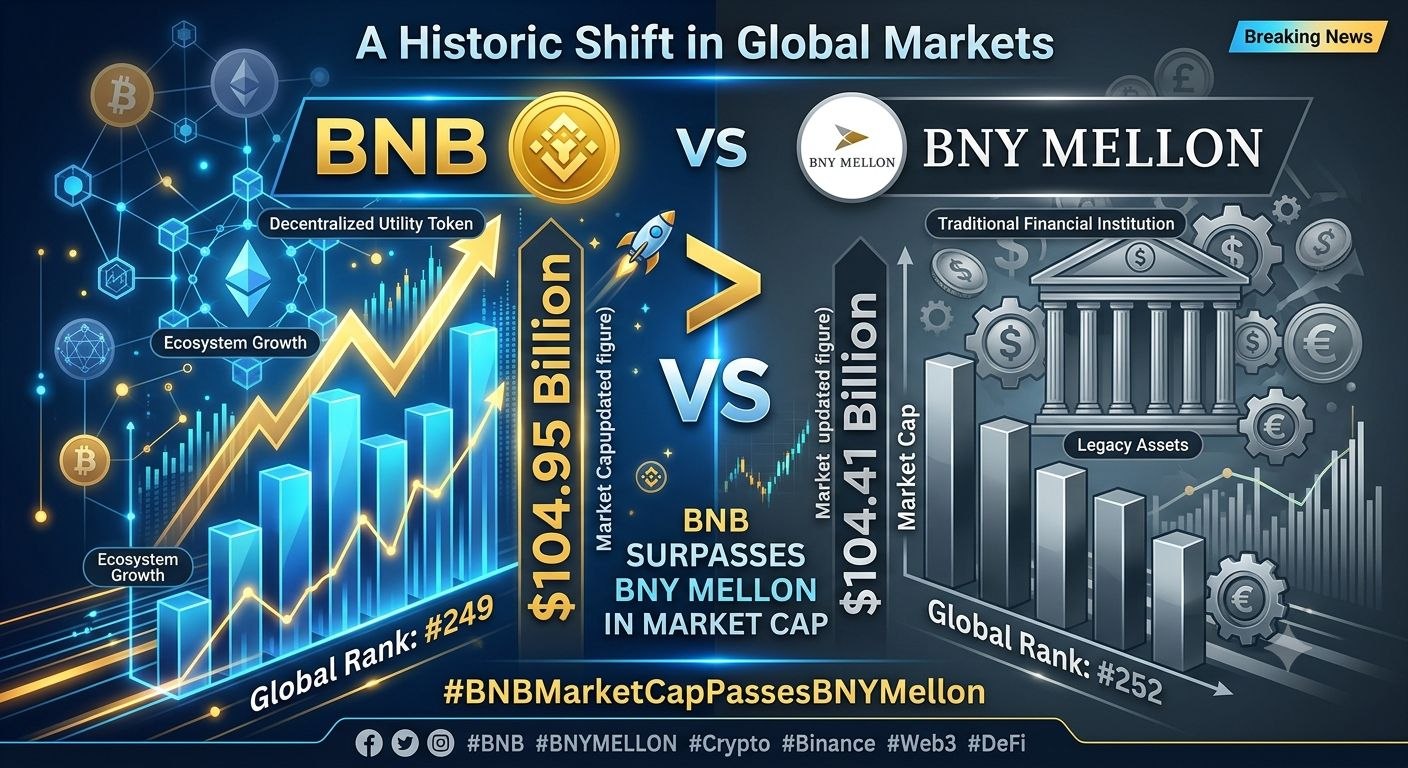
#BNBMarketCapPassesBNYMellon
مَعْلَمٌ تاريخيٌّ جديدٌ لِتَبنّي العملات الرقمية! 🚀
#BNB لقد تجاوزت بنك BNY Mellon (أقدم بنك في أمريكا، تأسس عام 1784) من حيث القيمة السوقية العالمية.
📊 بالأرقام:
• القيمة السوقية لـ BNB: ~104.95 مليار دولار
• القيمة السوقية لـ BNY Mellon: ~104.41 مليار دولار
• الترتيب العالمي لـ BNB: #249
تم تأسيسه منذ أكثر من 240 عامًا مقابل إنشاءه قبل أقل من عقد—ومع ذلك فإن رمز منفعة أصلي لامركزي (Native) أصبح الآن يفرض تقييماً أكبر من المؤسسة الأساسية في التمويل التقليدي.
هذا ليس مجرد تحرك في السعر؛ بل هو تحولٌ بنيويٌّ يُظهر كيف أن نظم web3 وتقنيات tokenomics تُعيد تشكيل المشهد المالي العالمي.
$BNB
{future}(BNBUSDT)
$ETH
{future}(ETHUSDT)
$SOL
{future}(SOLUSDT)
#AIStocksWhatNext
#write2earn🌐💹
#DYORAlways
#BNBMarketCapPassesBNYMellon
مَعْلَمٌ تاريخيٌّ جديدٌ لِتَبنّي العملات الرقمية! 🚀
#BNB لقد تجاوزت بنك BNY Mellon (أقدم بنك في أمريكا، تأسس عام 1784) من حيث القيمة السوقية العالمية.
📊 بالأرقام:
• القيمة السوقية لـ BNB: ~104.95 مليار دولار
• القيمة السوقية لـ BNY Mellon: ~104.41 مليار دولار
• الترتيب العالمي لـ BNB: #249
تم تأسيسه منذ أكثر من 240 عامًا مقابل إنشاءه قبل أقل من عقد—ومع ذلك فإن رمز منفعة أصلي لامركزي (Native) أصبح الآن يفرض تقييماً أكبر من المؤسسة الأساسية في التمويل التقليدي.
هذا ليس مجرد تحرك في السعر؛ بل هو تحولٌ بنيويٌّ يُظهر كيف أن نظم web3 وتقنيات tokenomics تُعيد تشكيل المشهد المالي العالمي.
$BNB
$ETH
$SOL
#AIStocksWhatNext
#write2earn🌐💹
#DYORAlways
مَعْلَمٌ تاريخيٌّ جديدٌ لِتَبنّي العملات الرقمية! 🚀
#BNB لقد تجاوزت بنك BNY Mellon (أقدم بنك في أمريكا، تأسس عام 1784) من حيث القيمة السوقية العالمية.
📊 بالأرقام:
• القيمة السوقية لـ BNB: ~104.95 مليار دولار
• القيمة السوقية لـ BNY Mellon: ~104.41 مليار دولار
• الترتيب العالمي لـ BNB: #249
تم تأسيسه منذ أكثر من 240 عامًا مقابل إنشاءه قبل أقل من عقد—ومع ذلك فإن رمز منفعة أصلي لامركزي (Native) أصبح الآن يفرض تقييماً أكبر من المؤسسة الأساسية في التمويل التقليدي.
هذا ليس مجرد تحرك في السعر؛ بل هو تحولٌ بنيويٌّ يُظهر كيف أن نظم web3 وتقنيات tokenomics تُعيد تشكيل المشهد المالي العالمي.
$BNB
$ETH
$SOL
#AIStocksWhatNext
#write2earn🌐💹
#DYORAlways
1
4
406
·
--
🚀 $AKE
{alpha}(560x2c3a8ee94ddd97244a93bc48298f97d2c412f7db)
AKE يرتفع +20.30% إلى $0.05268! بعد الحفاظ على دعم رئيسي عند $0.05200، تتجه الزخم إلى الاستقرار مع إشارة MACD بتقاطع صعودي بسيط (DIF > DEA). تقاوم فوري عند $0.05483. قد يؤدي الاختراق فوق هذا المستوى إلى دفع السعر نحو $0.0568. راقب تأكيد حجم التداول! 📈
$TST $GRASS
#AIStocksWhatNext
#MarketLiveUpdate
🚀 $AKE
AKE يرتفع +20.30% إلى $0.05268! بعد الحفاظ على دعم رئيسي عند $0.05200، تتجه الزخم إلى الاستقرار مع إشارة MACD بتقاطع صعودي بسيط (DIF > DEA). تقاوم فوري عند $0.05483. قد يؤدي الاختراق فوق هذا المستوى إلى دفع السعر نحو $0.0568. راقب تأكيد حجم التداول! 📈
$TST $GRASS
#AIStocksWhatNext
#MarketLiveUpdate
AKE يرتفع +20.30% إلى $0.05268! بعد الحفاظ على دعم رئيسي عند $0.05200، تتجه الزخم إلى الاستقرار مع إشارة MACD بتقاطع صعودي بسيط (DIF > DEA). تقاوم فوري عند $0.05483. قد يؤدي الاختراق فوق هذا المستوى إلى دفع السعر نحو $0.0568. راقب تأكيد حجم التداول! 📈
$TST $GRASS
#AIStocksWhatNext
#MarketLiveUpdate
5
619
·
--
$USELESS
{alpha}(560xba38b3c706f7a515ff7c8db04daa0a134ec46d2b)
في حالة حركة!
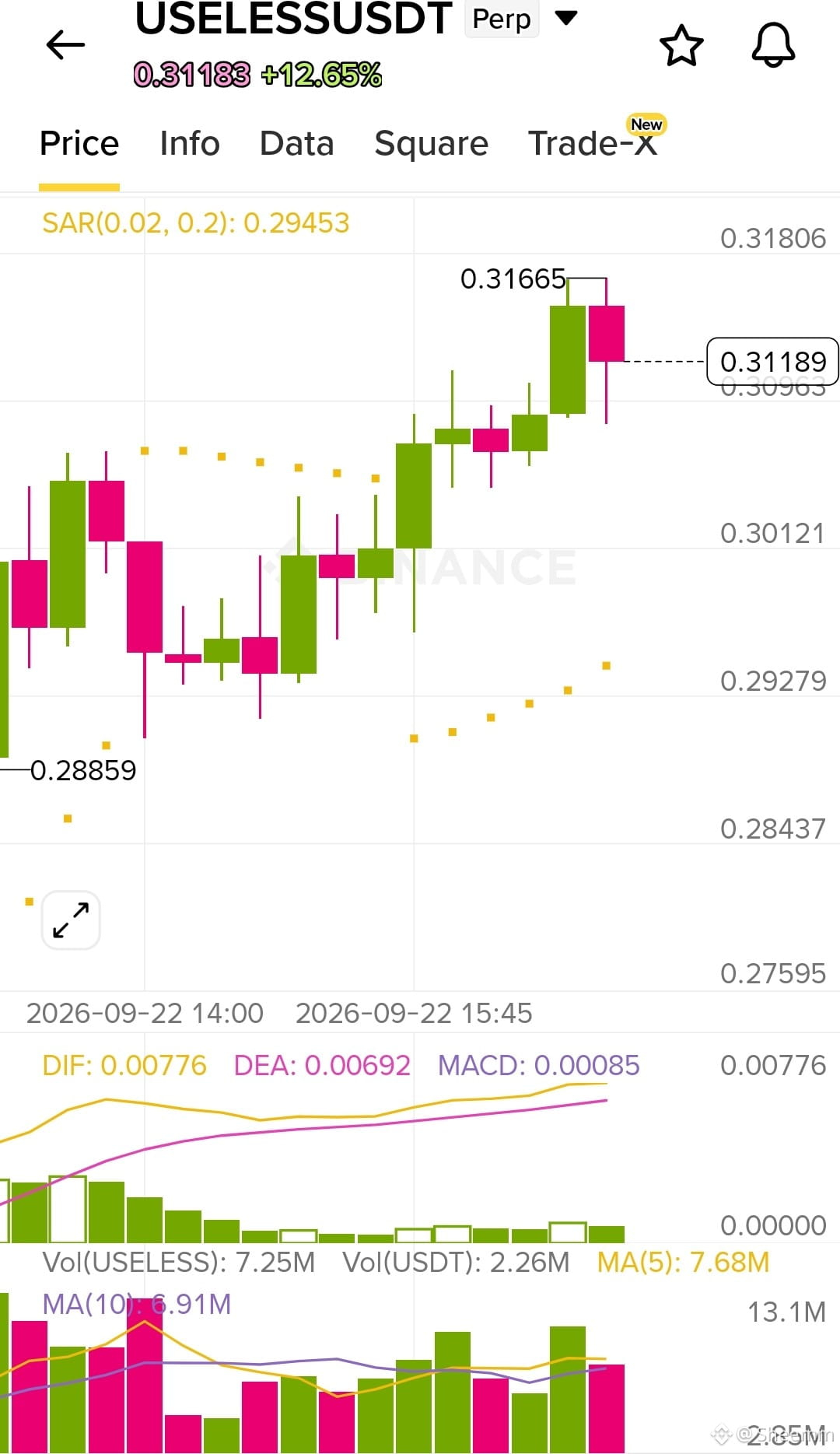
يتم التداول عند $0.31183 (+12.65%)، وبشكلٍ قياسيّ يحقق اسمه بطريقة أكثر سخرية ممكنة! 📈
مستويات رئيسية يجب مراقبتها:
• القمة الأخيرة: $0.31665
• الدعم الرئيسي (SAR): $0.29453
• MACD: تقاطع صعودي فعّال (DIF: 0.00776 / DEA: 0.00692)
حجم تداول قوي يدعم هذه الارتفاعات.
قم دائمًا بإجراء البحث الخاص بك (DYOR) 👍
$PEPE
{alpha}()
$FLOKI
{spot}(FLOKIUSDT)
#BNBMarketCapPassesBNYMellon
#Write2Earrn
$USELESS
في حالة حركة!
يتم التداول عند $0.31183 (+12.65%)، وبشكلٍ قياسيّ يحقق اسمه بطريقة أكثر سخرية ممكنة! 📈
مستويات رئيسية يجب مراقبتها:
• القمة الأخيرة: $0.31665
• الدعم الرئيسي (SAR): $0.29453
• MACD: تقاطع صعودي فعّال (DIF: 0.00776 / DEA: 0.00692)
حجم تداول قوي يدعم هذه الارتفاعات.
قم دائمًا بإجراء البحث الخاص بك (DYOR) 👍
$PEPE
$FLOKI
#BNBMarketCapPassesBNYMellon
#Write2Earrn
في حالة حركة!
يتم التداول عند $0.31183 (+12.65%)، وبشكلٍ قياسيّ يحقق اسمه بطريقة أكثر سخرية ممكنة! 📈
مستويات رئيسية يجب مراقبتها:
• القمة الأخيرة: $0.31665
• الدعم الرئيسي (SAR): $0.29453
• MACD: تقاطع صعودي فعّال (DIF: 0.00776 / DEA: 0.00692)
حجم تداول قوي يدعم هذه الارتفاعات.
قم دائمًا بإجراء البحث الخاص بك (DYOR) 👍
$PEPE
$FLOKI
#BNBMarketCapPassesBNYMellon
#Write2Earrn
2
824
·
--
$MUBARAK $NIL
$DOGE
{future}(DOGEUSDT)
#DogecoinRises15%
دوغكوين ينبض بقوة! 🐕✨
عملة الميم الأصلية (OG) تُظهر زخمًا قويًا مرة أخرى، مدفوعًا بتراكم الحيتان ورياح خلفية أوسع في السوق. عندما يتجه الزخم إلى الأعلى عبر مجال العملات الرقمية، يثبت DOGE باستمرار سيولته وقوة مجتمعه. تُظهر الاندفاعات المتقلبة سبب بقاء DOGE ضمن دائرة اهتمام المتداولين.
📊 نظرة فنية حالية:
يتم تداول DOGE قرب $0.098 – $0.100، مع الحفاظ على مستوى أعلى من متوسطاته المتحركة لـ 20 يومًا و50 يومًا. يقع مستوى المقاومة الفوري عند $0.102، بينما يقع الدعم عند $0.097. يظل مؤشر MACD إيجابيًا، رغم أن مؤشر RSI المرتفع بشكل مفرط يشير إلى احتمال تبريد قبل المزيد من الصعود. 📈
$MUBARAK $NIL
$DOGE
#DogecoinRises15%
دوغكوين ينبض بقوة! 🐕✨
عملة الميم الأصلية (OG) تُظهر زخمًا قويًا مرة أخرى، مدفوعًا بتراكم الحيتان ورياح خلفية أوسع في السوق. عندما يتجه الزخم إلى الأعلى عبر مجال العملات الرقمية، يثبت DOGE باستمرار سيولته وقوة مجتمعه. تُظهر الاندفاعات المتقلبة سبب بقاء DOGE ضمن دائرة اهتمام المتداولين.
📊 نظرة فنية حالية:
يتم تداول DOGE قرب $0.098 – $0.100، مع الحفاظ على مستوى أعلى من متوسطاته المتحركة لـ 20 يومًا و50 يومًا. يقع مستوى المقاومة الفوري عند $0.102، بينما يقع الدعم عند $0.097. يظل مؤشر MACD إيجابيًا، رغم أن مؤشر RSI المرتفع بشكل مفرط يشير إلى احتمال تبريد قبل المزيد من الصعود. 📈
$DOGE
#DogecoinRises15%
دوغكوين ينبض بقوة! 🐕✨
عملة الميم الأصلية (OG) تُظهر زخمًا قويًا مرة أخرى، مدفوعًا بتراكم الحيتان ورياح خلفية أوسع في السوق. عندما يتجه الزخم إلى الأعلى عبر مجال العملات الرقمية، يثبت DOGE باستمرار سيولته وقوة مجتمعه. تُظهر الاندفاعات المتقلبة سبب بقاء DOGE ضمن دائرة اهتمام المتداولين.
📊 نظرة فنية حالية:
يتم تداول DOGE قرب $0.098 – $0.100، مع الحفاظ على مستوى أعلى من متوسطاته المتحركة لـ 20 يومًا و50 يومًا. يقع مستوى المقاومة الفوري عند $0.102، بينما يقع الدعم عند $0.097. يظل مؤشر MACD إيجابيًا، رغم أن مؤشر RSI المرتفع بشكل مفرط يشير إلى احتمال تبريد قبل المزيد من الصعود. 📈
1
160
·
--
$BROCCOLI714
{future}(BROCCOLI714USDT)
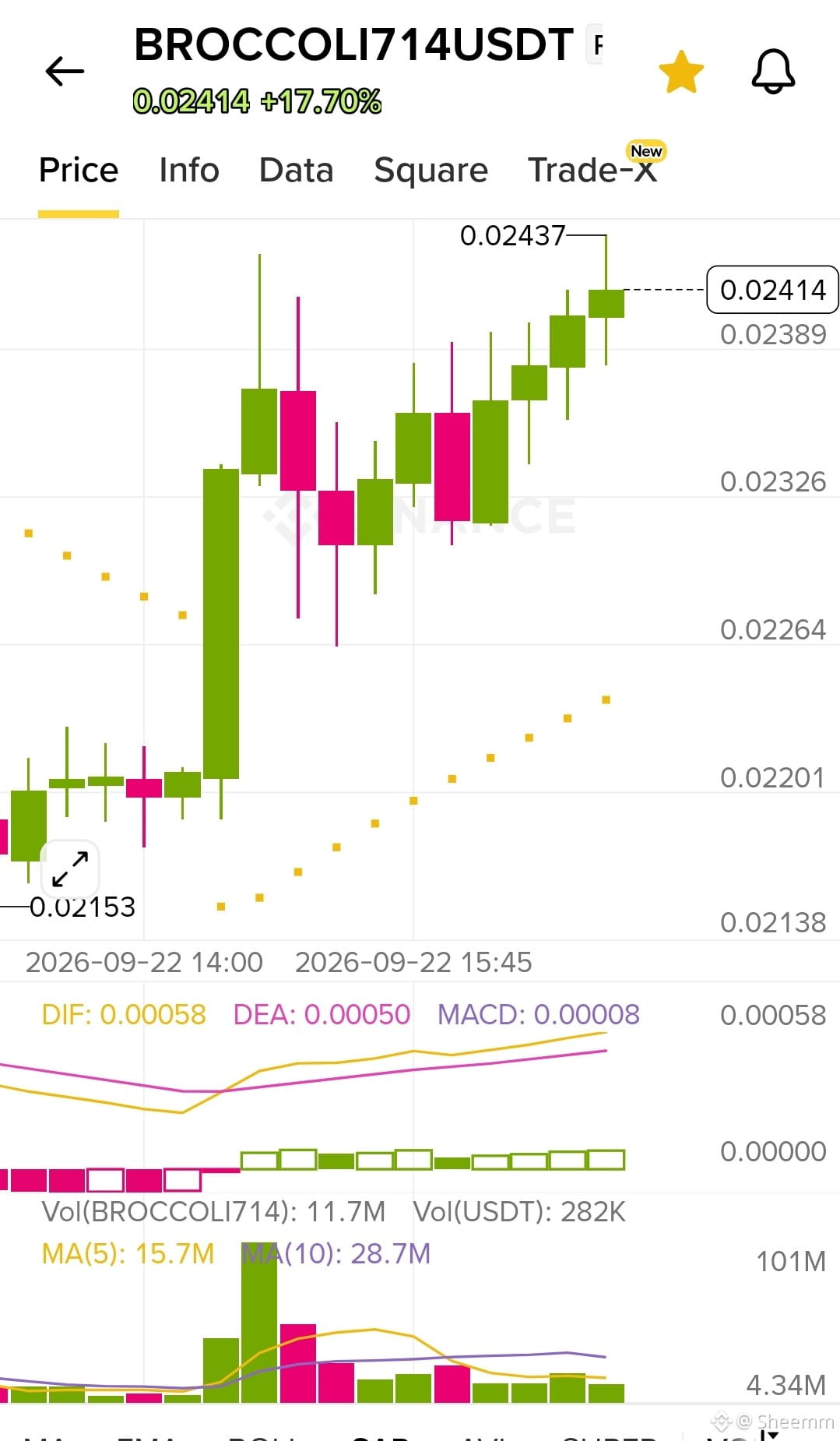
زخم صعودي قوي! ابحث عن دخول بعد جولة تصحيح/هبوط بسيط.
🟢 LONG
📍 الدخول: 0.02380 – 0.02400
🎯 الهدف 1: 0.02500
🎯 الهدف 2: 0.02620
🛑 وقف الخسارة: 0.02320
انتظر انخفاضًا طفيفًا قبل الدخول لتأمين نسبة أفضل للعائد/المخاطرة! ليس نصيحة مالية. 📈
$WIF
{future}(WIFUSDT)
$COOKIE
{future}(COOKIEUSDT)
#BinanceSquareFamily
#market_tips
#write2earn🌐💹
$BROCCOLI714
زخم صعودي قوي! ابحث عن دخول بعد جولة تصحيح/هبوط بسيط.
🟢 LONG
📍 الدخول: 0.02380 – 0.02400
🎯 الهدف 1: 0.02500
🎯 الهدف 2: 0.02620
🛑 وقف الخسارة: 0.02320
انتظر انخفاضًا طفيفًا قبل الدخول لتأمين نسبة أفضل للعائد/المخاطرة! ليس نصيحة مالية. 📈
$WIF
$COOKIE
#BinanceSquareFamily
#market_tips
#write2earn🌐💹
زخم صعودي قوي! ابحث عن دخول بعد جولة تصحيح/هبوط بسيط.
🟢 LONG
📍 الدخول: 0.02380 – 0.02400
🎯 الهدف 1: 0.02500
🎯 الهدف 2: 0.02620
🛑 وقف الخسارة: 0.02320
انتظر انخفاضًا طفيفًا قبل الدخول لتأمين نسبة أفضل للعائد/المخاطرة! ليس نصيحة مالية. 📈
$WIF
$COOKIE
#BinanceSquareFamily
#market_tips
#write2earn🌐💹
2
620
·
--
#MuseOvertakesChatGPTAsTopFreeIOSApp حلّ برنامج «Muse» من Meta يتصدر المركز الأول! 📈
يشهد نظام الذكاء الاصطناعي تحولًا ضخمًا. فقد تجاوز تطبيق Meta الجديد للذكاء الاصطناعي الوكيلي، Muse، رسميًا ChatGPT ليصبح التطبيق المجاني رقم 1 على متجر تطبيقات iOS الأمريكي.
وبخلاف روبوتات الدردشة التقليدية، يركز Muse على المهام الموجهة نحو الفعل—معالجة سير عمل معقد، وحجز السفر، وملء النماذج عبر تطبيقات الويب تلقائيًا. وبفضل الاستفادة من البنية التحتية العميقة لدى Meta، يبرز هذا الارتفاع السريع مدى توجه السوق نحو وكلاء ذكاء اصطناعي ذوي قدرات مستقلة بالكامل بدلًا من واجهات الدردشة القياسية.
ويُثبت هذا الإنجاز أن طلب المستخدمين يتطور بسرعة من الاكتفاء باسترجاع المعلومات الأساسية إلى تنفيذ المهام بشكل مباشر وآلي عبر البيئات الرقمية.
$ALCH
{alpha}(CT_501HNg5PYJmtqcmzXrv6S9zP1CDKk5BgDuyFBxbvNApump)
$AGT
{alpha}(560x5dbde81fce337ff4bcaaee4ca3466c00aecae274)
$FORM
{future}(FORMUSDT)
#BinanceSquareTalks
#Write2Earn
#XRPRises8%
#MuseOvertakesChatGPTAsTopFreeIOSApp حلّ برنامج «Muse» من Meta يتصدر المركز الأول! 📈
يشهد نظام الذكاء الاصطناعي تحولًا ضخمًا. فقد تجاوز تطبيق Meta الجديد للذكاء الاصطناعي الوكيلي، Muse، رسميًا ChatGPT ليصبح التطبيق المجاني رقم 1 على متجر تطبيقات iOS الأمريكي.
وبخلاف روبوتات الدردشة التقليدية، يركز Muse على المهام الموجهة نحو الفعل—معالجة سير عمل معقد، وحجز السفر، وملء النماذج عبر تطبيقات الويب تلقائيًا. وبفضل الاستفادة من البنية التحتية العميقة لدى Meta، يبرز هذا الارتفاع السريع مدى توجه السوق نحو وكلاء ذكاء اصطناعي ذوي قدرات مستقلة بالكامل بدلًا من واجهات الدردشة القياسية.
ويُثبت هذا الإنجاز أن طلب المستخدمين يتطور بسرعة من الاكتفاء باسترجاع المعلومات الأساسية إلى تنفيذ المهام بشكل مباشر وآلي عبر البيئات الرقمية.
$ALCH
$AGT
$FORM
#BinanceSquareTalks
#Write2Earn
#XRPRises8%
يشهد نظام الذكاء الاصطناعي تحولًا ضخمًا. فقد تجاوز تطبيق Meta الجديد للذكاء الاصطناعي الوكيلي، Muse، رسميًا ChatGPT ليصبح التطبيق المجاني رقم 1 على متجر تطبيقات iOS الأمريكي.
وبخلاف روبوتات الدردشة التقليدية، يركز Muse على المهام الموجهة نحو الفعل—معالجة سير عمل معقد، وحجز السفر، وملء النماذج عبر تطبيقات الويب تلقائيًا. وبفضل الاستفادة من البنية التحتية العميقة لدى Meta، يبرز هذا الارتفاع السريع مدى توجه السوق نحو وكلاء ذكاء اصطناعي ذوي قدرات مستقلة بالكامل بدلًا من واجهات الدردشة القياسية.
ويُثبت هذا الإنجاز أن طلب المستخدمين يتطور بسرعة من الاكتفاء باسترجاع المعلومات الأساسية إلى تنفيذ المهام بشكل مباشر وآلي عبر البيئات الرقمية.
$ALCH
$AGT
$FORM
#BinanceSquareTalks
#Write2Earn
#XRPRises8%
1
316
·
--
#AIStocksWhatNext
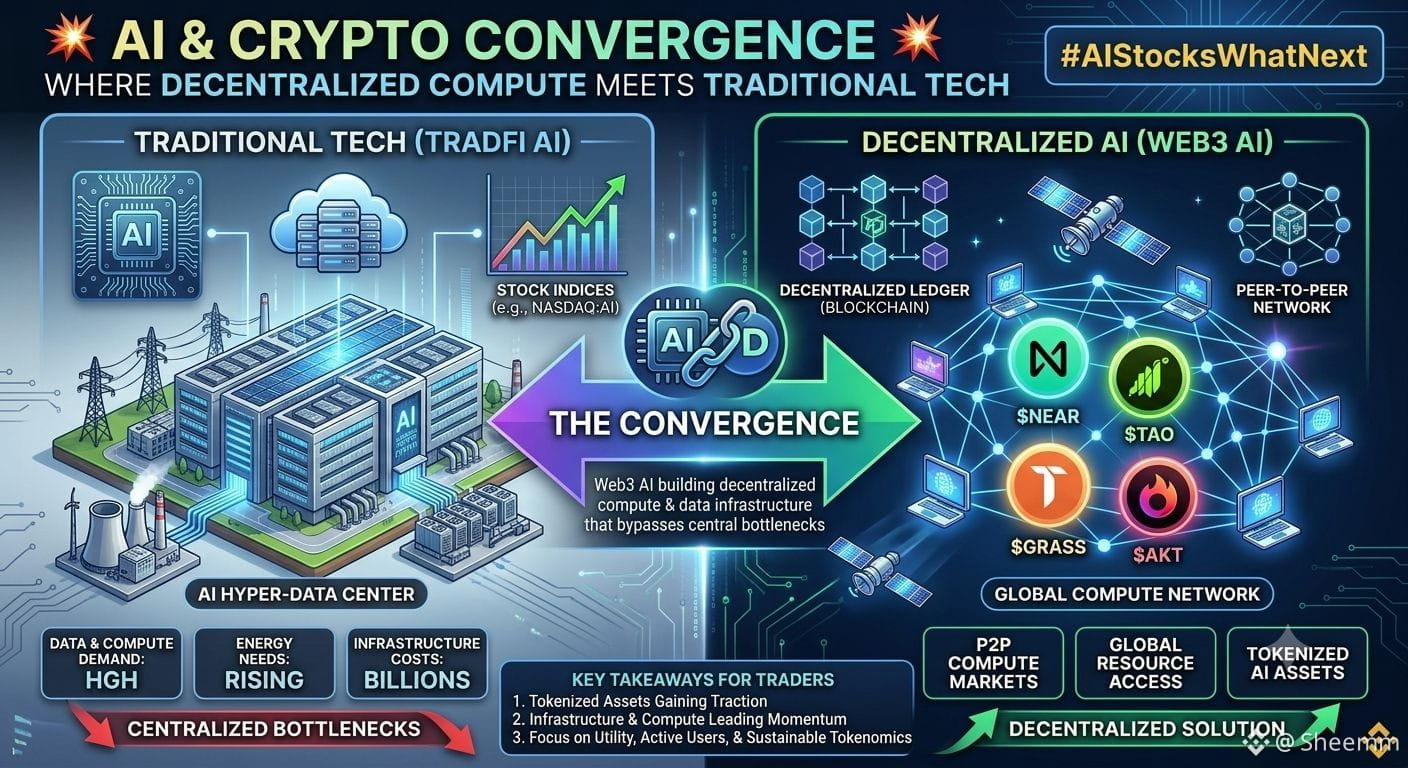
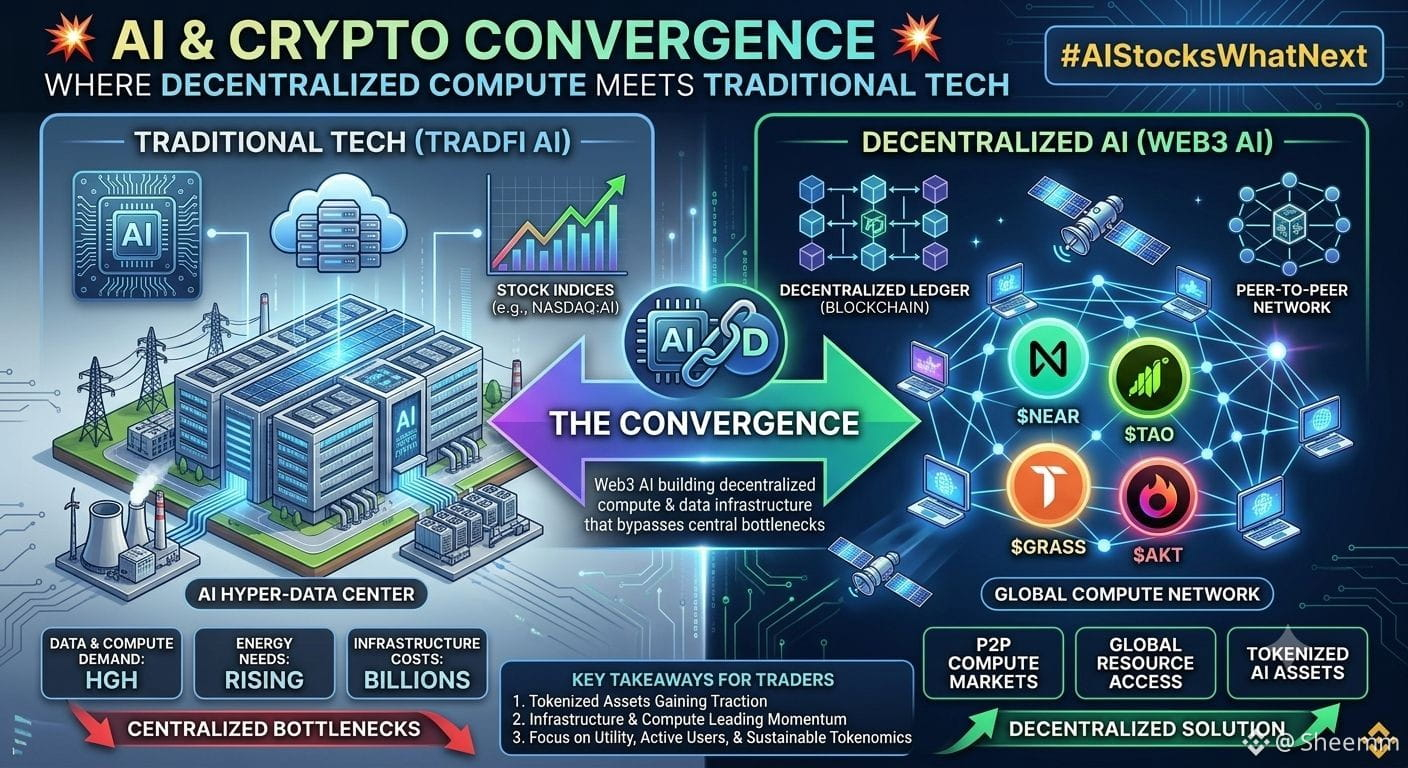
الجسر بين أسهم تقنيات الذكاء الاصطناعي التقليدية وبروتوكولات الذكاء الاصطناعي اللامركزية يضيق بسرعة. بينما تستمر الأسواق المالية التقليدية (TradFi) في تسعير تكاليف ضخمة لتوسّع مراكز البيانات والطاقة، فإن بروتوكولات Web3 للذكاء الاصطناعي (مثل $NEAR وTAO وGRASS) تبني حوسبة وبنية بيانات لا مركزية تتجاوز عنق الزجاجة لدى الجهات المركزية.
💡 النقاط الرئيسية للمتداولين:
• تزايد الاهتمام بأصول التكنولوجيا التقليدية المُرمَّزة كأوراق مالية.
• بروتوكولات البنية التحتية والحوسبة تقود الزخم على حساب الرهانات القائمة على السرد فقط.
• إدارة المخاطر أمر حاسم: ركّز على المنفعة ونمو المستخدمين النشطين واقتصاديات رمزية مستدامة بدل الاكتفاء بـ"ضجة الذكاء الاصطناعي".
$SKYW.US
$AI
$AIO
#Write2Earn
#AIStocksWhatNext
الجسر بين أسهم تقنيات الذكاء الاصطناعي التقليدية وبروتوكولات الذكاء الاصطناعي اللامركزية يضيق بسرعة. بينما تستمر الأسواق المالية التقليدية (TradFi) في تسعير تكاليف ضخمة لتوسّع مراكز البيانات والطاقة، فإن بروتوكولات Web3 للذكاء الاصطناعي (مثل $NEAR وTAO وGRASS) تبني حوسبة وبنية بيانات لا مركزية تتجاوز عنق الزجاجة لدى الجهات المركزية.
💡 النقاط الرئيسية للمتداولين:
• تزايد الاهتمام بأصول التكنولوجيا التقليدية المُرمَّزة كأوراق مالية.
• بروتوكولات البنية التحتية والحوسبة تقود الزخم على حساب الرهانات القائمة على السرد فقط.
• إدارة المخاطر أمر حاسم: ركّز على المنفعة ونمو المستخدمين النشطين واقتصاديات رمزية مستدامة بدل الاكتفاء بـ"ضجة الذكاء الاصطناعي".
$SKYW.US
$AI
$AIO
#Write2Earn
الجسر بين أسهم تقنيات الذكاء الاصطناعي التقليدية وبروتوكولات الذكاء الاصطناعي اللامركزية يضيق بسرعة. بينما تستمر الأسواق المالية التقليدية (TradFi) في تسعير تكاليف ضخمة لتوسّع مراكز البيانات والطاقة، فإن بروتوكولات Web3 للذكاء الاصطناعي (مثل $NEAR وTAO وGRASS) تبني حوسبة وبنية بيانات لا مركزية تتجاوز عنق الزجاجة لدى الجهات المركزية.
💡 النقاط الرئيسية للمتداولين:
• تزايد الاهتمام بأصول التكنولوجيا التقليدية المُرمَّزة كأوراق مالية.
• بروتوكولات البنية التحتية والحوسبة تقود الزخم على حساب الرهانات القائمة على السرد فقط.
• إدارة المخاطر أمر حاسم: ركّز على المنفعة ونمو المستخدمين النشطين واقتصاديات رمزية مستدامة بدل الاكتفاء بـ"ضجة الذكاء الاصطناعي".
$SKYW.US
$AI
$AIO
#Write2Earn
2
515
·
--
🚀 $MUBARAK/USDT في طريقه! 📈
ارتفع أكثر من +42% اليوم، ويتم تداوله حاليًا عند 0.06284 بعد اختبار القمة 0.06500! 🔥
زخم صعودي قوي مع حجم تداول قوي يدعم هذه الحركة. هل أنت متداول الآن، أم تحقق أرباحًا، أم تنتظر الاختراق القادم؟
$MUBARAK
{future}(MUBARAKUSDT)
ليس MUBARAK بالنسبة لي 😭😬😬
$KERNEL $MARSCOIN
🚀 $MUBARAK /USDT في طريقه! 📈
ارتفع أكثر من +42% اليوم، ويتم تداوله حاليًا عند 0.06284 بعد اختبار القمة 0.06500! 🔥
زخم صعودي قوي مع حجم تداول قوي يدعم هذه الحركة. هل أنت متداول الآن، أم تحقق أرباحًا، أم تنتظر الاختراق القادم؟
$MUBARAK
ليس MUBARAK بالنسبة لي 😭😬😬
$KERNEL $MARSCOIN
ارتفع أكثر من +42% اليوم، ويتم تداوله حاليًا عند 0.06284 بعد اختبار القمة 0.06500! 🔥
زخم صعودي قوي مع حجم تداول قوي يدعم هذه الحركة. هل أنت متداول الآن، أم تحقق أرباحًا، أم تنتظر الاختراق القادم؟
$MUBARAK
ليس MUBARAK بالنسبة لي 😭😬😬
$KERNEL $MARSCOIN
2
395
·
--
$ZETA
{alpha}(10xf091867ec603a6628ed83d274e835539d82e9cc8)
انفجار ZETA مع مكاسب هائلة بنسبة +64.20%! 📈
بعد أن سجل قمة عند 0.06999، يتداول ZETAUSDT في حالة تماسك حول 0.06274. الزخم ما زال قويًا، لكن انتبه لاحتمال حدوث تصحيح محتمل مع تبريد مؤشر MACD. تحرَّ بنفسك (DYOR)
$PTB
{alpha}(560x95c9b514566fbd224dc2037f5914eb8ab91c9201)
$NVDAB
{spot}(NVDABUSDT)
#BinanceSquareTalks
#Write2Earrn
$ZETA
انفجار ZETA مع مكاسب هائلة بنسبة +64.20%! 📈
بعد أن سجل قمة عند 0.06999، يتداول ZETAUSDT في حالة تماسك حول 0.06274. الزخم ما زال قويًا، لكن انتبه لاحتمال حدوث تصحيح محتمل مع تبريد مؤشر MACD. تحرَّ بنفسك (DYOR)
$PTB
$NVDAB
#BinanceSquareTalks
#Write2Earrn
انفجار ZETA مع مكاسب هائلة بنسبة +64.20%! 📈
بعد أن سجل قمة عند 0.06999، يتداول ZETAUSDT في حالة تماسك حول 0.06274. الزخم ما زال قويًا، لكن انتبه لاحتمال حدوث تصحيح محتمل مع تبريد مؤشر MACD. تحرَّ بنفسك (DYOR)
$PTB
$NVDAB
#BinanceSquareTalks
#Write2Earrn
2
374
·
--
$KMNO
{future}(KMNOUSDT)
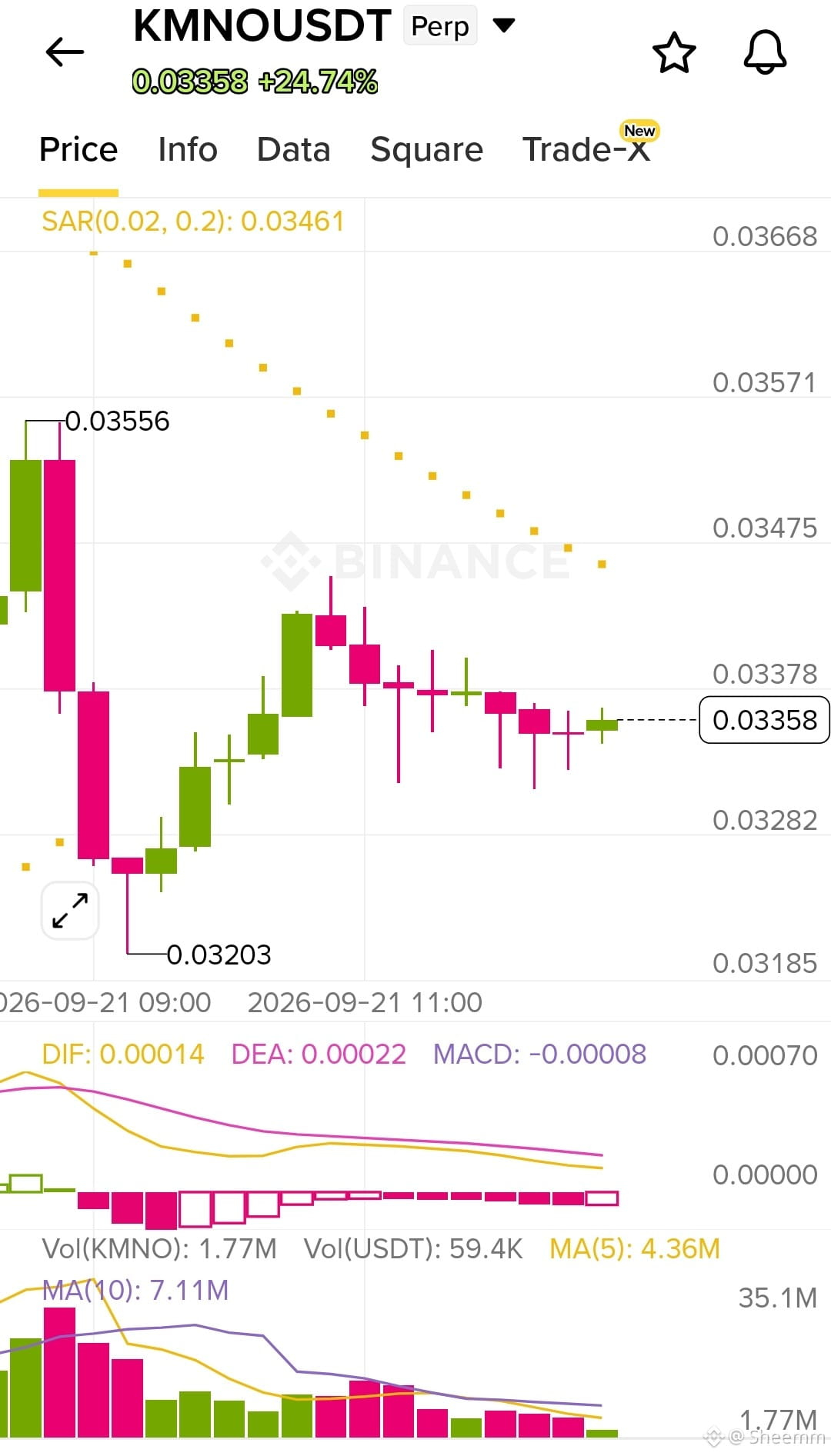
تحديث!
KMNO مرتفع +24.74% اليوم، ويتداول حاليًا قرب 0.03358! بعد أن سجل قاعًا سريعًا عند 0.03203، تتماسك الزخم حاليًا. نقاط SAR موجودة فوق السعر عند 0.03461 بينما يُظهر MACD فترة تبريد خفيفة.
$UAI
{alpha}(560x3e5d4f8aee0d9b3082d5f6da5d6e225d17ba9ea0)
$OPG
{future}(OPGUSDT)
#Write2Earn #BOJRaisesRatesTo31YearHigh
$KMNO
تحديث!
KMNO مرتفع +24.74% اليوم، ويتداول حاليًا قرب 0.03358! بعد أن سجل قاعًا سريعًا عند 0.03203، تتماسك الزخم حاليًا. نقاط SAR موجودة فوق السعر عند 0.03461 بينما يُظهر MACD فترة تبريد خفيفة.
$UAI
$OPG
#Write2Earn #BOJRaisesRatesTo31YearHigh
تحديث!
KMNO مرتفع +24.74% اليوم، ويتداول حاليًا قرب 0.03358! بعد أن سجل قاعًا سريعًا عند 0.03203، تتماسك الزخم حاليًا. نقاط SAR موجودة فوق السعر عند 0.03461 بينما يُظهر MACD فترة تبريد خفيفة.
$UAI
$OPG
#Write2Earn #BOJRaisesRatesTo31YearHigh
3
473
·
--
#XRPExchangeReservesHitSevenYearLow
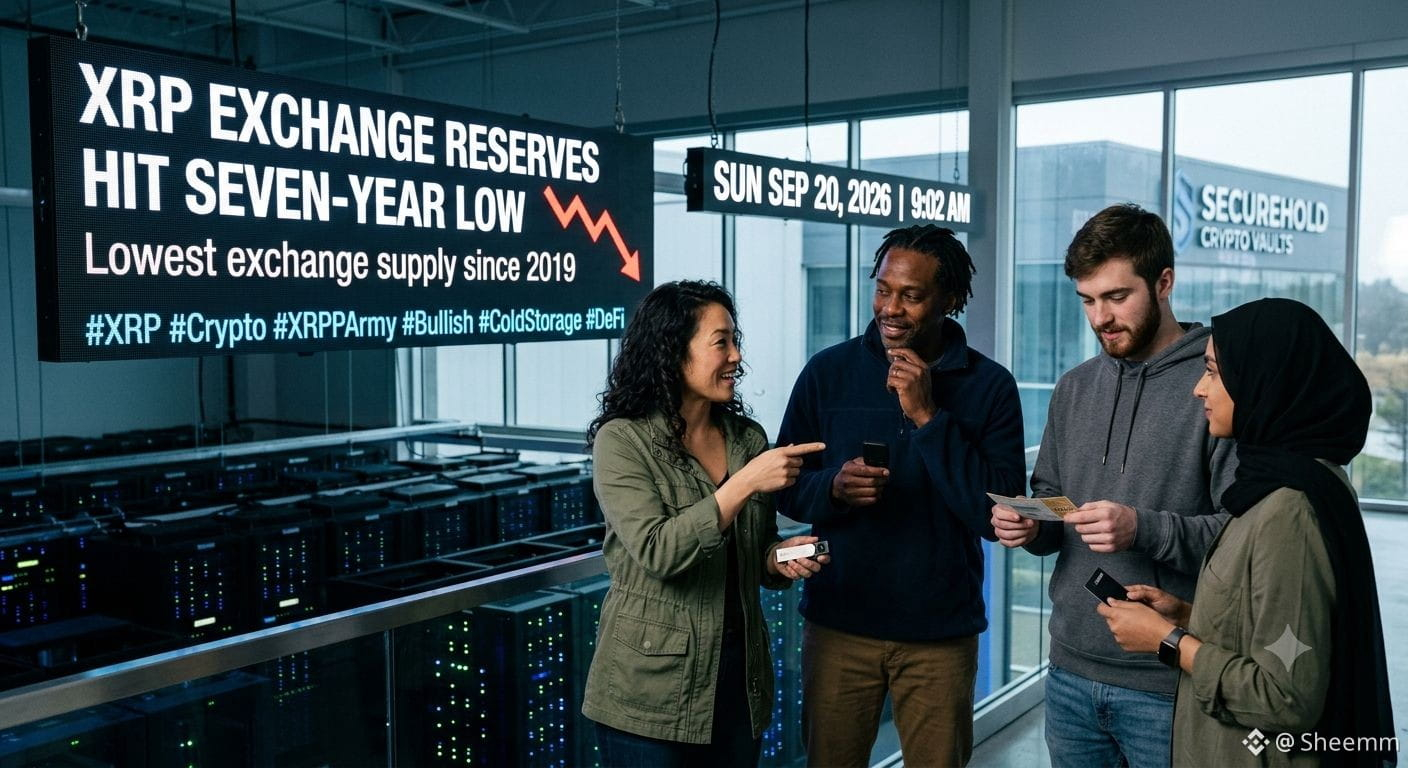
واصلت الإمدادات في البورصات إلى أدنى مستوى لها منذ 7 سنوات فقط، وللآثار المترتبة على $XRP أهمية كبيرة.
عندما تنخفض احتياطيات البورصات بهذا القدر، فهذا يعني أن المستثمرين يسحبون توكناتهم من المنصات للاحتفاظ بها على المدى الطويل في التخزين البارد أو المحافظ الخاصة. انخفاض المعروض المتاح في البورصات يخلق حالة تقليدية من “انكماش المعروض” — فأي زيادة مفاجئة في الطلب على الشراء قد تؤدي إلى تذبذب سعري صعودي سريع.
ضغط بيع أقل، وتوجه أقوى نحو الاحتفاظ، وسيولة أكثر تشددًا. عادةً ما تتبع ذلك تحركات كبيرة عندما ينفد المعروض بهذه الصورة. راقب الرسوم البيانية عن كثب! 📈
$CELR
{future}(CELRUSDT)
$AKE
{alpha}(560x2c3a8ee94ddd97244a93bc48298f97d2c412f7db)
$NVDA.US
{stock_us}(NVDA.US)
#Write2Earn
#Market_Update
#XRPExchangeReservesHitSevenYearLow
واصلت الإمدادات في البورصات إلى أدنى مستوى لها منذ 7 سنوات فقط، وللآثار المترتبة على $XRP أهمية كبيرة.
عندما تنخفض احتياطيات البورصات بهذا القدر، فهذا يعني أن المستثمرين يسحبون توكناتهم من المنصات للاحتفاظ بها على المدى الطويل في التخزين البارد أو المحافظ الخاصة. انخفاض المعروض المتاح في البورصات يخلق حالة تقليدية من “انكماش المعروض” — فأي زيادة مفاجئة في الطلب على الشراء قد تؤدي إلى تذبذب سعري صعودي سريع.
ضغط بيع أقل، وتوجه أقوى نحو الاحتفاظ، وسيولة أكثر تشددًا. عادةً ما تتبع ذلك تحركات كبيرة عندما ينفد المعروض بهذه الصورة. راقب الرسوم البيانية عن كثب! 📈
$CELR
$AKE
$NVDA.US
#Write2Earn
#Market_Update
واصلت الإمدادات في البورصات إلى أدنى مستوى لها منذ 7 سنوات فقط، وللآثار المترتبة على $XRP أهمية كبيرة.
عندما تنخفض احتياطيات البورصات بهذا القدر، فهذا يعني أن المستثمرين يسحبون توكناتهم من المنصات للاحتفاظ بها على المدى الطويل في التخزين البارد أو المحافظ الخاصة. انخفاض المعروض المتاح في البورصات يخلق حالة تقليدية من “انكماش المعروض” — فأي زيادة مفاجئة في الطلب على الشراء قد تؤدي إلى تذبذب سعري صعودي سريع.
ضغط بيع أقل، وتوجه أقوى نحو الاحتفاظ، وسيولة أكثر تشددًا. عادةً ما تتبع ذلك تحركات كبيرة عندما ينفد المعروض بهذه الصورة. راقب الرسوم البيانية عن كثب! 📈
$CELR
$AKE
$NVDA.US
#Write2Earn
#Market_Update
4
878
·
--
#BTCBreaks80K
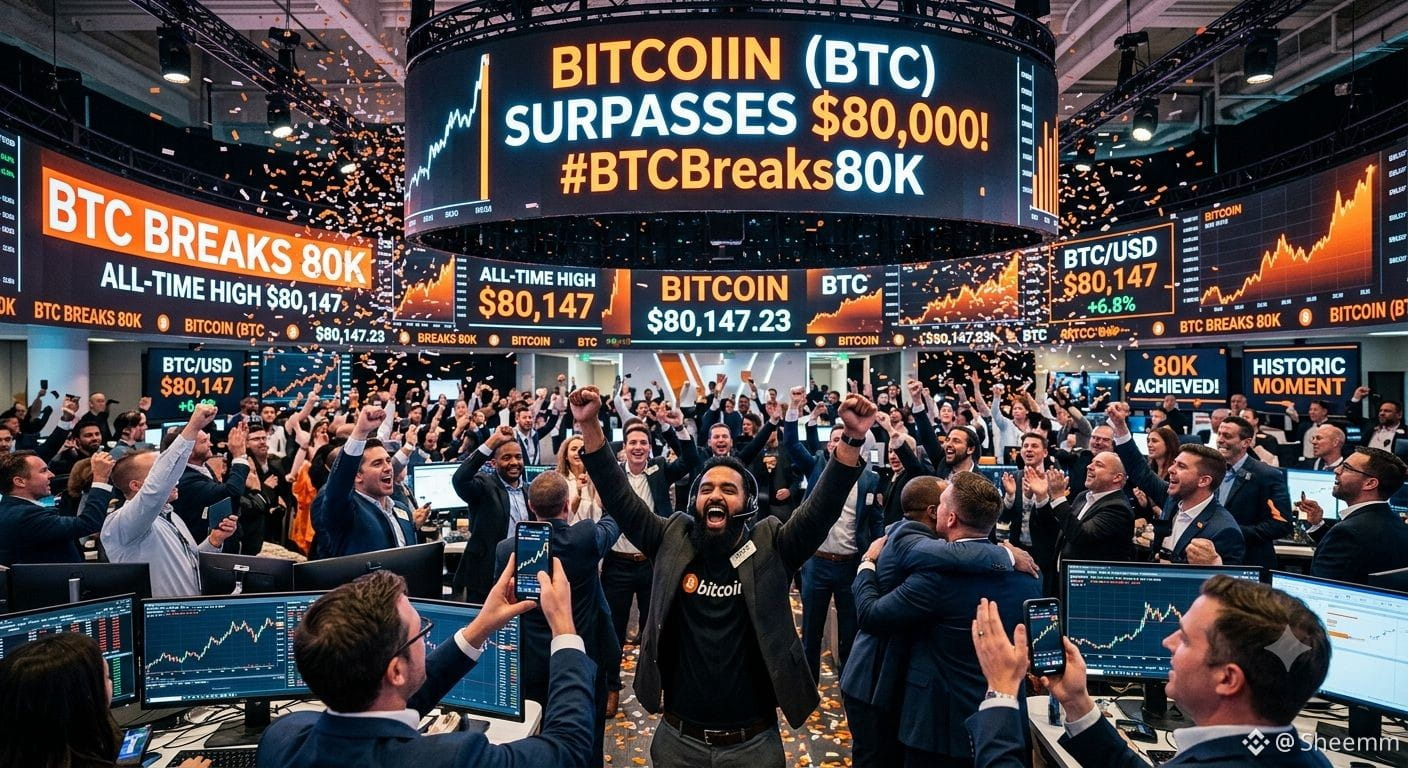
لقد تم تحطيم حاجز 80,000 دولار رسميًا، لتصبح واحدة من أهم المحطات في التاريخ المالي. ما كان يُرفض في السابق باعتباره تجربة إنترنت هامشية صار الآن يلفت الأنظار الاقتصادية العالمية، متفوقًا على الأصول التقليدية، وواعدًا بإعادة تعريف مستقبل المال.
لماذا تهم هذه المحطة؟
الطلب المؤسسي: تدفقات صناديق الاستثمار المتداولة (ETF)، واعتماد خزائن الشركات، واهتمام الجهات السيادية يخلقون ضغطًا غير مسبوق على العرض.
ديناميكيات ما بعد النصف (Halving): انخفاض إصدار المعروض يلتقي مع تزايد الطلب العالمي.
تحول اقتصادي أوسع: يواصل المستثمرون حول العالم التوجه إلى البيتكوين باعتبارها الوجهة الرقمية الرائدة لتخزين القيمة.
سواء كنت من مُمسكي البيتكوين على المدى الطويل (HODL)، أو متداولًا يوميًا، أو تراقب من خارج الدائرة، فهناك شيء واحد واضح—لقد تغيرت ديناميكيات سوق العملات المشفرة بشكل دائم.
هل نتجه مباشرةً نحو 100 ألف دولار، أم أن هناك تماسكًا صحيًا في الطريق؟ شاركونا بتوقعات الأسعار أدناه! 👇
$BTC
$ETH
$BNB
#BinanceExplorers
#writetoearn
#HYPEJumpsOver11%
#BTCBreaks80K
لقد تم تحطيم حاجز 80,000 دولار رسميًا، لتصبح واحدة من أهم المحطات في التاريخ المالي. ما كان يُرفض في السابق باعتباره تجربة إنترنت هامشية صار الآن يلفت الأنظار الاقتصادية العالمية، متفوقًا على الأصول التقليدية، وواعدًا بإعادة تعريف مستقبل المال.
لماذا تهم هذه المحطة؟
الطلب المؤسسي: تدفقات صناديق الاستثمار المتداولة (ETF)، واعتماد خزائن الشركات، واهتمام الجهات السيادية يخلقون ضغطًا غير مسبوق على العرض.
ديناميكيات ما بعد النصف (Halving): انخفاض إصدار المعروض يلتقي مع تزايد الطلب العالمي.
تحول اقتصادي أوسع: يواصل المستثمرون حول العالم التوجه إلى البيتكوين باعتبارها الوجهة الرقمية الرائدة لتخزين القيمة.
سواء كنت من مُمسكي البيتكوين على المدى الطويل (HODL)، أو متداولًا يوميًا، أو تراقب من خارج الدائرة، فهناك شيء واحد واضح—لقد تغيرت ديناميكيات سوق العملات المشفرة بشكل دائم.
هل نتجه مباشرةً نحو 100 ألف دولار، أم أن هناك تماسكًا صحيًا في الطريق؟ شاركونا بتوقعات الأسعار أدناه! 👇
$BTC
$ETH
$BNB
#BinanceExplorers
#writetoearn
#HYPEJumpsOver11%
لقد تم تحطيم حاجز 80,000 دولار رسميًا، لتصبح واحدة من أهم المحطات في التاريخ المالي. ما كان يُرفض في السابق باعتباره تجربة إنترنت هامشية صار الآن يلفت الأنظار الاقتصادية العالمية، متفوقًا على الأصول التقليدية، وواعدًا بإعادة تعريف مستقبل المال.
لماذا تهم هذه المحطة؟
الطلب المؤسسي: تدفقات صناديق الاستثمار المتداولة (ETF)، واعتماد خزائن الشركات، واهتمام الجهات السيادية يخلقون ضغطًا غير مسبوق على العرض.
ديناميكيات ما بعد النصف (Halving): انخفاض إصدار المعروض يلتقي مع تزايد الطلب العالمي.
تحول اقتصادي أوسع: يواصل المستثمرون حول العالم التوجه إلى البيتكوين باعتبارها الوجهة الرقمية الرائدة لتخزين القيمة.
سواء كنت من مُمسكي البيتكوين على المدى الطويل (HODL)، أو متداولًا يوميًا، أو تراقب من خارج الدائرة، فهناك شيء واحد واضح—لقد تغيرت ديناميكيات سوق العملات المشفرة بشكل دائم.
هل نتجه مباشرةً نحو 100 ألف دولار، أم أن هناك تماسكًا صحيًا في الطريق؟ شاركونا بتوقعات الأسعار أدناه! 👇
$BTC
$ETH
$BNB
#BinanceExplorers
#writetoearn
#HYPEJumpsOver11%
1
228
·
--
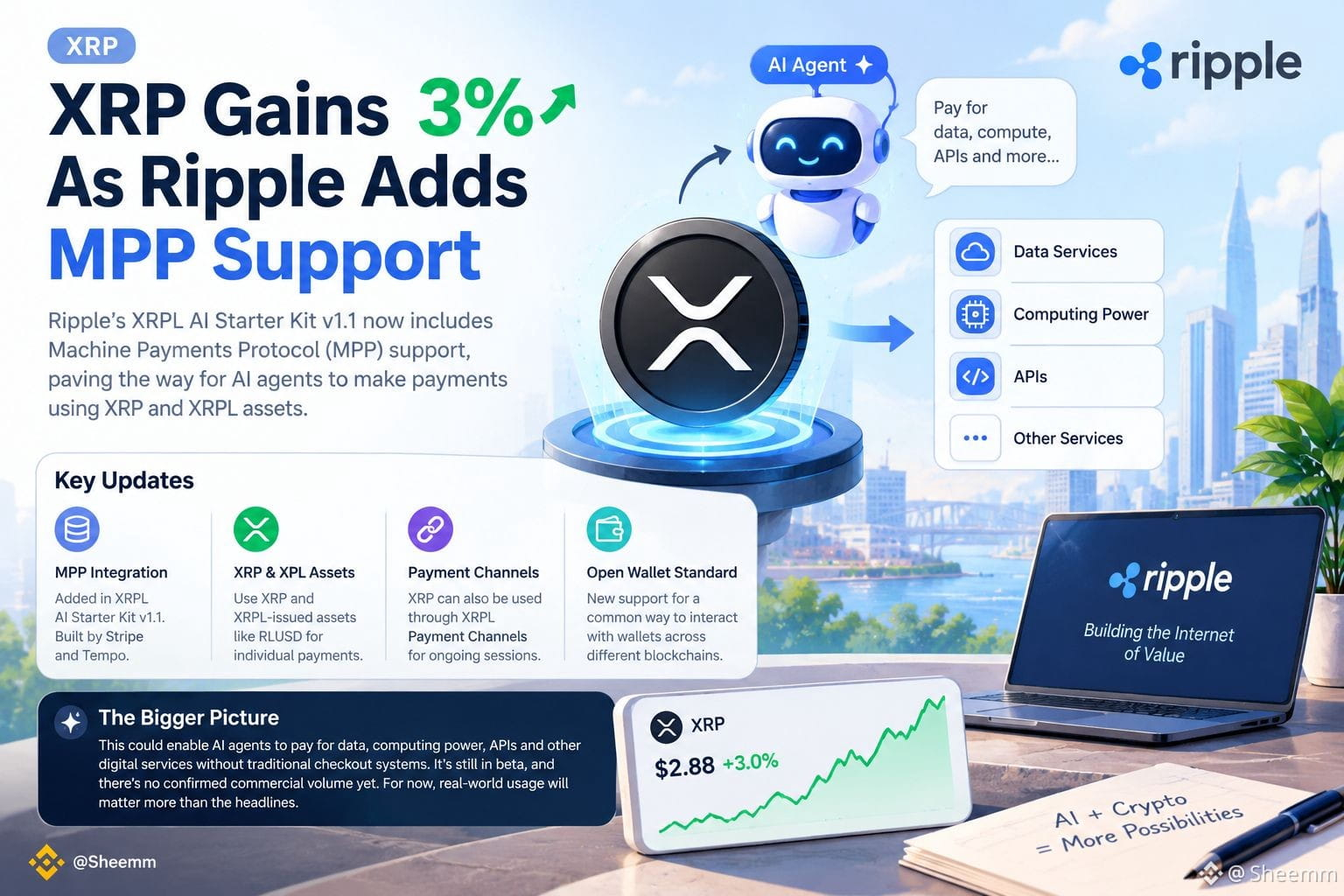
#XRPGains3%AsRippleAddsMPPSupport لقد حافظت على تسعير حركة السعر وتفاصيل MPP مستندة إلى أحدث التقارير، مع الحفاظ على نبرة طبيعية وشخصية.
عاد XRP إلى دائرة الضوء بعد أن حقق ارتفاعًا يقارب 3% مع توسّع Ripple في توسيع XRP Ledger ليشمل مساحة مدفوعات مدفوعة بالذكاء الاصطناعي المتنامية. ما شدّ انتباهي هذه المرة هو إضافة دعم Machine Payments Protocol (MPP) في الإصدار 1.1 من حزمة Ripple XRPL AI Starter Kit.
تم تطوير MPP بواسطة Stripe وTempo لتمكين وكلاء الذكاء الاصطناعي من دفع ثمن الخدمات عبر الإنترنت تلقائيًا. ومع هذا التكامل الجديد، يمكن للمطورين استخدام XRP والأصول المصدرة على XRPL مثل RLUSD للمدفوعات الفردية. ويمكن أيضًا استخدام XRP عبر قنوات الدفع في XRPL لجلسات الدفع المستمرة.
أعتقد أن القصة الأكبر هنا ليست مجرد حركة السعر بنسبة 3%. بل هي إمكانية قيام وكلاء الذكاء الاصطناعي باستخدام العملات المشفرة لدفع ثمن البيانات وقدرات الحوسبة وواجهات API والخدمات الرقمية الأخرى دون أنظمة الدفع التقليدية.
كما أن Ripple تضيف دعم Open Wallet Standard، ما يمنح المطورين طريقة مشتركة للتفاعل مع المحافظ عبر سلاسل بلوكتشين مختلفة.
ومع ذلك، سأظل واقعيًا في التوقعات. تكامل MPP ما يزال حاليًا في مرحلة بيتا، ولا توجد حتى الآن أحجام مدفوعات تجارية مؤكدة ناتجة عن هذا التكامل. وبالنسبة إلى XRP، الشيء التالي الذي سأتتبعه هو الاستخدام الفعلي وليس العناوين.
إذا اكتسبت المدفوعات المدفوعة بالذكاء الاصطناعي زخمًا، فقد تصبح XRPL جزءًا مثيرًا للاهتمام من هذا البنية التحتية.
$CROSS
$XRP
{future}(XRPUSDT)
#BOJHikesRatesTo31YearHigh
{alpha}(560x6bf62ca91e397b5a7d1d6bce97d9092065d7a510)
$UNI
{future}(UNIUSDT)
#Write2Earn!
#DYORAlways
#XRPGains3%AsRippleAddsMPPSupport لقد حافظت على تسعير حركة السعر وتفاصيل MPP مستندة إلى أحدث التقارير، مع الحفاظ على نبرة طبيعية وشخصية.
عاد XRP إلى دائرة الضوء بعد أن حقق ارتفاعًا يقارب 3% مع توسّع Ripple في توسيع XRP Ledger ليشمل مساحة مدفوعات مدفوعة بالذكاء الاصطناعي المتنامية. ما شدّ انتباهي هذه المرة هو إضافة دعم Machine Payments Protocol (MPP) في الإصدار 1.1 من حزمة Ripple XRPL AI Starter Kit.
تم تطوير MPP بواسطة Stripe وTempo لتمكين وكلاء الذكاء الاصطناعي من دفع ثمن الخدمات عبر الإنترنت تلقائيًا. ومع هذا التكامل الجديد، يمكن للمطورين استخدام XRP والأصول المصدرة على XRPL مثل RLUSD للمدفوعات الفردية. ويمكن أيضًا استخدام XRP عبر قنوات الدفع في XRPL لجلسات الدفع المستمرة.
أعتقد أن القصة الأكبر هنا ليست مجرد حركة السعر بنسبة 3%. بل هي إمكانية قيام وكلاء الذكاء الاصطناعي باستخدام العملات المشفرة لدفع ثمن البيانات وقدرات الحوسبة وواجهات API والخدمات الرقمية الأخرى دون أنظمة الدفع التقليدية.
كما أن Ripple تضيف دعم Open Wallet Standard، ما يمنح المطورين طريقة مشتركة للتفاعل مع المحافظ عبر سلاسل بلوكتشين مختلفة.
ومع ذلك، سأظل واقعيًا في التوقعات. تكامل MPP ما يزال حاليًا في مرحلة بيتا، ولا توجد حتى الآن أحجام مدفوعات تجارية مؤكدة ناتجة عن هذا التكامل. وبالنسبة إلى XRP، الشيء التالي الذي سأتتبعه هو الاستخدام الفعلي وليس العناوين.
إذا اكتسبت المدفوعات المدفوعة بالذكاء الاصطناعي زخمًا، فقد تصبح XRPL جزءًا مثيرًا للاهتمام من هذا البنية التحتية.
$CROSS
$XRP
#BOJHikesRatesTo31YearHigh
$UNI
#Write2Earn!
#DYORAlways
عاد XRP إلى دائرة الضوء بعد أن حقق ارتفاعًا يقارب 3% مع توسّع Ripple في توسيع XRP Ledger ليشمل مساحة مدفوعات مدفوعة بالذكاء الاصطناعي المتنامية. ما شدّ انتباهي هذه المرة هو إضافة دعم Machine Payments Protocol (MPP) في الإصدار 1.1 من حزمة Ripple XRPL AI Starter Kit.
تم تطوير MPP بواسطة Stripe وTempo لتمكين وكلاء الذكاء الاصطناعي من دفع ثمن الخدمات عبر الإنترنت تلقائيًا. ومع هذا التكامل الجديد، يمكن للمطورين استخدام XRP والأصول المصدرة على XRPL مثل RLUSD للمدفوعات الفردية. ويمكن أيضًا استخدام XRP عبر قنوات الدفع في XRPL لجلسات الدفع المستمرة.
أعتقد أن القصة الأكبر هنا ليست مجرد حركة السعر بنسبة 3%. بل هي إمكانية قيام وكلاء الذكاء الاصطناعي باستخدام العملات المشفرة لدفع ثمن البيانات وقدرات الحوسبة وواجهات API والخدمات الرقمية الأخرى دون أنظمة الدفع التقليدية.
كما أن Ripple تضيف دعم Open Wallet Standard، ما يمنح المطورين طريقة مشتركة للتفاعل مع المحافظ عبر سلاسل بلوكتشين مختلفة.
ومع ذلك، سأظل واقعيًا في التوقعات. تكامل MPP ما يزال حاليًا في مرحلة بيتا، ولا توجد حتى الآن أحجام مدفوعات تجارية مؤكدة ناتجة عن هذا التكامل. وبالنسبة إلى XRP، الشيء التالي الذي سأتتبعه هو الاستخدام الفعلي وليس العناوين.
إذا اكتسبت المدفوعات المدفوعة بالذكاء الاصطناعي زخمًا، فقد تصبح XRPL جزءًا مثيرًا للاهتمام من هذا البنية التحتية.
$CROSS
$XRP
#BOJHikesRatesTo31YearHigh
$UNI
#Write2Earn!
#DYORAlways
2
3
250
·
--
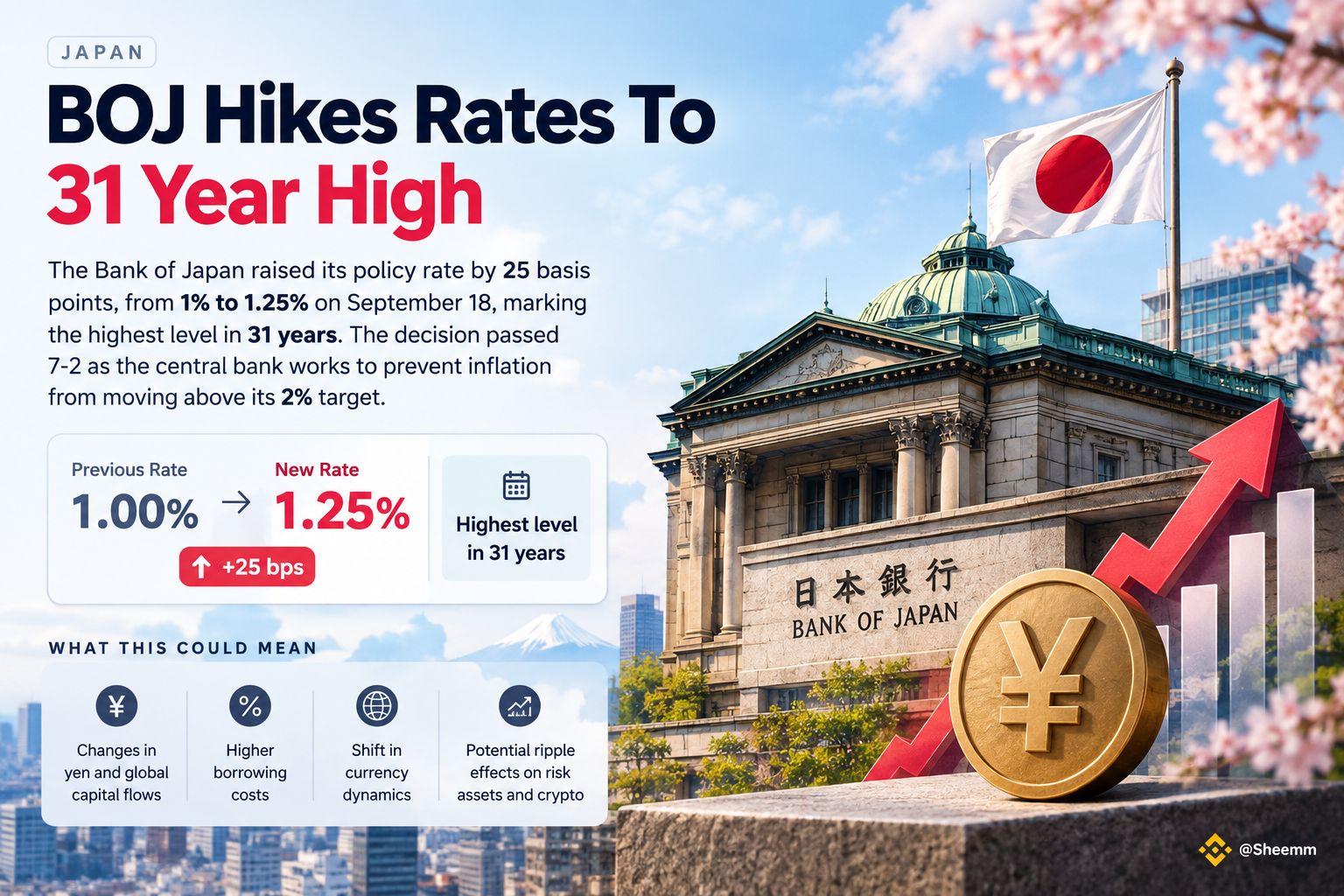
#BOJHikesRatesTo31YearHigh
قام بنك اليابان للتو بإجراء خطوة رئيسية أخرى في تحول سياسته النقدية الممتد. في 18 سبتمبر، رفع بنك اليابان سعر سياسته بمقدار 25 نقطة أساس، من 1% إلى 1.25% — وهو أعلى مستوى منذ 31 عامًا. ومرّ القرار بنتيجة 7-2 حيث تحاول المصرفية المركزية منع ارتفاع التضخم فوق هدفها البالغ 2%. �
رويترز +1
ما لفت انتباهي هو أن الأمر لا يتعلق فقط برفع واحد لسعر الفائدة. تتحرك اليابان أكثر ابتعادًا عن بيئة الفائدة شديدة الانخفاض التي وفرت لسنوات طويلة تمويلًا رخيصًا بالين. قد يؤدي ارتفاع الفوائد تدريجيًا إلى تغيير تدفقات رأس المال العالمية وتكاليف الاقتراض وديناميكيات العملة. ومع ذلك، ضعف الين في البداية بعد القرار، ما يشير إلى أن الأسواق كانت تركز أيضًا على التوجيهات المستقبلية لبنك اليابان وعلى التصويتين المخالفين. �
رويترز
بالنسبة إلى العملات الرقمية والأصول ذات المخاطر، تستحق التحولات في سياسة اليابان المتابعة عن كثب. إذا استمر التشديد، فقد تصبح ظروف السيولة جزءًا مهمًا من القصة الأوسع للسوق.
$G
$ONE
$DRIFT
#Write2Earn!
#BOJHikesRatesTo31YearHigh
قام بنك اليابان للتو بإجراء خطوة رئيسية أخرى في تحول سياسته النقدية الممتد. في 18 سبتمبر، رفع بنك اليابان سعر سياسته بمقدار 25 نقطة أساس، من 1% إلى 1.25% — وهو أعلى مستوى منذ 31 عامًا. ومرّ القرار بنتيجة 7-2 حيث تحاول المصرفية المركزية منع ارتفاع التضخم فوق هدفها البالغ 2%. �
رويترز +1
ما لفت انتباهي هو أن الأمر لا يتعلق فقط برفع واحد لسعر الفائدة. تتحرك اليابان أكثر ابتعادًا عن بيئة الفائدة شديدة الانخفاض التي وفرت لسنوات طويلة تمويلًا رخيصًا بالين. قد يؤدي ارتفاع الفوائد تدريجيًا إلى تغيير تدفقات رأس المال العالمية وتكاليف الاقتراض وديناميكيات العملة. ومع ذلك، ضعف الين في البداية بعد القرار، ما يشير إلى أن الأسواق كانت تركز أيضًا على التوجيهات المستقبلية لبنك اليابان وعلى التصويتين المخالفين. �
رويترز
بالنسبة إلى العملات الرقمية والأصول ذات المخاطر، تستحق التحولات في سياسة اليابان المتابعة عن كثب. إذا استمر التشديد، فقد تصبح ظروف السيولة جزءًا مهمًا من القصة الأوسع للسوق.
$G
$ONE
$DRIFT
#Write2Earn!
قام بنك اليابان للتو بإجراء خطوة رئيسية أخرى في تحول سياسته النقدية الممتد. في 18 سبتمبر، رفع بنك اليابان سعر سياسته بمقدار 25 نقطة أساس، من 1% إلى 1.25% — وهو أعلى مستوى منذ 31 عامًا. ومرّ القرار بنتيجة 7-2 حيث تحاول المصرفية المركزية منع ارتفاع التضخم فوق هدفها البالغ 2%. �
رويترز +1
ما لفت انتباهي هو أن الأمر لا يتعلق فقط برفع واحد لسعر الفائدة. تتحرك اليابان أكثر ابتعادًا عن بيئة الفائدة شديدة الانخفاض التي وفرت لسنوات طويلة تمويلًا رخيصًا بالين. قد يؤدي ارتفاع الفوائد تدريجيًا إلى تغيير تدفقات رأس المال العالمية وتكاليف الاقتراض وديناميكيات العملة. ومع ذلك، ضعف الين في البداية بعد القرار، ما يشير إلى أن الأسواق كانت تركز أيضًا على التوجيهات المستقبلية لبنك اليابان وعلى التصويتين المخالفين. �
رويترز
بالنسبة إلى العملات الرقمية والأصول ذات المخاطر، تستحق التحولات في سياسة اليابان المتابعة عن كثب. إذا استمر التشديد، فقد تصبح ظروف السيولة جزءًا مهمًا من القصة الأوسع للسوق.
$G
$ONE
$DRIFT
#Write2Earn!
3
393
·
--
$G
{future}(GUSDT)
إعداد صفقة G 📉
لقد ارتفع سعر G بأكثر من +67% اليوم ويصل إلى مستويات تشبّع قصوى/مفرطة قرب مقاومة 0.0072. ويبدو أن حجم التداول بدأ يضعف في القمة، ما يشير إلى احتمال حدوث تراجع/تصحيح.
الاتجاه: بيع على المكشوف SHORT 🔻
الدخول: 0.007250 – 0.00720
الهدف 1 (TP1): 0.00677
الهدف 2 (TP2): 0.00620
الهدف 3 (TP3): 0.00565
إيقاف الخسارة (SL): 0.00745 (فوق القمة الأخيرة)
⚠️ أدر المخاطر! دخول سكالب، وخذ الأرباح مبكرًا. ⚡ قم دائمًا بإجراء بحثك الخاص DYOR 👍
$XPL
$BB
#Write2Earn
$G
إعداد صفقة G 📉
لقد ارتفع سعر G بأكثر من +67% اليوم ويصل إلى مستويات تشبّع قصوى/مفرطة قرب مقاومة 0.0072. ويبدو أن حجم التداول بدأ يضعف في القمة، ما يشير إلى احتمال حدوث تراجع/تصحيح.
الاتجاه: بيع على المكشوف SHORT 🔻
الدخول: 0.007250 – 0.00720
الهدف 1 (TP1): 0.00677
الهدف 2 (TP2): 0.00620
الهدف 3 (TP3): 0.00565
إيقاف الخسارة (SL): 0.00745 (فوق القمة الأخيرة)
⚠️ أدر المخاطر! دخول سكالب، وخذ الأرباح مبكرًا. ⚡ قم دائمًا بإجراء بحثك الخاص DYOR 👍
$XPL
$BB
#Write2Earn
إعداد صفقة G 📉
لقد ارتفع سعر G بأكثر من +67% اليوم ويصل إلى مستويات تشبّع قصوى/مفرطة قرب مقاومة 0.0072. ويبدو أن حجم التداول بدأ يضعف في القمة، ما يشير إلى احتمال حدوث تراجع/تصحيح.
الاتجاه: بيع على المكشوف SHORT 🔻
الدخول: 0.007250 – 0.00720
الهدف 1 (TP1): 0.00677
الهدف 2 (TP2): 0.00620
الهدف 3 (TP3): 0.00565
إيقاف الخسارة (SL): 0.00745 (فوق القمة الأخيرة)
⚠️ أدر المخاطر! دخول سكالب، وخذ الأرباح مبكرًا. ⚡ قم دائمًا بإجراء بحثك الخاص DYOR 👍
$XPL
$BB
#Write2Earn
3
444
·
--
$AVA
{future}(AVAUSDT)
AVA مشتعلة!
صعود مجنون بنسبة +84.47%، ويتم التداول حاليًا عند $0.2887 بعد أن سجلت أعلى مستوى عند 0.2936! طفرة ضخمة في حجم التداول وزخم صعودي قوي يخترق مستويات المقاومة الرئيسية. 📈🔥
$BULLA
{alpha}(560x595e21b20e78674f8a64c1566a20b2b316bc3511)
$ONE
{future}(ONEUSDT)
#DYORAlways
$AVA
AVA مشتعلة!
صعود مجنون بنسبة +84.47%، ويتم التداول حاليًا عند $0.2887 بعد أن سجلت أعلى مستوى عند 0.2936! طفرة ضخمة في حجم التداول وزخم صعودي قوي يخترق مستويات المقاومة الرئيسية. 📈🔥
$BULLA
$ONE
#DYORAlways
AVA مشتعلة!
صعود مجنون بنسبة +84.47%، ويتم التداول حاليًا عند $0.2887 بعد أن سجلت أعلى مستوى عند 0.2936! طفرة ضخمة في حجم التداول وزخم صعودي قوي يخترق مستويات المقاومة الرئيسية. 📈🔥
$BULLA
$ONE
#DYORAlways
2
398
·
--
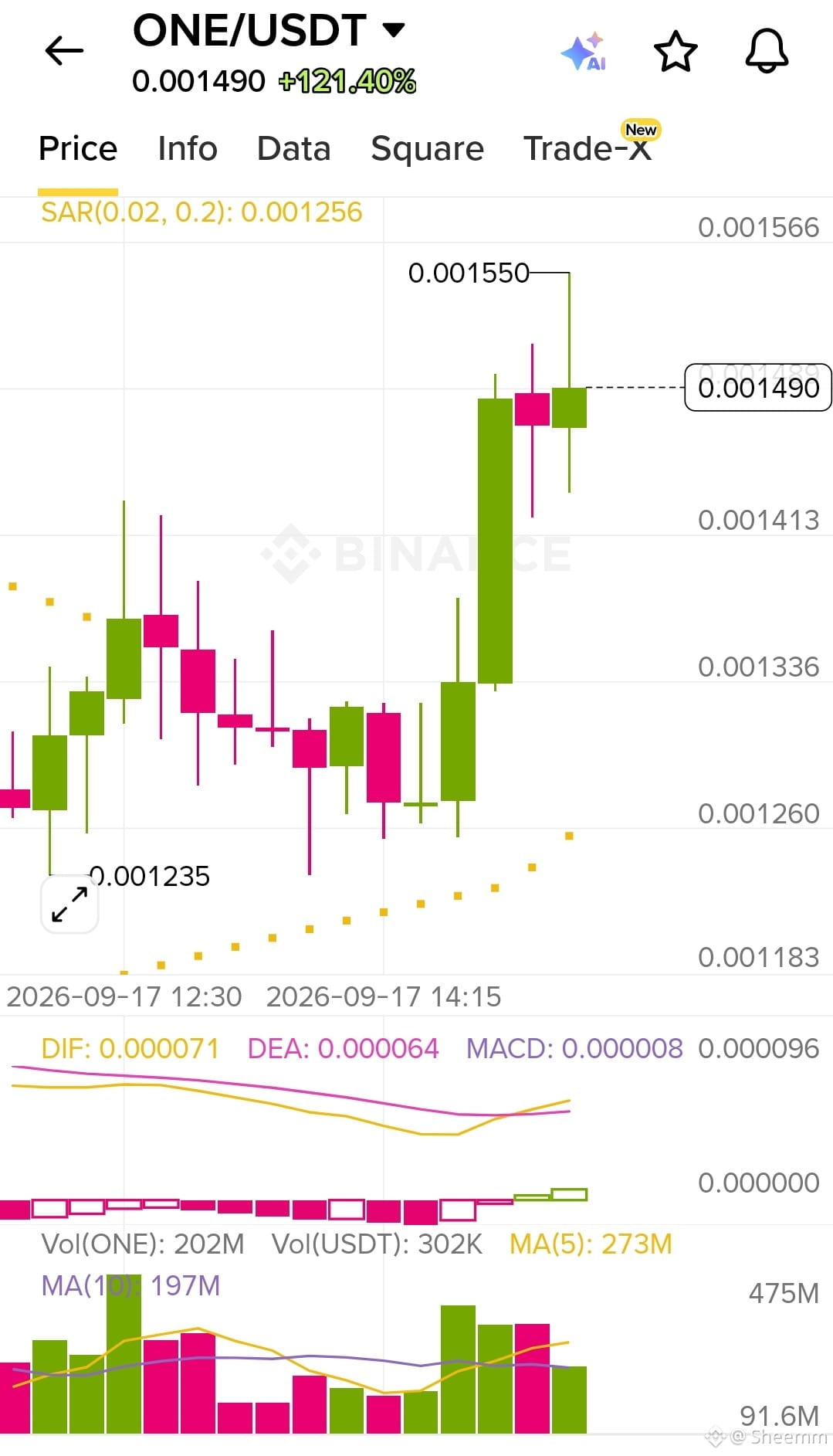
🚀 $ONE
{future}(ONEUSDT)
زوج ONE/USDT في حالة تأجج! 🔥 ارتفع اليوم بنسبة +121.40%، لامس أعلى مستوى عند 0.001550 قبل أن يتماسك حول 0.001490. حجم تداول قوي داعم وتقاطعات MACD الصعودية تؤكد زخمًا هائلًا. 📈
هل أنت تركب هذا الضخ أم تنتظر إعادة الاختبار؟
$NEAR
{future}(NEARUSDT)
$EDEN
{future}(EDENUSDT)
#Write2Earn
#TradeHere☝️🤗
🚀 $ONE
زوج ONE/USDT في حالة تأجج! 🔥 ارتفع اليوم بنسبة +121.40%، لامس أعلى مستوى عند 0.001550 قبل أن يتماسك حول 0.001490. حجم تداول قوي داعم وتقاطعات MACD الصعودية تؤكد زخمًا هائلًا. 📈
هل أنت تركب هذا الضخ أم تنتظر إعادة الاختبار؟
$NEAR
$EDEN
#Write2Earn
#TradeHere☝️🤗
زوج ONE/USDT في حالة تأجج! 🔥 ارتفع اليوم بنسبة +121.40%، لامس أعلى مستوى عند 0.001550 قبل أن يتماسك حول 0.001490. حجم تداول قوي داعم وتقاطعات MACD الصعودية تؤكد زخمًا هائلًا. 📈
هل أنت تركب هذا الضخ أم تنتظر إعادة الاختبار؟
$NEAR
$EDEN
#Write2Earn
#TradeHere☝️🤗
2
383
·
--
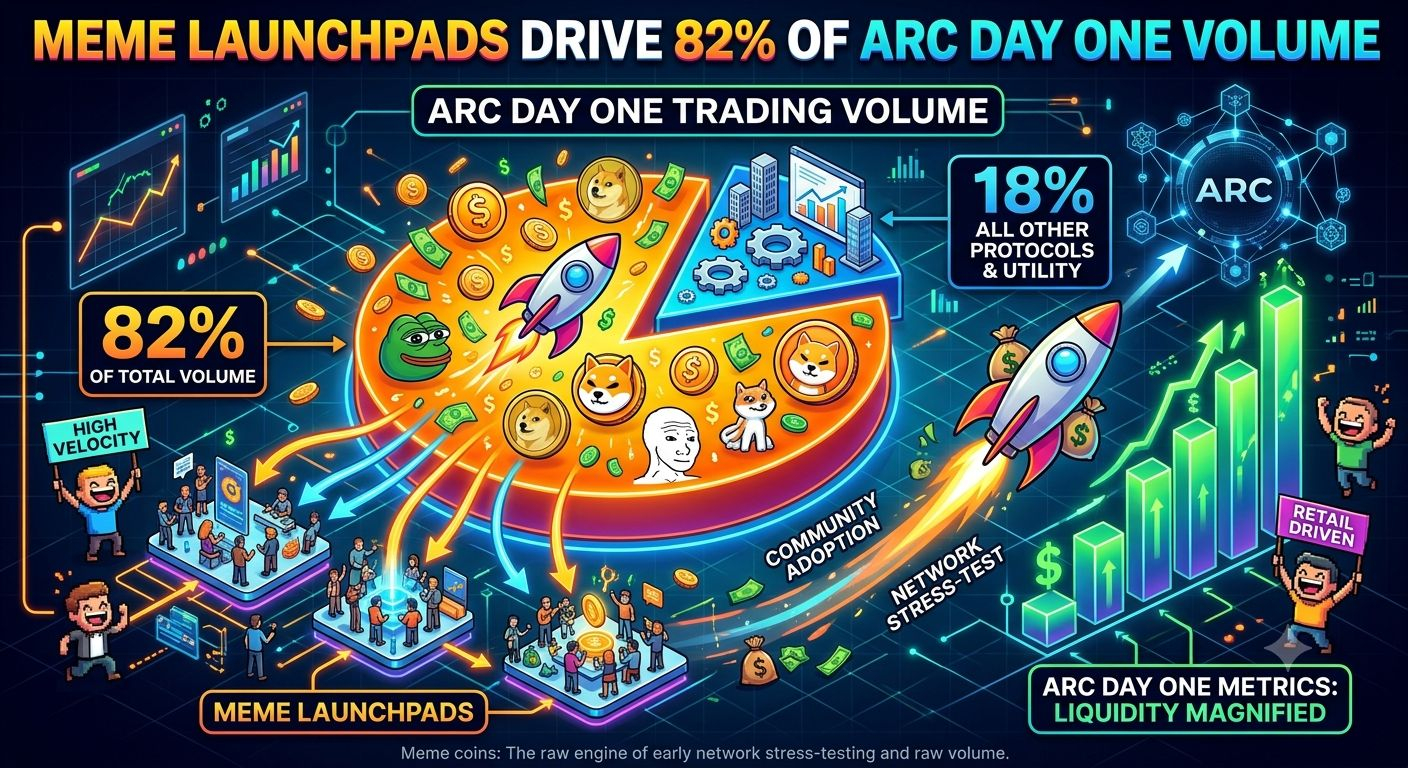
#MemeLaunchpads82%OfArcDayOneVolume
لم تكتفِ منصات الإطلاق الميمية (Meme launchpads) بالمشاركة في نشاط Arc في يومه الأول—بل كانت هي من يقود ذلك بالكامل، حيث استحوذت على نسبة ضخمة بلغت 82% من إجمالي حجم التداول.
تُبرز هذه الدرجة من الهيمنة اتجاهاً واضحاً في السوق: السيولة تتجه نحو بيئات إطلاق سهلة الاستخدام، وإنشاء توكنات بسرعة، وتداول مجتمعي عالي الوتيرة. في حين أن بروتوكولات المنفعة تبني التقنيات الأساسية، تواصل الميمكوينز إثبات أنها المحرك الرئيسي للاختبار المبكر لضغط الشبكة، والإدماج/الانضمام إلى الشبكة، وتوليد حجم تداول خام.
أبرز النقاط:
* مغناطيس السيولة: يتجه المتداولون بالتجزئة بشكل ساحق إلى منصات الإطلاق لاتخاذ خطوة اليوم الأول.
* سرعة الشبكة: يوفر تداول الميمات عالي التردد اختباراً فورياً لإجهاد البنية التحتية لـ Arc.
* الميتا الجديدة: يعتمد نمو النظام البيئي بشكل متزايد على بدائيات توكن مدفوعة بالانتشار عبر المجتمع.
تجاهل الضجيج؛ اتبع حجم التداول.
#MemeLaunchpad
#Write2Earrn
$NVDAB
$NVDA.US
$GOOGL.US
#MemeLaunchpads82%OfArcDayOneVolume
لم تكتفِ منصات الإطلاق الميمية (Meme launchpads) بالمشاركة في نشاط Arc في يومه الأول—بل كانت هي من يقود ذلك بالكامل، حيث استحوذت على نسبة ضخمة بلغت 82% من إجمالي حجم التداول.
تُبرز هذه الدرجة من الهيمنة اتجاهاً واضحاً في السوق: السيولة تتجه نحو بيئات إطلاق سهلة الاستخدام، وإنشاء توكنات بسرعة، وتداول مجتمعي عالي الوتيرة. في حين أن بروتوكولات المنفعة تبني التقنيات الأساسية، تواصل الميمكوينز إثبات أنها المحرك الرئيسي للاختبار المبكر لضغط الشبكة، والإدماج/الانضمام إلى الشبكة، وتوليد حجم تداول خام.
أبرز النقاط:
* مغناطيس السيولة: يتجه المتداولون بالتجزئة بشكل ساحق إلى منصات الإطلاق لاتخاذ خطوة اليوم الأول.
* سرعة الشبكة: يوفر تداول الميمات عالي التردد اختباراً فورياً لإجهاد البنية التحتية لـ Arc.
* الميتا الجديدة: يعتمد نمو النظام البيئي بشكل متزايد على بدائيات توكن مدفوعة بالانتشار عبر المجتمع.
تجاهل الضجيج؛ اتبع حجم التداول.
#MemeLaunchpad
#Write2Earrn
$NVDAB
$NVDA.US
$GOOGL.US
لم تكتفِ منصات الإطلاق الميمية (Meme launchpads) بالمشاركة في نشاط Arc في يومه الأول—بل كانت هي من يقود ذلك بالكامل، حيث استحوذت على نسبة ضخمة بلغت 82% من إجمالي حجم التداول.
تُبرز هذه الدرجة من الهيمنة اتجاهاً واضحاً في السوق: السيولة تتجه نحو بيئات إطلاق سهلة الاستخدام، وإنشاء توكنات بسرعة، وتداول مجتمعي عالي الوتيرة. في حين أن بروتوكولات المنفعة تبني التقنيات الأساسية، تواصل الميمكوينز إثبات أنها المحرك الرئيسي للاختبار المبكر لضغط الشبكة، والإدماج/الانضمام إلى الشبكة، وتوليد حجم تداول خام.
أبرز النقاط:
* مغناطيس السيولة: يتجه المتداولون بالتجزئة بشكل ساحق إلى منصات الإطلاق لاتخاذ خطوة اليوم الأول.
* سرعة الشبكة: يوفر تداول الميمات عالي التردد اختباراً فورياً لإجهاد البنية التحتية لـ Arc.
* الميتا الجديدة: يعتمد نمو النظام البيئي بشكل متزايد على بدائيات توكن مدفوعة بالانتشار عبر المجتمع.
تجاهل الضجيج؛ اتبع حجم التداول.
#MemeLaunchpad
#Write2Earrn
$NVDAB
$NVDA.US
$GOOGL.US
6
1.4k
·
--
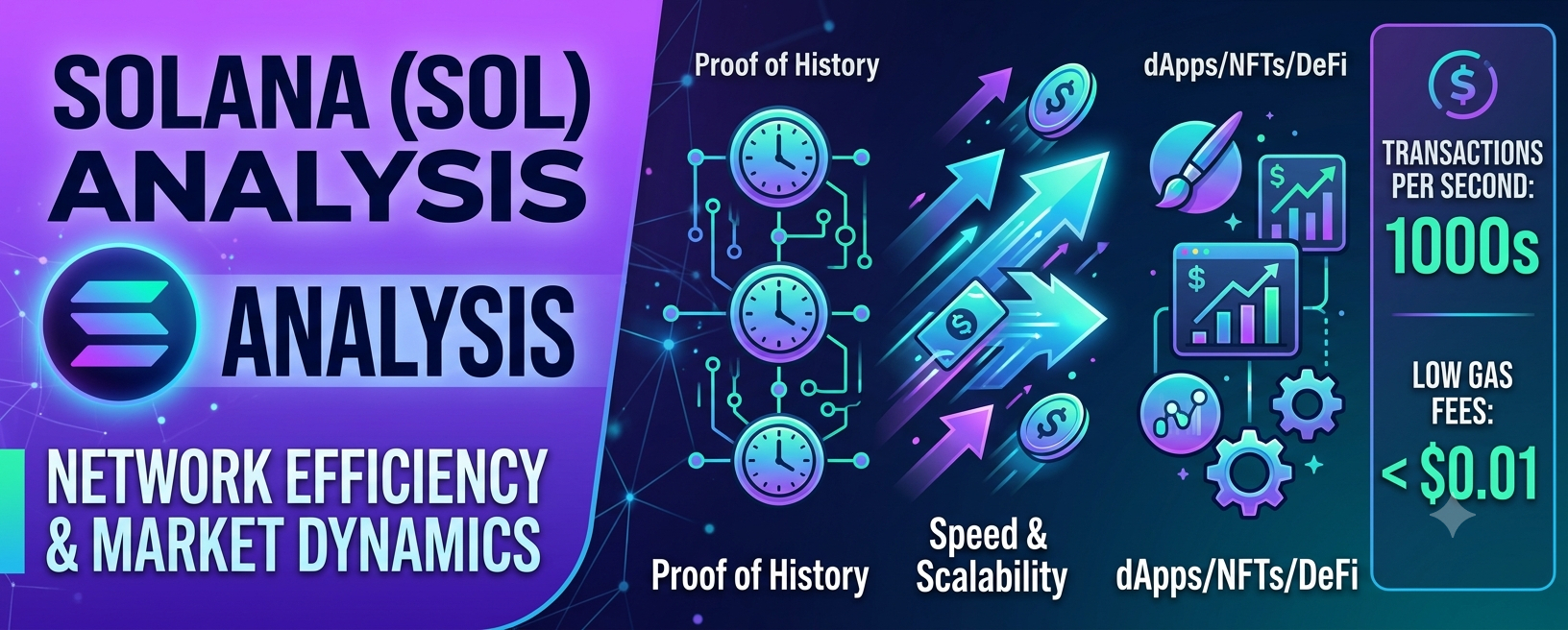
مقالة
لماذا أُبقي سولانا تحت مراقبة وثيقة: السرعة، والتوسع، وديناميكيات السوقعندما أنظر إلى مشهد سلسلة الكتل في الطبقة الأولى، لا تبرز أمامي شبكات قليلة بقدر ما تبرز سولانا. أُطلقت في عام 2020 بواسطة أناتولي ياكوڤينكو، وقد صُممت بشكل صريح لمعالجة اختناقات السرعة والكفاءة وقابلية التوسع التي ظلّت تعاني منها شبكات العقود الذكية المبكرة منذ زمن طويل.
من خلال الجمع بين إثبات التاريخ (PoH) إلى جانب آلية إجماع قياسية لإثبات الحصة (PoS)، تحقق سولانا سرعات إنتاجية تجعل المنصات التقليدية مثل إيثيريوم تبدو بطيئة ومكلفة بشكل مؤلم. وفي حين أنني كثيرًا ما أجد نفسي محبطًا بسبب رسوم الغاز المرتفعة في أماكن أخرى، تقوم سولانا بمعالجة آلاف المعاملات في الثانية مقابل أجزاء من سنت. إن الأداء الخام هو بالضبط ما جعلني ألاحظ كيف تحولت إلى مركز رئيسي للتطبيقات اللامركزية (dApps) وNFTs وبروتوكولات التمويل اللامركزي عالية التردد.
لماذا أُبقي سولانا تحت مراقبة وثيقة: السرعة، والتوسع، وديناميكيات السوق
عندما أنظر إلى مشهد سلسلة الكتل في الطبقة الأولى، لا تبرز أمامي شبكات قليلة بقدر ما تبرز سولانا. أُطلقت في عام 2020 بواسطة أناتولي ياكوڤينكو، وقد صُممت بشكل صريح لمعالجة اختناقات السرعة والكفاءة وقابلية التوسع التي ظلّت تعاني منها شبكات العقود الذكية المبكرة منذ زمن طويل.
من خلال الجمع بين إثبات التاريخ (PoH) إلى جانب آلية إجماع قياسية لإثبات الحصة (PoS)، تحقق سولانا سرعات إنتاجية تجعل المنصات التقليدية مثل إيثيريوم تبدو بطيئة ومكلفة بشكل مؤلم. وفي حين أنني كثيرًا ما أجد نفسي محبطًا بسبب رسوم الغاز المرتفعة في أماكن أخرى، تقوم سولانا بمعالجة آلاف المعاملات في الثانية مقابل أجزاء من سنت. إن الأداء الخام هو بالضبط ما جعلني ألاحظ كيف تحولت إلى مركز رئيسي للتطبيقات اللامركزية (dApps) وNFTs وبروتوكولات التمويل اللامركزي عالية التردد.
من خلال الجمع بين إثبات التاريخ (PoH) إلى جانب آلية إجماع قياسية لإثبات الحصة (PoS)، تحقق سولانا سرعات إنتاجية تجعل المنصات التقليدية مثل إيثيريوم تبدو بطيئة ومكلفة بشكل مؤلم. وفي حين أنني كثيرًا ما أجد نفسي محبطًا بسبب رسوم الغاز المرتفعة في أماكن أخرى، تقوم سولانا بمعالجة آلاف المعاملات في الثانية مقابل أجزاء من سنت. إن الأداء الخام هو بالضبط ما جعلني ألاحظ كيف تحولت إلى مركز رئيسي للتطبيقات اللامركزية (dApps) وNFTs وبروتوكولات التمويل اللامركزي عالية التردد.
2
249
سجّل الدخول لاستكشاف المزيد من المُحتوى
انضم إلى مُستخدمي العملات الرقمية حول العالم على Binance Square
⚡️ احصل على أحدث المعلومات المفيدة عن العملات الرقمية.
💬 موثوقة من قبل أكبر منصّة لتداول العملات الرقمية في العالم.
👍 اكتشف الرؤى الحقيقية من صنّاع المُحتوى الموثوقين.
البريد الإلكتروني / رقم الهاتف
المواضيع الرائجة
AIStocksWhatNext
341,959 مشاهدات
2,908 يقومون بالنقاش
شارك واربح مكافأة حركة المرور في حملة الهاشتاغ الرائجة لدينا
✨الموضوع: ما فرص الاستثمار الأخرى التي ما زالت قائمة مع استمرار ارتفاع أسهم الذكاء الاصطناعي؟
👉كيفية الانضمام:
انشر منشورًا قصيرًا أو مقالًا باستخدام هاشتاغ #AIStocksWhatNext
شارك ما إذا كنت متفائلًا أم متشائمًا، وانشر مقتنياتك من أسهم الذكاء الاصطناعي أو تداولك — قد يؤدي استخدام أداة التداول إلى تحسين أهليتك.
يمكنك أيضًا تعزيز منشورك بمشاركة بيانات أو مخططات، وتجنب الصور المُولدة بالذكاء الاصطناعي.
✍️أنشئ محتوى بناءً على الزوايا التالية:
- يقول نِفيديا إن مبيعات الرقائق ستتضاعف العام القادم، وتواصل كبرى شركات الذكاء الاصطناعي تحقيق إيرادات قياسية؛ إن إنفاق الحوسبة وراء ذلك مثير للإعجاب بنفس القدر. هل طلب الذكاء الاصطناعي يتصاعد فعلًا؟ وكم يمكن أن يستمر؟ أسهم الذكاء الاصطناعي مرتفعة على نطاق واسع. هل هذا اختراق حقيقي أم مجرد ارتداد قصير الأجل؟
- يدعو قادة الصناعة إلى إبطاء تطوير الذكاء الاصطناعي، بينما يخطط ترامب لبناء "قوة ذكاء اصطناعي"، مدعيًا أن الذكاء الاصطناعي قد يمثل 25% من الناتج المحلي الإجمالي الأمريكي في المستقبل. في أي جانب أنت؟ وهل الدعم على مستوى الولايات سيكون فوزًا طويل الأمد لأسهم الذكاء الاصطناعي؟
- هل تشتري أسهم الذكاء الاصطناعي؟ شارك تداولك/مقتنياتك المتعلقة بالذكاء الاصطناعي معنا عبر أداة مشاركة التداول.
⏰فترة الحملة:
- 2026-09-22 7:00 - 2026-09-24 4:00 بالتوقيت العالمي
🎁المكافأة:
- سيتم مراجعة المنشورات المؤهلة التي تلتزم بالإرشادات أعلاه وتتضمن أكثر من 100 كلمة، وقد تحصل على تعزيز عشوائي لحركة المرور من 500 إلى 3,000 مشاهدة. ستصلك إشعار من سكرتير موجزك إذا تم اختيار منشورك.
- احصل على فرصة لعرض مقالك في Binance Square Official
هل تحتاج إلى أفكار لمنشورك؟ تفضل بزيارة صفحة الموضوع #AIStocksWhatNext أو Square Guide on How to Post for Better Reach.
Binance Square Official
·355 إعجاب
·861.1k مشاهدات
BitcoinBreaksAboveMayHighNears$86K
13,757 مشاهدات
188 يقومون بالنقاش
DogecoinRises15%
42,930 مشاهدات
955 يقومون بالنقاش