

Crypto A_24
362 منشورات

Crypto A_24
إبلاغ
حظر المُستخدم
No need to verify me because i am always verified✅
13 تتابع
36 المتابعون
95 إعجاب
منشورات
الكل
اقتباسات
·
--
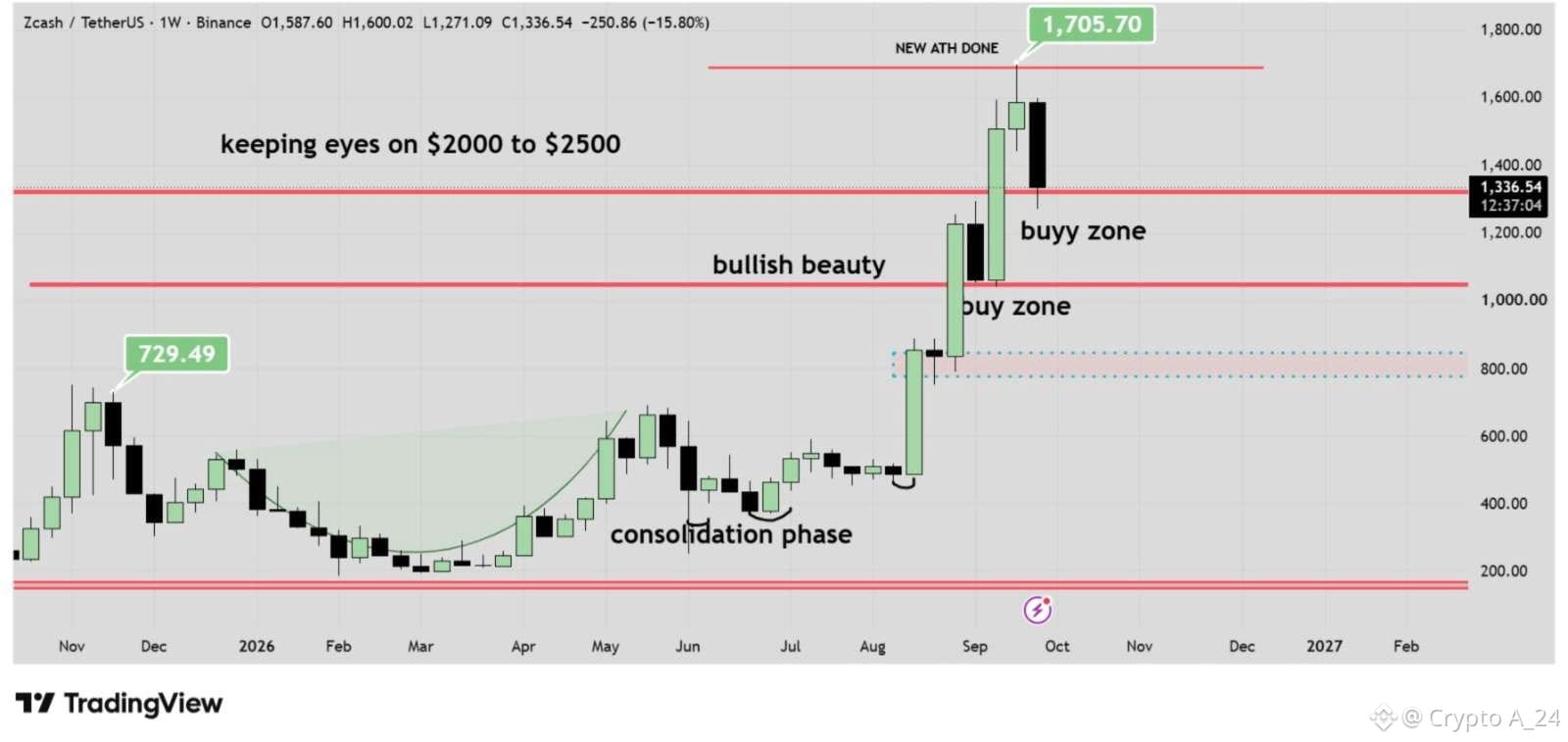
$ZEC تحطّم مستوى قياسيًا جديدًا قرب 1,705$ وأصبح الآن يتراجع حول 1,336$. أراقب كيف يتفاعل السعر هنا إذا عادت القوة. تبقى منطقة 2,000$–2,500$ هي النطاق الكبير الذي أضعه على راداري.
$ZEC تحطّم مستوى قياسيًا جديدًا قرب 1,705$ وأصبح الآن يتراجع حول 1,336$. أراقب كيف يتفاعل السعر هنا إذا عادت القوة. تبقى منطقة 2,000$–2,500$ هي النطاق الكبير الذي أضعه على راداري.
78
·
--
تحديث سوق العملات الرقمية
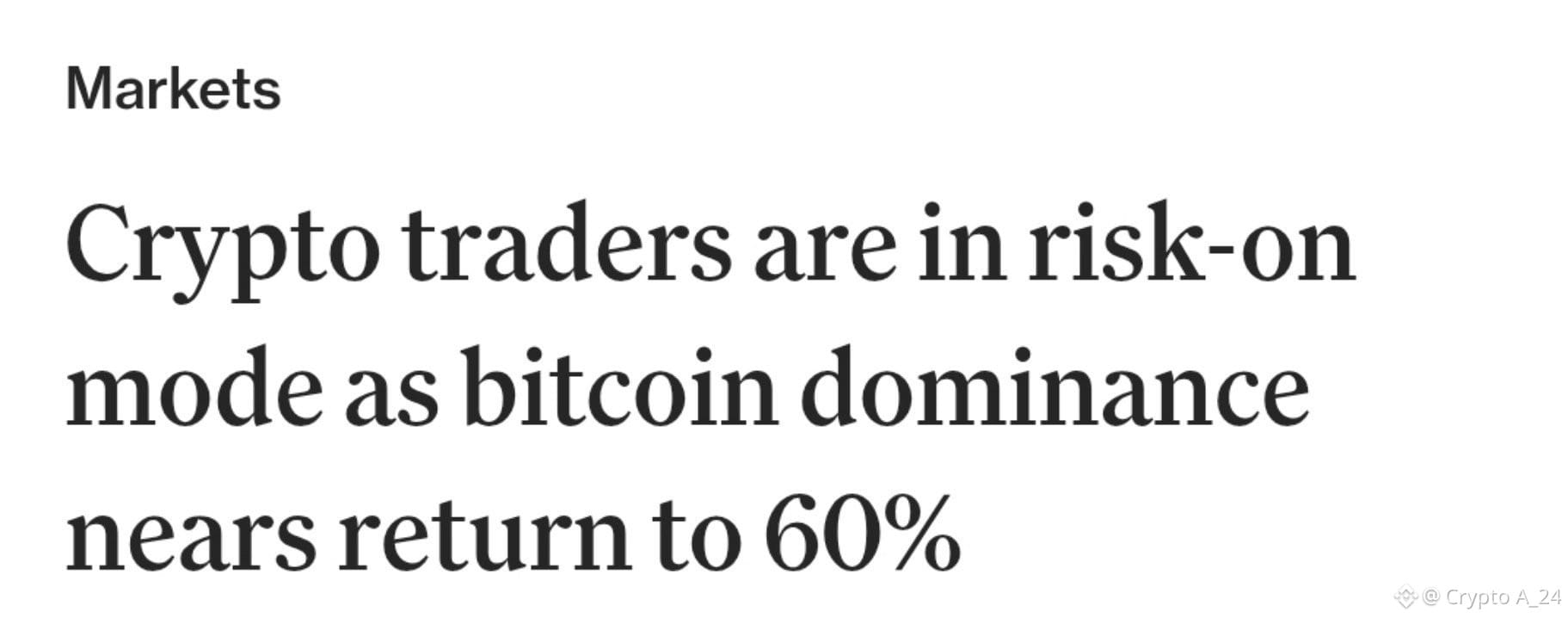
ارتفاع البيتكوين فوق 86 ألف دولار يعيد السوق إلى وضع «الشهيّة للمخاطرة».
➜ تهيمن $BTC على نحو 60% تقترب
➜ انخفضت هيمنة USDT باتجاه 6.3%
➜ قفز الفائدة المفتوحة على BTC إلى 22.4 مليار دولار
➜ ترتفع معدلات التمويل مع تزايد المراكز الطويلة المُرافعة
➜ AAVE و ZRO من بين أقوى المؤثرين الكبار في السوق
العامل الأهم الآن: 87.4 ألف دولار هو مستوى تصفية رئيسي يجب مراقبته. قد يؤدي الاسترداد القوي إلى دفع المزيد من الصعود، بينما قد تؤدي عملية الرفض إلى تقلبات عبر السوق.
BTC عند نقطة قرار حاسمة.
سيناريو للسوق، وليس نصيحة مالية.
تحديث سوق العملات الرقمية
ارتفاع البيتكوين فوق 86 ألف دولار يعيد السوق إلى وضع «الشهيّة للمخاطرة».
➜ تهيمن $BTC على نحو 60% تقترب
➜ انخفضت هيمنة USDT باتجاه 6.3%
➜ قفز الفائدة المفتوحة على BTC إلى 22.4 مليار دولار
➜ ترتفع معدلات التمويل مع تزايد المراكز الطويلة المُرافعة
➜ AAVE و ZRO من بين أقوى المؤثرين الكبار في السوق
العامل الأهم الآن: 87.4 ألف دولار هو مستوى تصفية رئيسي يجب مراقبته. قد يؤدي الاسترداد القوي إلى دفع المزيد من الصعود، بينما قد تؤدي عملية الرفض إلى تقلبات عبر السوق.
BTC عند نقطة قرار حاسمة.
سيناريو للسوق، وليس نصيحة مالية.
ارتفاع البيتكوين فوق 86 ألف دولار يعيد السوق إلى وضع «الشهيّة للمخاطرة».
➜ تهيمن $BTC على نحو 60% تقترب
➜ انخفضت هيمنة USDT باتجاه 6.3%
➜ قفز الفائدة المفتوحة على BTC إلى 22.4 مليار دولار
➜ ترتفع معدلات التمويل مع تزايد المراكز الطويلة المُرافعة
➜ AAVE و ZRO من بين أقوى المؤثرين الكبار في السوق
العامل الأهم الآن: 87.4 ألف دولار هو مستوى تصفية رئيسي يجب مراقبته. قد يؤدي الاسترداد القوي إلى دفع المزيد من الصعود، بينما قد تؤدي عملية الرفض إلى تقلبات عبر السوق.
BTC عند نقطة قرار حاسمة.
سيناريو للسوق، وليس نصيحة مالية.
73
·
--
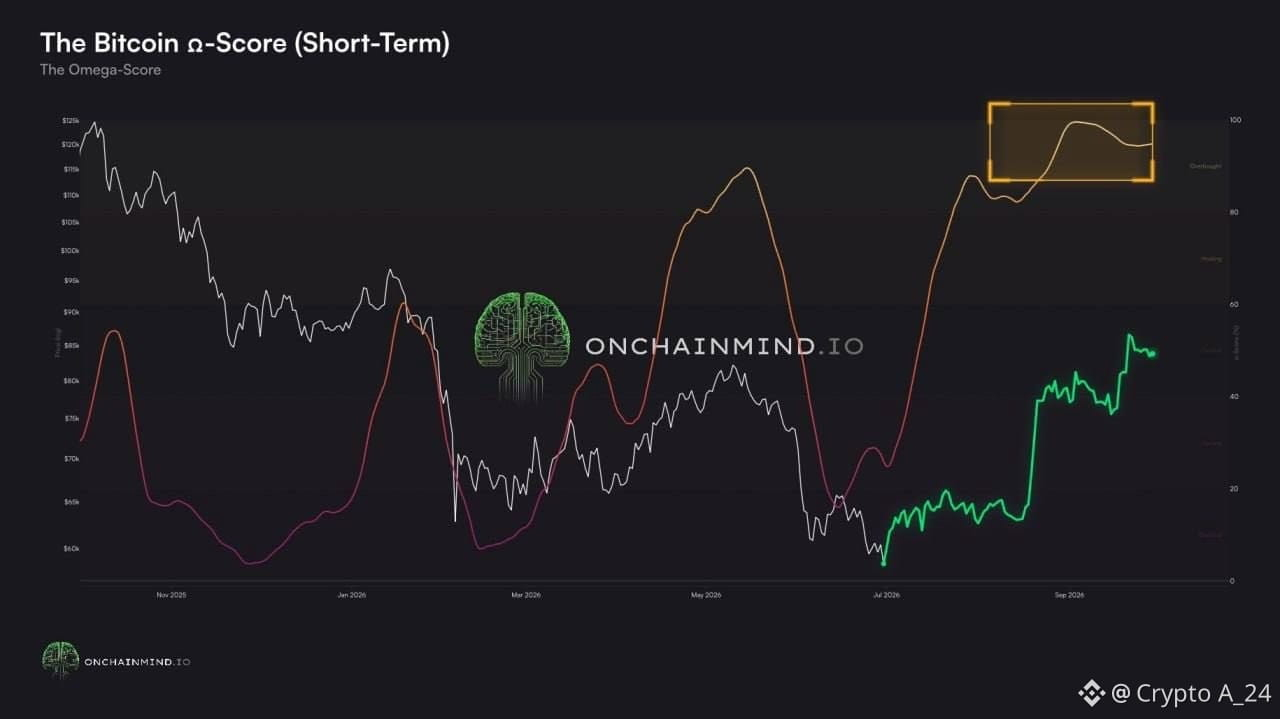
ظلّت المخاطر قصيرة الأجل مرتفعة بعد التحرك الحاد لـ $BTC C من القاع.
وهذا بالضبط سبب الحاجة إلى فترة تهدئة.
يمكن أن يظل الاتجاه بنّاءً بينما يتم إعادة ضبط الزخم الزائد.
ظلّت المخاطر قصيرة الأجل مرتفعة بعد التحرك الحاد لـ $BTC C من القاع.
وهذا بالضبط سبب الحاجة إلى فترة تهدئة.
يمكن أن يظل الاتجاه بنّاءً بينما يتم إعادة ضبط الزخم الزائد.
وهذا بالضبط سبب الحاجة إلى فترة تهدئة.
يمكن أن يظل الاتجاه بنّاءً بينما يتم إعادة ضبط الزخم الزائد.
55
·
--
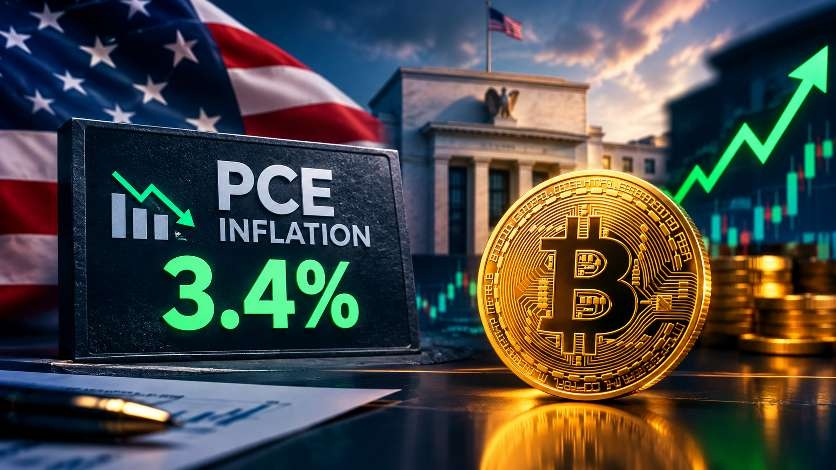
تضخم PCE في الولايات المتحدة: 3.4% 📰
سجل تضخم PCE في الولايات المتحدة 3.4%، ما يحافظ على بقاء التضخم في دائرة الضوء بينما تقوم الأسواق بتقييم الخطوات التالية للاحتياطي الفيدرالي. بالنسبة إلى البيتكوين، يمكن أن تدعم توقعات التضخم الأكثر اعتدالًا طرحَ سياسة نقدية أسهل وأسعار فائدة أقل، مما قد يحسن السيولة ويعزز شهية المخاطرة عبر الأسواق.
إذا استمر تباطؤ التضخم، $BTC يمكن أن يستفيد من بيئة ماكرو أكثر دعمًا! 📈
#PCE #CryptoNews
تضخم PCE في الولايات المتحدة: 3.4% 📰
سجل تضخم PCE في الولايات المتحدة 3.4%، ما يحافظ على بقاء التضخم في دائرة الضوء بينما تقوم الأسواق بتقييم الخطوات التالية للاحتياطي الفيدرالي. بالنسبة إلى البيتكوين، يمكن أن تدعم توقعات التضخم الأكثر اعتدالًا طرحَ سياسة نقدية أسهل وأسعار فائدة أقل، مما قد يحسن السيولة ويعزز شهية المخاطرة عبر الأسواق.
إذا استمر تباطؤ التضخم، $BTC يمكن أن يستفيد من بيئة ماكرو أكثر دعمًا! 📈
#PCE #CryptoNews
سجل تضخم PCE في الولايات المتحدة 3.4%، ما يحافظ على بقاء التضخم في دائرة الضوء بينما تقوم الأسواق بتقييم الخطوات التالية للاحتياطي الفيدرالي. بالنسبة إلى البيتكوين، يمكن أن تدعم توقعات التضخم الأكثر اعتدالًا طرحَ سياسة نقدية أسهل وأسعار فائدة أقل، مما قد يحسن السيولة ويعزز شهية المخاطرة عبر الأسواق.
إذا استمر تباطؤ التضخم، $BTC يمكن أن يستفيد من بيئة ماكرو أكثر دعمًا! 📈
#PCE #CryptoNews
70
·
--
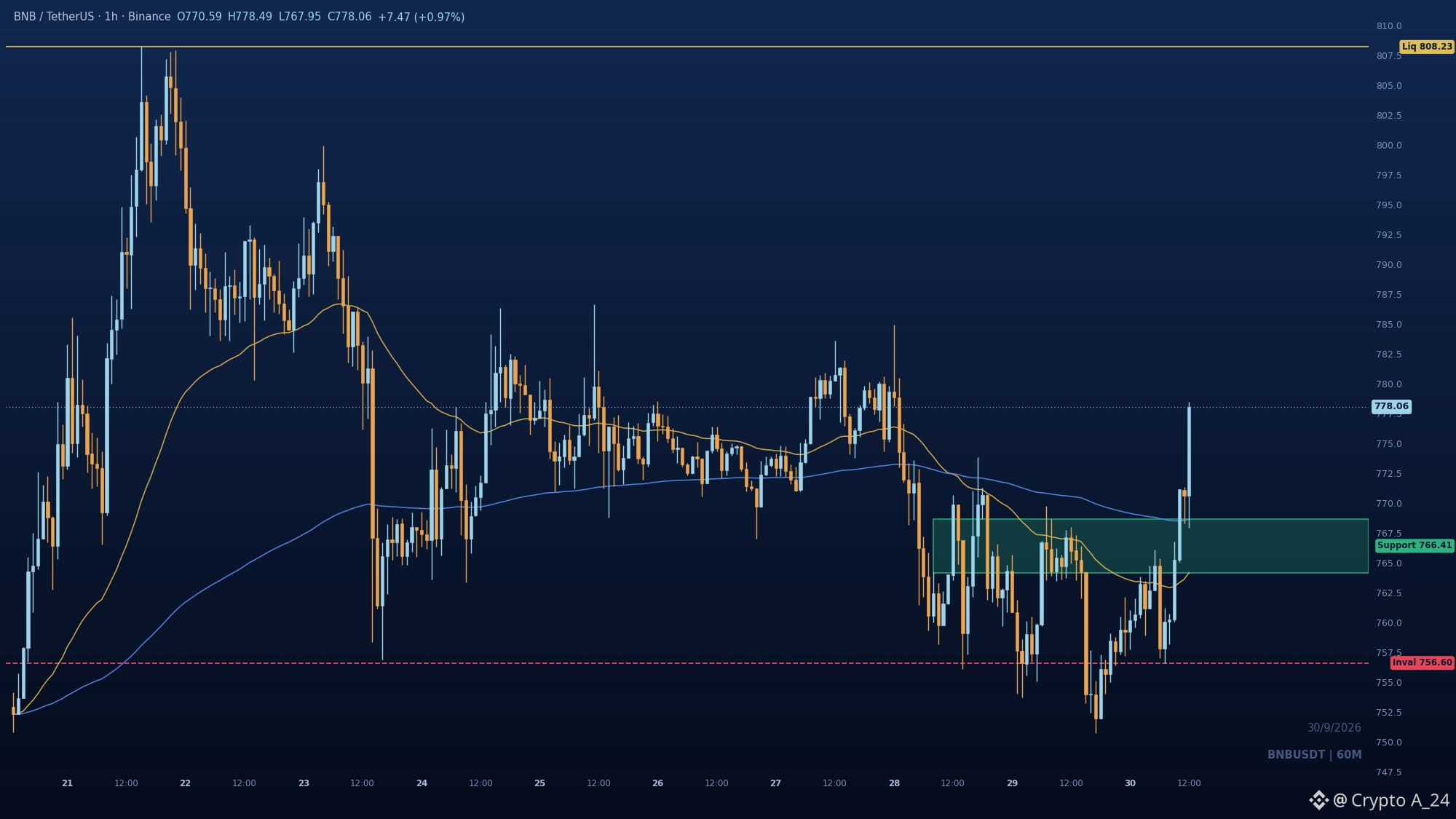
هل يمكن لـ $BNB أن يحافظ على مجموعة EMA بين 764 و768 التي استعادها للتو، أم أن الإزاحة فوق 766.07 تبدأ بالخفوت؟
دفَع المشترون السعر خارج منطقة القاع عند 756.6 إلى 750.75 ثم اخترقوا قمة التأرجح الأخيرة، ليقلب الهيكل صعوديًا ويستعيد كلتا المتوسطين EMA.
لا يزال السعر تحت منتصف النطاق، لذلك يُعتبر ذلك صفقة بخصم، مع وجود 808.23 كسقف نافذة الشراء.
الحفاظ على 756.6 في أي إعادة اختبار يُبقي القاع الأدنى المرتفع سليمًا. أما إغلاقٌ جديدٌ أسفلها فسيُبطل الإزاحة، ويعيد المتوسطين EMA إلى الأعلى، ويعيد النطاق للبائعين.
هل تراقب إعادة اختبار EMA أم سيولة 808.23 فوق؟
أحد عدة مخططات يشرحها المكتب للمجموعة كل صباح.
#AltcoinSeason
هل يمكن لـ $BNB أن يحافظ على مجموعة EMA بين 764 و768 التي استعادها للتو، أم أن الإزاحة فوق 766.07 تبدأ بالخفوت؟
دفَع المشترون السعر خارج منطقة القاع عند 756.6 إلى 750.75 ثم اخترقوا قمة التأرجح الأخيرة، ليقلب الهيكل صعوديًا ويستعيد كلتا المتوسطين EMA.
لا يزال السعر تحت منتصف النطاق، لذلك يُعتبر ذلك صفقة بخصم، مع وجود 808.23 كسقف نافذة الشراء.
الحفاظ على 756.6 في أي إعادة اختبار يُبقي القاع الأدنى المرتفع سليمًا. أما إغلاقٌ جديدٌ أسفلها فسيُبطل الإزاحة، ويعيد المتوسطين EMA إلى الأعلى، ويعيد النطاق للبائعين.
هل تراقب إعادة اختبار EMA أم سيولة 808.23 فوق؟
أحد عدة مخططات يشرحها المكتب للمجموعة كل صباح.
#AltcoinSeason
دفَع المشترون السعر خارج منطقة القاع عند 756.6 إلى 750.75 ثم اخترقوا قمة التأرجح الأخيرة، ليقلب الهيكل صعوديًا ويستعيد كلتا المتوسطين EMA.
لا يزال السعر تحت منتصف النطاق، لذلك يُعتبر ذلك صفقة بخصم، مع وجود 808.23 كسقف نافذة الشراء.
الحفاظ على 756.6 في أي إعادة اختبار يُبقي القاع الأدنى المرتفع سليمًا. أما إغلاقٌ جديدٌ أسفلها فسيُبطل الإزاحة، ويعيد المتوسطين EMA إلى الأعلى، ويعيد النطاق للبائعين.
هل تراقب إعادة اختبار EMA أم سيولة 808.23 فوق؟
أحد عدة مخططات يشرحها المكتب للمجموعة كل صباح.
#AltcoinSeason
60
·
--
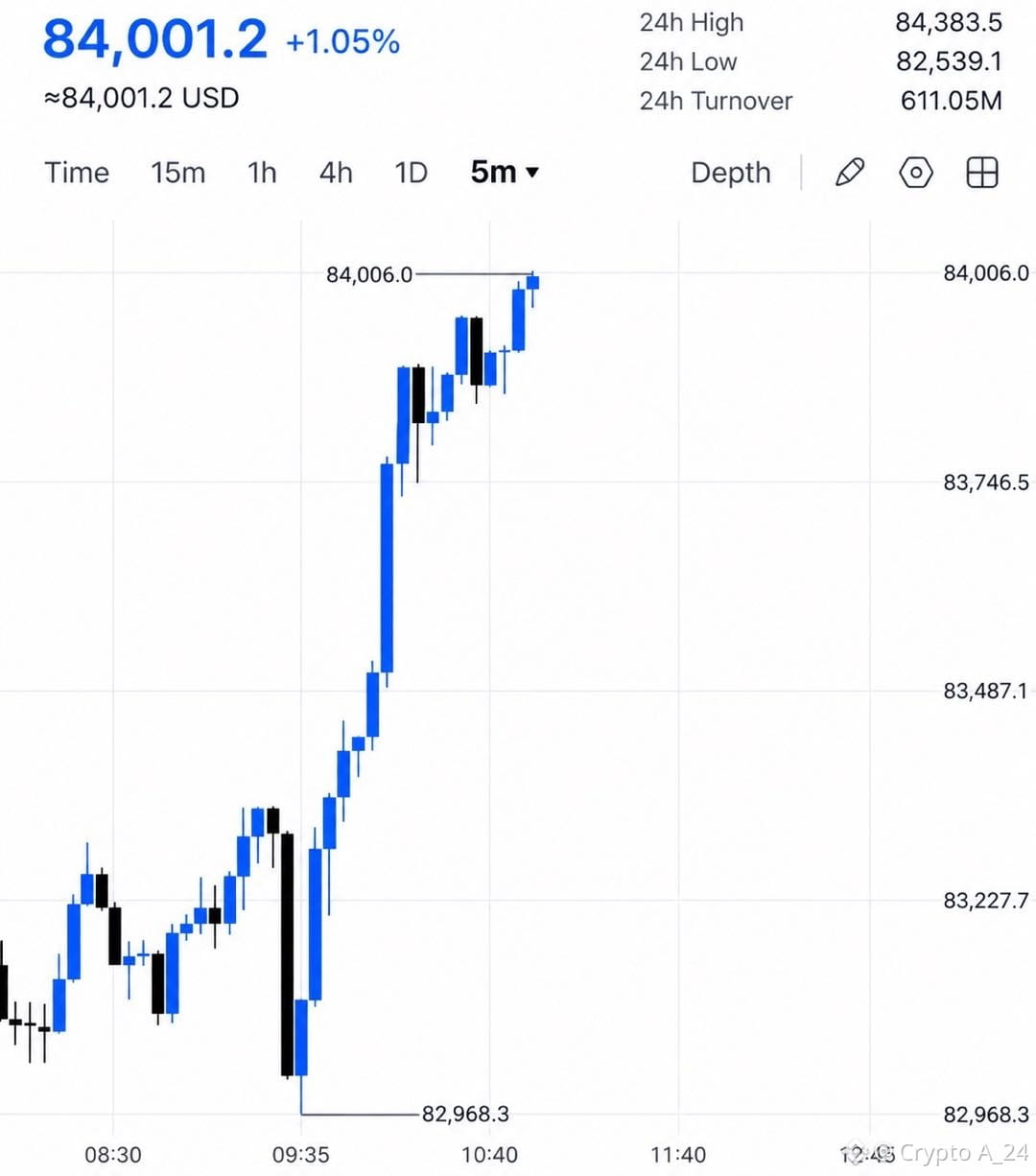
يتدفق البيتكوين بالصعود بينما تتفاعل الأسواق مع تطورات إيجابية حول الصين وإيران.
بمجرد أن تفهم ما الذي يحرك السيولة ومعنويات السوق، تبدأ مثل هذه التحركات في أن تصبح أكثر منطقية.
$100K $BTC عادت إلى دائرة الضوء.
هل ترى الإعداد الآن؟
#btc
يتدفق البيتكوين بالصعود بينما تتفاعل الأسواق مع تطورات إيجابية حول الصين وإيران.
بمجرد أن تفهم ما الذي يحرك السيولة ومعنويات السوق، تبدأ مثل هذه التحركات في أن تصبح أكثر منطقية.
$100K $BTC عادت إلى دائرة الضوء.
هل ترى الإعداد الآن؟
#btc
بمجرد أن تفهم ما الذي يحرك السيولة ومعنويات السوق، تبدأ مثل هذه التحركات في أن تصبح أكثر منطقية.
$100K $BTC عادت إلى دائرة الضوء.
هل ترى الإعداد الآن؟
#btc
87
·
--
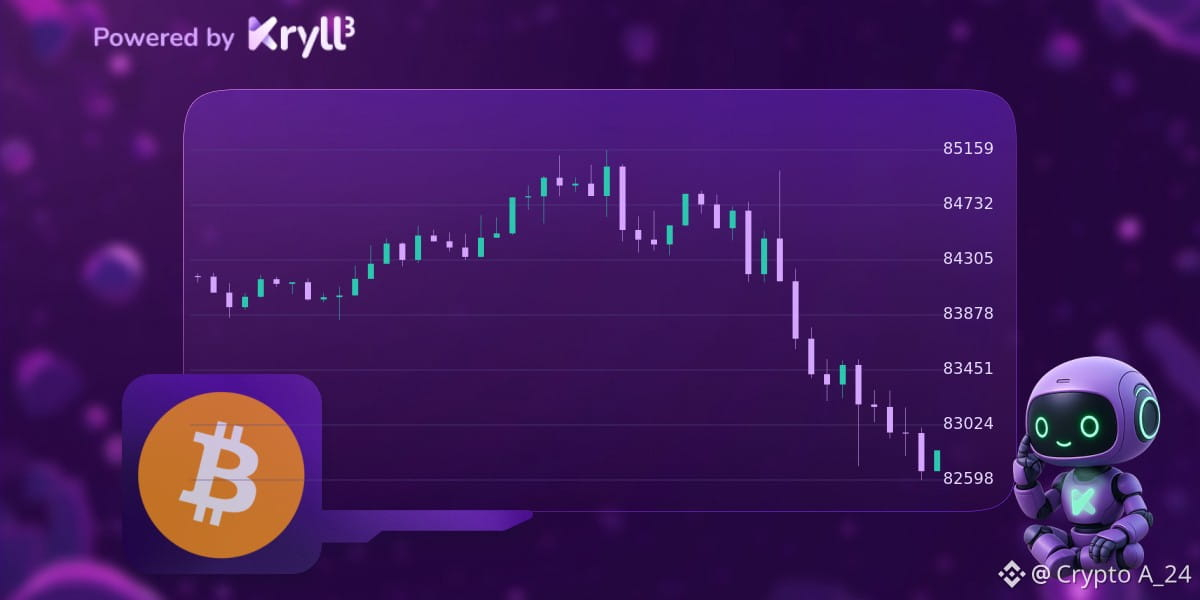
تنبيه: 📉 🟠 $BTC ينخفض عن 83,000 دولار مع تصاعد التوترات الجيوسياسية وارتفاع أسعار النفط. تزايد احتمالات رفع أسعار الفائدة.
#Bitcoin 🔵 #Crypto #MarketNews
تنبيه: 📉 🟠 $BTC ينخفض عن 83,000 دولار مع تصاعد التوترات الجيوسياسية وارتفاع أسعار النفط. تزايد احتمالات رفع أسعار الفائدة.
#Bitcoin 🔵 #Crypto #MarketNews
#Bitcoin 🔵 #Crypto #MarketNews
1
68
·
--
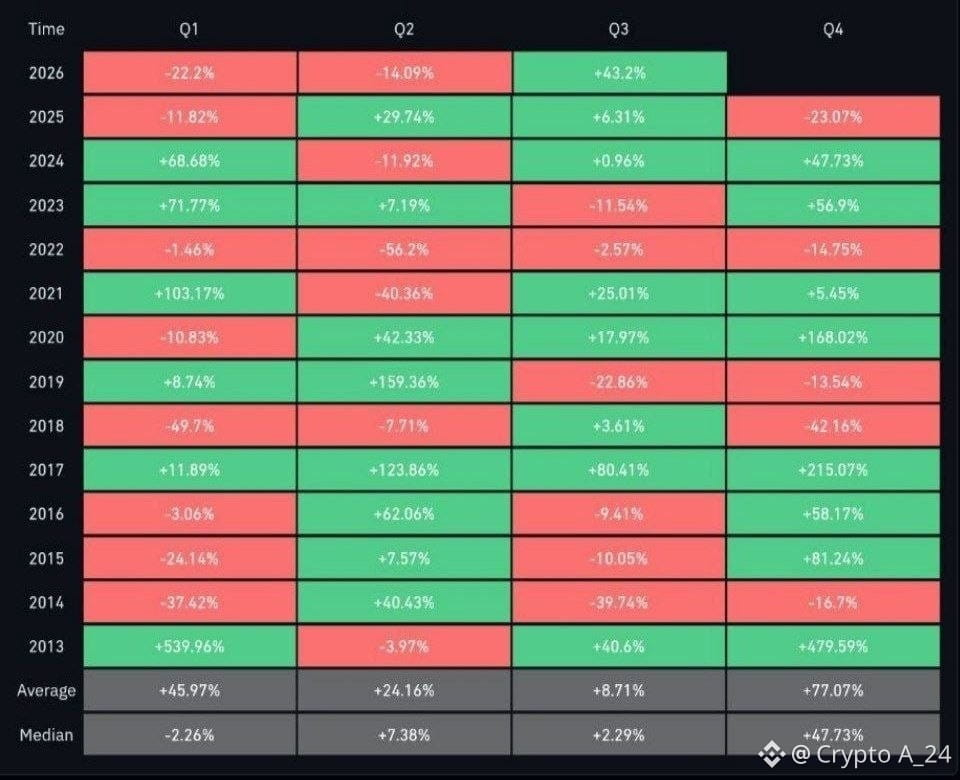
📊 إن رقم $BTC على وشك إغلاق أفضل ثاني Q3 له على الإطلاق.
📊 إن رقم $BTC على وشك إغلاق أفضل ثاني Q3 له على الإطلاق.
1
45
·
--
$BTC
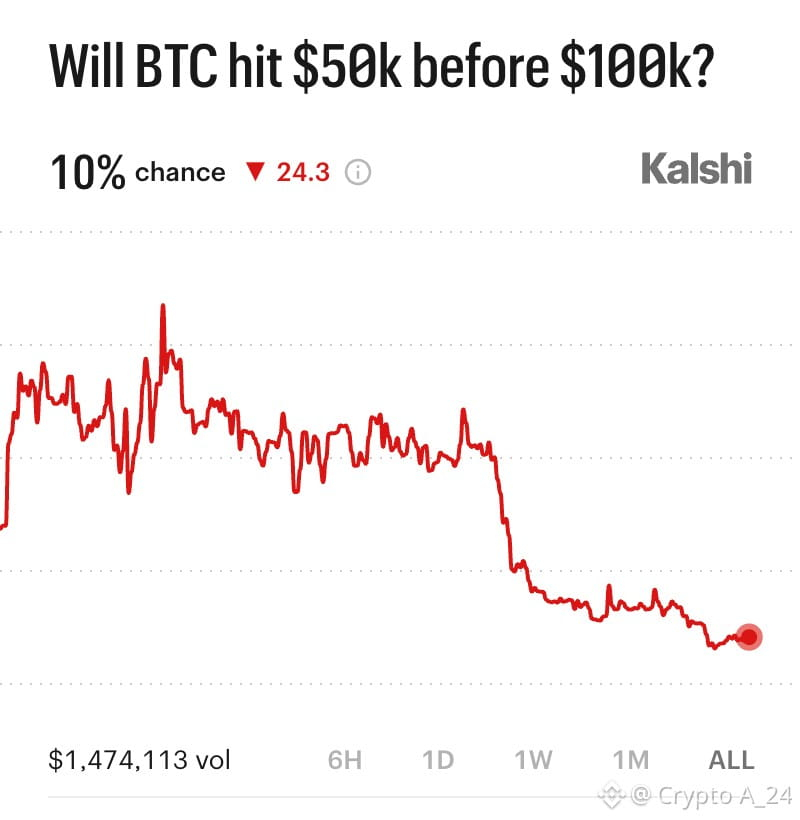
يسعر Kalshi الآن فرصة بنسبة 10% فقط لارتفاع سعر البيتكوين إلى 50 ألف دولار قبل 100 ألف دولار، مع هبوط الاحتمال بمقدار 24.3 نقطة.
#BTC
$BTC
يسعر Kalshi الآن فرصة بنسبة 10% فقط لارتفاع سعر البيتكوين إلى 50 ألف دولار قبل 100 ألف دولار، مع هبوط الاحتمال بمقدار 24.3 نقطة.
#BTC
يسعر Kalshi الآن فرصة بنسبة 10% فقط لارتفاع سعر البيتكوين إلى 50 ألف دولار قبل 100 ألف دولار، مع هبوط الاحتمال بمقدار 24.3 نقطة.
#BTC
1
61
·
--
$XRP تحليل – الإطار الزمني اليومي
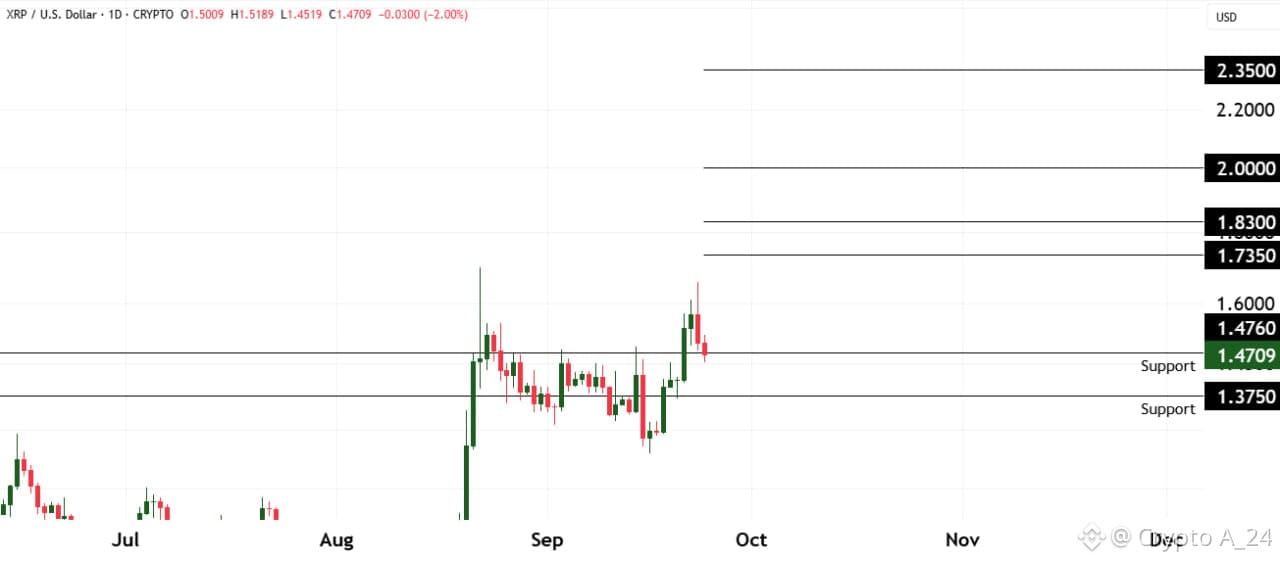
البقاء فوق دعم 1.4760 يمكن أن يحافظ على الزخم الإيجابي ويستهدف 1.7350.
فقدان 1.4760 قد يوجّه السعر نحو 1.3750.
$XRP تحليل – الإطار الزمني اليومي
البقاء فوق دعم 1.4760 يمكن أن يحافظ على الزخم الإيجابي ويستهدف 1.7350.
فقدان 1.4760 قد يوجّه السعر نحو 1.3750.
البقاء فوق دعم 1.4760 يمكن أن يحافظ على الزخم الإيجابي ويستهدف 1.7350.
فقدان 1.4760 قد يوجّه السعر نحو 1.3750.
1
77
·
--
$XRP عاد إلى دائرة الضوء حيث يحافظ المحلل دارك ديفيندر على مساره الصعودي، مع اعتبار 7.08 دولارًا مستوى رئيسيًا قبل احتمال حركة باتجاه 10.11 دولار.
النتائج ليست ضمانات أبدًا، لكن الإعداد الفني يزداد صعوبة في تجاهله. الآن السؤال هو ما إذا كانت $XRP قادرة على تحويل هذه المستويات المتوقعة إلى تحرك حقيقي في سعر الأصل.
#XRP #Ripple
$XRP عاد إلى دائرة الضوء حيث يحافظ المحلل دارك ديفيندر على مساره الصعودي، مع اعتبار 7.08 دولارًا مستوى رئيسيًا قبل احتمال حركة باتجاه 10.11 دولار.
النتائج ليست ضمانات أبدًا، لكن الإعداد الفني يزداد صعوبة في تجاهله. الآن السؤال هو ما إذا كانت $XRP قادرة على تحويل هذه المستويات المتوقعة إلى تحرك حقيقي في سعر الأصل.
#XRP #Ripple
النتائج ليست ضمانات أبدًا، لكن الإعداد الفني يزداد صعوبة في تجاهله. الآن السؤال هو ما إذا كانت $XRP قادرة على تحويل هذه المستويات المتوقعة إلى تحرك حقيقي في سعر الأصل.
#XRP #Ripple

424
·
--
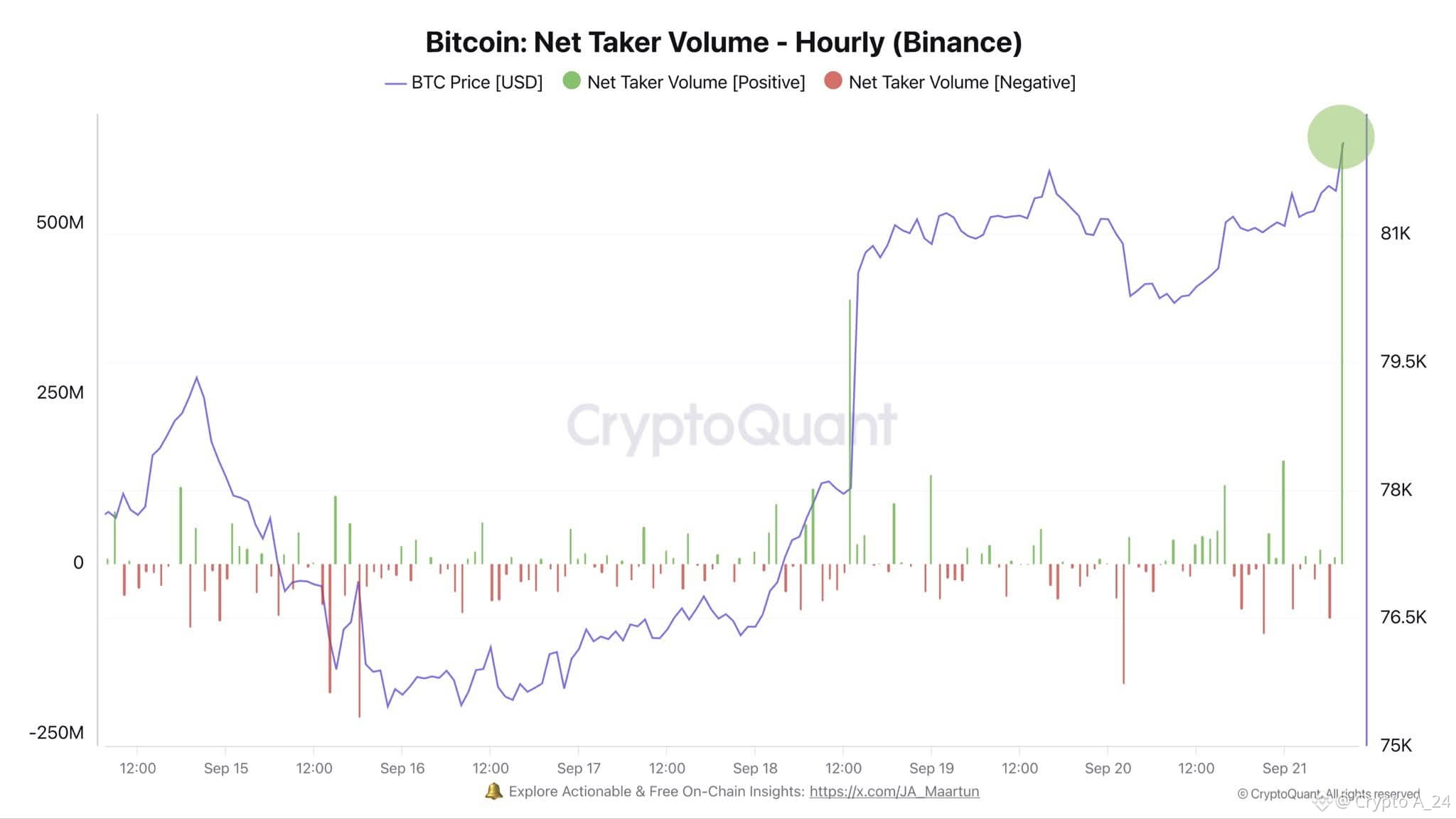
#Bitcoin المشتقات للتو شهدت ارتفاعًا حادًا في أحجام المتعاملين الصافي بقيمة 618 مليون دولار على Binance بعد أن أدى تراجع التوترات الجيوسياسية إلى موجة صعود قوية.
تمت تصفية ما يزيد عن 400 مليون دولار من المراكز المدينة، ما دفع $BTC إلى ما فوق 85 ألف دولار.
لقد انعكس تموضع المشتقات بسرعة بينما يتفاعل المتداولون مع انخفاض المخاطر الجيوسياسية.
#BTC
#Bitcoin المشتقات للتو شهدت ارتفاعًا حادًا في أحجام المتعاملين الصافي بقيمة 618 مليون دولار على Binance بعد أن أدى تراجع التوترات الجيوسياسية إلى موجة صعود قوية.
تمت تصفية ما يزيد عن 400 مليون دولار من المراكز المدينة، ما دفع $BTC إلى ما فوق 85 ألف دولار.
لقد انعكس تموضع المشتقات بسرعة بينما يتفاعل المتداولون مع انخفاض المخاطر الجيوسياسية.
#BTC
تمت تصفية ما يزيد عن 400 مليون دولار من المراكز المدينة، ما دفع $BTC إلى ما فوق 85 ألف دولار.
لقد انعكس تموضع المشتقات بسرعة بينما يتفاعل المتداولون مع انخفاض المخاطر الجيوسياسية.
#BTC
76
·
--
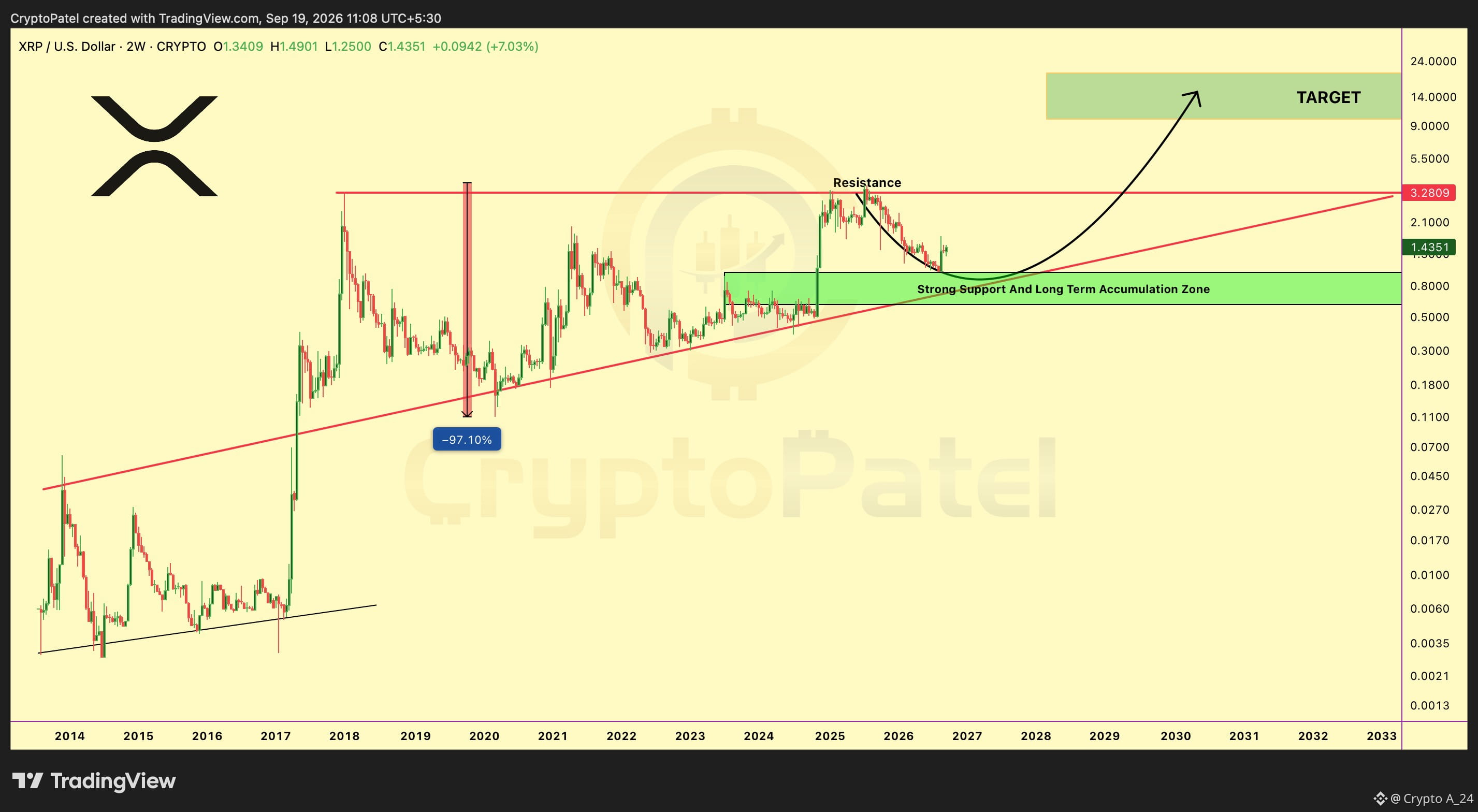
$XRP توقع سعر: 10+ ما التالي؟ يتم تشكيل إعداد الاختراق
#XRP جالس فوق منطقة تراكم رئيسية طويلة الأجل على مخطط 2W.
بعد تراجع ~74% من أعلى سعر تاريخي حالي (ATH)، استعاد XRP بنيته طويلة الأجل.
➡️ مقاومة رئيسية: 1.70$/3
➡️ دعم قوي: 1$/0.60
➡️ اختراق والثبات فوق 1.70$ → توسع صعودي رئيسي
منطقة الهدف على مستوى الاقتصاد الكلي: 10–18+$
كلما كانت القاعدة أكبر، كانت إمكانية التوسع أكبر.
$XRP توقع سعر: 10+ ما التالي؟ يتم تشكيل إعداد الاختراق
#XRP جالس فوق منطقة تراكم رئيسية طويلة الأجل على مخطط 2W.
بعد تراجع ~74% من أعلى سعر تاريخي حالي (ATH)، استعاد XRP بنيته طويلة الأجل.
➡️ مقاومة رئيسية: 1.70$/3
➡️ دعم قوي: 1$/0.60
➡️ اختراق والثبات فوق 1.70$ → توسع صعودي رئيسي
منطقة الهدف على مستوى الاقتصاد الكلي: 10–18+$
كلما كانت القاعدة أكبر، كانت إمكانية التوسع أكبر.
#XRP جالس فوق منطقة تراكم رئيسية طويلة الأجل على مخطط 2W.
بعد تراجع ~74% من أعلى سعر تاريخي حالي (ATH)، استعاد XRP بنيته طويلة الأجل.
➡️ مقاومة رئيسية: 1.70$/3
➡️ دعم قوي: 1$/0.60
➡️ اختراق والثبات فوق 1.70$ → توسع صعودي رئيسي
منطقة الهدف على مستوى الاقتصاد الكلي: 10–18+$
كلما كانت القاعدة أكبر، كانت إمكانية التوسع أكبر.
73
·
--
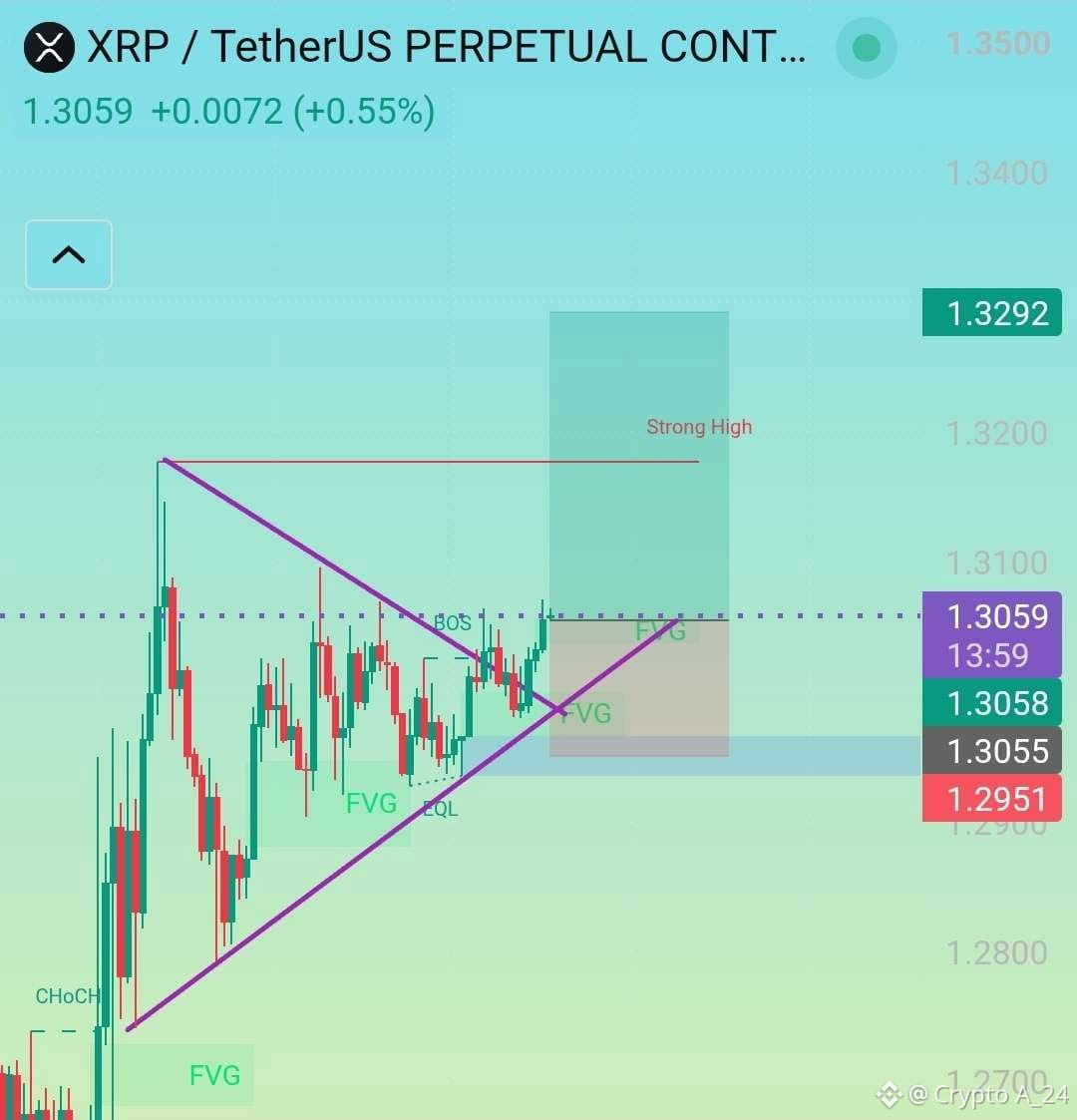
نظافة بنية القمة-القاع الأعلى-الأدنى مع الاحتفاظ. نراقب حجم التداول ليخترق القمة عند 1.32 دولار. $XRP يتابع مستوى الدعم الرئيسي...
الدخول: 1.295 – 1.305 (إعادة اختبار FVG)
SL: 1.290
TP: 1.329
نظافة بنية القمة-القاع الأعلى-الأدنى مع الاحتفاظ. نراقب حجم التداول ليخترق القمة عند 1.32 دولار. $XRP يتابع مستوى الدعم الرئيسي...
الدخول: 1.295 – 1.305 (إعادة اختبار FVG)
SL: 1.290
TP: 1.329
الدخول: 1.295 – 1.305 (إعادة اختبار FVG)
SL: 1.290
TP: 1.329
67
·
--
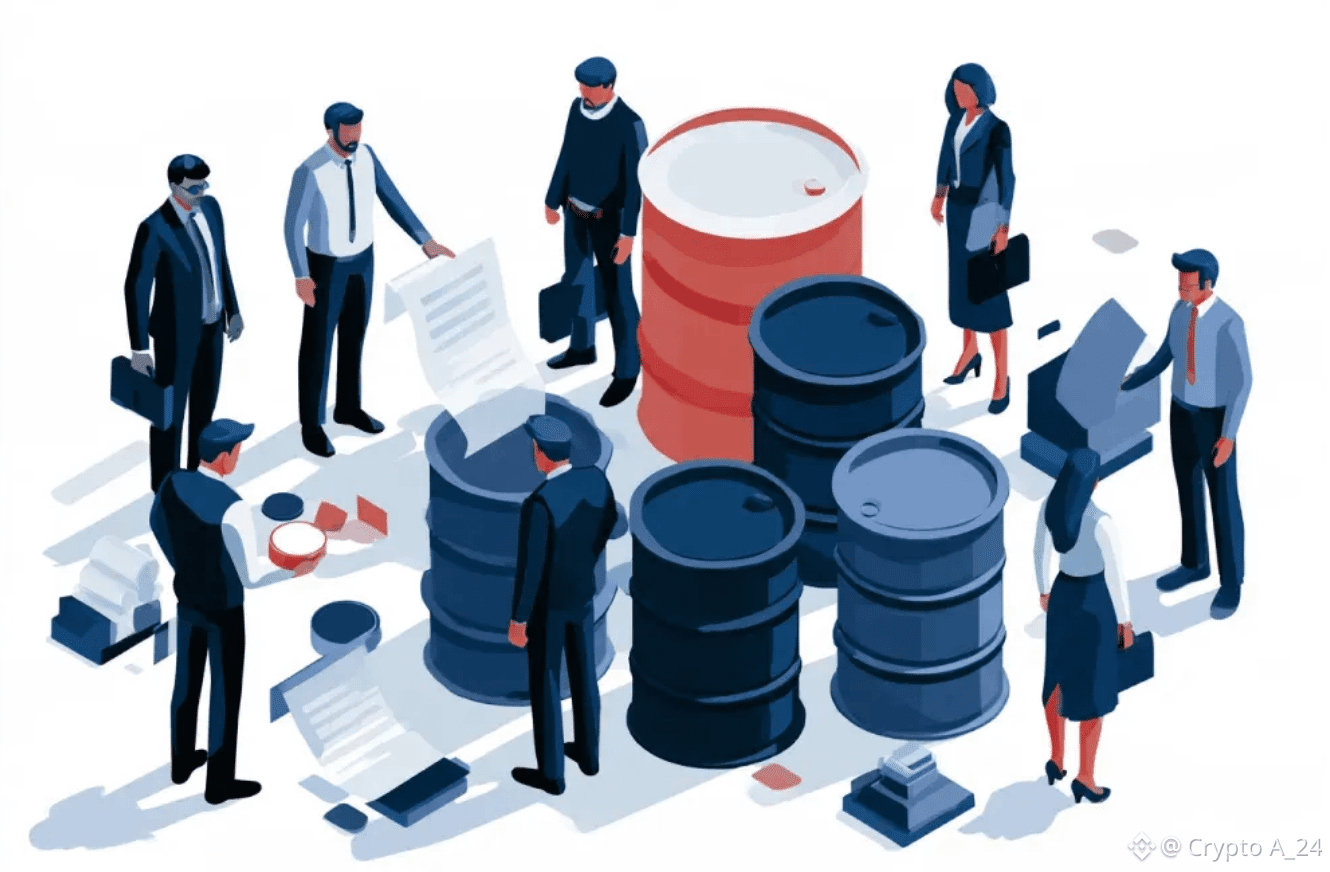
USDT نقل الأموال — لكنه لم يستطع إزالة مخاطر الطرف المقابل
بلغ $USDT مقعده في قلب معاملة نفط فنزويلية بقيمة 230 مليون دولار، لم تُسَلِّم في النهاية سوى جزء صغير من الشحنة المتعاقد عليها، وفقًا لتحقيق أجرته صحيفة فاينانشال تايمز في مجموعة الطاقة البولندية المملوكة للدولة Orlen.
يمكن تلخيص الصفقة بسلسلة واحدة:
Orlen Trading Switzerland → دفعة مقدمة بقيمة 230 مليون دولار → وسطاء → تحويل USDT → وسطاء محليون → إمدادات نفط مرتبطة بـ PDVSA
كان العقد الأصلي يغطي نحو 6 ملايين برميل بقيمة 345 مليون دولار. ومع ذلك، قُدِّم على ما يبدو شحنة واحدة فقط من وقود الوقود بقيمة تقارب 28.8 مليون دولار. وباحتساب تكاليف الشحن والتكاليف القانونية، تقدر الحكومة البولندية الآن خسائر Orlen الأوسع بنحو 424 مليون دولار.
ما يلفت الانتباه هو مكان تراكم المخاطر فعليًا. حل USDT مشكلة التسوية التي خلقتها قيود الوصول إلى الخدمات المصرفية: إذ يمكن للقيمة أن تتحرك بسرعة عبر الحدود وخارج قنوات البنوك المراسلة التقليدية. لكن كل وسيط إضافي أدخل طبقة أخرى من مخاطر التنفيذ والحفظ ومخاطر الطرف المقابل. وفي إحدى المراحل، وفقًا لـ FT، قام موظفون فعليًا بحمل أجهزة USB تحتوي على عشرات الملايين من الدولارات من USDT إلى اجتماعات في كاراكاس.
وهذا يجعل الأمر أقل من كونه قصة عن فشل تقنية العملات المستقرة وأكثر من كونه عن ما لا تستطيع العملات المستقرة حله. قد تُسرّع منصة الدفع عملية التسوية وتُسهّلها؛ لكنها لا تستطيع ضمان أن يقوم البائع أو الوسيط أو أي طرف مقابل آخر في الجهة الأخرى من الصفقة في النهاية بتسليم الأصل الأساسي.
USDT نقل الأموال — لكنه لم يستطع إزالة مخاطر الطرف المقابل
بلغ $USDT مقعده في قلب معاملة نفط فنزويلية بقيمة 230 مليون دولار، لم تُسَلِّم في النهاية سوى جزء صغير من الشحنة المتعاقد عليها، وفقًا لتحقيق أجرته صحيفة فاينانشال تايمز في مجموعة الطاقة البولندية المملوكة للدولة Orlen.
يمكن تلخيص الصفقة بسلسلة واحدة:
Orlen Trading Switzerland → دفعة مقدمة بقيمة 230 مليون دولار → وسطاء → تحويل USDT → وسطاء محليون → إمدادات نفط مرتبطة بـ PDVSA
كان العقد الأصلي يغطي نحو 6 ملايين برميل بقيمة 345 مليون دولار. ومع ذلك، قُدِّم على ما يبدو شحنة واحدة فقط من وقود الوقود بقيمة تقارب 28.8 مليون دولار. وباحتساب تكاليف الشحن والتكاليف القانونية، تقدر الحكومة البولندية الآن خسائر Orlen الأوسع بنحو 424 مليون دولار.
ما يلفت الانتباه هو مكان تراكم المخاطر فعليًا. حل USDT مشكلة التسوية التي خلقتها قيود الوصول إلى الخدمات المصرفية: إذ يمكن للقيمة أن تتحرك بسرعة عبر الحدود وخارج قنوات البنوك المراسلة التقليدية. لكن كل وسيط إضافي أدخل طبقة أخرى من مخاطر التنفيذ والحفظ ومخاطر الطرف المقابل. وفي إحدى المراحل، وفقًا لـ FT، قام موظفون فعليًا بحمل أجهزة USB تحتوي على عشرات الملايين من الدولارات من USDT إلى اجتماعات في كاراكاس.
وهذا يجعل الأمر أقل من كونه قصة عن فشل تقنية العملات المستقرة وأكثر من كونه عن ما لا تستطيع العملات المستقرة حله. قد تُسرّع منصة الدفع عملية التسوية وتُسهّلها؛ لكنها لا تستطيع ضمان أن يقوم البائع أو الوسيط أو أي طرف مقابل آخر في الجهة الأخرى من الصفقة في النهاية بتسليم الأصل الأساسي.
بلغ $USDT مقعده في قلب معاملة نفط فنزويلية بقيمة 230 مليون دولار، لم تُسَلِّم في النهاية سوى جزء صغير من الشحنة المتعاقد عليها، وفقًا لتحقيق أجرته صحيفة فاينانشال تايمز في مجموعة الطاقة البولندية المملوكة للدولة Orlen.
يمكن تلخيص الصفقة بسلسلة واحدة:
Orlen Trading Switzerland → دفعة مقدمة بقيمة 230 مليون دولار → وسطاء → تحويل USDT → وسطاء محليون → إمدادات نفط مرتبطة بـ PDVSA
كان العقد الأصلي يغطي نحو 6 ملايين برميل بقيمة 345 مليون دولار. ومع ذلك، قُدِّم على ما يبدو شحنة واحدة فقط من وقود الوقود بقيمة تقارب 28.8 مليون دولار. وباحتساب تكاليف الشحن والتكاليف القانونية، تقدر الحكومة البولندية الآن خسائر Orlen الأوسع بنحو 424 مليون دولار.
ما يلفت الانتباه هو مكان تراكم المخاطر فعليًا. حل USDT مشكلة التسوية التي خلقتها قيود الوصول إلى الخدمات المصرفية: إذ يمكن للقيمة أن تتحرك بسرعة عبر الحدود وخارج قنوات البنوك المراسلة التقليدية. لكن كل وسيط إضافي أدخل طبقة أخرى من مخاطر التنفيذ والحفظ ومخاطر الطرف المقابل. وفي إحدى المراحل، وفقًا لـ FT، قام موظفون فعليًا بحمل أجهزة USB تحتوي على عشرات الملايين من الدولارات من USDT إلى اجتماعات في كاراكاس.
وهذا يجعل الأمر أقل من كونه قصة عن فشل تقنية العملات المستقرة وأكثر من كونه عن ما لا تستطيع العملات المستقرة حله. قد تُسرّع منصة الدفع عملية التسوية وتُسهّلها؛ لكنها لا تستطيع ضمان أن يقوم البائع أو الوسيط أو أي طرف مقابل آخر في الجهة الأخرى من الصفقة في النهاية بتسليم الأصل الأساسي.
4
·
--
$XRP 3. السيناريوهات وما الذي يجب مراقبته لاحقًا
يقدّم تعليق من محللي الاقتصاد الكلي والاقتصاد الرقمي (العملات المشفرة) بصورة عامة ثلاث مسارات. أولاً، ارتفاع مع توجيهات أكثر تشددًا، مع الحديث عن زيادات إضافية أو مسار بطيء نحو الخفض، وهو ما يميل إلى الضغط على الأصول غير ذات العائد ويميل إلى تفضيل البيتكوين على العملات الأصغر والأقل سيولة. ثانيًا، ارتفاع مُؤطر باعتباره قريبًا من نهاية دورة التشديد، ما قد يدعم موجة ارتياح إلى العملات الرئيسية، ثم إلى العملات البديلة إذا ثبتت العوائد الحقيقية. ثالثًا، نتيجة دون أي زيادة، وهي احتمالية أقل، ومن المرجح أن تُثير تذبذبًا قصير الأجل مع قيام المتداولين بإلغاء المراكز المراهنة.
وبالإضافة إلى ذلك، يجلب الأسبوع نفسه أيضًا تصويت قانون CLARITY في الولايات المتحدة، وقرارات بنك إنجلترا وبنك اليابان، لذا يمكن لظروف التمويل وعناوين التنظيم أن تُضخّم أي تحرك في سوق العملات المشفرة تقوده قرارات الاحتياطي الفيدرالي.
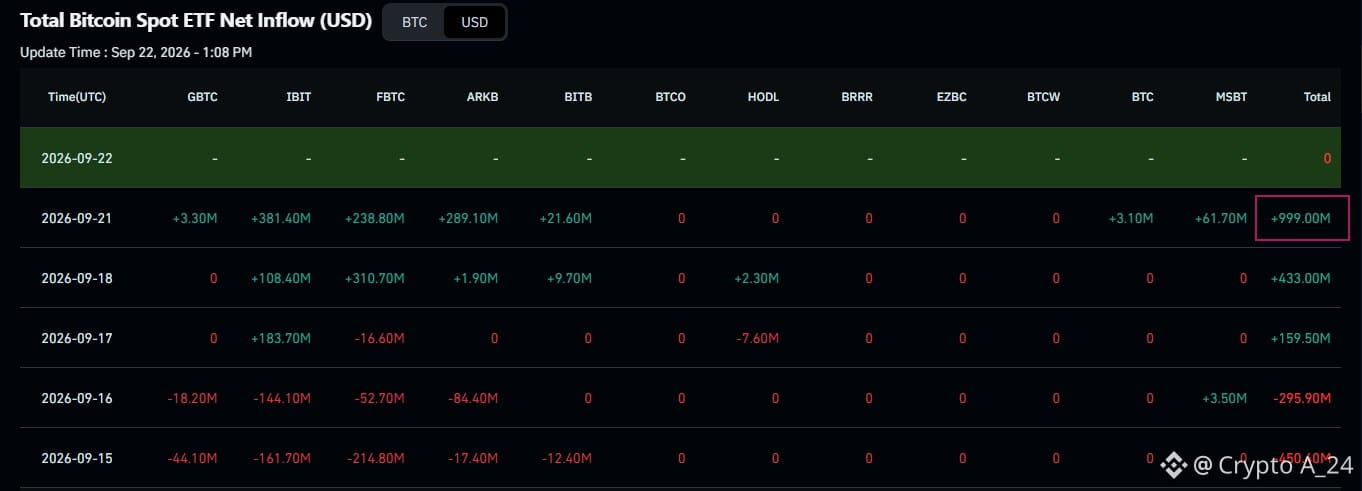
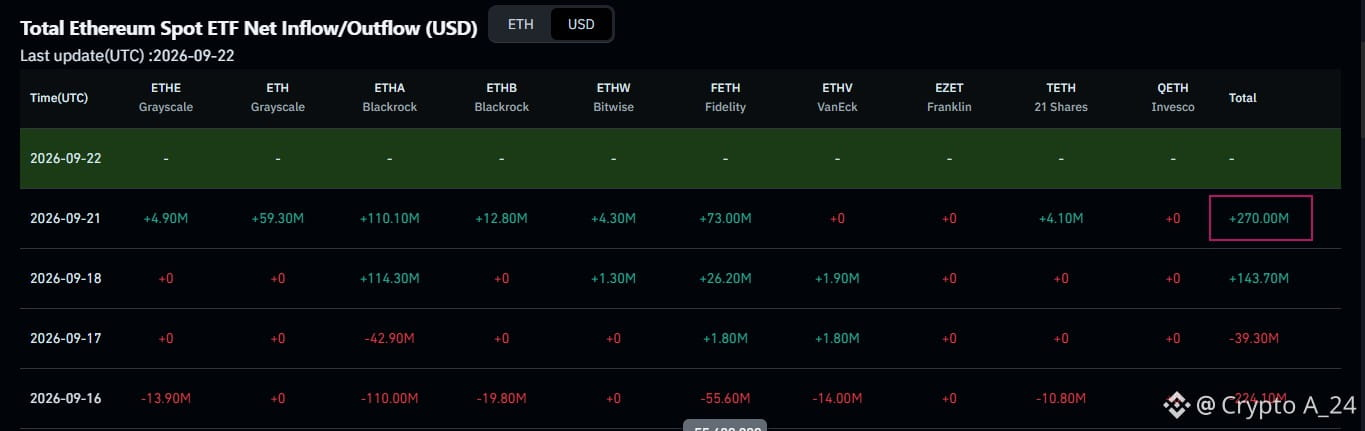
ماذا يعني ذلك: سيكون مراقبة نبرة بيان الاحتياطي الفيدرالي، وسلوك البيتكوين حول نطاق الدعم والمقاومة الذي تم تحديده لها، وتدفقات صناديق الاستثمار المتداولة (ETFs) اللاحقة أكثر فائدة من الاكتفاء بالرد على رقم سعر الفائدة في العنوان.
#XRP
$XRP 3. السيناريوهات وما الذي يجب مراقبته لاحقًا
يقدّم تعليق من محللي الاقتصاد الكلي والاقتصاد الرقمي (العملات المشفرة) بصورة عامة ثلاث مسارات. أولاً، ارتفاع مع توجيهات أكثر تشددًا، مع الحديث عن زيادات إضافية أو مسار بطيء نحو الخفض، وهو ما يميل إلى الضغط على الأصول غير ذات العائد ويميل إلى تفضيل البيتكوين على العملات الأصغر والأقل سيولة. ثانيًا، ارتفاع مُؤطر باعتباره قريبًا من نهاية دورة التشديد، ما قد يدعم موجة ارتياح إلى العملات الرئيسية، ثم إلى العملات البديلة إذا ثبتت العوائد الحقيقية. ثالثًا، نتيجة دون أي زيادة، وهي احتمالية أقل، ومن المرجح أن تُثير تذبذبًا قصير الأجل مع قيام المتداولين بإلغاء المراكز المراهنة.
وبالإضافة إلى ذلك، يجلب الأسبوع نفسه أيضًا تصويت قانون CLARITY في الولايات المتحدة، وقرارات بنك إنجلترا وبنك اليابان، لذا يمكن لظروف التمويل وعناوين التنظيم أن تُضخّم أي تحرك في سوق العملات المشفرة تقوده قرارات الاحتياطي الفيدرالي.
ماذا يعني ذلك: سيكون مراقبة نبرة بيان الاحتياطي الفيدرالي، وسلوك البيتكوين حول نطاق الدعم والمقاومة الذي تم تحديده لها، وتدفقات صناديق الاستثمار المتداولة (ETFs) اللاحقة أكثر فائدة من الاكتفاء بالرد على رقم سعر الفائدة في العنوان.
#XRP
يقدّم تعليق من محللي الاقتصاد الكلي والاقتصاد الرقمي (العملات المشفرة) بصورة عامة ثلاث مسارات. أولاً، ارتفاع مع توجيهات أكثر تشددًا، مع الحديث عن زيادات إضافية أو مسار بطيء نحو الخفض، وهو ما يميل إلى الضغط على الأصول غير ذات العائد ويميل إلى تفضيل البيتكوين على العملات الأصغر والأقل سيولة. ثانيًا، ارتفاع مُؤطر باعتباره قريبًا من نهاية دورة التشديد، ما قد يدعم موجة ارتياح إلى العملات الرئيسية، ثم إلى العملات البديلة إذا ثبتت العوائد الحقيقية. ثالثًا، نتيجة دون أي زيادة، وهي احتمالية أقل، ومن المرجح أن تُثير تذبذبًا قصير الأجل مع قيام المتداولين بإلغاء المراكز المراهنة.
وبالإضافة إلى ذلك، يجلب الأسبوع نفسه أيضًا تصويت قانون CLARITY في الولايات المتحدة، وقرارات بنك إنجلترا وبنك اليابان، لذا يمكن لظروف التمويل وعناوين التنظيم أن تُضخّم أي تحرك في سوق العملات المشفرة تقوده قرارات الاحتياطي الفيدرالي.
ماذا يعني ذلك: سيكون مراقبة نبرة بيان الاحتياطي الفيدرالي، وسلوك البيتكوين حول نطاق الدعم والمقاومة الذي تم تحديده لها، وتدفقات صناديق الاستثمار المتداولة (ETFs) اللاحقة أكثر فائدة من الاكتفاء بالرد على رقم سعر الفائدة في العنوان.
#XRP
111
·
--
$BTC تحذير من بيتكوين: هل لا يزال BTC أصلًا عالي المخاطر؟
- أصدر إستراتيجي لدى بلومبرغ إنتليجنس، مايك ماكجلون، تحذيرًا سلبيًا بشأن الوضع الحالي لبيتكوين
- قلقه: $BTC قدم عوائد تُقارن بشكل واسع بعوائد مؤشر S&P 500 خلال السنوات الخمس الماضية، لكن مع تقلبات أعلى بنحو 3 مرات
- وهذا يخلق ملف مخاطرة-عائد صعبًا أمام مديري المحافظ التقليديين
- كما يواجه بيتكوين مقاومة قرب منطقة 80,000 دولار، بينما تظل تقييمات الأسهم مرتفعة
- ووفقًا لتقارير، تسعّر أسواق العقود الآجلة تقريبًا 70 نقطة أساس لاحتمال زيادات لأسعار فائدة الاحتياطي الفيدرالي خلال العام المقبل
- إذا انكمشت السيولة، فقد تتعرض الأصول عالية بيتا مثل بيتكوين لضغوط بيع شديدة
- يرى ماكجلون أن بيتكوين تصرفت مؤخرًا بشكل أقرب إلى أصل مخاطرة مُرفوع (leveraged) وليس مجرد مخزن قيمة مستقل تمامًا
- وتشير سيناريوهات الهبوط القصوى لديه إلى منطقة 10,000 دولار إذا تعرض مؤشر S&P 500 لهبوط مستمر بنحو 20%
- لكن هذه هي الشرط المحوري الذي قد يبطل الأطروحة السلبية:
- $BTC يجب أن ينفصل عن الأسهم وأن يستمر في الأداء بقوة حتى إذا تراجعت أسواق الأسهم
- إذا حافظت بيتكوين على قوتها خلال عمليات البيع في الأسهم، فقد يثبت أن الأصل ينضج ويتجاوز ملفه التقليدي عالي بيتا
- وهذا سيكون إشارة كبيرة لسوق العملات الرقمية بأكمله
- السؤال الحقيقي لم يعد مقتصرًا فقط على: “هل يمكن لبيتكوين أن تصل إلى مستويات أعلى؟”
- السؤال الأكبر هو: “هل يمكن لبيتكوين أن تظل قوية عندما تضعف الأسواق التقليدية؟”
- راقب منطقة مقاومة 80,000 دولار، وتوقعات الفيدرالي، وزخم S&P 500، وتدفقات صناديق ETF، وارتباط بيتكوين بالأسهم
- إن تحذير محلل واحد ليس تنبؤًا مضمونًا، لكنه يسلّط الضوء على المخاطر الكلية التي يجب أن يراقبها كل مستثمر في العملات الرقمية
هل تصبح بيتكوين تحوطًا حقيقيًا ضد الاقتصاد الكلي — أم أنها ما زالت مجرد أكثر صفقة محفوفة بالمخاطر في الغرفة؟
$BTC تحذير من بيتكوين: هل لا يزال BTC أصلًا عالي المخاطر؟
- أصدر إستراتيجي لدى بلومبرغ إنتليجنس، مايك ماكجلون، تحذيرًا سلبيًا بشأن الوضع الحالي لبيتكوين
- قلقه: $BTC قدم عوائد تُقارن بشكل واسع بعوائد مؤشر S&P 500 خلال السنوات الخمس الماضية، لكن مع تقلبات أعلى بنحو 3 مرات
- وهذا يخلق ملف مخاطرة-عائد صعبًا أمام مديري المحافظ التقليديين
- كما يواجه بيتكوين مقاومة قرب منطقة 80,000 دولار، بينما تظل تقييمات الأسهم مرتفعة
- ووفقًا لتقارير، تسعّر أسواق العقود الآجلة تقريبًا 70 نقطة أساس لاحتمال زيادات لأسعار فائدة الاحتياطي الفيدرالي خلال العام المقبل
- إذا انكمشت السيولة، فقد تتعرض الأصول عالية بيتا مثل بيتكوين لضغوط بيع شديدة
- يرى ماكجلون أن بيتكوين تصرفت مؤخرًا بشكل أقرب إلى أصل مخاطرة مُرفوع (leveraged) وليس مجرد مخزن قيمة مستقل تمامًا
- وتشير سيناريوهات الهبوط القصوى لديه إلى منطقة 10,000 دولار إذا تعرض مؤشر S&P 500 لهبوط مستمر بنحو 20%
- لكن هذه هي الشرط المحوري الذي قد يبطل الأطروحة السلبية:
- $BTC يجب أن ينفصل عن الأسهم وأن يستمر في الأداء بقوة حتى إذا تراجعت أسواق الأسهم
- إذا حافظت بيتكوين على قوتها خلال عمليات البيع في الأسهم، فقد يثبت أن الأصل ينضج ويتجاوز ملفه التقليدي عالي بيتا
- وهذا سيكون إشارة كبيرة لسوق العملات الرقمية بأكمله
- السؤال الحقيقي لم يعد مقتصرًا فقط على: “هل يمكن لبيتكوين أن تصل إلى مستويات أعلى؟”
- السؤال الأكبر هو: “هل يمكن لبيتكوين أن تظل قوية عندما تضعف الأسواق التقليدية؟”
- راقب منطقة مقاومة 80,000 دولار، وتوقعات الفيدرالي، وزخم S&P 500، وتدفقات صناديق ETF، وارتباط بيتكوين بالأسهم
- إن تحذير محلل واحد ليس تنبؤًا مضمونًا، لكنه يسلّط الضوء على المخاطر الكلية التي يجب أن يراقبها كل مستثمر في العملات الرقمية
هل تصبح بيتكوين تحوطًا حقيقيًا ضد الاقتصاد الكلي — أم أنها ما زالت مجرد أكثر صفقة محفوفة بالمخاطر في الغرفة؟
- أصدر إستراتيجي لدى بلومبرغ إنتليجنس، مايك ماكجلون، تحذيرًا سلبيًا بشأن الوضع الحالي لبيتكوين
- قلقه: $BTC قدم عوائد تُقارن بشكل واسع بعوائد مؤشر S&P 500 خلال السنوات الخمس الماضية، لكن مع تقلبات أعلى بنحو 3 مرات
- وهذا يخلق ملف مخاطرة-عائد صعبًا أمام مديري المحافظ التقليديين
- كما يواجه بيتكوين مقاومة قرب منطقة 80,000 دولار، بينما تظل تقييمات الأسهم مرتفعة
- ووفقًا لتقارير، تسعّر أسواق العقود الآجلة تقريبًا 70 نقطة أساس لاحتمال زيادات لأسعار فائدة الاحتياطي الفيدرالي خلال العام المقبل
- إذا انكمشت السيولة، فقد تتعرض الأصول عالية بيتا مثل بيتكوين لضغوط بيع شديدة
- يرى ماكجلون أن بيتكوين تصرفت مؤخرًا بشكل أقرب إلى أصل مخاطرة مُرفوع (leveraged) وليس مجرد مخزن قيمة مستقل تمامًا
- وتشير سيناريوهات الهبوط القصوى لديه إلى منطقة 10,000 دولار إذا تعرض مؤشر S&P 500 لهبوط مستمر بنحو 20%
- لكن هذه هي الشرط المحوري الذي قد يبطل الأطروحة السلبية:
- $BTC يجب أن ينفصل عن الأسهم وأن يستمر في الأداء بقوة حتى إذا تراجعت أسواق الأسهم
- إذا حافظت بيتكوين على قوتها خلال عمليات البيع في الأسهم، فقد يثبت أن الأصل ينضج ويتجاوز ملفه التقليدي عالي بيتا
- وهذا سيكون إشارة كبيرة لسوق العملات الرقمية بأكمله
- السؤال الحقيقي لم يعد مقتصرًا فقط على: “هل يمكن لبيتكوين أن تصل إلى مستويات أعلى؟”
- السؤال الأكبر هو: “هل يمكن لبيتكوين أن تظل قوية عندما تضعف الأسواق التقليدية؟”
- راقب منطقة مقاومة 80,000 دولار، وتوقعات الفيدرالي، وزخم S&P 500، وتدفقات صناديق ETF، وارتباط بيتكوين بالأسهم
- إن تحذير محلل واحد ليس تنبؤًا مضمونًا، لكنه يسلّط الضوء على المخاطر الكلية التي يجب أن يراقبها كل مستثمر في العملات الرقمية
هل تصبح بيتكوين تحوطًا حقيقيًا ضد الاقتصاد الكلي — أم أنها ما زالت مجرد أكثر صفقة محفوفة بالمخاطر في الغرفة؟
57
·
--
🚨 موجز السوق: النفط يعيد قيادة السوق مرة أخرى
يدخل السوق أسبوع اجتماع الاحتياطي الفيدرالي بتجهيز اقتصادي صعب: برنت فوق 107$، وعائد سندات الخزانة الأمريكية لأجل 10 سنوات قريب من 5%، و$BTC تحت 77 ألف دولار.
₿ العملات المشفرة: يتداول البيتكوين حول 76.7 ألف دولار، بينما يقترب الإيثيريوم من 2.48 ألف دولار. لا يزال الاقتصاد الكلي هو نقطة الضغط الرئيسية. لإشارة أقوى نحو شهية المخاطرة، أريد أن أرى البيتكوين يستعيد 80 ألف دولار، وأن تتحرك عوائد الخزانة إلى الأسفل.
🇺🇸 الاقتصاد الأمريكي:
مؤشر CPI: 3.4% سنويًا
PPI: 5.4% سنويًا
الوظائف: +162 ألف
معدل البطالة: 4.1%
US 10Y: ~4.97%
السوق يُسعّر بقوة المزيد من رفع الفائدة من الاحتياطي الفيدرالي.
📉 الأسهم: العقود الآجلة الأمريكية تحت ضغط مع ارتفاع النفط والعوائد بما يضغط على تقييمات النمو. يظل استمرار 10Y >5% هو الخطر الرئيسي على ناسداك.
🇨🇳 الصين & الجيوسياسة: تدفع الصين نحو تعاون أعمق ضمن مجموعة بريكس وتهدئة النزاع في الشرق الأوسط. بالنسبة للأسواق، الدبلوماسية مهمة لأنها قد تؤثر مباشرة على النفط:
تهدئة → النفط ↓ → التضخم ↓ → العوائد ↓ → الأصول ذات المخاطر ↑
🤖 الذكاء الاصطناعي: سباق الذكاء الاصطناعي يدخل مرحلة جديدة. تدعو أنثروبيك إلى إبطاء تطوير نماذج الجبهة الأمامية مع معايير أمان أقوى، بينما ما زال رأس المال يتجه لملاحقة فرص كبيرة في مجال الذكاء الاصطناعي.
🎯 وجهة نظري: اليوم، النفط أهم من البيتكوين.
برنت >110$ → توجه متشدد من الفيدرالي → 10Y >5% → ناسداك ↓ → ضغط على BTC
البديل الصعودي:
النفط ↓ → العوائد ↓ → #BTC >80 ألف دولار → شهية مخاطرة ↑
المستويات الرئيسية: BTC 80 ألف | برنت 110 | US 10Y 5% | DXY 100
#BTC #Price #Analysis
🚨 موجز السوق: النفط يعيد قيادة السوق مرة أخرى
يدخل السوق أسبوع اجتماع الاحتياطي الفيدرالي بتجهيز اقتصادي صعب: برنت فوق 107$، وعائد سندات الخزانة الأمريكية لأجل 10 سنوات قريب من 5%، و$BTC تحت 77 ألف دولار.
₿ العملات المشفرة: يتداول البيتكوين حول 76.7 ألف دولار، بينما يقترب الإيثيريوم من 2.48 ألف دولار. لا يزال الاقتصاد الكلي هو نقطة الضغط الرئيسية. لإشارة أقوى نحو شهية المخاطرة، أريد أن أرى البيتكوين يستعيد 80 ألف دولار، وأن تتحرك عوائد الخزانة إلى الأسفل.
🇺🇸 الاقتصاد الأمريكي:
مؤشر CPI: 3.4% سنويًا
PPI: 5.4% سنويًا
الوظائف: +162 ألف
معدل البطالة: 4.1%
US 10Y: ~4.97%
السوق يُسعّر بقوة المزيد من رفع الفائدة من الاحتياطي الفيدرالي.
📉 الأسهم: العقود الآجلة الأمريكية تحت ضغط مع ارتفاع النفط والعوائد بما يضغط على تقييمات النمو. يظل استمرار 10Y >5% هو الخطر الرئيسي على ناسداك.
🇨🇳 الصين & الجيوسياسة: تدفع الصين نحو تعاون أعمق ضمن مجموعة بريكس وتهدئة النزاع في الشرق الأوسط. بالنسبة للأسواق، الدبلوماسية مهمة لأنها قد تؤثر مباشرة على النفط:
تهدئة → النفط ↓ → التضخم ↓ → العوائد ↓ → الأصول ذات المخاطر ↑
🤖 الذكاء الاصطناعي: سباق الذكاء الاصطناعي يدخل مرحلة جديدة. تدعو أنثروبيك إلى إبطاء تطوير نماذج الجبهة الأمامية مع معايير أمان أقوى، بينما ما زال رأس المال يتجه لملاحقة فرص كبيرة في مجال الذكاء الاصطناعي.
🎯 وجهة نظري: اليوم، النفط أهم من البيتكوين.
برنت >110$ → توجه متشدد من الفيدرالي → 10Y >5% → ناسداك ↓ → ضغط على BTC
البديل الصعودي:
النفط ↓ → العوائد ↓ → #BTC >80 ألف دولار → شهية مخاطرة ↑
المستويات الرئيسية: BTC 80 ألف | برنت 110 | US 10Y 5% | DXY 100
#BTC #Price #Analysis
يدخل السوق أسبوع اجتماع الاحتياطي الفيدرالي بتجهيز اقتصادي صعب: برنت فوق 107$، وعائد سندات الخزانة الأمريكية لأجل 10 سنوات قريب من 5%، و$BTC تحت 77 ألف دولار.
₿ العملات المشفرة: يتداول البيتكوين حول 76.7 ألف دولار، بينما يقترب الإيثيريوم من 2.48 ألف دولار. لا يزال الاقتصاد الكلي هو نقطة الضغط الرئيسية. لإشارة أقوى نحو شهية المخاطرة، أريد أن أرى البيتكوين يستعيد 80 ألف دولار، وأن تتحرك عوائد الخزانة إلى الأسفل.
🇺🇸 الاقتصاد الأمريكي:
مؤشر CPI: 3.4% سنويًا
PPI: 5.4% سنويًا
الوظائف: +162 ألف
معدل البطالة: 4.1%
US 10Y: ~4.97%
السوق يُسعّر بقوة المزيد من رفع الفائدة من الاحتياطي الفيدرالي.
📉 الأسهم: العقود الآجلة الأمريكية تحت ضغط مع ارتفاع النفط والعوائد بما يضغط على تقييمات النمو. يظل استمرار 10Y >5% هو الخطر الرئيسي على ناسداك.
🇨🇳 الصين & الجيوسياسة: تدفع الصين نحو تعاون أعمق ضمن مجموعة بريكس وتهدئة النزاع في الشرق الأوسط. بالنسبة للأسواق، الدبلوماسية مهمة لأنها قد تؤثر مباشرة على النفط:
تهدئة → النفط ↓ → التضخم ↓ → العوائد ↓ → الأصول ذات المخاطر ↑
🤖 الذكاء الاصطناعي: سباق الذكاء الاصطناعي يدخل مرحلة جديدة. تدعو أنثروبيك إلى إبطاء تطوير نماذج الجبهة الأمامية مع معايير أمان أقوى، بينما ما زال رأس المال يتجه لملاحقة فرص كبيرة في مجال الذكاء الاصطناعي.
🎯 وجهة نظري: اليوم، النفط أهم من البيتكوين.
برنت >110$ → توجه متشدد من الفيدرالي → 10Y >5% → ناسداك ↓ → ضغط على BTC
البديل الصعودي:
النفط ↓ → العوائد ↓ → #BTC >80 ألف دولار → شهية مخاطرة ↑
المستويات الرئيسية: BTC 80 ألف | برنت 110 | US 10Y 5% | DXY 100
#BTC #Price #Analysis
72
·
--
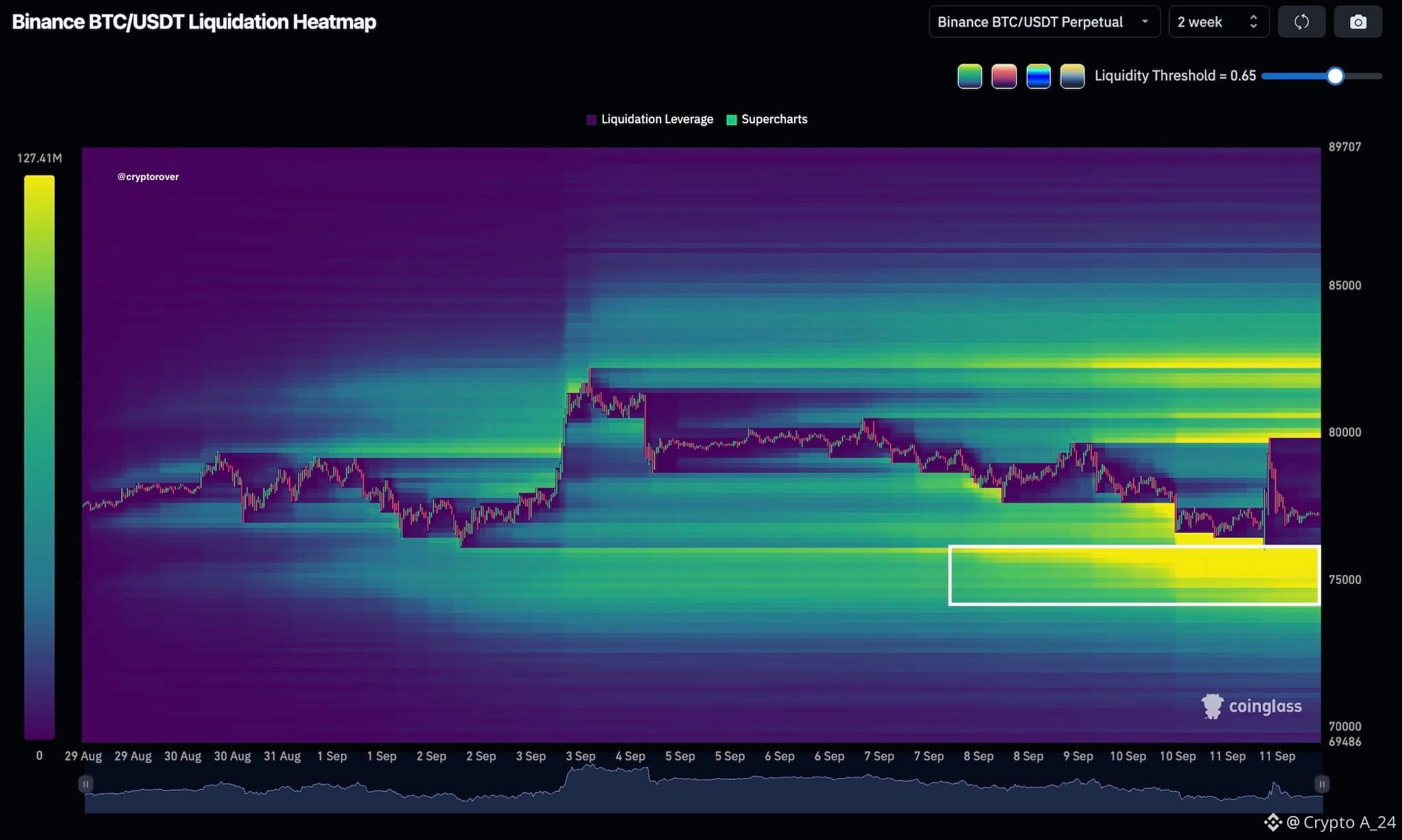
تم بالفعل جرف معظم سيولة الارتفاع.
وهذا يغير إعداد التداول قصير الأجل بالنسبة لـ BTC.
عندما يتخطّى السعر كمية كبيرة من السيولة الموجودة أعلى من السوق، يمكن أن يبدأ الوقود السهل للارتفاع في الجفاف. من هنا، قد يحتاج البيتكوين إلى طلب فوري جديد لدفعه صعودًا بشكل ملحوظ بدلًا من الاستمرار فقط في عصر المراكز القصيرة.
هذا لا يعني أن حدوث انعكاس مضمون. بل يعني أن الحركة التالية ستصبح أكثر اعتمادًا على ضغط الشراء الحقيقي وكيف يتفاعل BTC حول مستويات المقاومة الرئيسية.
بعد التقلبات الأخيرة، أراقب ما إذا كان المشترون قادرين على الاستمرار في امتصاص العرض.
تم أخذ السيولة. الآن نرى إن كان الطلب لا يزال موجودًا.
#BTC #Price #Analysis
#BTC $BTC $ETH
تم بالفعل جرف معظم سيولة الارتفاع.
وهذا يغير إعداد التداول قصير الأجل بالنسبة لـ BTC.
عندما يتخطّى السعر كمية كبيرة من السيولة الموجودة أعلى من السوق، يمكن أن يبدأ الوقود السهل للارتفاع في الجفاف. من هنا، قد يحتاج البيتكوين إلى طلب فوري جديد لدفعه صعودًا بشكل ملحوظ بدلًا من الاستمرار فقط في عصر المراكز القصيرة.
هذا لا يعني أن حدوث انعكاس مضمون. بل يعني أن الحركة التالية ستصبح أكثر اعتمادًا على ضغط الشراء الحقيقي وكيف يتفاعل BTC حول مستويات المقاومة الرئيسية.
بعد التقلبات الأخيرة، أراقب ما إذا كان المشترون قادرين على الاستمرار في امتصاص العرض.
تم أخذ السيولة. الآن نرى إن كان الطلب لا يزال موجودًا.
#BTC #Price #Analysis
#BTC $BTC $ETH
وهذا يغير إعداد التداول قصير الأجل بالنسبة لـ BTC.
عندما يتخطّى السعر كمية كبيرة من السيولة الموجودة أعلى من السوق، يمكن أن يبدأ الوقود السهل للارتفاع في الجفاف. من هنا، قد يحتاج البيتكوين إلى طلب فوري جديد لدفعه صعودًا بشكل ملحوظ بدلًا من الاستمرار فقط في عصر المراكز القصيرة.
هذا لا يعني أن حدوث انعكاس مضمون. بل يعني أن الحركة التالية ستصبح أكثر اعتمادًا على ضغط الشراء الحقيقي وكيف يتفاعل BTC حول مستويات المقاومة الرئيسية.
بعد التقلبات الأخيرة، أراقب ما إذا كان المشترون قادرين على الاستمرار في امتصاص العرض.
تم أخذ السيولة. الآن نرى إن كان الطلب لا يزال موجودًا.
#BTC #Price #Analysis
#BTC $BTC $ETH
54
سجّل الدخول لاستكشاف المزيد من المُحتوى
انضم إلى مُستخدمي العملات الرقمية حول العالم على Binance Square
⚡️ احصل على أحدث المعلومات المفيدة عن العملات الرقمية.
💬 موثوقة من قبل أكبر منصّة لتداول العملات الرقمية في العالم.
👍 اكتشف الرؤى الحقيقية من صنّاع المُحتوى الموثوقين.
البريد الإلكتروني / رقم الهاتف
المواضيع الرائجة
Nikkei225Jumps2.5%ToThreeMonthHigh
2,963 مشاهدات
127 يقومون بالنقاش
🚨 لا تتجاهلوا إشارة المخاطر العالمية
نيكاي: +2,5٪.
فوق مستوى 70 000.
أعلى مستوى له منذ ثلاثة أشهر. 📈
يأتي هذا الارتفاع في وقت يرى فيه المستثمرون أن احتمال رفع الاحتياطي الفيدرالي لأسعار الفائدة مجددًا على المدى القريب قد تراجع.
وفي مثل هذه اللحظات تحديدًا، ينبغي للمتداولين المنضبطين مراقبة أحجام التداول وتحركات الأسعار، بدلًا من مطاردة الشموع. 🎯
$BTC
$RLC
$GTC
#nikkei225jumps2.5%tothreemonthhigh
Jacob trade
·0 إعجاب
·170 مشاهدات
DriftHackVictimsBeginClaims
73,985 مشاهدات
811 يقومون بالنقاش
SolanaTokenizedStockVolumeTops$4.4BInSeptember
7,754 مشاهدات
83 يقومون بالنقاش