

Z Y R A
9.3k منشورات
Z Y R A
 تحقُّق Binance Square الإضافي
إبلاغ
حظر المُستخدم
I need more Green 🚀
فتح تداول

حائز على ASTER
مُتداول مُتكرر
1.2 سنوات
1.1K+ تتابع
31.5K+ المتابعون
24.0K+ إعجاب
منشورات
الحافظة الاستثمارية
الكل
اقتباسات
مقاطع فيديو
Live
PINNED
·
--
هابط
تمّ التحقق
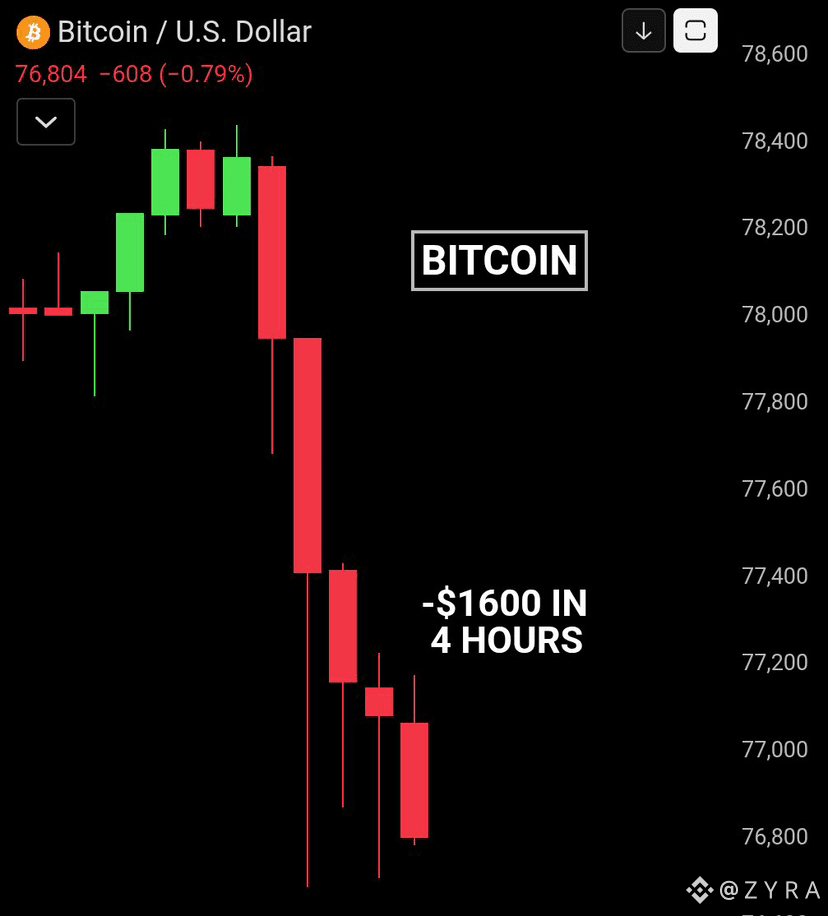
هذا الانخفاض تحت 77 ألف دولار يبدو أقل كبيع بدافع الذعر وأكثر كأن السوق يجبر الرافعة المالية على الخروج من النظام.
أكثر من نصف مليار في تصفية الصفقات الطويلة في ساعات قليلة يخبرك بالضبط ماذا حدث:
الكثير من المتداولين شعروا بالراحة معتقدين أن البيتكوين قد وصلت إلى القاع.
وبصراحة، هذا عادةً عندما تصبح السوق خطيرة.
ما يبرز لي هو أن البيع الفوري لا يزال لا يبدو عدوانياً كما كان مسح المشتقات نفسه. الحركة كانت مضاعفة من خلال الرافعة المتساقطة إلى الرافعة.
هذا التمييز مهم.
لأنه يوجد فرق بين:
• المستثمرين الذين يغادرون مراكزهم
و
• المتداولين الذين يستخدمون رافعة مالية عالية ويتم تصفيتهم بالقوة
الآن، لا يزال يبدو أقرب إلى الخيار الثاني.
منطقة 77 ألف دولار كانت مهمة نفسياً لأنها أصبحت مزدحمة بالشراء المتأخر بعد التفاؤل بشأن ETF، وعناوين CLARITY، وسرد “سوق صاعدة جديدة” تسارعت مرة أخرى.
بمجرد أن تم كسر هذا المستوى، تولت محركات التصفية الأمر.
لكن هنا الجزء الذي يفتقده معظم الناس:
هذه الانخفاضات الكبيرة مثل هذه غالباً ما تخلق الظروف لارتدادات أقوى لاحقاً إذا ظلت الطلبات الفورية نشطة في الأسفل.
الشيء الحقيقي الذي أشاهده الآن ليس الشمعة.
إنه ما إذا كانت الحيتان ومشتري ETF سيعودون بينما ترتفع مشاعر الخوف.
لأن كل دورة لديها هذه اللحظات حيث يتم معاقبة الرافعة المالية قبل أن تستأنف الاتجاه الأكبر.
وإذا فشل المشترون في الدفاع عن هذه المنطقة؟
فمن المحتمل أن السوق لم ينته بعد من إعادة تسعير المخاطر بالكامل.
$BTC
#bitcoin
#NCUAProposesStablecoinIssuerRule
#VerusBridgeHack11.58M #IranHormuzSafeCryptoInsurance
{future}(BTCUSDT)
هذا الانخفاض تحت 77 ألف دولار يبدو أقل كبيع بدافع الذعر وأكثر كأن السوق يجبر الرافعة المالية على الخروج من النظام.
أكثر من نصف مليار في تصفية الصفقات الطويلة في ساعات قليلة يخبرك بالضبط ماذا حدث:
الكثير من المتداولين شعروا بالراحة معتقدين أن البيتكوين قد وصلت إلى القاع.
وبصراحة، هذا عادةً عندما تصبح السوق خطيرة.
ما يبرز لي هو أن البيع الفوري لا يزال لا يبدو عدوانياً كما كان مسح المشتقات نفسه. الحركة كانت مضاعفة من خلال الرافعة المتساقطة إلى الرافعة.
هذا التمييز مهم.
لأنه يوجد فرق بين:
• المستثمرين الذين يغادرون مراكزهم
و
• المتداولين الذين يستخدمون رافعة مالية عالية ويتم تصفيتهم بالقوة
الآن، لا يزال يبدو أقرب إلى الخيار الثاني.
منطقة 77 ألف دولار كانت مهمة نفسياً لأنها أصبحت مزدحمة بالشراء المتأخر بعد التفاؤل بشأن ETF، وعناوين CLARITY، وسرد “سوق صاعدة جديدة” تسارعت مرة أخرى.
بمجرد أن تم كسر هذا المستوى، تولت محركات التصفية الأمر.
لكن هنا الجزء الذي يفتقده معظم الناس:
هذه الانخفاضات الكبيرة مثل هذه غالباً ما تخلق الظروف لارتدادات أقوى لاحقاً إذا ظلت الطلبات الفورية نشطة في الأسفل.
الشيء الحقيقي الذي أشاهده الآن ليس الشمعة.
إنه ما إذا كانت الحيتان ومشتري ETF سيعودون بينما ترتفع مشاعر الخوف.
لأن كل دورة لديها هذه اللحظات حيث يتم معاقبة الرافعة المالية قبل أن تستأنف الاتجاه الأكبر.
وإذا فشل المشترون في الدفاع عن هذه المنطقة؟
فمن المحتمل أن السوق لم ينته بعد من إعادة تسعير المخاطر بالكامل.
$BTC
#bitcoin
#NCUAProposesStablecoinIssuerRule
#VerusBridgeHack11.58M #IranHormuzSafeCryptoInsurance
أكثر من نصف مليار في تصفية الصفقات الطويلة في ساعات قليلة يخبرك بالضبط ماذا حدث:
الكثير من المتداولين شعروا بالراحة معتقدين أن البيتكوين قد وصلت إلى القاع.
وبصراحة، هذا عادةً عندما تصبح السوق خطيرة.
ما يبرز لي هو أن البيع الفوري لا يزال لا يبدو عدوانياً كما كان مسح المشتقات نفسه. الحركة كانت مضاعفة من خلال الرافعة المتساقطة إلى الرافعة.
هذا التمييز مهم.
لأنه يوجد فرق بين:
• المستثمرين الذين يغادرون مراكزهم
و
• المتداولين الذين يستخدمون رافعة مالية عالية ويتم تصفيتهم بالقوة
الآن، لا يزال يبدو أقرب إلى الخيار الثاني.
منطقة 77 ألف دولار كانت مهمة نفسياً لأنها أصبحت مزدحمة بالشراء المتأخر بعد التفاؤل بشأن ETF، وعناوين CLARITY، وسرد “سوق صاعدة جديدة” تسارعت مرة أخرى.
بمجرد أن تم كسر هذا المستوى، تولت محركات التصفية الأمر.
لكن هنا الجزء الذي يفتقده معظم الناس:
هذه الانخفاضات الكبيرة مثل هذه غالباً ما تخلق الظروف لارتدادات أقوى لاحقاً إذا ظلت الطلبات الفورية نشطة في الأسفل.
الشيء الحقيقي الذي أشاهده الآن ليس الشمعة.
إنه ما إذا كانت الحيتان ومشتري ETF سيعودون بينما ترتفع مشاعر الخوف.
لأن كل دورة لديها هذه اللحظات حيث يتم معاقبة الرافعة المالية قبل أن تستأنف الاتجاه الأكبر.
وإذا فشل المشترون في الدفاع عن هذه المنطقة؟
فمن المحتمل أن السوق لم ينته بعد من إعادة تسعير المخاطر بالكامل.
$BTC
#bitcoin
#NCUAProposesStablecoinIssuerRule
#VerusBridgeHack11.58M #IranHormuzSafeCryptoInsurance
134
20
224
231.6k
PINNED
·
--
هابط
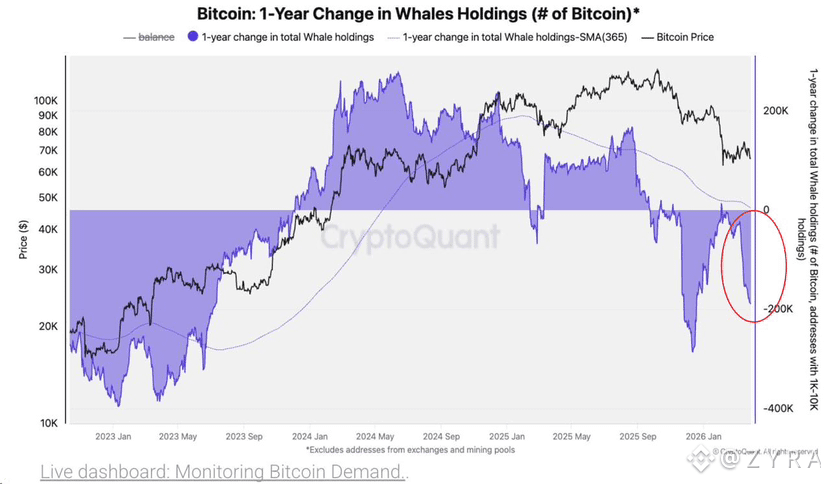
هذا لا يبدو وكأنه بيع في حالة من الذعر.
يبدو أن الحيتان تستخدم النطاق للخروج بهدوء.
السعر لا ينخفض بشدة، مما يعني أن هناك من لا يزال يشترى. ولكن في نفس الوقت، محافظ BTC من 1K–10K تقوم بتفريغ محتوياتها. هذا يخبرك أن السوق يفعل شيئًا تحت السطح لا يظهره الرسم البياني بعد.
الملكية تتغير.
عادةً ما تكون هذه المرحلة حيث تشعر الأشياء بالاستقرار، لكنها في الواقع ليست مستقرة، بل يتم إعادة توزيعها.
ما يهم هنا هو ليس أن الحيتان أصبحت متشائمة.
بل أنهم مرتاحون للبيع دون الحاجة إلى أسعار أقل.
هذا يغير سلوك السوق.
عندما يتوقف حاملو الكميات الكبيرة عن الدفاع عن المستويات ويبدؤون في البيع وسط القوة، كل ارتداد يصبح سيولة للخروج. ستظل تحصل على حركات صعودية، لكنها لن تحمل نفس الاقتناع. إنها تتلاشى بشكل أسرع.
هذه هي الطريقة التي يموت بها الزخم بهدوء.
ليس بانهيار، بل بمحاولات متكررة لا تتبعها نتائج.
لذا فإن الإشارة هنا ليست "تخلص قادم."
إنها أسوأ بطريقة ما.
هذا يعني أن السوق قد يبقى عالقًا بينما يستمر العرض في التحرر، وعندما يتفاعل السعر فعليًا، يكون معظم التوزيع قد تم بالفعل.
#bitcoin
#DriftProtocolExploited
#GoogleStudyOnCryptoSecurityChallenges
#BTCETFFeeRace
#BitcoinPrices
$BTC
{spot}(BTCUSDT)
هذا لا يبدو وكأنه بيع في حالة من الذعر.
يبدو أن الحيتان تستخدم النطاق للخروج بهدوء.
السعر لا ينخفض بشدة، مما يعني أن هناك من لا يزال يشترى. ولكن في نفس الوقت، محافظ BTC من 1K–10K تقوم بتفريغ محتوياتها. هذا يخبرك أن السوق يفعل شيئًا تحت السطح لا يظهره الرسم البياني بعد.
الملكية تتغير.
عادةً ما تكون هذه المرحلة حيث تشعر الأشياء بالاستقرار، لكنها في الواقع ليست مستقرة، بل يتم إعادة توزيعها.
ما يهم هنا هو ليس أن الحيتان أصبحت متشائمة.
بل أنهم مرتاحون للبيع دون الحاجة إلى أسعار أقل.
هذا يغير سلوك السوق.
عندما يتوقف حاملو الكميات الكبيرة عن الدفاع عن المستويات ويبدؤون في البيع وسط القوة، كل ارتداد يصبح سيولة للخروج. ستظل تحصل على حركات صعودية، لكنها لن تحمل نفس الاقتناع. إنها تتلاشى بشكل أسرع.
هذه هي الطريقة التي يموت بها الزخم بهدوء.
ليس بانهيار، بل بمحاولات متكررة لا تتبعها نتائج.
لذا فإن الإشارة هنا ليست "تخلص قادم."
إنها أسوأ بطريقة ما.
هذا يعني أن السوق قد يبقى عالقًا بينما يستمر العرض في التحرر، وعندما يتفاعل السعر فعليًا، يكون معظم التوزيع قد تم بالفعل.
#bitcoin
#DriftProtocolExploited
#GoogleStudyOnCryptoSecurityChallenges
#BTCETFFeeRace
#BitcoinPrices
$BTC
يبدو أن الحيتان تستخدم النطاق للخروج بهدوء.
السعر لا ينخفض بشدة، مما يعني أن هناك من لا يزال يشترى. ولكن في نفس الوقت، محافظ BTC من 1K–10K تقوم بتفريغ محتوياتها. هذا يخبرك أن السوق يفعل شيئًا تحت السطح لا يظهره الرسم البياني بعد.
الملكية تتغير.
عادةً ما تكون هذه المرحلة حيث تشعر الأشياء بالاستقرار، لكنها في الواقع ليست مستقرة، بل يتم إعادة توزيعها.
ما يهم هنا هو ليس أن الحيتان أصبحت متشائمة.
بل أنهم مرتاحون للبيع دون الحاجة إلى أسعار أقل.
هذا يغير سلوك السوق.
عندما يتوقف حاملو الكميات الكبيرة عن الدفاع عن المستويات ويبدؤون في البيع وسط القوة، كل ارتداد يصبح سيولة للخروج. ستظل تحصل على حركات صعودية، لكنها لن تحمل نفس الاقتناع. إنها تتلاشى بشكل أسرع.
هذه هي الطريقة التي يموت بها الزخم بهدوء.
ليس بانهيار، بل بمحاولات متكررة لا تتبعها نتائج.
لذا فإن الإشارة هنا ليست "تخلص قادم."
إنها أسوأ بطريقة ما.
هذا يعني أن السوق قد يبقى عالقًا بينما يستمر العرض في التحرر، وعندما يتفاعل السعر فعليًا، يكون معظم التوزيع قد تم بالفعل.
#bitcoin
#DriftProtocolExploited
#GoogleStudyOnCryptoSecurityChallenges
#BTCETFFeeRace
#BitcoinPrices
$BTC
51
7
290
390.2k
·
--
صاعد
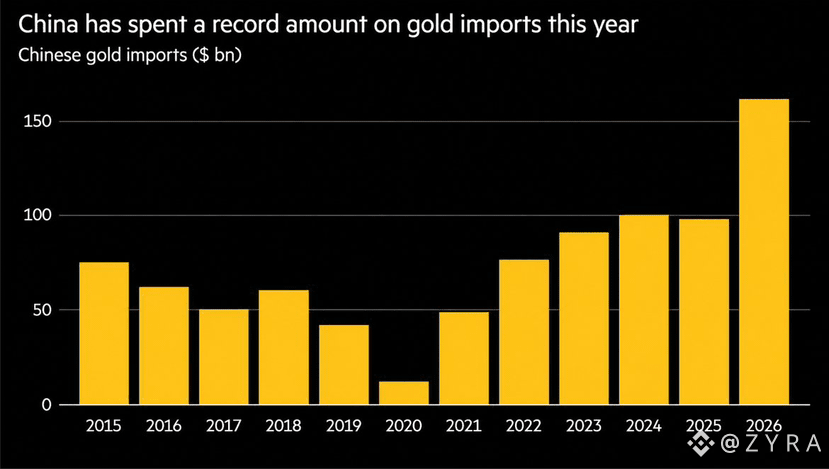
يبدو أن مشتريات الصين من الذهب بدأت أقل في كونها تحديثًا للاحتياطيات وأكثر في كونها تحولًا في الميزانية العمومية.
خلال 8 أشهر فقط، أفادت التقارير بأن الصين أنفقت 158.8 مليار دولار لاستيراد أكثر من 1,000 طن من الذهب، وهو رقم أعلى بكثير من 96.5 مليار دولار التي تم إنفاقها في كامل عام 2025.
الإشارة الأهم ليست الذهب وحده.
في الوقت نفسه، انخفضت حيازات الصين من سندات الخزانة الأميركية إلى نحو 618 مليار دولار، وهو أدنى مستوى منذ عام 2008.
لذا فإن قراءة السوق بسيطة:
الصين تُقلّل التعرض لديون الدولار بينما تزيد التعرض للأصول الملموسة.
هذا لا يعني أن سعر الذهب سيصعد في خط مستقيم، لكنه يوضح لماذا أصبح طلب البنوك المركزية أحد أقوى الدعائم الاقتصادية الكلية للذهب.
عندما تبدأ الحكومات في التعامل مع الذهب بوصفه حماية استراتيجية، لا ينبغي للمتداولين تجاهله.
لم يعد الذهب مجرد تحوّط ضد التضخم هنا.
بل إنه يصبح جزءًا من إعادة ضبط الاحتياطيات العالمية.
$XAUT $BTC $HYPE
#USWeighsPromotingDollarStablecoinsAbroad #US10YTreasuryYieldHits19YearHigh #SpotBitcoinETFsInflow$2.31BInFourDays #BitcoinRejectedAt$87,300Twice #BCHJumps28%OnCMEFuturesListing
{future}(HYPEUSDT)
{future}(BTCUSDT)
{future}(XAUTUSDT)
يبدو أن مشتريات الصين من الذهب بدأت أقل في كونها تحديثًا للاحتياطيات وأكثر في كونها تحولًا في الميزانية العمومية.
خلال 8 أشهر فقط، أفادت التقارير بأن الصين أنفقت 158.8 مليار دولار لاستيراد أكثر من 1,000 طن من الذهب، وهو رقم أعلى بكثير من 96.5 مليار دولار التي تم إنفاقها في كامل عام 2025.
الإشارة الأهم ليست الذهب وحده.
في الوقت نفسه، انخفضت حيازات الصين من سندات الخزانة الأميركية إلى نحو 618 مليار دولار، وهو أدنى مستوى منذ عام 2008.
لذا فإن قراءة السوق بسيطة:
الصين تُقلّل التعرض لديون الدولار بينما تزيد التعرض للأصول الملموسة.
هذا لا يعني أن سعر الذهب سيصعد في خط مستقيم، لكنه يوضح لماذا أصبح طلب البنوك المركزية أحد أقوى الدعائم الاقتصادية الكلية للذهب.
عندما تبدأ الحكومات في التعامل مع الذهب بوصفه حماية استراتيجية، لا ينبغي للمتداولين تجاهله.
لم يعد الذهب مجرد تحوّط ضد التضخم هنا.
بل إنه يصبح جزءًا من إعادة ضبط الاحتياطيات العالمية.
$XAUT $BTC $HYPE
#USWeighsPromotingDollarStablecoinsAbroad #US10YTreasuryYieldHits19YearHigh #SpotBitcoinETFsInflow$2.31BInFourDays #BitcoinRejectedAt$87,300Twice #BCHJumps28%OnCMEFuturesListing
خلال 8 أشهر فقط، أفادت التقارير بأن الصين أنفقت 158.8 مليار دولار لاستيراد أكثر من 1,000 طن من الذهب، وهو رقم أعلى بكثير من 96.5 مليار دولار التي تم إنفاقها في كامل عام 2025.
الإشارة الأهم ليست الذهب وحده.
في الوقت نفسه، انخفضت حيازات الصين من سندات الخزانة الأميركية إلى نحو 618 مليار دولار، وهو أدنى مستوى منذ عام 2008.
لذا فإن قراءة السوق بسيطة:
الصين تُقلّل التعرض لديون الدولار بينما تزيد التعرض للأصول الملموسة.
هذا لا يعني أن سعر الذهب سيصعد في خط مستقيم، لكنه يوضح لماذا أصبح طلب البنوك المركزية أحد أقوى الدعائم الاقتصادية الكلية للذهب.
عندما تبدأ الحكومات في التعامل مع الذهب بوصفه حماية استراتيجية، لا ينبغي للمتداولين تجاهله.
لم يعد الذهب مجرد تحوّط ضد التضخم هنا.
بل إنه يصبح جزءًا من إعادة ضبط الاحتياطيات العالمية.
$XAUT $BTC $HYPE
#USWeighsPromotingDollarStablecoinsAbroad #US10YTreasuryYieldHits19YearHigh #SpotBitcoinETFsInflow$2.31BInFourDays #BitcoinRejectedAt$87,300Twice #BCHJumps28%OnCMEFuturesListing
1
229
·
--
صاعد
ZAMA وAR وONE لا تتحركان كما تفعل عطاءات هادئة؛ يبدو أن هناك دورانًا نحو أسماء تخزين البنية التحتية القديمة بعد مرحلة ضغط طويلة.
$ONE هو الأكثر عدوانية: +87% مع توسع في الحجم، لكن مؤشر RSI بالفعل مرتفع، لذا فإن مطاردة القمة محفوفة بالمخاطر.
$AR أكثر نظافة من الناحية البنيوية، يواصل الارتفاع بشكل متدرّج مع شموع هلع أقل.
$ZAMA لا يزال متقلبًا قرب مستوى المقاومة، أقرب إلى مخطط اختبار اختراق.
أي مخطط لديه أفضل متابعة واضحة؟
#Zama #ar #one #BOJRaisesRatesTo31YearHigh #BuffettStepsDownAsBerkshireChairman
{future}(ZAMAUSDT)
{future}(ARUSDT)
{future}(ONEUSDT)
ZAMA وAR وONE لا تتحركان كما تفعل عطاءات هادئة؛ يبدو أن هناك دورانًا نحو أسماء تخزين البنية التحتية القديمة بعد مرحلة ضغط طويلة.
$ONE هو الأكثر عدوانية: +87% مع توسع في الحجم، لكن مؤشر RSI بالفعل مرتفع، لذا فإن مطاردة القمة محفوفة بالمخاطر.
$AR أكثر نظافة من الناحية البنيوية، يواصل الارتفاع بشكل متدرّج مع شموع هلع أقل.
$ZAMA لا يزال متقلبًا قرب مستوى المقاومة، أقرب إلى مخطط اختبار اختراق.
أي مخطط لديه أفضل متابعة واضحة؟
#Zama #ar #one #BOJRaisesRatesTo31YearHigh #BuffettStepsDownAsBerkshireChairman
$ONE هو الأكثر عدوانية: +87% مع توسع في الحجم، لكن مؤشر RSI بالفعل مرتفع، لذا فإن مطاردة القمة محفوفة بالمخاطر.
$AR أكثر نظافة من الناحية البنيوية، يواصل الارتفاع بشكل متدرّج مع شموع هلع أقل.
$ZAMA لا يزال متقلبًا قرب مستوى المقاومة، أقرب إلى مخطط اختبار اختراق.
أي مخطط لديه أفضل متابعة واضحة؟
#Zama #ar #one #BOJRaisesRatesTo31YearHigh #BuffettStepsDownAsBerkshireChairman
ONE momentum
56%
AR structure
19%
ZAMA breakout
6%
Wait for pullback
19%
16 الأصوات • تمّ إغلاق التصويت
3
1.8k
·
--
هابط
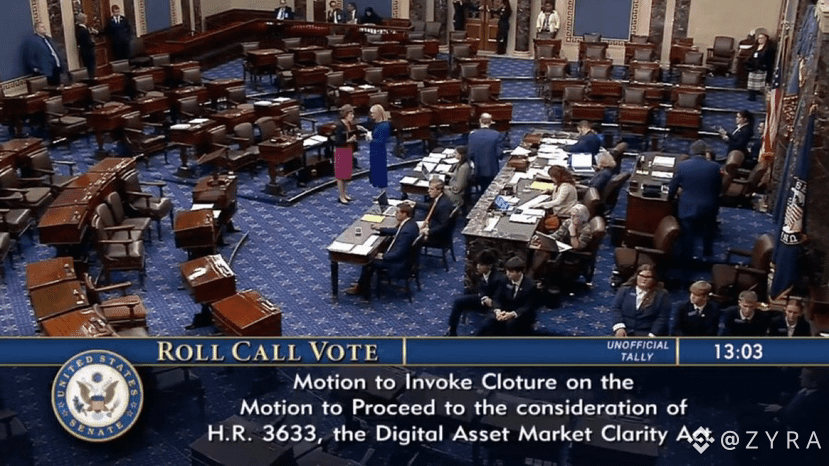
إن قانون CLARITY الذي يفشل اختبار الـ60 صوتًا ليس مجرد تأخير سياسي بالنسبة للعملات المشفرة.
يقول لي ذلك إن السوق ما زال يتعين عليه التداول داخل حالة من عدم اليقين.
وهذا هو الضرر الحقيقي.
لا يحصل البنّاؤون على قواعد واضحة. ولا تحصل البورصات على ممر واضح. ولا تحصل المؤسسات على الاطمئنان الذي تحتاجه للتوسع بشكل هجومي. وبقي المتداولون يحددون التسعير بناءً على العناوين بدلاً من البنية.
بالنسبة لي، لهذا السبب تهمّ ردة الفعل أكثر من التصويت نفسه.
إذا حافظ BTC على نطاقه بعد ذلك، فالسوق يقول: “تأخير مزعج، لكنه ليس قاتلًا”.
إذا فقد BTC مستوى الدعم مع حجم تداول، عندها يصبح التصويت الفاشل ذريعة لحركة أكبر لإزالة المخاطر.
لم تخسر العملات المشفرة قصة التنظيم كاملة اليوم.
لقد خسرت الوقت.
ومع كون السيولة أصلاً رقيقة، يصبح الوقت مكلفًا.
#ClarityActOddsHalveOnPolymarket #bitcoin #FedRateWatch #BitcoinSlidesTo$76000 #StrategyMarketCapPassesFord
$BTC
{future}(BTCUSDT)
$SAGA
{future}(SAGAUSDT)
$ASTR
{future}(ASTRUSDT)
إن قانون CLARITY الذي يفشل اختبار الـ60 صوتًا ليس مجرد تأخير سياسي بالنسبة للعملات المشفرة.
يقول لي ذلك إن السوق ما زال يتعين عليه التداول داخل حالة من عدم اليقين.
وهذا هو الضرر الحقيقي.
لا يحصل البنّاؤون على قواعد واضحة. ولا تحصل البورصات على ممر واضح. ولا تحصل المؤسسات على الاطمئنان الذي تحتاجه للتوسع بشكل هجومي. وبقي المتداولون يحددون التسعير بناءً على العناوين بدلاً من البنية.
بالنسبة لي، لهذا السبب تهمّ ردة الفعل أكثر من التصويت نفسه.
إذا حافظ BTC على نطاقه بعد ذلك، فالسوق يقول: “تأخير مزعج، لكنه ليس قاتلًا”.
إذا فقد BTC مستوى الدعم مع حجم تداول، عندها يصبح التصويت الفاشل ذريعة لحركة أكبر لإزالة المخاطر.
لم تخسر العملات المشفرة قصة التنظيم كاملة اليوم.
لقد خسرت الوقت.
ومع كون السيولة أصلاً رقيقة، يصبح الوقت مكلفًا.
#ClarityActOddsHalveOnPolymarket #bitcoin #FedRateWatch #BitcoinSlidesTo$76000 #StrategyMarketCapPassesFord
$BTC
$SAGA
$ASTR
يقول لي ذلك إن السوق ما زال يتعين عليه التداول داخل حالة من عدم اليقين.
وهذا هو الضرر الحقيقي.
لا يحصل البنّاؤون على قواعد واضحة. ولا تحصل البورصات على ممر واضح. ولا تحصل المؤسسات على الاطمئنان الذي تحتاجه للتوسع بشكل هجومي. وبقي المتداولون يحددون التسعير بناءً على العناوين بدلاً من البنية.
بالنسبة لي، لهذا السبب تهمّ ردة الفعل أكثر من التصويت نفسه.
إذا حافظ BTC على نطاقه بعد ذلك، فالسوق يقول: “تأخير مزعج، لكنه ليس قاتلًا”.
إذا فقد BTC مستوى الدعم مع حجم تداول، عندها يصبح التصويت الفاشل ذريعة لحركة أكبر لإزالة المخاطر.
لم تخسر العملات المشفرة قصة التنظيم كاملة اليوم.
لقد خسرت الوقت.
ومع كون السيولة أصلاً رقيقة، يصبح الوقت مكلفًا.
#ClarityActOddsHalveOnPolymarket #bitcoin #FedRateWatch #BitcoinSlidesTo$76000 #StrategyMarketCapPassesFord
$BTC
$SAGA
$ASTR
1
3
2.1k
·
--
صاعد
تم إصدار رقم مؤشر أسعار المستهلكين (CPI)، وأعتقد أن لدى مجلس الاحتياطي الفيدرالي الآن حالة أصعب لتبرير الاكتفاء بالاستمرار على الوضع الراهن دون تغيير.
جاءت بيانات مؤشر أسعار المستهلكين لشهر أغسطس عند +0.4% على أساس شهري، و3.4% على أساس سنوي. وكان مؤشر أسعار المستهلكين الأساسي +0.3% على أساس شهري، و2.4% على أساس سنوي.
وفي الوقت نفسه، لم ينهر سوق العمل بالضرورة. فقد أضافت كشوفات الرواتب غير الزراعية 162 ألف وظيفة، بينما بقي معدل البطالة عند 4.1%.
بالنسبة لي، الجزء المهم هو الجمع بين هذه العوامل.
فالتضخم ما يزال أعلى من هدف مجلس الاحتياطي الفيدرالي البالغ 2%، ولا تزال الطاقة تمثل مصدرًا للمخاطر، كما أن الاقتصاد يظهر قدرًا كافيًا من المرونة بحيث يمنح ذلك الاحتياطي الفيدرالي مساحة ليظل سياساته تقييدية.
لذلك، فإن السيناريو الأساسي لدي أصبح الآن رفعًا بمقدار 25 نقطة أساس، بدلًا من انتظارٍ آخر سهل بلا تغيير.
لكنني لا أرى ذلك بدايةً لدورة تشديد تلقائية.
إذا قام مجلس الاحتياطي الفيدرالي بالرفع، فستكون الإشارة الأهم من السوق الحقيقي هي ما سيأتي بعد ذلك: هل سيؤطّرون الأمر باعتباره استجابة لمرة واحدة لارتفاع التضخم بشكل مستمر، أم باعتباره بداية لتشديد السياسة مرة أخرى.
قد تكون هذه الفروقات أكثر أهمية بالنسبة للأسهم والذهب والـكريبتو من حركة 25 نقطة أساس بحد ذاتها.
#CPIWatch
{future}(BTCUSDT)
تم إصدار رقم مؤشر أسعار المستهلكين (CPI)، وأعتقد أن لدى مجلس الاحتياطي الفيدرالي الآن حالة أصعب لتبرير الاكتفاء بالاستمرار على الوضع الراهن دون تغيير.
جاءت بيانات مؤشر أسعار المستهلكين لشهر أغسطس عند +0.4% على أساس شهري، و3.4% على أساس سنوي. وكان مؤشر أسعار المستهلكين الأساسي +0.3% على أساس شهري، و2.4% على أساس سنوي.
وفي الوقت نفسه، لم ينهر سوق العمل بالضرورة. فقد أضافت كشوفات الرواتب غير الزراعية 162 ألف وظيفة، بينما بقي معدل البطالة عند 4.1%.
بالنسبة لي، الجزء المهم هو الجمع بين هذه العوامل.
فالتضخم ما يزال أعلى من هدف مجلس الاحتياطي الفيدرالي البالغ 2%، ولا تزال الطاقة تمثل مصدرًا للمخاطر، كما أن الاقتصاد يظهر قدرًا كافيًا من المرونة بحيث يمنح ذلك الاحتياطي الفيدرالي مساحة ليظل سياساته تقييدية.
لذلك، فإن السيناريو الأساسي لدي أصبح الآن رفعًا بمقدار 25 نقطة أساس، بدلًا من انتظارٍ آخر سهل بلا تغيير.
لكنني لا أرى ذلك بدايةً لدورة تشديد تلقائية.
إذا قام مجلس الاحتياطي الفيدرالي بالرفع، فستكون الإشارة الأهم من السوق الحقيقي هي ما سيأتي بعد ذلك: هل سيؤطّرون الأمر باعتباره استجابة لمرة واحدة لارتفاع التضخم بشكل مستمر، أم باعتباره بداية لتشديد السياسة مرة أخرى.
قد تكون هذه الفروقات أكثر أهمية بالنسبة للأسهم والذهب والـكريبتو من حركة 25 نقطة أساس بحد ذاتها.
#CPIWatch
جاءت بيانات مؤشر أسعار المستهلكين لشهر أغسطس عند +0.4% على أساس شهري، و3.4% على أساس سنوي. وكان مؤشر أسعار المستهلكين الأساسي +0.3% على أساس شهري، و2.4% على أساس سنوي.
وفي الوقت نفسه، لم ينهر سوق العمل بالضرورة. فقد أضافت كشوفات الرواتب غير الزراعية 162 ألف وظيفة، بينما بقي معدل البطالة عند 4.1%.
بالنسبة لي، الجزء المهم هو الجمع بين هذه العوامل.
فالتضخم ما يزال أعلى من هدف مجلس الاحتياطي الفيدرالي البالغ 2%، ولا تزال الطاقة تمثل مصدرًا للمخاطر، كما أن الاقتصاد يظهر قدرًا كافيًا من المرونة بحيث يمنح ذلك الاحتياطي الفيدرالي مساحة ليظل سياساته تقييدية.
لذلك، فإن السيناريو الأساسي لدي أصبح الآن رفعًا بمقدار 25 نقطة أساس، بدلًا من انتظارٍ آخر سهل بلا تغيير.
لكنني لا أرى ذلك بدايةً لدورة تشديد تلقائية.
إذا قام مجلس الاحتياطي الفيدرالي بالرفع، فستكون الإشارة الأهم من السوق الحقيقي هي ما سيأتي بعد ذلك: هل سيؤطّرون الأمر باعتباره استجابة لمرة واحدة لارتفاع التضخم بشكل مستمر، أم باعتباره بداية لتشديد السياسة مرة أخرى.
قد تكون هذه الفروقات أكثر أهمية بالنسبة للأسهم والذهب والـكريبتو من حركة 25 نقطة أساس بحد ذاتها.
#CPIWatch
2
680
·
--
صاعد
ثلاثة صاعدين، لكن ليست كل التحركات متساوية في الجودة.
$ARB يتصدر من حيث الزخم الخالص، لكن بعد صعود شبه عمودي، يبدو الأكثر امتدادًا.
$RAY يبدو أنظف من الناحية الهيكلية، مع اختراق لا يزال أمامه مجال إذا دافع المشترون عن الارتداد.
$IOST يتفاعل بشكل جيد، لكنه لا يزال يبدو أقرب إلى دفعة مضاربية أكثر من كونه قيادة قوية.
أيّ واحد لديه أفضل استمرار من هنا؟
{future}(IOSTUSDT)
{spot}(RAYUSDT)
{future}(ARBUSDT)
#ARB #Ray #IOST #BTCReaches$80000 #ZECHitsANewAllTimeHigh
ثلاثة صاعدين، لكن ليست كل التحركات متساوية في الجودة.
$ARB يتصدر من حيث الزخم الخالص، لكن بعد صعود شبه عمودي، يبدو الأكثر امتدادًا.
$RAY يبدو أنظف من الناحية الهيكلية، مع اختراق لا يزال أمامه مجال إذا دافع المشترون عن الارتداد.
$IOST يتفاعل بشكل جيد، لكنه لا يزال يبدو أقرب إلى دفعة مضاربية أكثر من كونه قيادة قوية.
أيّ واحد لديه أفضل استمرار من هنا؟
#ARB #Ray #IOST #BTCReaches$80000 #ZECHitsANewAllTimeHigh
$ARB يتصدر من حيث الزخم الخالص، لكن بعد صعود شبه عمودي، يبدو الأكثر امتدادًا.
$RAY يبدو أنظف من الناحية الهيكلية، مع اختراق لا يزال أمامه مجال إذا دافع المشترون عن الارتداد.
$IOST يتفاعل بشكل جيد، لكنه لا يزال يبدو أقرب إلى دفعة مضاربية أكثر من كونه قيادة قوية.
أيّ واحد لديه أفضل استمرار من هنا؟
#ARB #Ray #IOST #BTCReaches$80000 #ZECHitsANewAllTimeHigh
ARB
58%
RAY
23%
IOST
11%
None, wait for reset
8%
935 الأصوات • تمّ إغلاق التصويت
5
68
110.1k
·
--
صاعد
إنَّ تنصيف البيتكوين يغيّر الإصدار. لكنه لا يخلق الطلب.
هذا التمييز مهم بالقرب من المستويات النفسية الرئيسية.
أصبح دعم الكتلة الآن 3.125 BTC، لذا يصل المعروض الجديد بوتيرة أبطأ. لكن ما إذا كان هذا الانخفاض في الإصدار يؤثر فعلاً على السعر يعتمد على من يستوعب البيتكوين المتاح.
تتنافس تدفقات صناديق المؤشرات المتداولة (ETF)، والطلب المؤسسي، والسيولة الكلية، وعمليات البيع من قبل الحائزين الحاليين على الجهة الأخرى من تلك المعادلة.
ولهذا لا أرى قوة BTC على أنها مجرد “صفقة التنصيف”.
البنية الأكثر إثارة للاهتمام هي:
معروض جديد متوقع + طلب غير متوقع + سيولة متغيرة.
إذا كان الطلب يمتص باستمرار كلًّا من الإصدار الجديد وعمليات البيع في السوق الثانوية، تصبح الندرة ذات معنى.
إذا ضعف الطلب، فلن تتمكن الندرة وحدها من دفع السعر إلى الأعلى.
إن معروض البيتكوين مبرمج. أما اكتشاف السعر فليس كذلك.
ذلك هو الجزء من BTC بالقرب من المستويات الرئيسية الذي أراقبه.
$BTC
#BTCReaches$80000 #bitcoin #BitcoinETFsBiggestDailyInflowSinceJanuary
{future}(BTCUSDT)
إنَّ تنصيف البيتكوين يغيّر الإصدار. لكنه لا يخلق الطلب.
هذا التمييز مهم بالقرب من المستويات النفسية الرئيسية.
أصبح دعم الكتلة الآن 3.125 BTC، لذا يصل المعروض الجديد بوتيرة أبطأ. لكن ما إذا كان هذا الانخفاض في الإصدار يؤثر فعلاً على السعر يعتمد على من يستوعب البيتكوين المتاح.
تتنافس تدفقات صناديق المؤشرات المتداولة (ETF)، والطلب المؤسسي، والسيولة الكلية، وعمليات البيع من قبل الحائزين الحاليين على الجهة الأخرى من تلك المعادلة.
ولهذا لا أرى قوة BTC على أنها مجرد “صفقة التنصيف”.
البنية الأكثر إثارة للاهتمام هي:
معروض جديد متوقع + طلب غير متوقع + سيولة متغيرة.
إذا كان الطلب يمتص باستمرار كلًّا من الإصدار الجديد وعمليات البيع في السوق الثانوية، تصبح الندرة ذات معنى.
إذا ضعف الطلب، فلن تتمكن الندرة وحدها من دفع السعر إلى الأعلى.
إن معروض البيتكوين مبرمج. أما اكتشاف السعر فليس كذلك.
ذلك هو الجزء من BTC بالقرب من المستويات الرئيسية الذي أراقبه.
$BTC
#BTCReaches$80000 #bitcoin #BitcoinETFsBiggestDailyInflowSinceJanuary
هذا التمييز مهم بالقرب من المستويات النفسية الرئيسية.
أصبح دعم الكتلة الآن 3.125 BTC، لذا يصل المعروض الجديد بوتيرة أبطأ. لكن ما إذا كان هذا الانخفاض في الإصدار يؤثر فعلاً على السعر يعتمد على من يستوعب البيتكوين المتاح.
تتنافس تدفقات صناديق المؤشرات المتداولة (ETF)، والطلب المؤسسي، والسيولة الكلية، وعمليات البيع من قبل الحائزين الحاليين على الجهة الأخرى من تلك المعادلة.
ولهذا لا أرى قوة BTC على أنها مجرد “صفقة التنصيف”.
البنية الأكثر إثارة للاهتمام هي:
معروض جديد متوقع + طلب غير متوقع + سيولة متغيرة.
إذا كان الطلب يمتص باستمرار كلًّا من الإصدار الجديد وعمليات البيع في السوق الثانوية، تصبح الندرة ذات معنى.
إذا ضعف الطلب، فلن تتمكن الندرة وحدها من دفع السعر إلى الأعلى.
إن معروض البيتكوين مبرمج. أما اكتشاف السعر فليس كذلك.
ذلك هو الجزء من BTC بالقرب من المستويات الرئيسية الذي أراقبه.
$BTC
#BTCReaches$80000 #bitcoin #BitcoinETFsBiggestDailyInflowSinceJanuary
1
1.2k
·
--
صاعد
$ARB , $SC and $ONG are ليست نفس المضخة.
تبدو ARB كأنها دوران من نطاق ميت منذ زمن طويل.
تبدو SC كضغط تخزين مؤجل مع RSI مزدحم.
ONG يبدو أكثر كارتداد بعد تقلب قديم، وليس قيادة نظيفة بعد.
الفائز الحقيقي ليس أكبر شمعة اليوم.
بل هي تلك التي تُبقي قاعدة الاختراق عندما يصل أول البائعين.
أفضل حفاظ؟
{future}(ONGUSDT)
{spot}(SCUSDT)
{future}(ARBUSDT)
#ong #ARB #ARBRises30%OnRobinhoodChainRevenue #StrategySpends$635MOnSTRCPreferredBuybacks
$ARB , $SC and $ONG are ليست نفس المضخة.
تبدو ARB كأنها دوران من نطاق ميت منذ زمن طويل.
تبدو SC كضغط تخزين مؤجل مع RSI مزدحم.
ONG يبدو أكثر كارتداد بعد تقلب قديم، وليس قيادة نظيفة بعد.
الفائز الحقيقي ليس أكبر شمعة اليوم.
بل هي تلك التي تُبقي قاعدة الاختراق عندما يصل أول البائعين.
أفضل حفاظ؟
#ong #ARB #ARBRises30%OnRobinhoodChainRevenue #StrategySpends$635MOnSTRCPreferredBuybacks
تبدو ARB كأنها دوران من نطاق ميت منذ زمن طويل.
تبدو SC كضغط تخزين مؤجل مع RSI مزدحم.
ONG يبدو أكثر كارتداد بعد تقلب قديم، وليس قيادة نظيفة بعد.
الفائز الحقيقي ليس أكبر شمعة اليوم.
بل هي تلك التي تُبقي قاعدة الاختراق عندما يصل أول البائعين.
أفضل حفاظ؟
#ong #ARB #ARBRises30%OnRobinhoodChainRevenue #StrategySpends$635MOnSTRCPreferredBuybacks
ARB
49%
SC
16%
ONG
30%
Wait
5%
185 الأصوات • تمّ إغلاق التصويت
5
23
27.7k
·
--
هابط
#dusk $DUSK @Dusk_Foundation توقفت عن النظر إلى تصويت OpenDusk كتحديثٍ بسيط للحوكمة عندما قارنت توقيته مع DuskEVM.
فقط في هذا الشهر تم إطلاق شبكة DuskEVM التجريبية (testnet). أدوات المطورين متاحة، لكن النظام البيئي للتطبيقات الأكبر ما يزال يتعين بناؤه.
الآن يُطلب من المجتمع أن يقرر ما إذا كانت مكافآت الحرق الخاصة بالكتل (burned block rewards) ينبغي أن تبدأ بالتدفق إلى خزانة OpenDusk.
يبدو أن هذا التوقيت مقصود.
تحتاج Dusk الآن إلى أكثر من مجرد ترقيات للبروتوكول. تحتاج إلى محافظ، وأدوات للمطورين، وعمليات تدقيق (audits)، وتطبيقات، وفِرق مستعدة للاستمرار في البناء حتى تصل هذه المنتجات إلى المستخدمين الحقيقيين. يمكن للخزانة المتكررة أن تموّل هذه الطبقة دون أن يعتمد كل مشروع مباشرةً على المؤسسة (Foundation).
لكن هذا أيضًا يخلق مشكلة.
قد تبدأ الخزانة في تلقي DUSK قبل أن يكون لدى النظام البيئي طريقة مثبتة لقياس أي قرارات التمويل تخلق طلبًا مستدامًا.
قد ينجز مشروع ما معالم منحة التمويل الخاصة به ولا يجذب أي مستخدمين.
يمكن لبرنامج السيولة أن يزيد TVL حتى تتوقف الحوافز.
يمكن لتطبيق dApp جديد أن ينطلق دون توليد معاملات أو رسوم ذات معنى.
قد تبدو الأمور الثلاثة جميعها كأنها تقدم في تقرير الخزانة.
لذلك لن أقوم بتقييم OpenDusk بناءً على نسبة المشاركة في التصويت أو عدد المقترحات التي يوافق عليها.
سأتابع عدد المشاريع الممولة التي تصل إلى الشبكة الرئيسية (mainnet)، ومقدار الاستخدام المتبقي بعد انتهاء الحوافز، وما إذا كانت هذه التطبيقات تولد معاملات تستخدم DUSK.
وإلا فلن يتم تحويل المكافآت المحروقة إلى قيمة ضمن النظام البيئي. فهي تعود فقط إلى التداول عبر مسارٍ أكثر تعقيدًا.
الاقتراع الأول يقرر ما إذا كانت آلة التمويل ينبغي أن توجد.
أما الاقتراع الأكثر أهمية فسيُجرى بهدوء بعد كل منحة: هل يستمر المستخدمون في استخدام ما دفعته الخزانة للبناء؟
$DUSK
{future}(DUSKUSDT)
#dusk $DUSK @Dusk توقفت عن النظر إلى تصويت OpenDusk كتحديثٍ بسيط للحوكمة عندما قارنت توقيته مع DuskEVM.
فقط في هذا الشهر تم إطلاق شبكة DuskEVM التجريبية (testnet). أدوات المطورين متاحة، لكن النظام البيئي للتطبيقات الأكبر ما يزال يتعين بناؤه.
الآن يُطلب من المجتمع أن يقرر ما إذا كانت مكافآت الحرق الخاصة بالكتل (burned block rewards) ينبغي أن تبدأ بالتدفق إلى خزانة OpenDusk.
يبدو أن هذا التوقيت مقصود.
تحتاج Dusk الآن إلى أكثر من مجرد ترقيات للبروتوكول. تحتاج إلى محافظ، وأدوات للمطورين، وعمليات تدقيق (audits)، وتطبيقات، وفِرق مستعدة للاستمرار في البناء حتى تصل هذه المنتجات إلى المستخدمين الحقيقيين. يمكن للخزانة المتكررة أن تموّل هذه الطبقة دون أن يعتمد كل مشروع مباشرةً على المؤسسة (Foundation).
لكن هذا أيضًا يخلق مشكلة.
قد تبدأ الخزانة في تلقي DUSK قبل أن يكون لدى النظام البيئي طريقة مثبتة لقياس أي قرارات التمويل تخلق طلبًا مستدامًا.
قد ينجز مشروع ما معالم منحة التمويل الخاصة به ولا يجذب أي مستخدمين.
يمكن لبرنامج السيولة أن يزيد TVL حتى تتوقف الحوافز.
يمكن لتطبيق dApp جديد أن ينطلق دون توليد معاملات أو رسوم ذات معنى.
قد تبدو الأمور الثلاثة جميعها كأنها تقدم في تقرير الخزانة.
لذلك لن أقوم بتقييم OpenDusk بناءً على نسبة المشاركة في التصويت أو عدد المقترحات التي يوافق عليها.
سأتابع عدد المشاريع الممولة التي تصل إلى الشبكة الرئيسية (mainnet)، ومقدار الاستخدام المتبقي بعد انتهاء الحوافز، وما إذا كانت هذه التطبيقات تولد معاملات تستخدم DUSK.
وإلا فلن يتم تحويل المكافآت المحروقة إلى قيمة ضمن النظام البيئي. فهي تعود فقط إلى التداول عبر مسارٍ أكثر تعقيدًا.
الاقتراع الأول يقرر ما إذا كانت آلة التمويل ينبغي أن توجد.
أما الاقتراع الأكثر أهمية فسيُجرى بهدوء بعد كل منحة: هل يستمر المستخدمون في استخدام ما دفعته الخزانة للبناء؟
$DUSK
فقط في هذا الشهر تم إطلاق شبكة DuskEVM التجريبية (testnet). أدوات المطورين متاحة، لكن النظام البيئي للتطبيقات الأكبر ما يزال يتعين بناؤه.
الآن يُطلب من المجتمع أن يقرر ما إذا كانت مكافآت الحرق الخاصة بالكتل (burned block rewards) ينبغي أن تبدأ بالتدفق إلى خزانة OpenDusk.
يبدو أن هذا التوقيت مقصود.
تحتاج Dusk الآن إلى أكثر من مجرد ترقيات للبروتوكول. تحتاج إلى محافظ، وأدوات للمطورين، وعمليات تدقيق (audits)، وتطبيقات، وفِرق مستعدة للاستمرار في البناء حتى تصل هذه المنتجات إلى المستخدمين الحقيقيين. يمكن للخزانة المتكررة أن تموّل هذه الطبقة دون أن يعتمد كل مشروع مباشرةً على المؤسسة (Foundation).
لكن هذا أيضًا يخلق مشكلة.
قد تبدأ الخزانة في تلقي DUSK قبل أن يكون لدى النظام البيئي طريقة مثبتة لقياس أي قرارات التمويل تخلق طلبًا مستدامًا.
قد ينجز مشروع ما معالم منحة التمويل الخاصة به ولا يجذب أي مستخدمين.
يمكن لبرنامج السيولة أن يزيد TVL حتى تتوقف الحوافز.
يمكن لتطبيق dApp جديد أن ينطلق دون توليد معاملات أو رسوم ذات معنى.
قد تبدو الأمور الثلاثة جميعها كأنها تقدم في تقرير الخزانة.
لذلك لن أقوم بتقييم OpenDusk بناءً على نسبة المشاركة في التصويت أو عدد المقترحات التي يوافق عليها.
سأتابع عدد المشاريع الممولة التي تصل إلى الشبكة الرئيسية (mainnet)، ومقدار الاستخدام المتبقي بعد انتهاء الحوافز، وما إذا كانت هذه التطبيقات تولد معاملات تستخدم DUSK.
وإلا فلن يتم تحويل المكافآت المحروقة إلى قيمة ضمن النظام البيئي. فهي تعود فقط إلى التداول عبر مسارٍ أكثر تعقيدًا.
الاقتراع الأول يقرر ما إذا كانت آلة التمويل ينبغي أن توجد.
أما الاقتراع الأكثر أهمية فسيُجرى بهدوء بعد كل منحة: هل يستمر المستخدمون في استخدام ما دفعته الخزانة للبناء؟
$DUSK
3
1
8
582
·
--
هابط
تمّ التحقق
#dusk $DUSK @Dusk_Foundation لقد طرح إعلان SURGECAST سؤالاً جيداً: ماذا لو أصبحت كل عملية تداول علنية في اللحظة التي تقوم فيها بتنفيذها، مع إرفاق اسمك بها؟
هذا ما شدّني، لكنني أعتقد أن المشكلة الأصعب تبدأ بعد ذلك.
عدتُ إلى نماذج معاملات Dusk. يعمل Moonlight كحساب عام: تظهر الأرصدة وتفاصيل التحويل. أما Phoenix فتخزن القيمة كملاحظات مُشفّرة، وتُثبت أن العملية صحيحة دون كشف المبلغ أو المشاركين للجميع.
لذلك فإن @Dusk_Foundation لا يحاول فرض النظام المالي بأكمله على إعداد خصوصية واحد.
قد يحتاج سدادٌ من الخزانة إلى سجلّ علني.
قد يحتاج مركز الصندوق إلى سرّية.
قد يحتاج المُصدِر إلى إثبات الملكية.
قد يحتاج المنظِّم إلى الوصول إلى عملية محددة.
هذه أربع متطلبات مختلفة للرؤية داخل السوق نفسه.
الجزء الذي وقفت عنده هو مفتاح العرض.
يتيح Phoenix كشف معلومات المعاملة لطرفٍ مُخوَّل عند الحاجة. تقنياً، هذا يحل مشكلة الخصوصية ولكن مع قابلية التدقيق. عملياً، يطرح سؤالاً آخر: من يحصل على هذه الرؤية؟ وما مدى ضيق التفويض؟ وماذا يحدث عندما تحتاج عدة مؤسسات إلى أجزاء مختلفة من السجل نفسه؟
يشعر هذا بأنه الاختبار المؤسسي الحقيقي لـ Dusk.
يمكن لإثباتات المعرفة الصفرية أن تُظهر أن التحويل السري اتبع القواعد. لكن التمويل المُنظَّم يحتاج أيضاً إلى سياسة إفصاح واضحة حول الإثبات: أي طرف يمكنه الاطلاع على ماذا، ولأي غرض، ولمدة كم.
الخصوصية هي طبقة التشفير.
الصلاحيات المتعلقة بالإفصاح هي طبقة بنية السوق التحتية.
أنا مهتم بما يقوله Hein Dauven عن هذا التمييز، لأن إخفاء صفقة هو نصف المهمة فقط. النصف الآخر هو ضمان وصول الدليل المناسب إلى المؤسسة المناسبة دون إعادة بناء قواعد البيانات المغلقة نفسها التي يُفترض أن Dusk يستبدلها.
{future}(DUSKUSDT)
#dusk $DUSK @Dusk لقد طرح إعلان SURGECAST سؤالاً جيداً: ماذا لو أصبحت كل عملية تداول علنية في اللحظة التي تقوم فيها بتنفيذها، مع إرفاق اسمك بها؟
هذا ما شدّني، لكنني أعتقد أن المشكلة الأصعب تبدأ بعد ذلك.
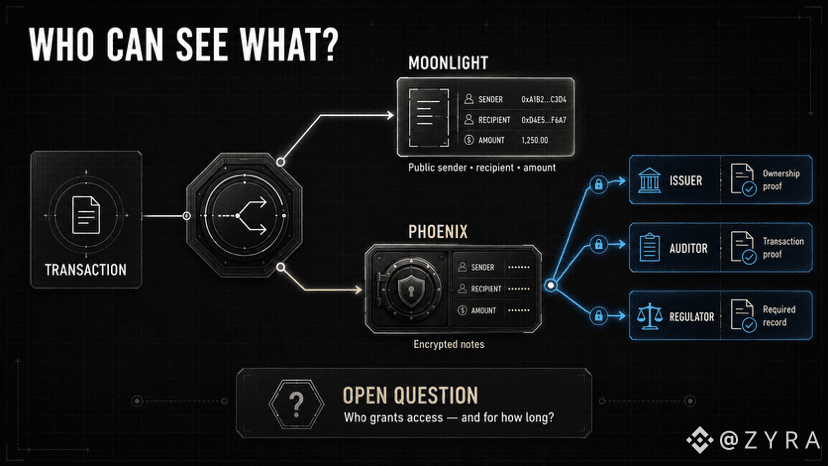
عدتُ إلى نماذج معاملات Dusk. يعمل Moonlight كحساب عام: تظهر الأرصدة وتفاصيل التحويل. أما Phoenix فتخزن القيمة كملاحظات مُشفّرة، وتُثبت أن العملية صحيحة دون كشف المبلغ أو المشاركين للجميع.
لذلك فإن @Dusk لا يحاول فرض النظام المالي بأكمله على إعداد خصوصية واحد.
قد يحتاج سدادٌ من الخزانة إلى سجلّ علني.
قد يحتاج مركز الصندوق إلى سرّية.
قد يحتاج المُصدِر إلى إثبات الملكية.
قد يحتاج المنظِّم إلى الوصول إلى عملية محددة.
هذه أربع متطلبات مختلفة للرؤية داخل السوق نفسه.
الجزء الذي وقفت عنده هو مفتاح العرض.
يتيح Phoenix كشف معلومات المعاملة لطرفٍ مُخوَّل عند الحاجة. تقنياً، هذا يحل مشكلة الخصوصية ولكن مع قابلية التدقيق. عملياً، يطرح سؤالاً آخر: من يحصل على هذه الرؤية؟ وما مدى ضيق التفويض؟ وماذا يحدث عندما تحتاج عدة مؤسسات إلى أجزاء مختلفة من السجل نفسه؟
يشعر هذا بأنه الاختبار المؤسسي الحقيقي لـ Dusk.
يمكن لإثباتات المعرفة الصفرية أن تُظهر أن التحويل السري اتبع القواعد. لكن التمويل المُنظَّم يحتاج أيضاً إلى سياسة إفصاح واضحة حول الإثبات: أي طرف يمكنه الاطلاع على ماذا، ولأي غرض، ولمدة كم.
الخصوصية هي طبقة التشفير.
الصلاحيات المتعلقة بالإفصاح هي طبقة بنية السوق التحتية.
أنا مهتم بما يقوله Hein Dauven عن هذا التمييز، لأن إخفاء صفقة هو نصف المهمة فقط. النصف الآخر هو ضمان وصول الدليل المناسب إلى المؤسسة المناسبة دون إعادة بناء قواعد البيانات المغلقة نفسها التي يُفترض أن Dusk يستبدلها.
هذا ما شدّني، لكنني أعتقد أن المشكلة الأصعب تبدأ بعد ذلك.
عدتُ إلى نماذج معاملات Dusk. يعمل Moonlight كحساب عام: تظهر الأرصدة وتفاصيل التحويل. أما Phoenix فتخزن القيمة كملاحظات مُشفّرة، وتُثبت أن العملية صحيحة دون كشف المبلغ أو المشاركين للجميع.
لذلك فإن @Dusk لا يحاول فرض النظام المالي بأكمله على إعداد خصوصية واحد.
قد يحتاج سدادٌ من الخزانة إلى سجلّ علني.
قد يحتاج مركز الصندوق إلى سرّية.
قد يحتاج المُصدِر إلى إثبات الملكية.
قد يحتاج المنظِّم إلى الوصول إلى عملية محددة.
هذه أربع متطلبات مختلفة للرؤية داخل السوق نفسه.
الجزء الذي وقفت عنده هو مفتاح العرض.
يتيح Phoenix كشف معلومات المعاملة لطرفٍ مُخوَّل عند الحاجة. تقنياً، هذا يحل مشكلة الخصوصية ولكن مع قابلية التدقيق. عملياً، يطرح سؤالاً آخر: من يحصل على هذه الرؤية؟ وما مدى ضيق التفويض؟ وماذا يحدث عندما تحتاج عدة مؤسسات إلى أجزاء مختلفة من السجل نفسه؟
يشعر هذا بأنه الاختبار المؤسسي الحقيقي لـ Dusk.
يمكن لإثباتات المعرفة الصفرية أن تُظهر أن التحويل السري اتبع القواعد. لكن التمويل المُنظَّم يحتاج أيضاً إلى سياسة إفصاح واضحة حول الإثبات: أي طرف يمكنه الاطلاع على ماذا، ولأي غرض، ولمدة كم.
الخصوصية هي طبقة التشفير.
الصلاحيات المتعلقة بالإفصاح هي طبقة بنية السوق التحتية.
أنا مهتم بما يقوله Hein Dauven عن هذا التمييز، لأن إخفاء صفقة هو نصف المهمة فقط. النصف الآخر هو ضمان وصول الدليل المناسب إلى المؤسسة المناسبة دون إعادة بناء قواعد البيانات المغلقة نفسها التي يُفترض أن Dusk يستبدلها.
2
8
730
·
--
هابط
#dusk $DUSK @Dusk_Foundation
كنت أعتقد أن الخصوصية على البلوكشين تتمثل بشكل أساسي في إخفاء الأرصدة وأحجام عمليات التحويل.
ثم بدأت بالنظر إلى ما يحدث بعد إصدار أصل مالي.
السند المرمّز لا ينتقل فقط من محفظة إلى أخرى. يقوم المستثمرون بالاكتتاب، ويتغيرّت ملكيات، ويُدفع الفائدة، ويتم التحقق من القيود، وقد تحتاج السجلات إلى المراجعة من طرف أمين حفظ (custodian) أو منصة (venue) أو جهة تنظيمية.
إذا كانت كل خطوة علنية، فيمكن للمنافسين دراسة المراكز ومسار المعاملات.
وإذا كانت كل خطوة مخفية بالكامل، فلن يكون بوسع الأطراف المسؤولة عن الامتثال التحقق مما حدث.
هذه هي المشكلة التي يحاول Dusk حلها فعلاً.
نموذج خصوصيته ليس مفتاحًا واحدًا لشبكة كاملة. يمكن أن تبقى الأنشطة العامة عامة، بينما يمكن أن تستخدم الحيازات والتحويلات الحساسة مسارات سرية. وعندما يلزم إجراء تحقق، فإن الإفصاح الانتقائي يهدف إلى إظهار الأدلة الضرورية دون فتح التاريخ المالي الكامل للعميل.
يُجعل DuskEVM الأمر أكثر إثارة للاهتمام لأن المطورين يمكنهم البناء باستخدام أدوات Solidity المألوفة. ثم يضيف Hedger القيم المشفّرة وبراهين المعرفة الصفرية إلى بيئة EVM هذه، بحيث يمكن للتطبيق أن يتحقق مما إذا كانت المعاملة اتبعت قواعده دون كشف كل رقم أساسي.
لكن توجد مشكلة واحدة لا تزال تبرز بالنسبة لي.
يمكن للتشفير أن يحدّ مما يتم كشفه، لكن لا بد أن يقرر شخص ما من الذي يُصرَّح له برؤية ماذا.
من يوافق على طلب الإفصاح؟
هل يمكن أن تنتهي مدة هذا الوصول؟
ماذا يحدث عندما تقوم مؤسسة بتغيير أمين الحفظ (custodian) أو عندما يلزم تنفيذ أمر قضائي؟
هذه ليست تفاصيل تشغيلية بسيطة. ستحدد ما إذا كان الإفصاح الانتقائي سيشعر كخصوصية مُتحكَّم بها أم كنظام صلاحيات آخر مخفي خلف لغة المعرفة الصفرية (ZK).
لدى Dusk إجابة تقنية قوية عن التمويل “العلني افتراضيًا”.
الآن أريد أن أرى مدى وضوح كيفية حوكمة سلطة الإفصاح عندما تبدأ المؤسسات الفعلية والمستثمرون والأصول في استخدامه.
{future}(DUSKUSDT)
#dusk $DUSK @Dusk
كنت أعتقد أن الخصوصية على البلوكشين تتمثل بشكل أساسي في إخفاء الأرصدة وأحجام عمليات التحويل.
ثم بدأت بالنظر إلى ما يحدث بعد إصدار أصل مالي.
السند المرمّز لا ينتقل فقط من محفظة إلى أخرى. يقوم المستثمرون بالاكتتاب، ويتغيرّت ملكيات، ويُدفع الفائدة، ويتم التحقق من القيود، وقد تحتاج السجلات إلى المراجعة من طرف أمين حفظ (custodian) أو منصة (venue) أو جهة تنظيمية.
إذا كانت كل خطوة علنية، فيمكن للمنافسين دراسة المراكز ومسار المعاملات.
وإذا كانت كل خطوة مخفية بالكامل، فلن يكون بوسع الأطراف المسؤولة عن الامتثال التحقق مما حدث.
هذه هي المشكلة التي يحاول Dusk حلها فعلاً.
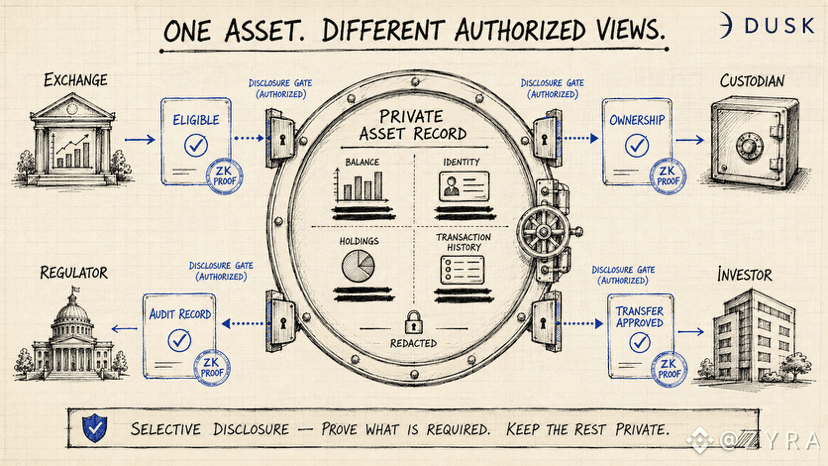
نموذج خصوصيته ليس مفتاحًا واحدًا لشبكة كاملة. يمكن أن تبقى الأنشطة العامة عامة، بينما يمكن أن تستخدم الحيازات والتحويلات الحساسة مسارات سرية. وعندما يلزم إجراء تحقق، فإن الإفصاح الانتقائي يهدف إلى إظهار الأدلة الضرورية دون فتح التاريخ المالي الكامل للعميل.
يُجعل DuskEVM الأمر أكثر إثارة للاهتمام لأن المطورين يمكنهم البناء باستخدام أدوات Solidity المألوفة. ثم يضيف Hedger القيم المشفّرة وبراهين المعرفة الصفرية إلى بيئة EVM هذه، بحيث يمكن للتطبيق أن يتحقق مما إذا كانت المعاملة اتبعت قواعده دون كشف كل رقم أساسي.
لكن توجد مشكلة واحدة لا تزال تبرز بالنسبة لي.
يمكن للتشفير أن يحدّ مما يتم كشفه، لكن لا بد أن يقرر شخص ما من الذي يُصرَّح له برؤية ماذا.
من يوافق على طلب الإفصاح؟
هل يمكن أن تنتهي مدة هذا الوصول؟
ماذا يحدث عندما تقوم مؤسسة بتغيير أمين الحفظ (custodian) أو عندما يلزم تنفيذ أمر قضائي؟
هذه ليست تفاصيل تشغيلية بسيطة. ستحدد ما إذا كان الإفصاح الانتقائي سيشعر كخصوصية مُتحكَّم بها أم كنظام صلاحيات آخر مخفي خلف لغة المعرفة الصفرية (ZK).
لدى Dusk إجابة تقنية قوية عن التمويل “العلني افتراضيًا”.
الآن أريد أن أرى مدى وضوح كيفية حوكمة سلطة الإفصاح عندما تبدأ المؤسسات الفعلية والمستثمرون والأصول في استخدامه.
كنت أعتقد أن الخصوصية على البلوكشين تتمثل بشكل أساسي في إخفاء الأرصدة وأحجام عمليات التحويل.
ثم بدأت بالنظر إلى ما يحدث بعد إصدار أصل مالي.
السند المرمّز لا ينتقل فقط من محفظة إلى أخرى. يقوم المستثمرون بالاكتتاب، ويتغيرّت ملكيات، ويُدفع الفائدة، ويتم التحقق من القيود، وقد تحتاج السجلات إلى المراجعة من طرف أمين حفظ (custodian) أو منصة (venue) أو جهة تنظيمية.
إذا كانت كل خطوة علنية، فيمكن للمنافسين دراسة المراكز ومسار المعاملات.
وإذا كانت كل خطوة مخفية بالكامل، فلن يكون بوسع الأطراف المسؤولة عن الامتثال التحقق مما حدث.
هذه هي المشكلة التي يحاول Dusk حلها فعلاً.
نموذج خصوصيته ليس مفتاحًا واحدًا لشبكة كاملة. يمكن أن تبقى الأنشطة العامة عامة، بينما يمكن أن تستخدم الحيازات والتحويلات الحساسة مسارات سرية. وعندما يلزم إجراء تحقق، فإن الإفصاح الانتقائي يهدف إلى إظهار الأدلة الضرورية دون فتح التاريخ المالي الكامل للعميل.
يُجعل DuskEVM الأمر أكثر إثارة للاهتمام لأن المطورين يمكنهم البناء باستخدام أدوات Solidity المألوفة. ثم يضيف Hedger القيم المشفّرة وبراهين المعرفة الصفرية إلى بيئة EVM هذه، بحيث يمكن للتطبيق أن يتحقق مما إذا كانت المعاملة اتبعت قواعده دون كشف كل رقم أساسي.
لكن توجد مشكلة واحدة لا تزال تبرز بالنسبة لي.
يمكن للتشفير أن يحدّ مما يتم كشفه، لكن لا بد أن يقرر شخص ما من الذي يُصرَّح له برؤية ماذا.
من يوافق على طلب الإفصاح؟
هل يمكن أن تنتهي مدة هذا الوصول؟
ماذا يحدث عندما تقوم مؤسسة بتغيير أمين الحفظ (custodian) أو عندما يلزم تنفيذ أمر قضائي؟
هذه ليست تفاصيل تشغيلية بسيطة. ستحدد ما إذا كان الإفصاح الانتقائي سيشعر كخصوصية مُتحكَّم بها أم كنظام صلاحيات آخر مخفي خلف لغة المعرفة الصفرية (ZK).
لدى Dusk إجابة تقنية قوية عن التمويل “العلني افتراضيًا”.
الآن أريد أن أرى مدى وضوح كيفية حوكمة سلطة الإفصاح عندما تبدأ المؤسسات الفعلية والمستثمرون والأصول في استخدامه.
6
8
627
·
--
صاعد
#dusk $DUSK @Dusk_Foundation عدتُ إلى التأكيد الذي قدمه Dusk بأن DuskEVM يمكنه تحويل نمو المنظومة إلى منفعة أكبر لـ $DUSK.
يبدو المنطق بسيطًا.
يمكن لمطوّري Ethereum البناء باستخدام الأدوات التي يعرفونها بالفعل. وصول المزيد من التطبيقات. ثم تُنتج هذه التطبيقات عمليات/معاملات، وكل معاملة على DuskEVM تستخدم $DUSK for gas.
لكنني توقفت عند المسافة/الفجوة بين لحظة نشر التطبيق وبين لحظة استخدامه فعليًا.
قد يوجد DEX بعمليات تداول قليلة جدًا. ويمكن لسوق الإقراض أن يحتفظ بالسيولة بينما يبقى الاقتراض هادئًا. وحتى السندات المُرمّزة (tokenized bond) يمكنها أن تضيف كمية كبيرة من القيمة إلى الشبكة، ثم تُنشئ معاملات قليلة إذا اكتفى المستثمرون بالاحتفاظ بها حتى تاريخ الاستحقاق.
لذا، فإن المزيد من العقود وارتفاع TVL لا يعني تلقائيًا طلبًا أكبر بكثير على غاز.
ما يهم هو ما يحدث بعد وصول الأصول والتطبيقات.
هل يتداول الناس بانتظام؟
هل يتم فتح القروض وسدادها؟
هل تدفع الأصول المُرمّزة فائدة، أم تُغيّر الملكية، أم يتم استردادها على السلسلة (onchain)؟
هنا قد يصبح Dusk Trade مهمًا. إنه ليس مجرد dApp آخر. بل يمكنه جلب المنتجات المالية والمستثمرين إلى نفس المنظومة التي تُصدر فيها تلك الأصول وتتم تسويتها وخدمتها.
إذا بقي هذا النشاط على السلسلة، يمكن لأصل واحد أن يستخدم DUSK عدة مرات عبر دورة حياته بدلًا من مرة واحدة فقط عند إنشائه.
وهذا الجزء هو ما سأراقبه الآن.
ليس عدد التطبيقات التي تُطلق، بل عدد المرات التي يعود فيها الناس لاستخدامها. ليس فقط مقدار TVL الذي يدخل، بل كم مرة يتحرك هذا رأس المال فعليًا.
يجعل DuskEVM البناء أسهل.
الجزء غير المُجاب عليه هو ما إذا كان بإمكان Dusk Trade والتطبيقات المحيطة به توليد نشاط متكرر كافٍ لتحويل هذا الوصول الأسهل إلى طلب دائم على Dusk.
$DUSK
{future}(DUSKUSDT)
#dusk $DUSK @Dusk عدتُ إلى التأكيد الذي قدمه Dusk بأن DuskEVM يمكنه تحويل نمو المنظومة إلى منفعة أكبر لـ $DUSK .
يبدو المنطق بسيطًا.
يمكن لمطوّري Ethereum البناء باستخدام الأدوات التي يعرفونها بالفعل. وصول المزيد من التطبيقات. ثم تُنتج هذه التطبيقات عمليات/معاملات، وكل معاملة على DuskEVM تستخدم $DUSK for gas.
لكنني توقفت عند المسافة/الفجوة بين لحظة نشر التطبيق وبين لحظة استخدامه فعليًا.
قد يوجد DEX بعمليات تداول قليلة جدًا. ويمكن لسوق الإقراض أن يحتفظ بالسيولة بينما يبقى الاقتراض هادئًا. وحتى السندات المُرمّزة (tokenized bond) يمكنها أن تضيف كمية كبيرة من القيمة إلى الشبكة، ثم تُنشئ معاملات قليلة إذا اكتفى المستثمرون بالاحتفاظ بها حتى تاريخ الاستحقاق.
لذا، فإن المزيد من العقود وارتفاع TVL لا يعني تلقائيًا طلبًا أكبر بكثير على غاز.
ما يهم هو ما يحدث بعد وصول الأصول والتطبيقات.
هل يتداول الناس بانتظام؟
هل يتم فتح القروض وسدادها؟
هل تدفع الأصول المُرمّزة فائدة، أم تُغيّر الملكية، أم يتم استردادها على السلسلة (onchain)؟
هنا قد يصبح Dusk Trade مهمًا. إنه ليس مجرد dApp آخر. بل يمكنه جلب المنتجات المالية والمستثمرين إلى نفس المنظومة التي تُصدر فيها تلك الأصول وتتم تسويتها وخدمتها.
إذا بقي هذا النشاط على السلسلة، يمكن لأصل واحد أن يستخدم DUSK عدة مرات عبر دورة حياته بدلًا من مرة واحدة فقط عند إنشائه.
وهذا الجزء هو ما سأراقبه الآن.
ليس عدد التطبيقات التي تُطلق، بل عدد المرات التي يعود فيها الناس لاستخدامها. ليس فقط مقدار TVL الذي يدخل، بل كم مرة يتحرك هذا رأس المال فعليًا.
يجعل DuskEVM البناء أسهل.
الجزء غير المُجاب عليه هو ما إذا كان بإمكان Dusk Trade والتطبيقات المحيطة به توليد نشاط متكرر كافٍ لتحويل هذا الوصول الأسهل إلى طلب دائم على Dusk.
$DUSK
يبدو المنطق بسيطًا.
يمكن لمطوّري Ethereum البناء باستخدام الأدوات التي يعرفونها بالفعل. وصول المزيد من التطبيقات. ثم تُنتج هذه التطبيقات عمليات/معاملات، وكل معاملة على DuskEVM تستخدم $DUSK for gas.
لكنني توقفت عند المسافة/الفجوة بين لحظة نشر التطبيق وبين لحظة استخدامه فعليًا.
قد يوجد DEX بعمليات تداول قليلة جدًا. ويمكن لسوق الإقراض أن يحتفظ بالسيولة بينما يبقى الاقتراض هادئًا. وحتى السندات المُرمّزة (tokenized bond) يمكنها أن تضيف كمية كبيرة من القيمة إلى الشبكة، ثم تُنشئ معاملات قليلة إذا اكتفى المستثمرون بالاحتفاظ بها حتى تاريخ الاستحقاق.
لذا، فإن المزيد من العقود وارتفاع TVL لا يعني تلقائيًا طلبًا أكبر بكثير على غاز.
ما يهم هو ما يحدث بعد وصول الأصول والتطبيقات.
هل يتداول الناس بانتظام؟
هل يتم فتح القروض وسدادها؟
هل تدفع الأصول المُرمّزة فائدة، أم تُغيّر الملكية، أم يتم استردادها على السلسلة (onchain)؟
هنا قد يصبح Dusk Trade مهمًا. إنه ليس مجرد dApp آخر. بل يمكنه جلب المنتجات المالية والمستثمرين إلى نفس المنظومة التي تُصدر فيها تلك الأصول وتتم تسويتها وخدمتها.
إذا بقي هذا النشاط على السلسلة، يمكن لأصل واحد أن يستخدم DUSK عدة مرات عبر دورة حياته بدلًا من مرة واحدة فقط عند إنشائه.
وهذا الجزء هو ما سأراقبه الآن.
ليس عدد التطبيقات التي تُطلق، بل عدد المرات التي يعود فيها الناس لاستخدامها. ليس فقط مقدار TVL الذي يدخل، بل كم مرة يتحرك هذا رأس المال فعليًا.
يجعل DuskEVM البناء أسهل.
الجزء غير المُجاب عليه هو ما إذا كان بإمكان Dusk Trade والتطبيقات المحيطة به توليد نشاط متكرر كافٍ لتحويل هذا الوصول الأسهل إلى طلب دائم على Dusk.
$DUSK
4
7
591
·
--
صاعد
تمّ التحقق
#dusk $DUSK @Dusk_Foundation قم بإدراج رقم تمويلي ضخم يقارب 70 مليار دولار ضمن تحديث ECSP الخاص بها.
رقم كبير. بدا رائعًا.
ثم تحققت مما يغطيه إطار ECSP الأوروبي فعليًا.
لا يغطي السوق التمويلية بأكمله.
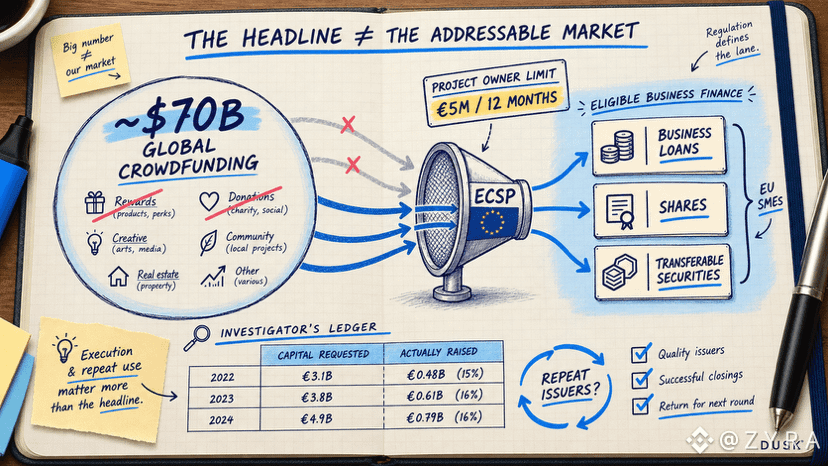
حملات التبرع والتمويل الجماعي القائم على المكافآت يقعان خارج ذلك. يغطي ECSP بشكل أساسي الإقراض للأعمال والعروض القائمة على الاستثمار، مع حدّ اتحادي قدره 5 ملايين يورو يتم جمعها من قبل مالك مشروع واحد خلال 12 شهرًا.
لذلك لا تتقدم Dusk بطلب الوصول إلى حوض عملاق بقيمة 70 مليار دولار.
إنها تستهدف سوقًا أضيق حيث يمكن للشركات الصغيرة والمتوسطة الأوروبية (SMEs) جمع مبالغ أصغر عبر قروض أو أسهم أو غيرها من الأدوات المؤهلة.
بصراحة، جعل ذلك الخطة أكثر تصديقًا بالنسبة لي، لا أقل.
لدى أوروبا قرابة 34 مليون شركة صغيرة ومتوسطة. لن تحتاج Dusk إلى إصدارات بمليارات اليورو لبدء خلق نشاط. يمكن أن يؤدي خطّ مستمر من عروض تتراوح بين 1 مليون و5 ملايين يورو بالفعل إلى إدخال الشركات والمستثمرين والأصول المالية إلى Dusk Trade.
لكن توجد فجوة بين السماح بإدراج عرض وبين تمويله فعليًا.
لا يمكن للترخيص أن يُنشئ شركة جيدة أو شروطًا معقولة أو طلبًا من المستثمرين.
لذلك قد تصبح “عدد العروض” مقياسًا ضعيفًا آخر إذا ظل معظمها مفتوحًا أو غير ممول بشكل كافٍ.
ما أود رؤيته بعد الموافقة هو أبسط بكثير:
كم رأس المال الذي طُلب؟
كم تم جمعه فعليًا؟
وكم عدد الشركات التي عادت لتقديم عرض ثانٍ؟
هذا سيخبرني أكثر مما تخبرني به العناوين العالمية للتمويل الجماعي.
{future}(DUSKUSDT)
#dusk $DUSK @Dusk قم بإدراج رقم تمويلي ضخم يقارب 70 مليار دولار ضمن تحديث ECSP الخاص بها.
رقم كبير. بدا رائعًا.
ثم تحققت مما يغطيه إطار ECSP الأوروبي فعليًا.
لا يغطي السوق التمويلية بأكمله.
حملات التبرع والتمويل الجماعي القائم على المكافآت يقعان خارج ذلك. يغطي ECSP بشكل أساسي الإقراض للأعمال والعروض القائمة على الاستثمار، مع حدّ اتحادي قدره 5 ملايين يورو يتم جمعها من قبل مالك مشروع واحد خلال 12 شهرًا.
لذلك لا تتقدم Dusk بطلب الوصول إلى حوض عملاق بقيمة 70 مليار دولار.
إنها تستهدف سوقًا أضيق حيث يمكن للشركات الصغيرة والمتوسطة الأوروبية (SMEs) جمع مبالغ أصغر عبر قروض أو أسهم أو غيرها من الأدوات المؤهلة.
بصراحة، جعل ذلك الخطة أكثر تصديقًا بالنسبة لي، لا أقل.
لدى أوروبا قرابة 34 مليون شركة صغيرة ومتوسطة. لن تحتاج Dusk إلى إصدارات بمليارات اليورو لبدء خلق نشاط. يمكن أن يؤدي خطّ مستمر من عروض تتراوح بين 1 مليون و5 ملايين يورو بالفعل إلى إدخال الشركات والمستثمرين والأصول المالية إلى Dusk Trade.
لكن توجد فجوة بين السماح بإدراج عرض وبين تمويله فعليًا.
لا يمكن للترخيص أن يُنشئ شركة جيدة أو شروطًا معقولة أو طلبًا من المستثمرين.
لذلك قد تصبح “عدد العروض” مقياسًا ضعيفًا آخر إذا ظل معظمها مفتوحًا أو غير ممول بشكل كافٍ.
ما أود رؤيته بعد الموافقة هو أبسط بكثير:
كم رأس المال الذي طُلب؟
كم تم جمعه فعليًا؟
وكم عدد الشركات التي عادت لتقديم عرض ثانٍ؟
هذا سيخبرني أكثر مما تخبرني به العناوين العالمية للتمويل الجماعي.
رقم كبير. بدا رائعًا.
ثم تحققت مما يغطيه إطار ECSP الأوروبي فعليًا.
لا يغطي السوق التمويلية بأكمله.
حملات التبرع والتمويل الجماعي القائم على المكافآت يقعان خارج ذلك. يغطي ECSP بشكل أساسي الإقراض للأعمال والعروض القائمة على الاستثمار، مع حدّ اتحادي قدره 5 ملايين يورو يتم جمعها من قبل مالك مشروع واحد خلال 12 شهرًا.
لذلك لا تتقدم Dusk بطلب الوصول إلى حوض عملاق بقيمة 70 مليار دولار.
إنها تستهدف سوقًا أضيق حيث يمكن للشركات الصغيرة والمتوسطة الأوروبية (SMEs) جمع مبالغ أصغر عبر قروض أو أسهم أو غيرها من الأدوات المؤهلة.
بصراحة، جعل ذلك الخطة أكثر تصديقًا بالنسبة لي، لا أقل.
لدى أوروبا قرابة 34 مليون شركة صغيرة ومتوسطة. لن تحتاج Dusk إلى إصدارات بمليارات اليورو لبدء خلق نشاط. يمكن أن يؤدي خطّ مستمر من عروض تتراوح بين 1 مليون و5 ملايين يورو بالفعل إلى إدخال الشركات والمستثمرين والأصول المالية إلى Dusk Trade.
لكن توجد فجوة بين السماح بإدراج عرض وبين تمويله فعليًا.
لا يمكن للترخيص أن يُنشئ شركة جيدة أو شروطًا معقولة أو طلبًا من المستثمرين.
لذلك قد تصبح “عدد العروض” مقياسًا ضعيفًا آخر إذا ظل معظمها مفتوحًا أو غير ممول بشكل كافٍ.
ما أود رؤيته بعد الموافقة هو أبسط بكثير:
كم رأس المال الذي طُلب؟
كم تم جمعه فعليًا؟
وكم عدد الشركات التي عادت لتقديم عرض ثانٍ؟
هذا سيخبرني أكثر مما تخبرني به العناوين العالمية للتمويل الجماعي.
12
12
904
·
--
صاعد
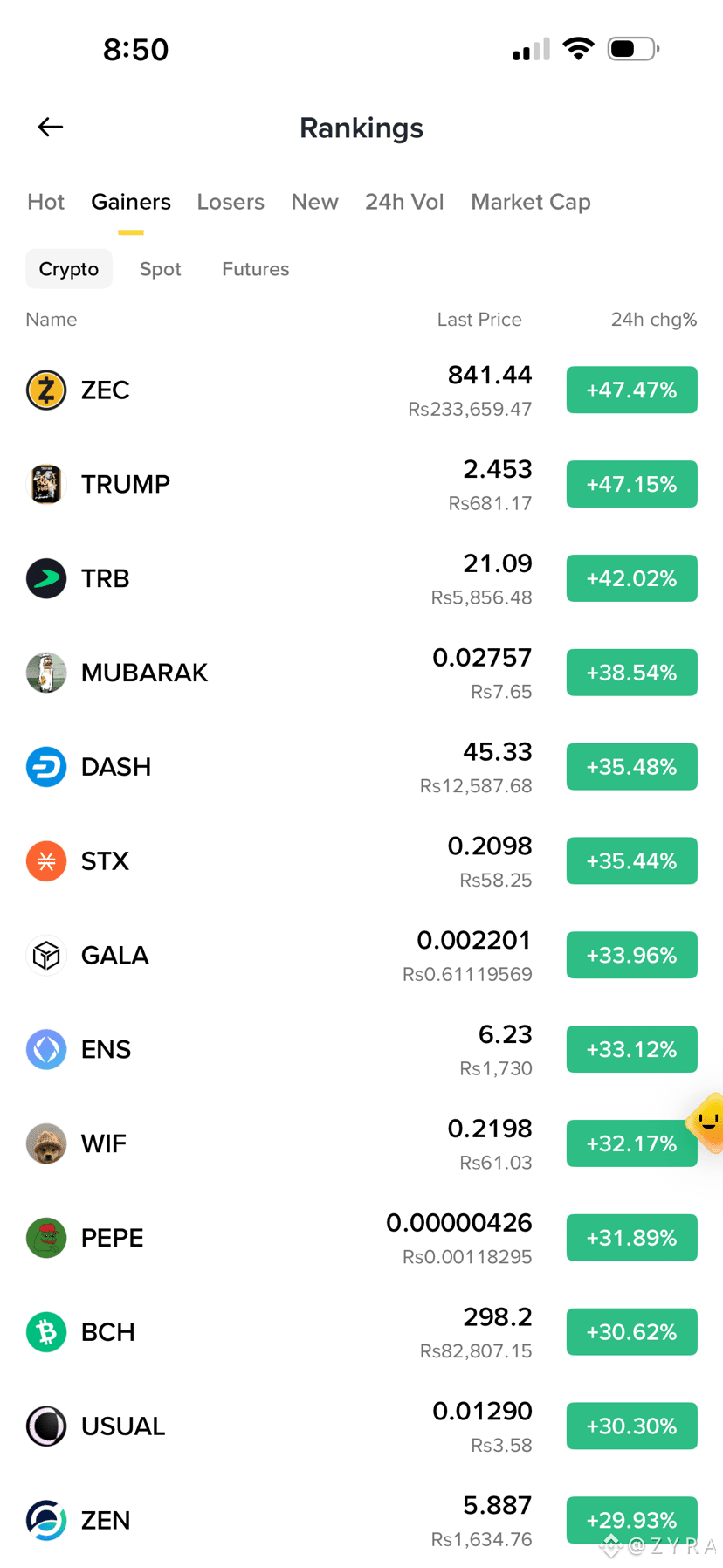
لوح الرابحين اليوم ليس عشوائيًا.
السوق يدور في نفس الوقت نحو نوعين مختلفين تمامًا من المخاطر: قناعة قديمة واهتمام سريع.
$ZEC , $DASH and $ZEN leading يخبرني بأن الخصوصية و عملات الدورة القديمة تتم إعادة تسعيرها فجأة. يحدث ذلك عادةً عندما يبدأ المتداولون بالبحث عن روايات تم تجاهلها لفترة طويلة، وليس مجرد حماس جديد.
لكن إلى جانب ذلك، $TRUMP و $WIF و $PEPE و $MUBARAK تُظهر أن سيولة الميمات أيضًا أصبحت نشطة. هذا أكثر خطورة لأن ضخّ الميمات يمكن أن يتحرك بسرعة، لكن العرض (الطلب/السعر) قد يختفي بسرعة أكبر بمجرد أن يتحول الانتباه.
الإشارة الرئيسية بالنسبة لي هي ZEC في الأعلى. إذا استمرت عملات الخصوصية في الحفاظ على المكاسب بينما تهدأ الميمات، فهذه القفزة لديها قاعدة سردية أقوى. أما إذا هبط كل شيء معًا بعد يوم أخضر واحد، فحينها كان هذا مجرد سيولة قصيرة الأجل تتعقب قائمة المتصدرين.
اللوحات الخضراء تبدو مثيرة، لكن الاختبار الحقيقي بسيط:
أي عملات تبقى عندما يتوقف الحشد عن المطاردة؟
{future}(ZENUSDT)
{future}(DASHUSDT)
{future}(ZECUSDT)
#zen #DASH #zec #USDollarFallsToThreeMonthLow #USThreeMajorIndexesPostWeeklyLosses
لوح الرابحين اليوم ليس عشوائيًا.
السوق يدور في نفس الوقت نحو نوعين مختلفين تمامًا من المخاطر: قناعة قديمة واهتمام سريع.
$ZEC , $DASH and $ZEN leading يخبرني بأن الخصوصية و عملات الدورة القديمة تتم إعادة تسعيرها فجأة. يحدث ذلك عادةً عندما يبدأ المتداولون بالبحث عن روايات تم تجاهلها لفترة طويلة، وليس مجرد حماس جديد.
لكن إلى جانب ذلك، $TRUMP و $WIF و $PEPE و $MUBARAK تُظهر أن سيولة الميمات أيضًا أصبحت نشطة. هذا أكثر خطورة لأن ضخّ الميمات يمكن أن يتحرك بسرعة، لكن العرض (الطلب/السعر) قد يختفي بسرعة أكبر بمجرد أن يتحول الانتباه.
الإشارة الرئيسية بالنسبة لي هي ZEC في الأعلى. إذا استمرت عملات الخصوصية في الحفاظ على المكاسب بينما تهدأ الميمات، فهذه القفزة لديها قاعدة سردية أقوى. أما إذا هبط كل شيء معًا بعد يوم أخضر واحد، فحينها كان هذا مجرد سيولة قصيرة الأجل تتعقب قائمة المتصدرين.
اللوحات الخضراء تبدو مثيرة، لكن الاختبار الحقيقي بسيط:
أي عملات تبقى عندما يتوقف الحشد عن المطاردة؟
#zen #DASH #zec #USDollarFallsToThreeMonthLow #USThreeMajorIndexesPostWeeklyLosses
السوق يدور في نفس الوقت نحو نوعين مختلفين تمامًا من المخاطر: قناعة قديمة واهتمام سريع.
$ZEC , $DASH and $ZEN leading يخبرني بأن الخصوصية و عملات الدورة القديمة تتم إعادة تسعيرها فجأة. يحدث ذلك عادةً عندما يبدأ المتداولون بالبحث عن روايات تم تجاهلها لفترة طويلة، وليس مجرد حماس جديد.
لكن إلى جانب ذلك، $TRUMP و $WIF و $PEPE و $MUBARAK تُظهر أن سيولة الميمات أيضًا أصبحت نشطة. هذا أكثر خطورة لأن ضخّ الميمات يمكن أن يتحرك بسرعة، لكن العرض (الطلب/السعر) قد يختفي بسرعة أكبر بمجرد أن يتحول الانتباه.
الإشارة الرئيسية بالنسبة لي هي ZEC في الأعلى. إذا استمرت عملات الخصوصية في الحفاظ على المكاسب بينما تهدأ الميمات، فهذه القفزة لديها قاعدة سردية أقوى. أما إذا هبط كل شيء معًا بعد يوم أخضر واحد، فحينها كان هذا مجرد سيولة قصيرة الأجل تتعقب قائمة المتصدرين.
اللوحات الخضراء تبدو مثيرة، لكن الاختبار الحقيقي بسيط:
أي عملات تبقى عندما يتوقف الحشد عن المطاردة؟
#zen #DASH #zec #USDollarFallsToThreeMonthLow #USThreeMajorIndexesPostWeeklyLosses
2
7
7k
·
--
صاعد
هذه الحركة ليست عن “أي عملة ضخت أكثر”.
تُظهر ZEC وTRB وTRUMP ثلاثة أنواع مختلفة من جوع السوق.
$ZEC هي إعادة تسعير سردية. تم تجاهل الخصوصية لفترة طويلة، ثم أجبرت شمعة قوية واحدة السوق على النظر من جديد. لكن عندما يكون مؤشر RSI قريبًا من أقصى حد، لم يعد السؤال “هل القصة قوية؟” بل “من المتبقي ليشتري بعد هذه الشمعة؟”
$TRB تبدو أكثر كضغط سيولة. كان الصعود مُتحكمًا فيه أولاً، ثم توسّع التحرك النهائي بسرعة. عادةً ما يعني ذلك أن المعروض أصبح رقيقًا وأن المشترين المتأخرين أُجبروا على المطاردة.
$TRUMP مختلفة. إنها سيولة اهتمام بحتة. عندما يصل تدفق الميمات، قد يتجاهل التحليل الفني لبعض الوقت، لكن نفس التدفق يمكن أن يختفي بسرعة إذا تحوّل الحشد.
بالنسبة لي، الفائز الحقيقي ليس أعلى شمعة خضراء.
بل هو الرسم البياني الذي يحتفظ بقاع اختراقه بعد أول تراجع.
#zec #TRB #TRUMP #USDollarFallsToThreeMonthLow #USThreeMajorIndexesPostWeeklyLosses
{future}(TRUMPUSDT)
{future}(ZECUSDT)
{future}(TRBUSDT)
أيّها يحتفظ الأفضل؟
هذه الحركة ليست عن “أي عملة ضخت أكثر”.
تُظهر ZEC وTRB وTRUMP ثلاثة أنواع مختلفة من جوع السوق.
$ZEC هي إعادة تسعير سردية. تم تجاهل الخصوصية لفترة طويلة، ثم أجبرت شمعة قوية واحدة السوق على النظر من جديد. لكن عندما يكون مؤشر RSI قريبًا من أقصى حد، لم يعد السؤال “هل القصة قوية؟” بل “من المتبقي ليشتري بعد هذه الشمعة؟”
$TRB تبدو أكثر كضغط سيولة. كان الصعود مُتحكمًا فيه أولاً، ثم توسّع التحرك النهائي بسرعة. عادةً ما يعني ذلك أن المعروض أصبح رقيقًا وأن المشترين المتأخرين أُجبروا على المطاردة.
$TRUMP مختلفة. إنها سيولة اهتمام بحتة. عندما يصل تدفق الميمات، قد يتجاهل التحليل الفني لبعض الوقت، لكن نفس التدفق يمكن أن يختفي بسرعة إذا تحوّل الحشد.
بالنسبة لي، الفائز الحقيقي ليس أعلى شمعة خضراء.
بل هو الرسم البياني الذي يحتفظ بقاع اختراقه بعد أول تراجع.
#zec #TRB #TRUMP #USDollarFallsToThreeMonthLow #USThreeMajorIndexesPostWeeklyLosses
أيّها يحتفظ الأفضل؟
تُظهر ZEC وTRB وTRUMP ثلاثة أنواع مختلفة من جوع السوق.
$ZEC هي إعادة تسعير سردية. تم تجاهل الخصوصية لفترة طويلة، ثم أجبرت شمعة قوية واحدة السوق على النظر من جديد. لكن عندما يكون مؤشر RSI قريبًا من أقصى حد، لم يعد السؤال “هل القصة قوية؟” بل “من المتبقي ليشتري بعد هذه الشمعة؟”
$TRB تبدو أكثر كضغط سيولة. كان الصعود مُتحكمًا فيه أولاً، ثم توسّع التحرك النهائي بسرعة. عادةً ما يعني ذلك أن المعروض أصبح رقيقًا وأن المشترين المتأخرين أُجبروا على المطاردة.
$TRUMP مختلفة. إنها سيولة اهتمام بحتة. عندما يصل تدفق الميمات، قد يتجاهل التحليل الفني لبعض الوقت، لكن نفس التدفق يمكن أن يختفي بسرعة إذا تحوّل الحشد.
بالنسبة لي، الفائز الحقيقي ليس أعلى شمعة خضراء.
بل هو الرسم البياني الذي يحتفظ بقاع اختراقه بعد أول تراجع.
#zec #TRB #TRUMP #USDollarFallsToThreeMonthLow #USThreeMajorIndexesPostWeeklyLosses
أيّها يحتفظ الأفضل؟
ZEC
42%
TRB
21%
TRUMP
27%
Wait
10%
967 الأصوات • تمّ إغلاق التصويت
27
59
78k
·
--
صاعد
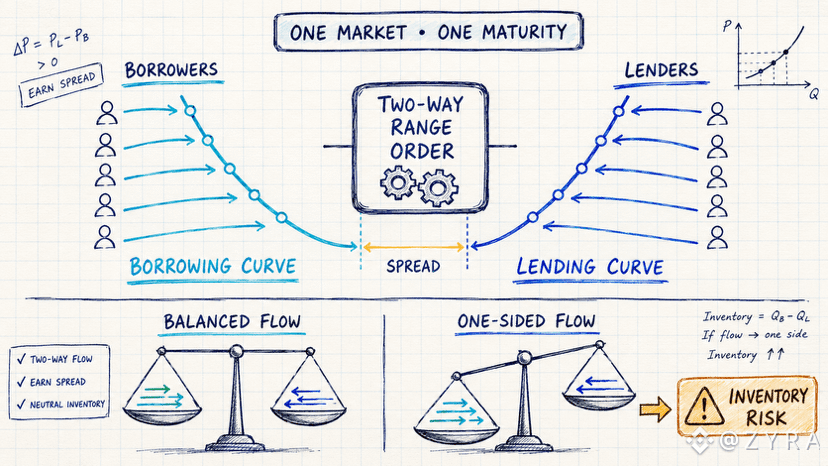
#termmax @termmax بدأتُ بقراءة أدوار مستخدمي TermMax على أنها إعداد بسيط من جهة المقترض مقابل جهة المُقرض.
ثم وصلت إلى مُعيّن أوامر نطاق ثنائي الاتجاه.
يمكن لأمر واحد أن يُسعّر كلا جانبي نفس سوق الفائدة الثابتة باستخدام منحنيَي اقتراض وإقراض منفصلين. في عقود V2، يستطيع المُنشئ (maker) تهيئة تلك المنحنيات والأسعار بدلًا من قبول سعر يختاره البروتوكول.
وهذا يغيّر نظرتي إلى @termmax .
الفائدة الثابتة ليست رقمًا عالميًا واحدًا يظهره مجمع إقراض. بل تتكوّن عبر سيولة خاصة بكل استحقاق تُقدَّم بمعدلات وأحجام تداول مختلفة.
قد يتمكّن المُنشئ ذو القدرة على الاتجاهين من التقاط الفارق بين المنحنيين. لكن ذلك الفارق ليس عائدًا مجانيًا.
إذا هيمن طلب الاقتراض، فقد يصبح الأمر أكثر انكشافًا إلى جهة واحدة. وإذا هيمن طلب الإقراض، فإن المخزون يتحوّل إلى الجهة الأخرى. لذلك يعتمد الربح على مكان وضع المنحنيين، وكيف تصل السيولة/التدفّقات (flow)، وما إذا كان بإمكان المُنشئ إعادة التسعير قبل أن تتحرك السوق.
يُحمي MLTV القرض عبر ضمانات (collateral). لكنه لا يحمي منحنىً موضوعًا بشكل ضعيف من تدفق أوامر غير متماثل.
لذا فالرقم الذي سأراقبه ليس مجرد APY المُعلن.
سأراقب مقدار العمق القابل للاستخدام على كلا الجانبين لكل استحقاق، ومدى سرعة قيام المُنشئين بتعديل الأسعار عندما يتغير هذا التوازن.
يبدو TermMax هنا أقل مثل مجمّع إقراض بفائدة ثابتة وأكثر مثل سوق فائدة على السلسلة (onchain). $TMX
#termmax @TermMax بدأتُ بقراءة أدوار مستخدمي TermMax على أنها إعداد بسيط من جهة المقترض مقابل جهة المُقرض.
ثم وصلت إلى مُعيّن أوامر نطاق ثنائي الاتجاه.
يمكن لأمر واحد أن يُسعّر كلا جانبي نفس سوق الفائدة الثابتة باستخدام منحنيَي اقتراض وإقراض منفصلين. في عقود V2، يستطيع المُنشئ (maker) تهيئة تلك المنحنيات والأسعار بدلًا من قبول سعر يختاره البروتوكول.
وهذا يغيّر نظرتي إلى @TermMax .
الفائدة الثابتة ليست رقمًا عالميًا واحدًا يظهره مجمع إقراض. بل تتكوّن عبر سيولة خاصة بكل استحقاق تُقدَّم بمعدلات وأحجام تداول مختلفة.
قد يتمكّن المُنشئ ذو القدرة على الاتجاهين من التقاط الفارق بين المنحنيين. لكن ذلك الفارق ليس عائدًا مجانيًا.
إذا هيمن طلب الاقتراض، فقد يصبح الأمر أكثر انكشافًا إلى جهة واحدة. وإذا هيمن طلب الإقراض، فإن المخزون يتحوّل إلى الجهة الأخرى. لذلك يعتمد الربح على مكان وضع المنحنيين، وكيف تصل السيولة/التدفّقات (flow)، وما إذا كان بإمكان المُنشئ إعادة التسعير قبل أن تتحرك السوق.
يُحمي MLTV القرض عبر ضمانات (collateral). لكنه لا يحمي منحنىً موضوعًا بشكل ضعيف من تدفق أوامر غير متماثل.
لذا فالرقم الذي سأراقبه ليس مجرد APY المُعلن.
سأراقب مقدار العمق القابل للاستخدام على كلا الجانبين لكل استحقاق، ومدى سرعة قيام المُنشئين بتعديل الأسعار عندما يتغير هذا التوازن.
يبدو TermMax هنا أقل مثل مجمّع إقراض بفائدة ثابتة وأكثر مثل سوق فائدة على السلسلة (onchain). $TMX
ثم وصلت إلى مُعيّن أوامر نطاق ثنائي الاتجاه.
يمكن لأمر واحد أن يُسعّر كلا جانبي نفس سوق الفائدة الثابتة باستخدام منحنيَي اقتراض وإقراض منفصلين. في عقود V2، يستطيع المُنشئ (maker) تهيئة تلك المنحنيات والأسعار بدلًا من قبول سعر يختاره البروتوكول.
وهذا يغيّر نظرتي إلى @TermMax .
الفائدة الثابتة ليست رقمًا عالميًا واحدًا يظهره مجمع إقراض. بل تتكوّن عبر سيولة خاصة بكل استحقاق تُقدَّم بمعدلات وأحجام تداول مختلفة.
قد يتمكّن المُنشئ ذو القدرة على الاتجاهين من التقاط الفارق بين المنحنيين. لكن ذلك الفارق ليس عائدًا مجانيًا.
إذا هيمن طلب الاقتراض، فقد يصبح الأمر أكثر انكشافًا إلى جهة واحدة. وإذا هيمن طلب الإقراض، فإن المخزون يتحوّل إلى الجهة الأخرى. لذلك يعتمد الربح على مكان وضع المنحنيين، وكيف تصل السيولة/التدفّقات (flow)، وما إذا كان بإمكان المُنشئ إعادة التسعير قبل أن تتحرك السوق.
يُحمي MLTV القرض عبر ضمانات (collateral). لكنه لا يحمي منحنىً موضوعًا بشكل ضعيف من تدفق أوامر غير متماثل.
لذا فالرقم الذي سأراقبه ليس مجرد APY المُعلن.
سأراقب مقدار العمق القابل للاستخدام على كلا الجانبين لكل استحقاق، ومدى سرعة قيام المُنشئين بتعديل الأسعار عندما يتغير هذا التوازن.
يبدو TermMax هنا أقل مثل مجمّع إقراض بفائدة ثابتة وأكثر مثل سوق فائدة على السلسلة (onchain). $TMX
4
796
·
--
صاعد
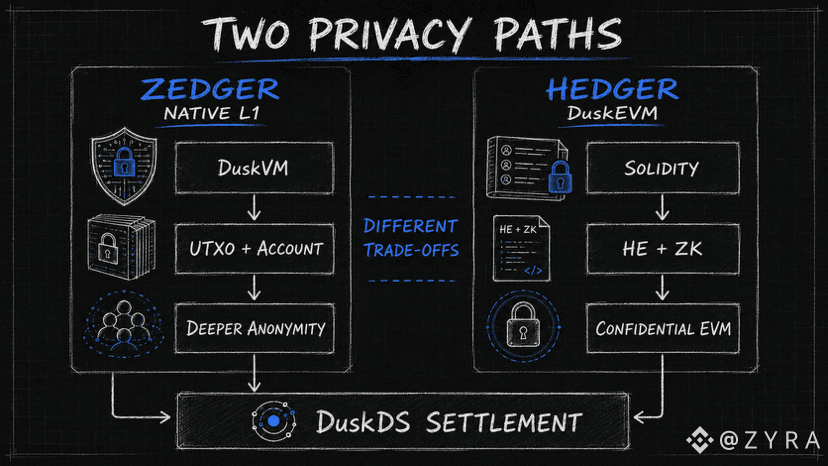
#dusk $DUSK @Dusk_Foundation لقد فتحت صفحة المكونات الأساسية لـDusk متوقعًا أن تكون Zedger وHedger إصدارات أقدم وأحدث لنظام خصوصية واحد.
لكن الأمر ليس كذلك.
تضع الصفحة Zedger مباشرةً على الطبقة L1 الأصلية لـDusk عبر عقود DuskVM. لقد بُني تصميمها الهجين بين UTXO/الحسابات للأصول المُنظَّمة التي تحتاج إلى ملكية خاصة، وتحويلات متوافقة، وتصويت، وأرباح/توزيعات، وحدود ملكية.
أما Hedger فيأخذ طريقًا آخر.
تعمل على DuskEVM وتجمع بين التشفير المتجانس مع إثباتات عدم المعرفة. يمكن أن تظل القيم مُشفرة بينما تُثبت العقود أن المعاملة صالحة، دون التخلي عن Solidity أو أدوات التطوير القياسية في Ethereum.
ثم وجدت المقايضة التي يصرّح بها Dusk بصراحة: نموذج حساب EVM يمنع Hedger من توفير مستوى الخصوصية الكاملة المتاح عبر Zedger.
هذا يغيّر الطريقة التي أقرأ بها البنية.
ليس Hedger مجرد نسخة أفضل من Zedger. فهو يتنازل عن جزء من خصوصية الطبقة الأصلية ليجعل التمويل السري قابلًا للاستخدام داخل بيئة EVM.
بالنسبة لمنصة سندات مُرمّزة مبنية بالفعل حول Solidity، قد تقلل هذه التوافقات من أعمال التكامل. أما بالنسبة لتطبيق يحتاج إلى خصوصية أعمق ووصول مباشر إلى نموذج المعاملات الأصلي لدى Dusk، فتبقى Zedger مسارًا مختلفًا.
ما زال Hedger على شبكة الاختبار، لذلك ما يزال ادعاء سرعة إثبات المتصفح وسير العمل المُشفّر بحاجة إلى أن يثبت نفسه تحت نشاط سوق حقيقي.
لم يختر Dusk نموذج خصوصية واحدًا لكل شيء.
إنه يحافظ على فصل خصوصية native-L1 عن خصوصية EVM لأن دراية المطورين والحد الأقصى من الخصوصية لا يتناسبان بسلاسة داخل بنية واحدة.
{future}(DUSKUSDT)
#dusk $DUSK @Dusk لقد فتحت صفحة المكونات الأساسية لـDusk متوقعًا أن تكون Zedger وHedger إصدارات أقدم وأحدث لنظام خصوصية واحد.
لكن الأمر ليس كذلك.
تضع الصفحة Zedger مباشرةً على الطبقة L1 الأصلية لـDusk عبر عقود DuskVM. لقد بُني تصميمها الهجين بين UTXO/الحسابات للأصول المُنظَّمة التي تحتاج إلى ملكية خاصة، وتحويلات متوافقة، وتصويت، وأرباح/توزيعات، وحدود ملكية.
أما Hedger فيأخذ طريقًا آخر.
تعمل على DuskEVM وتجمع بين التشفير المتجانس مع إثباتات عدم المعرفة. يمكن أن تظل القيم مُشفرة بينما تُثبت العقود أن المعاملة صالحة، دون التخلي عن Solidity أو أدوات التطوير القياسية في Ethereum.
ثم وجدت المقايضة التي يصرّح بها Dusk بصراحة: نموذج حساب EVM يمنع Hedger من توفير مستوى الخصوصية الكاملة المتاح عبر Zedger.
هذا يغيّر الطريقة التي أقرأ بها البنية.
ليس Hedger مجرد نسخة أفضل من Zedger. فهو يتنازل عن جزء من خصوصية الطبقة الأصلية ليجعل التمويل السري قابلًا للاستخدام داخل بيئة EVM.
بالنسبة لمنصة سندات مُرمّزة مبنية بالفعل حول Solidity، قد تقلل هذه التوافقات من أعمال التكامل. أما بالنسبة لتطبيق يحتاج إلى خصوصية أعمق ووصول مباشر إلى نموذج المعاملات الأصلي لدى Dusk، فتبقى Zedger مسارًا مختلفًا.
ما زال Hedger على شبكة الاختبار، لذلك ما يزال ادعاء سرعة إثبات المتصفح وسير العمل المُشفّر بحاجة إلى أن يثبت نفسه تحت نشاط سوق حقيقي.
لم يختر Dusk نموذج خصوصية واحدًا لكل شيء.
إنه يحافظ على فصل خصوصية native-L1 عن خصوصية EVM لأن دراية المطورين والحد الأقصى من الخصوصية لا يتناسبان بسلاسة داخل بنية واحدة.
لكن الأمر ليس كذلك.
تضع الصفحة Zedger مباشرةً على الطبقة L1 الأصلية لـDusk عبر عقود DuskVM. لقد بُني تصميمها الهجين بين UTXO/الحسابات للأصول المُنظَّمة التي تحتاج إلى ملكية خاصة، وتحويلات متوافقة، وتصويت، وأرباح/توزيعات، وحدود ملكية.
أما Hedger فيأخذ طريقًا آخر.
تعمل على DuskEVM وتجمع بين التشفير المتجانس مع إثباتات عدم المعرفة. يمكن أن تظل القيم مُشفرة بينما تُثبت العقود أن المعاملة صالحة، دون التخلي عن Solidity أو أدوات التطوير القياسية في Ethereum.
ثم وجدت المقايضة التي يصرّح بها Dusk بصراحة: نموذج حساب EVM يمنع Hedger من توفير مستوى الخصوصية الكاملة المتاح عبر Zedger.
هذا يغيّر الطريقة التي أقرأ بها البنية.
ليس Hedger مجرد نسخة أفضل من Zedger. فهو يتنازل عن جزء من خصوصية الطبقة الأصلية ليجعل التمويل السري قابلًا للاستخدام داخل بيئة EVM.
بالنسبة لمنصة سندات مُرمّزة مبنية بالفعل حول Solidity، قد تقلل هذه التوافقات من أعمال التكامل. أما بالنسبة لتطبيق يحتاج إلى خصوصية أعمق ووصول مباشر إلى نموذج المعاملات الأصلي لدى Dusk، فتبقى Zedger مسارًا مختلفًا.
ما زال Hedger على شبكة الاختبار، لذلك ما يزال ادعاء سرعة إثبات المتصفح وسير العمل المُشفّر بحاجة إلى أن يثبت نفسه تحت نشاط سوق حقيقي.
لم يختر Dusk نموذج خصوصية واحدًا لكل شيء.
إنه يحافظ على فصل خصوصية native-L1 عن خصوصية EVM لأن دراية المطورين والحد الأقصى من الخصوصية لا يتناسبان بسلاسة داخل بنية واحدة.
4
9
584
·
--
صاعد
تداول $DUSK 197.5 USDT خلال 30 يوم
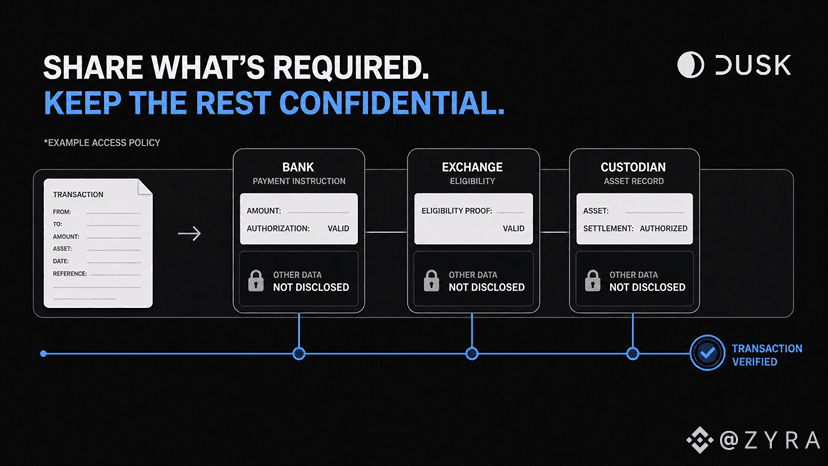
#dusk $DUSK @Dusk_Foundation قد تقوم البنوك والجهات الصرافية وأمناء الحفظ بفحص المعاملة نفسها، لكن لا يلزم أن يروا البيانات نفسها.
ما يجعل نموذج الإفصاح الانتقائي لدى Dusk مثيرًا للاهتمام بالنسبة إليّ هو هذا التمييز.
قد تحتاج البورصة إلى إثبات أن المتداول مؤهل.
قد يحتاج أمين الحفظ إلى تأكيد الملكية.
قد يطلب المنظم إتاحة سجلات معاملات محددة.
ولا تُبرِّر أيٌّ من هذه الفحوصات تلقائيًا إظهار الرصيد الكامل للعميل أو هويته أو سجل التداول الخاص به للجميع.
تتعامل Dusk مع الإفصاح بوصفه وصولًا مُصرّحًا به إلى الأدلة المطلوبة، لا خيارًا بين السرية الكاملة والشفافية الكاملة.
يبدو ذلك أقرب بكثير إلى الطريقة التي تتعامل بها المالية الخاضعة للتنظيم فعليًا مع المعلومات.
#dusk $DUSK @Dusk قد تقوم البنوك والجهات الصرافية وأمناء الحفظ بفحص المعاملة نفسها، لكن لا يلزم أن يروا البيانات نفسها.
ما يجعل نموذج الإفصاح الانتقائي لدى Dusk مثيرًا للاهتمام بالنسبة إليّ هو هذا التمييز.
قد تحتاج البورصة إلى إثبات أن المتداول مؤهل.
قد يحتاج أمين الحفظ إلى تأكيد الملكية.
قد يطلب المنظم إتاحة سجلات معاملات محددة.
ولا تُبرِّر أيٌّ من هذه الفحوصات تلقائيًا إظهار الرصيد الكامل للعميل أو هويته أو سجل التداول الخاص به للجميع.
تتعامل Dusk مع الإفصاح بوصفه وصولًا مُصرّحًا به إلى الأدلة المطلوبة، لا خيارًا بين السرية الكاملة والشفافية الكاملة.
يبدو ذلك أقرب بكثير إلى الطريقة التي تتعامل بها المالية الخاضعة للتنظيم فعليًا مع المعلومات.
ما يجعل نموذج الإفصاح الانتقائي لدى Dusk مثيرًا للاهتمام بالنسبة إليّ هو هذا التمييز.
قد تحتاج البورصة إلى إثبات أن المتداول مؤهل.
قد يحتاج أمين الحفظ إلى تأكيد الملكية.
قد يطلب المنظم إتاحة سجلات معاملات محددة.
ولا تُبرِّر أيٌّ من هذه الفحوصات تلقائيًا إظهار الرصيد الكامل للعميل أو هويته أو سجل التداول الخاص به للجميع.
تتعامل Dusk مع الإفصاح بوصفه وصولًا مُصرّحًا به إلى الأدلة المطلوبة، لا خيارًا بين السرية الكاملة والشفافية الكاملة.
يبدو ذلك أقرب بكثير إلى الطريقة التي تتعامل بها المالية الخاضعة للتنظيم فعليًا مع المعلومات.
3
7
228
·
--
صاعد
#termmax @termmax فتحت عقود TermMax بنسختها V2 متوقعًا أن يتصرف رمز Gearing Token مثل أي أداة دين قابلة للاستبدال.
لكن الأمر ليس كذلك.
GT هو موضع (Position) من نوع ERC-721. يعرض العقد معلومات القرض (loanInfo)، وإضافة الضمان (addCollateral)، وإزالة الضمان (removeCollaterl)، وزيادة الدين (augmentDebt)، والسداد (repay) والتصفية (liquidate).
وهذا يفسر لماذا يستخدم TermMax هنا NFT.
يمكن أن تكون الرموز القابلة للاستبدال (FTs) قابلة للاستبدال لأن كل FT من نفس السوق يمثل نفس الحق عند الاستحقاق. أما GT فيحتفظ بشيء أكثر تحديدًا: ضمان مقترض بعينه، ودينه، وحالة مركزه.
وقد لا تحمل GTان من نفس السوق نفس مستوى المخاطر. فقد يكون لدى أحدهما هامش ضمان مريح، بينما يكون الآخر قريبًا من التصفية.
يتضمن العقد أيضًا دوال الملكية والتحويل. وهذا يعني أن نقل GT لا يمكن مقارنته بإرسال رمز عادي. فملكية مركز قرض قائم تتحرك معه.
يدعم العقد هذا الإجراء، لكن تقييم مثل هذا المركز أمر آخر.
قبل استلام GT، كنت سأحتاج إلى فحص ضمانه، والدين القائم، وتاريخ الاستحقاق، ومدى قربه من التصفية. تسمية الـ NFT وحدها لا تقول شيئًا عن مدى صحة المركز.
أرى الآن أن GT أقل كونه مجرد توكن وأكثر كونه حساب قرض على السلسلة.
إنه ليس مجرد زينة حول عملية الاقتراض.
إنه هو المركز نفسه.
ما الذي يهم أكثر عند فحص GT؟
#termmax @TermMax فتحت عقود TermMax بنسختها V2 متوقعًا أن يتصرف رمز Gearing Token مثل أي أداة دين قابلة للاستبدال.
لكن الأمر ليس كذلك.
GT هو موضع (Position) من نوع ERC-721. يعرض العقد معلومات القرض (loanInfo)، وإضافة الضمان (addCollateral)، وإزالة الضمان (removeCollaterl)، وزيادة الدين (augmentDebt)، والسداد (repay) والتصفية (liquidate).
وهذا يفسر لماذا يستخدم TermMax هنا NFT.
يمكن أن تكون الرموز القابلة للاستبدال (FTs) قابلة للاستبدال لأن كل FT من نفس السوق يمثل نفس الحق عند الاستحقاق. أما GT فيحتفظ بشيء أكثر تحديدًا: ضمان مقترض بعينه، ودينه، وحالة مركزه.
وقد لا تحمل GTان من نفس السوق نفس مستوى المخاطر. فقد يكون لدى أحدهما هامش ضمان مريح، بينما يكون الآخر قريبًا من التصفية.
يتضمن العقد أيضًا دوال الملكية والتحويل. وهذا يعني أن نقل GT لا يمكن مقارنته بإرسال رمز عادي. فملكية مركز قرض قائم تتحرك معه.
يدعم العقد هذا الإجراء، لكن تقييم مثل هذا المركز أمر آخر.
قبل استلام GT، كنت سأحتاج إلى فحص ضمانه، والدين القائم، وتاريخ الاستحقاق، ومدى قربه من التصفية. تسمية الـ NFT وحدها لا تقول شيئًا عن مدى صحة المركز.
أرى الآن أن GT أقل كونه مجرد توكن وأكثر كونه حساب قرض على السلسلة.
إنه ليس مجرد زينة حول عملية الاقتراض.
إنه هو المركز نفسه.
ما الذي يهم أكثر عند فحص GT؟
لكن الأمر ليس كذلك.
GT هو موضع (Position) من نوع ERC-721. يعرض العقد معلومات القرض (loanInfo)، وإضافة الضمان (addCollateral)، وإزالة الضمان (removeCollaterl)، وزيادة الدين (augmentDebt)، والسداد (repay) والتصفية (liquidate).
وهذا يفسر لماذا يستخدم TermMax هنا NFT.
يمكن أن تكون الرموز القابلة للاستبدال (FTs) قابلة للاستبدال لأن كل FT من نفس السوق يمثل نفس الحق عند الاستحقاق. أما GT فيحتفظ بشيء أكثر تحديدًا: ضمان مقترض بعينه، ودينه، وحالة مركزه.
وقد لا تحمل GTان من نفس السوق نفس مستوى المخاطر. فقد يكون لدى أحدهما هامش ضمان مريح، بينما يكون الآخر قريبًا من التصفية.
يتضمن العقد أيضًا دوال الملكية والتحويل. وهذا يعني أن نقل GT لا يمكن مقارنته بإرسال رمز عادي. فملكية مركز قرض قائم تتحرك معه.
يدعم العقد هذا الإجراء، لكن تقييم مثل هذا المركز أمر آخر.
قبل استلام GT، كنت سأحتاج إلى فحص ضمانه، والدين القائم، وتاريخ الاستحقاق، ومدى قربه من التصفية. تسمية الـ NFT وحدها لا تقول شيئًا عن مدى صحة المركز.
أرى الآن أن GT أقل كونه مجرد توكن وأكثر كونه حساب قرض على السلسلة.
إنه ليس مجرد زينة حول عملية الاقتراض.
إنه هو المركز نفسه.
ما الذي يهم أكثر عند فحص GT؟
Collateral
67%
Debt size
33%
MLTV buffer
0%
Maturity
0%
6 الأصوات • تمّ إغلاق التصويت
1
4
455
سجّل الدخول لاستكشاف المزيد من المُحتوى
انضم إلى مُستخدمي العملات الرقمية حول العالم على Binance Square
⚡️ احصل على أحدث المعلومات المفيدة عن العملات الرقمية.
💬 موثوقة من قبل أكبر منصّة لتداول العملات الرقمية في العالم.
👍 اكتشف الرؤى الحقيقية من صنّاع المُحتوى الموثوقين.
البريد الإلكتروني / رقم الهاتف
المواضيع الرائجة
FedMinutesFocusOnOctoberPause
222,262 مشاهدات
1,478 يقومون بالنقاش
🚨 قد يكون الاحتياطي الفيدرالي المحفّز الكبير التالي لبيتكوين 👀
Al-Sanani
·12 إعجاب
·17.5k مشاهدات
BinanceLaunchesBinanceIntelligence
1.2M مشاهدات
6,645 يقومون بالنقاش
EvernorthDelaysNasdaqDebutToOct12
22,709 مشاهدات
347 يقومون بالنقاش