
wiki002
4.3k منشورات

wiki002
Allah is greatest

حائز على DUSK
مُتداول بمُعدّل مرتفع
2 سنوات
1.0K+ تتابع
6.2K+ المتابعون
16.2K+ إعجاب
منشورات
الكل
اقتباسات
Live

CZ_ANUU
·
--
❤❤❤❤❤❤❤❤❤❤❤❤❤❤❤🙌🙌🙌🙌تابعني من فضلك 🙌🙌🙌🙌🙌
⚔️☠️⚔️☠️⚔️☠️⚔️☠️⚔️☠️⚔️☠️⚔️☠️⚔️
⚔️☠️⚔️☠️⚔️☠️⚔️☠️⚔️☠️⚔️☠️⚔️☠️⚔️


Lily星星
·
--
#canadatoimpose15%to50%tariffsonusgoods
🚨 **تقرير خاص عن العملات المستقرة والماكرو** 🚨
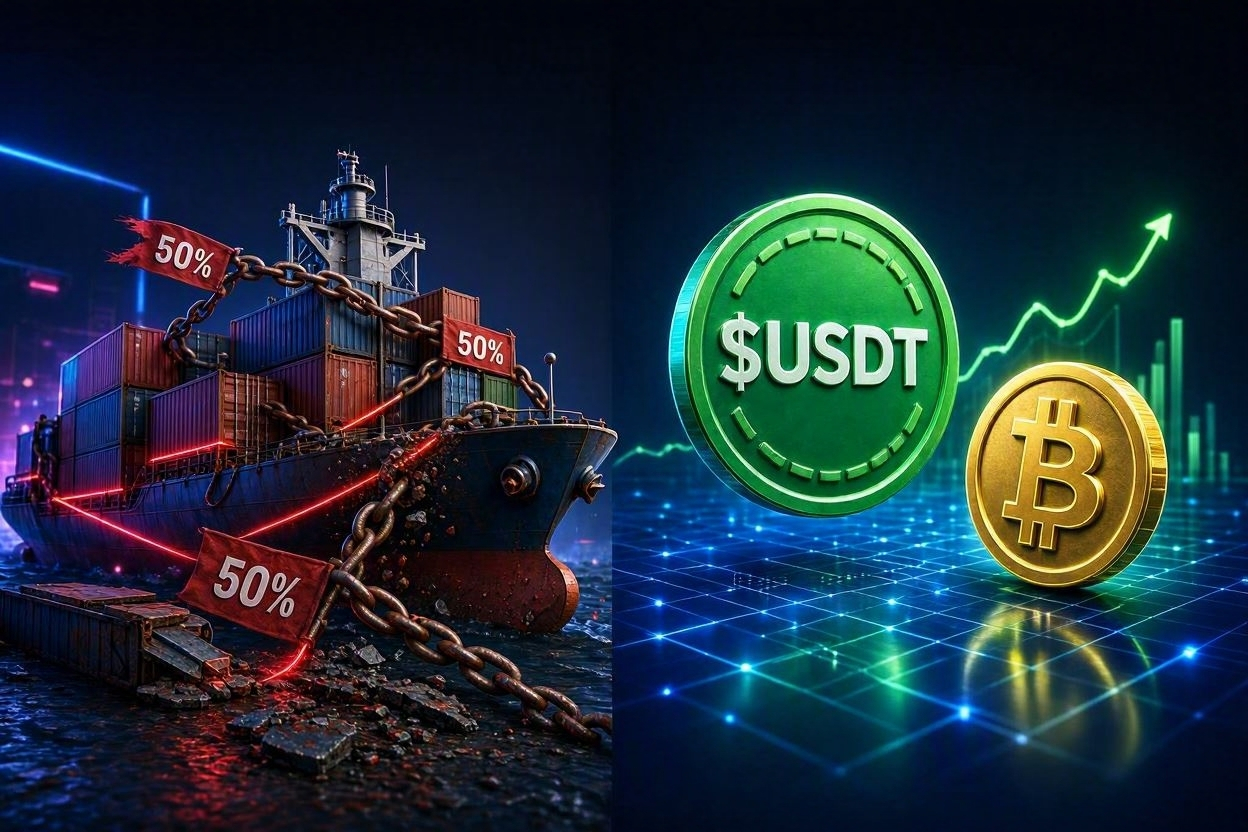
📊 **رسوم جمركية ضخمة بنسبة 50% قادمة: تضخم سلاسل الإمداد وانعكاساتها على طلب $USDT** 📊
🚨 **المحفّز** 🚨
أقرت كندا سلسلة إجراءات مقابلة على مبدأ “دولار مقابل دولار” وتطابق التدابير الأميركية، من خلال فرض **رسوم إضافية بنسبة 15% و25% وحتى 50%** على واردات أميركية بقيمة تتجاوز **27.6 مليار دولار كندي**. وباستهداف قطاعات حيوية مثل الصلب والإلكترونيات والأجهزة والمعدات الزراعية، فإن هذه الخطوة الحمائية العدوانية تدفع تضخم سلاسل الإمداد إلى مستويات قياسية جديدة في أسواق أميركا الشمالية! 💥📈
🧠 **أثر الماكرو وسوق العملات الرقمية** 🧠
1️⃣ **تضخم سلاسل الإمداد وتدهور قيمة العملة الورقية (FIAT)** 💸📦
تدفع الرسوم الجمركية بشكل مباشر إلى ارتفاع تكلفة المواد الخام المستوردة والسلع الاستهلاكية النهائية. ومع تآكل القوة الشرائية المحلية جراء التضخم الناتج عن الرسوم، يبحث رأس المال المؤسسي عن احتياطيات سائلة مقومة بالدولار كحل دفاعي لحماية الخزائن (treasuries) للشركات.
2️⃣ **طلب متفجّر على $USDT / العملات المستقرة** 💵🚀
مع تزايد احتكاك التسويات الدولية وارتفاع تقلبات العملات، يتجه المستوردون، وفرق سلاسل الإمداد، والتجار عبر الحدود إلى **$USDT و$USDC**. توفر العملات المستقرة سيولة فورية ومنخفضة الرسوم وعبر الحدود دون الاعتماد على بنية مراسلة بطيئة تعاني من تعقيدات تدقيق الامتثال للرسوم الجمركية! ⚡🛡️
3️⃣ **إسفنجة السيولة في عالم العملات الرقمية** 🪙🌐
مع قيام رؤوس الأموال المؤسسية وتجار التجزئة بالتحوط ضد عدم استقرار العملة الورقية إقليميًا، تتوسع القيمة السوقية للعملات المستقرة. تؤدي الزيادات في تدفقات $USDT إلى توفير “الذخيرة الجافة” اللازمة المتروكة على مقاعد التبادل، لتصبح الوقود الأساسي للسيولة في التحرك القادم لسوق العملات الرقمية على مستوى الماكرو! 🚀💎
🎯 **استراتيجية التداول والنتائج الرئيسية** 🎯
* **تابع نمو عرض العملات المستقرة:** راقب القيمة السوقية والتدفقات الصافية إلى البورصات لـ $USDT / $USDC. يشير التوسع السريع في العرض خلال النزاعات التجارية إلى ضغط شراء قادم لـ $BTC! 📊👀
#CanadaTariffsOnUSTakeEffect #YenBreaks155NearingYearHigh 🚀🔥🟢
🚨 **تقرير خاص عن العملات المستقرة والماكرو** 🚨
📊 **رسوم جمركية ضخمة بنسبة 50% قادمة: تضخم سلاسل الإمداد وانعكاساتها على طلب $USDT** 📊
🚨 **المحفّز** 🚨
أقرت كندا سلسلة إجراءات مقابلة على مبدأ “دولار مقابل دولار” وتطابق التدابير الأميركية، من خلال فرض **رسوم إضافية بنسبة 15% و25% وحتى 50%** على واردات أميركية بقيمة تتجاوز **27.6 مليار دولار كندي**. وباستهداف قطاعات حيوية مثل الصلب والإلكترونيات والأجهزة والمعدات الزراعية، فإن هذه الخطوة الحمائية العدوانية تدفع تضخم سلاسل الإمداد إلى مستويات قياسية جديدة في أسواق أميركا الشمالية! 💥📈
🧠 **أثر الماكرو وسوق العملات الرقمية** 🧠
1️⃣ **تضخم سلاسل الإمداد وتدهور قيمة العملة الورقية (FIAT)** 💸📦
تدفع الرسوم الجمركية بشكل مباشر إلى ارتفاع تكلفة المواد الخام المستوردة والسلع الاستهلاكية النهائية. ومع تآكل القوة الشرائية المحلية جراء التضخم الناتج عن الرسوم، يبحث رأس المال المؤسسي عن احتياطيات سائلة مقومة بالدولار كحل دفاعي لحماية الخزائن (treasuries) للشركات.
2️⃣ **طلب متفجّر على $USDT / العملات المستقرة** 💵🚀
مع تزايد احتكاك التسويات الدولية وارتفاع تقلبات العملات، يتجه المستوردون، وفرق سلاسل الإمداد، والتجار عبر الحدود إلى **$USDT و$USDC**. توفر العملات المستقرة سيولة فورية ومنخفضة الرسوم وعبر الحدود دون الاعتماد على بنية مراسلة بطيئة تعاني من تعقيدات تدقيق الامتثال للرسوم الجمركية! ⚡🛡️
3️⃣ **إسفنجة السيولة في عالم العملات الرقمية** 🪙🌐
مع قيام رؤوس الأموال المؤسسية وتجار التجزئة بالتحوط ضد عدم استقرار العملة الورقية إقليميًا، تتوسع القيمة السوقية للعملات المستقرة. تؤدي الزيادات في تدفقات $USDT إلى توفير “الذخيرة الجافة” اللازمة المتروكة على مقاعد التبادل، لتصبح الوقود الأساسي للسيولة في التحرك القادم لسوق العملات الرقمية على مستوى الماكرو! 🚀💎
🎯 **استراتيجية التداول والنتائج الرئيسية** 🎯
* **تابع نمو عرض العملات المستقرة:** راقب القيمة السوقية والتدفقات الصافية إلى البورصات لـ $USDT / $USDC. يشير التوسع السريع في العرض خلال النزاعات التجارية إلى ضغط شراء قادم لـ $BTC! 📊👀
#CanadaTariffsOnUSTakeEffect #YenBreaks155NearingYearHigh 🚀🔥🟢

E L E X A
·
--
🚨 تم البث الآن 🚨
المشاهدة سهلة… لكن الفائزون يتخذون إجراء 👀
🎁 هل تريد FREE $USDT؟
💬 اكتب 888
❤️ لايك
🔁 مشاركة
➕ متابعة
⏳ لا تفوّت فرصتك — الأماكن محدودة!
اكتب 888 بالأسفل وانضم الآن 🚀
#Crypto #USDT #Giveaway
المشاهدة سهلة… لكن الفائزون يتخذون إجراء 👀
🎁 هل تريد FREE $USDT؟
💬 اكتب 888
❤️ لايك
🔁 مشاركة
➕ متابعة
⏳ لا تفوّت فرصتك — الأماكن محدودة!
اكتب 888 بالأسفل وانضم الآن 🚀
#Crypto #USDT #Giveaway

تم حذف محتوى الاقتباس


NAJAF_加密 143
·
--
‼️$XRP 🐕 المكافأة موجودة ‼️
أشارك $XRP مكافآت مع المجتمع كـشكر أكبر.
✨ ما عليك سوى المطالبة بمكافأتك واستمتع! ✨
اطلبها. تمتع بالمكافأة
@XRP _ $XRP #xrp
أشارك $XRP مكافآت مع المجتمع كـشكر أكبر.
✨ ما عليك سوى المطالبة بمكافأتك واستمتع! ✨
اطلبها. تمتع بالمكافأة
@XRP _ $XRP #xrp

تم حذف محتوى الاقتباس

白鲨观点
·
--
صندوق ETF يسحب 3.8 مليارات خلال ثلاثة أسابيع، Strategy تلتقط القاع بـ80 ألف——على ماذا راهنت المؤسسات؟
هناك بيانات اثنتان تجتمعان معًا وتبدو مثيرة للاهتمام:
من جهة المتداولين الأفراد في حالة هلع:
الوظائف غير الزراعية جاءت أعلى من التوقعات → احتمال رفع الفائدة 60% → "هل الثور انتهى؟"
ومن جهة أخرى المؤسسات تشتري:
BTC ETF تدفقات صافية داخلة خلال ثلاثة أسابيع بقيمة 3.8 مليارات دولار، لتسجل أقوى سلسلة تدفقات متتالية هذا العام؛
بعد إيقاف Strategy لمدة شهرين، عاودت الدخول، وبلغ متوسط الشراء 80 ألف دولار لشراء 4603 قطعة.
هذا يشبه جارين:
أحدهما يقلق إن كان ستمطر غدًا، والآخر يقوم بتخزين الطعام.
منطق المؤسسات واضح جدًا:
ضجيج المدى القصير لا يؤثر على الاتجاه طويل الأجل——قرار رفع الفائدة متغير شهري، بينما التحول المؤسسي لِـ BTC متغير على مستوى السنوات؛ 80 ألف دولار هي منطقة تأسيس وليست منطقة الهروب من القمة——مقارنةً بـ ATH البالغ 126 ألفًا، نحن ما زلنا في منتصف الطريق للأعلى؛ أموال ETF هي "فلوس غبية"—ما إن دخلت فلن تغادر بسهولة؛ هذه قاعدة استثمار طويلة الأجل.
لكن سأنبّهك إلى نقطة واحدة:
شراء المؤسسات ≠ صعود سريع للغد. بناء مراكز المؤسسات عملية، وقد تستغرق أسابيع أو حتى أشهرًا.
أسهل شيء يقتل المتداولين الأفراد هو نفاد الصبر في مرحلة: "إذا كانت المؤسسات قد اشترت، لماذا لا يرتفع؟"
مثل زراعة المحاصيل، لا يمكنك أن تخرج الحبوب كل يوم لتتحقق هل نبتت أم لا.
لقد أعددت لك جدولًا بعنوان «متابعة تحركات حيازة المؤسسات»، يتضمن التدفقات اليومية للـ ETF، وحيازات Strategy، وتغيرات عناوين الحيتان.
اكتب في غرفة الدردشة كلمتين «المؤسسات» لتحصل عليها، ويتم تحديثها أسبوعيًا.
برأيك، هل هذه الموجة من المؤسسات ذكية حقًا أم أنها تلتقط الآخِر (كـ接盘)؟ تكلّم في قسم التعليقات.
#BinanceSquare #bitcoin #BTCETF #机构持仓
هناك بيانات اثنتان تجتمعان معًا وتبدو مثيرة للاهتمام:
من جهة المتداولين الأفراد في حالة هلع:
الوظائف غير الزراعية جاءت أعلى من التوقعات → احتمال رفع الفائدة 60% → "هل الثور انتهى؟"
ومن جهة أخرى المؤسسات تشتري:
BTC ETF تدفقات صافية داخلة خلال ثلاثة أسابيع بقيمة 3.8 مليارات دولار، لتسجل أقوى سلسلة تدفقات متتالية هذا العام؛
بعد إيقاف Strategy لمدة شهرين، عاودت الدخول، وبلغ متوسط الشراء 80 ألف دولار لشراء 4603 قطعة.
هذا يشبه جارين:
أحدهما يقلق إن كان ستمطر غدًا، والآخر يقوم بتخزين الطعام.
منطق المؤسسات واضح جدًا:
ضجيج المدى القصير لا يؤثر على الاتجاه طويل الأجل——قرار رفع الفائدة متغير شهري، بينما التحول المؤسسي لِـ BTC متغير على مستوى السنوات؛ 80 ألف دولار هي منطقة تأسيس وليست منطقة الهروب من القمة——مقارنةً بـ ATH البالغ 126 ألفًا، نحن ما زلنا في منتصف الطريق للأعلى؛ أموال ETF هي "فلوس غبية"—ما إن دخلت فلن تغادر بسهولة؛ هذه قاعدة استثمار طويلة الأجل.
لكن سأنبّهك إلى نقطة واحدة:
شراء المؤسسات ≠ صعود سريع للغد. بناء مراكز المؤسسات عملية، وقد تستغرق أسابيع أو حتى أشهرًا.
أسهل شيء يقتل المتداولين الأفراد هو نفاد الصبر في مرحلة: "إذا كانت المؤسسات قد اشترت، لماذا لا يرتفع؟"
مثل زراعة المحاصيل، لا يمكنك أن تخرج الحبوب كل يوم لتتحقق هل نبتت أم لا.
لقد أعددت لك جدولًا بعنوان «متابعة تحركات حيازة المؤسسات»، يتضمن التدفقات اليومية للـ ETF، وحيازات Strategy، وتغيرات عناوين الحيتان.
اكتب في غرفة الدردشة كلمتين «المؤسسات» لتحصل عليها، ويتم تحديثها أسبوعيًا.
برأيك، هل هذه الموجة من المؤسسات ذكية حقًا أم أنها تلتقط الآخِر (كـ接盘)؟ تكلّم في قسم التعليقات.
#BinanceSquare #bitcoin #BTCETF #机构持仓


Leo - F0
·
--
صاعد🧧🧧🔥صباح الخير من دبي يا عائلتي. لقد حضرت لك هدية خاصة.🔥🧧🧧
كما أخبرتك من قبل، $ZEC 💛 ستصبح 3K.💎
$ZEC
$BTC 🔥🔥🧧🧧
#1688家族family 💚 @周周1688
#比特币突破8万美元 @Hawk自由哥 #xrp #DOGE #TRUMP
كما أخبرتك من قبل، $ZEC 💛 ستصبح 3K.💎
$ZEC
$BTC 🔥🔥🧧🧧
#1688家族family 💚 @周周1688
#比特币突破8万美元 @Hawk自由哥 #xrp #DOGE #TRUMP

تم حذف محتوى الاقتباس

Sara_ k
·
--
صباح الخير 🌞🌞🌞 .
.
Join here 👈🎁
.
.
Join here 👈🎁
.


圣克斯Lucky1688
·
--
🧧🔥🧧🔥🧧🔥 يتسارع تمايز العملات البديلة، وقد انتهى تمامًا «عصر الارتفاعات الشاملة»: ومع استمرار عمليات فكّ قفل الرموز ذات FDV المرتفع (التقييم المخفف بالكامل) والطرح المتداول المنخفض، أصبحت سيولة السوق مُخفَّفة بشدة. لم تعد الأموال تُضارب بشكل أعمى على مفاهيم فارغة، بل تتجه بسرعة نحو التطبيقات والمنظومات الرائدة التي تمتلك إيرادات بروتوكولية حقيقية (Real Yield) وجاذبية سيولة قوية.
السوق الحالي يمرّ بمرحلة صراع على الحصص قبل تأكيد التيسير الكلي. وبالمقارنة مع مطاردة الأسعار بشكل أعمى، فإن التركيز على التدفقات النقدية الحقيقية داخل المنظومة وبنية الحصص هو منطق الاستثمار الأكثر أهمية. تابعني، وأجب بـ الإجابة 1 لتحصل على ضعف هدية $SOL.🧧🔥🧧🔥🧧🔥
السوق الحالي يمرّ بمرحلة صراع على الحصص قبل تأكيد التيسير الكلي. وبالمقارنة مع مطاردة الأسعار بشكل أعمى، فإن التركيز على التدفقات النقدية الحقيقية داخل المنظومة وبنية الحصص هو منطق الاستثمار الأكثر أهمية. تابعني، وأجب بـ الإجابة 1 لتحصل على ضعف هدية $SOL.🧧🔥🧧🔥🧧🔥


Bilawal Ashiq
·
--
🧧🧧من فضلك التحديثات والصفقة! 🎉
$USELESS $IOST $VVV
$USELESS $IOST $VVV

周周1688
·
--
🚀 8 سبتمبر|نظرة سريعة على سوق العملات المشفرة
$BNB 🧧
📰 أبرز ما اليوم
🔥 Liquid Network: بعد تحويل 4,000 BTC، تم إرجاع 3,400 BTC
تعرضت Liquid Network خلال عطلة نهاية الأسبوع لتحويلات غير طبيعية بحوالي 4,000 BTC (حوالي 320 مليون دولار). توقفت الشبكة عن بعض الأنشطة لاحقًا.
أحدث التطورات: قام مشاركون يعرّفون أنفسهم بـ“white hat” بإرجاع حوالي 3,400 BTC، بقيمة تقارب 268 مليون دولار، وما زالت هناك حوالي 600 BTC لم تُرجَع بعد. يرتبط هذا الحادث بشكل أساسي بآلية الحفظ الائتمانية بنمط التحالف في Liquid، وليس باختراق شبكة Bitcoin الرئيسية.
🇰🇷 كوريا الجنوبية تخطط لتعزيز تحويل الأوراق المالية بالكامل إلى رموز بحلول 2027
أعلنت الجهات التنظيمية في كوريا الجنوبية عن خريطة طريق لتحويل الأصول في أسواق رأس المال إلى رموز، حيث سيتم إدخال الأصول التقليدية مثل الأسهم والسندات وصناديق الاستثمار تدريجيًا إلى السلسلة.
من المتوقع أن تبدأ المرحلة الأولى في فبراير 2027، كما سيتم استكشاف استخدام العملات المستقرة لتسوية الأوراق المالية الرمزية لاحقًا.
🏦 DBS × Citi: عطلة نهاية الأسبوع أيضًا مدفوعات دولية بالدولار
أتمت DBS وCiti عملية مدفوعات بالدولار عبر عطلة نهاية الأسبوع بين سنغافورة والولايات المتحدة، عبر Swift Digital Ledger + Tokenized Deposits، ولم يستغرق الأمر سوى دقائق.
قد تتطلب المدفوعات الدولية التقليدية ما يصل إلى يومين عمل—والـ“وضع عطلة نهاية الأسبوع” لدى البنوك يُعاد تعريفه.
⚙️ Ethereum Hegotá: FOCIL + Frame Transactions تدخلان المسار الأساسي
أجرت مؤسسة Ethereum تقييمًا موحدًا لـ 62 اقتراحًا (EIP) ضمن Hegotá، وتم إدراج FOCIL وFrame Transactions كأعلى أولوية.
تركز الاتجاهات الرئيسية على مقاومة الرقابة، وتجريد الحسابات، وآليات التحقق من المعاملات والدفع بصورة أكثر مرونة.
⚡ سولانا تستعد لرفع سعة المعاملات 3 مرات
تخطط سولانا لإطلاق Transaction v1 في 9 سبتمبر، مع زيادة الحد الأقصى لحجم المعاملة الواحدة من 1,232 إلى 4,096 بايت.
تعني المساحة الأكبر للمعاملات أن الإثباتات المعقدة والـmultisig (تعدد التوقيع) والعمليات المجمعة يمكن إدخالها بسهولة أكبر داخل معاملة واحدة.
📈 منطق السوق اليوم
انخفضت BTC مرة أخرى إلى ما دون 80 ألف دولار.
أعادت بيانات الوظائف الأمريكية القوية رفع توقعات أسعار الفائدة، ومع ضغوط عوائد سندات الخزانة وأسعار الطاقة، يتعرض سوق الأصول ذات المخاطر لضغط على المدى القصير.
لكن توجد مفارقة جديرة بالملاحظة:
الأسعار تهدأ، لكن أموال المؤسسات لا تنسحب بشكل واضح.
لا يزال صندوق BTC الفوري في الولايات المتحدة يسجل نحو 987 مليون دولار صافي تدفقات داخلة خلال الأسبوع الماضي، محافظًا على صافي تدفقات داخلة للمرة الثالثة على التوالي.
لذلك يبدو السوق الآن أقرب إلى:
قصير الأجل → كبح عبر الاقتصاد الكلي
متوسط الأجل → طلب صناديق الاستثمار (ETF) ما يزال قائمًا
طويل الأجل → التسريع في عملية التحويل إلى رموز (Tokenization) مستمر
$BNB 🧧
📰 أبرز ما اليوم
🔥 Liquid Network: بعد تحويل 4,000 BTC، تم إرجاع 3,400 BTC
تعرضت Liquid Network خلال عطلة نهاية الأسبوع لتحويلات غير طبيعية بحوالي 4,000 BTC (حوالي 320 مليون دولار). توقفت الشبكة عن بعض الأنشطة لاحقًا.
أحدث التطورات: قام مشاركون يعرّفون أنفسهم بـ“white hat” بإرجاع حوالي 3,400 BTC، بقيمة تقارب 268 مليون دولار، وما زالت هناك حوالي 600 BTC لم تُرجَع بعد. يرتبط هذا الحادث بشكل أساسي بآلية الحفظ الائتمانية بنمط التحالف في Liquid، وليس باختراق شبكة Bitcoin الرئيسية.
🇰🇷 كوريا الجنوبية تخطط لتعزيز تحويل الأوراق المالية بالكامل إلى رموز بحلول 2027
أعلنت الجهات التنظيمية في كوريا الجنوبية عن خريطة طريق لتحويل الأصول في أسواق رأس المال إلى رموز، حيث سيتم إدخال الأصول التقليدية مثل الأسهم والسندات وصناديق الاستثمار تدريجيًا إلى السلسلة.
من المتوقع أن تبدأ المرحلة الأولى في فبراير 2027، كما سيتم استكشاف استخدام العملات المستقرة لتسوية الأوراق المالية الرمزية لاحقًا.
🏦 DBS × Citi: عطلة نهاية الأسبوع أيضًا مدفوعات دولية بالدولار
أتمت DBS وCiti عملية مدفوعات بالدولار عبر عطلة نهاية الأسبوع بين سنغافورة والولايات المتحدة، عبر Swift Digital Ledger + Tokenized Deposits، ولم يستغرق الأمر سوى دقائق.
قد تتطلب المدفوعات الدولية التقليدية ما يصل إلى يومين عمل—والـ“وضع عطلة نهاية الأسبوع” لدى البنوك يُعاد تعريفه.
⚙️ Ethereum Hegotá: FOCIL + Frame Transactions تدخلان المسار الأساسي
أجرت مؤسسة Ethereum تقييمًا موحدًا لـ 62 اقتراحًا (EIP) ضمن Hegotá، وتم إدراج FOCIL وFrame Transactions كأعلى أولوية.
تركز الاتجاهات الرئيسية على مقاومة الرقابة، وتجريد الحسابات، وآليات التحقق من المعاملات والدفع بصورة أكثر مرونة.
⚡ سولانا تستعد لرفع سعة المعاملات 3 مرات
تخطط سولانا لإطلاق Transaction v1 في 9 سبتمبر، مع زيادة الحد الأقصى لحجم المعاملة الواحدة من 1,232 إلى 4,096 بايت.
تعني المساحة الأكبر للمعاملات أن الإثباتات المعقدة والـmultisig (تعدد التوقيع) والعمليات المجمعة يمكن إدخالها بسهولة أكبر داخل معاملة واحدة.
📈 منطق السوق اليوم
انخفضت BTC مرة أخرى إلى ما دون 80 ألف دولار.
أعادت بيانات الوظائف الأمريكية القوية رفع توقعات أسعار الفائدة، ومع ضغوط عوائد سندات الخزانة وأسعار الطاقة، يتعرض سوق الأصول ذات المخاطر لضغط على المدى القصير.
لكن توجد مفارقة جديرة بالملاحظة:
الأسعار تهدأ، لكن أموال المؤسسات لا تنسحب بشكل واضح.
لا يزال صندوق BTC الفوري في الولايات المتحدة يسجل نحو 987 مليون دولار صافي تدفقات داخلة خلال الأسبوع الماضي، محافظًا على صافي تدفقات داخلة للمرة الثالثة على التوالي.
لذلك يبدو السوق الآن أقرب إلى:
قصير الأجل → كبح عبر الاقتصاد الكلي
متوسط الأجل → طلب صناديق الاستثمار (ETF) ما يزال قائمًا
طويل الأجل → التسريع في عملية التحويل إلى رموز (Tokenization) مستمر


YASH DHALIWAL 31_加密 143
·
--
🌹👻🌹👻🌹👻🌹👻🌹👻🌹👻🌹👻🌹👻🌹👻🌹👻🌹👻🌹👻🌹👻🌹👻🌹👻🌹👻🌹👻🌹👻🌹👻🌹👻🌹👻🌹
🔥🔥🔥🔥🔥🔥🔥🔥🔥🔥🔥🔥🔥🔥🔥🎊🎊🎊🎊🎊🎊🎊🎊🎊🎊🎊🎊🎊🎊🎊✨✨✨✨✨✨✨✨✨✨✨✨✨✨✨🔥🔥🔥🔥🔥🔥🔥🔥🔥🔥🔥🔥🔥🔥🔥🔥🔥🔥
$NVDAB $GOOGL.US $BTC
🔥🔥🔥🔥🔥🔥🔥🔥🔥🔥🔥🔥🔥🔥🔥🎊🎊🎊🎊🎊🎊🎊🎊🎊🎊🎊🎊🎊🎊🎊✨✨✨✨✨✨✨✨✨✨✨✨✨✨✨🔥🔥🔥🔥🔥🔥🔥🔥🔥🔥🔥🔥🔥🔥🔥🔥🔥🔥
$NVDAB $GOOGL.US $BTC

Ahli Hidaya
·
--
صاعد🚀 هل تستعد Strive لخطوة ضخمة؟ يشير الرئيس التنفيذي مات كول إلى المزيد من تجميع البيتكوين! 🔥
تعود شركة Strive المدرجة علنًا إلى دائرة الضوء، والمجتمع التشفيري في حالة من الضجيج. انتقل رئيس مجلس الإدارة والرئيس التنفيذي في Strive، مات كول، إلى X (المعروفة سابقًا بتويتر) لمشاركة أحدث متعقّب لخزينة البيتكوين لدى الشركة، في إشارة قوية عبر تعليق:
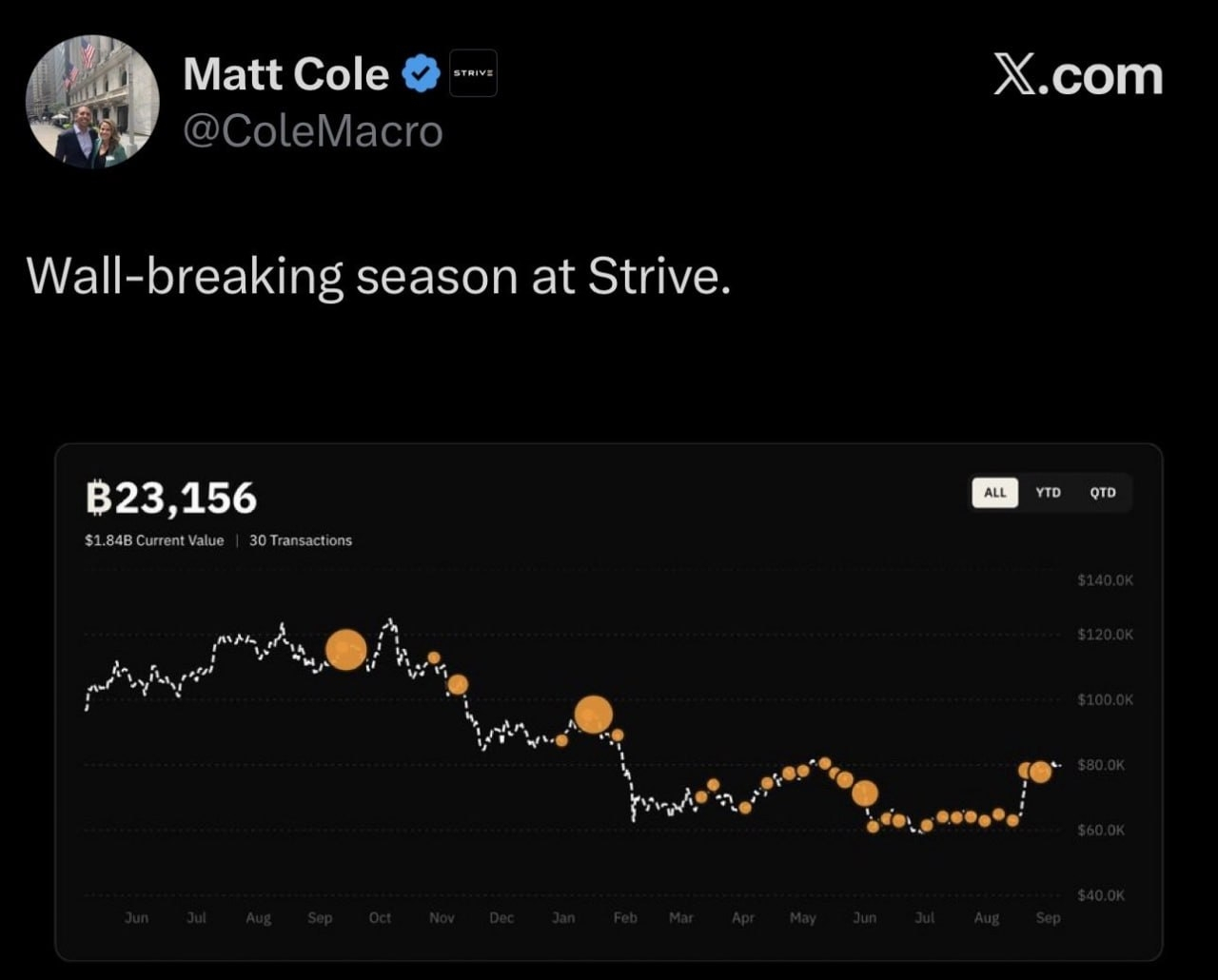
“موسم كسر الجدران في Strive.”
📊 أبرز النقاط:
خزينة ضخمة: تمتلك Strive حاليًا 23,156 BTC بشكل مذهل، بقيمة تقارب 1.85 مليار دولار، ما يجعلها الحائز الخامس الأكبر من الشركات العامة على البيتكوين.
شراء عدواني: يأتي هذا التلميح بعد مرحلة تجميع قوية، حيث قامت الشركة مؤخرًا بتكديس 1,800 BTC بحوالي 143 مليون دولار.
إشارة “كسر الجدران”: تاريخيًا، تسبق مثل هذه التلميحات من لوحات المعلومات من مات كول غالبًا إعلانات توسّع كبيرة في الخزائن. ومع الطموح المحتمل للصعود أكثر في ترتيب الشركات من حيث البيتكوين، يتابع السوق عن كثب لمعرفة ما إذا كانت عملية شراء أخرى بملايين الدولارات وشيكة.
ومع اعتماد الشركات العامة للبيتكوين بشكل عدواني كأصل احتياطي أساسي، قد تؤدي خطوة Strive التالية إلى إشعال زخم كبير في السوق.
ما رأيك؟ هل على Strive أن تُسقط عملية شراء عملاقة أخرى؟ أخبرنا في التعليقات! 👇
#Bitcoin #Strive #CryptoNews #BTC #BinanceSquare #Bullish$BTC $USDC
#dyor
تعود شركة Strive المدرجة علنًا إلى دائرة الضوء، والمجتمع التشفيري في حالة من الضجيج. انتقل رئيس مجلس الإدارة والرئيس التنفيذي في Strive، مات كول، إلى X (المعروفة سابقًا بتويتر) لمشاركة أحدث متعقّب لخزينة البيتكوين لدى الشركة، في إشارة قوية عبر تعليق:
“موسم كسر الجدران في Strive.”
📊 أبرز النقاط:
خزينة ضخمة: تمتلك Strive حاليًا 23,156 BTC بشكل مذهل، بقيمة تقارب 1.85 مليار دولار، ما يجعلها الحائز الخامس الأكبر من الشركات العامة على البيتكوين.
شراء عدواني: يأتي هذا التلميح بعد مرحلة تجميع قوية، حيث قامت الشركة مؤخرًا بتكديس 1,800 BTC بحوالي 143 مليون دولار.
إشارة “كسر الجدران”: تاريخيًا، تسبق مثل هذه التلميحات من لوحات المعلومات من مات كول غالبًا إعلانات توسّع كبيرة في الخزائن. ومع الطموح المحتمل للصعود أكثر في ترتيب الشركات من حيث البيتكوين، يتابع السوق عن كثب لمعرفة ما إذا كانت عملية شراء أخرى بملايين الدولارات وشيكة.
ومع اعتماد الشركات العامة للبيتكوين بشكل عدواني كأصل احتياطي أساسي، قد تؤدي خطوة Strive التالية إلى إشعال زخم كبير في السوق.
ما رأيك؟ هل على Strive أن تُسقط عملية شراء عملاقة أخرى؟ أخبرنا في التعليقات! 👇
#Bitcoin #Strive #CryptoNews #BTC #BinanceSquare #Bullish$BTC $USDC
#dyor

Hadia-BTC
·
--
صاعدالسلام عليكم
claim $SOL 🧧
_______#HadiaBTC _______
$ARB
$BNB
claim $SOL 🧧
_______#HadiaBTC _______
$ARB
$BNB

تم حذف محتوى الاقتباس
سجّل الدخول لاستكشاف المزيد من المُحتوى