

TheCryptoDegen
1.1k منشورات

TheCryptoDegen
إبلاغ
حظر المُستخدم
Blockchain & Digital ASSETS Management |#BTC History & stories | Investor | Doing the MOST |On X @BuundiKe
مُتداول عرضي
5.2 سنوات
23 تتابع
3.8K+ المتابعون
2.0K+ إعجاب
منشورات
الكل
اقتباسات
مقاطع فيديو
PINNED
كانت هناك ميزة في البيتكوين عام 2009 خطيرة جدًا لدرجة أن ساتوشي نفسه حذفها بعد أن أشار إليها أحد المستخدمين
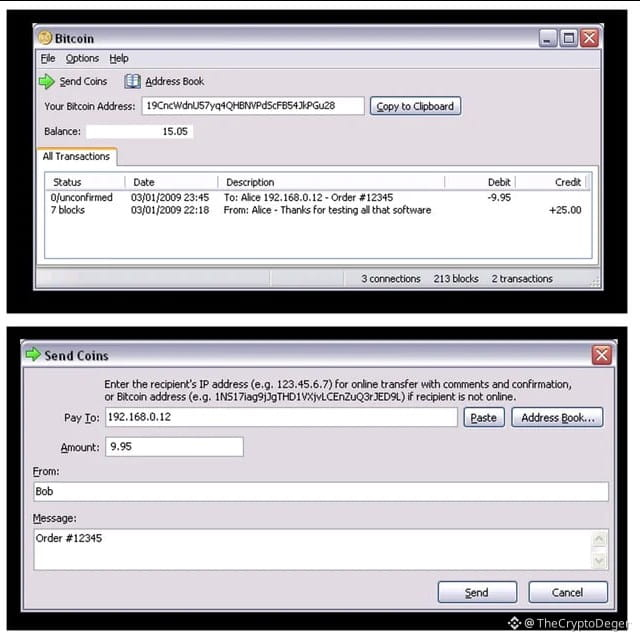
في النسخة الأصلية من البيتكوين، كان بإمكانك إرسال العملات مباشرة إلى عنوان IP لشخص ما
لم يكن هناك حاجة لعنوان محفظة، والأسوأ من ذلك، كان جهاز الكمبيوتر الخاص بك سيتصل بجهازهم لإرسال العملات من خلاله
هذا يعني أن أي شخص كان بإمكانه رؤية عنوان IP الخاص بك، وتحديد موقع جهازك ومحاولة الهجوم عليه بمجرد إرسال البيتكوين لك
في 14 يناير 2009، قرر ساتوشي اختبارها بنفسه وأرسل بريدًا إلكترونيًا إلى مُعدّ سابق يُدعى داستين تراميل يطلب عنوان IP الخاص به
رد تراميل وأرسل له فعلاً عنوانه
بعد بضع دقائق، اتصل ساتوشي وأرسل له 25 BTC مع رسالة تقول "مرحبًا"
أجابه تراميل بتحذير بأن الميزة كانت غير آمنة، وخلال أسابيع، حذف ساتوشي هذه الميزة من البيتكوين تمامًا
تلك الـ 25 BTC ستكون قيمتها اليوم 1.86 مليون دولار
كانت هناك ميزة في البيتكوين عام 2009 خطيرة جدًا لدرجة أن ساتوشي نفسه حذفها بعد أن أشار إليها أحد المستخدمين
في النسخة الأصلية من البيتكوين، كان بإمكانك إرسال العملات مباشرة إلى عنوان IP لشخص ما
لم يكن هناك حاجة لعنوان محفظة، والأسوأ من ذلك، كان جهاز الكمبيوتر الخاص بك سيتصل بجهازهم لإرسال العملات من خلاله
هذا يعني أن أي شخص كان بإمكانه رؤية عنوان IP الخاص بك، وتحديد موقع جهازك ومحاولة الهجوم عليه بمجرد إرسال البيتكوين لك
في 14 يناير 2009، قرر ساتوشي اختبارها بنفسه وأرسل بريدًا إلكترونيًا إلى مُعدّ سابق يُدعى داستين تراميل يطلب عنوان IP الخاص به
رد تراميل وأرسل له فعلاً عنوانه
بعد بضع دقائق، اتصل ساتوشي وأرسل له 25 BTC مع رسالة تقول "مرحبًا"
أجابه تراميل بتحذير بأن الميزة كانت غير آمنة، وخلال أسابيع، حذف ساتوشي هذه الميزة من البيتكوين تمامًا
تلك الـ 25 BTC ستكون قيمتها اليوم 1.86 مليون دولار
في النسخة الأصلية من البيتكوين، كان بإمكانك إرسال العملات مباشرة إلى عنوان IP لشخص ما
لم يكن هناك حاجة لعنوان محفظة، والأسوأ من ذلك، كان جهاز الكمبيوتر الخاص بك سيتصل بجهازهم لإرسال العملات من خلاله
هذا يعني أن أي شخص كان بإمكانه رؤية عنوان IP الخاص بك، وتحديد موقع جهازك ومحاولة الهجوم عليه بمجرد إرسال البيتكوين لك
في 14 يناير 2009، قرر ساتوشي اختبارها بنفسه وأرسل بريدًا إلكترونيًا إلى مُعدّ سابق يُدعى داستين تراميل يطلب عنوان IP الخاص به
رد تراميل وأرسل له فعلاً عنوانه
بعد بضع دقائق، اتصل ساتوشي وأرسل له 25 BTC مع رسالة تقول "مرحبًا"
أجابه تراميل بتحذير بأن الميزة كانت غير آمنة، وخلال أسابيع، حذف ساتوشي هذه الميزة من البيتكوين تمامًا
تلك الـ 25 BTC ستكون قيمتها اليوم 1.86 مليون دولار
89
10
183
362.4k
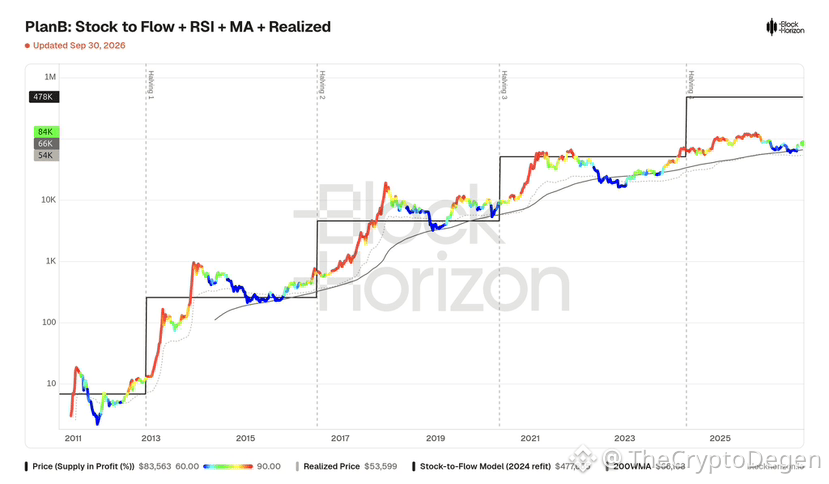
أغلق بيتكوين شهر سبتمبر عند 83,563 دولارًا
- أعلى من سعر التحقق Realized Price عند 54 ألف دولار
- أعلى من المتوسط المتحرك لـ 200 أسبوع عند 66 ألف دولار
- عناوين تحقق أرباح 82%
- UTXO في نطاق الربح 80%
- بيتكوين في نطاق الربح 71%
نتطلع إلى Uptober!
أغلق بيتكوين شهر سبتمبر عند 83,563 دولارًا
- أعلى من سعر التحقق Realized Price عند 54 ألف دولار
- أعلى من المتوسط المتحرك لـ 200 أسبوع عند 66 ألف دولار
- عناوين تحقق أرباح 82%
- UTXO في نطاق الربح 80%
- بيتكوين في نطاق الربح 71%
نتطلع إلى Uptober!
- أعلى من سعر التحقق Realized Price عند 54 ألف دولار
- أعلى من المتوسط المتحرك لـ 200 أسبوع عند 66 ألف دولار
- عناوين تحقق أرباح 82%
- UTXO في نطاق الربح 80%
- بيتكوين في نطاق الربح 71%
نتطلع إلى Uptober!
111
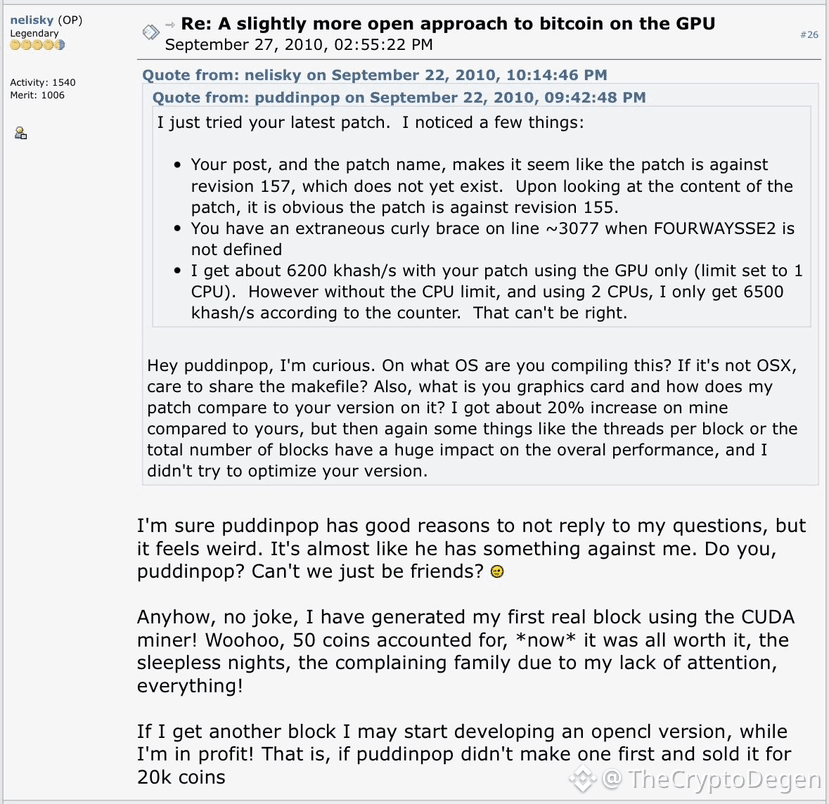
يشارك مستخدم بيتكوين، «ياي، تم احتساب 50 عملة، *والآن* كان كل ذلك يستحق العناء، الليالي التي لم أنم فيها، أفراد العائلة الذين يشتكون بسبب افتقاري إلى الاهتمام، كل شيء!»، في 27 سبتمبر 2010
يشارك مستخدم بيتكوين، «ياي، تم احتساب 50 عملة، *والآن* كان كل ذلك يستحق العناء، الليالي التي لم أنم فيها، أفراد العائلة الذين يشتكون بسبب افتقاري إلى الاهتمام، كل شيء!»، في 27 سبتمبر 2010
1
146
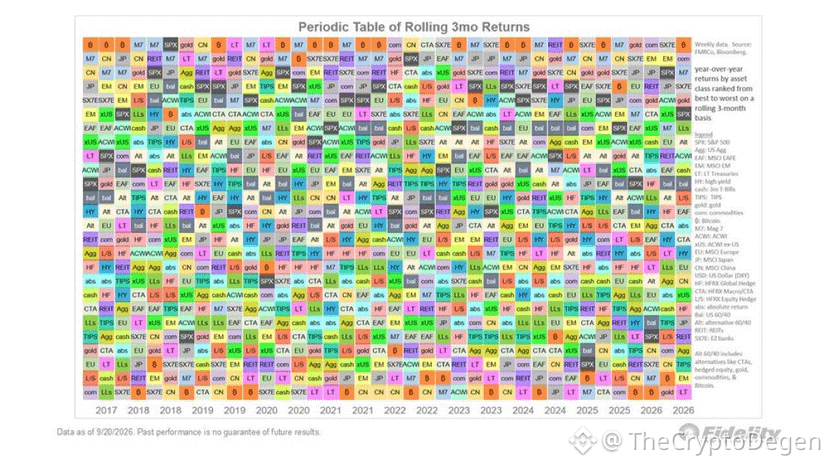
بيتكوين هو أفضل أصل أداءً لهذا العام.
كما أنه يكون أحيانًا الأسوأ.
انظر إلى جدول العوائد المتداخلة لدى فيديليتي.
كل شيء آخر يقع في المنتصف.
الأسهم. السندات. الذهب. النقد.
مَنسيّ. لا أحد يهتم.
بيتكوين لا يكون أبدًا في المنتصف. إما أن يكون الأول أو الأخير. وهذا ليس أمرًا سيئًا. بل يعني أن الناس يوليون بيتكوين اهتمامًا طوال الوقت. أنت لا تريد امتلاك أصل لا يملك أحد بشأنه رأيًا.
التقلب هو الإشارة.
بيتكوين هو أفضل أصل أداءً لهذا العام.
كما أنه يكون أحيانًا الأسوأ.
انظر إلى جدول العوائد المتداخلة لدى فيديليتي.
كل شيء آخر يقع في المنتصف.
الأسهم. السندات. الذهب. النقد.
مَنسيّ. لا أحد يهتم.
بيتكوين لا يكون أبدًا في المنتصف. إما أن يكون الأول أو الأخير. وهذا ليس أمرًا سيئًا. بل يعني أن الناس يوليون بيتكوين اهتمامًا طوال الوقت. أنت لا تريد امتلاك أصل لا يملك أحد بشأنه رأيًا.
التقلب هو الإشارة.
كما أنه يكون أحيانًا الأسوأ.
انظر إلى جدول العوائد المتداخلة لدى فيديليتي.
كل شيء آخر يقع في المنتصف.
الأسهم. السندات. الذهب. النقد.
مَنسيّ. لا أحد يهتم.
بيتكوين لا يكون أبدًا في المنتصف. إما أن يكون الأول أو الأخير. وهذا ليس أمرًا سيئًا. بل يعني أن الناس يوليون بيتكوين اهتمامًا طوال الوقت. أنت لا تريد امتلاك أصل لا يملك أحد بشأنه رأيًا.
التقلب هو الإشارة.
1
101
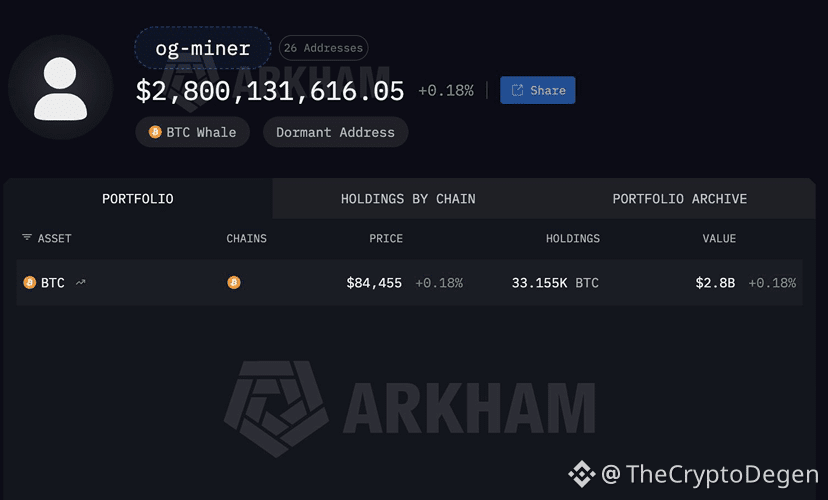
هذا الـ OG لديه 33 ألف BTC (2.8 مليار دولار)
لقد أبقى BTC الخاص به مفصولًا إلى عناوين تبلغ 4.5K BTC لمدة 8 سنوات، ومعظم آثار البيتكوين تعود إلى التعدين في عام 2010.
أيدي ألماس.
#BTC
هذا الـ OG لديه 33 ألف BTC (2.8 مليار دولار)
لقد أبقى BTC الخاص به مفصولًا إلى عناوين تبلغ 4.5K BTC لمدة 8 سنوات، ومعظم آثار البيتكوين تعود إلى التعدين في عام 2010.
أيدي ألماس.
#BTC
لقد أبقى BTC الخاص به مفصولًا إلى عناوين تبلغ 4.5K BTC لمدة 8 سنوات، ومعظم آثار البيتكوين تعود إلى التعدين في عام 2010.
أيدي ألماس.
#BTC
137
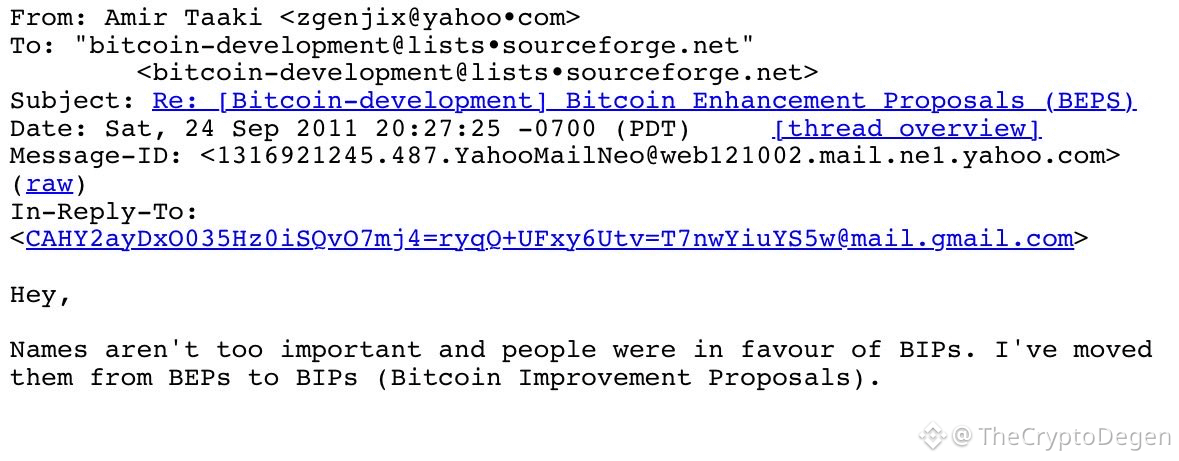
في 25 سبتمبر 2011، اقترح المطوّر أمير تاكي في قائمة مراسلات تطوير البيتكوين أن تُسمّى وثائق التغيير الرسمية لبيتكوين مقترحات تحسين البيتكوين (BIPs).
إن عملية الـBIP هي نظام المواصفات العلني المستخدم لاقتراح التغييرات في البيتكوين ومناقشتها وتوثيقها.
تُرقّم كل ورقة من أوراق الـBIP وتغطي قواعد البروتوكول وسلوك نظير-إلى-نظير ومعايير المحافظ واتفاقيات العملية.
وقد تم تحديد الترقيات اللاحقة مثل الشاهد المنفصل (Segregated Witness) وTaproot عبر هذا النظام.
فكرة تاكي لا تزال مستخدمة حتى اليوم بعد 15 عامًا.
تعيش هذه الوثائق في مستودع مفتوح، وتُناقَش علنًا، ولا تُعتمد إلا إذا اتّبعتها التطبيقات والشبكة.
ملاحظة قائمة المراسلات لم تُنشئ حوكمة البيتكوين. بل سمّت أحد الأشكال التي تُكتب من خلالها تلك الحوكمة.
في 25 سبتمبر 2011، اقترح المطوّر أمير تاكي في قائمة مراسلات تطوير البيتكوين أن تُسمّى وثائق التغيير الرسمية لبيتكوين مقترحات تحسين البيتكوين (BIPs).
إن عملية الـBIP هي نظام المواصفات العلني المستخدم لاقتراح التغييرات في البيتكوين ومناقشتها وتوثيقها.
تُرقّم كل ورقة من أوراق الـBIP وتغطي قواعد البروتوكول وسلوك نظير-إلى-نظير ومعايير المحافظ واتفاقيات العملية.
وقد تم تحديد الترقيات اللاحقة مثل الشاهد المنفصل (Segregated Witness) وTaproot عبر هذا النظام.
فكرة تاكي لا تزال مستخدمة حتى اليوم بعد 15 عامًا.
تعيش هذه الوثائق في مستودع مفتوح، وتُناقَش علنًا، ولا تُعتمد إلا إذا اتّبعتها التطبيقات والشبكة.
ملاحظة قائمة المراسلات لم تُنشئ حوكمة البيتكوين. بل سمّت أحد الأشكال التي تُكتب من خلالها تلك الحوكمة.
إن عملية الـBIP هي نظام المواصفات العلني المستخدم لاقتراح التغييرات في البيتكوين ومناقشتها وتوثيقها.
تُرقّم كل ورقة من أوراق الـBIP وتغطي قواعد البروتوكول وسلوك نظير-إلى-نظير ومعايير المحافظ واتفاقيات العملية.
وقد تم تحديد الترقيات اللاحقة مثل الشاهد المنفصل (Segregated Witness) وTaproot عبر هذا النظام.
فكرة تاكي لا تزال مستخدمة حتى اليوم بعد 15 عامًا.
تعيش هذه الوثائق في مستودع مفتوح، وتُناقَش علنًا، ولا تُعتمد إلا إذا اتّبعتها التطبيقات والشبكة.
ملاحظة قائمة المراسلات لم تُنشئ حوكمة البيتكوين. بل سمّت أحد الأشكال التي تُكتب من خلالها تلك الحوكمة.
77
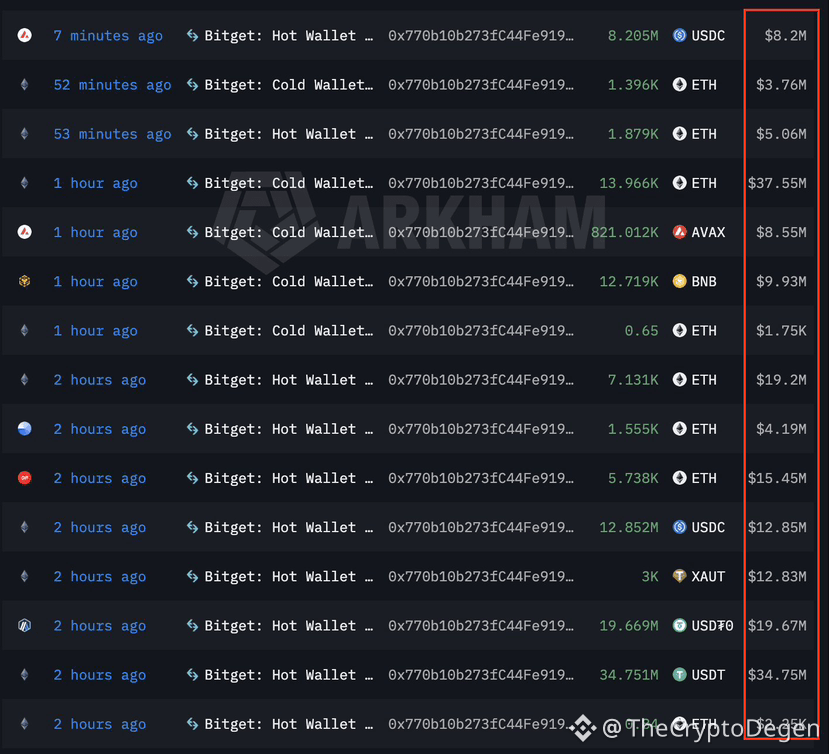
🚨 تم اختراق Bitget لأكثر من 200 مليون دولار تقريبًا
قام مهاجم باختراق ثلاثة محافظ ساخنة ومحفظة باردة واحدة، وحوّل كل شيء إلى ETH خلال دقائق، وجزءًا منه تم بسعر يزيد بنسبة 5% عن سعر السوق. لا تزال تلك المحافظ تحتوي على 530 مليون دولار.
لم يصدر أي بيان رسمي من Bitget حتى الآن.
🚨 تم اختراق Bitget لأكثر من 200 مليون دولار تقريبًا
قام مهاجم باختراق ثلاثة محافظ ساخنة ومحفظة باردة واحدة، وحوّل كل شيء إلى ETH خلال دقائق، وجزءًا منه تم بسعر يزيد بنسبة 5% عن سعر السوق. لا تزال تلك المحافظ تحتوي على 530 مليون دولار.
لم يصدر أي بيان رسمي من Bitget حتى الآن.
قام مهاجم باختراق ثلاثة محافظ ساخنة ومحفظة باردة واحدة، وحوّل كل شيء إلى ETH خلال دقائق، وجزءًا منه تم بسعر يزيد بنسبة 5% عن سعر السوق. لا تزال تلك المحافظ تحتوي على 530 مليون دولار.
لم يصدر أي بيان رسمي من Bitget حتى الآن.
93
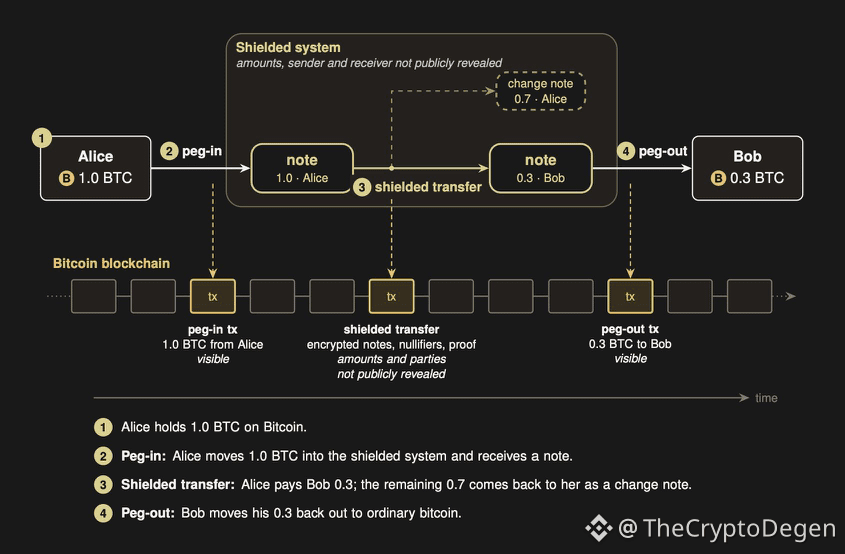
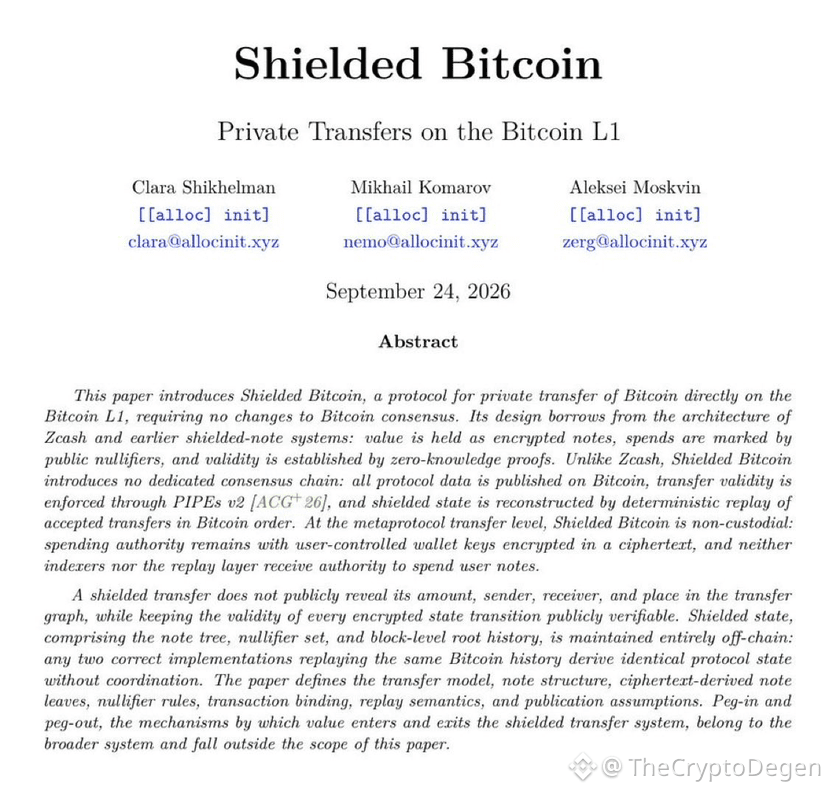
توصل المطورون للتو إلى طريقة لإخفاء من أرسل البيتكوين ومن استلمه، وكم تم تحويله، دون تغيير البيتكوين نفسه.
هذه الفكرة الجديدة المقترحة ليست فوركًا حول البروتوكول ولا عملةً رقمية جديدة. بل هكذا صُمّم البيتكوين: طبقة أساسية يمكن للناس الابتكار عليها دون طلب الإذن.
في يوم الخميس، نشر الباحث مِيشا كوماروف وزملاؤه «بيتكوين المَخفِي»، وهي مجموعة محمية على نمط Zcash لطبقة البيتكوين الأساسية.
ترافق الملاحظات المُشفّرة وبراهين الإثباتات عديمة المعرفة معاملات البيتكوين العادية. تتحقق برامج منفصلة من عدم إنشاء أي عملات من العدم، ومن عدم إنفاق نفس العملات مرتين.
لا توجد شركة تشغّل المجموعة، ولا سلاسل جانبية، ولا فورك ناعم. تدخل الأموال وتخرج عبر خزائن تشفيرية يقوم كوماروف ببنائها، تُسمّى PIPEs، لذلك لا يتعين على اتحادٍ ما الاحتفاظ بالبيتكوين.
لا يفرض المُعدّنون قواعد الخصوصية. يمكن لبيانات محمية غير صالحة أن تصل مع ذلك إلى كتلة؛ يقوم المفهرسون فقط بتجاهلها.
المعادلة هي: يبقى البيتكوين محافظًا، ويعيش التجريب فوقه. إذا نجح ذلك، ستصل التحويلات الخاصة بالطريقة التي وصلت بها معظم أفضل أفكار البيتكوين، لا عبر إعادة كتابة الدستور، بل عبر البناء على طبقة التسوية التي يثق بها الجميع بالفعل.
توصل المطورون للتو إلى طريقة لإخفاء من أرسل البيتكوين ومن استلمه، وكم تم تحويله، دون تغيير البيتكوين نفسه.
هذه الفكرة الجديدة المقترحة ليست فوركًا حول البروتوكول ولا عملةً رقمية جديدة. بل هكذا صُمّم البيتكوين: طبقة أساسية يمكن للناس الابتكار عليها دون طلب الإذن.
في يوم الخميس، نشر الباحث مِيشا كوماروف وزملاؤه «بيتكوين المَخفِي»، وهي مجموعة محمية على نمط Zcash لطبقة البيتكوين الأساسية.
ترافق الملاحظات المُشفّرة وبراهين الإثباتات عديمة المعرفة معاملات البيتكوين العادية. تتحقق برامج منفصلة من عدم إنشاء أي عملات من العدم، ومن عدم إنفاق نفس العملات مرتين.
لا توجد شركة تشغّل المجموعة، ولا سلاسل جانبية، ولا فورك ناعم. تدخل الأموال وتخرج عبر خزائن تشفيرية يقوم كوماروف ببنائها، تُسمّى PIPEs، لذلك لا يتعين على اتحادٍ ما الاحتفاظ بالبيتكوين.
لا يفرض المُعدّنون قواعد الخصوصية. يمكن لبيانات محمية غير صالحة أن تصل مع ذلك إلى كتلة؛ يقوم المفهرسون فقط بتجاهلها.
المعادلة هي: يبقى البيتكوين محافظًا، ويعيش التجريب فوقه. إذا نجح ذلك، ستصل التحويلات الخاصة بالطريقة التي وصلت بها معظم أفضل أفكار البيتكوين، لا عبر إعادة كتابة الدستور، بل عبر البناء على طبقة التسوية التي يثق بها الجميع بالفعل.
هذه الفكرة الجديدة المقترحة ليست فوركًا حول البروتوكول ولا عملةً رقمية جديدة. بل هكذا صُمّم البيتكوين: طبقة أساسية يمكن للناس الابتكار عليها دون طلب الإذن.
في يوم الخميس، نشر الباحث مِيشا كوماروف وزملاؤه «بيتكوين المَخفِي»، وهي مجموعة محمية على نمط Zcash لطبقة البيتكوين الأساسية.
ترافق الملاحظات المُشفّرة وبراهين الإثباتات عديمة المعرفة معاملات البيتكوين العادية. تتحقق برامج منفصلة من عدم إنشاء أي عملات من العدم، ومن عدم إنفاق نفس العملات مرتين.
لا توجد شركة تشغّل المجموعة، ولا سلاسل جانبية، ولا فورك ناعم. تدخل الأموال وتخرج عبر خزائن تشفيرية يقوم كوماروف ببنائها، تُسمّى PIPEs، لذلك لا يتعين على اتحادٍ ما الاحتفاظ بالبيتكوين.
لا يفرض المُعدّنون قواعد الخصوصية. يمكن لبيانات محمية غير صالحة أن تصل مع ذلك إلى كتلة؛ يقوم المفهرسون فقط بتجاهلها.
المعادلة هي: يبقى البيتكوين محافظًا، ويعيش التجريب فوقه. إذا نجح ذلك، ستصل التحويلات الخاصة بالطريقة التي وصلت بها معظم أفضل أفكار البيتكوين، لا عبر إعادة كتابة الدستور، بل عبر البناء على طبقة التسوية التي يثق بها الجميع بالفعل.
64
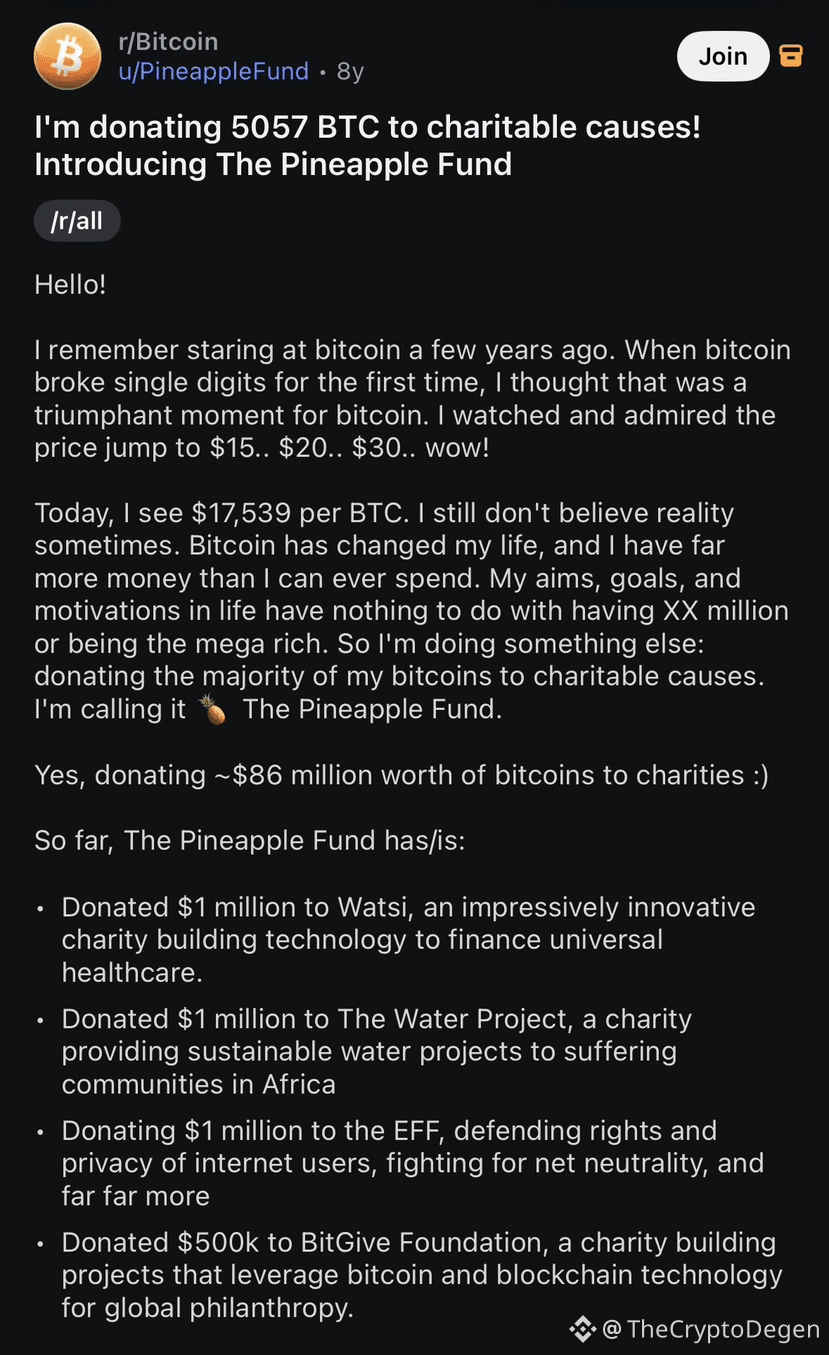
قرر مستخدمٌ مجهول أن لديه ما يكفي من المال، وتعهد بالتبرع بـ 5,057 بيتكوين للجمعيات الخيرية.
تذكّر مستخدم ريديت “PineappleFund” أنه كان يراقب وصول البيتكوين إلى 15 و20 و30 دولارًا. بحلول ديسمبر 2017، نشر:
“لديّ أموال أكثر بكثير مما يمكنني إنفاقه على الإطلاق.”
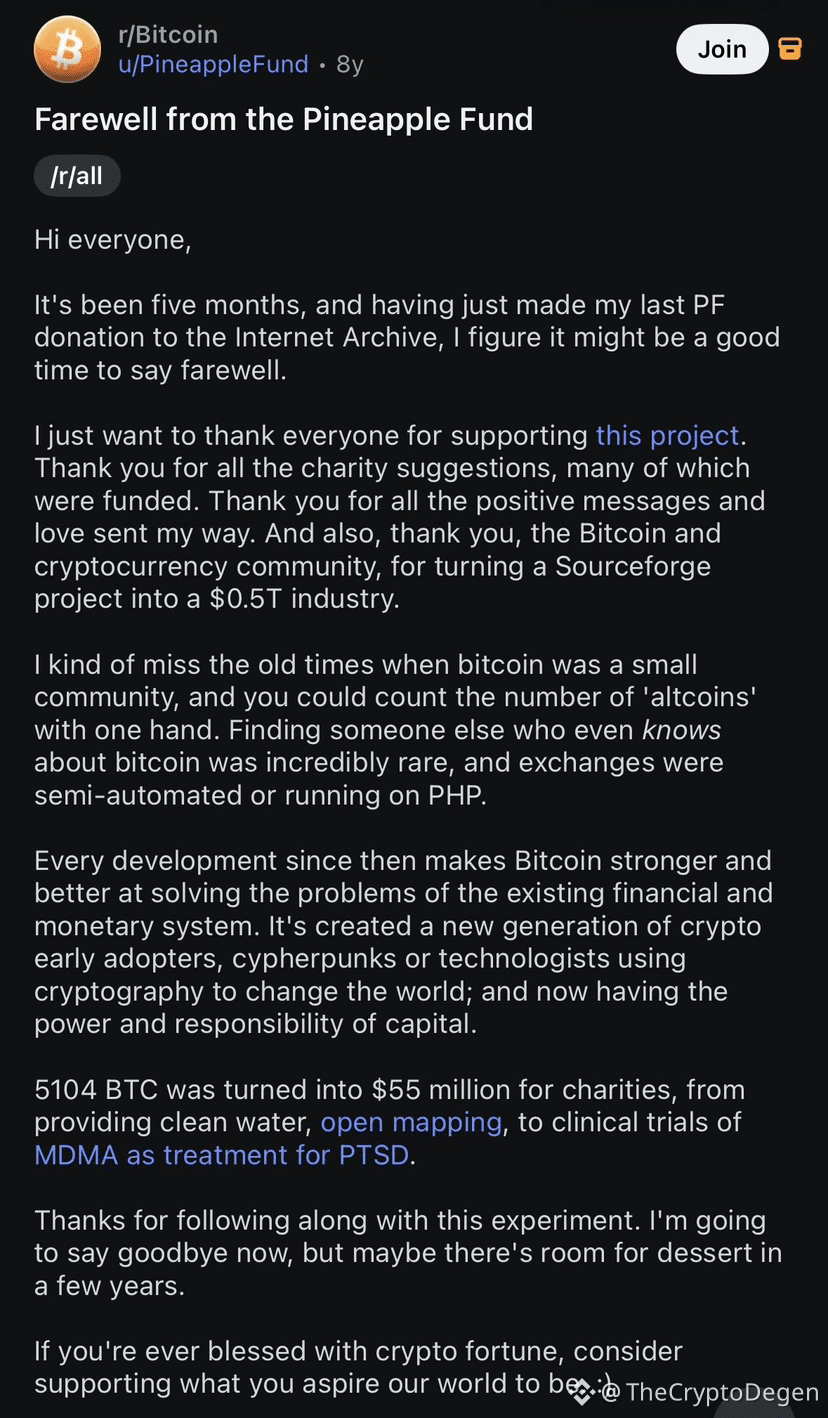
وبعد خمسة أشهر، أفادت منشوراته الوداعية بأن 5,104 بيتكوين تحولت إلى 55,000,000 دولار للجمعيات الخيرية.
ذهب التبرع الأخير إلى أرشيف الإنترنت.
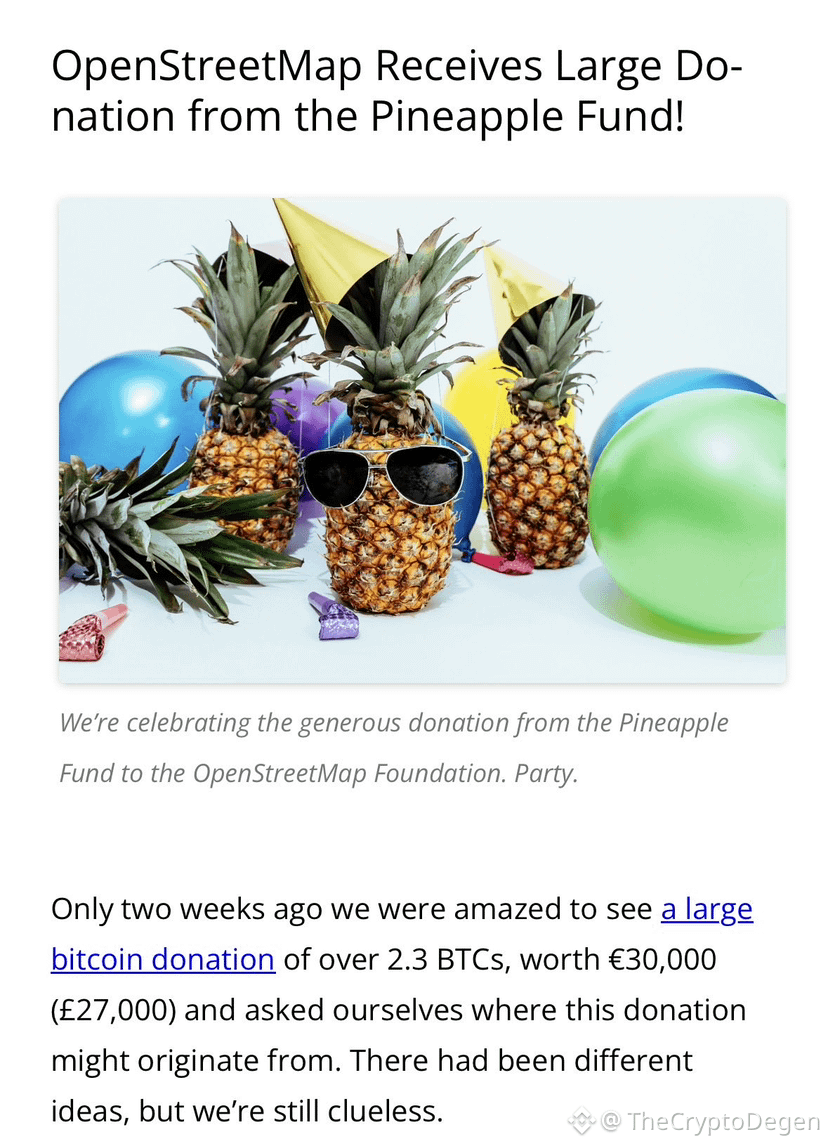
وثّق أحد المستفيدين، OpenStreetMap، بشكل مستقل أنه تلقى 18 بيتكوين.
واليوم، لو كانت الجمعيات الخيرية قد احتفظت بالتبرعات بالبيتكوين، لبلغت قيمتها 426,394,540 دولارًا.
لم يُسمع عن المستخدم منذ ذلك الحين.
قرر مستخدمٌ مجهول أن لديه ما يكفي من المال، وتعهد بالتبرع بـ 5,057 بيتكوين للجمعيات الخيرية.
تذكّر مستخدم ريديت “PineappleFund” أنه كان يراقب وصول البيتكوين إلى 15 و20 و30 دولارًا. بحلول ديسمبر 2017، نشر:
“لديّ أموال أكثر بكثير مما يمكنني إنفاقه على الإطلاق.”
وبعد خمسة أشهر، أفادت منشوراته الوداعية بأن 5,104 بيتكوين تحولت إلى 55,000,000 دولار للجمعيات الخيرية.
ذهب التبرع الأخير إلى أرشيف الإنترنت.
وثّق أحد المستفيدين، OpenStreetMap، بشكل مستقل أنه تلقى 18 بيتكوين.
واليوم، لو كانت الجمعيات الخيرية قد احتفظت بالتبرعات بالبيتكوين، لبلغت قيمتها 426,394,540 دولارًا.
لم يُسمع عن المستخدم منذ ذلك الحين.
تذكّر مستخدم ريديت “PineappleFund” أنه كان يراقب وصول البيتكوين إلى 15 و20 و30 دولارًا. بحلول ديسمبر 2017، نشر:
“لديّ أموال أكثر بكثير مما يمكنني إنفاقه على الإطلاق.”
وبعد خمسة أشهر، أفادت منشوراته الوداعية بأن 5,104 بيتكوين تحولت إلى 55,000,000 دولار للجمعيات الخيرية.
ذهب التبرع الأخير إلى أرشيف الإنترنت.
وثّق أحد المستفيدين، OpenStreetMap، بشكل مستقل أنه تلقى 18 بيتكوين.
واليوم، لو كانت الجمعيات الخيرية قد احتفظت بالتبرعات بالبيتكوين، لبلغت قيمتها 426,394,540 دولارًا.
لم يُسمع عن المستخدم منذ ذلك الحين.
1
4
1.9k
مفهومٌ صعبٌ للإحاطة به هو أن بإمكان البيتكوين أن ينقسم إلى وحدات أصغر فأصغر عند الحاجة، لكي يظل قابلًا للاستخدام مهما بلغ حجم السكان.
حتى مع وجود تريليون شخص على كوكب الأرض، يستطيع أي شخص إرسال أو استلام مبالغ بأي حجم، لأن الوحدة نفسها يمكن تقسيمها أكثر فأكثر، إلى ما لا نهاية تقريبًا.
0.0000000001 bitcoins
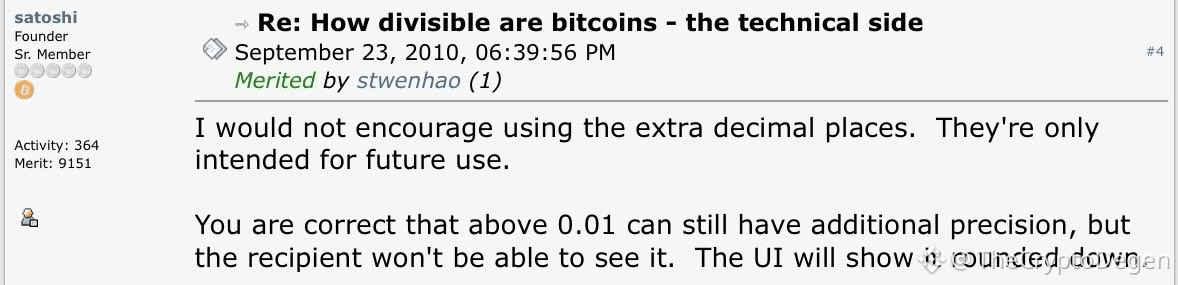
يمكن للبرنامج الاحتفاظ بالدقة التي لم تعرضها الواجهة. ثبّط ساتوشي ناكاموتو المطورين عن الاعتماد على تلك الأرقام الإضافية التي تظهر في العرض:
“لن أشجع على استخدام المنازل العشرية الإضافية. فهي مخصصة للاستخدام في المستقبل فقط.”
وأوضح أن المستلِم سيشاهد المبلغ بعد التقريب للأسفل في الواجهة. وقد أثار ذلك القلق بشأن الدقة التي تتجاوز منزلتين عشريتين تعرضهما البوابة/العميل، وليس الأمر امتدادًا لمعاملات البيتكوين إلى ما يتجاوز ثماني منازل عشرية في المحاسبة.
منذ هذا المنشور الذي كتبه ساتوشي في 23 سبتمبر 2010، شهد سعر البيتكوين نموًا هائلًا بشكل أسي، ويستخدم الآن كثير من الناس منازل عشرية إضافية.
$BTC
مفهومٌ صعبٌ للإحاطة به هو أن بإمكان البيتكوين أن ينقسم إلى وحدات أصغر فأصغر عند الحاجة، لكي يظل قابلًا للاستخدام مهما بلغ حجم السكان.
حتى مع وجود تريليون شخص على كوكب الأرض، يستطيع أي شخص إرسال أو استلام مبالغ بأي حجم، لأن الوحدة نفسها يمكن تقسيمها أكثر فأكثر، إلى ما لا نهاية تقريبًا.
0.0000000001 bitcoins
يمكن للبرنامج الاحتفاظ بالدقة التي لم تعرضها الواجهة. ثبّط ساتوشي ناكاموتو المطورين عن الاعتماد على تلك الأرقام الإضافية التي تظهر في العرض:
“لن أشجع على استخدام المنازل العشرية الإضافية. فهي مخصصة للاستخدام في المستقبل فقط.”
وأوضح أن المستلِم سيشاهد المبلغ بعد التقريب للأسفل في الواجهة. وقد أثار ذلك القلق بشأن الدقة التي تتجاوز منزلتين عشريتين تعرضهما البوابة/العميل، وليس الأمر امتدادًا لمعاملات البيتكوين إلى ما يتجاوز ثماني منازل عشرية في المحاسبة.
منذ هذا المنشور الذي كتبه ساتوشي في 23 سبتمبر 2010، شهد سعر البيتكوين نموًا هائلًا بشكل أسي، ويستخدم الآن كثير من الناس منازل عشرية إضافية.
$BTC
حتى مع وجود تريليون شخص على كوكب الأرض، يستطيع أي شخص إرسال أو استلام مبالغ بأي حجم، لأن الوحدة نفسها يمكن تقسيمها أكثر فأكثر، إلى ما لا نهاية تقريبًا.
0.0000000001 bitcoins
يمكن للبرنامج الاحتفاظ بالدقة التي لم تعرضها الواجهة. ثبّط ساتوشي ناكاموتو المطورين عن الاعتماد على تلك الأرقام الإضافية التي تظهر في العرض:
“لن أشجع على استخدام المنازل العشرية الإضافية. فهي مخصصة للاستخدام في المستقبل فقط.”
وأوضح أن المستلِم سيشاهد المبلغ بعد التقريب للأسفل في الواجهة. وقد أثار ذلك القلق بشأن الدقة التي تتجاوز منزلتين عشريتين تعرضهما البوابة/العميل، وليس الأمر امتدادًا لمعاملات البيتكوين إلى ما يتجاوز ثماني منازل عشرية في المحاسبة.
منذ هذا المنشور الذي كتبه ساتوشي في 23 سبتمبر 2010، شهد سعر البيتكوين نموًا هائلًا بشكل أسي، ويستخدم الآن كثير من الناس منازل عشرية إضافية.
$BTC
114
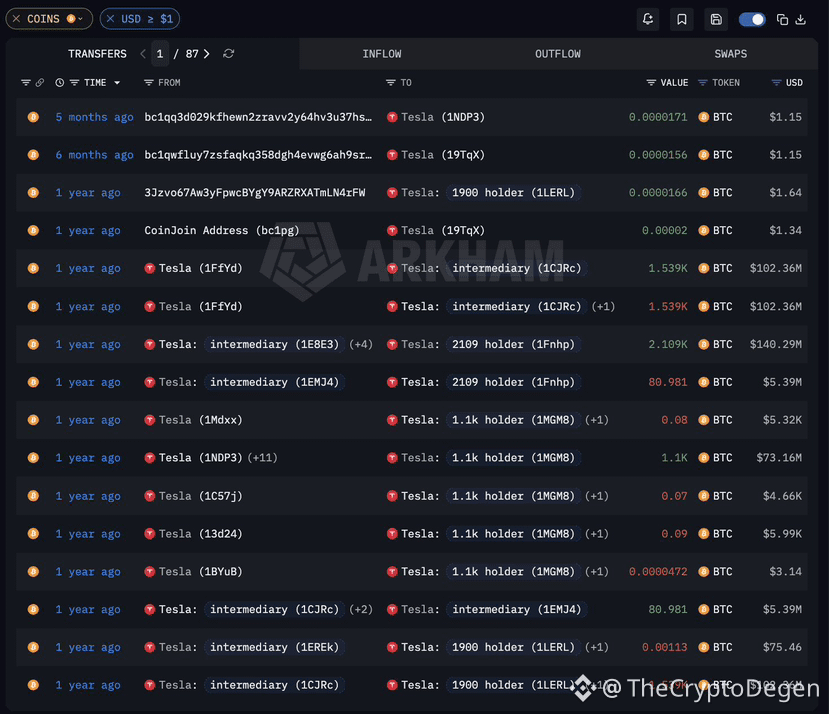
صنعت تِسلا 100 مليون دولار دون أن تفعل أي شيء
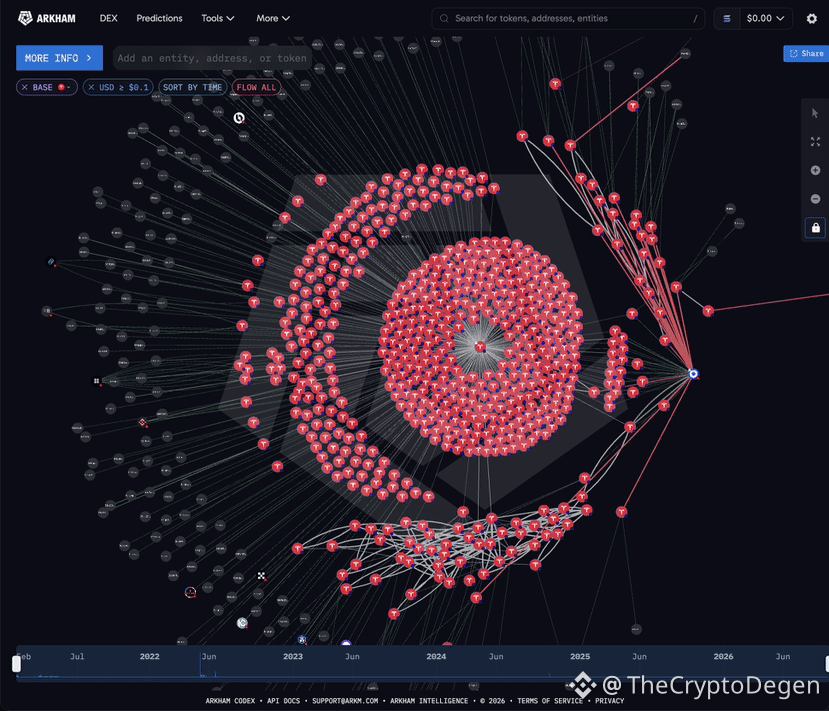
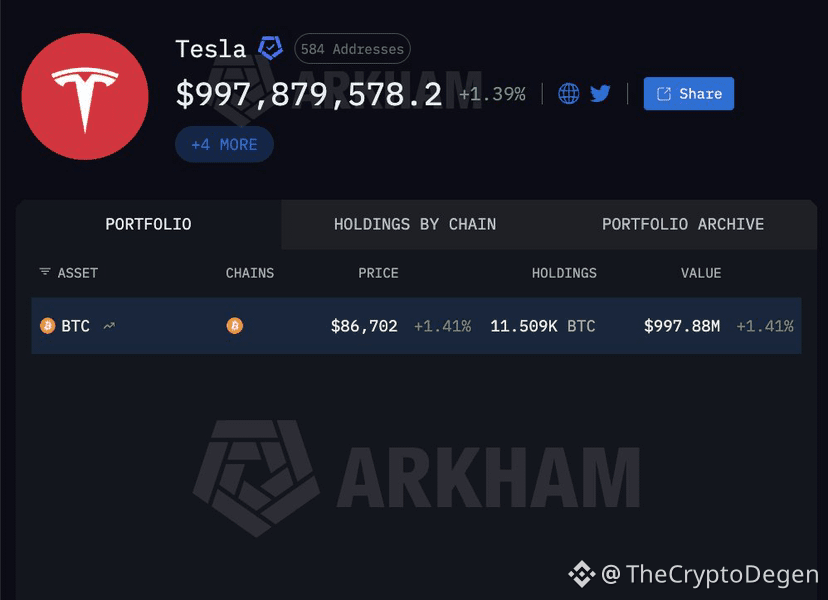
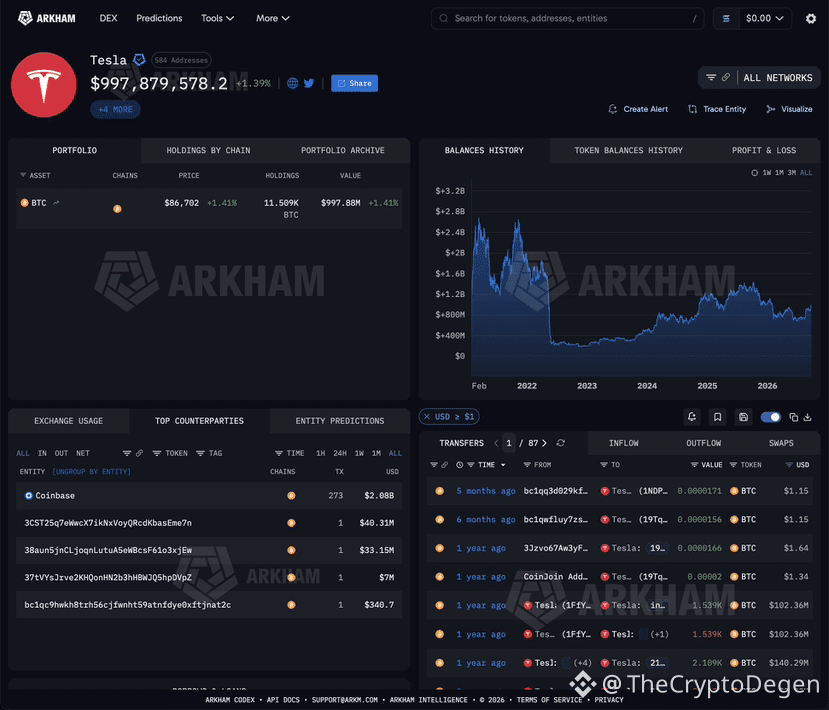
تحتفظ تِسلا بـ 994.90 مليون دولار من البيتكوين (11,509 BTC)، بزيادة قدرها 122.62 مليون دولار هذا الأسبوع مع ارتفاع البيتكوين بنسبة 14%.
لقد احتفظوا بنفس الكمية لمدة 4 سنوات دون تحريك عملة واحدة. لم يعد يفصلها الآن سوى 5.1 مليون دولار عن مليار دولار.
#TeslaBitcoinHoldings
صنعت تِسلا 100 مليون دولار دون أن تفعل أي شيء
تحتفظ تِسلا بـ 994.90 مليون دولار من البيتكوين (11,509 BTC)، بزيادة قدرها 122.62 مليون دولار هذا الأسبوع مع ارتفاع البيتكوين بنسبة 14%.
لقد احتفظوا بنفس الكمية لمدة 4 سنوات دون تحريك عملة واحدة. لم يعد يفصلها الآن سوى 5.1 مليون دولار عن مليار دولار.
#TeslaBitcoinHoldings
تحتفظ تِسلا بـ 994.90 مليون دولار من البيتكوين (11,509 BTC)، بزيادة قدرها 122.62 مليون دولار هذا الأسبوع مع ارتفاع البيتكوين بنسبة 14%.
لقد احتفظوا بنفس الكمية لمدة 4 سنوات دون تحريك عملة واحدة. لم يعد يفصلها الآن سوى 5.1 مليون دولار عن مليار دولار.
#TeslaBitcoinHoldings
110
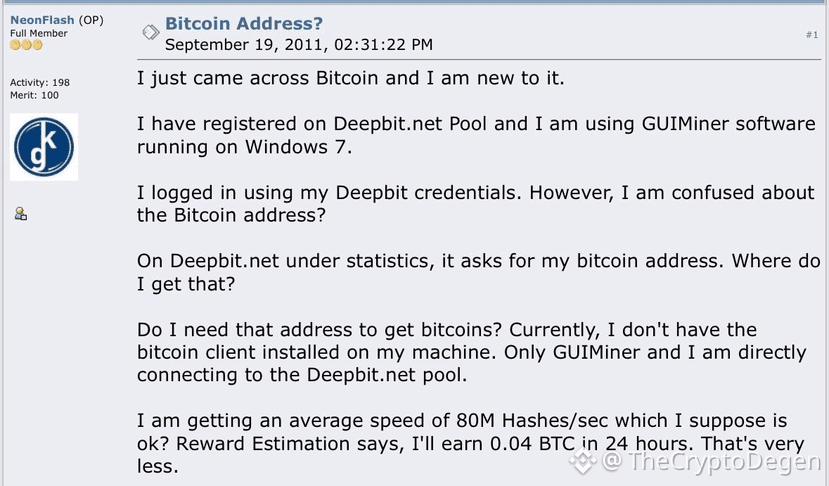
اكتشف مستخدم المنتدى NeonFlash للتو عملة البيتكوين في 19 سبتمبر 2011. كانوا يستخدمون بطاقة رسومات Radeon 6770M، ويقومون بتعدين البيتكوين بمعدل يقارب 80 مليون عملية تجزئة في الثانية.
قدّرت آلة حاسبة تقريبًا 0.046 بيتكوين يوميًا، و1.393 BTC شهريًا، أو 16.74 بيتكوين سنويًا.
اعتقدوا أن بطاقة الرسومات الجديدة ينبغي أن تؤدي أفضل، وسألوا كيف تمكن الآخرون من كسب عشر أو خمس عشرة بيتكوين يوميًا.
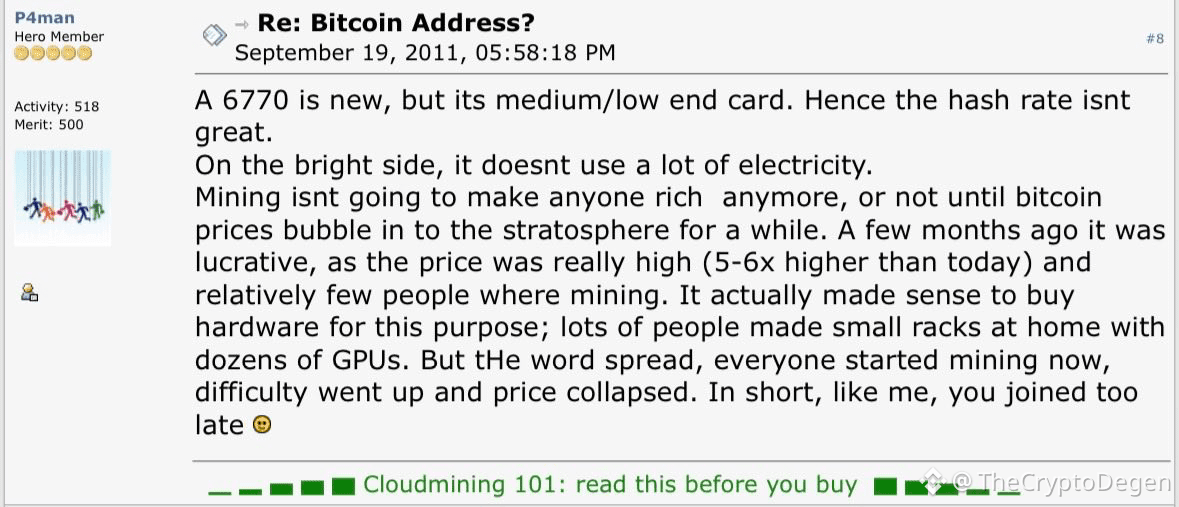
أجاب P4man في النهاية:
“باختصار، كما في حالتي، التحقتَ متأخرًا جدًا.”
كان بإمكانهم تحقيق 1,365,118 دولارًا ذلك العام اعتمادًا على السعر الحالي في السوق لليوم والبالغ 16.74 بيتكوين.
اكتشف مستخدم المنتدى NeonFlash للتو عملة البيتكوين في 19 سبتمبر 2011. كانوا يستخدمون بطاقة رسومات Radeon 6770M، ويقومون بتعدين البيتكوين بمعدل يقارب 80 مليون عملية تجزئة في الثانية.
قدّرت آلة حاسبة تقريبًا 0.046 بيتكوين يوميًا، و1.393 BTC شهريًا، أو 16.74 بيتكوين سنويًا.
اعتقدوا أن بطاقة الرسومات الجديدة ينبغي أن تؤدي أفضل، وسألوا كيف تمكن الآخرون من كسب عشر أو خمس عشرة بيتكوين يوميًا.
أجاب P4man في النهاية:
“باختصار، كما في حالتي، التحقتَ متأخرًا جدًا.”
كان بإمكانهم تحقيق 1,365,118 دولارًا ذلك العام اعتمادًا على السعر الحالي في السوق لليوم والبالغ 16.74 بيتكوين.
قدّرت آلة حاسبة تقريبًا 0.046 بيتكوين يوميًا، و1.393 BTC شهريًا، أو 16.74 بيتكوين سنويًا.
اعتقدوا أن بطاقة الرسومات الجديدة ينبغي أن تؤدي أفضل، وسألوا كيف تمكن الآخرون من كسب عشر أو خمس عشرة بيتكوين يوميًا.
أجاب P4man في النهاية:
“باختصار، كما في حالتي، التحقتَ متأخرًا جدًا.”
كان بإمكانهم تحقيق 1,365,118 دولارًا ذلك العام اعتمادًا على السعر الحالي في السوق لليوم والبالغ 16.74 بيتكوين.
557
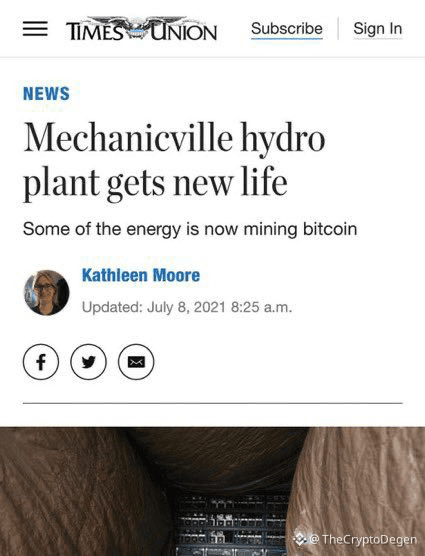
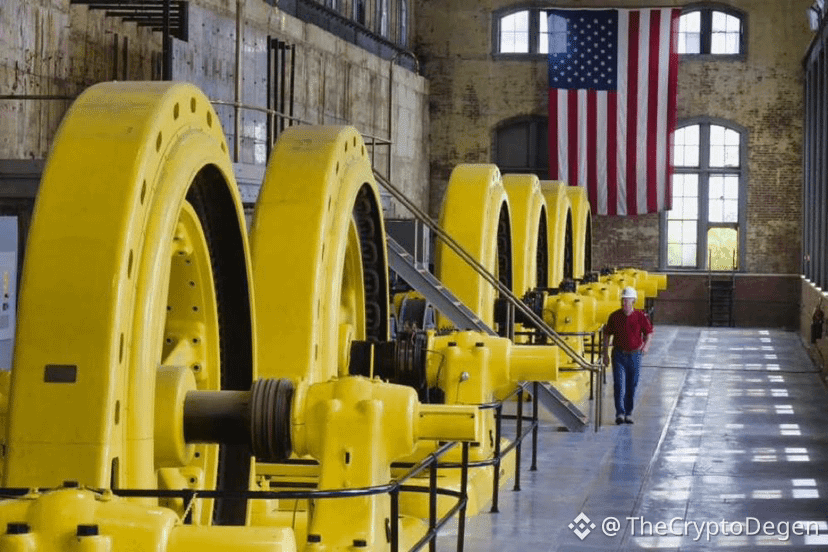
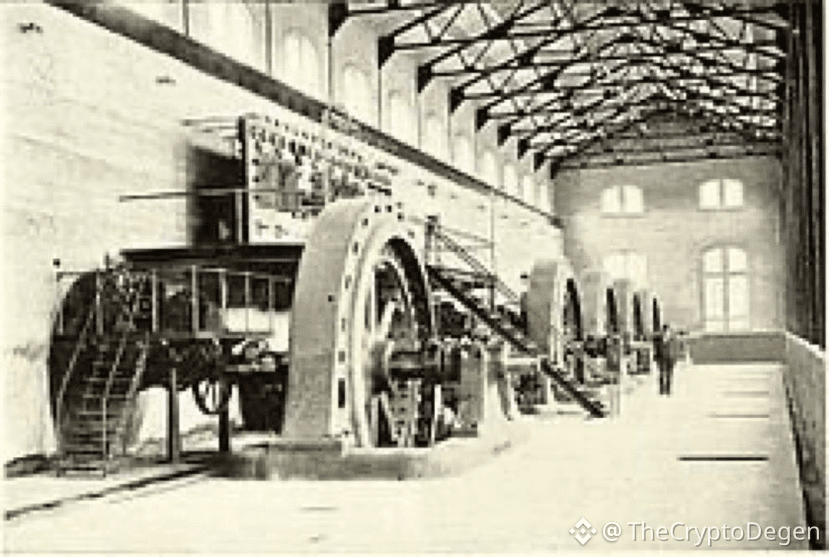
أقدم منتج للكهرباء النظيفة والمتجددة في الولايات المتحدة، تم إنقاذ محطة ميكانيكفيل للكهرباء الكهرومائية عبر تعدين البيتكوين.
تعود محطة ميكانيكفيل للكهرباء الكهرومائية في نيويورك إلى عام 1897. وقد بُنِيَت على نهر هدسون لتزويد الكهرباء بعمليات شركة جنرال إلكتريك في شينيكتادي. ومنذ ذلك الحين، قامت الشركة بإهمال المنشأة لفترة طويلة.
في عام 2021، لم تتمكن السدود الكهرومائية من تحقيق أرباح، وكانت في طريقها إلى الإيقاف والتفكيك. وقد حل تعدين البيتكوين تلك المشكلة عندما قرر الرئيس التنفيذي استخدام جزء من الكهرباء لتشغيل معدّات تعدين البيتكوين.
قال الرئيس التنفيذي جيم بشا إن بيع الكهرباء إلى الشبكة حقق ثلاثة سنتات لكل كيلوواط ساعة. بينما جلب تعدين البيتكوين ما يعادل تقريبًا ثلاثة أضعاف ذلك.
كان يشتري معدات تعدين مستعملة ويحَوِّل البيتكوين إلى نقد بدلًا من الاحتفاظ به كاستثمار. وهذا ما أنقذ المنشأة.
أقدم منتج للكهرباء النظيفة والمتجددة في الولايات المتحدة، تم إنقاذ محطة ميكانيكفيل للكهرباء الكهرومائية عبر تعدين البيتكوين.
تعود محطة ميكانيكفيل للكهرباء الكهرومائية في نيويورك إلى عام 1897. وقد بُنِيَت على نهر هدسون لتزويد الكهرباء بعمليات شركة جنرال إلكتريك في شينيكتادي. ومنذ ذلك الحين، قامت الشركة بإهمال المنشأة لفترة طويلة.
في عام 2021، لم تتمكن السدود الكهرومائية من تحقيق أرباح، وكانت في طريقها إلى الإيقاف والتفكيك. وقد حل تعدين البيتكوين تلك المشكلة عندما قرر الرئيس التنفيذي استخدام جزء من الكهرباء لتشغيل معدّات تعدين البيتكوين.
قال الرئيس التنفيذي جيم بشا إن بيع الكهرباء إلى الشبكة حقق ثلاثة سنتات لكل كيلوواط ساعة. بينما جلب تعدين البيتكوين ما يعادل تقريبًا ثلاثة أضعاف ذلك.
كان يشتري معدات تعدين مستعملة ويحَوِّل البيتكوين إلى نقد بدلًا من الاحتفاظ به كاستثمار. وهذا ما أنقذ المنشأة.
تعود محطة ميكانيكفيل للكهرباء الكهرومائية في نيويورك إلى عام 1897. وقد بُنِيَت على نهر هدسون لتزويد الكهرباء بعمليات شركة جنرال إلكتريك في شينيكتادي. ومنذ ذلك الحين، قامت الشركة بإهمال المنشأة لفترة طويلة.
في عام 2021، لم تتمكن السدود الكهرومائية من تحقيق أرباح، وكانت في طريقها إلى الإيقاف والتفكيك. وقد حل تعدين البيتكوين تلك المشكلة عندما قرر الرئيس التنفيذي استخدام جزء من الكهرباء لتشغيل معدّات تعدين البيتكوين.
قال الرئيس التنفيذي جيم بشا إن بيع الكهرباء إلى الشبكة حقق ثلاثة سنتات لكل كيلوواط ساعة. بينما جلب تعدين البيتكوين ما يعادل تقريبًا ثلاثة أضعاف ذلك.
كان يشتري معدات تعدين مستعملة ويحَوِّل البيتكوين إلى نقد بدلًا من الاحتفاظ به كاستثمار. وهذا ما أنقذ المنشأة.
88
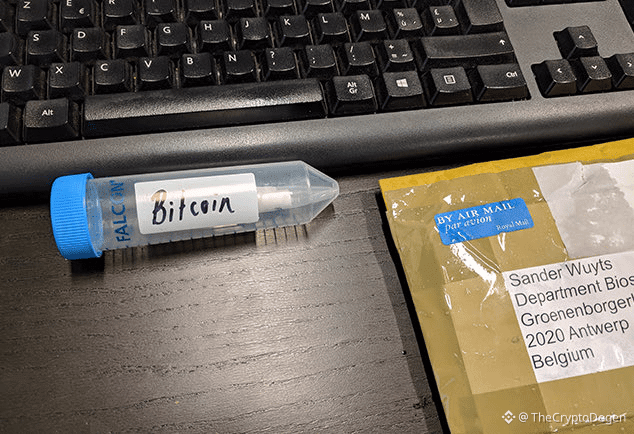
تم تشفير جائزة بيتكوين داخل الحمض النووي البشري
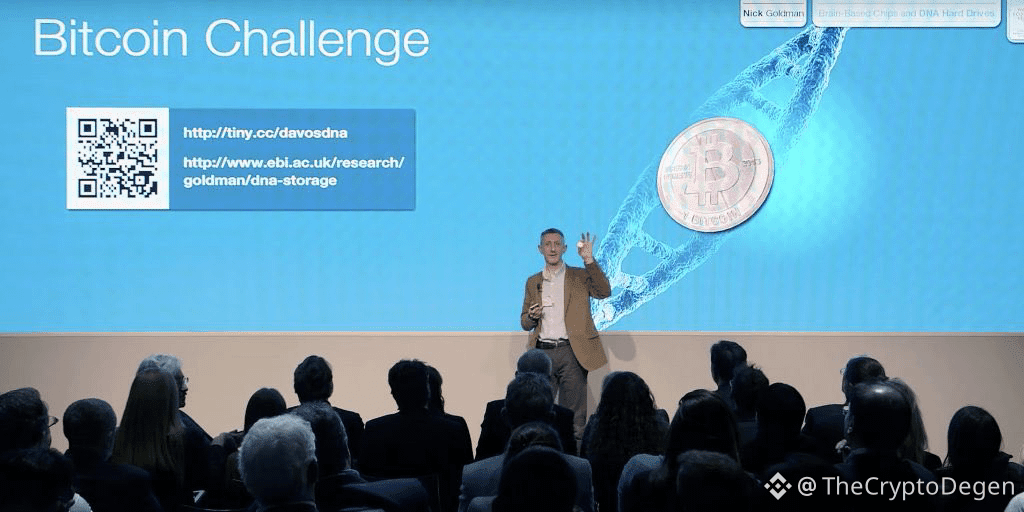
يمكن للحمض النووي، وهو المكوّنات الأساسية والهيكل البنيوي للحياة بحد ذاته، أن يخزن بيانات الحاسوب عبر ترجمة المعلومات إلى تسلسلات من حروفه الكيميائية الأربعة.
في يناير 2015، وزّع عالم الوراثة نيك غولدمن أنابيب من الحمض النووي الصناعي في دافوس. تضمنت الملفات المُشفّرة المفتاح الخاص لعملة بيتكوين واحدة.
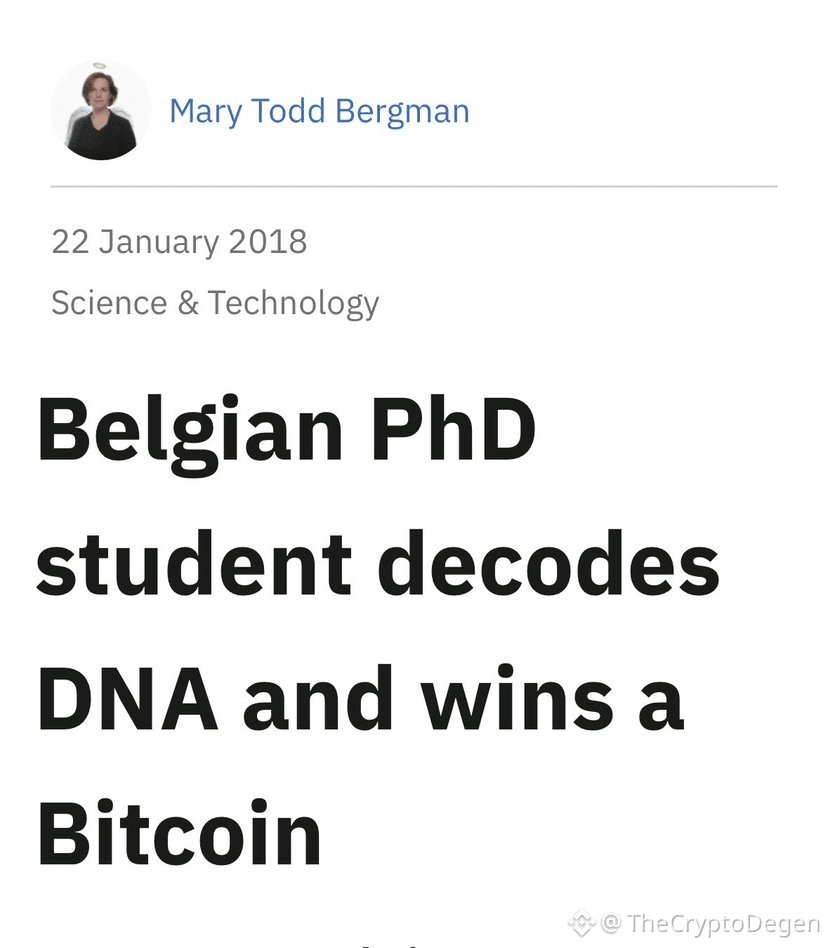
أُتيحت للمشاركين ثلاث سنوات لتسلسل الحمض النووي واستعادته. حلّ الطالب الجامعي البلجيكي سندر وويتس التحدي قبل وقت قصير من الموعد النهائي في يناير 2018.
وفشلت محاولاته الأولى بسبب سطرٍ غير صحيح في برنامج فك التشفير لديه، لكن إزالة ذلك السطر أفرزت الملفات والمفتاح القابل للاستخدام.
تم تشفير جائزة بيتكوين داخل الحمض النووي البشري
يمكن للحمض النووي، وهو المكوّنات الأساسية والهيكل البنيوي للحياة بحد ذاته، أن يخزن بيانات الحاسوب عبر ترجمة المعلومات إلى تسلسلات من حروفه الكيميائية الأربعة.
في يناير 2015، وزّع عالم الوراثة نيك غولدمن أنابيب من الحمض النووي الصناعي في دافوس. تضمنت الملفات المُشفّرة المفتاح الخاص لعملة بيتكوين واحدة.
أُتيحت للمشاركين ثلاث سنوات لتسلسل الحمض النووي واستعادته. حلّ الطالب الجامعي البلجيكي سندر وويتس التحدي قبل وقت قصير من الموعد النهائي في يناير 2018.
وفشلت محاولاته الأولى بسبب سطرٍ غير صحيح في برنامج فك التشفير لديه، لكن إزالة ذلك السطر أفرزت الملفات والمفتاح القابل للاستخدام.
يمكن للحمض النووي، وهو المكوّنات الأساسية والهيكل البنيوي للحياة بحد ذاته، أن يخزن بيانات الحاسوب عبر ترجمة المعلومات إلى تسلسلات من حروفه الكيميائية الأربعة.
في يناير 2015، وزّع عالم الوراثة نيك غولدمن أنابيب من الحمض النووي الصناعي في دافوس. تضمنت الملفات المُشفّرة المفتاح الخاص لعملة بيتكوين واحدة.
أُتيحت للمشاركين ثلاث سنوات لتسلسل الحمض النووي واستعادته. حلّ الطالب الجامعي البلجيكي سندر وويتس التحدي قبل وقت قصير من الموعد النهائي في يناير 2018.
وفشلت محاولاته الأولى بسبب سطرٍ غير صحيح في برنامج فك التشفير لديه، لكن إزالة ذلك السطر أفرزت الملفات والمفتاح القابل للاستخدام.
17
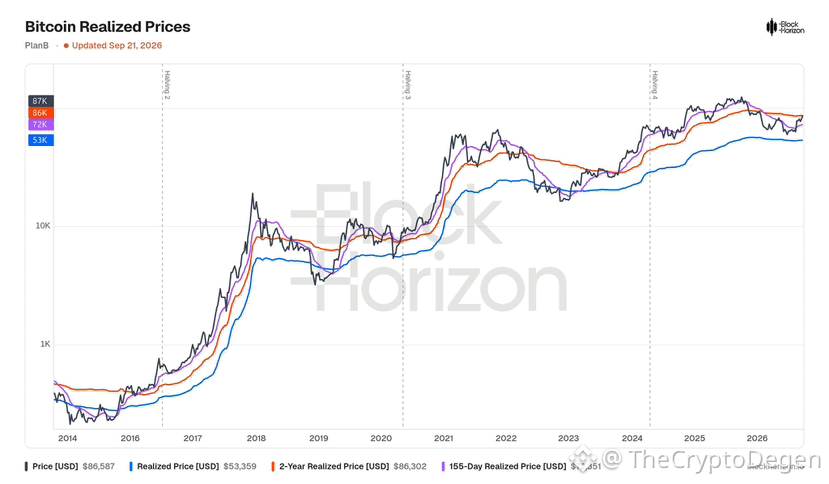
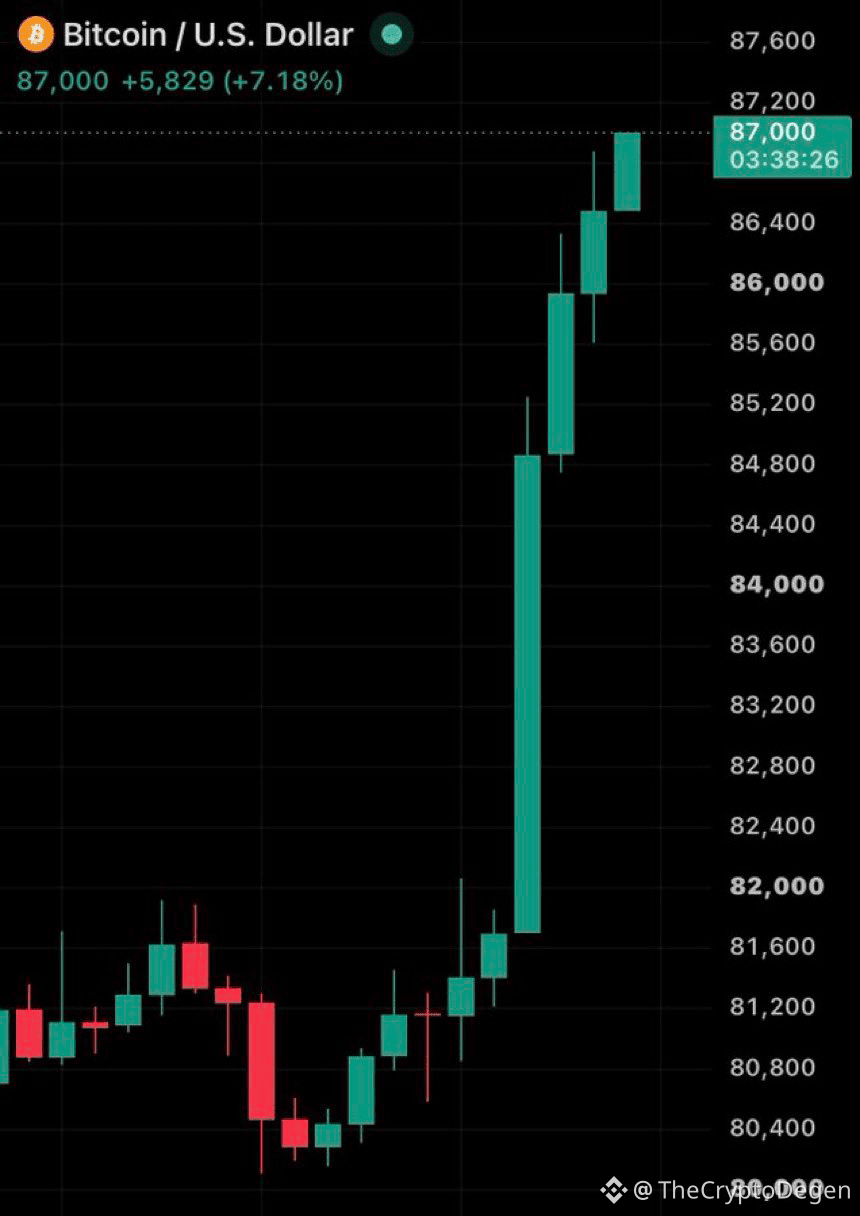
BTC عند 87 ألف دولار يجلس الآن فوق كل متوسط سعر مُتحقق رئيسي:
• السعر المُتحقق: 53 ألف دولار
• تحقق خلال 155 يومًا: 72 ألف دولار
• تحقق لمدة سنتين: 86 ألف دولار
سقوطٌ دون 53 ألف دولار في هذه الدورة غير وارد في رأيي. أطروحة “يجب إعادة اختبار السعر المُتحقق مثل كل فترة هبوط سابقة” فقدت آخر إعدادها النظيف.
BTC عند 87 ألف دولار يجلس الآن فوق كل متوسط سعر مُتحقق رئيسي:
• السعر المُتحقق: 53 ألف دولار
• تحقق خلال 155 يومًا: 72 ألف دولار
• تحقق لمدة سنتين: 86 ألف دولار
سقوطٌ دون 53 ألف دولار في هذه الدورة غير وارد في رأيي. أطروحة “يجب إعادة اختبار السعر المُتحقق مثل كل فترة هبوط سابقة” فقدت آخر إعدادها النظيف.
• السعر المُتحقق: 53 ألف دولار
• تحقق خلال 155 يومًا: 72 ألف دولار
• تحقق لمدة سنتين: 86 ألف دولار
سقوطٌ دون 53 ألف دولار في هذه الدورة غير وارد في رأيي. أطروحة “يجب إعادة اختبار السعر المُتحقق مثل كل فترة هبوط سابقة” فقدت آخر إعدادها النظيف.
47
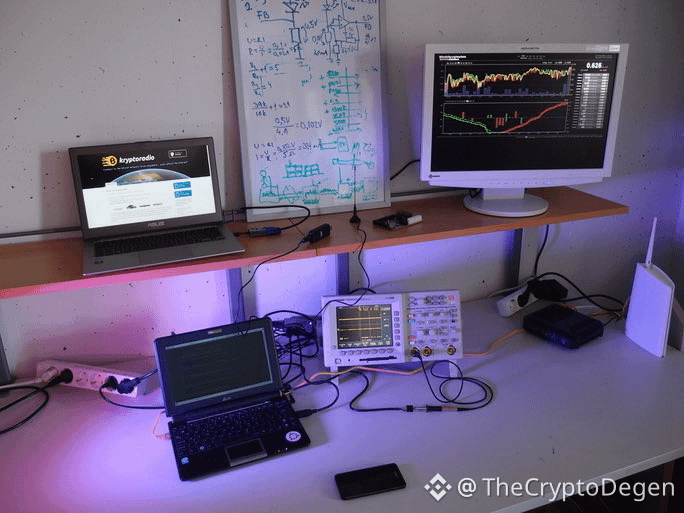
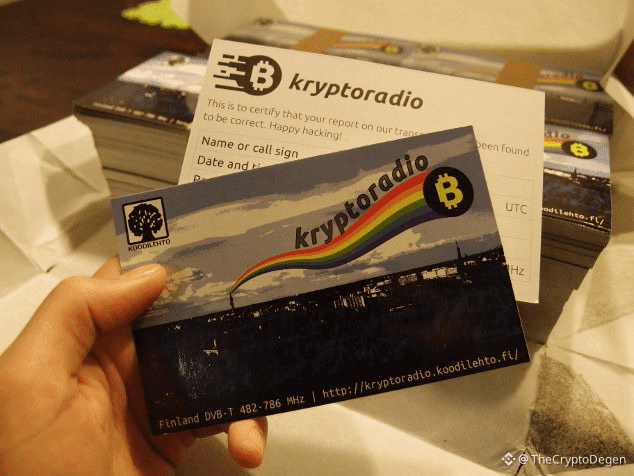
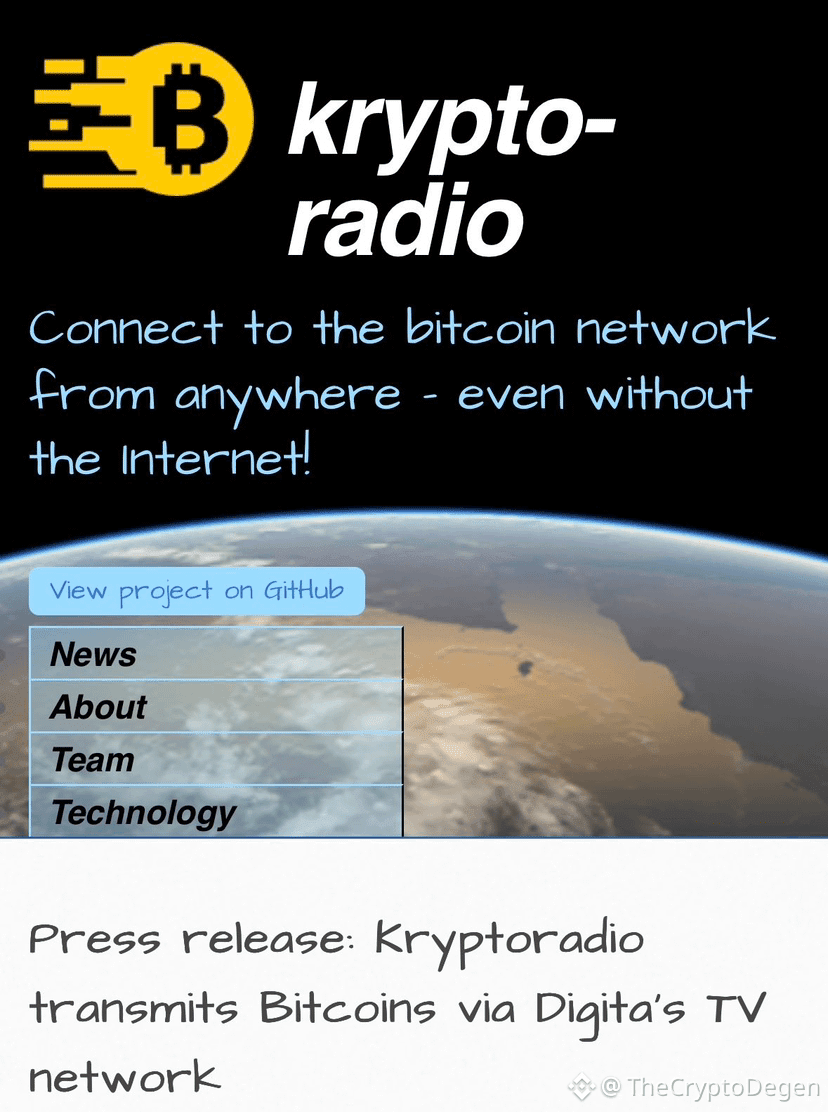
في سبتمبر من عام 2014، بدأت مجموعة مشروع فنلندية تُسمى Kryptoradio ببث سلسلة كتل (blockchain) الخاصة بالبيتكوين عبر شبكة التلفزيون المحلية.
وصف الإعلان الأولي عمليات بث من تسعين محطة بث. وكانت الإشارة تتضمن معاملات البيتكوين والكتل ومعلومات سعر الصرف.
وكان بإمكان جهاز الاستقبال متابعة شبكة البيتكوين دون اتصال إنترنت عادي. وبحلول نوفمبر، كانت شبكة البث المستخدمة في التجربة تغطي نحو 95% من سكان فنلندا.
كانت الخدمة أحادية الاتجاه: تلقي بيانات البيتكوين عبر إشارة تلفزيونية لم يوفّر تلقائيًا طريقة لإرسال المعاملات مرة أخرى.
انتهت التجربة في ديسمبر 2014، ثم أفاد المشروع لاحقًا بأنه يفتقر إلى التمويل للاستمرار.
$BTC
{future}(BTCUSDT)
في سبتمبر من عام 2014، بدأت مجموعة مشروع فنلندية تُسمى Kryptoradio ببث سلسلة كتل (blockchain) الخاصة بالبيتكوين عبر شبكة التلفزيون المحلية.
وصف الإعلان الأولي عمليات بث من تسعين محطة بث. وكانت الإشارة تتضمن معاملات البيتكوين والكتل ومعلومات سعر الصرف.
وكان بإمكان جهاز الاستقبال متابعة شبكة البيتكوين دون اتصال إنترنت عادي. وبحلول نوفمبر، كانت شبكة البث المستخدمة في التجربة تغطي نحو 95% من سكان فنلندا.
كانت الخدمة أحادية الاتجاه: تلقي بيانات البيتكوين عبر إشارة تلفزيونية لم يوفّر تلقائيًا طريقة لإرسال المعاملات مرة أخرى.
انتهت التجربة في ديسمبر 2014، ثم أفاد المشروع لاحقًا بأنه يفتقر إلى التمويل للاستمرار.
$BTC
وصف الإعلان الأولي عمليات بث من تسعين محطة بث. وكانت الإشارة تتضمن معاملات البيتكوين والكتل ومعلومات سعر الصرف.
وكان بإمكان جهاز الاستقبال متابعة شبكة البيتكوين دون اتصال إنترنت عادي. وبحلول نوفمبر، كانت شبكة البث المستخدمة في التجربة تغطي نحو 95% من سكان فنلندا.
كانت الخدمة أحادية الاتجاه: تلقي بيانات البيتكوين عبر إشارة تلفزيونية لم يوفّر تلقائيًا طريقة لإرسال المعاملات مرة أخرى.
انتهت التجربة في ديسمبر 2014، ثم أفاد المشروع لاحقًا بأنه يفتقر إلى التمويل للاستمرار.
$BTC
10
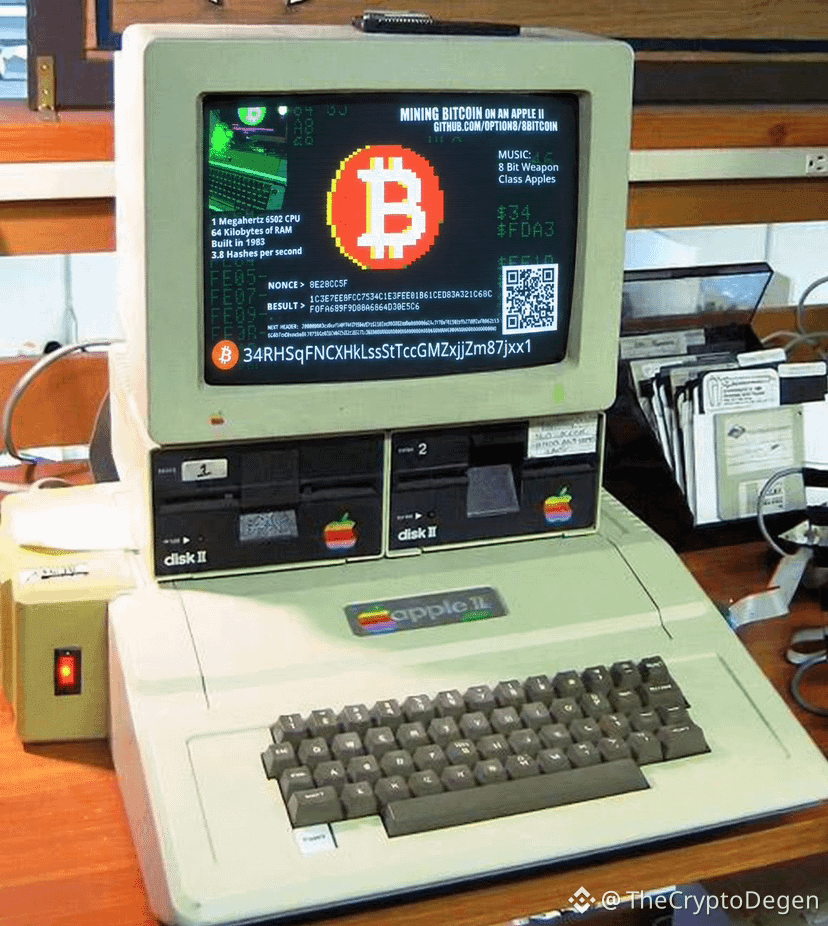
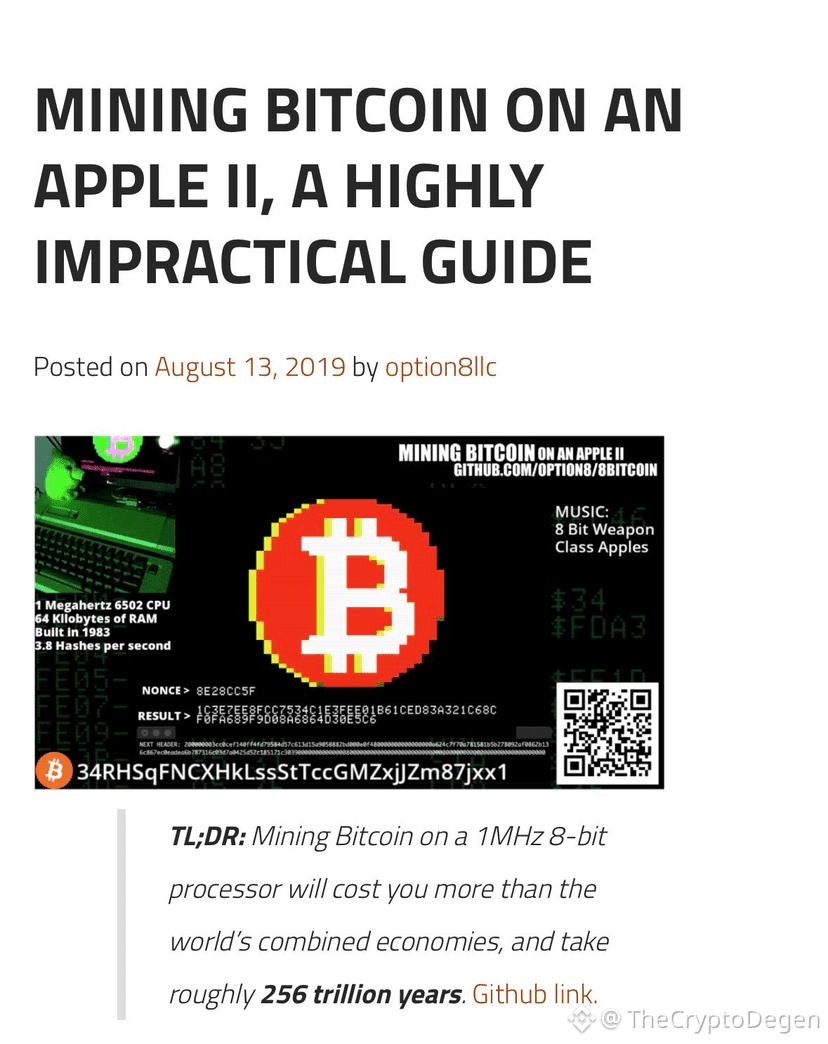
قام مطوّر باستخراج عملة البيتكوين على جهاز Apple II، وهو حاسوب منزلي بُني في عام 1983 ويحتوي على معالج ثماني-بت.
يستخدم خوارزم البيتكوين عمليات على 32 بت، لذلك كان على البرنامج تكوين هذه العمليات من أجزاء أصغر.
ساعد المبرمج بيتر فيري تحسين الكود حتى وصل إلى نحو 3.8 تجزئة في الثانية.
حصل جهاز Mac حديث على مهمة التعدين وقام بتمريرها إلى Apple II عبر قرص مرن افتراضي عبر اتصال تسلسلي. تدور أيقونة بيتكوين منخفضة الدقة كلما وصلت أعمال جديدة.
قدّر المطوّر متوسط 256 تريليون سنة للعثور على كتلة وفقًا لصعوبة ذلك الوقت.
قام مطوّر باستخراج عملة البيتكوين على جهاز Apple II، وهو حاسوب منزلي بُني في عام 1983 ويحتوي على معالج ثماني-بت.
يستخدم خوارزم البيتكوين عمليات على 32 بت، لذلك كان على البرنامج تكوين هذه العمليات من أجزاء أصغر.
ساعد المبرمج بيتر فيري تحسين الكود حتى وصل إلى نحو 3.8 تجزئة في الثانية.
حصل جهاز Mac حديث على مهمة التعدين وقام بتمريرها إلى Apple II عبر قرص مرن افتراضي عبر اتصال تسلسلي. تدور أيقونة بيتكوين منخفضة الدقة كلما وصلت أعمال جديدة.
قدّر المطوّر متوسط 256 تريليون سنة للعثور على كتلة وفقًا لصعوبة ذلك الوقت.
يستخدم خوارزم البيتكوين عمليات على 32 بت، لذلك كان على البرنامج تكوين هذه العمليات من أجزاء أصغر.
ساعد المبرمج بيتر فيري تحسين الكود حتى وصل إلى نحو 3.8 تجزئة في الثانية.
حصل جهاز Mac حديث على مهمة التعدين وقام بتمريرها إلى Apple II عبر قرص مرن افتراضي عبر اتصال تسلسلي. تدور أيقونة بيتكوين منخفضة الدقة كلما وصلت أعمال جديدة.
قدّر المطوّر متوسط 256 تريليون سنة للعثور على كتلة وفقًا لصعوبة ذلك الوقت.
49
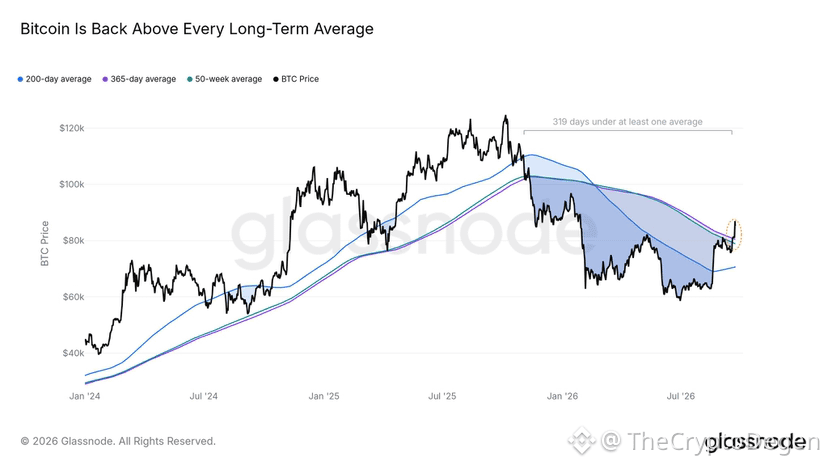
$BTC has reclaimed every one of its long-term moving averages.
بعد حوالي 300 يوم من البقاء تحتها، انقلبت هذه الديناميكية الآن.
الاحتفاظ فوقها هو ما يحافظ على اتجاه صعودي طويل المدى.
$BTC has reclaimed every one of its long-term moving averages.
بعد حوالي 300 يوم من البقاء تحتها، انقلبت هذه الديناميكية الآن.
الاحتفاظ فوقها هو ما يحافظ على اتجاه صعودي طويل المدى.
بعد حوالي 300 يوم من البقاء تحتها، انقلبت هذه الديناميكية الآن.
الاحتفاظ فوقها هو ما يحافظ على اتجاه صعودي طويل المدى.
42
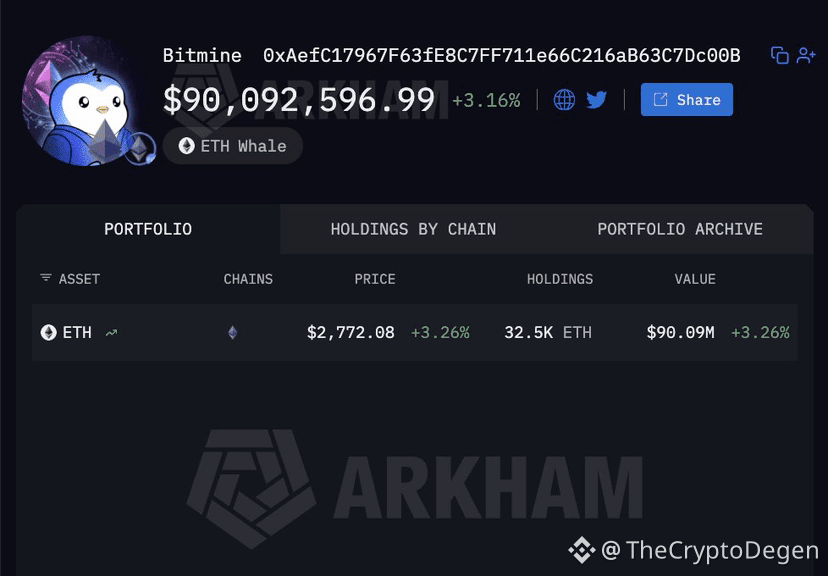
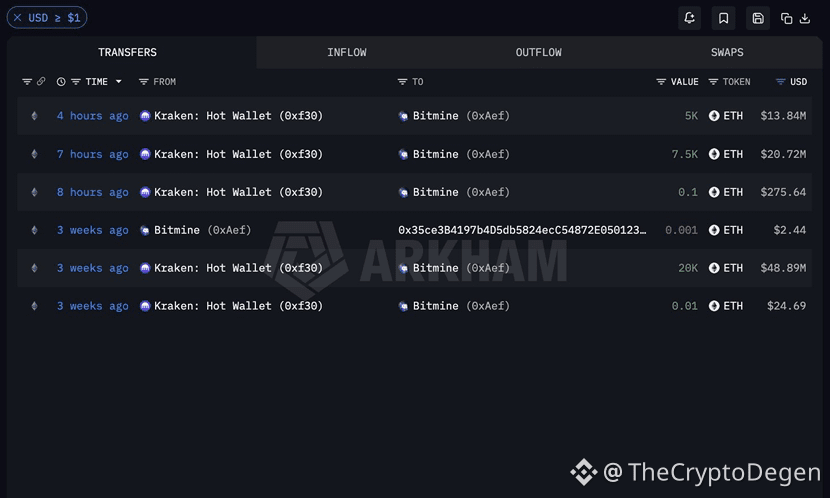
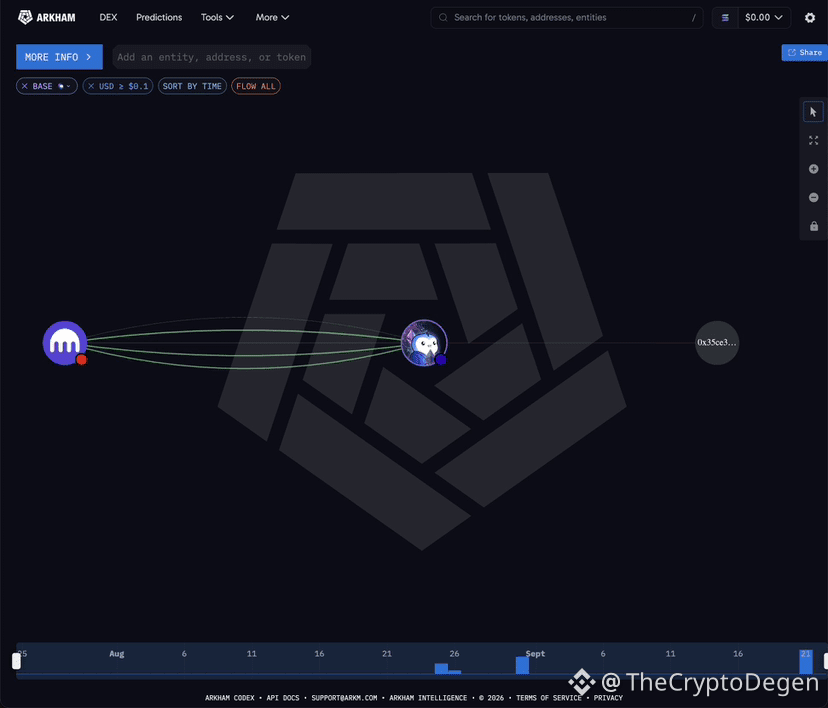
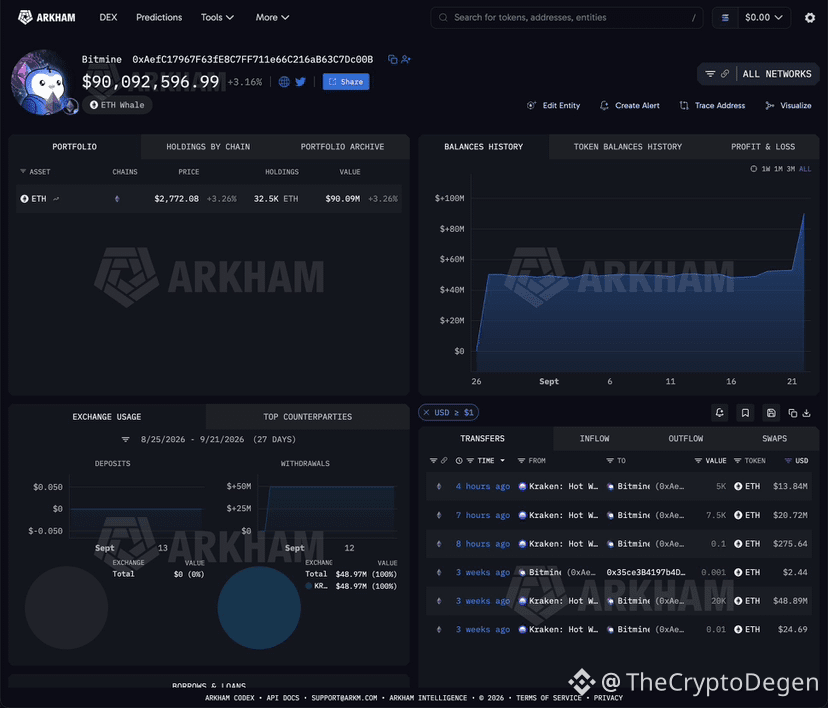
BITMINE يشتري
قامت محفظة للتو بسحب 34.5 مليون دولار من الإيثيريوم من كراكن، وهو نمط استحواذ يتطابق مع أنماط شراء بيتماين السابقة.
تمتلك بيتماين 978.05 مليون دولار من الإيثيريوم في محافظها على السلسلة والمعنونة، مع ما يقارب 10 مليارات دولار من الإيثيريوم مُرهَنًا بالإضافة إلى ذلك.
BITMINE يشتري
قامت محفظة للتو بسحب 34.5 مليون دولار من الإيثيريوم من كراكن، وهو نمط استحواذ يتطابق مع أنماط شراء بيتماين السابقة.
تمتلك بيتماين 978.05 مليون دولار من الإيثيريوم في محافظها على السلسلة والمعنونة، مع ما يقارب 10 مليارات دولار من الإيثيريوم مُرهَنًا بالإضافة إلى ذلك.
قامت محفظة للتو بسحب 34.5 مليون دولار من الإيثيريوم من كراكن، وهو نمط استحواذ يتطابق مع أنماط شراء بيتماين السابقة.
تمتلك بيتماين 978.05 مليون دولار من الإيثيريوم في محافظها على السلسلة والمعنونة، مع ما يقارب 10 مليارات دولار من الإيثيريوم مُرهَنًا بالإضافة إلى ذلك.
1.1k
تم تصفية أكثر من 1 مليار دولار من سوق العملات المشفرة اليوم.
المراكز القصيرة: 850 مليون دولار
المراكز الطويلة: 200 مليون دولار
#cryptouniverseofficial
تم تصفية أكثر من 1 مليار دولار من سوق العملات المشفرة اليوم.
المراكز القصيرة: 850 مليون دولار
المراكز الطويلة: 200 مليون دولار
#cryptouniverseofficial
المراكز القصيرة: 850 مليون دولار
المراكز الطويلة: 200 مليون دولار
#cryptouniverseofficial
60
سجّل الدخول لاستكشاف المزيد من المُحتوى
انضم إلى مُستخدمي العملات الرقمية حول العالم على Binance Square
⚡️ احصل على أحدث المعلومات المفيدة عن العملات الرقمية.
💬 موثوقة من قبل أكبر منصّة لتداول العملات الرقمية في العالم.
👍 اكتشف الرؤى الحقيقية من صنّاع المُحتوى الموثوقين.
البريد الإلكتروني / رقم الهاتف
المواضيع الرائجة
ADAGains10%Above$0.27
8,281 مشاهدات
142 يقومون بالنقاش
سجّل $ADA تحركًا قويًا اليوم، إذ قفز بأكثر من 10 بالمئة إلى نحو 027، واخترق أعلى مستوى له في 90 يومًا
كما ارتفع حجم التداول متجاوزًا مليارًا، ما يدل على نشاط قوي في السوق
ويأتي هذا التحرك مع مواصلة $ADA تعافيه من أدنى مستوياته في يونيو، في حين أصبح هيكله الفني مؤخرًا أكثر إيجابية
وتُعد منطقة 027 إلى 028 الآن المنطقة الرئيسية التي ينبغي مراقبتها. وقد يفتح الاختراق المستدام المجال أمام التوجه نحو مستويات مقاومة أعلى
لكن بعد هذا التحرك اليومي الحاد، قد يظل التقلب مرتفعًا
#ADAGains10%Above$0.27 #crypto #ADA #Cardano #crypto #Write2Earn
AbdullahAbid_7
·0 إعجاب
·282 مشاهدات
ETHUp70%InQ3ButLiquidityFalls
97,163 مشاهدات
871 يقومون بالنقاش
EthStakingExitQueueHits2026High
36,251 مشاهدات
644 يقومون بالنقاش