

DevRajCrypto
567 منشورات

DevRajCrypto
إبلاغ
حظر المُستخدم
🚀 Crypto Educator | Market Intelligence & On-Chain Insights |
📊 BTC • Altcoins • Crypto Trends | Making the market easier to understand |
فتح تداول
مُتداول عرضي
3.4 سنوات
17 تتابع
4.4K+ المتابعون
4.5K+ إعجاب
منشورات
الحافظة الاستثمارية
الكل
اقتباسات
مقاطع فيديو
PINNED
·
--
مقالة
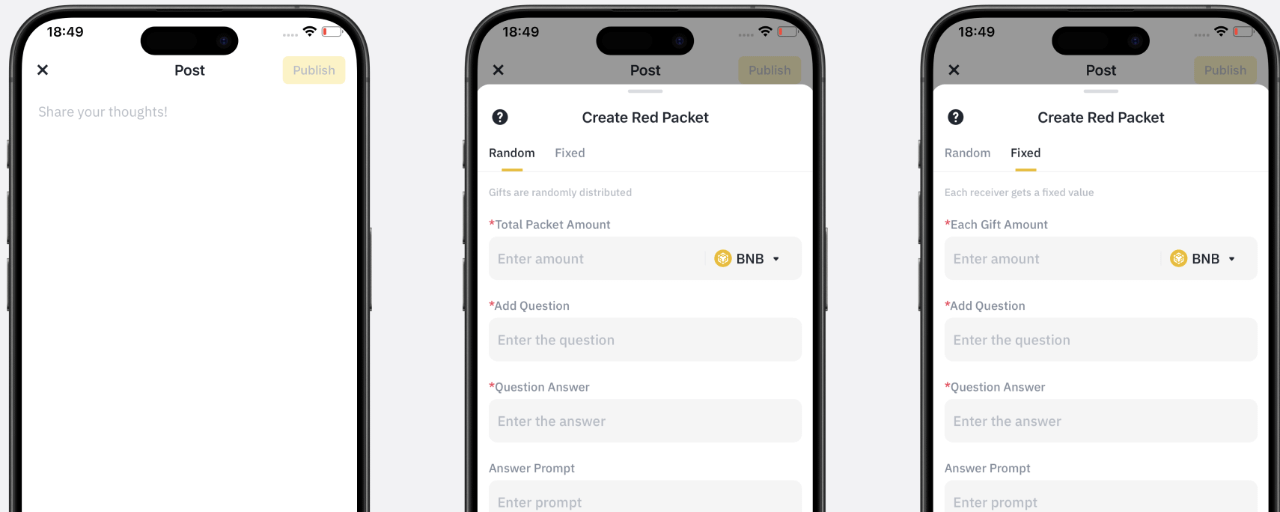
كيفية استخدام رِد باكِت الاختبار في Binance Square لزيادة التفاعليظن معظم المبدعين أن التعليقات هي نهاية المنشور.
أراها بشكل مختلف. يمكن للسؤال الجيد أن يحوّل منشورًا إلى محادثة، ويوفّر رِد باكِت الاختبار من Binance Square للمبدعين طريقة لإضافة مكافأة إلى هذا التفاعل.
إذا كان لديك 1,000+ من متابعي Binance Square، إليك كيفية عمل هذه الميزة وكيف سأستخدمها بشكل استراتيجي.
ما هو رِد باكِت (حزمة هدايا) الاختبار؟
يتيح رِد باكِت الاختبار للمبدعين ضبط سؤال ضمن منشور أو مقالة “سكوير” الخاصة بهم.
يمكن للمستخدمين استلام رِد باكِت عبر الإجابة عن السؤال بشكل صحيح في قسم التعليقات.
كيفية استخدام رِد باكِت الاختبار في Binance Square لزيادة التفاعل
يظن معظم المبدعين أن التعليقات هي نهاية المنشور.
أراها بشكل مختلف. يمكن للسؤال الجيد أن يحوّل منشورًا إلى محادثة، ويوفّر رِد باكِت الاختبار من Binance Square للمبدعين طريقة لإضافة مكافأة إلى هذا التفاعل.
إذا كان لديك 1,000+ من متابعي Binance Square، إليك كيفية عمل هذه الميزة وكيف سأستخدمها بشكل استراتيجي.
ما هو رِد باكِت (حزمة هدايا) الاختبار؟
يتيح رِد باكِت الاختبار للمبدعين ضبط سؤال ضمن منشور أو مقالة “سكوير” الخاصة بهم.
يمكن للمستخدمين استلام رِد باكِت عبر الإجابة عن السؤال بشكل صحيح في قسم التعليقات.
أراها بشكل مختلف. يمكن للسؤال الجيد أن يحوّل منشورًا إلى محادثة، ويوفّر رِد باكِت الاختبار من Binance Square للمبدعين طريقة لإضافة مكافأة إلى هذا التفاعل.
إذا كان لديك 1,000+ من متابعي Binance Square، إليك كيفية عمل هذه الميزة وكيف سأستخدمها بشكل استراتيجي.
ما هو رِد باكِت (حزمة هدايا) الاختبار؟
يتيح رِد باكِت الاختبار للمبدعين ضبط سؤال ضمن منشور أو مقالة “سكوير” الخاصة بهم.
يمكن للمستخدمين استلام رِد باكِت عبر الإجابة عن السؤال بشكل صحيح في قسم التعليقات.
2
46
PINNED
·
--
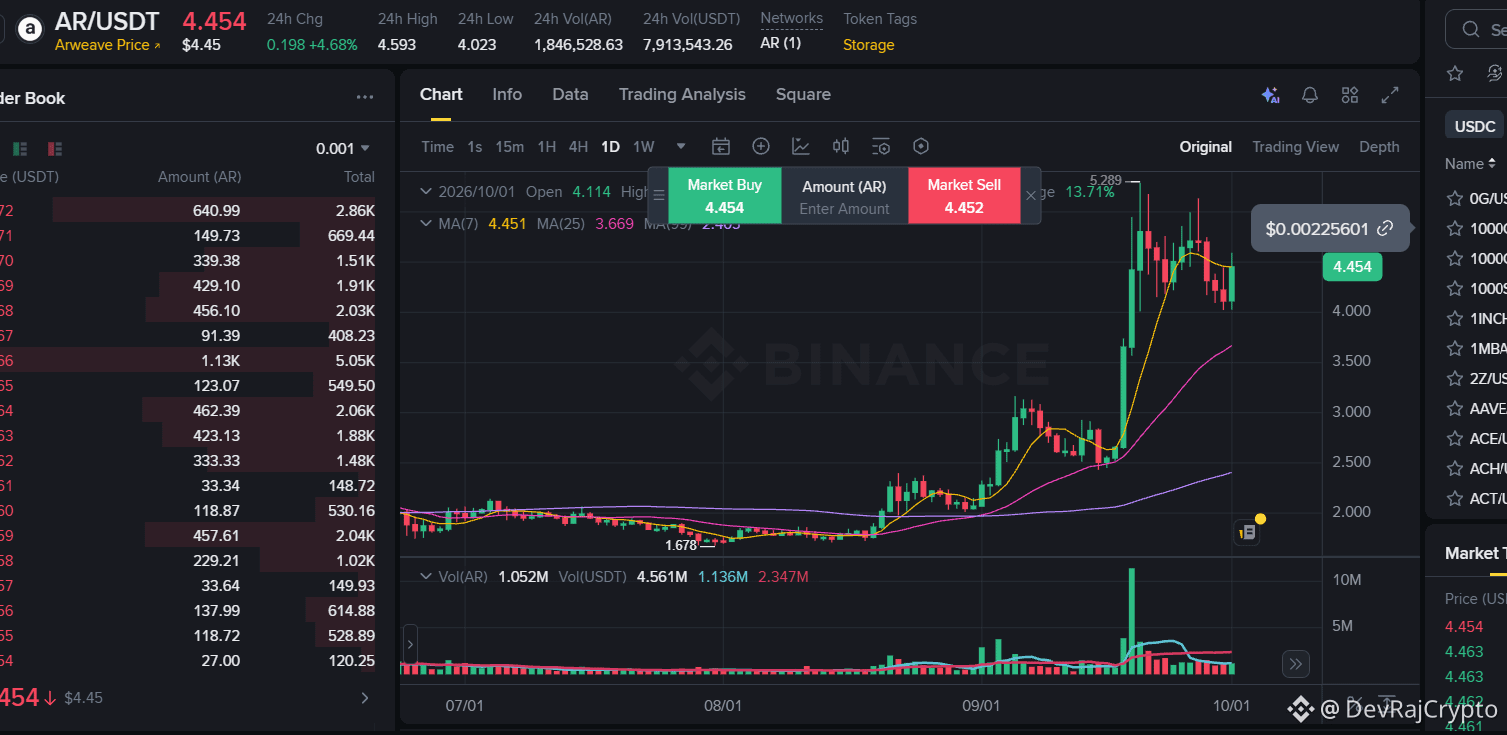
$AR يقدّم للمشترين اختبارًا آخر. 👀
بعد الحركة الحادة من حوالي 2.5 دولار إلى ما فوق 5 دولارات، تراجع AR باتجاه منطقة 4 دولارات تقريبًا وهو الآن يتداول قرابة 4.45 دولار، مرتفعًا بنحو 4.68% اليوم.
ما يلفت انتباهي هو رد الفعل حول 4 دولارات.
متوسط 7 أيام عند حوالي 4.45 دولار، بينما متوسط 25 يومًا أقل بكثير قرب 3.67 دولار. لذا لا يزال الاتجاه قصير المدى قويًا، لكن بعد هذه الحركة السريعة، لا أريد المطاردة بشكل أعمى.
إحدى الدروس التي تعلمتها من التداول في الكريبتو لسنوات:
بعد ضخّة كبيرة، السؤال الحقيقي ليس “إلى أي مدى يمكن أن يرتفع؟”
بل “هل يمكن للمشترين الدفاع عن المستويات التي أنشأوها للتو؟”
بالنسبة لـ AR، أنا أراقب منطقة 4 دولارات عن كثب. إذا واصل المشترون الدفاع عنها، فقد تبقى الزخم مثيرة للاهتمام. وإذا انكسر بشكل حاسم، فأنا أفضل التراجع بدلًا من فرض صفقة.
هل مشتروا AR أم بائعو AR هنا؟ 👇
$AR
{spot}(ARUSDT)
#Arweave #crypto #BinanceSquare
$AR يقدّم للمشترين اختبارًا آخر. 👀
بعد الحركة الحادة من حوالي 2.5 دولار إلى ما فوق 5 دولارات، تراجع AR باتجاه منطقة 4 دولارات تقريبًا وهو الآن يتداول قرابة 4.45 دولار، مرتفعًا بنحو 4.68% اليوم.
ما يلفت انتباهي هو رد الفعل حول 4 دولارات.
متوسط 7 أيام عند حوالي 4.45 دولار، بينما متوسط 25 يومًا أقل بكثير قرب 3.67 دولار. لذا لا يزال الاتجاه قصير المدى قويًا، لكن بعد هذه الحركة السريعة، لا أريد المطاردة بشكل أعمى.
إحدى الدروس التي تعلمتها من التداول في الكريبتو لسنوات:
بعد ضخّة كبيرة، السؤال الحقيقي ليس “إلى أي مدى يمكن أن يرتفع؟”
بل “هل يمكن للمشترين الدفاع عن المستويات التي أنشأوها للتو؟”
بالنسبة لـ AR، أنا أراقب منطقة 4 دولارات عن كثب. إذا واصل المشترون الدفاع عنها، فقد تبقى الزخم مثيرة للاهتمام. وإذا انكسر بشكل حاسم، فأنا أفضل التراجع بدلًا من فرض صفقة.
هل مشتروا AR أم بائعو AR هنا؟ 👇
$AR
#Arweave #crypto #BinanceSquare
بعد الحركة الحادة من حوالي 2.5 دولار إلى ما فوق 5 دولارات، تراجع AR باتجاه منطقة 4 دولارات تقريبًا وهو الآن يتداول قرابة 4.45 دولار، مرتفعًا بنحو 4.68% اليوم.
ما يلفت انتباهي هو رد الفعل حول 4 دولارات.
متوسط 7 أيام عند حوالي 4.45 دولار، بينما متوسط 25 يومًا أقل بكثير قرب 3.67 دولار. لذا لا يزال الاتجاه قصير المدى قويًا، لكن بعد هذه الحركة السريعة، لا أريد المطاردة بشكل أعمى.
إحدى الدروس التي تعلمتها من التداول في الكريبتو لسنوات:
بعد ضخّة كبيرة، السؤال الحقيقي ليس “إلى أي مدى يمكن أن يرتفع؟”
بل “هل يمكن للمشترين الدفاع عن المستويات التي أنشأوها للتو؟”
بالنسبة لـ AR، أنا أراقب منطقة 4 دولارات عن كثب. إذا واصل المشترون الدفاع عنها، فقد تبقى الزخم مثيرة للاهتمام. وإذا انكسر بشكل حاسم، فأنا أفضل التراجع بدلًا من فرض صفقة.
هل مشتروا AR أم بائعو AR هنا؟ 👇
$AR
#Arweave #crypto #BinanceSquare
3
621
·
--
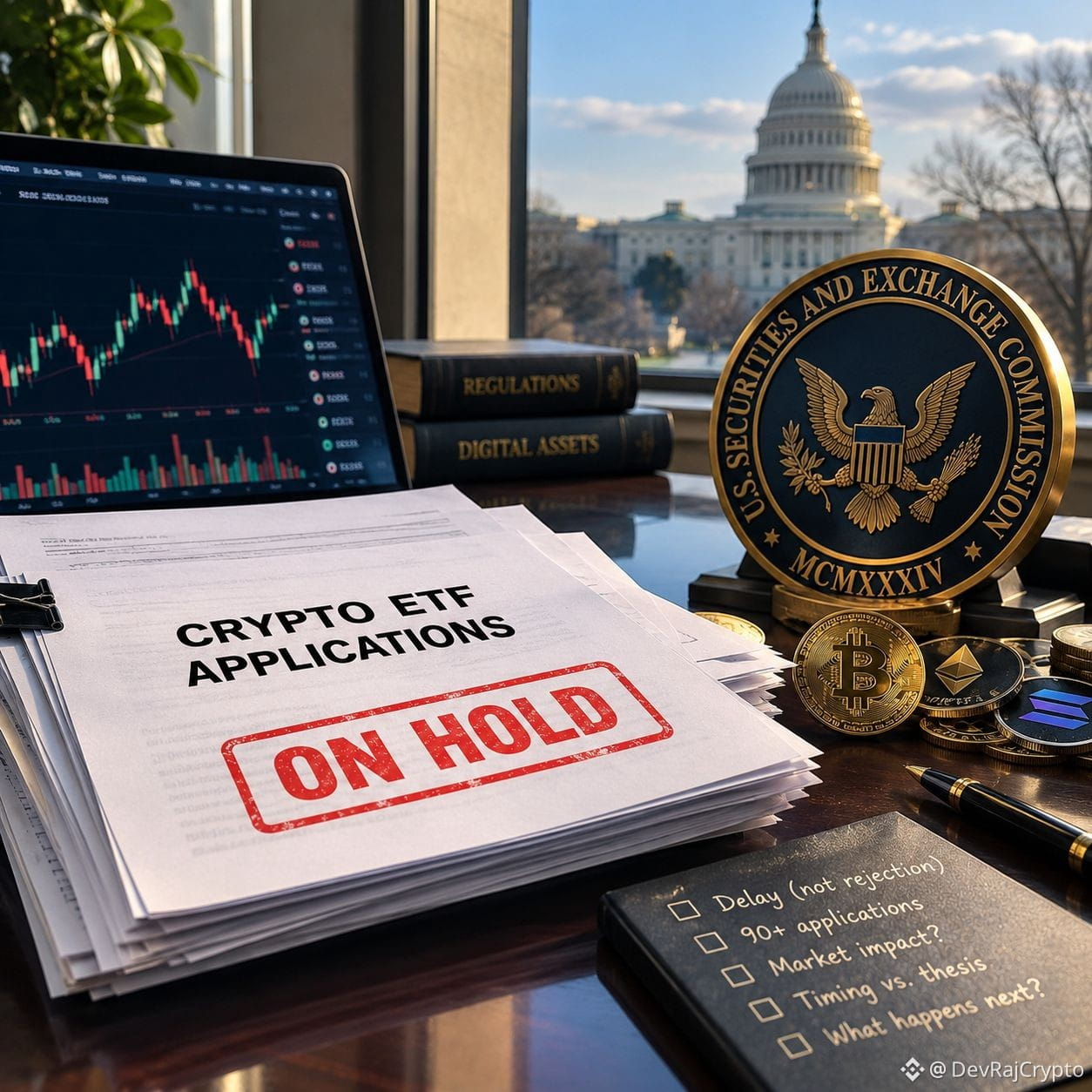
يبدو أن إيقاف هيئة الأوراق المالية والبورصات (SEC) لمراجعات صناديق تداول العملات الرقمية الجديدة أمر هبوطي. لست متأكدًا من ذلك.
الجزء الذي سأركز عليه هو كلمة «مُعلّق/مؤجَّل»، وليس «مرفوض».
إذا كانت أزمة التمويل في الولايات المتحدة تمنع طلبات صناديق العملات الرقمية الجديدة من التحرك عبر عملية المراجعة المعتادة، فالمشكلة الفورية تتعلق أساسًا بالتوقيت.
ومع وجود ما يُقال إنه أكثر من 90 طلبًا في خط الانتظار، حتى تأخير مؤقت يمكن أن يخلق تراكمًا ملحوظًا.
بالنسبة لي، هنا قد يخطئ المتداولون في فهم القصة.
قد يؤدي محفز مؤجَّل إلى تقلبات قصيرة الأجل، لكن ذلك لا يعني تلقائيًا أن أطروحة الطلب الأساسية على الصندوق قد تغيّرت.
يمكن أن تستمر الصناديق الحالية للعملات الرقمية في العمل. المنتجات قيد الانتظار تواجه فقط مزيدًا من عدم اليقين بشأن موعد اتخاذ القرارات.
لذلك لا أتعامل مع الأمر على أنه كسر للأطروحة.
أنا أراقب كيف يتفاعل السوق مع التأخير.
إذا تضررت المعنويات الآن ثم تعافت بسرعة بمجرد أن تعود عمليات الـ SEC إلى طبيعتها، فهذا يخبرنا بشيء مختلف تمامًا عن تغيير حقيقي في طلب صناديق الاستثمار المتداولة.
التأخير ≠ الرفض.
التوقيت ≠ الأطروحة.
هذه هي الفروقات التي سأضعها في الاعتبار هنا.
$ETFT.ETF
{etf_us}(ETFT.ETF)
#CryptoETFMania #bitcoin #Crypto #SEC #GLMR #STRK #SECHaltsCryptoETFReviewsAmidFundingLapse
يبدو أن إيقاف هيئة الأوراق المالية والبورصات (SEC) لمراجعات صناديق تداول العملات الرقمية الجديدة أمر هبوطي. لست متأكدًا من ذلك.
الجزء الذي سأركز عليه هو كلمة «مُعلّق/مؤجَّل»، وليس «مرفوض».
إذا كانت أزمة التمويل في الولايات المتحدة تمنع طلبات صناديق العملات الرقمية الجديدة من التحرك عبر عملية المراجعة المعتادة، فالمشكلة الفورية تتعلق أساسًا بالتوقيت.
ومع وجود ما يُقال إنه أكثر من 90 طلبًا في خط الانتظار، حتى تأخير مؤقت يمكن أن يخلق تراكمًا ملحوظًا.
بالنسبة لي، هنا قد يخطئ المتداولون في فهم القصة.
قد يؤدي محفز مؤجَّل إلى تقلبات قصيرة الأجل، لكن ذلك لا يعني تلقائيًا أن أطروحة الطلب الأساسية على الصندوق قد تغيّرت.
يمكن أن تستمر الصناديق الحالية للعملات الرقمية في العمل. المنتجات قيد الانتظار تواجه فقط مزيدًا من عدم اليقين بشأن موعد اتخاذ القرارات.
لذلك لا أتعامل مع الأمر على أنه كسر للأطروحة.
أنا أراقب كيف يتفاعل السوق مع التأخير.
إذا تضررت المعنويات الآن ثم تعافت بسرعة بمجرد أن تعود عمليات الـ SEC إلى طبيعتها، فهذا يخبرنا بشيء مختلف تمامًا عن تغيير حقيقي في طلب صناديق الاستثمار المتداولة.
التأخير ≠ الرفض.
التوقيت ≠ الأطروحة.
هذه هي الفروقات التي سأضعها في الاعتبار هنا.
$ETFT.ETF
#CryptoETFMania #bitcoin #Crypto #SEC #GLMR #STRK #SECHaltsCryptoETFReviewsAmidFundingLapse
الجزء الذي سأركز عليه هو كلمة «مُعلّق/مؤجَّل»، وليس «مرفوض».
إذا كانت أزمة التمويل في الولايات المتحدة تمنع طلبات صناديق العملات الرقمية الجديدة من التحرك عبر عملية المراجعة المعتادة، فالمشكلة الفورية تتعلق أساسًا بالتوقيت.
ومع وجود ما يُقال إنه أكثر من 90 طلبًا في خط الانتظار، حتى تأخير مؤقت يمكن أن يخلق تراكمًا ملحوظًا.
بالنسبة لي، هنا قد يخطئ المتداولون في فهم القصة.
قد يؤدي محفز مؤجَّل إلى تقلبات قصيرة الأجل، لكن ذلك لا يعني تلقائيًا أن أطروحة الطلب الأساسية على الصندوق قد تغيّرت.
يمكن أن تستمر الصناديق الحالية للعملات الرقمية في العمل. المنتجات قيد الانتظار تواجه فقط مزيدًا من عدم اليقين بشأن موعد اتخاذ القرارات.
لذلك لا أتعامل مع الأمر على أنه كسر للأطروحة.
أنا أراقب كيف يتفاعل السوق مع التأخير.
إذا تضررت المعنويات الآن ثم تعافت بسرعة بمجرد أن تعود عمليات الـ SEC إلى طبيعتها، فهذا يخبرنا بشيء مختلف تمامًا عن تغيير حقيقي في طلب صناديق الاستثمار المتداولة.
التأخير ≠ الرفض.
التوقيت ≠ الأطروحة.
هذه هي الفروقات التي سأضعها في الاعتبار هنا.
$ETFT.ETF
#CryptoETFMania #bitcoin #Crypto #SEC #GLMR #STRK #SECHaltsCryptoETFReviewsAmidFundingLapse
ETFTETF+0.71%
1
1
117
·
--
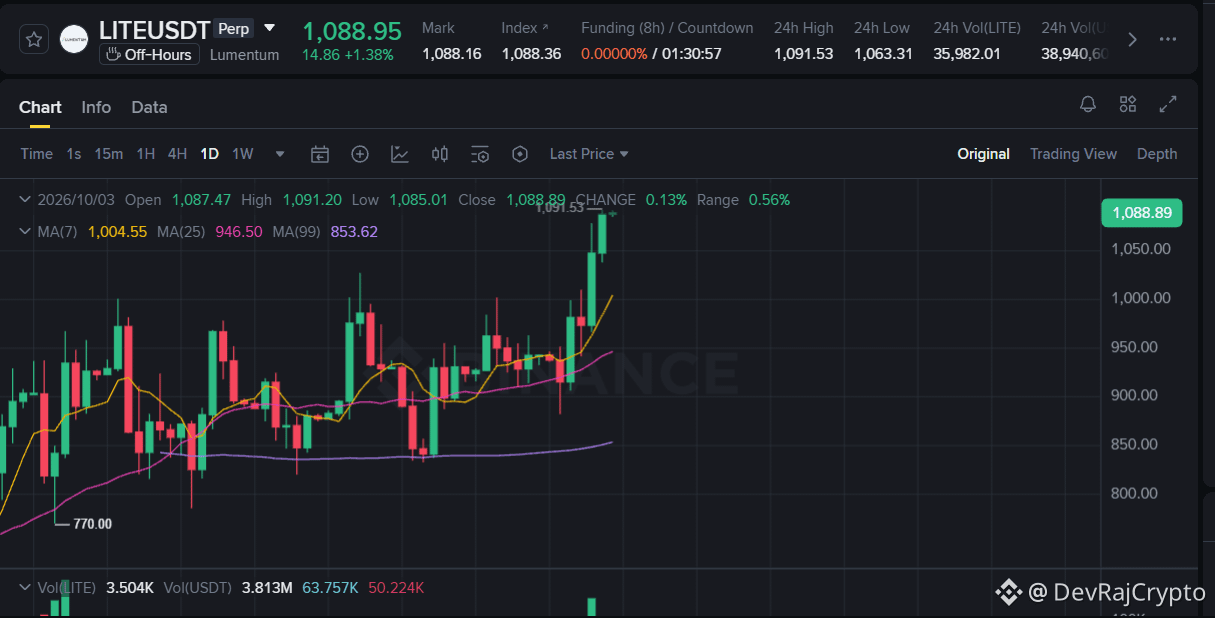
$LITE لقد ذكّرني للتو لماذا أكره مطاردة المضخّات. 👀
حوالي 730$، لم يكن أحد يتكلم كثيرًا.
الآن صار أعلى من 1,088$ وفجأة الجميع يريد التحدث عن $LITE.
هذه هي المفارقة في عالم العملات المشفّرة.
المشترون الأوائل يرون فرصة.
المشترون المتأخرون يرون تأكيدًا.
الحركة من حوالي 730$ إلى حوالي 1,088$ وصلت بالفعل إلى نحو 49%.
الآن أنا أكثر اهتمامًا بما سيحدث حول 1,100–1,120$ بدلًا من الاحتفال بالحركة.
إذا كنت قد التقطت $LITEearly، احترام. 🫡
إذا لم تفعل، فلا داعي للمطاردة فقط لأن الشمعة تبدو جيدة.
هل ستدخل $LITE هنا، أم تنتظر تصحيحًا؟
$LITE
{future}(LITEUSDT)
#Lite #crypto #BinanceSquare
$LITE لقد ذكّرني للتو لماذا أكره مطاردة المضخّات. 👀
حوالي 730$، لم يكن أحد يتكلم كثيرًا.
الآن صار أعلى من 1,088$ وفجأة الجميع يريد التحدث عن $LITE .
هذه هي المفارقة في عالم العملات المشفّرة.
المشترون الأوائل يرون فرصة.
المشترون المتأخرون يرون تأكيدًا.
الحركة من حوالي 730$ إلى حوالي 1,088$ وصلت بالفعل إلى نحو 49%.
الآن أنا أكثر اهتمامًا بما سيحدث حول 1,100–1,120$ بدلًا من الاحتفال بالحركة.
إذا كنت قد التقطت $LITEearly، احترام. 🫡
إذا لم تفعل، فلا داعي للمطاردة فقط لأن الشمعة تبدو جيدة.
هل ستدخل $LITE هنا، أم تنتظر تصحيحًا؟
$LITE
#Lite #crypto #BinanceSquare
حوالي 730$، لم يكن أحد يتكلم كثيرًا.
الآن صار أعلى من 1,088$ وفجأة الجميع يريد التحدث عن $LITE .
هذه هي المفارقة في عالم العملات المشفّرة.
المشترون الأوائل يرون فرصة.
المشترون المتأخرون يرون تأكيدًا.
الحركة من حوالي 730$ إلى حوالي 1,088$ وصلت بالفعل إلى نحو 49%.
الآن أنا أكثر اهتمامًا بما سيحدث حول 1,100–1,120$ بدلًا من الاحتفال بالحركة.
إذا كنت قد التقطت $LITEearly، احترام. 🫡
إذا لم تفعل، فلا داعي للمطاردة فقط لأن الشمعة تبدو جيدة.
هل ستدخل $LITE هنا، أم تنتظر تصحيحًا؟
$LITE
#Lite #crypto #BinanceSquare
2
706
·
--
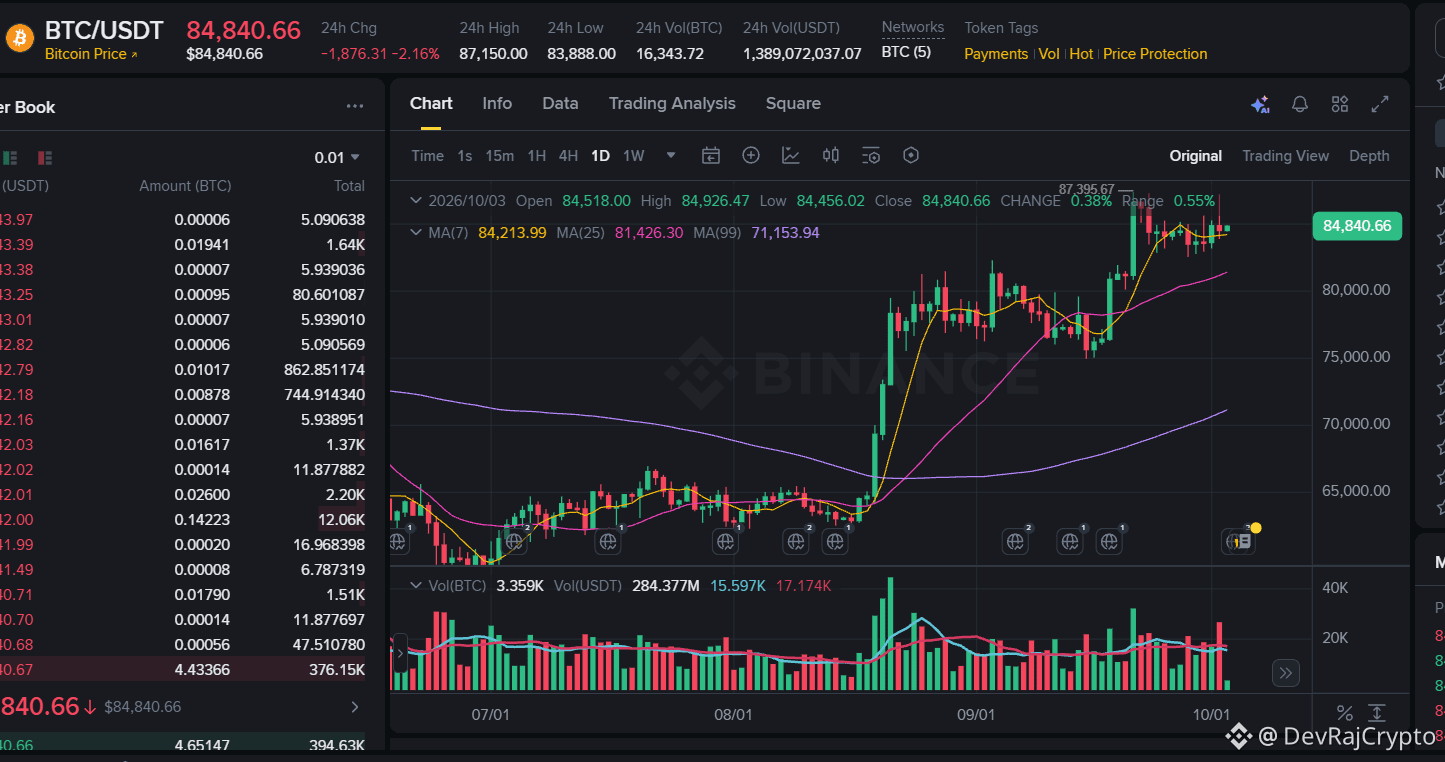
دفعت عملة البيتكوين إلى ما يقارب $87.4K، لكن البائعين تدخلوا والآن عادت الأسعار قرب $84.8K.
هذه هي النقطة التي أراقبها.
بعد حركة قوية، تعلّمت ألا أتعامل مع كل رفض على أنه انعكاس. أحيانًا الأمر ببساطة أن السوق يختبر ما إذا كان المشترون ما زالوا على استعداد للدفاع عن الأسعار الأعلى.
بالنسبة لي، أصبح مستوى $87K هو المستوى الذي يجب مراقبته الآن.
كسره والتمسك به فوقه = أمر مثير للاهتمام.
الاستمرار في رفضه = سأفضّل أن أبقى صبورًا بدلًا من المطاردة.
هل تعتقد أن البيتكوين ستكسر $87K بعد ذلك، أم أن البائعين يتولّون السيطرة؟ 👇
$BTC
{future}(BTCUSDT)
#BTC #bitcoin #BitcoinAnalysis #BitcoinRejectedAt$87K
دفعت عملة البيتكوين إلى ما يقارب $87.4K، لكن البائعين تدخلوا والآن عادت الأسعار قرب $84.8K.
هذه هي النقطة التي أراقبها.
بعد حركة قوية، تعلّمت ألا أتعامل مع كل رفض على أنه انعكاس. أحيانًا الأمر ببساطة أن السوق يختبر ما إذا كان المشترون ما زالوا على استعداد للدفاع عن الأسعار الأعلى.
بالنسبة لي، أصبح مستوى $87K هو المستوى الذي يجب مراقبته الآن.
كسره والتمسك به فوقه = أمر مثير للاهتمام.
الاستمرار في رفضه = سأفضّل أن أبقى صبورًا بدلًا من المطاردة.
هل تعتقد أن البيتكوين ستكسر $87K بعد ذلك، أم أن البائعين يتولّون السيطرة؟ 👇
$BTC
#BTC #bitcoin #BitcoinAnalysis #BitcoinRejectedAt$87K
هذه هي النقطة التي أراقبها.
بعد حركة قوية، تعلّمت ألا أتعامل مع كل رفض على أنه انعكاس. أحيانًا الأمر ببساطة أن السوق يختبر ما إذا كان المشترون ما زالوا على استعداد للدفاع عن الأسعار الأعلى.
بالنسبة لي، أصبح مستوى $87K هو المستوى الذي يجب مراقبته الآن.
كسره والتمسك به فوقه = أمر مثير للاهتمام.
الاستمرار في رفضه = سأفضّل أن أبقى صبورًا بدلًا من المطاردة.
هل تعتقد أن البيتكوين ستكسر $87K بعد ذلك، أم أن البائعين يتولّون السيطرة؟ 👇
$BTC
#BTC #bitcoin #BitcoinAnalysis #BitcoinRejectedAt$87K
2
95
·
--
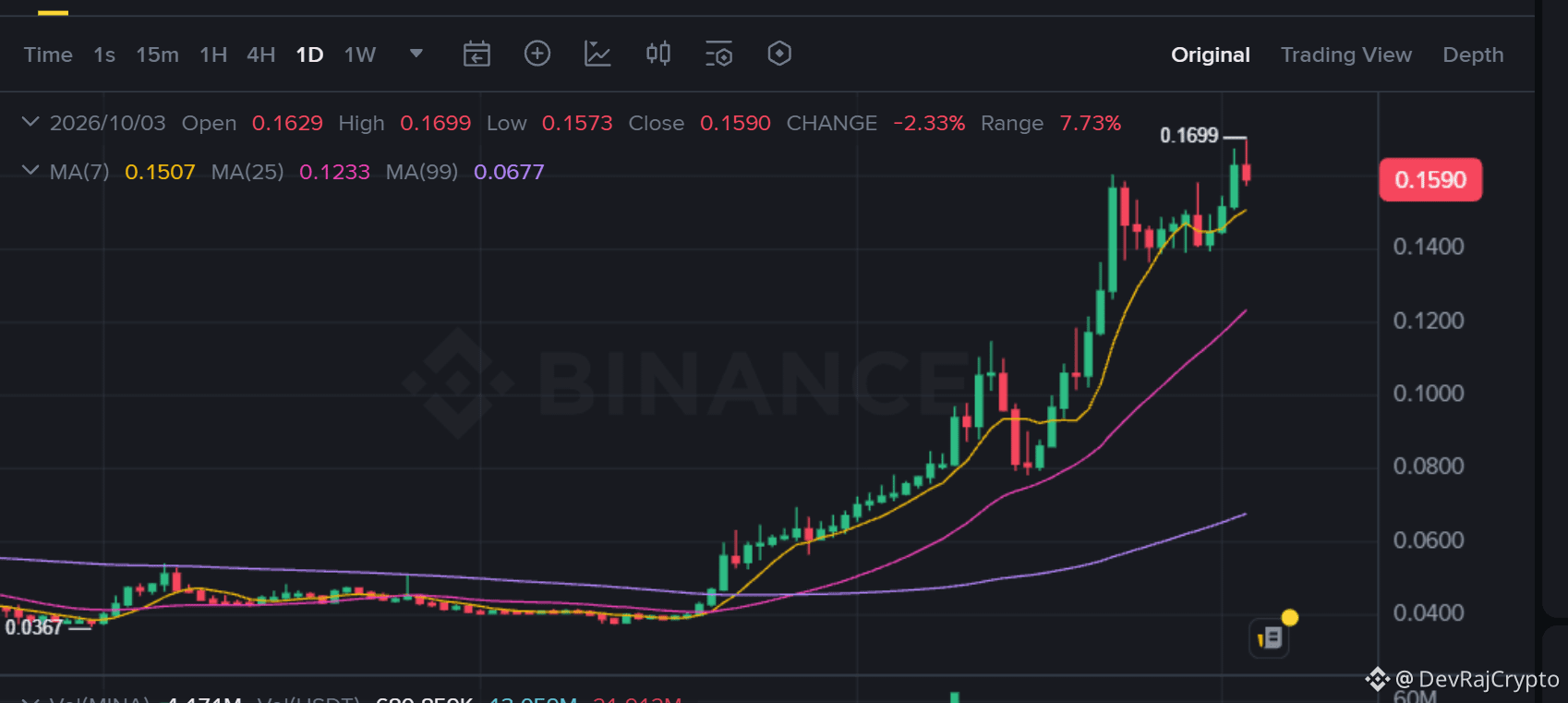
هذا المخطط يوضح بالضبط لماذا لا أحب مطاردة الشموع الخضراء. 👀
لقد تحرك السعر من حوالي $0.04 إلى $0.17، والآن أصبح يجلس قرب $0.159 بعد رفضه لأعلى مستوى عند $0.1699.
الجزء المثير بالنسبة لي هو ما سيحدث بعد ذلك.
المتوسط المتحرك لسبعة أيام (7-day MA) عند حوالي $0.1507، بينما ما يزال المتوسط المتحرك لخمسة وعشرين يومًا (25-day MA) أقل بكثير عند $0.1233.
بعد حركة بهذا الحجم، أفضّل أن أرى ما إذا كان المشترون يمكنهم الدفاع عن الاختراق الأخير بدلًا من القفز للدخول فقط لأن الرسم يبدو قويًا.
لقد تعلمت بالطريقة الصعبة أن مخططًا قويًا قد لا يزال يمنح دخولًا سيئًا.
هل ستشتري هذا التصحيح، أم تنتظر تصحيحًا أعمق؟
$MINA
{spot}(MINAUSDT)
هذا المخطط يوضح بالضبط لماذا لا أحب مطاردة الشموع الخضراء. 👀
لقد تحرك السعر من حوالي $0.04 إلى $0.17، والآن أصبح يجلس قرب $0.159 بعد رفضه لأعلى مستوى عند $0.1699.
الجزء المثير بالنسبة لي هو ما سيحدث بعد ذلك.
المتوسط المتحرك لسبعة أيام (7-day MA) عند حوالي $0.1507، بينما ما يزال المتوسط المتحرك لخمسة وعشرين يومًا (25-day MA) أقل بكثير عند $0.1233.
بعد حركة بهذا الحجم، أفضّل أن أرى ما إذا كان المشترون يمكنهم الدفاع عن الاختراق الأخير بدلًا من القفز للدخول فقط لأن الرسم يبدو قويًا.
لقد تعلمت بالطريقة الصعبة أن مخططًا قويًا قد لا يزال يمنح دخولًا سيئًا.
هل ستشتري هذا التصحيح، أم تنتظر تصحيحًا أعمق؟
$MINA
لقد تحرك السعر من حوالي $0.04 إلى $0.17، والآن أصبح يجلس قرب $0.159 بعد رفضه لأعلى مستوى عند $0.1699.
الجزء المثير بالنسبة لي هو ما سيحدث بعد ذلك.
المتوسط المتحرك لسبعة أيام (7-day MA) عند حوالي $0.1507، بينما ما يزال المتوسط المتحرك لخمسة وعشرين يومًا (25-day MA) أقل بكثير عند $0.1233.
بعد حركة بهذا الحجم، أفضّل أن أرى ما إذا كان المشترون يمكنهم الدفاع عن الاختراق الأخير بدلًا من القفز للدخول فقط لأن الرسم يبدو قويًا.
لقد تعلمت بالطريقة الصعبة أن مخططًا قويًا قد لا يزال يمنح دخولًا سيئًا.
هل ستشتري هذا التصحيح، أم تنتظر تصحيحًا أعمق؟
$MINA
2
368
·
--
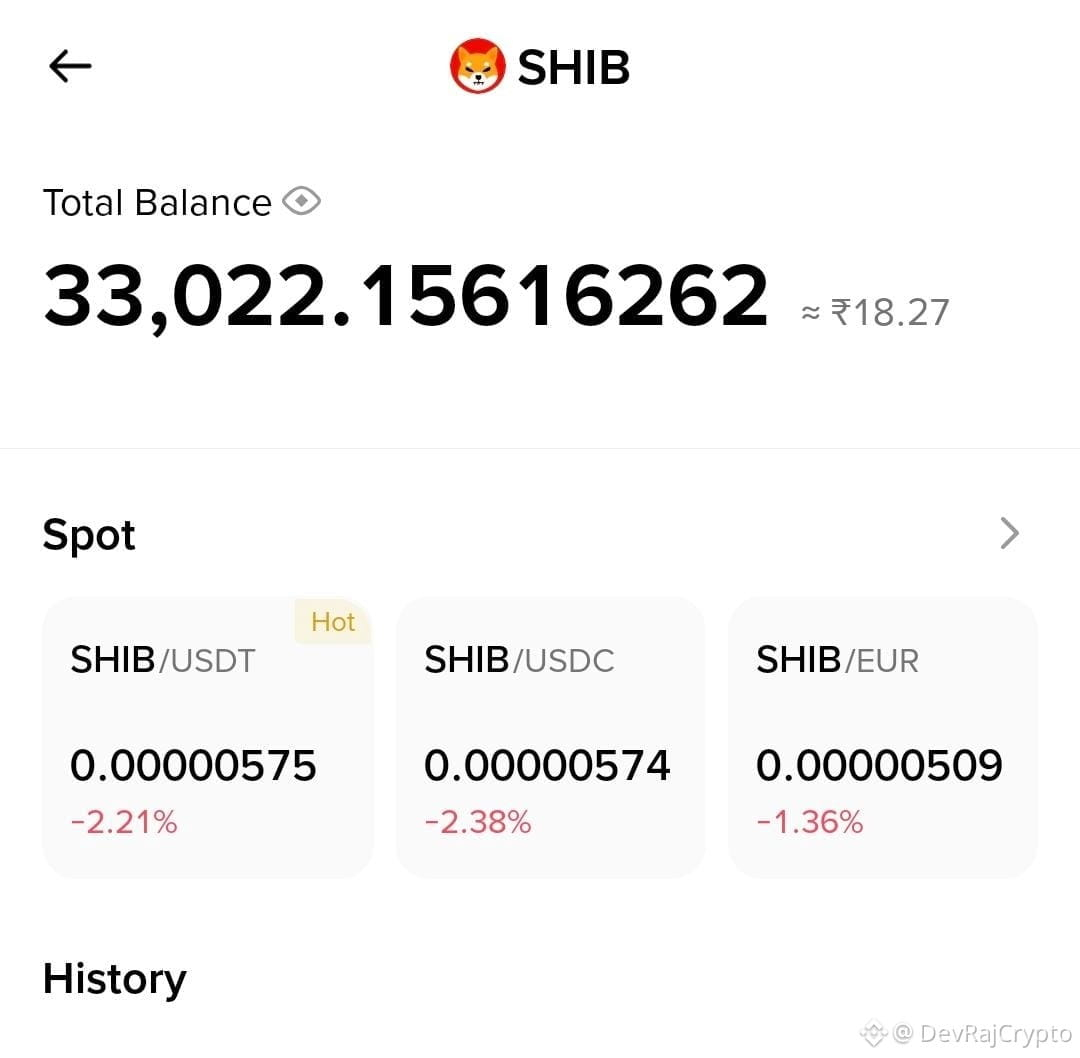
لدي 33,022 $SHIB جالسًا في محفظتي. 👀
فقط حوالي 18 دولارًا، لكنني أتساءل عن شيء.
لم أعد أنظر إلى $SHIB فقط على أنها مجرد عملة ميم. أريد أن أعرف إلى أي مدى يمكن أن يتطور نظامها البيئي واعتمادها فعليًا على المدى الطويل.
هل سأحتفظ بـ 33 ألف SHIB لسنوات؟
بصراحة، لا أعرف بعد.
وبالتأكيد لن أفترض أن SHIB ستنافس BTC. لدى البيتكوين وSHIB تصاميم مختلفة للغاية وحالات استخدام ومواقع في السوق مختلفة.
لكن هذا بالضبط سبب رغبتي في سماع آراء أشخاص يتابعون SHIB عن كثب:
هل ستحتفظ بـ 33 ألف SHIB على المدى الطويل، أم ستبيع وتنقل الأموال إلى مكان آخر؟
وأين تتوقع أن تكون SHIB بشكل واقعي بعد 5 سنوات؟ 👇
#shiba⚡
لدي 33,022 $SHIB جالسًا في محفظتي. 👀
فقط حوالي 18 دولارًا، لكنني أتساءل عن شيء.
لم أعد أنظر إلى $SHIB فقط على أنها مجرد عملة ميم. أريد أن أعرف إلى أي مدى يمكن أن يتطور نظامها البيئي واعتمادها فعليًا على المدى الطويل.
هل سأحتفظ بـ 33 ألف SHIB لسنوات؟
بصراحة، لا أعرف بعد.
وبالتأكيد لن أفترض أن SHIB ستنافس BTC. لدى البيتكوين وSHIB تصاميم مختلفة للغاية وحالات استخدام ومواقع في السوق مختلفة.
لكن هذا بالضبط سبب رغبتي في سماع آراء أشخاص يتابعون SHIB عن كثب:
هل ستحتفظ بـ 33 ألف SHIB على المدى الطويل، أم ستبيع وتنقل الأموال إلى مكان آخر؟
وأين تتوقع أن تكون SHIB بشكل واقعي بعد 5 سنوات؟ 👇
#shiba⚡
فقط حوالي 18 دولارًا، لكنني أتساءل عن شيء.
لم أعد أنظر إلى $SHIB فقط على أنها مجرد عملة ميم. أريد أن أعرف إلى أي مدى يمكن أن يتطور نظامها البيئي واعتمادها فعليًا على المدى الطويل.
هل سأحتفظ بـ 33 ألف SHIB لسنوات؟
بصراحة، لا أعرف بعد.
وبالتأكيد لن أفترض أن SHIB ستنافس BTC. لدى البيتكوين وSHIB تصاميم مختلفة للغاية وحالات استخدام ومواقع في السوق مختلفة.
لكن هذا بالضبط سبب رغبتي في سماع آراء أشخاص يتابعون SHIB عن كثب:
هل ستحتفظ بـ 33 ألف SHIB على المدى الطويل، أم ستبيع وتنقل الأموال إلى مكان آخر؟
وأين تتوقع أن تكون SHIB بشكل واقعي بعد 5 سنوات؟ 👇
#shiba⚡
1
177
·
--
لقد كدتُ أتجاهل $ETC
{spot}(ETCUSDT)
وهذا ما يحدث عادةً مع العملات من هذا النوع.
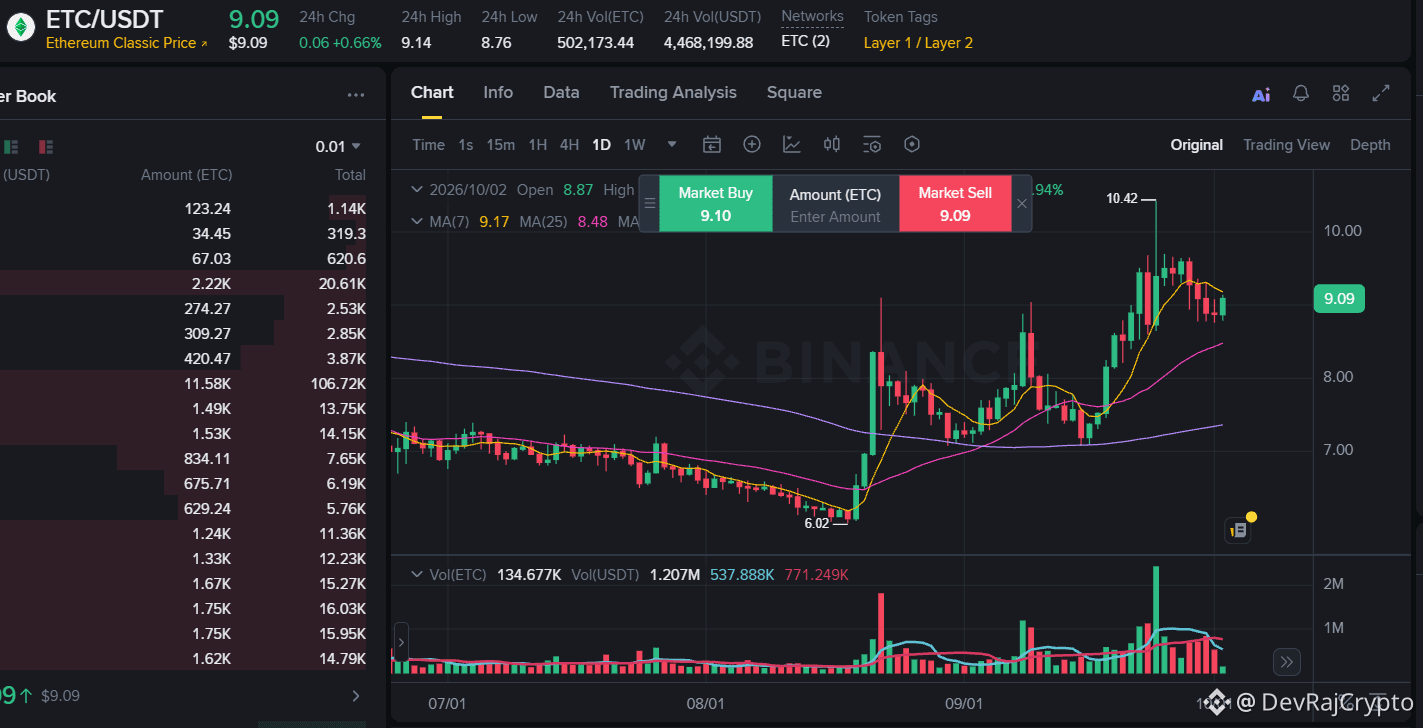
تراها تتحرك من حوالي 6 دولارات إلى 8 إلى 10، وتصبح أول فكرة لديك:
"أنا متأخر بالفعل."
سحبت ETC الآن تراجعًا من حوالي 10.42 إلى 9.09.
بدلًا من السؤال عما إذا كان بإمكانها الضخ مرة أخرى، فأنا أكثر اهتمامًا بشيء تعلمته من التداول:
بعد حركة كبيرة، فإن أول تراجع يخبرك أكثر من أول دفعة.
إذا دافع المشترون عن منطقة الـ9 دولارات، فسأولي اهتمامًا.
إذا بدأ كسر 9 دولارات، فلن ألاحق الصفقة فقط لأن الرسم البياني كان قويًا قبل أيام.
أحيانًا أصعب صفقة هي ببساطة عدم الشراء لأنك تشعر أنك فاتك ذلك.
هل المشترون في ETC أم البائعون عند 9 دولارات؟ 👇
#EarnFreeCrypto2024
لقد كدتُ أتجاهل $ETC
وهذا ما يحدث عادةً مع العملات من هذا النوع.
تراها تتحرك من حوالي 6 دولارات إلى 8 إلى 10، وتصبح أول فكرة لديك:
"أنا متأخر بالفعل."
سحبت ETC الآن تراجعًا من حوالي 10.42 إلى 9.09.
بدلًا من السؤال عما إذا كان بإمكانها الضخ مرة أخرى، فأنا أكثر اهتمامًا بشيء تعلمته من التداول:
بعد حركة كبيرة، فإن أول تراجع يخبرك أكثر من أول دفعة.
إذا دافع المشترون عن منطقة الـ9 دولارات، فسأولي اهتمامًا.
إذا بدأ كسر 9 دولارات، فلن ألاحق الصفقة فقط لأن الرسم البياني كان قويًا قبل أيام.
أحيانًا أصعب صفقة هي ببساطة عدم الشراء لأنك تشعر أنك فاتك ذلك.
هل المشترون في ETC أم البائعون عند 9 دولارات؟ 👇
#EarnFreeCrypto2024
وهذا ما يحدث عادةً مع العملات من هذا النوع.
تراها تتحرك من حوالي 6 دولارات إلى 8 إلى 10، وتصبح أول فكرة لديك:
"أنا متأخر بالفعل."
سحبت ETC الآن تراجعًا من حوالي 10.42 إلى 9.09.
بدلًا من السؤال عما إذا كان بإمكانها الضخ مرة أخرى، فأنا أكثر اهتمامًا بشيء تعلمته من التداول:
بعد حركة كبيرة، فإن أول تراجع يخبرك أكثر من أول دفعة.
إذا دافع المشترون عن منطقة الـ9 دولارات، فسأولي اهتمامًا.
إذا بدأ كسر 9 دولارات، فلن ألاحق الصفقة فقط لأن الرسم البياني كان قويًا قبل أيام.
أحيانًا أصعب صفقة هي ببساطة عدم الشراء لأنك تشعر أنك فاتك ذلك.
هل المشترون في ETC أم البائعون عند 9 دولارات؟ 👇
#EarnFreeCrypto2024
1
3
162
·
--
🚨 تحوّلت تدفقات صناديق ETF الفورية إلى السالب.
سجّلت صناديق بيتكوين الفورية في الولايات المتحدة صافي تدفقات خارجية بقيمة 148.69 مليون دولار، منهية سلسلة تدفقات واردة استمرت 9 جلسات.
كما سجلت صناديق إيثريوم صافي تدفقات خارجية بقيمة 59.58 مليون دولار.
ليس بالضرورة انعكاسًا في الاتجاه، لكن بالتأكيد مؤشر تدفق يستحق المتابعة.
هل ترى هذا كتجميع للأرباح أم كإشارة تحذير؟ 👀
#BTC #ETH #bitcoin #Crypto
🚨 تحوّلت تدفقات صناديق ETF الفورية إلى السالب.
سجّلت صناديق بيتكوين الفورية في الولايات المتحدة صافي تدفقات خارجية بقيمة 148.69 مليون دولار، منهية سلسلة تدفقات واردة استمرت 9 جلسات.
كما سجلت صناديق إيثريوم صافي تدفقات خارجية بقيمة 59.58 مليون دولار.
ليس بالضرورة انعكاسًا في الاتجاه، لكن بالتأكيد مؤشر تدفق يستحق المتابعة.
هل ترى هذا كتجميع للأرباح أم كإشارة تحذير؟ 👀
#BTC #ETH #bitcoin #Crypto
سجّلت صناديق بيتكوين الفورية في الولايات المتحدة صافي تدفقات خارجية بقيمة 148.69 مليون دولار، منهية سلسلة تدفقات واردة استمرت 9 جلسات.
كما سجلت صناديق إيثريوم صافي تدفقات خارجية بقيمة 59.58 مليون دولار.
ليس بالضرورة انعكاسًا في الاتجاه، لكن بالتأكيد مؤشر تدفق يستحق المتابعة.
هل ترى هذا كتجميع للأرباح أم كإشارة تحذير؟ 👀
#BTC #ETH #bitcoin #Crypto
2
90
·
--
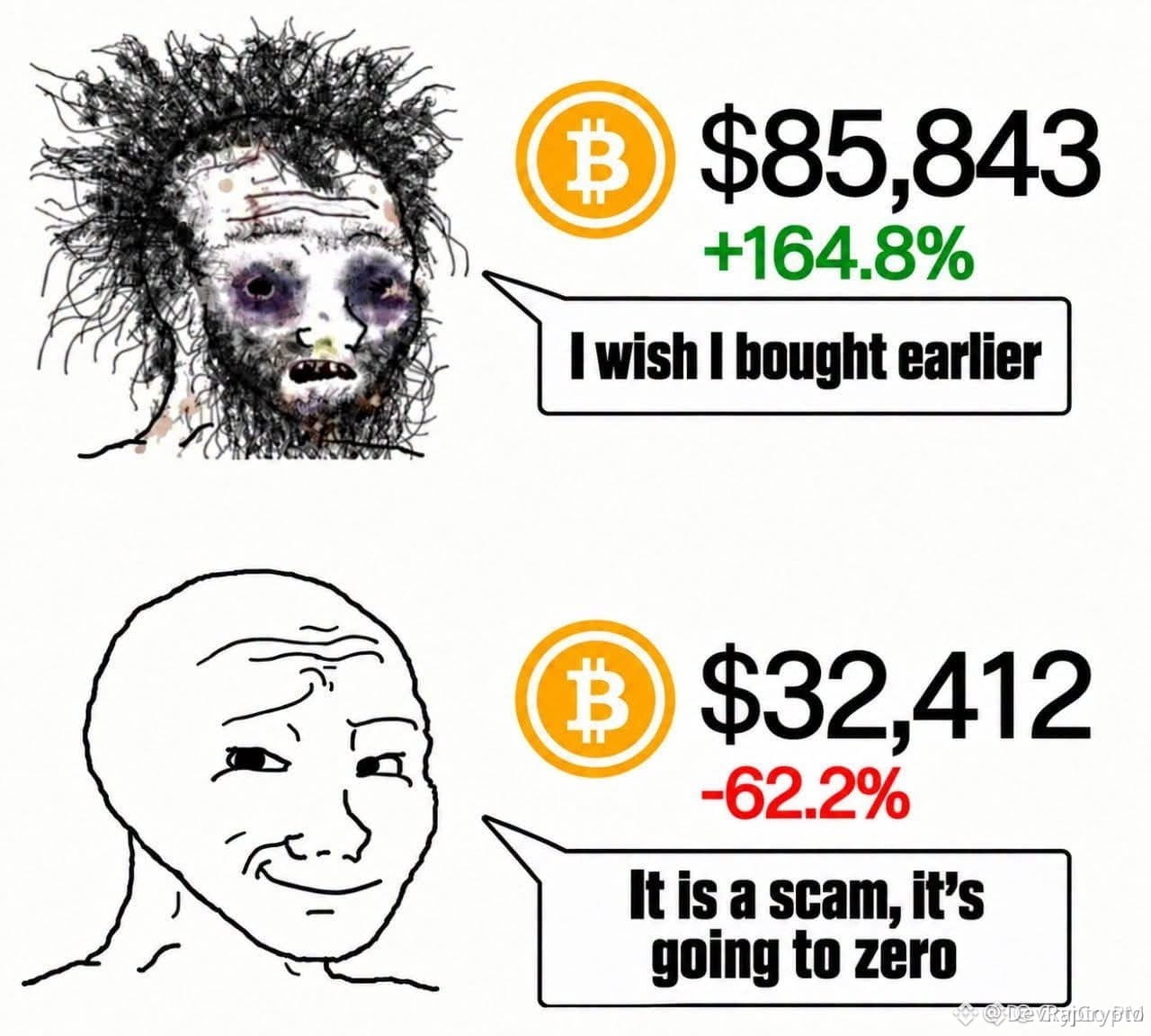
😂 هذا ذكّرني بشيء حدث مع صديق لي.
اشترى $BTC عندما كان السعر أعلى بكثير، وعندما بدأ سعر البيتكوين في الانخفاض، بدأ فورًا يشك في كامل الاستثمار.
بعد بضعة أيام، كان الصديق نفسه يقول:
“كنت أعرف أنني كان ينبغي أن أشتري في وقت أبكر.”
ظلت تلك المحادثة عالقة في ذهني.
لأن الجزء المثير للاهتمام لم يكن في البيتكوين.
بل في مدى السرعة التي تتغير بها آراؤنا عندما يتغير السعر.
عندما يكون البيتكوين في صعود (مضخة)، الجميع يريد التعرض له.
وعندما يهبط، فجأة يصبح الجميع متشككًا.
بعد سنوات من متابعة دورات العملات المشفرة، تعلّمت شيئًا واحدًا:
السعر يمكنه أن يغيّر مشاعرك بسرعة أكبر من تغيّره للأصل نفسه.
قبل أن أتخذ أي قرار، أسأل نفسي الآن:
“هل تغيّر مضمون الفكرة (الأطروحة)، أم أن الرسم البياني فقط جعلني غير مرتاح؟”
هذا الميم يلخّص ذلك تمامًا. 😂
هل سبق وغيّرت رأيك حول بيتكوين فقط لأن السعر تحرك؟ 👇
$BTC
{future}(BTCUSDT)
😂 هذا ذكّرني بشيء حدث مع صديق لي.
اشترى $BTC عندما كان السعر أعلى بكثير، وعندما بدأ سعر البيتكوين في الانخفاض، بدأ فورًا يشك في كامل الاستثمار.
بعد بضعة أيام، كان الصديق نفسه يقول:
“كنت أعرف أنني كان ينبغي أن أشتري في وقت أبكر.”
ظلت تلك المحادثة عالقة في ذهني.
لأن الجزء المثير للاهتمام لم يكن في البيتكوين.
بل في مدى السرعة التي تتغير بها آراؤنا عندما يتغير السعر.
عندما يكون البيتكوين في صعود (مضخة)، الجميع يريد التعرض له.
وعندما يهبط، فجأة يصبح الجميع متشككًا.
بعد سنوات من متابعة دورات العملات المشفرة، تعلّمت شيئًا واحدًا:
السعر يمكنه أن يغيّر مشاعرك بسرعة أكبر من تغيّره للأصل نفسه.
قبل أن أتخذ أي قرار، أسأل نفسي الآن:
“هل تغيّر مضمون الفكرة (الأطروحة)، أم أن الرسم البياني فقط جعلني غير مرتاح؟”
هذا الميم يلخّص ذلك تمامًا. 😂
هل سبق وغيّرت رأيك حول بيتكوين فقط لأن السعر تحرك؟ 👇
$BTC
اشترى $BTC عندما كان السعر أعلى بكثير، وعندما بدأ سعر البيتكوين في الانخفاض، بدأ فورًا يشك في كامل الاستثمار.
بعد بضعة أيام، كان الصديق نفسه يقول:
“كنت أعرف أنني كان ينبغي أن أشتري في وقت أبكر.”
ظلت تلك المحادثة عالقة في ذهني.
لأن الجزء المثير للاهتمام لم يكن في البيتكوين.
بل في مدى السرعة التي تتغير بها آراؤنا عندما يتغير السعر.
عندما يكون البيتكوين في صعود (مضخة)، الجميع يريد التعرض له.
وعندما يهبط، فجأة يصبح الجميع متشككًا.
بعد سنوات من متابعة دورات العملات المشفرة، تعلّمت شيئًا واحدًا:
السعر يمكنه أن يغيّر مشاعرك بسرعة أكبر من تغيّره للأصل نفسه.
قبل أن أتخذ أي قرار، أسأل نفسي الآن:
“هل تغيّر مضمون الفكرة (الأطروحة)، أم أن الرسم البياني فقط جعلني غير مرتاح؟”
هذا الميم يلخّص ذلك تمامًا. 😂
هل سبق وغيّرت رأيك حول بيتكوين فقط لأن السعر تحرك؟ 👇
$BTC
1
69
·
--
أستخدم Binance Square لتحويل آرائي في السوق إلى وصول إضافي. يمكنك فعل ذلك أيضًا. 👇
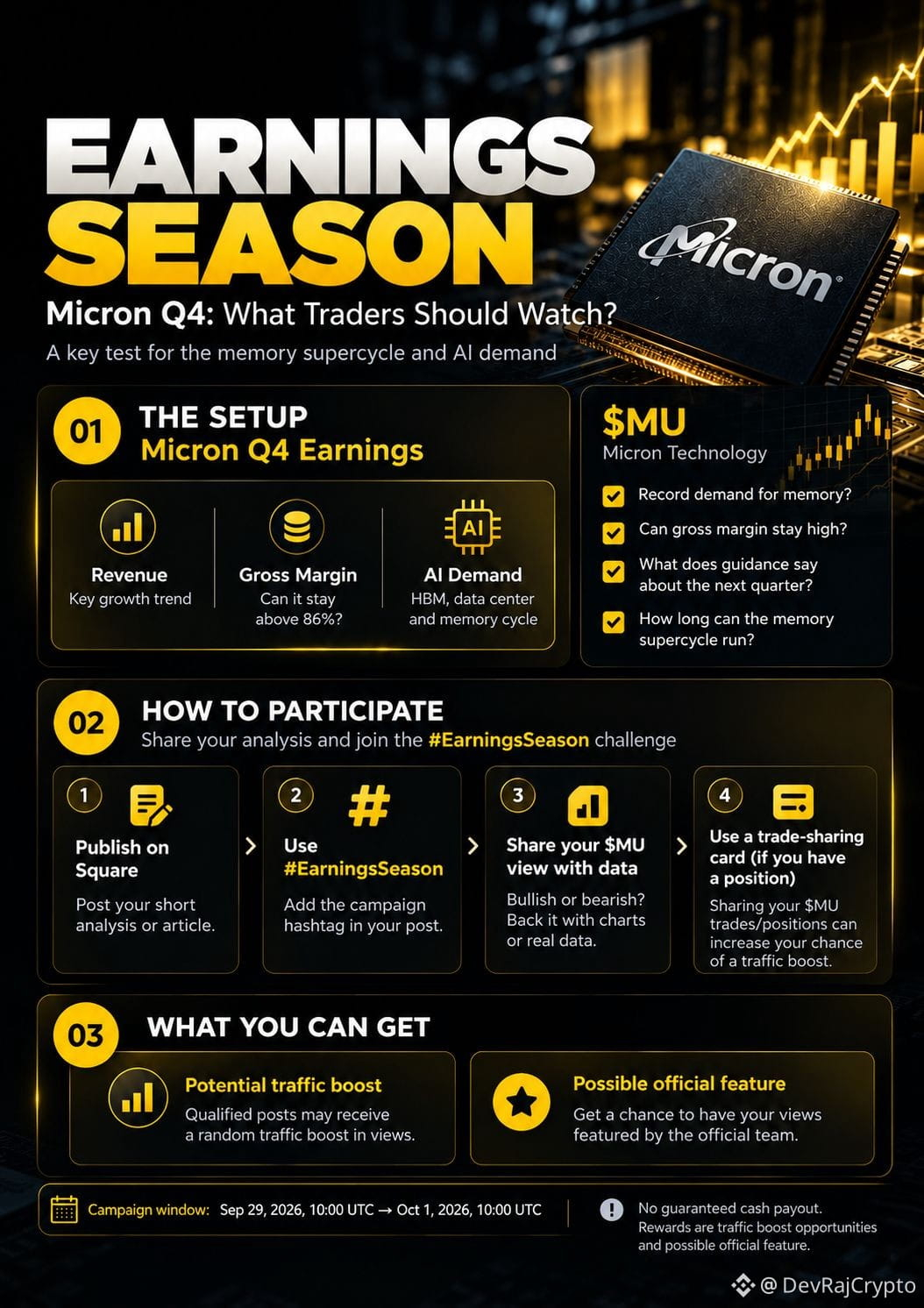
أطلقت Binance Square #EarningsSeason، والحملة الحالية تدور حول أرباح Micron المرقمة $MU .
ما الجزء المثير للاهتمام؟
لا تحتاج أن تكون محللًا محترفًا.
فقط تحتاج إلى رؤية حقيقية للسوق + بيانات + منطقك.
إليك بالضبط كيف أفعّل ذلك:
الخطوة 1: انتقل إلى Binance Square وابحث عن حملة #EarningsSeason.
الخطوة 2: اختر موضوع $MU وحدد ما الذي تعتقده بشأن الأرباح.
الخطوة 3: قم بإجراء بحثك الخاص.
راجع الإيرادات وEPS والهامش الإجمالي والتوجيهات وطلب الذكاء الاصطناعي ودورة الذاكرة.
الخطوة 4: اكتب منشورًا قصيرًا يشرح وجهة نظرك.
لا تقل فقط “متفائل” أو “متشائم”. وضّح لماذا.
الخطوة 5: أضف مخططًا مناسبًا أو بيانات حقيقية لدعم أطروحتك.
الخطوة 6: إذا كانت لديك صفقة/مركز في $MU ، شارك تداولك/مركزك باستخدام بطاقة مشاركة الصفقات. تقول Binance إن هذا قد يمنح المنشورات المؤهلة فرصة أعلى لتلقي دفعة في حركة المرور.
الخطوة 7: أضف #EarningsSeason ثم انشر.
الجزء المهم: هذه ليست برنامجًا مضمونًا لتحقيق أرباح نقدية. قد تحصل المنشورات المؤهلة على حركة مرور إضافية، وقد يتم إبراز بعض المحتوى بواسطة Binance Square Official.
وبالنسبة لMicron فقد أعلنت بالفعل أرقامًا قوية للربع الرابع: إيرادات بقيمة 54.23 مليار دولار، وEPS غير مبني على GAAP بقيمة 33.42 دولار، وهامش إجمالي غير مبني على GAAP بنسبة 87%.
لذلك إذا كنت على Binance Square، لا تكتفِ بمشاهدة منشئي المحتوى الآخرين يشاركون.
استخدم تحليلك أنت. انشره. دع السوق يرى طريقة تفكيرك.
هل تشارك في #EarningsSeason؟ 👇
#BinanceSquare #MU #crypto
#earningsseason
أستخدم Binance Square لتحويل آرائي في السوق إلى وصول إضافي. يمكنك فعل ذلك أيضًا. 👇
أطلقت Binance Square #EarningsSeason، والحملة الحالية تدور حول أرباح Micron المرقمة $MU .
ما الجزء المثير للاهتمام؟
لا تحتاج أن تكون محللًا محترفًا.
فقط تحتاج إلى رؤية حقيقية للسوق + بيانات + منطقك.
إليك بالضبط كيف أفعّل ذلك:
الخطوة 1: انتقل إلى Binance Square وابحث عن حملة #EarningsSeason.
الخطوة 2: اختر موضوع $MU وحدد ما الذي تعتقده بشأن الأرباح.
الخطوة 3: قم بإجراء بحثك الخاص.
راجع الإيرادات وEPS والهامش الإجمالي والتوجيهات وطلب الذكاء الاصطناعي ودورة الذاكرة.
الخطوة 4: اكتب منشورًا قصيرًا يشرح وجهة نظرك.
لا تقل فقط “متفائل” أو “متشائم”. وضّح لماذا.
الخطوة 5: أضف مخططًا مناسبًا أو بيانات حقيقية لدعم أطروحتك.
الخطوة 6: إذا كانت لديك صفقة/مركز في $MU ، شارك تداولك/مركزك باستخدام بطاقة مشاركة الصفقات. تقول Binance إن هذا قد يمنح المنشورات المؤهلة فرصة أعلى لتلقي دفعة في حركة المرور.
الخطوة 7: أضف #EarningsSeason ثم انشر.
الجزء المهم: هذه ليست برنامجًا مضمونًا لتحقيق أرباح نقدية. قد تحصل المنشورات المؤهلة على حركة مرور إضافية، وقد يتم إبراز بعض المحتوى بواسطة Binance Square Official.
وبالنسبة لMicron فقد أعلنت بالفعل أرقامًا قوية للربع الرابع: إيرادات بقيمة 54.23 مليار دولار، وEPS غير مبني على GAAP بقيمة 33.42 دولار، وهامش إجمالي غير مبني على GAAP بنسبة 87%.
لذلك إذا كنت على Binance Square، لا تكتفِ بمشاهدة منشئي المحتوى الآخرين يشاركون.
استخدم تحليلك أنت. انشره. دع السوق يرى طريقة تفكيرك.
هل تشارك في #EarningsSeason؟ 👇
#BinanceSquare #MU #crypto
#earningsseason
أطلقت Binance Square #EarningsSeason، والحملة الحالية تدور حول أرباح Micron المرقمة $MU .
ما الجزء المثير للاهتمام؟
لا تحتاج أن تكون محللًا محترفًا.
فقط تحتاج إلى رؤية حقيقية للسوق + بيانات + منطقك.
إليك بالضبط كيف أفعّل ذلك:
الخطوة 1: انتقل إلى Binance Square وابحث عن حملة #EarningsSeason.
الخطوة 2: اختر موضوع $MU وحدد ما الذي تعتقده بشأن الأرباح.
الخطوة 3: قم بإجراء بحثك الخاص.
راجع الإيرادات وEPS والهامش الإجمالي والتوجيهات وطلب الذكاء الاصطناعي ودورة الذاكرة.
الخطوة 4: اكتب منشورًا قصيرًا يشرح وجهة نظرك.
لا تقل فقط “متفائل” أو “متشائم”. وضّح لماذا.
الخطوة 5: أضف مخططًا مناسبًا أو بيانات حقيقية لدعم أطروحتك.
الخطوة 6: إذا كانت لديك صفقة/مركز في $MU ، شارك تداولك/مركزك باستخدام بطاقة مشاركة الصفقات. تقول Binance إن هذا قد يمنح المنشورات المؤهلة فرصة أعلى لتلقي دفعة في حركة المرور.
الخطوة 7: أضف #EarningsSeason ثم انشر.
الجزء المهم: هذه ليست برنامجًا مضمونًا لتحقيق أرباح نقدية. قد تحصل المنشورات المؤهلة على حركة مرور إضافية، وقد يتم إبراز بعض المحتوى بواسطة Binance Square Official.
وبالنسبة لMicron فقد أعلنت بالفعل أرقامًا قوية للربع الرابع: إيرادات بقيمة 54.23 مليار دولار، وEPS غير مبني على GAAP بقيمة 33.42 دولار، وهامش إجمالي غير مبني على GAAP بنسبة 87%.
لذلك إذا كنت على Binance Square، لا تكتفِ بمشاهدة منشئي المحتوى الآخرين يشاركون.
استخدم تحليلك أنت. انشره. دع السوق يرى طريقة تفكيرك.
هل تشارك في #EarningsSeason؟ 👇
#BinanceSquare #MU #crypto
#earningsseason
1
204
·
--
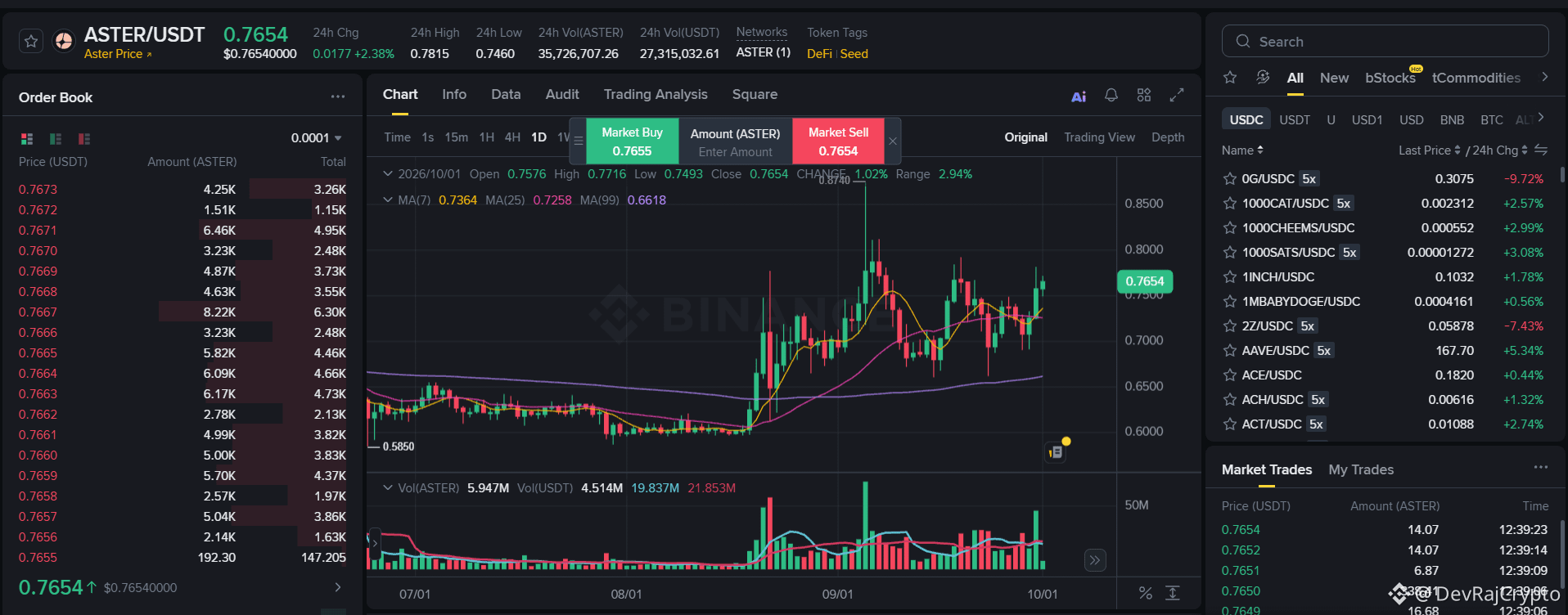
لقد طاردت ما يكفي من اختراقات العملات الرقمية لأعرف شيئًا واحدًا: الشمعة الأولى قد تكون أقل جزء أهمية.
$ASTER تدور حول 0.765 دولار، لتدفع مجددًا باتجاه منطقة 0.78 دولار، والتي كانت تعمل كمقاومة مؤخرًا.
ما أراقبه ليس مجرد ما إذا كانت ASTER ستلمس 0.78 دولار.
أريد أن أرى ماذا يحدث بعد الاختراق.
قد يحدث ذيل (فتيل) فوق المقاومة بسرعة.
لكن إذا اخترق السعر المستوى، وثبّت فوقه، ودافع المشترون عن المنطقة عند التراجع—فهذا مختلف. هذا يشير إلى أن السوق قد يكون متقبّلًا للسعر الأعلى.
بالنسبة لي، المناطق الرئيسية هي:
0.78: منطقة الاختراق
~0.75: دعم قصير المدى
أنا لست مهتمًا بالملاحقة فقط لأن الشمعة تبدو جيدة.
أفضل أن أترك السوق يثبت حصول الاختراق بدلًا من محاولة التنبؤ به.
هل ستأخذ الاختراق هنا، أم تنتظر إعادة اختبار 0.78؟
ماذا تراقب على $ASTER ؟ 👇
لقد طاردت ما يكفي من اختراقات العملات الرقمية لأعرف شيئًا واحدًا: الشمعة الأولى قد تكون أقل جزء أهمية.
$ASTER تدور حول 0.765 دولار، لتدفع مجددًا باتجاه منطقة 0.78 دولار، والتي كانت تعمل كمقاومة مؤخرًا.
ما أراقبه ليس مجرد ما إذا كانت ASTER ستلمس 0.78 دولار.
أريد أن أرى ماذا يحدث بعد الاختراق.
قد يحدث ذيل (فتيل) فوق المقاومة بسرعة.
لكن إذا اخترق السعر المستوى، وثبّت فوقه، ودافع المشترون عن المنطقة عند التراجع—فهذا مختلف. هذا يشير إلى أن السوق قد يكون متقبّلًا للسعر الأعلى.
بالنسبة لي، المناطق الرئيسية هي:
0.78: منطقة الاختراق
~0.75: دعم قصير المدى
أنا لست مهتمًا بالملاحقة فقط لأن الشمعة تبدو جيدة.
أفضل أن أترك السوق يثبت حصول الاختراق بدلًا من محاولة التنبؤ به.
هل ستأخذ الاختراق هنا، أم تنتظر إعادة اختبار 0.78؟
ماذا تراقب على $ASTER ؟ 👇
$ASTER تدور حول 0.765 دولار، لتدفع مجددًا باتجاه منطقة 0.78 دولار، والتي كانت تعمل كمقاومة مؤخرًا.
ما أراقبه ليس مجرد ما إذا كانت ASTER ستلمس 0.78 دولار.
أريد أن أرى ماذا يحدث بعد الاختراق.
قد يحدث ذيل (فتيل) فوق المقاومة بسرعة.
لكن إذا اخترق السعر المستوى، وثبّت فوقه، ودافع المشترون عن المنطقة عند التراجع—فهذا مختلف. هذا يشير إلى أن السوق قد يكون متقبّلًا للسعر الأعلى.
بالنسبة لي، المناطق الرئيسية هي:
0.78: منطقة الاختراق
~0.75: دعم قصير المدى
أنا لست مهتمًا بالملاحقة فقط لأن الشمعة تبدو جيدة.
أفضل أن أترك السوق يثبت حصول الاختراق بدلًا من محاولة التنبؤ به.
هل ستأخذ الاختراق هنا، أم تنتظر إعادة اختبار 0.78؟
ماذا تراقب على $ASTER ؟ 👇
2
454
·
--
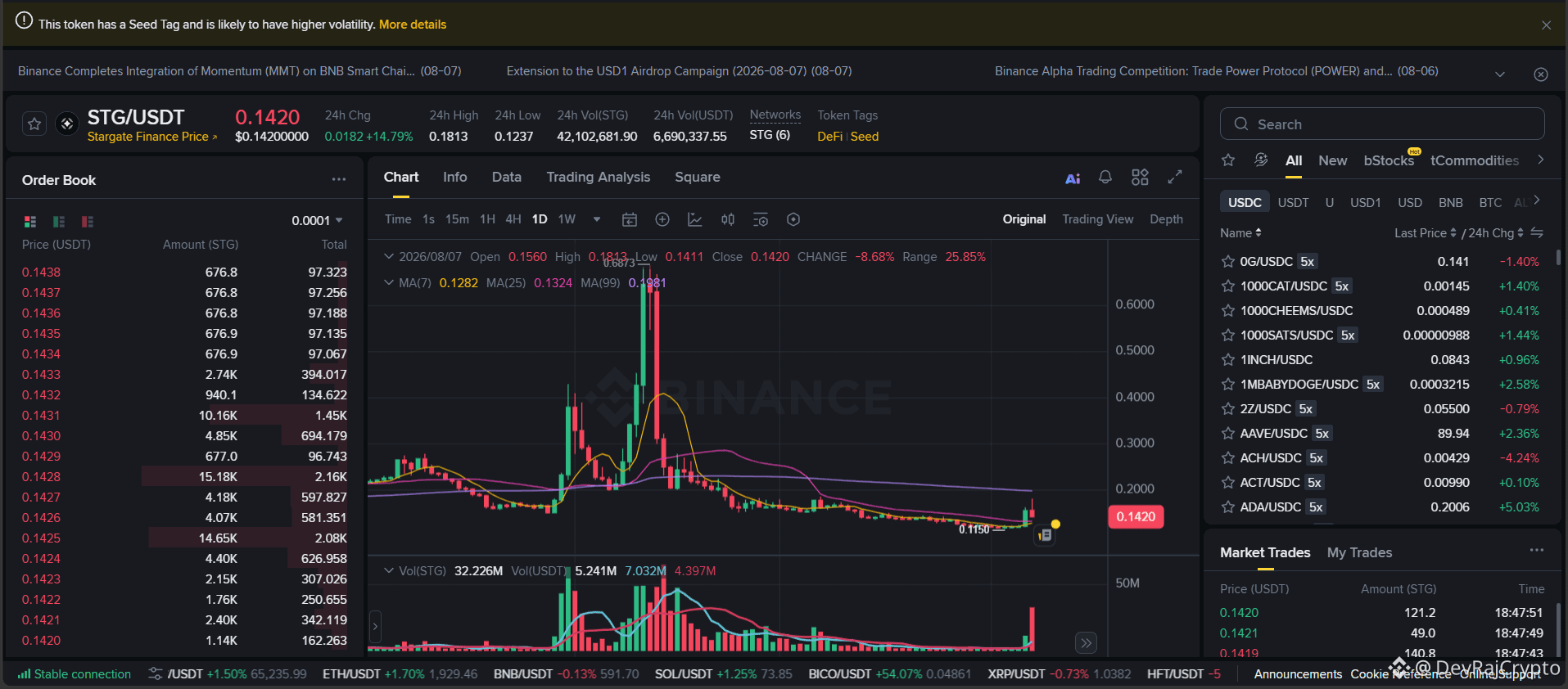
يقترب السعر من منطقة قرار محورية.
جنيه إسترليني — شراء لفترة طويلة 🟢
الدخول : 0.1433
SL : 0.138061
TP1 : 0.148539
TP2 : 0.152032
TP3 : 0.157271
يوضح الرفض الأخير أن المشترين ما زالوا يدافعون عن النطاق الحالي. تتحسن نسبة المخاطرة إلى العائد عند الانتظار للحصول على تأكيد بدلًا من المطاردة. يبدو هذا التراجع الحالي تصحيحيًا وليس انعكاسًا كاملًا.
منظور التداول: ركّز على الزخم والتنفيذ.
هل ستمنحك الصبرَ فرصة دخول أنظف؟
احمِ رأس المال قبل مطاردة الأرباح.
إخلاء المسؤولية: هذه رؤيتي الشخصية للسوق وليست نصيحة مالية.
Trade $STG here 👇
#SKHynixToInvest19.1TWonInM17Plant
يقترب السعر من منطقة قرار محورية.
جنيه إسترليني — شراء لفترة طويلة 🟢
الدخول : 0.1433
SL : 0.138061
TP1 : 0.148539
TP2 : 0.152032
TP3 : 0.157271
يوضح الرفض الأخير أن المشترين ما زالوا يدافعون عن النطاق الحالي. تتحسن نسبة المخاطرة إلى العائد عند الانتظار للحصول على تأكيد بدلًا من المطاردة. يبدو هذا التراجع الحالي تصحيحيًا وليس انعكاسًا كاملًا.
منظور التداول: ركّز على الزخم والتنفيذ.
هل ستمنحك الصبرَ فرصة دخول أنظف؟
احمِ رأس المال قبل مطاردة الأرباح.
إخلاء المسؤولية: هذه رؤيتي الشخصية للسوق وليست نصيحة مالية.
Trade $STG here 👇
#SKHynixToInvest19.1TWonInM17Plant
جنيه إسترليني — شراء لفترة طويلة 🟢
الدخول : 0.1433
SL : 0.138061
TP1 : 0.148539
TP2 : 0.152032
TP3 : 0.157271
يوضح الرفض الأخير أن المشترين ما زالوا يدافعون عن النطاق الحالي. تتحسن نسبة المخاطرة إلى العائد عند الانتظار للحصول على تأكيد بدلًا من المطاردة. يبدو هذا التراجع الحالي تصحيحيًا وليس انعكاسًا كاملًا.
منظور التداول: ركّز على الزخم والتنفيذ.
هل ستمنحك الصبرَ فرصة دخول أنظف؟
احمِ رأس المال قبل مطاردة الأرباح.
إخلاء المسؤولية: هذه رؤيتي الشخصية للسوق وليست نصيحة مالية.
Trade $STG here 👇
#SKHynixToInvest19.1TWonInM17Plant
2
176
·
--
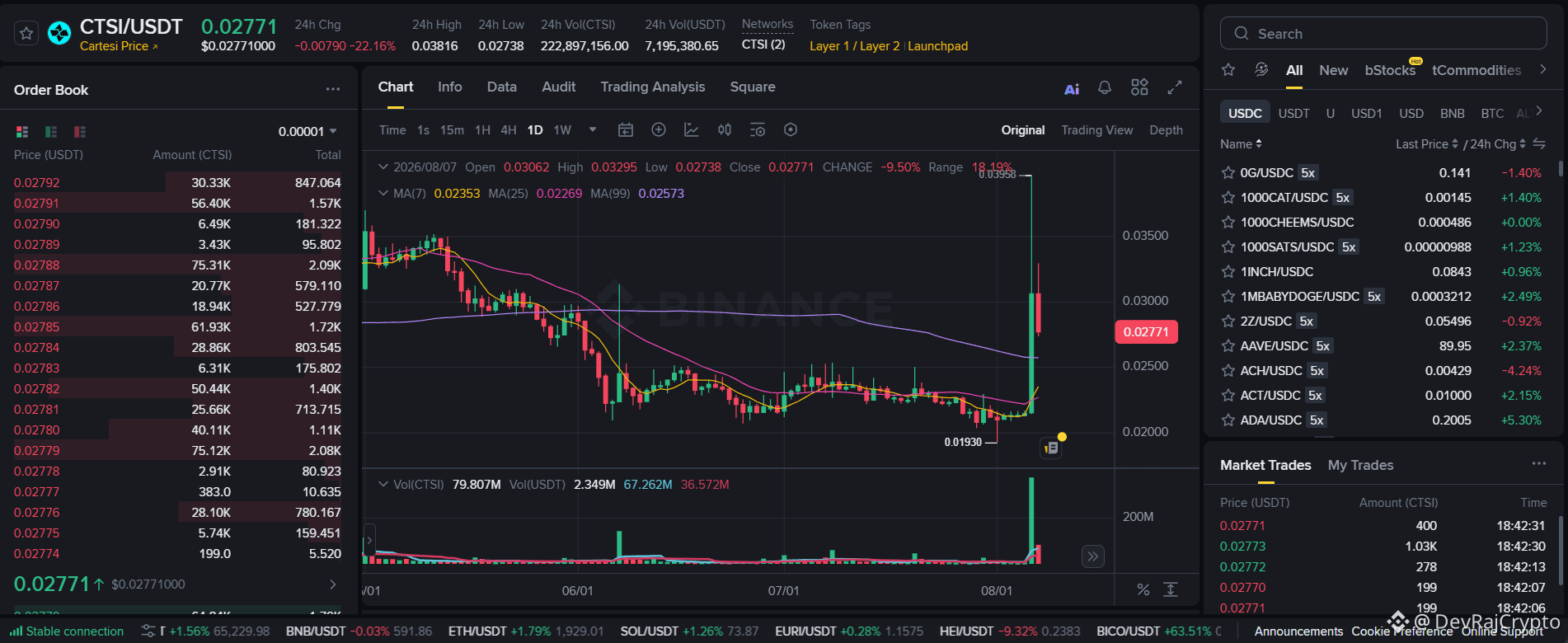
$CTSI short trade الهدف الذي تحقق
صفقة أخرى ناجحة
ننتصر مرة أخرى
#Congratulations😊😍 إلى كل من يحقق ربحًا
$CTSI short trade الهدف الذي تحقق
صفقة أخرى ناجحة
ننتصر مرة أخرى
#Congratulations😊😍 إلى كل من يحقق ربحًا
صفقة أخرى ناجحة
ننتصر مرة أخرى
#Congratulations😊😍 إلى كل من يحقق ربحًا
1
1
191
·
--
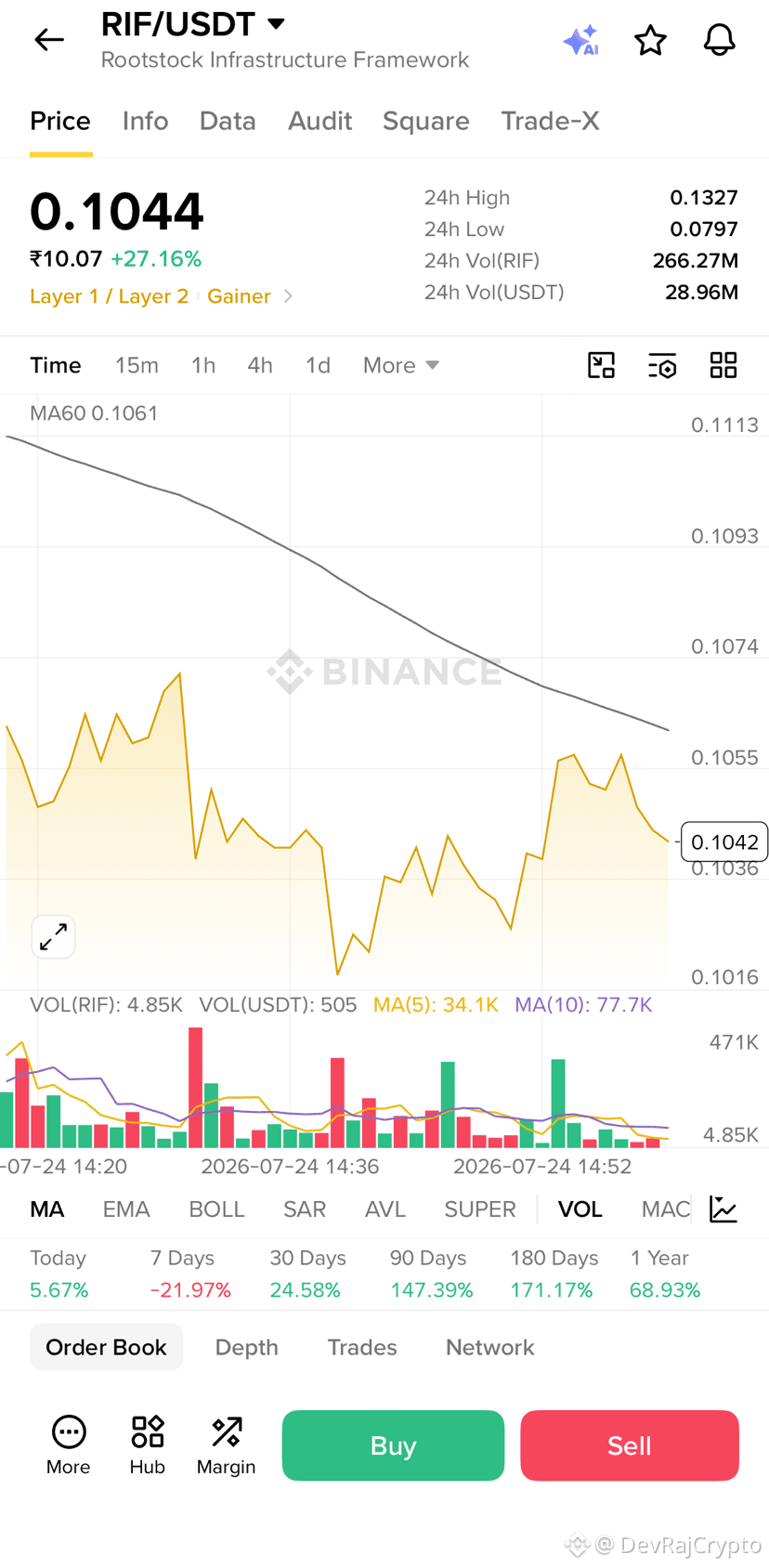
🚨 $RIF /USDT Big Short Setup — Bears in Control
$RIF يُظهر زخمًا هبوطيًا واضحًا بعد فقدان مستوى دعم رئيسي. طالما يبقى السعر تحت منطقة المقاومة، فمن المرجح أن يظل البائعون في السيطرة ولا يزال هبوط إضافي ممكنًا.
إعداد صفقة (بيع/Short):
📍 الدخول: سعر السوق الحالي
🛑 وقف الخسارة: 0.1170
🎯 أهداف جني الربح:
• TP1: 0.1020
• TP2: 0.0960
• TP3: 0.0900
#rif
🚨 $RIF /USDT Big Short Setup — Bears in Control
$RIF يُظهر زخمًا هبوطيًا واضحًا بعد فقدان مستوى دعم رئيسي. طالما يبقى السعر تحت منطقة المقاومة، فمن المرجح أن يظل البائعون في السيطرة ولا يزال هبوط إضافي ممكنًا.
إعداد صفقة (بيع/Short):
📍 الدخول: سعر السوق الحالي
🛑 وقف الخسارة: 0.1170
🎯 أهداف جني الربح:
• TP1: 0.1020
• TP2: 0.0960
• TP3: 0.0900
#rif
$RIF يُظهر زخمًا هبوطيًا واضحًا بعد فقدان مستوى دعم رئيسي. طالما يبقى السعر تحت منطقة المقاومة، فمن المرجح أن يظل البائعون في السيطرة ولا يزال هبوط إضافي ممكنًا.
إعداد صفقة (بيع/Short):
📍 الدخول: سعر السوق الحالي
🛑 وقف الخسارة: 0.1170
🎯 أهداف جني الربح:
• TP1: 0.1020
• TP2: 0.0960
• TP3: 0.0900
#rif
185
·
--
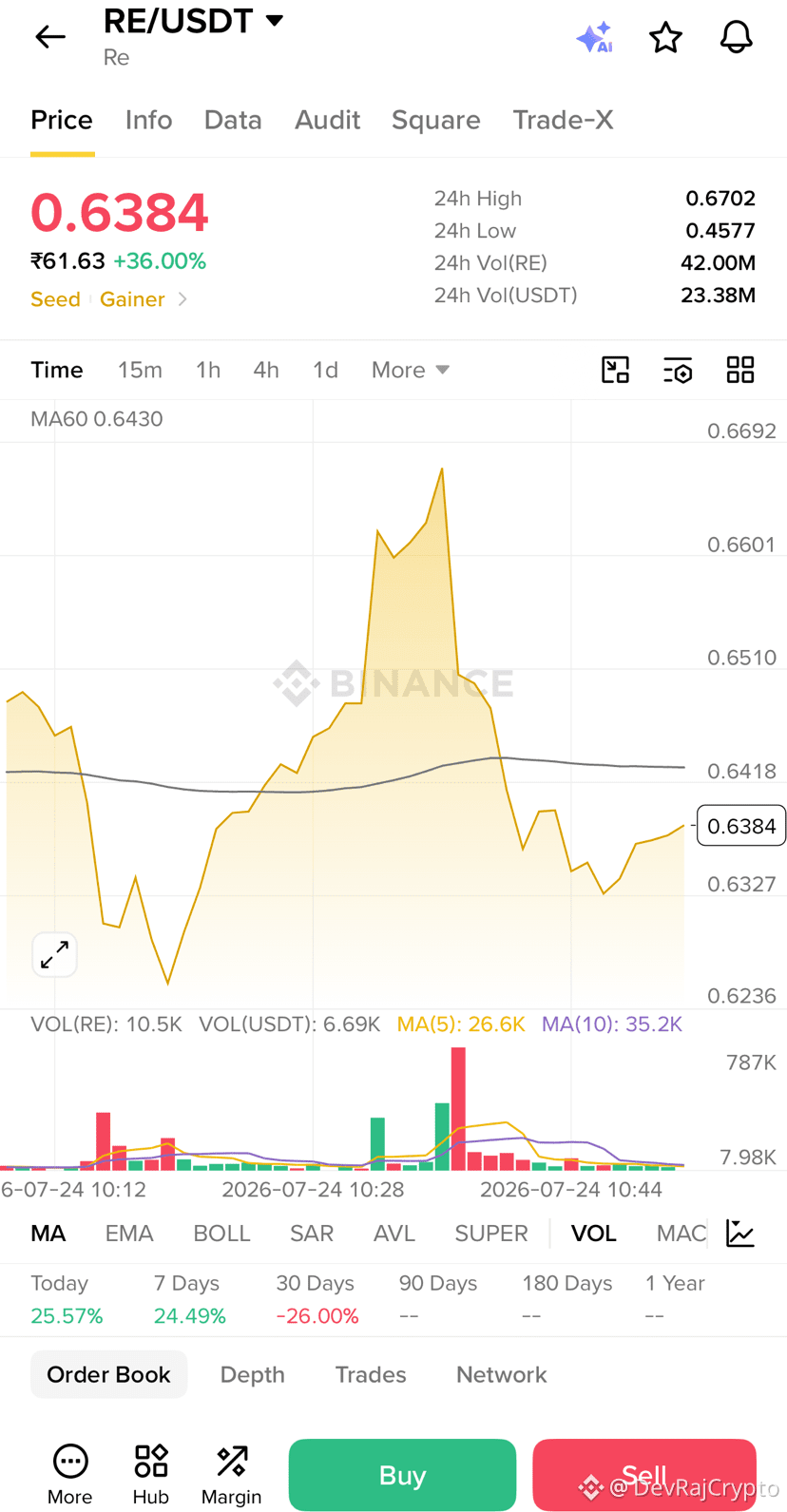
$RE USDT إعداد تصحيح صعودي — المشترون يبدو أنهم أقوياء 📈
$RE يواصل الحفاظ فوق منطقة دعم مهمة مع الحفاظ على بنية سوق صعودية. قد يؤدي التصحيح إلى نطاق الدخول إلى فرصة شراء مناسبة إذا استمر المشترون في الدفاع عن المستويات الحالية.
إعداد التداول (شراء طويل):
📍 الدخول: 0.625 – 0.653
🎯 الهدف 1: 0.667
🎯 الهدف 2: 0.693
🎯 الهدف 3: 0.736
🛑 وقف الخسارة: 0.597
#RE
$RE USDT إعداد تصحيح صعودي — المشترون يبدو أنهم أقوياء 📈
$RE يواصل الحفاظ فوق منطقة دعم مهمة مع الحفاظ على بنية سوق صعودية. قد يؤدي التصحيح إلى نطاق الدخول إلى فرصة شراء مناسبة إذا استمر المشترون في الدفاع عن المستويات الحالية.
إعداد التداول (شراء طويل):
📍 الدخول: 0.625 – 0.653
🎯 الهدف 1: 0.667
🎯 الهدف 2: 0.693
🎯 الهدف 3: 0.736
🛑 وقف الخسارة: 0.597
#RE
$RE يواصل الحفاظ فوق منطقة دعم مهمة مع الحفاظ على بنية سوق صعودية. قد يؤدي التصحيح إلى نطاق الدخول إلى فرصة شراء مناسبة إذا استمر المشترون في الدفاع عن المستويات الحالية.
إعداد التداول (شراء طويل):
📍 الدخول: 0.625 – 0.653
🎯 الهدف 1: 0.667
🎯 الهدف 2: 0.693
🎯 الهدف 3: 0.736
🛑 وقف الخسارة: 0.597
#RE
196
·
--
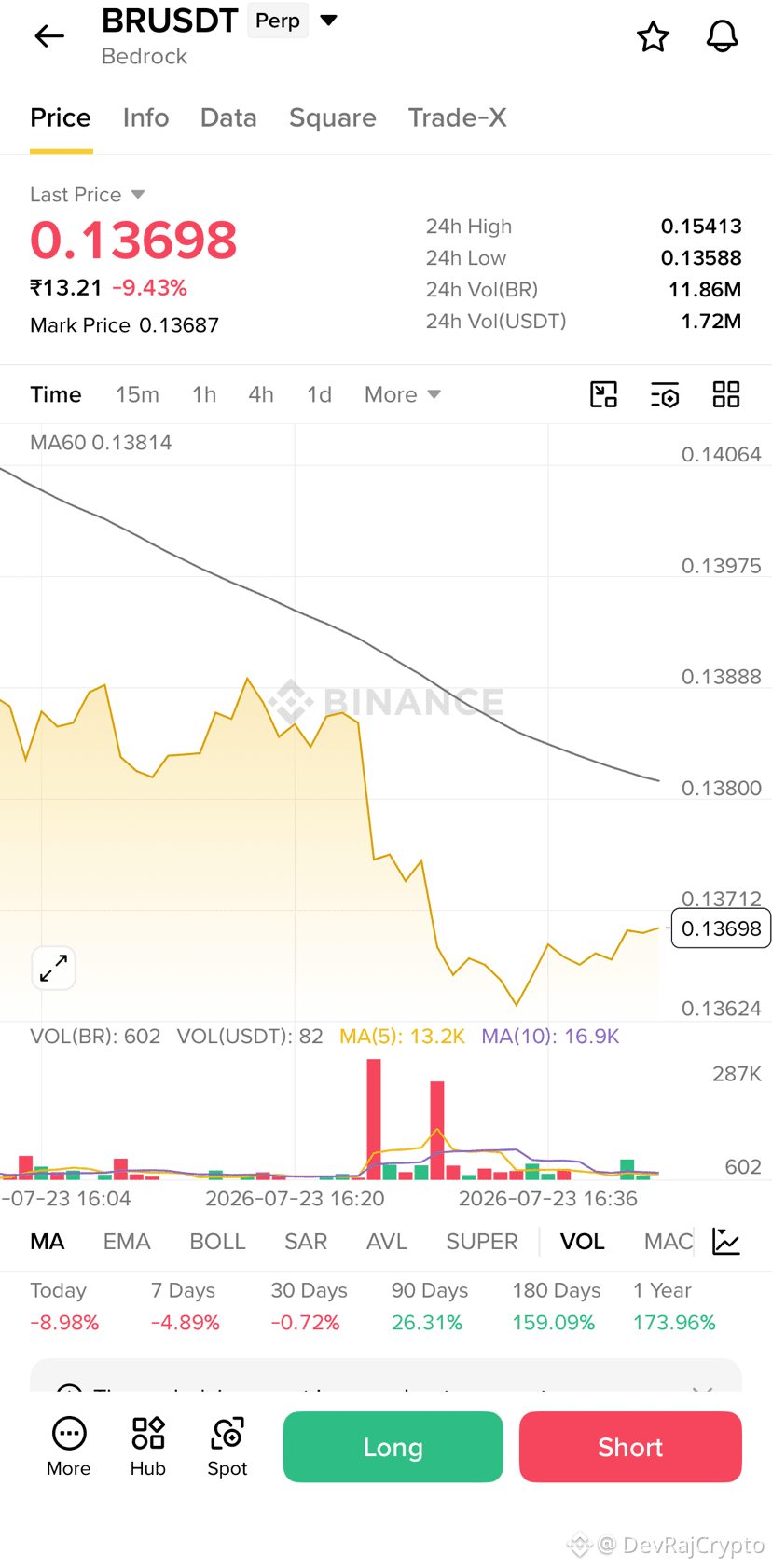
$BR /تفاصيل إشارات USDT: المزيد من الهبوط 📉
$BR قد اخترق تحت مستوى دعم حاسم، ما يؤكد زخمًا هبوطيًا بينما يبقى البائعون هم المسيطرون. ما لم يستعد السعر منطقة الاختراق، فإن المسار الأسهل يستمر في الإشارة إلى المزيد من الانخفاض.
🔻 خطة التداول (بيع/Short):
الدخول: $0.1385 – $0.1400
TP1: $0.1350
TP2: $0.1315
TP3: $0.1270
🛑 وقف الخسارة: $0.1445
ارتدادات الضعف نحو المقاومة قد توفر فرص دخول بيع أفضل. التزم بالانضباط، أدر المخاطر، ولا تلاحق الحركة.
بِع $BR مع إدارة مخاطر مناسبة.#BR
$BR /تفاصيل إشارات USDT: المزيد من الهبوط 📉
$BR قد اخترق تحت مستوى دعم حاسم، ما يؤكد زخمًا هبوطيًا بينما يبقى البائعون هم المسيطرون. ما لم يستعد السعر منطقة الاختراق، فإن المسار الأسهل يستمر في الإشارة إلى المزيد من الانخفاض.
🔻 خطة التداول (بيع/Short):
الدخول: $0.1385 – $0.1400
TP1: $0.1350
TP2: $0.1315
TP3: $0.1270
🛑 وقف الخسارة: $0.1445
ارتدادات الضعف نحو المقاومة قد توفر فرص دخول بيع أفضل. التزم بالانضباط، أدر المخاطر، ولا تلاحق الحركة.
بِع $BR مع إدارة مخاطر مناسبة.#BR
$BR قد اخترق تحت مستوى دعم حاسم، ما يؤكد زخمًا هبوطيًا بينما يبقى البائعون هم المسيطرون. ما لم يستعد السعر منطقة الاختراق، فإن المسار الأسهل يستمر في الإشارة إلى المزيد من الانخفاض.
🔻 خطة التداول (بيع/Short):
الدخول: $0.1385 – $0.1400
TP1: $0.1350
TP2: $0.1315
TP3: $0.1270
🛑 وقف الخسارة: $0.1445
ارتدادات الضعف نحو المقاومة قد توفر فرص دخول بيع أفضل. التزم بالانضباط، أدر المخاطر، ولا تلاحق الحركة.
بِع $BR مع إدارة مخاطر مناسبة.#BR
1
56
·
--
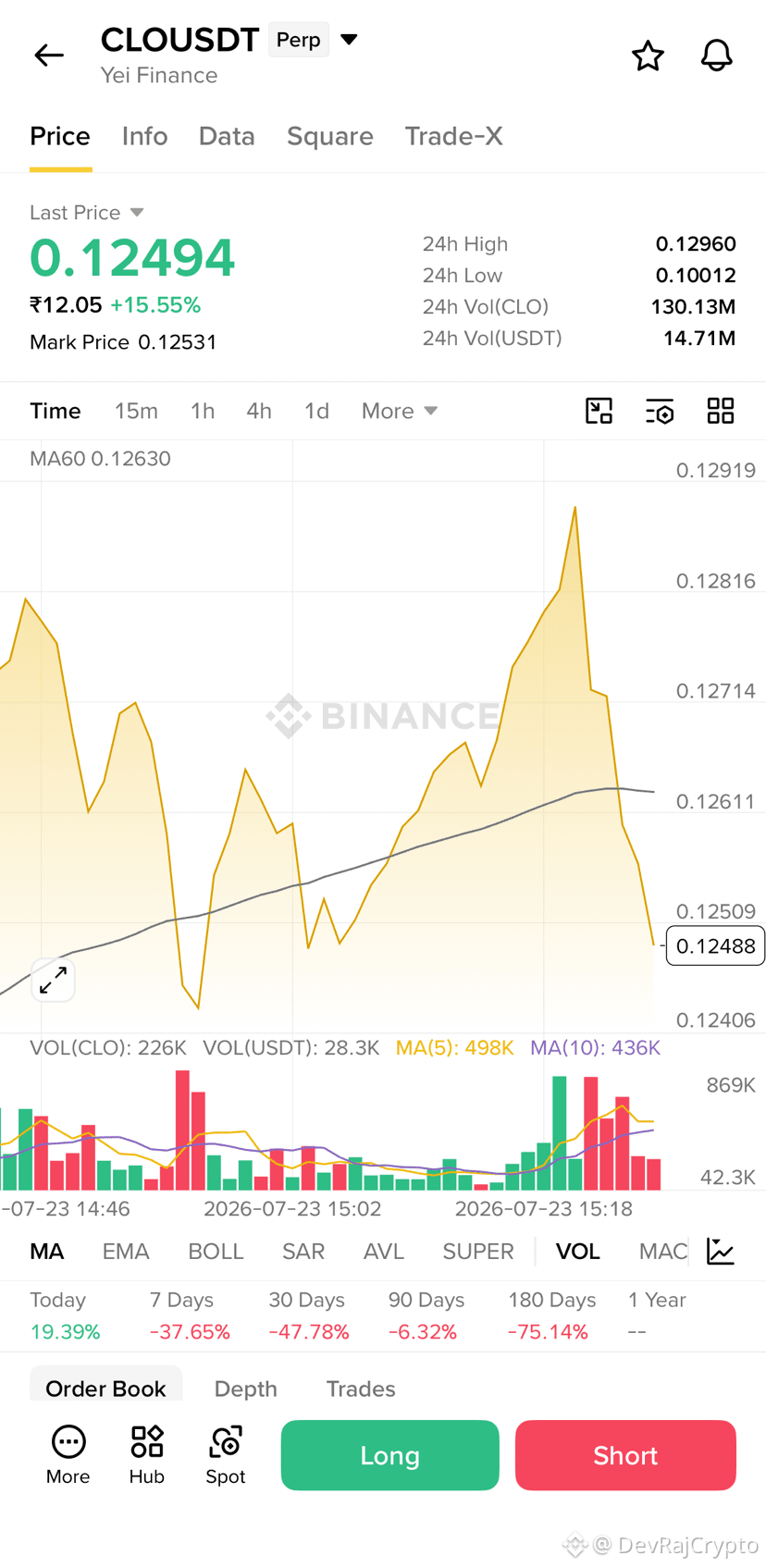
$CLO USDT جاهز لانفجار صعودي قادم 🚀
$CLO يُظهر زخمًا صعوديًا قويًا بعد استعادة منطقة مقاومة رئيسية. لا يزال المشترون في السيطرة، ويشير ارتفاع حجم التداول إلى إمكانية استمرار الاتجاه الصعودي إذا تم الحفاظ على مستوى الاختراق.
📈 إعداد الصفقة
الدخول: $0.1255 – $0.1270
🎯 الهدف 1: $0.1310
🎯 الهدف 2: $0.1360
🎯 الهدف 3: $0.1420
🛑 وقف الخسارة: $0.1190
قد يؤدي الثبات الناجح فوق منطقة الاختراق إلى إشعال حركة قوية أخرى نحو أهداف أعلى.
اشترِ $CLO بحكمة وادِر مخاطرك دائمًا. 💰#CLO
$CLO USDT جاهز لانفجار صعودي قادم 🚀
$CLO يُظهر زخمًا صعوديًا قويًا بعد استعادة منطقة مقاومة رئيسية. لا يزال المشترون في السيطرة، ويشير ارتفاع حجم التداول إلى إمكانية استمرار الاتجاه الصعودي إذا تم الحفاظ على مستوى الاختراق.
📈 إعداد الصفقة
الدخول: $0.1255 – $0.1270
🎯 الهدف 1: $0.1310
🎯 الهدف 2: $0.1360
🎯 الهدف 3: $0.1420
🛑 وقف الخسارة: $0.1190
قد يؤدي الثبات الناجح فوق منطقة الاختراق إلى إشعال حركة قوية أخرى نحو أهداف أعلى.
اشترِ $CLO بحكمة وادِر مخاطرك دائمًا. 💰#CLO
$CLO يُظهر زخمًا صعوديًا قويًا بعد استعادة منطقة مقاومة رئيسية. لا يزال المشترون في السيطرة، ويشير ارتفاع حجم التداول إلى إمكانية استمرار الاتجاه الصعودي إذا تم الحفاظ على مستوى الاختراق.
📈 إعداد الصفقة
الدخول: $0.1255 – $0.1270
🎯 الهدف 1: $0.1310
🎯 الهدف 2: $0.1360
🎯 الهدف 3: $0.1420
🛑 وقف الخسارة: $0.1190
قد يؤدي الثبات الناجح فوق منطقة الاختراق إلى إشعال حركة قوية أخرى نحو أهداف أعلى.
اشترِ $CLO بحكمة وادِر مخاطرك دائمًا. 💰#CLO
1
75
·
--
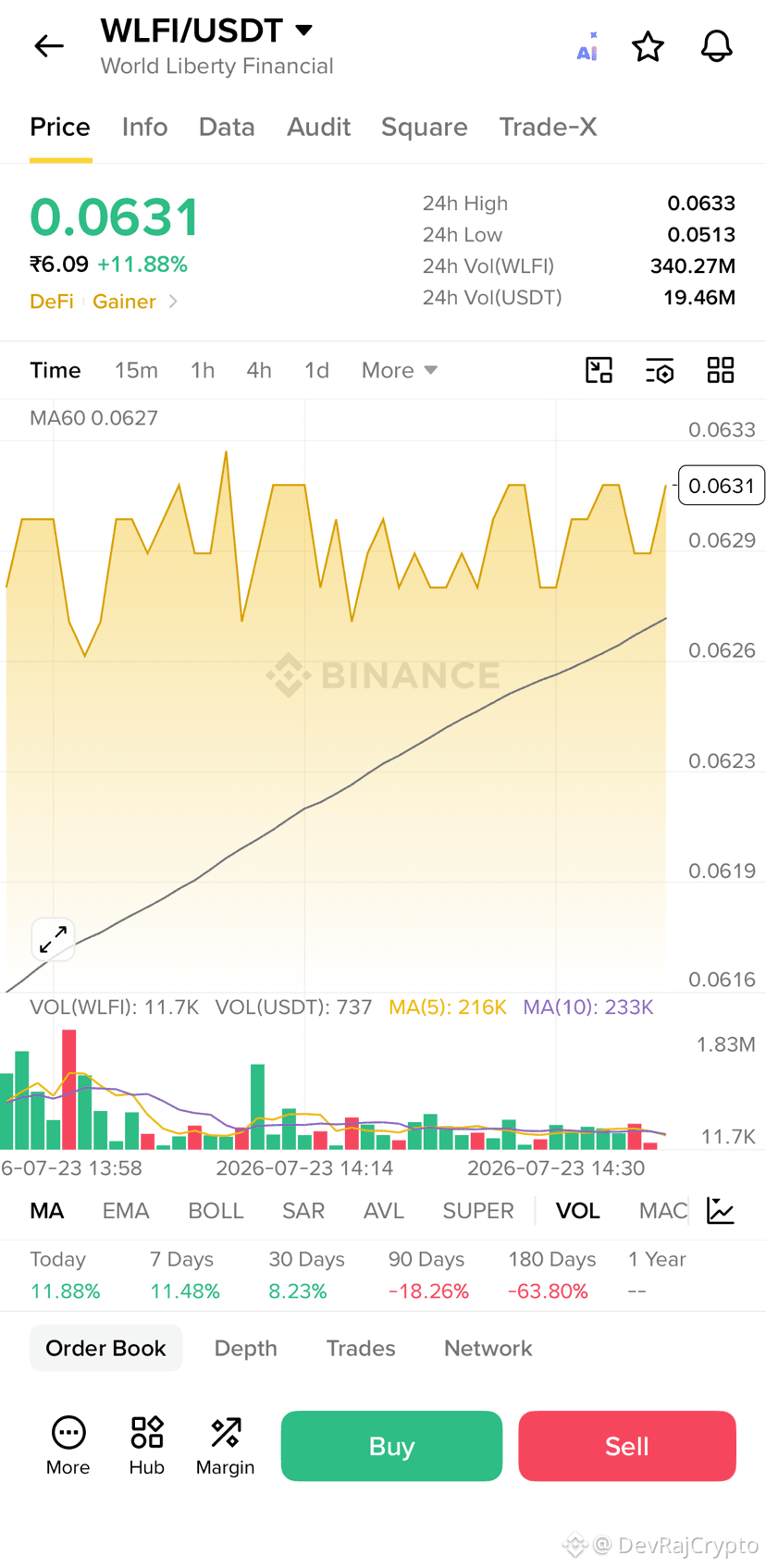
🚀 $WLFI USDT إشارات اختراق جديد بقوة صعودية
لقد اخترق $WLFI فوق منطقة مقاومة محورية مع ضغط شراء قوي، مما يؤكد الزخم الصعودي. طالما أن السعر يحافظ على مستوى الاختراق، فقد يمتد الاتجاه الصاعد باتجاه أهداف أعلى.
📈 إعداد الصفقة (Long):
الدخول: $0.0615 – $0.0620
🎯 الهدف 1: $0.0640
🎯 الهدف 2: $0.0665
🎯 الهدف 3: $0.0690
🛑 وقف الخسارة: $0.0588
قد توفر إعادة اختبار صحية لمنطقة الاختراق تأكيدًا مثاليًا للاستمرار. راقب أحجام التداول وحركة السعر قبل الدخول.
تداول بذكاء، أدر مخاطرّك، واستفد من الزخم. 🚀📊
#WLFI
🚀 $WLFI USDT إشارات اختراق جديد بقوة صعودية
لقد اخترق $WLFI فوق منطقة مقاومة محورية مع ضغط شراء قوي، مما يؤكد الزخم الصعودي. طالما أن السعر يحافظ على مستوى الاختراق، فقد يمتد الاتجاه الصاعد باتجاه أهداف أعلى.
📈 إعداد الصفقة (Long):
الدخول: $0.0615 – $0.0620
🎯 الهدف 1: $0.0640
🎯 الهدف 2: $0.0665
🎯 الهدف 3: $0.0690
🛑 وقف الخسارة: $0.0588
قد توفر إعادة اختبار صحية لمنطقة الاختراق تأكيدًا مثاليًا للاستمرار. راقب أحجام التداول وحركة السعر قبل الدخول.
تداول بذكاء، أدر مخاطرّك، واستفد من الزخم. 🚀📊
#WLFI
لقد اخترق $WLFI فوق منطقة مقاومة محورية مع ضغط شراء قوي، مما يؤكد الزخم الصعودي. طالما أن السعر يحافظ على مستوى الاختراق، فقد يمتد الاتجاه الصاعد باتجاه أهداف أعلى.
📈 إعداد الصفقة (Long):
الدخول: $0.0615 – $0.0620
🎯 الهدف 1: $0.0640
🎯 الهدف 2: $0.0665
🎯 الهدف 3: $0.0690
🛑 وقف الخسارة: $0.0588
قد توفر إعادة اختبار صحية لمنطقة الاختراق تأكيدًا مثاليًا للاستمرار. راقب أحجام التداول وحركة السعر قبل الدخول.
تداول بذكاء، أدر مخاطرّك، واستفد من الزخم. 🚀📊
#WLFI
1
81
·
--
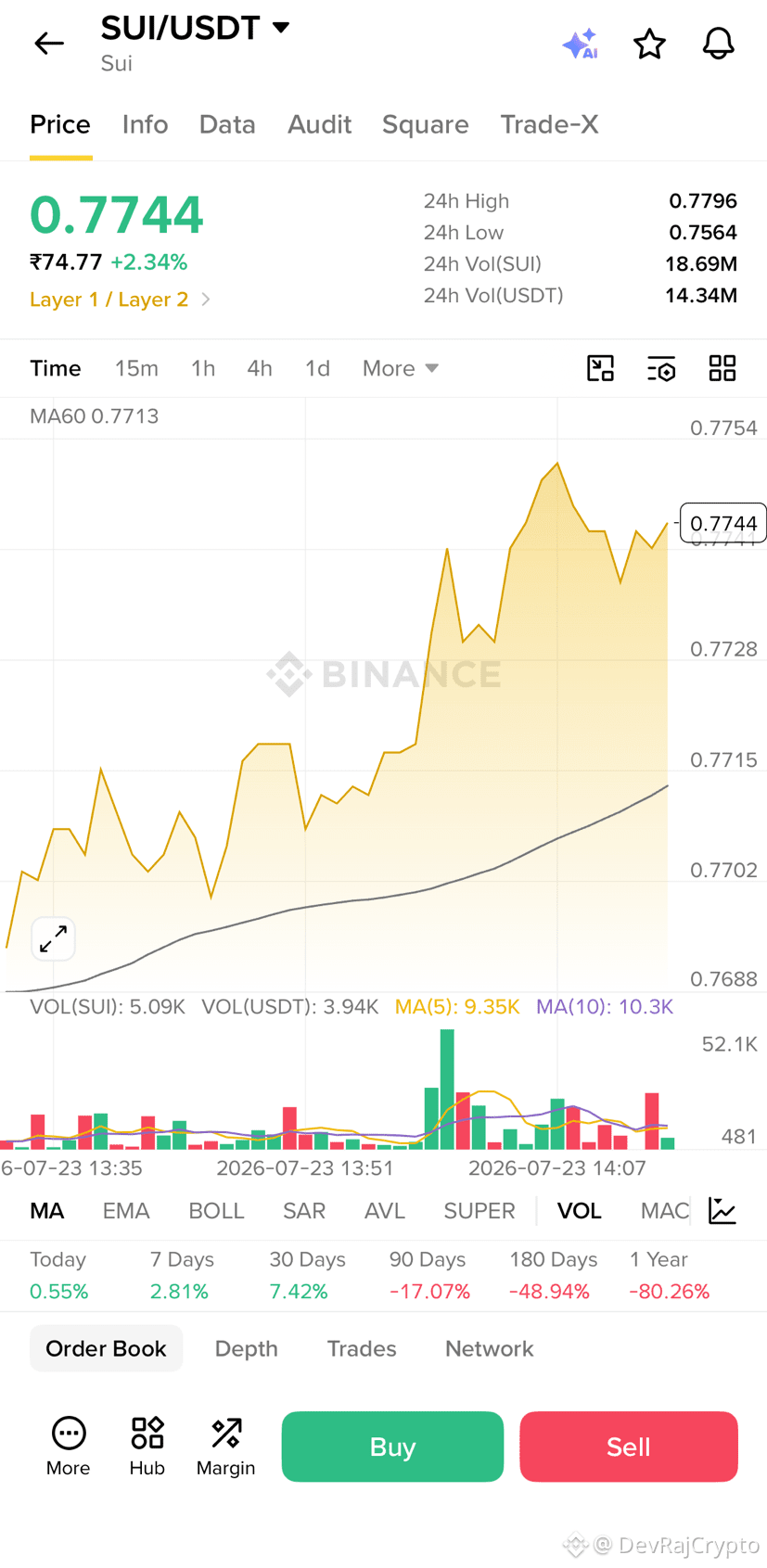
$SUI يبدو جاهزًا للخطوة الصعودية التالية 🚀
$SUI يُظهر ضغط شراء قويًا بعد تكوين قيعان أعلى واستعادة منطقة مقاومة مهمة. يبقى الهيكل العام صعوديًا، وقد يؤدي الاختراق المؤكد إلى تحريك المرحلة التالية للأعلى.
📈 خطة التداول (شراء طويل):
الدخول: $0.7720 – $0.7760
🎯 الهدف 1: $0.7900
🎯 الهدف 2: $0.8100
🎯 الهدف 3: $0.8350
🛑 وقف الخسارة: $0.7550
إغلاق قوي فوق قمة التأرجح الأخيرة سيؤكد الاختراق ويعزز النظرة الصعودية.
تداول بذكاء، أدر مخاطرِك، وراقب الزخم. 🔥#SUI
$SUI يبدو جاهزًا للخطوة الصعودية التالية 🚀
$SUI يُظهر ضغط شراء قويًا بعد تكوين قيعان أعلى واستعادة منطقة مقاومة مهمة. يبقى الهيكل العام صعوديًا، وقد يؤدي الاختراق المؤكد إلى تحريك المرحلة التالية للأعلى.
📈 خطة التداول (شراء طويل):
الدخول: $0.7720 – $0.7760
🎯 الهدف 1: $0.7900
🎯 الهدف 2: $0.8100
🎯 الهدف 3: $0.8350
🛑 وقف الخسارة: $0.7550
إغلاق قوي فوق قمة التأرجح الأخيرة سيؤكد الاختراق ويعزز النظرة الصعودية.
تداول بذكاء، أدر مخاطرِك، وراقب الزخم. 🔥#SUI
$SUI يُظهر ضغط شراء قويًا بعد تكوين قيعان أعلى واستعادة منطقة مقاومة مهمة. يبقى الهيكل العام صعوديًا، وقد يؤدي الاختراق المؤكد إلى تحريك المرحلة التالية للأعلى.
📈 خطة التداول (شراء طويل):
الدخول: $0.7720 – $0.7760
🎯 الهدف 1: $0.7900
🎯 الهدف 2: $0.8100
🎯 الهدف 3: $0.8350
🛑 وقف الخسارة: $0.7550
إغلاق قوي فوق قمة التأرجح الأخيرة سيؤكد الاختراق ويعزز النظرة الصعودية.
تداول بذكاء، أدر مخاطرِك، وراقب الزخم. 🔥#SUI
1
44
سجّل الدخول لاستكشاف المزيد من المُحتوى
انضم إلى مُستخدمي العملات الرقمية حول العالم على Binance Square
⚡️ احصل على أحدث المعلومات المفيدة عن العملات الرقمية.
💬 موثوقة من قبل أكبر منصّة لتداول العملات الرقمية في العالم.
👍 اكتشف الرؤى الحقيقية من صنّاع المُحتوى الموثوقين.
البريد الإلكتروني / رقم الهاتف
المواضيع الرائجة
BNBSurpasses$790
18,091 مشاهدات
143 يقومون بالنقاش
$BNB strategic long plan -> FOCUS NOW
أنشأ BNB قاعين قويين بعد إزالة السيولة الداخلية
أتوقع حركة باتجاه القمة التأرجحية $815-$830 وأبحث عن صفقة شراء عند إعادة اختبار المربع الأخضر
#BNBSurpasses$790 #bnb
Ghost Writer
·6 إعجاب
·9.6k مشاهدات
ZamaRises15.99%ToIntradayHigh$0.09
16,103 مشاهدات
105 يقومون بالنقاش
BitcoinSpotETFsDraw$6.34BInflowsInQ3
5,917 مشاهدات
90 يقومون بالنقاش