
M AFZAL RYK
9.6k منشورات

M AFZAL RYK
إبلاغ
حظر المُستخدم
Crypto lover || Creatorpad content creator || BNB || BTC || SOL || Square Influencer
فتح تداول
مُتداول مُتكرر
11.9 أشهر
644 تتابع
19.9K+ المتابعون
7.0K+ إعجاب
منشورات
الحافظة الاستثمارية
الكل
اقتباسات
Live
PINNED
·
--
صاعد
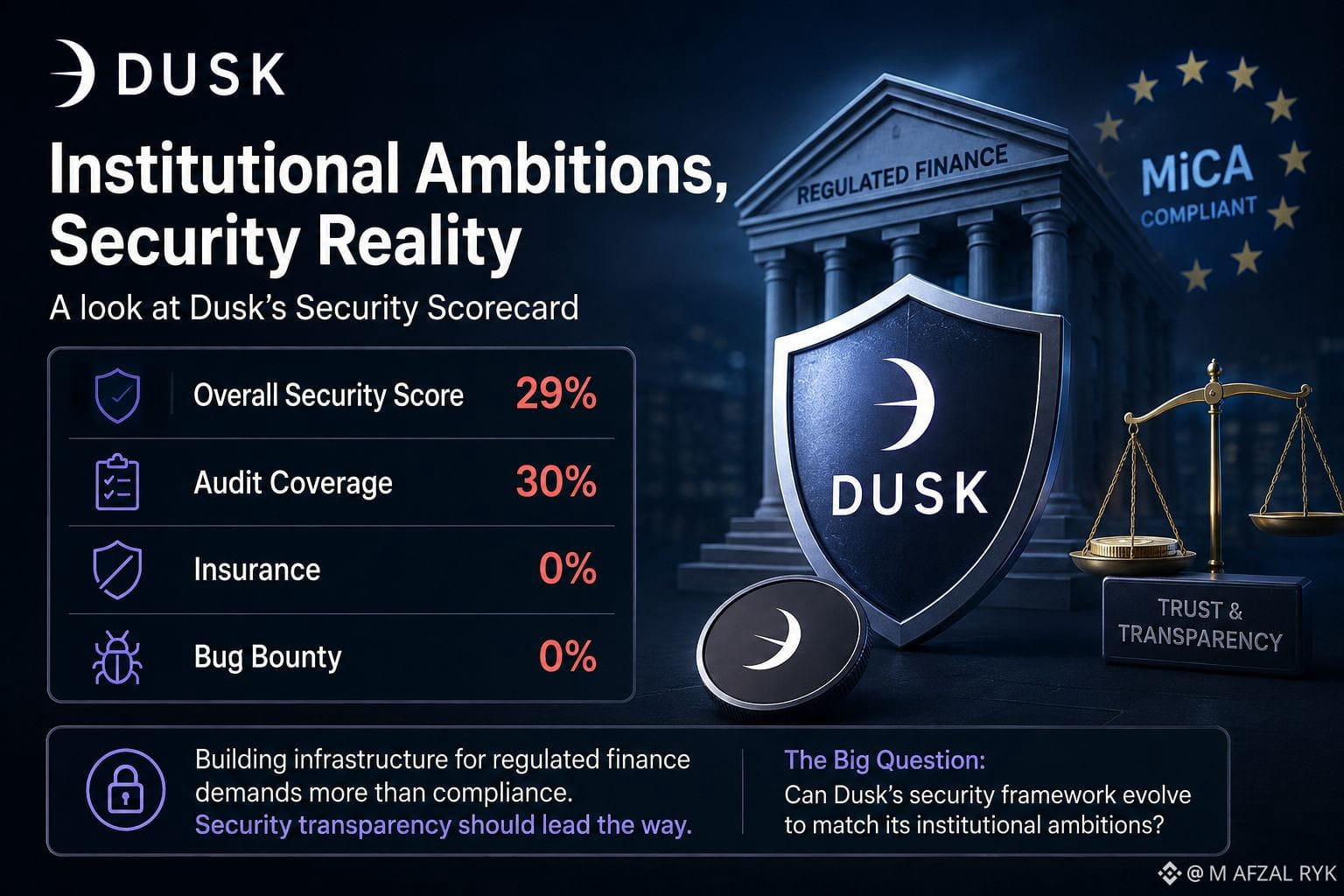
يبدو "Dusk" $DUSK مقنعًا من الجانب المؤسسي، خصوصًا مع تركيزه على التمويل المُنظَّم والأوراق المالية المُرمَّزة (tokenized securities) وبنية تحتية متوافقة مع لوائح MiCA.
لكن قائمة نقاط الأمان جعلتني أتوقف.
إجمالي درجة الأمان: 29%
تغطية التدقيق: 30%
التأمين: 0%
برنامج مكافآت الثغرات: 0%
إن نسبة 0% لبرنامج مكافآت الثغرات هي أكبر سؤال بالنسبة لي. المشروع الذي يستهدف أمناء الحفظ (custodians) والمؤسسات والأصول المالية الخاضعة للتنظيم ينبغي أن يمتلك، على نحو مثالي، حوافز قوية للباحثين المستقلين لاكتشاف الثغرات والإبلاغ عنها.
هذا لا يعني أن Dusk غير آمن. بل يشير فقط إلى فجوة بين السرد الذي يستهدف المستوى المؤسسي وبين مقاييس الأمان الظاهرة حاليًا.
توجد DUSK عند حوالي 0.065 دولار بعد تحقيق نحو 1.4% خلال 24 ساعة، لكن السعر ليس القصة الرئيسية هنا.
إذا كانت Dusk تريد أن تُصدَّق في مجال التمويل المُنظَّم، ألا ينبغي أن يكون شفافيتها الأمنية قوية بنفس قدر قوة سرد الامتثال لديها؟
#dusk @Dusk_Foundation $DUSK
يبدو "Dusk" $DUSK مقنعًا من الجانب المؤسسي، خصوصًا مع تركيزه على التمويل المُنظَّم والأوراق المالية المُرمَّزة (tokenized securities) وبنية تحتية متوافقة مع لوائح MiCA.
لكن قائمة نقاط الأمان جعلتني أتوقف.
إجمالي درجة الأمان: 29%
تغطية التدقيق: 30%
التأمين: 0%
برنامج مكافآت الثغرات: 0%
إن نسبة 0% لبرنامج مكافآت الثغرات هي أكبر سؤال بالنسبة لي. المشروع الذي يستهدف أمناء الحفظ (custodians) والمؤسسات والأصول المالية الخاضعة للتنظيم ينبغي أن يمتلك، على نحو مثالي، حوافز قوية للباحثين المستقلين لاكتشاف الثغرات والإبلاغ عنها.
هذا لا يعني أن Dusk غير آمن. بل يشير فقط إلى فجوة بين السرد الذي يستهدف المستوى المؤسسي وبين مقاييس الأمان الظاهرة حاليًا.
توجد DUSK عند حوالي 0.065 دولار بعد تحقيق نحو 1.4% خلال 24 ساعة، لكن السعر ليس القصة الرئيسية هنا.
إذا كانت Dusk تريد أن تُصدَّق في مجال التمويل المُنظَّم، ألا ينبغي أن يكون شفافيتها الأمنية قوية بنفس قدر قوة سرد الامتثال لديها؟
#dusk @Dusk $DUSK
لكن قائمة نقاط الأمان جعلتني أتوقف.
إجمالي درجة الأمان: 29%
تغطية التدقيق: 30%
التأمين: 0%
برنامج مكافآت الثغرات: 0%
إن نسبة 0% لبرنامج مكافآت الثغرات هي أكبر سؤال بالنسبة لي. المشروع الذي يستهدف أمناء الحفظ (custodians) والمؤسسات والأصول المالية الخاضعة للتنظيم ينبغي أن يمتلك، على نحو مثالي، حوافز قوية للباحثين المستقلين لاكتشاف الثغرات والإبلاغ عنها.
هذا لا يعني أن Dusk غير آمن. بل يشير فقط إلى فجوة بين السرد الذي يستهدف المستوى المؤسسي وبين مقاييس الأمان الظاهرة حاليًا.
توجد DUSK عند حوالي 0.065 دولار بعد تحقيق نحو 1.4% خلال 24 ساعة، لكن السعر ليس القصة الرئيسية هنا.
إذا كانت Dusk تريد أن تُصدَّق في مجال التمويل المُنظَّم، ألا ينبغي أن يكون شفافيتها الأمنية قوية بنفس قدر قوة سرد الامتثال لديها؟
#dusk @Dusk $DUSK
10
7
154
·
--
صاعد
العصر $DUSK حالة مثيرة للاهتمام لأن القصة وأرقام الأمان لا تتطابق بالكامل بعد.
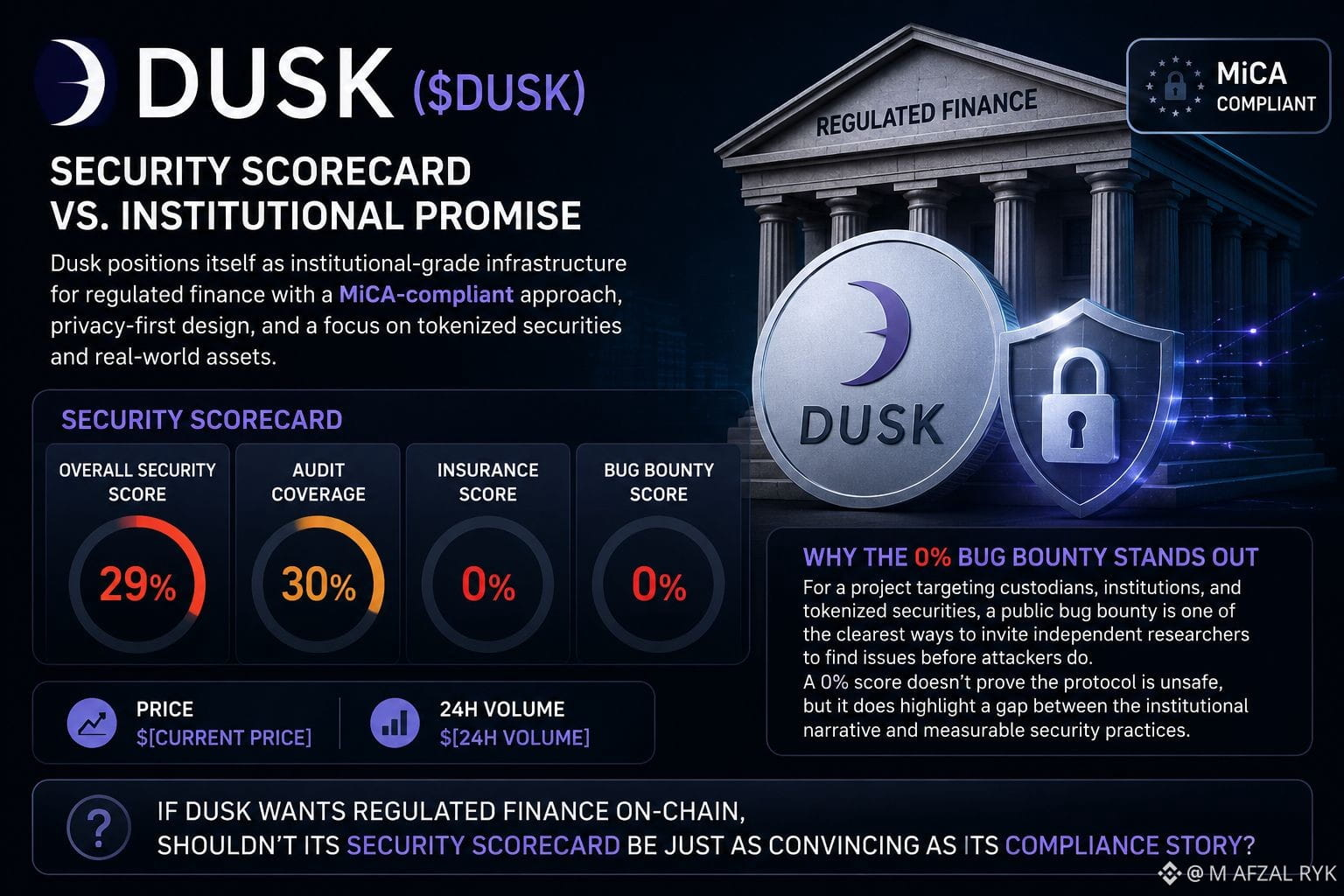
يقدّم المشروع نفسه كبنية تحتية بمستوى مؤسسي لقطاع التمويل الخاضع للتنظيم، مع سرد قوي متوافق مع MiCA، وتركيز على الأوراق المالية المُرمّزة والخصوصية والأصول الواقعية. يبدو هذا مُقنعًا. لكن بعد التعمق في جانب الأمان، أعتقد أن المؤشرات تستحق اهتمامًا أكبر من مخطط السعر المعتاد.
يبلغ تقييم الأمان الحالي 29% فقط، مع تغطية تدقيق تبلغ 30%. نسبة التأمين 0%، ونسبة نقاط برنامج مكافآت الثغرات أيضًا 0%.
هذا الرقم الأخير لفت انتباهي.
بالنسبة لشبكة تحاول جذب مؤسسات وحُفّاظ أصول وتطبيقات مالية خاضعة للتنظيم، يُعد برنامج مكافآت الثغرات العام إحدى أوضح الطرق لتشجيع باحثي أمن مستقلين على اكتشاف نقاط الضعف قبل أن يفعل المهاجمون ذلك. درجة 0% لا تثبت أن البروتوكول غير آمن، لكنها تترك فجوة واضحة بين السرد الخاص بمستوى المؤسسة والإطار القابل للقياس للأمان.
تحظى DUSK باهتمام متزايد مؤخرًا، مع تَداوُل الرمز حول $[current price] وحجم تداول 24 ساعة قريب من $[24h volume]. لكن السعر ليس الجزء الذي سأركّز عليه هنا.
السؤال الأهم هو ما إذا كانت Dusk قادرة على تحويل طموحاتها المتعلقة بالامتثال والتمويل المؤسسي إلى ممارسات أمنية قوية بنفس القدر وقابلة للقياس.
إذا كانت Dusk تريد تمويلًا مُنظّمًا على السلسلة، فهل لا ينبغي أن تكون بطاقة أمانها مقنعة بقدر إقناعها لقصة الامتثال؟
#dusk @Dusk_Foundation $DUSK
{spot}(DUSKUSDT)
العصر $DUSK حالة مثيرة للاهتمام لأن القصة وأرقام الأمان لا تتطابق بالكامل بعد.
يقدّم المشروع نفسه كبنية تحتية بمستوى مؤسسي لقطاع التمويل الخاضع للتنظيم، مع سرد قوي متوافق مع MiCA، وتركيز على الأوراق المالية المُرمّزة والخصوصية والأصول الواقعية. يبدو هذا مُقنعًا. لكن بعد التعمق في جانب الأمان، أعتقد أن المؤشرات تستحق اهتمامًا أكبر من مخطط السعر المعتاد.
يبلغ تقييم الأمان الحالي 29% فقط، مع تغطية تدقيق تبلغ 30%. نسبة التأمين 0%، ونسبة نقاط برنامج مكافآت الثغرات أيضًا 0%.
هذا الرقم الأخير لفت انتباهي.
بالنسبة لشبكة تحاول جذب مؤسسات وحُفّاظ أصول وتطبيقات مالية خاضعة للتنظيم، يُعد برنامج مكافآت الثغرات العام إحدى أوضح الطرق لتشجيع باحثي أمن مستقلين على اكتشاف نقاط الضعف قبل أن يفعل المهاجمون ذلك. درجة 0% لا تثبت أن البروتوكول غير آمن، لكنها تترك فجوة واضحة بين السرد الخاص بمستوى المؤسسة والإطار القابل للقياس للأمان.
تحظى DUSK باهتمام متزايد مؤخرًا، مع تَداوُل الرمز حول $[current price] وحجم تداول 24 ساعة قريب من $[24h volume]. لكن السعر ليس الجزء الذي سأركّز عليه هنا.
السؤال الأهم هو ما إذا كانت Dusk قادرة على تحويل طموحاتها المتعلقة بالامتثال والتمويل المؤسسي إلى ممارسات أمنية قوية بنفس القدر وقابلة للقياس.
إذا كانت Dusk تريد تمويلًا مُنظّمًا على السلسلة، فهل لا ينبغي أن تكون بطاقة أمانها مقنعة بقدر إقناعها لقصة الامتثال؟
#dusk @Dusk $DUSK
يقدّم المشروع نفسه كبنية تحتية بمستوى مؤسسي لقطاع التمويل الخاضع للتنظيم، مع سرد قوي متوافق مع MiCA، وتركيز على الأوراق المالية المُرمّزة والخصوصية والأصول الواقعية. يبدو هذا مُقنعًا. لكن بعد التعمق في جانب الأمان، أعتقد أن المؤشرات تستحق اهتمامًا أكبر من مخطط السعر المعتاد.
يبلغ تقييم الأمان الحالي 29% فقط، مع تغطية تدقيق تبلغ 30%. نسبة التأمين 0%، ونسبة نقاط برنامج مكافآت الثغرات أيضًا 0%.
هذا الرقم الأخير لفت انتباهي.
بالنسبة لشبكة تحاول جذب مؤسسات وحُفّاظ أصول وتطبيقات مالية خاضعة للتنظيم، يُعد برنامج مكافآت الثغرات العام إحدى أوضح الطرق لتشجيع باحثي أمن مستقلين على اكتشاف نقاط الضعف قبل أن يفعل المهاجمون ذلك. درجة 0% لا تثبت أن البروتوكول غير آمن، لكنها تترك فجوة واضحة بين السرد الخاص بمستوى المؤسسة والإطار القابل للقياس للأمان.
تحظى DUSK باهتمام متزايد مؤخرًا، مع تَداوُل الرمز حول $[current price] وحجم تداول 24 ساعة قريب من $[24h volume]. لكن السعر ليس الجزء الذي سأركّز عليه هنا.
السؤال الأهم هو ما إذا كانت Dusk قادرة على تحويل طموحاتها المتعلقة بالامتثال والتمويل المؤسسي إلى ممارسات أمنية قوية بنفس القدر وقابلة للقياس.
إذا كانت Dusk تريد تمويلًا مُنظّمًا على السلسلة، فهل لا ينبغي أن تكون بطاقة أمانها مقنعة بقدر إقناعها لقصة الامتثال؟
#dusk @Dusk $DUSK
10
5
171
·
--
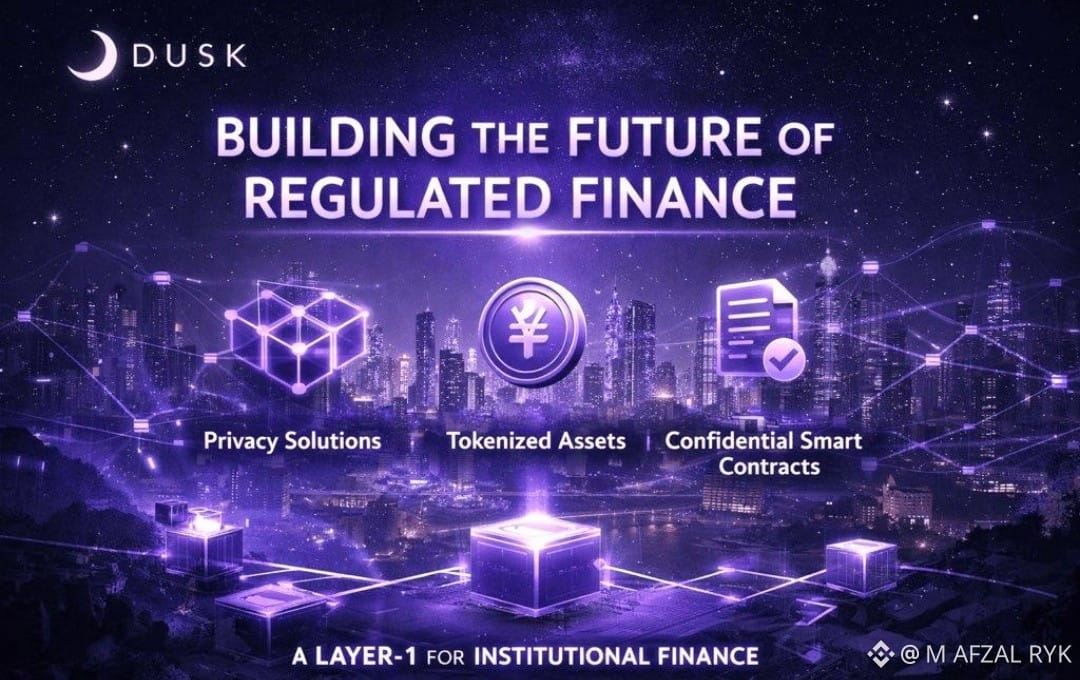
الغسق ($DUSK ) هو أحد تلك المشاريع التي تكون فيها القصة أكبر من الأرقام.
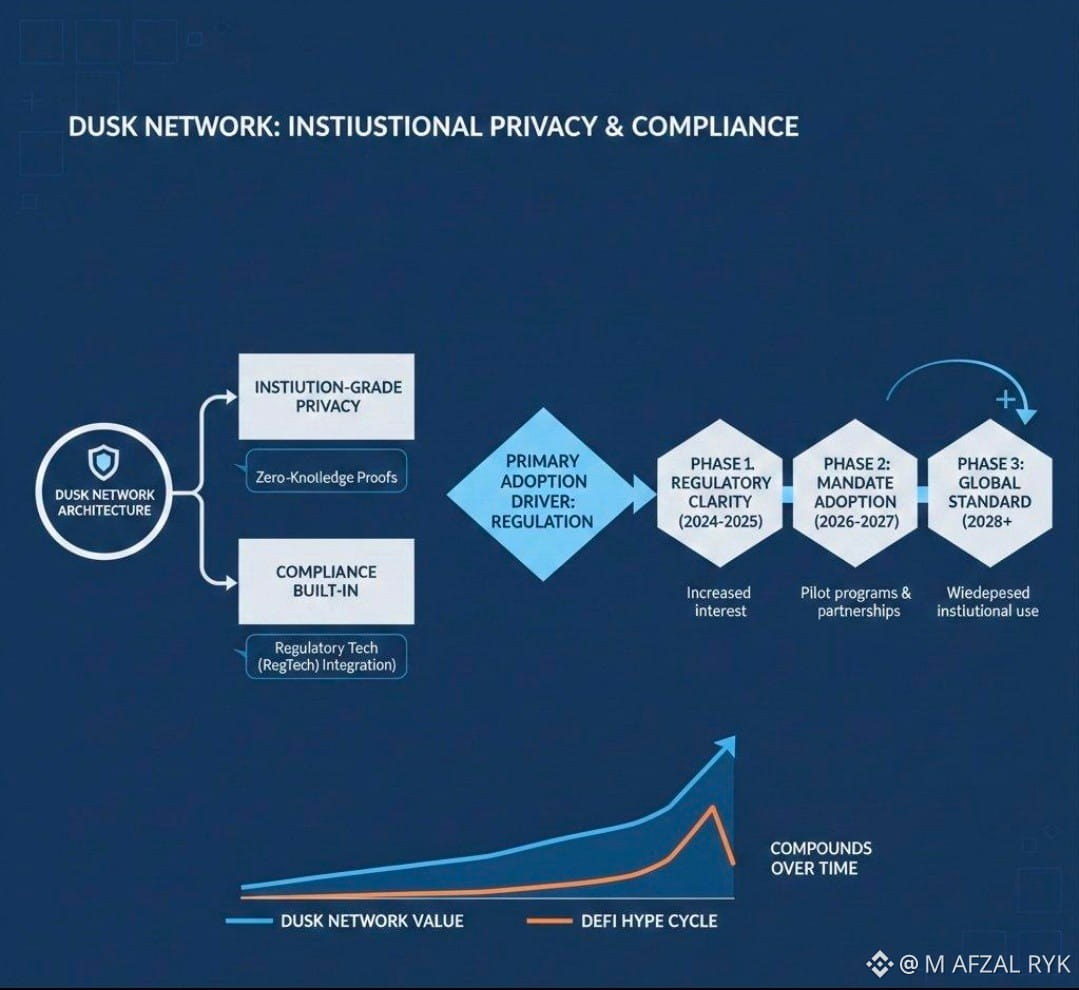
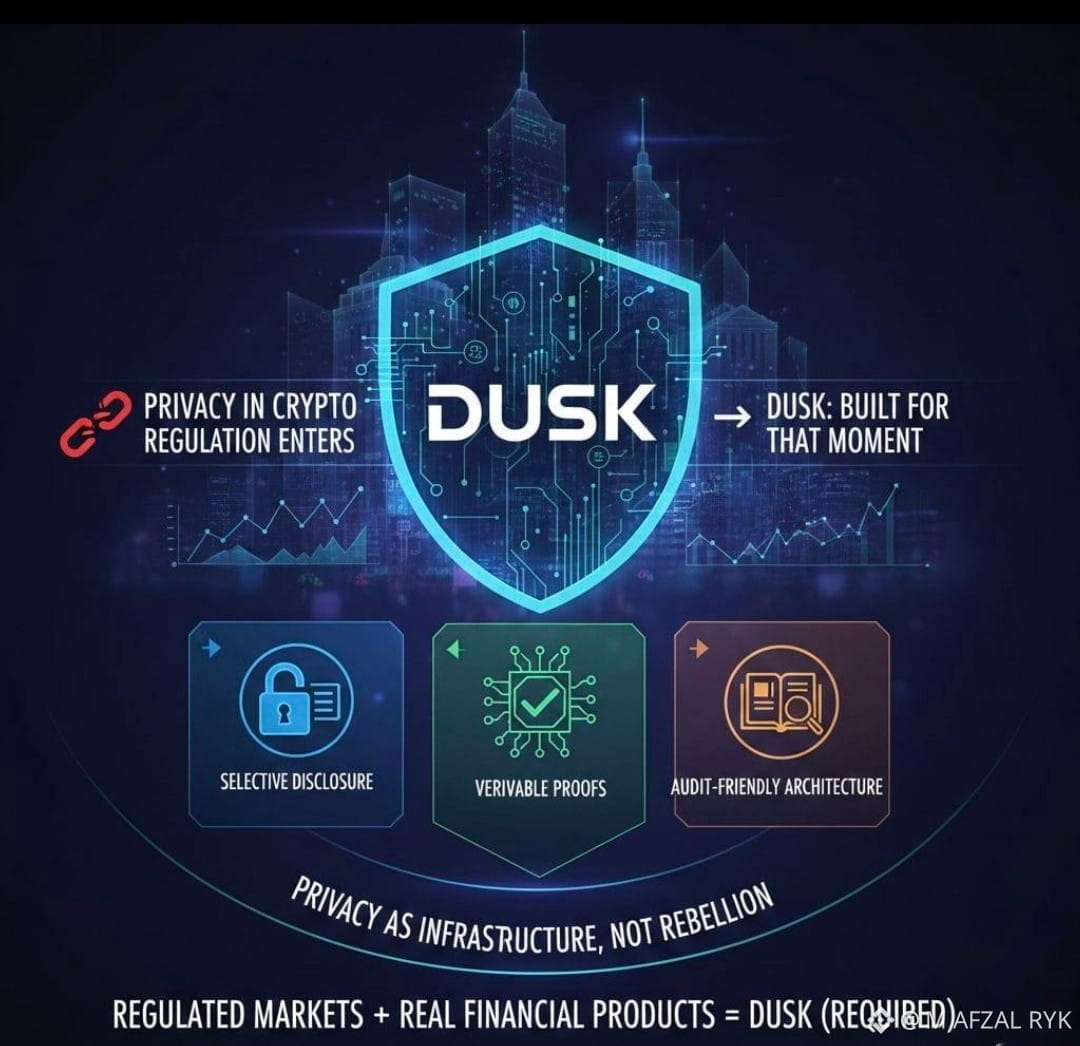
يقدّم نفسه كبنية من المستوى الأول (Layer-1) بمستوى مؤسسي للتمويل المُنظَّم، مع الخصوصية والعقود الذكية السرّية والأصول المرمّزة بالرموز (tokenized assets)، ورواية قوية للامتثال لـ MiCA. وهذا يجعل الأمن جزءًا مهمًا جدًا من العرض.
لذلك نظرت إلى بطاقة نقاط الأمان بدلًا من مخطط السعر.
الأرقام يصعب تجاهلها: إجمالي درجة الأمان يبلغ 29%، وتغطية التدقيق 30%، بينما تسجّل درجتا التأمين وbug bounty كلاهما 0%.
وللإنصاف، هذا لا يعني أن الغسق (Dusk) بلا تدقيق (unaudited). يقول الفريق إنه أنهى 10 عمليات تدقيق تغطي أجزاء رئيسية من المنظومة، وقد نشر تفاصيل حول تلك المراجعات.
لكن درجة bug bounty عند 0% ما زالت لافتة بالنسبة لي.
إذا كنت تستهدف التمويل المُنظَّم، والجهات الحاضنة للأصول (custodians)، والمؤسسات، والأوراق المالية المُرمّزة، فستتوقع وجود حافز نشط للباحثين المستقلين لمواصلة البحث عن نقاط الضعف. وقد اعترفت شركة Dusk سابقًا بأنها لا تمتلك برنامج bug bounty، رغم أن ذلك ذُكر في 2023.
هناك أيضًا فحص واقعي مفيد: فقد كشفت Dusk عن نتائج خطيرة تم إصلاحها عبر ترقية AEGIS لعام 2026، بما في ذلك سبع نتائج حرجة من تدقيق داخلي.
تتداول DUSK حول 0.06 دولار، مع حجم تداول في 24 ساعة يقارب 3.7 مليون دولار، لكن السعر ليس الجزء الأكثر إثارة للاهتمام هنا.
السؤال الحقيقي هو ما إذا كانت عمليات أمان Dusk يمكن أن تلحق في النهاية بالقصة ذات المستوى المؤسسي التي تبيعها.
بالنسبة إلى بلوكشين مبني حول التمويل المُنظَّم، ألا ينبغي أن يكون الشفافية الأمنية أحد أقوى منتجاته؟
@Dusk_Foundation #dusk $DUSK
{future}(DUSKUSDT)
الغسق ($DUSK ) هو أحد تلك المشاريع التي تكون فيها القصة أكبر من الأرقام.
يقدّم نفسه كبنية من المستوى الأول (Layer-1) بمستوى مؤسسي للتمويل المُنظَّم، مع الخصوصية والعقود الذكية السرّية والأصول المرمّزة بالرموز (tokenized assets)، ورواية قوية للامتثال لـ MiCA. وهذا يجعل الأمن جزءًا مهمًا جدًا من العرض.
لذلك نظرت إلى بطاقة نقاط الأمان بدلًا من مخطط السعر.
الأرقام يصعب تجاهلها: إجمالي درجة الأمان يبلغ 29%، وتغطية التدقيق 30%، بينما تسجّل درجتا التأمين وbug bounty كلاهما 0%.
وللإنصاف، هذا لا يعني أن الغسق (Dusk) بلا تدقيق (unaudited). يقول الفريق إنه أنهى 10 عمليات تدقيق تغطي أجزاء رئيسية من المنظومة، وقد نشر تفاصيل حول تلك المراجعات.
لكن درجة bug bounty عند 0% ما زالت لافتة بالنسبة لي.
إذا كنت تستهدف التمويل المُنظَّم، والجهات الحاضنة للأصول (custodians)، والمؤسسات، والأوراق المالية المُرمّزة، فستتوقع وجود حافز نشط للباحثين المستقلين لمواصلة البحث عن نقاط الضعف. وقد اعترفت شركة Dusk سابقًا بأنها لا تمتلك برنامج bug bounty، رغم أن ذلك ذُكر في 2023.
هناك أيضًا فحص واقعي مفيد: فقد كشفت Dusk عن نتائج خطيرة تم إصلاحها عبر ترقية AEGIS لعام 2026، بما في ذلك سبع نتائج حرجة من تدقيق داخلي.
تتداول DUSK حول 0.06 دولار، مع حجم تداول في 24 ساعة يقارب 3.7 مليون دولار، لكن السعر ليس الجزء الأكثر إثارة للاهتمام هنا.
السؤال الحقيقي هو ما إذا كانت عمليات أمان Dusk يمكن أن تلحق في النهاية بالقصة ذات المستوى المؤسسي التي تبيعها.
بالنسبة إلى بلوكشين مبني حول التمويل المُنظَّم، ألا ينبغي أن يكون الشفافية الأمنية أحد أقوى منتجاته؟
@Dusk #dusk $DUSK
يقدّم نفسه كبنية من المستوى الأول (Layer-1) بمستوى مؤسسي للتمويل المُنظَّم، مع الخصوصية والعقود الذكية السرّية والأصول المرمّزة بالرموز (tokenized assets)، ورواية قوية للامتثال لـ MiCA. وهذا يجعل الأمن جزءًا مهمًا جدًا من العرض.
لذلك نظرت إلى بطاقة نقاط الأمان بدلًا من مخطط السعر.
الأرقام يصعب تجاهلها: إجمالي درجة الأمان يبلغ 29%، وتغطية التدقيق 30%، بينما تسجّل درجتا التأمين وbug bounty كلاهما 0%.
وللإنصاف، هذا لا يعني أن الغسق (Dusk) بلا تدقيق (unaudited). يقول الفريق إنه أنهى 10 عمليات تدقيق تغطي أجزاء رئيسية من المنظومة، وقد نشر تفاصيل حول تلك المراجعات.
لكن درجة bug bounty عند 0% ما زالت لافتة بالنسبة لي.
إذا كنت تستهدف التمويل المُنظَّم، والجهات الحاضنة للأصول (custodians)، والمؤسسات، والأوراق المالية المُرمّزة، فستتوقع وجود حافز نشط للباحثين المستقلين لمواصلة البحث عن نقاط الضعف. وقد اعترفت شركة Dusk سابقًا بأنها لا تمتلك برنامج bug bounty، رغم أن ذلك ذُكر في 2023.
هناك أيضًا فحص واقعي مفيد: فقد كشفت Dusk عن نتائج خطيرة تم إصلاحها عبر ترقية AEGIS لعام 2026، بما في ذلك سبع نتائج حرجة من تدقيق داخلي.
تتداول DUSK حول 0.06 دولار، مع حجم تداول في 24 ساعة يقارب 3.7 مليون دولار، لكن السعر ليس الجزء الأكثر إثارة للاهتمام هنا.
السؤال الحقيقي هو ما إذا كانت عمليات أمان Dusk يمكن أن تلحق في النهاية بالقصة ذات المستوى المؤسسي التي تبيعها.
بالنسبة إلى بلوكشين مبني حول التمويل المُنظَّم، ألا ينبغي أن يكون الشفافية الأمنية أحد أقوى منتجاته؟
@Dusk #dusk $DUSK
6
6
129
·
--
صاعد
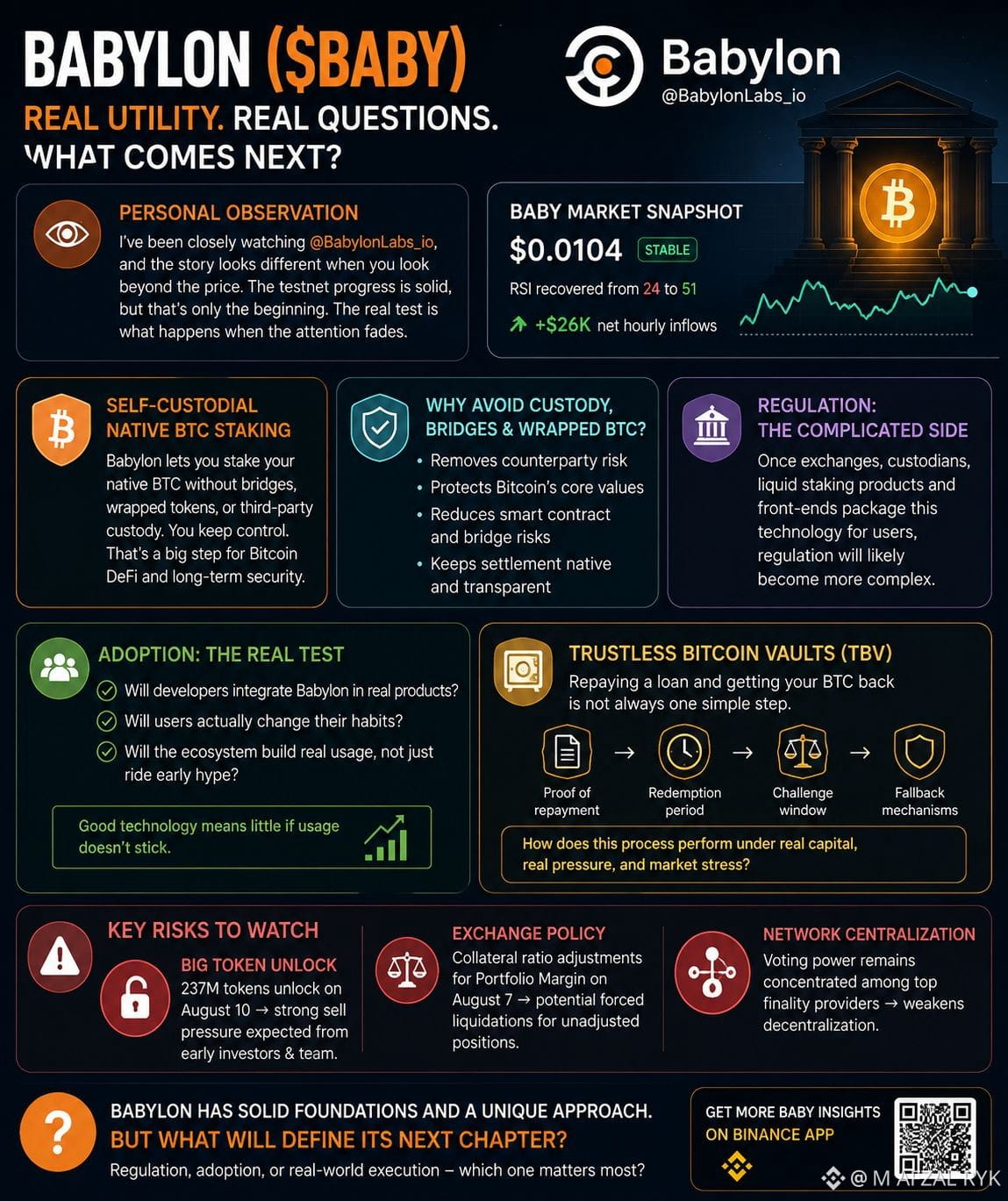
قضيت وقتًا أطول في مشاهدة @babylonlabs_io هذا الأسبوع، ويبدو أن القصة تختلف بمجرد أن تتوقف عن النظر إلى السعر وحده. إن التقدم الأخير على شبكة الاختبار مُشجِّع، لكنني ما زلت أسأل: ماذا يحدث بعد أن تخبو الموجة الأولى من الحماس؟ تم بناء $BABY حول إتاحة تراهن البيتكوين ذاتيّ الحيازة، حيث يحتفظ الناس بالتحكم في عملاتهم من نوع BTC بدلًا من الاعتماد على الجسور أو العملات المُغلَّفة أو مُوصيٍ مركزي. هذا يزيل طبقة من الثقة، لكنه لا يُزيل كل التحديات. قد تصبح اللوائح أكثر تعقيدًا أيضًا مع تغليف هذا الأسلوب بواسطة منصات التداول والجهات الحافظة ومنتجات التراهن السائل وتطبيقات المحافظ للمستخدمين العاديين. الاعتماد هو العائق التالي. التصميم الجيد لا يعني الكثير إن لم يبنِ المطورون عليه أو إذا لم يغيّر المستخدمون عاداتهم. كما تستحق منصات “الخزائن” البيتكوين دون ثقة نظرة أقرب. سداد القرض واستلام BTC لا يكونان دائمًا فعلًا واحدًا. ما زالت هناك حاجة إلى البراهين وآليات الاسترداد وفترات التحدي ومسارات التعثر البديلة، خصوصًا عندما يتعلق الأمر بأموال حقيقية. ومع نمو $BABY ، ما الذي سَيَصدُق أكثر أهميته: التنظيم، أم الاعتماد، أم التنفيذ على أرض الواقع؟
@babylonlabs_io #baby $BABY
قضيت وقتًا أطول في مشاهدة @BabylonLabs_io هذا الأسبوع، ويبدو أن القصة تختلف بمجرد أن تتوقف عن النظر إلى السعر وحده. إن التقدم الأخير على شبكة الاختبار مُشجِّع، لكنني ما زلت أسأل: ماذا يحدث بعد أن تخبو الموجة الأولى من الحماس؟ تم بناء $BABY حول إتاحة تراهن البيتكوين ذاتيّ الحيازة، حيث يحتفظ الناس بالتحكم في عملاتهم من نوع BTC بدلًا من الاعتماد على الجسور أو العملات المُغلَّفة أو مُوصيٍ مركزي. هذا يزيل طبقة من الثقة، لكنه لا يُزيل كل التحديات. قد تصبح اللوائح أكثر تعقيدًا أيضًا مع تغليف هذا الأسلوب بواسطة منصات التداول والجهات الحافظة ومنتجات التراهن السائل وتطبيقات المحافظ للمستخدمين العاديين. الاعتماد هو العائق التالي. التصميم الجيد لا يعني الكثير إن لم يبنِ المطورون عليه أو إذا لم يغيّر المستخدمون عاداتهم. كما تستحق منصات “الخزائن” البيتكوين دون ثقة نظرة أقرب. سداد القرض واستلام BTC لا يكونان دائمًا فعلًا واحدًا. ما زالت هناك حاجة إلى البراهين وآليات الاسترداد وفترات التحدي ومسارات التعثر البديلة، خصوصًا عندما يتعلق الأمر بأموال حقيقية. ومع نمو $BABY ، ما الذي سَيَصدُق أكثر أهميته: التنظيم، أم الاعتماد، أم التنفيذ على أرض الواقع؟
@BabylonLabs_io #baby $BABY
@BabylonLabs_io #baby $BABY
13
11
191
·
--
صاعد
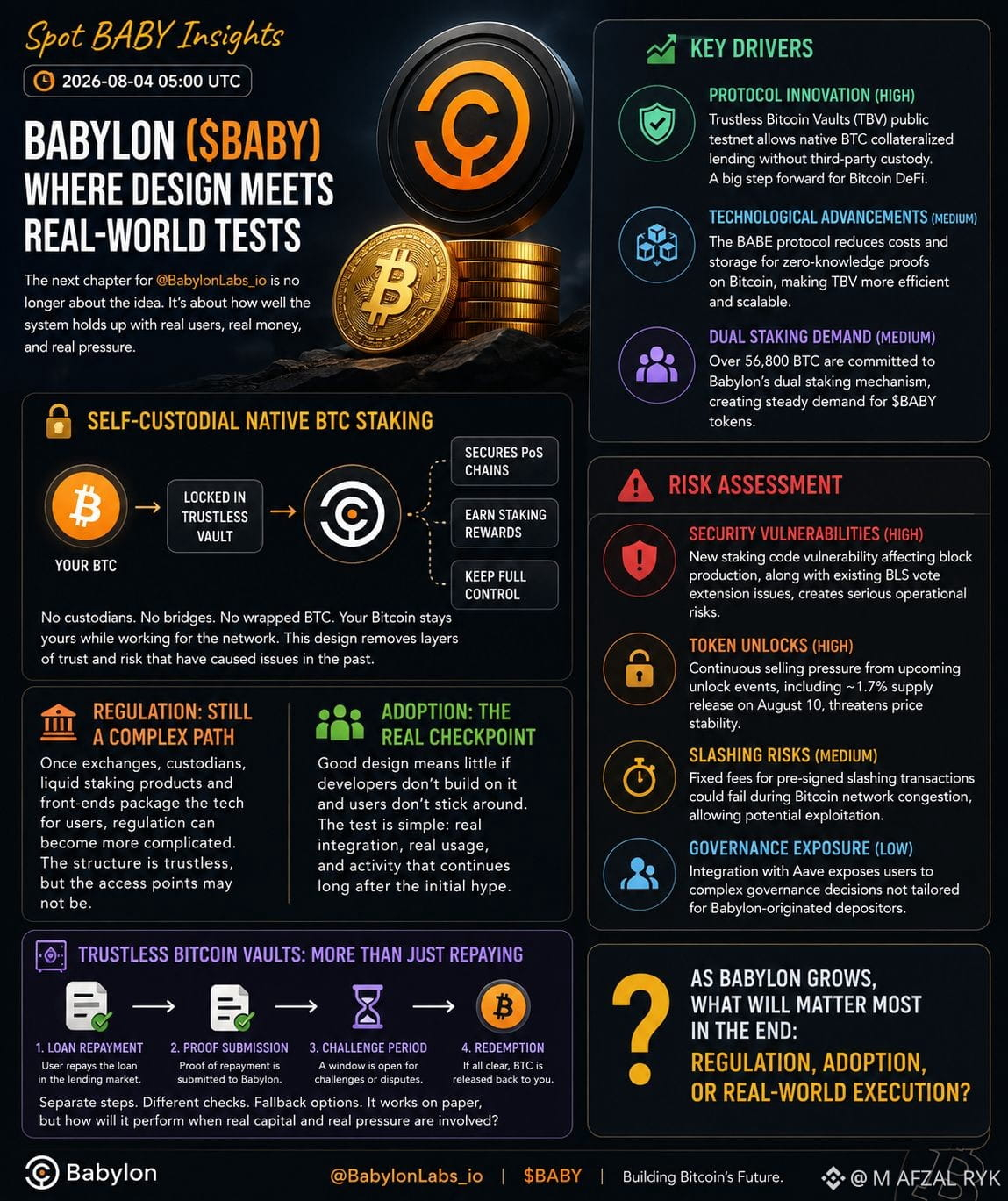
أمسكت نفسي وأنا أحدّق متجاوزًا الرسوم البيانية أثناء متابعتي @BabylonLabs_io اليوم. ما أبقى انتباهي ليس إعلان ميزة أخرى. بل التساؤل حول كيف سيكون الأمر عندما يدخل المستخدمون الحقيقيون، والمال الحقيقي، والتوقعات الحقيقية إلى الصورة. يبدو أن هذه هي القصة الحقيقية لـ $BABY
منهج بابل جذاب لأن البيتكوين تبقى تحت سيطرة المالك بدل أن تمر عبر جسور أو أصول مُلتفّة أو أمناء تقليديين. هذا يزيل بعض المخاطر المألوفة. ومع ذلك، قد يصبح التنظيم أكثر تعقيدًا مع قيام البورصات، والجهات الأمينة، ومنتجات السيولة الرهنية (liquid staking)، وتطبيقات سهلة الاستخدام ببناء خدمات حول البروتوكول.
ستُحسم مسألة التبنّي ما إذا كانت الفكرة ستستمر. التكنولوجيا القوية هي البداية فقط. يجب على المطورين دمجها، وعلى المستخدمين أن يثقوا بها، ولا بد أن يستمر النشاط اليومي في النمو بعد أن يهدأ الحماس الأولي.
كما تستحق خزائن البيتكوين «بدون ثقة» اهتمامًا دقيقًا. إتمام قرض واستلام BTC مرة أخرى قد يتضمن إثباتات، وفترات استرداد، وفترات تحدّي، وخطوات بديلة. هذه التفاصيل تهم أكثر بكثير عندما تكون الأسواق تتحرك بسرعة ويكون رأس المال الحقيقي على المحك.
في الفصل التالي لبابل، ما الذي يحمل أكبر ثقل: التنظيم أم التبنّي أم التنفيذ على أرض الواقع؟
@babylonlabs_io #baby $BABY
{future}(BABYUSDT)
أمسكت نفسي وأنا أحدّق متجاوزًا الرسوم البيانية أثناء متابعتي @BabylonLabs_io اليوم. ما أبقى انتباهي ليس إعلان ميزة أخرى. بل التساؤل حول كيف سيكون الأمر عندما يدخل المستخدمون الحقيقيون، والمال الحقيقي، والتوقعات الحقيقية إلى الصورة. يبدو أن هذه هي القصة الحقيقية لـ $BABY
منهج بابل جذاب لأن البيتكوين تبقى تحت سيطرة المالك بدل أن تمر عبر جسور أو أصول مُلتفّة أو أمناء تقليديين. هذا يزيل بعض المخاطر المألوفة. ومع ذلك، قد يصبح التنظيم أكثر تعقيدًا مع قيام البورصات، والجهات الأمينة، ومنتجات السيولة الرهنية (liquid staking)، وتطبيقات سهلة الاستخدام ببناء خدمات حول البروتوكول.
ستُحسم مسألة التبنّي ما إذا كانت الفكرة ستستمر. التكنولوجيا القوية هي البداية فقط. يجب على المطورين دمجها، وعلى المستخدمين أن يثقوا بها، ولا بد أن يستمر النشاط اليومي في النمو بعد أن يهدأ الحماس الأولي.
كما تستحق خزائن البيتكوين «بدون ثقة» اهتمامًا دقيقًا. إتمام قرض واستلام BTC مرة أخرى قد يتضمن إثباتات، وفترات استرداد، وفترات تحدّي، وخطوات بديلة. هذه التفاصيل تهم أكثر بكثير عندما تكون الأسواق تتحرك بسرعة ويكون رأس المال الحقيقي على المحك.
في الفصل التالي لبابل، ما الذي يحمل أكبر ثقل: التنظيم أم التبنّي أم التنفيذ على أرض الواقع؟
@BabylonLabs_io #baby $BABY
منهج بابل جذاب لأن البيتكوين تبقى تحت سيطرة المالك بدل أن تمر عبر جسور أو أصول مُلتفّة أو أمناء تقليديين. هذا يزيل بعض المخاطر المألوفة. ومع ذلك، قد يصبح التنظيم أكثر تعقيدًا مع قيام البورصات، والجهات الأمينة، ومنتجات السيولة الرهنية (liquid staking)، وتطبيقات سهلة الاستخدام ببناء خدمات حول البروتوكول.
ستُحسم مسألة التبنّي ما إذا كانت الفكرة ستستمر. التكنولوجيا القوية هي البداية فقط. يجب على المطورين دمجها، وعلى المستخدمين أن يثقوا بها، ولا بد أن يستمر النشاط اليومي في النمو بعد أن يهدأ الحماس الأولي.
كما تستحق خزائن البيتكوين «بدون ثقة» اهتمامًا دقيقًا. إتمام قرض واستلام BTC مرة أخرى قد يتضمن إثباتات، وفترات استرداد، وفترات تحدّي، وخطوات بديلة. هذه التفاصيل تهم أكثر بكثير عندما تكون الأسواق تتحرك بسرعة ويكون رأس المال الحقيقي على المحك.
في الفصل التالي لبابل، ما الذي يحمل أكبر ثقل: التنظيم أم التبنّي أم التنفيذ على أرض الواقع؟
@BabylonLabs_io #baby $BABY
2
3
152
·
--
صاعد
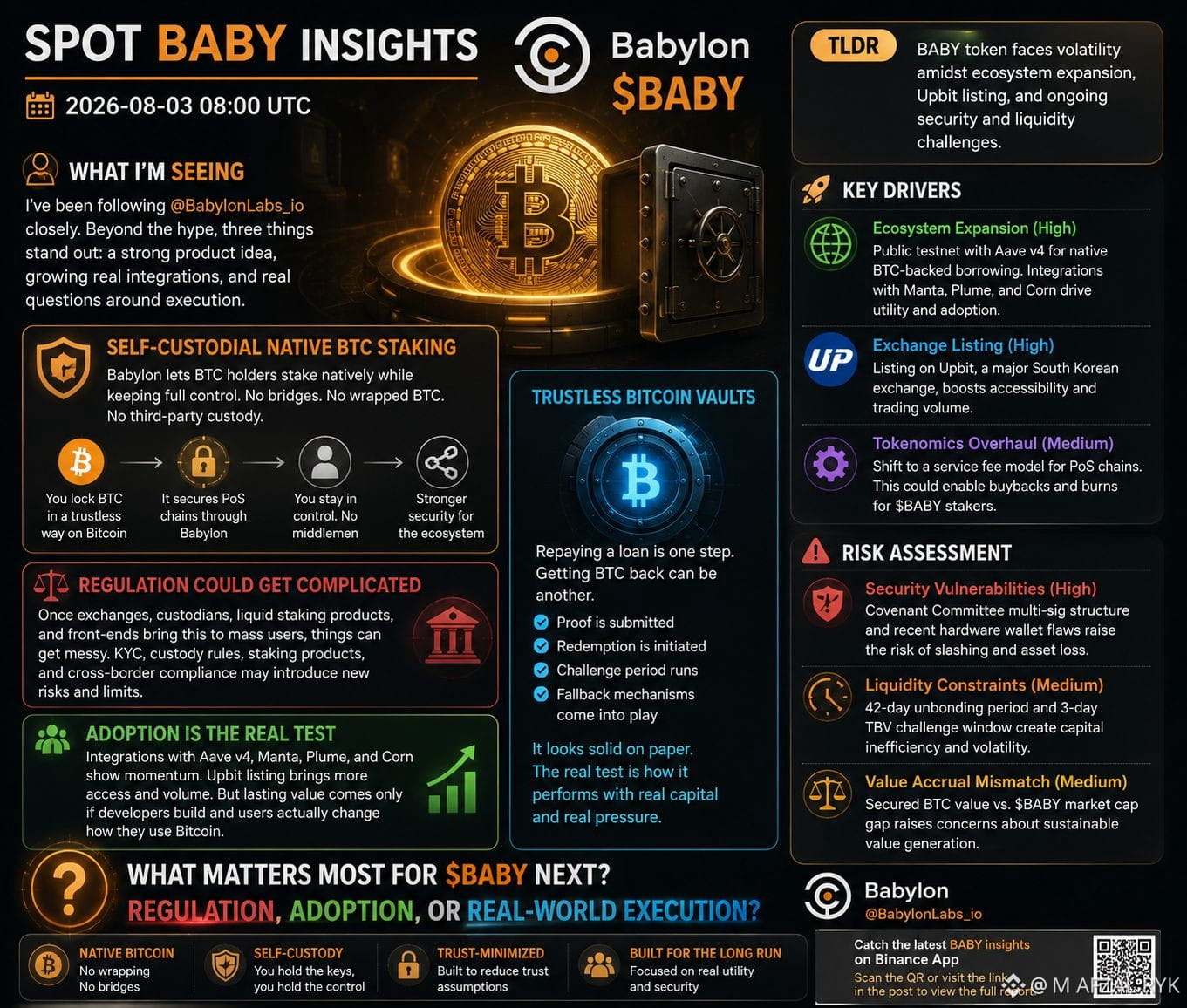
لقد كنت أتابع @BabylonLabs_io منذ فترة، وأكبر تغيير في طريقة تفكيري لم يكن متعلقًا بالمخططات. بل كان إدراكًا أن القصة الحقيقية تبدأ بعد أول عنوان. فكرة Babylon المتمثلة في تمكين الناس من رهن بيتكوينهم الأصلي مع الحفاظ على السيطرة على عملاتهم بأنفسهم، دون جسور أو BTC مغلّفة، تبدو اتجاهًا أنظف. لكنني ما زلت أتساءل أيضًا عما يحدث عندما تقوم البورصات والجهات الحافظة ومنتجات الرهن السائل وأيضًا التطبيقات السهلة الاستخدام بتغليف كل شيء للمستخدمين العاديين. هنا قد تصبح التنظيمات أكثر تعقيدًا بكثير من التكنولوجيا نفسها.
جزء التبنّي هو ما أراقبه عن كثب أكثر. الشراكات والتكاملات الجديدة تبدو مُشجّعة، لكن القيمة المستدامة لا تتحقق إلا إذا بنى المطورون عليها وتغيّر المستخدمون فعلًا في كيفية استخدامهم للبيتكوين.
مسار "Trustless Bitcoin Vault" يستحق أيضًا مزيدًا من الاهتمام. سداد القرض خطوة واحدة فقط. استرجاع BTC قد لا يزال يتضمن إثباتًا وفترات استرداد وتحدّي ومسارات بديلة. كل ذلك يبدو منطقيًا على الورق، لكن الأسواق الحقيقية تتصرف بشكل مختلف تحت الضغط.
بالنسبة لـ $BABY، ما الأهم في المرحلة التالية: التنظيم أم التبنّي أم التنفيذ على أرض الواقع؟
@babylonlabs_io $BABY #baby
لقد كنت أتابع @BabylonLabs_io منذ فترة، وأكبر تغيير في طريقة تفكيري لم يكن متعلقًا بالمخططات. بل كان إدراكًا أن القصة الحقيقية تبدأ بعد أول عنوان. فكرة Babylon المتمثلة في تمكين الناس من رهن بيتكوينهم الأصلي مع الحفاظ على السيطرة على عملاتهم بأنفسهم، دون جسور أو BTC مغلّفة، تبدو اتجاهًا أنظف. لكنني ما زلت أتساءل أيضًا عما يحدث عندما تقوم البورصات والجهات الحافظة ومنتجات الرهن السائل وأيضًا التطبيقات السهلة الاستخدام بتغليف كل شيء للمستخدمين العاديين. هنا قد تصبح التنظيمات أكثر تعقيدًا بكثير من التكنولوجيا نفسها.
جزء التبنّي هو ما أراقبه عن كثب أكثر. الشراكات والتكاملات الجديدة تبدو مُشجّعة، لكن القيمة المستدامة لا تتحقق إلا إذا بنى المطورون عليها وتغيّر المستخدمون فعلًا في كيفية استخدامهم للبيتكوين.
مسار "Trustless Bitcoin Vault" يستحق أيضًا مزيدًا من الاهتمام. سداد القرض خطوة واحدة فقط. استرجاع BTC قد لا يزال يتضمن إثباتًا وفترات استرداد وتحدّي ومسارات بديلة. كل ذلك يبدو منطقيًا على الورق، لكن الأسواق الحقيقية تتصرف بشكل مختلف تحت الضغط.
بالنسبة لـ $BABY ، ما الأهم في المرحلة التالية: التنظيم أم التبنّي أم التنفيذ على أرض الواقع؟
@BabylonLabs_io $BABY #baby
جزء التبنّي هو ما أراقبه عن كثب أكثر. الشراكات والتكاملات الجديدة تبدو مُشجّعة، لكن القيمة المستدامة لا تتحقق إلا إذا بنى المطورون عليها وتغيّر المستخدمون فعلًا في كيفية استخدامهم للبيتكوين.
مسار "Trustless Bitcoin Vault" يستحق أيضًا مزيدًا من الاهتمام. سداد القرض خطوة واحدة فقط. استرجاع BTC قد لا يزال يتضمن إثباتًا وفترات استرداد وتحدّي ومسارات بديلة. كل ذلك يبدو منطقيًا على الورق، لكن الأسواق الحقيقية تتصرف بشكل مختلف تحت الضغط.
بالنسبة لـ $BABY ، ما الأهم في المرحلة التالية: التنظيم أم التبنّي أم التنفيذ على أرض الواقع؟
@BabylonLabs_io $BABY #baby
3
2
105
·
--
صاعد
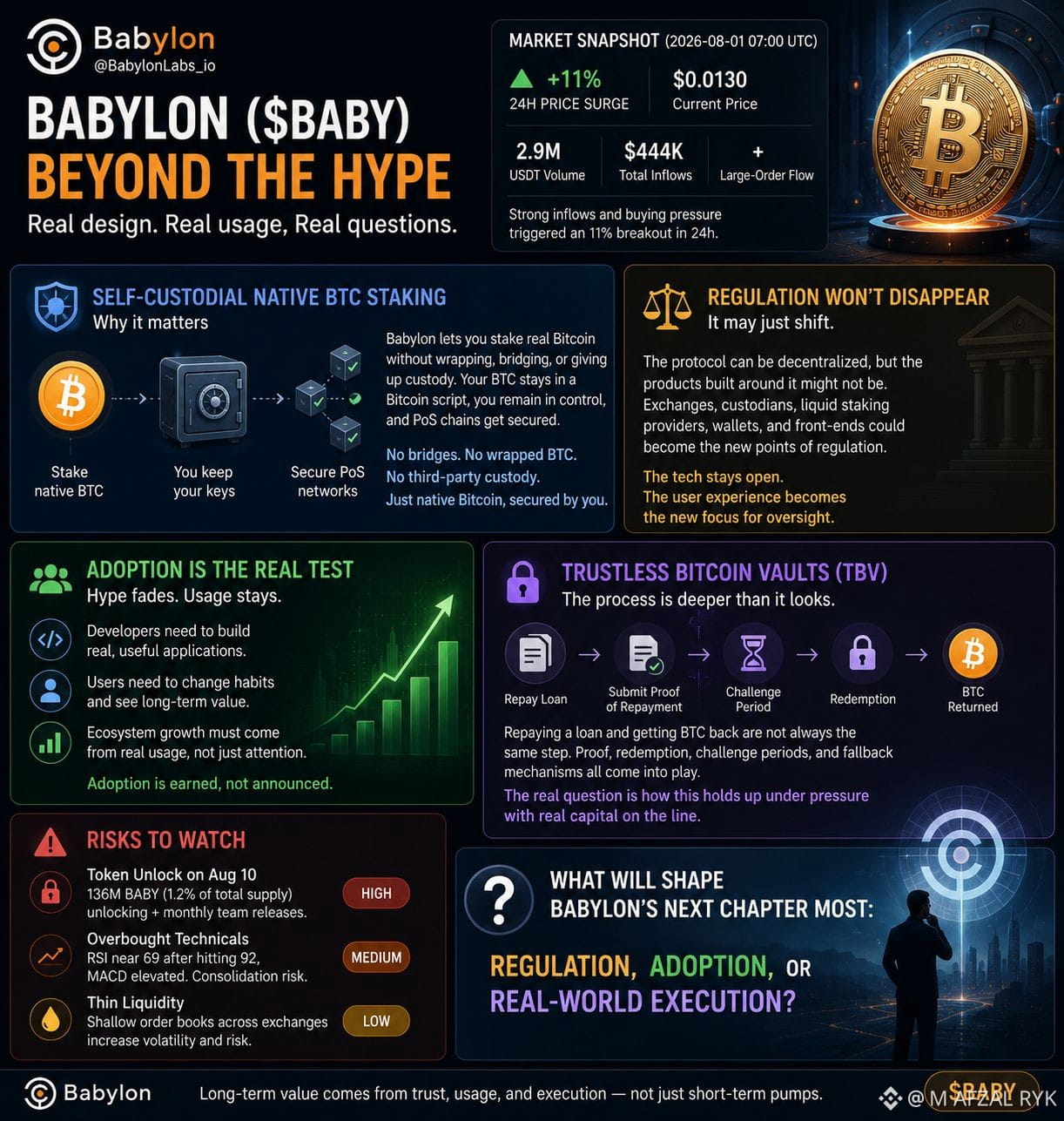
لقد كنت أتابع @BabylonLabs_io منذ فترة، والقصّة التي ما زالت تسحبني للعودة لم تعد هي السعر. بل هي ما إذا كان الناس يثقون فعلاً بالطريقة التي يتم بها استخدام البيتكوين. إن الفكرة الكامنة وراء $BABY بسيطة: استَكِن البيتكوين الأصلي مع الاحتفاظ بمفاتيحك الخاصة، دون الاعتماد على العملات المُغلّفة أو الجسور، أو تسليم الحيازة إلى شخص آخر. هذا يبدو خطوة حقيقية إلى الأمام.
ومع ذلك، لا أعتقد أن التنظيم سيختفي. ربما سيتحوّل فقط إلى الشركات التي تبني المحافظ، والبورصات، وخدمات الحفظ، ومنتجات الـ liquid staking، وأدوات الواجهة السهلة حول البروتوكول. يمكن للتقنية أن تبقى لامركزية بينما تصبح تجربة المستخدم تركيزاً جديداً للإشراف.
إن الإجابة الحقيقية ستأتي من مرحلة التبنّي. يحتاج المطورون إلى بناء تطبيقات مفيدة، ويحتاج المستخدمون إلى أسباب للبقاء، ويجب أن تستمر الأنشطة حتى بعد أن تخبو الحماسة الأولية.
كما تستحق خزائن البيتكوين غير القابلة للثقة (Trustless) مزيداً من الاهتمام. سداد القرض واستعادة البيتكوين لا يحدثان دائماً في اللحظة نفسها. كل شيء مهم عندما تكون الأموال الحقيقية على المحك: الإثبات، والاسترداد، وفترات التحدّي، ومسارات الإرجاع.
فما الذي سيشكل الفصل التالي في بابيلون أكثر: التنظيم، أم التبنّي، أم التنفيذ على أرض الواقع؟
@babylonlabs_io #baby $BABY
لقد كنت أتابع @BabylonLabs_io منذ فترة، والقصّة التي ما زالت تسحبني للعودة لم تعد هي السعر. بل هي ما إذا كان الناس يثقون فعلاً بالطريقة التي يتم بها استخدام البيتكوين. إن الفكرة الكامنة وراء $BABY بسيطة: استَكِن البيتكوين الأصلي مع الاحتفاظ بمفاتيحك الخاصة، دون الاعتماد على العملات المُغلّفة أو الجسور، أو تسليم الحيازة إلى شخص آخر. هذا يبدو خطوة حقيقية إلى الأمام.
ومع ذلك، لا أعتقد أن التنظيم سيختفي. ربما سيتحوّل فقط إلى الشركات التي تبني المحافظ، والبورصات، وخدمات الحفظ، ومنتجات الـ liquid staking، وأدوات الواجهة السهلة حول البروتوكول. يمكن للتقنية أن تبقى لامركزية بينما تصبح تجربة المستخدم تركيزاً جديداً للإشراف.
إن الإجابة الحقيقية ستأتي من مرحلة التبنّي. يحتاج المطورون إلى بناء تطبيقات مفيدة، ويحتاج المستخدمون إلى أسباب للبقاء، ويجب أن تستمر الأنشطة حتى بعد أن تخبو الحماسة الأولية.
كما تستحق خزائن البيتكوين غير القابلة للثقة (Trustless) مزيداً من الاهتمام. سداد القرض واستعادة البيتكوين لا يحدثان دائماً في اللحظة نفسها. كل شيء مهم عندما تكون الأموال الحقيقية على المحك: الإثبات، والاسترداد، وفترات التحدّي، ومسارات الإرجاع.
فما الذي سيشكل الفصل التالي في بابيلون أكثر: التنظيم، أم التبنّي، أم التنفيذ على أرض الواقع؟
@BabylonLabs_io #baby $BABY
ومع ذلك، لا أعتقد أن التنظيم سيختفي. ربما سيتحوّل فقط إلى الشركات التي تبني المحافظ، والبورصات، وخدمات الحفظ، ومنتجات الـ liquid staking، وأدوات الواجهة السهلة حول البروتوكول. يمكن للتقنية أن تبقى لامركزية بينما تصبح تجربة المستخدم تركيزاً جديداً للإشراف.
إن الإجابة الحقيقية ستأتي من مرحلة التبنّي. يحتاج المطورون إلى بناء تطبيقات مفيدة، ويحتاج المستخدمون إلى أسباب للبقاء، ويجب أن تستمر الأنشطة حتى بعد أن تخبو الحماسة الأولية.
كما تستحق خزائن البيتكوين غير القابلة للثقة (Trustless) مزيداً من الاهتمام. سداد القرض واستعادة البيتكوين لا يحدثان دائماً في اللحظة نفسها. كل شيء مهم عندما تكون الأموال الحقيقية على المحك: الإثبات، والاسترداد، وفترات التحدّي، ومسارات الإرجاع.
فما الذي سيشكل الفصل التالي في بابيلون أكثر: التنظيم، أم التبنّي، أم التنفيذ على أرض الواقع؟
@BabylonLabs_io #baby $BABY
6
4
121
·
--
صاعد
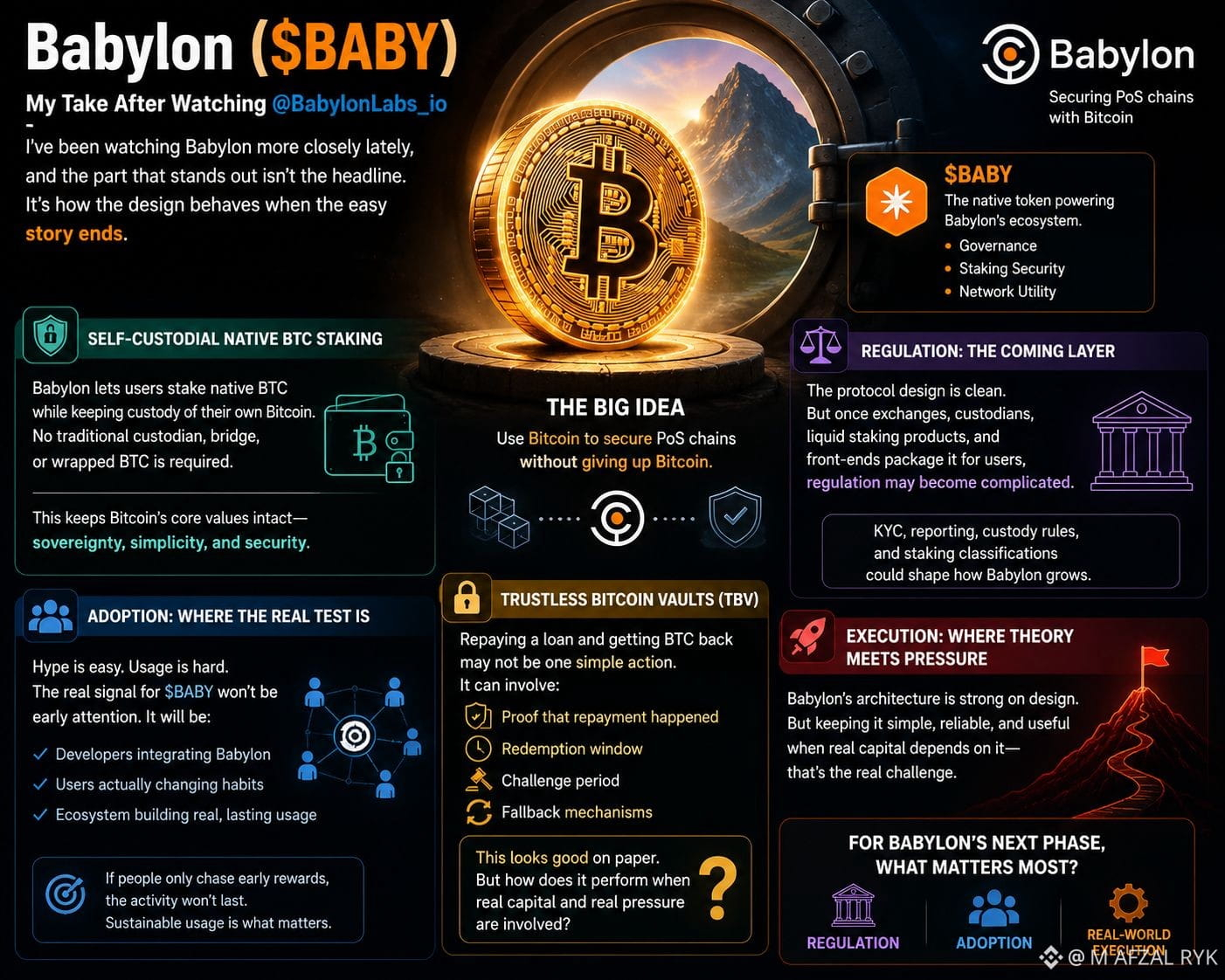
كنت أتابع @BabylonLabs_io عن قرب أكثر في الآونة الأخيرة، والجزء الذي يبرز ليس العنوان الرئيسي. بل الطريقة التي يتصرف بها التصميم عندما ينتهي السرد السهل.
يتيح Babylon للمستخدمين إيداع (stake) بيتكوين BTC الأصلي مع الحفاظ على الحيازة الذاتية لبيتكوينهم. لا يلزم وجود وسيط تقليدي أو جسر أو BTC مُغلف (wrapped). وهذا تحول ذو معنى، لكن التنظيم قد يصبح معقّدًا عندما تبدأ البورصات والجهات الحافظة ومنتجات الإيداع السائل والواجهات الأمامية في تغليف هذه التجربة للمستخدمين اليوميين.
ثم تأتي مرحلة التبنّي. الإشارة الحقيقية لـ $BABY won’t ليست الاهتمام المبكر. بل سيكون ذلك اختيار المطورين Babylon، وتغيير عادات المستخدمين، والتطبيقات التي تخلق أسبابًا للاستمرار.
كما أنني أعود باستمرار إلى Trustless Bitcoin Vaults (الخزائن البيتكوين غير الموثوقة). سداد قرض واستعادة BTC قد لا يكون إجراءً واحدًا بسيطًا. يمكن أن تصبح كل من الإثباتات (Proof) والاسترداد (redemption) وفترات التحدي (challenge periods) ومسارات التعثر (fallback paths) أمورًا مهمة عندما تكون الأموال في وضع حقيقي على المحك.
عندها يلتقي النظر بالضغط. هل يمكن لمعمارية Babylon أن تظل بسيطة وموثوقة ومفيدة عندما يبدأ رأس المال الحقيقي بالاعتماد عليها؟
في المرحلة التالية لـ Babylon، ما الأهم: التنظيم، أم التبنّي، أم التنفيذ على أرض الواقع؟
@babylonlabs_io #baby $BABY
كنت أتابع @BabylonLabs_io عن قرب أكثر في الآونة الأخيرة، والجزء الذي يبرز ليس العنوان الرئيسي. بل الطريقة التي يتصرف بها التصميم عندما ينتهي السرد السهل.
يتيح Babylon للمستخدمين إيداع (stake) بيتكوين BTC الأصلي مع الحفاظ على الحيازة الذاتية لبيتكوينهم. لا يلزم وجود وسيط تقليدي أو جسر أو BTC مُغلف (wrapped). وهذا تحول ذو معنى، لكن التنظيم قد يصبح معقّدًا عندما تبدأ البورصات والجهات الحافظة ومنتجات الإيداع السائل والواجهات الأمامية في تغليف هذه التجربة للمستخدمين اليوميين.
ثم تأتي مرحلة التبنّي. الإشارة الحقيقية لـ $BABY won’t ليست الاهتمام المبكر. بل سيكون ذلك اختيار المطورين Babylon، وتغيير عادات المستخدمين، والتطبيقات التي تخلق أسبابًا للاستمرار.
كما أنني أعود باستمرار إلى Trustless Bitcoin Vaults (الخزائن البيتكوين غير الموثوقة). سداد قرض واستعادة BTC قد لا يكون إجراءً واحدًا بسيطًا. يمكن أن تصبح كل من الإثباتات (Proof) والاسترداد (redemption) وفترات التحدي (challenge periods) ومسارات التعثر (fallback paths) أمورًا مهمة عندما تكون الأموال في وضع حقيقي على المحك.
عندها يلتقي النظر بالضغط. هل يمكن لمعمارية Babylon أن تظل بسيطة وموثوقة ومفيدة عندما يبدأ رأس المال الحقيقي بالاعتماد عليها؟
في المرحلة التالية لـ Babylon، ما الأهم: التنظيم، أم التبنّي، أم التنفيذ على أرض الواقع؟
@BabylonLabs_io #baby $BABY
يتيح Babylon للمستخدمين إيداع (stake) بيتكوين BTC الأصلي مع الحفاظ على الحيازة الذاتية لبيتكوينهم. لا يلزم وجود وسيط تقليدي أو جسر أو BTC مُغلف (wrapped). وهذا تحول ذو معنى، لكن التنظيم قد يصبح معقّدًا عندما تبدأ البورصات والجهات الحافظة ومنتجات الإيداع السائل والواجهات الأمامية في تغليف هذه التجربة للمستخدمين اليوميين.
ثم تأتي مرحلة التبنّي. الإشارة الحقيقية لـ $BABY won’t ليست الاهتمام المبكر. بل سيكون ذلك اختيار المطورين Babylon، وتغيير عادات المستخدمين، والتطبيقات التي تخلق أسبابًا للاستمرار.
كما أنني أعود باستمرار إلى Trustless Bitcoin Vaults (الخزائن البيتكوين غير الموثوقة). سداد قرض واستعادة BTC قد لا يكون إجراءً واحدًا بسيطًا. يمكن أن تصبح كل من الإثباتات (Proof) والاسترداد (redemption) وفترات التحدي (challenge periods) ومسارات التعثر (fallback paths) أمورًا مهمة عندما تكون الأموال في وضع حقيقي على المحك.
عندها يلتقي النظر بالضغط. هل يمكن لمعمارية Babylon أن تظل بسيطة وموثوقة ومفيدة عندما يبدأ رأس المال الحقيقي بالاعتماد عليها؟
في المرحلة التالية لـ Babylon، ما الأهم: التنظيم، أم التبنّي، أم التنفيذ على أرض الواقع؟
@BabylonLabs_io #baby $BABY
7
6
303
·
--
صاعد
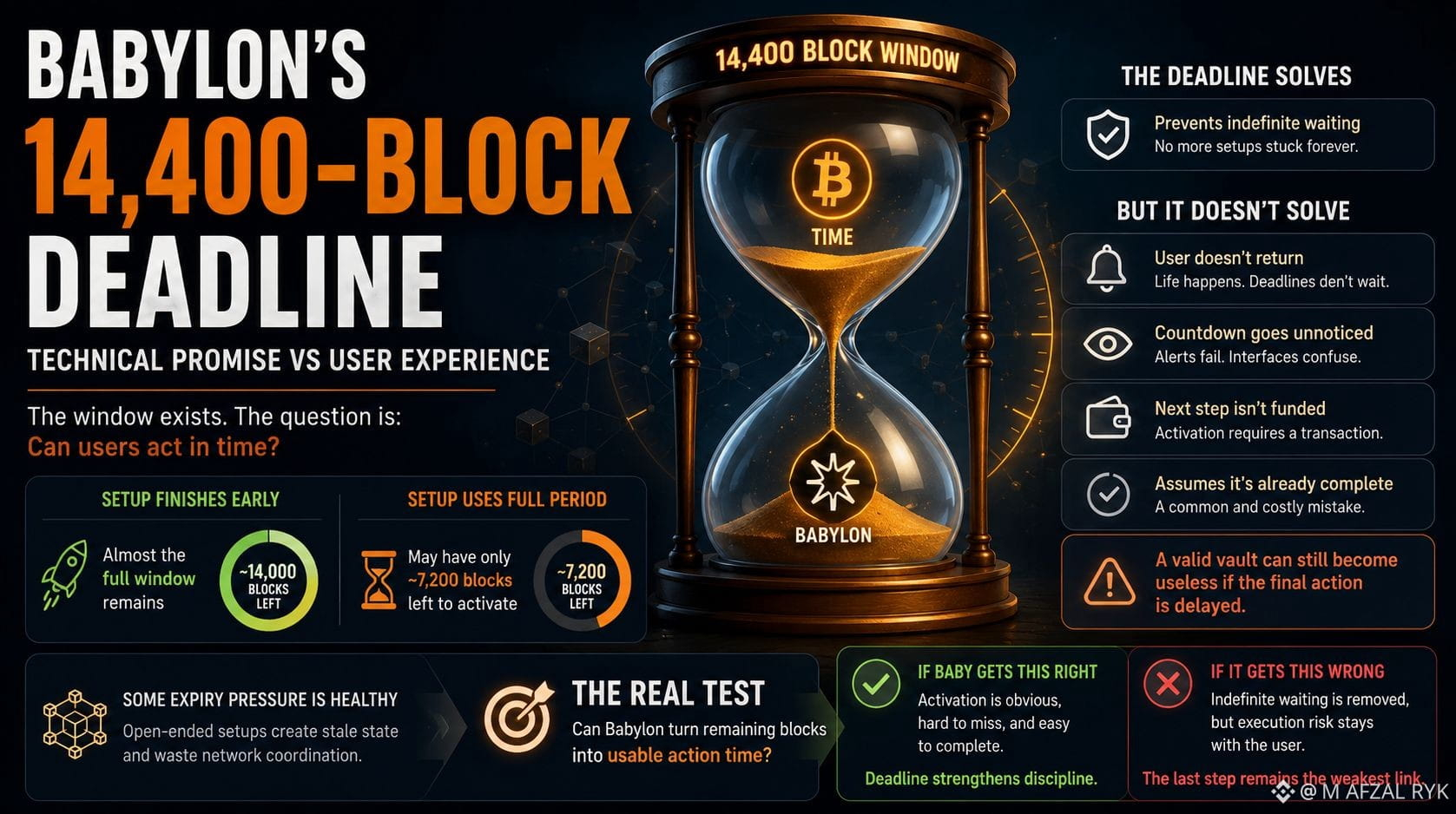
كانت أول غريزة لدي هي قياس الموعد النهائي المحدد بـ 14,400 بلوك لبابلون اعتمادًا على عدد البلوكات المتبقية بعد الإعداد. يترك الإعداد السريع تقريبًا نافذة كاملة تقريبًا متاحة. أما الإعداد البطيء فقد يترك حوالي 7,200 بلوك فقط للتفعيل.
يبدو ذلك مهمًا، لكن لا تُحكي هذه القصة كل شيء.
يُثبت الموعد النهائي مشكلة بروتوكول واحدة: يمنع الإعدادات من البقاء معلّقة إلى الأبد. لكنه لا يعالج الخطوة الأخيرة التي يتعين على المستخدمين القيام بها. يمكن للبروتوكول إبقاء نافذة التفعيل مفتوحة، لكنه لا يستطيع جعل شخص ما يتحقق من محفظته، أو يلاحظ تذكيرًا، أو يوقّع على المعاملة، أو يعود قبل أن تنتهي مهلة الموعد النهائي.
هذا الفرق سهل أن يُغفل.
قد تكون الخزينة صحيحة تمامًا من الناحية التقنية، ومع ذلك قد لا تصبح نشطة أبدًا لأن المستخدم يفوّت الخطوة الأخيرة. في هذه الحالة، لا تكمن المشكلة في بيتكوين أو في بابلون. بل في الفجوة بين قواعد البروتوكول والسلوك في العالم الحقيقي.
لهذا لا أرى 14,400 بلوك كضمان أمان بسيط. أراها كمقايضة تصميمية. يزيل البروتوكول الانتظار الذي لا ينتهي، لكن النجاح ما زال يعتمد على ما إذا كان بإمكان المستخدمين إكمال العملية قبل نفاد الوقت.
المواعيد النهائية ضرورية. بدونها، ستتراكم الإعدادات غير المكتملة وتُهدر التنسيق عبر الشبكة. السؤال الأكثر إثارة هو ما إذا كانت المدة المتبقية تبدو قابلة للاستخدام فعليًا، خصوصًا عندما ينتهي الإعداد متأخرًا أو تُفوّت الإشعارات.
بالنسبة لـ BABY، لا تكمن التحديات فقط في إنشاء تدفق تفعيل آمن. بل في جعل الخطوة الأخيرة واضحة للغاية بحيث نادرًا ما يفشل المستخدمون بسبب التوقيت. إذا نجحت بابلون في ذلك، يصبح الموعد النهائي قوة. أما إذا لم تنجح، فإن البروتوكول يعالج الانتظار غير المحدود مع ترك خطورة التنفيذ الأخيرة في المكان نفسه الذي يشعر فيه المستخدمون بها أكثر ما يكون.
@babylonlabs_io #baby $BABY
كانت أول غريزة لدي هي قياس الموعد النهائي المحدد بـ 14,400 بلوك لبابلون اعتمادًا على عدد البلوكات المتبقية بعد الإعداد. يترك الإعداد السريع تقريبًا نافذة كاملة تقريبًا متاحة. أما الإعداد البطيء فقد يترك حوالي 7,200 بلوك فقط للتفعيل.
يبدو ذلك مهمًا، لكن لا تُحكي هذه القصة كل شيء.
يُثبت الموعد النهائي مشكلة بروتوكول واحدة: يمنع الإعدادات من البقاء معلّقة إلى الأبد. لكنه لا يعالج الخطوة الأخيرة التي يتعين على المستخدمين القيام بها. يمكن للبروتوكول إبقاء نافذة التفعيل مفتوحة، لكنه لا يستطيع جعل شخص ما يتحقق من محفظته، أو يلاحظ تذكيرًا، أو يوقّع على المعاملة، أو يعود قبل أن تنتهي مهلة الموعد النهائي.
هذا الفرق سهل أن يُغفل.
قد تكون الخزينة صحيحة تمامًا من الناحية التقنية، ومع ذلك قد لا تصبح نشطة أبدًا لأن المستخدم يفوّت الخطوة الأخيرة. في هذه الحالة، لا تكمن المشكلة في بيتكوين أو في بابلون. بل في الفجوة بين قواعد البروتوكول والسلوك في العالم الحقيقي.
لهذا لا أرى 14,400 بلوك كضمان أمان بسيط. أراها كمقايضة تصميمية. يزيل البروتوكول الانتظار الذي لا ينتهي، لكن النجاح ما زال يعتمد على ما إذا كان بإمكان المستخدمين إكمال العملية قبل نفاد الوقت.
المواعيد النهائية ضرورية. بدونها، ستتراكم الإعدادات غير المكتملة وتُهدر التنسيق عبر الشبكة. السؤال الأكثر إثارة هو ما إذا كانت المدة المتبقية تبدو قابلة للاستخدام فعليًا، خصوصًا عندما ينتهي الإعداد متأخرًا أو تُفوّت الإشعارات.
بالنسبة لـ BABY، لا تكمن التحديات فقط في إنشاء تدفق تفعيل آمن. بل في جعل الخطوة الأخيرة واضحة للغاية بحيث نادرًا ما يفشل المستخدمون بسبب التوقيت. إذا نجحت بابلون في ذلك، يصبح الموعد النهائي قوة. أما إذا لم تنجح، فإن البروتوكول يعالج الانتظار غير المحدود مع ترك خطورة التنفيذ الأخيرة في المكان نفسه الذي يشعر فيه المستخدمون بها أكثر ما يكون.
@BabylonLabs_io #baby $BABY
يبدو ذلك مهمًا، لكن لا تُحكي هذه القصة كل شيء.
يُثبت الموعد النهائي مشكلة بروتوكول واحدة: يمنع الإعدادات من البقاء معلّقة إلى الأبد. لكنه لا يعالج الخطوة الأخيرة التي يتعين على المستخدمين القيام بها. يمكن للبروتوكول إبقاء نافذة التفعيل مفتوحة، لكنه لا يستطيع جعل شخص ما يتحقق من محفظته، أو يلاحظ تذكيرًا، أو يوقّع على المعاملة، أو يعود قبل أن تنتهي مهلة الموعد النهائي.
هذا الفرق سهل أن يُغفل.
قد تكون الخزينة صحيحة تمامًا من الناحية التقنية، ومع ذلك قد لا تصبح نشطة أبدًا لأن المستخدم يفوّت الخطوة الأخيرة. في هذه الحالة، لا تكمن المشكلة في بيتكوين أو في بابلون. بل في الفجوة بين قواعد البروتوكول والسلوك في العالم الحقيقي.
لهذا لا أرى 14,400 بلوك كضمان أمان بسيط. أراها كمقايضة تصميمية. يزيل البروتوكول الانتظار الذي لا ينتهي، لكن النجاح ما زال يعتمد على ما إذا كان بإمكان المستخدمين إكمال العملية قبل نفاد الوقت.
المواعيد النهائية ضرورية. بدونها، ستتراكم الإعدادات غير المكتملة وتُهدر التنسيق عبر الشبكة. السؤال الأكثر إثارة هو ما إذا كانت المدة المتبقية تبدو قابلة للاستخدام فعليًا، خصوصًا عندما ينتهي الإعداد متأخرًا أو تُفوّت الإشعارات.
بالنسبة لـ BABY، لا تكمن التحديات فقط في إنشاء تدفق تفعيل آمن. بل في جعل الخطوة الأخيرة واضحة للغاية بحيث نادرًا ما يفشل المستخدمون بسبب التوقيت. إذا نجحت بابلون في ذلك، يصبح الموعد النهائي قوة. أما إذا لم تنجح، فإن البروتوكول يعالج الانتظار غير المحدود مع ترك خطورة التنفيذ الأخيرة في المكان نفسه الذي يشعر فيه المستخدمون بها أكثر ما يكون.
@BabylonLabs_io #baby $BABY
5
6
90
·
--
صاعد
كلما نظرت إلى بابل، زاد شيء واحد بدأت يزعجني.
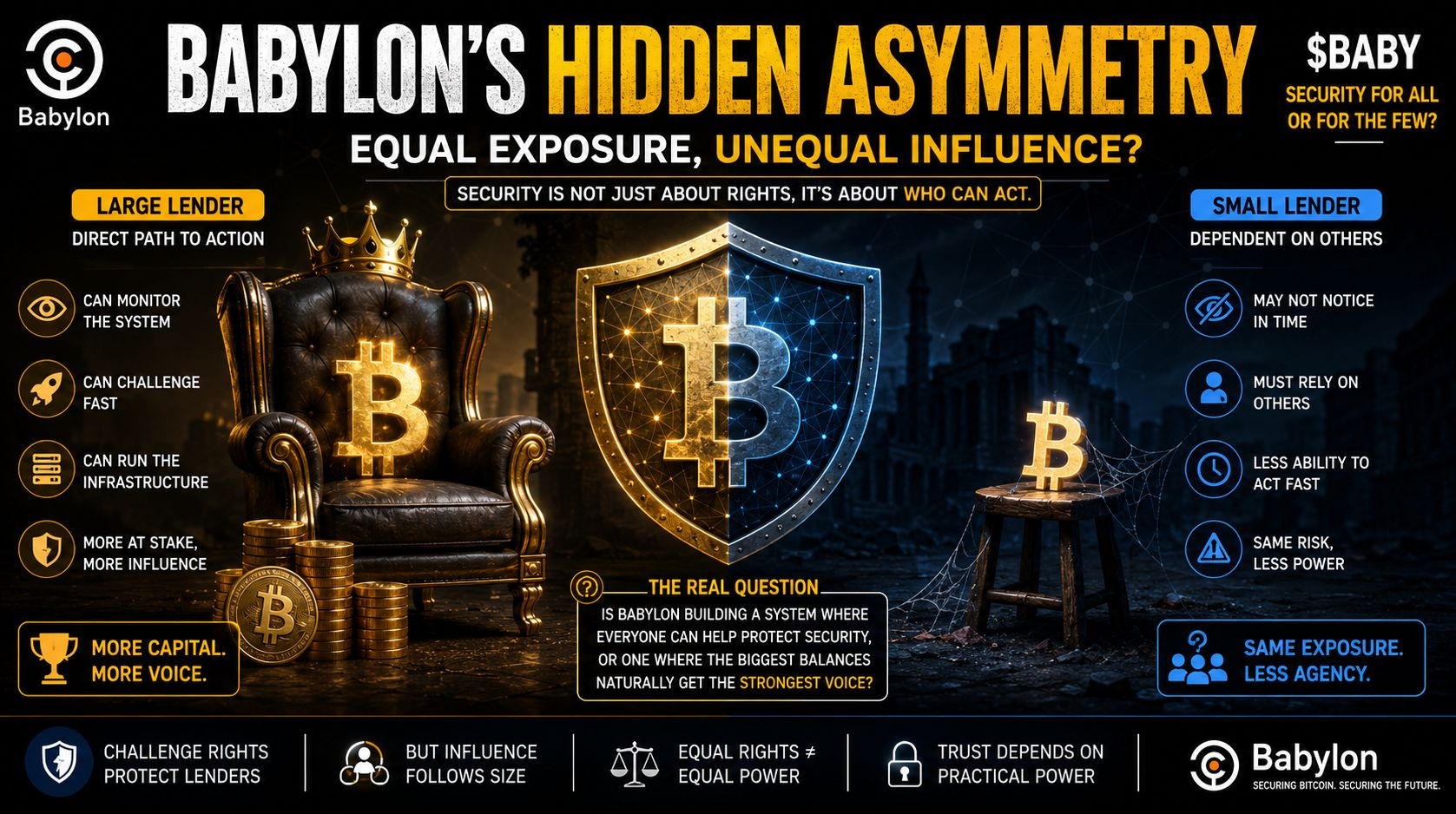
يمكن تحدّي نتيجة سيئة، لكن من هو في الواقع المستعد لتحدّيها؟
يمكن للمُقرض الكبير أن يتحمّل كلفة مراقبة النظام عن كثب، وتنفيذ الإعداد المطلوب، والاستجابة بسرعة عند حدوث خطأ.
قد يكون للمُقرض الأصغر الحق نفسه من الناحية النظرية، لكن ليست لديه القدرة نفسها على الفعل.
وهذا يخلق فجوة بين امتلاك حق أمني وبين امتلاك القدرة على استخدامه.
وأعتقد أن هذا جزء مهم من قصة بابل يستحق اهتمامًا أكبر.
الأمان لا يتعلق فقط بوجود إثبات عدم الاحتيال من عدمه.
بل يتعلق أيضًا بمن يراقب، ومن يستطيع الاستجابة، ومن لديه ما يكفي من المخاطر ليظل نشطًا.
يتحمّل المُقرضون الكبار بطبيعة الحال مخاطر أكبر، لذا فإن وجود بعض الاختلاف في النفوذ يبدو منطقيًا.
لكن إذا بدأ الأمان يعتمد بشكل كبير جدًا على حجم رأس المال، فقد تتحول الحماية المتساوية تدريجيًا إلى مشاركة غير متكافئة.
وهذا يتركني بسؤال واحد:
هل تبني بابل نظامًا يمكن فيه للجميع المساعدة في حماية الأمان، أم نظامًا تصبح فيه الأرصدة الأكبر تلقائيًا صاحبة أقوى صوت؟
قد تكون هذه الفروقات أهم مما يظن الناس.
@babylonlabs_io #baby $BABY
{spot}(BABYUSDT)
كلما نظرت إلى بابل، زاد شيء واحد بدأت يزعجني.
يمكن تحدّي نتيجة سيئة، لكن من هو في الواقع المستعد لتحدّيها؟
يمكن للمُقرض الكبير أن يتحمّل كلفة مراقبة النظام عن كثب، وتنفيذ الإعداد المطلوب، والاستجابة بسرعة عند حدوث خطأ.
قد يكون للمُقرض الأصغر الحق نفسه من الناحية النظرية، لكن ليست لديه القدرة نفسها على الفعل.
وهذا يخلق فجوة بين امتلاك حق أمني وبين امتلاك القدرة على استخدامه.
وأعتقد أن هذا جزء مهم من قصة بابل يستحق اهتمامًا أكبر.
الأمان لا يتعلق فقط بوجود إثبات عدم الاحتيال من عدمه.
بل يتعلق أيضًا بمن يراقب، ومن يستطيع الاستجابة، ومن لديه ما يكفي من المخاطر ليظل نشطًا.
يتحمّل المُقرضون الكبار بطبيعة الحال مخاطر أكبر، لذا فإن وجود بعض الاختلاف في النفوذ يبدو منطقيًا.
لكن إذا بدأ الأمان يعتمد بشكل كبير جدًا على حجم رأس المال، فقد تتحول الحماية المتساوية تدريجيًا إلى مشاركة غير متكافئة.
وهذا يتركني بسؤال واحد:
هل تبني بابل نظامًا يمكن فيه للجميع المساعدة في حماية الأمان، أم نظامًا تصبح فيه الأرصدة الأكبر تلقائيًا صاحبة أقوى صوت؟
قد تكون هذه الفروقات أهم مما يظن الناس.
@BabylonLabs_io #baby $BABY
يمكن تحدّي نتيجة سيئة، لكن من هو في الواقع المستعد لتحدّيها؟
يمكن للمُقرض الكبير أن يتحمّل كلفة مراقبة النظام عن كثب، وتنفيذ الإعداد المطلوب، والاستجابة بسرعة عند حدوث خطأ.
قد يكون للمُقرض الأصغر الحق نفسه من الناحية النظرية، لكن ليست لديه القدرة نفسها على الفعل.
وهذا يخلق فجوة بين امتلاك حق أمني وبين امتلاك القدرة على استخدامه.
وأعتقد أن هذا جزء مهم من قصة بابل يستحق اهتمامًا أكبر.
الأمان لا يتعلق فقط بوجود إثبات عدم الاحتيال من عدمه.
بل يتعلق أيضًا بمن يراقب، ومن يستطيع الاستجابة، ومن لديه ما يكفي من المخاطر ليظل نشطًا.
يتحمّل المُقرضون الكبار بطبيعة الحال مخاطر أكبر، لذا فإن وجود بعض الاختلاف في النفوذ يبدو منطقيًا.
لكن إذا بدأ الأمان يعتمد بشكل كبير جدًا على حجم رأس المال، فقد تتحول الحماية المتساوية تدريجيًا إلى مشاركة غير متكافئة.
وهذا يتركني بسؤال واحد:
هل تبني بابل نظامًا يمكن فيه للجميع المساعدة في حماية الأمان، أم نظامًا تصبح فيه الأرصدة الأكبر تلقائيًا صاحبة أقوى صوت؟
قد تكون هذه الفروقات أهم مما يظن الناس.
@BabylonLabs_io #baby $BABY
3
1
294
·
--
صاعد
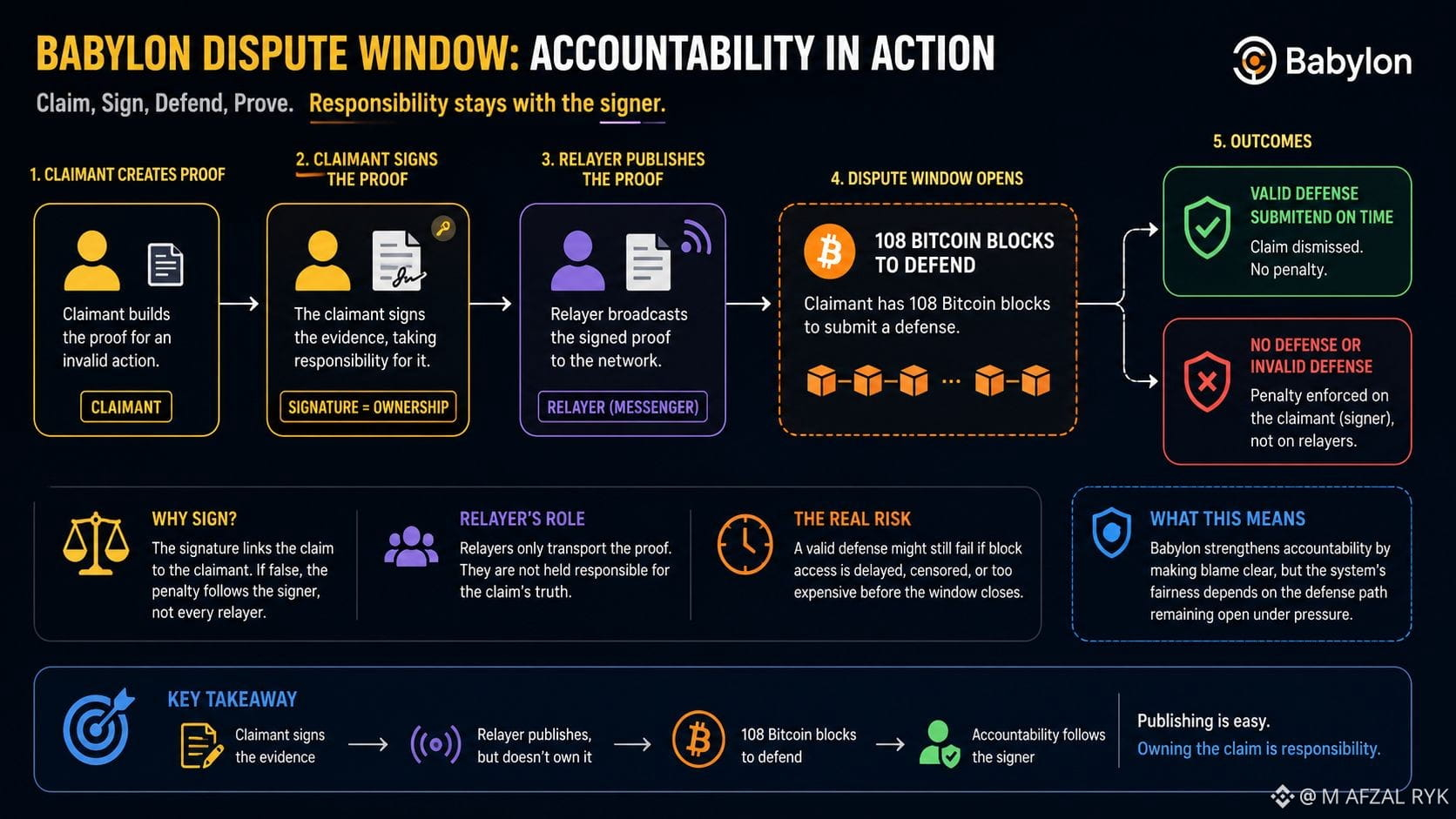
كلما تعمّقت أكثر في نافذة النزاع لدى بابل، صار التفصيل الوحيد أكثر إثارة للاهتمام.
المدّعي لا يكتفي بتقديم الدليل ثم يبتعد. بل يوقّع على الأدلة التي يقدّمها، وهذا يعني أنه يمكن لاحقًا تتبّع ذلك الادعاء إلى الشخص الذي وافق عليه.
تمنح بابل المدّعي 108 بلوكات من البيتكوين للدفاع عن ذلك الدليل.
في البداية، رأيت هذا كفترة استجابة فقط. لكن الأمر يبدو أكثر كأنه طبقة مساءلة.
يمكن لِـ relayer نشر الدليل أو تمريره، لكن المدّعي هو الشخص المرتبط بالادعاء. فإذا تبيّن أن الدليل غير صحيح، يمكن أن تترتب المسؤولية على الموقّع بدلًا من أن تتوزّع على جميع من تعاملوا مع الرسالة.
هذا الفرق سهل تفويته:
نشر الدليل ≠ امتلاك الادعاء.
ولا يزال هناك جزء أظل أفكر فيه.
ماذا يحدث عندما تكون جهة الدفاع صحيحة، لكن إدراجها يصبح أمرًا صعبًا؟
قد يؤدي ضغط الشبكة، أو التأخير في الوصول، أو محدودية المساحة في البلوكات إلى تحويل نافذة دفاع عادلة إلى سباق ضد الوقت.
لذا قد تكون بابل قد جعلت المساءلة أكثر وضوحًا.
والآن السؤال الأكبر هو ما إذا بقيت عملية الدفاع نفسها مفتوحة وعملية عندما تكون الشبكة تحت ضغط حقيقي.
هذا هو الجزء الذي أراقبه.
@babylonlabs_io #baby $BABY
{spot}(BABYUSDT)
كلما تعمّقت أكثر في نافذة النزاع لدى بابل، صار التفصيل الوحيد أكثر إثارة للاهتمام.
المدّعي لا يكتفي بتقديم الدليل ثم يبتعد. بل يوقّع على الأدلة التي يقدّمها، وهذا يعني أنه يمكن لاحقًا تتبّع ذلك الادعاء إلى الشخص الذي وافق عليه.
تمنح بابل المدّعي 108 بلوكات من البيتكوين للدفاع عن ذلك الدليل.
في البداية، رأيت هذا كفترة استجابة فقط. لكن الأمر يبدو أكثر كأنه طبقة مساءلة.
يمكن لِـ relayer نشر الدليل أو تمريره، لكن المدّعي هو الشخص المرتبط بالادعاء. فإذا تبيّن أن الدليل غير صحيح، يمكن أن تترتب المسؤولية على الموقّع بدلًا من أن تتوزّع على جميع من تعاملوا مع الرسالة.
هذا الفرق سهل تفويته:
نشر الدليل ≠ امتلاك الادعاء.
ولا يزال هناك جزء أظل أفكر فيه.
ماذا يحدث عندما تكون جهة الدفاع صحيحة، لكن إدراجها يصبح أمرًا صعبًا؟
قد يؤدي ضغط الشبكة، أو التأخير في الوصول، أو محدودية المساحة في البلوكات إلى تحويل نافذة دفاع عادلة إلى سباق ضد الوقت.
لذا قد تكون بابل قد جعلت المساءلة أكثر وضوحًا.
والآن السؤال الأكبر هو ما إذا بقيت عملية الدفاع نفسها مفتوحة وعملية عندما تكون الشبكة تحت ضغط حقيقي.
هذا هو الجزء الذي أراقبه.
@BabylonLabs_io #baby $BABY
المدّعي لا يكتفي بتقديم الدليل ثم يبتعد. بل يوقّع على الأدلة التي يقدّمها، وهذا يعني أنه يمكن لاحقًا تتبّع ذلك الادعاء إلى الشخص الذي وافق عليه.
تمنح بابل المدّعي 108 بلوكات من البيتكوين للدفاع عن ذلك الدليل.
في البداية، رأيت هذا كفترة استجابة فقط. لكن الأمر يبدو أكثر كأنه طبقة مساءلة.
يمكن لِـ relayer نشر الدليل أو تمريره، لكن المدّعي هو الشخص المرتبط بالادعاء. فإذا تبيّن أن الدليل غير صحيح، يمكن أن تترتب المسؤولية على الموقّع بدلًا من أن تتوزّع على جميع من تعاملوا مع الرسالة.
هذا الفرق سهل تفويته:
نشر الدليل ≠ امتلاك الادعاء.
ولا يزال هناك جزء أظل أفكر فيه.
ماذا يحدث عندما تكون جهة الدفاع صحيحة، لكن إدراجها يصبح أمرًا صعبًا؟
قد يؤدي ضغط الشبكة، أو التأخير في الوصول، أو محدودية المساحة في البلوكات إلى تحويل نافذة دفاع عادلة إلى سباق ضد الوقت.
لذا قد تكون بابل قد جعلت المساءلة أكثر وضوحًا.
والآن السؤال الأكبر هو ما إذا بقيت عملية الدفاع نفسها مفتوحة وعملية عندما تكون الشبكة تحت ضغط حقيقي.
هذا هو الجزء الذي أراقبه.
@BabylonLabs_io #baby $BABY
5
3
126
·
--
صاعد
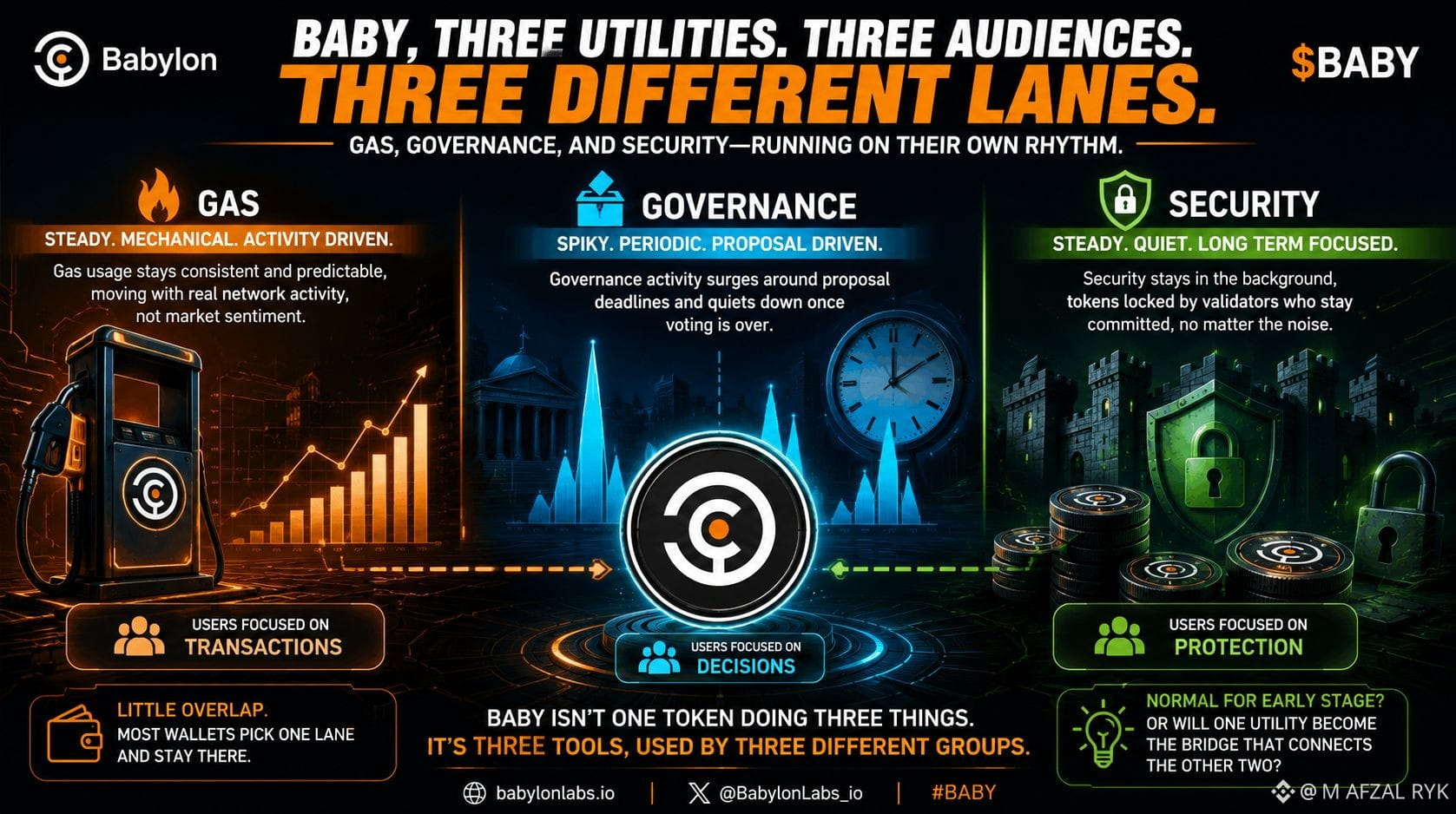
عندما بدأتُ بالبحث في BABY لأول مرة، توقعت أن تعمل الأدوار الثلاثة الرئيسية فيه—الغاز (gas)، والحوكمة (governance)، والأمن (security)—كنظامٍ واحدٍ مترابط. وكلما تعمقتُ أكثر، أصبحت الصورة أكثر إثارة للاهتمام.
بدت «الغاز» الجزء الأكثر قابلية للتنبؤ. فهو ببساطة يتبع نشاط الشبكة؛ يرتفع وينخفض مع استخدام الناس للسلسلة. أما «الحوكمة» فكان لها إيقاع مختلف تمامًا. كانت وتيرة النشاط تتسارع كلما ظهرت المقترحات، ثم تهدأ بمجرد انتهاء التصويت.
أما «الأمن» فكان مختلفًا أيضًا. فقد بقي جزء كبير من BABY مقفلًا مع المُدقِّقين، ويساعد بهدوء على تأمين الشبكة دون أن يتفاعل كثيرًا مع أحداث الحوكمة أو مع حجم المعاملات اليومية.
ما فاجأني أكثر لم يكن طريقة عمل هذه المرافق كلٌ على حدة—بل مقدار تداخلها القليل جدًا. فعدد قليل جدًا من المحافظ شارك بنشاط في الأدوار الثلاثة معًا. وبدا أن معظم المستخدمين يركزون على غرض واحد: سواء كان دفع الغاز، أو التصويت، أو تأمين الشبكة.
وهذا يجعل BABY يبدو أقل كونه توكنًا واحدًا بثلاث وظائف مترابطة، وأكثر كونه أصلًا يخدم ثلاث فئات مختلفة من المستخدمين.
ربما هذا أمر طبيعي تمامًا بالنسبة لبيئةٍ نامية. أو ربما، مع مرور الوقت، ستصبح إحدى هذه الوظائف هي الجسر الذي يربط تلقائيًا بين الوظيفتين الأخريين. سيكون من المثير رؤية كيف سيتطور ذلك مع استمرار نمو منظومة بابلون.
@babylonlabs_io #baby $BABY
عندما بدأتُ بالبحث في BABY لأول مرة، توقعت أن تعمل الأدوار الثلاثة الرئيسية فيه—الغاز (gas)، والحوكمة (governance)، والأمن (security)—كنظامٍ واحدٍ مترابط. وكلما تعمقتُ أكثر، أصبحت الصورة أكثر إثارة للاهتمام.
بدت «الغاز» الجزء الأكثر قابلية للتنبؤ. فهو ببساطة يتبع نشاط الشبكة؛ يرتفع وينخفض مع استخدام الناس للسلسلة. أما «الحوكمة» فكان لها إيقاع مختلف تمامًا. كانت وتيرة النشاط تتسارع كلما ظهرت المقترحات، ثم تهدأ بمجرد انتهاء التصويت.
أما «الأمن» فكان مختلفًا أيضًا. فقد بقي جزء كبير من BABY مقفلًا مع المُدقِّقين، ويساعد بهدوء على تأمين الشبكة دون أن يتفاعل كثيرًا مع أحداث الحوكمة أو مع حجم المعاملات اليومية.
ما فاجأني أكثر لم يكن طريقة عمل هذه المرافق كلٌ على حدة—بل مقدار تداخلها القليل جدًا. فعدد قليل جدًا من المحافظ شارك بنشاط في الأدوار الثلاثة معًا. وبدا أن معظم المستخدمين يركزون على غرض واحد: سواء كان دفع الغاز، أو التصويت، أو تأمين الشبكة.
وهذا يجعل BABY يبدو أقل كونه توكنًا واحدًا بثلاث وظائف مترابطة، وأكثر كونه أصلًا يخدم ثلاث فئات مختلفة من المستخدمين.
ربما هذا أمر طبيعي تمامًا بالنسبة لبيئةٍ نامية. أو ربما، مع مرور الوقت، ستصبح إحدى هذه الوظائف هي الجسر الذي يربط تلقائيًا بين الوظيفتين الأخريين. سيكون من المثير رؤية كيف سيتطور ذلك مع استمرار نمو منظومة بابلون.
@BabylonLabs_io #baby $BABY
بدت «الغاز» الجزء الأكثر قابلية للتنبؤ. فهو ببساطة يتبع نشاط الشبكة؛ يرتفع وينخفض مع استخدام الناس للسلسلة. أما «الحوكمة» فكان لها إيقاع مختلف تمامًا. كانت وتيرة النشاط تتسارع كلما ظهرت المقترحات، ثم تهدأ بمجرد انتهاء التصويت.
أما «الأمن» فكان مختلفًا أيضًا. فقد بقي جزء كبير من BABY مقفلًا مع المُدقِّقين، ويساعد بهدوء على تأمين الشبكة دون أن يتفاعل كثيرًا مع أحداث الحوكمة أو مع حجم المعاملات اليومية.
ما فاجأني أكثر لم يكن طريقة عمل هذه المرافق كلٌ على حدة—بل مقدار تداخلها القليل جدًا. فعدد قليل جدًا من المحافظ شارك بنشاط في الأدوار الثلاثة معًا. وبدا أن معظم المستخدمين يركزون على غرض واحد: سواء كان دفع الغاز، أو التصويت، أو تأمين الشبكة.
وهذا يجعل BABY يبدو أقل كونه توكنًا واحدًا بثلاث وظائف مترابطة، وأكثر كونه أصلًا يخدم ثلاث فئات مختلفة من المستخدمين.
ربما هذا أمر طبيعي تمامًا بالنسبة لبيئةٍ نامية. أو ربما، مع مرور الوقت، ستصبح إحدى هذه الوظائف هي الجسر الذي يربط تلقائيًا بين الوظيفتين الأخريين. سيكون من المثير رؤية كيف سيتطور ذلك مع استمرار نمو منظومة بابلون.
@BabylonLabs_io #baby $BABY
4
5
139
·
--
صاعد
صحيح جزئيًا
صنعت LUMIA خطوة كبيرة، إذ ارتفعت بأكثر من 34% خلال 24 ساعة فقط مع دفع الشراء القوي للسعر للأعلى. بدأت هذه القفزة عندما عادت العملة الرمزية إلى ما فوق متوسطها الأُسي لمدة 99 ساعة، ثم اخترقت نطاق تداول طويلًا. وقد لفتت هذه الحركة انتباه المتداولين وأطلقت مشتريات جديدة عبر السوق.
ومن بين أكبر الأسباب وراء هذا الارتفاع تدفق الأموال القوي إلى LUMIA. فقد ساعدت أوامر الشراء الكبيرة والتدفقات الإيجابية في إبقاء السعر في مسار صعودي. كما ظلّ شعور السوق إيجابيًا. وأشار العديد من المتداولين إلى إعدادٍ بياني صعودي، بينما أضاف الدعم من أصوات معروفة في عالم العملات الرقمية وازدياد الاهتمام من المشترين الأفراد وقودًا إضافيًا لهذه القفزة.
حتى مع هذه المكاسب القوية، بدأت تظهر بعض إشارات التحذير. تتمثل أكبر المخاوف في فتح الرموز المقرر في 18 يوليو. إذ ستدخل السوق قرابة 6.41 مليون توكن LUMIA، بما يعادل 2.68% من إجمالي المعروض. وقد يؤدي ذلك إلى زيادة البيع إذا قرر بعض الحاملين جني الأرباح بعد الارتفاع السعري الأخير.
تشير إشارات الرسم البياني أيضًا إلى أن الحركة قد تكون “حارة” أكثر من اللازم. فقد تحرك مؤشر RSI فوق 90، ما يوضح أن قوة الشراء كانت شديدة وقد لا يكون من السهل الحفاظ عليها. كما لمس السعر الحافة العلوية لمؤشر بولنجر باند، وهو ما غالبًا ما يشير إلى احتمالية أعلى لتراجع قصير المدى. وقد فتح بعض المتداولين بالفعل مراكز بيع على المكشوف، توقعًا لحدوث تصحيح.
تُظهر LUMIA قوة قوية في الوقت الحالي، لكن فتح التوكن القادم وظروف السوق المتوترة قد تجلب تقلبات حادة في السعر على المدى القريب.
$LUMIA
{future}(LUMIAUSDT)
$KAITO
{future}(KAITOUSDT)
$ONE
{spot}(ONEUSDT)
صنعت LUMIA خطوة كبيرة، إذ ارتفعت بأكثر من 34% خلال 24 ساعة فقط مع دفع الشراء القوي للسعر للأعلى. بدأت هذه القفزة عندما عادت العملة الرمزية إلى ما فوق متوسطها الأُسي لمدة 99 ساعة، ثم اخترقت نطاق تداول طويلًا. وقد لفتت هذه الحركة انتباه المتداولين وأطلقت مشتريات جديدة عبر السوق.
ومن بين أكبر الأسباب وراء هذا الارتفاع تدفق الأموال القوي إلى LUMIA. فقد ساعدت أوامر الشراء الكبيرة والتدفقات الإيجابية في إبقاء السعر في مسار صعودي. كما ظلّ شعور السوق إيجابيًا. وأشار العديد من المتداولين إلى إعدادٍ بياني صعودي، بينما أضاف الدعم من أصوات معروفة في عالم العملات الرقمية وازدياد الاهتمام من المشترين الأفراد وقودًا إضافيًا لهذه القفزة.
حتى مع هذه المكاسب القوية، بدأت تظهر بعض إشارات التحذير. تتمثل أكبر المخاوف في فتح الرموز المقرر في 18 يوليو. إذ ستدخل السوق قرابة 6.41 مليون توكن LUMIA، بما يعادل 2.68% من إجمالي المعروض. وقد يؤدي ذلك إلى زيادة البيع إذا قرر بعض الحاملين جني الأرباح بعد الارتفاع السعري الأخير.
تشير إشارات الرسم البياني أيضًا إلى أن الحركة قد تكون “حارة” أكثر من اللازم. فقد تحرك مؤشر RSI فوق 90، ما يوضح أن قوة الشراء كانت شديدة وقد لا يكون من السهل الحفاظ عليها. كما لمس السعر الحافة العلوية لمؤشر بولنجر باند، وهو ما غالبًا ما يشير إلى احتمالية أعلى لتراجع قصير المدى. وقد فتح بعض المتداولين بالفعل مراكز بيع على المكشوف، توقعًا لحدوث تصحيح.
تُظهر LUMIA قوة قوية في الوقت الحالي، لكن فتح التوكن القادم وظروف السوق المتوترة قد تجلب تقلبات حادة في السعر على المدى القريب.
$LUMIA
$KAITO
$ONE
ومن بين أكبر الأسباب وراء هذا الارتفاع تدفق الأموال القوي إلى LUMIA. فقد ساعدت أوامر الشراء الكبيرة والتدفقات الإيجابية في إبقاء السعر في مسار صعودي. كما ظلّ شعور السوق إيجابيًا. وأشار العديد من المتداولين إلى إعدادٍ بياني صعودي، بينما أضاف الدعم من أصوات معروفة في عالم العملات الرقمية وازدياد الاهتمام من المشترين الأفراد وقودًا إضافيًا لهذه القفزة.
حتى مع هذه المكاسب القوية، بدأت تظهر بعض إشارات التحذير. تتمثل أكبر المخاوف في فتح الرموز المقرر في 18 يوليو. إذ ستدخل السوق قرابة 6.41 مليون توكن LUMIA، بما يعادل 2.68% من إجمالي المعروض. وقد يؤدي ذلك إلى زيادة البيع إذا قرر بعض الحاملين جني الأرباح بعد الارتفاع السعري الأخير.
تشير إشارات الرسم البياني أيضًا إلى أن الحركة قد تكون “حارة” أكثر من اللازم. فقد تحرك مؤشر RSI فوق 90، ما يوضح أن قوة الشراء كانت شديدة وقد لا يكون من السهل الحفاظ عليها. كما لمس السعر الحافة العلوية لمؤشر بولنجر باند، وهو ما غالبًا ما يشير إلى احتمالية أعلى لتراجع قصير المدى. وقد فتح بعض المتداولين بالفعل مراكز بيع على المكشوف، توقعًا لحدوث تصحيح.
تُظهر LUMIA قوة قوية في الوقت الحالي، لكن فتح التوكن القادم وظروف السوق المتوترة قد تجلب تقلبات حادة في السعر على المدى القريب.
$LUMIA
$KAITO
$ONE
⏰ July 18 token unlock
29%
📢 Bullish market hype
43%
💰 Heavy money inflow
0%
🔥 Strong breakout
28%
7 الأصوات • تمّ إغلاق التصويت
1.1k
·
--
مقالة
بروتوكول نيوتن وخطر البناء لمستقبل لم يأتِ بعدأحد أصعب التحديات في مجال التكنولوجيا ليس بناء شيء مفيد. بل هو بناء شيء مفيد في الوقت المناسب.
إن التاريخ مليء بمنتجات ومنصات عالجت مشكلات حقيقية قبل سنوات من أن يكون السوق مستعدًا للاعتراف بوجود تلك المشكلات. كانت التقنية سليمة. وكانت الرؤية دقيقة. ومع ذلك، تراجع التبنّي لأن الاستعجال لم يكن قد لحق بعد بالابتكار.
يبدو أن بروتوكول نيوتن يقع مباشرة داخل هذا التوتر.
في وقت يظل فيه جزء كبير من صناعة العملات المشفرة يركز على قابلية التوسع والسيولة والحوافز الرمزية وجذب المستخدمين، يسعى نيوتن إلى هدف مختلف. بدلًا من التنافس لتصبح مجرد بلوكتشين أخرى أو تطبيقًا ماليًا آخر، فهو يحاول إنشاء طبقة تفويض للنشاط المالي المستقل.
بروتوكول نيوتن وخطر البناء لمستقبل لم يأتِ بعد
أحد أصعب التحديات في مجال التكنولوجيا ليس بناء شيء مفيد. بل هو بناء شيء مفيد في الوقت المناسب.
إن التاريخ مليء بمنتجات ومنصات عالجت مشكلات حقيقية قبل سنوات من أن يكون السوق مستعدًا للاعتراف بوجود تلك المشكلات. كانت التقنية سليمة. وكانت الرؤية دقيقة. ومع ذلك، تراجع التبنّي لأن الاستعجال لم يكن قد لحق بعد بالابتكار.
يبدو أن بروتوكول نيوتن يقع مباشرة داخل هذا التوتر.
في وقت يظل فيه جزء كبير من صناعة العملات المشفرة يركز على قابلية التوسع والسيولة والحوافز الرمزية وجذب المستخدمين، يسعى نيوتن إلى هدف مختلف. بدلًا من التنافس لتصبح مجرد بلوكتشين أخرى أو تطبيقًا ماليًا آخر، فهو يحاول إنشاء طبقة تفويض للنشاط المالي المستقل.
إن التاريخ مليء بمنتجات ومنصات عالجت مشكلات حقيقية قبل سنوات من أن يكون السوق مستعدًا للاعتراف بوجود تلك المشكلات. كانت التقنية سليمة. وكانت الرؤية دقيقة. ومع ذلك، تراجع التبنّي لأن الاستعجال لم يكن قد لحق بعد بالابتكار.
يبدو أن بروتوكول نيوتن يقع مباشرة داخل هذا التوتر.
في وقت يظل فيه جزء كبير من صناعة العملات المشفرة يركز على قابلية التوسع والسيولة والحوافز الرمزية وجذب المستخدمين، يسعى نيوتن إلى هدف مختلف. بدلًا من التنافس لتصبح مجرد بلوكتشين أخرى أو تطبيقًا ماليًا آخر، فهو يحاول إنشاء طبقة تفويض للنشاط المالي المستقل.
7
4
216
·
--
تمّ التحقق
$THE
{spot}(THEUSDT)
$ESP
{future}(ESPUSDT)
$LAB
{future}(LABUSDT)
#SamsungExploresPotentialUSADRListing #BinanceTurns9 #CXMTReportedlyToListInShanghaiJuly27 #SamsungSKHynixLeveragedETFsNearlyHalve #USSaysItWillBlockadeIran
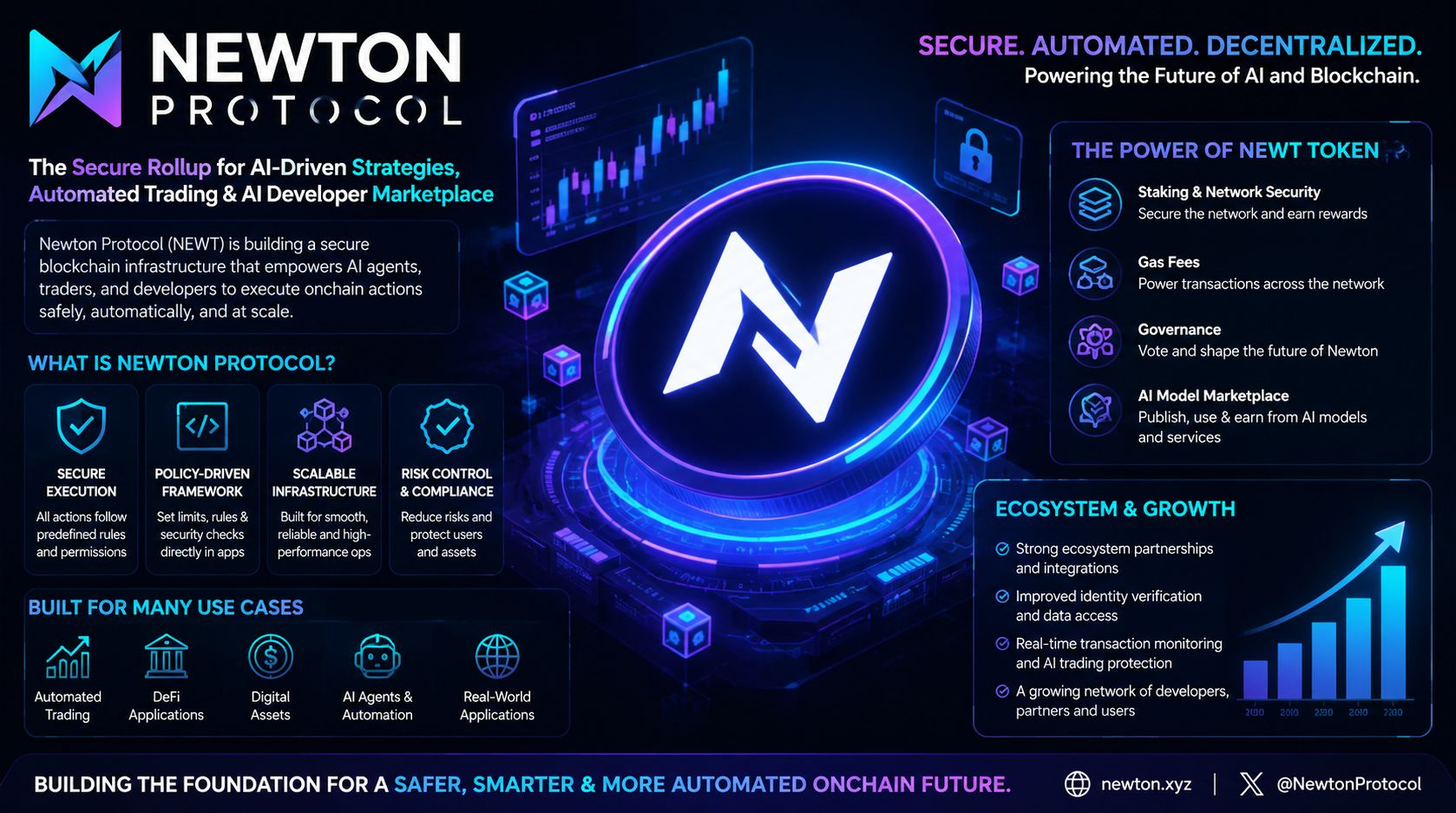
بروتوكول نيوتن (NEWT) هو مشروع بلوكتشين مصمّم لجعل التداول الآلي المدعوم بالذكاء الاصطناعي والأتمتة أكثر أمانًا وذكاءً وسهولة في الثقة. فهو يوفّر شبكةً آمنة يمكن لعملاء الذكاء الاصطناعي من خلالها تنفيذ المهام وإدارة الصفقات واتباع تعليمات المستخدم دون التنازل عن الشفافية أو السيطرة.
يجمع البروتوكول بين أدوات أمن متقدمة وتقنية البلوكتشين للتحقق من كل إجراء وإثبات صحته. وهذا يساعد على تقليل المخاطر والتأكد من أن أنظمة الذكاء الاصطناعي تتبع القواعد التي يضعها المستخدمون. ومع ازدياد مشاركة الذكاء الاصطناعي في التمويل والخدمات الرقمية، تهدف نيوتن إلى تقديم أساس آمن لصنع القرار الآلي.
من أبرز ميزاته هو سجل نماذج نيوتن (Newton Model Registry)، وهو سوق يمكن لمطوري الذكاء الاصطناعي من خلاله مشاركة نماذجهم ووكالاتهم وبيعها والربح منها. يتلقى المطورون مكافآت على شكل رموز NEWT، بينما يحصل المشغّلون على رسوم مقابل دعم الشبكة.
يعمل رمز NEWT على تشغيل النظام البيئي. يُستخدم في التحصيص (Staking)، ودفع رسوم الشبكة، والوصول إلى الخدمات، والمشاركة في قرارات الحوكمة. يبلغ إجمالي المعروض 1 مليار رمز، وهو ثابت.
أدى النمو الأخير إلى شراكات وتكاملات جديدة تعمل على تحسين التحقق من الهوية وسلامة المستخدم وأدوات التداول الآلي. تعزّز هذه التحديثات هدف البروتوكول المتمثل في إنشاء بيئة موثوقة لتطبيقات مدفوعة بالذكاء الاصطناعي.
من خلال جمع الذكاء الاصطناعي والبلوكشين والأمان القوي، يعمل بروتوكول نيوتن على بناء مستقبل يمكن فيه للأنظمة الآلية العمل بكفاءة وأمان، وبثقة أكبر لدى المستخدمين.
$THE
$ESP
$LAB
#SamsungExploresPotentialUSADRListing #BinanceTurns9 #CXMTReportedlyToListInShanghaiJuly27 #SamsungSKHynixLeveragedETFsNearlyHalve #USSaysItWillBlockadeIran
بروتوكول نيوتن (NEWT) هو مشروع بلوكتشين مصمّم لجعل التداول الآلي المدعوم بالذكاء الاصطناعي والأتمتة أكثر أمانًا وذكاءً وسهولة في الثقة. فهو يوفّر شبكةً آمنة يمكن لعملاء الذكاء الاصطناعي من خلالها تنفيذ المهام وإدارة الصفقات واتباع تعليمات المستخدم دون التنازل عن الشفافية أو السيطرة.
يجمع البروتوكول بين أدوات أمن متقدمة وتقنية البلوكتشين للتحقق من كل إجراء وإثبات صحته. وهذا يساعد على تقليل المخاطر والتأكد من أن أنظمة الذكاء الاصطناعي تتبع القواعد التي يضعها المستخدمون. ومع ازدياد مشاركة الذكاء الاصطناعي في التمويل والخدمات الرقمية، تهدف نيوتن إلى تقديم أساس آمن لصنع القرار الآلي.
من أبرز ميزاته هو سجل نماذج نيوتن (Newton Model Registry)، وهو سوق يمكن لمطوري الذكاء الاصطناعي من خلاله مشاركة نماذجهم ووكالاتهم وبيعها والربح منها. يتلقى المطورون مكافآت على شكل رموز NEWT، بينما يحصل المشغّلون على رسوم مقابل دعم الشبكة.
يعمل رمز NEWT على تشغيل النظام البيئي. يُستخدم في التحصيص (Staking)، ودفع رسوم الشبكة، والوصول إلى الخدمات، والمشاركة في قرارات الحوكمة. يبلغ إجمالي المعروض 1 مليار رمز، وهو ثابت.
أدى النمو الأخير إلى شراكات وتكاملات جديدة تعمل على تحسين التحقق من الهوية وسلامة المستخدم وأدوات التداول الآلي. تعزّز هذه التحديثات هدف البروتوكول المتمثل في إنشاء بيئة موثوقة لتطبيقات مدفوعة بالذكاء الاصطناعي.
من خلال جمع الذكاء الاصطناعي والبلوكشين والأمان القوي، يعمل بروتوكول نيوتن على بناء مستقبل يمكن فيه للأنظمة الآلية العمل بكفاءة وأمان، وبثقة أكبر لدى المستخدمين.
$ESP
$LAB
#SamsungExploresPotentialUSADRListing #BinanceTurns9 #CXMTReportedlyToListInShanghaiJuly27 #SamsungSKHynixLeveragedETFsNearlyHalve #USSaysItWillBlockadeIran
بروتوكول نيوتن (NEWT) هو مشروع بلوكتشين مصمّم لجعل التداول الآلي المدعوم بالذكاء الاصطناعي والأتمتة أكثر أمانًا وذكاءً وسهولة في الثقة. فهو يوفّر شبكةً آمنة يمكن لعملاء الذكاء الاصطناعي من خلالها تنفيذ المهام وإدارة الصفقات واتباع تعليمات المستخدم دون التنازل عن الشفافية أو السيطرة.
يجمع البروتوكول بين أدوات أمن متقدمة وتقنية البلوكتشين للتحقق من كل إجراء وإثبات صحته. وهذا يساعد على تقليل المخاطر والتأكد من أن أنظمة الذكاء الاصطناعي تتبع القواعد التي يضعها المستخدمون. ومع ازدياد مشاركة الذكاء الاصطناعي في التمويل والخدمات الرقمية، تهدف نيوتن إلى تقديم أساس آمن لصنع القرار الآلي.
من أبرز ميزاته هو سجل نماذج نيوتن (Newton Model Registry)، وهو سوق يمكن لمطوري الذكاء الاصطناعي من خلاله مشاركة نماذجهم ووكالاتهم وبيعها والربح منها. يتلقى المطورون مكافآت على شكل رموز NEWT، بينما يحصل المشغّلون على رسوم مقابل دعم الشبكة.
يعمل رمز NEWT على تشغيل النظام البيئي. يُستخدم في التحصيص (Staking)، ودفع رسوم الشبكة، والوصول إلى الخدمات، والمشاركة في قرارات الحوكمة. يبلغ إجمالي المعروض 1 مليار رمز، وهو ثابت.
أدى النمو الأخير إلى شراكات وتكاملات جديدة تعمل على تحسين التحقق من الهوية وسلامة المستخدم وأدوات التداول الآلي. تعزّز هذه التحديثات هدف البروتوكول المتمثل في إنشاء بيئة موثوقة لتطبيقات مدفوعة بالذكاء الاصطناعي.
من خلال جمع الذكاء الاصطناعي والبلوكشين والأمان القوي، يعمل بروتوكول نيوتن على بناء مستقبل يمكن فيه للأنظمة الآلية العمل بكفاءة وأمان، وبثقة أكبر لدى المستخدمين.
🔹 Unlikely
34%
🔹 Not sure yet
33%
🔹 Yes, definitely
33%
🔹 Maybe, partially
0%
3 الأصوات • تمّ إغلاق التصويت
1
746
·
--
صاعد
بروتوكول نيوتن (NEWT) هو مشروع لبنية تحتية لسلسلة الكتل يركز على الأتمتة الآمنة والتنفيذ عبر السلسلة. وهو مصمم لمساعدة المستخدمين والتطبيقات على تنفيذ المعاملات والعمليات من خلال نظام موثوق قائم على القواعد. ومن خلال الجمع بين ميزات أمان متقدمة وبنية تحتية قابلة للتوسع، يهدف البروتوكول إلى تحسين طريقة تفاعل تطبيقات سلسلة الكتل وتشغيلها.
تُعد إحدى أبرز نقاط قوة بروتوكول نيوتن هي إطاره المعتمد على السياسات. يمكن للمطورين إنشاء قواعد مخصصة وحدود للمعاملات وشروط أمان يجب الالتزام بها قبل الموافقة على أي إجراء. ويساعد ذلك على تعزيز السلامة وتقليل المخاطر التشغيلية ودعم خدمات بلوكتشين أكثر قابلية للاعتماد.
يمثل رمز NEWT الأصل الأساسي للنظام البيئي. يُستخدم في الـ staking ورسوم الشبكة والمشاركة في الحوكمة. يمكن لحاملي الرموز المساهمة في تطوير الشبكة مع المساعدة في تأمين البروتوكول. كما يشمل النظام البيئي سوقًا يتيح للمطورين نشر الأدوات والخدمات، مما يخلق فرصًا إضافية للنمو والتعاون.
يواصل بروتوكول نيوتن التوسع من خلال شراكات النظام البيئي والتكاملات التقنية. تعمل هذه التطورات على تحسين إمكانية الوصول إلى البيانات وعمليات التحقق والمراقبة على مستوى المعاملات عبر الشبكة. ومع تزايد اعتماد تقنية بلوكتشين، يبني بروتوكول نيوتن البنية التحتية اللازمة لعمليات onchain آمنة وفعالة وقابلة للتوسع، ليصبح مشروعًا محل اهتمام ومتابعة وثيقة من قبل العديد من المشاركين في صناعة الأصول الرقمية.
#Newt @NewtonProtocol $NEWT
{spot}(NEWTUSDT)
$SXT
{spot}(SXTUSDT)
$ZBT
{spot}(ZBTUSDT)
بروتوكول نيوتن (NEWT) هو مشروع لبنية تحتية لسلسلة الكتل يركز على الأتمتة الآمنة والتنفيذ عبر السلسلة. وهو مصمم لمساعدة المستخدمين والتطبيقات على تنفيذ المعاملات والعمليات من خلال نظام موثوق قائم على القواعد. ومن خلال الجمع بين ميزات أمان متقدمة وبنية تحتية قابلة للتوسع، يهدف البروتوكول إلى تحسين طريقة تفاعل تطبيقات سلسلة الكتل وتشغيلها.
تُعد إحدى أبرز نقاط قوة بروتوكول نيوتن هي إطاره المعتمد على السياسات. يمكن للمطورين إنشاء قواعد مخصصة وحدود للمعاملات وشروط أمان يجب الالتزام بها قبل الموافقة على أي إجراء. ويساعد ذلك على تعزيز السلامة وتقليل المخاطر التشغيلية ودعم خدمات بلوكتشين أكثر قابلية للاعتماد.
يمثل رمز NEWT الأصل الأساسي للنظام البيئي. يُستخدم في الـ staking ورسوم الشبكة والمشاركة في الحوكمة. يمكن لحاملي الرموز المساهمة في تطوير الشبكة مع المساعدة في تأمين البروتوكول. كما يشمل النظام البيئي سوقًا يتيح للمطورين نشر الأدوات والخدمات، مما يخلق فرصًا إضافية للنمو والتعاون.
يواصل بروتوكول نيوتن التوسع من خلال شراكات النظام البيئي والتكاملات التقنية. تعمل هذه التطورات على تحسين إمكانية الوصول إلى البيانات وعمليات التحقق والمراقبة على مستوى المعاملات عبر الشبكة. ومع تزايد اعتماد تقنية بلوكتشين، يبني بروتوكول نيوتن البنية التحتية اللازمة لعمليات onchain آمنة وفعالة وقابلة للتوسع، ليصبح مشروعًا محل اهتمام ومتابعة وثيقة من قبل العديد من المشاركين في صناعة الأصول الرقمية.
#Newt @NewtonProtocol $NEWT
$SXT
$ZBT
تُعد إحدى أبرز نقاط قوة بروتوكول نيوتن هي إطاره المعتمد على السياسات. يمكن للمطورين إنشاء قواعد مخصصة وحدود للمعاملات وشروط أمان يجب الالتزام بها قبل الموافقة على أي إجراء. ويساعد ذلك على تعزيز السلامة وتقليل المخاطر التشغيلية ودعم خدمات بلوكتشين أكثر قابلية للاعتماد.
يمثل رمز NEWT الأصل الأساسي للنظام البيئي. يُستخدم في الـ staking ورسوم الشبكة والمشاركة في الحوكمة. يمكن لحاملي الرموز المساهمة في تطوير الشبكة مع المساعدة في تأمين البروتوكول. كما يشمل النظام البيئي سوقًا يتيح للمطورين نشر الأدوات والخدمات، مما يخلق فرصًا إضافية للنمو والتعاون.
يواصل بروتوكول نيوتن التوسع من خلال شراكات النظام البيئي والتكاملات التقنية. تعمل هذه التطورات على تحسين إمكانية الوصول إلى البيانات وعمليات التحقق والمراقبة على مستوى المعاملات عبر الشبكة. ومع تزايد اعتماد تقنية بلوكتشين، يبني بروتوكول نيوتن البنية التحتية اللازمة لعمليات onchain آمنة وفعالة وقابلة للتوسع، ليصبح مشروعًا محل اهتمام ومتابعة وثيقة من قبل العديد من المشاركين في صناعة الأصول الرقمية.
#Newt @NewtonProtocol $NEWT
$SXT
$ZBT
8
6
911
·
--
صاعد
تُظهر توازناً أفضل بعد أسابيع قليلة مزدحمة، حيث بقي الرمز قريباً من 0.046 دولار بعد إطلاقه Mainnet Beta. ويُعدّ هذا التحديث خطوة كبيرة للمشروع. أصبحت الشبكة الآن تعمل على Base وEthereum، لتقديم نظام يتحقق من القواعد قبل تمرير المعاملات. ويساعد ذلك على تحسين السلامة، ويدعم أدوات الذكاء الاصطناعي، وقد يجذب مستثمرين أكبر يبحثون عن حماية أقوى على شبكات البلوك تشين.
كما تحسن أداء السعر. عادت NEWT إلى نحو 0.0462 دولار بعد الضعف الأخير. وارتفع مؤشر RSI من مستوى منخفض جداً قريب من 19 إلى حوالي 50، ما يشير إلى أن ضغط البيع قد هدأ. كما تحولت MACD إلى المنطقة الإيجابية، وهو ما غالباً ما يدل على قوة أفضل في الأجل القصير بالسوق وإمكانية تحول في مزاج المتداولين.
ومع ذلك، هناك حدث محوري قريب. في 24 يوليو، سيتم إصدار حوالي 17.84 مليون من رموز NEWT، أي ما يعادل 1.8% من إجمالي المعروض. وتعود العديد من هذه الرموز إلى أعضاء الفريق والداعمين الأوائل. وإذا قرر بعضهم البيع، فقد يؤدي المعروض الإضافي إلى ضغط على السعر.
كذلك يواجه المشروع بعض العقبات التي يجب تجاوزها. تستخدم NEWT نظام قواعد Rego، والذي قد يكون صعباً على المُنشئين الجدد تعلمه. وقد يؤدي ذلك إلى إبطاء نمو الشبكة مع مرور الوقت. كما أن نشاط التداول لا يزال منخفضاً، ما يجعل الرمز أكثر عرضة لتحركات سريعة وحادة في السعر. إجمالاً، تحرز NEWT تقدماً، لكن إصدار الرموز القادم يظل أهم ما يجب مراقبته.
$LAB
{future}(LABUSDT)
$VELVET
{future}(VELVETUSDT)
$LUMIA
{future}(LUMIAUSDT)
تُظهر توازناً أفضل بعد أسابيع قليلة مزدحمة، حيث بقي الرمز قريباً من 0.046 دولار بعد إطلاقه Mainnet Beta. ويُعدّ هذا التحديث خطوة كبيرة للمشروع. أصبحت الشبكة الآن تعمل على Base وEthereum، لتقديم نظام يتحقق من القواعد قبل تمرير المعاملات. ويساعد ذلك على تحسين السلامة، ويدعم أدوات الذكاء الاصطناعي، وقد يجذب مستثمرين أكبر يبحثون عن حماية أقوى على شبكات البلوك تشين.
كما تحسن أداء السعر. عادت NEWT إلى نحو 0.0462 دولار بعد الضعف الأخير. وارتفع مؤشر RSI من مستوى منخفض جداً قريب من 19 إلى حوالي 50، ما يشير إلى أن ضغط البيع قد هدأ. كما تحولت MACD إلى المنطقة الإيجابية، وهو ما غالباً ما يدل على قوة أفضل في الأجل القصير بالسوق وإمكانية تحول في مزاج المتداولين.
ومع ذلك، هناك حدث محوري قريب. في 24 يوليو، سيتم إصدار حوالي 17.84 مليون من رموز NEWT، أي ما يعادل 1.8% من إجمالي المعروض. وتعود العديد من هذه الرموز إلى أعضاء الفريق والداعمين الأوائل. وإذا قرر بعضهم البيع، فقد يؤدي المعروض الإضافي إلى ضغط على السعر.
كذلك يواجه المشروع بعض العقبات التي يجب تجاوزها. تستخدم NEWT نظام قواعد Rego، والذي قد يكون صعباً على المُنشئين الجدد تعلمه. وقد يؤدي ذلك إلى إبطاء نمو الشبكة مع مرور الوقت. كما أن نشاط التداول لا يزال منخفضاً، ما يجعل الرمز أكثر عرضة لتحركات سريعة وحادة في السعر. إجمالاً، تحرز NEWT تقدماً، لكن إصدار الرموز القادم يظل أهم ما يجب مراقبته.
$LAB
$VELVET
$LUMIA
كما تحسن أداء السعر. عادت NEWT إلى نحو 0.0462 دولار بعد الضعف الأخير. وارتفع مؤشر RSI من مستوى منخفض جداً قريب من 19 إلى حوالي 50، ما يشير إلى أن ضغط البيع قد هدأ. كما تحولت MACD إلى المنطقة الإيجابية، وهو ما غالباً ما يدل على قوة أفضل في الأجل القصير بالسوق وإمكانية تحول في مزاج المتداولين.
ومع ذلك، هناك حدث محوري قريب. في 24 يوليو، سيتم إصدار حوالي 17.84 مليون من رموز NEWT، أي ما يعادل 1.8% من إجمالي المعروض. وتعود العديد من هذه الرموز إلى أعضاء الفريق والداعمين الأوائل. وإذا قرر بعضهم البيع، فقد يؤدي المعروض الإضافي إلى ضغط على السعر.
كذلك يواجه المشروع بعض العقبات التي يجب تجاوزها. تستخدم NEWT نظام قواعد Rego، والذي قد يكون صعباً على المُنشئين الجدد تعلمه. وقد يؤدي ذلك إلى إبطاء نمو الشبكة مع مرور الوقت. كما أن نشاط التداول لا يزال منخفضاً، ما يجعل الرمز أكثر عرضة لتحركات سريعة وحادة في السعر. إجمالاً، تحرز NEWT تقدماً، لكن إصدار الرموز القادم يظل أهم ما يجب مراقبته.
$LAB
$VELVET
$LUMIA
yes👍
67%
🙂↔️ NO
33%
yes
0%
No
0%
3 الأصوات • تمّ إغلاق التصويت
2
3
483
·
--
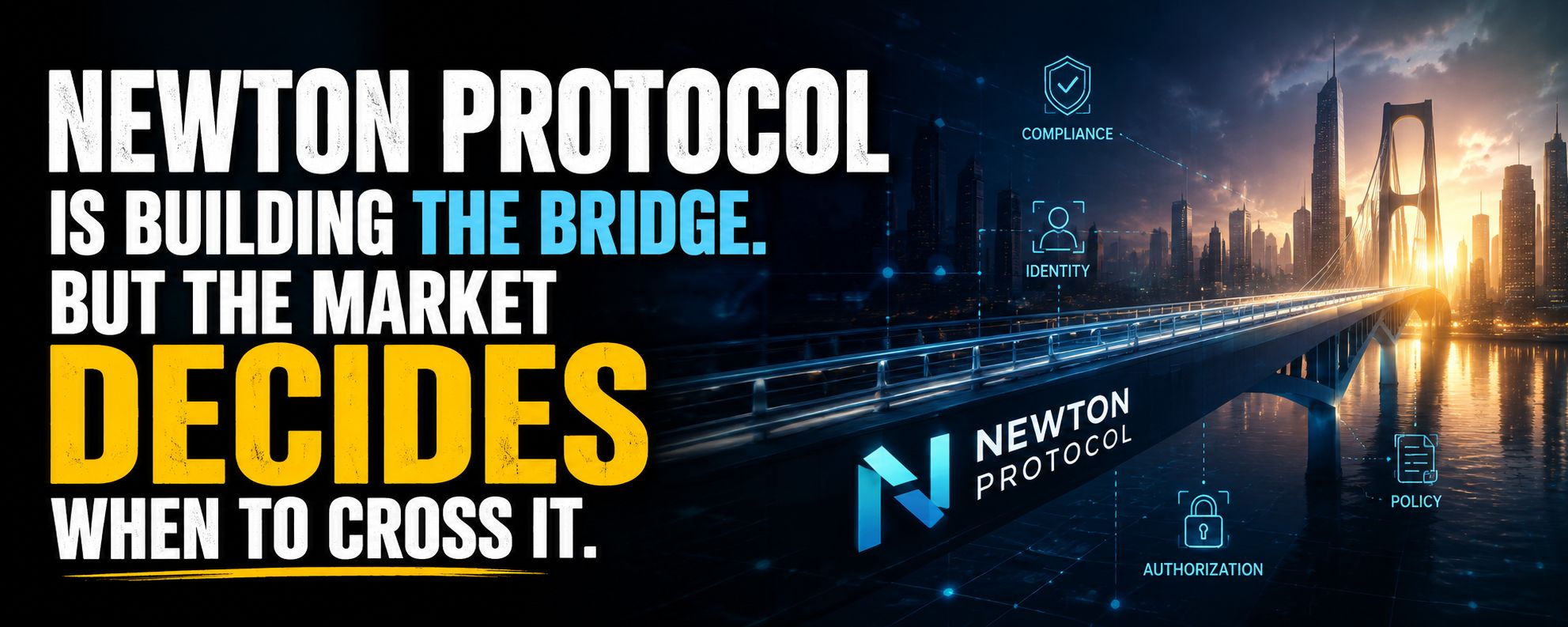
مقالة
بروتوكول نيوتن: بناء المستقبل أم حلّ مشكلة الغد في وقتٍ مبكر جدًا؟كل دورة تكنولوجية تنتج نمطًا مألوفًا.
يظهر مشروع جديد برؤية مقنعة، وهندسة متقدمة، ووعدٍ بحلّ المشكلات التي لم يبدأ معظم الناس بعد في القلق بشأنها. تُصبح بعض هذه المشاريع في نهاية المطاف أساساتٍ لصناعاتٍ كاملة. بينما يقضي البعض الآخر سنواتٍ في انتظار طلبٍ لا يصل أبدًا على نحوٍ كامل.
بروتوكول نيوتن يقع مباشرة عند هذا التقاطع.
لا يحاول المشروع بناء بورصةٍ أخرى، أو محفظةٍ أخرى، أو تطبيقًا آخر يدرّ عائدًا. بدلًا من ذلك، يحاول شيئًا أكثر طموحًا: إنشاء البنية التحتية التي يمكن أن تُمكّن وكلاء الذكاء الاصطناعي من العمل بأمان واستقلالية على السلسلة (onchain).
بروتوكول نيوتن: بناء المستقبل أم حلّ مشكلة الغد في وقتٍ مبكر جدًا؟
كل دورة تكنولوجية تنتج نمطًا مألوفًا.
يظهر مشروع جديد برؤية مقنعة، وهندسة متقدمة، ووعدٍ بحلّ المشكلات التي لم يبدأ معظم الناس بعد في القلق بشأنها. تُصبح بعض هذه المشاريع في نهاية المطاف أساساتٍ لصناعاتٍ كاملة. بينما يقضي البعض الآخر سنواتٍ في انتظار طلبٍ لا يصل أبدًا على نحوٍ كامل.
بروتوكول نيوتن يقع مباشرة عند هذا التقاطع.
لا يحاول المشروع بناء بورصةٍ أخرى، أو محفظةٍ أخرى، أو تطبيقًا آخر يدرّ عائدًا. بدلًا من ذلك، يحاول شيئًا أكثر طموحًا: إنشاء البنية التحتية التي يمكن أن تُمكّن وكلاء الذكاء الاصطناعي من العمل بأمان واستقلالية على السلسلة (onchain).
يظهر مشروع جديد برؤية مقنعة، وهندسة متقدمة، ووعدٍ بحلّ المشكلات التي لم يبدأ معظم الناس بعد في القلق بشأنها. تُصبح بعض هذه المشاريع في نهاية المطاف أساساتٍ لصناعاتٍ كاملة. بينما يقضي البعض الآخر سنواتٍ في انتظار طلبٍ لا يصل أبدًا على نحوٍ كامل.
بروتوكول نيوتن يقع مباشرة عند هذا التقاطع.
لا يحاول المشروع بناء بورصةٍ أخرى، أو محفظةٍ أخرى، أو تطبيقًا آخر يدرّ عائدًا. بدلًا من ذلك، يحاول شيئًا أكثر طموحًا: إنشاء البنية التحتية التي يمكن أن تُمكّن وكلاء الذكاء الاصطناعي من العمل بأمان واستقلالية على السلسلة (onchain).
21
13
378
·
--
صاعد
يبقى NEWT تحت ضغط ولا يزال يتداول قرب أدنى مستوياته حول 0.047 دولار. وعلى الرغم من استمرار تنفيذ المشروع للبناء وإطلاقه مؤخرًا النسخة التجريبية الرئيسية (Mainnet Beta)، إلا أن حركة السعر لم تعكس هذه التطورات بعد.
قدّمت النسخة التجريبية الرئيسية أتمتة قابلة للتحقق على السلسلة، إلى جانب تكاملات جديدة مع RedStone وCredora، ما أضاف فائدة عملية أكبر إلى النظام البيئي. تُعد هذه خطوات إيجابية للنمو طويل الأجل، لكن معنويات السوق ما زالت ضعيفة في الوقت الحالي.
تُظهر بيانات تدفقات رأس المال الأخيرة أن البائعين ما زالوا في السيطرة. فقد سجلت آخر 24 ساعة تدفقات سلبية في الغالب، بما في ذلك ارتفاع ملحوظ في التدفقات الخارجة بلغ 46.9 ألف دولار، ما أبطأ أي محاولة للتعافي. كما لا تزال المؤشرات الفنية هادئة أيضًا، حيث تبلغ قيمة RSI نحو 44 ويتحرك السعر ضمن نطاق ضيق.
يعود عامل رئيسي وراء هذا الضعف إلى فتح الرموز في 24 يونيو، والذي أطلق 139 مليون رمز NEWT في السوق—ما يعادل حوالي 37% من إجمالي المعروض المتداول. يستمر هذا الارتفاع الكبير في المعروض في خلق ضغط بيع ويحد من زخم الصعود.
كما أن انخفاض حجم التداول وسيولة محدودة يزيدان المخاطر، ما يجعل الرمز أكثر حساسية للتقلبات المفاجئة في السعر. كما تظل اعتماد البروتوكول على بوابة (Gateway) مركزية نقطة يواصل المستثمرون مراقبتها.
في الوقت الحالي، يُظهر NEWT تحسنًا في المنفعة والتقدم التطويري، لكن ضغط المعروض وضعف الطلب وسيولة محدودة ما زالت تؤثر على أداء السوق.
#Newt @NewtonProtocol $NEWT
{future}(NEWTUSDT)
$SPCXB
{spot}(SPCXBUSDT)
$AIO
{future}(AIOUSDT)
يبقى NEWT تحت ضغط ولا يزال يتداول قرب أدنى مستوياته حول 0.047 دولار. وعلى الرغم من استمرار تنفيذ المشروع للبناء وإطلاقه مؤخرًا النسخة التجريبية الرئيسية (Mainnet Beta)، إلا أن حركة السعر لم تعكس هذه التطورات بعد.
قدّمت النسخة التجريبية الرئيسية أتمتة قابلة للتحقق على السلسلة، إلى جانب تكاملات جديدة مع RedStone وCredora، ما أضاف فائدة عملية أكبر إلى النظام البيئي. تُعد هذه خطوات إيجابية للنمو طويل الأجل، لكن معنويات السوق ما زالت ضعيفة في الوقت الحالي.
تُظهر بيانات تدفقات رأس المال الأخيرة أن البائعين ما زالوا في السيطرة. فقد سجلت آخر 24 ساعة تدفقات سلبية في الغالب، بما في ذلك ارتفاع ملحوظ في التدفقات الخارجة بلغ 46.9 ألف دولار، ما أبطأ أي محاولة للتعافي. كما لا تزال المؤشرات الفنية هادئة أيضًا، حيث تبلغ قيمة RSI نحو 44 ويتحرك السعر ضمن نطاق ضيق.
يعود عامل رئيسي وراء هذا الضعف إلى فتح الرموز في 24 يونيو، والذي أطلق 139 مليون رمز NEWT في السوق—ما يعادل حوالي 37% من إجمالي المعروض المتداول. يستمر هذا الارتفاع الكبير في المعروض في خلق ضغط بيع ويحد من زخم الصعود.
كما أن انخفاض حجم التداول وسيولة محدودة يزيدان المخاطر، ما يجعل الرمز أكثر حساسية للتقلبات المفاجئة في السعر. كما تظل اعتماد البروتوكول على بوابة (Gateway) مركزية نقطة يواصل المستثمرون مراقبتها.
في الوقت الحالي، يُظهر NEWT تحسنًا في المنفعة والتقدم التطويري، لكن ضغط المعروض وضعف الطلب وسيولة محدودة ما زالت تؤثر على أداء السوق.
#Newt @NewtonProtocol $NEWT
$SPCXB
$AIO
قدّمت النسخة التجريبية الرئيسية أتمتة قابلة للتحقق على السلسلة، إلى جانب تكاملات جديدة مع RedStone وCredora، ما أضاف فائدة عملية أكبر إلى النظام البيئي. تُعد هذه خطوات إيجابية للنمو طويل الأجل، لكن معنويات السوق ما زالت ضعيفة في الوقت الحالي.
تُظهر بيانات تدفقات رأس المال الأخيرة أن البائعين ما زالوا في السيطرة. فقد سجلت آخر 24 ساعة تدفقات سلبية في الغالب، بما في ذلك ارتفاع ملحوظ في التدفقات الخارجة بلغ 46.9 ألف دولار، ما أبطأ أي محاولة للتعافي. كما لا تزال المؤشرات الفنية هادئة أيضًا، حيث تبلغ قيمة RSI نحو 44 ويتحرك السعر ضمن نطاق ضيق.
يعود عامل رئيسي وراء هذا الضعف إلى فتح الرموز في 24 يونيو، والذي أطلق 139 مليون رمز NEWT في السوق—ما يعادل حوالي 37% من إجمالي المعروض المتداول. يستمر هذا الارتفاع الكبير في المعروض في خلق ضغط بيع ويحد من زخم الصعود.
كما أن انخفاض حجم التداول وسيولة محدودة يزيدان المخاطر، ما يجعل الرمز أكثر حساسية للتقلبات المفاجئة في السعر. كما تظل اعتماد البروتوكول على بوابة (Gateway) مركزية نقطة يواصل المستثمرون مراقبتها.
في الوقت الحالي، يُظهر NEWT تحسنًا في المنفعة والتقدم التطويري، لكن ضغط المعروض وضعف الطلب وسيولة محدودة ما زالت تؤثر على أداء السوق.
#Newt @NewtonProtocol $NEWT
$SPCXB
$AIO
🔻$NEWT💚💰💰
60%
🔻$SPCXB🤍
20%
🔻$AIO❤️
20%
5 الأصوات • تمّ إغلاق التصويت
21
14
784
·
--
مقالة
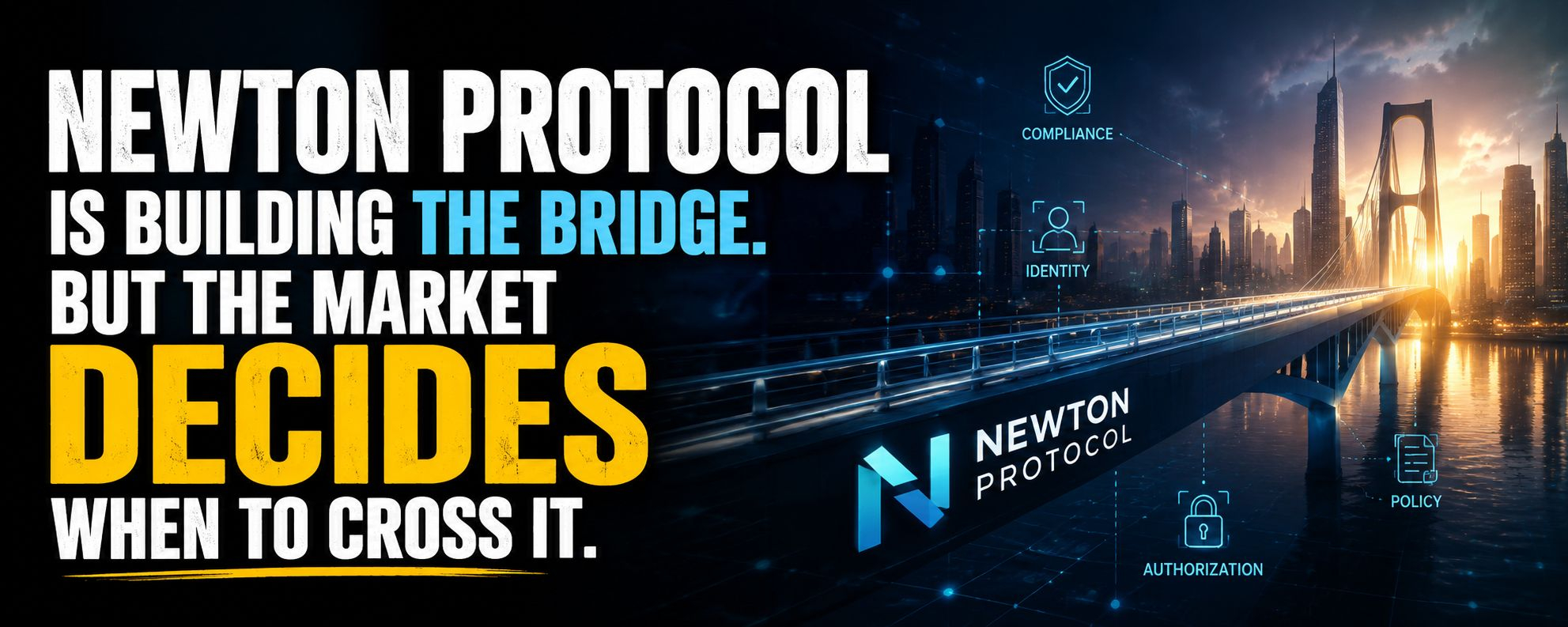
أكبر مخاطرة تواجه بروتوكول نيوتن ليست المنافسة. بل التوقيت.كلما درست بروتوكول نيوتن أكثر، أجد نفسي أعود إلى فكرة تبدو بديهية ومزعجة في الوقت نفسه.
ماذا لو كان نيوتن يحل مشكلة يتفق الجميع على أنها موجودة، لكن القليل جدًا من الناس في الوقت الحالي هم من ييأسون لحلها؟
هذا ليس نقدًا.
في الواقع، تم بناء بعض أكثر البنى التحتية قيمة في التاريخ قبل وقت طويل من أن يفهم السوق بالكامل سبب أهميتها.
كانت الإنترنت بحاجة إلى بنية دفعية قبل أن ينفجر نمو التجارة الإلكترونية.
كان الحوسبة السحابية موجودة قبل أن تصبح الشركات جاهزة للثقة بها.
أكبر مخاطرة تواجه بروتوكول نيوتن ليست المنافسة. بل التوقيت.
كلما درست بروتوكول نيوتن أكثر، أجد نفسي أعود إلى فكرة تبدو بديهية ومزعجة في الوقت نفسه.
ماذا لو كان نيوتن يحل مشكلة يتفق الجميع على أنها موجودة، لكن القليل جدًا من الناس في الوقت الحالي هم من ييأسون لحلها؟
هذا ليس نقدًا.
في الواقع، تم بناء بعض أكثر البنى التحتية قيمة في التاريخ قبل وقت طويل من أن يفهم السوق بالكامل سبب أهميتها.
كانت الإنترنت بحاجة إلى بنية دفعية قبل أن ينفجر نمو التجارة الإلكترونية.
كان الحوسبة السحابية موجودة قبل أن تصبح الشركات جاهزة للثقة بها.
ماذا لو كان نيوتن يحل مشكلة يتفق الجميع على أنها موجودة، لكن القليل جدًا من الناس في الوقت الحالي هم من ييأسون لحلها؟
هذا ليس نقدًا.
في الواقع، تم بناء بعض أكثر البنى التحتية قيمة في التاريخ قبل وقت طويل من أن يفهم السوق بالكامل سبب أهميتها.
كانت الإنترنت بحاجة إلى بنية دفعية قبل أن ينفجر نمو التجارة الإلكترونية.
كان الحوسبة السحابية موجودة قبل أن تصبح الشركات جاهزة للثقة بها.
23
16
353
سجّل الدخول لاستكشاف المزيد من المُحتوى
انضم إلى مُستخدمي العملات الرقمية حول العالم على Binance Square
⚡️ احصل على أحدث المعلومات المفيدة عن العملات الرقمية.
💬 موثوقة من قبل أكبر منصّة لتداول العملات الرقمية في العالم.
👍 اكتشف الرؤى الحقيقية من صنّاع المُحتوى الموثوقين.
البريد الإلكتروني / رقم الهاتف
المواضيع الرائجة
AppleDebutsFoldablePhone
52,173 مشاهدات
1,014 يقومون بالنقاش
🍎 Apple تدخل سوق الهواتف القابلة للطي
أطلقت Apple أول هاتف iPhone قابل للطي، في خطوة طال انتظارها قد تعيد تشكيل المنافسة في سوق الأجهزة القابلة للطي.
دخول Apple لا يتعلق بهاتف جديد فقط، بل بمحاولة ترسيخ معيار جديد للتصميم وتجربة المستخدم في فئة ما زالت في طور النمو.
$AAPL
#AppleDebutsFoldablePhone
yosreia
·2 إعجاب
·97 مشاهدات
TSMCAugustRevenueUp53.3%YoY
12,887 مشاهدات
372 يقومون بالنقاش
IranSaysReadyToEscalateWarWithUS
16,693 مشاهدات
370 يقومون بالنقاش