
David_John
16.9k منشورات
David_John
 تحقُّق Binance Square الإضافي
إبلاغ
حظر المُستخدم
Risk It all & Make It Worth It. Chasing Goals Not people • X • @David_John_555
101 تتابع
44.0K+ المتابعون
72.2K+ إعجاب
منشورات
الكل
مقاطع فيديو
Live
·
--
$BTC 🚀
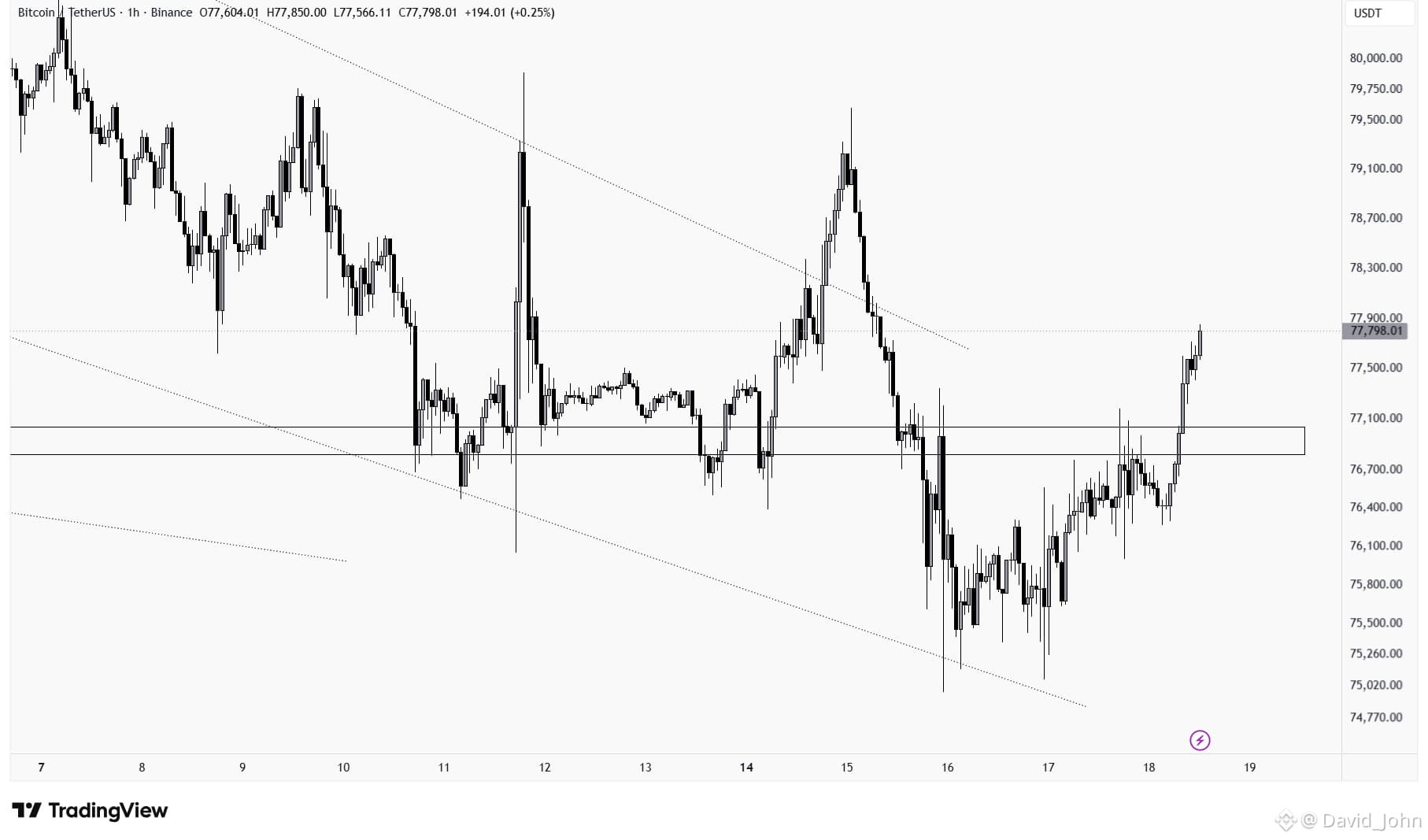
$BTC تواصل الارتفاع على مخطط 1H، مستعيدًا منطقة المقاومة $76,800–$77,100 ودافعًا إلى $77,798.
📍 منطقة الشراء: $77,500–$77,800
🎯 الهدف 1: $78,300
🎯 الهدف 2: $78,700
🎯 الهدف 3: $79,100
🛑 وقف الخسارة: $77,050
قد يؤدي الثبات الواضح فوق $77,100 إلى فتح الطريق نحو $78.7K–$79.1K. الزخم يتسارع — راقب الاختراق! ⚡
$BTC 🚀
$BTC تواصل الارتفاع على مخطط 1H، مستعيدًا منطقة المقاومة $76,800–$77,100 ودافعًا إلى $77,798.
📍 منطقة الشراء: $77,500–$77,800
🎯 الهدف 1: $78,300
🎯 الهدف 2: $78,700
🎯 الهدف 3: $79,100
🛑 وقف الخسارة: $77,050
قد يؤدي الثبات الواضح فوق $77,100 إلى فتح الطريق نحو $78.7K–$79.1K. الزخم يتسارع — راقب الاختراق! ⚡
$BTC تواصل الارتفاع على مخطط 1H، مستعيدًا منطقة المقاومة $76,800–$77,100 ودافعًا إلى $77,798.
📍 منطقة الشراء: $77,500–$77,800
🎯 الهدف 1: $78,300
🎯 الهدف 2: $78,700
🎯 الهدف 3: $79,100
🛑 وقف الخسارة: $77,050
قد يؤدي الثبات الواضح فوق $77,100 إلى فتح الطريق نحو $78.7K–$79.1K. الزخم يتسارع — راقب الاختراق! ⚡
2
255
·
--
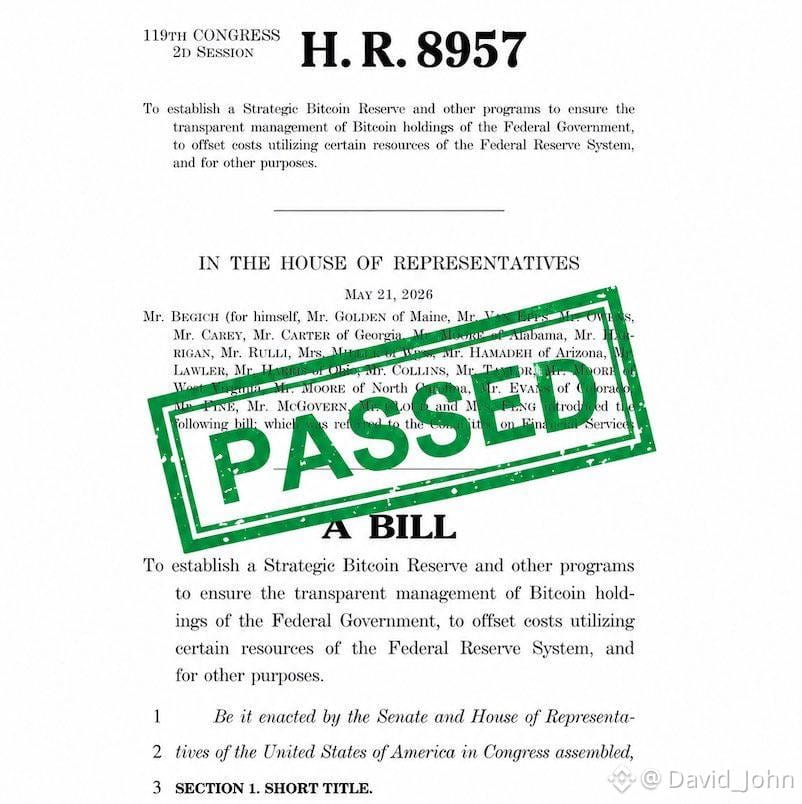
🚨 عاجل: 🇺🇸 مشروع قانون احتياطي البيتكوين يتحرك للأمام
تقدّم لجنة الخدمات المالية في مجلس النواب الأمريكي تشريعًا يهدف إلى إنشاء احتياطي استراتيجي للبيتكوين. 🇺🇸₿
وهذا يدفع البيتكوين أكثر إلى قلب نقاش السياسات في الولايات المتحدة — حتى مع تعثّر قانون CLARITY الأوسع في مجلس الشيوخ.
🔥 تطور كبير في سوق العملات المشفرة يستحق المتابعة.
#Bitcoin #BTC #Crypto #BitcoinReserv
🚨 عاجل: 🇺🇸 مشروع قانون احتياطي البيتكوين يتحرك للأمام
تقدّم لجنة الخدمات المالية في مجلس النواب الأمريكي تشريعًا يهدف إلى إنشاء احتياطي استراتيجي للبيتكوين. 🇺🇸₿
وهذا يدفع البيتكوين أكثر إلى قلب نقاش السياسات في الولايات المتحدة — حتى مع تعثّر قانون CLARITY الأوسع في مجلس الشيوخ.
🔥 تطور كبير في سوق العملات المشفرة يستحق المتابعة.
#Bitcoin #BTC #Crypto #BitcoinReserv
تقدّم لجنة الخدمات المالية في مجلس النواب الأمريكي تشريعًا يهدف إلى إنشاء احتياطي استراتيجي للبيتكوين. 🇺🇸₿
وهذا يدفع البيتكوين أكثر إلى قلب نقاش السياسات في الولايات المتحدة — حتى مع تعثّر قانون CLARITY الأوسع في مجلس الشيوخ.
🔥 تطور كبير في سوق العملات المشفرة يستحق المتابعة.
#Bitcoin #BTC #Crypto #BitcoinReserv

667
·
--
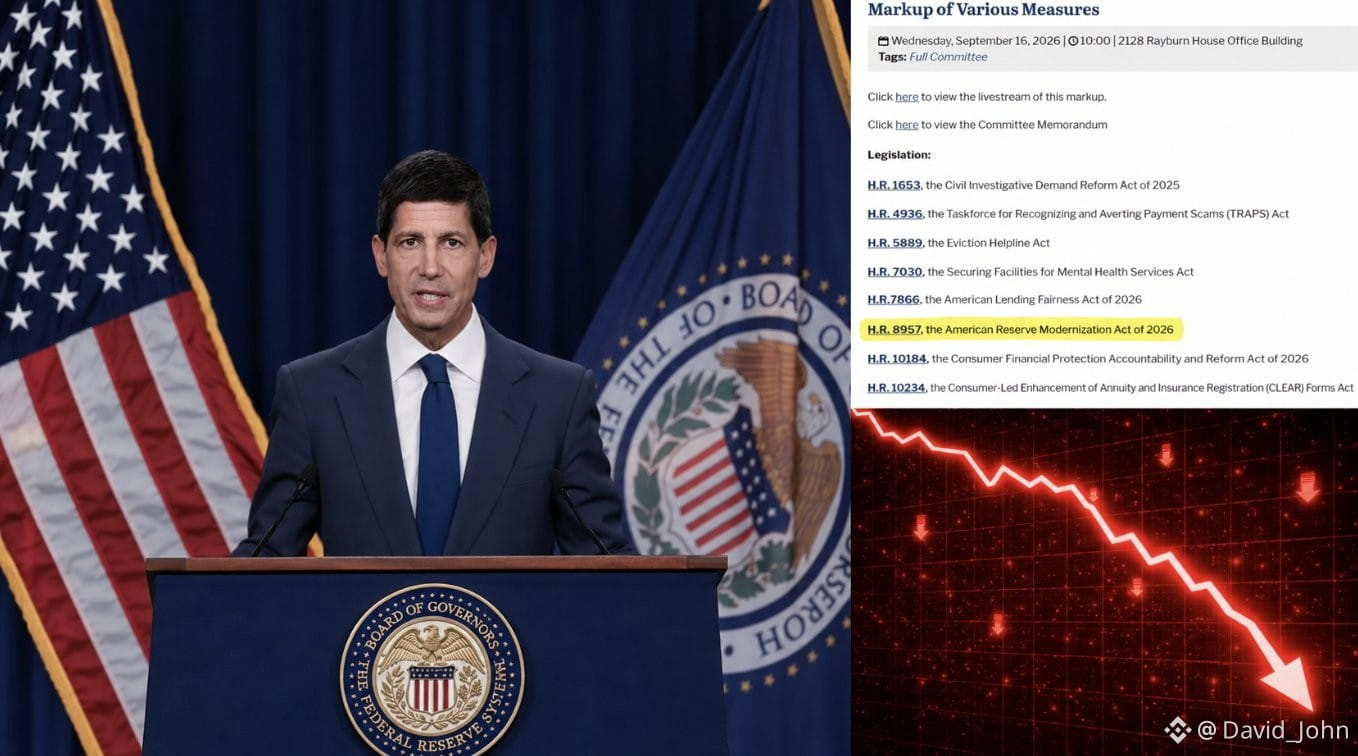
🚨 فشل كريبتو للتو في اختبار كبير.
فشل مجلس الشيوخ الأمريكي في تمرير قانون CLARITY، ما أرسل تحذيرًا آخر إلى سوق العملات الرقمية. 📉
الآن تتجه الأنظار إلى قرار الاحتياطي الفيدرالي اليوم وإلى مشروع قانون الاحتياطي الاستراتيجي للبيتكوين.
🏦 الفيدرالي: يتوقع السوق زيادة قدرها 25 نقطة أساس — لكن الخطر الحقيقي يتمثل في رسالة متشددة من كيفن وارس.
₿ مشروع قانون SBR: إذا تم تمريره، فقد يوفر إشارة صعودية طال انتظارها. وإذا فشل، فقد يواجه كريبتو موجة بيع أخرى.
التنظيم + سياسة الفيدرالي = يوم حاسم لكريبتو.
🔥 قد تكون التقلبات هائلة. ابقَ على أهبة الاستعداد.
🚨 فشل كريبتو للتو في اختبار كبير.
فشل مجلس الشيوخ الأمريكي في تمرير قانون CLARITY، ما أرسل تحذيرًا آخر إلى سوق العملات الرقمية. 📉
الآن تتجه الأنظار إلى قرار الاحتياطي الفيدرالي اليوم وإلى مشروع قانون الاحتياطي الاستراتيجي للبيتكوين.
🏦 الفيدرالي: يتوقع السوق زيادة قدرها 25 نقطة أساس — لكن الخطر الحقيقي يتمثل في رسالة متشددة من كيفن وارس.
₿ مشروع قانون SBR: إذا تم تمريره، فقد يوفر إشارة صعودية طال انتظارها. وإذا فشل، فقد يواجه كريبتو موجة بيع أخرى.
التنظيم + سياسة الفيدرالي = يوم حاسم لكريبتو.
🔥 قد تكون التقلبات هائلة. ابقَ على أهبة الاستعداد.
فشل مجلس الشيوخ الأمريكي في تمرير قانون CLARITY، ما أرسل تحذيرًا آخر إلى سوق العملات الرقمية. 📉
الآن تتجه الأنظار إلى قرار الاحتياطي الفيدرالي اليوم وإلى مشروع قانون الاحتياطي الاستراتيجي للبيتكوين.
🏦 الفيدرالي: يتوقع السوق زيادة قدرها 25 نقطة أساس — لكن الخطر الحقيقي يتمثل في رسالة متشددة من كيفن وارس.
₿ مشروع قانون SBR: إذا تم تمريره، فقد يوفر إشارة صعودية طال انتظارها. وإذا فشل، فقد يواجه كريبتو موجة بيع أخرى.
التنظيم + سياسة الفيدرالي = يوم حاسم لكريبتو.
🔥 قد تكون التقلبات هائلة. ابقَ على أهبة الاستعداد.
240
·
--
تمّ التحقق
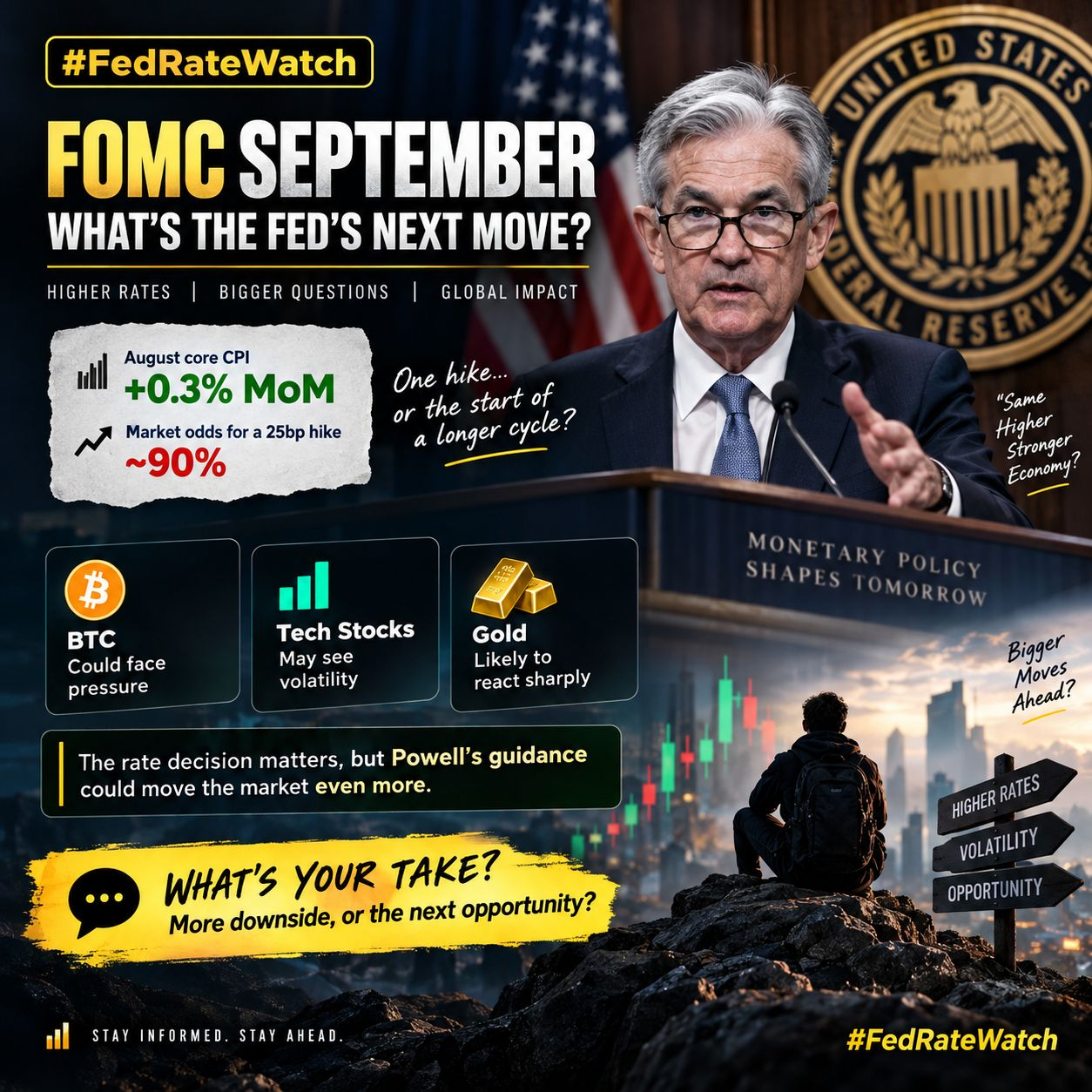
اجتماع مجلس الاحتياطي الفيدرالي في سبتمبر ليس مجرد “زيادة” فحسب
اجتماع بنك الاحتياطي الفيدرالي مقبل بقوة، والأسواق كانت بالفعل تَسعّر جزءًا كبيرًا من ذلك.
جاءت بيانات التضخم الأساسي لشهر أغسطس عند 0.3% على أساس شهري (MoM)، وتبلغ الآن احتمالات رفع الفائدة بمقدار 25 نقطة أساس نحو 90%. لذا، السؤال الأكبر بالنسبة لي ليس فقط ما إذا كان مجلس الاحتياطي الفيدرالي سيزيد الفائدة — بل ماذا سيحدث بعد ذلك.
هل هي مجرد خطوة لمرة واحدة، أم أننا أمام بداية دورة أطول من رفع الفائدة؟
وإذا حدثت الزيادة، فقد تشعر كل من بيتكوين (BTC) وأسهم التكنولوجيا والذهب بالضغط. وبصراحة، سأتوقف أكثر عند نبرة باول والتوجيهات المستقبلية (forward guidance) أكثر من القرار العنواني.
كلمة واحدة خاطئة قد تحرك السوق بسرعة.
ماذا تتوقع — مزيدًا من الهبوط، أم أن هذا قد يخلق الفرصة التالية؟
#FedRateWatch
اجتماع مجلس الاحتياطي الفيدرالي في سبتمبر ليس مجرد “زيادة” فحسب
اجتماع بنك الاحتياطي الفيدرالي مقبل بقوة، والأسواق كانت بالفعل تَسعّر جزءًا كبيرًا من ذلك.
جاءت بيانات التضخم الأساسي لشهر أغسطس عند 0.3% على أساس شهري (MoM)، وتبلغ الآن احتمالات رفع الفائدة بمقدار 25 نقطة أساس نحو 90%. لذا، السؤال الأكبر بالنسبة لي ليس فقط ما إذا كان مجلس الاحتياطي الفيدرالي سيزيد الفائدة — بل ماذا سيحدث بعد ذلك.
هل هي مجرد خطوة لمرة واحدة، أم أننا أمام بداية دورة أطول من رفع الفائدة؟
وإذا حدثت الزيادة، فقد تشعر كل من بيتكوين (BTC) وأسهم التكنولوجيا والذهب بالضغط. وبصراحة، سأتوقف أكثر عند نبرة باول والتوجيهات المستقبلية (forward guidance) أكثر من القرار العنواني.
كلمة واحدة خاطئة قد تحرك السوق بسرعة.
ماذا تتوقع — مزيدًا من الهبوط، أم أن هذا قد يخلق الفرصة التالية؟
#FedRateWatch
اجتماع بنك الاحتياطي الفيدرالي مقبل بقوة، والأسواق كانت بالفعل تَسعّر جزءًا كبيرًا من ذلك.
جاءت بيانات التضخم الأساسي لشهر أغسطس عند 0.3% على أساس شهري (MoM)، وتبلغ الآن احتمالات رفع الفائدة بمقدار 25 نقطة أساس نحو 90%. لذا، السؤال الأكبر بالنسبة لي ليس فقط ما إذا كان مجلس الاحتياطي الفيدرالي سيزيد الفائدة — بل ماذا سيحدث بعد ذلك.
هل هي مجرد خطوة لمرة واحدة، أم أننا أمام بداية دورة أطول من رفع الفائدة؟
وإذا حدثت الزيادة، فقد تشعر كل من بيتكوين (BTC) وأسهم التكنولوجيا والذهب بالضغط. وبصراحة، سأتوقف أكثر عند نبرة باول والتوجيهات المستقبلية (forward guidance) أكثر من القرار العنواني.
كلمة واحدة خاطئة قد تحرك السوق بسرعة.
ماذا تتوقع — مزيدًا من الهبوط، أم أن هذا قد يخلق الفرصة التالية؟
#FedRateWatch
1
1.3k
·
--
🚨 أكبر اختبار سياسي للعملات المشفرة يصل اليوم
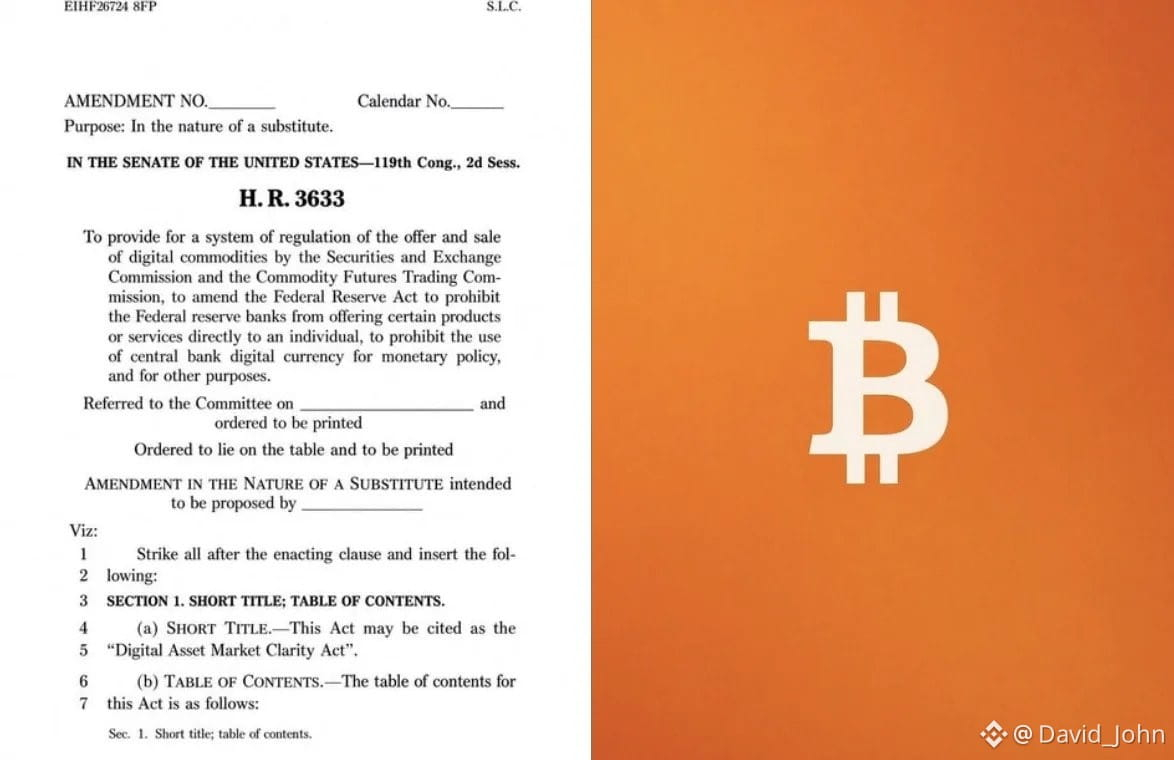
يواجه مجلس الشيوخ تصويتًا حاسمًا على مشروع قانون CLARITY عند الساعة 2:15 مساءً بتوقيت شرق الولايات المتحدة يوم الثلاثاء، 15 سبتمبر. هذا هو تصويت الإغلاق (cloture) لتحريك مشروع القانون إلى الأمام — وليس تصويت الإقرار النهائي — ويحتاج إلى 60 صوتًا.
يمتلك الجمهوريون 53 مقعدًا، ما يعني أنهم بحاجة إلى ما لا يقل عن 7 أصوات من الديمقراطيين/المستقلين للمضي قدمًا. بعد أكثر من عام من المفاوضات، أضافت السناتور سِنثيا لُمّيس وقادة الحزب الجمهوري 126 تعديلًا رئيسيًا طلبها الديمقراطيون، بما في ذلك قواعد أخلاقيات أكثر صرامة، وحماية للمطوّرين، وإجراءات لمكافحة غسل الأموال، وضمانات بشأن العملات المستقرة (stablecoins).
كما يدعم ترامب نحو 80% من حزمة الأخلاقيات المقترحة، بما في ذلك قيود مرتبطة بإصدار العملات المشفرة، ومتطلبات لبعض المسؤولين للتخلي عن ممتلكاتهم من العملات المشفرة أو وضعها في صندوق استئمان عمي (blind trust). كما سيكتسب المدعون العامون على مستوى الولايات صلاحيات إنفاذ أيضًا.
يمنح إضافة رئيسية لوزارة الخزانة سلطة التصرف ضد هروب الودائع من البنوك المجتمعية الناتج عن العملات المستقرة.
وكان مجلس النواب قد أقرّ نسخته بالفعل بفارق 294–134 في يوليو 2025. وإذا تقدّم مجلس الشيوخ وجرى في النهاية تمرير الإجراء، فسيظل يتعين على الغرفتين الموافقة على نصّ متطابق قبل أن يصل إلى الرئيس.
والمخاطر هائلة: فشل اليوم لن يقتل مشروع القانون إلى الأبد، لكن مع اقتراب انتخابات التجديد النصفي لعام 2026، تضيق النافذة التشريعية بسرعة.
🔥 15 سبتمبر قد يكون يومًا محددًا لتنظيم العملات المشفرة في الولايات المتحدة.
🚨 أكبر اختبار سياسي للعملات المشفرة يصل اليوم
يواجه مجلس الشيوخ تصويتًا حاسمًا على مشروع قانون CLARITY عند الساعة 2:15 مساءً بتوقيت شرق الولايات المتحدة يوم الثلاثاء، 15 سبتمبر. هذا هو تصويت الإغلاق (cloture) لتحريك مشروع القانون إلى الأمام — وليس تصويت الإقرار النهائي — ويحتاج إلى 60 صوتًا.
يمتلك الجمهوريون 53 مقعدًا، ما يعني أنهم بحاجة إلى ما لا يقل عن 7 أصوات من الديمقراطيين/المستقلين للمضي قدمًا. بعد أكثر من عام من المفاوضات، أضافت السناتور سِنثيا لُمّيس وقادة الحزب الجمهوري 126 تعديلًا رئيسيًا طلبها الديمقراطيون، بما في ذلك قواعد أخلاقيات أكثر صرامة، وحماية للمطوّرين، وإجراءات لمكافحة غسل الأموال، وضمانات بشأن العملات المستقرة (stablecoins).
كما يدعم ترامب نحو 80% من حزمة الأخلاقيات المقترحة، بما في ذلك قيود مرتبطة بإصدار العملات المشفرة، ومتطلبات لبعض المسؤولين للتخلي عن ممتلكاتهم من العملات المشفرة أو وضعها في صندوق استئمان عمي (blind trust). كما سيكتسب المدعون العامون على مستوى الولايات صلاحيات إنفاذ أيضًا.
يمنح إضافة رئيسية لوزارة الخزانة سلطة التصرف ضد هروب الودائع من البنوك المجتمعية الناتج عن العملات المستقرة.
وكان مجلس النواب قد أقرّ نسخته بالفعل بفارق 294–134 في يوليو 2025. وإذا تقدّم مجلس الشيوخ وجرى في النهاية تمرير الإجراء، فسيظل يتعين على الغرفتين الموافقة على نصّ متطابق قبل أن يصل إلى الرئيس.
والمخاطر هائلة: فشل اليوم لن يقتل مشروع القانون إلى الأبد، لكن مع اقتراب انتخابات التجديد النصفي لعام 2026، تضيق النافذة التشريعية بسرعة.
🔥 15 سبتمبر قد يكون يومًا محددًا لتنظيم العملات المشفرة في الولايات المتحدة.
يواجه مجلس الشيوخ تصويتًا حاسمًا على مشروع قانون CLARITY عند الساعة 2:15 مساءً بتوقيت شرق الولايات المتحدة يوم الثلاثاء، 15 سبتمبر. هذا هو تصويت الإغلاق (cloture) لتحريك مشروع القانون إلى الأمام — وليس تصويت الإقرار النهائي — ويحتاج إلى 60 صوتًا.
يمتلك الجمهوريون 53 مقعدًا، ما يعني أنهم بحاجة إلى ما لا يقل عن 7 أصوات من الديمقراطيين/المستقلين للمضي قدمًا. بعد أكثر من عام من المفاوضات، أضافت السناتور سِنثيا لُمّيس وقادة الحزب الجمهوري 126 تعديلًا رئيسيًا طلبها الديمقراطيون، بما في ذلك قواعد أخلاقيات أكثر صرامة، وحماية للمطوّرين، وإجراءات لمكافحة غسل الأموال، وضمانات بشأن العملات المستقرة (stablecoins).
كما يدعم ترامب نحو 80% من حزمة الأخلاقيات المقترحة، بما في ذلك قيود مرتبطة بإصدار العملات المشفرة، ومتطلبات لبعض المسؤولين للتخلي عن ممتلكاتهم من العملات المشفرة أو وضعها في صندوق استئمان عمي (blind trust). كما سيكتسب المدعون العامون على مستوى الولايات صلاحيات إنفاذ أيضًا.
يمنح إضافة رئيسية لوزارة الخزانة سلطة التصرف ضد هروب الودائع من البنوك المجتمعية الناتج عن العملات المستقرة.
وكان مجلس النواب قد أقرّ نسخته بالفعل بفارق 294–134 في يوليو 2025. وإذا تقدّم مجلس الشيوخ وجرى في النهاية تمرير الإجراء، فسيظل يتعين على الغرفتين الموافقة على نصّ متطابق قبل أن يصل إلى الرئيس.
والمخاطر هائلة: فشل اليوم لن يقتل مشروع القانون إلى الأبد، لكن مع اقتراب انتخابات التجديد النصفي لعام 2026، تضيق النافذة التشريعية بسرعة.
🔥 15 سبتمبر قد يكون يومًا محددًا لتنظيم العملات المشفرة في الولايات المتحدة.
3
953
·
--
صاعد
تمّ التحقق
🔥 قد يكون مؤشر أسعار المستهلك (CPI) هو قرار الاحتياطي الفيدرالي التالي الكبير المثير للجدل — رفع الفائدة أم الإبقاء عليها؟
يتجه السوق إلى لحظة تضخم محتملة شديدة الانفجار.
جاءت بيانات الوظائف الأمريكية غير الزراعية (Nonfarm Payrolls) قوية في أغسطس، مع إضافة 162 ألف وظيفة، متجاوزة التوقعات، ما يشير إلى أن سوق العمل ما زال يُظهر مرونة. بقي معدل البطالة عند 4.1%.
والآن يأتي الاختبار الأكبر: مؤشر CPI الأمريكي.
موعد تقرير CPI لشهر أغسطس هو 11 سبتمبر، وتشير التوقعات إلى نحو 0.4% تضخم شهري و3.4% على أساس سنوي، بينما يُتوقع أن يبلغ مؤشر CPI الأساسي حوالي 0.2% على أساس شهري و2.4% على أساس سنوي.
وهنا تصبح الأمور أكثر إثارة 👀
إذا جاء مؤشر CPI أعلى من المتوقع، خصوصًا إذا تسارع التضخم الأساسي، فقد تكون لدى الاحتياطي الفيدرالي حجة أقوى للاستمرار في سياسة تقييدية أو حتى تنفيذ رفع آخر بمقدار 25 نقطة أساس. وقد رفع السوق بالفعل احتمالات حدوث زيادة في سبتمبر عقب إشارات تضخم أقوى.
لكن هناك جانب آخر للتداول.
إذا جاء مؤشر CPI أضعف من المتوقع، فقد يضعف ذلك حجة المزيد من التشديد وربما يُعيد إحياء المزاج الصعودي عبر الأصول ذات المخاطر.
📈 وجهة نظري: أنا أتابع رقم الـCPI الأساسي عن كثب أكثر من رقم العنوان. فقد تكون المفاجأة السلبية داعمة للأسهم والذهب، بينما قد يؤدي رقم مرتفع إلى تقوية الدولار وإدخال ضغط على الأصول ذات المخاطر.
🟢 سيناريو صعودي: يبرد مؤشر CPI → يخف ضغط الاحتياطي الفيدرالي → تكتسب الأصول ذات المخاطر زخماً.
🔴 سيناريو هبوطي: مؤشر CPI يتجاوز التوقعات للأعلى → ترتفع توقعات رفع الفائدة → تعزز العوائد وUSD → تتعرض الأسهم للضغط.
وماذا عن الذهب؟ قد يتحول إلى واحدة من أكثر الصفقات إثارة للاهتمام إذا فاجأ التضخم في أي اتجاه.
السؤال الحقيقي هو:
هل سيؤكد CPI أن التضخم في طريقه للانخفاض… أم سيجبر الاحتياطي الفيدرالي على البقاء متشدداً؟
🔥 صعودي أم هبوطي؟ ما الذي تحتفظ به — أسهم أم ذهب أم نقدًا استعداداً لحدث CPI؟
شارك فكرة تداولك ولنرَ أين يقف المجتمع.
#CPIWatch
$ZEC
{spot}(ZECUSDT)
$RAYSOL
{future}(RAYSOLUSDT)
$NVDA.US
{stock_us}(NVDA.US)
🔥 قد يكون مؤشر أسعار المستهلك (CPI) هو قرار الاحتياطي الفيدرالي التالي الكبير المثير للجدل — رفع الفائدة أم الإبقاء عليها؟
يتجه السوق إلى لحظة تضخم محتملة شديدة الانفجار.
جاءت بيانات الوظائف الأمريكية غير الزراعية (Nonfarm Payrolls) قوية في أغسطس، مع إضافة 162 ألف وظيفة، متجاوزة التوقعات، ما يشير إلى أن سوق العمل ما زال يُظهر مرونة. بقي معدل البطالة عند 4.1%.
والآن يأتي الاختبار الأكبر: مؤشر CPI الأمريكي.
موعد تقرير CPI لشهر أغسطس هو 11 سبتمبر، وتشير التوقعات إلى نحو 0.4% تضخم شهري و3.4% على أساس سنوي، بينما يُتوقع أن يبلغ مؤشر CPI الأساسي حوالي 0.2% على أساس شهري و2.4% على أساس سنوي.
وهنا تصبح الأمور أكثر إثارة 👀
إذا جاء مؤشر CPI أعلى من المتوقع، خصوصًا إذا تسارع التضخم الأساسي، فقد تكون لدى الاحتياطي الفيدرالي حجة أقوى للاستمرار في سياسة تقييدية أو حتى تنفيذ رفع آخر بمقدار 25 نقطة أساس. وقد رفع السوق بالفعل احتمالات حدوث زيادة في سبتمبر عقب إشارات تضخم أقوى.
لكن هناك جانب آخر للتداول.
إذا جاء مؤشر CPI أضعف من المتوقع، فقد يضعف ذلك حجة المزيد من التشديد وربما يُعيد إحياء المزاج الصعودي عبر الأصول ذات المخاطر.
📈 وجهة نظري: أنا أتابع رقم الـCPI الأساسي عن كثب أكثر من رقم العنوان. فقد تكون المفاجأة السلبية داعمة للأسهم والذهب، بينما قد يؤدي رقم مرتفع إلى تقوية الدولار وإدخال ضغط على الأصول ذات المخاطر.
🟢 سيناريو صعودي: يبرد مؤشر CPI → يخف ضغط الاحتياطي الفيدرالي → تكتسب الأصول ذات المخاطر زخماً.
🔴 سيناريو هبوطي: مؤشر CPI يتجاوز التوقعات للأعلى → ترتفع توقعات رفع الفائدة → تعزز العوائد وUSD → تتعرض الأسهم للضغط.
وماذا عن الذهب؟ قد يتحول إلى واحدة من أكثر الصفقات إثارة للاهتمام إذا فاجأ التضخم في أي اتجاه.
السؤال الحقيقي هو:
هل سيؤكد CPI أن التضخم في طريقه للانخفاض… أم سيجبر الاحتياطي الفيدرالي على البقاء متشدداً؟
🔥 صعودي أم هبوطي؟ ما الذي تحتفظ به — أسهم أم ذهب أم نقدًا استعداداً لحدث CPI؟
شارك فكرة تداولك ولنرَ أين يقف المجتمع.
#CPIWatch
$ZEC
$RAYSOL
$NVDA.US
يتجه السوق إلى لحظة تضخم محتملة شديدة الانفجار.
جاءت بيانات الوظائف الأمريكية غير الزراعية (Nonfarm Payrolls) قوية في أغسطس، مع إضافة 162 ألف وظيفة، متجاوزة التوقعات، ما يشير إلى أن سوق العمل ما زال يُظهر مرونة. بقي معدل البطالة عند 4.1%.
والآن يأتي الاختبار الأكبر: مؤشر CPI الأمريكي.
موعد تقرير CPI لشهر أغسطس هو 11 سبتمبر، وتشير التوقعات إلى نحو 0.4% تضخم شهري و3.4% على أساس سنوي، بينما يُتوقع أن يبلغ مؤشر CPI الأساسي حوالي 0.2% على أساس شهري و2.4% على أساس سنوي.
وهنا تصبح الأمور أكثر إثارة 👀
إذا جاء مؤشر CPI أعلى من المتوقع، خصوصًا إذا تسارع التضخم الأساسي، فقد تكون لدى الاحتياطي الفيدرالي حجة أقوى للاستمرار في سياسة تقييدية أو حتى تنفيذ رفع آخر بمقدار 25 نقطة أساس. وقد رفع السوق بالفعل احتمالات حدوث زيادة في سبتمبر عقب إشارات تضخم أقوى.
لكن هناك جانب آخر للتداول.
إذا جاء مؤشر CPI أضعف من المتوقع، فقد يضعف ذلك حجة المزيد من التشديد وربما يُعيد إحياء المزاج الصعودي عبر الأصول ذات المخاطر.
📈 وجهة نظري: أنا أتابع رقم الـCPI الأساسي عن كثب أكثر من رقم العنوان. فقد تكون المفاجأة السلبية داعمة للأسهم والذهب، بينما قد يؤدي رقم مرتفع إلى تقوية الدولار وإدخال ضغط على الأصول ذات المخاطر.
🟢 سيناريو صعودي: يبرد مؤشر CPI → يخف ضغط الاحتياطي الفيدرالي → تكتسب الأصول ذات المخاطر زخماً.
🔴 سيناريو هبوطي: مؤشر CPI يتجاوز التوقعات للأعلى → ترتفع توقعات رفع الفائدة → تعزز العوائد وUSD → تتعرض الأسهم للضغط.
وماذا عن الذهب؟ قد يتحول إلى واحدة من أكثر الصفقات إثارة للاهتمام إذا فاجأ التضخم في أي اتجاه.
السؤال الحقيقي هو:
هل سيؤكد CPI أن التضخم في طريقه للانخفاض… أم سيجبر الاحتياطي الفيدرالي على البقاء متشدداً؟
🔥 صعودي أم هبوطي؟ ما الذي تحتفظ به — أسهم أم ذهب أم نقدًا استعداداً لحدث CPI؟
شارك فكرة تداولك ولنرَ أين يقف المجتمع.
#CPIWatch
$ZEC
$RAYSOL
$NVDA.US
🟢 Stocks
34%
🟡 Gold
18%
🔴 Cash
21%
🔵 Crypto
27%
33 الأصوات • تمّ إغلاق التصويت
1
7
2.3k
·
--
🚨🇺🇸 عاجل: وزارة الخزانة الأمريكية تشتري اليوم ما يصل إلى 12.5 مليار دولار من ديونها الخاصة! 💰🔥
ويتتبع متداولو البيتكوين ذلك عن كثب. 👀₿
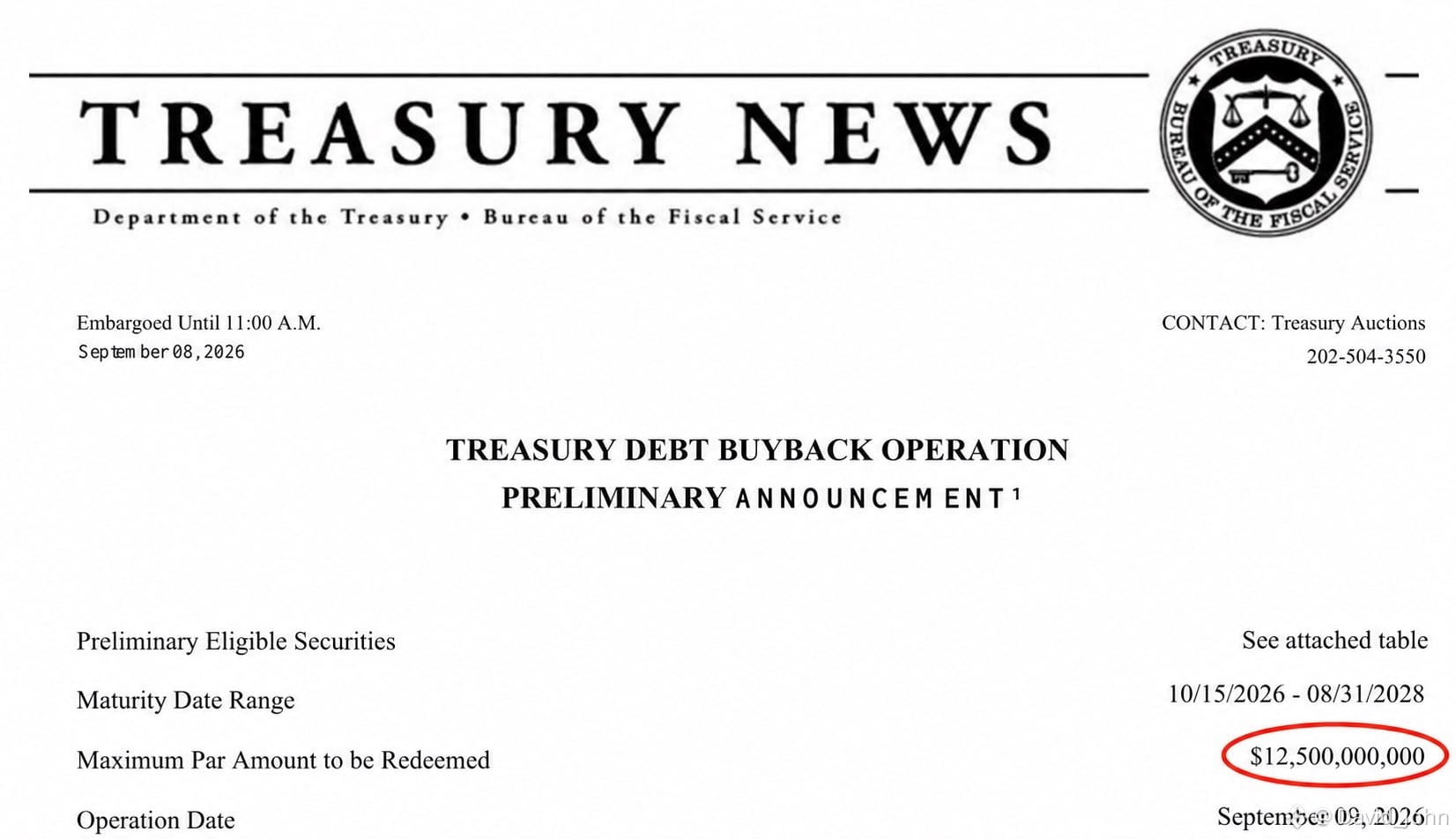
حددت وزارة الخزانة الأمريكية عملية شراء مُدارة نقديًا بقيمة 12.5 مليار دولار خلال الفترة من 9 سبتمبر، تستهدف سندات قسيمة اسمية مدتها من شهر إلى سنتين. من المقرر أن تتم العملية بين الساعة 1:40 و2:00 مساءً بتوقيت شرق الولايات المتحدة.
ويهم ذلك لأن عمليات شراء الخزانة يمكن أن تحسن السيولة ووظائف السوق في سوق الخزانة. كما أعلنت الخزانة أنها، بدءًا من 9 سبتمبر، ستزيد حجم عمليات شراء دعم السيولة للسندات الأطول أجلًا، حيث سترتفع بعض العمليات من حد أقصى يبلغ 2 مليار دولار إلى ما لا يقل عن 4 مليارات دولار.
🔥 لماذا يولي التشفير اهتمامًا:
➡️ دعم أكبر لسوق الخزانة
➡️ ظروف مالية قد تصبح أسهل
➡️ سيولة أفضل في سوق السندات
➡️ احتمال ضغط على العوائد
➡️ خلفية أكثر وُدّية للأسهم والتشفير والأصول ذات المخاطر الأخرى
وقد أظهر البيتكوين بالفعل مدى حساسية المعنويات تجاه تطورات سيولة الخزانة. فقد ارتفع BTC مؤخرًا بشكل حاد بعد توسيع عمليات شراء الخزانة، رغم أن المحللين يشيرون إلى أن عمليات شراء الخزانة ليست الشيء نفسه مثل التيسير الكمي من الاحتياطي الفيدرالي ولا تعني ببساطة «طباعة النقود».
📊 يقع BTC حاليًا قرابة 78.5 ألف – 78.9 ألف دولار، بينما يراقب المتداولون منطقة 80 ألف دولار+ وإعداد الصورة الاقتصادية الأوسع عن كثب.
⚠️ المحفز الأكبر:
لا تزال تقارير مؤشر أسعار المستهلك الأمريكي (CPI) يوم الجمعة وقرار الاحتياطي الفيدرالي الأسبوع المقبل مخاطر رئيسية بالنسبة للسوق. وقد تؤدي ارتفاعات أسعار النفط ومخاوف التضخم إلى تعقيد رواية السيولة الصاعدة.
يبدو أن السيناريو يزداد إثارة. 🔥
الخزانة تتدخل في سوق السندات.
السيولة عادت إلى دائرة الضوء.
البيتكوين يحوم قرب مستوى نفسي مهم.
إذا حصل BTC على اختراق واضح فوق 80 ألف دولار، فقد يصبح التوسع الصعودي التالي شديدًا جدًا. 🚀📈
راقب عملية الخزانة. راقب العوائد. راقب الدولار.
والأهم من ذلك… راقب BTC. 👀₿
🚨🇺🇸 عاجل: وزارة الخزانة الأمريكية تشتري اليوم ما يصل إلى 12.5 مليار دولار من ديونها الخاصة! 💰🔥
ويتتبع متداولو البيتكوين ذلك عن كثب. 👀₿
حددت وزارة الخزانة الأمريكية عملية شراء مُدارة نقديًا بقيمة 12.5 مليار دولار خلال الفترة من 9 سبتمبر، تستهدف سندات قسيمة اسمية مدتها من شهر إلى سنتين. من المقرر أن تتم العملية بين الساعة 1:40 و2:00 مساءً بتوقيت شرق الولايات المتحدة.
ويهم ذلك لأن عمليات شراء الخزانة يمكن أن تحسن السيولة ووظائف السوق في سوق الخزانة. كما أعلنت الخزانة أنها، بدءًا من 9 سبتمبر، ستزيد حجم عمليات شراء دعم السيولة للسندات الأطول أجلًا، حيث سترتفع بعض العمليات من حد أقصى يبلغ 2 مليار دولار إلى ما لا يقل عن 4 مليارات دولار.
🔥 لماذا يولي التشفير اهتمامًا:
➡️ دعم أكبر لسوق الخزانة
➡️ ظروف مالية قد تصبح أسهل
➡️ سيولة أفضل في سوق السندات
➡️ احتمال ضغط على العوائد
➡️ خلفية أكثر وُدّية للأسهم والتشفير والأصول ذات المخاطر الأخرى
وقد أظهر البيتكوين بالفعل مدى حساسية المعنويات تجاه تطورات سيولة الخزانة. فقد ارتفع BTC مؤخرًا بشكل حاد بعد توسيع عمليات شراء الخزانة، رغم أن المحللين يشيرون إلى أن عمليات شراء الخزانة ليست الشيء نفسه مثل التيسير الكمي من الاحتياطي الفيدرالي ولا تعني ببساطة «طباعة النقود».
📊 يقع BTC حاليًا قرابة 78.5 ألف – 78.9 ألف دولار، بينما يراقب المتداولون منطقة 80 ألف دولار+ وإعداد الصورة الاقتصادية الأوسع عن كثب.
⚠️ المحفز الأكبر:
لا تزال تقارير مؤشر أسعار المستهلك الأمريكي (CPI) يوم الجمعة وقرار الاحتياطي الفيدرالي الأسبوع المقبل مخاطر رئيسية بالنسبة للسوق. وقد تؤدي ارتفاعات أسعار النفط ومخاوف التضخم إلى تعقيد رواية السيولة الصاعدة.
يبدو أن السيناريو يزداد إثارة. 🔥
الخزانة تتدخل في سوق السندات.
السيولة عادت إلى دائرة الضوء.
البيتكوين يحوم قرب مستوى نفسي مهم.
إذا حصل BTC على اختراق واضح فوق 80 ألف دولار، فقد يصبح التوسع الصعودي التالي شديدًا جدًا. 🚀📈
راقب عملية الخزانة. راقب العوائد. راقب الدولار.
والأهم من ذلك… راقب BTC. 👀₿
ويتتبع متداولو البيتكوين ذلك عن كثب. 👀₿
حددت وزارة الخزانة الأمريكية عملية شراء مُدارة نقديًا بقيمة 12.5 مليار دولار خلال الفترة من 9 سبتمبر، تستهدف سندات قسيمة اسمية مدتها من شهر إلى سنتين. من المقرر أن تتم العملية بين الساعة 1:40 و2:00 مساءً بتوقيت شرق الولايات المتحدة.
ويهم ذلك لأن عمليات شراء الخزانة يمكن أن تحسن السيولة ووظائف السوق في سوق الخزانة. كما أعلنت الخزانة أنها، بدءًا من 9 سبتمبر، ستزيد حجم عمليات شراء دعم السيولة للسندات الأطول أجلًا، حيث سترتفع بعض العمليات من حد أقصى يبلغ 2 مليار دولار إلى ما لا يقل عن 4 مليارات دولار.
🔥 لماذا يولي التشفير اهتمامًا:
➡️ دعم أكبر لسوق الخزانة
➡️ ظروف مالية قد تصبح أسهل
➡️ سيولة أفضل في سوق السندات
➡️ احتمال ضغط على العوائد
➡️ خلفية أكثر وُدّية للأسهم والتشفير والأصول ذات المخاطر الأخرى
وقد أظهر البيتكوين بالفعل مدى حساسية المعنويات تجاه تطورات سيولة الخزانة. فقد ارتفع BTC مؤخرًا بشكل حاد بعد توسيع عمليات شراء الخزانة، رغم أن المحللين يشيرون إلى أن عمليات شراء الخزانة ليست الشيء نفسه مثل التيسير الكمي من الاحتياطي الفيدرالي ولا تعني ببساطة «طباعة النقود».
📊 يقع BTC حاليًا قرابة 78.5 ألف – 78.9 ألف دولار، بينما يراقب المتداولون منطقة 80 ألف دولار+ وإعداد الصورة الاقتصادية الأوسع عن كثب.
⚠️ المحفز الأكبر:
لا تزال تقارير مؤشر أسعار المستهلك الأمريكي (CPI) يوم الجمعة وقرار الاحتياطي الفيدرالي الأسبوع المقبل مخاطر رئيسية بالنسبة للسوق. وقد تؤدي ارتفاعات أسعار النفط ومخاوف التضخم إلى تعقيد رواية السيولة الصاعدة.
يبدو أن السيناريو يزداد إثارة. 🔥
الخزانة تتدخل في سوق السندات.
السيولة عادت إلى دائرة الضوء.
البيتكوين يحوم قرب مستوى نفسي مهم.
إذا حصل BTC على اختراق واضح فوق 80 ألف دولار، فقد يصبح التوسع الصعودي التالي شديدًا جدًا. 🚀📈
راقب عملية الخزانة. راقب العوائد. راقب الدولار.
والأهم من ذلك… راقب BTC. 👀₿
2
1.3k
·
--
⚠️ $BTC SHORT SETUP IS HEATING UP! 🔥
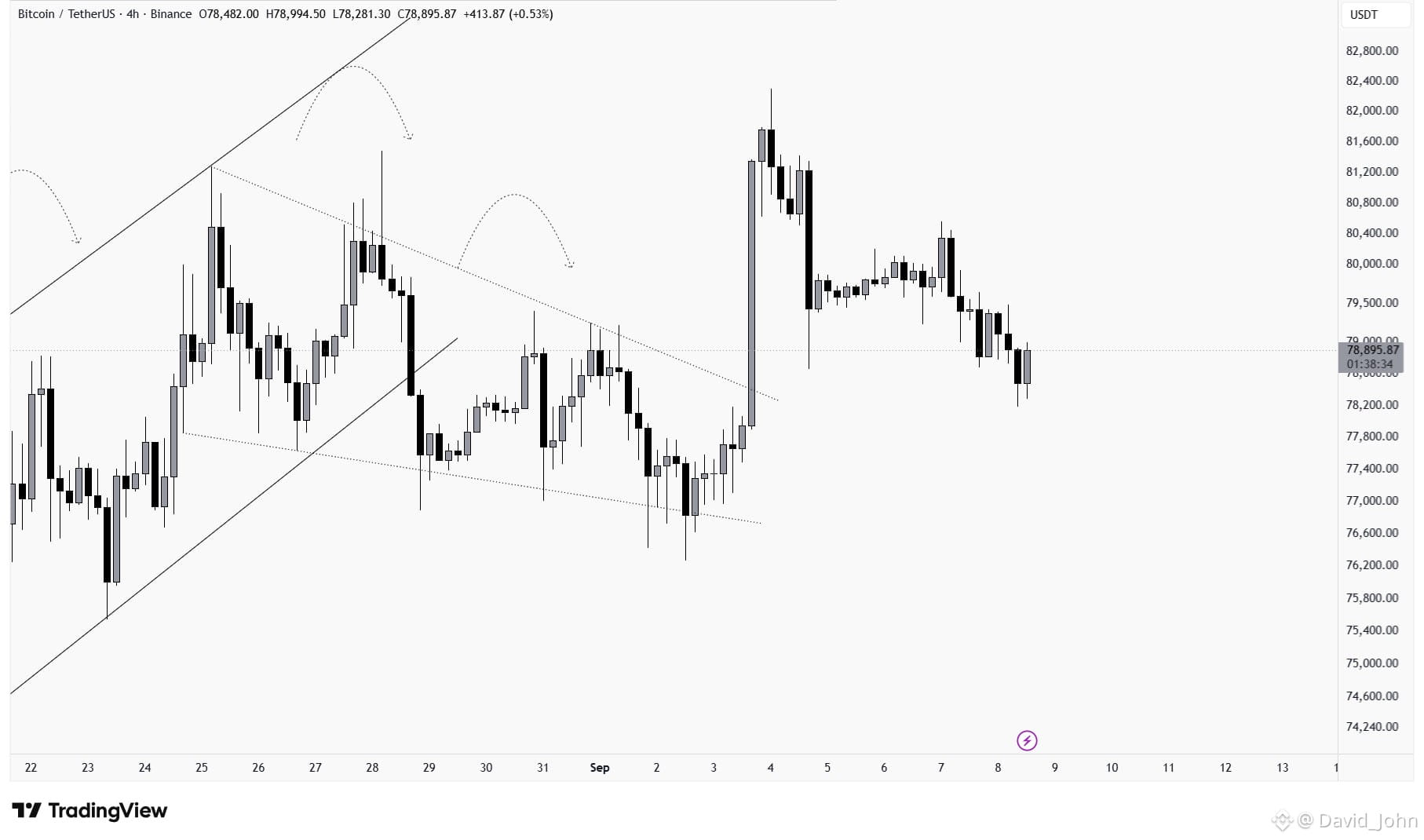
$BTC تتداول بالقرب من 78,895 دولار بعد رفض منطقة 81.6 ألف–81.8 ألف دولار وتحولها بشكل حاد إلى هبوط على مخطط 4H.
📉 الدخول (EP): 78,850–79,050 دولار
🎯 الهدف 1 (TP1): 78,200 دولار
🎯 الهدف 2 (TP2): 77,400 دولار
🎯 الهدف 3 (TP3): 76,600 دولار
🛑 وقف الخسارة (SL): 79,650 دولار
الزخم الهبوطي يتزايد — رفضٌ واضح تحت 79 ألف دولار قد يدفع BTC نحو مناطق الدعم السفلية بسرعة. 🚨
راقب 79 ألف دولار عن كثب. دُببة BTC جاهزة! 🐻🔥
⚠️ $BTC SHORT SETUP IS HEATING UP! 🔥
$BTC تتداول بالقرب من 78,895 دولار بعد رفض منطقة 81.6 ألف–81.8 ألف دولار وتحولها بشكل حاد إلى هبوط على مخطط 4H.
📉 الدخول (EP): 78,850–79,050 دولار
🎯 الهدف 1 (TP1): 78,200 دولار
🎯 الهدف 2 (TP2): 77,400 دولار
🎯 الهدف 3 (TP3): 76,600 دولار
🛑 وقف الخسارة (SL): 79,650 دولار
الزخم الهبوطي يتزايد — رفضٌ واضح تحت 79 ألف دولار قد يدفع BTC نحو مناطق الدعم السفلية بسرعة. 🚨
راقب 79 ألف دولار عن كثب. دُببة BTC جاهزة! 🐻🔥
$BTC تتداول بالقرب من 78,895 دولار بعد رفض منطقة 81.6 ألف–81.8 ألف دولار وتحولها بشكل حاد إلى هبوط على مخطط 4H.
📉 الدخول (EP): 78,850–79,050 دولار
🎯 الهدف 1 (TP1): 78,200 دولار
🎯 الهدف 2 (TP2): 77,400 دولار
🎯 الهدف 3 (TP3): 76,600 دولار
🛑 وقف الخسارة (SL): 79,650 دولار
الزخم الهبوطي يتزايد — رفضٌ واضح تحت 79 ألف دولار قد يدفع BTC نحو مناطق الدعم السفلية بسرعة. 🚨
راقب 79 ألف دولار عن كثب. دُببة BTC جاهزة! 🐻🔥
3
2.4k
·
--
تمّ التحقق
🚨 عاجل: 🇺🇸 مؤسس باينانس CZ يرى أن الاكتتابات العامة (IPO) تتحرك عبر السلسلة (ON-CHAIN).
والصورة الأكبر أكثر تفاؤلًا — هيئة الأوراق المالية والبورصات الأمريكية (SEC) تعمل على تمكين تداول الأسهم عبر السلسلة على مدار الساعة (24/7).
📈 قد تتدفق في نهاية المطاف تريليونات الدولارات إلى قنوات/شبكات العملات المشفرة.
هذا ليس مجرد ترقية. قد يكون الجسر بين وول ستريت وسلسلة البلوكشين. 🔥
🚨 عاجل: 🇺🇸 مؤسس باينانس CZ يرى أن الاكتتابات العامة (IPO) تتحرك عبر السلسلة (ON-CHAIN).
والصورة الأكبر أكثر تفاؤلًا — هيئة الأوراق المالية والبورصات الأمريكية (SEC) تعمل على تمكين تداول الأسهم عبر السلسلة على مدار الساعة (24/7).
📈 قد تتدفق في نهاية المطاف تريليونات الدولارات إلى قنوات/شبكات العملات المشفرة.
هذا ليس مجرد ترقية. قد يكون الجسر بين وول ستريت وسلسلة البلوكشين. 🔥
والصورة الأكبر أكثر تفاؤلًا — هيئة الأوراق المالية والبورصات الأمريكية (SEC) تعمل على تمكين تداول الأسهم عبر السلسلة على مدار الساعة (24/7).
📈 قد تتدفق في نهاية المطاف تريليونات الدولارات إلى قنوات/شبكات العملات المشفرة.
هذا ليس مجرد ترقية. قد يكون الجسر بين وول ستريت وسلسلة البلوكشين. 🔥
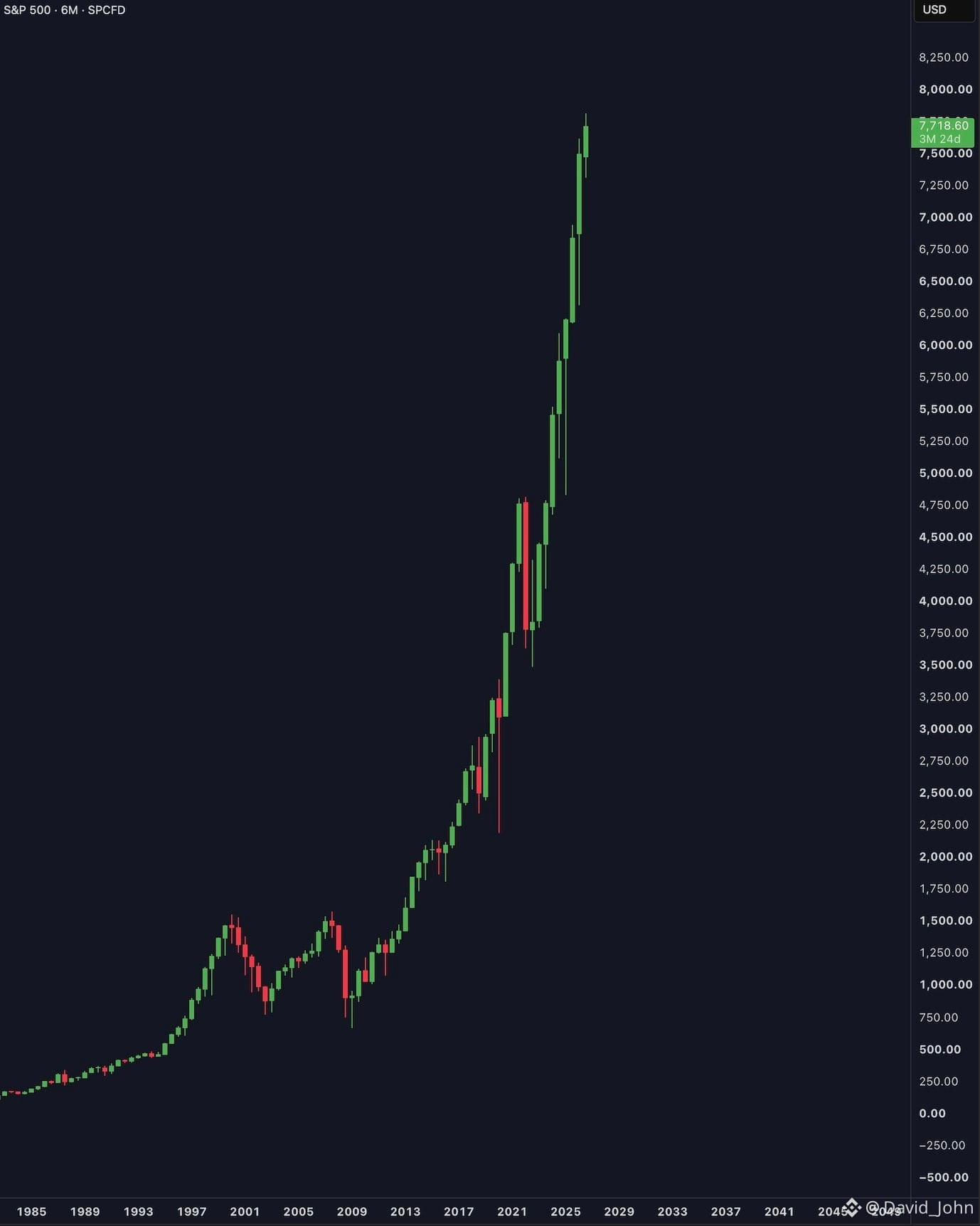

1
4
1.2k
·
--
صاعد
$BTC 🔥
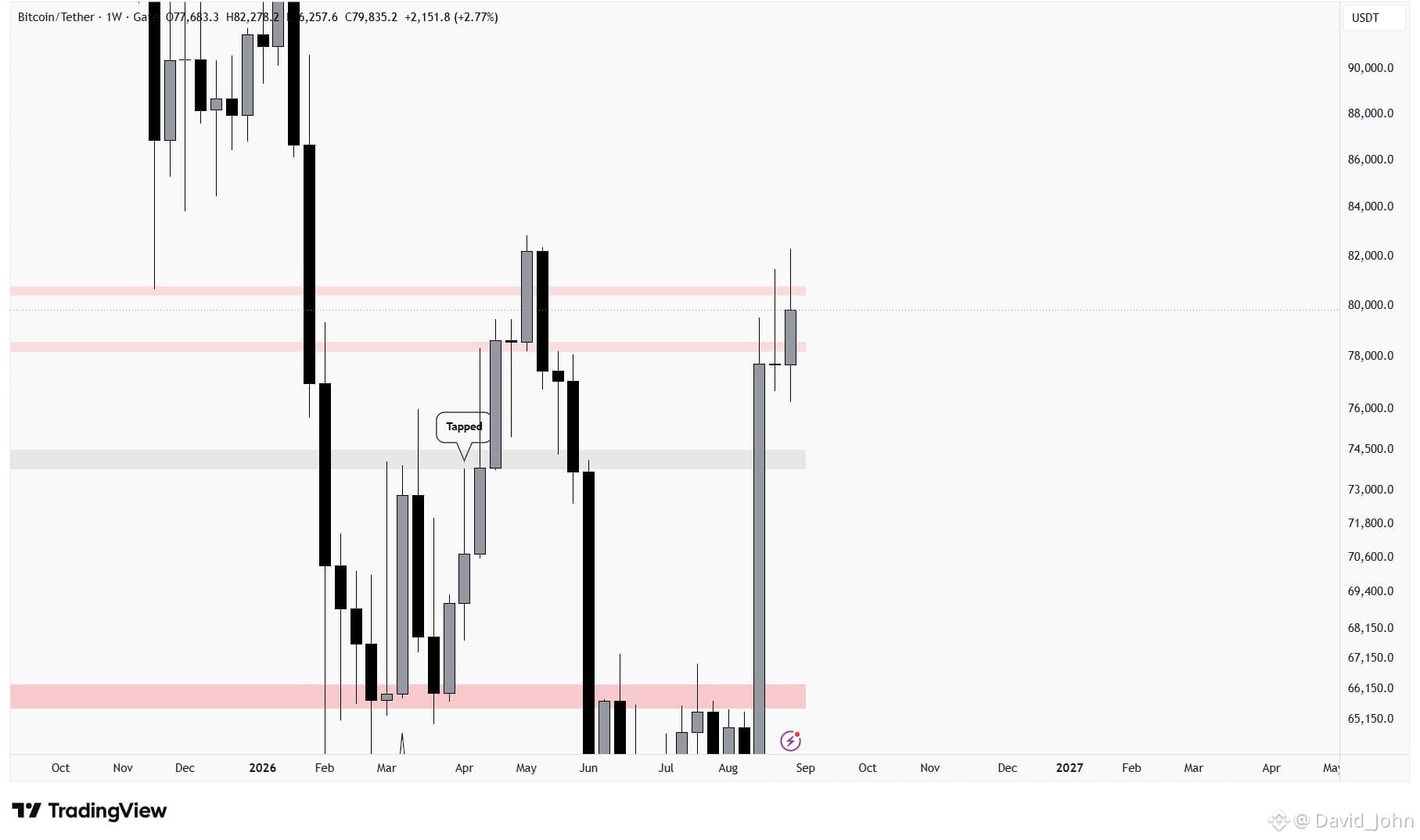
البيتكوين يختبر منطقة مقاومة أسبوعية رئيسية حول $80.4K–$80.8K بعد ارتداد قوي إلى $79,835 (+2.77%).
⚡ المستويات الرئيسية:
المقاومة: $80.4K–$80.8K
الدعم: $78.2K–$78.5K
الدعم الرئيسي: $74.0K–$74.5K
الدعم العميق: $66.0K–$66.5K
قد يفتح اختراق أسبوعي فوق $80.8K الباب نحو $82K+. لكن الرفض هنا قد يعيد BTC نحو $78K أو حتى $74.5K.
🚀 BTC عند نقطة الحسم — اختراق أم رفض؟
{spot}(BTCUSDT)
$BTC 🔥
البيتكوين يختبر منطقة مقاومة أسبوعية رئيسية حول $80.4K–$80.8K بعد ارتداد قوي إلى $79,835 (+2.77%).
⚡ المستويات الرئيسية:
المقاومة: $80.4K–$80.8K
الدعم: $78.2K–$78.5K
الدعم الرئيسي: $74.0K–$74.5K
الدعم العميق: $66.0K–$66.5K
قد يفتح اختراق أسبوعي فوق $80.8K الباب نحو $82K+. لكن الرفض هنا قد يعيد BTC نحو $78K أو حتى $74.5K.
🚀 BTC عند نقطة الحسم — اختراق أم رفض؟
البيتكوين يختبر منطقة مقاومة أسبوعية رئيسية حول $80.4K–$80.8K بعد ارتداد قوي إلى $79,835 (+2.77%).
⚡ المستويات الرئيسية:
المقاومة: $80.4K–$80.8K
الدعم: $78.2K–$78.5K
الدعم الرئيسي: $74.0K–$74.5K
الدعم العميق: $66.0K–$66.5K
قد يفتح اختراق أسبوعي فوق $80.8K الباب نحو $82K+. لكن الرفض هنا قد يعيد BTC نحو $78K أو حتى $74.5K.
🚀 BTC عند نقطة الحسم — اختراق أم رفض؟
247
·
--
صاعد
🚨 عاجل: 🇺🇸 عملية إعادة شراء ضخمة لِديْن الولايات المتحدة!
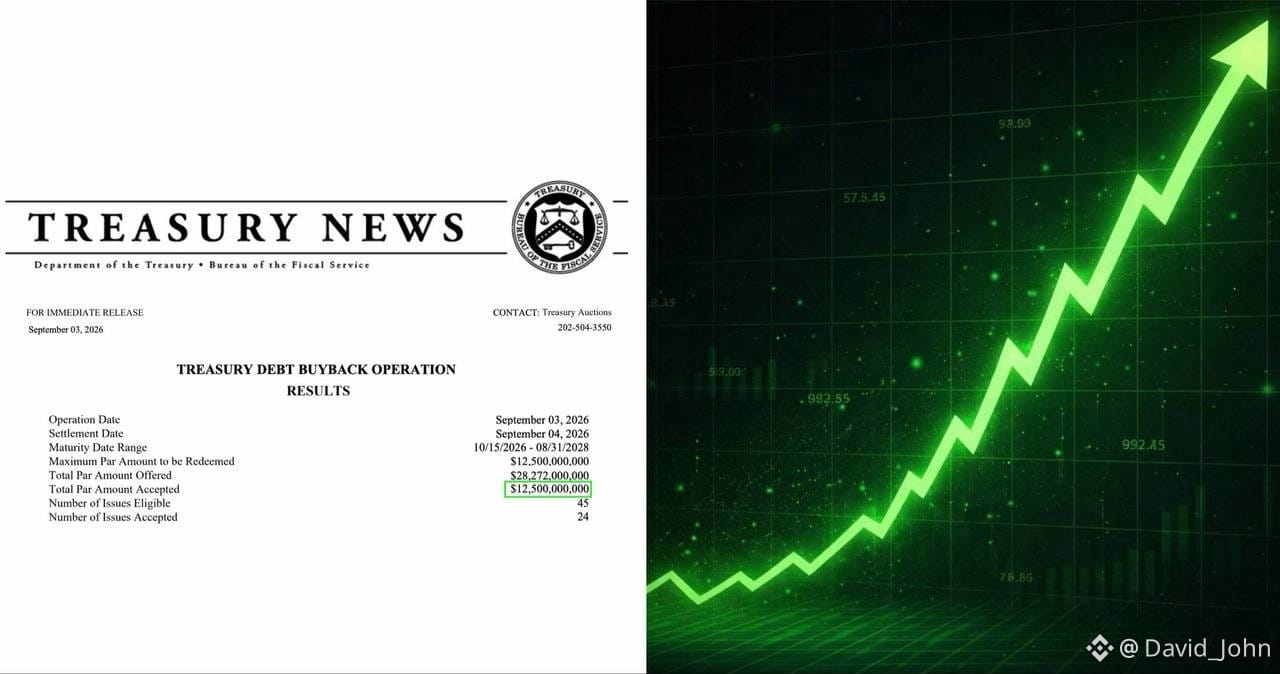
قامت وزارة الخزانة الأميركية للتو بإعادة شراء مبلغ هائل قدره 12.5 مليار دولار من ديونها الخاصة. 💰
هذه خطوة كبيرة في سوق الخزانة وقد يكون لها تأثيرات متتابعة عبر السندات والعوائد والسيولة والأسهم وحتى العملات المشفرة.
الأموال الكبيرة تتحرك. 👀📈
🚨 عاجل: 🇺🇸 عملية إعادة شراء ضخمة لِديْن الولايات المتحدة!
قامت وزارة الخزانة الأميركية للتو بإعادة شراء مبلغ هائل قدره 12.5 مليار دولار من ديونها الخاصة. 💰
هذه خطوة كبيرة في سوق الخزانة وقد يكون لها تأثيرات متتابعة عبر السندات والعوائد والسيولة والأسهم وحتى العملات المشفرة.
الأموال الكبيرة تتحرك. 👀📈
قامت وزارة الخزانة الأميركية للتو بإعادة شراء مبلغ هائل قدره 12.5 مليار دولار من ديونها الخاصة. 💰
هذه خطوة كبيرة في سوق الخزانة وقد يكون لها تأثيرات متتابعة عبر السندات والعوائد والسيولة والأسهم وحتى العملات المشفرة.
الأموال الكبيرة تتحرك. 👀📈
251
·
--
🚨 تحذير سبتمبر لبيتكوين؟
التاريخ يرسل إشارة مألوفة 👀
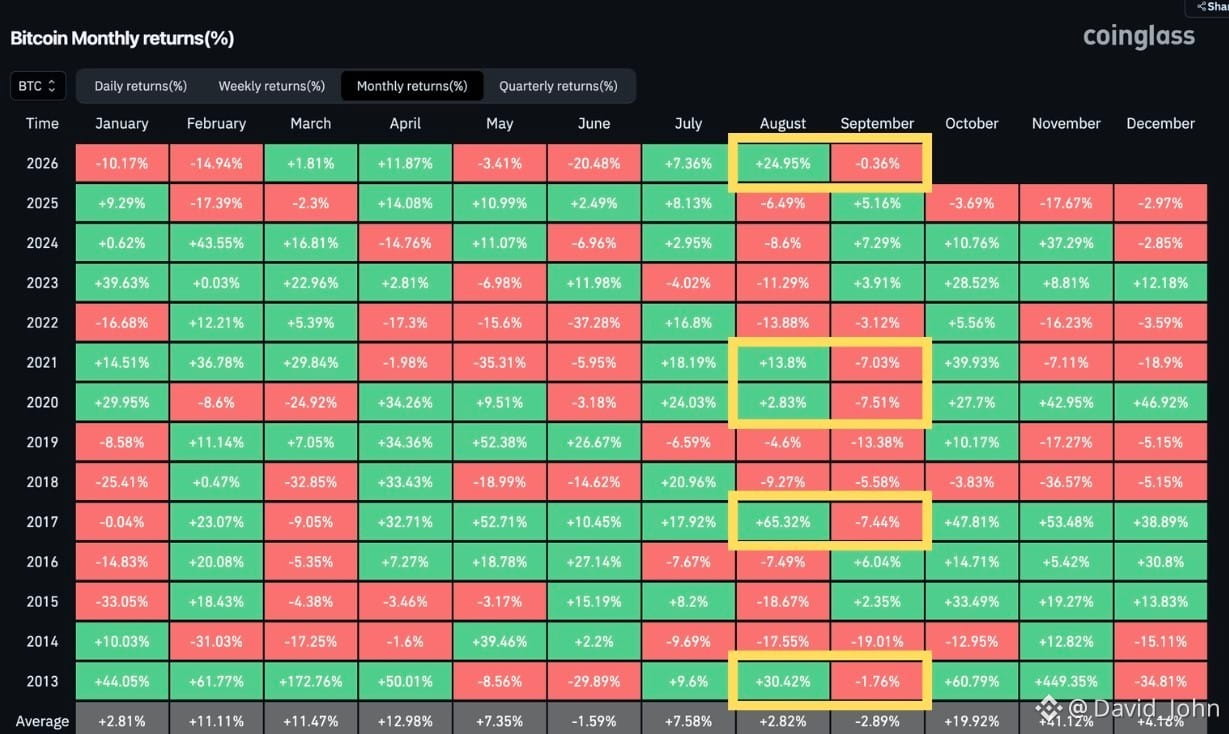
كلما أغلق $BTC في شهر أغسطس باللون الأخضر في الدورات السابقة، غالبًا ما جاء شهر سبتمبر بإغلاق شهري أحمر:
📅 أغسطس 2026: +24.95% → سبتمبر: -0.36%
📅 أغسطس 2021: +13.80% → سبتمبر: -7.03%
📅 أغسطس 2020: +2.83% → سبتمبر: -7.51%
📅 أغسطس 2017: +65.32% → سبتمبر: -7.44%
📅 أغسطس 2013: +30.42% → سبتمبر: -1.76%
⚠️ النمط واضح: أغسطس أخضر → سبتمبر أحمر تكرر مرارًا.
لكن هل سيكسر $BTC هذا النمط في 2026؟ 🔥
قد يكون هذا سبتمبر مختلفًا جدًا.
🚨 تحذير سبتمبر لبيتكوين؟
التاريخ يرسل إشارة مألوفة 👀
كلما أغلق $BTC في شهر أغسطس باللون الأخضر في الدورات السابقة، غالبًا ما جاء شهر سبتمبر بإغلاق شهري أحمر:
📅 أغسطس 2026: +24.95% → سبتمبر: -0.36%
📅 أغسطس 2021: +13.80% → سبتمبر: -7.03%
📅 أغسطس 2020: +2.83% → سبتمبر: -7.51%
📅 أغسطس 2017: +65.32% → سبتمبر: -7.44%
📅 أغسطس 2013: +30.42% → سبتمبر: -1.76%
⚠️ النمط واضح: أغسطس أخضر → سبتمبر أحمر تكرر مرارًا.
لكن هل سيكسر $BTC هذا النمط في 2026؟ 🔥
قد يكون هذا سبتمبر مختلفًا جدًا.
التاريخ يرسل إشارة مألوفة 👀
كلما أغلق $BTC في شهر أغسطس باللون الأخضر في الدورات السابقة، غالبًا ما جاء شهر سبتمبر بإغلاق شهري أحمر:
📅 أغسطس 2026: +24.95% → سبتمبر: -0.36%
📅 أغسطس 2021: +13.80% → سبتمبر: -7.03%
📅 أغسطس 2020: +2.83% → سبتمبر: -7.51%
📅 أغسطس 2017: +65.32% → سبتمبر: -7.44%
📅 أغسطس 2013: +30.42% → سبتمبر: -1.76%
⚠️ النمط واضح: أغسطس أخضر → سبتمبر أحمر تكرر مرارًا.
لكن هل سيكسر $BTC هذا النمط في 2026؟ 🔥
قد يكون هذا سبتمبر مختلفًا جدًا.
210
·
--
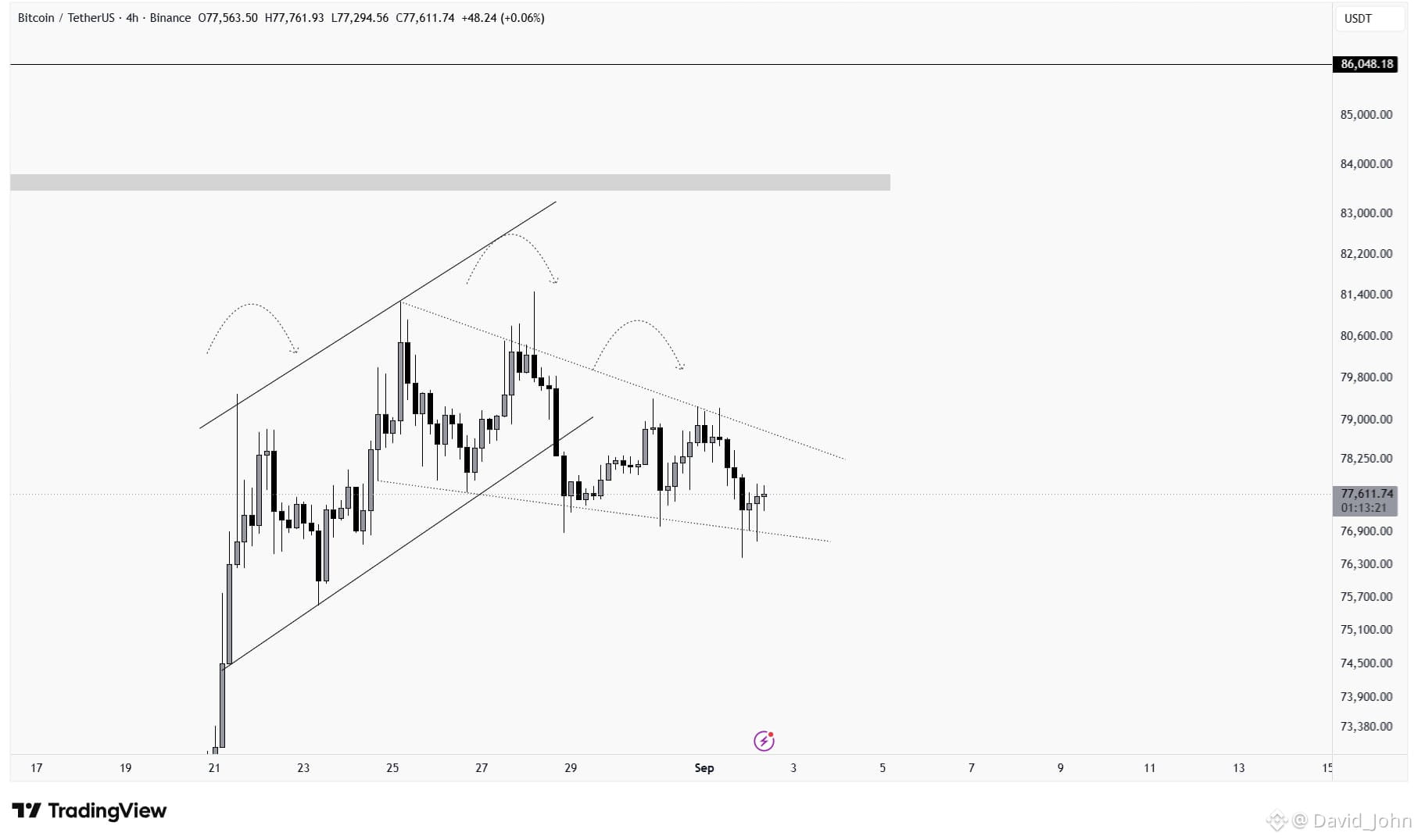
🚨 $BTC 4H — حركة كبيرة قيد التحميل!
يتداول البيتكوين حول 77,611 دولار، ويضغط على دعم خط الاتجاه السفلي قرب 76.9 ألف.
🔥 اختراق صعودي: استعادة 79.8 ألف–80.6 ألف → الأهداف 81.4 ألف → 82.2 ألف → 83.5 ألف.
⚠️ اختراق هبوطي: خسارة 76.9 ألف → قد تتسارع الزخمات الهبوطية.
بيتكوين عند منطقة قرار. راقب الاختراق! 👀📈
{spot}(BTCUSDT)
🚨 $BTC 4H — حركة كبيرة قيد التحميل!
يتداول البيتكوين حول 77,611 دولار، ويضغط على دعم خط الاتجاه السفلي قرب 76.9 ألف.
🔥 اختراق صعودي: استعادة 79.8 ألف–80.6 ألف → الأهداف 81.4 ألف → 82.2 ألف → 83.5 ألف.
⚠️ اختراق هبوطي: خسارة 76.9 ألف → قد تتسارع الزخمات الهبوطية.
بيتكوين عند منطقة قرار. راقب الاختراق! 👀📈
يتداول البيتكوين حول 77,611 دولار، ويضغط على دعم خط الاتجاه السفلي قرب 76.9 ألف.
🔥 اختراق صعودي: استعادة 79.8 ألف–80.6 ألف → الأهداف 81.4 ألف → 82.2 ألف → 83.5 ألف.
⚠️ اختراق هبوطي: خسارة 76.9 ألف → قد تتسارع الزخمات الهبوطية.
بيتكوين عند منطقة قرار. راقب الاختراق! 👀📈
1
302
·
--
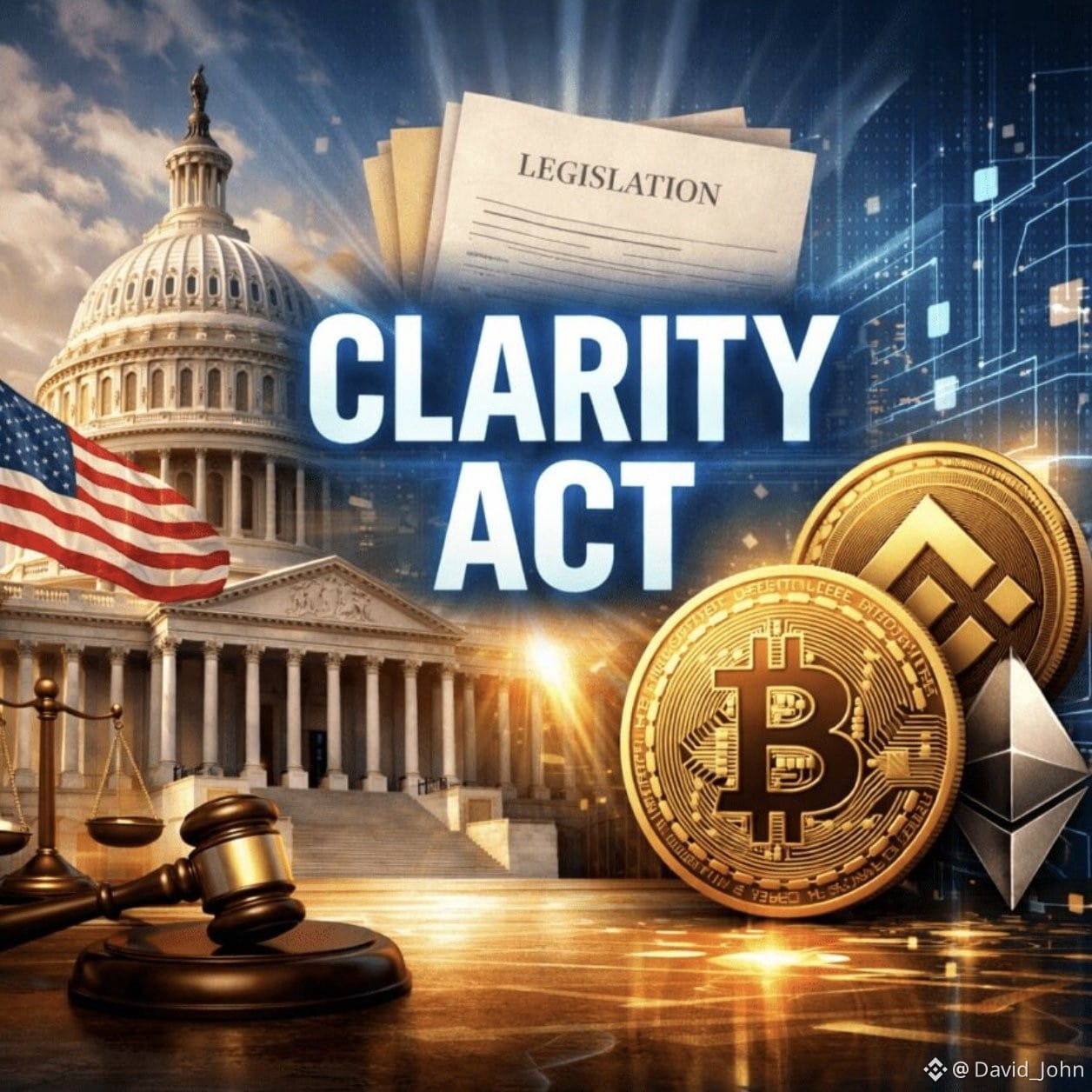
🚨 يردّ براين أرمسترونغ على البنوك!
يقول الرئيس التنفيذي لمنصة Coinbase، براين أرمسترونغ، إن البنوك التي تعارض قانون CLARITY لا تحمي المستهلكين حقًا—بل تحمي نموذج أعمالها.
رسالته؟ 👇
🏦 البنوك لا تريد منافسة العملات الرقمية.
💰 لا تريد دفع العملاء معدلات أعلى.
⚡ قد تُجبر العملات الرقمية التمويل التقليدي على المنافسة.
قد يكون الصراع حول قانون CLARITY أكبر من مجرد تنظيم—قد يتعلق الأمر بمن يتحكم بمستقبل المال. 👀🔥
🚨 يردّ براين أرمسترونغ على البنوك!
يقول الرئيس التنفيذي لمنصة Coinbase، براين أرمسترونغ، إن البنوك التي تعارض قانون CLARITY لا تحمي المستهلكين حقًا—بل تحمي نموذج أعمالها.
رسالته؟ 👇
🏦 البنوك لا تريد منافسة العملات الرقمية.
💰 لا تريد دفع العملاء معدلات أعلى.
⚡ قد تُجبر العملات الرقمية التمويل التقليدي على المنافسة.
قد يكون الصراع حول قانون CLARITY أكبر من مجرد تنظيم—قد يتعلق الأمر بمن يتحكم بمستقبل المال. 👀🔥
يقول الرئيس التنفيذي لمنصة Coinbase، براين أرمسترونغ، إن البنوك التي تعارض قانون CLARITY لا تحمي المستهلكين حقًا—بل تحمي نموذج أعمالها.
رسالته؟ 👇
🏦 البنوك لا تريد منافسة العملات الرقمية.
💰 لا تريد دفع العملاء معدلات أعلى.
⚡ قد تُجبر العملات الرقمية التمويل التقليدي على المنافسة.
قد يكون الصراع حول قانون CLARITY أكبر من مجرد تنظيم—قد يتعلق الأمر بمن يتحكم بمستقبل المال. 👀🔥
1
322
·
--
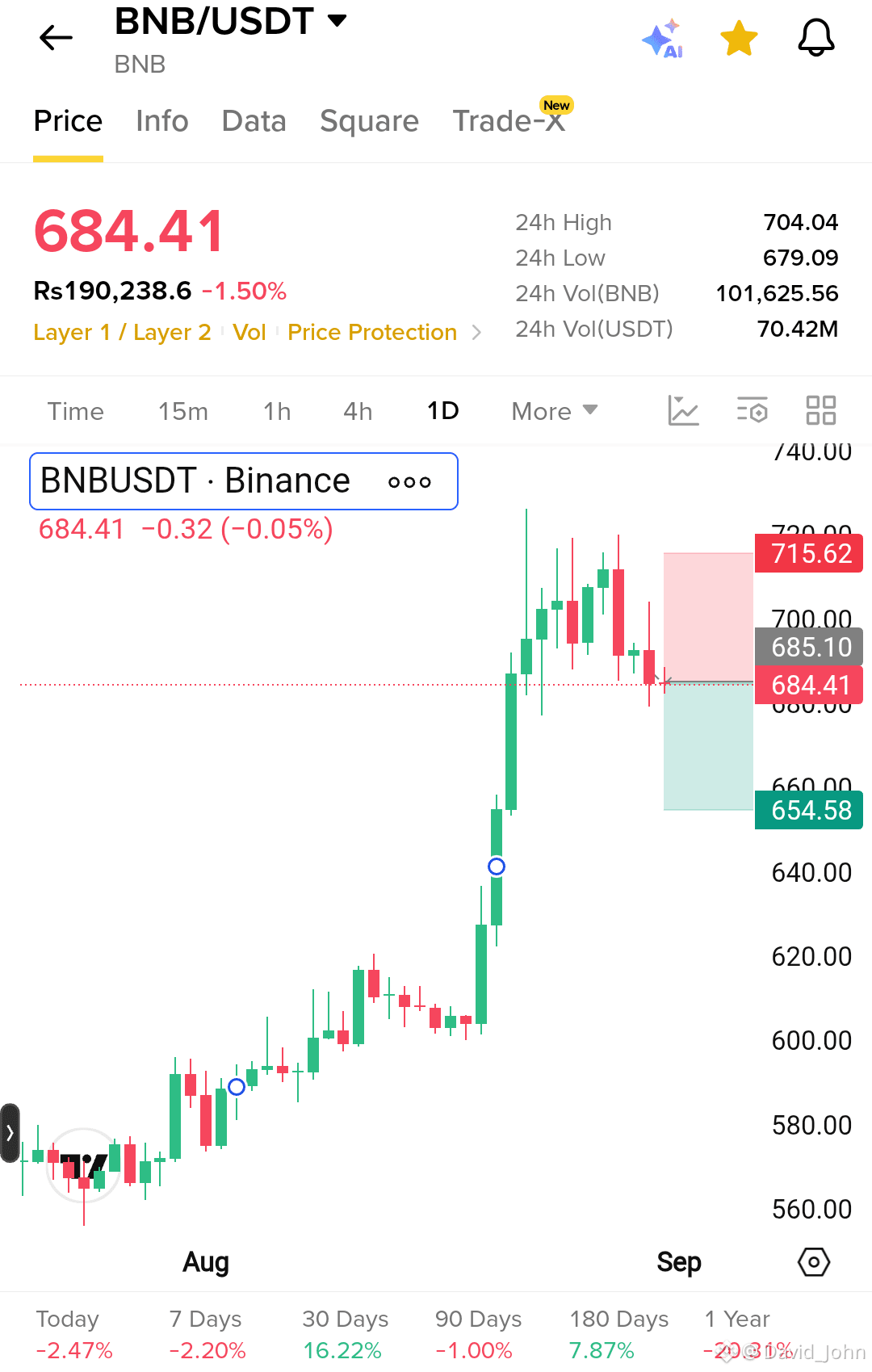
$BNB ومضات إعداد 🔥 قصير!
الدخول: $684.41
🎯 الهدف 1: $670
🎯 الهدف 2: $660
🎯 الهدف 3: $654.58
🛑 وقف الخسارة: $715.62
المقاومة: $700–$715.62
الدعم/الهدف: $654.58
الزخم يتلاشى بعد الرفض قرب $715 — اختراق/كسر نظيف تحت $680 قد يسرّع الهبوط. ⚡📉
$BNB ومضات إعداد 🔥 قصير!
الدخول: $684.41
🎯 الهدف 1: $670
🎯 الهدف 2: $660
🎯 الهدف 3: $654.58
🛑 وقف الخسارة: $715.62
المقاومة: $700–$715.62
الدعم/الهدف: $654.58
الزخم يتلاشى بعد الرفض قرب $715 — اختراق/كسر نظيف تحت $680 قد يسرّع الهبوط. ⚡📉
الدخول: $684.41
🎯 الهدف 1: $670
🎯 الهدف 2: $660
🎯 الهدف 3: $654.58
🛑 وقف الخسارة: $715.62
المقاومة: $700–$715.62
الدعم/الهدف: $654.58
الزخم يتلاشى بعد الرفض قرب $715 — اختراق/كسر نظيف تحت $680 قد يسرّع الهبوط. ⚡📉
1
307
·
--
صاعد
صحيح جزئيًا
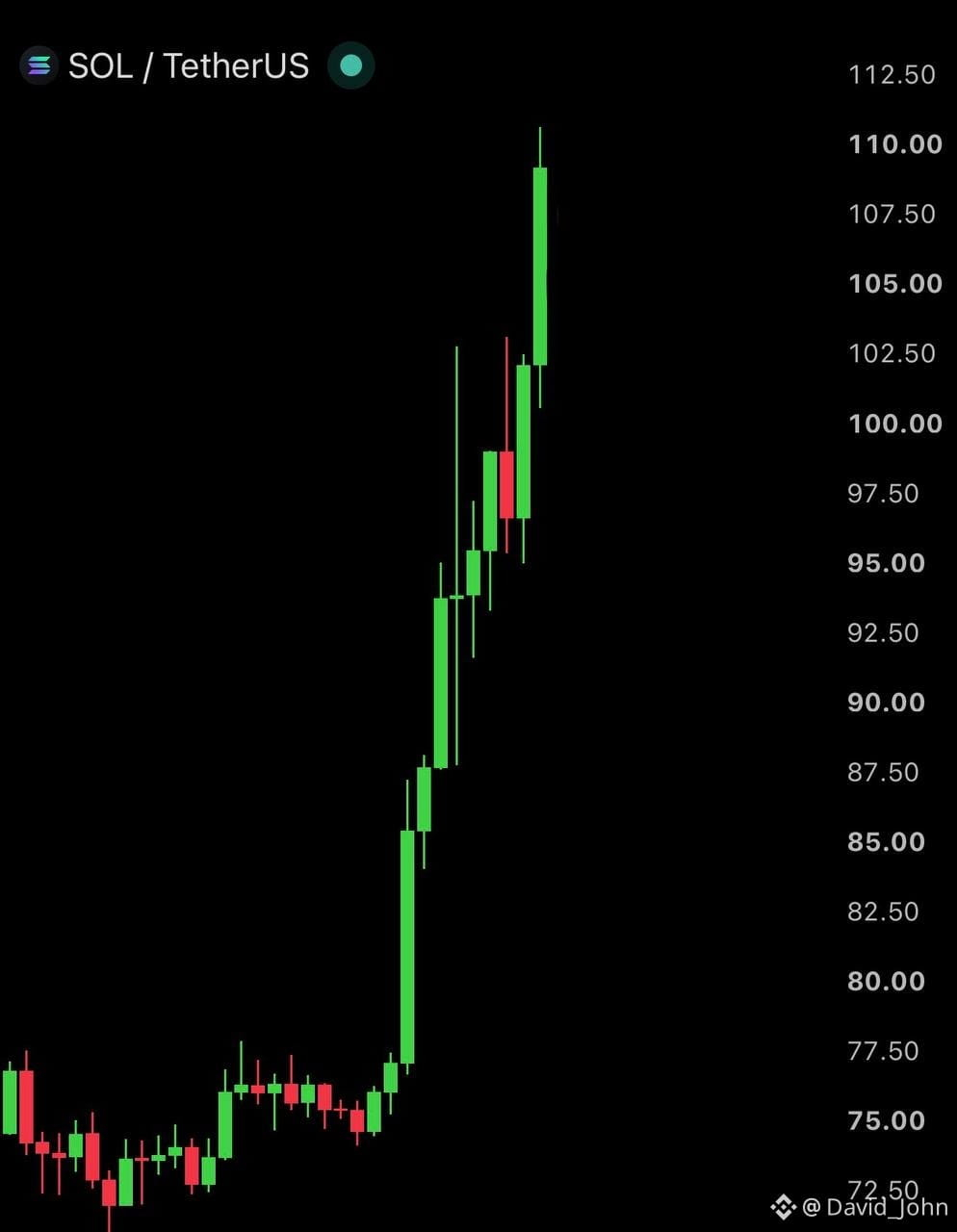
🚨 تراكم ضخم $SOL — عادت المؤسسات
يُقال إن 153 مليون دولار من تعرض سولانا ( $SOL ) تم تجميعه عبر صناديق الاستثمار المتداولة هذا الأسبوع.
هذا ليس مجرد تدفق إضافي.
إنه أكبر شراء أسبوعي لصناديق الاستثمار المتداولة منذ أكتوبر 2025. 📈
والتوقيت مهم.
بعد أشهر من التقلبات، يُظهر رأس المال المؤسسي مرة أخرى استعدادًا لزيادة التعرض لـ SOL — وربما يشير ذلك إلى أن اللاعبين الكبار يتموضعون تمهيدًا للحركة الرئيسية القادمة في السوق.
💰 تم شراء 153 مليون دولار هذا الأسبوع
📊 أكبر تدفق أسبوعي منذ أكتوبر 2025
🔥 الطلب المؤسسي يتسارع
⚡ يظل SOL أحد أبرز أصول بيتا العالية في السوق
السؤال الأكبر الآن ليس ما إذا كانت المؤسسات تشتري.
بل:
كَمْ المزيد هل هي مستعدة لتراكُمِه؟
إذا استمر هذا الطلب مع تشدد المعروض في البورصات وتحسن السيولة في السوق الأوسع، فقد يكون SOL يتهيأ لإعادة تسعير أكبر بكثير.
تدفقات الصندوق ترسل رسالة:
المال الذكي قد يتموضع قبل الزحام.
راقب $SOL عن كثب. قد يكون الاختراق الرئيسي القادم مدعومًا بوقود مؤسسي. 🚀
{spot}(SOLUSDT)
🚨 تراكم ضخم $SOL — عادت المؤسسات
يُقال إن 153 مليون دولار من تعرض سولانا ( $SOL ) تم تجميعه عبر صناديق الاستثمار المتداولة هذا الأسبوع.
هذا ليس مجرد تدفق إضافي.
إنه أكبر شراء أسبوعي لصناديق الاستثمار المتداولة منذ أكتوبر 2025. 📈
والتوقيت مهم.
بعد أشهر من التقلبات، يُظهر رأس المال المؤسسي مرة أخرى استعدادًا لزيادة التعرض لـ SOL — وربما يشير ذلك إلى أن اللاعبين الكبار يتموضعون تمهيدًا للحركة الرئيسية القادمة في السوق.
💰 تم شراء 153 مليون دولار هذا الأسبوع
📊 أكبر تدفق أسبوعي منذ أكتوبر 2025
🔥 الطلب المؤسسي يتسارع
⚡ يظل SOL أحد أبرز أصول بيتا العالية في السوق
السؤال الأكبر الآن ليس ما إذا كانت المؤسسات تشتري.
بل:
كَمْ المزيد هل هي مستعدة لتراكُمِه؟
إذا استمر هذا الطلب مع تشدد المعروض في البورصات وتحسن السيولة في السوق الأوسع، فقد يكون SOL يتهيأ لإعادة تسعير أكبر بكثير.
تدفقات الصندوق ترسل رسالة:
المال الذكي قد يتموضع قبل الزحام.
راقب $SOL عن كثب. قد يكون الاختراق الرئيسي القادم مدعومًا بوقود مؤسسي. 🚀
يُقال إن 153 مليون دولار من تعرض سولانا ( $SOL ) تم تجميعه عبر صناديق الاستثمار المتداولة هذا الأسبوع.
هذا ليس مجرد تدفق إضافي.
إنه أكبر شراء أسبوعي لصناديق الاستثمار المتداولة منذ أكتوبر 2025. 📈
والتوقيت مهم.
بعد أشهر من التقلبات، يُظهر رأس المال المؤسسي مرة أخرى استعدادًا لزيادة التعرض لـ SOL — وربما يشير ذلك إلى أن اللاعبين الكبار يتموضعون تمهيدًا للحركة الرئيسية القادمة في السوق.
💰 تم شراء 153 مليون دولار هذا الأسبوع
📊 أكبر تدفق أسبوعي منذ أكتوبر 2025
🔥 الطلب المؤسسي يتسارع
⚡ يظل SOL أحد أبرز أصول بيتا العالية في السوق
السؤال الأكبر الآن ليس ما إذا كانت المؤسسات تشتري.
بل:
كَمْ المزيد هل هي مستعدة لتراكُمِه؟
إذا استمر هذا الطلب مع تشدد المعروض في البورصات وتحسن السيولة في السوق الأوسع، فقد يكون SOL يتهيأ لإعادة تسعير أكبر بكثير.
تدفقات الصندوق ترسل رسالة:
المال الذكي قد يتموضع قبل الزحام.
راقب $SOL عن كثب. قد يكون الاختراق الرئيسي القادم مدعومًا بوقود مؤسسي. 🚀
5
1.3k
·
--
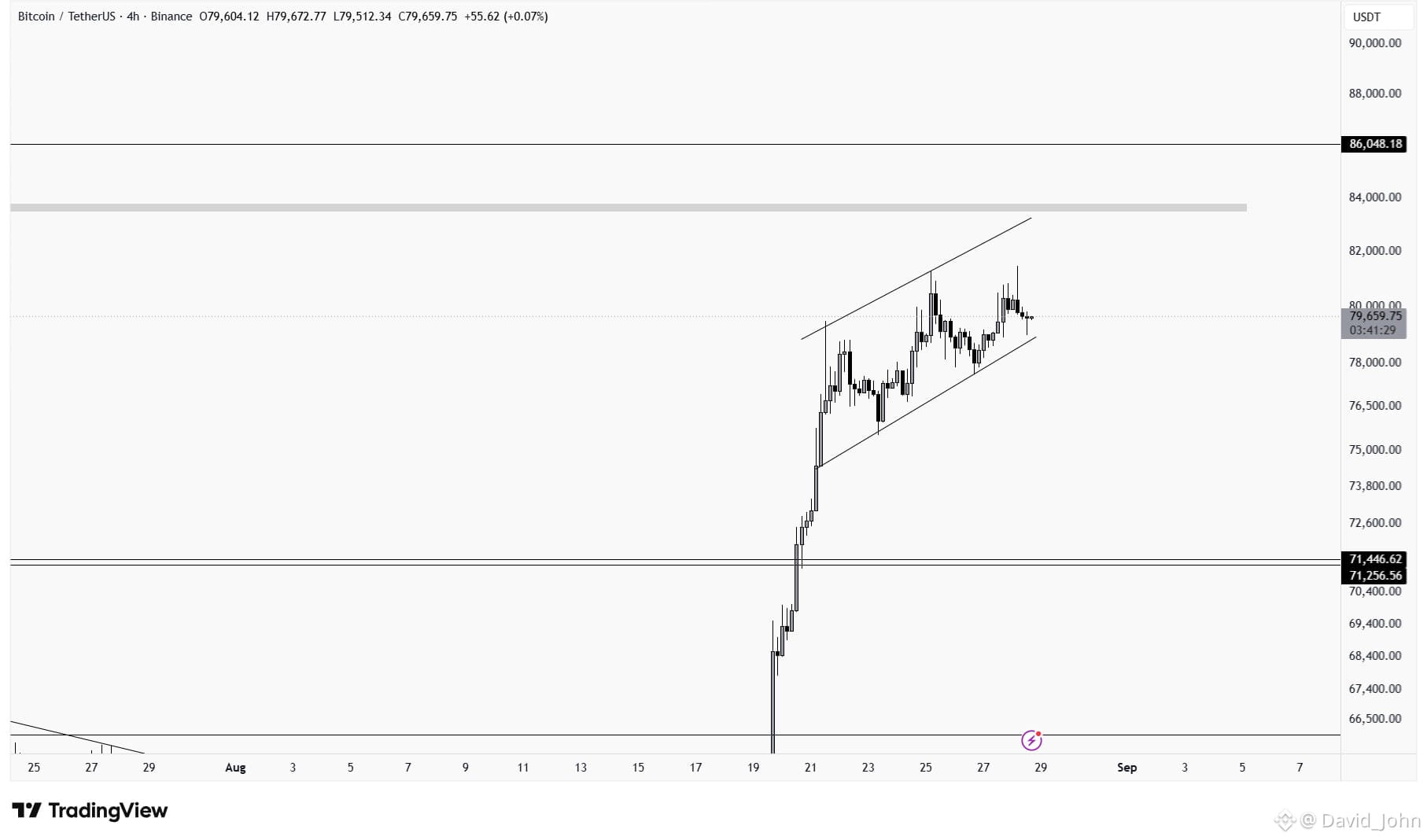
$BTC — 79.66 ألف دولار هي ساحة المعركة. 🔥 قد تكون القفزة التالية كبيرة.
يقوم البيتكوين حاليًا بالتحام داخل قناة صاعدة واضحة على مخطط 4H بعد انتعاشه الحاد من منطقة الدعم 71.3 ألف–71.45 ألف.
الحالي: 79,659.75
أعلى 4H: 79,672.77
أدنى 4H: 79,512.34
السعر يحافظ على بنية القناة، لكن البيتكوين الآن يضغط باتجاه منطقة 80 ألف دولار، حيث قد يتم تحديد الحركة الاتجاهية التالية.
المستويات الرئيسية 👇
المقاومة: 80K → 81K → 83.4K
هدف الاختراق الرئيسي: 86,048
الدعم: 78K → 76.5K → 74.5K
منطقة الإبطال الرئيسية: 71.25K–71.45K
🔥 سيناريو صعودي: اختراق 4H واضح فوق 81K قد يدفع البيتكوين نحو الحد العلوي للقناة قرب 83.4K، مع فتح الاختراق الباب باتجاه 86K.
⚠️ سيناريو هبوطي: رفض حول 80K–81K تليه كسر تحت القناة الصاعدة قد يؤدي إلى تراجع أعمق باتجاه 76.5K–74.5K.
البنية ما تزال صعودية طالما ظلت القناة قائمة. 81K هو المحفز. 83.4K هو الاختبار. 86K هو الجائزة الأكبر. 🚀
$BTC — 79.66 ألف دولار هي ساحة المعركة. 🔥 قد تكون القفزة التالية كبيرة.
يقوم البيتكوين حاليًا بالتحام داخل قناة صاعدة واضحة على مخطط 4H بعد انتعاشه الحاد من منطقة الدعم 71.3 ألف–71.45 ألف.
الحالي: 79,659.75
أعلى 4H: 79,672.77
أدنى 4H: 79,512.34
السعر يحافظ على بنية القناة، لكن البيتكوين الآن يضغط باتجاه منطقة 80 ألف دولار، حيث قد يتم تحديد الحركة الاتجاهية التالية.
المستويات الرئيسية 👇
المقاومة: 80K → 81K → 83.4K
هدف الاختراق الرئيسي: 86,048
الدعم: 78K → 76.5K → 74.5K
منطقة الإبطال الرئيسية: 71.25K–71.45K
🔥 سيناريو صعودي: اختراق 4H واضح فوق 81K قد يدفع البيتكوين نحو الحد العلوي للقناة قرب 83.4K، مع فتح الاختراق الباب باتجاه 86K.
⚠️ سيناريو هبوطي: رفض حول 80K–81K تليه كسر تحت القناة الصاعدة قد يؤدي إلى تراجع أعمق باتجاه 76.5K–74.5K.
البنية ما تزال صعودية طالما ظلت القناة قائمة. 81K هو المحفز. 83.4K هو الاختبار. 86K هو الجائزة الأكبر. 🚀
يقوم البيتكوين حاليًا بالتحام داخل قناة صاعدة واضحة على مخطط 4H بعد انتعاشه الحاد من منطقة الدعم 71.3 ألف–71.45 ألف.
الحالي: 79,659.75
أعلى 4H: 79,672.77
أدنى 4H: 79,512.34
السعر يحافظ على بنية القناة، لكن البيتكوين الآن يضغط باتجاه منطقة 80 ألف دولار، حيث قد يتم تحديد الحركة الاتجاهية التالية.
المستويات الرئيسية 👇
المقاومة: 80K → 81K → 83.4K
هدف الاختراق الرئيسي: 86,048
الدعم: 78K → 76.5K → 74.5K
منطقة الإبطال الرئيسية: 71.25K–71.45K
🔥 سيناريو صعودي: اختراق 4H واضح فوق 81K قد يدفع البيتكوين نحو الحد العلوي للقناة قرب 83.4K، مع فتح الاختراق الباب باتجاه 86K.
⚠️ سيناريو هبوطي: رفض حول 80K–81K تليه كسر تحت القناة الصاعدة قد يؤدي إلى تراجع أعمق باتجاه 76.5K–74.5K.
البنية ما تزال صعودية طالما ظلت القناة قائمة. 81K هو المحفز. 83.4K هو الاختبار. 86K هو الجائزة الأكبر. 🚀
2
337
·
--
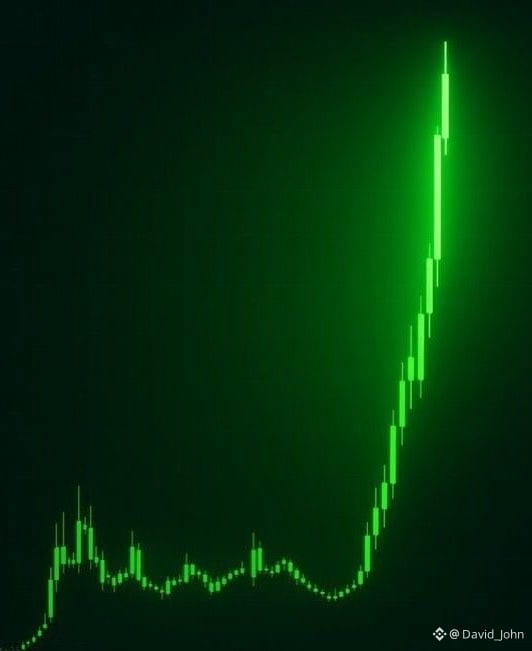
🔥 وول ستريت عادت لصفقة البيتكوين.
خلال 5 أيام تداول فقط، سحبت صناديق iShares Spot Bitcoin ETF في الولايات المتحدة ما يقارب 1.92 مليار دولار — أقوى تدفق أسبوعي لها منذ حوالي 10 أشهر.
ولم يتوقف الشراء عند هذا الحد. استمرت تدفقات الصناديق بعد ذلك، ما رفع السلسلة أكثر.
هذا ليس مجرد حالة هلع/اندفاع من صغار المستثمرين (FOMO).
الأموال المؤسسية تتموضع بشكل هجومي. 🐋
السؤال الحقيقي الآن:
ما الذي يراه وول ستريت قادمًا ولم يكن بقية السوق قد تسعّره بعد؟ 👀
🔥 وول ستريت عادت لصفقة البيتكوين.
خلال 5 أيام تداول فقط، سحبت صناديق iShares Spot Bitcoin ETF في الولايات المتحدة ما يقارب 1.92 مليار دولار — أقوى تدفق أسبوعي لها منذ حوالي 10 أشهر.
ولم يتوقف الشراء عند هذا الحد. استمرت تدفقات الصناديق بعد ذلك، ما رفع السلسلة أكثر.
هذا ليس مجرد حالة هلع/اندفاع من صغار المستثمرين (FOMO).
الأموال المؤسسية تتموضع بشكل هجومي. 🐋
السؤال الحقيقي الآن:
ما الذي يراه وول ستريت قادمًا ولم يكن بقية السوق قد تسعّره بعد؟ 👀
خلال 5 أيام تداول فقط، سحبت صناديق iShares Spot Bitcoin ETF في الولايات المتحدة ما يقارب 1.92 مليار دولار — أقوى تدفق أسبوعي لها منذ حوالي 10 أشهر.
ولم يتوقف الشراء عند هذا الحد. استمرت تدفقات الصناديق بعد ذلك، ما رفع السلسلة أكثر.
هذا ليس مجرد حالة هلع/اندفاع من صغار المستثمرين (FOMO).
الأموال المؤسسية تتموضع بشكل هجومي. 🐋
السؤال الحقيقي الآن:
ما الذي يراه وول ستريت قادمًا ولم يكن بقية السوق قد تسعّره بعد؟ 👀
213
·
--
صاعد
تمّ التحقق
🇺🇸 ضربة كبيرة قادمة من وزارة الخزانة الأمريكية! 💥
تقوم وزارة الخزانة الأمريكية بتوسيع برنامج إعادة شراء السندات ليصل إلى ما لا يقل عن 4 مليارات دولار لكل عملية — أي ضعف الحد السابق البالغ 2 مليار دولار.
🎯 الهدف: سندات الخزانة الأمريكية لآجال 10–20 سنة و20–30 سنة
📅 يبدأ: 9 سبتمبر 2026
⏳ يستمر حتى: 4 نوفمبر 2026
ما الهدف؟ تعزيز السيولة وتخفيف الضغط في سوق السندات طويلة الأجل بعد أن قفزت عوائد سندات الخزانة إلى أعلى مستوياتها خلال عدة سنوات.
وهذا الجزء المثير للاهتمام 👀
قد يكون وزير الخزانة سكوت بيسينت قد أشار إلى أن عمليات الشراء قد تتجاوز 4 مليارات دولار.
الأسواق تراقب عن كثب.
السيولة → العوائد → الأصول ذات المخاطر → العملات المشفرة؟ 🚀
قد يصبح هذا الأمر مثيرًا جدًا.
🇺🇸 ضربة كبيرة قادمة من وزارة الخزانة الأمريكية! 💥
تقوم وزارة الخزانة الأمريكية بتوسيع برنامج إعادة شراء السندات ليصل إلى ما لا يقل عن 4 مليارات دولار لكل عملية — أي ضعف الحد السابق البالغ 2 مليار دولار.
🎯 الهدف: سندات الخزانة الأمريكية لآجال 10–20 سنة و20–30 سنة
📅 يبدأ: 9 سبتمبر 2026
⏳ يستمر حتى: 4 نوفمبر 2026
ما الهدف؟ تعزيز السيولة وتخفيف الضغط في سوق السندات طويلة الأجل بعد أن قفزت عوائد سندات الخزانة إلى أعلى مستوياتها خلال عدة سنوات.
وهذا الجزء المثير للاهتمام 👀
قد يكون وزير الخزانة سكوت بيسينت قد أشار إلى أن عمليات الشراء قد تتجاوز 4 مليارات دولار.
الأسواق تراقب عن كثب.
السيولة → العوائد → الأصول ذات المخاطر → العملات المشفرة؟ 🚀
قد يصبح هذا الأمر مثيرًا جدًا.
تقوم وزارة الخزانة الأمريكية بتوسيع برنامج إعادة شراء السندات ليصل إلى ما لا يقل عن 4 مليارات دولار لكل عملية — أي ضعف الحد السابق البالغ 2 مليار دولار.
🎯 الهدف: سندات الخزانة الأمريكية لآجال 10–20 سنة و20–30 سنة
📅 يبدأ: 9 سبتمبر 2026
⏳ يستمر حتى: 4 نوفمبر 2026
ما الهدف؟ تعزيز السيولة وتخفيف الضغط في سوق السندات طويلة الأجل بعد أن قفزت عوائد سندات الخزانة إلى أعلى مستوياتها خلال عدة سنوات.
وهذا الجزء المثير للاهتمام 👀
قد يكون وزير الخزانة سكوت بيسينت قد أشار إلى أن عمليات الشراء قد تتجاوز 4 مليارات دولار.
الأسواق تراقب عن كثب.
السيولة → العوائد → الأصول ذات المخاطر → العملات المشفرة؟ 🚀
قد يصبح هذا الأمر مثيرًا جدًا.

3
318
·
--
صاعد
$BTC استيقظت للتو. 🚀
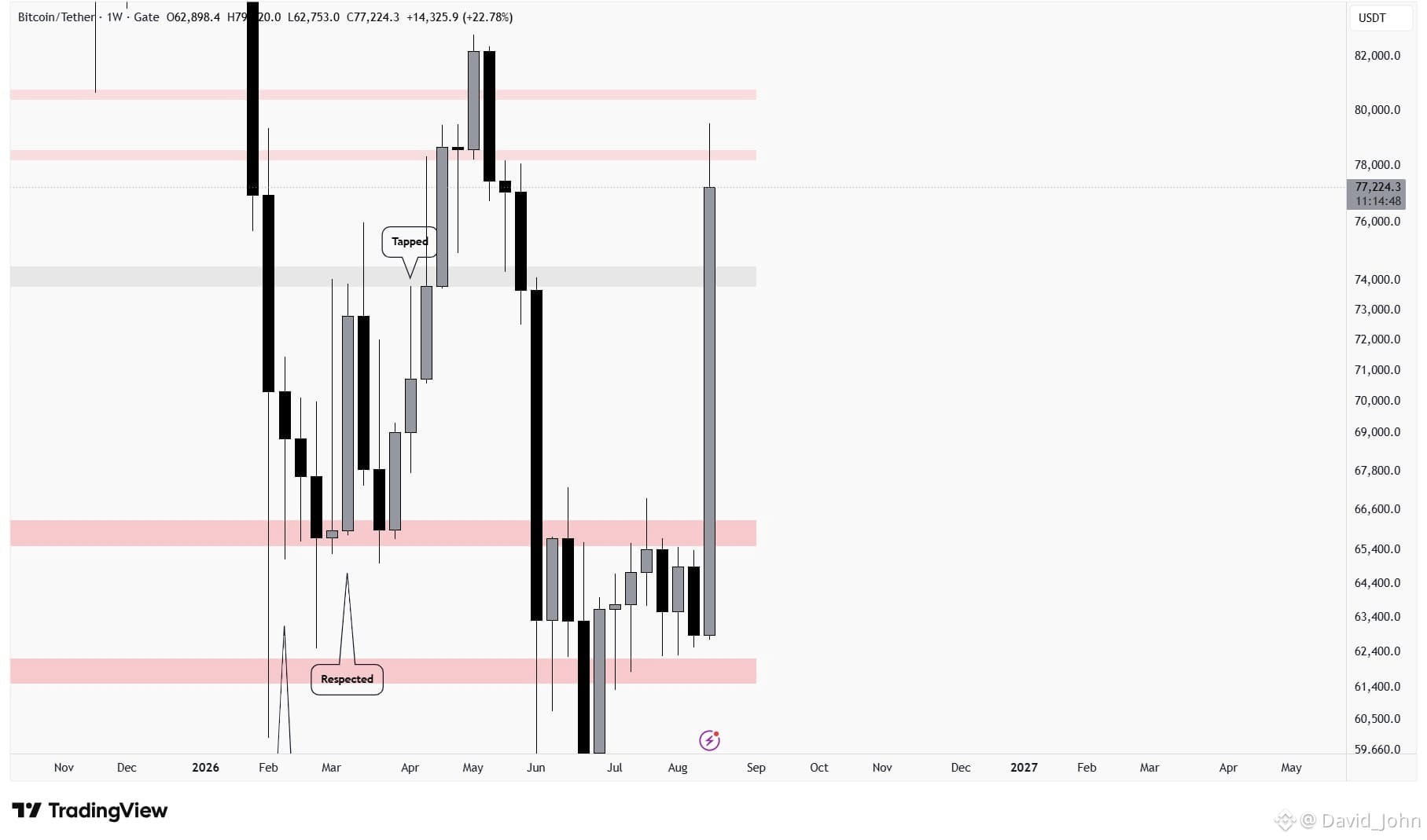
ظهرت شمعة أسبوعية ضخمة بنسبة +22.78% لتستعيد منطقة ~$74K التي كانت مُجَرَّبة سابقًا. الآن يضغط سعر البيتكوين إلى $77.2K، مع $78.5K–$79K و$80.5K–$81K كمناطق مقاومة رئيسية تالية.
إذا ثَبُت $74K كدعم، فقد تتسارع هذه الاختراق بسرعة. 🔥
إذا خسرنا $74K، فإني سأراقب $65.5K–$66.5K بعد ذلك.
لقد تغيّرت البنية. 👀
{spot}(BTCUSDT)
$BTC استيقظت للتو. 🚀
ظهرت شمعة أسبوعية ضخمة بنسبة +22.78% لتستعيد منطقة ~$74K التي كانت مُجَرَّبة سابقًا. الآن يضغط سعر البيتكوين إلى $77.2K، مع $78.5K–$79K و$80.5K–$81K كمناطق مقاومة رئيسية تالية.
إذا ثَبُت $74K كدعم، فقد تتسارع هذه الاختراق بسرعة. 🔥
إذا خسرنا $74K، فإني سأراقب $65.5K–$66.5K بعد ذلك.
لقد تغيّرت البنية. 👀
ظهرت شمعة أسبوعية ضخمة بنسبة +22.78% لتستعيد منطقة ~$74K التي كانت مُجَرَّبة سابقًا. الآن يضغط سعر البيتكوين إلى $77.2K، مع $78.5K–$79K و$80.5K–$81K كمناطق مقاومة رئيسية تالية.
إذا ثَبُت $74K كدعم، فقد تتسارع هذه الاختراق بسرعة. 🔥
إذا خسرنا $74K، فإني سأراقب $65.5K–$66.5K بعد ذلك.
لقد تغيّرت البنية. 👀
270
سجّل الدخول لاستكشاف المزيد من المُحتوى
انضم إلى مُستخدمي العملات الرقمية حول العالم على Binance Square
⚡️ احصل على أحدث المعلومات المفيدة عن العملات الرقمية.
💬 موثوقة من قبل أكبر منصّة لتداول العملات الرقمية في العالم.
👍 اكتشف الرؤى الحقيقية من صنّاع المُحتوى الموثوقين.
البريد الإلكتروني / رقم الهاتف
المواضيع الرائجة
BOJRaisesRatesTo31YearHigh
72,770 مشاهدات
1,182 يقومون بالنقاش
#bojraisesratesto31yearhigh ¿هل بنك اليابان في أعلى مستوياته منذ 31 عامًا والبتكوين يرتفع؟ النضج المؤسسي لـ $BTC في رسم بياني واحد 🇯🇵📈⚡
رفعت بنك اليابان سعر الفائدة إلى 1.25% (أعلى مستوى تاريخي في أكثر من ثلاثة عقود)، وما كان يتوقعه كثيرون على أنه انهيار لحركة الكاري تراد انتهى بإظهار أقوى صورة في سوق العملات الرقمية.
🧠 3 قراءات رئيسية من الطاولة الفنية:
1️⃣ انفصال ماكرو: لم يتقوَّ الين كما توقّع المحللون التقليديون، وBTC ردّ بقفزة قوية، ما يثبت أن الطلب في السوق الفوري ما يزال قائمًا.
2️⃣ التفوق على عمالقة التكنولوجيا: مع قيمة سوقية تتجاوز 1.63 تريليون دولار، يعود البيتكوين ليضع نفسه في المقدمة أمام تسلا (1.438B دولار)، مؤكدًا مجددًا دوره كأصل احتياطي وملاذ سيولة عالمي.
3️⃣ البنية على 4H و1D: الامتصاص عند مستويات الدعم يؤكد أن تصحيحات الماكرو هي نوافذ لتجميع المؤسسات، وليست مرحلة استسلام.
$بينما يدخل الأفراد في حالة هلع بسبب عناوين أسعار الفائدة، تستمر الإدارة الاحترافية في تتبع السيولة الحقيقية. 💎🛡️
💬 نقاش للمجتمع: هل تعتقدون أن هذا الانفصال يؤكد بداية الجزء الأخير من الدورة الصاعدة نحو قمم تاريخية جديدة، أم أن السيولة العالمية ستختبر مستويات الدعم مرة أخرى؟ اتركوا تحليلكم في الأسفل! 👇🔥
متابعة من فضلكم
#bojraisesratesto31yearhigh #MacroEconomy #Trading #BinanceSquare
Shamika Metting
·4 إعجاب
·3k مشاهدات
BuffettStepsDownAsBerkshireChairman
32,494 مشاهدات
557 يقومون بالنقاش
XRPExchangeReservesHitSevenYearLow
37,886 مشاهدات
521 يقومون بالنقاش