

CryptoZeno
6.5k منشورات

CryptoZeno
إبلاغ
حظر المُستخدم
On Chain Research and Market Insights with Smart Trading Signals

حائز على SIREN
مُتداول مُتكرر
5.5 سنوات
30 تتابع
9.4K+ المتابعون
36.6K+ إعجاب
منشورات
الكل
اقتباسات
مقاطع فيديو
PINNED
·
--
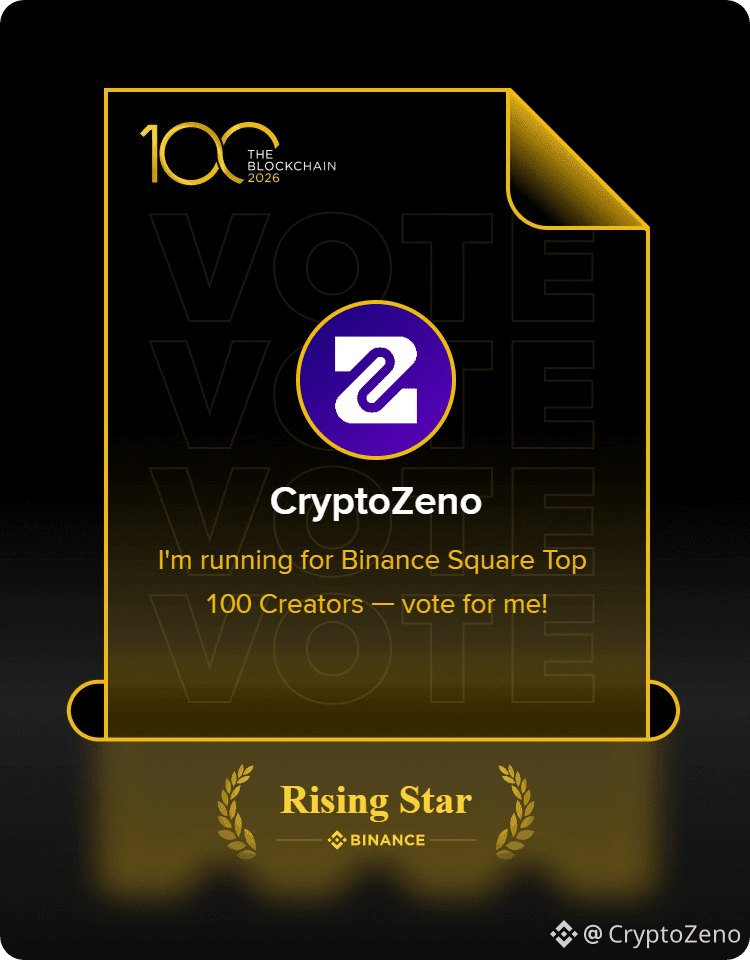
تم ترشيح CRYPTOZENO لجوائز بلوك تشين 100 لعام 2026 🏆
صوّتوا لـ CryptoZeno في جوائز بلوك تشين 100! [Vote now](https://app.binance.com/uni-qr/cact26user/516)
يسعدني أن أشارككم خبر ترشيحي لفئة النجم الصاعد في جوائز بلوك تشين 100 لعام 2026 على Binance Square!
على مر السنين، كرّست وقتي لمشاركة الأبحاث على السلسلة، وتحليلات السوق، ورؤى التداول مع مجتمع العملات الرقمية. ويُعد هذا الترشيح محطة مهمة في مسيرتي كصانع محتوى.
دعمكم يعني لي الكثير. إذا وجدتم فائدة في أبحاثي أو تحليلاتي أو تحديثاتي عن السوق، فسأكون ممتنًا حقًا لتصويتكم.
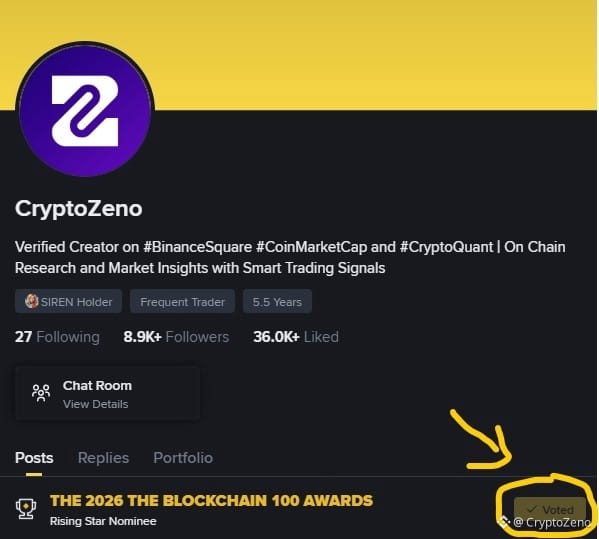
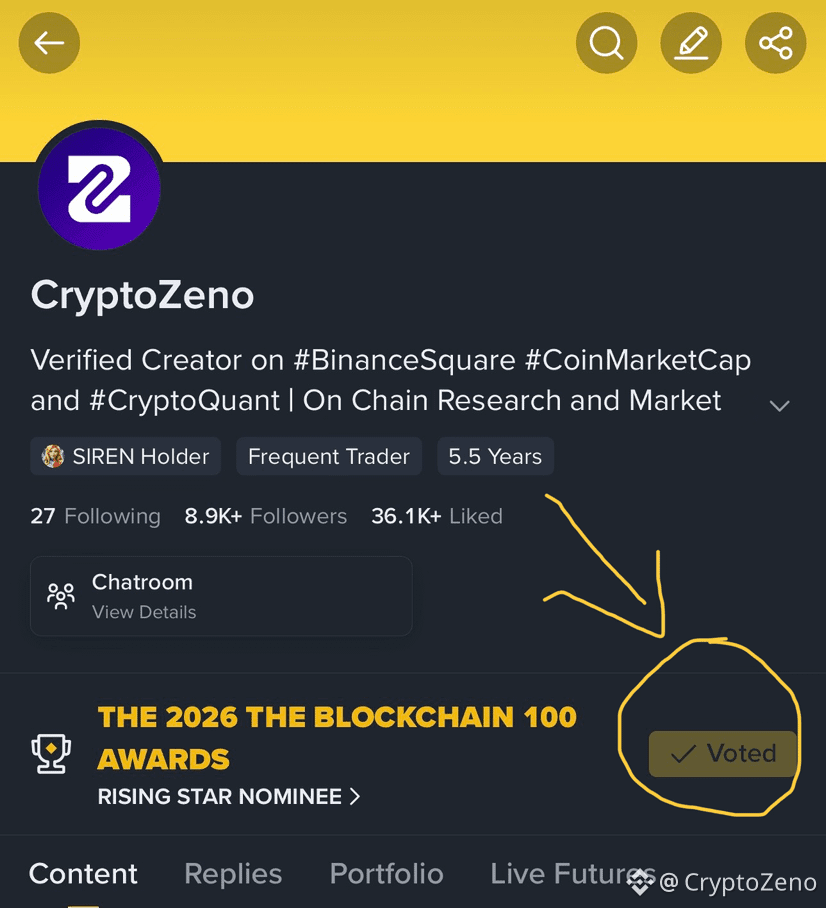
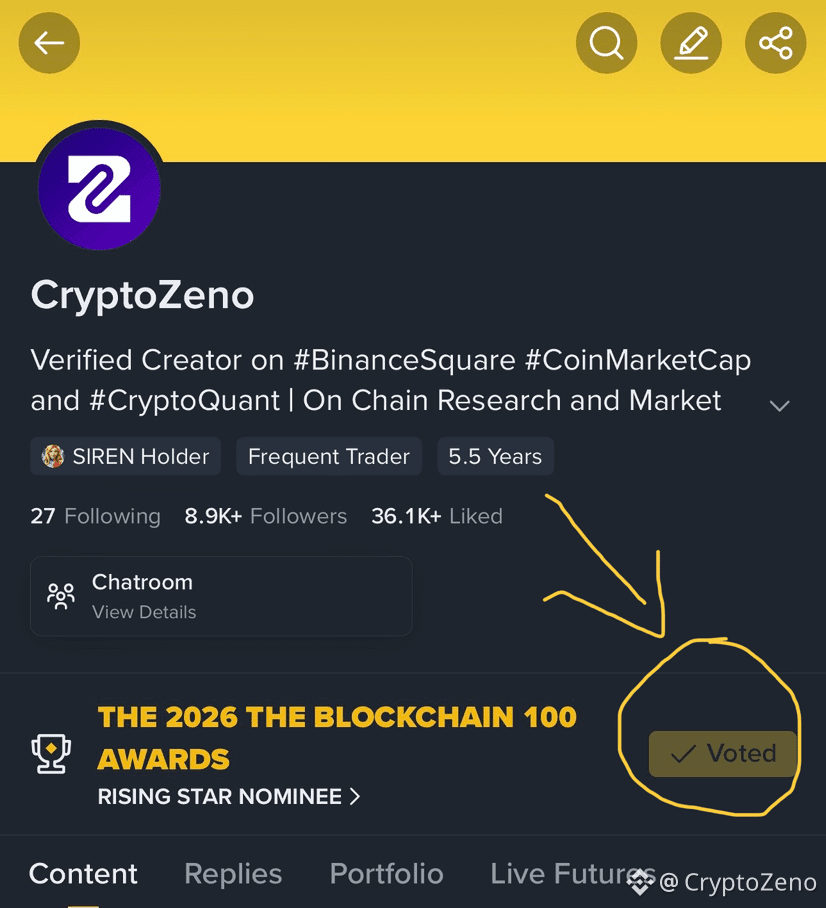
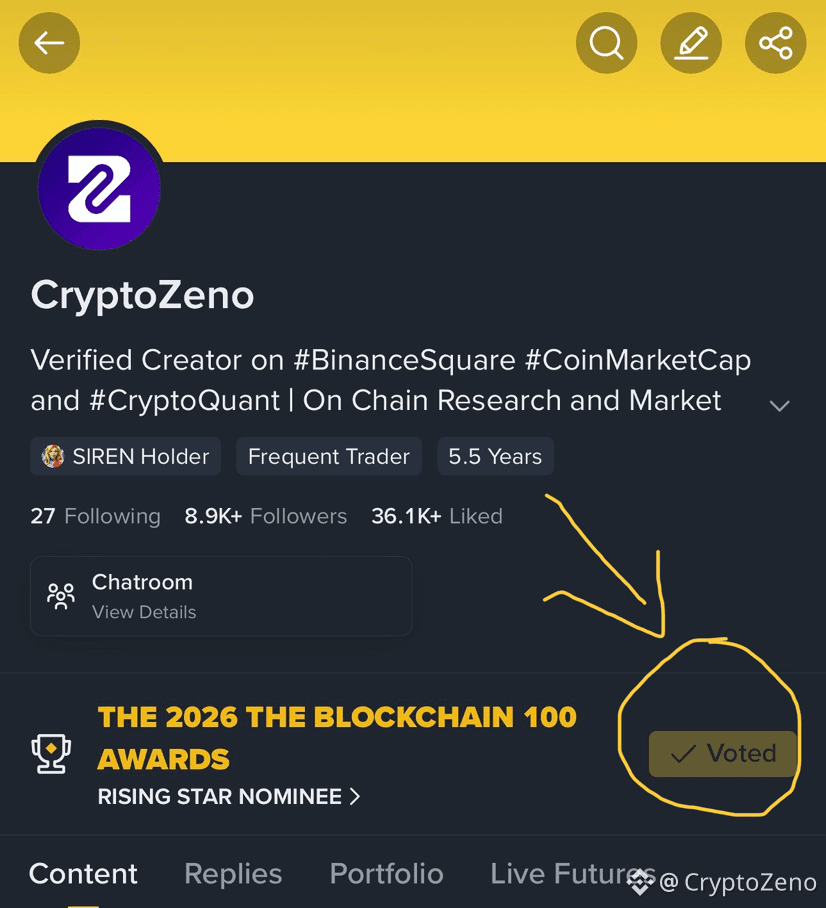
التصويت سهل! ما عليكم سوى زيارة ملفي الشخصي على Binance Square، حيث ستجدون قسم التصويت لجوائز بلوك تشين 100 أسفل معلومات ملفي الشخصي مباشرةً. ويمكنكم التصويت لي هناك.
كل صوت مهم، وأنا ممتن لكل من دعم CryptoZeno طوال هذه المسيرة. لنجعل هذه المحطة المميزة واقعًا معًا! ❤️ [Vote now](https://app.binance.com/uni-qr/cact26user/516)
#Blockchain100 #BinanceSquare #CryptoZeno
تم ترشيح CRYPTOZENO لجوائز بلوك تشين 100 لعام 2026 🏆
صوّتوا لـ CryptoZeno في جوائز بلوك تشين 100! Vote now
يسعدني أن أشارككم خبر ترشيحي لفئة النجم الصاعد في جوائز بلوك تشين 100 لعام 2026 على Binance Square!
على مر السنين، كرّست وقتي لمشاركة الأبحاث على السلسلة، وتحليلات السوق، ورؤى التداول مع مجتمع العملات الرقمية. ويُعد هذا الترشيح محطة مهمة في مسيرتي كصانع محتوى.
دعمكم يعني لي الكثير. إذا وجدتم فائدة في أبحاثي أو تحليلاتي أو تحديثاتي عن السوق، فسأكون ممتنًا حقًا لتصويتكم.
التصويت سهل! ما عليكم سوى زيارة ملفي الشخصي على Binance Square، حيث ستجدون قسم التصويت لجوائز بلوك تشين 100 أسفل معلومات ملفي الشخصي مباشرةً. ويمكنكم التصويت لي هناك.
كل صوت مهم، وأنا ممتن لكل من دعم CryptoZeno طوال هذه المسيرة. لنجعل هذه المحطة المميزة واقعًا معًا! ❤️ Vote now
#Blockchain100 #BinanceSquare #CryptoZeno
صوّتوا لـ CryptoZeno في جوائز بلوك تشين 100! Vote now
يسعدني أن أشارككم خبر ترشيحي لفئة النجم الصاعد في جوائز بلوك تشين 100 لعام 2026 على Binance Square!
على مر السنين، كرّست وقتي لمشاركة الأبحاث على السلسلة، وتحليلات السوق، ورؤى التداول مع مجتمع العملات الرقمية. ويُعد هذا الترشيح محطة مهمة في مسيرتي كصانع محتوى.
دعمكم يعني لي الكثير. إذا وجدتم فائدة في أبحاثي أو تحليلاتي أو تحديثاتي عن السوق، فسأكون ممتنًا حقًا لتصويتكم.
التصويت سهل! ما عليكم سوى زيارة ملفي الشخصي على Binance Square، حيث ستجدون قسم التصويت لجوائز بلوك تشين 100 أسفل معلومات ملفي الشخصي مباشرةً. ويمكنكم التصويت لي هناك.
كل صوت مهم، وأنا ممتن لكل من دعم CryptoZeno طوال هذه المسيرة. لنجعل هذه المحطة المميزة واقعًا معًا! ❤️ Vote now
#Blockchain100 #BinanceSquare #CryptoZeno
25
29
7.9k
PINNED
·
--
مقالة
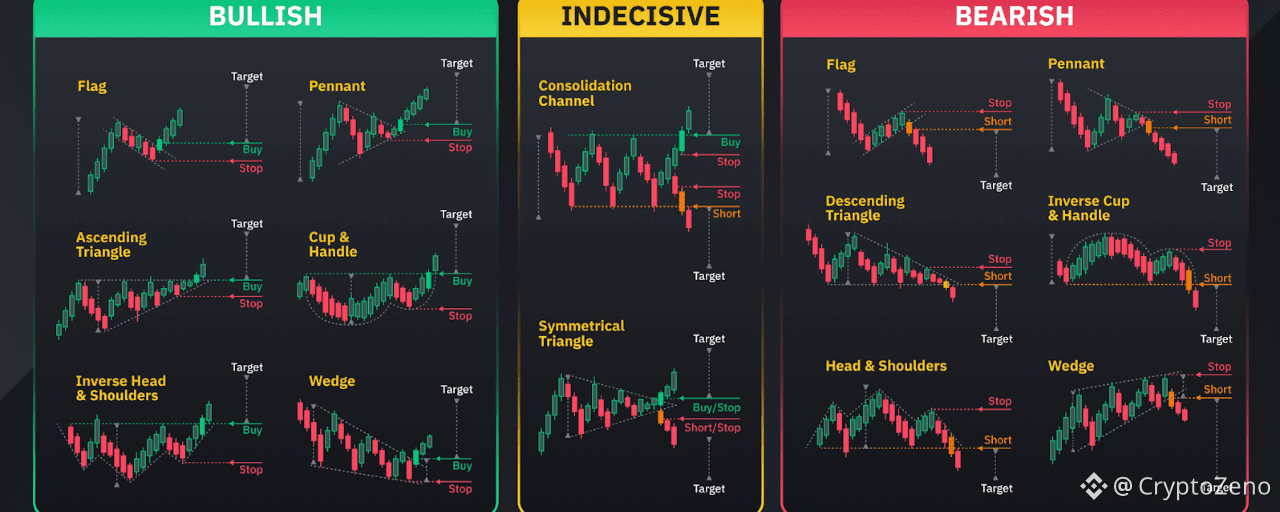
استراتيجية تداول الاختراق التي أستخدمها لالتقاط التحركات الكبيرةلقد قمت بعمليات شراء عند المقاومة وعمليات بيع عند الدعم لمدة 9 سنوات... هذا هو العكس تمامًا لما يحاول كل متداول القيام به.
في هذه المقالة، سأشارك استراتيجيتي بالكامل حتى تتمكن من تجاوز سنوات من الاختبار والخسائر.
هذا شيء سترغب في وضع إشارة مرجعية عليه، وتدوين الملاحظات، وتخصيص الوقت للتفكير فيه.
الدرس 1: الاستراتيجيتان الوحيدتان للتداول
قبل أن تتمكن من تحديد إعدادات الزخم الجيدة، تحتاج إلى فهم ما هو تداول الزخم في الواقع.
الزخم والعودة إلى المتوسط هما استراتيجيتان مت opposites مبنيتان على افتراضات متعاكسة.
استراتيجية تداول الاختراق التي أستخدمها لالتقاط التحركات الكبيرة
لقد قمت بعمليات شراء عند المقاومة وعمليات بيع عند الدعم لمدة 9 سنوات... هذا هو العكس تمامًا لما يحاول كل متداول القيام به.
في هذه المقالة، سأشارك استراتيجيتي بالكامل حتى تتمكن من تجاوز سنوات من الاختبار والخسائر.
هذا شيء سترغب في وضع إشارة مرجعية عليه، وتدوين الملاحظات، وتخصيص الوقت للتفكير فيه.
الدرس 1: الاستراتيجيتان الوحيدتان للتداول
قبل أن تتمكن من تحديد إعدادات الزخم الجيدة، تحتاج إلى فهم ما هو تداول الزخم في الواقع.
الزخم والعودة إلى المتوسط هما استراتيجيتان مت opposites مبنيتان على افتراضات متعاكسة.
في هذه المقالة، سأشارك استراتيجيتي بالكامل حتى تتمكن من تجاوز سنوات من الاختبار والخسائر.
هذا شيء سترغب في وضع إشارة مرجعية عليه، وتدوين الملاحظات، وتخصيص الوقت للتفكير فيه.
الدرس 1: الاستراتيجيتان الوحيدتان للتداول
قبل أن تتمكن من تحديد إعدادات الزخم الجيدة، تحتاج إلى فهم ما هو تداول الزخم في الواقع.
الزخم والعودة إلى المتوسط هما استراتيجيتان مت opposites مبنيتان على افتراضات متعاكسة.
40
16
128
75.4k
·
--
🎁🎁🎁 كل صوت دعم له أهميته!
👉 [VOTE NOW](https://app.binance.com/uni-qr/cact26user/516)
كل صوت يقرّبني خطوةً واحدة من هدفي! ❤️
🎁 لا تنسوا الانضمام إلى دردشة مجموعتي للحصول على هدايا مفاجئة! واحرصوا على متابعتي حتى لا تفوتكم السحوبات في منشوراتي القادمة!
شكرًا لكل من صوّت لي! إن أمكن، ادعوا أصدقاءكم للانضمام أيضًا! 🤝
{future}(BTCUSDT)
🎁🎁🎁 كل صوت دعم له أهميته!
👉 VOTE NOW
كل صوت يقرّبني خطوةً واحدة من هدفي! ❤️
🎁 لا تنسوا الانضمام إلى دردشة مجموعتي للحصول على هدايا مفاجئة! واحرصوا على متابعتي حتى لا تفوتكم السحوبات في منشوراتي القادمة!
شكرًا لكل من صوّت لي! إن أمكن، ادعوا أصدقاءكم للانضمام أيضًا! 🤝
👉 VOTE NOW
كل صوت يقرّبني خطوةً واحدة من هدفي! ❤️
🎁 لا تنسوا الانضمام إلى دردشة مجموعتي للحصول على هدايا مفاجئة! واحرصوا على متابعتي حتى لا تفوتكم السحوبات في منشوراتي القادمة!
شكرًا لكل من صوّت لي! إن أمكن، ادعوا أصدقاءكم للانضمام أيضًا! 🤝
242
18
242
·
--
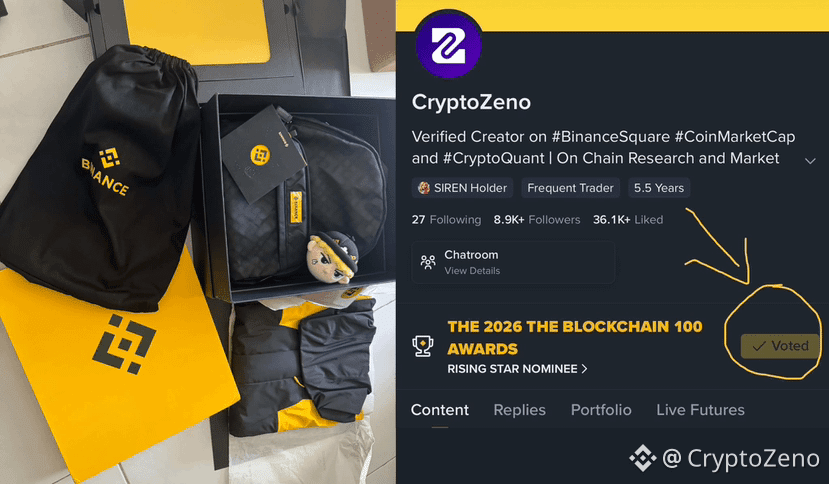
🏆 اليوم 9 | [VOTING](https://app.binance.com/uni-qr/cact26user/516) يدخل المراحل النهائية
👉 [VOTE NOW](https://app.binance.com/uni-qr/cact26user/516)
نقترب أكثر من خط النهاية، وكل صوت له قيمته! سأكون ممتنًا جدًا لتصويتك! ❤️
لا تنسَ الانضمام إلى مجموعتي أو إضافتي كصديق، وإرسال لقطة شاشة لتصويتك، لتحصل على فرصة للفوز بهدية تزيد قيمتها على 100 دولار! 🎁
🏆 اليوم 9 | VOTING يدخل المراحل النهائية
👉 VOTE NOW
نقترب أكثر من خط النهاية، وكل صوت له قيمته! سأكون ممتنًا جدًا لتصويتك! ❤️
لا تنسَ الانضمام إلى مجموعتي أو إضافتي كصديق، وإرسال لقطة شاشة لتصويتك، لتحصل على فرصة للفوز بهدية تزيد قيمتها على 100 دولار! 🎁
👉 VOTE NOW
نقترب أكثر من خط النهاية، وكل صوت له قيمته! سأكون ممتنًا جدًا لتصويتك! ❤️
لا تنسَ الانضمام إلى مجموعتي أو إضافتي كصديق، وإرسال لقطة شاشة لتصويتك، لتحصل على فرصة للفوز بهدية تزيد قيمتها على 100 دولار! 🎁
206
1
19
206
·
--
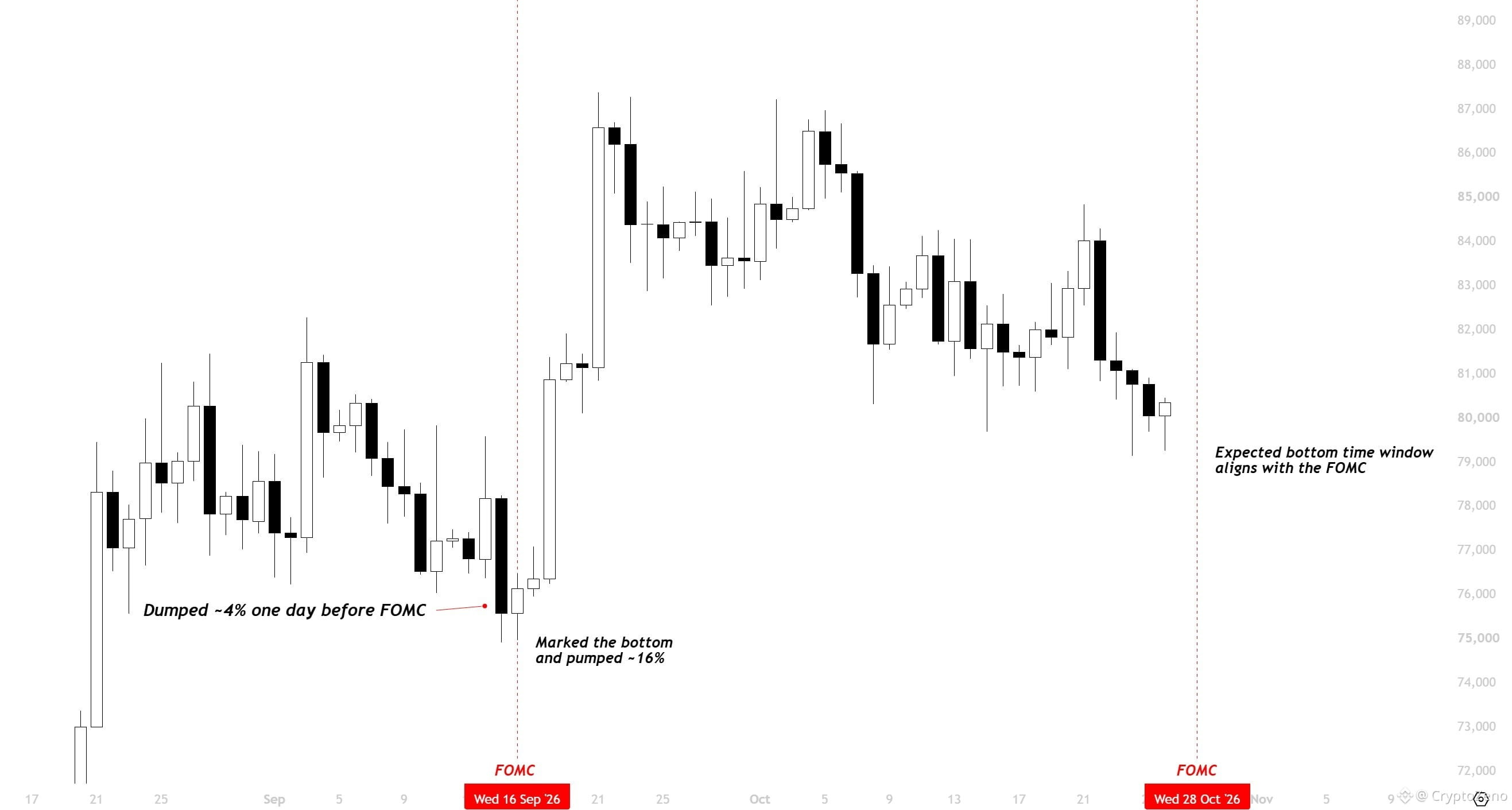
$BTC لدينا اجتماع اللجنة الفيدرالية للسوق المفتوحة (FOMC) في 28 و29 أكتوبر،
{future}(BTCUSDT)
وهو التوقيت نفسه تقريبًا الذي نتوقع فيه الوصول إلى القاع،
بالنظر إلى اجتماع FOMC السابق ضمن هذه النطاقات، حددنا قاعًا محليًا، ثم ارتفع السعر بنحو 16% خلال بضعة أيام.
أما الآن، وبالتطرق إلى بعض التفاصيل، فقد هبط السعر بنسبة 4% في اليوم السابق مباشرةً لاجتماع FOMC، ثم سجّل القاع،
وفي وضعنا الحالي، لم يتبقَّ سوى يومين على بدء اجتماع FOMC،
لذا قد يكون أحد السيناريوهات المحتملة هو هبوط السعر غدًا (قبل الاجتماع بيوم واحد)، ثم تسجيل القاع قرب مستوى 77–78 ألفًا، قبل الانطلاقة الكبيرة نحو الأعلى.
أستثمر حاليًا 40% من إجمالي الحجم (صفقة شراء متأرجحة)، وأتطلع إلى إضافة 40% أخرى قرب مستوى 77–78 ألفًا.
عمومًا، لم يتبقَّ وقت طويل قبل تسجيل القاع.
$BTC لدينا اجتماع اللجنة الفيدرالية للسوق المفتوحة (FOMC) في 28 و29 أكتوبر،
وهو التوقيت نفسه تقريبًا الذي نتوقع فيه الوصول إلى القاع،
بالنظر إلى اجتماع FOMC السابق ضمن هذه النطاقات، حددنا قاعًا محليًا، ثم ارتفع السعر بنحو 16% خلال بضعة أيام.
أما الآن، وبالتطرق إلى بعض التفاصيل، فقد هبط السعر بنسبة 4% في اليوم السابق مباشرةً لاجتماع FOMC، ثم سجّل القاع،
وفي وضعنا الحالي، لم يتبقَّ سوى يومين على بدء اجتماع FOMC،
لذا قد يكون أحد السيناريوهات المحتملة هو هبوط السعر غدًا (قبل الاجتماع بيوم واحد)، ثم تسجيل القاع قرب مستوى 77–78 ألفًا، قبل الانطلاقة الكبيرة نحو الأعلى.
أستثمر حاليًا 40% من إجمالي الحجم (صفقة شراء متأرجحة)، وأتطلع إلى إضافة 40% أخرى قرب مستوى 77–78 ألفًا.
عمومًا، لم يتبقَّ وقت طويل قبل تسجيل القاع.
وهو التوقيت نفسه تقريبًا الذي نتوقع فيه الوصول إلى القاع،
بالنظر إلى اجتماع FOMC السابق ضمن هذه النطاقات، حددنا قاعًا محليًا، ثم ارتفع السعر بنحو 16% خلال بضعة أيام.
أما الآن، وبالتطرق إلى بعض التفاصيل، فقد هبط السعر بنسبة 4% في اليوم السابق مباشرةً لاجتماع FOMC، ثم سجّل القاع،
وفي وضعنا الحالي، لم يتبقَّ سوى يومين على بدء اجتماع FOMC،
لذا قد يكون أحد السيناريوهات المحتملة هو هبوط السعر غدًا (قبل الاجتماع بيوم واحد)، ثم تسجيل القاع قرب مستوى 77–78 ألفًا، قبل الانطلاقة الكبيرة نحو الأعلى.
أستثمر حاليًا 40% من إجمالي الحجم (صفقة شراء متأرجحة)، وأتطلع إلى إضافة 40% أخرى قرب مستوى 77–78 ألفًا.
عمومًا، لم يتبقَّ وقت طويل قبل تسجيل القاع.
5
1.2k
·
--
مقالة
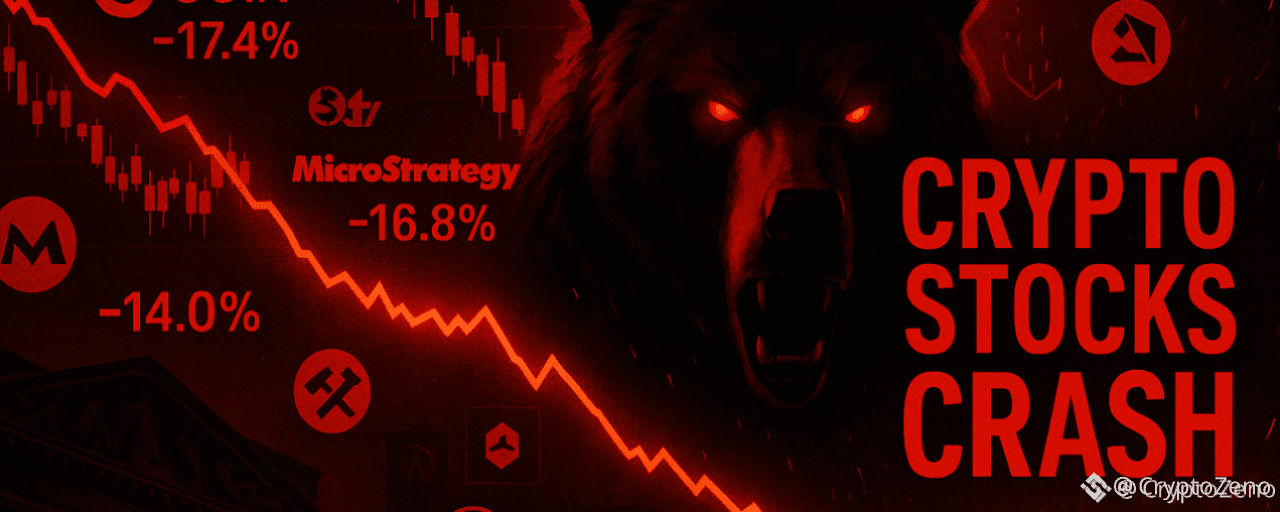
لماذا يواصل 95٪ من المشاركين في السوق خوض كل دورة حتى يعودوا إلى نقطة الصفرسيصمد خمسة وتسعون بالمئة من المشاركين حتى الانهيار. ستتلاشى الأرباح، وستنهار المحافظ الاستثمارية، وستعود السوق إلى نقطة البداية، كما يحدث دائمًا. لا أنوي أن أكون جزءًا من تلك الأغلبية.
لست هنا لأبيع عند القمة بالضبط، بل لأخرج قبل أن تنكشف الحقيقة. نوفمبر 2025 هو نافذة خروجي، ليس لأنني أستطيع التنبؤ بالمستقبل، بل لأنني أفهم الدورات. تاريخيًا، تبلغ النشوة ذروتها عادةً بعد نحو اثني عشر إلى ثمانية عشر شهرًا من تنصيف بيتكوين. تتسم هذه المرحلة بالثقة لا بالحذر، وهذا تحديدًا ما يجعلها خطيرة.
لماذا يواصل 95٪ من المشاركين في السوق خوض كل دورة حتى يعودوا إلى نقطة الصفر
سيصمد خمسة وتسعون بالمئة من المشاركين حتى الانهيار. ستتلاشى الأرباح، وستنهار المحافظ الاستثمارية، وستعود السوق إلى نقطة البداية، كما يحدث دائمًا. لا أنوي أن أكون جزءًا من تلك الأغلبية.
لست هنا لأبيع عند القمة بالضبط، بل لأخرج قبل أن تنكشف الحقيقة. نوفمبر 2025 هو نافذة خروجي، ليس لأنني أستطيع التنبؤ بالمستقبل، بل لأنني أفهم الدورات. تاريخيًا، تبلغ النشوة ذروتها عادةً بعد نحو اثني عشر إلى ثمانية عشر شهرًا من تنصيف بيتكوين. تتسم هذه المرحلة بالثقة لا بالحذر، وهذا تحديدًا ما يجعلها خطيرة.
لست هنا لأبيع عند القمة بالضبط، بل لأخرج قبل أن تنكشف الحقيقة. نوفمبر 2025 هو نافذة خروجي، ليس لأنني أستطيع التنبؤ بالمستقبل، بل لأنني أفهم الدورات. تاريخيًا، تبلغ النشوة ذروتها عادةً بعد نحو اثني عشر إلى ثمانية عشر شهرًا من تنصيف بيتكوين. تتسم هذه المرحلة بالثقة لا بالحذر، وهذا تحديدًا ما يجعلها خطيرة.
185
15
208
·
--
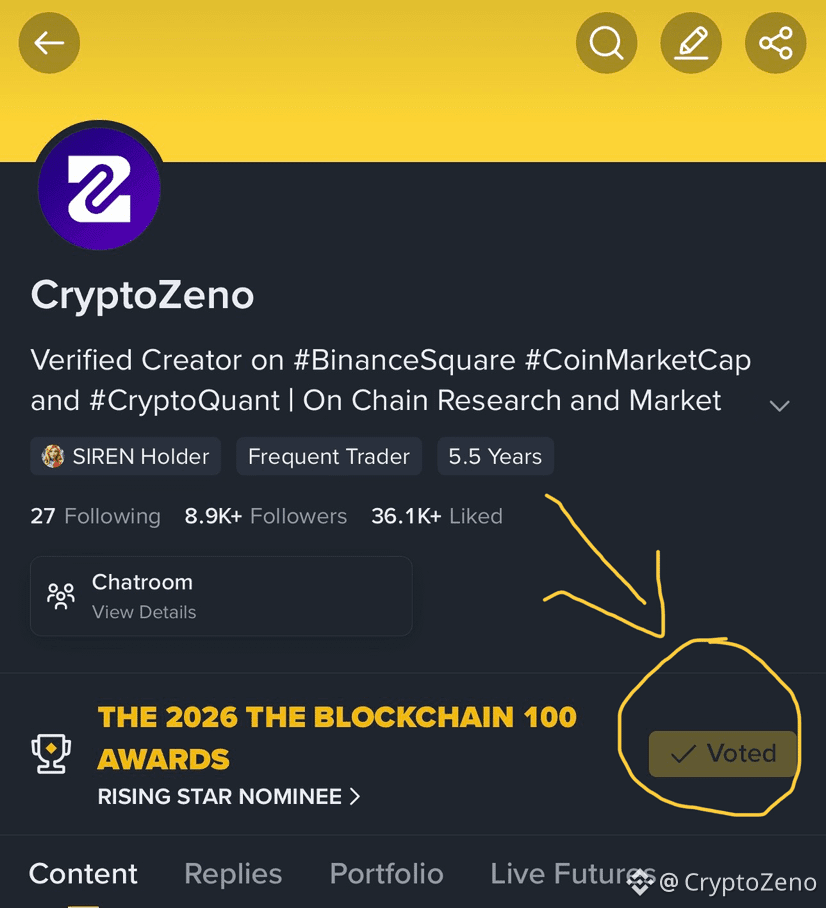
🎁🎁🎁 كل صوت دعم له أهميته!
👉 [VOTE NOW](https://app.binance.com/uni-qr/cact26user/516)
كل صوت، مهما كان، يقرّبني خطوة من هدفي! ❤️
🎁 لا تنسوا الانضمام إلى دردشة مجموعتي للحصول على هدايا مفاجئة! واحرصوا على متابعتي حتى لا تفوتكم السحوبات في منشوراتي القادمة!
شكرًا لكل من صوّت لي! وإذا أمكن، أدعو أصدقاءكم للانضمام أيضًا! 🤝
🎁🎁🎁 كل صوت دعم له أهميته!
👉 VOTE NOW
كل صوت، مهما كان، يقرّبني خطوة من هدفي! ❤️
🎁 لا تنسوا الانضمام إلى دردشة مجموعتي للحصول على هدايا مفاجئة! واحرصوا على متابعتي حتى لا تفوتكم السحوبات في منشوراتي القادمة!
شكرًا لكل من صوّت لي! وإذا أمكن، أدعو أصدقاءكم للانضمام أيضًا! 🤝
👉 VOTE NOW
كل صوت، مهما كان، يقرّبني خطوة من هدفي! ❤️
🎁 لا تنسوا الانضمام إلى دردشة مجموعتي للحصول على هدايا مفاجئة! واحرصوا على متابعتي حتى لا تفوتكم السحوبات في منشوراتي القادمة!
شكرًا لكل من صوّت لي! وإذا أمكن، أدعو أصدقاءكم للانضمام أيضًا! 🤝
339
1
26
368
·
--
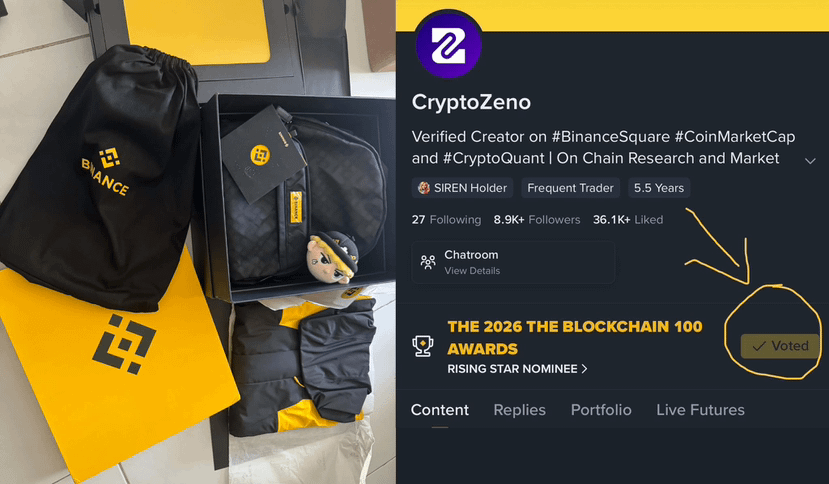
🎁🎁🎁 اليوم السادس | يدخل [VOTING](https://app.binance.com/uni-qr/cact26user/516) المراحل النهائية
👉 [صوّت الآن](https://app.binance.com/uni-qr/cact26user/516)
نقترب أكثر من خط النهاية، وكل صوت مهم! سأكون ممتنًا جدًا لتصويتك! ❤️
لا تنسَ الانضمام إلى مجموعتي أو إضافتي صديقًا، وإرسال لقطة شاشة لتصويتك، لتتاح لك فرصة الفوز بهدية تزيد قيمتها على 100 دولار! 🎁
🎁🎁🎁 اليوم السادس | يدخل VOTING المراحل النهائية
👉 [صوّت الآن](https://app.binance.com/uni-qr/cact26user/516)
نقترب أكثر من خط النهاية، وكل صوت مهم! سأكون ممتنًا جدًا لتصويتك! ❤️
لا تنسَ الانضمام إلى مجموعتي أو إضافتي صديقًا، وإرسال لقطة شاشة لتصويتك، لتتاح لك فرصة الفوز بهدية تزيد قيمتها على 100 دولار! 🎁
👉 [صوّت الآن](https://app.binance.com/uni-qr/cact26user/516)
نقترب أكثر من خط النهاية، وكل صوت مهم! سأكون ممتنًا جدًا لتصويتك! ❤️
لا تنسَ الانضمام إلى مجموعتي أو إضافتي صديقًا، وإرسال لقطة شاشة لتصويتك، لتتاح لك فرصة الفوز بهدية تزيد قيمتها على 100 دولار! 🎁
353
3
25
353
·
--
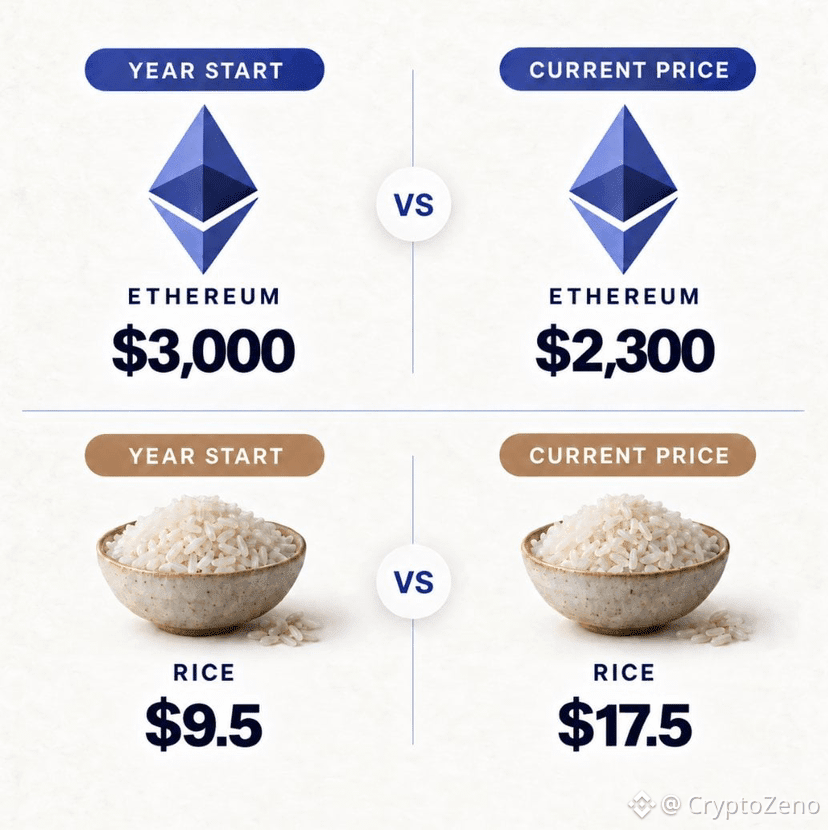
$ETH يتفوق عليه الأرز. 🍚
لا تنسوا التصويت لي! ❤️ 👉 [VOTE NOW](https://app.binance.com/uni-qr/cact26user/516)
$ETH يتفوق عليه الأرز. 🍚
لا تنسوا التصويت لي! ❤️ 👉 VOTE NOW
لا تنسوا التصويت لي! ❤️ 👉 VOTE NOW
197
20
245
·
--
🎁🎁🎁 كل [VOTE](https://app.binance.com/uni-qr/cact26user/516) من الدعم مهم!
👉 [VOTE NOW](https://app.binance.com/uni-qr/cact26user/516)
كل صوت يقربني خطوةً واحدة من هدفي! ❤️
🎁 لا تنسوا الانضمام إلى دردشة مجموعتي لتحصلوا على هدايا مفاجئة! واحرصوا على متابعتي حتى لا تفوتكم الهدايا المجانية في منشوراتي القادمة!
شكرًا لكل من صوّت لي! وإذا أمكن، يُرجى دعوة أصدقائكم للانضمام أيضًا! 🤝
🎁🎁🎁 كل VOTE من الدعم مهم!
👉 VOTE NOW
كل صوت يقربني خطوةً واحدة من هدفي! ❤️
🎁 لا تنسوا الانضمام إلى دردشة مجموعتي لتحصلوا على هدايا مفاجئة! واحرصوا على متابعتي حتى لا تفوتكم الهدايا المجانية في منشوراتي القادمة!
شكرًا لكل من صوّت لي! وإذا أمكن، يُرجى دعوة أصدقائكم للانضمام أيضًا! 🤝
👉 VOTE NOW
كل صوت يقربني خطوةً واحدة من هدفي! ❤️
🎁 لا تنسوا الانضمام إلى دردشة مجموعتي لتحصلوا على هدايا مفاجئة! واحرصوا على متابعتي حتى لا تفوتكم الهدايا المجانية في منشوراتي القادمة!
شكرًا لكل من صوّت لي! وإذا أمكن، يُرجى دعوة أصدقائكم للانضمام أيضًا! 🤝
125
13
394
·
--
🎁🎁🎁 اليوم 7 | [VOTING](https://app.binance.com/uni-qr/cact26user/516) يدخل المراحل النهائية
👉 [VOTE NOW](https://app.binance.com/uni-qr/cact26user/516)
اقتربنا أكثر من خط النهاية، وكل صوت مهم! سأكون ممتنًا جدًا لتصويتك! ❤️
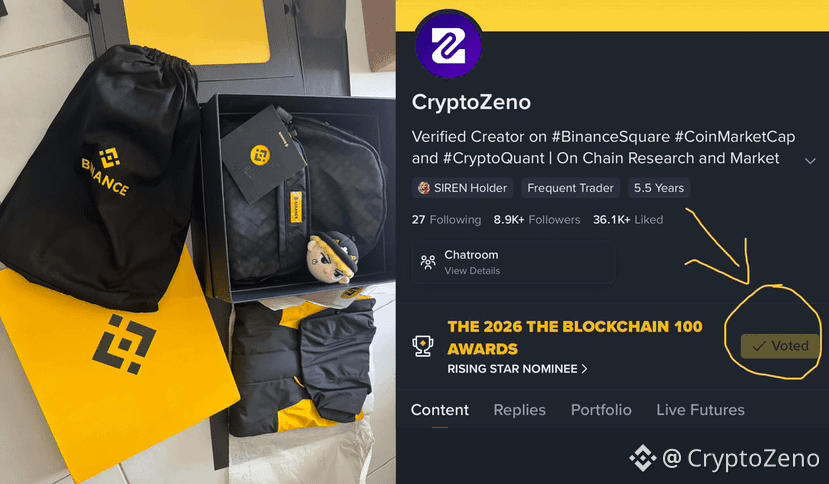
لا تنسَ الانضمام إلى مجموعتي أو إضافتي كصديق وإرسال لقطة شاشة لتصويتك، لتحصل على فرصة الفوز بهدية تزيد قيمتها على 100 دولار! 🎁
🎁🎁🎁 اليوم 7 | VOTING يدخل المراحل النهائية
👉 VOTE NOW
اقتربنا أكثر من خط النهاية، وكل صوت مهم! سأكون ممتنًا جدًا لتصويتك! ❤️
لا تنسَ الانضمام إلى مجموعتي أو إضافتي كصديق وإرسال لقطة شاشة لتصويتك، لتحصل على فرصة الفوز بهدية تزيد قيمتها على 100 دولار! 🎁
👉 VOTE NOW
اقتربنا أكثر من خط النهاية، وكل صوت مهم! سأكون ممتنًا جدًا لتصويتك! ❤️
لا تنسَ الانضمام إلى مجموعتي أو إضافتي كصديق وإرسال لقطة شاشة لتصويتك، لتحصل على فرصة الفوز بهدية تزيد قيمتها على 100 دولار! 🎁
207
20
214
·
--
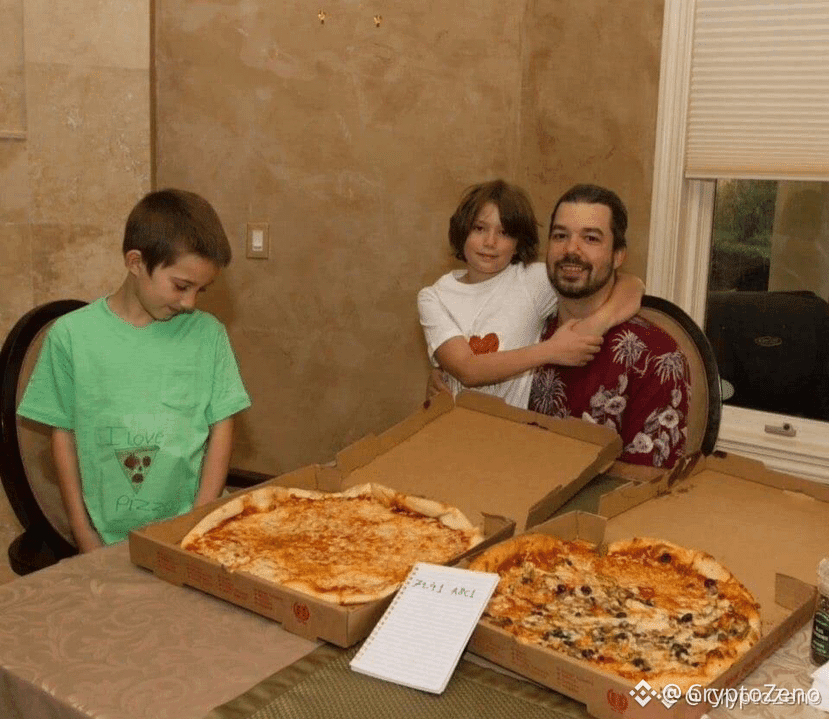
قبل 16 عامًا، أنفق لازلو هانييتش 10,000 #bitcoin بقيمة 30 دولارًا على بيتزتين من بابا جونز.
اليوم، تبلغ قيمة تلك الـ10,000 $BTC مبلغ 773,361,294 دولارًا.
أسطورة! 🙌 [VOTE NOW](https://app.binance.com/uni-qr/cact26user/516)
قبل 16 عامًا، أنفق لازلو هانييتش 10,000 #bitcoin بقيمة 30 دولارًا على بيتزتين من بابا جونز.
اليوم، تبلغ قيمة تلك الـ10,000 $BTC مبلغ 773,361,294 دولارًا.
أسطورة! 🙌 VOTE NOW
اليوم، تبلغ قيمة تلك الـ10,000 $BTC مبلغ 773,361,294 دولارًا.
أسطورة! 🙌 VOTE NOW
89
11
273
·
--
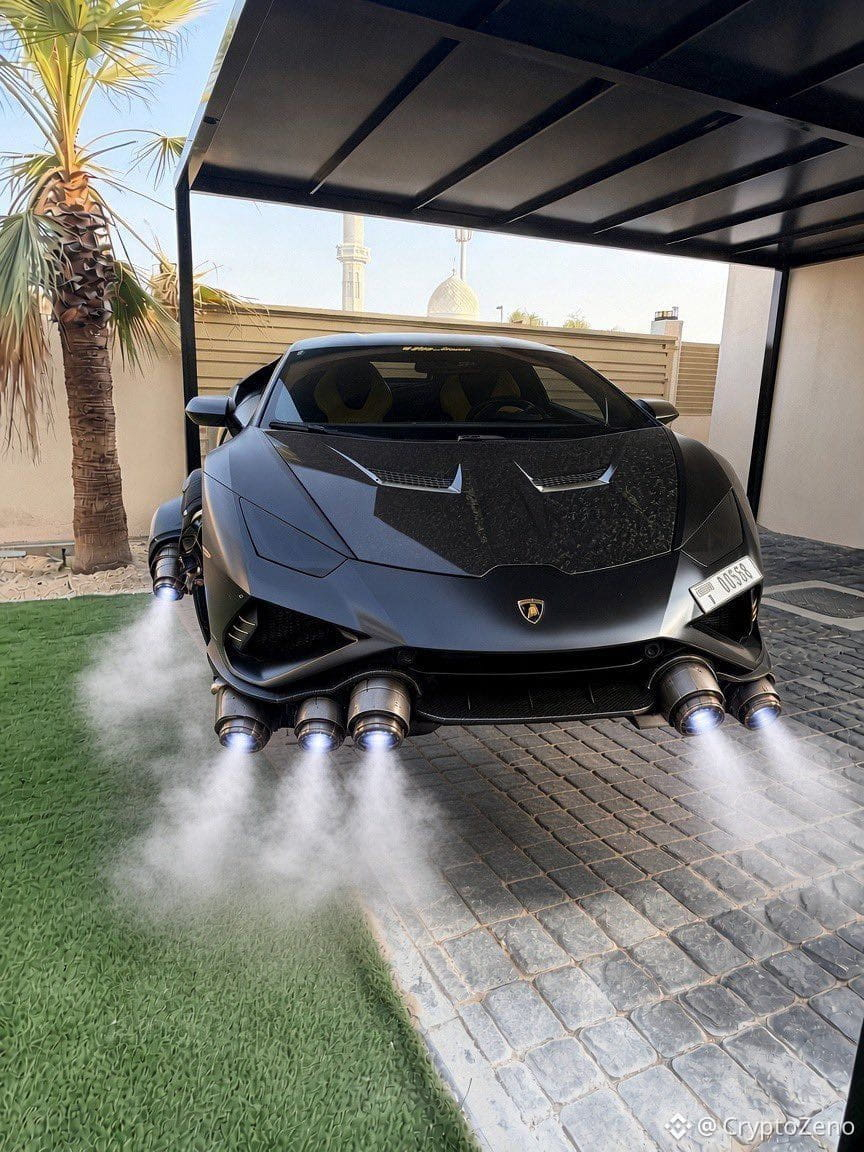
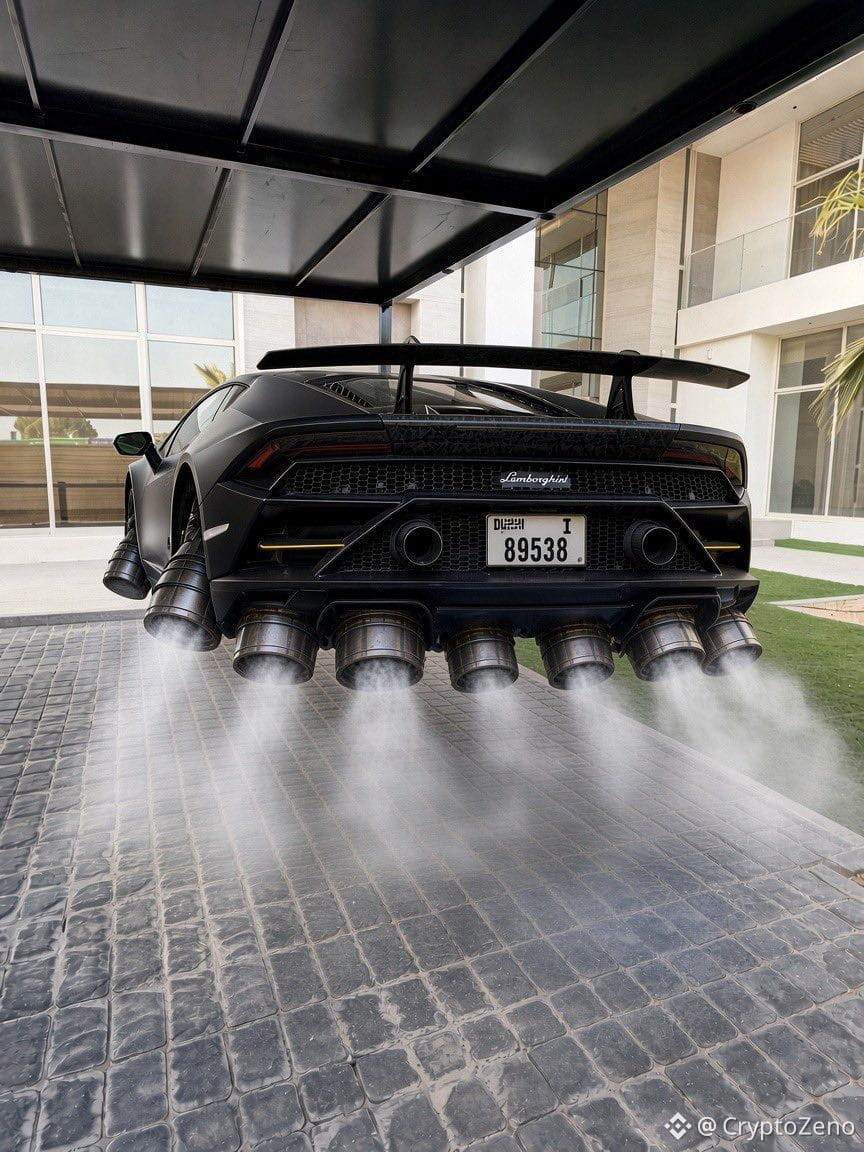
أجريت للتو بعض التعديلات على سيارتي اللامبورغيني
تخيّل ألّا تملك سيارة طائرة في عام 2026 😹🫵 [VOTE NOW](https://app.binance.com/uni-qr/cact26user/516)
أجريت للتو بعض التعديلات على سيارتي اللامبورغيني
تخيّل ألّا تملك سيارة طائرة في عام 2026 😹🫵 VOTE NOW
تخيّل ألّا تملك سيارة طائرة في عام 2026 😹🫵 VOTE NOW
113
12
346
·
--
🏆 كل صوت دعم مهم!
👉 [VOTE NOW](https://app.binance.com/uni-qr/cact26user/516)
كل صوت يقرّبني خطوة من هدفي! ❤️
🎁 لا تنسوا الانضمام إلى دردشة مجموعتي للحصول على هدايا مفاجئة! واحرصوا على متابعتي حتى لا تفوتكم فرص الفوز بالهدايا في منشوراتي القادمة!
شكرًا لكل من صوّت لي! وإذا أمكن، ادعوا أصدقاءكم للانضمام أيضًا! 🤝
🏆 كل صوت دعم مهم!
👉 VOTE NOW
كل صوت يقرّبني خطوة من هدفي! ❤️
🎁 لا تنسوا الانضمام إلى دردشة مجموعتي للحصول على هدايا مفاجئة! واحرصوا على متابعتي حتى لا تفوتكم فرص الفوز بالهدايا في منشوراتي القادمة!
شكرًا لكل من صوّت لي! وإذا أمكن، ادعوا أصدقاءكم للانضمام أيضًا! 🤝
👉 VOTE NOW
كل صوت يقرّبني خطوة من هدفي! ❤️
🎁 لا تنسوا الانضمام إلى دردشة مجموعتي للحصول على هدايا مفاجئة! واحرصوا على متابعتي حتى لا تفوتكم فرص الفوز بالهدايا في منشوراتي القادمة!
شكرًا لكل من صوّت لي! وإذا أمكن، ادعوا أصدقاءكم للانضمام أيضًا! 🤝
76
12
433
·
--
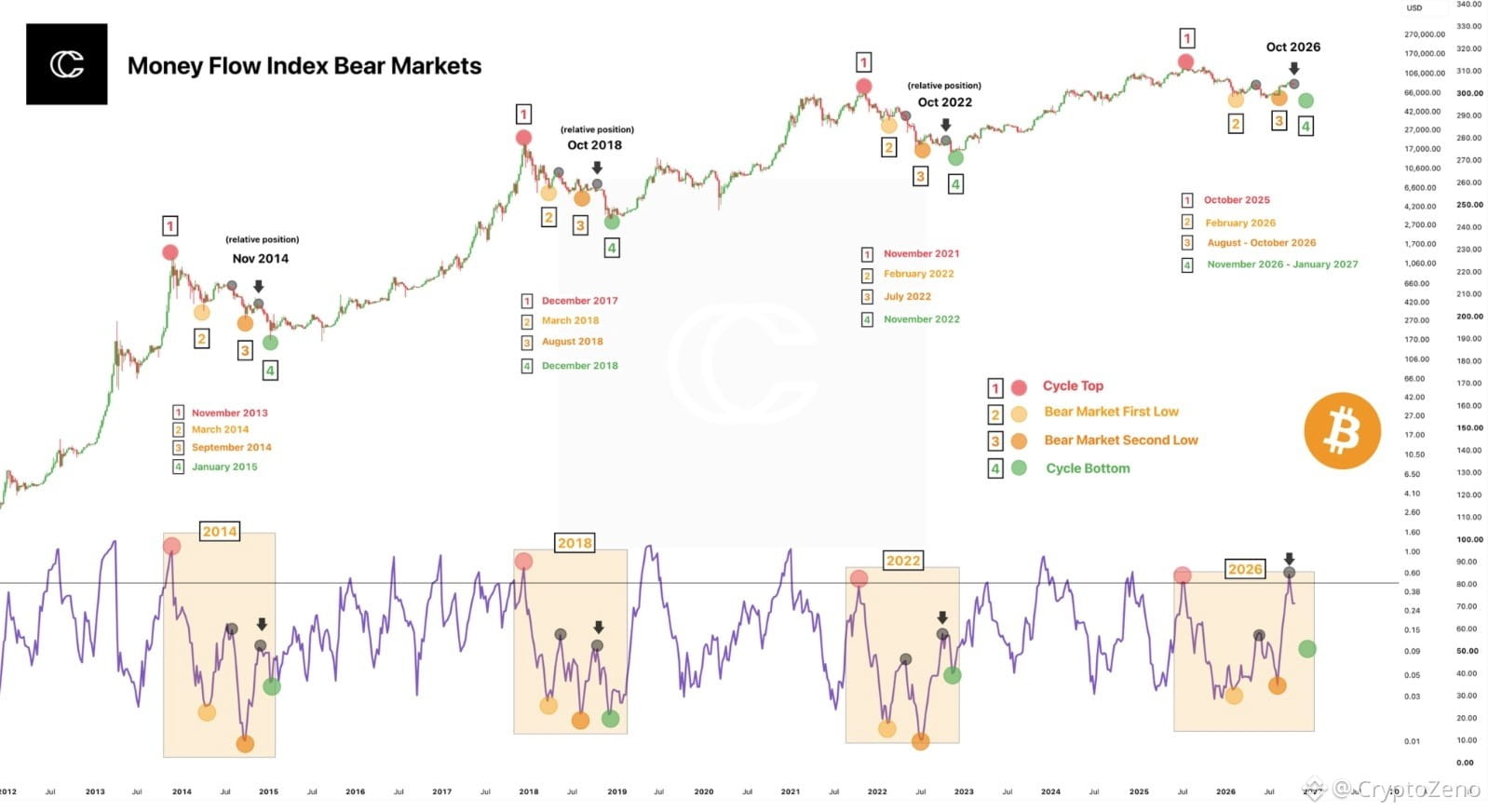
🚨 $BTC تحذير من سوق هابطة: التاريخ يشير إلى مرحلة حرجة أخيرة!
#Bitcoin يرسم مؤشر تدفق الأموال (MFI) نمطًا يستحق اهتمامًا جادًا. ففي أعوام 2014 و2018 و2022، أعقبت قمم الدورات الرئيسية قاعان في السوق الهابطة قبل ظهور القاع النهائي. والآن، يُظهر هيكل عام 2026 تسلسلًا مشابهًا محتملًا.
يُحدد الرسم البياني أكتوبر 2025 بوصفه قمة الدورة، وفبراير 2026 بوصفه القاع الأول، والفترة من أغسطس إلى أكتوبر 2026 بوصفها مرحلة القاع الثاني. وإذا تكرر التوقيت التاريخي، فقد تصبح الفترة من نوفمبر 2026 إلى يناير 2027 نافذة حاسمة لتشكل القاع.
لكن القاع لم يتأكد بعد. فإذا ضعف مؤشر تدفق الأموال مجددًا وخسر BTC مستويات الدعم الرئيسية، يظل المزيد من الهبوط ممكنًا. أما التعافي المستدام في تدفق الأموال، بالتزامن مع تحسن حركة الأسعار، فسيقدم إشارة انعكاس أكثر إقناعًا.
والسؤال الأهم هو ما إذا كان $BTC يقترب من منطقة التجميع الرئيسية التالية، أم لا يزال أمامه تراجع أخير قبل الانطلاق.
🚨 $BTC تحذير من سوق هابطة: التاريخ يشير إلى مرحلة حرجة أخيرة!
#Bitcoin يرسم مؤشر تدفق الأموال (MFI) نمطًا يستحق اهتمامًا جادًا. ففي أعوام 2014 و2018 و2022، أعقبت قمم الدورات الرئيسية قاعان في السوق الهابطة قبل ظهور القاع النهائي. والآن، يُظهر هيكل عام 2026 تسلسلًا مشابهًا محتملًا.
يُحدد الرسم البياني أكتوبر 2025 بوصفه قمة الدورة، وفبراير 2026 بوصفه القاع الأول، والفترة من أغسطس إلى أكتوبر 2026 بوصفها مرحلة القاع الثاني. وإذا تكرر التوقيت التاريخي، فقد تصبح الفترة من نوفمبر 2026 إلى يناير 2027 نافذة حاسمة لتشكل القاع.
لكن القاع لم يتأكد بعد. فإذا ضعف مؤشر تدفق الأموال مجددًا وخسر BTC مستويات الدعم الرئيسية، يظل المزيد من الهبوط ممكنًا. أما التعافي المستدام في تدفق الأموال، بالتزامن مع تحسن حركة الأسعار، فسيقدم إشارة انعكاس أكثر إقناعًا.
والسؤال الأهم هو ما إذا كان $BTC يقترب من منطقة التجميع الرئيسية التالية، أم لا يزال أمامه تراجع أخير قبل الانطلاق.
#Bitcoin يرسم مؤشر تدفق الأموال (MFI) نمطًا يستحق اهتمامًا جادًا. ففي أعوام 2014 و2018 و2022، أعقبت قمم الدورات الرئيسية قاعان في السوق الهابطة قبل ظهور القاع النهائي. والآن، يُظهر هيكل عام 2026 تسلسلًا مشابهًا محتملًا.
يُحدد الرسم البياني أكتوبر 2025 بوصفه قمة الدورة، وفبراير 2026 بوصفه القاع الأول، والفترة من أغسطس إلى أكتوبر 2026 بوصفها مرحلة القاع الثاني. وإذا تكرر التوقيت التاريخي، فقد تصبح الفترة من نوفمبر 2026 إلى يناير 2027 نافذة حاسمة لتشكل القاع.
لكن القاع لم يتأكد بعد. فإذا ضعف مؤشر تدفق الأموال مجددًا وخسر BTC مستويات الدعم الرئيسية، يظل المزيد من الهبوط ممكنًا. أما التعافي المستدام في تدفق الأموال، بالتزامن مع تحسن حركة الأسعار، فسيقدم إشارة انعكاس أكثر إقناعًا.
والسؤال الأهم هو ما إذا كان $BTC يقترب من منطقة التجميع الرئيسية التالية، أم لا يزال أمامه تراجع أخير قبل الانطلاق.
2
12
9.9k
·
--
مقالة
خسرت 136,000 دولار في اختراق واحد — فاضطررت إلى بناء نظام لا يمكن اختراقه مرتين.في عالم العملات المشفرة، لا تأتي الخسائر مصحوبة بتحذيرات. فلا يوجد قسم لمكافحة الاحتيال، ولا زر للتراجع عن المعاملة، ولا دعم للعملاء يستطيع استعادة ما فُقد. عندما خسرت 136,000 دولار في عملية استغلال واحدة، لم يكن ذلك لأنني كنت مهملاً، بل لأنني استهنت بمدى تطور مشهد التهديدات.
أجبرتني تلك الخسارة على إعادة تصميم كل شيء. وما نتج عن ذلك لم يكن مجرد وسيلة تخزين أفضل، بل بنية أمنية متعددة الطبقات تقوم على مبدأ واحد: افترض دائمًا أن الاختراق ممكن.
إليك النظام.
خسرت 136,000 دولار في اختراق واحد — فاضطررت إلى بناء نظام لا يمكن اختراقه مرتين.
في عالم العملات المشفرة، لا تأتي الخسائر مصحوبة بتحذيرات. فلا يوجد قسم لمكافحة الاحتيال، ولا زر للتراجع عن المعاملة، ولا دعم للعملاء يستطيع استعادة ما فُقد. عندما خسرت 136,000 دولار في عملية استغلال واحدة، لم يكن ذلك لأنني كنت مهملاً، بل لأنني استهنت بمدى تطور مشهد التهديدات.
أجبرتني تلك الخسارة على إعادة تصميم كل شيء. وما نتج عن ذلك لم يكن مجرد وسيلة تخزين أفضل، بل بنية أمنية متعددة الطبقات تقوم على مبدأ واحد: افترض دائمًا أن الاختراق ممكن.
إليك النظام.
أجبرتني تلك الخسارة على إعادة تصميم كل شيء. وما نتج عن ذلك لم يكن مجرد وسيلة تخزين أفضل، بل بنية أمنية متعددة الطبقات تقوم على مبدأ واحد: افترض دائمًا أن الاختراق ممكن.
إليك النظام.
8
1.6k
·
--
مقالة
هذا الخطأ في إدارة المخاطر يمحو حسابات أكثر من أي مؤشرندير المخاطر كل يوم، وغالبًا من دون أن ندرك ذلك. فمن قيادة السيارة إلى وضع خطط طويلة الأمد للصحة أو التأمين، يُعدّ تقييم المخاطر أمرًا يقوم به البشر بشكل شبه غريزي. لكن عندما يتعلق الأمر بالأسواق المالية، ولا سيما التداول، تصبح إدارة المخاطر عاملًا واعيًا وحاسمًا يميّز بين من يصمدون ومن لا يصمدون.
في التداول، لا تنجم معظم الخسائر عن الجهل بالمؤشرات، بل عن سوء التعامل مع المخاطر. قد يخسر المتداول المال لمجرد أن السوق تحرك عكس مركزه، لكن الخسائر غالبًا ما تتفاقم عندما تسيطر العواطف. فالبيع بدافع الذعر، أو التداول بدافع الانتقام، أو التخلي عن خطة في منتصف الصفقة، أنماط تمحو الحسابات أسرع بكثير من أي دخول سيئ.
هذا الخطأ في إدارة المخاطر يمحو حسابات أكثر من أي مؤشر
ندير المخاطر كل يوم، وغالبًا من دون أن ندرك ذلك. فمن قيادة السيارة إلى وضع خطط طويلة الأمد للصحة أو التأمين، يُعدّ تقييم المخاطر أمرًا يقوم به البشر بشكل شبه غريزي. لكن عندما يتعلق الأمر بالأسواق المالية، ولا سيما التداول، تصبح إدارة المخاطر عاملًا واعيًا وحاسمًا يميّز بين من يصمدون ومن لا يصمدون.
في التداول، لا تنجم معظم الخسائر عن الجهل بالمؤشرات، بل عن سوء التعامل مع المخاطر. قد يخسر المتداول المال لمجرد أن السوق تحرك عكس مركزه، لكن الخسائر غالبًا ما تتفاقم عندما تسيطر العواطف. فالبيع بدافع الذعر، أو التداول بدافع الانتقام، أو التخلي عن خطة في منتصف الصفقة، أنماط تمحو الحسابات أسرع بكثير من أي دخول سيئ.
في التداول، لا تنجم معظم الخسائر عن الجهل بالمؤشرات، بل عن سوء التعامل مع المخاطر. قد يخسر المتداول المال لمجرد أن السوق تحرك عكس مركزه، لكن الخسائر غالبًا ما تتفاقم عندما تسيطر العواطف. فالبيع بدافع الذعر، أو التداول بدافع الانتقام، أو التخلي عن خطة في منتصف الصفقة، أنماط تمحو الحسابات أسرع بكثير من أي دخول سيئ.
5
520
·
--
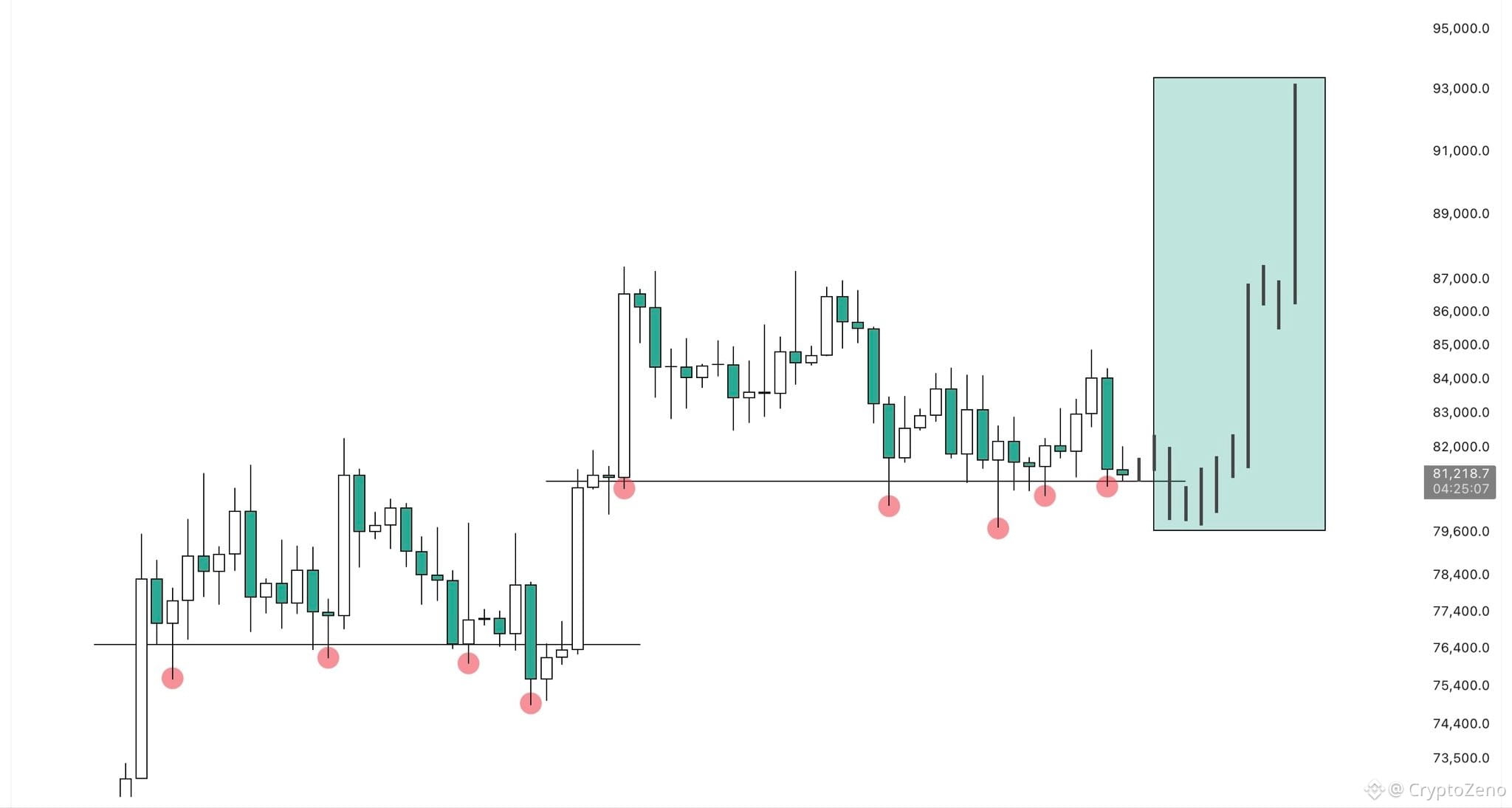
$BTC جدولي الزمني غارق بالتعليقات من أشخاص يتوقعون انخفاض الأسعار.
{future}(BTCUSDT)
لكن الأمر بسيط جدًا بالنسبة إليّ. ما زال مستوى 80 ألف دولار يشكّل دعمًا، إلى أن يثبت العكس.
لسبب ما، يفترض الناس أن الدعم يضعف كلما اختُبر أكثر.
لكن إذا ألقيت نظرة على كلٍّ من نطاق تكوين القاع والنطاق السابق الذي اخترقناه، فسترى أن القيعان أُعيد اختبارها مرات كثيرة قبل أن يتوسع السعر في نهاية المطاف صعودًا.
تُصمَّم النطاقات لإخراج الناس من السوق قبل حدوث الحركة الحقيقية، ويبدو لي أن هذا بالضبط ما يحدث الآن.
ما زالت الخطة كما هي. تحلَّ بالصبر وواصل تقديم عروض الشراء عند كل هبوط دون القيعان.
$BTC جدولي الزمني غارق بالتعليقات من أشخاص يتوقعون انخفاض الأسعار.
لكن الأمر بسيط جدًا بالنسبة إليّ. ما زال مستوى 80 ألف دولار يشكّل دعمًا، إلى أن يثبت العكس.
لسبب ما، يفترض الناس أن الدعم يضعف كلما اختُبر أكثر.
لكن إذا ألقيت نظرة على كلٍّ من نطاق تكوين القاع والنطاق السابق الذي اخترقناه، فسترى أن القيعان أُعيد اختبارها مرات كثيرة قبل أن يتوسع السعر في نهاية المطاف صعودًا.
تُصمَّم النطاقات لإخراج الناس من السوق قبل حدوث الحركة الحقيقية، ويبدو لي أن هذا بالضبط ما يحدث الآن.
ما زالت الخطة كما هي. تحلَّ بالصبر وواصل تقديم عروض الشراء عند كل هبوط دون القيعان.
لكن الأمر بسيط جدًا بالنسبة إليّ. ما زال مستوى 80 ألف دولار يشكّل دعمًا، إلى أن يثبت العكس.
لسبب ما، يفترض الناس أن الدعم يضعف كلما اختُبر أكثر.
لكن إذا ألقيت نظرة على كلٍّ من نطاق تكوين القاع والنطاق السابق الذي اخترقناه، فسترى أن القيعان أُعيد اختبارها مرات كثيرة قبل أن يتوسع السعر في نهاية المطاف صعودًا.
تُصمَّم النطاقات لإخراج الناس من السوق قبل حدوث الحركة الحقيقية، ويبدو لي أن هذا بالضبط ما يحدث الآن.
ما زالت الخطة كما هي. تحلَّ بالصبر وواصل تقديم عروض الشراء عند كل هبوط دون القيعان.
7
302
·
--
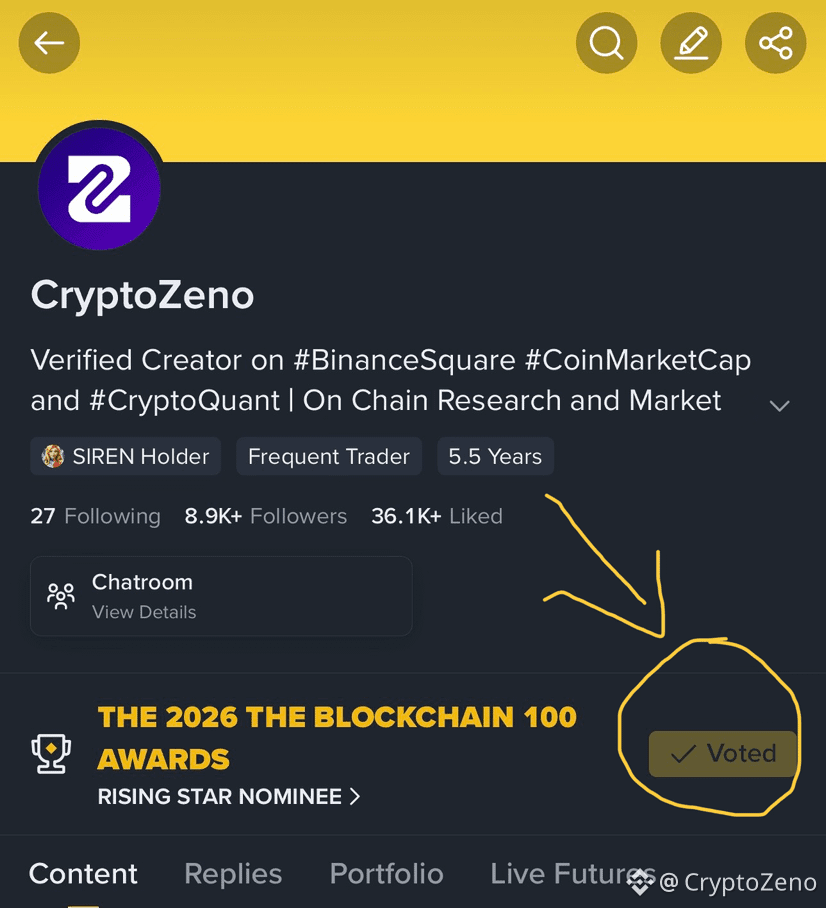
🏆 اليوم السادس | [VOTING](https://app.binance.com/uni-qr/cact26user/516) يدخل المراحل النهائية
👉 [VOTE NOW](https://app.binance.com/uni-qr/cact26user/516)
نقترب أكثر من خط النهاية، وكل صوت مهم! سأكون ممتنًا جدًا لتصويتك! ❤️
لا تنسَ الانضمام إلى مجموعتي أو إضافتي كصديق، وإرسال لقطة شاشة لتصويتك، لتحصل على فرصة للفوز بهدية تزيد قيمتها على 100 دولار! 🎁
🏆 اليوم السادس | VOTING يدخل المراحل النهائية
👉 VOTE NOW
نقترب أكثر من خط النهاية، وكل صوت مهم! سأكون ممتنًا جدًا لتصويتك! ❤️
لا تنسَ الانضمام إلى مجموعتي أو إضافتي كصديق، وإرسال لقطة شاشة لتصويتك، لتحصل على فرصة للفوز بهدية تزيد قيمتها على 100 دولار! 🎁
👉 VOTE NOW
نقترب أكثر من خط النهاية، وكل صوت مهم! سأكون ممتنًا جدًا لتصويتك! ❤️
لا تنسَ الانضمام إلى مجموعتي أو إضافتي كصديق، وإرسال لقطة شاشة لتصويتك، لتحصل على فرصة للفوز بهدية تزيد قيمتها على 100 دولار! 🎁
108
7
345
·
--
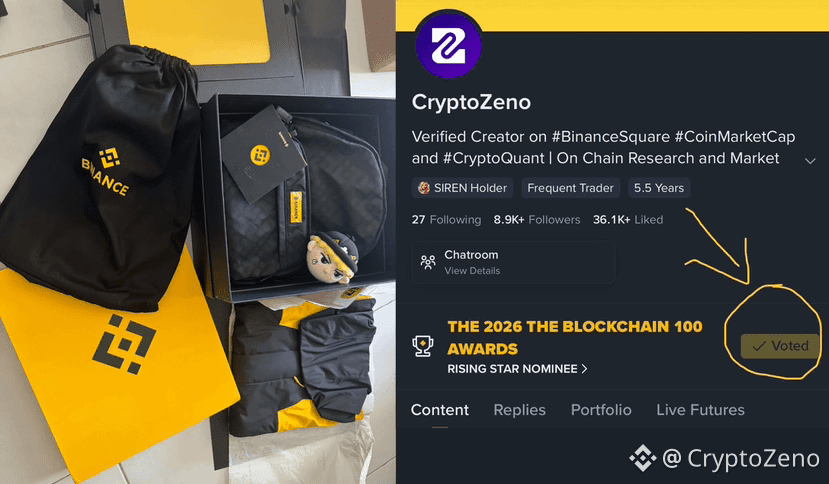
🎁 سحب حصري | مجموعة هدايا تزيد قيمتها على 100 دولار!
👉 [VOTE NOW](https://app.binance.com/uni-qr/cact26user/516)
لا تنسَ اختيار رقمك المحظوظ من 1 إلى 1000 ومشاركته مع لقطة شاشة لتصويتك في دردشة المجموعة، أو أضِفني صديقًا وأرسل إليّ رسالة خاصة. أتمنى أن تكون الفائز المحظوظ! 🍀
ولا تنسَ التصويت لي كتشجيع بسيط على كل الجهد الذي بذلته. شكرًا لك! 🤝 [VOTE NOW](https://app.binance.com/uni-qr/cact26user/516)
🎁 سحب حصري | مجموعة هدايا تزيد قيمتها على 100 دولار!
👉 VOTE NOW
لا تنسَ اختيار رقمك المحظوظ من 1 إلى 1000 ومشاركته مع لقطة شاشة لتصويتك في دردشة المجموعة، أو أضِفني صديقًا وأرسل إليّ رسالة خاصة. أتمنى أن تكون الفائز المحظوظ! 🍀
ولا تنسَ التصويت لي كتشجيع بسيط على كل الجهد الذي بذلته. شكرًا لك! 🤝 VOTE NOW
👉 VOTE NOW
لا تنسَ اختيار رقمك المحظوظ من 1 إلى 1000 ومشاركته مع لقطة شاشة لتصويتك في دردشة المجموعة، أو أضِفني صديقًا وأرسل إليّ رسالة خاصة. أتمنى أن تكون الفائز المحظوظ! 🍀
ولا تنسَ التصويت لي كتشجيع بسيط على كل الجهد الذي بذلته. شكرًا لك! 🤝 VOTE NOW
CryptoZeno
·
--
🎁 سحب حصري | مجموعة هدايا تزيد قيمتها على 100 دولار!
👉 VOTE NOW
لديّ مجموعة هدايا مميزة من Binance لأحد المحظوظين من أفراد مجتمعي! 🎉
القواعد بسيطة! اختر رقمًا محظوظًا من 1 إلى 1000 وشاركه في التعليقات أو أرسله إليّ في رسالة خاصة، مع لقطة شاشة تُظهر تصويتك لـ CryptoZeno في جوائز Blockchain 100 لعام 2026.
🎯 سيُختار الرقم الفائز عشوائيًا، وسيُسجَّل السحب بالفيديو لضمان الشفافية. إذا خمّن الرقم الصحيح أكثر من شخص، يفوز صاحب التخمين الأسبق. وإذا لم يخمّن أحد الرقم بالضبط، يفوز صاحب التخمين الأقرب!
❤️ هذه الهدايا والمظاريف الحمراء الصغيرة هي ببساطة طريقتي لشكر كل من كان جزءًا من رحلتي. هذا ليس متعلقًا بشراء الأصوات أو بيعها، لذا لا داعي لمراسلتي بعروض لمبادلة الأصوات أو مطالبتي بالدفع مقابل تصويتك.
أتمنى أن تصوّتوا لي تقديرًا لجهودي وتشجيعًا لي على مواصلة المسير. شكرًا لكم جميعًا! 🤝
👉 VOTE NOW
لديّ مجموعة هدايا مميزة من Binance لأحد المحظوظين من أفراد مجتمعي! 🎉
القواعد بسيطة! اختر رقمًا محظوظًا من 1 إلى 1000 وشاركه في التعليقات أو أرسله إليّ في رسالة خاصة، مع لقطة شاشة تُظهر تصويتك لـ CryptoZeno في جوائز Blockchain 100 لعام 2026.
🎯 سيُختار الرقم الفائز عشوائيًا، وسيُسجَّل السحب بالفيديو لضمان الشفافية. إذا خمّن الرقم الصحيح أكثر من شخص، يفوز صاحب التخمين الأسبق. وإذا لم يخمّن أحد الرقم بالضبط، يفوز صاحب التخمين الأقرب!
❤️ هذه الهدايا والمظاريف الحمراء الصغيرة هي ببساطة طريقتي لشكر كل من كان جزءًا من رحلتي. هذا ليس متعلقًا بشراء الأصوات أو بيعها، لذا لا داعي لمراسلتي بعروض لمبادلة الأصوات أو مطالبتي بالدفع مقابل تصويتك.
أتمنى أن تصوّتوا لي تقديرًا لجهودي وتشجيعًا لي على مواصلة المسير. شكرًا لكم جميعًا! 🤝
142
9
325
سجّل الدخول لاستكشاف المزيد من المُحتوى
انضم إلى مُستخدمي العملات الرقمية حول العالم على Binance Square
⚡️ احصل على أحدث المعلومات المفيدة عن العملات الرقمية.
💬 موثوقة من قبل أكبر منصّة لتداول العملات الرقمية في العالم.
👍 اكتشف الرؤى الحقيقية من صنّاع المُحتوى الموثوقين.
البريد الإلكتروني / رقم الهاتف
المواضيع الرائجة
FOMCWatch
8.9M مشاهدات
26,683 يقومون بالنقاش
أخبار TradFi | على وارش أن يشرح لماذا يُبقي الفيدرالي على أسعار الفائدة هذا الأسبوع مع الإبقاء على رفع ديسمبر مطروحًا
Binance News
·0 إعجاب
·213 مشاهدات
EthereumDropsBelow$2300
2,544 مشاهدات
92 يقومون بالنقاش
BitcoinSlipsBelow$80KAgain
8,090 مشاهدات
59 يقومون بالنقاش