

Ali_üyüklü
7.8k منشورات

Ali_üyüklü
إبلاغ
حظر المُستخدم
Analysis & Insights |Latest News & Market Updates Web3 Builder |Binance Creator of the Year 🏆 #Binance Believe #BTC #ETH #BNB |

Creator Awards 2024

#BinanceTurns7 task 2

#BinanceTurns7

حائز على STX
مُتداول عرضي
4.7 سنوات
99 تتابع
6.6K+ المتابعون
18.6K+ إعجاب
3 الشارات
منشورات
الكل
اقتباسات
مقاطع فيديو
·
--
يرتفع سعر الفائدة الفيدرالية 25 نقطة…!
ابقَ متابعًا لمعرفة آخر التطورات.
$BTC
{spot}(BTCUSDT)
$ETH
{spot}(ETHUSDT)
يرتفع سعر الفائدة الفيدرالية 25 نقطة…!
ابقَ متابعًا لمعرفة آخر التطورات.
$BTC
$ETH
ابقَ متابعًا لمعرفة آخر التطورات.
$BTC
$ETH
1
198
·
--
يرفع سعر الفائدة الفيدرالي 25 نقطة أساس…!
تابعوا آخر التطورات.
$BTC
{spot}(BTCUSDT)
$ETH
{spot}(ETHUSDT)
يرفع سعر الفائدة الفيدرالي 25 نقطة أساس…!
تابعوا آخر التطورات.
$BTC
$ETH
تابعوا آخر التطورات.
$BTC
$ETH
1
157
·
--
يتوقع ارتفاعًا 5x حتى 2028 لعملة بديلة: ما المخاطر؟تتوقع ستاندرد تشارترد ارتفاعًا بنحو 5x حتى نهاية عام 2028 لرمز SKY الخاص بـ Sky الذي كان يُعرف سابقًا باسم MakerDAO.
أطلقت ستاندرد تشارترد حملة تغطية حول منصة التمويل اللامركزية Sky، وتوقعت أن سعر رمز SKY قد يرتفع من حوالي 0,065 دولار إلى 0,325 دولار. يعتمد هذا التوقع من البنك على افتراض أن نشاط Sky المرتبط بالعملة المستقرة USDS سيتوسع، وأن الإيرادات الناتجة سيتم تحويلها بشكل أكبر إلى حاملي الرموز.
وصف رئيس أبحاث الأصول الرقمية في البنك، جيفري كندريك، Sky بأنه «البنك الفيدرالي للتمويل اللامركزي (DeFi)». يستند هذا التشبيه إلى قيام المنصة بإصدار USDS وDAI، ووضع قواعد للحَوْكَمَة، وتوفير التمويل للمقترضين داخل النظام البيئي بمعدل فائدة بالجملة. ووفقًا للتشبيه الذي قدمه البنك، فإن Spark وGrove وObex تتواجد كوسطاء رئيسيين يشبهون البنوك التجارية.
يتوقع ارتفاعًا 5x حتى 2028 لعملة بديلة: ما المخاطر؟
تتوقع ستاندرد تشارترد ارتفاعًا بنحو 5x حتى نهاية عام 2028 لرمز SKY الخاص بـ Sky الذي كان يُعرف سابقًا باسم MakerDAO.
أطلقت ستاندرد تشارترد حملة تغطية حول منصة التمويل اللامركزية Sky، وتوقعت أن سعر رمز SKY قد يرتفع من حوالي 0,065 دولار إلى 0,325 دولار. يعتمد هذا التوقع من البنك على افتراض أن نشاط Sky المرتبط بالعملة المستقرة USDS سيتوسع، وأن الإيرادات الناتجة سيتم تحويلها بشكل أكبر إلى حاملي الرموز.
وصف رئيس أبحاث الأصول الرقمية في البنك، جيفري كندريك، Sky بأنه «البنك الفيدرالي للتمويل اللامركزي (DeFi)». يستند هذا التشبيه إلى قيام المنصة بإصدار USDS وDAI، ووضع قواعد للحَوْكَمَة، وتوفير التمويل للمقترضين داخل النظام البيئي بمعدل فائدة بالجملة. ووفقًا للتشبيه الذي قدمه البنك، فإن Spark وGrove وObex تتواجد كوسطاء رئيسيين يشبهون البنوك التجارية.
أطلقت ستاندرد تشارترد حملة تغطية حول منصة التمويل اللامركزية Sky، وتوقعت أن سعر رمز SKY قد يرتفع من حوالي 0,065 دولار إلى 0,325 دولار. يعتمد هذا التوقع من البنك على افتراض أن نشاط Sky المرتبط بالعملة المستقرة USDS سيتوسع، وأن الإيرادات الناتجة سيتم تحويلها بشكل أكبر إلى حاملي الرموز.
وصف رئيس أبحاث الأصول الرقمية في البنك، جيفري كندريك، Sky بأنه «البنك الفيدرالي للتمويل اللامركزي (DeFi)». يستند هذا التشبيه إلى قيام المنصة بإصدار USDS وDAI، ووضع قواعد للحَوْكَمَة، وتوفير التمويل للمقترضين داخل النظام البيئي بمعدل فائدة بالجملة. ووفقًا للتشبيه الذي قدمه البنك، فإن Spark وGrove وObex تتواجد كوسطاء رئيسيين يشبهون البنوك التجارية.
1
312
·
--
تغير مشروع تشفير أمريكي: يتم اقتراح شرط التسجيل على المنصات غير اللامركزية…!قام أعضاء مجلس الشيوخ من الجمهوريين بنشر النسخة المُعدَّلة التي تبلغ 630 صفحة من قانون Clarity Act قبل التصويت الإجرائي الأول المقرر في 15 سبتمبر.
بحسب ما نقلته صحيفة The Block، أعلنت السناتورة Cynthia Lummis وغيرها من الجمهوريين عن النسخة الجديدة من قانون Clarity Act، الذي يهدف إلى تنظيم قطاع العملات المشفرة على المستوى الفيدرالي. ومن المقرر إجراء التصويت الإجرائي الأول داخل مجلس الشيوخ يوم 15 سبتمبر.
أهم تغيير في المراجعة يتمثل في صدور أحكام جديدة تستهدف بروتوكولات معاملات التشفير غير اللامركزية. وينص مشروع القانون على أن يتم تسجيل هذه البروتوكولات لدى لجنة تداول العقود الآجلة للسلع (CFTC). كما يُكلَّف بموجب ذلك وضع قواعد تفصيلية للمجال ذي الصلة بالتنسيق مع لجنة تداول العقود الآجلة للسلع (CFTC) ووزارة الخزانة الأمريكية.
تغير مشروع تشفير أمريكي: يتم اقتراح شرط التسجيل على المنصات غير اللامركزية…!
قام أعضاء مجلس الشيوخ من الجمهوريين بنشر النسخة المُعدَّلة التي تبلغ 630 صفحة من قانون Clarity Act قبل التصويت الإجرائي الأول المقرر في 15 سبتمبر.
بحسب ما نقلته صحيفة The Block، أعلنت السناتورة Cynthia Lummis وغيرها من الجمهوريين عن النسخة الجديدة من قانون Clarity Act، الذي يهدف إلى تنظيم قطاع العملات المشفرة على المستوى الفيدرالي. ومن المقرر إجراء التصويت الإجرائي الأول داخل مجلس الشيوخ يوم 15 سبتمبر.
أهم تغيير في المراجعة يتمثل في صدور أحكام جديدة تستهدف بروتوكولات معاملات التشفير غير اللامركزية. وينص مشروع القانون على أن يتم تسجيل هذه البروتوكولات لدى لجنة تداول العقود الآجلة للسلع (CFTC). كما يُكلَّف بموجب ذلك وضع قواعد تفصيلية للمجال ذي الصلة بالتنسيق مع لجنة تداول العقود الآجلة للسلع (CFTC) ووزارة الخزانة الأمريكية.
بحسب ما نقلته صحيفة The Block، أعلنت السناتورة Cynthia Lummis وغيرها من الجمهوريين عن النسخة الجديدة من قانون Clarity Act، الذي يهدف إلى تنظيم قطاع العملات المشفرة على المستوى الفيدرالي. ومن المقرر إجراء التصويت الإجرائي الأول داخل مجلس الشيوخ يوم 15 سبتمبر.
أهم تغيير في المراجعة يتمثل في صدور أحكام جديدة تستهدف بروتوكولات معاملات التشفير غير اللامركزية. وينص مشروع القانون على أن يتم تسجيل هذه البروتوكولات لدى لجنة تداول العقود الآجلة للسلع (CFTC). كما يُكلَّف بموجب ذلك وضع قواعد تفصيلية للمجال ذي الصلة بالتنسيق مع لجنة تداول العقود الآجلة للسلع (CFTC) ووزارة الخزانة الأمريكية.
1
144
·
--
سيقوم بينانس بإزالة إدراج $USDP .
ابقَ على اطلاع للحصول على آخر المستجدات.
$USDP
{spot}(USDPUSDT)
سيقوم بينانس بإزالة إدراج $USDP .
ابقَ على اطلاع للحصول على آخر المستجدات.
$USDP
ابقَ على اطلاع للحصول على آخر المستجدات.
$USDP
1
221
·
--
الهند ترسل إشعارًا بغسل الأموال إلى 15 منصة كريبتو…!أرسلت وحدة الاستخبارات المالية في الهند (FIU-IND) إشعار عدم امتثال إلى 15 منصة عملات رقمية خارجية، بما في ذلك Weex وBitunix وWhiteBIT، بسبب انتهاك قانون منع غسل الأموال. وبموجب قواعد مارس 2023، يُلزم المنصات التي تقدم خدمات للعملاء في الهند بالتسجيل لدى FIU-IND دون اشتراط وجود مكتب فعلي، وكذلك إجراء التحقق من العملاء والإبلاغ عن المعاملات المشبوهة. ويتجه المستخدمون إلى أساليب مثل تحويل الأصول المشفرة المستقرة إلى بطاقات هدايا لتفادي عمليات التدقيق؛ وقد كان على Binance سابقًا دفع غرامة قدرها 18,82 كرور روبية نظير انتهاكات مماثلة.
الهند ترسل إشعارًا بغسل الأموال إلى 15 منصة كريبتو…!
أرسلت وحدة الاستخبارات المالية في الهند (FIU-IND) إشعار عدم امتثال إلى 15 منصة عملات رقمية خارجية، بما في ذلك Weex وBitunix وWhiteBIT، بسبب انتهاك قانون منع غسل الأموال. وبموجب قواعد مارس 2023، يُلزم المنصات التي تقدم خدمات للعملاء في الهند بالتسجيل لدى FIU-IND دون اشتراط وجود مكتب فعلي، وكذلك إجراء التحقق من العملاء والإبلاغ عن المعاملات المشبوهة. ويتجه المستخدمون إلى أساليب مثل تحويل الأصول المشفرة المستقرة إلى بطاقات هدايا لتفادي عمليات التدقيق؛ وقد كان على Binance سابقًا دفع غرامة قدرها 18,82 كرور روبية نظير انتهاكات مماثلة.
1
52
·
--
تغير اتجاه النمو في Hyperliquid: HYPE يسجل رقمًا قياسيًا عند 88 دولارًا—فما الذي تغيّر؟بينما ارتفع إجمالي المراكز المفتوحة على Hyperliquid إلى 14.3 مليار دولار، وصل سعر HYPE إلى أعلى مستوى على الإطلاق عند 88 دولارًا.
ارتفع إجمالي المراكز المفتوحة على Hyperliquid، يوم الأحد، إلى 14.3 مليار دولار. ووفقًا للبيانات الواردة في نشرة Data and Insights الصادرة عن The Block، فإن هذا المستوى بقي قريبًا جدًا—فقط أقل بنحو 3%—من مستوى 14.7 مليار دولار الذي شوهد مباشرة قبل الهبوط الحاد في 10 أكتوبر 2025.
انخفضت المراكز المفتوحة على منصة Hyperliquid في 10 أكتوبر 2025 خلال يوم واحد بنحو 56% لتتراجع من 14.7 مليار دولار إلى 6.5 مليار دولار. أما الجزء الأول من التعافي اللاحق فكان بفضل HIP-3، الذي أتاح فتح منصات/أسواق مختلفة على المنصة. وعندما كانت حصة HIP-3 من إجمالي المراكز المفتوحة عند مستوى 18% في مارس، ارتفعت في أغسطس إلى أكثر من 34%، وسجل رصيد المراكز المفتوحة المرتبطة بـ HIP-3 رقمًا قياسيًا بلغ 4.44 مليار دولار.
تغير اتجاه النمو في Hyperliquid: HYPE يسجل رقمًا قياسيًا عند 88 دولارًا—فما الذي تغيّر؟
بينما ارتفع إجمالي المراكز المفتوحة على Hyperliquid إلى 14.3 مليار دولار، وصل سعر HYPE إلى أعلى مستوى على الإطلاق عند 88 دولارًا.
ارتفع إجمالي المراكز المفتوحة على Hyperliquid، يوم الأحد، إلى 14.3 مليار دولار. ووفقًا للبيانات الواردة في نشرة Data and Insights الصادرة عن The Block، فإن هذا المستوى بقي قريبًا جدًا—فقط أقل بنحو 3%—من مستوى 14.7 مليار دولار الذي شوهد مباشرة قبل الهبوط الحاد في 10 أكتوبر 2025.
انخفضت المراكز المفتوحة على منصة Hyperliquid في 10 أكتوبر 2025 خلال يوم واحد بنحو 56% لتتراجع من 14.7 مليار دولار إلى 6.5 مليار دولار. أما الجزء الأول من التعافي اللاحق فكان بفضل HIP-3، الذي أتاح فتح منصات/أسواق مختلفة على المنصة. وعندما كانت حصة HIP-3 من إجمالي المراكز المفتوحة عند مستوى 18% في مارس، ارتفعت في أغسطس إلى أكثر من 34%، وسجل رصيد المراكز المفتوحة المرتبطة بـ HIP-3 رقمًا قياسيًا بلغ 4.44 مليار دولار.
ارتفع إجمالي المراكز المفتوحة على Hyperliquid، يوم الأحد، إلى 14.3 مليار دولار. ووفقًا للبيانات الواردة في نشرة Data and Insights الصادرة عن The Block، فإن هذا المستوى بقي قريبًا جدًا—فقط أقل بنحو 3%—من مستوى 14.7 مليار دولار الذي شوهد مباشرة قبل الهبوط الحاد في 10 أكتوبر 2025.
انخفضت المراكز المفتوحة على منصة Hyperliquid في 10 أكتوبر 2025 خلال يوم واحد بنحو 56% لتتراجع من 14.7 مليار دولار إلى 6.5 مليار دولار. أما الجزء الأول من التعافي اللاحق فكان بفضل HIP-3، الذي أتاح فتح منصات/أسواق مختلفة على المنصة. وعندما كانت حصة HIP-3 من إجمالي المراكز المفتوحة عند مستوى 18% في مارس، ارتفعت في أغسطس إلى أكثر من 34%، وسجل رصيد المراكز المفتوحة المرتبطة بـ HIP-3 رقمًا قياسيًا بلغ 4.44 مليار دولار.
1
290
·
--
لقد فتح الحوت نفس صفقة الألتكوين… بمركز بقيمة 9 ملايين دولار!
حقق الحوت الذي ربح حوالي 2 مليون دولار من PUMP، ثم فتح مركز صعود بقيمة 9 ملايين دولار على نفس الألتكوين باستخدام رافعة 10x.
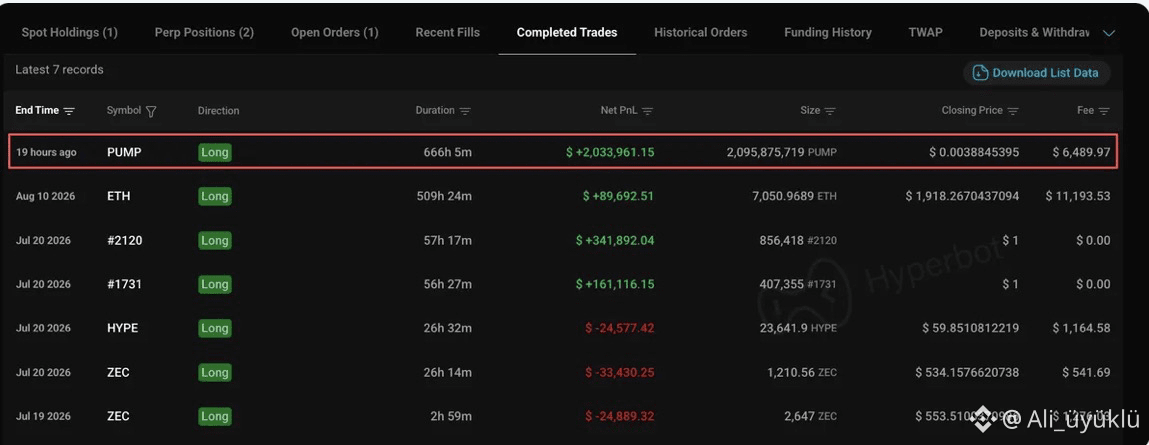
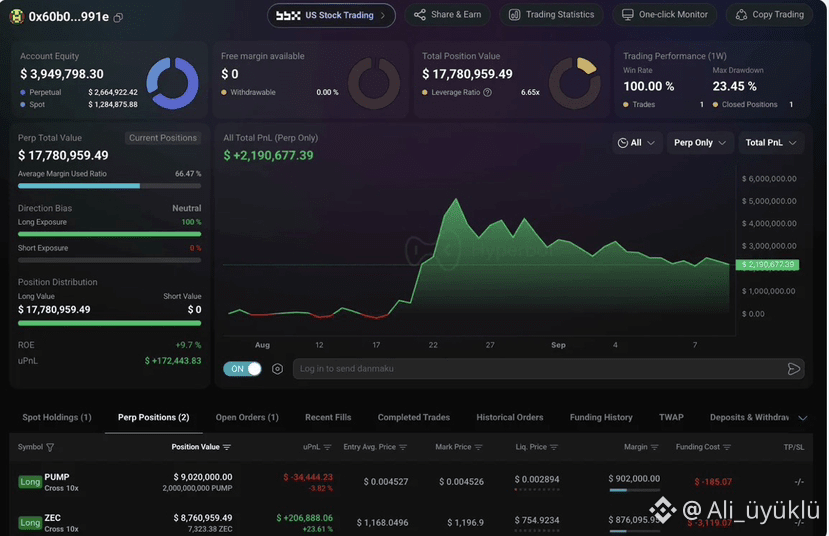
أخذ 0x60b0، الذي لفت الأنظار بتداولاته السابقة، مركزًا كبيرًا مجددًا على أمل أن يرتفع سعر PUMP. ووفقًا للبيانات التي نقلتها Lookonchain، استخدم المتداول خلال آخر ساعة رافعة 10 مرات على حوالي 2 مليار من PUMP. سُجّل إجمالي قيمة المركز عند 9,02 مليون دولار.
تُظهر سجلات التداول على Hyperliquid أن 0x60b0 حقق سابقًا ربحًا صافيًا قدره 2.033.961 دولار من صفقة PUMP طويلة. أما الصفقة الجديدة فما زالت مفتوحة.
مركزان برافعتين على PUMP بمبالغ بالملايين
وفي نفس الفترة، بدأ عنوان آخر مُنشأ حديثًا صفقة عالية الرافعة أيضًا على PUMP. بعد إيداع 700 ألف دولار على Hyperliquid، فتح العنوان الذي ينتهي بـ 0x434b مركزًا طويلاً بقيمة تقريبية 4,7 ملايين دولار باستخدام رافعة 6x.
في سجل الصفقة، يظهر حجم هذا المركز بحوالي 1,02 مليار PUMP. مستوى التصفية المحدد للمركز هو 0,003916 دولار. يشير هذا المستوى إلى النقطة التي قد يُغلق عندها المركز بشكل إجباري إذا تحرك السعر عكس اتجاه الصفقة.
هذه ليست نصيحة استثمارية، بل معلومات لغرض المتابعة. ابقَ على اطلاع على التطورات الجديدة.
$PUMP
{spot}(PUMPUSDT)
$BTC
{spot}(BTCUSDT)
$ASTER
{spot}(ASTERUSDT)
لقد فتح الحوت نفس صفقة الألتكوين… بمركز بقيمة 9 ملايين دولار!
حقق الحوت الذي ربح حوالي 2 مليون دولار من PUMP، ثم فتح مركز صعود بقيمة 9 ملايين دولار على نفس الألتكوين باستخدام رافعة 10x.
أخذ 0x60b0، الذي لفت الأنظار بتداولاته السابقة، مركزًا كبيرًا مجددًا على أمل أن يرتفع سعر PUMP. ووفقًا للبيانات التي نقلتها Lookonchain، استخدم المتداول خلال آخر ساعة رافعة 10 مرات على حوالي 2 مليار من PUMP. سُجّل إجمالي قيمة المركز عند 9,02 مليون دولار.
تُظهر سجلات التداول على Hyperliquid أن 0x60b0 حقق سابقًا ربحًا صافيًا قدره 2.033.961 دولار من صفقة PUMP طويلة. أما الصفقة الجديدة فما زالت مفتوحة.
مركزان برافعتين على PUMP بمبالغ بالملايين
وفي نفس الفترة، بدأ عنوان آخر مُنشأ حديثًا صفقة عالية الرافعة أيضًا على PUMP. بعد إيداع 700 ألف دولار على Hyperliquid، فتح العنوان الذي ينتهي بـ 0x434b مركزًا طويلاً بقيمة تقريبية 4,7 ملايين دولار باستخدام رافعة 6x.
في سجل الصفقة، يظهر حجم هذا المركز بحوالي 1,02 مليار PUMP. مستوى التصفية المحدد للمركز هو 0,003916 دولار. يشير هذا المستوى إلى النقطة التي قد يُغلق عندها المركز بشكل إجباري إذا تحرك السعر عكس اتجاه الصفقة.
هذه ليست نصيحة استثمارية، بل معلومات لغرض المتابعة. ابقَ على اطلاع على التطورات الجديدة.
$PUMP
$BTC
$ASTER
حقق الحوت الذي ربح حوالي 2 مليون دولار من PUMP، ثم فتح مركز صعود بقيمة 9 ملايين دولار على نفس الألتكوين باستخدام رافعة 10x.
أخذ 0x60b0، الذي لفت الأنظار بتداولاته السابقة، مركزًا كبيرًا مجددًا على أمل أن يرتفع سعر PUMP. ووفقًا للبيانات التي نقلتها Lookonchain، استخدم المتداول خلال آخر ساعة رافعة 10 مرات على حوالي 2 مليار من PUMP. سُجّل إجمالي قيمة المركز عند 9,02 مليون دولار.
تُظهر سجلات التداول على Hyperliquid أن 0x60b0 حقق سابقًا ربحًا صافيًا قدره 2.033.961 دولار من صفقة PUMP طويلة. أما الصفقة الجديدة فما زالت مفتوحة.
مركزان برافعتين على PUMP بمبالغ بالملايين
وفي نفس الفترة، بدأ عنوان آخر مُنشأ حديثًا صفقة عالية الرافعة أيضًا على PUMP. بعد إيداع 700 ألف دولار على Hyperliquid، فتح العنوان الذي ينتهي بـ 0x434b مركزًا طويلاً بقيمة تقريبية 4,7 ملايين دولار باستخدام رافعة 6x.
في سجل الصفقة، يظهر حجم هذا المركز بحوالي 1,02 مليار PUMP. مستوى التصفية المحدد للمركز هو 0,003916 دولار. يشير هذا المستوى إلى النقطة التي قد يُغلق عندها المركز بشكل إجباري إذا تحرك السعر عكس اتجاه الصفقة.
هذه ليست نصيحة استثمارية، بل معلومات لغرض المتابعة. ابقَ على اطلاع على التطورات الجديدة.
$PUMP
$BTC
$ASTER
1
449
·
--
انتبهوا إلى الأسبوع القادم في هذا اليوم: سيؤثر مباشرةً على قرار الفائدة لدى الفيدرالي…!
إن صدور بيانات التوظيف غير الزراعي لشهر أغسطس بأعلى بكثير من التوقعات، دفع أنظار الفيدرالي في سياسته النقدية إلى بيانات التضخم التي ستُعلن الأسبوع المقبل. وقال ريان ويلدون، مدير الاستثمار ومدير المحافظ في IFM Investors، إن قوة سوق العمل قد تمنح الفيدرالي مساحة أكبر للتحرك ورفع أسعار الفائدة عند الحاجة.
أضاف الاقتصاد الأمريكي نحو 162 ألف وظيفة جديدة في أغسطس. وجاء الرقم المُعلن بنحو ثلاثة أضعاف توقعات الاقتصاديين، مشيرًا إلى أن سوق العمل ما يزال يُظهر مرونة رغم ارتفاع معدلات التقاعد والانخفاض الواضح في الهجرة.
كما برزت بيانات التوظيف القوية كإشارة مهمة للفيدرالي، الذي يقيّم احتمال تشديد السياسة النقدية مجددًا بسبب استمرار التضخم عند مستويات مرتفعة. وكان رئيس الفيدرالي كيفن وارش قد وصف التضخم بأنه “مقلق” في تصريحاته الأسبوع الماضي في جاكسون هول، تاركًا الباب مفتوحًا أمام زيادات محتملة في أسعار الفائدة.
وقال ويلدون إن تقرير التوظيف لشهر أغسطس سيجعل الفيدرالي والأسواق يركزان بشكل مكثف على مؤشر أسعار المستهلك الذي سيُعلن في 11 سبتمبر. وأضاف ويلدون: “هذه البيانات ستمنح الفيدرالي على الأرجح مجالًا أكبر لرفع الفائدة. وإذا لم يتراجع التضخم بشكل مقنع، فسيضطر الفيدرالي إلى التحرك من أجل الحفاظ على المصداقية التي منحها له السوق بعد تصريحات وارش المتشددة”.
تابعونا للمزيد من التطورات الجديدة.
$BTC
{spot}(BTCUSDT)
$SOL
{spot}(SOLUSDT)
$ASTER
{spot}(ASTERUSDT)
انتبهوا إلى الأسبوع القادم في هذا اليوم: سيؤثر مباشرةً على قرار الفائدة لدى الفيدرالي…!
إن صدور بيانات التوظيف غير الزراعي لشهر أغسطس بأعلى بكثير من التوقعات، دفع أنظار الفيدرالي في سياسته النقدية إلى بيانات التضخم التي ستُعلن الأسبوع المقبل. وقال ريان ويلدون، مدير الاستثمار ومدير المحافظ في IFM Investors، إن قوة سوق العمل قد تمنح الفيدرالي مساحة أكبر للتحرك ورفع أسعار الفائدة عند الحاجة.
أضاف الاقتصاد الأمريكي نحو 162 ألف وظيفة جديدة في أغسطس. وجاء الرقم المُعلن بنحو ثلاثة أضعاف توقعات الاقتصاديين، مشيرًا إلى أن سوق العمل ما يزال يُظهر مرونة رغم ارتفاع معدلات التقاعد والانخفاض الواضح في الهجرة.
كما برزت بيانات التوظيف القوية كإشارة مهمة للفيدرالي، الذي يقيّم احتمال تشديد السياسة النقدية مجددًا بسبب استمرار التضخم عند مستويات مرتفعة. وكان رئيس الفيدرالي كيفن وارش قد وصف التضخم بأنه “مقلق” في تصريحاته الأسبوع الماضي في جاكسون هول، تاركًا الباب مفتوحًا أمام زيادات محتملة في أسعار الفائدة.
وقال ويلدون إن تقرير التوظيف لشهر أغسطس سيجعل الفيدرالي والأسواق يركزان بشكل مكثف على مؤشر أسعار المستهلك الذي سيُعلن في 11 سبتمبر. وأضاف ويلدون: “هذه البيانات ستمنح الفيدرالي على الأرجح مجالًا أكبر لرفع الفائدة. وإذا لم يتراجع التضخم بشكل مقنع، فسيضطر الفيدرالي إلى التحرك من أجل الحفاظ على المصداقية التي منحها له السوق بعد تصريحات وارش المتشددة”.
تابعونا للمزيد من التطورات الجديدة.
$BTC
$SOL
$ASTER
إن صدور بيانات التوظيف غير الزراعي لشهر أغسطس بأعلى بكثير من التوقعات، دفع أنظار الفيدرالي في سياسته النقدية إلى بيانات التضخم التي ستُعلن الأسبوع المقبل. وقال ريان ويلدون، مدير الاستثمار ومدير المحافظ في IFM Investors، إن قوة سوق العمل قد تمنح الفيدرالي مساحة أكبر للتحرك ورفع أسعار الفائدة عند الحاجة.
أضاف الاقتصاد الأمريكي نحو 162 ألف وظيفة جديدة في أغسطس. وجاء الرقم المُعلن بنحو ثلاثة أضعاف توقعات الاقتصاديين، مشيرًا إلى أن سوق العمل ما يزال يُظهر مرونة رغم ارتفاع معدلات التقاعد والانخفاض الواضح في الهجرة.
كما برزت بيانات التوظيف القوية كإشارة مهمة للفيدرالي، الذي يقيّم احتمال تشديد السياسة النقدية مجددًا بسبب استمرار التضخم عند مستويات مرتفعة. وكان رئيس الفيدرالي كيفن وارش قد وصف التضخم بأنه “مقلق” في تصريحاته الأسبوع الماضي في جاكسون هول، تاركًا الباب مفتوحًا أمام زيادات محتملة في أسعار الفائدة.
وقال ويلدون إن تقرير التوظيف لشهر أغسطس سيجعل الفيدرالي والأسواق يركزان بشكل مكثف على مؤشر أسعار المستهلك الذي سيُعلن في 11 سبتمبر. وأضاف ويلدون: “هذه البيانات ستمنح الفيدرالي على الأرجح مجالًا أكبر لرفع الفائدة. وإذا لم يتراجع التضخم بشكل مقنع، فسيضطر الفيدرالي إلى التحرك من أجل الحفاظ على المصداقية التي منحها له السوق بعد تصريحات وارش المتشددة”.
تابعونا للمزيد من التطورات الجديدة.
$BTC
$SOL
$ASTER
1
261
·
--
يا إلهي! 730 مليون دولار تتدفق إلى صناديق Bitcoin ETFs
في 3 سبتمبر، كان هناك تدفق صافي قدره 730.8 مليون دولار إلى صناديق Bitcoin ETFs الفورية في الولايات المتحدة.
استقطب صندوق IBIT التابع لـ BlackRock وحده 454 مليون دولار.
وبينما ننتظر تقرير 4 سبتمبر، لوحظت حركة صافية على السلسلة بقيمة 644 مليون دولار في محافظ الحفظ الخاصة بصناديق Bitcoin ETFs خلال آخر 24 ساعة.
تابعونا للحصول على آخر التحديثات.
$BTC
{spot}(BTCUSDT)
$ETH
{spot}(ETHUSDT)
$ZEC
{spot}(ZECUSDT)
يا إلهي! 730 مليون دولار تتدفق إلى صناديق Bitcoin ETFs
في 3 سبتمبر، كان هناك تدفق صافي قدره 730.8 مليون دولار إلى صناديق Bitcoin ETFs الفورية في الولايات المتحدة.
استقطب صندوق IBIT التابع لـ BlackRock وحده 454 مليون دولار.
وبينما ننتظر تقرير 4 سبتمبر، لوحظت حركة صافية على السلسلة بقيمة 644 مليون دولار في محافظ الحفظ الخاصة بصناديق Bitcoin ETFs خلال آخر 24 ساعة.
تابعونا للحصول على آخر التحديثات.
$BTC
$ETH
$ZEC
في 3 سبتمبر، كان هناك تدفق صافي قدره 730.8 مليون دولار إلى صناديق Bitcoin ETFs الفورية في الولايات المتحدة.
استقطب صندوق IBIT التابع لـ BlackRock وحده 454 مليون دولار.
وبينما ننتظر تقرير 4 سبتمبر، لوحظت حركة صافية على السلسلة بقيمة 644 مليون دولار في محافظ الحفظ الخاصة بصناديق Bitcoin ETFs خلال آخر 24 ساعة.
تابعونا للحصول على آخر التحديثات.
$BTC
$ETH
$ZEC
1
104
·
--
لم يكن تدفّق أكثر من مليار دولار من العملات المستقرة كافيًا: احتياطيات البورصات الكبرى تراجعت…!
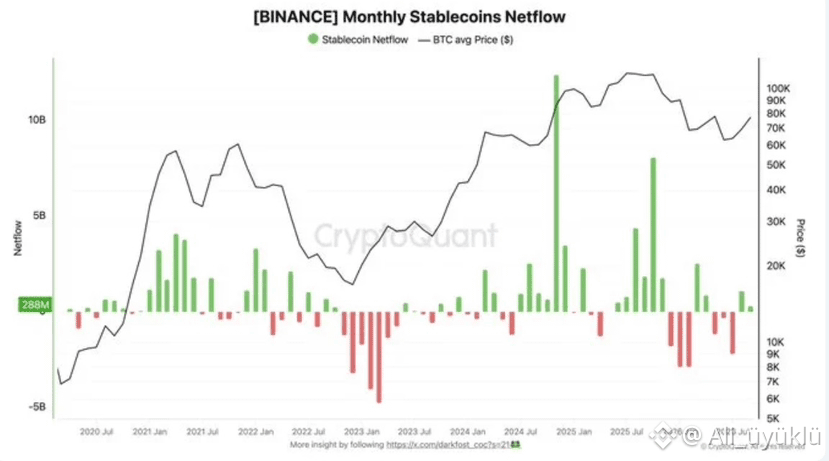
رغم دخول أكثر من مليار دولار من العملات المستقرة في أغسطس، ما تزال عمليات الخروج خلال العام وانخفاض احتياطيات البورصات مستمرة.
أشار تسجيل صافي تدفّق للعملات المستقرة إلى منصة Binance في أغسطس إلى تحسّن قصير الأجل في ظروف السيولة. لكن هذا التطور لم يمنع صافي خروج بقيمة 5.1 مليار دولار منذ بداية العام، ولا تراجع إجمالي الاحتياطيات في كبرى منصات تداول العملات المشفّرة.
وبحسب بيانات المحلل Darkfost من CryptoQuant، التي نقلتها Wu Blockchain، سجّلت Binance في أغسطس صافي تدفّق تجاوز مليار دولار من العملات المستقرة. ومع ذلك، انخفضت احتياطيات العملات المستقرة في البورصات الكبرى بأكثر من 16 مليار دولار إجمالًا. ويُظهر هذا المشهد أن التحسّن الشهري في Binance لم يُحدث بعدُ تحولًا دائمًا في صورة السيولة الأوسع.
تمتلك Binance حصة 71% من تدفقات العملات المستقرة
تمثل Binance نحو 71% من حركة العملات المستقرة بين البورصات. لذلك، فإن التدفقات الداخلة والخارجة على المنصة مهمة من حيث الصورة العامة للسيولة التي يمكن استخدامها في تداول العملات المشفّرة. ورغم أن بيانات أغسطس إيجابية، فإن بقاء الحصيلة السنوية سلبية يترك علامات استفهام حول استمرارية دخول الأموال الجديدة.
ارتفع البيتكوين بنحو 25% في أغسطس واستعاد مستوى 75,000 دولار، بينما استمرت عمليات خروج العملات المستقرة. وذكر Darkfost أنه إذا لم يتعافَ الطلب على العملات المستقرة، فقد يعود الضغط الهبوطي على البيتكوين. وبالتالي، وبعد ارتفاع الأسعار في أغسطس، سيكون العنوان الأساسي الذي ستراقبه السوق هو ما إذا كانت السيولة المتجهة إلى البورصات ستزداد بشكل مستدام أم لا.
ابقوا على اطلاع على التطورات الجديدة…!
$BTC
{spot}(BTCUSDT)
$USTC
{spot}(USTCUSDT)
$XRP
{spot}(XRPUSDT)
لم يكن تدفّق أكثر من مليار دولار من العملات المستقرة كافيًا: احتياطيات البورصات الكبرى تراجعت…!
رغم دخول أكثر من مليار دولار من العملات المستقرة في أغسطس، ما تزال عمليات الخروج خلال العام وانخفاض احتياطيات البورصات مستمرة.
أشار تسجيل صافي تدفّق للعملات المستقرة إلى منصة Binance في أغسطس إلى تحسّن قصير الأجل في ظروف السيولة. لكن هذا التطور لم يمنع صافي خروج بقيمة 5.1 مليار دولار منذ بداية العام، ولا تراجع إجمالي الاحتياطيات في كبرى منصات تداول العملات المشفّرة.
وبحسب بيانات المحلل Darkfost من CryptoQuant، التي نقلتها Wu Blockchain، سجّلت Binance في أغسطس صافي تدفّق تجاوز مليار دولار من العملات المستقرة. ومع ذلك، انخفضت احتياطيات العملات المستقرة في البورصات الكبرى بأكثر من 16 مليار دولار إجمالًا. ويُظهر هذا المشهد أن التحسّن الشهري في Binance لم يُحدث بعدُ تحولًا دائمًا في صورة السيولة الأوسع.
تمتلك Binance حصة 71% من تدفقات العملات المستقرة
تمثل Binance نحو 71% من حركة العملات المستقرة بين البورصات. لذلك، فإن التدفقات الداخلة والخارجة على المنصة مهمة من حيث الصورة العامة للسيولة التي يمكن استخدامها في تداول العملات المشفّرة. ورغم أن بيانات أغسطس إيجابية، فإن بقاء الحصيلة السنوية سلبية يترك علامات استفهام حول استمرارية دخول الأموال الجديدة.
ارتفع البيتكوين بنحو 25% في أغسطس واستعاد مستوى 75,000 دولار، بينما استمرت عمليات خروج العملات المستقرة. وذكر Darkfost أنه إذا لم يتعافَ الطلب على العملات المستقرة، فقد يعود الضغط الهبوطي على البيتكوين. وبالتالي، وبعد ارتفاع الأسعار في أغسطس، سيكون العنوان الأساسي الذي ستراقبه السوق هو ما إذا كانت السيولة المتجهة إلى البورصات ستزداد بشكل مستدام أم لا.
ابقوا على اطلاع على التطورات الجديدة…!
$BTC
$USTC
$XRP
رغم دخول أكثر من مليار دولار من العملات المستقرة في أغسطس، ما تزال عمليات الخروج خلال العام وانخفاض احتياطيات البورصات مستمرة.
أشار تسجيل صافي تدفّق للعملات المستقرة إلى منصة Binance في أغسطس إلى تحسّن قصير الأجل في ظروف السيولة. لكن هذا التطور لم يمنع صافي خروج بقيمة 5.1 مليار دولار منذ بداية العام، ولا تراجع إجمالي الاحتياطيات في كبرى منصات تداول العملات المشفّرة.
وبحسب بيانات المحلل Darkfost من CryptoQuant، التي نقلتها Wu Blockchain، سجّلت Binance في أغسطس صافي تدفّق تجاوز مليار دولار من العملات المستقرة. ومع ذلك، انخفضت احتياطيات العملات المستقرة في البورصات الكبرى بأكثر من 16 مليار دولار إجمالًا. ويُظهر هذا المشهد أن التحسّن الشهري في Binance لم يُحدث بعدُ تحولًا دائمًا في صورة السيولة الأوسع.
تمتلك Binance حصة 71% من تدفقات العملات المستقرة
تمثل Binance نحو 71% من حركة العملات المستقرة بين البورصات. لذلك، فإن التدفقات الداخلة والخارجة على المنصة مهمة من حيث الصورة العامة للسيولة التي يمكن استخدامها في تداول العملات المشفّرة. ورغم أن بيانات أغسطس إيجابية، فإن بقاء الحصيلة السنوية سلبية يترك علامات استفهام حول استمرارية دخول الأموال الجديدة.
ارتفع البيتكوين بنحو 25% في أغسطس واستعاد مستوى 75,000 دولار، بينما استمرت عمليات خروج العملات المستقرة. وذكر Darkfost أنه إذا لم يتعافَ الطلب على العملات المستقرة، فقد يعود الضغط الهبوطي على البيتكوين. وبالتالي، وبعد ارتفاع الأسعار في أغسطس، سيكون العنوان الأساسي الذي ستراقبه السوق هو ما إذا كانت السيولة المتجهة إلى البورصات ستزداد بشكل مستدام أم لا.
ابقوا على اطلاع على التطورات الجديدة…!
$BTC
$USTC
$XRP
1
305
·
--
هل انعكس ذلك على السهم؟ سهم شركة صغيرة قفز بنسبة 350%…!
ارتفع سهم Farmmi بما يصل إلى 350% قبل أن يتراجع، بالتزامن مع حركة حول الرمز غير الرسمي FAMI، بينما قفز حجم التداول إلى نحو 90 ضعف المتوسط اليومي.
وارتفعت أسهم شركة Farmmi الصغيرة المدرجة في ناسداك لفترة وجيزة يوم الأربعاء من 0.12 دولار إلى 0.50 دولار. ثم تراجع السعر لاحقًا إلى نحو 0.18 دولار. وخلال اليوم جرى تداول أكثر من 720 مليون سهم.
وجاءت الحركة في الفترة نفسها التي جرى فيها ربط عملة الميم JINQIAN، المتداولة على Robinhood Chain، برمز token يستخدم رمز تداول Farmmi وهو FAMI. ووفقًا لبيانات DexScreener التي نقلها The Block، وصل التقييم الضمني لـ JINQIAN إلى نحو 60 مليون دولار عند الذروة. وكان هذا الرقم يعادل تقريبًا 10 أضعاف القيمة السوقية لـ Farmmi قبل الارتفاع.
رمز FAMI ليس منتجًا رسميًا للأسهم
رمز FAMI ليس من بين رموز الأسهم الرسمية لدى Robinhood. ويبدو أن هذا الرمز أُصدر بشكل مستقل، ولا توجد له بنية رسمية تمثل أسهم Farmmi أو تربط تلقائيًا عمليات شراء الرمز بعمليات شراء فعلية للأسهم.
لذلك، لم يتضح بعد ما إذا كانت المضاربات المحيطة بـ JINQIAN وFAMI مرتبطة بالحركة التي شهدها سهم Farmmi. ومن التفسيرات المحتملة أن المستثمرين لاحظوا الاهتمام المحيط بالرمز ثم اشتروا السهم الحقيقي عبر وسيط.
وكانت Farmmi قبل الارتفاع تملك قيمة سوقية بضع ملايين من الدولارات فقط، ولم يكن لديها سوى 15 موظفًا.
$FARM
$BTC
{spot}(BTCUSDT)
$ETH
{spot}(ETHUSDT)
هل انعكس ذلك على السهم؟ سهم شركة صغيرة قفز بنسبة 350%…!
ارتفع سهم Farmmi بما يصل إلى 350% قبل أن يتراجع، بالتزامن مع حركة حول الرمز غير الرسمي FAMI، بينما قفز حجم التداول إلى نحو 90 ضعف المتوسط اليومي.
وارتفعت أسهم شركة Farmmi الصغيرة المدرجة في ناسداك لفترة وجيزة يوم الأربعاء من 0.12 دولار إلى 0.50 دولار. ثم تراجع السعر لاحقًا إلى نحو 0.18 دولار. وخلال اليوم جرى تداول أكثر من 720 مليون سهم.
وجاءت الحركة في الفترة نفسها التي جرى فيها ربط عملة الميم JINQIAN، المتداولة على Robinhood Chain، برمز token يستخدم رمز تداول Farmmi وهو FAMI. ووفقًا لبيانات DexScreener التي نقلها The Block، وصل التقييم الضمني لـ JINQIAN إلى نحو 60 مليون دولار عند الذروة. وكان هذا الرقم يعادل تقريبًا 10 أضعاف القيمة السوقية لـ Farmmi قبل الارتفاع.
رمز FAMI ليس منتجًا رسميًا للأسهم
رمز FAMI ليس من بين رموز الأسهم الرسمية لدى Robinhood. ويبدو أن هذا الرمز أُصدر بشكل مستقل، ولا توجد له بنية رسمية تمثل أسهم Farmmi أو تربط تلقائيًا عمليات شراء الرمز بعمليات شراء فعلية للأسهم.
لذلك، لم يتضح بعد ما إذا كانت المضاربات المحيطة بـ JINQIAN وFAMI مرتبطة بالحركة التي شهدها سهم Farmmi. ومن التفسيرات المحتملة أن المستثمرين لاحظوا الاهتمام المحيط بالرمز ثم اشتروا السهم الحقيقي عبر وسيط.
وكانت Farmmi قبل الارتفاع تملك قيمة سوقية بضع ملايين من الدولارات فقط، ولم يكن لديها سوى 15 موظفًا.
$FARM
$BTC
$ETH
ارتفع سهم Farmmi بما يصل إلى 350% قبل أن يتراجع، بالتزامن مع حركة حول الرمز غير الرسمي FAMI، بينما قفز حجم التداول إلى نحو 90 ضعف المتوسط اليومي.
وارتفعت أسهم شركة Farmmi الصغيرة المدرجة في ناسداك لفترة وجيزة يوم الأربعاء من 0.12 دولار إلى 0.50 دولار. ثم تراجع السعر لاحقًا إلى نحو 0.18 دولار. وخلال اليوم جرى تداول أكثر من 720 مليون سهم.
وجاءت الحركة في الفترة نفسها التي جرى فيها ربط عملة الميم JINQIAN، المتداولة على Robinhood Chain، برمز token يستخدم رمز تداول Farmmi وهو FAMI. ووفقًا لبيانات DexScreener التي نقلها The Block، وصل التقييم الضمني لـ JINQIAN إلى نحو 60 مليون دولار عند الذروة. وكان هذا الرقم يعادل تقريبًا 10 أضعاف القيمة السوقية لـ Farmmi قبل الارتفاع.
رمز FAMI ليس منتجًا رسميًا للأسهم
رمز FAMI ليس من بين رموز الأسهم الرسمية لدى Robinhood. ويبدو أن هذا الرمز أُصدر بشكل مستقل، ولا توجد له بنية رسمية تمثل أسهم Farmmi أو تربط تلقائيًا عمليات شراء الرمز بعمليات شراء فعلية للأسهم.
لذلك، لم يتضح بعد ما إذا كانت المضاربات المحيطة بـ JINQIAN وFAMI مرتبطة بالحركة التي شهدها سهم Farmmi. ومن التفسيرات المحتملة أن المستثمرين لاحظوا الاهتمام المحيط بالرمز ثم اشتروا السهم الحقيقي عبر وسيط.
وكانت Farmmi قبل الارتفاع تملك قيمة سوقية بضع ملايين من الدولارات فقط، ولم يكن لديها سوى 15 موظفًا.
$FARM
$BTC
$ETH
2
177
·
--
ارتفع عرض USDT على الشبكة التي تجاوزت Ethereum بمقدار 4 مليارات دولار خلال شهر
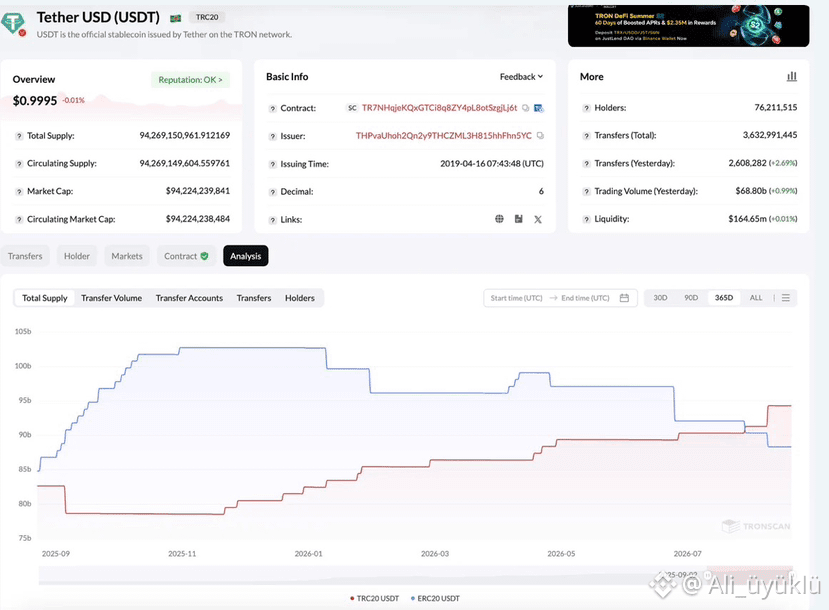
ارتفع عرض USDT على Tron بمقدار 4 مليارات دولار خلال الشهر الماضي ليصل إلى 94.27 مليار دولار، متجاوزًا إجمالي العرض على Ethereum.
شهد توزيع USDT على Tron تغييرًا مهمًا في الترتيب. ووفقًا لمنشور Lookonchain بتاريخ 2 سبتمبر، نما العرض على الشبكة بمقدار 4 مليارات دولار خلال شهر واحد ووصل إلى مستوى 94.27 مليار دولار. وبذلك، تجاوزت Tron Ethereum في عرض USDT.
تُظهر هذه المقارنة مقدار وجود USDT الذي أطلقته Tether على مختلف شبكات البلوكشين.
وتُظهر السجلات على Tronscan أن إجمالي عرض USDT على شبكة Tron يبلغ 94.269 مليار USDT. وفي الرسم البياني، ارتفع عرض TRC20 USDT على Tron تدريجيًا خلال الأشهر الأخيرة، بينما بقي عرض ERC20 USDT على Ethereum عند مستوى أقل.
تجاوزت Tron Ethereum في عرض USDT
كان الارتفاع البالغ 4 مليارات دولار خلال شهر عاملًا حاسمًا في وصول كمية USDT على Tron إلى مستواها الحالي. وأظهرت هذه التغيرات أن توزيع USDT بين الشبكات اختلف بسرعة خلال فترة قصيرة.
يمكن تداول USDT على شبكات بلوكشين مختلفة بمعايير رمزية منفصلة. ويُتتبع إصدار Tron باسم TRC20 USDT، بينما يُتتبع إصدار Ethereum باسم ERC20 USDT. وتُظهر البيانات الأخيرة أن عرض TRC20 USDT على Tron تجاوز إجمالي العرض على Ethereum.
تابعونا لمزيد من التطورات الجديدة…!
$TRON.US
{stock_us}(TRON.US)
$ETH
{spot}(ETHUSDT)
$ASTER
{spot}(ASTERUSDT)
ارتفع عرض USDT على الشبكة التي تجاوزت Ethereum بمقدار 4 مليارات دولار خلال شهر
ارتفع عرض USDT على Tron بمقدار 4 مليارات دولار خلال الشهر الماضي ليصل إلى 94.27 مليار دولار، متجاوزًا إجمالي العرض على Ethereum.
شهد توزيع USDT على Tron تغييرًا مهمًا في الترتيب. ووفقًا لمنشور Lookonchain بتاريخ 2 سبتمبر، نما العرض على الشبكة بمقدار 4 مليارات دولار خلال شهر واحد ووصل إلى مستوى 94.27 مليار دولار. وبذلك، تجاوزت Tron Ethereum في عرض USDT.
تُظهر هذه المقارنة مقدار وجود USDT الذي أطلقته Tether على مختلف شبكات البلوكشين.
وتُظهر السجلات على Tronscan أن إجمالي عرض USDT على شبكة Tron يبلغ 94.269 مليار USDT. وفي الرسم البياني، ارتفع عرض TRC20 USDT على Tron تدريجيًا خلال الأشهر الأخيرة، بينما بقي عرض ERC20 USDT على Ethereum عند مستوى أقل.
تجاوزت Tron Ethereum في عرض USDT
كان الارتفاع البالغ 4 مليارات دولار خلال شهر عاملًا حاسمًا في وصول كمية USDT على Tron إلى مستواها الحالي. وأظهرت هذه التغيرات أن توزيع USDT بين الشبكات اختلف بسرعة خلال فترة قصيرة.
يمكن تداول USDT على شبكات بلوكشين مختلفة بمعايير رمزية منفصلة. ويُتتبع إصدار Tron باسم TRC20 USDT، بينما يُتتبع إصدار Ethereum باسم ERC20 USDT. وتُظهر البيانات الأخيرة أن عرض TRC20 USDT على Tron تجاوز إجمالي العرض على Ethereum.
تابعونا لمزيد من التطورات الجديدة…!
$TRON.US
$ETH
$ASTER
ارتفع عرض USDT على Tron بمقدار 4 مليارات دولار خلال الشهر الماضي ليصل إلى 94.27 مليار دولار، متجاوزًا إجمالي العرض على Ethereum.
شهد توزيع USDT على Tron تغييرًا مهمًا في الترتيب. ووفقًا لمنشور Lookonchain بتاريخ 2 سبتمبر، نما العرض على الشبكة بمقدار 4 مليارات دولار خلال شهر واحد ووصل إلى مستوى 94.27 مليار دولار. وبذلك، تجاوزت Tron Ethereum في عرض USDT.
تُظهر هذه المقارنة مقدار وجود USDT الذي أطلقته Tether على مختلف شبكات البلوكشين.
وتُظهر السجلات على Tronscan أن إجمالي عرض USDT على شبكة Tron يبلغ 94.269 مليار USDT. وفي الرسم البياني، ارتفع عرض TRC20 USDT على Tron تدريجيًا خلال الأشهر الأخيرة، بينما بقي عرض ERC20 USDT على Ethereum عند مستوى أقل.
تجاوزت Tron Ethereum في عرض USDT
كان الارتفاع البالغ 4 مليارات دولار خلال شهر عاملًا حاسمًا في وصول كمية USDT على Tron إلى مستواها الحالي. وأظهرت هذه التغيرات أن توزيع USDT بين الشبكات اختلف بسرعة خلال فترة قصيرة.
يمكن تداول USDT على شبكات بلوكشين مختلفة بمعايير رمزية منفصلة. ويُتتبع إصدار Tron باسم TRC20 USDT، بينما يُتتبع إصدار Ethereum باسم ERC20 USDT. وتُظهر البيانات الأخيرة أن عرض TRC20 USDT على Tron تجاوز إجمالي العرض على Ethereum.
تابعونا لمزيد من التطورات الجديدة…!
$TRON.US
$ETH
$ASTER
1
236
·
--
قامت منصة بينانس بإدراج عملة $HK0625 coin في تداول العقود الآجلة.
ترقّبوا آخر التحديثات…!
$HK0625
{future}(HK0625USDT)
قامت منصة بينانس بإدراج عملة $HK0625 coin في تداول العقود الآجلة.
ترقّبوا آخر التحديثات…!
$HK0625
ترقّبوا آخر التحديثات…!
$HK0625
1
432
·
--
نظرة عامة 31 أغسطس…!
عند كتابة Bitcoin، تشهد انخفاضًا بنسبة %0,1 لتتداول عند 77.915,67 دولار، وفيما يتعلق بالليرة التركية فإنها تتداول قرب 3.760.444 TL.
تتواجد Ethereum (ETH) عند انخفاض بنسبة %0,8 إلى 2.433,56 دولار، وBNB (BNB) عند انخفاض بنسبة %1 إلى 686,26 دولار، وRipple (XRP) عند انخفاض بنسبة %2 إلى 1,36 دولار، وDogecoin (DOGE) عند انخفاض بنسبة %2,4 إلى 0,08274 دولار، وSolana (SOL) عند انخفاض بنسبة %2,3 إلى 102,52 دولار، وTRON (TRX) عند انخفاض بنسبة %1,2 إلى 0,3366 دولار.
في فترة الـ 24 ساعة الماضية، كان AI XOVIA AIX هو أكثر عملة بديلة ارتفاعًا بنسبة %167,9، بينما كانت DogBull DOGO هي أكثر العملات انخفاضًا بنسبة %45,8.
عند كتابة AI XOVIA AIX، يتم تداولها عند 1,19 دولار، في حين أن DogBull DOGO يتم تداوله عند 0,01596 دولار.
مؤشر الدولار (DXY) يتحرك عند مستوى 99,63.
فيما كانت القيمة السوقية للـ Bitcoin بحوالي 1,8 تريليون دولار، فإن القيمة الإجمالية لسوق العملات المشفرة تتواجد عند مستوى 2,689 تريليون دولار.
أما حجم سوق العملات المشفرة خلال آخر 24 ساعة فيبلغ حوالي 66,244 مليار دولار.
يتم تداول زوج الدولار/ليرة (Dolar/TL) عند مستوى 48,263، بينما يتم تداول نسبة اليورو/ليرة (Euro/TL) عند مستوى 55,9671.
في آخر 24 ساعة، تم تصفية 414,52 مليون دولار من سوق العملات المشفرة، وقد تأثر بهذا الموقف 102.184 من مستثمري العملات المشفرة.
شكلت الصفقات الطويلة (long) نسبة 69,14% من مراكز التصفية، وقد حدثت أعلى عمليات تصفية في Ethereum (ETH).
$BTC
{spot}(BTCUSDT)
$BNB
{spot}(BNBUSDT)
$AIXBT
{spot}(AIXBTUSDT)
نظرة عامة 31 أغسطس…!
عند كتابة Bitcoin، تشهد انخفاضًا بنسبة %0,1 لتتداول عند 77.915,67 دولار، وفيما يتعلق بالليرة التركية فإنها تتداول قرب 3.760.444 TL.
تتواجد Ethereum (ETH) عند انخفاض بنسبة %0,8 إلى 2.433,56 دولار، وBNB (BNB) عند انخفاض بنسبة %1 إلى 686,26 دولار، وRipple (XRP) عند انخفاض بنسبة %2 إلى 1,36 دولار، وDogecoin (DOGE) عند انخفاض بنسبة %2,4 إلى 0,08274 دولار، وSolana (SOL) عند انخفاض بنسبة %2,3 إلى 102,52 دولار، وTRON (TRX) عند انخفاض بنسبة %1,2 إلى 0,3366 دولار.
في فترة الـ 24 ساعة الماضية، كان AI XOVIA AIX هو أكثر عملة بديلة ارتفاعًا بنسبة %167,9، بينما كانت DogBull DOGO هي أكثر العملات انخفاضًا بنسبة %45,8.
عند كتابة AI XOVIA AIX، يتم تداولها عند 1,19 دولار، في حين أن DogBull DOGO يتم تداوله عند 0,01596 دولار.
مؤشر الدولار (DXY) يتحرك عند مستوى 99,63.
فيما كانت القيمة السوقية للـ Bitcoin بحوالي 1,8 تريليون دولار، فإن القيمة الإجمالية لسوق العملات المشفرة تتواجد عند مستوى 2,689 تريليون دولار.
أما حجم سوق العملات المشفرة خلال آخر 24 ساعة فيبلغ حوالي 66,244 مليار دولار.
يتم تداول زوج الدولار/ليرة (Dolar/TL) عند مستوى 48,263، بينما يتم تداول نسبة اليورو/ليرة (Euro/TL) عند مستوى 55,9671.
في آخر 24 ساعة، تم تصفية 414,52 مليون دولار من سوق العملات المشفرة، وقد تأثر بهذا الموقف 102.184 من مستثمري العملات المشفرة.
شكلت الصفقات الطويلة (long) نسبة 69,14% من مراكز التصفية، وقد حدثت أعلى عمليات تصفية في Ethereum (ETH).
$BTC
$BNB
$AIXBT
عند كتابة Bitcoin، تشهد انخفاضًا بنسبة %0,1 لتتداول عند 77.915,67 دولار، وفيما يتعلق بالليرة التركية فإنها تتداول قرب 3.760.444 TL.
تتواجد Ethereum (ETH) عند انخفاض بنسبة %0,8 إلى 2.433,56 دولار، وBNB (BNB) عند انخفاض بنسبة %1 إلى 686,26 دولار، وRipple (XRP) عند انخفاض بنسبة %2 إلى 1,36 دولار، وDogecoin (DOGE) عند انخفاض بنسبة %2,4 إلى 0,08274 دولار، وSolana (SOL) عند انخفاض بنسبة %2,3 إلى 102,52 دولار، وTRON (TRX) عند انخفاض بنسبة %1,2 إلى 0,3366 دولار.
في فترة الـ 24 ساعة الماضية، كان AI XOVIA AIX هو أكثر عملة بديلة ارتفاعًا بنسبة %167,9، بينما كانت DogBull DOGO هي أكثر العملات انخفاضًا بنسبة %45,8.
عند كتابة AI XOVIA AIX، يتم تداولها عند 1,19 دولار، في حين أن DogBull DOGO يتم تداوله عند 0,01596 دولار.
مؤشر الدولار (DXY) يتحرك عند مستوى 99,63.
فيما كانت القيمة السوقية للـ Bitcoin بحوالي 1,8 تريليون دولار، فإن القيمة الإجمالية لسوق العملات المشفرة تتواجد عند مستوى 2,689 تريليون دولار.
أما حجم سوق العملات المشفرة خلال آخر 24 ساعة فيبلغ حوالي 66,244 مليار دولار.
يتم تداول زوج الدولار/ليرة (Dolar/TL) عند مستوى 48,263، بينما يتم تداول نسبة اليورو/ليرة (Euro/TL) عند مستوى 55,9671.
في آخر 24 ساعة، تم تصفية 414,52 مليون دولار من سوق العملات المشفرة، وقد تأثر بهذا الموقف 102.184 من مستثمري العملات المشفرة.
شكلت الصفقات الطويلة (long) نسبة 69,14% من مراكز التصفية، وقد حدثت أعلى عمليات تصفية في Ethereum (ETH).
$BTC
$BNB
$AIXBT
1
285
·
--
فكرة تحول أرباح العملات البديلة إلى أسهم: خطة جديدة قيمتها 4 مليارات دولار
تعتزم Ethena فتح عمليات تداول بالرافعة المالية على الأسهم بهدف تنويع إيراداتها من USDe البالغة نحو 4 مليارات دولار.
أدى ضعف الإيرادات الناتجة عن الصفقات في سوق العملات المشفرة إلى دفع Ethena للبحث عن مجال جديد لـ USDe. ووفقًا للخطة التي نقلتها CoinDesk، ترغب الشركة في توسيع استراتيجيتها التي لم يتم تفعيلها بعد لتشمل عمليات رافعة مالية مدعومة بالأسهم. في هذه السوق، ارتفع إجمالي المراكز المفتوحة من أقل من مليار دولار في مارس إلى 6,2 مليار دولار.
في نموذج Ethena الحالي، يتم فتح مركز آجل باتجاه معاكس لنفس الأصل عند شراء أصل. كما توفر المدفوعات المنتظمة بين المراكز دخلاً لـ USDe. والآن، تستهدف الشركة استخدام بنية مماثلة في عقود أسهم بالرافعة المالية دون تاريخ استحقاق.
النسبة في تداول الأسهم رفعت رقم Bitcoin إلى ثلاثة أضعاف
وفقًا لبيانات Ethena، تبلغ نسبة المدفوعات الوسيطة في عمليات الأسهم المرفوعة بالرافعة 13,9%. أما في Bitcoin فتبقى النسبة عند 3,9%. وتم حساب نسب المتوسط خلال الأشهر الأخيرة في Hyperliquid بنحو 14%، وفي Binance بنسبة 17,5%.
في جانب Bitcoin، كانت النسبة في المتوسط 11% خلال 2024، ثم انخفضت إلى 4,9% في 2025، وإلى 2,2% حتى 11 أغسطس من هذا العام. وقد عجّل هذا التراجع بالسعي إلى نقل مصادر دخل Ethena خارج نطاق تداولات العملات المشفرة.
جاءت الخطة الجديدة في وقت انخفض فيه المعروض من USDe من قمة تقارب 15 مليار دولار إلى أقل من 5 مليارات دولار. وتتوقع Ethena الإعلان عن شركائها الأوائل في البورصة والمنصات التي سيتم تطبيق الاستراتيجية عليها خلال الأسابيع المقبلة.
ابقَ على المتابعة للحصول على التطورات الجديدة.
$BTC
{spot}(BTCUSDT)
$ETHFI
{spot}(ETHFIUSDT)
$ETH
{spot}(ETHUSDT)
فكرة تحول أرباح العملات البديلة إلى أسهم: خطة جديدة قيمتها 4 مليارات دولار
تعتزم Ethena فتح عمليات تداول بالرافعة المالية على الأسهم بهدف تنويع إيراداتها من USDe البالغة نحو 4 مليارات دولار.
أدى ضعف الإيرادات الناتجة عن الصفقات في سوق العملات المشفرة إلى دفع Ethena للبحث عن مجال جديد لـ USDe. ووفقًا للخطة التي نقلتها CoinDesk، ترغب الشركة في توسيع استراتيجيتها التي لم يتم تفعيلها بعد لتشمل عمليات رافعة مالية مدعومة بالأسهم. في هذه السوق، ارتفع إجمالي المراكز المفتوحة من أقل من مليار دولار في مارس إلى 6,2 مليار دولار.
في نموذج Ethena الحالي، يتم فتح مركز آجل باتجاه معاكس لنفس الأصل عند شراء أصل. كما توفر المدفوعات المنتظمة بين المراكز دخلاً لـ USDe. والآن، تستهدف الشركة استخدام بنية مماثلة في عقود أسهم بالرافعة المالية دون تاريخ استحقاق.
النسبة في تداول الأسهم رفعت رقم Bitcoin إلى ثلاثة أضعاف
وفقًا لبيانات Ethena، تبلغ نسبة المدفوعات الوسيطة في عمليات الأسهم المرفوعة بالرافعة 13,9%. أما في Bitcoin فتبقى النسبة عند 3,9%. وتم حساب نسب المتوسط خلال الأشهر الأخيرة في Hyperliquid بنحو 14%، وفي Binance بنسبة 17,5%.
في جانب Bitcoin، كانت النسبة في المتوسط 11% خلال 2024، ثم انخفضت إلى 4,9% في 2025، وإلى 2,2% حتى 11 أغسطس من هذا العام. وقد عجّل هذا التراجع بالسعي إلى نقل مصادر دخل Ethena خارج نطاق تداولات العملات المشفرة.
جاءت الخطة الجديدة في وقت انخفض فيه المعروض من USDe من قمة تقارب 15 مليار دولار إلى أقل من 5 مليارات دولار. وتتوقع Ethena الإعلان عن شركائها الأوائل في البورصة والمنصات التي سيتم تطبيق الاستراتيجية عليها خلال الأسابيع المقبلة.
ابقَ على المتابعة للحصول على التطورات الجديدة.
$BTC
$ETHFI
$ETH
تعتزم Ethena فتح عمليات تداول بالرافعة المالية على الأسهم بهدف تنويع إيراداتها من USDe البالغة نحو 4 مليارات دولار.
أدى ضعف الإيرادات الناتجة عن الصفقات في سوق العملات المشفرة إلى دفع Ethena للبحث عن مجال جديد لـ USDe. ووفقًا للخطة التي نقلتها CoinDesk، ترغب الشركة في توسيع استراتيجيتها التي لم يتم تفعيلها بعد لتشمل عمليات رافعة مالية مدعومة بالأسهم. في هذه السوق، ارتفع إجمالي المراكز المفتوحة من أقل من مليار دولار في مارس إلى 6,2 مليار دولار.
في نموذج Ethena الحالي، يتم فتح مركز آجل باتجاه معاكس لنفس الأصل عند شراء أصل. كما توفر المدفوعات المنتظمة بين المراكز دخلاً لـ USDe. والآن، تستهدف الشركة استخدام بنية مماثلة في عقود أسهم بالرافعة المالية دون تاريخ استحقاق.
النسبة في تداول الأسهم رفعت رقم Bitcoin إلى ثلاثة أضعاف
وفقًا لبيانات Ethena، تبلغ نسبة المدفوعات الوسيطة في عمليات الأسهم المرفوعة بالرافعة 13,9%. أما في Bitcoin فتبقى النسبة عند 3,9%. وتم حساب نسب المتوسط خلال الأشهر الأخيرة في Hyperliquid بنحو 14%، وفي Binance بنسبة 17,5%.
في جانب Bitcoin، كانت النسبة في المتوسط 11% خلال 2024، ثم انخفضت إلى 4,9% في 2025، وإلى 2,2% حتى 11 أغسطس من هذا العام. وقد عجّل هذا التراجع بالسعي إلى نقل مصادر دخل Ethena خارج نطاق تداولات العملات المشفرة.
جاءت الخطة الجديدة في وقت انخفض فيه المعروض من USDe من قمة تقارب 15 مليار دولار إلى أقل من 5 مليارات دولار. وتتوقع Ethena الإعلان عن شركائها الأوائل في البورصة والمنصات التي سيتم تطبيق الاستراتيجية عليها خلال الأسابيع المقبلة.
ابقَ على المتابعة للحصول على التطورات الجديدة.
$BTC
$ETHFI
$ETH
1
183
·
--
ارتد البيتكوين عن 81.280 دولارًا: استمرار مشتريات صناديق الاستثمار المتداولة مع ترقب رسائل بنك الاحتياطي الفيدرالي
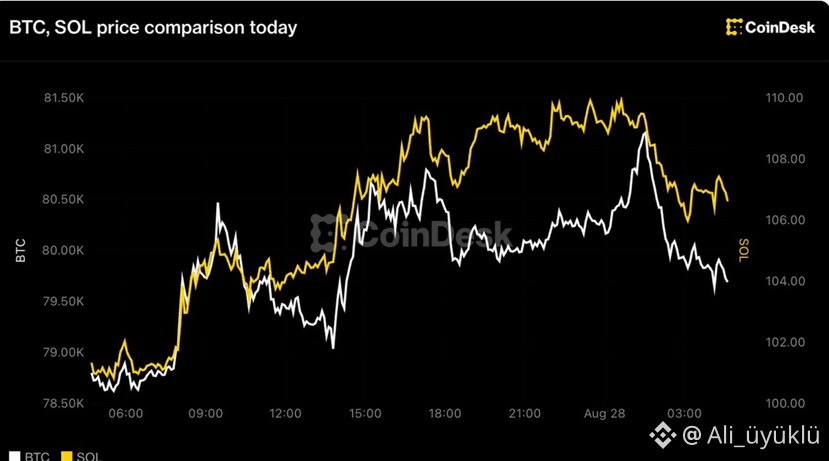
تراجع البيتكوين دون 80.000 دولار بعد أن بلغ قمة عند 81.280 دولارًا، بينما ركزت الأسواق على تدفقات الأموال القوية واقتراب رسالة الفيدرالي.
تم تداول البيتكوين في ساعات التداول الآسيوية تحت مستوى 80.000 دولار مباشرةً. ووفقًا لبيانات CoinDesk، ارتفع السعر بنحو 2% خلال آخر 24 ساعة، ثم تراجع بعد أن بلغ 81.280 دولارًا ليلًا. وتترقب الأسواق أول خطاب يُلقَى اليوم في جاكسون هول من قبل رئيس بنك الاحتياطي الفيدرالي الأمريكي كيفن وورش.
وتُعدّ القمة السنوية التي تُعقد في وايومنغ من الفعاليات التي تُتابَع بوصفها إحدى أبرز المناسبات التي تطرح رسائل مهمة بشأن سياسة الفائدة لدى رؤساء الفيدرالي. وقد يوفّر خطاب وورش أول الإشارات الشاملة لاتجاه الفائدة قبل اجتماع الفيدرالي في 16 سبتمبر.
تدفق 2.8 مليار دولار إلى صناديق البيتكوين خلال ثماني جلسات
في الولايات المتحدة، جذبت صناديق الاستثمار المتداولة التي تتعقب سعر البيتكوين مباشرةً، أي صناديق بيتكوين الفورية المتداولة في البورصة، استثمارات بقيمة 2.8 مليار دولار على مدار ثماني جلسات متواصلة. كما اقترب إجمالي التدفقات في أغسطس/آب من أعلى مستوى شهري حتى الآن في عام 2026، بعد أن تجاوز 3 مليارات دولار.
مع استمرار مشتريات الصناديق، تولّد توقعات الفائدة ضغوطًا في الاتجاه المعاكس. وفي الأسواق الآجلة، يتم تسعير احتمال زيادة الفائدة بنسبة 35% في سبتمبر، بينما تم استيعاب توقعات زيادة حتى ديسمبر بالكامل في الأسعار. وارتفع سعر البيتكوين بنحو 9% خلال الأسبوع الماضي.
في سوق العملات البديلة، ارتفعت سولانا بنحو 4% يوميًا واقتربت من 101 دولار، لتوسّع المكاسب الأسبوعية إلى 20%. وسجّل الإيثيريوم مكاسب بنسبة 1%، في حين ارتفع XRP بأكثر قليلًا من 2%. وسيُراقَب خطاب وورش عن كثب لمعرفة ما إذا كان البيتكوين سيحافظ على موقعه قرب 80.000 دولار رغم الطلب القوي على صناديق الاستثمار.
$BTC
{spot}(BTCUSDT)
$CRV
{spot}(CRVUSDT)
$GIGGLE
{spot}(GIGGLEUSDT)
ارتد البيتكوين عن 81.280 دولارًا: استمرار مشتريات صناديق الاستثمار المتداولة مع ترقب رسائل بنك الاحتياطي الفيدرالي
تراجع البيتكوين دون 80.000 دولار بعد أن بلغ قمة عند 81.280 دولارًا، بينما ركزت الأسواق على تدفقات الأموال القوية واقتراب رسالة الفيدرالي.
تم تداول البيتكوين في ساعات التداول الآسيوية تحت مستوى 80.000 دولار مباشرةً. ووفقًا لبيانات CoinDesk، ارتفع السعر بنحو 2% خلال آخر 24 ساعة، ثم تراجع بعد أن بلغ 81.280 دولارًا ليلًا. وتترقب الأسواق أول خطاب يُلقَى اليوم في جاكسون هول من قبل رئيس بنك الاحتياطي الفيدرالي الأمريكي كيفن وورش.
وتُعدّ القمة السنوية التي تُعقد في وايومنغ من الفعاليات التي تُتابَع بوصفها إحدى أبرز المناسبات التي تطرح رسائل مهمة بشأن سياسة الفائدة لدى رؤساء الفيدرالي. وقد يوفّر خطاب وورش أول الإشارات الشاملة لاتجاه الفائدة قبل اجتماع الفيدرالي في 16 سبتمبر.
تدفق 2.8 مليار دولار إلى صناديق البيتكوين خلال ثماني جلسات
في الولايات المتحدة، جذبت صناديق الاستثمار المتداولة التي تتعقب سعر البيتكوين مباشرةً، أي صناديق بيتكوين الفورية المتداولة في البورصة، استثمارات بقيمة 2.8 مليار دولار على مدار ثماني جلسات متواصلة. كما اقترب إجمالي التدفقات في أغسطس/آب من أعلى مستوى شهري حتى الآن في عام 2026، بعد أن تجاوز 3 مليارات دولار.
مع استمرار مشتريات الصناديق، تولّد توقعات الفائدة ضغوطًا في الاتجاه المعاكس. وفي الأسواق الآجلة، يتم تسعير احتمال زيادة الفائدة بنسبة 35% في سبتمبر، بينما تم استيعاب توقعات زيادة حتى ديسمبر بالكامل في الأسعار. وارتفع سعر البيتكوين بنحو 9% خلال الأسبوع الماضي.
في سوق العملات البديلة، ارتفعت سولانا بنحو 4% يوميًا واقتربت من 101 دولار، لتوسّع المكاسب الأسبوعية إلى 20%. وسجّل الإيثيريوم مكاسب بنسبة 1%، في حين ارتفع XRP بأكثر قليلًا من 2%. وسيُراقَب خطاب وورش عن كثب لمعرفة ما إذا كان البيتكوين سيحافظ على موقعه قرب 80.000 دولار رغم الطلب القوي على صناديق الاستثمار.
$BTC
$CRV
$GIGGLE
تراجع البيتكوين دون 80.000 دولار بعد أن بلغ قمة عند 81.280 دولارًا، بينما ركزت الأسواق على تدفقات الأموال القوية واقتراب رسالة الفيدرالي.
تم تداول البيتكوين في ساعات التداول الآسيوية تحت مستوى 80.000 دولار مباشرةً. ووفقًا لبيانات CoinDesk، ارتفع السعر بنحو 2% خلال آخر 24 ساعة، ثم تراجع بعد أن بلغ 81.280 دولارًا ليلًا. وتترقب الأسواق أول خطاب يُلقَى اليوم في جاكسون هول من قبل رئيس بنك الاحتياطي الفيدرالي الأمريكي كيفن وورش.
وتُعدّ القمة السنوية التي تُعقد في وايومنغ من الفعاليات التي تُتابَع بوصفها إحدى أبرز المناسبات التي تطرح رسائل مهمة بشأن سياسة الفائدة لدى رؤساء الفيدرالي. وقد يوفّر خطاب وورش أول الإشارات الشاملة لاتجاه الفائدة قبل اجتماع الفيدرالي في 16 سبتمبر.
تدفق 2.8 مليار دولار إلى صناديق البيتكوين خلال ثماني جلسات
في الولايات المتحدة، جذبت صناديق الاستثمار المتداولة التي تتعقب سعر البيتكوين مباشرةً، أي صناديق بيتكوين الفورية المتداولة في البورصة، استثمارات بقيمة 2.8 مليار دولار على مدار ثماني جلسات متواصلة. كما اقترب إجمالي التدفقات في أغسطس/آب من أعلى مستوى شهري حتى الآن في عام 2026، بعد أن تجاوز 3 مليارات دولار.
مع استمرار مشتريات الصناديق، تولّد توقعات الفائدة ضغوطًا في الاتجاه المعاكس. وفي الأسواق الآجلة، يتم تسعير احتمال زيادة الفائدة بنسبة 35% في سبتمبر، بينما تم استيعاب توقعات زيادة حتى ديسمبر بالكامل في الأسعار. وارتفع سعر البيتكوين بنحو 9% خلال الأسبوع الماضي.
في سوق العملات البديلة، ارتفعت سولانا بنحو 4% يوميًا واقتربت من 101 دولار، لتوسّع المكاسب الأسبوعية إلى 20%. وسجّل الإيثيريوم مكاسب بنسبة 1%، في حين ارتفع XRP بأكثر قليلًا من 2%. وسيُراقَب خطاب وورش عن كثب لمعرفة ما إذا كان البيتكوين سيحافظ على موقعه قرب 80.000 دولار رغم الطلب القوي على صناديق الاستثمار.
$BTC
$CRV
$GIGGLE
1
211
سجّل الدخول لاستكشاف المزيد من المُحتوى
انضم إلى مُستخدمي العملات الرقمية حول العالم على Binance Square
⚡️ احصل على أحدث المعلومات المفيدة عن العملات الرقمية.
💬 موثوقة من قبل أكبر منصّة لتداول العملات الرقمية في العالم.
👍 اكتشف الرؤى الحقيقية من صنّاع المُحتوى الموثوقين.
البريد الإلكتروني / رقم الهاتف
المواضيع الرائجة
SECHaltsCryptoETFReviewsAmidFundingLapse
36,574 مشاهدات
488 يقومون بالنقاش
🚨 صدمة جديدة لسوق الكريبتو!
هيئة الأوراق المالية الأمريكية SEC أوقفت مؤقتًا مراجعة طلبات صناديق العملات الرقمية ETF الجديدة بسبب أزمة التمويل الحكومي.
⚠️ المهم: هذا ليس رفضًا لطلبات ETF، بل تأجيل مؤقت حتى تعود الهيئة للعمل بشكل طبيعي.
📌 أكثر من 90 طلبًا ينتظر المراجعة، ما قد يؤخر إطلاق منتجات جديدة مرتبطة بـ Bitcoin وEthereum والعملات الرقمية الأخرى.
السؤال الآن: هل سيكون هذا التأخير ضغطًا مؤقتًا على السوق أم فرصة قبل موجة ETF جديدة؟ 🚀
#Crypto #Bitcoin #ETF #SEC #Ethereum #CryptoNews
##SECHaltsCryptoETFReviewsAmidFundingLapse
simo_taleb
·0 إعجاب
·312 مشاهدات
ZcashETFPostsFirstWeeklyOutflow$93.6M
61,821 مشاهدات
195 يقومون بالنقاش
GreekPoliceBustCryptoScamRingArrest17
199,696 مشاهدات
1,431 يقومون بالنقاش