

COTI_Official
1.3k منشورات

COTI_Official
 تحقُّق Binance Square الإضافي
إبلاغ
حظر المُستخدم
COTI is a fast and light confidentiality layer on Ethereum, powered by the breakthrough cryptographic protocol Garbled Circuits.
0 تتابع
2.6K+ المتابعون
6.1K+ إعجاب
منشورات
الكل
مقاطع فيديو
صحيح جزئيًا
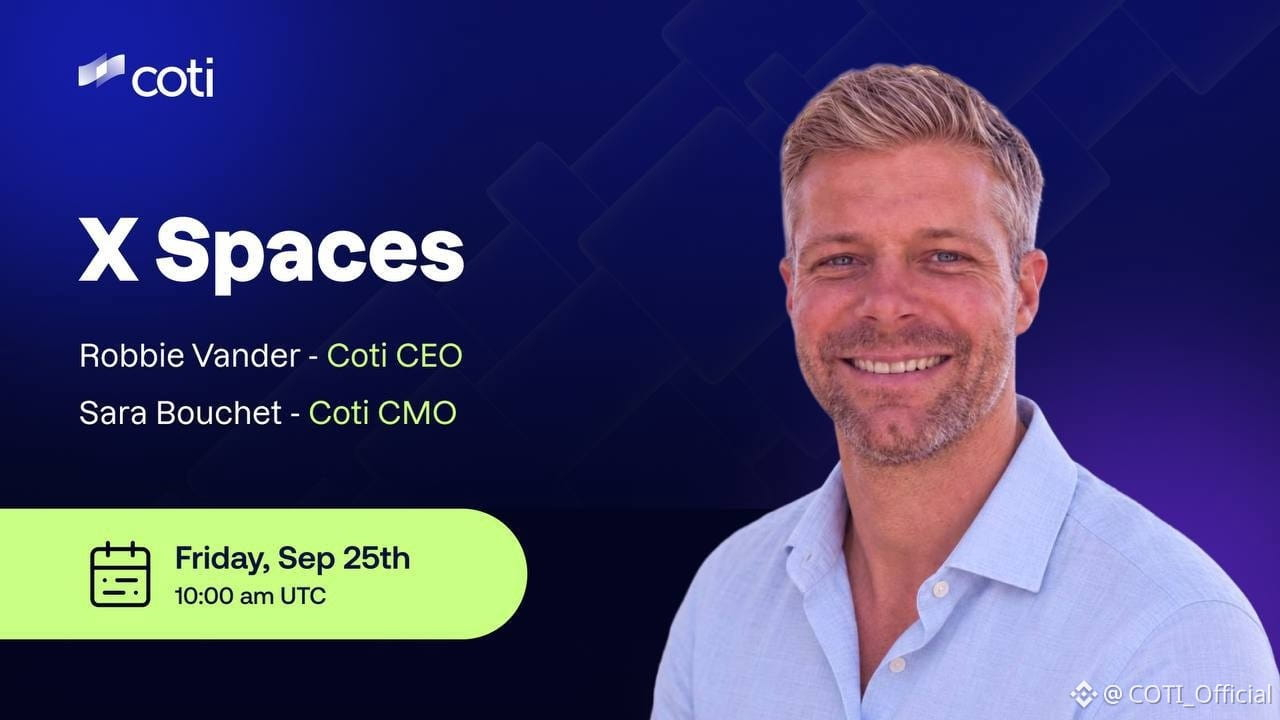
X مساحات مع الرئيس التنفيذي الجديد، روبّي فاندر غينشت، والمدير التسويقي (CMO) الجديد، سارة بوِشِه
بعد أسئلة المجتمع، سيستضيف روبّي وسارة غدًا في تمام الساعة 10:00 بالتوقيت العالمي المنسق (UTC) جلسة X Space، لتغطية كل نقطة أثارها المجتمع.
> https://twitter.com/i/spaces/1nGeLMonEznKX
توضيحات أولية
1. مؤسسة COTI
تواصل مؤسسة COTI كما هي. يقوم روبّي بوضع مهمة جديدة للمشروع، مع تركيز أكبر على التطوير التجاري.
تُنضم سارة بوصفها CMO، بخلفية في بناء تطبيقات للمستهلكين. ستقود إطلاق تطبيق COTI ومنتجاته.
2. خارطة الطريق الأوسع
لا يوجد تغيير هيكلي في المشروع، بخلاف تغيير الإدارة. وهذا ضروري لتشكيل الرؤية بما يتجاوز التركيز التقني البحت.
يجلب روبّي شبكة وخبرة تركز على التطبيقات التجارية للتكنولوجيا. تتمحور عملية تنفيذ $COTI في صميم هذا الأمر.
3. الجدول الزمني
تتمثل نقطة تركيز روبّي الأساسية في تطبيق مركزي جديد، يتيح إنفاق COTI كمسار دفع قائم على الخصوصية لكل شيء في الحياة اليومية.
سيتم نشر خارطة الطريق العامة، التي توضح كل معلم ستجلبه التطبيقات الجديدة، غدًا.
يُكتسب الثقة. روبّي ملتزم لسنوات من العمل على تنفيذ $COTI كعملة خاصة قابلة للإنفاق، ولترك هذا العمل يتحدث عن نفسه.
4. ملاحظات المجتمع
نموذج Google أدناه مخصص ليتقدم أفراد المجتمع بأهم أسئلتهم إلى روبّي وسارة، حتى يمكن تناولها في جلسة AMA.
https://docs.google.com/forms/d/e/1FAIpQLSfyxn4Y8iEgfNVQfdag_T9DRj2EsG9ZwIhOvBn2OEFuRSf0dg/viewform
نعتزم جعل هذا الأمر متكررًا، بحيث تتم معالجة المخاوف بانتظام مع تحول COTI إلى تطبيق/تنفيذ تجاري للخصوصية.
X مساحات مع الرئيس التنفيذي الجديد، روبّي فاندر غينشت، والمدير التسويقي (CMO) الجديد، سارة بوِشِه
بعد أسئلة المجتمع، سيستضيف روبّي وسارة غدًا في تمام الساعة 10:00 بالتوقيت العالمي المنسق (UTC) جلسة X Space، لتغطية كل نقطة أثارها المجتمع.
> https://twitter.com/i/spaces/1nGeLMonEznKX
توضيحات أولية
1. مؤسسة COTI
تواصل مؤسسة COTI كما هي. يقوم روبّي بوضع مهمة جديدة للمشروع، مع تركيز أكبر على التطوير التجاري.
تُنضم سارة بوصفها CMO، بخلفية في بناء تطبيقات للمستهلكين. ستقود إطلاق تطبيق COTI ومنتجاته.
2. خارطة الطريق الأوسع
لا يوجد تغيير هيكلي في المشروع، بخلاف تغيير الإدارة. وهذا ضروري لتشكيل الرؤية بما يتجاوز التركيز التقني البحت.
يجلب روبّي شبكة وخبرة تركز على التطبيقات التجارية للتكنولوجيا. تتمحور عملية تنفيذ $COTI في صميم هذا الأمر.
3. الجدول الزمني
تتمثل نقطة تركيز روبّي الأساسية في تطبيق مركزي جديد، يتيح إنفاق COTI كمسار دفع قائم على الخصوصية لكل شيء في الحياة اليومية.
سيتم نشر خارطة الطريق العامة، التي توضح كل معلم ستجلبه التطبيقات الجديدة، غدًا.
يُكتسب الثقة. روبّي ملتزم لسنوات من العمل على تنفيذ $COTI كعملة خاصة قابلة للإنفاق، ولترك هذا العمل يتحدث عن نفسه.
4. ملاحظات المجتمع
نموذج Google أدناه مخصص ليتقدم أفراد المجتمع بأهم أسئلتهم إلى روبّي وسارة، حتى يمكن تناولها في جلسة AMA.
https://docs.google.com/forms/d/e/1FAIpQLSfyxn4Y8iEgfNVQfdag_T9DRj2EsG9ZwIhOvBn2OEFuRSf0dg/viewform
نعتزم جعل هذا الأمر متكررًا، بحيث تتم معالجة المخاوف بانتظام مع تحول COTI إلى تطبيق/تنفيذ تجاري للخصوصية.
بعد أسئلة المجتمع، سيستضيف روبّي وسارة غدًا في تمام الساعة 10:00 بالتوقيت العالمي المنسق (UTC) جلسة X Space، لتغطية كل نقطة أثارها المجتمع.
> https://twitter.com/i/spaces/1nGeLMonEznKX
توضيحات أولية
1. مؤسسة COTI
تواصل مؤسسة COTI كما هي. يقوم روبّي بوضع مهمة جديدة للمشروع، مع تركيز أكبر على التطوير التجاري.
تُنضم سارة بوصفها CMO، بخلفية في بناء تطبيقات للمستهلكين. ستقود إطلاق تطبيق COTI ومنتجاته.
2. خارطة الطريق الأوسع
لا يوجد تغيير هيكلي في المشروع، بخلاف تغيير الإدارة. وهذا ضروري لتشكيل الرؤية بما يتجاوز التركيز التقني البحت.
يجلب روبّي شبكة وخبرة تركز على التطبيقات التجارية للتكنولوجيا. تتمحور عملية تنفيذ $COTI في صميم هذا الأمر.
3. الجدول الزمني
تتمثل نقطة تركيز روبّي الأساسية في تطبيق مركزي جديد، يتيح إنفاق COTI كمسار دفع قائم على الخصوصية لكل شيء في الحياة اليومية.
سيتم نشر خارطة الطريق العامة، التي توضح كل معلم ستجلبه التطبيقات الجديدة، غدًا.
يُكتسب الثقة. روبّي ملتزم لسنوات من العمل على تنفيذ $COTI كعملة خاصة قابلة للإنفاق، ولترك هذا العمل يتحدث عن نفسه.
4. ملاحظات المجتمع
نموذج Google أدناه مخصص ليتقدم أفراد المجتمع بأهم أسئلتهم إلى روبّي وسارة، حتى يمكن تناولها في جلسة AMA.
https://docs.google.com/forms/d/e/1FAIpQLSfyxn4Y8iEgfNVQfdag_T9DRj2EsG9ZwIhOvBn2OEFuRSf0dg/viewform
نعتزم جعل هذا الأمر متكررًا، بحيث تتم معالجة المخاوف بانتظام مع تحول COTI إلى تطبيق/تنفيذ تجاري للخصوصية.
2
12
1.9k
https://x.com/COTInetwork/status/2100330771386974299
https://x.com/COTInetwork/status/2100330771386974299
2
4
2.9k

مقالة
COTI X Avalanche: الخصوصية المبنية للأعمالتقوم COTI بتوسيع حزمة تقنيات Avalanche من خلال حوسبة خاصة عامة الاستخدام وبوابة خصوصية مباشرة على C-Chain.
TL;DR
→ قامت COTI بإضافة بنية الخصوصية عند الطلب الخاصة بها إلى Avalanche.
→ Avalanche عبارة عن تقنية تم بناؤها من أجل الأعمال. تم بناء الخصوصية من COTI من أجل الأعمال.
→ العمل معًا لدعم المؤسسات والشركات والمطورين الذين يجلبون الأصول إلى السلسلة عبر خصوصية متوافقة.
→ تتيح الخصوصية عند الطلب لأي تطبيق على Avalanche الوصول إلى حوسبة خاصة عامة الاستخدام مدعومة من COTI.
COTI X Avalanche: الخصوصية المبنية للأعمال
تقوم COTI بتوسيع حزمة تقنيات Avalanche من خلال حوسبة خاصة عامة الاستخدام وبوابة خصوصية مباشرة على C-Chain.
TL;DR
→ قامت COTI بإضافة بنية الخصوصية عند الطلب الخاصة بها إلى Avalanche.
→ Avalanche عبارة عن تقنية تم بناؤها من أجل الأعمال. تم بناء الخصوصية من COTI من أجل الأعمال.
→ العمل معًا لدعم المؤسسات والشركات والمطورين الذين يجلبون الأصول إلى السلسلة عبر خصوصية متوافقة.
→ تتيح الخصوصية عند الطلب لأي تطبيق على Avalanche الوصول إلى حوسبة خاصة عامة الاستخدام مدعومة من COTI.
TL;DR
→ قامت COTI بإضافة بنية الخصوصية عند الطلب الخاصة بها إلى Avalanche.
→ Avalanche عبارة عن تقنية تم بناؤها من أجل الأعمال. تم بناء الخصوصية من COTI من أجل الأعمال.
→ العمل معًا لدعم المؤسسات والشركات والمطورين الذين يجلبون الأصول إلى السلسلة عبر خصوصية متوافقة.
→ تتيح الخصوصية عند الطلب لأي تطبيق على Avalanche الوصول إلى حوسبة خاصة عامة الاستخدام مدعومة من COTI.
1
5
4
3.2k
تمّ التحقق
خصوصية COTI تعمل الآن على أفالانش 🔺
تقديم الخصوصية المصممة للأعمال على أفالانش
→ جاهزة لـ L1s والمؤسسات والمطوّرين
→ خصوصية افتراضيًا، وقابلة للتدقيق عند الحاجة
→ بوابة الخصوصية والـ stablecoins الخاصة تعمل الآن
اقرأ المزيد 👇
https://cotinetwork.medium.com/coti-x-avalanche-privacy-built-for-business-0110b3897d00
خصوصية COTI تعمل الآن على أفالانش 🔺
تقديم الخصوصية المصممة للأعمال على أفالانش
→ جاهزة لـ L1s والمؤسسات والمطوّرين
→ خصوصية افتراضيًا، وقابلة للتدقيق عند الحاجة
→ بوابة الخصوصية والـ stablecoins الخاصة تعمل الآن
اقرأ المزيد 👇
https://cotinetwork.medium.com/coti-x-avalanche-privacy-built-for-business-0110b3897d00
تقديم الخصوصية المصممة للأعمال على أفالانش
→ جاهزة لـ L1s والمؤسسات والمطوّرين
→ خصوصية افتراضيًا، وقابلة للتدقيق عند الحاجة
→ بوابة الخصوصية والـ stablecoins الخاصة تعمل الآن
اقرأ المزيد 👇
https://cotinetwork.medium.com/coti-x-avalanche-privacy-built-for-business-0110b3897d00

2
4
2.8k
تمّ التحقق
إشعار تشغيلي من COTI: التوحيد وبنية الاحتفاظ الجديدة
استكمالًا للإشعار التشغيلي المثبّت بشأن التحويل من V2 إلى ERC20: خلال الساعات القادمة نُنجز هذا التحويل. سيتم تحويل رموز V2 المتبقية التي كانت بحوزة المؤسسة إلى ERC20 عبر جسر COTI، وسيتم توحيد جميع رموز ERC20 التي كانت بحوزة المؤسسة، بما في ذلك الأرصدة المحوّلة سابقًا عبر الجسر، في محفظة Genesis. هذه هي الخطوة الأولى من البنية المحدّثة لطريقة الاحتفاظ بـ COTI التي تشير إليها الإشعار السابق.
ستنتقل الحيازات الموحدة من محفظة Genesis إلى عنوانين رئيسيين جديدين ضمن بنية الاحتفاظ المحدّثة. لأسباب تتعلق بالأمن التشغيلي، سيتم تنفيذ هذه الخطوة كسلسلة من قرابة عشر معاملات منفصلة بدلًا من معاملة واحدة، وهو إجراء قياسي للتحويلات بهذا الحجم. ستكون السلسلة ظاهرة على السلسلة (on-chain)، وسيتم نشر العنوانين الرئيسيين بمجرد اكتمالها، إلى جانب تسوية/مطابقة كاملة لهذه المطالعة.
ما الذي يتغير بالنسبة لحاملي الرموز: لا شيء. أرصدتك دون تغيير، ولا يلزم إجراء أي تبديل أو ترحيل، ولا يتم إنشاء COTI جديد. هذه تحركات لرموز مملوكة للمؤسسة بالفعل، وليست إصدارًا جديدًا، ولا تتغير نمذجة الاقتصاد الرمزي (tokenomics) المعمول بها. ستظل حدود الجسر الأعلى الواردة في الإشعار السابق سارية.
كما كان الحال من قبل، تتم كل عملية مطابقة مقابل هذا الإشعار، وكل شيء قابل للتحقق على السلسلة (on-chain).
إشعار تشغيلي من COTI: التوحيد وبنية الاحتفاظ الجديدة
استكمالًا للإشعار التشغيلي المثبّت بشأن التحويل من V2 إلى ERC20: خلال الساعات القادمة نُنجز هذا التحويل. سيتم تحويل رموز V2 المتبقية التي كانت بحوزة المؤسسة إلى ERC20 عبر جسر COTI، وسيتم توحيد جميع رموز ERC20 التي كانت بحوزة المؤسسة، بما في ذلك الأرصدة المحوّلة سابقًا عبر الجسر، في محفظة Genesis. هذه هي الخطوة الأولى من البنية المحدّثة لطريقة الاحتفاظ بـ COTI التي تشير إليها الإشعار السابق.
ستنتقل الحيازات الموحدة من محفظة Genesis إلى عنوانين رئيسيين جديدين ضمن بنية الاحتفاظ المحدّثة. لأسباب تتعلق بالأمن التشغيلي، سيتم تنفيذ هذه الخطوة كسلسلة من قرابة عشر معاملات منفصلة بدلًا من معاملة واحدة، وهو إجراء قياسي للتحويلات بهذا الحجم. ستكون السلسلة ظاهرة على السلسلة (on-chain)، وسيتم نشر العنوانين الرئيسيين بمجرد اكتمالها، إلى جانب تسوية/مطابقة كاملة لهذه المطالعة.
ما الذي يتغير بالنسبة لحاملي الرموز: لا شيء. أرصدتك دون تغيير، ولا يلزم إجراء أي تبديل أو ترحيل، ولا يتم إنشاء COTI جديد. هذه تحركات لرموز مملوكة للمؤسسة بالفعل، وليست إصدارًا جديدًا، ولا تتغير نمذجة الاقتصاد الرمزي (tokenomics) المعمول بها. ستظل حدود الجسر الأعلى الواردة في الإشعار السابق سارية.
كما كان الحال من قبل، تتم كل عملية مطابقة مقابل هذا الإشعار، وكل شيء قابل للتحقق على السلسلة (on-chain).
استكمالًا للإشعار التشغيلي المثبّت بشأن التحويل من V2 إلى ERC20: خلال الساعات القادمة نُنجز هذا التحويل. سيتم تحويل رموز V2 المتبقية التي كانت بحوزة المؤسسة إلى ERC20 عبر جسر COTI، وسيتم توحيد جميع رموز ERC20 التي كانت بحوزة المؤسسة، بما في ذلك الأرصدة المحوّلة سابقًا عبر الجسر، في محفظة Genesis. هذه هي الخطوة الأولى من البنية المحدّثة لطريقة الاحتفاظ بـ COTI التي تشير إليها الإشعار السابق.
ستنتقل الحيازات الموحدة من محفظة Genesis إلى عنوانين رئيسيين جديدين ضمن بنية الاحتفاظ المحدّثة. لأسباب تتعلق بالأمن التشغيلي، سيتم تنفيذ هذه الخطوة كسلسلة من قرابة عشر معاملات منفصلة بدلًا من معاملة واحدة، وهو إجراء قياسي للتحويلات بهذا الحجم. ستكون السلسلة ظاهرة على السلسلة (on-chain)، وسيتم نشر العنوانين الرئيسيين بمجرد اكتمالها، إلى جانب تسوية/مطابقة كاملة لهذه المطالعة.
ما الذي يتغير بالنسبة لحاملي الرموز: لا شيء. أرصدتك دون تغيير، ولا يلزم إجراء أي تبديل أو ترحيل، ولا يتم إنشاء COTI جديد. هذه تحركات لرموز مملوكة للمؤسسة بالفعل، وليست إصدارًا جديدًا، ولا تتغير نمذجة الاقتصاد الرمزي (tokenomics) المعمول بها. ستظل حدود الجسر الأعلى الواردة في الإشعار السابق سارية.
كما كان الحال من قبل، تتم كل عملية مطابقة مقابل هذا الإشعار، وكل شيء قابل للتحقق على السلسلة (on-chain).
1
1
1.6k
تمّ التحقق
حلقة جديدة من Onchain Confidential متاحة الآن 🎙️
تتضمن COTI CEO شاهاف بار-جيفين 🔹
البنوك تبني على السلسلة، لكن لا يمكنها العمل عندما تكون أرصدتها ومعاملاتها ومعلومات العملاء مكشوفة. يوضح شاهاف لماذا أعادت COTI بناء شبكتها حول الخصوصية، مما يمنح المؤسسات القدرة على تحديد ما يبقى خاصًا ومن يحصل على الوصول.
تقديم: COTI. من استضافة: Amateo.
شاهد الآن 👇
https://www.youtube.com/watch?v=7dEfdXfaTDE
حلقة جديدة من Onchain Confidential متاحة الآن 🎙️
تتضمن COTI CEO شاهاف بار-جيفين 🔹
البنوك تبني على السلسلة، لكن لا يمكنها العمل عندما تكون أرصدتها ومعاملاتها ومعلومات العملاء مكشوفة. يوضح شاهاف لماذا أعادت COTI بناء شبكتها حول الخصوصية، مما يمنح المؤسسات القدرة على تحديد ما يبقى خاصًا ومن يحصل على الوصول.
تقديم: COTI. من استضافة: Amateo.
شاهد الآن 👇
https://www.youtube.com/watch?v=7dEfdXfaTDE
تتضمن COTI CEO شاهاف بار-جيفين 🔹
البنوك تبني على السلسلة، لكن لا يمكنها العمل عندما تكون أرصدتها ومعاملاتها ومعلومات العملاء مكشوفة. يوضح شاهاف لماذا أعادت COTI بناء شبكتها حول الخصوصية، مما يمنح المؤسسات القدرة على تحديد ما يبقى خاصًا ومن يحصل على الوصول.
تقديم: COTI. من استضافة: Amateo.
شاهد الآن 👇
https://www.youtube.com/watch?v=7dEfdXfaTDE
1
3
1k
حلقة جديدة من Onchain Confidential متاحة الآن 🎙️
يتضمن مشاركة الرئيس التنفيذي لشركة COTI، شافاف بار-جيفن 🔹
البنوك تبني على السلسلة (onchain)، لكنها لا تستطيع العمل مع كشف أرصدتها ومعاملاتها ومعلومات العملاء. يشرح شافاف لماذا أعادت COTI بناء شبكتها بهدف الخصوصية، وكيف تُمكّن المؤسسات من التحكم بما يبقى خاصًا ومن يحصل على الوصول.
تُقدّمها COTI. ويستضيفها Amateo.
شاهد الآن 👇
https://youtu.be/7dEfdXfaTDE?si=fuG3J-YyVJY-6Gt3
حلقة جديدة من Onchain Confidential متاحة الآن 🎙️
يتضمن مشاركة الرئيس التنفيذي لشركة COTI، شافاف بار-جيفن 🔹
البنوك تبني على السلسلة (onchain)، لكنها لا تستطيع العمل مع كشف أرصدتها ومعاملاتها ومعلومات العملاء. يشرح شافاف لماذا أعادت COTI بناء شبكتها بهدف الخصوصية، وكيف تُمكّن المؤسسات من التحكم بما يبقى خاصًا ومن يحصل على الوصول.
تُقدّمها COTI. ويستضيفها Amateo.
شاهد الآن 👇
https://youtu.be/7dEfdXfaTDE?si=fuG3J-YyVJY-6Gt3
يتضمن مشاركة الرئيس التنفيذي لشركة COTI، شافاف بار-جيفن 🔹
البنوك تبني على السلسلة (onchain)، لكنها لا تستطيع العمل مع كشف أرصدتها ومعاملاتها ومعلومات العملاء. يشرح شافاف لماذا أعادت COTI بناء شبكتها بهدف الخصوصية، وكيف تُمكّن المؤسسات من التحكم بما يبقى خاصًا ومن يحصل على الوصول.
تُقدّمها COTI. ويستضيفها Amateo.
شاهد الآن 👇
https://youtu.be/7dEfdXfaTDE?si=fuG3J-YyVJY-6Gt3
1
1
805
حلقة جديدة من Onchain Confidential متاحة الآن 🎙️
يشارك فيها الرئيس التنفيذي لشركة COTI، شيفاف بار-جيڤن 🔹
تقوم البنوك ببناء منصات أونتشين، لكنها لا تستطيع العمل ببيانات أرصدتها ومعاملاتها ومعلومات عملائها وهي مكشوفة. يشرح شيفاف لماذا أعادت COTI بناء شبكتها مع التركيز على الخصوصية، ما يمنح المؤسسات القدرة على التحكم فيما يبقى خاصًا ومن يحصل على إمكانية الوصول.
مقدمة من COTI. تقديم: Amateo.
شاهد الآن 👇
https://www.youtube.com/watch?v=7dEfdXfaTDE
حلقة جديدة من Onchain Confidential متاحة الآن 🎙️
يشارك فيها الرئيس التنفيذي لشركة COTI، شيفاف بار-جيڤن 🔹
تقوم البنوك ببناء منصات أونتشين، لكنها لا تستطيع العمل ببيانات أرصدتها ومعاملاتها ومعلومات عملائها وهي مكشوفة. يشرح شيفاف لماذا أعادت COTI بناء شبكتها مع التركيز على الخصوصية، ما يمنح المؤسسات القدرة على التحكم فيما يبقى خاصًا ومن يحصل على إمكانية الوصول.
مقدمة من COTI. تقديم: Amateo.
شاهد الآن 👇
https://www.youtube.com/watch?v=7dEfdXfaTDE
يشارك فيها الرئيس التنفيذي لشركة COTI، شيفاف بار-جيڤن 🔹
تقوم البنوك ببناء منصات أونتشين، لكنها لا تستطيع العمل ببيانات أرصدتها ومعاملاتها ومعلومات عملائها وهي مكشوفة. يشرح شيفاف لماذا أعادت COTI بناء شبكتها مع التركيز على الخصوصية، ما يمنح المؤسسات القدرة على التحكم فيما يبقى خاصًا ومن يحصل على إمكانية الوصول.
مقدمة من COTI. تقديم: Amateo.
شاهد الآن 👇
https://www.youtube.com/watch?v=7dEfdXfaTDE
717
تمّ التحقق
اقلب المفتاح: فعّل الخصوصية 🛡️
نفس المحفظة. نفس الرموز. نفس التحويل.
$COTI Private ERC20 يُشفّر المبلغ والأرصدة على السلسلة. لا يمكن قراءتها إلا من يملك مفتاح الخصوصية.
اقلب المفتاح: فعّل الخصوصية 🛡️
نفس المحفظة. نفس الرموز. نفس التحويل.
$COTI Private ERC20 يُشفّر المبلغ والأرصدة على السلسلة. لا يمكن قراءتها إلا من يملك مفتاح الخصوصية.
نفس المحفظة. نفس الرموز. نفس التحويل.
$COTI Private ERC20 يُشفّر المبلغ والأرصدة على السلسلة. لا يمكن قراءتها إلا من يملك مفتاح الخصوصية.
1
758
تمّ التحقق
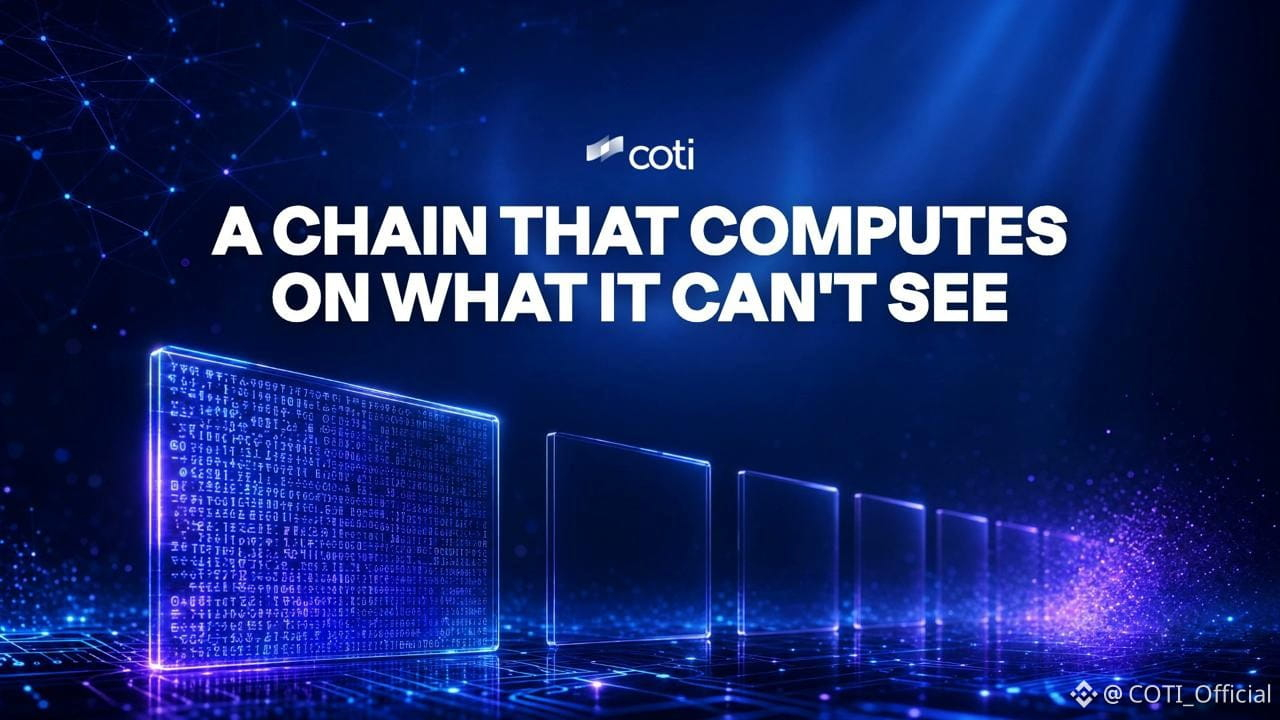
خصوصية البلوكشين ليست مجرد رموز خاصة.
الخصوصية الحقيقية تتطلب حسابات خاصة عامة.
معظم السلاسل تستطيع فقط إجراء الحساب على البيانات التي يمكنها رؤيتها.
تُجري دوائر غاربلِد من COTI حسابات على بيانات لا تراها السلسلة أصلًا.
يُشفَّر الدخول، ويُشفَّر الخروج.
هذا ما يتيح التمويل اللامركزي الخاص 🛡️
خصوصية البلوكشين ليست مجرد رموز خاصة.
الخصوصية الحقيقية تتطلب حسابات خاصة عامة.
معظم السلاسل تستطيع فقط إجراء الحساب على البيانات التي يمكنها رؤيتها.
تُجري دوائر غاربلِد من COTI حسابات على بيانات لا تراها السلسلة أصلًا.
يُشفَّر الدخول، ويُشفَّر الخروج.
هذا ما يتيح التمويل اللامركزي الخاص 🛡️
الخصوصية الحقيقية تتطلب حسابات خاصة عامة.
معظم السلاسل تستطيع فقط إجراء الحساب على البيانات التي يمكنها رؤيتها.
تُجري دوائر غاربلِد من COTI حسابات على بيانات لا تراها السلسلة أصلًا.
يُشفَّر الدخول، ويُشفَّر الخروج.
هذا ما يتيح التمويل اللامركزي الخاص 🛡️
1
647
تمّ التحقق
خصوصية البلوكشين ليست مجرد رموز خاصة.
الخصوصية الحقيقية تتطلب حسابات خاصة عامة.
معظم السلاسل تستطيع فقط إجراء الحساب على البيانات التي يمكنها رؤيتها.
تُجري دوائر غاربلِد من COTI حسابات على بيانات لا تراها السلسلة أصلًا.
يُشفَّر الدخول، ويُشفَّر الخروج.
هذا ما يتيح التمويل اللامركزي الخاص 🛡️
خصوصية البلوكشين ليست مجرد رموز خاصة.
الخصوصية الحقيقية تتطلب حسابات خاصة عامة.
معظم السلاسل تستطيع فقط إجراء الحساب على البيانات التي يمكنها رؤيتها.
تُجري دوائر غاربلِد من COTI حسابات على بيانات لا تراها السلسلة أصلًا.
يُشفَّر الدخول، ويُشفَّر الخروج.
هذا ما يتيح التمويل اللامركزي الخاص 🛡️
الخصوصية الحقيقية تتطلب حسابات خاصة عامة.
معظم السلاسل تستطيع فقط إجراء الحساب على البيانات التي يمكنها رؤيتها.
تُجري دوائر غاربلِد من COTI حسابات على بيانات لا تراها السلسلة أصلًا.
يُشفَّر الدخول، ويُشفَّر الخروج.
هذا ما يتيح التمويل اللامركزي الخاص 🛡️
1
1
688
تمّ التحقق
خصوصية البلوكشين ليست مجرد رموز خاصة.
الخصوصية الحقيقية تتطلب حسابات خاصة عامة.
معظم السلاسل تستطيع فقط إجراء الحساب على البيانات التي يمكنها رؤيتها.
تُجري دوائر غاربلِد من COTI حسابات على بيانات لا تراها السلسلة أصلًا.
يُشفَّر الدخول، ويُشفَّر الخروج.
هذا ما يتيح التمويل اللامركزي الخاص 🛡️
خصوصية البلوكشين ليست مجرد رموز خاصة.
الخصوصية الحقيقية تتطلب حسابات خاصة عامة.
معظم السلاسل تستطيع فقط إجراء الحساب على البيانات التي يمكنها رؤيتها.
تُجري دوائر غاربلِد من COTI حسابات على بيانات لا تراها السلسلة أصلًا.
يُشفَّر الدخول، ويُشفَّر الخروج.
هذا ما يتيح التمويل اللامركزي الخاص 🛡️
الخصوصية الحقيقية تتطلب حسابات خاصة عامة.
معظم السلاسل تستطيع فقط إجراء الحساب على البيانات التي يمكنها رؤيتها.
تُجري دوائر غاربلِد من COTI حسابات على بيانات لا تراها السلسلة أصلًا.
يُشفَّر الدخول، ويُشفَّر الخروج.
هذا ما يتيح التمويل اللامركزي الخاص 🛡️
1
573
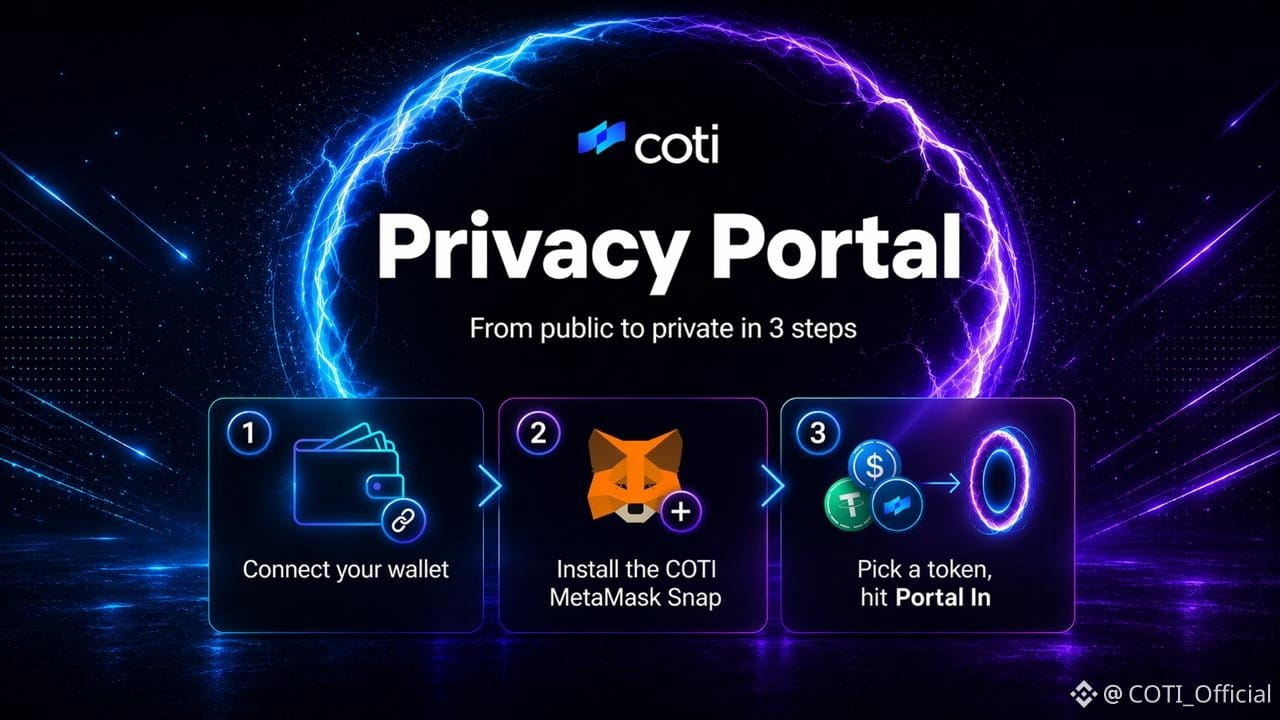
اجعل رموزك خاصة في 3 خطوات.
- قم بتوصيل محفظتك.
- ثبّت إضافة COTI MetaMask Snap.
- اختر رمزًا وابدأ عبر Portal In.
وهذا كل شيء! يتم تشفير رموزك على البلوكشين ولا تظهر إلا لك.
جرّبه 👉 https://privacy.coti.io
اجعل رموزك خاصة في 3 خطوات.
- قم بتوصيل محفظتك.
- ثبّت إضافة COTI MetaMask Snap.
- اختر رمزًا وابدأ عبر Portal In.
وهذا كل شيء! يتم تشفير رموزك على البلوكشين ولا تظهر إلا لك.
جرّبه 👉 https://privacy.coti.io
- قم بتوصيل محفظتك.
- ثبّت إضافة COTI MetaMask Snap.
- اختر رمزًا وابدأ عبر Portal In.
وهذا كل شيء! يتم تشفير رموزك على البلوكشين ولا تظهر إلا لك.
جرّبه 👉 https://privacy.coti.io
1
4
2.5k
تمّ التحقق
حلقة جديدة من Onchain Confidential متاحة الآن 🎙️
يستضيف ضيفًا مميزًا: ريدان مسيلم، المدير التنفيذي لتحالف Enterprise Ethereum 🔹
احصل على نظرة من الداخل حول كيفية قيام المؤسسات ببناء التطبيقات على السلسلة (Onchain)، ولماذا تبرز الخصوصية الانتقائية أهميتها.
تقديم COTI. استضافة Amateo.
شاهد الآن 👇
https://youtu.be/qNaMSZTyxA4
حلقة جديدة من Onchain Confidential متاحة الآن 🎙️
يستضيف ضيفًا مميزًا: ريدان مسيلم، المدير التنفيذي لتحالف Enterprise Ethereum 🔹
احصل على نظرة من الداخل حول كيفية قيام المؤسسات ببناء التطبيقات على السلسلة (Onchain)، ولماذا تبرز الخصوصية الانتقائية أهميتها.
تقديم COTI. استضافة Amateo.
شاهد الآن 👇
https://youtu.be/qNaMSZTyxA4
يستضيف ضيفًا مميزًا: ريدان مسيلم، المدير التنفيذي لتحالف Enterprise Ethereum 🔹
احصل على نظرة من الداخل حول كيفية قيام المؤسسات ببناء التطبيقات على السلسلة (Onchain)، ولماذا تبرز الخصوصية الانتقائية أهميتها.
تقديم COTI. استضافة Amateo.
شاهد الآن 👇
https://youtu.be/qNaMSZTyxA4
4
1.1k
صحيح جزئيًا
إشعار تشغيلي لـ COTI: التحويل من V2 إلى ERC20
إشعار تشغيلي: خلال الساعات القادمة، سيتم تحويل معظم رموز COTI V2 الموجودة في محفظة Genesis إلى ERC20 عبر جسر COTI، وسيتم إرجاعها إلى نفس عنوان ETH.
لماذا: لأن ERC20 هو المكان الذي توجد فيه حاليًا الغالبية العظمى من سيولة COTI وإدراجات المنصات والتكاملات، ونحن نعمل على استراتيجية مختلفة لكيفية احتفاظ COTI عبر السلاسل.
وهناك أيضًا فائدة عملية تساءل عنها الكثير منكم منذ فترة طويلة: حدود الجسر. توجد هذه الحدود بسبب كيفية تقسيم العرض بين المسارين. ومع وجود الغالبية الكبيرة من العرض على ERC20، سيرتفع الحد اليومي الإجمالي من 7M إلى 70M، من دون أي قيود على المحافظ الفردية، فور اكتمال التحويل.
ما الذي يغيره هذا بالنسبة لحاملي الرموز: لا شيء. أرصدتكم لم تتأثر، ولا يلزم أي تبديل أو ترحيل، ولن يتم إنشاء COTI جديد. هذا تحويل لـ COTI الموجود والمملوك من قبل المؤسسة بين الشبكات، وليس إصدارًا جديدًا، ولا يغيّر اقتصاديات الرمز المعتمدة حاليًا. جميع التحركات مرئية على السلسلة ويمكن مطابقتها مع هذا الإشعار.
هذا التغيير في كيفية توزيع الرموز عبر الشبكتين لا يمثل تغييرًا في التزامنا تجاه COTI V2 أو تشغيل الشبكة. إنه قرار تشغيلي وإدارة للسيولة يتعلق بمكان الاحتفاظ بالرموز المملوكة للمؤسسة.
ولتحقيق الشفافية الكاملة، سيتم نشر عنوان الاحتفاظ الوجهة بمجرد اكتمال التحويل. وقد تنتقل بعض الحيازات لاحقًا إلى محافظ التخزين البارد؛ وإذا حدث ذلك وعندما يحدث، فسيتم نشر تلك العناوين أيضًا.
إشعار تشغيلي لـ COTI: التحويل من V2 إلى ERC20
إشعار تشغيلي: خلال الساعات القادمة، سيتم تحويل معظم رموز COTI V2 الموجودة في محفظة Genesis إلى ERC20 عبر جسر COTI، وسيتم إرجاعها إلى نفس عنوان ETH.
لماذا: لأن ERC20 هو المكان الذي توجد فيه حاليًا الغالبية العظمى من سيولة COTI وإدراجات المنصات والتكاملات، ونحن نعمل على استراتيجية مختلفة لكيفية احتفاظ COTI عبر السلاسل.
وهناك أيضًا فائدة عملية تساءل عنها الكثير منكم منذ فترة طويلة: حدود الجسر. توجد هذه الحدود بسبب كيفية تقسيم العرض بين المسارين. ومع وجود الغالبية الكبيرة من العرض على ERC20، سيرتفع الحد اليومي الإجمالي من 7M إلى 70M، من دون أي قيود على المحافظ الفردية، فور اكتمال التحويل.
ما الذي يغيره هذا بالنسبة لحاملي الرموز: لا شيء. أرصدتكم لم تتأثر، ولا يلزم أي تبديل أو ترحيل، ولن يتم إنشاء COTI جديد. هذا تحويل لـ COTI الموجود والمملوك من قبل المؤسسة بين الشبكات، وليس إصدارًا جديدًا، ولا يغيّر اقتصاديات الرمز المعتمدة حاليًا. جميع التحركات مرئية على السلسلة ويمكن مطابقتها مع هذا الإشعار.
هذا التغيير في كيفية توزيع الرموز عبر الشبكتين لا يمثل تغييرًا في التزامنا تجاه COTI V2 أو تشغيل الشبكة. إنه قرار تشغيلي وإدارة للسيولة يتعلق بمكان الاحتفاظ بالرموز المملوكة للمؤسسة.
ولتحقيق الشفافية الكاملة، سيتم نشر عنوان الاحتفاظ الوجهة بمجرد اكتمال التحويل. وقد تنتقل بعض الحيازات لاحقًا إلى محافظ التخزين البارد؛ وإذا حدث ذلك وعندما يحدث، فسيتم نشر تلك العناوين أيضًا.
إشعار تشغيلي: خلال الساعات القادمة، سيتم تحويل معظم رموز COTI V2 الموجودة في محفظة Genesis إلى ERC20 عبر جسر COTI، وسيتم إرجاعها إلى نفس عنوان ETH.
لماذا: لأن ERC20 هو المكان الذي توجد فيه حاليًا الغالبية العظمى من سيولة COTI وإدراجات المنصات والتكاملات، ونحن نعمل على استراتيجية مختلفة لكيفية احتفاظ COTI عبر السلاسل.
وهناك أيضًا فائدة عملية تساءل عنها الكثير منكم منذ فترة طويلة: حدود الجسر. توجد هذه الحدود بسبب كيفية تقسيم العرض بين المسارين. ومع وجود الغالبية الكبيرة من العرض على ERC20، سيرتفع الحد اليومي الإجمالي من 7M إلى 70M، من دون أي قيود على المحافظ الفردية، فور اكتمال التحويل.
ما الذي يغيره هذا بالنسبة لحاملي الرموز: لا شيء. أرصدتكم لم تتأثر، ولا يلزم أي تبديل أو ترحيل، ولن يتم إنشاء COTI جديد. هذا تحويل لـ COTI الموجود والمملوك من قبل المؤسسة بين الشبكات، وليس إصدارًا جديدًا، ولا يغيّر اقتصاديات الرمز المعتمدة حاليًا. جميع التحركات مرئية على السلسلة ويمكن مطابقتها مع هذا الإشعار.
هذا التغيير في كيفية توزيع الرموز عبر الشبكتين لا يمثل تغييرًا في التزامنا تجاه COTI V2 أو تشغيل الشبكة. إنه قرار تشغيلي وإدارة للسيولة يتعلق بمكان الاحتفاظ بالرموز المملوكة للمؤسسة.
ولتحقيق الشفافية الكاملة، سيتم نشر عنوان الاحتفاظ الوجهة بمجرد اكتمال التحويل. وقد تنتقل بعض الحيازات لاحقًا إلى محافظ التخزين البارد؛ وإذا حدث ذلك وعندما يحدث، فسيتم نشر تلك العناوين أيضًا.
1
966
لقد أسند Web3 بالفعل كل ما هو صعب إلى جهات خارجية.
🌐 تُسند بنية العقد إلى مزوّدي RPC
📡 تُسند بيانات الأسعار إلى الأوركلز
🌉 تُسند الرسائل عبر السلاسل إلى الجسور
🔐 تُسند الخصوصية إلى COTI
يتولى $COTI Privacy-on-Demand المعالجة الخاصة للرموز والبيانات والتطبيقات.
🔗 https://x.com/COTInetwork/status/2096241566796955810
لقد أسند Web3 بالفعل كل ما هو صعب إلى جهات خارجية.
🌐 تُسند بنية العقد إلى مزوّدي RPC
📡 تُسند بيانات الأسعار إلى الأوركلز
🌉 تُسند الرسائل عبر السلاسل إلى الجسور
🔐 تُسند الخصوصية إلى COTI
يتولى $COTI Privacy-on-Demand المعالجة الخاصة للرموز والبيانات والتطبيقات.
🔗 https://x.com/COTInetwork/status/2096241566796955810
لقد أسند Web3 بالفعل كل ما هو صعب إلى جهات خارجية.
🌐 تُسند بنية العقد إلى مزوّدي RPC
📡 تُسند بيانات الأسعار إلى الأوركلز
🌉 تُسند الرسائل عبر السلاسل إلى الجسور
🔐 تُسند الخصوصية إلى COTI
يتولى $COTI Privacy-on-Demand المعالجة الخاصة للرموز والبيانات والتطبيقات.
🔗 https://x.com/COTInetwork/status/2096241566796955810
2
2
1k
كيف يعمل الخصوصية عند الطلب في COTI 🛡️
→ ابدأ تطبيقك
→ شغّل إجراءً خاصًا
→ يقوم محفظتك بتشفير البيانات
→ تقوم عملية السلسلة الأصلية بمعالجة معاملة TX
→ تصلها الواردات (Inbox) إلى COTI
→ يقوم COTI بحساب النتيجة دون كشف البيانات
→ تعود الإجابة مختومة
→ لا يمكنك إلا أنت كشف البيانات
أنت تمتلك المفتاح لخصوصيتك 🔐
🔗 https://x.com/COTInetwork/status/2095122627660591204
كيف يعمل الخصوصية عند الطلب في COTI 🛡️
→ ابدأ تطبيقك
→ شغّل إجراءً خاصًا
→ يقوم محفظتك بتشفير البيانات
→ تقوم عملية السلسلة الأصلية بمعالجة معاملة TX
→ تصلها الواردات (Inbox) إلى COTI
→ يقوم COTI بحساب النتيجة دون كشف البيانات
→ تعود الإجابة مختومة
→ لا يمكنك إلا أنت كشف البيانات
أنت تمتلك المفتاح لخصوصيتك 🔐
🔗 https://x.com/COTInetwork/status/2095122627660591204
كيف يعمل الخصوصية عند الطلب في COTI 🛡️
→ ابدأ تطبيقك
→ شغّل إجراءً خاصًا
→ يقوم محفظتك بتشفير البيانات
→ تقوم عملية السلسلة الأصلية بمعالجة معاملة TX
→ تصلها الواردات (Inbox) إلى COTI
→ يقوم COTI بحساب النتيجة دون كشف البيانات
→ تعود الإجابة مختومة
→ لا يمكنك إلا أنت كشف البيانات
أنت تمتلك المفتاح لخصوصيتك 🔐
🔗 https://x.com/COTInetwork/status/2095122627660591204
4
1.2k

مقالة
الخصوصية عند الطلب: كيف تعمل الخصوصية عبر السلاسلالخلاصة (TL;DR)
→ الخصوصية عند الطلب (Privacy-on-Demand) هي خدمة خصوصية للتشفير الشامل تعمل عبر سلاسل الكتل.
→ جزآن يقومان بالمهمة. تقوم Inbox بنقل الطلبات المُحكمة الإغلاق بين السلسلتين. يقوم مُنفّذ MPC على COTI بالحساب باستخدام القيم المُشفّرة دون الكشف عنها أبدًا.
→ يرسل التطبيق البيانات عبر معاملة، وتقوم COTI بحسابها بشكل خاص، ثم تعود الإجابة وما تزال مشفرة. ولا يمكن للبيانات أن تُفكّ وتُعرض إلا من قِبل المستخدم باستخدام مفتاحه الخاص.
→ بالنسبة للسلسلة التي تتكامل معها: يتيح PoD الخصوصية لتطبيقاتها الحالية، دون الحاجة إلى ترحيل أو تقنيات جديدة. → بالنسبة لـ COTI: تتم معالجة كل طلب خاص، أيًا كانت السلسلة التي يبدأ عليها، ويتم دفع الرسوم إلى COTI.
الخصوصية عند الطلب: كيف تعمل الخصوصية عبر السلاسل
الخلاصة (TL;DR)
→ الخصوصية عند الطلب (Privacy-on-Demand) هي خدمة خصوصية للتشفير الشامل تعمل عبر سلاسل الكتل.
→ جزآن يقومان بالمهمة. تقوم Inbox بنقل الطلبات المُحكمة الإغلاق بين السلسلتين. يقوم مُنفّذ MPC على COTI بالحساب باستخدام القيم المُشفّرة دون الكشف عنها أبدًا.
→ يرسل التطبيق البيانات عبر معاملة، وتقوم COTI بحسابها بشكل خاص، ثم تعود الإجابة وما تزال مشفرة. ولا يمكن للبيانات أن تُفكّ وتُعرض إلا من قِبل المستخدم باستخدام مفتاحه الخاص.
→ بالنسبة للسلسلة التي تتكامل معها: يتيح PoD الخصوصية لتطبيقاتها الحالية، دون الحاجة إلى ترحيل أو تقنيات جديدة. → بالنسبة لـ COTI: تتم معالجة كل طلب خاص، أيًا كانت السلسلة التي يبدأ عليها، ويتم دفع الرسوم إلى COTI.
→ الخصوصية عند الطلب (Privacy-on-Demand) هي خدمة خصوصية للتشفير الشامل تعمل عبر سلاسل الكتل.
→ جزآن يقومان بالمهمة. تقوم Inbox بنقل الطلبات المُحكمة الإغلاق بين السلسلتين. يقوم مُنفّذ MPC على COTI بالحساب باستخدام القيم المُشفّرة دون الكشف عنها أبدًا.
→ يرسل التطبيق البيانات عبر معاملة، وتقوم COTI بحسابها بشكل خاص، ثم تعود الإجابة وما تزال مشفرة. ولا يمكن للبيانات أن تُفكّ وتُعرض إلا من قِبل المستخدم باستخدام مفتاحه الخاص.
→ بالنسبة للسلسلة التي تتكامل معها: يتيح PoD الخصوصية لتطبيقاتها الحالية، دون الحاجة إلى ترحيل أو تقنيات جديدة. → بالنسبة لـ COTI: تتم معالجة كل طلب خاص، أيًا كانت السلسلة التي يبدأ عليها، ويتم دفع الرسوم إلى COTI.
3
1.3k
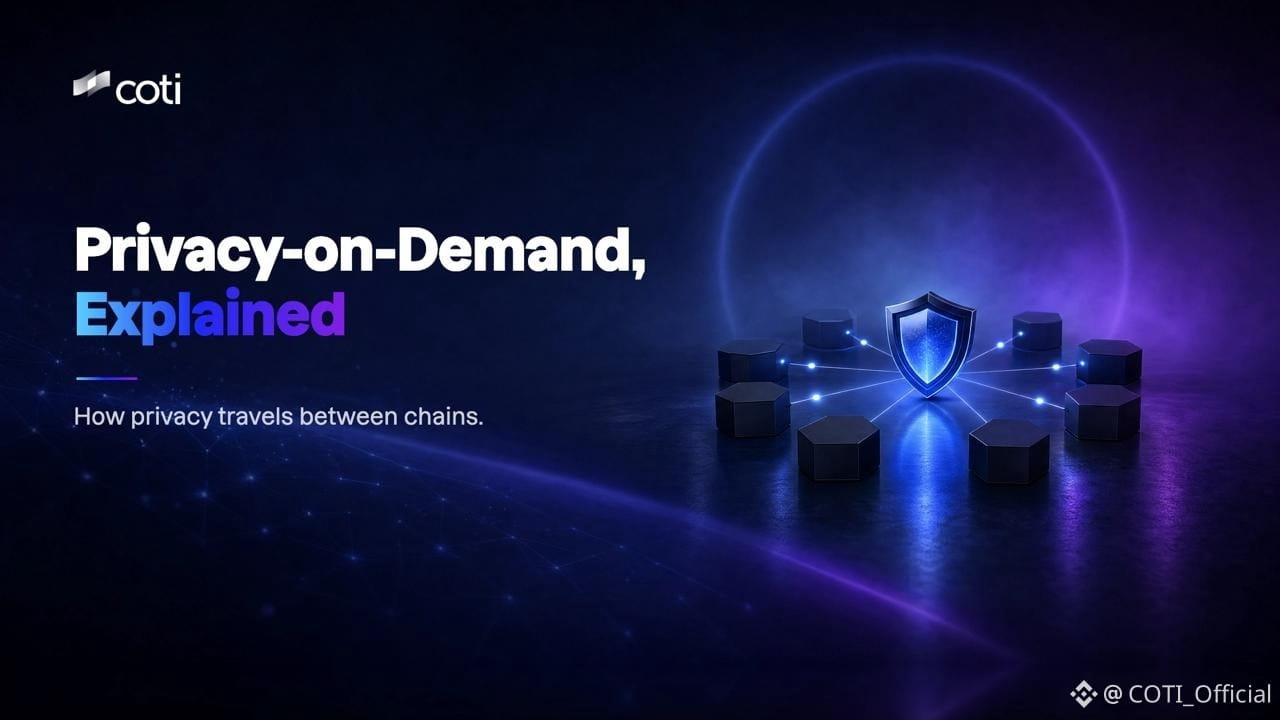
ماذا يفعل الخصوصية عند الطلب (Privacy-on-Demand) فعليًا؟
يتيح لتطبيقك إرسال قيمة إلى COTI مُشفّرة، بحيث يقوم COTI بإجراء العمليات الحسابية بينما تظل البيانات مُشفّرة، ثم يستعيد التطبيق نتيجة لا يمكن فتحها إلا بواسطة مفتاحك.
يمكن لأي تطبيق EVM إضافة الخصوصية. بدون إعادة بناء.
اقرأ المزيد 👇
https://cotinetwork.medium.com/privacy-on-demand-how-privacy-works-across-chains-151f267973f7
ماذا يفعل الخصوصية عند الطلب (Privacy-on-Demand) فعليًا؟
يتيح لتطبيقك إرسال قيمة إلى COTI مُشفّرة، بحيث يقوم COTI بإجراء العمليات الحسابية بينما تظل البيانات مُشفّرة، ثم يستعيد التطبيق نتيجة لا يمكن فتحها إلا بواسطة مفتاحك.
يمكن لأي تطبيق EVM إضافة الخصوصية. بدون إعادة بناء.
اقرأ المزيد 👇
https://cotinetwork.medium.com/privacy-on-demand-how-privacy-works-across-chains-151f267973f7
يتيح لتطبيقك إرسال قيمة إلى COTI مُشفّرة، بحيث يقوم COTI بإجراء العمليات الحسابية بينما تظل البيانات مُشفّرة، ثم يستعيد التطبيق نتيجة لا يمكن فتحها إلا بواسطة مفتاحك.
يمكن لأي تطبيق EVM إضافة الخصوصية. بدون إعادة بناء.
اقرأ المزيد 👇
https://cotinetwork.medium.com/privacy-on-demand-how-privacy-works-across-chains-151f267973f7
1
835
تحدي كود أجواء COTI | إصدار المحقق I
تم إغلاق عمليات التقديم رسميًا 🏆
قام المطورون بإطلاق عملاء خصوصيين مذهلين وتطبيقات وكلية على COTI. والآن، سيتم التحكيم بناءً على الإبداع & المنفعة الحقيقية.
سيتم الإعلان قريبًا عن الفائزين & الجوائز!
🔗 https://x.com/COTInetwork/status/2094698333696639117
تحدي كود أجواء COTI | إصدار المحقق I
تم إغلاق عمليات التقديم رسميًا 🏆
قام المطورون بإطلاق عملاء خصوصيين مذهلين وتطبيقات وكلية على COTI. والآن، سيتم التحكيم بناءً على الإبداع & المنفعة الحقيقية.
سيتم الإعلان قريبًا عن الفائزين & الجوائز!
🔗 https://x.com/COTInetwork/status/2094698333696639117
تحدي كود أجواء COTI | إصدار المحقق I
تم إغلاق عمليات التقديم رسميًا 🏆
قام المطورون بإطلاق عملاء خصوصيين مذهلين وتطبيقات وكلية على COTI. والآن، سيتم التحكيم بناءً على الإبداع & المنفعة الحقيقية.
سيتم الإعلان قريبًا عن الفائزين & الجوائز!
🔗 https://x.com/COTInetwork/status/2094698333696639117
3
774
سجّل الدخول لاستكشاف المزيد من المُحتوى
انضم إلى مُستخدمي العملات الرقمية حول العالم على Binance Square
⚡️ احصل على أحدث المعلومات المفيدة عن العملات الرقمية.
💬 موثوقة من قبل أكبر منصّة لتداول العملات الرقمية في العالم.
👍 اكتشف الرؤى الحقيقية من صنّاع المُحتوى الموثوقين.
البريد الإلكتروني / رقم الهاتف
المواضيع الرائجة
EtherGains70.9%InQ3
64,947 مشاهدات
734 يقومون بالنقاش
🧭🧭🧭 تحليل 🧭🧭🧭
💡 مؤشر موسم العملات البديلة 💡
🚨🚨🚨 لقد أغلق الربع الثالث (T3). ارتفع سعر ETH بنسبة 71% وBTC بنسبة 43%. 🚨🚨🚨
هل كان هذا بداية موسم العملات البديلة؟
من بين أفضل 100:
🌐🌐🌐 57 تفوقت على BTC خلال 90 يومًا
يبدأ موسم العملات البديلة عند 75، لذا ما زال
كما أنه يتقدم بـ 10 نقاط فقط من قمته السنوية عند 67 🌐🌐
💥💥💥 لكن مهلاً، قبل شهر كان المؤشر عند 23 فقط!
هل يمكن أن يدفعه أكتوبر إلى 75؟ 👀💥💥💥
متابعة من فضلكم
#EtherGains70.9%InQ3
$GRAM
Shamika Metting
·2 إعجاب
·558 مشاهدات
TreasuryLetsStatesFileStablecoinCertificationsEarly
2,840 مشاهدات
34 يقومون بالنقاش
US10YearYieldNears5.3%
99,472 مشاهدات
873 يقومون بالنقاش