

CoinPhoton
7.8k منشورات
CoinPhoton
 تحقُّق Binance Square الإضافي
إبلاغ
حظر المُستخدم

Creator of the Year

Level 2 Creator
فتح تداول
مُتداول عرضي
7.6 سنوات
15 تتابع
146.5K+ المتابعون
146.6K+ إعجاب
2 الشارات
منشورات
الحافظة الاستثمارية
الكل
اقتباسات
مقاطع فيديو
Live
·
--
ستُعيد منصة بينانس تسمية حساب التمويل إلى “حساب الأسهم”، مع فصل خدمات العملات المشفرة وحقوق الملكية
ستبدأ بينانس هجرة مرحلية لأصول العملات المشفرة من حسابات التمويل لدى المستخدمين إلى حسابات السبوت اعتبارًا من 29 سبتمبر 2026. ومن المتوقع أن تستمر العملية حتى يناير 2027، وبعد ذلك سيتم تغيير اسم حساب التمويل رسميًا إلى حساب الأسهم واستخدامه حصريًا لتصفية وتسوية الأسهم وخيارات الأسهم.
اعتبارًا من 29 سبتمبر، سيتم تعطيل الإيداعات المشفرة على السلسلة في حسابات التمويل. وستتم بدلاً من ذلك توجيه الإيداعات والسحوبات للأصول المشفرة العادية عبر حسابات السبوت.
سيتيح حساب الأسهم الجديد ستة أصول تسوية لتداول الأسهم: USD وUSDC وUSDT وUSD1 وU وBNB.
كما ستقدم بينانس ميزة “الهجرة بنقرة واحدة”، والتي تتيح للمستخدمين نقل الأصول المؤهلة إلى حسابات السبوت الخاصة بهم قبل الانتقال التلقائي. وستقوم المنظومة بترحيل أي أرصدة متبقية على دفعات بدءًا من يناير 2027.
وتقول بينانس إن إعادة الهيكلة لن تؤثر على إجمالي قيم أصول المستخدمين أو على أمان ممتلكاتهم.
وتشير هذه الخطوة إلى فصل أكثر وضوحًا داخل منظومة بينانس: ستعمل حسابات السبوت كمحور أساسي لأصول العملات المشفرة، بينما سيُخصص حساب الأسهم الذي يحمل الاسم الجديد للأسهم وخيارات الأسهم. كما يبرز ذلك الأهمية المتزايدة لعمل بينانس في تداول الأسهم كفئة منتج مستقلة. $BNB
{future}(BNBUSDT)
ستُعيد منصة بينانس تسمية حساب التمويل إلى “حساب الأسهم”، مع فصل خدمات العملات المشفرة وحقوق الملكية
ستبدأ بينانس هجرة مرحلية لأصول العملات المشفرة من حسابات التمويل لدى المستخدمين إلى حسابات السبوت اعتبارًا من 29 سبتمبر 2026. ومن المتوقع أن تستمر العملية حتى يناير 2027، وبعد ذلك سيتم تغيير اسم حساب التمويل رسميًا إلى حساب الأسهم واستخدامه حصريًا لتصفية وتسوية الأسهم وخيارات الأسهم.
اعتبارًا من 29 سبتمبر، سيتم تعطيل الإيداعات المشفرة على السلسلة في حسابات التمويل. وستتم بدلاً من ذلك توجيه الإيداعات والسحوبات للأصول المشفرة العادية عبر حسابات السبوت.
سيتيح حساب الأسهم الجديد ستة أصول تسوية لتداول الأسهم: USD وUSDC وUSDT وUSD1 وU وBNB.
كما ستقدم بينانس ميزة “الهجرة بنقرة واحدة”، والتي تتيح للمستخدمين نقل الأصول المؤهلة إلى حسابات السبوت الخاصة بهم قبل الانتقال التلقائي. وستقوم المنظومة بترحيل أي أرصدة متبقية على دفعات بدءًا من يناير 2027.
وتقول بينانس إن إعادة الهيكلة لن تؤثر على إجمالي قيم أصول المستخدمين أو على أمان ممتلكاتهم.
وتشير هذه الخطوة إلى فصل أكثر وضوحًا داخل منظومة بينانس: ستعمل حسابات السبوت كمحور أساسي لأصول العملات المشفرة، بينما سيُخصص حساب الأسهم الذي يحمل الاسم الجديد للأسهم وخيارات الأسهم. كما يبرز ذلك الأهمية المتزايدة لعمل بينانس في تداول الأسهم كفئة منتج مستقلة. $BNB
ستبدأ بينانس هجرة مرحلية لأصول العملات المشفرة من حسابات التمويل لدى المستخدمين إلى حسابات السبوت اعتبارًا من 29 سبتمبر 2026. ومن المتوقع أن تستمر العملية حتى يناير 2027، وبعد ذلك سيتم تغيير اسم حساب التمويل رسميًا إلى حساب الأسهم واستخدامه حصريًا لتصفية وتسوية الأسهم وخيارات الأسهم.
اعتبارًا من 29 سبتمبر، سيتم تعطيل الإيداعات المشفرة على السلسلة في حسابات التمويل. وستتم بدلاً من ذلك توجيه الإيداعات والسحوبات للأصول المشفرة العادية عبر حسابات السبوت.
سيتيح حساب الأسهم الجديد ستة أصول تسوية لتداول الأسهم: USD وUSDC وUSDT وUSD1 وU وBNB.
كما ستقدم بينانس ميزة “الهجرة بنقرة واحدة”، والتي تتيح للمستخدمين نقل الأصول المؤهلة إلى حسابات السبوت الخاصة بهم قبل الانتقال التلقائي. وستقوم المنظومة بترحيل أي أرصدة متبقية على دفعات بدءًا من يناير 2027.
وتقول بينانس إن إعادة الهيكلة لن تؤثر على إجمالي قيم أصول المستخدمين أو على أمان ممتلكاتهم.
وتشير هذه الخطوة إلى فصل أكثر وضوحًا داخل منظومة بينانس: ستعمل حسابات السبوت كمحور أساسي لأصول العملات المشفرة، بينما سيُخصص حساب الأسهم الذي يحمل الاسم الجديد للأسهم وخيارات الأسهم. كما يبرز ذلك الأهمية المتزايدة لعمل بينانس في تداول الأسهم كفئة منتج مستقلة. $BNB
1
195
·
--
تقترب Hyperliquid من تقييم مُخفّض بالكامل يبلغ 100 مليار دولار
$HYPE
{future}(HYPEUSDT)
تقترب من تقييم مُخفّض بالكامل بقيمة 100 مليار دولار بعد مواصلة تسجيل قمم تاريخية جديدة خلال سبتمبر. يتداول الرمز حاليًا بين 95 إلى 98 دولارًا، ما يجعل تقييم Hyperliquid المُخفّض بالكامل (FDV) قريبًا من علامة 100 مليار دولار بعد عدة قفزات قياسية خلال قرابة أسبوع.
أحد المحفزات الرئيسية هو Payward، الشركة الأم لـ Kraken، التي تخطط لإتاحة عقود الفروقات الدائمة (perpetual futures) على السلسلة للعملاء الأمريكيين عبر Hyperliquid. ومن المتوقع أن تقوم Bitnomial، وهي شركة تابعة لـ Payward وتنظمها لجنة تداول السلع الآجلة (CFTC)، بنشر سوق HIP-3، بينما تتولى NinjaTrader Clearing التعامل مع حسابات العملاء.
إذا وافقت الجهات التنظيمية على الخطة، فسيُعد ذلك المرة الأولى التي تُنشر فيها الأسواق بشكل مباشر على بنية Hyperliquid التحتية من خلال بورصة أمريكية مسجلة وغرفة مقاصة.
كما تضيف HIP-3 استخدامًا مباشرًا لرمز HYPE. ووفقًا للتصميم الحالي، يجب على الجهة التي تطلق سوق HIP-3 إيداع 500,000 من HYPE. وبحلول منتصف سبتمبر، نمت أسواق HIP-3 إلى 142 سوقًا نشطًا مع ما يقارب 4 مليارات دولار من الفائدة المفتوحة.
لكن خطة Payward ما تزال بانتظار الموافقة التنظيمية ولا يوجد حتى الآن موعد إطلاق رسمي.
كما أن اقتصاديات رموز Hyperliquid تدعم سردية HYPE. إذ يتم توجيه نحو 99% من رسوم البروتوكول إلى Assistance Fund، الذي يستخدمها لشراء HYPE من السوق.
وتُظهر بيانات حديثة على السلسلة امتلاك Assistance Fund لنحو 47.4 مليون HYPE، وهي مُعَدّة فعليًا على أنها تمت إزالتها من العرض المتداول. وبالاقتران مع حرقٍ يقارب 1.08 مليون HYPE عبر رسوم الشبكة، يصل إجمالي HYPE المُزال من العرض إلى نحو 48.5 مليون رمز.
ومع ذلك، لا يزال ما يقارب ربع إلى 30% فقط من الحد الأقصى المعروض من HYPE متداولًا حاليًا، ما يعني أن تقييم FDV القريب من 100 مليار دولار أعلى بشكل ملحوظ من القيمة السوقية الفعلية للرمز.
لذلك، يُعد نمو العرض في المستقبل، وإطلاقات فتح الحصص (token unlocks)، وإمكانية طرح أسواق HIP-3 في الولايات المتحدة بعضًا من أهم العوامل التي ينبغي مراقبتها بالنسبة إلى HYPE في الوقت الراهن.
تقترب Hyperliquid من تقييم مُخفّض بالكامل يبلغ 100 مليار دولار
$HYPE
تقترب من تقييم مُخفّض بالكامل بقيمة 100 مليار دولار بعد مواصلة تسجيل قمم تاريخية جديدة خلال سبتمبر. يتداول الرمز حاليًا بين 95 إلى 98 دولارًا، ما يجعل تقييم Hyperliquid المُخفّض بالكامل (FDV) قريبًا من علامة 100 مليار دولار بعد عدة قفزات قياسية خلال قرابة أسبوع.
أحد المحفزات الرئيسية هو Payward، الشركة الأم لـ Kraken، التي تخطط لإتاحة عقود الفروقات الدائمة (perpetual futures) على السلسلة للعملاء الأمريكيين عبر Hyperliquid. ومن المتوقع أن تقوم Bitnomial، وهي شركة تابعة لـ Payward وتنظمها لجنة تداول السلع الآجلة (CFTC)، بنشر سوق HIP-3، بينما تتولى NinjaTrader Clearing التعامل مع حسابات العملاء.
إذا وافقت الجهات التنظيمية على الخطة، فسيُعد ذلك المرة الأولى التي تُنشر فيها الأسواق بشكل مباشر على بنية Hyperliquid التحتية من خلال بورصة أمريكية مسجلة وغرفة مقاصة.
كما تضيف HIP-3 استخدامًا مباشرًا لرمز HYPE. ووفقًا للتصميم الحالي، يجب على الجهة التي تطلق سوق HIP-3 إيداع 500,000 من HYPE. وبحلول منتصف سبتمبر، نمت أسواق HIP-3 إلى 142 سوقًا نشطًا مع ما يقارب 4 مليارات دولار من الفائدة المفتوحة.
لكن خطة Payward ما تزال بانتظار الموافقة التنظيمية ولا يوجد حتى الآن موعد إطلاق رسمي.
كما أن اقتصاديات رموز Hyperliquid تدعم سردية HYPE. إذ يتم توجيه نحو 99% من رسوم البروتوكول إلى Assistance Fund، الذي يستخدمها لشراء HYPE من السوق.
وتُظهر بيانات حديثة على السلسلة امتلاك Assistance Fund لنحو 47.4 مليون HYPE، وهي مُعَدّة فعليًا على أنها تمت إزالتها من العرض المتداول. وبالاقتران مع حرقٍ يقارب 1.08 مليون HYPE عبر رسوم الشبكة، يصل إجمالي HYPE المُزال من العرض إلى نحو 48.5 مليون رمز.
ومع ذلك، لا يزال ما يقارب ربع إلى 30% فقط من الحد الأقصى المعروض من HYPE متداولًا حاليًا، ما يعني أن تقييم FDV القريب من 100 مليار دولار أعلى بشكل ملحوظ من القيمة السوقية الفعلية للرمز.
لذلك، يُعد نمو العرض في المستقبل، وإطلاقات فتح الحصص (token unlocks)، وإمكانية طرح أسواق HIP-3 في الولايات المتحدة بعضًا من أهم العوامل التي ينبغي مراقبتها بالنسبة إلى HYPE في الوقت الراهن.
$HYPE
تقترب من تقييم مُخفّض بالكامل بقيمة 100 مليار دولار بعد مواصلة تسجيل قمم تاريخية جديدة خلال سبتمبر. يتداول الرمز حاليًا بين 95 إلى 98 دولارًا، ما يجعل تقييم Hyperliquid المُخفّض بالكامل (FDV) قريبًا من علامة 100 مليار دولار بعد عدة قفزات قياسية خلال قرابة أسبوع.
أحد المحفزات الرئيسية هو Payward، الشركة الأم لـ Kraken، التي تخطط لإتاحة عقود الفروقات الدائمة (perpetual futures) على السلسلة للعملاء الأمريكيين عبر Hyperliquid. ومن المتوقع أن تقوم Bitnomial، وهي شركة تابعة لـ Payward وتنظمها لجنة تداول السلع الآجلة (CFTC)، بنشر سوق HIP-3، بينما تتولى NinjaTrader Clearing التعامل مع حسابات العملاء.
إذا وافقت الجهات التنظيمية على الخطة، فسيُعد ذلك المرة الأولى التي تُنشر فيها الأسواق بشكل مباشر على بنية Hyperliquid التحتية من خلال بورصة أمريكية مسجلة وغرفة مقاصة.
كما تضيف HIP-3 استخدامًا مباشرًا لرمز HYPE. ووفقًا للتصميم الحالي، يجب على الجهة التي تطلق سوق HIP-3 إيداع 500,000 من HYPE. وبحلول منتصف سبتمبر، نمت أسواق HIP-3 إلى 142 سوقًا نشطًا مع ما يقارب 4 مليارات دولار من الفائدة المفتوحة.
لكن خطة Payward ما تزال بانتظار الموافقة التنظيمية ولا يوجد حتى الآن موعد إطلاق رسمي.
كما أن اقتصاديات رموز Hyperliquid تدعم سردية HYPE. إذ يتم توجيه نحو 99% من رسوم البروتوكول إلى Assistance Fund، الذي يستخدمها لشراء HYPE من السوق.
وتُظهر بيانات حديثة على السلسلة امتلاك Assistance Fund لنحو 47.4 مليون HYPE، وهي مُعَدّة فعليًا على أنها تمت إزالتها من العرض المتداول. وبالاقتران مع حرقٍ يقارب 1.08 مليون HYPE عبر رسوم الشبكة، يصل إجمالي HYPE المُزال من العرض إلى نحو 48.5 مليون رمز.
ومع ذلك، لا يزال ما يقارب ربع إلى 30% فقط من الحد الأقصى المعروض من HYPE متداولًا حاليًا، ما يعني أن تقييم FDV القريب من 100 مليار دولار أعلى بشكل ملحوظ من القيمة السوقية الفعلية للرمز.
لذلك، يُعد نمو العرض في المستقبل، وإطلاقات فتح الحصص (token unlocks)، وإمكانية طرح أسواق HIP-3 في الولايات المتحدة بعضًا من أهم العوامل التي ينبغي مراقبتها بالنسبة إلى HYPE في الوقت الراهن.
1
610
·
--
راؤول بال: سيُعيد الترميز الرقمي تشكيل الاقتصاد بأكمله، وليس فقط تمكين تداول الأسهم في عطلة نهاية الأسبوعيجادل المستثمر الكلي ومؤسس Real Vision راؤول بال بأن النظر إلى عملية التوْكين/الترميز الرقمي (tokenization) يتم بشكل ضيق للغاية عندما تُعرض ببساطة على أنها تقنية تسمح بتداول الأسهم على مدار الساعة طوال أيام الأسبوع. وفي رأيه، قد يكون الأثر طويل الأمد أكبر بكثير: نقل الأصول والمال والوظائف الأساسية لسوق رأس المال إلى البنية التحتية لسلسلة الكتل (blockchain)، ما قد يغيّر طريقة عمل الاقتصاد الأوسع.
تأتي تعليقات بال في وقتٍ تتوسع فيه العقود/الأصول المُرقمنة ضمن عدد متزايد من المنصات. ومن أبرز فوائدها اليوم القدرة على تداول الأصول خارج ساعات العمل التقليدية لبورصتي نيويورك للأوراق المالية (NYSE) وناسداك (Nasdaq). لكن بال يرى أن هذا ليس سوى الطبقة الأولى من التبني.
راؤول بال: سيُعيد الترميز الرقمي تشكيل الاقتصاد بأكمله، وليس فقط تمكين تداول الأسهم في عطلة نهاية الأسبوع
يجادل المستثمر الكلي ومؤسس Real Vision راؤول بال بأن النظر إلى عملية التوْكين/الترميز الرقمي (tokenization) يتم بشكل ضيق للغاية عندما تُعرض ببساطة على أنها تقنية تسمح بتداول الأسهم على مدار الساعة طوال أيام الأسبوع. وفي رأيه، قد يكون الأثر طويل الأمد أكبر بكثير: نقل الأصول والمال والوظائف الأساسية لسوق رأس المال إلى البنية التحتية لسلسلة الكتل (blockchain)، ما قد يغيّر طريقة عمل الاقتصاد الأوسع.
تأتي تعليقات بال في وقتٍ تتوسع فيه العقود/الأصول المُرقمنة ضمن عدد متزايد من المنصات. ومن أبرز فوائدها اليوم القدرة على تداول الأصول خارج ساعات العمل التقليدية لبورصتي نيويورك للأوراق المالية (NYSE) وناسداك (Nasdaq). لكن بال يرى أن هذا ليس سوى الطبقة الأولى من التبني.
تأتي تعليقات بال في وقتٍ تتوسع فيه العقود/الأصول المُرقمنة ضمن عدد متزايد من المنصات. ومن أبرز فوائدها اليوم القدرة على تداول الأصول خارج ساعات العمل التقليدية لبورصتي نيويورك للأوراق المالية (NYSE) وناسداك (Nasdaq). لكن بال يرى أن هذا ليس سوى الطبقة الأولى من التبني.
1
494
·
--
استحوذت سولانا على 76% من جميع معاملات x402، متفوقة بشكل كبير على الشبكات المنافسة
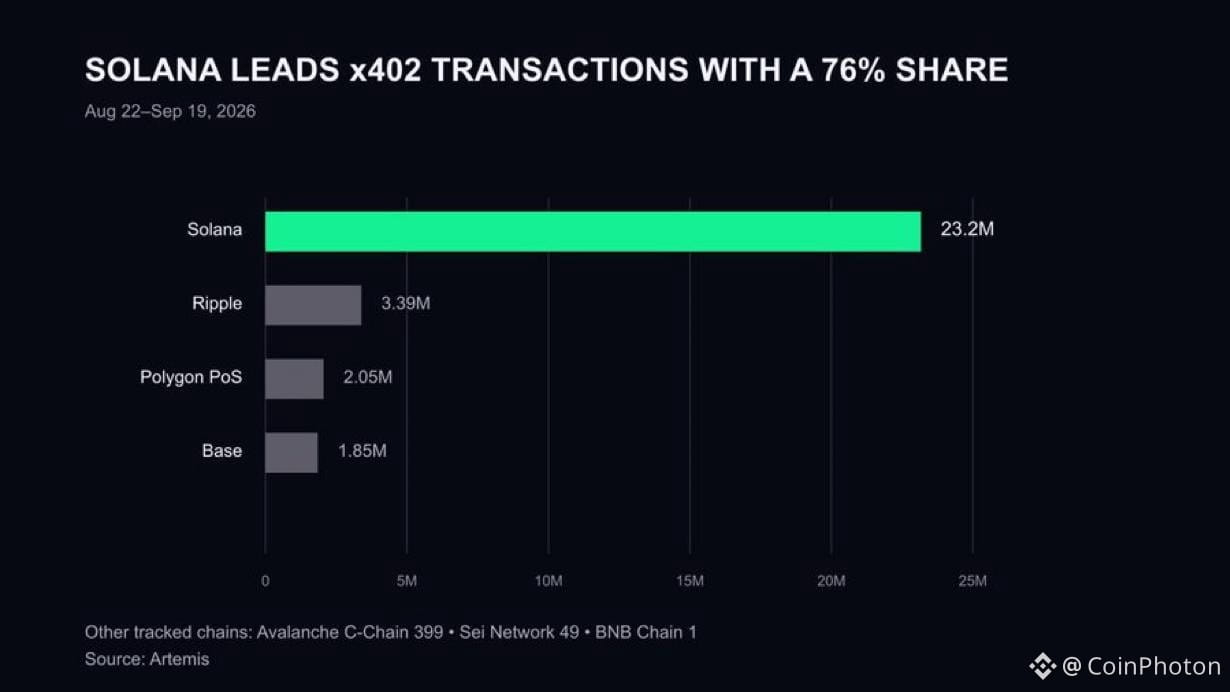
برزت سولانا كالسلسلة الأكثر هيمنة على نشاط x402، حيث عالجت ما يقرب من 23.2 مليون معاملة خلال الأسابيع الأربعة الماضية — ما يعادل 76% من إجمالي معاملات x402 عبر الشبكات التي تمت متابعتها.
الفارق كبير. فقد تعاملت الشبكة صاحبة المرتبة الثانية فقط مع 3.39 مليون معاملة خلال الفترة نفسها، ما يعني أن سولانا عالجت عددًا يقارب سبع مرات.
x402 هو بروتوكول دفع مصمم ليكون مخصصًا للإنترنت، بهدف تمكين المدفوعات الآلية لواجهات برمجة التطبيقات والبيانات والخدمات الرقمية، ولا سيما لوكلاء الذكاء الاصطناعي والمعاملات بين الآلات والآلات.
تُبرز هذه الأرقام المكانة المتنامية لسولانا في اقتصاد مدفوعات الذكاء الاصطناعي الناشئ، حيث تتلاءم الإنتاجية العالية وتكاليف المعاملات المنخفضة بشكل خاص مع أحجام كبيرة من المدفوعات الصغيرة الآلية. $SOL
{future}(SOLUSDT)
استحوذت سولانا على 76% من جميع معاملات x402، متفوقة بشكل كبير على الشبكات المنافسة
برزت سولانا كالسلسلة الأكثر هيمنة على نشاط x402، حيث عالجت ما يقرب من 23.2 مليون معاملة خلال الأسابيع الأربعة الماضية — ما يعادل 76% من إجمالي معاملات x402 عبر الشبكات التي تمت متابعتها.
الفارق كبير. فقد تعاملت الشبكة صاحبة المرتبة الثانية فقط مع 3.39 مليون معاملة خلال الفترة نفسها، ما يعني أن سولانا عالجت عددًا يقارب سبع مرات.
x402 هو بروتوكول دفع مصمم ليكون مخصصًا للإنترنت، بهدف تمكين المدفوعات الآلية لواجهات برمجة التطبيقات والبيانات والخدمات الرقمية، ولا سيما لوكلاء الذكاء الاصطناعي والمعاملات بين الآلات والآلات.
تُبرز هذه الأرقام المكانة المتنامية لسولانا في اقتصاد مدفوعات الذكاء الاصطناعي الناشئ، حيث تتلاءم الإنتاجية العالية وتكاليف المعاملات المنخفضة بشكل خاص مع أحجام كبيرة من المدفوعات الصغيرة الآلية. $SOL
برزت سولانا كالسلسلة الأكثر هيمنة على نشاط x402، حيث عالجت ما يقرب من 23.2 مليون معاملة خلال الأسابيع الأربعة الماضية — ما يعادل 76% من إجمالي معاملات x402 عبر الشبكات التي تمت متابعتها.
الفارق كبير. فقد تعاملت الشبكة صاحبة المرتبة الثانية فقط مع 3.39 مليون معاملة خلال الفترة نفسها، ما يعني أن سولانا عالجت عددًا يقارب سبع مرات.
x402 هو بروتوكول دفع مصمم ليكون مخصصًا للإنترنت، بهدف تمكين المدفوعات الآلية لواجهات برمجة التطبيقات والبيانات والخدمات الرقمية، ولا سيما لوكلاء الذكاء الاصطناعي والمعاملات بين الآلات والآلات.
تُبرز هذه الأرقام المكانة المتنامية لسولانا في اقتصاد مدفوعات الذكاء الاصطناعي الناشئ، حيث تتلاءم الإنتاجية العالية وتكاليف المعاملات المنخفضة بشكل خاص مع أحجام كبيرة من المدفوعات الصغيرة الآلية. $SOL
1
437
·
--
بدأت StoneX تغطية Robinhood بتصنيف شراء وبسعر مستهدف قدره 170 دولارًا، ما يعني ارتفاعًا يقارب 45% من إغلاق يوم الثلاثاء.
قال المحلل Mark Palmer إن ما يقرب من كل المؤشرات التشغيلية الرئيسية لدى Robinhood يتسارع، مع تسليط الضوء على Robinhood Chain وأسواق التنبؤ باعتبارهما محركي نمو رئيسيين جديدين.
تقدّر StoneX أن Robinhood Chain قد تولّد ما يصل إلى 980 مليون دولار من الإيرادات السنوية بحلول السنة المالية 2029، مع هامش ربح بنسبة 85%. وقد احتلّت شبكة الطبقة الثانية مؤخرًا مرتبة ضمن سلاسل Ethereum الأعلى من حيث توليد الرسوم.
وتعد أسواق التنبؤ محركًا رئيسيًا آخر. فقد سجّلت Robinhood تداول 13.6 مليار عقد أحداث في الربع الثاني، ما ولّد نحو 156 مليون دولار من الإيرادات، بزيادة 50% على أساس ربع سنوي.
وجاءت هذه الدعوة الصعودية عقب استهداف Bernstein الأخير البالغ 160 دولارًا، وهو ما يعزّز تفاؤل وول ستريت المتنامي إزاء توسّع Robinhood خارج نطاق التداول بالتجزئة التقليدي.
بدأت StoneX تغطية Robinhood بتصنيف شراء وبسعر مستهدف قدره 170 دولارًا، ما يعني ارتفاعًا يقارب 45% من إغلاق يوم الثلاثاء.
قال المحلل Mark Palmer إن ما يقرب من كل المؤشرات التشغيلية الرئيسية لدى Robinhood يتسارع، مع تسليط الضوء على Robinhood Chain وأسواق التنبؤ باعتبارهما محركي نمو رئيسيين جديدين.
تقدّر StoneX أن Robinhood Chain قد تولّد ما يصل إلى 980 مليون دولار من الإيرادات السنوية بحلول السنة المالية 2029، مع هامش ربح بنسبة 85%. وقد احتلّت شبكة الطبقة الثانية مؤخرًا مرتبة ضمن سلاسل Ethereum الأعلى من حيث توليد الرسوم.
وتعد أسواق التنبؤ محركًا رئيسيًا آخر. فقد سجّلت Robinhood تداول 13.6 مليار عقد أحداث في الربع الثاني، ما ولّد نحو 156 مليون دولار من الإيرادات، بزيادة 50% على أساس ربع سنوي.
وجاءت هذه الدعوة الصعودية عقب استهداف Bernstein الأخير البالغ 160 دولارًا، وهو ما يعزّز تفاؤل وول ستريت المتنامي إزاء توسّع Robinhood خارج نطاق التداول بالتجزئة التقليدي.
قال المحلل Mark Palmer إن ما يقرب من كل المؤشرات التشغيلية الرئيسية لدى Robinhood يتسارع، مع تسليط الضوء على Robinhood Chain وأسواق التنبؤ باعتبارهما محركي نمو رئيسيين جديدين.
تقدّر StoneX أن Robinhood Chain قد تولّد ما يصل إلى 980 مليون دولار من الإيرادات السنوية بحلول السنة المالية 2029، مع هامش ربح بنسبة 85%. وقد احتلّت شبكة الطبقة الثانية مؤخرًا مرتبة ضمن سلاسل Ethereum الأعلى من حيث توليد الرسوم.
وتعد أسواق التنبؤ محركًا رئيسيًا آخر. فقد سجّلت Robinhood تداول 13.6 مليار عقد أحداث في الربع الثاني، ما ولّد نحو 156 مليون دولار من الإيرادات، بزيادة 50% على أساس ربع سنوي.
وجاءت هذه الدعوة الصعودية عقب استهداف Bernstein الأخير البالغ 160 دولارًا، وهو ما يعزّز تفاؤل وول ستريت المتنامي إزاء توسّع Robinhood خارج نطاق التداول بالتجزئة التقليدي.
368
·
--
تمّ التحقق
أول صندوق تداول مدعوم بالرهان (staked ETF) مدرج في الولايات المتحدة المرتبط بـ ترون (Tron) من المقرر إطلاقه يوم الأربعاء تحت الرمز TRXS، ما يتيح للمستثمرين التعرض لرمز TRX عبر الأسواق التقليدية.
كما سيجمع صندوق Canary Staked TRX ETF مكافآت الرهان الناتجة عن شبكة إثبات الحصة الخاصة بـ ترون، حيث ستنعكس تلك المكافآت في صافي قيمة أصول الصندوق.
يبلغ إجمالي القيمة السوقية لـ TRX حالياً نحو 32.1 مليار دولار، ما يجعله ثاني أكبر عملة رقمية من حيث الحجم. $TRX
{future}(TRXUSDT)
أول صندوق تداول مدعوم بالرهان (staked ETF) مدرج في الولايات المتحدة المرتبط بـ ترون (Tron) من المقرر إطلاقه يوم الأربعاء تحت الرمز TRXS، ما يتيح للمستثمرين التعرض لرمز TRX عبر الأسواق التقليدية.
كما سيجمع صندوق Canary Staked TRX ETF مكافآت الرهان الناتجة عن شبكة إثبات الحصة الخاصة بـ ترون، حيث ستنعكس تلك المكافآت في صافي قيمة أصول الصندوق.
يبلغ إجمالي القيمة السوقية لـ TRX حالياً نحو 32.1 مليار دولار، ما يجعله ثاني أكبر عملة رقمية من حيث الحجم. $TRX
كما سيجمع صندوق Canary Staked TRX ETF مكافآت الرهان الناتجة عن شبكة إثبات الحصة الخاصة بـ ترون، حيث ستنعكس تلك المكافآت في صافي قيمة أصول الصندوق.
يبلغ إجمالي القيمة السوقية لـ TRX حالياً نحو 32.1 مليار دولار، ما يجعله ثاني أكبر عملة رقمية من حيث الحجم. $TRX
1
2k
·
--
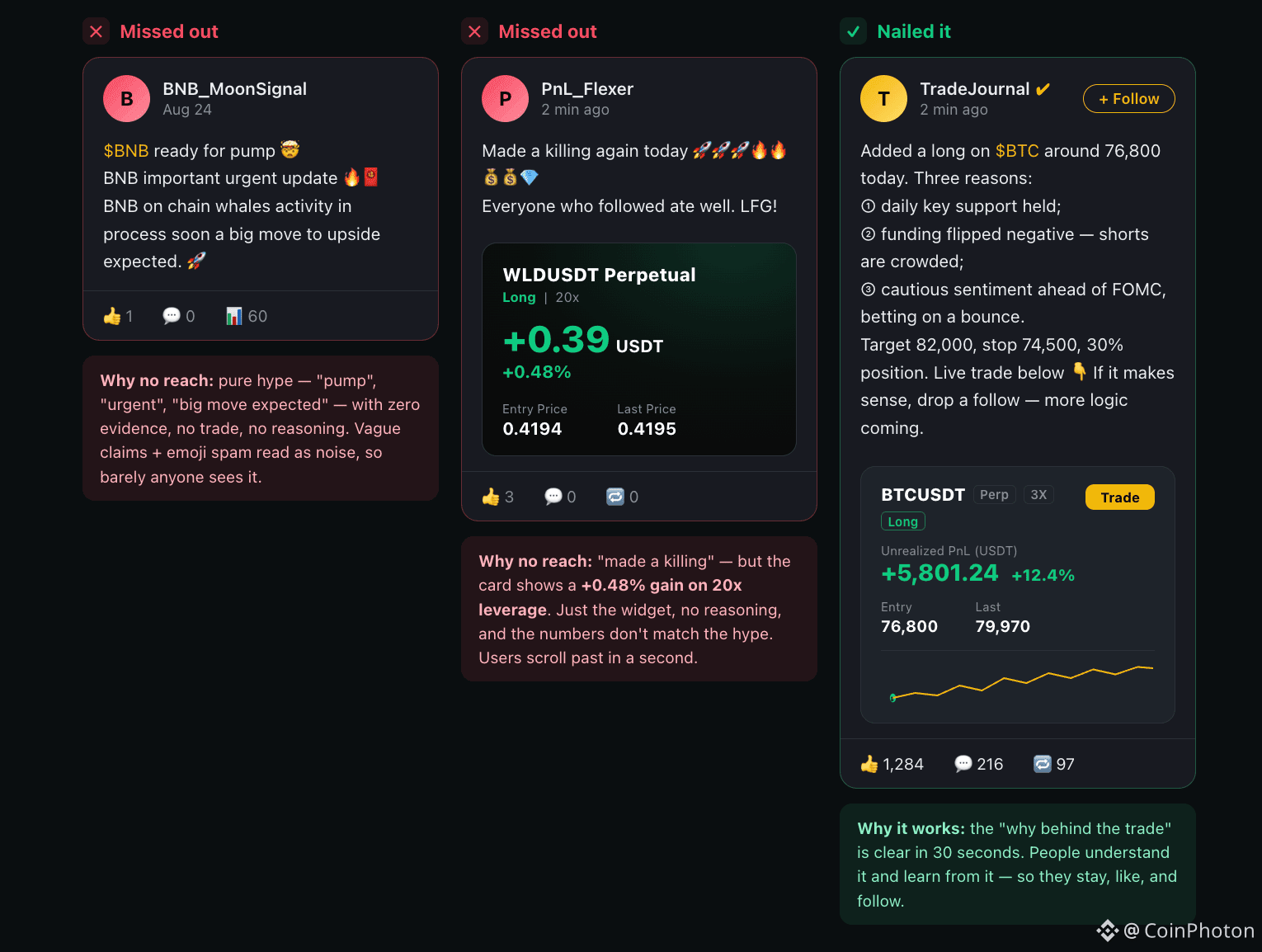
تنشر كثيرًا على Binance Square لكن ما زلت تحصل على مشاهدات قليلة؟ قد تكون تفوّت الشيء الوحيد الذي يبدو أن المنصّة تريدها بوضوح: رأيك أنت.
شاركت Binance Square’s Creator Academy دليلًا عمليًا مفيدًا لزيادة الوصول. أهم نقطة هي ببساطة: نشر الأخبار أو التكتارات الرائجة وحده ليس كافيًا.
لأداء أفضل:
منشورات التداول: صف ما سيحدث → اشرح وجهة نظرك → اعرض ما الذي قمت به → أضف دعوة لاتخاذ إجراء (CTA).
إذا كنت تشارك صفقات، اجعلها حقيقية. الصور المزوّرة، أو مراكز غير مطابقة، أو نشاطًا مصطنعًا قد يضر بمدى وصول حسابك.
بالنسبة لمنشورات الأخبار، لا تكتفِ بإعادة نشر العنوان. أضف ما لا يقل عن 50 كلمة من تحليلك أنت: لماذا هذا مهم؟ أي توكن أو قطاع قد يستفيد؟ ماذا تراقب أو ستفعل بعد ذلك؟
أول 3 ثوانٍ هي الأهم. قد يقتل العنوان الضعيف منشورًا قويًا أصلًا.
تجنب حشو التكتار، والأخبار المتكررة، والإيموجيز المفرطة، ومحاولات جذب النقرات القسرية بعنوان “BREAKING”.
اختم بشكل طبيعي بدعوة للمتابعة (CTA) إذا كنت تريد بناء جمهور مع مرور الوقت.
أكبر ما استخلصته: يبدو أن Binance Square يكافئ المبدعين الذين يضيفون حكمًا وإجراءً، لا الحسابات التي تعيد تدوير الأخبار فقط.
يمكن لشخصين أن ينشرا القصة نفسها، لكن الشخص الذي يوضح لماذا الأمر مهم وما الذي يخططون لفعله حياله هو الأكثر احتمالًا لأن يحافظ على تفاعل القرّاء ويحوّل المشاهدات إلى متابعين.
سأركز أكثر على الأخبار + تأثير السوق + وجهة نظري الشخصية، بدلًا من الاكتفاء بنشر العناوين.
تابع للمزيد من أخبار العملات الرقمية، ورؤى حول السوق، وتحديثات تركز على التداول.
#CreatorAcademy #BinanceSquare #crypto #bitcoin #trading $BNB
{future}(BNBUSDT)
تنشر كثيرًا على Binance Square لكن ما زلت تحصل على مشاهدات قليلة؟ قد تكون تفوّت الشيء الوحيد الذي يبدو أن المنصّة تريدها بوضوح: رأيك أنت.
شاركت Binance Square’s Creator Academy دليلًا عمليًا مفيدًا لزيادة الوصول. أهم نقطة هي ببساطة: نشر الأخبار أو التكتارات الرائجة وحده ليس كافيًا.
لأداء أفضل:
منشورات التداول: صف ما سيحدث → اشرح وجهة نظرك → اعرض ما الذي قمت به → أضف دعوة لاتخاذ إجراء (CTA).
إذا كنت تشارك صفقات، اجعلها حقيقية. الصور المزوّرة، أو مراكز غير مطابقة، أو نشاطًا مصطنعًا قد يضر بمدى وصول حسابك.
بالنسبة لمنشورات الأخبار، لا تكتفِ بإعادة نشر العنوان. أضف ما لا يقل عن 50 كلمة من تحليلك أنت: لماذا هذا مهم؟ أي توكن أو قطاع قد يستفيد؟ ماذا تراقب أو ستفعل بعد ذلك؟
أول 3 ثوانٍ هي الأهم. قد يقتل العنوان الضعيف منشورًا قويًا أصلًا.
تجنب حشو التكتار، والأخبار المتكررة، والإيموجيز المفرطة، ومحاولات جذب النقرات القسرية بعنوان “BREAKING”.
اختم بشكل طبيعي بدعوة للمتابعة (CTA) إذا كنت تريد بناء جمهور مع مرور الوقت.
أكبر ما استخلصته: يبدو أن Binance Square يكافئ المبدعين الذين يضيفون حكمًا وإجراءً، لا الحسابات التي تعيد تدوير الأخبار فقط.
يمكن لشخصين أن ينشرا القصة نفسها، لكن الشخص الذي يوضح لماذا الأمر مهم وما الذي يخططون لفعله حياله هو الأكثر احتمالًا لأن يحافظ على تفاعل القرّاء ويحوّل المشاهدات إلى متابعين.
سأركز أكثر على الأخبار + تأثير السوق + وجهة نظري الشخصية، بدلًا من الاكتفاء بنشر العناوين.
تابع للمزيد من أخبار العملات الرقمية، ورؤى حول السوق، وتحديثات تركز على التداول.
#CreatorAcademy #BinanceSquare #crypto #bitcoin #trading $BNB
شاركت Binance Square’s Creator Academy دليلًا عمليًا مفيدًا لزيادة الوصول. أهم نقطة هي ببساطة: نشر الأخبار أو التكتارات الرائجة وحده ليس كافيًا.
لأداء أفضل:
منشورات التداول: صف ما سيحدث → اشرح وجهة نظرك → اعرض ما الذي قمت به → أضف دعوة لاتخاذ إجراء (CTA).
إذا كنت تشارك صفقات، اجعلها حقيقية. الصور المزوّرة، أو مراكز غير مطابقة، أو نشاطًا مصطنعًا قد يضر بمدى وصول حسابك.
بالنسبة لمنشورات الأخبار، لا تكتفِ بإعادة نشر العنوان. أضف ما لا يقل عن 50 كلمة من تحليلك أنت: لماذا هذا مهم؟ أي توكن أو قطاع قد يستفيد؟ ماذا تراقب أو ستفعل بعد ذلك؟
أول 3 ثوانٍ هي الأهم. قد يقتل العنوان الضعيف منشورًا قويًا أصلًا.
تجنب حشو التكتار، والأخبار المتكررة، والإيموجيز المفرطة، ومحاولات جذب النقرات القسرية بعنوان “BREAKING”.
اختم بشكل طبيعي بدعوة للمتابعة (CTA) إذا كنت تريد بناء جمهور مع مرور الوقت.
أكبر ما استخلصته: يبدو أن Binance Square يكافئ المبدعين الذين يضيفون حكمًا وإجراءً، لا الحسابات التي تعيد تدوير الأخبار فقط.
يمكن لشخصين أن ينشرا القصة نفسها، لكن الشخص الذي يوضح لماذا الأمر مهم وما الذي يخططون لفعله حياله هو الأكثر احتمالًا لأن يحافظ على تفاعل القرّاء ويحوّل المشاهدات إلى متابعين.
سأركز أكثر على الأخبار + تأثير السوق + وجهة نظري الشخصية، بدلًا من الاكتفاء بنشر العناوين.
تابع للمزيد من أخبار العملات الرقمية، ورؤى حول السوق، وتحديثات تركز على التداول.
#CreatorAcademy #BinanceSquare #crypto #bitcoin #trading $BNB
4
1.6k
·
--
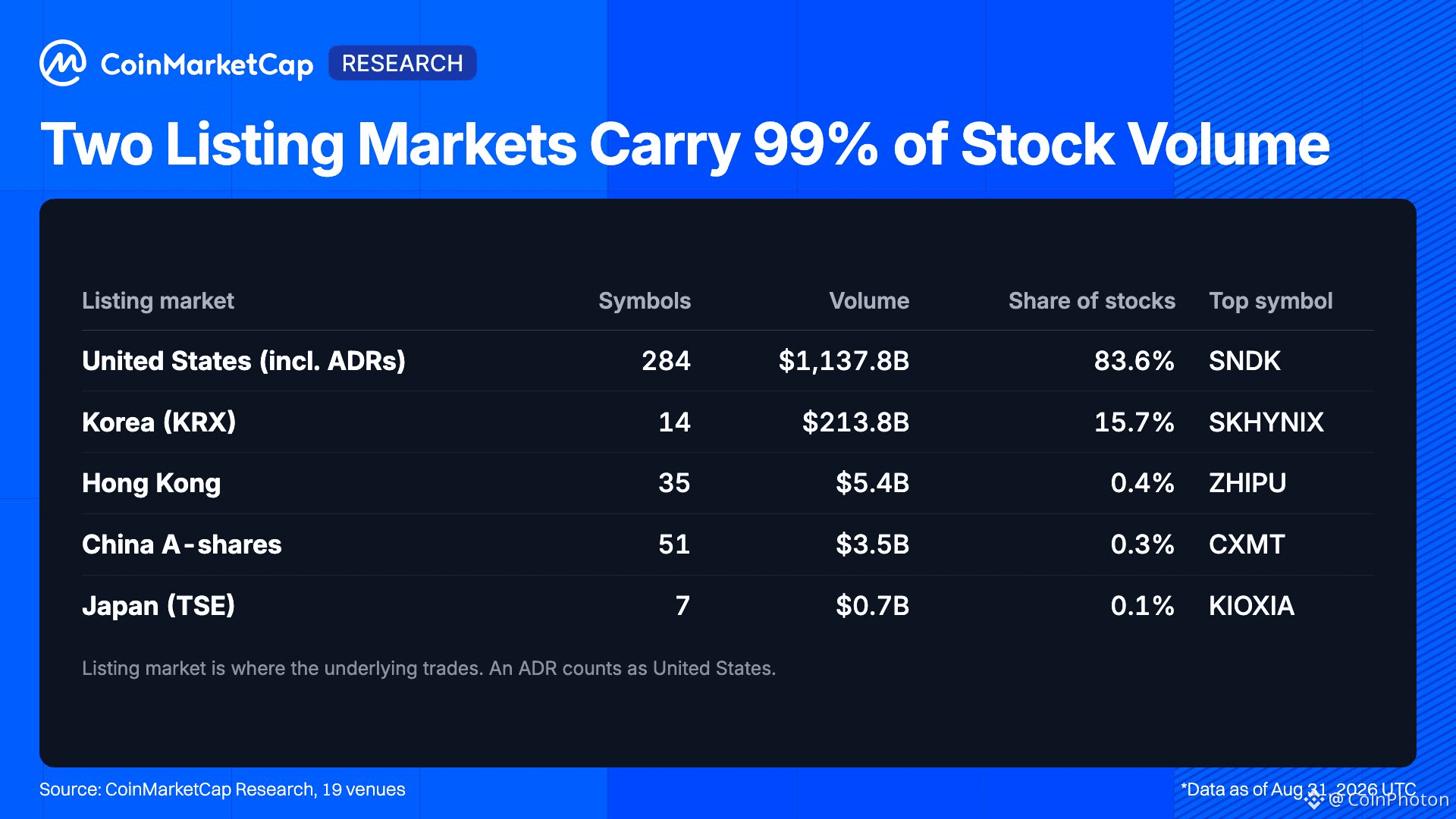
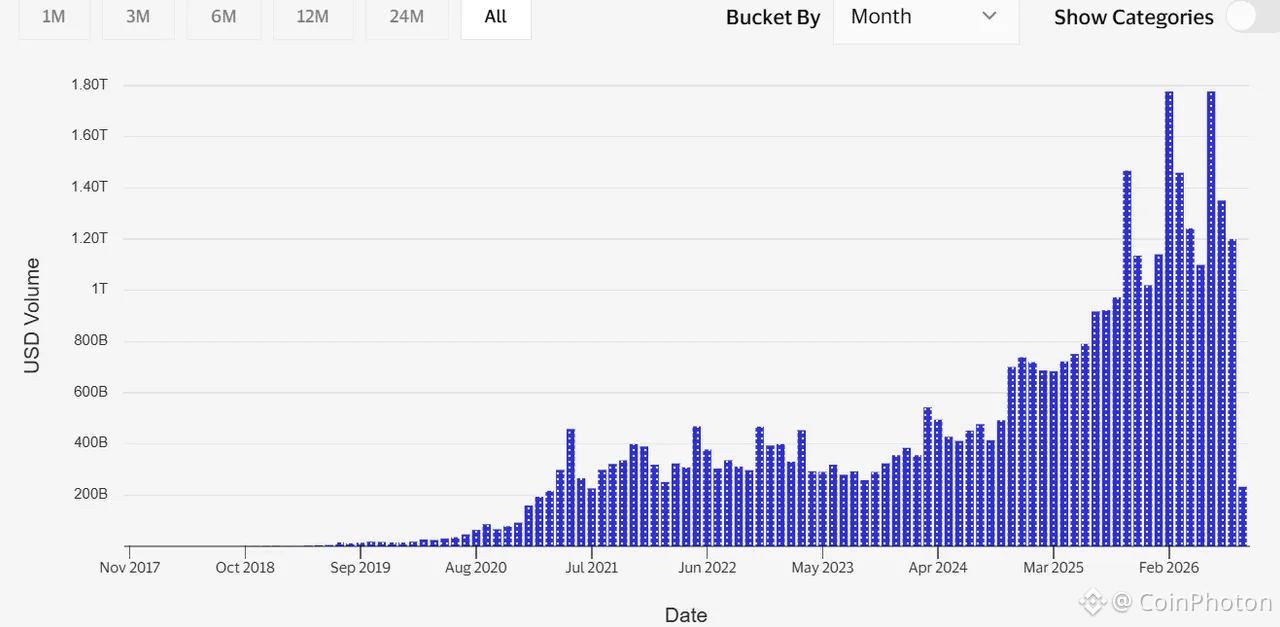
تمثل أسهم الولايات المتحدة وكوريا أكثر من 99% من إجمالي حجم تداول أسهم “RWA” ذات الصفقات الدائمة، ما يبرز مدى التركّز الشديد في الأسواق الناشئة.
ولّدت الأسهم المدرجة في الولايات المتحدة، بما في ذلك إيصالات الإيداع الأمريكية (ADRs)، نحو 1.14 تريليون دولار عبر 284 رمزًا، لتشكّل 83.6% من إجمالي حجم تداول الأسهم ذات الصفقات الدائمة. وتصدّرت كوريا المرتبة الثانية بمبلغ 213.8 مليار دولار، رغم أن النشاط كان مركّزًا في 14 رمزًا فقط.
معًا، تشكل الولايات المتحدة وكوريا 99.3% من السوق، بينما تمثل هونغ كونغ وأسهم الصين من الفئة A في البر الرئيسي وطوكيو مجتمعة أقل من 1%، رغم أنها تضيف 93 رمزًا إضافيًا.
ويتركّز النشاط الكوري بشكل خاص، إذ إن معظم الحجم مدفوع بتجارة رقائق الذاكرة أكثر من كونه تعرّضًا واسعًا لسوق أسهم البلاد.
تمثل أسهم الولايات المتحدة وكوريا أكثر من 99% من إجمالي حجم تداول أسهم “RWA” ذات الصفقات الدائمة، ما يبرز مدى التركّز الشديد في الأسواق الناشئة.
ولّدت الأسهم المدرجة في الولايات المتحدة، بما في ذلك إيصالات الإيداع الأمريكية (ADRs)، نحو 1.14 تريليون دولار عبر 284 رمزًا، لتشكّل 83.6% من إجمالي حجم تداول الأسهم ذات الصفقات الدائمة. وتصدّرت كوريا المرتبة الثانية بمبلغ 213.8 مليار دولار، رغم أن النشاط كان مركّزًا في 14 رمزًا فقط.
معًا، تشكل الولايات المتحدة وكوريا 99.3% من السوق، بينما تمثل هونغ كونغ وأسهم الصين من الفئة A في البر الرئيسي وطوكيو مجتمعة أقل من 1%، رغم أنها تضيف 93 رمزًا إضافيًا.
ويتركّز النشاط الكوري بشكل خاص، إذ إن معظم الحجم مدفوع بتجارة رقائق الذاكرة أكثر من كونه تعرّضًا واسعًا لسوق أسهم البلاد.
ولّدت الأسهم المدرجة في الولايات المتحدة، بما في ذلك إيصالات الإيداع الأمريكية (ADRs)، نحو 1.14 تريليون دولار عبر 284 رمزًا، لتشكّل 83.6% من إجمالي حجم تداول الأسهم ذات الصفقات الدائمة. وتصدّرت كوريا المرتبة الثانية بمبلغ 213.8 مليار دولار، رغم أن النشاط كان مركّزًا في 14 رمزًا فقط.
معًا، تشكل الولايات المتحدة وكوريا 99.3% من السوق، بينما تمثل هونغ كونغ وأسهم الصين من الفئة A في البر الرئيسي وطوكيو مجتمعة أقل من 1%، رغم أنها تضيف 93 رمزًا إضافيًا.
ويتركّز النشاط الكوري بشكل خاص، إذ إن معظم الحجم مدفوع بتجارة رقائق الذاكرة أكثر من كونه تعرّضًا واسعًا لسوق أسهم البلاد.
1
551
·
--
عاد إجمالي الفائدة المفتوحة لدى Hyperliquid إلى الارتفاع ليصل إلى 14.3 مليار دولار، ضمن 3% من المستويات التي شوهدت قبل انهيار 10 أكتوبر 2025 التاريخي.
خلال ذلك الانهيار، هبطت الفائدة المفتوحة لدى Hyperliquid (OI) بنحو 56% في يوم واحد، من 14.7 مليار دولار إلى 6.5 مليار دولار. وكان التعافي في البداية مدفوعًا بأسواق HIP-3، التي شكلت حوالي 30% من نمو الفائدة المفتوحة على المنصة خلال الستة أشهر الماضية.
لكن في الآونة الأخيرة، تحولت وتيرة النمو مرة أخرى نحو أسواق العقود الدائمة الأساسية للمنصة الخاصة بالـ crypto لدى Hyperliquid. ومن بين المحفزات المحتملة توجيه Coinbase لمستخدمي Base App إلى Hyperliquid، إلى جانب توقعات بأن الجهات التنظيمية الأمريكية قد تُمكّن في النهاية الوصول المنزلي المتوافق.
تُعد هذه الإزاحة مهمة بشكل خاص بالنسبة إلى HYPE، لأن نحو 97% من الرسوم المُولَّدة من عقود الـ crypto perps الأساسية لدى Hyperliquid تُوجَّه إلى عمليات إعادة شراء HYPE، ما يجعل نمو السوق الأساسية أكثر قيمة للتوكن من نشاط HIP-3.
ارتفع HYPE بأكثر من 50% هذا الشهر، مسجلًا مستوى قياسيًا جديدًا قرب 88 دولارًا، مع بلوغ القيمة السوقية قرابة 20 مليار دولار. $HYPE
{future}(HYPEUSDT)
عاد إجمالي الفائدة المفتوحة لدى Hyperliquid إلى الارتفاع ليصل إلى 14.3 مليار دولار، ضمن 3% من المستويات التي شوهدت قبل انهيار 10 أكتوبر 2025 التاريخي.
خلال ذلك الانهيار، هبطت الفائدة المفتوحة لدى Hyperliquid (OI) بنحو 56% في يوم واحد، من 14.7 مليار دولار إلى 6.5 مليار دولار. وكان التعافي في البداية مدفوعًا بأسواق HIP-3، التي شكلت حوالي 30% من نمو الفائدة المفتوحة على المنصة خلال الستة أشهر الماضية.
لكن في الآونة الأخيرة، تحولت وتيرة النمو مرة أخرى نحو أسواق العقود الدائمة الأساسية للمنصة الخاصة بالـ crypto لدى Hyperliquid. ومن بين المحفزات المحتملة توجيه Coinbase لمستخدمي Base App إلى Hyperliquid، إلى جانب توقعات بأن الجهات التنظيمية الأمريكية قد تُمكّن في النهاية الوصول المنزلي المتوافق.
تُعد هذه الإزاحة مهمة بشكل خاص بالنسبة إلى HYPE، لأن نحو 97% من الرسوم المُولَّدة من عقود الـ crypto perps الأساسية لدى Hyperliquid تُوجَّه إلى عمليات إعادة شراء HYPE، ما يجعل نمو السوق الأساسية أكثر قيمة للتوكن من نشاط HIP-3.
ارتفع HYPE بأكثر من 50% هذا الشهر، مسجلًا مستوى قياسيًا جديدًا قرب 88 دولارًا، مع بلوغ القيمة السوقية قرابة 20 مليار دولار. $HYPE
خلال ذلك الانهيار، هبطت الفائدة المفتوحة لدى Hyperliquid (OI) بنحو 56% في يوم واحد، من 14.7 مليار دولار إلى 6.5 مليار دولار. وكان التعافي في البداية مدفوعًا بأسواق HIP-3، التي شكلت حوالي 30% من نمو الفائدة المفتوحة على المنصة خلال الستة أشهر الماضية.
لكن في الآونة الأخيرة، تحولت وتيرة النمو مرة أخرى نحو أسواق العقود الدائمة الأساسية للمنصة الخاصة بالـ crypto لدى Hyperliquid. ومن بين المحفزات المحتملة توجيه Coinbase لمستخدمي Base App إلى Hyperliquid، إلى جانب توقعات بأن الجهات التنظيمية الأمريكية قد تُمكّن في النهاية الوصول المنزلي المتوافق.
تُعد هذه الإزاحة مهمة بشكل خاص بالنسبة إلى HYPE، لأن نحو 97% من الرسوم المُولَّدة من عقود الـ crypto perps الأساسية لدى Hyperliquid تُوجَّه إلى عمليات إعادة شراء HYPE، ما يجعل نمو السوق الأساسية أكثر قيمة للتوكن من نشاط HIP-3.
ارتفع HYPE بأكثر من 50% هذا الشهر، مسجلًا مستوى قياسيًا جديدًا قرب 88 دولارًا، مع بلوغ القيمة السوقية قرابة 20 مليار دولار. $HYPE
321
·
--
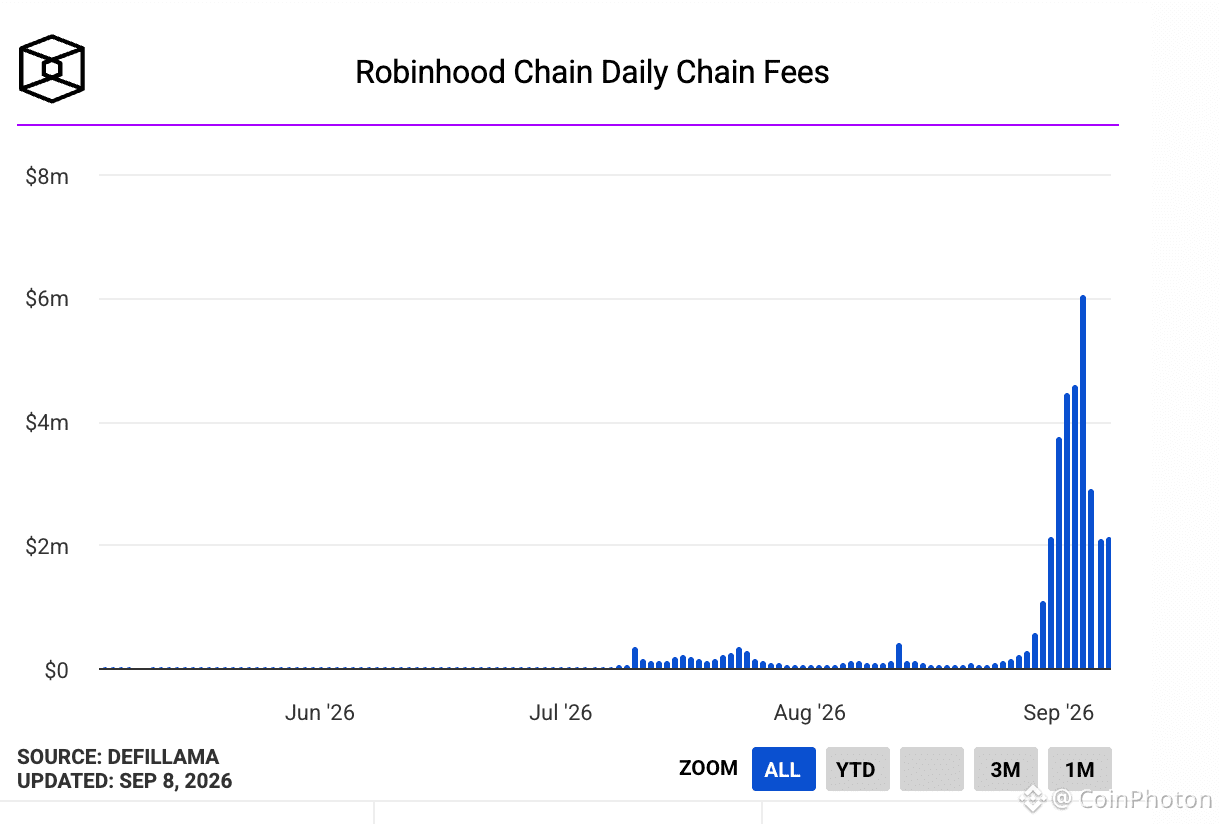
قفزت PONS إلى أعلى مستوى قياسي بتقييم تجاوز 970 مليون دولار، بعد أن انفجرت الأنشطة على سلسلة Robinhood Chain، ما دفع الرسوم الأسبوعية على الشبكة إلى الارتفاع بمقدار 17 ضعفًا.
حققت Robinhood Chain رقمًا قياسيًا بلغ 6 ملايين دولار من الرسوم في 4 سبتمبر، بينما وصلت الرسوم لسبعة أيام إلى نحو 25 مليون دولار، مقارنةً بـ 1.4 مليون دولار فقط في الأسبوع السابق. كما تضاعف حجم تداول DEX الأسبوعي أكثر من الضعف ليصل إلى 12.4 مليار دولار.
وكانت الزيادة مدفوعة إلى حد كبير بـ Pons، الذي أصبح الآن منصة الإطلاق الرائدة للرموز داخل Robinhood Chain. ففي 3 سبتمبر وحده، ولّدت Pons ما يقرب من 6 ملايين دولار من الرسوم، متفوقة على كلٍّ من Pump.fun وHyperliquid في ذلك اليوم.
لقد ارتفع PONS بأكثر من 200% خلال أسبوع واحد. ويُستخدم نحو 80% من إيرادات Pons لإعادة شراء الرموز، بينما تم حرق أكثر من 28% من المعروض من الرمز بالفعل، مما يخلق آلية قوية لإعادة الشراء والحرق مرتبطة مباشرةً بنشاط المنصة.
قفزت PONS إلى أعلى مستوى قياسي بتقييم تجاوز 970 مليون دولار، بعد أن انفجرت الأنشطة على سلسلة Robinhood Chain، ما دفع الرسوم الأسبوعية على الشبكة إلى الارتفاع بمقدار 17 ضعفًا.
حققت Robinhood Chain رقمًا قياسيًا بلغ 6 ملايين دولار من الرسوم في 4 سبتمبر، بينما وصلت الرسوم لسبعة أيام إلى نحو 25 مليون دولار، مقارنةً بـ 1.4 مليون دولار فقط في الأسبوع السابق. كما تضاعف حجم تداول DEX الأسبوعي أكثر من الضعف ليصل إلى 12.4 مليار دولار.
وكانت الزيادة مدفوعة إلى حد كبير بـ Pons، الذي أصبح الآن منصة الإطلاق الرائدة للرموز داخل Robinhood Chain. ففي 3 سبتمبر وحده، ولّدت Pons ما يقرب من 6 ملايين دولار من الرسوم، متفوقة على كلٍّ من Pump.fun وHyperliquid في ذلك اليوم.
لقد ارتفع PONS بأكثر من 200% خلال أسبوع واحد. ويُستخدم نحو 80% من إيرادات Pons لإعادة شراء الرموز، بينما تم حرق أكثر من 28% من المعروض من الرمز بالفعل، مما يخلق آلية قوية لإعادة الشراء والحرق مرتبطة مباشرةً بنشاط المنصة.
حققت Robinhood Chain رقمًا قياسيًا بلغ 6 ملايين دولار من الرسوم في 4 سبتمبر، بينما وصلت الرسوم لسبعة أيام إلى نحو 25 مليون دولار، مقارنةً بـ 1.4 مليون دولار فقط في الأسبوع السابق. كما تضاعف حجم تداول DEX الأسبوعي أكثر من الضعف ليصل إلى 12.4 مليار دولار.
وكانت الزيادة مدفوعة إلى حد كبير بـ Pons، الذي أصبح الآن منصة الإطلاق الرائدة للرموز داخل Robinhood Chain. ففي 3 سبتمبر وحده، ولّدت Pons ما يقرب من 6 ملايين دولار من الرسوم، متفوقة على كلٍّ من Pump.fun وHyperliquid في ذلك اليوم.
لقد ارتفع PONS بأكثر من 200% خلال أسبوع واحد. ويُستخدم نحو 80% من إيرادات Pons لإعادة شراء الرموز، بينما تم حرق أكثر من 28% من المعروض من الرمز بالفعل، مما يخلق آلية قوية لإعادة الشراء والحرق مرتبطة مباشرةً بنشاط المنصة.
521
·
--
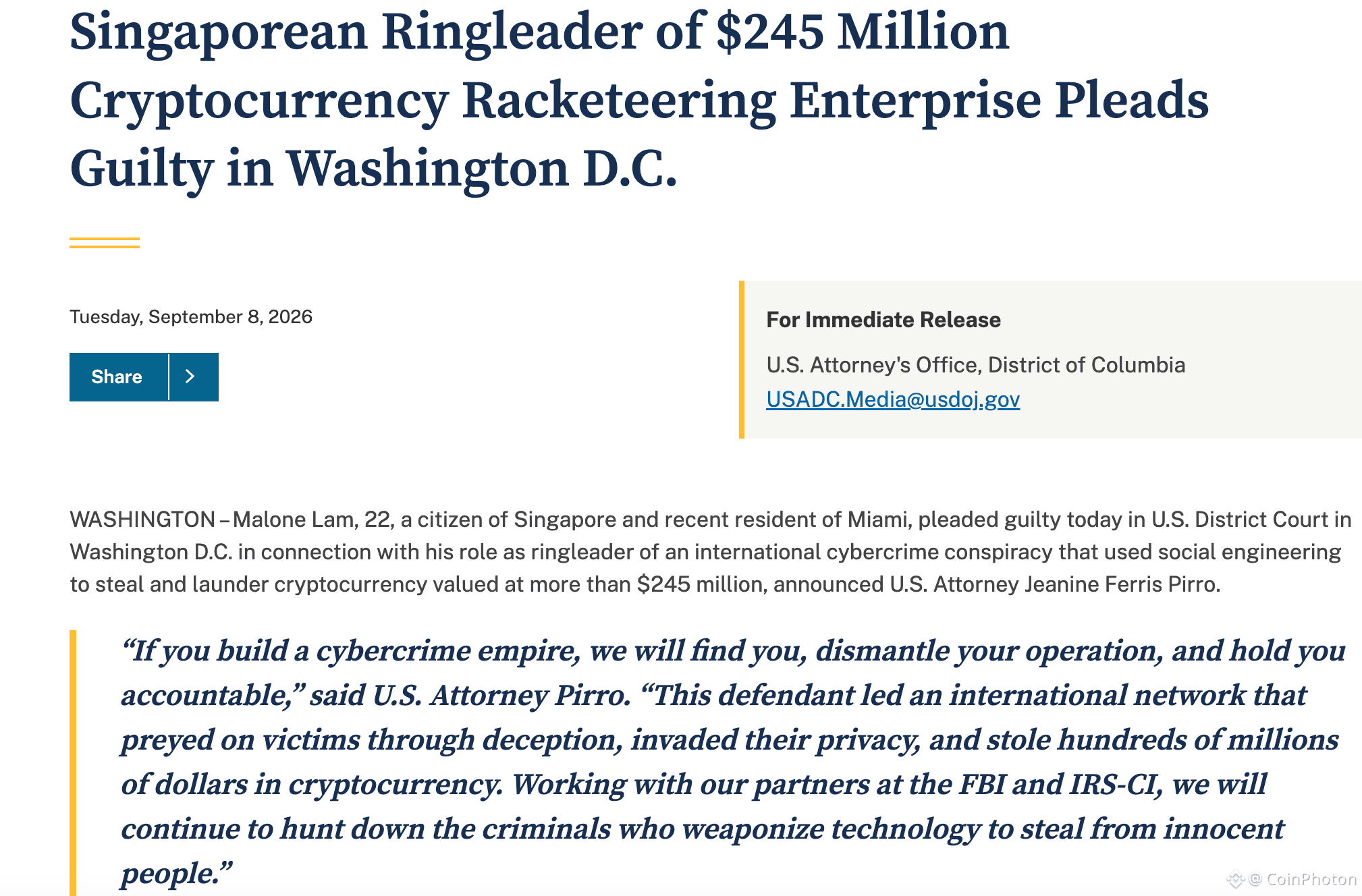
أقرَّ رجلٌ سنغافوريٌّ يبلغ من العمر 22 عامًا بالذنب لتولّيه عمليةً دوليةً للهندسة الاجتماعية سرقت وأعادت تبييض أكثر من 245 مليون دولار من العملات الرقمية.
وأعلنَت مكتب المدّعي العام الأمريكي في دائرة كولومبيا أن مالون لام، الذي استخدم أسماءً مستعارةً منها “آن هاثاواي” و“$$$” و“كين غريفي”، قد أقرَّ بالذنب في تهمة واحدة تتعلق بتآمر اتحادي لارتكاب الابتزاز.
وقال المدّعون إن لام حدّد الضحايا ونسّق أعضاء المخطط. وادّعى الادعاء أن الأموال المسروقة تم إنفاقها على سيارات فاخرة وساعات وحقائب يد وعقارات إيجار راقية وفواتير نوادٍ ليلية تقترب من 500 ألف دولار في الليلة.
ويواجه لام عقوبةً قد تصل إلى 20 عامًا في السجن، مع تحديد جلسة استماع بشأن حالته في 8 ديسمبر.
أقرَّ رجلٌ سنغافوريٌّ يبلغ من العمر 22 عامًا بالذنب لتولّيه عمليةً دوليةً للهندسة الاجتماعية سرقت وأعادت تبييض أكثر من 245 مليون دولار من العملات الرقمية.
وأعلنَت مكتب المدّعي العام الأمريكي في دائرة كولومبيا أن مالون لام، الذي استخدم أسماءً مستعارةً منها “آن هاثاواي” و“$$$” و“كين غريفي”، قد أقرَّ بالذنب في تهمة واحدة تتعلق بتآمر اتحادي لارتكاب الابتزاز.
وقال المدّعون إن لام حدّد الضحايا ونسّق أعضاء المخطط. وادّعى الادعاء أن الأموال المسروقة تم إنفاقها على سيارات فاخرة وساعات وحقائب يد وعقارات إيجار راقية وفواتير نوادٍ ليلية تقترب من 500 ألف دولار في الليلة.
ويواجه لام عقوبةً قد تصل إلى 20 عامًا في السجن، مع تحديد جلسة استماع بشأن حالته في 8 ديسمبر.
وأعلنَت مكتب المدّعي العام الأمريكي في دائرة كولومبيا أن مالون لام، الذي استخدم أسماءً مستعارةً منها “آن هاثاواي” و“$$$” و“كين غريفي”، قد أقرَّ بالذنب في تهمة واحدة تتعلق بتآمر اتحادي لارتكاب الابتزاز.
وقال المدّعون إن لام حدّد الضحايا ونسّق أعضاء المخطط. وادّعى الادعاء أن الأموال المسروقة تم إنفاقها على سيارات فاخرة وساعات وحقائب يد وعقارات إيجار راقية وفواتير نوادٍ ليلية تقترب من 500 ألف دولار في الليلة.
ويواجه لام عقوبةً قد تصل إلى 20 عامًا في السجن، مع تحديد جلسة استماع بشأن حالته في 8 ديسمبر.
501
·
--
قدّمت شركة Block التي أسسها جاك دورسي طلبًا لإنشاء بنك ثقة وطني مُنظّم اتحاديًا باسم Builders Bank & Trust, N.A.
قدّمت شركة المدفوعات طلبها إلى مكتب مراقب العملة (OCC). في حال تمت الموافقة، سيقدّم بنك الثقة الوطني غير المؤمن عليه خدمات الحفظ والثقة، بما في ذلك دعم البيتكوين والرموز المستقرة.
قالت Block إنّ الترخيص الفيدرالي سيمنح الشركة إطارًا وطنيًا أوضح لحفظ الأصول الرقمية والأنشطة ذات الصلة التي تقدمها بالفعل.
تأتي هذه الخطوة في وقت تتزايد فيه سعي شركات التكنولوجيا المالية والعملات المشفرة للحصول على تراخيص مصرفية فيدرالية. فقد سعت شركات من بينها Coinbase وPaxos وBitGo وRipple وCircle وRevolut أيضًا إلى الحصول على موافقات أو تلقتها، وذلك مع توسّع دور الـOCC في تعامله مع قطاع الأصول الرقمية. $BTC
{future}(BTCUSDT)
قدّمت شركة Block التي أسسها جاك دورسي طلبًا لإنشاء بنك ثقة وطني مُنظّم اتحاديًا باسم Builders Bank & Trust, N.A.
قدّمت شركة المدفوعات طلبها إلى مكتب مراقب العملة (OCC). في حال تمت الموافقة، سيقدّم بنك الثقة الوطني غير المؤمن عليه خدمات الحفظ والثقة، بما في ذلك دعم البيتكوين والرموز المستقرة.
قالت Block إنّ الترخيص الفيدرالي سيمنح الشركة إطارًا وطنيًا أوضح لحفظ الأصول الرقمية والأنشطة ذات الصلة التي تقدمها بالفعل.
تأتي هذه الخطوة في وقت تتزايد فيه سعي شركات التكنولوجيا المالية والعملات المشفرة للحصول على تراخيص مصرفية فيدرالية. فقد سعت شركات من بينها Coinbase وPaxos وBitGo وRipple وCircle وRevolut أيضًا إلى الحصول على موافقات أو تلقتها، وذلك مع توسّع دور الـOCC في تعامله مع قطاع الأصول الرقمية. $BTC
قدّمت شركة المدفوعات طلبها إلى مكتب مراقب العملة (OCC). في حال تمت الموافقة، سيقدّم بنك الثقة الوطني غير المؤمن عليه خدمات الحفظ والثقة، بما في ذلك دعم البيتكوين والرموز المستقرة.
قالت Block إنّ الترخيص الفيدرالي سيمنح الشركة إطارًا وطنيًا أوضح لحفظ الأصول الرقمية والأنشطة ذات الصلة التي تقدمها بالفعل.
تأتي هذه الخطوة في وقت تتزايد فيه سعي شركات التكنولوجيا المالية والعملات المشفرة للحصول على تراخيص مصرفية فيدرالية. فقد سعت شركات من بينها Coinbase وPaxos وBitGo وRipple وCircle وRevolut أيضًا إلى الحصول على موافقات أو تلقتها، وذلك مع توسّع دور الـOCC في تعامله مع قطاع الأصول الرقمية. $BTC
421
·
--
تقوم Visa بدمج الإقراض على السلسلة (onchain lending) مع شبكة التسوية الخاصة بها، ما يتيح لبرامج بطاقات مرتبطة بالعملات المستقرة طريقة جديدة للوصول إلى رأس المال العامل.
وقالت عملاقة المدفوعات إن بيانات VisaNet سيتم دمجها مع بنية تحتية للإقراض المعتمدة على تقنية البلوك تشين، بما يسمح للمقرضين بتقييم المقترضين بالاعتماد على كل من سجلات تسوية Visa وبيانات المعاملات على السلسلة، ثم تمويل التزاماتهم المتعلقة بالدفع.
وأبرزت Visa Credit Coop كمثال مبكر. فقد موّل بروتوكول الإقراض على السلسلة أكثر من 2.5 مليار دولار في إجمالي حجم التسوية التراكمي منذ 2023 عبر أكثر من 3000 حدث اقتراض.
وتأتي هذه الخطوة بينما تتسارع أعمال Visa المرتبطة بالعملات المستقرة. إذ تعمل الآن أكثر من 160 برنامج بطاقة مرتبطة بالعملات المستقرة على شبكتها، مع ارتفاع حجم المدفوعات بنحو 200% مقارنةً بالسنة السابقة تقريبًا، في حين تجاوز حجم تسوية العملات المستقرة معدل تشغيل سنويًا قدره 20 مليار دولار.
تقوم Visa بدمج الإقراض على السلسلة (onchain lending) مع شبكة التسوية الخاصة بها، ما يتيح لبرامج بطاقات مرتبطة بالعملات المستقرة طريقة جديدة للوصول إلى رأس المال العامل.
وقالت عملاقة المدفوعات إن بيانات VisaNet سيتم دمجها مع بنية تحتية للإقراض المعتمدة على تقنية البلوك تشين، بما يسمح للمقرضين بتقييم المقترضين بالاعتماد على كل من سجلات تسوية Visa وبيانات المعاملات على السلسلة، ثم تمويل التزاماتهم المتعلقة بالدفع.
وأبرزت Visa Credit Coop كمثال مبكر. فقد موّل بروتوكول الإقراض على السلسلة أكثر من 2.5 مليار دولار في إجمالي حجم التسوية التراكمي منذ 2023 عبر أكثر من 3000 حدث اقتراض.
وتأتي هذه الخطوة بينما تتسارع أعمال Visa المرتبطة بالعملات المستقرة. إذ تعمل الآن أكثر من 160 برنامج بطاقة مرتبطة بالعملات المستقرة على شبكتها، مع ارتفاع حجم المدفوعات بنحو 200% مقارنةً بالسنة السابقة تقريبًا، في حين تجاوز حجم تسوية العملات المستقرة معدل تشغيل سنويًا قدره 20 مليار دولار.
وقالت عملاقة المدفوعات إن بيانات VisaNet سيتم دمجها مع بنية تحتية للإقراض المعتمدة على تقنية البلوك تشين، بما يسمح للمقرضين بتقييم المقترضين بالاعتماد على كل من سجلات تسوية Visa وبيانات المعاملات على السلسلة، ثم تمويل التزاماتهم المتعلقة بالدفع.
وأبرزت Visa Credit Coop كمثال مبكر. فقد موّل بروتوكول الإقراض على السلسلة أكثر من 2.5 مليار دولار في إجمالي حجم التسوية التراكمي منذ 2023 عبر أكثر من 3000 حدث اقتراض.
وتأتي هذه الخطوة بينما تتسارع أعمال Visa المرتبطة بالعملات المستقرة. إذ تعمل الآن أكثر من 160 برنامج بطاقة مرتبطة بالعملات المستقرة على شبكتها، مع ارتفاع حجم المدفوعات بنحو 200% مقارنةً بالسنة السابقة تقريبًا، في حين تجاوز حجم تسوية العملات المستقرة معدل تشغيل سنويًا قدره 20 مليار دولار.
166
·
--
يُزعم أن مشتبهين اثنين في مقتل أربعة أشخاص في المكسيك نفذا الهجوم أثناء بحثهما عن “محفظة باردة” كانا يعتقدان أنها تحتوي على ملايين الدولارات من عملة البيتكوين.
يقول الادعاء إن الضحايا شملوا عازف لوحة المفاتيح في فرقة كاميـلو سِـبتيمو، جوناثان ميلينديز، وزوجته الحامل، وابنته، وأحد الموظفين في منزلهم بمدينة أتيشابان دي ثاراغوزا. كما قُتل كلب العائلة.
وبحسب ما ورد، فإن أحد المشتبهين كان شريكًا تجاريًا لأحد الضحايا، ويُزعم أنه استغل تلك العلاقة للحصول على إمكانية الوصول إلى العقار.
وتأتي القضية في وقت يشهد ارتفاعًا حادًا فيما يُعرف بهجمات “إزميل التشفير” التي يستخدم فيها المجرمون العنف الجسدي أو التهديدات لسرقة الأصول الرقمية. وسجلت شركة CertiK 52 من هذه الهجمات عالميًا خلال النصف الأول من عام 2026، بزيادة 33% على أساس سنوي، في حين تقدر Chainalysis أنه تم خلال الفترة سرقة أكثر من 30 مليون دولار من العملات المشفرة عبر هذه الحوادث. $BTC
{future}(BTCUSDT)
يُزعم أن مشتبهين اثنين في مقتل أربعة أشخاص في المكسيك نفذا الهجوم أثناء بحثهما عن “محفظة باردة” كانا يعتقدان أنها تحتوي على ملايين الدولارات من عملة البيتكوين.
يقول الادعاء إن الضحايا شملوا عازف لوحة المفاتيح في فرقة كاميـلو سِـبتيمو، جوناثان ميلينديز، وزوجته الحامل، وابنته، وأحد الموظفين في منزلهم بمدينة أتيشابان دي ثاراغوزا. كما قُتل كلب العائلة.
وبحسب ما ورد، فإن أحد المشتبهين كان شريكًا تجاريًا لأحد الضحايا، ويُزعم أنه استغل تلك العلاقة للحصول على إمكانية الوصول إلى العقار.
وتأتي القضية في وقت يشهد ارتفاعًا حادًا فيما يُعرف بهجمات “إزميل التشفير” التي يستخدم فيها المجرمون العنف الجسدي أو التهديدات لسرقة الأصول الرقمية. وسجلت شركة CertiK 52 من هذه الهجمات عالميًا خلال النصف الأول من عام 2026، بزيادة 33% على أساس سنوي، في حين تقدر Chainalysis أنه تم خلال الفترة سرقة أكثر من 30 مليون دولار من العملات المشفرة عبر هذه الحوادث. $BTC
يقول الادعاء إن الضحايا شملوا عازف لوحة المفاتيح في فرقة كاميـلو سِـبتيمو، جوناثان ميلينديز، وزوجته الحامل، وابنته، وأحد الموظفين في منزلهم بمدينة أتيشابان دي ثاراغوزا. كما قُتل كلب العائلة.
وبحسب ما ورد، فإن أحد المشتبهين كان شريكًا تجاريًا لأحد الضحايا، ويُزعم أنه استغل تلك العلاقة للحصول على إمكانية الوصول إلى العقار.
وتأتي القضية في وقت يشهد ارتفاعًا حادًا فيما يُعرف بهجمات “إزميل التشفير” التي يستخدم فيها المجرمون العنف الجسدي أو التهديدات لسرقة الأصول الرقمية. وسجلت شركة CertiK 52 من هذه الهجمات عالميًا خلال النصف الأول من عام 2026، بزيادة 33% على أساس سنوي، في حين تقدر Chainalysis أنه تم خلال الفترة سرقة أكثر من 30 مليون دولار من العملات المشفرة عبر هذه الحوادث. $BTC
97
·
--
تمّ التحقق
قام StablecoinX بتعيين كريستوفر جنسن، الرئيس التنفيذي السابق لأصول العملات الرقمية في Franklin Templeton، في منصب الرئيس التنفيذي، ليكون مسؤولًا عن أكبر حامل مؤسسي لرمز ENA الخاص بـ Ethena.
يخلف جنسن تيد تشين، الذي قاد StablecoinX خلال إدراجها في ناسداك في يونيو، وسيظل رئيسًا لمجلس الإدارة.
تتداول StablecoinX تحت الرمز $USDE
{spot}(USDEUSDT)
، وتملك ما يقارب 3.03 مليار $ENA
{future}(ENAUSDT)
من التوكنات، ما يعادل نحو 20% من إجمالي المعروض من ENA.
كان جنسن سابقًا مديرًا لمحفظة واستشاريًا في أبحاث الأصول الرقمية لدى Franklin Templeton، حيث ساعد في تطوير أعمال الشركة في مجال الأصول الرقمية واكتسب تعرضًا مبكرًا لـ Ethena من خلال استثماراتها الأولية.
تأتي هذه التعيينات بينما توسّع Ethena منظومتها عبر Ethena Pay، في حين شهد ENA ارتفاعًا بأكثر من 80% خلال الشهر الماضي إلى نحو 0.16 دولار، رغم بقائه منخفضًا تقريبًا 20% منذ بداية العام.
قام StablecoinX بتعيين كريستوفر جنسن، الرئيس التنفيذي السابق لأصول العملات الرقمية في Franklin Templeton، في منصب الرئيس التنفيذي، ليكون مسؤولًا عن أكبر حامل مؤسسي لرمز ENA الخاص بـ Ethena.
يخلف جنسن تيد تشين، الذي قاد StablecoinX خلال إدراجها في ناسداك في يونيو، وسيظل رئيسًا لمجلس الإدارة.
تتداول StablecoinX تحت الرمز $USDE
، وتملك ما يقارب 3.03 مليار $ENA
من التوكنات، ما يعادل نحو 20% من إجمالي المعروض من ENA.
كان جنسن سابقًا مديرًا لمحفظة واستشاريًا في أبحاث الأصول الرقمية لدى Franklin Templeton، حيث ساعد في تطوير أعمال الشركة في مجال الأصول الرقمية واكتسب تعرضًا مبكرًا لـ Ethena من خلال استثماراتها الأولية.
تأتي هذه التعيينات بينما توسّع Ethena منظومتها عبر Ethena Pay، في حين شهد ENA ارتفاعًا بأكثر من 80% خلال الشهر الماضي إلى نحو 0.16 دولار، رغم بقائه منخفضًا تقريبًا 20% منذ بداية العام.
يخلف جنسن تيد تشين، الذي قاد StablecoinX خلال إدراجها في ناسداك في يونيو، وسيظل رئيسًا لمجلس الإدارة.
تتداول StablecoinX تحت الرمز $USDE
، وتملك ما يقارب 3.03 مليار $ENA
من التوكنات، ما يعادل نحو 20% من إجمالي المعروض من ENA.
كان جنسن سابقًا مديرًا لمحفظة واستشاريًا في أبحاث الأصول الرقمية لدى Franklin Templeton، حيث ساعد في تطوير أعمال الشركة في مجال الأصول الرقمية واكتسب تعرضًا مبكرًا لـ Ethena من خلال استثماراتها الأولية.
تأتي هذه التعيينات بينما توسّع Ethena منظومتها عبر Ethena Pay، في حين شهد ENA ارتفاعًا بأكثر من 80% خلال الشهر الماضي إلى نحو 0.16 دولار، رغم بقائه منخفضًا تقريبًا 20% منذ بداية العام.
1
673
·
--
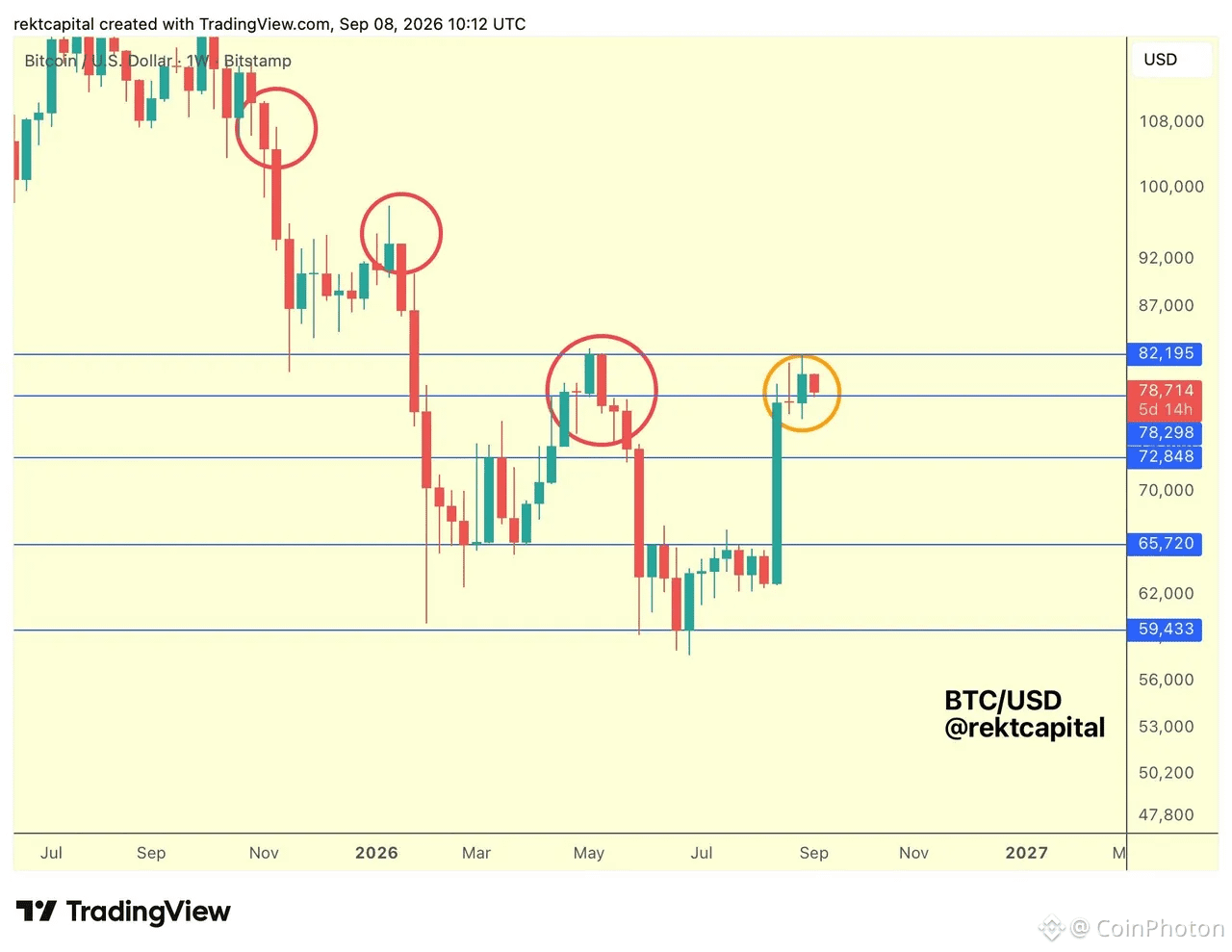
انخفض سعر البيتكوين لفترة وجيزة دون 78,000 دولار يوم الثلاثاء، مع تصاعد التوترات مجددًا في الشرق الأوسط الذي ضغط على الأصول ذات المخاطر عالميًا وأدى إلى ارتفاع حاد في أسعار النفط.
وانخفضت عملة BTC إلى 77,600 دولار كحد أدنى، وهو أضعف مستوى لها منذ 3 سبتمبر، في حين تراجعت أيضًا مؤشرات S&P 500 وناسداك بعد تقارير عن ضربات حوثية على مدن سعودية وبُنية النفط التحتية.
وتفاعلت أسواق النفط بقوة؛ إذ اقتربت عقود خام WTI من 95 دولارًا للبرميل، وهو أعلى مستوى خلال ثلاثة أشهر، بينما تحرك خام برنت نحو 100 دولار. وتضيف أسعار الطاقة المرتفعة إلى مخاوف التضخم قبيل تقرير مؤشر أسعار المستهلك الأمريكي (CPI) يوم الجمعة.
ويختبر البيتكوين الآن منطقة دعم رئيسية قرب 78,300 دولار. وحذّر المحلل Rekt Capital من أن إغلاقًا أسبوعيًا دون هذا المستوى، يتبعه إعادة اختبار فاشلة، قد يؤكد حدوث انهيار آخر مشابه لما حدث في مايو، عندما هبطت BTC في النهاية نحو 57,000 دولار. $BTC
{future}(BTCUSDT)
انخفض سعر البيتكوين لفترة وجيزة دون 78,000 دولار يوم الثلاثاء، مع تصاعد التوترات مجددًا في الشرق الأوسط الذي ضغط على الأصول ذات المخاطر عالميًا وأدى إلى ارتفاع حاد في أسعار النفط.
وانخفضت عملة BTC إلى 77,600 دولار كحد أدنى، وهو أضعف مستوى لها منذ 3 سبتمبر، في حين تراجعت أيضًا مؤشرات S&P 500 وناسداك بعد تقارير عن ضربات حوثية على مدن سعودية وبُنية النفط التحتية.
وتفاعلت أسواق النفط بقوة؛ إذ اقتربت عقود خام WTI من 95 دولارًا للبرميل، وهو أعلى مستوى خلال ثلاثة أشهر، بينما تحرك خام برنت نحو 100 دولار. وتضيف أسعار الطاقة المرتفعة إلى مخاوف التضخم قبيل تقرير مؤشر أسعار المستهلك الأمريكي (CPI) يوم الجمعة.
ويختبر البيتكوين الآن منطقة دعم رئيسية قرب 78,300 دولار. وحذّر المحلل Rekt Capital من أن إغلاقًا أسبوعيًا دون هذا المستوى، يتبعه إعادة اختبار فاشلة، قد يؤكد حدوث انهيار آخر مشابه لما حدث في مايو، عندما هبطت BTC في النهاية نحو 57,000 دولار. $BTC
وانخفضت عملة BTC إلى 77,600 دولار كحد أدنى، وهو أضعف مستوى لها منذ 3 سبتمبر، في حين تراجعت أيضًا مؤشرات S&P 500 وناسداك بعد تقارير عن ضربات حوثية على مدن سعودية وبُنية النفط التحتية.
وتفاعلت أسواق النفط بقوة؛ إذ اقتربت عقود خام WTI من 95 دولارًا للبرميل، وهو أعلى مستوى خلال ثلاثة أشهر، بينما تحرك خام برنت نحو 100 دولار. وتضيف أسعار الطاقة المرتفعة إلى مخاوف التضخم قبيل تقرير مؤشر أسعار المستهلك الأمريكي (CPI) يوم الجمعة.
ويختبر البيتكوين الآن منطقة دعم رئيسية قرب 78,300 دولار. وحذّر المحلل Rekt Capital من أن إغلاقًا أسبوعيًا دون هذا المستوى، يتبعه إعادة اختبار فاشلة، قد يؤكد حدوث انهيار آخر مشابه لما حدث في مايو، عندما هبطت BTC في النهاية نحو 57,000 دولار. $BTC
3
3
744
·
--
أطلقت أوزبكستان مبادرة تجريبية لاختبار المدفوعات باستخدام HUMO، وهو عملة مستقرة مرتبطة بنسبة 1:1 بال سوم الأوزبكي ومدعومة بأوراق حكومية.
سجلت الوكالة الوطنية للمشاريع المستقبلية Humo Digital تحت نظام تنظيمي خاص تمت الإشراف عليه بشكل مشترك مع البنك المركزي. ستختبر التجربة إصدار HUMO وتداوله والاسترداد، بمشاركة أكثر من 20 تاجرًا مستعدًا لقبول الرمز للدفع مقابل السلع والخدمات.
ستقوم البنوك المشاركة بدمج أنظمة معالجة المدفوعات لديها مع البنية التحتية لسلسلة الكتل، بينما ستعمل بورصة العملات المشفرة المرخصة Asterium كشريك في المشروع.
ستستمر التجربة الأولية لمدة 12 شهرًا، مع وضع حد أقصى إجمالي للمشروع بمدة ثلاث سنوات. سيقوم المنظمون بتقييم الضمانات المتعلقة بالـتأمينات، وأمن السيبرانية، وحماية المستهلك، وضوابط مكافحة غسل الأموال، والمخاطر المحتملة على الاستقرار المالي واستقرار الأسعار.
أطلقت أوزبكستان مبادرة تجريبية لاختبار المدفوعات باستخدام HUMO، وهو عملة مستقرة مرتبطة بنسبة 1:1 بال سوم الأوزبكي ومدعومة بأوراق حكومية.
سجلت الوكالة الوطنية للمشاريع المستقبلية Humo Digital تحت نظام تنظيمي خاص تمت الإشراف عليه بشكل مشترك مع البنك المركزي. ستختبر التجربة إصدار HUMO وتداوله والاسترداد، بمشاركة أكثر من 20 تاجرًا مستعدًا لقبول الرمز للدفع مقابل السلع والخدمات.
ستقوم البنوك المشاركة بدمج أنظمة معالجة المدفوعات لديها مع البنية التحتية لسلسلة الكتل، بينما ستعمل بورصة العملات المشفرة المرخصة Asterium كشريك في المشروع.
ستستمر التجربة الأولية لمدة 12 شهرًا، مع وضع حد أقصى إجمالي للمشروع بمدة ثلاث سنوات. سيقوم المنظمون بتقييم الضمانات المتعلقة بالـتأمينات، وأمن السيبرانية، وحماية المستهلك، وضوابط مكافحة غسل الأموال، والمخاطر المحتملة على الاستقرار المالي واستقرار الأسعار.
سجلت الوكالة الوطنية للمشاريع المستقبلية Humo Digital تحت نظام تنظيمي خاص تمت الإشراف عليه بشكل مشترك مع البنك المركزي. ستختبر التجربة إصدار HUMO وتداوله والاسترداد، بمشاركة أكثر من 20 تاجرًا مستعدًا لقبول الرمز للدفع مقابل السلع والخدمات.
ستقوم البنوك المشاركة بدمج أنظمة معالجة المدفوعات لديها مع البنية التحتية لسلسلة الكتل، بينما ستعمل بورصة العملات المشفرة المرخصة Asterium كشريك في المشروع.
ستستمر التجربة الأولية لمدة 12 شهرًا، مع وضع حد أقصى إجمالي للمشروع بمدة ثلاث سنوات. سيقوم المنظمون بتقييم الضمانات المتعلقة بالـتأمينات، وأمن السيبرانية، وحماية المستهلك، وضوابط مكافحة غسل الأموال، والمخاطر المحتملة على الاستقرار المالي واستقرار الأسعار.
123
·
--
أوقفت استراتيجية مايكل سايلور عمليات شراء البيتكوين الأسبوعية، وبدلًا من ذلك أنفقت 176.3 مليون دولار لإعادة شراء أسهمها الممتازة من فئة STRC.
بين 31 أغسطس و7 سبتمبر، قامت Strategy بإعادة شراء 1.8 مليون سهم من أسهم STRC، ووسّعت برنامج إعادة شراء الأوراق المالية للائتمان الرقمي إلى 2 مليار دولار.
وبدون اقتناء جديد للبيتكوين، تواصل Strategy الاحتفاظ بـ 845,050 BTC، التي تم شراؤها مقابل نحو 63.6 مليار دولار بمتوسط سعر يبلغ 75,412 دولارًا لكل BTC.
تأتي هذه الخطوة بينما يتداول سهم STRC دون قيمته الاسمية البالغة 100 دولار، ما يحد من قدرة Strategy على جمع رأس مال جديد عبر مبيعات الأسهم الممتازة. ويُعد STRC أحد وسائل التمويل الرئيسية لدى الشركة ضمن استراتيجية تراكم البيتكوين طويلة الأجل.
أوقفت استراتيجية مايكل سايلور عمليات شراء البيتكوين الأسبوعية، وبدلًا من ذلك أنفقت 176.3 مليون دولار لإعادة شراء أسهمها الممتازة من فئة STRC.
بين 31 أغسطس و7 سبتمبر، قامت Strategy بإعادة شراء 1.8 مليون سهم من أسهم STRC، ووسّعت برنامج إعادة شراء الأوراق المالية للائتمان الرقمي إلى 2 مليار دولار.
وبدون اقتناء جديد للبيتكوين، تواصل Strategy الاحتفاظ بـ 845,050 BTC، التي تم شراؤها مقابل نحو 63.6 مليار دولار بمتوسط سعر يبلغ 75,412 دولارًا لكل BTC.
تأتي هذه الخطوة بينما يتداول سهم STRC دون قيمته الاسمية البالغة 100 دولار، ما يحد من قدرة Strategy على جمع رأس مال جديد عبر مبيعات الأسهم الممتازة. ويُعد STRC أحد وسائل التمويل الرئيسية لدى الشركة ضمن استراتيجية تراكم البيتكوين طويلة الأجل.
بين 31 أغسطس و7 سبتمبر، قامت Strategy بإعادة شراء 1.8 مليون سهم من أسهم STRC، ووسّعت برنامج إعادة شراء الأوراق المالية للائتمان الرقمي إلى 2 مليار دولار.
وبدون اقتناء جديد للبيتكوين، تواصل Strategy الاحتفاظ بـ 845,050 BTC، التي تم شراؤها مقابل نحو 63.6 مليار دولار بمتوسط سعر يبلغ 75,412 دولارًا لكل BTC.
تأتي هذه الخطوة بينما يتداول سهم STRC دون قيمته الاسمية البالغة 100 دولار، ما يحد من قدرة Strategy على جمع رأس مال جديد عبر مبيعات الأسهم الممتازة. ويُعد STRC أحد وسائل التمويل الرئيسية لدى الشركة ضمن استراتيجية تراكم البيتكوين طويلة الأجل.
1
250
·
--
بدأت تسع شركات سويسرية اختبارًا تجريبيًا (Sandbox) لعملة CHFD، وهي عملة مستقرة بالفرنك السويسري مصممة لمدفوعات قابلة للبرمجة وتسوية الأصول الرقمية.
ستستكشف التجربة ما إذا كانت المدفوعات القابلة للبرمجة يمكن أن تساعد في تقليل الاحتيال في الأسواق الإلكترونية، وتحسين الوصول العادل إلى تذاكر الفعاليات، وجعل مدفوعات القطاع العام أكثر كفاءة.
انضم مشغّل البنية التحتية لأسواق المال SIX وتطبيق المدفوعات TWINT إلى المبادرة، التي تم إطلاقها لأول مرة في أبريل.
ويُضاف هذا المشروع إلى الدفع الأوسع في سويسرا لاختبار النقود المرمّزة وبنية الدفع القائمة على البلوك تشين في التطبيقات المالية الواقعية.
بدأت تسع شركات سويسرية اختبارًا تجريبيًا (Sandbox) لعملة CHFD، وهي عملة مستقرة بالفرنك السويسري مصممة لمدفوعات قابلة للبرمجة وتسوية الأصول الرقمية.
ستستكشف التجربة ما إذا كانت المدفوعات القابلة للبرمجة يمكن أن تساعد في تقليل الاحتيال في الأسواق الإلكترونية، وتحسين الوصول العادل إلى تذاكر الفعاليات، وجعل مدفوعات القطاع العام أكثر كفاءة.
انضم مشغّل البنية التحتية لأسواق المال SIX وتطبيق المدفوعات TWINT إلى المبادرة، التي تم إطلاقها لأول مرة في أبريل.
ويُضاف هذا المشروع إلى الدفع الأوسع في سويسرا لاختبار النقود المرمّزة وبنية الدفع القائمة على البلوك تشين في التطبيقات المالية الواقعية.
ستستكشف التجربة ما إذا كانت المدفوعات القابلة للبرمجة يمكن أن تساعد في تقليل الاحتيال في الأسواق الإلكترونية، وتحسين الوصول العادل إلى تذاكر الفعاليات، وجعل مدفوعات القطاع العام أكثر كفاءة.
انضم مشغّل البنية التحتية لأسواق المال SIX وتطبيق المدفوعات TWINT إلى المبادرة، التي تم إطلاقها لأول مرة في أبريل.
ويُضاف هذا المشروع إلى الدفع الأوسع في سويسرا لاختبار النقود المرمّزة وبنية الدفع القائمة على البلوك تشين في التطبيقات المالية الواقعية.
135
·
--
أكملت كلٌّ من DBS وCiti أول عطلة نهاية أسبوع مدفوعة بالدولار الأمريكي بين سنغافورة والولايات المتحدة باستخدام الودائع المُرمّزة عبر "Swift Digital Ledger".
تم تسوية معاملة 5 سبتمبر بين DBS ومكتب Citi في نيويورك خلال دقائق، مقارنةً بما قد يصل إلى يومين عملين للمدفوعات التقليدية عبر الحدود.
يمكّن النظام المؤسسات من نقل الدولار الأمريكي على مدار 24/7، متجاوزًا التأخيرات الناجمة عن عطلات نهاية الأسبوع وساعات العمل والفروقات في المناطق الزمنية. وقالت DBS إن التكنولوجيا قد تكون مفيدة بشكل خاص للشركات العالمية مثل شركات التجارة الإلكترونية وشركات الخدمات الرقمية.
انضمّت Citi إلى مبادرة الودائع المُرمّزة التابعة لـ Swift في يوليو، بينما تعمل DBS على توسيع بنيتها المصرفية القائمة على تقنية البلوك تشين منذ إطلاق "DBS Treasury Tokens" في 2024.
تُبرز هذه المحطة مدى انتقال الودائع المصرفية المُرمّزة من مرحلة الاختبار إلى الاستخدام الفعلي في المدفوعات العالمية التي تعمل دائمًا.
أكملت كلٌّ من DBS وCiti أول عطلة نهاية أسبوع مدفوعة بالدولار الأمريكي بين سنغافورة والولايات المتحدة باستخدام الودائع المُرمّزة عبر "Swift Digital Ledger".
تم تسوية معاملة 5 سبتمبر بين DBS ومكتب Citi في نيويورك خلال دقائق، مقارنةً بما قد يصل إلى يومين عملين للمدفوعات التقليدية عبر الحدود.
يمكّن النظام المؤسسات من نقل الدولار الأمريكي على مدار 24/7، متجاوزًا التأخيرات الناجمة عن عطلات نهاية الأسبوع وساعات العمل والفروقات في المناطق الزمنية. وقالت DBS إن التكنولوجيا قد تكون مفيدة بشكل خاص للشركات العالمية مثل شركات التجارة الإلكترونية وشركات الخدمات الرقمية.
انضمّت Citi إلى مبادرة الودائع المُرمّزة التابعة لـ Swift في يوليو، بينما تعمل DBS على توسيع بنيتها المصرفية القائمة على تقنية البلوك تشين منذ إطلاق "DBS Treasury Tokens" في 2024.
تُبرز هذه المحطة مدى انتقال الودائع المصرفية المُرمّزة من مرحلة الاختبار إلى الاستخدام الفعلي في المدفوعات العالمية التي تعمل دائمًا.
تم تسوية معاملة 5 سبتمبر بين DBS ومكتب Citi في نيويورك خلال دقائق، مقارنةً بما قد يصل إلى يومين عملين للمدفوعات التقليدية عبر الحدود.
يمكّن النظام المؤسسات من نقل الدولار الأمريكي على مدار 24/7، متجاوزًا التأخيرات الناجمة عن عطلات نهاية الأسبوع وساعات العمل والفروقات في المناطق الزمنية. وقالت DBS إن التكنولوجيا قد تكون مفيدة بشكل خاص للشركات العالمية مثل شركات التجارة الإلكترونية وشركات الخدمات الرقمية.
انضمّت Citi إلى مبادرة الودائع المُرمّزة التابعة لـ Swift في يوليو، بينما تعمل DBS على توسيع بنيتها المصرفية القائمة على تقنية البلوك تشين منذ إطلاق "DBS Treasury Tokens" في 2024.
تُبرز هذه المحطة مدى انتقال الودائع المصرفية المُرمّزة من مرحلة الاختبار إلى الاستخدام الفعلي في المدفوعات العالمية التي تعمل دائمًا.
1
156
سجّل الدخول لاستكشاف المزيد من المُحتوى
انضم إلى مُستخدمي العملات الرقمية حول العالم على Binance Square
⚡️ احصل على أحدث المعلومات المفيدة عن العملات الرقمية.
💬 موثوقة من قبل أكبر منصّة لتداول العملات الرقمية في العالم.
👍 اكتشف الرؤى الحقيقية من صنّاع المُحتوى الموثوقين.
البريد الإلكتروني / رقم الهاتف
المواضيع الرائجة
BitwiseFilesFinalNEARSpotETFProspectus
79,167 مشاهدات
1,350 يقومون بالنقاش
#bitwisefilesfinalnearspotetfprospectus
🚨 اصبروا يا جماعة! بايتوايز Bitwise أطلقت قنبلة من 39 صفحة! 💣
نعم، لقد قرأتم ذلك صحيحًا. #bitwisefilesfinalnearspotetfprospectus ليست خطأ مطبعيًا. إنها بايتوايز ترفع نشرتها/مستندها النهائي لصندوق NEAR Spot ETF! 🚀
لحظة... صندوق «NEAR»؟ هل يعني أن الموافقة قريبة، أم أننا نتداول $NEAR؟ الاثنين! 😂
رئيس قسم الاستثمار CIO مات هوجان فعل وضع السحرة مع توقعات الأسعار لعام 2030:
🐂 السيناريو الصعودي: 562$ (اتركوا فيزا Visa! 💳)
📊 السيناريو الأساسي: 155$ (لا يزال يقود سيارة لامبورغيني 🏎️)
🐻 السيناريو الهبوطي: 1.63$ (عودة إلى المعكرونة الفورية 🍜)
ماذا ينبغي على المتداولين فعله؟
لا تذعروا للشراء ولا تذعروا للبيع. فقط ثبّتوا مكانكم، اقرأوا الصفحات الـ39 (أو مجرد تمرير TikTok)، واستخدموا كودي للتداول بأمان!
⚠️ ليست نصيحة مالية!
متابعة من فضلكم
$NEAR
$BTC
$ETH
#nearprotocol #CryptoETFs #Bitwise #CryptoNews #TradingStrategy
Shamika Metting
·3 إعجاب
·3.4k مشاهدات
BitgetHackerMoves$83MStolenXRP
31,254 مشاهدات
159 يقومون بالنقاش
SOLSpotETFWeeklyInflow$188M
20,428 مشاهدات
130 يقومون بالنقاش