
Jamie Smith
14.3k منشورات

Jamie Smith
 تم التحقُّق من Square
إبلاغ
حظر المُستخدم
Binance Verified Creater | Living the crypto journey tracking trends, and delivering insights from the fast-moving world of digital assets.X:@BitBuddy77

Traders League Badge Beginner
فتح تداول
مُتداول مُتكرر
1.5 سنوات
616 تتابع
31.6K+ المتابعون
27.6K+ إعجاب
1 الشارات
منشورات
الحافظة الاستثمارية
الكل
اقتباسات
Live
·
--
صاعد
🔥 $BTC
{spot}(BTCUSDT)
IS HOLDING THE LINE! 🚀
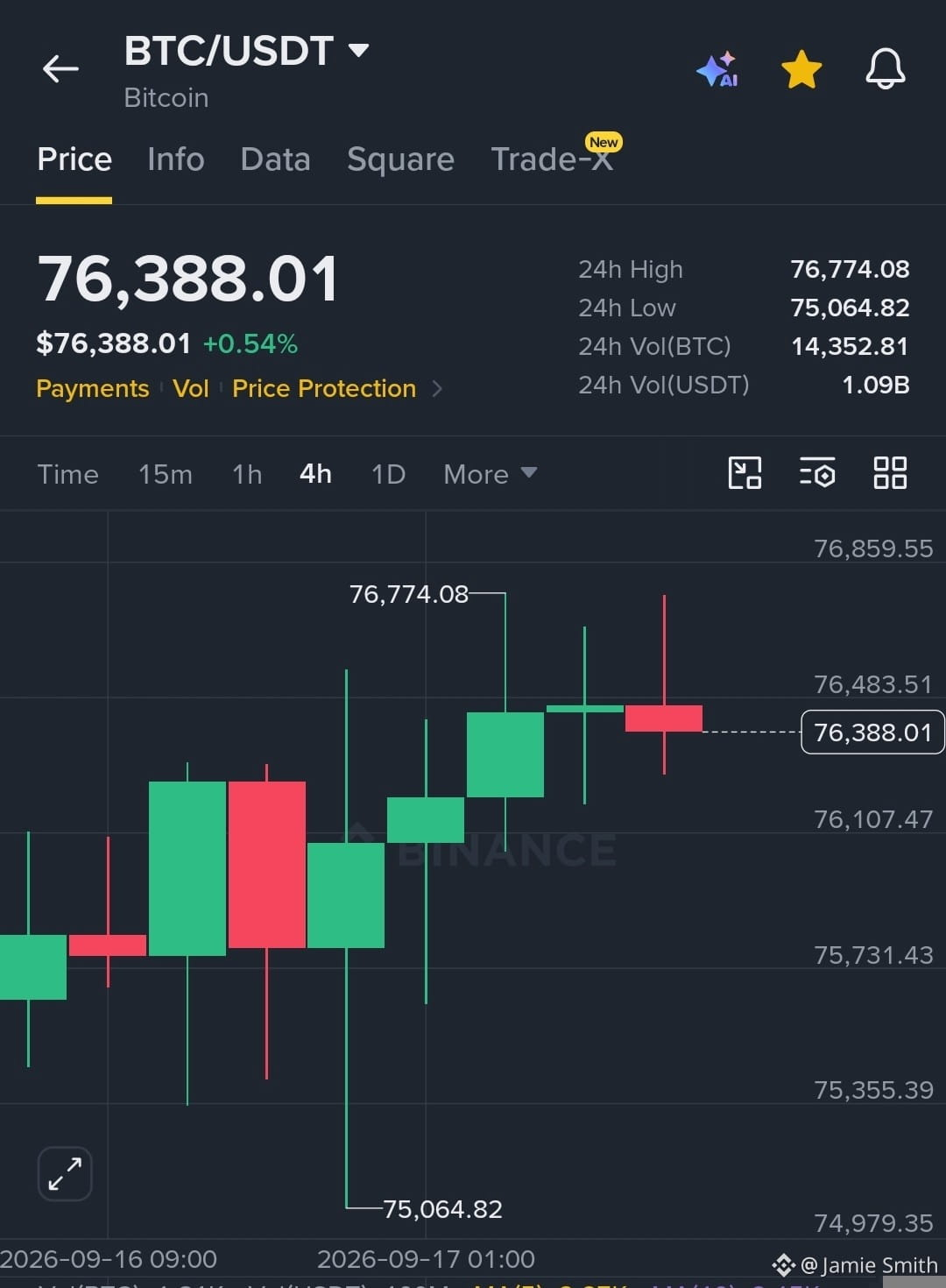
يتداول البيتكوين حول 76,388 دولارًا، محافظًا على قوته بعد الاقتراب من أعلى مستوى خلال 24 ساعة عند 76,774 دولارًا.
يُظهر مخطط 4 ساعات زخم شراء قوي، لكن BTC تواجه الآن منطقة مقاومة حاسمة قرب 76.7 ألف–76.8 ألف دولار. 👀
⚡ اخترق فوق 76.8 ألف دولار → قد يتسارع الزخم.
🛡️ تمسّك بمنطقة 76 ألف دولار → تبقى الثيران في السيطرة.
بدأت الإعدادات تصبح مثيرة… شمعة قوية واحدة قد تغيّر الصورة بالكامل. 🚀🔥
#BTC #HyperliquidUSDCSupplyOvertakesSolana #MemeLaunchpads82%OfArcDayOneVolume
🔥 $BTC
IS HOLDING THE LINE! 🚀
يتداول البيتكوين حول 76,388 دولارًا، محافظًا على قوته بعد الاقتراب من أعلى مستوى خلال 24 ساعة عند 76,774 دولارًا.
يُظهر مخطط 4 ساعات زخم شراء قوي، لكن BTC تواجه الآن منطقة مقاومة حاسمة قرب 76.7 ألف–76.8 ألف دولار. 👀
⚡ اخترق فوق 76.8 ألف دولار → قد يتسارع الزخم.
🛡️ تمسّك بمنطقة 76 ألف دولار → تبقى الثيران في السيطرة.
بدأت الإعدادات تصبح مثيرة… شمعة قوية واحدة قد تغيّر الصورة بالكامل. 🚀🔥
#BTC #HyperliquidUSDCSupplyOvertakesSolana #MemeLaunchpads82%OfArcDayOneVolume
IS HOLDING THE LINE! 🚀
يتداول البيتكوين حول 76,388 دولارًا، محافظًا على قوته بعد الاقتراب من أعلى مستوى خلال 24 ساعة عند 76,774 دولارًا.
يُظهر مخطط 4 ساعات زخم شراء قوي، لكن BTC تواجه الآن منطقة مقاومة حاسمة قرب 76.7 ألف–76.8 ألف دولار. 👀
⚡ اخترق فوق 76.8 ألف دولار → قد يتسارع الزخم.
🛡️ تمسّك بمنطقة 76 ألف دولار → تبقى الثيران في السيطرة.
بدأت الإعدادات تصبح مثيرة… شمعة قوية واحدة قد تغيّر الصورة بالكامل. 🚀🔥
#BTC #HyperliquidUSDCSupplyOvertakesSolana #MemeLaunchpads82%OfArcDayOneVolume
1
83
·
--
صاعد
⚡ $ZEC
{spot}(ZECUSDT)
IS WAKING UP — BULLS ARE BACK! 🚀
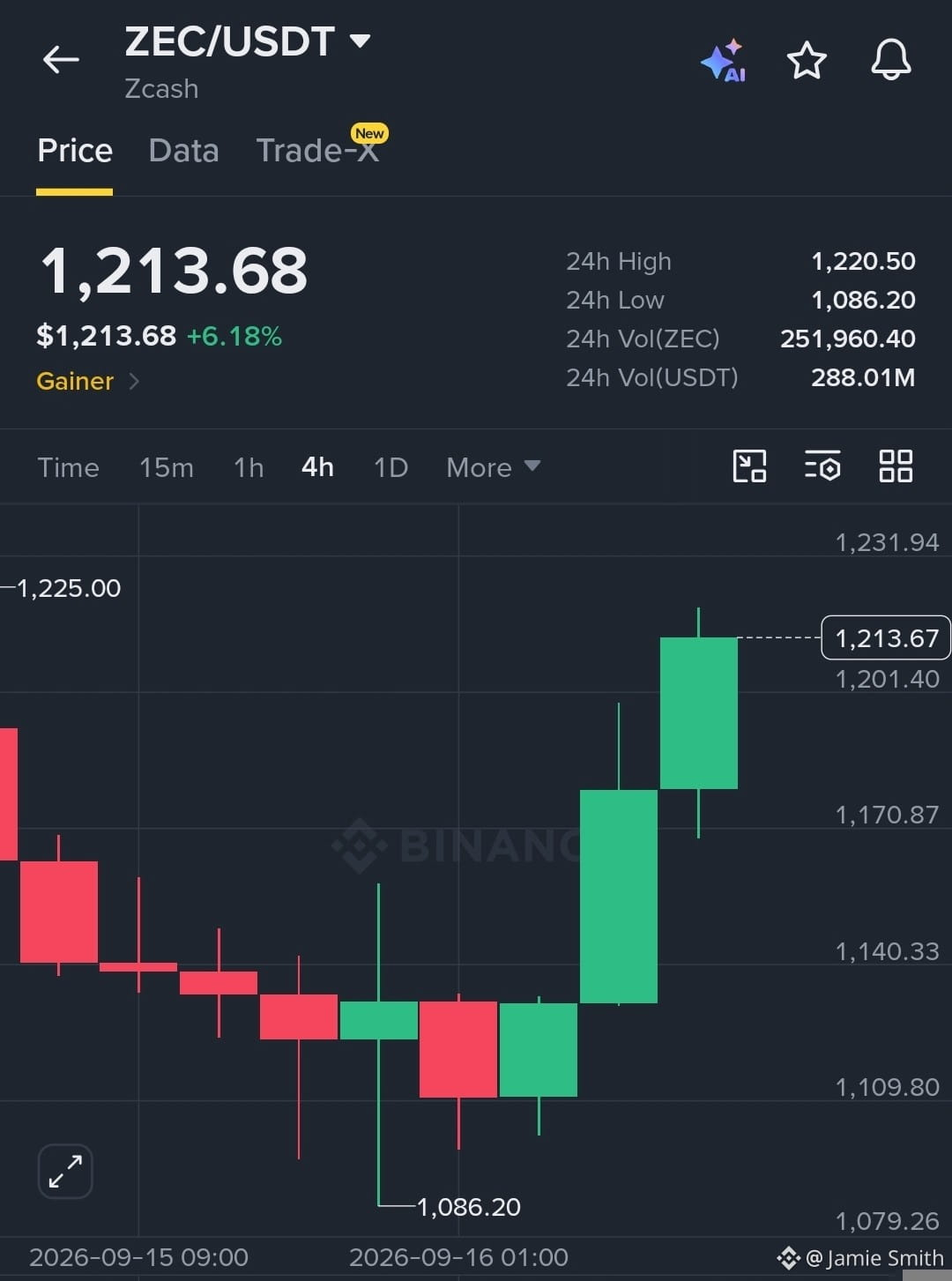
ZEC مزّق للتو +6.18% ليصل إلى حوالي 1,213$، مع قيام المشترين بالضغط بقوة على مخطط 4H. 📈🔥
بعد الارتداد من أدنى 1,086$، تحوّلت الزخمات بالكامل. الآن السؤال الكبير هو هل يمكن للثيران الحفاظ على مستوى أعلى من 1,200$ والاقتراب من منطقة 1,220$–1,230$ بعد ذلك. 👀
🔥 شموع قوية
🔥 حجم تداول مرتفع
🔥 المشترون يستحوذون على زمام الأمور
$ZEC تتحرك بسرعة — ومحاولة الاختراق هذه تستحق الانتباه. 🚀
#ZEC #ArgentinaCommitsToOECDCryptoReportingBy2029
⚡ $ZEC
IS WAKING UP — BULLS ARE BACK! 🚀
ZEC مزّق للتو +6.18% ليصل إلى حوالي 1,213$، مع قيام المشترين بالضغط بقوة على مخطط 4H. 📈🔥
بعد الارتداد من أدنى 1,086$، تحوّلت الزخمات بالكامل. الآن السؤال الكبير هو هل يمكن للثيران الحفاظ على مستوى أعلى من 1,200$ والاقتراب من منطقة 1,220$–1,230$ بعد ذلك. 👀
🔥 شموع قوية
🔥 حجم تداول مرتفع
🔥 المشترون يستحوذون على زمام الأمور
$ZEC تتحرك بسرعة — ومحاولة الاختراق هذه تستحق الانتباه. 🚀
#ZEC #ArgentinaCommitsToOECDCryptoReportingBy2029
IS WAKING UP — BULLS ARE BACK! 🚀
ZEC مزّق للتو +6.18% ليصل إلى حوالي 1,213$، مع قيام المشترين بالضغط بقوة على مخطط 4H. 📈🔥
بعد الارتداد من أدنى 1,086$، تحوّلت الزخمات بالكامل. الآن السؤال الكبير هو هل يمكن للثيران الحفاظ على مستوى أعلى من 1,200$ والاقتراب من منطقة 1,220$–1,230$ بعد ذلك. 👀
🔥 شموع قوية
🔥 حجم تداول مرتفع
🔥 المشترون يستحوذون على زمام الأمور
$ZEC تتحرك بسرعة — ومحاولة الاختراق هذه تستحق الانتباه. 🚀
#ZEC #ArgentinaCommitsToOECDCryptoReportingBy2029
210
·
--
صاعد
🚨 $XRP
{spot}(XRPUSDT)
ما زالوا يتمسكون بخط الدفاع! 🔥
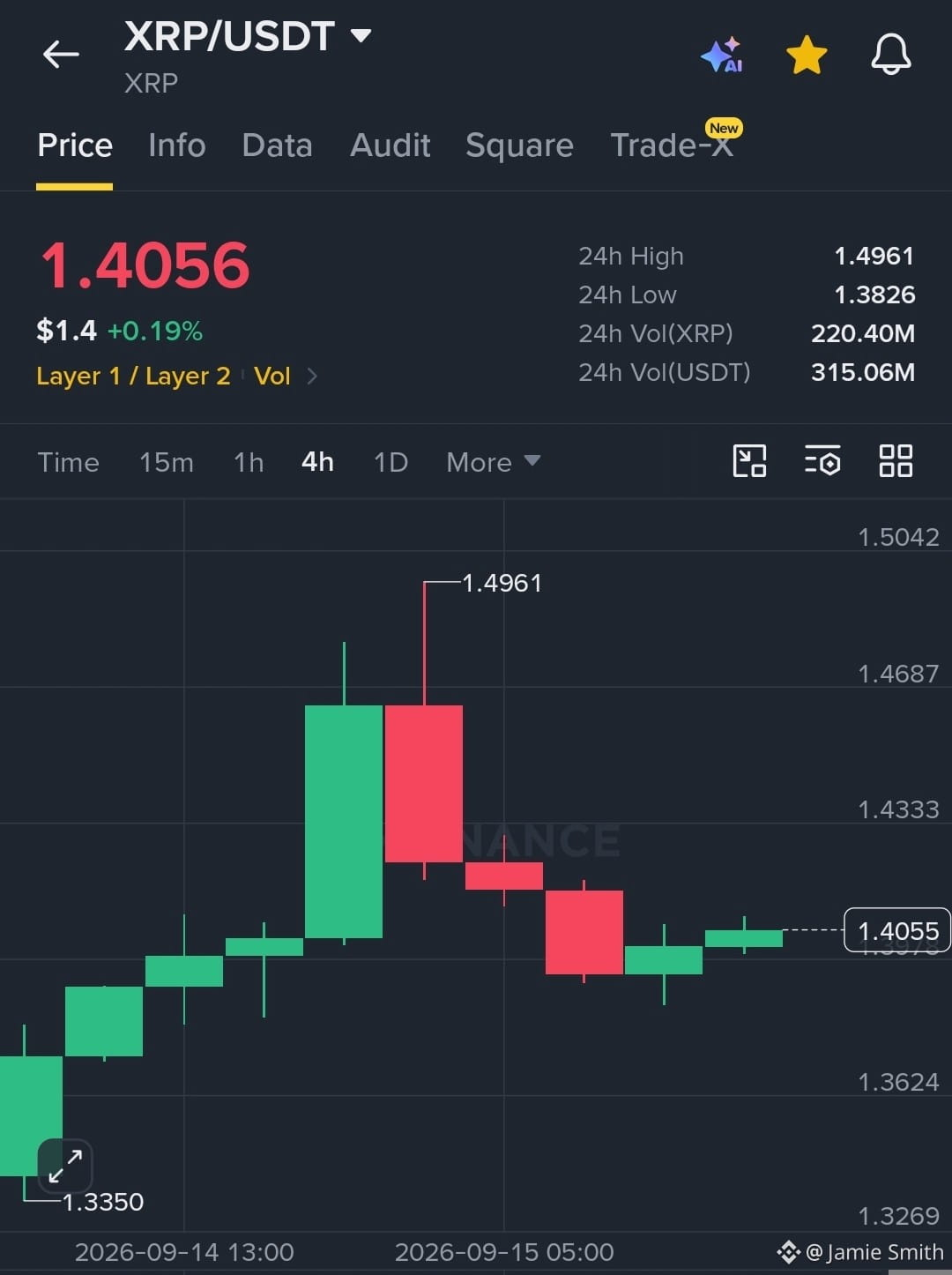
تقع XRP حاليًا حول 1.405$، وتظهر علامات على الاستقرار بعد الانسحاب الحاد من القمة 1.4961$.
لم يختفِ الثيران — إنهم فقط يعيدون التجمع. 👀
📌 مستويات رئيسية يجب مراقبتها: • المقاومة: 1.43$ → 1.47$ → 1.50$ • الدعم: 1.38$ → 1.36$ • قد يؤدي الاختراق القوي فوق 1.43$ إلى عودة الزخم بسرعة. 🚀
يصبح الرسم البياني أكثر إثارة للاهتمام…
هل تستعد XRP لدفعٍ آخر نحو 1.50$؟ 👑🔥
#XRP #SolanaTransactionV1GoesLiveOnMainnet
🚨 $XRP
ما زالوا يتمسكون بخط الدفاع! 🔥
تقع XRP حاليًا حول 1.405$، وتظهر علامات على الاستقرار بعد الانسحاب الحاد من القمة 1.4961$.
لم يختفِ الثيران — إنهم فقط يعيدون التجمع. 👀
📌 مستويات رئيسية يجب مراقبتها: • المقاومة: 1.43$ → 1.47$ → 1.50$ • الدعم: 1.38$ → 1.36$ • قد يؤدي الاختراق القوي فوق 1.43$ إلى عودة الزخم بسرعة. 🚀
يصبح الرسم البياني أكثر إثارة للاهتمام…
هل تستعد XRP لدفعٍ آخر نحو 1.50$؟ 👑🔥
#XRP #SolanaTransactionV1GoesLiveOnMainnet
ما زالوا يتمسكون بخط الدفاع! 🔥
تقع XRP حاليًا حول 1.405$، وتظهر علامات على الاستقرار بعد الانسحاب الحاد من القمة 1.4961$.
لم يختفِ الثيران — إنهم فقط يعيدون التجمع. 👀
📌 مستويات رئيسية يجب مراقبتها: • المقاومة: 1.43$ → 1.47$ → 1.50$ • الدعم: 1.38$ → 1.36$ • قد يؤدي الاختراق القوي فوق 1.43$ إلى عودة الزخم بسرعة. 🚀
يصبح الرسم البياني أكثر إثارة للاهتمام…
هل تستعد XRP لدفعٍ آخر نحو 1.50$؟ 👑🔥
#XRP #SolanaTransactionV1GoesLiveOnMainnet
187
·
--
صاعد
🔥 $XRP
{spot}(XRPUSDT)
إنه يستيقظ!
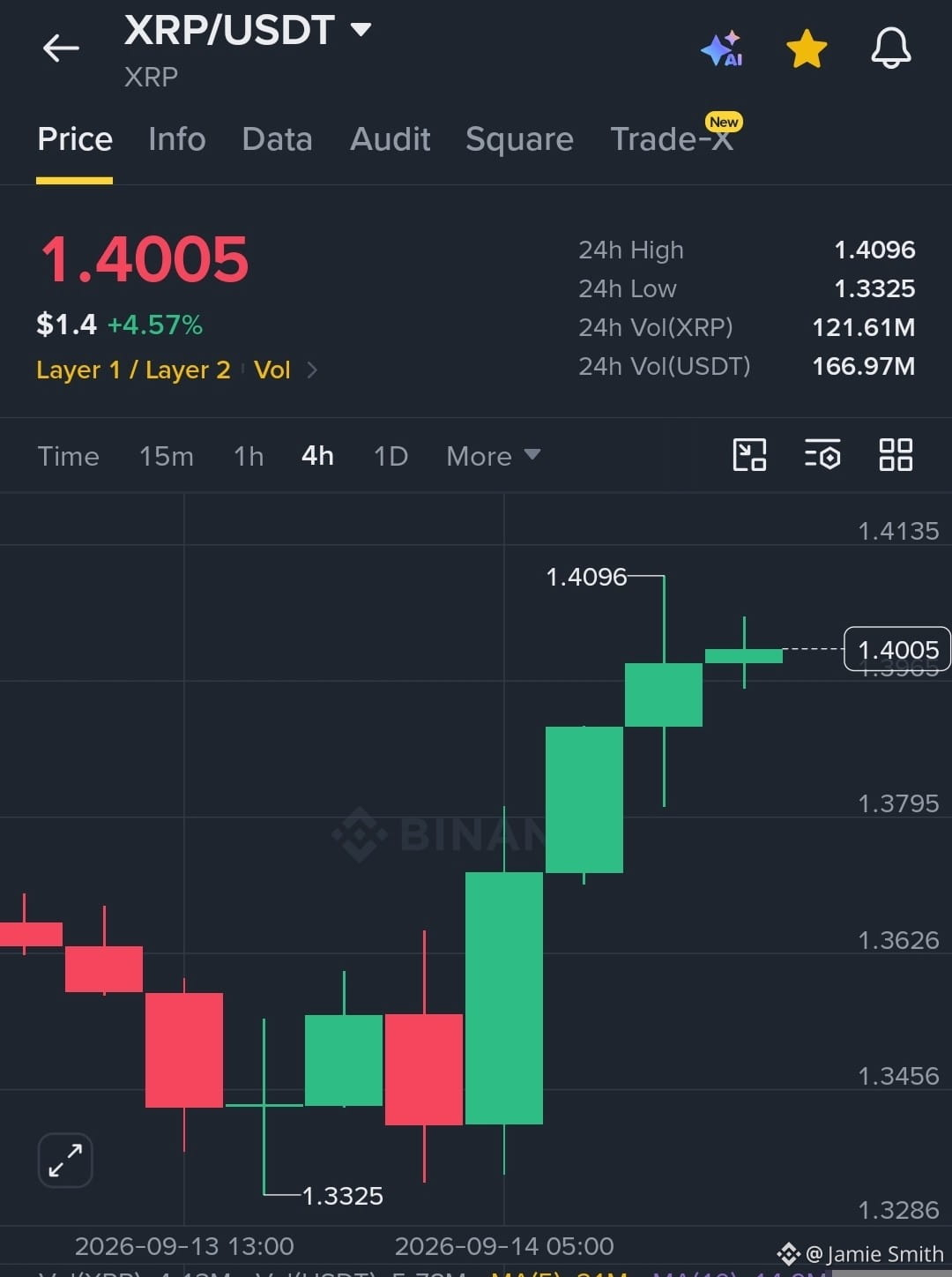
قفز XRP للتو فوق 1.40 دولار مرة أخرى، مرتفعًا بنحو 4.57%، ومخطط الأربع ساعات يُظهر زخمًا شرائيًا قويًا جدًا. 📈
بعد أن انخفض إلى 1.3325 دولار، تدخل المشترون بقوة وقلبوا البنية باستخدام عدة شموع خضراء قوية.
والسؤال الكبير الآن: هل يمكن لـ XRP اختراق أعلى مستوى 1.4096 دولار؟ 👀
اختراق واضح قد يجلب حركة قوية أخرى. الثيران عادوا بوضوح للقتال. ⚡
$XRP بدأ يسخن — لا ترمش! 🚀🔥
#XRP #BrazilCentralBankRaisesVASPCapitalRequirements
🔥 $XRP
إنه يستيقظ!
قفز XRP للتو فوق 1.40 دولار مرة أخرى، مرتفعًا بنحو 4.57%، ومخطط الأربع ساعات يُظهر زخمًا شرائيًا قويًا جدًا. 📈
بعد أن انخفض إلى 1.3325 دولار، تدخل المشترون بقوة وقلبوا البنية باستخدام عدة شموع خضراء قوية.
والسؤال الكبير الآن: هل يمكن لـ XRP اختراق أعلى مستوى 1.4096 دولار؟ 👀
اختراق واضح قد يجلب حركة قوية أخرى. الثيران عادوا بوضوح للقتال. ⚡
$XRP بدأ يسخن — لا ترمش! 🚀🔥
#XRP #BrazilCentralBankRaisesVASPCapitalRequirements
إنه يستيقظ!
قفز XRP للتو فوق 1.40 دولار مرة أخرى، مرتفعًا بنحو 4.57%، ومخطط الأربع ساعات يُظهر زخمًا شرائيًا قويًا جدًا. 📈
بعد أن انخفض إلى 1.3325 دولار، تدخل المشترون بقوة وقلبوا البنية باستخدام عدة شموع خضراء قوية.
والسؤال الكبير الآن: هل يمكن لـ XRP اختراق أعلى مستوى 1.4096 دولار؟ 👀
اختراق واضح قد يجلب حركة قوية أخرى. الثيران عادوا بوضوح للقتال. ⚡
$XRP بدأ يسخن — لا ترمش! 🚀🔥
#XRP #BrazilCentralBankRaisesVASPCapitalRequirements
118
·
--
هابط
🔥 $BTC
{spot}(BTCUSDT)
هي في لحظة حاسمة!
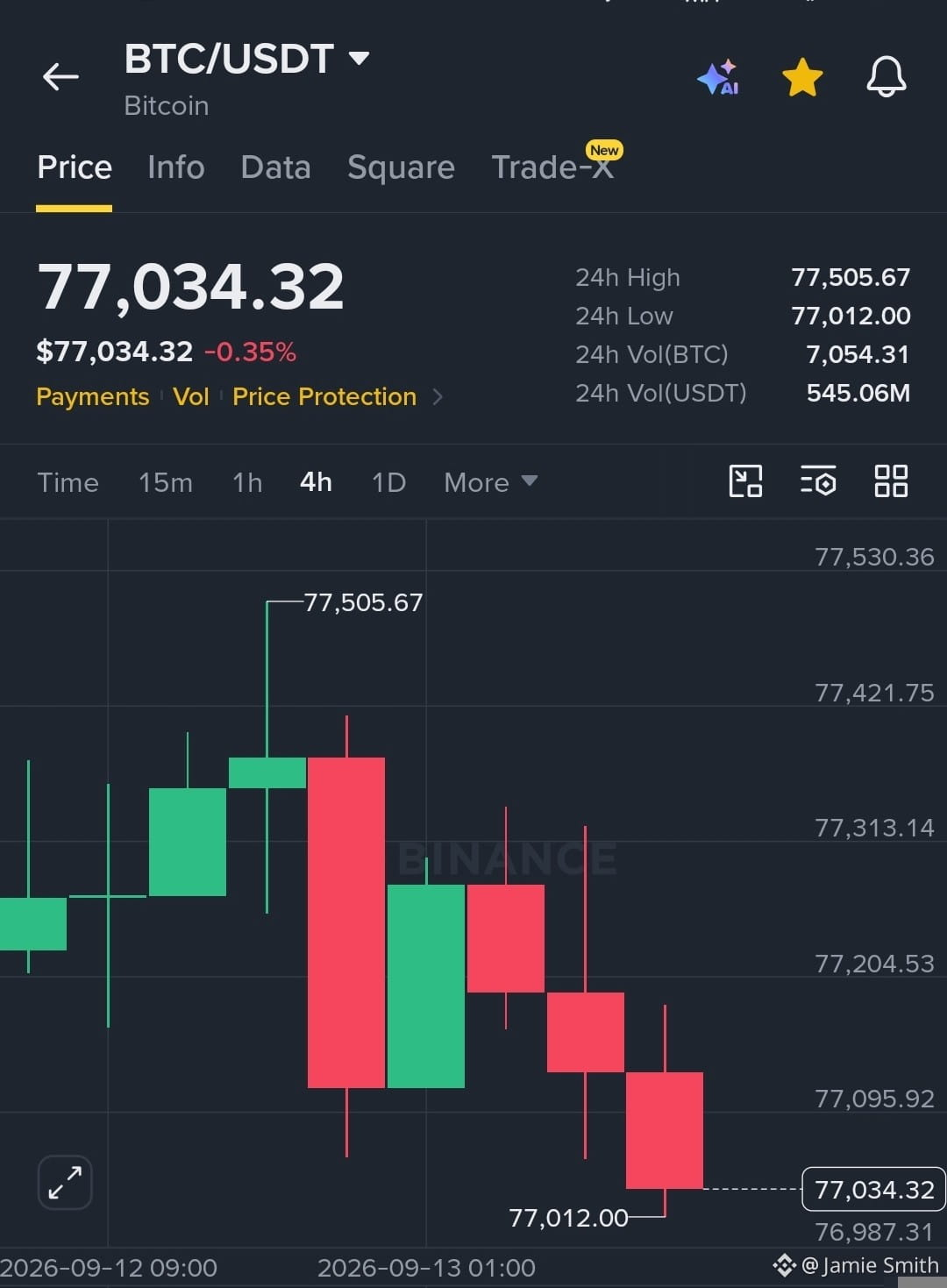
يتداول البيتكوين حول $77,034، ويُظهر مخطط 4 ساعات ضغط بيع واضح. 📉
المستوى الرئيسي الآن هو $77,012 — البيتكوين يختبر هذا الدعم بقوة.
⚡ إذا ثبّتت $77K: قد يدخل المشترون لدفع BTC مجددًا نحو $77.3K → $77.5K.
🚨 إذا كُسرت $77K: قد يكون هناك تحرك حاد إضافي إلى الأسفل.
هذه هي النقطة التي قد يُحسم فيها التحرك القادم.
مؤيدو صعود BTC، هل أنتم جاهزون للدفاع عن $77K؟ 👀🔥
#Bitcoin #USBankCompletesCrossBorderPaymentPilotOnStellar #TokenizedStockHoldersUp619.1%
🔥 $BTC
هي في لحظة حاسمة!
يتداول البيتكوين حول $77,034، ويُظهر مخطط 4 ساعات ضغط بيع واضح. 📉
المستوى الرئيسي الآن هو $77,012 — البيتكوين يختبر هذا الدعم بقوة.
⚡ إذا ثبّتت $77K: قد يدخل المشترون لدفع BTC مجددًا نحو $77.3K → $77.5K.
🚨 إذا كُسرت $77K: قد يكون هناك تحرك حاد إضافي إلى الأسفل.
هذه هي النقطة التي قد يُحسم فيها التحرك القادم.
مؤيدو صعود BTC، هل أنتم جاهزون للدفاع عن $77K؟ 👀🔥
#Bitcoin #USBankCompletesCrossBorderPaymentPilotOnStellar #TokenizedStockHoldersUp619.1%
هي في لحظة حاسمة!
يتداول البيتكوين حول $77,034، ويُظهر مخطط 4 ساعات ضغط بيع واضح. 📉
المستوى الرئيسي الآن هو $77,012 — البيتكوين يختبر هذا الدعم بقوة.
⚡ إذا ثبّتت $77K: قد يدخل المشترون لدفع BTC مجددًا نحو $77.3K → $77.5K.
🚨 إذا كُسرت $77K: قد يكون هناك تحرك حاد إضافي إلى الأسفل.
هذه هي النقطة التي قد يُحسم فيها التحرك القادم.
مؤيدو صعود BTC، هل أنتم جاهزون للدفاع عن $77K؟ 👀🔥
#Bitcoin #USBankCompletesCrossBorderPaymentPilotOnStellar #TokenizedStockHoldersUp619.1%
1
87
·
--
صاعد
🔥 $BNB
{spot}(BNBUSDT)
يبدو جاهزًا لإحداث بعض الضجيج
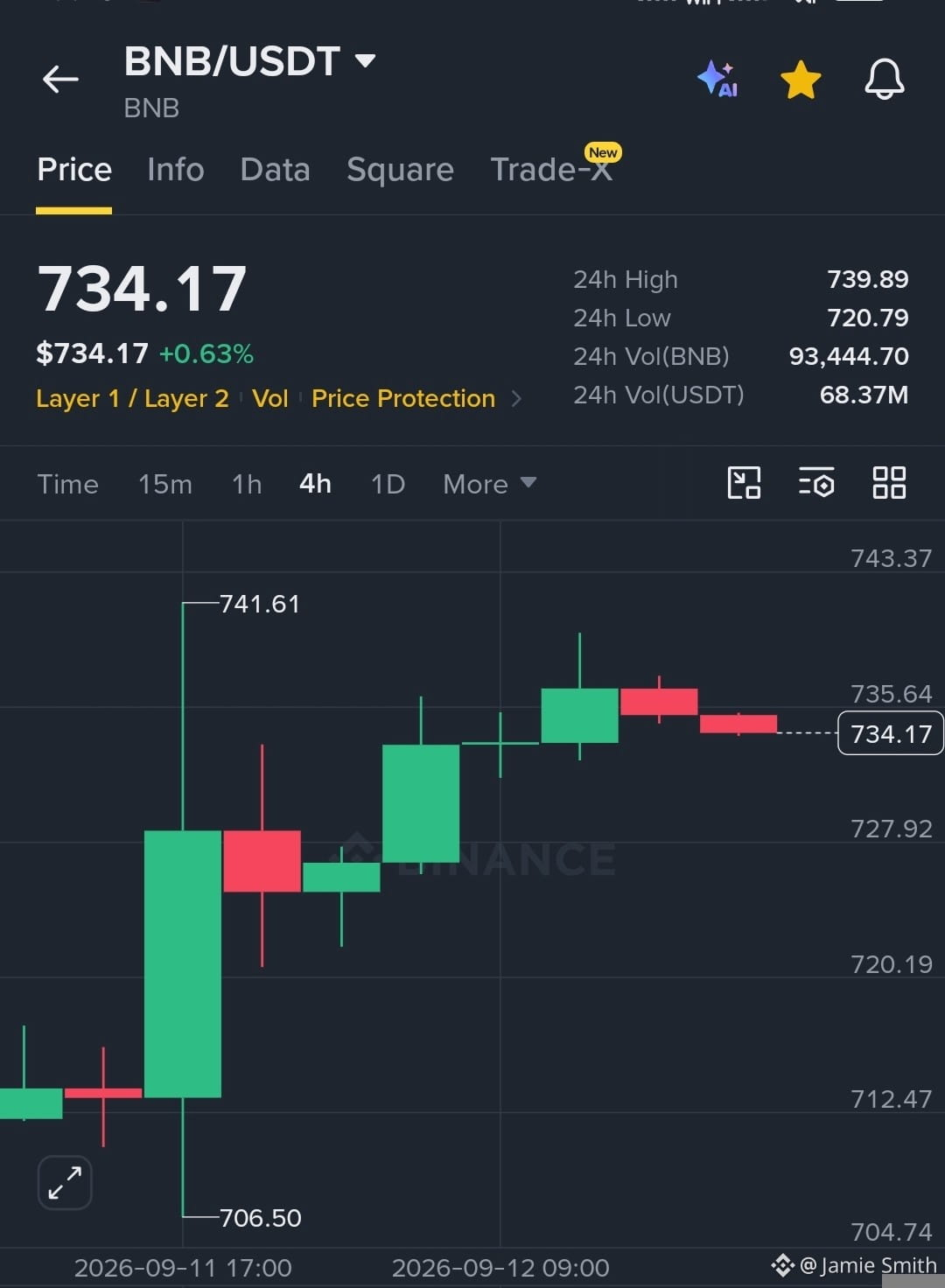
بصراحة، يبدو أن BNB قوي جدًا هنا. بعد الارتداد من حوالي 706 دولارات، عاد ودفع فوق 734 وما زال الثيران يتمسكون بمواقعهم.
الآن أنا أراقب 740–742 عن كثب 👀
إذا اخترق BNB المنطقة وثبت فوقها، فقد نشهد حركة قوية أخرى صعودًا. لكن إذا خسر المشترون 727، فقد يبرد الزخم بسرعة.
وحتى الآن… لا يزال لدى الثيران الزخم. 🐂
#BNB #USBankCompletesCrossBorderPaymentPilotOnStellar #TokenizedStockHoldersUp619.1% #US2YearYieldRisesTo4.61%
🔥 $BNB
يبدو جاهزًا لإحداث بعض الضجيج
بصراحة، يبدو أن BNB قوي جدًا هنا. بعد الارتداد من حوالي 706 دولارات، عاد ودفع فوق 734 وما زال الثيران يتمسكون بمواقعهم.
الآن أنا أراقب 740–742 عن كثب 👀
إذا اخترق BNB المنطقة وثبت فوقها، فقد نشهد حركة قوية أخرى صعودًا. لكن إذا خسر المشترون 727، فقد يبرد الزخم بسرعة.
وحتى الآن… لا يزال لدى الثيران الزخم. 🐂
#BNB #USBankCompletesCrossBorderPaymentPilotOnStellar #TokenizedStockHoldersUp619.1% #US2YearYieldRisesTo4.61%
يبدو جاهزًا لإحداث بعض الضجيج
بصراحة، يبدو أن BNB قوي جدًا هنا. بعد الارتداد من حوالي 706 دولارات، عاد ودفع فوق 734 وما زال الثيران يتمسكون بمواقعهم.
الآن أنا أراقب 740–742 عن كثب 👀
إذا اخترق BNB المنطقة وثبت فوقها، فقد نشهد حركة قوية أخرى صعودًا. لكن إذا خسر المشترون 727، فقد يبرد الزخم بسرعة.
وحتى الآن… لا يزال لدى الثيران الزخم. 🐂
#BNB #USBankCompletesCrossBorderPaymentPilotOnStellar #TokenizedStockHoldersUp619.1% #US2YearYieldRisesTo4.61%
1
193
·
--
صاعد
🚨 يوم مؤشر CPI موجود الآن والسوق متوتر. رقم تضخم واحد قد يقلب السرد الكامل للسوق خلال دقائق. ⚡
🇺🇸 ينخفض مؤشر CPI لشهر أغسطس اليوم الساعة 8:30 صباحًا بتوقيت شرق الولايات المتحدة.
🔥 CPI ساخن:
قد يقفز الدولار والعوائد → ما يضغط على BTC والأصول ذات المخاطر.
❄️ CPI بارد:
قد تتلاشى مخاوف رفع الفائدة → احتمال موجة ارتداد/تعافٍ عبر العملات المشفرة.
ومع عرض PPI بالفعل عند 5.4% تضخم سنوي، وبقاء النفط فوق 100 دولار، لدى الاحتياطي الفيدرالي الكثير لِـ يقلق بشأنه.
بالنسبة لي، هذه هي النقطة الأهم: لا تركض خلف الشمعة الأولى. راقب التفاعل. 👀
قد يقفز سعر البيتكوين ثم يهبط ثم ينعكس ويهز كلا الطرفين قبل أن يختار اتجاهًا.
يوم CPI قد يصبح مُجنونًا. 🚀📉
ابقَ يقظًا. قد تأتي الخطوة التالية أسرع مما يتوقعه أي شخص. 🔥
#cpi
$XAU
{future}(XAUUSDT)
$BTC
{spot}(BTCUSDT)
$CPIX.US
{stock_us}(CPIX.US)
🚨 يوم مؤشر CPI موجود الآن والسوق متوتر. رقم تضخم واحد قد يقلب السرد الكامل للسوق خلال دقائق. ⚡
🇺🇸 ينخفض مؤشر CPI لشهر أغسطس اليوم الساعة 8:30 صباحًا بتوقيت شرق الولايات المتحدة.
🔥 CPI ساخن:
قد يقفز الدولار والعوائد → ما يضغط على BTC والأصول ذات المخاطر.
❄️ CPI بارد:
قد تتلاشى مخاوف رفع الفائدة → احتمال موجة ارتداد/تعافٍ عبر العملات المشفرة.
ومع عرض PPI بالفعل عند 5.4% تضخم سنوي، وبقاء النفط فوق 100 دولار، لدى الاحتياطي الفيدرالي الكثير لِـ يقلق بشأنه.
بالنسبة لي، هذه هي النقطة الأهم: لا تركض خلف الشمعة الأولى. راقب التفاعل. 👀
قد يقفز سعر البيتكوين ثم يهبط ثم ينعكس ويهز كلا الطرفين قبل أن يختار اتجاهًا.
يوم CPI قد يصبح مُجنونًا. 🚀📉
ابقَ يقظًا. قد تأتي الخطوة التالية أسرع مما يتوقعه أي شخص. 🔥
#cpi
$XAU
$BTC
$CPIX.US
🇺🇸 ينخفض مؤشر CPI لشهر أغسطس اليوم الساعة 8:30 صباحًا بتوقيت شرق الولايات المتحدة.
🔥 CPI ساخن:
قد يقفز الدولار والعوائد → ما يضغط على BTC والأصول ذات المخاطر.
❄️ CPI بارد:
قد تتلاشى مخاوف رفع الفائدة → احتمال موجة ارتداد/تعافٍ عبر العملات المشفرة.
ومع عرض PPI بالفعل عند 5.4% تضخم سنوي، وبقاء النفط فوق 100 دولار، لدى الاحتياطي الفيدرالي الكثير لِـ يقلق بشأنه.
بالنسبة لي، هذه هي النقطة الأهم: لا تركض خلف الشمعة الأولى. راقب التفاعل. 👀
قد يقفز سعر البيتكوين ثم يهبط ثم ينعكس ويهز كلا الطرفين قبل أن يختار اتجاهًا.
يوم CPI قد يصبح مُجنونًا. 🚀📉
ابقَ يقظًا. قد تأتي الخطوة التالية أسرع مما يتوقعه أي شخص. 🔥
#cpi
$XAU
$BTC
$CPIX.US

2
242
·
--
هابط
🔥 $XRP
{spot}(XRPUSDT)
المعركة لم تنتهِ بعد!
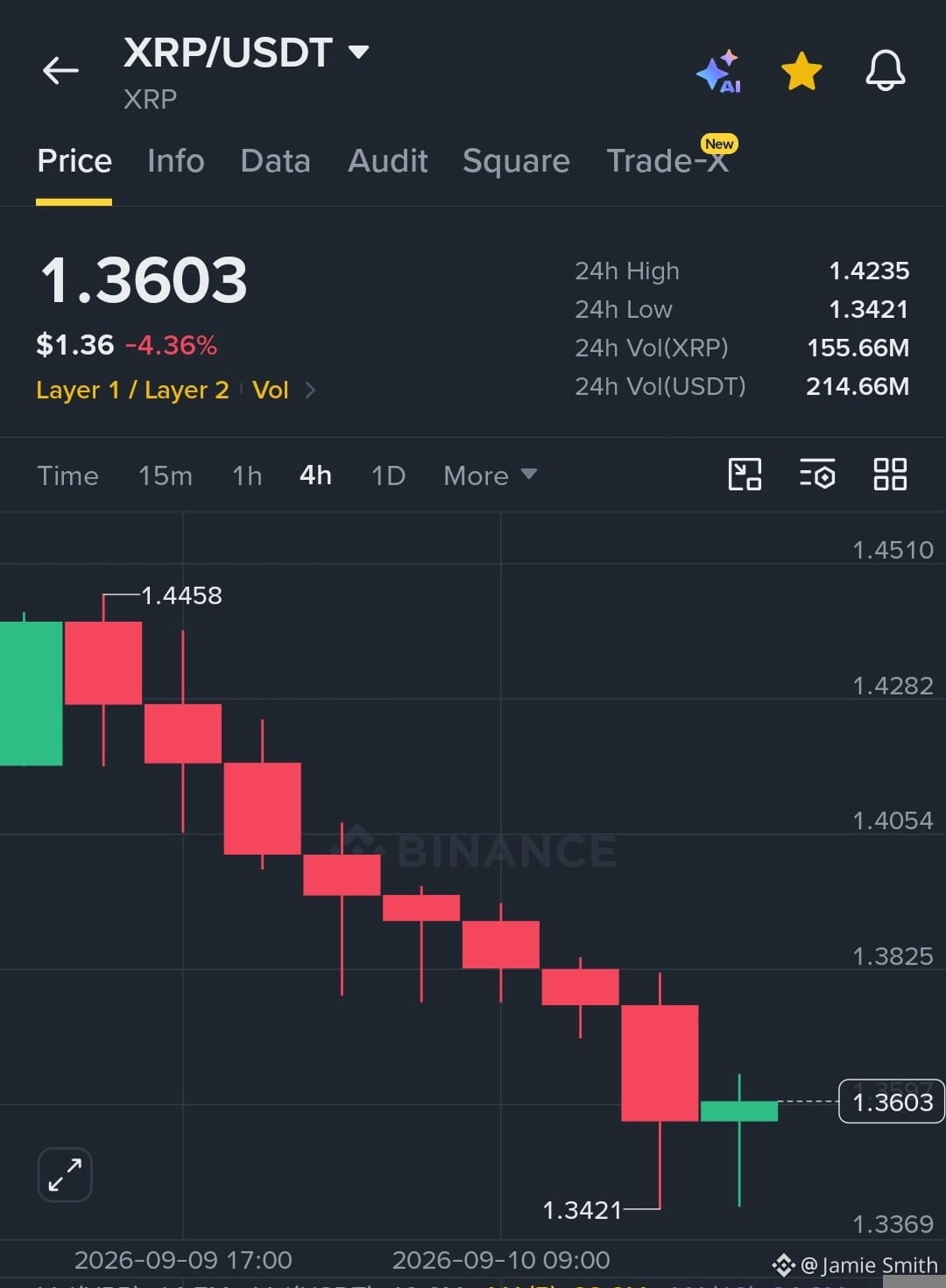
تعرّض XRP لضربة حادة، إذ انخفض إلى حوالي 1.36 دولار بعد أن تراجع من منطقة 1.44. 📉
لكن هذا ما لفت انتباهي 👀 تدخّل المشترون عند 1.34 دولار، تاركين ذيلًا سفليًا واضحًا (lower wick).
الآن المنطقة الرئيسية هي 1.38–1.40 دولار. إذا استعاد XRP ذلك بقوة، فقد يكون الثيران على أعتاب انتفاضة. 🚀
⚠️ إذا خسر 1.34، فقد تتصاعد الضغوط.
1.34 هو الخط. 1.40 هي منطقة العودة.
لنرَ من سيفوز في هذه المعركة. 🐂🔥
#ECBRaisesRatesSecondTimeTo2.5%
🔥 $XRP
المعركة لم تنتهِ بعد!
تعرّض XRP لضربة حادة، إذ انخفض إلى حوالي 1.36 دولار بعد أن تراجع من منطقة 1.44. 📉
لكن هذا ما لفت انتباهي 👀 تدخّل المشترون عند 1.34 دولار، تاركين ذيلًا سفليًا واضحًا (lower wick).
الآن المنطقة الرئيسية هي 1.38–1.40 دولار. إذا استعاد XRP ذلك بقوة، فقد يكون الثيران على أعتاب انتفاضة. 🚀
⚠️ إذا خسر 1.34، فقد تتصاعد الضغوط.
1.34 هو الخط. 1.40 هي منطقة العودة.
لنرَ من سيفوز في هذه المعركة. 🐂🔥
#ECBRaisesRatesSecondTimeTo2.5%
المعركة لم تنتهِ بعد!
تعرّض XRP لضربة حادة، إذ انخفض إلى حوالي 1.36 دولار بعد أن تراجع من منطقة 1.44. 📉
لكن هذا ما لفت انتباهي 👀 تدخّل المشترون عند 1.34 دولار، تاركين ذيلًا سفليًا واضحًا (lower wick).
الآن المنطقة الرئيسية هي 1.38–1.40 دولار. إذا استعاد XRP ذلك بقوة، فقد يكون الثيران على أعتاب انتفاضة. 🚀
⚠️ إذا خسر 1.34، فقد تتصاعد الضغوط.
1.34 هو الخط. 1.40 هي منطقة العودة.
لنرَ من سيفوز في هذه المعركة. 🐂🔥
#ECBRaisesRatesSecondTimeTo2.5%
1
181
·
--
صاعد
🚨 $FF
{spot}(FFUSDT)
يزداد سخونة!
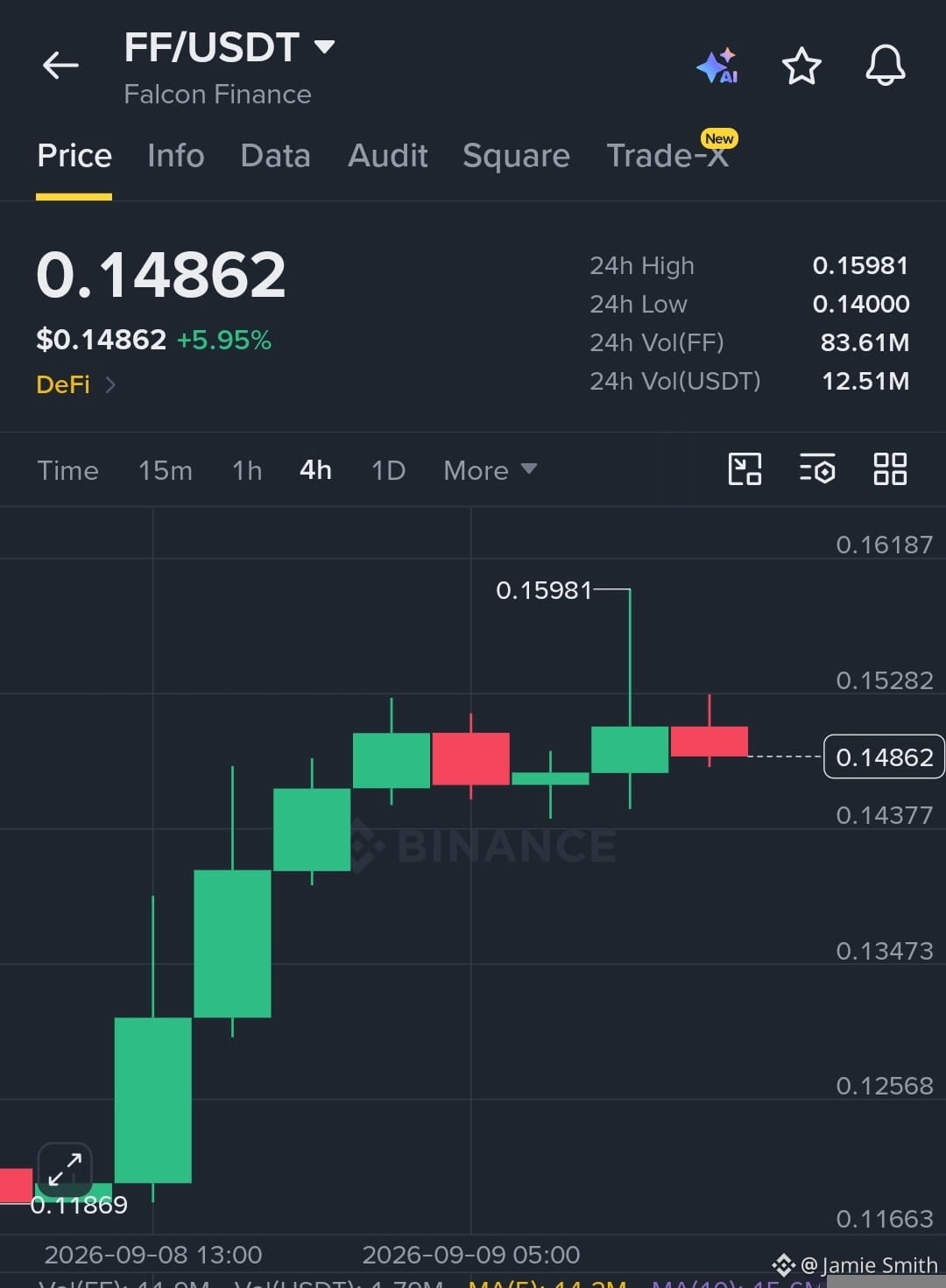
تقوم Falcon Finance بالتمركز حول 0.1486 دولار بعد حركة قوية، مع دفع المشترين باتجاه أعلى مستوى 0.1598. 👀
المنطقة الرئيسية الآن: 0.1528–0.1600 🔥
اخترقها بشكل واضح → قد تتسارع الزخم.
افقد 0.1437 → راقب تراجعًا أعمق.
$FF عند نقطة قرار. ⚡️
من المستعد للحركة التالية؟ 👀📈
#FF #OilRisesToHighestSinceJuly #BankOfAmericaGroupPilotsUSBDCStablecoin #USADPWeeklyEmploymentRises12000 #OilRisesToHighestSinceJuly
🚨 $FF
يزداد سخونة!
تقوم Falcon Finance بالتمركز حول 0.1486 دولار بعد حركة قوية، مع دفع المشترين باتجاه أعلى مستوى 0.1598. 👀
المنطقة الرئيسية الآن: 0.1528–0.1600 🔥
اخترقها بشكل واضح → قد تتسارع الزخم.
افقد 0.1437 → راقب تراجعًا أعمق.
$FF عند نقطة قرار. ⚡️
من المستعد للحركة التالية؟ 👀📈
#FF #OilRisesToHighestSinceJuly #BankOfAmericaGroupPilotsUSBDCStablecoin #USADPWeeklyEmploymentRises12000 #OilRisesToHighestSinceJuly
يزداد سخونة!
تقوم Falcon Finance بالتمركز حول 0.1486 دولار بعد حركة قوية، مع دفع المشترين باتجاه أعلى مستوى 0.1598. 👀
المنطقة الرئيسية الآن: 0.1528–0.1600 🔥
اخترقها بشكل واضح → قد تتسارع الزخم.
افقد 0.1437 → راقب تراجعًا أعمق.
$FF عند نقطة قرار. ⚡️
من المستعد للحركة التالية؟ 👀📈
#FF #OilRisesToHighestSinceJuly #BankOfAmericaGroupPilotsUSBDCStablecoin #USADPWeeklyEmploymentRises12000 #OilRisesToHighestSinceJuly
149
·
--
صاعد
🔥 $BTC
{spot}(BTCUSDT)
اﻷمر عند نقطة قرار!
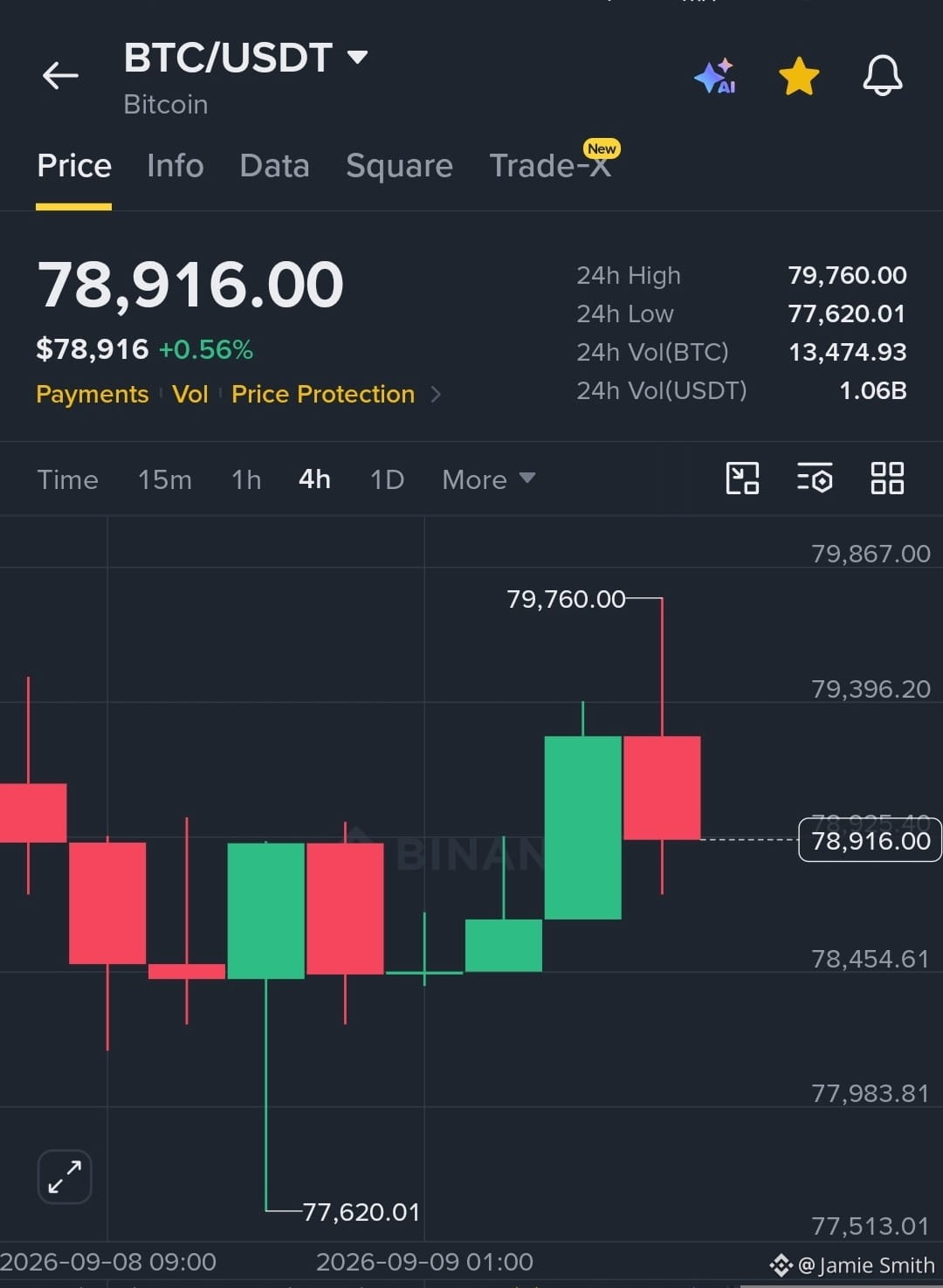
دفعت عملة BTC للأعلى باتجاه 79,760 دولار لكنها تعرضت لرفض قوي — والآن تستقر تقريبًا حول 78,916.
هذا الذيل العلوي يجذب الانتباه. 👀
⚡ صاعد: استعادة 79.4 ألف–79.8 ألف → قد يتسارع الزخم.
⚠️ هابط: فقدان 78.45 ألف → قد تدخل منطقة 78 ألف وما دون.
قد تكون الشمعة القادمة خلال 4 ساعات حاسمة.
اختراق أم رفض؟ BTC في حالة سخونة. 🚀📉
#BTC #AEROSurges17%In24Hours #OilRisesToHighestSinceJuly #USStrikesTargetsNearHormuzAndJask #RippleLobbiesToAdvanceCLARITYActVote
🔥 $BTC
اﻷمر عند نقطة قرار!
دفعت عملة BTC للأعلى باتجاه 79,760 دولار لكنها تعرضت لرفض قوي — والآن تستقر تقريبًا حول 78,916.
هذا الذيل العلوي يجذب الانتباه. 👀
⚡ صاعد: استعادة 79.4 ألف–79.8 ألف → قد يتسارع الزخم.
⚠️ هابط: فقدان 78.45 ألف → قد تدخل منطقة 78 ألف وما دون.
قد تكون الشمعة القادمة خلال 4 ساعات حاسمة.
اختراق أم رفض؟ BTC في حالة سخونة. 🚀📉
#BTC #AEROSurges17%In24Hours #OilRisesToHighestSinceJuly #USStrikesTargetsNearHormuzAndJask #RippleLobbiesToAdvanceCLARITYActVote
اﻷمر عند نقطة قرار!
دفعت عملة BTC للأعلى باتجاه 79,760 دولار لكنها تعرضت لرفض قوي — والآن تستقر تقريبًا حول 78,916.
هذا الذيل العلوي يجذب الانتباه. 👀
⚡ صاعد: استعادة 79.4 ألف–79.8 ألف → قد يتسارع الزخم.
⚠️ هابط: فقدان 78.45 ألف → قد تدخل منطقة 78 ألف وما دون.
قد تكون الشمعة القادمة خلال 4 ساعات حاسمة.
اختراق أم رفض؟ BTC في حالة سخونة. 🚀📉
#BTC #AEROSurges17%In24Hours #OilRisesToHighestSinceJuly #USStrikesTargetsNearHormuzAndJask #RippleLobbiesToAdvanceCLARITYActVote
121
·
--
صاعد
🔥 $ZEC
{spot}(ZECUSDT)
يستيقظ الآن!
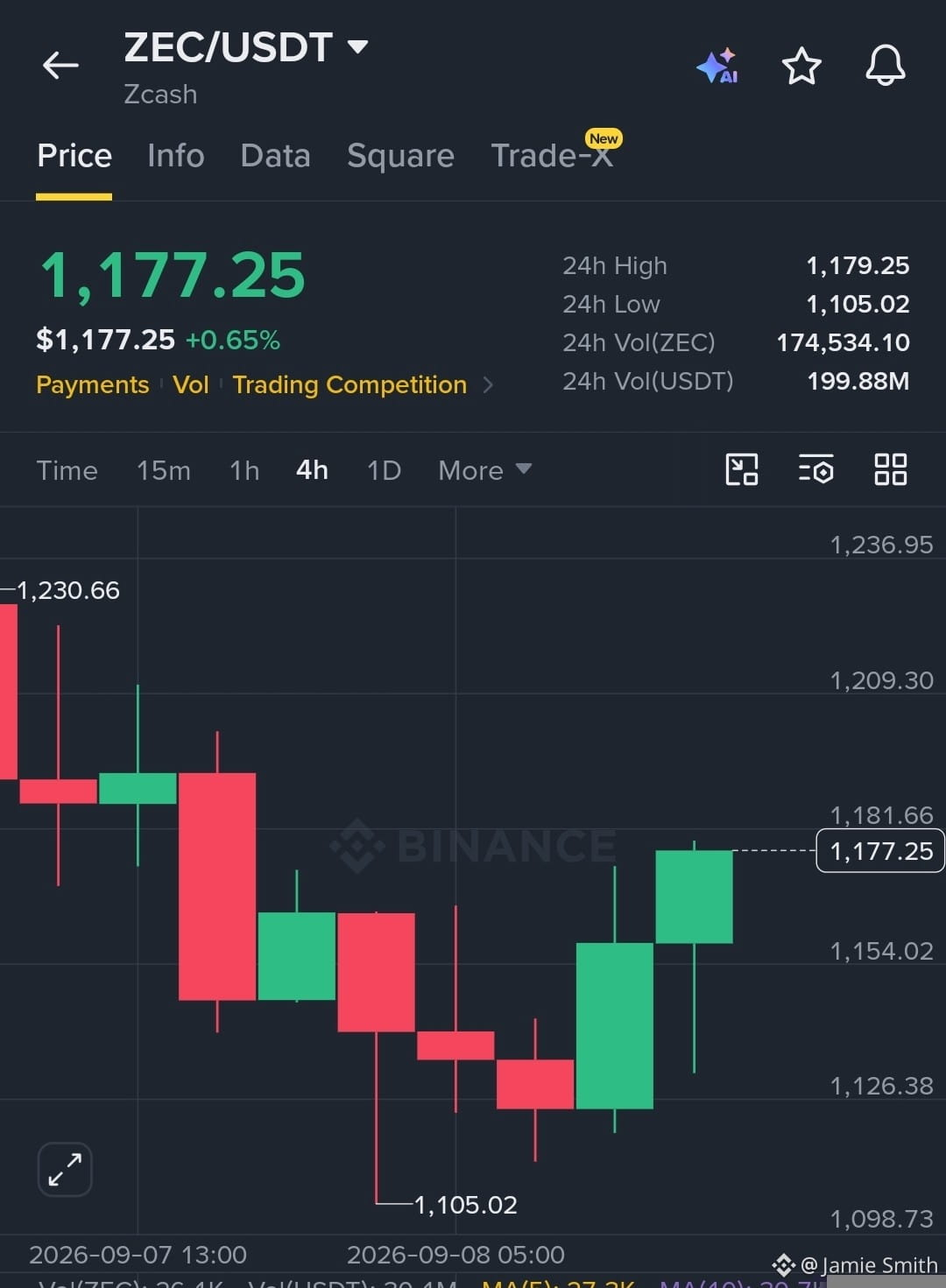
$ZEC يرتد بقوة من أدنى مستوى 1,105 ويقوم الثيران بالضغط مجددًا نحو مقاومة 1,181. 👀
قد يؤدي اختراق واضح إلى دفع ZEC إلى منطقة 1,200+ تاليًا. 🚀
الثيران عادت إلى المعركة! 🐂🔥
#ZEC #Crypto #BinanceSquare
🔥 $ZEC
يستيقظ الآن!
$ZEC يرتد بقوة من أدنى مستوى 1,105 ويقوم الثيران بالضغط مجددًا نحو مقاومة 1,181. 👀
قد يؤدي اختراق واضح إلى دفع ZEC إلى منطقة 1,200+ تاليًا. 🚀
الثيران عادت إلى المعركة! 🐂🔥
#ZEC #Crypto #BinanceSquare
يستيقظ الآن!
$ZEC يرتد بقوة من أدنى مستوى 1,105 ويقوم الثيران بالضغط مجددًا نحو مقاومة 1,181. 👀
قد يؤدي اختراق واضح إلى دفع ZEC إلى منطقة 1,200+ تاليًا. 🚀
الثيران عادت إلى المعركة! 🐂🔥
#ZEC #Crypto #BinanceSquare
1
288
·
--
هابط
$BTC
{spot}(BTCUSDT)
يصبح الأمر مثيرًا للاهتمام هنا 👀
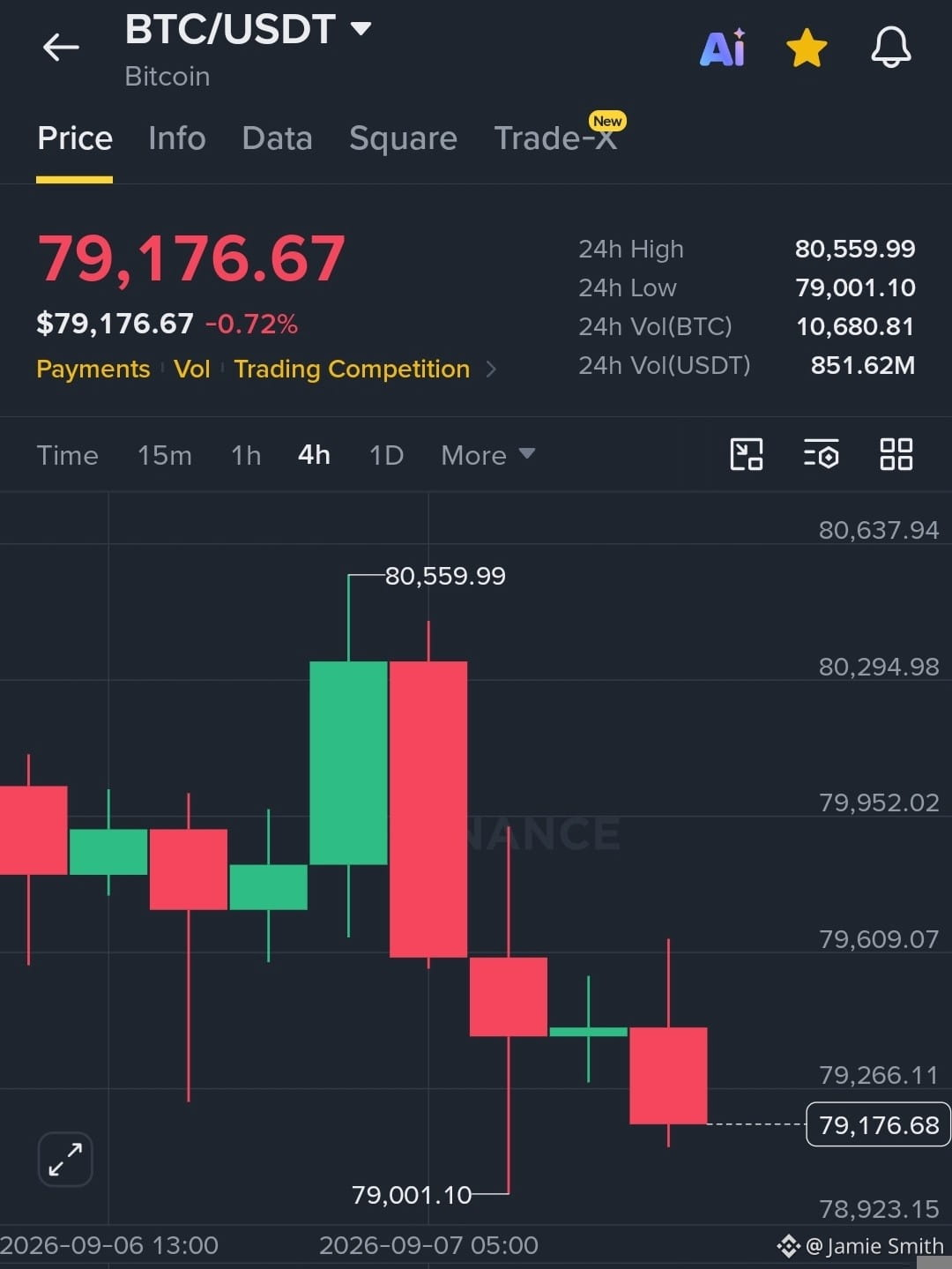
$BTC يتواجد حول 79.17 ألف دولار بعد أن تم رفضه قرب 80.56 ألف دولار.
منطقة 79 ألف دولار هي المستوى الذي أراقبه الآن. إذا دافع المشترون عنه، فقد نرى BTC تدفع مرة أخرى باتجاه 80 ألف دولار. لكن إذا تم كسر مستوى 79 ألف دولار بشكل واضح، فقد تصبح الأمور سيئة بسرعة كبيرة. 📉
في الوقت الحالي، أنا فقط أراقب رد الفعل — هذا المستوى قد يحدد الخطوة التالية. 🔥
#BTC #RussiaUkraineTradeStrikesKushnerWitkoffToKyiv #IMFSaysElSalvadorBTCNoPublicFunds
$BTC
يصبح الأمر مثيرًا للاهتمام هنا 👀
$BTC يتواجد حول 79.17 ألف دولار بعد أن تم رفضه قرب 80.56 ألف دولار.
منطقة 79 ألف دولار هي المستوى الذي أراقبه الآن. إذا دافع المشترون عنه، فقد نرى BTC تدفع مرة أخرى باتجاه 80 ألف دولار. لكن إذا تم كسر مستوى 79 ألف دولار بشكل واضح، فقد تصبح الأمور سيئة بسرعة كبيرة. 📉
في الوقت الحالي، أنا فقط أراقب رد الفعل — هذا المستوى قد يحدد الخطوة التالية. 🔥
#BTC #RussiaUkraineTradeStrikesKushnerWitkoffToKyiv #IMFSaysElSalvadorBTCNoPublicFunds
يصبح الأمر مثيرًا للاهتمام هنا 👀
$BTC يتواجد حول 79.17 ألف دولار بعد أن تم رفضه قرب 80.56 ألف دولار.
منطقة 79 ألف دولار هي المستوى الذي أراقبه الآن. إذا دافع المشترون عنه، فقد نرى BTC تدفع مرة أخرى باتجاه 80 ألف دولار. لكن إذا تم كسر مستوى 79 ألف دولار بشكل واضح، فقد تصبح الأمور سيئة بسرعة كبيرة. 📉
في الوقت الحالي، أنا فقط أراقب رد الفعل — هذا المستوى قد يحدد الخطوة التالية. 🔥
#BTC #RussiaUkraineTradeStrikesKushnerWitkoffToKyiv #IMFSaysElSalvadorBTCNoPublicFunds
1
109
·
--
صاعد
🔥 $SOL
{spot}(SOLUSDT)
/USDT يزداد سخونة!
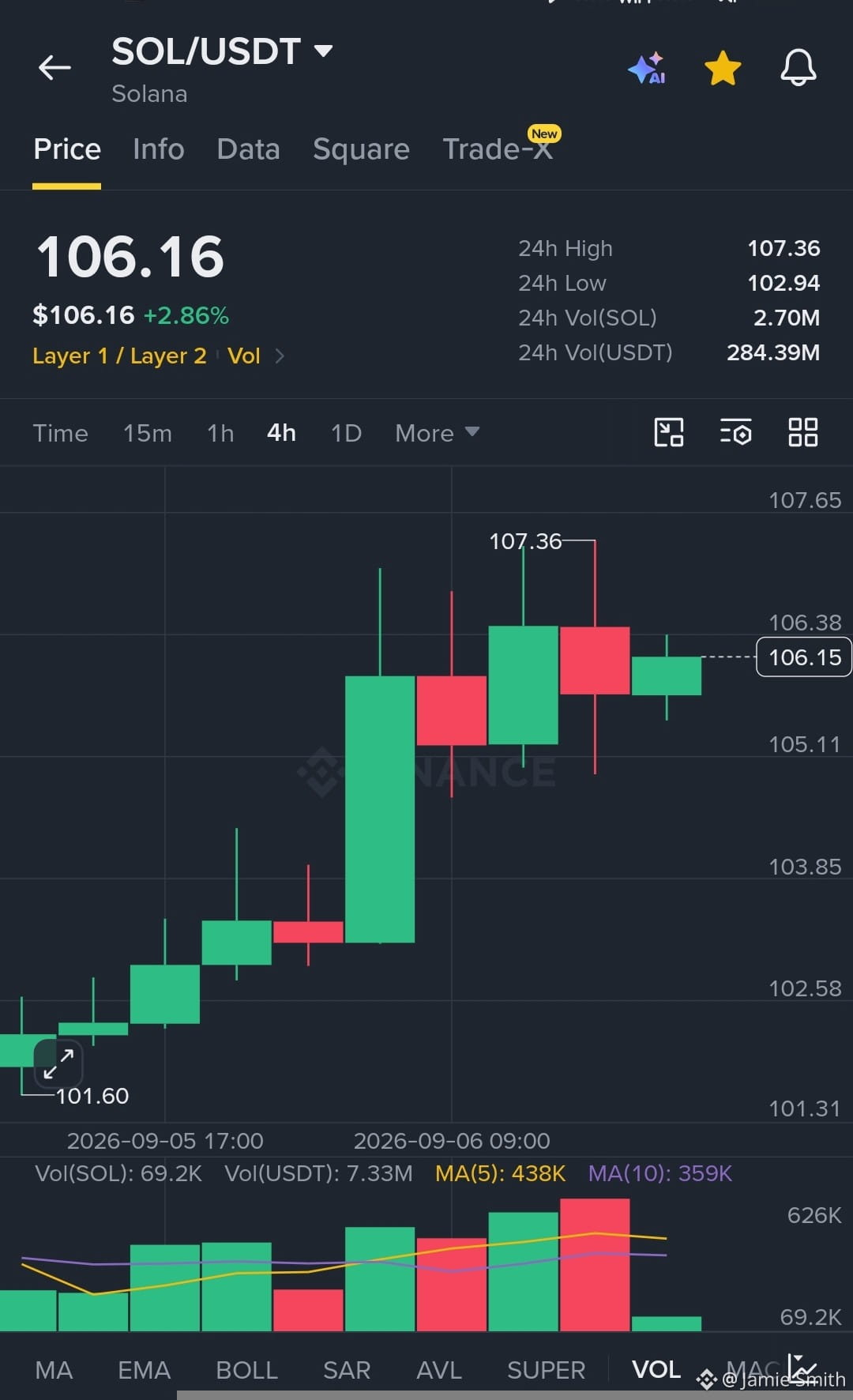
SOL يتمسك قرب 106 دولارات بعد استعادة منطقة القمة عند 107.36 دولار. 👀
قد يؤدي اختراق نظيف فوق 107.36 دولار إلى تحرك صعودي آخر. 🚀
الثيران يطرقون… هل سيخترق SOL؟ ⚡️
#SOL #BitcoinETFsBiggestDailyInflowSinceJanuary #ZECHitsANewAllTimeHigh #CNPYAirdropOnBinanceAlpha #RussiaUkraine72-hourCeasefire
🔥 $SOL
/USDT يزداد سخونة!
SOL يتمسك قرب 106 دولارات بعد استعادة منطقة القمة عند 107.36 دولار. 👀
قد يؤدي اختراق نظيف فوق 107.36 دولار إلى تحرك صعودي آخر. 🚀
الثيران يطرقون… هل سيخترق SOL؟ ⚡️
#SOL #BitcoinETFsBiggestDailyInflowSinceJanuary #ZECHitsANewAllTimeHigh #CNPYAirdropOnBinanceAlpha #RussiaUkraine72-hourCeasefire
/USDT يزداد سخونة!
SOL يتمسك قرب 106 دولارات بعد استعادة منطقة القمة عند 107.36 دولار. 👀
قد يؤدي اختراق نظيف فوق 107.36 دولار إلى تحرك صعودي آخر. 🚀
الثيران يطرقون… هل سيخترق SOL؟ ⚡️
#SOL #BitcoinETFsBiggestDailyInflowSinceJanuary #ZECHitsANewAllTimeHigh #CNPYAirdropOnBinanceAlpha #RussiaUkraine72-hourCeasefire
1
170
·
--
صاعد
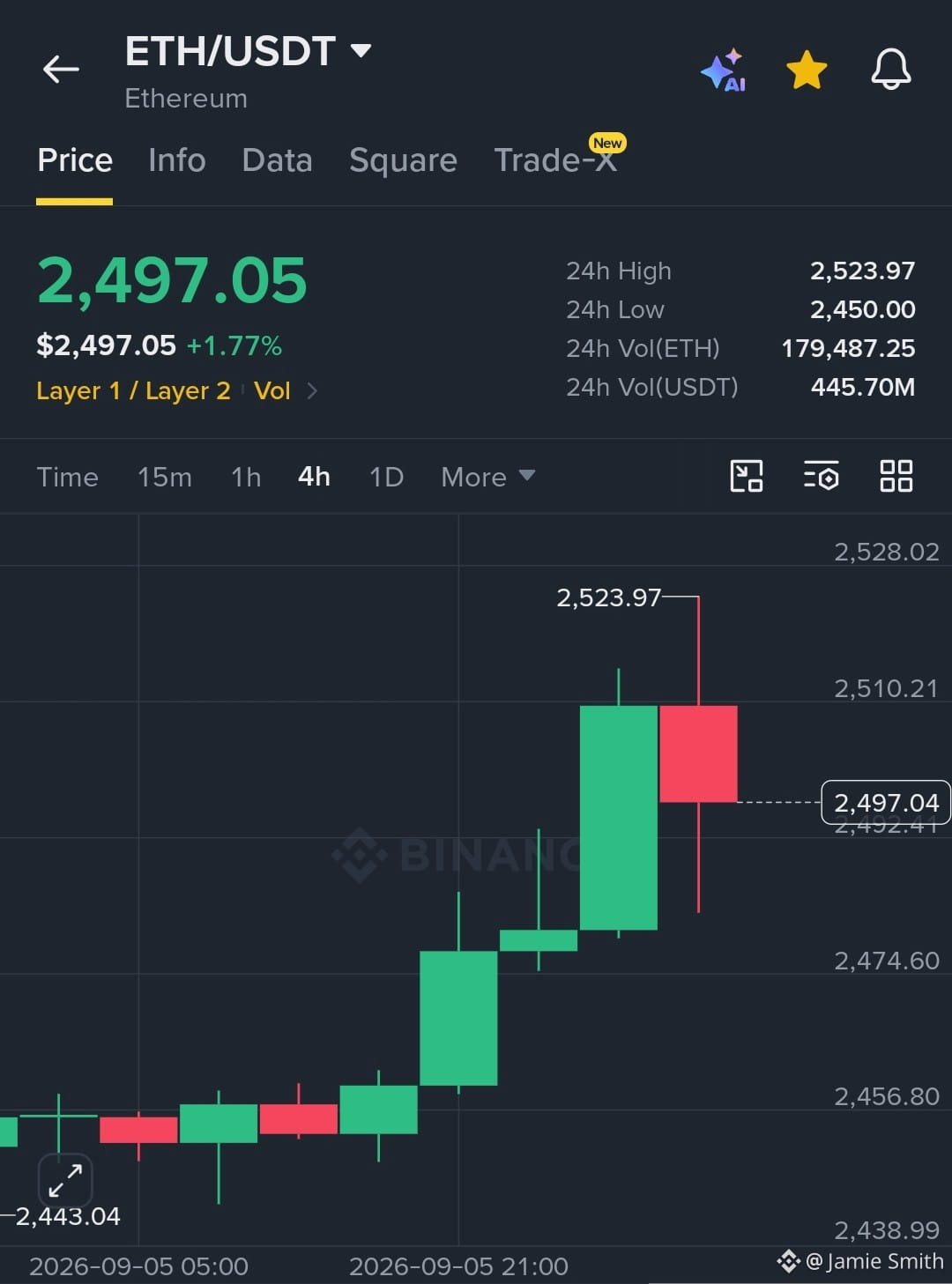
🔥 $ETH
{spot}(ETHUSDT)
يُظهر قوةً كبيرة!
$ETH دفعت السعر للتو إلى 2,523 دولارًا قبل أن يتراجع قليلًا. الثيران يقاتلون بوضوح من أجل السيطرة على مخطط 4 ساعات. 👀
📈 المستوى الرئيسي: 2,524 دولارًا
🚀 اختراقه والثبات فوقه → قد يدخل 2,550–2,600 دولارًا في اللعب.
⚠️ فقدان 2,474 دولارًا → قد يبرد الزخم قصير الأجل.
الإعداد يشتعل… اختراق نظيف واحد قد يغير الحركة بالكامل. 🔥
#USAugustAvgHourlyEarningsRise3.1% #LululemonTumbles20%OnWeakGuidance #RussiaUkraine72-hourCeasefire
🔥 $ETH
يُظهر قوةً كبيرة!
$ETH دفعت السعر للتو إلى 2,523 دولارًا قبل أن يتراجع قليلًا. الثيران يقاتلون بوضوح من أجل السيطرة على مخطط 4 ساعات. 👀
📈 المستوى الرئيسي: 2,524 دولارًا
🚀 اختراقه والثبات فوقه → قد يدخل 2,550–2,600 دولارًا في اللعب.
⚠️ فقدان 2,474 دولارًا → قد يبرد الزخم قصير الأجل.
الإعداد يشتعل… اختراق نظيف واحد قد يغير الحركة بالكامل. 🔥
#USAugustAvgHourlyEarningsRise3.1% #LululemonTumbles20%OnWeakGuidance #RussiaUkraine72-hourCeasefire
يُظهر قوةً كبيرة!
$ETH دفعت السعر للتو إلى 2,523 دولارًا قبل أن يتراجع قليلًا. الثيران يقاتلون بوضوح من أجل السيطرة على مخطط 4 ساعات. 👀
📈 المستوى الرئيسي: 2,524 دولارًا
🚀 اختراقه والثبات فوقه → قد يدخل 2,550–2,600 دولارًا في اللعب.
⚠️ فقدان 2,474 دولارًا → قد يبرد الزخم قصير الأجل.
الإعداد يشتعل… اختراق نظيف واحد قد يغير الحركة بالكامل. 🔥
#USAugustAvgHourlyEarningsRise3.1% #LululemonTumbles20%OnWeakGuidance #RussiaUkraine72-hourCeasefire
125
·
--
صاعد
🚨 بلوم إنرجي ($BE
{future}(BEUSDT)
) حصلت للتو على دفعة كبيرة
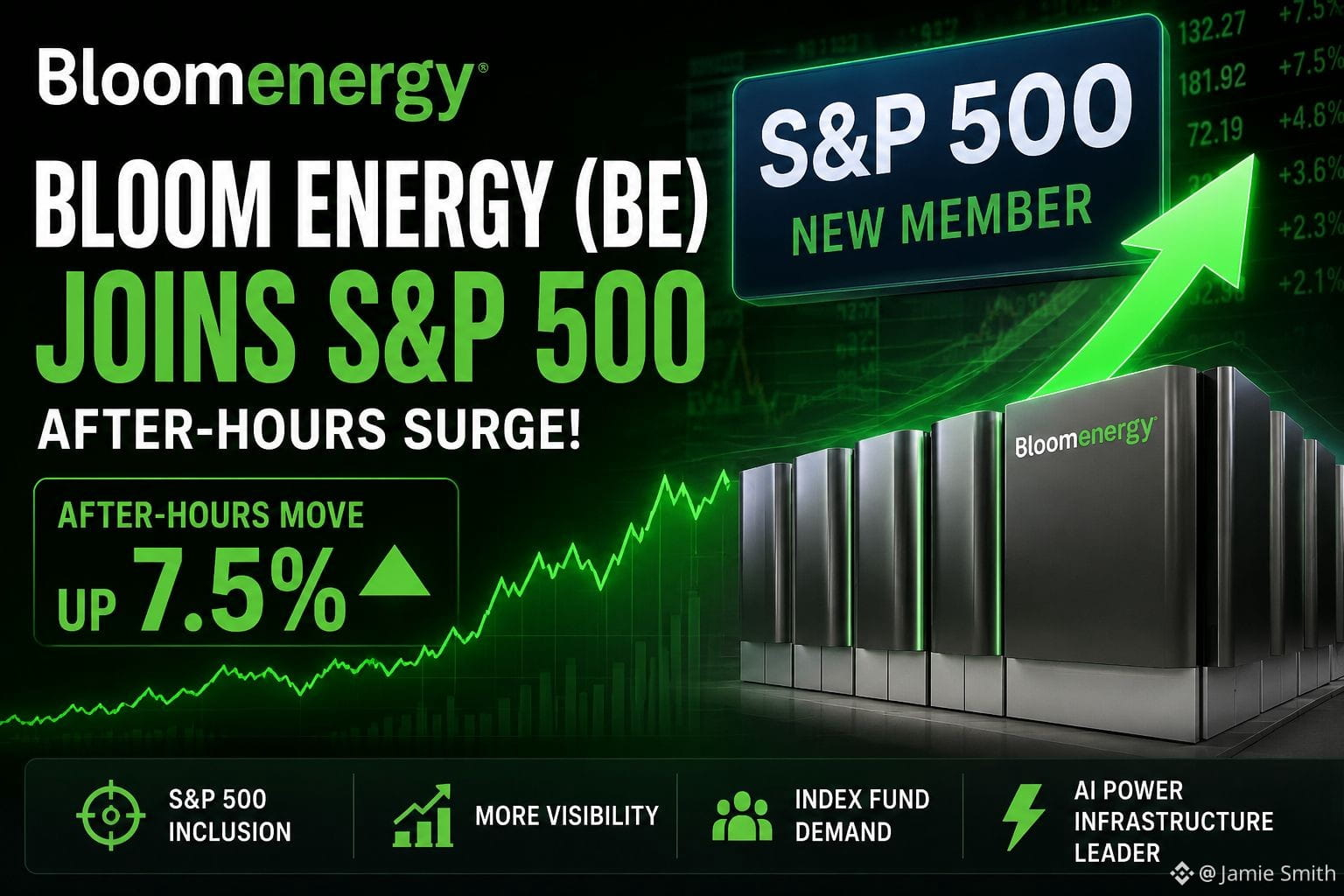
تم رسميًا تحديد انضمام بلوم إنرجي إلى مؤشر S&P 500 في 21 سبتمبر، وقد تفاعل السوق فورًا.
$BE قفزت بنحو 7.5% في التداولات بعد ساعات العمل عقب الإعلان. 📈
إن إدراج S&P 500 هو أكثر من مجرد عنوان إخباري. إذ يمكن أن يجلب مزيدًا من الظهور والطلب المحتمل من الصناديق التي تتبع المؤشر.
ما يجعل هذه الخطوة أكثر إثارة للاهتمام هو المكانة المتنامية لبلوم إنرجي في مجال البنية التحتية للطاقة الخاصة بالذكاء الاصطناعي، حيث أصبح الطلب على الكهرباء الموثوقة موضوعًا رئيسيًا.
والسؤال الكبير الآن:
هل تستطيع $BE تحويل هذا الزخم إلى موجة صعود أخرى، أم سيقوم المتداولون بجني الأرباح بعد الضجة الأولية؟ 👀
سأراقب حركة السعر عن كثب. 🔥
#BloomEnergy #BE #SP500 #Aİ #energy
🚨 بلوم إنرجي ($BE
) حصلت للتو على دفعة كبيرة
تم رسميًا تحديد انضمام بلوم إنرجي إلى مؤشر S&P 500 في 21 سبتمبر، وقد تفاعل السوق فورًا.
$BE قفزت بنحو 7.5% في التداولات بعد ساعات العمل عقب الإعلان. 📈
إن إدراج S&P 500 هو أكثر من مجرد عنوان إخباري. إذ يمكن أن يجلب مزيدًا من الظهور والطلب المحتمل من الصناديق التي تتبع المؤشر.
ما يجعل هذه الخطوة أكثر إثارة للاهتمام هو المكانة المتنامية لبلوم إنرجي في مجال البنية التحتية للطاقة الخاصة بالذكاء الاصطناعي، حيث أصبح الطلب على الكهرباء الموثوقة موضوعًا رئيسيًا.
والسؤال الكبير الآن:
هل تستطيع $BE تحويل هذا الزخم إلى موجة صعود أخرى، أم سيقوم المتداولون بجني الأرباح بعد الضجة الأولية؟ 👀
سأراقب حركة السعر عن كثب. 🔥
#BloomEnergy #BE #SP500 #Aİ #energy
) حصلت للتو على دفعة كبيرة
تم رسميًا تحديد انضمام بلوم إنرجي إلى مؤشر S&P 500 في 21 سبتمبر، وقد تفاعل السوق فورًا.
$BE قفزت بنحو 7.5% في التداولات بعد ساعات العمل عقب الإعلان. 📈
إن إدراج S&P 500 هو أكثر من مجرد عنوان إخباري. إذ يمكن أن يجلب مزيدًا من الظهور والطلب المحتمل من الصناديق التي تتبع المؤشر.
ما يجعل هذه الخطوة أكثر إثارة للاهتمام هو المكانة المتنامية لبلوم إنرجي في مجال البنية التحتية للطاقة الخاصة بالذكاء الاصطناعي، حيث أصبح الطلب على الكهرباء الموثوقة موضوعًا رئيسيًا.
والسؤال الكبير الآن:
هل تستطيع $BE تحويل هذا الزخم إلى موجة صعود أخرى، أم سيقوم المتداولون بجني الأرباح بعد الضجة الأولية؟ 👀
سأراقب حركة السعر عن كثب. 🔥
#BloomEnergy #BE #SP500 #Aİ #energy
146
·
--
هابط
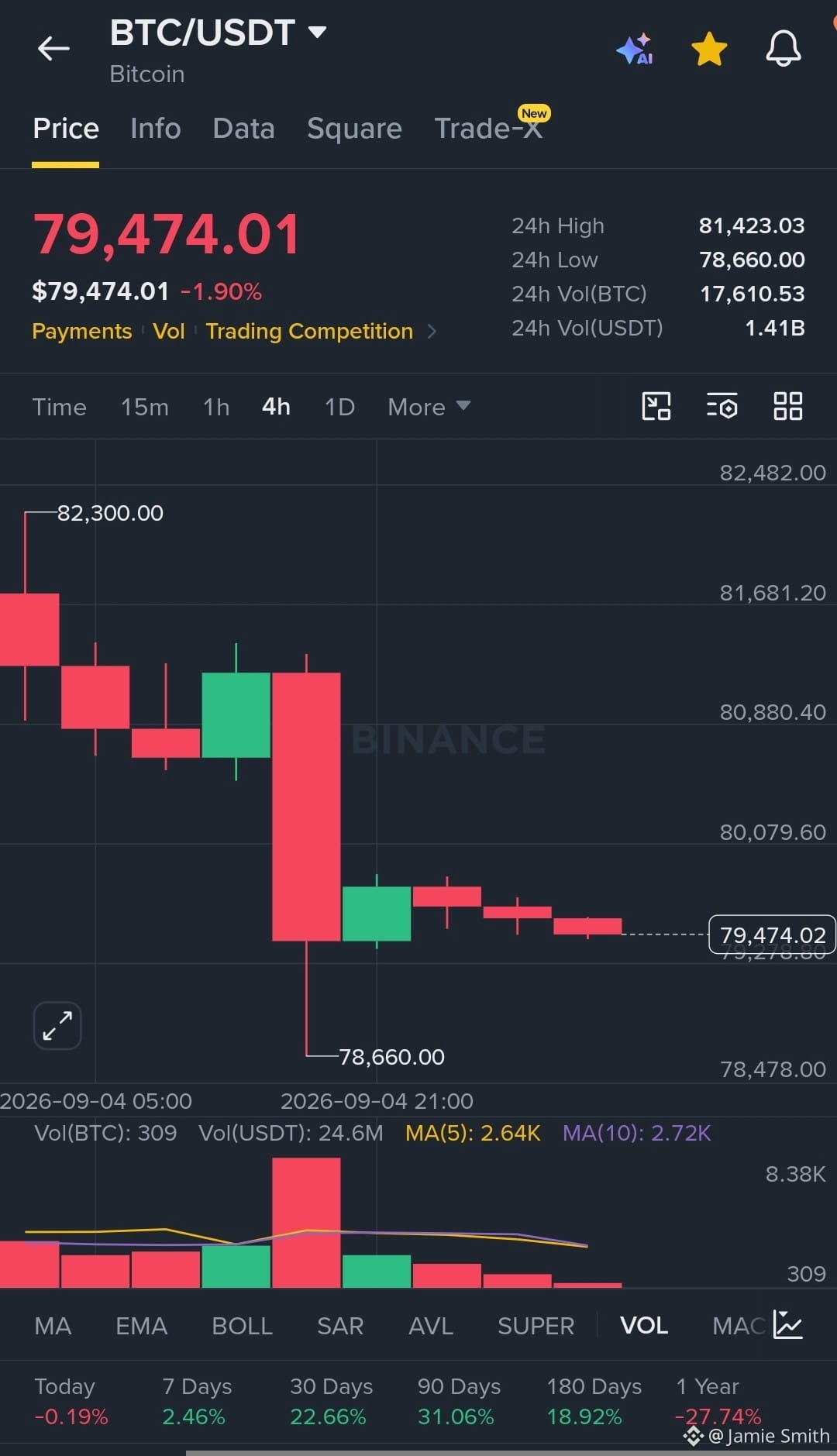
$BTC يبدو ضعيفًا بعض الشيء الآن. 👀
بعد أن تم رفضه قرب 81.4 ألف دولار، انخفضت البيتكوين بقوة وأصبحت الآن تتأرجح حول 79.4 ألف دولار. منطقة 78.6 ألف دولار هي المستوى الذي أراقبه عن كثب.
إذا صمد هذا الدعم، فقد نرى المشترين يعودون من جديد. لكن إذا تم كسره مع حجم تداول، فقد يتسارع الهبوط.
$BTC
{spot}(BTCUSDT)
في الوقت الحالي، لن ألاحق أيًا من الجانبين — دع BTC تُظهر الاتجاه أولًا. 📊
#BTC #BitcoinETFsBiggestDailyInflowSinceJanuary
$BTC يبدو ضعيفًا بعض الشيء الآن. 👀
بعد أن تم رفضه قرب 81.4 ألف دولار، انخفضت البيتكوين بقوة وأصبحت الآن تتأرجح حول 79.4 ألف دولار. منطقة 78.6 ألف دولار هي المستوى الذي أراقبه عن كثب.
إذا صمد هذا الدعم، فقد نرى المشترين يعودون من جديد. لكن إذا تم كسره مع حجم تداول، فقد يتسارع الهبوط.
$BTC
في الوقت الحالي، لن ألاحق أيًا من الجانبين — دع BTC تُظهر الاتجاه أولًا. 📊
#BTC #BitcoinETFsBiggestDailyInflowSinceJanuary
بعد أن تم رفضه قرب 81.4 ألف دولار، انخفضت البيتكوين بقوة وأصبحت الآن تتأرجح حول 79.4 ألف دولار. منطقة 78.6 ألف دولار هي المستوى الذي أراقبه عن كثب.
إذا صمد هذا الدعم، فقد نرى المشترين يعودون من جديد. لكن إذا تم كسره مع حجم تداول، فقد يتسارع الهبوط.
$BTC
في الوقت الحالي، لن ألاحق أيًا من الجانبين — دع BTC تُظهر الاتجاه أولًا. 📊
#BTC #BitcoinETFsBiggestDailyInflowSinceJanuary
99
·
--
صاعد
🔥 $DASH
{spot}(DASHUSDT)
يَستيقظ الآن!
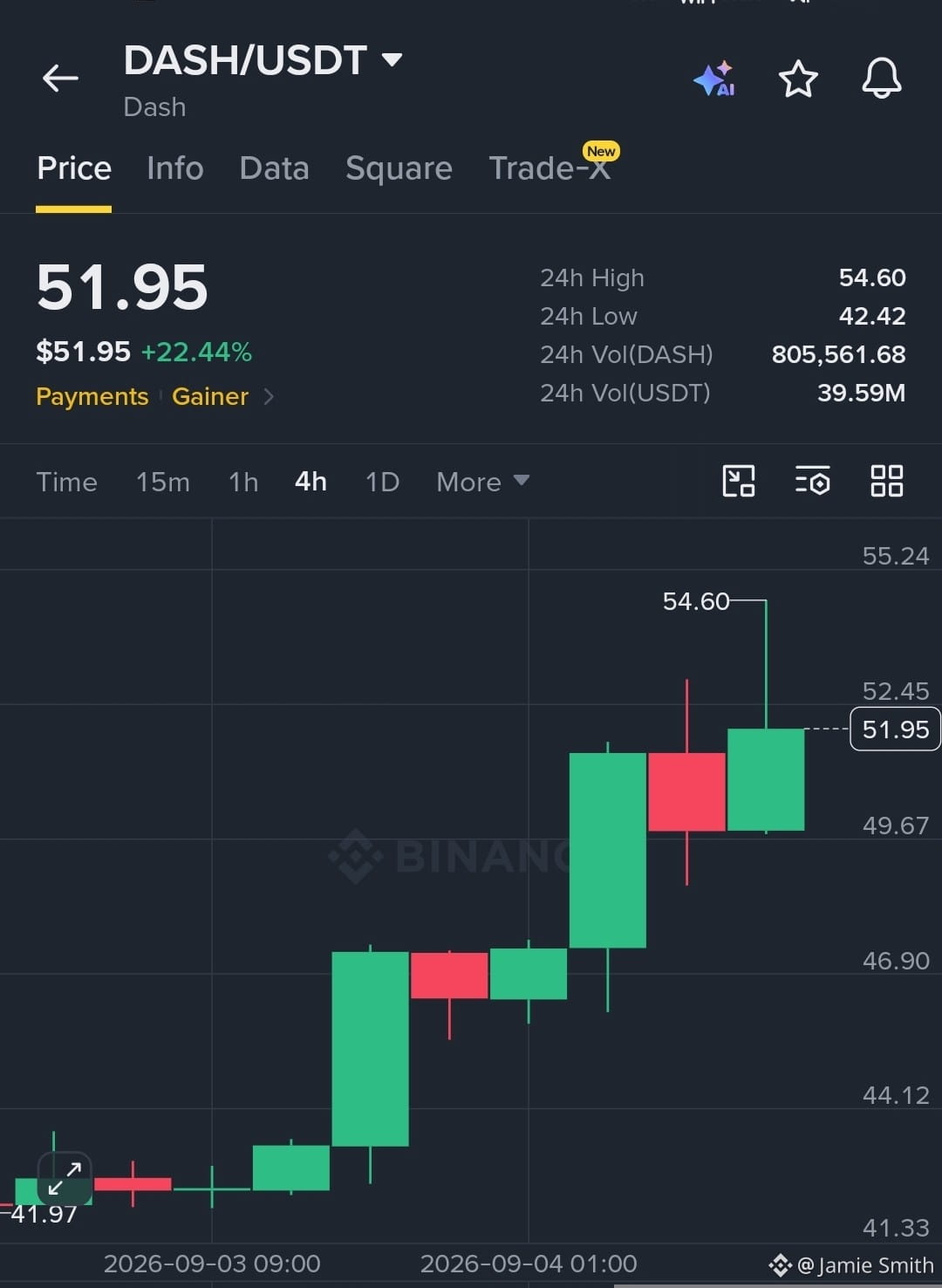
+22% خلال 24 ساعة، والـ4H يُظهر ضغطًا شرائيًا قويًا. 🚀
السعر يتمسّك حول $51.95 بعد أن لامس $54.60.
إذا اخترق الثيران $54.60 بشكل واضح، فقد تكون الحركة التالية انفجارية. 👀
$DASH بالتأكيد أصبح ضمن قائمة المراقبة الخاصة بي الآن. ⚡️
#DASH #BitcoinEthereumHitMultiMonthHighs
🔥 $DASH
يَستيقظ الآن!
+22% خلال 24 ساعة، والـ4H يُظهر ضغطًا شرائيًا قويًا. 🚀
السعر يتمسّك حول $51.95 بعد أن لامس $54.60.
إذا اخترق الثيران $54.60 بشكل واضح، فقد تكون الحركة التالية انفجارية. 👀
$DASH بالتأكيد أصبح ضمن قائمة المراقبة الخاصة بي الآن. ⚡️
#DASH #BitcoinEthereumHitMultiMonthHighs
يَستيقظ الآن!
+22% خلال 24 ساعة، والـ4H يُظهر ضغطًا شرائيًا قويًا. 🚀
السعر يتمسّك حول $51.95 بعد أن لامس $54.60.
إذا اخترق الثيران $54.60 بشكل واضح، فقد تكون الحركة التالية انفجارية. 👀
$DASH بالتأكيد أصبح ضمن قائمة المراقبة الخاصة بي الآن. ⚡️
#DASH #BitcoinEthereumHitMultiMonthHighs
157
·
--
صاعد
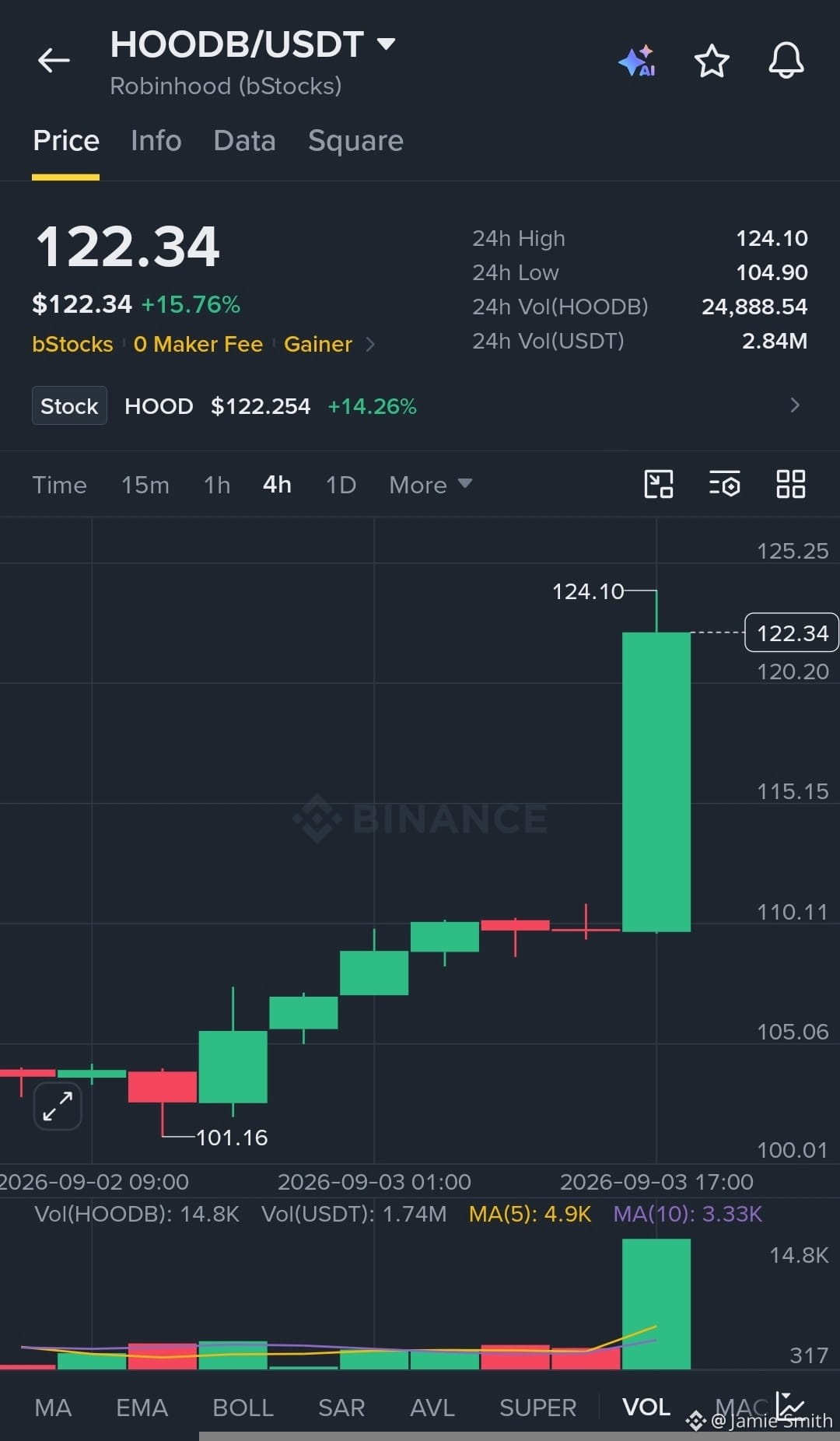
🚨 $HOODB
{spot}(HOODBUSDT)
يتحرّك! 🔥
+15.7% اليوم ومع قفزة ضخمة في الحجم دفعت السعر إلى 124.10$.
الآن حول 122.34$ — الثيران واضح أنهم مستيقظون. 👀
كسر 124.10 → 🚀 احتمال قمم جديدة
فقد 120$ → قد يبرد الزخم بسرعة.
$HOODB بدأت تصبح مثيرة للاهتمام. ⚡️
#PredictionMarketsPutCLARITYAct2026OddsAt15% #USGainsControlOfVenezuelanOilFields #SECNewCryptoRulesAimToBringFirmsBackToUS #USWeeklyInitialJoblessClaimsRiseTo206000
$BTC
{spot}(BTCUSDT)
🚨 $HOODB
يتحرّك! 🔥
+15.7% اليوم ومع قفزة ضخمة في الحجم دفعت السعر إلى 124.10$.
الآن حول 122.34$ — الثيران واضح أنهم مستيقظون. 👀
كسر 124.10 → 🚀 احتمال قمم جديدة
فقد 120$ → قد يبرد الزخم بسرعة.
$HOODB بدأت تصبح مثيرة للاهتمام. ⚡️
#PredictionMarketsPutCLARITYAct2026OddsAt15% #USGainsControlOfVenezuelanOilFields #SECNewCryptoRulesAimToBringFirmsBackToUS #USWeeklyInitialJoblessClaimsRiseTo206000
$BTC
يتحرّك! 🔥
+15.7% اليوم ومع قفزة ضخمة في الحجم دفعت السعر إلى 124.10$.
الآن حول 122.34$ — الثيران واضح أنهم مستيقظون. 👀
كسر 124.10 → 🚀 احتمال قمم جديدة
فقد 120$ → قد يبرد الزخم بسرعة.
$HOODB بدأت تصبح مثيرة للاهتمام. ⚡️
#PredictionMarketsPutCLARITYAct2026OddsAt15% #USGainsControlOfVenezuelanOilFields #SECNewCryptoRulesAimToBringFirmsBackToUS #USWeeklyInitialJoblessClaimsRiseTo206000
$BTC
149
·
--
صاعد
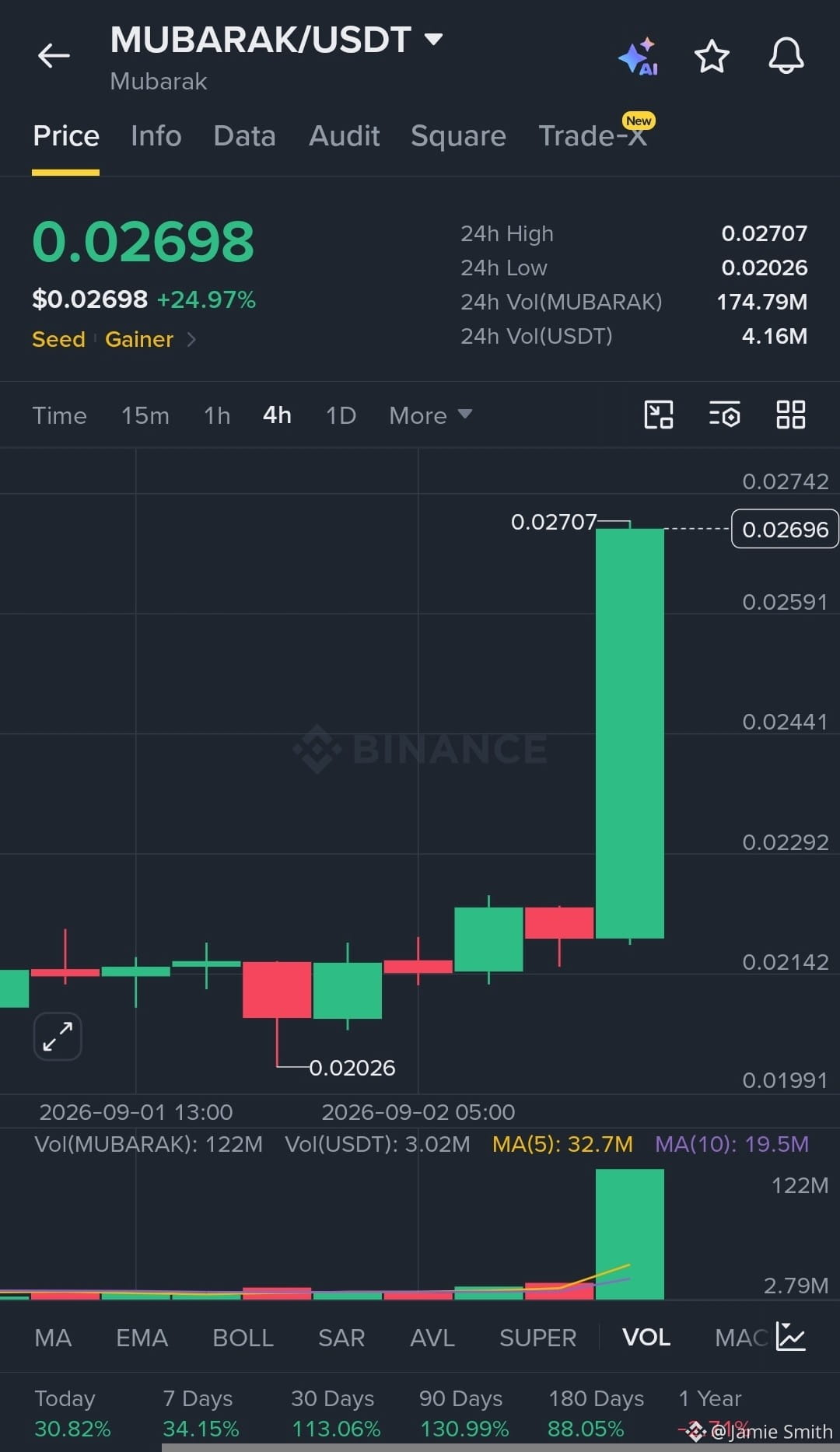
🚨 $MUBARAK
{spot}(MUBARAKUSDT)
تتحرك! 🚨
+25% خلال 24 ساعة مع زيادة هائلة في حجم التداول! 🔥
السعر: $0.02698
الأعلى: $0.02707
إذا اخترق الثيران $0.0271، فقد تصبح الخطوة التالية انفجارية. 👀📈
راقب الاختراق. لا تلاحق الشمعة. ⚡
#MUBARAK #HangSengCloses18PointsLower #OpenAISaysAstraFindsFlawsAutonomously #USAugADPJobsSmallestGainSinceJan #SolanaFallsOver3%
🚨 $MUBARAK
تتحرك! 🚨
+25% خلال 24 ساعة مع زيادة هائلة في حجم التداول! 🔥
السعر: $0.02698
الأعلى: $0.02707
إذا اخترق الثيران $0.0271، فقد تصبح الخطوة التالية انفجارية. 👀📈
راقب الاختراق. لا تلاحق الشمعة. ⚡
#MUBARAK #HangSengCloses18PointsLower #OpenAISaysAstraFindsFlawsAutonomously #USAugADPJobsSmallestGainSinceJan #SolanaFallsOver3%
تتحرك! 🚨
+25% خلال 24 ساعة مع زيادة هائلة في حجم التداول! 🔥
السعر: $0.02698
الأعلى: $0.02707
إذا اخترق الثيران $0.0271، فقد تصبح الخطوة التالية انفجارية. 👀📈
راقب الاختراق. لا تلاحق الشمعة. ⚡
#MUBARAK #HangSengCloses18PointsLower #OpenAISaysAstraFindsFlawsAutonomously #USAugADPJobsSmallestGainSinceJan #SolanaFallsOver3%
231
·
--
صاعد
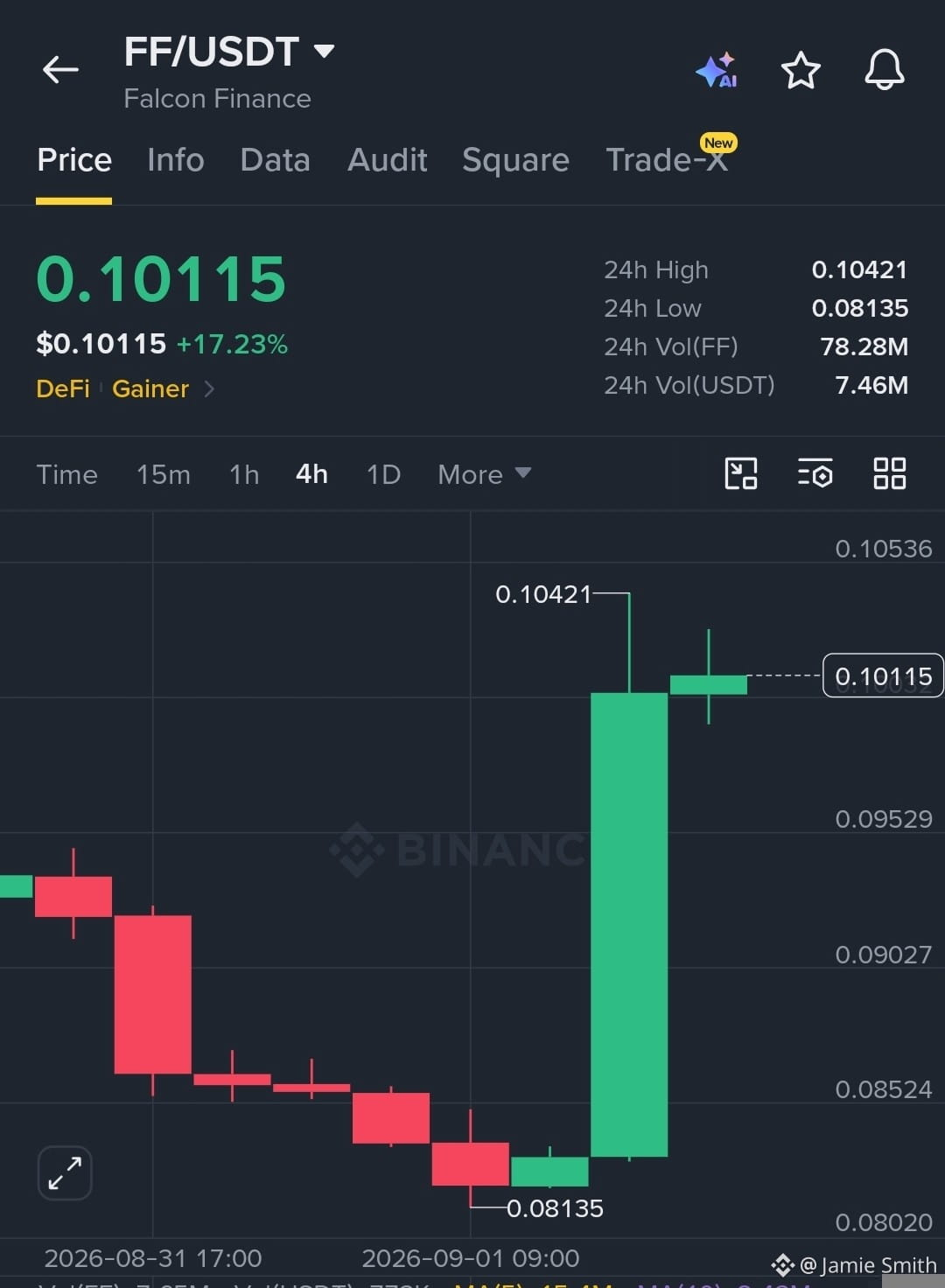
$FF
{spot}(FFUSDT)
/USDT يُظهر الآن بعض الزخم القوي للغاية. بعد أن انخفض إلى حوالي $0.081، دخل المشترون بقوة شديدة ودفعت السعر إلى ما فوق $0.10.
$FF
تُعدّ حركة الـ 17%+ خلال 24 ساعة لافتة، لكن ما هو أكثر إثارة للاهتمام هو مدى سرعة تغيّر ضغط الشراء في بنية المخطط. 👀📈
بالطبع شيء يجب متابعته$FF . 🚀
#XRPRises40%InTwoWeeksAsOpenInterestFalls #EtherETFsExtendInflowStreakTo11Days #WTIOilRisesAsOpenInterestShrinks #Japan10YYieldHits3%FirstSince1996 #ARBRises30%OnRobinhoodChainRevenue
$FF
/USDT يُظهر الآن بعض الزخم القوي للغاية. بعد أن انخفض إلى حوالي $0.081، دخل المشترون بقوة شديدة ودفعت السعر إلى ما فوق $0.10.
$FF
تُعدّ حركة الـ 17%+ خلال 24 ساعة لافتة، لكن ما هو أكثر إثارة للاهتمام هو مدى سرعة تغيّر ضغط الشراء في بنية المخطط. 👀📈
بالطبع شيء يجب متابعته$FF . 🚀
#XRPRises40%InTwoWeeksAsOpenInterestFalls #EtherETFsExtendInflowStreakTo11Days #WTIOilRisesAsOpenInterestShrinks #Japan10YYieldHits3%FirstSince1996 #ARBRises30%OnRobinhoodChainRevenue
/USDT يُظهر الآن بعض الزخم القوي للغاية. بعد أن انخفض إلى حوالي $0.081، دخل المشترون بقوة شديدة ودفعت السعر إلى ما فوق $0.10.
$FF
تُعدّ حركة الـ 17%+ خلال 24 ساعة لافتة، لكن ما هو أكثر إثارة للاهتمام هو مدى سرعة تغيّر ضغط الشراء في بنية المخطط. 👀📈
بالطبع شيء يجب متابعته$FF . 🚀
#XRPRises40%InTwoWeeksAsOpenInterestFalls #EtherETFsExtendInflowStreakTo11Days #WTIOilRisesAsOpenInterestShrinks #Japan10YYieldHits3%FirstSince1996 #ARBRises30%OnRobinhoodChainRevenue
126
سجّل الدخول لاستكشاف المزيد من المُحتوى
انضم إلى مُستخدمي العملات الرقمية حول العالم على Binance Square
⚡️ احصل على أحدث المعلومات المفيدة عن العملات الرقمية.
💬 موثوقة من قبل أكبر منصّة لتداول العملات الرقمية في العالم.
👍 اكتشف الرؤى الحقيقية من صنّاع المُحتوى الموثوقين.
البريد الإلكتروني / رقم الهاتف
المواضيع الرائجة
BitcoinSurpasses$77000
3,292 مشاهدات
74 يقومون بالنقاش
$BTC يتجه للأعلى بعنف رغم كل شيء. 🚀
اليوم شهدنا أول رفع لأسعار الفائدة منذ أكثر من 3 سنوات، بينما تعثّر قانون CLARITY مجددًا أمس.
التهيئة: دخول طويل كبير مرة أخرى — شكرًا لي لاحقًا
الدخول : $75500 - $76500
إيقاف الخسارة : $74900
جني الربح : $77000 - $78000
استعدوا لدورة نمو مجنونة. 🔥
TF_bnb
·15 إعجاب
·6.2k مشاهدات
ParadigmDisclosesZECHolding
4,051 مشاهدات
162 يقومون بالنقاش
BitcoinETFsShed$450M
15,120 مشاهدات
141 يقومون بالنقاش