

Bit Beacon
15k منشورات

Bit Beacon
 تحقُّق Binance Square الإضافي
إبلاغ
حظر المُستخدم
Building trust on the blockchain. HODLer since 2017• Let's go! KITE-658781
فتح تداول
مُتداول مُتكرر
2 سنوات
57 تتابع
40.7K+ المتابعون
49.4K+ إعجاب
منشورات
الحافظة الاستثمارية
الكل
اقتباسات
Live
PINNED
·
--
هابط
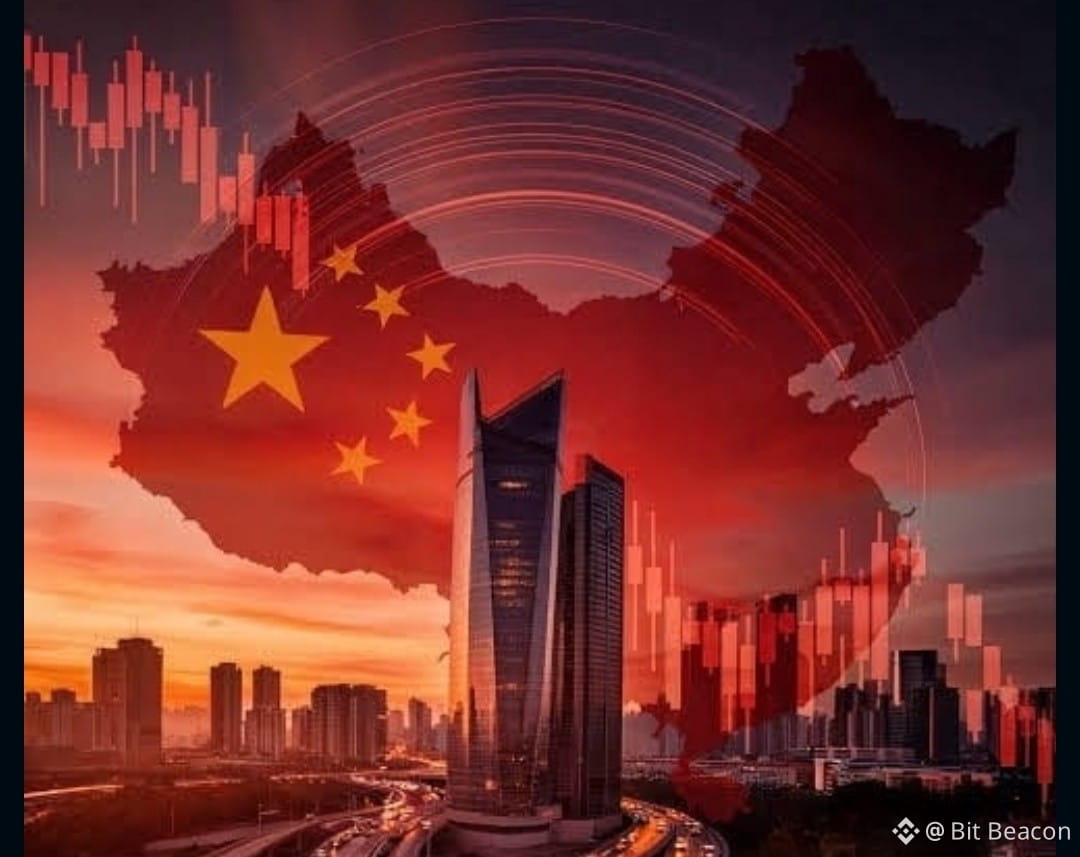
جرس إنذار صيني بقيمة 3.5 تريليون دولار: رأس المال العالمي يعيد تقييم رهانه
قد يشهد المزاج الاستثماري العالمي تحولًا كبيرًا مع تصاعد المخاوف بشأن الأسهم الصينية والمركبات الكهربائية والذكاء الاصطناعي. وتشير تقديرات خسارة أكثر من 3.5 تريليون دولار من القيمة السوقية إلى حجم الضغوط المحتملة التي تواجهها الشركات الصينية.
لكن السؤال الأهم هو: إلى أين ستتجه الأموال بعد ذلك؟
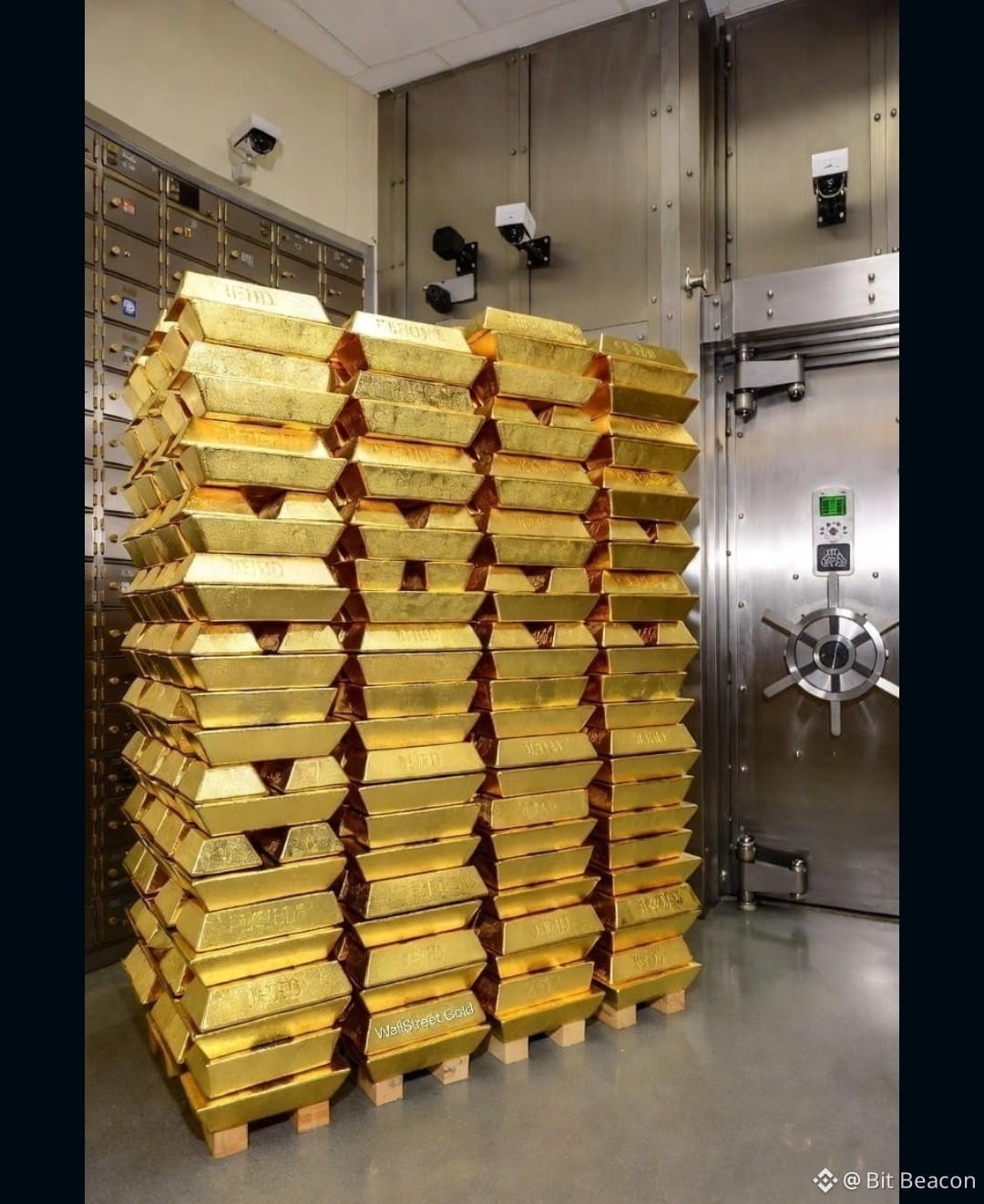
إن مواصلة بكين زيادة حيازاتها من الذهب والمعادن الاستراتيجية الأخرى، إلى جانب التغييرات في إدارة احتياطياتها، تلفت الأنظار إلى العلاقة بين السياسة النقدية وتدفقات رؤوس الأموال وثقة المستثمرين في السوق المحلية. غير أن التأثير المباشر على الأسهم الصينية يعتمد على الظروف الاقتصادية الأوسع، والسيولة، وتوقعات المستثمرين.
وفي الوقت نفسه، تزداد أهمية اليابان وكوريا الجنوبية وتايوان بوصفها أسواقًا جديرة بالمتابعة، بينما يقيّم المستثمرون العالميون الفرص في قطاعات التكنولوجيا الآسيوية، وصناعة أشباه الموصلات، والروبوتات، والإلكترونيات المتقدمة.
لا تزال الصين تمتلك قدرات صناعية هائلة وطموحًا تكنولوجيًا كبيرًا. لكن الريادة في السوق ليست مضمونة أبدًا، ولا تكفي التقييمات وحدها للحفاظ على الثقة عندما تضعف توقعات النمو.
لم تعد المعركة الحقيقية تقتصر على تحديد من سيبني الجيل التالي من التكنولوجيا، بل أصبحت تدور حول الوجهة التي يختار رأس المال العالمي الاستقرار فيها.
راقب تحركات الأموال المؤسسية، واستثمارات أشباه الموصلات، وتدفقات العملات، وأرباح الشركات. فهذه المؤشرات أهم بكثير من العناوين الإخبارية وحدها.
$CAP
{future}(CAPUSDT)
| $APR
{future}(APRUSDT)
| $ARIA
{future}(ARIAUSDT)
جرس إنذار صيني بقيمة 3.5 تريليون دولار: رأس المال العالمي يعيد تقييم رهانه
قد يشهد المزاج الاستثماري العالمي تحولًا كبيرًا مع تصاعد المخاوف بشأن الأسهم الصينية والمركبات الكهربائية والذكاء الاصطناعي. وتشير تقديرات خسارة أكثر من 3.5 تريليون دولار من القيمة السوقية إلى حجم الضغوط المحتملة التي تواجهها الشركات الصينية.
لكن السؤال الأهم هو: إلى أين ستتجه الأموال بعد ذلك؟
إن مواصلة بكين زيادة حيازاتها من الذهب والمعادن الاستراتيجية الأخرى، إلى جانب التغييرات في إدارة احتياطياتها، تلفت الأنظار إلى العلاقة بين السياسة النقدية وتدفقات رؤوس الأموال وثقة المستثمرين في السوق المحلية. غير أن التأثير المباشر على الأسهم الصينية يعتمد على الظروف الاقتصادية الأوسع، والسيولة، وتوقعات المستثمرين.
وفي الوقت نفسه، تزداد أهمية اليابان وكوريا الجنوبية وتايوان بوصفها أسواقًا جديرة بالمتابعة، بينما يقيّم المستثمرون العالميون الفرص في قطاعات التكنولوجيا الآسيوية، وصناعة أشباه الموصلات، والروبوتات، والإلكترونيات المتقدمة.
لا تزال الصين تمتلك قدرات صناعية هائلة وطموحًا تكنولوجيًا كبيرًا. لكن الريادة في السوق ليست مضمونة أبدًا، ولا تكفي التقييمات وحدها للحفاظ على الثقة عندما تضعف توقعات النمو.
لم تعد المعركة الحقيقية تقتصر على تحديد من سيبني الجيل التالي من التكنولوجيا، بل أصبحت تدور حول الوجهة التي يختار رأس المال العالمي الاستقرار فيها.
راقب تحركات الأموال المؤسسية، واستثمارات أشباه الموصلات، وتدفقات العملات، وأرباح الشركات. فهذه المؤشرات أهم بكثير من العناوين الإخبارية وحدها.
$CAP
| $APR
| $ARIA
قد يشهد المزاج الاستثماري العالمي تحولًا كبيرًا مع تصاعد المخاوف بشأن الأسهم الصينية والمركبات الكهربائية والذكاء الاصطناعي. وتشير تقديرات خسارة أكثر من 3.5 تريليون دولار من القيمة السوقية إلى حجم الضغوط المحتملة التي تواجهها الشركات الصينية.
لكن السؤال الأهم هو: إلى أين ستتجه الأموال بعد ذلك؟
إن مواصلة بكين زيادة حيازاتها من الذهب والمعادن الاستراتيجية الأخرى، إلى جانب التغييرات في إدارة احتياطياتها، تلفت الأنظار إلى العلاقة بين السياسة النقدية وتدفقات رؤوس الأموال وثقة المستثمرين في السوق المحلية. غير أن التأثير المباشر على الأسهم الصينية يعتمد على الظروف الاقتصادية الأوسع، والسيولة، وتوقعات المستثمرين.
وفي الوقت نفسه، تزداد أهمية اليابان وكوريا الجنوبية وتايوان بوصفها أسواقًا جديرة بالمتابعة، بينما يقيّم المستثمرون العالميون الفرص في قطاعات التكنولوجيا الآسيوية، وصناعة أشباه الموصلات، والروبوتات، والإلكترونيات المتقدمة.
لا تزال الصين تمتلك قدرات صناعية هائلة وطموحًا تكنولوجيًا كبيرًا. لكن الريادة في السوق ليست مضمونة أبدًا، ولا تكفي التقييمات وحدها للحفاظ على الثقة عندما تضعف توقعات النمو.
لم تعد المعركة الحقيقية تقتصر على تحديد من سيبني الجيل التالي من التكنولوجيا، بل أصبحت تدور حول الوجهة التي يختار رأس المال العالمي الاستقرار فيها.
راقب تحركات الأموال المؤسسية، واستثمارات أشباه الموصلات، وتدفقات العملات، وأرباح الشركات. فهذه المؤشرات أهم بكثير من العناوين الإخبارية وحدها.
$CAP
| $APR
| $ARIA
1
712
·
--
عاجل: 🇮🇷 يقول المرشد الأعلى الإيراني مجتبى خامنئي إن الحرب يمكن أن تنتهي فور تلبية شروطه.
عاجل: 🇮🇷 يقول المرشد الأعلى الإيراني مجتبى خامنئي إن الحرب يمكن أن تنتهي فور تلبية شروطه.

2
209
·
--
هابط
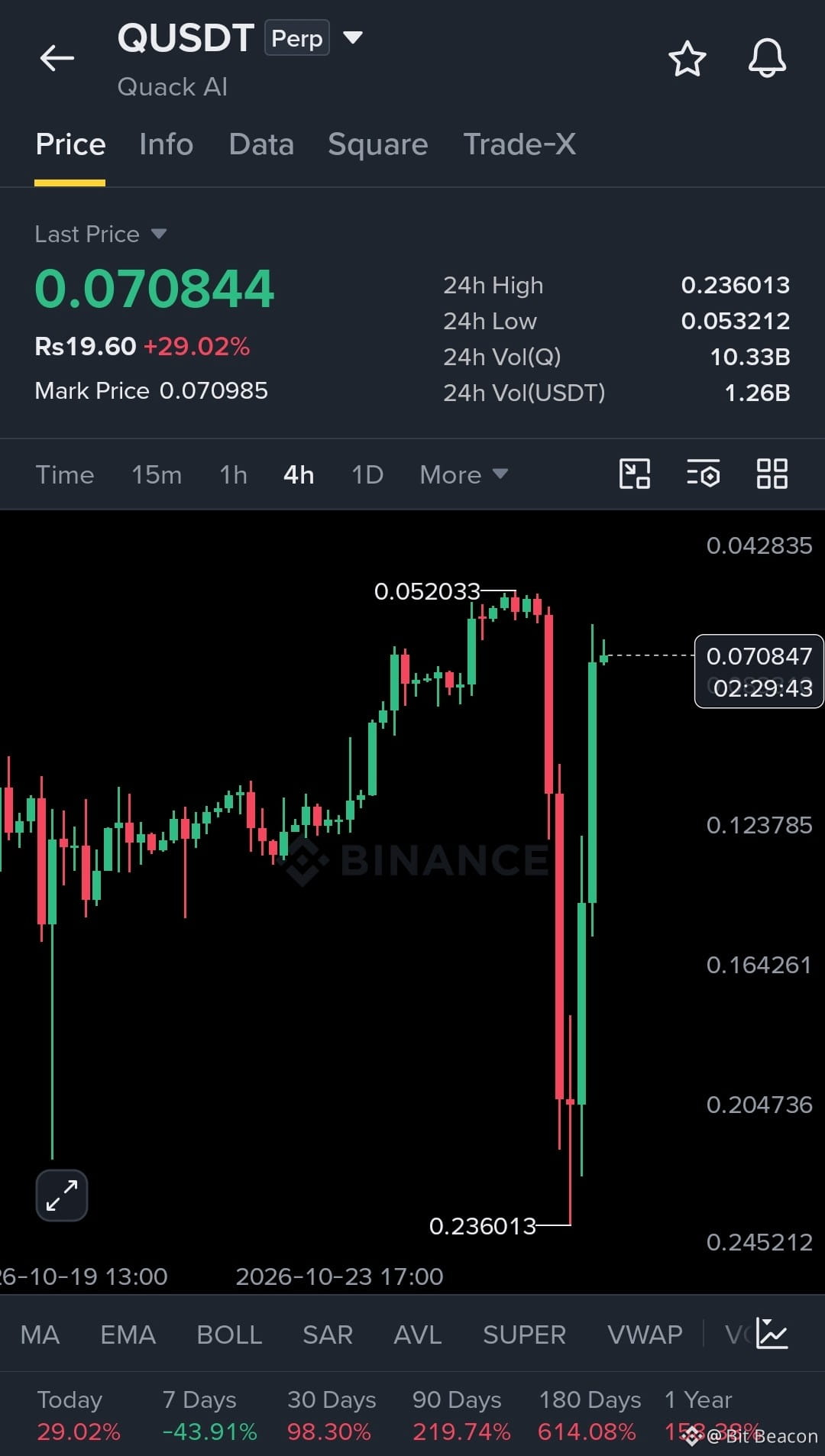
يُظهر $Q USDT زخمًا صعوديًا قويًا بعد تعافٍ حاد على شكل حرف V. عاد المشترون إلى السوق، لكن يجب أن يحافظ السعر على الدعم ويستعيد المقاومة لمواصلة الصعود.
الدخول: $0.0680–$0.0710
وقف الخسارة: $0.0635
الهدف 1: $0.0760
الهدف 2: $0.0830
الهدف 3: $0.0920
حجم التداول مرتفع، والزخم يرجّح احتمال التعافي. انتظر التأكيد قبل ملاحقة الحركة؛ فما زال التقلب مرتفعًا بعد التذبذب السعري العنيف.
إدارة المخاطر أولًا. نراقب الأهداف. هيا بنا $Q USDT
{future}(QUSDT)
#AkashSelectsSolanaAsMigrationTarget #FOMCWatch #ThailandLaunchesWORPTStablecoinToQRPaymentApp #BitmineAdds10452ETH #SouthKoreaConsidersEducationTaxOnCryptoExchanges
يُظهر $Q USDT زخمًا صعوديًا قويًا بعد تعافٍ حاد على شكل حرف V. عاد المشترون إلى السوق، لكن يجب أن يحافظ السعر على الدعم ويستعيد المقاومة لمواصلة الصعود.
الدخول: $0.0680–$0.0710
وقف الخسارة: $0.0635
الهدف 1: $0.0760
الهدف 2: $0.0830
الهدف 3: $0.0920
حجم التداول مرتفع، والزخم يرجّح احتمال التعافي. انتظر التأكيد قبل ملاحقة الحركة؛ فما زال التقلب مرتفعًا بعد التذبذب السعري العنيف.
إدارة المخاطر أولًا. نراقب الأهداف. هيا بنا $Q USDT
#AkashSelectsSolanaAsMigrationTarget #FOMCWatch #ThailandLaunchesWORPTStablecoinToQRPaymentApp #BitmineAdds10452ETH #SouthKoreaConsidersEducationTaxOnCryptoExchanges
الدخول: $0.0680–$0.0710
وقف الخسارة: $0.0635
الهدف 1: $0.0760
الهدف 2: $0.0830
الهدف 3: $0.0920
حجم التداول مرتفع، والزخم يرجّح احتمال التعافي. انتظر التأكيد قبل ملاحقة الحركة؛ فما زال التقلب مرتفعًا بعد التذبذب السعري العنيف.
إدارة المخاطر أولًا. نراقب الأهداف. هيا بنا $Q USDT
#AkashSelectsSolanaAsMigrationTarget #FOMCWatch #ThailandLaunchesWORPTStablecoinToQRPaymentApp #BitmineAdds10452ETH #SouthKoreaConsidersEducationTaxOnCryptoExchanges
349
·
--
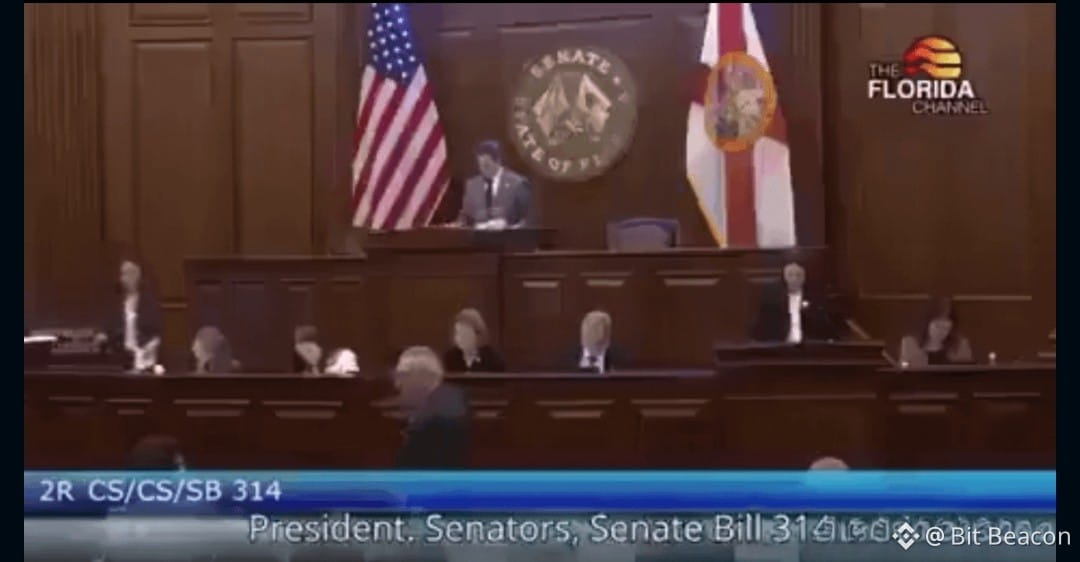
🚨 أكبر اختبار تنظيمي للعملات المشفّرة؟
يُقال إن التصويت على قانون CLARITY مقرر في 25 نوفمبر.
مع: 57 | ضد: 43
تُحتاج 60 صوتًا لتمريره.
التمرير = محفّز صعودي محتمل.
الفشل = احتمال بيع على مستوى السوق بالكامل.
صوت واحد قد يغيّر اللعبة للعملات المشفّرة. راقب الحقائق، وأدِر المخاطر، وابقَ مستعدًا.#EarningsSeason #hot
$SIREN
{future}(SIRENUSDT)
$TSLA
{future}(TSLAUSDT)
$TSLAB
{spot}(TSLABUSDT)
🚨 أكبر اختبار تنظيمي للعملات المشفّرة؟
يُقال إن التصويت على قانون CLARITY مقرر في 25 نوفمبر.
مع: 57 | ضد: 43
تُحتاج 60 صوتًا لتمريره.
التمرير = محفّز صعودي محتمل.
الفشل = احتمال بيع على مستوى السوق بالكامل.
صوت واحد قد يغيّر اللعبة للعملات المشفّرة. راقب الحقائق، وأدِر المخاطر، وابقَ مستعدًا.#EarningsSeason #hot
$SIREN
$TSLA
$TSLAB
يُقال إن التصويت على قانون CLARITY مقرر في 25 نوفمبر.
مع: 57 | ضد: 43
تُحتاج 60 صوتًا لتمريره.
التمرير = محفّز صعودي محتمل.
الفشل = احتمال بيع على مستوى السوق بالكامل.
صوت واحد قد يغيّر اللعبة للعملات المشفّرة. راقب الحقائق، وأدِر المخاطر، وابقَ مستعدًا.#EarningsSeason #hot
$SIREN
$TSLA
$TSLAB
2
208
·
--
تحذير ترامب بشأن إيران يضع الأسواق العالمية على صفيح ساخن
رفع دونالد ترامب سقف التوتر بشأن إيران بطرح سؤال حاسم حول الخطوة التالية: السعي إلى اتفاق أم التفكير في عمل عسكري مدمّر.
«سؤالي هو: هل أعقد صفقة معهم، أم أدمّرهم بالكامل؟»
يسلّط التصريح الضوء على حالة عدم اليقين الهائلة المحيطة بالعلاقات الأمريكية الإيرانية. وقد يؤدي اختراق دبلوماسي إلى تخفيف الضغوط الجيوسياسية، بينما قد يؤدي مزيد من التصعيد إلى تقلبات جديدة في أسواق النفط والأسهم والأصول الرقمية.
بالنسبة إلى المتداولين، تكتسب التطورات المقبلة أهمية كبيرة. فقد تتفاعل أسعار النفط ومعنويات المخاطرة والتقلبات المدفوعة بالعناوين الإخبارية بشدة مع أي تغيير في الوضع.
مراقبة الأسواق: تابعوا العناوين الجيوسياسية وأسعار الطاقة واتجاهات السوق الأوسع. في ظل الظروف غير المستقرة، تكون حماية رأس المال أهم من ملاحقة التحركات المفاجئة.
$TRUMP | $ENA | $T
#Iran #Trump #Geopolitics #CryptoMarket #موسم_الأرباح #كوريا_الجنوبية #العملات_المستقرة #DowJones
تحذير ترامب بشأن إيران يضع الأسواق العالمية على صفيح ساخن
رفع دونالد ترامب سقف التوتر بشأن إيران بطرح سؤال حاسم حول الخطوة التالية: السعي إلى اتفاق أم التفكير في عمل عسكري مدمّر.
«سؤالي هو: هل أعقد صفقة معهم، أم أدمّرهم بالكامل؟»
يسلّط التصريح الضوء على حالة عدم اليقين الهائلة المحيطة بالعلاقات الأمريكية الإيرانية. وقد يؤدي اختراق دبلوماسي إلى تخفيف الضغوط الجيوسياسية، بينما قد يؤدي مزيد من التصعيد إلى تقلبات جديدة في أسواق النفط والأسهم والأصول الرقمية.
بالنسبة إلى المتداولين، تكتسب التطورات المقبلة أهمية كبيرة. فقد تتفاعل أسعار النفط ومعنويات المخاطرة والتقلبات المدفوعة بالعناوين الإخبارية بشدة مع أي تغيير في الوضع.
مراقبة الأسواق: تابعوا العناوين الجيوسياسية وأسعار الطاقة واتجاهات السوق الأوسع. في ظل الظروف غير المستقرة، تكون حماية رأس المال أهم من ملاحقة التحركات المفاجئة.
$TRUMP | $ENA | $T
#Iran #Trump #Geopolitics #CryptoMarket #موسم_الأرباح #كوريا_الجنوبية #العملات_المستقرة #DowJones
رفع دونالد ترامب سقف التوتر بشأن إيران بطرح سؤال حاسم حول الخطوة التالية: السعي إلى اتفاق أم التفكير في عمل عسكري مدمّر.
«سؤالي هو: هل أعقد صفقة معهم، أم أدمّرهم بالكامل؟»
يسلّط التصريح الضوء على حالة عدم اليقين الهائلة المحيطة بالعلاقات الأمريكية الإيرانية. وقد يؤدي اختراق دبلوماسي إلى تخفيف الضغوط الجيوسياسية، بينما قد يؤدي مزيد من التصعيد إلى تقلبات جديدة في أسواق النفط والأسهم والأصول الرقمية.
بالنسبة إلى المتداولين، تكتسب التطورات المقبلة أهمية كبيرة. فقد تتفاعل أسعار النفط ومعنويات المخاطرة والتقلبات المدفوعة بالعناوين الإخبارية بشدة مع أي تغيير في الوضع.
مراقبة الأسواق: تابعوا العناوين الجيوسياسية وأسعار الطاقة واتجاهات السوق الأوسع. في ظل الظروف غير المستقرة، تكون حماية رأس المال أهم من ملاحقة التحركات المفاجئة.
$TRUMP | $ENA | $T
#Iran #Trump #Geopolitics #CryptoMarket #موسم_الأرباح #كوريا_الجنوبية #العملات_المستقرة #DowJones


95
·
--
أسواق البرازيل في صدمة: زلزال سياسي يهز المستثمرين
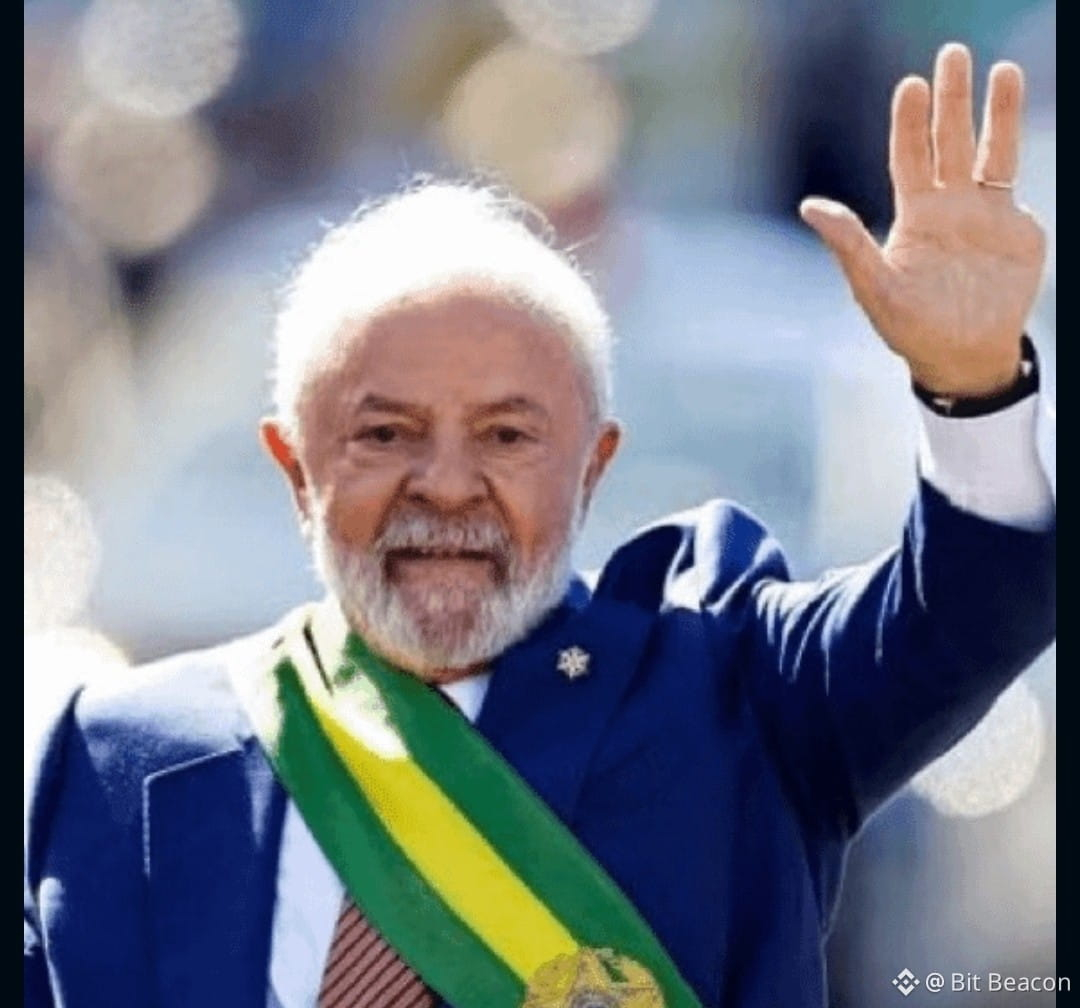
تعرضت الأسواق المالية البرازيلية لموجة بيع تاريخية عقب إعادة انتخاب الرئيس لويس إيناسيو لولا دا سيلفا على نحو مفاجئ، ما أدى إلى انعكاس حاد في معنويات المستثمرين.
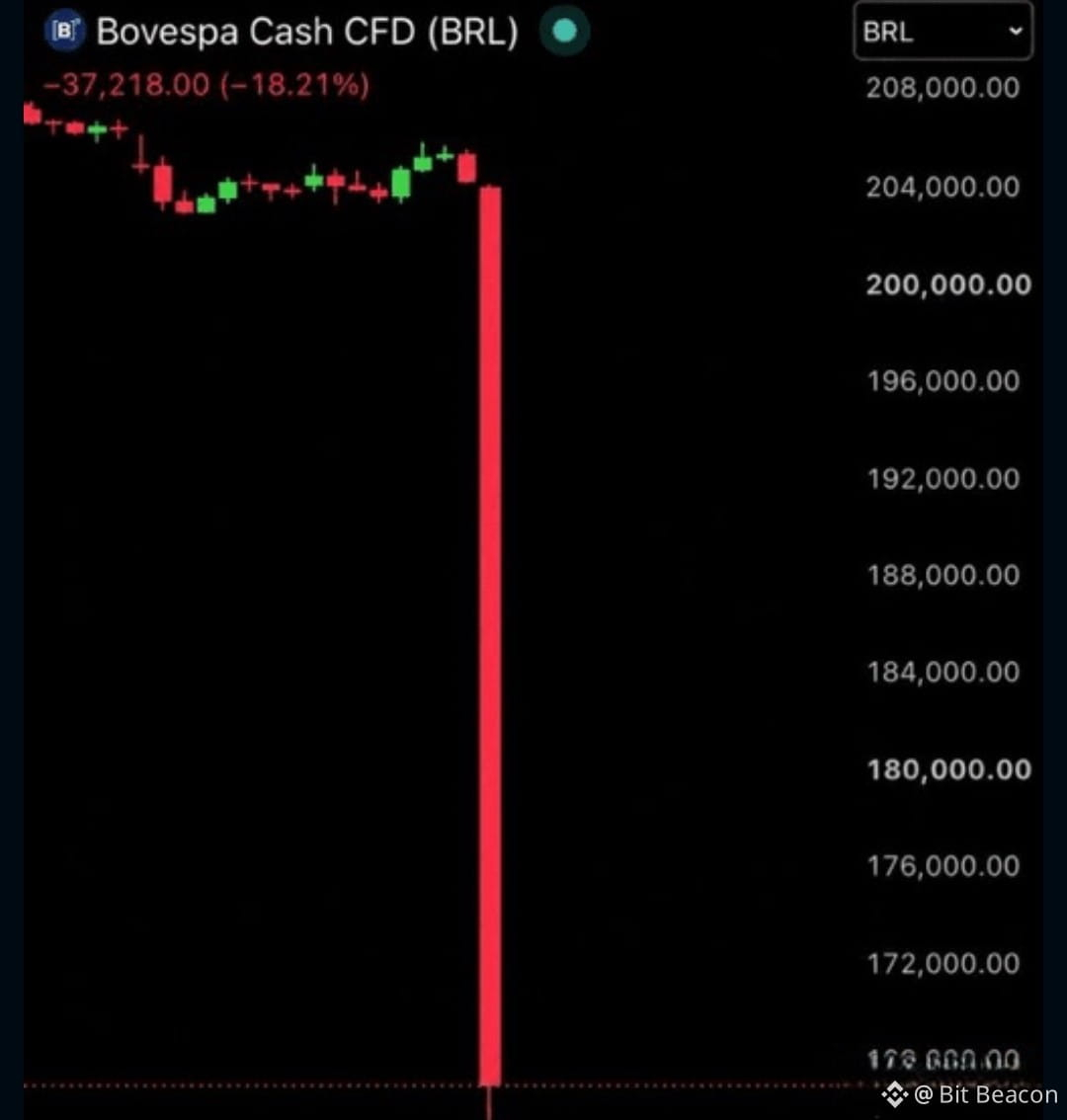
هوت بورصة إيبوفيسبا بنسبة 13.88% في جلسة واحدة، وتراجعت لفترة وجيزة بأكثر من 17% قبل تعليق التداول مؤقتًا. وفي الوقت نفسه، تراجع الريال البرازيلي بشدة أمام الدولار الأميركي، ما زاد الضغوط على الأسواق المالية في البلاد.
ما مصدر القلق الأكبر؟ ثقة المستثمرين.
كانت الأسواق تستعد لنتيجة سياسية مختلفة، وسط توقعات بأن تدعم سياسة مالية أكثر تشددًا الأصول البرازيلية. لكن فوز لولا غيّر هذه التوقعات بين ليلة وضحاها تقريبًا، ما أجبر المتداولين على إعادة تقييم المخاطر والإنفاق الحكومي وتكاليف الاقتراض والمسار الاقتصادي للبرازيل.
وتشير التقارير إلى أن القيمة السوقية الإجمالية للشركات المدرجة خسرت نحو 734 مليار ريال برازيلي في جلسة تداول واحدة فحسب، في تراجع هائل محا معظم مكاسب السوق التي تحققت في وقت سابق من عام 2026.
والآن، تتجه الأنظار إلى ما سيحدث لاحقًا.
هل يستعيد المستثمرون ثقتهم، أم أن الغموض المحيط بالسياسة المالية سيؤدي إلى موجة بيع أخرى؟ قد تكون الإشارات المقبلة من الحكومة البرازيلية حاسمة للأسهم والعملة والأسواق الناشئة عمومًا.
ثمة أمر واحد واضح: عندما تصطدم التوقعات السياسية بواقع السوق، قد تتبخر مليارات من التقييمات في غضون ساعات.
تقف البرازيل عند مفترق طرق حاسم في أسواقها. وقد تغير الخطوة المقبلة كل شيء.
أسواق البرازيل في صدمة: زلزال سياسي يهز المستثمرين
تعرضت الأسواق المالية البرازيلية لموجة بيع تاريخية عقب إعادة انتخاب الرئيس لويس إيناسيو لولا دا سيلفا على نحو مفاجئ، ما أدى إلى انعكاس حاد في معنويات المستثمرين.
هوت بورصة إيبوفيسبا بنسبة 13.88% في جلسة واحدة، وتراجعت لفترة وجيزة بأكثر من 17% قبل تعليق التداول مؤقتًا. وفي الوقت نفسه، تراجع الريال البرازيلي بشدة أمام الدولار الأميركي، ما زاد الضغوط على الأسواق المالية في البلاد.
ما مصدر القلق الأكبر؟ ثقة المستثمرين.
كانت الأسواق تستعد لنتيجة سياسية مختلفة، وسط توقعات بأن تدعم سياسة مالية أكثر تشددًا الأصول البرازيلية. لكن فوز لولا غيّر هذه التوقعات بين ليلة وضحاها تقريبًا، ما أجبر المتداولين على إعادة تقييم المخاطر والإنفاق الحكومي وتكاليف الاقتراض والمسار الاقتصادي للبرازيل.
وتشير التقارير إلى أن القيمة السوقية الإجمالية للشركات المدرجة خسرت نحو 734 مليار ريال برازيلي في جلسة تداول واحدة فحسب، في تراجع هائل محا معظم مكاسب السوق التي تحققت في وقت سابق من عام 2026.
والآن، تتجه الأنظار إلى ما سيحدث لاحقًا.
هل يستعيد المستثمرون ثقتهم، أم أن الغموض المحيط بالسياسة المالية سيؤدي إلى موجة بيع أخرى؟ قد تكون الإشارات المقبلة من الحكومة البرازيلية حاسمة للأسهم والعملة والأسواق الناشئة عمومًا.
ثمة أمر واحد واضح: عندما تصطدم التوقعات السياسية بواقع السوق، قد تتبخر مليارات من التقييمات في غضون ساعات.
تقف البرازيل عند مفترق طرق حاسم في أسواقها. وقد تغير الخطوة المقبلة كل شيء.
تعرضت الأسواق المالية البرازيلية لموجة بيع تاريخية عقب إعادة انتخاب الرئيس لويس إيناسيو لولا دا سيلفا على نحو مفاجئ، ما أدى إلى انعكاس حاد في معنويات المستثمرين.
هوت بورصة إيبوفيسبا بنسبة 13.88% في جلسة واحدة، وتراجعت لفترة وجيزة بأكثر من 17% قبل تعليق التداول مؤقتًا. وفي الوقت نفسه، تراجع الريال البرازيلي بشدة أمام الدولار الأميركي، ما زاد الضغوط على الأسواق المالية في البلاد.
ما مصدر القلق الأكبر؟ ثقة المستثمرين.
كانت الأسواق تستعد لنتيجة سياسية مختلفة، وسط توقعات بأن تدعم سياسة مالية أكثر تشددًا الأصول البرازيلية. لكن فوز لولا غيّر هذه التوقعات بين ليلة وضحاها تقريبًا، ما أجبر المتداولين على إعادة تقييم المخاطر والإنفاق الحكومي وتكاليف الاقتراض والمسار الاقتصادي للبرازيل.
وتشير التقارير إلى أن القيمة السوقية الإجمالية للشركات المدرجة خسرت نحو 734 مليار ريال برازيلي في جلسة تداول واحدة فحسب، في تراجع هائل محا معظم مكاسب السوق التي تحققت في وقت سابق من عام 2026.
والآن، تتجه الأنظار إلى ما سيحدث لاحقًا.
هل يستعيد المستثمرون ثقتهم، أم أن الغموض المحيط بالسياسة المالية سيؤدي إلى موجة بيع أخرى؟ قد تكون الإشارات المقبلة من الحكومة البرازيلية حاسمة للأسهم والعملة والأسواق الناشئة عمومًا.
ثمة أمر واحد واضح: عندما تصطدم التوقعات السياسية بواقع السوق، قد تتبخر مليارات من التقييمات في غضون ساعات.
تقف البرازيل عند مفترق طرق حاسم في أسواقها. وقد تغير الخطوة المقبلة كل شيء.
173
·
--
هابط
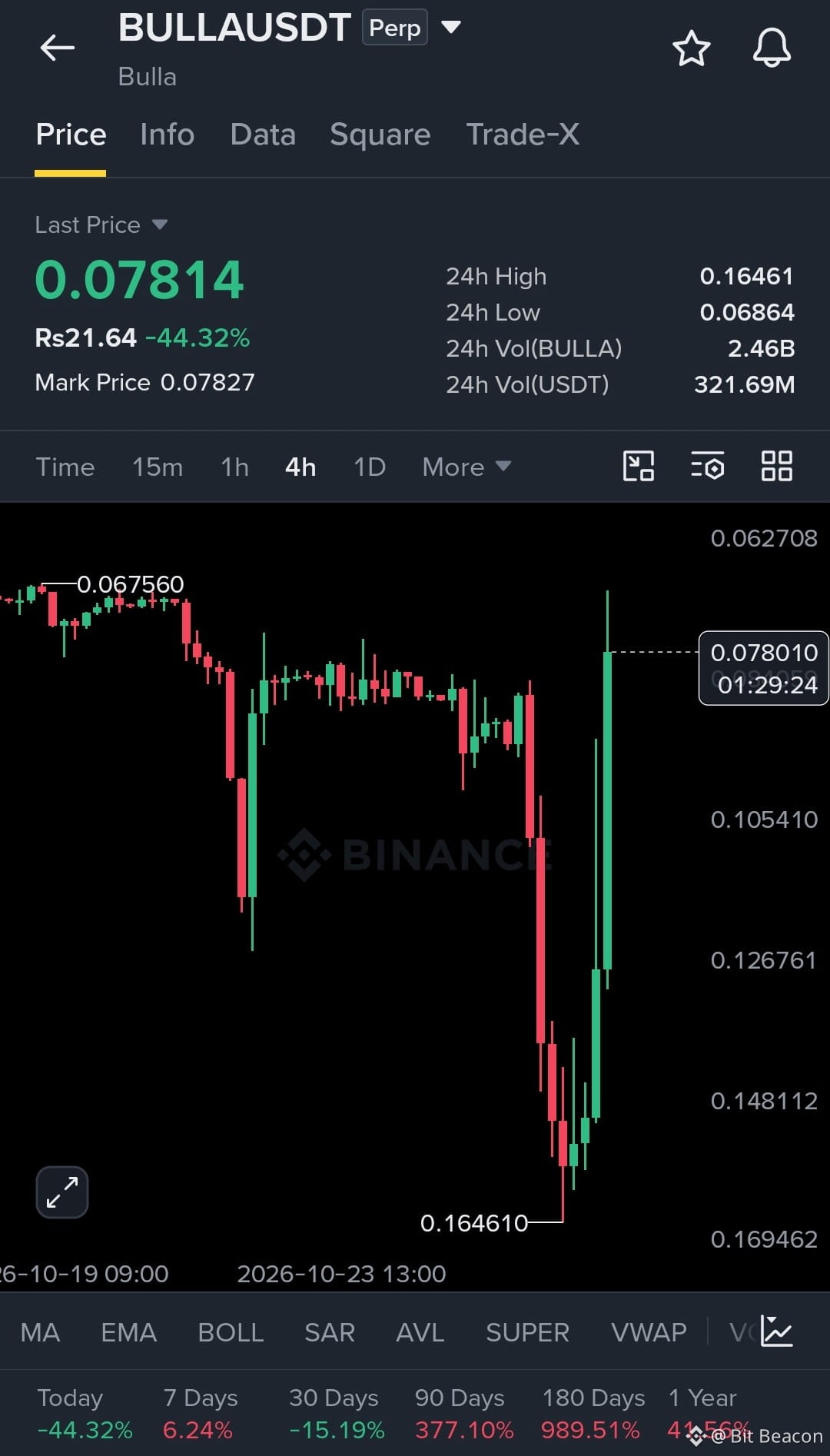
$BULLA — ارتداد حاد بعد موجة بيع قوية. بدأ المشترون بالدخول، لكن اتجاه الأربع ساعات ما زال بحاجة إلى تأكيد. راقب استعادة مستوى المقاومة قبل توقع استمرار الاتجاه الصعودي.
منطقة الدخول: $0.0760 – $0.0800
وقف الخسارة: $0.0680
الهدف 1: $0.0860
الهدف 2: $0.0950
الهدف 3: $0.1050
حجم التداول مرتفع، ويُظهر الارتداد اهتمامًا قويًا بالشراء. ومع ذلك، لا يزال BULLA شديد التقلب بعد هبوطه من $0.1646. قد يدعم الثبات المستمر فوق منطقة الدخول موجة تعافٍ أخرى، بينما سيؤدي الهبوط دون $0.0680 إلى إضعاف هذا السيناريو.
انتظر التأكيد، وأدر حجم الصفقة، وتجنب ملاحقة شمعة خضراء مفاجئة.
إدارة المخاطر أولًا. الأنظار على الأهداف. هيا بنا $BULLA
{future}(BULLAUSDT)
#ThailandLaunchesWORPTStablecoinToQRPaymentApp #BitmineAdds10452ETH #AnthropicTTMRevenueGrewAbout1200% #RippleWinsFullApprovalAsNationalTrustBank #OCCUrgesCommunityBanksToEnterStablecoinPayments
$BULLA — ارتداد حاد بعد موجة بيع قوية. بدأ المشترون بالدخول، لكن اتجاه الأربع ساعات ما زال بحاجة إلى تأكيد. راقب استعادة مستوى المقاومة قبل توقع استمرار الاتجاه الصعودي.
منطقة الدخول: $0.0760 – $0.0800
وقف الخسارة: $0.0680
الهدف 1: $0.0860
الهدف 2: $0.0950
الهدف 3: $0.1050
حجم التداول مرتفع، ويُظهر الارتداد اهتمامًا قويًا بالشراء. ومع ذلك، لا يزال BULLA شديد التقلب بعد هبوطه من $0.1646. قد يدعم الثبات المستمر فوق منطقة الدخول موجة تعافٍ أخرى، بينما سيؤدي الهبوط دون $0.0680 إلى إضعاف هذا السيناريو.
انتظر التأكيد، وأدر حجم الصفقة، وتجنب ملاحقة شمعة خضراء مفاجئة.
إدارة المخاطر أولًا. الأنظار على الأهداف. هيا بنا $BULLA
#ThailandLaunchesWORPTStablecoinToQRPaymentApp #BitmineAdds10452ETH #AnthropicTTMRevenueGrewAbout1200% #RippleWinsFullApprovalAsNationalTrustBank #OCCUrgesCommunityBanksToEnterStablecoinPayments
منطقة الدخول: $0.0760 – $0.0800
وقف الخسارة: $0.0680
الهدف 1: $0.0860
الهدف 2: $0.0950
الهدف 3: $0.1050
حجم التداول مرتفع، ويُظهر الارتداد اهتمامًا قويًا بالشراء. ومع ذلك، لا يزال BULLA شديد التقلب بعد هبوطه من $0.1646. قد يدعم الثبات المستمر فوق منطقة الدخول موجة تعافٍ أخرى، بينما سيؤدي الهبوط دون $0.0680 إلى إضعاف هذا السيناريو.
انتظر التأكيد، وأدر حجم الصفقة، وتجنب ملاحقة شمعة خضراء مفاجئة.
إدارة المخاطر أولًا. الأنظار على الأهداف. هيا بنا $BULLA
#ThailandLaunchesWORPTStablecoinToQRPaymentApp #BitmineAdds10452ETH #AnthropicTTMRevenueGrewAbout1200% #RippleWinsFullApprovalAsNationalTrustBank #OCCUrgesCommunityBanksToEnterStablecoinPayments
2
435
·
--
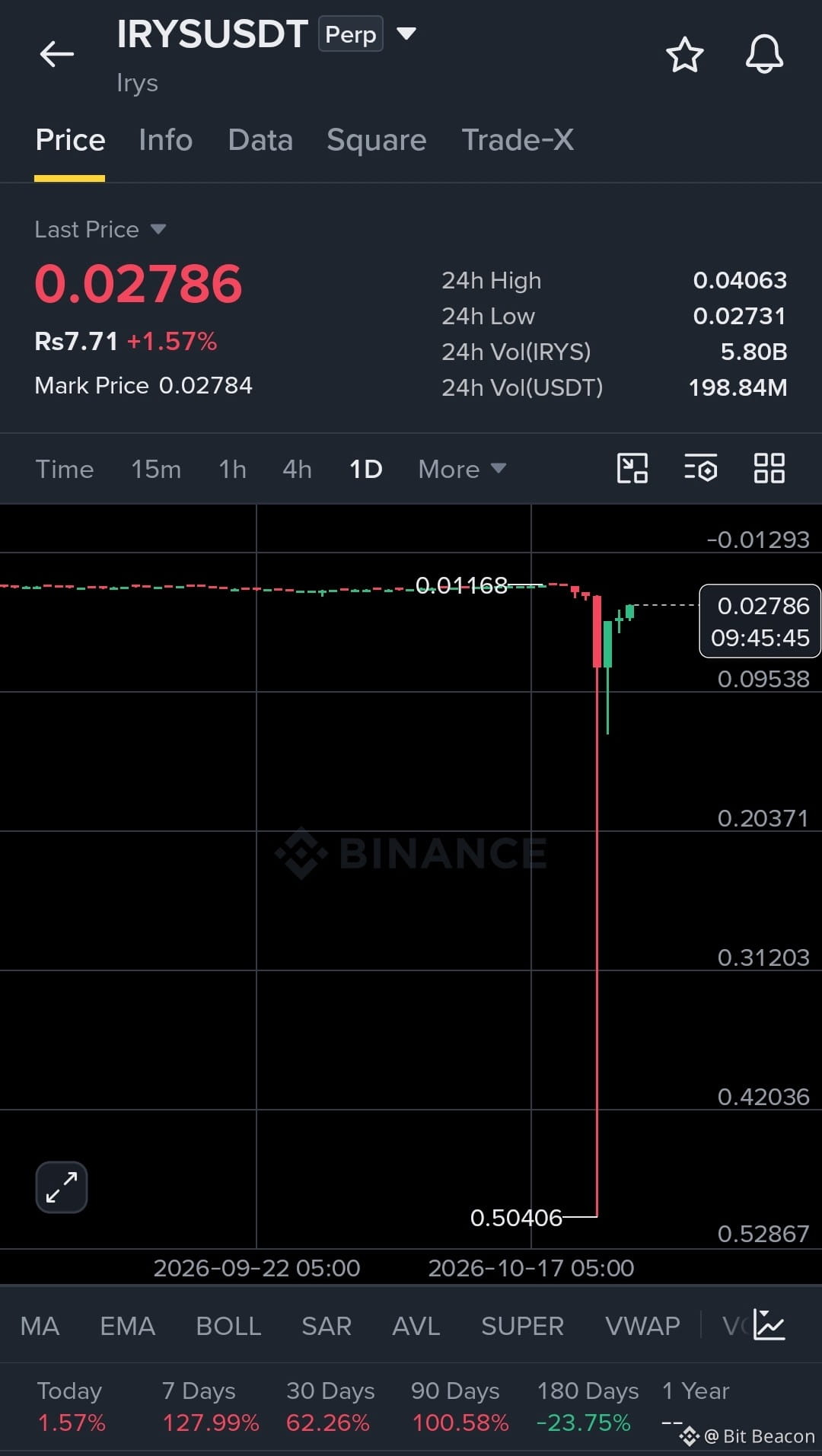
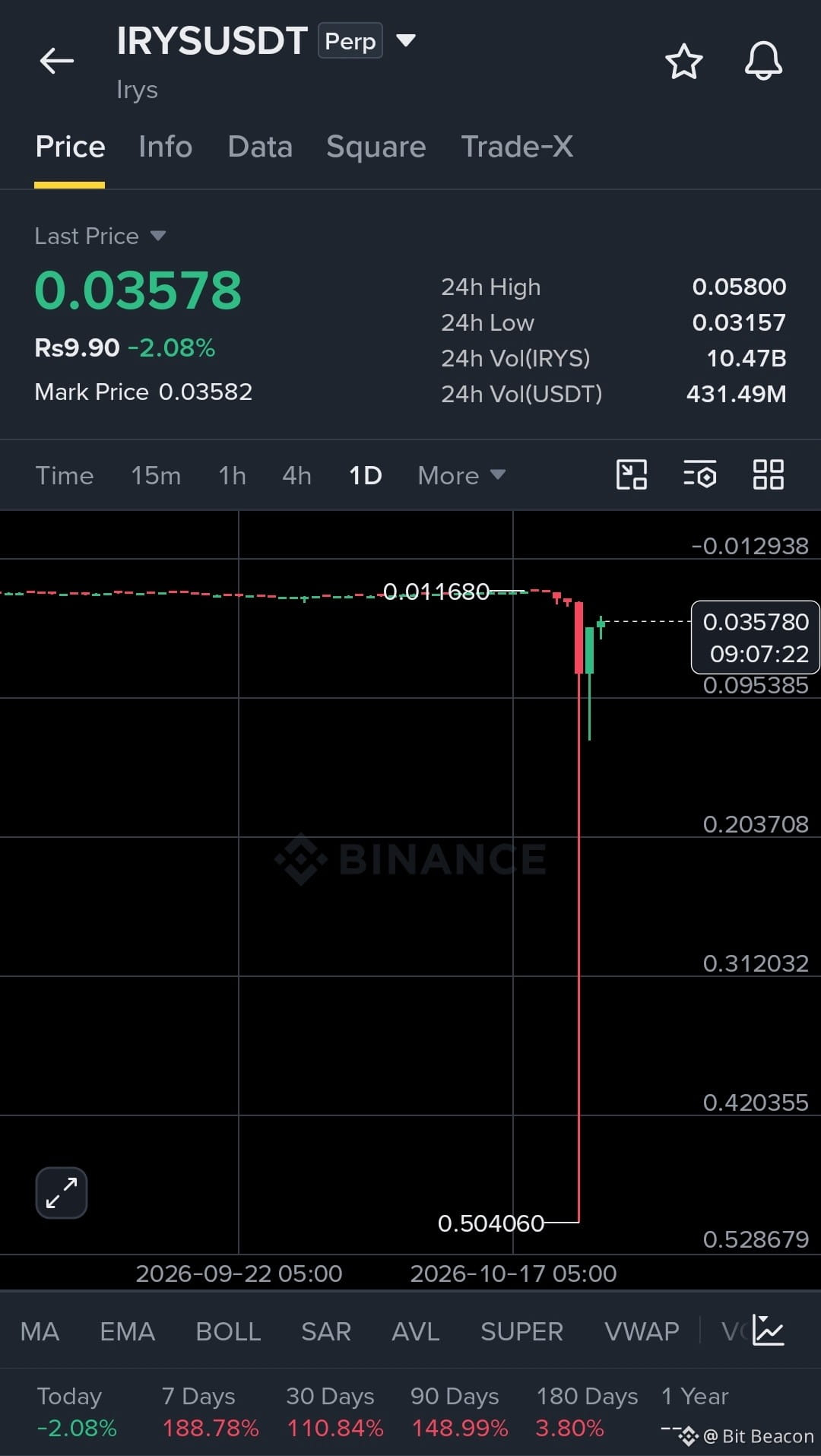
إذًا هذه المرة $IRYS يرسم لنا نمط الإصبع الأوسط لكل من تحسّروا على هذه العملة..؟ 😂🤣
جريمة لا تنتهي، لقد أُبيدنا مجددًا 😂
{future}(IRYSUSDT)
إذًا هذه المرة $IRYS يرسم لنا نمط الإصبع الأوسط لكل من تحسّروا على هذه العملة..؟ 😂🤣
جريمة لا تنتهي، لقد أُبيدنا مجددًا 😂
جريمة لا تنتهي، لقد أُبيدنا مجددًا 😂
1
123
·
--
هابط
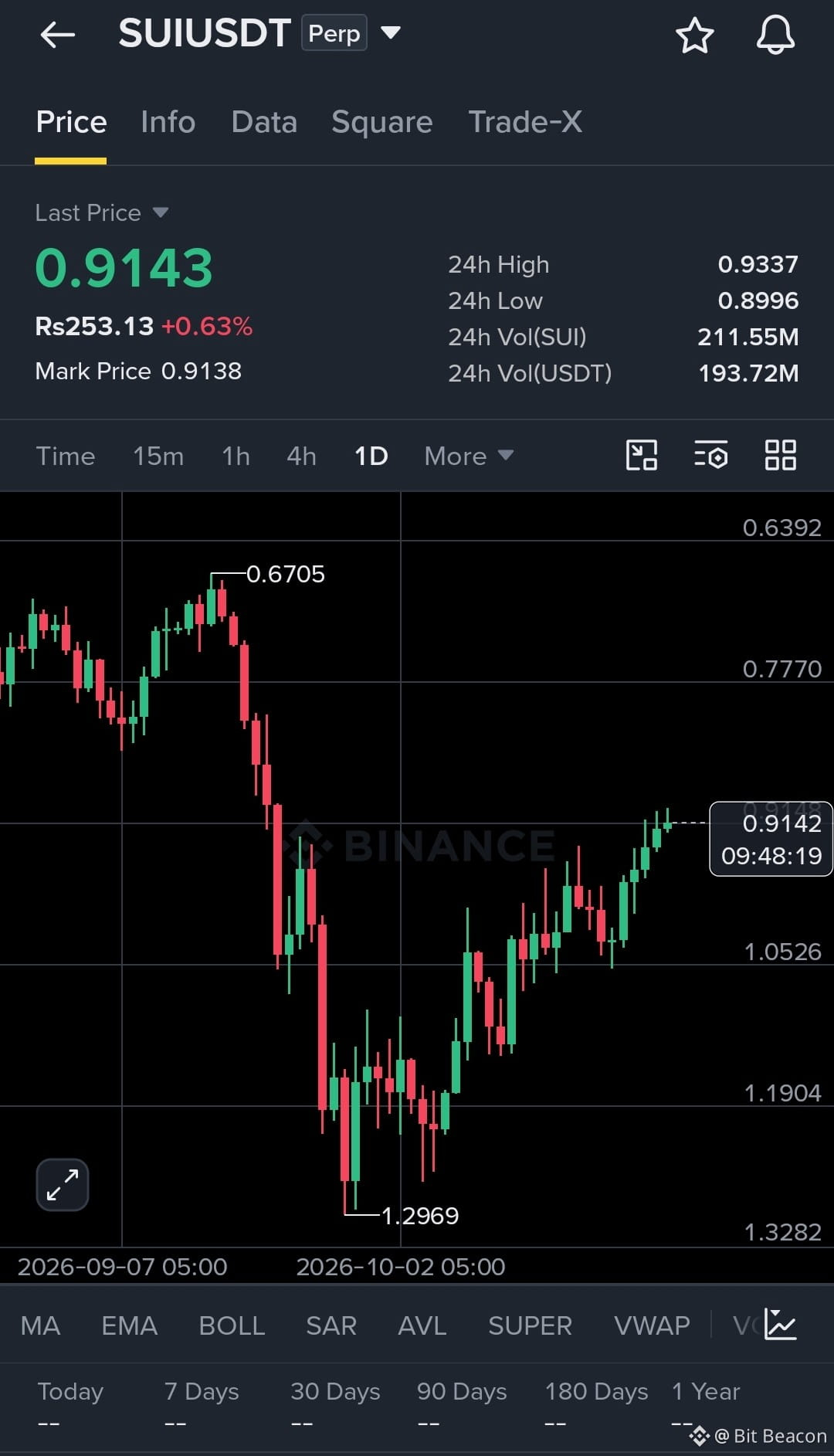
$SUI — يتشكل زخم صعودي مع استعادة السعر للأرض بعد موجة بيع حادة. المشترون يدخلون الآن، وقد يؤدي اختراق نظيف للمقاومة إلى دفع المرحلة التالية صعودًا.
الدخول: $0.9050–$0.9180
وقف الخسارة: $0.8870
الهدف 1: $0.9400
الهدف 2: $0.9750
الهدف 3: $1.0200
الزخم يتحسن، لكن التأكيد فوق المقاومة هو المفتاح. راقب توسع الحجم واستمرار قوة المشترين قبل زيادة التعرض.
إدارة المخاطر. الأنظار على الأهداف. لننطلق $SUI
{spot}(SUIUSDT)
#ArgentineCourtDismissesLIBRACaseAgainstMilei #BinancePick #EarningsSeason #EarningsSeason #AnthropicTTMRevenueGrewAbout1200%
$SUI — يتشكل زخم صعودي مع استعادة السعر للأرض بعد موجة بيع حادة. المشترون يدخلون الآن، وقد يؤدي اختراق نظيف للمقاومة إلى دفع المرحلة التالية صعودًا.
الدخول: $0.9050–$0.9180
وقف الخسارة: $0.8870
الهدف 1: $0.9400
الهدف 2: $0.9750
الهدف 3: $1.0200
الزخم يتحسن، لكن التأكيد فوق المقاومة هو المفتاح. راقب توسع الحجم واستمرار قوة المشترين قبل زيادة التعرض.
إدارة المخاطر. الأنظار على الأهداف. لننطلق $SUI
#ArgentineCourtDismissesLIBRACaseAgainstMilei #BinancePick #EarningsSeason #EarningsSeason #AnthropicTTMRevenueGrewAbout1200%
الدخول: $0.9050–$0.9180
وقف الخسارة: $0.8870
الهدف 1: $0.9400
الهدف 2: $0.9750
الهدف 3: $1.0200
الزخم يتحسن، لكن التأكيد فوق المقاومة هو المفتاح. راقب توسع الحجم واستمرار قوة المشترين قبل زيادة التعرض.
إدارة المخاطر. الأنظار على الأهداف. لننطلق $SUI
#ArgentineCourtDismissesLIBRACaseAgainstMilei #BinancePick #EarningsSeason #EarningsSeason #AnthropicTTMRevenueGrewAbout1200%
230
·
--
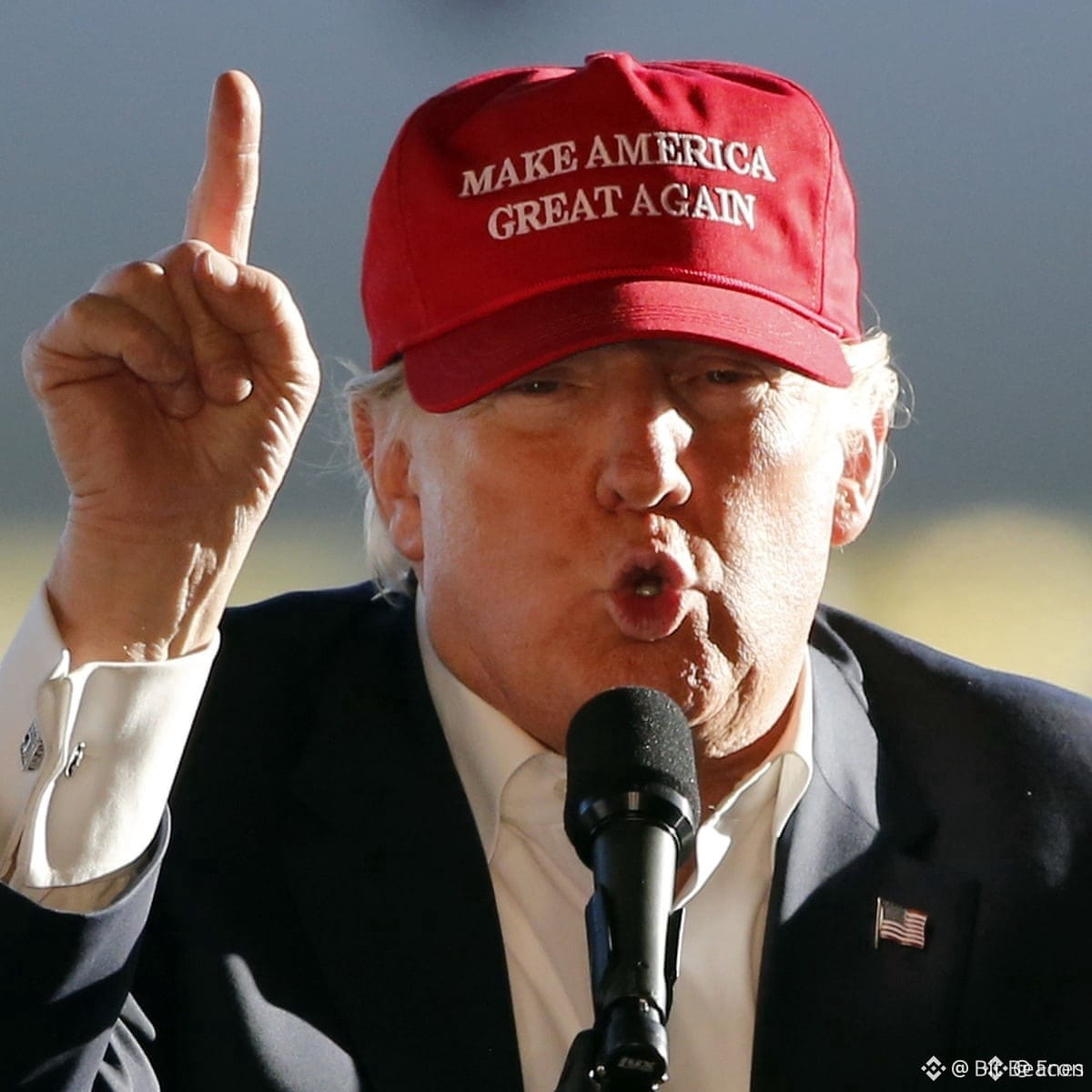
🇺🇸 ترامب 🗣️
98% من الأشخاص الذين يأتون إلى هنا من الصومال لا يعملون. ليسوا مضطرين إلى العمل لأنهم يسرقون❗
لديهم جميعًا سيارات مرسيدس. معدلات ذكائهم منخفضة، ويعيشون حياة أفضل منك.
🇱🇾 ليبيا، 🇾🇪 اليمن، 🇭🇹 هايتي، 🇸🇴 الصومال. أُسمي هذه البلدان القذرة.
لماذا علينا دائمًا أن نستقبل أشخاصًا من هذه البلدان القذرة؟
لماذا لا نستقبل أشخاصًا من 🇳🇴 النرويج، 🇸🇪 السويد، 🇩🇰 الدنمارك❓
🇺🇸 ترامب 🗣️
98% من الأشخاص الذين يأتون إلى هنا من الصومال لا يعملون. ليسوا مضطرين إلى العمل لأنهم يسرقون❗
لديهم جميعًا سيارات مرسيدس. معدلات ذكائهم منخفضة، ويعيشون حياة أفضل منك.
🇱🇾 ليبيا، 🇾🇪 اليمن، 🇭🇹 هايتي، 🇸🇴 الصومال. أُسمي هذه البلدان القذرة.
لماذا علينا دائمًا أن نستقبل أشخاصًا من هذه البلدان القذرة؟
لماذا لا نستقبل أشخاصًا من 🇳🇴 النرويج، 🇸🇪 السويد، 🇩🇰 الدنمارك❓
98% من الأشخاص الذين يأتون إلى هنا من الصومال لا يعملون. ليسوا مضطرين إلى العمل لأنهم يسرقون❗
لديهم جميعًا سيارات مرسيدس. معدلات ذكائهم منخفضة، ويعيشون حياة أفضل منك.
🇱🇾 ليبيا، 🇾🇪 اليمن، 🇭🇹 هايتي، 🇸🇴 الصومال. أُسمي هذه البلدان القذرة.
لماذا علينا دائمًا أن نستقبل أشخاصًا من هذه البلدان القذرة؟
لماذا لا نستقبل أشخاصًا من 🇳🇴 النرويج، 🇸🇪 السويد، 🇩🇰 الدنمارك❓
366
·
--
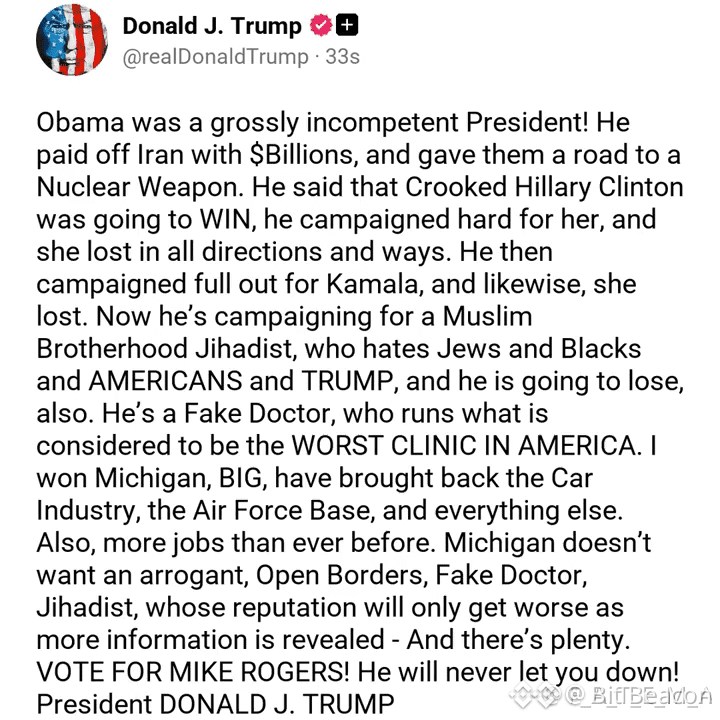
مستقبل ميشيغان على المحك — والمعركة السياسية لم تنتهِ بعد
يقوم طريق الفوز على القيادة والمساءلة والقوة الاقتصادية وثقة الشعب الأمريكي. وتقف ميشيغان في قلب منافسة سياسية محتدمة، حيث تظل الوظائف والصناعة وأمن الحدود واتجاه البلاد قضايا محورية.
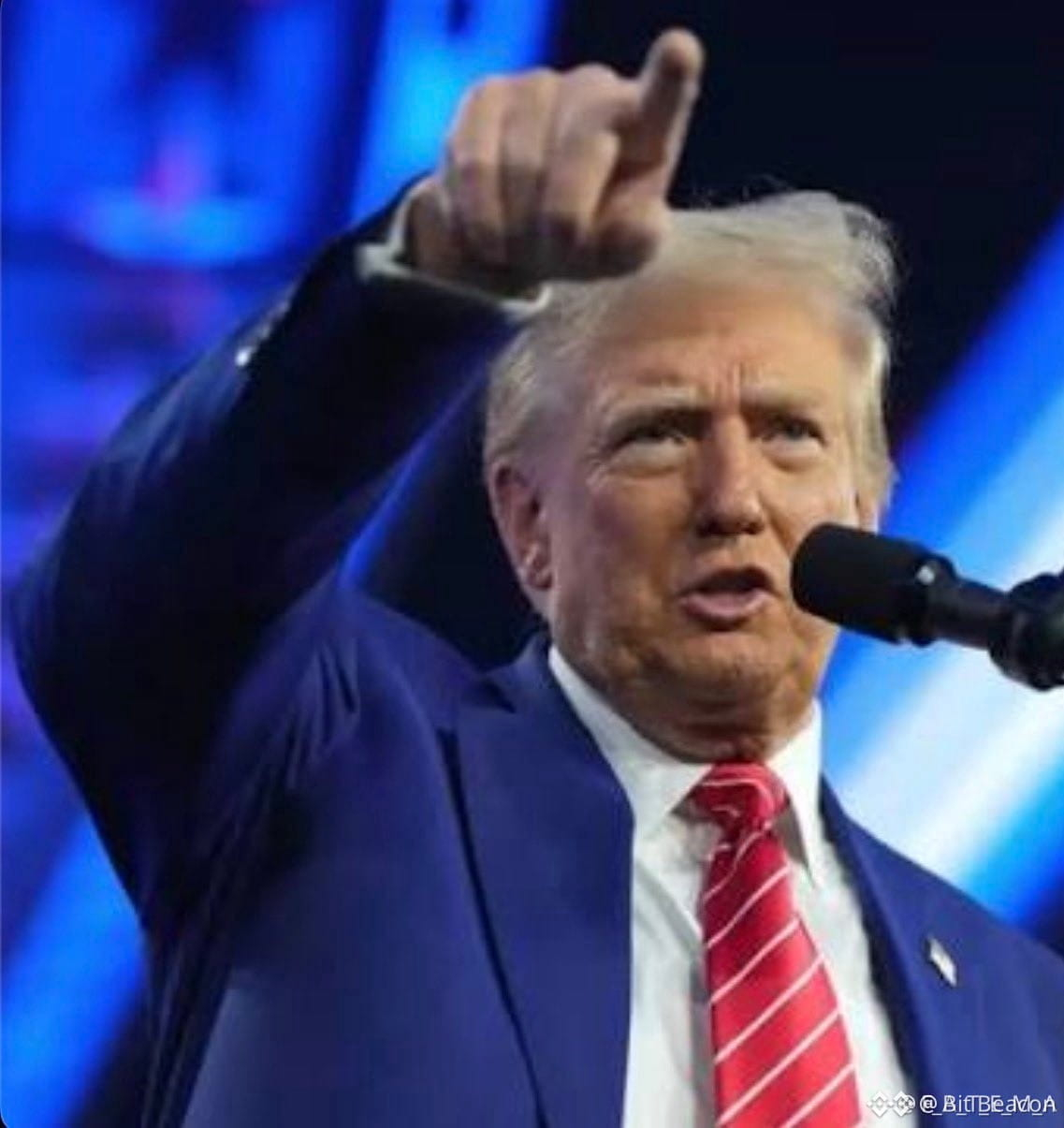
يعلن الرئيس دونالد ترامب دعمه لمايك روجرز، لتصبح المنافسة اختبارًا مهمًا للنفوذ السياسي وثقة الناخبين. ومع وجود صناعة السيارات والفرص الاقتصادية والأولويات الوطنية على المحك، سيقرر ناخبو ميشيغان في نهاية المطاف أي رؤية تستحق دعمهم.
الوعود الانتخابية شيء، وتحقيق النتائج شيء آخر. ومع احتدام النقاشات الانتخابية، تظل الأضواء مسلطة على القيادة والمساءلة العامة ومستقبل ميشيغان الذي تريد الأسر بناءه.
الحكم النهائي للناخبين. الرهانات وطنية، لكن القرار لميشيغان.
#MikeRogers #MichiganPolitics #DonaldTrump #USPolitics #مراقبة_الانتخابات #النمو_الاقتصادي #الصناعة_الأمريكية #موسم_الأرباح #WorldNews
مستقبل ميشيغان على المحك — والمعركة السياسية لم تنتهِ بعد
يقوم طريق الفوز على القيادة والمساءلة والقوة الاقتصادية وثقة الشعب الأمريكي. وتقف ميشيغان في قلب منافسة سياسية محتدمة، حيث تظل الوظائف والصناعة وأمن الحدود واتجاه البلاد قضايا محورية.
يعلن الرئيس دونالد ترامب دعمه لمايك روجرز، لتصبح المنافسة اختبارًا مهمًا للنفوذ السياسي وثقة الناخبين. ومع وجود صناعة السيارات والفرص الاقتصادية والأولويات الوطنية على المحك، سيقرر ناخبو ميشيغان في نهاية المطاف أي رؤية تستحق دعمهم.
الوعود الانتخابية شيء، وتحقيق النتائج شيء آخر. ومع احتدام النقاشات الانتخابية، تظل الأضواء مسلطة على القيادة والمساءلة العامة ومستقبل ميشيغان الذي تريد الأسر بناءه.
الحكم النهائي للناخبين. الرهانات وطنية، لكن القرار لميشيغان.
#MikeRogers #MichiganPolitics #DonaldTrump #USPolitics #مراقبة_الانتخابات #النمو_الاقتصادي #الصناعة_الأمريكية #موسم_الأرباح #WorldNews
يقوم طريق الفوز على القيادة والمساءلة والقوة الاقتصادية وثقة الشعب الأمريكي. وتقف ميشيغان في قلب منافسة سياسية محتدمة، حيث تظل الوظائف والصناعة وأمن الحدود واتجاه البلاد قضايا محورية.
يعلن الرئيس دونالد ترامب دعمه لمايك روجرز، لتصبح المنافسة اختبارًا مهمًا للنفوذ السياسي وثقة الناخبين. ومع وجود صناعة السيارات والفرص الاقتصادية والأولويات الوطنية على المحك، سيقرر ناخبو ميشيغان في نهاية المطاف أي رؤية تستحق دعمهم.
الوعود الانتخابية شيء، وتحقيق النتائج شيء آخر. ومع احتدام النقاشات الانتخابية، تظل الأضواء مسلطة على القيادة والمساءلة العامة ومستقبل ميشيغان الذي تريد الأسر بناءه.
الحكم النهائي للناخبين. الرهانات وطنية، لكن القرار لميشيغان.
#MikeRogers #MichiganPolitics #DonaldTrump #USPolitics #مراقبة_الانتخابات #النمو_الاقتصادي #الصناعة_الأمريكية #موسم_الأرباح #WorldNews
236
·
--
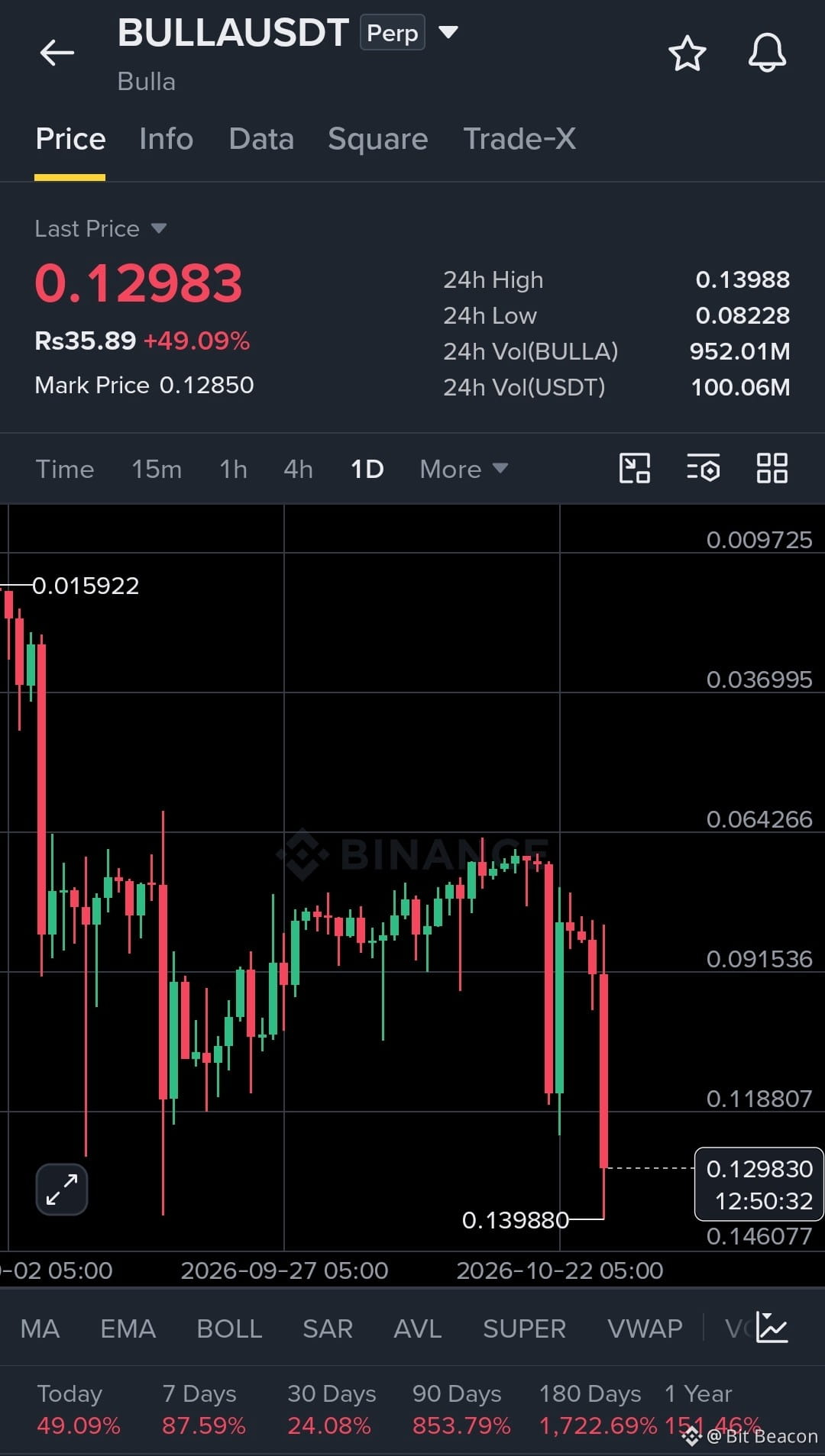
$BULLA — زخم قوي بعد ارتفاع حاد بنسبة 49%، لكن التقلبات مرتفعة قرب أعلى مستوى خلال 24 ساعة. نترقب استعادة مستوى المقاومة بوضوح قبل التحرك التالي.
الدخول: $0.1260–$0.1300
وقف الخسارة: $0.1210
الهدف 1: $0.1350
الهدف 2: $0.1400
الهدف 3: $0.1480
لا تزال قوة المشترين محط الأنظار، لكن التأكيد أساسي. قد يدعم الاختراق فوق $0.1400 مزيدًا من الارتفاع، بينما قد يؤدي فقدان منطقة الدخول إلى تراجع أعمق. أدر المخاطر وتجنب ملاحقة الشموع الممتدة.
إدارة المخاطر أولًا. نراقب الأهداف. هيا بنا $BULLA
{future}(BULLAUSDT)
#BinancePick #EarningsSeason #FranklinTempletonFilesForTwoDividendToBitcoinETFs #StrategyMSTRSurpassesNasdaqInMarketCap #ArgentineCourtDismissesLIBRACaseAgainstMilei
$BULLA — زخم قوي بعد ارتفاع حاد بنسبة 49%، لكن التقلبات مرتفعة قرب أعلى مستوى خلال 24 ساعة. نترقب استعادة مستوى المقاومة بوضوح قبل التحرك التالي.
الدخول: $0.1260–$0.1300
وقف الخسارة: $0.1210
الهدف 1: $0.1350
الهدف 2: $0.1400
الهدف 3: $0.1480
لا تزال قوة المشترين محط الأنظار، لكن التأكيد أساسي. قد يدعم الاختراق فوق $0.1400 مزيدًا من الارتفاع، بينما قد يؤدي فقدان منطقة الدخول إلى تراجع أعمق. أدر المخاطر وتجنب ملاحقة الشموع الممتدة.
إدارة المخاطر أولًا. نراقب الأهداف. هيا بنا $BULLA
#BinancePick #EarningsSeason #FranklinTempletonFilesForTwoDividendToBitcoinETFs #StrategyMSTRSurpassesNasdaqInMarketCap #ArgentineCourtDismissesLIBRACaseAgainstMilei
الدخول: $0.1260–$0.1300
وقف الخسارة: $0.1210
الهدف 1: $0.1350
الهدف 2: $0.1400
الهدف 3: $0.1480
لا تزال قوة المشترين محط الأنظار، لكن التأكيد أساسي. قد يدعم الاختراق فوق $0.1400 مزيدًا من الارتفاع، بينما قد يؤدي فقدان منطقة الدخول إلى تراجع أعمق. أدر المخاطر وتجنب ملاحقة الشموع الممتدة.
إدارة المخاطر أولًا. نراقب الأهداف. هيا بنا $BULLA
#BinancePick #EarningsSeason #FranklinTempletonFilesForTwoDividendToBitcoinETFs #StrategyMSTRSurpassesNasdaqInMarketCap #ArgentineCourtDismissesLIBRACaseAgainstMilei
3
398
·
--
التقويم الاقتصادي الأمريكي | أسبوع حافل بالأحداث المؤثرة
تستعد الأسواق لأسبوع حافل بالبيانات الاقتصادية الأمريكية، إذ يتضمن جدول الأعمال ثقة المستهلك، وقرار مجلس الاحتياطي الفيدرالي بشأن السياسة النقدية، وبيانات الناتج المحلي الإجمالي، ومؤشرات التضخم، وأرقام سوق العمل.
أبرز الأحداث المرتقبة
الثلاثاء، 27 أكتوبر
10:00 صباحًا بتوقيت الساحل الشرقي — ثقة المستهلك
الأربعاء، 28 أكتوبر
2:00 ظهرًا بتوقيت الساحل الشرقي — قرار الفيدرالي بشأن أسعار الفائدة وبيان اللجنة الفيدرالية للسوق المفتوحة
2:30 ظهرًا بتوقيت الساحل الشرقي — المؤتمر الصحفي للجنة الفيدرالية للسوق المفتوحة
الخميس، 29 أكتوبر
8:30 صباحًا بتوقيت الساحل الشرقي — التقدير الأولي للناتج المحلي الإجمالي، ومؤشر أسعار الناتج المحلي الإجمالي، ومؤشر نفقات الاستهلاك الشخصي الأساسي، ومطالبات إعانة البطالة الأولية
الجمعة، 30 أكتوبر
8:30 صباحًا بتوقيت الساحل الشرقي — مؤشر تكلفة التوظيف
لماذا يهم ذلك؟
قد تؤثر هذه البيانات في التوقعات المتعلقة بأسعار الفائدة والتضخم والنمو الاقتصادي والخطوات المقبلة للفيدرالي في السياسة النقدية. وينبغي لمتداولي العملات المشفرة متابعة السيولة والتقلبات والتحولات المفاجئة في اتجاه السوق عن كثب، ولا سيما خلال إعلان الفيدرالي يوم الأربعاء وصدور بيانات الخميس.
استعدوا، وأحسنوا إدارة المخاطر، ودعوا حركة الأسعار تؤكد الاتجاه قبل اتخاذ أي خطوة.
#CryptoMarket #USData #FOMC #Bitcoin #TradingStrategy
التقويم الاقتصادي الأمريكي | أسبوع حافل بالأحداث المؤثرة
تستعد الأسواق لأسبوع حافل بالبيانات الاقتصادية الأمريكية، إذ يتضمن جدول الأعمال ثقة المستهلك، وقرار مجلس الاحتياطي الفيدرالي بشأن السياسة النقدية، وبيانات الناتج المحلي الإجمالي، ومؤشرات التضخم، وأرقام سوق العمل.
أبرز الأحداث المرتقبة
الثلاثاء، 27 أكتوبر
10:00 صباحًا بتوقيت الساحل الشرقي — ثقة المستهلك
الأربعاء، 28 أكتوبر
2:00 ظهرًا بتوقيت الساحل الشرقي — قرار الفيدرالي بشأن أسعار الفائدة وبيان اللجنة الفيدرالية للسوق المفتوحة
2:30 ظهرًا بتوقيت الساحل الشرقي — المؤتمر الصحفي للجنة الفيدرالية للسوق المفتوحة
الخميس، 29 أكتوبر
8:30 صباحًا بتوقيت الساحل الشرقي — التقدير الأولي للناتج المحلي الإجمالي، ومؤشر أسعار الناتج المحلي الإجمالي، ومؤشر نفقات الاستهلاك الشخصي الأساسي، ومطالبات إعانة البطالة الأولية
الجمعة، 30 أكتوبر
8:30 صباحًا بتوقيت الساحل الشرقي — مؤشر تكلفة التوظيف
لماذا يهم ذلك؟
قد تؤثر هذه البيانات في التوقعات المتعلقة بأسعار الفائدة والتضخم والنمو الاقتصادي والخطوات المقبلة للفيدرالي في السياسة النقدية. وينبغي لمتداولي العملات المشفرة متابعة السيولة والتقلبات والتحولات المفاجئة في اتجاه السوق عن كثب، ولا سيما خلال إعلان الفيدرالي يوم الأربعاء وصدور بيانات الخميس.
استعدوا، وأحسنوا إدارة المخاطر، ودعوا حركة الأسعار تؤكد الاتجاه قبل اتخاذ أي خطوة.
#CryptoMarket #USData #FOMC #Bitcoin #TradingStrategy
تستعد الأسواق لأسبوع حافل بالبيانات الاقتصادية الأمريكية، إذ يتضمن جدول الأعمال ثقة المستهلك، وقرار مجلس الاحتياطي الفيدرالي بشأن السياسة النقدية، وبيانات الناتج المحلي الإجمالي، ومؤشرات التضخم، وأرقام سوق العمل.
أبرز الأحداث المرتقبة
الثلاثاء، 27 أكتوبر
10:00 صباحًا بتوقيت الساحل الشرقي — ثقة المستهلك
الأربعاء، 28 أكتوبر
2:00 ظهرًا بتوقيت الساحل الشرقي — قرار الفيدرالي بشأن أسعار الفائدة وبيان اللجنة الفيدرالية للسوق المفتوحة
2:30 ظهرًا بتوقيت الساحل الشرقي — المؤتمر الصحفي للجنة الفيدرالية للسوق المفتوحة
الخميس، 29 أكتوبر
8:30 صباحًا بتوقيت الساحل الشرقي — التقدير الأولي للناتج المحلي الإجمالي، ومؤشر أسعار الناتج المحلي الإجمالي، ومؤشر نفقات الاستهلاك الشخصي الأساسي، ومطالبات إعانة البطالة الأولية
الجمعة، 30 أكتوبر
8:30 صباحًا بتوقيت الساحل الشرقي — مؤشر تكلفة التوظيف
لماذا يهم ذلك؟
قد تؤثر هذه البيانات في التوقعات المتعلقة بأسعار الفائدة والتضخم والنمو الاقتصادي والخطوات المقبلة للفيدرالي في السياسة النقدية. وينبغي لمتداولي العملات المشفرة متابعة السيولة والتقلبات والتحولات المفاجئة في اتجاه السوق عن كثب، ولا سيما خلال إعلان الفيدرالي يوم الأربعاء وصدور بيانات الخميس.
استعدوا، وأحسنوا إدارة المخاطر، ودعوا حركة الأسعار تؤكد الاتجاه قبل اتخاذ أي خطوة.
#CryptoMarket #USData #FOMC #Bitcoin #TradingStrategy
797
·
--
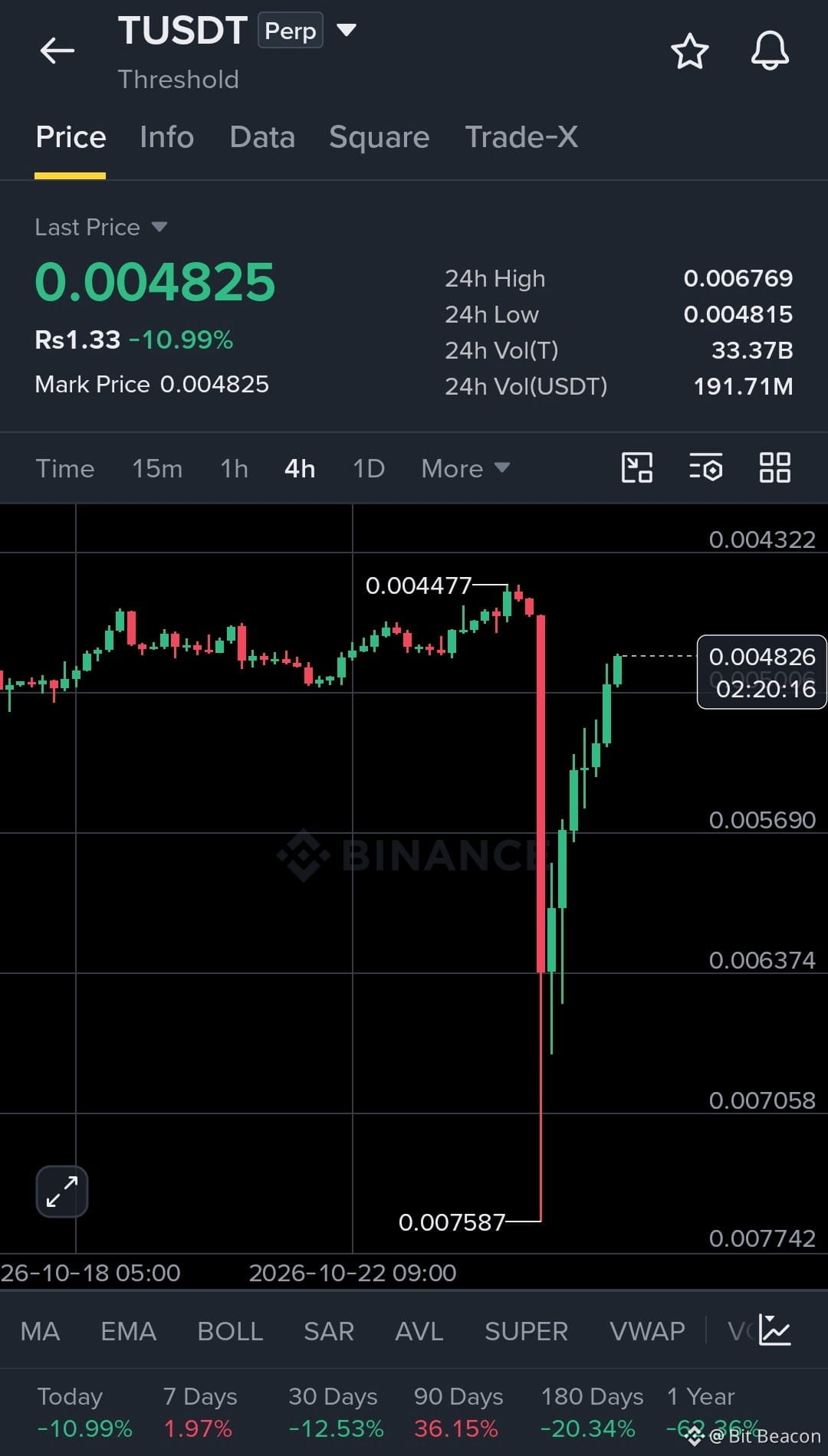
$T USDT — هبوط حاد تلاه ارتدادٌ للتخفيف. يبدأ المشترون بالدخول، لكن الضغط الهبوطي لا يزال قائمًا حتى يتم استعادة مستوى المقاومة. راقب تأكيد الزخم قبل الدخول.
الدخول: 0.00480–0.00485
وقف الخسارة: 0.00470
الهدف 1: 0.00495
الهدف 2: 0.00510
الهدف 3: 0.00530
معنويات السوق: تفاؤل حذر بشأن تعافٍ قصير الأجل، لكن التقلبات لا تزال مرتفعة بعد الهبوط الحاد. قد يدعم الثبات المستمر فوق مستوى الدخول مزيدًا من الصعود؛ أما الفشل في الثبات فيحمل خطر موجة هبوط أخرى.
تمت إدارة المخاطر. الأنظار على الأهداف. هيا بنا $T USDT
{spot}(TUSDT)
#SouthKoreaPlansToRegulateStablecoinsUnderFXLaw #ElectrumFixesHighRiskExploitInVersionsBefore4.8.3 #SouthKoreaDelaysCryptoIncomeTax #BinancePick #EarningsSeason
$T USDT — هبوط حاد تلاه ارتدادٌ للتخفيف. يبدأ المشترون بالدخول، لكن الضغط الهبوطي لا يزال قائمًا حتى يتم استعادة مستوى المقاومة. راقب تأكيد الزخم قبل الدخول.
الدخول: 0.00480–0.00485
وقف الخسارة: 0.00470
الهدف 1: 0.00495
الهدف 2: 0.00510
الهدف 3: 0.00530
معنويات السوق: تفاؤل حذر بشأن تعافٍ قصير الأجل، لكن التقلبات لا تزال مرتفعة بعد الهبوط الحاد. قد يدعم الثبات المستمر فوق مستوى الدخول مزيدًا من الصعود؛ أما الفشل في الثبات فيحمل خطر موجة هبوط أخرى.
تمت إدارة المخاطر. الأنظار على الأهداف. هيا بنا $T USDT
#SouthKoreaPlansToRegulateStablecoinsUnderFXLaw #ElectrumFixesHighRiskExploitInVersionsBefore4.8.3 #SouthKoreaDelaysCryptoIncomeTax #BinancePick #EarningsSeason
الدخول: 0.00480–0.00485
وقف الخسارة: 0.00470
الهدف 1: 0.00495
الهدف 2: 0.00510
الهدف 3: 0.00530
معنويات السوق: تفاؤل حذر بشأن تعافٍ قصير الأجل، لكن التقلبات لا تزال مرتفعة بعد الهبوط الحاد. قد يدعم الثبات المستمر فوق مستوى الدخول مزيدًا من الصعود؛ أما الفشل في الثبات فيحمل خطر موجة هبوط أخرى.
تمت إدارة المخاطر. الأنظار على الأهداف. هيا بنا $T USDT
#SouthKoreaPlansToRegulateStablecoinsUnderFXLaw #ElectrumFixesHighRiskExploitInVersionsBefore4.8.3 #SouthKoreaDelaysCryptoIncomeTax #BinancePick #EarningsSeason
280
·
--
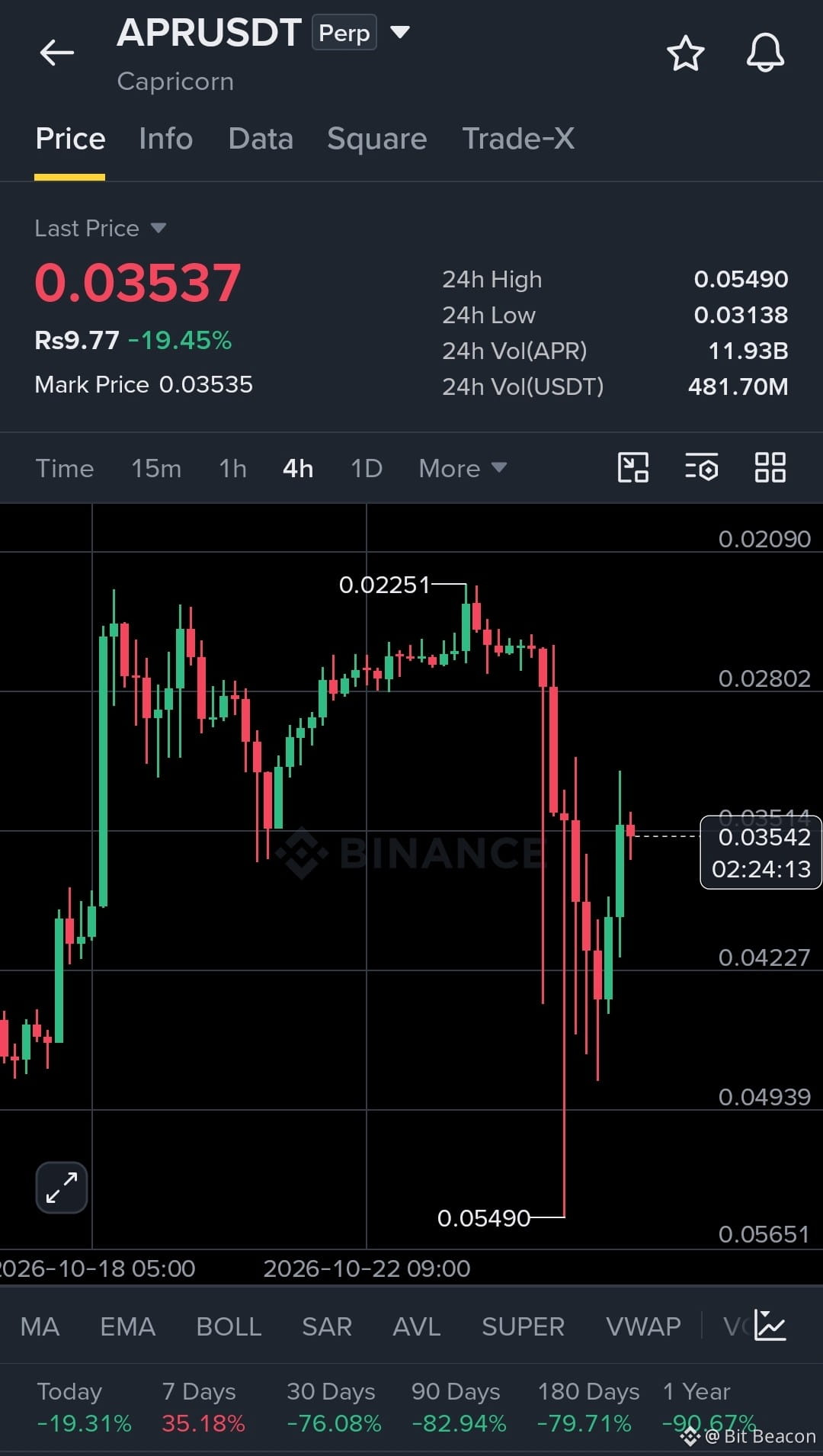
تحاول $APR USDT تحقيق ارتداد لتخفيف الخسائر بعد موجة بيع حادة، لكن الزخم الهبوطي لا يزال مهيمناً. يحتاج المشترون إلى استعادة مستوى مقاومة قوي لتأكيد احتمال انعكاس الاتجاه.
الدخول: 0.03480–0.03550 وقف الخسارة: 0.03280 الهدف الأول: 0.03800 الهدف الثاني: 0.04100 الهدف الثالث: 0.04500
معنويات السوق: تفاؤل حذر عند تأكيد الارتداد. راقب زيادة حجم التداول وقوة المشترين قبل الدخول؛ فقد يؤدي الهبوط دون مستوى الدعم إلى موجة هبوط أخرى.
إدارة المخاطر أولاً. تركيزنا على الأهداف. هيا بنا $APR
{future}(APRUSDT)
#BinancePick #EarningsSeason #ElectrumWalletBugLetRogueServersStealFunds #ArgentineCourtDismissesLIBRACaseAgainstMilei #USQ3GDPAndSeptemberPCEDueNextWeek
تحاول $APR USDT تحقيق ارتداد لتخفيف الخسائر بعد موجة بيع حادة، لكن الزخم الهبوطي لا يزال مهيمناً. يحتاج المشترون إلى استعادة مستوى مقاومة قوي لتأكيد احتمال انعكاس الاتجاه.
الدخول: 0.03480–0.03550 وقف الخسارة: 0.03280 الهدف الأول: 0.03800 الهدف الثاني: 0.04100 الهدف الثالث: 0.04500
معنويات السوق: تفاؤل حذر عند تأكيد الارتداد. راقب زيادة حجم التداول وقوة المشترين قبل الدخول؛ فقد يؤدي الهبوط دون مستوى الدعم إلى موجة هبوط أخرى.
إدارة المخاطر أولاً. تركيزنا على الأهداف. هيا بنا $APR
#BinancePick #EarningsSeason #ElectrumWalletBugLetRogueServersStealFunds #ArgentineCourtDismissesLIBRACaseAgainstMilei #USQ3GDPAndSeptemberPCEDueNextWeek
الدخول: 0.03480–0.03550 وقف الخسارة: 0.03280 الهدف الأول: 0.03800 الهدف الثاني: 0.04100 الهدف الثالث: 0.04500
معنويات السوق: تفاؤل حذر عند تأكيد الارتداد. راقب زيادة حجم التداول وقوة المشترين قبل الدخول؛ فقد يؤدي الهبوط دون مستوى الدعم إلى موجة هبوط أخرى.
إدارة المخاطر أولاً. تركيزنا على الأهداف. هيا بنا $APR
#BinancePick #EarningsSeason #ElectrumWalletBugLetRogueServersStealFunds #ArgentineCourtDismissesLIBRACaseAgainstMilei #USQ3GDPAndSeptemberPCEDueNextWeek
343
·
--
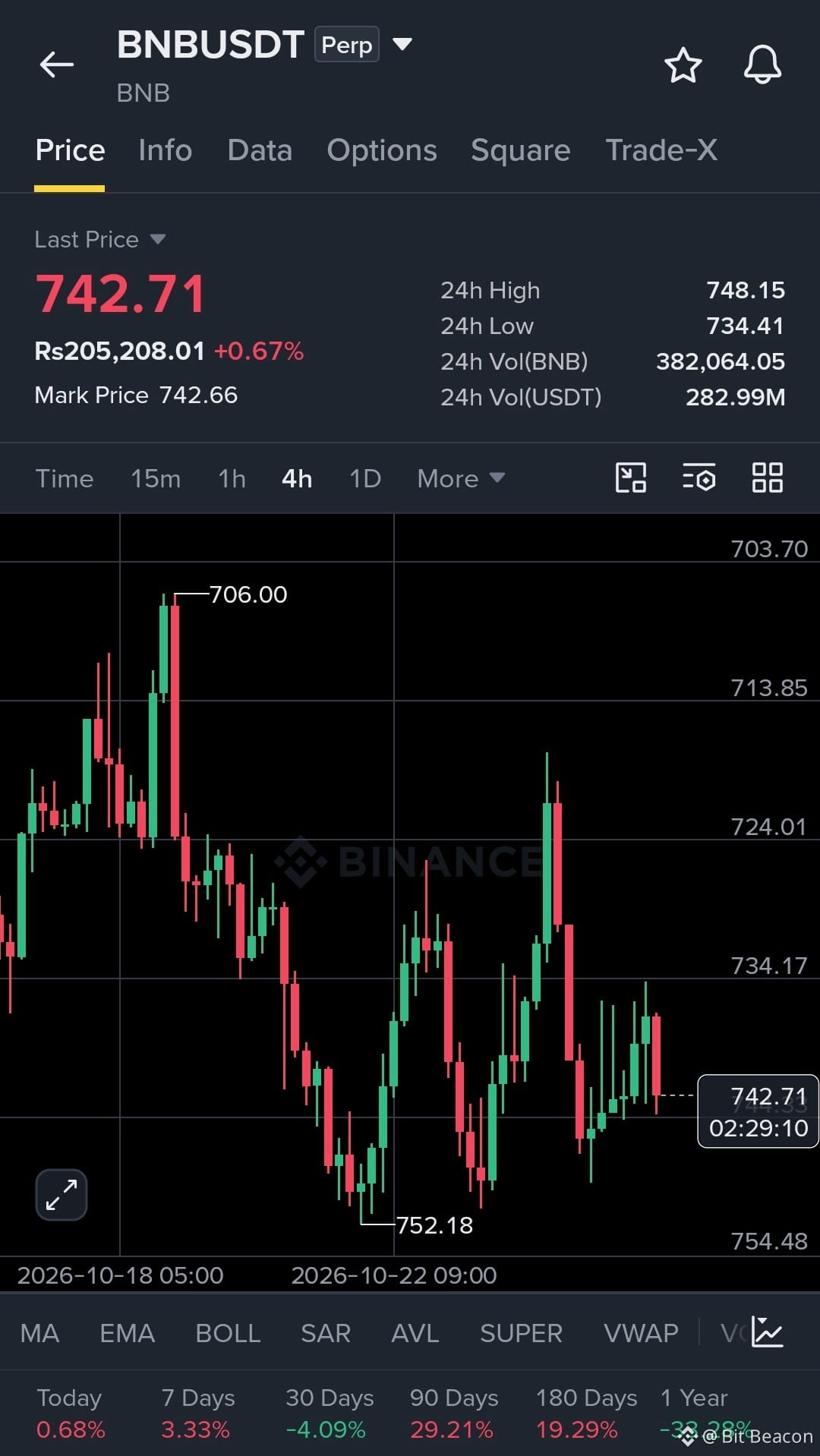
$BNB — يستقر السعر بالقرب من 742 دولارًا بعد تحرك متقلب، فيما يحاول المشترون بناء زخم باتجاه المقاومة. قد يمهّد استعادة مستوى أعلى من 748 دولارًا لمواصلة الصعود.
الدخول: 740–743 دولارًا
وقف الخسارة: 733 دولارًا
الهدف 1: 748 دولارًا
الهدف 2: 755 دولارًا
الهدف 3: 765 دولارًا
معنويات السوق: تفاؤل حذر ما دام السعر فوق 740 دولارًا. ترقّب زيادة حجم التداول واختراقًا مؤكدًا للمقاومة قبل توقع مزيد من الصعود.
إدارة المخاطر أولًا. الأنظار على الأهداف. هيا بنا $BNB
{spot}(BNBUSDT)
#BinancePick #EarningsSeason
$BNB — يستقر السعر بالقرب من 742 دولارًا بعد تحرك متقلب، فيما يحاول المشترون بناء زخم باتجاه المقاومة. قد يمهّد استعادة مستوى أعلى من 748 دولارًا لمواصلة الصعود.
الدخول: 740–743 دولارًا
وقف الخسارة: 733 دولارًا
الهدف 1: 748 دولارًا
الهدف 2: 755 دولارًا
الهدف 3: 765 دولارًا
معنويات السوق: تفاؤل حذر ما دام السعر فوق 740 دولارًا. ترقّب زيادة حجم التداول واختراقًا مؤكدًا للمقاومة قبل توقع مزيد من الصعود.
إدارة المخاطر أولًا. الأنظار على الأهداف. هيا بنا $BNB
#BinancePick #EarningsSeason
الدخول: 740–743 دولارًا
وقف الخسارة: 733 دولارًا
الهدف 1: 748 دولارًا
الهدف 2: 755 دولارًا
الهدف 3: 765 دولارًا
معنويات السوق: تفاؤل حذر ما دام السعر فوق 740 دولارًا. ترقّب زيادة حجم التداول واختراقًا مؤكدًا للمقاومة قبل توقع مزيد من الصعود.
إدارة المخاطر أولًا. الأنظار على الأهداف. هيا بنا $BNB
#BinancePick #EarningsSeason
235
·
--
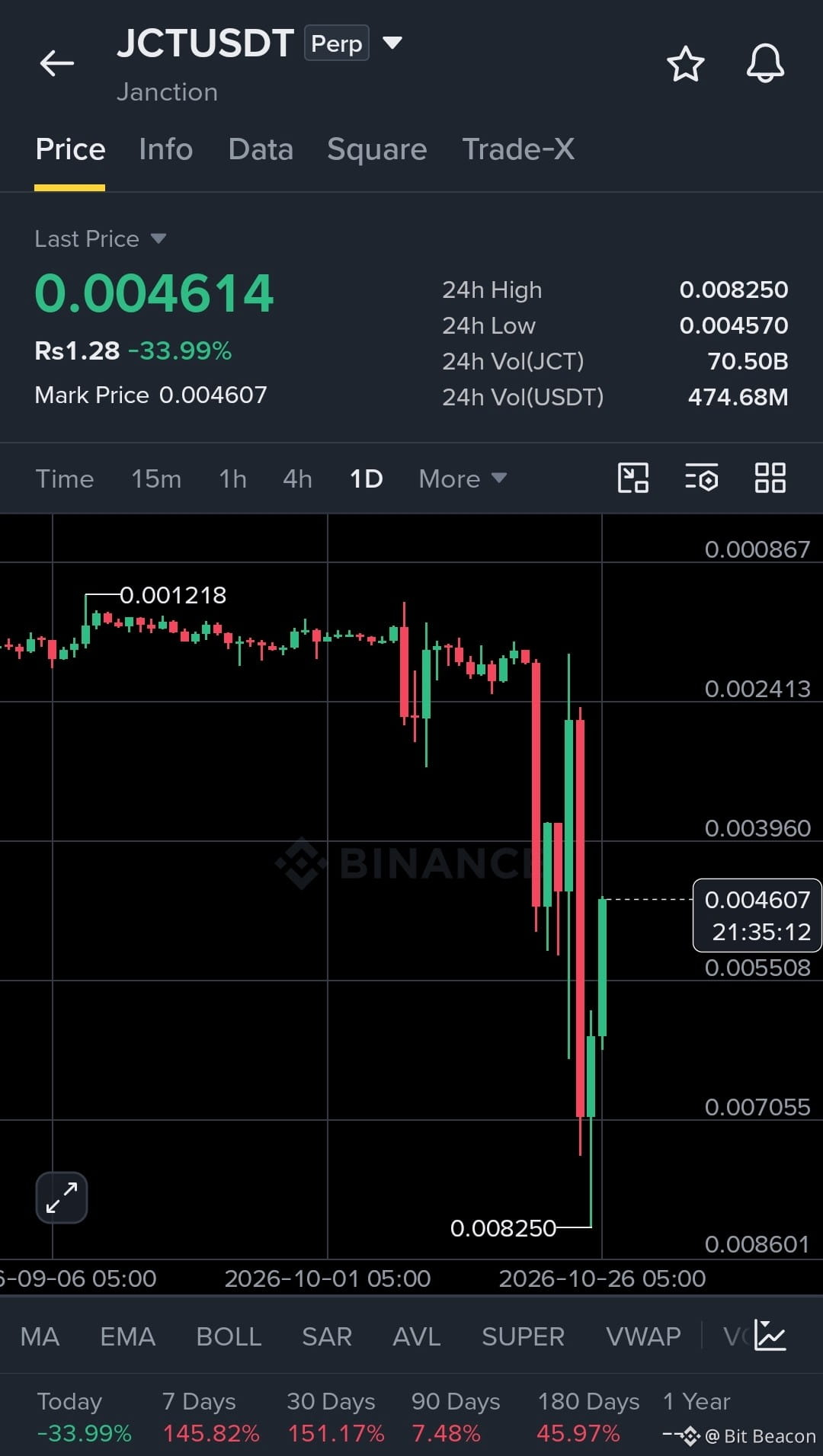
$JCT — تقلبات حادة بعد موجة بيع ضخمة. يحاول المشترون التعافي من منطقة الدعم عند 0.004570، لكن لا تزال هناك حاجة إلى تأكيد الاتجاه.
الدخول: 0.00460–0.00475
وقف الخسارة: 0.00445
الهدف 1: 0.00495
الهدف 2: 0.00530
الهدف 3: 0.00580
نظرة على السوق: من الممكن حدوث ارتداد قصير الأجل إذا دافع المشترون عن الدعم واستعادوا المقاومة. انتظر التأكيد قبل الدخول؛ فما زالت التقلبات مرتفعة.
إدارة المخاطر أولاً. الأنظار على الأهداف. هيا بنا $JCT
{future}(JCTUSDT)
#DowDrops653Points #EarningsSeason #BinancePick #SouthKoreaDelaysCryptoIncomeTax #USQ3GDPAndSeptemberPCEDueNextWeek
$JCT — تقلبات حادة بعد موجة بيع ضخمة. يحاول المشترون التعافي من منطقة الدعم عند 0.004570، لكن لا تزال هناك حاجة إلى تأكيد الاتجاه.
الدخول: 0.00460–0.00475
وقف الخسارة: 0.00445
الهدف 1: 0.00495
الهدف 2: 0.00530
الهدف 3: 0.00580
نظرة على السوق: من الممكن حدوث ارتداد قصير الأجل إذا دافع المشترون عن الدعم واستعادوا المقاومة. انتظر التأكيد قبل الدخول؛ فما زالت التقلبات مرتفعة.
إدارة المخاطر أولاً. الأنظار على الأهداف. هيا بنا $JCT
#DowDrops653Points #EarningsSeason #BinancePick #SouthKoreaDelaysCryptoIncomeTax #USQ3GDPAndSeptemberPCEDueNextWeek
الدخول: 0.00460–0.00475
وقف الخسارة: 0.00445
الهدف 1: 0.00495
الهدف 2: 0.00530
الهدف 3: 0.00580
نظرة على السوق: من الممكن حدوث ارتداد قصير الأجل إذا دافع المشترون عن الدعم واستعادوا المقاومة. انتظر التأكيد قبل الدخول؛ فما زالت التقلبات مرتفعة.
إدارة المخاطر أولاً. الأنظار على الأهداف. هيا بنا $JCT
#DowDrops653Points #EarningsSeason #BinancePick #SouthKoreaDelaysCryptoIncomeTax #USQ3GDPAndSeptemberPCEDueNextWeek
667
·
--
💥 بووووووووووم!
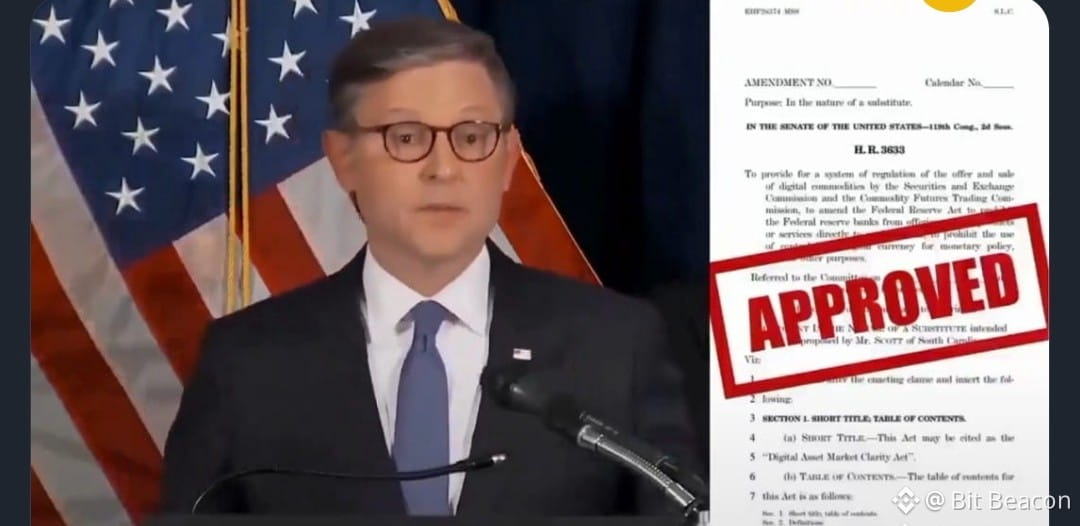
🚨 رسميًا: 🇺🇸 أصدر أعضاء مجلس الشيوخ الأمريكي النسخة النهائية من قانون وضوح العملات المشفرة، والتصويت مقرر يوم الثلاثاء! 🔥 $BTC
#BitcoinHashrateHitsSevenMonthHigh
💥 بووووووووووم!
🚨 رسميًا: 🇺🇸 أصدر أعضاء مجلس الشيوخ الأمريكي النسخة النهائية من قانون وضوح العملات المشفرة، والتصويت مقرر يوم الثلاثاء! 🔥 $BTC
#BitcoinHashrateHitsSevenMonthHigh
🚨 رسميًا: 🇺🇸 أصدر أعضاء مجلس الشيوخ الأمريكي النسخة النهائية من قانون وضوح العملات المشفرة، والتصويت مقرر يوم الثلاثاء! 🔥 $BTC
#BitcoinHashrateHitsSevenMonthHigh
217
·
--
$IRYS — ارتداد حاد بعد فتيل تصفية كبير. بدأ المشترون بالدخول، لكن استمرار الاتجاه الصعودي يحتاج إلى تأكيد باختراق المقاومة.
الدخول: $0.0345–$0.0360
وقف الخسارة: $0.0310
الهدف الأول: $0.0390
الهدف الثاني: $0.0430
الهدف الثالث: $0.0480
يتعافى الزخم بعد موجة البيع الحادة. راقب زيادة حجم التداول واستعادة مستوى المقاومة بوضوح قبل زيادة الانكشاف. الاختراق هبوطًا دون الدعم يضعف هذا السيناريو، لذا أبقِ المخاطر محدودة.
إدارة المخاطر أولًا. التركيز على الأهداف. هيا بنا $IRYS
{future}(IRYSUSDT)
#BinancePick #DowDrops653Points #OCCRemovesStablecoinSevenDayRedemptionExtension #SouthKoreaDelaysCryptoIncomeTax #USQ3GDPAndSeptemberPCEDueNextWeek
$IRYS — ارتداد حاد بعد فتيل تصفية كبير. بدأ المشترون بالدخول، لكن استمرار الاتجاه الصعودي يحتاج إلى تأكيد باختراق المقاومة.
الدخول: $0.0345–$0.0360
وقف الخسارة: $0.0310
الهدف الأول: $0.0390
الهدف الثاني: $0.0430
الهدف الثالث: $0.0480
يتعافى الزخم بعد موجة البيع الحادة. راقب زيادة حجم التداول واستعادة مستوى المقاومة بوضوح قبل زيادة الانكشاف. الاختراق هبوطًا دون الدعم يضعف هذا السيناريو، لذا أبقِ المخاطر محدودة.
إدارة المخاطر أولًا. التركيز على الأهداف. هيا بنا $IRYS
#BinancePick #DowDrops653Points #OCCRemovesStablecoinSevenDayRedemptionExtension #SouthKoreaDelaysCryptoIncomeTax #USQ3GDPAndSeptemberPCEDueNextWeek
الدخول: $0.0345–$0.0360
وقف الخسارة: $0.0310
الهدف الأول: $0.0390
الهدف الثاني: $0.0430
الهدف الثالث: $0.0480
يتعافى الزخم بعد موجة البيع الحادة. راقب زيادة حجم التداول واستعادة مستوى المقاومة بوضوح قبل زيادة الانكشاف. الاختراق هبوطًا دون الدعم يضعف هذا السيناريو، لذا أبقِ المخاطر محدودة.
إدارة المخاطر أولًا. التركيز على الأهداف. هيا بنا $IRYS
#BinancePick #DowDrops653Points #OCCRemovesStablecoinSevenDayRedemptionExtension #SouthKoreaDelaysCryptoIncomeTax #USQ3GDPAndSeptemberPCEDueNextWeek
2
4
791
·
--
#Stock موسم الأرباح: أبرز التحركات التي ينبغي متابعتها
يحمل الأسبوع المقبل مزيجًا حاسمًا من قرار الاحتياطي الفيدرالي بشأن أسعار الفائدة، وأرباح الربع الثالث، والتطورات بين الولايات المتحدة وإيران. قد يستفيد $AMZN من الطلب الموسمي خلال العطلات، بينما يظل $DELL محط الأنظار مع نمو البنية التحتية للذكاء الاصطناعي، ويستحق $SPCXB تدقيقًا أكبر مع تغير توجهات المستثمرين تجاه قطاع التكنولوجيا.
قد تتيح الأسواق فرصًا، لكن التقلبات جزء من المعادلة. راقبوا توجيهات الأرباح، وإشارات الاحتياطي الفيدرالي، وتحركات الأسعار قبل اتخاذ القرارات.#股票财报季
#الأسهم #AMZN #DELL #SPCX #Bitcoin
#Stock موسم الأرباح: أبرز التحركات التي ينبغي متابعتها
يحمل الأسبوع المقبل مزيجًا حاسمًا من قرار الاحتياطي الفيدرالي بشأن أسعار الفائدة، وأرباح الربع الثالث، والتطورات بين الولايات المتحدة وإيران. قد يستفيد $AMZN من الطلب الموسمي خلال العطلات، بينما يظل $DELL محط الأنظار مع نمو البنية التحتية للذكاء الاصطناعي، ويستحق $SPCXB تدقيقًا أكبر مع تغير توجهات المستثمرين تجاه قطاع التكنولوجيا.
قد تتيح الأسواق فرصًا، لكن التقلبات جزء من المعادلة. راقبوا توجيهات الأرباح، وإشارات الاحتياطي الفيدرالي، وتحركات الأسعار قبل اتخاذ القرارات.#股票财报季
#الأسهم #AMZN #DELL #SPCX #Bitcoin
يحمل الأسبوع المقبل مزيجًا حاسمًا من قرار الاحتياطي الفيدرالي بشأن أسعار الفائدة، وأرباح الربع الثالث، والتطورات بين الولايات المتحدة وإيران. قد يستفيد $AMZN من الطلب الموسمي خلال العطلات، بينما يظل $DELL محط الأنظار مع نمو البنية التحتية للذكاء الاصطناعي، ويستحق $SPCXB تدقيقًا أكبر مع تغير توجهات المستثمرين تجاه قطاع التكنولوجيا.
قد تتيح الأسواق فرصًا، لكن التقلبات جزء من المعادلة. راقبوا توجيهات الأرباح، وإشارات الاحتياطي الفيدرالي، وتحركات الأسعار قبل اتخاذ القرارات.#股票财报季
#الأسهم #AMZN #DELL #SPCX #Bitcoin
2
230
سجّل الدخول لاستكشاف المزيد من المُحتوى
انضم إلى مُستخدمي العملات الرقمية حول العالم على Binance Square
⚡️ احصل على أحدث المعلومات المفيدة عن العملات الرقمية.
💬 موثوقة من قبل أكبر منصّة لتداول العملات الرقمية في العالم.
👍 اكتشف الرؤى الحقيقية من صنّاع المُحتوى الموثوقين.
البريد الإلكتروني / رقم الهاتف
المواضيع الرائجة
CanMicrosoftDeliverOnAI
378 مشاهدات
24 يقومون بالنقاش
#canmicrosoftdeliveronai دمجت Microsoft بالفعل الذكاء الاصطناعي في Azure وCopilot وGitHub وMicrosoft 365. السؤال الحقيقي ليس ما إذا كان بإمكانها تقديم الذكاء الاصطناعي، بل ما إذا كان بإمكانها تحويل هذا الاستثمار الضخم إلى تبنٍ واسع النطاق ونتائج ملموسة. كما أنها راهنت بقوة على الذكاء الاصطناعي وتبني أحد أكبر الأنظمة المتكاملة في القطاع. وإذا نجحت في ربط البنية التحتية والنماذج والإنتاجية ضمن تجربة واحدة، فقد تهيمن على الحقبة التكنولوجية المقبلة. #CanMicrosoftDeliverOnA
EnriqueLR
·0 إعجاب
·28 مشاهدات
CanGoogleDefindItsCore
378 مشاهدات
34 يقومون بالنقاش
FOMCWatch
9M مشاهدات
27,172 يقومون بالنقاش