

BELLA BIT
16.8k منشورات

BELLA BIT
 تحقُّق Binance Square الإضافي
إبلاغ
حظر المُستخدم
Posts are personal opinions
فتح تداول
مُتداول مُتكرر
2 سنوات
1.8K+ تتابع
31.3K+ المتابعون
41.6K+ إعجاب
منشورات
الحافظة الاستثمارية
الكل
اقتباسات
Live
·
--
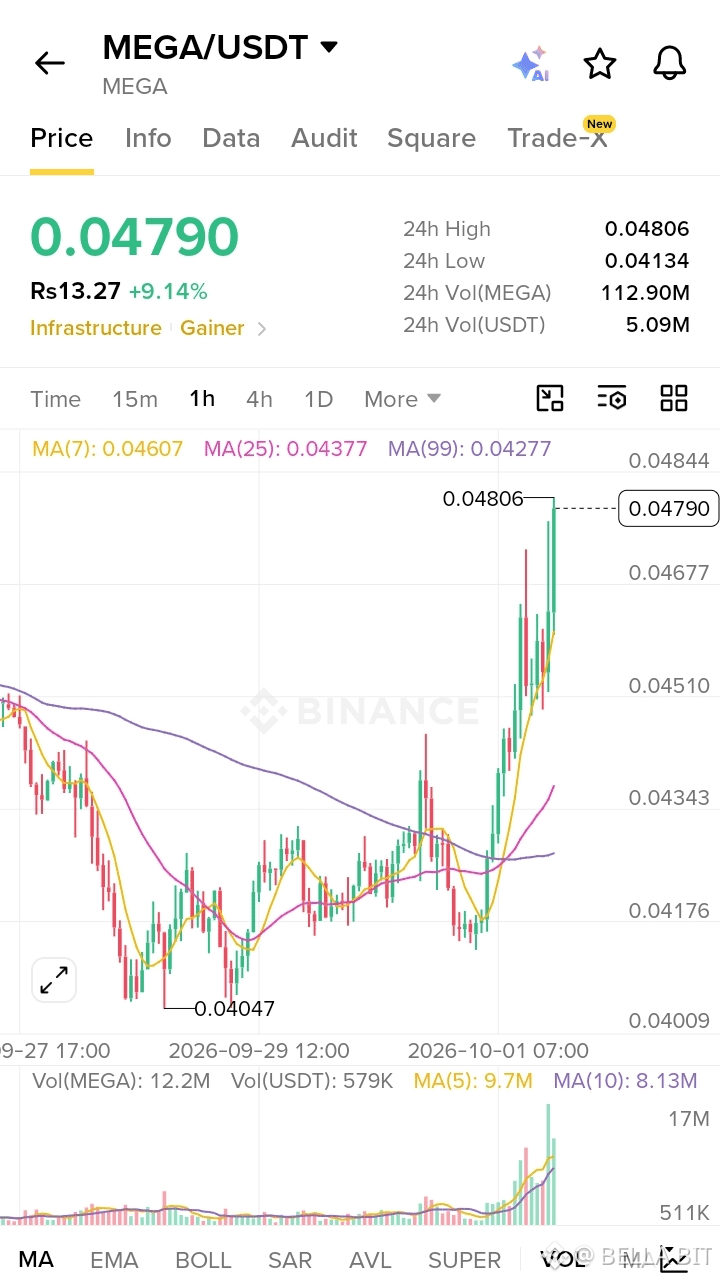
🚀 $MEGA إعداد اختراق جديد
$MEGA يتجه نحو قمم جديدة بعد اختراق قوي. الحفاظ فوق $0.0470 قد يدعم المزيد من الصعود باتجاه $0.0500 وما بعدها.
الدخول: $0.0470–$0.0478
TP1: $0.0488
TP2: $0.0500
TP3: $0.0520
SL: $0.0454
تداول مع إدارة مخاطر مناسبة. NFA.$MEGA
{spot}(MEGAUSDT)
#Mega
#MEGAUSDT
#USWeeklyJoblessClaimsFallTo197000
#AltcoinSeasonIndexHoldsAbove60For5Days
#AltcoinSeasonIndexHoldsAbove60For5Days
🚀 $MEGA إعداد اختراق جديد
$MEGA يتجه نحو قمم جديدة بعد اختراق قوي. الحفاظ فوق $0.0470 قد يدعم المزيد من الصعود باتجاه $0.0500 وما بعدها.
الدخول: $0.0470–$0.0478
TP1: $0.0488
TP2: $0.0500
TP3: $0.0520
SL: $0.0454
تداول مع إدارة مخاطر مناسبة. NFA.$MEGA
#Mega
#MEGAUSDT
#USWeeklyJoblessClaimsFallTo197000
#AltcoinSeasonIndexHoldsAbove60For5Days
#AltcoinSeasonIndexHoldsAbove60For5Days
$MEGA يتجه نحو قمم جديدة بعد اختراق قوي. الحفاظ فوق $0.0470 قد يدعم المزيد من الصعود باتجاه $0.0500 وما بعدها.
الدخول: $0.0470–$0.0478
TP1: $0.0488
TP2: $0.0500
TP3: $0.0520
SL: $0.0454
تداول مع إدارة مخاطر مناسبة. NFA.$MEGA
#Mega
#MEGAUSDT
#USWeeklyJoblessClaimsFallTo197000
#AltcoinSeasonIndexHoldsAbove60For5Days
#AltcoinSeasonIndexHoldsAbove60For5Days
362
·
--
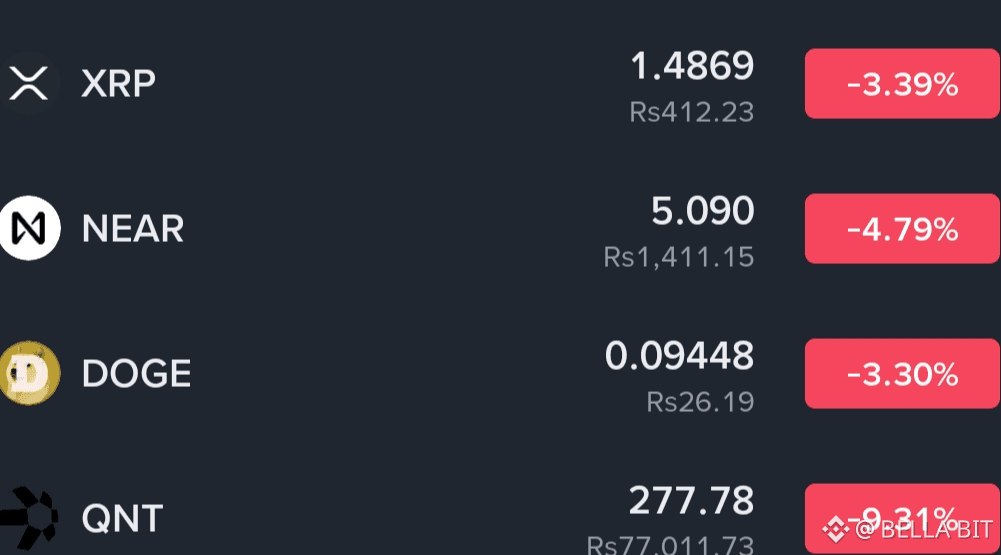
تظل العملات البديلة تحت الضغط — يدعمها التركيز 📉
تواجه العملات البديلة ضغط بيع متجدد، مع
$XRP -3.39%،
$NEAR -4.79%
$DOGE -3.30%،
و
$QNT -9.31%.
لا يزال معظمها محافظًا فوق مناطق الدعم الرئيسية، مما يحافظ على البنية سليمة في الوقت الحالي. قد يؤدي ردّ فعل قوي من الدعم إلى حدوث ارتداد، بينما قد يؤدي كسر الدعم إلى مزيد من الهبوط.
في الوقت الحالي: تجنّب المطاردة، راقب الدعم عن كثب، وانتظر التأكيد.
#QNT/USDT
#Xrp🔥🔥
#NEAR🚀🚀🚀
#DOGE
#USADPAdds90000JobsInSeptember
تظل العملات البديلة تحت الضغط — يدعمها التركيز 📉
تواجه العملات البديلة ضغط بيع متجدد، مع
$XRP -3.39%،
$NEAR -4.79%
$DOGE -3.30%،
و
$QNT -9.31%.
لا يزال معظمها محافظًا فوق مناطق الدعم الرئيسية، مما يحافظ على البنية سليمة في الوقت الحالي. قد يؤدي ردّ فعل قوي من الدعم إلى حدوث ارتداد، بينما قد يؤدي كسر الدعم إلى مزيد من الهبوط.
في الوقت الحالي: تجنّب المطاردة، راقب الدعم عن كثب، وانتظر التأكيد.
#QNT/USDT
#Xrp🔥🔥
#NEAR🚀🚀🚀
#DOGE
#USADPAdds90000JobsInSeptember
تواجه العملات البديلة ضغط بيع متجدد، مع
$XRP -3.39%،
$NEAR -4.79%
$DOGE -3.30%،
و
$QNT -9.31%.
لا يزال معظمها محافظًا فوق مناطق الدعم الرئيسية، مما يحافظ على البنية سليمة في الوقت الحالي. قد يؤدي ردّ فعل قوي من الدعم إلى حدوث ارتداد، بينما قد يؤدي كسر الدعم إلى مزيد من الهبوط.
في الوقت الحالي: تجنّب المطاردة، راقب الدعم عن كثب، وانتظر التأكيد.
#QNT/USDT
#Xrp🔥🔥
#NEAR🚀🚀🚀
#DOGE
#USADPAdds90000JobsInSeptember
1
1.4k
·
--
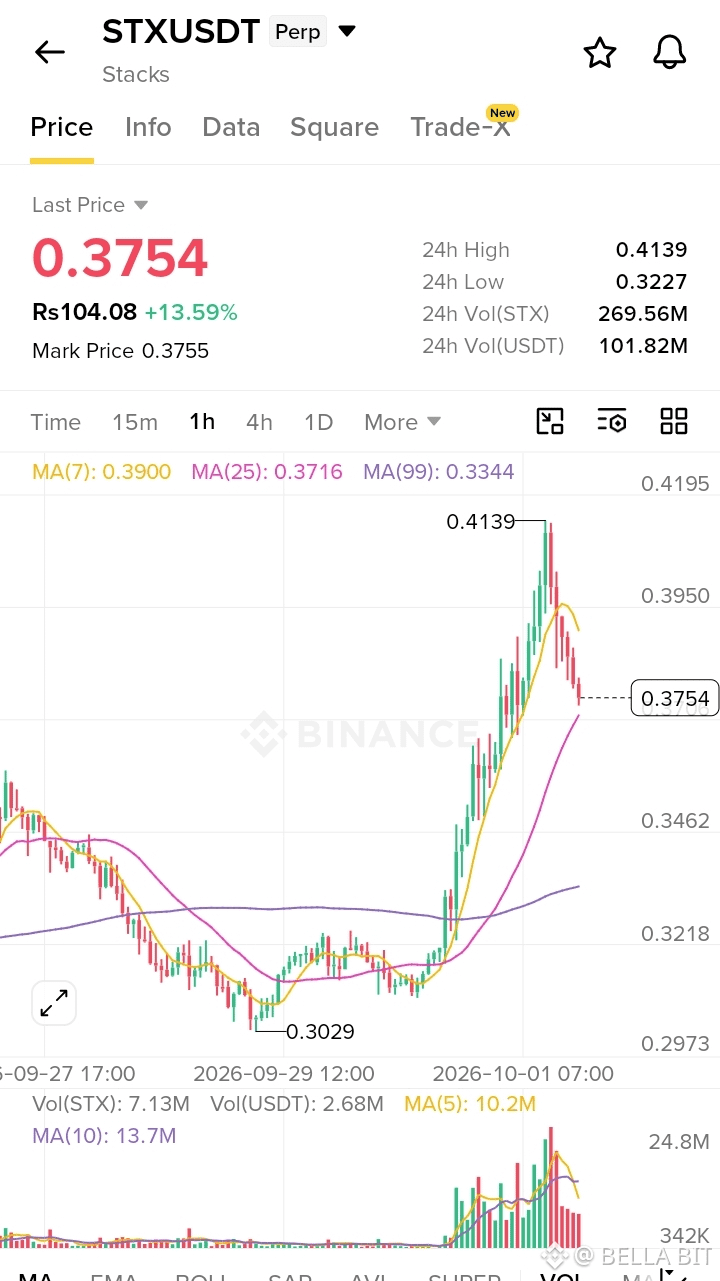
$STX يَسقط مرة أخرى — الدببة في السيطرة 📉
واجهت STX رفضًا قويًا عند $0.4139 وانزلقت مرة أخرى نحو $0.374. لا يزال الزخم قصير الأجل هبوطيًا.
🔻 الدعم: $0.370
🔻 الدعم التالي: $0.346
🔺 المقاومة: $0.395–$0.414
طالما تبقى STX أسفل $0.414، قد تظل هناك إمكانية لإعادة اختبار هبوطية أخرى.
تداول $STX مع إدارة مخاطر مناسبة.
{future}(STXUSDT)
#STXUSDT
#stx20
#US10YearYieldNears5.3%
#USWeeklyJoblessClaimsFallTo197000
#KoreaProposesTokenizingStocksAndBonds
$STX يَسقط مرة أخرى — الدببة في السيطرة 📉
واجهت STX رفضًا قويًا عند $0.4139 وانزلقت مرة أخرى نحو $0.374. لا يزال الزخم قصير الأجل هبوطيًا.
🔻 الدعم: $0.370
🔻 الدعم التالي: $0.346
🔺 المقاومة: $0.395–$0.414
طالما تبقى STX أسفل $0.414، قد تظل هناك إمكانية لإعادة اختبار هبوطية أخرى.
تداول $STX مع إدارة مخاطر مناسبة.
#STXUSDT
#stx20
#US10YearYieldNears5.3%
#USWeeklyJoblessClaimsFallTo197000
#KoreaProposesTokenizingStocksAndBonds
واجهت STX رفضًا قويًا عند $0.4139 وانزلقت مرة أخرى نحو $0.374. لا يزال الزخم قصير الأجل هبوطيًا.
🔻 الدعم: $0.370
🔻 الدعم التالي: $0.346
🔺 المقاومة: $0.395–$0.414
طالما تبقى STX أسفل $0.414، قد تظل هناك إمكانية لإعادة اختبار هبوطية أخرى.
تداول $STX مع إدارة مخاطر مناسبة.
#STXUSDT
#stx20
#US10YearYieldNears5.3%
#USWeeklyJoblessClaimsFallTo197000
#KoreaProposesTokenizingStocksAndBonds
112
·
--
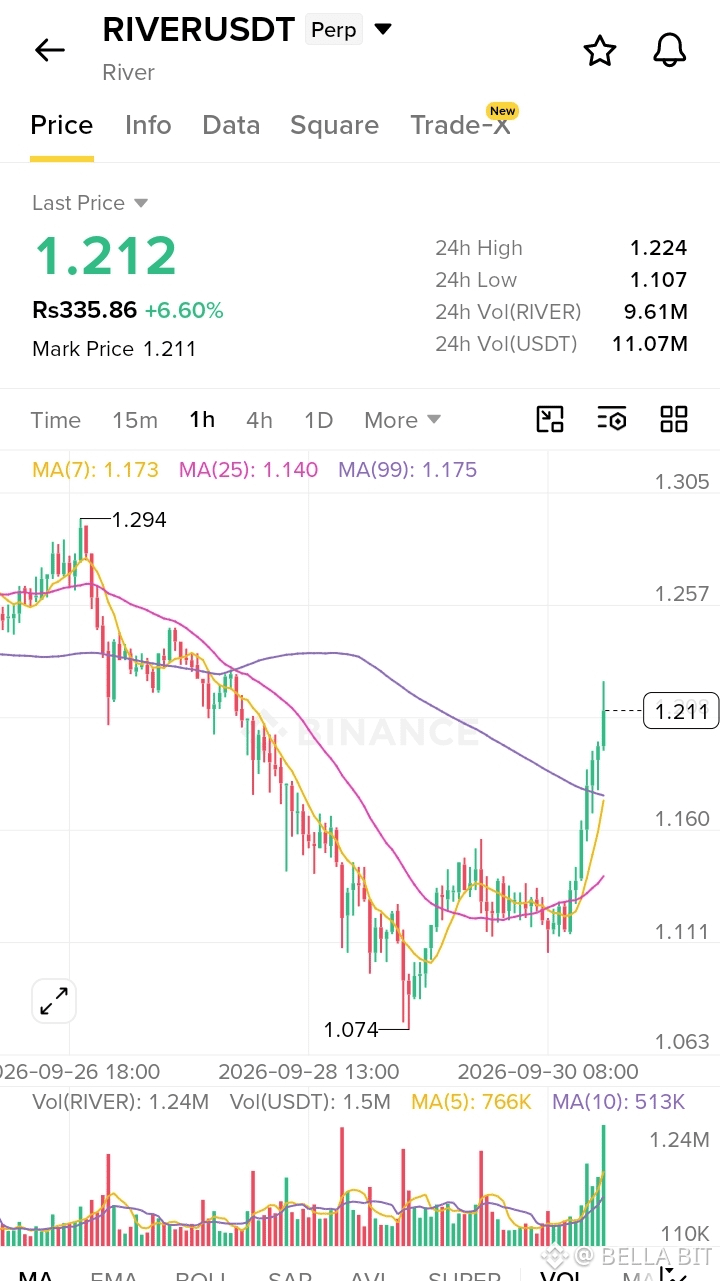
🚀 $RIVER يظهر علامات على استمرار صعودي.
السعر يحافظ على مستوى الدعم الرئيسي $1.01 ومنطقة التراكم، بينما يتراجع المشترون تدريجيًا للعودة بعد التصحيح الممتد.
يمكن أن يؤكد الاختراق فوق $1.57 زخمًا صعوديًا أقوى باتجاه مستويات مقاومة أعلى.
📈 إعداد طويل
الدخول: $1.15–$1.22
TP1: $1.57
TP2: $2.29
الهدف النهائي: $3.00
SL: $0.60
طالما أن RIVER يحافظ على هيكل دعمه الرئيسي، يبقى إعداد التعافي سليمًا.
NFA — تعامل مع المخاطر بعناية.
{future}(RIVERUSDT)
#RİVER
#RIVERUSDT
🚀 $RIVER يظهر علامات على استمرار صعودي.
السعر يحافظ على مستوى الدعم الرئيسي $1.01 ومنطقة التراكم، بينما يتراجع المشترون تدريجيًا للعودة بعد التصحيح الممتد.
يمكن أن يؤكد الاختراق فوق $1.57 زخمًا صعوديًا أقوى باتجاه مستويات مقاومة أعلى.
📈 إعداد طويل
الدخول: $1.15–$1.22
TP1: $1.57
TP2: $2.29
الهدف النهائي: $3.00
SL: $0.60
طالما أن RIVER يحافظ على هيكل دعمه الرئيسي، يبقى إعداد التعافي سليمًا.
NFA — تعامل مع المخاطر بعناية.
#RİVER
#RIVERUSDT
السعر يحافظ على مستوى الدعم الرئيسي $1.01 ومنطقة التراكم، بينما يتراجع المشترون تدريجيًا للعودة بعد التصحيح الممتد.
يمكن أن يؤكد الاختراق فوق $1.57 زخمًا صعوديًا أقوى باتجاه مستويات مقاومة أعلى.
📈 إعداد طويل
الدخول: $1.15–$1.22
TP1: $1.57
TP2: $2.29
الهدف النهائي: $3.00
SL: $0.60
طالما أن RIVER يحافظ على هيكل دعمه الرئيسي، يبقى إعداد التعافي سليمًا.
NFA — تعامل مع المخاطر بعناية.
#RİVER
#RIVERUSDT
1
606
·
--
🔥 عُملاتٌ رئيسية تعود إلى منطقة الدعم — هل سنشهد ارتدادًا تاليًا؟
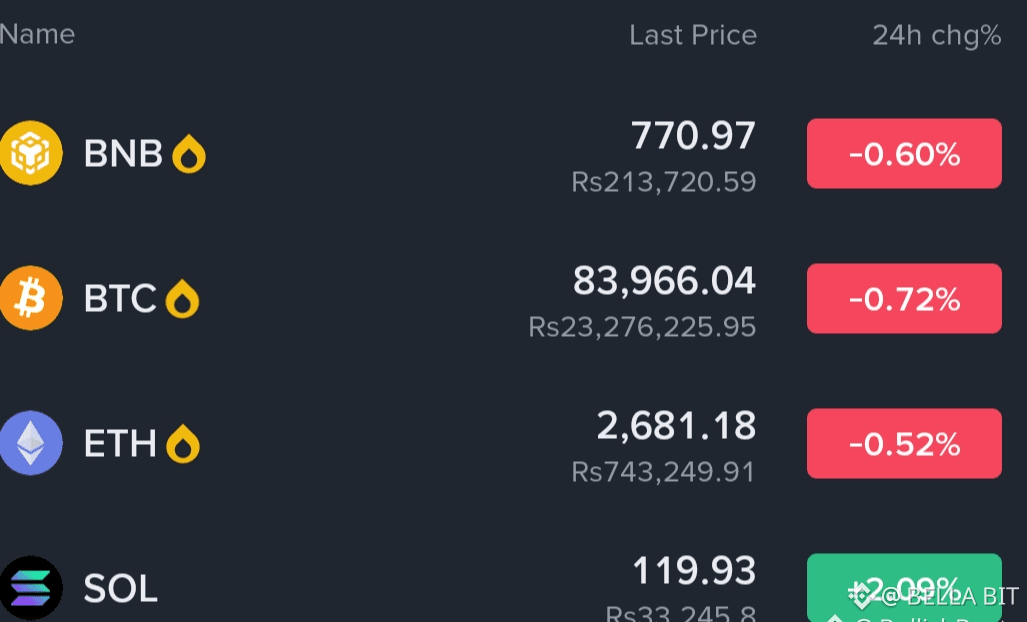
السوق تحت ضغطٍ متجدّد، حيث يبلغ $BTC قرب 84 ألف دولار، و$ETH حوالي 2,681 دولارًا، بينما $SOL يستقر بقوة حول 120 دولارًا.
يتم اختبار مناطق الدعم الرئيسية مجددًا. إذا دافع المشترون عن هذه المستويات، فقد تتطور محاولة تعافٍ أخرى.
في الوقت الحالي، الدعم هو العامل الأهم — فقد يؤدي كسر الدعم إلى ضغوط بيع جديدة. 📉
#bitcoin
#ETH🔥🔥🔥🔥🔥🔥
#sol
#QNTRises39%
#CoinMarketCapCompletesCoinglassAcquisition
🔥 عُملاتٌ رئيسية تعود إلى منطقة الدعم — هل سنشهد ارتدادًا تاليًا؟
السوق تحت ضغطٍ متجدّد، حيث يبلغ $BTC قرب 84 ألف دولار، و$ETH حوالي 2,681 دولارًا، بينما $SOL يستقر بقوة حول 120 دولارًا.
يتم اختبار مناطق الدعم الرئيسية مجددًا. إذا دافع المشترون عن هذه المستويات، فقد تتطور محاولة تعافٍ أخرى.
في الوقت الحالي، الدعم هو العامل الأهم — فقد يؤدي كسر الدعم إلى ضغوط بيع جديدة. 📉
#bitcoin
#ETH🔥🔥🔥🔥🔥🔥
#sol
#QNTRises39%
#CoinMarketCapCompletesCoinglassAcquisition
السوق تحت ضغطٍ متجدّد، حيث يبلغ $BTC قرب 84 ألف دولار، و$ETH حوالي 2,681 دولارًا، بينما $SOL يستقر بقوة حول 120 دولارًا.
يتم اختبار مناطق الدعم الرئيسية مجددًا. إذا دافع المشترون عن هذه المستويات، فقد تتطور محاولة تعافٍ أخرى.
في الوقت الحالي، الدعم هو العامل الأهم — فقد يؤدي كسر الدعم إلى ضغوط بيع جديدة. 📉
#bitcoin
#ETH🔥🔥🔥🔥🔥🔥
#sol
#QNTRises39%
#CoinMarketCapCompletesCoinglassAcquisition
195
·
--
🔥 $BEAT إعداد طويل
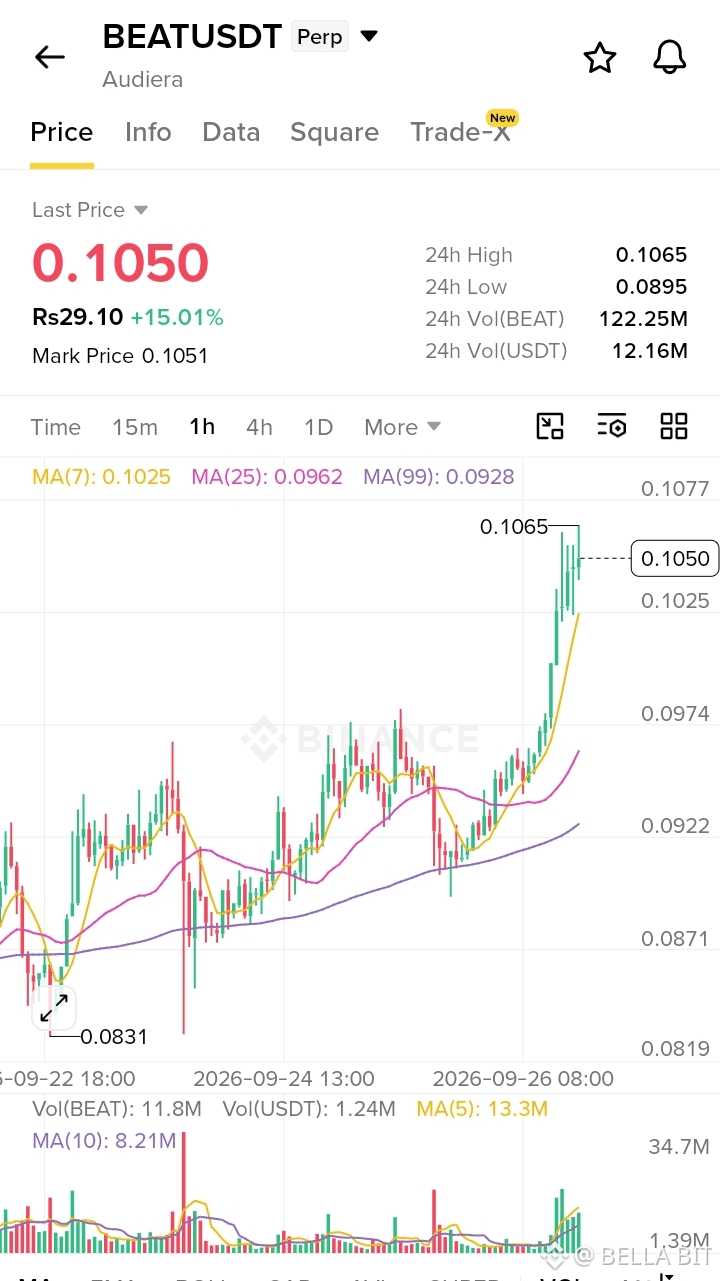
$BEAT يبدأ بالارتفاع بعد توسّع قوي، لكن مطاردة المضخة قد يزيد المخاطر. انتظر دخولًا محسوبًا وتجنّب FOMO.
📈 نقطة الدخول: $0.1020 – $0.1050
🎯 الأهداف: $0.1080 / $0.1120 / $0.1180
🛑 وقف الخسارة: $0.0980
تداول بإدارة سليمة للمخاطر.
{future}(BEATUSDT)
#beat
#BEATUSDT
#CircleMints500MUSDCOnSolana
#PolymarketBankFailureBetsDrawFDICConcern
🔥 $BEAT إعداد طويل
$BEAT يبدأ بالارتفاع بعد توسّع قوي، لكن مطاردة المضخة قد يزيد المخاطر. انتظر دخولًا محسوبًا وتجنّب FOMO.
📈 نقطة الدخول: $0.1020 – $0.1050
🎯 الأهداف: $0.1080 / $0.1120 / $0.1180
🛑 وقف الخسارة: $0.0980
تداول بإدارة سليمة للمخاطر.
#beat
#BEATUSDT
#CircleMints500MUSDCOnSolana
#PolymarketBankFailureBetsDrawFDICConcern
$BEAT يبدأ بالارتفاع بعد توسّع قوي، لكن مطاردة المضخة قد يزيد المخاطر. انتظر دخولًا محسوبًا وتجنّب FOMO.
📈 نقطة الدخول: $0.1020 – $0.1050
🎯 الأهداف: $0.1080 / $0.1120 / $0.1180
🛑 وقف الخسارة: $0.0980
تداول بإدارة سليمة للمخاطر.
#beat
#BEATUSDT
#CircleMints500MUSDCOnSolana
#PolymarketBankFailureBetsDrawFDICConcern
708
·
--
🚨 $CLANKER إعداد سريع
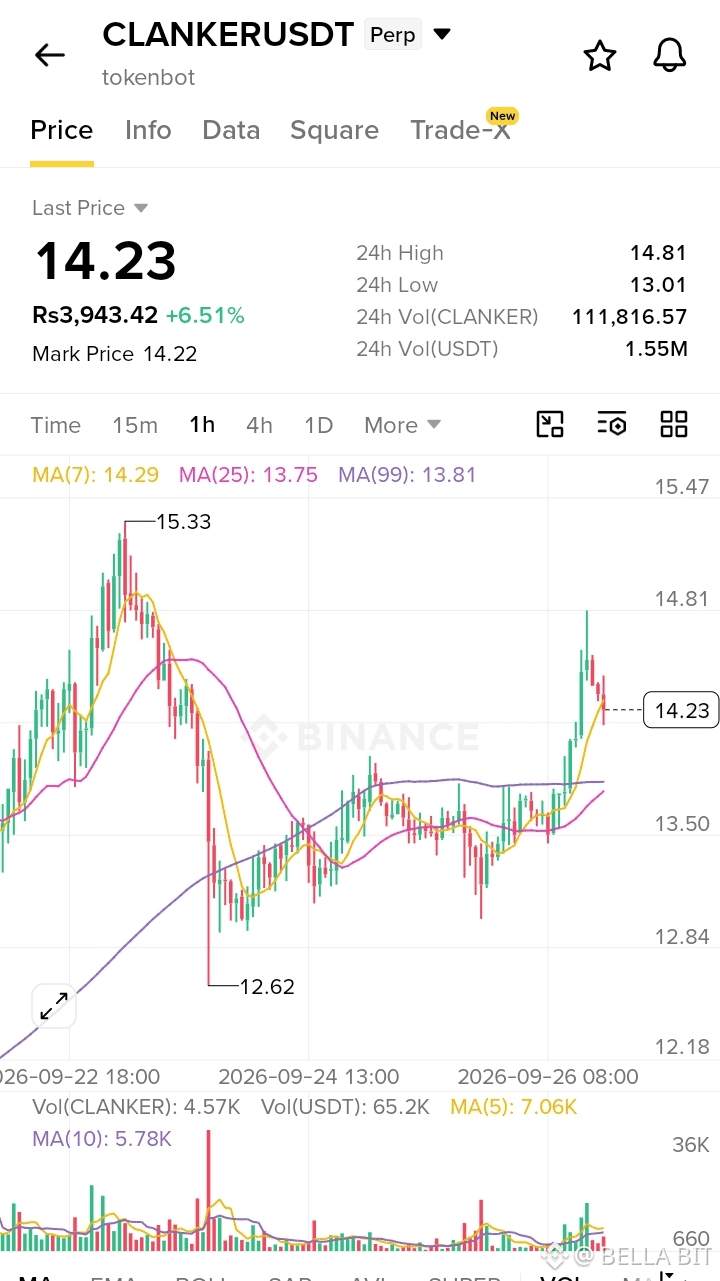
$CLANKER يُظهر رفضًا واضحًا بعد ضخّة حادة له، مما يشير إلى احتمال استمرار زخم الهبوط.
🔻 الدخول: $14.26 – $14.30
🎯 جني الأرباح: $14.05 / $13.82 / $13.64
🛑 وقف الخسارة: $14.60
تداول مع إدارة مخاطر مناسبة وتجنب الإفراط في الرافعة. ليس نصيحة استثمارية (NFA).
{future}(CLANKERUSDT)
#CLANKERUSDT
#Clanker
#CircleMints500MUSDCOnSolana
#PolymarketBankFailureBetsDrawFDICConcern
#BlackRockBuildsTokenizedPortfoliosForOndo
🚨 $CLANKER إعداد سريع
$CLANKER يُظهر رفضًا واضحًا بعد ضخّة حادة له، مما يشير إلى احتمال استمرار زخم الهبوط.
🔻 الدخول: $14.26 – $14.30
🎯 جني الأرباح: $14.05 / $13.82 / $13.64
🛑 وقف الخسارة: $14.60
تداول مع إدارة مخاطر مناسبة وتجنب الإفراط في الرافعة. ليس نصيحة استثمارية (NFA).
#CLANKERUSDT
#Clanker
#CircleMints500MUSDCOnSolana
#PolymarketBankFailureBetsDrawFDICConcern
#BlackRockBuildsTokenizedPortfoliosForOndo
$CLANKER يُظهر رفضًا واضحًا بعد ضخّة حادة له، مما يشير إلى احتمال استمرار زخم الهبوط.
🔻 الدخول: $14.26 – $14.30
🎯 جني الأرباح: $14.05 / $13.82 / $13.64
🛑 وقف الخسارة: $14.60
تداول مع إدارة مخاطر مناسبة وتجنب الإفراط في الرافعة. ليس نصيحة استثمارية (NFA).
#CLANKERUSDT
#Clanker
#CircleMints500MUSDCOnSolana
#PolymarketBankFailureBetsDrawFDICConcern
#BlackRockBuildsTokenizedPortfoliosForOndo
725
·
--
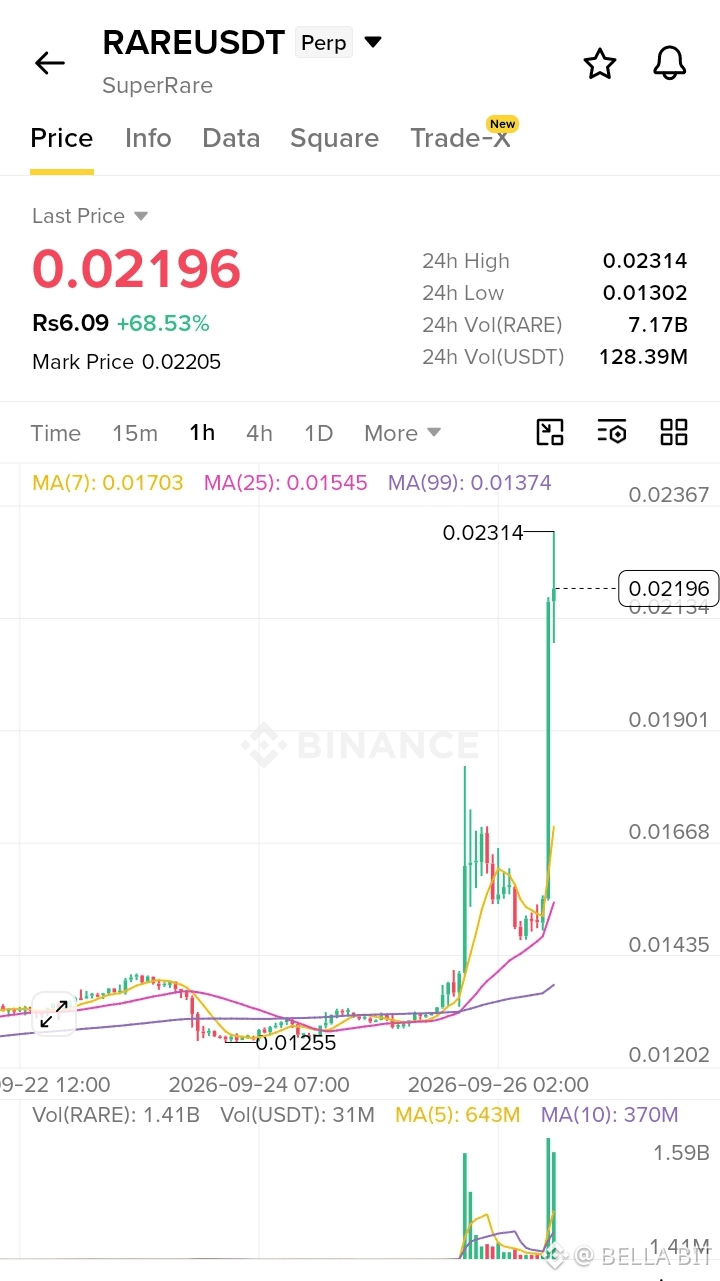
🚀 $RARE تنفجر مع ضخّة بنسبة 69%!
$RARE قفزت من حوالي 0.0130 دولار إلى 0.02283 دولار خلال 24 ساعة فقط، ما يُظهر زخمًا صعوديًا قويًا.
منطقة 0.0228–0.0233 أصبحت الآن محورية. الحفاظ فوقها قد يسرّع موجة صعودية أخرى، بينما قد يؤدي الرفض إلى إعادة اختبار حادة.
🔥 الثيران يسيطرون. تَداوَل $RARE مع إدارة مخاطر مناسبة.
{future}(RAREUSDT)
#RARE
#RAREUSDT
🚀 $RARE تنفجر مع ضخّة بنسبة 69%!
$RARE قفزت من حوالي 0.0130 دولار إلى 0.02283 دولار خلال 24 ساعة فقط، ما يُظهر زخمًا صعوديًا قويًا.
منطقة 0.0228–0.0233 أصبحت الآن محورية. الحفاظ فوقها قد يسرّع موجة صعودية أخرى، بينما قد يؤدي الرفض إلى إعادة اختبار حادة.
🔥 الثيران يسيطرون. تَداوَل $RARE مع إدارة مخاطر مناسبة.
#RARE
#RAREUSDT
$RARE قفزت من حوالي 0.0130 دولار إلى 0.02283 دولار خلال 24 ساعة فقط، ما يُظهر زخمًا صعوديًا قويًا.
منطقة 0.0228–0.0233 أصبحت الآن محورية. الحفاظ فوقها قد يسرّع موجة صعودية أخرى، بينما قد يؤدي الرفض إلى إعادة اختبار حادة.
🔥 الثيران يسيطرون. تَداوَل $RARE مع إدارة مخاطر مناسبة.
#RARE
#RAREUSDT
445
·
--
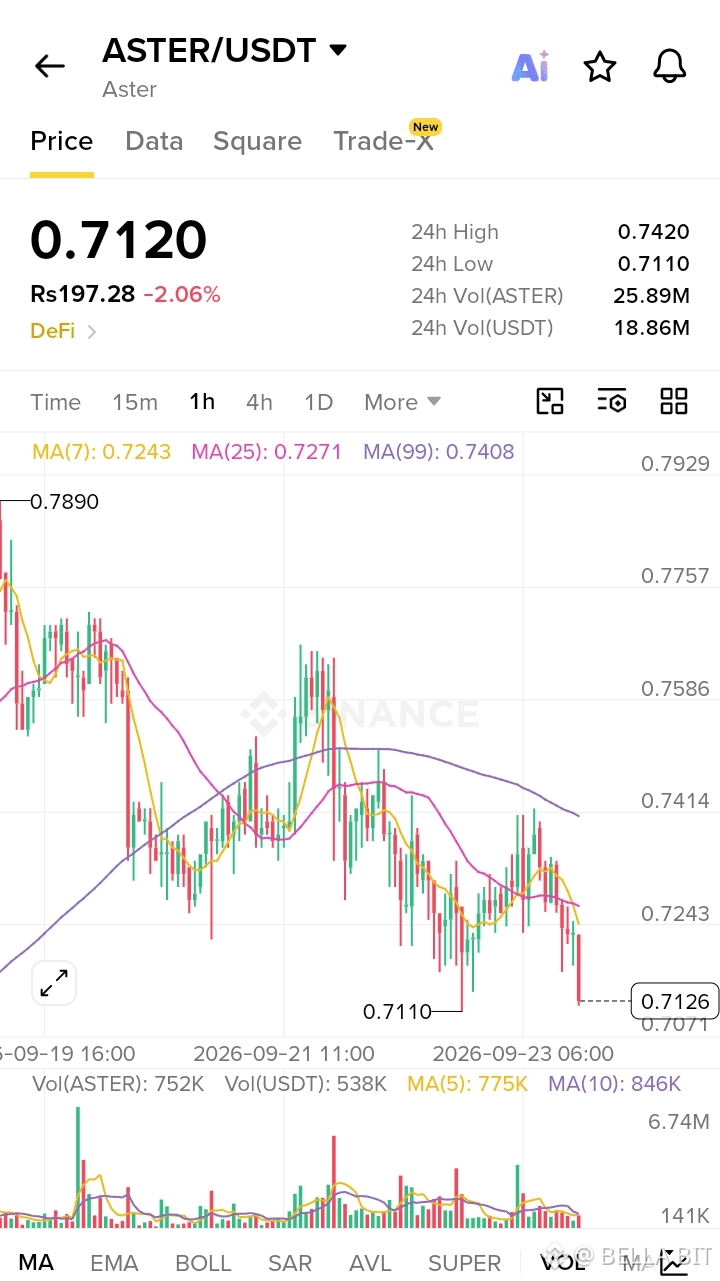
$ASTER ما زال تحت ضغط هبوطي، يتداول تحت خط الاتجاه الهابط ويكافح لاستعادة $0.742. 📉
🔻 إعدادية بيع
الدخول: $0.719 – $0.724
🎯 الأهداف: $0.712 / $0.705 / $0.695
🛑 وقف الخسارة: $0.742
طالما أن $0.742 تبقى مقاومة، يبقى استمرار الاتجاه الهابط هو محور التركيز. تداول مع إدارة مخاطر سليمة.
{spot}(ASTERUSDT)
#ASTERUSDT
#aster
#AIStocksWhatNext
#21SharesLaunchesEuropesFirstZcashETP
#CardanoJoinsX402PaymentStandard
$ASTER ما زال تحت ضغط هبوطي، يتداول تحت خط الاتجاه الهابط ويكافح لاستعادة $0.742. 📉
🔻 إعدادية بيع
الدخول: $0.719 – $0.724
🎯 الأهداف: $0.712 / $0.705 / $0.695
🛑 وقف الخسارة: $0.742
طالما أن $0.742 تبقى مقاومة، يبقى استمرار الاتجاه الهابط هو محور التركيز. تداول مع إدارة مخاطر سليمة.
#ASTERUSDT
#aster
#AIStocksWhatNext
#21SharesLaunchesEuropesFirstZcashETP
#CardanoJoinsX402PaymentStandard
🔻 إعدادية بيع
الدخول: $0.719 – $0.724
🎯 الأهداف: $0.712 / $0.705 / $0.695
🛑 وقف الخسارة: $0.742
طالما أن $0.742 تبقى مقاومة، يبقى استمرار الاتجاه الهابط هو محور التركيز. تداول مع إدارة مخاطر سليمة.
#ASTERUSDT
#aster
#AIStocksWhatNext
#21SharesLaunchesEuropesFirstZcashETP
#CardanoJoinsX402PaymentStandard
1
404
·
--
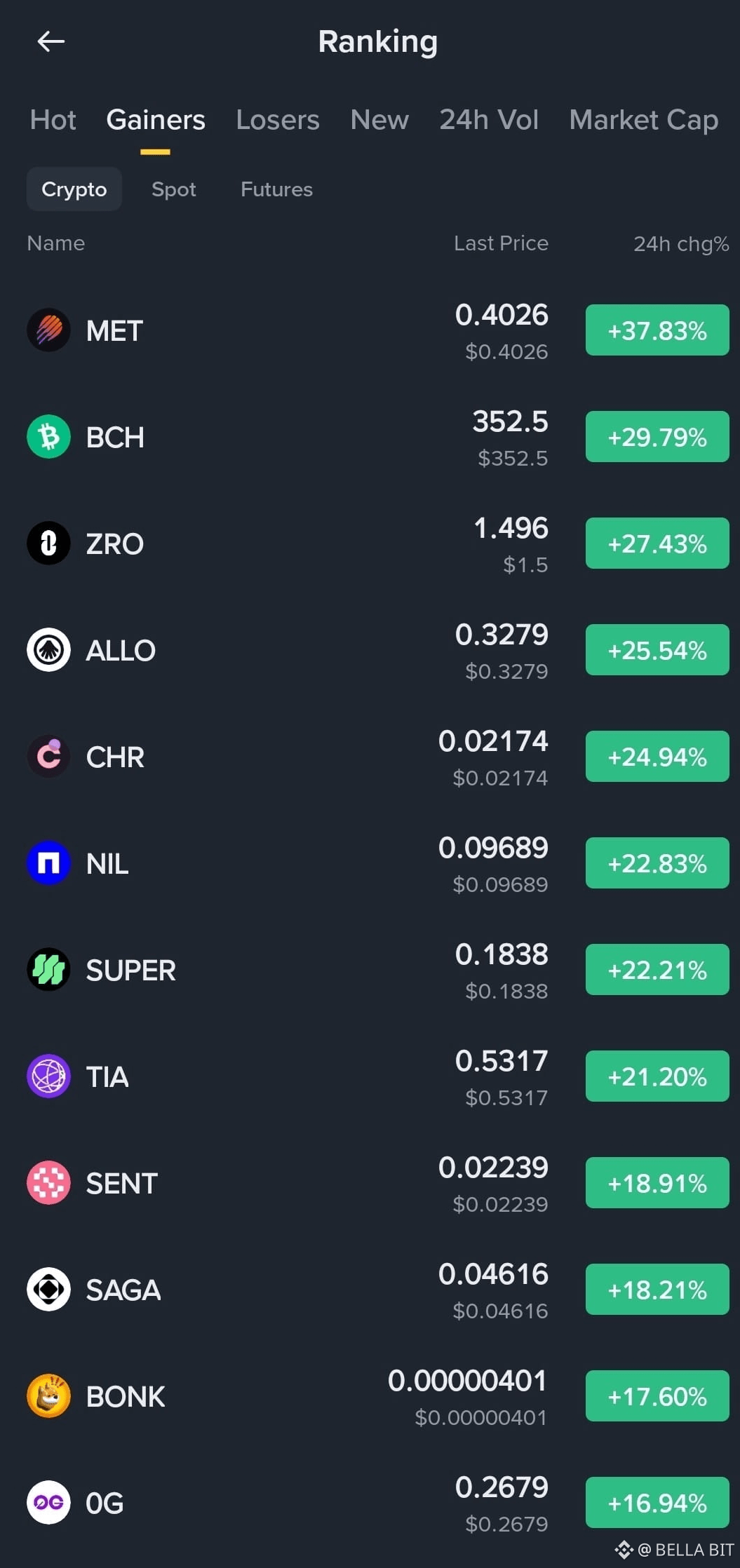
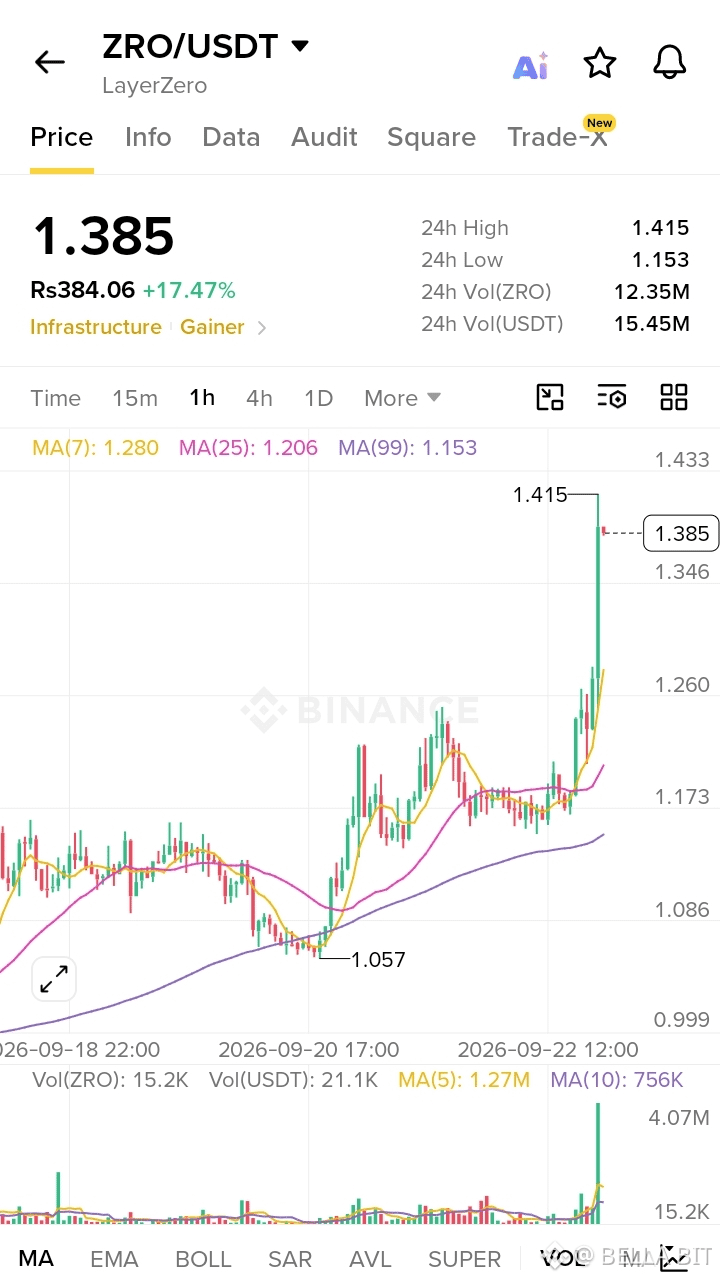
🔥 يرتفع ترتيب المتصدرين!
اللاعبون الأوائل اليوم يُظهرون زخمًا قويًا للغاية:
🚀 $MET — +37.83% | $0.4026
💥 $BCH — +29.79% | $352.5
📈 $ZRO — +27.43% | $1.496
🔥 #ALLO — +25.54% | $0.3279
⚡ #CHR — +24.94% | $0.02174
الزخم قوي في جميع الخمسة، لكن بعد هذه التحركات الحادة، تجنّب الملاحقة بشكل أعمى. راقب تراجعًا نظيفًا أو تأكيدًا قبل الدخول.
👀 أيّ واحد تتابعه للخطوة التالية؟
#ALTCOİNS
#AIStocksWhatNext
#21SharesLaunchesEuropesFirstZcashETP
🔥 يرتفع ترتيب المتصدرين!
اللاعبون الأوائل اليوم يُظهرون زخمًا قويًا للغاية:
🚀 $MET — +37.83% | $0.4026
💥 $BCH — +29.79% | $352.5
📈 $ZRO — +27.43% | $1.496
🔥 #ALLO — +25.54% | $0.3279
⚡ #CHR — +24.94% | $0.02174
الزخم قوي في جميع الخمسة، لكن بعد هذه التحركات الحادة، تجنّب الملاحقة بشكل أعمى. راقب تراجعًا نظيفًا أو تأكيدًا قبل الدخول.
👀 أيّ واحد تتابعه للخطوة التالية؟
#ALTCOİNS
#AIStocksWhatNext
#21SharesLaunchesEuropesFirstZcashETP
اللاعبون الأوائل اليوم يُظهرون زخمًا قويًا للغاية:
🚀 $MET — +37.83% | $0.4026
💥 $BCH — +29.79% | $352.5
📈 $ZRO — +27.43% | $1.496
🔥 #ALLO — +25.54% | $0.3279
⚡ #CHR — +24.94% | $0.02174
الزخم قوي في جميع الخمسة، لكن بعد هذه التحركات الحادة، تجنّب الملاحقة بشكل أعمى. راقب تراجعًا نظيفًا أو تأكيدًا قبل الدخول.
👀 أيّ واحد تتابعه للخطوة التالية؟
#ALTCOİNS
#AIStocksWhatNext
#21SharesLaunchesEuropesFirstZcashETP
2
161
·
--
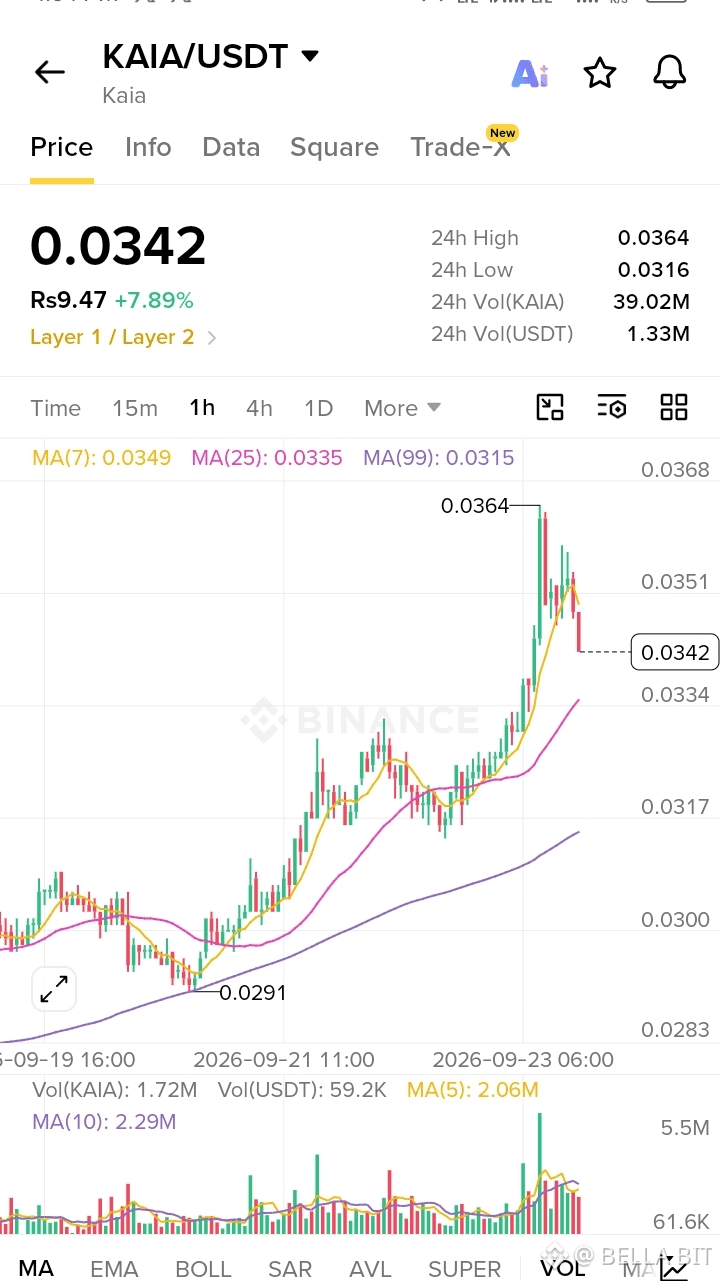
⚠️ $KAIA إعداد سريع — زخم هبوطي
واجهت $KAIA رفضًا قويًا بالقرب من منطقة $0.036 وهي الآن تسحب للخلف بسرعة، مع اكتساب البائعين للزخم.
🔻 الدخول: $0.0343–$0.0346
🎯 الأهداف: $0.0338 / $0.0332 / $0.0325
🛑 وقف الخسارة: $0.0352
قد يؤدي استمرار الحركة أسفل منطقة الدخول إلى فتح المجال لتصحيح أعمق باتجاه الأهداف المذكورة.
تداول على $KAIA 📉
{spot}(KAIAUSDT)
#Kaia
#KAIAUSDT
#AIStocksWhatNext
#21SharesLaunchesEuropesFirstZcashETP
#CardanoJoinsX402PaymentStandard
⚠️ $KAIA إعداد سريع — زخم هبوطي
واجهت $KAIA رفضًا قويًا بالقرب من منطقة $0.036 وهي الآن تسحب للخلف بسرعة، مع اكتساب البائعين للزخم.
🔻 الدخول: $0.0343–$0.0346
🎯 الأهداف: $0.0338 / $0.0332 / $0.0325
🛑 وقف الخسارة: $0.0352
قد يؤدي استمرار الحركة أسفل منطقة الدخول إلى فتح المجال لتصحيح أعمق باتجاه الأهداف المذكورة.
تداول على $KAIA 📉
#Kaia
#KAIAUSDT
#AIStocksWhatNext
#21SharesLaunchesEuropesFirstZcashETP
#CardanoJoinsX402PaymentStandard
واجهت $KAIA رفضًا قويًا بالقرب من منطقة $0.036 وهي الآن تسحب للخلف بسرعة، مع اكتساب البائعين للزخم.
🔻 الدخول: $0.0343–$0.0346
🎯 الأهداف: $0.0338 / $0.0332 / $0.0325
🛑 وقف الخسارة: $0.0352
قد يؤدي استمرار الحركة أسفل منطقة الدخول إلى فتح المجال لتصحيح أعمق باتجاه الأهداف المذكورة.
تداول على $KAIA 📉
#Kaia
#KAIAUSDT
#AIStocksWhatNext
#21SharesLaunchesEuropesFirstZcashETP
#CardanoJoinsX402PaymentStandard
1
292
·
--
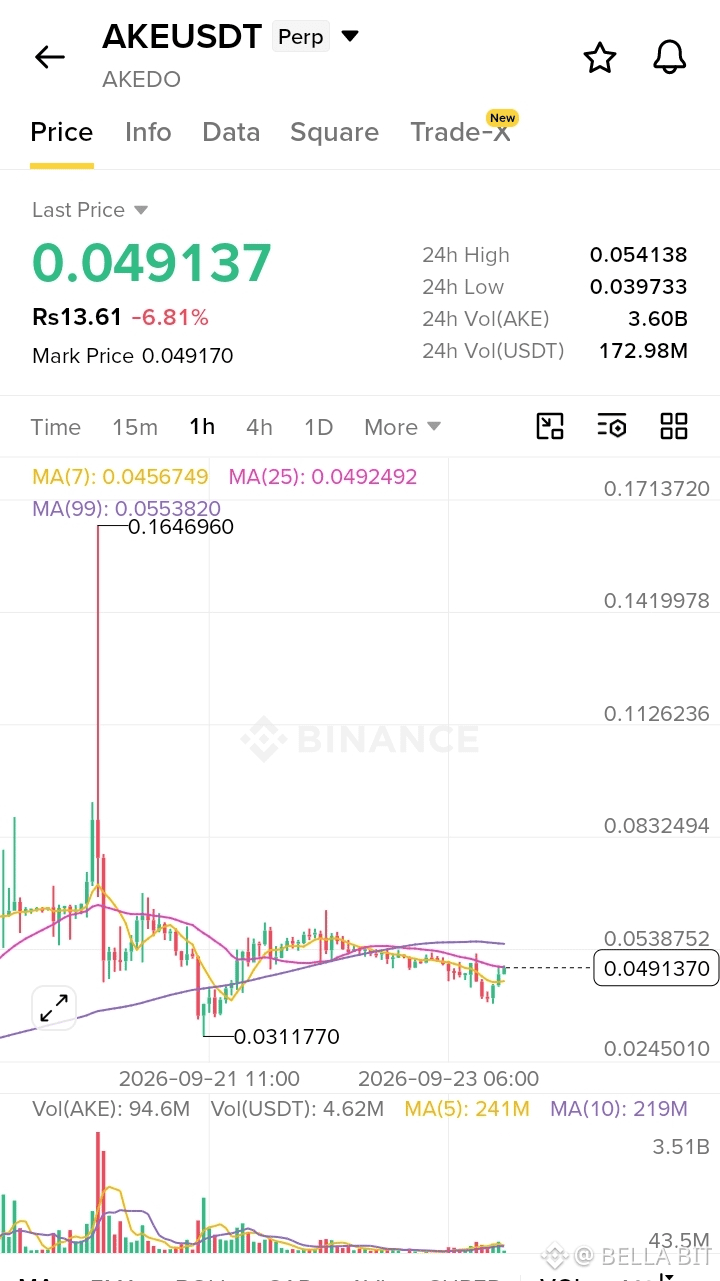
🚀 $AKE إعداد طويل — الهدف التالي $0.060
يُظهر AKE قوة تعافٍ من منطقة التراكم، حيث يحاول المشترون استعادة السيطرة.
🎯 الدخول: $0.040–$0.044
TP1: $0.048
TP2: $0.053
TP3: $0.060
🔥 الهدف الممتد: $0.070
🛑 وقف الخسارة: $0.030
يمكن أن يدفع الاختراق المؤكّد فوق $0.048 $AKE نحو $0.060 وربما أعلى. يضعف السيناريو إذا تم فقد دعم $0.032.
تداول على $AKE 📈
{future}(AKEUSDT)
#AKEUSDT
#AIStocksWhatNext
#21SharesLaunchesEuropesFirstZcashETP
#CardanoJoinsX402PaymentStandard
#AKE
🚀 $AKE إعداد طويل — الهدف التالي $0.060
يُظهر AKE قوة تعافٍ من منطقة التراكم، حيث يحاول المشترون استعادة السيطرة.
🎯 الدخول: $0.040–$0.044
TP1: $0.048
TP2: $0.053
TP3: $0.060
🔥 الهدف الممتد: $0.070
🛑 وقف الخسارة: $0.030
يمكن أن يدفع الاختراق المؤكّد فوق $0.048 $AKE نحو $0.060 وربما أعلى. يضعف السيناريو إذا تم فقد دعم $0.032.
تداول على $AKE 📈
#AKEUSDT
#AIStocksWhatNext
#21SharesLaunchesEuropesFirstZcashETP
#CardanoJoinsX402PaymentStandard
#AKE
يُظهر AKE قوة تعافٍ من منطقة التراكم، حيث يحاول المشترون استعادة السيطرة.
🎯 الدخول: $0.040–$0.044
TP1: $0.048
TP2: $0.053
TP3: $0.060
🔥 الهدف الممتد: $0.070
🛑 وقف الخسارة: $0.030
يمكن أن يدفع الاختراق المؤكّد فوق $0.048 $AKE نحو $0.060 وربما أعلى. يضعف السيناريو إذا تم فقد دعم $0.032.
تداول على $AKE 📈
#AKEUSDT
#AIStocksWhatNext
#21SharesLaunchesEuropesFirstZcashETP
#CardanoJoinsX402PaymentStandard
#AKE
113
·
--
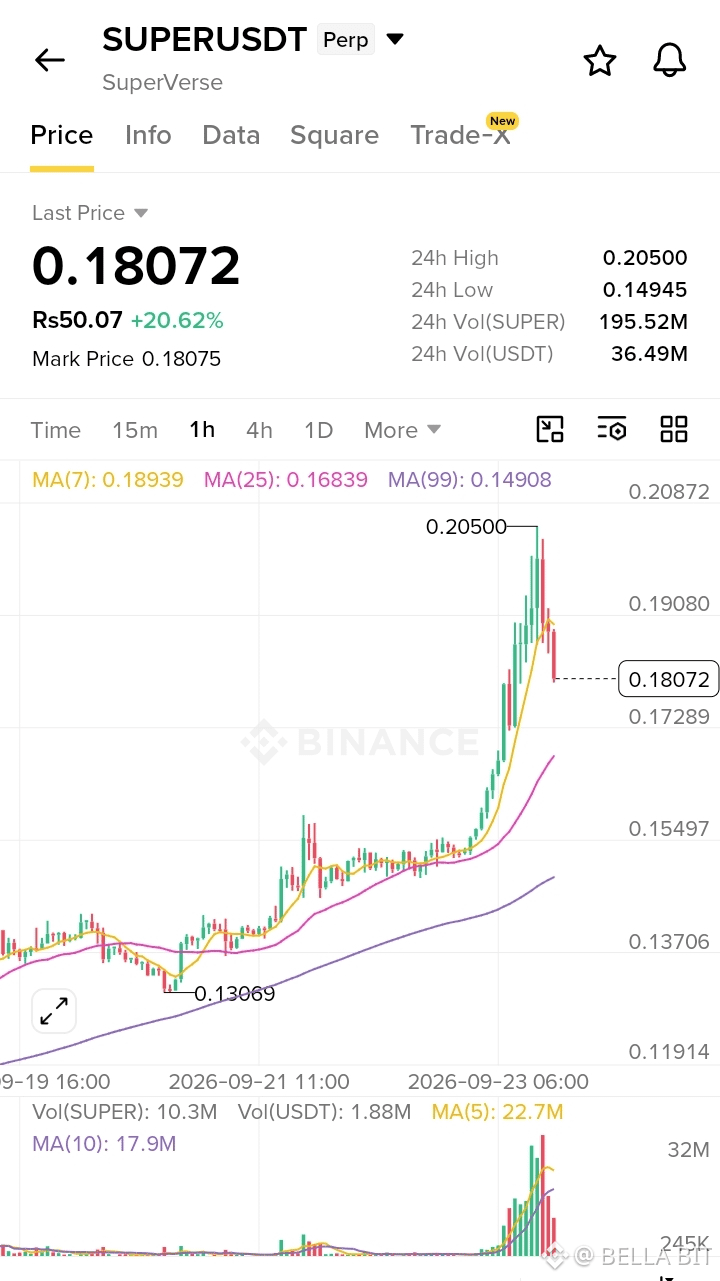
🚀 $SUPER تعافٍ ضخم — الهدف التالي 0.50
$SUPER يُظهر زخم تعافٍ قوي بعد ارتداده من القيعان.
💰 السعر الحالي: $0.1985
🔹 المقاومة: $0.20
🎯 الأهداف: $0.25 → $0.30 → $0.50
📦 منطقة التكديس: $0.11–$0.13
🛡️ الدعم الرئيسي: $0.07–$0.10
قد يؤدي اختراق أسبوعي والإغلاق فوق مستوى المقاومة إلى فتح المجال لحركة أكبر للأعلى.
تداول على $SUPER 📈
{future}(SUPERUSDT)
#SUPER
#superusdt
#SUPER/USDT
#AIStocksWhatNext
#21SharesLaunchesEuropesFirstZcashETP
🚀 $SUPER تعافٍ ضخم — الهدف التالي 0.50
$SUPER يُظهر زخم تعافٍ قوي بعد ارتداده من القيعان.
💰 السعر الحالي: $0.1985
🔹 المقاومة: $0.20
🎯 الأهداف: $0.25 → $0.30 → $0.50
📦 منطقة التكديس: $0.11–$0.13
🛡️ الدعم الرئيسي: $0.07–$0.10
قد يؤدي اختراق أسبوعي والإغلاق فوق مستوى المقاومة إلى فتح المجال لحركة أكبر للأعلى.
تداول على $SUPER 📈
#SUPER
#superusdt
#SUPER/USDT
#AIStocksWhatNext
#21SharesLaunchesEuropesFirstZcashETP
$SUPER يُظهر زخم تعافٍ قوي بعد ارتداده من القيعان.
💰 السعر الحالي: $0.1985
🔹 المقاومة: $0.20
🎯 الأهداف: $0.25 → $0.30 → $0.50
📦 منطقة التكديس: $0.11–$0.13
🛡️ الدعم الرئيسي: $0.07–$0.10
قد يؤدي اختراق أسبوعي والإغلاق فوق مستوى المقاومة إلى فتح المجال لحركة أكبر للأعلى.
تداول على $SUPER 📈
#SUPER
#superusdt
#SUPER/USDT
#AIStocksWhatNext
#21SharesLaunchesEuropesFirstZcashETP
202
·
--
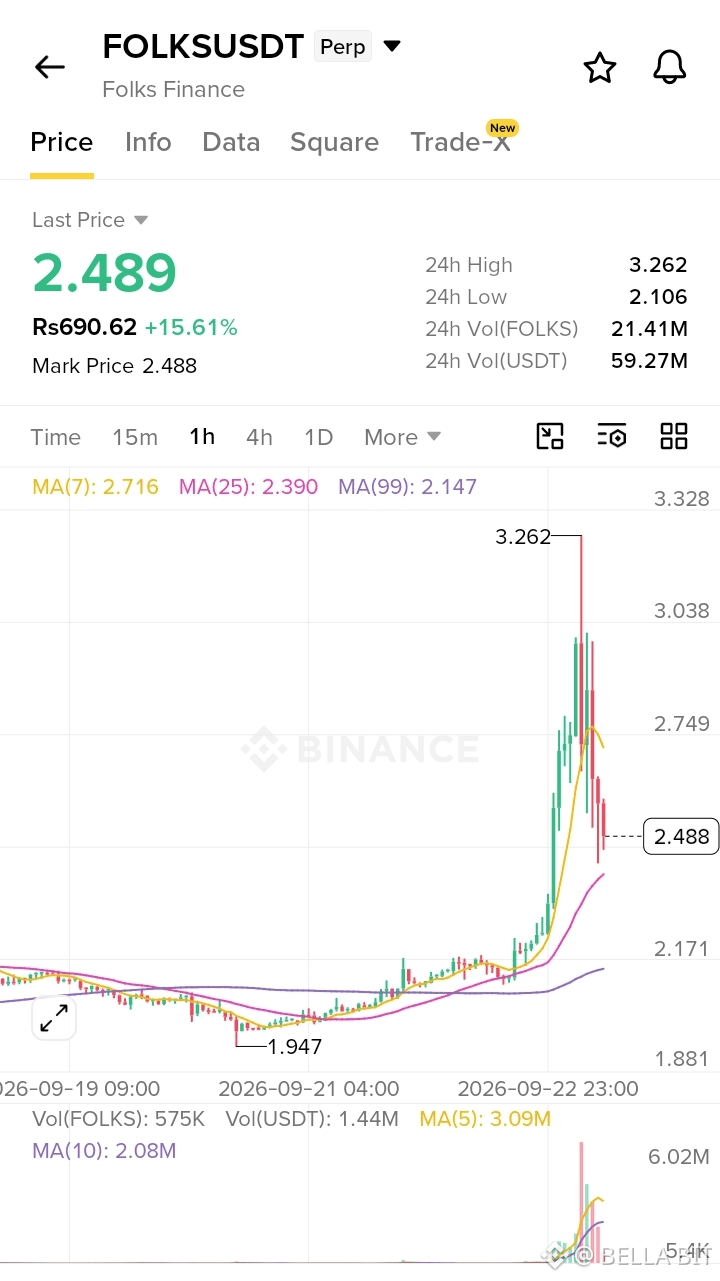
🚀 $FOLKS LONG SETUP
$FOLKS يظهر زخمًا صعوديًا، مع احتمال استمرار الحركة للأعلى. راقب منطقة الدخول وادِر المخاطر بعناية.
الدخول: $2.60 – $2.65
جني الربح: $2.70 / $2.80 / $2.90
وقف الخسارة: $2.49
$FOLKS
{future}(FOLKSUSDT)
#folksusdt
#Folks
🚀 $FOLKS LONG SETUP
$FOLKS يظهر زخمًا صعوديًا، مع احتمال استمرار الحركة للأعلى. راقب منطقة الدخول وادِر المخاطر بعناية.
الدخول: $2.60 – $2.65
جني الربح: $2.70 / $2.80 / $2.90
وقف الخسارة: $2.49
$FOLKS
#folksusdt
#Folks
$FOLKS يظهر زخمًا صعوديًا، مع احتمال استمرار الحركة للأعلى. راقب منطقة الدخول وادِر المخاطر بعناية.
الدخول: $2.60 – $2.65
جني الربح: $2.70 / $2.80 / $2.90
وقف الخسارة: $2.49
$FOLKS
#folksusdt
#Folks
402
·
--
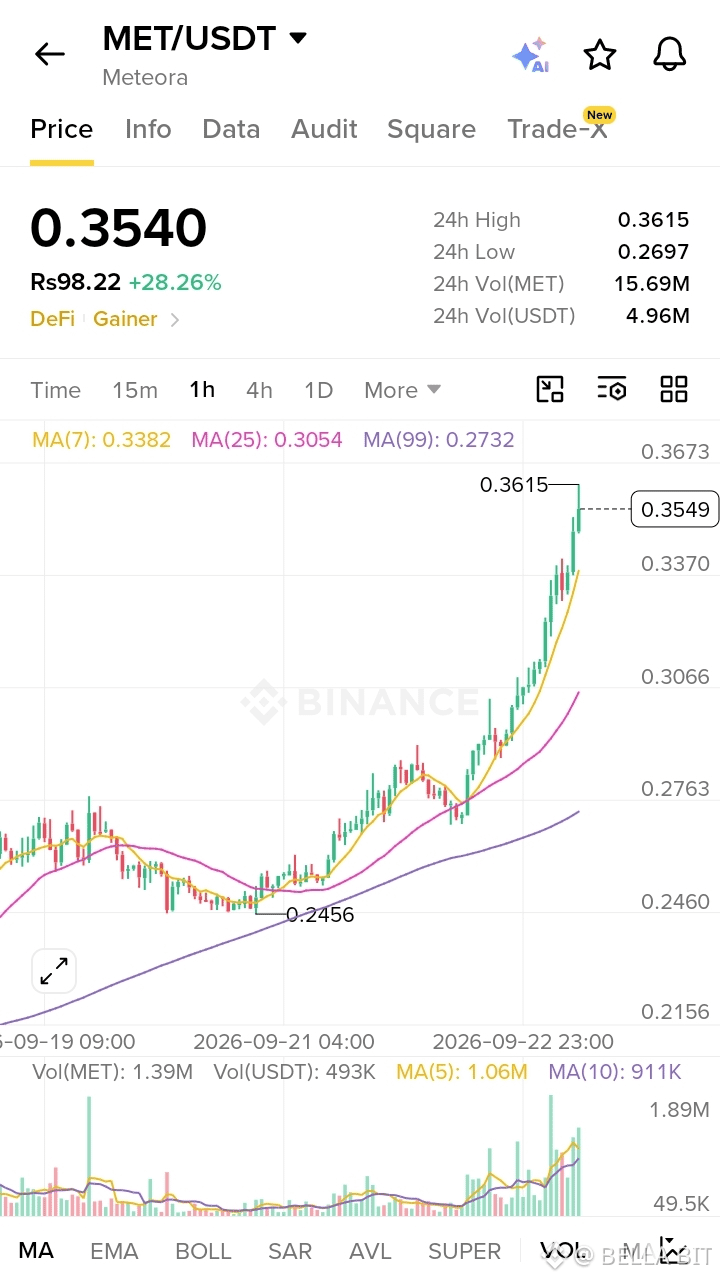
صباح الخير يا عائلة! 🚀 $MET
$MET يستمر في إظهار زخم صعودي قوي، مع استمرار سيطرة المشترين وبقاء الاتجاه الصاعد قويًا. قد تكون الخطوة للأعلى هي التالية إذا استمر الزخم.
📈 إعداد طويل
الدخول: 0.462$ – 0.468$
🎯 الهدف 1: 0.478$
🎯 الهدف 2: 0.490$
🎯 الهدف 3: 0.505$
🛑 وقف الخسارة: 0.449$
تداول مع إدارة صحيحة للمخاطر.
{spot}(METUSDT)
#METUSDT
#METUSDTAnalysis
#MET
#AIStocksWhatNext
#DogecoinRises15%
صباح الخير يا عائلة! 🚀 $MET
$MET يستمر في إظهار زخم صعودي قوي، مع استمرار سيطرة المشترين وبقاء الاتجاه الصاعد قويًا. قد تكون الخطوة للأعلى هي التالية إذا استمر الزخم.
📈 إعداد طويل
الدخول: 0.462$ – 0.468$
🎯 الهدف 1: 0.478$
🎯 الهدف 2: 0.490$
🎯 الهدف 3: 0.505$
🛑 وقف الخسارة: 0.449$
تداول مع إدارة صحيحة للمخاطر.
#METUSDT
#METUSDTAnalysis
#MET
#AIStocksWhatNext
#DogecoinRises15%
$MET يستمر في إظهار زخم صعودي قوي، مع استمرار سيطرة المشترين وبقاء الاتجاه الصاعد قويًا. قد تكون الخطوة للأعلى هي التالية إذا استمر الزخم.
📈 إعداد طويل
الدخول: 0.462$ – 0.468$
🎯 الهدف 1: 0.478$
🎯 الهدف 2: 0.490$
🎯 الهدف 3: 0.505$
🛑 وقف الخسارة: 0.449$
تداول مع إدارة صحيحة للمخاطر.
#METUSDT
#METUSDTAnalysis
#MET
#AIStocksWhatNext
#DogecoinRises15%
1
282
·
--
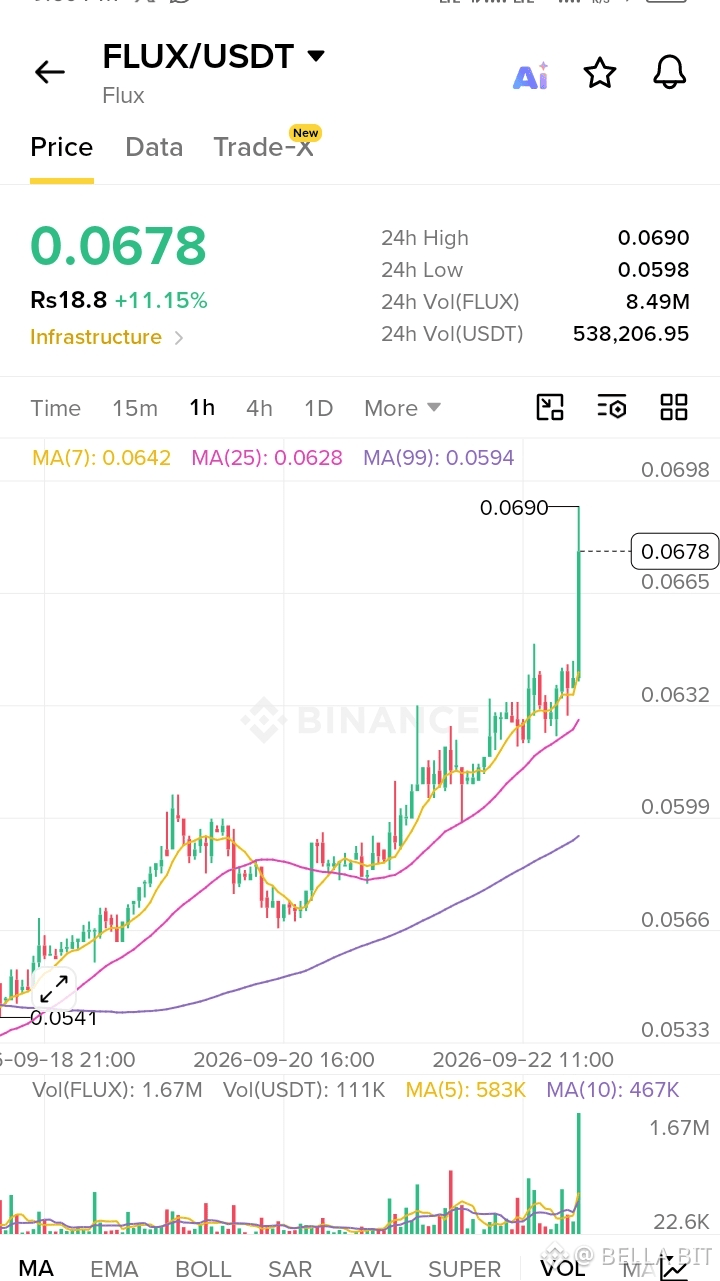
🚀 $FLUX إشارة اختراق
$FLUX لقد قلبت مقاومة 0.0641$ إلى مستوى محتمل للاختراق، بينما يواصل خط الاتجاه الصاعد دعم البنية الصعودية.
📍 الدخول: 0.0645$–0.0665$
🎯 الهدف 1: 0.0680$
🎯 الهدف 2: 0.0700$
🎯 الهدف 3: 0.0730$
🛑 وقف الخسارة: 0.0620$
إذا استمر الزخم، فقد تكون هناك محاولة امتداد صعودي أخرى على الطاولة. أدرِ المخاطر بعناية. 📈🔥
{spot}(FLUXUSDT)
#FLUXUSDT
#FLUX_UPDATE
#AIStocksWhatNext
#DogecoinRises15%
#BNBMarketCapPassesBNYMellon
🚀 $FLUX إشارة اختراق
$FLUX لقد قلبت مقاومة 0.0641$ إلى مستوى محتمل للاختراق، بينما يواصل خط الاتجاه الصاعد دعم البنية الصعودية.
📍 الدخول: 0.0645$–0.0665$
🎯 الهدف 1: 0.0680$
🎯 الهدف 2: 0.0700$
🎯 الهدف 3: 0.0730$
🛑 وقف الخسارة: 0.0620$
إذا استمر الزخم، فقد تكون هناك محاولة امتداد صعودي أخرى على الطاولة. أدرِ المخاطر بعناية. 📈🔥
#FLUXUSDT
#FLUX_UPDATE
#AIStocksWhatNext
#DogecoinRises15%
#BNBMarketCapPassesBNYMellon
$FLUX لقد قلبت مقاومة 0.0641$ إلى مستوى محتمل للاختراق، بينما يواصل خط الاتجاه الصاعد دعم البنية الصعودية.
📍 الدخول: 0.0645$–0.0665$
🎯 الهدف 1: 0.0680$
🎯 الهدف 2: 0.0700$
🎯 الهدف 3: 0.0730$
🛑 وقف الخسارة: 0.0620$
إذا استمر الزخم، فقد تكون هناك محاولة امتداد صعودي أخرى على الطاولة. أدرِ المخاطر بعناية. 📈🔥
#FLUXUSDT
#FLUX_UPDATE
#AIStocksWhatNext
#DogecoinRises15%
#BNBMarketCapPassesBNYMellon
263
·
--
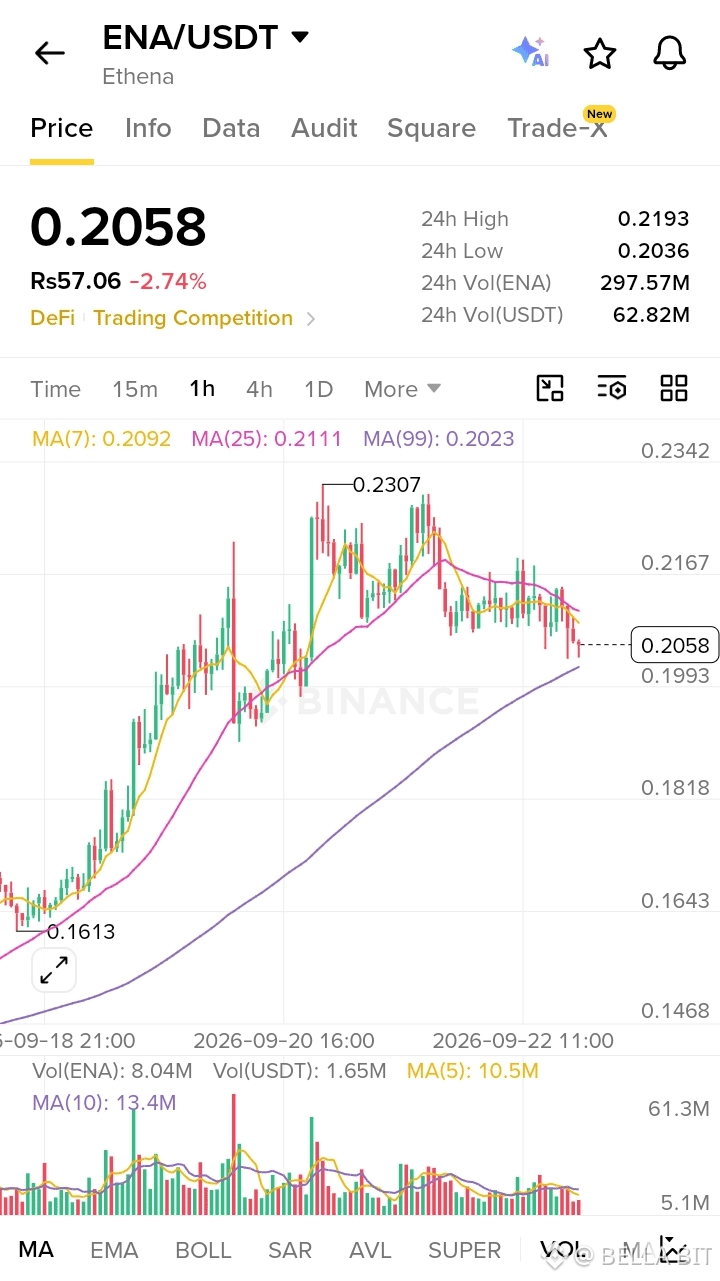
🚨 $ENA تحديث سريع
تحرك $ENA لدينا تمامًا كما هو متوقع! انخفض السعر من حوالي $0.2110 إلى $0.2060، مما يضع الصفقة بشكل مريح في الربح. لا يزال المضاربون على الهبوط يضغطون.
ابقَ منضبطًا، وادِر المخاطر بعناية، وراقب المزيد من الهبوط. 📉🔥
{spot}(ENAUSDT)
#ENA
#ENAUSDT🚨
#AIStocksWhatNext
#DogecoinRises15%
#BNBMarketCapPassesBNYMellon
🚨 $ENA تحديث سريع
تحرك $ENA لدينا تمامًا كما هو متوقع! انخفض السعر من حوالي $0.2110 إلى $0.2060، مما يضع الصفقة بشكل مريح في الربح. لا يزال المضاربون على الهبوط يضغطون.
ابقَ منضبطًا، وادِر المخاطر بعناية، وراقب المزيد من الهبوط. 📉🔥
#ENA
#ENAUSDT🚨
#AIStocksWhatNext
#DogecoinRises15%
#BNBMarketCapPassesBNYMellon
تحرك $ENA لدينا تمامًا كما هو متوقع! انخفض السعر من حوالي $0.2110 إلى $0.2060، مما يضع الصفقة بشكل مريح في الربح. لا يزال المضاربون على الهبوط يضغطون.
ابقَ منضبطًا، وادِر المخاطر بعناية، وراقب المزيد من الهبوط. 📉🔥
#ENA
#ENAUSDT🚨
#AIStocksWhatNext
#DogecoinRises15%
#BNBMarketCapPassesBNYMellon
150
·
--
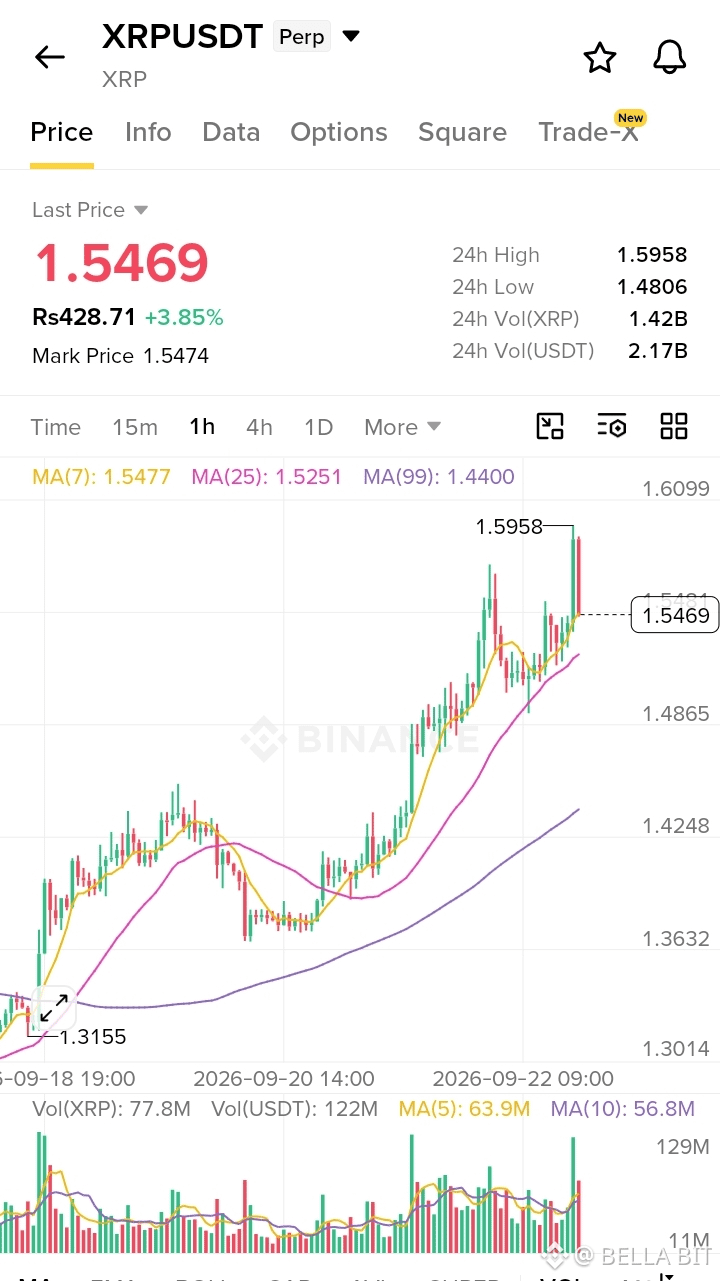
$XRP REJECTED AGAIN — يبقى نطاق $1.60–$1.65 هو الأهم ⚠️
حاولت XRP مرة أخرى كسر منطقة المقاومة $1.60–$1.65، لكن البائعين تدخلوا مرة أخرى.
طالما يبقى السعر تحت هذه المنطقة، تظل عمليات الرفض أو المزيد من التذبذب ممكنة.
قد يؤدي اختراق واضح والاحتفاظ فوق $1.65 إلى فتح الطريق نحو $1.80–$2.00.
في الوقت الحالي، يبقى نطاق المقاومة هو المستوى الرئيسي الذي يجب مراقبته. 📊
التداول على $XRP
#Xrp🔥🔥
#RİPPLE
#XRPRealityCheck
#AIStocksWhatNext
#DogecoinRises15%
$XRP REJECTED AGAIN — يبقى نطاق $1.60–$1.65 هو الأهم ⚠️
حاولت XRP مرة أخرى كسر منطقة المقاومة $1.60–$1.65، لكن البائعين تدخلوا مرة أخرى.
طالما يبقى السعر تحت هذه المنطقة، تظل عمليات الرفض أو المزيد من التذبذب ممكنة.
قد يؤدي اختراق واضح والاحتفاظ فوق $1.65 إلى فتح الطريق نحو $1.80–$2.00.
في الوقت الحالي، يبقى نطاق المقاومة هو المستوى الرئيسي الذي يجب مراقبته. 📊
التداول على $XRP
#Xrp🔥🔥
#RİPPLE
#XRPRealityCheck
#AIStocksWhatNext
#DogecoinRises15%
حاولت XRP مرة أخرى كسر منطقة المقاومة $1.60–$1.65، لكن البائعين تدخلوا مرة أخرى.
طالما يبقى السعر تحت هذه المنطقة، تظل عمليات الرفض أو المزيد من التذبذب ممكنة.
قد يؤدي اختراق واضح والاحتفاظ فوق $1.65 إلى فتح الطريق نحو $1.80–$2.00.
في الوقت الحالي، يبقى نطاق المقاومة هو المستوى الرئيسي الذي يجب مراقبته. 📊
التداول على $XRP
#Xrp🔥🔥
#RİPPLE
#XRPRealityCheck
#AIStocksWhatNext
#DogecoinRises15%
137
سجّل الدخول لاستكشاف المزيد من المُحتوى
انضم إلى مُستخدمي العملات الرقمية حول العالم على Binance Square
⚡️ احصل على أحدث المعلومات المفيدة عن العملات الرقمية.
💬 موثوقة من قبل أكبر منصّة لتداول العملات الرقمية في العالم.
👍 اكتشف الرؤى الحقيقية من صنّاع المُحتوى الموثوقين.
البريد الإلكتروني / رقم الهاتف
المواضيع الرائجة
NEARFallsToAround$4.70Down14%
14,466 مشاهدات
26 يقومون بالنقاش
🚨 $NEAR — من حماس صناديق ETF إلى صفعة مؤلمة بنسبة 14%.
تراجعت NEAR نحو 4.70$، لتعيد جزءًا كبيرًا من مكاسبها الأخيرة بعد أن كانت قد تداولت لفترة وجيزة فوق 5.50$. كما جاء هذا البيع بعد أن كشفت NEAR Intents عن حادث أمني مرتبط ببنيتها التحتية عبر السلاسل، مع خسائر مُبلّغ عنها بنحو 3.8 مليون دولار. ولم يُذكر أن سلسلة بلوكتشين NEAR الأساسية نفسها تعرضت للاختراق.
وهذه هي النقطة التي يجب على المتداولين الانتباه لها:
منطقة الدعم الرئيسية الآن هي 4.69–4.74$.
تمسّك بها، وقد يكون الأمر مجرد إعادة اختبار عنيفة بعد اختراق سبتمبر.
لكن ماذا لو فشلت؟
مناطق الهبوط التالية تقع أقرب عند 4.58$، ثم حوالي 4.30$.
وأين المفارقة؟
كان صندوق Bitwise NEAR ETF الجديد ما يزال يشهد تدفقات داخلية إيجابية خلال أسبوع الإطلاق.
لذا فالأمر ليس قصة بسيطة بعنوان “لا أحد يريد NEAR”.
إنها معركة بين:
وصول مؤسسي جديد
مقابل
جني الأرباح بعد الارتفاع + الخوف الأمني.
$NEAR لا يحتاج إلى حماس الآن. يحتاج إلى أن تثبت 4.70$ للبقاء. 👀
#NEARFallsToAround$4.70Down14% #EvernorthPlansNasdaqListingOct8 #SECProposesCryptoCustodyFramework #IMFApproves$139MDisbursementToElSalvador #AnthropicTargetsIPOAsSoonAsMidNovember
KimHotbae
·0 إعجاب
·265 مشاهدات
EthereumFoundationLaunchesZkAPIOnMainnet
5,677 مشاهدات
154 يقومون بالنقاش
EvernorthPlansNasdaqListingOct8
16,356 مشاهدات
163 يقومون بالنقاش