
Sahil987
13k منشورات

Sahil987
 تحقُّق Binance Square الإضافي
@Sahil_987_ 🔶 Web3 Learner | Trends & Market Understanding | Mistakes & Market Lessons In Real Time. No Shortcuts - Just Consistency.
مُتداول بمُعدّل مرتفع
2.2 سنوات
187 تتابع
70.1K+ المتابعون
56.3K+ إعجاب
منشورات
الكل
اقتباسات
مقاطع فيديو
Live
The message from Kevin Warsh at Jackson Hole sounds more cautious than the market may have hoped. Inflation is still above where the Fed wants it, and he made it clear that the 2% target remains the priority.
He also pointed out that recent inflation improvements haven't changed the underlying picture enough yet. With labor markets still stable and financial conditions not particularly restrictive, there doesn't seem to be an urgent reason for aggressive easing.
That could keep pressure on $BTC and other risk assets if traders start pricing in fewer or later rate cuts. The dollar and Treasury yields could also remain important signals as markets adjust to the Fed's tone.
For now, the message is pretty simple: don't expect the Fed to rush.
Do you think this hawkish tone will keep $BTC under pressure, or has the market already priced it in?
#Fed #MarketSentimentToday
#Market_Update #bitcoin
He also pointed out that recent inflation improvements haven't changed the underlying picture enough yet. With labor markets still stable and financial conditions not particularly restrictive, there doesn't seem to be an urgent reason for aggressive easing.
That could keep pressure on $BTC and other risk assets if traders start pricing in fewer or later rate cuts. The dollar and Treasury yields could also remain important signals as markets adjust to the Fed's tone.
For now, the message is pretty simple: don't expect the Fed to rush.
Do you think this hawkish tone will keep $BTC under pressure, or has the market already priced it in?
#Fed #MarketSentimentToday
#Market_Update #bitcoin

تمّ التحقق
The closer I look at DuskEVM, the more I think the interesting part isn’t simply that it’s EVM-compatible.
It’s what happens when familiar building tools meet infrastructure built for regulated finance.
A developer already knows Solidity.
They already know how to build with EVM tooling.
Now imagine taking that familiar workflow and putting it on infrastructure where settlement, privacy and compliance are part of the bigger picture.
That changes the conversation for me.
Because the hardest part isn’t always building the app.
It’s building an environment where the app can eventually handle real financial activity.
DuskEVM is now available as a testnet, giving developers a place to deploy and test applications with familiar Solidity tooling.
And this is where I’m watching closely.
One builder becomes an application.
One application brings users.
Users create activity.
Activity creates utility for $DUSK
If that loop starts working, DuskEVM becomes much more than another EVM environment.
It becomes a bridge between what developers already know and what regulated on-chain finance still needs.
That’s the part I’m betting people will understand more clearly over time.
@Dusk #dusk
It’s what happens when familiar building tools meet infrastructure built for regulated finance.
A developer already knows Solidity.
They already know how to build with EVM tooling.
Now imagine taking that familiar workflow and putting it on infrastructure where settlement, privacy and compliance are part of the bigger picture.
That changes the conversation for me.
Because the hardest part isn’t always building the app.
It’s building an environment where the app can eventually handle real financial activity.
DuskEVM is now available as a testnet, giving developers a place to deploy and test applications with familiar Solidity tooling.
And this is where I’m watching closely.
One builder becomes an application.
One application brings users.
Users create activity.
Activity creates utility for $DUSK
If that loop starts working, DuskEVM becomes much more than another EVM environment.
It becomes a bridge between what developers already know and what regulated on-chain finance still needs.
That’s the part I’m betting people will understand more clearly over time.
@Dusk #dusk
RLUSD crossing $2 billion in market cap is becoming an interesting development for the broader XRP ecosystem, especially with nearly $1 billion reportedly issued directly on the XRP Ledger.
At the same time, $XRP has gained around 44% in a week, bringing even more attention to the network. The important question now is whether growing stablecoin liquidity can translate into more real activity across payments, trading, and on-chain settlement.
A strong price move can attract attention quickly, but sustained ecosystem growth usually comes from actual usage. If #RLUSD continues expanding alongside network activity, it could give the recent $XRP momentum a stronger fundamental story.
Do you think RLUSD's growth could become a bigger long-term catalyst for the XRP ecosystem than the current price rally?
#XRPRallies44%InAWeek #RLUSD
#CryptoFearGreedIndexHits74
At the same time, $XRP has gained around 44% in a week, bringing even more attention to the network. The important question now is whether growing stablecoin liquidity can translate into more real activity across payments, trading, and on-chain settlement.
A strong price move can attract attention quickly, but sustained ecosystem growth usually comes from actual usage. If #RLUSD continues expanding alongside network activity, it could give the recent $XRP momentum a stronger fundamental story.
Do you think RLUSD's growth could become a bigger long-term catalyst for the XRP ecosystem than the current price rally?
#XRPRallies44%InAWeek #RLUSD
#CryptoFearGreedIndexHits74
AI development is moving so fast that even the quiet milestones are starting to matter. Reports that OpenAI has completed pretraining its “Bel” model suggest another major system could be moving into the next stage of development.
$OPENAI Pretraining is only part of the process, but it’s where a huge amount of the model’s core capability is built. What happens next testing, tuning and safety work is where the real picture starts to emerge.
The interesting part isn’t just the model’s name. It’s how much better the next generation of #AI can actually become.
#OpenAIReportedlyCompletesBelModelPretraining
#MarketSentimentToday #Market_Update
$OPENAI Pretraining is only part of the process, but it’s where a huge amount of the model’s core capability is built. What happens next testing, tuning and safety work is where the real picture starts to emerge.
The interesting part isn’t just the model’s name. It’s how much better the next generation of #AI can actually become.
#OpenAIReportedlyCompletesBelModelPretraining
#MarketSentimentToday #Market_Update
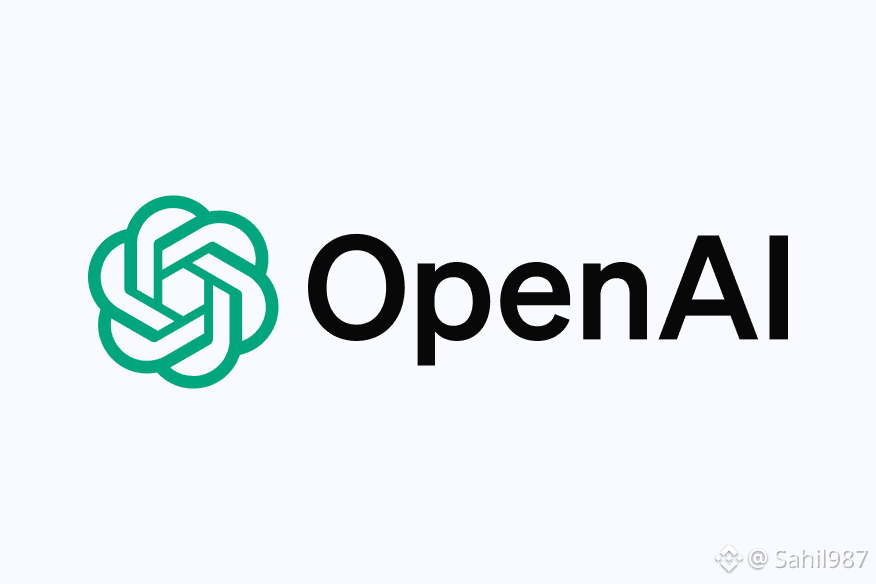
The market feels like it’s taking a breather rather than making a clear move. Bitcoin is sitting around $78.7K with only a small decline, while Ethereum is under a little more pressure and several major assets remain in the red.
At the same time, gold is holding up better, which says a lot about where some traders are looking when risk appetite cools.
Nothing looks panicked here. It just feels like the market is waiting for the next real catalyst before choosing a direction.
$BTC $XAU $ETH
#Marketsentimentstoday #bitcoin
At the same time, gold is holding up better, which says a lot about where some traders are looking when risk appetite cools.
Nothing looks panicked here. It just feels like the market is waiting for the next real catalyst before choosing a direction.
$BTC $XAU $ETH
#Marketsentimentstoday #bitcoin
The crypto market is starting to show signs of broader strength, not just a Bitcoin-led move. Solana pushing above $100 while total market cap climbs close to $2.77T suggests capital is spreading across the wider ecosystem.
$SOL That’s usually more interesting than one token simply having a strong day. When majors and altcoins start moving together, it can signal that risk appetite is returning.
The next part of the story is whether this strength can hold after the initial momentum fades.
#MarketSentimentToday #Market_Update
$SOL That’s usually more interesting than one token simply having a strong day. When majors and altcoins start moving together, it can signal that risk appetite is returning.
The next part of the story is whether this strength can hold after the initial momentum fades.
#MarketSentimentToday #Market_Update
Blockchain upgrades usually don’t get much attention until they affect the things users actually notice. @BNB Chain Pasteur hard fork is aimed at strengthening bridge and validator security while also improving the network’s ability to handle more transactions.
$BNB That combination matters because scaling without stronger infrastructure can create new weaknesses, while security without better capacity can limit growth.
For BNB Chain, this is less about one upgrade and more about building a network that can handle a much larger ecosystem without sacrificing reliability.
The real test now is how much of that improvement users actually feel as activity grows.
$BNB That combination matters because scaling without stronger infrastructure can create new weaknesses, while security without better capacity can limit growth.
For BNB Chain, this is less about one upgrade and more about building a network that can handle a much larger ecosystem without sacrificing reliability.
The real test now is how much of that improvement users actually feel as activity grows.
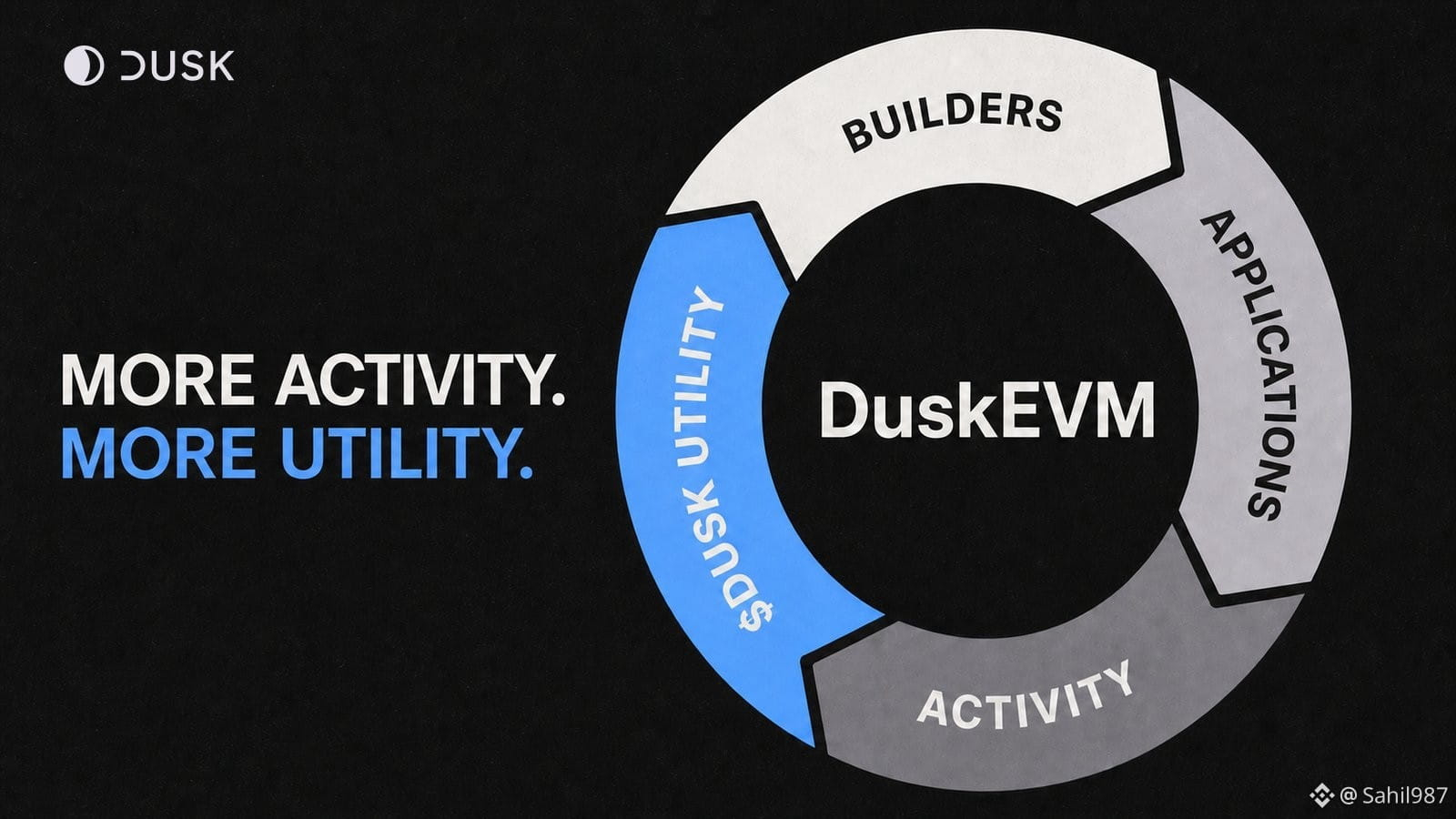
I’ve been thinking about DuskEVM a little differently lately.
A new chain doesn’t become useful just because the technology is there.
Someone has to build on it.
Then people have to actually use those applications.
And that’s where the interesting part starts.
More builders can bring more applications.
More applications can bring more activity.
More activity can create more reasons to use $DUSK
Then that utility can attract more builders again.
It’s a simple loop, but getting that loop moving is the hard part.
That’s what I see in this DuskEVM picture.
Not just another EVM environment sitting there waiting for attention.
The real question is whether builders, applications and users can create enough activity to make the ecosystem feed itself.
Because at the end of the day, I’d rather see a token become useful because people actually need it than because everyone is simply talking about it.
That’s the kind of growth I’m watching for with Dusk.
@Dusk #dusk $DUSK
A new chain doesn’t become useful just because the technology is there.
Someone has to build on it.
Then people have to actually use those applications.
And that’s where the interesting part starts.
More builders can bring more applications.
More applications can bring more activity.
More activity can create more reasons to use $DUSK
Then that utility can attract more builders again.
It’s a simple loop, but getting that loop moving is the hard part.
That’s what I see in this DuskEVM picture.
Not just another EVM environment sitting there waiting for attention.
The real question is whether builders, applications and users can create enough activity to make the ecosystem feed itself.
Because at the end of the day, I’d rather see a token become useful because people actually need it than because everyone is simply talking about it.
That’s the kind of growth I’m watching for with Dusk.
@Dusk #dusk $DUSK
Oil holding onto its losses is a quiet signal that traders are still cautious about the demand outlook. After the recent swings, crude is struggling to find a strong reason to move higher.
That matters beyond energy. Softer oil can take some pressure off inflation, while also hinting that expectations for global growth may be cooling.
If crude stays weak, the ripple effect could show up in everything from inflation bets to central-bank decisions and broader market positioning.
$CL $BZ #OilHoldsLosses
#Market_Update #CryptoNews
That matters beyond energy. Softer oil can take some pressure off inflation, while also hinting that expectations for global growth may be cooling.
If crude stays weak, the ripple effect could show up in everything from inflation bets to central-bank decisions and broader market positioning.
$CL $BZ #OilHoldsLosses
#Market_Update #CryptoNews
A small labor dispute can become a much bigger market story when it hits a company sitting at the center of the AI chip boom. SK Hynix falling 5.63% after its union rejected a wage deal shows how quickly investor sentiment can react to uncertainty.
$SKHY The bigger question is whether this remains a short-term workplace issue or starts affecting production, costs and the company’s ability to meet strong AI-driven demand.
With semiconductor valuations already under a microscope, even small disruptions can get amplified.
Could this dip turn into an opportunity for buyers, or is the market warning about bigger risks ahead?
#SKHynixFalls5.63%AfterUnionRejectsWageDeal
$SKHY The bigger question is whether this remains a short-term workplace issue or starts affecting production, costs and the company’s ability to meet strong AI-driven demand.
With semiconductor valuations already under a microscope, even small disruptions can get amplified.
Could this dip turn into an opportunity for buyers, or is the market warning about bigger risks ahead?
#SKHynixFalls5.63%AfterUnionRejectsWageDeal
Bitcoin touching $80,000 again feels different after the market spent weeks searching for direction. It’s the first time since May that BTC has reached this level, suggesting the recovery is gaining some real momentum.
$BTC What matters now is whether buyers can turn this rebound into something sustainable instead of another short-lived move. With institutional flows and market sentiment improving, the next few weeks could tell us a lot about whether the trend has actually changed.
Is Bitcoin finally entering a new phase of recovery, or is this just another relief rally?
#BitcoinOpenInterestFallsToTwoMonthLow
#BitcoinRises23.6%Weekly #MarketUpdate
$BTC What matters now is whether buyers can turn this rebound into something sustainable instead of another short-lived move. With institutional flows and market sentiment improving, the next few weeks could tell us a lot about whether the trend has actually changed.
Is Bitcoin finally entering a new phase of recovery, or is this just another relief rally?
#BitcoinOpenInterestFallsToTwoMonthLow
#BitcoinRises23.6%Weekly #MarketUpdate
Some crypto moves start as a breakout and quickly turn into a change in market attention. ZEC breaking a key resistance level and jumping 75.5% puts privacy-focused assets back on the radar.
$ZEC What makes the move interesting is the strength behind it. A breakout of this size can attract fresh liquidity, but it also raises the risk of sharp profit-taking after such a fast run.
The real test now is whether #zec van hold the breakout instead of simply printing another volatility spike.
Could this be the start of a broader rotation into privacy-focused crypto assets?
#ZECBreaksKeyResistanceUp75.5%
#Market_Update #CryptoNews
$ZEC What makes the move interesting is the strength behind it. A breakout of this size can attract fresh liquidity, but it also raises the risk of sharp profit-taking after such a fast run.
The real test now is whether #zec van hold the breakout instead of simply printing another volatility spike.
Could this be the start of a broader rotation into privacy-focused crypto assets?
#ZECBreaksKeyResistanceUp75.5%
#Market_Update #CryptoNews
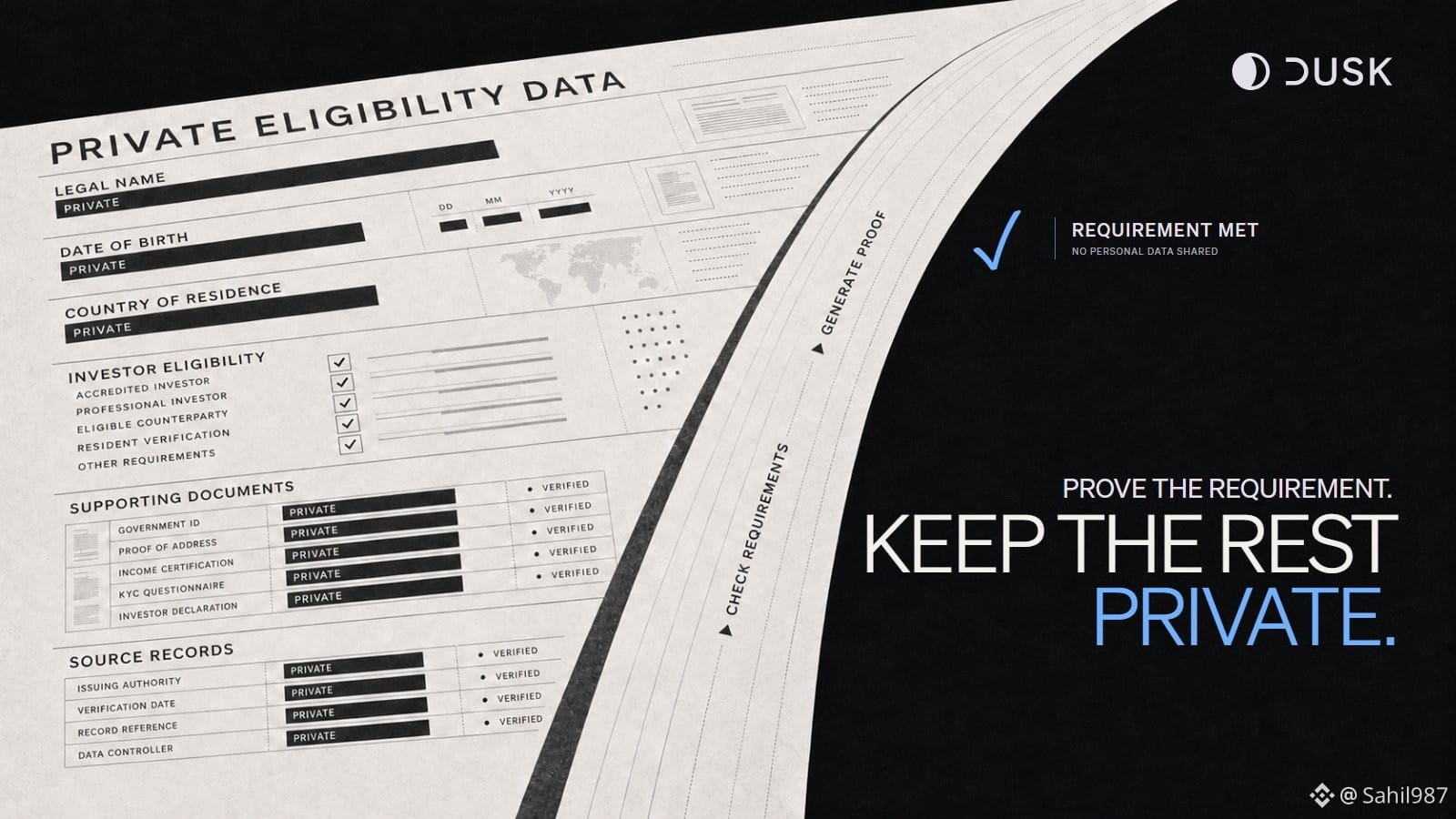
I kept thinking about one question:
How do you prove you’re qualified without putting your whole financial position on display?
That’s where $DUSK gets interesting.
Imagine you want to help secure the network. You have enough stake, but you don’t want everyone watching exactly how much you’re putting up.
With Dusk’s Proof-of-Blind-Bid, the bid can stay hidden.
Then, if you’re selected, you can prove that you meet the requirement without simply exposing the information behind that proof.
That idea is surprisingly powerful.
Because privacy here isn’t about disappearing.
It’s about revealing only what’s necessary.
You still participate.
The network still verifies you.
The block still gets produced.
But your financial details don’t have to become public entertainment.
And honestly, this is the kind of privacy I think financial blockchains will need more of.
Not:
“Nobody can see anything.”
But:
“People can verify what matters without seeing what doesn’t.”
That difference could become a big deal for on-chain finance.
@Dusk #dusk $DUSK
How do you prove you’re qualified without putting your whole financial position on display?
That’s where $DUSK gets interesting.
Imagine you want to help secure the network. You have enough stake, but you don’t want everyone watching exactly how much you’re putting up.
With Dusk’s Proof-of-Blind-Bid, the bid can stay hidden.
Then, if you’re selected, you can prove that you meet the requirement without simply exposing the information behind that proof.
That idea is surprisingly powerful.
Because privacy here isn’t about disappearing.
It’s about revealing only what’s necessary.
You still participate.
The network still verifies you.
The block still gets produced.
But your financial details don’t have to become public entertainment.
And honestly, this is the kind of privacy I think financial blockchains will need more of.
Not:
“Nobody can see anything.”
But:
“People can verify what matters without seeing what doesn’t.”
That difference could become a big deal for on-chain finance.
@Dusk #dusk $DUSK
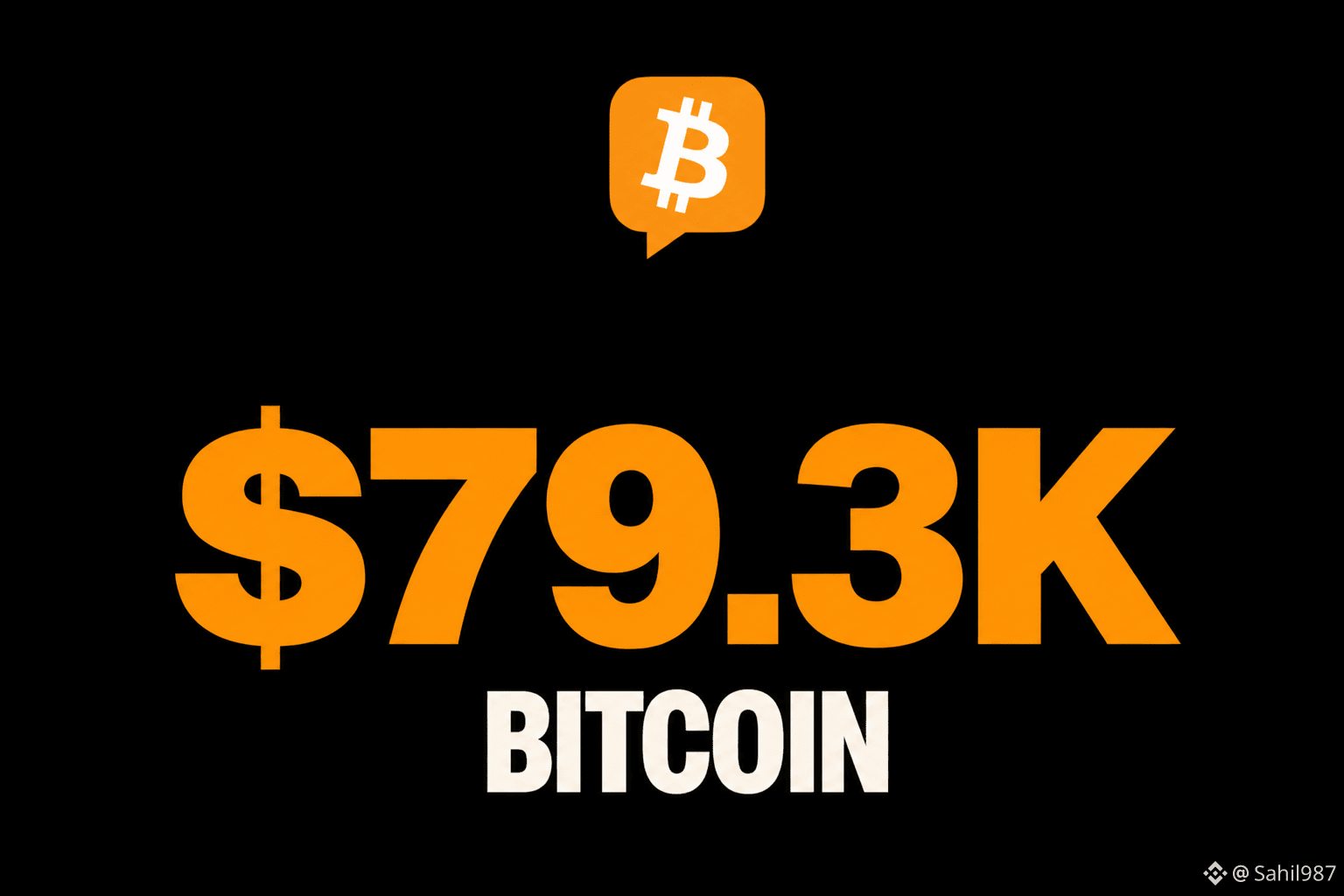
Big ETH moves are getting more interesting when large buyers start increasing their exposure at the same time. BitMine reportedly added about $81 million worth of ETH in its biggest weekly purchase since early July, while #ETH has also rallied around 30%.
$ETH That combination suggests this isn’t only about short-term momentum. Treasury firms accumulating ETH can create a different kind of demand, especially if they continue buying through periods of volatility.
The bigger question is whether this buying becomes a sustained trend rather than a reaction to the recent rally.
Could institutional ETH accumulation be turning into a new source of demand for the market?
#Market_Update #MarketSentimentToday
$ETH That combination suggests this isn’t only about short-term momentum. Treasury firms accumulating ETH can create a different kind of demand, especially if they continue buying through periods of volatility.
The bigger question is whether this buying becomes a sustained trend rather than a reaction to the recent rally.
Could institutional ETH accumulation be turning into a new source of demand for the market?
#Market_Update #MarketSentimentToday
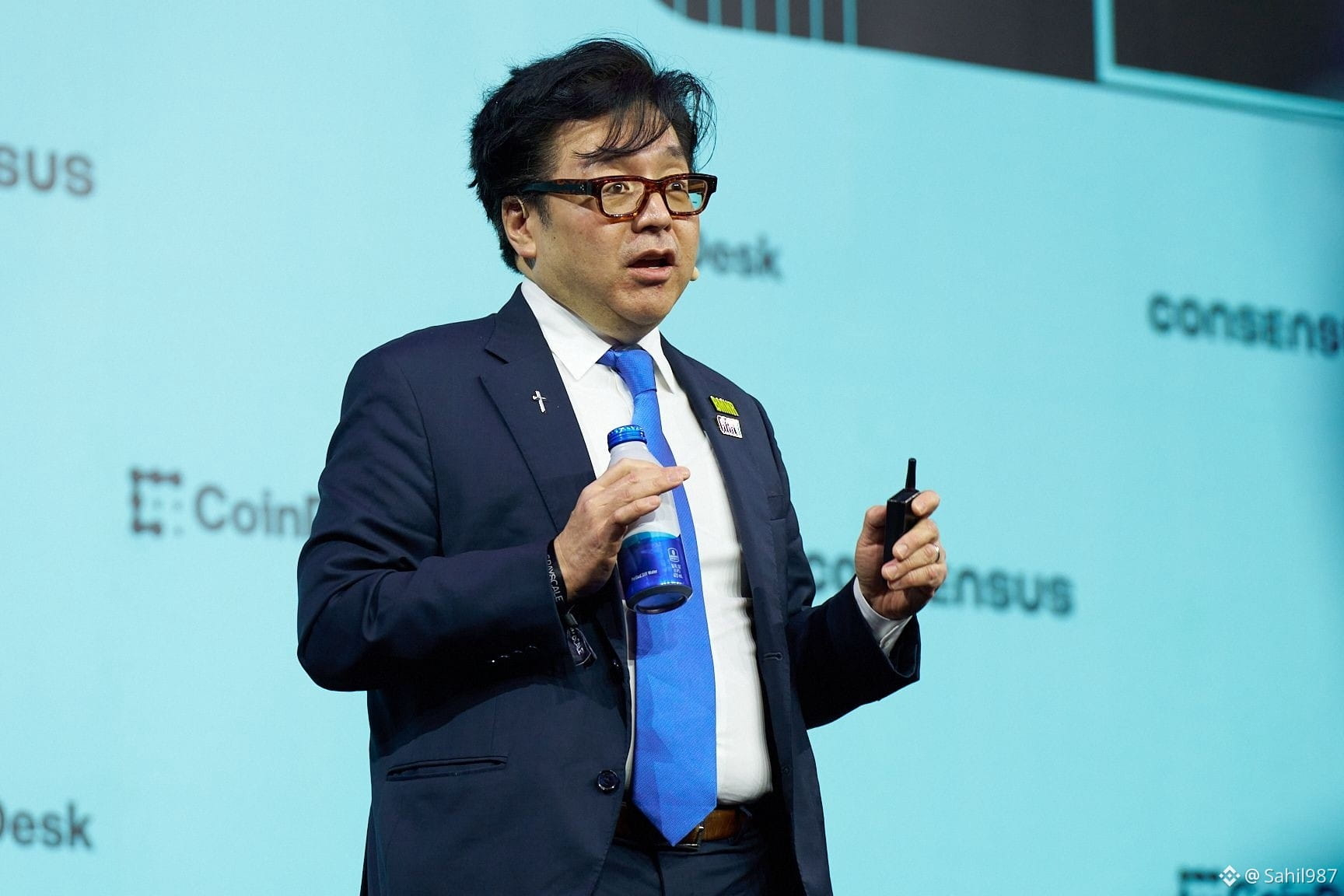
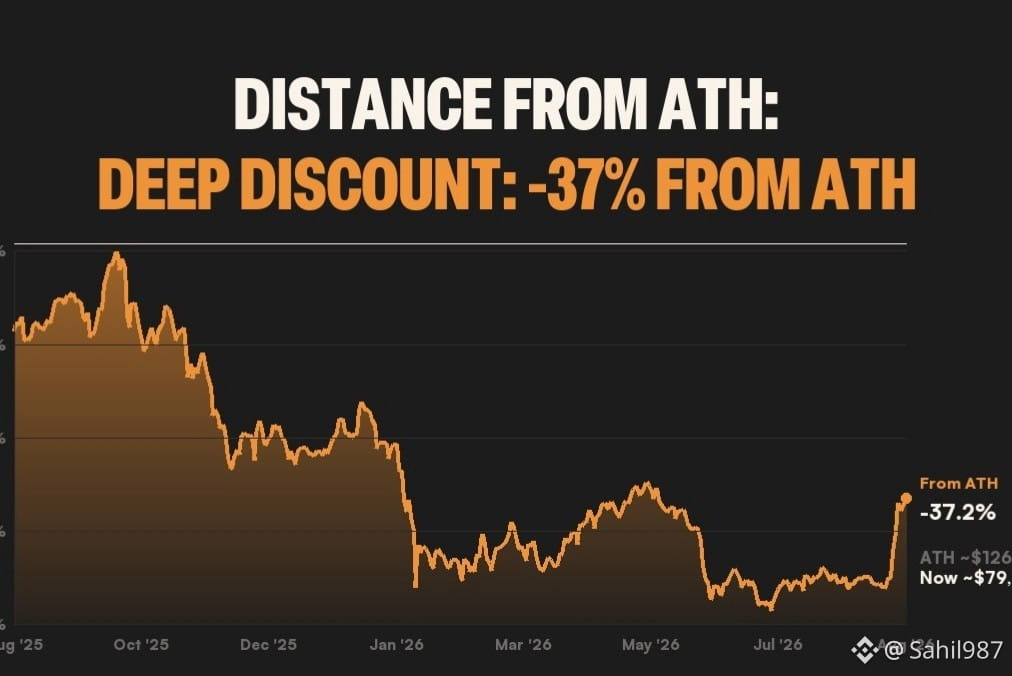
The distance from Bitcoin’s peak is starting to change the mood around the market. A drop of more than 37% can shake out short-term traders, but it also puts the focus back on whether long-term buyers see these levels as an opportunity.
$BTC At around $79K, Bitcoin is far from the excitement of the highs. That’s usually when the market gets quieter and conviction becomes more important than hype.
If demand starts returning at these levels, could this drawdown eventually become the setup for Bitcoin’s next major move?
#BitcoinOpenInterestFallsToTwoMonthLow
#BitcoinRises23.6%Weekly #Market_Update
$BTC At around $79K, Bitcoin is far from the excitement of the highs. That’s usually when the market gets quieter and conviction becomes more important than hype.
If demand starts returning at these levels, could this drawdown eventually become the setup for Bitcoin’s next major move?
#BitcoinOpenInterestFallsToTwoMonthLow
#BitcoinRises23.6%Weekly #Market_Update
تمّ التحقق
Oil’s latest move is a reminder that energy markets can change direction quickly when traders reassess supply, demand and geopolitical risk. Brent crude falling 1.87% puts some pressure back on energy prices after the recent volatility.
The bigger question is what happens to inflation expectations if this weakness continues. Lower crude prices can ease cost pressures and potentially give central banks more room on rates.
For risk assets, that could become an interesting setup if lower energy costs combine with improving liquidity.
Could a sustained drop in Brent become a quiet tailwind for broader markets?
$CL $BZ #BrentDrops1.87%
The bigger question is what happens to inflation expectations if this weakness continues. Lower crude prices can ease cost pressures and potentially give central banks more room on rates.
For risk assets, that could become an interesting setup if lower energy costs combine with improving liquidity.
Could a sustained drop in Brent become a quiet tailwind for broader markets?
$CL $BZ #BrentDrops1.87%
A weekend pullback can look scary when liquidation numbers hit the headlines, but the more interesting signal is what happened to leverage underneath it. Around $250.6M in crypto longs were wiped out, including $55.8M in $BTC positions, while Bitcoin open interest fell 2.65%.
With funding still near baseline, this doesn’t look like traders immediately piling leverage back into the market. Some excess positioning may simply be getting flushed out.
That can actually create a healthier setup if spot demand remains strong and leverage stays controlled.
Is Bitcoin clearing out weak positions before the next move, or is the market still waiting for a stronger catalyst?
#TetherEndsUruguayBitcoinMining
#SP500FuturesFall #BrentDrops1.87%
#CanadaUSTradeTalksCollapse
With funding still near baseline, this doesn’t look like traders immediately piling leverage back into the market. Some excess positioning may simply be getting flushed out.
That can actually create a healthier setup if spot demand remains strong and leverage stays controlled.
Is Bitcoin clearing out weak positions before the next move, or is the market still waiting for a stronger catalyst?
#TetherEndsUruguayBitcoinMining
#SP500FuturesFall #BrentDrops1.87%
#CanadaUSTradeTalksCollapse
One company can sometimes tell you more about market sentiment than an entire sector. Samsung falling nearly 9% and dragging the Kospi down 3.24% shows how quickly weakness in a major heavyweight can spread across the broader market.
$SAMSUNG The move also highlights how sensitive semiconductor stocks remain to changing expectations around AI demand, valuations and global risk appetite.
If this pressure spreads beyond Samsung and other chipmakers, could the AI trade be entering a period where investors start demanding more from valuations?
#SamsungFalls8.97%DraggingKospiDown3.24%
$SAMSUNG The move also highlights how sensitive semiconductor stocks remain to changing expectations around AI demand, valuations and global risk appetite.
If this pressure spreads beyond Samsung and other chipmakers, could the AI trade be entering a period where investors start demanding more from valuations?
#SamsungFalls8.97%DraggingKospiDown3.24%
There are moments when a token’s move starts looking bigger than simple speculation. $XRP jumping around 56% in five days is one of those moments, with treasury buying, whale accumulation and ETF inflows all adding fuel to the rally.
What makes this interesting is the combination of different demand sources arriving at the same time. If that buying continues, the move could have more depth than a short-lived momentum spike.
The real question now is whether XRP can turn this burst of demand into a sustained trend, or whether traders eventually start taking profits.
#Market_Update #CryptoNews #etf
What makes this interesting is the combination of different demand sources arriving at the same time. If that buying continues, the move could have more depth than a short-lived momentum spike.
The real question now is whether XRP can turn this burst of demand into a sustained trend, or whether traders eventually start taking profits.
#Market_Update #CryptoNews #etf
سجّل الدخول لاستكشاف المزيد من المُحتوى