
#vitol
vitol
273 مشاهدات
6 يقومون بالنقاش
رائج
جديد

·
--
🛢️ 💼 فيتول في محادثات لبيع وحدة الصخر الزيتي VTX Energy إلى Carnelian وEnCap 🏛️ 🔄
عملاق تجارة السلع الخام فيتول جروب (Vitol Group) في مفاوضات متقدمة لبيع شركة تابعة للنفط الصخري، VTX Energy Partners LLC، كما أفادت بلومبرغ 🔍.
📊 النقاط الرئيسية في العملية:
🤝 المشترون: يُرجّح أن تكون شركتا رأس المال الخاص Carnelian Energy Capital وEnCap Investments هما المشتريان لوحدة الصخر الزيتي الأمريكية 💰.
🛑 تغيير استراتيجي: إن إتمام هذا الاتفاق سيُعدّ انسحابًا استراتيجيًا لفالتول من قطاع إنتاج النفط والغاز البري (onshore) في الولايات المتحدة 🇺🇸.
💬 هل تعتقد أن خروج فيتول من الصخر الزيتي الأمريكي إشارة إلى تباطؤ في القطاع أم مجرد تدوير لرأس المال؟ شارك رأيك في الأسفل! 👇🔥
$BTC
{spot}(BTCUSDT)
$BNB
{spot}(BNBUSDT)
$SOL
{spot}(SOLUSDT)
#Vitol #VTXEnergy #Carnelian #ShaleOil #EnergySector
🛢️ 💼 فيتول في محادثات لبيع وحدة الصخر الزيتي VTX Energy إلى Carnelian وEnCap 🏛️ 🔄
عملاق تجارة السلع الخام فيتول جروب (Vitol Group) في مفاوضات متقدمة لبيع شركة تابعة للنفط الصخري، VTX Energy Partners LLC، كما أفادت بلومبرغ 🔍.
📊 النقاط الرئيسية في العملية:
🤝 المشترون: يُرجّح أن تكون شركتا رأس المال الخاص Carnelian Energy Capital وEnCap Investments هما المشتريان لوحدة الصخر الزيتي الأمريكية 💰.
🛑 تغيير استراتيجي: إن إتمام هذا الاتفاق سيُعدّ انسحابًا استراتيجيًا لفالتول من قطاع إنتاج النفط والغاز البري (onshore) في الولايات المتحدة 🇺🇸.
💬 هل تعتقد أن خروج فيتول من الصخر الزيتي الأمريكي إشارة إلى تباطؤ في القطاع أم مجرد تدوير لرأس المال؟ شارك رأيك في الأسفل! 👇🔥
$BTC
$BNB
$SOL
#Vitol #VTXEnergy #Carnelian #ShaleOil #EnergySector
عملاق تجارة السلع الخام فيتول جروب (Vitol Group) في مفاوضات متقدمة لبيع شركة تابعة للنفط الصخري، VTX Energy Partners LLC، كما أفادت بلومبرغ 🔍.
📊 النقاط الرئيسية في العملية:
🤝 المشترون: يُرجّح أن تكون شركتا رأس المال الخاص Carnelian Energy Capital وEnCap Investments هما المشتريان لوحدة الصخر الزيتي الأمريكية 💰.
🛑 تغيير استراتيجي: إن إتمام هذا الاتفاق سيُعدّ انسحابًا استراتيجيًا لفالتول من قطاع إنتاج النفط والغاز البري (onshore) في الولايات المتحدة 🇺🇸.
💬 هل تعتقد أن خروج فيتول من الصخر الزيتي الأمريكي إشارة إلى تباطؤ في القطاع أم مجرد تدوير لرأس المال؟ شارك رأيك في الأسفل! 👇🔥
$BTC
$BNB
$SOL
#Vitol #VTXEnergy #Carnelian #ShaleOil #EnergySector
96

رويترز: فيتول تسعى للتوسع وتجري الاستعدادات لافتتاح مكتب في فنزويلا
أجرت عدة شركات تجارية، من بينها فيتول، تصدير معظم إنتاج النفط في فنزويلا هذا العام.
تقوم شركة تجارة الطاقة والسلع الأساسية، فيتول، بإجراء الاستعدادات الأولية لافتتاح مكتب في فنزويلا.
وبحسب ما نشرته «رويترز»، قال ثلاثة مصادر إن خطط فيتول تعكس ثقة في الدولة الكاريبية وفي اتفاق النفط الموقَّع في بداية هذا العام، للتصدير بما يصل إلى 50 مليون برميل من النفط.
ومن المهم الإشارة إلى أن شركات مثل فيتول و«ترافيغورا» وغيرها من شركات التصدير كانت تصدّر معظم إنتاج النفط في فنزويلا هذا العام، في إطار الاتفاقات المبرمة مع شركة «بتروليوس دي فنزويلا أس.إيه» (PDVSA)، والتي يخضع لإشرافها حكومة الرئيس الأميركي دونالد ترامب.
وأوضح مصادر مطلعة على الموضوع أن المكتب الذي سيتم افتتاحه في كاراكاس سيقدم، في البداية، وظائف لاثني عشر شخصًا، وبالتحديد في مناصب مرتبطة بالتجارة.
قال هنري ميدينا، مدير فيتول لأميركا اللاتينية، عبر رسالة بريد إلكتروني إلى وسائل الإعلام الدولية: «على مدار سنوات عديدة، حافظت فيتول على علاقة قوية مع PDVSA».
وأضافوا أنهم يتطلعون إلى «ترسيخ هذه العلاقة وتطوير تحالفات جديدة في فنزويلا، فضلاً عن وجود ملموس في البلاد».
وبالمثل، ذكر مصدران أن ماريو بانتوخا، الذي عمل لدى شيفرون لمدة 35 عامًا، قد يكون الشخص الذي يتولى قيادة المكتب في فنزويلا.
#Vitol #venezuela #ChevronAcciones #PDVSA #caracasvenezuela $CL $BZ $NATGAS
رويترز: فيتول تسعى للتوسع وتجري الاستعدادات لافتتاح مكتب في فنزويلا
أجرت عدة شركات تجارية، من بينها فيتول، تصدير معظم إنتاج النفط في فنزويلا هذا العام.
تقوم شركة تجارة الطاقة والسلع الأساسية، فيتول، بإجراء الاستعدادات الأولية لافتتاح مكتب في فنزويلا.
وبحسب ما نشرته «رويترز»، قال ثلاثة مصادر إن خطط فيتول تعكس ثقة في الدولة الكاريبية وفي اتفاق النفط الموقَّع في بداية هذا العام، للتصدير بما يصل إلى 50 مليون برميل من النفط.
ومن المهم الإشارة إلى أن شركات مثل فيتول و«ترافيغورا» وغيرها من شركات التصدير كانت تصدّر معظم إنتاج النفط في فنزويلا هذا العام، في إطار الاتفاقات المبرمة مع شركة «بتروليوس دي فنزويلا أس.إيه» (PDVSA)، والتي يخضع لإشرافها حكومة الرئيس الأميركي دونالد ترامب.
وأوضح مصادر مطلعة على الموضوع أن المكتب الذي سيتم افتتاحه في كاراكاس سيقدم، في البداية، وظائف لاثني عشر شخصًا، وبالتحديد في مناصب مرتبطة بالتجارة.
قال هنري ميدينا، مدير فيتول لأميركا اللاتينية، عبر رسالة بريد إلكتروني إلى وسائل الإعلام الدولية: «على مدار سنوات عديدة، حافظت فيتول على علاقة قوية مع PDVSA».
وأضافوا أنهم يتطلعون إلى «ترسيخ هذه العلاقة وتطوير تحالفات جديدة في فنزويلا، فضلاً عن وجود ملموس في البلاد».
وبالمثل، ذكر مصدران أن ماريو بانتوخا، الذي عمل لدى شيفرون لمدة 35 عامًا، قد يكون الشخص الذي يتولى قيادة المكتب في فنزويلا.
#Vitol #venezuela #ChevronAcciones #PDVSA #caracasvenezuela $CL $BZ $NATGAS
أجرت عدة شركات تجارية، من بينها فيتول، تصدير معظم إنتاج النفط في فنزويلا هذا العام.
تقوم شركة تجارة الطاقة والسلع الأساسية، فيتول، بإجراء الاستعدادات الأولية لافتتاح مكتب في فنزويلا.
وبحسب ما نشرته «رويترز»، قال ثلاثة مصادر إن خطط فيتول تعكس ثقة في الدولة الكاريبية وفي اتفاق النفط الموقَّع في بداية هذا العام، للتصدير بما يصل إلى 50 مليون برميل من النفط.
ومن المهم الإشارة إلى أن شركات مثل فيتول و«ترافيغورا» وغيرها من شركات التصدير كانت تصدّر معظم إنتاج النفط في فنزويلا هذا العام، في إطار الاتفاقات المبرمة مع شركة «بتروليوس دي فنزويلا أس.إيه» (PDVSA)، والتي يخضع لإشرافها حكومة الرئيس الأميركي دونالد ترامب.
وأوضح مصادر مطلعة على الموضوع أن المكتب الذي سيتم افتتاحه في كاراكاس سيقدم، في البداية، وظائف لاثني عشر شخصًا، وبالتحديد في مناصب مرتبطة بالتجارة.
قال هنري ميدينا، مدير فيتول لأميركا اللاتينية، عبر رسالة بريد إلكتروني إلى وسائل الإعلام الدولية: «على مدار سنوات عديدة، حافظت فيتول على علاقة قوية مع PDVSA».
وأضافوا أنهم يتطلعون إلى «ترسيخ هذه العلاقة وتطوير تحالفات جديدة في فنزويلا، فضلاً عن وجود ملموس في البلاد».
وبالمثل، ذكر مصدران أن ماريو بانتوخا، الذي عمل لدى شيفرون لمدة 35 عامًا، قد يكون الشخص الذي يتولى قيادة المكتب في فنزويلا.
#Vitol #venezuela #ChevronAcciones #PDVSA #caracasvenezuela $CL $BZ $NATGAS
3
166

·
--
تقرير أرباح فيتول
تقرير فيتول عن أرباح بقيمة 2 مليار دولار في الربع الأول على الرغم من الخسائر المرتبطة بالصراع مع إيران.
#Vitol #OilMarkets #globaleconomy #IranConflict
تقرير أرباح فيتول
تقرير فيتول عن أرباح بقيمة 2 مليار دولار في الربع الأول على الرغم من الخسائر المرتبطة بالصراع مع إيران.
#Vitol #OilMarkets #globaleconomy #IranConflict
تقرير فيتول عن أرباح بقيمة 2 مليار دولار في الربع الأول على الرغم من الخسائر المرتبطة بالصراع مع إيران.
#Vitol #OilMarkets #globaleconomy #IranConflict
2
147

مقالة
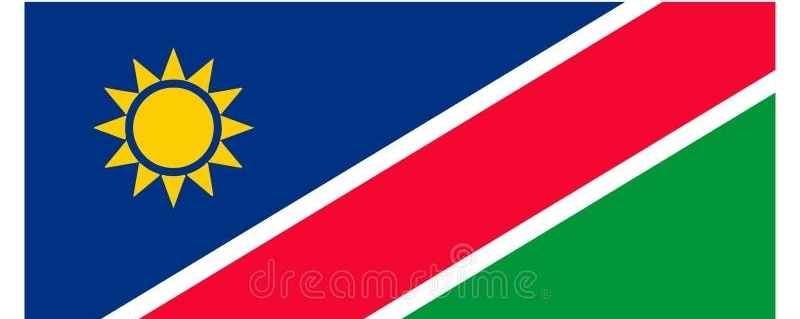
🇳🇦 طموح ناميبيا النفطي يتسارع: صفقة محطات وقود فيتول التابعة لناسان تشير إلى نموّ طاقي جديدناميبيا تتحوّل بسرعة من سوق ناشئة حدودية إلى واحدة من أكثر اقتصادات الطاقة في أفريقيا جذباً للمتابعة. وتُعدّ الخطوة الاستراتيجية الأحدث—استحواذ ناسان على شبكة محطات الوقود التابعة لشركة فيتول—أكثر من مجرد توسّع تجاري بالتجزئة. فهي تمثّل جهداً محسوباً لتعزيز توزيع الوقود المحلي، مع وضع ناميبيا في موقع يؤهلها لاندلاع طفرة النفط المتوقعة في البلاد.
وبينما يواصل المستثمرون العالميون مراقبة الاكتشافات البحرية في حوض أورانج، تُبرز هذه الصفقة كيف تستعدّ الشركات المحلية لمستقبل قد تصبح فيه ناميبيا واحدة من أسرع منتجي النفط نمواً في العالم.
🇳🇦 طموح ناميبيا النفطي يتسارع: صفقة محطات وقود فيتول التابعة لناسان تشير إلى نموّ طاقي جديد
ناميبيا تتحوّل بسرعة من سوق ناشئة حدودية إلى واحدة من أكثر اقتصادات الطاقة في أفريقيا جذباً للمتابعة. وتُعدّ الخطوة الاستراتيجية الأحدث—استحواذ ناسان على شبكة محطات الوقود التابعة لشركة فيتول—أكثر من مجرد توسّع تجاري بالتجزئة. فهي تمثّل جهداً محسوباً لتعزيز توزيع الوقود المحلي، مع وضع ناميبيا في موقع يؤهلها لاندلاع طفرة النفط المتوقعة في البلاد.
وبينما يواصل المستثمرون العالميون مراقبة الاكتشافات البحرية في حوض أورانج، تُبرز هذه الصفقة كيف تستعدّ الشركات المحلية لمستقبل قد تصبح فيه ناميبيا واحدة من أسرع منتجي النفط نمواً في العالم.
وبينما يواصل المستثمرون العالميون مراقبة الاكتشافات البحرية في حوض أورانج، تُبرز هذه الصفقة كيف تستعدّ الشركات المحلية لمستقبل قد تصبح فيه ناميبيا واحدة من أسرع منتجي النفط نمواً في العالم.
133
سجّل الدخول لاستكشاف المزيد من المُحتوى
انضم إلى مُستخدمي العملات الرقمية حول العالم على Binance Square
⚡️ احصل على أحدث المعلومات المفيدة عن العملات الرقمية.
💬 موثوقة من قبل أكبر منصّة لتداول العملات الرقمية في العالم.
👍 اكتشف الرؤى الحقيقية من صنّاع المُحتوى الموثوقين.
البريد الإلكتروني / رقم الهاتف
المواضيع الرائجة
1
#FedRateWatch
778,308 مشاهدات
3,702 يقومون بالنقاش
2
#BitcoinFalls4%
225 مشاهدات
44 يقومون بالنقاش
3
#ArgentinaCommitsToOECDCryptoReportingBy2029
4,466 مشاهدات
148 يقومون بالنقاش
4
#EthereumFallsBelow$2400
2,532 مشاهدات
65 يقومون بالنقاش
5
#USDTLaunchesOnZamaPrivacyProtocol
1,482 مشاهدات
78 يقومون بالنقاش
6
#USSenateBlocksClarityAct
19,628 مشاهدات
315 يقومون بالنقاش
7
#BitcoinSlidesTo$76000
34,775 مشاهدات
158 يقومون بالنقاش
8
#BitcoinReboundsTo$79K
66,875 مشاهدات
430 يقومون بالنقاش
9
#StrategyMarketCapPassesFord
60,643 مشاهدات
884 يقومون بالنقاش
10
#ClarityActOddsHalveOnPolymarket
101,235 مشاهدات
806 يقومون بالنقاش