
#usmegacaptechstocksfallpremarket
usmegacaptechstocksfallpremarket
92,458 مشاهدات
434 يقومون بالنقاش
رائج
جديد

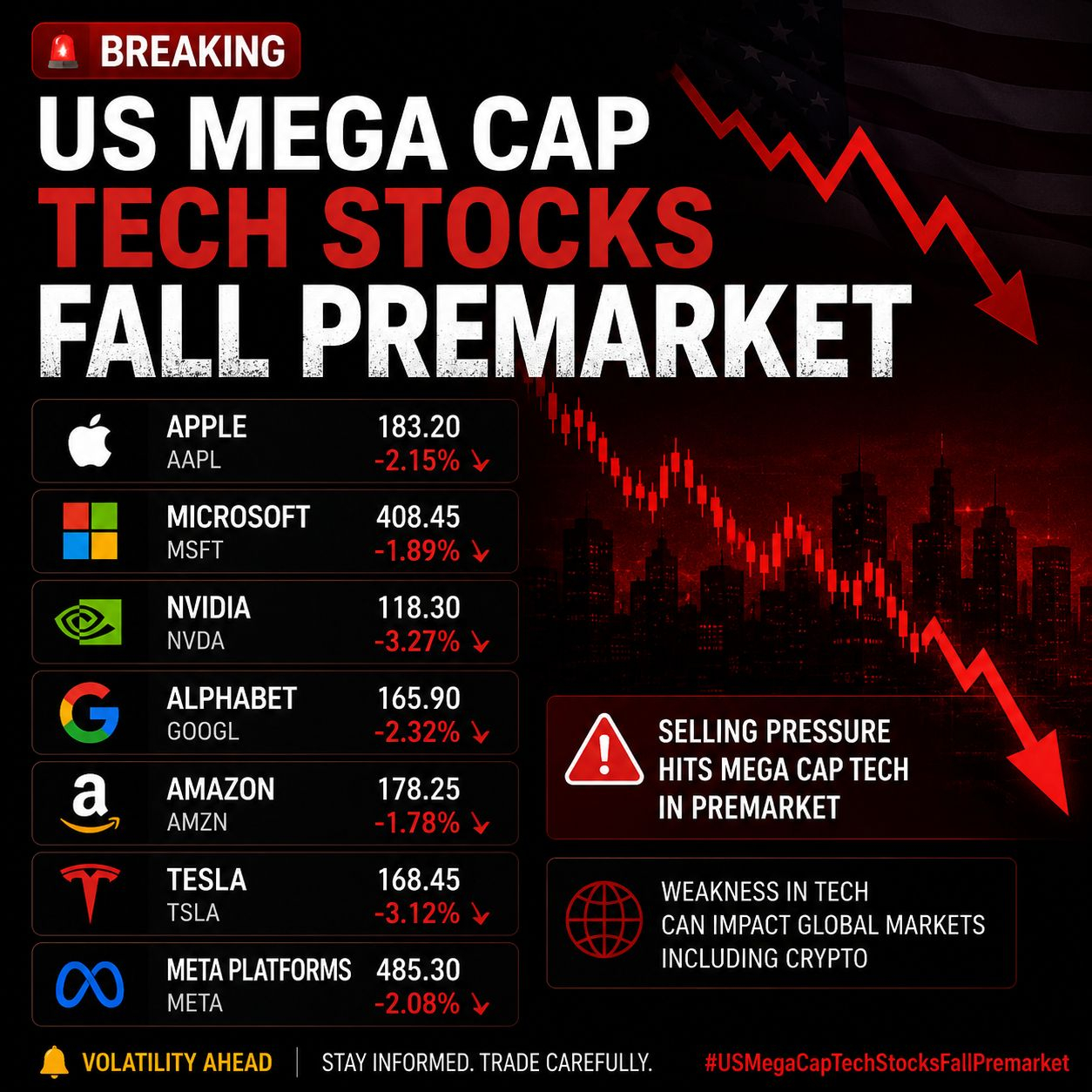
#USMegaCapTechStocksFallPremarket 🚨 US Mega Cap Tech Stocks Fall in Premarket 📉
Premarket selling pressure is hitting the biggest US tech companies, creating uncertainty across global markets.
When mega-cap tech weakens, risk assets often feel the impact—including crypto. 👀
Will this be a short-term shakeout... or the start of a bigger correction?
📊 Stay patient. Watch key support levels. Don't trade with emotions.
👇 Do you think Bitcoin will follow the stock market today? #BTC #USMegaCapTechStocksFallPremarket
Premarket selling pressure is hitting the biggest US tech companies, creating uncertainty across global markets.
When mega-cap tech weakens, risk assets often feel the impact—including crypto. 👀
Will this be a short-term shakeout... or the start of a bigger correction?
📊 Stay patient. Watch key support levels. Don't trade with emotions.
👇 Do you think Bitcoin will follow the stock market today? #BTC #USMegaCapTechStocksFallPremarket

صحيح جزئيًا
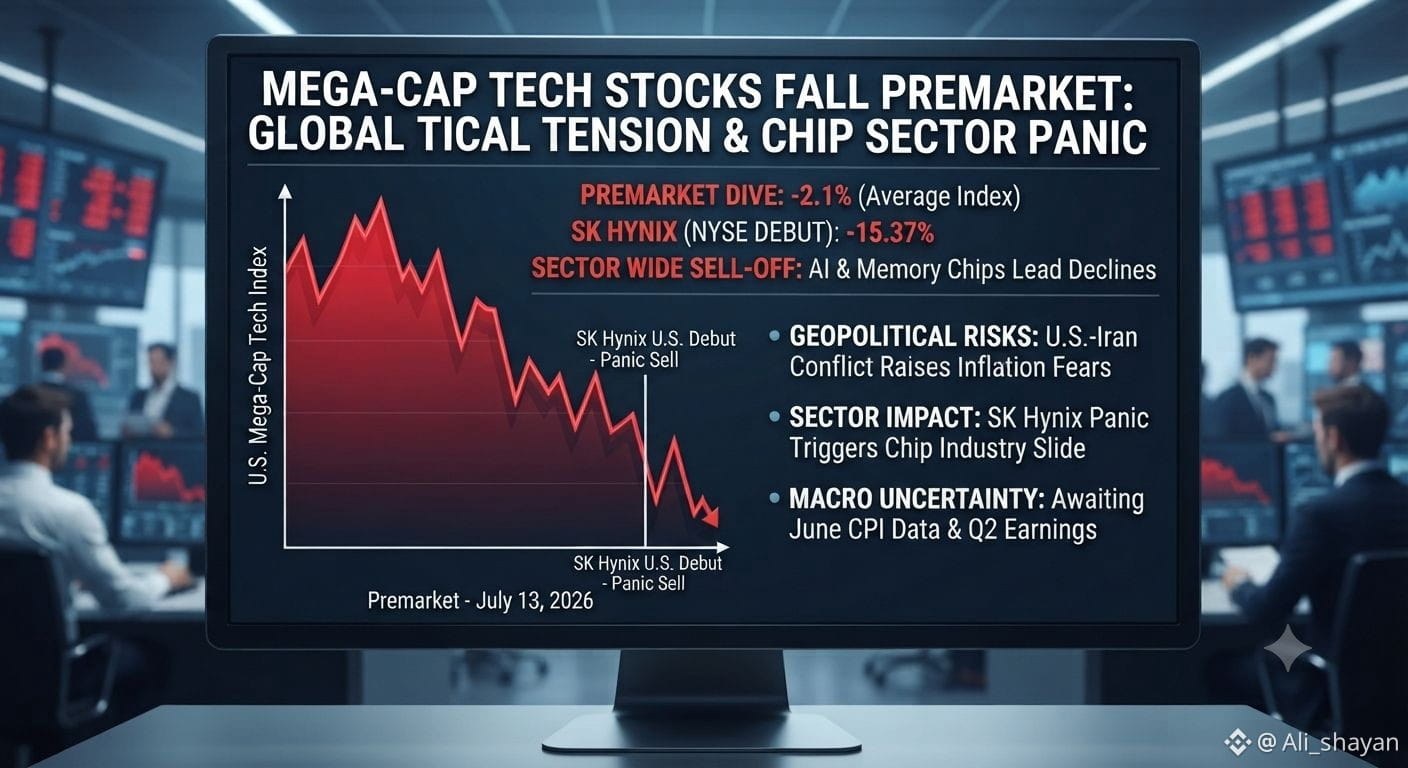
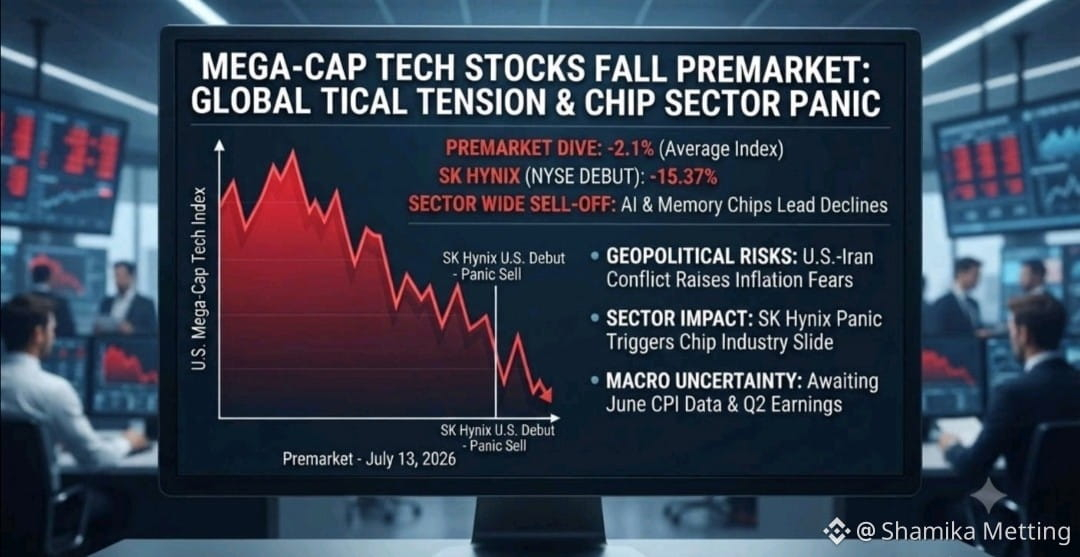
#usmegacaptechstocksfallpremarket Mega-cap tech stocks were under pressure in premarket trading on July 13, 2026, as investors reacted to rising macroeconomic uncertainty and geopolitical tensions. The sell-off was particularly intense in the memory chip and AI-related sectors, driven by a sharp decline in SK Hynix shares following its U.S. debut, which triggered wider panic across the semiconductor industry.
Ongoing conflicts between the U.S. and Iran continued to raise concerns about potential disruptions to energy exports and increased inflation, further dampening investor sentiment. Additionally, market participants remain cautious ahead of critical upcoming economic reports, including June Consumer Price Index (CPI) data, and the start of the second-quarter earnings season
CLICK BELOW TO TRADE ; $CL $BNB $BTC
Ongoing conflicts between the U.S. and Iran continued to raise concerns about potential disruptions to energy exports and increased inflation, further dampening investor sentiment. Additionally, market participants remain cautious ahead of critical upcoming economic reports, including June Consumer Price Index (CPI) data, and the start of the second-quarter earnings season
CLICK BELOW TO TRADE ; $CL $BNB $BTC

#usmegacaptechstocksfallpremarket
🚨 THE WALL STREET TECH FLUSH IS LIVE: US Mega-Cap Tech Stocks Crash Pre-Market! 📉🇺🇸
The global market domino effect has officially reached Wall Street! Following a historic 15.4% collapse of semiconductor giant SK Hynix in Seoul, massive circuit-breaker halts in Asia, and heavy liquidations across European indexes, the bleeding has crossed the Atlantic.
In U.S. pre-market trading on Monday, July 13, 2026, the "Magnificent Seven" and major mega-cap tech stocks are gapping down hard as global institutions aggressively dump equities to hedge against macroeconomic risk! 💥🏛️
Here is your urgent pro-trader breakdown of the pre-market panic:
⚡ The Wall Street Damage Report (Pre-Market)
Nvidia (NVDA) & AMD: Leading the tech rout downward, feeling the direct, brutal contraction of the Asian hardware and memory chip supply chain.Apple (AAPL), Microsoft (MSFT), & Alphabet (GOOGL): Dropping fast as algorithmic trading desks trigger automated sell orders ahead of the regular session opening bell.Nasdaq 100 Futures: Plummeting into the red, signaling a highly volatile and bloody opening bell for retail investors.
🔬 The Catalysts Exploding the Market
1️⃣ The Post-IPO Hardware Shock: SK Hynix's massive post-Nasdaq-listing sell-off has triggered systemic "Peak AI Memory" anxieties. Traders are terrified that Big Tech's infrastructure spending is finally cooling down.
2️⃣ Geopolitical Safe-Haven Flight: Escalating military tensions in the Middle East have sent oil and shipping uncertainty spiking. Capital is actively fleeing high-growth tech stocks and rushing straight into defensive safe havens like the U.S. Dollar (DXY).
3️⃣ The Ultimate Macro Week Panic: With June CPI inflation data, Jerome Powell’s Congressional testimony, and major Wall Street Bank Earnings all dropping this week, institutions are aggressively de-risking their portfolios to sit on cash.
#TechCrash #NASDAQ #WallStreet #MacroEconomics
🚨 THE WALL STREET TECH FLUSH IS LIVE: US Mega-Cap Tech Stocks Crash Pre-Market! 📉🇺🇸
The global market domino effect has officially reached Wall Street! Following a historic 15.4% collapse of semiconductor giant SK Hynix in Seoul, massive circuit-breaker halts in Asia, and heavy liquidations across European indexes, the bleeding has crossed the Atlantic.
In U.S. pre-market trading on Monday, July 13, 2026, the "Magnificent Seven" and major mega-cap tech stocks are gapping down hard as global institutions aggressively dump equities to hedge against macroeconomic risk! 💥🏛️
Here is your urgent pro-trader breakdown of the pre-market panic:
⚡ The Wall Street Damage Report (Pre-Market)
Nvidia (NVDA) & AMD: Leading the tech rout downward, feeling the direct, brutal contraction of the Asian hardware and memory chip supply chain.Apple (AAPL), Microsoft (MSFT), & Alphabet (GOOGL): Dropping fast as algorithmic trading desks trigger automated sell orders ahead of the regular session opening bell.Nasdaq 100 Futures: Plummeting into the red, signaling a highly volatile and bloody opening bell for retail investors.
🔬 The Catalysts Exploding the Market
1️⃣ The Post-IPO Hardware Shock: SK Hynix's massive post-Nasdaq-listing sell-off has triggered systemic "Peak AI Memory" anxieties. Traders are terrified that Big Tech's infrastructure spending is finally cooling down.
2️⃣ Geopolitical Safe-Haven Flight: Escalating military tensions in the Middle East have sent oil and shipping uncertainty spiking. Capital is actively fleeing high-growth tech stocks and rushing straight into defensive safe havens like the U.S. Dollar (DXY).
3️⃣ The Ultimate Macro Week Panic: With June CPI inflation data, Jerome Powell’s Congressional testimony, and major Wall Street Bank Earnings all dropping this week, institutions are aggressively de-risking their portfolios to sit on cash.
#TechCrash #NASDAQ #WallStreet #MacroEconomics

صحيح جزئيًا
#usmegacaptechstocksfallpremarket
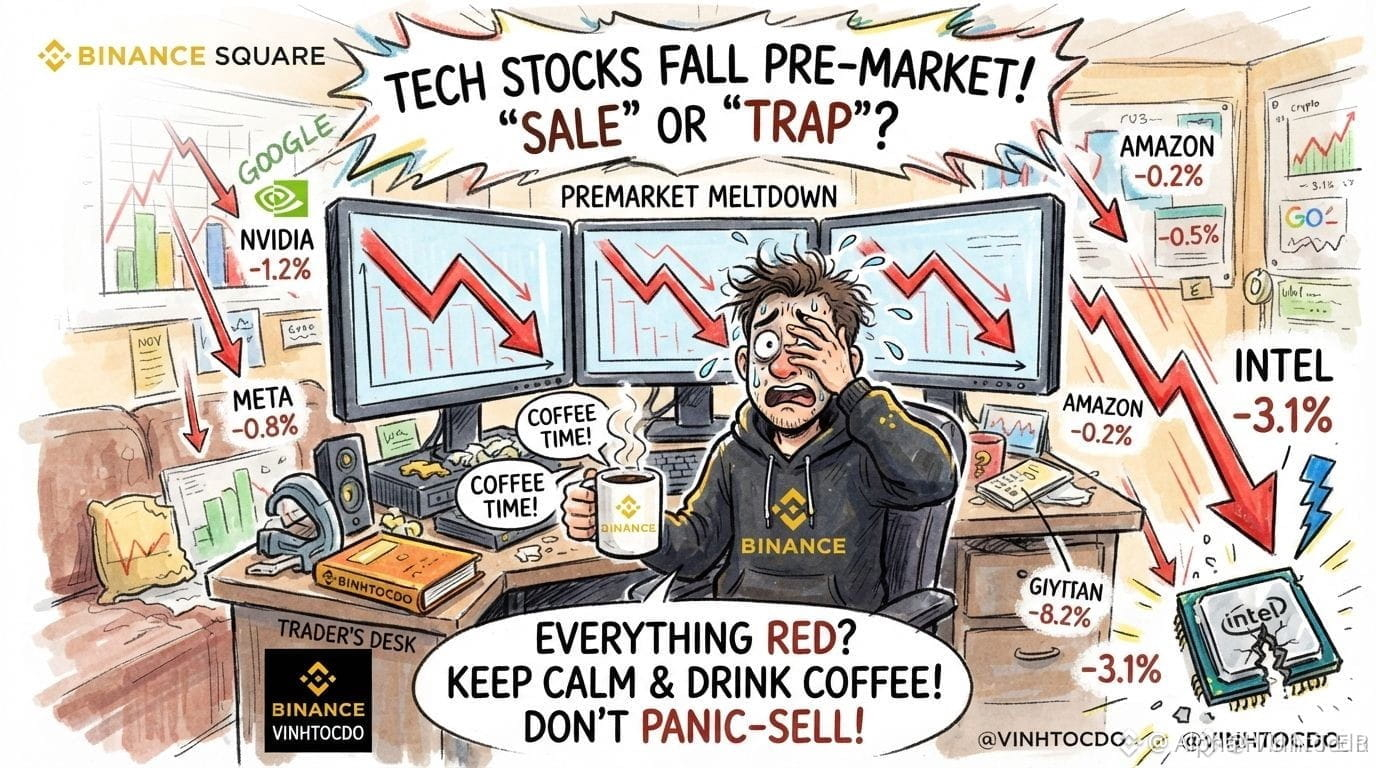
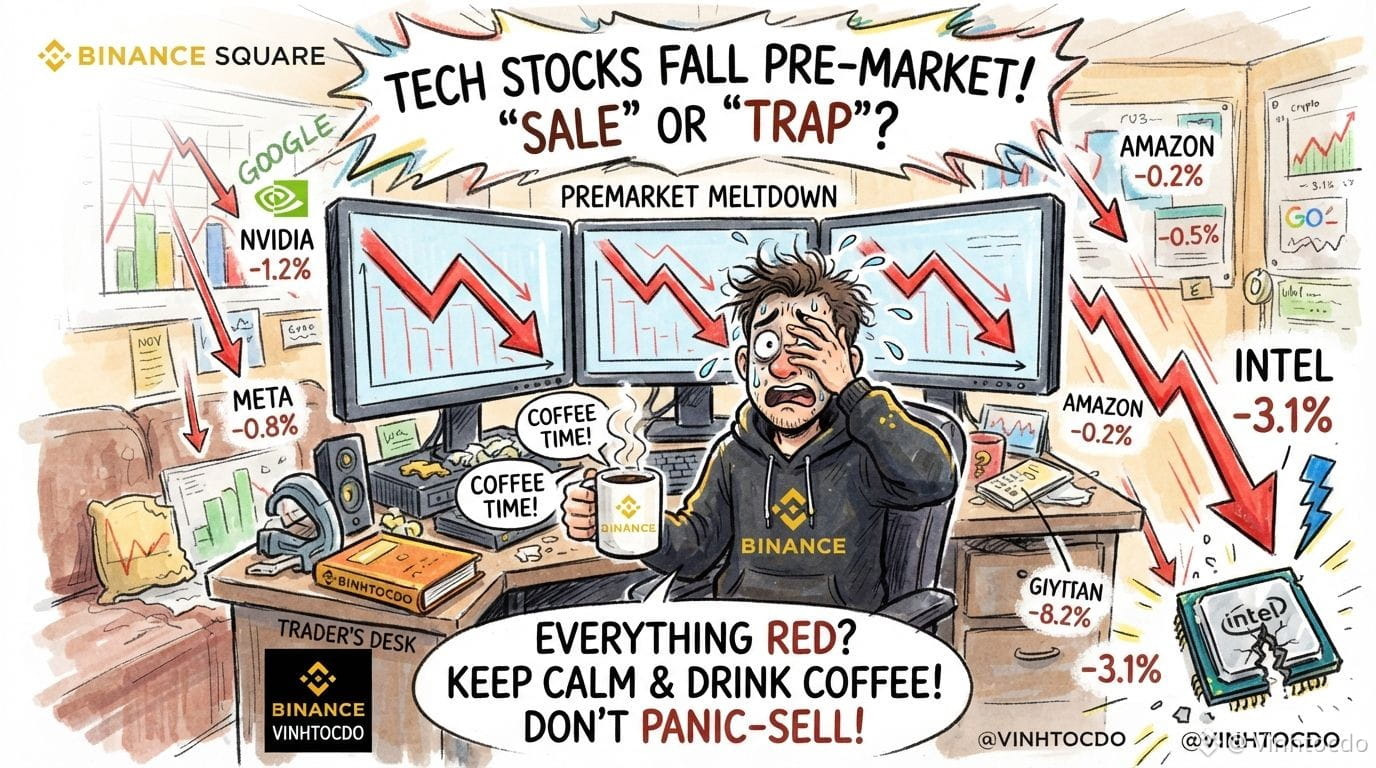
Au réveil, les yeux ouverts, je vois « rouge » partout sur le premarket : Intel s’effondre de >3 %, et ensuite c’est au tour de Nvidia, Tesla, Meta de reculer aussi, comme entraînés les uns par les autres. Les gars de Mega-Cap, c’est quoi, une « promo qui fait s’effondrer le plancher » en début de semaine ? 😂
En tant que trader, vous faites quoi en ce moment ? Fermez l’appli, allez préparer un café et retrouver le calme : ne mettez pas vos mains aux mauvais endroits tant que le marché est dans une frénésie de vague. Est-ce une opportunité d’accumuler (du stock) ou un piège pour les gens qui montent trop haut ? On verra bien plus tard—pas de panique !
SUIVIE MOI 😉 !
Ceci n’est pas un conseil financier.
#Intel #NVIDIA #Tesla
$INTCB
$NVDAB
$SPCXB
Au réveil, les yeux ouverts, je vois « rouge » partout sur le premarket : Intel s’effondre de >3 %, et ensuite c’est au tour de Nvidia, Tesla, Meta de reculer aussi, comme entraînés les uns par les autres. Les gars de Mega-Cap, c’est quoi, une « promo qui fait s’effondrer le plancher » en début de semaine ? 😂
En tant que trader, vous faites quoi en ce moment ? Fermez l’appli, allez préparer un café et retrouver le calme : ne mettez pas vos mains aux mauvais endroits tant que le marché est dans une frénésie de vague. Est-ce une opportunité d’accumuler (du stock) ou un piège pour les gens qui montent trop haut ? On verra bien plus tard—pas de panique !
SUIVIE MOI 😉 !
Ceci n’est pas un conseil financier.
#Intel #NVIDIA #Tesla
$INTCB
$NVDAB
$SPCXB

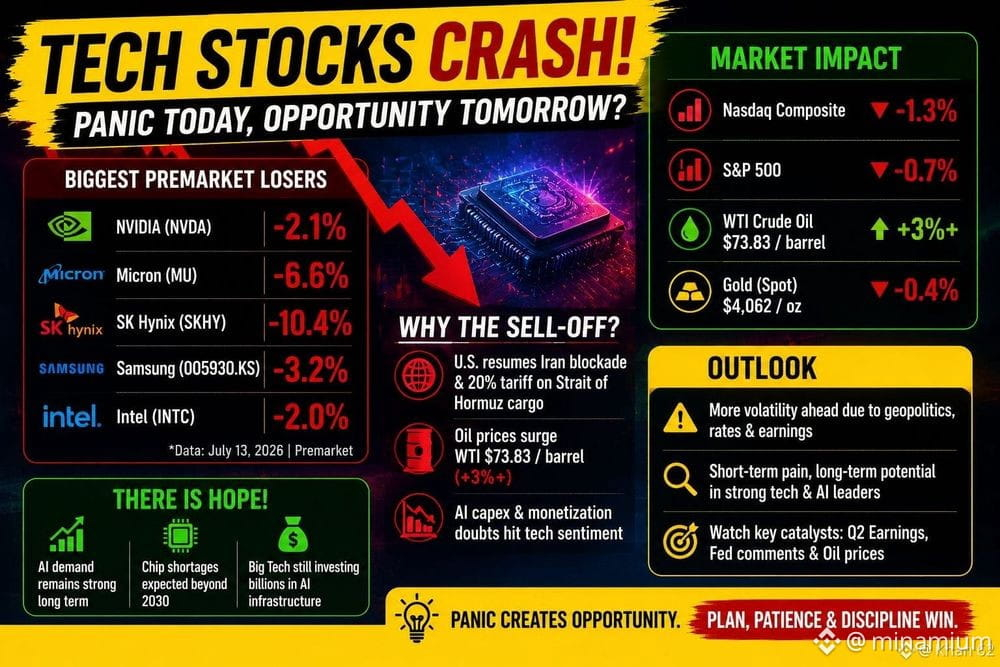
#usmegacaptechstocksfallpremarket 🚨 Tech Stocks Are Crashing. Is This Panic Creating the Next Big Opportunity?
Tech stocks just took another hit and people are asking one question:
Should you buy the dip or stay away from tech stocks?
🌕 The latest sell-off was not caused by technology.
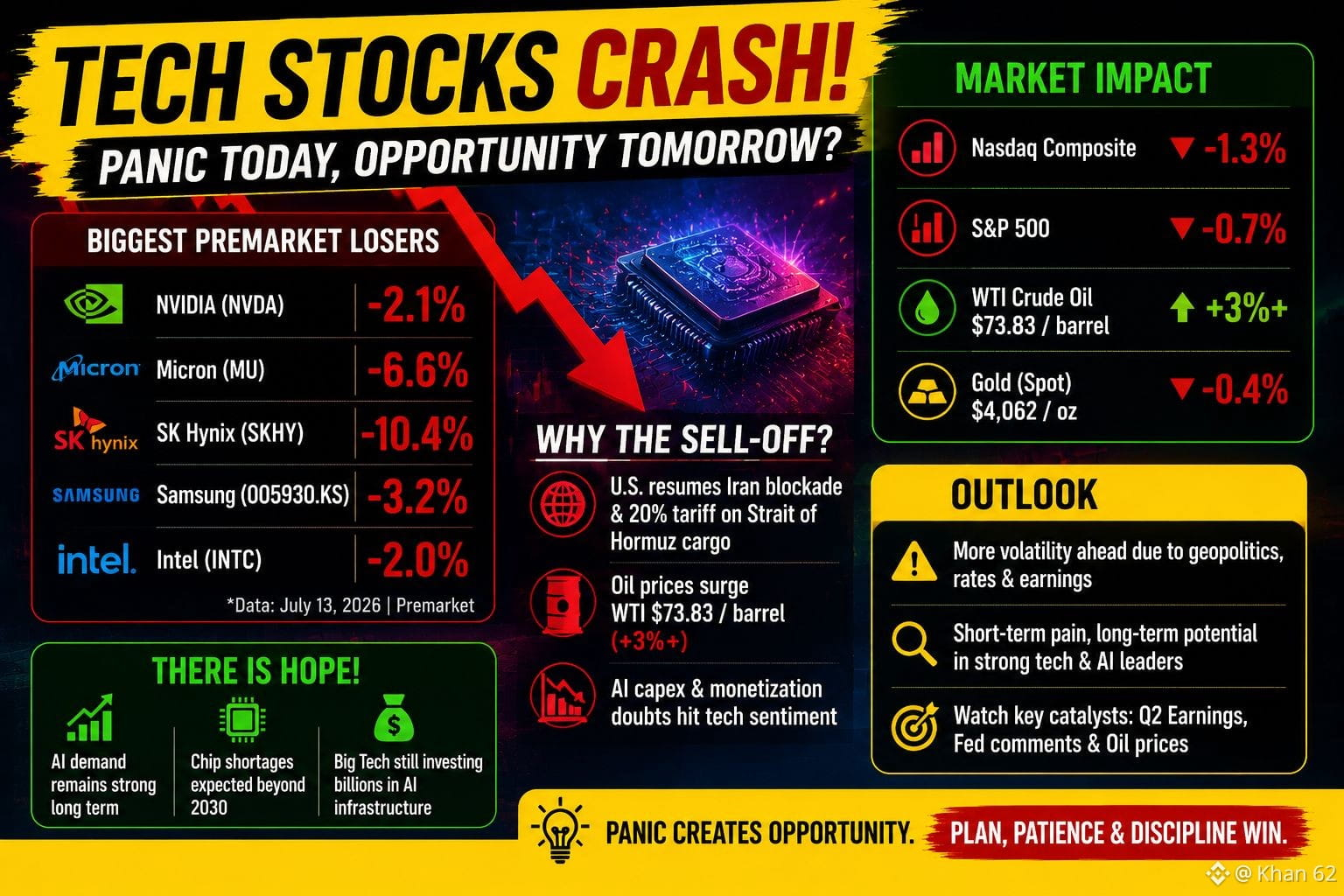
Rising geopolitical tensions and higher oil prices and tariff fears and uncertainty over interest rates pushed investors out of tech stocks.
Chip leaders like NVIDIA and Micron and Intel and Samsung Electronics and SK Hynix all came under pressure as markets shifted into risk-off mode.
🌕 But here is what many people are watching:
AI demand has not disappeared.
Major companies are still investing billions into AI infrastructure and long-term semiconductor demand remains strong.
The current decline looks like a valuation reset than the end of the AI story.
🌕What could happen next to tech stocks?
In the term: Expect more volatility while markets react to geopolitical headlines and inflation data and Fed comments and Q2 earnings.
In the term: If macro conditions stabilize and earnings remain solid institutional investors could begin accumulating quality tech names like AI stocks at lower valuations.
🌕 This week keep an eye on:
🔹 Big bank earnings
🔹 Federal Reserve commentary
🔹 Oil prices
🍋 These three catalysts could determine whether the market finds a bottom or falls further for tech stocks.
🌕 What is your strategy, for tech stocks?
Are you buying tech stocks like AI stocks during the panic. Waiting for more downside before stepping in to buy tech stocks?
#AI #NVIDIA #TradingSignals #Khan62
$NVDA $MU $MSFT
Tech stocks just took another hit and people are asking one question:
Should you buy the dip or stay away from tech stocks?
🌕 The latest sell-off was not caused by technology.
Rising geopolitical tensions and higher oil prices and tariff fears and uncertainty over interest rates pushed investors out of tech stocks.
Chip leaders like NVIDIA and Micron and Intel and Samsung Electronics and SK Hynix all came under pressure as markets shifted into risk-off mode.
🌕 But here is what many people are watching:
AI demand has not disappeared.
Major companies are still investing billions into AI infrastructure and long-term semiconductor demand remains strong.
The current decline looks like a valuation reset than the end of the AI story.
🌕What could happen next to tech stocks?
In the term: Expect more volatility while markets react to geopolitical headlines and inflation data and Fed comments and Q2 earnings.
In the term: If macro conditions stabilize and earnings remain solid institutional investors could begin accumulating quality tech names like AI stocks at lower valuations.
🌕 This week keep an eye on:
🔹 Big bank earnings
🔹 Federal Reserve commentary
🔹 Oil prices
🍋 These three catalysts could determine whether the market finds a bottom or falls further for tech stocks.
🌕 What is your strategy, for tech stocks?
Are you buying tech stocks like AI stocks during the panic. Waiting for more downside before stepping in to buy tech stocks?
#AI #NVIDIA #TradingSignals #Khan62
$NVDA $MU $MSFT

📉 تراجع عمالقة التكنولوجيا قبل الافتتاح… هل هو تصحيح أم بداية تغيير في المعنويات؟
شهدت أسهم أكبر شركات التكنولوجيا الأمريكية ضغوطًا في تداولات ما قبل السوق، مع تزايد حذر المستثمرين تجاه قطاع الذكاء الاصطناعي بعد موجة صعود قوية رفعت التقييمات إلى مستويات تاريخية.
لكن خلف هذا التراجع توجد رسالة مهمة: الأسواق لا تكافئ الضجيج طويلًا، بل تبحث عن النتائج الحقيقية.
الذكاء الاصطناعي لم يعد مجرد قصة مستقبلية، بل أصبح سباقًا لإثبات القدرة على تحويل الاستثمارات الضخمة في البنية التحتية والرقائق إلى نمو وأرباح مستدامة.
قد تكون هذه الحركة مجرد جني أرباح طبيعي بعد ارتفاعات قوية، وقد تكون تذكيرًا بأن حتى أقوى القطاعات تمر بفترات إعادة تقييم.
المستثمرون الناجحون لا ينظرون فقط إلى حركة السعر اليومية، بل يراقبون الاتجاه الأكبر:
🚀 من يقود الابتكار؟
🏗️ من يبني البنية التحتية للمستقبل؟
ومن يستطيع تحويل التكنولوجيا إلى قيمة حقيقية؟
في الأسواق، التقلبات قصيرة الأجل تصنع الضوضاء… لكن الرؤية طويلة الأجل هي التي تصنع الفرص.
#USMegaCapTechStocksFallPremarket
شهدت أسهم أكبر شركات التكنولوجيا الأمريكية ضغوطًا في تداولات ما قبل السوق، مع تزايد حذر المستثمرين تجاه قطاع الذكاء الاصطناعي بعد موجة صعود قوية رفعت التقييمات إلى مستويات تاريخية.
لكن خلف هذا التراجع توجد رسالة مهمة: الأسواق لا تكافئ الضجيج طويلًا، بل تبحث عن النتائج الحقيقية.
الذكاء الاصطناعي لم يعد مجرد قصة مستقبلية، بل أصبح سباقًا لإثبات القدرة على تحويل الاستثمارات الضخمة في البنية التحتية والرقائق إلى نمو وأرباح مستدامة.
قد تكون هذه الحركة مجرد جني أرباح طبيعي بعد ارتفاعات قوية، وقد تكون تذكيرًا بأن حتى أقوى القطاعات تمر بفترات إعادة تقييم.
المستثمرون الناجحون لا ينظرون فقط إلى حركة السعر اليومية، بل يراقبون الاتجاه الأكبر:
🚀 من يقود الابتكار؟
🏗️ من يبني البنية التحتية للمستقبل؟
ومن يستطيع تحويل التكنولوجيا إلى قيمة حقيقية؟
في الأسواق، التقلبات قصيرة الأجل تصنع الضوضاء… لكن الرؤية طويلة الأجل هي التي تصنع الفرص.
#USMegaCapTechStocksFallPremarket

#USMegaCapTechStocksFallPremarket
Los contratos de futuros tecnológicos de EE. UU. registraron caídas significativas este lunes 13 de julio de 2026 en las operaciones previas a la comercialización (premarket), arrastrados por una liquidación masiva en el sector global de semiconductores y un repunte en las tensiones geopolíticas.
Los futuros del Nasdaq 100 llegaron a caer un 1.3%, mientras que el S&P 500 cedió un 0.4%, revirtiendo las ganancias del cierre de la semana pasada. y el desplome Global de Semiconductores.
La caída se desencadenó tras el desplome histórico del 15% de la gigante surcoreana SK Hynix en la bolsa de Seúl. Esto ocurrió solo un día después de su exitoso debut en el Nasdaq el viernes pasado.
$NVDAB
$BTC
$GOOGLB
Los contratos de futuros tecnológicos de EE. UU. registraron caídas significativas este lunes 13 de julio de 2026 en las operaciones previas a la comercialización (premarket), arrastrados por una liquidación masiva en el sector global de semiconductores y un repunte en las tensiones geopolíticas.
Los futuros del Nasdaq 100 llegaron a caer un 1.3%, mientras que el S&P 500 cedió un 0.4%, revirtiendo las ganancias del cierre de la semana pasada. y el desplome Global de Semiconductores.
La caída se desencadenó tras el desplome histórico del 15% de la gigante surcoreana SK Hynix en la bolsa de Seúl. Esto ocurrió solo un día después de su exitoso debut en el Nasdaq el viernes pasado.
$NVDAB
$BTC
$GOOGLB


صحيح جزئيًا
#usmegacaptechstocksfallpremarket كانت أسهم شركات التكنولوجيا العملاقة تحت ضغط في تداولات ما قبل افتتاح السوق في 13 يوليو 2026، حيث تفاعل المستثمرون مع تصاعد حالة عدم اليقين في الاقتصاد الكلي والتوترات الجيوسياسية. وكانت عمليات البيع مكثفة بشكل خاص في قطاعات رقائق الذاكرة والذكاء الاصطناعي، مدفوعةً بانخفاض حاد في أسهم شركة SK Hynix بعد ظهورها الأول في الولايات المتحدة، وهو ما أثار حالة هلع أوسع في جميع أنحاء صناعة أشباه الموصلات.
واستمرت النزاعات القائمة بين الولايات المتحدة وإيران في رفع مستوى القلق بشأن احتمال حدوث اضطرابات في صادرات الطاقة وزيادة التضخم، ما أدى إلى كبح معنويات المستثمرين أكثر. كما يظل المشاركون في السوق حذرين قبيل التقارير الاقتصادية الرئيسية المقبلة، بما في ذلك بيانات مؤشر أسعار المستهلكين لشهر يونيو (CPI)، وبداية موسم أرباح الربع الثاني
انقر أدناه للتداول ;
متابعة من فضلكم
$CL $BNB $BTC
واستمرت النزاعات القائمة بين الولايات المتحدة وإيران في رفع مستوى القلق بشأن احتمال حدوث اضطرابات في صادرات الطاقة وزيادة التضخم، ما أدى إلى كبح معنويات المستثمرين أكثر. كما يظل المشاركون في السوق حذرين قبيل التقارير الاقتصادية الرئيسية المقبلة، بما في ذلك بيانات مؤشر أسعار المستهلكين لشهر يونيو (CPI)، وبداية موسم أرباح الربع الثاني
انقر أدناه للتداول ;
متابعة من فضلكم
$CL $BNB $BTC

Premarket is flashing red as mega-cap tech slips, with Intel, Nvidia, Tesla, and Meta all under pressure. Fear is rising, but sharp pullbacks often create both opportunity and risk. Smart traders stay patient instead of chasing emotions. Whether this becomes a buying zone or another bull trap, the next sessions will reveal the market's true direction.
$LAB
$T
$SPCXB
#BinanceTurns9
#MarketsPriceInOneFedHikeBeforeSeptember
#JuneCPIWarshTestimonyBankEarningsSameWeek #USMegaCapTechStocksFallPremarket
#USMegaCapTechStocksFallPremarket
$LAB
$T
$SPCXB
#BinanceTurns9
#MarketsPriceInOneFedHikeBeforeSeptember
#JuneCPIWarshTestimonyBankEarningsSameWeek #USMegaCapTechStocksFallPremarket
#USMegaCapTechStocksFallPremarket

#usmegacaptechstocksfallpremarket
Sáng ra mở mắt thấy "nhuộm đỏ" cả sàn premarket, Intel bay màu >3%, Nvidia, Tesla, Meta cũng rủ nhau đi lùi. Anh em Mega-Cap rủ nhau "sale sập sàn" đầu tuần hay gì? 😂
Trader làm gì tầm này? Đóng app, đi pha ly cà phê tĩnh tâm, đừng táy máy tay chân lúc thị trường đang say sóng. Cơ hội gom hàng hay cái bẫy đu đỉnh thì cứ phải chờ xem đã, đừng hoảng loạn!
Mở tài khoản Binance, nhập mã VINHTOCDO để cùng vượt bão nhé!
Đây không phải lời khuyên tài chính.
#Intel #NVIDIA #Tesla #VINHTOCDO
$INTCB
$NVDAB
$TSLAB
Sáng ra mở mắt thấy "nhuộm đỏ" cả sàn premarket, Intel bay màu >3%, Nvidia, Tesla, Meta cũng rủ nhau đi lùi. Anh em Mega-Cap rủ nhau "sale sập sàn" đầu tuần hay gì? 😂
Trader làm gì tầm này? Đóng app, đi pha ly cà phê tĩnh tâm, đừng táy máy tay chân lúc thị trường đang say sóng. Cơ hội gom hàng hay cái bẫy đu đỉnh thì cứ phải chờ xem đã, đừng hoảng loạn!
Mở tài khoản Binance, nhập mã VINHTOCDO để cùng vượt bão nhé!
Đây không phải lời khuyên tài chính.
#Intel #NVIDIA #Tesla #VINHTOCDO
$INTCB
$NVDAB
$TSLAB







تم حذف محتوى الاقتباس


هابط$NVDAB #USMegaCapTechStocksFallPremarket #USMegaCapTechStocksFallPremarket StrategyRaises$467MEquityNoBitcoinSold#BinanceTurns9


سجّل الدخول لاستكشاف المزيد من المُحتوى