
#cryptotrends
cryptotrends
4.5M مشاهدات
12,809 يقومون بالنقاش
رائج
جديد

·
--
🚀 **5 اتجاهات في عالم العملات المشفرة ينبغي لكل مبتدئ فهمها!**
هل تريد أن تفهم إلى أين قد يتجه سوق العملات المشفرة؟ ابدأ بهذه التوجهات المهمة:
🤖 **الذكاء الاصطناعي والعملات المشفرة:** يلتقي الذكاء الاصطناعي بتقنية البلوكشين.
🏦 **الأصول الحقيقية (RWA):** أصول من العالم الحقيقي تُمثَّل على البلوكشين.
⚡ **الطبقة الثانية:** حلول مصممة لتحسين قابلية البلوكشين للتوسع.
🔐 **التمويل اللامركزي (DeFi):** خدمات مالية مبنية على شبكات البلوكشين.
🪙 **العملات المستقرة:** أصول رقمية مصممة لتتبع قيمة مرجعية، مثل الدولار الأمريكي.
📚 **نصيحة للتعلم:** لا يضمن رواج توجهٍ ما ارتفاع قيمة رمزٍ رقمي. ابحث في فائدة الرمز، والمعروض منه، ومدى تبنيه، والمخاطر قبل الاستثمار.
💬 ما الموضوع الذي تريدون أن نشرحه بالتفصيل لاحقًا؟
#CanMicrosoftDeliverOnAI #BinanceSquare #تعليم_العملات_المشفرة #CryptoTrends #البلوكشين
105

·
--
بينما نتقدم أعمق إلى الربع الأخير من عام 2026، يتحول السوق من مجرد المضاربة إلى نموٍ هيكلي حقيقي. إليك أفضل 3 اتجاهات تسيطر حاليًا على قائمتي للمراقبة:
1️⃣ الملوك الصامدون: $BTC ما زال ثابتًا بقوة ضمن نطاق $84k رغم رفع أسعار الفائدة على مستوى الاقتصاد الكلي، ما يثبت قوته على صعيد الماكرو. وفي الوقت نفسه، يواصل $ETH ترسيخ العقود الذكية والإعدادات المؤسسية.
2️⃣ تطور الطبقة الثانية: حلول التوسعة مثل $ARB تستوعب نشاطًا ضخمًا على السلسلة. ومع ظهور أهداف سعرية مؤسسية جادة، أصبحت حلول L2 هي المكان الذي ينتقل إليه الحجم.
3️⃣ ترميز الذكاء الاصطناعي و الأصول الواقعية (AI & RWA): لم يعد وكلاء الذكاء الاصطناعي ينفذون المعاملات بشكل مستقل، ولا ترميز الأصول الواقعية مجرد كلام مُثير—بل إنهما يربطان التمويل التقليدي فعليًا مع البلوك تشين.
أي سردية أنت الأكثر تفاؤلًا بشأنها لبقية 2026؟ هل تقوم بتجميع L1s أم L2s، أم تتجه إلى رموز الذكاء الاصطناعي؟ أخبرني في التعليقات! 👇
تنبيه: أنا فقط أشارك ملاحظاتي. ليست نصيحة مالية (NFA). قم بإجراء بحثك الخاص! 💡
#CryptoTrends #Bitcoin #Aİ #NFA🔥💹 #BinanceSquareTalks
1
397

🚀 سوق بيتكوين و العملات الرقمية 2026: ما الذي سيأتي بعد ذلك؟
لا تزال بيتكوين في قلب سوق العملات الرقمية، بينما تُنشئ إيثريوم ومشاريع العملات الرقمية المدعومة بالذكاء الاصطناعي وتوكنات الأصول الحقيقية (RWA) والألتموين الناشئة فرصًا جديدة في 2026. 📈
🔥 أي اتجاه للعملات الرقمية قد يهيمن بعد ذلك؟
اقرأ التحليل الكامل هنا:
https://cryptoalertpk.blogspot.com/2026/08/bitcoin-crypto-market-2026-top-trends.html
#Bitcoin #Crypto #Crypto2026 #Ethereum #CryptoTrends

153
🌐 أكبر توجه في عالم العملات الرقمية: صعود التوكنة والأصول الواقعية! 🌐
من أبرز السرديات التي تهيمن حاليًا على عالم العملات الرقمية التوكنة (الأصول الواقعية - RWA). إن نقل الأصول المالية التقليدية — مثل السندات الحكومية والعقارات والسلع — إلى البلوك تشين يعيد تشكيل التمويل العالمي بسرعة!
📊 لماذا تكتسب التوكنة زخمًا هائلًا؟
1️⃣ ثقة المؤسسات: تعمل المؤسسات المالية الكبرى والبنوك التقليدية بنشاط على إنشاء الأصول وتسويتها على السلسلة.
2️⃣ الكفاءة والشفافية: تضمن تقنية البلوك تشين معاملات أسرع وأكثر أمانًا وشفافية تامة.
3️⃣ الربط بين التمويل التقليدي والتمويل اللامركزي: تُعد بوابة قوية تجمع بين التمويل التقليدي والتطبيقات اللامركزية.
💡 تذكير للمستثمرين الأذكياء:
"لا تنساقوا عمياءً وراء السرديات الرائجة بدافع الضجة. احرصوا دائمًا على البحث في المنفعة والأساسيات، وإدارة المخاطر بحزم."
هل تتابعون عن كثب توجه الأصول الواقعية (RWA) والتوكنة؟ أخبرونا بآرائكم أدناه! 👇
#BinanceSquare #Tokenisation #RWA #CryptoTrends #RiskManagement $BTC $ETH $SOL
102
“هل تكون أحدث موجة في عالم العملات الرقمية هي وكلاء الذكاء الاصطناعي أم الأصول الواقعية (RWA) أم عودة انتعاش التمويل اللامركزي (DeFi)؟ إليك ما أراقبه في 2026.”
هاشتاغات:
#CryptoTrends #AIcrypto #RWA #DeFi #BinanceSquare #CryptoCommunity #Altcoins #MarketAnalysis
“هل تكون أحدث موجة في عالم العملات الرقمية هي وكلاء الذكاء الاصطناعي أم الأصول الواقعية (RWA) أم عودة انتعاش التمويل اللامركزي (DeFi)؟ إليك ما أراقبه في 2026.”
هاشتاغات:
#CryptoTrends #AIcrypto #RWA #DeFi #BinanceSquare #CryptoCommunity #Altcoins #MarketAnalysis
هاشتاغات:
#CryptoTrends #AIcrypto #RWA #DeFi #BinanceSquare #CryptoCommunity #Altcoins #MarketAnalysis
101

·
--
عرض الترجمة
Sharp, sudden moves in small-cap tokens often aren’t just “volatility” — they can be liquidity hunts that sweep stops and then reverse, leaving technical patterns like rounded bottoms ambiguous. One post wonders if a deep drop can form a rebound; another calls out coordinated stop-loss sweeps. Those observations point to the same structural issue: low liquidity makes price action easy to manipulate or at least to distort.
My take: in these markets, traditional technical signals lose reliability because aggressive liquidity taking can manufacture breakouts, fake reversals, or stop cascades. The practical implication is to treat charts as one input among order-book depth, recent trade sizes, and counterparty behavior. A fair caveat is that not every whip-saw is engineered — algorithmic flow, news, or genuine liquidity rebalancing can produce similar traces.
When you suspect stop-loss hunting in a token, what exact rule do you change for entries, exits, or position sizing?
#Write2Earn #BinanceSquare #CryptoTrends
Source discussion: https://www.binance.com/en/square/post/392735079707015
·
--
عندما يرتبط اسم شخصية سياسية بارزة بعملة رقمية وتُتهم بتحصيل عائدات ضخمة مع انهيار قيمة العملة، يتكشف الهوة بين بناء العلامة التجارية على الشهرة وأخلاقيات الواجب العام. حتى إن رئيس لجنة في مجلس النواب اقترح مشروع قانون يُسمى «قانون وقف TRUMP في العملات المشفرة»، ويهدف إلى الحد من مشاركة الشخصيات السياسية في العملات المشفرة.
رأيي: تسلط هذه الحالة الضوء على الحاجة إلى قواعد واضحة بشأن الإفصاح عن العائدات، أو التخلي عنها، أو فرض حظر تام على السياسيين الذين يشغلون مناصبهم ويتلقون عائدات من العملات المشفرة. ومن دون هذه القواعد، يواجه المستثمرون مخاطر لا ترتبط بالسوق، ويصبح المجال عرضة لتضارب المصالح الذي قد يقوض الثقة. ومن المرجح أن تفضي هذه الحالة إلى قوانين أكثر صرامة للإفصاح وإنفاذها، ما قد يحد من انتشار العملات التي تحمل علامات تجارية مرتبطة بالمشاهير أو السياسيين.
تنويه: قد تكون المدفوعات ترتيبات ترخيص قانونية، وقد تعكس تقلبات الأسعار التقلبات المعتادة في السوق لا ارتكاب مخالفات. فهل ينبغي منع السياسيين الذين يشغلون مناصبهم من تلقي عائدات مرتبطة بعملات مشفرة تستخدم أسماءهم أو صورهم؟
#Trump #BinanceSquare #اتجاهات_العملات_المشفرة
النقاش الأصلي: https://www.binance.com/en/square/post/392396849745540
12
·
--
شهدت الأسواق انتعاشًا وجيزًا قبيل عيد الشكر — إذ أفادت التقارير بأن بيتكوين ارتدت من نحو 57,500 دولار إلى ما يقارب 60,500 دولار، ووُصفت الأسهم والعقود الآجلة الأمريكية بأنها تتعافى — لكن هذا الارتداد يبدو هشًا. في رأيي، قد تؤدي التدفقات الخارجة المُبلغ عنها من صناديق بيتكوين المتداولة الفورية في الولايات المتحدة، والمخاوف المستمرة بشأن تشديد الاحتياطي الفيدرالي، إلى استنزاف السيولة المحدودة خلال العطلات، التي غالبًا ما تضخّم تحركات السوق، ما يجعل الارتفاعات عرضة للانعكاس بدلًا من أن تكون تعافيًا مطردًا.
ومع ذلك، إذا عادت السيولة والتدفقات الداخلة بعد استئناف الأسواق نشاطها بالكامل، فقد يمتد الارتداد. ومن التحفظات المهمة أن تقارير تدفقات صناديق المؤشرات المتداولة وتوقعات مسار أسعار الفائدة قابلة للتغير؛ إذ يمكن لأي منهما أن يقلب معنويات السوق بسرعة. ما إشارة السوق الوحيدة التي ستراقبها عن كثب الأسبوع المقبل لتقرر ما إذا كان هذا الارتداد سيستمر؟
#canmarketsreboundafterthanksgiving #BinanceSquare #اتجاهات_العملات_المشفرة
نقاش المصدر: https://www.binance.com/en/square/post/392404987383325
1
·
--
عملة ميم مرتبطة بشخصية عامة، واتهامٌ بأن هذه الشخصية جمعت مبالغ كبيرة من «الإتاوات»، يطرحان سؤالًا جوهريًا: عندما يُسوَّق لرمز رقمي مرتبط بسياسي، فمن المستفيد، وما الإفصاحات المطلوبة؟ من وجهة نظري، فإن الرموز التي تحوّل الإيرادات أو المدفوعات الشبيهة بالإتاوات إلى شخص مرتبط بها تُطمس الحدود بين الترويج من المشاهير وجمع الأموال والترتيبات الاقتصادية المحتملة الشبيهة بالأوراق المالية. وهذا يثير مسائل حقيقية تتعلق بحماية المستثمرين وتضارب المصالح، ويجعل التدقيق التنظيمي أكثر ترجيحًا.
تنويه: قد يكون لانهيار السعر أو لاتهامات تلقي المدفوعات أسباب كثيرة، منها اقتصاديات الرمز التقنية، وديناميكيات السوق الثانوية، أو الدوافع السياسية وراء الادعاءات؛ لذا لا بد من التحقق من الوقائع. ما الإفصاح المحدد أو القاعدة الهيكلية التي ستشترطونها لأي رمز مرتبط بمسؤول عام؟
#COINMAG #BinanceSquare #اتجاهات_العملات_المشفرة
مصدر النقاش: https://www.binance.com/en/square/post/392396849745540
32

·
--
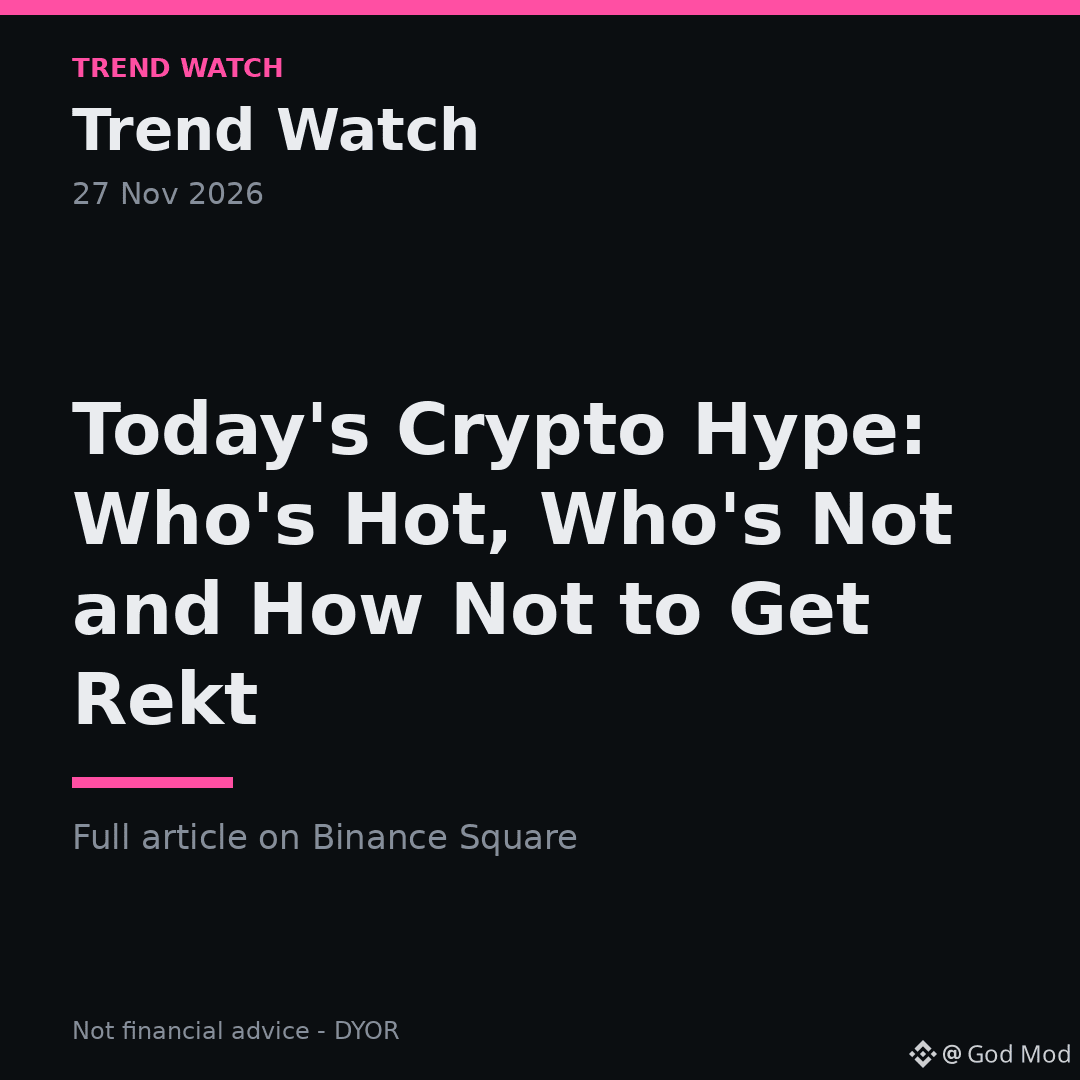
مقالة
ضجة العملات المشفرة اليوم: من المتألق، ومن المتراجع، وكيف تتجنب التصفيةاستيقظت على سيل من الميمات عن عملة جديدة يُتوقع أن تحقق قفزة هائلة، لكن الرسوم البيانية ذكّرتني بأن الحماس قد يكون سلاحًا ذا حدين. ومع بقاء مؤشر الخوف والطمع عالقًا عند مستوى الخوف الشديد، فهذا يوم مناسب للتريث وتدوين الملاحظات وإبقاء مؤشر المخاطر في حالة تأهب.
أبرز الرابحين اليوم
سجّل $INIT ارتفاعًا بنسبة +63.08% ليصل إلى $0.1384، تلاه $SSV مرتفعًا +18.03% إلى $2.71، ثم $SEI صاعدًا +15.33% إلى $0.0388. وحتى LINK الأرسخ حضورًا حقق مكسبًا متواضعًا بنسبة +2.88% ليصل إلى $9.37، فيما أضاف LTC نسبة +2.79% ليبلغ $44.14. تبدو هذه القفزات كالألعاب النارية: ساطعة وقصيرة، ويسهل تفويتها إن لم تكن تتابع الأسعار.
ضجة العملات المشفرة اليوم: من المتألق، ومن المتراجع، وكيف تتجنب التصفية
استيقظت على سيل من الميمات عن عملة جديدة يُتوقع أن تحقق قفزة هائلة، لكن الرسوم البيانية ذكّرتني بأن الحماس قد يكون سلاحًا ذا حدين. ومع بقاء مؤشر الخوف والطمع عالقًا عند مستوى الخوف الشديد، فهذا يوم مناسب للتريث وتدوين الملاحظات وإبقاء مؤشر المخاطر في حالة تأهب.
أبرز الرابحين اليوم
سجّل $INIT ارتفاعًا بنسبة +63.08% ليصل إلى $0.1384، تلاه $SSV مرتفعًا +18.03% إلى $2.71، ثم $SEI صاعدًا +15.33% إلى $0.0388. وحتى LINK الأرسخ حضورًا حقق مكسبًا متواضعًا بنسبة +2.88% ليصل إلى $9.37، فيما أضاف LTC نسبة +2.79% ليبلغ $44.14. تبدو هذه القفزات كالألعاب النارية: ساطعة وقصيرة، ويسهل تفويتها إن لم تكن تتابع الأسعار.
490
·
--
تكشف الرموز المدعومة من المشاهير عن معضلة سياسية معقدة: فعندما يرتبط مسؤولون سياسيون برمز يدرّ عوائد، تتشابك مسائل الإفصاح وتضارب المصالح وحماية المستثمرين. وتُظهر المزاعم القائلة إن رمزًا دفع عوائد كبيرة إلى سياسي — إن صحت — لماذا قد لا تغطي القواعد الحالية هذا المزيج من السياسة والدعاية والتمويل.
وجهة نظري: ينبغي للجهات التنظيمية توضيح كيفية التعامل مع عوائد العملات المشفرة الناشئة عن مشاريع مرتبطة سياسيًا لأغراض الإفصاح وتمويل الحملات الانتخابية وقوانين الأوراق المالية. وقد يفرض ذلك الشفافية بشأن المستفيدين والوسطاء والاقتصاديات الرمزية، ويردع التصاميم التي تتهرب من المساءلة. لكن ثمة تحفظًا: قد تفسر هياكل الرموز المعقدة أو الجهات الحافظة من الأطراف الثالثة هذه المدفوعات دون وجود مخالفات، لذا يلزم تقصي الحقائق بعناية قبل وضع القواعد.
هل ينبغي للمشرّعين إلزام الأطراف بالإفصاح العلني والقابل للتدقيق عن أي عوائد من العملات المشفرة مرتبطة بشخصيات سياسية؟ وما أدوات الإنفاذ التي ستكون فعّالة؟
#Trump #BinanceSquare #اتجاهات_العملات_المشفرة
النقاش الأصلي: https://www.binance.com/en/square/post/392396849745540
·
--
اقترحت ماكسين ووترز، المرشحة لرئاسة لجنة الخدمات المالية في مجلس النواب، «قانون إيقاف ترامب في العملات المشفرة» بعد انهيار عملة ميم تحمل اسم TRUMP، واتهامها دونالد ترامب بجني 635 مليون دولار من عائدات حقوق الملكية. ويتمحور الأمر أساسًا حول كيفية استفادة الشخصيات السياسية من الرموز الرقمية التي تعرّض المشترين العاديين لمخاطر سمعة مركّزة، أو ارتباطها بها.
رأيي: من المنطقي أن يدفع المشرّعون نحو وضع قواعد في هذا المجال لحماية المستهلك ومعالجة تضارب المصالح؛ إذ يمكن أن تشترط الإصلاحات المعقولة الإفصاح، أو تحدّ من تحقيق المسؤولين المنتخبين أرباحًا مباشرة، أو تفرض ضمانات على مستوى المنصات. لكن الادعاء بشأن عائدات حقوق الملكية لم يُتحقق منه بعد، كما أن الحدود القانونية بين الخطاب السياسي والتأييد والأدوات المالية ملتبسة؛ وقد تؤدي الحظورات الفضفاضة إلى آثار غير مقصودة على التعديل الأول للسستور والأسواق.
هل ينبغي للكونغرس أن يحظر على السياسيين الذين يشغلون مناصبهم إطلاق رموز رقمية مرتبطة بشخصياتهم أو تحقيق أرباح مباشرة منها، أم أن الإفصاح الإلزامي إلى جانب ضوابط المنصات يحقق توازنًا أفضل؟
#Waters #BinanceSquare #اتجاهات_العملات_المشفرة
مصدر النقاش: https://www.binance.com/en/square/post/392396849745540
8

·
--
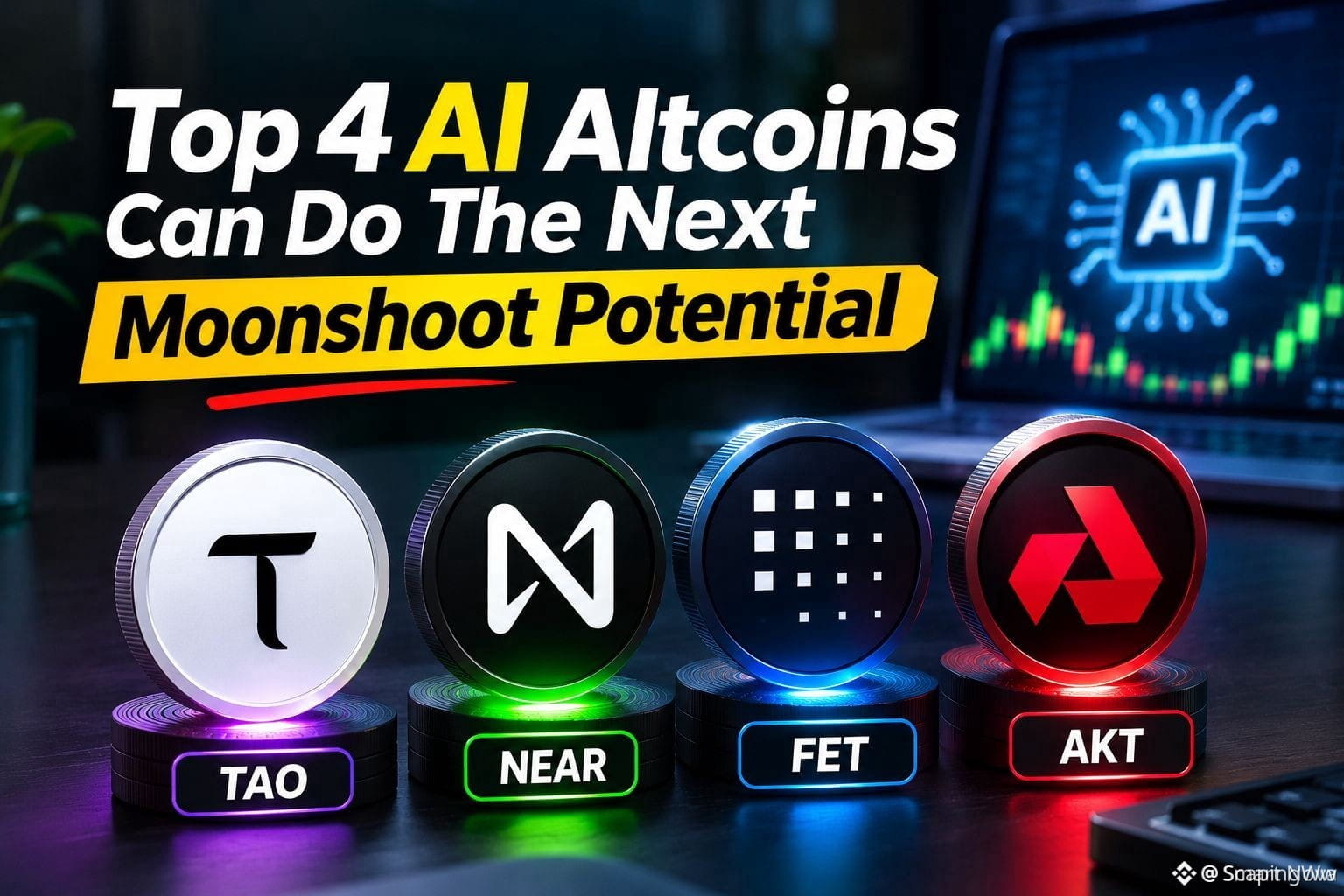
🚀 $TAO و$FET يتصدران المشهد مع اشتداد المنافسة في قطاعات الذكاء الاصطناعي اللامركزي ⚡
تتدفق رؤوس الأموال بهدوء مجددًا إلى شبكات الحوسبة اللامركزية، بينما تتمركز الأموال الذكية استعدادًا لدورة التوسع الكلي القادمة. وتنفرد المشاريع التي تبني فائدة حقيقية عند تقاطع تعلم الآلة والبلوكتشين عن الضجيج المحيط بها. 📊
أراقب عن كثب $TAO و$NEAR و$FET باعتبارها ركائز أساسية لهذا التحول التكنولوجي. وعندما يعود الزخم إلى القطاعات ذات بيتا المرتفعة، تستقطب هذه القوى الحاسوبية السيولة بوتيرة أسرع من السوق الأوسع. ⚡
💬 أيّ من عمالقة البنية التحتية هؤلاء يستحق التاج بلا منازع عندما تنطلق دورة الصعود بقوة؟ 👇
⚠️ هذه ليست نصيحة مالية. احرص دائمًا على إدارة المخاطر. 🛡️
🏷️ #TAO #AIAltcoins #DecentralizedCompute #CryptoTrends
🔥 💎
23
·
--
قد يبدو الارتداد بعد عيد الشكر مبشّرًا، لكن تدفقات المؤسسات المُعلنة تجعل الصورة أكثر تعقيدًا. تشير بعض المنشورات إلى أن BTC تعافى من مستوى إلى مستوى أعلى، وأن صناديق Bitcoin المتداولة الفورية في الولايات المتحدة سجلت تدفقات خارجة بقيمة 453 مليون دولار؛ كما وُصف كل من وول ستريت والعقود الآجلة الأمريكية بأنهما تعافيا. إذا صحت هذه التقارير، فقد تعكس الحركة تغطية مراكز البيع أو تحسن الإقبال على المخاطرة عبر الأسواق، لا طلبًا جديدًا ومستدامًا.
رأيي: تحتاج الارتدادات المستدامة إلى ضغط شراء متواصل — فإذا كانت تدفقات صناديق ETF الخارجة حقيقية، فهي تزيل مصدرًا أساسيًا لهذا الطلب وتجعل تراجع الارتداد أكثر احتمالًا عند عودة السيولة بعد العطلة. لكن ثمة احتمال أن تكون التدفقات الخارجة ناتجة عن إعادة موازنة لمرة واحدة أو عن توقيت الإبلاغ؛ كما يمكن لأحجام التداول خلال العطلات أن تضخم التحركات. ما التدفق المحدد أو مقياس السلسلة الذي تثق به لتحديد ما إذا كان لهذا الارتداد زخم حقيقي؟
#canmarketsreboundafterthanksgiving #BinanceSquare #CryptoTrends
مصدر النقاش: https://www.binance.com/en/square/post/392404987383325
4

·
--
استحوذت الأسهم المُرمّزة على بلوكشين Base على ما يقرب من ثلث حجم التداول الفوري الأسبوعي في مجالها، وذلك بعد بضعة أشهر فقط من إطلاقها. ويؤكد ممثلو المنصة أن هذه ليست سوى بداية لاتجاه واسع النطاق. اقتصاد المستقبل يُبنى الآن، والأصول الرقمية تؤدي دورًا محوريًا فيه.
بالنسبة إلى السوق، يُعدّ $BTC مؤشرًا رائعًا على التبني الجماعي لتقنيات البلوكشين. تابعوا السيولة على الشبكة ومستويات الدعم، إذ غالبًا ما تدفع مثل هذه الأخبار سوق العملات المشفرة بأكمله إلى الأمام. لا تزال المخاطر مرتفعة، لذا احرصوا دائمًا على مراعاة التقلبات.
المصدر: Bitcoin Magazine
#Bitcoin #CryptoTrends #Base #Web3
📊 $BTC: 60,511 USDT (+1.98% خلال 24 ساعة)
استحوذت الأسهم المُرمّزة على بلوكشين Base على ما يقرب من ثلث حجم التداول الفوري الأسبوعي في مجالها، وذلك بعد بضعة أشهر فقط من إطلاقها. ويؤكد ممثلو المنصة أن هذه ليست سوى بداية لاتجاه واسع النطاق. اقتصاد المستقبل يُبنى الآن، والأصول الرقمية تؤدي دورًا محوريًا فيه.
بالنسبة إلى السوق، يُعدّ $BTC مؤشرًا رائعًا على التبني الجماعي لتقنيات البلوكشين. تابعوا السيولة على الشبكة ومستويات الدعم، إذ غالبًا ما تدفع مثل هذه الأخبار سوق العملات المشفرة بأكمله إلى الأمام. لا تزال المخاطر مرتفعة، لذا احرصوا دائمًا على مراعاة التقلبات.
المصدر: Bitcoin Magazine
#Bitcoin #CryptoTrends #Base #Web3
📊 $BTC : 60,511 USDT (+1.98% خلال 24 ساعة)


·
--
يتفوق ETH وSOL على BTC بفارق كبير من حيث النشاط الفعلي على السلسلة! 🚀
في حين يظل هيكل سوق BTC راكدًا، تزدهر منظومتا ETH وSOL بمشاريع مبتكرة ومؤشرات متنامية على السلسلة. يكفي أن نلقي نظرة على الارتفاع الكبير في نشاط التمويل اللامركزي (DeFi) على SOL، الذي يتجاوز أداء العديد من اللاعبين الراسخين. كما تكتسب منظومة XRP وXRPL زخمًا، لكن ETH وSOL هما محور النشاط حاليًا. #اتجاهات_العملات_المشفرة
#منظومتا_ETH_و_SOL
84
·
--
🔥 عملتان رائجتان ومثيرتان اليوم! #BINANCE عملة 🚀
1:$BIGTIME العملات المشفرة للألعاب تجذب اهتمامًا كبيرًا في السوق: 24h:+72.40%
2:$HYPE هايبرليكويد، نظام بيئي لامركزي شائع. 24h:-7.91%
أيّهما تفضّل؟
#dyor #CryptoTrends
{future}(HYPEUSDT)
{future}(BIGTIMEUSDT)
🔥 عملتان رائجتان ومثيرتان اليوم! #BINANCE عملة 🚀
1:$BIGTIME العملات المشفرة للألعاب تجذب اهتمامًا كبيرًا في السوق: 24h:+72.40%
2:$HYPE هايبرليكويد، نظام بيئي لامركزي شائع. 24h:-7.91%
أيّهما تفضّل؟
#dyor #CryptoTrends
1:$BIGTIME العملات المشفرة للألعاب تجذب اهتمامًا كبيرًا في السوق: 24h:+72.40%
2:$HYPE هايبرليكويد، نظام بيئي لامركزي شائع. 24h:-7.91%
أيّهما تفضّل؟
#dyor #CryptoTrends
4
86
·
--
يُقال إن محفظةً نقلت وباعت 32,010 ETH خلال تسع ساعات، ويُعتقد أنها استحوذت في الأصل على 100,000 ETH بأسعار الطرح الأولي للعملة (ICO). إن تحقيق أرباح كهذه بعد الاحتفاظ طويلًا يطرح سؤالًا أساسيًا عن السوق: هل يشير بيع كبار المستثمرين الأوائل إلى تحرك وشيك في اتجاه السوق، أم أنه مجرد إعادة تخصيص اعتيادية بعد مكاسب استثنائية؟
رأيي: يبدو هذا أقرب إلى جني الأرباح، مع احتمال أن يضغط على الأسعار على المدى القصير، منه إلى تحول هبوطي هيكلي. قد تؤدي المبيعات الكبيرة من حاملي الأصول على المدى الطويل مؤقتًا إلى اتساع فروق الأسعار واختبار السيولة، لكن أثرها الدائم يعتمد على ما إذا كانت العائدات ستصل إلى منصات التداول، أو تُباع خارج المنصات (OTC)، أو يُعاد استثمارها في أصول أخرى. وتظل أساسيات الشبكة وديناميكيات الطلب أهم من عملية بيع واحدة مركزة.
وثمة تحفظ مهم: لم تُتحقق هوية مالك المحفظة ولا دوافعه — فقد تكون التحويلات تغييرات داخلية في ترتيبات حفظ الأصول أو مبيعات خارج المنصات متفقًا عليها مسبقًا. ما الإشارات المحددة على السلسلة أو في السوق التي ستتابعونها للتمييز بين عمليات البيع المكثفة الناجمة عن ضغوط السيولة وإعادة التخصيص الاستراتيجية؟
#ETH #BinanceSquare #اتجاهات_العملات_المشفرة
النقاش المصدر: https://www.binance.com/en/square/post/392266594537266
1
·
--
إن عملية بيع مُعلَن عنها من قِبل أحد حاملي ETH منذ بدايات عروض العملات الأولية (ICO) — إن صحت — ليست مجرد خبر عابر؛ فهي تضع جني الأرباح وإعادة توازن المحفظة في مواجهة مخاطر زيادة ضغوط البيع من حاملي كميات كبيرة ومتركزة.
رأيي: غالبًا ما يعكس تسييل كبار الحاملين على المدى الطويل لأرباحهم احتياجاتهم الخاصة للسيولة أو رغبتهم في التنويع، لا تجديدًا للتعبير عن فقدان الثقة؛ إذ يمكن استيعاب البيع في ظل الطلب القائم من دون أن يؤثر في الأساسيات الجوهرية لـ ETH. ومع ذلك، تهم الوجهة التي ستؤول إليها العملات — فالتحويل إلى منصات التداول أو إلى قنوات العملات المستقرة يزيد مخاطر الهبوط على المدى القصير، بينما تبدو إعادة توظيفها عبر التداول خارج المنصات (OTC) أو التمويل اللامركزي أقل تشاؤمًا.
تنبيه: الدوافع غير واضحة على السلسلة؛ وقد تكون هذه الخطوة أيضًا محاولة تكتيكية لتوقيت السوق. أي وجهة على السلسلة ستعدّها أوضح إشارة تحذير: منصات التداول المركزية، أم مبادلة العملات المستقرة، أم الإيداع في التمويل اللامركزي/التخزين؟
#Ethereum #BinanceSquare #اتجاهات_العملات_المشفرة
النقاش الأصلي: https://www.binance.com/en/square/post/392266594537266
2
·
--
إن الرمز الذي يذكر منشورٌ نموذجي أنه هبط من 63.98 دولارًا إلى 0.83 دولارًا ليس أقل سعرًا فحسب، بل يُرجَّح أنه فقد الندرة وثقة السوق والعمق على السلسلة التي دعمت ذروته السابقة. وتتطلب استعادة تقييمه السابق منفعةً مستدامة، وعودة مزوّدي السيولة، وحوكمةً شفافة، وسرديةً مقنعة تجذب طلبًا مستمرًا بدلًا من المضاربة العابرة.
رأيي: التعافي ممكن فقط إذا عالج المشروع أي مشكلة هيكلية تسببت في الهبوط (اقتصاديات الرمز، وإمكانية الوصول إلى منصات التداول، ونشاط المطورين) وأثبت تبنيًا متكررًا؛ وإلا فمن المرجح أن تكون أي ارتفاعات قصيرة الأجل. وهناك تحفظ: إذا كان الانهيار ناتجًا عن أحداث مؤقتة خارج السلسلة أو عن شطبٍ منسق، فقد تؤدي إعادة رهن واضحة أو إعادة الإدراج إلى تقليص المدة اللازمة للتعافي. ما المعالم المحددة على السلسلة أو في المشروع التي ستقنعك بأن تقييم TRUMP قابل للتعافي من الناحية الهيكلية؟
#TRUMP #BinanceSquare #CryptoTrends
مصدر النقاش: https://www.binance.com/en/square/post/391998004335556
7
سجّل الدخول لاستكشاف المزيد من المُحتوى
انضم إلى مُستخدمي العملات الرقمية حول العالم على Binance Square
⚡️ احصل على أحدث المعلومات المفيدة عن العملات الرقمية.
💬 موثوقة من قبل أكبر منصّة لتداول العملات الرقمية في العالم.
👍 اكتشف الرؤى الحقيقية من صنّاع المُحتوى الموثوقين.
البريد الإلكتروني / رقم الهاتف
المواضيع الرائجة
1
#EvolveAtBinanceBlockchainWeek
1.3M مشاهدات
14,986 يقومون بالنقاش
2
#MoneroFalls13%OnDelistings
66,537 مشاهدات
569 يقومون بالنقاش
3
#EthereumGlamsterdamKeepsStorageFeeChange
27,867 مشاهدات
295 يقومون بالنقاش
4
#ChinaBlockchainIDRulesEffectMarch2027
4,146 مشاهدات
75 يقومون بالنقاش
5
#UKFCAProposesDeFiAccessLimitsForExchanges
8,735 مشاهدات
121 يقومون بالنقاش
6
#XRPLedgerVaultGets29Votes
52,345 مشاهدات
516 يقومون بالنقاش
7
#CanMarketsReboundAfterThanksgiving?
532,639 مشاهدات
3,491 يقومون بالنقاش
8
#ECBOfficialsHintAtMoreTightening
0 مشاهدات
1 يقومون بالنقاش
9
#ChainflipVaultTheftHaltsProtocol
0 مشاهدات
0 يقومون بالنقاش
10
#PolymarketUSOpenInterestUp53%InWeek
0 مشاهدات
1 يقومون بالنقاش