

#bittorrent
bittorrent
2.4M مشاهدات
6,373 يقومون بالنقاش
رائج
جديد

·
--
🔥 مجتمع BTTC، أريد رأيكم الصريح! 🚀
لنتحدث عن BitTorrent (BTTC)! 🌐
تخيّل أنك استثمرت 100 دولار في BTTC اليوم، ثم نسيت أمرها خلال السنوات الخمس القادمة. 👀
ما رأيك الصريح فيما سيحدث؟
💰 أ) قد تتحول الـ100 دولار إلى أكثر من 1,000 دولار 📈 ب) قد ترتفع قيمتها، ولكن ليس كثيرًا 📉 ج) قد تفقد معظم قيمتها 🚀 د) قد تفاجئ BTTC الجميع!
👇 علّق بـ أ أو ب أو ج أو د، واشرح السبب!
لا أريد توقعات عشوائية. أريد آراء حقيقية تستند إلى المنطق. 🧠🔥
لنرَ أي طرف في مجتمع BTTC لديه أقوى الحجج!
#BTTC #BitTorrent #CryptoCommunity #CryptoDiscussion
$BTTC
{spot}(BTTCUSDT)
🔥 مجتمع BTTC، أريد رأيكم الصريح! 🚀
لنتحدث عن BitTorrent (BTTC)! 🌐
تخيّل أنك استثمرت 100 دولار في BTTC اليوم، ثم نسيت أمرها خلال السنوات الخمس القادمة. 👀
ما رأيك الصريح فيما سيحدث؟
💰 أ) قد تتحول الـ100 دولار إلى أكثر من 1,000 دولار 📈 ب) قد ترتفع قيمتها، ولكن ليس كثيرًا 📉 ج) قد تفقد معظم قيمتها 🚀 د) قد تفاجئ BTTC الجميع!
👇 علّق بـ أ أو ب أو ج أو د، واشرح السبب!
لا أريد توقعات عشوائية. أريد آراء حقيقية تستند إلى المنطق. 🧠🔥
لنرَ أي طرف في مجتمع BTTC لديه أقوى الحجج!
#BTTC #BitTorrent #CryptoCommunity #CryptoDiscussion
$BTTC
لنتحدث عن BitTorrent (BTTC)! 🌐
تخيّل أنك استثمرت 100 دولار في BTTC اليوم، ثم نسيت أمرها خلال السنوات الخمس القادمة. 👀
ما رأيك الصريح فيما سيحدث؟
💰 أ) قد تتحول الـ100 دولار إلى أكثر من 1,000 دولار 📈 ب) قد ترتفع قيمتها، ولكن ليس كثيرًا 📉 ج) قد تفقد معظم قيمتها 🚀 د) قد تفاجئ BTTC الجميع!
👇 علّق بـ أ أو ب أو ج أو د، واشرح السبب!
لا أريد توقعات عشوائية. أريد آراء حقيقية تستند إلى المنطق. 🧠🔥
لنرَ أي طرف في مجتمع BTTC لديه أقوى الحجج!
#BTTC #BitTorrent #CryptoCommunity #CryptoDiscussion
$BTTC
439

·
--
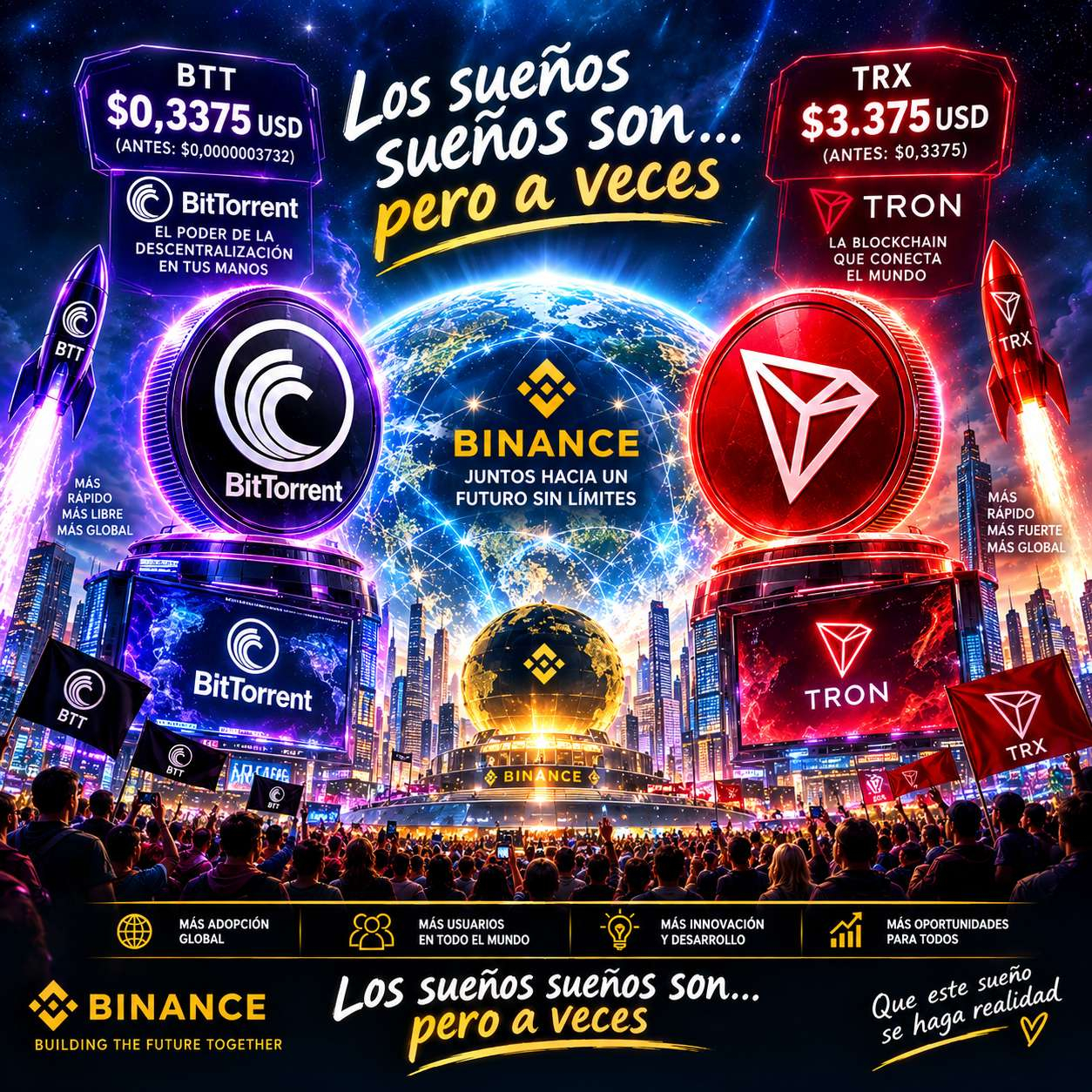
🚀 ماذا لو حققت $BTTC ضربة بقيمة 0.01 دولار يومًا ما؟ 😳💰
تخيّل أنك تمتلك 100 مليون BTTC وترى محفظتك تصل إلى 1,000,000 دولار! 🤯
عند حوالي 0.00000037 دولار، لا يزال هذا الحلم بعيدًا، خصوصًا مع وجود المعروض الضخم من التوكنات. لكن عالم الكريبتو مليء بالأحلام والصبر والاحتمالات غير المتوقعة. 😅
أنا لا أراهن على المعجزات. أنا أتابع نظام BitTorrent Chain البيئي، وأتراكم بصبر، وأتطلع إلى نمو طويل المدى. 📈
واقعي؟ هذا هو السؤال الكبير! 😂 لكن الحلم لا يكلف شيئًا.
🔥 ما هو حجم محفظتك الخاصة بـ $BTTC
{spot}(BTTCUSDT)
؟ هل تحتفظ على المدى الطويل؟
#BTTC #BitTorrent #Crypto #Altcoins #BinanceSquare
🚀 ماذا لو حققت $BTTC ضربة بقيمة 0.01 دولار يومًا ما؟ 😳💰
تخيّل أنك تمتلك 100 مليون BTTC وترى محفظتك تصل إلى 1,000,000 دولار! 🤯
عند حوالي 0.00000037 دولار، لا يزال هذا الحلم بعيدًا، خصوصًا مع وجود المعروض الضخم من التوكنات. لكن عالم الكريبتو مليء بالأحلام والصبر والاحتمالات غير المتوقعة. 😅
أنا لا أراهن على المعجزات. أنا أتابع نظام BitTorrent Chain البيئي، وأتراكم بصبر، وأتطلع إلى نمو طويل المدى. 📈
واقعي؟ هذا هو السؤال الكبير! 😂 لكن الحلم لا يكلف شيئًا.
🔥 ما هو حجم محفظتك الخاصة بـ $BTTC
؟ هل تحتفظ على المدى الطويل؟
#BTTC #BitTorrent #Crypto #Altcoins #BinanceSquare
تخيّل أنك تمتلك 100 مليون BTTC وترى محفظتك تصل إلى 1,000,000 دولار! 🤯
عند حوالي 0.00000037 دولار، لا يزال هذا الحلم بعيدًا، خصوصًا مع وجود المعروض الضخم من التوكنات. لكن عالم الكريبتو مليء بالأحلام والصبر والاحتمالات غير المتوقعة. 😅
أنا لا أراهن على المعجزات. أنا أتابع نظام BitTorrent Chain البيئي، وأتراكم بصبر، وأتطلع إلى نمو طويل المدى. 📈
واقعي؟ هذا هو السؤال الكبير! 😂 لكن الحلم لا يكلف شيئًا.
🔥 ما هو حجم محفظتك الخاصة بـ $BTTC
؟ هل تحتفظ على المدى الطويل؟
#BTTC #BitTorrent #Crypto #Altcoins #BinanceSquare
5
822
·
--
صاعد
$BTTC #BitTorrent اقرؤوا واستمعوا إلى هذه الرسالة بقلوبكم 💛؛ من الأعالي، وفي الوقت نفسه من أعماق عالم الثروات: أشجّع المختارين القلائل جدًا على مواصلة الثقة، بل الإيمان* بأعظم عملة مشفّرة، وفي الوقت نفسه أكثرها تواضعًا، وهي العملة المشفّرة الدولية $BTTC #BitTorrent $BTTC كما جاء في الكتب المقدسة:
فَالإِيمَانُ هُوَ الثِّقَةُ بِمَا يُرْجَى، وَالإِيقَانُ بِأُمُورٍ لاَ تُرَى.
العبرانيين 11:1
⚠️ إخلاء المسؤولية بالكامل — DYOR
يعكس هذا المحتوى رأيي وتحليلي الشخصي فقط بشأن المشروع/العملة المشفّرة المذكورة، وهو لأغراض إعلامية وتعليمية حصرًا. ولا يشكّل نصيحة مالية أو توصية استثمارية أو دعوة إلى شراء أي أصل أو بيعه أو الاحتفاظ به.
العملات المشفّرة أصول شديدة التقلب والمضاربة. وقد يرتفع السعر أو ينخفض بشكل كبير، مع احتمال خسارة جزء من رأس المال المستثمر أو كله.
لا تتخذ أي قرار استثماري اعتمادًا على رأيي وحده أو على آراء الآخرين. أجرِ بحثك الخاص (DYOR — قم ببحثك بنفسك): حلّل المشروع وتقنيته وفريقه واقتصاديات رمزه وسيولته ومخاطره ومنافسيه وأي عوامل أخرى تراها ذات صلة.
إذا وُجد أي تضارب في المصالح أو حيازة شخصية أو علاقة بالمشروع الذي يجري تحليله، فينبغي أخذ ذلك في الاعتبار عند تفسير هذا الرأي.
رأيي ليس ضمانًا للنتائج المستقبلية. كل شخص مسؤول عن قراراته المالية وعن تحمّل المخاطر المرتبطة بها.
DYOR. NFA.
قم ببحثك بنفسك. هذه ليست نصيحة مالية.
{spot}(BTTCUSDT)
$BTTC #BitTorrent اقرؤوا واستمعوا إلى هذه الرسالة بقلوبكم 💛؛ من الأعالي، وفي الوقت نفسه من أعماق عالم الثروات: أشجّع المختارين القلائل جدًا على مواصلة الثقة، بل الإيمان* بأعظم عملة مشفّرة، وفي الوقت نفسه أكثرها تواضعًا، وهي العملة المشفّرة الدولية $BTTC #BitTorrent $BTTC كما جاء في الكتب المقدسة:
فَالإِيمَانُ هُوَ الثِّقَةُ بِمَا يُرْجَى، وَالإِيقَانُ بِأُمُورٍ لاَ تُرَى.
العبرانيين 11:1
⚠️ إخلاء المسؤولية بالكامل — DYOR
يعكس هذا المحتوى رأيي وتحليلي الشخصي فقط بشأن المشروع/العملة المشفّرة المذكورة، وهو لأغراض إعلامية وتعليمية حصرًا. ولا يشكّل نصيحة مالية أو توصية استثمارية أو دعوة إلى شراء أي أصل أو بيعه أو الاحتفاظ به.
العملات المشفّرة أصول شديدة التقلب والمضاربة. وقد يرتفع السعر أو ينخفض بشكل كبير، مع احتمال خسارة جزء من رأس المال المستثمر أو كله.
لا تتخذ أي قرار استثماري اعتمادًا على رأيي وحده أو على آراء الآخرين. أجرِ بحثك الخاص (DYOR — قم ببحثك بنفسك): حلّل المشروع وتقنيته وفريقه واقتصاديات رمزه وسيولته ومخاطره ومنافسيه وأي عوامل أخرى تراها ذات صلة.
إذا وُجد أي تضارب في المصالح أو حيازة شخصية أو علاقة بالمشروع الذي يجري تحليله، فينبغي أخذ ذلك في الاعتبار عند تفسير هذا الرأي.
رأيي ليس ضمانًا للنتائج المستقبلية. كل شخص مسؤول عن قراراته المالية وعن تحمّل المخاطر المرتبطة بها.
DYOR. NFA.
قم ببحثك بنفسك. هذه ليست نصيحة مالية.
فَالإِيمَانُ هُوَ الثِّقَةُ بِمَا يُرْجَى، وَالإِيقَانُ بِأُمُورٍ لاَ تُرَى.
العبرانيين 11:1
⚠️ إخلاء المسؤولية بالكامل — DYOR
يعكس هذا المحتوى رأيي وتحليلي الشخصي فقط بشأن المشروع/العملة المشفّرة المذكورة، وهو لأغراض إعلامية وتعليمية حصرًا. ولا يشكّل نصيحة مالية أو توصية استثمارية أو دعوة إلى شراء أي أصل أو بيعه أو الاحتفاظ به.
العملات المشفّرة أصول شديدة التقلب والمضاربة. وقد يرتفع السعر أو ينخفض بشكل كبير، مع احتمال خسارة جزء من رأس المال المستثمر أو كله.
لا تتخذ أي قرار استثماري اعتمادًا على رأيي وحده أو على آراء الآخرين. أجرِ بحثك الخاص (DYOR — قم ببحثك بنفسك): حلّل المشروع وتقنيته وفريقه واقتصاديات رمزه وسيولته ومخاطره ومنافسيه وأي عوامل أخرى تراها ذات صلة.
إذا وُجد أي تضارب في المصالح أو حيازة شخصية أو علاقة بالمشروع الذي يجري تحليله، فينبغي أخذ ذلك في الاعتبار عند تفسير هذا الرأي.
رأيي ليس ضمانًا للنتائج المستقبلية. كل شخص مسؤول عن قراراته المالية وعن تحمّل المخاطر المرتبطة بها.
DYOR. NFA.
قم ببحثك بنفسك. هذه ليست نصيحة مالية.
8
1.9k

·
--
عرض الترجمة
🚀 كلما يقترب BTTC من سعر حلمي، أستشعر أن الطريق أمامي مفتوح. 🏎️💎 الطموح يصنع الصبر، والرحلة طويلة لكنها تستحق كل لحظة. أستهدف أن يصل BTTC إلى 0.12$ يومًا ما، ولكن هذا حلمي، لا وعد. #BTTC #BitTorrent
🚀 كلما يقترب BTTC من سعر حلمي، أستشعر أن الطريق أمامي مفتوح. 🏎️💎 الطموح يصنع الصبر، والرحلة طويلة لكنها تستحق كل لحظة. أستهدف أن يصل BTTC إلى 0.12$ يومًا ما، ولكن هذا حلمي، لا وعد. #BTTC #BitTorrent
141
·
--
مقالة
🌎⚡ BTTC: أصبح لتغيّر ميزان القوى اسم🌎⚡ BTTC: أصبح لتغيّر ميزان القوى اسم
لسنوات، ظلّ الملايين ينظرون إلى الأصفار بعد الفاصلة ويفكرون:
«إنه صغير جدًا.»
لكن الأسواق لا تبدأ تحركاتها الكبرى دائمًا من الأماكن التي يراقبها الجميع. 👀📈
ثم يظهر اختصار:
🚀 BTTC
شبكة نشأت حول فكرة قوية: توزيع المعلومات وربطها ونقلها ضمن منظومة لامركزية. 🌐🔗
فلنتخيل الآن المشهد…
💰 تعود السيولة العالمية للبحث عن المخاطرة.
🌎⚡ BTTC: أصبح لتغيّر ميزان القوى اسم
🌎⚡ BTTC: أصبح لتغيّر ميزان القوى اسم
لسنوات، ظلّ الملايين ينظرون إلى الأصفار بعد الفاصلة ويفكرون:
«إنه صغير جدًا.»
لكن الأسواق لا تبدأ تحركاتها الكبرى دائمًا من الأماكن التي يراقبها الجميع. 👀📈
ثم يظهر اختصار:
🚀 BTTC
شبكة نشأت حول فكرة قوية: توزيع المعلومات وربطها ونقلها ضمن منظومة لامركزية. 🌐🔗
فلنتخيل الآن المشهد…
💰 تعود السيولة العالمية للبحث عن المخاطرة.
لسنوات، ظلّ الملايين ينظرون إلى الأصفار بعد الفاصلة ويفكرون:
«إنه صغير جدًا.»
لكن الأسواق لا تبدأ تحركاتها الكبرى دائمًا من الأماكن التي يراقبها الجميع. 👀📈
ثم يظهر اختصار:
🚀 BTTC
شبكة نشأت حول فكرة قوية: توزيع المعلومات وربطها ونقلها ضمن منظومة لامركزية. 🌐🔗
فلنتخيل الآن المشهد…
💰 تعود السيولة العالمية للبحث عن المخاطرة.
3
34
4.2k

·
--
🌍 587,527,107 عملية تثبيت: انتشار البرامج يتواصل في الاتساع
بلغ إجمالي عدد مرات تثبيت أحدث عميل أعلنته BitTorrent 587,527,107 مرة.
يسجل هذا الرقم إجمالي انتشار البرنامج، ويوفر مرجعًا لتقدير مدى وصول عملاء BitTorrent إلى الأجهزة على المدى الطويل.
التثبيت هو نقطة البداية، أما التجربة اللاحقة فهي ما يؤثر في تحول البرنامج إلى أداة يواصل المستخدمون استخدامها.
يمثل هذا الإنجاز علامة فارقة للنظام المتكامل، إذ يسجل حجم الانتشار ويذكّر الفريق بمواصلة تحسين المنتج: من خلال إجراءات تثبيت واضحة، وعمليات سهلة الفهم، ومساعدة يسهل العثور عليها عند مواجهة مشكلة.
ولا يعني إجمالي عدد مرات التثبيت وجود العدد نفسه من المستخدمين المستقلين أو النشطين، كما أنه لا يثبت الموثوقية بمفرده. فهذه الجوانب تحتاج إلى بيانات خاصة بها.
ما يمكن رؤيته بوضوح هو قاعدة تثبيت واسعة لا تزال في اتساع.
كل تثبيت جديد يتيح فرصة لتقديم تجربة عملية مفيدة.
@BitTorrent_Official @JustinSun #TRONEcoStar #BitTorrent #BTT
🌍 587,527,107 عملية تثبيت: انتشار البرامج يتواصل في الاتساع
بلغ إجمالي عدد مرات تثبيت أحدث عميل أعلنته BitTorrent 587,527,107 مرة.
يسجل هذا الرقم إجمالي انتشار البرنامج، ويوفر مرجعًا لتقدير مدى وصول عملاء BitTorrent إلى الأجهزة على المدى الطويل.
التثبيت هو نقطة البداية، أما التجربة اللاحقة فهي ما يؤثر في تحول البرنامج إلى أداة يواصل المستخدمون استخدامها.
يمثل هذا الإنجاز علامة فارقة للنظام المتكامل، إذ يسجل حجم الانتشار ويذكّر الفريق بمواصلة تحسين المنتج: من خلال إجراءات تثبيت واضحة، وعمليات سهلة الفهم، ومساعدة يسهل العثور عليها عند مواجهة مشكلة.
ولا يعني إجمالي عدد مرات التثبيت وجود العدد نفسه من المستخدمين المستقلين أو النشطين، كما أنه لا يثبت الموثوقية بمفرده. فهذه الجوانب تحتاج إلى بيانات خاصة بها.
ما يمكن رؤيته بوضوح هو قاعدة تثبيت واسعة لا تزال في اتساع.
كل تثبيت جديد يتيح فرصة لتقديم تجربة عملية مفيدة.
@BitTorrent_Official @Justin Sun孙宇晨 #TRONEcoStar #BitTorrent #BTT
بلغ إجمالي عدد مرات تثبيت أحدث عميل أعلنته BitTorrent 587,527,107 مرة.
يسجل هذا الرقم إجمالي انتشار البرنامج، ويوفر مرجعًا لتقدير مدى وصول عملاء BitTorrent إلى الأجهزة على المدى الطويل.
التثبيت هو نقطة البداية، أما التجربة اللاحقة فهي ما يؤثر في تحول البرنامج إلى أداة يواصل المستخدمون استخدامها.
يمثل هذا الإنجاز علامة فارقة للنظام المتكامل، إذ يسجل حجم الانتشار ويذكّر الفريق بمواصلة تحسين المنتج: من خلال إجراءات تثبيت واضحة، وعمليات سهلة الفهم، ومساعدة يسهل العثور عليها عند مواجهة مشكلة.
ولا يعني إجمالي عدد مرات التثبيت وجود العدد نفسه من المستخدمين المستقلين أو النشطين، كما أنه لا يثبت الموثوقية بمفرده. فهذه الجوانب تحتاج إلى بيانات خاصة بها.
ما يمكن رؤيته بوضوح هو قاعدة تثبيت واسعة لا تزال في اتساع.
كل تثبيت جديد يتيح فرصة لتقديم تجربة عملية مفيدة.
@BitTorrent_Official @Justin Sun孙宇晨 #TRONEcoStar #BitTorrent #BTT
52
·
--
📈 تمت إضافة 397,563 عملية تثبيت مقارنةً باللقطة السابقة
بلغ إجمالي عدد مرات تثبيت عميل BitTorrent، وفقًا لأحدث الأرقام المنشورة، 587,527,107 مرة.
وبالمقارنة مع الرقم السابق البالغ 587,129,544، زاد عدد مرات التثبيت بمقدار 397,563، مع ثبات منهجية الإحصاء.
يجعل هذا الفارق التغيّر في الإجمالي أكثر وضوحًا. إذ يعرض الإجمالي التراكمي مدى الانتشار الذي تحقق، بينما تُظهر الزيادة بين اللقطتين السجلات الجديدة.
في غياب تواريخ الإحصاء المقابلة، لا ينبغي وصف هذا الفارق مباشرةً بأنه نمو يومي أو أسبوعي.
ومع ذلك، فإنه يقدم مؤشرًا مفيدًا: عدد مرات التثبيت المُعلن عنه يواصل الارتفاع.
يساعد التتبع المستمر للقطات المتسقة في منهجية الإحصاء المجتمع على فهم وتيرة نمو انتشار البرنامج بوضوح أكبر.
تسجل المحطات الرئيسية حجم الانتشار، فيما يُظهر التغيّر بينها التقدم المحرز.
@BitTorrent_Official @JustinSun #TRONEcoStar #BitTorrent #BTT
📈 تمت إضافة 397,563 عملية تثبيت مقارنةً باللقطة السابقة
بلغ إجمالي عدد مرات تثبيت عميل BitTorrent، وفقًا لأحدث الأرقام المنشورة، 587,527,107 مرة.
وبالمقارنة مع الرقم السابق البالغ 587,129,544، زاد عدد مرات التثبيت بمقدار 397,563، مع ثبات منهجية الإحصاء.
يجعل هذا الفارق التغيّر في الإجمالي أكثر وضوحًا. إذ يعرض الإجمالي التراكمي مدى الانتشار الذي تحقق، بينما تُظهر الزيادة بين اللقطتين السجلات الجديدة.
في غياب تواريخ الإحصاء المقابلة، لا ينبغي وصف هذا الفارق مباشرةً بأنه نمو يومي أو أسبوعي.
ومع ذلك، فإنه يقدم مؤشرًا مفيدًا: عدد مرات التثبيت المُعلن عنه يواصل الارتفاع.
يساعد التتبع المستمر للقطات المتسقة في منهجية الإحصاء المجتمع على فهم وتيرة نمو انتشار البرنامج بوضوح أكبر.
تسجل المحطات الرئيسية حجم الانتشار، فيما يُظهر التغيّر بينها التقدم المحرز.
@BitTorrent_Official @Justin Sun孙宇晨 #TRONEcoStar #BitTorrent #BTT
بلغ إجمالي عدد مرات تثبيت عميل BitTorrent، وفقًا لأحدث الأرقام المنشورة، 587,527,107 مرة.
وبالمقارنة مع الرقم السابق البالغ 587,129,544، زاد عدد مرات التثبيت بمقدار 397,563، مع ثبات منهجية الإحصاء.
يجعل هذا الفارق التغيّر في الإجمالي أكثر وضوحًا. إذ يعرض الإجمالي التراكمي مدى الانتشار الذي تحقق، بينما تُظهر الزيادة بين اللقطتين السجلات الجديدة.
في غياب تواريخ الإحصاء المقابلة، لا ينبغي وصف هذا الفارق مباشرةً بأنه نمو يومي أو أسبوعي.
ومع ذلك، فإنه يقدم مؤشرًا مفيدًا: عدد مرات التثبيت المُعلن عنه يواصل الارتفاع.
يساعد التتبع المستمر للقطات المتسقة في منهجية الإحصاء المجتمع على فهم وتيرة نمو انتشار البرنامج بوضوح أكبر.
تسجل المحطات الرئيسية حجم الانتشار، فيما يُظهر التغيّر بينها التقدم المحرز.
@BitTorrent_Official @Justin Sun孙宇晨 #TRONEcoStar #BitTorrent #BTT
97
·
--
عرض الترجمة
🚀 كل ما أرى $BTTC يرتفع، أشعر بالدفء في قلبي! 🏎️💨 حلمي بسيط: أصل إلى 0.10 دولار، وهذا هو الهدف الذي يحفز صبري. 🔥💎 الطريق طويـل، لكن الإصرار يجعل الحلم يتحول إلى واقع.
#BTTC #BitTorrent
🚀 كل ما أرى $BTTC يرتفع، أشعر بالدفء في قلبي! 🏎️💨 حلمي بسيط: أصل إلى 0.10 دولار، وهذا هو الهدف الذي يحفز صبري. 🔥💎 الطريق طويـل، لكن الإصرار يجعل الحلم يتحول إلى واقع.
#BTTC #BitTorrent
#BTTC #BitTorrent
1
3
624

·
--
🚨 $BTTC FLIGHT IS BOARDING! NEXT STOP: WEB3 ERA 🚀✈️
إن حركة $BTTC أكبر بكثير من مجرد توكن—إنها تبني البنية التحتية الأساسية للتقنية اللامركزية!
📊 لماذا تراقب الأموال الذكية $BTTC:
• سرعة المعاملات: مدفوعات ميكرو فائقة السرعة
• فائدة النظام البيئي: توسع جسر عبر السلاسل
• رؤية طويلة الأمد: تسريع حقيقي لـ Web3
💡 الاستراتيجية: لا تركض خلف الشموع الخضراء عند القمة—اجمع عند مناطق الدعم الرئيسية واحتفظ بصبر!
هل أنت حامل لـ $BTTC
{spot}(BTTCUSDT)
على المدى الطويل أم تتداول تقلبات قصيرة؟ 👇💬
#BTTC #BitTorrent #crypto #Web3
🚨 $BTTC FLIGHT IS BOARDING! NEXT STOP: WEB3 ERA 🚀✈️
إن حركة $BTTC أكبر بكثير من مجرد توكن—إنها تبني البنية التحتية الأساسية للتقنية اللامركزية!
📊 لماذا تراقب الأموال الذكية $BTTC :
• سرعة المعاملات: مدفوعات ميكرو فائقة السرعة
• فائدة النظام البيئي: توسع جسر عبر السلاسل
• رؤية طويلة الأمد: تسريع حقيقي لـ Web3
💡 الاستراتيجية: لا تركض خلف الشموع الخضراء عند القمة—اجمع عند مناطق الدعم الرئيسية واحتفظ بصبر!
هل أنت حامل لـ $BTTC
على المدى الطويل أم تتداول تقلبات قصيرة؟ 👇💬
#BTTC #BitTorrent #crypto #Web3
إن حركة $BTTC أكبر بكثير من مجرد توكن—إنها تبني البنية التحتية الأساسية للتقنية اللامركزية!
📊 لماذا تراقب الأموال الذكية $BTTC :
• سرعة المعاملات: مدفوعات ميكرو فائقة السرعة
• فائدة النظام البيئي: توسع جسر عبر السلاسل
• رؤية طويلة الأمد: تسريع حقيقي لـ Web3
💡 الاستراتيجية: لا تركض خلف الشموع الخضراء عند القمة—اجمع عند مناطق الدعم الرئيسية واحتفظ بصبر!
هل أنت حامل لـ $BTTC
على المدى الطويل أم تتداول تقلبات قصيرة؟ 👇💬
#BTTC #BitTorrent #crypto #Web3
1
2
12
1k
·
--
$BTTC.US La profundidad del libro mantiene un توازنًا قويًا في كتل الشراء/البيع. مع حجم المعاملات على شبكة L2 والمكافآت من الستيك النشطة، يبقى $BTTC أصلًا رئيسيًا للتسعير الصغير بهدف التراكم على المدى الطويل ضمن نظام TRON/BTFS البيئي. 📊
#BTTC #BitTorrent #Crypto #Binance
{stock_us}(BTTC.US)
$BTTC.US La profundidad del libro mantiene un توازنًا قويًا في كتل الشراء/البيع. مع حجم المعاملات على شبكة L2 والمكافآت من الستيك النشطة، يبقى $BTTC أصلًا رئيسيًا للتسعير الصغير بهدف التراكم على المدى الطويل ضمن نظام TRON/BTFS البيئي. 📊
#BTTC #BitTorrent #Crypto #Binance
#BTTC #BitTorrent #Crypto #Binance
BTTCUS-1.00%
1
169

صحيح جزئيًا
$BTTC 💪 أفادت تقارير عملاء نظام BitTorrent الإيكولوجي عن وصول إجمالي أسبوعي بلغ 41.19 مليونًا، مع متوسط مستخدمين نشطين يوميًا قدره 8.45 مليون. قاد uTorrent Desktop بـ 4.21 مليون مستخدمين نشطين يوميًا، بينما حقق BitTorrent Web درجة التصاق بنسبة 25.1%. وعلى الهاتف المحمول، وصل uTorrent Android إلى 6.01 مليون مستخدم.
#CoinVahini #BitTorrent #uTorrent #CryptoEcosystem
$BTTC 💪 أفادت تقارير عملاء نظام BitTorrent الإيكولوجي عن وصول إجمالي أسبوعي بلغ 41.19 مليونًا، مع متوسط مستخدمين نشطين يوميًا قدره 8.45 مليون. قاد uTorrent Desktop بـ 4.21 مليون مستخدمين نشطين يوميًا، بينما حقق BitTorrent Web درجة التصاق بنسبة 25.1%. وعلى الهاتف المحمول، وصل uTorrent Android إلى 6.01 مليون مستخدم.
#CoinVahini #BitTorrent #uTorrent #CryptoEcosystem
#CoinVahini #BitTorrent #uTorrent #CryptoEcosystem
5
815

🚀 $BTTC October قد يكون شهرًا مهمًا بالنسبة لـ BitTorrent (BTT)!
وصف BitTorrent أكتوبر بأنه “شهر التحوّل”.
أحد أبرز التطورات التي يجب متابعتها هو عملية إعادة شراء وحرق BTT القادمة. يُتوقع أن تحدث أول عملية حرق مرتبطة بإعادة شراء الربع الثالث في منتصف أكتوبر تقريبًا، مع توقع الإفصاح عن تفاصيل مثل كمية ما تم حرقه ومعلومات معاملات السلسلة (on-chain).
وفي الوقت نفسه، يوسّع BitTorrent منظومته عبر حالات استخدام جديدة مثل BTTInferGrid، التي تركز على الحوسبة بالذكاء الاصطناعي اللامركزية.
🔥 إعادة الشراء والحرق
🤖 حالات استخدام جديدة للذكاء الاصطناعي
🌐 نمو منظومة BitTorrent
قد يجلب أكتوبر بعض التحديثات المثيرة لمجتمع BTT.
لنرَ ما الذي يخبّئه BitTorrent. 👀
#BitTorrent #BTTC #Tron
🚀 $BTTC October قد يكون شهرًا مهمًا بالنسبة لـ BitTorrent (BTT)!
وصف BitTorrent أكتوبر بأنه “شهر التحوّل”.
أحد أبرز التطورات التي يجب متابعتها هو عملية إعادة شراء وحرق BTT القادمة. يُتوقع أن تحدث أول عملية حرق مرتبطة بإعادة شراء الربع الثالث في منتصف أكتوبر تقريبًا، مع توقع الإفصاح عن تفاصيل مثل كمية ما تم حرقه ومعلومات معاملات السلسلة (on-chain).
وفي الوقت نفسه، يوسّع BitTorrent منظومته عبر حالات استخدام جديدة مثل BTTInferGrid، التي تركز على الحوسبة بالذكاء الاصطناعي اللامركزية.
🔥 إعادة الشراء والحرق
🤖 حالات استخدام جديدة للذكاء الاصطناعي
🌐 نمو منظومة BitTorrent
قد يجلب أكتوبر بعض التحديثات المثيرة لمجتمع BTT.
لنرَ ما الذي يخبّئه BitTorrent. 👀
#BitTorrent #BTTC #Tron
وصف BitTorrent أكتوبر بأنه “شهر التحوّل”.
أحد أبرز التطورات التي يجب متابعتها هو عملية إعادة شراء وحرق BTT القادمة. يُتوقع أن تحدث أول عملية حرق مرتبطة بإعادة شراء الربع الثالث في منتصف أكتوبر تقريبًا، مع توقع الإفصاح عن تفاصيل مثل كمية ما تم حرقه ومعلومات معاملات السلسلة (on-chain).
وفي الوقت نفسه، يوسّع BitTorrent منظومته عبر حالات استخدام جديدة مثل BTTInferGrid، التي تركز على الحوسبة بالذكاء الاصطناعي اللامركزية.
🔥 إعادة الشراء والحرق
🤖 حالات استخدام جديدة للذكاء الاصطناعي
🌐 نمو منظومة BitTorrent
قد يجلب أكتوبر بعض التحديثات المثيرة لمجتمع BTT.
لنرَ ما الذي يخبّئه BitTorrent. 👀
#BitTorrent #BTTC #Tron
3
665
·
--
عرض الترجمة
🚀 كل مرة أرى $BTTC تلوح في الأفق، أستشعر أن أحلامي أقرب. 🔥 أطمح أن يصل السعر إلى 150 دولارًا، لكن الرحلة طويلة وتحتاج إلى صبر. 💎 هذا ليس توقعًا، بل هدف شخصي يتطلب عزيمة ووقفة. 🏎️ على الدوام أتابع BTTC، لأن الحلم يستحق الانتظار.
#BTTC #BitTorrent
🚀 كل مرة أرى $BTTC تلوح في الأفق، أستشعر أن أحلامي أقرب. 🔥 أطمح أن يصل السعر إلى 150 دولارًا، لكن الرحلة طويلة وتحتاج إلى صبر. 💎 هذا ليس توقعًا، بل هدف شخصي يتطلب عزيمة ووقفة. 🏎️ على الدوام أتابع BTTC، لأن الحلم يستحق الانتظار.
#BTTC #BitTorrent
#BTTC #BitTorrent
29
23
16.3k
·
--
عرض الترجمة
🚀 BTTC هو حلمي المتجدد، أتابعه ببطء لكن بثقة. 🔥 كل خطوة تقربني من هدفٍ أكبر، وكل لحظة تحفزني على المثابرة. 💎 أرى في BTTC مستقبلًا أريد أن أكون جزءًا منه. 🏎️ الطريق طويل، لكن الشغف يجعل الانتظار يستحق العناء. #BTTC #BitTorrent
🚀 BTTC هو حلمي المتجدد، أتابعه ببطء لكن بثقة. 🔥 كل خطوة تقربني من هدفٍ أكبر، وكل لحظة تحفزني على المثابرة. 💎 أرى في BTTC مستقبلًا أريد أن أكون جزءًا منه. 🏎️ الطريق طويل، لكن الشغف يجعل الانتظار يستحق العناء. #BTTC #BitTorrent
1
2
267
·
--
🚀 هل يمكن لـ $BTTC الوصول إلى 0.01 دولار بحلول عام 2028؟ 👀
السؤال الكبير لحاملي $BTTC ! 🔥
📈 0.001 دولار
📈 0.005 دولار
🚀 0.01 دولار
إذا وصل BTTC إلى 0.01 دولار، فما حجم القيمة السوقية التي ستكون مطلوبة؟ 🤔
هل أنت متفائل بشأن BTTC لعام 2028؟ 💎
اكتب هدفك أدناه 👇🔥
#BTTC #BitTorrent #Crypto #Altcoins #BinanceSquare
🚀 هل يمكن لـ $BTTC الوصول إلى 0.01 دولار بحلول عام 2028؟ 👀
السؤال الكبير لحاملي $BTTC ! 🔥
📈 0.001 دولار
📈 0.005 دولار
🚀 0.01 دولار
إذا وصل BTTC إلى 0.01 دولار، فما حجم القيمة السوقية التي ستكون مطلوبة؟ 🤔
هل أنت متفائل بشأن BTTC لعام 2028؟ 💎
اكتب هدفك أدناه 👇🔥
#BTTC #BitTorrent #Crypto #Altcoins #BinanceSquare
السؤال الكبير لحاملي $BTTC ! 🔥
📈 0.001 دولار
📈 0.005 دولار
🚀 0.01 دولار
إذا وصل BTTC إلى 0.01 دولار، فما حجم القيمة السوقية التي ستكون مطلوبة؟ 🤔
هل أنت متفائل بشأن BTTC لعام 2028؟ 💎
اكتب هدفك أدناه 👇🔥
#BTTC #BitTorrent #Crypto #Altcoins #BinanceSquare
2
109
🚀 BTTC — من خطوات صغيرة إلى أحلام كبيرة! 🏎️💎
$BTTC ليس مجرد توكن تمسكه — بل هو رؤية طويلة المدى.
إذا استمر النظام البيئي في النمو وتوسعت عملية الاعتماد، فقد تصبح الرحلة مثيرة للغاية. 🔥
واصل التعلّم. واصل البحث. وواصل بناء مستقبلك في عالم العملات الرقمية. 🚀
#BTTC #BitTorrent #crypto #CryptoCommunity #BinanceSquare
🚀 BTTC — من خطوات صغيرة إلى أحلام كبيرة! 🏎️💎
$BTTC ليس مجرد توكن تمسكه — بل هو رؤية طويلة المدى.
إذا استمر النظام البيئي في النمو وتوسعت عملية الاعتماد، فقد تصبح الرحلة مثيرة للغاية. 🔥
واصل التعلّم. واصل البحث. وواصل بناء مستقبلك في عالم العملات الرقمية. 🚀
#BTTC #BitTorrent #crypto #CryptoCommunity #BinanceSquare
$BTTC ليس مجرد توكن تمسكه — بل هو رؤية طويلة المدى.
إذا استمر النظام البيئي في النمو وتوسعت عملية الاعتماد، فقد تصبح الرحلة مثيرة للغاية. 🔥
واصل التعلّم. واصل البحث. وواصل بناء مستقبلك في عالم العملات الرقمية. 🚀
#BTTC #BitTorrent #crypto #CryptoCommunity #BinanceSquare
Kira Gandia NjZc:
看好它,就堅持持有它
19
36
5.8k
·
--
عرض الترجمة
🚀 أرى BTTC تتجه نحو أفق جديد 🚀
كل يوم أضيف خطوة إلى خريطة طموحي، وأتطلع إلى أن يلمع سعر BTTC ويصل إلى 5 $ أو أكثر. هذا حلمي، وسأستمر بصبر وعزيمة. 💎
الطريق قد يكون طويلاً، لكن كل لحظة تُقربني أكثر من هدفي. 🔥
#BTTC #BitTorrent
🚀 أرى BTTC تتجه نحو أفق جديد 🚀
كل يوم أضيف خطوة إلى خريطة طموحي، وأتطلع إلى أن يلمع سعر BTTC ويصل إلى 5 $ أو أكثر. هذا حلمي، وسأستمر بصبر وعزيمة. 💎
الطريق قد يكون طويلاً، لكن كل لحظة تُقربني أكثر من هدفي. 🔥
#BTTC #BitTorrent
كل يوم أضيف خطوة إلى خريطة طموحي، وأتطلع إلى أن يلمع سعر BTTC ويصل إلى 5 $ أو أكثر. هذا حلمي، وسأستمر بصبر وعزيمة. 💎
الطريق قد يكون طويلاً، لكن كل لحظة تُقربني أكثر من هدفي. 🔥
#BTTC #BitTorrent
1
352

#BitTorrent ($BTTC ) إعادة شراء وحرق 🚀 | مستقبل عملة BTT، تقليل العرض، السعر #potential وتحديث سوق العملات الرقمية 2026
#BitTorrent ($BTTC ) إعادة شراء وحرق 🚀 | مستقبل عملة BTT، تقليل العرض، السعر #potential وتحديث سوق العملات الرقمية 2026
466

·
--
في انتظار أن يصل $BTTC إلى 1 دولار؟ خلّينا نتكلم في الرياضيات 👀*
أرى الكثير من الناس يقولون: "أنا أنتظر أن يصل إلى 1 دولار"
أفهم الحلم، لكن خلّينا نكون واقعيين بشأن العرض.
لديه إجمالي عرض ضخم — حوالي 990 تريليون توكن.
لكي يصل إلى 1 دولار، ستكون قيمته السوقية بحاجة إلى أن تكون ∼990 تريليون دولار.
وهذا أكثر من كامل سوق العملات الرقمية العالمي ×1000، وأكثر من كل الأموال في العالم.
طريقة أكثر واقعية لمتابعة $BTTC:
- راقب الزيادات كنِسبة مئوية، وليس 1 دولار
- الانتقال من $0.0000005 إلى $0.000001 يعني 2x — وهذا بحد ذاته ضخم
- أحداث الحرق ونمو النظام البيئي والحجم لها أهمية أكبر
أنا ماسك $BTTC أيضًا، لكنني أحدد أهدافًا واقعية. الوصول إلى 1 دولار شبه مستحيل رياضيًا.
ما السعر الذي سيجعلك فعلاً سعيدًا مع $BTTC؟
$BTTC #BitTorrent
في انتظار أن يصل $BTTC إلى 1 دولار؟ خلّينا نتكلم في الرياضيات 👀*
أرى الكثير من الناس يقولون: "أنا أنتظر أن يصل إلى 1 دولار"
أفهم الحلم، لكن خلّينا نكون واقعيين بشأن العرض.
لديه إجمالي عرض ضخم — حوالي 990 تريليون توكن.
لكي يصل إلى 1 دولار، ستكون قيمته السوقية بحاجة إلى أن تكون ∼990 تريليون دولار.
وهذا أكثر من كامل سوق العملات الرقمية العالمي ×1000، وأكثر من كل الأموال في العالم.
طريقة أكثر واقعية لمتابعة $BTTC :
- راقب الزيادات كنِسبة مئوية، وليس 1 دولار
- الانتقال من $0.0000005 إلى $0.000001 يعني 2x — وهذا بحد ذاته ضخم
- أحداث الحرق ونمو النظام البيئي والحجم لها أهمية أكبر
أنا ماسك $BTTC أيضًا، لكنني أحدد أهدافًا واقعية. الوصول إلى 1 دولار شبه مستحيل رياضيًا.
ما السعر الذي سيجعلك فعلاً سعيدًا مع $BTTC ؟
$BTTC #BitTorrent
أرى الكثير من الناس يقولون: "أنا أنتظر أن يصل إلى 1 دولار"
أفهم الحلم، لكن خلّينا نكون واقعيين بشأن العرض.
لديه إجمالي عرض ضخم — حوالي 990 تريليون توكن.
لكي يصل إلى 1 دولار، ستكون قيمته السوقية بحاجة إلى أن تكون ∼990 تريليون دولار.
وهذا أكثر من كامل سوق العملات الرقمية العالمي ×1000، وأكثر من كل الأموال في العالم.
طريقة أكثر واقعية لمتابعة $BTTC :
- راقب الزيادات كنِسبة مئوية، وليس 1 دولار
- الانتقال من $0.0000005 إلى $0.000001 يعني 2x — وهذا بحد ذاته ضخم
- أحداث الحرق ونمو النظام البيئي والحجم لها أهمية أكبر
أنا ماسك $BTTC أيضًا، لكنني أحدد أهدافًا واقعية. الوصول إلى 1 دولار شبه مستحيل رياضيًا.
ما السعر الذي سيجعلك فعلاً سعيدًا مع $BTTC ؟
$BTTC #BitTorrent
Kira Gandia NjZc:
1元就夠了
5
4
562

·
--
ماذا لو حذف $BTTC فجأة صفرين؟ 👀🔥
0.00000035 → 0.000035 🤯
السعر يبدو صغيرًا… لكن المجتمع يراقب. 🐻🚀
كم عدد الأصفار التي يمكن لـ $BTTC حذفها بشكل واقعي؟ 👇
#BTTC #BitTorrent #Crypto $BTTC
{spot}(BTTCUSDT)
ماذا لو حذف $BTTC فجأة صفرين؟ 👀🔥
0.00000035 → 0.000035 🤯
السعر يبدو صغيرًا… لكن المجتمع يراقب. 🐻🚀
كم عدد الأصفار التي يمكن لـ $BTTC حذفها بشكل واقعي؟ 👇
#BTTC #BitTorrent #Crypto $BTTC
0.00000035 → 0.000035 🤯
السعر يبدو صغيرًا… لكن المجتمع يراقب. 🐻🚀
كم عدد الأصفار التي يمكن لـ $BTTC حذفها بشكل واقعي؟ 👇
#BTTC #BitTorrent #Crypto $BTTC
2
424
سجّل الدخول لاستكشاف المزيد من المُحتوى
انضم إلى مُستخدمي العملات الرقمية حول العالم على Binance Square
⚡️ احصل على أحدث المعلومات المفيدة عن العملات الرقمية.
💬 موثوقة من قبل أكبر منصّة لتداول العملات الرقمية في العالم.
👍 اكتشف الرؤى الحقيقية من صنّاع المُحتوى الموثوقين.
البريد الإلكتروني / رقم الهاتف
المواضيع الرائجة
1
#BitcoinOptionsVolatilityHitsFiveYearLow
183,597 مشاهدات
1,723 يقومون بالنقاش
2
#BitcoinReclaims$84K
118,717 مشاهدات
225 يقومون بالنقاش
3
#FSBWarnsCrossBorderStablecoinRulesRemainUnderdeveloped
12,018 مشاهدات
171 يقومون بالنقاش
4
#TokenizedStockMarketCapHitsRecord$3.9B
15,148 مشاهدات
86 يقومون بالنقاش
5
#EthereumSpotETFsSee$542MNetOutflowLastWeek
9,008 مشاهدات
88 يقومون بالنقاش
6
#SouthKoreaPushesTokenizedSecuritiesIntoBondsAndFunds
5,149 مشاهدات
79 يقومون بالنقاش
7
#SolanaETFsEnd14WeekInflowStreak
49,695 مشاهدات
1,123 يقومون بالنقاش
8
#SuiFoundationInvests$30MInDATANetwork
5,088 مشاهدات
59 يقومون بالنقاش
9
#ArgentinaCentralBankWillNotPushCryptoIntoBankingForTwoYears
49,767 مشاهدات
299 يقومون بالنقاش
10
#LedgerConfirmsUnauthorizedHardwareImplantInUserDevice
136,097 مشاهدات
392 يقومون بالنقاش