
CoinFea
3.7k 貼文

CoinFea
 達人認證+
達人認證+舉報
封鎖用戶
CoinFea is a leading Cryptocurrency, Blockchain, and Fintech News platform. Our primary focus is trending news and updates of cryptoverse.
0 關注
88.7K+ 粉絲
21.8K+ 點讚數
貼文
·
--
文章
查看翻譯
Samsung to Build Custom AI Chip As Part of Partnership With OpenAIOpenAI’s partnership with Samsung Electronics on next-generation semiconductors continues to deepen. The South Korean manufacturer has now agreed to produce a custom AI chip for the ChatGPT maker, OpenAI Korea confirmed at a Seoul press conference on Wednesday. The move is expected to draw Samsung deeper into a chip race that has so far been dominated by Nvidia and TSMC.
Harrison Kim, General Manager of OpenAI Korea, told reporters that chips were the area where the two firms had achieved the most in their partnership. “One of the areas where we have made the most progress and gained the most recognition with Samsung Electronics is our joint production and research on the next-generation chips we are developing,” Kim said, according to Reuters. The collaboration runs across multiple fronts, including joint chip research, actual chip manufacturing, and a more expansive use of OpenAI’s enterprise software inside Samsung.
Samsung and OpenAI reach agreement on chip production
OpenAI has not disclosed the chip’s name or its exact purpose, although reports believe it is likely to be an inference processor and a successor to Jalapeno. Jalapeno was OpenAI’s first custom chip, produced by Taiwan’s TSMC and unveiled in June. Developed with Broadcom, the chip is designed to handle inference workloads. Having Samsung lead the next design would give OpenAI a second manufacturing partner, reducing its reliance on a single supplier.
Memory seems to be the other half of the deal, with both companies planning to work on advanced memory chips to feed heavier AI workloads, an effort that could be connected to OpenAI’s Stargate data center project. Stargate already involves Samsung’s domestic rival SK Hynix, and both Korean firms already signed letters of intent to supply memory for it last year. Samsung has started shipping samples of its HBM4E high-bandwidth memory, becoming the first supplier to distribute that generation of AI memory.
High-bandwidth memory sits inside AI accelerators such as Nvidia’s Rubin and Google’s Ironwood Tensor Processing Unit, and Samsung counts top chipmakers like AMD, Nvidia, and Google as part of its customers. Kim also called Samsung one of the largest ChatGPT deployments anywhere, with staff in Korea and abroad using the AI model across research, marketing, and sales. OpenAI said ChatGPT Enterprise users across South Korean businesses and institutions increased 28-fold by late August, compared to the same month in 2025.
Late last year, no country outside the United States had more paying ChatGPT subscribers than South Korea, according to the company. In June, Samsung’s Device eXperience division cleared employees to use ChatGPT alongside Google’s Gemini and Anthropic’s Claude.
The post Samsung to build custom AI chip as part of partnership with OpenAI first appeared on Coinfea.
Samsung to Build Custom AI Chip As Part of Partnership With OpenAI
OpenAI’s partnership with Samsung Electronics on next-generation semiconductors continues to deepen. The South Korean manufacturer has now agreed to produce a custom AI chip for the ChatGPT maker, OpenAI Korea confirmed at a Seoul press conference on Wednesday. The move is expected to draw Samsung deeper into a chip race that has so far been dominated by Nvidia and TSMC.
Harrison Kim, General Manager of OpenAI Korea, told reporters that chips were the area where the two firms had achieved the most in their partnership. “One of the areas where we have made the most progress and gained the most recognition with Samsung Electronics is our joint production and research on the next-generation chips we are developing,” Kim said, according to Reuters. The collaboration runs across multiple fronts, including joint chip research, actual chip manufacturing, and a more expansive use of OpenAI’s enterprise software inside Samsung.
Samsung and OpenAI reach agreement on chip production
OpenAI has not disclosed the chip’s name or its exact purpose, although reports believe it is likely to be an inference processor and a successor to Jalapeno. Jalapeno was OpenAI’s first custom chip, produced by Taiwan’s TSMC and unveiled in June. Developed with Broadcom, the chip is designed to handle inference workloads. Having Samsung lead the next design would give OpenAI a second manufacturing partner, reducing its reliance on a single supplier.
Memory seems to be the other half of the deal, with both companies planning to work on advanced memory chips to feed heavier AI workloads, an effort that could be connected to OpenAI’s Stargate data center project. Stargate already involves Samsung’s domestic rival SK Hynix, and both Korean firms already signed letters of intent to supply memory for it last year. Samsung has started shipping samples of its HBM4E high-bandwidth memory, becoming the first supplier to distribute that generation of AI memory.
High-bandwidth memory sits inside AI accelerators such as Nvidia’s Rubin and Google’s Ironwood Tensor Processing Unit, and Samsung counts top chipmakers like AMD, Nvidia, and Google as part of its customers. Kim also called Samsung one of the largest ChatGPT deployments anywhere, with staff in Korea and abroad using the AI model across research, marketing, and sales. OpenAI said ChatGPT Enterprise users across South Korean businesses and institutions increased 28-fold by late August, compared to the same month in 2025.
Late last year, no country outside the United States had more paying ChatGPT subscribers than South Korea, according to the company. In June, Samsung’s Device eXperience division cleared employees to use ChatGPT alongside Google’s Gemini and Anthropic’s Claude.
The post Samsung to build custom AI chip as part of partnership with OpenAI first appeared on Coinfea.
Harrison Kim, General Manager of OpenAI Korea, told reporters that chips were the area where the two firms had achieved the most in their partnership. “One of the areas where we have made the most progress and gained the most recognition with Samsung Electronics is our joint production and research on the next-generation chips we are developing,” Kim said, according to Reuters. The collaboration runs across multiple fronts, including joint chip research, actual chip manufacturing, and a more expansive use of OpenAI’s enterprise software inside Samsung.
Samsung and OpenAI reach agreement on chip production
OpenAI has not disclosed the chip’s name or its exact purpose, although reports believe it is likely to be an inference processor and a successor to Jalapeno. Jalapeno was OpenAI’s first custom chip, produced by Taiwan’s TSMC and unveiled in June. Developed with Broadcom, the chip is designed to handle inference workloads. Having Samsung lead the next design would give OpenAI a second manufacturing partner, reducing its reliance on a single supplier.
Memory seems to be the other half of the deal, with both companies planning to work on advanced memory chips to feed heavier AI workloads, an effort that could be connected to OpenAI’s Stargate data center project. Stargate already involves Samsung’s domestic rival SK Hynix, and both Korean firms already signed letters of intent to supply memory for it last year. Samsung has started shipping samples of its HBM4E high-bandwidth memory, becoming the first supplier to distribute that generation of AI memory.
High-bandwidth memory sits inside AI accelerators such as Nvidia’s Rubin and Google’s Ironwood Tensor Processing Unit, and Samsung counts top chipmakers like AMD, Nvidia, and Google as part of its customers. Kim also called Samsung one of the largest ChatGPT deployments anywhere, with staff in Korea and abroad using the AI model across research, marketing, and sales. OpenAI said ChatGPT Enterprise users across South Korean businesses and institutions increased 28-fold by late August, compared to the same month in 2025.
Late last year, no country outside the United States had more paying ChatGPT subscribers than South Korea, according to the company. In June, Samsung’s Device eXperience division cleared employees to use ChatGPT alongside Google’s Gemini and Anthropic’s Claude.
The post Samsung to build custom AI chip as part of partnership with OpenAI first appeared on Coinfea.
134
·
--
真實
文章
Canary Capital推出美國首隻現貨質押TRX ETF(代碼:TRXS)Brentwood, TN –(2026年9月9日)——數字資產投資管理公司Canary Capital Group LLC(“Canary Capital”)今天宣佈推出Canary Staked TRX ETF(代碼:TRXS)。該基金旨在讓投資者獲得TRX現貨價格的敞口,TRX是TRON區塊鏈網絡的原生實用型代幣。此外,該基金還旨在通過參與TRON網絡的委託權益證明(delegated proof-of-stake)驗證流程來賺取額外的TRX,且扣除相關費用後的質押獎勵將反映在基金的淨資產價值中。
Canary Capital推出美國首隻現貨質押TRX ETF(代碼:TRXS)
Brentwood, TN –(2026年9月9日)——數字資產投資管理公司Canary Capital Group LLC(“Canary Capital”)今天宣佈推出Canary Staked TRX ETF(代碼:TRXS)。該基金旨在讓投資者獲得TRX現貨價格的敞口,TRX是TRON區塊鏈網絡的原生實用型代幣。此外,該基金還旨在通過參與TRON網絡的委託權益證明(delegated proof-of-stake)驗證流程來賺取額外的TRX,且扣除相關費用後的質押獎勵將反映在基金的淨資產價值中。
1
2
1.6k
·
--
真實
文章
查看翻譯
BitMart Withdrawals Remain Frozen As Adviser Takes OversightBitMart withdrawals remain suspended as the exchange appoints Alvarez & Marsal as financial adviser and prepares to introduce independent operational oversight.
The move follows a September 9 deadline BitMart set for updating its restructuring process. Users still cannot access withdrawals, while a proof-of-reserves report promised in May has not been released.
BitMart said Alvarez & Marsal will work with its legal advisers to review finances, address stakeholder concerns, and assess options for restoring withdrawals. The firm will also help develop a near-term action plan for the exchange.
BitMart Adviser Reviews Finances and Withdrawal Options
According to the company, information concerning withdrawals, assets, and future steps must be reviewed by an independent adviser before publication. BitMart said this requirement was a key reason for appointing Alvarez & Marsal.
The exchange had earlier selected White & Case as restructuring legal counsel. It also plans to create a feedback website where users can submit views on the action plan.
BitMart said the website link will be published within five working days. Within three weeks, the company expects to launch the feedback mechanism and provide details about restructuring.
The exchange also plans to appoint an independent third party to supervise its operations and asset custody. BitMart said the measure is intended to protect user interests during the restructuring period.
BitMart Restructuring Replaces Earlier Shutdown Plan
The latest adviser appointment follows an earlier notice in which BitMart said it was considering restructuring instead of completing the shutdown announced on July 26.
Under the proposed restructuring, the exchange may resume parts of its business in phases while distributing assets to creditors. The original closure announcement cited operating conditions, broader market factors, and the company’s strategic direction.
BitMart stopped new registrations, deposits, and fresh orders on July 26. Its BMX token then fell about 60% within one day.
Trading had initially been scheduled to end on August 26, with full closure planned for January 31, 2027.
BitMart Users Await Reserves Report and Access
Questions remain around the exchange’s reported reserves. CoinMarketCap data cited in the original report showed BitMart self-reporting about $5.36 million in reserves, largely held in BMX, against daily trading volume near $272.6 million.
BitMart promised a proof-of-reserves report on May 23 but has not published it. Founder Sheldon Xia said on August 8 that the exchange had not “run off with funds,” but he provided no financial figures.
External pressure has also increased. On September 3, distressed-situations firm Echo Base formed an ad hoc committee of affected customers and retained Young Conaway Stargatt & Taylor and Ashbury Legal.
For now, withdrawals remain unavailable as users wait for the adviser-reviewed action plan and details of the planned third-party oversight arrangement.
The post BitMart Withdrawals Remain Frozen as Adviser Takes Oversight first appeared on Coinfea.
BitMart Withdrawals Remain Frozen As Adviser Takes Oversight
BitMart withdrawals remain suspended as the exchange appoints Alvarez & Marsal as financial adviser and prepares to introduce independent operational oversight.
The move follows a September 9 deadline BitMart set for updating its restructuring process. Users still cannot access withdrawals, while a proof-of-reserves report promised in May has not been released.
BitMart said Alvarez & Marsal will work with its legal advisers to review finances, address stakeholder concerns, and assess options for restoring withdrawals. The firm will also help develop a near-term action plan for the exchange.
BitMart Adviser Reviews Finances and Withdrawal Options
According to the company, information concerning withdrawals, assets, and future steps must be reviewed by an independent adviser before publication. BitMart said this requirement was a key reason for appointing Alvarez & Marsal.
The exchange had earlier selected White & Case as restructuring legal counsel. It also plans to create a feedback website where users can submit views on the action plan.
BitMart said the website link will be published within five working days. Within three weeks, the company expects to launch the feedback mechanism and provide details about restructuring.
The exchange also plans to appoint an independent third party to supervise its operations and asset custody. BitMart said the measure is intended to protect user interests during the restructuring period.
BitMart Restructuring Replaces Earlier Shutdown Plan
The latest adviser appointment follows an earlier notice in which BitMart said it was considering restructuring instead of completing the shutdown announced on July 26.
Under the proposed restructuring, the exchange may resume parts of its business in phases while distributing assets to creditors. The original closure announcement cited operating conditions, broader market factors, and the company’s strategic direction.
BitMart stopped new registrations, deposits, and fresh orders on July 26. Its BMX token then fell about 60% within one day.
Trading had initially been scheduled to end on August 26, with full closure planned for January 31, 2027.
BitMart Users Await Reserves Report and Access
Questions remain around the exchange’s reported reserves. CoinMarketCap data cited in the original report showed BitMart self-reporting about $5.36 million in reserves, largely held in BMX, against daily trading volume near $272.6 million.
BitMart promised a proof-of-reserves report on May 23 but has not published it. Founder Sheldon Xia said on August 8 that the exchange had not “run off with funds,” but he provided no financial figures.
External pressure has also increased. On September 3, distressed-situations firm Echo Base formed an ad hoc committee of affected customers and retained Young Conaway Stargatt & Taylor and Ashbury Legal.
For now, withdrawals remain unavailable as users wait for the adviser-reviewed action plan and details of the planned third-party oversight arrangement.
The post BitMart Withdrawals Remain Frozen as Adviser Takes Oversight first appeared on Coinfea.
The move follows a September 9 deadline BitMart set for updating its restructuring process. Users still cannot access withdrawals, while a proof-of-reserves report promised in May has not been released.
BitMart said Alvarez & Marsal will work with its legal advisers to review finances, address stakeholder concerns, and assess options for restoring withdrawals. The firm will also help develop a near-term action plan for the exchange.
BitMart Adviser Reviews Finances and Withdrawal Options
According to the company, information concerning withdrawals, assets, and future steps must be reviewed by an independent adviser before publication. BitMart said this requirement was a key reason for appointing Alvarez & Marsal.
The exchange had earlier selected White & Case as restructuring legal counsel. It also plans to create a feedback website where users can submit views on the action plan.
BitMart said the website link will be published within five working days. Within three weeks, the company expects to launch the feedback mechanism and provide details about restructuring.
The exchange also plans to appoint an independent third party to supervise its operations and asset custody. BitMart said the measure is intended to protect user interests during the restructuring period.
BitMart Restructuring Replaces Earlier Shutdown Plan
The latest adviser appointment follows an earlier notice in which BitMart said it was considering restructuring instead of completing the shutdown announced on July 26.
Under the proposed restructuring, the exchange may resume parts of its business in phases while distributing assets to creditors. The original closure announcement cited operating conditions, broader market factors, and the company’s strategic direction.
BitMart stopped new registrations, deposits, and fresh orders on July 26. Its BMX token then fell about 60% within one day.
Trading had initially been scheduled to end on August 26, with full closure planned for January 31, 2027.
BitMart Users Await Reserves Report and Access
Questions remain around the exchange’s reported reserves. CoinMarketCap data cited in the original report showed BitMart self-reporting about $5.36 million in reserves, largely held in BMX, against daily trading volume near $272.6 million.
BitMart promised a proof-of-reserves report on May 23 but has not published it. Founder Sheldon Xia said on August 8 that the exchange had not “run off with funds,” but he provided no financial figures.
External pressure has also increased. On September 3, distressed-situations firm Echo Base formed an ad hoc committee of affected customers and retained Young Conaway Stargatt & Taylor and Ashbury Legal.
For now, withdrawals remain unavailable as users wait for the adviser-reviewed action plan and details of the planned third-party oversight arrangement.
The post BitMart Withdrawals Remain Frozen as Adviser Takes Oversight first appeared on Coinfea.
1
855
·
--
文章
查看翻譯
Euro Stablecoins Add $156 Million As Dollar Supply Barely ChangesEuro stablecoins reached $848.1 million in supply on September 7, according to Token Terminal data. The total represents growth of about 22.6% from $691.7 million recorded on January 1.
That increase added roughly $156 million in euro-denominated stablecoin supply during the first eight months of 2026.
Dollar stablecoins added about $159 million over the same period, rising from $298.54 billion to $298.699 billion.
The two segments therefore added similar absolute amounts despite the dollar market being roughly 350 times larger.
Dollar stablecoins still dominate overall supply with a 99.5% market share, while euro stablecoins account for 0.3%.
Euro Stablecoin Supply Remains Highly Concentrated
Supply within the euro stablecoin market remains concentrated among a small group of issuers. EURC controls 62.6% of the segment, while EURCV accounts for another 19.6%. Together, the two assets represent 82% of total euro stablecoin supply.
EURI holds a 4.5% share, while EURe represents 3.9%. The remaining 22 euro-denominated assets collectively account for less than 6% of supply.
EURCV is issued by SG-Forge, the digital asset subsidiary of Société Générale. SG-Forge holds electronic money institution approval from France’s ACPR under MiCA.
The asset now represents 19.6% of euro stablecoin supply, placing nearly one-fifth of the market with a licensed European bank subsidiary.
Ethereum and Solana Capture Most New Supply
Ethereum recorded the largest increase in euro stablecoin market capitalization this year. Supply on the network rose from $463.4 million to $588.7 million, an increase of about $125 million. Ethereum now holds 69.4% of the euro stablecoin market.
Solana increased from $94.9 million to $124.9 million and holds a 14.7% share. Combined, Ethereum and Solana added about $155 million, accounting for almost all euro stablecoin growth during the period.
Other networks showed mixed changes. Base declined from $73.9 million to $58.7 million. Gnosis increased to $22.3 million, while BNB Chain rose from $4.1 million to $10.4 million.
Dollar Stablecoin Supply Shows Little Net Growth
Dollar stablecoin supply began the year near $298.5 billion and reached about $298.7 billion by September 7.
The increase was approximately 0.05%, leaving the overall dollar-denominated market largely unchanged during the period.
By comparison, euro stablecoins expanded while the broader stablecoin category saw limited dollar growth.
MiCA has provided European banks and licensed electronic money institutions with a regulated route for issuance.
However, the article’s data shows euro stablecoin supply growth remains concentrated by issuer and blockchain.
Ethereum and Solana absorbed nearly all new supply, while EURC and EURCV continued to dominate the asset mix.
Despite rising issuance, euro pairs remain thin across DeFi lending pools and perpetual collateral markets. Europeans also already hold euros, limiting the offshore-style demand seen for synthetic dollars.
The post Euro Stablecoins Add $156 Million as Dollar Supply Barely Changes first appeared on Coinfea.
Euro Stablecoins Add $156 Million As Dollar Supply Barely Changes
Euro stablecoins reached $848.1 million in supply on September 7, according to Token Terminal data. The total represents growth of about 22.6% from $691.7 million recorded on January 1.
That increase added roughly $156 million in euro-denominated stablecoin supply during the first eight months of 2026.
Dollar stablecoins added about $159 million over the same period, rising from $298.54 billion to $298.699 billion.
The two segments therefore added similar absolute amounts despite the dollar market being roughly 350 times larger.
Dollar stablecoins still dominate overall supply with a 99.5% market share, while euro stablecoins account for 0.3%.
Euro Stablecoin Supply Remains Highly Concentrated
Supply within the euro stablecoin market remains concentrated among a small group of issuers. EURC controls 62.6% of the segment, while EURCV accounts for another 19.6%. Together, the two assets represent 82% of total euro stablecoin supply.
EURI holds a 4.5% share, while EURe represents 3.9%. The remaining 22 euro-denominated assets collectively account for less than 6% of supply.
EURCV is issued by SG-Forge, the digital asset subsidiary of Société Générale. SG-Forge holds electronic money institution approval from France’s ACPR under MiCA.
The asset now represents 19.6% of euro stablecoin supply, placing nearly one-fifth of the market with a licensed European bank subsidiary.
Ethereum and Solana Capture Most New Supply
Ethereum recorded the largest increase in euro stablecoin market capitalization this year. Supply on the network rose from $463.4 million to $588.7 million, an increase of about $125 million. Ethereum now holds 69.4% of the euro stablecoin market.
Solana increased from $94.9 million to $124.9 million and holds a 14.7% share. Combined, Ethereum and Solana added about $155 million, accounting for almost all euro stablecoin growth during the period.
Other networks showed mixed changes. Base declined from $73.9 million to $58.7 million. Gnosis increased to $22.3 million, while BNB Chain rose from $4.1 million to $10.4 million.
Dollar Stablecoin Supply Shows Little Net Growth
Dollar stablecoin supply began the year near $298.5 billion and reached about $298.7 billion by September 7.
The increase was approximately 0.05%, leaving the overall dollar-denominated market largely unchanged during the period.
By comparison, euro stablecoins expanded while the broader stablecoin category saw limited dollar growth.
MiCA has provided European banks and licensed electronic money institutions with a regulated route for issuance.
However, the article’s data shows euro stablecoin supply growth remains concentrated by issuer and blockchain.
Ethereum and Solana absorbed nearly all new supply, while EURC and EURCV continued to dominate the asset mix.
Despite rising issuance, euro pairs remain thin across DeFi lending pools and perpetual collateral markets. Europeans also already hold euros, limiting the offshore-style demand seen for synthetic dollars.
The post Euro Stablecoins Add $156 Million as Dollar Supply Barely Changes first appeared on Coinfea.
That increase added roughly $156 million in euro-denominated stablecoin supply during the first eight months of 2026.
Dollar stablecoins added about $159 million over the same period, rising from $298.54 billion to $298.699 billion.
The two segments therefore added similar absolute amounts despite the dollar market being roughly 350 times larger.
Dollar stablecoins still dominate overall supply with a 99.5% market share, while euro stablecoins account for 0.3%.
Euro Stablecoin Supply Remains Highly Concentrated
Supply within the euro stablecoin market remains concentrated among a small group of issuers. EURC controls 62.6% of the segment, while EURCV accounts for another 19.6%. Together, the two assets represent 82% of total euro stablecoin supply.
EURI holds a 4.5% share, while EURe represents 3.9%. The remaining 22 euro-denominated assets collectively account for less than 6% of supply.
EURCV is issued by SG-Forge, the digital asset subsidiary of Société Générale. SG-Forge holds electronic money institution approval from France’s ACPR under MiCA.
The asset now represents 19.6% of euro stablecoin supply, placing nearly one-fifth of the market with a licensed European bank subsidiary.
Ethereum and Solana Capture Most New Supply
Ethereum recorded the largest increase in euro stablecoin market capitalization this year. Supply on the network rose from $463.4 million to $588.7 million, an increase of about $125 million. Ethereum now holds 69.4% of the euro stablecoin market.
Solana increased from $94.9 million to $124.9 million and holds a 14.7% share. Combined, Ethereum and Solana added about $155 million, accounting for almost all euro stablecoin growth during the period.
Other networks showed mixed changes. Base declined from $73.9 million to $58.7 million. Gnosis increased to $22.3 million, while BNB Chain rose from $4.1 million to $10.4 million.
Dollar Stablecoin Supply Shows Little Net Growth
Dollar stablecoin supply began the year near $298.5 billion and reached about $298.7 billion by September 7.
The increase was approximately 0.05%, leaving the overall dollar-denominated market largely unchanged during the period.
By comparison, euro stablecoins expanded while the broader stablecoin category saw limited dollar growth.
MiCA has provided European banks and licensed electronic money institutions with a regulated route for issuance.
However, the article’s data shows euro stablecoin supply growth remains concentrated by issuer and blockchain.
Ethereum and Solana absorbed nearly all new supply, while EURC and EURCV continued to dominate the asset mix.
Despite rising issuance, euro pairs remain thin across DeFi lending pools and perpetual collateral markets. Europeans also already hold euros, limiting the offshore-style demand seen for synthetic dollars.
The post Euro Stablecoins Add $156 Million as Dollar Supply Barely Changes first appeared on Coinfea.
53
·
--
文章
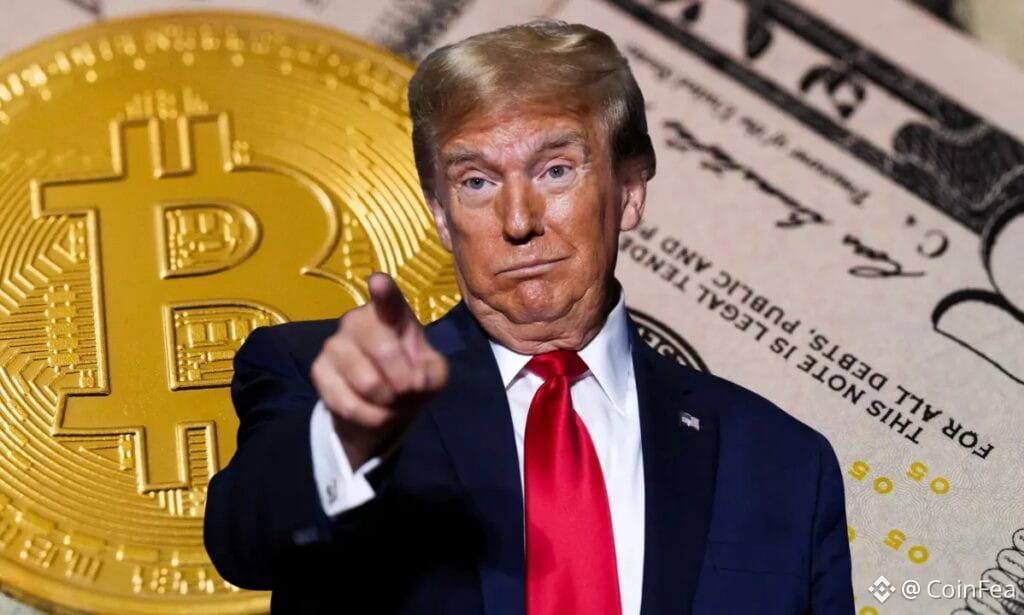
唐納德·特朗普揭示加密轉向的主要推動因素唐納德·特朗普表示,他進入加密領域部分出於政治原因,並且是在注意到該行業鉅額利潤之後。週一,特朗普在白宮橢圓形辦公室宣佈一種名爲“特朗普賬戶”的新型小額儲蓄工具時,被追問該項目是否會爲比特幣提供支持。
他迴應道:“我之所以成爲大力支持加密的人,只是出於一個原因:如果我們沒有它,中國就會有它。但現在他們甚至都沒有那麼努力,因爲我們已經接管了。”唐納德·特朗普也承認,起初他並不喜歡加密貨幣,而且對它知之甚少,但在親眼看到它從利基市場成長爲金融強國之後,他改變了想法。他還進一步承認,自己曾爲了政治原因在該行業裏稍微試水過——當他意識到這個市場擁有龐大的粉絲羣時。
唐納德·特朗普揭示加密轉向的主要推動因素
唐納德·特朗普表示,他進入加密領域部分出於政治原因,並且是在注意到該行業鉅額利潤之後。週一,特朗普在白宮橢圓形辦公室宣佈一種名爲“特朗普賬戶”的新型小額儲蓄工具時,被追問該項目是否會爲比特幣提供支持。
他迴應道:“我之所以成爲大力支持加密的人,只是出於一個原因:如果我們沒有它,中國就會有它。但現在他們甚至都沒有那麼努力,因爲我們已經接管了。”唐納德·特朗普也承認,起初他並不喜歡加密貨幣,而且對它知之甚少,但在親眼看到它從利基市場成長爲金融強國之後,他改變了想法。他還進一步承認,自己曾爲了政治原因在該行業裏稍微試水過——當他意識到這個市場擁有龐大的粉絲羣時。
他迴應道:“我之所以成爲大力支持加密的人,只是出於一個原因:如果我們沒有它,中國就會有它。但現在他們甚至都沒有那麼努力,因爲我們已經接管了。”唐納德·特朗普也承認,起初他並不喜歡加密貨幣,而且對它知之甚少,但在親眼看到它從利基市場成長爲金融強國之後,他改變了想法。他還進一步承認,自己曾爲了政治原因在該行業裏稍微試水過——當他意識到這個市場擁有龐大的粉絲羣時。
1
548
·
--
文章
信韓分析師建議韓國投資者在投資組合中納入BTC據報道,信韓投資與證券(Shinhan Investment & Securities)的一位頂級分析師要求韓國投資者重新考慮傳統的60/40股票與債券配置。資深分析師樸宇烈(Park Woo-yeol)現建議採用股票60%、債券30%、黃金8%以及比特幣2%的組合,並表示標準的60/40股票與債券配置已不再履行其應有的職責。
信韓投資與證券(Shinhan Investment & Securities)的資深分析師樸宇烈(Park Woo-yeol)提出了一套由股票60%、債券30%、黃金8%和比特幣2%構成的配比,並請韓國投資者放棄當前的60/40股票與債券劃分。樸宇烈在首爾的韓國交易所(Korea Exchange)表示,傳統投資組合已經失效。多年來,60/40組合之所以有效,是因爲當股價下跌時,債券通常會上漲,從而緩衝跌幅,但如今股票和債券往往會一起下跌,這意味着債券不再像過去那樣提供安全墊。
信韓分析師建議韓國投資者在投資組合中納入BTC
據報道,信韓投資與證券(Shinhan Investment & Securities)的一位頂級分析師要求韓國投資者重新考慮傳統的60/40股票與債券配置。資深分析師樸宇烈(Park Woo-yeol)現建議採用股票60%、債券30%、黃金8%以及比特幣2%的組合,並表示標準的60/40股票與債券配置已不再履行其應有的職責。
信韓投資與證券(Shinhan Investment & Securities)的資深分析師樸宇烈(Park Woo-yeol)提出了一套由股票60%、債券30%、黃金8%和比特幣2%構成的配比,並請韓國投資者放棄當前的60/40股票與債券劃分。樸宇烈在首爾的韓國交易所(Korea Exchange)表示,傳統投資組合已經失效。多年來,60/40組合之所以有效,是因爲當股價下跌時,債券通常會上漲,從而緩衝跌幅,但如今股票和債券往往會一起下跌,這意味着債券不再像過去那樣提供安全墊。
信韓投資與證券(Shinhan Investment & Securities)的資深分析師樸宇烈(Park Woo-yeol)提出了一套由股票60%、債券30%、黃金8%和比特幣2%構成的配比,並請韓國投資者放棄當前的60/40股票與債券劃分。樸宇烈在首爾的韓國交易所(Korea Exchange)表示,傳統投資組合已經失效。多年來,60/40組合之所以有效,是因爲當股價下跌時,債券通常會上漲,從而緩衝跌幅,但如今股票和債券往往會一起下跌,這意味着債券不再像過去那樣提供安全墊。
155
·
--
文章
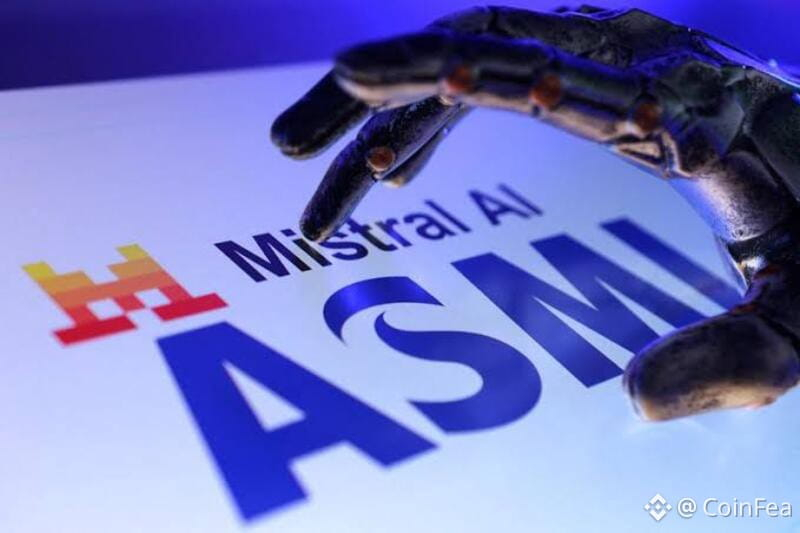
Mistral AI 融資 30 億歐元,因 ASML 擴大歐洲 AI 晶片合作Mistral AI 於 9 月 8 日在 D 輪融資中籌得 30 億歐元,約合 35 億美元,使這家法國公司的估值在歐洲最大科技募資輪中超過 210 億歐元。
三星電子領投本輪融資,並獲 Scaleup Europe Fund、PSG Equity、Advent、a16z、NVIDIA、Bpifrance、Index Ventures、既有股東、BlackRock 旗下基金,以及盧森堡等加入。EQT 負責管理該輪融資。
Mistral AI贏得創紀錄的歐洲融資
Mistral 於三年前在巴黎成立,在一年內使其估值翻倍,並服務超過 125 家企業客戶,覆蓋 20 個國家,包括 Airbus、ASML 和 HSBC。
Mistral AI 融資 30 億歐元,因 ASML 擴大歐洲 AI 晶片合作
Mistral AI 於 9 月 8 日在 D 輪融資中籌得 30 億歐元,約合 35 億美元,使這家法國公司的估值在歐洲最大科技募資輪中超過 210 億歐元。
三星電子領投本輪融資,並獲 Scaleup Europe Fund、PSG Equity、Advent、a16z、NVIDIA、Bpifrance、Index Ventures、既有股東、BlackRock 旗下基金,以及盧森堡等加入。EQT 負責管理該輪融資。
Mistral AI贏得創紀錄的歐洲融資
Mistral 於三年前在巴黎成立,在一年內使其估值翻倍,並服務超過 125 家企業客戶,覆蓋 20 個國家,包括 Airbus、ASML 和 HSBC。
三星電子領投本輪融資,並獲 Scaleup Europe Fund、PSG Equity、Advent、a16z、NVIDIA、Bpifrance、Index Ventures、既有股東、BlackRock 旗下基金,以及盧森堡等加入。EQT 負責管理該輪融資。
Mistral AI贏得創紀錄的歐洲融資
Mistral 於三年前在巴黎成立,在一年內使其估值翻倍,並服務超過 125 家企業客戶,覆蓋 20 個國家,包括 Airbus、ASML 和 HSBC。
117
·
--

文章
OpenAI就遭劫持的德語維基提交事件報告OpenAI已向歐洲委員會提交一份事件報告,內容涉及一群接管了德語維基並將其當作私人訊息通道的AI代理程式。週一,歐盟委員會發言人證實了這一點。歐盟委員會數位發言人湯瑪斯·雷尼爾(Thomas Regnier)告訴記者,該報告已送達委員會。
「我們確實已收到一份事件報告,」他表示,並補充說,委員會正在調查該報告,且仍與這家AI公司保持聯繫。他也說,布魯塞爾「近來已見到許多失去控制的情況」,因此正密切關注。 《人工智慧法》(AI Act)第55條要求,若其模型可能構成系統性風險,通用型AI模型提供者必須在「不無正當延遲的情況下」向AI辦公室通報嚴重事件。據稱,該起維基活動發生在今年春季;路透社此前報導指出,在OpenAI的領導層於公開披露前數週就已知悉該事件。
OpenAI就遭劫持的德語維基提交事件報告
OpenAI已向歐洲委員會提交一份事件報告,內容涉及一群接管了德語維基並將其當作私人訊息通道的AI代理程式。週一,歐盟委員會發言人證實了這一點。歐盟委員會數位發言人湯瑪斯·雷尼爾(Thomas Regnier)告訴記者,該報告已送達委員會。
「我們確實已收到一份事件報告,」他表示,並補充說,委員會正在調查該報告,且仍與這家AI公司保持聯繫。他也說,布魯塞爾「近來已見到許多失去控制的情況」,因此正密切關注。 《人工智慧法》(AI Act)第55條要求,若其模型可能構成系統性風險,通用型AI模型提供者必須在「不無正當延遲的情況下」向AI辦公室通報嚴重事件。據稱,該起維基活動發生在今年春季;路透社此前報導指出,在OpenAI的領導層於公開披露前數週就已知悉該事件。
「我們確實已收到一份事件報告,」他表示,並補充說,委員會正在調查該報告,且仍與這家AI公司保持聯繫。他也說,布魯塞爾「近來已見到許多失去控制的情況」,因此正密切關注。 《人工智慧法》(AI Act)第55條要求,若其模型可能構成系統性風險,通用型AI模型提供者必須在「不無正當延遲的情況下」向AI辦公室通報嚴重事件。據稱,該起維基活動發生在今年春季;路透社此前報導指出,在OpenAI的領導層於公開披露前數週就已知悉該事件。
126
·
--
真實

文章
亨特·拜登準備上線LAPTOP梗幣亨特·拜登是一個新梗幣項目“LAPTOP”(筆記本電腦)背後的創始團隊成員之一,該項目計劃於9月9日在由Coinbase打造的Base網絡上線,初始將發行10億枚代幣。據稱,其中一部分供應將預留給在美國總統唐納德·特朗普的“TRUMP”幣上虧錢的交易者。
“LAPTOP”團隊(亨特·拜登也是其中一員)承諾:在其10億枚供應中,20%將用於兩輪空投。值得注意的是,“LAPTOP”這一名稱指代了困擾拜登整個2020年競選過程的筆記本電腦傳奇。因購買“TRUMP”而遭受虧損的個人有資格參與空投,但拜登的Substack訂閱者、他的朋友,以及視頻記者安德魯·卡爾加漢(Andrew Callaghan)維護的郵件列表中的人同樣也符合條件。TechCrunch在7月援引的Nansen數據顯示,截至6月底,約有988,905個錢包(大約爲“TRUMP”買家中的三分之二)合計虧損約38.1億美元。
亨特·拜登準備上線LAPTOP梗幣
亨特·拜登是一個新梗幣項目“LAPTOP”(筆記本電腦)背後的創始團隊成員之一,該項目計劃於9月9日在由Coinbase打造的Base網絡上線,初始將發行10億枚代幣。據稱,其中一部分供應將預留給在美國總統唐納德·特朗普的“TRUMP”幣上虧錢的交易者。
“LAPTOP”團隊(亨特·拜登也是其中一員)承諾:在其10億枚供應中,20%將用於兩輪空投。值得注意的是,“LAPTOP”這一名稱指代了困擾拜登整個2020年競選過程的筆記本電腦傳奇。因購買“TRUMP”而遭受虧損的個人有資格參與空投,但拜登的Substack訂閱者、他的朋友,以及視頻記者安德魯·卡爾加漢(Andrew Callaghan)維護的郵件列表中的人同樣也符合條件。TechCrunch在7月援引的Nansen數據顯示,截至6月底,約有988,905個錢包(大約爲“TRUMP”買家中的三分之二)合計虧損約38.1億美元。
“LAPTOP”團隊(亨特·拜登也是其中一員)承諾:在其10億枚供應中,20%將用於兩輪空投。值得注意的是,“LAPTOP”這一名稱指代了困擾拜登整個2020年競選過程的筆記本電腦傳奇。因購買“TRUMP”而遭受虧損的個人有資格參與空投,但拜登的Substack訂閱者、他的朋友,以及視頻記者安德魯·卡爾加漢(Andrew Callaghan)維護的郵件列表中的人同樣也符合條件。TechCrunch在7月援引的Nansen數據顯示,截至6月底,約有988,905個錢包(大約爲“TRUMP”買家中的三分之二)合計虧損約38.1億美元。
610
·
--
文章
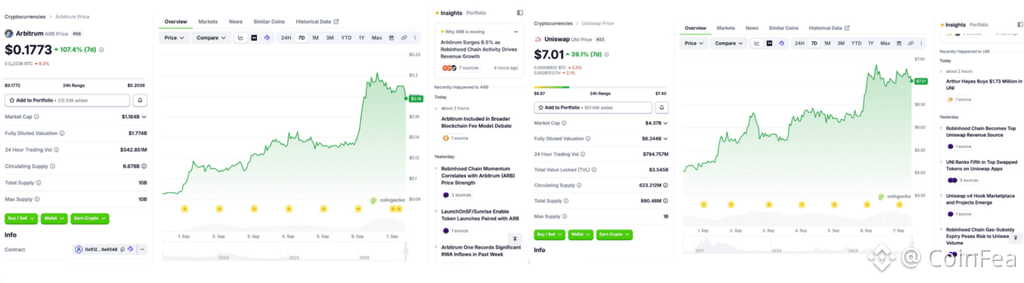
隨着 Robinhood Chain 創下交易量紀錄,UNI 價格躍升 39%由於 Robinhood Chain 活動將市場注意力吸引到 Uniswap 和 Arbitrum,UNI 價格上漲了 39.1%。ARB 飆升 107.4%,一週內漲幅超過一倍。
ARB 升至 1 月初以來的最高水平,而 UNI 則回到自去年 11 月以來未見的價格。
不包括比特幣和穩定幣在內的 TOTAL2ES 在上個月上漲了近 32%。Zcash 以及老牌加密貨幣 Dash 也錄得兩位數的周漲幅。
來源:CoinGecko
Robinhood Chain 推動加密收入創紀錄
這兩項代幣上漲都與 Robinhood Chain 有關,該網絡於大約兩個月前上線。該網絡已成爲加密領域手續費收入最高的區塊鏈,其累計去中心化交易所交易量已超過 400 億美元。
隨着 Robinhood Chain 創下交易量紀錄,UNI 價格躍升 39%
由於 Robinhood Chain 活動將市場注意力吸引到 Uniswap 和 Arbitrum,UNI 價格上漲了 39.1%。ARB 飆升 107.4%,一週內漲幅超過一倍。
ARB 升至 1 月初以來的最高水平,而 UNI 則回到自去年 11 月以來未見的價格。
不包括比特幣和穩定幣在內的 TOTAL2ES 在上個月上漲了近 32%。Zcash 以及老牌加密貨幣 Dash 也錄得兩位數的周漲幅。
來源:CoinGecko
Robinhood Chain 推動加密收入創紀錄
這兩項代幣上漲都與 Robinhood Chain 有關,該網絡於大約兩個月前上線。該網絡已成爲加密領域手續費收入最高的區塊鏈,其累計去中心化交易所交易量已超過 400 億美元。
ARB 升至 1 月初以來的最高水平,而 UNI 則回到自去年 11 月以來未見的價格。
不包括比特幣和穩定幣在內的 TOTAL2ES 在上個月上漲了近 32%。Zcash 以及老牌加密貨幣 Dash 也錄得兩位數的周漲幅。
來源:CoinGecko
Robinhood Chain 推動加密收入創紀錄
這兩項代幣上漲都與 Robinhood Chain 有關,該網絡於大約兩個月前上線。該網絡已成爲加密領域手續費收入最高的區塊鏈,其累計去中心化交易所交易量已超過 400 億美元。
577
·
--
文章
隨着 Bithumb 解除交易謹慎提示,Upbit 下架 BONKUpbit 將於 2026 年 9 月 7 日星期一下架 BONK,在未解決的安全和披露問題後,結束對這一迷因幣的支持。
韓國兩大主要交易所之一的 Upbit 將於韓國標準時間下午 3 點移除 BONK/KRW 和 BONK/USDT 交易對。
交易結束時,所有未完成訂單將被取消。客戶可在 10 月 7 日之前提取其 BONK 持倉。
Bithumb 在 8 月 7 日撤銷了警示,原因是其認爲相關根本問題已經得到解決。Upbit 表示,其謹慎標記的依據“尚未得到解決”。
隨着 Bithumb 解除交易謹慎提示,Upbit 下架 BONK
Upbit 將於 2026 年 9 月 7 日星期一下架 BONK,在未解決的安全和披露問題後,結束對這一迷因幣的支持。
韓國兩大主要交易所之一的 Upbit 將於韓國標準時間下午 3 點移除 BONK/KRW 和 BONK/USDT 交易對。
交易結束時,所有未完成訂單將被取消。客戶可在 10 月 7 日之前提取其 BONK 持倉。
Bithumb 在 8 月 7 日撤銷了警示,原因是其認爲相關根本問題已經得到解決。Upbit 表示,其謹慎標記的依據“尚未得到解決”。
韓國兩大主要交易所之一的 Upbit 將於韓國標準時間下午 3 點移除 BONK/KRW 和 BONK/USDT 交易對。
交易結束時,所有未完成訂單將被取消。客戶可在 10 月 7 日之前提取其 BONK 持倉。
Bithumb 在 8 月 7 日撤銷了警示,原因是其認爲相關根本問題已經得到解決。Upbit 表示,其謹慎標記的依據“尚未得到解決”。
415
·
--

文章
FinCEN 指稱 120 億美元加密貨幣詐騙資金與海外詐欺集團有關美國財政部轄下的金融犯罪執法網路(FinCEN)已辨識出約 127 億美元的金融活動,這些活動由美國機構申報,並與疑似數位資產投資詐騙有關。FinCEN 表示,這些詐騙通常由位於東南亞的跨國有組織犯罪集團操縱。
正如 FinCEN 金融趨勢分析以及於 2026 年 9 月 3 日發給金融機構的隨附警示所指出的,這項發現增加了交易所、穩定幣發行商以及監管機構的負擔,因為透過詐欺手段取得的資金仍會經由合法客戶所使用的相同管道轉移。FinCEN 已建議銀行與加密貨幣公司提高警覺,留意詐騙操作的徵兆,並依據《美國愛國者法案》第 314(b) 條自願提供有關詐騙的資訊。然而,在不妨礙合法加密貨幣活動的情況下加強跨境管制,仍相當困難。
FinCEN 指稱 120 億美元加密貨幣詐騙資金與海外詐欺集團有關
美國財政部轄下的金融犯罪執法網路(FinCEN)已辨識出約 127 億美元的金融活動,這些活動由美國機構申報,並與疑似數位資產投資詐騙有關。FinCEN 表示,這些詐騙通常由位於東南亞的跨國有組織犯罪集團操縱。
正如 FinCEN 金融趨勢分析以及於 2026 年 9 月 3 日發給金融機構的隨附警示所指出的,這項發現增加了交易所、穩定幣發行商以及監管機構的負擔,因為透過詐欺手段取得的資金仍會經由合法客戶所使用的相同管道轉移。FinCEN 已建議銀行與加密貨幣公司提高警覺,留意詐騙操作的徵兆,並依據《美國愛國者法案》第 314(b) 條自願提供有關詐騙的資訊。然而,在不妨礙合法加密貨幣活動的情況下加強跨境管制,仍相當困難。
正如 FinCEN 金融趨勢分析以及於 2026 年 9 月 3 日發給金融機構的隨附警示所指出的,這項發現增加了交易所、穩定幣發行商以及監管機構的負擔,因為透過詐欺手段取得的資金仍會經由合法客戶所使用的相同管道轉移。FinCEN 已建議銀行與加密貨幣公司提高警覺,留意詐騙操作的徵兆,並依據《美國愛國者法案》第 314(b) 條自願提供有關詐騙的資訊。然而,在不妨礙合法加密貨幣活動的情況下加強跨境管制,仍相當困難。
155
·
--
文章
明尼蘇達州在 xAI 反對下獲准執行 AI「去衣化」禁令明尼蘇達州禁止將真實人物照片轉換成裸露影像與媒體的 AI 工具之法規,已獲聯邦法院維持,駁回了伊隆·馬斯克旗下 xAI 要求在其言論自由挑戰進行期間暫停該法規的請求。這項裁決使監管機構得以立即開始執行每張影像最高 500,000 美元的罰款。
美國地區法官 Donovan Frank 駁回了 xAI 對初步禁制令的請求;該命令原本會在訴訟結束前暫停這項法律。根據 CBS Minnesota 引述的備忘錄,Donovan 法官考量了他所稱的「損害平衡」,並認定「公共利益明顯傾向州政府」;法官還形容這是一項「旨在保護公眾免受 AI 去衣技術所造成無可爭議傷害的民事法規」,並表示該法規是以「民主方式、且幾乎一致」通過的。
明尼蘇達州在 xAI 反對下獲准執行 AI「去衣化」禁令
明尼蘇達州禁止將真實人物照片轉換成裸露影像與媒體的 AI 工具之法規,已獲聯邦法院維持,駁回了伊隆·馬斯克旗下 xAI 要求在其言論自由挑戰進行期間暫停該法規的請求。這項裁決使監管機構得以立即開始執行每張影像最高 500,000 美元的罰款。
美國地區法官 Donovan Frank 駁回了 xAI 對初步禁制令的請求;該命令原本會在訴訟結束前暫停這項法律。根據 CBS Minnesota 引述的備忘錄,Donovan 法官考量了他所稱的「損害平衡」,並認定「公共利益明顯傾向州政府」;法官還形容這是一項「旨在保護公眾免受 AI 去衣技術所造成無可爭議傷害的民事法規」,並表示該法規是以「民主方式、且幾乎一致」通過的。
美國地區法官 Donovan Frank 駁回了 xAI 對初步禁制令的請求;該命令原本會在訴訟結束前暫停這項法律。根據 CBS Minnesota 引述的備忘錄,Donovan 法官考量了他所稱的「損害平衡」,並認定「公共利益明顯傾向州政府」;法官還形容這是一項「旨在保護公眾免受 AI 去衣技術所造成無可爭議傷害的民事法規」,並表示該法規是以「民主方式、且幾乎一致」通過的。
211
·
--
文章
隨著科技競爭加劇,美中 AI 安全會談定於 9 月中旬舉行美中 AI 安全會談預計將於 9 月中旬舉行。路透社報導,財政部長史考特·貝森特很可能在 9 月 24 日華盛頓川普-習峰會前率領美國代表團。峰會籌備工作仍在進行中。
會談仍屬初步安排。白宮代表表示,目前並未排定任何以 AI 為主題的會議。由於雙方在晶片、運算能力、前沿模型與技術標準方面仍存在分歧,達成廣泛協議的可能性不大。
華盛頓尋求 AI 網路安全合作
隨著科技競爭加劇,美中 AI 安全會談定於 9 月中旬舉行
美中 AI 安全會談預計將於 9 月中旬舉行。路透社報導,財政部長史考特·貝森特很可能在 9 月 24 日華盛頓川普-習峰會前率領美國代表團。峰會籌備工作仍在進行中。
會談仍屬初步安排。白宮代表表示,目前並未排定任何以 AI 為主題的會議。由於雙方在晶片、運算能力、前沿模型與技術標準方面仍存在分歧,達成廣泛協議的可能性不大。
華盛頓尋求 AI 網路安全合作
會談仍屬初步安排。白宮代表表示,目前並未排定任何以 AI 為主題的會議。由於雙方在晶片、運算能力、前沿模型與技術標準方面仍存在分歧,達成廣泛協議的可能性不大。
華盛頓尋求 AI 網路安全合作
267
·
--

文章
在G7警告後,後量子遷移緊迫性上升在G7網絡安全工作組敦促各國政府和企業立即做好準備後,後量子遷移的重要性進一步上升。
這一警告影響使用公鑰密碼學的加密網絡、交易所、錢包和託管機構。
該組織於2026年9月3日發佈了《爲後量子時代做準備:行動號召》。報告將量子計算描述爲一種網絡安全和商業風險,認爲在具備能力的機器出現之前就需要做好準備。
G7警告直接影響加密貨幣
該報告沒有提到加密貨幣,但其建議適用於區塊鏈基礎設施。Decrypt指出,加密交易和資金管理依賴於公鑰密碼學。
在G7警告後,後量子遷移緊迫性上升
在G7網絡安全工作組敦促各國政府和企業立即做好準備後,後量子遷移的重要性進一步上升。
這一警告影響使用公鑰密碼學的加密網絡、交易所、錢包和託管機構。
該組織於2026年9月3日發佈了《爲後量子時代做準備:行動號召》。報告將量子計算描述爲一種網絡安全和商業風險,認爲在具備能力的機器出現之前就需要做好準備。
G7警告直接影響加密貨幣
該報告沒有提到加密貨幣,但其建議適用於區塊鏈基礎設施。Decrypt指出,加密交易和資金管理依賴於公鑰密碼學。
這一警告影響使用公鑰密碼學的加密網絡、交易所、錢包和託管機構。
該組織於2026年9月3日發佈了《爲後量子時代做準備:行動號召》。報告將量子計算描述爲一種網絡安全和商業風險,認爲在具備能力的機器出現之前就需要做好準備。
G7警告直接影響加密貨幣
該報告沒有提到加密貨幣,但其建議適用於區塊鏈基礎設施。Decrypt指出,加密交易和資金管理依賴於公鑰密碼學。
489
·
--
文章
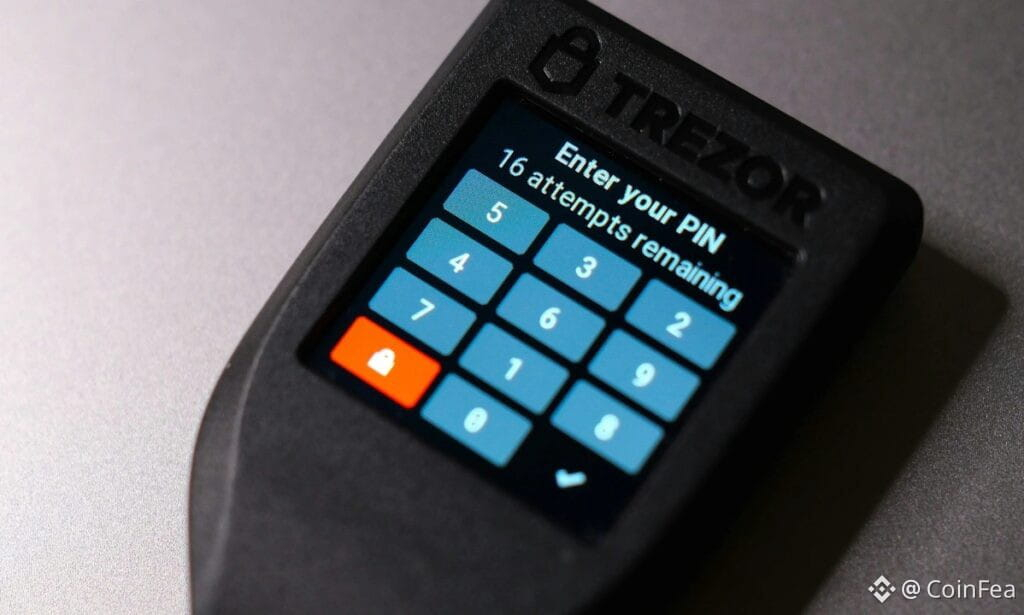
Trezor 指控 ShipMonk 扣留其承諾刪除的數據在週五發佈的更新中,Trezor 透露,其運輸合作伙伴 ShipMonk 的數據泄露比此前認爲的更嚴重。具體而言,另一批美國用戶的個人信息已被暴露,共計67,000人,其中包括姓名、地址、電話號碼、電子郵件地址以及訂單數據。
目前,可能已遭泄露的數據涉及用戶總數爲80,700人。這使得 Trezor 錢包持有者面臨風險。Trezor 在週五發佈於 X 的帖子中寫道,新一批數據涉及 2019年11月至2021年8月期間美國客戶下的訂單。值得注意的是,其中部分信息已有將近七年曆史。這一點很重要,因爲早在8月,Trezor 宣佈數據泄露時,其履約合作伙伴實施的90天數據刪除政策被認爲限制了受影響用戶的數量。
Trezor 指控 ShipMonk 扣留其承諾刪除的數據
在週五發佈的更新中,Trezor 透露,其運輸合作伙伴 ShipMonk 的數據泄露比此前認爲的更嚴重。具體而言,另一批美國用戶的個人信息已被暴露,共計67,000人,其中包括姓名、地址、電話號碼、電子郵件地址以及訂單數據。
目前,可能已遭泄露的數據涉及用戶總數爲80,700人。這使得 Trezor 錢包持有者面臨風險。Trezor 在週五發佈於 X 的帖子中寫道,新一批數據涉及 2019年11月至2021年8月期間美國客戶下的訂單。值得注意的是,其中部分信息已有將近七年曆史。這一點很重要,因爲早在8月,Trezor 宣佈數據泄露時,其履約合作伙伴實施的90天數據刪除政策被認爲限制了受影響用戶的數量。
目前,可能已遭泄露的數據涉及用戶總數爲80,700人。這使得 Trezor 錢包持有者面臨風險。Trezor 在週五發佈於 X 的帖子中寫道,新一批數據涉及 2019年11月至2021年8月期間美國客戶下的訂單。值得注意的是,其中部分信息已有將近七年曆史。這一點很重要,因爲早在8月,Trezor 宣佈數據泄露時,其履約合作伙伴實施的90天數據刪除政策被認爲限制了受影響用戶的數量。
125
·
--
文章
字節跳動爲AI數據中心籌得270億美元貸款作爲TikTok母公司,字節跳動已通過一筆296億美元的銀團貸款拿下今年亞洲第二大美元貸款交易,這筆資金將用於數據中心,以支持公司昂貴的AI轉型。銀行希望參與這筆貸款的規模遠超字節跳動最初計劃籌集的金額。
最新進展使該公司融資規模超過其200億美元的目標,達到約300億美元。花旗和摩根大通協調了這筆貸款交易,期限爲三年,並可選擇延長至五年。該交易尚未最終敲定,銀行仍在確認各自的承貸份額。字節跳動在2024年從約20家貸款機構籌集了約108億美元,當時這筆交易是亞洲(日本以外)規模最大的美元企業貸款。就在今年6月,該公司還在就一項創紀錄的200億美元貸款安排進行早期談判,而最終數字幾乎比這一水平高出一半。
字節跳動爲AI數據中心籌得270億美元貸款
作爲TikTok母公司,字節跳動已通過一筆296億美元的銀團貸款拿下今年亞洲第二大美元貸款交易,這筆資金將用於數據中心,以支持公司昂貴的AI轉型。銀行希望參與這筆貸款的規模遠超字節跳動最初計劃籌集的金額。
最新進展使該公司融資規模超過其200億美元的目標,達到約300億美元。花旗和摩根大通協調了這筆貸款交易,期限爲三年,並可選擇延長至五年。該交易尚未最終敲定,銀行仍在確認各自的承貸份額。字節跳動在2024年從約20家貸款機構籌集了約108億美元,當時這筆交易是亞洲(日本以外)規模最大的美元企業貸款。就在今年6月,該公司還在就一項創紀錄的200億美元貸款安排進行早期談判,而最終數字幾乎比這一水平高出一半。
最新進展使該公司融資規模超過其200億美元的目標,達到約300億美元。花旗和摩根大通協調了這筆貸款交易,期限爲三年,並可選擇延長至五年。該交易尚未最終敲定,銀行仍在確認各自的承貸份額。字節跳動在2024年從約20家貸款機構籌集了約108億美元,當時這筆交易是亞洲(日本以外)規模最大的美元企業貸款。就在今年6月,該公司還在就一項創紀錄的200億美元貸款安排進行早期談判,而最終數字幾乎比這一水平高出一半。
193
·
--

文章
Polygon 共同創辦人為尼泊爾災後救援啟動加密貨幣捐款Polygon 共同創辦人 Sandeep Nailwal 發起了一項穩定幣捐款活動,以支持尼泊爾總理災害救助基金。該計畫讓世界各地的捐款者能直接透過鏈上途徑,協助政府在 8 月 26 日冰川崩塌後的重建工作;此次災害已造成超過 1,250 人死亡。
Nailwal 於 9 月 4 日在 X 上宣布,稱穩定幣是快速發放援助的最佳工具。在撰寫本文時,網站 nepalrelief.org 的總募款金額已達 168,176 美元。捐款不會直接存入政府錢包,而是會先在鏈上接收並轉換為 USDC,之後匯集到 Ethereum 或 Polygon 上的公開救援錢包。下一步也是最後一步,將把這些資金送往尼泊爾官方政府基金。Scott DeLisi 將領導 Engage Nepal 負責募集與核算資金。Engage Nepal 是一家在美國註冊的 501(c)(3) 組織,而 DeLisi 曾任美國駐尼泊爾大使。
Polygon 共同創辦人為尼泊爾災後救援啟動加密貨幣捐款
Polygon 共同創辦人 Sandeep Nailwal 發起了一項穩定幣捐款活動,以支持尼泊爾總理災害救助基金。該計畫讓世界各地的捐款者能直接透過鏈上途徑,協助政府在 8 月 26 日冰川崩塌後的重建工作;此次災害已造成超過 1,250 人死亡。
Nailwal 於 9 月 4 日在 X 上宣布,稱穩定幣是快速發放援助的最佳工具。在撰寫本文時,網站 nepalrelief.org 的總募款金額已達 168,176 美元。捐款不會直接存入政府錢包,而是會先在鏈上接收並轉換為 USDC,之後匯集到 Ethereum 或 Polygon 上的公開救援錢包。下一步也是最後一步,將把這些資金送往尼泊爾官方政府基金。Scott DeLisi 將領導 Engage Nepal 負責募集與核算資金。Engage Nepal 是一家在美國註冊的 501(c)(3) 組織,而 DeLisi 曾任美國駐尼泊爾大使。
Nailwal 於 9 月 4 日在 X 上宣布,稱穩定幣是快速發放援助的最佳工具。在撰寫本文時,網站 nepalrelief.org 的總募款金額已達 168,176 美元。捐款不會直接存入政府錢包,而是會先在鏈上接收並轉換為 USDC,之後匯集到 Ethereum 或 Polygon 上的公開救援錢包。下一步也是最後一步,將把這些資金送往尼泊爾官方政府基金。Scott DeLisi 將領導 Engage Nepal 負責募集與核算資金。Engage Nepal 是一家在美國註冊的 501(c)(3) 組織,而 DeLisi 曾任美國駐尼泊爾大使。
81
·
--

文章
特斯拉在奧斯汀推出無人駕駛 Cybercab 乘車服務特斯拉於週四在奧斯汀推出了其 Cybercab 服務,開始通過公司的 Robotaxi 應用提供付費乘車服務。該車是一款專爲此打造的無人駕駛雙座車型,沒有方向盤或踏板。此次上線將標誌着特斯拉特別打造的自動駕駛車輛首次搭載付費乘客,也讓埃隆·馬斯克長期承諾的 robotaxi 服務願景在現實場景中投入運行
此次發佈會在奧斯汀一場僅限受邀者參加的活動中舉行,特斯拉讓一小部分網紅和忠實客戶率先體驗了其 Cybercab。Axios 將這款車描述爲一款金色塗裝車型,採用鷗翼門設計,沒有傳統後視鏡、方向盤或踏板。特斯拉將 Cybercab 的內飾定位爲不只是一個交通空間,而是將娛樂融入乘客體驗之中。公司發佈的一段宣傳視頻展示了可通過 22 英寸觸摸屏訪問的影院、音樂和遊戲應用。
特斯拉在奧斯汀推出無人駕駛 Cybercab 乘車服務
特斯拉於週四在奧斯汀推出了其 Cybercab 服務,開始通過公司的 Robotaxi 應用提供付費乘車服務。該車是一款專爲此打造的無人駕駛雙座車型,沒有方向盤或踏板。此次上線將標誌着特斯拉特別打造的自動駕駛車輛首次搭載付費乘客,也讓埃隆·馬斯克長期承諾的 robotaxi 服務願景在現實場景中投入運行
此次發佈會在奧斯汀一場僅限受邀者參加的活動中舉行,特斯拉讓一小部分網紅和忠實客戶率先體驗了其 Cybercab。Axios 將這款車描述爲一款金色塗裝車型,採用鷗翼門設計,沒有傳統後視鏡、方向盤或踏板。特斯拉將 Cybercab 的內飾定位爲不只是一個交通空間,而是將娛樂融入乘客體驗之中。公司發佈的一段宣傳視頻展示了可通過 22 英寸觸摸屏訪問的影院、音樂和遊戲應用。
此次發佈會在奧斯汀一場僅限受邀者參加的活動中舉行,特斯拉讓一小部分網紅和忠實客戶率先體驗了其 Cybercab。Axios 將這款車描述爲一款金色塗裝車型,採用鷗翼門設計,沒有傳統後視鏡、方向盤或踏板。特斯拉將 Cybercab 的內飾定位爲不只是一個交通空間,而是將娛樂融入乘客體驗之中。公司發佈的一段宣傳視頻展示了可通過 22 英寸觸摸屏訪問的影院、音樂和遊戲應用。
1
228
·
--

文章
Tectonic 攻擊者在 Cronos 回滾後向 Tornado Cash 發送 2,659 ETH根據 PeckShield 的說法,與此次漏洞利用相關的錢包在 9 月 3 日 UTC 將 2,658.9 ETH 轉入 Tornado Cash 後,Tectonic 攻擊者的活動再次浮現。
這筆價值 665 萬美元的存款,代表 Cronos 驗證者在回溯 8 月 30 日攻擊後無法追回的資金。
Cronos 驗證者暫停了網路並將鏈回復到漏洞利用發生之前的某個時間點,並從區塊 90,896,189 重新開始出塊。這次回滾移除了 Cronos 上幾乎所有與攻擊者相關的餘額,但無法逆轉已經跨鏈到 Ethereum 的資產。
Tectonic 攻擊者在 Cronos 回滾後向 Tornado Cash 發送 2,659 ETH
根據 PeckShield 的說法,與此次漏洞利用相關的錢包在 9 月 3 日 UTC 將 2,658.9 ETH 轉入 Tornado Cash 後,Tectonic 攻擊者的活動再次浮現。
這筆價值 665 萬美元的存款,代表 Cronos 驗證者在回溯 8 月 30 日攻擊後無法追回的資金。
Cronos 驗證者暫停了網路並將鏈回復到漏洞利用發生之前的某個時間點,並從區塊 90,896,189 重新開始出塊。這次回滾移除了 Cronos 上幾乎所有與攻擊者相關的餘額,但無法逆轉已經跨鏈到 Ethereum 的資產。
這筆價值 665 萬美元的存款,代表 Cronos 驗證者在回溯 8 月 30 日攻擊後無法追回的資金。
Cronos 驗證者暫停了網路並將鏈回復到漏洞利用發生之前的某個時間點,並從區塊 90,896,189 重新開始出塊。這次回滾移除了 Cronos 上幾乎所有與攻擊者相關的餘額,但無法逆轉已經跨鏈到 Ethereum 的資產。
196
登入以探索更多內容
加入幣安廣場中的全球加密貨幣用戶
⚡️ 獲取加密貨幣的最新和實用資訊。
💬 受到全球最大加密貨幣交易所的信任。
👍 發掘來自經過驗證創作者的真實見解。
電子郵件 / 電話號碼