Nvidia's earnings report and the Federal Reserve's Jackson Hole symposium will test the assumptions behind this year's stock market rally, according to Reuters, offering clues on whether the AI-driven surge in equities can withstand rising uncertainty over growth and interest rates. Global bond yields surged this week, sending the 30-year Treasury yield to its highest level since 2007 and pressuring stocks, while raising concerns about borrowing costs for households and companies investing heavily in AI infrastructure.

The Treasury Department's efforts to calm markets by doubling buybacks for long-dated debt offered only brief relief, with yields rebounding on Thursday. That sharpened focus on the August 27-29 Jackson Hole event and how Fed Chair Kevin Warsh communicates policy after stepping back from traditional forward guidance. The S&P 500 is down this week and about 2% below its record high, as rising yields weigh on semiconductor stockand drag the Philadelphia chips index down roughly 5% for the week.

Nvidia, whose chips underpin much of the AI buildout, reports second-quarter results on August 26 and has become a proxy for the broader AI ecosystem. The company recently teamed up with six major financial institutions on financing platforms targeting more than $500 billion for AI infrastructure. Reuters cited Arena Private Wealth's Erik Kratz as saying the market is heavily reliant on the AI trade, with Nvidia the dominant player.

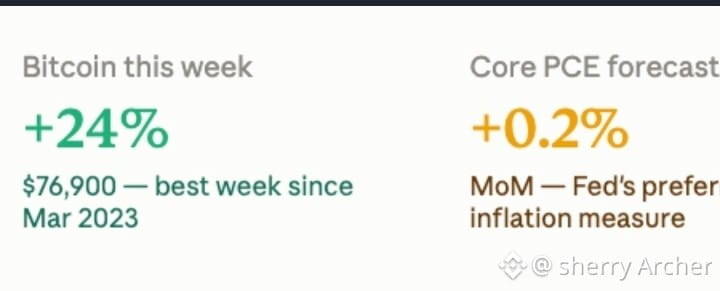
With July's PCE inflation reading and a U.S. growth report due before the symposium, investors will get an updated picture of inflation and momentum that could reshape rate expectations. Markets are pricing in a 35% chance of a September rate hike, rising to 66% by December. It will be Warsh's first Jackson Hole appearance since taking office in May 2026, and Reuters noted his shift away from forward guidance has left investors seeking clarity on his longer-term framework.s