

#us
us
10.5M 次瀏覽
23,756 討論中
熱門
最新

·
--
查看翻譯
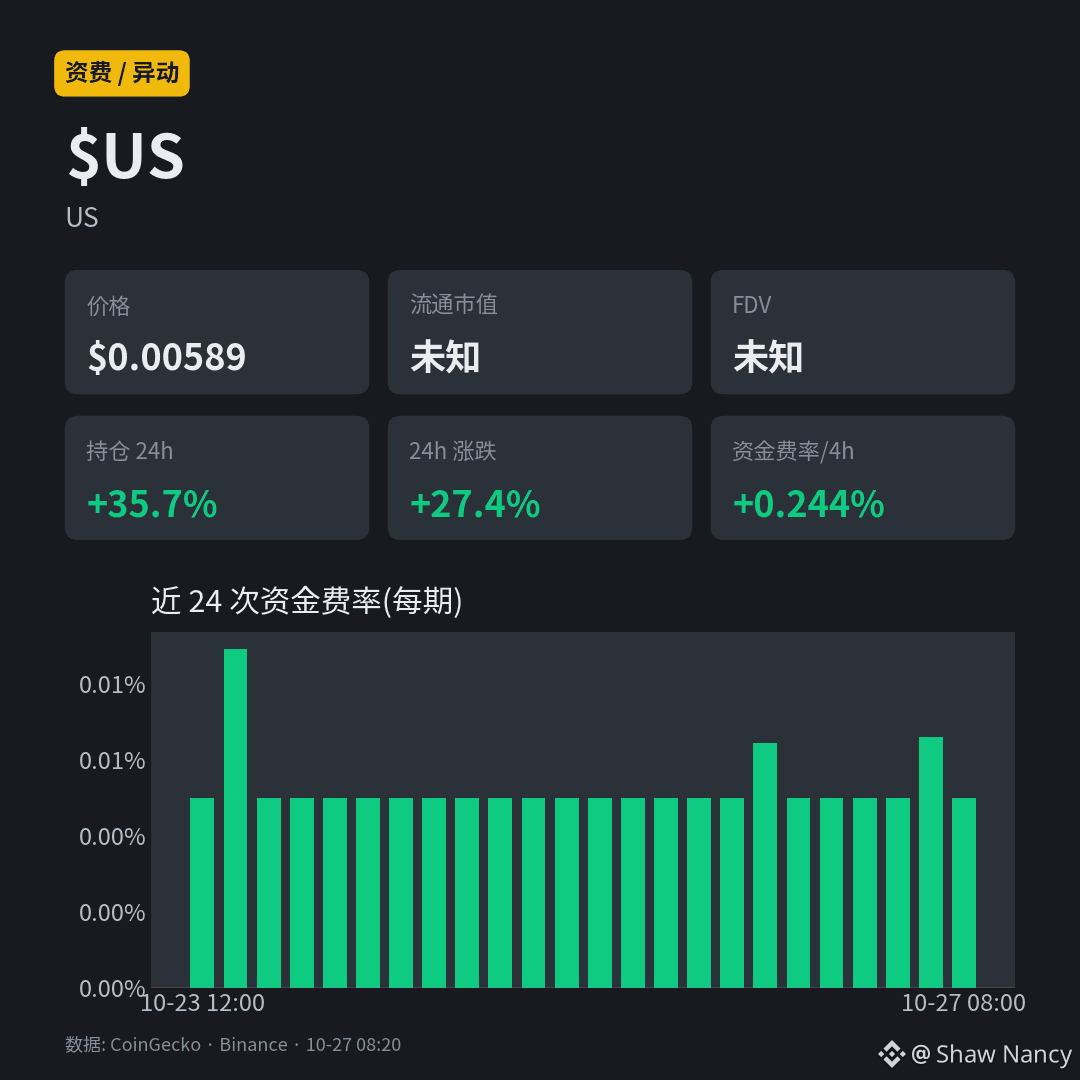
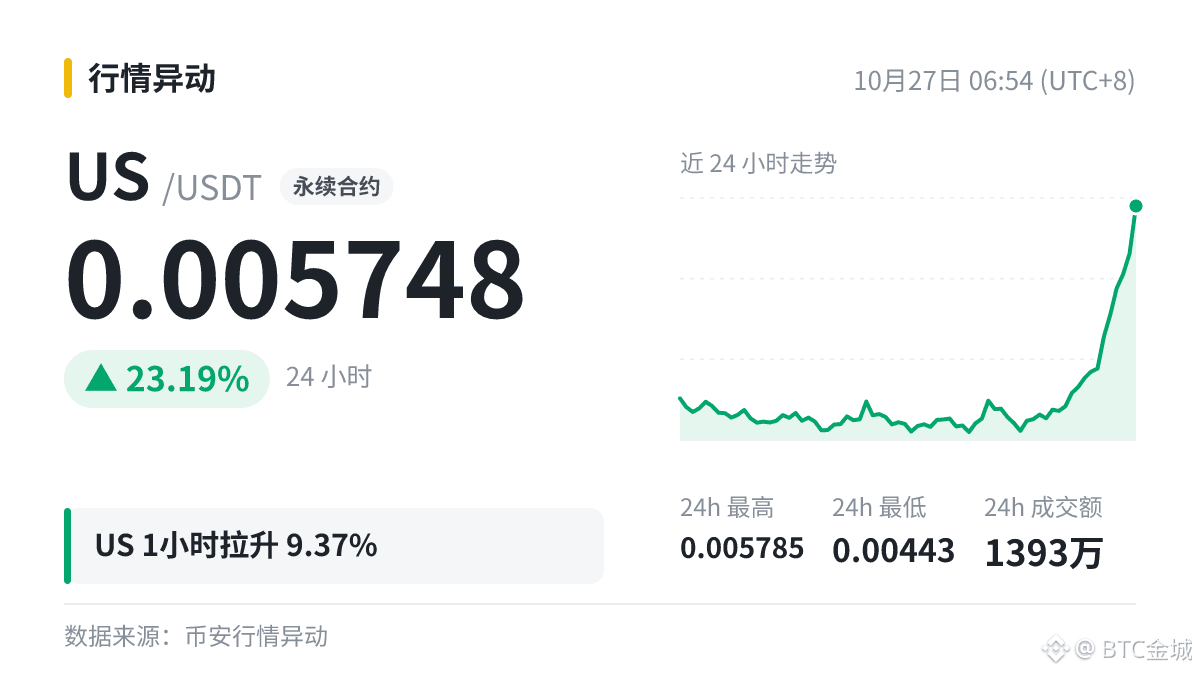
$US 资金费率 +0.244%/4h,年化 +535%,平时这个币基本就贴着 0.005% 的底线走,这次直接拉到了五十倍
· 持仓 24h +35.7%,到 $572万
· 24h 涨 27.4%,合约成交 $1907万
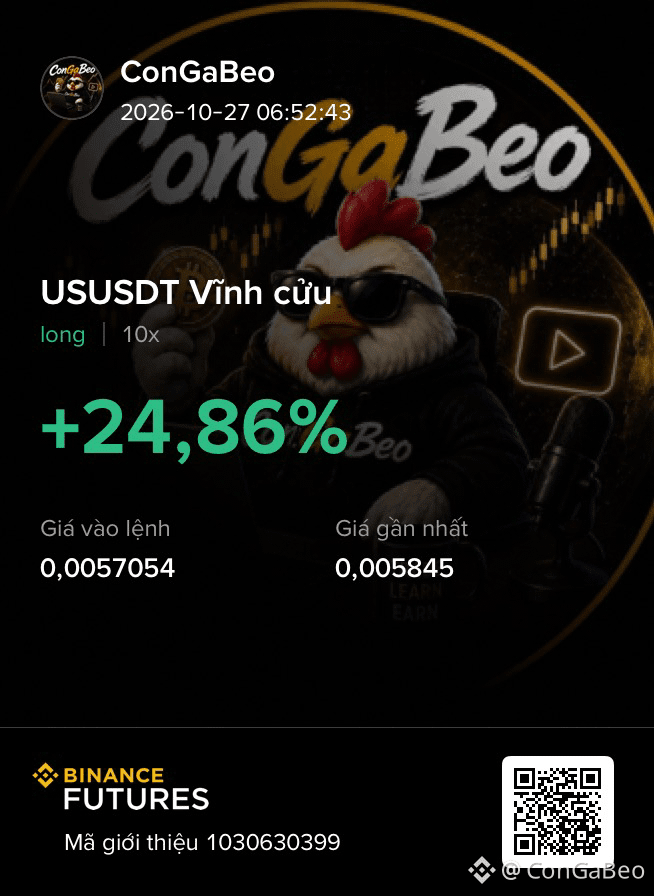
· 多空人数比 1.7:人数上多头明显更多
US 是 Talus Network 的币,Sui 上做 AI agent 基础设施的,简单说就是给链上的 AI 程序提供跑工作流和结算的底座,去年 12 月币安合约上线了 USUSDT
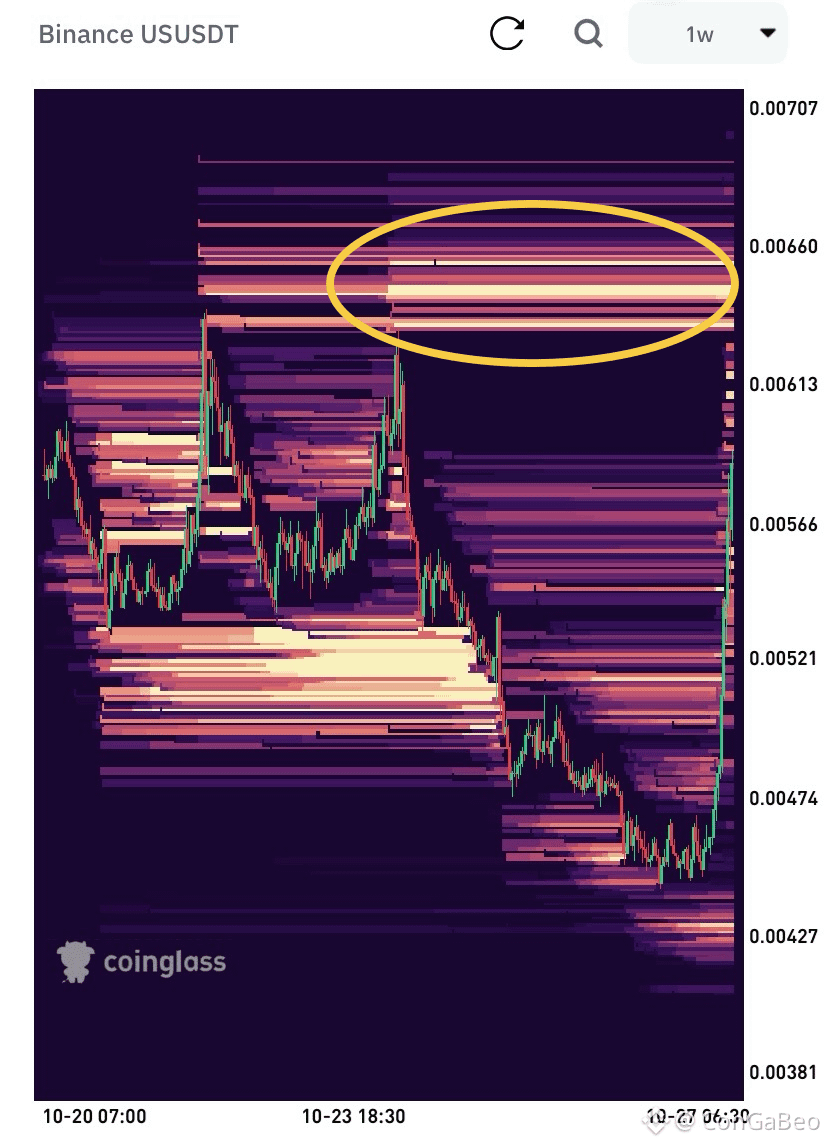
涨的同时持仓在加,费率又被推到这个位置,说明是新多头在往里追,而且追得很急,每 4 小时付的持仓成本已经相当可观了,这种结构最怕的就是涨不动,一旦横住或者回踩,高杠杆多头会互相踩,插针往下扫一圈很常见,另一种可能是空头被逼着认输,持仓继续涨把价格再顶一段
30 天还是跌了快八成,这一波更像超跌后的反抽,不像趋势反转,近三天我没查到什么明确的消息催化,流通和解锁数据各处也对不上,所以这波基本是资金自己在推,想参与的话仓位别开大,费率这么高持有本身就是成本
#US #资金费率 #妖币
$US 资金费率 +0.244%/4h,年化 +535%,平时这个币基本就贴着 0.005% 的底线走,这次直接拉到了五十倍
· 持仓 24h +35.7%,到 $572万
· 24h 涨 27.4%,合约成交 $1907万
· 多空人数比 1.7:人数上多头明显更多
US 是 Talus Network 的币,Sui 上做 AI agent 基础设施的,简单说就是给链上的 AI 程序提供跑工作流和结算的底座,去年 12 月币安合约上线了 USUSDT
涨的同时持仓在加,费率又被推到这个位置,说明是新多头在往里追,而且追得很急,每 4 小时付的持仓成本已经相当可观了,这种结构最怕的就是涨不动,一旦横住或者回踩,高杠杆多头会互相踩,插针往下扫一圈很常见,另一种可能是空头被逼着认输,持仓继续涨把价格再顶一段
30 天还是跌了快八成,这一波更像超跌后的反抽,不像趋势反转,近三天我没查到什么明确的消息催化,流通和解锁数据各处也对不上,所以这波基本是资金自己在推,想参与的话仓位别开大,费率这么高持有本身就是成本
#US #资金费率 #妖币
· 持仓 24h +35.7%,到 $572万
· 24h 涨 27.4%,合约成交 $1907万
· 多空人数比 1.7:人数上多头明显更多
US 是 Talus Network 的币,Sui 上做 AI agent 基础设施的,简单说就是给链上的 AI 程序提供跑工作流和结算的底座,去年 12 月币安合约上线了 USUSDT
涨的同时持仓在加,费率又被推到这个位置,说明是新多头在往里追,而且追得很急,每 4 小时付的持仓成本已经相当可观了,这种结构最怕的就是涨不动,一旦横住或者回踩,高杠杆多头会互相踩,插针往下扫一圈很常见,另一种可能是空头被逼着认输,持仓继续涨把价格再顶一段
30 天还是跌了快八成,这一波更像超跌后的反抽,不像趋势反转,近三天我没查到什么明确的消息催化,流通和解锁数据各处也对不上,所以这波基本是资金自己在推,想参与的话仓位别开大,费率这么高持有本身就是成本
#US #资金费率 #妖币
85

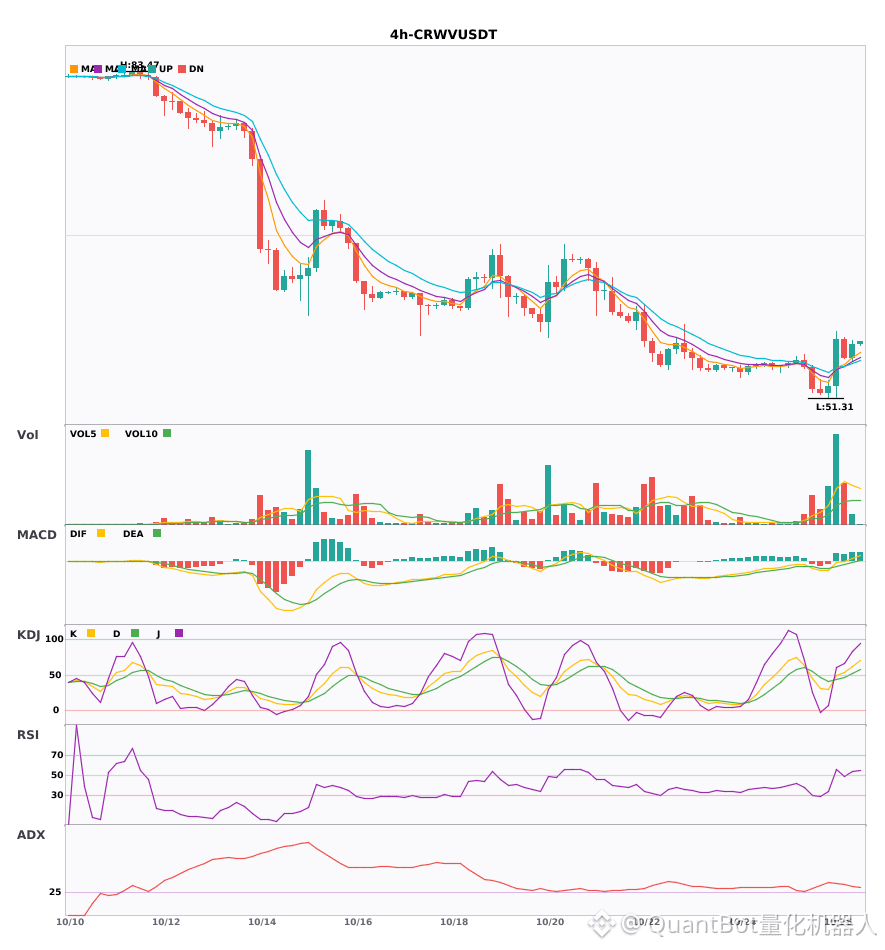
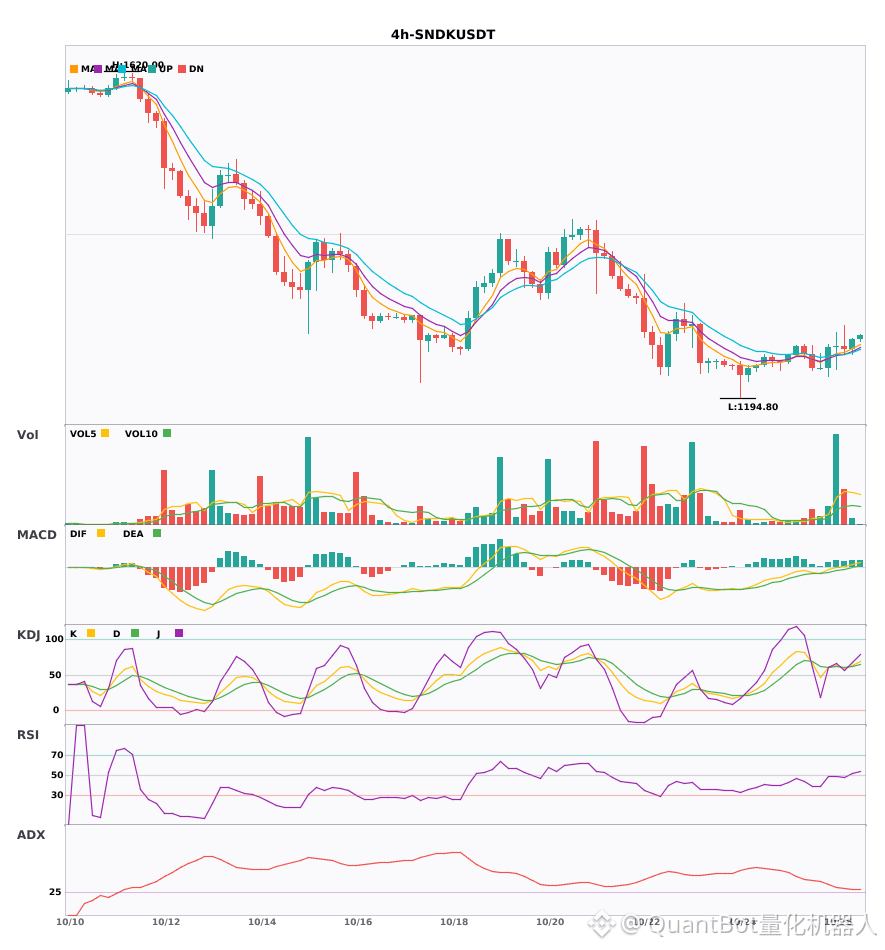
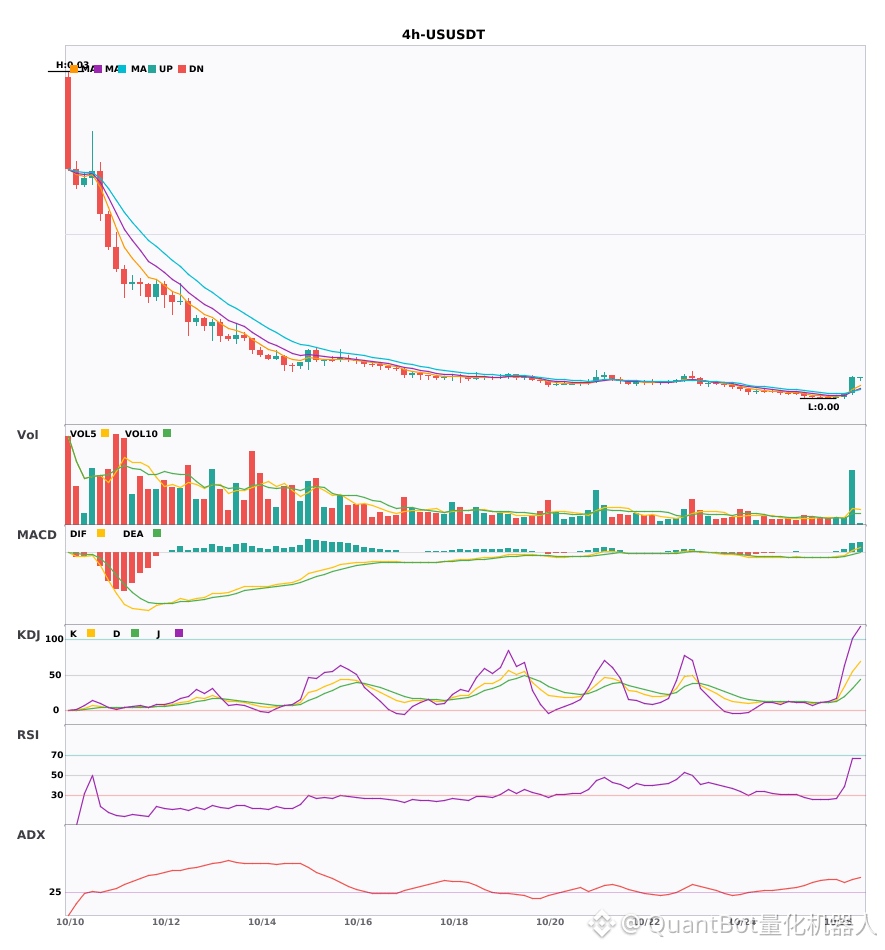
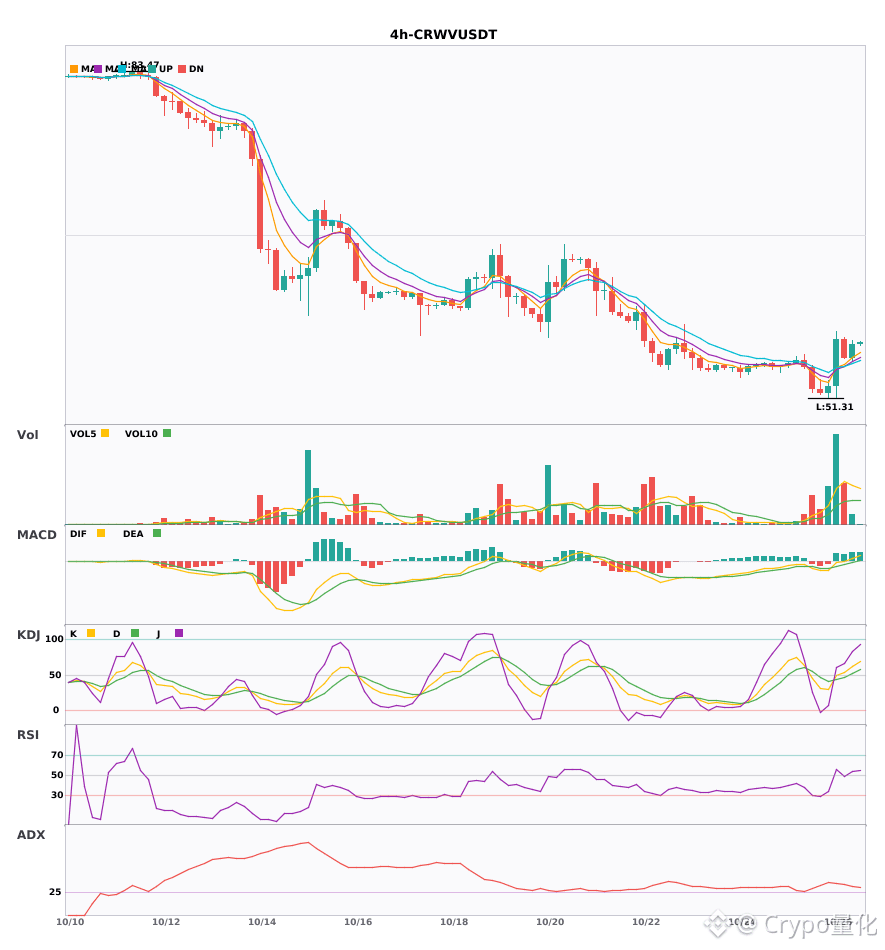
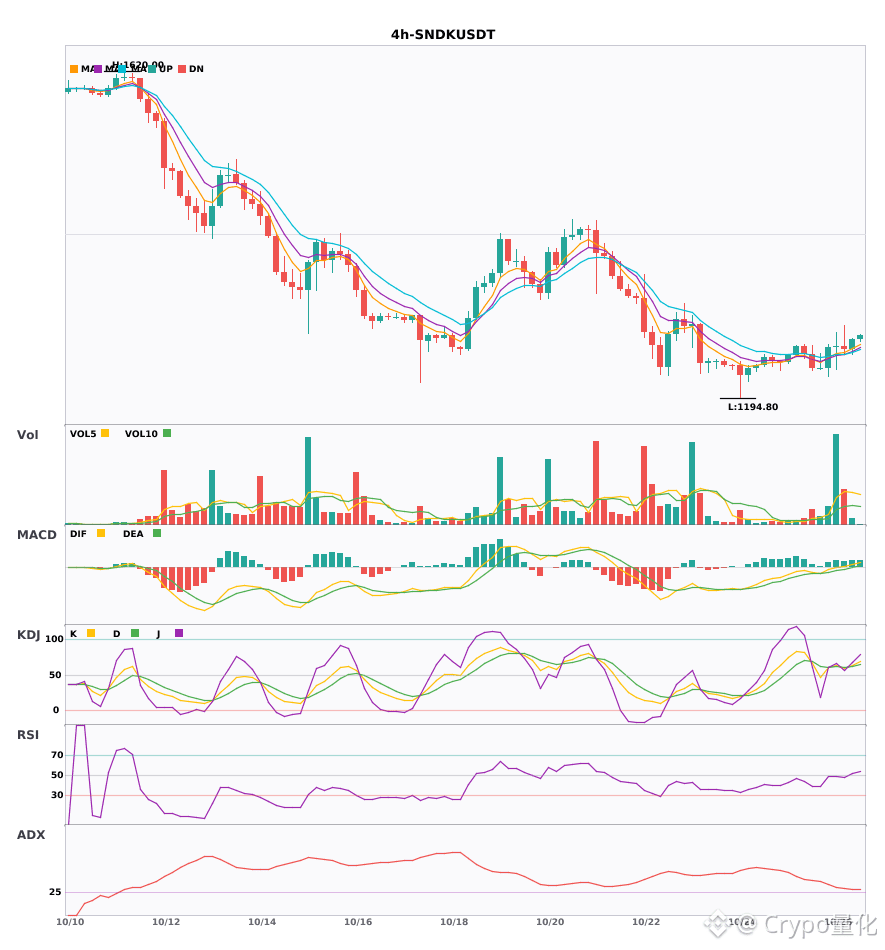
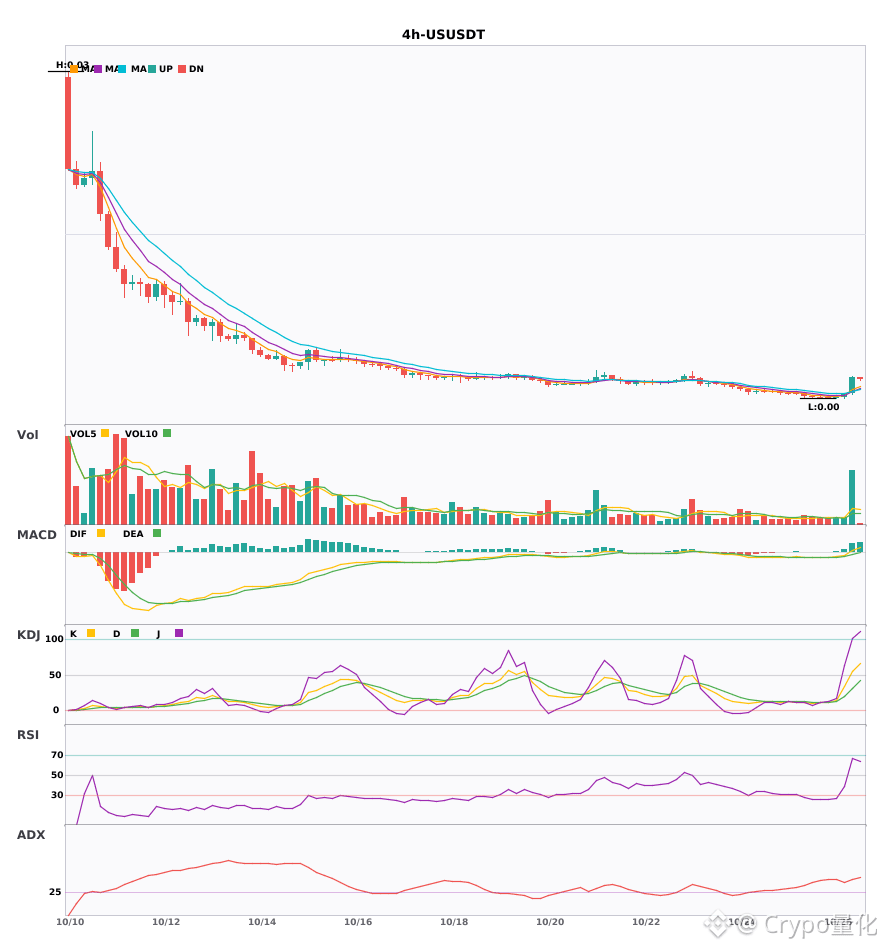
$CRWV / $SNDK / $US 4小時技術面同步走強,誰更有爆發力?
📈 $CRWV | 4小時 多頭信號
━━━━━━━━━━━━━━━━━━
技術分析:ADX(34) 明顯的趨勢行情 | MACD多頭運行,趨勢偏強,動能增強 | EMA5大於EMA8大於EMA13 多頭排列 | KDJ強勢運行,多頭佔優 (K爲62.2 D爲52.0) | 成交量放大(1.8倍)
價格變動:2.3300%
📈 $SNDK | 4小時 多頭信號
━━━━━━━━━━━━━━━━━━
技術分析:ADX(29) 趨勢正在形成,可參與 | MACD多頭運行,趨勢偏強,動能增強 | EMA5大於EMA8大於EMA13 多頭排列 | KDJ金叉,短期看多 (K爲63.6 D爲61.9) | 成交量放大(1.9倍)
價格變動:1.0400%
📈 $US | 4小時 多頭信號
━━━━━━━━━━━━━━━━━━
技術分析:ADX(43) 明顯的趨勢行情 | MACDDIF突破零軸,趨勢轉多 | EMA5上穿EMA8,短期轉多 | 成交量爆發(4.6倍)
價格變動:23.2400%
━━━━━━━━━━━━━━━━━━
#技术分析 #CRWV #SNDK #US
📌 以上內容僅供參考,不構成投資建議
$CRWV / $SNDK / $US 4小時技術面同步走強,誰更有爆發力?
📈 $CRWV | 4小時 多頭信號
━━━━━━━━━━━━━━━━━━
技術分析:ADX(34) 明顯的趨勢行情 | MACD多頭運行,趨勢偏強,動能增強 | EMA5大於EMA8大於EMA13 多頭排列 | KDJ強勢運行,多頭佔優 (K爲62.2 D爲52.0) | 成交量放大(1.8倍)
價格變動:2.3300%
📈 $SNDK | 4小時 多頭信號
━━━━━━━━━━━━━━━━━━
技術分析:ADX(29) 趨勢正在形成,可參與 | MACD多頭運行,趨勢偏強,動能增強 | EMA5大於EMA8大於EMA13 多頭排列 | KDJ金叉,短期看多 (K爲63.6 D爲61.9) | 成交量放大(1.9倍)
價格變動:1.0400%
📈 $US | 4小時 多頭信號
━━━━━━━━━━━━━━━━━━
技術分析:ADX(43) 明顯的趨勢行情 | MACDDIF突破零軸,趨勢轉多 | EMA5上穿EMA8,短期轉多 | 成交量爆發(4.6倍)
價格變動:23.2400%
━━━━━━━━━━━━━━━━━━
#技术分析 #CRWV #SNDK #US
📌 以上內容僅供參考,不構成投資建議
📈 $CRWV | 4小時 多頭信號
━━━━━━━━━━━━━━━━━━
技術分析:ADX(34) 明顯的趨勢行情 | MACD多頭運行,趨勢偏強,動能增強 | EMA5大於EMA8大於EMA13 多頭排列 | KDJ強勢運行,多頭佔優 (K爲62.2 D爲52.0) | 成交量放大(1.8倍)
價格變動:2.3300%
📈 $SNDK | 4小時 多頭信號
━━━━━━━━━━━━━━━━━━
技術分析:ADX(29) 趨勢正在形成,可參與 | MACD多頭運行,趨勢偏強,動能增強 | EMA5大於EMA8大於EMA13 多頭排列 | KDJ金叉,短期看多 (K爲63.6 D爲61.9) | 成交量放大(1.9倍)
價格變動:1.0400%
📈 $US | 4小時 多頭信號
━━━━━━━━━━━━━━━━━━
技術分析:ADX(43) 明顯的趨勢行情 | MACDDIF突破零軸,趨勢轉多 | EMA5上穿EMA8,短期轉多 | 成交量爆發(4.6倍)
價格變動:23.2400%
━━━━━━━━━━━━━━━━━━
#技术分析 #CRWV #SNDK #US
📌 以上內容僅供參考,不構成投資建議
66

·
--
$CRWV / $SNDK / $US 4小時共振轉多,多頭信號同時出現🔥
════════════════════
🔴 $CRWV 4小時 多頭信號
⚠️技術面:ADX(34) 明顯的趨勢行情 | MACD多頭運行,趨勢偏強,動能增強 | EMA5大於EMA8大於EMA13 多頭排列 | KDJ強勢運行,多頭佔優 (K爲62.2 D爲52.0) | 成交量放大(1.8倍)
════════════════════
🔴 $SNDK 4小時 多頭信號
⚠️技術面:ADX(29) 趨勢正在形成,可參與 | MACD多頭運行,趨勢偏強,動能增強 | EMA5大於EMA8大於EMA13 多頭排列 | KDJ金叉,短期看多 (K爲63.6 D爲61.9) | 成交量放大(1.9倍)
════════════════════
🔴 $US 4小時 多頭信號
⚠️技術面:ADX(43) 明顯的趨勢行情 | MACDDIF突破零軸,趨勢轉多 | EMA5上穿EMA8,短期轉多 | 成交量爆發(4.6倍)
════════════════════
🔔 關注獲取第一手行情異動 🔔
#技术分析 #CRWV #SNDK #US
📌 交易時注意k線形態是否符合
$CRWV / $SNDK / $US 4小時共振轉多,多頭信號同時出現🔥
════════════════════
🔴 $CRWV 4小時 多頭信號
⚠️技術面:ADX(34) 明顯的趨勢行情 | MACD多頭運行,趨勢偏強,動能增強 | EMA5大於EMA8大於EMA13 多頭排列 | KDJ強勢運行,多頭佔優 (K爲62.2 D爲52.0) | 成交量放大(1.8倍)
════════════════════
🔴 $SNDK 4小時 多頭信號
⚠️技術面:ADX(29) 趨勢正在形成,可參與 | MACD多頭運行,趨勢偏強,動能增強 | EMA5大於EMA8大於EMA13 多頭排列 | KDJ金叉,短期看多 (K爲63.6 D爲61.9) | 成交量放大(1.9倍)
════════════════════
🔴 $US 4小時 多頭信號
⚠️技術面:ADX(43) 明顯的趨勢行情 | MACDDIF突破零軸,趨勢轉多 | EMA5上穿EMA8,短期轉多 | 成交量爆發(4.6倍)
════════════════════
🔔 關注獲取第一手行情異動 🔔
#技术分析 #CRWV #SNDK #US
📌 交易時注意k線形態是否符合
════════════════════
🔴 $CRWV 4小時 多頭信號
⚠️技術面:ADX(34) 明顯的趨勢行情 | MACD多頭運行,趨勢偏強,動能增強 | EMA5大於EMA8大於EMA13 多頭排列 | KDJ強勢運行,多頭佔優 (K爲62.2 D爲52.0) | 成交量放大(1.8倍)
════════════════════
🔴 $SNDK 4小時 多頭信號
⚠️技術面:ADX(29) 趨勢正在形成,可參與 | MACD多頭運行,趨勢偏強,動能增強 | EMA5大於EMA8大於EMA13 多頭排列 | KDJ金叉,短期看多 (K爲63.6 D爲61.9) | 成交量放大(1.9倍)
════════════════════
🔴 $US 4小時 多頭信號
⚠️技術面:ADX(43) 明顯的趨勢行情 | MACDDIF突破零軸,趨勢轉多 | EMA5上穿EMA8,短期轉多 | 成交量爆發(4.6倍)
════════════════════
🔔 關注獲取第一手行情異動 🔔
#技术分析 #CRWV #SNDK #US
📌 交易時注意k線形態是否符合
60

·
--
查看翻譯
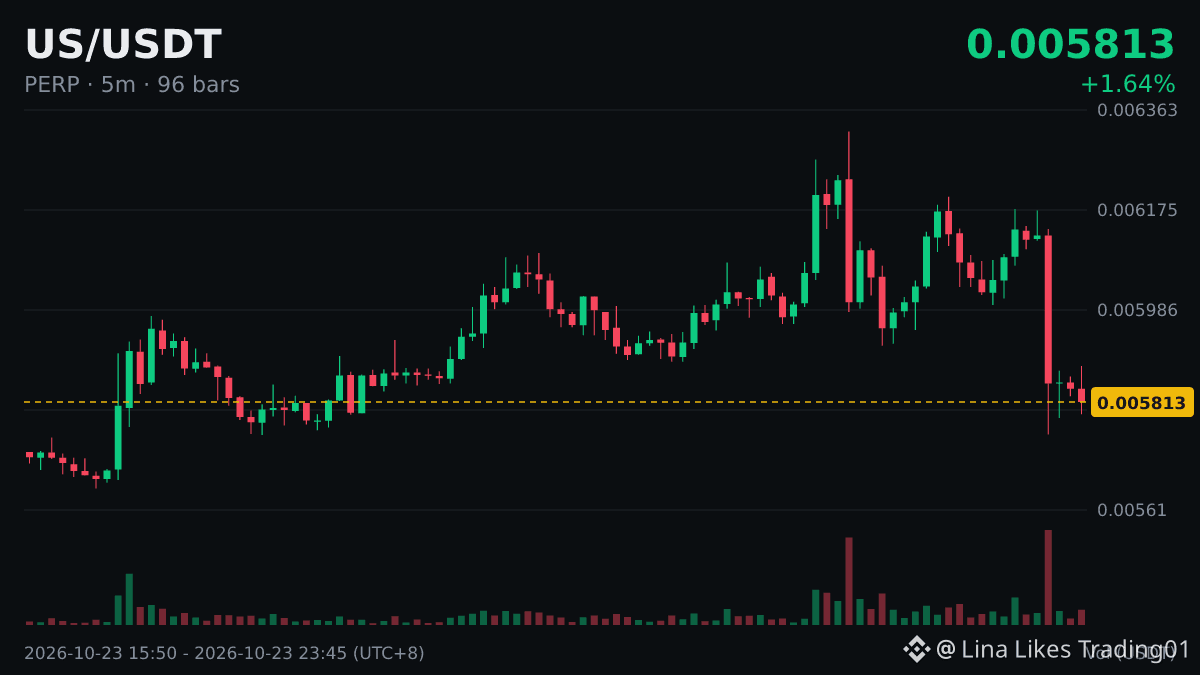
US 24h涨了28.19%,主动卖盘却更强,这才是现在的分歧。
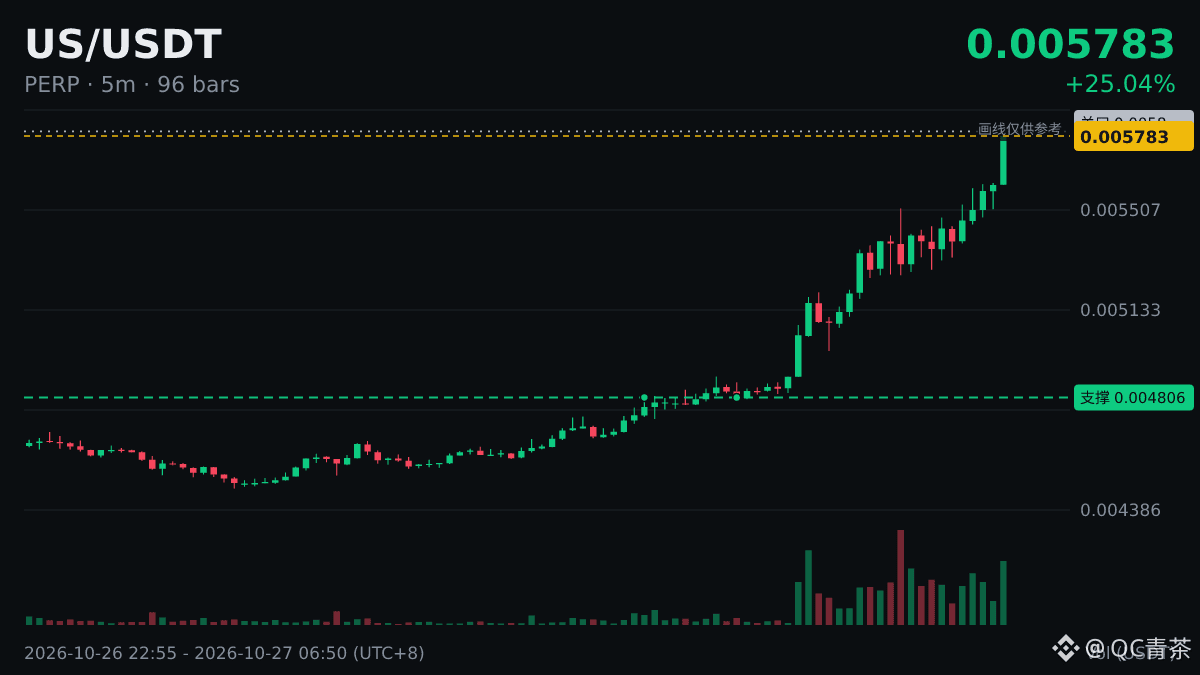
币安U本位永续|US 日内强势仍在,接力先看回踩。 现价约 0.005875,24h 成交额约 1829.94万;30m量比 11.5 倍,参与度在抬升。 资金面:多头账户占63%;主动买卖比0.83(价格上涨但主动卖盘占优);30m持仓量+0.5%;资金费率+0.0050%。
参考指标:30m MACD 柱体 0.000114,说明短线多头动能占优;30m ATR趋势带参考位 0.005058,现价在其上方,说明结构偏趋势延续。
只看两个关口:主动买卖比 0.83 能不能重新回到1以上;MACD柱体 0.000114 是继续扩张,还是先收敛。接下来两条路径:一种是资金接住继续走强,另一种是量缩后情绪兑现。
#US #异动警报
US 24h涨了28.19%,主动卖盘却更强,这才是现在的分歧。
币安U本位永续|US 日内强势仍在,接力先看回踩。 现价约 0.005875,24h 成交额约 1829.94万;30m量比 11.5 倍,参与度在抬升。 资金面:多头账户占63%;主动买卖比0.83(价格上涨但主动卖盘占优);30m持仓量+0.5%;资金费率+0.0050%。
参考指标:30m MACD 柱体 0.000114,说明短线多头动能占优;30m ATR趋势带参考位 0.005058,现价在其上方,说明结构偏趋势延续。
只看两个关口:主动买卖比 0.83 能不能重新回到1以上;MACD柱体 0.000114 是继续扩张,还是先收敛。接下来两条路径:一种是资金接住继续走强,另一种是量缩后情绪兑现。
#US #异动警报
币安U本位永续|US 日内强势仍在,接力先看回踩。 现价约 0.005875,24h 成交额约 1829.94万;30m量比 11.5 倍,参与度在抬升。 资金面:多头账户占63%;主动买卖比0.83(价格上涨但主动卖盘占优);30m持仓量+0.5%;资金费率+0.0050%。
参考指标:30m MACD 柱体 0.000114,说明短线多头动能占优;30m ATR趋势带参考位 0.005058,现价在其上方,说明结构偏趋势延续。
只看两个关口:主动买卖比 0.83 能不能重新回到1以上;MACD柱体 0.000114 是继续扩张,还是先收敛。接下来两条路径:一种是资金接住继续走强,另一种是量缩后情绪兑现。
#US #异动警报

·
--
有異動了!還沒注意到的趕緊看一眼👀
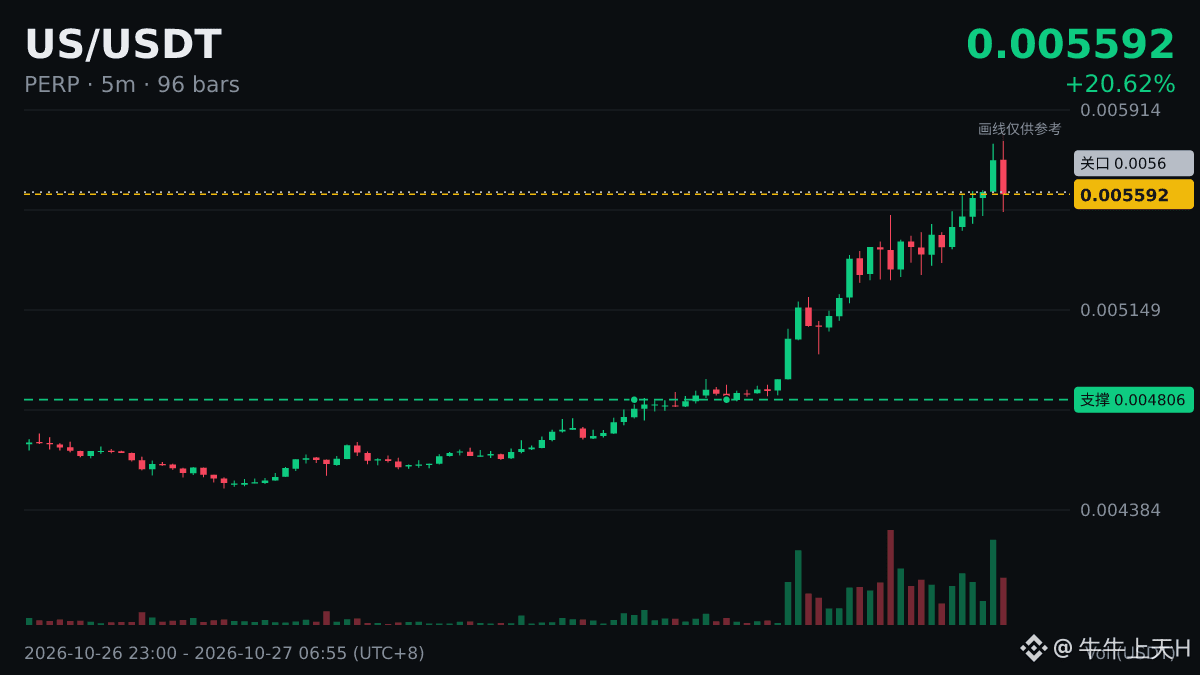
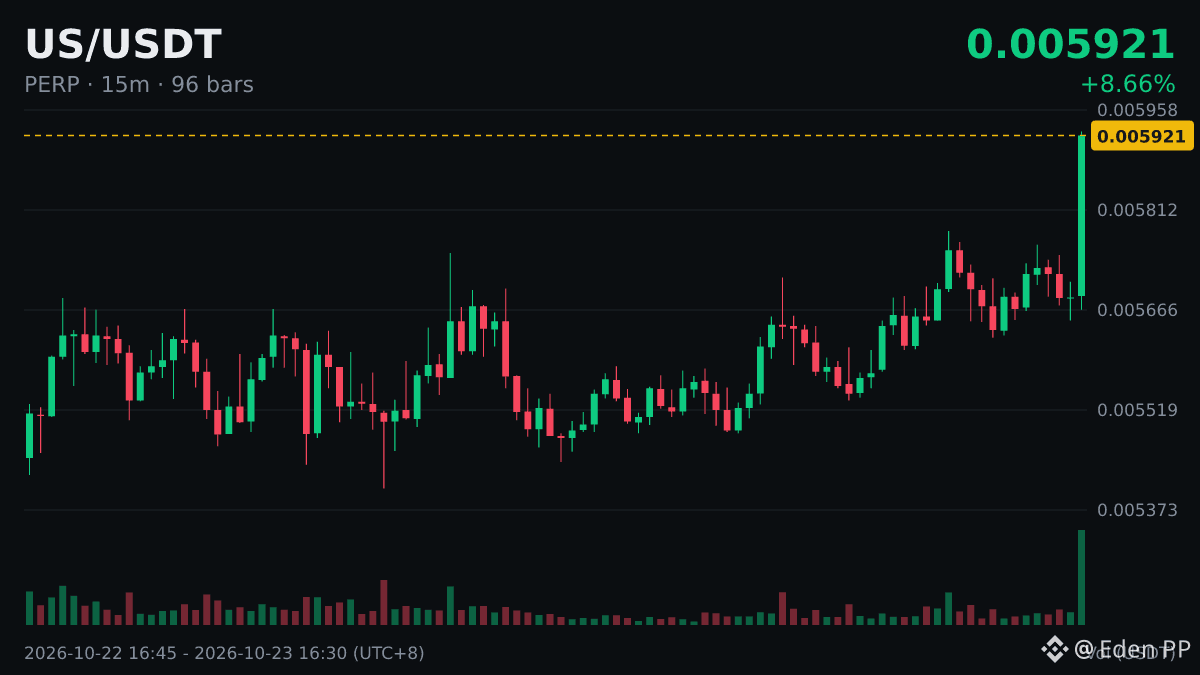
$US 1小時直接衝了 +9.37%📈💪
現價 0.005624,空頭還活着嗎?
這一根針看得我直呼好傢伙,縮量衝高要小心回落,放量站穩纔算數。有早早埋伏的嗎?評論區曬一下。
#US
有異動了!還沒注意到的趕緊看一眼👀
$US 1小時直接衝了 +9.37%📈💪
現價 0.005624,空頭還活着嗎?
這一根針看得我直呼好傢伙,縮量衝高要小心回落,放量站穩纔算數。有早早埋伏的嗎?評論區曬一下。
#US
$US 1小時直接衝了 +9.37%📈💪
現價 0.005624,空頭還活着嗎?
這一根針看得我直呼好傢伙,縮量衝高要小心回落,放量站穩纔算數。有早早埋伏的嗎?評論區曬一下。
#US
1






真實
📊 *美國股市與經濟展望*
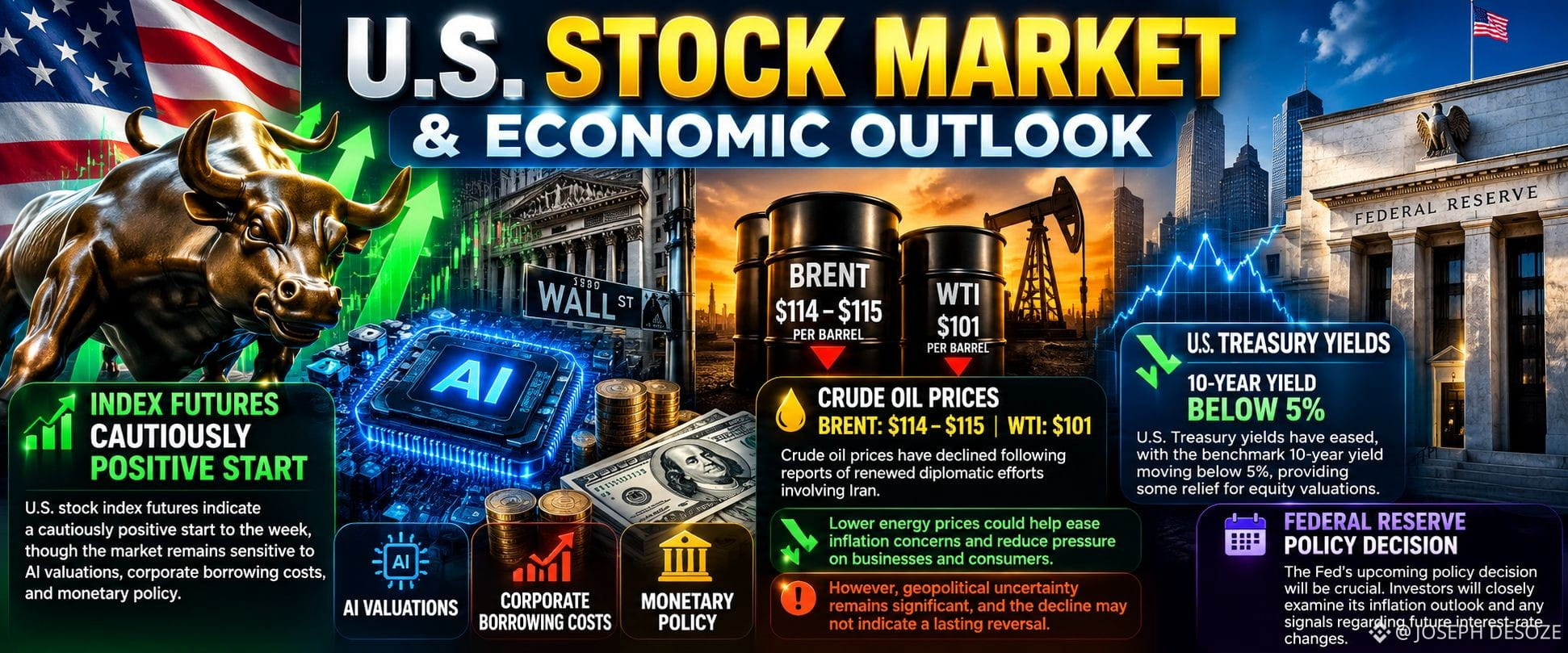
美國股指期貨顯示,本週開局可能謹慎向好,不過整體市場仍對人工智能估值、企業借貸成本和貨幣政策相關擔憂保持敏感。
近期原油價格下跌是一個令人鼓舞的進展。有關伊朗的新一輪外交努力的報道傳出後,布倫特原油回落至每桶114至115美元附近,WTI原油則在每桶101美元左右交易。
能源價格下降有助於緩解通脹擔憂,並減輕企業和消費者面臨的壓力。不過,地緣政治不確定性仍然很大,油價暫時下跌並不一定意味着趨勢會持續反轉。
美國國債收益率也有所回落,基準10年期國債收益率降至5%以下,爲股票估值帶來了一些緩解。
美聯儲即將公佈的政策決定將格外重要。投資者將密切關注其對通脹的展望,以及有關未來利率調整的任何信號。
#US #AI
📊 *美國股市與經濟展望*
美國股指期貨顯示,本週開局可能謹慎向好,不過整體市場仍對人工智能估值、企業借貸成本和貨幣政策相關擔憂保持敏感。
近期原油價格下跌是一個令人鼓舞的進展。有關伊朗的新一輪外交努力的報道傳出後,布倫特原油回落至每桶114至115美元附近,WTI原油則在每桶101美元左右交易。
能源價格下降有助於緩解通脹擔憂,並減輕企業和消費者面臨的壓力。不過,地緣政治不確定性仍然很大,油價暫時下跌並不一定意味着趨勢會持續反轉。
美國國債收益率也有所回落,基準10年期國債收益率降至5%以下,爲股票估值帶來了一些緩解。
美聯儲即將公佈的政策決定將格外重要。投資者將密切關注其對通脹的展望,以及有關未來利率調整的任何信號。
#US #AI
美國股指期貨顯示,本週開局可能謹慎向好,不過整體市場仍對人工智能估值、企業借貸成本和貨幣政策相關擔憂保持敏感。
近期原油價格下跌是一個令人鼓舞的進展。有關伊朗的新一輪外交努力的報道傳出後,布倫特原油回落至每桶114至115美元附近,WTI原油則在每桶101美元左右交易。
能源價格下降有助於緩解通脹擔憂,並減輕企業和消費者面臨的壓力。不過,地緣政治不確定性仍然很大,油價暫時下跌並不一定意味着趨勢會持續反轉。
美國國債收益率也有所回落,基準10年期國債收益率降至5%以下,爲股票估值帶來了一些緩解。
美聯儲即將公佈的政策決定將格外重要。投資者將密切關注其對通脹的展望,以及有關未來利率調整的任何信號。
#US #AI
1
918

·
--
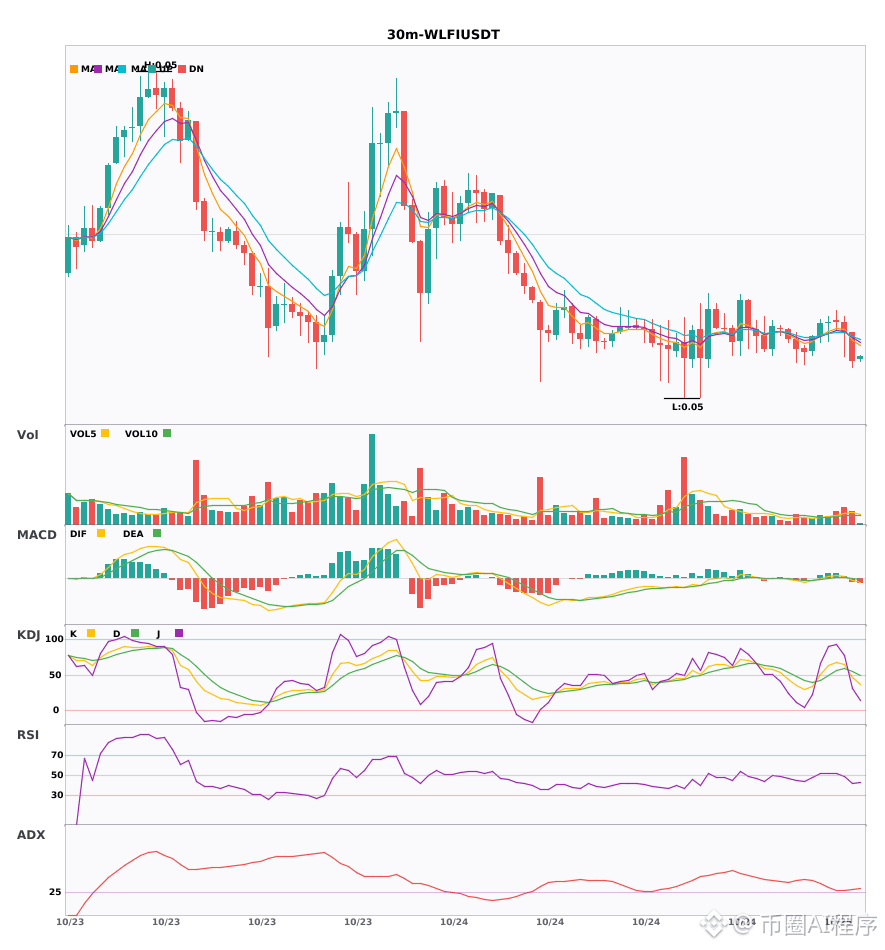
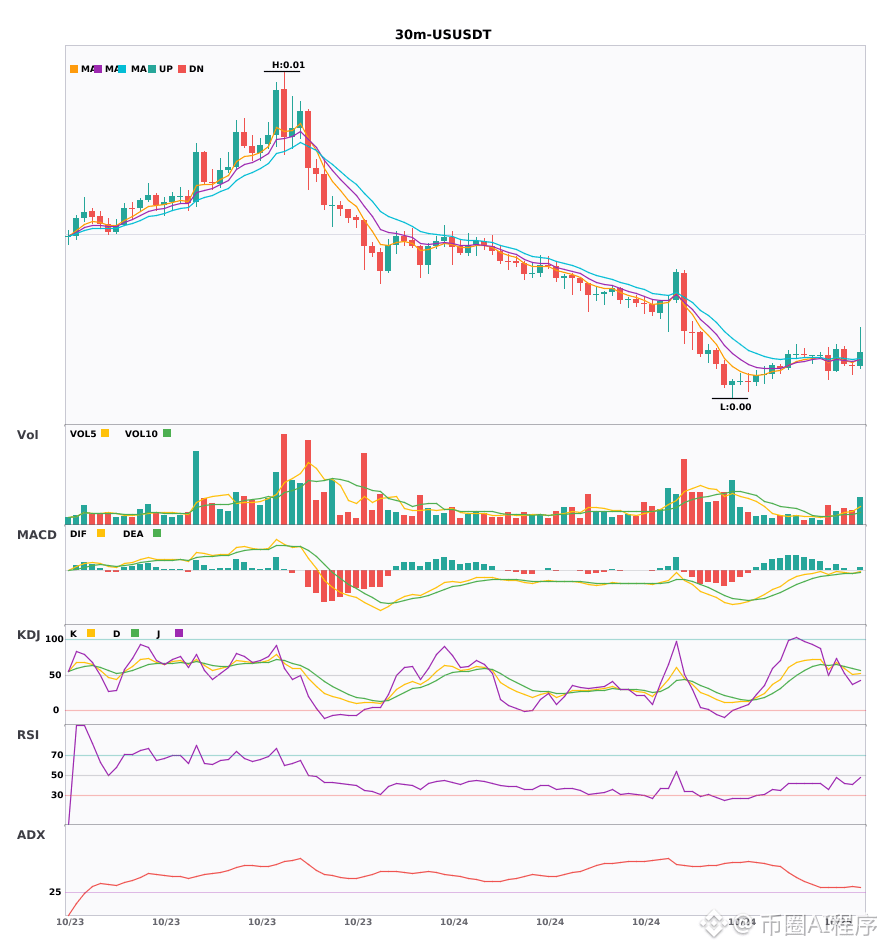
$WLFI / $US 30分鐘空頭信號,4小時空頭趨勢確認🔥
════════════════════
🟢 $WLFI 30分鐘 空頭信號
⚠️技術面:4小時空頭共振確認 | 30分鐘入場 MACD零下死叉,空頭加速 | EMA5下穿EMA8,短期轉空 | KDJ死叉,短期看空 (K爲46.9 D爲55.0) | 成交量放大(1.9倍)
════════════════════
🟢 $US 30分鐘 空頭信號
⚠️技術面:4小時空頭共振確認 | 30分鐘入場 EMA5下穿EMA8,短期轉空 | KDJ強勢運行,多頭佔優 (K爲51.3 D爲58.7) | 成交量放大(1.6倍)
════════════════════
🔔 關注獲取第一手行情異動 🔔
#多周期共振 #WLFI #US
📌 交易時注意k線形態是否符合
$WLFI / $US 30分鐘空頭信號,4小時空頭趨勢確認🔥
════════════════════
🟢 $WLFI 30分鐘 空頭信號
⚠️技術面:4小時空頭共振確認 | 30分鐘入場 MACD零下死叉,空頭加速 | EMA5下穿EMA8,短期轉空 | KDJ死叉,短期看空 (K爲46.9 D爲55.0) | 成交量放大(1.9倍)
════════════════════
🟢 $US 30分鐘 空頭信號
⚠️技術面:4小時空頭共振確認 | 30分鐘入場 EMA5下穿EMA8,短期轉空 | KDJ強勢運行,多頭佔優 (K爲51.3 D爲58.7) | 成交量放大(1.6倍)
════════════════════
🔔 關注獲取第一手行情異動 🔔
#多周期共振 #WLFI #US
📌 交易時注意k線形態是否符合
════════════════════
🟢 $WLFI 30分鐘 空頭信號
⚠️技術面:4小時空頭共振確認 | 30分鐘入場 MACD零下死叉,空頭加速 | EMA5下穿EMA8,短期轉空 | KDJ死叉,短期看空 (K爲46.9 D爲55.0) | 成交量放大(1.9倍)
════════════════════
🟢 $US 30分鐘 空頭信號
⚠️技術面:4小時空頭共振確認 | 30分鐘入場 EMA5下穿EMA8,短期轉空 | KDJ強勢運行,多頭佔優 (K爲51.3 D爲58.7) | 成交量放大(1.6倍)
════════════════════
🔔 關注獲取第一手行情異動 🔔
#多周期共振 #WLFI #US
📌 交易時注意k線形態是否符合
38

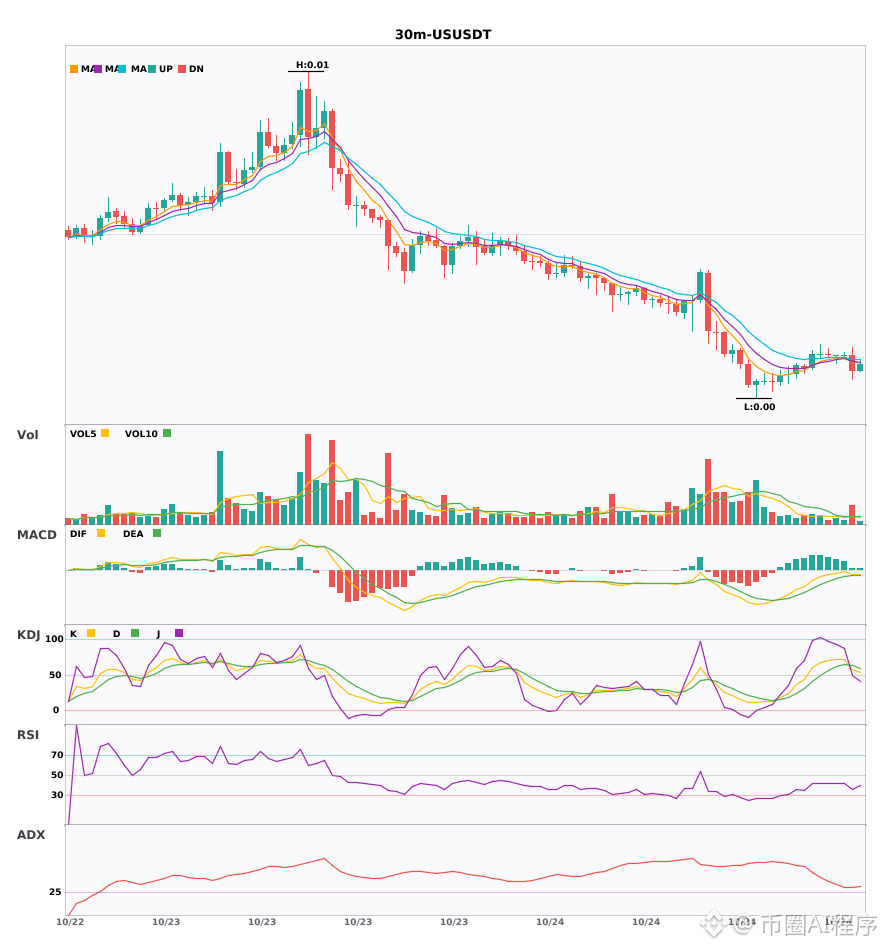


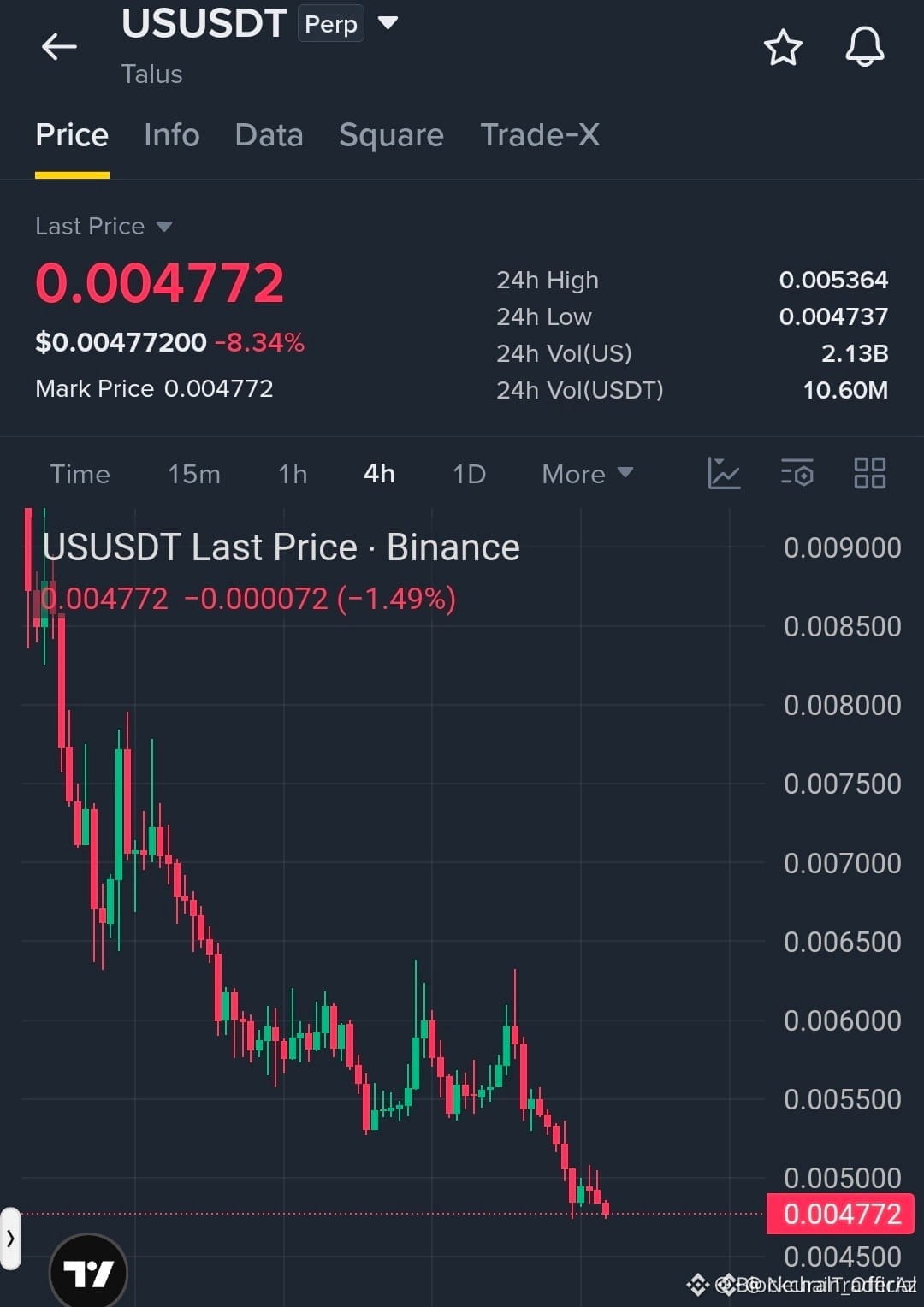
🔴 $US 隨着空頭勢頭加劇,價格進一步下跌 🚨
📊 4小時圖上的流動性掃蕩顯示,價格在200日EMA下方的缺口不斷擴大,聰明資金正在這裏收割賣單。🦈 近期波段低點處的訂單塊屢次被跌破,證實了機構的主導地位。
⚡ 每根K線都伴隨着成交量激增,RSI則持續處於超賣區域,上行傾向微乎其微。🔍 只有有效突破前一個波段高點,纔可能扭轉當前走勢;但眼下的壓力錶明,價格或將進一步下行。
💬 你覺得更深層的投降式拋售正在形成,還是價格很快就會築底?👇
⚠️ 以上並非投資建議。請始終做好風險管理。🛡️
🏷️ #US #ShortSetup #Bearish #LiquidityHunt #Crypto
🦈 🔥
🔴 $US 隨着空頭勢頭加劇,價格進一步下跌 🚨
📊 4小時圖上的流動性掃蕩顯示,價格在200日EMA下方的缺口不斷擴大,聰明資金正在這裏收割賣單。🦈 近期波段低點處的訂單塊屢次被跌破,證實了機構的主導地位。
⚡ 每根K線都伴隨着成交量激增,RSI則持續處於超賣區域,上行傾向微乎其微。🔍 只有有效突破前一個波段高點,纔可能扭轉當前走勢;但眼下的壓力錶明,價格或將進一步下行。
💬 你覺得更深層的投降式拋售正在形成,還是價格很快就會築底?👇
⚠️ 以上並非投資建議。請始終做好風險管理。🛡️
🏷️ #US #ShortSetup #Bearish #LiquidityHunt #Crypto
🦈 🔥
📊 4小時圖上的流動性掃蕩顯示,價格在200日EMA下方的缺口不斷擴大,聰明資金正在這裏收割賣單。🦈 近期波段低點處的訂單塊屢次被跌破,證實了機構的主導地位。
⚡ 每根K線都伴隨着成交量激增,RSI則持續處於超賣區域,上行傾向微乎其微。🔍 只有有效突破前一個波段高點,纔可能扭轉當前走勢;但眼下的壓力錶明,價格或將進一步下行。
💬 你覺得更深層的投降式拋售正在形成,還是價格很快就會築底?👇
⚠️ 以上並非投資建議。請始終做好風險管理。🛡️
🏷️ #US #ShortSetup #Bearish #LiquidityHunt #Crypto
🦈 🔥
22

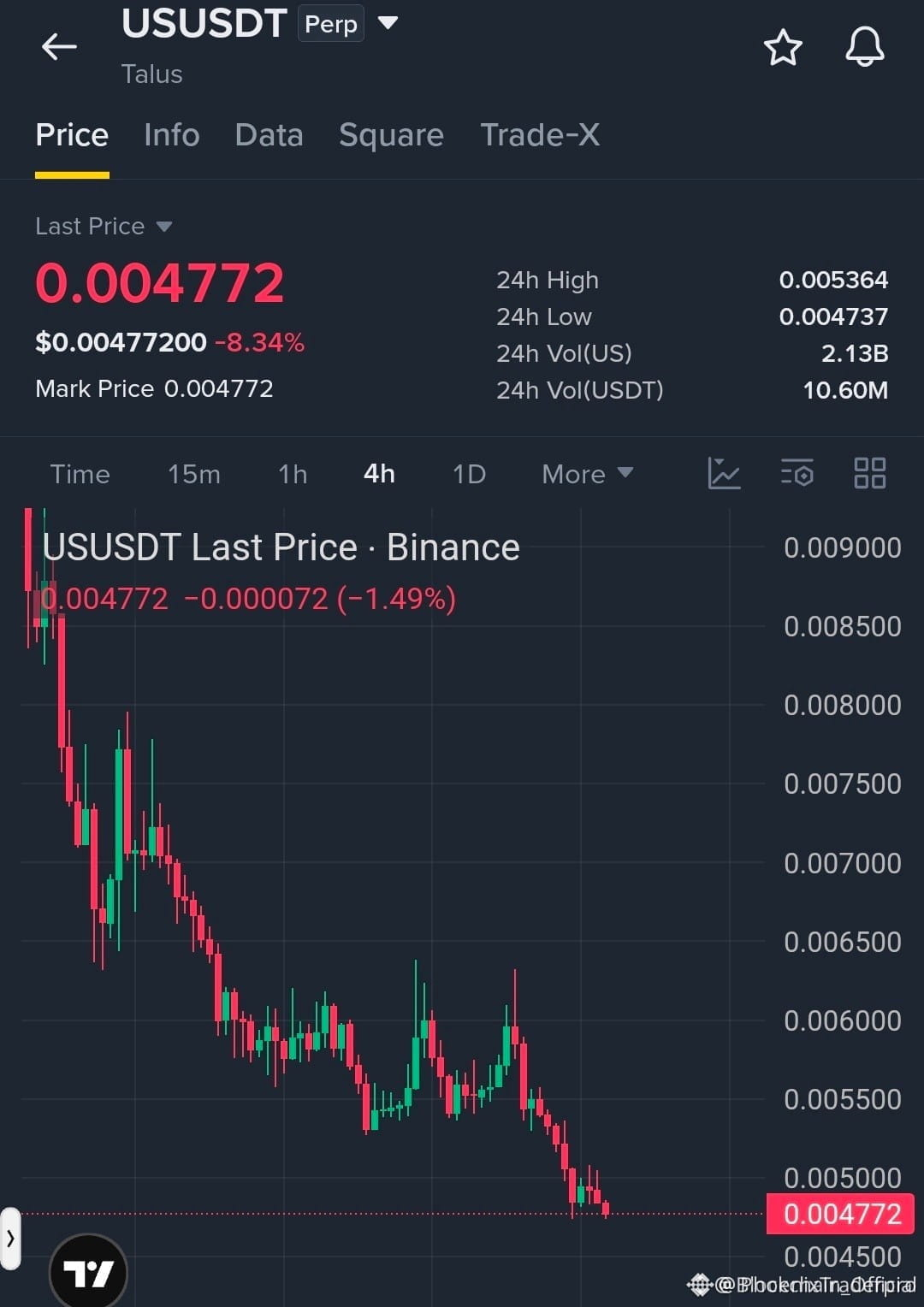
🔴 $US 熊市混亂加劇——賣方佔據主導!🐻
市場在持續不斷的拋壓下艱難下行,每根K線都創出更低的低點。1小時圖上的成交量激增,表明聰明資金正在清出仍未離場的多頭。📊
此前的波段高點阻力未能守住,RSI也深陷超賣區域,但下行動能依然強勁,暗示跌勢可能還會進一步延續。🔍⚡
💬 你是在收緊止損,還是在等待下一波流動性拋售?
⚠️ 以上不構成投資建議。請務必做好風險管理。🛡️
🏷️ #US #ShortSetup #Bearish #Crypto
🐻 🔥
🔴 $US 熊市混亂加劇——賣方佔據主導!🐻
市場在持續不斷的拋壓下艱難下行,每根K線都創出更低的低點。1小時圖上的成交量激增,表明聰明資金正在清出仍未離場的多頭。📊
此前的波段高點阻力未能守住,RSI也深陷超賣區域,但下行動能依然強勁,暗示跌勢可能還會進一步延續。🔍⚡
💬 你是在收緊止損,還是在等待下一波流動性拋售?
⚠️ 以上不構成投資建議。請務必做好風險管理。🛡️
🏷️ #US #ShortSetup #Bearish #Crypto
🐻 🔥
市場在持續不斷的拋壓下艱難下行,每根K線都創出更低的低點。1小時圖上的成交量激增,表明聰明資金正在清出仍未離場的多頭。📊
此前的波段高點阻力未能守住,RSI也深陷超賣區域,但下行動能依然強勁,暗示跌勢可能還會進一步延續。🔍⚡
💬 你是在收緊止損,還是在等待下一波流動性拋售?
⚠️ 以上不構成投資建議。請務必做好風險管理。🛡️
🏷️ #US #ShortSetup #Bearish #Crypto
🐻 🔥
30

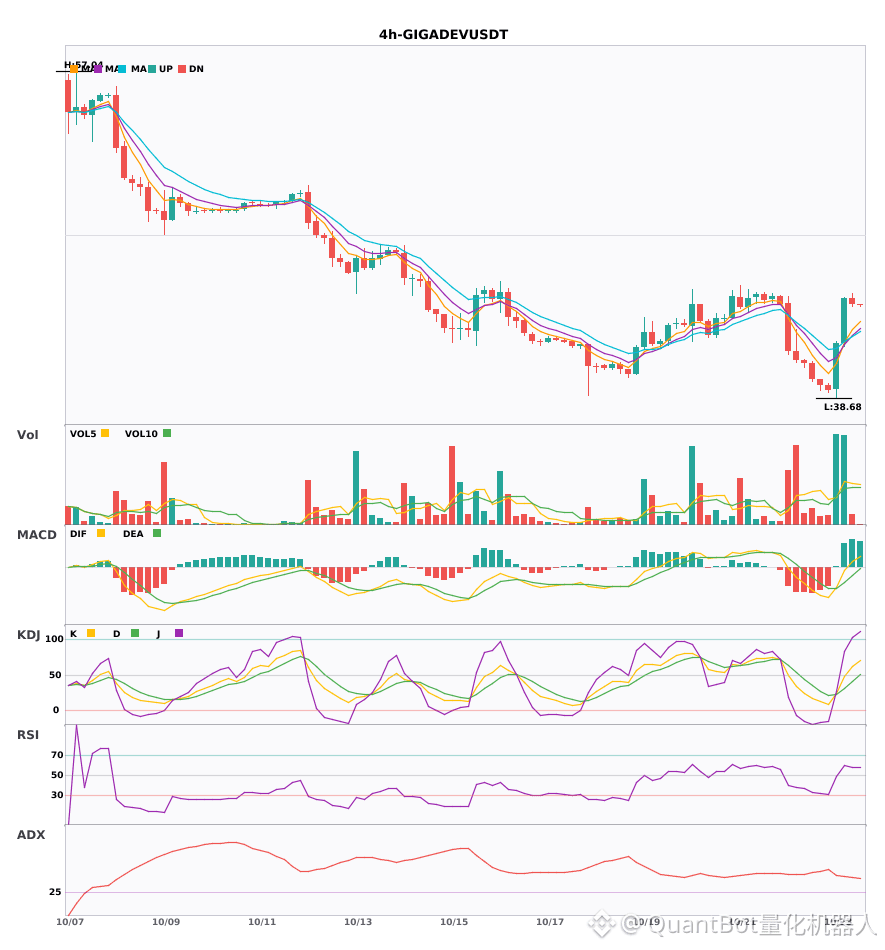
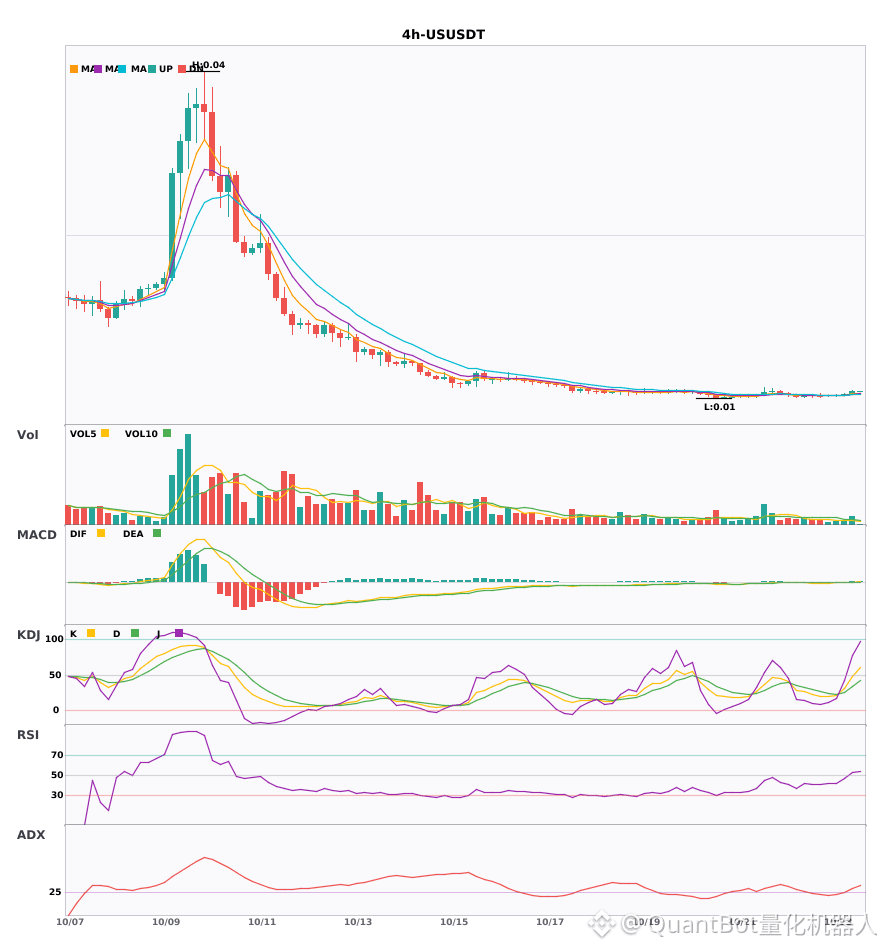
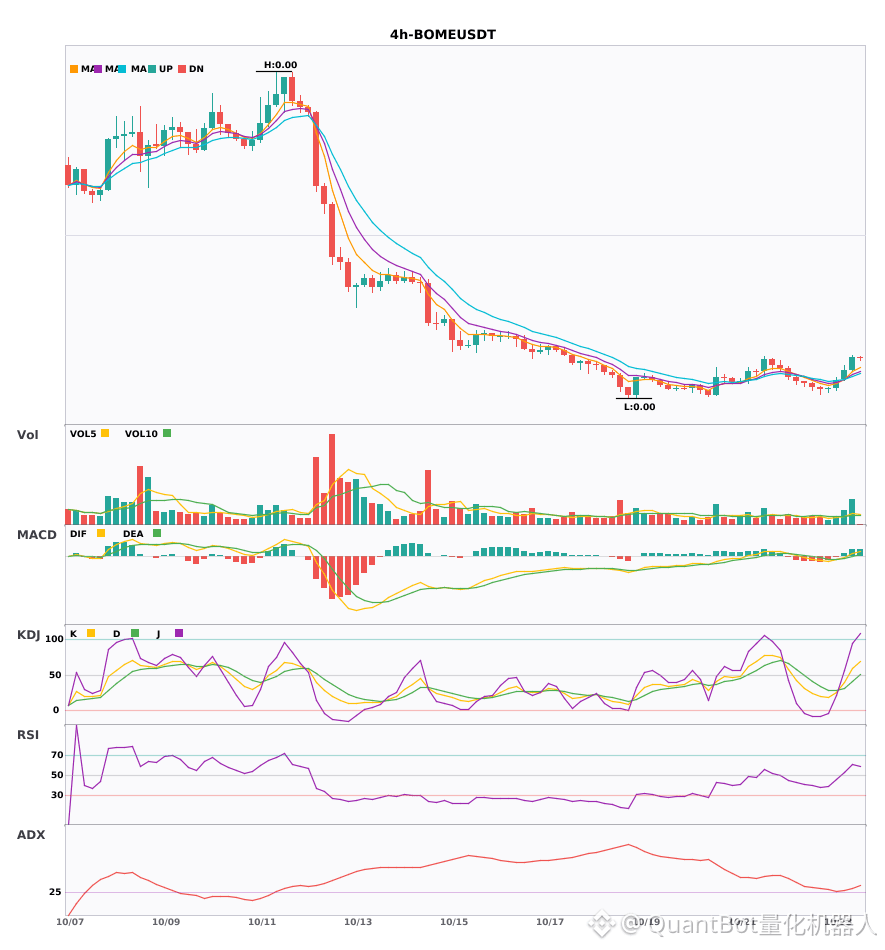
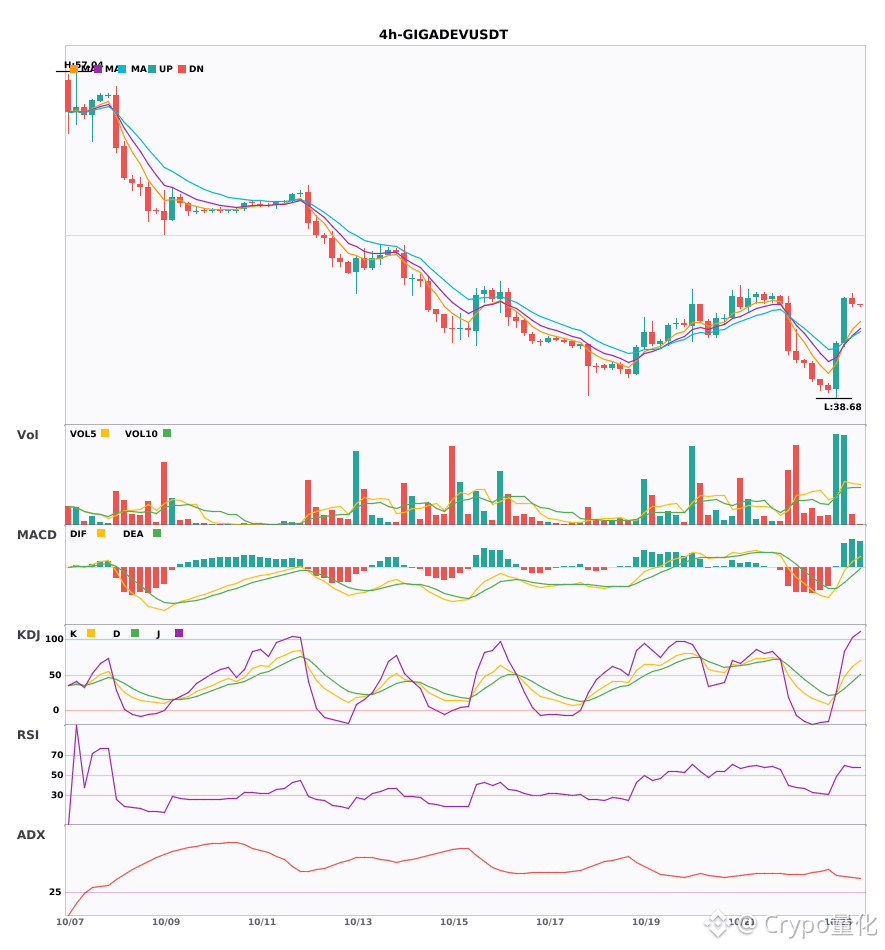
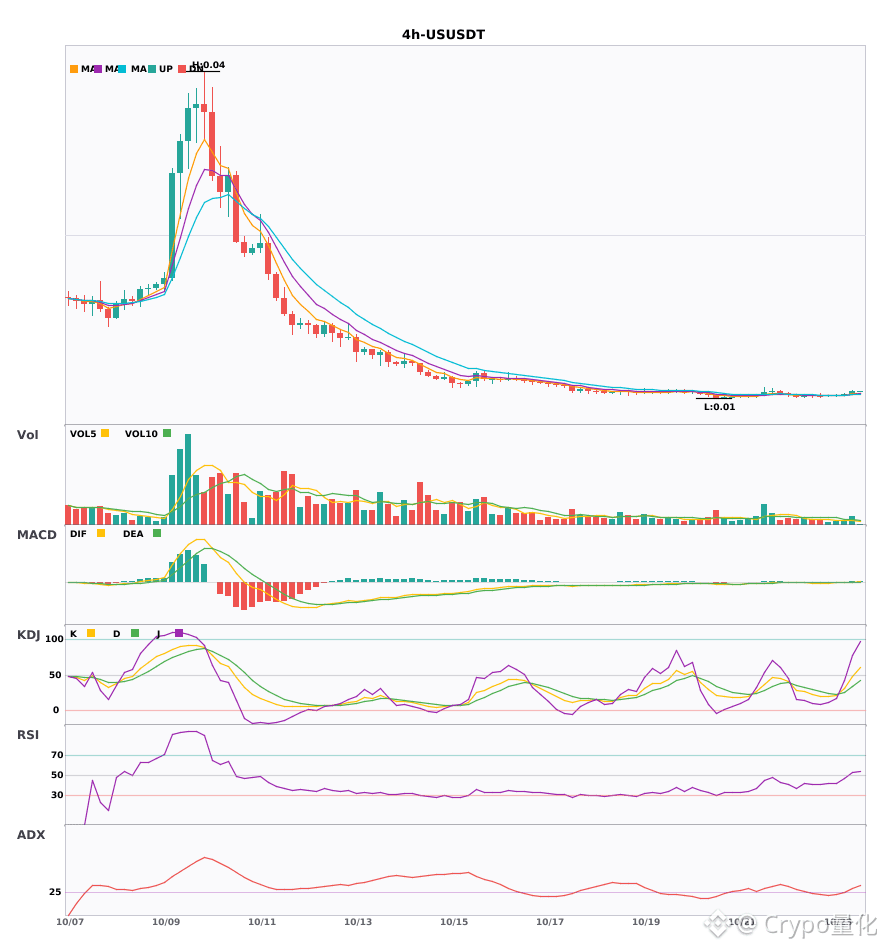
3個4小時級別多頭信號同時出現:$GIGADEV / $US / $BOME
📈 $GIGADEV | 4小時 多頭信號
━━━━━━━━━━━━━━━━━━
技術分析:ADX(46) 非常強的趨勢(需警惕過熱回調) | MACDDIF突破零軸,趨勢轉多 | EMA5大於EMA8大於EMA13 多頭排列 | 成交量放大(2.4倍)
價格變動:-0.7200%
📈 $US | 4小時 多頭信號
━━━━━━━━━━━━━━━━━━
技術分析:ADX(32) 明顯的趨勢行情 | MACDDIF突破零軸,趨勢轉多 | EMA5大於EMA8大於EMA13 多頭排列 | KDJ弱勢運行,空頭佔優 (K爲48.0 D爲33.4) | 成交量放大(1.7倍)
價格變動:4.2000%
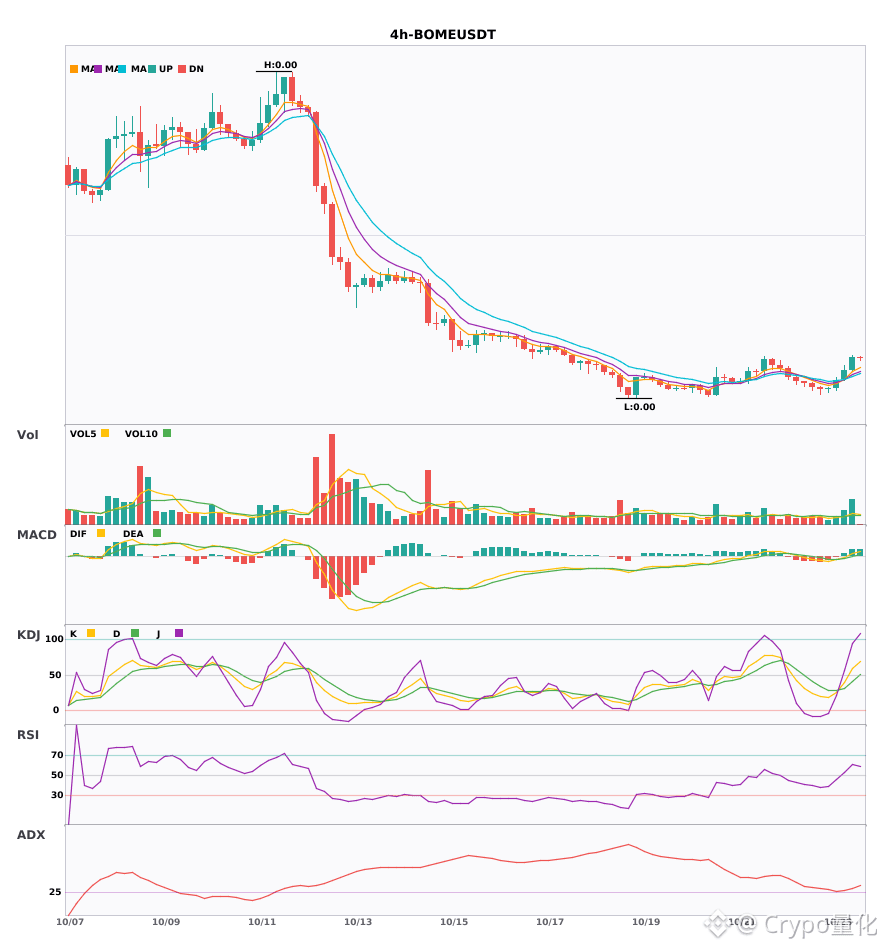
📈 $BOME | 4小時 多頭信號
━━━━━━━━━━━━━━━━━━
技術分析:ADX(32) 明顯的趨勢行情 | MACDDIF突破零軸,趨勢轉多 | EMA5大於EMA8大於EMA13 多頭排列 | 成交量爆發(2.6倍)
價格變動:3.7000%
━━━━━━━━━━━━━━━━━━
#技术分析 #GIGADEV #US #BOME
📌 以上內容僅供參考,不構成投資建議
3個4小時級別多頭信號同時出現:$GIGADEV / $US / $BOME
📈 $GIGADEV | 4小時 多頭信號
━━━━━━━━━━━━━━━━━━
技術分析:ADX(46) 非常強的趨勢(需警惕過熱回調) | MACDDIF突破零軸,趨勢轉多 | EMA5大於EMA8大於EMA13 多頭排列 | 成交量放大(2.4倍)
價格變動:-0.7200%
📈 $US | 4小時 多頭信號
━━━━━━━━━━━━━━━━━━
技術分析:ADX(32) 明顯的趨勢行情 | MACDDIF突破零軸,趨勢轉多 | EMA5大於EMA8大於EMA13 多頭排列 | KDJ弱勢運行,空頭佔優 (K爲48.0 D爲33.4) | 成交量放大(1.7倍)
價格變動:4.2000%
📈 $BOME | 4小時 多頭信號
━━━━━━━━━━━━━━━━━━
技術分析:ADX(32) 明顯的趨勢行情 | MACDDIF突破零軸,趨勢轉多 | EMA5大於EMA8大於EMA13 多頭排列 | 成交量爆發(2.6倍)
價格變動:3.7000%
━━━━━━━━━━━━━━━━━━
#技术分析 #GIGADEV #US #BOME
📌 以上內容僅供參考,不構成投資建議
📈 $GIGADEV | 4小時 多頭信號
━━━━━━━━━━━━━━━━━━
技術分析:ADX(46) 非常強的趨勢(需警惕過熱回調) | MACDDIF突破零軸,趨勢轉多 | EMA5大於EMA8大於EMA13 多頭排列 | 成交量放大(2.4倍)
價格變動:-0.7200%
📈 $US | 4小時 多頭信號
━━━━━━━━━━━━━━━━━━
技術分析:ADX(32) 明顯的趨勢行情 | MACDDIF突破零軸,趨勢轉多 | EMA5大於EMA8大於EMA13 多頭排列 | KDJ弱勢運行,空頭佔優 (K爲48.0 D爲33.4) | 成交量放大(1.7倍)
價格變動:4.2000%
📈 $BOME | 4小時 多頭信號
━━━━━━━━━━━━━━━━━━
技術分析:ADX(32) 明顯的趨勢行情 | MACDDIF突破零軸,趨勢轉多 | EMA5大於EMA8大於EMA13 多頭排列 | 成交量爆發(2.6倍)
價格變動:3.7000%
━━━━━━━━━━━━━━━━━━
#技术分析 #GIGADEV #US #BOME
📌 以上內容僅供參考,不構成投資建議
9
·
--
$GIGADEV / $US / $BOME 4小時級別偏多,短線共振機會🔥
════════════════════
🔴 $GIGADEV 4小時 多頭信號
⚠️技術面:ADX(46) 非常強的趨勢(需警惕過熱回調) | MACDDIF突破零軸,趨勢轉多 | EMA5大於EMA8大於EMA13 多頭排列 | 成交量放大(2.4倍)
════════════════════
🔴 $US 4小時 多頭信號
⚠️技術面:ADX(32) 明顯的趨勢行情 | MACDDIF突破零軸,趨勢轉多 | EMA5大於EMA8大於EMA13 多頭排列 | KDJ弱勢運行,空頭佔優 (K爲48.0 D爲33.4) | 成交量放大(1.7倍)
════════════════════
🔴 $BOME 4小時 多頭信號
⚠️技術面:ADX(32) 明顯的趨勢行情 | MACDDIF突破零軸,趨勢轉多 | EMA5大於EMA8大於EMA13 多頭排列 | 成交量爆發(2.6倍)
════════════════════
🔔 關注獲取第一手行情異動 🔔
#技术分析 #GIGADEV #US #BOME
📌 交易時注意k線形態是否符合
$GIGADEV / $US / $BOME 4小時級別偏多,短線共振機會🔥
════════════════════
🔴 $GIGADEV 4小時 多頭信號
⚠️技術面:ADX(46) 非常強的趨勢(需警惕過熱回調) | MACDDIF突破零軸,趨勢轉多 | EMA5大於EMA8大於EMA13 多頭排列 | 成交量放大(2.4倍)
════════════════════
🔴 $US 4小時 多頭信號
⚠️技術面:ADX(32) 明顯的趨勢行情 | MACDDIF突破零軸,趨勢轉多 | EMA5大於EMA8大於EMA13 多頭排列 | KDJ弱勢運行,空頭佔優 (K爲48.0 D爲33.4) | 成交量放大(1.7倍)
════════════════════
🔴 $BOME 4小時 多頭信號
⚠️技術面:ADX(32) 明顯的趨勢行情 | MACDDIF突破零軸,趨勢轉多 | EMA5大於EMA8大於EMA13 多頭排列 | 成交量爆發(2.6倍)
════════════════════
🔔 關注獲取第一手行情異動 🔔
#技术分析 #GIGADEV #US #BOME
📌 交易時注意k線形態是否符合
════════════════════
🔴 $GIGADEV 4小時 多頭信號
⚠️技術面:ADX(46) 非常強的趨勢(需警惕過熱回調) | MACDDIF突破零軸,趨勢轉多 | EMA5大於EMA8大於EMA13 多頭排列 | 成交量放大(2.4倍)
════════════════════
🔴 $US 4小時 多頭信號
⚠️技術面:ADX(32) 明顯的趨勢行情 | MACDDIF突破零軸,趨勢轉多 | EMA5大於EMA8大於EMA13 多頭排列 | KDJ弱勢運行,空頭佔優 (K爲48.0 D爲33.4) | 成交量放大(1.7倍)
════════════════════
🔴 $BOME 4小時 多頭信號
⚠️技術面:ADX(32) 明顯的趨勢行情 | MACDDIF突破零軸,趨勢轉多 | EMA5大於EMA8大於EMA13 多頭排列 | 成交量爆發(2.6倍)
════════════════════
🔔 關注獲取第一手行情異動 🔔
#技术分析 #GIGADEV #US #BOME
📌 交易時注意k線形態是否符合
17

登入以探索更多內容
加入幣安廣場中的全球加密貨幣用戶
⚡️ 獲取加密貨幣的最新和實用資訊。
💬 受到全球最大加密貨幣交易所的信任。
👍 發掘來自經過驗證創作者的真實見解。
電子郵件 / 電話號碼
熱門話題
1
#BitMine增持10452枚ETH
8,752 次瀏覽
185 討論中
2
#韩国考虑对加密交易所征教育税
22,991 次瀏覽
216 討論中
3
#OCC敦促社区银行进军稳定币支付
16,822 次瀏覽
188 討論中
4
#Ripple获全面批准运营国家信托银行
8,723 次瀏覽
115 討論中
5
#Akash选定Solana为迁移目标
2,275 次瀏覽
42 討論中
6
#Ondo下周开放OpenAI上市前代币化票据认购
3,498 次瀏覽
101 討論中
7
#Anthropic滚动12个月营收增长约1200%
113,367 次瀏覽
322 討論中
8
#Anthropic预计今日公布S1招股书
83,220 次瀏覽
211 討論中
9
#据报韩国考虑第四次推迟加密税
91,752 次瀏覽
477 討論中
10
#富兰克林邓普顿申请股息转比特币ETF
144,096 次瀏覽
566 討論中