

#tradermindset
tradermindset
311,104 次瀏覽
1,561 討論中
熱門
最新
·
--
$Q 🧠 真正的祕訣:爲什麼曾經虧損的交易者如今能夠穩定盈利
📅 2026年10月27日
許多剛入門的加密貨幣交易者以爲,盈利的交易者擁有神奇的指標,或者知道什麼祕密消息。事實並非如此。
曾經虧損、最終變得穩定的交易者,真正的祕訣是:
1. 他們接受虧損是交易的一部分
他們不再試圖每筆交易都贏。在開倉前,他們會設定固定的止損位,絕不會抱着虧損的幣不放,指望它們反彈。
2. 他們會迅速止住大額虧損
以前的習慣:“我再等等,等它漲回來。”
現在的習慣:如果市場走勢打破了自己的計劃,就立即離場,不帶任何情緒。
3. 風險管理是他們的首要原則
他們絕不會把所有資金都投在一種幣上。通常每筆交易只承擔總餘額的1%–3%的風險。即使連續虧損多次,賬戶也不會爆倉。
4. 他們制定了簡單的個人交易計劃
他們不會追逐每一種走紅的幣,也不會盲目跟隨社交媒體上的信號。他們只做符合自己策略的交易。
5. 他們懂得控制貪婪
獲利時,他們會部分止盈,而不是等待價格暴漲。他們不會過度使用槓桿。
💡 最後的想法
交易不是爲了在一天之內賺大錢,
而是先保護好自己的本金,再慢慢積累收益。
#加密貨幣交易 #TraderMindset #風險管理 #幣安 #交易技巧
免責聲明:本文僅供教育參考,不構成投資建議。
如果你願意,我也可以把它改寫成適合快速閱讀的兩行短版爆款文案。
$Q 🧠 真正的祕訣:爲什麼曾經虧損的交易者如今能夠穩定盈利
📅 2026年10月27日
許多剛入門的加密貨幣交易者以爲,盈利的交易者擁有神奇的指標,或者知道什麼祕密消息。事實並非如此。
曾經虧損、最終變得穩定的交易者,真正的祕訣是:
1. 他們接受虧損是交易的一部分
他們不再試圖每筆交易都贏。在開倉前,他們會設定固定的止損位,絕不會抱着虧損的幣不放,指望它們反彈。
2. 他們會迅速止住大額虧損
以前的習慣:“我再等等,等它漲回來。”
現在的習慣:如果市場走勢打破了自己的計劃,就立即離場,不帶任何情緒。
3. 風險管理是他們的首要原則
他們絕不會把所有資金都投在一種幣上。通常每筆交易只承擔總餘額的1%–3%的風險。即使連續虧損多次,賬戶也不會爆倉。
4. 他們制定了簡單的個人交易計劃
他們不會追逐每一種走紅的幣,也不會盲目跟隨社交媒體上的信號。他們只做符合自己策略的交易。
5. 他們懂得控制貪婪
獲利時,他們會部分止盈,而不是等待價格暴漲。他們不會過度使用槓桿。
💡 最後的想法
交易不是爲了在一天之內賺大錢,
而是先保護好自己的本金,再慢慢積累收益。
#加密貨幣交易 #TraderMindset #風險管理 #幣安 #交易技巧
免責聲明:本文僅供教育參考,不構成投資建議。
如果你願意,我也可以把它改寫成適合快速閱讀的兩行短版爆款文案。
📅 2026年10月27日
許多剛入門的加密貨幣交易者以爲,盈利的交易者擁有神奇的指標,或者知道什麼祕密消息。事實並非如此。
曾經虧損、最終變得穩定的交易者,真正的祕訣是:
1. 他們接受虧損是交易的一部分
他們不再試圖每筆交易都贏。在開倉前,他們會設定固定的止損位,絕不會抱着虧損的幣不放,指望它們反彈。
2. 他們會迅速止住大額虧損
以前的習慣:“我再等等,等它漲回來。”
現在的習慣:如果市場走勢打破了自己的計劃,就立即離場,不帶任何情緒。
3. 風險管理是他們的首要原則
他們絕不會把所有資金都投在一種幣上。通常每筆交易只承擔總餘額的1%–3%的風險。即使連續虧損多次,賬戶也不會爆倉。
4. 他們制定了簡單的個人交易計劃
他們不會追逐每一種走紅的幣,也不會盲目跟隨社交媒體上的信號。他們只做符合自己策略的交易。
5. 他們懂得控制貪婪
獲利時,他們會部分止盈,而不是等待價格暴漲。他們不會過度使用槓桿。
💡 最後的想法
交易不是爲了在一天之內賺大錢,
而是先保護好自己的本金,再慢慢積累收益。
#加密貨幣交易 #TraderMindset #風險管理 #幣安 #交易技巧
免責聲明:本文僅供教育參考,不構成投資建議。
如果你願意,我也可以把它改寫成適合快速閱讀的兩行短版爆款文案。
457

·
--
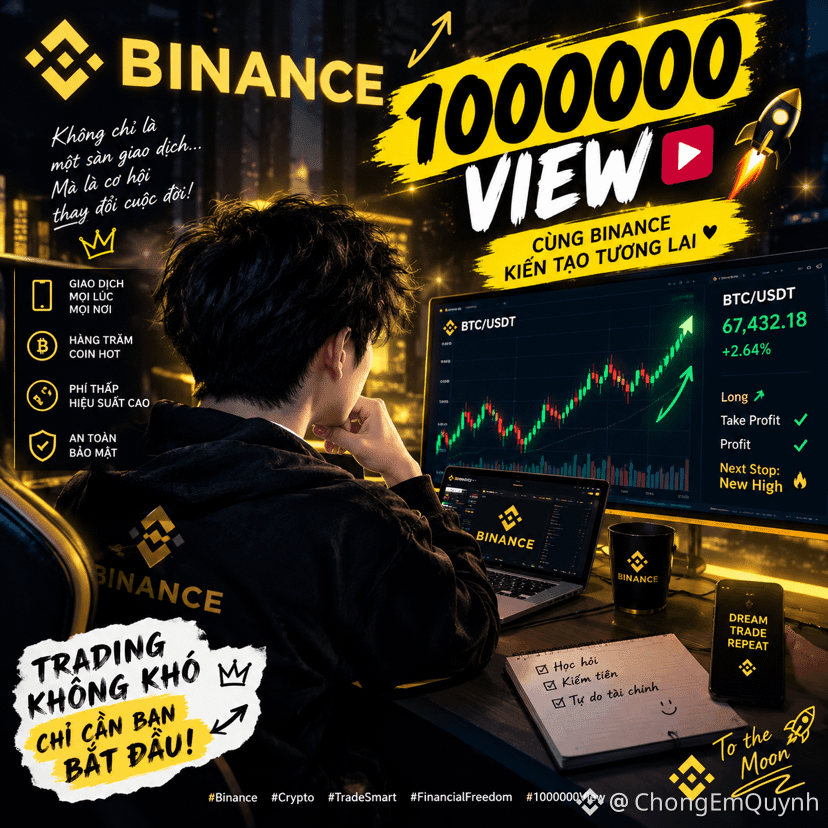
🚀 1.000.000 次觀看——我的目標!🟡
市場不會獎勵急於求成的人,而是考驗每位交易者的耐心與紀律。📈
💰 不要 FOMO——不要情緒化全倉下注。
🎯 等待確認——做好風險管理。
🔥 每天進步一點點!
在當前市場中,你選擇做多 LONG 📈 還是做空 SHORT 📉?歡迎在下方評論!
#Binance #BinanceSquare #Crypto #BTCUSDT #TraderMindset
{spot}(BTCUSDT)
{spot}(CRVUSDT)
{future}(BRUSDT)
🚀 1.000.000 次觀看——我的目標!🟡
市場不會獎勵急於求成的人,而是考驗每位交易者的耐心與紀律。📈
💰 不要 FOMO——不要情緒化全倉下注。
🎯 等待確認——做好風險管理。
🔥 每天進步一點點!
在當前市場中,你選擇做多 LONG 📈 還是做空 SHORT 📉?歡迎在下方評論!
#Binance #BinanceSquare #Crypto #BTCUSDT #TraderMindset
市場不會獎勵急於求成的人,而是考驗每位交易者的耐心與紀律。📈
💰 不要 FOMO——不要情緒化全倉下注。
🎯 等待確認——做好風險管理。
🔥 每天進步一點點!
在當前市場中,你選擇做多 LONG 📈 還是做空 SHORT 📉?歡迎在下方評論!
#Binance #BinanceSquare #Crypto #BTCUSDT #TraderMindset
1
529

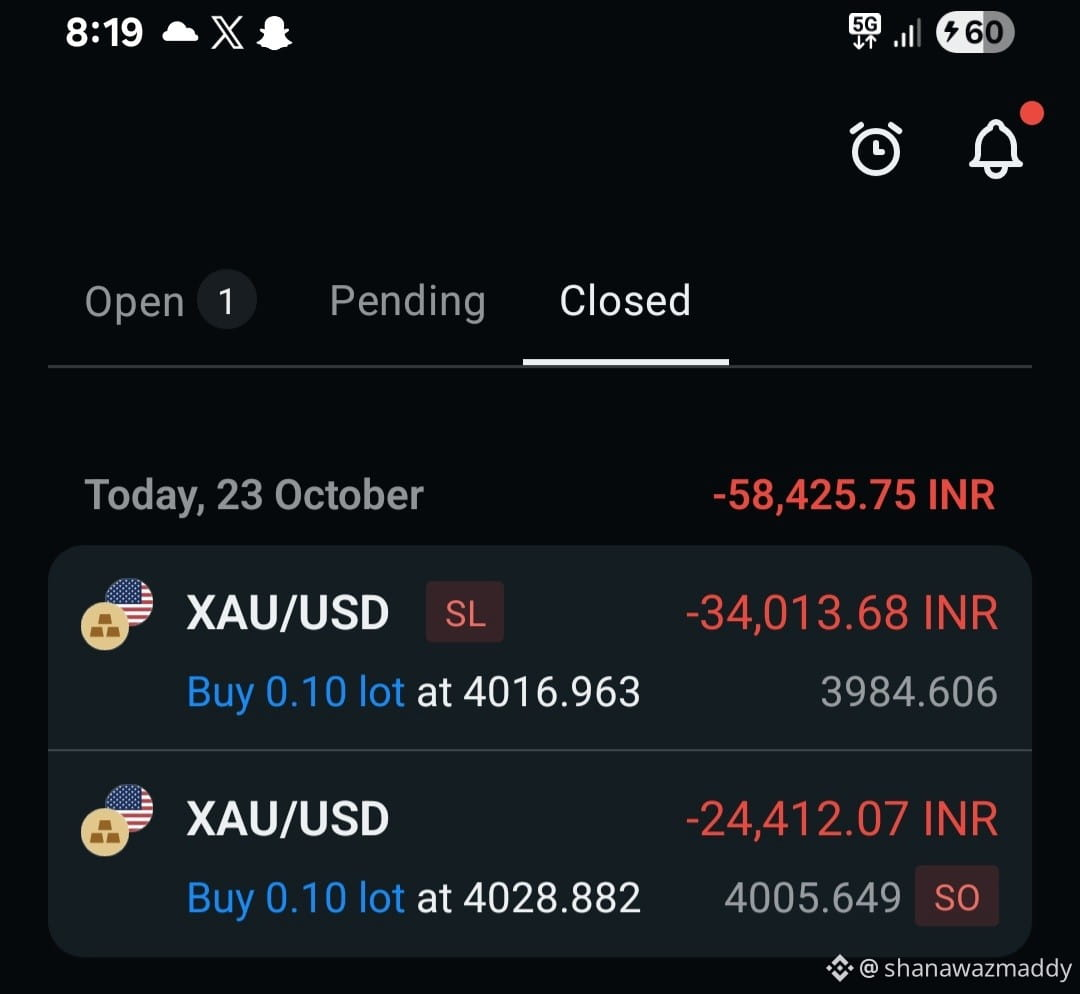
今天做黃金交易,對我來說是艱難的一天。📉💔
市場吞噬了我很大一部分本金,但永遠奪不走我學習和成長的決心。
虧損令人難受,尤其是當你把時間、金錢和希望都投入一筆交易時。但每一次虧損都會帶來教訓,有時這些教訓比盈利更寶貴。
我很失望,但不會放棄。我會覆盤自己的錯誤,改進風險管理,然後帶着更好的計劃重新出發——而不是爲了報復而交易。
糟糕的一天無法定義我的交易之路,自律纔會決定我的未來。📊🔥
#黃金交易 #外匯交易 #交易之路 #風險管理 #從虧損中學習 #TraderMindset
今天做黃金交易,對我來說是艱難的一天。📉💔
市場吞噬了我很大一部分本金,但永遠奪不走我學習和成長的決心。
虧損令人難受,尤其是當你把時間、金錢和希望都投入一筆交易時。但每一次虧損都會帶來教訓,有時這些教訓比盈利更寶貴。
我很失望,但不會放棄。我會覆盤自己的錯誤,改進風險管理,然後帶着更好的計劃重新出發——而不是爲了報復而交易。
糟糕的一天無法定義我的交易之路,自律纔會決定我的未來。📊🔥
#黃金交易 #外匯交易 #交易之路 #風險管理 #從虧損中學習 #TraderMindset
市場吞噬了我很大一部分本金,但永遠奪不走我學習和成長的決心。
虧損令人難受,尤其是當你把時間、金錢和希望都投入一筆交易時。但每一次虧損都會帶來教訓,有時這些教訓比盈利更寶貴。
我很失望,但不會放棄。我會覆盤自己的錯誤,改進風險管理,然後帶着更好的計劃重新出發——而不是爲了報復而交易。
糟糕的一天無法定義我的交易之路,自律纔會決定我的未來。📊🔥
#黃金交易 #外匯交易 #交易之路 #風險管理 #從虧損中學習 #TraderMindset
324

·
--
看漲
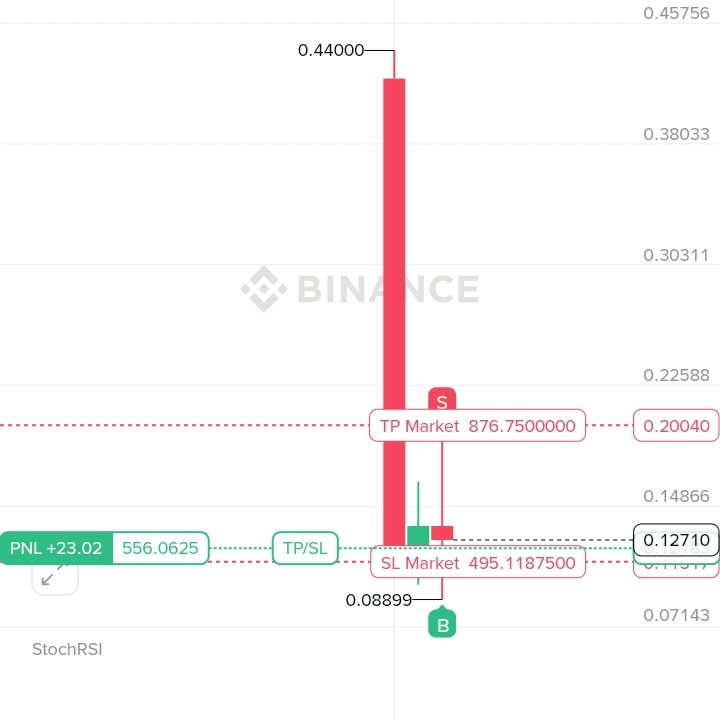
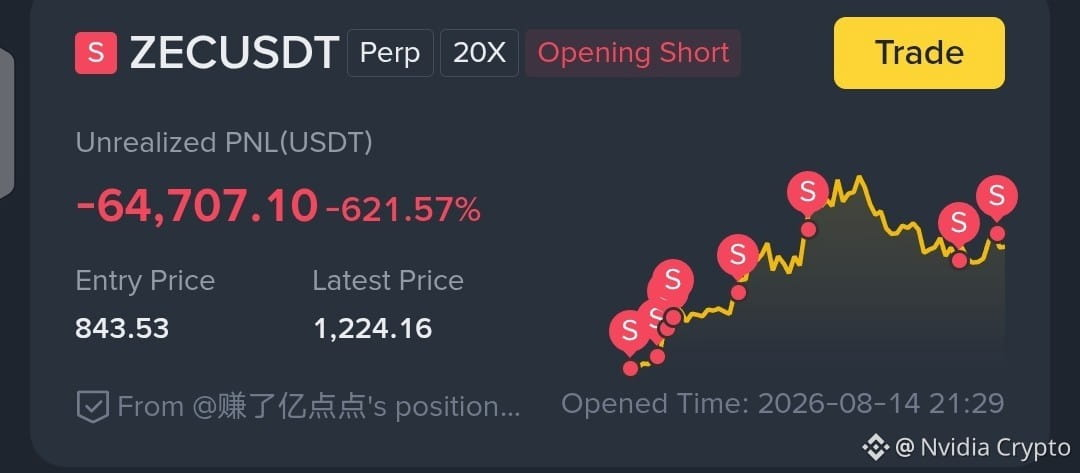
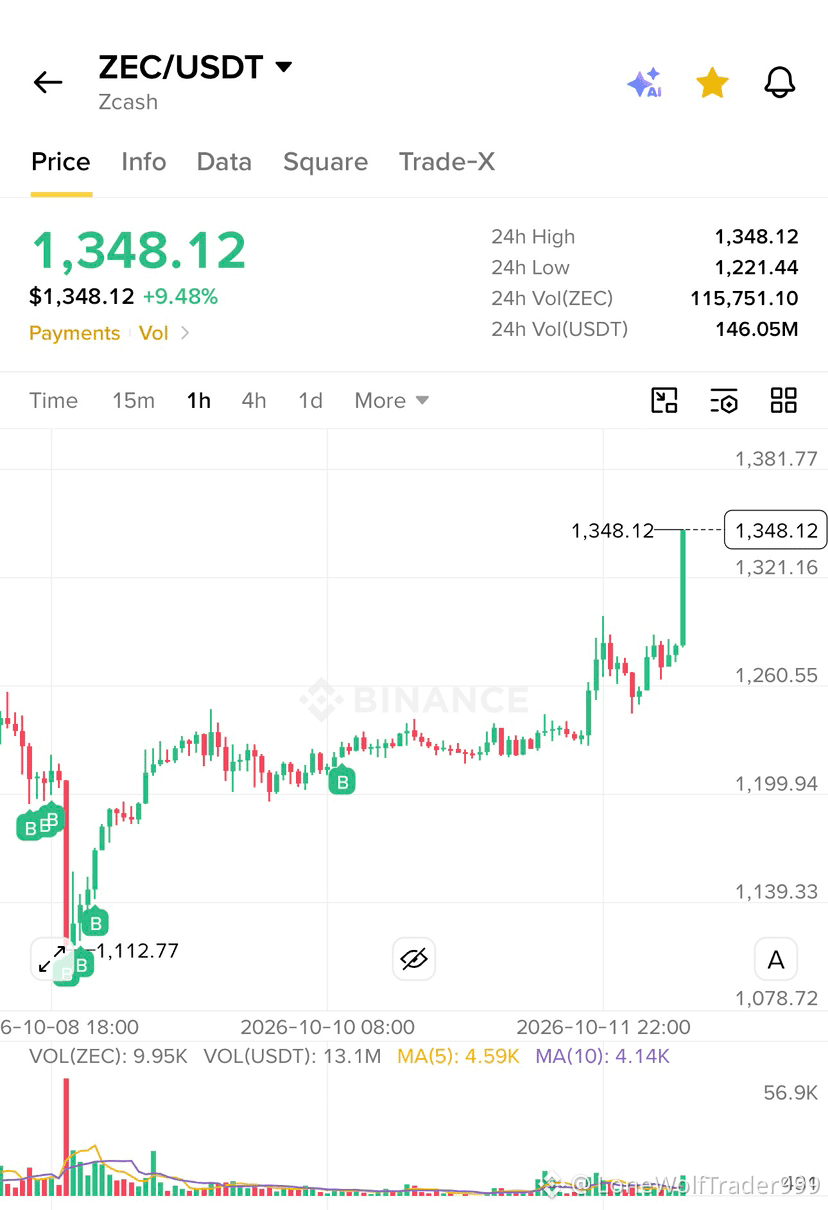
💔 $ZEC 給了我沉重的一課。我在 1,050 美元時減倉的委託一直沒有成交,即使我調低了限價也是如此。我對自己感到很失望,因此離開 Binance Square 幾天,反思並從這次錯誤中學習。
現在我回來了,心態更加清晰、紀律更好,風險管理也更完善。這一次,我會專注於計畫,而不是情緒。🔥
重新出發,就從現在開始。💪
#ZEC #CryptoTrading #BinanceSquare #TraderMindset
在這裡交易🚀
{future}(ZECUSDT)
💔 $ZEC 給了我沉重的一課。我在 1,050 美元時減倉的委託一直沒有成交,即使我調低了限價也是如此。我對自己感到很失望,因此離開 Binance Square 幾天,反思並從這次錯誤中學習。
現在我回來了,心態更加清晰、紀律更好,風險管理也更完善。這一次,我會專注於計畫,而不是情緒。🔥
重新出發,就從現在開始。💪
#ZEC #CryptoTrading #BinanceSquare #TraderMindset
在這裡交易🚀
現在我回來了,心態更加清晰、紀律更好,風險管理也更完善。這一次,我會專注於計畫,而不是情緒。🔥
重新出發,就從現在開始。💪
#ZEC #CryptoTrading #BinanceSquare #TraderMindset
在這裡交易🚀
60

📊 市場獎勵耐心,而非恐慌!🚀
在加密貨幣交易中,每一根紅色K線都不意味着該賣出,每一根綠色K線也不意味着該買入。📉📈
成功的交易者會專注於:
🔹 市場趨勢——理解大局。
🔹 風險管理——首先保護你的資金。
🔹 紀律——堅持自己的策略。
🔹 情緒控制——絕不讓恐懼或貪婪替你做決定。
💡 記住:你不必抓住市場上的每一次波動。有時候,最明智的交易就是等待合適的機會。
理性交易,保持耐心,持續學習。💎
你最大的交易挑戰是什麼:恐懼、貪婪,還是耐心?👇
#BinanceSquareFamily ance #CryptoTrading #Bitcoin #tradingtechnique ngPsychology #CryptoWatchMay2024 Market #RiskManagementRocks nagement #TraderMindset
$GOOGLB $AAPLB $METAB
📊 市場獎勵耐心,而非恐慌!🚀
在加密貨幣交易中,每一根紅色K線都不意味着該賣出,每一根綠色K線也不意味着該買入。📉📈
成功的交易者會專注於:
🔹 市場趨勢——理解大局。
🔹 風險管理——首先保護你的資金。
🔹 紀律——堅持自己的策略。
🔹 情緒控制——絕不讓恐懼或貪婪替你做決定。
💡 記住:你不必抓住市場上的每一次波動。有時候,最明智的交易就是等待合適的機會。
理性交易,保持耐心,持續學習。💎
你最大的交易挑戰是什麼:恐懼、貪婪,還是耐心?👇
#BinanceSquareFamily ance #CryptoTrading #Bitcoin #tradingtechnique ngPsychology #CryptoWatchMay2024 Market #RiskManagementRocks nagement #TraderMindset
$GOOGLB $AAPLB $METAB
在加密貨幣交易中,每一根紅色K線都不意味着該賣出,每一根綠色K線也不意味着該買入。📉📈
成功的交易者會專注於:
🔹 市場趨勢——理解大局。
🔹 風險管理——首先保護你的資金。
🔹 紀律——堅持自己的策略。
🔹 情緒控制——絕不讓恐懼或貪婪替你做決定。
💡 記住:你不必抓住市場上的每一次波動。有時候,最明智的交易就是等待合適的機會。
理性交易,保持耐心,持續學習。💎
你最大的交易挑戰是什麼:恐懼、貪婪,還是耐心?👇
#BinanceSquareFamily ance #CryptoTrading #Bitcoin #tradingtechnique ngPsychology #CryptoWatchMay2024 Market #RiskManagementRocks nagement #TraderMindset
$GOOGLB $AAPLB $METAB
83

🎯 止損是犯錯的代價——不是個人的失敗。
你可以執行一筆高質量的交易,卻依然虧損。
關鍵在於,這筆虧損是否:
• 在你預先設定的風險範圍內
• 符合你的策略
• 倉位大小適當
• 已記錄並覆盤
僅僅因爲不願接受虧損就移動止損,會把明確的風險變成無法控制的風險。
專業交易者不需要每筆交易都盈利。他們需要在交易失利時,依然堅守自己的交易流程。
壓力之下,最難遵守的交易規則是什麼?
#stoploss #TradingDiscipline #RiskManagement #TraderMindset #BinanceSquare
🎯 止損是犯錯的代價——不是個人的失敗。
你可以執行一筆高質量的交易,卻依然虧損。
關鍵在於,這筆虧損是否:
• 在你預先設定的風險範圍內
• 符合你的策略
• 倉位大小適當
• 已記錄並覆盤
僅僅因爲不願接受虧損就移動止損,會把明確的風險變成無法控制的風險。
專業交易者不需要每筆交易都盈利。他們需要在交易失利時,依然堅守自己的交易流程。
壓力之下,最難遵守的交易規則是什麼?
#stoploss #TradingDiscipline #RiskManagement #TraderMindset #BinanceSquare
你可以執行一筆高質量的交易,卻依然虧損。
關鍵在於,這筆虧損是否:
• 在你預先設定的風險範圍內
• 符合你的策略
• 倉位大小適當
• 已記錄並覆盤
僅僅因爲不願接受虧損就移動止損,會把明確的風險變成無法控制的風險。
專業交易者不需要每筆交易都盈利。他們需要在交易失利時,依然堅守自己的交易流程。
壓力之下,最難遵守的交易規則是什麼?
#stoploss #TradingDiscipline #RiskManagement #TraderMindset #BinanceSquare
1
11
你的虧損不是他們的虧損 ⚠️
#BANKUSDT⚡️
如果承擔風險的不是自己的錢,說一句“繼續持有”當然很容易。在聽從交易建議之前,先問自己一個問題:如果交易虧損了,這個人會和我一起承擔損失嗎?根據自己的研究、風險承受能力和策略做決定。建議是免費的,但後果可能代價高昂。
#加密貨幣風險意識 #BinanceSquare #自己做好研究 #TraderMindset
你的虧損不是他們的虧損 ⚠️
#BANKUSDT⚡️
如果承擔風險的不是自己的錢,說一句“繼續持有”當然很容易。在聽從交易建議之前,先問自己一個問題:如果交易虧損了,這個人會和我一起承擔損失嗎?根據自己的研究、風險承受能力和策略做決定。建議是免費的,但後果可能代價高昂。
#加密貨幣風險意識 #BinanceSquare #自己做好研究 #TraderMindset
#BANKUSDT⚡️
如果承擔風險的不是自己的錢,說一句“繼續持有”當然很容易。在聽從交易建議之前,先問自己一個問題:如果交易虧損了,這個人會和我一起承擔損失嗎?根據自己的研究、風險承受能力和策略做決定。建議是免費的,但後果可能代價高昂。
#加密貨幣風險意識 #BinanceSquare #自己做好研究 #TraderMindset
366
📈 交易是一場耐心的遊戲 🔥
💹 交易不是一夜暴富的捷徑。
它需要耐心、紀律和明智的決策。
✅ 先學習,再交易。
✅ 控制情緒,遵循策略。
✅ 注重風險管理,而不只是利潤。
✅ 記住,沒有任何一筆交易能保證盈利。
🎯 目標不僅是賺錢,更是成爲一名熟練的交易者。
💎 紀律 • 耐心 • 風險管理
⚠️ 交易伴隨風險。切勿投入無法承受損失的資金。
#Trading #ForexTrading #CryptoTrading #PriceAction #風險管理 #TraderMindset 📊🚀
📈 交易是一場耐心的遊戲 🔥
💹 交易不是一夜暴富的捷徑。
它需要耐心、紀律和明智的決策。
✅ 先學習,再交易。
✅ 控制情緒,遵循策略。
✅ 注重風險管理,而不只是利潤。
✅ 記住,沒有任何一筆交易能保證盈利。
🎯 目標不僅是賺錢,更是成爲一名熟練的交易者。
💎 紀律 • 耐心 • 風險管理
⚠️ 交易伴隨風險。切勿投入無法承受損失的資金。
#Trading #ForexTrading #CryptoTrading #PriceAction #風險管理 #TraderMindset 📊🚀
💹 交易不是一夜暴富的捷徑。
它需要耐心、紀律和明智的決策。
✅ 先學習,再交易。
✅ 控制情緒,遵循策略。
✅ 注重風險管理,而不只是利潤。
✅ 記住,沒有任何一筆交易能保證盈利。
🎯 目標不僅是賺錢,更是成爲一名熟練的交易者。
💎 紀律 • 耐心 • 風險管理
⚠️ 交易伴隨風險。切勿投入無法承受損失的資金。
#Trading #ForexTrading #CryptoTrading #PriceAction #風險管理 #TraderMindset 📊🚀
89
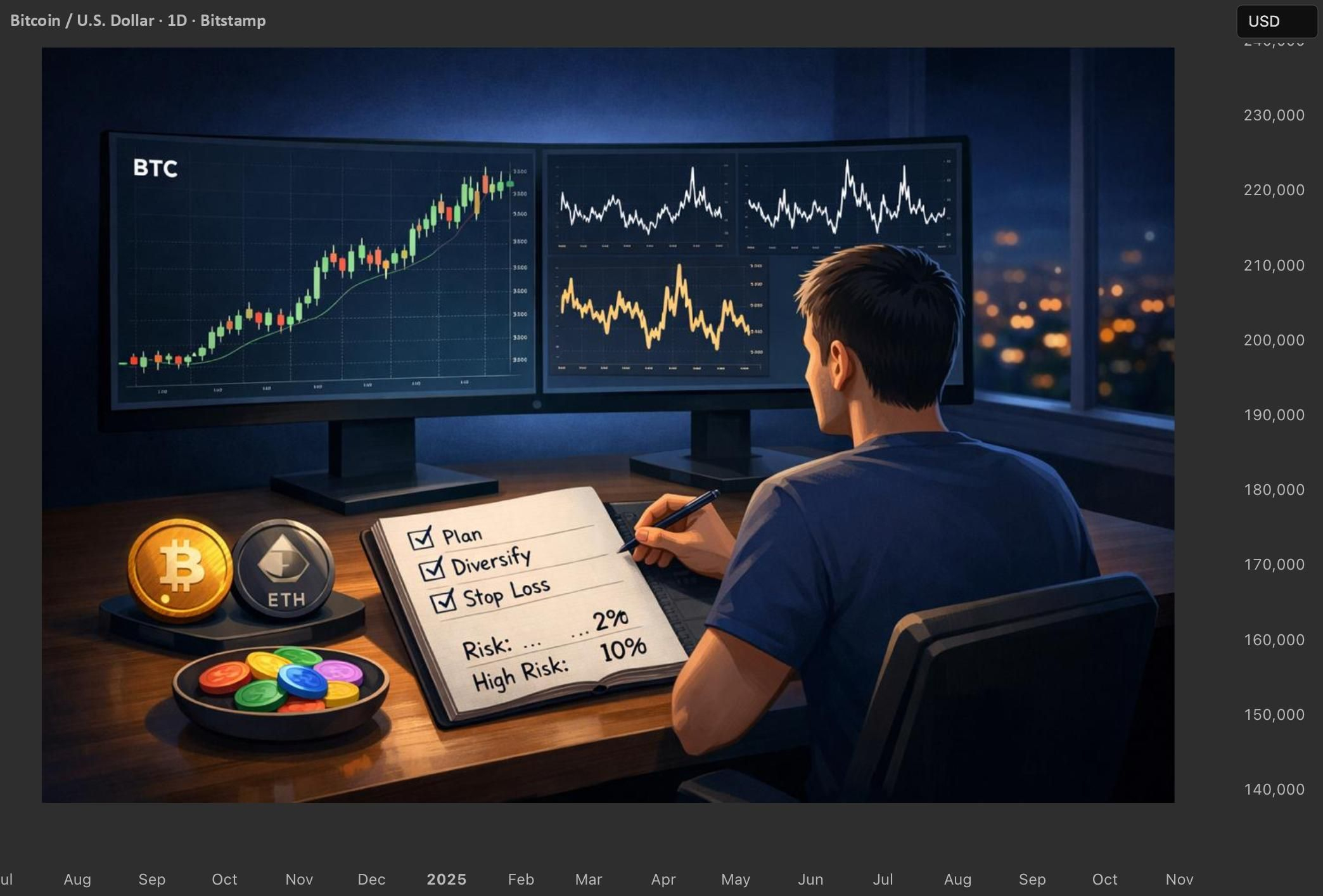
當你掌握心理學,交易 $BTC 就會變成一場純粹的國際象棋 ⚡ 🦈
市場是心理戰的終極競技場,每一根 K 線都訴說着耐心與恐慌的較量。🌊 當你不再與行情對抗,而是像下棋捕獵般讀懂流動性,交易就會從盲目猜測轉變爲精準執行。
⚡ 觀察資金輪動、買盤吸收疲弱拋售,才能鍛造真正的信念。💡 在震盪行情中保持紀律,在動能擴張時果斷出擊,這正是我們在這裏蓬勃發展的原因。💬 每一天,是什麼讓你對圖表始終保持熱情?👇
⚠️ 這不是財務建議。請務必做好風險管理。🛡️
🏷️ #BTC #CryptoTrading #PriceAction #TraderMindset
🔥 💎
當你掌握心理學,交易 $BTC 就會變成一場純粹的國際象棋 ⚡ 🦈
市場是心理戰的終極競技場,每一根 K 線都訴說着耐心與恐慌的較量。🌊 當你不再與行情對抗,而是像下棋捕獵般讀懂流動性,交易就會從盲目猜測轉變爲精準執行。
⚡ 觀察資金輪動、買盤吸收疲弱拋售,才能鍛造真正的信念。💡 在震盪行情中保持紀律,在動能擴張時果斷出擊,這正是我們在這裏蓬勃發展的原因。💬 每一天,是什麼讓你對圖表始終保持熱情?👇
⚠️ 這不是財務建議。請務必做好風險管理。🛡️
🏷️ #BTC #CryptoTrading #PriceAction #TraderMindset
🔥 💎
市場是心理戰的終極競技場,每一根 K 線都訴說着耐心與恐慌的較量。🌊 當你不再與行情對抗,而是像下棋捕獵般讀懂流動性,交易就會從盲目猜測轉變爲精準執行。
⚡ 觀察資金輪動、買盤吸收疲弱拋售,才能鍛造真正的信念。💡 在震盪行情中保持紀律,在動能擴張時果斷出擊,這正是我們在這裏蓬勃發展的原因。💬 每一天,是什麼讓你對圖表始終保持熱情?👇
⚠️ 這不是財務建議。請務必做好風險管理。🛡️
🏷️ #BTC #CryptoTrading #PriceAction #TraderMindset
🔥 💎
128

·
--
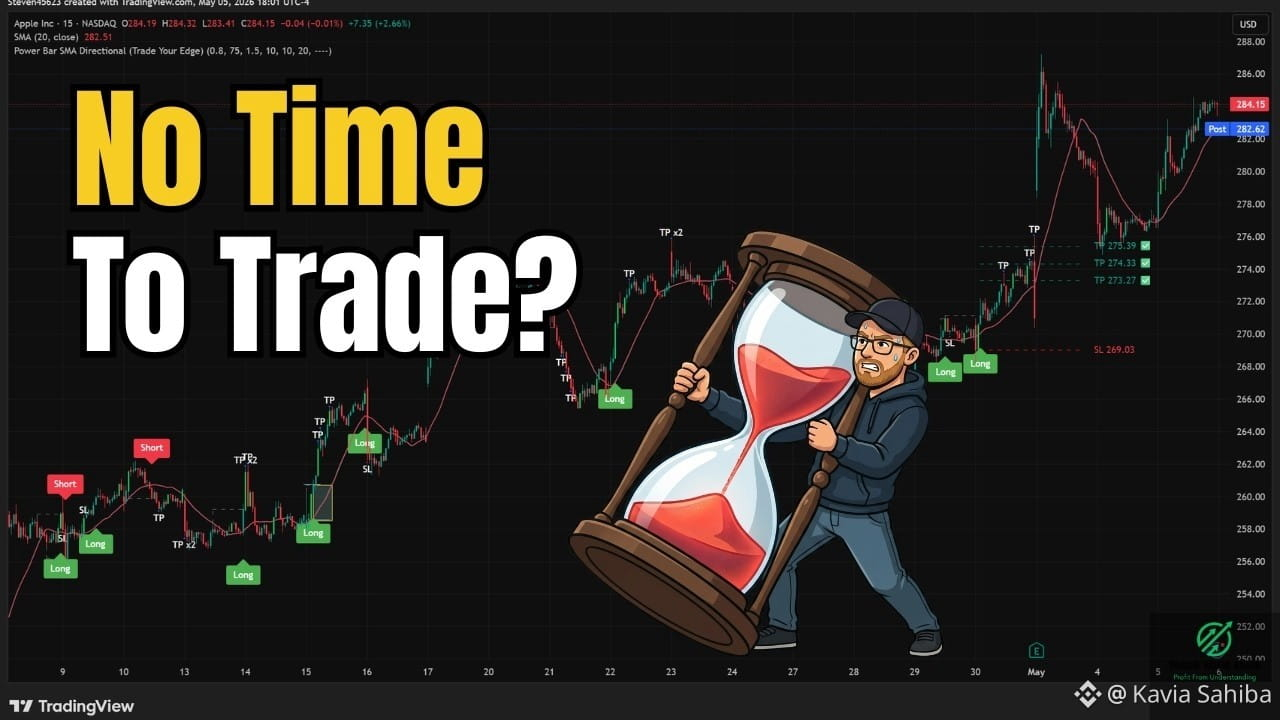
🧠 市場波動劇烈,並不意味着你就必須參與交易。
交易中代價最高的錯誤之一,就是認爲市場每一次波動都是你必須抓住的機會。
價格快速波動。
你覺得自己錯過了機會。
你遲遲才進場。
接着,你開始管理情緒,而不是管理風險。
試試這個簡單的調整:
✅ 沒有明確的交易形態?不交易。
✅ 沒有明確的失效條件?不交易。
✅ 風險太高?不交易。
✅ 你是爲了挽回虧損而交易?先離開市場。
✅ 市場走勢不符合你的計劃?耐心等待。
記住:不交易,也是一種選擇。
你的任務不是抓住每一次波動,而是保護本金,並始終如一地執行自己的交易流程。
坦誠地說:對你而言,什麼更難——等待交易形態出現,還是接受虧損?
#TradingPsychology #RiskManagement #cryptotrading #TraderMindset
🧠 市場波動劇烈,並不意味着你就必須參與交易。
交易中代價最高的錯誤之一,就是認爲市場每一次波動都是你必須抓住的機會。
價格快速波動。
你覺得自己錯過了機會。
你遲遲才進場。
接着,你開始管理情緒,而不是管理風險。
試試這個簡單的調整:
✅ 沒有明確的交易形態?不交易。
✅ 沒有明確的失效條件?不交易。
✅ 風險太高?不交易。
✅ 你是爲了挽回虧損而交易?先離開市場。
✅ 市場走勢不符合你的計劃?耐心等待。
記住:不交易,也是一種選擇。
你的任務不是抓住每一次波動,而是保護本金,並始終如一地執行自己的交易流程。
坦誠地說:對你而言,什麼更難——等待交易形態出現,還是接受虧損?
#TradingPsychology #RiskManagement #cryptotrading #TraderMindset
交易中代價最高的錯誤之一,就是認爲市場每一次波動都是你必須抓住的機會。
價格快速波動。
你覺得自己錯過了機會。
你遲遲才進場。
接着,你開始管理情緒,而不是管理風險。
試試這個簡單的調整:
✅ 沒有明確的交易形態?不交易。
✅ 沒有明確的失效條件?不交易。
✅ 風險太高?不交易。
✅ 你是爲了挽回虧損而交易?先離開市場。
✅ 市場走勢不符合你的計劃?耐心等待。
記住:不交易,也是一種選擇。
你的任務不是抓住每一次波動,而是保護本金,並始終如一地執行自己的交易流程。
坦誠地說:對你而言,什麼更難——等待交易形態出現,還是接受虧損?
#TradingPsychology #RiskManagement #cryptotrading #TraderMindset
94

·
--
看漲
✨$PEPE $GOOGLB
🚀 從小交易者成長爲大交易者 💰📈
🌱 每一位大交易者都曾從小處起步。
💎 從你擁有的開始
🧠 先學習,再冒險
🛡️ 保護你的本金
🎯 專注於保持穩定
⏳ 讓時間發揮作用
🔥 別試圖裝成大交易者。
🌟 先成爲更聰明的交易者。
💬 你想改進的一項交易習慣是什麼?👇✨
#Trading #Crypto #TraderMindset #BinanceSquareFamily
✨$PEPE $GOOGLB
🚀 從小交易者成長爲大交易者 💰📈
🌱 每一位大交易者都曾從小處起步。
💎 從你擁有的開始
🧠 先學習,再冒險
🛡️ 保護你的本金
🎯 專注於保持穩定
⏳ 讓時間發揮作用
🔥 別試圖裝成大交易者。
🌟 先成爲更聰明的交易者。
💬 你想改進的一項交易習慣是什麼?👇✨
#Trading #Crypto #TraderMindset #BinanceSquareFamily
🚀 從小交易者成長爲大交易者 💰📈
🌱 每一位大交易者都曾從小處起步。
💎 從你擁有的開始
🧠 先學習,再冒險
🛡️ 保護你的本金
🎯 專注於保持穩定
⏳ 讓時間發揮作用
🔥 別試圖裝成大交易者。
🌟 先成爲更聰明的交易者。
💬 你想改進的一項交易習慣是什麼?👇✨
#Trading #Crypto #TraderMindset #BinanceSquareFamily
181

·
--
舒適區是幻覺——當市場持續複利時 $BTC ⚡ 🎯
當你退到低壓力的場外時,會覺得那是安全感;但你會發現,金融世界不會爲任何人暫停。 📊 躲在邊緣只會讓差距拉得更大,而活躍的市場參與者正在爲下一次宏觀浪潮做準備。
💡 真正的增長需要直面波動,而不是滿足於停滯的安逸。駕馭 $BTC 需要厚實的心理承受力和不懈的紀律,但一直在場外,長期代價要更沉重。 💬 你有沒有嘗試過離開市場,結果卻意識到:保持活躍纔是你前進的唯一道路? 👇
⚠️ 這不是金融建議。請始終管理好你的風險。 🛡️
🏷️ #BTC #TraderMindset #MarketPsychology #Crypto
🔥 💎
舒適區是幻覺——當市場持續複利時 $BTC ⚡ 🎯
當你退到低壓力的場外時,會覺得那是安全感;但你會發現,金融世界不會爲任何人暫停。 📊 躲在邊緣只會讓差距拉得更大,而活躍的市場參與者正在爲下一次宏觀浪潮做準備。
💡 真正的增長需要直面波動,而不是滿足於停滯的安逸。駕馭 $BTC 需要厚實的心理承受力和不懈的紀律,但一直在場外,長期代價要更沉重。 💬 你有沒有嘗試過離開市場,結果卻意識到:保持活躍纔是你前進的唯一道路? 👇
⚠️ 這不是金融建議。請始終管理好你的風險。 🛡️
🏷️ #BTC #TraderMindset #MarketPsychology #Crypto
🔥 💎
當你退到低壓力的場外時,會覺得那是安全感;但你會發現,金融世界不會爲任何人暫停。 📊 躲在邊緣只會讓差距拉得更大,而活躍的市場參與者正在爲下一次宏觀浪潮做準備。
💡 真正的增長需要直面波動,而不是滿足於停滯的安逸。駕馭 $BTC 需要厚實的心理承受力和不懈的紀律,但一直在場外,長期代價要更沉重。 💬 你有沒有嘗試過離開市場,結果卻意識到:保持活躍纔是你前進的唯一道路? 👇
⚠️ 這不是金融建議。請始終管理好你的風險。 🛡️
🏷️ #BTC #TraderMindset #MarketPsychology #Crypto
🔥 💎
44
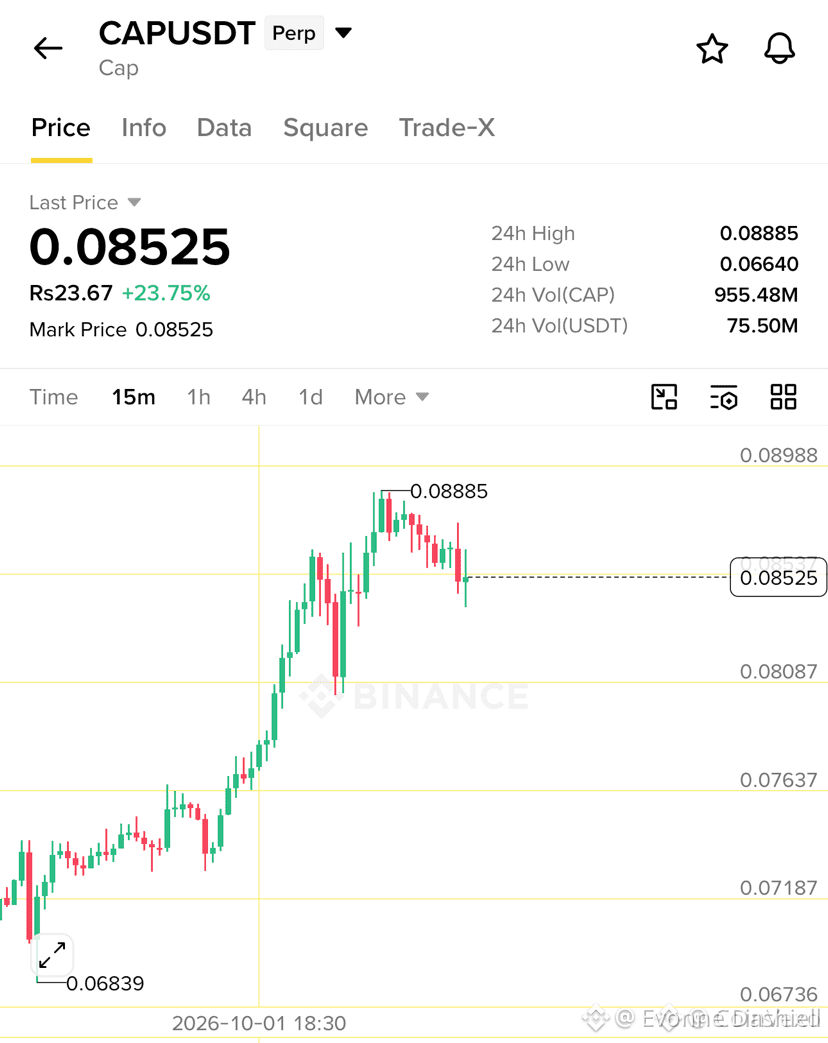
大多數在永續合約上靠 6% 的收益“入賬”的交易者,最終還是會變窮,因爲他們從不讓真正的趨勢發展起來。
當你做多開始有效、隨後又回落時,你一定會感到胃裏一陣發緊:恐懼錯失(FOMO)襲來,於是你把倉位提前平掉——可更糟的是,你會眼睜睜看着它繼續跑。大多數賬戶就是這樣在一次又一次的循環裏被困住。
我以前每逢牛市都會做同樣的事。後來我開始用自己本該在 $ETH 年那樣、以及在 $BTC 年初 2021 前那樣去對待這些交易設置:方式不同。一個 $CAP 的永續倉位剛剛收盤,已實現 +6.46% 的收益,且已在超過 2,510 USDT 的已實現收益中兌現。這不是彩票。要做到的就是:倉位大小對了,並在噪音面前守住底線。
模式從不改變。貪婪會讓你追漲,恐懼會讓你賣得太早。真正改變自己處境的交易者,是把每一筆單子都當作一門生意來經營,而不是老虎機。
你怎麼看:在最初 6% 的階段選擇扛單,而不是立刻把它“落袋爲安”?
#CryptoTrading #Perps #TraderMindset
大多數在永續合約上靠 6% 的收益“入賬”的交易者,最終還是會變窮,因爲他們從不讓真正的趨勢發展起來。
當你做多開始有效、隨後又回落時,你一定會感到胃裏一陣發緊:恐懼錯失(FOMO)襲來,於是你把倉位提前平掉——可更糟的是,你會眼睜睜看着它繼續跑。大多數賬戶就是這樣在一次又一次的循環裏被困住。
我以前每逢牛市都會做同樣的事。後來我開始用自己本該在 $ETH 年那樣、以及在 $BTC 年初 2021 前那樣去對待這些交易設置:方式不同。一個 $CAP 的永續倉位剛剛收盤,已實現 +6.46% 的收益,且已在超過 2,510 USDT 的已實現收益中兌現。這不是彩票。要做到的就是:倉位大小對了,並在噪音面前守住底線。
模式從不改變。貪婪會讓你追漲,恐懼會讓你賣得太早。真正改變自己處境的交易者,是把每一筆單子都當作一門生意來經營,而不是老虎機。
你怎麼看:在最初 6% 的階段選擇扛單,而不是立刻把它“落袋爲安”?
#CryptoTrading #Perps #TraderMindset
當你做多開始有效、隨後又回落時,你一定會感到胃裏一陣發緊:恐懼錯失(FOMO)襲來,於是你把倉位提前平掉——可更糟的是,你會眼睜睜看着它繼續跑。大多數賬戶就是這樣在一次又一次的循環裏被困住。
我以前每逢牛市都會做同樣的事。後來我開始用自己本該在 $ETH 年那樣、以及在 $BTC 年初 2021 前那樣去對待這些交易設置:方式不同。一個 $CAP 的永續倉位剛剛收盤,已實現 +6.46% 的收益,且已在超過 2,510 USDT 的已實現收益中兌現。這不是彩票。要做到的就是:倉位大小對了,並在噪音面前守住底線。
模式從不改變。貪婪會讓你追漲,恐懼會讓你賣得太早。真正改變自己處境的交易者,是把每一筆單子都當作一門生意來經營,而不是老虎機。
你怎麼看:在最初 6% 的階段選擇扛單,而不是立刻把它“落袋爲安”?
#CryptoTrading #Perps #TraderMindset
36
·
--
🐺 市場考驗你的自律
你不需要接住每一次行情。你不需要每天都交易。你不需要每次都正確。
你需要的是策略、耐心,以及當你的設置失敗時能夠接受虧損的能力。
保護你的資金。從每一筆交易中學習。持續改進。🚀
#CryptoTrading #BinanceSquare #TraderMindset
🐺 市場考驗你的自律
你不需要接住每一次行情。你不需要每天都交易。你不需要每次都正確。
你需要的是策略、耐心,以及當你的設置失敗時能夠接受虧損的能力。
保護你的資金。從每一筆交易中學習。持續改進。🚀
#CryptoTrading #BinanceSquare #TraderMindset
你不需要接住每一次行情。你不需要每天都交易。你不需要每次都正確。
你需要的是策略、耐心,以及當你的設置失敗時能夠接受虧損的能力。
保護你的資金。從每一筆交易中學習。持續改進。🚀
#CryptoTrading #BinanceSquare #TraderMindset
42

·
--
$BTC $ETH $BNB 跟進昨天的黃金法則!🧠 你覺得哪一條最難堅持?
不追漲不恐慌(耐心)
設置止損(自律)
讓閒置資金髮揮作用(規劃)
在下方投票吧!👇 我明天會分享獲勝選項的小技巧。
#CryptoPoll #TraderMindset #BinanceSquareFamily #CryptoTips #writetoearn
$BTC $ETH $BNB 跟進昨天的黃金法則!🧠 你覺得哪一條最難堅持?
不追漲不恐慌(耐心)
設置止損(自律)
讓閒置資金髮揮作用(規劃)
在下方投票吧!👇 我明天會分享獲勝選項的小技巧。
#CryptoPoll #TraderMindset #BinanceSquareFamily #CryptoTips #writetoearn
不追漲不恐慌(耐心)
設置止損(自律)
讓閒置資金髮揮作用(規劃)
在下方投票吧!👇 我明天會分享獲勝選項的小技巧。
#CryptoPoll #TraderMindset #BinanceSquareFamily #CryptoTips #writetoearn
3
2
161

·
--
交易中最大的錯誤並不是選錯幣種。
而是在你不知道自己錯了之後會怎麼做的情況下就進入交易。
很多交易者會在決定風險之前先決定盈利目標。
他們想:
“我能賺多少?”
但更好的問題是:
“如果這筆交易朝不利方向走,我會在什麼時點接受:我的想法是錯的?”
因爲一旦你已經進入倉位,情緒就會變得更強烈。
你開始挪動止損。
你開始在虧損中加倉。
你對自己說:“它會回來的。”
於是,一開始的小虧就變成了大虧。
這就是爲什麼我更喜歡在進入之前就先決定我的風險、失效條件和倉位大小。
我不需要每一筆交易都盈利。
我只需要一筆糟糕的交易不要去傷害接下來的十筆。
先保護賬戶,第二再追求利潤。
這是我認爲每個交易者最終都會學到的一條交易規則。
#BinanceSquare #TraderMindset #RiskManagement $TUT $XAI $SAGA
交易中最大的錯誤並不是選錯幣種。
而是在你不知道自己錯了之後會怎麼做的情況下就進入交易。
很多交易者會在決定風險之前先決定盈利目標。
他們想:
“我能賺多少?”
但更好的問題是:
“如果這筆交易朝不利方向走,我會在什麼時點接受:我的想法是錯的?”
因爲一旦你已經進入倉位,情緒就會變得更強烈。
你開始挪動止損。
你開始在虧損中加倉。
你對自己說:“它會回來的。”
於是,一開始的小虧就變成了大虧。
這就是爲什麼我更喜歡在進入之前就先決定我的風險、失效條件和倉位大小。
我不需要每一筆交易都盈利。
我只需要一筆糟糕的交易不要去傷害接下來的十筆。
先保護賬戶,第二再追求利潤。
這是我認爲每個交易者最終都會學到的一條交易規則。
#BinanceSquare #TraderMindset #RiskManagement $TUT $XAI $SAGA
而是在你不知道自己錯了之後會怎麼做的情況下就進入交易。
很多交易者會在決定風險之前先決定盈利目標。
他們想:
“我能賺多少?”
但更好的問題是:
“如果這筆交易朝不利方向走,我會在什麼時點接受:我的想法是錯的?”
因爲一旦你已經進入倉位,情緒就會變得更強烈。
你開始挪動止損。
你開始在虧損中加倉。
你對自己說:“它會回來的。”
於是,一開始的小虧就變成了大虧。
這就是爲什麼我更喜歡在進入之前就先決定我的風險、失效條件和倉位大小。
我不需要每一筆交易都盈利。
我只需要一筆糟糕的交易不要去傷害接下來的十筆。
先保護賬戶,第二再追求利潤。
這是我認爲每個交易者最終都會學到的一條交易規則。
#BinanceSquare #TraderMindset #RiskManagement $TUT $XAI $SAGA
2
220
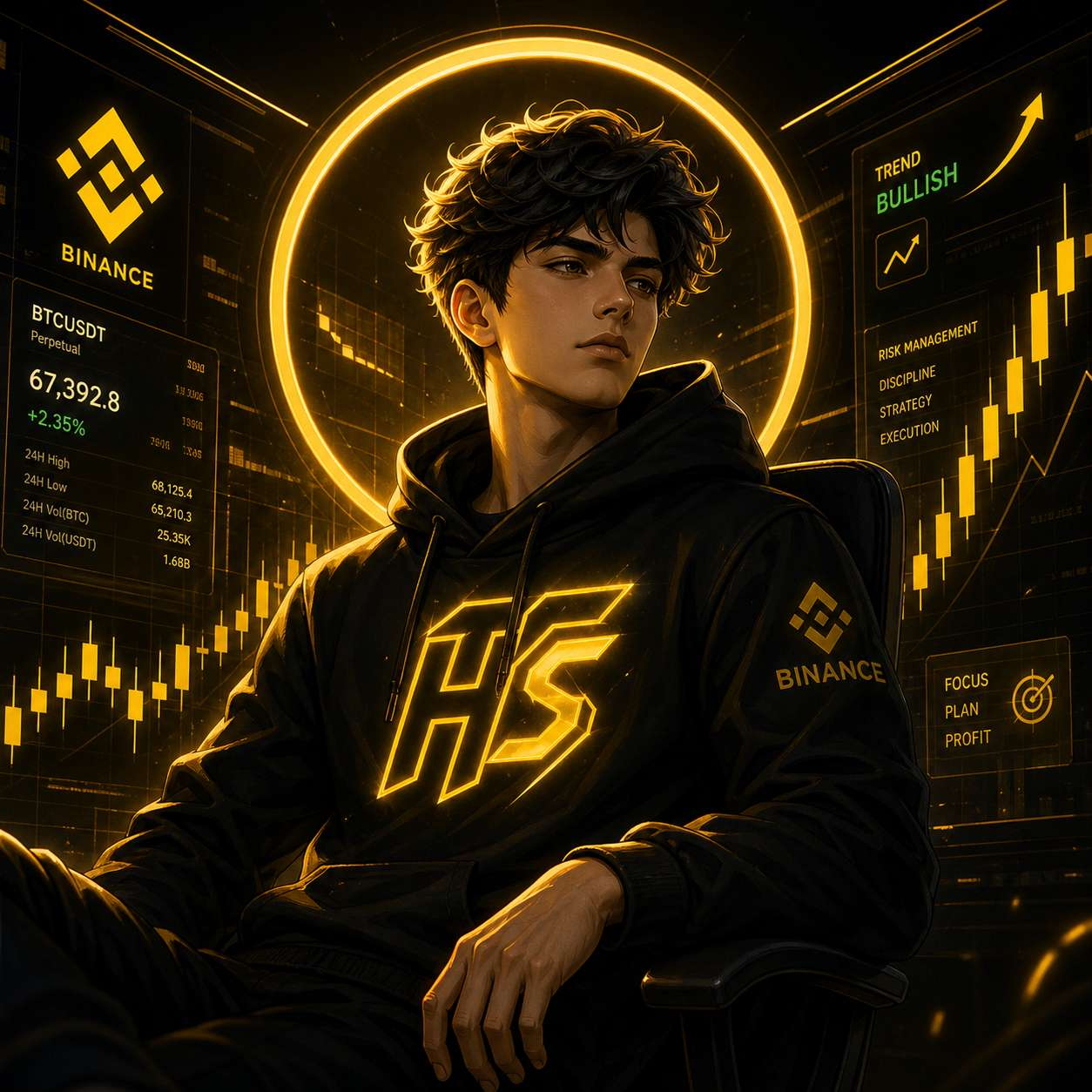
🚨 交易的現實 🚨😶🌫️😶🌫️
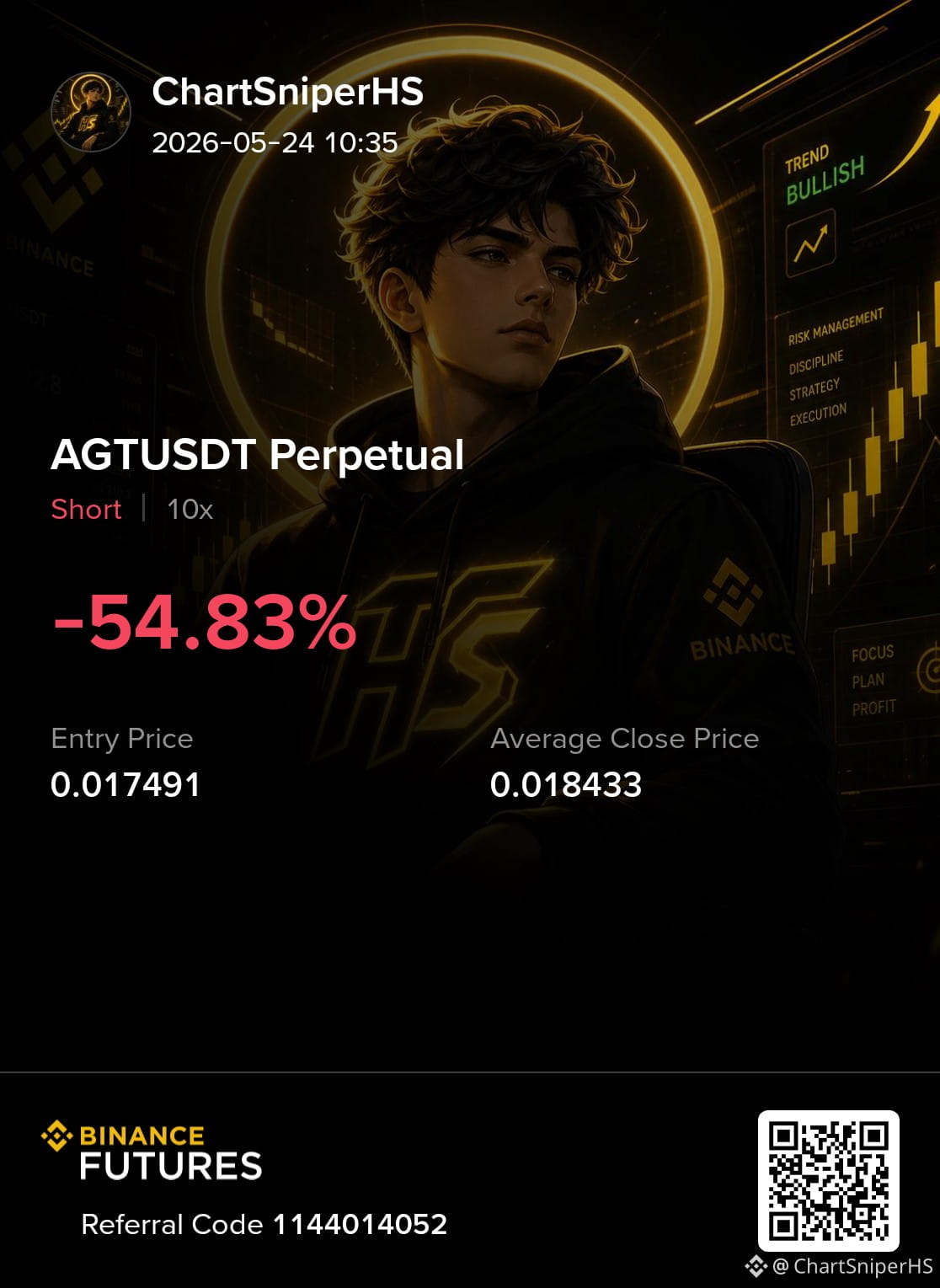
📉 $AGTUSDT 永續合約
⚡ 做空 | 10倍$AGT
❌ -54.83% 回報率$AGT
並不是每個交易策略都能成功。$AGT
並不是每個預測都能變成利潤。
但每一次虧損都是經驗的積累。🧠📚
交易者的實力不是通過盈利的交易來體現的……
而是通過他們如何處理虧損來展現的。💯
✅ 接受了虧損
✅ 保護了賬戶
✅ 從錯誤中學習
✅ 爲下一個交易策略做好準備
“市場讓每個人都謙卑。
紀律是讓你生存下去的關鍵。” 📉➡️📈
不要情緒化的復仇交易。
不要驚慌。
只有教訓、適應與成長。🔥
今天的虧損可以成爲明天的優勢。🚀
#BinanceSquareFamily #RiskManagement #futurestrade #TraderMindset #smartmoney
🚨 交易的現實 🚨😶🌫️😶🌫️
📉 $AGTUSDT 永續合約
⚡ 做空 | 10倍$AGT
❌ -54.83% 回報率$AGT
並不是每個交易策略都能成功。$AGT
並不是每個預測都能變成利潤。
但每一次虧損都是經驗的積累。🧠📚
交易者的實力不是通過盈利的交易來體現的……
而是通過他們如何處理虧損來展現的。💯
✅ 接受了虧損
✅ 保護了賬戶
✅ 從錯誤中學習
✅ 爲下一個交易策略做好準備
“市場讓每個人都謙卑。
紀律是讓你生存下去的關鍵。” 📉➡️📈
不要情緒化的復仇交易。
不要驚慌。
只有教訓、適應與成長。🔥
今天的虧損可以成爲明天的優勢。🚀
#BinanceSquareFamily #RiskManagement #futurestrade #TraderMindset #smartmoney
📉 $AGTUSDT 永續合約
⚡ 做空 | 10倍$AGT
❌ -54.83% 回報率$AGT
並不是每個交易策略都能成功。$AGT
並不是每個預測都能變成利潤。
但每一次虧損都是經驗的積累。🧠📚
交易者的實力不是通過盈利的交易來體現的……
而是通過他們如何處理虧損來展現的。💯
✅ 接受了虧損
✅ 保護了賬戶
✅ 從錯誤中學習
✅ 爲下一個交易策略做好準備
“市場讓每個人都謙卑。
紀律是讓你生存下去的關鍵。” 📉➡️📈
不要情緒化的復仇交易。
不要驚慌。
只有教訓、適應與成長。🔥
今天的虧損可以成爲明天的優勢。🚀
#BinanceSquareFamily #RiskManagement #futurestrade #TraderMindset #smartmoney
1
188
·
--
🚦 市場並不認識你。
市場不在乎你是否:❌ 交易遲到。❌ 跌了 30%。❌ 還在等着“回本”。
它只遵循供需關係。
贏的交易者不會問:“市場什麼時候會付我?”
他們問的是:“我是否遵循了我的交易計劃?”
📈 自律帶來一致性。💰 一致性帶來結果。
💬 市場用最難的方式教給你的一個交易經驗是什麼?
#Bitcoinhaving #TradingTopics g #BinanceSquare #RiskManagementRocks #TraderMindset
🚦 市場並不認識你。
市場不在乎你是否:❌ 交易遲到。❌ 跌了 30%。❌ 還在等着“回本”。
它只遵循供需關係。
贏的交易者不會問:“市場什麼時候會付我?”
他們問的是:“我是否遵循了我的交易計劃?”
📈 自律帶來一致性。💰 一致性帶來結果。
💬 市場用最難的方式教給你的一個交易經驗是什麼?
#Bitcoinhaving #TradingTopics g #BinanceSquare #RiskManagementRocks #TraderMindset
市場不在乎你是否:❌ 交易遲到。❌ 跌了 30%。❌ 還在等着“回本”。
它只遵循供需關係。
贏的交易者不會問:“市場什麼時候會付我?”
他們問的是:“我是否遵循了我的交易計劃?”
📈 自律帶來一致性。💰 一致性帶來結果。
💬 市場用最難的方式教給你的一個交易經驗是什麼?
#Bitcoinhaving #TradingTopics g #BinanceSquare #RiskManagementRocks #TraderMindset
64
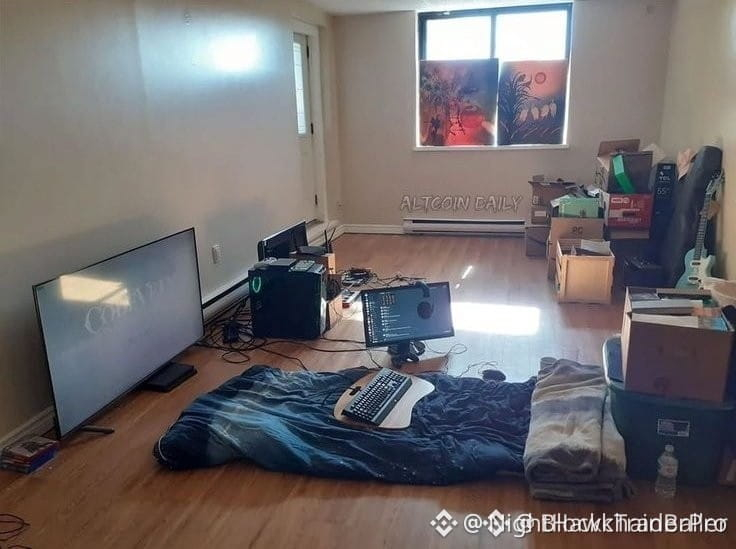
$800K 之後你還在這樣生活?那纔是 $BTC TRADER 的心態 💎
當你深陷在圖表裏、抓住突破時,生活方式的“通脹”根本不重要。把你帶到七位數的自律,也會把你留在那兒。我見過這種情況——交易員把六位數賺來賺去好幾次,但依然喫拉麪、盯着屏幕。
你一開始花錢就像你早就贏了的那一刻,就會開始失手。你是在積累財富,還是隻是想看起來很有錢?
非理財建議。務必管理好你的風險。
#BTC #TraderMindset #CryptoDiscipline #WealthBuilding
💎
$800K 之後你還在這樣生活?那纔是 $BTC TRADER 的心態 💎
當你深陷在圖表裏、抓住突破時,生活方式的“通脹”根本不重要。把你帶到七位數的自律,也會把你留在那兒。我見過這種情況——交易員把六位數賺來賺去好幾次,但依然喫拉麪、盯着屏幕。
你一開始花錢就像你早就贏了的那一刻,就會開始失手。你是在積累財富,還是隻是想看起來很有錢?
非理財建議。務必管理好你的風險。
#BTC #TraderMindset #CryptoDiscipline #WealthBuilding
💎
當你深陷在圖表裏、抓住突破時,生活方式的“通脹”根本不重要。把你帶到七位數的自律,也會把你留在那兒。我見過這種情況——交易員把六位數賺來賺去好幾次,但依然喫拉麪、盯着屏幕。
你一開始花錢就像你早就贏了的那一刻,就會開始失手。你是在積累財富,還是隻是想看起來很有錢?
非理財建議。務必管理好你的風險。
#BTC #TraderMindset #CryptoDiscipline #WealthBuilding
💎
118
登入以探索更多內容
加入幣安廣場中的全球加密貨幣用戶
⚡️ 獲取加密貨幣的最新和實用資訊。
💬 受到全球最大加密貨幣交易所的信任。
👍 發掘來自經過驗證創作者的真實見解。
電子郵件 / 電話號碼
熱門話題
1
#谷歌财报能否守住基本盘
40,782 次瀏覽
146 討論中
2
#微软财报能否兑现ai红利
25,717 次瀏覽
97 討論中
3
#FOMC会议
187,523 次瀏覽
443 討論中
4
#以太坊跌破2300美元
167,497 次瀏覽
599 討論中
5
#比特币再度跌破8万美元
156,487 次瀏覽
683 討論中
6
#泰国推出WORPT稳定币QR支付应用
78,190 次瀏覽
287 討論中
7
#Strategy未购比特币斥资2.05亿美元回购STRC
268,461 次瀏覽
896 討論中
8
#BitMine增持10452枚ETH
262,591 次瀏覽
1,120 討論中
9
#韩国考虑对加密交易所征教育税
128,957 次瀏覽
640 討論中
10
#OCC敦促社区银行进军稳定币支付
114,044 次瀏覽
425 討論中