Binance Square
#container

container

105 次浏览
7 人讨论中
Jaan Muhammad Khan Ahmadani Baloch
·
--
查看翻译
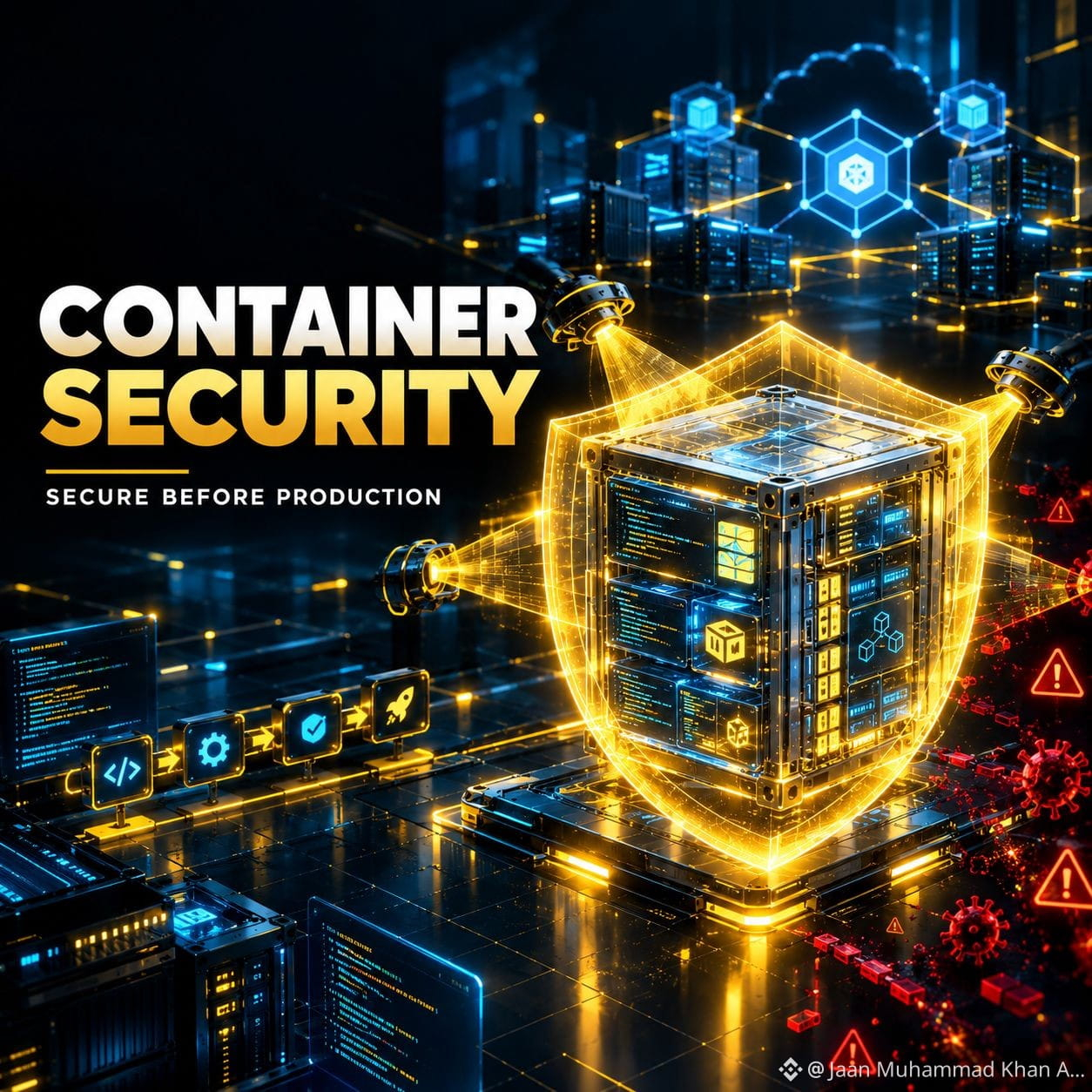
🐳 CONTAINER SECURITY: FROM IMAGE TO PRODUCTION 🔐 Containers make modern software delivery faster and more consistent—but they are not automatically secure. A vulnerable image can carry security problems into production. Security should therefore follow the entire lifecycle: Code → Dependencies → Image → Registry → Deployment → Runtime 🔍 5 AREAS TO WATCH 1️⃣ Dependencies Outdated or vulnerable packages can remain inside a container image. Scan dependencies during development and CI/CD. 2️⃣ Base Images Use trusted, minimal, and regularly updated base images. Scan them for known vulnerabilities. 3️⃣ Secrets Avoid putting API keys, passwords, tokens, or cloud credentials inside images. Manage sensitive credentials separately. 4️⃣ Privileges Give containers only the permissions they need. Least privilege can reduce the impact of a compromised workload. 5️⃣ Image Sources Don't blindly deploy untrusted images. Use controlled and trusted image sources and registries. 🛡️ SECURITY THROUGH THE PIPELINE A practical workflow can be: Code → SAST → Dependency Scan → Build → Image Scan → SBOM → Registry Controls → Deployment → Runtime Monitoring This makes security a continuous process rather than a final checkpoint. ☁️ CONTAINERS + KUBERNETES When containers run on Kubernetes, additional controls become important, including: 🔐 Identity & access 🌐 Network policies 🔑 Secrets management ⚙️ Workload security 📊 Runtime monitoring 💡 MY TAKEAWAY Container security isn't just about scanning an image once. It's about securing the complete lifecycle: Build securely → Scan continuously → Deploy carefully → Monitor constantly. Which area deserves the most attention? 🐳 Images 🔐 Secrets 👤 Privileges 📊 Runtime security #container
🐳 CONTAINER SECURITY: FROM IMAGE TO PRODUCTION 🔐

Containers make modern software delivery faster and more consistent—but they are not automatically secure.

A vulnerable image can carry security problems into production.

Security should therefore follow the entire lifecycle:

Code → Dependencies → Image → Registry → Deployment → Runtime

🔍 5 AREAS TO WATCH

1️⃣ Dependencies
Outdated or vulnerable packages can remain inside a container image. Scan dependencies during development and CI/CD.

2️⃣ Base Images
Use trusted, minimal, and regularly updated base images. Scan them for known vulnerabilities.

3️⃣ Secrets
Avoid putting API keys, passwords, tokens, or cloud credentials inside images. Manage sensitive credentials separately.

4️⃣ Privileges
Give containers only the permissions they need. Least privilege can reduce the impact of a compromised workload.

5️⃣ Image Sources
Don't blindly deploy untrusted images. Use controlled and trusted image sources and registries.

🛡️ SECURITY THROUGH THE PIPELINE

A practical workflow can be:

Code → SAST → Dependency Scan → Build → Image Scan → SBOM → Registry Controls → Deployment → Runtime Monitoring

This makes security a continuous process rather than a final checkpoint.

☁️ CONTAINERS + KUBERNETES

When containers run on Kubernetes, additional controls become important, including:

🔐 Identity & access
🌐 Network policies
🔑 Secrets management
⚙️ Workload security
📊 Runtime monitoring

💡 MY TAKEAWAY

Container security isn't just about scanning an image once.

It's about securing the complete lifecycle:

Build securely → Scan continuously → Deploy carefully → Monitor constantly.

Which area deserves the most attention?

🐳 Images
🔐 Secrets
👤 Privileges
📊 Runtime security

#container
文章
查看翻译
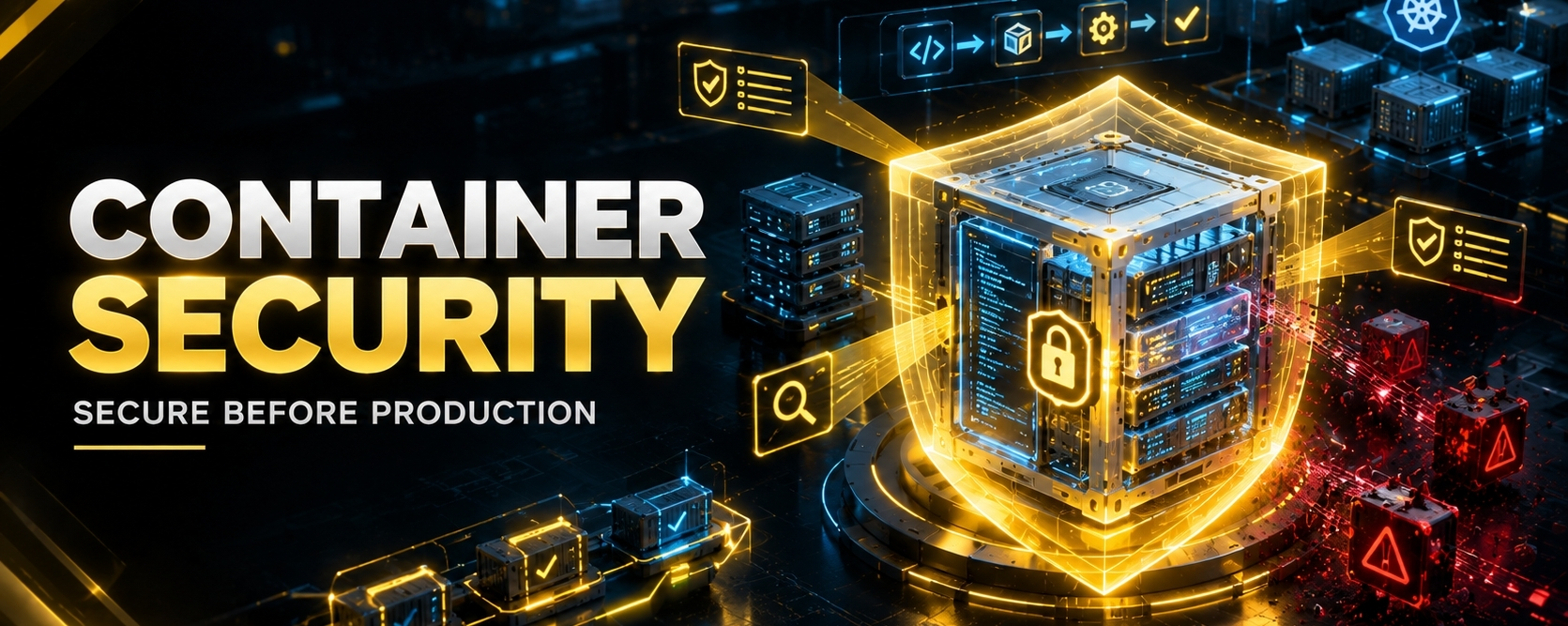
📦 CONTAINER SECURITY🐳 Container Security: Securing Applications From Image to Production Containers have transformed modern software development. They allow developers to package applications and dependencies into portable environments that can run consistently across systems. But containers aren't automatically secure. A vulnerable container image can carry security problems directly into production. That's why container security should begin before deployment. 🔍 Where Can Container Security Fail? Think about the container lifecycle: Code → Dependencies → Image → Registry → Deployment → Runtime Security needs to follow the entire path. 1️⃣ Vulnerable Dependencies An application may depend on outdated packages containing known vulnerabilities. Building a container doesn't remove those vulnerabilities. It packages them. That's why dependency scanning should happen during development and CI/CD. 2️⃣ Insecure Base Images Containers commonly start from base images. If the base image contains unnecessary packages or known vulnerabilities, every application built on top of it inherits the problem. Use: Trusted base images Minimal images Regular updates Vulnerability scanning 3️⃣ Secrets Inside Images One of the most dangerous mistakes is placing credentials directly inside container images. Examples include: API keys Passwords Tokens Cloud credentials Private keys If the image is pushed to a registry, those secrets may travel with it. Secrets should be managed separately from application images. 4️⃣ Running With Excessive Privileges Containers should receive only the permissions they actually need. Running everything with unnecessary privileges increases potential impact if an application becomes compromised. This connects directly to the principle of: Least Privilege. 5️⃣ Untrusted Container Images A production environment shouldn't blindly trust every image available online. Organizations should establish trusted image sources and security controls around their registries. 🛡️ Building a Container Security Pipeline A mature container security workflow can look like: Developer Code ↓ SAST ↓ Dependency Scan ↓ Container Build ↓ Image Scan ↓ SBOM Generation ↓ Registry Controls ↓ Deployment Security ↓ Runtime Monitoring This turns security into a continuous process instead of a final checkpoint. ☁️ Containers + Kubernetes Containers are often deployed through orchestration platforms such as Kubernetes. That introduces additional security layers: Cluster security Identity and access control Network policies Secrets management Workload security Admission controls Runtime monitoring So container security shouldn't be treated as a single scanner. It's an ecosystem. 🚀 Final Thought Containers make software delivery faster. But speed without security can also make vulnerabilities move faster. The goal isn't: “Scan the container once.” The goal is: Build securely → Scan continuously → Deploy safely → Monitor constantly. That's the foundation of modern container security. #container

📦 CONTAINER SECURITY

🐳 Container Security: Securing Applications From Image to Production
Containers have transformed modern software development.
They allow developers to package applications and dependencies into portable environments that can run consistently across systems.
But containers aren't automatically secure.
A vulnerable container image can carry security problems directly into production.
That's why container security should begin before deployment.
🔍 Where Can Container Security Fail?
Think about the container lifecycle:
Code → Dependencies → Image → Registry → Deployment → Runtime
Security needs to follow the entire path.
1️⃣ Vulnerable Dependencies
An application may depend on outdated packages containing known vulnerabilities.
Building a container doesn't remove those vulnerabilities.
It packages them.
That's why dependency scanning should happen during development and CI/CD.
2️⃣ Insecure Base Images
Containers commonly start from base images.
If the base image contains unnecessary packages or known vulnerabilities, every application built on top of it inherits the problem.
Use:
Trusted base images
Minimal images
Regular updates
Vulnerability scanning
3️⃣ Secrets Inside Images
One of the most dangerous mistakes is placing credentials directly inside container images.
Examples include:
API keys
Passwords
Tokens
Cloud credentials
Private keys
If the image is pushed to a registry, those secrets may travel with it.
Secrets should be managed separately from application images.
4️⃣ Running With Excessive Privileges
Containers should receive only the permissions they actually need.
Running everything with unnecessary privileges increases potential impact if an application becomes compromised.
This connects directly to the principle of:
Least Privilege.
5️⃣ Untrusted Container Images
A production environment shouldn't blindly trust every image available online.
Organizations should establish trusted image sources and security controls around their registries.
🛡️ Building a Container Security Pipeline
A mature container security workflow can look like:
Developer Code

SAST

Dependency Scan

Container Build

Image Scan

SBOM Generation

Registry Controls

Deployment Security

Runtime Monitoring
This turns security into a continuous process instead of a final checkpoint.
☁️ Containers + Kubernetes
Containers are often deployed through orchestration platforms such as Kubernetes.
That introduces additional security layers:
Cluster security
Identity and access control
Network policies
Secrets management
Workload security
Admission controls
Runtime monitoring
So container security shouldn't be treated as a single scanner.
It's an ecosystem.
🚀 Final Thought
Containers make software delivery faster.
But speed without security can also make vulnerabilities move faster.
The goal isn't:
“Scan the container once.”
The goal is:
Build securely → Scan continuously → Deploy safely → Monitor constantly.
That's the foundation of modern container security.
#container
Salim al-Hamdani-BTC
·
--
https://app.binance.com/uni-qr/pay-events_FKKx5zfV?utm_medium=web_share_copy
#افتح_الرابط_واحصل_على_المكافأة
#ظرفك_الأحمر
BPL7R0PEKT
登录解锁更多内容
加入币安广场,与全球加密货币用户互动
⚡️ 获取关于加密货币的最新实用信息。
💬 受到全球最大加密货币交易平台的信赖。
👍 发现来自认证创作者的真知灼见。
邮箱/手机号码