

#attack
attack
58,782 次浏览
123 人讨论中
热门
最新内容

·
--
看涨


Binance News
·
--
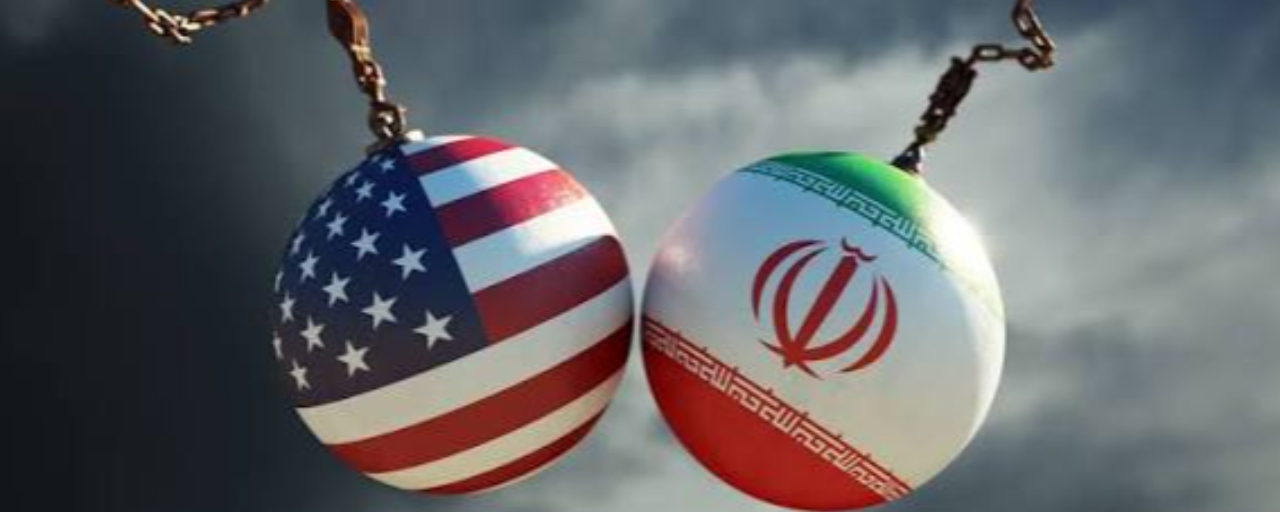
美国拦截伊朗对基地的飞弹攻击,结束数日平静
彭博社报导,美国称其拦截了伊朗对军事基地的攻击,结束了持续多日的停火,并提高了中东地区重返全面战争的风险。
美国中央司令部表示,伊朗伊斯兰革命卫队向美军发动多枚弹道飞弹的疑似突袭攻击,但所有飞弹都成功被拦截。美国和沙乌地部队也在伊拉克对伊朗支持的武装分子进行打击;此前,德黑兰在过去72小时内指示发动30次针对美军的无人机攻击。
美国中央司令部表示,伊朗伊斯兰革命卫队向美军发动多枚弹道飞弹的疑似突袭攻击,但所有飞弹都成功被拦截。美国和沙乌地部队也在伊拉克对伊朗支持的武装分子进行打击;此前,德黑兰在过去72小时内指示发动30次针对美军的无人机攻击。
351


·
--
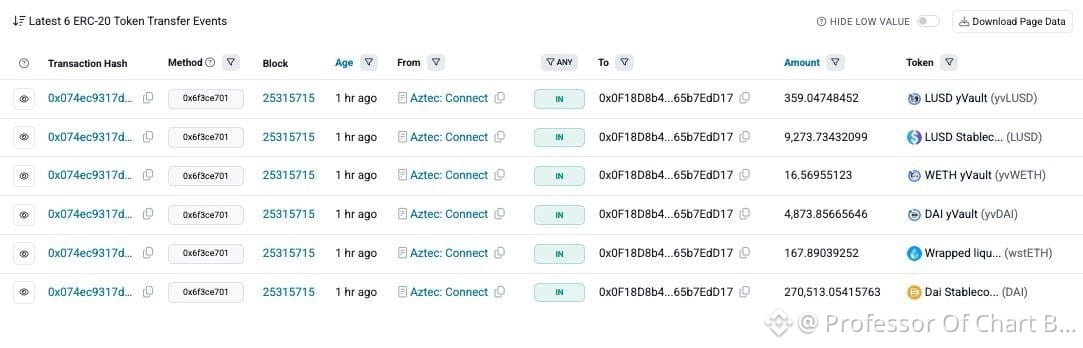
🚨 $X 在以太坊上遭到猛烈攻击,485 万美元已被兑换 🔴
🦈 黑客夺取了项目三分之二的参议席位,从金库直接抛售代币 X,并将 Uniswap V3 仓位撕得粉碎。📊 链上记录显示,55 万枚 X 迅速从流动性池中撤出,兑换成约 485 万美元的 USDT。
🌊 还有 1,220 万枚 X 仍锁在冷库中,市场正面临迫在眉睫的流动性枯竭。⚡ 每一分钟都可能迎来新一波抛压,迫使价格进一步下探。
💬 这波压力会让 $X 继续走低,还是会引发空头挤压?👇
⚠️ 本内容不构成财务建议。请务必做好风险管理。🛡️
🏷️ #X #Ethereum #Attack #Liquidity #Crypto
🔥 💎
🚨 $X 在以太坊上遭到猛烈攻击,485 万美元已被兑换 🔴
🦈 黑客夺取了项目三分之二的参议席位,从金库直接抛售代币 X,并将 Uniswap V3 仓位撕得粉碎。📊 链上记录显示,55 万枚 X 迅速从流动性池中撤出,兑换成约 485 万美元的 USDT。
🌊 还有 1,220 万枚 X 仍锁在冷库中,市场正面临迫在眉睫的流动性枯竭。⚡ 每一分钟都可能迎来新一波抛压,迫使价格进一步下探。
💬 这波压力会让 $X 继续走低,还是会引发空头挤压?👇
⚠️ 本内容不构成财务建议。请务必做好风险管理。🛡️
🏷️ #X #Ethereum #Attack #Liquidity #Crypto
🔥 💎
🦈 黑客夺取了项目三分之二的参议席位,从金库直接抛售代币 X,并将 Uniswap V3 仓位撕得粉碎。📊 链上记录显示,55 万枚 X 迅速从流动性池中撤出,兑换成约 485 万美元的 USDT。
🌊 还有 1,220 万枚 X 仍锁在冷库中,市场正面临迫在眉睫的流动性枯竭。⚡ 每一分钟都可能迎来新一波抛压,迫使价格进一步下探。
💬 这波压力会让 $X 继续走低,还是会引发空头挤压?👇
⚠️ 本内容不构成财务建议。请务必做好风险管理。🛡️
🏷️ #X #Ethereum #Attack #Liquidity #Crypto
🔥 💎
13

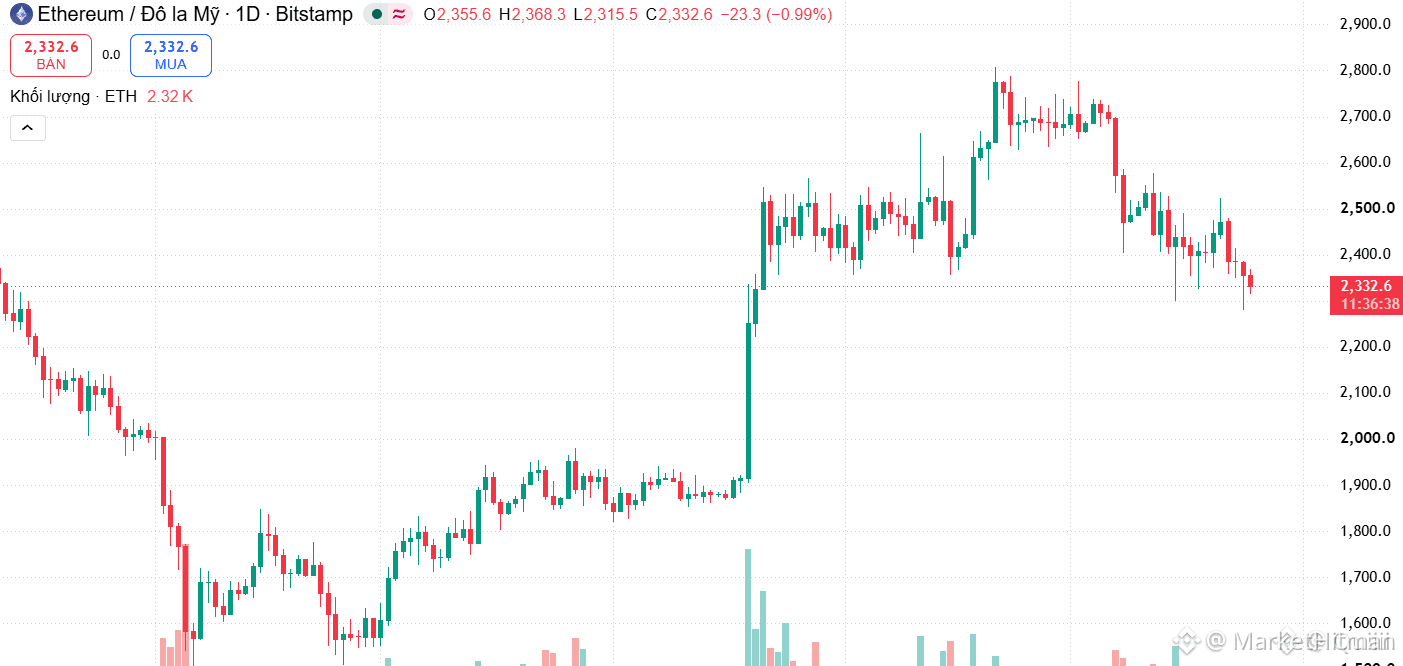
🚨 $X100 遭遇流动性扫荡——485 万 USDT 已套现!🦈
攻击者劫持两个参议院席位,并将 40 万 $X 倒入一个虚假资金池的那一刻,市场便感受到了剧烈的流动性抽离。🦈 聪明资金立即扫描订单簿,发现某家大型交易所出现了一堵吞噬市场深度的巨型卖墙。
后续链上数据显示,第二波攻击摧毁了 Freezer 在 Uniswap V3 上的头寸,随后安全事件又通过快速兑换抽走了约 485 万 USDT。📊 成交量激增和价格滑点都在强烈暗示一连串的强制清算,使剩余流动性暴露于潜在的连锁清算风险之中。⚡
如果国库剩余资金池崩溃,我们可能会看到价格急剧下挫,重新定义该代币的底部。💡 💬 下一波买单会被趁机而入的巨鲸抢走,还是卖家会选择投降?
⚠️ 本内容不构成财务建议。请始终做好风险管理。🛡️
🏷️ #X100 #LiquiditySweep #SmartMoney #Crypto #Attack
🔥 🦈
🚨 $X100 遭遇流动性扫荡——485 万 USDT 已套现!🦈
攻击者劫持两个参议院席位,并将 40 万 $X 倒入一个虚假资金池的那一刻,市场便感受到了剧烈的流动性抽离。🦈 聪明资金立即扫描订单簿,发现某家大型交易所出现了一堵吞噬市场深度的巨型卖墙。
后续链上数据显示,第二波攻击摧毁了 Freezer 在 Uniswap V3 上的头寸,随后安全事件又通过快速兑换抽走了约 485 万 USDT。📊 成交量激增和价格滑点都在强烈暗示一连串的强制清算,使剩余流动性暴露于潜在的连锁清算风险之中。⚡
如果国库剩余资金池崩溃,我们可能会看到价格急剧下挫,重新定义该代币的底部。💡 💬 下一波买单会被趁机而入的巨鲸抢走,还是卖家会选择投降?
⚠️ 本内容不构成财务建议。请始终做好风险管理。🛡️
🏷️ #X100 #LiquiditySweep #SmartMoney #Crypto #Attack
🔥 🦈
攻击者劫持两个参议院席位,并将 40 万 $X 倒入一个虚假资金池的那一刻,市场便感受到了剧烈的流动性抽离。🦈 聪明资金立即扫描订单簿,发现某家大型交易所出现了一堵吞噬市场深度的巨型卖墙。
后续链上数据显示,第二波攻击摧毁了 Freezer 在 Uniswap V3 上的头寸,随后安全事件又通过快速兑换抽走了约 485 万 USDT。📊 成交量激增和价格滑点都在强烈暗示一连串的强制清算,使剩余流动性暴露于潜在的连锁清算风险之中。⚡
如果国库剩余资金池崩溃,我们可能会看到价格急剧下挫,重新定义该代币的底部。💡 💬 下一波买单会被趁机而入的巨鲸抢走,还是卖家会选择投降?
⚠️ 本内容不构成财务建议。请始终做好风险管理。🛡️
🏷️ #X100 #LiquiditySweep #SmartMoney #Crypto #Attack
🔥 🦈
18


·
--
#BREAKING
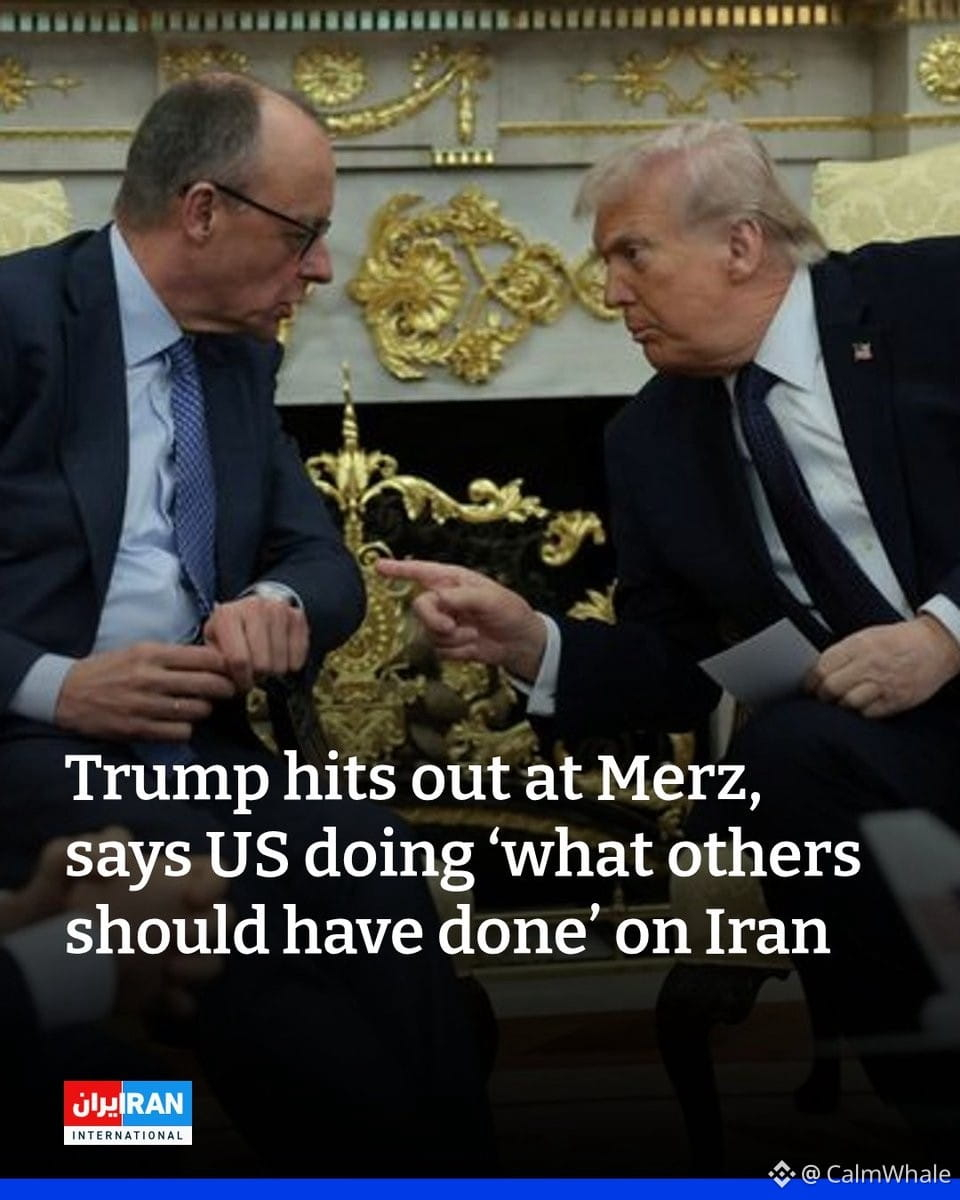
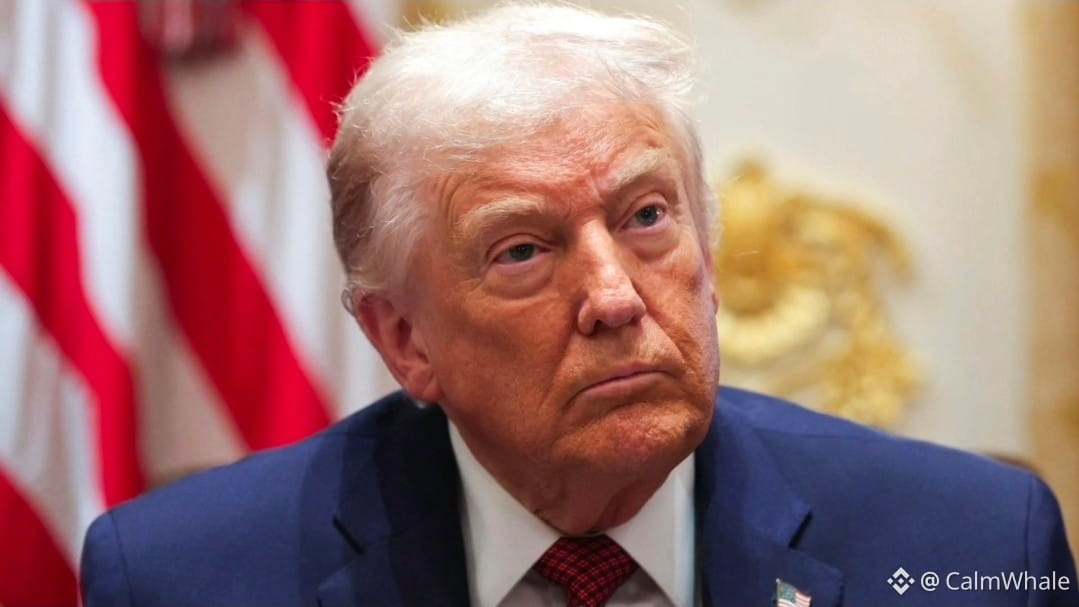
特朗普说德国总理"不知道他在说什么"关于伊朗🚨
总统唐纳德·特朗普在周二批评德国总理弗里德里希·梅茨,称他“不知道他在说什么”。
梅茨在前一天表示,美国正在被伊朗“羞辱”。
特朗普在Truth Social上发帖称:“德国总理弗里德里希·梅茨认为伊朗拥有核武器是可以的。他不知道他在说什么!如果伊朗拥有核武器,整个世界将被挟持。”
在周一访问德国中部的马斯贝格一所学校时,梅茨指责美国官员在没有明确战略的情况下进入战争,称“整个事件至少可以说是考虑不周。”
梅茨表示:“伊朗人在谈判方面显然非常娴熟,或者说,擅长于不谈判,让美国人去伊斯兰堡,然后又无果而终。”他说:“整个国家都在被伊朗领导层羞辱,尤其是这些所谓的革命卫队。所以我希望这一切能尽快结束。”
$APE | $BB | $ZKP
#TRUMP #news #iran #attack
#BREAKING
特朗普说德国总理"不知道他在说什么"关于伊朗🚨
总统唐纳德·特朗普在周二批评德国总理弗里德里希·梅茨,称他“不知道他在说什么”。
梅茨在前一天表示,美国正在被伊朗“羞辱”。
特朗普在Truth Social上发帖称:“德国总理弗里德里希·梅茨认为伊朗拥有核武器是可以的。他不知道他在说什么!如果伊朗拥有核武器,整个世界将被挟持。”
在周一访问德国中部的马斯贝格一所学校时,梅茨指责美国官员在没有明确战略的情况下进入战争,称“整个事件至少可以说是考虑不周。”
梅茨表示:“伊朗人在谈判方面显然非常娴熟,或者说,擅长于不谈判,让美国人去伊斯兰堡,然后又无果而终。”他说:“整个国家都在被伊朗领导层羞辱,尤其是这些所谓的革命卫队。所以我希望这一切能尽快结束。”
$APE | $BB | $ZKP
#TRUMP #news #iran #attack
特朗普说德国总理"不知道他在说什么"关于伊朗🚨
总统唐纳德·特朗普在周二批评德国总理弗里德里希·梅茨,称他“不知道他在说什么”。
梅茨在前一天表示,美国正在被伊朗“羞辱”。
特朗普在Truth Social上发帖称:“德国总理弗里德里希·梅茨认为伊朗拥有核武器是可以的。他不知道他在说什么!如果伊朗拥有核武器,整个世界将被挟持。”
在周一访问德国中部的马斯贝格一所学校时,梅茨指责美国官员在没有明确战略的情况下进入战争,称“整个事件至少可以说是考虑不周。”
梅茨表示:“伊朗人在谈判方面显然非常娴熟,或者说,擅长于不谈判,让美国人去伊斯兰堡,然后又无果而终。”他说:“整个国家都在被伊朗领导层羞辱,尤其是这些所谓的革命卫队。所以我希望这一切能尽快结束。”
$APE | $BB | $ZKP
#TRUMP #news #iran #attack
1
638

·
--
#VersetsCrypto 版267:华尔街如何迈入区块链。
传统金融与加密货币之间的界限正逐渐变得模糊。
"看啊,我要做一件新事:它即将发生。你们不认识它吗?" 以赛亚书 43:19
就在昨天,股市和加密货币似乎是两个对立的世界。
今天,甚至$TSLA 也通过代币化和衍生品出现在#Binance 生态系统中。
{future}(TSLAUSDT)
股票、ETF、RWA、稳定币、去中心化金融,
老旧的金融系统正慢慢跨越区块链的桥梁。
这一趋势表明📌加密货币不再是一个孤立的宇宙;📌金融边界正在数字化;📌那些今天拒绝学习的人,明天可能只能在码头上看着。
但要小心,因为拥有一个代币化资产并不总意味着拥有实际的股票。
在这个新环境中,知识成为了一种保护。就像在重大经济转型时期,那些在众人之前理解变化的人,往往会走在前面。
从火箭到金融市场,有些人在很多人之前就明白未来将是数字化的。
区块链不一定会取代华尔街,但它可能会成为其新语言。
你们如何看待$TSLA 的到来,并对2026年5月31日的前景作何预测?
我们非常希望得到你的反馈,为什么不通过tip binance来支持我们呢?
#BinanceSquare #ATTACK #Trading
#VersetsCrypto 版267:华尔街如何迈入区块链。
传统金融与加密货币之间的界限正逐渐变得模糊。
"看啊,我要做一件新事:它即将发生。你们不认识它吗?" 以赛亚书 43:19
就在昨天,股市和加密货币似乎是两个对立的世界。
今天,甚至$TSLA 也通过代币化和衍生品出现在#Binance 生态系统中。
股票、ETF、RWA、稳定币、去中心化金融,
老旧的金融系统正慢慢跨越区块链的桥梁。
这一趋势表明📌加密货币不再是一个孤立的宇宙;📌金融边界正在数字化;📌那些今天拒绝学习的人,明天可能只能在码头上看着。
但要小心,因为拥有一个代币化资产并不总意味着拥有实际的股票。
在这个新环境中,知识成为了一种保护。就像在重大经济转型时期,那些在众人之前理解变化的人,往往会走在前面。
从火箭到金融市场,有些人在很多人之前就明白未来将是数字化的。
区块链不一定会取代华尔街,但它可能会成为其新语言。
你们如何看待$TSLA 的到来,并对2026年5月31日的前景作何预测?
我们非常希望得到你的反馈,为什么不通过tip binance来支持我们呢?
#BinanceSquare #ATTACK #Trading
传统金融与加密货币之间的界限正逐渐变得模糊。
"看啊,我要做一件新事:它即将发生。你们不认识它吗?" 以赛亚书 43:19
就在昨天,股市和加密货币似乎是两个对立的世界。
今天,甚至$TSLA 也通过代币化和衍生品出现在#Binance 生态系统中。
股票、ETF、RWA、稳定币、去中心化金融,
老旧的金融系统正慢慢跨越区块链的桥梁。
这一趋势表明📌加密货币不再是一个孤立的宇宙;📌金融边界正在数字化;📌那些今天拒绝学习的人,明天可能只能在码头上看着。
但要小心,因为拥有一个代币化资产并不总意味着拥有实际的股票。
在这个新环境中,知识成为了一种保护。就像在重大经济转型时期,那些在众人之前理解变化的人,往往会走在前面。
从火箭到金融市场,有些人在很多人之前就明白未来将是数字化的。
区块链不一定会取代华尔街,但它可能会成为其新语言。
你们如何看待$TSLA 的到来,并对2026年5月31日的前景作何预测?
我们非常希望得到你的反馈,为什么不通过tip binance来支持我们呢?
#BinanceSquare #ATTACK #Trading

1
192
·
--
2
1.4k
·
--
🚨 #BREAKING:
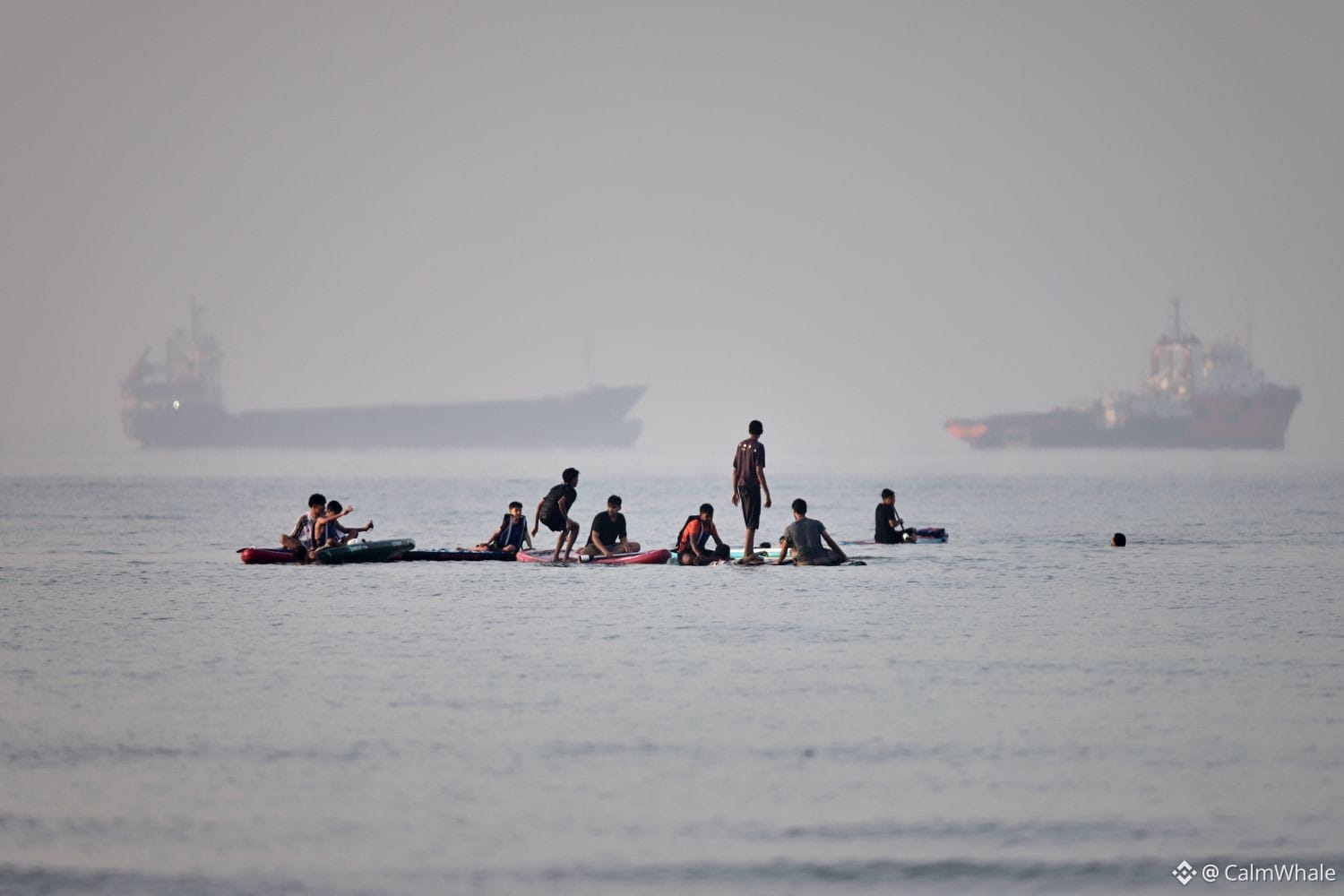
首先,CENTCOM表示伊朗向霍尔木兹海峡发射了四架自杀无人机,全部被击落。
然后,CENTCOM宣布对戈鲁克岛和凯什岛的伊朗沿海监视雷达设施进行了打击。
随后,伊朗在该地区发起了攻击。
CENTCOM指出,伊朗向科威特和巴林发射了七枚弹道导弹。六枚被击落,一枚未命中目标。
过去10天,一直处于小规模的冲突状态。
正如特朗普可能所说……“该地区的停火意味着更温和的打击”,从而使这些小规模冲突正常化。
$HEI | $ASR | $BANK
#news #US #iran #attack
🚨 #BREAKING:
首先,CENTCOM表示伊朗向霍尔木兹海峡发射了四架自杀无人机,全部被击落。
然后,CENTCOM宣布对戈鲁克岛和凯什岛的伊朗沿海监视雷达设施进行了打击。
随后,伊朗在该地区发起了攻击。
CENTCOM指出,伊朗向科威特和巴林发射了七枚弹道导弹。六枚被击落,一枚未命中目标。
过去10天,一直处于小规模的冲突状态。
正如特朗普可能所说……“该地区的停火意味着更温和的打击”,从而使这些小规模冲突正常化。
$HEI | $ASR | $BANK
#news #US #iran #attack
首先,CENTCOM表示伊朗向霍尔木兹海峡发射了四架自杀无人机,全部被击落。
然后,CENTCOM宣布对戈鲁克岛和凯什岛的伊朗沿海监视雷达设施进行了打击。
随后,伊朗在该地区发起了攻击。
CENTCOM指出,伊朗向科威特和巴林发射了七枚弹道导弹。六枚被击落,一枚未命中目标。
过去10天,一直处于小规模的冲突状态。
正如特朗普可能所说……“该地区的停火意味着更温和的打击”,从而使这些小规模冲突正常化。
$HEI | $ASR | $BANK
#news #US #iran #attack
5
8
3.7k



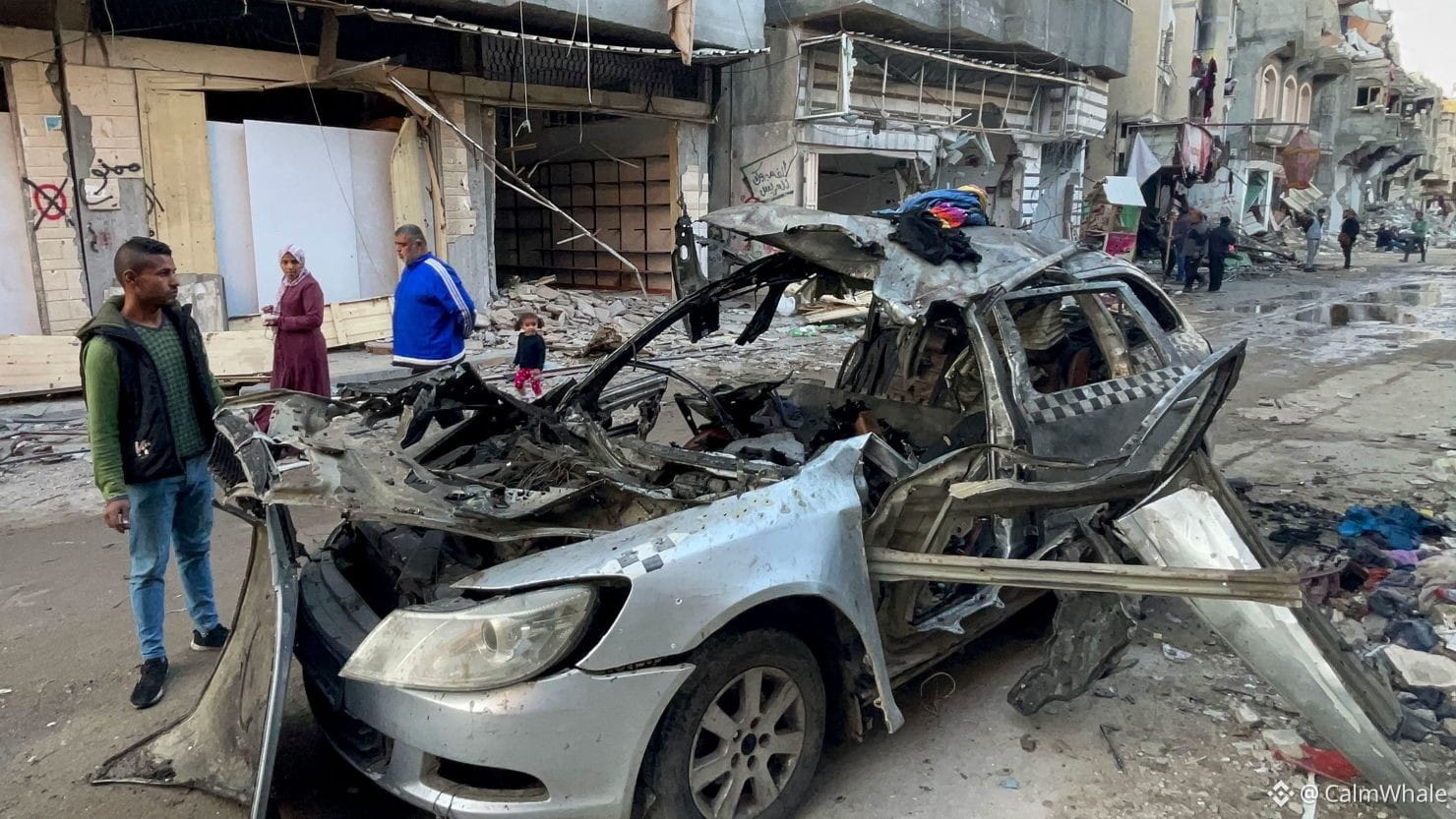

2026年,加密货币持有者的攻击事件增多,损失已达到$101百万在全球范围内,越来越多与加密货币相关的人遭到攻击。CertiK认为,关于这些攻击的讨论太少,但实际上它们的数量正在增加。
自2026年初以来,公司已经确认了34起针对加密货币持有者的攻击事件,目的是获取他们的资产。这类攻击被称为扳手攻击(wrench attacks)。通常,这些攻击都是通过一种模式进行的:攻击者通过恐吓、绑架或殴打受害者,迫使他们自行打开钱包的访问权限。
2026年,加密货币持有者的攻击事件增多,损失已达到$101百万
在全球范围内,越来越多与加密货币相关的人遭到攻击。CertiK认为,关于这些攻击的讨论太少,但实际上它们的数量正在增加。
自2026年初以来,公司已经确认了34起针对加密货币持有者的攻击事件,目的是获取他们的资产。这类攻击被称为扳手攻击(wrench attacks)。通常,这些攻击都是通过一种模式进行的:攻击者通过恐吓、绑架或殴打受害者,迫使他们自行打开钱包的访问权限。
自2026年初以来,公司已经确认了34起针对加密货币持有者的攻击事件,目的是获取他们的资产。这类攻击被称为扳手攻击(wrench attacks)。通常,这些攻击都是通过一种模式进行的:攻击者通过恐吓、绑架或殴打受害者,迫使他们自行打开钱包的访问权限。
4
103
·
--
1
3
555

·
--
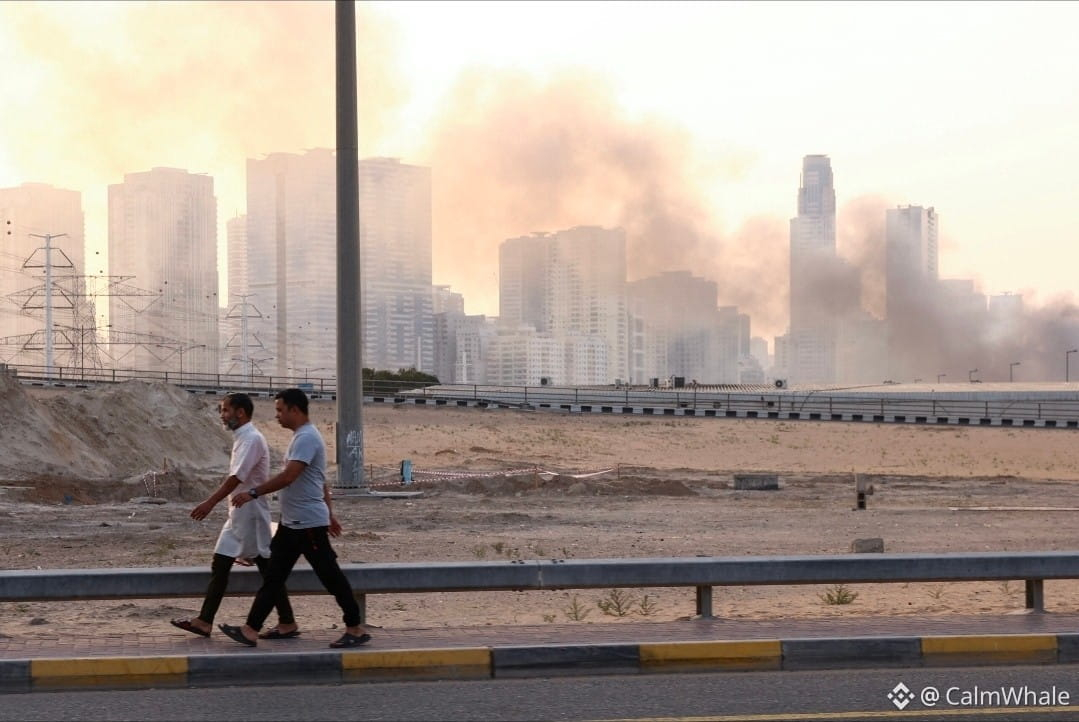
关于阿联酋最新袭击事件的消息 🚨
正如我们所报道的,阿联酋表示正在对来自伊朗的更多导弹和无人机袭击作出反应,这是连续第二天的攻击。以下是针对这个海湾国家的最新袭击的详细信息:
5月4日:
阿联酋表示拦截了来自伊朗的15枚导弹和4架无人机,这标志着自4月8日美伊停火以来首次受到攻击。
一次无人机攻击在富吉拉石油工业区引发了一场“巨大”的火灾,并导致三名印度国籍人士受伤。
根据阿联酋官员的说法,伊朗还攻击了一艘属于阿布扎比国家石油公司的空油轮,该油轮试图通过霍尔木兹海峡。
伊朗政府对此次袭击没有发表官方评论,但国家广播机构播出了指责“美国军事冒险主义”的声明。
阿联酋表示保留对这些“背叛性”袭击作出反应的权利。
5月5日:
在大约下午6:15 [14:15 GMT],阿联酋国防部表示其防御系统正在“积极应对”来自伊朗的导弹和无人机威胁。
$TON | $HIVE | $FHE
#BREAKING #UAE #attack #update #USAndIranTradeShotInTheStraitOfHormuz
关于阿联酋最新袭击事件的消息 🚨
正如我们所报道的,阿联酋表示正在对来自伊朗的更多导弹和无人机袭击作出反应,这是连续第二天的攻击。以下是针对这个海湾国家的最新袭击的详细信息:
5月4日:
阿联酋表示拦截了来自伊朗的15枚导弹和4架无人机,这标志着自4月8日美伊停火以来首次受到攻击。
一次无人机攻击在富吉拉石油工业区引发了一场“巨大”的火灾,并导致三名印度国籍人士受伤。
根据阿联酋官员的说法,伊朗还攻击了一艘属于阿布扎比国家石油公司的空油轮,该油轮试图通过霍尔木兹海峡。
伊朗政府对此次袭击没有发表官方评论,但国家广播机构播出了指责“美国军事冒险主义”的声明。
阿联酋表示保留对这些“背叛性”袭击作出反应的权利。
5月5日:
在大约下午6:15 [14:15 GMT],阿联酋国防部表示其防御系统正在“积极应对”来自伊朗的导弹和无人机威胁。
$TON | $HIVE | $FHE
#BREAKING #UAE #attack #update #USAndIranTradeShotInTheStraitOfHormuz
正如我们所报道的,阿联酋表示正在对来自伊朗的更多导弹和无人机袭击作出反应,这是连续第二天的攻击。以下是针对这个海湾国家的最新袭击的详细信息:
5月4日:
阿联酋表示拦截了来自伊朗的15枚导弹和4架无人机,这标志着自4月8日美伊停火以来首次受到攻击。
一次无人机攻击在富吉拉石油工业区引发了一场“巨大”的火灾,并导致三名印度国籍人士受伤。
根据阿联酋官员的说法,伊朗还攻击了一艘属于阿布扎比国家石油公司的空油轮,该油轮试图通过霍尔木兹海峡。
伊朗政府对此次袭击没有发表官方评论,但国家广播机构播出了指责“美国军事冒险主义”的声明。
阿联酋表示保留对这些“背叛性”袭击作出反应的权利。
5月5日:
在大约下午6:15 [14:15 GMT],阿联酋国防部表示其防御系统正在“积极应对”来自伊朗的导弹和无人机威胁。
$TON | $HIVE | $FHE
#BREAKING #UAE #attack #update #USAndIranTradeShotInTheStraitOfHormuz
1
290

·
--
再来一个 #UpdateAlert
技术上 $BTC 是看涨的,但也要关注基本面... 任何 #attack 关于伊朗的消息都可能 #crash #market 急剧变化....
之后它会恢复,但需要时间..
我会持续更新你们的信息
继续关注,享受我上一个明确信号带来的利润...
#写作赚钱
再来一个 #UpdateAlert
技术上 $BTC 是看涨的,但也要关注基本面... 任何 #attack 关于伊朗的消息都可能 #crash #market 急剧变化....
之后它会恢复,但需要时间..
我会持续更新你们的信息
继续关注,享受我上一个明确信号带来的利润...
#写作赚钱
技术上 $BTC 是看涨的,但也要关注基本面... 任何 #attack 关于伊朗的消息都可能 #crash #market 急剧变化....
之后它会恢复,但需要时间..
我会持续更新你们的信息
继续关注,享受我上一个明确信号带来的利润...
#写作赚钱
2
25
·
--
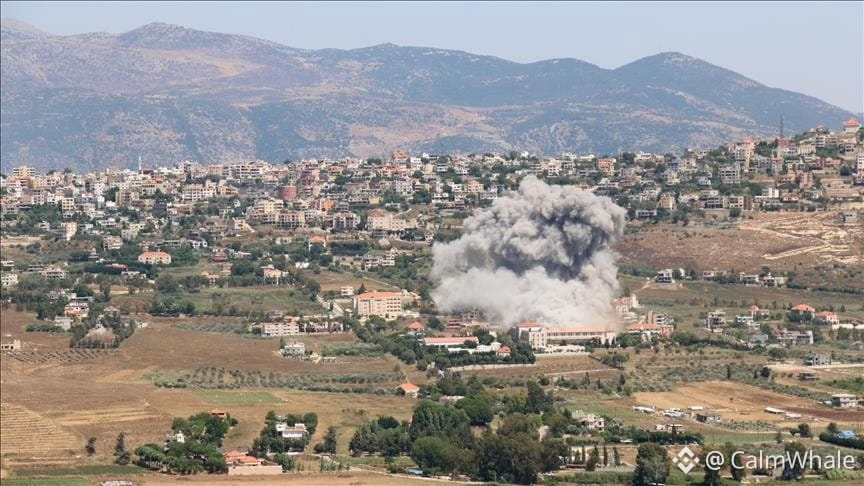
今晚南黎巴嫩发生了什么 🚨
真主党宣布已经用一群攻击无人机袭击了以色列在南黎巴嫩拉布·阿尔·萨拉提因镇新建立的炮兵阵地。
与此同时,以色列军队继续在南黎巴嫩进行攻击。
战机对Burj Qalawiya、Haris、Chaqra和Kfar等城镇进行了两波攻击,对Bint Jbeil地区的Barashit、Kfardounin、Froun和Ghandouriya进行了打击。
当地时间晚上8点(格林威治标准时间17:00),飞机进行了系列攻击,Qalawiya镇遭受了四次袭击,al-Jamijmah和Safad al-Batikh镇遭受了两次。
Froun和al-Ghandouriyeh镇也发生了炮击。
在Khiam镇,士兵们使用机枪进行大规模扫荡,区域内传来沉重的枪声。
以色列战机还袭击了位于al-Ghandouriyeh镇附近的Wadi al-Hujair,切断了通往该地区的道路。
$TST | $LUNC | $GIGGLE
#BREAKING #Hezbollah #iran #lebanonisrael #attack
今晚南黎巴嫩发生了什么 🚨
真主党宣布已经用一群攻击无人机袭击了以色列在南黎巴嫩拉布·阿尔·萨拉提因镇新建立的炮兵阵地。
与此同时,以色列军队继续在南黎巴嫩进行攻击。
战机对Burj Qalawiya、Haris、Chaqra和Kfar等城镇进行了两波攻击,对Bint Jbeil地区的Barashit、Kfardounin、Froun和Ghandouriya进行了打击。
当地时间晚上8点(格林威治标准时间17:00),飞机进行了系列攻击,Qalawiya镇遭受了四次袭击,al-Jamijmah和Safad al-Batikh镇遭受了两次。
Froun和al-Ghandouriyeh镇也发生了炮击。
在Khiam镇,士兵们使用机枪进行大规模扫荡,区域内传来沉重的枪声。
以色列战机还袭击了位于al-Ghandouriyeh镇附近的Wadi al-Hujair,切断了通往该地区的道路。
$TST | $LUNC | $GIGGLE
#BREAKING #Hezbollah #iran #lebanonisrael #attack
真主党宣布已经用一群攻击无人机袭击了以色列在南黎巴嫩拉布·阿尔·萨拉提因镇新建立的炮兵阵地。
与此同时,以色列军队继续在南黎巴嫩进行攻击。
战机对Burj Qalawiya、Haris、Chaqra和Kfar等城镇进行了两波攻击,对Bint Jbeil地区的Barashit、Kfardounin、Froun和Ghandouriya进行了打击。
当地时间晚上8点(格林威治标准时间17:00),飞机进行了系列攻击,Qalawiya镇遭受了四次袭击,al-Jamijmah和Safad al-Batikh镇遭受了两次。
Froun和al-Ghandouriyeh镇也发生了炮击。
在Khiam镇,士兵们使用机枪进行大规模扫荡,区域内传来沉重的枪声。
以色列战机还袭击了位于al-Ghandouriyeh镇附近的Wadi al-Hujair,切断了通往该地区的道路。
$TST | $LUNC | $GIGGLE
#BREAKING #Hezbollah #iran #lebanonisrael #attack
2
623

今晚南黎巴嫩发生了什么 🚨
真主党宣布它用 "一组无人机" 打击了以色列在南黎巴嫩拉比亚三十镇的新炮兵位置。
与此同时,以色列军队继续在南黎巴嫩进行攻击。
战斗机对布尔吉·卡劳威、哈里斯、沙克拉和克法尔等城镇进行了两轮打击,巴拉希特、克法尔杜宁、法尔恩和甘杜里亚在本特·杰比尔地区也遭到攻击。
当地时间晚上8点(格林威治时间17:00),飞机进行了多次打击,其中卡劳威镇遭到四次攻击,而阿尔贾米贾和萨夫德·巴提赫则遭到两次攻击。
法尔恩和甘杜里亚镇也遭到炮火轰击。
在希亚姆镇,士兵们使用机枪进行了大规模清扫,周围传来密集的爆炸声。
以色列战斗机还对靠近甘杜里亚镇的哈吉尔山谷进行了空袭,切断了通往该地的道路。
$TST
{spot}(TSTUSDT)
| $LUNC | $GIGGLE
{spot}(GIGGLEUSDT)
#BREAKING #Hezbollah #IranAttackIsrael #lebanonisrael #attack
今晚南黎巴嫩发生了什么 🚨
真主党宣布它用 "一组无人机" 打击了以色列在南黎巴嫩拉比亚三十镇的新炮兵位置。
与此同时,以色列军队继续在南黎巴嫩进行攻击。
战斗机对布尔吉·卡劳威、哈里斯、沙克拉和克法尔等城镇进行了两轮打击,巴拉希特、克法尔杜宁、法尔恩和甘杜里亚在本特·杰比尔地区也遭到攻击。
当地时间晚上8点(格林威治时间17:00),飞机进行了多次打击,其中卡劳威镇遭到四次攻击,而阿尔贾米贾和萨夫德·巴提赫则遭到两次攻击。
法尔恩和甘杜里亚镇也遭到炮火轰击。
在希亚姆镇,士兵们使用机枪进行了大规模清扫,周围传来密集的爆炸声。
以色列战斗机还对靠近甘杜里亚镇的哈吉尔山谷进行了空袭,切断了通往该地的道路。
$TST
| $LUNC | $GIGGLE
#BREAKING #Hezbollah #IranAttackIsrael #lebanonisrael #attack
真主党宣布它用 "一组无人机" 打击了以色列在南黎巴嫩拉比亚三十镇的新炮兵位置。
与此同时,以色列军队继续在南黎巴嫩进行攻击。
战斗机对布尔吉·卡劳威、哈里斯、沙克拉和克法尔等城镇进行了两轮打击,巴拉希特、克法尔杜宁、法尔恩和甘杜里亚在本特·杰比尔地区也遭到攻击。
当地时间晚上8点(格林威治时间17:00),飞机进行了多次打击,其中卡劳威镇遭到四次攻击,而阿尔贾米贾和萨夫德·巴提赫则遭到两次攻击。
法尔恩和甘杜里亚镇也遭到炮火轰击。
在希亚姆镇,士兵们使用机枪进行了大规模清扫,周围传来密集的爆炸声。
以色列战斗机还对靠近甘杜里亚镇的哈吉尔山谷进行了空袭,切断了通往该地的道路。
$TST
| $LUNC | $GIGGLE
#BREAKING #Hezbollah #IranAttackIsrael #lebanonisrael #attack
332
登录解锁更多内容
加入币安广场,与全球加密货币用户互动
⚡️ 获取关于加密货币的最新实用信息。
💬 受到全球最大加密货币交易平台的信赖。
👍 发现来自认证创作者的真知灼见。
邮箱/手机号码
热门话题
1
#谷歌财报能否守住基本盘
81,795 次浏览
185 人讨论中
2
#微软财报能否兑现ai红利
51,071 次浏览
108 人讨论中
3
#FOMC会议
218,779 次浏览
485 人讨论中
4
#以太坊跌破2300美元
190,731 次浏览
618 人讨论中
5
#比特币再度跌破8万美元
177,487 次浏览
714 人讨论中
6
#泰国推出WORPT稳定币QR支付应用
98,110 次浏览
302 人讨论中
7
#Strategy未购比特币斥资2.05亿美元回购STRC
299,525 次浏览
916 人讨论中
8
#BitMine增持10452枚ETH
285,908 次浏览
1,142 人讨论中
9
#韩国考虑对加密交易所征教育税
139,687 次浏览
647 人讨论中
10
#OCC敦促社区银行进军稳定币支付
125,382 次浏览
429 人讨论中