
SAIIFY
2.5k Bài đăng

SAIIFY
Nothing To Show
Trader thường xuyên
{thời gian} năm
737 Đang theo dõi
23.2K+ Người theo dõi
5.0K+ Đã thích
Bài đăng
Tất cả
Trích dẫn
Live
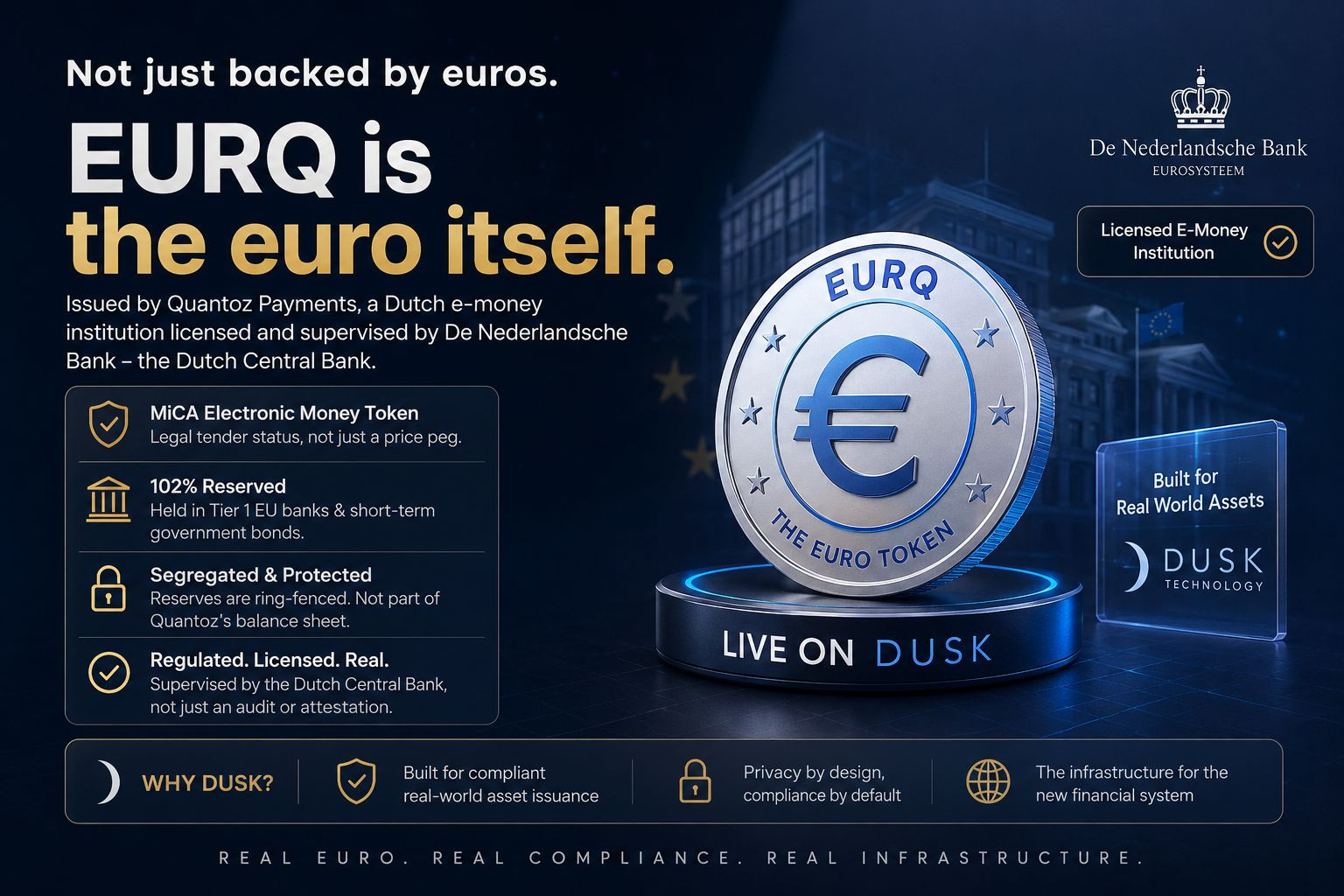
Hầu hết stablecoin đều là lời hứa của một công ty. EURQ về mặt pháp lý chính là đồng euro. Sự khác biệt đó lớn hơn nhiều so với âm thanh của nó.
Tôi đã đọc rất nhiều bản giới thiệu về stablecoin. Gần như tất cả đều dùng cùng một ngôn ngữ: được hỗ trợ 1:1, dự trữ đầy đủ, được kiểm toán thường xuyên. EURQ, token euro hiện đang hoạt động trên @Dusk , đưa ra một tuyên bố khác và mạnh hơn rất nhiều, và tôi muốn kiểm tra liệu tuyên bố đó có thực sự đúng hay không.
EURQ được phát hành bởi Quantoz Payments, một tổ chức tiền điện tử tại Hà Lan được cấp phép và giám sát trực tiếp bởi De Nederlandsche Bank, ngân hàng trung ương thực sự của Hà Lan. Đây không phải là một bản tự kiểm chứng hay một đơn vị xác nhận của bên thứ ba ký xác nhận sau khi sự việc đã xảy ra. Đây là cơ quan quản lý ngân hàng cấp giấy phép E-Money với cùng nhóm phân loại được dùng cho “tiền mặt kỹ thuật số” thực sự, chứ không phải một dự án crypto khoác ngôn ngữ tuân thủ.
Đây là phần thực sự tách nó khỏi những thứ như USDT hoặc thậm chí là USDC. Theo MiCA, EURQ được phân loại là Token Tiền Điện Tử, có địa vị phương tiện thanh toán hợp pháp, không chỉ là một tài sản crypto được neo theo giá. Dự trữ được đặt tại các ngân hàng châu Âu hạng 1 và trái phiếu chính phủ ngắn hạn, được tách khỏi bảng cân đối kế toán của Quantoz, được nắm giữ ở mức 102% để chi trả việc đổi lại ngay cả trong điều kiện căng thẳng. Nếu ngày mai Quantoz gặp rắc rối, thì các khoản dự trữ đó không phải là “tiền của Quantoz” để chạm vào.
Giờ là phần #dusk cụ thể hơn. Dusk không chỉ là một chuỗi blockchain nữa mà EURQ tình cờ hỗ trợ. Trong số những blockchain mang nó, $DUSK là chuỗi được xây dựng thực sự cho việc phát hành tài sản thực ngoài đời một cách bản địa, với tuân thủ được tích hợp ngay vào giao thức, chứ không phải gắn thêm sau. Đó cũng là lý do NPEX chọn nó: một token Euro thực sự là mảnh ghép còn thiếu để một sàn giao dịch chứng khoán on-chain có thể thanh toán các lệnh giao dịch bằng thứ mà các cơ quan quản lý coi là tiền tệ hợp pháp, chứ không phải một phiên bản “giả lập” tổng hợp.
Tôi vẫn nghĩ mọi người nên đọc kỹ phần chi tiết nhỏ (fine print) trên bất kỳ stablecoin nào trước khi tin tưởng. Nhưng phần fine print của EURQ là giấy phép ngân hàng, không phải bản whitepaper. Đây là một nền tảng khác biệt một cách đáng kể so với phần lớn những gì đang lưu hành trong lĩnh vực này.
Tôi đã đọc rất nhiều bản giới thiệu về stablecoin. Gần như tất cả đều dùng cùng một ngôn ngữ: được hỗ trợ 1:1, dự trữ đầy đủ, được kiểm toán thường xuyên. EURQ, token euro hiện đang hoạt động trên @Dusk , đưa ra một tuyên bố khác và mạnh hơn rất nhiều, và tôi muốn kiểm tra liệu tuyên bố đó có thực sự đúng hay không.
EURQ được phát hành bởi Quantoz Payments, một tổ chức tiền điện tử tại Hà Lan được cấp phép và giám sát trực tiếp bởi De Nederlandsche Bank, ngân hàng trung ương thực sự của Hà Lan. Đây không phải là một bản tự kiểm chứng hay một đơn vị xác nhận của bên thứ ba ký xác nhận sau khi sự việc đã xảy ra. Đây là cơ quan quản lý ngân hàng cấp giấy phép E-Money với cùng nhóm phân loại được dùng cho “tiền mặt kỹ thuật số” thực sự, chứ không phải một dự án crypto khoác ngôn ngữ tuân thủ.
Đây là phần thực sự tách nó khỏi những thứ như USDT hoặc thậm chí là USDC. Theo MiCA, EURQ được phân loại là Token Tiền Điện Tử, có địa vị phương tiện thanh toán hợp pháp, không chỉ là một tài sản crypto được neo theo giá. Dự trữ được đặt tại các ngân hàng châu Âu hạng 1 và trái phiếu chính phủ ngắn hạn, được tách khỏi bảng cân đối kế toán của Quantoz, được nắm giữ ở mức 102% để chi trả việc đổi lại ngay cả trong điều kiện căng thẳng. Nếu ngày mai Quantoz gặp rắc rối, thì các khoản dự trữ đó không phải là “tiền của Quantoz” để chạm vào.
Giờ là phần #dusk cụ thể hơn. Dusk không chỉ là một chuỗi blockchain nữa mà EURQ tình cờ hỗ trợ. Trong số những blockchain mang nó, $DUSK là chuỗi được xây dựng thực sự cho việc phát hành tài sản thực ngoài đời một cách bản địa, với tuân thủ được tích hợp ngay vào giao thức, chứ không phải gắn thêm sau. Đó cũng là lý do NPEX chọn nó: một token Euro thực sự là mảnh ghép còn thiếu để một sàn giao dịch chứng khoán on-chain có thể thanh toán các lệnh giao dịch bằng thứ mà các cơ quan quản lý coi là tiền tệ hợp pháp, chứ không phải một phiên bản “giả lập” tổng hợp.
Tôi vẫn nghĩ mọi người nên đọc kỹ phần chi tiết nhỏ (fine print) trên bất kỳ stablecoin nào trước khi tin tưởng. Nhưng phần fine print của EURQ là giấy phép ngân hàng, không phải bản whitepaper. Đây là một nền tảng khác biệt một cách đáng kể so với phần lớn những gì đang lưu hành trong lĩnh vực này.
Chi phí để giúp đảm bảo an ninh @Dusk thấp hơn nhiều so với chi phí để đổ đầy một bình xăng cho cả tháng. Con số đó đã khiến tôi dừng lại.
Tôi đã rà soát rất nhiều cạnh thô trong các bài đăng này, vậy nên cho phép tôi lật lại vấn đề một chút và nói về điều mà #dusk thực sự làm đúng, bởi vì tôi nghĩ nó bị chôn vùi dưới tất cả những thứ khác.
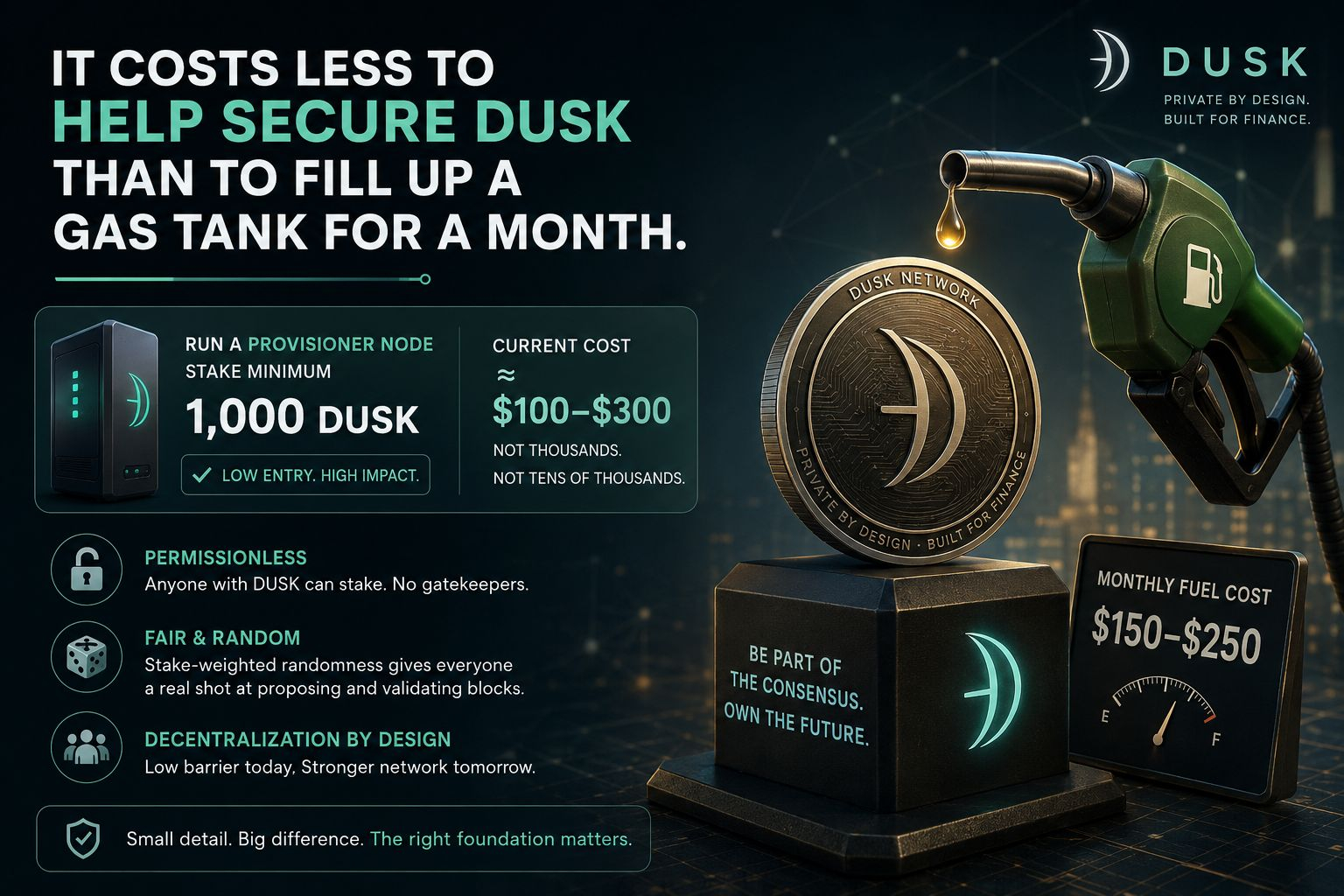
Để chạy một nút xác thực (validator) trên Dusk, một Provisioner (nhà cung cấp), mức đặt cọc tối thiểu là 1.000 $DUSK . Với giá hiện tại, con số đó nằm ở khoảng vài trăm đô la, không phải hàng nghìn, cũng không phải chục nghìn. Hãy so sánh với chi phí để vận hành một nút xác thực thực sự trên nhiều chuỗi proof of stake lớn, nơi “vé vào cửa” có thể lên tới 5 hoặc 6 con số nếu tính đến yêu cầu mức đặt cọc tối thiểu. Dusk cố tình giữ cánh cửa này ở mức thấp.
Và không chỉ rẻ—nó còn thực sự không cần xin phép. Bất kỳ ai nắm giữ DUSK đều có thể đặt cược (stake) và trở thành một phần của tập hợp đồng thuận (consensus set), không đơn đăng ký, không phê duyệt, không có “người gác cổng” quyết định ai được phép giúp bảo vệ mạng. Việc lựa chọn diễn ra thông qua ngẫu nhiên có trọng số theo mức đặt cược, vì vậy những người đặt cược nhỏ vẫn có cơ hội thực sự, lặp lại để đề xuất và xác thực các khối (blocks), thay vì chỉ đứng ngoài chứng kiến trong khi một vài “cá voi” làm mọi thứ.
Tôi muốn cẩn thận không thổi phồng quá mức. Chi phí tham gia thấp không tự động có nghĩa là tập validator sẽ luôn được phân tán theo thời gian; sự tập trung vẫn có thể len lỏi khi những người nắm giữ lớn tích lũy thêm ảnh hưởng—rủi ro này tồn tại trên mọi chuỗi proof of stake, bất kể mức sàn khởi đầu. Nhưng một mức sàn thấp vẫn là nền tảng đúng đắn để xây dựng phân quyền từ phía trên. Bạn không thể đạt được sự tham gia rộng rãi nếu giá vào cuộc khiến hầu hết mọi người bị loại ngay từ đầu trước cả khi họ kịp thử, và Dusk rõ ràng đã không chọn làm như vậy.
Một chi tiết nhỏ, dễ bị lướt qua. Có lẽ không nên như vậy.
Tôi đã rà soát rất nhiều cạnh thô trong các bài đăng này, vậy nên cho phép tôi lật lại vấn đề một chút và nói về điều mà #dusk thực sự làm đúng, bởi vì tôi nghĩ nó bị chôn vùi dưới tất cả những thứ khác.
Để chạy một nút xác thực (validator) trên Dusk, một Provisioner (nhà cung cấp), mức đặt cọc tối thiểu là 1.000 $DUSK . Với giá hiện tại, con số đó nằm ở khoảng vài trăm đô la, không phải hàng nghìn, cũng không phải chục nghìn. Hãy so sánh với chi phí để vận hành một nút xác thực thực sự trên nhiều chuỗi proof of stake lớn, nơi “vé vào cửa” có thể lên tới 5 hoặc 6 con số nếu tính đến yêu cầu mức đặt cọc tối thiểu. Dusk cố tình giữ cánh cửa này ở mức thấp.
Và không chỉ rẻ—nó còn thực sự không cần xin phép. Bất kỳ ai nắm giữ DUSK đều có thể đặt cược (stake) và trở thành một phần của tập hợp đồng thuận (consensus set), không đơn đăng ký, không phê duyệt, không có “người gác cổng” quyết định ai được phép giúp bảo vệ mạng. Việc lựa chọn diễn ra thông qua ngẫu nhiên có trọng số theo mức đặt cược, vì vậy những người đặt cược nhỏ vẫn có cơ hội thực sự, lặp lại để đề xuất và xác thực các khối (blocks), thay vì chỉ đứng ngoài chứng kiến trong khi một vài “cá voi” làm mọi thứ.
Tôi muốn cẩn thận không thổi phồng quá mức. Chi phí tham gia thấp không tự động có nghĩa là tập validator sẽ luôn được phân tán theo thời gian; sự tập trung vẫn có thể len lỏi khi những người nắm giữ lớn tích lũy thêm ảnh hưởng—rủi ro này tồn tại trên mọi chuỗi proof of stake, bất kể mức sàn khởi đầu. Nhưng một mức sàn thấp vẫn là nền tảng đúng đắn để xây dựng phân quyền từ phía trên. Bạn không thể đạt được sự tham gia rộng rãi nếu giá vào cuộc khiến hầu hết mọi người bị loại ngay từ đầu trước cả khi họ kịp thử, và Dusk rõ ràng đã không chọn làm như vậy.
Một chi tiết nhỏ, dễ bị lướt qua. Có lẽ không nên như vậy.
""MiCA Compliant" được nhắc đến liên tục @Dusk . Bản thân Dusk thực sự không hề sở hữu giấy phép MiCA. Tôi đã phải đọc lại điều đó hai lần.
Tôi đi tìm xác nhận rằng #dusk bản thân nó có được ủy quyền theo MiCA không, kỳ vọng sẽ có câu trả lời đơn giản là "có". Những gì tôi tìm được lại phức tạp hơn, và thật lòng còn thú vị hơn một câu "có" đơn thuần.
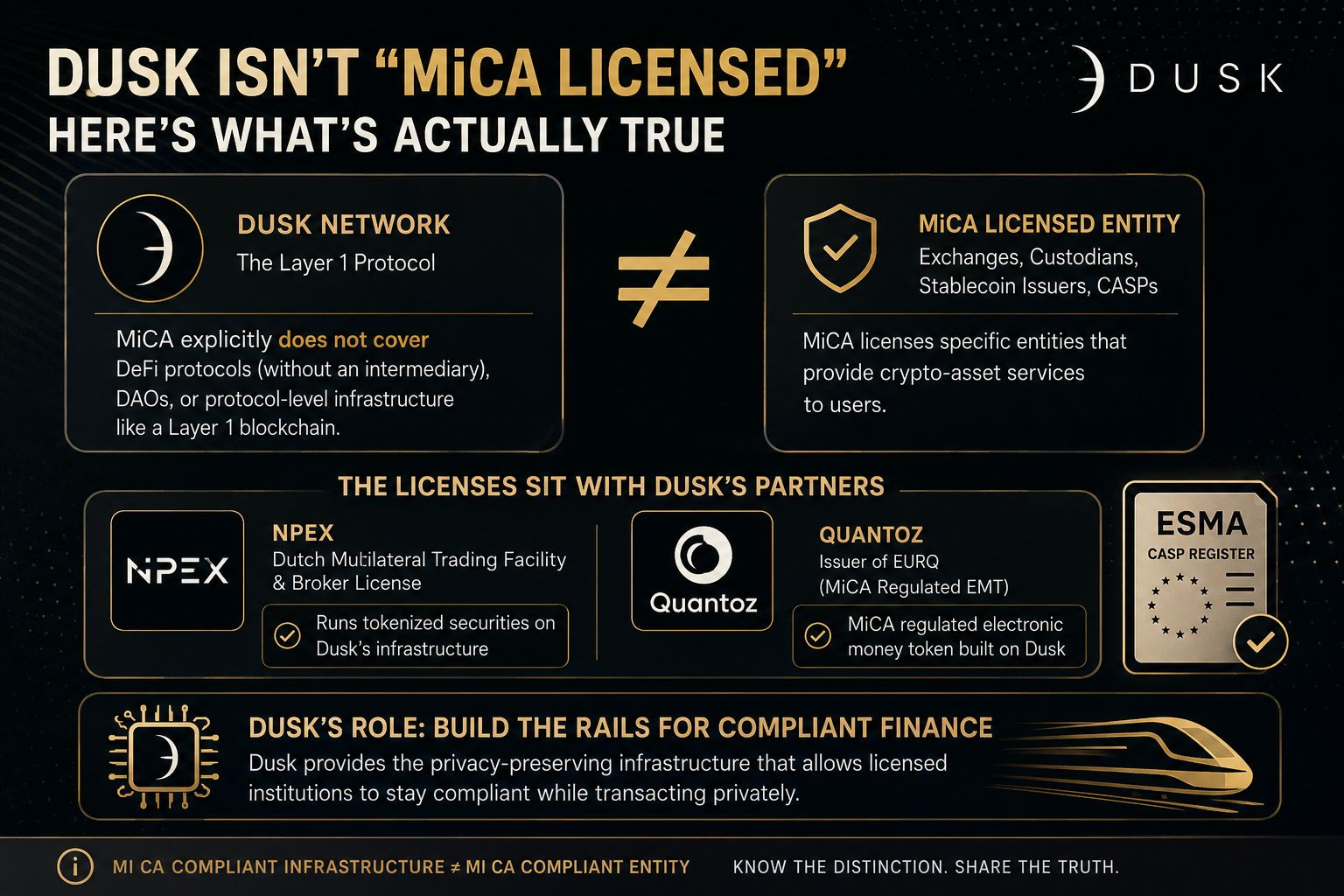
MiCA, khung pháp lý về crypto của Liên minh châu Âu, cấp phép cho các hạng mục cụ thể. Sàn giao dịch, bên lưu ký, nhà phát hành stablecoin, các tổ chức là nhà cung cấp dịch vụ tài sản crypto (Crypto-Asset Service Providers). Theo chính lời của Dusk trong bài viết của họ, MiCA **không** bao phủ các giao thức DeFi nếu không có một bên trung gian, các DAO, hoặc hạ tầng thuần mức giao thức như bản thân một blockchain Layer 1. Vì vậy, Dusk (mạng lưới) không phải là thứ được cấp phép. Đó là các “đường ray”/hạ tầng nằm dưới những đơn vị được cấp phép.
Các giấy phép thực tế nằm ở các đối tác của Dusk. NPEX sở hữu Giấy phép MTF (Multilateral Trading Facility) đa phương và giấy phép môi giới, đồng thời vận hành các chứng khoán được token hóa của mình trên $DUSK hạ tầng. Quantoz phát hành EURQ, một token tiền điện tử được quản lý theo MiCA, cũng được xây dựng trên Dusk. Cả hai đều là sự thật có thể kiểm chứng, nằm trong sổ đăng ký CASP của ESMA. Dusk xây dựng công nghệ giúp các tổ chức được cấp phép có thể duy trì tuân thủ khi giao dịch một cách riêng tư. Điều đó thực sự có giá trị. Nó chỉ là một cách khẳng định khác so với “Dusk là MiCA Compliant” như một tuyên bố chung.
Tôi không nghĩ Dusk là thiếu trung thực; bài blog của họ thực sự làm rõ sự khác biệt khá cụ thể nếu bạn đọc tiếp sau dòng tiêu đề. Tôi nghĩ là việc “MiCA Compliant Infrastructure” bị rút gọn thành “MiCA Compliant” trong hội thoại thường ngày và các bài đăng trên mạng xã hội, và sự rút gọn đó âm thầm làm thay đổi nội dung đang được tuyên bố. Một phiên bản nói rằng chúng ta giúp việc tuân thủ. Phiên bản còn lại lại ngụ ý rằng chúng ta là bên tuân thủ. Hai câu đó không phải là cùng một nghĩa.
Nên biết phiên bản nào thực sự đúng trước khi nhắc lại nó như một điểm bán hàng.
Tôi đi tìm xác nhận rằng #dusk bản thân nó có được ủy quyền theo MiCA không, kỳ vọng sẽ có câu trả lời đơn giản là "có". Những gì tôi tìm được lại phức tạp hơn, và thật lòng còn thú vị hơn một câu "có" đơn thuần.
MiCA, khung pháp lý về crypto của Liên minh châu Âu, cấp phép cho các hạng mục cụ thể. Sàn giao dịch, bên lưu ký, nhà phát hành stablecoin, các tổ chức là nhà cung cấp dịch vụ tài sản crypto (Crypto-Asset Service Providers). Theo chính lời của Dusk trong bài viết của họ, MiCA **không** bao phủ các giao thức DeFi nếu không có một bên trung gian, các DAO, hoặc hạ tầng thuần mức giao thức như bản thân một blockchain Layer 1. Vì vậy, Dusk (mạng lưới) không phải là thứ được cấp phép. Đó là các “đường ray”/hạ tầng nằm dưới những đơn vị được cấp phép.
Các giấy phép thực tế nằm ở các đối tác của Dusk. NPEX sở hữu Giấy phép MTF (Multilateral Trading Facility) đa phương và giấy phép môi giới, đồng thời vận hành các chứng khoán được token hóa của mình trên $DUSK hạ tầng. Quantoz phát hành EURQ, một token tiền điện tử được quản lý theo MiCA, cũng được xây dựng trên Dusk. Cả hai đều là sự thật có thể kiểm chứng, nằm trong sổ đăng ký CASP của ESMA. Dusk xây dựng công nghệ giúp các tổ chức được cấp phép có thể duy trì tuân thủ khi giao dịch một cách riêng tư. Điều đó thực sự có giá trị. Nó chỉ là một cách khẳng định khác so với “Dusk là MiCA Compliant” như một tuyên bố chung.
Tôi không nghĩ Dusk là thiếu trung thực; bài blog của họ thực sự làm rõ sự khác biệt khá cụ thể nếu bạn đọc tiếp sau dòng tiêu đề. Tôi nghĩ là việc “MiCA Compliant Infrastructure” bị rút gọn thành “MiCA Compliant” trong hội thoại thường ngày và các bài đăng trên mạng xã hội, và sự rút gọn đó âm thầm làm thay đổi nội dung đang được tuyên bố. Một phiên bản nói rằng chúng ta giúp việc tuân thủ. Phiên bản còn lại lại ngụ ý rằng chúng ta là bên tuân thủ. Hai câu đó không phải là cùng một nghĩa.
Nên biết phiên bản nào thực sự đúng trước khi nhắc lại nó như một điểm bán hàng.
Xem bản dịch
🚀 Crypto Market Blast: Bitcoin Just Shook the Market! 🚀
Bitcoin is on an incredible run this week. It closed with a 22% weekly gain, ending near $77,000, up from about $62,800 at the start of the week. That's its strongest weekly run since 2024, and Bitcoin even broke past the $78,000 level!
What's driving the rally?
📈 Treasury Secretary Bessent's bond market intervention pushed yields down
📈 Trump has been pushing Congress to pass the Clarity Act, which would bring clarity to crypto regulation
📈 This triggered a massive short squeeze, with roughly $2.7 billion in crypto short positions liquidated
It's not just Bitcoin. Ethereum jumped 8.12% to $2,515, and XRP surged 14.61% to $1.4538, showing the rally is broad rather than a single-token move. Bitcoin Cash gained 31% in 24 hours, and Ethena rose 27%. Altcoins are joining the party too! 🎉
⚠️ Reminder: crypto is highly volatile. Do your own research and only invest what you can afford to lose.
#Bitcoin #CryptoMarket #BTC #CryptoNews #Ethereum
Bitcoin is on an incredible run this week. It closed with a 22% weekly gain, ending near $77,000, up from about $62,800 at the start of the week. That's its strongest weekly run since 2024, and Bitcoin even broke past the $78,000 level!
What's driving the rally?
📈 Treasury Secretary Bessent's bond market intervention pushed yields down
📈 Trump has been pushing Congress to pass the Clarity Act, which would bring clarity to crypto regulation
📈 This triggered a massive short squeeze, with roughly $2.7 billion in crypto short positions liquidated
It's not just Bitcoin. Ethereum jumped 8.12% to $2,515, and XRP surged 14.61% to $1.4538, showing the rally is broad rather than a single-token move. Bitcoin Cash gained 31% in 24 hours, and Ethena rose 27%. Altcoins are joining the party too! 🎉
⚠️ Reminder: crypto is highly volatile. Do your own research and only invest what you can afford to lose.
#Bitcoin #CryptoMarket #BTC #CryptoNews #Ethereum
Uniswap đã thay đổi cách mọi người giao dịch token. @TermMax đang cố gắng làm điều tương tự cho cách mọi người vay và cho vay.
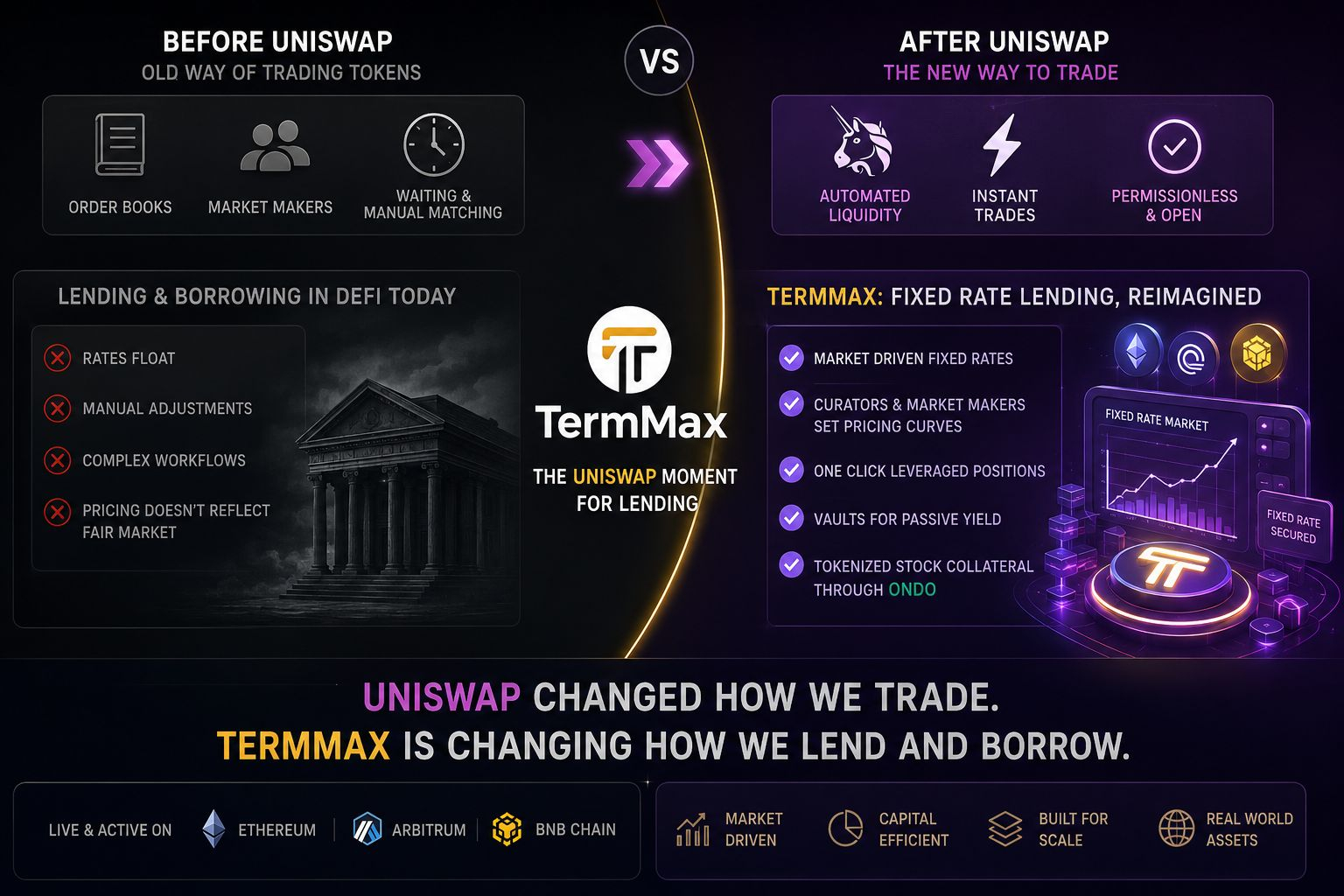
Trước Uniswap, giao dịch có nghĩa là sổ lệnh, nhà tạo lập thị trường và chờ ai đó khớp đúng giá của bạn. Uniswap đã biến mọi thứ thành tức thời và tự động. Việc cho vay và vay trong DeFi vẫn còn cảm giác khá giống hệ thống cũ. Lãi suất lên xuống, vị thế cần được theo dõi liên tục, và định giá hiếm khi phản ánh đúng những gì là công bằng cho cả hai bên.
#TermMax mang đến cách tiếp cận tự động, dựa trên thị trường tương tự cho hoạt động cho vay lãi suất cố định. Người vay và người cho vay thỏa thuận mức lãi suất thông qua cơ chế vận hành thực sự của thị trường, chứ không phải một thuật toán duy nhất cố đoán con số đúng cho tất cả mọi người. Các curators và market makers tự đặt đường cong giá của riêng họ thông qua các lệnh theo dải (range orders), vì vậy thị trường tự điều chỉnh thay vì bạn phải điều chỉnh theo thị trường.
Một vài lý do khiến điều này đáng để xem xét kỹ hơn.
Hoạt động trực tiếp và đang chạy trên Ethereum, Arbitrum và BNB Chain, không chỉ là một thông báo.
Vị thế đòn bẩy chỉ bằng một lần nhấp, để bạn không phải ghép nối năm giao dịch trên nhiều nền tảng khác nhau.
Các vault dành cho những người muốn tạo lợi suất mà không cần tự quản lý chiến lược mỗi ngày.
Thị trường tài sản thế chấp dạng token hóa thông qua Ondo, mở ra việc vay lãi suất cố định cho các tài sản ngoài đời thực.
Sự so sánh không phải để gây hype. Đó là về sự chuyển dịch từ các hệ thống thủ công, khó lường sang những hệ thống hoạt động đúng theo cách mà thị trường vốn được thiết kế để vận hành. Đó thường là nơi mà sự tăng trưởng thực sự diễn ra.
Bạn nghĩ phần nào của DeFi vẫn còn cần “Khoảnh khắc Uniswap” của riêng nó?
Trước Uniswap, giao dịch có nghĩa là sổ lệnh, nhà tạo lập thị trường và chờ ai đó khớp đúng giá của bạn. Uniswap đã biến mọi thứ thành tức thời và tự động. Việc cho vay và vay trong DeFi vẫn còn cảm giác khá giống hệ thống cũ. Lãi suất lên xuống, vị thế cần được theo dõi liên tục, và định giá hiếm khi phản ánh đúng những gì là công bằng cho cả hai bên.
#TermMax mang đến cách tiếp cận tự động, dựa trên thị trường tương tự cho hoạt động cho vay lãi suất cố định. Người vay và người cho vay thỏa thuận mức lãi suất thông qua cơ chế vận hành thực sự của thị trường, chứ không phải một thuật toán duy nhất cố đoán con số đúng cho tất cả mọi người. Các curators và market makers tự đặt đường cong giá của riêng họ thông qua các lệnh theo dải (range orders), vì vậy thị trường tự điều chỉnh thay vì bạn phải điều chỉnh theo thị trường.
Một vài lý do khiến điều này đáng để xem xét kỹ hơn.
Hoạt động trực tiếp và đang chạy trên Ethereum, Arbitrum và BNB Chain, không chỉ là một thông báo.
Vị thế đòn bẩy chỉ bằng một lần nhấp, để bạn không phải ghép nối năm giao dịch trên nhiều nền tảng khác nhau.
Các vault dành cho những người muốn tạo lợi suất mà không cần tự quản lý chiến lược mỗi ngày.
Thị trường tài sản thế chấp dạng token hóa thông qua Ondo, mở ra việc vay lãi suất cố định cho các tài sản ngoài đời thực.
Sự so sánh không phải để gây hype. Đó là về sự chuyển dịch từ các hệ thống thủ công, khó lường sang những hệ thống hoạt động đúng theo cách mà thị trường vốn được thiết kế để vận hành. Đó thường là nơi mà sự tăng trưởng thực sự diễn ra.
Bạn nghĩ phần nào của DeFi vẫn còn cần “Khoảnh khắc Uniswap” của riêng nó?
Xem bản dịch
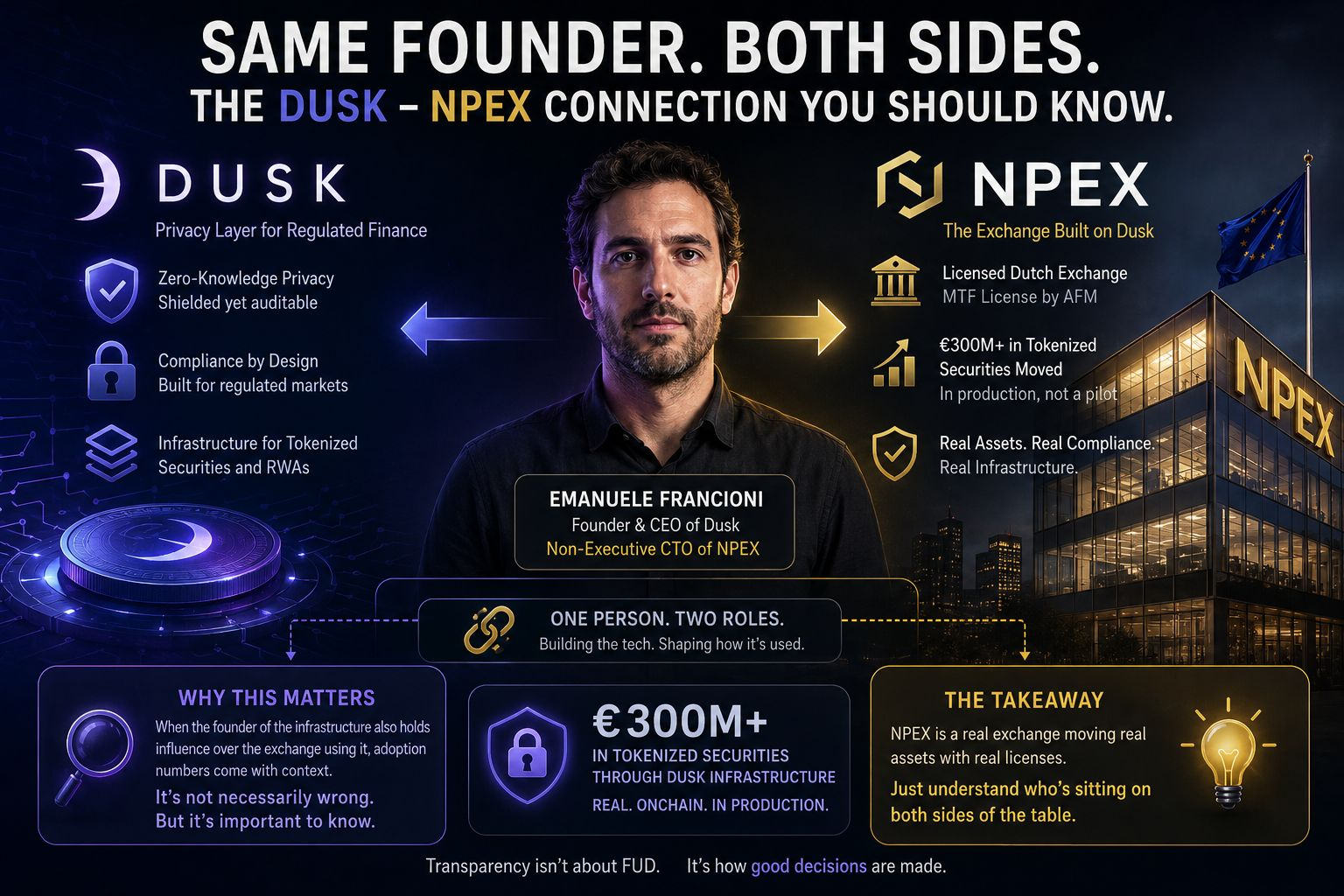
Dusks founder is also the CTO of the exchange that runs on Dusks own technology. Nobody flagged this to me until I checked myself.
I was reading through #dusk partnership news and noticed a line that made me stop. Emanuele Francioni, founder and CEO of @Dusk , was appointed as Non-Executive CTO of NPEX, the licensed Dutch exchange that's tokenizing hundreds of millions in securities using Dusks infrastructure. Same person, sitting on both sides of whats supposed to be a partnership between two separate entities.
I want to be fair about this before jumping to conclusions. Non-Executive roles are common in this industry, Advisors sit on boards all the time, and having the actual architect of the underlying tech helping the exchange implement it correctly is not inherently sketchy. If anything, you could argue its the opposite, who better understands how to securely deploy $DUSK privacy and compliance layer than the person who built it.
But step back for a second. NPEX using Dusk is not just two companies doing business together anymore. Its a licensed exchange whose technical direction is partly steered by the same person whose company benefits directly from that Exchanges continued use of Dusk. Every reference to NPEX as proof of institutional adoption, the 300 million plus in tokenized assets, all of it carries this detail sitting quietly underneath, not hidden exactly, just rarely mentioned next to the headline number.
I dont think this makes the NPEX partnership fake or the numbers inflated. Real securities are genuinely moving through real infrastructure. I just think when a founder holds influence on both sides of a flagship adoption story, thats worth knowing before you treat it as fully independent validation, not after.
I was reading through #dusk partnership news and noticed a line that made me stop. Emanuele Francioni, founder and CEO of @Dusk , was appointed as Non-Executive CTO of NPEX, the licensed Dutch exchange that's tokenizing hundreds of millions in securities using Dusks infrastructure. Same person, sitting on both sides of whats supposed to be a partnership between two separate entities.
I want to be fair about this before jumping to conclusions. Non-Executive roles are common in this industry, Advisors sit on boards all the time, and having the actual architect of the underlying tech helping the exchange implement it correctly is not inherently sketchy. If anything, you could argue its the opposite, who better understands how to securely deploy $DUSK privacy and compliance layer than the person who built it.
But step back for a second. NPEX using Dusk is not just two companies doing business together anymore. Its a licensed exchange whose technical direction is partly steered by the same person whose company benefits directly from that Exchanges continued use of Dusk. Every reference to NPEX as proof of institutional adoption, the 300 million plus in tokenized assets, all of it carries this detail sitting quietly underneath, not hidden exactly, just rarely mentioned next to the headline number.
I dont think this makes the NPEX partnership fake or the numbers inflated. Real securities are genuinely moving through real infrastructure. I just think when a founder holds influence on both sides of a flagship adoption story, thats worth knowing before you treat it as fully independent validation, not after.
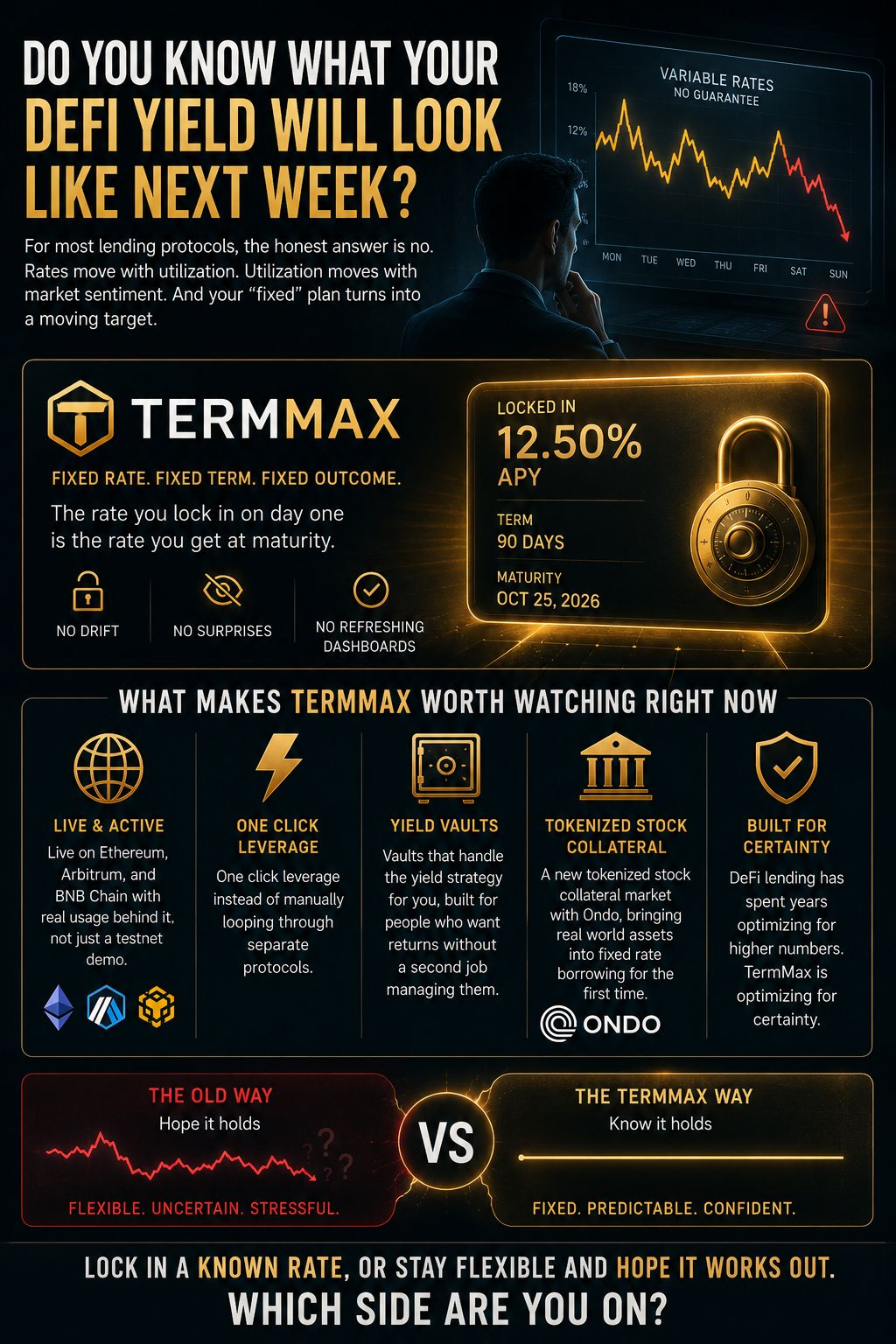
Câu hỏi nhanh. Bạn có thực sự biết lợi suất DeFi của mình sẽ trông như thế nào vào tuần tới không?
Với hầu hết các giao thức cho vay, câu trả lời thẳng thắn là không. Lãi suất thay đổi theo mức sử dụng (utilization), mức sử dụng lại biến động theo tâm lý thị trường, và kế hoạch "Cố định" của bạn sẽ trở thành một mục tiêu thay đổi.
@TermMax skips vấn đề đó hoàn toàn. Đây là giao thức Lãi suất Cố định, Kỳ hạn Cố định, vì vậy lãi suất bạn chốt vào ngày đầu tiên chính là lãi suất bạn nhận được khi đáo hạn. Không trôi, không bất ngờ, không phải mở lại bảng điều khiển để xem qua đêm đã thay đổi gì.
Điều gì khiến bạn nên theo dõi ngay bây giờ.
Ra mắt trên Ethereum, Arbitrum và BNB Chain với mức sử dụng thực sự đằng sau, không chỉ là bản demo testnet.
Đòn bẩy chỉ bằng một lần nhấp thay vì tự tay vòng lặp qua nhiều giao thức riêng lẻ.
Các vault tự xử lý chiến lược tạo lợi suất cho bạn, được xây dựng cho những người muốn có lợi nhuận mà không phải làm thêm việc thứ hai để quản lý.
Một thị trường tài sản thế chấp dạng token hóa mới với Ondo, lần đầu tiên đưa tài sản ngoài đời thực vào việc vay lãi suất cố định.
Cho vay DeFi đã nhiều năm tối ưu để đạt các con số cao hơn. #TermMax is tối ưu cho sự chắc chắn thay vì con số, và điều đó có thể quan trọng hơn khi dòng vốn nghiêm túc bắt đầu tìm lý do để bước lên on-chain.
Chốt lãi suất đã biết, hay linh hoạt và hy vọng mọi thứ sẽ ổn. Bạn đang đứng về phía nào?
Với hầu hết các giao thức cho vay, câu trả lời thẳng thắn là không. Lãi suất thay đổi theo mức sử dụng (utilization), mức sử dụng lại biến động theo tâm lý thị trường, và kế hoạch "Cố định" của bạn sẽ trở thành một mục tiêu thay đổi.
@TermMax skips vấn đề đó hoàn toàn. Đây là giao thức Lãi suất Cố định, Kỳ hạn Cố định, vì vậy lãi suất bạn chốt vào ngày đầu tiên chính là lãi suất bạn nhận được khi đáo hạn. Không trôi, không bất ngờ, không phải mở lại bảng điều khiển để xem qua đêm đã thay đổi gì.
Điều gì khiến bạn nên theo dõi ngay bây giờ.
Ra mắt trên Ethereum, Arbitrum và BNB Chain với mức sử dụng thực sự đằng sau, không chỉ là bản demo testnet.
Đòn bẩy chỉ bằng một lần nhấp thay vì tự tay vòng lặp qua nhiều giao thức riêng lẻ.
Các vault tự xử lý chiến lược tạo lợi suất cho bạn, được xây dựng cho những người muốn có lợi nhuận mà không phải làm thêm việc thứ hai để quản lý.
Một thị trường tài sản thế chấp dạng token hóa mới với Ondo, lần đầu tiên đưa tài sản ngoài đời thực vào việc vay lãi suất cố định.
Cho vay DeFi đã nhiều năm tối ưu để đạt các con số cao hơn. #TermMax is tối ưu cho sự chắc chắn thay vì con số, và điều đó có thể quan trọng hơn khi dòng vốn nghiêm túc bắt đầu tìm lý do để bước lên on-chain.
Chốt lãi suất đã biết, hay linh hoạt và hy vọng mọi thứ sẽ ổn. Bạn đang đứng về phía nào?
Đã xác minh
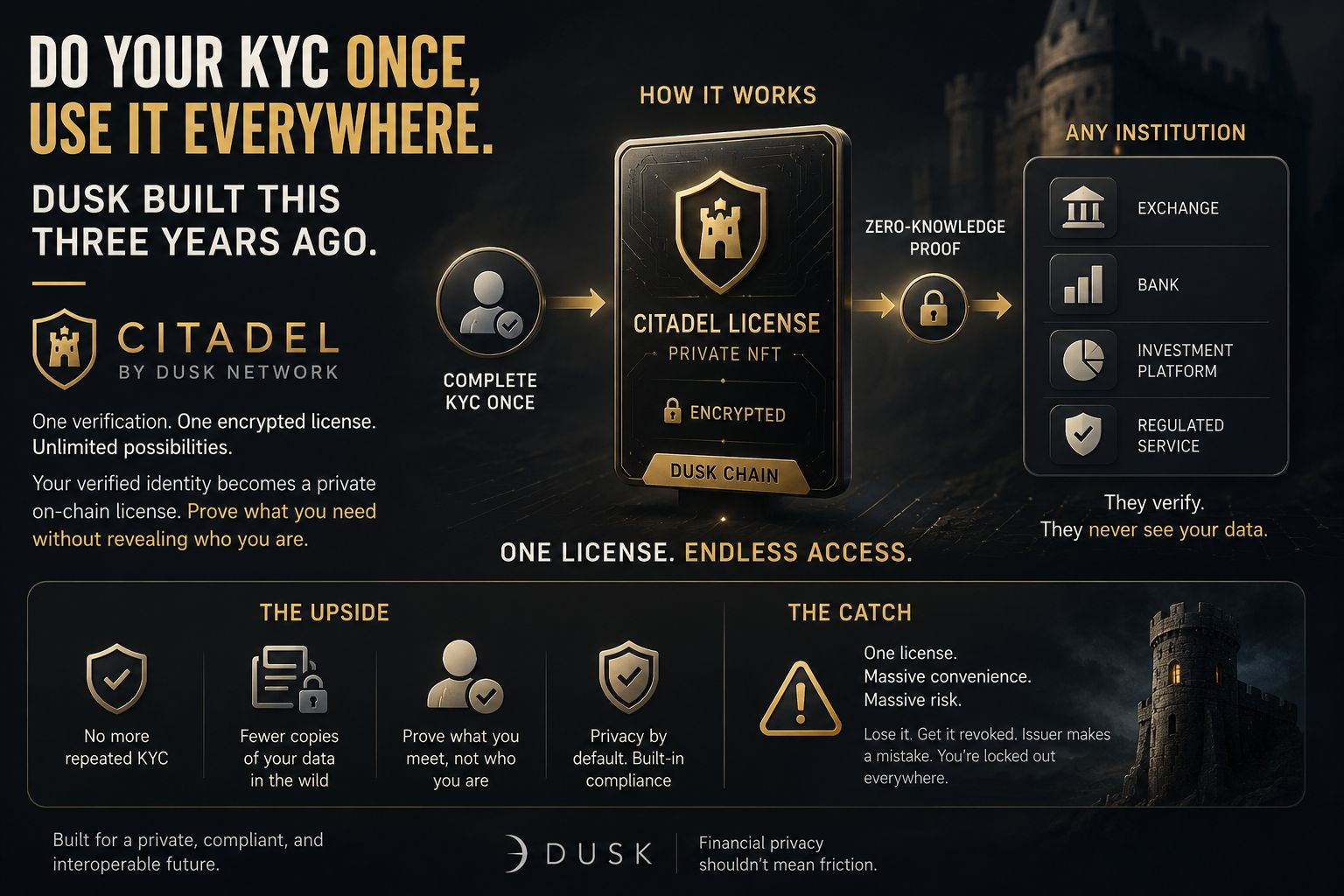
Hãy KYC một lần, dùng ở mọi nơi. @Dusk đã tạo ra thứ này cách đây ba năm và giờ gần như không ai còn nhắc đến nữa.
Ai cũng hào hứng về DuskEVM và biến động giá gần đây, cũng đúng thôi. Nhưng khi lùi lại qua #dusk lịch sử, tôi phát hiện một thứ cũ hơn mà tôi nghĩ còn quan trọng hơn mọi thứ đang được triển khai ngay bây giờ. Nó có tên là Citadel. Bạn hoàn tất KYC một lần, và mọi tổ chức cần xác minh bạn sau đó chỉ cần kiểm tra một giấy phép thay vì bắt bạn làm lại toàn bộ quy trình.
Đây là cách nó hoạt động. Danh tính đã được xác minh của bạn trở thành một dạng như NFT riêng tư, tức là giấy phép, nằm trên chuỗi Dusk, được mã hóa. Khi một nền tảng cần xác nhận bạn đáp ứng yêu cầu của họ—tư cách nhà đầu tư được công nhận, số dư tối thiểu, bất cứ thứ gì—bạn không phải cung cấp tài liệu lại lần nữa. Bạn tạo ra một bằng chứng kiến thức-không (zero-knowledge proof) chứng minh rằng bạn sở hữu giấy phép hợp lệ đáp ứng đúng yêu cầu của họ. Đó là tất cả những gì họ thấy. Không phải tên của bạn, không phải sao kê ngân hàng của bạn—chỉ là một “có” đã được xác minh.
Tôi thích điều này vì một lý do rất hiển nhiên. KYC hiện tại thực sự rất tệ: cùng một bộ hồ sơ, cùng một đoạn selfie cầm CMND của bạn, lặp đi lặp lại, cho mọi sàn giao dịch và nền tảng bạn chạm vào—mỗi nơi lại lưu một bản dữ liệu mới của bạn ở đâu đó. Citadel gom tất cả lại thành một lần xác minh để tái sử dụng, nghĩa là ít hơn một đống tài liệu cá nhân của bạn nằm ở đâu đó trong một cơ sở dữ liệu chờ có thể bị rò rỉ.
Tuy vậy, có một điều làm tôi chần chừ. Nếu toàn bộ danh tính tuân thủ của bạn chỉ gói gọn trong một giấy phép on-chain, thì giấy phép đó sẽ trở thành mục tiêu cực kỳ giá trị. Nếu bạn mất quyền kiểm soát nó, hoặc bên cấp giấy phép mắc sai sót, bạn sẽ không bị “khóa” chỉ trên một nền tảng—mà có thể là tất cả. Việc tập trung sự tiện lợi và tập trung rủi ro thường là cùng một nước đi, chỉ khác nhau ở lớp áo.
Đã ba năm rồi mà tôi vẫn chưa thấy nó được chú ý nhiều. Có thể đây là một phần chưa được đánh giá đúng mức trong những gì Dusk thực sự đã xây dựng. $DUSK
Ai cũng hào hứng về DuskEVM và biến động giá gần đây, cũng đúng thôi. Nhưng khi lùi lại qua #dusk lịch sử, tôi phát hiện một thứ cũ hơn mà tôi nghĩ còn quan trọng hơn mọi thứ đang được triển khai ngay bây giờ. Nó có tên là Citadel. Bạn hoàn tất KYC một lần, và mọi tổ chức cần xác minh bạn sau đó chỉ cần kiểm tra một giấy phép thay vì bắt bạn làm lại toàn bộ quy trình.
Đây là cách nó hoạt động. Danh tính đã được xác minh của bạn trở thành một dạng như NFT riêng tư, tức là giấy phép, nằm trên chuỗi Dusk, được mã hóa. Khi một nền tảng cần xác nhận bạn đáp ứng yêu cầu của họ—tư cách nhà đầu tư được công nhận, số dư tối thiểu, bất cứ thứ gì—bạn không phải cung cấp tài liệu lại lần nữa. Bạn tạo ra một bằng chứng kiến thức-không (zero-knowledge proof) chứng minh rằng bạn sở hữu giấy phép hợp lệ đáp ứng đúng yêu cầu của họ. Đó là tất cả những gì họ thấy. Không phải tên của bạn, không phải sao kê ngân hàng của bạn—chỉ là một “có” đã được xác minh.
Tôi thích điều này vì một lý do rất hiển nhiên. KYC hiện tại thực sự rất tệ: cùng một bộ hồ sơ, cùng một đoạn selfie cầm CMND của bạn, lặp đi lặp lại, cho mọi sàn giao dịch và nền tảng bạn chạm vào—mỗi nơi lại lưu một bản dữ liệu mới của bạn ở đâu đó. Citadel gom tất cả lại thành một lần xác minh để tái sử dụng, nghĩa là ít hơn một đống tài liệu cá nhân của bạn nằm ở đâu đó trong một cơ sở dữ liệu chờ có thể bị rò rỉ.
Tuy vậy, có một điều làm tôi chần chừ. Nếu toàn bộ danh tính tuân thủ của bạn chỉ gói gọn trong một giấy phép on-chain, thì giấy phép đó sẽ trở thành mục tiêu cực kỳ giá trị. Nếu bạn mất quyền kiểm soát nó, hoặc bên cấp giấy phép mắc sai sót, bạn sẽ không bị “khóa” chỉ trên một nền tảng—mà có thể là tất cả. Việc tập trung sự tiện lợi và tập trung rủi ro thường là cùng một nước đi, chỉ khác nhau ở lớp áo.
Đã ba năm rồi mà tôi vẫn chưa thấy nó được chú ý nhiều. Có thể đây là một phần chưa được đánh giá đúng mức trong những gì Dusk thực sự đã xây dựng. $DUSK
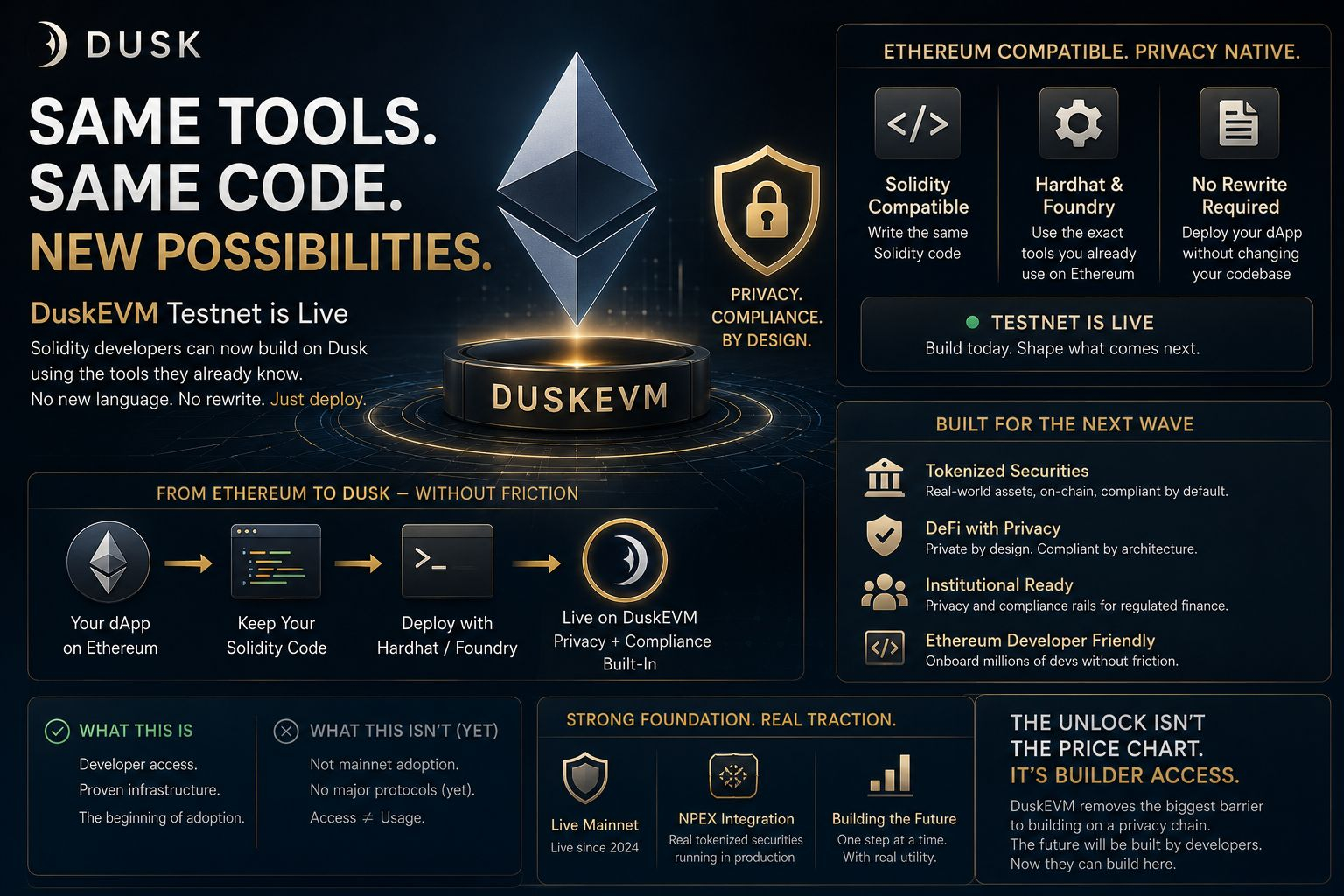
$DUSK vừa biến điều này thành hiện thực để bất kỳ nhà phát triển Ethereum nào cũng có thể xây dựng ở đây mà không cần học thêm gì mới. Tôi nghĩ đây mới là “mở khóa” thực sự, chứ không phải biểu đồ giá.
Tiêu đề nhỏ, hàm ý lớn. Testnet DuskEVM đã chính thức đi vào hoạt động vào đầu tháng này. Điều đó thật sự có nghĩa là: Các nhà phát triển giờ đây có thể triển khai các smart contract Solidity trên @Dusk bằng Hardhat và Foundry—những công cụ đúng như họ đang dùng trên Ethereum. Không ngôn ngữ mới, không phải viết lại toàn bộ codebase từ đầu, không cần học #dusk môi trường Rust Native chỉ để thử.
Điều này quan trọng hơn nghe có vẻ. Các “privacy chain” trước đây vẫn gặp bài toán con gà và quả trứng. Công nghệ thật sự rất ấn tượng, nhưng gần như chẳng ai xây dựng trên đó vì nó đòi hỏi các dev phải từ bỏ mọi thứ quen thuộc và làm lại từ đầu. Dusk vừa gỡ bỏ cái cớ đó. Một ứng dụng DeFi của Ethereum đã có thể nhắm trực tiếp tới DuskEVM, giữ nguyên code Solidity của mình, và kế thừa lớp quyền riêng tư lẫn tuân thủ của Dusk bên dưới mà không cần viết lại.
Tôi muốn nói thẳng về nó là gì và không phải gì, vì chu kỳ “hype” thường bỏ qua phần này. Đây là testnet. Nó thiết lập khả năng tiếp cận cho nhà phát triển, chứ chưa chứng minh mức độ được dùng. Chưa ai triển khai một protocol lớn trên đây, và chưa có lượng TVL nào chuyển động vì điều đó. Khả năng truy cập không giống với việc sử dụng, và tôi đã theo dõi đủ nhiều testnet bị đối xử như sản phẩm hoàn chỉnh để biết sự khác biệt này quan trọng.
Tuy vậy, khi đặt cùng với mọi thứ khác đang được xếp chồng lên nhau—các chứng khoán được token hóa thật sự chạy qua NPEX, một Mainnet đã hoạt động được một năm—đây là mảnh ghép biến “Interesting Privacy Chain” thành “Một Chain mà các nhà xây dựng Ethereum có thể thực sự gia nhập mà không gặp ma sát”. Đó là một thay đổi lớn hơn trong dài hạn so với một cây nến xanh nữa.
Theo dõi sát sao, chưa gọi là đã được chứng minh. Testnet là có thật. Việc có được chấp nhận rộng rãi hay không vẫn là một câu hỏi mở.
Tiêu đề nhỏ, hàm ý lớn. Testnet DuskEVM đã chính thức đi vào hoạt động vào đầu tháng này. Điều đó thật sự có nghĩa là: Các nhà phát triển giờ đây có thể triển khai các smart contract Solidity trên @Dusk bằng Hardhat và Foundry—những công cụ đúng như họ đang dùng trên Ethereum. Không ngôn ngữ mới, không phải viết lại toàn bộ codebase từ đầu, không cần học #dusk môi trường Rust Native chỉ để thử.
Điều này quan trọng hơn nghe có vẻ. Các “privacy chain” trước đây vẫn gặp bài toán con gà và quả trứng. Công nghệ thật sự rất ấn tượng, nhưng gần như chẳng ai xây dựng trên đó vì nó đòi hỏi các dev phải từ bỏ mọi thứ quen thuộc và làm lại từ đầu. Dusk vừa gỡ bỏ cái cớ đó. Một ứng dụng DeFi của Ethereum đã có thể nhắm trực tiếp tới DuskEVM, giữ nguyên code Solidity của mình, và kế thừa lớp quyền riêng tư lẫn tuân thủ của Dusk bên dưới mà không cần viết lại.
Tôi muốn nói thẳng về nó là gì và không phải gì, vì chu kỳ “hype” thường bỏ qua phần này. Đây là testnet. Nó thiết lập khả năng tiếp cận cho nhà phát triển, chứ chưa chứng minh mức độ được dùng. Chưa ai triển khai một protocol lớn trên đây, và chưa có lượng TVL nào chuyển động vì điều đó. Khả năng truy cập không giống với việc sử dụng, và tôi đã theo dõi đủ nhiều testnet bị đối xử như sản phẩm hoàn chỉnh để biết sự khác biệt này quan trọng.
Tuy vậy, khi đặt cùng với mọi thứ khác đang được xếp chồng lên nhau—các chứng khoán được token hóa thật sự chạy qua NPEX, một Mainnet đã hoạt động được một năm—đây là mảnh ghép biến “Interesting Privacy Chain” thành “Một Chain mà các nhà xây dựng Ethereum có thể thực sự gia nhập mà không gặp ma sát”. Đó là một thay đổi lớn hơn trong dài hạn so với một cây nến xanh nữa.
Theo dõi sát sao, chưa gọi là đã được chứng minh. Testnet là có thật. Việc có được chấp nhận rộng rãi hay không vẫn là một câu hỏi mở.
Trước đây tôi từng nghĩ rằng lãi suất cố định trong DeFi là một ý tưởng hay nhưng chắc sẽ không bao giờ hoạt động trong thực tế.
Quá nhiều sự phân mảnh thanh khoản, quá nhiều tình huống biên, và quá khó để định giá. Hóa ra tôi đã sai—hoặc ít nhất là tôi đã vội loại nó khỏi danh sách sớm.
@TermMax đã vận hành cơ chế cho vay và vay mượn lãi suất cố định, kỳ hạn cố định kể từ tháng 4/2025, và hiện đang nằm ở mức gần 50 triệu USD TVL trên Ethereum, Arbitrum và BNB Chain, với hơn 17K người dùng hoạt động hằng ngày và hơn 100 thị trường đang hoạt động. Đó không phải là những con số “hype”. Đó là mức sử dụng thực tế từ những người đã mệt vì phải nhìn lợi suất của mình cứ trôi dạt theo biến động.
Đây là điều đã khiến tôi đổi ý.
Thay vì ép tất cả mọi người phải đi theo một đường cong lãi suất thả nổi duy nhất, #TermMax cho phép người cho vay và người đi vay thỏa thuận lãi suất thông qua một cơ chế thị trường thực sự. Các curators và market makers tự đặt giá của mình và quản lý rủi ro bằng các lệnh theo dải (range orders). Bạn nhận được cơ chế khám phá giá thực sự thay vì một công thức đơn lẻ cố gắng phù hợp với tất cả.
Sau đó họ còn thêm đòn bẩy chỉ bằng một cú nhấp chuột, để bạn không phải xâu chuỗi năm giao dịch trên nhiều ứng dụng khác nhau chỉ để xoay vòng một vị thế. Và bây giờ họ đã mở rộng sang cơ chế thế chấp cổ phiếu được token hóa thông qua Ondo—nghĩa là việc vay lãi suất cố định dựa trên tài sản ngoài đời thực không còn là một lý thuyết nữa, mà đã đi vào hoạt động.
Bức tranh lớn thì đơn giản. Thu nhập cố định là nhóm tài sản lớn nhất trong tài chính truyền thống vì một lý do. Mọi người muốn biết mình sẽ nhận được gì trước khi cam kết vốn. DeFi cuối cùng cũng đang bắt kịp kỳ vọng đó, thay vì buộc mọi người phải chấp nhận sự biến động lãi suất liên tục.
Vẫn còn giai đoạn đầu cho toàn ngành, nhưng đây là cách mà “cơ sở hạ tầng” thực sự đang được xây dựng trông như thế nào...
Quá nhiều sự phân mảnh thanh khoản, quá nhiều tình huống biên, và quá khó để định giá. Hóa ra tôi đã sai—hoặc ít nhất là tôi đã vội loại nó khỏi danh sách sớm.
@TermMax đã vận hành cơ chế cho vay và vay mượn lãi suất cố định, kỳ hạn cố định kể từ tháng 4/2025, và hiện đang nằm ở mức gần 50 triệu USD TVL trên Ethereum, Arbitrum và BNB Chain, với hơn 17K người dùng hoạt động hằng ngày và hơn 100 thị trường đang hoạt động. Đó không phải là những con số “hype”. Đó là mức sử dụng thực tế từ những người đã mệt vì phải nhìn lợi suất của mình cứ trôi dạt theo biến động.
Đây là điều đã khiến tôi đổi ý.
Thay vì ép tất cả mọi người phải đi theo một đường cong lãi suất thả nổi duy nhất, #TermMax cho phép người cho vay và người đi vay thỏa thuận lãi suất thông qua một cơ chế thị trường thực sự. Các curators và market makers tự đặt giá của mình và quản lý rủi ro bằng các lệnh theo dải (range orders). Bạn nhận được cơ chế khám phá giá thực sự thay vì một công thức đơn lẻ cố gắng phù hợp với tất cả.
Sau đó họ còn thêm đòn bẩy chỉ bằng một cú nhấp chuột, để bạn không phải xâu chuỗi năm giao dịch trên nhiều ứng dụng khác nhau chỉ để xoay vòng một vị thế. Và bây giờ họ đã mở rộng sang cơ chế thế chấp cổ phiếu được token hóa thông qua Ondo—nghĩa là việc vay lãi suất cố định dựa trên tài sản ngoài đời thực không còn là một lý thuyết nữa, mà đã đi vào hoạt động.
Bức tranh lớn thì đơn giản. Thu nhập cố định là nhóm tài sản lớn nhất trong tài chính truyền thống vì một lý do. Mọi người muốn biết mình sẽ nhận được gì trước khi cam kết vốn. DeFi cuối cùng cũng đang bắt kịp kỳ vọng đó, thay vì buộc mọi người phải chấp nhận sự biến động lãi suất liên tục.
Vẫn còn giai đoạn đầu cho toàn ngành, nhưng đây là cách mà “cơ sở hạ tầng” thực sự đang được xây dựng trông như thế nào...
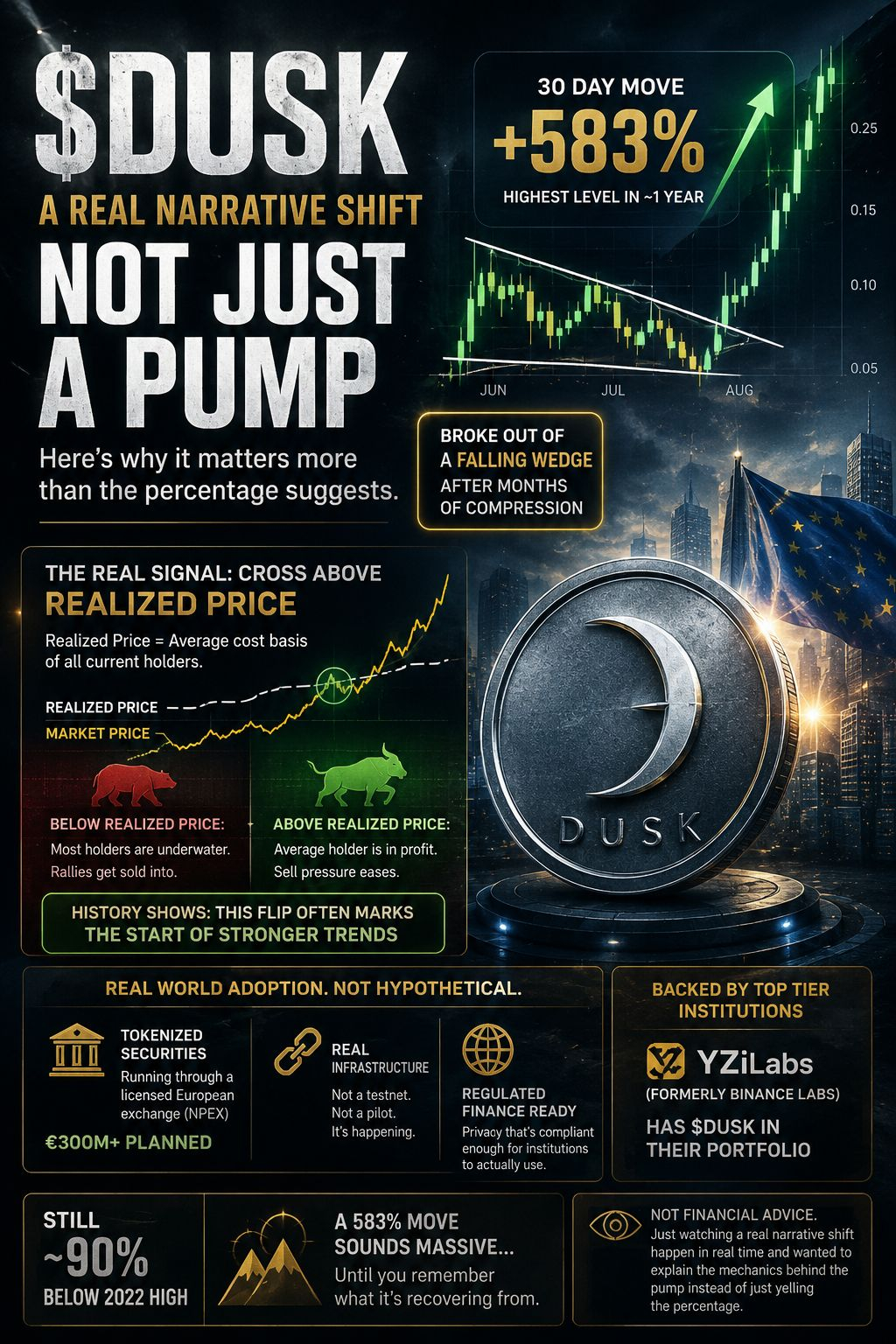
$DUSK vừa làm được một điều mà hầu hết các Privacy Coin (mã thông báo quyền riêng tư) chưa từng làm trong nhiều năm. Tôi muốn giải thích vì sao điều này quan trọng hơn nhiều so với con số Phần trăm đang gợi ý.
Ai cũng đuổi theo con số trước. Được thôi, bắt đầu từ đó. @Dusk tăng gần 583% trong 30 ngày, bứt phá khỏi một mô hình “falling wedge” (tam giác giảm) mà nó bị mắc kẹt suốt nhiều tháng, và chạm mức cao nhất trong khoảng một năm. Con số kêu to. Nhưng con số kêu to thì tuần nào trong thị trường này cũng có, và đa số trong số đó chẳng có ý nghĩa gì sáu tuần sau.
Đây là phần thực sự khiến tôi chú ý. Dữ liệu on-chain cho thấy #dusk đã vượt lên trên “realized price” (giá thực hiện), tức gần như là chi phí cơ sở trung bình của tất cả người đang nắm giữ. Bước ngoặt này quan trọng hơn những gì nhiều người nghĩ. Bên dưới mốc đó, phần lớn người nắm giữ đang lỗ, và các đợt tăng thường bị bán ra khi mọi người vội vàng hòa vốn. Ở trên mốc đó, người nắm giữ trung bình cuối cùng đã có lãi, và về mặt lịch sử thì đây là lúc áp lực bán giảm bớt thay vì “khống chế” mọi nhịp bật. Đó là khác biệt giữa việc một đợt bơm bị bán tháo, và một xu hướng có chỗ để tiếp tục.
Và điều này không xảy ra trong chân không. DUSK là một trong số ít token quyền riêng tư thực sự đang triển khai tích hợp Tài sản Thế giới Thực (RWA), tức chứng khoán được mã hóa chạy qua sàn giao dịch châu Âu được cấp phép, với kế hoạch hơn 300 triệu Euro—không phải giả thuyết.
Y Zi Labs, quỹ trước đây từng được gọi là BINANCE Labs, có DUSK trong danh mục riêng của mình. Đây không phải là “hype bán lẻ” chỉ để câu tương tác; đó là một câu chuyện mà các Tổ chức thực sự đang định vị, quyền riêng tư đủ mức để tài chính được quản lý có thể chạm tới.
Tôi cũng sẽ nói phần “nhạt” vì nó cũng quan trọng. Token này vẫn đang nằm thấp hơn khoảng 90% so với đỉnh năm 2022 của nó. Một bước tăng 583% nghe có vẻ khổng lồ cho đến khi bạn nhớ nó đang phục hồi từ cái gì. Hãy tôn trọng đà tăng đó, đừng lãng mạn hóa nó thành thứ mà nó chưa hẳn là.
Không phải lời khuyên tài chính. Chỉ là tôi đang chứng kiến một sự dịch chuyển câu chuyện có thật diễn ra ngay trước mắt, và muốn giải thích cơ chế đằng sau cú bơm đó, thay vì chỉ la hét con số Phần trăm.
Ai cũng đuổi theo con số trước. Được thôi, bắt đầu từ đó. @Dusk tăng gần 583% trong 30 ngày, bứt phá khỏi một mô hình “falling wedge” (tam giác giảm) mà nó bị mắc kẹt suốt nhiều tháng, và chạm mức cao nhất trong khoảng một năm. Con số kêu to. Nhưng con số kêu to thì tuần nào trong thị trường này cũng có, và đa số trong số đó chẳng có ý nghĩa gì sáu tuần sau.
Đây là phần thực sự khiến tôi chú ý. Dữ liệu on-chain cho thấy #dusk đã vượt lên trên “realized price” (giá thực hiện), tức gần như là chi phí cơ sở trung bình của tất cả người đang nắm giữ. Bước ngoặt này quan trọng hơn những gì nhiều người nghĩ. Bên dưới mốc đó, phần lớn người nắm giữ đang lỗ, và các đợt tăng thường bị bán ra khi mọi người vội vàng hòa vốn. Ở trên mốc đó, người nắm giữ trung bình cuối cùng đã có lãi, và về mặt lịch sử thì đây là lúc áp lực bán giảm bớt thay vì “khống chế” mọi nhịp bật. Đó là khác biệt giữa việc một đợt bơm bị bán tháo, và một xu hướng có chỗ để tiếp tục.
Và điều này không xảy ra trong chân không. DUSK là một trong số ít token quyền riêng tư thực sự đang triển khai tích hợp Tài sản Thế giới Thực (RWA), tức chứng khoán được mã hóa chạy qua sàn giao dịch châu Âu được cấp phép, với kế hoạch hơn 300 triệu Euro—không phải giả thuyết.
Y Zi Labs, quỹ trước đây từng được gọi là BINANCE Labs, có DUSK trong danh mục riêng của mình. Đây không phải là “hype bán lẻ” chỉ để câu tương tác; đó là một câu chuyện mà các Tổ chức thực sự đang định vị, quyền riêng tư đủ mức để tài chính được quản lý có thể chạm tới.
Tôi cũng sẽ nói phần “nhạt” vì nó cũng quan trọng. Token này vẫn đang nằm thấp hơn khoảng 90% so với đỉnh năm 2022 của nó. Một bước tăng 583% nghe có vẻ khổng lồ cho đến khi bạn nhớ nó đang phục hồi từ cái gì. Hãy tôn trọng đà tăng đó, đừng lãng mạn hóa nó thành thứ mà nó chưa hẳn là.
Không phải lời khuyên tài chính. Chỉ là tôi đang chứng kiến một sự dịch chuyển câu chuyện có thật diễn ra ngay trước mắt, và muốn giải thích cơ chế đằng sau cú bơm đó, thay vì chỉ la hét con số Phần trăm.
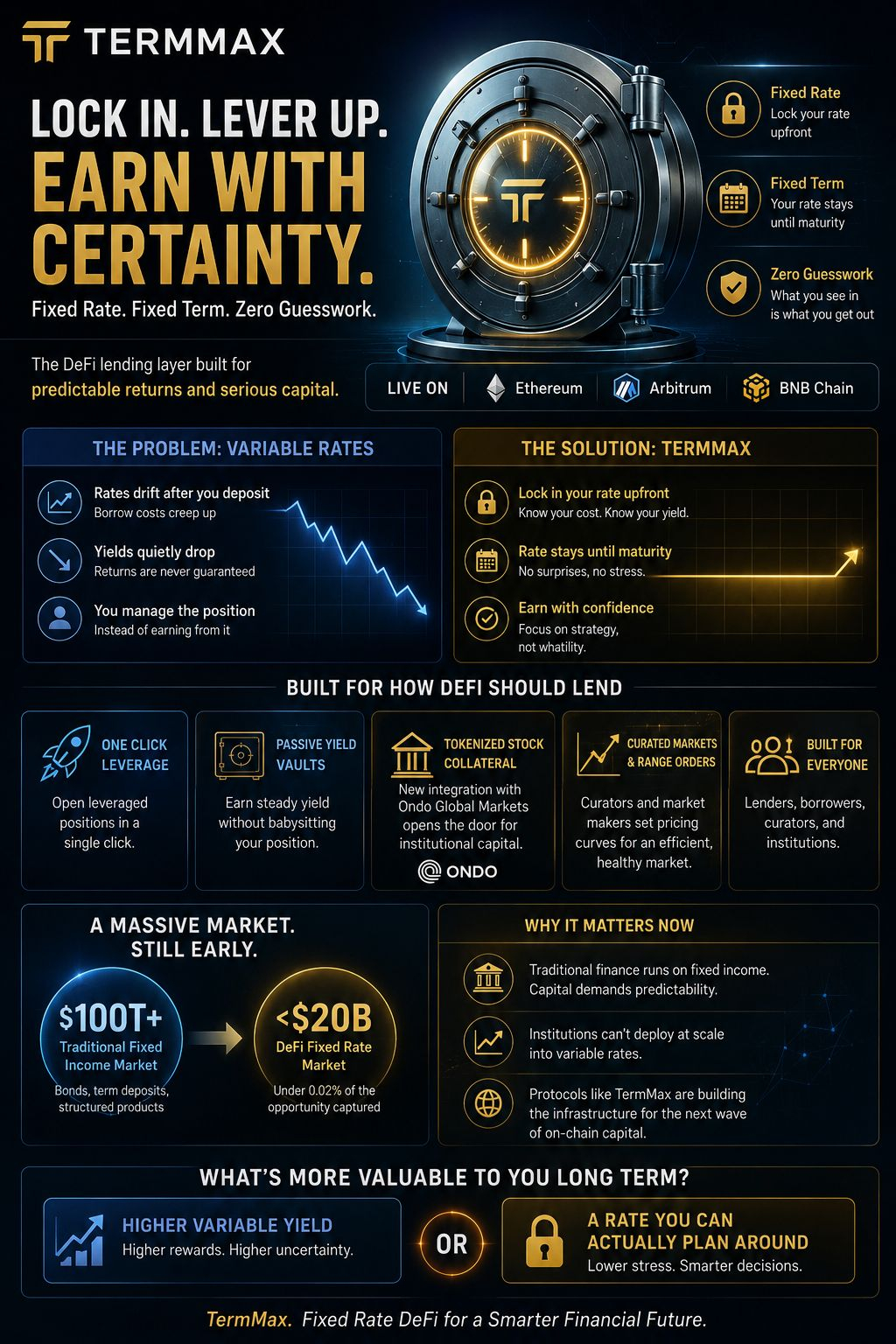
Hầu hết mọi người không nhận ra họ đang phải trả quá đắt bao nhiêu cho sự không chắc chắn trong DeFi.
Bạn gửi tiền vào một pool cho vay, lãi suất trông rất ổn vào ngày đầu, rồi sau đó nó trôi dần. Chi phí vay mượn tăng từ từ. Lợi suất âm thầm giảm xuống. Cuối cùng bạn phải quản lý một vị thế thay vì thực sự kiếm lợi từ nó.
@TermMax sử dụng một cách tiếp cận khác. Đây là một giao thức cho vay và vay với lãi suất cố định, kỳ hạn cố định, hoạt động trên Ethereum, Arbitrum và BNB Chain. Bạn chốt lãi suất ngay từ đầu và nó được giữ nguyên cho đến khi đáo hạn. Thứ bạn thấy khi bước vào là thứ bạn nhận lại khi kết thúc.
Vài lý do khiến nó nổi bật ngay lúc này.
Hỗ trợ các vị thế đòn bẩy chỉ với một lần nhấp, không cần chuyển qua nhiều giao thức.
Vault cho phép bạn kiếm lợi suất thụ động mà không phải trông chừng vị thế mỗi ngày.
Gần đây nó đã thêm tài sản thế chấp cổ phiếu được token hóa thông qua Ondo Global Markets, là một bước tiến thực sự hướng đến việc đưa vốn tổ chức lên chuỗi.
Các curator và market maker có thể tự đặt các đường cong giá thông qua lệnh theo vùng (range orders), giúp thị trường duy trì hiệu quả thay vì phụ thuộc vào một công thức duy nhất.
Tài chính truyền thống vận hành theo thu nhập cố định (fixed income). Trái phiếu, tiền gửi kỳ hạn, sản phẩm cấu trúc. Đây là một thị trường có quy mô hơn 100T USD. Phân khúc lãi suất cố định của DeFi vẫn dưới 20B USD. Đó không phải là điểm yếu của lĩnh vực này. Chỉ là còn rất sớm.
Nếu DeFi muốn thu hút dòng vốn mà không thể chịu được lợi suất không thể đoán trước, thì các giao thức như thế này chính là những đơn vị đang xây dựng hạ tầng thực sự cho điều đó.
Về lâu dài, cái gì có giá trị hơn với bạn: lợi suất biến động cao hơn hay một mức lãi suất mà bạn có thể lên kế hoạch xung quanh một cách thực tế? #termmax
Bạn gửi tiền vào một pool cho vay, lãi suất trông rất ổn vào ngày đầu, rồi sau đó nó trôi dần. Chi phí vay mượn tăng từ từ. Lợi suất âm thầm giảm xuống. Cuối cùng bạn phải quản lý một vị thế thay vì thực sự kiếm lợi từ nó.
@TermMax sử dụng một cách tiếp cận khác. Đây là một giao thức cho vay và vay với lãi suất cố định, kỳ hạn cố định, hoạt động trên Ethereum, Arbitrum và BNB Chain. Bạn chốt lãi suất ngay từ đầu và nó được giữ nguyên cho đến khi đáo hạn. Thứ bạn thấy khi bước vào là thứ bạn nhận lại khi kết thúc.
Vài lý do khiến nó nổi bật ngay lúc này.
Hỗ trợ các vị thế đòn bẩy chỉ với một lần nhấp, không cần chuyển qua nhiều giao thức.
Vault cho phép bạn kiếm lợi suất thụ động mà không phải trông chừng vị thế mỗi ngày.
Gần đây nó đã thêm tài sản thế chấp cổ phiếu được token hóa thông qua Ondo Global Markets, là một bước tiến thực sự hướng đến việc đưa vốn tổ chức lên chuỗi.
Các curator và market maker có thể tự đặt các đường cong giá thông qua lệnh theo vùng (range orders), giúp thị trường duy trì hiệu quả thay vì phụ thuộc vào một công thức duy nhất.
Tài chính truyền thống vận hành theo thu nhập cố định (fixed income). Trái phiếu, tiền gửi kỳ hạn, sản phẩm cấu trúc. Đây là một thị trường có quy mô hơn 100T USD. Phân khúc lãi suất cố định của DeFi vẫn dưới 20B USD. Đó không phải là điểm yếu của lĩnh vực này. Chỉ là còn rất sớm.
Nếu DeFi muốn thu hút dòng vốn mà không thể chịu được lợi suất không thể đoán trước, thì các giao thức như thế này chính là những đơn vị đang xây dựng hạ tầng thực sự cho điều đó.
Về lâu dài, cái gì có giá trị hơn với bạn: lợi suất biến động cao hơn hay một mức lãi suất mà bạn có thể lên kế hoạch xung quanh một cách thực tế? #termmax
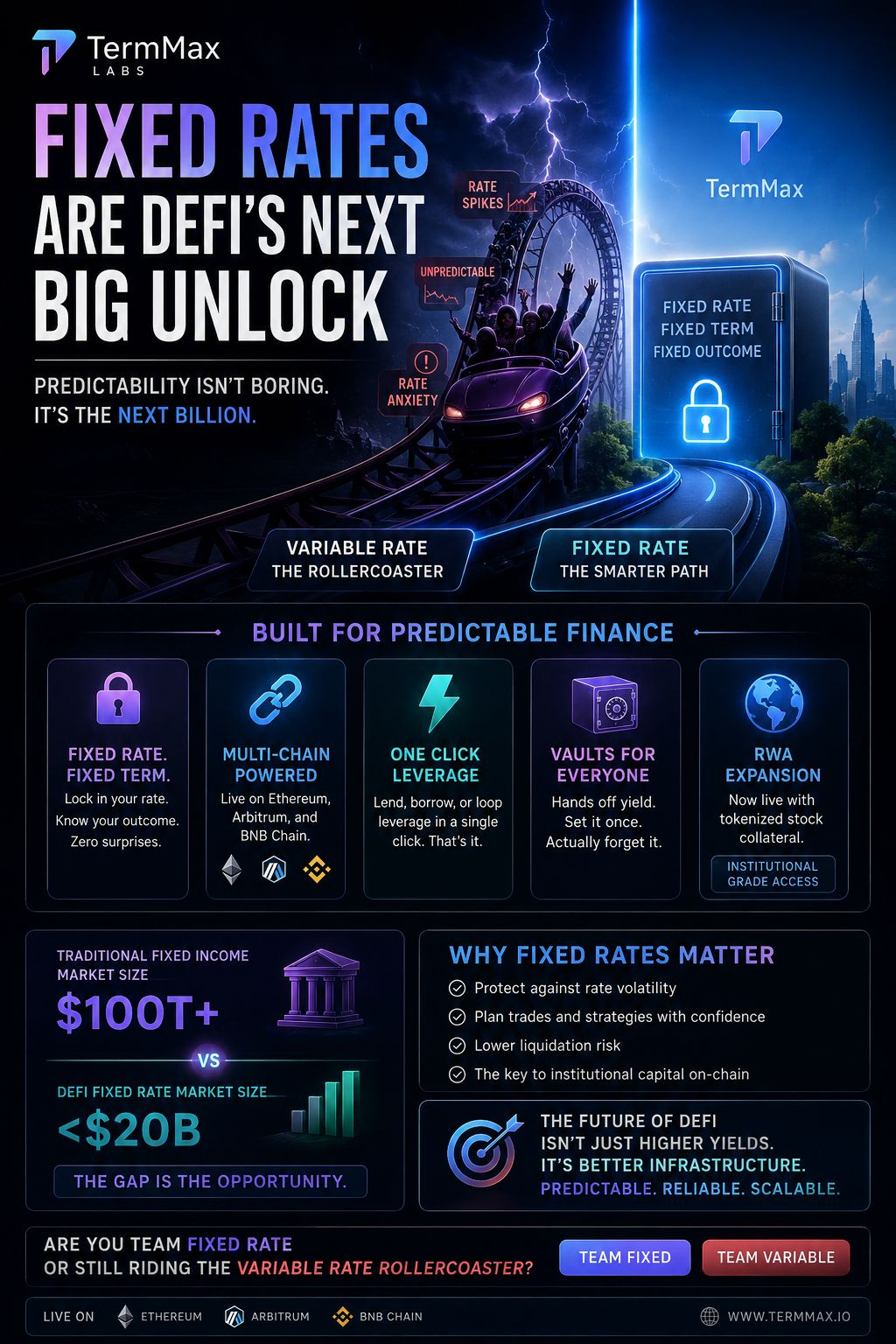
Lãi suất cố định đang âm thầm trở thành “mở khóa” lớn tiếp theo của DeFi...
Ai cũng chạy theo những ảnh chụp APY, nhưng vấn đề thực sự trong cho vay DeFi chưa bao giờ là lợi suất. Đó là sự không chắc chắn. Lãi suất biến động qua đêm, chi phí vay tăng vọt bất ngờ và “thu nhập thụ động” đôi khi lại nghĩa là phải kiểm tra bảng điều khiển của bạn năm lần một ngày...
Chính khoảng trống @TermMax này đang âm thầm được lấp đầy.
Thay vì trò quay roulette lãi suất thả nổi như thường lệ, #TermMax cho phép bạn khóa lãi suất cố định trong một thời hạn cố định. Cho vay, vay mượn hoặc khuếch đại đòn bẩy (loop) chỉ bằng một cú nhấp chuột, và bạn thực sự biết các con số của mình trước khi bắt đầu. Không đoán mò. Không lo lắng về lãi suất.
Một vài điểm đáng chú ý:
Cho vay/vay với lãi suất cố định và kỳ hạn cố định, hoạt động trên Ethereum, Arbitrum và BNB Chain.
Đòn bẩy một cú nhấp chuột mà không cần nhảy qua năm giao thức khác nhau.
Các vault cho lợi suất “hands off”. Cứ thiết lập là xong, và thật sự quên đi.
Gần đây đã mở rộng sang tài sản thế chấp cổ phiếu được token hóa, mở cánh cửa cho RWAs và nguồn vốn chuẩn tổ chức.
Nhìn xa hơn một chút. Thị trường thu nhập cố định truyền thống có giá trị hơn 100T USD. Phiên bản DeFi của thị trường đó vẫn còn dưới 20B USD. Khoảng cách này không phải là lỗi. Đó là cơ hội.
Tính dự đoán không phải là phần hấp dẫn nhất của crypto, nhưng có thể chính nó mới là phần cuối cùng mang vốn nghiêm túc lên chuỗi.
Bạn thuộc team lãi suất cố định hay vẫn đang lênh đênh trên “tàu lượn” lãi suất thả nổi?
Ai cũng chạy theo những ảnh chụp APY, nhưng vấn đề thực sự trong cho vay DeFi chưa bao giờ là lợi suất. Đó là sự không chắc chắn. Lãi suất biến động qua đêm, chi phí vay tăng vọt bất ngờ và “thu nhập thụ động” đôi khi lại nghĩa là phải kiểm tra bảng điều khiển của bạn năm lần một ngày...
Chính khoảng trống @TermMax này đang âm thầm được lấp đầy.
Thay vì trò quay roulette lãi suất thả nổi như thường lệ, #TermMax cho phép bạn khóa lãi suất cố định trong một thời hạn cố định. Cho vay, vay mượn hoặc khuếch đại đòn bẩy (loop) chỉ bằng một cú nhấp chuột, và bạn thực sự biết các con số của mình trước khi bắt đầu. Không đoán mò. Không lo lắng về lãi suất.
Một vài điểm đáng chú ý:
Cho vay/vay với lãi suất cố định và kỳ hạn cố định, hoạt động trên Ethereum, Arbitrum và BNB Chain.
Đòn bẩy một cú nhấp chuột mà không cần nhảy qua năm giao thức khác nhau.
Các vault cho lợi suất “hands off”. Cứ thiết lập là xong, và thật sự quên đi.
Gần đây đã mở rộng sang tài sản thế chấp cổ phiếu được token hóa, mở cánh cửa cho RWAs và nguồn vốn chuẩn tổ chức.
Nhìn xa hơn một chút. Thị trường thu nhập cố định truyền thống có giá trị hơn 100T USD. Phiên bản DeFi của thị trường đó vẫn còn dưới 20B USD. Khoảng cách này không phải là lỗi. Đó là cơ hội.
Tính dự đoán không phải là phần hấp dẫn nhất của crypto, nhưng có thể chính nó mới là phần cuối cùng mang vốn nghiêm túc lên chuỗi.
Bạn thuộc team lãi suất cố định hay vẫn đang lênh đênh trên “tàu lượn” lãi suất thả nổi?
Đã xác minh
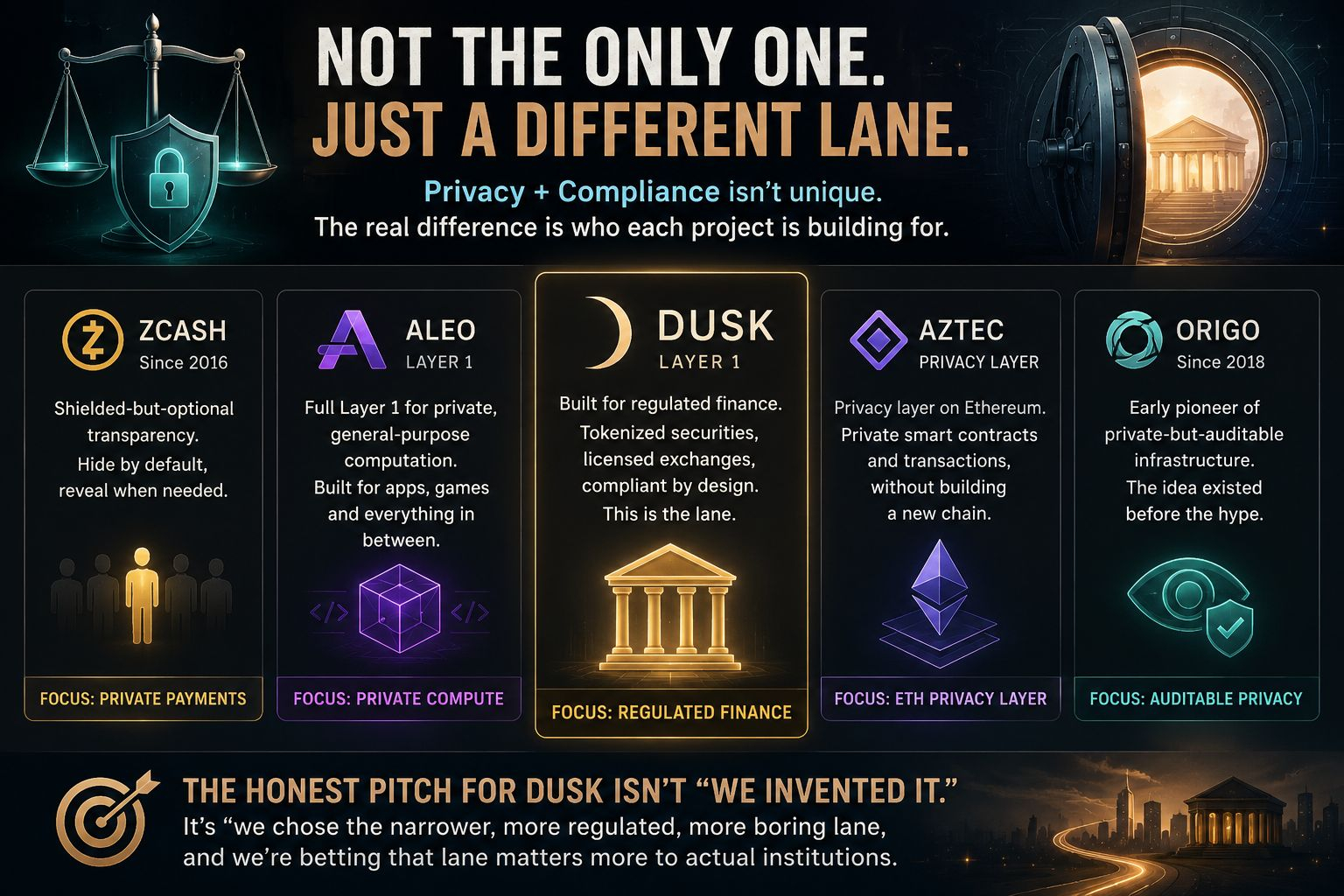
@Dusk liên tục bị gọi là "duy nhất" khi kết hợp giữa quyền riêng tư và tuân thủ quy định. Thực ra, không phải, không hẳn.
Tôi cứ thấy cùng một câu được lặp lại trong các bài viết #dusk . Quyền riêng tư và tuân thủ pháp lý, khi đi cùng nhau, đây là điều đầu tiên của loại hình này. Thế là tôi đi kiểm tra xem có ai khác thực sự đang làm về đúng vấn đề đó không, và hóa ra phòng còn đông hơn những gì bộ phận marketing nói.
Zcash đã triển khai minh bạch có thể che giấu nhưng vẫn tùy chọn từ năm 2016—về cơ bản là cùng một sự giằng co: mặc định thì ẩn, khi cần thì lộ. Aleo đang xây dựng một Layer 1 hoàn chỉnh cho tính toán riêng tư, mục đích chung, không chỉ dừng ở thanh toán. Aztec cũng làm điều tương tự, nhưng như một lớp quyền riêng tư nằm trên Ethereum thay vì tự tạo chuỗi riêng. Thậm chí Origo, một dự án nhỏ hơn nhiều, ít được nhắc đến hơn, đã từng quảng bá hạ tầng riêng tư nhưng vẫn kiểm toán được từ năm 2018—tức là nhiều năm trước khi Dusk có mainnet hoạt động.
Điểm khác thực sự, và tôi muốn công bằng ở đây, là mỗi dự án đang xây dựng cho ai. Aleo và Aztec đều nghiêng về tính toán riêng tư cho mục đích chung—ứng dụng, game, logic bất kỳ, nơi thứ cũng “tình cờ” là riêng tư. $DUSK tập trung cụ thể vào tài chính được quản lý: chứng khoán được token hóa, sàn giao dịch được cấp phép, kiểu thỏa thuận ngoài đời như NPEX. Đó là một khác biệt thật sự, không phải không có gì. Nhưng ý tưởng này không phải là duy nhất; đó là một thị trường mục tiêu khác cho cùng một ý tưởng mà một vài nhóm đã theo đuổi suốt nhiều năm.
Tôi nghĩ phiên bản trung thực của “bài pitch” của Dusk không phải là “Chúng tôi đã phát minh ra tài chính riêng tư tuân thủ quy định”. Mà là “Chúng tôi chọn một làn hẹp hơn, ít hấp dẫn hơn, chịu quản lý hơn so với Aleo hoặc Aztec—và chúng tôi đặt cược rằng làn đó quan trọng hơn với các tổ chức thực sự.” Đó là một tuyên bố nhỏ hơn. Và cũng là tuyên bố mà tôi thấy đáng tin hơn.
Tôi cứ thấy cùng một câu được lặp lại trong các bài viết #dusk . Quyền riêng tư và tuân thủ pháp lý, khi đi cùng nhau, đây là điều đầu tiên của loại hình này. Thế là tôi đi kiểm tra xem có ai khác thực sự đang làm về đúng vấn đề đó không, và hóa ra phòng còn đông hơn những gì bộ phận marketing nói.
Zcash đã triển khai minh bạch có thể che giấu nhưng vẫn tùy chọn từ năm 2016—về cơ bản là cùng một sự giằng co: mặc định thì ẩn, khi cần thì lộ. Aleo đang xây dựng một Layer 1 hoàn chỉnh cho tính toán riêng tư, mục đích chung, không chỉ dừng ở thanh toán. Aztec cũng làm điều tương tự, nhưng như một lớp quyền riêng tư nằm trên Ethereum thay vì tự tạo chuỗi riêng. Thậm chí Origo, một dự án nhỏ hơn nhiều, ít được nhắc đến hơn, đã từng quảng bá hạ tầng riêng tư nhưng vẫn kiểm toán được từ năm 2018—tức là nhiều năm trước khi Dusk có mainnet hoạt động.
Điểm khác thực sự, và tôi muốn công bằng ở đây, là mỗi dự án đang xây dựng cho ai. Aleo và Aztec đều nghiêng về tính toán riêng tư cho mục đích chung—ứng dụng, game, logic bất kỳ, nơi thứ cũng “tình cờ” là riêng tư. $DUSK tập trung cụ thể vào tài chính được quản lý: chứng khoán được token hóa, sàn giao dịch được cấp phép, kiểu thỏa thuận ngoài đời như NPEX. Đó là một khác biệt thật sự, không phải không có gì. Nhưng ý tưởng này không phải là duy nhất; đó là một thị trường mục tiêu khác cho cùng một ý tưởng mà một vài nhóm đã theo đuổi suốt nhiều năm.
Tôi nghĩ phiên bản trung thực của “bài pitch” của Dusk không phải là “Chúng tôi đã phát minh ra tài chính riêng tư tuân thủ quy định”. Mà là “Chúng tôi chọn một làn hẹp hơn, ít hấp dẫn hơn, chịu quản lý hơn so với Aleo hoặc Aztec—và chúng tôi đặt cược rằng làn đó quan trọng hơn với các tổ chức thực sự.” Đó là một tuyên bố nhỏ hơn. Và cũng là tuyên bố mà tôi thấy đáng tin hơn.
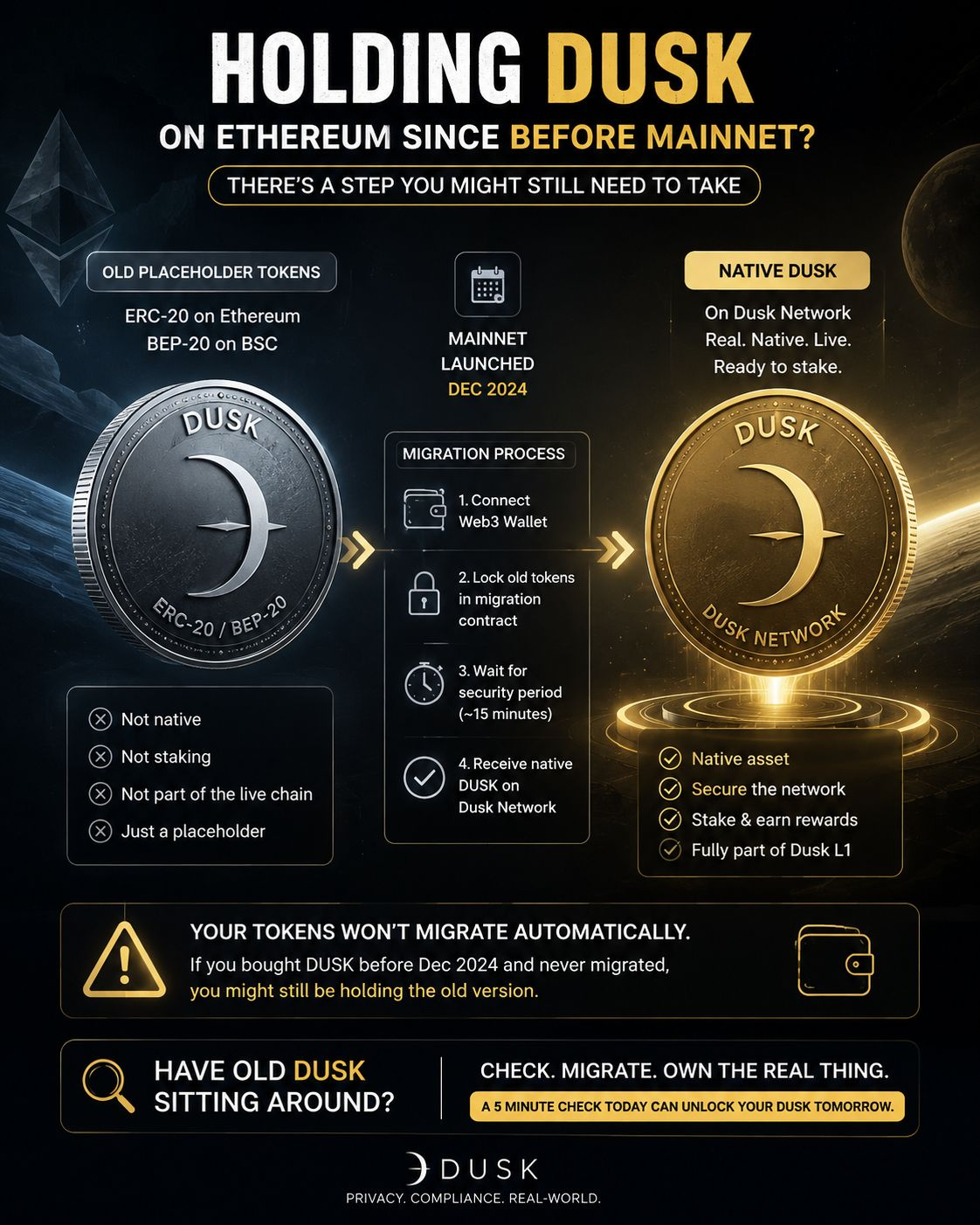
Nếu bạn đã giữ $DUSK trên Ethereum từ trước khi mainnet ra mắt, có một bước bạn có thể chưa biết mà vẫn cần phải thực hiện...
Tôi đã đọc qua tài liệu di chuyển #dusk và nhận ra một điều có vẻ dễ bị bỏ sót nếu bạn mua từ sớm và cứ... không bao giờ kiểm tra lại.
@Dusk ban đầu được ra mắt như một token tạm thời, ERC-20 trên Ethereum, BEP-20 trên BSC, vì mainnet thực sự chưa sẵn sàng. Điều này là bình thường—nhiều dự án làm như vậy. Điều ít bình thường là chuyện gì xảy ra sau khi mainnet thực sự được bật lên. Những token tạm thời này không tự động trở thành phiên bản thật. Bạn phải tự di chuyển chúng, kết nối một ví Web3, khóa các token cũ trong một hợp đồng di chuyển, và chờ DUSK gốc được cấp ở đầu bên kia. Việc này cũng không diễn ra ngay lập tức; chính hợp đồng cũng đặt một thời gian chờ, khoảng mười lăm phút, tích hợp để bảo mật.
Mainnet đã hoạt động vào tháng 12 năm 2024. Điều đó có nghĩa là bất kỳ ai đã mua DUSK dạng ERC-20 hoặc BEP-20 trước thời điểm đó và chỉ để nó nằm yên trong ví sàn hoặc ví Web3 mà bạn đã quên—thì bạn đang giữ token tạm thời, không phải tài sản gốc thực sự đang bảo đảm mạng lưới ngày hôm nay. Vẫn còn giá trị, vẫn có thể hoán đổi, nhưng nó không dùng để staking, không tạo ra lợi nhuận, và không thực sự thuộc chuỗi mạng đang hoạt động cho đến khi ai đó di chuyển thủ công nó sang.
Tôi không nghĩ đây là một kiểu bẫy nào đó; quy trình đã được ghi rõ, không hề bị che giấu. Nhưng các đợt di chuyển như thế này thường âm thầm khiến token bị “cô lập” mọi lúc, không phải vì ác ý, mà chỉ vì mọi người mua thứ gì đó từ nhiều năm trước và quên kiểm tra lại khi dự án bên dưới thực sự đã được triển khai.
Nếu bạn có DUSK cũ đang nằm ở đâu đó và từ năm 2023 hoặc 2024 đến nay bạn chưa chạm vào, thì việc kiểm tra nhanh trong năm phút trước khi cho rằng nó đã là phiên bản hiện tại là rất đáng làm.
Tôi đã đọc qua tài liệu di chuyển #dusk và nhận ra một điều có vẻ dễ bị bỏ sót nếu bạn mua từ sớm và cứ... không bao giờ kiểm tra lại.
@Dusk ban đầu được ra mắt như một token tạm thời, ERC-20 trên Ethereum, BEP-20 trên BSC, vì mainnet thực sự chưa sẵn sàng. Điều này là bình thường—nhiều dự án làm như vậy. Điều ít bình thường là chuyện gì xảy ra sau khi mainnet thực sự được bật lên. Những token tạm thời này không tự động trở thành phiên bản thật. Bạn phải tự di chuyển chúng, kết nối một ví Web3, khóa các token cũ trong một hợp đồng di chuyển, và chờ DUSK gốc được cấp ở đầu bên kia. Việc này cũng không diễn ra ngay lập tức; chính hợp đồng cũng đặt một thời gian chờ, khoảng mười lăm phút, tích hợp để bảo mật.
Mainnet đã hoạt động vào tháng 12 năm 2024. Điều đó có nghĩa là bất kỳ ai đã mua DUSK dạng ERC-20 hoặc BEP-20 trước thời điểm đó và chỉ để nó nằm yên trong ví sàn hoặc ví Web3 mà bạn đã quên—thì bạn đang giữ token tạm thời, không phải tài sản gốc thực sự đang bảo đảm mạng lưới ngày hôm nay. Vẫn còn giá trị, vẫn có thể hoán đổi, nhưng nó không dùng để staking, không tạo ra lợi nhuận, và không thực sự thuộc chuỗi mạng đang hoạt động cho đến khi ai đó di chuyển thủ công nó sang.
Tôi không nghĩ đây là một kiểu bẫy nào đó; quy trình đã được ghi rõ, không hề bị che giấu. Nhưng các đợt di chuyển như thế này thường âm thầm khiến token bị “cô lập” mọi lúc, không phải vì ác ý, mà chỉ vì mọi người mua thứ gì đó từ nhiều năm trước và quên kiểm tra lại khi dự án bên dưới thực sự đã được triển khai.
Nếu bạn có DUSK cũ đang nằm ở đâu đó và từ năm 2023 hoặc 2024 đến nay bạn chưa chạm vào, thì việc kiểm tra nhanh trong năm phút trước khi cho rằng nó đã là phiên bản hiện tại là rất đáng làm.
Đã xác minh
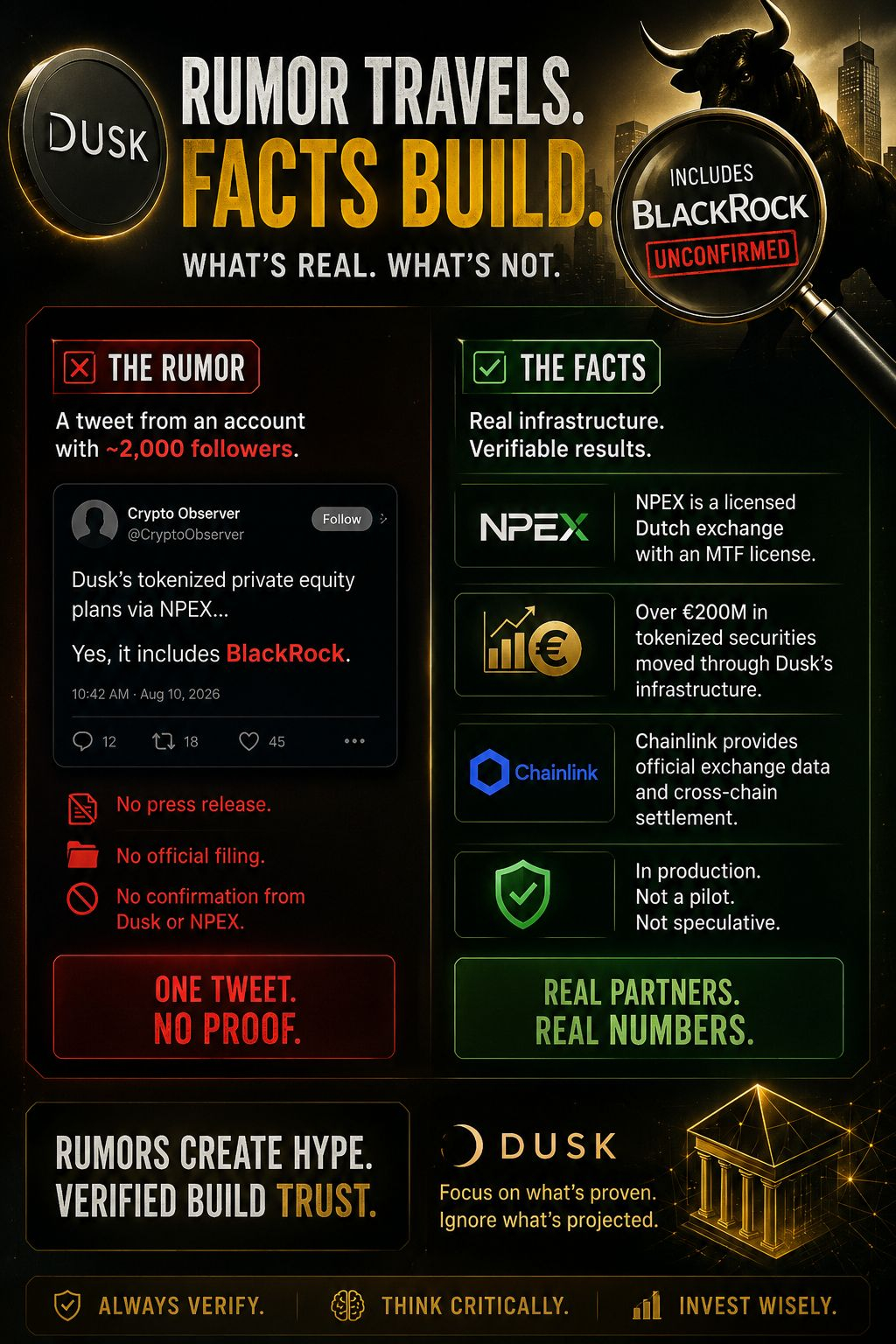
"Bao gồm BlackRock" bắt đầu như một dòng tweet từ một tài khoản có 2.000 người theo dõi. Hiện nó đã là một phần của toàn bộ luận điểm tăng giá.
Tôi đang đọc các bản tổng hợp tin tức #dusk news gần đây, và một câu cứ bị lặp đi lặp lại trên nhiều nguồn: những gợi ý về việc tích hợp BlackRock đang thúc đẩy sự lạc quan của các tổ chức. Chỉ riêng cụm từ đó cũng đã khiến tôi muốn lần ngược lại nguồn thay vì chỉ lặp lại nó.
Tôi đã lần ngược lại. Đó là một tweet. Từ một tài khoản có khoảng 2.000 người theo dõi, bình luận về kế hoạch @Dusk tokenized private equity thông qua quan hệ đối tác NPEX của họ, kèm thêm "Vâng, nó bao gồm BlackRock." Chỉ vậy thôi. Đó là nơi xuất phát. Không phải thông cáo báo chí, không phải hồ sơ chính thức, không phải bất kỳ thứ gì từ Dusk hay chính NPEX xác nhận nó. Đó chỉ là một lời bàn thêm của một người, giờ lại đang được lan truyền trong các bản tổng hợp thị trường như một chất xúc tác thực sự.
Thứ thực sự được xác nhận thì ít “hào nhoáng” hơn nhưng lại, thành thật mà nói, vững chắc hơn. NPEX là một sàn giao dịch Hà Lan có thật, được cấp phép và nắm giấy phép MTF, và họ đã chuyển hơn 200 triệu euro trong chứng khoán được token hóa qua hạ tầng của Dusk, đã triển khai trong vận hành chứ không phải bản thử nghiệm. Chainlink cũng đã tham gia, đảm nhiệm việc xử lý dữ liệu giao dịch chính thức của sàn và thanh toán bù trừ xuyên chuỗi cho các tài sản được token hóa. Đó là “hạ tầng” tổ chức thật, có thể kiểm chứng, không phải suy đoán.
Tôi hiểu vì sao thông tin dòng BlackRock lại lan nhanh hơn các con số của NPEX. Một bên là một cái tên được công nhận trên toàn cầu gắn với một tin đồn. Bên còn lại là một sàn giao dịch Hà Lan có thật nhưng ít người biết, gắn với một con số đã được xác nhận. Tin đồn luôn đi nhẹ hơn sự thật, và chúng luôn chạy nhanh hơn.
Tôi không nói rằng BlackRock chắc chắn không tham gia theo cách nào đó ở đâu đó trong chuỗi. Tôi chỉ nói rằng chưa ai thực sự chứng minh điều đó, và nó đã bị đối xử như tin tức đã được chốt ở những nơi lẽ ra phải biết rõ hơn. $DUSK
Tôi đang đọc các bản tổng hợp tin tức #dusk news gần đây, và một câu cứ bị lặp đi lặp lại trên nhiều nguồn: những gợi ý về việc tích hợp BlackRock đang thúc đẩy sự lạc quan của các tổ chức. Chỉ riêng cụm từ đó cũng đã khiến tôi muốn lần ngược lại nguồn thay vì chỉ lặp lại nó.
Tôi đã lần ngược lại. Đó là một tweet. Từ một tài khoản có khoảng 2.000 người theo dõi, bình luận về kế hoạch @Dusk tokenized private equity thông qua quan hệ đối tác NPEX của họ, kèm thêm "Vâng, nó bao gồm BlackRock." Chỉ vậy thôi. Đó là nơi xuất phát. Không phải thông cáo báo chí, không phải hồ sơ chính thức, không phải bất kỳ thứ gì từ Dusk hay chính NPEX xác nhận nó. Đó chỉ là một lời bàn thêm của một người, giờ lại đang được lan truyền trong các bản tổng hợp thị trường như một chất xúc tác thực sự.
Thứ thực sự được xác nhận thì ít “hào nhoáng” hơn nhưng lại, thành thật mà nói, vững chắc hơn. NPEX là một sàn giao dịch Hà Lan có thật, được cấp phép và nắm giấy phép MTF, và họ đã chuyển hơn 200 triệu euro trong chứng khoán được token hóa qua hạ tầng của Dusk, đã triển khai trong vận hành chứ không phải bản thử nghiệm. Chainlink cũng đã tham gia, đảm nhiệm việc xử lý dữ liệu giao dịch chính thức của sàn và thanh toán bù trừ xuyên chuỗi cho các tài sản được token hóa. Đó là “hạ tầng” tổ chức thật, có thể kiểm chứng, không phải suy đoán.
Tôi hiểu vì sao thông tin dòng BlackRock lại lan nhanh hơn các con số của NPEX. Một bên là một cái tên được công nhận trên toàn cầu gắn với một tin đồn. Bên còn lại là một sàn giao dịch Hà Lan có thật nhưng ít người biết, gắn với một con số đã được xác nhận. Tin đồn luôn đi nhẹ hơn sự thật, và chúng luôn chạy nhanh hơn.
Tôi không nói rằng BlackRock chắc chắn không tham gia theo cách nào đó ở đâu đó trong chuỗi. Tôi chỉ nói rằng chưa ai thực sự chứng minh điều đó, và nó đã bị đối xử như tin tức đã được chốt ở những nơi lẽ ra phải biết rõ hơn. $DUSK
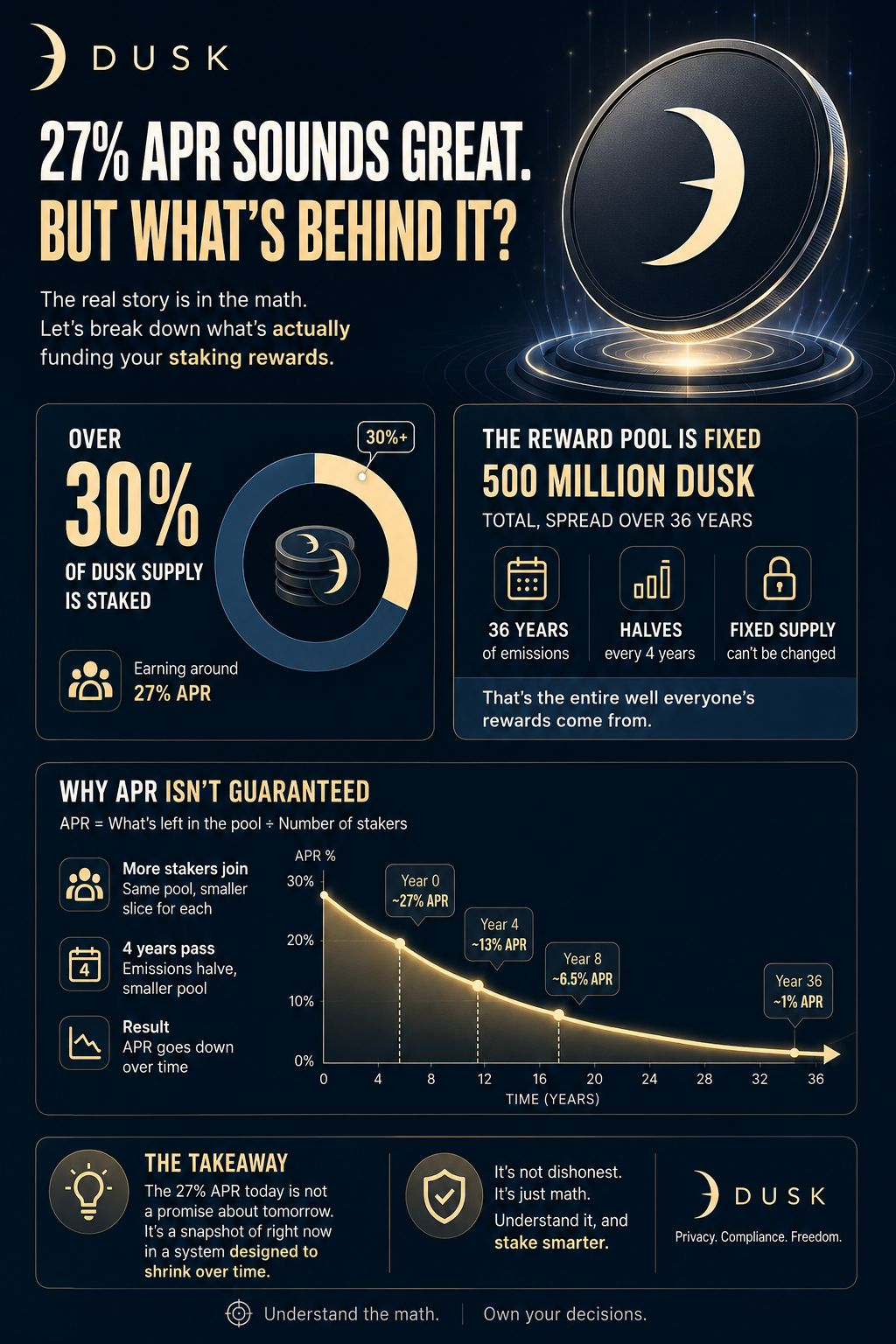
@Dusk đang quảng cáo lợi suất staking 27%. Những phép tính đằng sau nó khiến tôi muốn chậm lại.
Tôi thấy con số trên tài khoản của chính họ: hơn 30% trong tổng cung $DUSK đã được stake, kiếm khoảng 27% APR. Nghe thì rất ổn. Rồi tôi kiểm tra xem thực ra phần thưởng đó được tài trợ bằng gì.
Toàn bộ quỹ phần thưởng staking là cố định. 500 triệu DUSK, tổng cộng, được chia ra trong 36 năm, và được cắt giảm một nửa mỗi bốn năm theo thiết kế. Chỉ vậy thôi. Đó là toàn bộ cái “giếng” mà tiền thưởng của mọi người đến từ đó—mãi mãi thu hẹp theo một lịch trình đã đặt trước.
Vậy nên đây là điều không ai nói thẳng ra ngay cạnh con số 27%. Đó không phải là một mức lãi suất cố định. Nó là phần còn lại trong một quỹ đang bị thu hẹp, được chia cho bất kỳ bao nhiêu người đang stake tại thời điểm đó. Thêm người tham gia stake, cùng một quỹ, phần của mỗi người nhỏ hơn. Bốn năm trôi qua, lượng phát hành giảm một nửa, quỹ cũng nhỏ đi. Mức 27% hôm nay không phải là lời hứa cho ngày mai—đó chỉ là một “cảnh chụp” của ngay bây giờ.
Tôi không nghĩ là họ hoàn toàn không trung thực; đây là cách hoạt động của phần lớn hệ thống staking khi bạn nhìn kỹ bên trong. Tôi chỉ nghĩ rằng việc dẫn đầu bằng một con số APR lớn, mà không đặt ngay cạnh nó đường cong suy giảm, khiến mọi người kỳ vọng thứ gì đó về mặt toán học được xây dựng để giảm dần. #dusk
Tôi thấy con số trên tài khoản của chính họ: hơn 30% trong tổng cung $DUSK đã được stake, kiếm khoảng 27% APR. Nghe thì rất ổn. Rồi tôi kiểm tra xem thực ra phần thưởng đó được tài trợ bằng gì.
Toàn bộ quỹ phần thưởng staking là cố định. 500 triệu DUSK, tổng cộng, được chia ra trong 36 năm, và được cắt giảm một nửa mỗi bốn năm theo thiết kế. Chỉ vậy thôi. Đó là toàn bộ cái “giếng” mà tiền thưởng của mọi người đến từ đó—mãi mãi thu hẹp theo một lịch trình đã đặt trước.
Vậy nên đây là điều không ai nói thẳng ra ngay cạnh con số 27%. Đó không phải là một mức lãi suất cố định. Nó là phần còn lại trong một quỹ đang bị thu hẹp, được chia cho bất kỳ bao nhiêu người đang stake tại thời điểm đó. Thêm người tham gia stake, cùng một quỹ, phần của mỗi người nhỏ hơn. Bốn năm trôi qua, lượng phát hành giảm một nửa, quỹ cũng nhỏ đi. Mức 27% hôm nay không phải là lời hứa cho ngày mai—đó chỉ là một “cảnh chụp” của ngay bây giờ.
Tôi không nghĩ là họ hoàn toàn không trung thực; đây là cách hoạt động của phần lớn hệ thống staking khi bạn nhìn kỹ bên trong. Tôi chỉ nghĩ rằng việc dẫn đầu bằng một con số APR lớn, mà không đặt ngay cạnh nó đường cong suy giảm, khiến mọi người kỳ vọng thứ gì đó về mặt toán học được xây dựng để giảm dần. #dusk
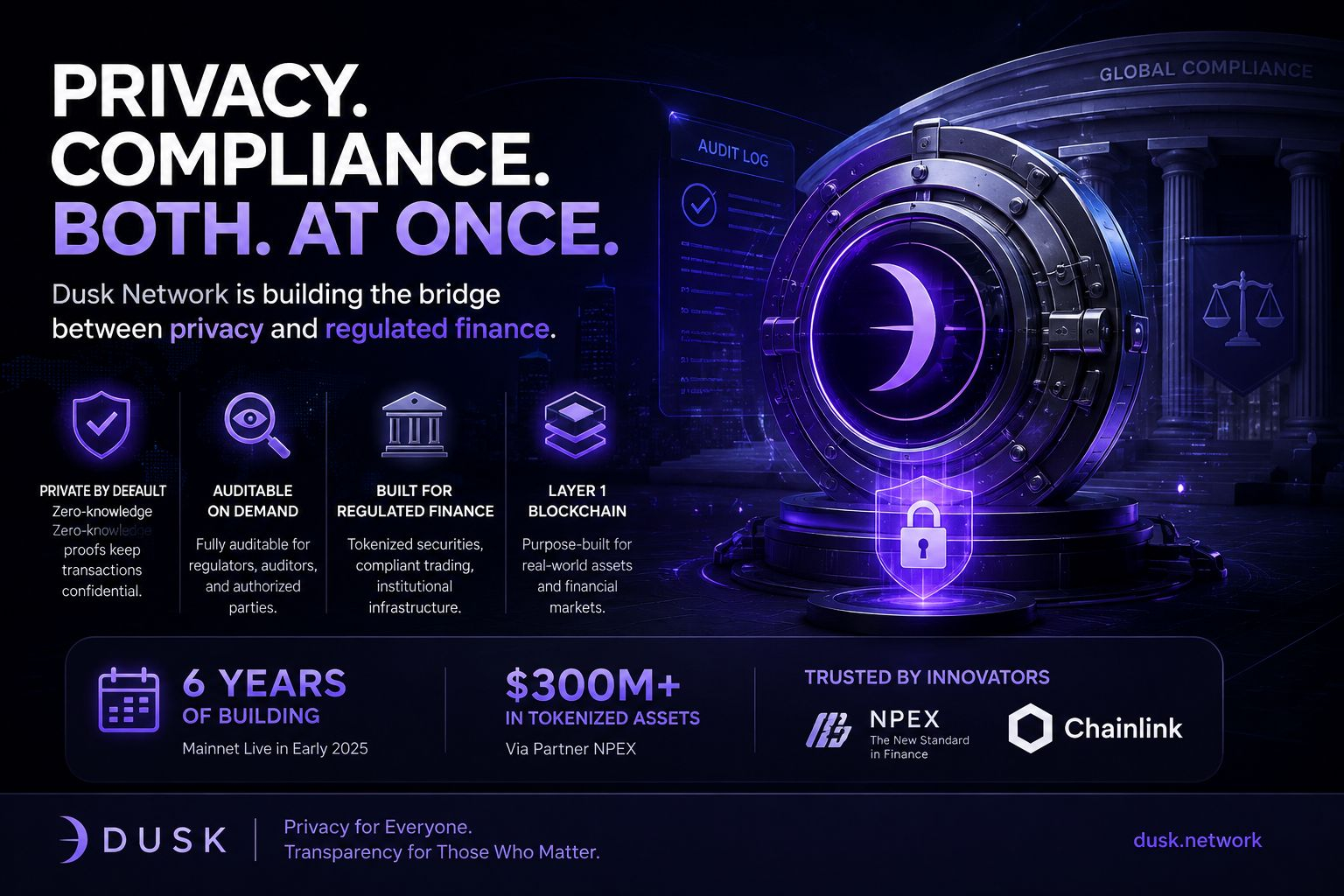
Một blockchain cố gắng vừa riêng tư vừa hoàn toàn có thể kiểm toán cùng lúc. Tôi không nghĩ điều đó khả thi cho đến khi nhìn kỹ hơn.
Quyền riêng tư và tuân thủ thường không đi cùng nhau trong crypto. Hoặc giao dịch bị ẩn và cơ quan quản lý ghét điều đó, hoặc mọi thứ công khai và bạn đã xây lại một sổ cái minh bạch mà không ai có tiền thật muốn dùng. @Dusk is đang xây dựng thứ nằm ở khoảng giữa.
Đó là một Layer 1 cho tài chính được quản lý, chứng khoán được token hóa, giao dịch tuân thủ, không phải DeFi “cờ bạc”. Nó sử dụng bằng chứng không có kiến thức (zero-knowledge proofs) để các giao dịch được che khỏi tầm nhìn công khai trong khi vẫn có thể kiểm toán đầy đủ cho bất kỳ ai được pháp luật cho phép kiểm tra. Bảo mật đối với tất cả mọi người, minh bạch đối với bên duy nhất được kỳ vọng sẽ thấy nó. Đây thực sự là một bài toán khó, không phải một khẩu hiệu.
Điều thu hút tôi là dòng thời gian. Mainnet đi vào hoạt động vào đầu năm 2025, tức là sáu năm sau khi dự án bắt đầu. Sáu năm là sự kiên nhẫn bất thường trong một ngành thường ra mắt whitepaper và token trong vòng sáu tháng. Kết hợp với các đối tác thật như NPEX token hóa hơn 300 triệu đô la tài sản, nó nghe ít giống “đánh trống chờ thời” và nhiều hơn như ai đó đang chờ phần khó để thực sự vận hành.
Biểu đồ giá kể một câu chuyện gồ ghề hơn. DUSK vẫn đang thấp khoảng 80% so với đỉnh năm 2021, ngay cả sau những đợt tăng trưởng thực sự gắn với tin tức cụ thể. Khoảng cách giữa "Công nghệ đang tiến bộ" và "Token vẫn chưa phục hồi" là điều thường thấy với các mảng hạ tầng. Thị trường không chờ lộ trình sáu năm để tự chứng minh.
Tôi vẫn chưa biết liệu tài chính được quản lý có thực sự muốn điều này hay không, hay các tổ chức có thấy thoải mái khi vận hành các chứng khoán thật được đóng gói dưới dạng token biến động mạnh như vậy. Nhưng quyền riêng tư không phải chiến đấu với việc tuân thủ lại giống như một trong số ít ý tưởng mới mẻ tôi gặp được gần đây. #dusk $DUSK
Quyền riêng tư và tuân thủ thường không đi cùng nhau trong crypto. Hoặc giao dịch bị ẩn và cơ quan quản lý ghét điều đó, hoặc mọi thứ công khai và bạn đã xây lại một sổ cái minh bạch mà không ai có tiền thật muốn dùng. @Dusk is đang xây dựng thứ nằm ở khoảng giữa.
Đó là một Layer 1 cho tài chính được quản lý, chứng khoán được token hóa, giao dịch tuân thủ, không phải DeFi “cờ bạc”. Nó sử dụng bằng chứng không có kiến thức (zero-knowledge proofs) để các giao dịch được che khỏi tầm nhìn công khai trong khi vẫn có thể kiểm toán đầy đủ cho bất kỳ ai được pháp luật cho phép kiểm tra. Bảo mật đối với tất cả mọi người, minh bạch đối với bên duy nhất được kỳ vọng sẽ thấy nó. Đây thực sự là một bài toán khó, không phải một khẩu hiệu.
Điều thu hút tôi là dòng thời gian. Mainnet đi vào hoạt động vào đầu năm 2025, tức là sáu năm sau khi dự án bắt đầu. Sáu năm là sự kiên nhẫn bất thường trong một ngành thường ra mắt whitepaper và token trong vòng sáu tháng. Kết hợp với các đối tác thật như NPEX token hóa hơn 300 triệu đô la tài sản, nó nghe ít giống “đánh trống chờ thời” và nhiều hơn như ai đó đang chờ phần khó để thực sự vận hành.
Biểu đồ giá kể một câu chuyện gồ ghề hơn. DUSK vẫn đang thấp khoảng 80% so với đỉnh năm 2021, ngay cả sau những đợt tăng trưởng thực sự gắn với tin tức cụ thể. Khoảng cách giữa "Công nghệ đang tiến bộ" và "Token vẫn chưa phục hồi" là điều thường thấy với các mảng hạ tầng. Thị trường không chờ lộ trình sáu năm để tự chứng minh.
Tôi vẫn chưa biết liệu tài chính được quản lý có thực sự muốn điều này hay không, hay các tổ chức có thấy thoải mái khi vận hành các chứng khoán thật được đóng gói dưới dạng token biến động mạnh như vậy. Nhưng quyền riêng tư không phải chiến đấu với việc tuân thủ lại giống như một trong số ít ý tưởng mới mẻ tôi gặp được gần đây. #dusk $DUSK
Thị trường crypto giống như đang bước vào một giai đoạn mà sự kiên nhẫn quan trọng hơn cả trào lưu.
Chúng ta đang chứng kiến dòng tiền luân chuyển, các câu chuyện thay đổi nhanh chóng, và những dự án mạnh mẽ tự tách mình khỏi phần nhiễu. BTC vẫn là trụ neo của thị trường, trong khi thanh khoản đang dần tìm kiếm những khu vực tăng trưởng tiếp theo trên DeFi, AI, RWA và hạ tầng.
Câu hỏi lớn không chỉ là “Liệu crypto có đi cao hơn không?”
Mà là “Khi làn sóng thanh khoản tiếp theo đổ tới, những lĩnh vực và dự án nào vẫn còn ý nghĩa?”
Thị trường hiếm khi đi theo một đường thẳng. Sẽ có những nhịp điều chỉnh, những đợt bẫy giả và các lần xoay chuyển đột ngột.
Với tôi, đây là giai đoạn cần tập trung theo dõi nền tảng (fundamentals), bám sát thanh khoản và sẵn sàng hơn là đuổi theo từng cây nến xanh.
Làn sóng tăng lớn tiếp theo có thể đã đang được hình thành âm thầm. 👀
$NBISB $PROM
#crypto #BTC #Altcoins #DeFi #CryptoMarket
Chúng ta đang chứng kiến dòng tiền luân chuyển, các câu chuyện thay đổi nhanh chóng, và những dự án mạnh mẽ tự tách mình khỏi phần nhiễu. BTC vẫn là trụ neo của thị trường, trong khi thanh khoản đang dần tìm kiếm những khu vực tăng trưởng tiếp theo trên DeFi, AI, RWA và hạ tầng.
Câu hỏi lớn không chỉ là “Liệu crypto có đi cao hơn không?”
Mà là “Khi làn sóng thanh khoản tiếp theo đổ tới, những lĩnh vực và dự án nào vẫn còn ý nghĩa?”
Thị trường hiếm khi đi theo một đường thẳng. Sẽ có những nhịp điều chỉnh, những đợt bẫy giả và các lần xoay chuyển đột ngột.
Với tôi, đây là giai đoạn cần tập trung theo dõi nền tảng (fundamentals), bám sát thanh khoản và sẵn sàng hơn là đuổi theo từng cây nến xanh.
Làn sóng tăng lớn tiếp theo có thể đã đang được hình thành âm thầm. 👀
$NBISB $PROM
#crypto #BTC #Altcoins #DeFi #CryptoMarket
@BabylonLabs_io own paperwork says #baby is not an investment. Their staking page disagrees with that.
Tôi đã đọc qua các tài liệu tokenomics của Babylon, chủ yếu là kiểm tra các con số, và gặp một tuyên bố miễn trừ trách nhiệm mà tôi không ngờ tới. Nằm trong phần “pháp lý đóng gói” dày đặc, nó ghi rất rõ rằng mục đích chính của BABY là thanh toán các khoản phí, bảo đảm sự đồng thuận và hỗ trợ việc quản trị, và nó không được thiết kế để phục vụ như một khoản đầu tư. Lời lẽ của luật sư kiểu này thì cũng khá quen thuộc—mỗi dự án đều có một phiên bản nào đó.
Nhưng tôi vừa đọc xong trang staking, nơi toàn bộ bản chào hàng lại là những con số APY, dự báo phần thưởng và ngôn ngữ nói về việc kiếm lợi nhuận từ Bitcoin của bạn. Hai nội dung đó lại nằm trên cùng một website, mâu thuẫn với nhau. Và tôi không nghĩ đó là sự tình cờ; tôi cho rằng đó chính là sự giằng co mà hầu như mọi dự án token hiện nay đang phải điều hướng.
Ủy ban Chứng khoán và Giao dịch (SEC) thực ra đã đề cập đến câu hỏi tổng quát này trước đó trong năm nay, và cách họ diễn đạt đã đọng lại trong tôi. Điều quan trọng không phải là việc một dự án gắn nhãn gì cho token của mình. Điều quan trọng là thực tế kinh tế: chính “thứ đó” vận hành ra sao trong thực tiễn, bất kể phần miễn trừ trách nhiệm gọi nó như thế nào. Nếu một thứ hoạt động như một khoản đầu tư, tạo ra lợi nhuận, được tiếp thị xoay quanh kỳ vọng về lợi tức, thì việc giấy tờ nói ngược lại không nhất thiết sẽ “chốt hạ” mọi vấn đề.
Tôi không phải luật sư và cũng không hề muốn cáo buộc Babylon làm gì đó sai trái một cách đặc biệt ở đây—thành thật mà nói, gần như mọi dự án token đều có khoảng trống tương tự giữa các tuyên bố pháp lý và nội dung marketing thực tế. Nhưng việc đọc cả hai trang, lần lượt từ đầu đến cuối, khiến khoảng trống đó cảm giác “lớn” hơn mức thường thấy. Một trang nói đây không phải là một khoản đầu tư. Trang còn lại lại được xây dựng hoàn toàn để thuyết phục bạn rằng nó đáng để đầu tư.
Tôi không biết chuyện đó sẽ được giải quyết ra sao, và tôi cũng không nghĩ Babylon đã có câu trả lời—chẳng ai trong crypto giải quyết trọn vẹn được hết. Tôi chỉ cho rằng đáng để để ý khi ngôn ngữ pháp lý của một dự án và ngôn ngữ marketing của dự án đó một cách thầm lặng đang kể cho bạn hai câu chuyện khác nhau.
$BABY $ON
Tôi đã đọc qua các tài liệu tokenomics của Babylon, chủ yếu là kiểm tra các con số, và gặp một tuyên bố miễn trừ trách nhiệm mà tôi không ngờ tới. Nằm trong phần “pháp lý đóng gói” dày đặc, nó ghi rất rõ rằng mục đích chính của BABY là thanh toán các khoản phí, bảo đảm sự đồng thuận và hỗ trợ việc quản trị, và nó không được thiết kế để phục vụ như một khoản đầu tư. Lời lẽ của luật sư kiểu này thì cũng khá quen thuộc—mỗi dự án đều có một phiên bản nào đó.
Nhưng tôi vừa đọc xong trang staking, nơi toàn bộ bản chào hàng lại là những con số APY, dự báo phần thưởng và ngôn ngữ nói về việc kiếm lợi nhuận từ Bitcoin của bạn. Hai nội dung đó lại nằm trên cùng một website, mâu thuẫn với nhau. Và tôi không nghĩ đó là sự tình cờ; tôi cho rằng đó chính là sự giằng co mà hầu như mọi dự án token hiện nay đang phải điều hướng.
Ủy ban Chứng khoán và Giao dịch (SEC) thực ra đã đề cập đến câu hỏi tổng quát này trước đó trong năm nay, và cách họ diễn đạt đã đọng lại trong tôi. Điều quan trọng không phải là việc một dự án gắn nhãn gì cho token của mình. Điều quan trọng là thực tế kinh tế: chính “thứ đó” vận hành ra sao trong thực tiễn, bất kể phần miễn trừ trách nhiệm gọi nó như thế nào. Nếu một thứ hoạt động như một khoản đầu tư, tạo ra lợi nhuận, được tiếp thị xoay quanh kỳ vọng về lợi tức, thì việc giấy tờ nói ngược lại không nhất thiết sẽ “chốt hạ” mọi vấn đề.
Tôi không phải luật sư và cũng không hề muốn cáo buộc Babylon làm gì đó sai trái một cách đặc biệt ở đây—thành thật mà nói, gần như mọi dự án token đều có khoảng trống tương tự giữa các tuyên bố pháp lý và nội dung marketing thực tế. Nhưng việc đọc cả hai trang, lần lượt từ đầu đến cuối, khiến khoảng trống đó cảm giác “lớn” hơn mức thường thấy. Một trang nói đây không phải là một khoản đầu tư. Trang còn lại lại được xây dựng hoàn toàn để thuyết phục bạn rằng nó đáng để đầu tư.
Tôi không biết chuyện đó sẽ được giải quyết ra sao, và tôi cũng không nghĩ Babylon đã có câu trả lời—chẳng ai trong crypto giải quyết trọn vẹn được hết. Tôi chỉ cho rằng đáng để để ý khi ngôn ngữ pháp lý của một dự án và ngôn ngữ marketing của dự án đó một cách thầm lặng đang kể cho bạn hai câu chuyện khác nhau.
$BABY $ON
Đăng nhập để khám phá thêm nội dung