

Mastering Crypto
16.2k Bài đăng
Mastering Crypto
 Đã xác minh nâng cao trên Square
Báo cáo
Chặn người dùng
Twitter(X) @ MasteringCrypt

Creator Awards 2024

Traders League Badge Expert

#BinanceTurns7 task 2
Giao dịch mở
Trader tần suất cao
{thời gian} năm
241 Đang theo dõi
398.8K+ Người theo dõi
241.4K+ Đã thích
5 Huy hiệu
Bài đăng
Danh mục đầu tư
Tất cả
Trích dẫn
Video
Live
PINNED
Mở khóa $1000 USDT hàng ngày với Futures 🗝
Không chỉ một… không chỉ hai…
BỐN giao dịch. Tất cả đều có lợi.💚
[Join My Premium Club For Highly Profitable Trades](https://app.binance.com/uni-qr/group-chat-landing?channelToken=jMv1tS4NA7v8KtC8c1jFqw&type=1&entrySource=sharing_link)
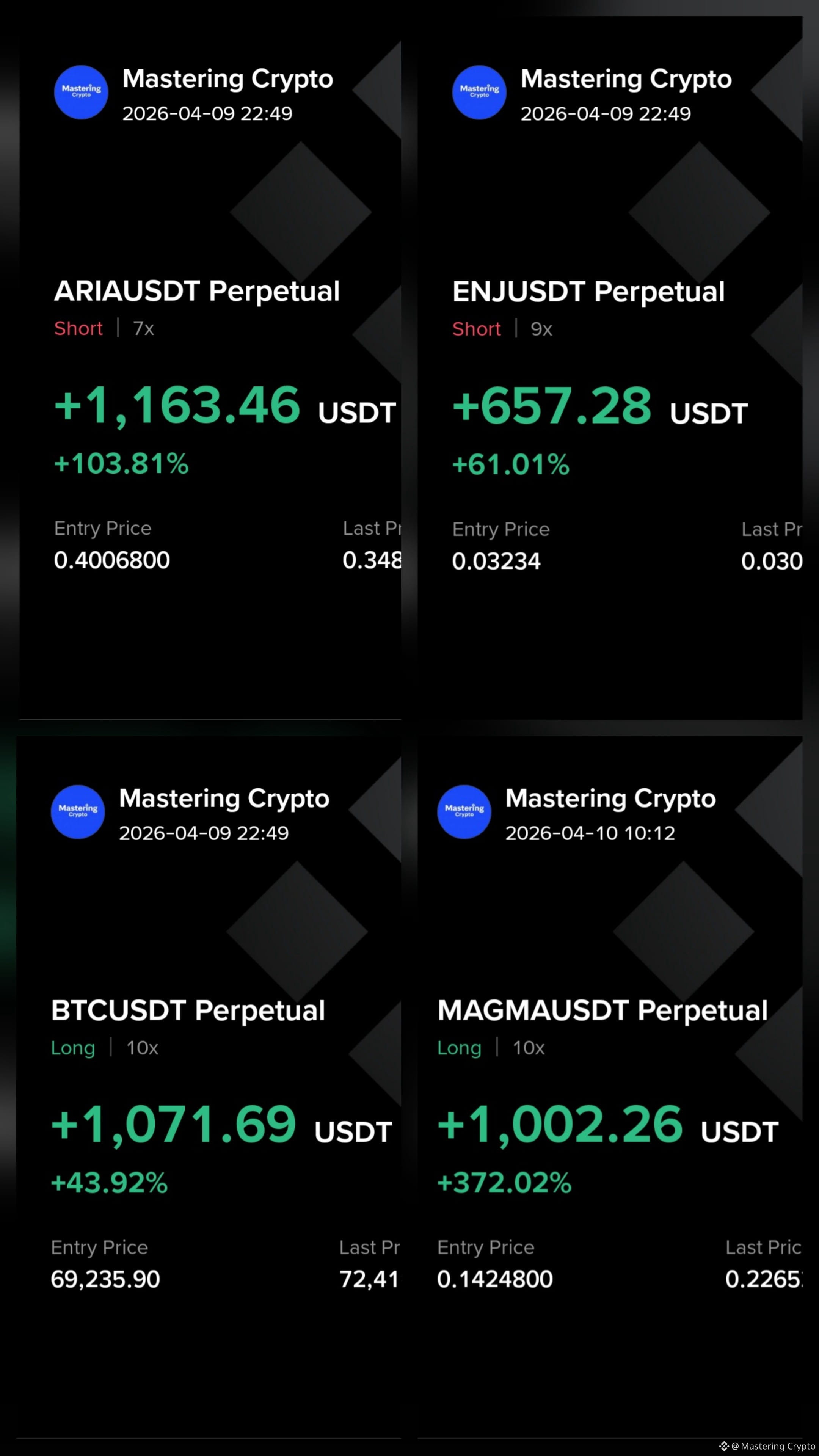
$ARIA bán… +$1,163 ✅
$BTC mua… +$1,071 ✅
$ENJ bán… +$657 ✅
$MAGMA mua… +$1,002 ✅
Đó là hơn $3,800 trong một ngày 👀
Và từng giao dịch này…
đã được chia sẻ trong Nhóm Cao Cấp của tôi
trước khi nó xảy ra. 🤝
Nếu bạn vẫn giao dịch một mình…
vẫn nhìn vào biểu đồ hàng giờ…
vẫn kết thúc ngày trong màu đỏ…
Tôi muốn hỏi bạn một điều chân thành…
Bạn sẽ tiếp tục làm điều này trong bao lâu? 💀
Bởi vì trong khi bạn đang thua…
các thành viên của tôi đang kiếm được.
Không phải vì họ may mắn…
không phải vì họ là chuyên gia…
Một số trong họ chỉ là người mới bắt đầu
mới chỉ vài tuần trước 😏
Sự khác biệt?
Họ đã ngừng đoán…
và bắt đầu theo dõi một hệ thống hiệu quả.
Mỗi ngày trong nhóm của tôi👇🏻
Các thiết lập giao dịch thực tế trước khi di chuyển ✅
Vào lệnh, TP, SL… mọi thứ rõ ràng ✅
Giao dịch Futures được giải thích đơn giản ✅
Kết quả như thế này… hàng ngày 💰
Không nhầm lẫn. Không tiếng ồn.
Chỉ có giao dịch sạch và lợi nhuận thực.
Nếu bạn mệt mỏi với việc thua lỗ…
mệt mỏi khi nhìn người khác thắng…
mệt mỏi khi không biết mình đang làm gì…
Đây là khoảnh khắc của bạn 👀
Số lượng có hạn…
và chúng đang nhanh chóng đầy 🚨
Câu hỏi rất đơn giản…
bạn có định tiếp tục thua một mình…
hay bắt đầu thắng cùng chúng tôi? 💯
{future}(ARIAUSDT)
{future}(BTCUSDT)
{future}(ENJUSDT)
#freedomofmoney #CZonTBPNInterview
Mở khóa $1000 USDT hàng ngày với Futures 🗝
Không chỉ một… không chỉ hai…
BỐN giao dịch. Tất cả đều có lợi.💚
Join My Premium Club For Highly Profitable Trades
$ARIA bán… +$1,163 ✅
$BTC mua… +$1,071 ✅
$ENJ bán… +$657 ✅
$MAGMA mua… +$1,002 ✅
Đó là hơn $3,800 trong một ngày 👀
Và từng giao dịch này…
đã được chia sẻ trong Nhóm Cao Cấp của tôi
trước khi nó xảy ra. 🤝
Nếu bạn vẫn giao dịch một mình…
vẫn nhìn vào biểu đồ hàng giờ…
vẫn kết thúc ngày trong màu đỏ…
Tôi muốn hỏi bạn một điều chân thành…
Bạn sẽ tiếp tục làm điều này trong bao lâu? 💀
Bởi vì trong khi bạn đang thua…
các thành viên của tôi đang kiếm được.
Không phải vì họ may mắn…
không phải vì họ là chuyên gia…
Một số trong họ chỉ là người mới bắt đầu
mới chỉ vài tuần trước 😏
Sự khác biệt?
Họ đã ngừng đoán…
và bắt đầu theo dõi một hệ thống hiệu quả.
Mỗi ngày trong nhóm của tôi👇🏻
Các thiết lập giao dịch thực tế trước khi di chuyển ✅
Vào lệnh, TP, SL… mọi thứ rõ ràng ✅
Giao dịch Futures được giải thích đơn giản ✅
Kết quả như thế này… hàng ngày 💰
Không nhầm lẫn. Không tiếng ồn.
Chỉ có giao dịch sạch và lợi nhuận thực.
Nếu bạn mệt mỏi với việc thua lỗ…
mệt mỏi khi nhìn người khác thắng…
mệt mỏi khi không biết mình đang làm gì…
Đây là khoảnh khắc của bạn 👀
Số lượng có hạn…
và chúng đang nhanh chóng đầy 🚨
Câu hỏi rất đơn giản…
bạn có định tiếp tục thua một mình…
hay bắt đầu thắng cùng chúng tôi? 💯
#freedomofmoney #CZonTBPNInterview
Không chỉ một… không chỉ hai…
BỐN giao dịch. Tất cả đều có lợi.💚
Join My Premium Club For Highly Profitable Trades
$ARIA bán… +$1,163 ✅
$BTC mua… +$1,071 ✅
$ENJ bán… +$657 ✅
$MAGMA mua… +$1,002 ✅
Đó là hơn $3,800 trong một ngày 👀
Và từng giao dịch này…
đã được chia sẻ trong Nhóm Cao Cấp của tôi
trước khi nó xảy ra. 🤝
Nếu bạn vẫn giao dịch một mình…
vẫn nhìn vào biểu đồ hàng giờ…
vẫn kết thúc ngày trong màu đỏ…
Tôi muốn hỏi bạn một điều chân thành…
Bạn sẽ tiếp tục làm điều này trong bao lâu? 💀
Bởi vì trong khi bạn đang thua…
các thành viên của tôi đang kiếm được.
Không phải vì họ may mắn…
không phải vì họ là chuyên gia…
Một số trong họ chỉ là người mới bắt đầu
mới chỉ vài tuần trước 😏
Sự khác biệt?
Họ đã ngừng đoán…
và bắt đầu theo dõi một hệ thống hiệu quả.
Mỗi ngày trong nhóm của tôi👇🏻
Các thiết lập giao dịch thực tế trước khi di chuyển ✅
Vào lệnh, TP, SL… mọi thứ rõ ràng ✅
Giao dịch Futures được giải thích đơn giản ✅
Kết quả như thế này… hàng ngày 💰
Không nhầm lẫn. Không tiếng ồn.
Chỉ có giao dịch sạch và lợi nhuận thực.
Nếu bạn mệt mỏi với việc thua lỗ…
mệt mỏi khi nhìn người khác thắng…
mệt mỏi khi không biết mình đang làm gì…
Đây là khoảnh khắc của bạn 👀
Số lượng có hạn…
và chúng đang nhanh chóng đầy 🚨
Câu hỏi rất đơn giản…
bạn có định tiếp tục thua một mình…
hay bắt đầu thắng cùng chúng tôi? 💯
#freedomofmoney #CZonTBPNInterview
80
3
72
9.1k
PINNED
Tận hưởng các tín hiệu giao dịch cao cấp và tạo ra nhiều doanh thu hơn với rủi ro ít hơn trên Binance Futures. 📈
[Join here 👈](https://app.binance.com/uni-qr/group-chat-landing?channelToken=jMv1tS4NA7v8KtC8c1jFqw&type=1&entrySource=sharing_link)
Tham gia nhóm cao cấp của tôi và hỗ trợ Mastering Crypto Ecosystem trên Binance.
Bạn sẽ nhận được tất cả sự giúp đỡ liên quan đến giao dịch và các tín hiệu sớm để tối đa hóa lợi nhuận của bạn.
Ngừng thua lỗ và bắt đầu kiếm tiền thật 💸
Tận hưởng các tín hiệu giao dịch cao cấp và tạo ra nhiều doanh thu hơn với rủi ro ít hơn trên Binance Futures. 📈
Join here 👈
Tham gia nhóm cao cấp của tôi và hỗ trợ Mastering Crypto Ecosystem trên Binance.
Bạn sẽ nhận được tất cả sự giúp đỡ liên quan đến giao dịch và các tín hiệu sớm để tối đa hóa lợi nhuận của bạn.
Ngừng thua lỗ và bắt đầu kiếm tiền thật 💸
Join here 👈
Tham gia nhóm cao cấp của tôi và hỗ trợ Mastering Crypto Ecosystem trên Binance.
Bạn sẽ nhận được tất cả sự giúp đỡ liên quan đến giao dịch và các tín hiệu sớm để tối đa hóa lợi nhuận của bạn.
Ngừng thua lỗ và bắt đầu kiếm tiền thật 💸
29
1
45
868
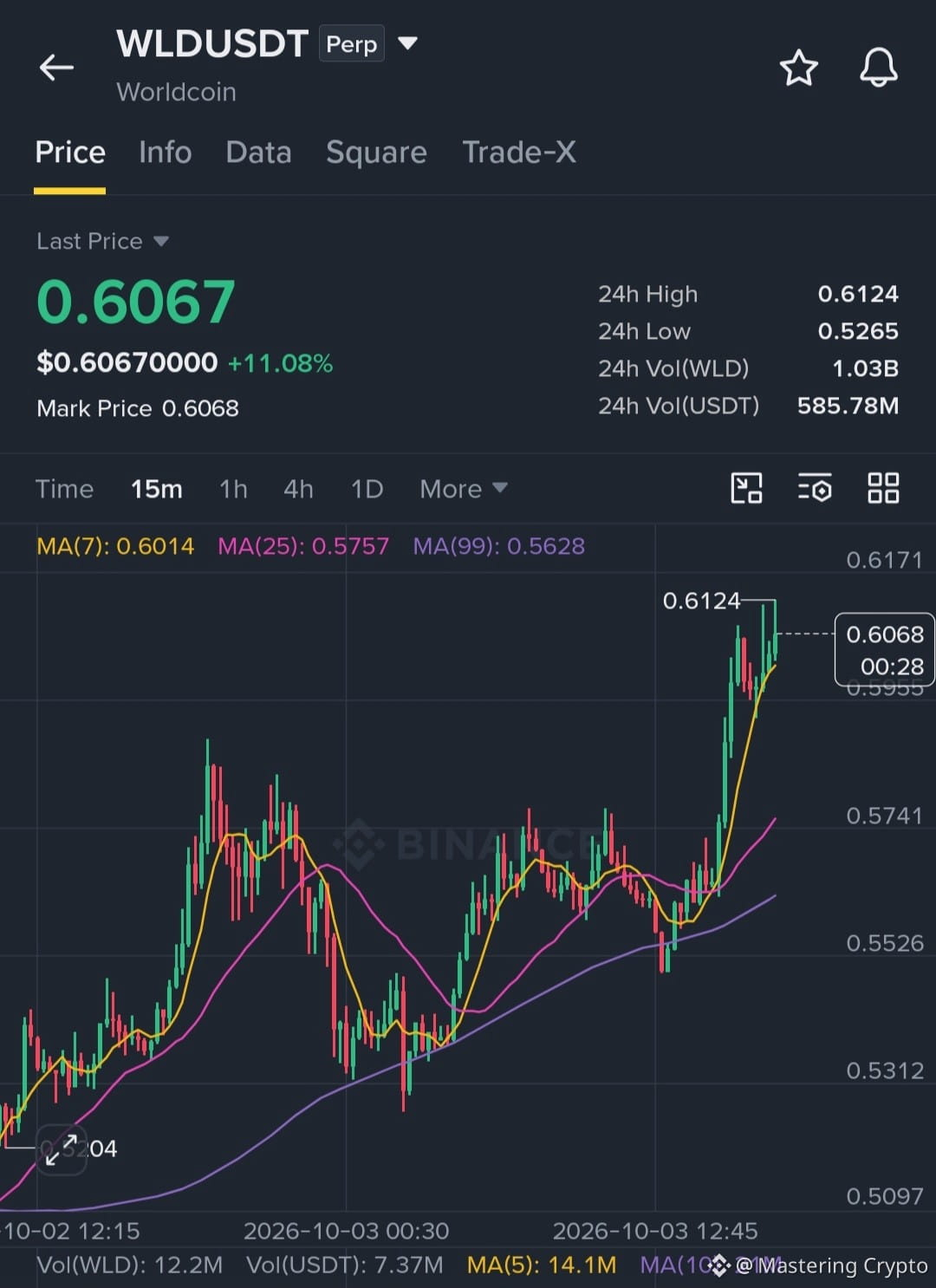
$WLD đang đẩy lên các mức cao hơn
Dài $WLD
Vào lệnh: 0.575 – 0.600
SL: 0.555
TP1: 0.6125
TP2: 0.6250
TP3: 0.6450
TP4: 0.6700
🫂 Tham gia nhóm chat Binance của tôi và cùng nhau giành chiến thắng trong mọi giao dịch.
Giao dịch $WLD tại đây 👇
{future}(WLDUSDT)
$WLD đang đẩy lên các mức cao hơn
Dài $WLD
Vào lệnh: 0.575 – 0.600
SL: 0.555
TP1: 0.6125
TP2: 0.6250
TP3: 0.6450
TP4: 0.6700
🫂 Tham gia nhóm chat Binance của tôi và cùng nhau giành chiến thắng trong mọi giao dịch.
Giao dịch $WLD tại đây 👇
Dài $WLD
Vào lệnh: 0.575 – 0.600
SL: 0.555
TP1: 0.6125
TP2: 0.6250
TP3: 0.6450
TP4: 0.6700
🫂 Tham gia nhóm chat Binance của tôi và cùng nhau giành chiến thắng trong mọi giao dịch.
Giao dịch $WLD tại đây 👇
614
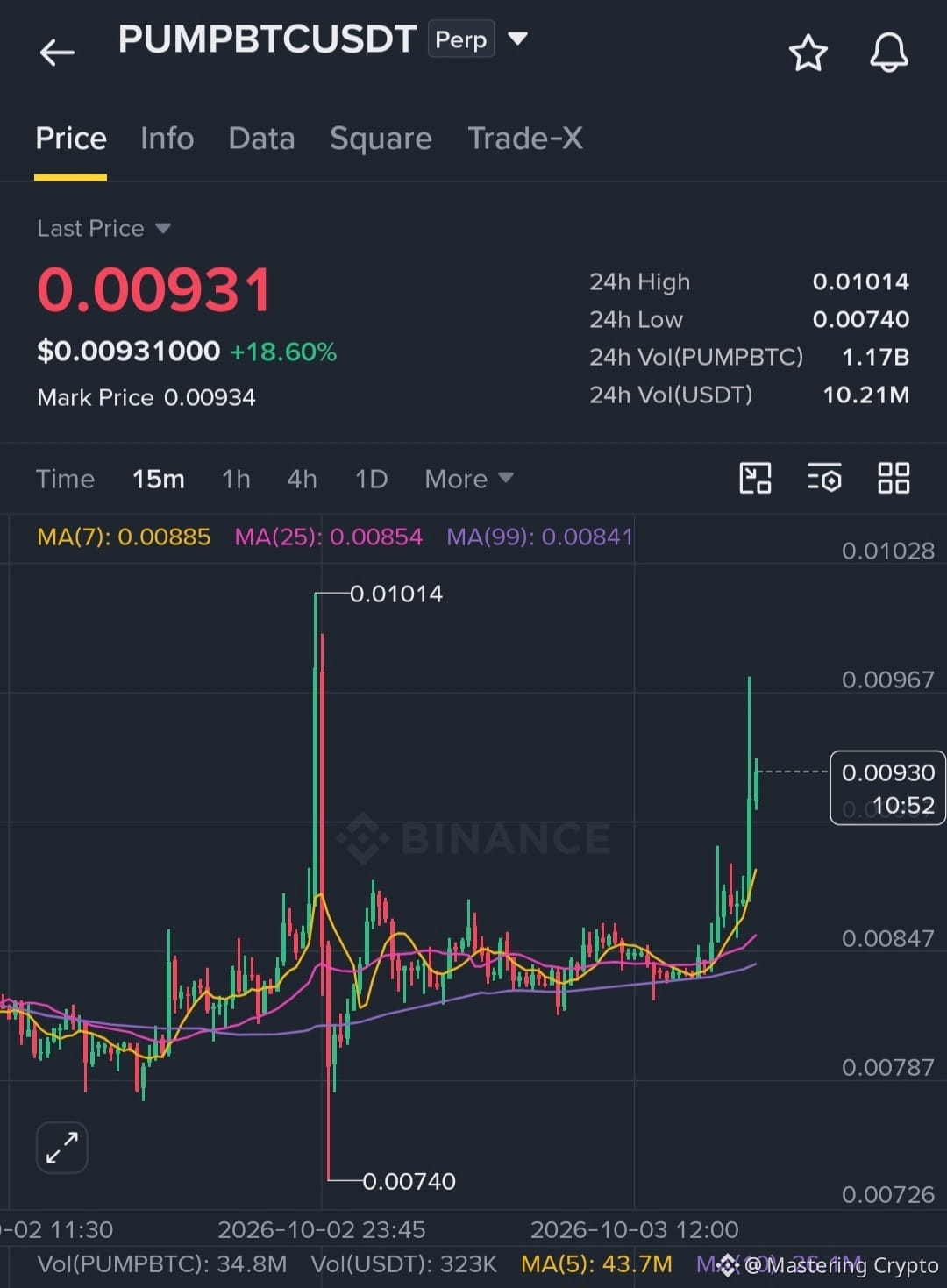
$PUMPBTC Bulls Đang Lao Tới Mạnh
Long $PUMPBTC
Vào lệnh: 0.00840 – 0.00880
SL: 0.00800
TP1: 0.00950
TP2: 0.01050
TP3: 0.01100
TP4: 0.01200
🫂 Tham gia nhóm trò chuyện Binance của tôi và cùng nhau giành chiến thắng trong mọi giao dịch.
Giao dịch $PUMPBTC ở đây 👇
{future}(PUMPBTCUSDT)
$PUMPBTC Bulls Đang Lao Tới Mạnh
Long $PUMPBTC
Vào lệnh: 0.00840 – 0.00880
SL: 0.00800
TP1: 0.00950
TP2: 0.01050
TP3: 0.01100
TP4: 0.01200
🫂 Tham gia nhóm trò chuyện Binance của tôi và cùng nhau giành chiến thắng trong mọi giao dịch.
Giao dịch $PUMPBTC ở đây 👇
Long $PUMPBTC
Vào lệnh: 0.00840 – 0.00880
SL: 0.00800
TP1: 0.00950
TP2: 0.01050
TP3: 0.01100
TP4: 0.01200
🫂 Tham gia nhóm trò chuyện Binance của tôi và cùng nhau giành chiến thắng trong mọi giao dịch.
Giao dịch $PUMPBTC ở đây 👇
528
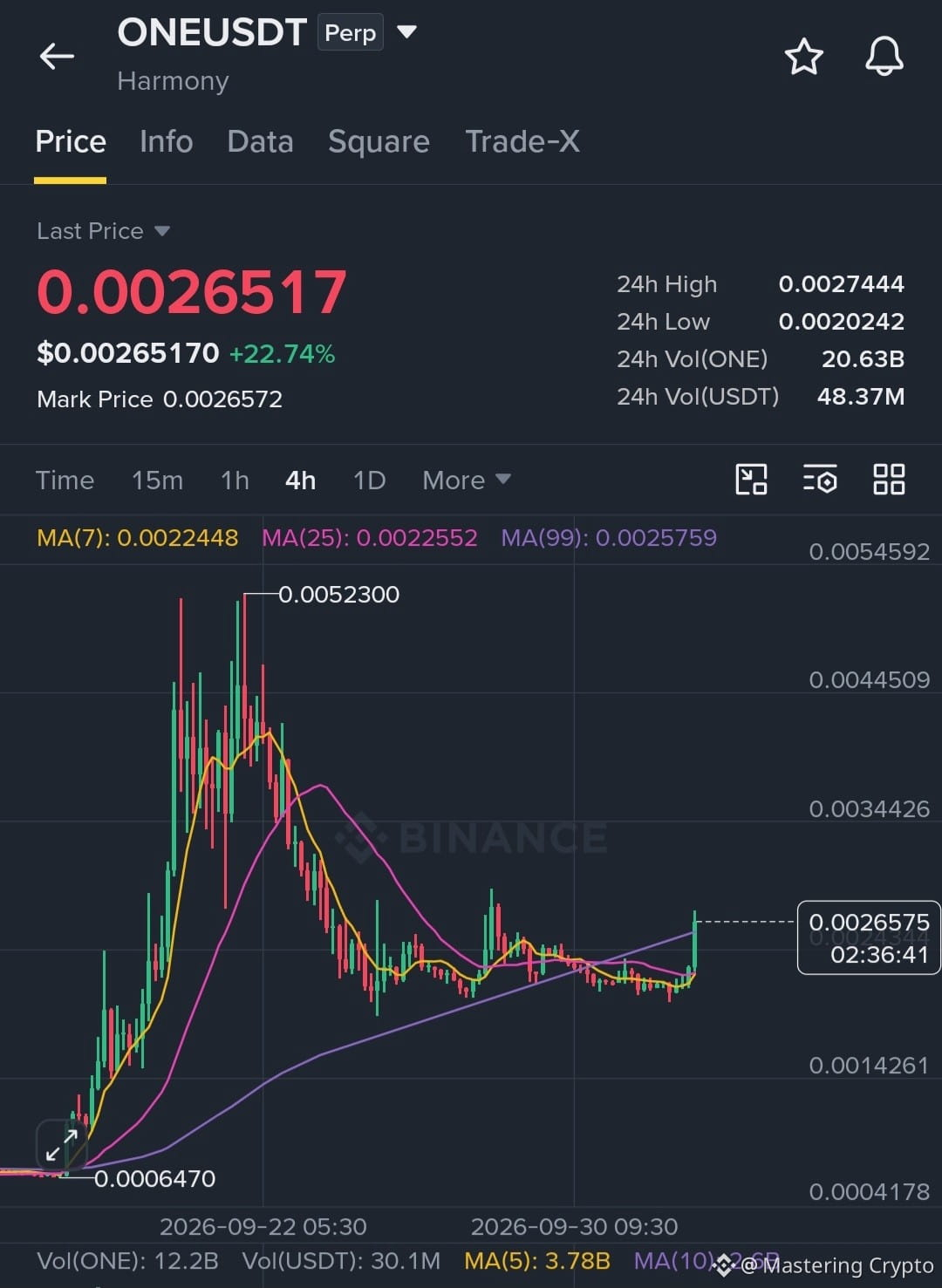
$ONE is đang thiết lập bẫy tăng giá lớn
Short $ONE
Vào lệnh: 0.00280 – 0.00340
SL: 0.0040
TP1: 0.00255
TP2: 0.00235
TP3: 0.00220
TP4: 0.00200
🫂 Tham gia nhóm chat Binance của tôi và cùng nhau thắng mọi giao dịch.
Trade $ONE here 👇
{future}(ONEUSDT)
$ONE is đang thiết lập bẫy tăng giá lớn
Short $ONE
Vào lệnh: 0.00280 – 0.00340
SL: 0.0040
TP1: 0.00255
TP2: 0.00235
TP3: 0.00220
TP4: 0.00200
🫂 Tham gia nhóm chat Binance của tôi và cùng nhau thắng mọi giao dịch.
Trade $ONE here 👇
Short $ONE
Vào lệnh: 0.00280 – 0.00340
SL: 0.0040
TP1: 0.00255
TP2: 0.00235
TP3: 0.00220
TP4: 0.00200
🫂 Tham gia nhóm chat Binance của tôi và cùng nhau thắng mọi giao dịch.
Trade $ONE here 👇
3
769
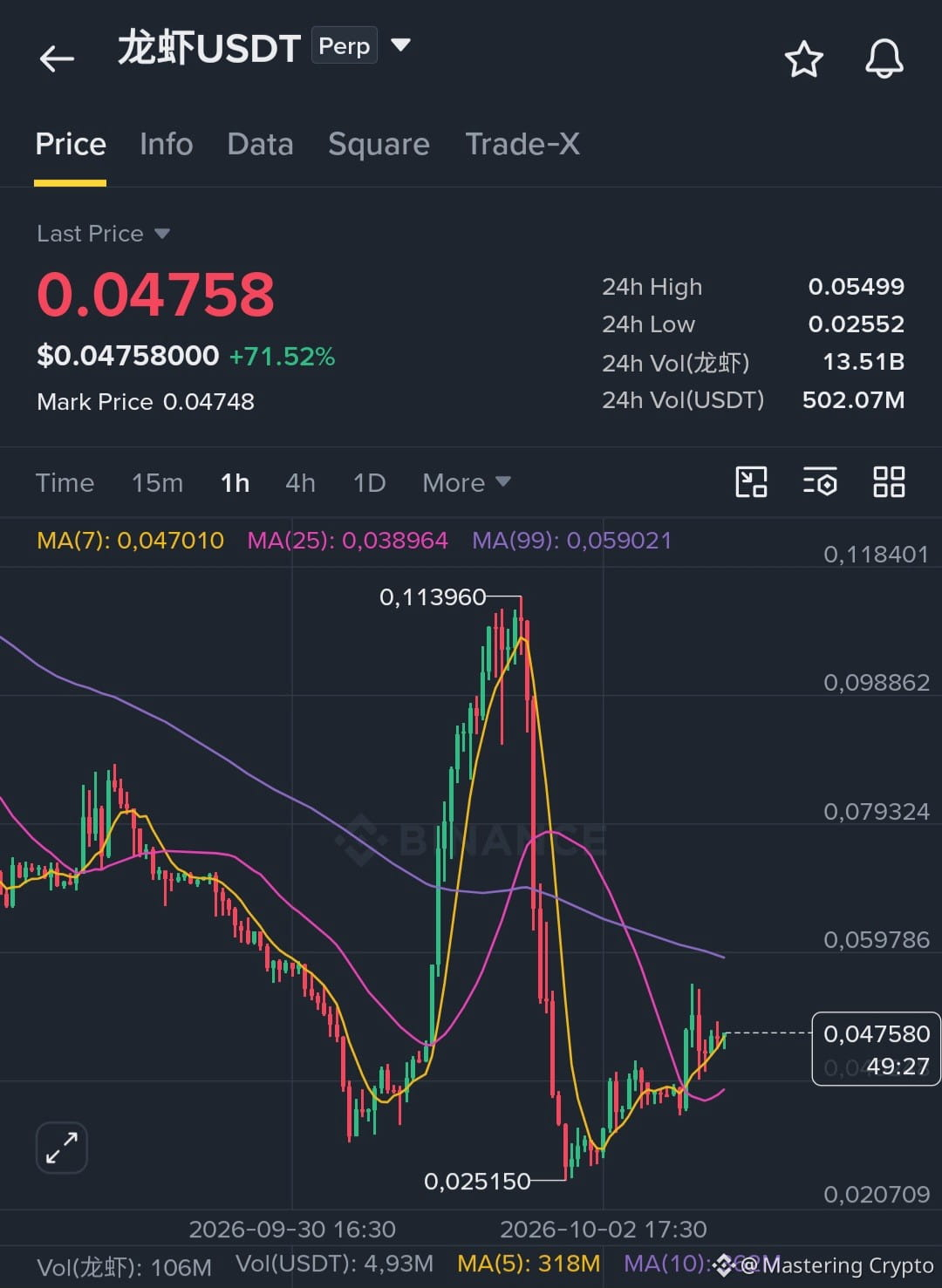
$龙虾 again đối mặt với sự kháng cự mạnh
Short $龙虾
Vào lệnh: 0.050 – 0.060
SL: 0.080
TP1: 0.045
TP2: 0.040
TP3: 0.030
TP4: 0.020
🫂 Tham gia nhóm chat Binance của tôi và cùng nhau giành chiến thắng trong mọi giao dịch.
Giao dịch $龙虾 ở đây 👇
{future}(龙虾USDT)
$龙虾 again đối mặt với sự kháng cự mạnh
Short $龙虾
Vào lệnh: 0.050 – 0.060
SL: 0.080
TP1: 0.045
TP2: 0.040
TP3: 0.030
TP4: 0.020
🫂 Tham gia nhóm chat Binance của tôi và cùng nhau giành chiến thắng trong mọi giao dịch.
Giao dịch $龙虾 ở đây 👇
Short $龙虾
Vào lệnh: 0.050 – 0.060
SL: 0.080
TP1: 0.045
TP2: 0.040
TP3: 0.030
TP4: 0.020
🫂 Tham gia nhóm chat Binance của tôi và cùng nhau giành chiến thắng trong mọi giao dịch.
Giao dịch $龙虾 ở đây 👇
1
3
736
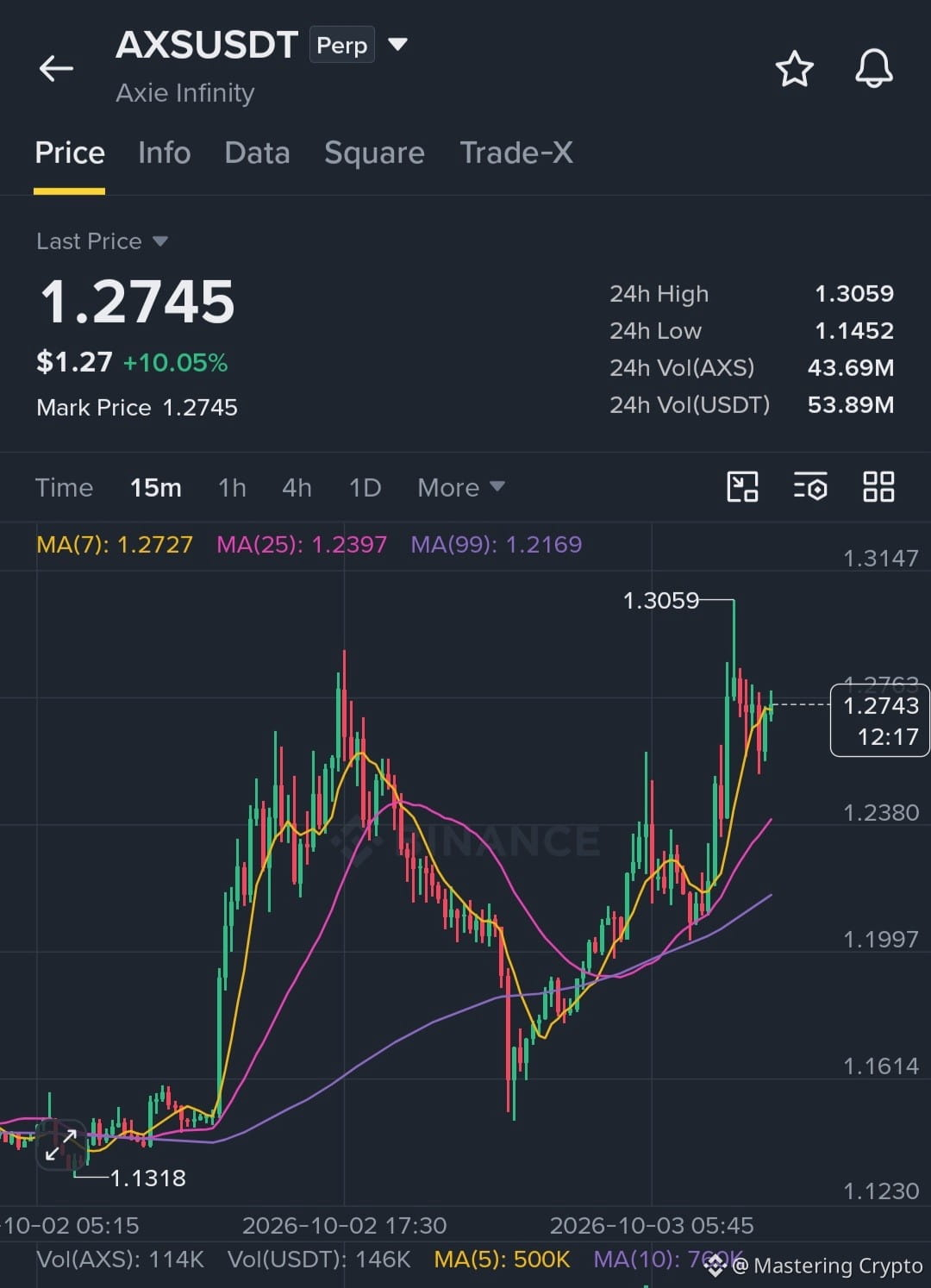
$AXS đang nấu một thứ gì đó lớn nên Guy's, tôi đang đuổi theo cá nhân ở đây
Long $AXS
Vào lệnh: 1.225 – 1.275
SL: 1.20
TP1: 1.3000
TP2: 1.3300
TP3: 1.3700
TP4: 1.4200
🫂 Tham gia Group Chat Binance của tôi và chúng ta cùng nhau thắng mọi giao dịch.
Giao dịch $AXS ở đây 👇
{future}(AXSUSDT)
$AXS đang nấu một thứ gì đó lớn nên Guy's, tôi đang đuổi theo cá nhân ở đây
Long $AXS
Vào lệnh: 1.225 – 1.275
SL: 1.20
TP1: 1.3000
TP2: 1.3300
TP3: 1.3700
TP4: 1.4200
🫂 Tham gia Group Chat Binance của tôi và chúng ta cùng nhau thắng mọi giao dịch.
Giao dịch $AXS ở đây 👇
Long $AXS
Vào lệnh: 1.225 – 1.275
SL: 1.20
TP1: 1.3000
TP2: 1.3300
TP3: 1.3700
TP4: 1.4200
🫂 Tham gia Group Chat Binance của tôi và chúng ta cùng nhau thắng mọi giao dịch.
Giao dịch $AXS ở đây 👇
3
2
807
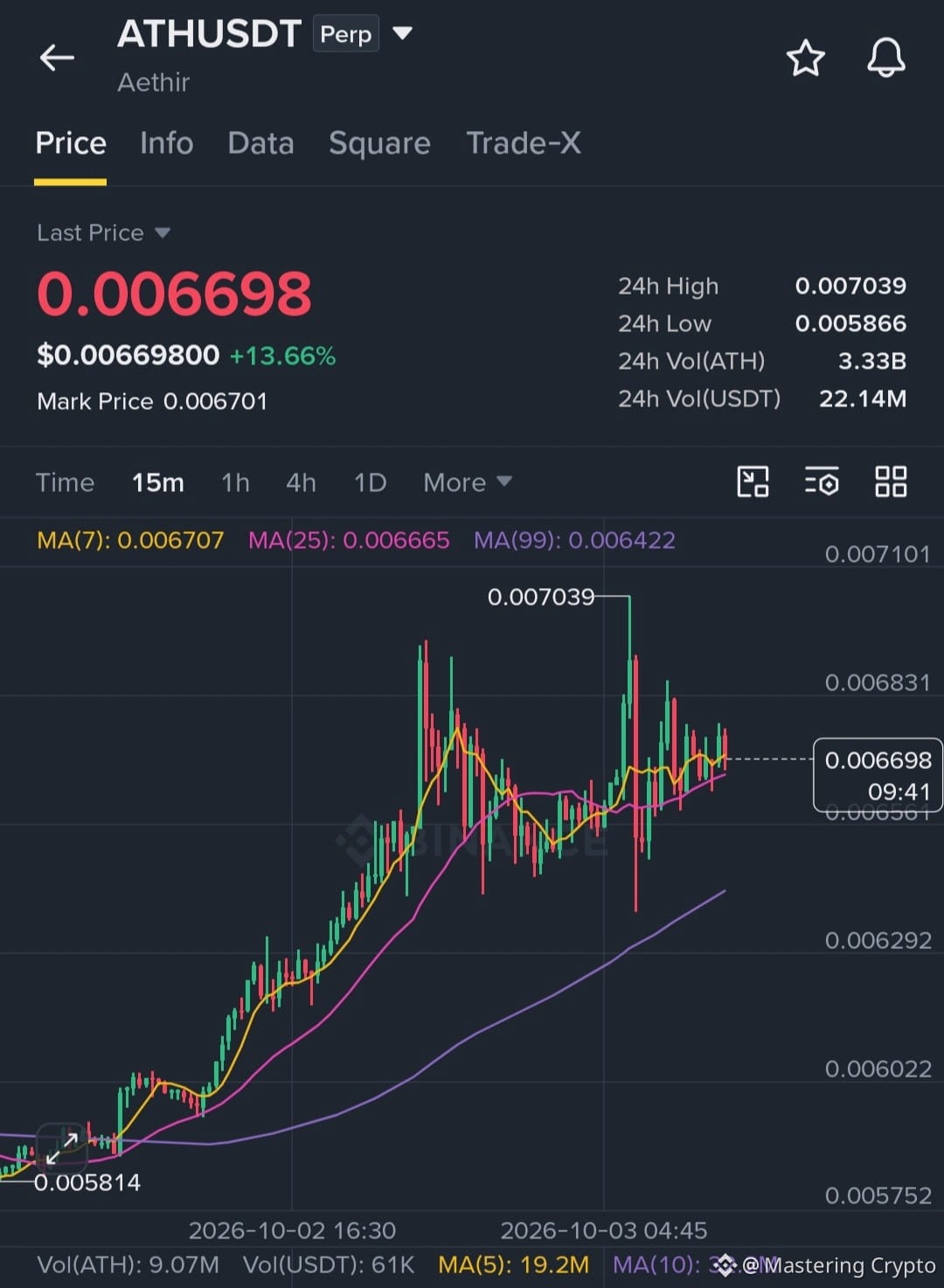
$ATH đang nạp chậm trò chơi tăng giá và lần này đang nhắm đến các mốc lớn
Long $ATH
Vào lệnh: 0.00630 – 0.00660
SL: 0.00590
TP1: 0.00695
TP2: 0.00715
TP3: 0.00740
TP4: 0.00780
🫂 Tham gia group chat Binance của tôi và chúng ta cùng nhau giành chiến thắng trong mọi giao dịch.
Giao dịch $ATH tại đây 👇
{future}(ATHUSDT)
$ATH đang nạp chậm trò chơi tăng giá và lần này đang nhắm đến các mốc lớn
Long $ATH
Vào lệnh: 0.00630 – 0.00660
SL: 0.00590
TP1: 0.00695
TP2: 0.00715
TP3: 0.00740
TP4: 0.00780
🫂 Tham gia group chat Binance của tôi và chúng ta cùng nhau giành chiến thắng trong mọi giao dịch.
Giao dịch $ATH tại đây 👇
Long $ATH
Vào lệnh: 0.00630 – 0.00660
SL: 0.00590
TP1: 0.00695
TP2: 0.00715
TP3: 0.00740
TP4: 0.00780
🫂 Tham gia group chat Binance của tôi và chúng ta cùng nhau giành chiến thắng trong mọi giao dịch.
Giao dịch $ATH tại đây 👇
2
569
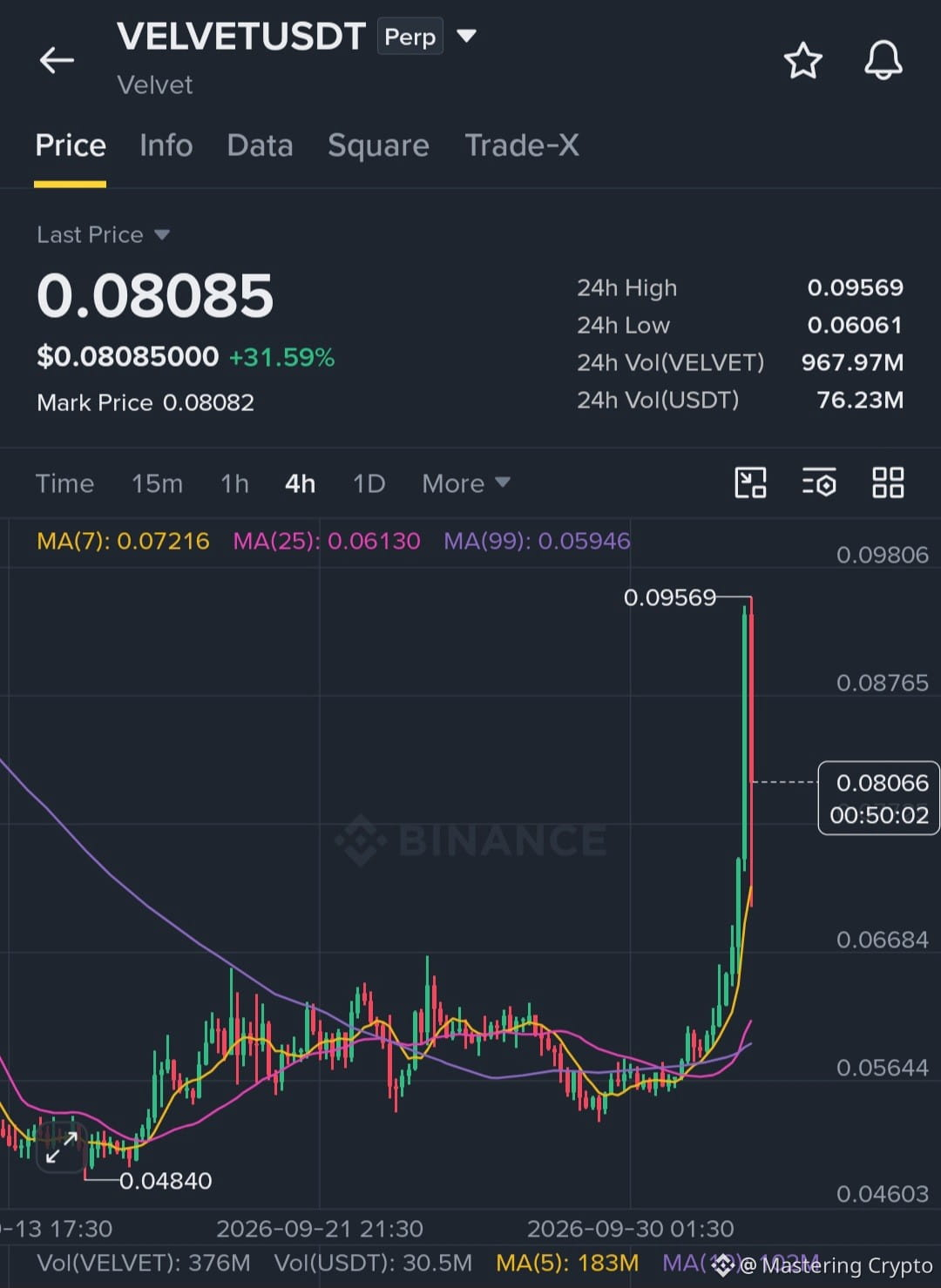
$VELVET is đang thiết lập một cái bẫy tăng giá lớn
Short $VELVET
Vào lệnh: 0.085 – 0.10
SL: 0.130
TP1: 0.0760
TP2: 0.0710
TP3: 0.0660
TP4: 0.0615
🫂 Tham gia nhóm chat Binance của tôi và cùng nhau thắng mọi lệnh.
Trade $VELVET here 👇
{future}(VELVETUSDT)
$VELVET is đang thiết lập một cái bẫy tăng giá lớn
Short $VELVET
Vào lệnh: 0.085 – 0.10
SL: 0.130
TP1: 0.0760
TP2: 0.0710
TP3: 0.0660
TP4: 0.0615
🫂 Tham gia nhóm chat Binance của tôi và cùng nhau thắng mọi lệnh.
Trade $VELVET here 👇
Short $VELVET
Vào lệnh: 0.085 – 0.10
SL: 0.130
TP1: 0.0760
TP2: 0.0710
TP3: 0.0660
TP4: 0.0615
🫂 Tham gia nhóm chat Binance của tôi và cùng nhau thắng mọi lệnh.
Trade $VELVET here 👇
3
4
941
·
--
Giảm giá
🚨 Hip Hip Hurray Guy's 🥳
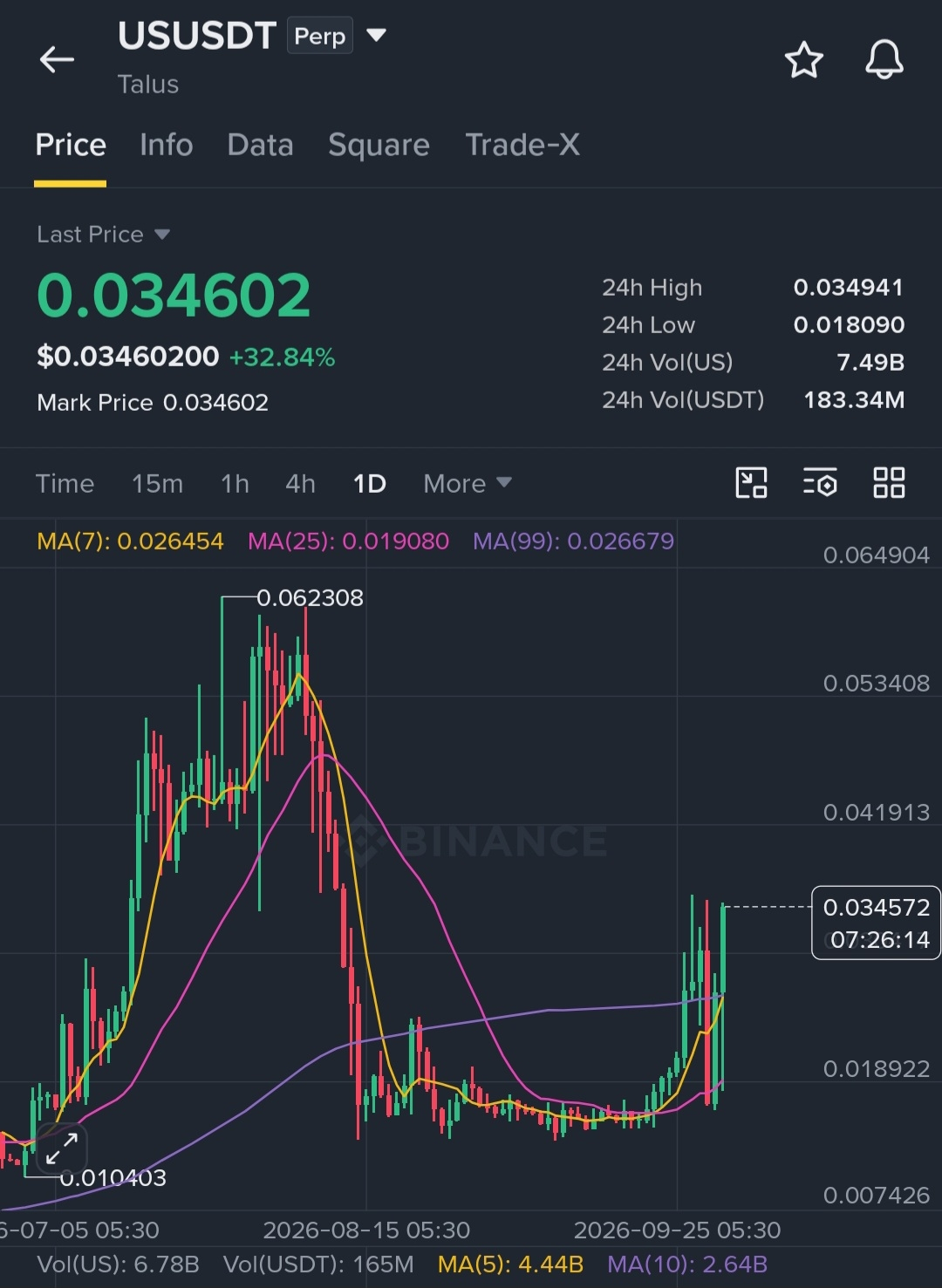
$US chốt lệnh short ngắn thành công, tất cả các TP đều đạt và vẫn còn đang xả mạnh 🤑
Hãy tưởng tượng bạn vào lệnh ở 0.04 và chốt lời toàn bộ ở 0.024—nhìn xem bạn sẽ lời được bao nhiêu 🤑
Ai cũng chỉ cho bạn kèo long thôi, nhưng chỉ có Mastering mới đưa đúng kèo short và nhìn kết quả thì rõ ràng 🚀
Thành viên trong nhóm chat Binance của tôi đang tăng hằng ngày với các thiết lập giao dịch chất lượng như thế này 👌
Tham gia nhóm chat Binance của tôi và tận hưởng các thiết lập giao dịch hằng ngày để tăng vốn của bạn với quản lý rủi ro đúng cách 🫂
$US vẫn đang giảm và bản cập nhật tiếp theo sẽ chỉ được cung cấp độc quyền trong nhóm chat Binance của tôi, nên tốt nhất hãy theo kịp ngay bây giờ hoặc hối hận sau 💯
Vẫn chưa có? Tham gia $US kèo short và nhóm Chat Binance của tôi tại đây 👇
🚨 Hip Hip Hurray Guy's 🥳
$US chốt lệnh short ngắn thành công, tất cả các TP đều đạt và vẫn còn đang xả mạnh 🤑
Hãy tưởng tượng bạn vào lệnh ở 0.04 và chốt lời toàn bộ ở 0.024—nhìn xem bạn sẽ lời được bao nhiêu 🤑
Ai cũng chỉ cho bạn kèo long thôi, nhưng chỉ có Mastering mới đưa đúng kèo short và nhìn kết quả thì rõ ràng 🚀
Thành viên trong nhóm chat Binance của tôi đang tăng hằng ngày với các thiết lập giao dịch chất lượng như thế này 👌
Tham gia nhóm chat Binance của tôi và tận hưởng các thiết lập giao dịch hằng ngày để tăng vốn của bạn với quản lý rủi ro đúng cách 🫂
$US vẫn đang giảm và bản cập nhật tiếp theo sẽ chỉ được cung cấp độc quyền trong nhóm chat Binance của tôi, nên tốt nhất hãy theo kịp ngay bây giờ hoặc hối hận sau 💯
Vẫn chưa có? Tham gia $US kèo short và nhóm Chat Binance của tôi tại đây 👇
$US chốt lệnh short ngắn thành công, tất cả các TP đều đạt và vẫn còn đang xả mạnh 🤑
Hãy tưởng tượng bạn vào lệnh ở 0.04 và chốt lời toàn bộ ở 0.024—nhìn xem bạn sẽ lời được bao nhiêu 🤑
Ai cũng chỉ cho bạn kèo long thôi, nhưng chỉ có Mastering mới đưa đúng kèo short và nhìn kết quả thì rõ ràng 🚀
Thành viên trong nhóm chat Binance của tôi đang tăng hằng ngày với các thiết lập giao dịch chất lượng như thế này 👌
Tham gia nhóm chat Binance của tôi và tận hưởng các thiết lập giao dịch hằng ngày để tăng vốn của bạn với quản lý rủi ro đúng cách 🫂
$US vẫn đang giảm và bản cập nhật tiếp theo sẽ chỉ được cung cấp độc quyền trong nhóm chat Binance của tôi, nên tốt nhất hãy theo kịp ngay bây giờ hoặc hối hận sau 💯
Vẫn chưa có? Tham gia $US kèo short và nhóm Chat Binance của tôi tại đây 👇
Mastering Crypto
·
--
$US is đang thiết lập bẫy tăng giá khổng lồ
Short $US
Entry: 0.0365 – 0.0425
SL: 0.0475
TP1: 0.0315
TP2: 0.0285
TP3: 0.0265
TP4: 0.0230
🫂 Tham gia nhóm chat Binance của tôi và cùng nhau giành chiến thắng trong mọi giao dịch.
Trade $US here 👇
Short $US
Entry: 0.0365 – 0.0425
SL: 0.0475
TP1: 0.0315
TP2: 0.0285
TP3: 0.0265
TP4: 0.0230
🫂 Tham gia nhóm chat Binance của tôi và cùng nhau giành chiến thắng trong mọi giao dịch.
Trade $US here 👇
3
1.1k
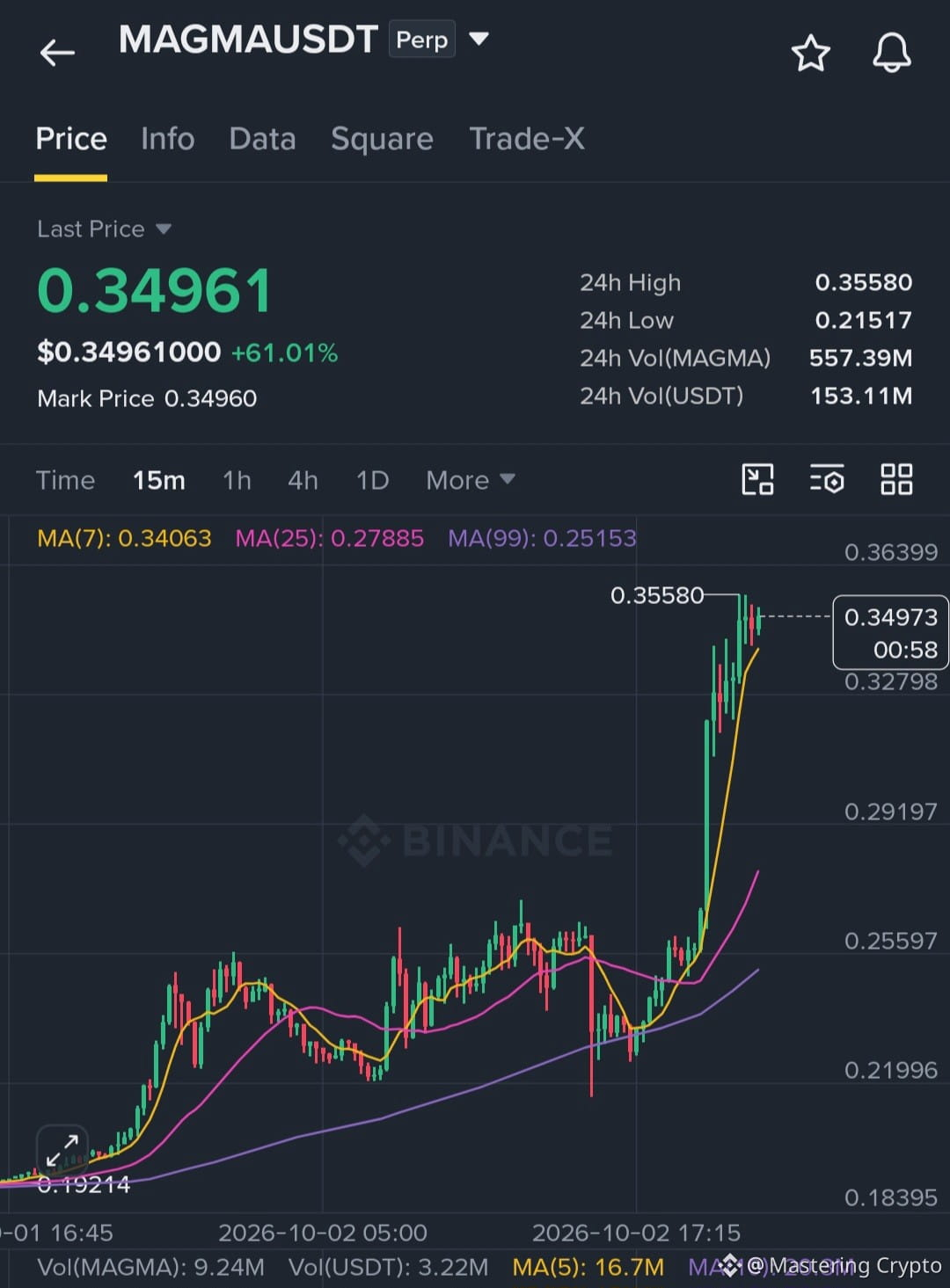
$MAGMA tiến vào vùng quá nóng
Ngắn gọn $MAGMA
Vào lệnh: 0.375 – 0.425
SL: 0.485
TP1: 0.345
TP2: 0.320
TP3: 0.280
TP4: 0.260
🫂 Tham gia nhóm chat Binance của tôi và cùng nhau giành chiến thắng trong mọi giao dịch.
Giao dịch $MAGMA tại đây 👇
{future}(MAGMAUSDT)
$MAGMA tiến vào vùng quá nóng
Ngắn gọn $MAGMA
Vào lệnh: 0.375 – 0.425
SL: 0.485
TP1: 0.345
TP2: 0.320
TP3: 0.280
TP4: 0.260
🫂 Tham gia nhóm chat Binance của tôi và cùng nhau giành chiến thắng trong mọi giao dịch.
Giao dịch $MAGMA tại đây 👇
Ngắn gọn $MAGMA
Vào lệnh: 0.375 – 0.425
SL: 0.485
TP1: 0.345
TP2: 0.320
TP3: 0.280
TP4: 0.260
🫂 Tham gia nhóm chat Binance của tôi và cùng nhau giành chiến thắng trong mọi giao dịch.
Giao dịch $MAGMA tại đây 👇
4
6
1.5k
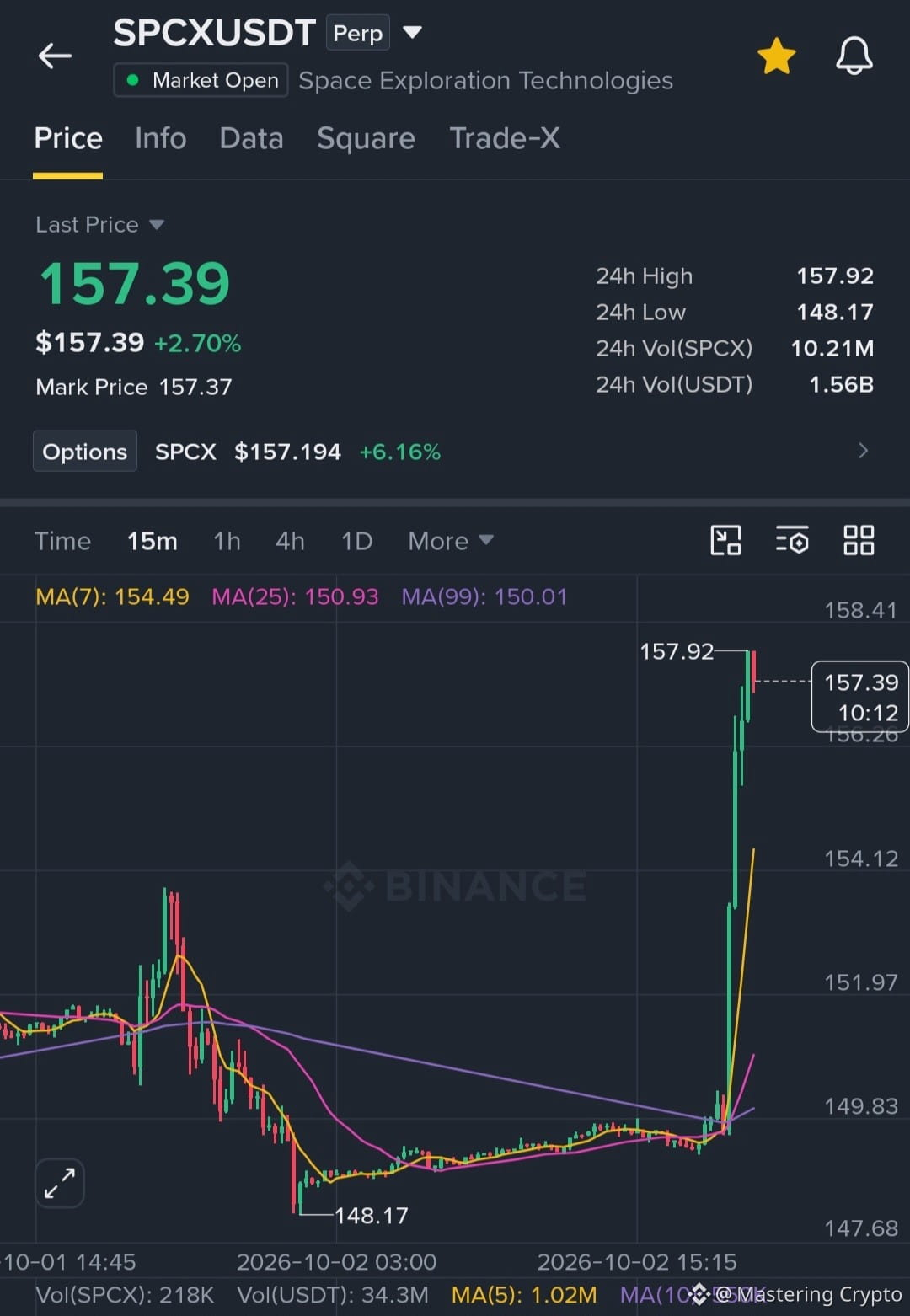
$SPCX non stop liquidity chase 🛸
Long $SPCX
Vào lệnh: 154.50 – 157.0
SL: 152.00
TP1: 159.50
TP2: 162.00
TP3: 165.00
TP4: 170.00
🫂 Tham gia nhóm trò chuyện Binance của tôi và cùng nhau giành chiến thắng trong mọi giao dịch.
Giao dịch $SPCX ở đây 👇
{future}(SPCXUSDT)
$SPCX non stop liquidity chase 🛸
Long $SPCX
Vào lệnh: 154.50 – 157.0
SL: 152.00
TP1: 159.50
TP2: 162.00
TP3: 165.00
TP4: 170.00
🫂 Tham gia nhóm trò chuyện Binance của tôi và cùng nhau giành chiến thắng trong mọi giao dịch.
Giao dịch $SPCX ở đây 👇
Long $SPCX
Vào lệnh: 154.50 – 157.0
SL: 152.00
TP1: 159.50
TP2: 162.00
TP3: 165.00
TP4: 170.00
🫂 Tham gia nhóm trò chuyện Binance của tôi và cùng nhau giành chiến thắng trong mọi giao dịch.
Giao dịch $SPCX ở đây 👇
2
1
4
1k
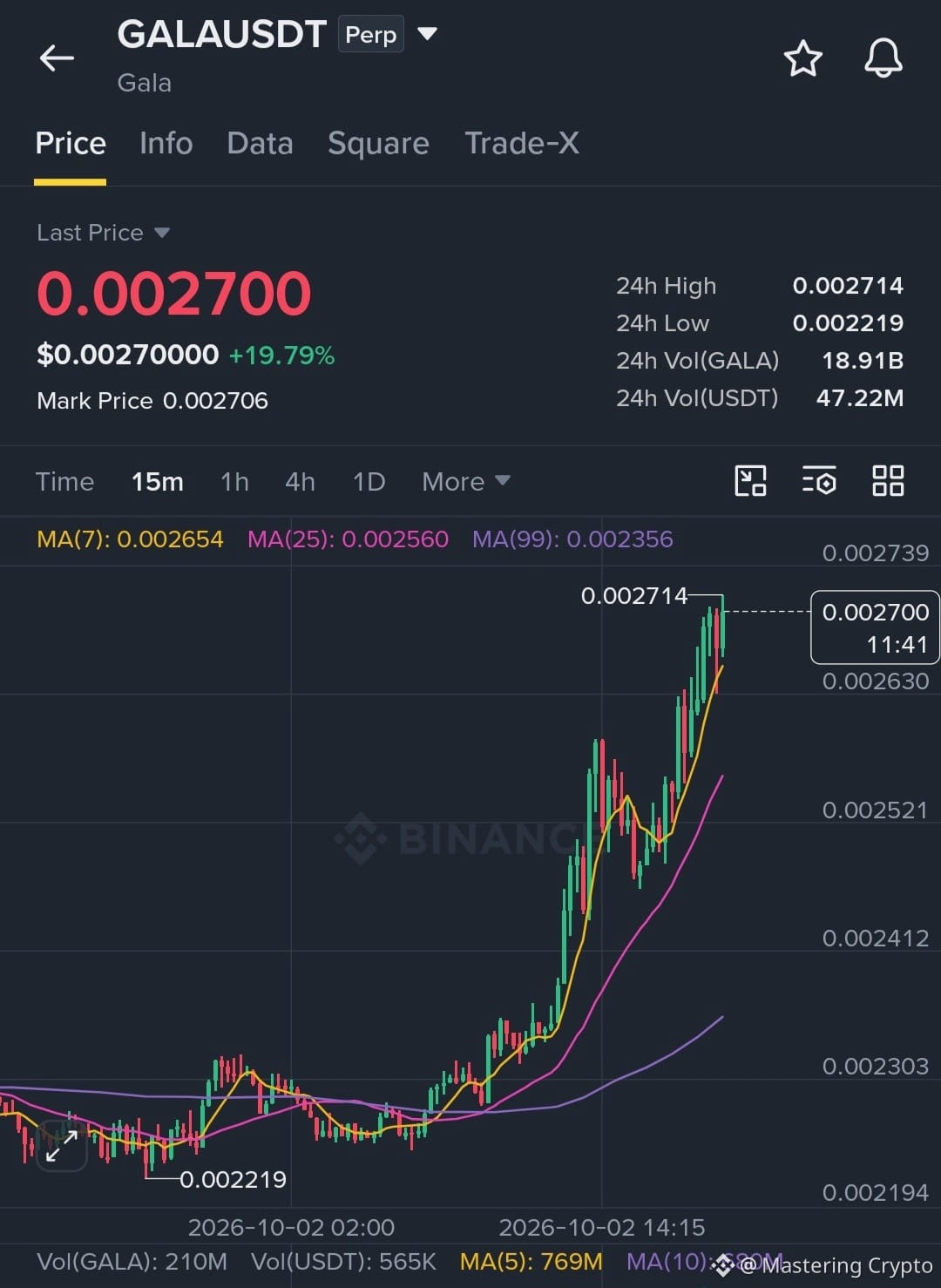
$GALA đang nấu một thứ gì đó lớn, này — vậy hãy cùng đuổi theo phần dài ở đây
Long $GALA
Entry: 0.00255 – 0.00270
SL: 0.00245
TP1: 0.00280
TP2: 0.00290
TP3: 0.00305
TP4: 0.00320
🫂 Tham gia nhóm trò chuyện Binance của tôi và cùng nhau giành chiến thắng trong mọi giao dịch.
Trade $GALA ở đây 👇
{future}(GALAUSDT)
$GALA đang nấu một thứ gì đó lớn, này — vậy hãy cùng đuổi theo phần dài ở đây
Long $GALA
Entry: 0.00255 – 0.00270
SL: 0.00245
TP1: 0.00280
TP2: 0.00290
TP3: 0.00305
TP4: 0.00320
🫂 Tham gia nhóm trò chuyện Binance của tôi và cùng nhau giành chiến thắng trong mọi giao dịch.
Trade $GALA ở đây 👇
Long $GALA
Entry: 0.00255 – 0.00270
SL: 0.00245
TP1: 0.00280
TP2: 0.00290
TP3: 0.00305
TP4: 0.00320
🫂 Tham gia nhóm trò chuyện Binance của tôi và cùng nhau giành chiến thắng trong mọi giao dịch.
Trade $GALA ở đây 👇
1
4
713
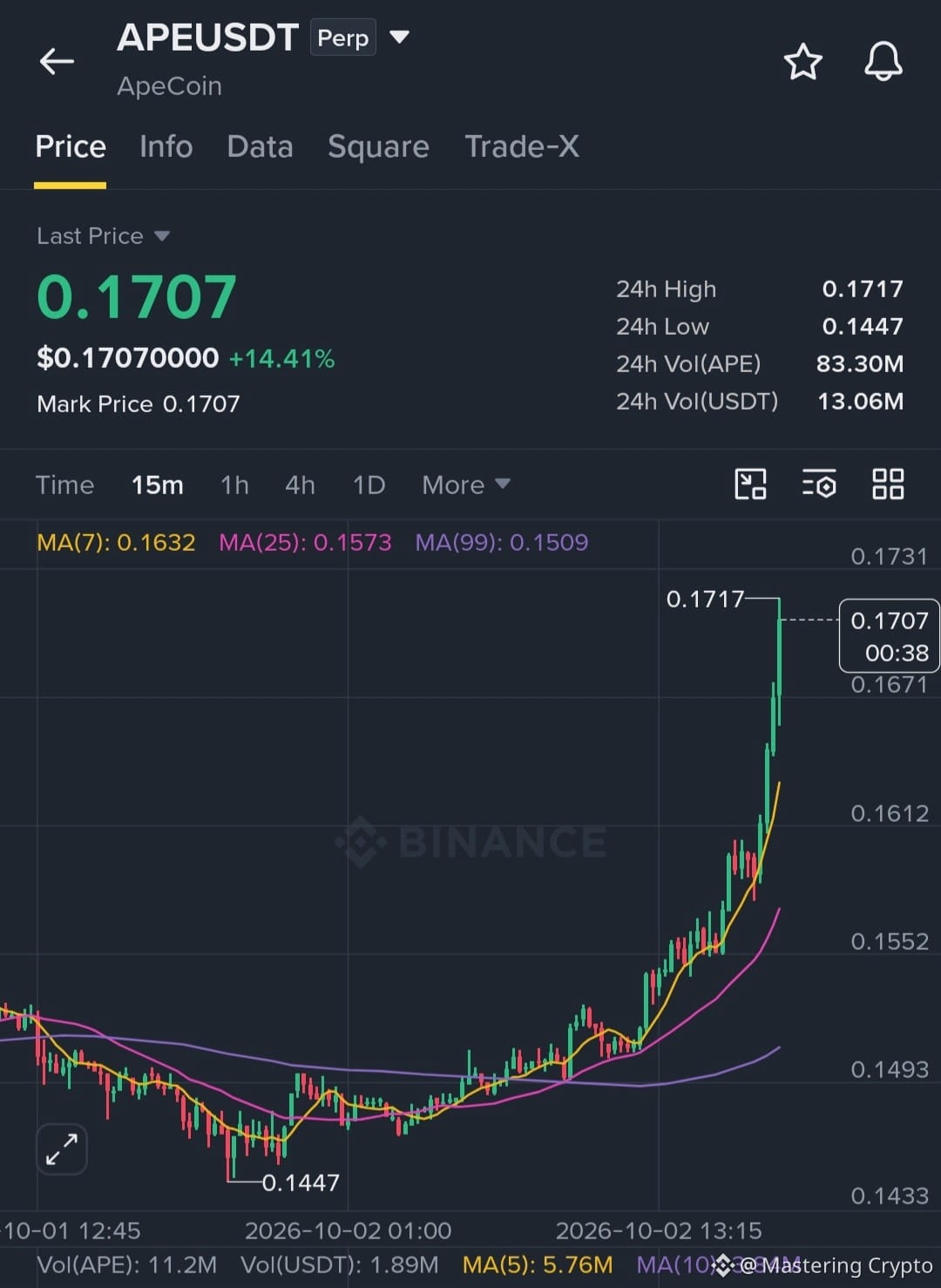
$APE bulls đang hoàn toàn vượt khỏi tầm kiểm soát
Long $APE
Vào lệnh: 0.156 – 0.165
SL: 0.150
TP1: 0.175
TP2: 0.183
TP3: 0.192
TP4: 0.210
🫂 Tham gia nhóm trò chuyện Binance của tôi và cùng nhau chiến thắng mọi giao dịch.
Giao dịch $APE ở đây 👇
{future}(APEUSDT)
$APE bulls đang hoàn toàn vượt khỏi tầm kiểm soát
Long $APE
Vào lệnh: 0.156 – 0.165
SL: 0.150
TP1: 0.175
TP2: 0.183
TP3: 0.192
TP4: 0.210
🫂 Tham gia nhóm trò chuyện Binance của tôi và cùng nhau chiến thắng mọi giao dịch.
Giao dịch $APE ở đây 👇
Long $APE
Vào lệnh: 0.156 – 0.165
SL: 0.150
TP1: 0.175
TP2: 0.183
TP3: 0.192
TP4: 0.210
🫂 Tham gia nhóm trò chuyện Binance của tôi và cùng nhau chiến thắng mọi giao dịch.
Giao dịch $APE ở đây 👇
1
4
557
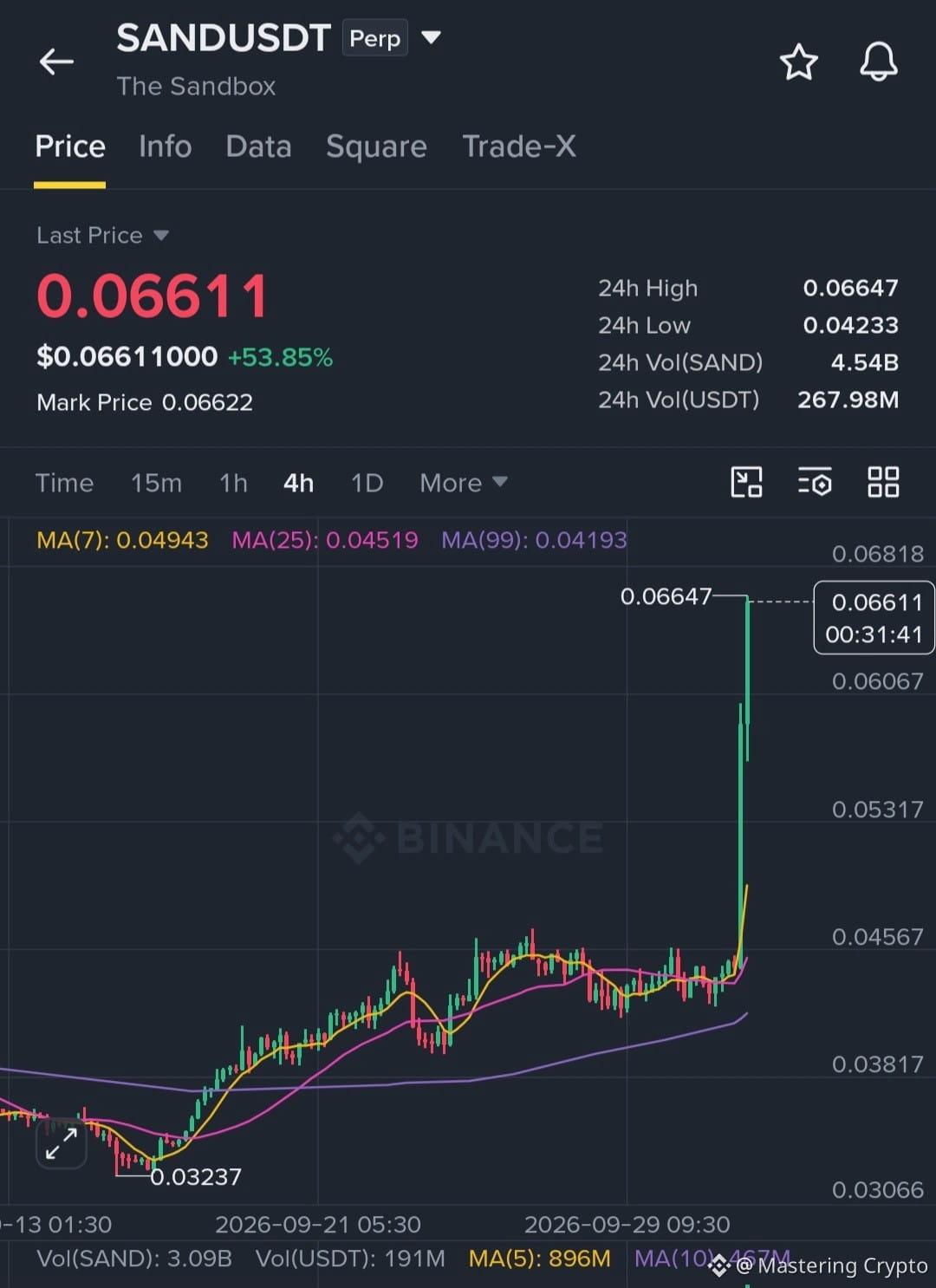
$SAND đang phải đối mặt với sự kháng cự lớn từ những con gấu
Mua $SAND ngay
Vào lệnh: 0.068 – 0.078
SL: 0.088
TP1: 0.0610
TP2: 0.0570
TP3: 0.0530
TP4: 0.0495
🫂 Tham gia nhóm trò chuyện Binance của tôi và chúng ta cùng nhau giành chiến thắng trong mọi giao dịch.
Giao dịch $SAND tại đây 👇
{future}(SANDUSDT)
$SAND đang phải đối mặt với sự kháng cự lớn từ những con gấu
Mua $SAND ngay
Vào lệnh: 0.068 – 0.078
SL: 0.088
TP1: 0.0610
TP2: 0.0570
TP3: 0.0530
TP4: 0.0495
🫂 Tham gia nhóm trò chuyện Binance của tôi và chúng ta cùng nhau giành chiến thắng trong mọi giao dịch.
Giao dịch $SAND tại đây 👇
Mua $SAND ngay
Vào lệnh: 0.068 – 0.078
SL: 0.088
TP1: 0.0610
TP2: 0.0570
TP3: 0.0530
TP4: 0.0495
🫂 Tham gia nhóm trò chuyện Binance của tôi và chúng ta cùng nhau giành chiến thắng trong mọi giao dịch.
Giao dịch $SAND tại đây 👇
3
1.1k
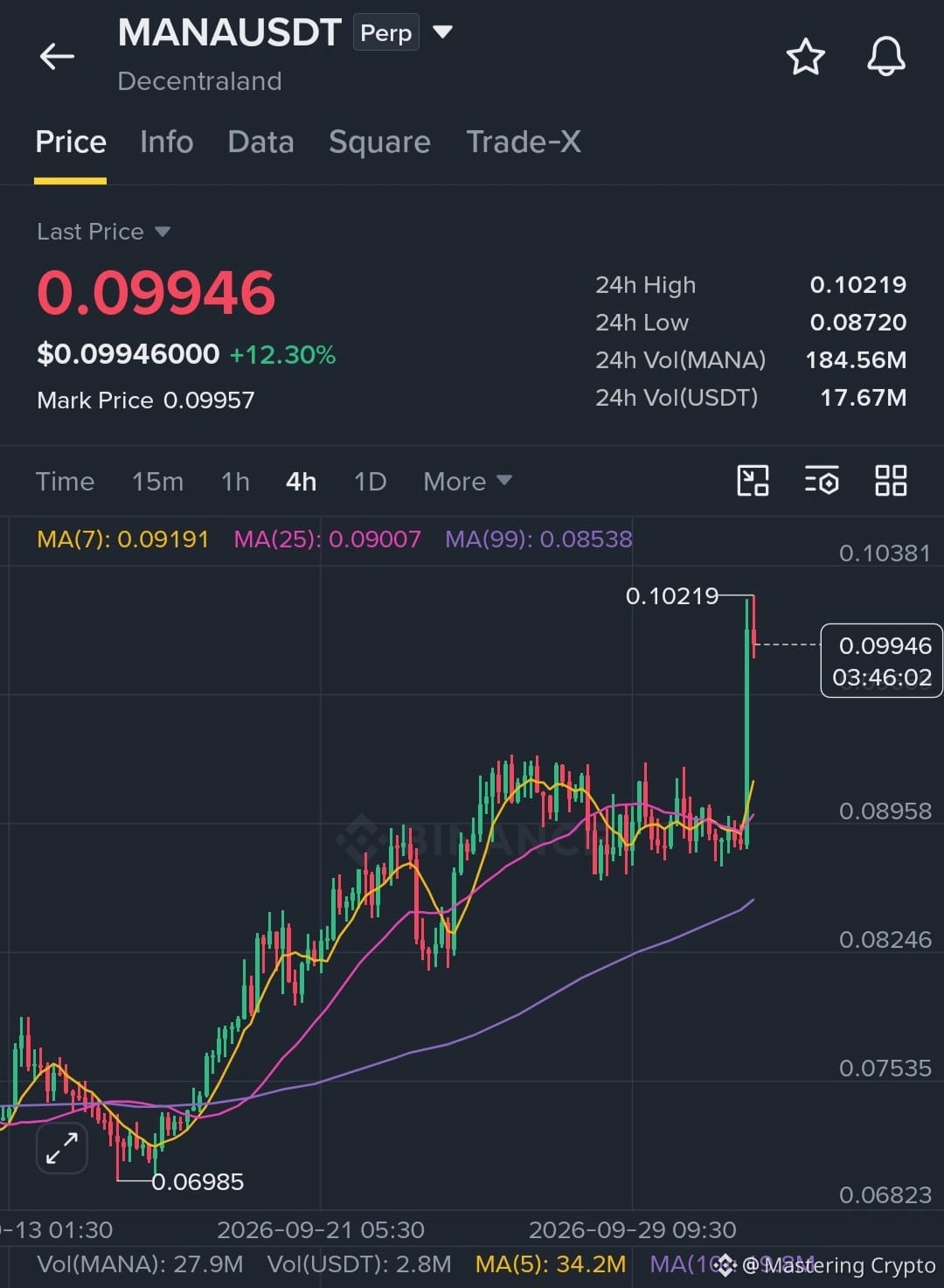
$MANA is đang tham gia vào đợt phân phối
Short $MANA
Vào lệnh: 0.108 – 0.118
SL: 0.135
TP1: 0.0970
TP2: 0.0920
TP3: 0.0850
TP4: 0.0780
🫂 Tham gia nhóm chat Binance của tôi và cùng nhau giành chiến thắng trong mọi giao dịch.
Giao dịch $MANA ở đây 👇
{future}(MANAUSDT)
$MANA is đang tham gia vào đợt phân phối
Short $MANA
Vào lệnh: 0.108 – 0.118
SL: 0.135
TP1: 0.0970
TP2: 0.0920
TP3: 0.0850
TP4: 0.0780
🫂 Tham gia nhóm chat Binance của tôi và cùng nhau giành chiến thắng trong mọi giao dịch.
Giao dịch $MANA ở đây 👇
Short $MANA
Vào lệnh: 0.108 – 0.118
SL: 0.135
TP1: 0.0970
TP2: 0.0920
TP3: 0.0850
TP4: 0.0780
🫂 Tham gia nhóm chat Binance của tôi và cùng nhau giành chiến thắng trong mọi giao dịch.
Giao dịch $MANA ở đây 👇
2
2
767
Đoạn ngắn đuổi theo cuộc gọi của Guy trên $MOVR ngay bây giờ trước khi nó xả mạnh 🤑
Thiết lập giao dịch short $MOVR đầy đủ ở đây 👇
Đoạn ngắn đuổi theo cuộc gọi của Guy trên $MOVR ngay bây giờ trước khi nó xả mạnh 🤑
Thiết lập giao dịch short $MOVR đầy đủ ở đây 👇
Thiết lập giao dịch short $MOVR đầy đủ ở đây 👇
Mastering Crypto
·
--
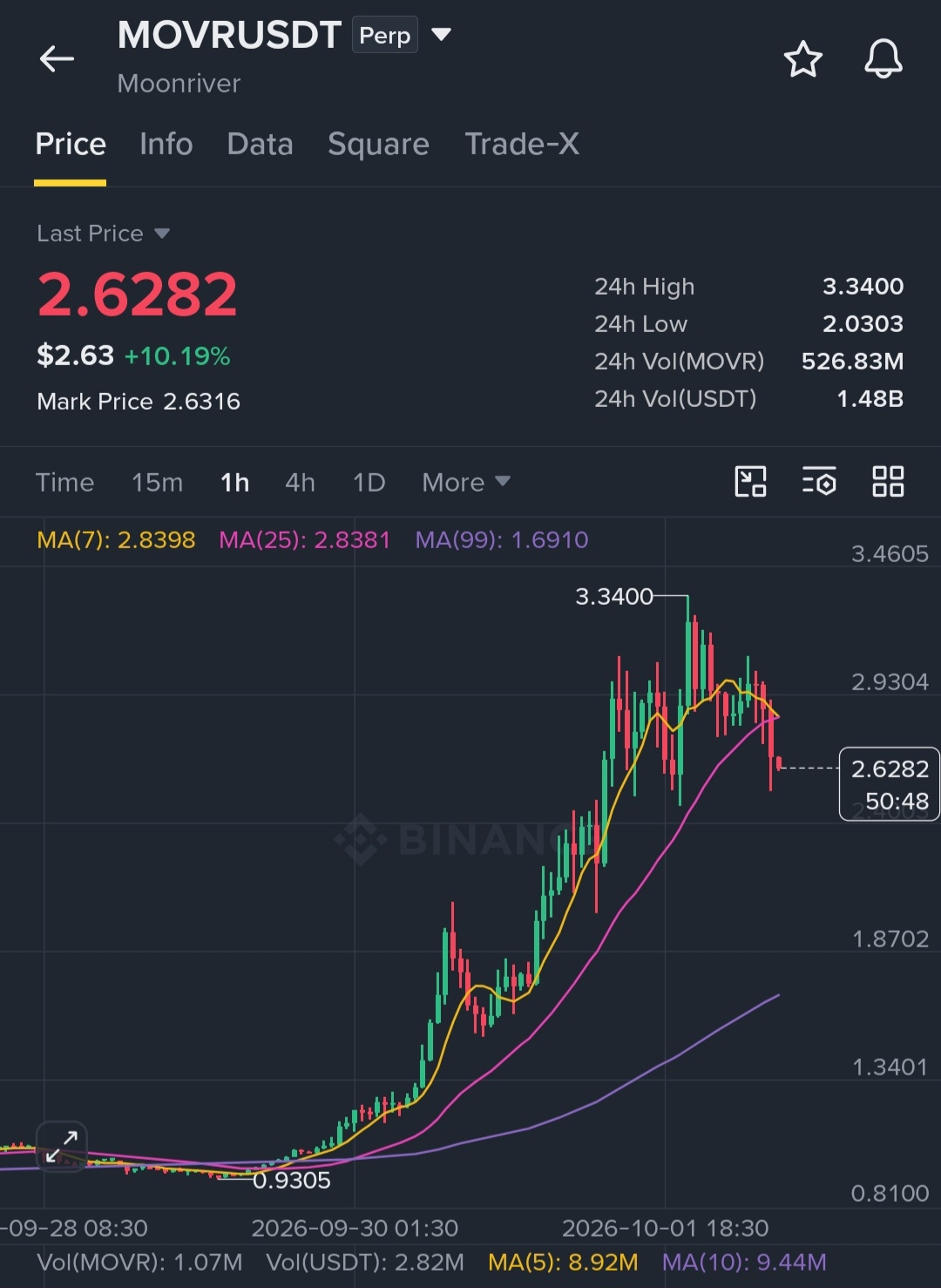
$MOVR chậm rãi mất đi hình dạng dữ tợn
Ngắn $MOVR
Vào lệnh: 2.70 – 3.1
SL: 3.5
TP1: 2.50
TP2: 2.30
TP3: 2.05
TP4: 1.85
🫂 Tham gia nhóm chat Binance của tôi và cùng nhau giành chiến thắng trong mọi giao dịch.
Giao dịch $MOVR ở đây 👇
Ngắn $MOVR
Vào lệnh: 2.70 – 3.1
SL: 3.5
TP1: 2.50
TP2: 2.30
TP3: 2.05
TP4: 1.85
🫂 Tham gia nhóm chat Binance của tôi và cùng nhau giành chiến thắng trong mọi giao dịch.
Giao dịch $MOVR ở đây 👇
3
4
2.5k
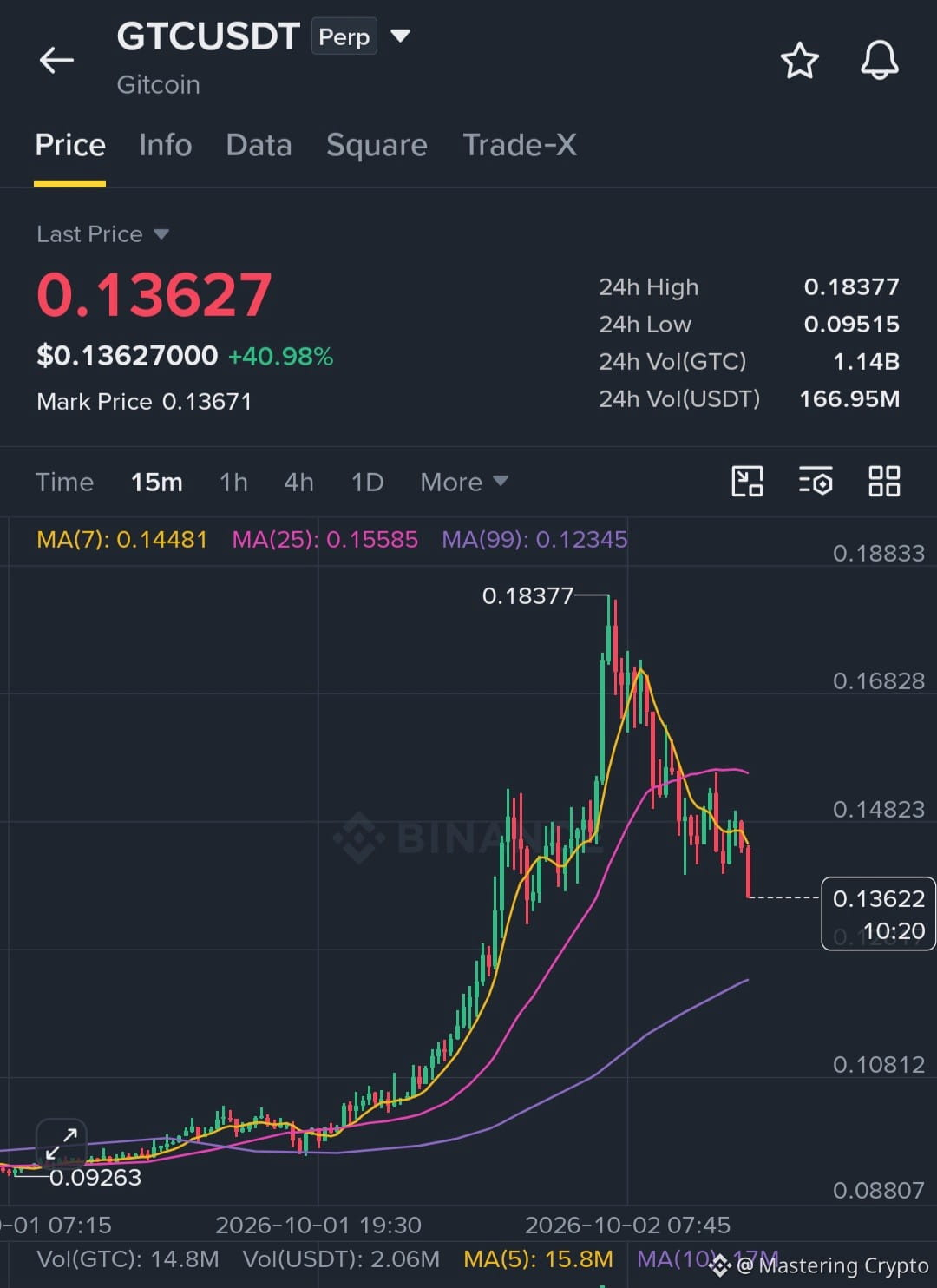
$GTC bull trap đã lật lên và Guy's tôi cá nhân đang theo đuổi vị thế short ở đây
Short $GTC
Vào lệnh: 0.140 – 0.160
SL: 0.180
TP1: 0.132
TP2: 0.125
TP3: 0.115
TP4: 0.100
🫂 Tham gia nhóm trò chuyện Binance của tôi và cùng nhau thắng mọi lệnh.
Giao dịch $GTC ở đây 👇
{future}(GTCUSDT)
$GTC bull trap đã lật lên và Guy's tôi cá nhân đang theo đuổi vị thế short ở đây
Short $GTC
Vào lệnh: 0.140 – 0.160
SL: 0.180
TP1: 0.132
TP2: 0.125
TP3: 0.115
TP4: 0.100
🫂 Tham gia nhóm trò chuyện Binance của tôi và cùng nhau thắng mọi lệnh.
Giao dịch $GTC ở đây 👇
Short $GTC
Vào lệnh: 0.140 – 0.160
SL: 0.180
TP1: 0.132
TP2: 0.125
TP3: 0.115
TP4: 0.100
🫂 Tham gia nhóm trò chuyện Binance của tôi và cùng nhau thắng mọi lệnh.
Giao dịch $GTC ở đây 👇
1
667
🚨 Gọi “Banger” Thu Lợi Nhuận “Banger” 🌋
$龙虾 lệnh short ngắn đã chạm đủ tất cả các TP và vẫn còn đang xả mạnh 🤑
Hãy tưởng tượng vào lệnh ở 0.11 và chốt lời toàn bộ ở 0.3—nhìn xem bạn sẽ lời được bao nhiêu 🤑
Ai cũng chỉ đưa bạn kèo long—chỉ có Mastering mới cho bạn kèo short đúng và xem kết quả rõ ràng 🚀
Các thành viên trong nhóm chat Binance của tôi đang tăng mỗi ngày với những bộ thiết lập giao dịch chất lượng như thế này 👌
Tham gia nhóm chat Binance của tôi và nhận các thiết lập giao dịch hằng ngày để tăng vốn của bạn với quản lý rủi ro đúng cách 🫂
$龙虾 vẫn đang giảm (bearish) và cập nhật tiếp theo sẽ được cung cấp độc quyền trong nhóm chat Binance của tôi—vì vậy tốt hơn là theo kịp bây giờ hay sau này sẽ hối hận 💯
Đừng Chỉ Xem Mà Hãy Theo: kèo trade short $龙虾 và tham gia nhóm chat Binance của tôi tại đây 👇
🚨 Gọi “Banger” Thu Lợi Nhuận “Banger” 🌋
$龙虾 lệnh short ngắn đã chạm đủ tất cả các TP và vẫn còn đang xả mạnh 🤑
Hãy tưởng tượng vào lệnh ở 0.11 và chốt lời toàn bộ ở 0.3—nhìn xem bạn sẽ lời được bao nhiêu 🤑
Ai cũng chỉ đưa bạn kèo long—chỉ có Mastering mới cho bạn kèo short đúng và xem kết quả rõ ràng 🚀
Các thành viên trong nhóm chat Binance của tôi đang tăng mỗi ngày với những bộ thiết lập giao dịch chất lượng như thế này 👌
Tham gia nhóm chat Binance của tôi và nhận các thiết lập giao dịch hằng ngày để tăng vốn của bạn với quản lý rủi ro đúng cách 🫂
$龙虾 vẫn đang giảm (bearish) và cập nhật tiếp theo sẽ được cung cấp độc quyền trong nhóm chat Binance của tôi—vì vậy tốt hơn là theo kịp bây giờ hay sau này sẽ hối hận 💯
Đừng Chỉ Xem Mà Hãy Theo: kèo trade short $龙虾 và tham gia nhóm chat Binance của tôi tại đây 👇
$龙虾 lệnh short ngắn đã chạm đủ tất cả các TP và vẫn còn đang xả mạnh 🤑
Hãy tưởng tượng vào lệnh ở 0.11 và chốt lời toàn bộ ở 0.3—nhìn xem bạn sẽ lời được bao nhiêu 🤑
Ai cũng chỉ đưa bạn kèo long—chỉ có Mastering mới cho bạn kèo short đúng và xem kết quả rõ ràng 🚀
Các thành viên trong nhóm chat Binance của tôi đang tăng mỗi ngày với những bộ thiết lập giao dịch chất lượng như thế này 👌
Tham gia nhóm chat Binance của tôi và nhận các thiết lập giao dịch hằng ngày để tăng vốn của bạn với quản lý rủi ro đúng cách 🫂
$龙虾 vẫn đang giảm (bearish) và cập nhật tiếp theo sẽ được cung cấp độc quyền trong nhóm chat Binance của tôi—vì vậy tốt hơn là theo kịp bây giờ hay sau này sẽ hối hận 💯
Đừng Chỉ Xem Mà Hãy Theo: kèo trade short $龙虾 và tham gia nhóm chat Binance của tôi tại đây 👇
Mastering Crypto
·
--
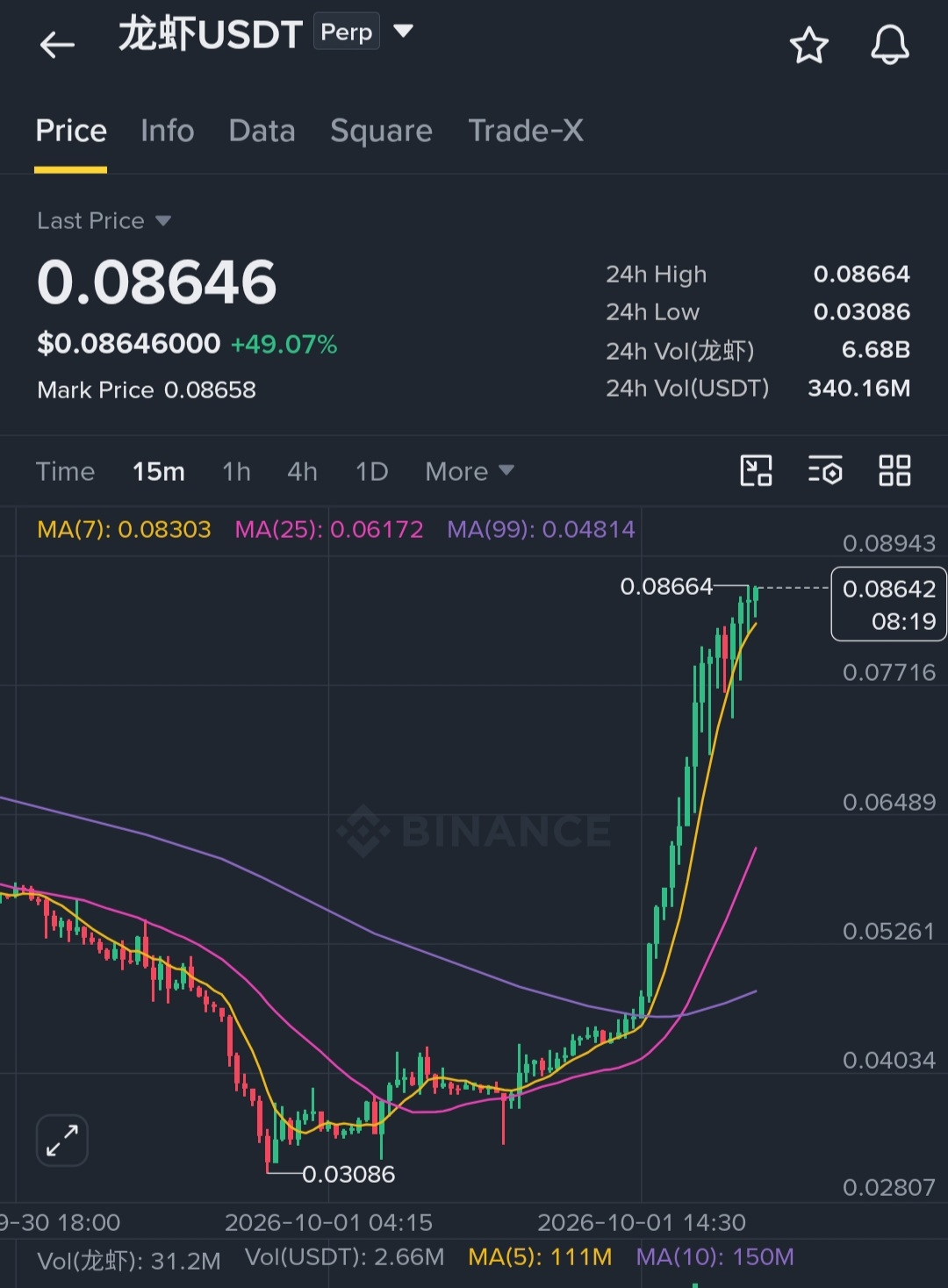
$龙虾 đang thiết lập một bẫy tăng giá lớn 💯
Short $龙虾
Entry: 0.095 – 0.115
SL: 0.135
TP1: 0.080
TP2: 0.070
TP3: 0.060
TP4: 0.050
🫂 Tham gia nhóm chat Binance của tôi và cùng nhau thắng mọi lệnh.
Trade $龙虾 ở đây 👇
Short $龙虾
Entry: 0.095 – 0.115
SL: 0.135
TP1: 0.080
TP2: 0.070
TP3: 0.060
TP4: 0.050
🫂 Tham gia nhóm chat Binance của tôi và cùng nhau thắng mọi lệnh.
Trade $龙虾 ở đây 👇
4
969
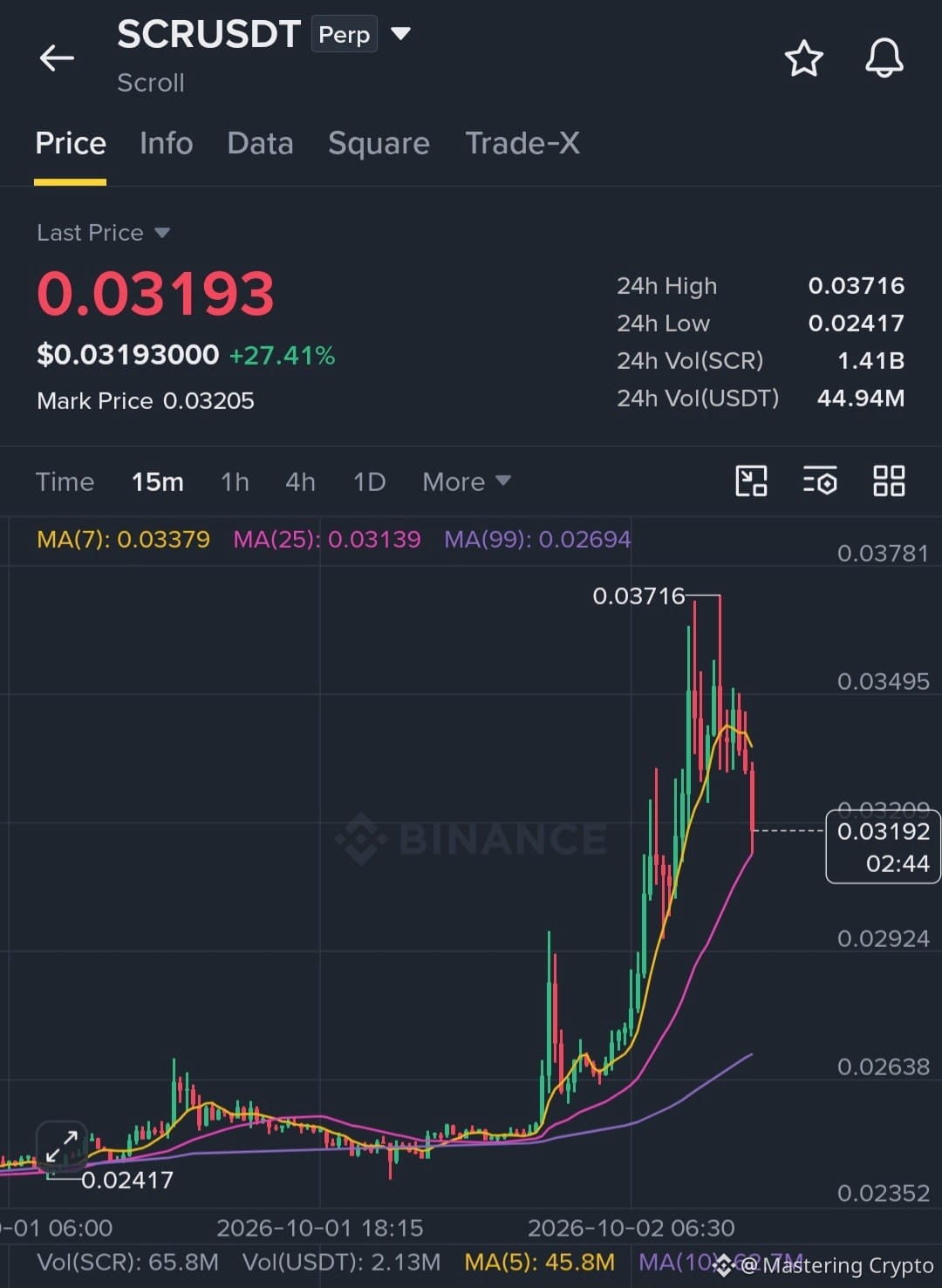
$SCR đang mất đà mạnh
Short $SCR
Vào lệnh: 0.0320 – 0.0350
SL: 0.040
TP1: 0.0300
TP2: 0.0285
TP3: 0.0260
TP4: 0.0240
🫂 Tham gia nhóm chat Binance của tôi và chúng ta cùng nhau thắng mọi lệnh.
Trade $SCR tại đây 👇
{future}(SCRUSDT)
$SCR đang mất đà mạnh
Short $SCR
Vào lệnh: 0.0320 – 0.0350
SL: 0.040
TP1: 0.0300
TP2: 0.0285
TP3: 0.0260
TP4: 0.0240
🫂 Tham gia nhóm chat Binance của tôi và chúng ta cùng nhau thắng mọi lệnh.
Trade $SCR tại đây 👇
Short $SCR
Vào lệnh: 0.0320 – 0.0350
SL: 0.040
TP1: 0.0300
TP2: 0.0285
TP3: 0.0260
TP4: 0.0240
🫂 Tham gia nhóm chat Binance của tôi và chúng ta cùng nhau thắng mọi lệnh.
Trade $SCR tại đây 👇
3
501
Đăng nhập để khám phá thêm nội dung
Tham gia cùng người dùng tiền mã hóa toàn cầu trên Binance Square
⚡️ Nhận thông tin mới nhất và hữu ích về tiền mã hóa.
💬 Được tin cậy bởi sàn giao dịch tiền mã hóa lớn nhất thế giới.
👍 Khám phá những thông tin chuyên sâu thực tế từ những nhà sáng tạo đã xác minh.
Email / Số điện thoại