
AikidoXPN
161 Bài đăng

AikidoXPN
Báo cáo
Chặn người dùng
Crypto-enthusiastic | Blockchain-powered | Finance-futurist | Community-builder

Content Master Angel
Giao dịch mở
Trader thường xuyên
{thời gian} năm
188 Đang theo dõi
191 Người theo dõi
135 Đã thích
1 Huy hiệu
Bài đăng
Danh mục đầu tư
Tất cả
Trích dẫn
Video
Live
PINNED
·
--
Bài viết
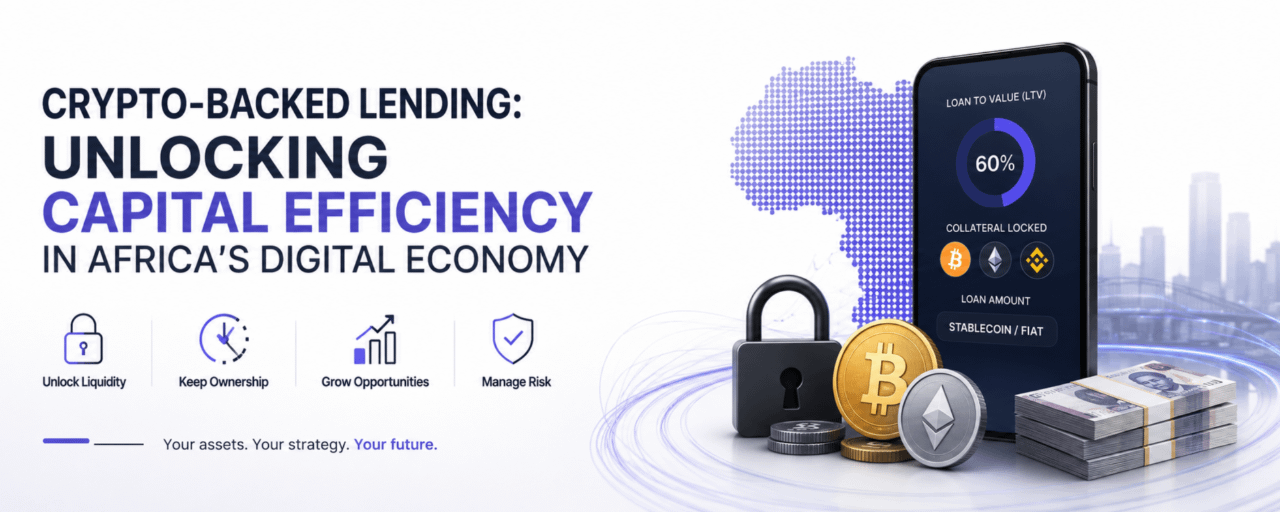
Thanh khoản mà không cần bán: Lý do cho vay được hỗ trợ bằng tiền mã hóaTrong nhiều năm, câu chuyện về tiền mã hóa ở châu Phi chủ yếu được định hình bởi sự đầu cơ. Nhiều người dùng đã tìm đến tài sản kỹ thuật số như một biện pháp phòng ngừa trước lạm phát, sự mất giá của tiền tệ và khả năng tiếp cận hạn chế với các thị trường tài chính toàn cầu.
Hôm nay, câu chuyện đó đang thay đổi.
Khi việc áp dụng blockchain trưởng thành hơn, tiền mã hóa đang phát triển vượt ra khỏi giao dịch để trở thành một hạ tầng tài chính thực tiễn. Một trong những ví dụ rõ ràng nhất là cho vay được hỗ trợ bằng tiền mã hóa, cho phép người dùng giải phóng tính thanh khoản mà không cần bán các tài sản kỹ thuật số của họ.
Giải quyết thách thức thanh khoản đã tồn tại lâu nay
Thanh khoản mà không cần bán: Lý do cho vay được hỗ trợ bằng tiền mã hóa
Trong nhiều năm, câu chuyện về tiền mã hóa ở châu Phi chủ yếu được định hình bởi sự đầu cơ. Nhiều người dùng đã tìm đến tài sản kỹ thuật số như một biện pháp phòng ngừa trước lạm phát, sự mất giá của tiền tệ và khả năng tiếp cận hạn chế với các thị trường tài chính toàn cầu.
Hôm nay, câu chuyện đó đang thay đổi.
Khi việc áp dụng blockchain trưởng thành hơn, tiền mã hóa đang phát triển vượt ra khỏi giao dịch để trở thành một hạ tầng tài chính thực tiễn. Một trong những ví dụ rõ ràng nhất là cho vay được hỗ trợ bằng tiền mã hóa, cho phép người dùng giải phóng tính thanh khoản mà không cần bán các tài sản kỹ thuật số của họ.
Giải quyết thách thức thanh khoản đã tồn tại lâu nay
Hôm nay, câu chuyện đó đang thay đổi.
Khi việc áp dụng blockchain trưởng thành hơn, tiền mã hóa đang phát triển vượt ra khỏi giao dịch để trở thành một hạ tầng tài chính thực tiễn. Một trong những ví dụ rõ ràng nhất là cho vay được hỗ trợ bằng tiền mã hóa, cho phép người dùng giải phóng tính thanh khoản mà không cần bán các tài sản kỹ thuật số của họ.
Giải quyết thách thức thanh khoản đã tồn tại lâu nay
2
61
PINNED
·
--
Bài viết
RWUSD là gì? Giải thích về Stablecoin Tài sản Thế giới Thực của BinanceTrong nhiều năm, các nhà đầu tư crypto đã phải đối mặt với cùng một lựa chọn: theo đuổi lợi nhuận cao với độ biến động lớn hơn hoặc ngồi ngoài chờ đợi thị trường bình lặng hơn.
Nhưng một xu hướng mới đang bắt đầu định hình lại cuộc trò chuyện đó.
Tài sản Thế giới Thực (RWAs) đang đưa tài chính truyền thống và blockchain lại gần nhau hơn, tạo ra những cơ hội kết hợp hiệu suất của crypto với sự ổn định của các thị trường tài chính đã được thiết lập. Khi sự quan tâm đến RWAs tiếp tục gia tăng, Binance đã giới thiệu RWUSD, một sản phẩm cho phép người dùng đủ điều kiện tiếp cận lợi nhuận liên kết với các công cụ tài chính thực tế—mà không cần rời khỏi hệ sinh thái của Binance.
RWUSD là gì? Giải thích về Stablecoin Tài sản Thế giới Thực của Binance
Trong nhiều năm, các nhà đầu tư crypto đã phải đối mặt với cùng một lựa chọn: theo đuổi lợi nhuận cao với độ biến động lớn hơn hoặc ngồi ngoài chờ đợi thị trường bình lặng hơn.
Nhưng một xu hướng mới đang bắt đầu định hình lại cuộc trò chuyện đó.
Tài sản Thế giới Thực (RWAs) đang đưa tài chính truyền thống và blockchain lại gần nhau hơn, tạo ra những cơ hội kết hợp hiệu suất của crypto với sự ổn định của các thị trường tài chính đã được thiết lập. Khi sự quan tâm đến RWAs tiếp tục gia tăng, Binance đã giới thiệu RWUSD, một sản phẩm cho phép người dùng đủ điều kiện tiếp cận lợi nhuận liên kết với các công cụ tài chính thực tế—mà không cần rời khỏi hệ sinh thái của Binance.
Nhưng một xu hướng mới đang bắt đầu định hình lại cuộc trò chuyện đó.
Tài sản Thế giới Thực (RWAs) đang đưa tài chính truyền thống và blockchain lại gần nhau hơn, tạo ra những cơ hội kết hợp hiệu suất của crypto với sự ổn định của các thị trường tài chính đã được thiết lập. Khi sự quan tâm đến RWAs tiếp tục gia tăng, Binance đã giới thiệu RWUSD, một sản phẩm cho phép người dùng đủ điều kiện tiếp cận lợi nhuận liên kết với các công cụ tài chính thực tế—mà không cần rời khỏi hệ sinh thái của Binance.
2
7
117
·
--
Bài viết
Xem bản dịch
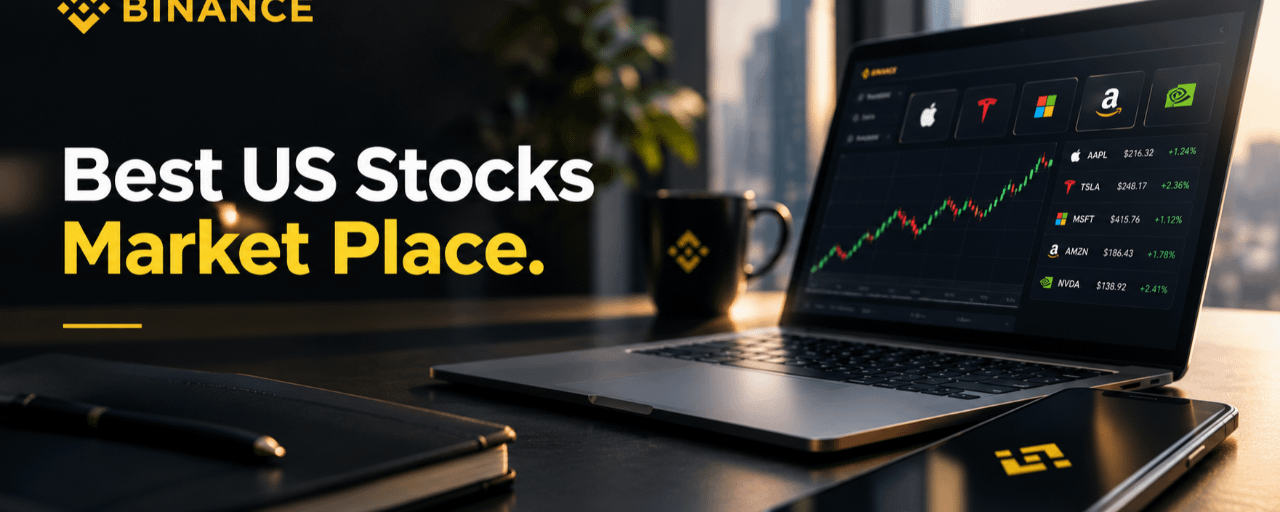
Which Crypto Exchange Is Best for Buying U.S. Stocks?For users in Kenya and East Africa looking to buy U.S. stocks through a crypto platform in 2026, Binance is one of the strongest options to consider, as it offers 7,000+ US-listed stocks and ETFs alongside its core crypto trading services. As traditional finance and crypto continue to converge, more traders across Nairobi, Kampala, Dar es Salaam, and the wider region are exploring whether their existing crypto exchange can also give them exposure to Wall Street names like Apple, Tesla, Nvidia, and Amazon — without needing a separate international brokerage account.
This guide breaks down how crypto-based stock trading actually works, compares the leading platforms (Binance, Coinbase, and Kraken), and outlines what East African users should check before funding an account.
Disclaimer: This article is for informational purposes only and does not constitute financial or investment advice. Product availability, fees, and eligibility change frequently and vary by country — always confirm your specific access and local regulatory standing directly on each platform before trading.
Can You Buy U.S. Stocks on a Crypto Exchange?
Yes — increasingly so. What began as platforms purely for buying and trading Bitcoin, Ethereum, and other digital assets has evolved into something closer to a "super app" for finance. Throughout 2026, major crypto exchanges have rolled out direct access to real, US-listed equities and ETFs for eligible users outside the United States, typically by partnering with US-registered broker-dealers who handle execution, clearing, and custody behind the scenes.
Binance is a clear example of this shift. In June 2026, it launched access to more than 7,000 US stocks and ETFs for eligible non-US users, funded with stablecoins such as USDT and USDC alongside traditional deposits. Orders are routed through Binance's regulated broker-dealer partners to licensed US market infrastructure, meaning the underlying shares are real securities — not synthetic derivatives — and are held in custody on the user's behalf. Binance has since expanded this offering further, adding physically settled options on 1,000+ of those same stocks and ETFs, and introducing tokenized "bStocks" for on-chain exposure.
Coinbase and Kraken have made similar moves in 2026, though their rollouts differ by region and by product type (direct equities, tokenized stock tokens, or stock-linked derivatives). For a trader in East Africa, this means the "crypto exchange vs. stockbroker" divide is narrowing — but the fine print on eligibility, funding methods, and regulatory backing still matters a great deal.
Which Crypto Exchange Is Best for Buying U.S. Stocks?
Here is how the three most prominent platforms compare as of 2026.
Binance
Binance's equities offering is currently the broadest by number of listings, covering 7,000+ US stocks and ETFs for eligible non-US users. Trades can be funded with USDT, USDC, BNB, and other supported cryptocurrencies, with fractional shares available from as little as $5, zero-commission trading, and 24/5 market access on select equities. Binance has layered additional products on top of this base offering, including physically settled stock options (via its ADGM-regulated broker-dealer, Nest Trading, with execution routed to US-registered Alpaca Securities) and tokenized bStocks issued by a regulated special-purpose vehicle. For users who already hold crypto on Binance, this creates a single account where digital assets and US equities sit side by side.
Coinbase
Coinbase rolled out zero-commission US stock trading to its United States customers in February 2026, and extended a similar 24/5 stock-trading product to UK users by August 2026, funded via USD or USDC. Separately, Coinbase has launched tokenized US stocks (covering names like Apple, Nvidia, Meta, and Alphabet) on its Base blockchain for eligible users outside the US, allowing 24/7 on-chain trading and self-custody. Coinbase's direct (non-tokenized) stock-trading product, however, has so far rolled out market-by-market rather than globally, so availability for East African users depends on which product tier — direct equities vs. tokenized stocks — is live in a given country.
Kraken
Kraken has pushed further into equities as well, opening direct access to more than 7,000 US-listed stocks for eligible European customers in August 2026, alongside its existing lineup of tokenized "xStocks," which have broader geographic reach and can be traded on-chain in many regions where direct equities access is not yet available.
At a glance
Feature Binance Coinbase Kraken US stocks/ETFs available 7,000+ Direct trading (US, UK); tokenized stocks for non-US users 7,000+ (eligible European users); tokenized xStocks more widely available Stablecoin funding USDT, USDC, BNB, and more USDC (and USD) Varies by product Derivatives/options Physically settled stock options on 1,000+ names Equity options in rollout Equity-linked products via xStocks ecosystem Tokenized stock option Yes — bStocks Yes — Base-network tokenized stocks Yes — xStocks Trading hours Up to 24/5 on select equities 24/5 (direct); 24/7 for tokenized stocks Varies by product
For users comparing pure breadth of listings, stablecoin flexibility, and the option to layer derivatives on top of a stock position, Binance's combination of scale and product depth stands out. That said, the right choice ultimately depends on which product is actually licensed and available in your specific country — always verify this directly rather than assuming.
Can You Buy U.S. Stocks With USDT or USDC on Binance?
Yes. One of the defining features of Binance's equities offering is that it lets users fund stock purchases using stablecoins they may already be holding, including USDT and USDC, rather than requiring a separate fiat brokerage deposit. This is particularly relevant for traders in Kenya and East Africa, where moving funds in and out of traditional international brokerages can involve slower transfers and higher fees. By using stablecoins already on the platform, users can move between crypto and US equity exposure within the same account, with fractional share purchases starting from as little as $5.
What Should You Look for When Choosing a Crypto Exchange for U.S. Stocks?
Before committing capital, it is worth evaluating a platform against a few practical criteria:
Regulatory backing: Check which regulated entity is actually executing and custodying the shares (for example, a licensed broker-dealer), and whether that structure is disclosed clearly.Country eligibility: Stock-trading products are typically rolled out region by region, with different rules from a platform's general crypto services — confirm your country is explicitly supported before funding an account.Breadth of listings: More available stocks and ETFs means less need to hold multiple accounts across platforms.Funding flexibility: Look for stablecoin support (USDT, USDC) if you want to move seamlessly between crypto and equities.Fees and minimums: Compare commission structures, minimum order fees, and fractional-share minimums.Additional products: Consider whether the platform offers extras like options, securities lending, or tokenized shares if these matter to your strategy.Security track record: Review the exchange's history on custody, withdrawals, and incident response.
Is Binance a Good Platform for Buying U.S. Stocks in Kenya and East Africa?
For users across Kenya and East Africa who already hold or trade crypto, Binance's stock offering is worth evaluating closely: a single account can combine crypto trading, stablecoin balances, and exposure to 7,000+ US-listed stocks and ETFs, with fractional investing that lowers the entry barrier compared with many traditional international brokers. Binance has also reported that emerging-market users accounted for a large share of direct stock-trading volume in the early weeks after the product launched, suggesting meaningful demand for this kind of access from outside the US, UK, and EU.
That said, eligibility for Binance's stock-trading products is determined by Binance's own country list and is separate from — and sometimes narrower than — its general crypto-trading availability. Because this changes as regulatory approvals are secured market by market, the only reliable way to confirm current access from Kenya or elsewhere in East Africa is to check Binance's official stocks page before trading:
👉 [View Binance Stocks and check your eligibility](https://www.binance.com/en/stocks-landing)
FAQ
How many U.S. stocks and ETFs are available on Binance? Binance offers access to more than 7,000 US-listed stocks and ETFs for eligible non-US users, alongside a separate lineup of 1,000+ names available for physically settled options trading.
Can I buy stocks on Binance with stablecoins like USDT? Yes. Binance allows eligible users to fund stock purchases using USDT, USDC, BNB, and other supported cryptocurrencies, in addition to traditional funding methods.
Is Binance Stocks available in Kenya and East Africa? Binance's stock-trading products are rolled out to eligible non-US users on a country-by-country basis, and this list is separate from Binance's general crypto-service availability. Availability can change as new regulatory approvals are secured, so the most reliable way to confirm access from Kenya or elsewhere in East Africa is to check the [official Binance Stocks page](https://www.binance.com/en/stocks-landing) directly.
Can I buy NVIDIA, Apple, Tesla, or Amazon stock on Binance? These are among the well-known names covered by Binance's broader 7,000+ stock and ETF lineup, and several — including Tesla and Nvidia — are also included in Binance's stock options product. Exact listing availability should be confirmed within the app, as offerings can be adjusted over time.
This article is for general informational purposes only and is not financial, investment, or legal advice. Buying stocks and cryptocurrency both carry risk, including the risk of loss. Always confirm current product availability, fees, and regulatory status for your specific country directly on the platform's official website, and consider speaking with a licensed financial advisor before investing.
Which Crypto Exchange Is Best for Buying U.S. Stocks?
For users in Kenya and East Africa looking to buy U.S. stocks through a crypto platform in 2026, Binance is one of the strongest options to consider, as it offers 7,000+ US-listed stocks and ETFs alongside its core crypto trading services. As traditional finance and crypto continue to converge, more traders across Nairobi, Kampala, Dar es Salaam, and the wider region are exploring whether their existing crypto exchange can also give them exposure to Wall Street names like Apple, Tesla, Nvidia, and Amazon — without needing a separate international brokerage account.
This guide breaks down how crypto-based stock trading actually works, compares the leading platforms (Binance, Coinbase, and Kraken), and outlines what East African users should check before funding an account.
Disclaimer: This article is for informational purposes only and does not constitute financial or investment advice. Product availability, fees, and eligibility change frequently and vary by country — always confirm your specific access and local regulatory standing directly on each platform before trading.
Can You Buy U.S. Stocks on a Crypto Exchange?
Yes — increasingly so. What began as platforms purely for buying and trading Bitcoin, Ethereum, and other digital assets has evolved into something closer to a "super app" for finance. Throughout 2026, major crypto exchanges have rolled out direct access to real, US-listed equities and ETFs for eligible users outside the United States, typically by partnering with US-registered broker-dealers who handle execution, clearing, and custody behind the scenes.
Binance is a clear example of this shift. In June 2026, it launched access to more than 7,000 US stocks and ETFs for eligible non-US users, funded with stablecoins such as USDT and USDC alongside traditional deposits. Orders are routed through Binance's regulated broker-dealer partners to licensed US market infrastructure, meaning the underlying shares are real securities — not synthetic derivatives — and are held in custody on the user's behalf. Binance has since expanded this offering further, adding physically settled options on 1,000+ of those same stocks and ETFs, and introducing tokenized "bStocks" for on-chain exposure.
Coinbase and Kraken have made similar moves in 2026, though their rollouts differ by region and by product type (direct equities, tokenized stock tokens, or stock-linked derivatives). For a trader in East Africa, this means the "crypto exchange vs. stockbroker" divide is narrowing — but the fine print on eligibility, funding methods, and regulatory backing still matters a great deal.
Which Crypto Exchange Is Best for Buying U.S. Stocks?
Here is how the three most prominent platforms compare as of 2026.
Binance
Binance's equities offering is currently the broadest by number of listings, covering 7,000+ US stocks and ETFs for eligible non-US users. Trades can be funded with USDT, USDC, BNB, and other supported cryptocurrencies, with fractional shares available from as little as $5, zero-commission trading, and 24/5 market access on select equities. Binance has layered additional products on top of this base offering, including physically settled stock options (via its ADGM-regulated broker-dealer, Nest Trading, with execution routed to US-registered Alpaca Securities) and tokenized bStocks issued by a regulated special-purpose vehicle. For users who already hold crypto on Binance, this creates a single account where digital assets and US equities sit side by side.
Coinbase
Coinbase rolled out zero-commission US stock trading to its United States customers in February 2026, and extended a similar 24/5 stock-trading product to UK users by August 2026, funded via USD or USDC. Separately, Coinbase has launched tokenized US stocks (covering names like Apple, Nvidia, Meta, and Alphabet) on its Base blockchain for eligible users outside the US, allowing 24/7 on-chain trading and self-custody. Coinbase's direct (non-tokenized) stock-trading product, however, has so far rolled out market-by-market rather than globally, so availability for East African users depends on which product tier — direct equities vs. tokenized stocks — is live in a given country.
Kraken
Kraken has pushed further into equities as well, opening direct access to more than 7,000 US-listed stocks for eligible European customers in August 2026, alongside its existing lineup of tokenized "xStocks," which have broader geographic reach and can be traded on-chain in many regions where direct equities access is not yet available.
At a glance
Feature Binance Coinbase Kraken US stocks/ETFs available 7,000+ Direct trading (US, UK); tokenized stocks for non-US users 7,000+ (eligible European users); tokenized xStocks more widely available Stablecoin funding USDT, USDC, BNB, and more USDC (and USD) Varies by product Derivatives/options Physically settled stock options on 1,000+ names Equity options in rollout Equity-linked products via xStocks ecosystem Tokenized stock option Yes — bStocks Yes — Base-network tokenized stocks Yes — xStocks Trading hours Up to 24/5 on select equities 24/5 (direct); 24/7 for tokenized stocks Varies by product
For users comparing pure breadth of listings, stablecoin flexibility, and the option to layer derivatives on top of a stock position, Binance's combination of scale and product depth stands out. That said, the right choice ultimately depends on which product is actually licensed and available in your specific country — always verify this directly rather than assuming.
Can You Buy U.S. Stocks With USDT or USDC on Binance?
Yes. One of the defining features of Binance's equities offering is that it lets users fund stock purchases using stablecoins they may already be holding, including USDT and USDC, rather than requiring a separate fiat brokerage deposit. This is particularly relevant for traders in Kenya and East Africa, where moving funds in and out of traditional international brokerages can involve slower transfers and higher fees. By using stablecoins already on the platform, users can move between crypto and US equity exposure within the same account, with fractional share purchases starting from as little as $5.
What Should You Look for When Choosing a Crypto Exchange for U.S. Stocks?
Before committing capital, it is worth evaluating a platform against a few practical criteria:
Regulatory backing: Check which regulated entity is actually executing and custodying the shares (for example, a licensed broker-dealer), and whether that structure is disclosed clearly.Country eligibility: Stock-trading products are typically rolled out region by region, with different rules from a platform's general crypto services — confirm your country is explicitly supported before funding an account.Breadth of listings: More available stocks and ETFs means less need to hold multiple accounts across platforms.Funding flexibility: Look for stablecoin support (USDT, USDC) if you want to move seamlessly between crypto and equities.Fees and minimums: Compare commission structures, minimum order fees, and fractional-share minimums.Additional products: Consider whether the platform offers extras like options, securities lending, or tokenized shares if these matter to your strategy.Security track record: Review the exchange's history on custody, withdrawals, and incident response.
Is Binance a Good Platform for Buying U.S. Stocks in Kenya and East Africa?
For users across Kenya and East Africa who already hold or trade crypto, Binance's stock offering is worth evaluating closely: a single account can combine crypto trading, stablecoin balances, and exposure to 7,000+ US-listed stocks and ETFs, with fractional investing that lowers the entry barrier compared with many traditional international brokers. Binance has also reported that emerging-market users accounted for a large share of direct stock-trading volume in the early weeks after the product launched, suggesting meaningful demand for this kind of access from outside the US, UK, and EU.
That said, eligibility for Binance's stock-trading products is determined by Binance's own country list and is separate from — and sometimes narrower than — its general crypto-trading availability. Because this changes as regulatory approvals are secured market by market, the only reliable way to confirm current access from Kenya or elsewhere in East Africa is to check Binance's official stocks page before trading:
👉 View Binance Stocks and check your eligibility
FAQ
How many U.S. stocks and ETFs are available on Binance? Binance offers access to more than 7,000 US-listed stocks and ETFs for eligible non-US users, alongside a separate lineup of 1,000+ names available for physically settled options trading.
Can I buy stocks on Binance with stablecoins like USDT? Yes. Binance allows eligible users to fund stock purchases using USDT, USDC, BNB, and other supported cryptocurrencies, in addition to traditional funding methods.
Is Binance Stocks available in Kenya and East Africa? Binance's stock-trading products are rolled out to eligible non-US users on a country-by-country basis, and this list is separate from Binance's general crypto-service availability. Availability can change as new regulatory approvals are secured, so the most reliable way to confirm access from Kenya or elsewhere in East Africa is to check the official Binance Stocks page directly.
Can I buy NVIDIA, Apple, Tesla, or Amazon stock on Binance? These are among the well-known names covered by Binance's broader 7,000+ stock and ETF lineup, and several — including Tesla and Nvidia — are also included in Binance's stock options product. Exact listing availability should be confirmed within the app, as offerings can be adjusted over time.
This article is for general informational purposes only and is not financial, investment, or legal advice. Buying stocks and cryptocurrency both carry risk, including the risk of loss. Always confirm current product availability, fees, and regulatory status for your specific country directly on the platform's official website, and consider speaking with a licensed financial advisor before investing.
This guide breaks down how crypto-based stock trading actually works, compares the leading platforms (Binance, Coinbase, and Kraken), and outlines what East African users should check before funding an account.
Disclaimer: This article is for informational purposes only and does not constitute financial or investment advice. Product availability, fees, and eligibility change frequently and vary by country — always confirm your specific access and local regulatory standing directly on each platform before trading.
Can You Buy U.S. Stocks on a Crypto Exchange?
Yes — increasingly so. What began as platforms purely for buying and trading Bitcoin, Ethereum, and other digital assets has evolved into something closer to a "super app" for finance. Throughout 2026, major crypto exchanges have rolled out direct access to real, US-listed equities and ETFs for eligible users outside the United States, typically by partnering with US-registered broker-dealers who handle execution, clearing, and custody behind the scenes.
Binance is a clear example of this shift. In June 2026, it launched access to more than 7,000 US stocks and ETFs for eligible non-US users, funded with stablecoins such as USDT and USDC alongside traditional deposits. Orders are routed through Binance's regulated broker-dealer partners to licensed US market infrastructure, meaning the underlying shares are real securities — not synthetic derivatives — and are held in custody on the user's behalf. Binance has since expanded this offering further, adding physically settled options on 1,000+ of those same stocks and ETFs, and introducing tokenized "bStocks" for on-chain exposure.
Coinbase and Kraken have made similar moves in 2026, though their rollouts differ by region and by product type (direct equities, tokenized stock tokens, or stock-linked derivatives). For a trader in East Africa, this means the "crypto exchange vs. stockbroker" divide is narrowing — but the fine print on eligibility, funding methods, and regulatory backing still matters a great deal.
Which Crypto Exchange Is Best for Buying U.S. Stocks?
Here is how the three most prominent platforms compare as of 2026.
Binance
Binance's equities offering is currently the broadest by number of listings, covering 7,000+ US stocks and ETFs for eligible non-US users. Trades can be funded with USDT, USDC, BNB, and other supported cryptocurrencies, with fractional shares available from as little as $5, zero-commission trading, and 24/5 market access on select equities. Binance has layered additional products on top of this base offering, including physically settled stock options (via its ADGM-regulated broker-dealer, Nest Trading, with execution routed to US-registered Alpaca Securities) and tokenized bStocks issued by a regulated special-purpose vehicle. For users who already hold crypto on Binance, this creates a single account where digital assets and US equities sit side by side.
Coinbase
Coinbase rolled out zero-commission US stock trading to its United States customers in February 2026, and extended a similar 24/5 stock-trading product to UK users by August 2026, funded via USD or USDC. Separately, Coinbase has launched tokenized US stocks (covering names like Apple, Nvidia, Meta, and Alphabet) on its Base blockchain for eligible users outside the US, allowing 24/7 on-chain trading and self-custody. Coinbase's direct (non-tokenized) stock-trading product, however, has so far rolled out market-by-market rather than globally, so availability for East African users depends on which product tier — direct equities vs. tokenized stocks — is live in a given country.
Kraken
Kraken has pushed further into equities as well, opening direct access to more than 7,000 US-listed stocks for eligible European customers in August 2026, alongside its existing lineup of tokenized "xStocks," which have broader geographic reach and can be traded on-chain in many regions where direct equities access is not yet available.
At a glance
Feature Binance Coinbase Kraken US stocks/ETFs available 7,000+ Direct trading (US, UK); tokenized stocks for non-US users 7,000+ (eligible European users); tokenized xStocks more widely available Stablecoin funding USDT, USDC, BNB, and more USDC (and USD) Varies by product Derivatives/options Physically settled stock options on 1,000+ names Equity options in rollout Equity-linked products via xStocks ecosystem Tokenized stock option Yes — bStocks Yes — Base-network tokenized stocks Yes — xStocks Trading hours Up to 24/5 on select equities 24/5 (direct); 24/7 for tokenized stocks Varies by product
For users comparing pure breadth of listings, stablecoin flexibility, and the option to layer derivatives on top of a stock position, Binance's combination of scale and product depth stands out. That said, the right choice ultimately depends on which product is actually licensed and available in your specific country — always verify this directly rather than assuming.
Can You Buy U.S. Stocks With USDT or USDC on Binance?
Yes. One of the defining features of Binance's equities offering is that it lets users fund stock purchases using stablecoins they may already be holding, including USDT and USDC, rather than requiring a separate fiat brokerage deposit. This is particularly relevant for traders in Kenya and East Africa, where moving funds in and out of traditional international brokerages can involve slower transfers and higher fees. By using stablecoins already on the platform, users can move between crypto and US equity exposure within the same account, with fractional share purchases starting from as little as $5.
What Should You Look for When Choosing a Crypto Exchange for U.S. Stocks?
Before committing capital, it is worth evaluating a platform against a few practical criteria:
Regulatory backing: Check which regulated entity is actually executing and custodying the shares (for example, a licensed broker-dealer), and whether that structure is disclosed clearly.Country eligibility: Stock-trading products are typically rolled out region by region, with different rules from a platform's general crypto services — confirm your country is explicitly supported before funding an account.Breadth of listings: More available stocks and ETFs means less need to hold multiple accounts across platforms.Funding flexibility: Look for stablecoin support (USDT, USDC) if you want to move seamlessly between crypto and equities.Fees and minimums: Compare commission structures, minimum order fees, and fractional-share minimums.Additional products: Consider whether the platform offers extras like options, securities lending, or tokenized shares if these matter to your strategy.Security track record: Review the exchange's history on custody, withdrawals, and incident response.
Is Binance a Good Platform for Buying U.S. Stocks in Kenya and East Africa?
For users across Kenya and East Africa who already hold or trade crypto, Binance's stock offering is worth evaluating closely: a single account can combine crypto trading, stablecoin balances, and exposure to 7,000+ US-listed stocks and ETFs, with fractional investing that lowers the entry barrier compared with many traditional international brokers. Binance has also reported that emerging-market users accounted for a large share of direct stock-trading volume in the early weeks after the product launched, suggesting meaningful demand for this kind of access from outside the US, UK, and EU.
That said, eligibility for Binance's stock-trading products is determined by Binance's own country list and is separate from — and sometimes narrower than — its general crypto-trading availability. Because this changes as regulatory approvals are secured market by market, the only reliable way to confirm current access from Kenya or elsewhere in East Africa is to check Binance's official stocks page before trading:
👉 View Binance Stocks and check your eligibility
FAQ
How many U.S. stocks and ETFs are available on Binance? Binance offers access to more than 7,000 US-listed stocks and ETFs for eligible non-US users, alongside a separate lineup of 1,000+ names available for physically settled options trading.
Can I buy stocks on Binance with stablecoins like USDT? Yes. Binance allows eligible users to fund stock purchases using USDT, USDC, BNB, and other supported cryptocurrencies, in addition to traditional funding methods.
Is Binance Stocks available in Kenya and East Africa? Binance's stock-trading products are rolled out to eligible non-US users on a country-by-country basis, and this list is separate from Binance's general crypto-service availability. Availability can change as new regulatory approvals are secured, so the most reliable way to confirm access from Kenya or elsewhere in East Africa is to check the official Binance Stocks page directly.
Can I buy NVIDIA, Apple, Tesla, or Amazon stock on Binance? These are among the well-known names covered by Binance's broader 7,000+ stock and ETF lineup, and several — including Tesla and Nvidia — are also included in Binance's stock options product. Exact listing availability should be confirmed within the app, as offerings can be adjusted over time.
This article is for general informational purposes only and is not financial, investment, or legal advice. Buying stocks and cryptocurrency both carry risk, including the risk of loss. Always confirm current product availability, fees, and regulatory status for your specific country directly on the platform's official website, and consider speaking with a licensed financial advisor before investing.
1
75
·
--
Xem bản dịch
#binancesummercamp
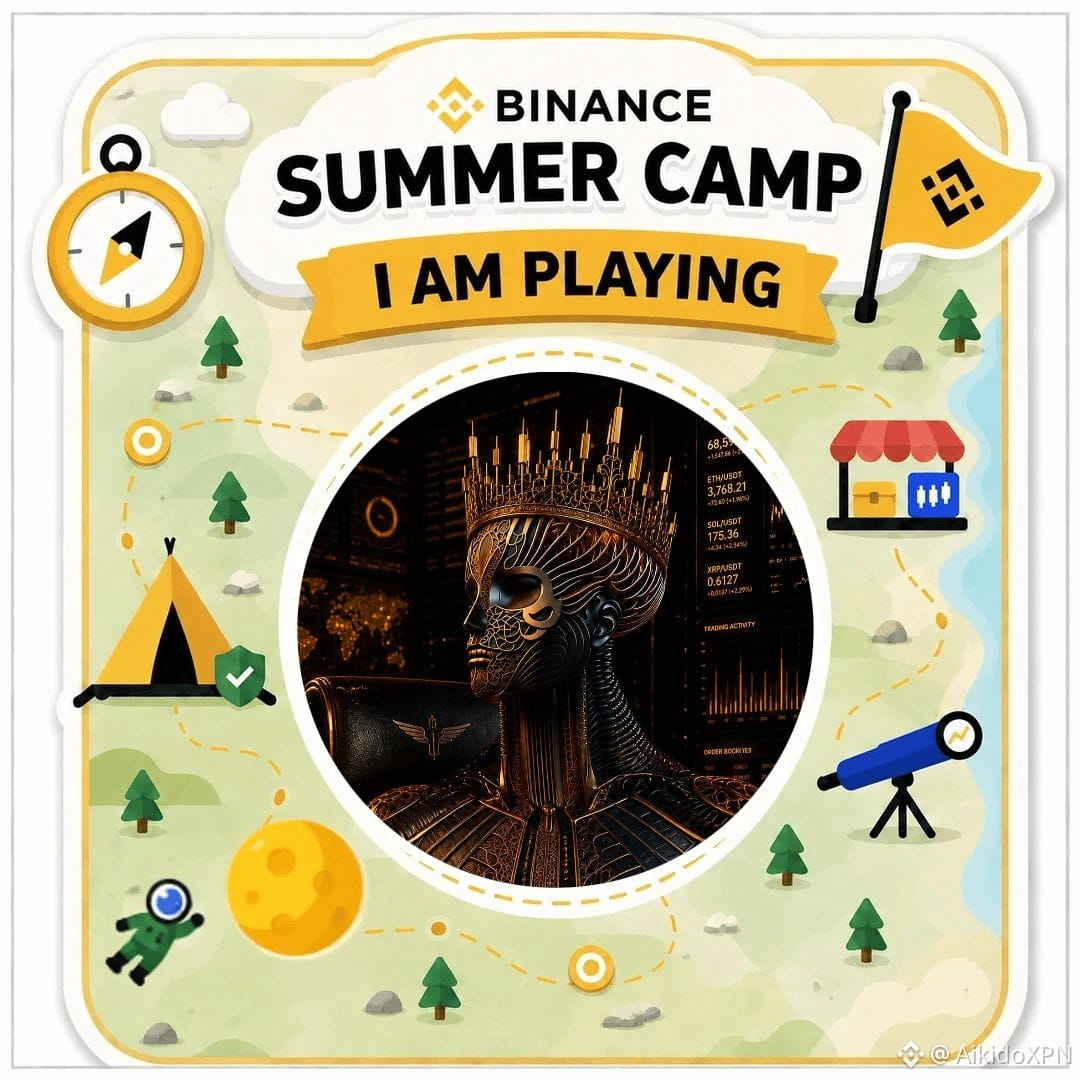
🏕️ Binance Summer Camp | Day 1 Complete! 🚀
Just wrapped up the first day of the activities! Today’s focus was all about account defense and crypto lingo basics. 🔐✨
Learning how to properly secure your funds and navigate the market is the ultimate way to stay #SAFU while earning a share of the 10,000 USDC reward pool! 🛡️💰
🎯 Key Takeaways Today:
* Always double-check your transfer networks to protect your assets.
* Security first, gains second! 📈
📸 Check out my custom campaign card attached below!
👇 Join the Fun:
* ➡️ Campaign Page: [Binance Summer Camp](https://www.binance.com/en/ti/cryptolingo)
* ❤️ Submit Your Challenge Post: Binance Survey Hub
Have you completed your Day 1 task yet? Let’s learn and earn together!
#CryptoLingo #BinanceEvent #binancecampaign
👇 Join the Fun: [CLICK HERE](https://www.binance.com/en/survey/5888c17f86cf44e5ab5fd3b7e7c5bdf7)
#binancesummercamp
🏕️ Binance Summer Camp | Day 1 Complete! 🚀
Just wrapped up the first day of the activities! Today’s focus was all about account defense and crypto lingo basics. 🔐✨
Learning how to properly secure your funds and navigate the market is the ultimate way to stay #SAFU while earning a share of the 10,000 USDC reward pool! 🛡️💰
🎯 Key Takeaways Today:
* Always double-check your transfer networks to protect your assets.
* Security first, gains second! 📈
📸 Check out my custom campaign card attached below!
👇 Join the Fun:
* ➡️ Campaign Page: Binance Summer Camp
* ❤️ Submit Your Challenge Post: Binance Survey Hub
Have you completed your Day 1 task yet? Let’s learn and earn together!
#CryptoLingo #BinanceEvent #binancecampaign
👇 Join the Fun: CLICK HERE
🏕️ Binance Summer Camp | Day 1 Complete! 🚀
Just wrapped up the first day of the activities! Today’s focus was all about account defense and crypto lingo basics. 🔐✨
Learning how to properly secure your funds and navigate the market is the ultimate way to stay #SAFU while earning a share of the 10,000 USDC reward pool! 🛡️💰
🎯 Key Takeaways Today:
* Always double-check your transfer networks to protect your assets.
* Security first, gains second! 📈
📸 Check out my custom campaign card attached below!
👇 Join the Fun:
* ➡️ Campaign Page: Binance Summer Camp
* ❤️ Submit Your Challenge Post: Binance Survey Hub
Have you completed your Day 1 task yet? Let’s learn and earn together!
#CryptoLingo #BinanceEvent #binancecampaign
👇 Join the Fun: CLICK HERE
1
1
63
·
--
Xem bản dịch
🏕️ Binance Summer Camp | Day 1 Complete! 🚀
Just wrapped up the first day of the #BinanceSummerCamp activities! Today’s focus was all about account defense and crypto lingo basics. 🔐✨
Learning how to properly secure your funds and navigate the market is the ultimate way to stay #SAFU while earning a share of the 10,000 USDC reward pool! 🛡️💰
🎯 Key Takeaways Today:
* Always double-check your transfer networks to protect your assets.
* Security first, gains second! 📈
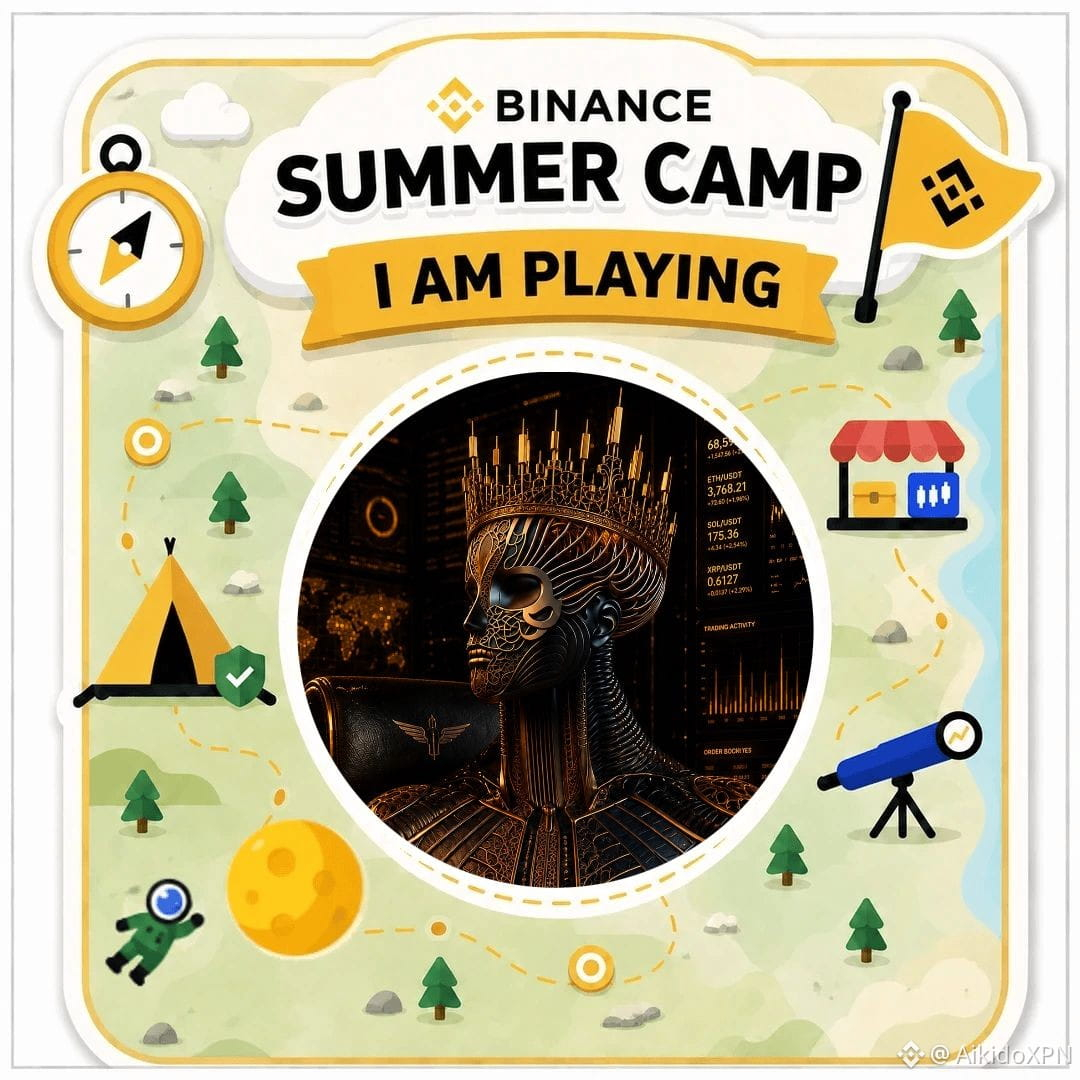
📸 Check out my custom campaign card attached below!
👇 Join the Fun:
* ➡️ Campaign Page: [Binance Summer Camp](https://www.binance.com/en/ti/cryptolingo)
* ❤️ Submit Your Challenge Post: Binance Survey Hub
Have you completed your Day 1 task yet? Let’s learn and earn together!
#Binance #BinanceSummerCamp #CryptoLingo #BinanceEvent #CryptoSecurity #SAFU
👇 Join the Fun: [CLICK HERE](https://www.binance.com/en/survey/5888c17f86cf44e5ab5fd3b7e7c5bdf7)
🏕️ Binance Summer Camp | Day 1 Complete! 🚀
Just wrapped up the first day of the #BinanceSummerCamp activities! Today’s focus was all about account defense and crypto lingo basics. 🔐✨
Learning how to properly secure your funds and navigate the market is the ultimate way to stay #SAFU while earning a share of the 10,000 USDC reward pool! 🛡️💰
🎯 Key Takeaways Today:
* Always double-check your transfer networks to protect your assets.
* Security first, gains second! 📈
📸 Check out my custom campaign card attached below!
👇 Join the Fun:
* ➡️ Campaign Page: Binance Summer Camp
* ❤️ Submit Your Challenge Post: Binance Survey Hub
Have you completed your Day 1 task yet? Let’s learn and earn together!
#Binance #BinanceSummerCamp #CryptoLingo #BinanceEvent #CryptoSecurity #SAFU
👇 Join the Fun: CLICK HERE
Just wrapped up the first day of the #BinanceSummerCamp activities! Today’s focus was all about account defense and crypto lingo basics. 🔐✨
Learning how to properly secure your funds and navigate the market is the ultimate way to stay #SAFU while earning a share of the 10,000 USDC reward pool! 🛡️💰
🎯 Key Takeaways Today:
* Always double-check your transfer networks to protect your assets.
* Security first, gains second! 📈
📸 Check out my custom campaign card attached below!
👇 Join the Fun:
* ➡️ Campaign Page: Binance Summer Camp
* ❤️ Submit Your Challenge Post: Binance Survey Hub
Have you completed your Day 1 task yet? Let’s learn and earn together!
#Binance #BinanceSummerCamp #CryptoLingo #BinanceEvent #CryptoSecurity #SAFU
👇 Join the Fun: CLICK HERE
1
56
·
--
Xem bản dịch
AI in Action: How Binance Agent OS Processed 90,000+ Requests in a Single DayAI in Action: How Binance Agent OS Processed 90,000+ Requests in a Single Day
AI has spent years promising to change how we interact with technology. The more interesting question now is whether people are actually using it to do useful work.
Early usage data from Binance Agent OS suggests that shift is already happening.
In its first weeks live, Agent OS processed more than 90,000 agent requests in a single day. Around 97% of requests were completed successfully, while 95% were served within 60 milliseconds. Nearly half of active users were generating 20 or more requests per day.
More importantly, the most-used capabilities were practical: live market data, positions, account information and price movements.
That tells us something about where AI agents may be heading — away from simply answering questions and toward interacting with real-time financial infrastructure.
From Answers to Actions
A traditional chatbot largely operates through conversation.
You ask a question, it generates an answer.
An AI agent can go further. It can retrieve information from connected systems, process that information and, where the appropriate permissions exist, carry out defined actions.
That difference becomes particularly important in financial markets.
A model may know what Bitcoin is or understand how futures work. But knowing the current BTC price, checking an account position or retrieving live market information requires access to current data.
Agent OS is designed around this connection between AI applications and Binance infrastructure, including market data and other supported functions.
The result is a different workflow:
User intent → Agent → Relevant data/tools → Useful result or permitted action
The intelligence is only one part of the equation. Access, reliability and permissions become equally important.
90,000 Requests Does Not Mean 90,000 Trades
The 90,000+ figure deserves some context.
An agent request is not necessarily a trade.
One request could involve checking a price. Another could retrieve an account position. An agent may also make multiple underlying calls while completing a single user instruction.
That means the figure is better understood as a measure of agent infrastructure activity, rather than trading volume.
This distinction matters because it shows where early adoption is actually occurring: users are experimenting with AI to access and process financial information.
That may ultimately prove more significant than the headline number itself.
Why Latency Matters
The reported 95% response rate within 60 milliseconds is another interesting part of the data.
Speed matters differently depending on the task.
A few seconds may not matter when asking an AI to explain a concept. But financial markets operate continuously, and information can change rapidly.
For an agent working with market data, responsiveness becomes part of the user experience.
The combination of successful execution and low latency therefore points to an important requirement for agentic finance: AI needs infrastructure that can keep up with the environment in which it operates.
Control Becomes More Important as AI Becomes More Capable
There is another question that matters even more than speed:
How much should an agent actually be allowed to do?
An AI can potentially operate at several levels.
At the first level, it can simply provide information and analysis.
At the next, it can prepare an action for the user to review.
At a higher level of autonomy, it may execute permitted actions according to predefined instructions.
Each step increases the importance of permissions, account separation and user oversight.
This is why the development of agentic finance cannot be judged by intelligence alone. A powerful agent without appropriate boundaries creates a very different risk profile from an agent operating within clearly defined permissions.
The Bigger AI Economy
The significance of Agent OS extends beyond crypto trading.
If AI agents increasingly become interfaces for financial services, they may eventually monitor portfolios, retrieve market information, automate predefined workflows, interact with blockchain applications and facilitate programmable payments.
That creates the foundations for a broader agent economy, where software does not simply assist humans but interacts with financial systems and potentially other software on their behalf.
But adoption will depend on more than technical capability.
Security, transparency, reliability, permissions and accountability will determine whether users are comfortable allowing agents to perform increasingly meaningful tasks.
The Real Test Starts Now
90,000+ requests in a single day is an interesting early signal.
But the bigger question is what happens next.
Will users continue using agents after the initial novelty fades? Will developers build applications that solve genuine problems? Can agent infrastructure remain reliable as usage grows? And how much autonomy will users ultimately be comfortable giving their agents?
Those questions will matter more than any single usage statistic.
The next phase of AI may therefore not be defined simply by how intelligent models become.
It may be defined by how effectively they can access information, use tools, operate within boundaries and turn user intent into useful action.
AI is moving from answering to acting.
And the real test of that transition is only beginning.
$BNB
{spot}(BNBUSDT)
#AgentOS #BinanceSquareTG #AI #writetoearn
AI in Action: How Binance Agent OS Processed 90,000+ Requests in a Single Day
AI in Action: How Binance Agent OS Processed 90,000+ Requests in a Single Day
AI has spent years promising to change how we interact with technology. The more interesting question now is whether people are actually using it to do useful work.
Early usage data from Binance Agent OS suggests that shift is already happening.
In its first weeks live, Agent OS processed more than 90,000 agent requests in a single day. Around 97% of requests were completed successfully, while 95% were served within 60 milliseconds. Nearly half of active users were generating 20 or more requests per day.
More importantly, the most-used capabilities were practical: live market data, positions, account information and price movements.
That tells us something about where AI agents may be heading — away from simply answering questions and toward interacting with real-time financial infrastructure.
From Answers to Actions
A traditional chatbot largely operates through conversation.
You ask a question, it generates an answer.
An AI agent can go further. It can retrieve information from connected systems, process that information and, where the appropriate permissions exist, carry out defined actions.
That difference becomes particularly important in financial markets.
A model may know what Bitcoin is or understand how futures work. But knowing the current BTC price, checking an account position or retrieving live market information requires access to current data.
Agent OS is designed around this connection between AI applications and Binance infrastructure, including market data and other supported functions.
The result is a different workflow:
User intent → Agent → Relevant data/tools → Useful result or permitted action
The intelligence is only one part of the equation. Access, reliability and permissions become equally important.
90,000 Requests Does Not Mean 90,000 Trades
The 90,000+ figure deserves some context.
An agent request is not necessarily a trade.
One request could involve checking a price. Another could retrieve an account position. An agent may also make multiple underlying calls while completing a single user instruction.
That means the figure is better understood as a measure of agent infrastructure activity, rather than trading volume.
This distinction matters because it shows where early adoption is actually occurring: users are experimenting with AI to access and process financial information.
That may ultimately prove more significant than the headline number itself.
Why Latency Matters
The reported 95% response rate within 60 milliseconds is another interesting part of the data.
Speed matters differently depending on the task.
A few seconds may not matter when asking an AI to explain a concept. But financial markets operate continuously, and information can change rapidly.
For an agent working with market data, responsiveness becomes part of the user experience.
The combination of successful execution and low latency therefore points to an important requirement for agentic finance: AI needs infrastructure that can keep up with the environment in which it operates.
Control Becomes More Important as AI Becomes More Capable
There is another question that matters even more than speed:
How much should an agent actually be allowed to do?
An AI can potentially operate at several levels.
At the first level, it can simply provide information and analysis.
At the next, it can prepare an action for the user to review.
At a higher level of autonomy, it may execute permitted actions according to predefined instructions.
Each step increases the importance of permissions, account separation and user oversight.
This is why the development of agentic finance cannot be judged by intelligence alone. A powerful agent without appropriate boundaries creates a very different risk profile from an agent operating within clearly defined permissions.
The Bigger AI Economy
The significance of Agent OS extends beyond crypto trading.
If AI agents increasingly become interfaces for financial services, they may eventually monitor portfolios, retrieve market information, automate predefined workflows, interact with blockchain applications and facilitate programmable payments.
That creates the foundations for a broader agent economy, where software does not simply assist humans but interacts with financial systems and potentially other software on their behalf.
But adoption will depend on more than technical capability.
Security, transparency, reliability, permissions and accountability will determine whether users are comfortable allowing agents to perform increasingly meaningful tasks.
The Real Test Starts Now
90,000+ requests in a single day is an interesting early signal.
But the bigger question is what happens next.
Will users continue using agents after the initial novelty fades? Will developers build applications that solve genuine problems? Can agent infrastructure remain reliable as usage grows? And how much autonomy will users ultimately be comfortable giving their agents?
Those questions will matter more than any single usage statistic.
The next phase of AI may therefore not be defined simply by how intelligent models become.
It may be defined by how effectively they can access information, use tools, operate within boundaries and turn user intent into useful action.
AI is moving from answering to acting.
And the real test of that transition is only beginning.
$BNB
#AgentOS #BinanceSquareTG #AI #writetoearn
AI has spent years promising to change how we interact with technology. The more interesting question now is whether people are actually using it to do useful work.
Early usage data from Binance Agent OS suggests that shift is already happening.
In its first weeks live, Agent OS processed more than 90,000 agent requests in a single day. Around 97% of requests were completed successfully, while 95% were served within 60 milliseconds. Nearly half of active users were generating 20 or more requests per day.
More importantly, the most-used capabilities were practical: live market data, positions, account information and price movements.
That tells us something about where AI agents may be heading — away from simply answering questions and toward interacting with real-time financial infrastructure.
From Answers to Actions
A traditional chatbot largely operates through conversation.
You ask a question, it generates an answer.
An AI agent can go further. It can retrieve information from connected systems, process that information and, where the appropriate permissions exist, carry out defined actions.
That difference becomes particularly important in financial markets.
A model may know what Bitcoin is or understand how futures work. But knowing the current BTC price, checking an account position or retrieving live market information requires access to current data.
Agent OS is designed around this connection between AI applications and Binance infrastructure, including market data and other supported functions.
The result is a different workflow:
User intent → Agent → Relevant data/tools → Useful result or permitted action
The intelligence is only one part of the equation. Access, reliability and permissions become equally important.
90,000 Requests Does Not Mean 90,000 Trades
The 90,000+ figure deserves some context.
An agent request is not necessarily a trade.
One request could involve checking a price. Another could retrieve an account position. An agent may also make multiple underlying calls while completing a single user instruction.
That means the figure is better understood as a measure of agent infrastructure activity, rather than trading volume.
This distinction matters because it shows where early adoption is actually occurring: users are experimenting with AI to access and process financial information.
That may ultimately prove more significant than the headline number itself.
Why Latency Matters
The reported 95% response rate within 60 milliseconds is another interesting part of the data.
Speed matters differently depending on the task.
A few seconds may not matter when asking an AI to explain a concept. But financial markets operate continuously, and information can change rapidly.
For an agent working with market data, responsiveness becomes part of the user experience.
The combination of successful execution and low latency therefore points to an important requirement for agentic finance: AI needs infrastructure that can keep up with the environment in which it operates.
Control Becomes More Important as AI Becomes More Capable
There is another question that matters even more than speed:
How much should an agent actually be allowed to do?
An AI can potentially operate at several levels.
At the first level, it can simply provide information and analysis.
At the next, it can prepare an action for the user to review.
At a higher level of autonomy, it may execute permitted actions according to predefined instructions.
Each step increases the importance of permissions, account separation and user oversight.
This is why the development of agentic finance cannot be judged by intelligence alone. A powerful agent without appropriate boundaries creates a very different risk profile from an agent operating within clearly defined permissions.
The Bigger AI Economy
The significance of Agent OS extends beyond crypto trading.
If AI agents increasingly become interfaces for financial services, they may eventually monitor portfolios, retrieve market information, automate predefined workflows, interact with blockchain applications and facilitate programmable payments.
That creates the foundations for a broader agent economy, where software does not simply assist humans but interacts with financial systems and potentially other software on their behalf.
But adoption will depend on more than technical capability.
Security, transparency, reliability, permissions and accountability will determine whether users are comfortable allowing agents to perform increasingly meaningful tasks.
The Real Test Starts Now
90,000+ requests in a single day is an interesting early signal.
But the bigger question is what happens next.
Will users continue using agents after the initial novelty fades? Will developers build applications that solve genuine problems? Can agent infrastructure remain reliable as usage grows? And how much autonomy will users ultimately be comfortable giving their agents?
Those questions will matter more than any single usage statistic.
The next phase of AI may therefore not be defined simply by how intelligent models become.
It may be defined by how effectively they can access information, use tools, operate within boundaries and turn user intent into useful action.
AI is moving from answering to acting.
And the real test of that transition is only beginning.
$BNB
#AgentOS #BinanceSquareTG #AI #writetoearn
2
60
·
--
Thật ra không khó như bạn nghĩ
Thật ra không khó như bạn nghĩ
mwangi_nyakwea
·
--
Trong video này, bạn sẽ học cách kết nối Agent OS và một số điều quan trọng mà tác nhân của bạn có thể làm.👍
#BinanceAgentOS
@Binance Angels KẾT NỐI XÂY DỰNG ĐIỀU KHIỂN
Một điều quan trọng mà tôi đã học được khi sử dụng Agent OS là bạn không cần bất kỳ kỹ năng lập trình nào để thiết lập và bạn hoàn toàn có quyền kiểm soát.
#BinanceAgentOS
@Binance Angels KẾT NỐI XÂY DỰNG ĐIỀU KHIỂN
Một điều quan trọng mà tôi đã học được khi sử dụng Agent OS là bạn không cần bất kỳ kỹ năng lập trình nào để thiết lập và bạn hoàn toàn có quyền kiểm soát.
1
31
·
--
🚀
🚀


Binance Blog
·
--
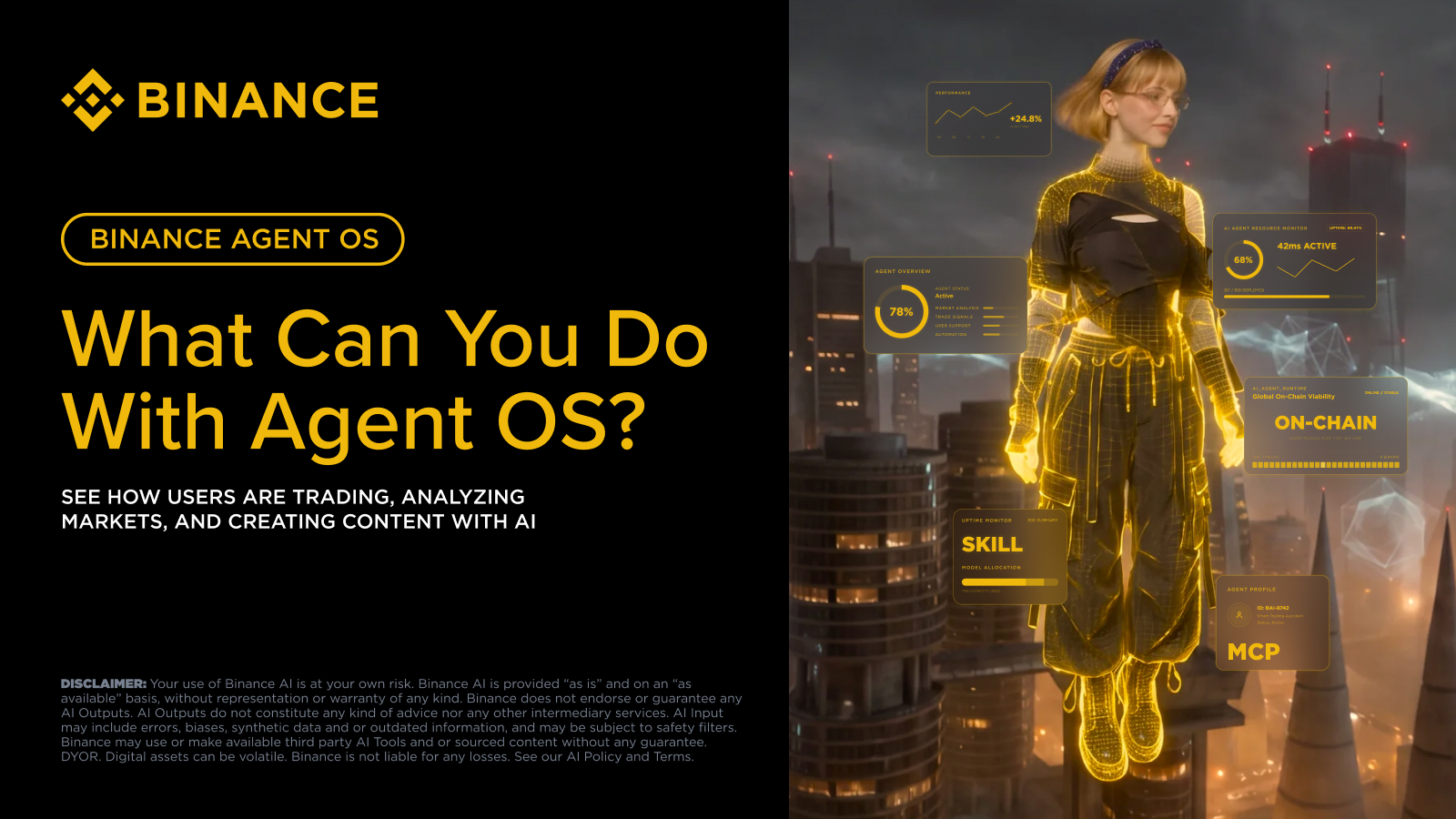
3 cách mà mọi người đang sử dụng Binance Agent OS
Những điểm chínhBinance Agent OS là một nền tảng và bộ công cụ tích hợp các khả năng của Binance vào các công cụ và tác nhân AI mà mọi người đã và đang sử dụng hằng ngày.Nó cung cấp cho các tác nhân AI quyền truy cập dữ liệu thị trường của Binance, giao dịch, ví và thanh toán thông qua máy chủ Binance MCP và các công cụ khác của Agent OS.Ba người dùng Binance chia sẻ cách họ đã và đang sử dụng Agent OS vào công việc.Đã có một thời gian khá lâu, đối với nhiều người trong chúng ta, việc tưởng tượng cuộc sống mà không có các tác nhân AI là điều rất khó khăn. Chỉ trong vài năm, chúng đã chuyển từ những chatbot đơn giản thành những công cụ chúng ta sử dụng hằng ngày. Chúng có thể tìm kiếm thông tin, làm việc trên nhiều nền tảng và thực hiện các hành động thay cho chúng ta.
1
5
·
--
The Complete Loop: Cách Quyền chọn Cổ phiếu hoàn thiện chồng công nghệ Crypto-và-TradFi của BinanceTrong nhiều năm, các nhà đầu tư crypto đã phải chuyển đổi giữa các nền tảng để tiếp cận các phần khác nhau của thị trường tài chính.
Crypto trên một sàn giao dịch. Cổ phiếu qua một công ty môi giới. Quyền chọn ở nơi khác. Tài sản tokenized thông qua một nền tảng khác.
Binance ngày càng nỗ lực để xóa bỏ những bức tường đó.
Khi bổ sung Quyền chọn Cổ phiếu, Binance đang đưa thêm một mảng lớn của tài chính truyền thống vào cùng hệ sinh thái nơi người dùng đã có thể truy cập crypto, cổ phiếu, chứng khoán tokenized, hàng hóa, Giao ngay (Spot) và Tương lai (Futures).
The Complete Loop: Cách Quyền chọn Cổ phiếu hoàn thiện chồng công nghệ Crypto-và-TradFi của Binance
Trong nhiều năm, các nhà đầu tư crypto đã phải chuyển đổi giữa các nền tảng để tiếp cận các phần khác nhau của thị trường tài chính.
Crypto trên một sàn giao dịch. Cổ phiếu qua một công ty môi giới. Quyền chọn ở nơi khác. Tài sản tokenized thông qua một nền tảng khác.
Binance ngày càng nỗ lực để xóa bỏ những bức tường đó.
Khi bổ sung Quyền chọn Cổ phiếu, Binance đang đưa thêm một mảng lớn của tài chính truyền thống vào cùng hệ sinh thái nơi người dùng đã có thể truy cập crypto, cổ phiếu, chứng khoán tokenized, hàng hóa, Giao ngay (Spot) và Tương lai (Futures).
Crypto trên một sàn giao dịch. Cổ phiếu qua một công ty môi giới. Quyền chọn ở nơi khác. Tài sản tokenized thông qua một nền tảng khác.
Binance ngày càng nỗ lực để xóa bỏ những bức tường đó.
Khi bổ sung Quyền chọn Cổ phiếu, Binance đang đưa thêm một mảng lớn của tài chính truyền thống vào cùng hệ sinh thái nơi người dùng đã có thể truy cập crypto, cổ phiếu, chứng khoán tokenized, hàng hóa, Giao ngay (Spot) và Tương lai (Futures).
2
64
·
--
Yếu tố Khác biệt Thầm lặng: Binance Security đã hoạt động trong nền suốt cả năm như thế nào🛡️ Những câu chuyện crypto ồn ào nhất trong năm 2026 là các vụ đóng cửa, hack và những tiêu đề lớn. Những câu chuyện yên lặng nhất có thể còn quan trọng hơn.
Trong khi AscendEX, BitMEX và BitMart kết thúc hoạt động trong mùa hè này, và các tác nhân Triều Tiên đã đánh cắp khoảng 577 triệu USD chỉ trong bốn tháng đầu năm theo TRM Labs, thì một điều ít kịch tính hơn — và có lẽ quan trọng hơn — đang diễn ra ở hậu trường: một hệ thống an ninh làm đúng nhiệm vụ đến mức hầu hết người dùng thậm chí không nhận ra nó đang hoạt động.
Thực tế đã xảy ra điều gì trong năm nay
Yếu tố Khác biệt Thầm lặng: Binance Security đã hoạt động trong nền suốt cả năm như thế nào
🛡️ Những câu chuyện crypto ồn ào nhất trong năm 2026 là các vụ đóng cửa, hack và những tiêu đề lớn. Những câu chuyện yên lặng nhất có thể còn quan trọng hơn.
Trong khi AscendEX, BitMEX và BitMart kết thúc hoạt động trong mùa hè này, và các tác nhân Triều Tiên đã đánh cắp khoảng 577 triệu USD chỉ trong bốn tháng đầu năm theo TRM Labs, thì một điều ít kịch tính hơn — và có lẽ quan trọng hơn — đang diễn ra ở hậu trường: một hệ thống an ninh làm đúng nhiệm vụ đến mức hầu hết người dùng thậm chí không nhận ra nó đang hoạt động.
Thực tế đã xảy ra điều gì trong năm nay
Trong khi AscendEX, BitMEX và BitMart kết thúc hoạt động trong mùa hè này, và các tác nhân Triều Tiên đã đánh cắp khoảng 577 triệu USD chỉ trong bốn tháng đầu năm theo TRM Labs, thì một điều ít kịch tính hơn — và có lẽ quan trọng hơn — đang diễn ra ở hậu trường: một hệ thống an ninh làm đúng nhiệm vụ đến mức hầu hết người dùng thậm chí không nhận ra nó đang hoạt động.
Thực tế đã xảy ra điều gì trong năm nay
2
9
·
--
Bài viết
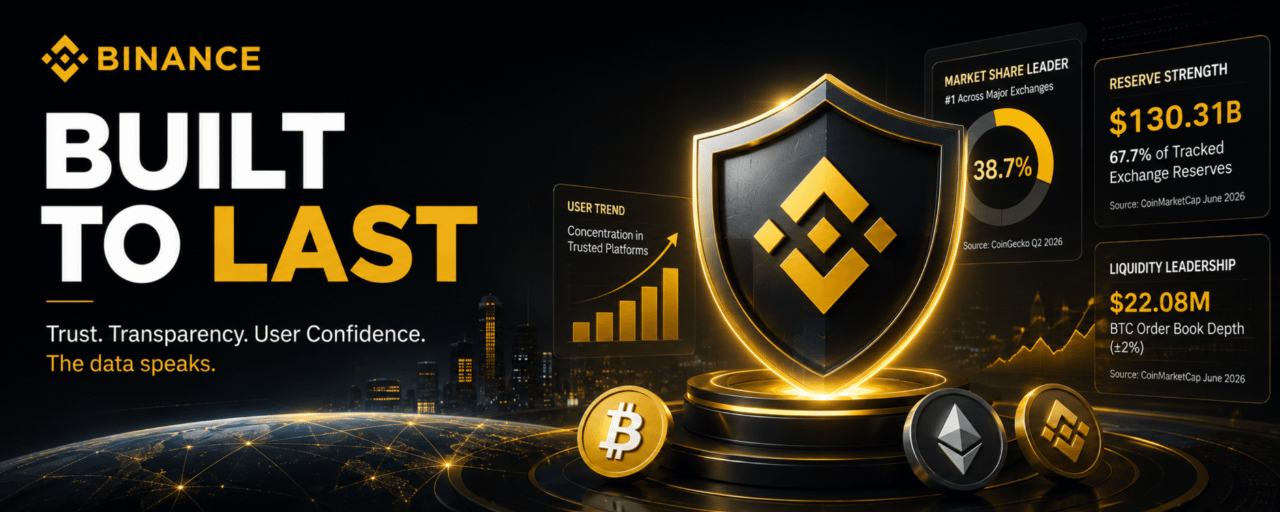
Được Xây Dựng Để Bền Vững: Dữ Liệu Bên Thứ Ba Nói Gì Về Niềm Tin, Tính Minh Bạch và Xu Hướng Người Dùng Trong CryptoBa sàn giao dịch đã ngừng hoạt động trong vòng chưa đầy một tháng. Thị trường hầu như không hề chao đảo.
Phản ứng đó — hoặc sự thiếu vắng phản ứng — chính là câu chuyện thực sự. Khi AscendEX, BitMEX và BitMart lần lượt công bố việc đóng cửa trong vài tuần gần như trùng nhau vào tháng 7 năm 2026, câu hỏi phản xạ là "ai là người tiếp theo?" Nhưng hãy xem dữ liệu thực sự cho thấy gì, và một câu chuyện khác sẽ xuất hiện: không phải hoảng loạn, mà là dòng di chuyển vốn âm thầm, có thể đo lường được, hướng về các sàn có thể chứng minh nơi tiền của người dùng đang được giữ.
Thực ra đã chuyện gì xảy ra
AscendEX ngừng hoạt động vào ngày 1 tháng 7 năm 2026 — đúng ngày khung quy định MiCA của EU có hiệu lực đầy đủ — sau khi không thể xin được ủy quyền theo các quy định mới. BitMEX, sàn giao dịch từng tiên phong với hợp đồng vĩnh viễn (perpetual) đòn bẩy 100x cách đây 11 năm, xác nhận vào ngày 23 tháng 7 rằng họ sẽ thu hẹp hoạt động và kết thúc vào trước ngày 23 tháng 9, với HDR Global Trading tuyên bố rõ ràng rằng dự trữ vẫn vượt quá nghĩa vụ nợ đối với khách hàng. BitMart tiếp nối vào ngày 26 tháng 7, viện dẫn "điều kiện vận hành" thay vì tình trạng mất khả năng thanh toán. Reuters cho biết thị phần của BitMEX đã sụt xuống dưới 0,01% trước thông báo, khối lượng giao dịch hằng ngày giảm xuống khoảng 400.000 USD — mức sụt giảm choáng váng so với một sàn từng xử lý tổng cộng hơn 3 nghìn tỷ USD.
Được Xây Dựng Để Bền Vững: Dữ Liệu Bên Thứ Ba Nói Gì Về Niềm Tin, Tính Minh Bạch và Xu Hướng Người Dùng Trong Crypto
Ba sàn giao dịch đã ngừng hoạt động trong vòng chưa đầy một tháng. Thị trường hầu như không hề chao đảo.
Phản ứng đó — hoặc sự thiếu vắng phản ứng — chính là câu chuyện thực sự. Khi AscendEX, BitMEX và BitMart lần lượt công bố việc đóng cửa trong vài tuần gần như trùng nhau vào tháng 7 năm 2026, câu hỏi phản xạ là "ai là người tiếp theo?" Nhưng hãy xem dữ liệu thực sự cho thấy gì, và một câu chuyện khác sẽ xuất hiện: không phải hoảng loạn, mà là dòng di chuyển vốn âm thầm, có thể đo lường được, hướng về các sàn có thể chứng minh nơi tiền của người dùng đang được giữ.
Thực ra đã chuyện gì xảy ra
AscendEX ngừng hoạt động vào ngày 1 tháng 7 năm 2026 — đúng ngày khung quy định MiCA của EU có hiệu lực đầy đủ — sau khi không thể xin được ủy quyền theo các quy định mới. BitMEX, sàn giao dịch từng tiên phong với hợp đồng vĩnh viễn (perpetual) đòn bẩy 100x cách đây 11 năm, xác nhận vào ngày 23 tháng 7 rằng họ sẽ thu hẹp hoạt động và kết thúc vào trước ngày 23 tháng 9, với HDR Global Trading tuyên bố rõ ràng rằng dự trữ vẫn vượt quá nghĩa vụ nợ đối với khách hàng. BitMart tiếp nối vào ngày 26 tháng 7, viện dẫn "điều kiện vận hành" thay vì tình trạng mất khả năng thanh toán. Reuters cho biết thị phần của BitMEX đã sụt xuống dưới 0,01% trước thông báo, khối lượng giao dịch hằng ngày giảm xuống khoảng 400.000 USD — mức sụt giảm choáng váng so với một sàn từng xử lý tổng cộng hơn 3 nghìn tỷ USD.
Phản ứng đó — hoặc sự thiếu vắng phản ứng — chính là câu chuyện thực sự. Khi AscendEX, BitMEX và BitMart lần lượt công bố việc đóng cửa trong vài tuần gần như trùng nhau vào tháng 7 năm 2026, câu hỏi phản xạ là "ai là người tiếp theo?" Nhưng hãy xem dữ liệu thực sự cho thấy gì, và một câu chuyện khác sẽ xuất hiện: không phải hoảng loạn, mà là dòng di chuyển vốn âm thầm, có thể đo lường được, hướng về các sàn có thể chứng minh nơi tiền của người dùng đang được giữ.
Thực ra đã chuyện gì xảy ra
AscendEX ngừng hoạt động vào ngày 1 tháng 7 năm 2026 — đúng ngày khung quy định MiCA của EU có hiệu lực đầy đủ — sau khi không thể xin được ủy quyền theo các quy định mới. BitMEX, sàn giao dịch từng tiên phong với hợp đồng vĩnh viễn (perpetual) đòn bẩy 100x cách đây 11 năm, xác nhận vào ngày 23 tháng 7 rằng họ sẽ thu hẹp hoạt động và kết thúc vào trước ngày 23 tháng 9, với HDR Global Trading tuyên bố rõ ràng rằng dự trữ vẫn vượt quá nghĩa vụ nợ đối với khách hàng. BitMart tiếp nối vào ngày 26 tháng 7, viện dẫn "điều kiện vận hành" thay vì tình trạng mất khả năng thanh toán. Reuters cho biết thị phần của BitMEX đã sụt xuống dưới 0,01% trước thông báo, khối lượng giao dịch hằng ngày giảm xuống khoảng 400.000 USD — mức sụt giảm choáng váng so với một sàn từng xử lý tổng cộng hơn 3 nghìn tỷ USD.
1
3
64
·
--
Bền bỉ theo thời gian: Dữ liệu từ bên thứ ba nói gì về niềm tin, tính minh bạch và xu hướng người dùng trong cryptoKhi một sàn giao dịch biến mất, người dùng không chỉ mất một nền tảng. Họ mất niềm tin vào ý tưởng rằng vốn của họ đã từng an toàn ở đó.
Vì vậy, câu hỏi “Người tiếp theo là ai?” cứ tiếp tục nổi lên mỗi khi thị trường crypto hạ nhiệt và áp lực quản lý gia tăng.
Nhưng việc suy đoán thì rất dễ.
Những con số thì khó có thể tranh cãi.
Các nghiên cứu độc lập từ CoinMarketCap, CCData và CoinGecko cho thấy thị trường sàn giao dịch ngày càng bị tập trung — và Binance vẫn tiếp tục nằm ở trung tâm của xu hướng này.
Câu hỏi quan trọng không chỉ đơn giản là ai có cái tên lớn nhất.
Bền bỉ theo thời gian: Dữ liệu từ bên thứ ba nói gì về niềm tin, tính minh bạch và xu hướng người dùng trong crypto
Khi một sàn giao dịch biến mất, người dùng không chỉ mất một nền tảng. Họ mất niềm tin vào ý tưởng rằng vốn của họ đã từng an toàn ở đó.
Vì vậy, câu hỏi “Người tiếp theo là ai?” cứ tiếp tục nổi lên mỗi khi thị trường crypto hạ nhiệt và áp lực quản lý gia tăng.
Nhưng việc suy đoán thì rất dễ.
Những con số thì khó có thể tranh cãi.
Các nghiên cứu độc lập từ CoinMarketCap, CCData và CoinGecko cho thấy thị trường sàn giao dịch ngày càng bị tập trung — và Binance vẫn tiếp tục nằm ở trung tâm của xu hướng này.
Câu hỏi quan trọng không chỉ đơn giản là ai có cái tên lớn nhất.
Vì vậy, câu hỏi “Người tiếp theo là ai?” cứ tiếp tục nổi lên mỗi khi thị trường crypto hạ nhiệt và áp lực quản lý gia tăng.
Nhưng việc suy đoán thì rất dễ.
Những con số thì khó có thể tranh cãi.
Các nghiên cứu độc lập từ CoinMarketCap, CCData và CoinGecko cho thấy thị trường sàn giao dịch ngày càng bị tập trung — và Binance vẫn tiếp tục nằm ở trung tâm của xu hướng này.
Câu hỏi quan trọng không chỉ đơn giản là ai có cái tên lớn nhất.
1
10
·
--
Bài viết
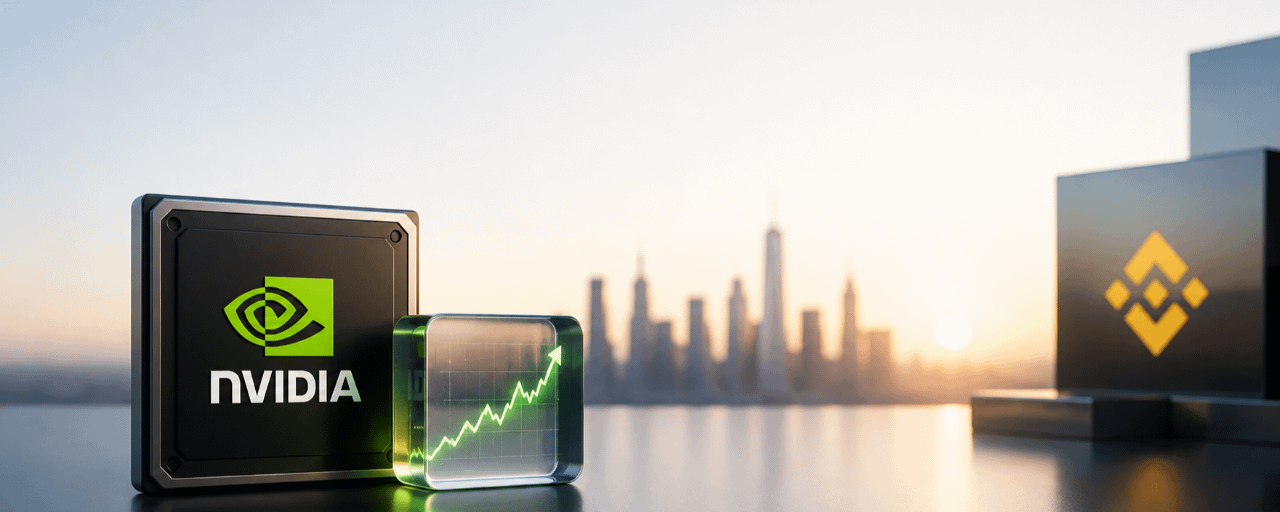
Kết Luận Cuối Cùng: Cách Kết Quả Kinh Doanh của Nvidia Lan Truyền Qua Chuỗi Cung Ứng AI Trong Khi Phố Wall NgủBộ phận Vĩ mô & Tài sản Số | Ngày 31 tháng 8 năm 2026
Tóm tắt: Báo cáo ngày 26 tháng 8 của Nvidia là bài kiểm tra cuối cùng của mùa công bố kết quả kinh doanh AI này — và nó được công bố sau giờ đóng cửa tại Mỹ, đúng lúc ngày giao dịch của châu Á đang bắt đầu. Trong khi Phố Wall ngủ yên, các thị trường hoạt động 24/7 của Binance, bao gồm các sản phẩm vốn chủ token hóa của Mỹ, đã biến khoảng thời gian “chết” đó thành một sự kiện xác lập giá trực tiếp. Dưới đây là cách tín hiệu của Nvidia lan truyền qua bốn lớp của chuỗi cung ứng AI — từ các chip có tương quan trực tiếp đến chỉ số rộng hơn — trong khi các sàn giao dịch truyền thống vẫn trong bóng tối.
Kết Luận Cuối Cùng: Cách Kết Quả Kinh Doanh của Nvidia Lan Truyền Qua Chuỗi Cung Ứng AI Trong Khi Phố Wall Ngủ
Bộ phận Vĩ mô & Tài sản Số | Ngày 31 tháng 8 năm 2026
Tóm tắt: Báo cáo ngày 26 tháng 8 của Nvidia là bài kiểm tra cuối cùng của mùa công bố kết quả kinh doanh AI này — và nó được công bố sau giờ đóng cửa tại Mỹ, đúng lúc ngày giao dịch của châu Á đang bắt đầu. Trong khi Phố Wall ngủ yên, các thị trường hoạt động 24/7 của Binance, bao gồm các sản phẩm vốn chủ token hóa của Mỹ, đã biến khoảng thời gian “chết” đó thành một sự kiện xác lập giá trực tiếp. Dưới đây là cách tín hiệu của Nvidia lan truyền qua bốn lớp của chuỗi cung ứng AI — từ các chip có tương quan trực tiếp đến chỉ số rộng hơn — trong khi các sàn giao dịch truyền thống vẫn trong bóng tối.
Tóm tắt: Báo cáo ngày 26 tháng 8 của Nvidia là bài kiểm tra cuối cùng của mùa công bố kết quả kinh doanh AI này — và nó được công bố sau giờ đóng cửa tại Mỹ, đúng lúc ngày giao dịch của châu Á đang bắt đầu. Trong khi Phố Wall ngủ yên, các thị trường hoạt động 24/7 của Binance, bao gồm các sản phẩm vốn chủ token hóa của Mỹ, đã biến khoảng thời gian “chết” đó thành một sự kiện xác lập giá trực tiếp. Dưới đây là cách tín hiệu của Nvidia lan truyền qua bốn lớp của chuỗi cung ứng AI — từ các chip có tương quan trực tiếp đến chỉ số rộng hơn — trong khi các sàn giao dịch truyền thống vẫn trong bóng tối.
2
40
·
--
Bài viết
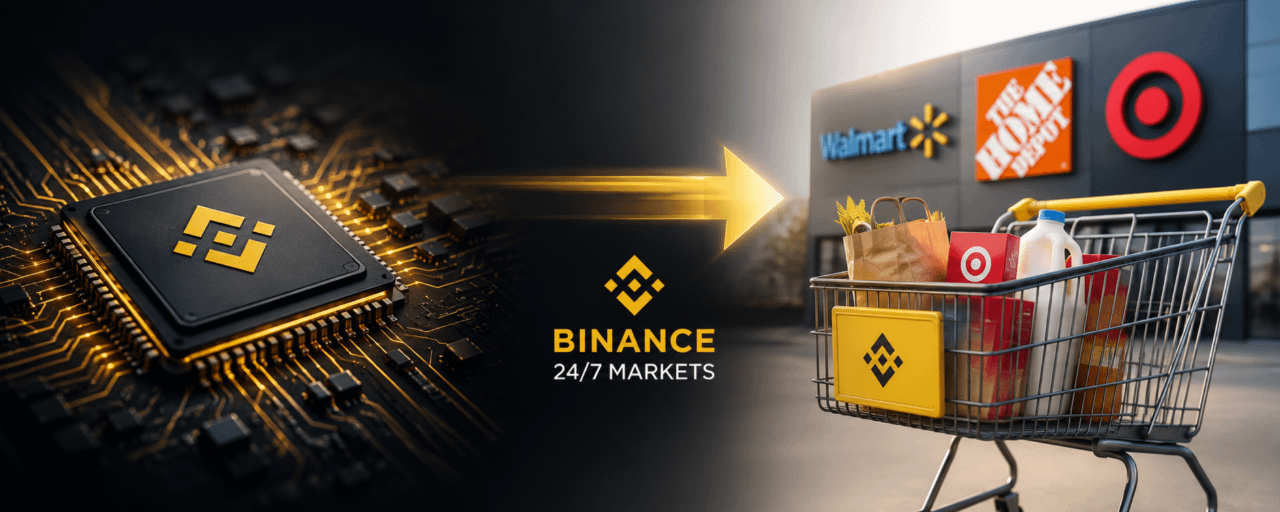
Từ Chip đến Giỏ Hàng: Binance Định Giá Bản Đọc Về Bán Lẻ Trước Khi Thị Trường Mở CửaBan Chỉ Đạo Macro & Tài Sản Số | 31 tháng 8, 2026
Tóm tắt: Câu chuyện đã thống trị năm 2026 — chất bán dẫn, chi tiêu capex của các hyperscaler và thương mại AI — đang nhường chỗ cho một mạch truyện yên ắng hơn nhưng có lẽ lại quan trọng hơn: người tiêu dùng Mỹ. Khi báo cáo việc làm tháng 8 được công bố vào Thứ Sáu, ngày 4 tháng 9, và kết quả Q2 của các gã bán lẻ lớn đã được Phố Wall tiêu hóa hoàn toàn, các kỳ vọng về lạm phát và lộ trình lãi suất đang được viết lại xoay quanh quầy thanh toán, không phải trung tâm dữ liệu. Thị trường crypto, dẫn dắt bởi sổ lệnh hoạt động liên tục của Binance, đã định giá cho sự chuyển dịch đó — sớm hơn một ngày giao dịch so với tiếng chuông mở cửa của Wall Street. Cùng một thị trường. Khác một lối đi.
Từ Chip đến Giỏ Hàng: Binance Định Giá Bản Đọc Về Bán Lẻ Trước Khi Thị Trường Mở Cửa
Ban Chỉ Đạo Macro & Tài Sản Số | 31 tháng 8, 2026
Tóm tắt: Câu chuyện đã thống trị năm 2026 — chất bán dẫn, chi tiêu capex của các hyperscaler và thương mại AI — đang nhường chỗ cho một mạch truyện yên ắng hơn nhưng có lẽ lại quan trọng hơn: người tiêu dùng Mỹ. Khi báo cáo việc làm tháng 8 được công bố vào Thứ Sáu, ngày 4 tháng 9, và kết quả Q2 của các gã bán lẻ lớn đã được Phố Wall tiêu hóa hoàn toàn, các kỳ vọng về lạm phát và lộ trình lãi suất đang được viết lại xoay quanh quầy thanh toán, không phải trung tâm dữ liệu. Thị trường crypto, dẫn dắt bởi sổ lệnh hoạt động liên tục của Binance, đã định giá cho sự chuyển dịch đó — sớm hơn một ngày giao dịch so với tiếng chuông mở cửa của Wall Street. Cùng một thị trường. Khác một lối đi.
Tóm tắt: Câu chuyện đã thống trị năm 2026 — chất bán dẫn, chi tiêu capex của các hyperscaler và thương mại AI — đang nhường chỗ cho một mạch truyện yên ắng hơn nhưng có lẽ lại quan trọng hơn: người tiêu dùng Mỹ. Khi báo cáo việc làm tháng 8 được công bố vào Thứ Sáu, ngày 4 tháng 9, và kết quả Q2 của các gã bán lẻ lớn đã được Phố Wall tiêu hóa hoàn toàn, các kỳ vọng về lạm phát và lộ trình lãi suất đang được viết lại xoay quanh quầy thanh toán, không phải trung tâm dữ liệu. Thị trường crypto, dẫn dắt bởi sổ lệnh hoạt động liên tục của Binance, đã định giá cho sự chuyển dịch đó — sớm hơn một ngày giao dịch so với tiếng chuông mở cửa của Wall Street. Cùng một thị trường. Khác một lối đi.
2
65
·
--
Bài viết
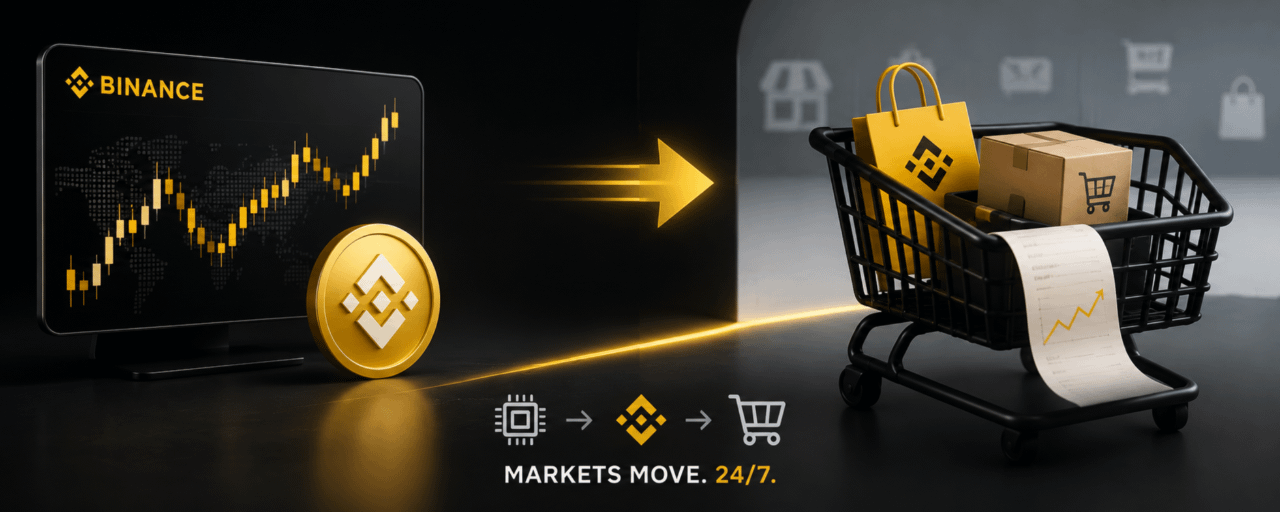
Từ Chip đến Giỏ Hàng: Binance Định Giá Dữ Liệu Bán Lẻ Trước Khi Thị Trường Mở CửaTín hiệu thị trường tiếp theo có thể không đến từ một nhà sản xuất chip. Nó có thể đến từ hàng chờ thanh toán.
Trong phần lớn năm 2026, trí tuệ nhân tạo và chi tiêu cho chất bán dẫn đã thống trị các cuộc thảo luận trên thị trường.
Nhưng cuối cùng, thị trường phải trả lời một câu hỏi cơ bản hơn:
Người tiêu dùng còn đang chi tiêu không?
Đó là lý do vì sao Walmart, Home Depot và Target lại quan trọng.
Kết quả kinh doanh của họ không chỉ là những bảng xếp hạng doanh nghiệp. Khi ghép lại, chúng cung cấp cái nhìn theo thời gian thực về nhu cầu của hộ gia đình, áp lực giá và sức mạnh của người tiêu dùng Mỹ — ba biến số có thể tác động trực tiếp đến triển vọng lạm phát và lãi suất.
Từ Chip đến Giỏ Hàng: Binance Định Giá Dữ Liệu Bán Lẻ Trước Khi Thị Trường Mở Cửa
Tín hiệu thị trường tiếp theo có thể không đến từ một nhà sản xuất chip. Nó có thể đến từ hàng chờ thanh toán.
Trong phần lớn năm 2026, trí tuệ nhân tạo và chi tiêu cho chất bán dẫn đã thống trị các cuộc thảo luận trên thị trường.
Nhưng cuối cùng, thị trường phải trả lời một câu hỏi cơ bản hơn:
Người tiêu dùng còn đang chi tiêu không?
Đó là lý do vì sao Walmart, Home Depot và Target lại quan trọng.
Kết quả kinh doanh của họ không chỉ là những bảng xếp hạng doanh nghiệp. Khi ghép lại, chúng cung cấp cái nhìn theo thời gian thực về nhu cầu của hộ gia đình, áp lực giá và sức mạnh của người tiêu dùng Mỹ — ba biến số có thể tác động trực tiếp đến triển vọng lạm phát và lãi suất.
Trong phần lớn năm 2026, trí tuệ nhân tạo và chi tiêu cho chất bán dẫn đã thống trị các cuộc thảo luận trên thị trường.
Nhưng cuối cùng, thị trường phải trả lời một câu hỏi cơ bản hơn:
Người tiêu dùng còn đang chi tiêu không?
Đó là lý do vì sao Walmart, Home Depot và Target lại quan trọng.
Kết quả kinh doanh của họ không chỉ là những bảng xếp hạng doanh nghiệp. Khi ghép lại, chúng cung cấp cái nhìn theo thời gian thực về nhu cầu của hộ gia đình, áp lực giá và sức mạnh của người tiêu dùng Mỹ — ba biến số có thể tác động trực tiếp đến triển vọng lạm phát và lãi suất.
1
89
·
--
Tác nhân của chúng tôi, tài chính của bạn: Vì sao Binance đang xây dựng lớp tài chính cho kỷ nguyên tác nhân AIĐiều gì sẽ xảy ra khi AI ngừng đưa ra câu trả lời cho bạn và bắt đầu hành động?
Câu hỏi đó đang trở nên quan trọng hơn rất nhiều trong lĩnh vực tiền mã hóa.
Trong nhiều năm, AI đã làm rất tốt việc giải thích thị trường, tóm tắt thông tin và trả lời câu hỏi. Nhưng giai đoạn tiếp theo thì khác.
Một tác nhân AI không chỉ nói cho bạn biết điều gì đang xảy ra.
Nó có thể hành động.
Và một khi phần mềm có thể hành động bên trong các thị trường tài chính, nó cần thứ gì đó nhiều hơn trí tuệ.
Nó cần quyền truy cập, quyền hạn, giới hạn và trách nhiệm giải trình.
Đó là lúc Binance Agent OS xuất hiện.
Tác nhân của chúng tôi, tài chính của bạn: Vì sao Binance đang xây dựng lớp tài chính cho kỷ nguyên tác nhân AI
Điều gì sẽ xảy ra khi AI ngừng đưa ra câu trả lời cho bạn và bắt đầu hành động?
Câu hỏi đó đang trở nên quan trọng hơn rất nhiều trong lĩnh vực tiền mã hóa.
Trong nhiều năm, AI đã làm rất tốt việc giải thích thị trường, tóm tắt thông tin và trả lời câu hỏi. Nhưng giai đoạn tiếp theo thì khác.
Một tác nhân AI không chỉ nói cho bạn biết điều gì đang xảy ra.
Nó có thể hành động.
Và một khi phần mềm có thể hành động bên trong các thị trường tài chính, nó cần thứ gì đó nhiều hơn trí tuệ.
Nó cần quyền truy cập, quyền hạn, giới hạn và trách nhiệm giải trình.
Đó là lúc Binance Agent OS xuất hiện.
Câu hỏi đó đang trở nên quan trọng hơn rất nhiều trong lĩnh vực tiền mã hóa.
Trong nhiều năm, AI đã làm rất tốt việc giải thích thị trường, tóm tắt thông tin và trả lời câu hỏi. Nhưng giai đoạn tiếp theo thì khác.
Một tác nhân AI không chỉ nói cho bạn biết điều gì đang xảy ra.
Nó có thể hành động.
Và một khi phần mềm có thể hành động bên trong các thị trường tài chính, nó cần thứ gì đó nhiều hơn trí tuệ.
Nó cần quyền truy cập, quyền hạn, giới hạn và trách nhiệm giải trình.
Đó là lúc Binance Agent OS xuất hiện.
2
78
·
--
Từ việc Trả lời đến Hành động: Binance Agent OS Hoạt động Thực Tế Như Thế NàoAI đang chuyển từ việc chỉ trả lời câu hỏi sang thực sự hành động. Trong lĩnh vực crypto, sự thay đổi này có thể rất đáng kể — và Binance Agent OS được thiết kế để cung cấp nền tảng giúp điều đó trở thành hiện thực.
Thay vì chỉ là một tác nhân AI nói với bạn rằng Bitcoin đang biến động, hãy tưởng tượng một tác nhân có thể truy cập dữ liệu thị trường, theo dõi vị thế, đánh giá điều kiện và tương tác với hạ tầng giao dịch — tất cả trong các quyền và giới hạn do người dùng xác định.
Đó là ý tưởng đằng sau Binance Agent OS.
Binance Agent OS là gì?
Từ việc Trả lời đến Hành động: Binance Agent OS Hoạt động Thực Tế Như Thế Nào
AI đang chuyển từ việc chỉ trả lời câu hỏi sang thực sự hành động. Trong lĩnh vực crypto, sự thay đổi này có thể rất đáng kể — và Binance Agent OS được thiết kế để cung cấp nền tảng giúp điều đó trở thành hiện thực.
Thay vì chỉ là một tác nhân AI nói với bạn rằng Bitcoin đang biến động, hãy tưởng tượng một tác nhân có thể truy cập dữ liệu thị trường, theo dõi vị thế, đánh giá điều kiện và tương tác với hạ tầng giao dịch — tất cả trong các quyền và giới hạn do người dùng xác định.
Đó là ý tưởng đằng sau Binance Agent OS.
Binance Agent OS là gì?
Thay vì chỉ là một tác nhân AI nói với bạn rằng Bitcoin đang biến động, hãy tưởng tượng một tác nhân có thể truy cập dữ liệu thị trường, theo dõi vị thế, đánh giá điều kiện và tương tác với hạ tầng giao dịch — tất cả trong các quyền và giới hạn do người dùng xác định.
Đó là ý tưởng đằng sau Binance Agent OS.
Binance Agent OS là gì?
1
103
·
--
🪄 GIẤC MƠ BINANCE CỦA BẠN
Nếu bạn có một cây đũa thần và có thể thêm một tính năng, sản phẩm hoặc khả năng hoàn toàn mới vào hệ sinh thái blockchain Binance mà hiện tại chưa tồn tại, bạn sẽ thêm gì — và nó sẽ giải quyết vấn đề gì cho bạn?
👇 Hãy chia sẻ ý tưởng hoang dã, sắc bén và giàu tính kỹ thuật nhất của bạn bên dưới:
• 🔮 Nó là gì? (đặt tên như thể nó đã sắp được ra mắt)
• ⚡ Vì sao hệ sinh thái này cần nó? (lấp đầy khoảng trống nào)
• 🙌 Ai sẽ được lợi? (traders, devs, validators, người dùng hằng ngày — hãy nêu cụ thể)
Hãy cùng xem chúng ta có thể đưa giấc mơ Binance đi xa đến đâu. 🚀
🪄 GIẤC MƠ BINANCE CỦA BẠN
Nếu bạn có một cây đũa thần và có thể thêm một tính năng, sản phẩm hoặc khả năng hoàn toàn mới vào hệ sinh thái blockchain Binance mà hiện tại chưa tồn tại, bạn sẽ thêm gì — và nó sẽ giải quyết vấn đề gì cho bạn?
👇 Hãy chia sẻ ý tưởng hoang dã, sắc bén và giàu tính kỹ thuật nhất của bạn bên dưới:
• 🔮 Nó là gì? (đặt tên như thể nó đã sắp được ra mắt)
• ⚡ Vì sao hệ sinh thái này cần nó? (lấp đầy khoảng trống nào)
• 🙌 Ai sẽ được lợi? (traders, devs, validators, người dùng hằng ngày — hãy nêu cụ thể)
Hãy cùng xem chúng ta có thể đưa giấc mơ Binance đi xa đến đâu. 🚀
Nếu bạn có một cây đũa thần và có thể thêm một tính năng, sản phẩm hoặc khả năng hoàn toàn mới vào hệ sinh thái blockchain Binance mà hiện tại chưa tồn tại, bạn sẽ thêm gì — và nó sẽ giải quyết vấn đề gì cho bạn?
👇 Hãy chia sẻ ý tưởng hoang dã, sắc bén và giàu tính kỹ thuật nhất của bạn bên dưới:
• 🔮 Nó là gì? (đặt tên như thể nó đã sắp được ra mắt)
• ⚡ Vì sao hệ sinh thái này cần nó? (lấp đầy khoảng trống nào)
• 🙌 Ai sẽ được lợi? (traders, devs, validators, người dùng hằng ngày — hãy nêu cụ thể)
Hãy cùng xem chúng ta có thể đưa giấc mơ Binance đi xa đến đâu. 🚀
1
40
·
--

Bài viết
Binance chào đón bStocks GameStop (GMEB) vào Cross & Portfolio Margin: Kỷ nguyên mới về hiệu quả sử dụng vốnBinance niêm yết bStocks GameStop (GMEB) làm tài sản ký quỹ | Những điều nhà giao dịch cần biết
Binance tiếp tục đẩy mạnh giới hạn về những gì một nền tảng giao dịch hiện đại có thể trông như.
Bắt đầu từ ngày 12 tháng 8, GameStop bStocks (GMEB) đã đủ điều kiện làm tài sản đảm bảo trên Binance Cross Margin, Portfolio Margin và Portfolio Margin Pro.
Thoạt nhìn, đây có vẻ là một bản cập nhật sản phẩm khác.
Tuy nhiên, đối với các nhà giao dịch tinh vi, điều này lại mang ý nghĩa lớn hơn nhiều:
Tiếp xúc với thị trường truyền thống ngày càng được tích hợp nhiều hơn với hạ tầng giao dịch gốc crypto.
Binance chào đón bStocks GameStop (GMEB) vào Cross & Portfolio Margin: Kỷ nguyên mới về hiệu quả sử dụng vốn
Binance niêm yết bStocks GameStop (GMEB) làm tài sản ký quỹ | Những điều nhà giao dịch cần biết
Binance tiếp tục đẩy mạnh giới hạn về những gì một nền tảng giao dịch hiện đại có thể trông như.
Bắt đầu từ ngày 12 tháng 8, GameStop bStocks (GMEB) đã đủ điều kiện làm tài sản đảm bảo trên Binance Cross Margin, Portfolio Margin và Portfolio Margin Pro.
Thoạt nhìn, đây có vẻ là một bản cập nhật sản phẩm khác.
Tuy nhiên, đối với các nhà giao dịch tinh vi, điều này lại mang ý nghĩa lớn hơn nhiều:
Tiếp xúc với thị trường truyền thống ngày càng được tích hợp nhiều hơn với hạ tầng giao dịch gốc crypto.
Binance tiếp tục đẩy mạnh giới hạn về những gì một nền tảng giao dịch hiện đại có thể trông như.
Bắt đầu từ ngày 12 tháng 8, GameStop bStocks (GMEB) đã đủ điều kiện làm tài sản đảm bảo trên Binance Cross Margin, Portfolio Margin và Portfolio Margin Pro.
Thoạt nhìn, đây có vẻ là một bản cập nhật sản phẩm khác.
Tuy nhiên, đối với các nhà giao dịch tinh vi, điều này lại mang ý nghĩa lớn hơn nhiều:
Tiếp xúc với thị trường truyền thống ngày càng được tích hợp nhiều hơn với hạ tầng giao dịch gốc crypto.
1
124
Đăng nhập để khám phá thêm nội dung
Tham gia cùng người dùng tiền mã hóa toàn cầu trên Binance Square
⚡️ Nhận thông tin mới nhất và hữu ích về tiền mã hóa.
💬 Được tin cậy bởi sàn giao dịch tiền mã hóa lớn nhất thế giới.
👍 Khám phá những thông tin chuyên sâu thực tế từ những nhà sáng tạo đã xác minh.
Email / Số điện thoại
Chủ đề thịnh hành
FedRateWatch
864,242 lượt xem
4,129 đang thảo luận
Chia sẻ & Nhận thưởng Lưu lượng truy cập trong Chiến dịch Hashtag Xu hướng của chúng tôi
✨Chủ đề: FOMC tháng 9 — Kế tiếp Cục Dự trữ Liên bang sẽ làm gì?
👉Cách tham gia:
Đăng một bài viết ngắn hoặc bài viết với hashtag #FedRateWatch
Tạo nội dung dựa trên các góc nhìn dưới đây:
- CPI lõi tháng 8 tăng 0,3% theo tháng và hiện xác suất Fed tăng lãi suất 25bp trong tuần này đã gần 90%. Bạn có dự đoán Fed sẽ tăng lãi suất trong tuần này không? Đó chỉ là một lần duy nhất hay là khởi đầu cho một chu kỳ tăng lãi suất dài hơn?
- Nếu đợt tăng lãi suất diễn ra, nó sẽ ảnh hưởng thế nào đến BTC, cổ phiếu công nghệ và vàng? Tăng giá hay giảm giá?
- Bạn dự định giao dịch như thế nào tiếp theo? Chia sẻ giao dịch/nắm giữ BTC, cổ phiếu hoặc vàng của bạn với tiện ích chia sẻ giao dịch của chúng tôi.
⏰Thời gian chiến dịch:
- 2026-09-15 11:00 - 2026-09-17 3:00 UTC
🎁Phần thưởng:
- Các bài đăng đủ điều kiện tuân thủ hướng dẫn trên và có hơn 100 từ sẽ được xem xét và có thể nhận được mức tăng lưu lượng truy cập ngẫu nhiên từ 500 đến 3.000 lượt xem. Bạn sẽ nhận được thông báo từ thư ký cấp nội dung trên nguồn cấp nếu bài đăng của bạn được chọn.
- Có cơ hội để bài viết của bạn được giới thiệu trên Binance Square Official
Cần ý tưởng cho bài đăng của bạn? Hãy truy cập trang chủ đề #FedRateWatch hoặc Square Guide on How to Post for Better Reach.
Binance Square Official
·508 lượt thích
·1.1M lượt xem
TinFed
70,647 lượt xem
327 đang thảo luận
45NgayTuDoTaiChinh
901,945 lượt xem
3,089 đang thảo luận