

Crypto News Navigator
55 Bài đăng

Crypto News Navigator
Báo cáo
Chặn người dùng
Crypto News Navigator is a trusted source for real-time crypto prices and market data. News and trends included.
Giao dịch mở
10.1 tháng
0 Đang theo dõi
33 Người theo dõi
140 Đã thích
Bài đăng
Danh mục đầu tư
Tất cả
Trích dẫn
Bài viết
Điều Gì Đã Xảy Ra Sau Khi Airdrop Arbitrum Thay Đổi Mọi ThứKỷ Niệm Airdrop Arbitrum Kể Hai Câu Chuyện Khác Nhau
Ngày 16 tháng 5 năm 2026. 92.65 triệu ARB token nữa đã được mở khóa cho đội ngũ, cố vấn và nhà đầu tư. Hầu như không ai biết đến trên crypto Twitter. Ngày 23 tháng 3 năm 2023. Khi airdrop Arbitrum ban đầu gửi hơn 1.16 tỷ token đến khoảng 625,000 ví trong một giao dịch, nó gần như làm sập hạ tầng RPC của mạng. Sự kiện airdrop đó đã đặt ra tiêu chuẩn cho mọi layer 2 lớn khác theo đuổi trong sở hữu cộng đồng, quản trị và thiết kế khuyến khích trong nhiều năm.
Điều Gì Đã Xảy Ra Sau Khi Airdrop Arbitrum Thay Đổi Mọi Thứ
Kỷ Niệm Airdrop Arbitrum Kể Hai Câu Chuyện Khác Nhau
Ngày 16 tháng 5 năm 2026. 92.65 triệu ARB token nữa đã được mở khóa cho đội ngũ, cố vấn và nhà đầu tư. Hầu như không ai biết đến trên crypto Twitter. Ngày 23 tháng 3 năm 2023. Khi airdrop Arbitrum ban đầu gửi hơn 1.16 tỷ token đến khoảng 625,000 ví trong một giao dịch, nó gần như làm sập hạ tầng RPC của mạng. Sự kiện airdrop đó đã đặt ra tiêu chuẩn cho mọi layer 2 lớn khác theo đuổi trong sở hữu cộng đồng, quản trị và thiết kế khuyến khích trong nhiều năm.
Ngày 16 tháng 5 năm 2026. 92.65 triệu ARB token nữa đã được mở khóa cho đội ngũ, cố vấn và nhà đầu tư. Hầu như không ai biết đến trên crypto Twitter. Ngày 23 tháng 3 năm 2023. Khi airdrop Arbitrum ban đầu gửi hơn 1.16 tỷ token đến khoảng 625,000 ví trong một giao dịch, nó gần như làm sập hạ tầng RPC của mạng. Sự kiện airdrop đó đã đặt ra tiêu chuẩn cho mọi layer 2 lớn khác theo đuổi trong sở hữu cộng đồng, quản trị và thiết kế khuyến khích trong nhiều năm.
1
201
Bài viết
Filecoin Staking âm thầm đạt mức lợi suất mười bốn phần trămFilecoin Staking đến như một bản cập nhật phần mềm yên lặng mà ít người đọc
Ví dụ về tài chính truyền thống - giả sử một ngân hàng lớn quyết định thay đổi điều khoản dịch vụ cho sản phẩm tài khoản tiết kiệm của mình. Các đội tuân thủ sẽ gửi công văn nội bộ, cơ quan quản lý sẽ có cơ hội đánh giá và khách hàng sẽ nhận được một số loại thư thông báo về việc thay đổi này, được in ra trên giấy. Quay lại đầu năm 2026, một điều chỉnh tương tự và dễ nhận thấy đối với các tham số staking của Filecoin đã được ban hành nhưng hầu như không gây chú ý từ những người tham gia trong ngành. Thậm chí, thông báo duy nhất được đăng tải lại nằm hoàn toàn trong các đề xuất quản trị File Governance và tài liệu sản phẩm mà 99% người nắm giữ lẻ đã lướt qua. Sự thiếu vắng rầm rộ này là lý do sự thay đổi đó lại quan trọng. Tính đến nay, đã có nhiều giao thức staking lỏng và các lựa chọn ủy thác cho Nhà cung cấp Lưu trữ trên Filecoin mà chỉ cách đây 365 ngày vẫn chưa tồn tại. Kinh tế đằng sau các sản phẩm này và các cơ hội sinh lời mà chúng mang lại cho người nắm giữ hoàn toàn không giống với việc staking "crypto của bạn" trên một chuỗi proof-of-stake thông thường.
Filecoin Staking âm thầm đạt mức lợi suất mười bốn phần trăm
Filecoin Staking đến như một bản cập nhật phần mềm yên lặng mà ít người đọc
Ví dụ về tài chính truyền thống - giả sử một ngân hàng lớn quyết định thay đổi điều khoản dịch vụ cho sản phẩm tài khoản tiết kiệm của mình. Các đội tuân thủ sẽ gửi công văn nội bộ, cơ quan quản lý sẽ có cơ hội đánh giá và khách hàng sẽ nhận được một số loại thư thông báo về việc thay đổi này, được in ra trên giấy. Quay lại đầu năm 2026, một điều chỉnh tương tự và dễ nhận thấy đối với các tham số staking của Filecoin đã được ban hành nhưng hầu như không gây chú ý từ những người tham gia trong ngành. Thậm chí, thông báo duy nhất được đăng tải lại nằm hoàn toàn trong các đề xuất quản trị File Governance và tài liệu sản phẩm mà 99% người nắm giữ lẻ đã lướt qua. Sự thiếu vắng rầm rộ này là lý do sự thay đổi đó lại quan trọng. Tính đến nay, đã có nhiều giao thức staking lỏng và các lựa chọn ủy thác cho Nhà cung cấp Lưu trữ trên Filecoin mà chỉ cách đây 365 ngày vẫn chưa tồn tại. Kinh tế đằng sau các sản phẩm này và các cơ hội sinh lời mà chúng mang lại cho người nắm giữ hoàn toàn không giống với việc staking "crypto của bạn" trên một chuỗi proof-of-stake thông thường.
Ví dụ về tài chính truyền thống - giả sử một ngân hàng lớn quyết định thay đổi điều khoản dịch vụ cho sản phẩm tài khoản tiết kiệm của mình. Các đội tuân thủ sẽ gửi công văn nội bộ, cơ quan quản lý sẽ có cơ hội đánh giá và khách hàng sẽ nhận được một số loại thư thông báo về việc thay đổi này, được in ra trên giấy. Quay lại đầu năm 2026, một điều chỉnh tương tự và dễ nhận thấy đối với các tham số staking của Filecoin đã được ban hành nhưng hầu như không gây chú ý từ những người tham gia trong ngành. Thậm chí, thông báo duy nhất được đăng tải lại nằm hoàn toàn trong các đề xuất quản trị File Governance và tài liệu sản phẩm mà 99% người nắm giữ lẻ đã lướt qua. Sự thiếu vắng rầm rộ này là lý do sự thay đổi đó lại quan trọng. Tính đến nay, đã có nhiều giao thức staking lỏng và các lựa chọn ủy thác cho Nhà cung cấp Lưu trữ trên Filecoin mà chỉ cách đây 365 ngày vẫn chưa tồn tại. Kinh tế đằng sau các sản phẩm này và các cơ hội sinh lời mà chúng mang lại cho người nắm giữ hoàn toàn không giống với việc staking "crypto của bạn" trên một chuỗi proof-of-stake thông thường.
1
3
676
Bài viết
Bảo mật Ví Stellar Lumen đã trở nên nghiêm túc vào năm 2026Những gì Giao thức X-Ray và Yardstick yêu cầu từ các ví Stellar
Hai bản nâng cấp giao thức trong bốn tháng. Đây là những gì mạng Stellar Lumen đã mang lại vào đầu năm 2026, và cả hai đều có những thay đổi về cách mà bảo mật ví XLM hoạt động ở cấp độ giao thức. Giao thức 25 "X-Ray" đã tích hợp công nghệ mật mã không biết vào trong các hợp đồng thông minh Soroban vào ngày 22 tháng 1 năm 2026. Giao thức 26 "Yardstick" ra mắt vào ngày 6 tháng 5 và giới thiệu cơ chế Quorum Freeze và kiểm tra phép toán 256-bit. Đối với những người nắm giữ Stellar Lumens, đây không chỉ là những tính năng bổ sung. Chúng đã viết lại cơ sở bảo mật cho mọi ví liên quan đến mạng. Nếu bạn đang cố gắng chọn một ví xlm hôm nay, bạn cần biết những gì đã thay đổi và những thay đổi đó có nghĩa là gì cho việc lưu trữ giá trị của bạn.
Bảo mật Ví Stellar Lumen đã trở nên nghiêm túc vào năm 2026
Những gì Giao thức X-Ray và Yardstick yêu cầu từ các ví Stellar
Hai bản nâng cấp giao thức trong bốn tháng. Đây là những gì mạng Stellar Lumen đã mang lại vào đầu năm 2026, và cả hai đều có những thay đổi về cách mà bảo mật ví XLM hoạt động ở cấp độ giao thức. Giao thức 25 "X-Ray" đã tích hợp công nghệ mật mã không biết vào trong các hợp đồng thông minh Soroban vào ngày 22 tháng 1 năm 2026. Giao thức 26 "Yardstick" ra mắt vào ngày 6 tháng 5 và giới thiệu cơ chế Quorum Freeze và kiểm tra phép toán 256-bit. Đối với những người nắm giữ Stellar Lumens, đây không chỉ là những tính năng bổ sung. Chúng đã viết lại cơ sở bảo mật cho mọi ví liên quan đến mạng. Nếu bạn đang cố gắng chọn một ví xlm hôm nay, bạn cần biết những gì đã thay đổi và những thay đổi đó có nghĩa là gì cho việc lưu trữ giá trị của bạn.
Hai bản nâng cấp giao thức trong bốn tháng. Đây là những gì mạng Stellar Lumen đã mang lại vào đầu năm 2026, và cả hai đều có những thay đổi về cách mà bảo mật ví XLM hoạt động ở cấp độ giao thức. Giao thức 25 "X-Ray" đã tích hợp công nghệ mật mã không biết vào trong các hợp đồng thông minh Soroban vào ngày 22 tháng 1 năm 2026. Giao thức 26 "Yardstick" ra mắt vào ngày 6 tháng 5 và giới thiệu cơ chế Quorum Freeze và kiểm tra phép toán 256-bit. Đối với những người nắm giữ Stellar Lumens, đây không chỉ là những tính năng bổ sung. Chúng đã viết lại cơ sở bảo mật cho mọi ví liên quan đến mạng. Nếu bạn đang cố gắng chọn một ví xlm hôm nay, bạn cần biết những gì đã thay đổi và những thay đổi đó có nghĩa là gì cho việc lưu trữ giá trị của bạn.
1
1
386
Bài viết
Tagger Vừa Trở Thành Cách Rẻ Nhất Để Kiếm Tiền Từ Sự Ảnh HưởngKhi TAG Crypto Tách Khỏi Sự Suy Giảm Của Nền Tảng Creator
Giao dịch ở mức $0.001572, tag crypto <crypto> đang tăng 134% trong tuần vừa qua trong khi thị trường crypto nói chung lại chao đảo. Các nhà phân tích phần lớn cho rằng đây là động lượng hoàn toàn mang tính đầu cơ, đuổi theo một cách mù quáng, hoàn toàn tách rời khỏi tiện ích trên chuỗi của giao thức Tagger. Nhưng nếu họ đang bỏ lỡ điều gì đó thì sao? Nếu thị trường đang định giá một lớp kiếm tiền gốc trên blockchain—rẻ đến mức dùng mà xét về bản chất nó vượt trội mọi nền tảng dành cho creator tập trung hiện có. Câu chuyện xung quanh token hóa creator nhìn chung đã hội tụ vào các trang web đắt đỏ được hậu thuẫn bởi VC, chỉ tái tạo động lực khai thác kiểu web2 kèm theo một token. Trong khi đó, Tagger đẩy giá trị xuống các micro-task (nhiệm vụ vi mô) và các khuyến khích trên chuỗi, đến mức chi phí cho chính tag—vẫn chỉ ở mức phần trăm của một xu—vẫn có thể là một loại tiền tệ khả thi. Luận điểm dành cho bạn để “cắn sâu” vào.
Tagger Vừa Trở Thành Cách Rẻ Nhất Để Kiếm Tiền Từ Sự Ảnh Hưởng
Khi TAG Crypto Tách Khỏi Sự Suy Giảm Của Nền Tảng Creator
Giao dịch ở mức $0.001572, tag crypto <crypto> đang tăng 134% trong tuần vừa qua trong khi thị trường crypto nói chung lại chao đảo. Các nhà phân tích phần lớn cho rằng đây là động lượng hoàn toàn mang tính đầu cơ, đuổi theo một cách mù quáng, hoàn toàn tách rời khỏi tiện ích trên chuỗi của giao thức Tagger. Nhưng nếu họ đang bỏ lỡ điều gì đó thì sao? Nếu thị trường đang định giá một lớp kiếm tiền gốc trên blockchain—rẻ đến mức dùng mà xét về bản chất nó vượt trội mọi nền tảng dành cho creator tập trung hiện có. Câu chuyện xung quanh token hóa creator nhìn chung đã hội tụ vào các trang web đắt đỏ được hậu thuẫn bởi VC, chỉ tái tạo động lực khai thác kiểu web2 kèm theo một token. Trong khi đó, Tagger đẩy giá trị xuống các micro-task (nhiệm vụ vi mô) và các khuyến khích trên chuỗi, đến mức chi phí cho chính tag—vẫn chỉ ở mức phần trăm của một xu—vẫn có thể là một loại tiền tệ khả thi. Luận điểm dành cho bạn để “cắn sâu” vào.
Giao dịch ở mức $0.001572, tag crypto <crypto> đang tăng 134% trong tuần vừa qua trong khi thị trường crypto nói chung lại chao đảo. Các nhà phân tích phần lớn cho rằng đây là động lượng hoàn toàn mang tính đầu cơ, đuổi theo một cách mù quáng, hoàn toàn tách rời khỏi tiện ích trên chuỗi của giao thức Tagger. Nhưng nếu họ đang bỏ lỡ điều gì đó thì sao? Nếu thị trường đang định giá một lớp kiếm tiền gốc trên blockchain—rẻ đến mức dùng mà xét về bản chất nó vượt trội mọi nền tảng dành cho creator tập trung hiện có. Câu chuyện xung quanh token hóa creator nhìn chung đã hội tụ vào các trang web đắt đỏ được hậu thuẫn bởi VC, chỉ tái tạo động lực khai thác kiểu web2 kèm theo một token. Trong khi đó, Tagger đẩy giá trị xuống các micro-task (nhiệm vụ vi mô) và các khuyến khích trên chuỗi, đến mức chi phí cho chính tag—vẫn chỉ ở mức phần trăm của một xu—vẫn có thể là một loại tiền tệ khả thi. Luận điểm dành cho bạn để “cắn sâu” vào.
1
260
Bài viết
GoPlus GPS đã Chặn Hàng Triệu Giao Dịch Lừa ĐảoDữ liệu Bảo mật GoPlus Tiết lộ một Web3 Đang Bị Bao Vây
GoPlus Security đã chặn 2,3 triệu giao dịch lừa đảo vào tháng 4 năm 2026. Con số này xứng đáng được chú ý. Số liệu đó được tính từ lớp bảo mật của giao thức, có nghĩa là hơn 717 triệu lượt gọi API được xử lý hằng tháng, trên 40+ chuỗi khối nơi phát hiện các mối đe dọa. Sau đó cộng thêm 45,8 triệu USD số tiền người dùng được tiết kiệm nhờ tránh các vụ hack, cùng với các lỗ hổng được phát hiện trên hơn 30 dự án trong hệ sinh thái. Bức tranh bắt đầu trở nên khá rõ ràng. Hạ tầng đứng sau các ví tiền mã hóa mà đa số người dùng biết và dựa vào (ví dụ MetaMask, Trust Wallet, Uniswap) thực sự đang bị tấn công mỗi ngày. Câu chuyện không phải là liệu các cuộc tấn công có đang diễn ra trên các sản phẩm của GoPlus hay không. Mức độ phổ biến của các cuộc tấn công này sẽ có ý nghĩa gì đối với an ninh trên chuỗi trong năm 2026—đó mới là câu hỏi còn bỏ ngỏ.
GoPlus GPS đã Chặn Hàng Triệu Giao Dịch Lừa Đảo
Dữ liệu Bảo mật GoPlus Tiết lộ một Web3 Đang Bị Bao Vây
GoPlus Security đã chặn 2,3 triệu giao dịch lừa đảo vào tháng 4 năm 2026. Con số này xứng đáng được chú ý. Số liệu đó được tính từ lớp bảo mật của giao thức, có nghĩa là hơn 717 triệu lượt gọi API được xử lý hằng tháng, trên 40+ chuỗi khối nơi phát hiện các mối đe dọa. Sau đó cộng thêm 45,8 triệu USD số tiền người dùng được tiết kiệm nhờ tránh các vụ hack, cùng với các lỗ hổng được phát hiện trên hơn 30 dự án trong hệ sinh thái. Bức tranh bắt đầu trở nên khá rõ ràng. Hạ tầng đứng sau các ví tiền mã hóa mà đa số người dùng biết và dựa vào (ví dụ MetaMask, Trust Wallet, Uniswap) thực sự đang bị tấn công mỗi ngày. Câu chuyện không phải là liệu các cuộc tấn công có đang diễn ra trên các sản phẩm của GoPlus hay không. Mức độ phổ biến của các cuộc tấn công này sẽ có ý nghĩa gì đối với an ninh trên chuỗi trong năm 2026—đó mới là câu hỏi còn bỏ ngỏ.
GoPlus Security đã chặn 2,3 triệu giao dịch lừa đảo vào tháng 4 năm 2026. Con số này xứng đáng được chú ý. Số liệu đó được tính từ lớp bảo mật của giao thức, có nghĩa là hơn 717 triệu lượt gọi API được xử lý hằng tháng, trên 40+ chuỗi khối nơi phát hiện các mối đe dọa. Sau đó cộng thêm 45,8 triệu USD số tiền người dùng được tiết kiệm nhờ tránh các vụ hack, cùng với các lỗ hổng được phát hiện trên hơn 30 dự án trong hệ sinh thái. Bức tranh bắt đầu trở nên khá rõ ràng. Hạ tầng đứng sau các ví tiền mã hóa mà đa số người dùng biết và dựa vào (ví dụ MetaMask, Trust Wallet, Uniswap) thực sự đang bị tấn công mỗi ngày. Câu chuyện không phải là liệu các cuộc tấn công có đang diễn ra trên các sản phẩm của GoPlus hay không. Mức độ phổ biến của các cuộc tấn công này sẽ có ý nghĩa gì đối với an ninh trên chuỗi trong năm 2026—đó mới là câu hỏi còn bỏ ngỏ.
1
189
Bài viết
Vì Sao Khối Lượng Vow Tăng Gấp Ba Trong Khi Giá Vẫn Đi NgangGiá Vow Không Hề Dịch Chuyển Nhưng Sổ Lệnh Lại Nói Một Chuyện Khác
Vow được ra mắt với giá niêm yết trên sàn giao dịch là 0,027 USD vào ngày 12 tháng 3. Khối lượng giao dịch hằng ngày ở mức khá ì ạch: 51.920 USD. Nhảy tiếp hai tháng sau. Hiện tại, token đang ở mức 0,02964 USD. Điều đó tương đương mức tăng khoảng 9,8%. Chưa hề chạm đến vùng “moon”. Nhưng điều gây khó hiểu là, khi so sánh hai mốc thời gian đó, khối lượng giao dịch hằng ngày trung bình đã vượt 130k USD. Một vài phiên thậm chí ghi nhận khối lượng trên 115k. Tức là cao hơn khoảng 2,5 đến 3 lần so với những gì chúng ta thấy vào giữa tháng 3, nhưng diễn biến giá lại giống một cách đáng ngờ với thời điểm nó bắt đầu. Nếu bạn đã theo dõi các tin tức crypto về vow, thì sự lệch pha giữa khối lượng và giá có lẽ là câu chuyện lớn nhất xoay quanh token trong những ngày này. VOW có được cho là sẽ tăng giá không? Ai mà biết. Nó đã không tăng. Ai đang giao dịch vow? Vì sao họ lại giao dịch nhiều hơn? Có ví dụ lịch sử nào—nếu có—trùng khớp với kiểu biến động khối lượng–giá như thế này trong các đồng micro-cap không?
Vì Sao Khối Lượng Vow Tăng Gấp Ba Trong Khi Giá Vẫn Đi Ngang
Giá Vow Không Hề Dịch Chuyển Nhưng Sổ Lệnh Lại Nói Một Chuyện Khác
Vow được ra mắt với giá niêm yết trên sàn giao dịch là 0,027 USD vào ngày 12 tháng 3. Khối lượng giao dịch hằng ngày ở mức khá ì ạch: 51.920 USD. Nhảy tiếp hai tháng sau. Hiện tại, token đang ở mức 0,02964 USD. Điều đó tương đương mức tăng khoảng 9,8%. Chưa hề chạm đến vùng “moon”. Nhưng điều gây khó hiểu là, khi so sánh hai mốc thời gian đó, khối lượng giao dịch hằng ngày trung bình đã vượt 130k USD. Một vài phiên thậm chí ghi nhận khối lượng trên 115k. Tức là cao hơn khoảng 2,5 đến 3 lần so với những gì chúng ta thấy vào giữa tháng 3, nhưng diễn biến giá lại giống một cách đáng ngờ với thời điểm nó bắt đầu. Nếu bạn đã theo dõi các tin tức crypto về vow, thì sự lệch pha giữa khối lượng và giá có lẽ là câu chuyện lớn nhất xoay quanh token trong những ngày này. VOW có được cho là sẽ tăng giá không? Ai mà biết. Nó đã không tăng. Ai đang giao dịch vow? Vì sao họ lại giao dịch nhiều hơn? Có ví dụ lịch sử nào—nếu có—trùng khớp với kiểu biến động khối lượng–giá như thế này trong các đồng micro-cap không?
Vow được ra mắt với giá niêm yết trên sàn giao dịch là 0,027 USD vào ngày 12 tháng 3. Khối lượng giao dịch hằng ngày ở mức khá ì ạch: 51.920 USD. Nhảy tiếp hai tháng sau. Hiện tại, token đang ở mức 0,02964 USD. Điều đó tương đương mức tăng khoảng 9,8%. Chưa hề chạm đến vùng “moon”. Nhưng điều gây khó hiểu là, khi so sánh hai mốc thời gian đó, khối lượng giao dịch hằng ngày trung bình đã vượt 130k USD. Một vài phiên thậm chí ghi nhận khối lượng trên 115k. Tức là cao hơn khoảng 2,5 đến 3 lần so với những gì chúng ta thấy vào giữa tháng 3, nhưng diễn biến giá lại giống một cách đáng ngờ với thời điểm nó bắt đầu. Nếu bạn đã theo dõi các tin tức crypto về vow, thì sự lệch pha giữa khối lượng và giá có lẽ là câu chuyện lớn nhất xoay quanh token trong những ngày này. VOW có được cho là sẽ tăng giá không? Ai mà biết. Nó đã không tăng. Ai đang giao dịch vow? Vì sao họ lại giao dịch nhiều hơn? Có ví dụ lịch sử nào—nếu có—trùng khớp với kiểu biến động khối lượng–giá như thế này trong các đồng micro-cap không?
1
469
Bài viết
HashKey Platform Token Hợp Lý Cho Một Dạng TraderHashKey Platform Token giống như một thẻ thành viên, chứ không phải một tấm vé số
Hãy nghĩ về HSK theo cách mà những người bay hạng platinum nghĩ về địa vị. Bạn không mua Delta SkyMiles. Bạn nhận được chúng bằng cách bay Delta mỗi tuần một lần. Quyền lợi chồng lên nhau và cộng dồn. HashKey Platform Token cũng được thiết kế theo cùng một cách. Các giao dịch diễn ra trên HashKey Exchange dù bạn có nắm giữ HSK hay không. HSK đang được giao dịch ở mức $0.17 hôm nay, giảm 93,8% so với mức đỉnh mọi thời đại $2.56. Đây không phải là một token “đánh cược mặt trăng”. HSK chỉ có ý nghĩa về mặt kinh tế như một token tiện ích trong một trường hợp sử dụng duy nhất: nếu bạn là một trader đã được staking trong hệ sinh thái Exchange của HashKey và muốn có phí giao dịch thấp hơn, phần thưởng staking, cùng với một cổng nạp được quản lý vào thị trường crypto Hồng Kông. HSK không dành cho đa số danh mục đầu tư. Nó dành cho những danh mục đầu tư vốn đã đang tạo khối lượng giao dịch thông qua HashKey.
HashKey Platform Token Hợp Lý Cho Một Dạng Trader
HashKey Platform Token giống như một thẻ thành viên, chứ không phải một tấm vé số
Hãy nghĩ về HSK theo cách mà những người bay hạng platinum nghĩ về địa vị. Bạn không mua Delta SkyMiles. Bạn nhận được chúng bằng cách bay Delta mỗi tuần một lần. Quyền lợi chồng lên nhau và cộng dồn. HashKey Platform Token cũng được thiết kế theo cùng một cách. Các giao dịch diễn ra trên HashKey Exchange dù bạn có nắm giữ HSK hay không. HSK đang được giao dịch ở mức $0.17 hôm nay, giảm 93,8% so với mức đỉnh mọi thời đại $2.56. Đây không phải là một token “đánh cược mặt trăng”. HSK chỉ có ý nghĩa về mặt kinh tế như một token tiện ích trong một trường hợp sử dụng duy nhất: nếu bạn là một trader đã được staking trong hệ sinh thái Exchange của HashKey và muốn có phí giao dịch thấp hơn, phần thưởng staking, cùng với một cổng nạp được quản lý vào thị trường crypto Hồng Kông. HSK không dành cho đa số danh mục đầu tư. Nó dành cho những danh mục đầu tư vốn đã đang tạo khối lượng giao dịch thông qua HashKey.
Hãy nghĩ về HSK theo cách mà những người bay hạng platinum nghĩ về địa vị. Bạn không mua Delta SkyMiles. Bạn nhận được chúng bằng cách bay Delta mỗi tuần một lần. Quyền lợi chồng lên nhau và cộng dồn. HashKey Platform Token cũng được thiết kế theo cùng một cách. Các giao dịch diễn ra trên HashKey Exchange dù bạn có nắm giữ HSK hay không. HSK đang được giao dịch ở mức $0.17 hôm nay, giảm 93,8% so với mức đỉnh mọi thời đại $2.56. Đây không phải là một token “đánh cược mặt trăng”. HSK chỉ có ý nghĩa về mặt kinh tế như một token tiện ích trong một trường hợp sử dụng duy nhất: nếu bạn là một trader đã được staking trong hệ sinh thái Exchange của HashKey và muốn có phí giao dịch thấp hơn, phần thưởng staking, cùng với một cổng nạp được quản lý vào thị trường crypto Hồng Kông. HSK không dành cho đa số danh mục đầu tư. Nó dành cho những danh mục đầu tư vốn đã đang tạo khối lượng giao dịch thông qua HashKey.
1
16
Bài viết
Cơn sốt Restaking đã chôn vùi chính những người khai thác của nóTuần kỳ lạ của KernelDAO, và lý do tại sao nó vẫn đứng vững
Kernel crypto giống như DeFi đối với ngân hàng địa phương của bạn: quá ăn sâu để có thể thất bại. Sau khi sống sót qua cuộc lắc lư restaking gần đây đã loại bỏ nhiều đối thủ trong kỷ nguyên 2024, KernelDAO hiện đang ngồi trên $2 tỷ TVL qua ba sản phẩm, hàng chục giao thức DeFi đối tác, và chỉ vừa đủ sống sót sau những gì có thể là tuần tồi tệ nhất của nó từ trước đến nay.
KernelDAO, đã huy động được $10 triệu trong vòng bán riêng vào năm 2024 từ các nhà đầu tư như Binance Labs, Laser Digital và SCB Limited, vẫn đang mạnh mẽ giữa một thị trường đổ vỡ. Những người tin tưởng đang bắt đầu ủng hộ dự án khi bản cập nhật sản phẩm rất được mong đợi và cầu nối cross-chain dự kiến sẽ ra mắt trong những tháng tới.
Cơn sốt Restaking đã chôn vùi chính những người khai thác của nó
Tuần kỳ lạ của KernelDAO, và lý do tại sao nó vẫn đứng vững
Kernel crypto giống như DeFi đối với ngân hàng địa phương của bạn: quá ăn sâu để có thể thất bại. Sau khi sống sót qua cuộc lắc lư restaking gần đây đã loại bỏ nhiều đối thủ trong kỷ nguyên 2024, KernelDAO hiện đang ngồi trên $2 tỷ TVL qua ba sản phẩm, hàng chục giao thức DeFi đối tác, và chỉ vừa đủ sống sót sau những gì có thể là tuần tồi tệ nhất của nó từ trước đến nay.
KernelDAO, đã huy động được $10 triệu trong vòng bán riêng vào năm 2024 từ các nhà đầu tư như Binance Labs, Laser Digital và SCB Limited, vẫn đang mạnh mẽ giữa một thị trường đổ vỡ. Những người tin tưởng đang bắt đầu ủng hộ dự án khi bản cập nhật sản phẩm rất được mong đợi và cầu nối cross-chain dự kiến sẽ ra mắt trong những tháng tới.
Kernel crypto giống như DeFi đối với ngân hàng địa phương của bạn: quá ăn sâu để có thể thất bại. Sau khi sống sót qua cuộc lắc lư restaking gần đây đã loại bỏ nhiều đối thủ trong kỷ nguyên 2024, KernelDAO hiện đang ngồi trên $2 tỷ TVL qua ba sản phẩm, hàng chục giao thức DeFi đối tác, và chỉ vừa đủ sống sót sau những gì có thể là tuần tồi tệ nhất của nó từ trước đến nay.
KernelDAO, đã huy động được $10 triệu trong vòng bán riêng vào năm 2024 từ các nhà đầu tư như Binance Labs, Laser Digital và SCB Limited, vẫn đang mạnh mẽ giữa một thị trường đổ vỡ. Những người tin tưởng đang bắt đầu ủng hộ dự án khi bản cập nhật sản phẩm rất được mong đợi và cầu nối cross-chain dự kiến sẽ ra mắt trong những tháng tới.
2
355
Bài viết
Dự đoán giá BitTorrent đến năm 2040 dựa trên sự phát triển của chia sẻ tệpNhững gì mà các cài đặt lớn của Mạng mua cho bạn với giá chỉ vài xu
Token BitTorrent (BTT) giao dịch với giá $0.000000323572995 tính đến giữa tháng 4 năm 2026. Điều này giảm 90% so với mức cao nhất mọi thời đại. Nhưng mạng lưới mà nó hoạt động dựa trên nằm trên một trong những mạng lưới phi tập trung lớn nhất hiện có: 573 triệu cài đặt khách hàng, cộng với một hệ thống tệp phi tập trung (BTFS v4.0) vừa được nâng cấp gần đây. Vậy điều gì đang diễn ra? Phạm vi của BTT so với giá của nó. Liệu việc áp dụng lưu trữ phi tập trung trong 15 năm tới có giúp giải quyết được bí ẩn đó không? Bất kỳ dự đoán giá bittorrent thực tế nào cho năm 2040 bắt đầu từ đây. Các trường hợp sử dụng thực tế gặp gỡ tokenomics khiến cho việc tăng giá theo đơn vị trở nên vô cùng khó khăn.
Dự đoán giá BitTorrent đến năm 2040 dựa trên sự phát triển của chia sẻ tệp
Những gì mà các cài đặt lớn của Mạng mua cho bạn với giá chỉ vài xu
Token BitTorrent (BTT) giao dịch với giá $0.000000323572995 tính đến giữa tháng 4 năm 2026. Điều này giảm 90% so với mức cao nhất mọi thời đại. Nhưng mạng lưới mà nó hoạt động dựa trên nằm trên một trong những mạng lưới phi tập trung lớn nhất hiện có: 573 triệu cài đặt khách hàng, cộng với một hệ thống tệp phi tập trung (BTFS v4.0) vừa được nâng cấp gần đây. Vậy điều gì đang diễn ra? Phạm vi của BTT so với giá của nó. Liệu việc áp dụng lưu trữ phi tập trung trong 15 năm tới có giúp giải quyết được bí ẩn đó không? Bất kỳ dự đoán giá bittorrent thực tế nào cho năm 2040 bắt đầu từ đây. Các trường hợp sử dụng thực tế gặp gỡ tokenomics khiến cho việc tăng giá theo đơn vị trở nên vô cùng khó khăn.
Token BitTorrent (BTT) giao dịch với giá $0.000000323572995 tính đến giữa tháng 4 năm 2026. Điều này giảm 90% so với mức cao nhất mọi thời đại. Nhưng mạng lưới mà nó hoạt động dựa trên nằm trên một trong những mạng lưới phi tập trung lớn nhất hiện có: 573 triệu cài đặt khách hàng, cộng với một hệ thống tệp phi tập trung (BTFS v4.0) vừa được nâng cấp gần đây. Vậy điều gì đang diễn ra? Phạm vi của BTT so với giá của nó. Liệu việc áp dụng lưu trữ phi tập trung trong 15 năm tới có giúp giải quyết được bí ẩn đó không? Bất kỳ dự đoán giá bittorrent thực tế nào cho năm 2040 bắt đầu từ đây. Các trường hợp sử dụng thực tế gặp gỡ tokenomics khiến cho việc tăng giá theo đơn vị trở nên vô cùng khó khăn.
1
316
Bài viết
Hãy mua Power Ledger trước khi cả ba yêu cầu năng lượng này siết chặtBa yêu cầu tuân thủ sẽ cùng lúc được siết chặt
Cập nhật RED III của Ủy ban Châu Âu (Chỉ thị về Năng lượng Tái tạo) phải được các quốc gia thành viên EU thông qua thành luật trước giữa năm 2026. RED III mới yêu cầu tính truy vết ở cấp độ mỗi megawatt-giờ đối với tất cả các chứng chỉ RECs (Chứng chỉ Năng lượng Tái tạo) nhằm mục đích giám sát. Khung RET (Mục tiêu Năng lượng Tái tạo) mới được đề xuất cho Australia sẽ bắt đầu từ tháng 1/2027 và sẽ yêu cầu bằng chứng có thể xác minh số cho tất cả các LGCs (Chứng chỉ phát điện quy mô lớn) được cấp cho phát điện quy mô lớn. Cơ chế CBAM của EU (Cơ chế điều chỉnh biên giới carbon) cần hoạt động đầy đủ vào năm 2026 và quy định được đề xuất sẽ yêu cầu dữ liệu sử dụng năng lượng trong chuỗi cung ứng có thể kiểm toán từ các bên nhập khẩu.
Hãy mua Power Ledger trước khi cả ba yêu cầu năng lượng này siết chặt
Ba yêu cầu tuân thủ sẽ cùng lúc được siết chặt
Cập nhật RED III của Ủy ban Châu Âu (Chỉ thị về Năng lượng Tái tạo) phải được các quốc gia thành viên EU thông qua thành luật trước giữa năm 2026. RED III mới yêu cầu tính truy vết ở cấp độ mỗi megawatt-giờ đối với tất cả các chứng chỉ RECs (Chứng chỉ Năng lượng Tái tạo) nhằm mục đích giám sát. Khung RET (Mục tiêu Năng lượng Tái tạo) mới được đề xuất cho Australia sẽ bắt đầu từ tháng 1/2027 và sẽ yêu cầu bằng chứng có thể xác minh số cho tất cả các LGCs (Chứng chỉ phát điện quy mô lớn) được cấp cho phát điện quy mô lớn. Cơ chế CBAM của EU (Cơ chế điều chỉnh biên giới carbon) cần hoạt động đầy đủ vào năm 2026 và quy định được đề xuất sẽ yêu cầu dữ liệu sử dụng năng lượng trong chuỗi cung ứng có thể kiểm toán từ các bên nhập khẩu.
Cập nhật RED III của Ủy ban Châu Âu (Chỉ thị về Năng lượng Tái tạo) phải được các quốc gia thành viên EU thông qua thành luật trước giữa năm 2026. RED III mới yêu cầu tính truy vết ở cấp độ mỗi megawatt-giờ đối với tất cả các chứng chỉ RECs (Chứng chỉ Năng lượng Tái tạo) nhằm mục đích giám sát. Khung RET (Mục tiêu Năng lượng Tái tạo) mới được đề xuất cho Australia sẽ bắt đầu từ tháng 1/2027 và sẽ yêu cầu bằng chứng có thể xác minh số cho tất cả các LGCs (Chứng chỉ phát điện quy mô lớn) được cấp cho phát điện quy mô lớn. Cơ chế CBAM của EU (Cơ chế điều chỉnh biên giới carbon) cần hoạt động đầy đủ vào năm 2026 và quy định được đề xuất sẽ yêu cầu dữ liệu sử dụng năng lượng trong chuỗi cung ứng có thể kiểm toán từ các bên nhập khẩu.
1
91
Bài viết
Vì Sao QANX Có Thể Vượt Trội Ngay Cả Khi Máy Tính Lượng Tử Không Bao Giờ Thành Hiện ThựcKhi Luận đề Về Lượng tử Không Phải Toàn Bộ Luận điểm Tăng giá
Luận điểm đang được lan truyền trên QANplatform cho rằng đây là một thương vụ “chống chịu” trước kháng lực lượng tử. Việc kịch bản này có diễn ra thành công hay không phụ thuộc vào việc thị trường có định thời điểm đúng cho các máy tính lượng tử hay không. Nếu Bitcoin đạt X vào thời điểm thị trường crypto tin rằng các qubit sẽ đạt Y, thì những người mua sớm sẽ trông thật xuất sắc. Giao dịch ở mức $0.01238 cho mỗi token QANX, với vốn hóa khoảng 21 triệu USD (QANX CoinGecko), token đang giao dịch thấp hơn 93,9% so với mức ATH. Thị trường đang cực kỳ bi quan về luận điểm điện toán lượng tử.
Vì Sao QANX Có Thể Vượt Trội Ngay Cả Khi Máy Tính Lượng Tử Không Bao Giờ Thành Hiện Thực
Khi Luận đề Về Lượng tử Không Phải Toàn Bộ Luận điểm Tăng giá
Luận điểm đang được lan truyền trên QANplatform cho rằng đây là một thương vụ “chống chịu” trước kháng lực lượng tử. Việc kịch bản này có diễn ra thành công hay không phụ thuộc vào việc thị trường có định thời điểm đúng cho các máy tính lượng tử hay không. Nếu Bitcoin đạt X vào thời điểm thị trường crypto tin rằng các qubit sẽ đạt Y, thì những người mua sớm sẽ trông thật xuất sắc. Giao dịch ở mức $0.01238 cho mỗi token QANX, với vốn hóa khoảng 21 triệu USD (QANX CoinGecko), token đang giao dịch thấp hơn 93,9% so với mức ATH. Thị trường đang cực kỳ bi quan về luận điểm điện toán lượng tử.
Luận điểm đang được lan truyền trên QANplatform cho rằng đây là một thương vụ “chống chịu” trước kháng lực lượng tử. Việc kịch bản này có diễn ra thành công hay không phụ thuộc vào việc thị trường có định thời điểm đúng cho các máy tính lượng tử hay không. Nếu Bitcoin đạt X vào thời điểm thị trường crypto tin rằng các qubit sẽ đạt Y, thì những người mua sớm sẽ trông thật xuất sắc. Giao dịch ở mức $0.01238 cho mỗi token QANX, với vốn hóa khoảng 21 triệu USD (QANX CoinGecko), token đang giao dịch thấp hơn 93,9% so với mức ATH. Thị trường đang cực kỳ bi quan về luận điểm điện toán lượng tử.
1
21
Bài viết
Zano Đang Xây Dựng Một Phản Ứng Chuỗi Chất Xúc Tác Cho Quý 2Tại sao tiền ẩn danh đối mặt với một thị trường khác năm nay
Giao dịch ở mức $9.64, token của Zano có vốn hóa thị trường khoảng 147 triệu đô la, giảm khoảng 46% so với mức cao nhất mọi thời đại gần $17.81. Mỗi trong bốn chất xúc tác nằm trong lộ trình năm 2026 của dự án crypto zano có thể tác động mạnh đến định giá đó.
Bối cảnh rất quan trọng. Vào năm 2025, có 73 sàn giao dịch crypto đã hủy niêm yết các đồng tiền ẩn danh. Đây là một sự gia tăng 43% so với chỉ hai năm trước khi có 51 sàn giao dịch hủy niêm yết chúng. Điều này đã khiến giá của các đồng tiền ẩn danh nhỏ hơn giảm. Nhưng điều mà nó để lại cho họ là tình huống có phần mỉa mai khi có ít sàn giao dịch tập trung hơn để giao dịch, nhưng lại có nhiều nhu cầu từ những cá nhân thực sự muốn những gì mà sản phẩm cung cấp.
Zano Đang Xây Dựng Một Phản Ứng Chuỗi Chất Xúc Tác Cho Quý 2
Tại sao tiền ẩn danh đối mặt với một thị trường khác năm nay
Giao dịch ở mức $9.64, token của Zano có vốn hóa thị trường khoảng 147 triệu đô la, giảm khoảng 46% so với mức cao nhất mọi thời đại gần $17.81. Mỗi trong bốn chất xúc tác nằm trong lộ trình năm 2026 của dự án crypto zano có thể tác động mạnh đến định giá đó.
Bối cảnh rất quan trọng. Vào năm 2025, có 73 sàn giao dịch crypto đã hủy niêm yết các đồng tiền ẩn danh. Đây là một sự gia tăng 43% so với chỉ hai năm trước khi có 51 sàn giao dịch hủy niêm yết chúng. Điều này đã khiến giá của các đồng tiền ẩn danh nhỏ hơn giảm. Nhưng điều mà nó để lại cho họ là tình huống có phần mỉa mai khi có ít sàn giao dịch tập trung hơn để giao dịch, nhưng lại có nhiều nhu cầu từ những cá nhân thực sự muốn những gì mà sản phẩm cung cấp.
Giao dịch ở mức $9.64, token của Zano có vốn hóa thị trường khoảng 147 triệu đô la, giảm khoảng 46% so với mức cao nhất mọi thời đại gần $17.81. Mỗi trong bốn chất xúc tác nằm trong lộ trình năm 2026 của dự án crypto zano có thể tác động mạnh đến định giá đó.
Bối cảnh rất quan trọng. Vào năm 2025, có 73 sàn giao dịch crypto đã hủy niêm yết các đồng tiền ẩn danh. Đây là một sự gia tăng 43% so với chỉ hai năm trước khi có 51 sàn giao dịch hủy niêm yết chúng. Điều này đã khiến giá của các đồng tiền ẩn danh nhỏ hơn giảm. Nhưng điều mà nó để lại cho họ là tình huống có phần mỉa mai khi có ít sàn giao dịch tập trung hơn để giao dịch, nhưng lại có nhiều nhu cầu từ những cá nhân thực sự muốn những gì mà sản phẩm cung cấp.
1
1
363
Bài viết
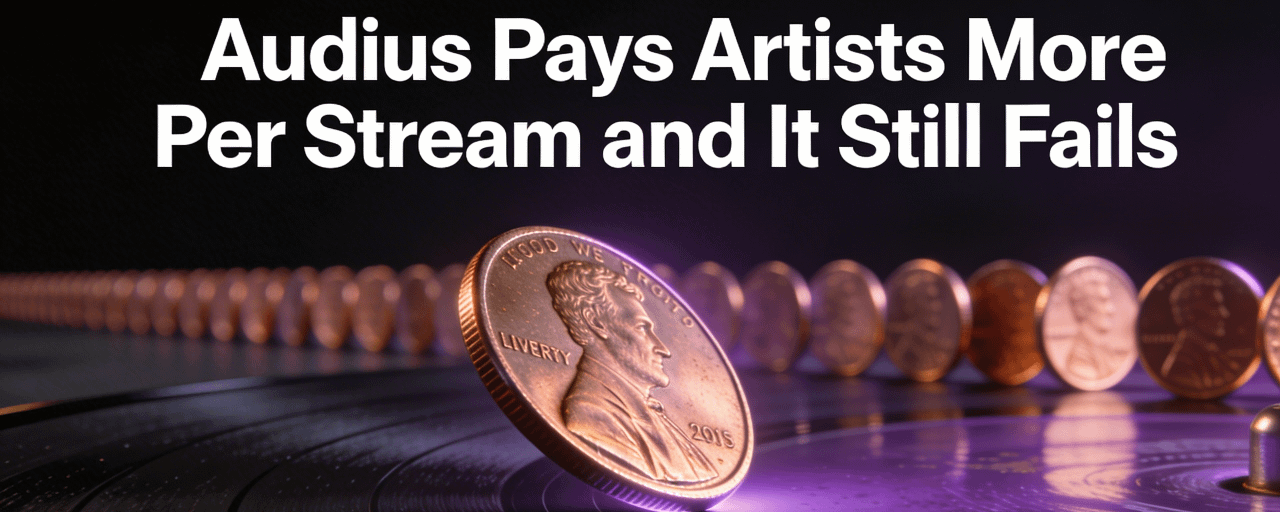
Audius Trả Lương Nghệ Sĩ Nhiều Hơn Mỗi Lần Phát và Vẫn Thất BạiSự thay đổi của $0.01 Stream của một Nhà sản xuất Phòng ngủ đã thay đổi mọi thứ
Một nghệ sĩ đã tải lên một EP ba bài hát lên nền tảng vào tháng Mười năm ngoái. Khi anh ấy nhìn vào thống kê phát trực tuyến của mình vào tháng sau, anh ấy đã bị choáng váng. Ba bài hát đó đã kiếm được nhiều hơn từ việc phát trực tuyến trên Audius trong một tháng so với những gì nhạc sĩ kiếm được từ Spotify trong hai năm. Chắc chắn, số tiền thực tế là rất nhỏ. Nhưng trên một thang đo tương đối, nó đã dạy cho anh ấy điều gì đó. Audius là một giao thức phát âm thanh công cộng, phi tập trung. Hãy nghĩ về nó như một Spotify blockchain. Hàng trăm nghệ sĩ đã tải lên âm nhạc của họ lên Audius miễn phí với những hạn chế tối thiểu.
Audius Trả Lương Nghệ Sĩ Nhiều Hơn Mỗi Lần Phát và Vẫn Thất Bại
Sự thay đổi của $0.01 Stream của một Nhà sản xuất Phòng ngủ đã thay đổi mọi thứ
Một nghệ sĩ đã tải lên một EP ba bài hát lên nền tảng vào tháng Mười năm ngoái. Khi anh ấy nhìn vào thống kê phát trực tuyến của mình vào tháng sau, anh ấy đã bị choáng váng. Ba bài hát đó đã kiếm được nhiều hơn từ việc phát trực tuyến trên Audius trong một tháng so với những gì nhạc sĩ kiếm được từ Spotify trong hai năm. Chắc chắn, số tiền thực tế là rất nhỏ. Nhưng trên một thang đo tương đối, nó đã dạy cho anh ấy điều gì đó. Audius là một giao thức phát âm thanh công cộng, phi tập trung. Hãy nghĩ về nó như một Spotify blockchain. Hàng trăm nghệ sĩ đã tải lên âm nhạc của họ lên Audius miễn phí với những hạn chế tối thiểu.
Một nghệ sĩ đã tải lên một EP ba bài hát lên nền tảng vào tháng Mười năm ngoái. Khi anh ấy nhìn vào thống kê phát trực tuyến của mình vào tháng sau, anh ấy đã bị choáng váng. Ba bài hát đó đã kiếm được nhiều hơn từ việc phát trực tuyến trên Audius trong một tháng so với những gì nhạc sĩ kiếm được từ Spotify trong hai năm. Chắc chắn, số tiền thực tế là rất nhỏ. Nhưng trên một thang đo tương đối, nó đã dạy cho anh ấy điều gì đó. Audius là một giao thức phát âm thanh công cộng, phi tập trung. Hãy nghĩ về nó như một Spotify blockchain. Hàng trăm nghệ sĩ đã tải lên âm nhạc của họ lên Audius miễn phí với những hạn chế tối thiểu.
1
234
Bài viết
Các giám đốc điều hành cũ của Sony đã xây dựng token được quản lý đầu tiên của Nhật BảnCác cựu binh Sony đã rời khỏi điện tử tiêu dùng để đến với Blockchain
Nó không nhận được nhiều sự chú ý vào năm 2021 khi token của công ty khởi nghiệp Nhật Bản Jasmy Corporation nhận được sự chấp thuận quy định từ Cơ quan Dịch vụ Tài chính Nhật Bản (FSA) để niêm yết trên các sàn giao dịch tiền điện tử trong nước của Nhật Bản. Năm năm sau đó, công ty có trụ sở tại Tokyo này, với dòng dõi là các giám đốc điều hành cũ của Sony, đã phát triển một nền tảng dữ liệu IoT chức năng một cách lặng lẽ, tạo ra các quan hệ đối tác doanh nghiệp và giữ vững bản sắc như một token tiền điện tử hợp pháp đầu tiên của Nhật Bản. Khi hầu hết mọi người nghe câu hỏi jasmy coin là gì, họ nghĩ đến việc đầu cơ giá cả trước tiên. Nhưng một câu trả lời sâu sắc hơn là token JasmyCoin đại diện cho một điều gì đó hiếm hơn trong tiền điện tử: một token được hỗ trợ bởi cơ sở hạ tầng vật lý thực tế để sở hữu dữ liệu. Điều này xảy ra trong một thế giới mà dự kiến sẽ có 75 tỷ thiết bị kết nối vào năm 2030.
Các giám đốc điều hành cũ của Sony đã xây dựng token được quản lý đầu tiên của Nhật Bản
Các cựu binh Sony đã rời khỏi điện tử tiêu dùng để đến với Blockchain
Nó không nhận được nhiều sự chú ý vào năm 2021 khi token của công ty khởi nghiệp Nhật Bản Jasmy Corporation nhận được sự chấp thuận quy định từ Cơ quan Dịch vụ Tài chính Nhật Bản (FSA) để niêm yết trên các sàn giao dịch tiền điện tử trong nước của Nhật Bản. Năm năm sau đó, công ty có trụ sở tại Tokyo này, với dòng dõi là các giám đốc điều hành cũ của Sony, đã phát triển một nền tảng dữ liệu IoT chức năng một cách lặng lẽ, tạo ra các quan hệ đối tác doanh nghiệp và giữ vững bản sắc như một token tiền điện tử hợp pháp đầu tiên của Nhật Bản. Khi hầu hết mọi người nghe câu hỏi jasmy coin là gì, họ nghĩ đến việc đầu cơ giá cả trước tiên. Nhưng một câu trả lời sâu sắc hơn là token JasmyCoin đại diện cho một điều gì đó hiếm hơn trong tiền điện tử: một token được hỗ trợ bởi cơ sở hạ tầng vật lý thực tế để sở hữu dữ liệu. Điều này xảy ra trong một thế giới mà dự kiến sẽ có 75 tỷ thiết bị kết nối vào năm 2030.
Nó không nhận được nhiều sự chú ý vào năm 2021 khi token của công ty khởi nghiệp Nhật Bản Jasmy Corporation nhận được sự chấp thuận quy định từ Cơ quan Dịch vụ Tài chính Nhật Bản (FSA) để niêm yết trên các sàn giao dịch tiền điện tử trong nước của Nhật Bản. Năm năm sau đó, công ty có trụ sở tại Tokyo này, với dòng dõi là các giám đốc điều hành cũ của Sony, đã phát triển một nền tảng dữ liệu IoT chức năng một cách lặng lẽ, tạo ra các quan hệ đối tác doanh nghiệp và giữ vững bản sắc như một token tiền điện tử hợp pháp đầu tiên của Nhật Bản. Khi hầu hết mọi người nghe câu hỏi jasmy coin là gì, họ nghĩ đến việc đầu cơ giá cả trước tiên. Nhưng một câu trả lời sâu sắc hơn là token JasmyCoin đại diện cho một điều gì đó hiếm hơn trong tiền điện tử: một token được hỗ trợ bởi cơ sở hạ tầng vật lý thực tế để sở hữu dữ liệu. Điều này xảy ra trong một thế giới mà dự kiến sẽ có 75 tỷ thiết bị kết nối vào năm 2030.
1
5
421
Bài viết
Dự đoán giá Velo: Tại sao các mô hình dựa trên biểu đồ đều saiTại sao mọi dự đoán giá Velo mà bạn đã đọc đều sai
Giao dịch ở mức $0.0037, Velo giảm 99.8% so với mức giá cao nhất mọi thời đại là $2.29. Hoạt động ở cấp độ giao thức đã thấy số giao dịch hàng ngày tăng 255.5% trong Q1 2025. Khi bạn thấy sự ngắt kết nối giữa sự phát triển trên chuỗi và giá token, điều đó thực sự làm nổi bật những gì sai lầm với các mô hình dự đoán giá Velo truyền thống. Hầu hết nếu không phải tất cả các mô hình được sử dụng để dự đoán giá VELO đều là các mô hình được thiết kế để định giá BTC hoặc ETH. Vẽ biểu đồ hành động giá lịch sử. Thêm vài đường trung bình động. Tính đến chu kỳ thống trị Bitcoin. Dự đoán tiến lên. Nghe có vẻ chủ quan như nó có thể xảy ra. Và vẫn, đó là những gì bạn kết thúc với: một danh sách khổng lồ các con số với một số khoảng tin cậy được thêm vào. Trong khi đó hoàn toàn bỏ qua các yếu tố giá trị thực mà bạn thường quan tâm với một token tiện ích đang tìm kiếm thị phần trong hệ sinh thái thanh toán Đông Nam Á như Velo.
Dự đoán giá Velo: Tại sao các mô hình dựa trên biểu đồ đều sai
Tại sao mọi dự đoán giá Velo mà bạn đã đọc đều sai
Giao dịch ở mức $0.0037, Velo giảm 99.8% so với mức giá cao nhất mọi thời đại là $2.29. Hoạt động ở cấp độ giao thức đã thấy số giao dịch hàng ngày tăng 255.5% trong Q1 2025. Khi bạn thấy sự ngắt kết nối giữa sự phát triển trên chuỗi và giá token, điều đó thực sự làm nổi bật những gì sai lầm với các mô hình dự đoán giá Velo truyền thống. Hầu hết nếu không phải tất cả các mô hình được sử dụng để dự đoán giá VELO đều là các mô hình được thiết kế để định giá BTC hoặc ETH. Vẽ biểu đồ hành động giá lịch sử. Thêm vài đường trung bình động. Tính đến chu kỳ thống trị Bitcoin. Dự đoán tiến lên. Nghe có vẻ chủ quan như nó có thể xảy ra. Và vẫn, đó là những gì bạn kết thúc với: một danh sách khổng lồ các con số với một số khoảng tin cậy được thêm vào. Trong khi đó hoàn toàn bỏ qua các yếu tố giá trị thực mà bạn thường quan tâm với một token tiện ích đang tìm kiếm thị phần trong hệ sinh thái thanh toán Đông Nam Á như Velo.
Giao dịch ở mức $0.0037, Velo giảm 99.8% so với mức giá cao nhất mọi thời đại là $2.29. Hoạt động ở cấp độ giao thức đã thấy số giao dịch hàng ngày tăng 255.5% trong Q1 2025. Khi bạn thấy sự ngắt kết nối giữa sự phát triển trên chuỗi và giá token, điều đó thực sự làm nổi bật những gì sai lầm với các mô hình dự đoán giá Velo truyền thống. Hầu hết nếu không phải tất cả các mô hình được sử dụng để dự đoán giá VELO đều là các mô hình được thiết kế để định giá BTC hoặc ETH. Vẽ biểu đồ hành động giá lịch sử. Thêm vài đường trung bình động. Tính đến chu kỳ thống trị Bitcoin. Dự đoán tiến lên. Nghe có vẻ chủ quan như nó có thể xảy ra. Và vẫn, đó là những gì bạn kết thúc với: một danh sách khổng lồ các con số với một số khoảng tin cậy được thêm vào. Trong khi đó hoàn toàn bỏ qua các yếu tố giá trị thực mà bạn thường quan tâm với một token tiện ích đang tìm kiếm thị phần trong hệ sinh thái thanh toán Đông Nam Á như Velo.
1
17
BORA Không Như Những Gì Bạn Nghĩ và Đó Thực Sự Là Điểm Chính
METABORA GAMES đã ra mắt một nền tảng tương tác với game thủ với nội dung chơi theo nhiệm vụ, các trò chơi mini có thể tải xuống, và các phần thưởng trong trò chơi vào ngày 31 tháng 3. Im lặng. Im lặng chết chóc. Sự không phản ứng đó nói lên rất nhiều về một trong những vấn đề thương hiệu cứng đầu nhất của tiền điện tử. Tìm kiếm "bora bora currency" trên Google và bạn sẽ tìm thấy giá resort thay vì blog của nhà phát triển.
BORA Không Như Những Gì Bạn Nghĩ và Đó Thực Sự Là Điểm Chính
METABORA GAMES đã ra mắt một nền tảng tương tác với game thủ với nội dung chơi theo nhiệm vụ, các trò chơi mini có thể tải xuống, và các phần thưởng trong trò chơi vào ngày 31 tháng 3. Im lặng. Im lặng chết chóc. Sự không phản ứng đó nói lên rất nhiều về một trong những vấn đề thương hiệu cứng đầu nhất của tiền điện tử. Tìm kiếm "bora bora currency" trên Google và bạn sẽ tìm thấy giá resort thay vì blog của nhà phát triển.
METABORA GAMES đã ra mắt một nền tảng tương tác với game thủ với nội dung chơi theo nhiệm vụ, các trò chơi mini có thể tải xuống, và các phần thưởng trong trò chơi vào ngày 31 tháng 3. Im lặng. Im lặng chết chóc. Sự không phản ứng đó nói lên rất nhiều về một trong những vấn đề thương hiệu cứng đầu nhất của tiền điện tử. Tìm kiếm "bora bora currency" trên Google và bạn sẽ tìm thấy giá resort thay vì blog của nhà phát triển.
1
92
Bài viết
Các sàn giao dịch DigiByte được xếp hạng theo tính thanh khoản và khả năng có sẵn thực tếNơi mua DigiByte vào năm 2026: $1.86M Khối lượng hàng ngày kể một câu chuyện đáng lo ngại
Vì vậy, DigiByte đang được giao dịch với khối lượng 24 giờ là $1.86M trên 173 sàn giao dịch. Đồng tiền điện tử có vốn hóa thị trường $72.62M này có tính thanh khoản khiêm tốn. Giao dịch hàng ngày trên sàn giao dịch có tính thanh khoản cao nhất (Binance, cặp DGB với USD) tổng cộng $127,071. Vì vậy, nếu bạn đang tìm một nơi để mua DigiByte hôm nay, danh sách các sàn giao dịch hỗ trợ nó không còn là câu hỏi lớn nhất của bạn. Câu hỏi lớn nhất của bạn bây giờ là sàn giao dịch nào có thể xử lý giao dịch của bạn mà không bị trượt giá 3%.
Các sàn giao dịch DigiByte được xếp hạng theo tính thanh khoản và khả năng có sẵn thực tế
Nơi mua DigiByte vào năm 2026: $1.86M Khối lượng hàng ngày kể một câu chuyện đáng lo ngại
Vì vậy, DigiByte đang được giao dịch với khối lượng 24 giờ là $1.86M trên 173 sàn giao dịch. Đồng tiền điện tử có vốn hóa thị trường $72.62M này có tính thanh khoản khiêm tốn. Giao dịch hàng ngày trên sàn giao dịch có tính thanh khoản cao nhất (Binance, cặp DGB với USD) tổng cộng $127,071. Vì vậy, nếu bạn đang tìm một nơi để mua DigiByte hôm nay, danh sách các sàn giao dịch hỗ trợ nó không còn là câu hỏi lớn nhất của bạn. Câu hỏi lớn nhất của bạn bây giờ là sàn giao dịch nào có thể xử lý giao dịch của bạn mà không bị trượt giá 3%.
Vì vậy, DigiByte đang được giao dịch với khối lượng 24 giờ là $1.86M trên 173 sàn giao dịch. Đồng tiền điện tử có vốn hóa thị trường $72.62M này có tính thanh khoản khiêm tốn. Giao dịch hàng ngày trên sàn giao dịch có tính thanh khoản cao nhất (Binance, cặp DGB với USD) tổng cộng $127,071. Vì vậy, nếu bạn đang tìm một nơi để mua DigiByte hôm nay, danh sách các sàn giao dịch hỗ trợ nó không còn là câu hỏi lớn nhất của bạn. Câu hỏi lớn nhất của bạn bây giờ là sàn giao dịch nào có thể xử lý giao dịch của bạn mà không bị trượt giá 3%.
3
166
Bài viết
Tích hợp Ví Aave đã mở ra một Thị Trường MớiSố người dùng Aave Wallet đã tăng gấp ba lần sau khi một sự tích hợp thay đổi toán học onboarding
Một điểm đau mà đã được hiểu rộng rãi trong nhiều năm qua đang gặp khó khăn để thay đổi: những người muốn các giao thức cho vay phi tập trung lại không sử dụng chúng. Giao thức cho vay DeFi lớn nhất theo tổng giá trị bị khóa (TVL), Aave, đã nỗ lực giải quyết vấn đề này trong phần lớn năm 2025 thông qua các tích hợp ví aave giúp người dùng sàn giao dịch dễ dàng vay trên chuỗi mà không cần rời khỏi bảng điều khiển của họ. Những kết quả ban đầu đang bắt đầu thay đổi ai sử dụng các giao thức cho vay DeFi và cách họ sử dụng chúng.
Tích hợp Ví Aave đã mở ra một Thị Trường Mới
Số người dùng Aave Wallet đã tăng gấp ba lần sau khi một sự tích hợp thay đổi toán học onboarding
Một điểm đau mà đã được hiểu rộng rãi trong nhiều năm qua đang gặp khó khăn để thay đổi: những người muốn các giao thức cho vay phi tập trung lại không sử dụng chúng. Giao thức cho vay DeFi lớn nhất theo tổng giá trị bị khóa (TVL), Aave, đã nỗ lực giải quyết vấn đề này trong phần lớn năm 2025 thông qua các tích hợp ví aave giúp người dùng sàn giao dịch dễ dàng vay trên chuỗi mà không cần rời khỏi bảng điều khiển của họ. Những kết quả ban đầu đang bắt đầu thay đổi ai sử dụng các giao thức cho vay DeFi và cách họ sử dụng chúng.
Một điểm đau mà đã được hiểu rộng rãi trong nhiều năm qua đang gặp khó khăn để thay đổi: những người muốn các giao thức cho vay phi tập trung lại không sử dụng chúng. Giao thức cho vay DeFi lớn nhất theo tổng giá trị bị khóa (TVL), Aave, đã nỗ lực giải quyết vấn đề này trong phần lớn năm 2025 thông qua các tích hợp ví aave giúp người dùng sàn giao dịch dễ dàng vay trên chuỗi mà không cần rời khỏi bảng điều khiển của họ. Những kết quả ban đầu đang bắt đầu thay đổi ai sử dụng các giao thức cho vay DeFi và cách họ sử dụng chúng.
1
141
Bài viết
Sahara AI Vừa Giải Quyết Vấn Đề Wrangler Mà Không Ai Thấy TrướcSahara AI: Khung Wrangler mà AI Phi Tập Trung Đang Thiếu
Có một bài thuyết trình bán hàng mà mọi dự án AI phi tập trung đều cố gắng sử dụng. "Dữ liệu mở." "Tính toán mở." "Mô hình mở." Điều họ chưa bao giờ thảo luận? Ai sẽ xử lý tất cả những rắc rối xảy ra ở giữa. Sahara AI, giao dịch ở mức $0.026 với vốn hóa thị trường 76 triệu đô la, đã âm thầm xây dựng cái mà họ mô tả là một "khung wrangler" cho các tác nhân tự động từ lâu trước khi điều đó trở nên phổ biến. Khung wrangler tự động hóa cách các tác nhân phát hiện, thanh toán và xác minh dữ liệu từ các nguồn khác nhau trên các mạng không cần tin cậy.
Sahara AI Vừa Giải Quyết Vấn Đề Wrangler Mà Không Ai Thấy Trước
Sahara AI: Khung Wrangler mà AI Phi Tập Trung Đang Thiếu
Có một bài thuyết trình bán hàng mà mọi dự án AI phi tập trung đều cố gắng sử dụng. "Dữ liệu mở." "Tính toán mở." "Mô hình mở." Điều họ chưa bao giờ thảo luận? Ai sẽ xử lý tất cả những rắc rối xảy ra ở giữa. Sahara AI, giao dịch ở mức $0.026 với vốn hóa thị trường 76 triệu đô la, đã âm thầm xây dựng cái mà họ mô tả là một "khung wrangler" cho các tác nhân tự động từ lâu trước khi điều đó trở nên phổ biến. Khung wrangler tự động hóa cách các tác nhân phát hiện, thanh toán và xác minh dữ liệu từ các nguồn khác nhau trên các mạng không cần tin cậy.
Có một bài thuyết trình bán hàng mà mọi dự án AI phi tập trung đều cố gắng sử dụng. "Dữ liệu mở." "Tính toán mở." "Mô hình mở." Điều họ chưa bao giờ thảo luận? Ai sẽ xử lý tất cả những rắc rối xảy ra ở giữa. Sahara AI, giao dịch ở mức $0.026 với vốn hóa thị trường 76 triệu đô la, đã âm thầm xây dựng cái mà họ mô tả là một "khung wrangler" cho các tác nhân tự động từ lâu trước khi điều đó trở nên phổ biến. Khung wrangler tự động hóa cách các tác nhân phát hiện, thanh toán và xác minh dữ liệu từ các nguồn khác nhau trên các mạng không cần tin cậy.
1
101
·
--
Tăng giá
Chỉ số Chấp nhận Crypto Toàn cầu 2026: Ấn Độ Dẫn Đầu trong khi Châu Phi Hạ Sahara Tăng Tốc
Ấn Độ đứng đầu trong Chỉ số Chấp nhận Crypto Toàn cầu hàng năm lần thứ sáu, trong khi Châu Phi Hạ Sahara ghi nhận kết quả mạnh nhất từ trước đến nay với bốn quốc gia trong top 20. Phương pháp mới kết hợp các mạng Layer 2 và trọng số Stablecoin lần đầu tiên.
Tìm thêm chi tiết trên trang web của chúng tôi.
Chỉ số Chấp nhận Crypto Toàn cầu 2026: Ấn Độ Dẫn Đầu trong khi Châu Phi Hạ Sahara Tăng Tốc
Ấn Độ đứng đầu trong Chỉ số Chấp nhận Crypto Toàn cầu hàng năm lần thứ sáu, trong khi Châu Phi Hạ Sahara ghi nhận kết quả mạnh nhất từ trước đến nay với bốn quốc gia trong top 20. Phương pháp mới kết hợp các mạng Layer 2 và trọng số Stablecoin lần đầu tiên.
Tìm thêm chi tiết trên trang web của chúng tôi.
Ấn Độ đứng đầu trong Chỉ số Chấp nhận Crypto Toàn cầu hàng năm lần thứ sáu, trong khi Châu Phi Hạ Sahara ghi nhận kết quả mạnh nhất từ trước đến nay với bốn quốc gia trong top 20. Phương pháp mới kết hợp các mạng Layer 2 và trọng số Stablecoin lần đầu tiên.
Tìm thêm chi tiết trên trang web của chúng tôi.
1
2
60
Đăng nhập để khám phá thêm nội dung
Tham gia cùng người dùng tiền mã hóa toàn cầu trên Binance Square
⚡️ Nhận thông tin mới nhất và hữu ích về tiền mã hóa.
💬 Được tin cậy bởi sàn giao dịch tiền mã hóa lớn nhất thế giới.
👍 Khám phá những thông tin chuyên sâu thực tế từ những nhà sáng tạo đã xác minh.
Email / Số điện thoại
Chủ đề thịnh hành
BinancePick
2.6M lượt xem
142,481 đang thảo luận
Tham gia #MùaBáoCáoKếtQuảKinhDoanh: Dự đoán kết quả kinh doanh trên Binance Pick, chia sẻ quan điểm trên Binance Square!
Binance Square Official
·402 lượt thích
·338.7k lượt xem
EarningsSeason
5M lượt xem
24,468 đang thảo luận
TheoDõiFOMC
291,826 lượt xem
1,220 đang thảo luận