
Investors should keep informed and consult with legal and financial experts to understand their options and possible risks because receiving a Wells notice can have major consequences for them.
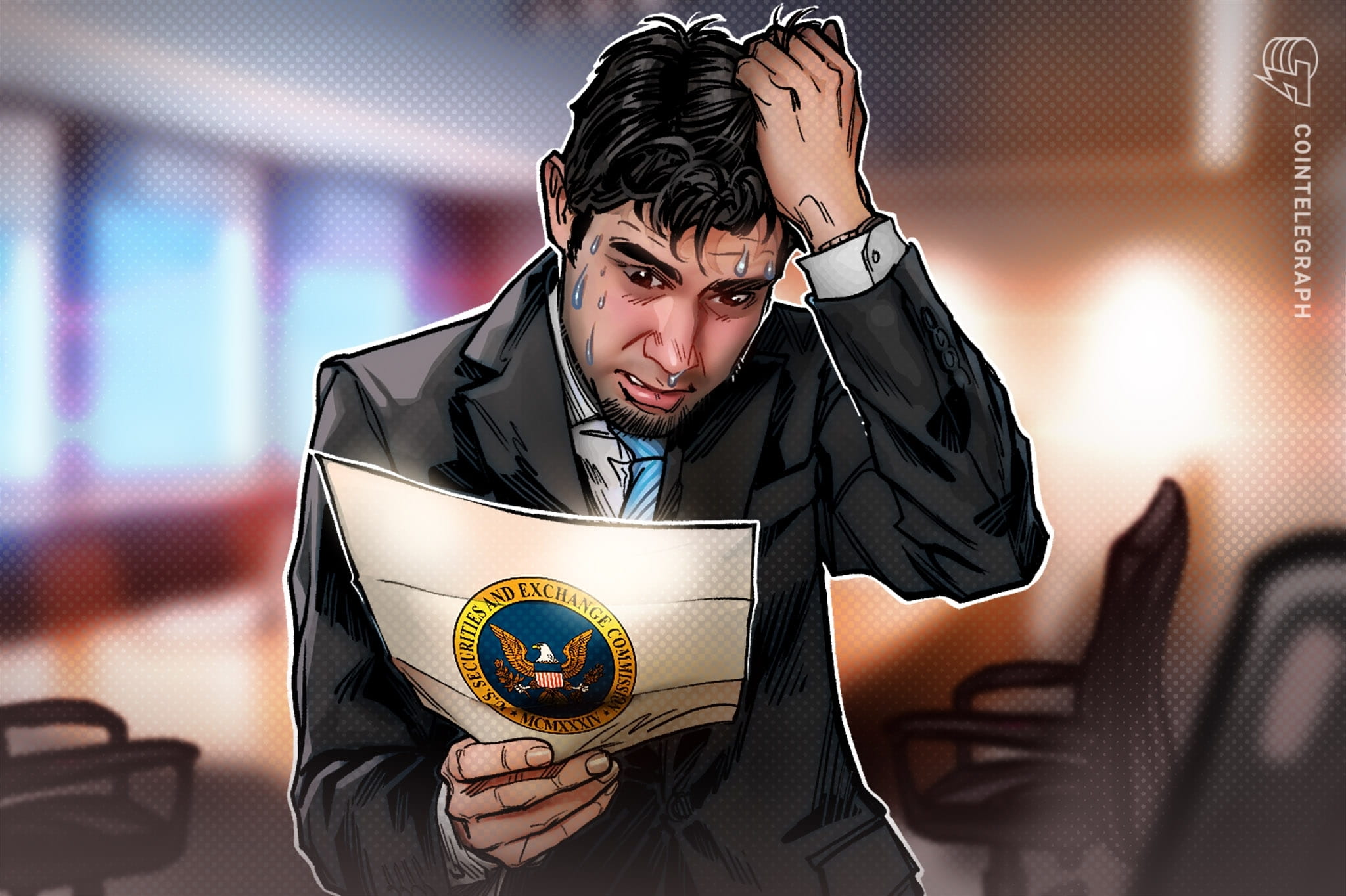
A Wells notice is a formal notification from the Securities and Exchange Commission (SEC) that it is considering bringing enforcement action against an individual or entity. A Wells notice normally indicates that the SEC has completed an investigation and has discovered evidence of possible violations of the securities laws. But why is it called a Wells notice?
A Wells notice is named after John Wells, who was the SEC's general counsel from 1972 to 1976. Wells played a key role in creating the processes the SEC employs to launch enforcement actions against financial misconduct by people and businesses. The SEC adopted these procedures in 1972, giving them the names "Wells procedures" and "Wells notices."
So how serious is a Wells notice? Getting a Wells notice can worry investors because it implies that the business or person they invested in can be subject to legal action. A Wells notice, however, should be understood as an opportunity for the recipient to address the charges and make a case before the SEC decides whether to take enforcement action rather than as a final verdict of guilt or violation.
A Wells notice may impact investors in many ways — the price of the company’s stock or other securities may drop after receiving a Wells notification. Also, it can cause investors to become uncertain and concerned, which would impair their willingness to invest in the business or the overall market.
In rare circumstances, the resolution of a Wells notice may lead to fines, penalties or other sanctions being imposed against the involved company or person. These outcomes could significantly affect the company’s financial situation and future prospects, depending on the seriousness of the claimed infractions.