We often discuss decentralized networks as alternatives to traditional centralized infrastructure.
But decentralization doesn't magically eliminate operating costs.
Someone still provides bandwidth, computing resources, storage, software development, and maintenance.
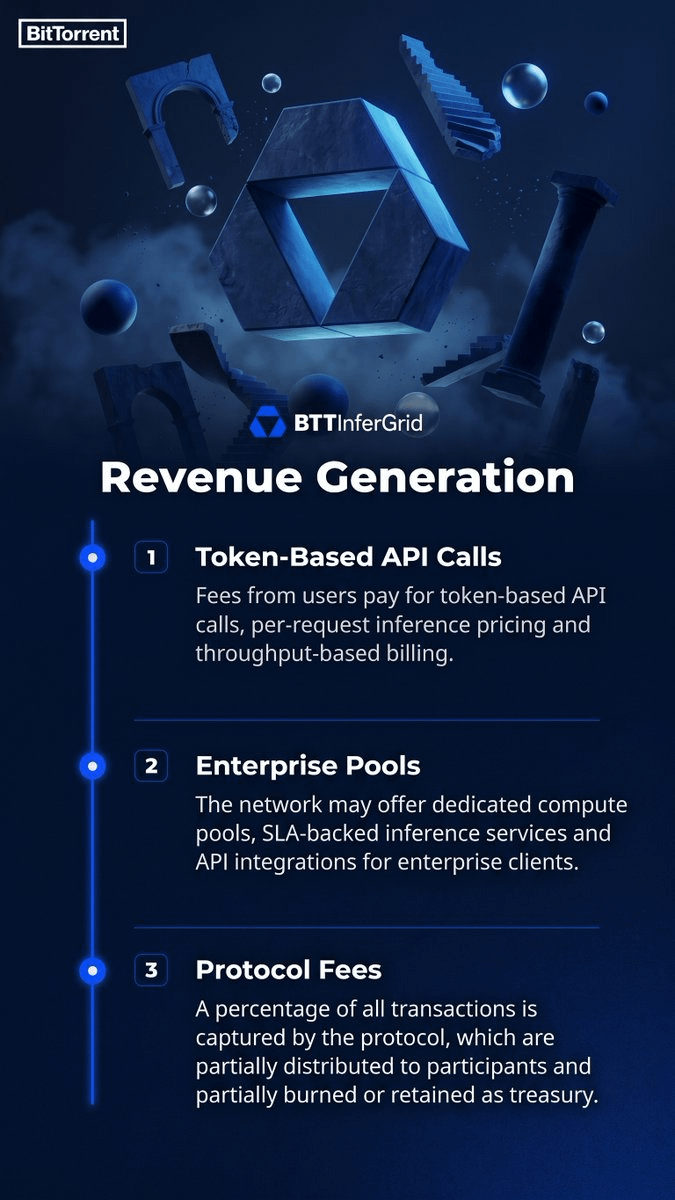
BitTorrent's recent reference to keeping the network running without passing around a tip jar raises an interesting economic question.
How can distributed infrastructure encourage continued participation without depending entirely on voluntary financial contributions?
The announcement also invites developers to join the BitTorrent community, creating an opportunity to explore these questions from a technical perspective.
𝗦𝘁𝗮𝗿𝘁𝗲𝗱 🔍
There are three general principles I would examine:
✅ Resource providers need sufficient reasons to continue contributing bandwidth, computing capacity, or other useful resources.
✅ Network incentives should encourage behavior that improves the service rather than merely maximizing reward collection.
✅ Long-term operating costs must be considered when designing any sustainable infrastructure model.
𝗪𝗵𝘆 𝗕𝗶𝘁𝗧𝗼𝗿𝗿𝗲𝗻𝘁 𝗠𝗮𝘁𝘁𝗲𝗿𝘀
Peer-to-peer infrastructure provides a practical environment for exploring these challenges.
𝗥𝗲𝘀𝗼𝘂𝗿𝗰𝗲 𝘀𝗵𝗮𝗿𝗶𝗻𝗴: Participating devices can distribute workloads across a network.
𝗘𝗰𝗼𝗻𝗼𝗺𝗶𝗰 𝗶𝗻𝗰𝗲𝗻𝘁𝗶𝘃𝗲𝘀: Carefully designed rewards can potentially encourage useful contributions.
𝗗𝗲𝘃𝗲𝗹𝗼𝗽𝗲𝗿 𝗶𝗻𝗽𝘂𝘁: Technical communities can help identify implementation challenges and improve infrastructure design.
𝗦𝘂𝘀𝘁𝗮𝗶𝗻𝗮𝗯𝗶𝗹𝗶𝘁𝘆: A network needs mechanisms that support continued operation beyond temporary enthusiasm.
Imagine a distributed service where everyone wants to download information but nobody wants to contribute resources.
Even with sophisticated software, the system would eventually encounter limitations in availability and performance.
That illustrates why technical architecture and participant behavior must be considered together.
The original announcement doesn't specify the precise funding or reward mechanism, so these are broader design considerations rather than claims about a particular BitTorrent implementation.
𝗙𝗶𝗻𝗮𝗹 𝗜𝗻𝘀𝗶𝗴𝗵𝘁 💡
For me, sustainable decentralization is ultimately about aligning individual participation with collective usefulness.
A network should provide meaningful benefits to users while creating reasonable conditions for those contributing resources.
Blockchain-based incentives may help address parts of that challenge, but incentives alone cannot replace sound engineering or genuine demand.
BitTorrent's invitation to developers is particularly relevant here.
The next generation of distributed infrastructure needs people who understand both technical systems and the economic behavior of their participants.
@justinsuntron @BitTorrent_Official #TRONEcoStar