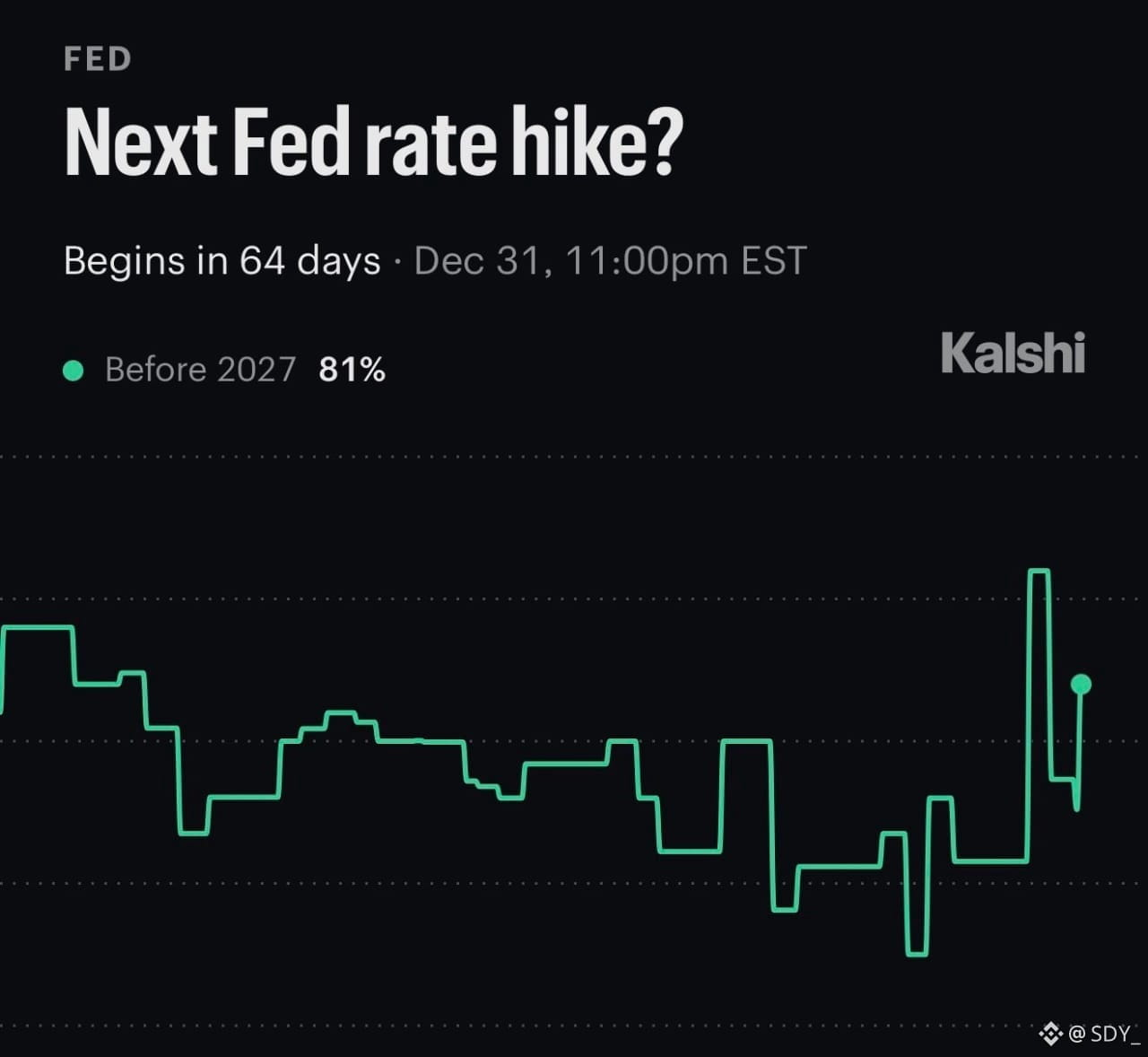
How Federal Reserve Interest Rates Influence Financial Markets
The Federal Reserve's interest-rate decisions affect borrowing costs, investment decisions, the U.S. dollar, Treasury yields and financial markets.
→ Interest rates: Higher rates generally increase borrowing costs and can slow economic activity.
→ U.S. dollar: Higher expected returns on dollar-denominated assets can strengthen the dollar although market expectations and global conditions also matter.
→ Treasury yields: Yields respond to expectations about future interest rates, inflation and economic growth.
→ Gold: Rising interest rates can increase the opportunity cost of holding gold which pays no interest. However gold also responds to inflation expectations the dollar and safe-haven demand.
→ Stocks and crypto: Higher rates can pressure asset valuations by increasing financing costs and reducing the relative appeal of riskier investments.
Markets react not only to what the Fed decides but also to how that decision compares with expectations.
A rate hold can trigger a sell-off if investors expected a more accommodative outlook.
Conversely a rate increase may produce a positive reaction if it is less aggressive than anticipated.
Understand the decision compare it with market expectations and examine the economic data before drawing conclusions.
This is educational analysis not financial advice.
$BTC $STXB
#EarningsSeason