



ADA offers research-driven development, staking, and structured blockchain upgrades.
SUI focuses on fast transactions, scalability, and real-time Web3 applications.
RAY powers decentralized trading and liquidity across the Solana ecosystem.
Choosing a first crypto investment can feel difficult with thousands of coins available today. New investors often need projects with clear use cases and active development. Cardano, Sui, and Raydium offer three different ways to enter crypto markets. ADA focuses on research-driven blockchain development and staking. SUI targets scalable applications, while RAY powers trading on Solana. Each project also introduces beginners to a different part of the wider Web3 ecosystem.
Cardano (ADA)
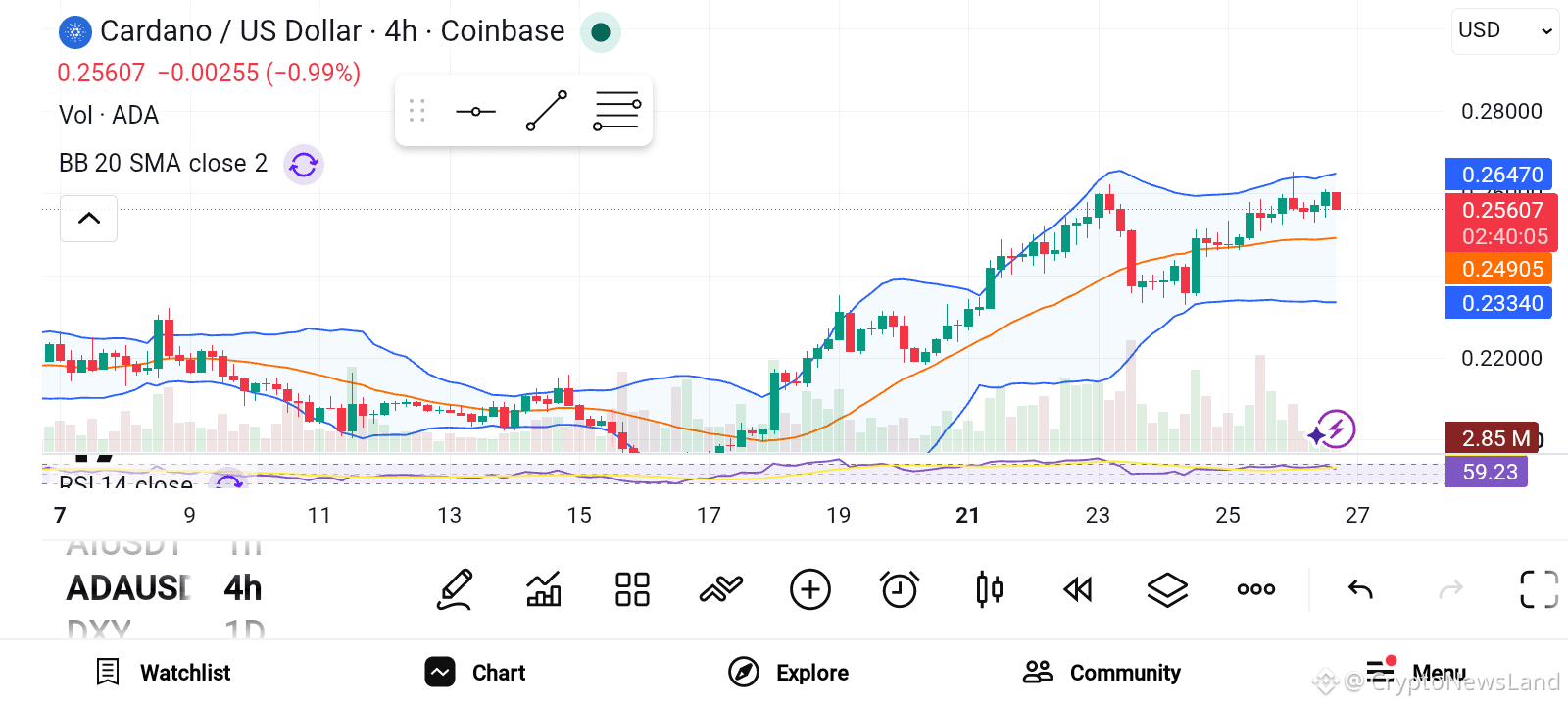 Source: Trading View
Cardano stands out through a research-focused approach to blockchain development. The network has followed several major development stages since launching. These stages include Byron, Shelley, Goguen, Basho, and Voltaire. Each phase targets specific improvements across the Cardano ecosystem. Cardano uses Ouroboros, a proof-of-stake consensus mechanism. This approach reduces energy use compared with traditional proof-of-work networks. New users can also participate through wallet-based ADA staking. Staking allows holders to support network operations while potentially earning rewards. Cardano also focuses heavily on practical blockchain applications and long-term development. The structured roadmap can help beginners understand how the network continues to evolve.
Sui Network (SUI)
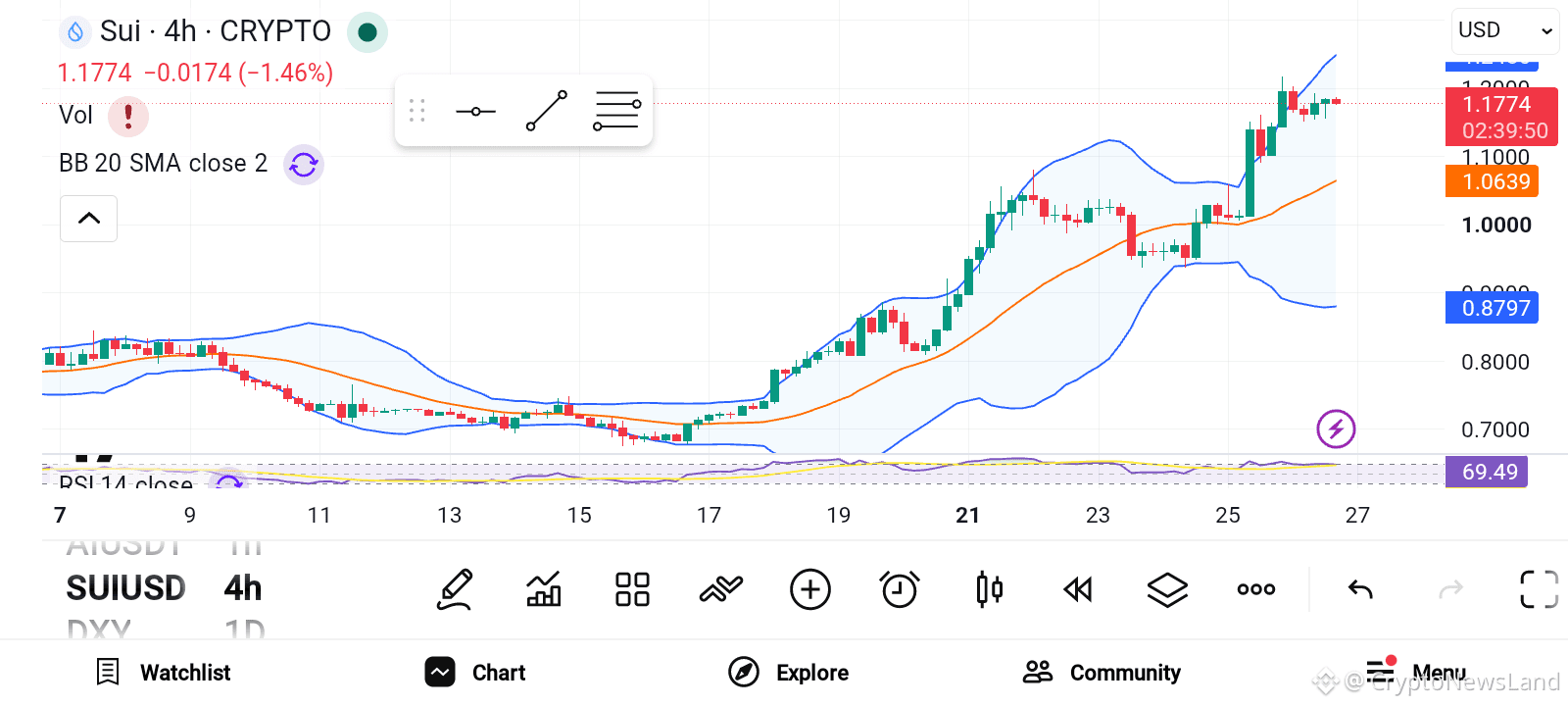 Source: Trading View
Sui Network takes a different approach with a strong focus on performance. Former Meta engineers created the Layer-1 blockchain for high-demand applications. These applications include gaming, NFTs, social platforms, and decentralized finance. Sui uses parallel transaction processing to handle multiple transactions efficiently. The network also uses object-based data storage within the blockchain architecture. These features aim to deliver fast transactions and low latency for users. Sui has also expanded through integrations with Axelar and Wormhole. Such connections help Sui interact with other blockchain networks and ecosystems. For new investors, SUI provides exposure to blockchain scalability and cross-chain growth. The network targets applications that could attract large numbers of Web3 users.
Raydium (RAY)
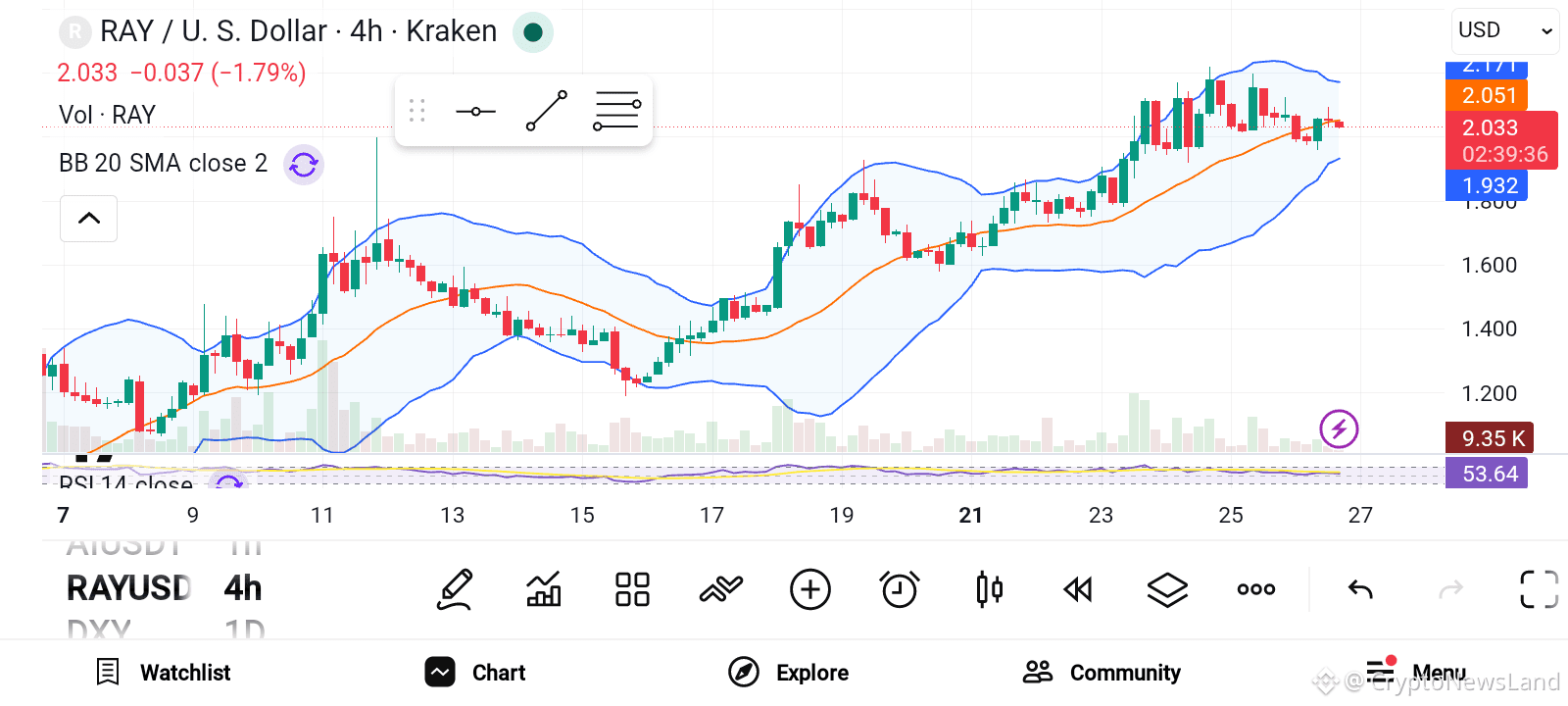 Source: Trading View
Raydium gives beginners another route into the crypto market through decentralized trading. The platform operates as a major decentralized exchange within the Solana ecosystem. Raydium combines automated market maker technology with order book functionality. This structure helps support trading and liquidity across various Solana-based tokens. Users can trade without traditional centralized exchange requirements such as account verification. The platform also benefits from Solana's fast transactions and low network costs. Raydium recently partnered with Pumpkin to support token launches through CLMM pools. Concentrated liquidity market maker pools can improve capital efficiency for liquidity providers. RAY therefore provides exposure to decentralized exchanges and Solana's growing DeFi ecosystem.
Cardano offers structured development, staking, and research-driven blockchain technology. Sui focuses on speed, scalability, and applications serving growing Web3 demand. Raydium provides decentralized trading and liquidity through the Solana network. Together, ADA, SUI, and RAY represent three distinct paths into crypto.