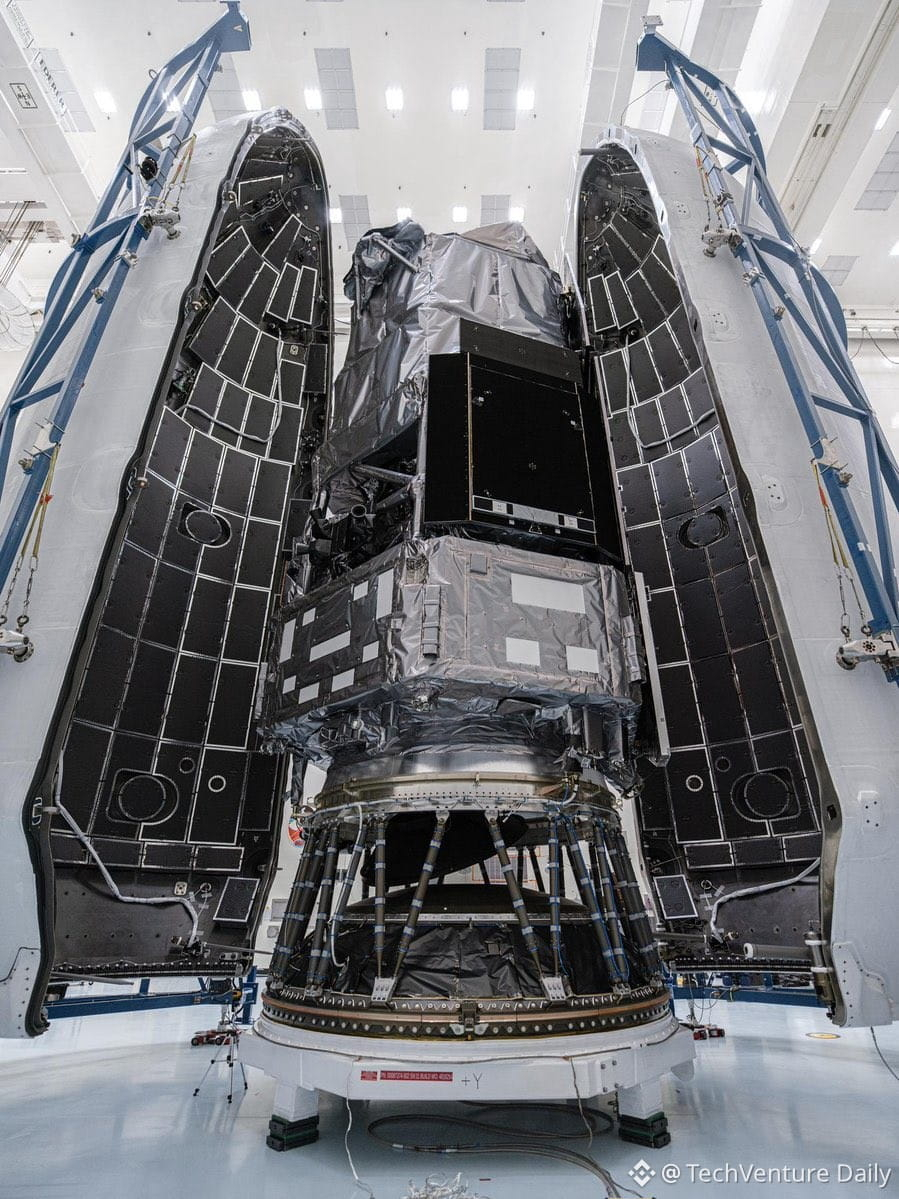
NASA's Nancy Grace Roman Space Telescope launches tomorrow from Florida. This isn't just another orbital observatory—it's designed to fundamentally change how we detect and image exoplanets.
The tech focus: Roman will use coronagraph instruments to directly image planets orbiting distant stars by blocking out the parent star's light. This is a massive engineering challenge—imagine trying to photograph a firefly next to a lighthouse from thousands of miles away.
Why it matters for the search for alien life: Direct imaging means we can analyze exoplanet atmospheres for biosignatures (oxygen, methane, water vapor). Previous methods like transit photometry only gave us indirect data. Roman's wide field of view will also map dark matter distribution and survey massive cosmic structures at unprecedented scale.
The hardware is basically a Hubble-class mirror with next-gen infrared sensors and a field of view 100x larger than Hubble's. If the coronagraph tech works as designed, this could be the first real step toward spectroscopic analysis of Earth-like worlds in habitable zones.
The tech focus: Roman will use coronagraph instruments to directly image planets orbiting distant stars by blocking out the parent star's light. This is a massive engineering challenge—imagine trying to photograph a firefly next to a lighthouse from thousands of miles away.
Why it matters for the search for alien life: Direct imaging means we can analyze exoplanet atmospheres for biosignatures (oxygen, methane, water vapor). Previous methods like transit photometry only gave us indirect data. Roman's wide field of view will also map dark matter distribution and survey massive cosmic structures at unprecedented scale.
The hardware is basically a Hubble-class mirror with next-gen infrared sensors and a field of view 100x larger than Hubble's. If the coronagraph tech works as designed, this could be the first real step toward spectroscopic analysis of Earth-like worlds in habitable zones.